David Walliams Named as Celebrity Who Reportedly Threatened Suicide Over Misconduct Allegations

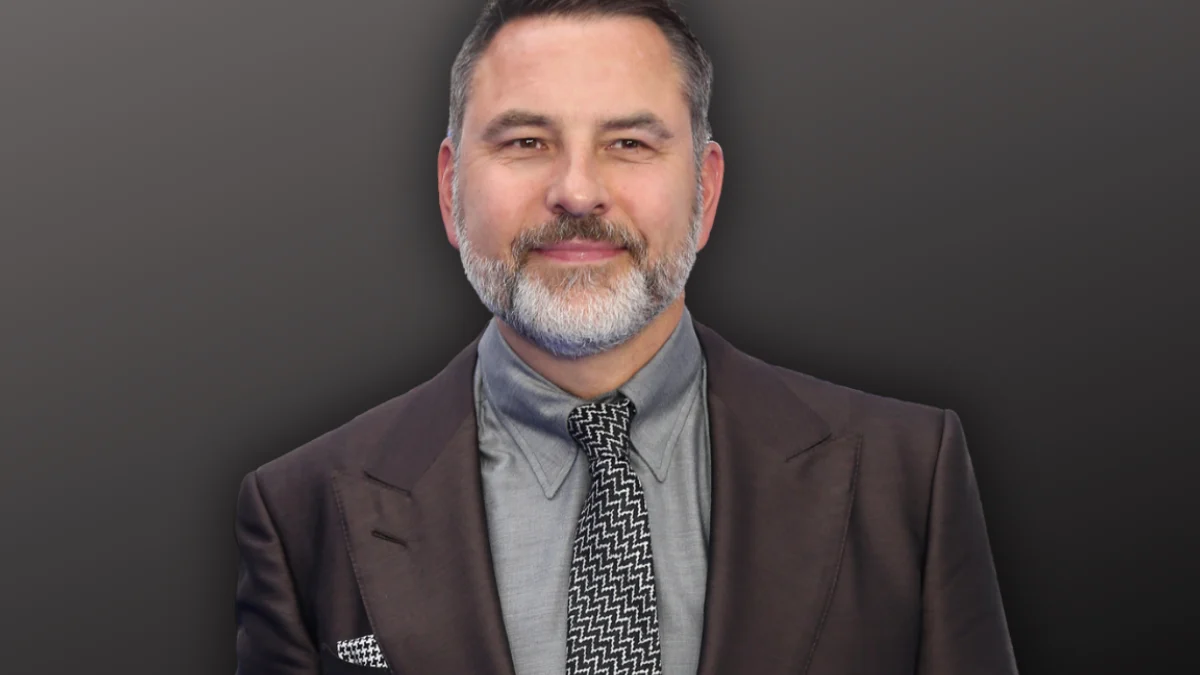
David Walliams has spent years as one of Britain’s best-known entertainers, working as a comedian, TV personality and best-selling children’s author. He created ‘Little Britain’ and spent 10 years as a judge on ‘Britain’s Got Talent’. He has sold about 60 million books worldwide, which made him one of the UK’s most successful children’s writers.
For weeks, a separate legal fight had played out in London’s High Court under a veil of anonymity. A famous man, identified in court documents only as “PPT”, sued ITN and Guardian News and Media to stop them from publishing the results of a long-running investigation into him. ITN journalists began looking into the claims in 2022, and the outlets had been working on the investigation together since April 2023.
That anonymity has now ended. ‘PPT’, as the celebrity was named in court proceedings, has been identified as the comedian and author David Walliams. The Guardian and ITV News published their joint investigation on Tuesday, after the deadline for Walliams to appeal the ruling had passed.
The investigation accuses the 55-year-old of using his celebrity status to target teenagers and young women for sexual purposes. Two of the women who spoke to reporters said they first met him when they were 15. Walliams denies all of the allegations, and in a letter to the journalists behind the investigation, he rejected the claim that he is a predator.
A joint three-year investigation by ITV News and the Guardian reveals allegations David Walliams preyed on teenage girls as young as 15 Walliams denies all allegations including criminal activity Read and watch the full investigation here: https://t.co/Hh4zwec4h9 https://t.co/gbdezDub94
— ITV News (@itvnews) November 10, 2026
Most injunction battles focus on privacy or reputation, but this one centred on Walliams’s safety. His lawyers argued that publishing the allegations would put his life at continued risk, given his mental health. The court heard that his mental health had worsened after the outlets contacted him for comment in May.
Mr Justice Nicklin dismissed the claim at the start of November after a 2-day trial. In his judgment, the judge said blocking publication would be an “exceptionally serious interference” with freedom of expression. He accepted that the risk to the claimant was real, but found that it could be managed through treatment and that responsibility for his safety lay with the mental health services caring for him.
The judge also made clear that he was not ruling on whether any of the allegations are true. ITN and Guardian News and Media had argued there was a strong public interest in reporting their findings, which they said came from a wide-ranging and rigorous investigation. They also argued that blocking publication could leave other women unaware of the claims.
The reaction began almost as soon as his name was made public. Walliams has been suspended from the Labour Party, and Downing Street called the allegations “deeply troubling”. Reports also say his literary agents have dropped him.
A government minister has also said she is concerned about his attempt to use an injunction to stop the reporting. Expect more debate about how the courts handle cases that weigh the press’s right to report against risks to a person’s health.
Walliams has dealt with controversy in recent years. He left ‘Britain’s Got Talent’ after off-camera remarks he made about contestants were leaked to The Guardian, and he apologised for them at the time. He later took legal action against the show’s producers over data protection.
HarperCollins UK also announced earlier that it would not publish any new titles by Walliams. His representatives said at the time that he strongly denied behaving inappropriately and was taking legal advice.
The new allegations have not been tested in court, and Walliams continues to deny them. This article mentions suicide and self-harm, so readers affected by these topics are encouraged to reach out to local support services.
How do you think UK courts should balance press freedom against personal safety in cases like the David Walliams investigation?
Have something to add? Let us know in the comments!