


A-List Actresses Who Don’t Support Gender Quotas

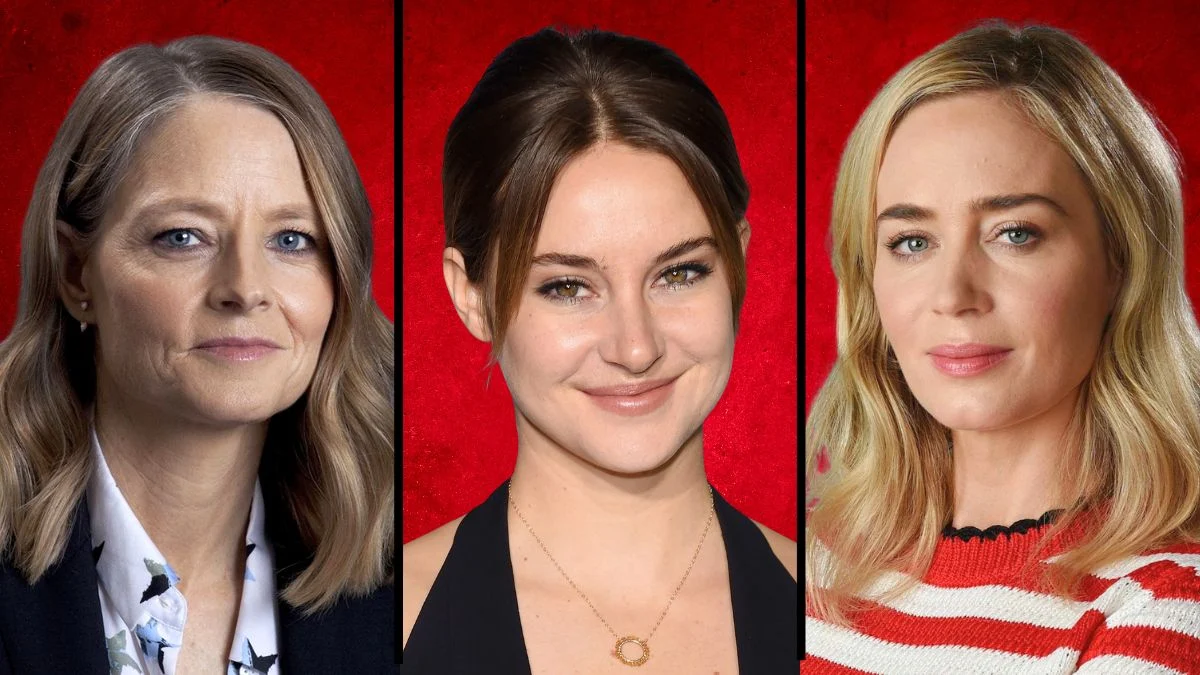


The conversation around gender equality in Hollywood often centers on mandates and inclusion riders, but not every leading lady agrees with these methods. Some prominent actresses believe that forced diversity and quotas can undermine the meritocracy of the film industry. These stars often argue that art should be judged solely on quality rather than the demographic checklist of its creators. Others reject specific labels like “feminist” or “strong female lead” because they feel such terms create artificial categories that limit artistic expression. This list explores the women who have voiced skepticism about enforced quotas or the modern approach to diversity in cinema.
Juliette Binoche
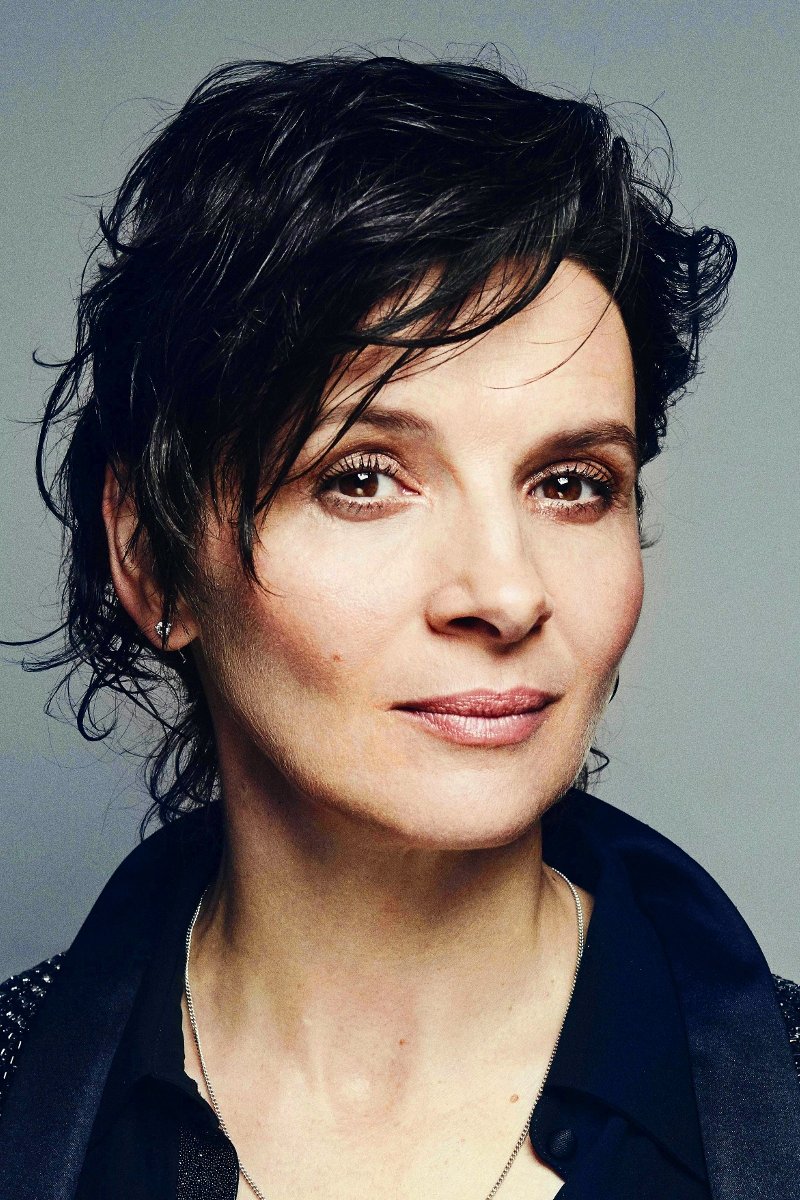
This revered French actress has been vocal about her skepticism regarding gender quotas in film festivals. Binoche famously argued that selecting films based on the director’s gender rather than the quality of the work is a mistake. She believes that true equality comes from organic artistic expression rather than administrative mandates. Her stance highlights a desire for women to be recognized for their talent without the shadow of tokenism.
Catherine Deneuve

A legend of European cinema, Catherine Deneuve has consistently opposed what she views as American-style puritanism and forced social corrections. She signed a controversial open letter that criticized the #MeToo movement for going too far and threatening sexual freedom. Deneuve argues that art must remain free from political policing and rigid moral checklists. Her views often prioritize the freedom of the artist over collective social engineering.
Charlotte Rampling
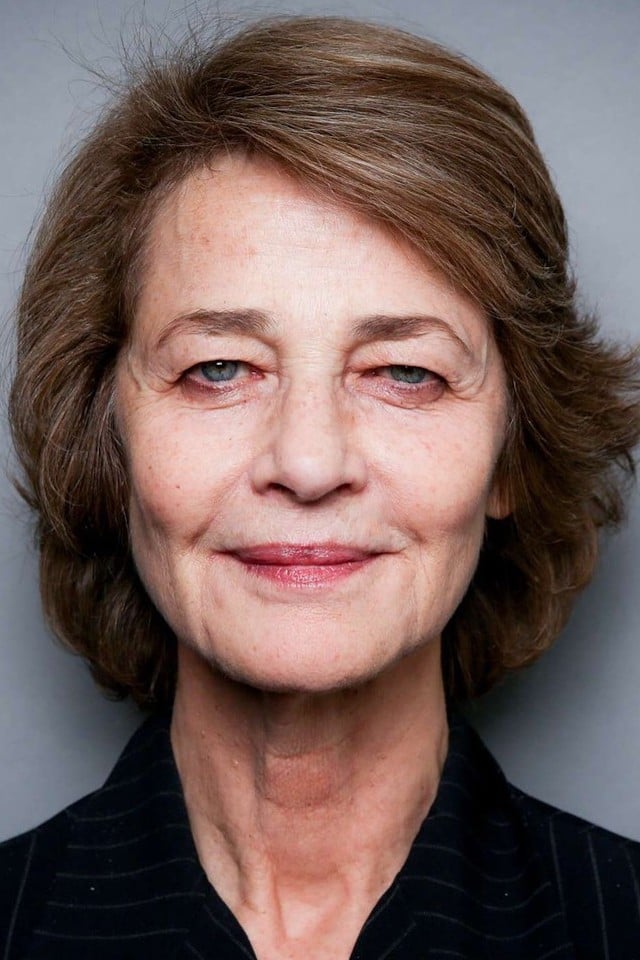
Charlotte Rampling sparked significant controversy during the #OscarsSoWhite debate when she suggested the boycott was racist toward white actors. She argued that the focus should remain strictly on the performances rather than the racial or gender makeup of the nominees. Rampling has long maintained that meritocracy is the only valid system for awarding artistic achievement. Her comments reflect a belief that quotas create unfairness rather than solving it.
Michelle Rodriguez
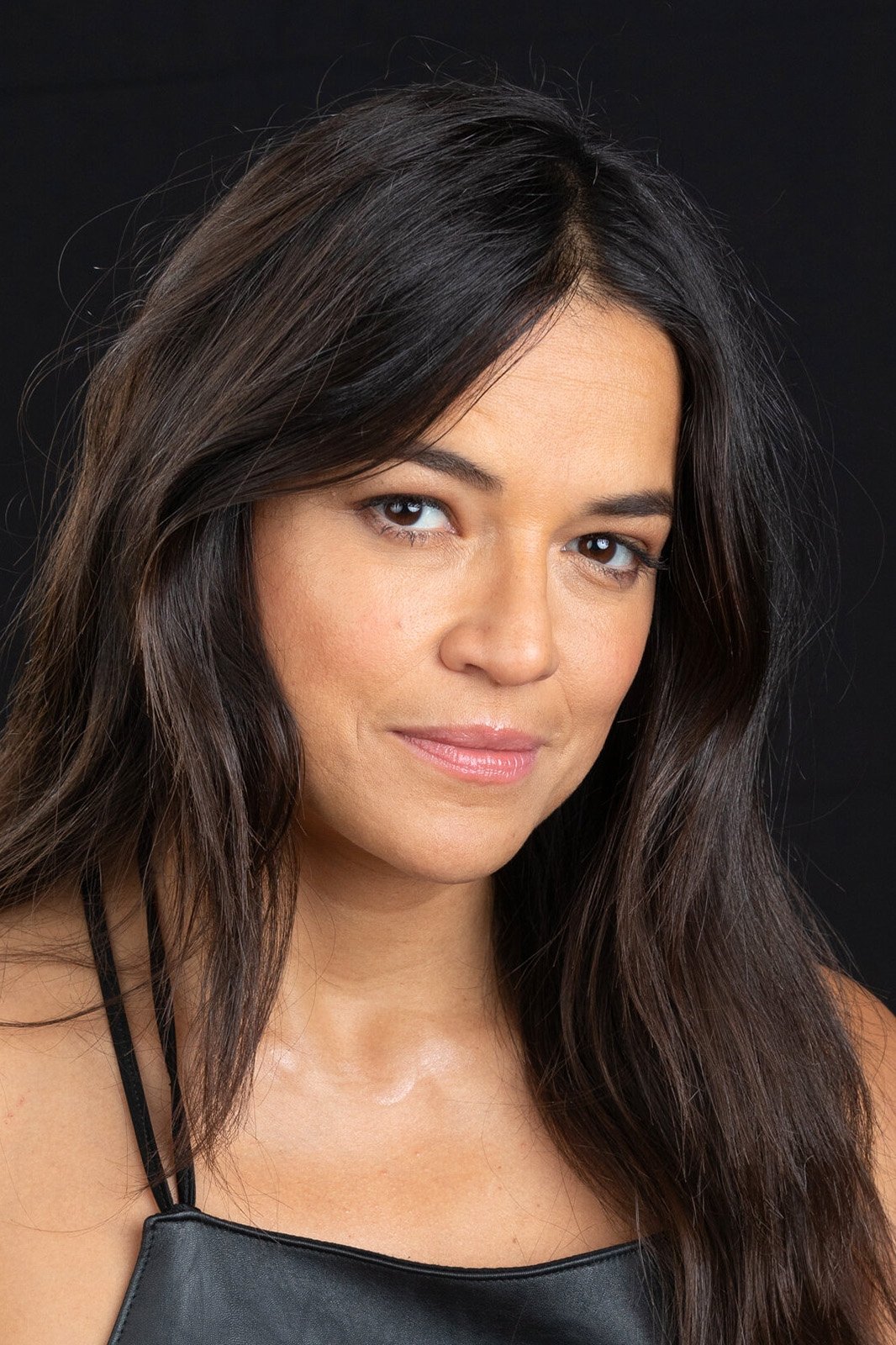
Michelle Rodriguez criticized the trend of “race-swapping” or gender-swapping established characters to meet diversity goals. She famously stated that minorities should create their own mythologies rather than “stealing” white superheroes. Rodriguez believes this form of forced inclusion is lazy and does not truly serve the communities it claims to help. She advocates for original storytelling over retrofitting existing properties to fill a quota.
Goldie Hawn
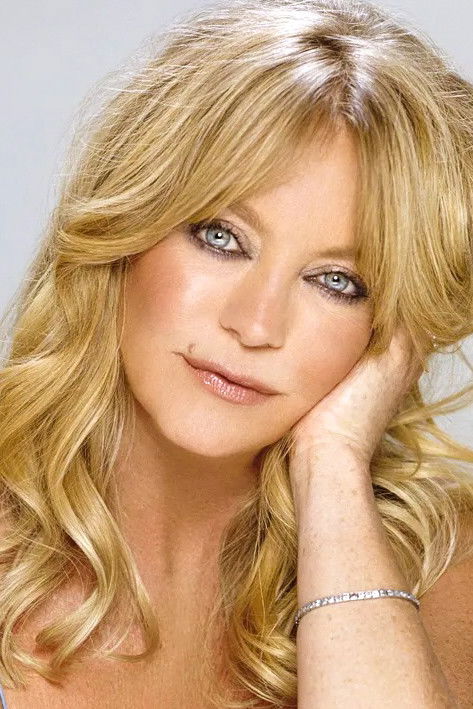
Goldie Hawn has expressed discomfort with the heavy reliance on labels and categorization in modern society. She describes herself as a humanist rather than a feminist because she believes defining people by their gender limits their humanity. Hawn argues that focusing too heavily on gender divisions creates more separation rather than unity. Her perspective favors a world where individuals are judged by their character and talent alone.
Shailene Woodley
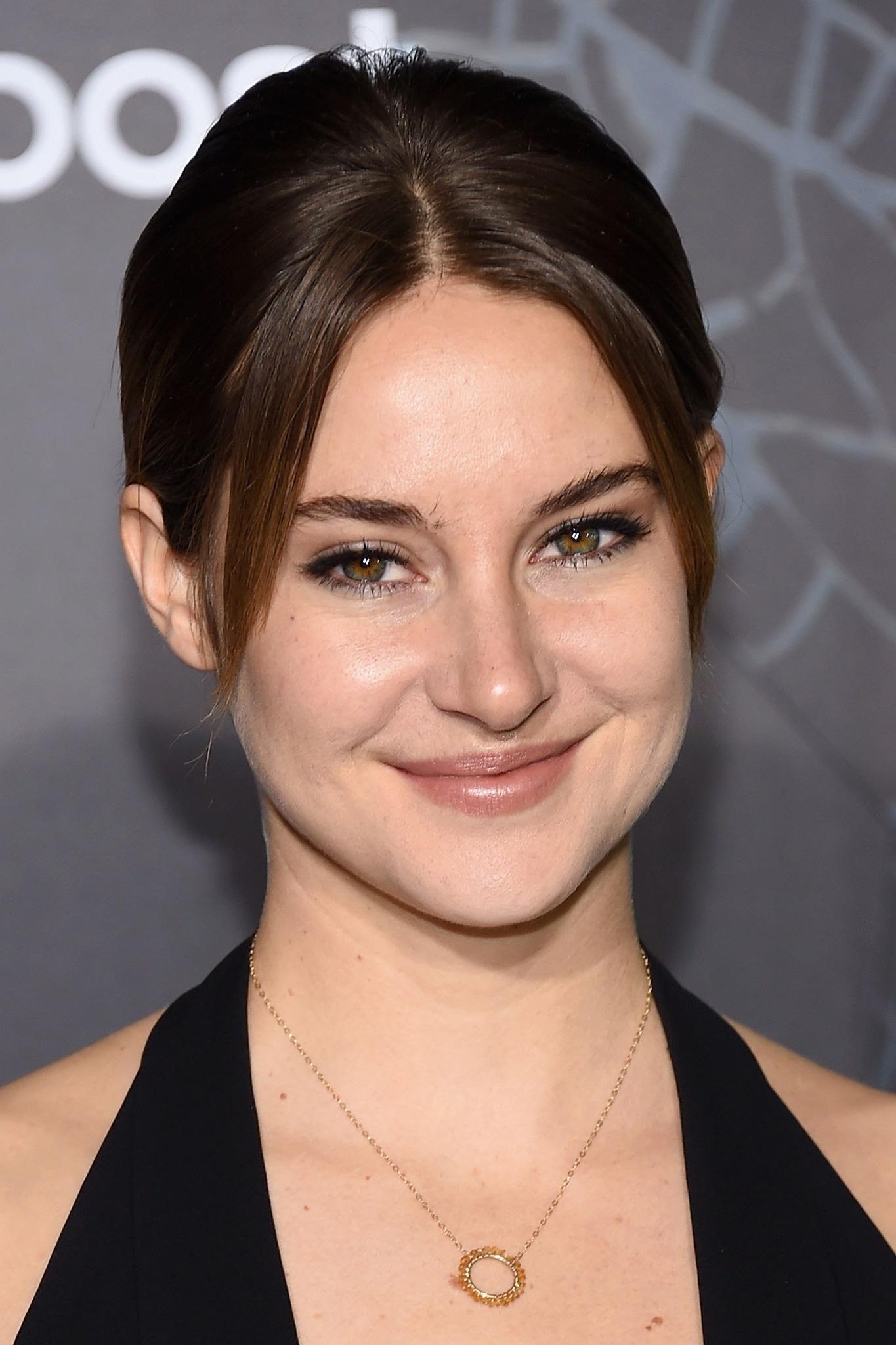
Shailene Woodley has stated she does not identify as a feminist because she loves men and does not want to create a divide. She believes that labels can be divisive and that true equality implies a balance between masculine and feminine energies without mandates. Woodley prefers to focus on sisterhood and human connection rather than political movements that demand specific quotas. Her approach to equality is personal and spiritual rather than structural.
Marion Cotillard
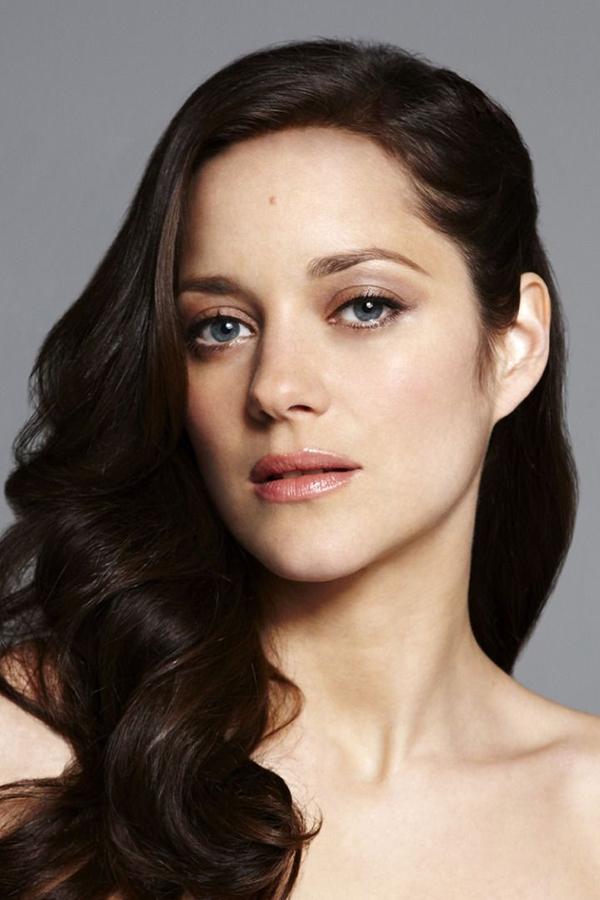
Marion Cotillard has previously stated that she does not identify as a feminist and believes filmmaking is not about gender. She argues that discussions about gender parity can sometimes overshadow the actual art and creativity of cinema. Cotillard prefers to focus on the universality of emotions and stories rather than the gender of the people telling them. She fears that quotas could segregate artists rather than bring them together.
Emily Blunt
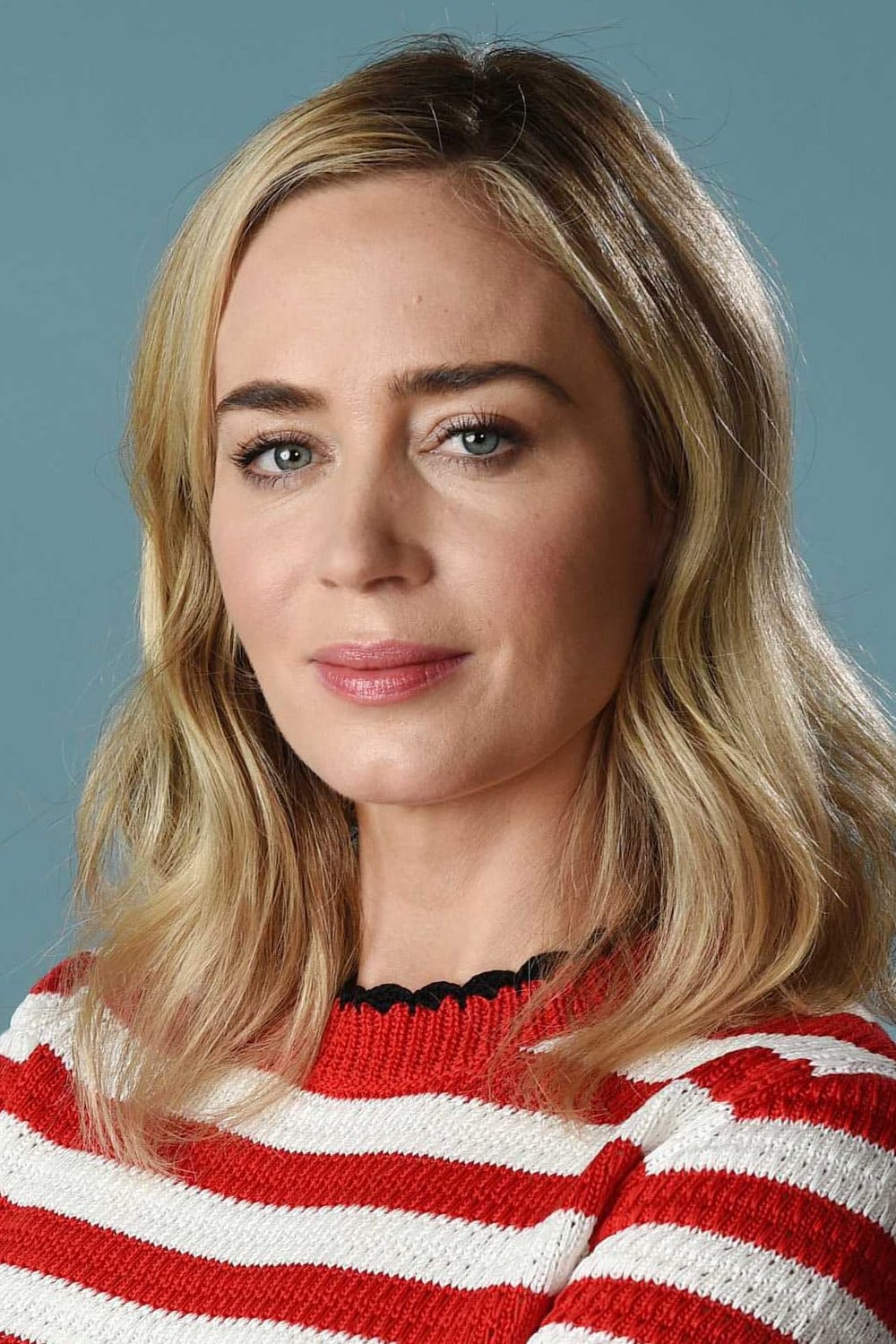
Emily Blunt has openly criticized the “Strong Female Lead” label often used to market films to modern audiences. She finds the term reductionist and argues that it forces actresses into boring and stoic roles that lack emotional depth. Blunt believes that true representation involves playing flawed and complex human beings rather than idealized symbols of empowerment. Her stance opposes the “checklist” approach to writing female characters.
Sarah Jessica Parker
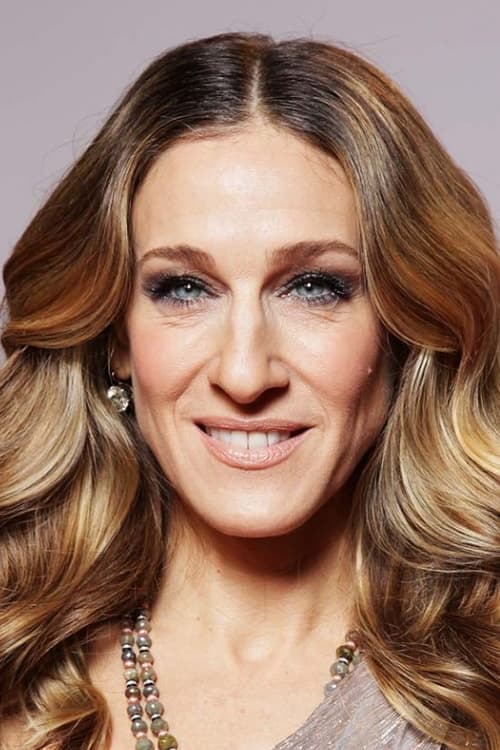
Sarah Jessica Parker has identified as a humanist rather than a feminist in past interviews. She believes the conversation should focus on equality for all people rather than focusing exclusively on women’s issues. Parker worries that excessive focus on gender categorization can alienate potential allies in the fight for equality. She prefers a broader approach to human rights that does not rely on gender-specific mandates.
Jodie Foster
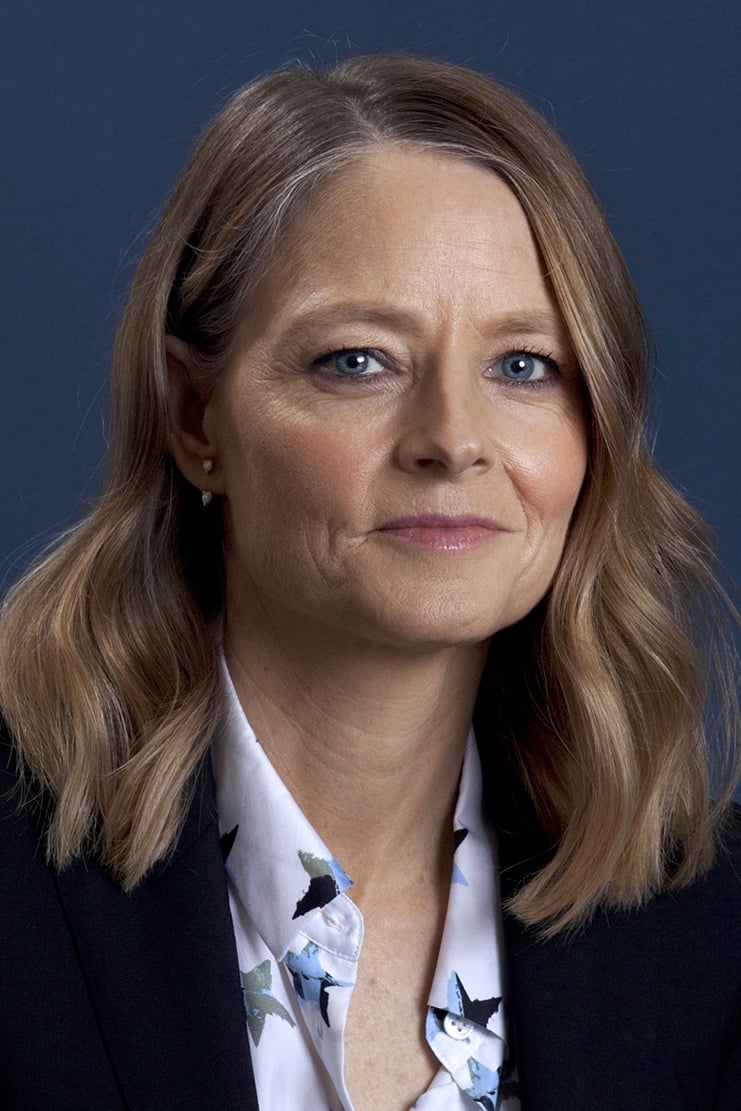
Jodie Foster has often spoken about the importance of organic growth for female directors rather than forced statistics. While she champions women in film, she believes the change must come from a genuine shift in culture rather than rigid rules. Foster argues that the industry creates the best art when it is not constrained by political agendas. She trusts that talent will eventually rise to the top without the need for artificial quotas.
Whoopi Goldberg
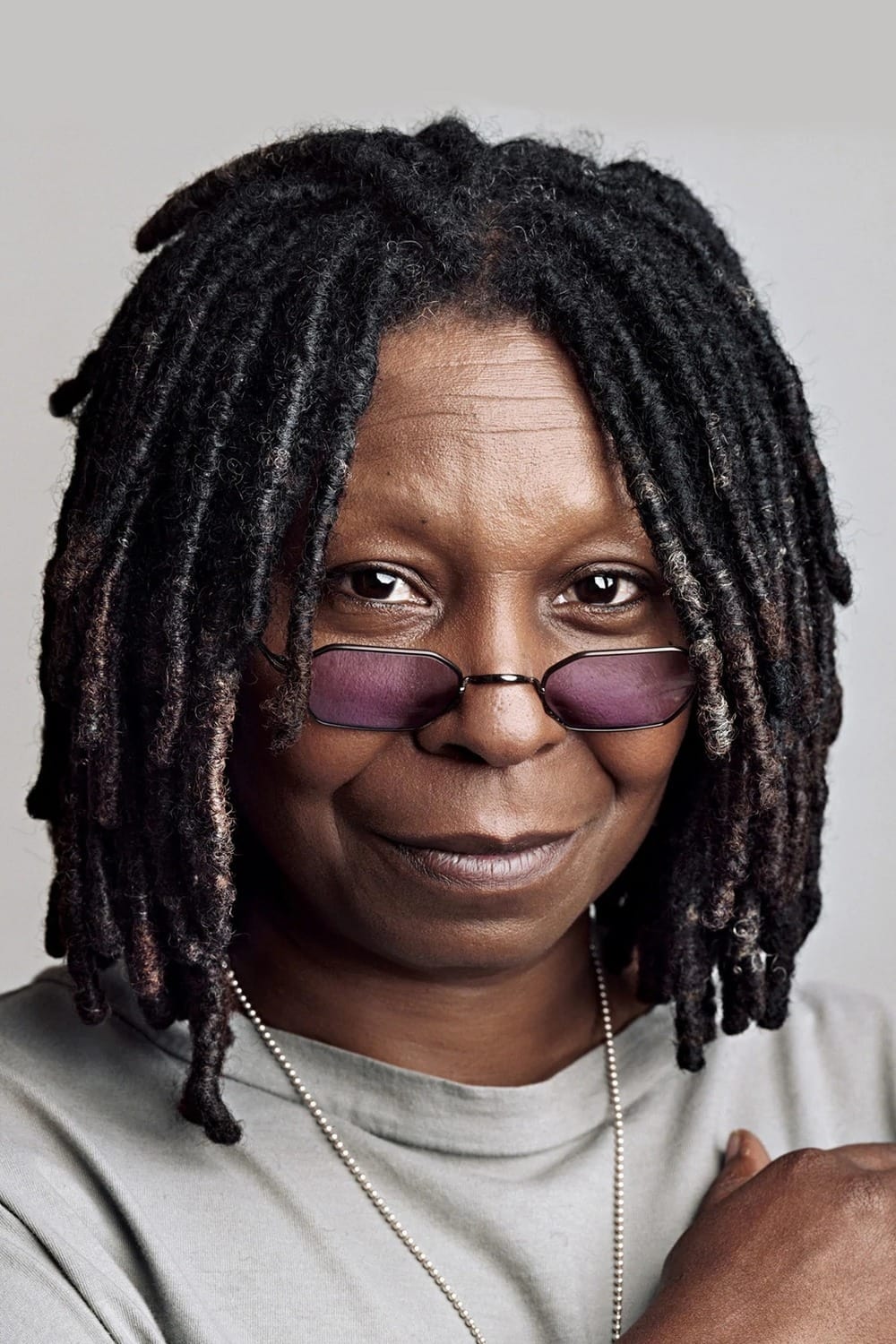
Whoopi Goldberg has frequently defended the meritocracy of the Academy Awards against accusations of deliberate exclusion. She argues that sometimes the votes simply do not line up with diversity goals and that this does not prove a conspiracy. Goldberg dislikes the idea of pity votes or nominations given solely to meet a diversity quota. She believes in being judged as an individual artist rather than a representative of a demographic.
Stacey Dash
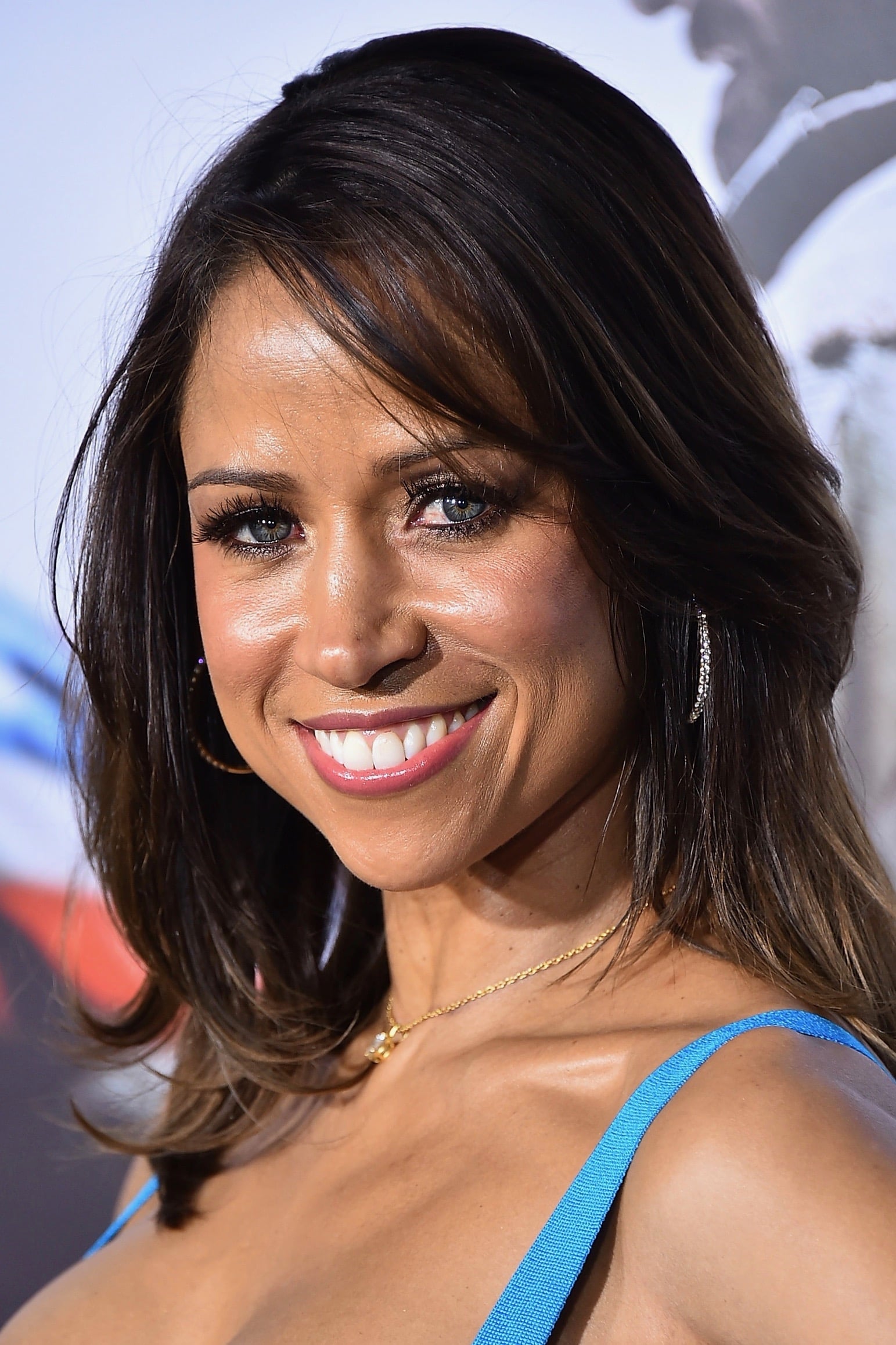
Stacey Dash has been an outspoken critic of affirmative action and gender-based initiatives in Hollywood. She called for the elimination of channels like BET and awards like the NAACP Image Awards to promote true integration. Dash argues that self-segregation and quotas prevent true equality and keep society divided. Her views represent a staunch belief in colorblind and gender-blind meritocracy.
Gina Carano
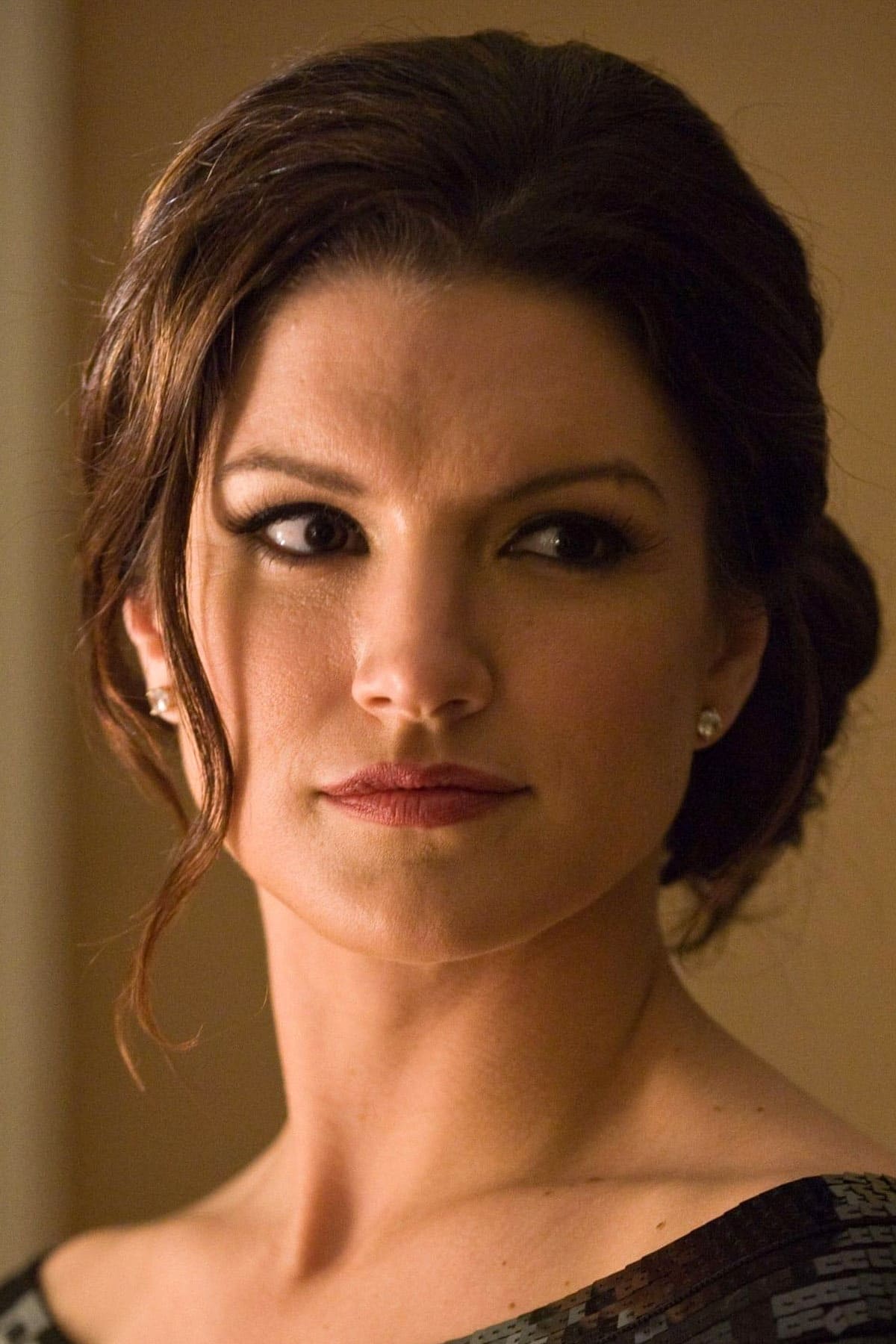
Gina Carano has publicly criticized the modern push for political correctness and forced diversity narratives in media. She believes that storytelling suffers when it is driven by political agendas rather than character development. Carano argues that audiences want entertainment that feels authentic rather than lectures on social justice. Her refusal to conform to industry mandates on speech and belief aligns with her anti-quota stance.
Rose McGowan
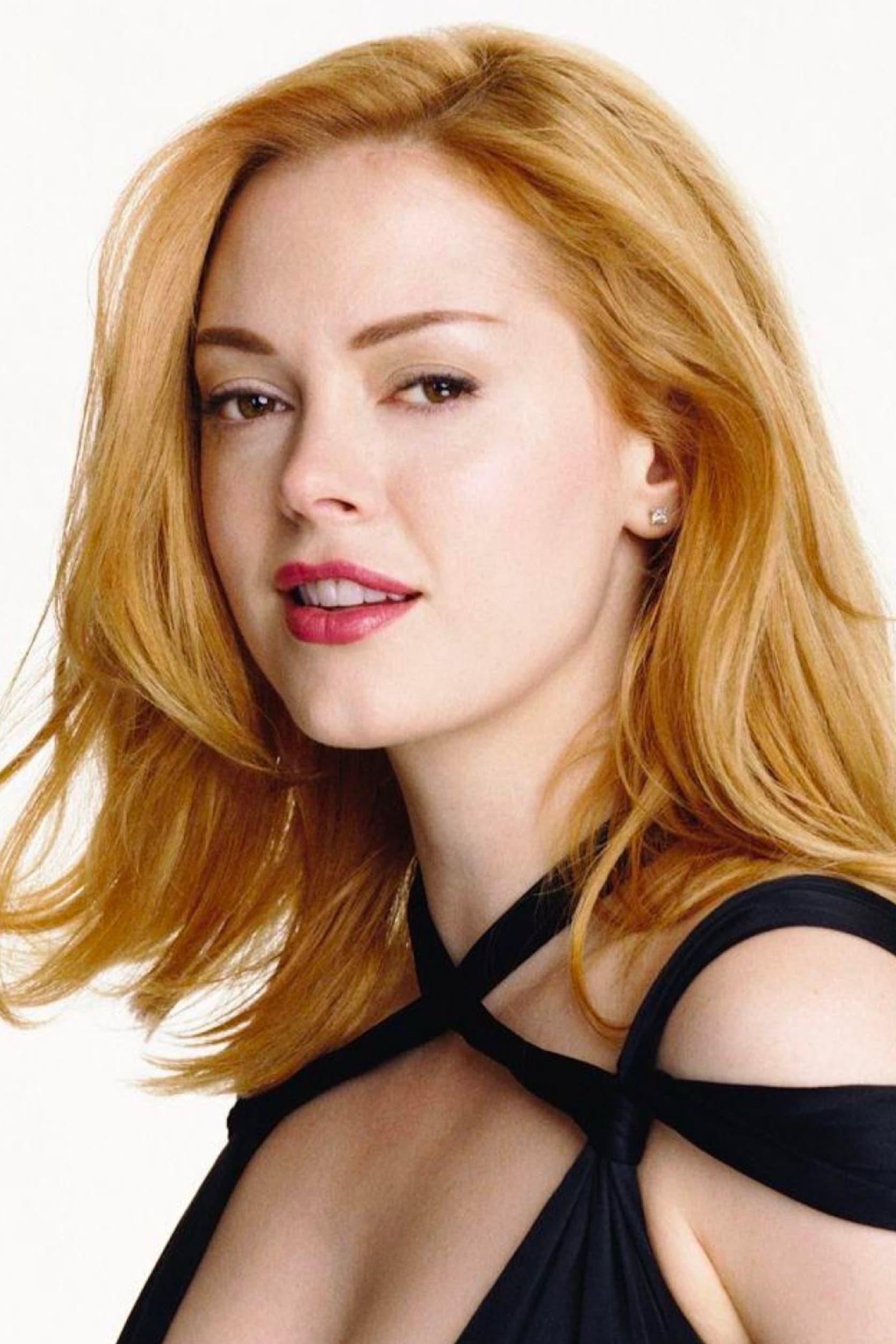
Rose McGowan has criticized the “fake liberalism” of Hollywood and the performative nature of many diversity initiatives. She argues that the industry uses movements like #MeToo and diversity quotas as a shield to protect its own corruption. McGowan believes that true change requires tearing down the system rather than just hiring more women to work within a toxic structure. She rejects the “checklist” activism that major studios often employ.
Anjelica Huston
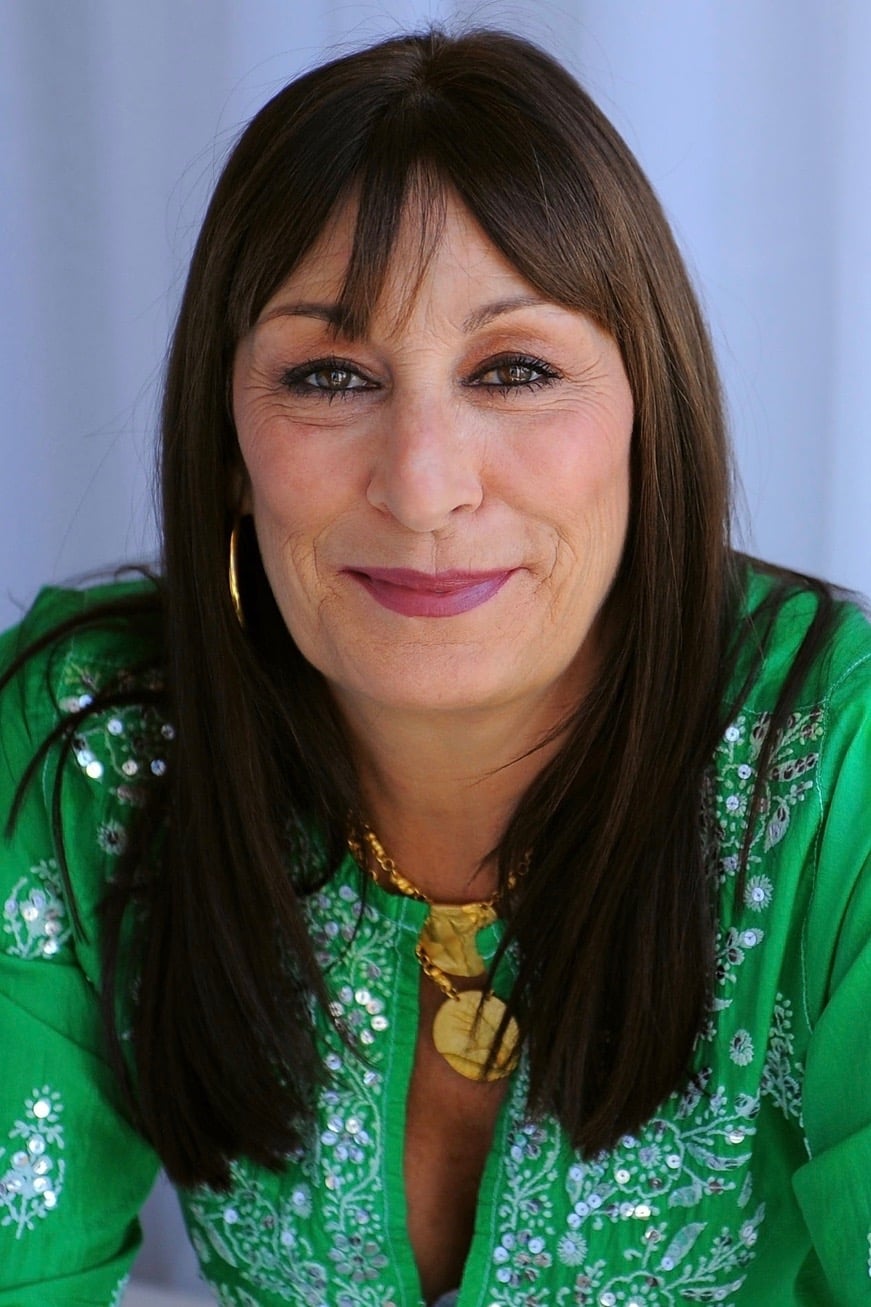
Anjelica Huston has expressed distaste for the idea of awards being given out as “pity” gestures or political statements. She believes that accolades lose their meaning if they are distributed to satisfy a quota rather than to honor excellence. Huston values the integrity of the artistic process and the competition that drives actors to be their best. Her stance supports the idea that art should be immune to affirmative action.
Fanny Ardant
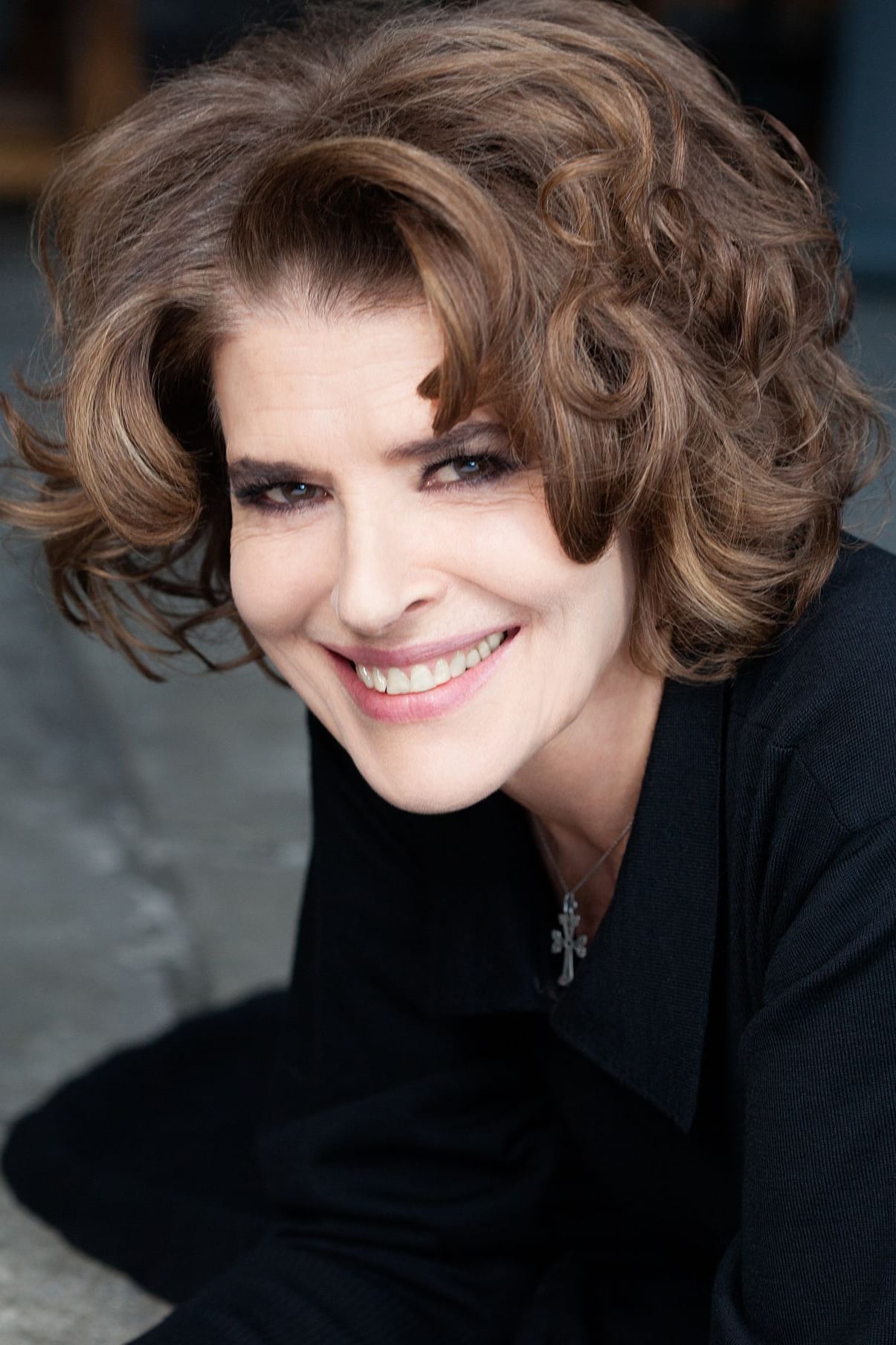
Fanny Ardant joined Catherine Deneuve in signing the open letter that criticized the excesses of the #MeToo movement. She believes that the modern drive to police behavior and enforce equality can threaten the freedom of expression. Ardant values the chaotic and unpolished nature of human interaction over sanitized corporate mandates. She opposes the idea that the film industry should be regulated by moral or gender-based quotas.
Brigitte Bardot
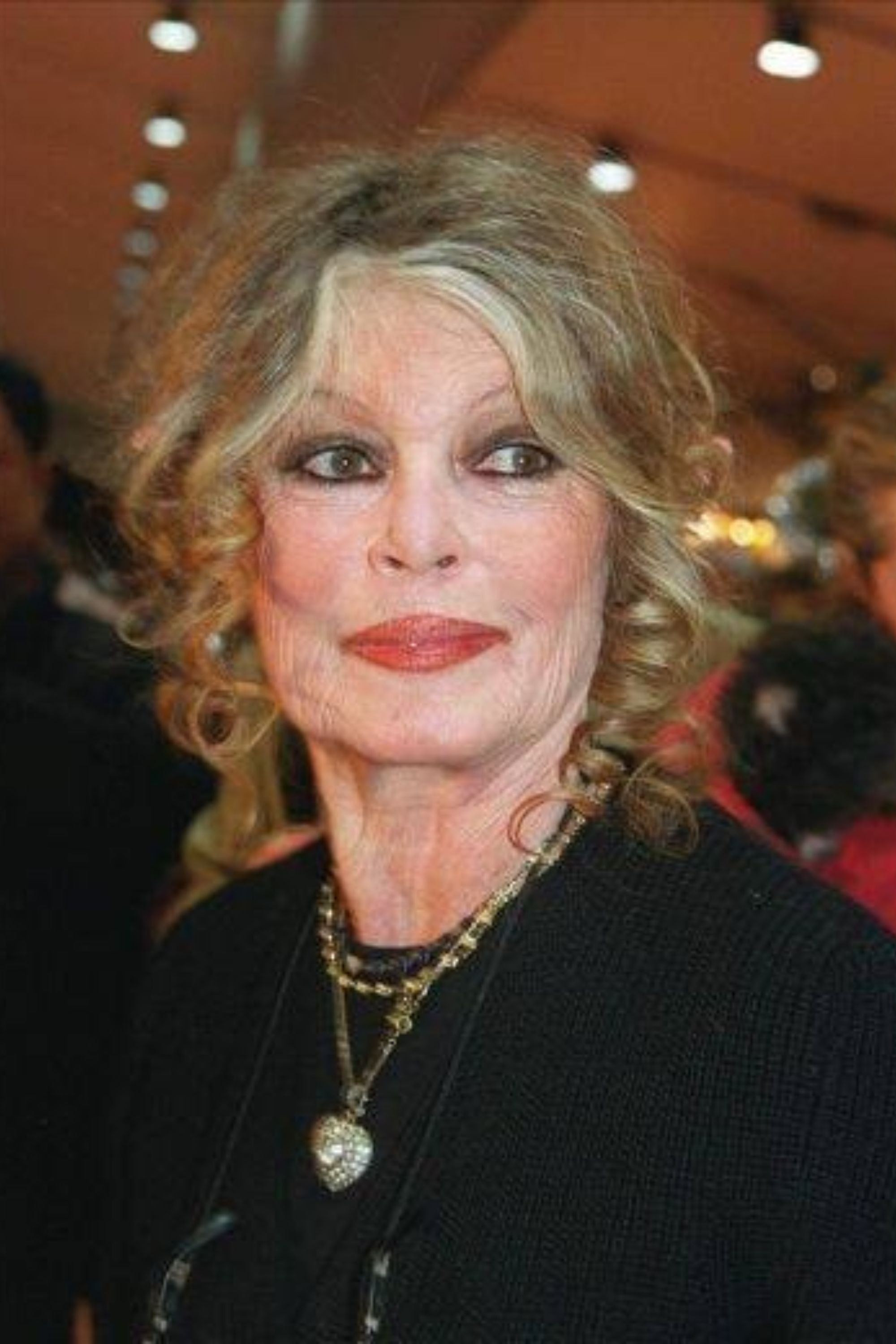
Brigitte Bardot has long been a critic of modern feminist movements and political correctness in society. She views many contemporary gender complaints as ridiculous and hypocritical. Bardot believes that the focus on gender grievances detracts from more pressing issues like animal rights. Her rejection of modern social justice movements includes a rejection of gender quotas.
Maïwenn
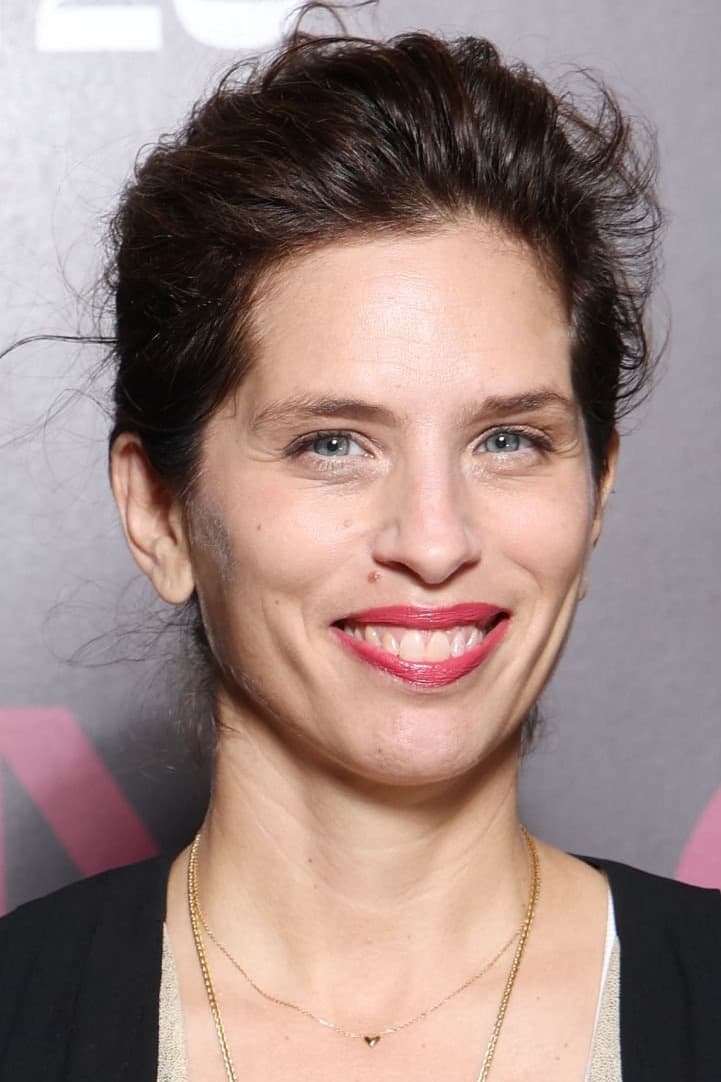
French director and actress Maïwenn has openly criticized the #MeToo movement and the pressure to conform to feminist narratives. She argues that the movement has become dogmatic and harms the relationship between men and women. Maïwenn refuses to cast actors based on political considerations or quotas. She prioritizes her artistic vision over the demand for gender parity in her productions.
Emmanuelle Seigner
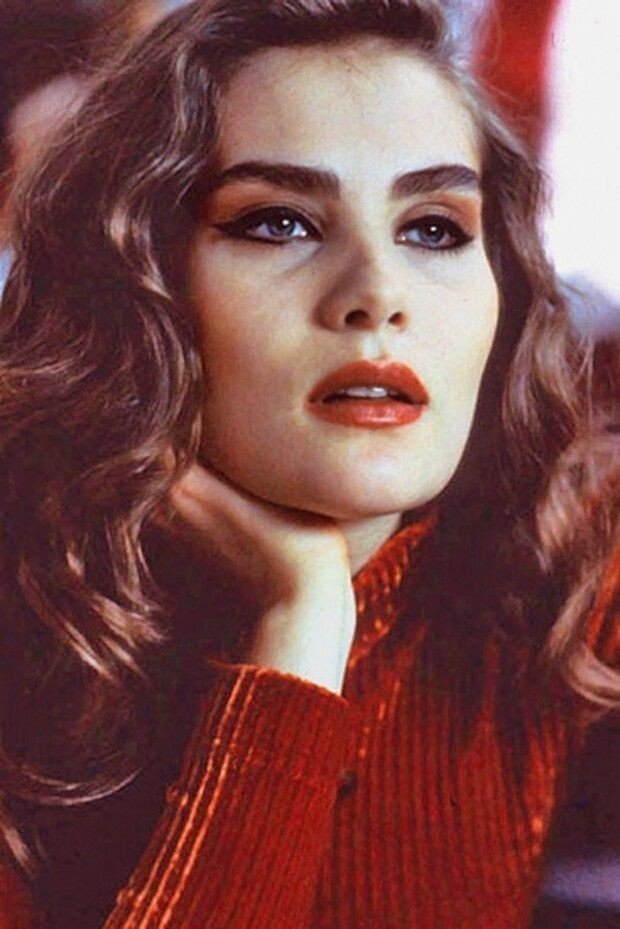
Emmanuelle Seigner has vocally opposed the social movements that she believes unfairly target men and restrict artistic freedom. She has defended collaborators against public backlash and rejects the court of public opinion. Seigner views the push for sanitized and quota-driven cinema as a threat to the provocative nature of European film. She believes in standing by her personal loyalty rather than bowing to industry pressure.
Cate Blanchett
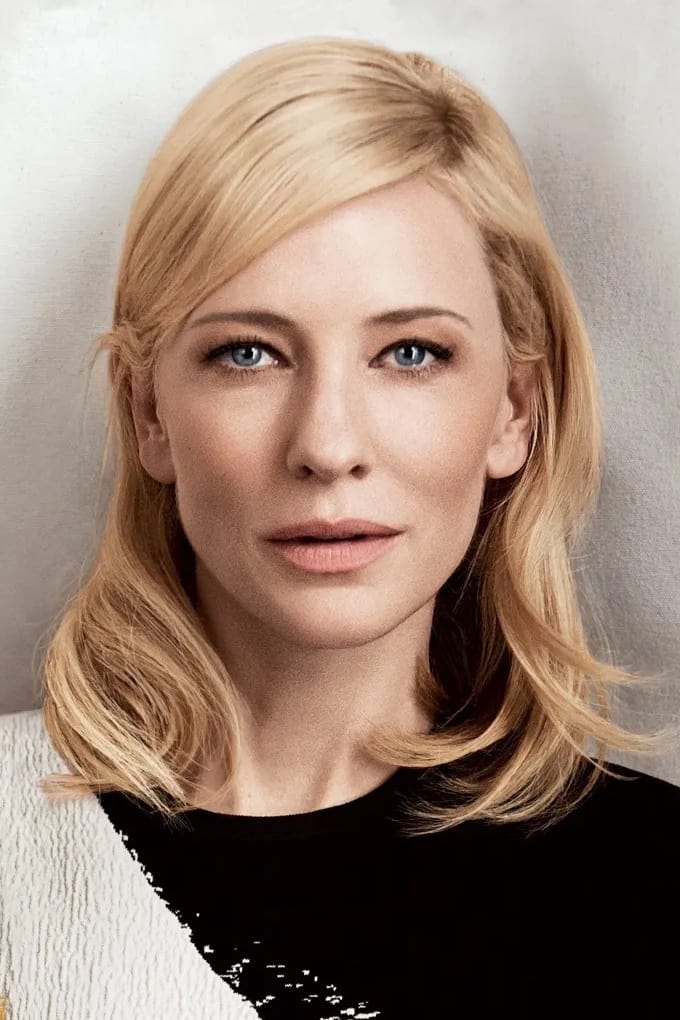
Cate Blanchett has referred to herself as an “actor” rather than an “actress” to reject gendered distinctions in her profession. She believes that good performances are universal and should not be qualified by the gender of the performer. Blanchett has expressed skepticism about political correctness encroaching on the art of storytelling. She argues that the job of an actor is to inhabit different lives rather than to represent a political constituency.
Zoe Saldaña
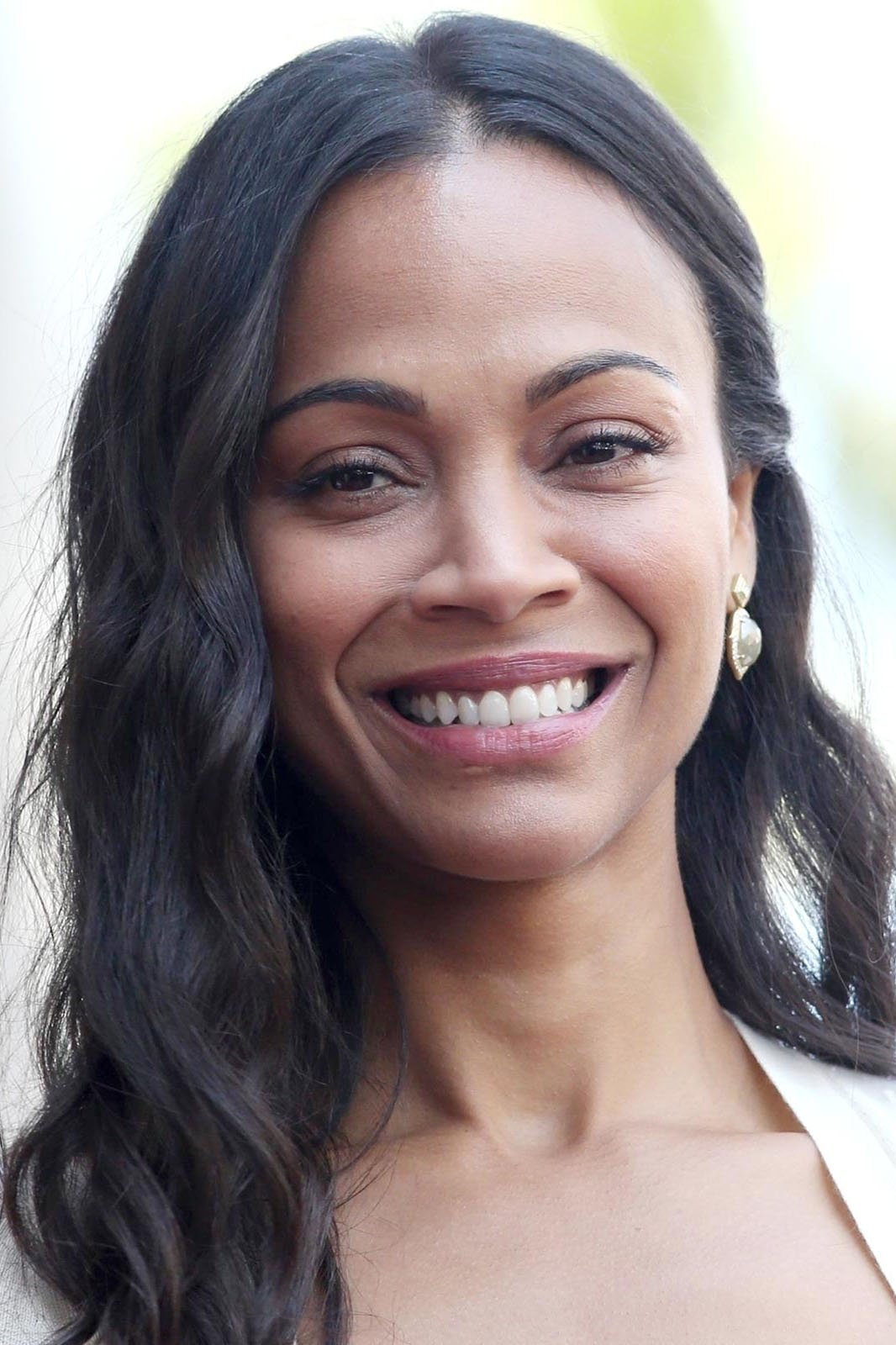
Zoe Saldana has spoken out against the lazy casting of minorities simply to fill a diversity checkbox. She believes that actors of color should be hired for their talent and fit for the role rather than to satisfy a studio’s quota. Saldana has also criticized the “victim mentality” that sometimes accompanies discussions of inequality. She advocates for empowerment through hard work and excellence rather than entitlement.
Patricia Heaton
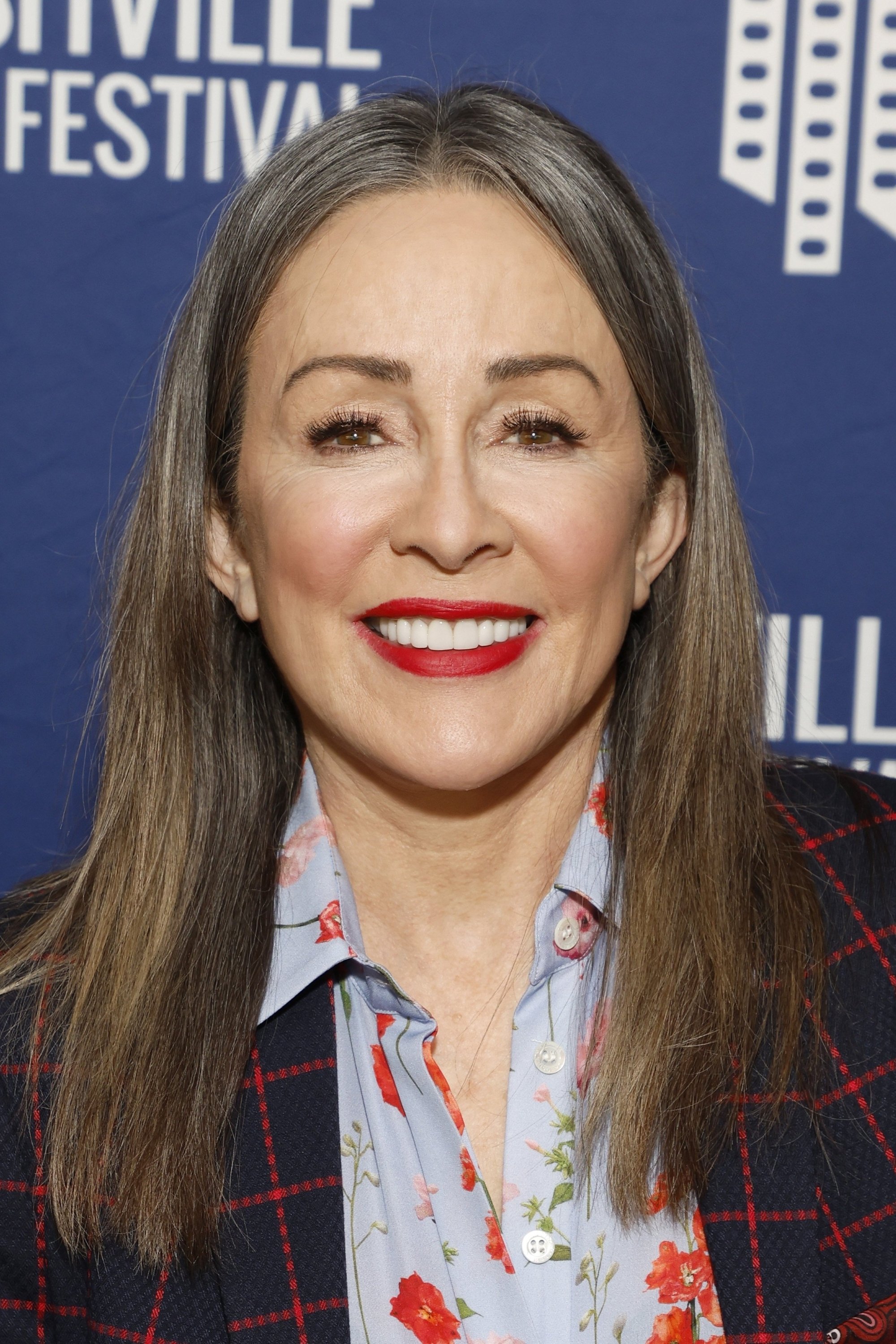
Patricia Heaton is one of the few open conservatives in Hollywood and often challenges the industry’s liberal consensus. She believes in individual responsibility and merit over identity politics and group quotas. Heaton has criticized the industry for excluding viewpoints that do not align with the progressive agenda. Her stance implies a rejection of any system that prioritizes identity over talent and belief.
Joan Collins
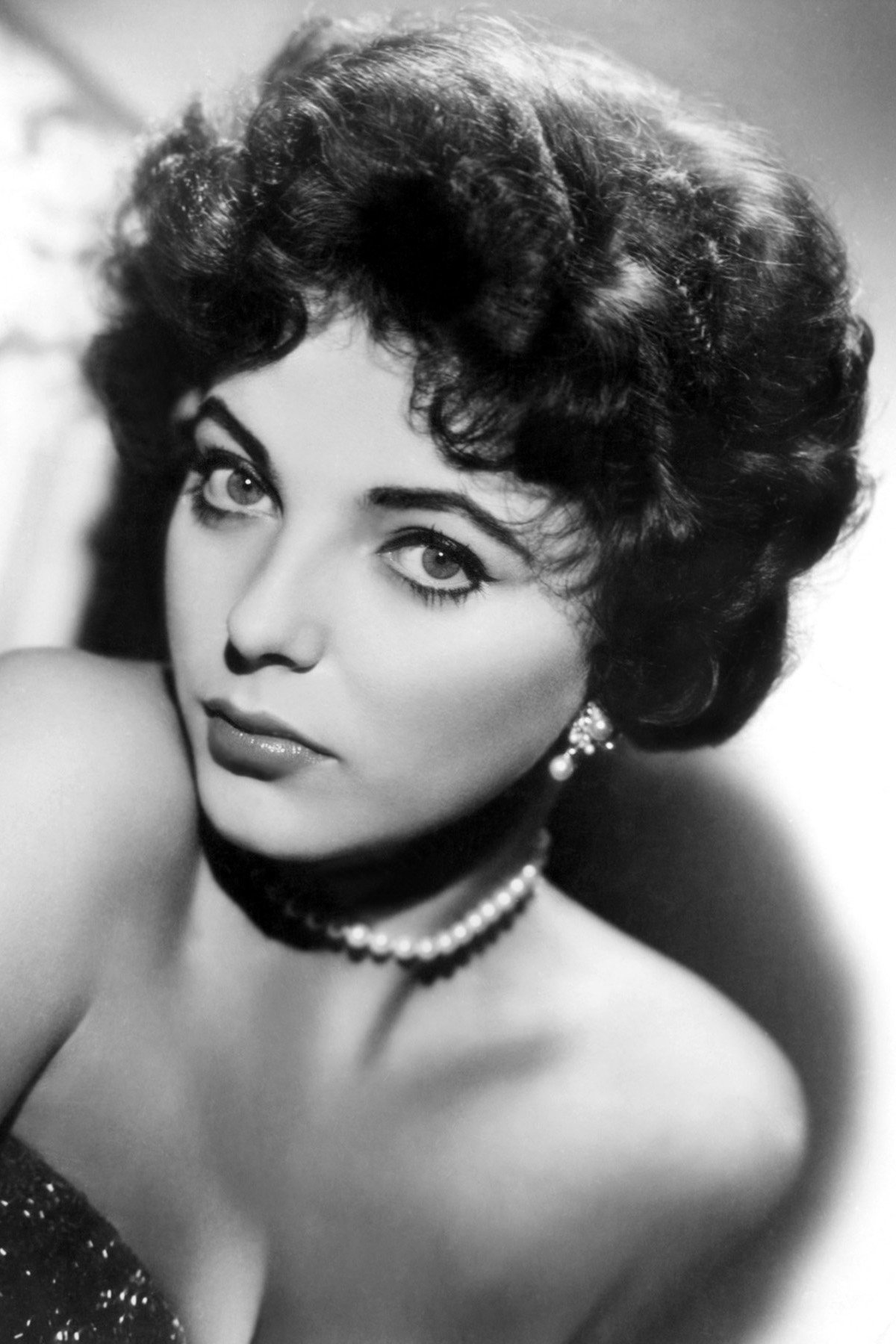
Joan Collins has slammed the current culture of “cancel culture” and the rewriting of history to fit modern sensibilities. She believes that people have become too sensitive and that this stifles creativity and humor. Collins argues that the entertainment industry was better when it was less obsessed with political correctness. She opposes the idea of retroactively applying modern diversity standards to classic art.
Judi Dench
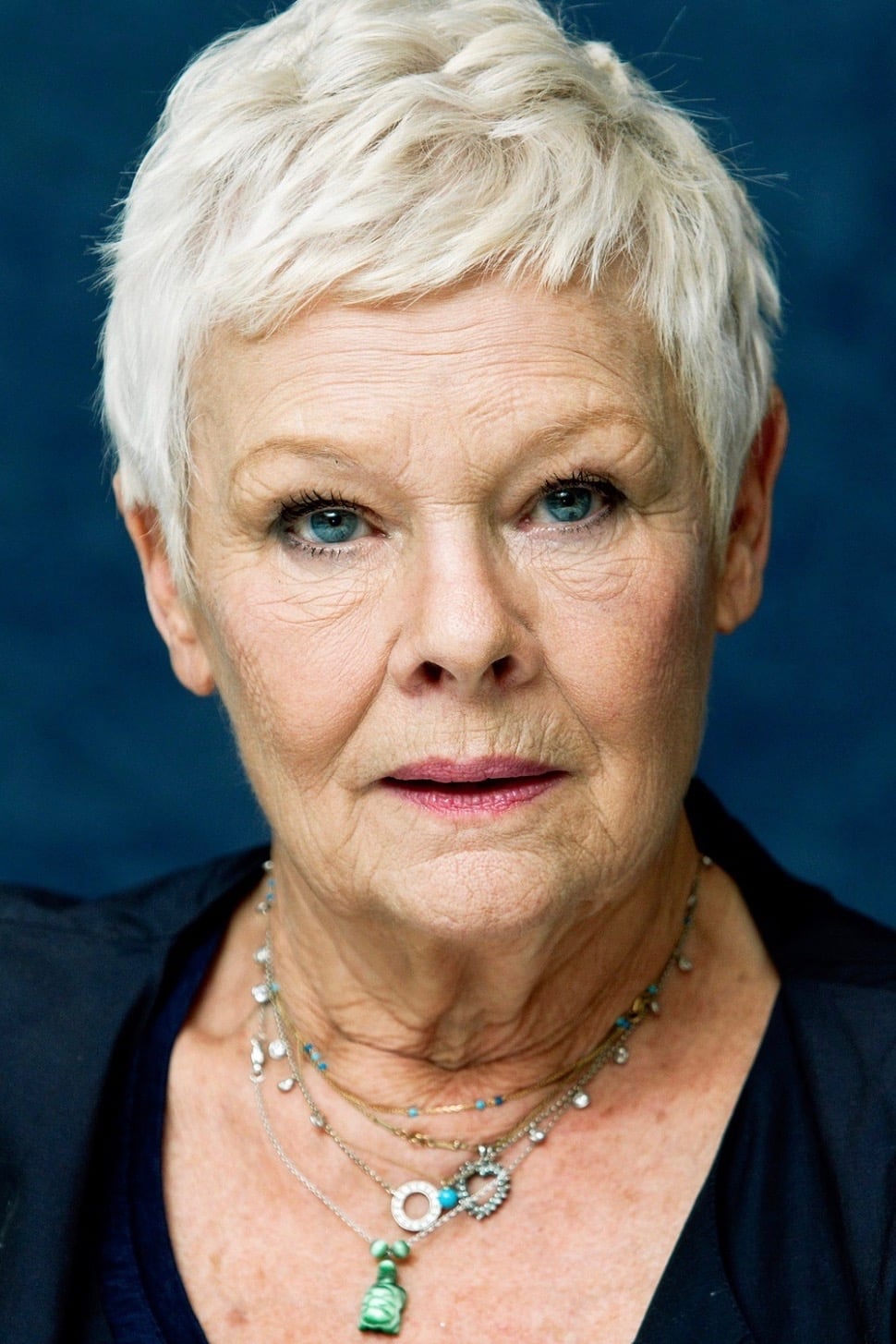
Judi Dench has defended the work of controversial figures by arguing that art should be separated from the artist’s personal life. She implies that erasing someone’s work due to social transgressions is a form of censorship. Dench believes that the merit of a performance stands alone and should not be subject to moral policing. Her views align with a meritocratic approach that rejects social credit systems in the arts.
Elizabeth Olsen

Elizabeth Olsen has expressed frustration with the “strong woman” trope that is often forced into modern scripts. She believes that writing female characters solely to appear powerful or perfect strips them of their humanity. Olsen prefers roles that allow women to be weak, wrong, or complex without the burden of representing their entire gender. She rejects the idea that every female role must satisfy a feminist checklist.
Daisy Ridley
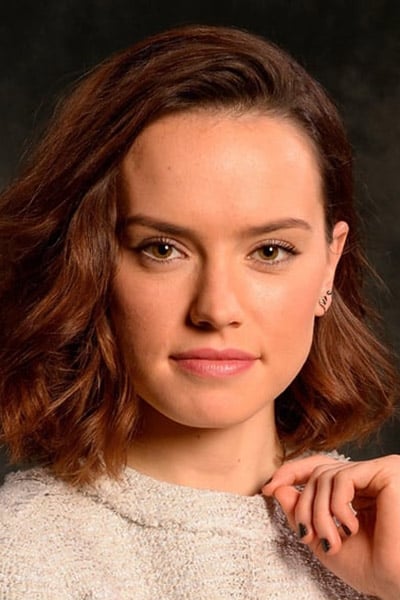
Daisy Ridley has pushed back against the label of “Mary Sue” or the perfect “Strong Female Character” often applied to her roles. She argues that these labels act as a different kind of cage for actresses who just want to do their jobs. Ridley believes that focusing too much on the gender politics of a character distracts from the story. She prefers organic character development over meeting the demands of internet discourse.
Evangeline Lilly
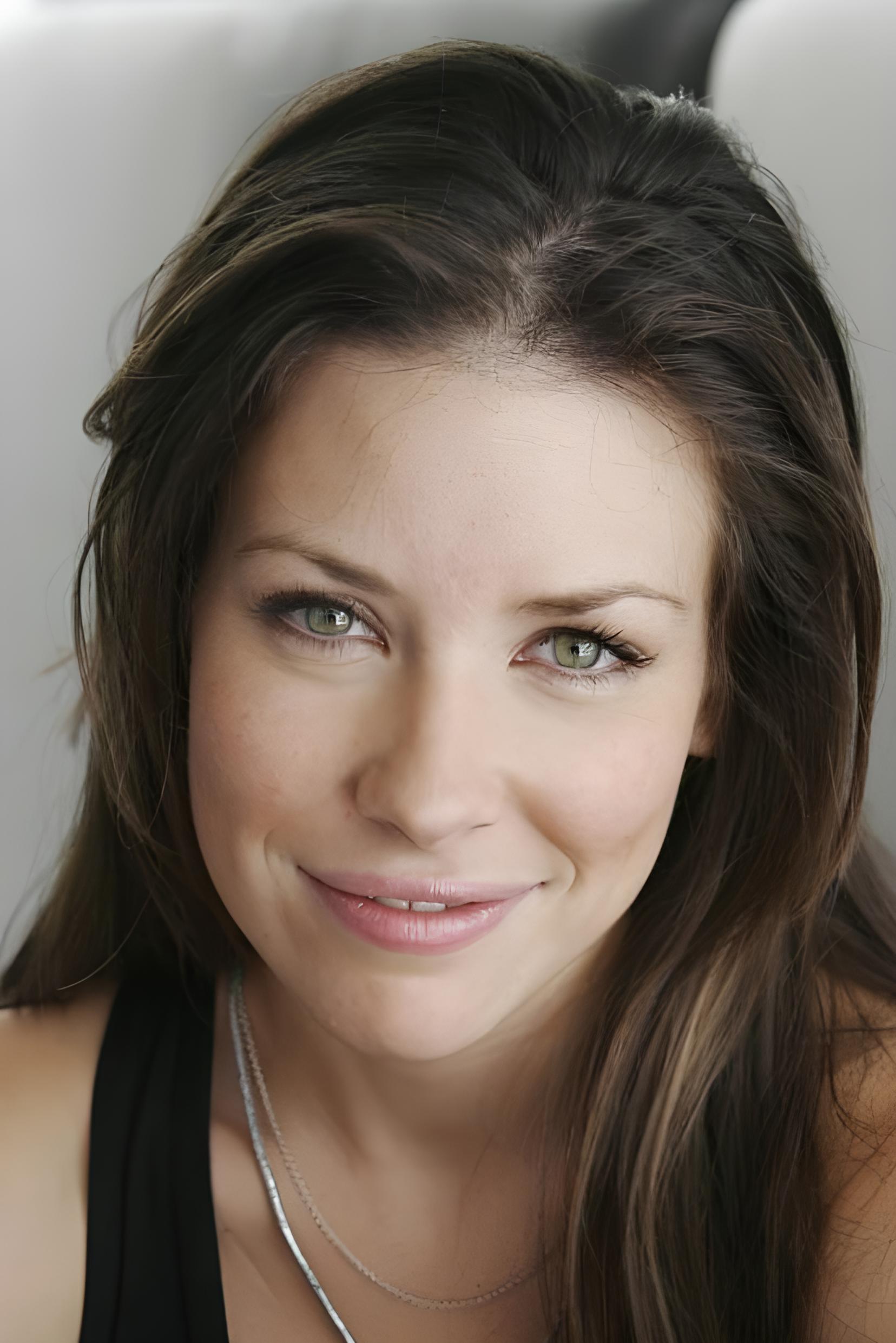
Evangeline Lilly has taken strong stances on bodily autonomy and personal freedom that often go against the Hollywood grain. She criticizes mandates of any kind and believes in the absolute right of the individual to choose their path. Lilly’s philosophy extends to a dislike of government or corporate overreach in social engineering. She values personal liberty over collective mandates or quotas.
Sigourney Weaver
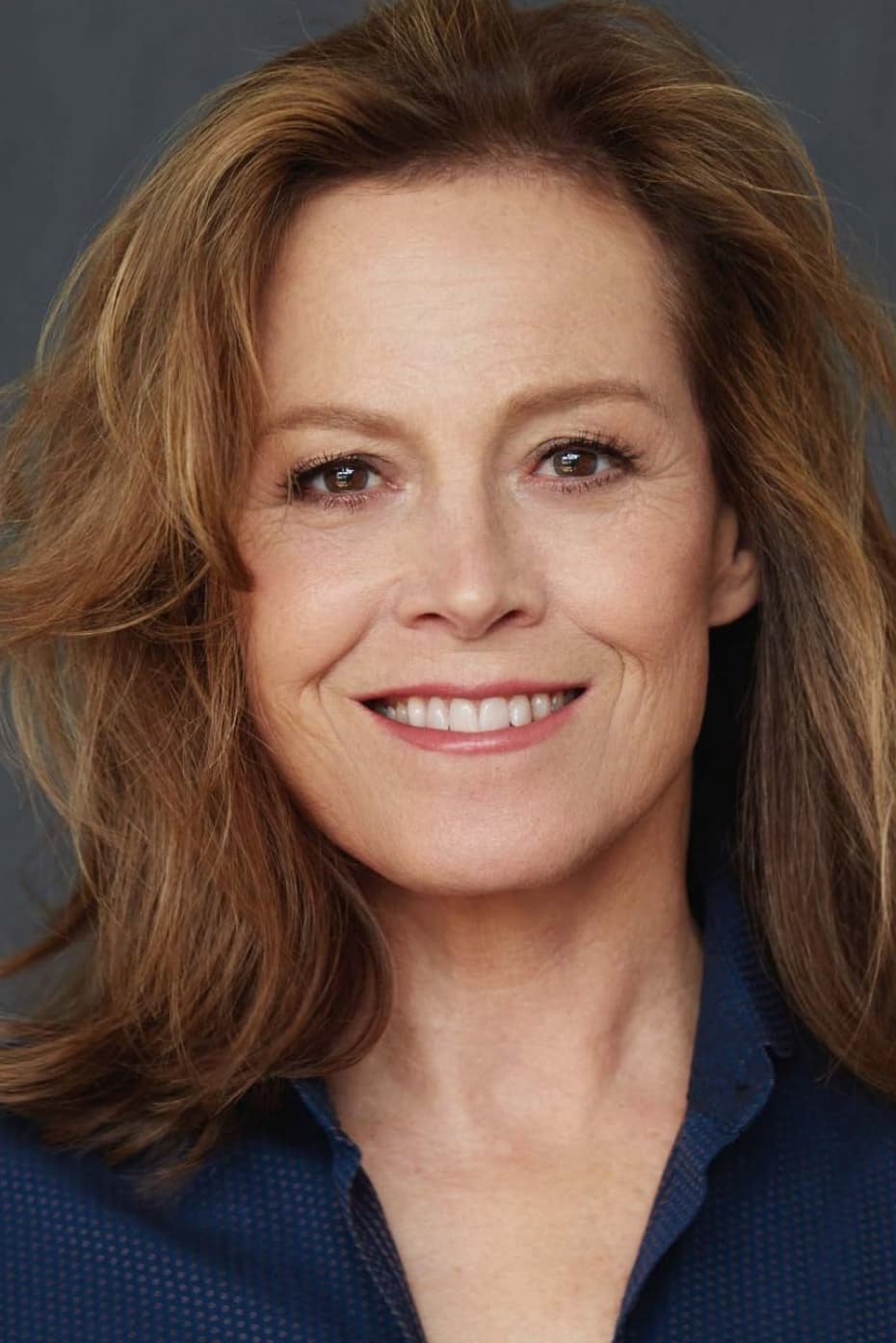
Sigourney Weaver has often stated that she was able to succeed because she was written as a person first and a woman second. She believes that the best way to achieve equality is to write great characters without obsessing over their gender. Weaver argues that true equity comes when gender is incidental to the competence of the character. She champions merit and writing quality over forced inclusion initiatives.
Helena Bonham Carter
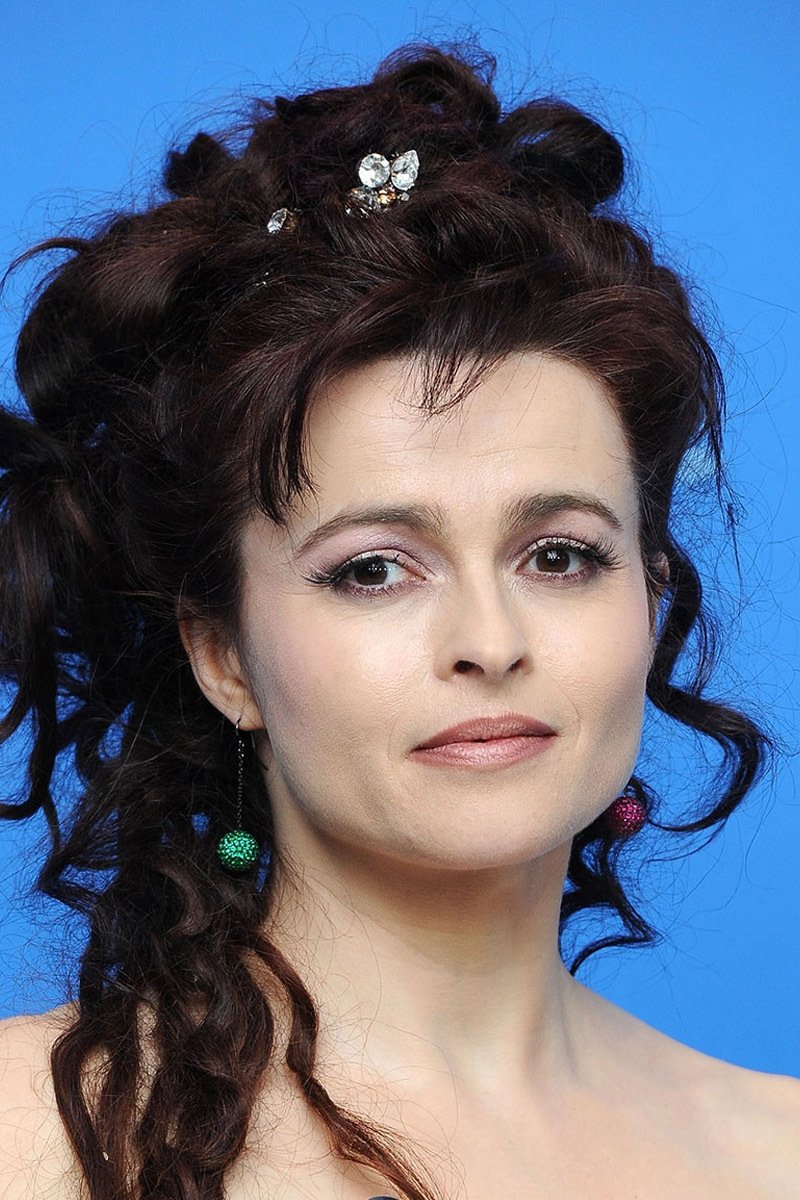
Helena Bonham Carter has criticized the “witch hunt” atmosphere of modern Hollywood regarding the #MeToo movement. She believes that the pendulum has swung too far and that people are being judged without due process. Bonham Carter argues that personal lives should not dictate professional opportunities. Her stance defends the right of the artist to work regardless of current social outrages.
Isabelle Huppert
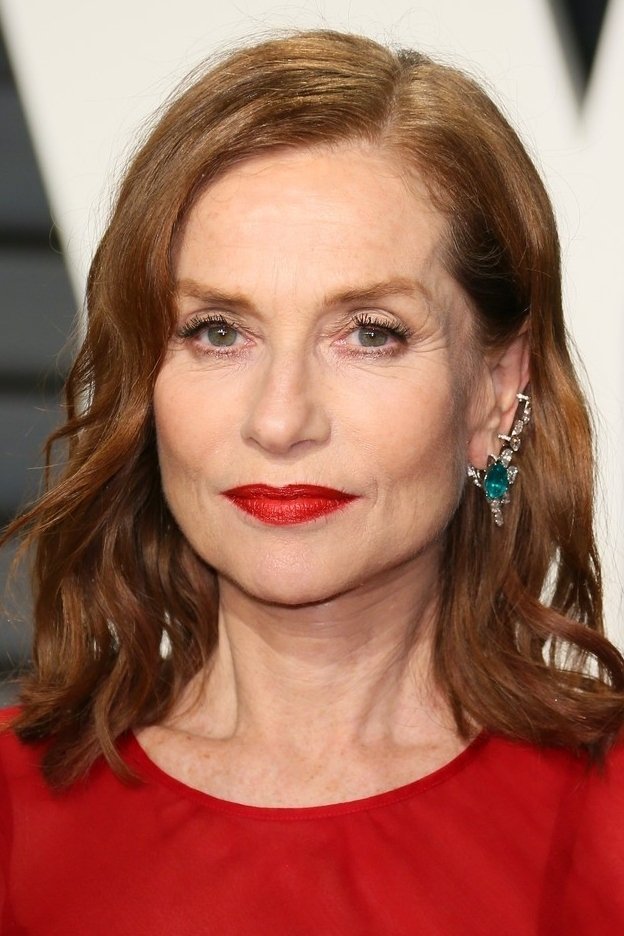
Isabelle Huppert maintains that cinema should not be held hostage by political messages or social duties. She argues that her responsibility is to her character and her director, not to a sociological cause. Huppert believes that art is amoral and should explore the darker sides of humanity without judgment. She rejects the idea that films must model ideal behavior or meet gender quotas to be valuable.
Kristy Swanson
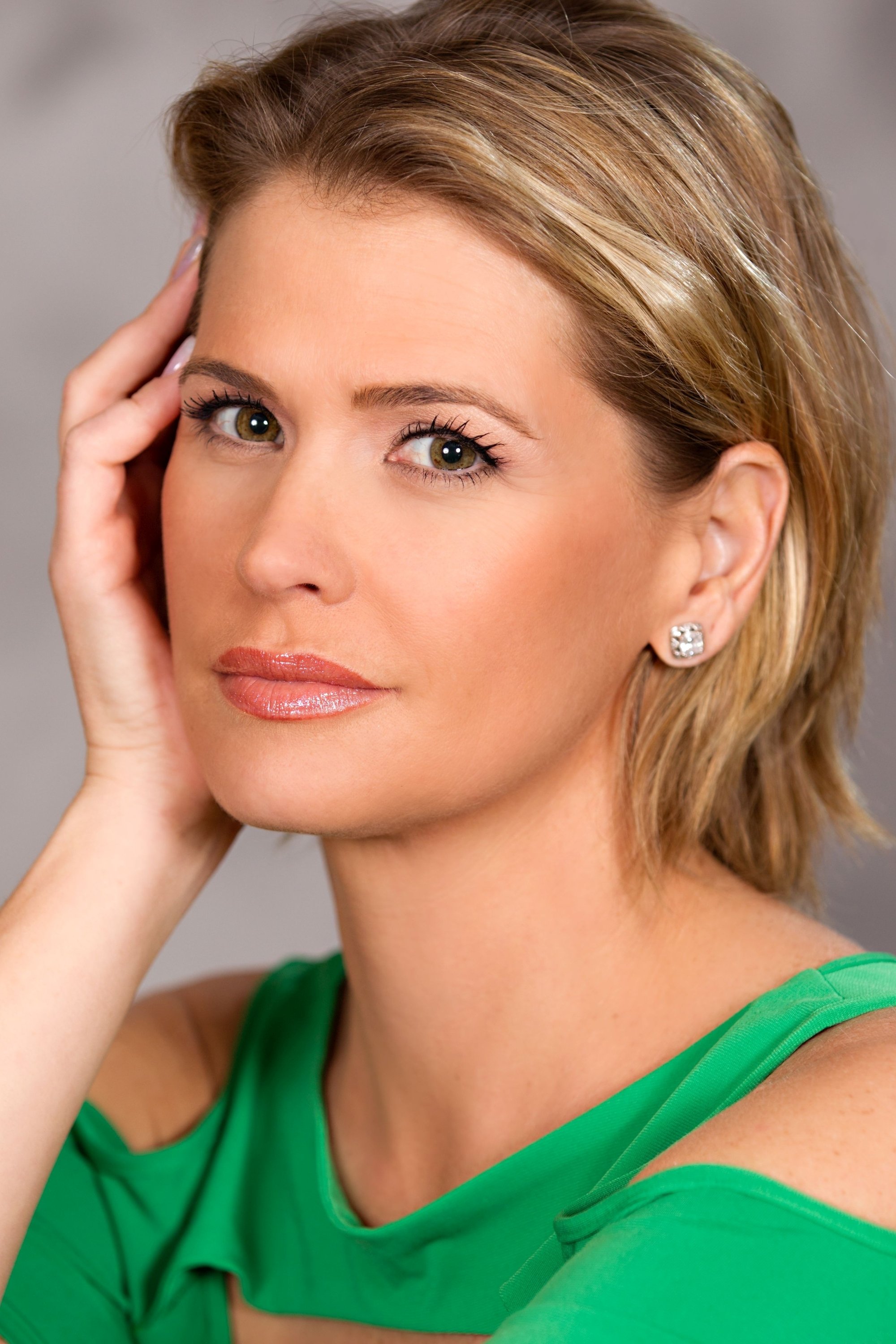
Kristy Swanson is vocal about her conservative values and her opposition to “woke” culture in Hollywood. She believes that the industry has become hostile to anyone who questions the prevailing narrative on diversity and politics. Swanson argues that casting and hiring should be entirely colorblind and merit-based. She rejects the pressure to conform to the industry’s social justice mandates.
Janine Turner
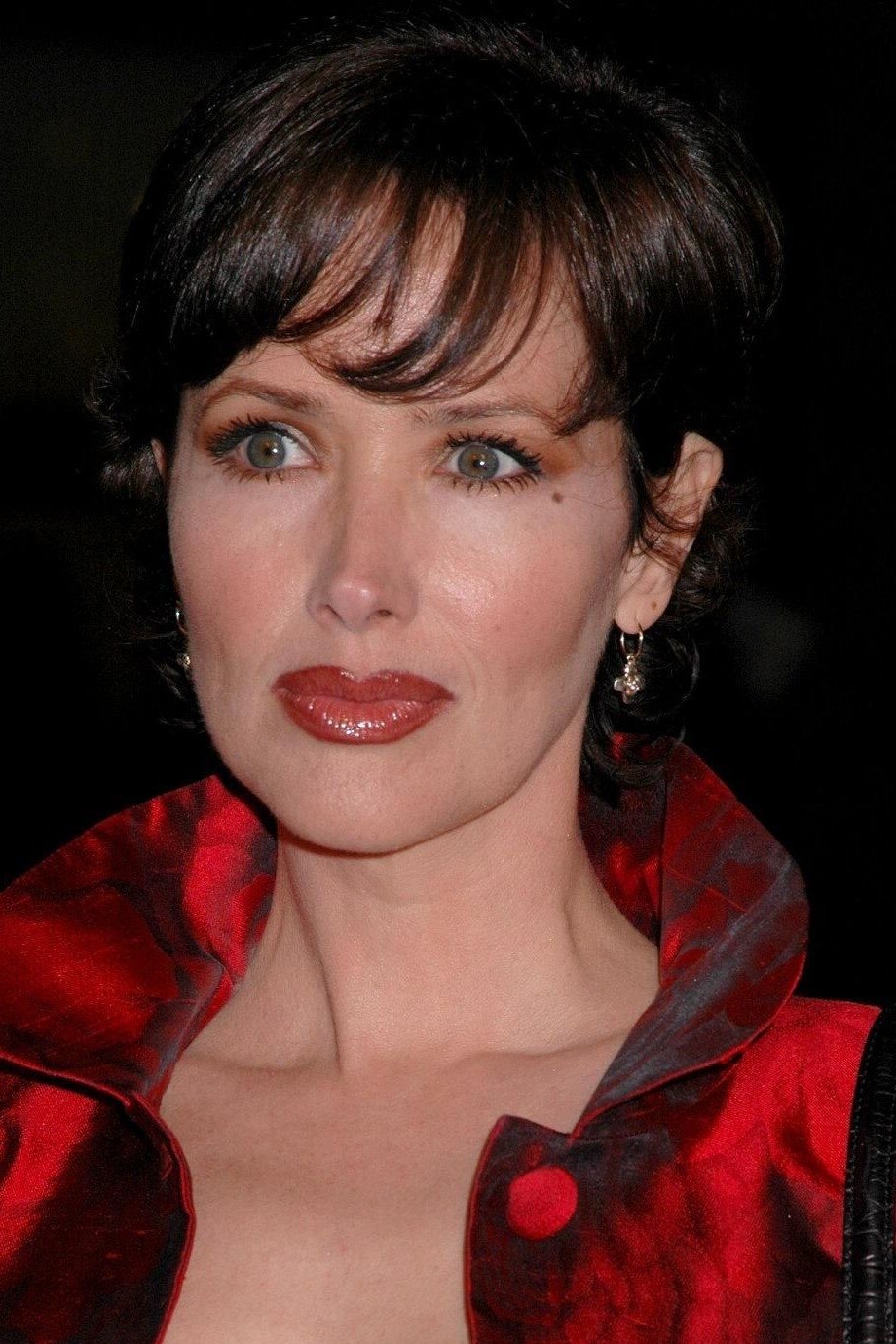
Janine Turner has advocated for a return to traditional values and has criticized the heavy-handed politicization of entertainment. She believes that the focus on identity politics divides audiences and lowers the quality of storytelling. Turner supports a marketplace of ideas where content succeeds based on audience demand, not quotas. She opposes government or corporate interference in the creative process.
Drea de Matteo
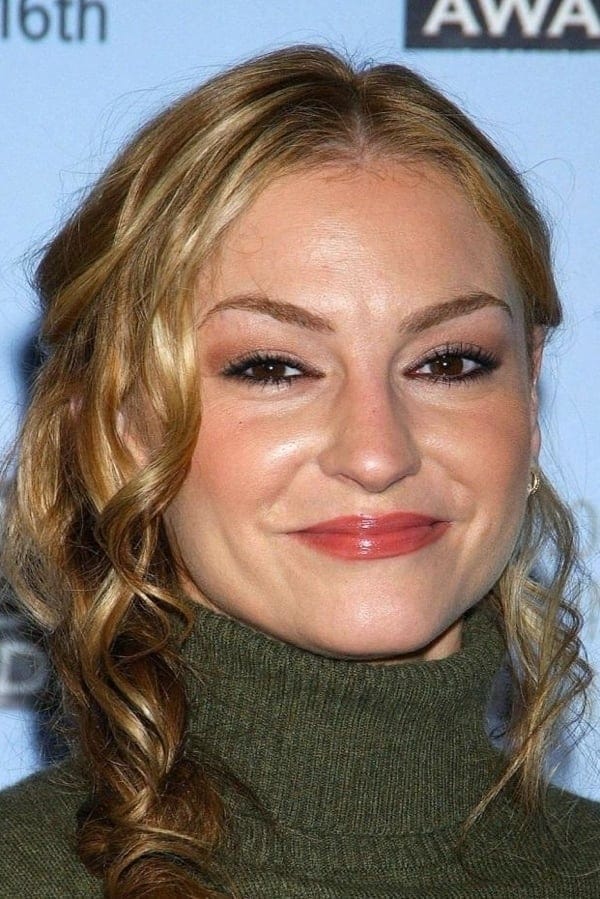
Drea de Matteo has criticized the Hollywood establishment for its hypocrisy and its demands for conformity. She refuses to bow to the pressure to adopt specific political stances to maintain her career. De Matteo believes in the freedom of the artist to speak their mind without fear of blacklisting. Her anti-establishment views align with a rejection of enforced industry quotas.
Samaire Armstrong
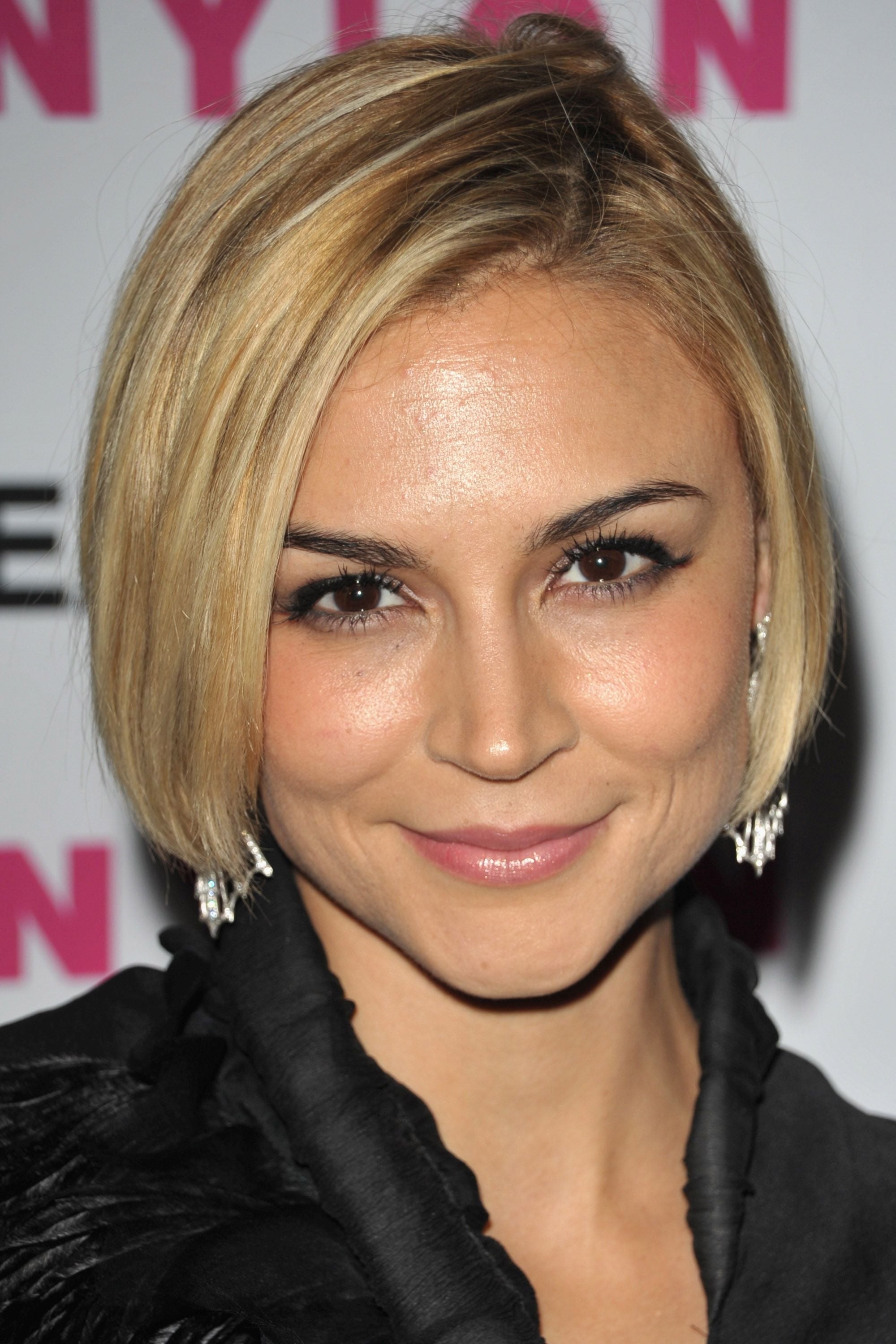
Samaire Armstrong has been a fierce critic of the “woke” ideology that she believes is destroying the entertainment industry. She argues that forced diversity and inclusion initiatives are actually racist and sexist because they reduce people to their immutable characteristics. Armstrong advocates for judging people by the content of their character. She is explicitly against the implementation of quotas in casting and hiring.
Please share your thoughts on these perspectives in the comments.