


19 Action Sequences Filmed Without CGI Overkill

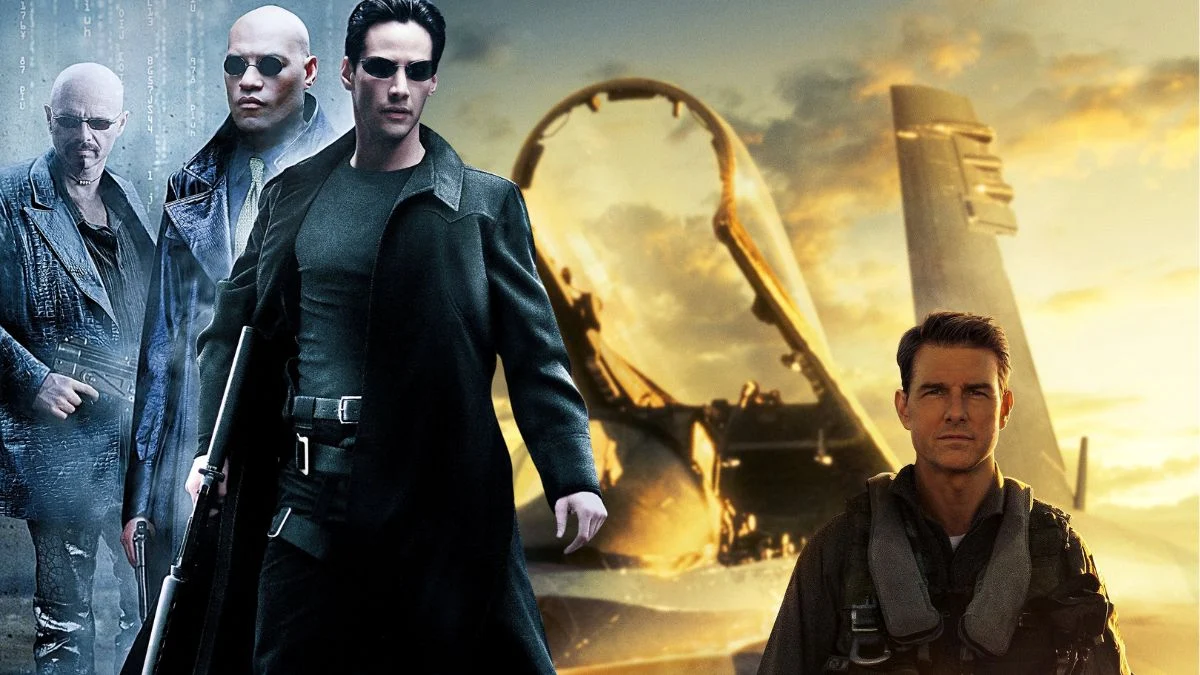


Authenticity in action cinema often requires filmmakers to abandon green screens in favor of practical stunt work. Audiences tend to respond more visceral to sequences where the danger and physics appear genuine on screen. The following list highlights movies that utilized real vehicles, pyrotechnics, and daring performers to create memorable moments. These productions prioritized engineering and human capability over digital animation to achieve their spectacle.
‘Mission: Impossible – Ghost Protocol’ (2011)
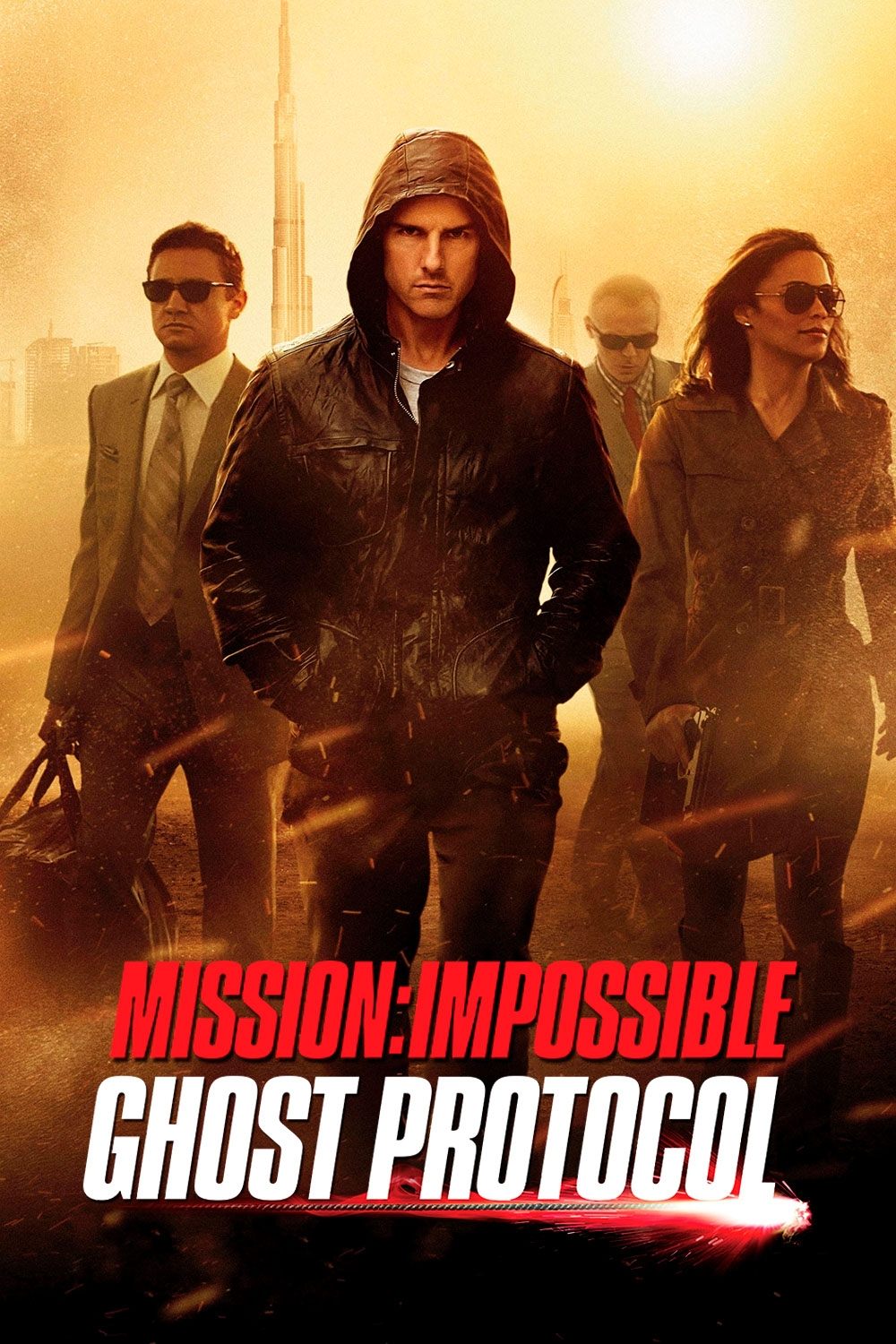
Tom Cruise famously scaled the Burj Khalifa in Dubai without the use of a stunt double. The production team removed windows from the world’s tallest building to allow the actor to swing around the exterior. Cameras captured the dizzying height while a safety cable remained the only protection against a fatal fall. This sequence effectively utilized IMAX cameras to convey the sheer scale of the stunt.
‘Mad Max: Fury Road’ (2015)
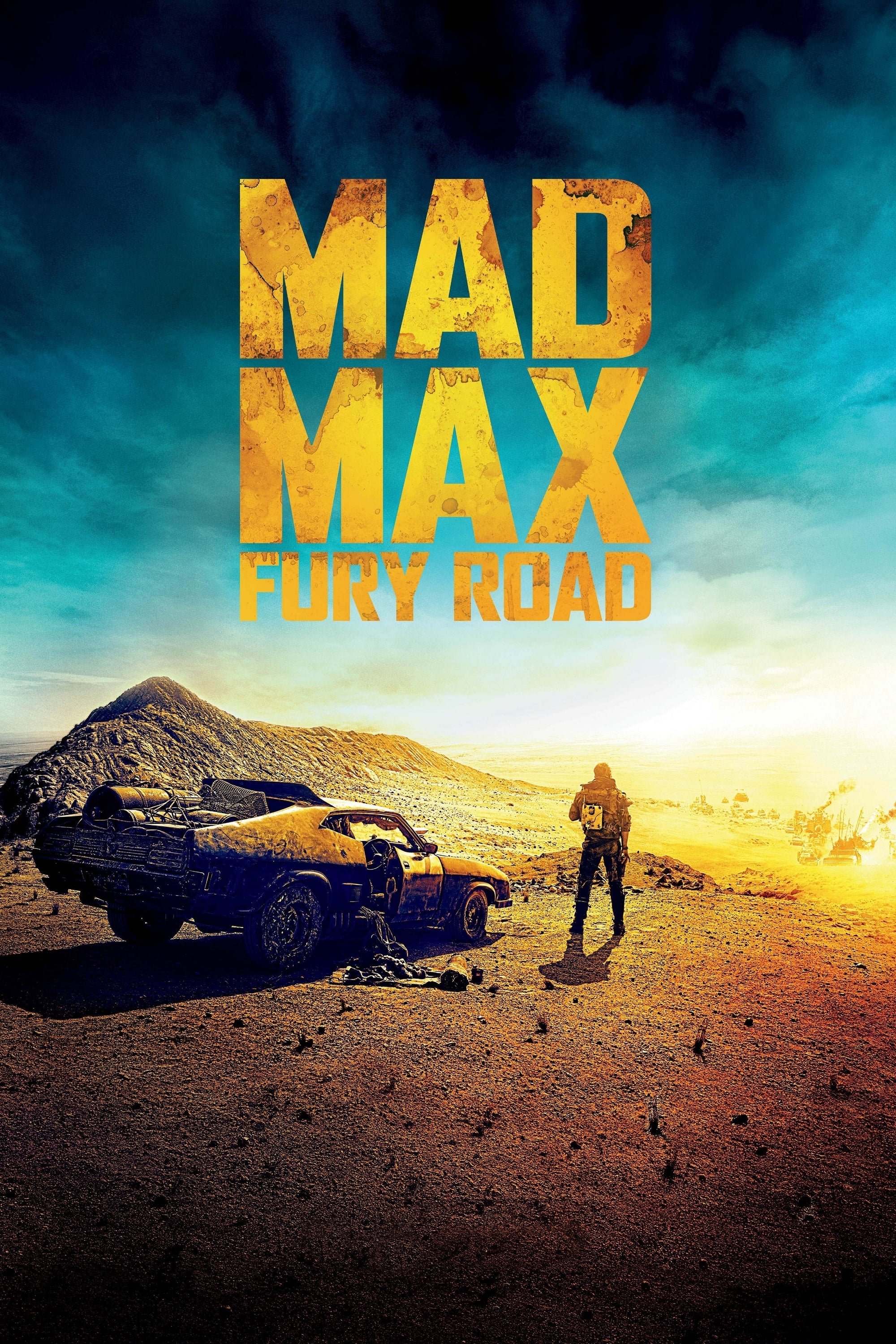
Director George Miller insisted on using real vehicles and acrobats for the high-octane desert pursuit. Stunt performers swayed on flexible poles attached to moving trucks while traveling at high speeds. The production featured over 150 handmade vehicles that were destroyed during the practical explosions and crashes. This reliance on physical effects gave the post-apocalyptic wasteland a tangible and gritty texture.
‘The Dark Knight’ (2008)
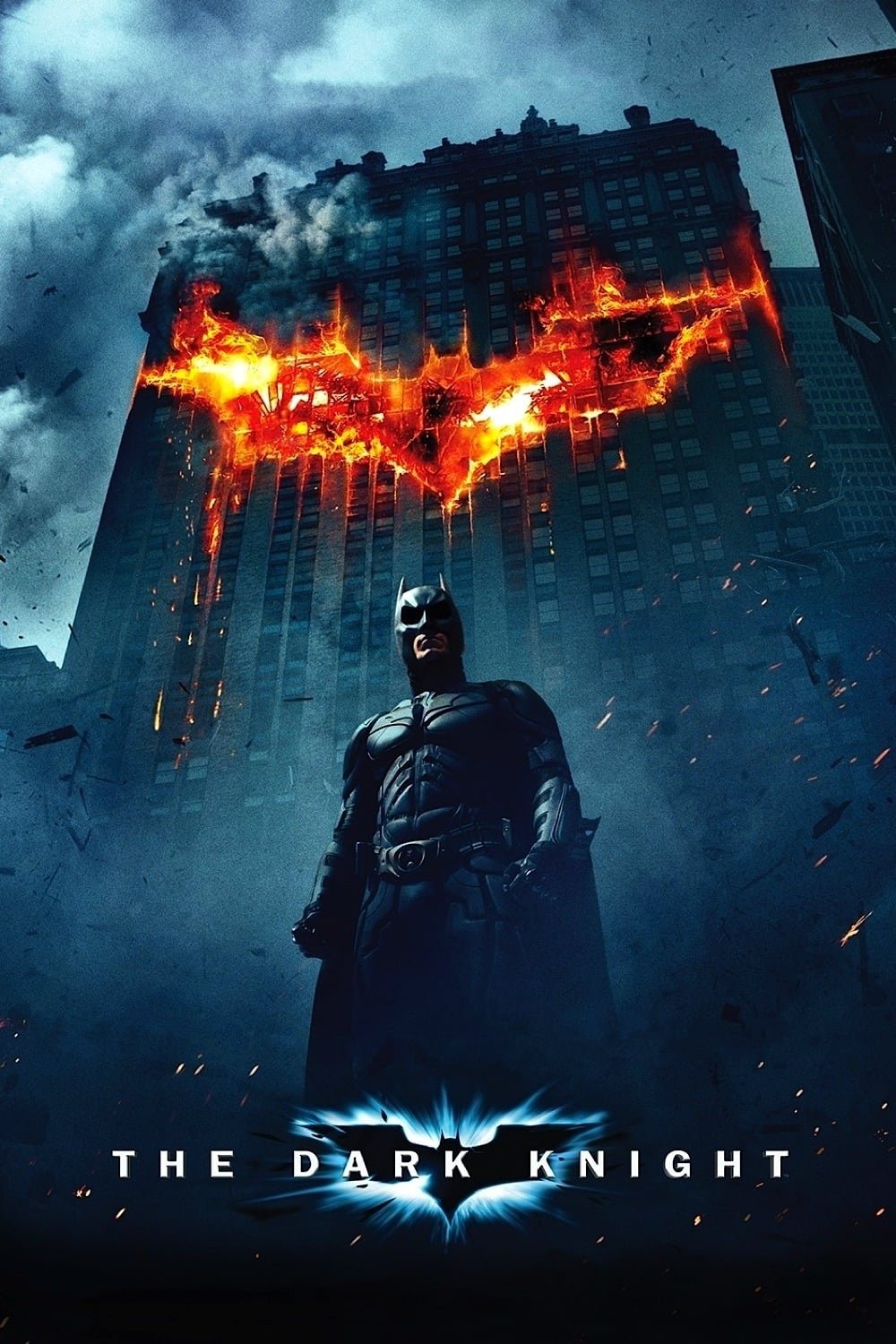
Christopher Nolan orchestrated a massive stunt involving an 18-wheeler truck flipping over on a Chicago street. The special effects team used a nitrogen cannon built into the chassis to launch the trailer vertically. This practical effect allowed the vehicle to flip completely over while maintaining control in a confined urban environment. The resulting footage provided a visceral weight that computer-generated imagery often fails to replicate.
‘Inception’ (2010)
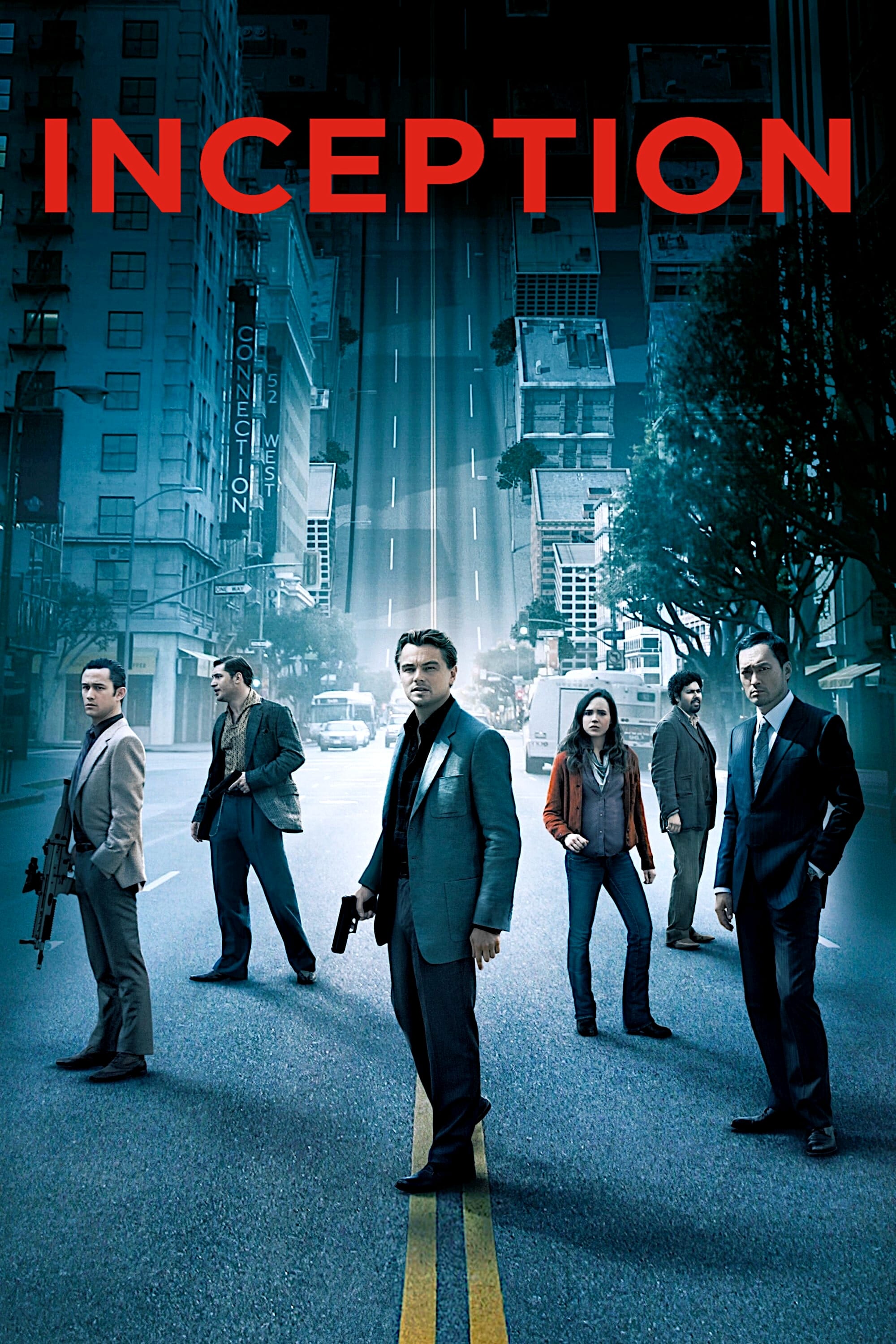
The zero-gravity hallway fight scene required the construction of a massive rotating centrifuge. Joseph Gordon-Levitt performed the choreography while the set physically spun around him and the stunt team. This complex engineering feat allowed the actors to walk on walls and ceilings without wires. The camera was mounted to the rotating set to create the illusion of a shifting gravitational pull.
‘Casino Royale’ (2006)
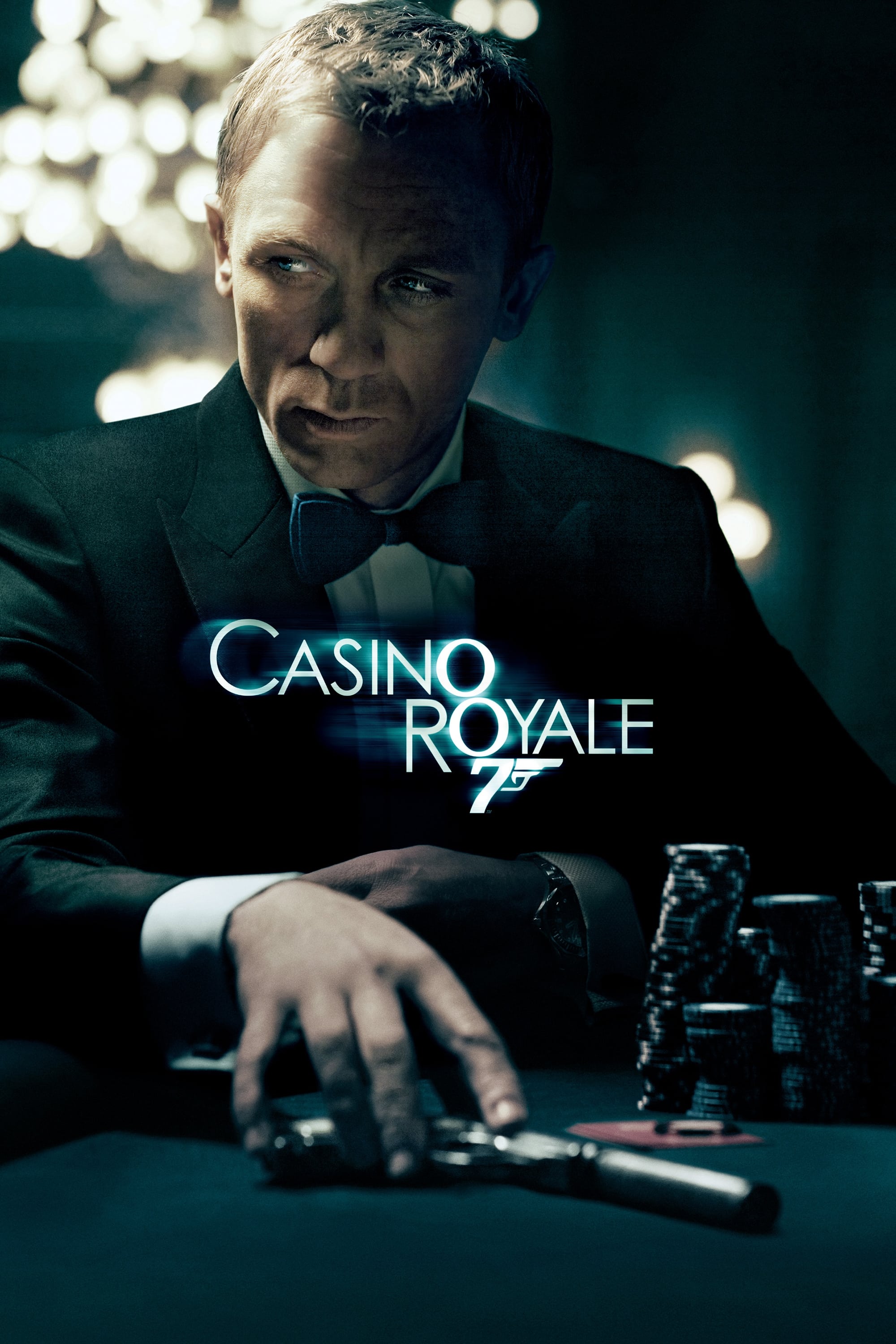
James Bond chases a bomb maker through a construction site in a sequence heavily influenced by parkour. Sebastien Foucan utilized his free-running skills to leap across cranes and unfinished structures with minimal safety wires. The scene emphasized physical exertion and real danger rather than polished digital enhancement. It established a rougher and more grounded tone for the new iteration of the secret agent.
‘Raiders of the Lost Ark’ (1981)
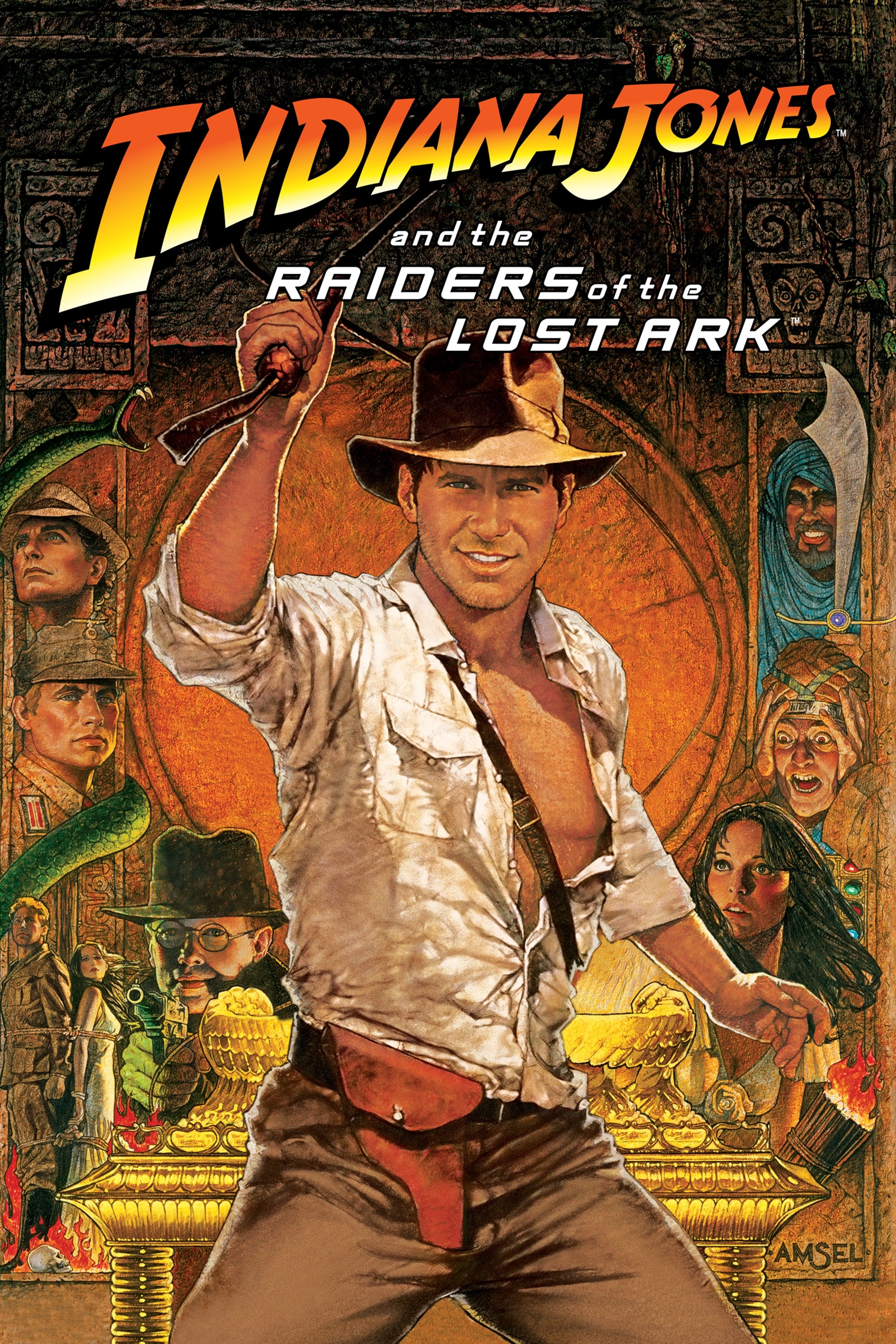
Harrison Ford and his stunt double performed a dangerous drag underneath a moving truck. The actor held onto the bumper while being pulled across a dusty road at considerable speed. This homage to classic western serials required precise timing to avoid serious injury from the vehicle wheels. Spielberg shot the sequence to highlight the physical struggle and desperation of the character.
‘Police Story’ (1985)
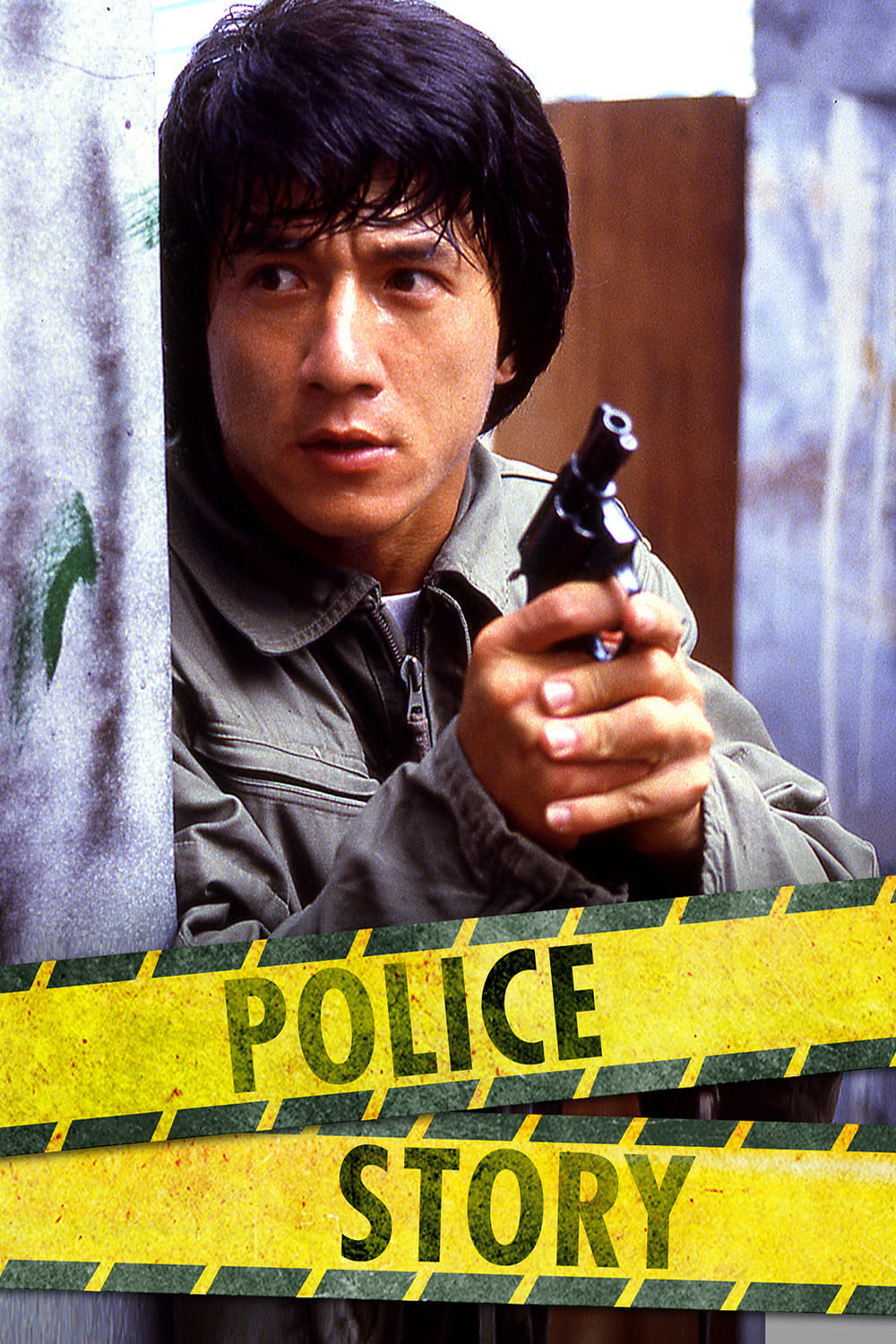
Jackie Chan slid down a multi-story pole covered in lights during the climactic mall fight. The stunt resulted in second-degree burns and a damaged spine for the dedicated performer. Glass and pyrotechnics exploded around him as he made the rapid descent to the ground floor. This sequence remains a benchmark for martial arts cinema due to the evident lack of safety mechanisms.
‘Bullitt’ (1968)
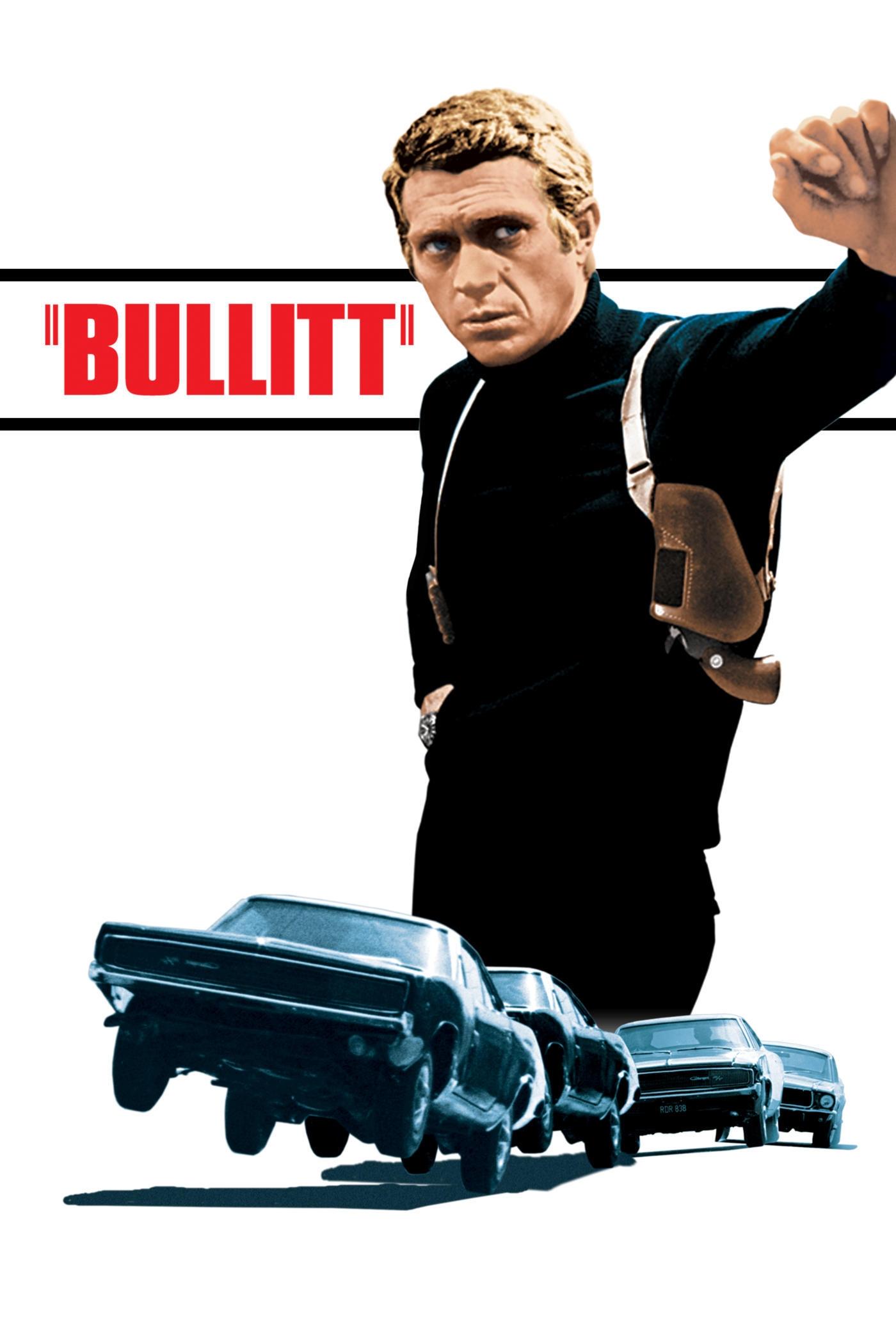
Steve McQueen did much of the driving in the car chase through the hilly streets of San Francisco. The sequence featured a Ford Mustang and a Dodge Charger catching air at genuine intersections. Cameras were mounted on the cars to capture the impact of the suspension and the perspective of the drivers. This scene set the standard for all automotive pursuit sequences that followed.
‘The General’ (1926)
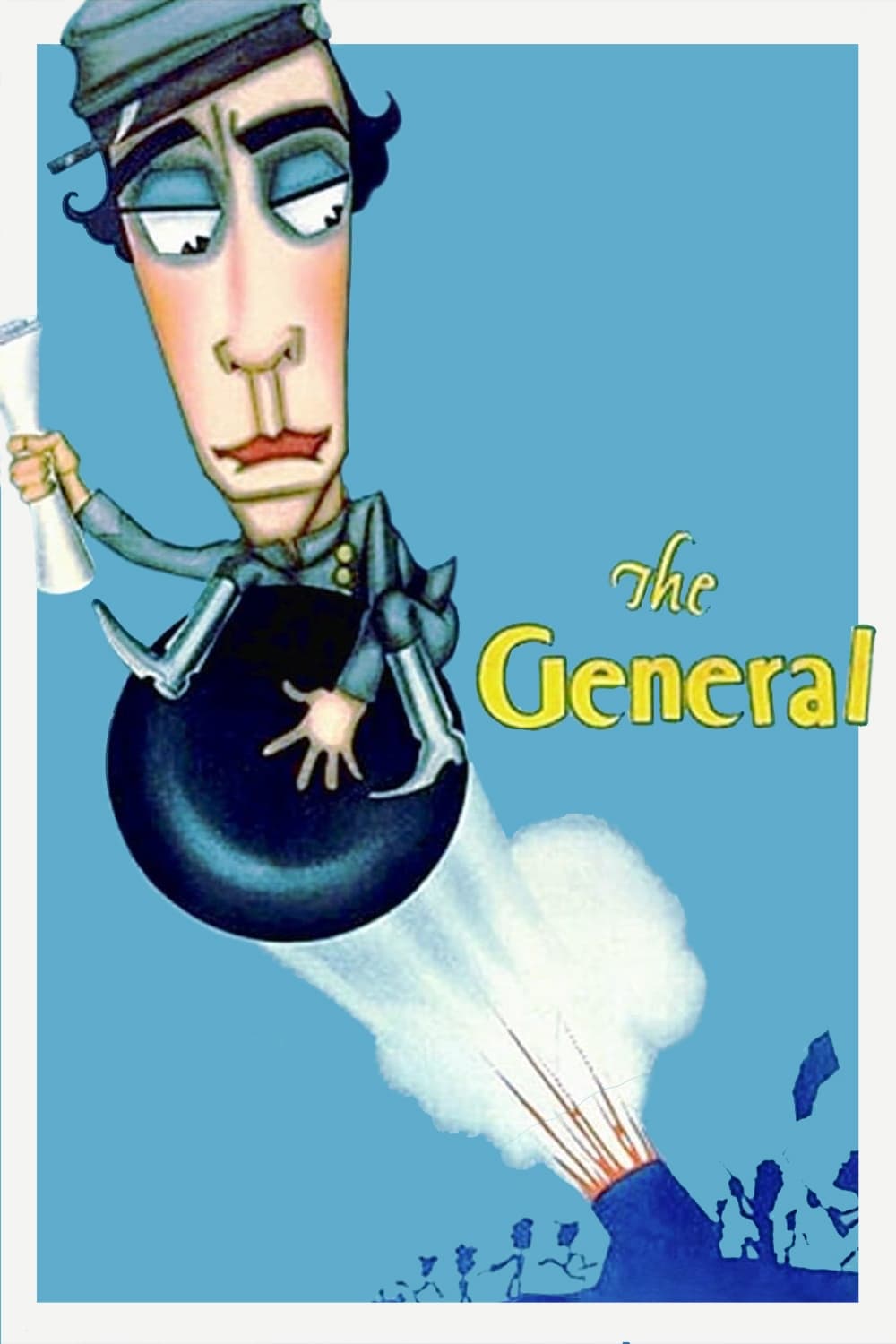
Buster Keaton staged the most expensive stunt in silent film history by driving a real locomotive onto a burning bridge. The bridge collapsed under the weight of the train and sent the engine crashing into the river below. No miniatures were used for the destruction of the massive steam engine. The wreckage remained in the river as a local tourist attraction for decades after filming wrapped.
‘Top Gun: Maverick’ (2022)
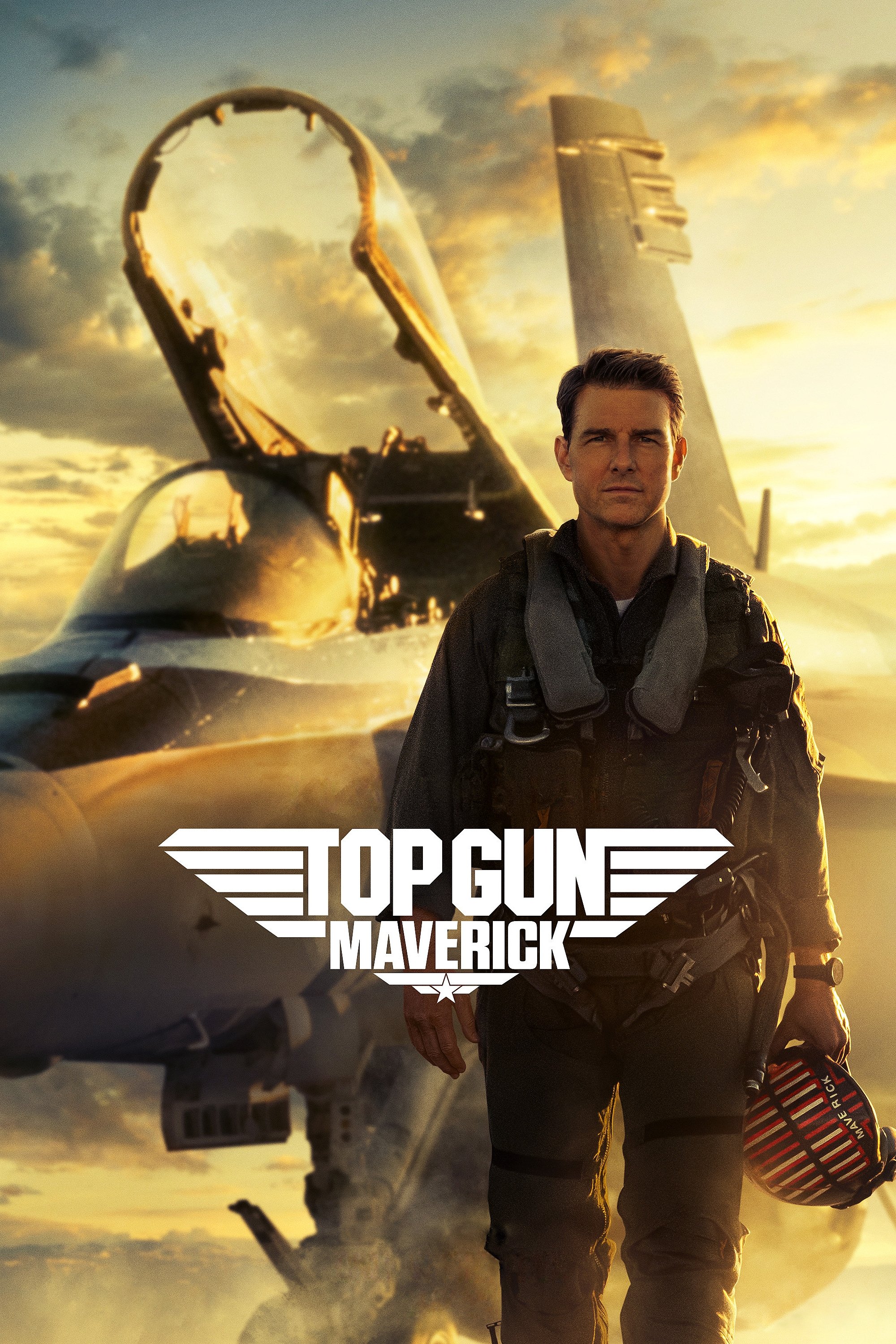
Actors flew inside real F-18 fighter jets to capture the intensity of gravitational forces on their faces. The production placed IMAX-quality cameras within the cockpits to film the aerial maneuvers practically. Naval aviators piloted the aircraft while the cast focused on acting and operating the camera equipment. The result offered an immersive experience that simulated the actual sensation of flight.
‘Ben-Hur’ (1959)
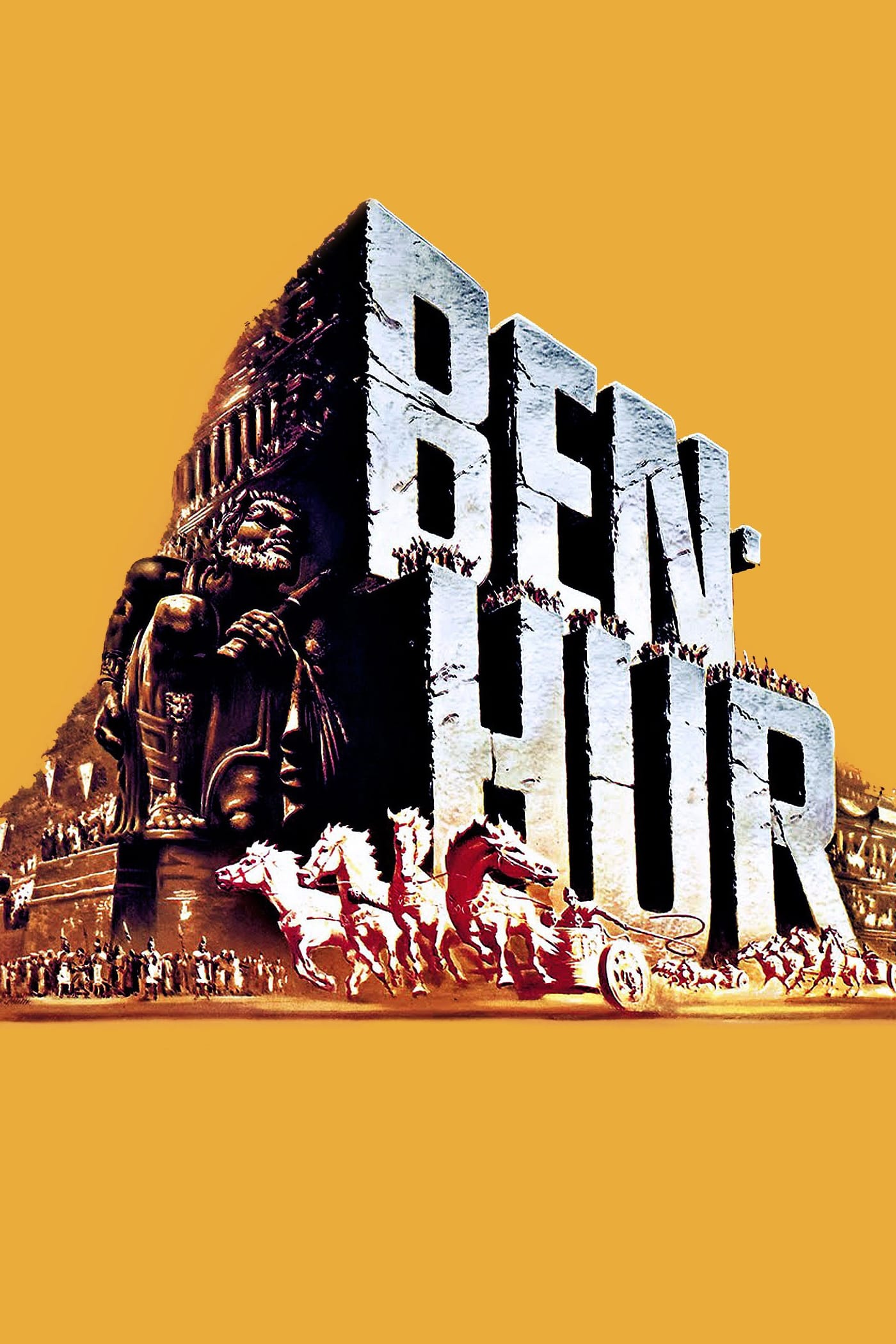
The chariot race involved thousands of extras and massive sets built specifically for the production. Stunt drivers and actors spent months training to command the horse teams around the arena track. A crash involving a chariot jumping over wreckage was an unscripted accident that made it into the final cut. This spectacle relied entirely on scale and physical coordination without digital crowd replication.
‘The French Connection’ (1971)
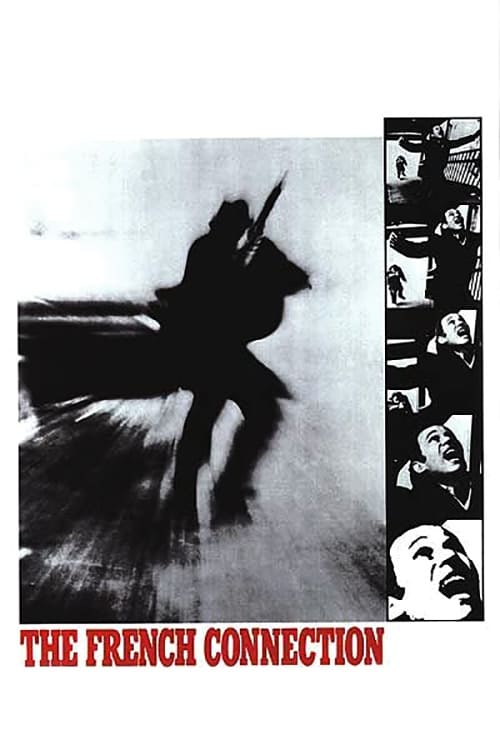
Gene Hackman drove a Pontiac LeMans at high speeds through Brooklyn traffic to chase an elevated train. The production did not have permits for every street and relied on a siren to clear the path. Several collisions in the scene were unplanned accidents involving local drivers who were unaware of the filming. The handheld camera work intensified the chaotic and illicit nature of the dangerous pursuit.
‘Saving Private Ryan’ (1998)
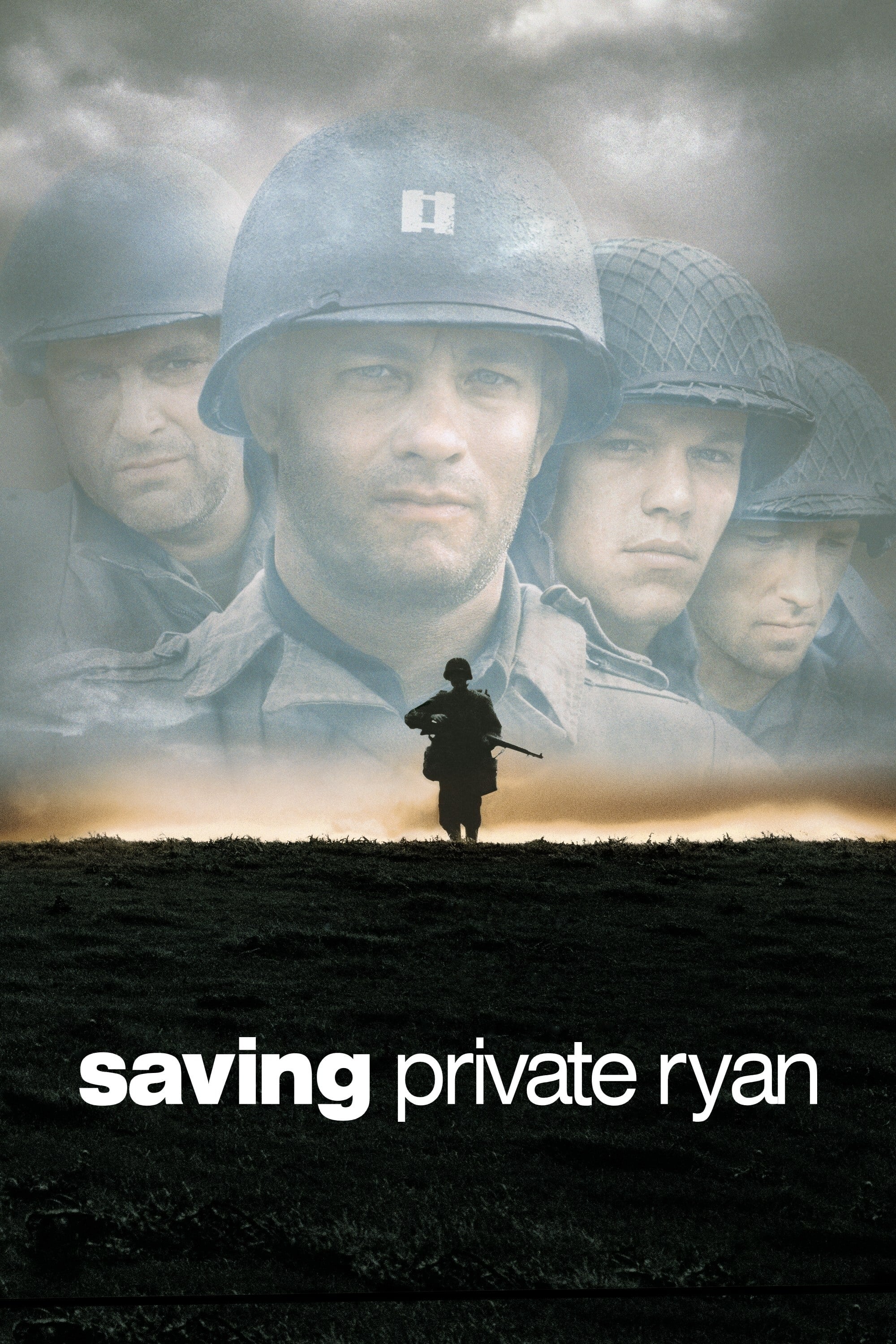
Steven Spielberg recreated the D-Day landings on an Irish beach with thousands of re-enactors and practical squibs. The scene utilized landing craft and authentic weaponry to simulate the chaos of combat. Explosions were detonated near the actors to create a realistic reaction to the artillery fire. The sequence is renowned for its unflinching portrayal of warfare through practical means.
‘Mission: Impossible – Rogue Nation’ (2015)
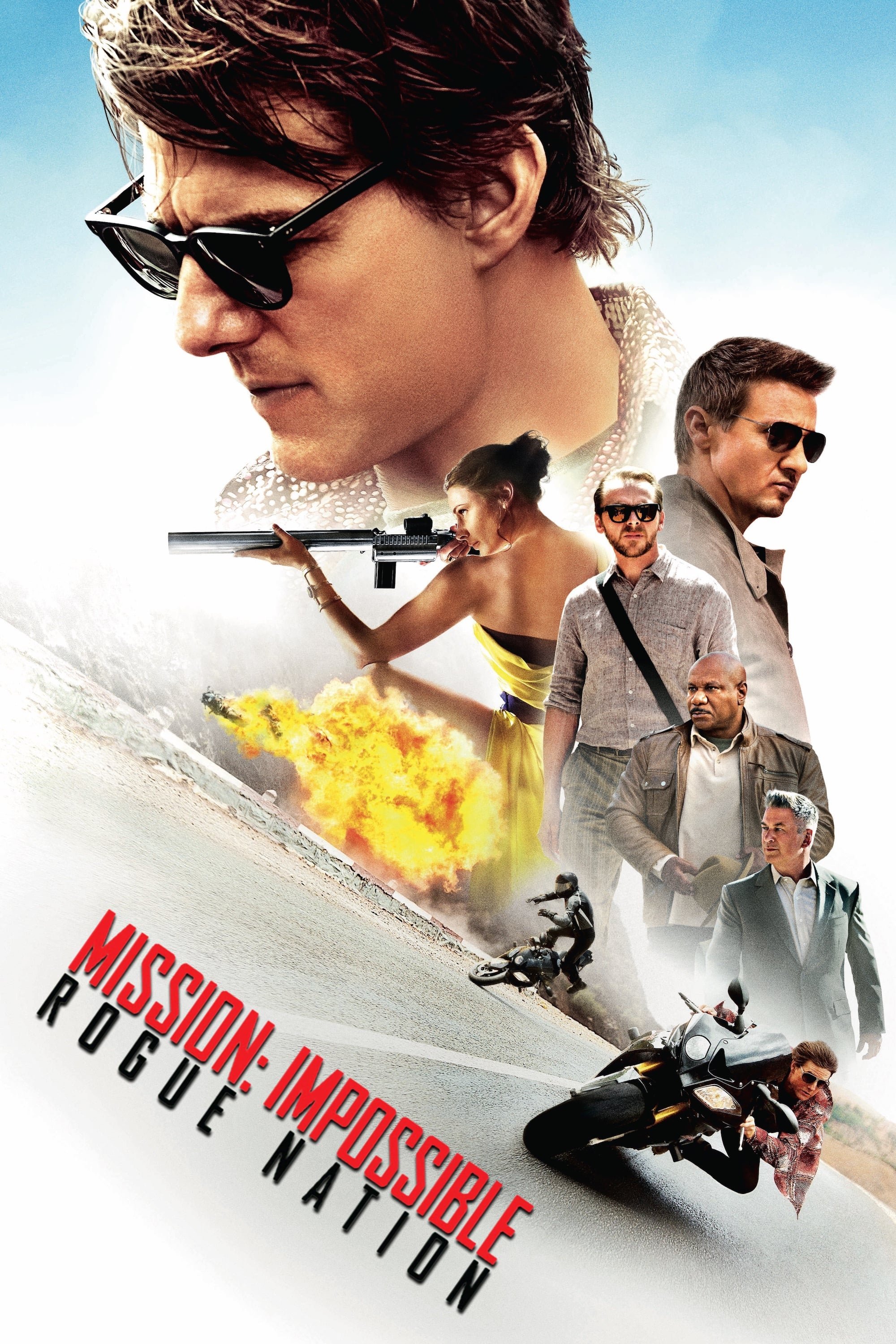
Tom Cruise hung from the side of an Airbus A400M as it took off and ascended to altitude. The actor wore special contact lenses to protect his eyes from debris and the intense wind pressure. A safety harness was the only measure keeping him attached to the fuselage of the moving aircraft. This stunt demonstrated a commitment to practical filmmaking that few productions attempt.
‘Cliffhanger’ (1993)

Stuntman Simon Crane performed a dangerous aerial transfer between two moving planes at 15,000 feet. The insurance company refused to cover the stunt due to the extreme risk involved. Crane successfully moved from one aircraft to the other without the use of computer enhancement. The scene holds the record for one of the most expensive aerial stunts ever performed.
‘Skyfall’ (2012)
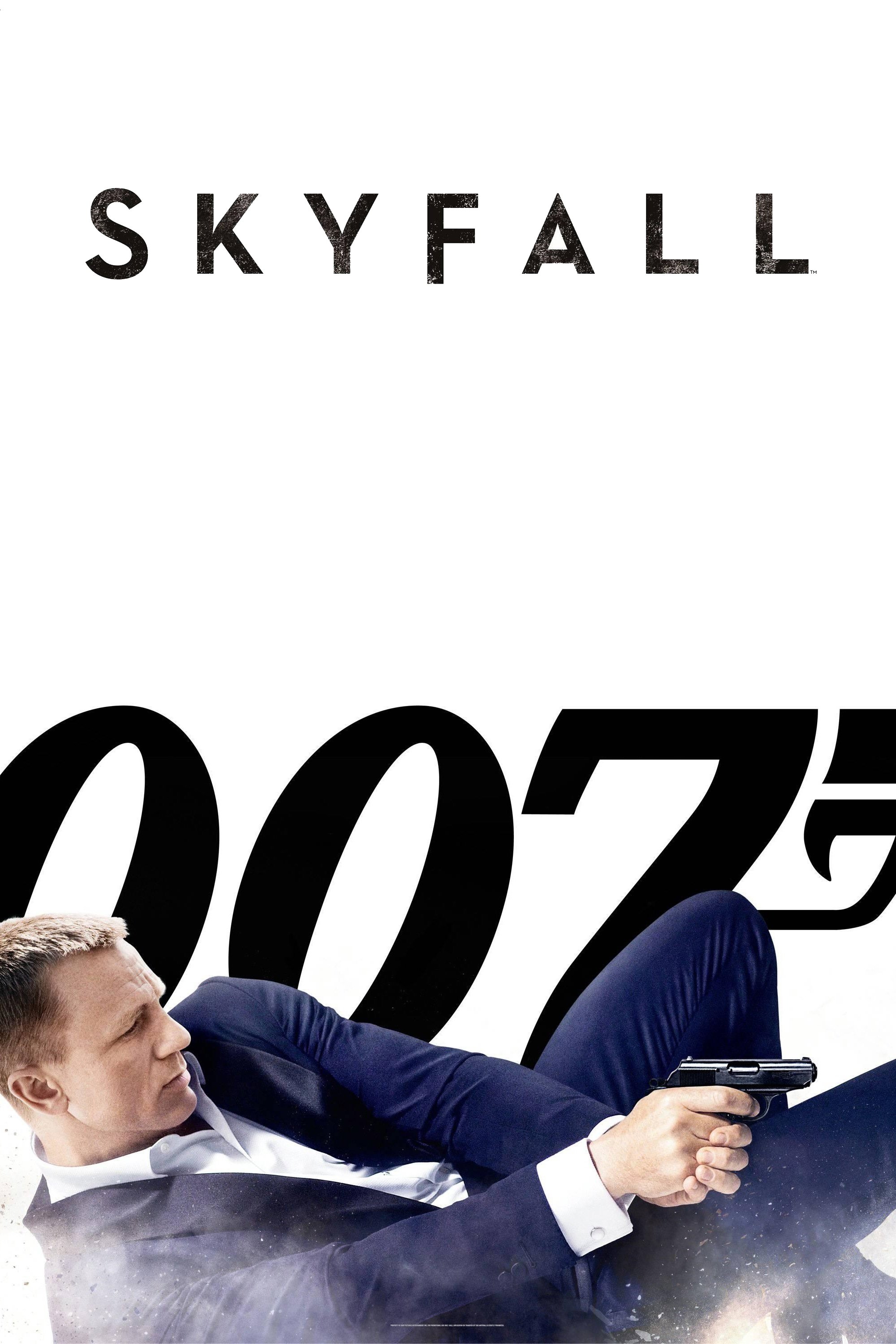
James Bond fights on top of a moving train while an excavator rips open the passenger cars. The production built a rig to operate the heavy machinery on top of the train carriage. Daniel Craig performed many of the fight moves himself amidst the destruction and debris. The practical interaction between the excavator and the train cars added genuine weight to the sequence.
‘Death Proof’ (2007)
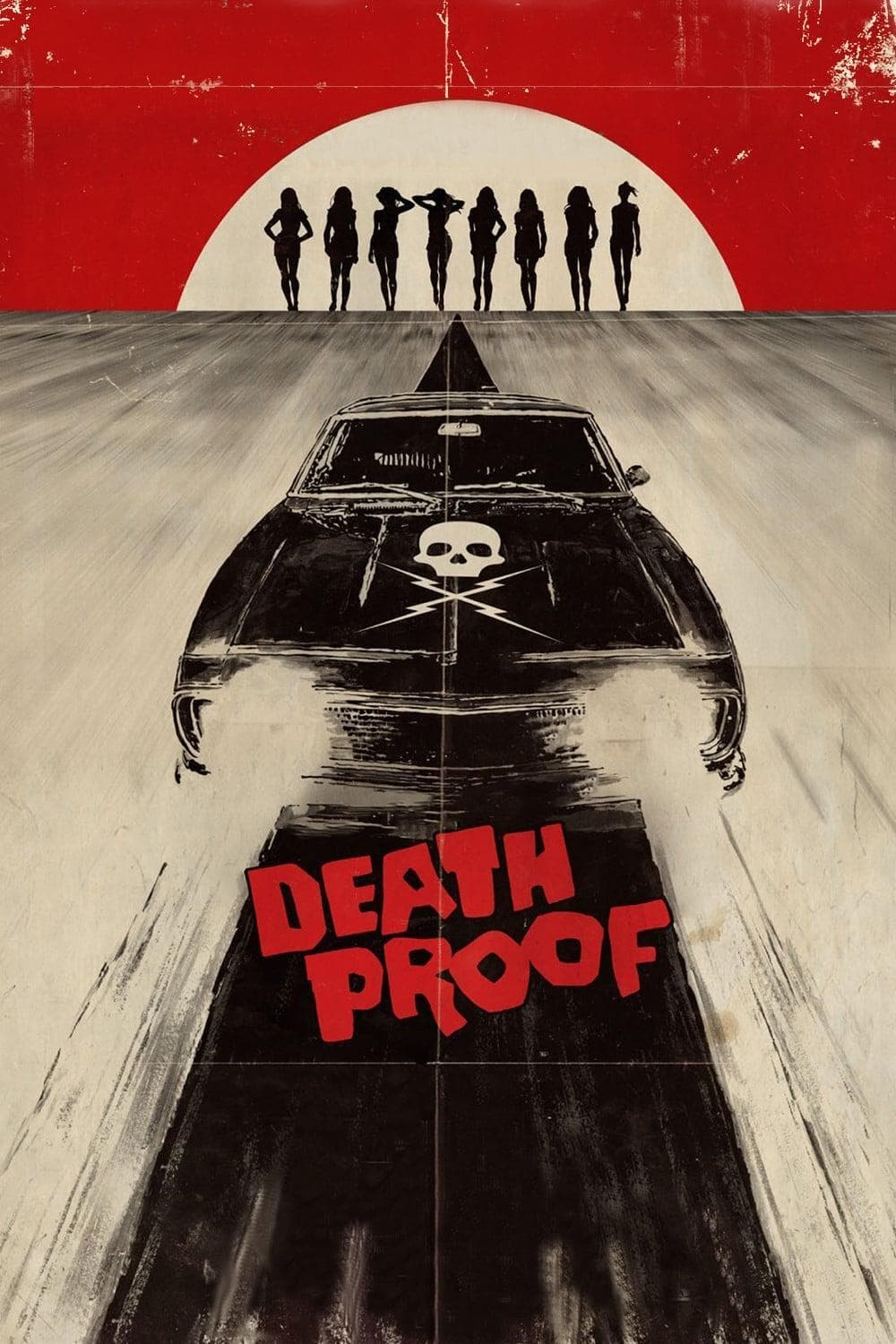
Zoe Bell rode on the hood of a Dodge Challenger while it traveled at high speeds. The stuntwoman held onto belts attached to the door frame as the car swerved and collided with another vehicle. Tarantino shot the sequence without CGI to showcase the raw danger and skill of the performer. The lack of digital trickery heightened the tension of the extended car duel.
‘The Matrix’ (1999)
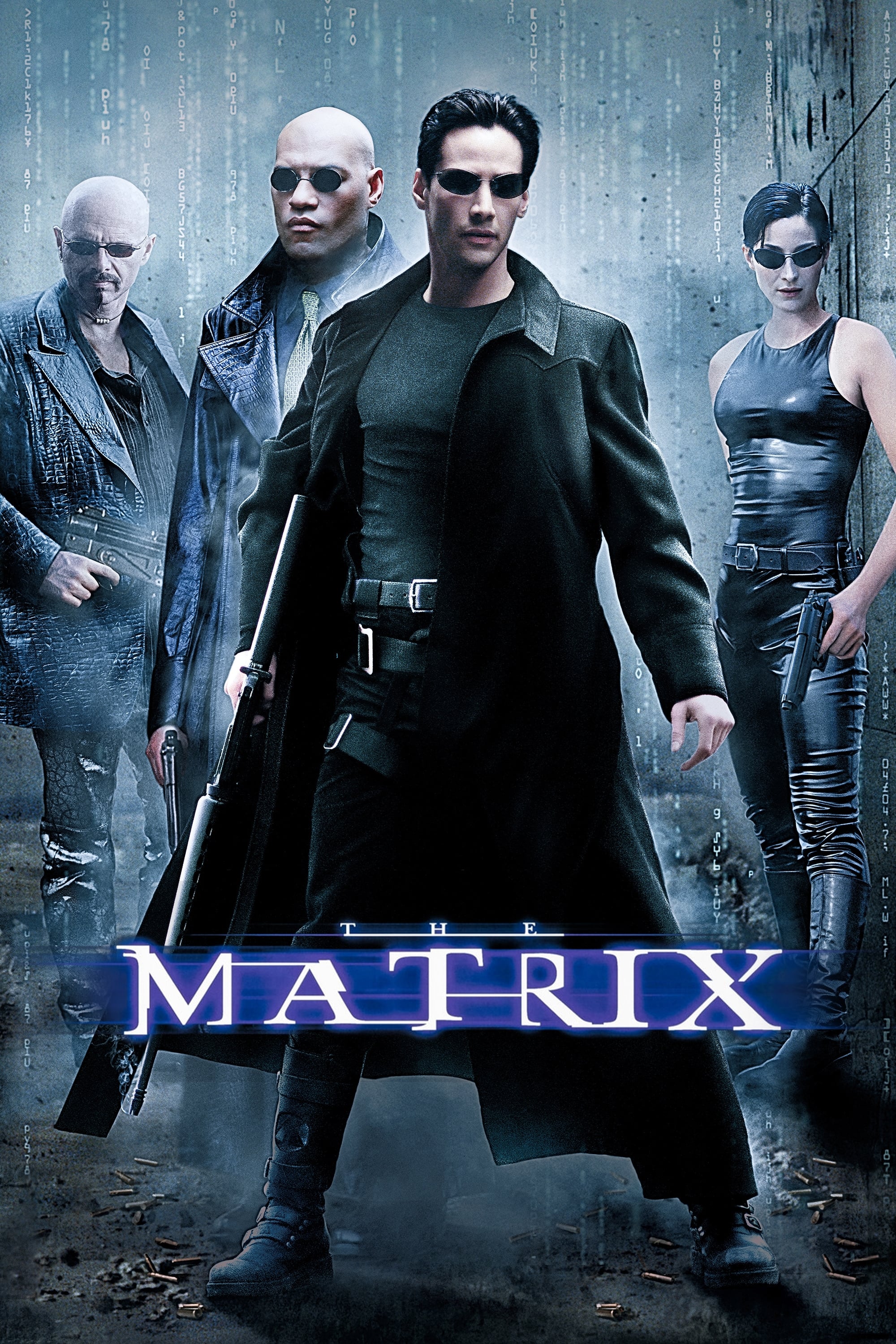
The lobby shootout utilized practical squibs and real masonry destruction to depict the intense gunfight. Debris flew across the set as actors executed choreographed movements amidst the exploding pillars. The production focused on wirework and practical effects rather than digital overlays for this specific scene. It grounded the stylized action in a tactile environment filled with dust and concrete.
‘Terminator 2: Judgment Day’ (1991)
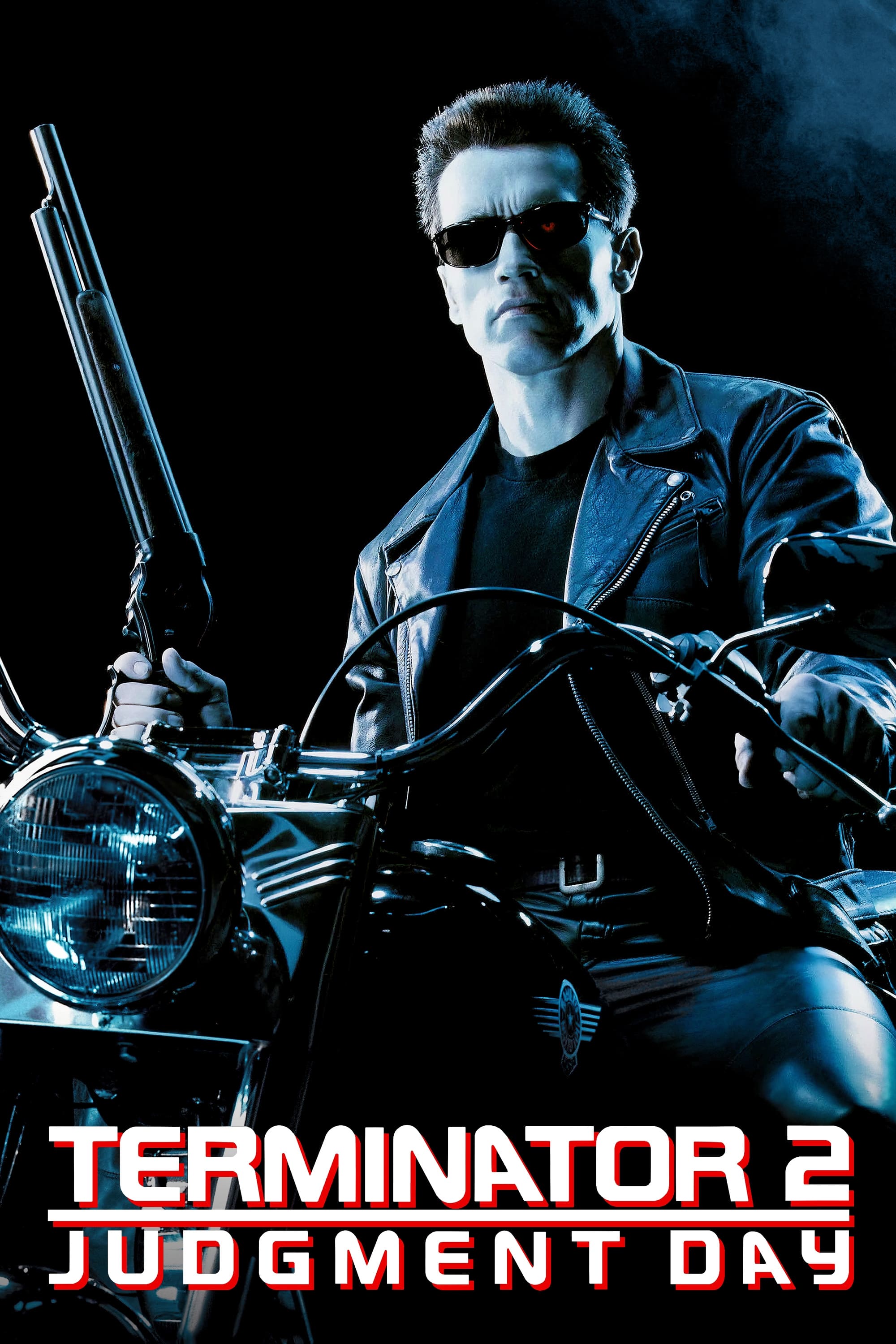
A helicopter flew under a freeway overpass during the climactic chase sequence. The pilot maneuvered the aircraft with mere feet of clearance between the rotors and the concrete structure. Camera crews filmed the stunt from a safe distance due to the high probability of a crash. This practical feat remains one of the most dangerous helicopter stunts captured on film.
Please share your favorite practical action sequence from movie history in the comments.