


Action Stars Who Have Criticized Diversity Initiatives



The entertainment industry has seen a significant shift toward formalized diversity, equity, and inclusion mandates in recent years. While many embrace these changes, several prominent action stars have voiced concerns regarding how these initiatives affect artistic integrity and the casting process. These actors often argue that merit and storytelling should take precedence over demographic requirements. Their public statements have sparked ongoing debates about the future of Hollywood’s creative standards.
Richard Dreyfuss
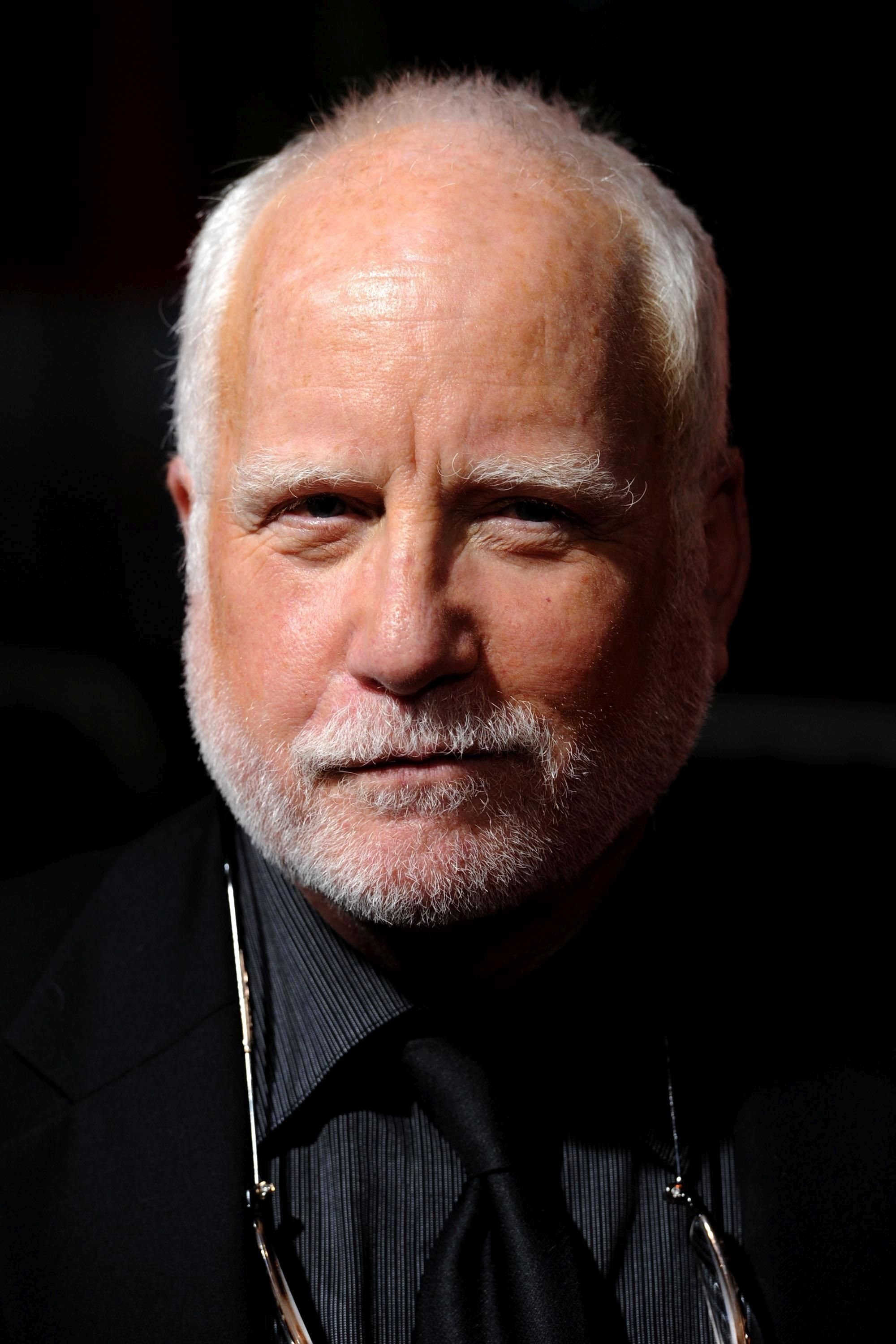
The ‘Jaws’ actor has been vocal in his opposition to the Academy of Motion Picture Arts and Sciences’ new diversity requirements for Best Picture eligibility. He stated in interviews that these mandates make him “vomit” because they infringe upon the freedom of artistic expression. Dreyfuss argues that cinema is an art form that should not be subjected to social engineering or moral policing. He believes that the essence of acting is the ability to play characters unlike oneself without restriction. These comments highlight his stance that creativity should remain independent of legislative-style mandates.
Gina Carano
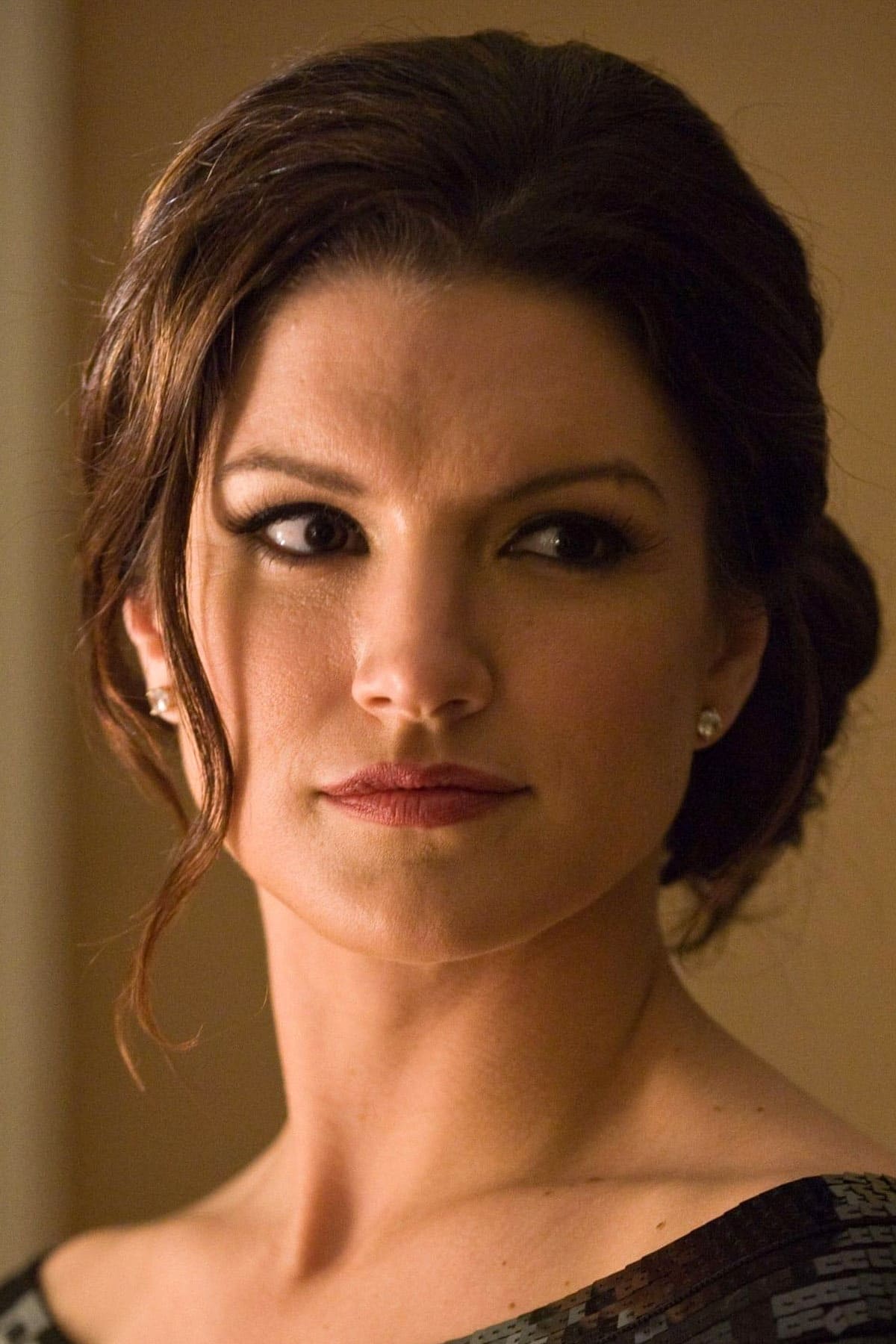
Known for her roles in ‘Deadpool’ and ‘The Mandalorian’, Carano became a central figure in the debate over Hollywood’s political and social climate. She has frequently criticized what she describes as “woke” mandates and the pressure to conform to specific social agendas. Carano argues that the industry’s focus on identity politics creates an environment of exclusion rather than inclusion. Following her departure from ‘The Mandalorian’, she has continued to speak out against the enforcement of ideological standards in entertainment. She maintains that performers should be judged on their work rather than their adherence to diversity initiatives.
Kevin Sorbo
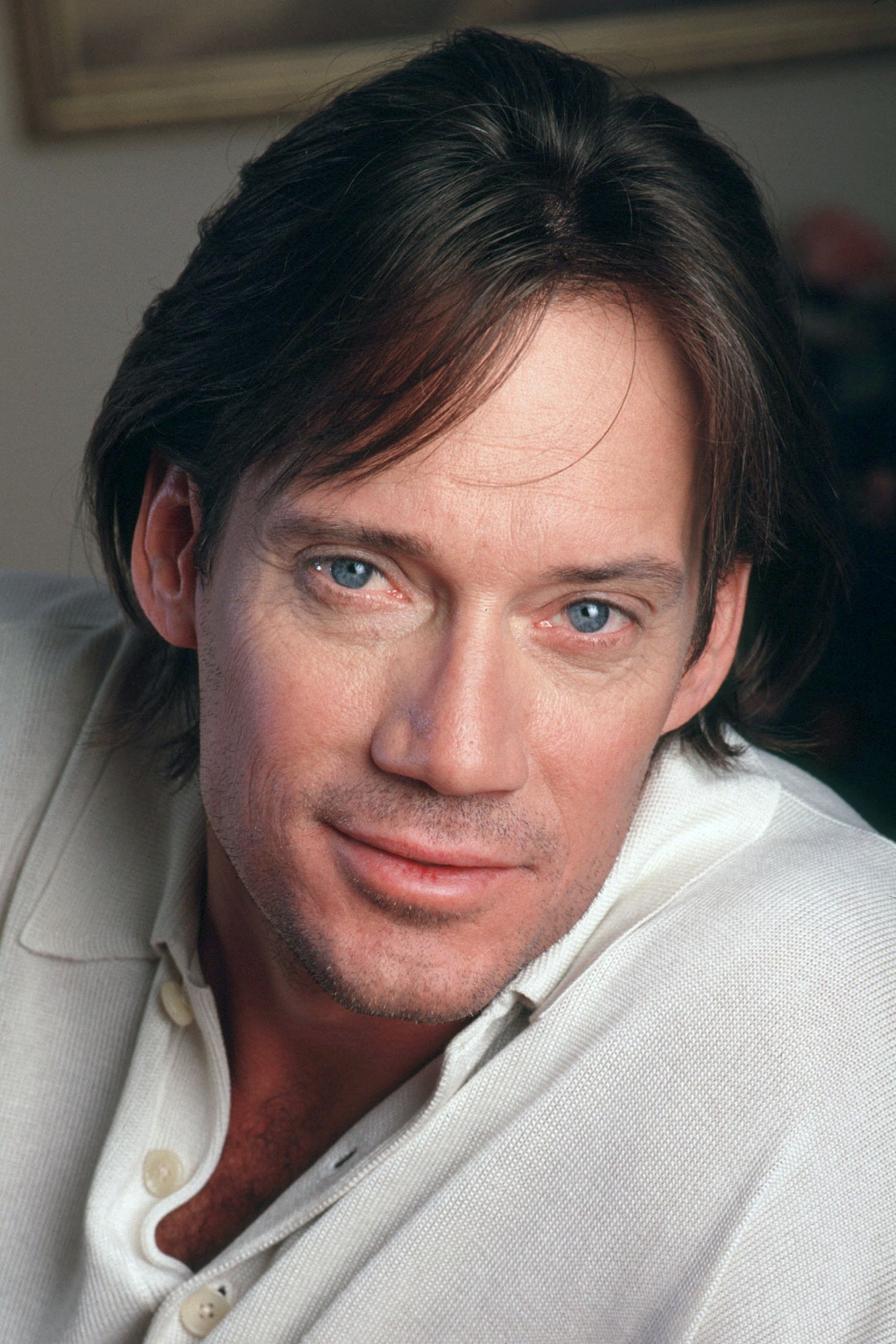
The star of ‘Hercules: The Legendary Journeys’ is a frequent critic of the modern Hollywood establishment and its diversity-driven policies. He has publicly claimed that his conservative views and opposition to “woke” culture have led to him being sidelined by major studios. Sorbo argues that the current focus on diversity initiatives often results in subpar storytelling and forced narratives. He believes that the industry should return to a merit-based system where talent is the only determining factor for casting. His advocacy for traditional values often puts him at odds with contemporary industry trends.
Dean Cain
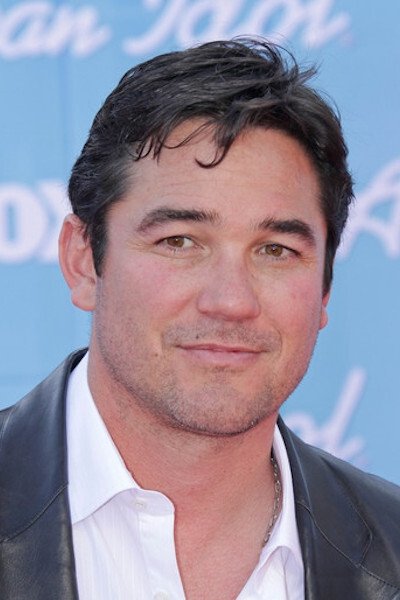
Famous for playing the titular hero in ‘Lois & Clark: The New Adventures of Superman’, Cain has expressed disappointment with the direction of modern superhero stories. He specifically criticized the decision to change ‘Superman’ and his traditional values to fit modern social justice narratives. Cain argues that these changes are driven by a desire to be “woke” rather than a commitment to the character’s legacy. He has often spoken out against the implementation of diversity quotas that he feels compromise the internal logic of established franchises. He remains a vocal proponent of individual merit over group identity in the casting process.
James Woods
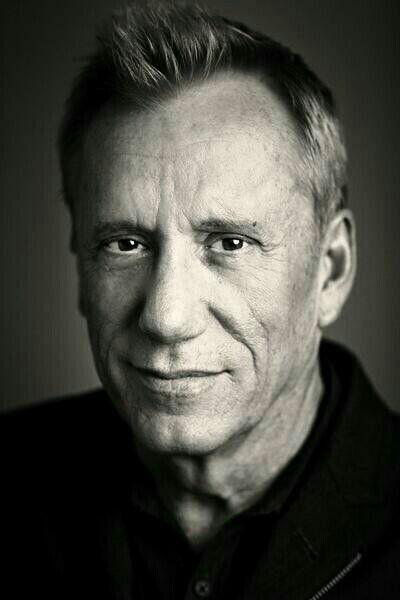
The ‘Vampires’ and ‘Casino’ actor is well-known for his blunt criticisms of Hollywood’s political and social shifts. He has frequently used his platform to denounce DEI initiatives, labeling them as a form of “cultural Marxism.” Woods suggests that these programs prioritize political correctness over the quality of the final cinematic product. He often shares his belief that such initiatives are detrimental to the industry’s longevity and creative output. His stance is rooted in the idea that art should be free from the influence of institutional social agendas.
Adam Baldwin
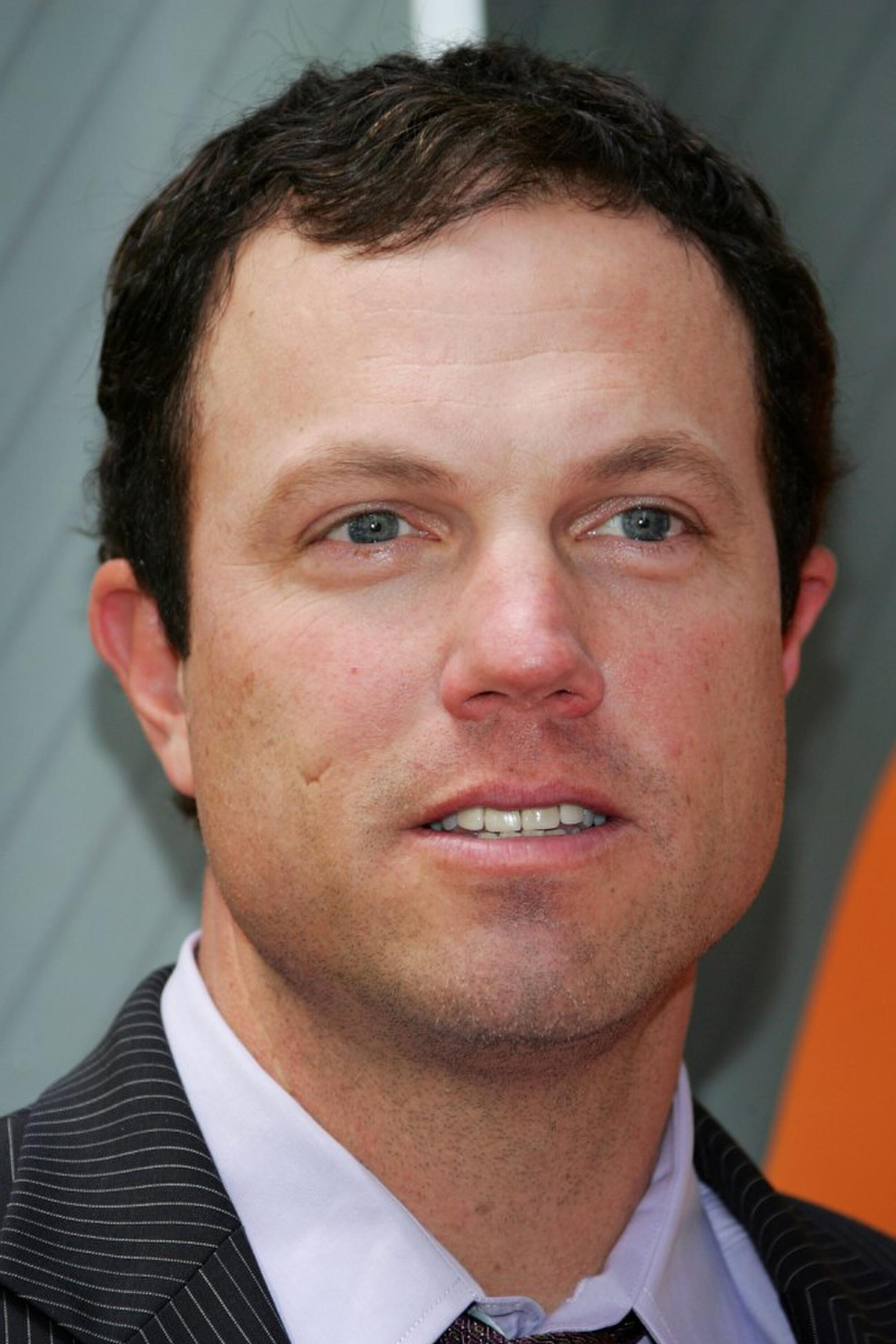
A staple in action projects like ‘Full Metal Jacket’ and ‘Firefly’, Baldwin has long been a critic of identity politics in media. He argues that the push for diversity initiatives often feels performative and detracts from the universal themes of storytelling. Baldwin has expressed concerns that these mandates create a “chilling effect” on creators who may fear backlash for not meeting certain quotas. He advocates for a return to colorblind casting and meritocracy in the film industry. His public commentary often targets the perceived ideological homogeneity of Hollywood’s decision-makers.
Antonio Sabàto, Jr.
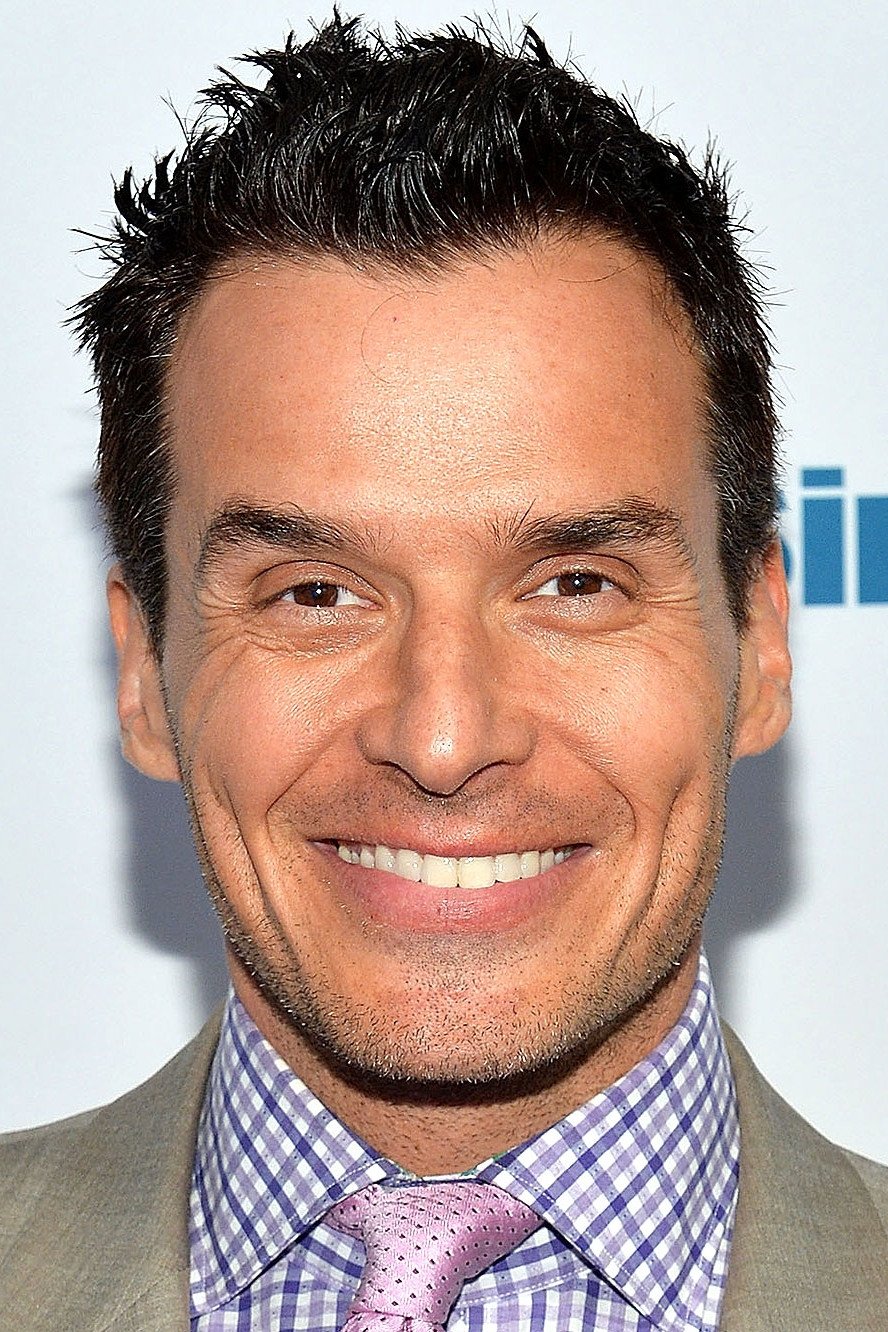
The ‘The Big Hit’ actor has claimed that his career suffered significantly due to his political beliefs and opposition to industry-wide social mandates. He has been vocal about his disdain for diversity initiatives that he believes exclude those with traditional viewpoints. Sabato Jr. argues that the entertainment industry has become an echo chamber that punishes dissent against progressive norms. He has even attempted to start his own production company to provide an alternative to “woke” Hollywood. He maintains that talent should be the sole criteria for success in the acting profession.
Kristy Swanson

The original star of ‘Buffy the Vampire Slayer’ has frequently criticized the “woke” direction of the modern entertainment landscape. She has expressed support for actors who feel marginalized by Hollywood’s current focus on diversity and inclusion. Swanson believes that these initiatives often lead to the alienation of a large portion of the audience who prefer traditional storytelling. She argues that the industry’s obsession with social engineering is damaging to the artistic process. Swanson continues to use her platform to advocate for more ideological diversity within the film world.
Jon Voight
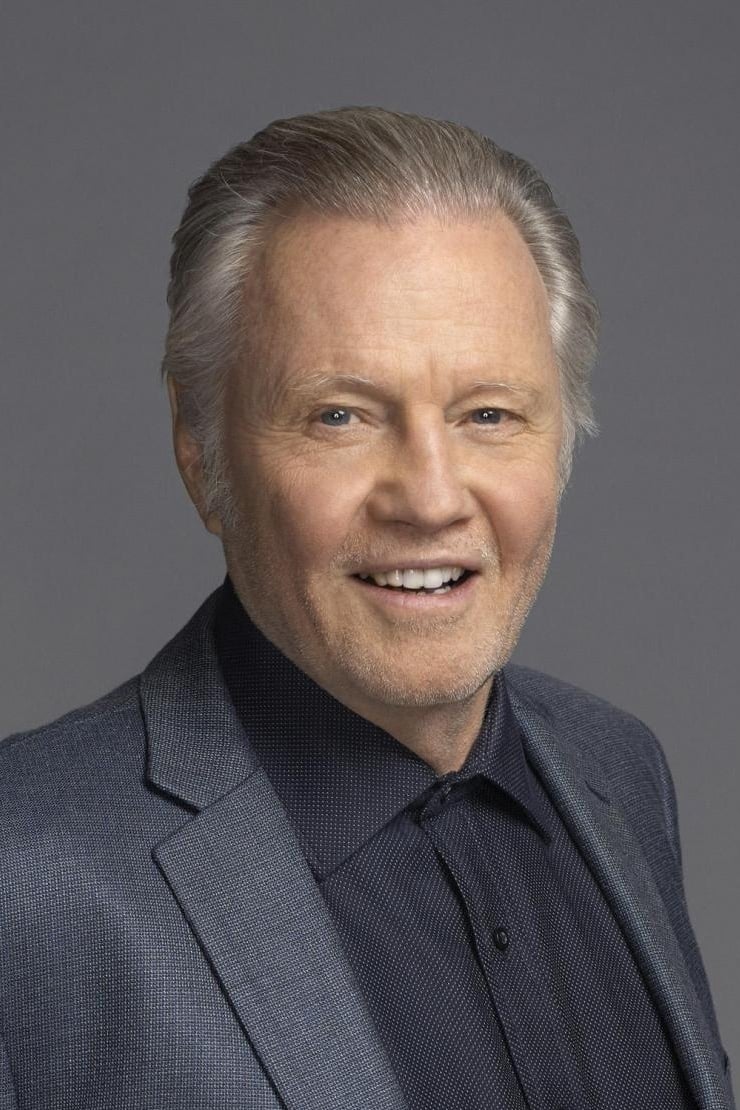
The ‘Mission: Impossible’ and ‘Deliverance’ star is a staunch critic of the progressive shift in Hollywood’s corporate culture. He has released multiple public statements condemning what he views as the “politicization” of the film industry. Voight argues that diversity initiatives are often used as a tool for social control rather than genuine representation. He believes that these policies undermine the greatness of American cinema by prioritizing agendas over excellence. His views emphasize a commitment to traditional filmmaking values and individual liberty.
Jim Caviezel
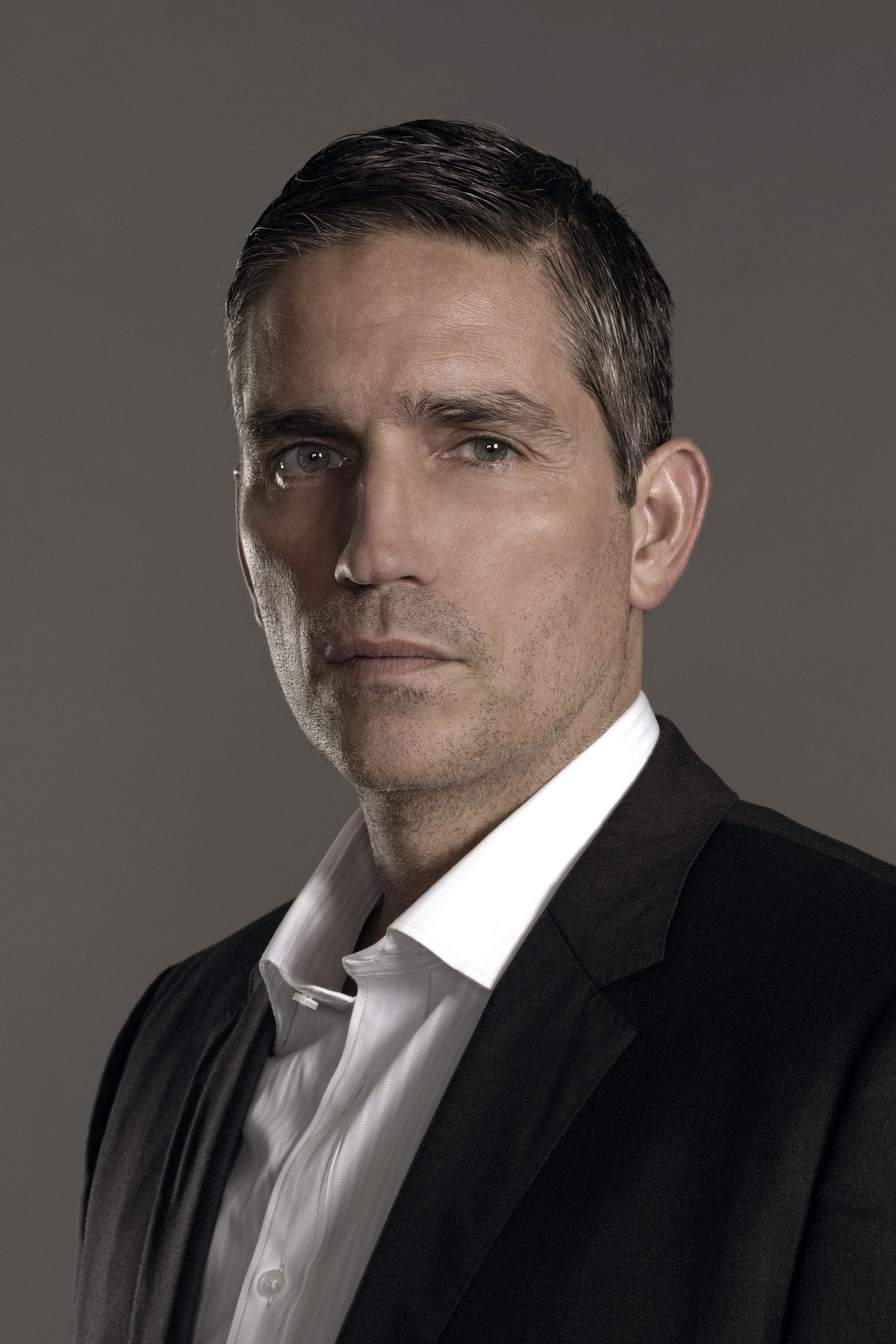
Known for ‘The Passion of the Christ’ and ‘Sound of Freedom’, Caviezel has become a prominent voice against the Hollywood establishment. He frequently speaks out against the moral and social directions taken by major studios, including their diversity mandates. Caviezel suggests that these initiatives are often at odds with the values of a significant portion of the global audience. He argues that the industry should focus on truth and quality rather than fulfilling social quotas. His career choices in recent years reflect a move away from the traditional studio system.
Dennis Quaid
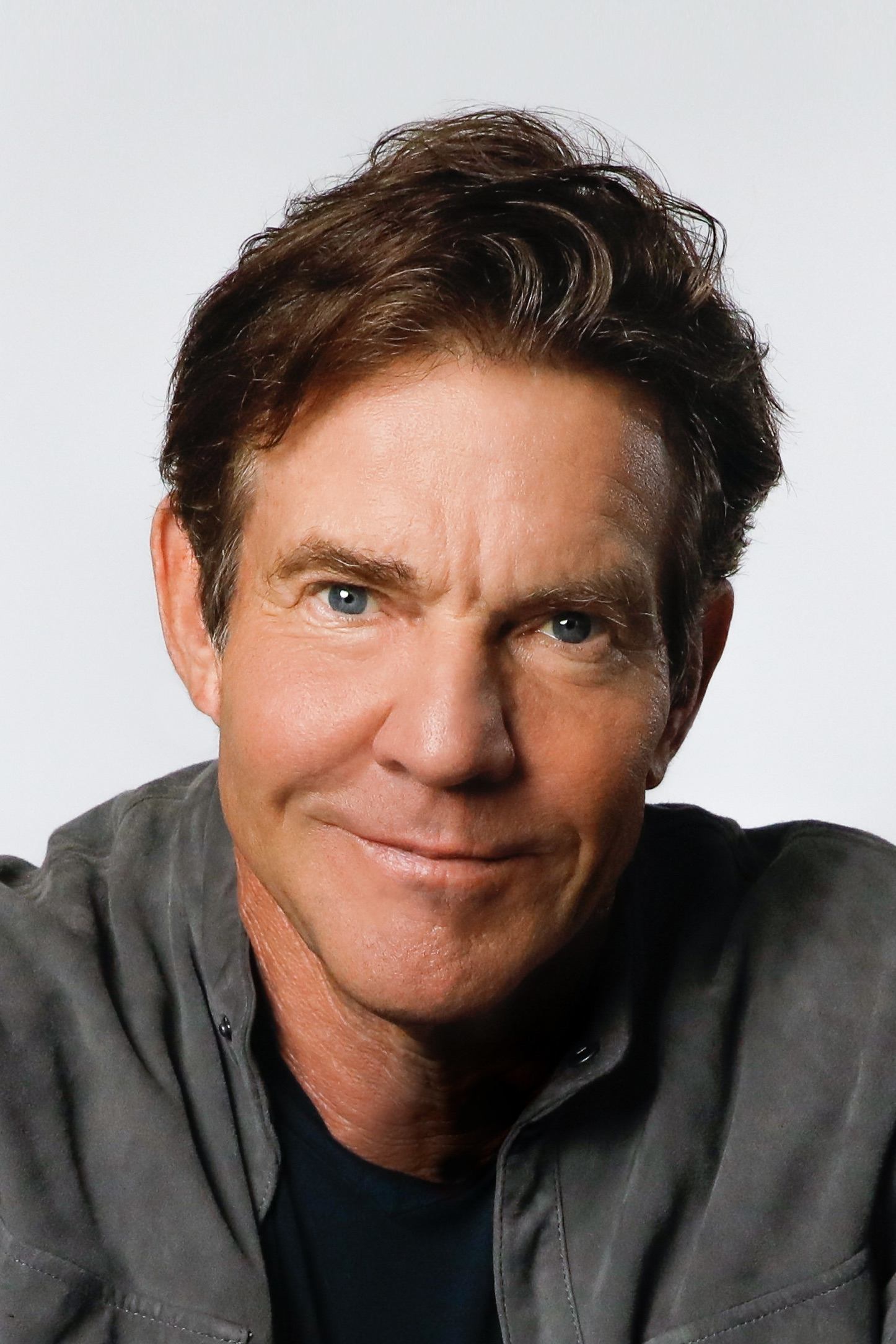
The ‘The Day After Tomorrow’ actor has expressed skepticism regarding the rigid political and social litmus tests now present in the film industry. He has noted in interviews that the current environment feels increasingly restrictive for those who do not strictly follow the “woke” narrative. Quaid argues that art should remain a space for all perspectives, rather than a vehicle for specific social initiatives. While he remains active in the industry, he has voiced concerns about the long-term impact of mandatory diversity standards. He advocates for a more balanced approach that respects different viewpoints.
Tim Allen
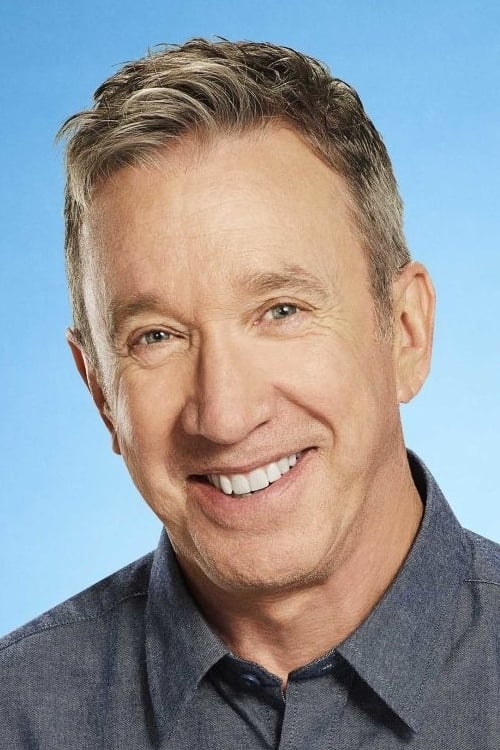
The star of ‘The Santa Clause’ and ‘Wild Hogs’ has often used humor to critique Hollywood’s “thought police” and diversity mandates. He has pointed out the irony of an industry that preaches tolerance while often excluding those with non-conforming political views. Allen argues that the focus on diversity of identity has come at the expense of diversity of thought. He believes that the creative process suffers when writers and actors are forced to adhere to specific social guidelines. His perspective highlights a desire for a more intellectually open entertainment industry.
Stacey Dash
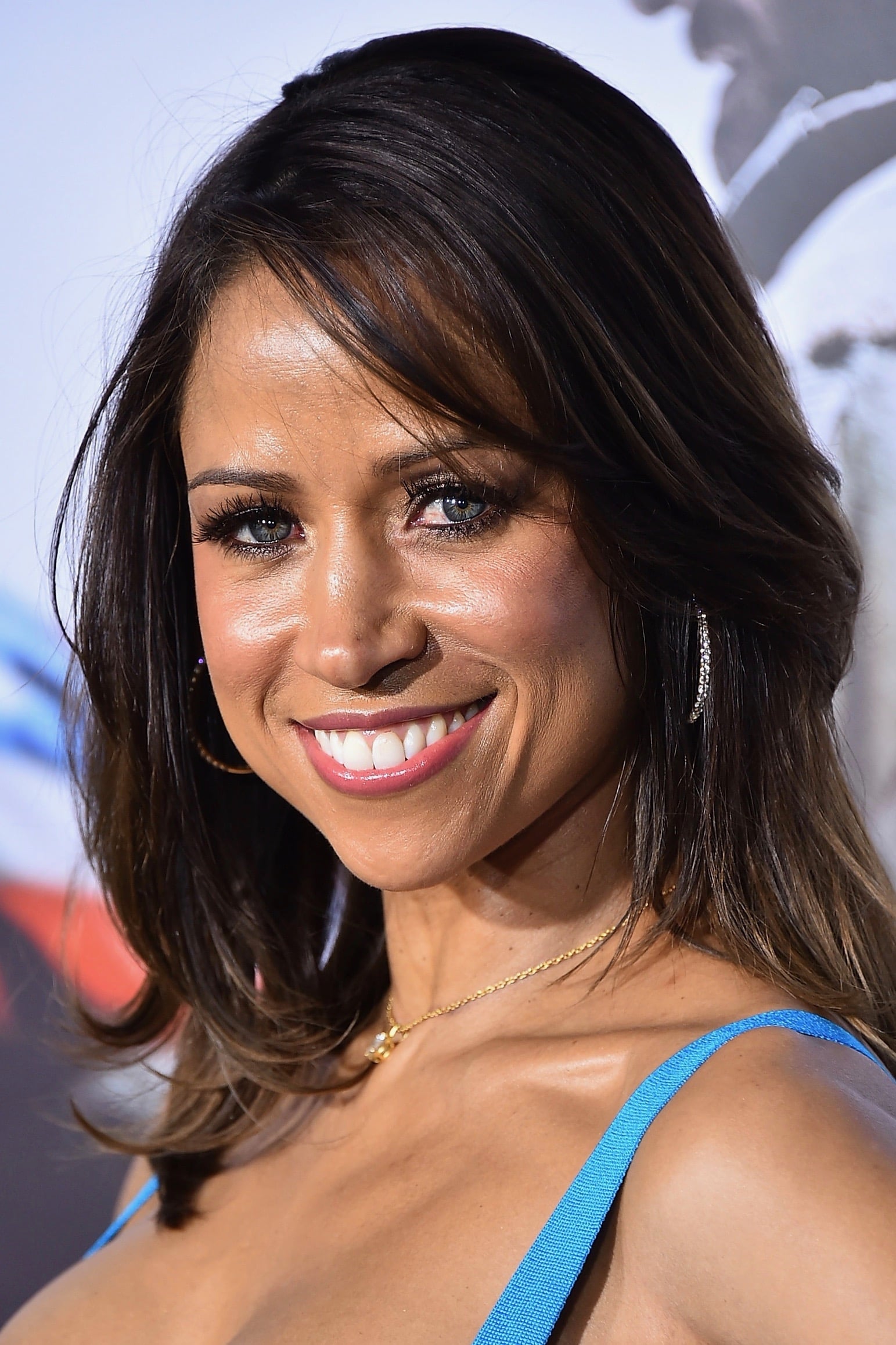
While perhaps best known for ‘Clueless’, Dash has appeared in several action-oriented roles and has become a vocal critic of diversity-specific programming. She has famously called for the elimination of channels like BET and the end of Black History Month, arguing they promote segregation. Dash believes that diversity initiatives and awards often create more division rather than unity. She argues that true equality is achieved when people are judged solely on their character and performance. Her views have made her a controversial figure within the Hollywood social landscape.
Clint Eastwood
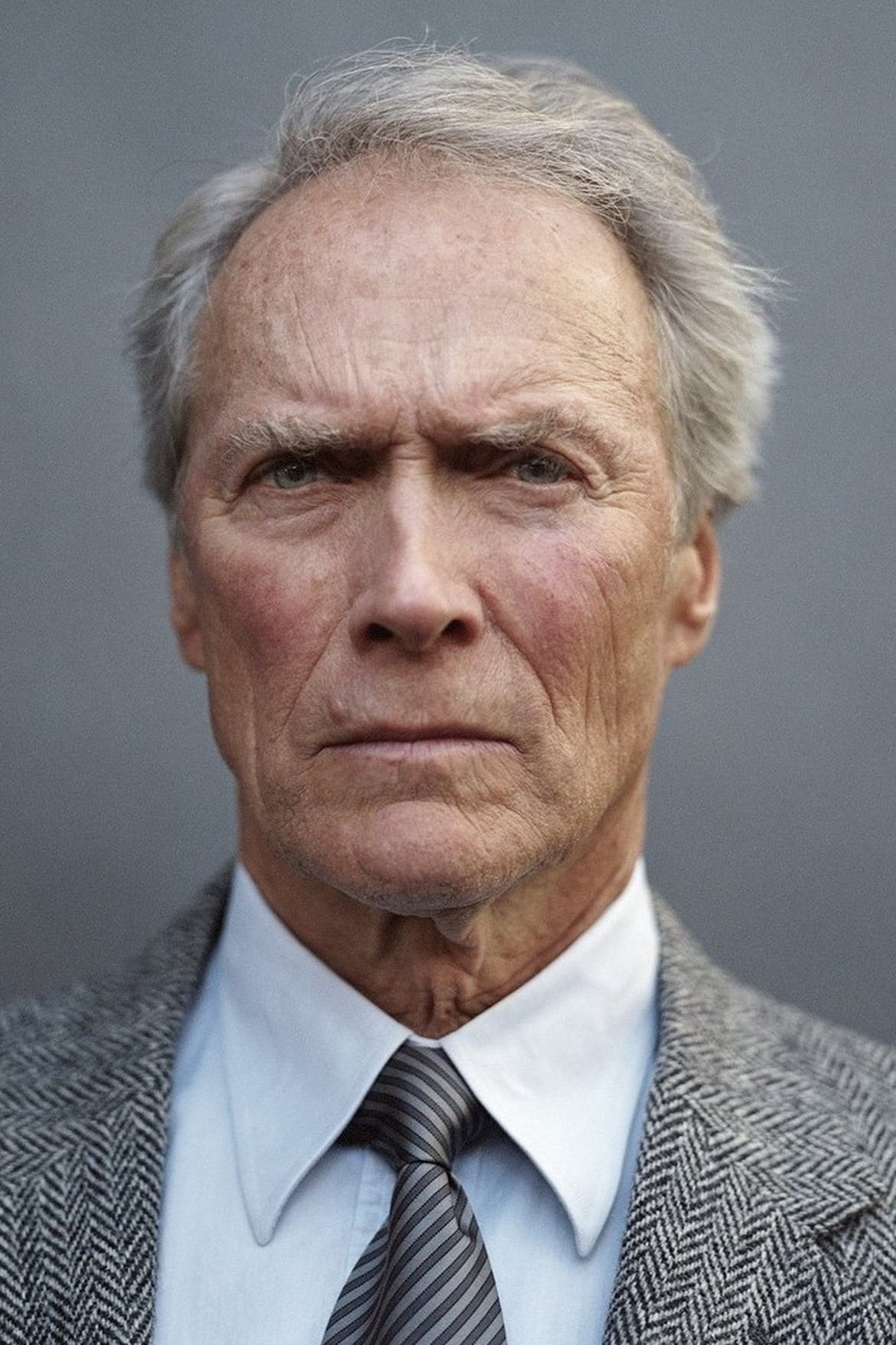
The legendary star of ‘Dirty Harry’ has famously criticized what he calls the “pussy generation,” referring to an era of heightened political correctness. Eastwood has consistently resisted the trend of integrating social mandates into his filmmaking process. He believes that stories should be told authentically without the interference of modern diversity quotas. Eastwood’s films often focus on rugged individualism, a theme he feels is being lost in the current industry climate. He remains a powerful voice for traditional, non-politicized cinema.
Frank Grillo
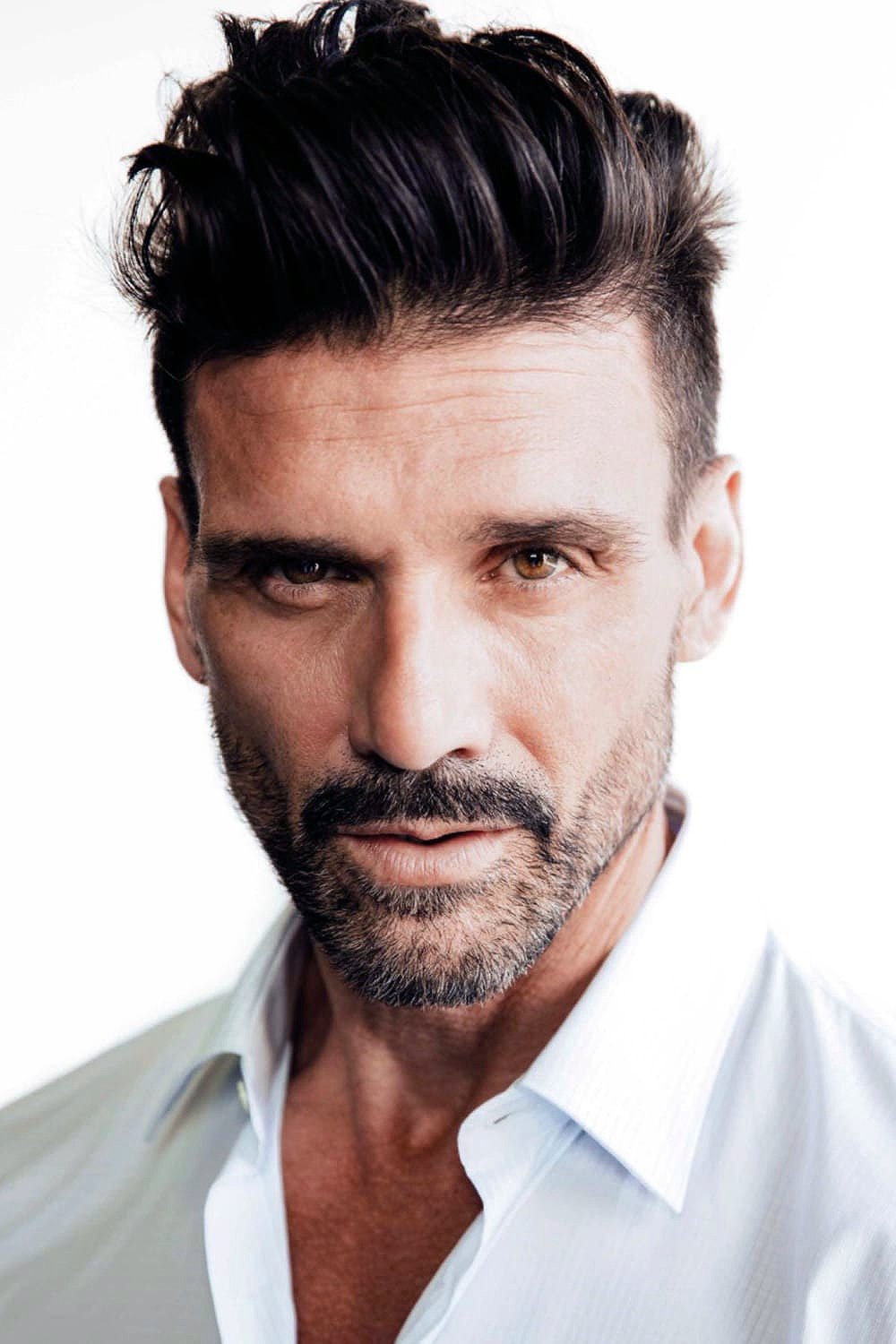
The ‘Captain America: The Winter Soldier’ actor has shared his frustrations regarding how casting mandates affect middle-aged white actors in the industry. He has mentioned in interviews that certain roles are now designated for specific demographics regardless of who is best for the part. Grillo argues that this approach can feel exclusionary to talented performers who do not fit a specific diversity requirement. He believes that the industry should prioritize the best actor for the role to ensure the highest quality of film. His comments reflect a growing sentiment among some veteran action stars.
Vince Vaughn
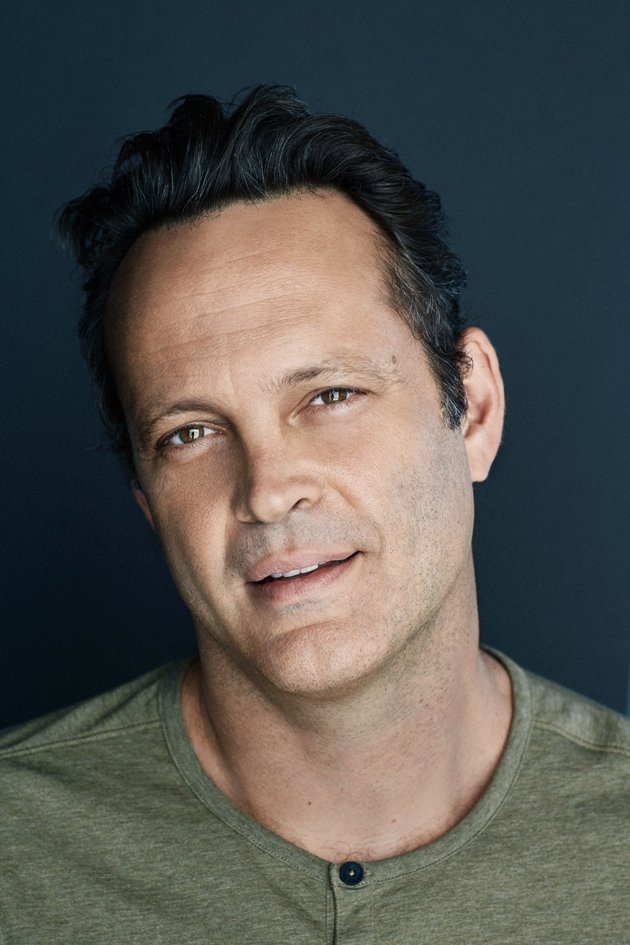
The ‘The Lost World: Jurassic Park’ actor identifies as a libertarian and has expressed disdain for corporate and state-mandated social engineering. He has criticized the lack of intellectual diversity in Hollywood and the pressure to conform to specific social narratives. Vaughn believes that the industry’s focus on diversity initiatives can stifle the “rebel” spirit that once defined great filmmaking. He argues that art is at its best when it is provocative and free from institutional guidelines. Vaughn continues to advocate for a more open and less politically driven creative environment.
Zachary Levi
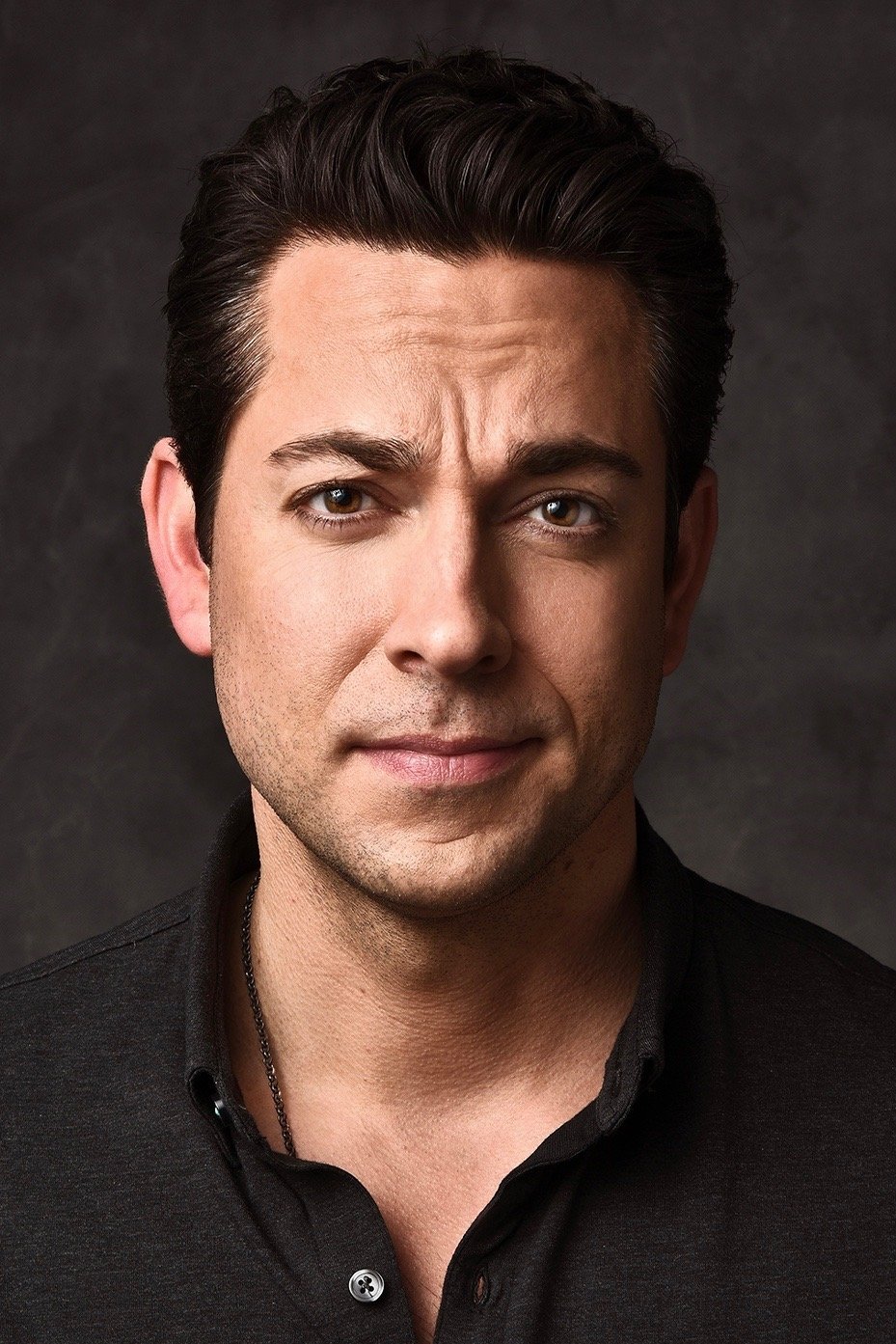
The ‘Shazam!’ star has been vocal about his dissatisfaction with the quality of modern Hollywood content, linking it to an obsession with certain social agendas. He encouraged audiences to “not choose the garbage” and to demand better storytelling over political messaging. Levi has expressed concerns that diversity initiatives can sometimes lead to “lazy” writing where the message precedes the plot. He believes that the industry needs to refocus on entertaining the audience rather than lecturing them. His comments have resonated with fans who feel alienated by contemporary film trends.
Rob Lowe
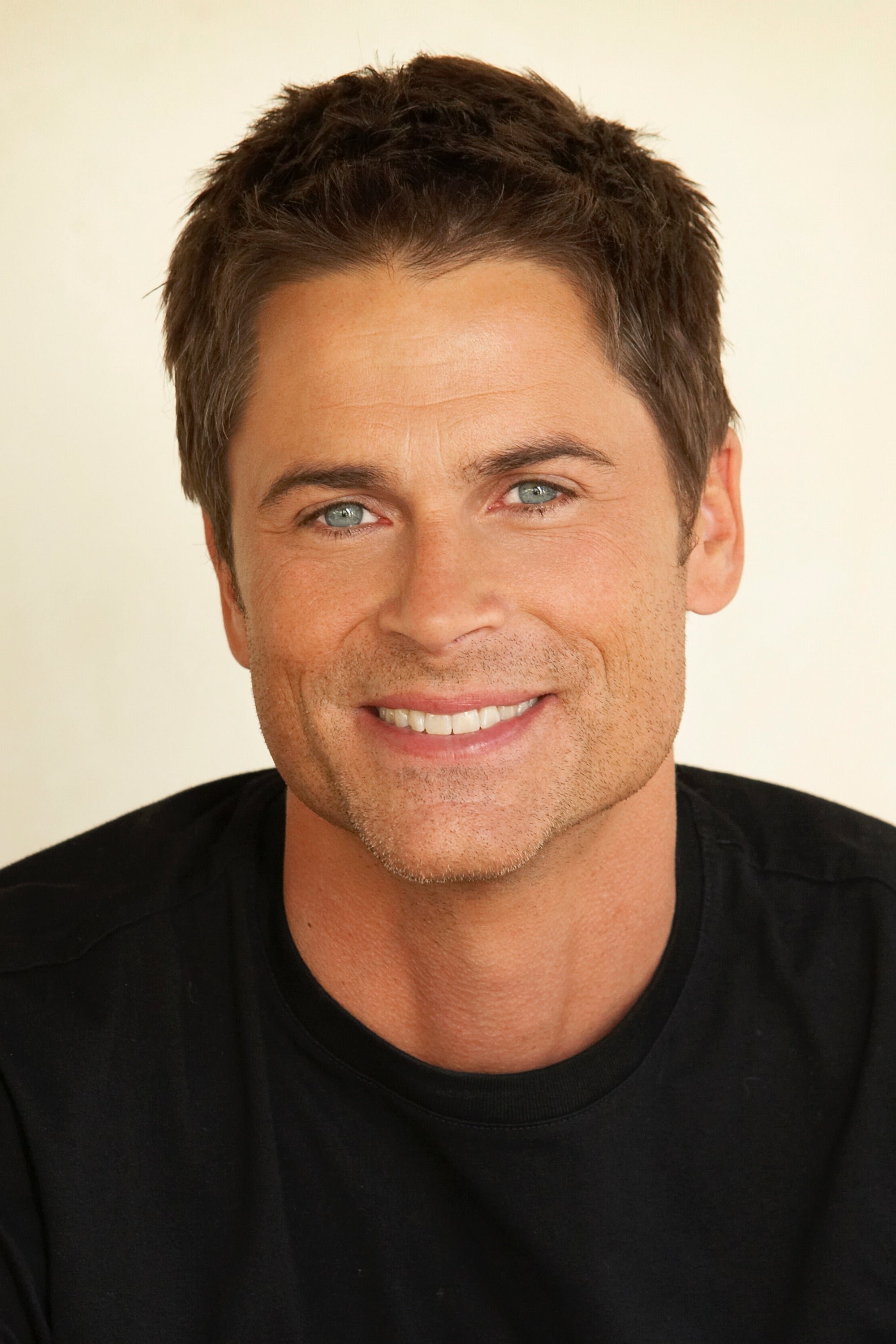
The ‘9-1-1: Lone Star’ and ‘The Outsiders’ actor has occasionally discussed the “intolerant” nature of Hollywood’s political culture. He has expressed a desire for a more inclusive environment that truly welcomes a wide range of political and social beliefs. Lowe argues that the current focus on specific diversity initiatives can sometimes overlook the importance of individual merit. He has voiced support for the idea that the industry should be a true marketplace of ideas. His stance is often characterized by a call for a return to professional neutrality.
Kirk Cameron
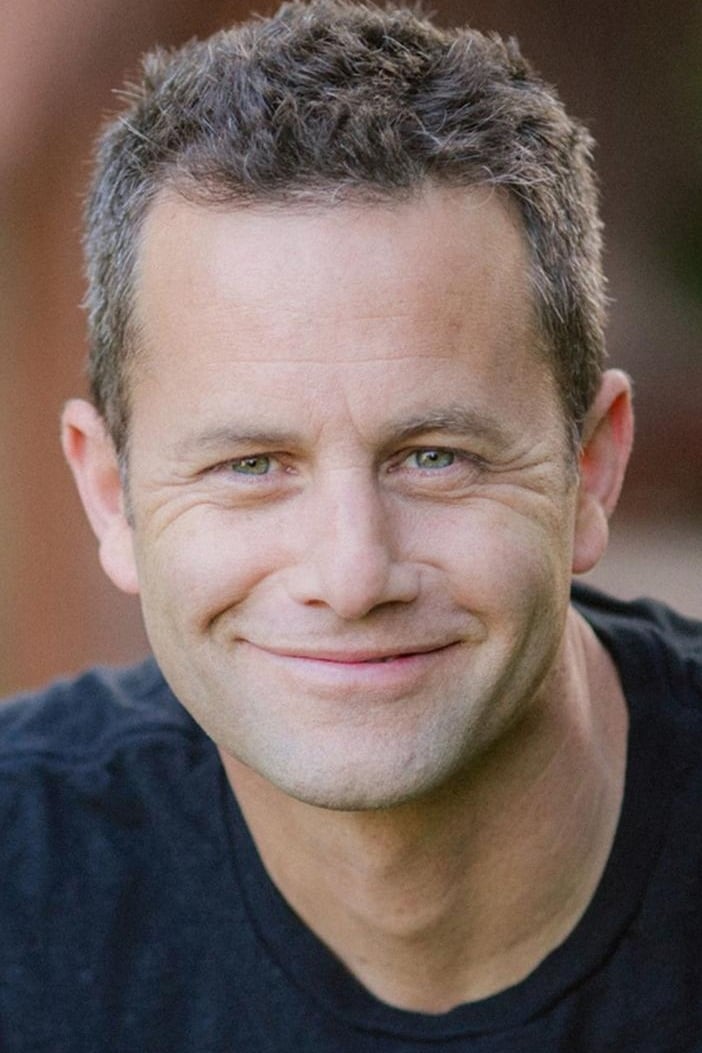
Known for the ‘Left Behind’ series, Cameron has long criticized the secular and progressive direction of mainstream Hollywood. He views many diversity initiatives as being rooted in ideologies that conflict with his traditional Christian values. Cameron focuses on producing and starring in content that reflects his worldview rather than adhering to studio mandates. He argues that the entertainment industry has become increasingly hostile to those who do not support its social agendas. He remains a prominent figure in the alternative media space.
Scott Baio
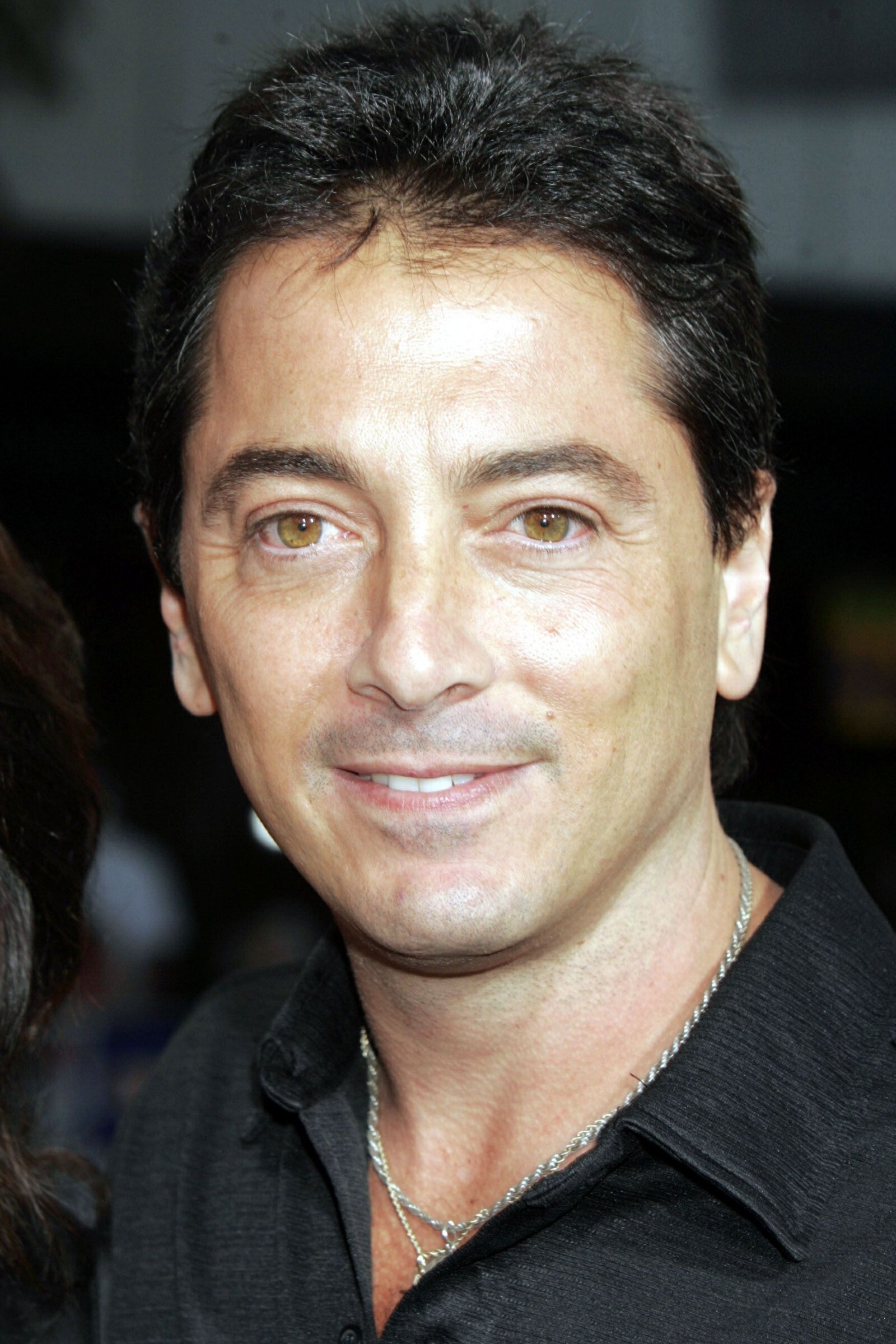
Baio has been an outspoken critic of the Hollywood establishment’s move toward “woke” culture and diversity-focused policies. He has frequently stated that his career has been impacted by his refusal to conform to the industry’s prevailing political views. Baio believes that diversity initiatives often serve as a screen for excluding conservative voices. He argues that the focus should remain on creating entertaining content that appeals to a broad audience. He continues to challenge the industry’s social mandates through his social media presence.
Sylvester Stallone
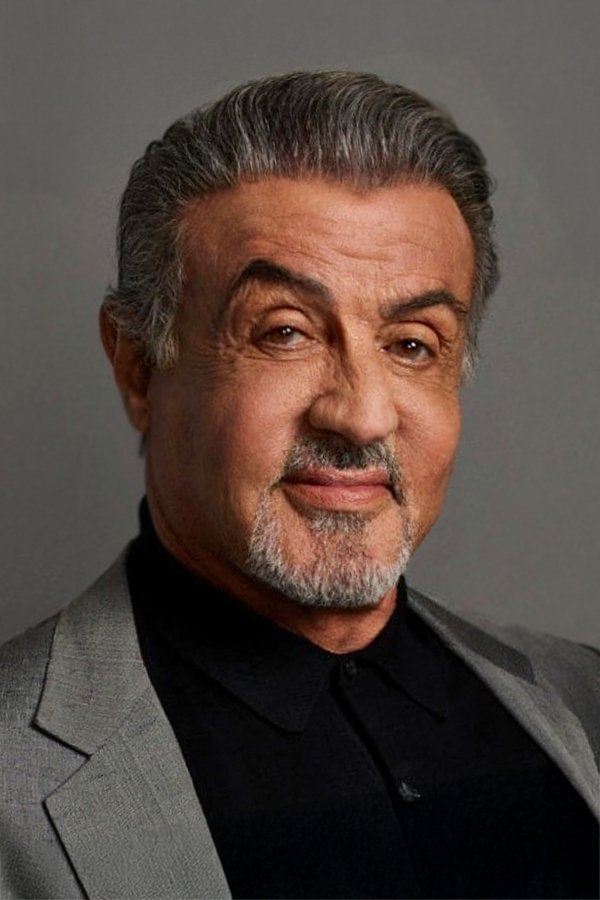
The icon behind ‘Rocky’ and ‘Rambo’ has recently positioned himself as a defender of traditional masculine action cinema. He has expressed skepticism toward “woke” updates to classic franchises, preferring to stick to the archetypal themes that made him famous. Stallone has reportedly been critical of how modern social initiatives have altered the tone of action movies. He maintains that his projects, like ‘Tulsa King’, focus on character and story rather than meeting modern social quotas. His enduring popularity suggests a significant audience still craves this traditional approach.
Kurt Russell
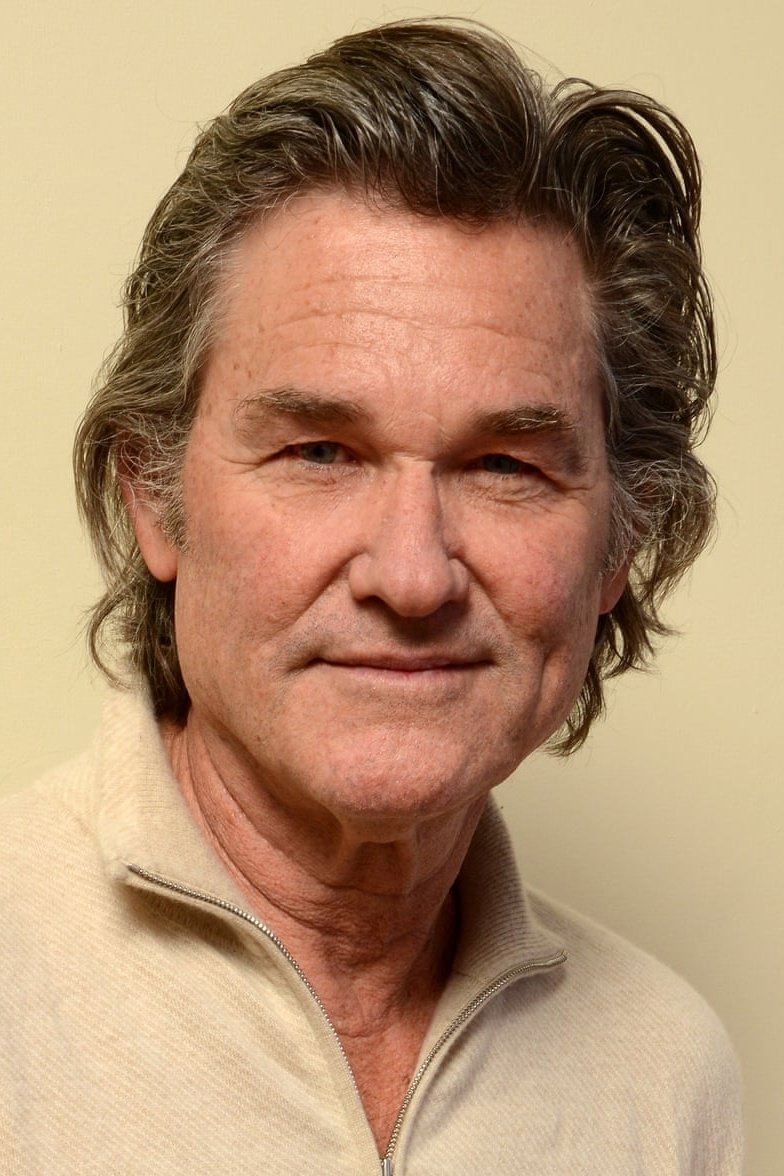
The ‘Escape from New York’ star has frequently argued that actors should stay out of politics to avoid alienating their audiences. He believes that the industry’s current obsession with social and diversity initiatives is a mistake that harms the craft of acting. Russell maintains that the job of an actor is to be a “court jester” who provides entertainment for everyone, regardless of their background. He has expressed concern that the politicization of film has made the industry less creative and more divisive. His perspective is rooted in a desire for cinema to remain a universal medium.
Mel Gibson
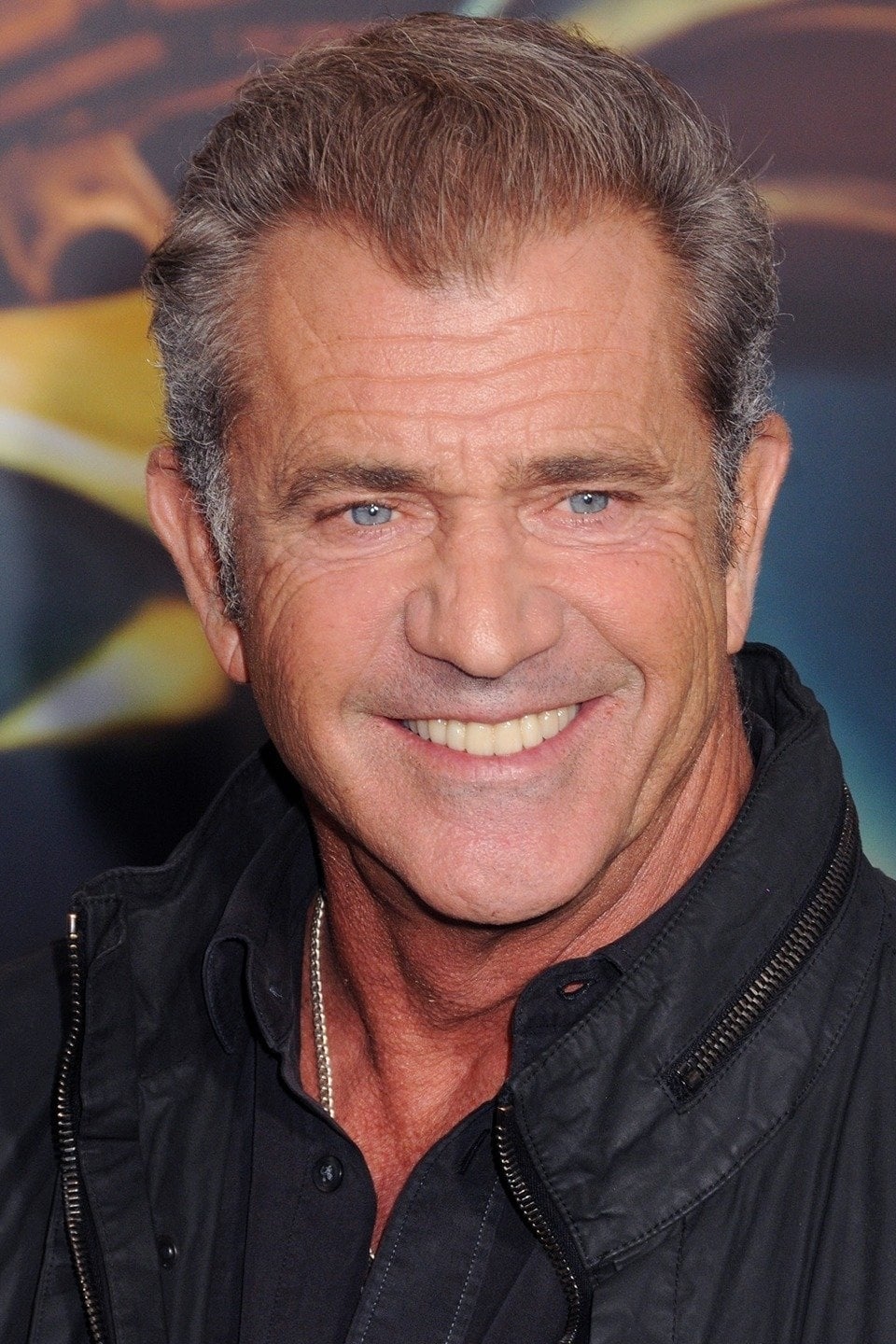
Throughout his long career in action films like ‘Lethal Weapon’, Gibson has often found himself at odds with the Hollywood establishment. He has been a vocal critic of the shifting social and moral standards of the industry, including its focus on diversity mandates. Gibson argues that the current system often prioritizes political correctness over raw, authentic storytelling. Despite numerous controversies, he continues to produce work that often defies modern industry conventions. He remains a skeptic of the institutionalized social agendas of major film studios.
Nick Searcy
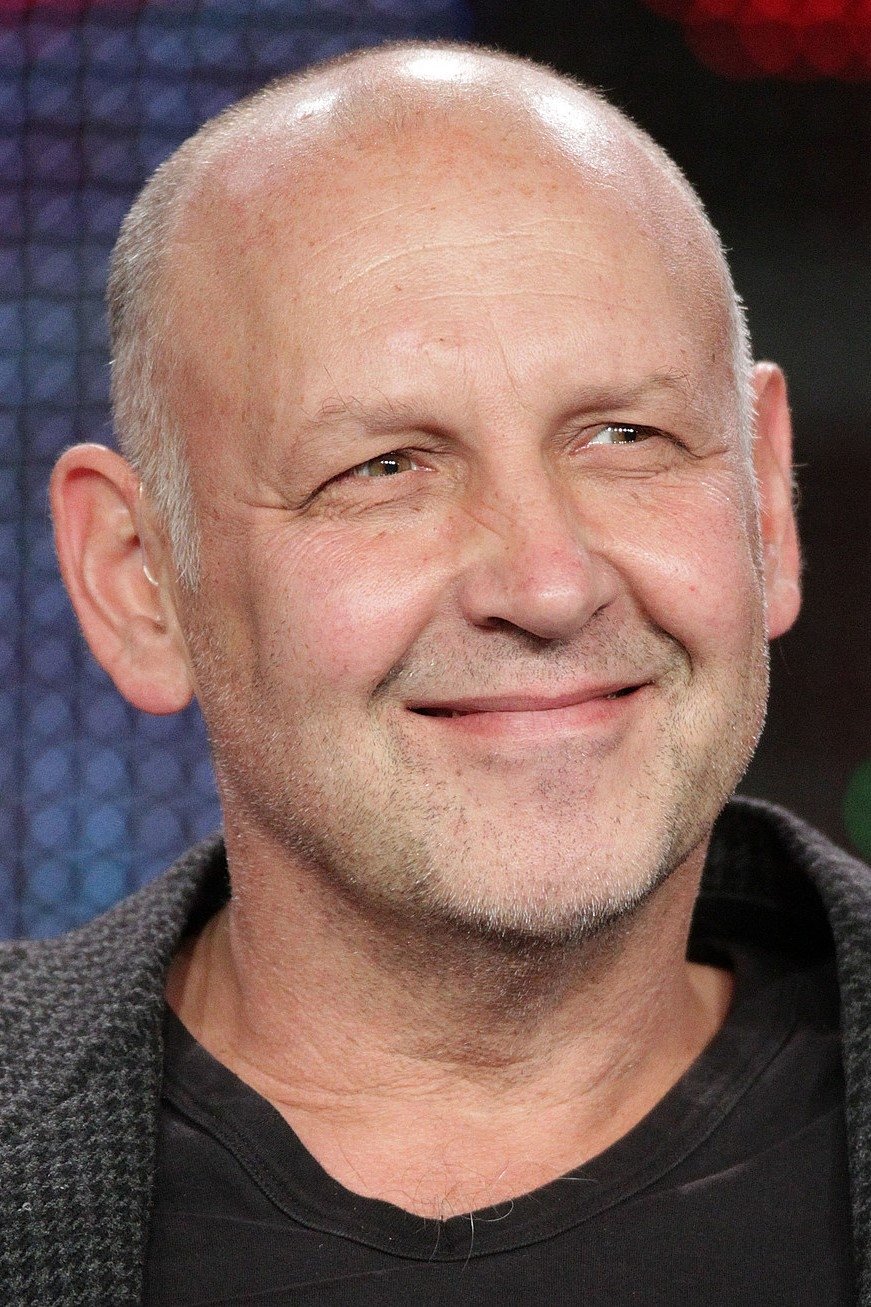
The ‘Justified’ and ‘The Fugitive’ actor is one of the most vocal critics of Hollywood’s diversity and inclusion policies. He frequently argues on social media and in interviews that these initiatives are discriminatory against those with traditional or conservative views. Searcy believes that the industry has replaced merit with a system based on identity and political loyalty. He has produced documentaries that challenge the prevailing narratives in the entertainment world. He advocates for a complete return to a talent-based industry free from social mandates.
Robert Davi
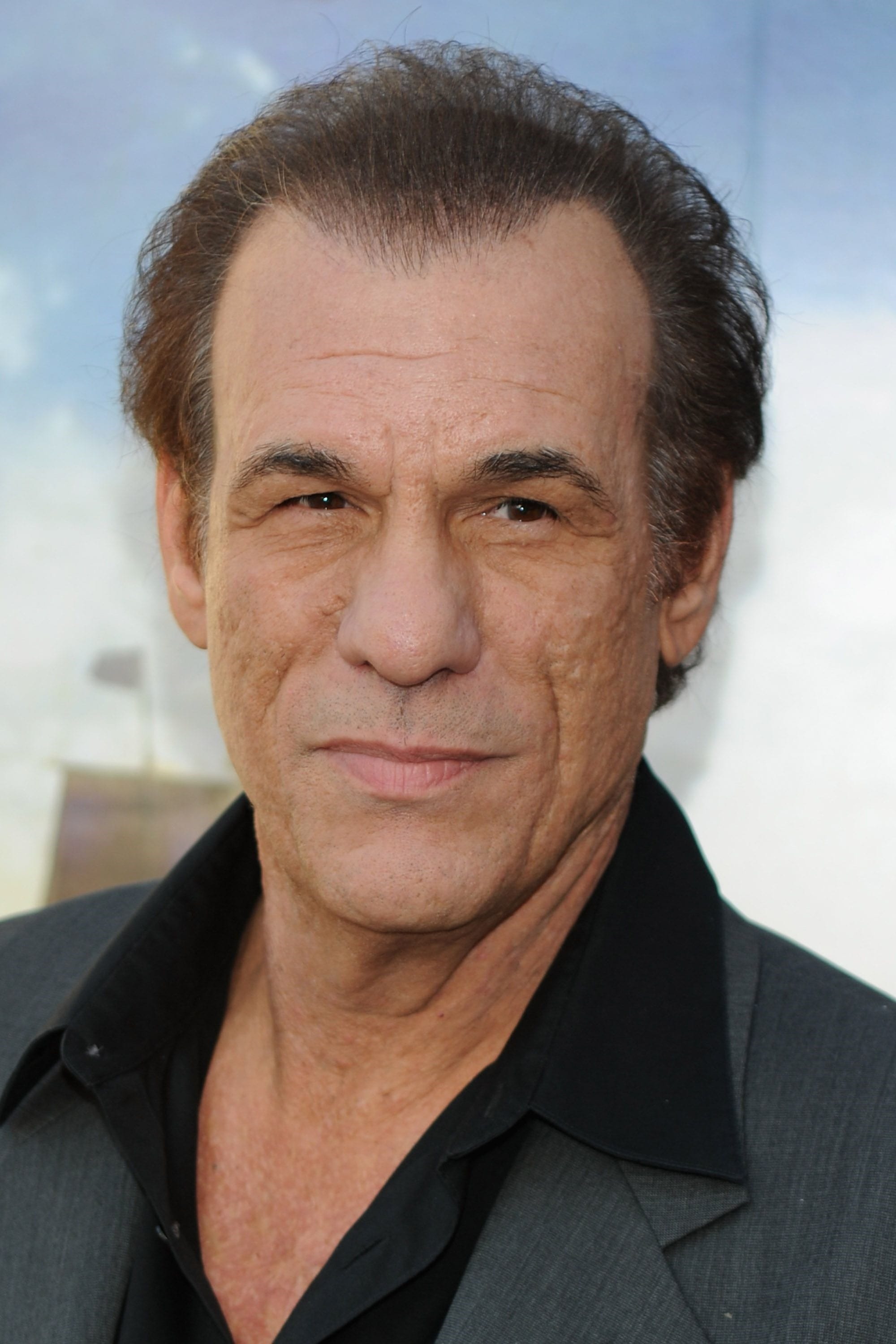
The ‘Die Hard’ and ‘License to Kill’ star has frequently spoken out against the Academy’s diversity rules and general industry trends. He views these initiatives as a form of “cultural suicide” that undermines the history and quality of American film. Davi argues that true diversity is found in the freedom of the individual to create, not in mandatory quotas. He has expressed concern that the focus on demographic representation has led to a decline in the standard of masculine action cinema. He remains a firm believer in the power of the traditional Hollywood meritocracy.
Share your thoughts on these actors’ stances on diversity initiatives in the comments.