


Actors Advocating for Better Mental Health Resources On Set

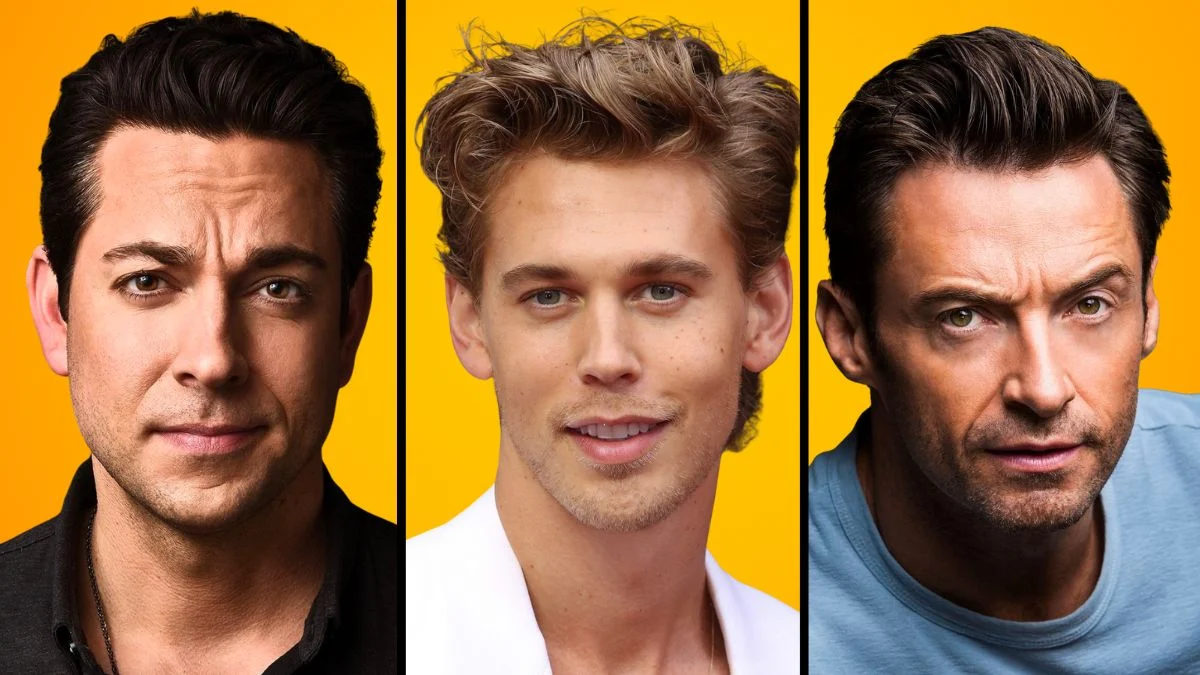


The conversation surrounding mental health in Hollywood has shifted from private struggles to public advocacy for systemic change. Male actors are increasingly speaking out about the psychological toll of intense roles and the necessity of professional support systems within the industry. These figures are demanding better on-set resources such as therapists, intimacy coordinators, and mandatory breaks to ensure the well-being of cast and crew. This growing movement aims to destigmatize seeking help and dismantle the outdated idea that suffering is a requirement for great art.
Hugh Jackman
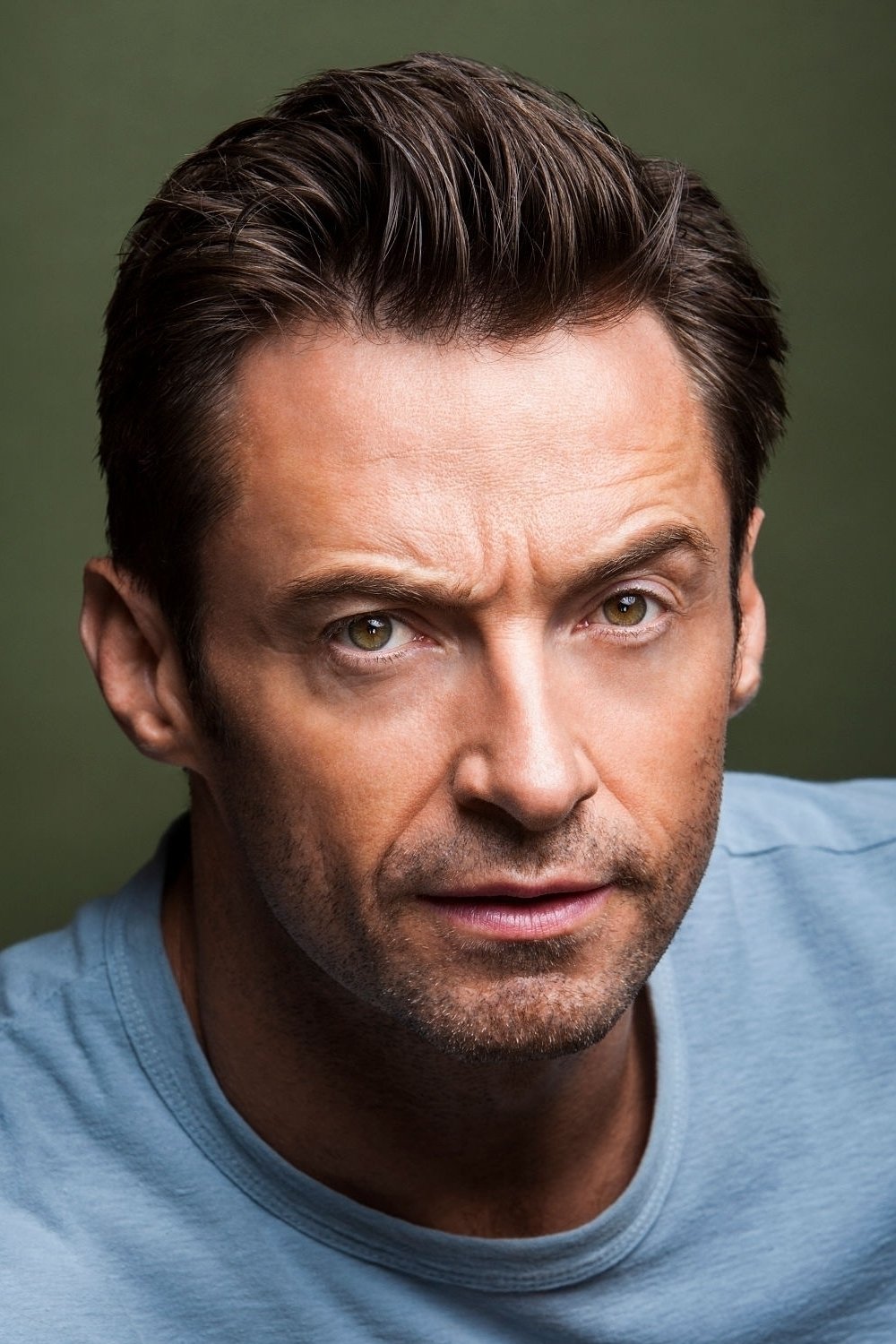
While filming the emotional drama ‘The Son’ (2022), this veteran actor experienced a significant shift in on-set safety protocols. The producers hired psychiatrists to be available for the cast and crew to discuss the heavy subject matter of the film. Jackman publicly praised this decision and noted it was the first time he had seen such support in his long career. He now advocates for mental health professionals to be as common on film sets as stunt coordinators. His vocal support highlights the importance of immediate professional care during emotionally taxing productions.
Michael B. Jordan
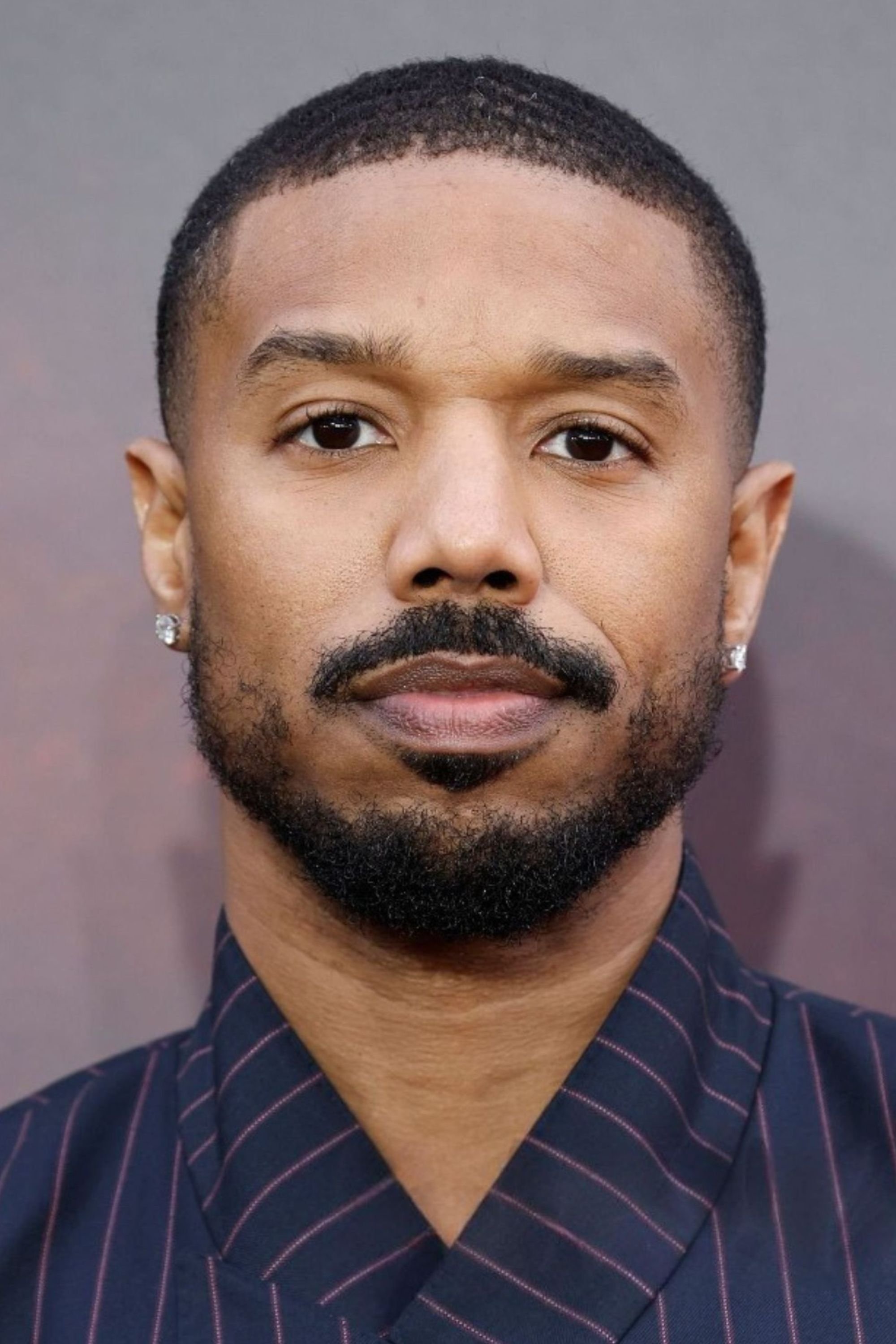
After portraying the villain Erik Killmonger in ‘Black Panther’ (2018), Jordan found himself unable to shake the dark mindset of the character. He sought professional therapy to decompress and return to his normal self after the production wrapped. The actor has since become a strong proponent of therapy for men and speaks openly about the importance of unpacking emotions. He emphasizes that seeking help is a sign of strength rather than weakness. His advocacy encourages studios to support actors in the psychological de-roling process.
Jonah Hill

This actor and director took a radical step to protect his mental health by announcing he would no longer participate in promotional tours for his films. In his documentary ‘Stutz’ (2022), he explored candid therapy sessions and the tools required to manage anxiety. Hill argued that the pressure of press junkets exacerbated his panic attacks and detracted from the work itself. By setting this boundary, he sparked a conversation about the industry’s demand for constant public access to talent. His actions prioritize personal well-being over traditional marketing obligations.
Tom Holland
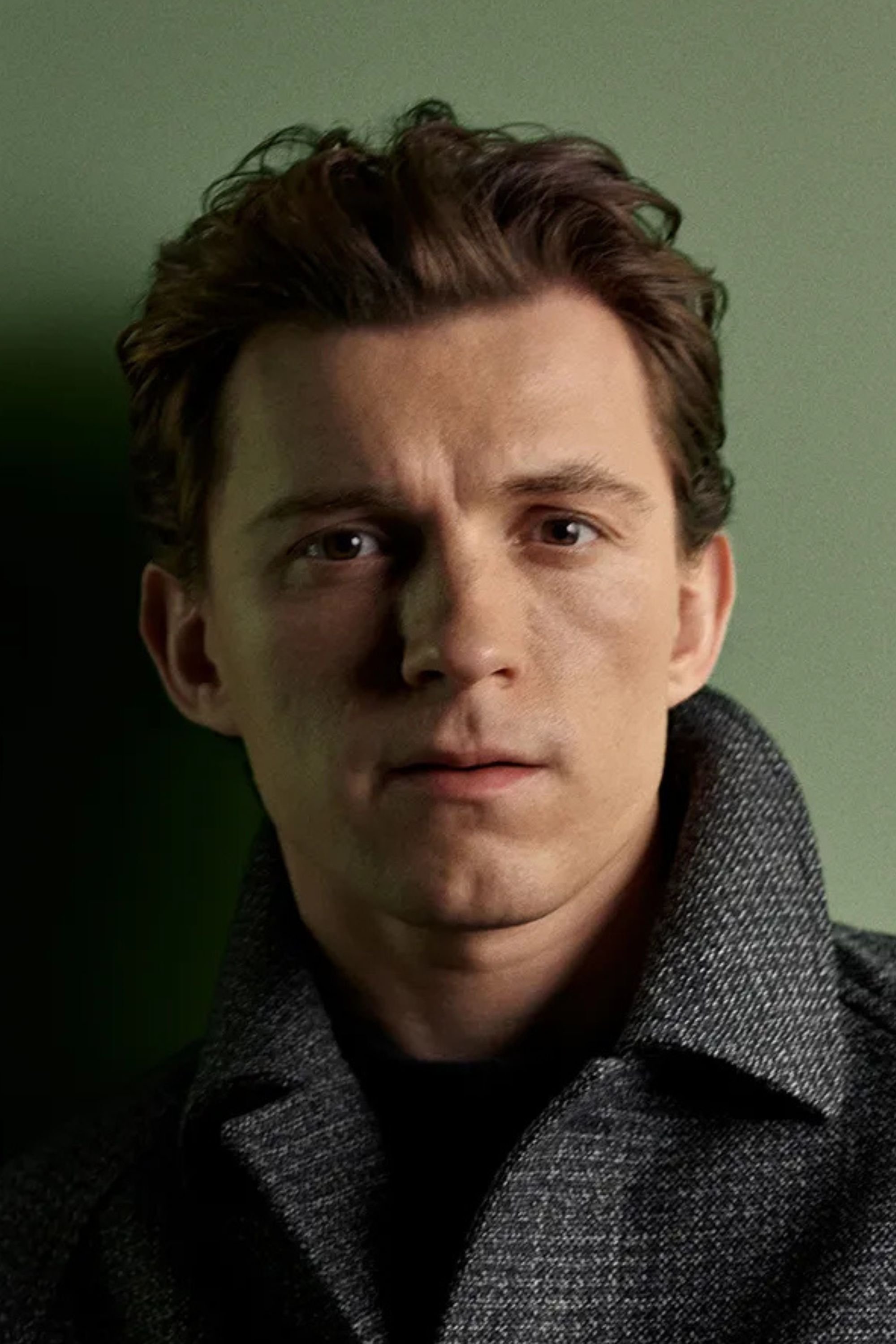
The physical and mental demands of filming the series ‘The Crowded Room’ (2023) led this young star to take a year-long sabbatical from acting. He admitted that the role broke him and that he struggled to separate his real life from the trauma of his character. Holland has also been a vocal advocate for taking breaks from social media to avoid overstimulation and anxiety. He champions the idea that actors must step away from the industry machinery to preserve their sanity. His transparency helps normalize the need for rest and recovery among young performers.
Ryan Reynolds
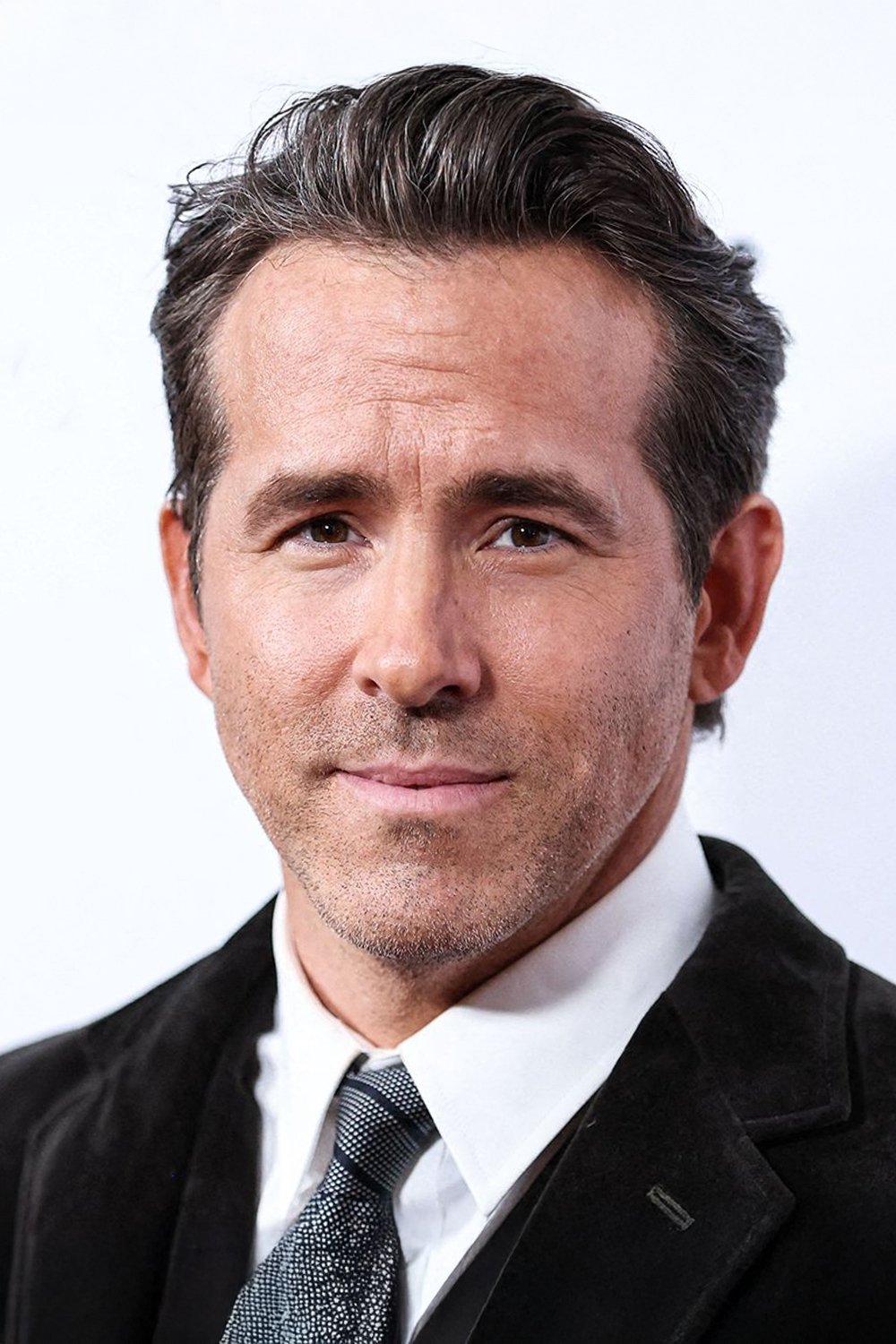
Known for his charismatic screen presence, Reynolds has been increasingly open about his lifelong struggle with intense anxiety. He advocates for safer set environments where conflict resolution and emotional support are prioritized. The actor discusses how he uses meditation and mindfulness apps to manage the pressure of high-stakes productions. By sharing his coping mechanisms, he pushes for a culture where nervous energy is managed constructively rather than ignored. He aims to show that even successful leading men require mental health maintenance.
Austin Butler
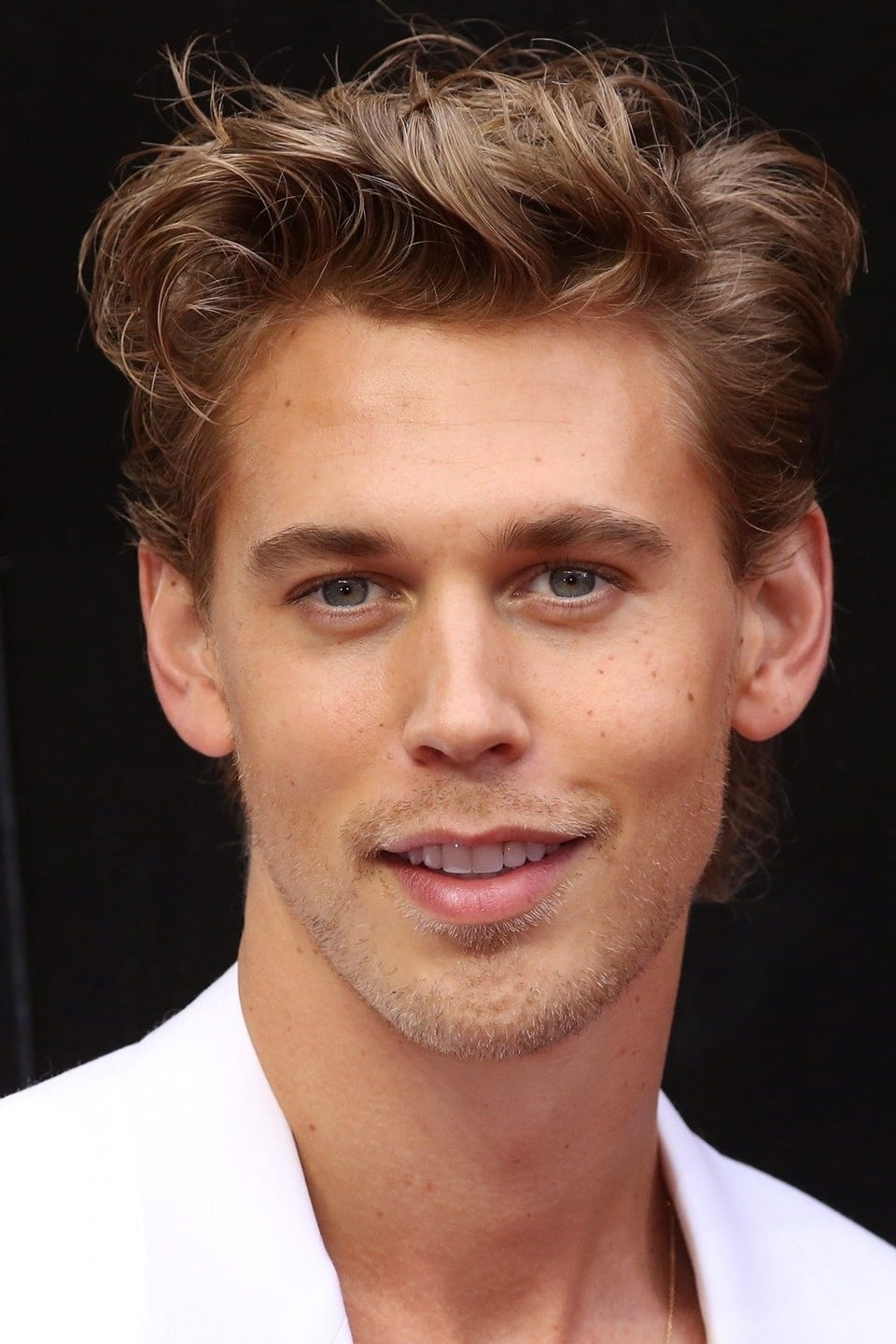
The immersive preparation for his role in ‘Elvis’ (2022) took a severe toll on his physical and mental health. He revealed that Tom Hanks advised him to immediately jump into a new project to prevent emotional whiplash after such deep method acting. Butler has since spoken about the dangers of losing oneself in a character without a proper safety net. He advocates for mentorship and guidance to help actors navigate the psychological risks of transformation. His experience serves as a warning about the lack of support for actors undergoing extreme physical changes.
Kit Harington
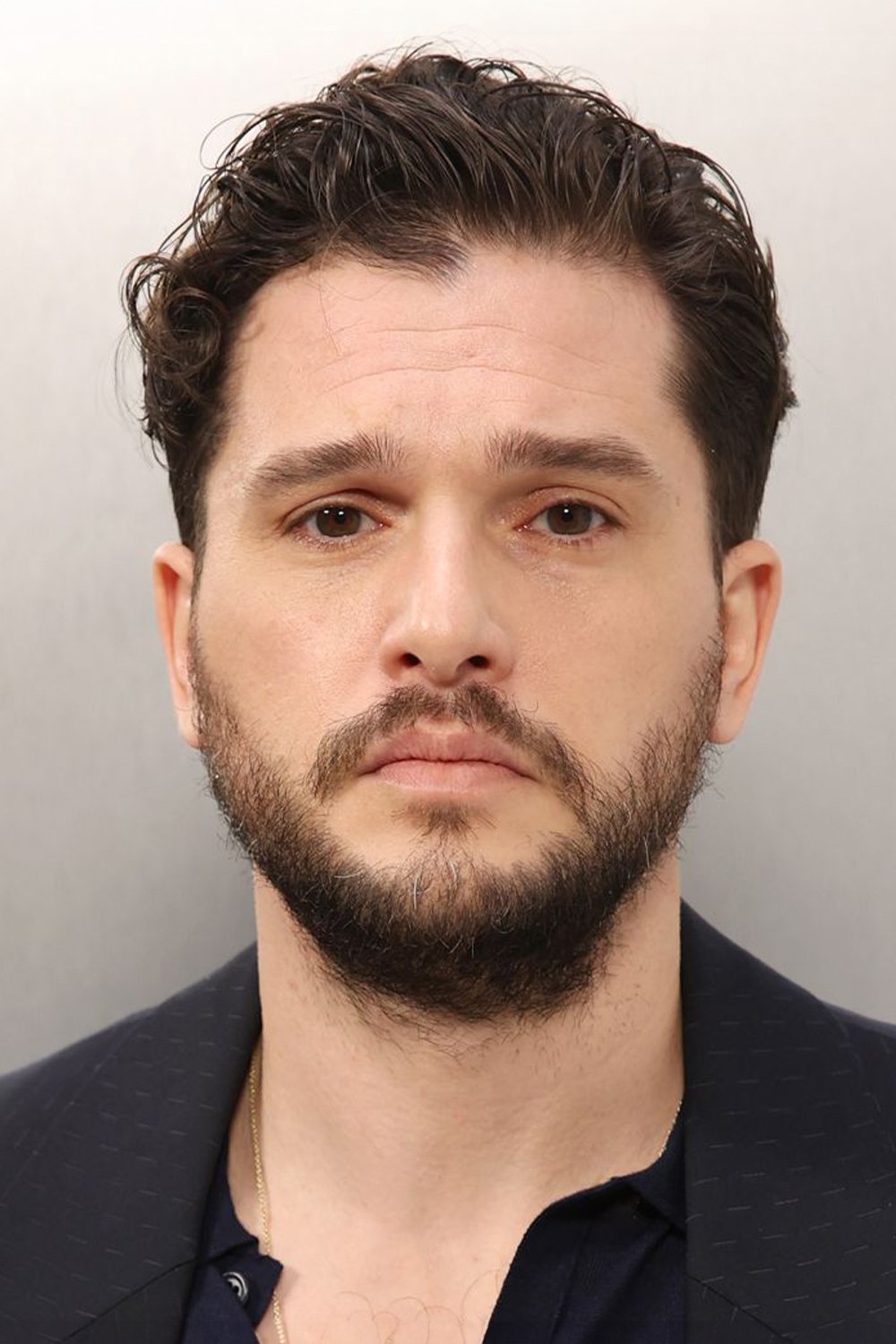
Following the conclusion of ‘Game of Thrones’ (2011–2019), Harington checked into a wellness facility to address stress and alcohol use. He has been candid about the terrifying nature of overnight fame and the pressure to maintain a stoic public image. The actor advocates for the industry to provide better transition support for stars leaving long-running shows. He emphasizes that the end of a massive production can leave performers feeling purposeless and vulnerable. His story highlights the need for post-production mental health care.
Will Poulter
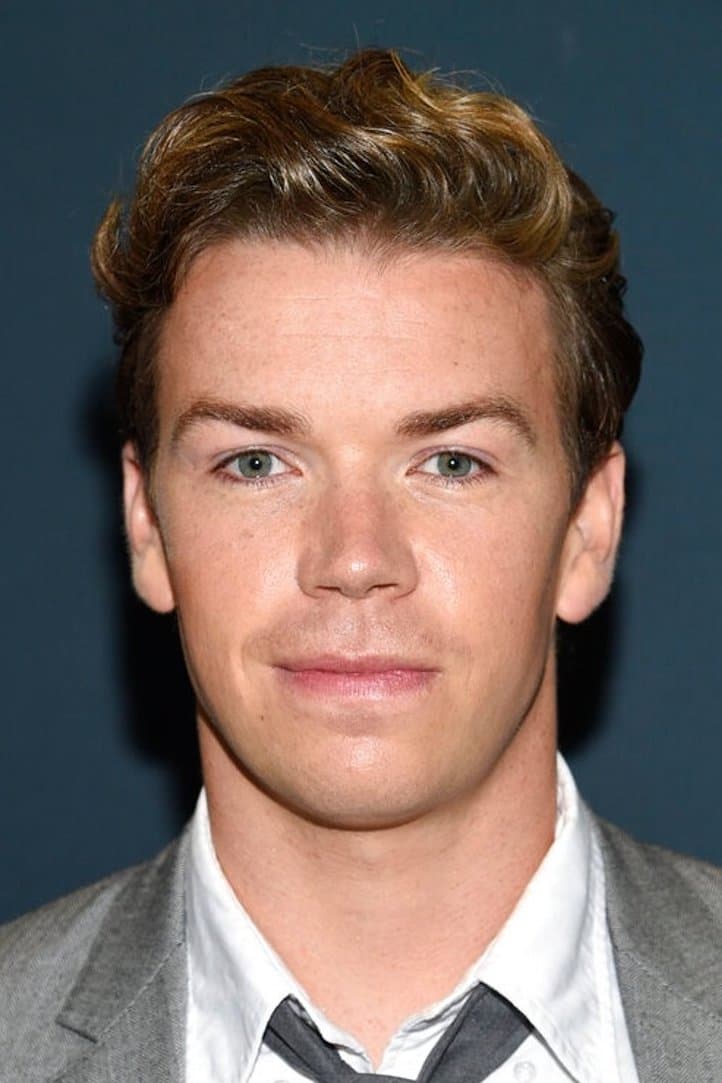
Poulter has criticized the practice of method acting when it is used as an excuse for inappropriate behavior or creating an unsafe work environment. He argues that an actor’s process should never come at the expense of the mental well-being of the crew or co-stars. The actor advocates for a disciplined approach to the craft that prioritizes psychological safety and respect. He believes that emotional distress is not a prerequisite for a convincing performance. His stance challenges the industry to reject toxic behaviors disguised as artistic dedication.
Penn Badgley
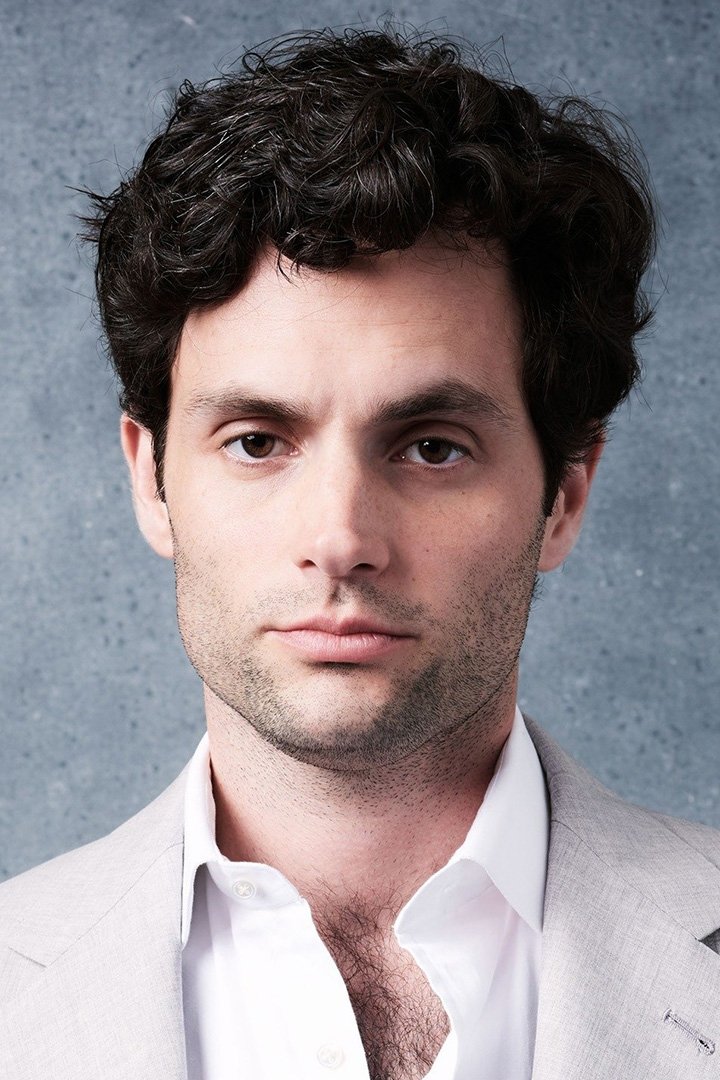
While filming the series ‘You’ (2018–2024), Badgley requested a reduction in intimate scenes to protect his mental well-being and honor his real-life marriage. He champions the use of intimacy coordinators to choreograph difficult moments and ensure valid consent. The actor believes these professionals are essential resources that alleviate the psychological burden on performers. His advocacy has helped normalize the presence of intimacy coordinators as a standard safety measure. He proves that setting personal boundaries does not compromise professional storytelling.
David Harbour
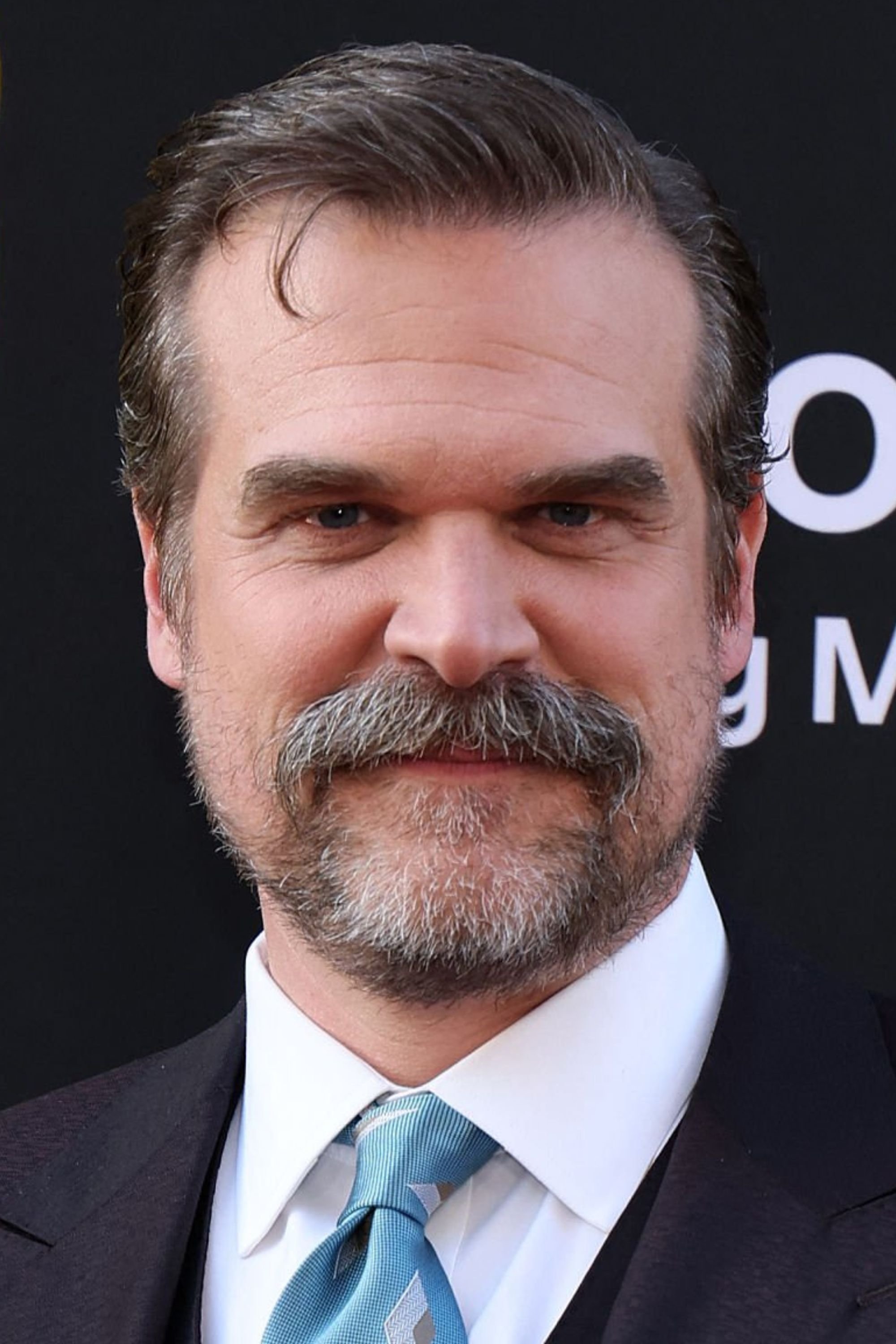
The ‘Stranger Things’ (2016–2025) star has been transparent about his diagnosis of bipolar disorder and his need for medication and therapy. He speaks about the importance of maintaining a strict treatment regimen while navigating the chaos of filming schedules. Harbour advocates for the industry to accommodate neurodivergent actors and those with mental health conditions. He emphasizes that stability is possible with the right medical support and understanding from employers. His success challenges the stigma that mental illness prevents actors from handling major roles.
Justin Baldoni

Through his work on ‘Man Enough’, Baldoni campaigns for a redefinition of masculinity that allows men to be vulnerable and seek help. He strives to create sets where emotional expression is encouraged rather than suppressed. The actor and director implements practices that prioritize the mental comfort of his cast and crew. He believes that dismantling toxic masculinity is a crucial step in improving mental health resources in Hollywood. His work provides a blueprint for more compassionate and emotionally intelligent production environments.
Andrew Garfield
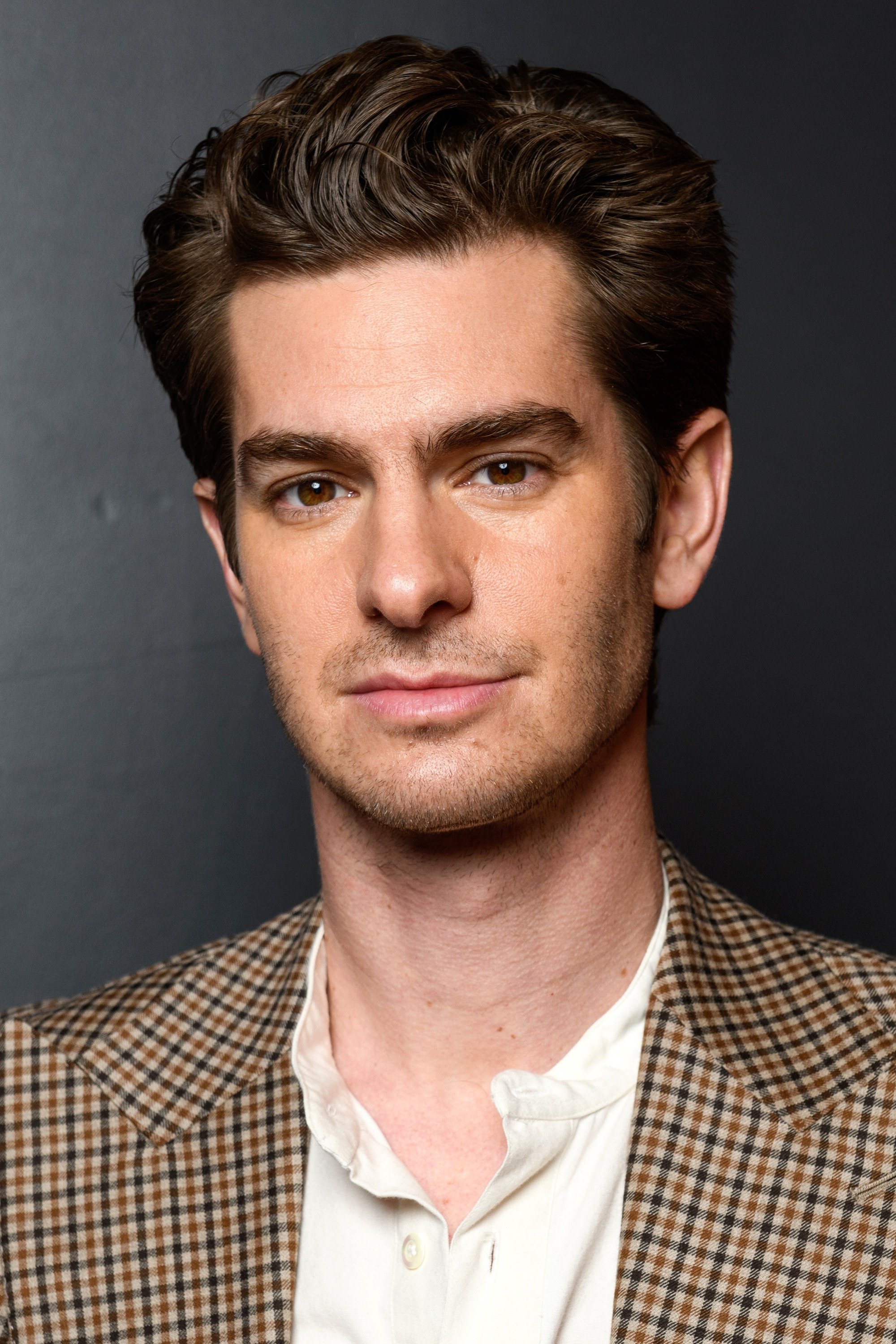
Garfield has spoken eloquently about the process of grieving and how it intersects with his acting work. He advocates for allowing space on set for actors to process personal loss without needing to hide their emotions. The actor emphasizes that vulnerability is a tool for the craft but requires a supportive environment to be safe. He challenges the industry’s “the show must go on” mentality when performers are facing personal tragedies. His perspective encourages productions to treat actors as human beings first.
John Boyega
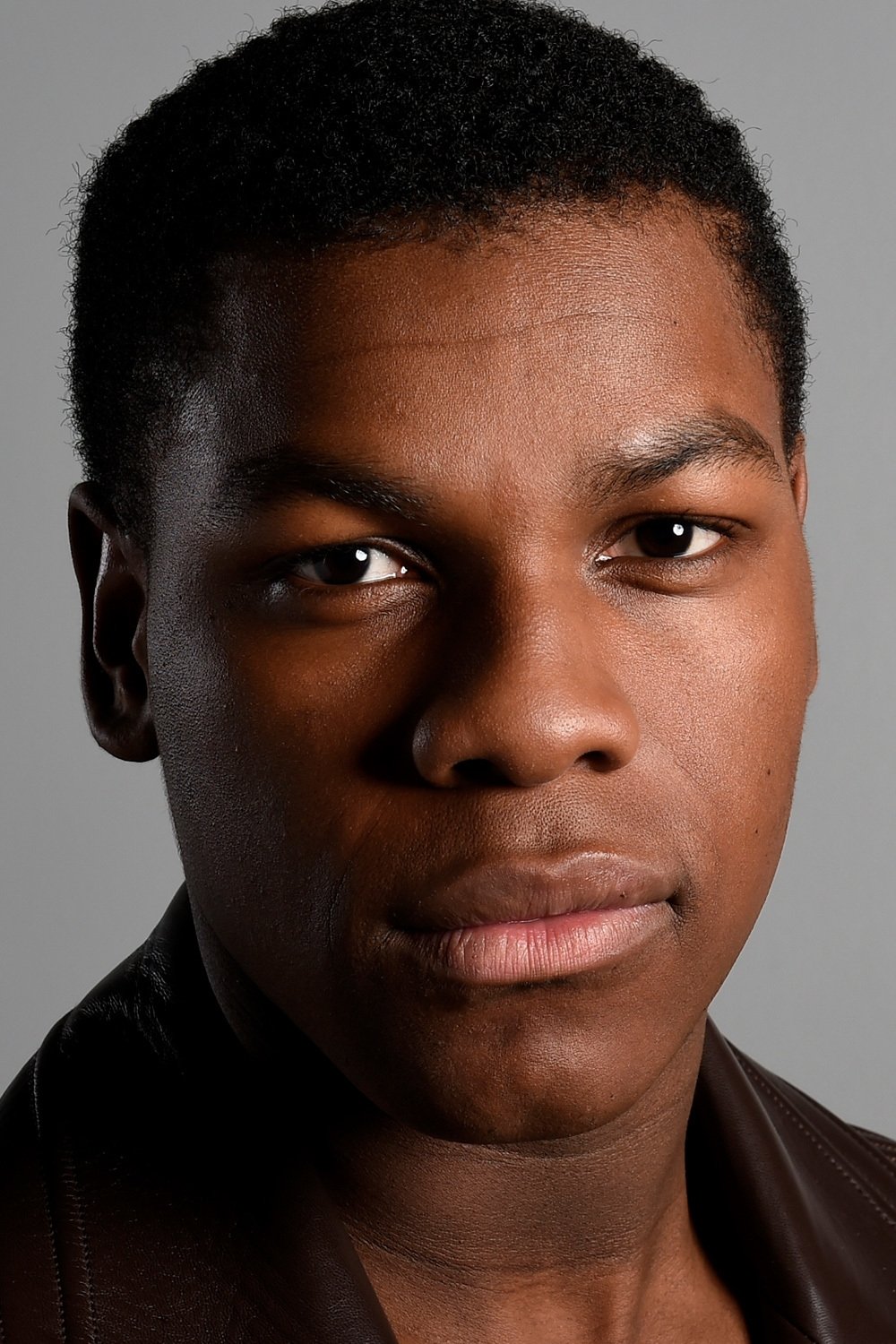
Boyega has been a vocal critic of how major studios fail to protect actors from racist harassment and online abuse. He argues that studios have a responsibility to provide mental health resources and security for talent facing targeted vitriol. The actor demands that executives take an active role in shielding their stars from the psychological damage of toxic fandoms. His advocacy pushes for a more proactive approach to crisis management and actor welfare. He insists that mental safety includes protection from external public attacks.
Ben Affleck
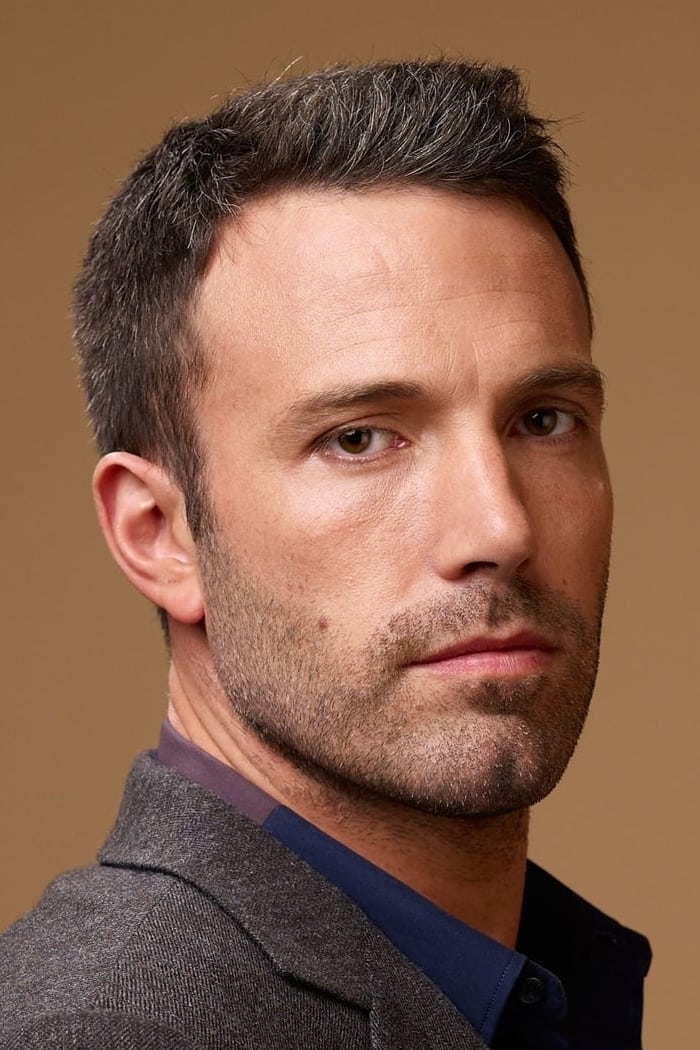
Having battled alcoholism publicly, Affleck advocates for the normalization of sober coaches and recovery support on film sets. He speaks about the difficulty of maintaining sobriety in an industry often fueled by excess and irregular hours. The actor emphasizes the need to destigmatize addiction so that others feel safe asking for help during production. He has utilized his own experiences to help colleagues navigate similar struggles. His openness supports a shift toward recovery-friendly work environments.
Wil Wheaton
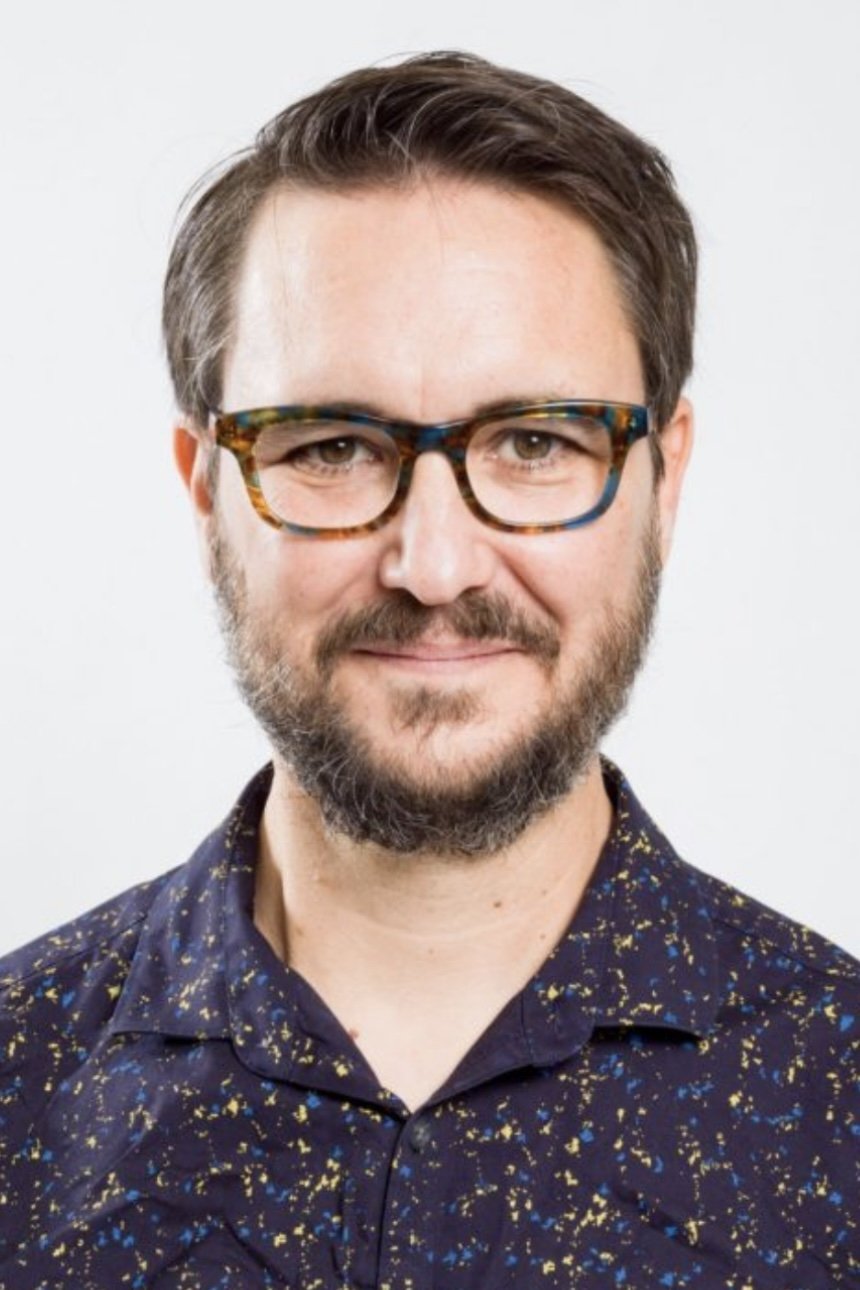
As a former child star, Wheaton is a fierce advocate for the protection of minors in the entertainment industry. He campaigns for stricter regulations regarding working hours and mandatory mental health checks for young performers. Wheaton speaks openly about the trauma he endured and the lack of adults who intervened on his behalf. He argues that the industry must provide independent advocates to ensure the safety of children on set. His work aims to prevent the exploitation and psychological damage of the next generation.
Terry Crews
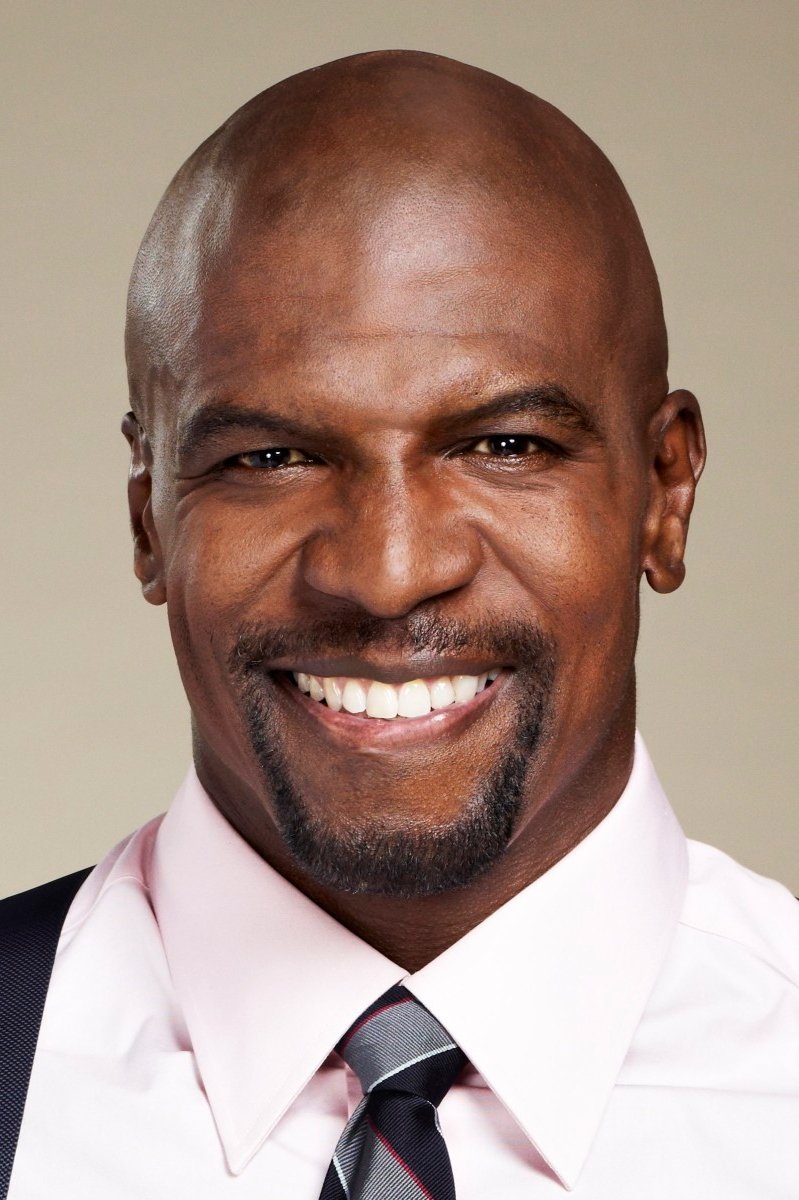
Crews speaks powerfully about his experiences with sexual assault and the toxic culture of silence in Hollywood. He advocates for safe reporting mechanisms and a zero-tolerance policy for abuse on set. The actor emphasizes that physical safety and mental safety are intrinsically linked. He encourages men to speak out about their trauma and demand accountability from powerful figures. His bravery has helped expand the scope of resources available to victims of harassment.
Sebastian Stan
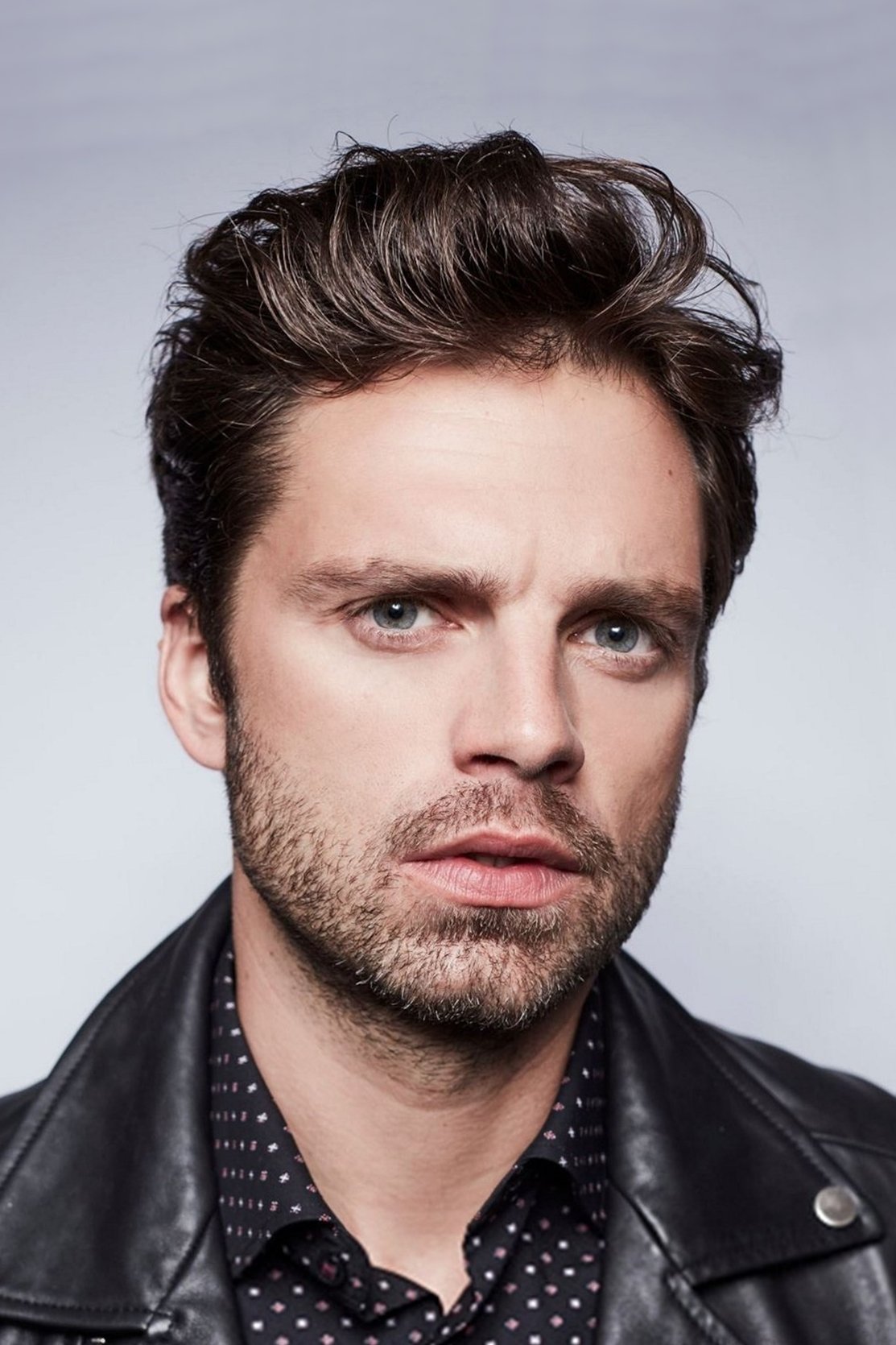
Stan explores themes of PTSD and therapy through his role as Bucky Barnes in the Marvel Cinematic Universe. He frequently discusses the importance of mental health maintenance and the value of professional counseling. The actor advocates for storytelling that accurately reflects the struggle of trauma recovery. He believes that seeing superheroes address their mental health can encourage audiences to seek their own resources. His engagement with these topics helps bridge the gap between entertainment and mental health awareness.
Zachary Levi
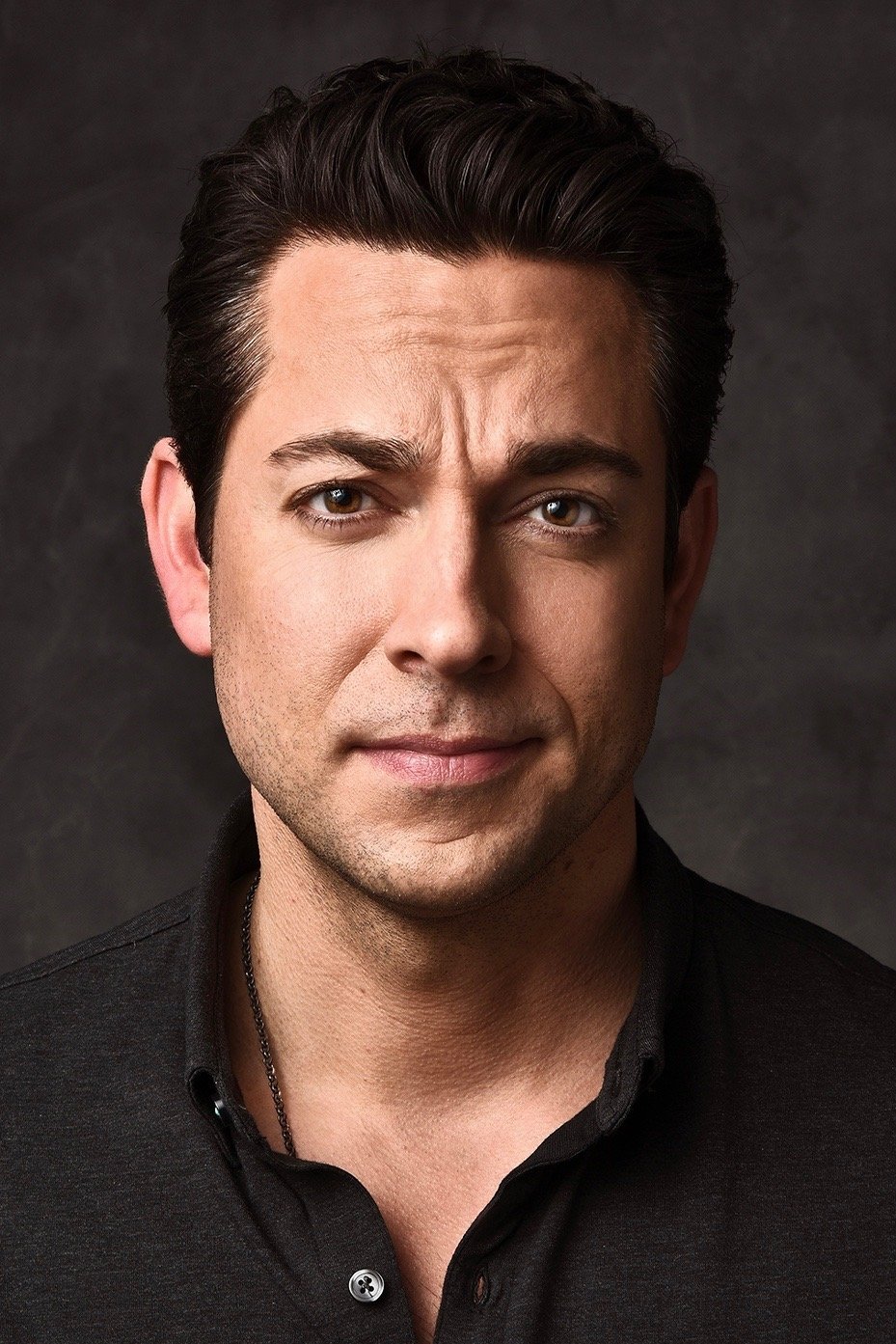
Levi has detailed his struggles with depression and suicidal ideation in his memoir and public talks. He advocates for “radical love” and the integration of mental health education into the entertainment industry. The actor pushes for a culture where cast members check in on one another and foster a community of care. He believes that resources should be proactive rather than just reactive to crises. His mission is to make mental wellness a foundational pillar of the creative process.
Jared Padalecki
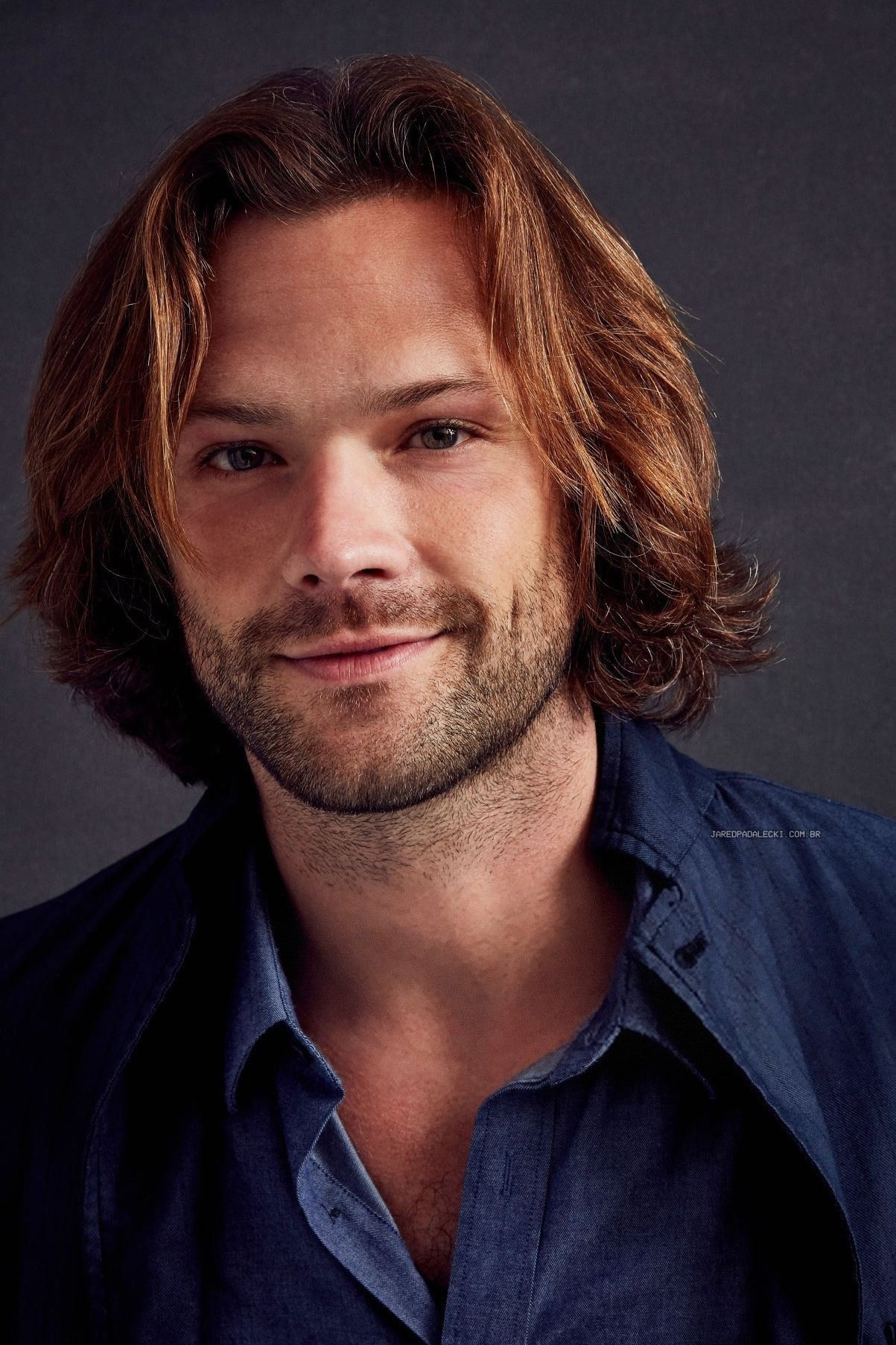
During the filming of ‘Supernatural’ (2005–2020), Padalecki suffered from severe anxiety and depression, leading him to launch the Always Keep Fighting campaign. He advocates for cast and crew to have access to support networks and to be honest about their limits. The actor has used his platform to raise funds for mental health charities and crisis support lines. He emphasizes the importance of community support in navigating the isolation of long shoots. His work has created a tangible support system for fans and colleagues alike.
Stephen Amell
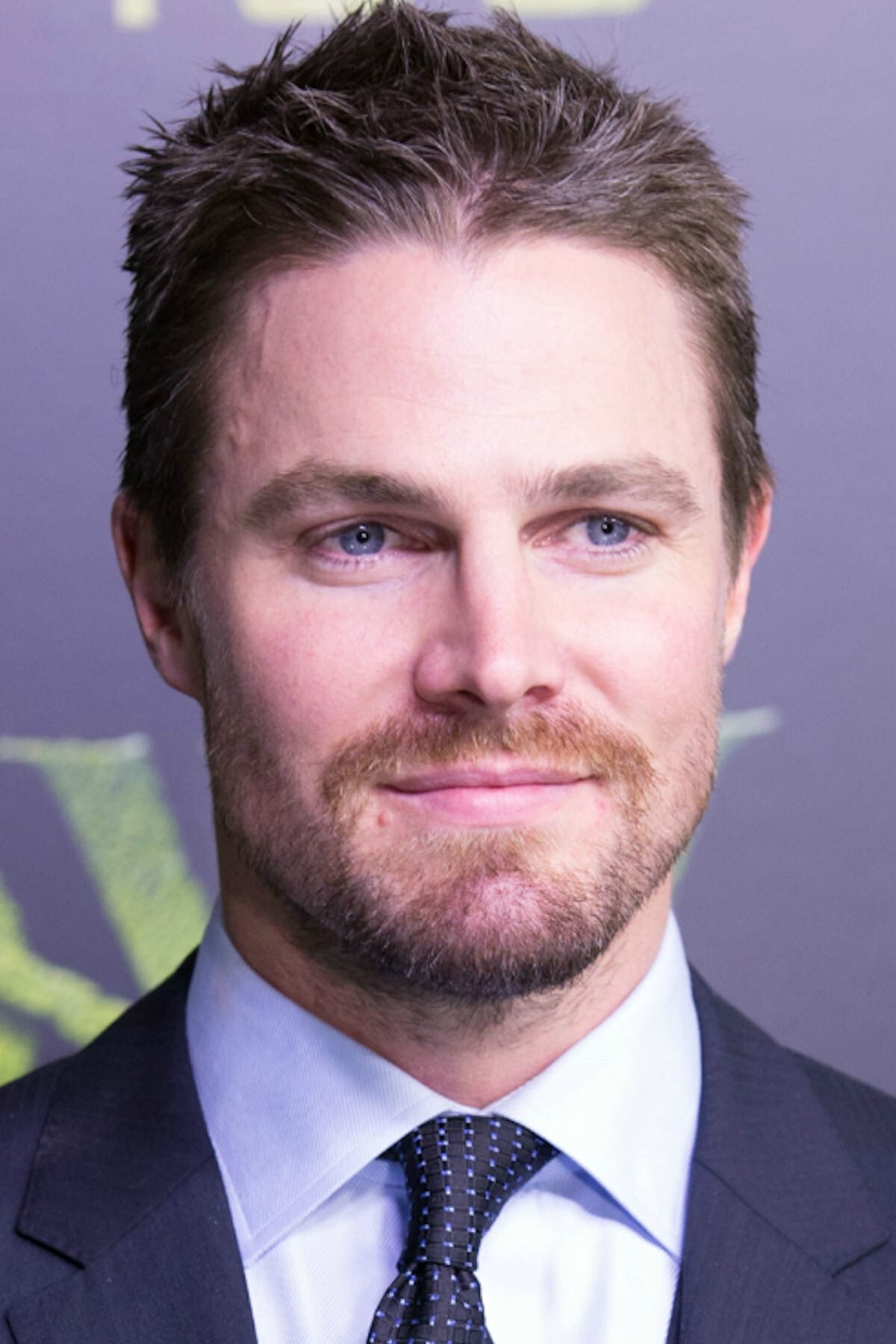
The star of ‘Arrow’ (2012–2020) has discussed suffering a panic attack while on a podcast and the subsequent need to step back. He advocates for actors to recognize the physical symptoms of burnout and anxiety. Amell supports the normalization of taking breaks to reset the nervous system. He emphasizes that the grueling schedules of network television require better management to prevent exhaustion. His transparency encourages other leads to voice their needs for rest.
Wentworth Miller
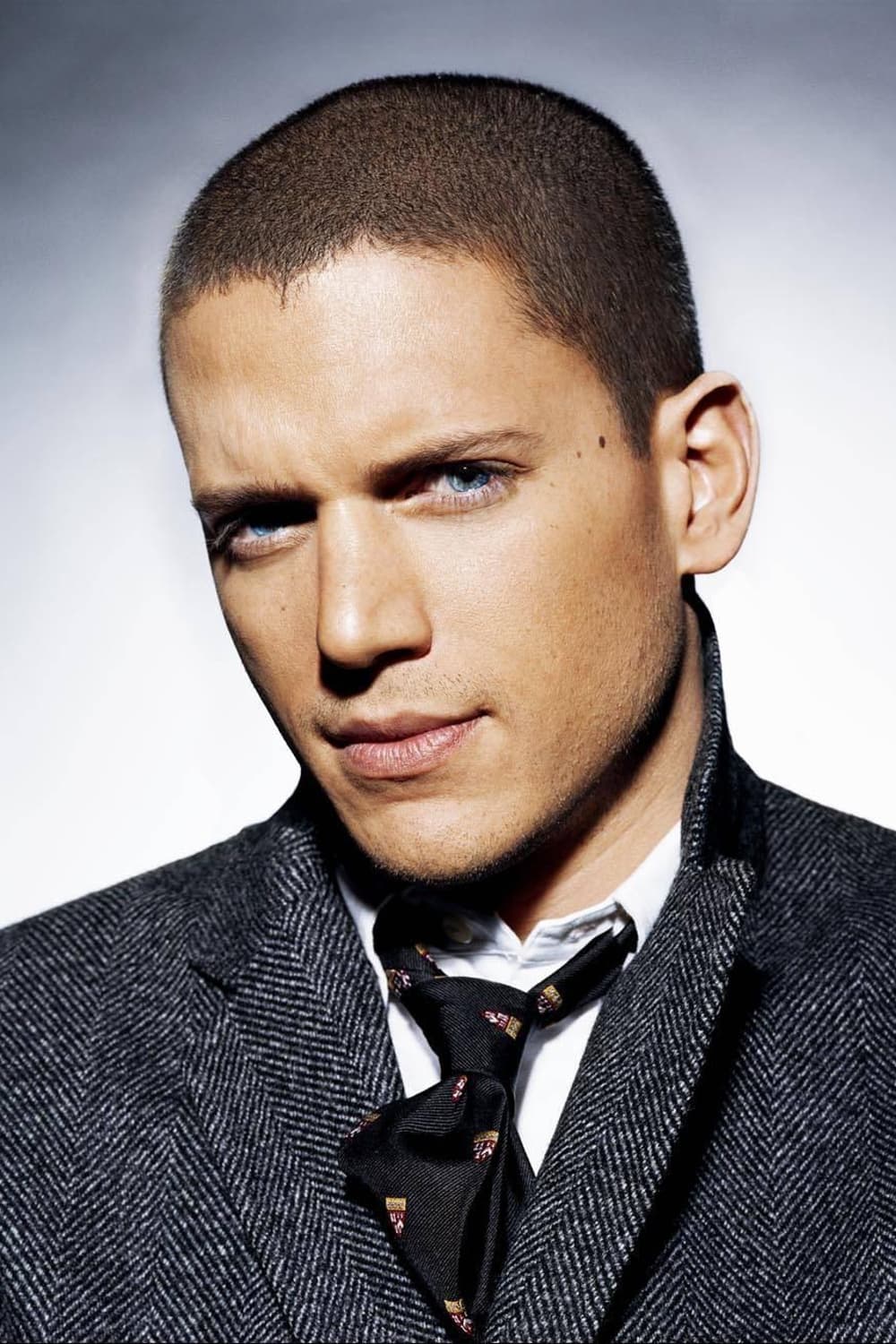
Miller stepped away from his role in ‘Prison Break’ (2005–2017) and later publicly addressed his struggles with deep depression and suicide attempts. He advocates for strict boundaries regarding the types of roles actors accept to protect their mental health. The actor has been open about his autism diagnosis and the need for neurodivergent-friendly work environments. He encourages performers to prioritize their personal truth over industry expectations. His advocacy focuses on self-preservation in a demanding field.
Bill Hader
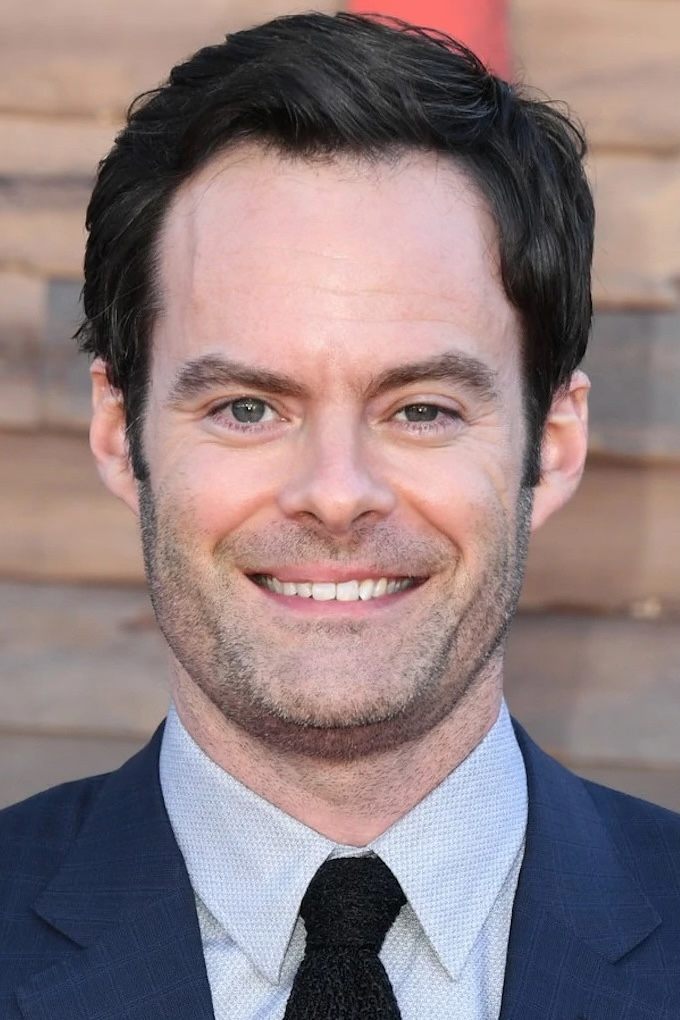
Hader has been open about the debilitating anxiety he faced during his time on ‘Saturday Night Live’ (1975–Present) and while filming ‘Barry’ (2018–2023). He advocates for transparency about stage fright and the use of therapeutic techniques to manage on-set panic. The actor wants to dismantle the illusion that performers are always confident and composed. He emphasizes that anxiety is manageable with the right resources and support. His honesty helps demystify the performance anxiety that plagues many actors.
Kendrick Sampson
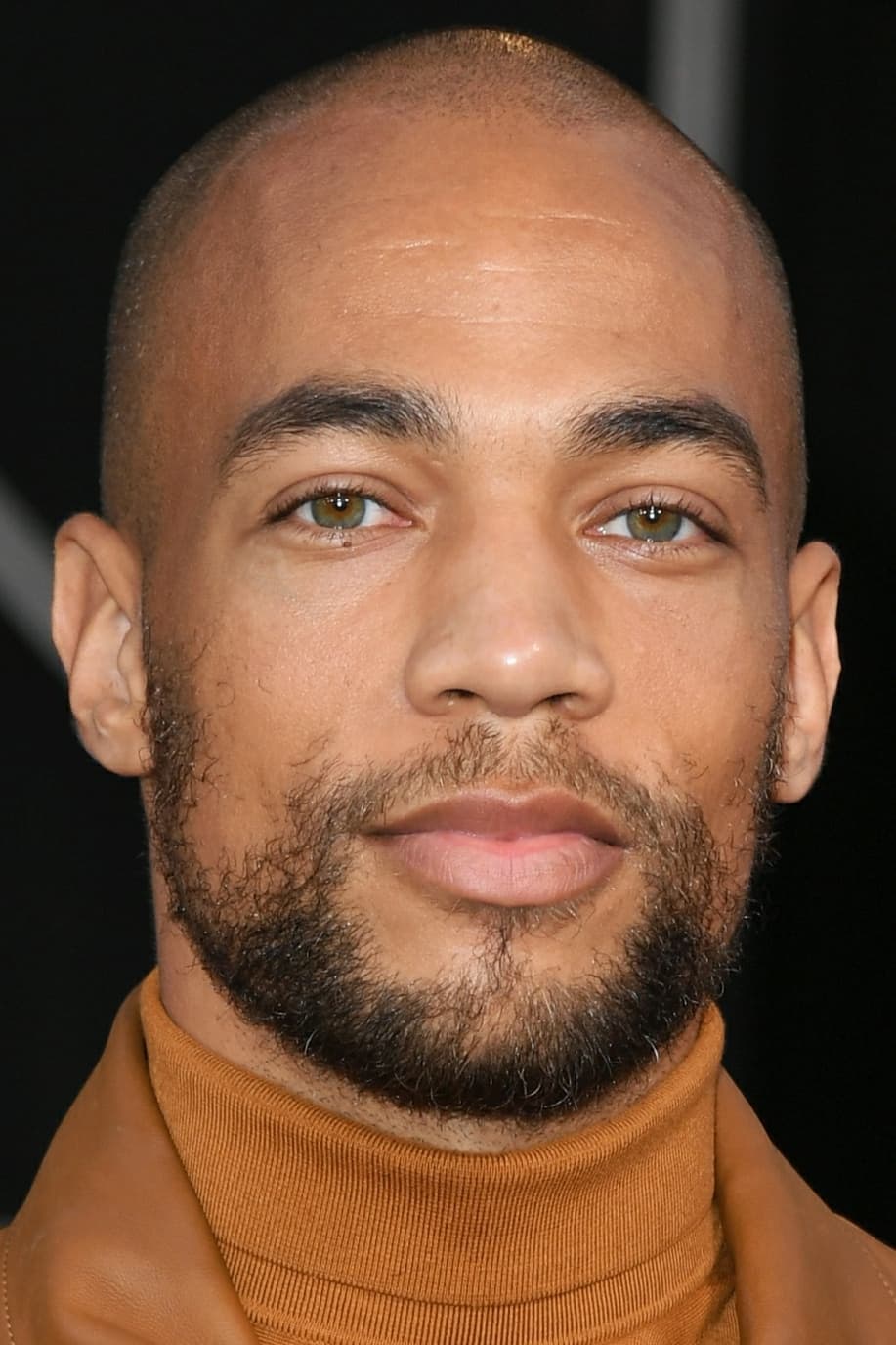
Through his organization BLD PWR, Sampson advocates for mental health resources specifically for Black creatives and activists in Hollywood. He pushes for the industry to recognize the compounding trauma of systemic racism and providing culturally competent therapy. The actor demands that sets be safe spaces free from microaggressions and discrimination. He believes that true mental safety requires structural change and equity. His work connects social justice with individual mental wellness.
Simu Liu

The star of ‘Shang-Chi and the Legend of the Ten Rings’ (2021) has spoken about the immense pressure of representing a community and the therapy he sought to handle it. He advocates for mental health resources that address the specific cultural stigmas found in immigrant families. Liu encourages aspiring actors to prioritize their mental health just as much as their physical training. He uses his social media platforms to normalize therapy sessions. His voice adds a necessary perspective on the intersection of representation and mental pressure.
Robert Pattinson

Pattinson has discussed the body dysmorphia and anxiety induced by the pressure to look a certain way for roles like ‘The Batman’ (2022). He advocates for a healthier approach to physical preparation that does not compromise mental stability. The actor criticizes the dangerous standards set by the industry and the lack of support for actors navigating them. He emphasizes that physical transformation should not come at the cost of psychological well-being. His comments challenge the industry’s obsession with unrealistic male body standards.
David Harewood
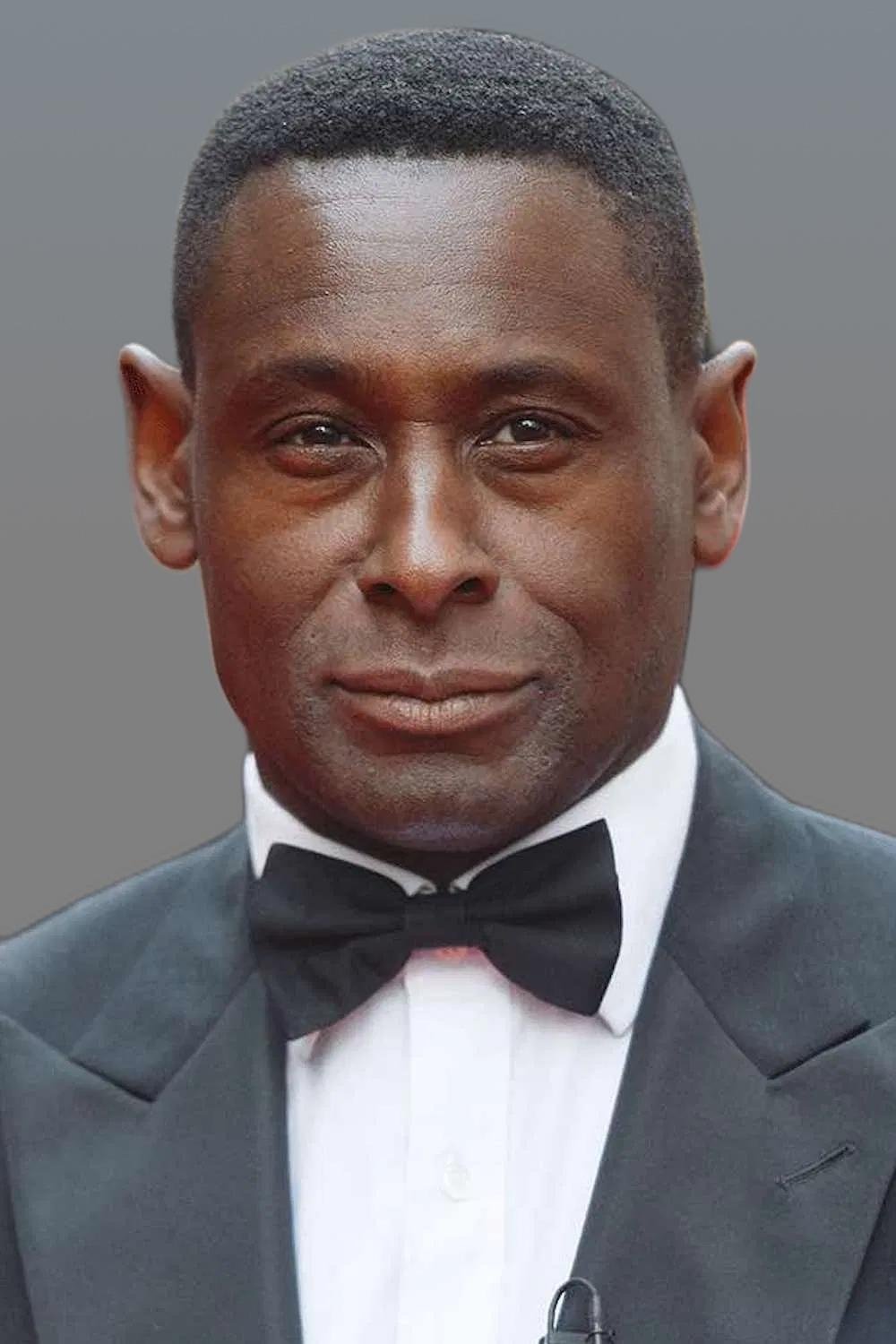
After experiencing a psychotic break earlier in his career, Harewood created the documentary ‘Psychosis and Me’ (2019) to explore the condition. He advocates for better understanding and resources for actors dealing with severe mental health crises. The actor emphasizes that the industry often discards those who struggle rather than offering help. He pushes for a compassionate approach that allows performers to recover and return to work. His advocacy sheds light on the more severe end of the mental health spectrum.
Stephen Fry
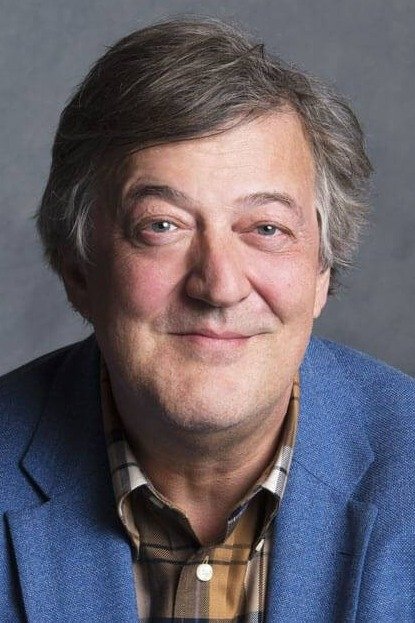
A longtime advocate for bipolar disorder awareness, Fry has used his status to campaign for better mental health facilities and understanding. He speaks openly about his own suicide attempts and the necessity of medication and therapy. The actor advocates for the industry to accommodate the ups and downs of those living with mood disorders. He emphasizes that creativity and mental illness are often linked and that the industry must support its talent. His enduring voice has kept mental health at the forefront of British entertainment.
Simon Pegg
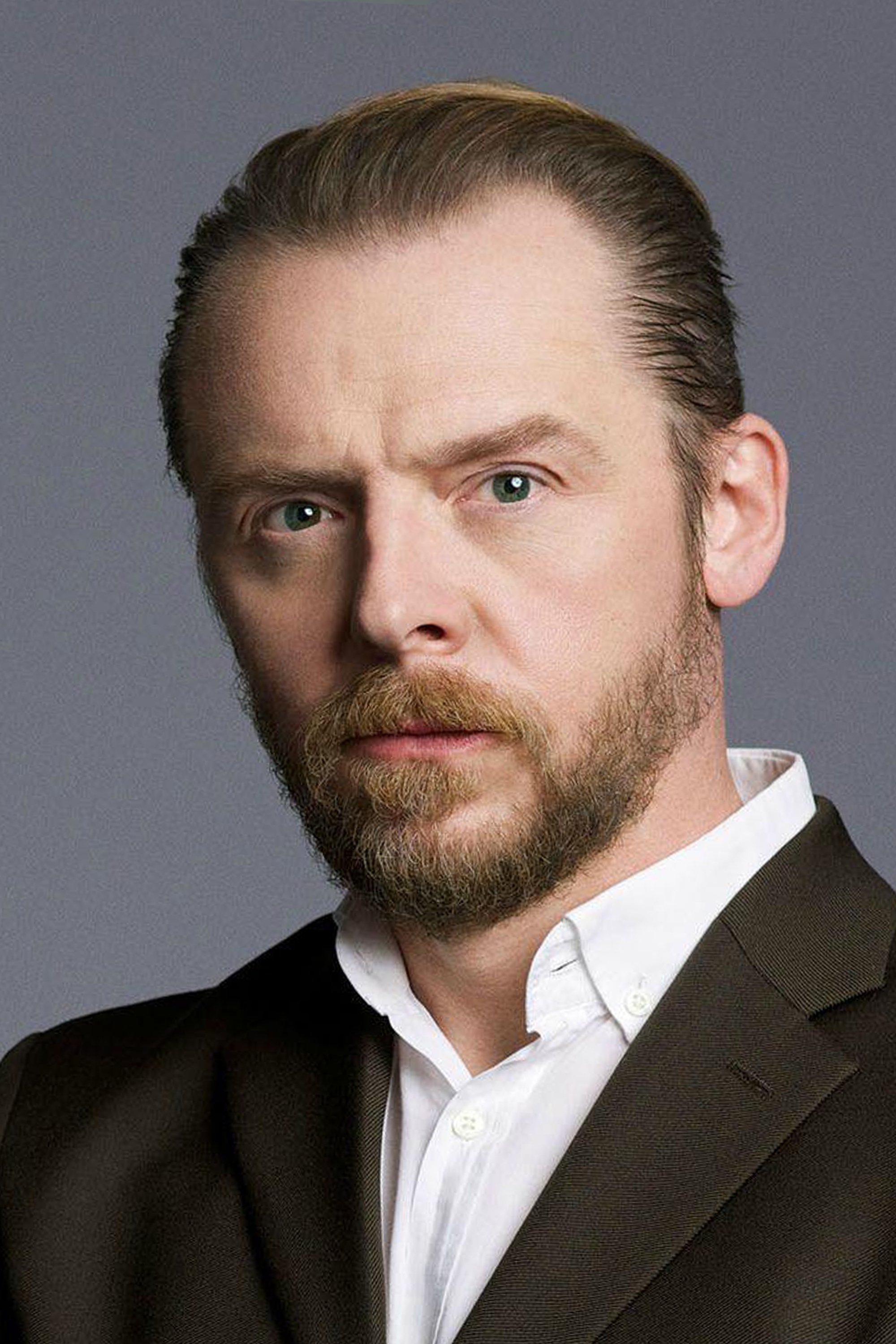
Pegg kept his battle with alcoholism and depression hidden for years while filming major franchises like ‘Mission: Impossible’. He now advocates for honesty and the availability of rehabilitation resources for professionals in the industry. The actor emphasizes that high-functioning addiction is common and needs to be addressed with compassion. He supports the idea that recovery is possible without losing one’s career. His story encourages others to seek help before hitting rock bottom.
Brad Pitt
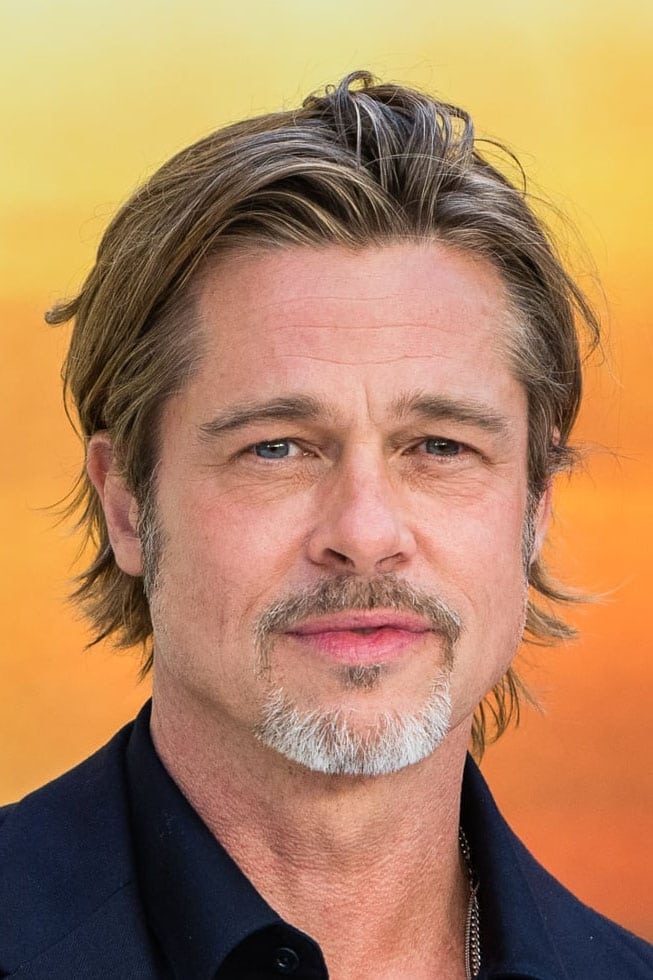
In recent years, Pitt has opened up about his journey to sobriety and his participation in an all-male support group. He advocates for safe, private spaces where men can be vulnerable with one another without fear of judgment. The actor credits these resources with helping him process his emotions and personal failings. He emphasizes the value of community and shared experience in healing. His visibility helps destigmatize the concept of men’s support groups.
Jesse Eisenberg
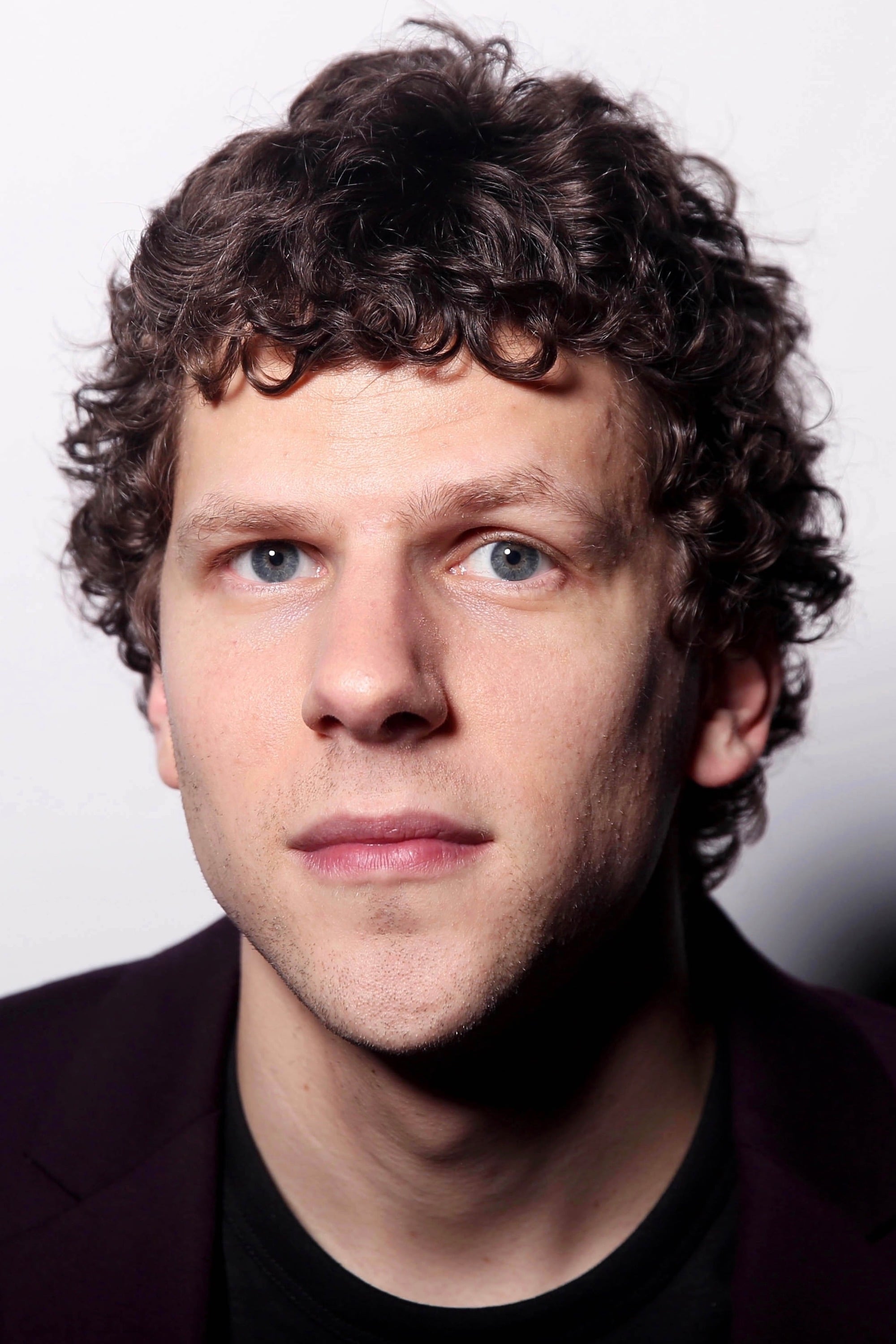
Eisenberg has spoken frequently about his struggles with OCD and anxiety since childhood. He advocates for channeling these energies into creative work but maintaining a separation to prevent burnout. The actor discusses the need for understanding and patience on sets for those with neurodivergent conditions. He emphasizes that mental health challenges do not preclude someone from being a successful performer. His transparency offers a role model for neurodiverse individuals in the arts.
Dominic Monaghan
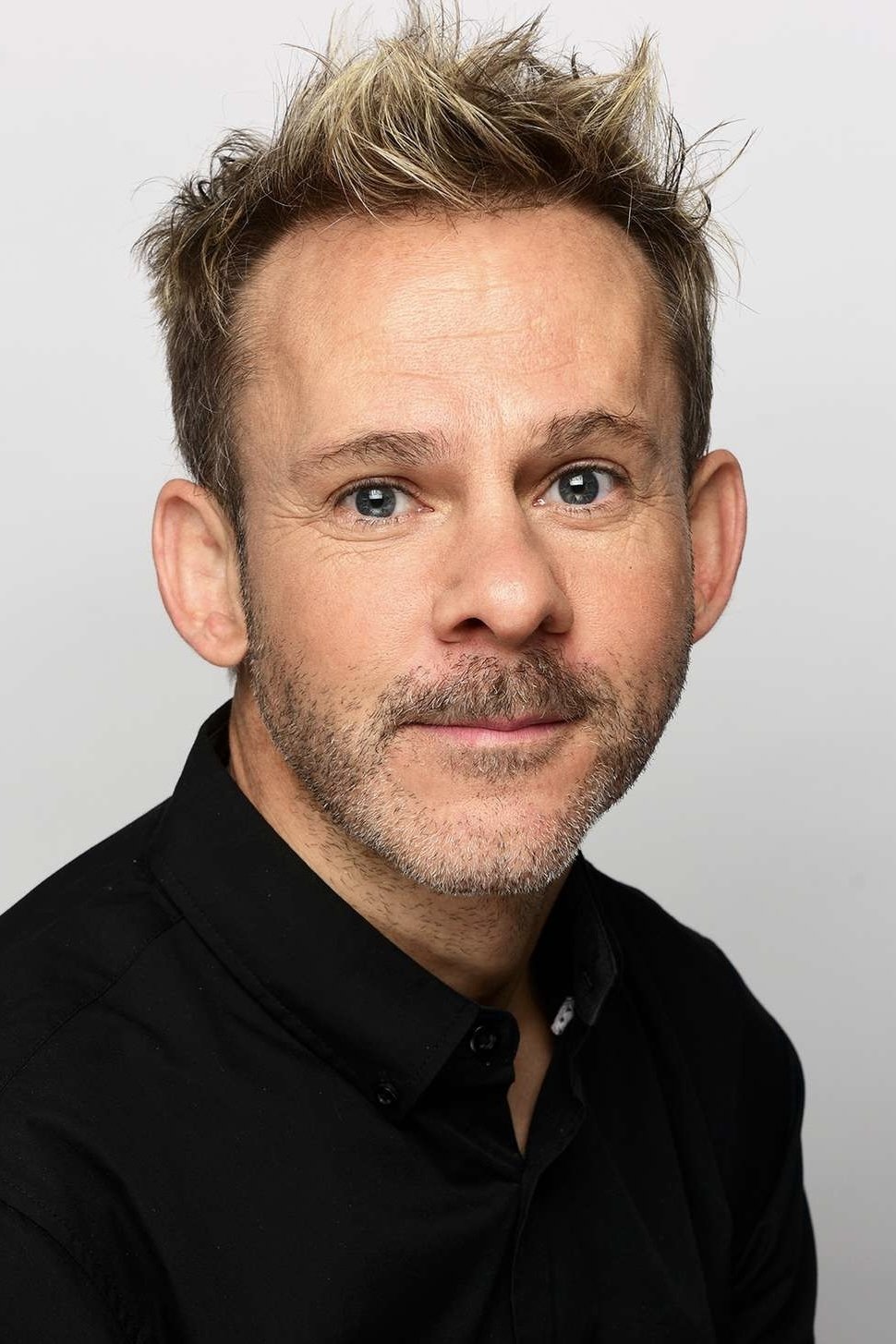
Monaghan has utilized his podcast platform to discuss his therapy journey and the importance of mental health maintenance. He advocates for actors to treat their minds with the same care they treat their bodies. The actor encourages open conversations with castmates to build a supportive work environment. He believes that shared vulnerability creates better art and safer sets. His consistent message is one of proactive mental wellness.
Colin Farrell
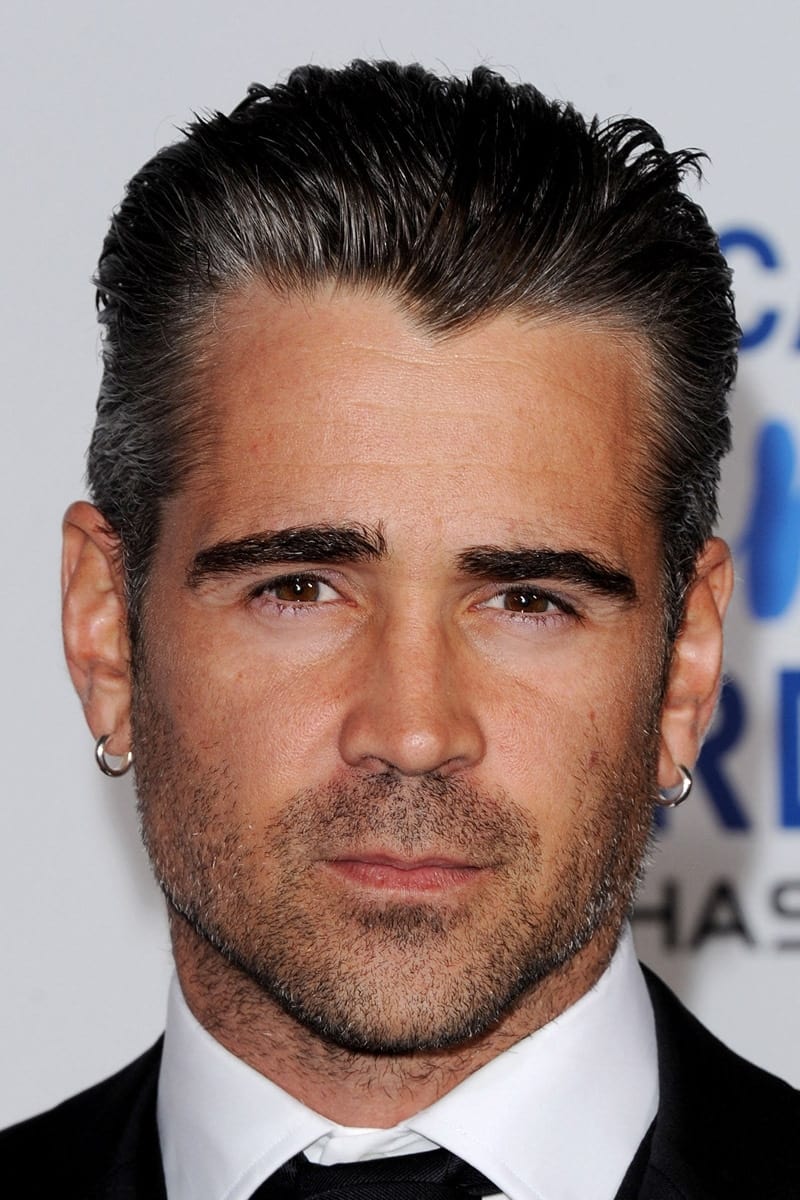
Farrell has been a long-time advocate for preemptive mental health care, often checking himself into treatment centers as a reset when he feels his sobriety is threatened. He champions the idea that seeking resources should be a preventive measure rather than just a reaction to a crash. The actor speaks about the freedom that comes from living a sober life in Hollywood. He encourages others to use the resources available to maintain their equilibrium. His approach normalizes maintenance therapy for long-term recovery.
Do you think movie studios should make on-set therapists mandatory for all high-stress productions? Share your thoughts in the comments.