


Actors Dropped by a Studio—Then Signed by a Rival




The old studio system could change a career overnight. Actors were often signed to long contracts and moved from project to project with little say. If a studio decided someone was not a fit, the contract might be ended and the actor suddenly had to look for work somewhere else. Many of those stories did not stop there. A rival studio sometimes stepped in, offered a fresh start, and turned a setback into a defining run of roles.
This list looks at actors who were released or let go by one major studio and then picked up by a competitor. Each entry notes who parted ways with whom, who came calling next, and what kind of work followed. It is a snapshot of how quickly fortunes could flip when a door closed on one lot and opened across town.
Bette Davis

Universal ended Bette Davis’s early contract after a brief run of minor assignments and screen tests that did not impress the front office. She returned to the stage, built momentum, and drew interest from a competitor.
Warner Bros signed her soon after and immediately put her in stronger material. Work in films like ‘The Man Who Played God’, ‘Of Human Bondage’, ‘Dangerous’, and ‘Jezebel’ established her as a top dramatic lead and anchored a long tenure with the studio.
Marilyn Monroe
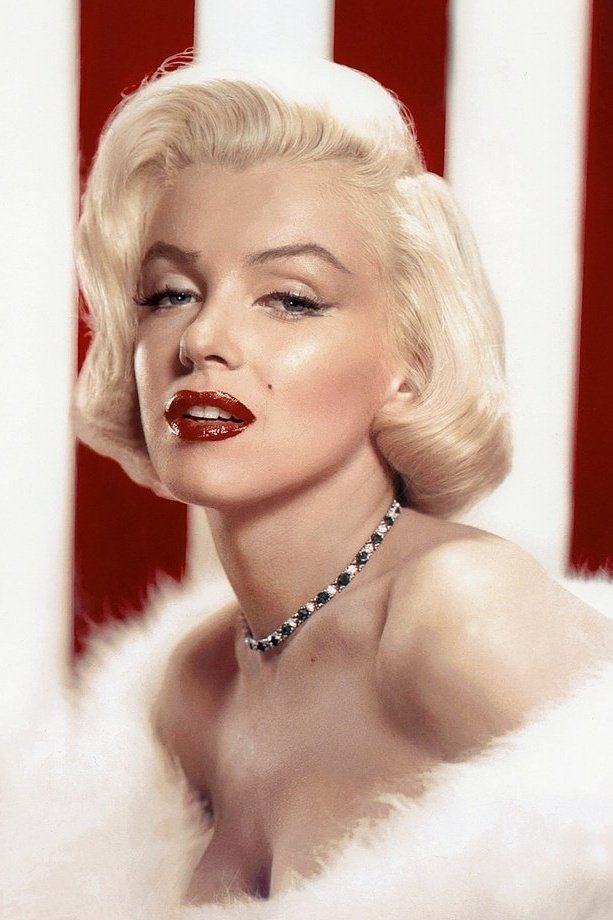
Twentieth Century Fox released Marilyn Monroe early in her career after small parts did not lead to a clear path forward. She continued taking lessons and looked for a studio that would invest in her development.
Columbia Pictures signed her for a musical program and featured her in ‘Ladies of the Chorus’. The exposure helped her return to Fox, where vehicles like ‘Niagara’, ‘Gentlemen Prefer Blondes’, and ‘How to Marry a Millionaire’ transformed her into a global star.
Rita Hayworth

Fox let Rita Hayworth go while she was still credited under her birth name and being used mainly as a dancer in brief appearances. The studio did not see a breakout direction and chose not to continue.
Columbia Pictures brought her in, updated her image, and built her as a leading lady. Roles in ‘Only Angels Have Wings’, ‘Cover Girl’, and ‘Gilda’ made her one of the defining screen presences of her era and the studio’s premier glamour star.
Joan Crawford

MGM ended its long relationship with Joan Crawford after a period of disappointing box office that made the front office cautious about future bets. She exited the lot with her reputation in flux.
Warner Bros stepped in and offered her a major comeback vehicle. With ‘Mildred Pierce’ as the centerpiece and follow-ups like ‘Humoresque’ and ‘Possessed’, she reasserted her drawing power and secured a new chapter with a rival banner.
Judy Garland

MGM terminated Judy Garland’s contract after repeated suspensions and health struggles that disrupted production schedules. The split left her outside the system that had launched her.
Warner Bros offered a star-focused musical drama that matched her voice and acting skills. With ‘A Star Is Born’ as the foundation, followed by concert films and studio recordings, she rebuilt her screen profile and expanded her career beyond her former home lot.
Lucille Ball
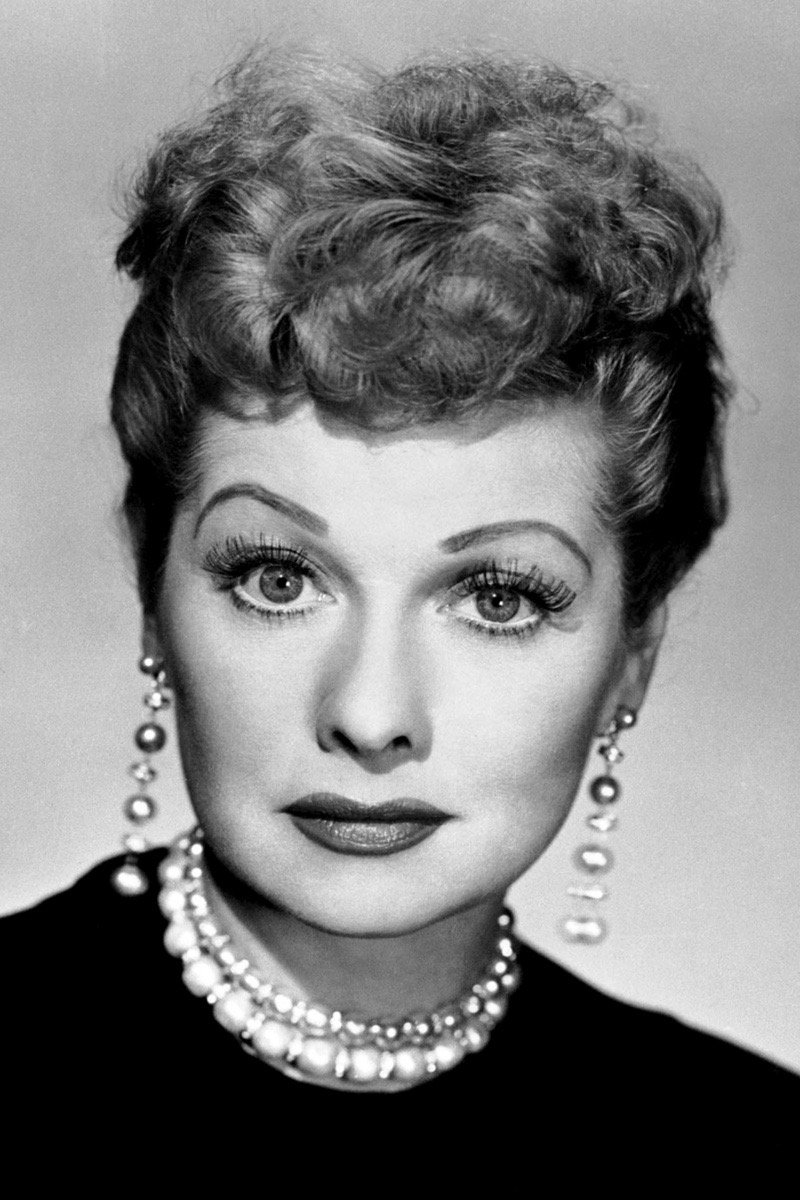
RKO released Lucille Ball after years of scene-stealing work that had not yet translated into consistent leads. The studio trimmed contracts as its finances tightened and she was among those let go.
MGM signed her and used her in big ensemble musicals and comedies such as ‘Du Barry Was a Lady’ and ‘Ziegfeld Follies’. That visibility fed directly into her move to television, where ‘I Love Lucy’ made her one of the most influential figures in entertainment.
Carole Lombard

Fox ended its association with Carole Lombard early, concluding that her roles to date did not justify a long plan. She kept working in shorts and independents while seeking better parts.
Paramount signed her and showcased her in sparkling comedies. Hits across studios, including ‘Hands Across the Table’ for Paramount and ‘My Man Godfrey’ for a rival distributor, cemented her as a screwball standout with broad appeal.
Betty Grable
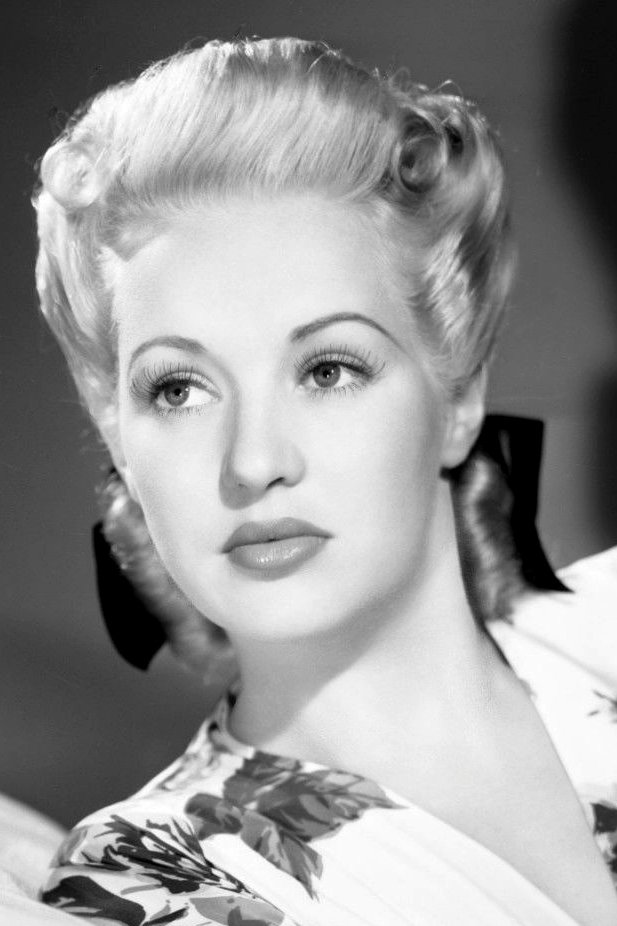
Paramount released Betty Grable after attempts to position her in musicals stalled. She shifted to stage engagements and looked for a studio with a clear musical slate.
Twentieth Century Fox signed her and built a sustained run of Technicolor showcases. Films like ‘Down Argentine Way’, ‘Springtime in the Rockies’, and ‘Pin Up Girl’ turned her into a top box office name and a cultural icon for the studio.
John Wayne
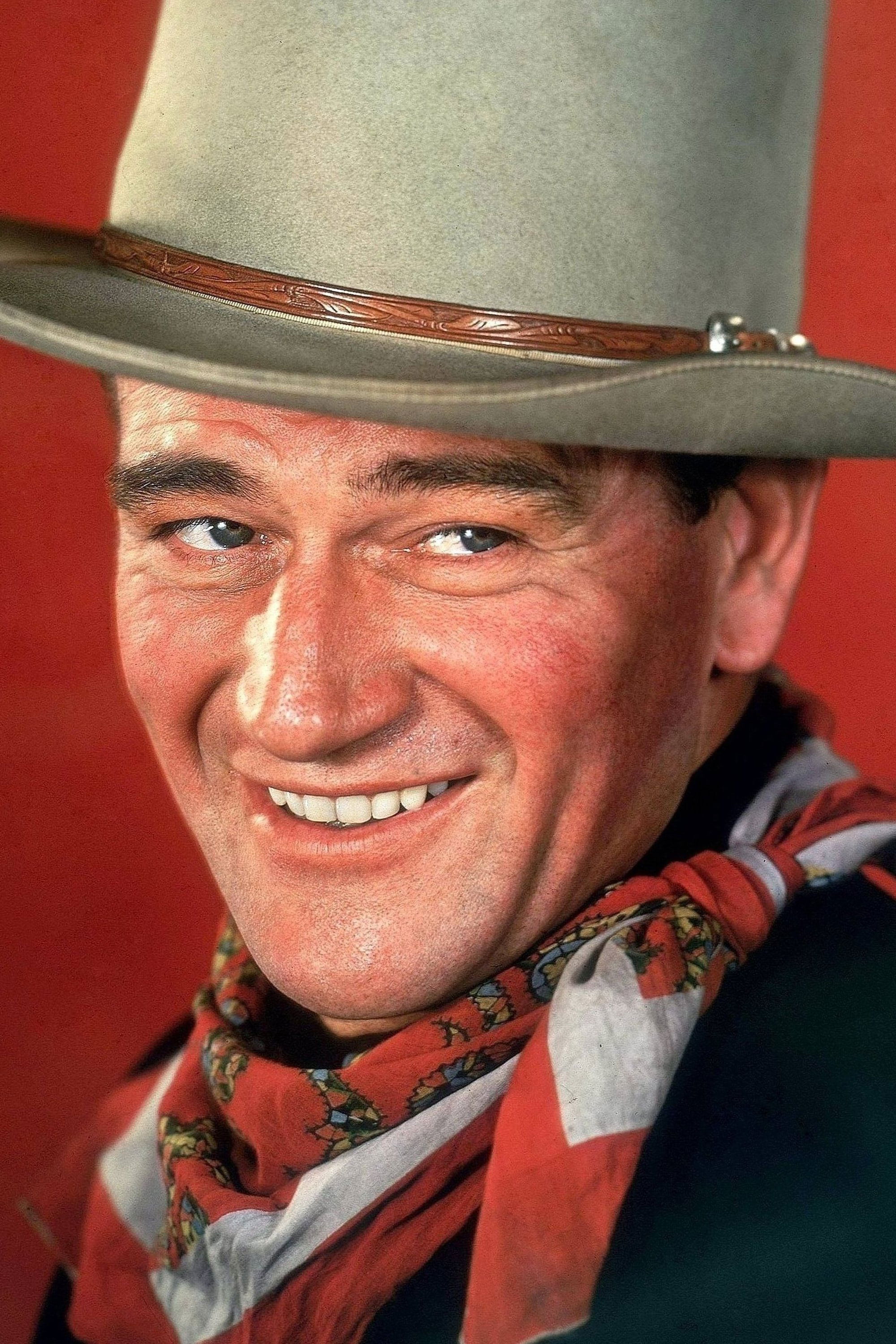
Fox withdrew its commitment to John Wayne after an early prestige assignment failed to convert into follow-on leads. He moved into lower-budget westerns while keeping his skills sharp.
Republic Pictures signed him and gave him steady starring roles that kept his name in front of audiences. The momentum led to ‘Stagecoach’ and a steady pipeline of westerns and war pictures that defined his screen identity beyond his former studio.
Clark Gable
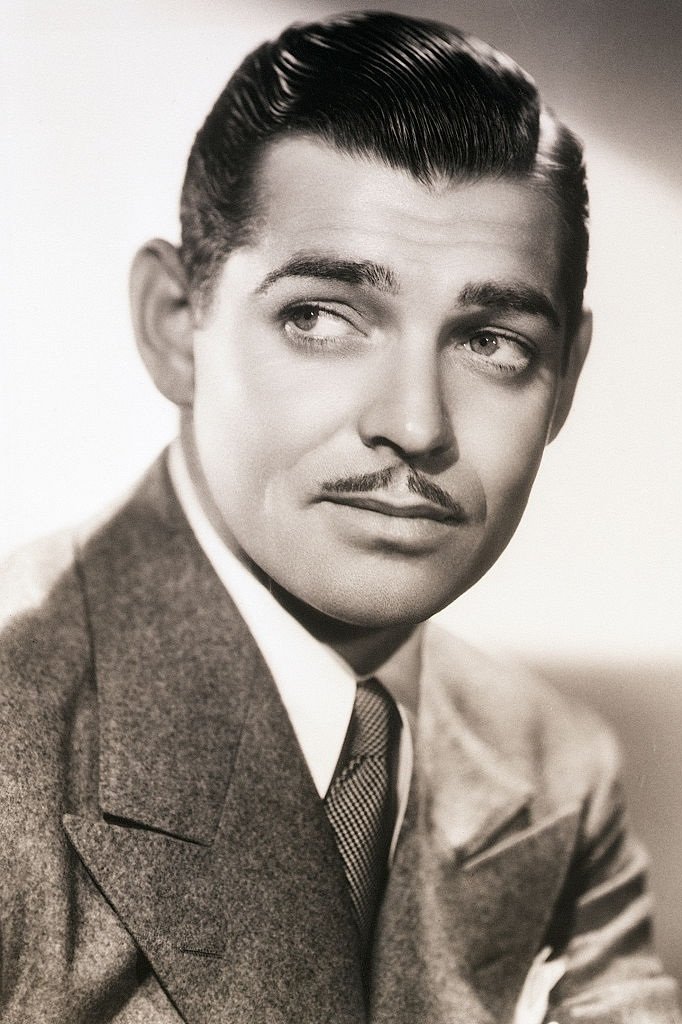
Warner Bros released Clark Gable after a handful of small roles failed to convince decision-makers. He returned to stage work and tried again for a long-term film foothold.
MGM signed him and positioned him as a rugged romantic lead. With showcases like ‘Red Dust’, ‘Manhattan Melodrama’, and ‘Mutiny on the Bounty’ along with prestigious loans to outside producers, he became one of the studio’s most bankable stars.
Humphrey Bogart
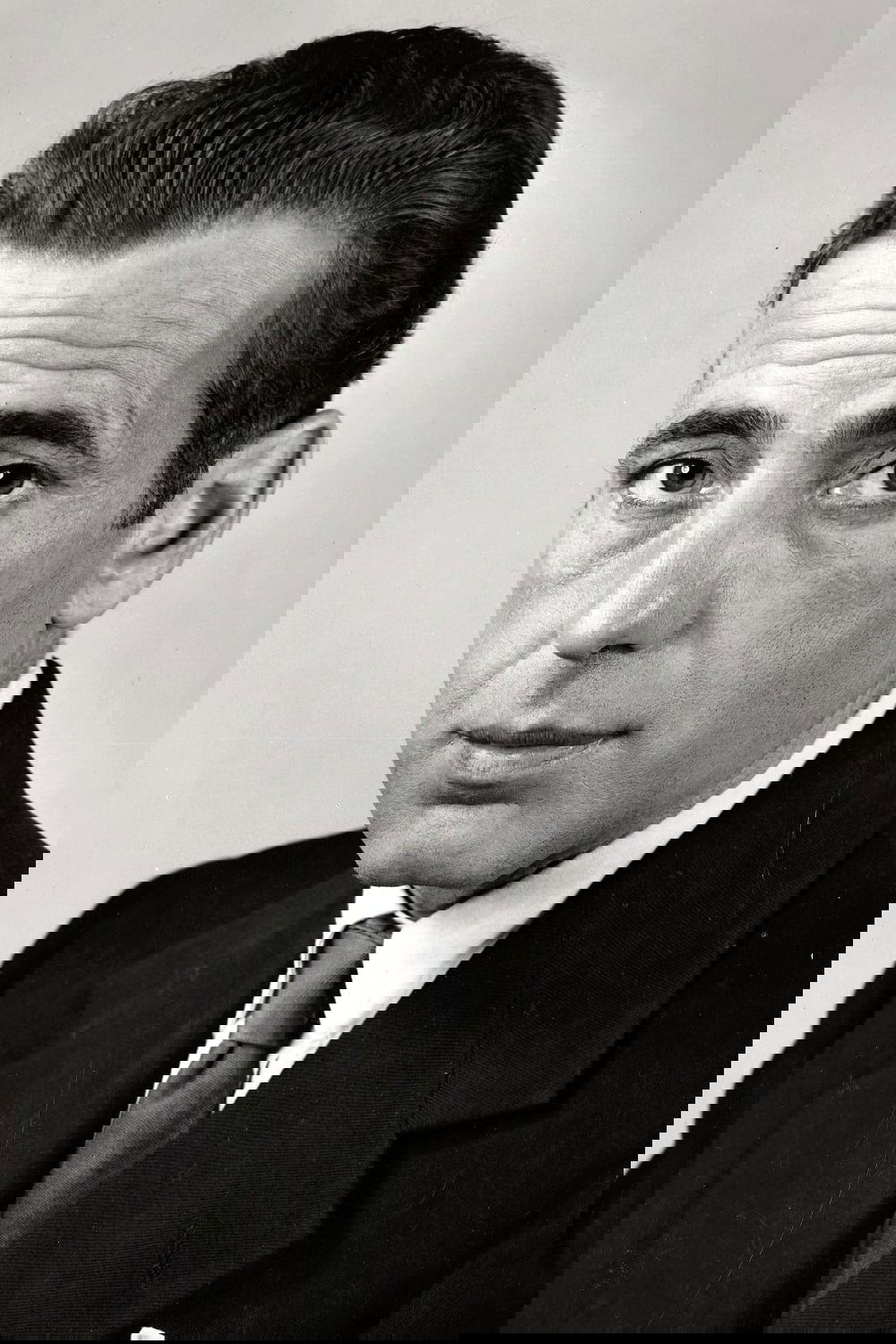
Fox let Humphrey Bogart go after a brief stint of early talkie parts that did not immediately click. He went back to Broadway and rebuilt credibility in tough, flinty roles.
Warner Bros signed him and gradually moved him from supporting heavies to top billing. Breakthroughs with ‘High Sierra’, ‘The Maltese Falcon’, and ‘Casablanca’ set the pattern for his work in crime dramas and romances across the studio’s slate.
Buster Keaton

MGM ended Buster Keaton’s contract after creative disagreements and a difficult run of features that did not meet expectations. The studio system’s tight control over material limited his strengths.
Columbia Pictures later signed him for a series of comedy shorts that put his physical timing back in the spotlight. Those films, along with guest turns across other lots, kept his name alive with new audiences after a turbulent stretch.
Orson Welles
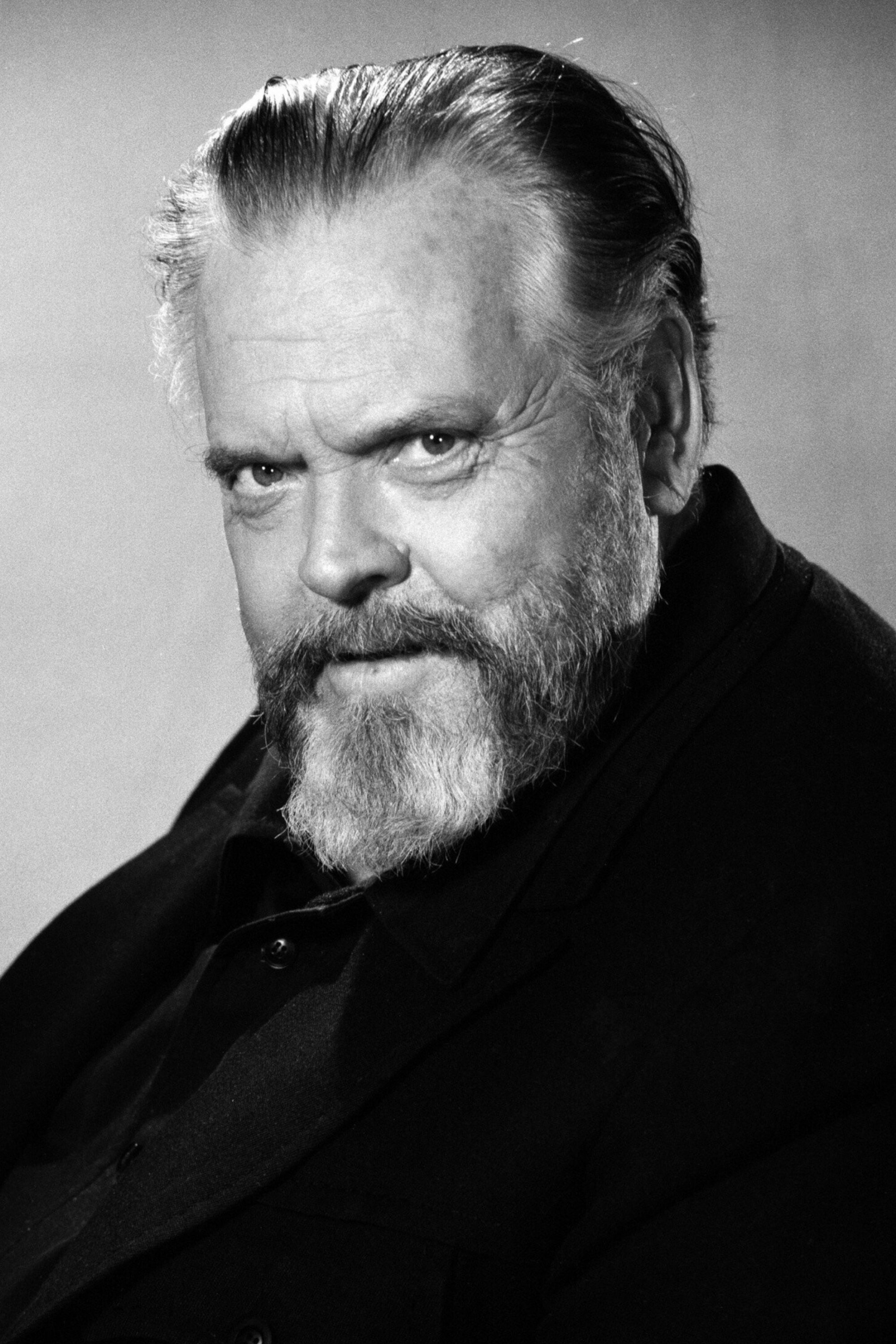
RKO terminated Orson Welles’s deal following ambitious projects that ran into production and budget trouble. The breakup left several plans unfinished and his studio backing uncertain.
Columbia Pictures brought him in to direct and star in ‘The Lady from Shanghai’, while Republic backed his interpretation of ‘Macbeth’. Those opportunities allowed him to keep working at scale after his departure from his first Hollywood sponsor.
Marlene Dietrich
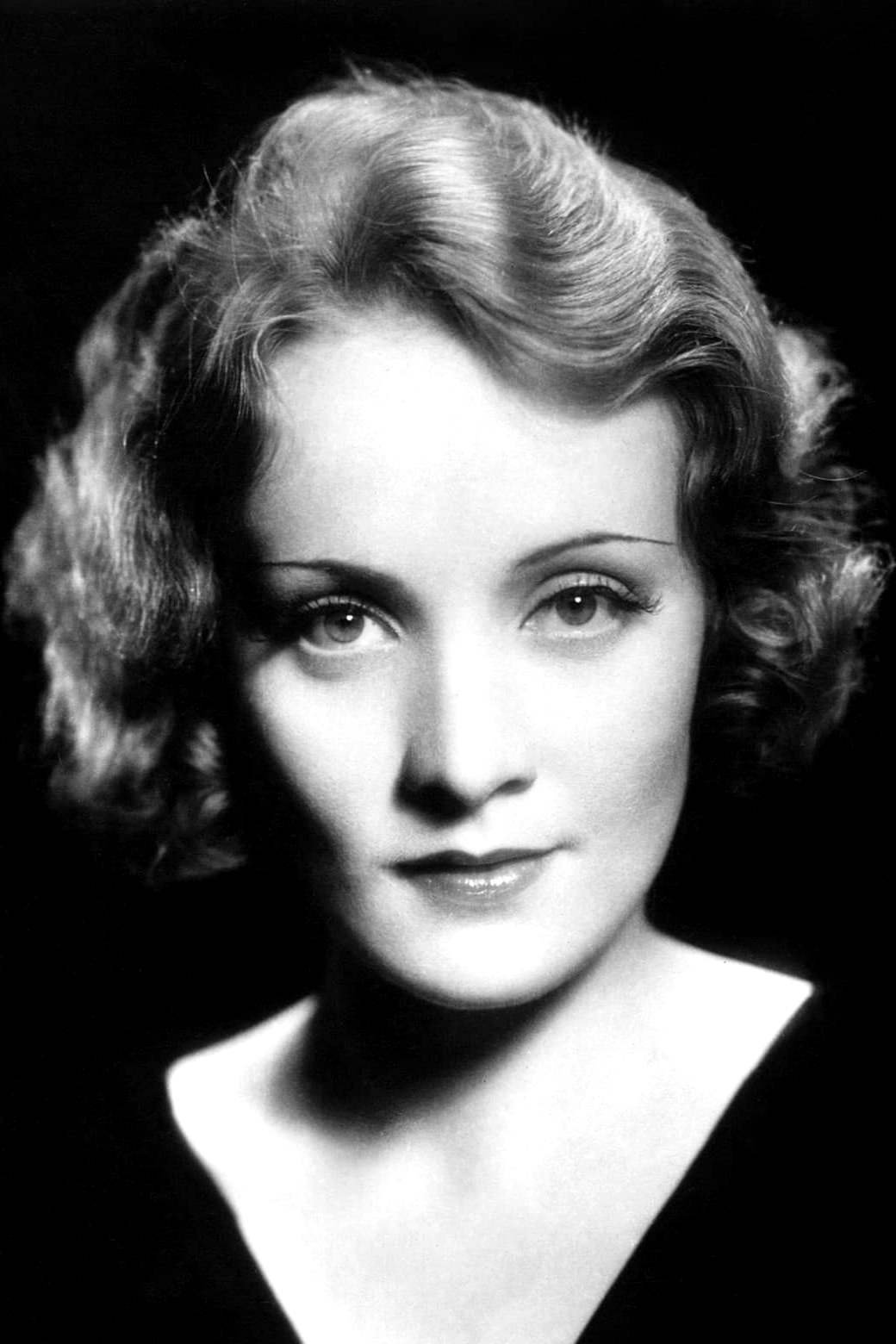
Paramount cooled on Marlene Dietrich after a string of expensive vehicles underperformed. The studio declined to keep building star projects around her and the relationship wound down.
Universal cast her opposite a major western lead in ‘Destry Rides Again’ and followed with stylish thrillers and dramas. The change of scenery revived her domestic standing and gave her a new set of genre tools beyond the Paramount mold.
Ginger Rogers

Paramount did not continue with Ginger Rogers after early appearances left her future unclear. She had built name recognition in vaudeville and on Broadway but needed the right film showcase.
RKO signed her and paired her with Fred Astaire in a run of musicals that defined the studio brand. Titles like ‘The Gay Divorcee’, ‘Top Hat’, and ‘Swing Time’ demonstrated her combined acting and dancing strengths and established a durable partnership.
Deanna Durbin
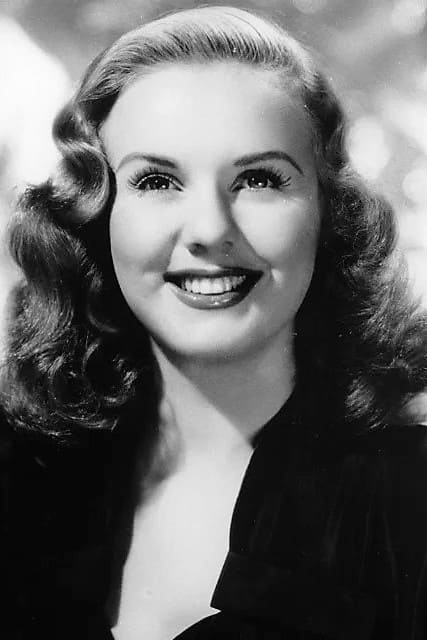
MGM released Deanna Durbin after a short subject failed to lead to a feature plan. The decision left a gifted young singer without a clear film vehicle.
Universal signed her and crafted a family musical format around her voice. With ‘Three Smart Girls’ and follow-ups that emphasized light comedy and song, she became the studio’s key asset and helped stabilize its finances.
Spencer Tracy
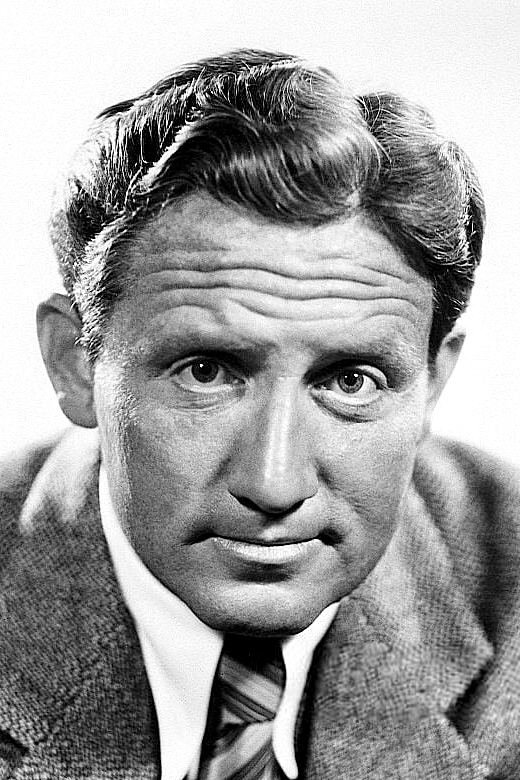
Fox parted ways with Spencer Tracy after a series of gritty programmers did not deliver the results the studio wanted. He continued pushing for stronger material and better collaborators.
MGM signed him and placed him in prestige dramas and humanist stories. Pairings with Katharine Hepburn and assignments like ‘Captains Courageous’ and ‘Boys Town’ made him a pillar of the studio’s awards-minded output.
Jean Arthur
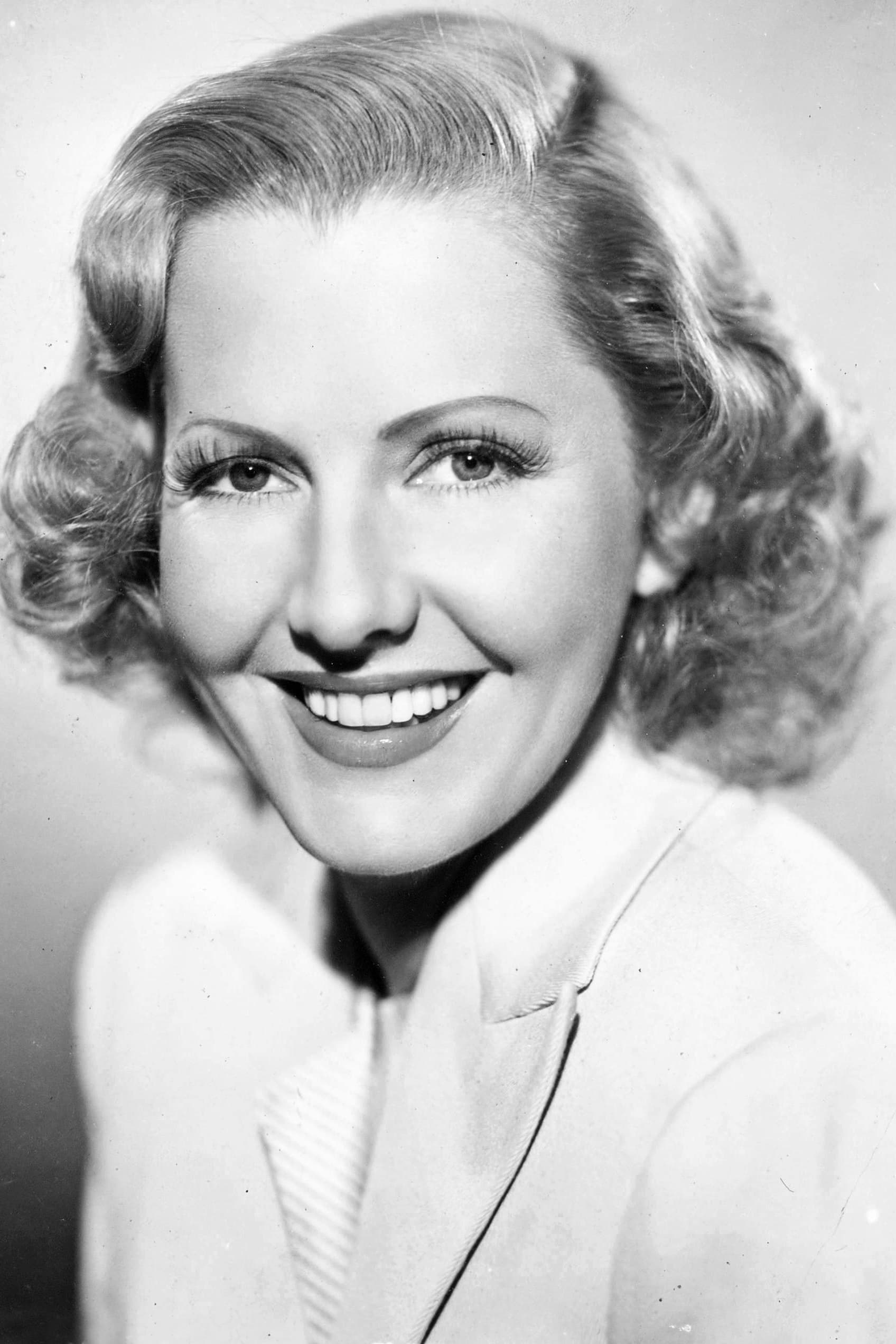
Paramount let Jean Arthur go after struggling to find the right fit for her voice and screen persona. She considered leaving the business before a rival offered a new direction.
Columbia Pictures signed her and teamed her with directors who tailored roles to her timing. With ‘Mr. Deeds Goes to Town’, ‘You Can’t Take It with You’, and ‘Mr. Smith Goes to Washington’, she became the studio’s quintessential everywoman.
Ann Sheridan

Paramount released Ann Sheridan while retooling its roster of starlets. She had done bits and small roles without a clear breakout and needed a studio that would push her.
Warner Bros signed her and built a distinct public image backed by tough-minded comedies and dramas. Vehicles like ‘Angels with Dirty Faces’, ‘They Drive by Night’, and ‘The Man Who Came to Dinner’ turned her into a dependable lead.
Susan Hayward
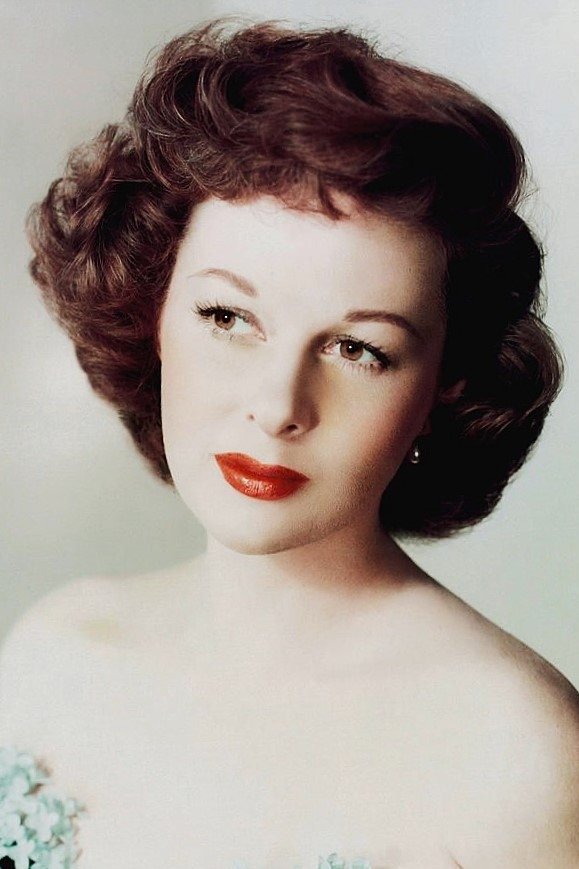
Warner Bros did not move forward with Susan Hayward after early tests and brief roles, leaving her without a steady track. She kept auditioning and took modeling work while waiting for the right call.
Twentieth Century Fox signed her and invested in serious dramatic showcases. With films such as ‘With a Song in My Heart’, ‘Smash-Up, the Story of a Woman’, and ‘I Want to Live!’, she became one of the studio’s most honored performers.
Share your favorite turnaround story in the comments and tell us which actor comeback surprised you most.