


Actors Facing Criticism for Playing Roles Outside Their Background

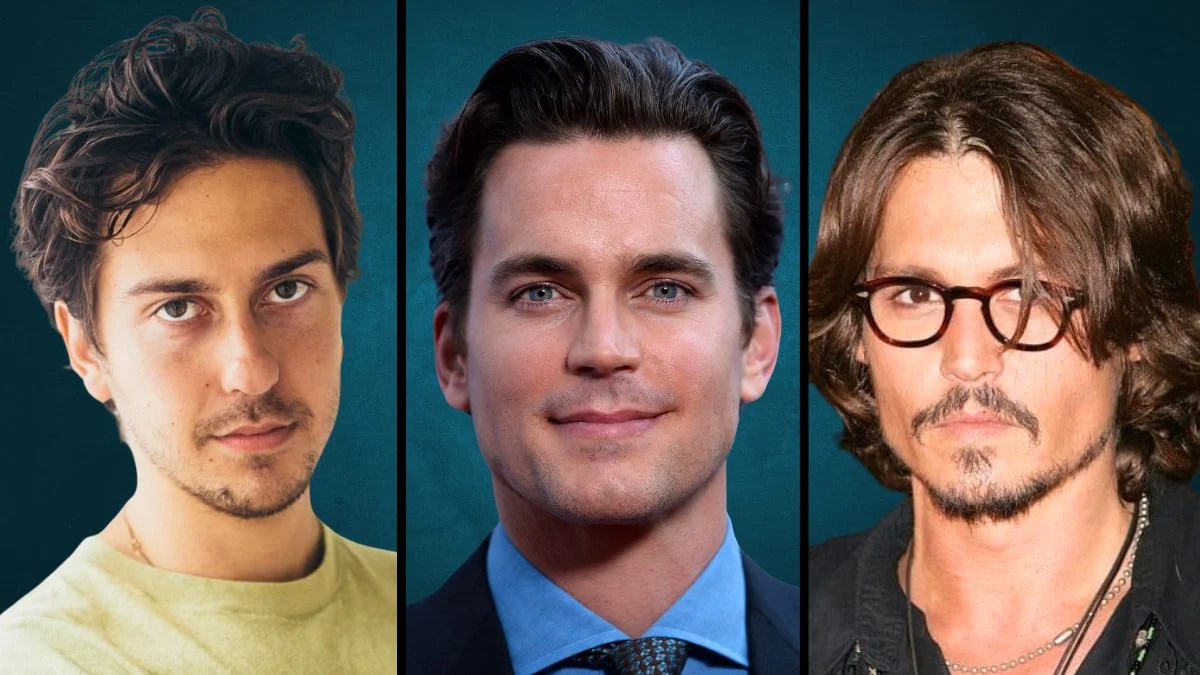


Casting decisions in Hollywood have frequently sparked intense debate regarding representation and authenticity. Audiences and critics often question the choice to cast actors in roles that do not align with their own racial or ethnic heritage. This scrutiny extends to portrayals of gender identity and physical disabilities when the performer does not share the lived experience of the character. The following list highlights male actors who faced backlash for accepting roles outside their personal background.
Jake Gyllenhaal

In the big-budget adaptation ‘Prince of Persia: The Sands of Time’, Gyllenhaal starred as the titular hero Dastan. The film drew significant criticism for casting a white actor of Swedish and Jewish descent as a Persian character. Many critics argued that the casting represented a missed opportunity to showcase Middle Eastern talent in a blockbuster setting. Gyllenhaal later admitted in interviews that the role was not the right fit for him.
Johnny Depp
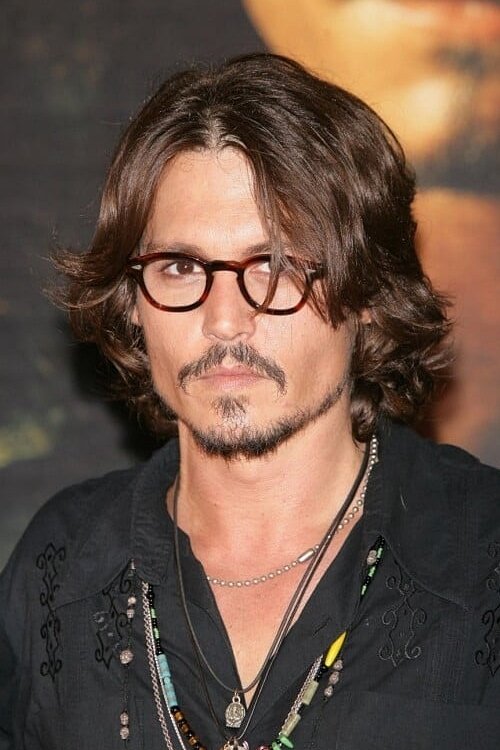
Depp played the Native American character Tonto in the Disney film ‘The Lone Ranger’. The actor worked with a consultant from the Comanche Nation to prepare for the role but the casting still invited accusations of redface. Critics felt the performance relied on stereotypes and questioned why a Native American actor was not hired for the part. The visual design of the character also became a point of contention within indigenous communities.
Christian Bale
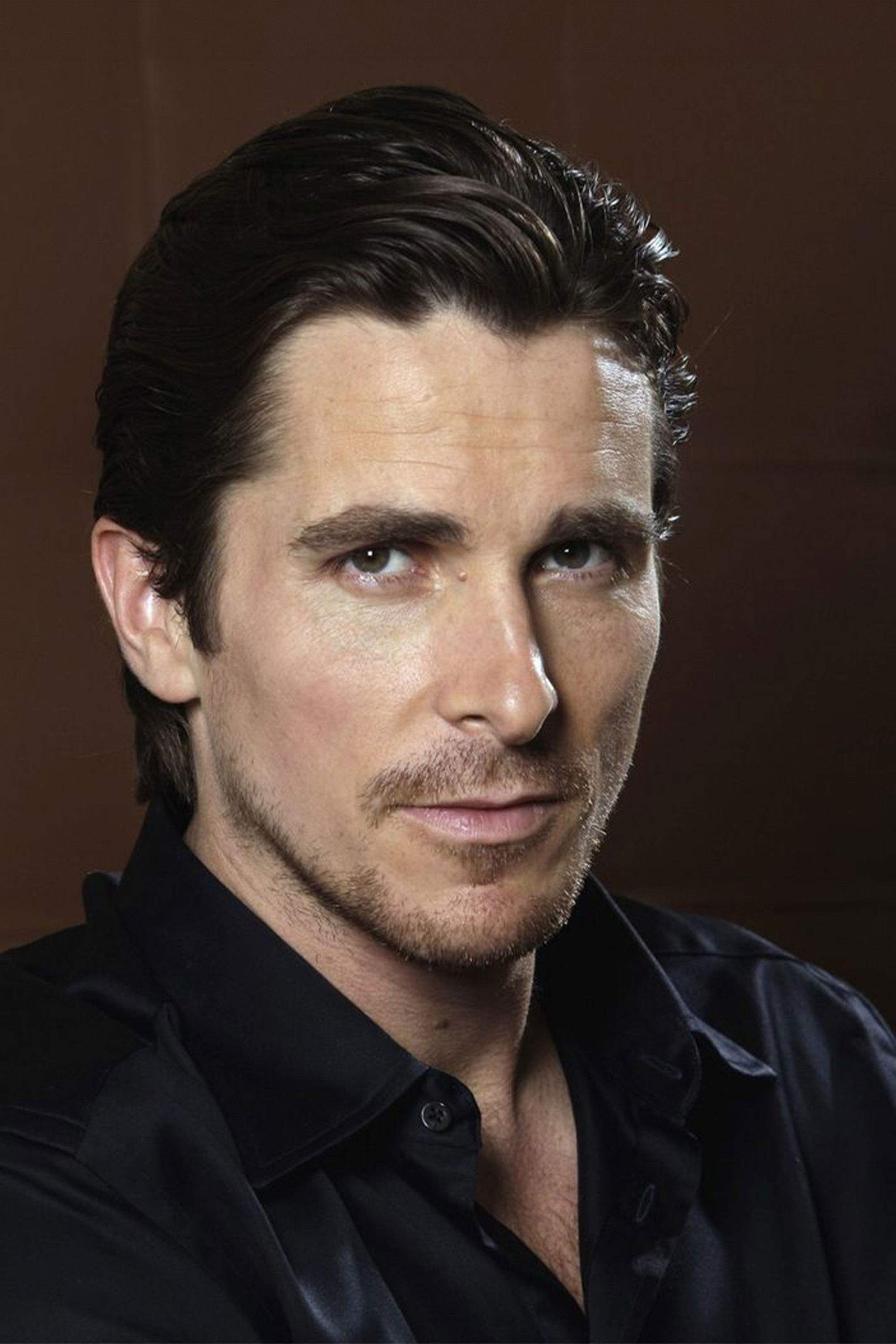
Ridley Scott directed ‘Exodus: Gods and Kings’ with Bale in the lead role of Moses. The film faced a backlash known as whitewashing for casting white actors as Egyptian and Hebrew historical figures. Bale defended the casting by citing the financial realities of mounting a production of that scale. The controversy led to calls for a boycott before the movie even reached theaters.
Joel Edgerton
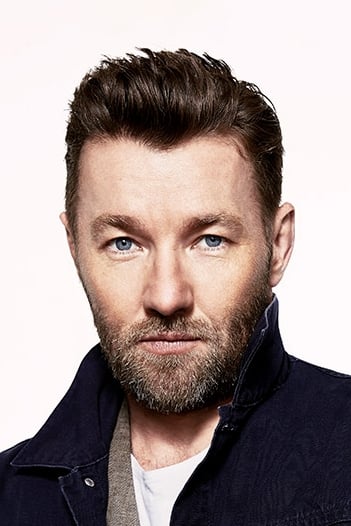
Alongside Bale in ‘Exodus: Gods and Kings’, Edgerton played the Egyptian pharaoh Ramses II. The Australian actor appeared in bronzing makeup to darken his skin for the role. This creative decision sparked outrage among those who felt it erased the African setting of the story. Edgerton later expressed regret regarding the casting choices and the impact they had on the conversation about representation.
Gerard Butler
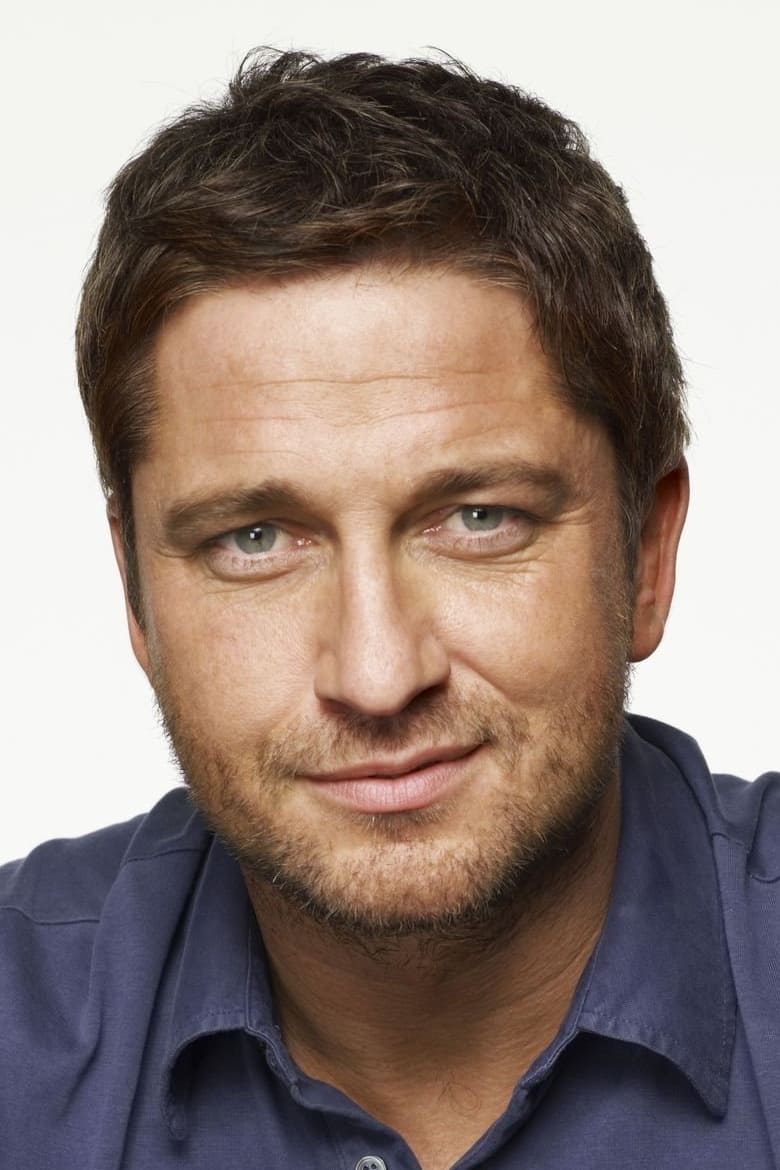
The fantasy film ‘Gods of Egypt’ featured Butler as the Egyptian deity Set. The movie was heavily criticized for populating its version of ancient Egypt with a predominantly white cast. Lionsgate and the director issued apologies for the lack of diversity before the film was arguably even released. Critics noted that the casting undermined the historical and geographical context of the narrative.
Nikolaj Coster-Waldau
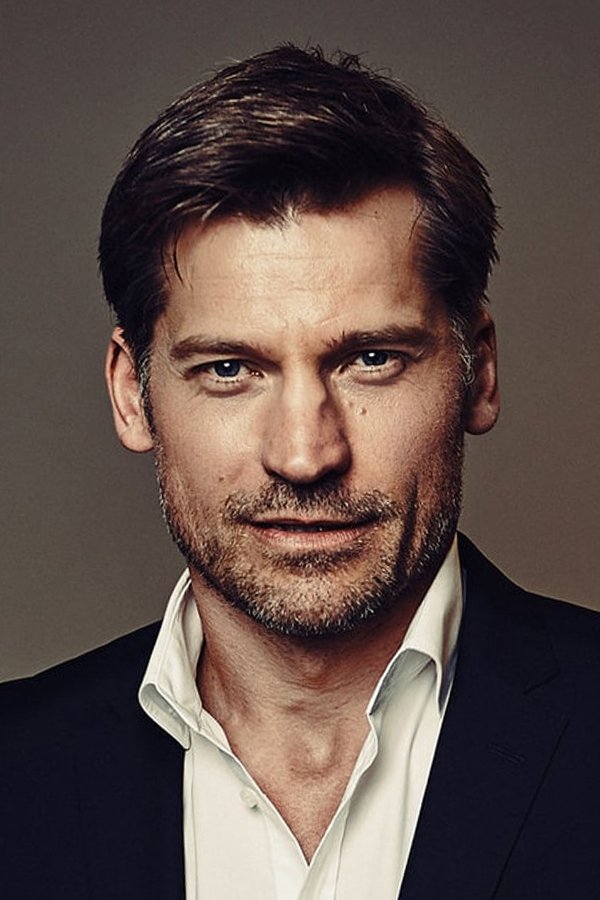
Another key figure in ‘Gods of Egypt’, Coster-Waldau portrayed the god Horus. The Danish actor found himself at the center of the same whitewashing controversy that surrounded his co-stars. He responded to the backlash by suggesting that the film was a fantasy interpretation rather than a historical drama. Despite his defense, the casting remains a prominent example of Hollywood exclusionary practices.
Mickey Rooney
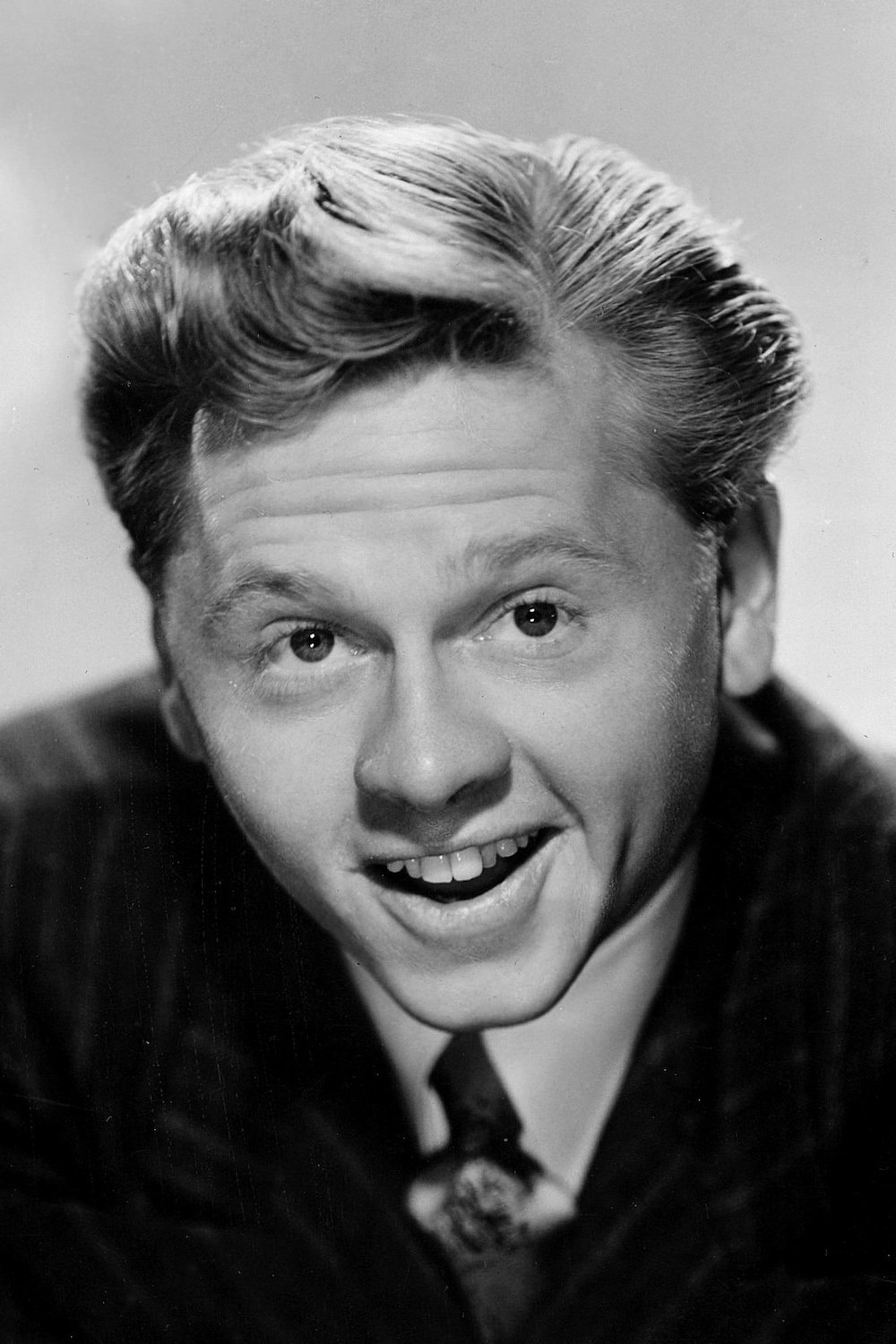
Rooney played Mr. Yunioshi in the classic film ‘Breakfast at Tiffany’s’. The performance involved heavy prosthetic makeup and exaggerated mannerisms to portray a Japanese landlord. This role is widely considered one of the most offensive examples of yellowface in cinema history. Contemporary screenings of the movie often include discussions or warnings about the racist nature of the caricature.
John Wayne
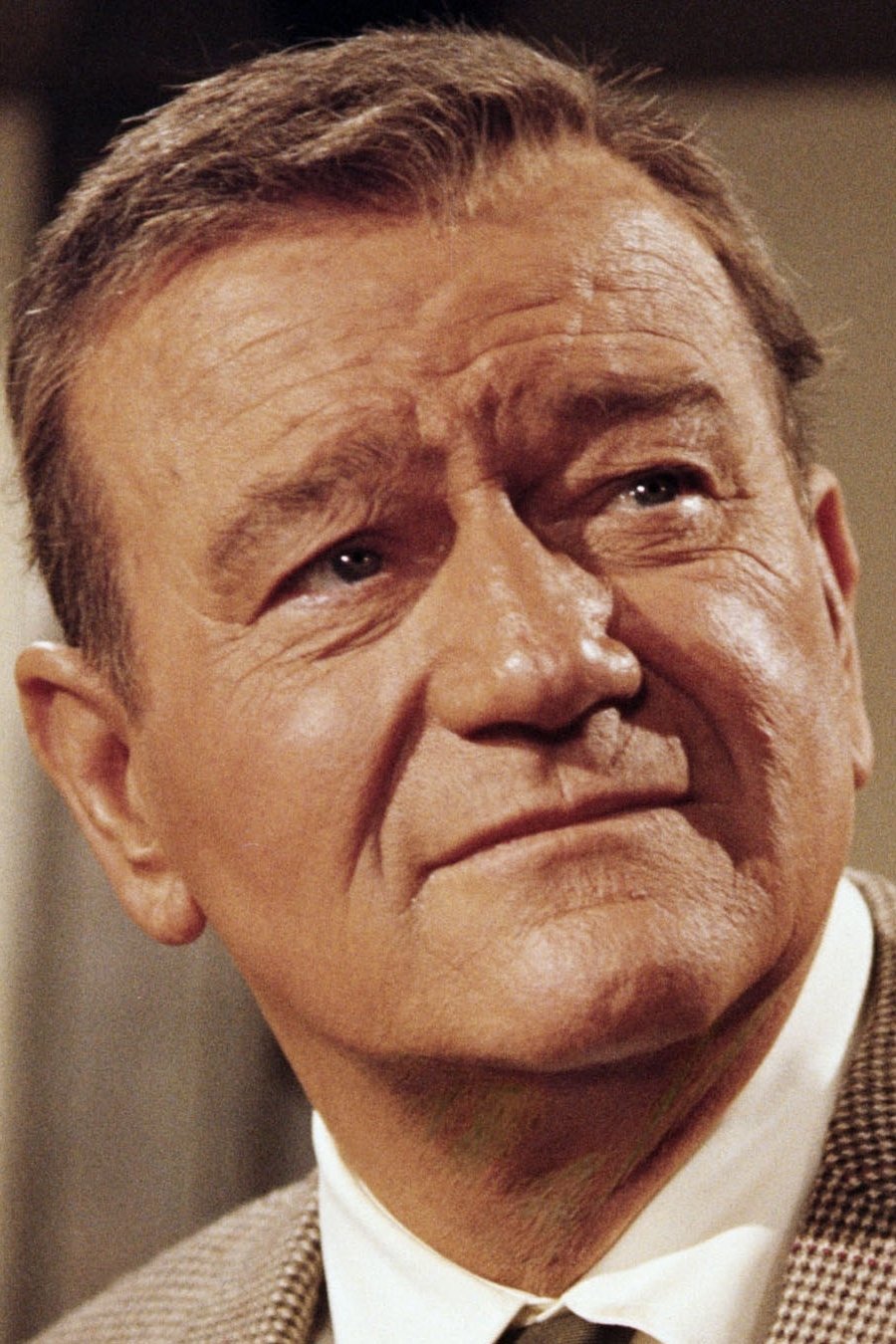
The legendary western star was cast as Genghis Khan in ‘The Conqueror’. Wayne wore makeup to approximate Asian features for his portrayal of the Mongol emperor. The film is frequently cited as a casting disaster due to the utter lack of authenticity and the awkwardness of the performance. It serves as a historical marker for a time when white actors routinely played characters of all ethnicities.
Marlon Brando
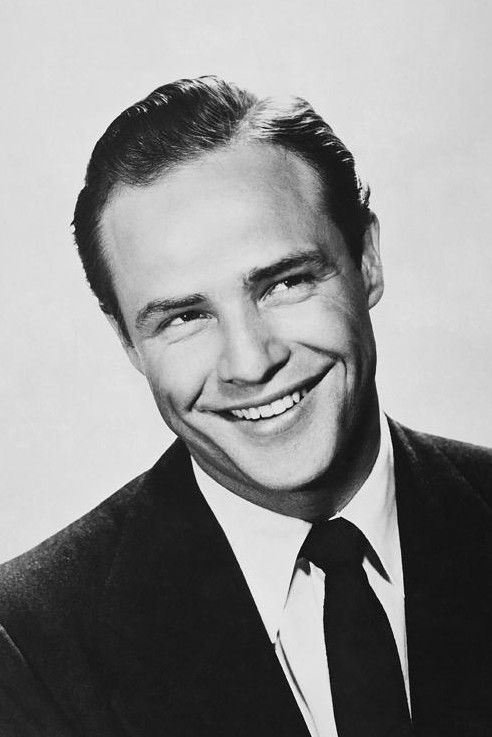
In ‘The Teahouse of the August Moon’, Brando played the role of Sakini. The character was an Okinawan interpreter and the actor used makeup to alter his eyelids and skin tone. While Brando was known for his commitment to social causes, this performance perpetuated the practice of yellowface. The role stands in stark contrast to his later refusal of an Academy Award to protest the treatment of Native Americans.
Alec Guinness
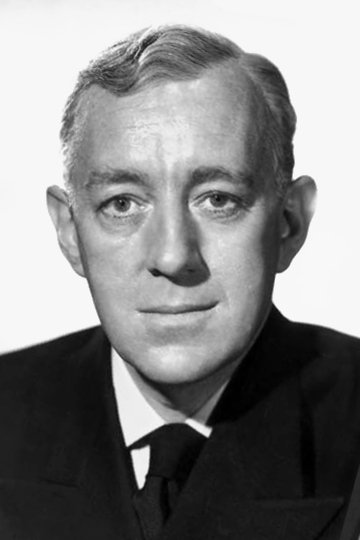
David Lean cast Guinness as Prince Faisal in the epic ‘Lawrence of Arabia’. The British actor wore makeup to darken his skin for the role of the Arab leader. While his performance was praised at the time for its gravitas, modern viewers view the casting through a critical lens regarding ethnic representation. It highlights the era’s tendency to prioritize established theatrical stars over authentic casting.
Fisher Stevens
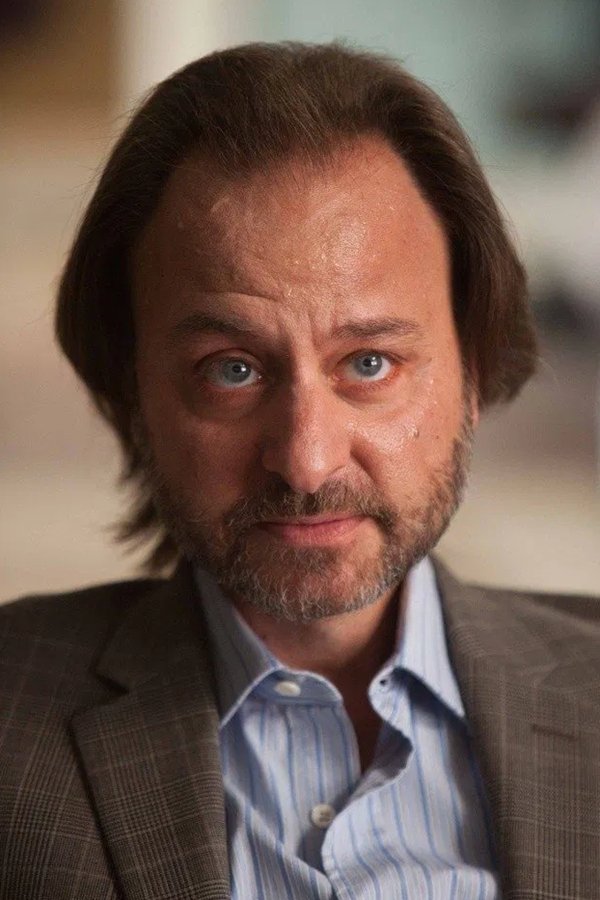
Stevens played the Indian character Ben Jabituya in the sci-fi comedy ‘Short Circuit’. The actor is white but wore brown makeup and affected an accent for the role. He later explained that he originally believed the character was merely an outsider until the production team altered the backstory. Stevens has since expressed significant regret and acknowledged the harmful nature of the portrayal.
Ben Affleck
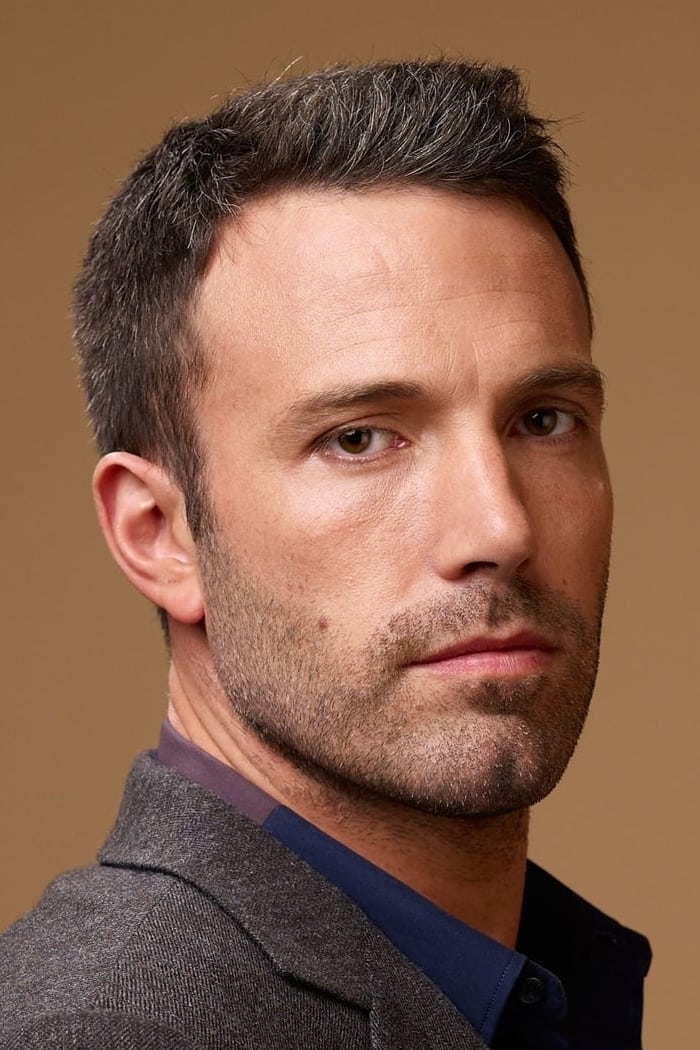
Affleck directed and starred in ‘Argo’ as CIA operative Tony Mendez. The real Tony Mendez was of Mexican ancestry and the casting of Affleck drew criticism for erasing the character’s Hispanic identity. Critics argued that a Latino actor should have been given the opportunity to play the historical figure. Affleck responded by stating he had the blessing of the real Mendez to take on the part.
Liam Neeson
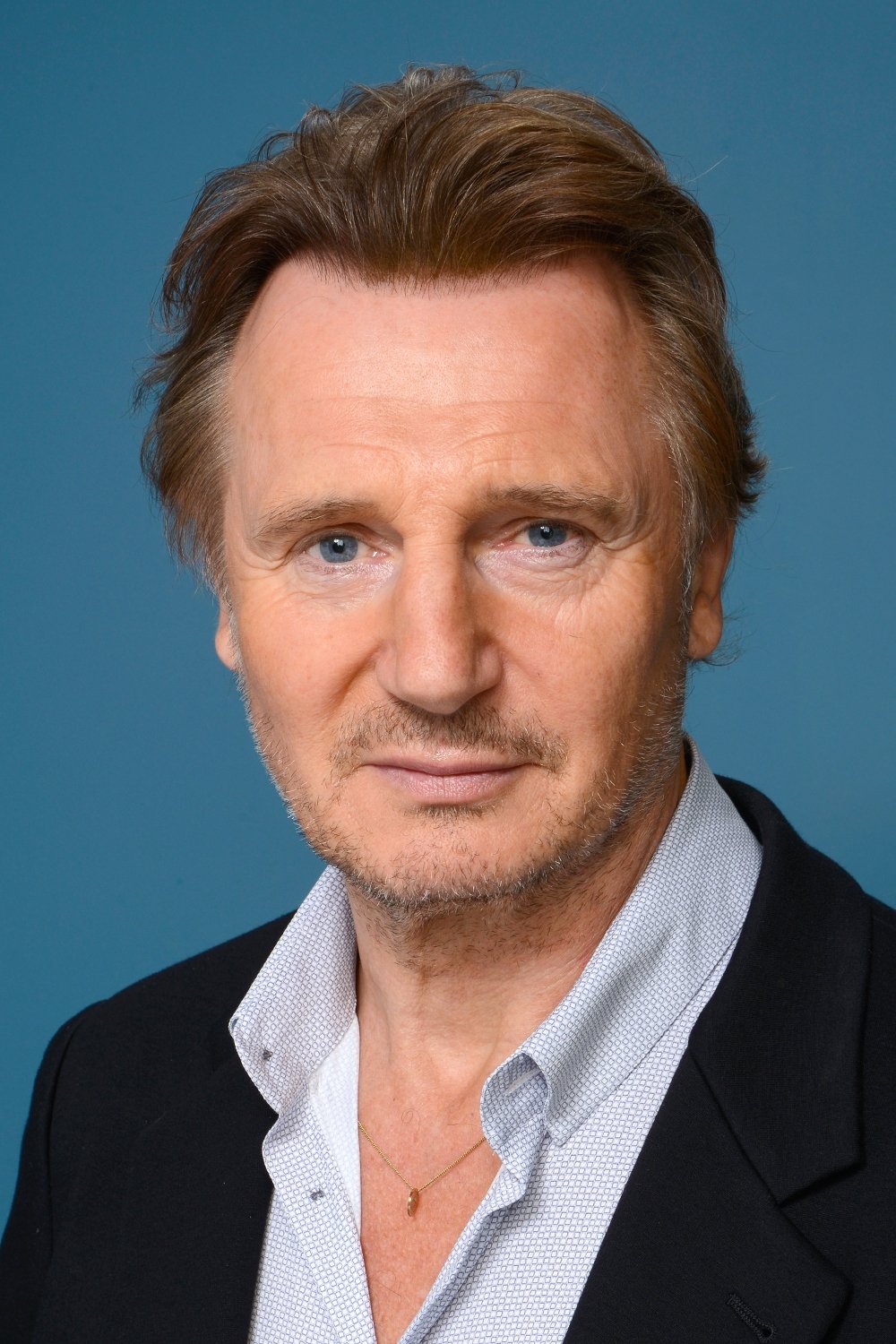
In ‘Batman Begins’, Neeson portrayed the villain Ra’s al Ghul. The character in the comic books is of Arab and Eastern Asian descent. The film attempts to navigate this by using a decoy character but ultimately reveals the white actor as the true antagonist. This decision was seen by comic purists as a dilution of the character’s established heritage.
Benedict Cumberbatch
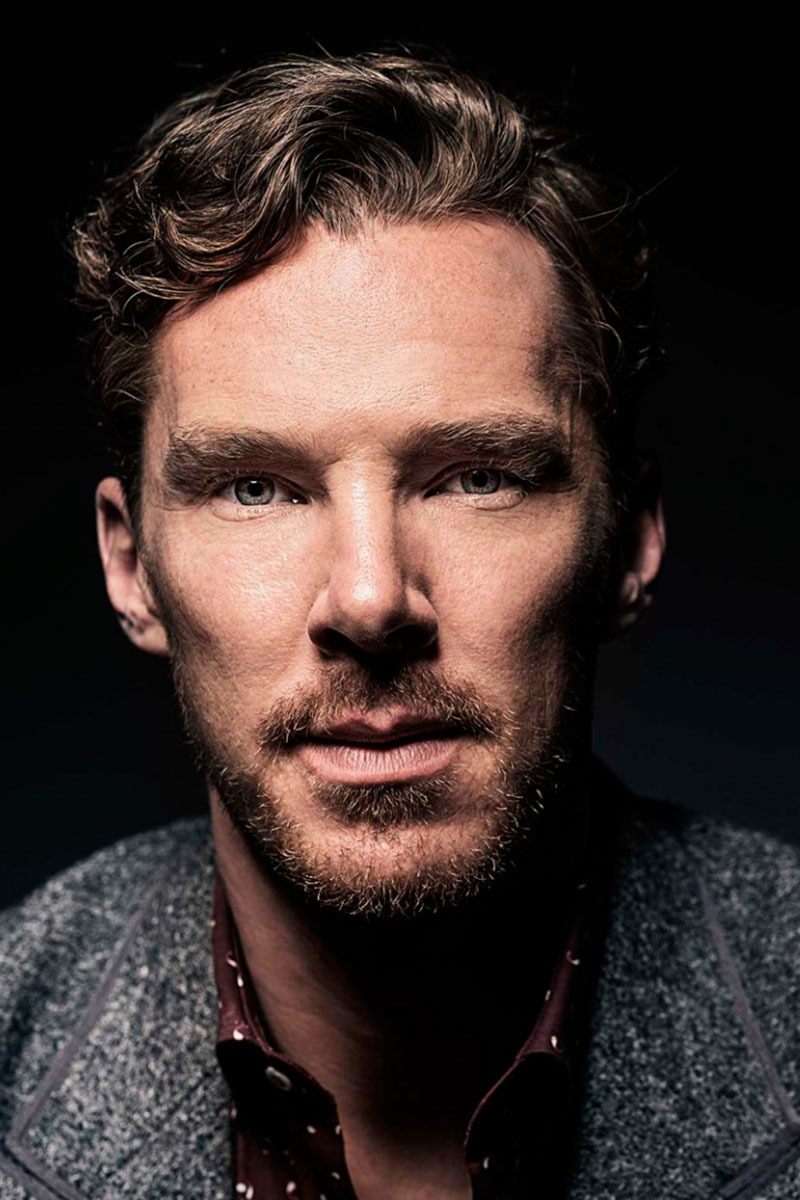
Cumberbatch played the iconic villain Khan in ‘Star Trek Into Darkness’. The character of Khan Noonien Singh originated in the original series as a Sikh warlord from northern India. Casting a white British actor in the role sparked complaints about whitewashing a character with a distinct ethnic origin. The filmmakers attempted to keep the identity of the character a secret until the release which delayed some of the immediate backlash.
Max Minghella
The film ‘The Social Network’ featured Minghella as Divya Narendra. The real Divya Narendra is an Indian-American entrepreneur who co-founded ConnectU. Minghella is of Italian and Chinese descent but the casting was still viewed by some as bypassing Indian actors. The film otherwise received acclaim but this specific casting choice remained a point of critique.
Jim Sturgess
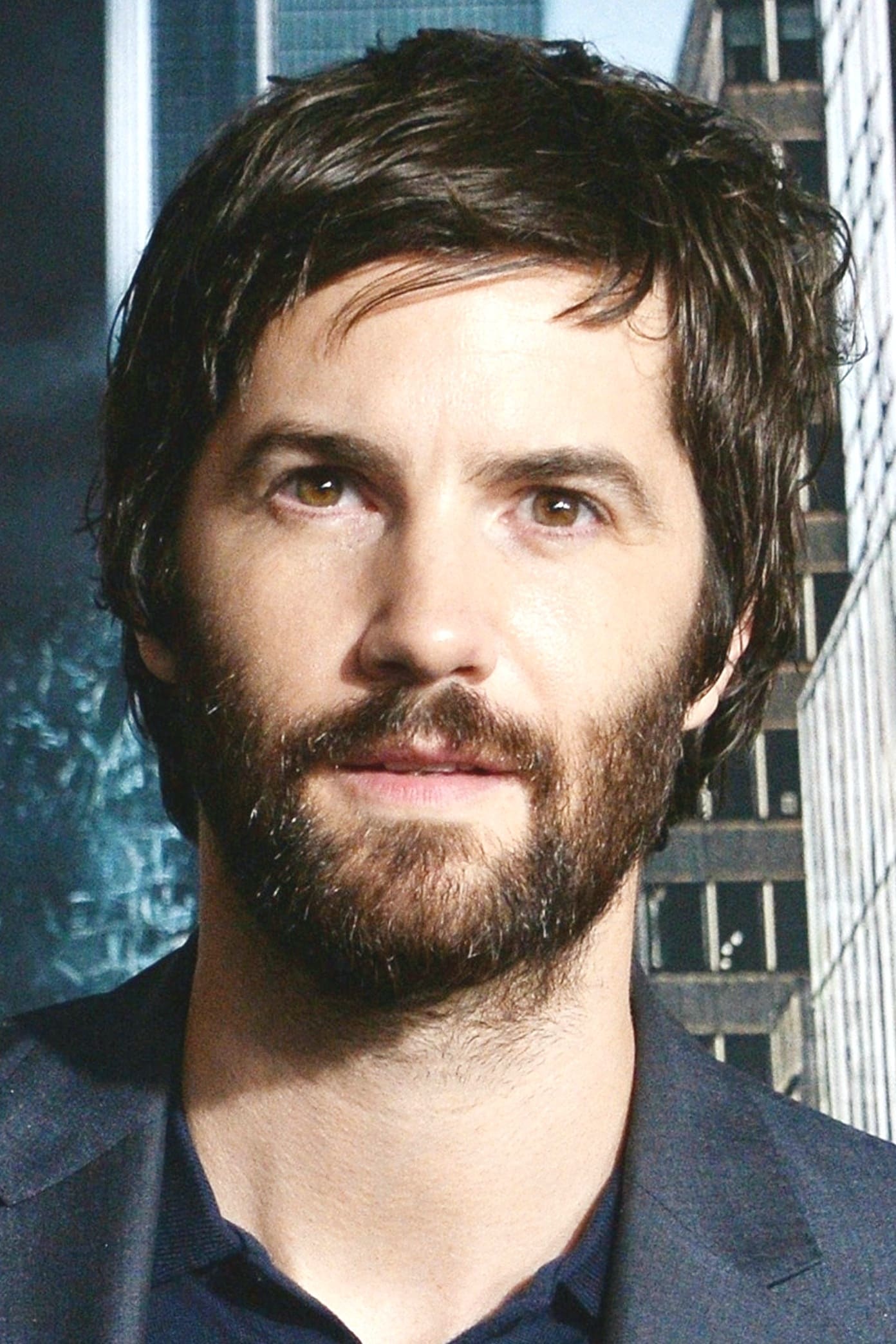
Sturgess starred in the blackjack drama ’21’ as Ben Campbell. The film was based on the true story of the MIT Blackjack Team and the lead character was based on Jeff Ma who is Asian-American. The production changed the character to be white which drew accusations of whitewashing a story about Asian-American success. Jeff Ma himself appeared in a cameo but the alteration of the protagonist’s race upset many advocacy groups.
Justin Chatwin
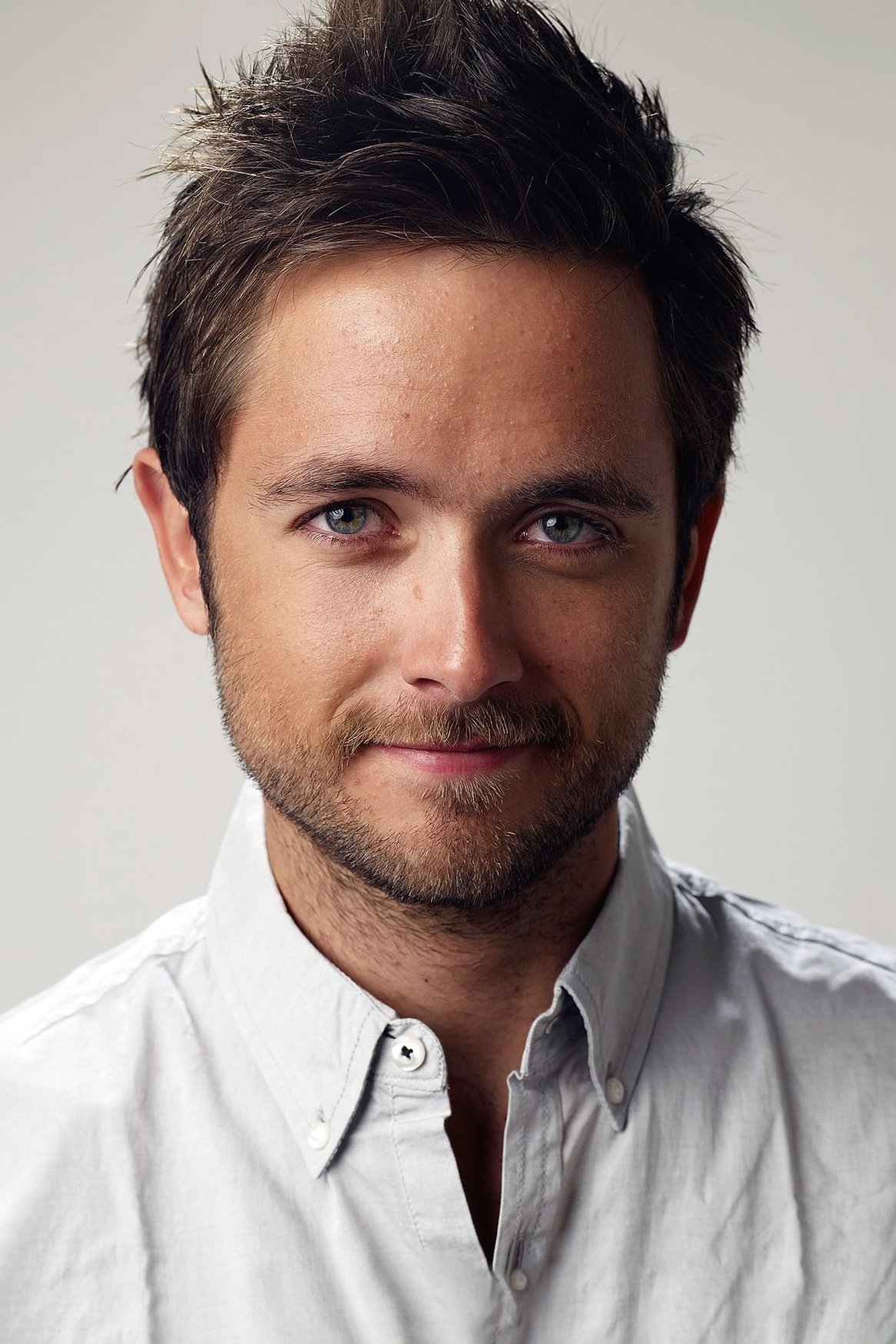
The live-action adaptation ‘Dragonball Evolution’ cast Chatwin as Goku. The source material is a Japanese manga deeply rooted in Asian culture and mythology. Casting a white actor as the primary hero alienated the global fanbase of the franchise. The movie is often listed among the worst adaptations partially due to its disregard for the source material’s cultural identity.
Noah Ringer

Ringer was cast as Aang in M. Night Shyamalan’s ‘The Last Airbender’. The animated series on which the film is based features characters inspired by Inuit and East Asian cultures. The choice to cast a white actor as the protagonist while using actors of color for the villains caused a massive outcry. The controversy overshadowed the release of the film and sparked a conversation about racebending.
Jackson Rathbone
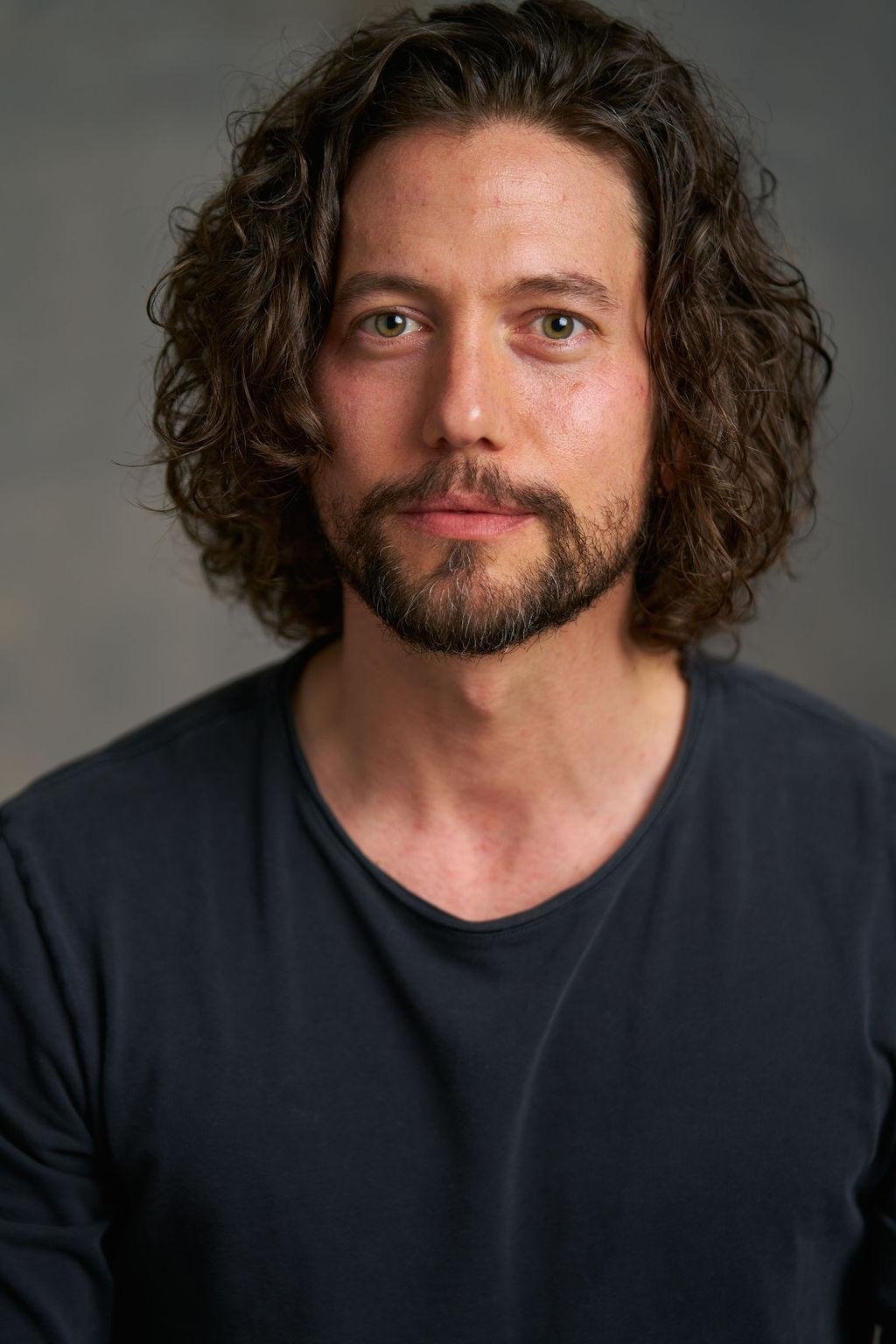
Also in ‘The Last Airbender’, Rathbone played the character Sokka. Like Aang, Sokka’s character design in the animation was influenced by Inuit culture. Rathbone’s casting contributed to the anger surrounding the film’s erasure of the original cultural coding. The backlash against the movie remains a primary case study in discussions about casting ethics.
Nat Wolff

The Netflix adaptation of ‘Death Note’ starred Wolff as Light Turner. The original Japanese manga centers on a character named Light Yagami in a Tokyo setting. The American version transported the story to Seattle and changed the lead to a white character. Fans of the source material criticized the production for failing to utilize Asian-American talent for the lead role.
James Franco
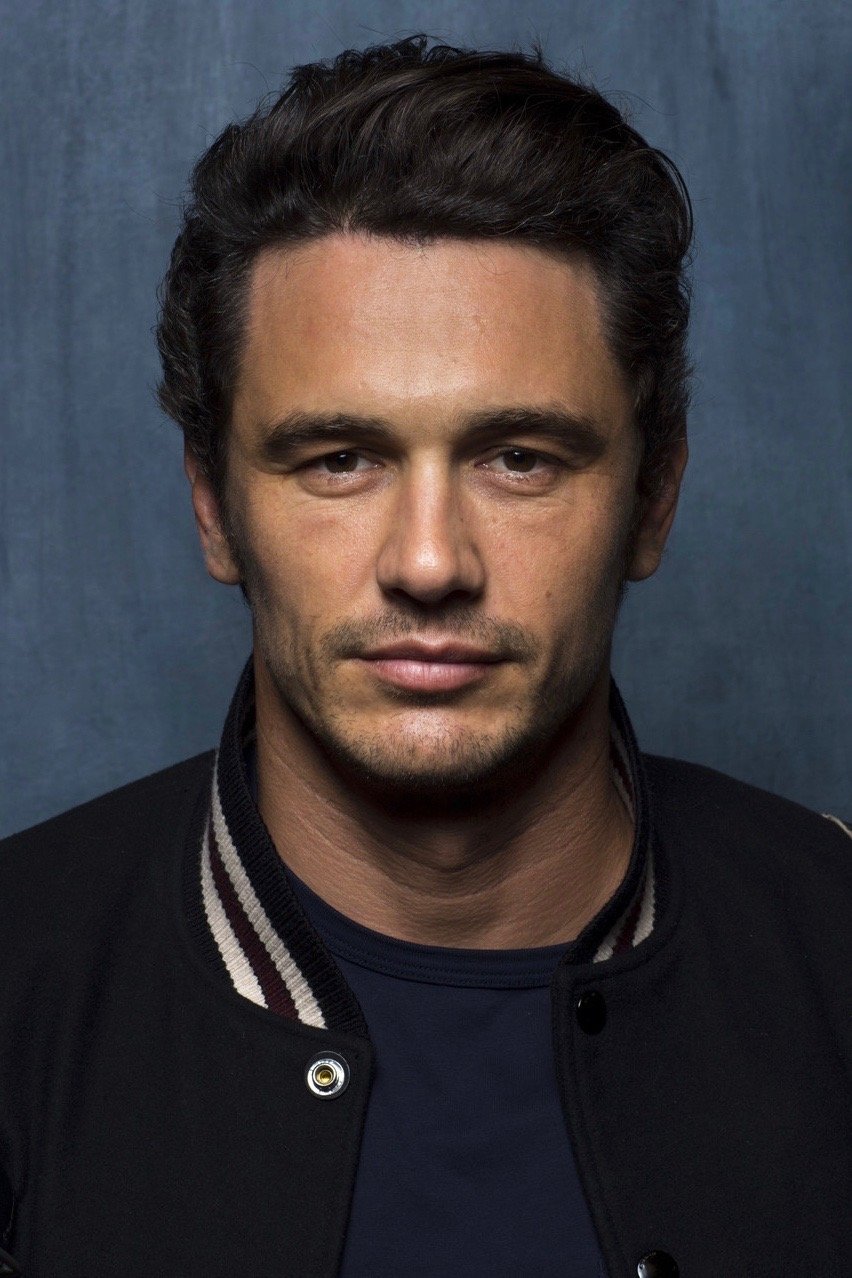
Franco was cast to play Cuban leader Fidel Castro in the film ‘Alina of Cuba’. The announcement drew immediate criticism from the Latinx community and actor John Leguizamo. Critics argued that a Latino actor should have been chosen to embody such a specific historical figure. The producer defended the choice by citing Franco’s physical resemblance to Castro.
Jared Leto
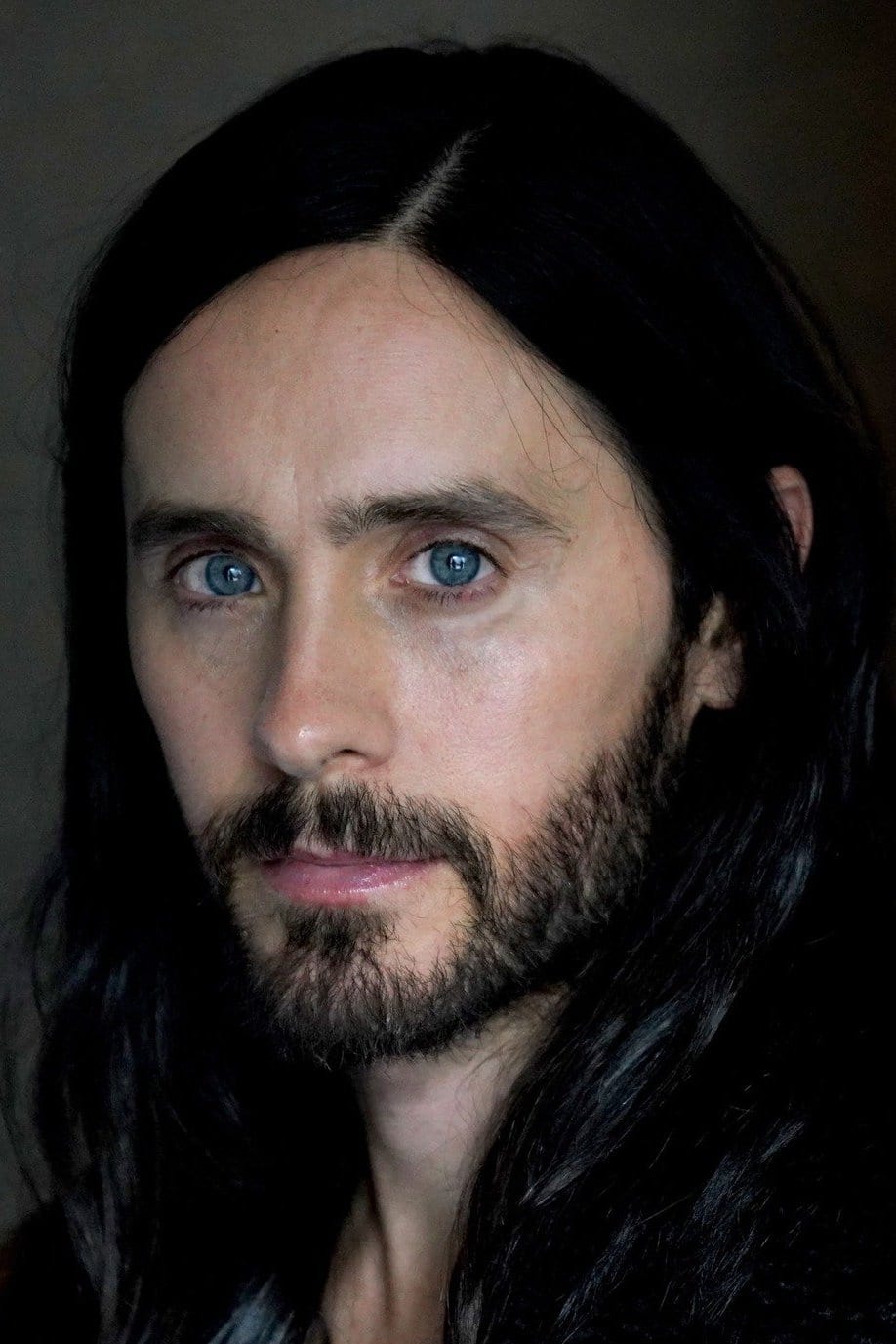
In ‘Dallas Buyers Club’, Leto played Rayon who is a trans woman living with HIV. While Leto won an Academy Award for the performance, the casting has faced retrospective criticism. Transgender activists argue that cisgender men should not play trans women as it reinforces the idea that trans women are men in costume. The conversation around this role marked a turning point in how trans characters are cast.
Eddie Redmayne
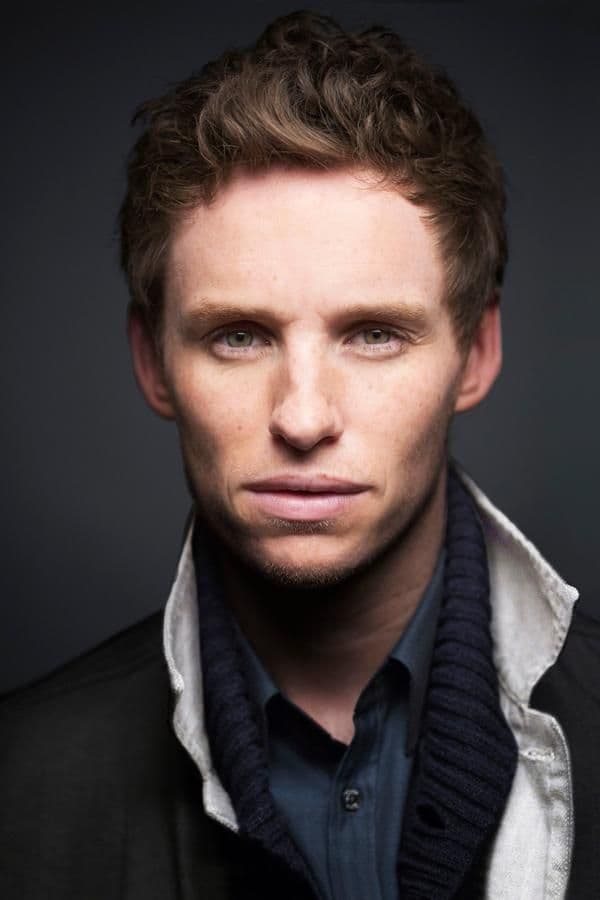
Redmayne portrayed Lili Elbe in ‘The Danish Girl’. The film tells the story of one of the first known recipients of gender-affirming surgery. Redmayne has since stated that accepting the role was a mistake and that he would not take it today. He acknowledged that his casting deprived a trans actor of the opportunity to tell their own history.
Jeffrey Tambor
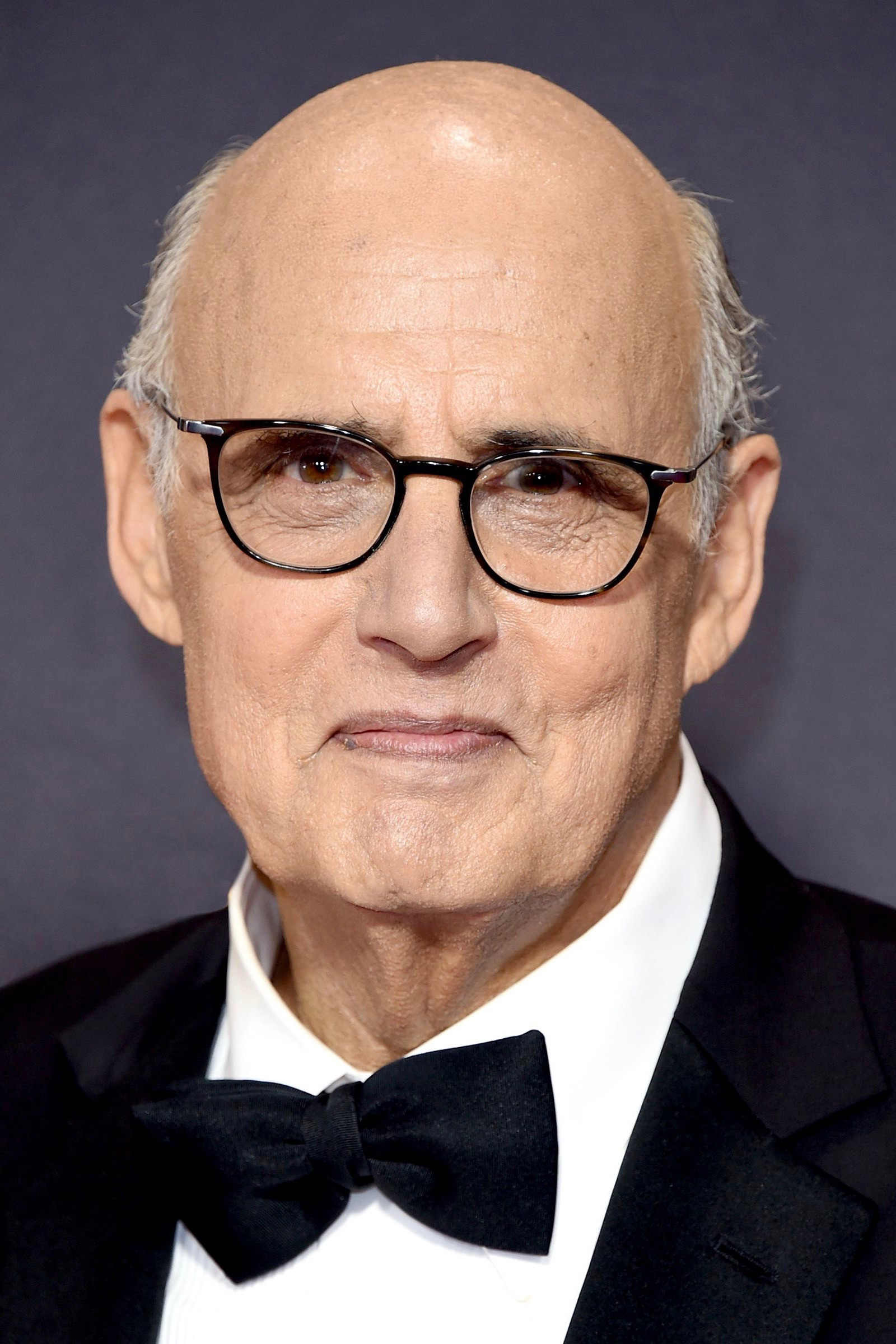
Tambor starred as Maura Pfefferman in the series ‘Transparent’. He played a trans woman coming out to her family late in life. While the show was initially praised, the casting of a cisgender man became increasingly controversial as the conversation on representation evolved. Tambor eventually left the show amidst personal allegations but the casting legacy remains complicated.
Matt Bomer
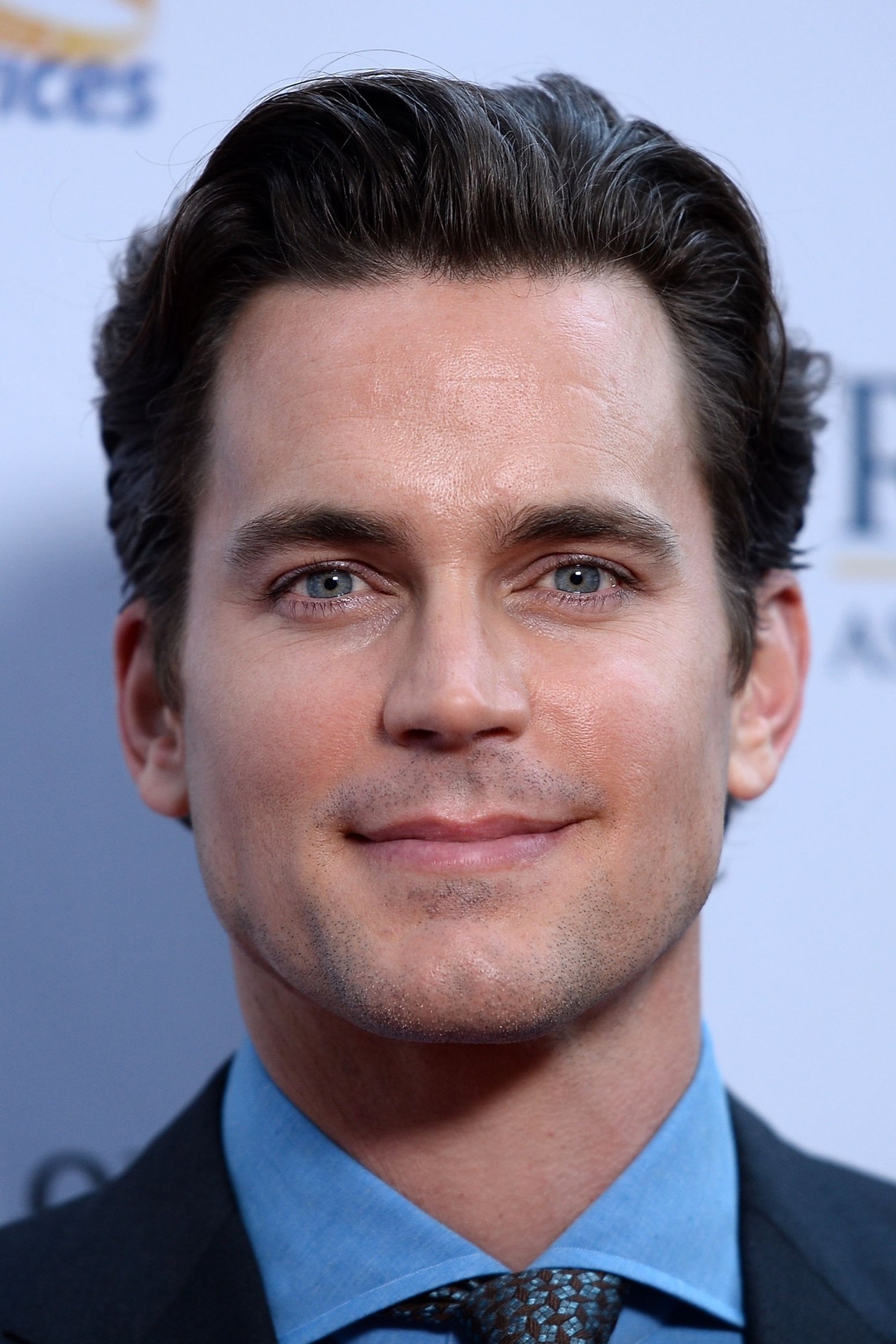
Bomer was cast as a transgender sex worker in the film ‘Anything’. The decision was met with backlash from the trans community and Hollywood organizations advocating for better representation. Critics felt that Bomer’s casting perpetuated harmful tropes about trans women. The actor addressed the controversy by stating he approached the role with respect but understood the pain caused.
Bryan Cranston
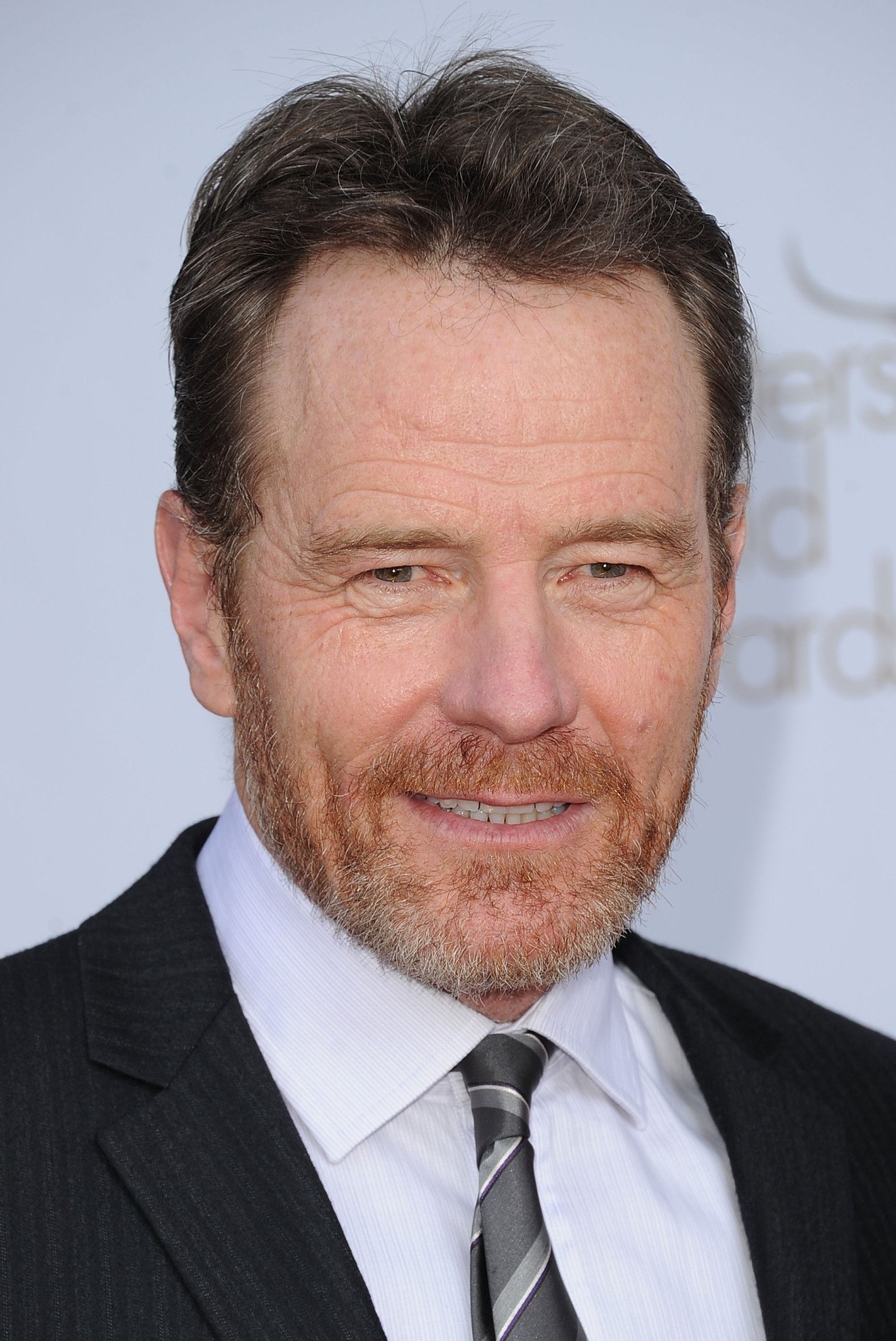
In ‘The Upside’, Cranston played a wealthy man with quadriplegia. The film is a remake of the French movie ‘The Intouchables’. Disability advocates criticized the decision to cast an able-bodied actor instead of a performer with a disability. Cranston defended his right to act as different people but the film reignited the debate about “cripping up” in Hollywood.
Dwayne Johnson
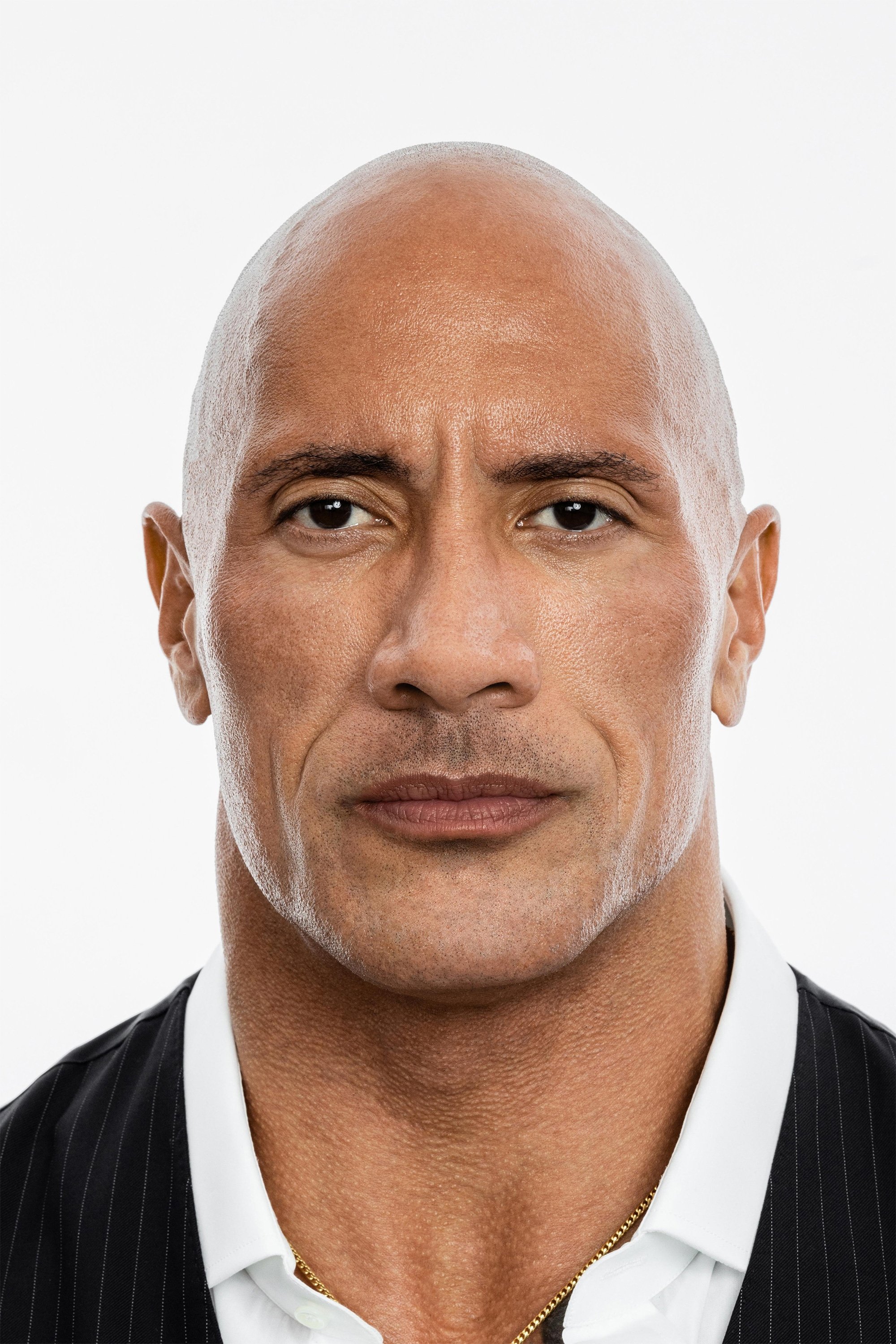
Johnson played an amputee and former FBI agent in the action movie ‘Skyscraper’. The character uses a prosthetic leg which is a central plot point in the film. The Ruderman Family Foundation and other disability advocacy groups expressed disappointment that an actor with a real disability was not considered. They argued that such casting choices contribute to the invisibility of actors with disabilities.
Hank Azaria
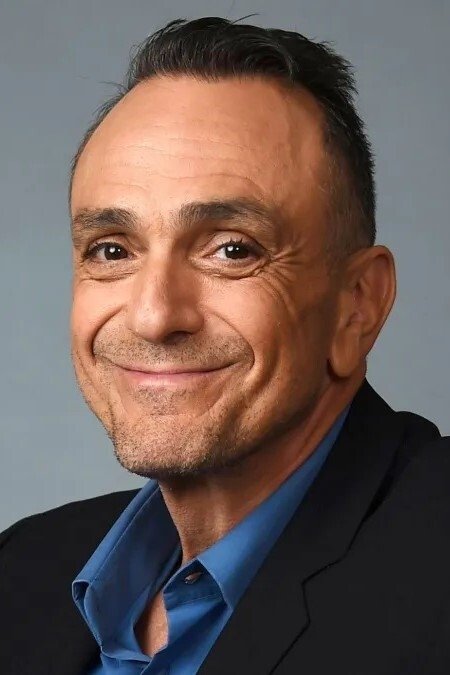
Azaria voiced the Indian shopkeeper Apu Nahasapeemapetilon on ‘The Simpsons’ for decades. The character eventually became the subject of the documentary ‘The Problem with Apu’ by comedian Hari Kondabolu. The film highlighted how the character relied on racial stereotypes that negatively affected South Asian Americans. Azaria stepped down from the role and expressed regret for his part in maintaining the stereotype.
Charlton Heston
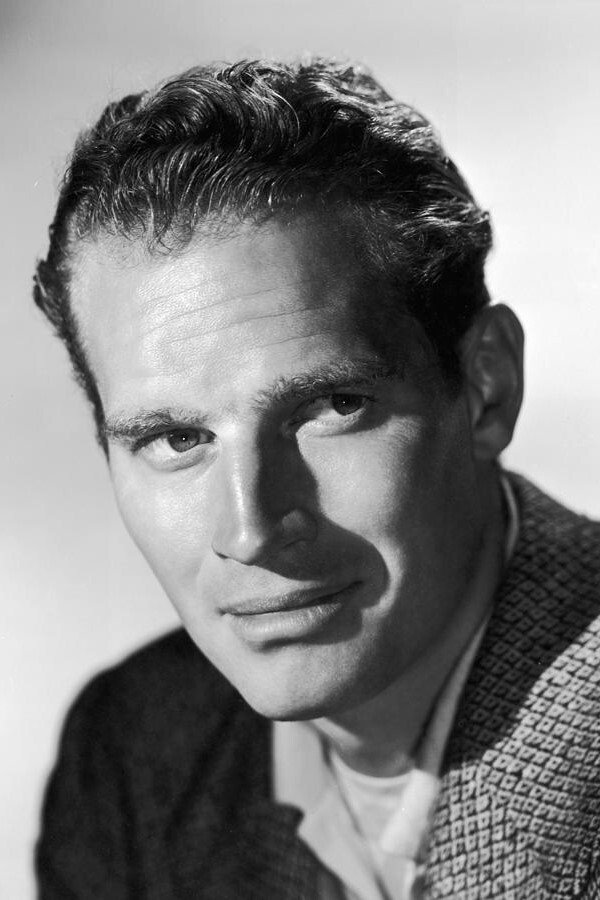
Heston played a Mexican narcotics officer in Orson Welles’ ‘Touch of Evil’. The actor wore dark makeup and dyed his hair black to play Ramon Miguel Vargas. Despite the film’s acclaim as a noir masterpiece, the casting is viewed as a clear example of brownface. Heston was a major star whose box office power likely dictated the casting over authenticity.
Laurence Olivier
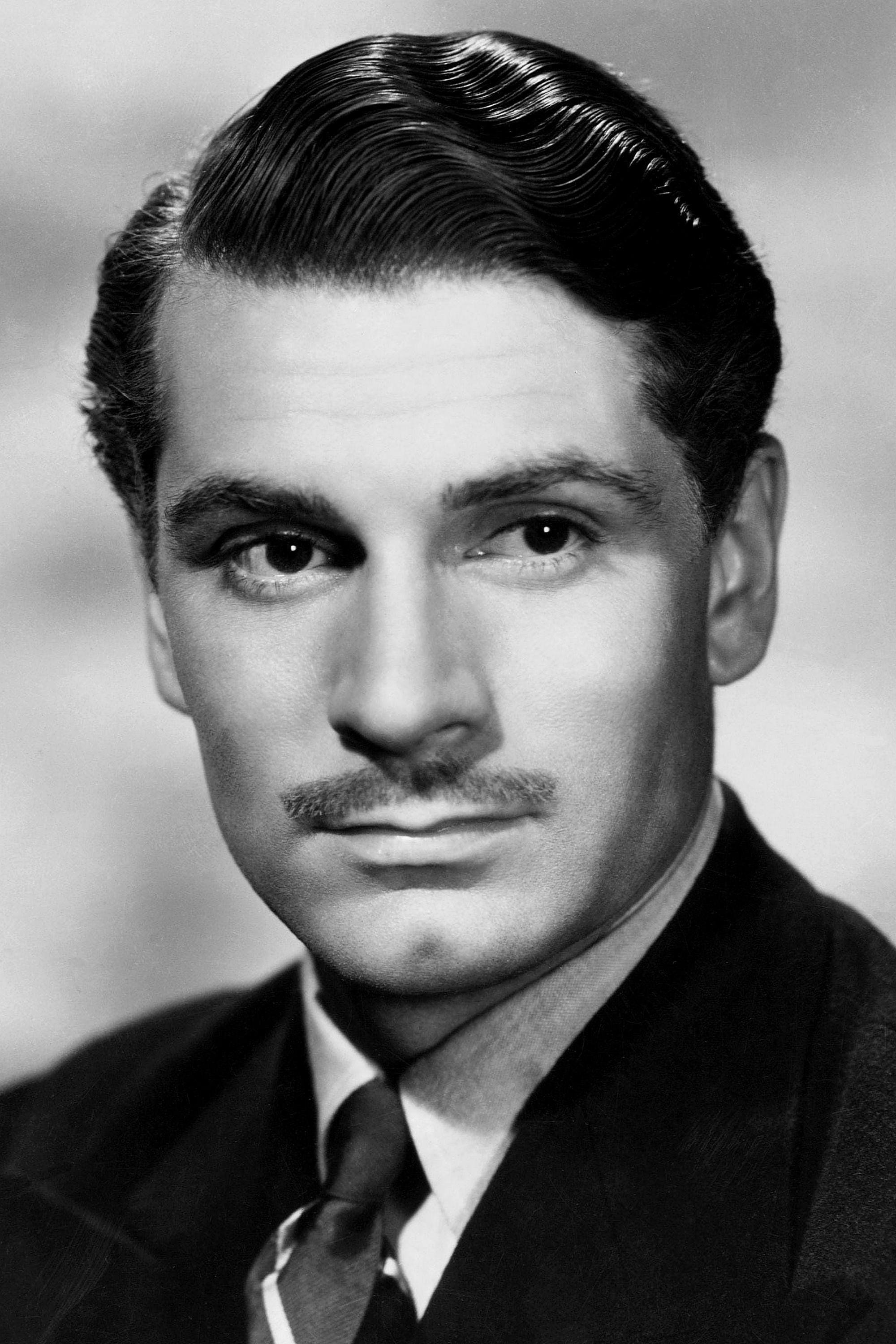
The esteemed British actor played the title role in the 1965 film version of ‘Othello’. Olivier appeared in blackface to portray the Moorish general. The performance included an affected deep voice and exaggerated physical movements. While it was celebrated by some critics at the time, it is now largely seen as a caricature that reflects the racial insensitivity of the era.
Peter Sellers
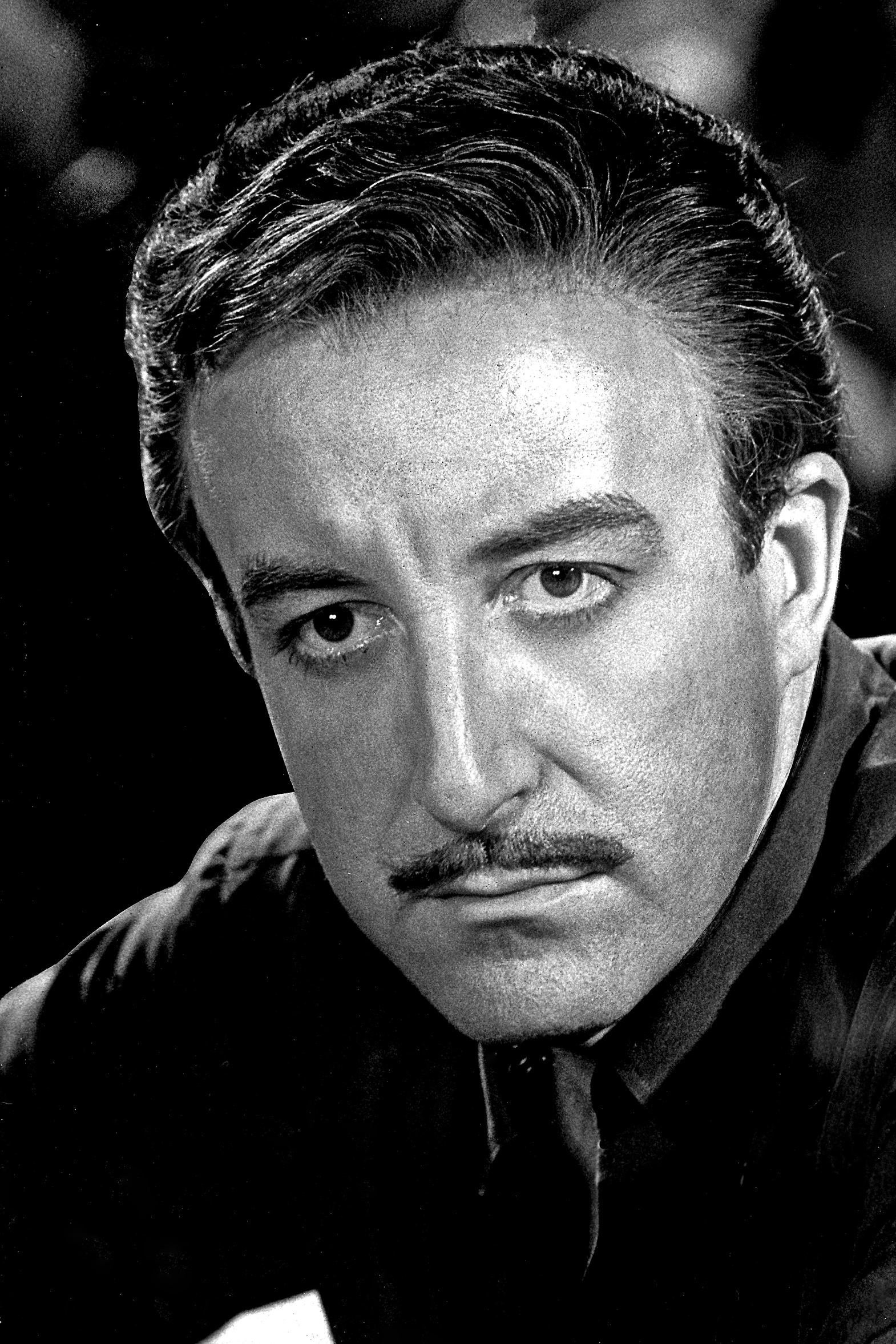
In the comedy ‘The Party’, Sellers played Hrundi V. Bakshi. The character is an Indian actor and Sellers wore brown makeup for the duration of the film. The movie relies heavily on stereotypes regarding Indian accents and culture for its humor. This performance remains a divisive topic between those who enjoy the physical comedy and those who find the racial mimicry offensive.
Gary Oldman
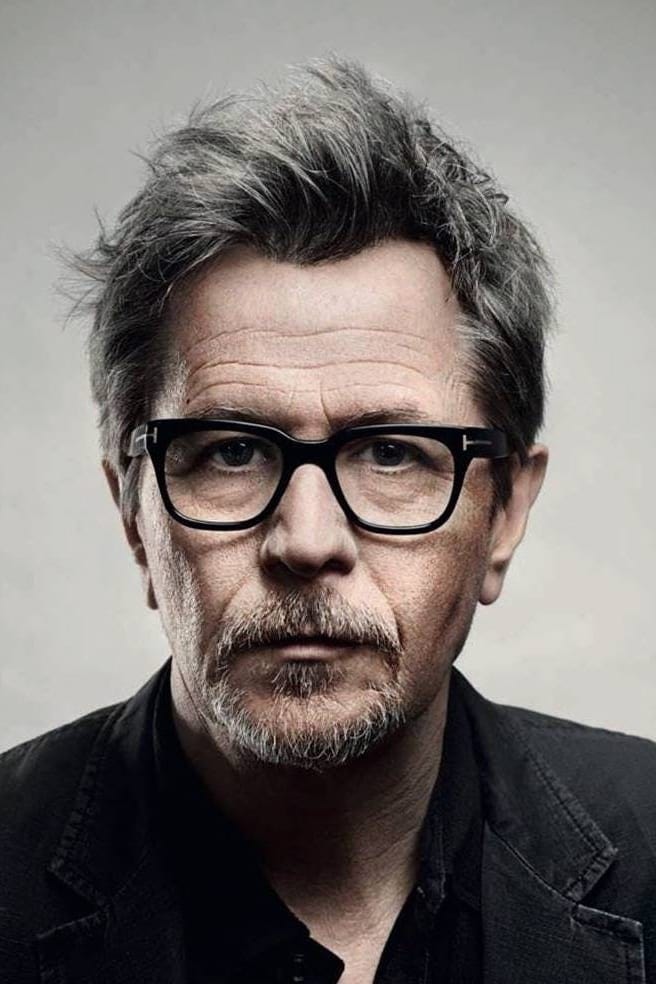
Oldman played a character with dwarfism in the film ‘Tiptoes’. The role required him to walk on his knees and wear special prosthetics to simulate the physical condition. The film was widely panned and the casting was criticized for taking a role away from a little person. It is often cited in lists of baffling casting choices by major actors.
Bradley Cooper
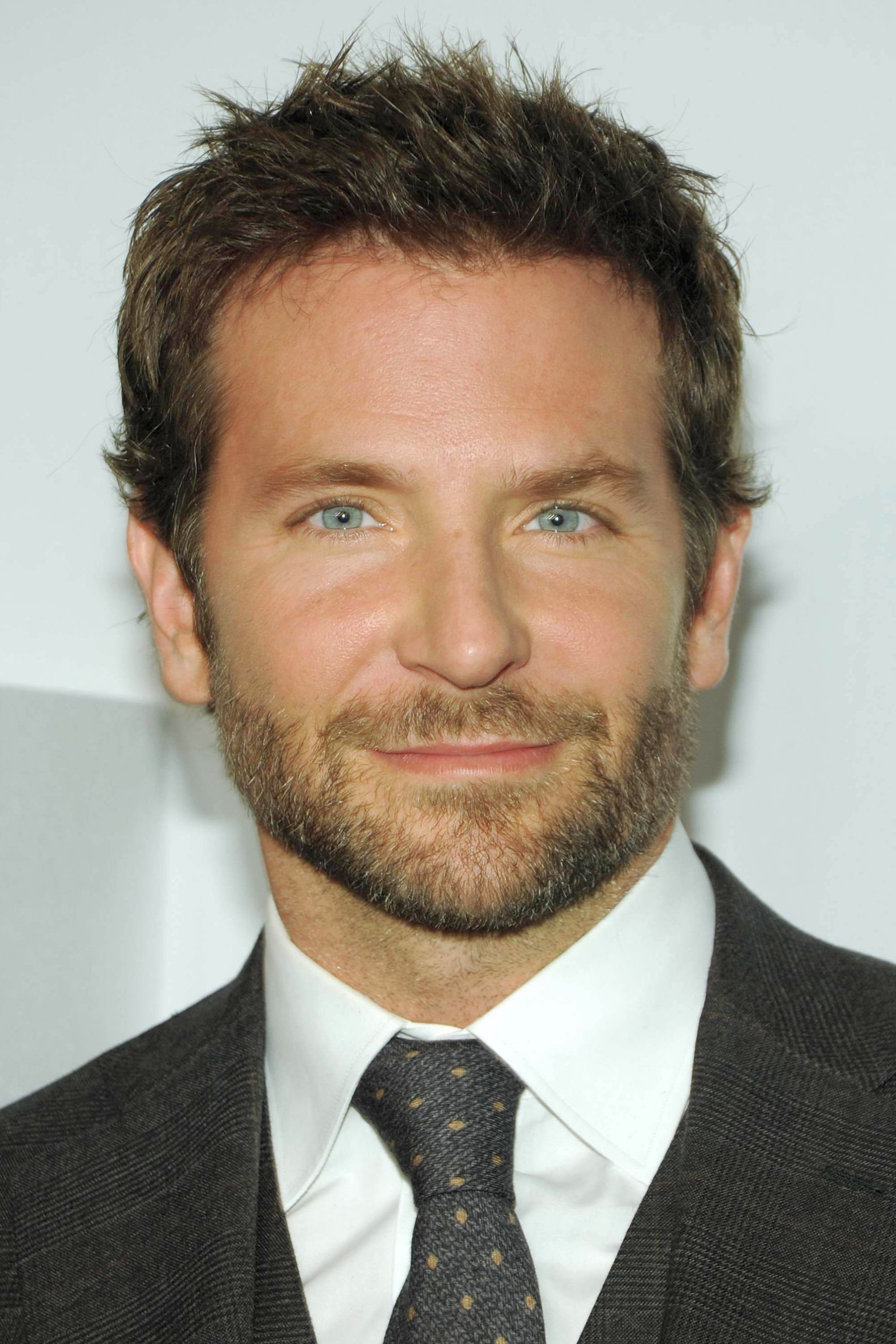
Cooper directed and starred as Leonard Bernstein in ‘Maestro’. The actor wore a large prosthetic nose to resemble the Jewish conductor. This sparked accusations of playing into antisemitic stereotypes often referred to as “Jewface”. The Bernstein family defended Cooper but the visual choice ignited a broad discussion about how non-Jewish actors portray Jewish historical figures.
Alfred Molina
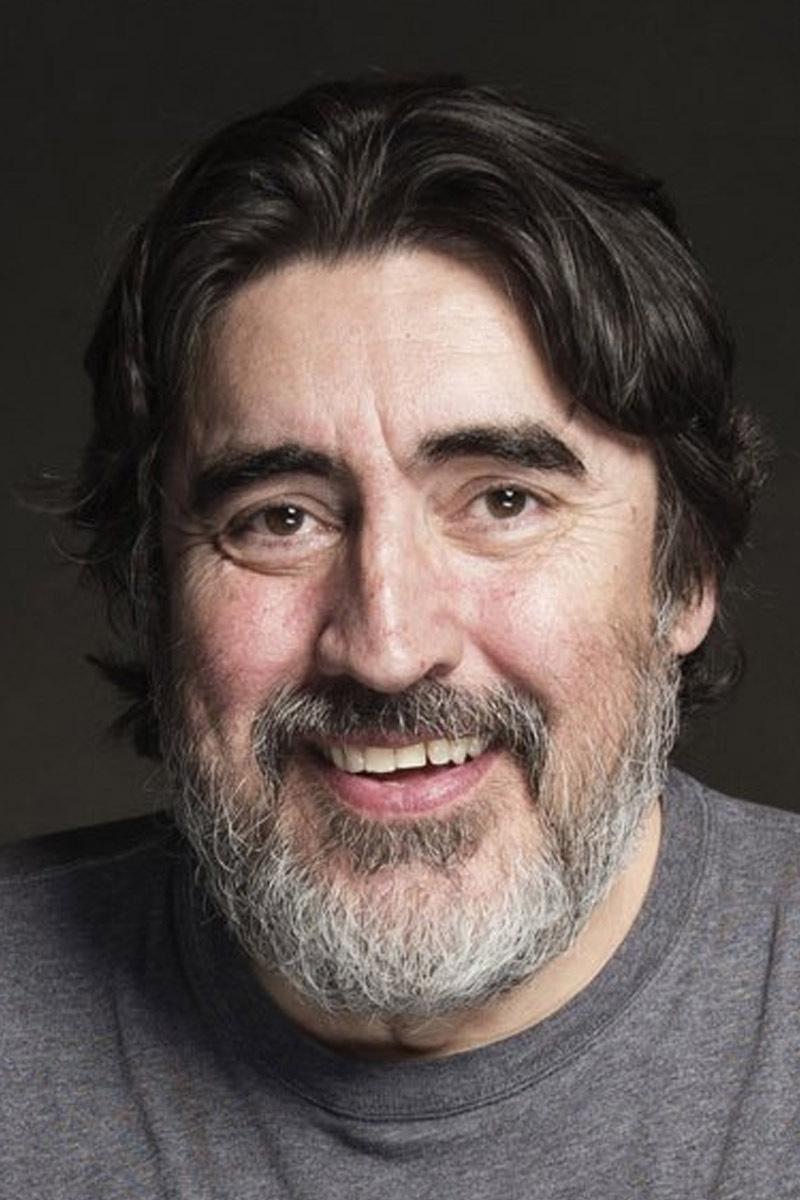
Molina played Sheik Amar in ‘Prince of Persia: The Sands of Time’. The British actor was cast as a desert leader in the Middle Eastern setting. Like Gyllenhaal, his presence contributed to the overall whitewashing criticism leveled at the production. Molina is of Spanish and Italian ancestry but the role was specifically tied to a Persian context.
Geoffrey Rush
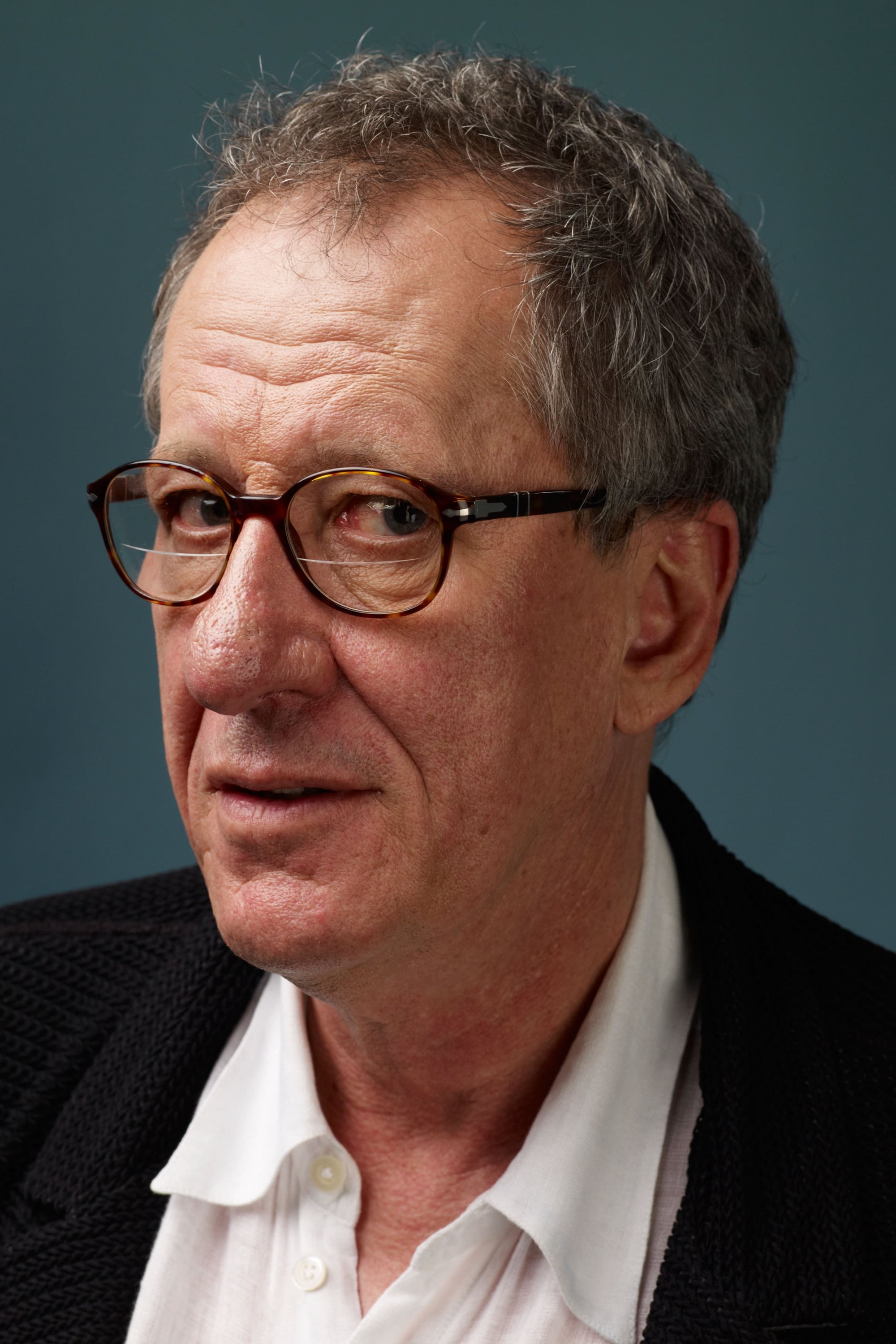
Rush appeared as the sun god Ra in ‘Gods of Egypt’. The casting of the Australian actor as a pivotal Egyptian deity reinforced the complaints about the film’s racial bias. Critics pointed out the jarring visual of a white actor playing an African god in a film set in Africa. The role stands as part of the collective failure of the film’s casting department.
Hugo Weaving
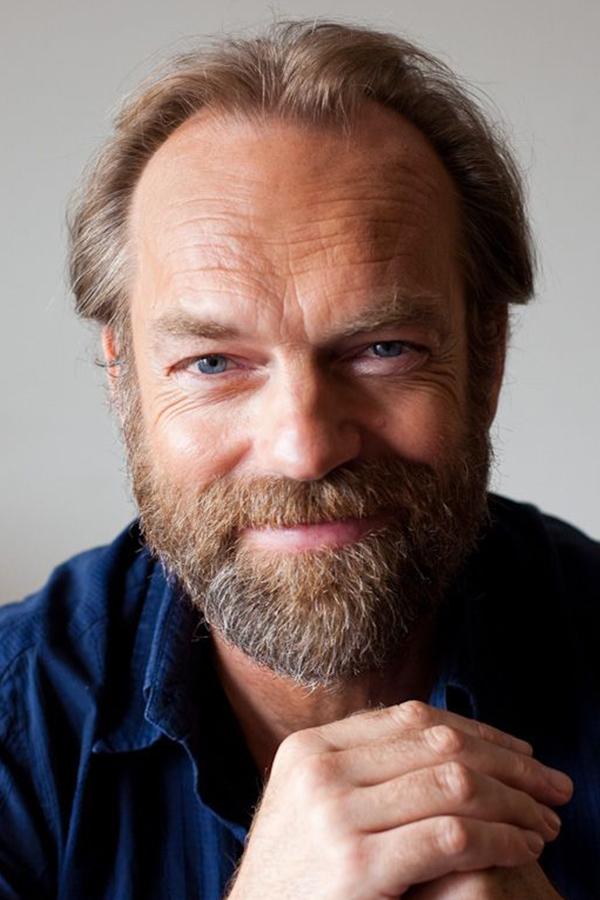
In the sci-fi epic ‘Cloud Atlas’, Weaving played multiple characters across different timelines. One of these roles required him to play a futuristic Korean character using yellowface prosthetics. The film aimed to show souls migrating across race and gender but the execution drew sharp criticism for its use of eye-altering makeup. The Media Action Network for Asian Americans condemned the artistic choice.
James D’Arcy
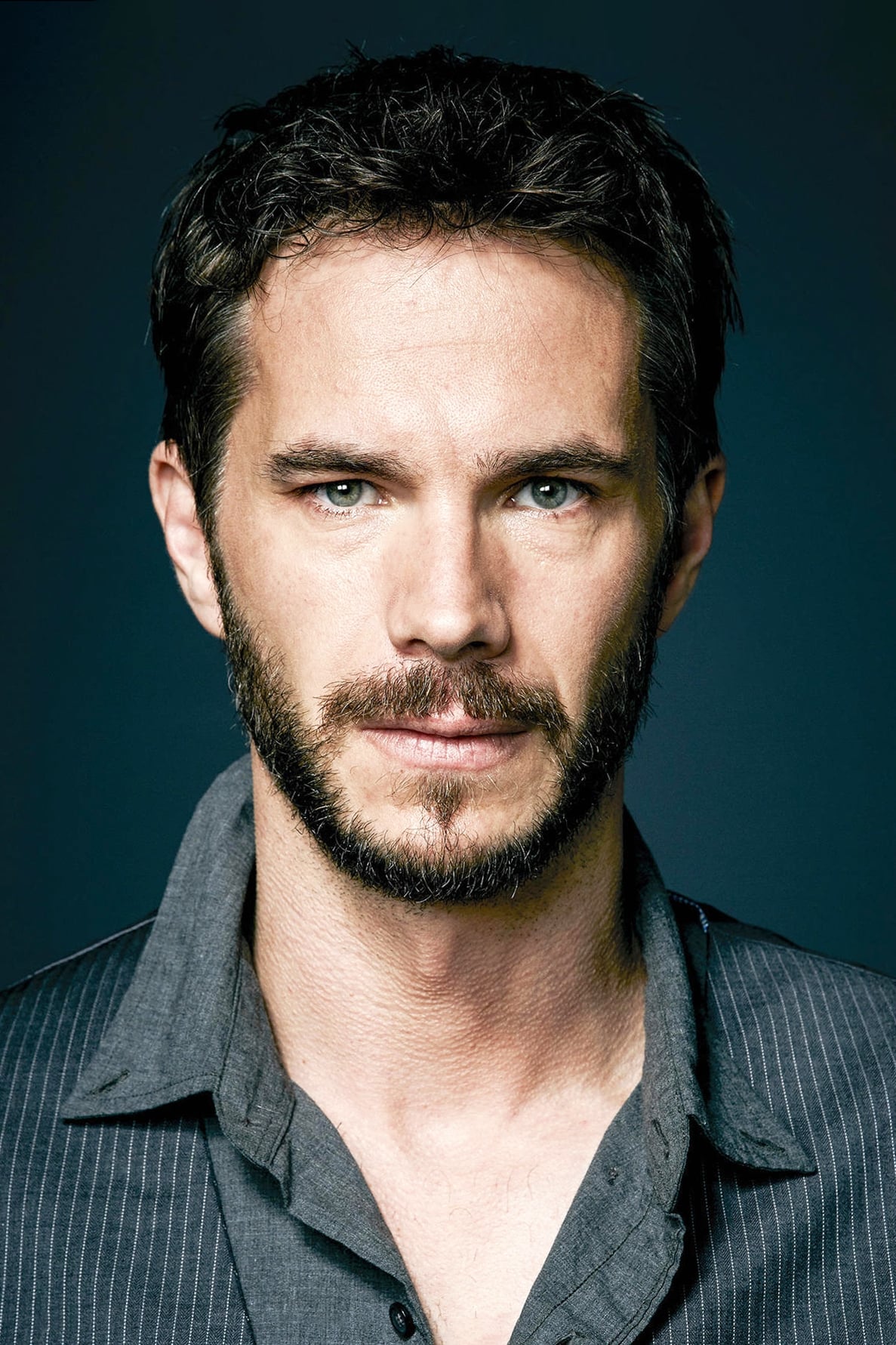
Also in ‘Cloud Atlas’, D’Arcy played a Korean character in the Neo Seoul segment. Like Weaving, he wore prosthetics to alter his eye shape and facial structure. The intention was to convey a universal humanity but critics felt it revived the offensive practices of early cinema. The makeup effects were widely considered a distraction that undermined the film’s philosophical themes.
Joseph Fiennes
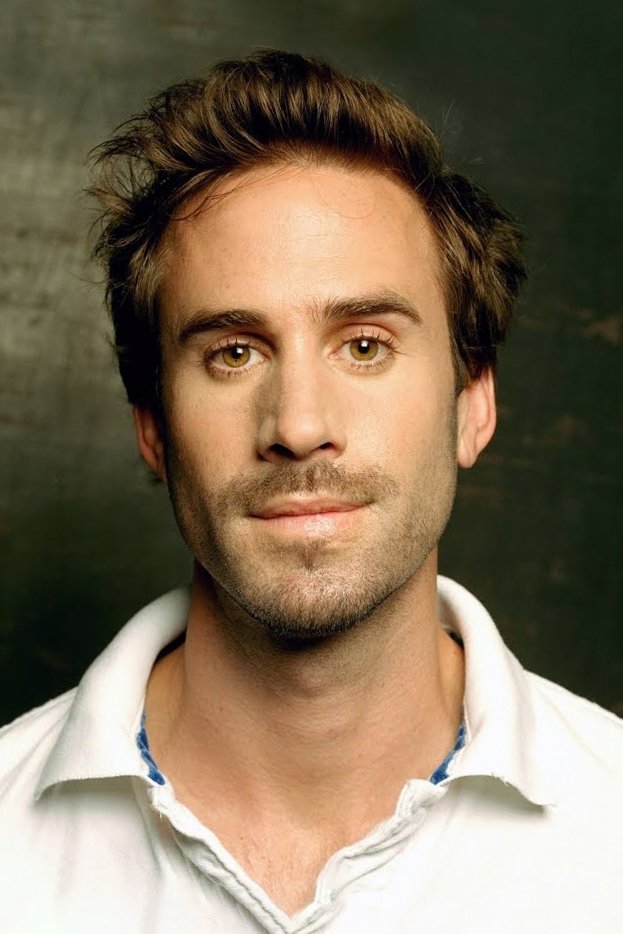
Fiennes was cast as Michael Jackson in an episode of the anthology series ‘Urban Myths’. The episode titled ‘Elizabeth, Michael and Marlon’ depicted a road trip involving the pop star. The casting of a white British actor to play the Black music icon caused an immediate uproar. The episode was pulled from broadcast schedules following intense backlash from Jackson’s family and fans.
Rob Schneider
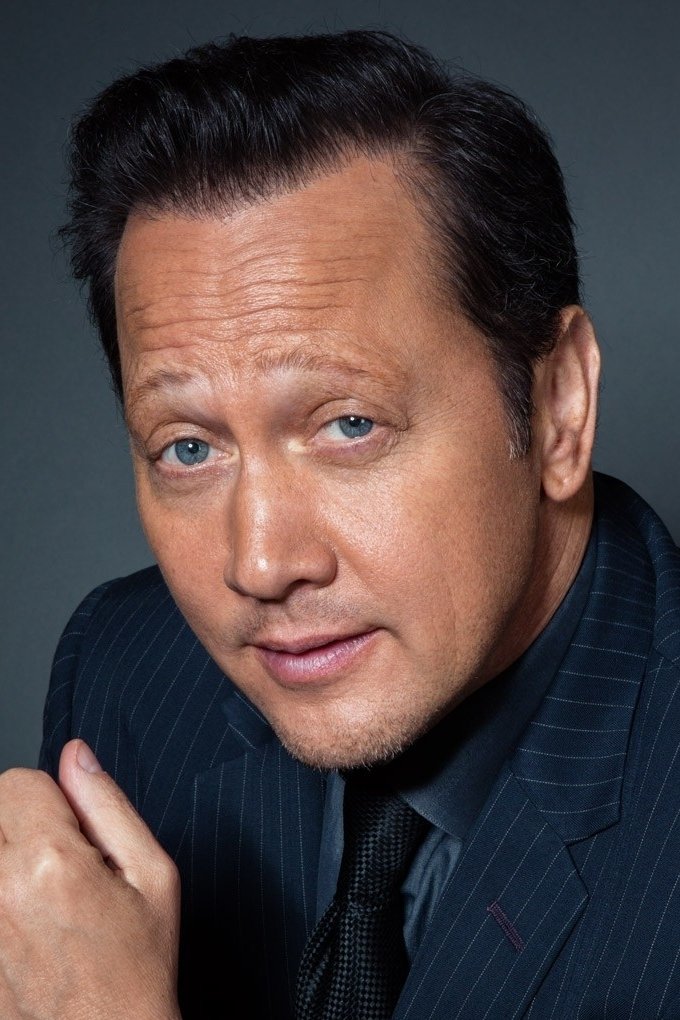
In ‘I Now Pronounce You Chuck & Larry’, Schneider played an Asian minister. The actor wore prosthetics and adopted a heavy accent for the brief wedding scene. This portrayal was criticized as a gratuitous and offensive racial caricature. It fits a pattern of similar roles Schneider has played in various comedies produced by Happy Madison.
Ed Skrein
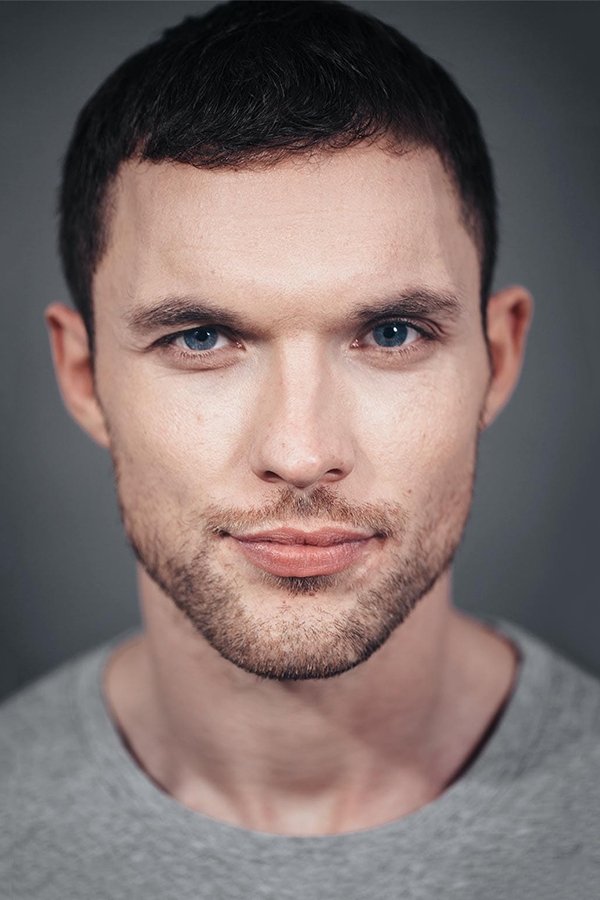
Skrein was originally cast as Ben Daimio in the reboot of ‘Hellboy’. The character in the comic books is of Japanese-American heritage. After an outcry regarding whitewashing, Skrein voluntarily stepped down from the role to allow an Asian actor to take the part. Daniel Dae Kim was subsequently cast and Skrein was praised for setting a precedent of integrity.
Burt Lancaster
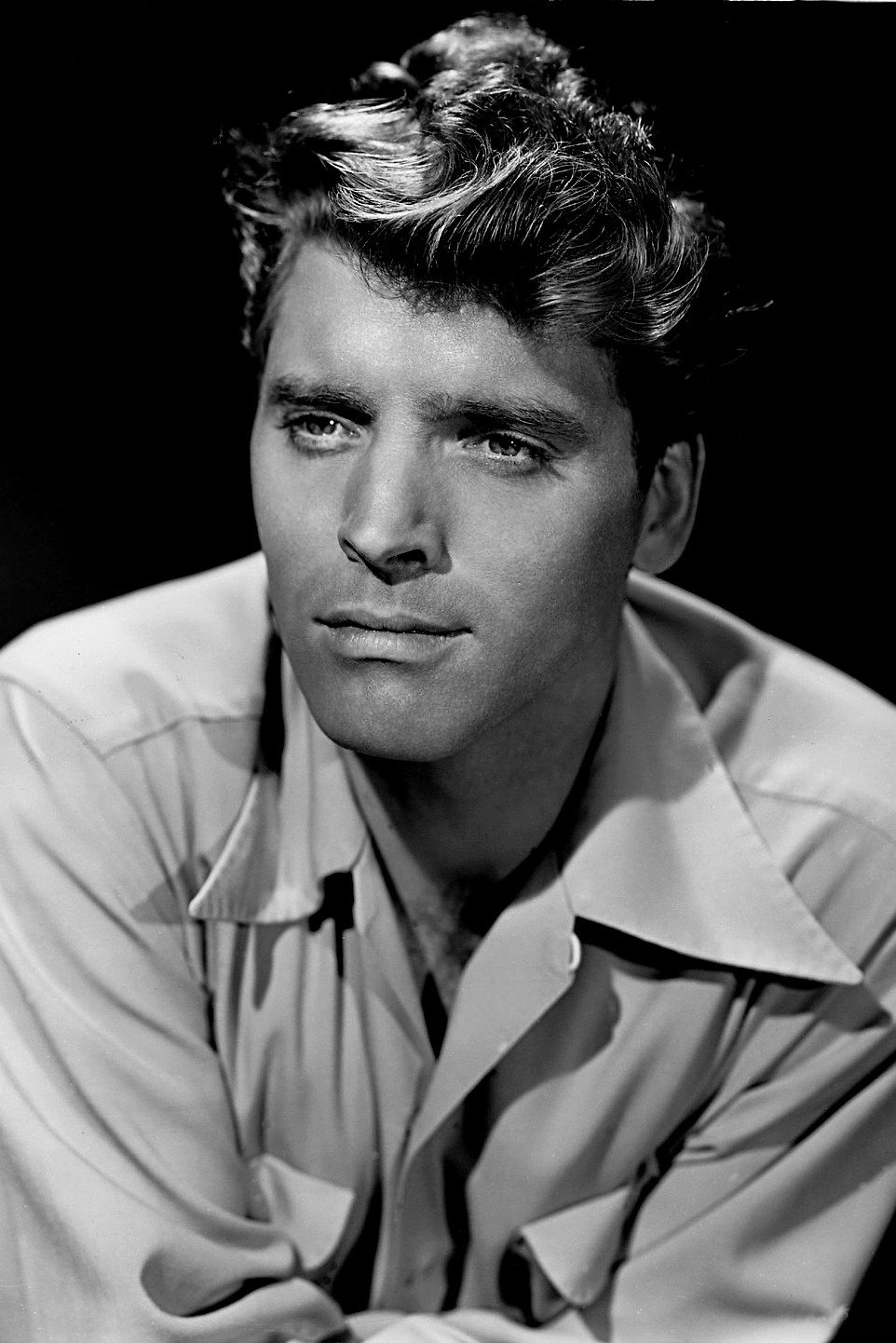
Lancaster starred in the western ‘Apache’ as the warrior Massai. The blue-eyed actor played the Native American character without any attempt to hide his distinct Caucasian features aside from skin darkening. The film attempted to be sympathetic to the Apache cause but still centered a white star. It represents a transitional era where the narrative shifted but casting practices remained archaic.
Yul Brynner
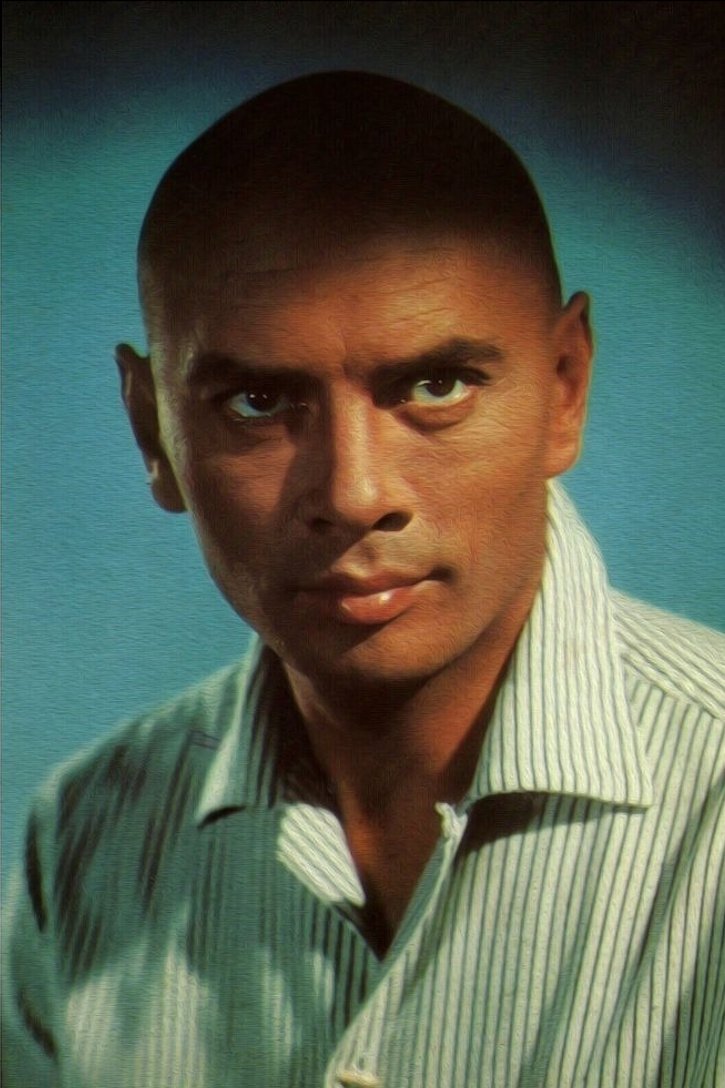
Brynner is most famous for playing King Mongkut in ‘The King and I’. While he claimed partial Mongol ancestry, his background was largely Russian and Swiss. He played the Thai monarch for decades on stage and screen despite having no Thai heritage. The performance is iconic but remains a subject of debate regarding exoticism and representation in musical theater.
Anthony Hopkins
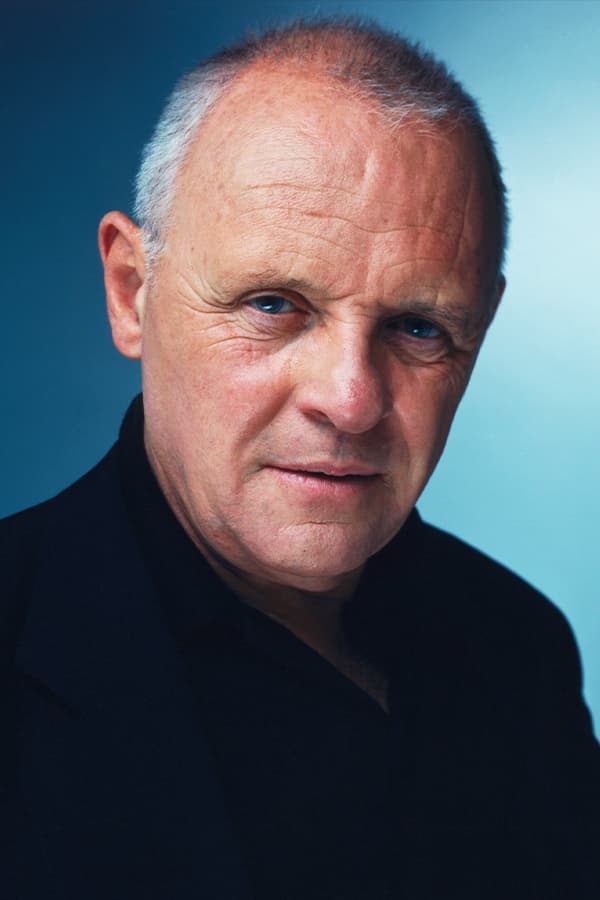
In ‘The Human Stain’, Hopkins played Coleman Silk. The character is a light-skinned Black man who passes as white for most of his adult life. Casting a white actor to play a Black man passing as white was seen by critics as missing the point of the novel’s exploration of race. It complicated the racial dynamics of the story in ways the filmmakers did not seem to anticipate.
Mike Myers
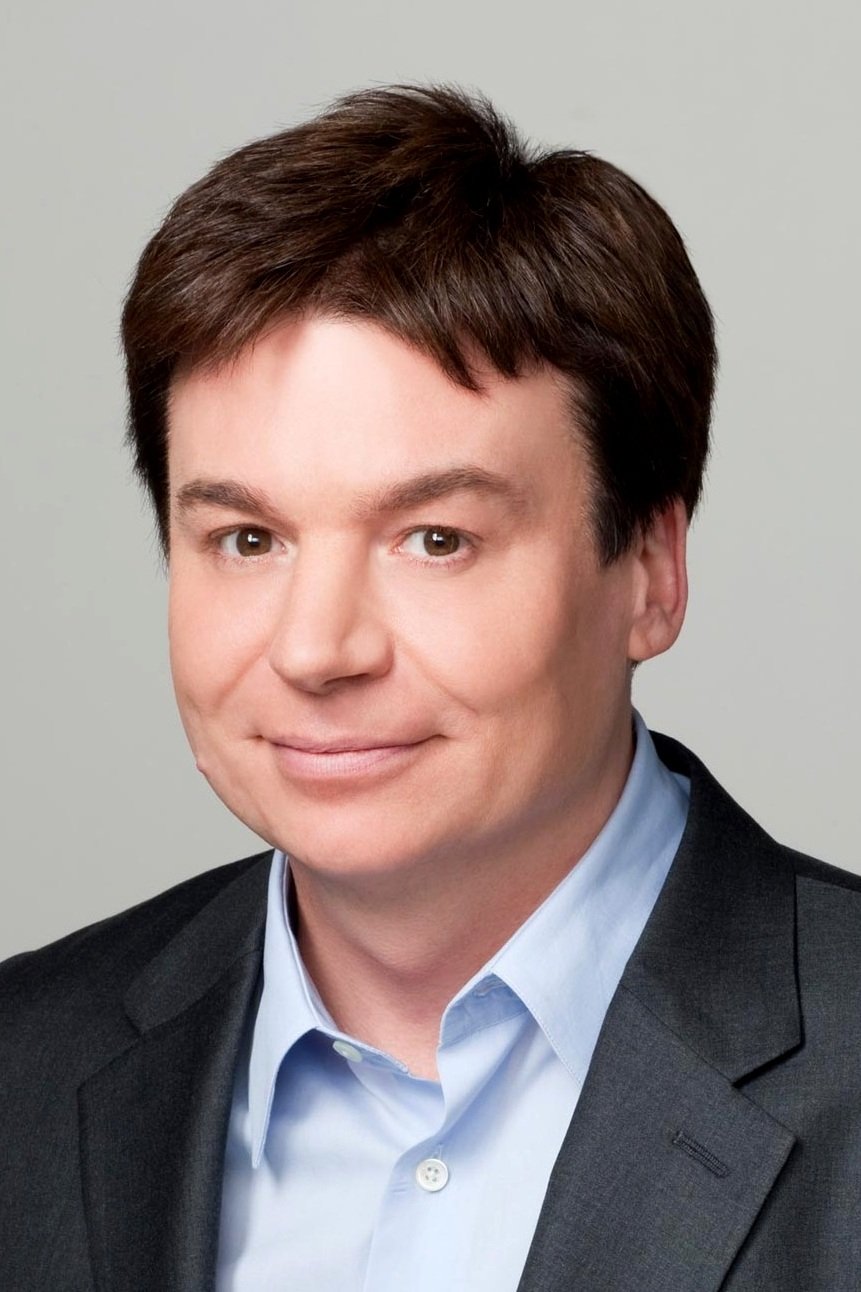
Myers created and starred as the title character in ‘The Love Guru’. He played Guru Pitka who is an American raised in India. The film was criticized for mocking Hindu customs and relying on lazy stereotypes for cheap laughs. The movie performed poorly and is often cited as a career low point due to its cultural insensitivity.
Christopher Abbott
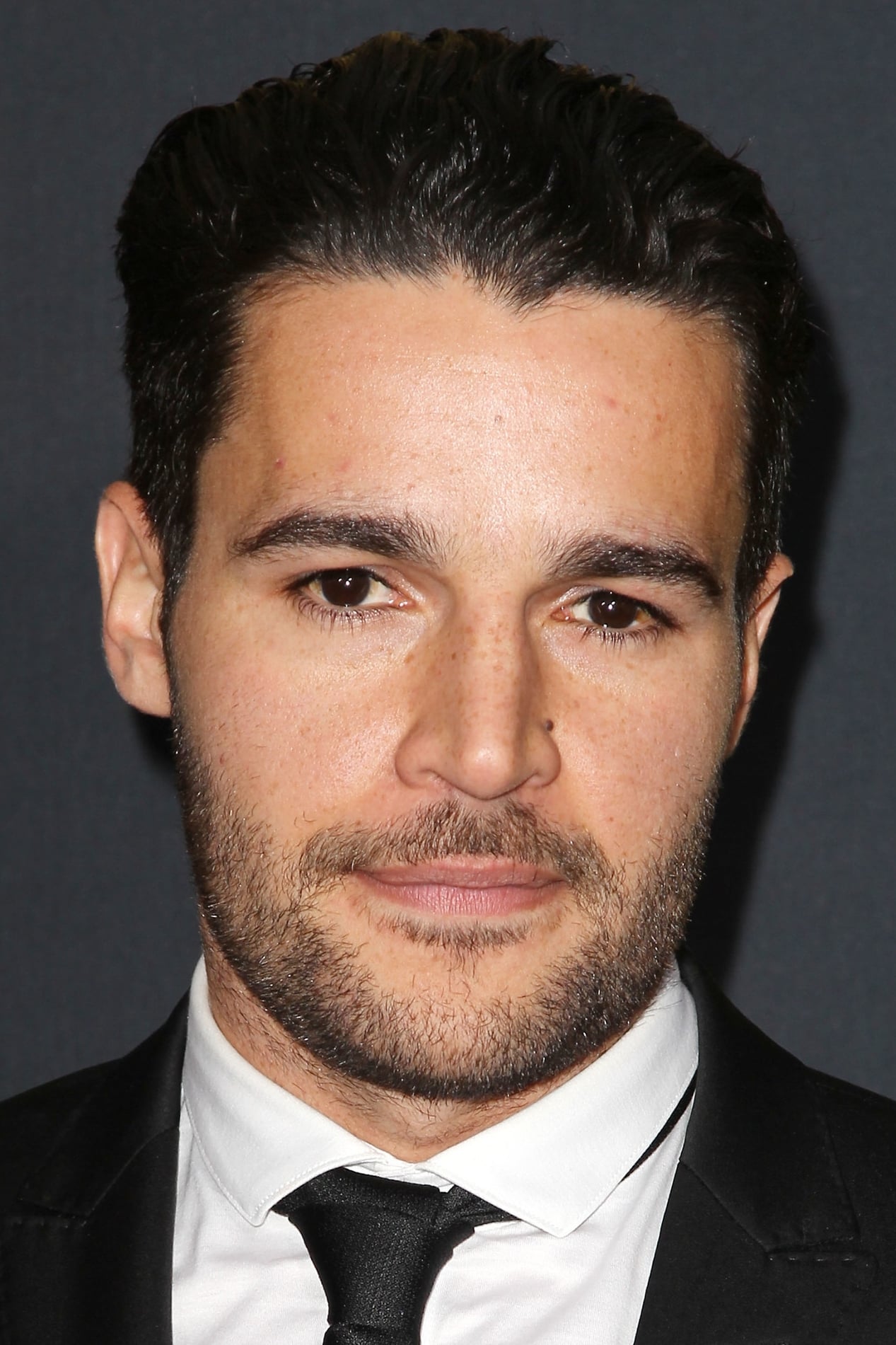
Abbott played an Afghan character named Fahim Ahmadzai in ‘Whiskey Tango Foxtrot’. The American actor is of Italian and Portuguese descent. He learned some Dari for the role but the casting was noted as another instance of Hollywood substituting generic Mediterranean features for specific Middle Eastern representation. Critics felt the role should have gone to an actor with heritage from the region.
Please verify the casting history of these actors and share your perspective on these controversies in the comments.