


Actors Hollywood Studios Tried to Blacklist

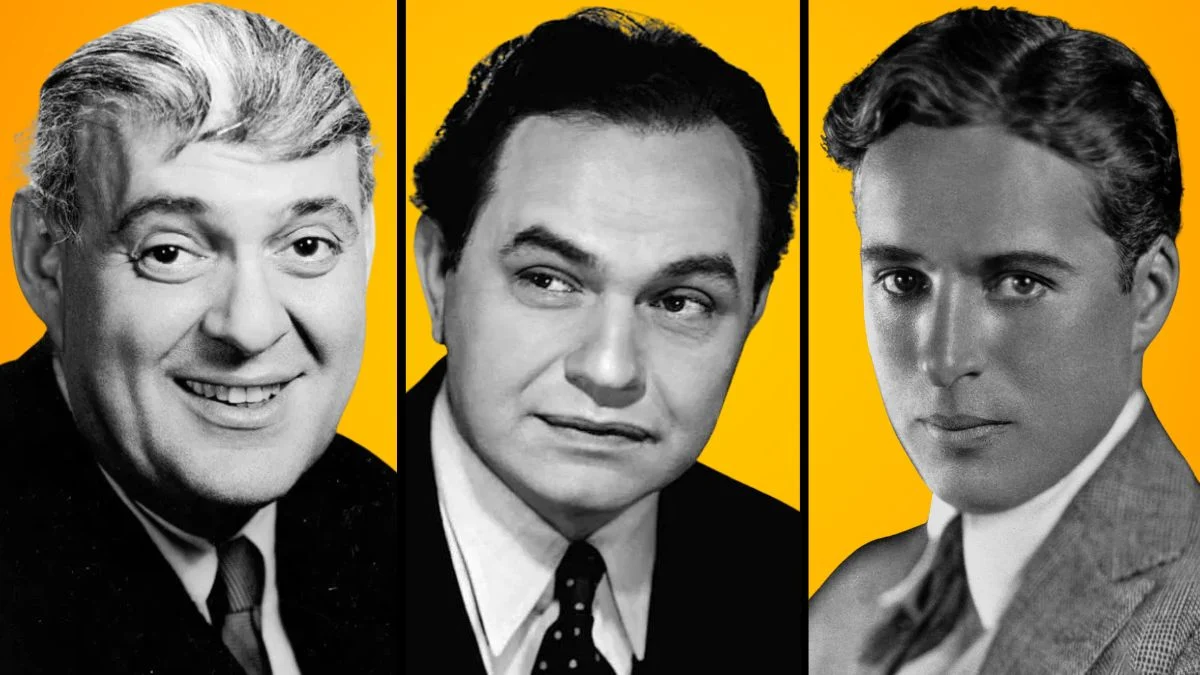


Hollywood has a long history of excluding talent due to political beliefs or personal controversies. Throughout different eras major studios have collectively decided to distance themselves from certain actors to protect their public image or comply with government pressure. While some of these performers managed to reclaim their careers others were permanently sidelined by the industry. This practice has evolved from formal lists to more modern forms of professional isolation.
Charlie Chaplin
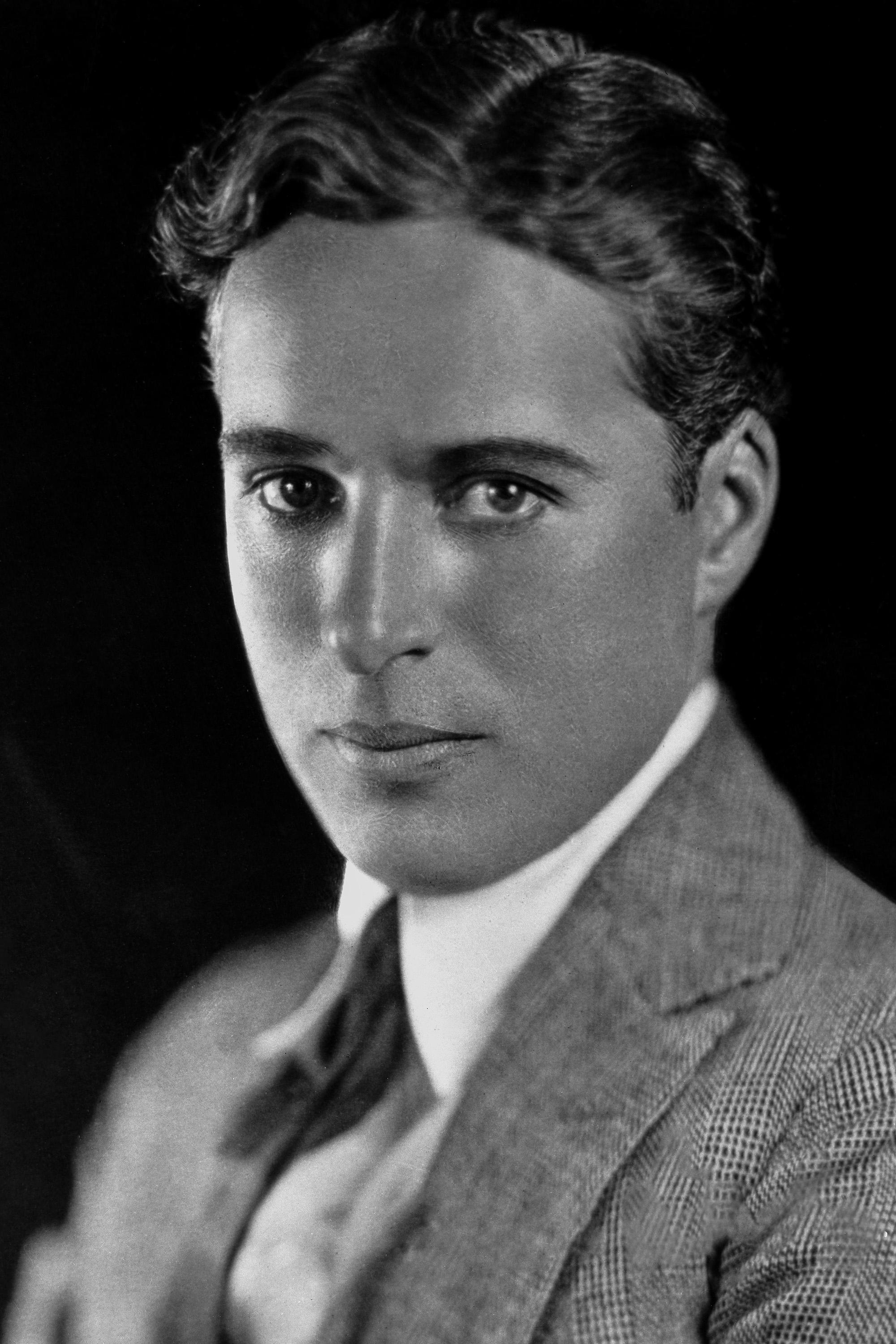
Charlie Chaplin faced immense political pressure during the height of the Red Scare in the United States. His refusal to conform to mainstream political expectations led to his effectively being barred from the country. Major film studios distanced themselves from the iconic performer as federal investigations into his personal life intensified. He eventually moved to Switzerland and did not work in the American industry for several decades. The actor eventually returned for an honorary award after the industry atmosphere had finally shifted.
Paul Robeson
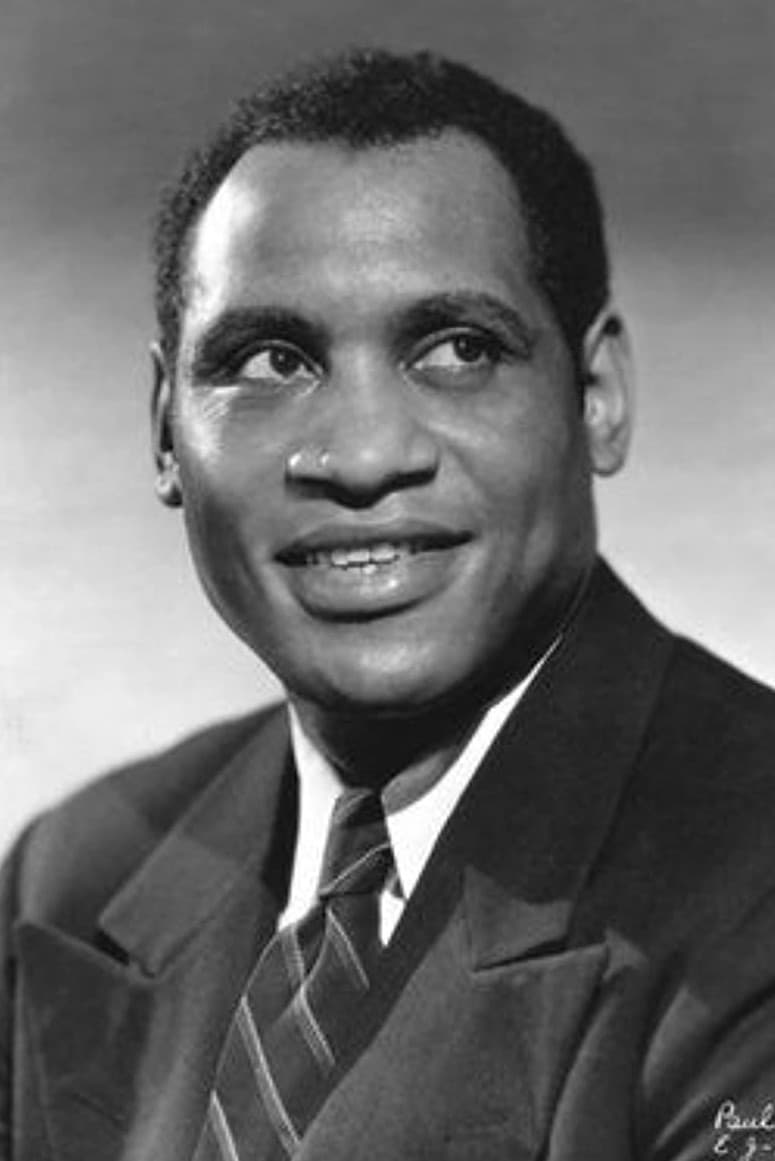
Paul Robeson was an exceptionally talented performer whose career was derailed by his political activism. The government revoked his passport which prevented him from fulfilling international acting and singing engagements. Hollywood studios largely refused to cast him in major productions due to his vocal stance on civil rights and labor issues. He became a primary target of the entertainment industry blacklist during the middle of the twentieth century. His contributions to theater and film were overlooked by mainstream institutions for many years.
Edward G. Robinson
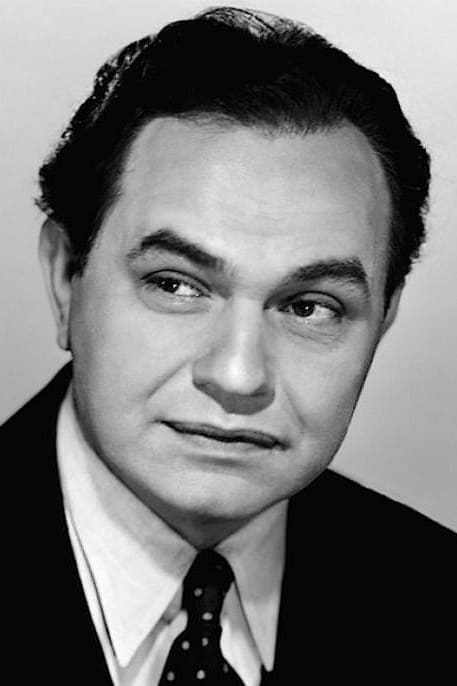
Edward G. Robinson was a massive star of the crime genre who found himself under investigation by the House Un American Activities Committee. Although he was never officially blacklisted he found it nearly impossible to secure work in high budget films for several years. He was forced to take roles in low quality productions to maintain his livelihood during this difficult period. The actor eventually testified several times to clear his name and regain his status in the industry. His experience highlights the subtle ways studios could exclude performers without a formal announcement.
Zero Mostel
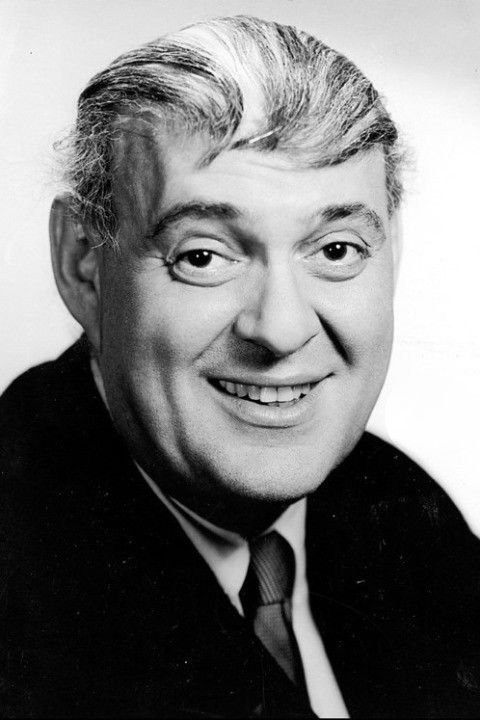
Zero Mostel was a celebrated stage and screen actor who was blacklisted for a decade after refusing to name names before a congressional committee. He was unable to find work in film or television and spent much of his time painting to support his family. His career eventually experienced a major resurgence when he was cast in the Broadway production of ‘Fiddler on the Roof’. He also achieved great success in the classic film ‘The Producers’ after the blacklist had ended. Mostel remains a symbol of resilience for many artists who faced similar professional exile.
John Garfield
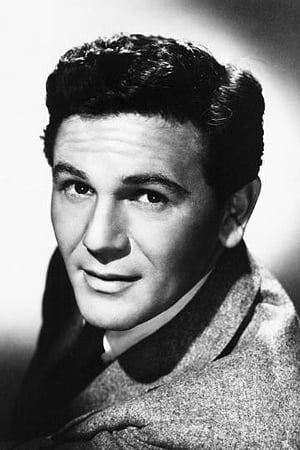
John Garfield was a leading man known for his gritty performances who saw his career collapse during the Red Scare. He was targeted for his political leanings and his refusal to cooperate with investigators seeking information on his colleagues. The resulting stress and lack of work opportunities took a significant toll on his health and well being. He died at a very young age shortly after his professional life was effectively ended by the studio system. Many historians believe he was one of the greatest talents lost to the era of political purges.
Larry Parks
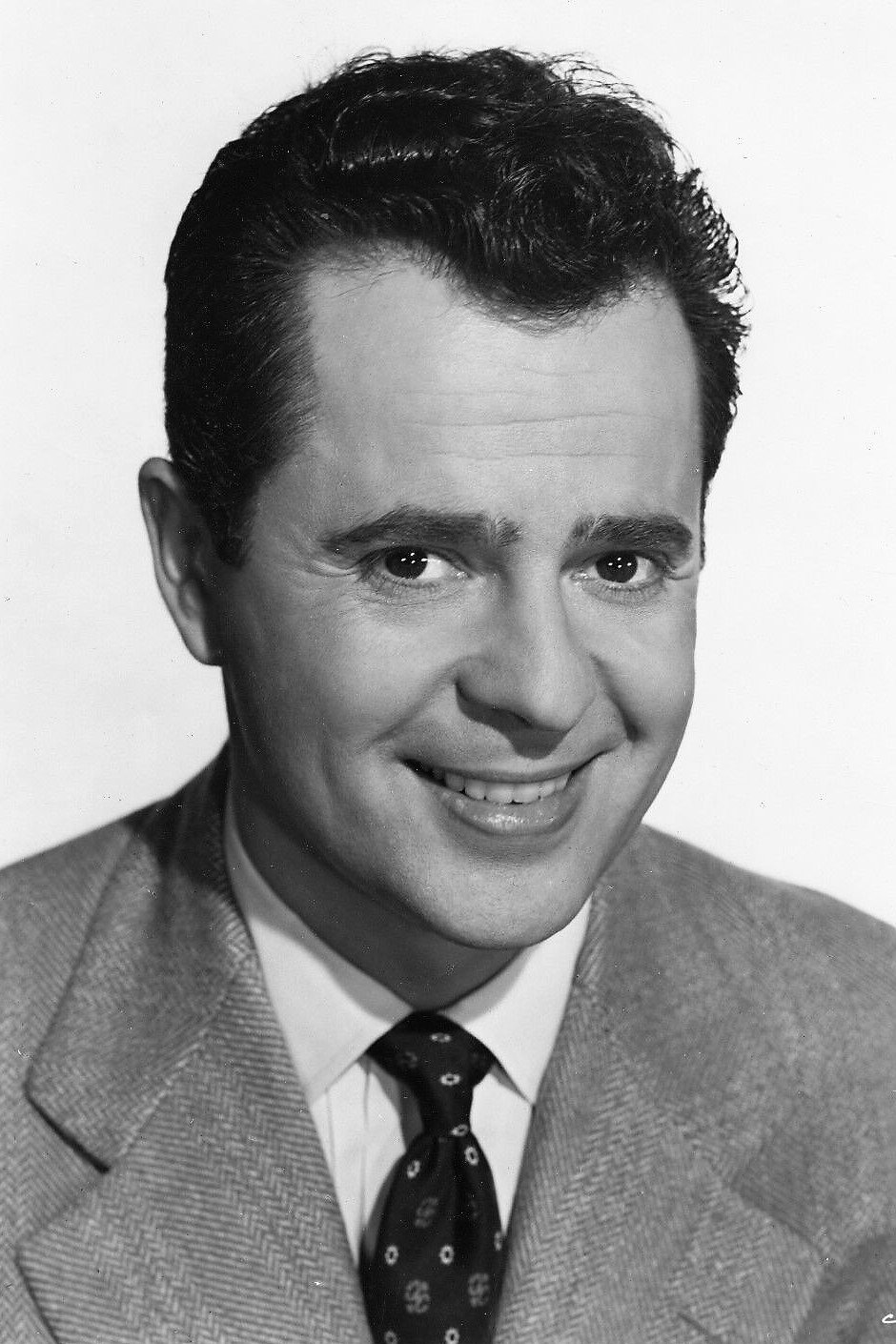
Larry Parks became one of the first major stars to admit to past political affiliations during a government hearing. Despite his honesty and willingness to testify the major studios still placed him on a blacklist. His career never recovered from the controversy even though he had recently achieved stardom in ‘The Jolson Story’. He was forced to find work in other industries and rarely appeared on screen again. His situation served as a warning to other actors about the consequences of speaking to the committee.
Howard Da Silva
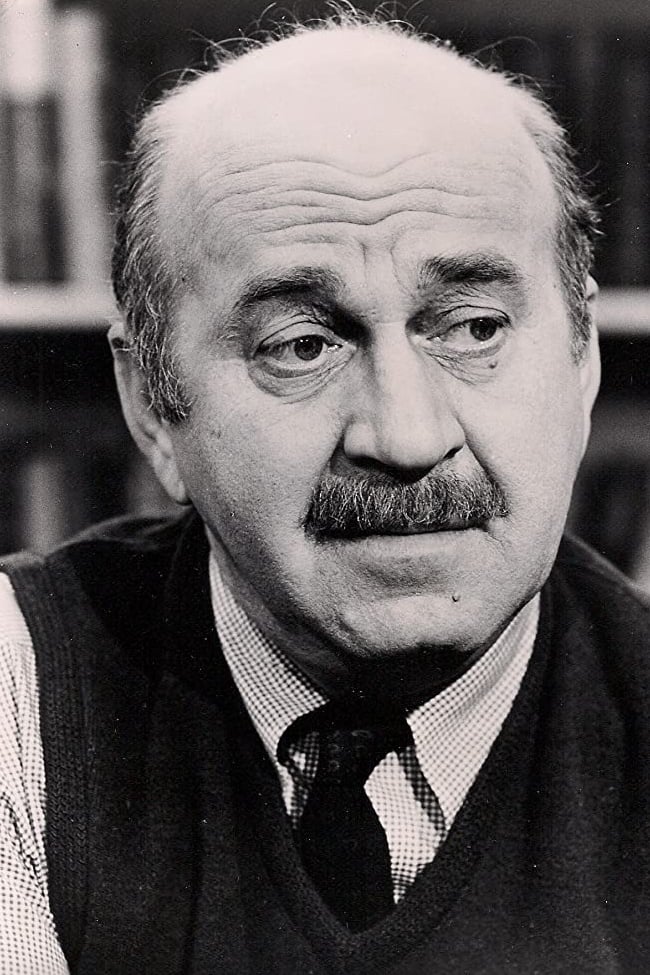
Howard Da Silva was a versatile character actor who found himself without work after being identified as a potential political dissident. He was a successful performer in films like ‘The Lost Weekend’ before the blacklist took hold of the industry. For over a decade he was unable to appear in Hollywood productions and instead focused on the theater. He eventually made a successful return to film in the late sixties and earned acclaim for his later roles. His decade long absence remains a notable example of the era of political exclusion.
Lionel Stander
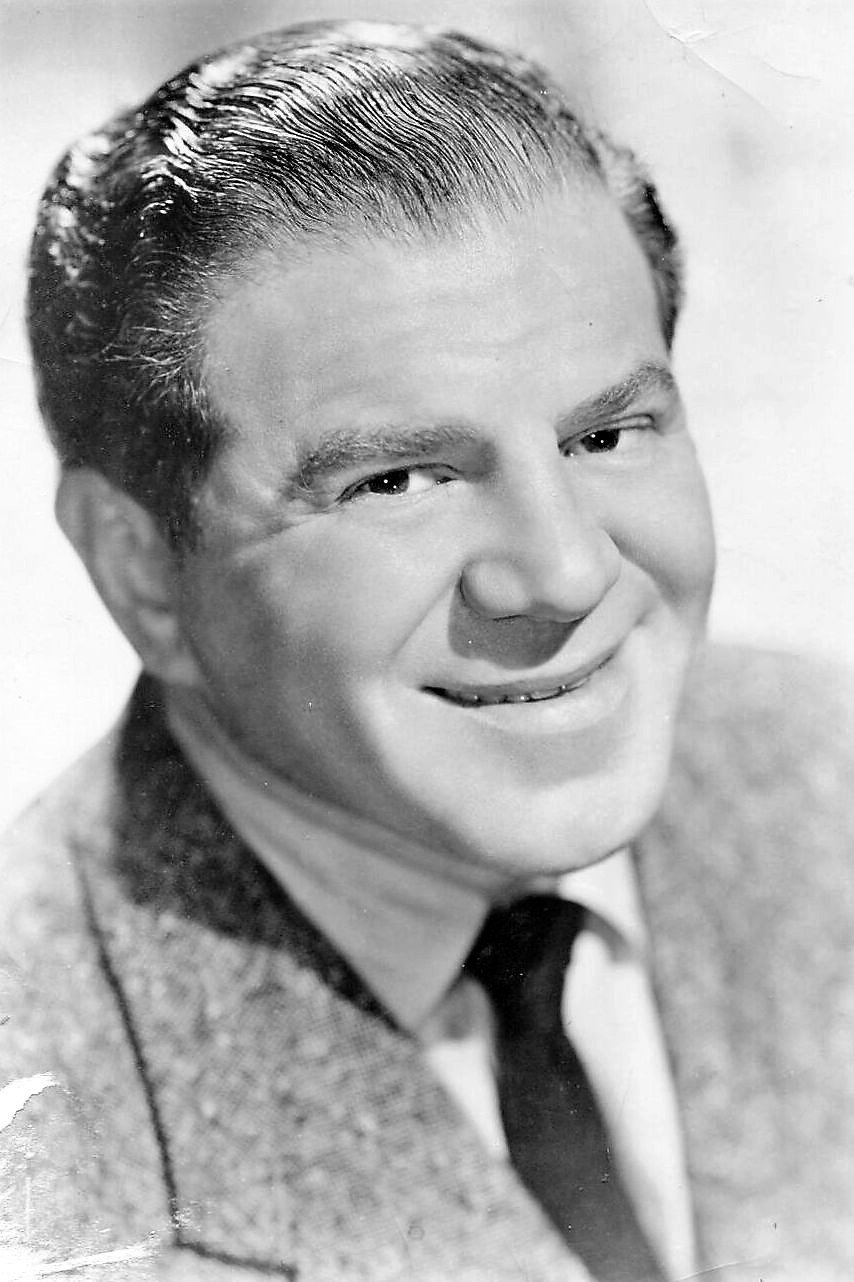
Lionel Stander was an actor with a distinctive voice and presence who was blacklisted twice during his career. He was initially pushed out of the industry in the late thirties and then again during the early fifties. He moved to Europe to find work in international films where he remained successful for many years. He eventually returned to American television in the hit series ‘Hart to Hart’ much later in life. His ability to maintain a career abroad during the blacklist years was a rare feat for many actors.
J. Edward Bromberg
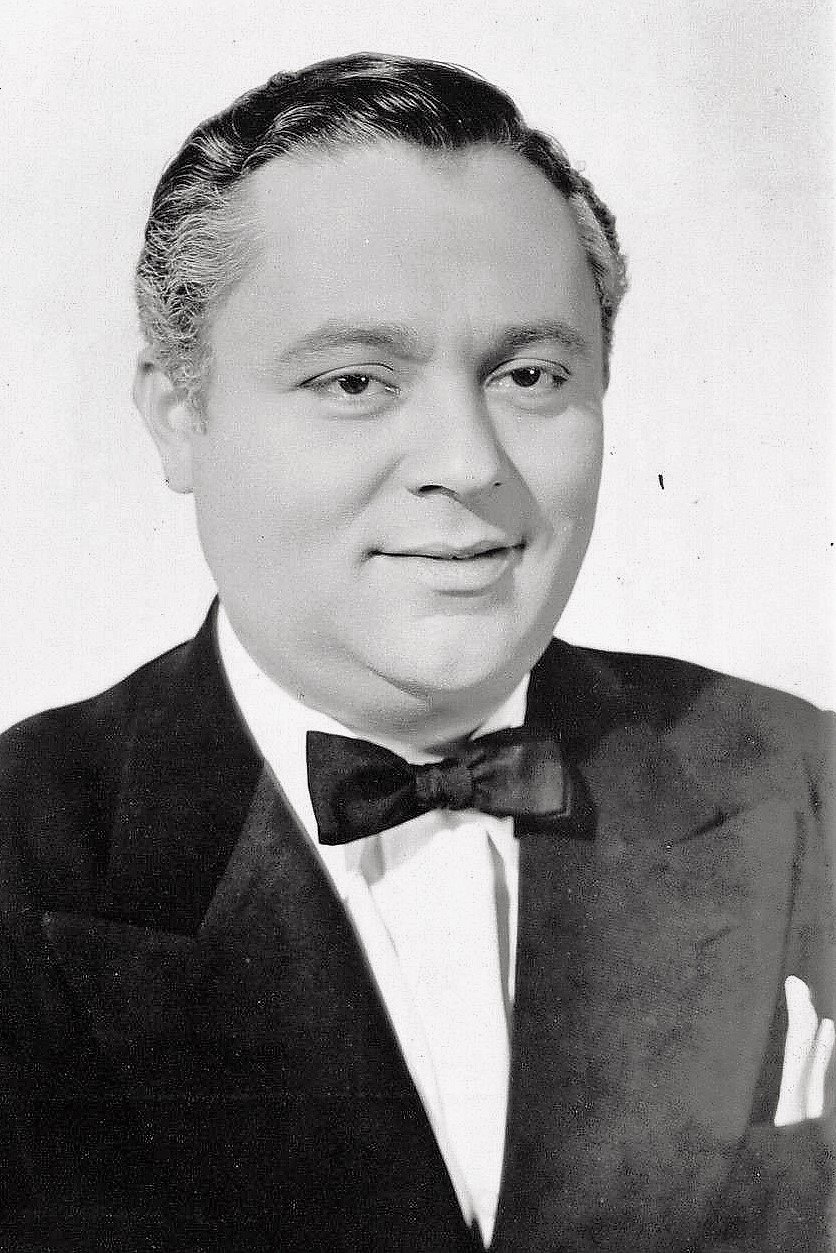
J. Edward Bromberg was a talented character actor who suffered greatly during the McCarthy era. He was called to testify but refused to answer questions about his personal political beliefs or his associates. The resulting lack of employment and the pressure of the investigation caused him significant physical and mental distress. He moved to London to find work in the theater but unfortunately died shortly after his arrival. His case is often cited as one of the most tragic examples of the human cost of the blacklist.
Philip Loeb
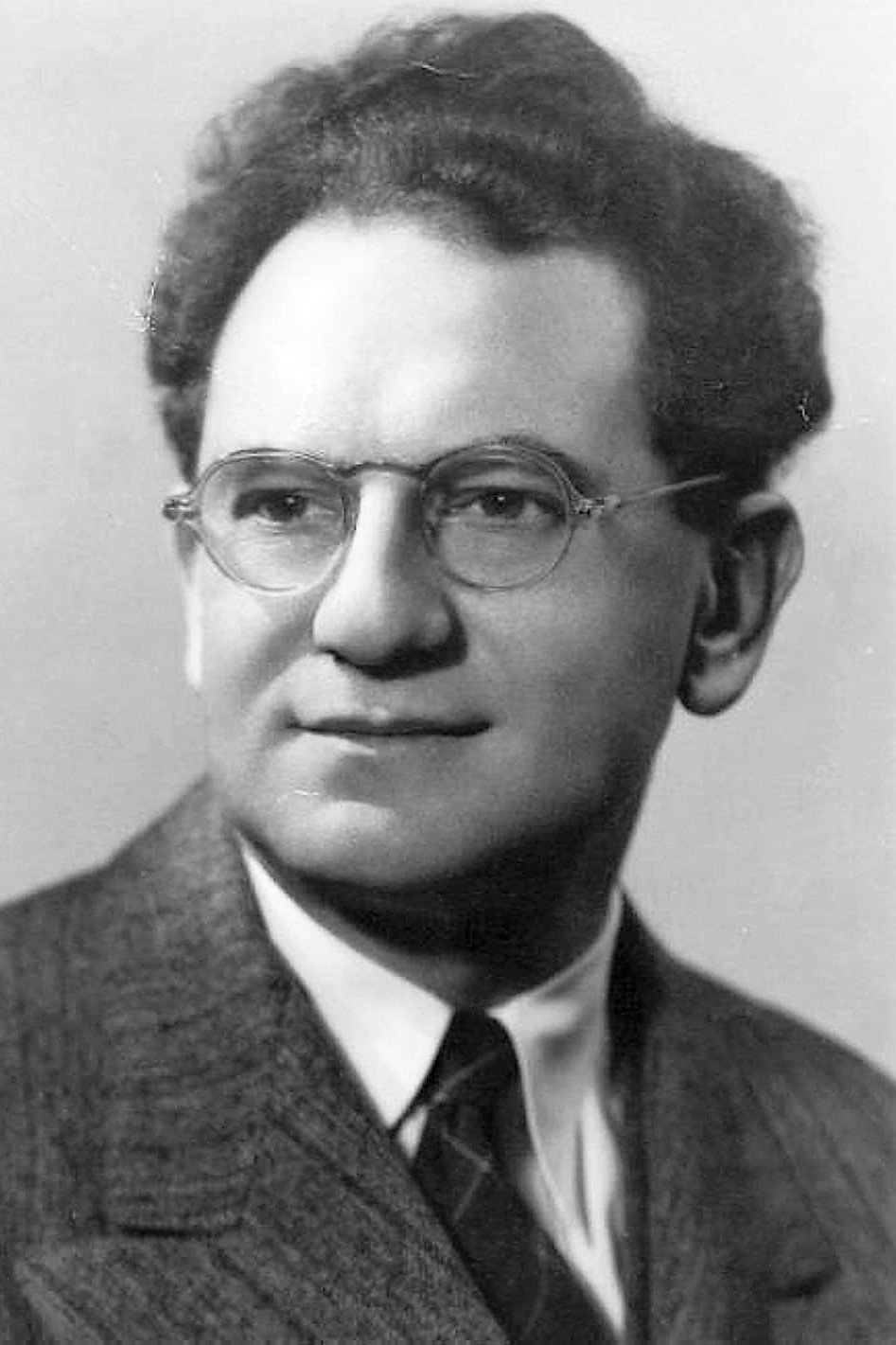
Philip Loeb was a popular television actor who starred in the early sitcom ‘The Goldbergs’. He was blacklisted after being listed in a publication that identified individuals with perceived radical leanings. Despite the support of his costars the network and sponsors eventually forced him out of the show. The loss of his career and the subsequent isolation led to a period of deep personal struggle for the performer. He remains a prominent figure in the history of the early television blacklist.
Burgess Meredith
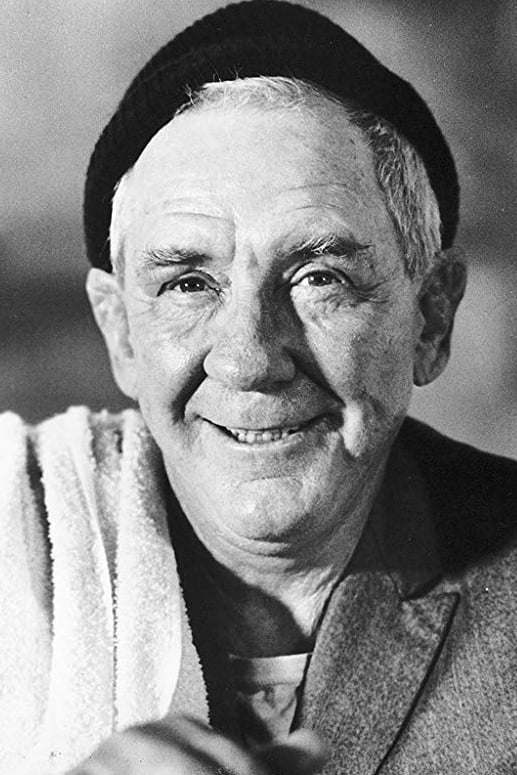
Burgess Meredith was a highly respected actor who faced professional exclusion during the middle of the twentieth century. While he was never as formally banned as some of his peers he still experienced a significant drop in work opportunities. He spent years working in less prominent roles and in theater before his career saw a massive second act. Most modern audiences recognize him for his iconic role as Mickey in the ‘Rocky’ film series. He managed to outlast the era of exclusion and became a beloved veteran of the screen.
Lee J. Cobb
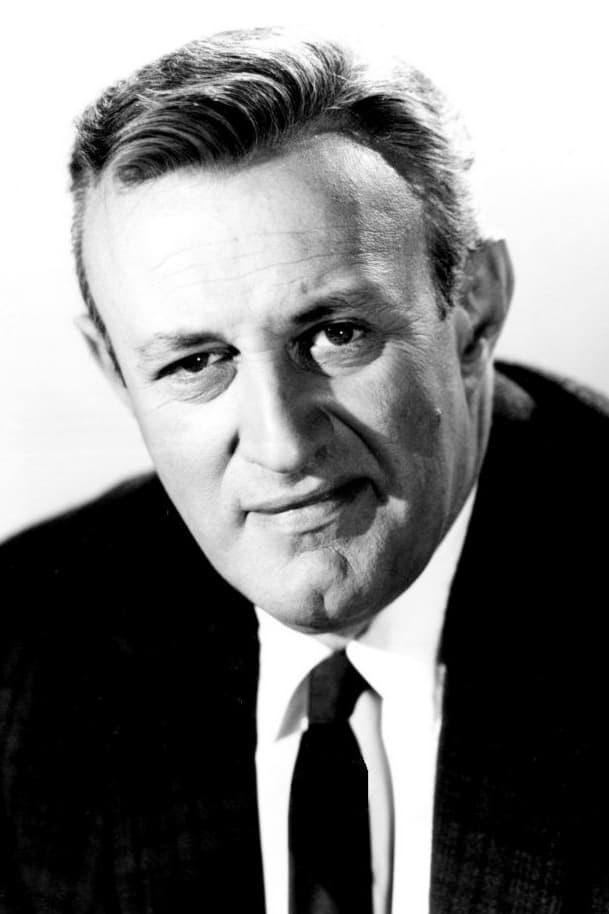
Lee J. Cobb was a powerful dramatic actor who initially resisted the efforts of the House Un American Activities Committee. He eventually cooperated with the committee after facing the prospect of losing his entire career and livelihood. This decision allowed him to continue working and he appeared in legendary films like ‘On the Waterfront’. However the choice to testify caused lasting rifts between him and many of his former colleagues in the industry. His career trajectory illustrates the difficult choices performers faced to stay employed.
Sterling Hayden
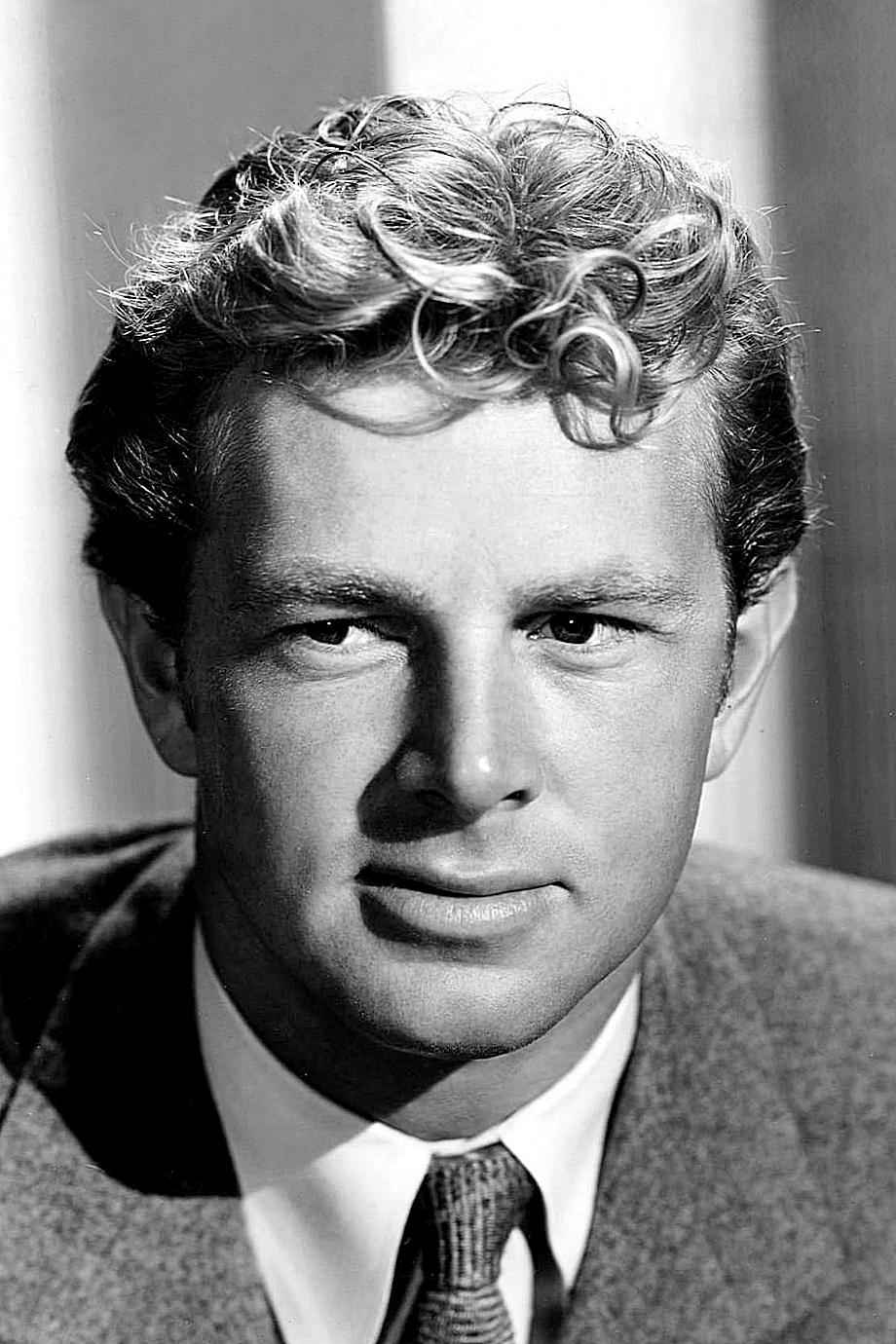
Sterling Hayden was a rugged leading man who also faced the difficult choice of cooperating with government investigators. He later expressed deep regret for his testimony and felt that he had betrayed his own principles to keep his career. Despite his cooperation he still felt a sense of alienation from certain segments of the Hollywood community. He continued to work in major films like ‘Dr. Strangelove’ and ‘The Godfather’ throughout the following decades. His autobiography provides a candid look at the guilt associated with surviving the blacklist era.
José Ferrer
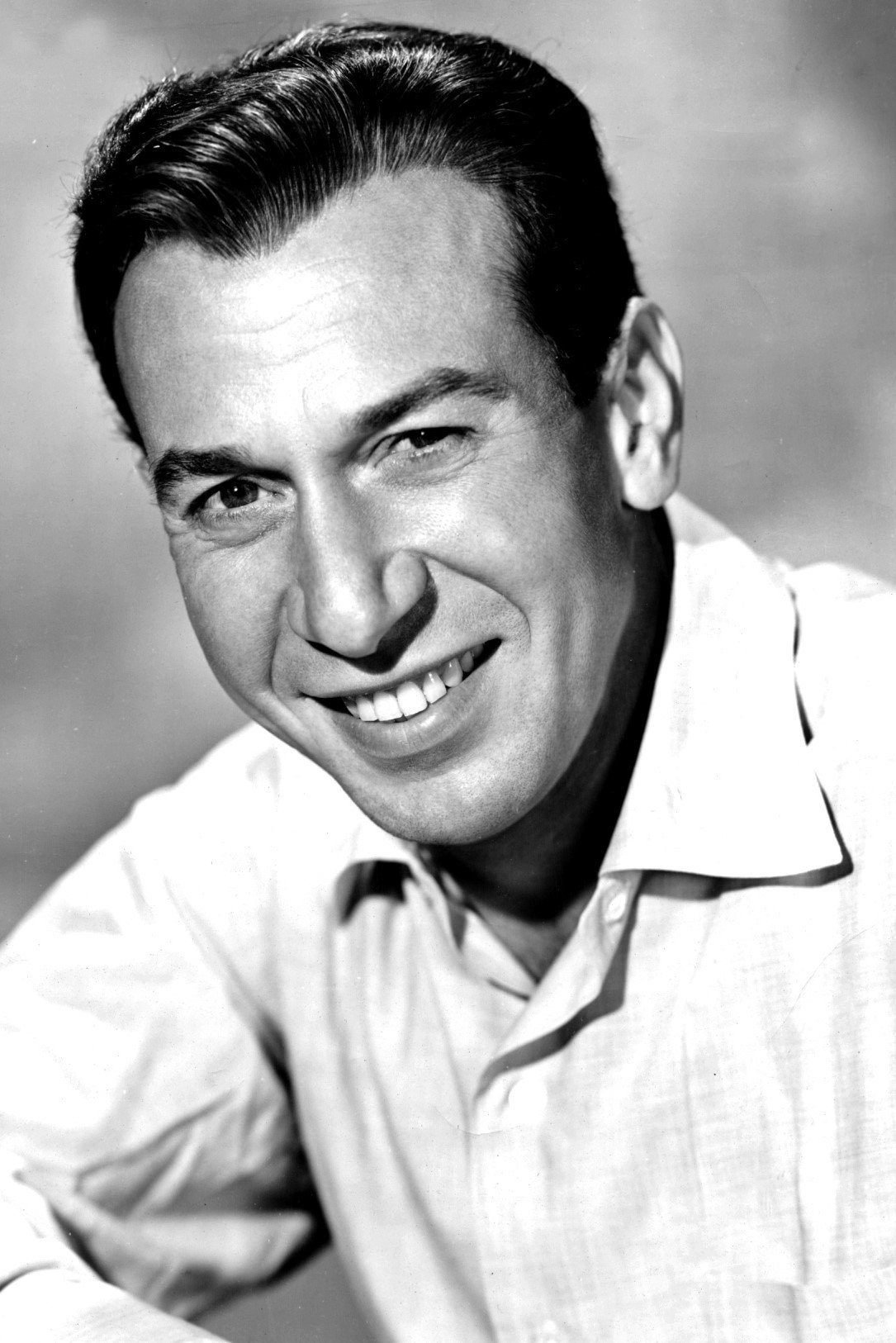
José Ferrer was a multi talented performer who was the first Puerto Rican actor to win an Academy Award. He came under scrutiny during the Red Scare and was forced to defend his past actions to maintain his standing in Hollywood. Although he was not fully blacklisted the investigation created a shadow over his career for a significant period of time. He continued to find success in both acting and directing despite the ongoing political pressure. His resilience helped him maintain a long and varied career in the entertainment world.
Orson Welles
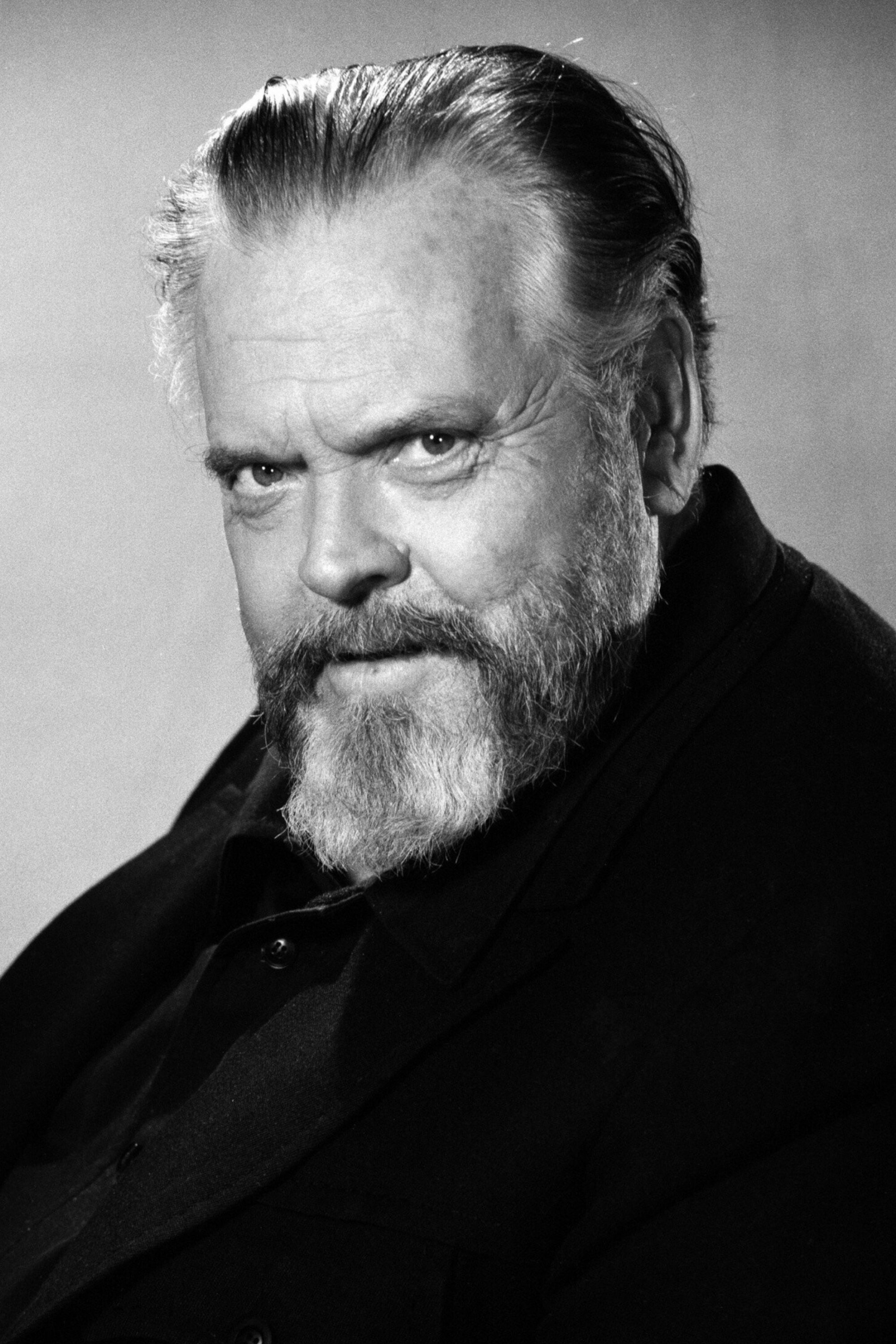
Orson Welles was a visionary filmmaker and actor who often found himself at odds with the major Hollywood studios. His political views and his uncompromising creative style led to frequent clashes with industry executives. He spent a significant portion of his career working in Europe because he felt he was being marginalized by the American system. While he was not part of the traditional political blacklist he was effectively excluded from the mainstream studio structure for years. He remains one of the most influential figures in cinema despite his difficult relationship with the industry.
Robert Downey Jr.
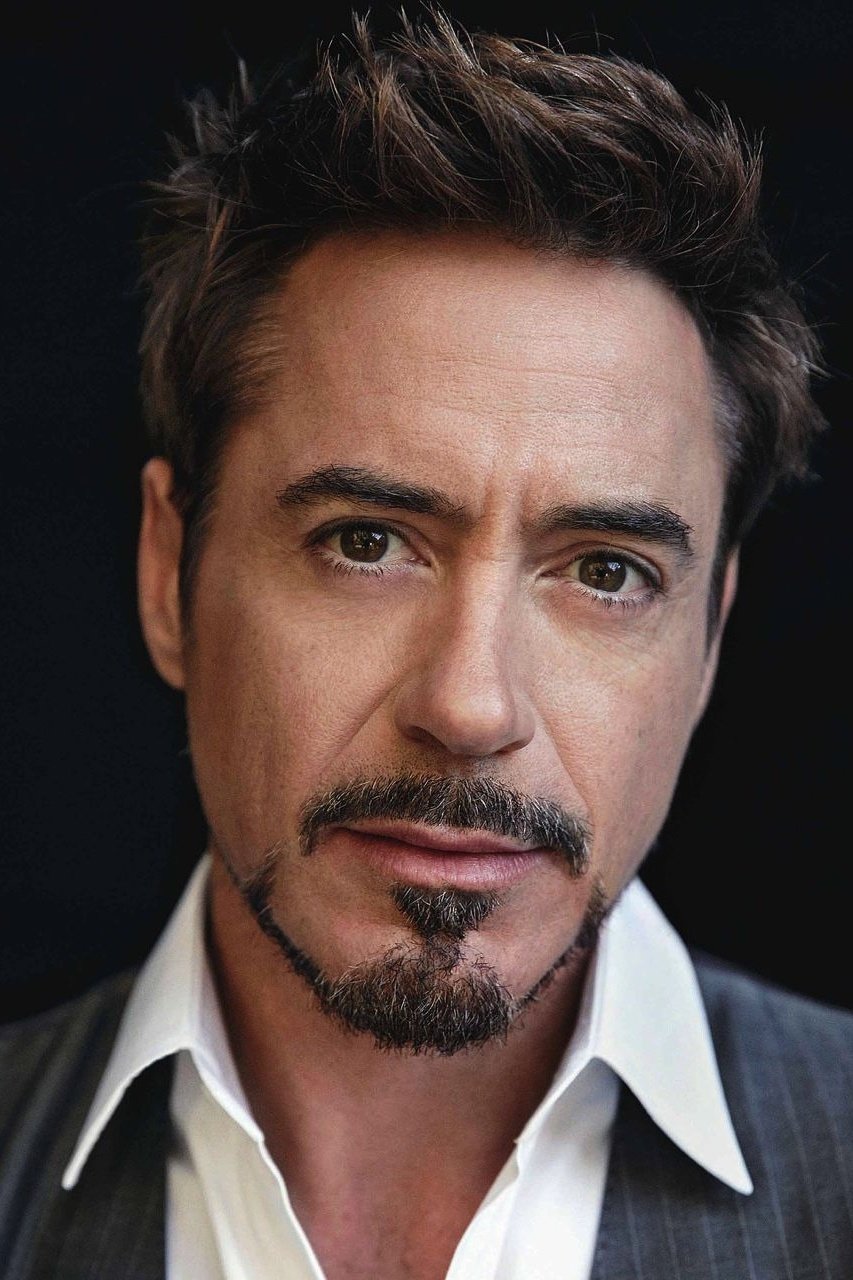
Robert Downey Jr. was once considered unhireable by major studios due to his highly publicized legal troubles and substance abuse issues. The insurance costs for his films became so high that production companies were unwilling to take the risk of casting him. He spent several years appearing in smaller independent projects while he focused on his recovery. His career was eventually saved by the support of fellow actors and a landmark casting choice in ‘Iron Man’. He transitioned from a professional outcast to one of the most successful actors in the history of cinema.
Brendan Fraser
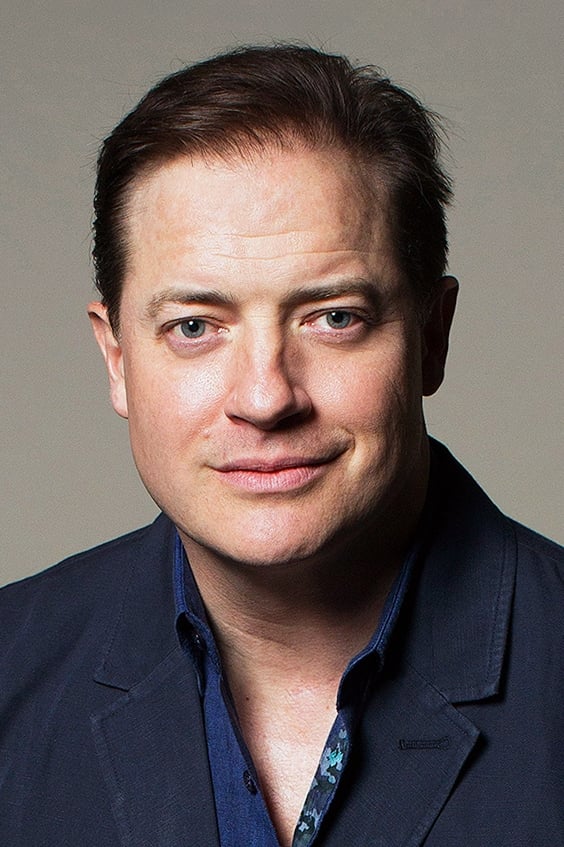
Brendan Fraser experienced a long period of professional isolation after reporting an instance of misconduct by a high ranking industry official. He noticed a significant decline in the number of scripts and role offers he received from major studios following the incident. The actor struggled to maintain his career momentum as he felt he was being actively sidelined by powerful figures. It took many years and a celebrated performance in ‘The Whale’ for him to return to the spotlight. His journey has sparked important conversations about the treatment of whistleblowers in the entertainment business.
Mel Gibson
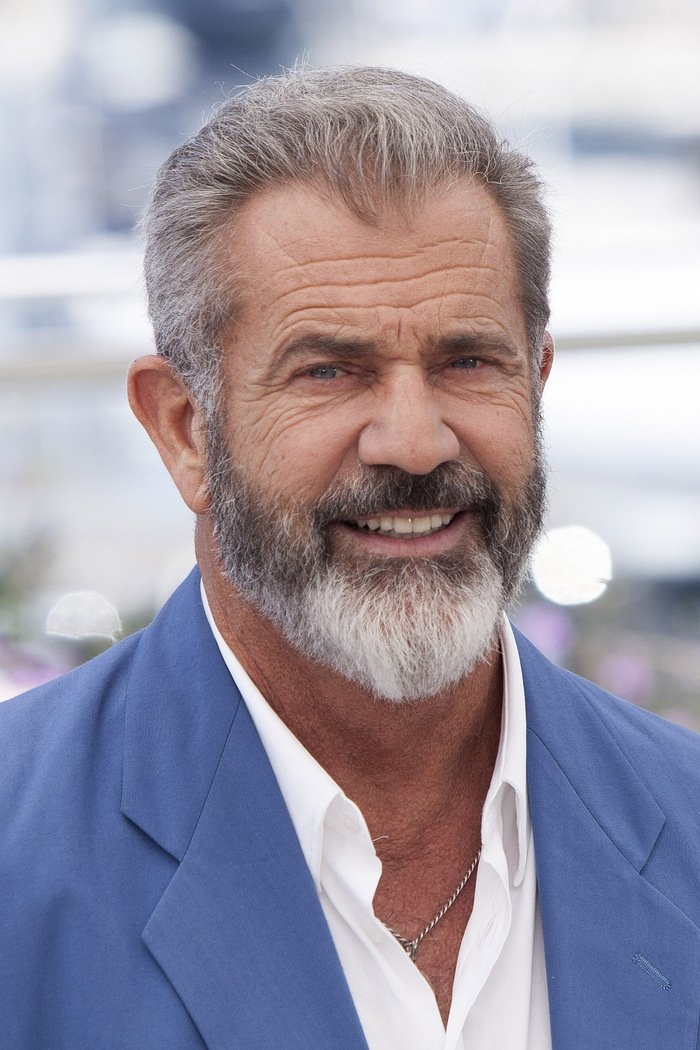
Mel Gibson was essentially shunned by major Hollywood studios following a series of highly controversial public statements and personal legal issues. His reputation suffered after anti Semitic remarks were made public during a police interaction in California. For nearly a decade he was unable to secure major leading roles or studio backing for his directorial projects. He slowly began to rebuild his career by working on independent films and eventually earned a directorial nomination for ‘Hacksaw Ridge’. His situation highlights how personal behavior can lead to a sustained loss of industry support.
Charlie Sheen
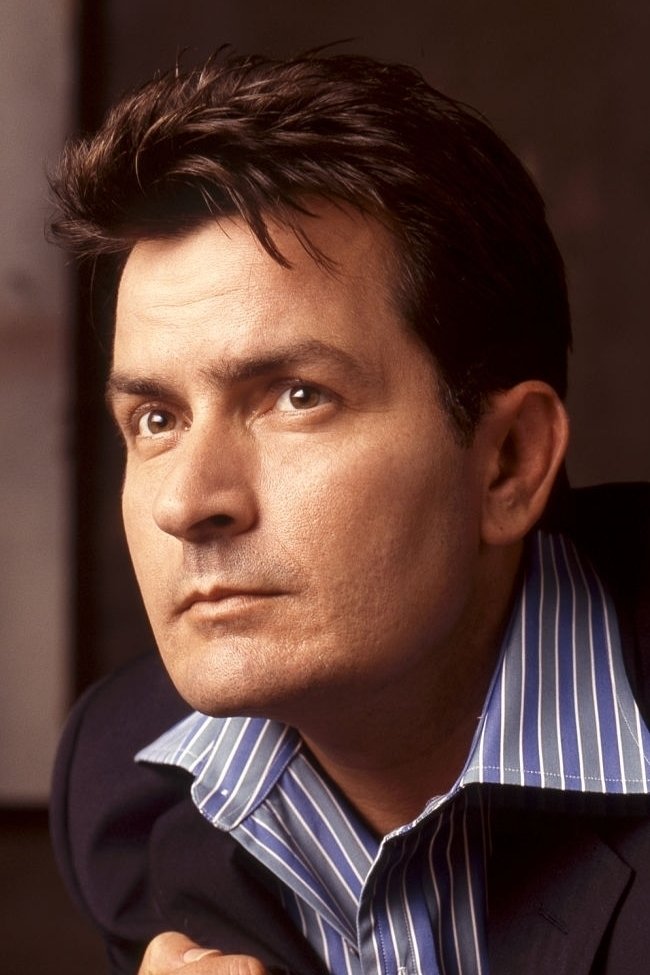
Charlie Sheen was the highest paid actor on television before a public breakdown led to his dismissal from a major sitcom. His erratic behavior and vocal criticism of his producers resulted in a highly publicized fallout with the network. Studios became hesitant to work with him because of his reputation for being difficult on set and unpredictable in his personal life. While he has appeared in smaller projects he has not returned to the same level of mainstream success he once enjoyed. His career serves as a modern example of how public conflict with studios can impact a professional path.
Jim Caviezel
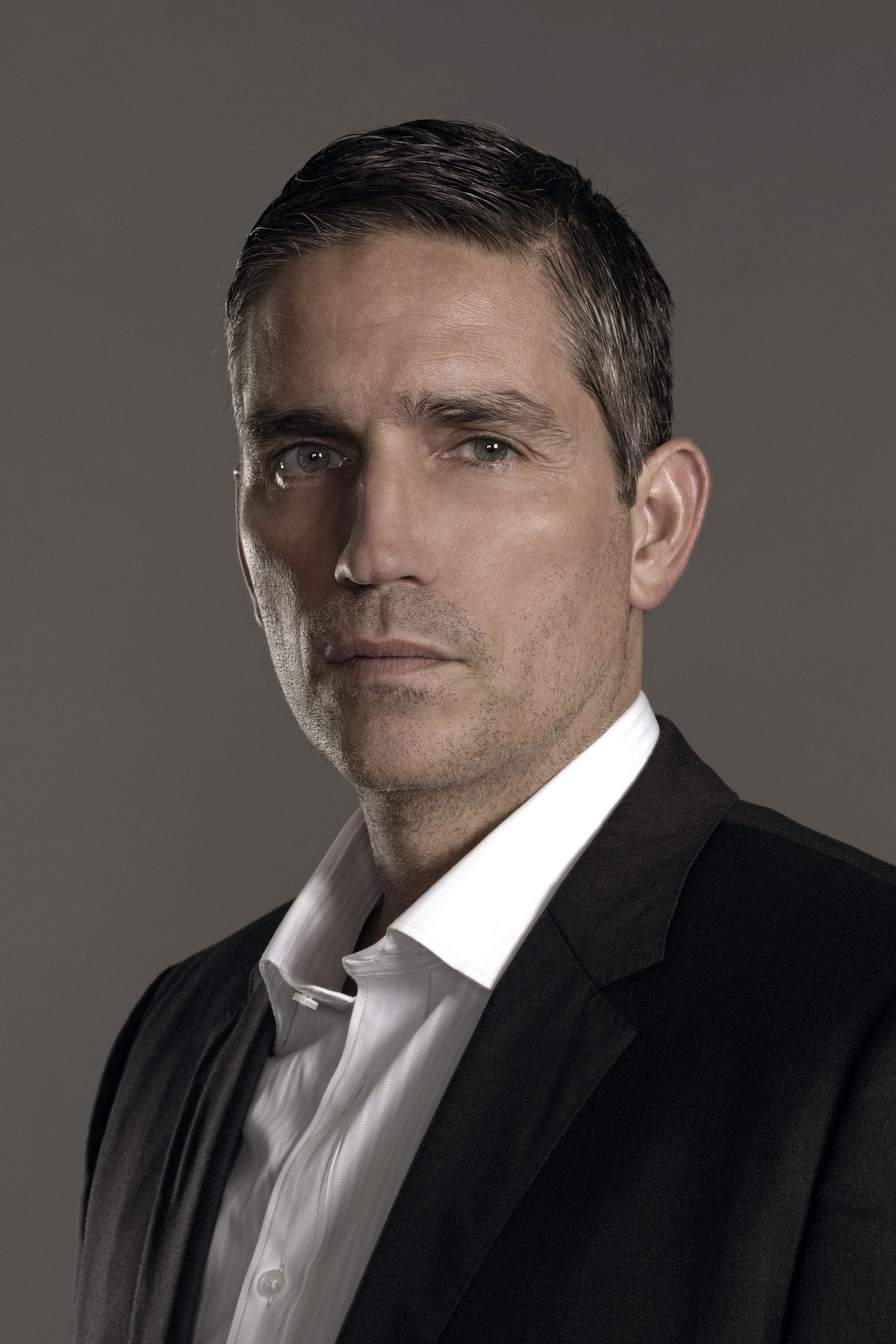
Jim Caviezel has publicly stated that his role in ‘The Passion of the Christ’ led to him being marginalized by the mainstream Hollywood system. He believes that the controversial nature of the film caused many industry insiders to stop offering him major roles. While he has found success in television and independent faith based projects he remains largely outside the major studio circuit. The actor has continued to be vocal about his beliefs and the professional consequences he has faced. His career path reflects the divide between mainstream Hollywood and niche market success.
Corey Feldman
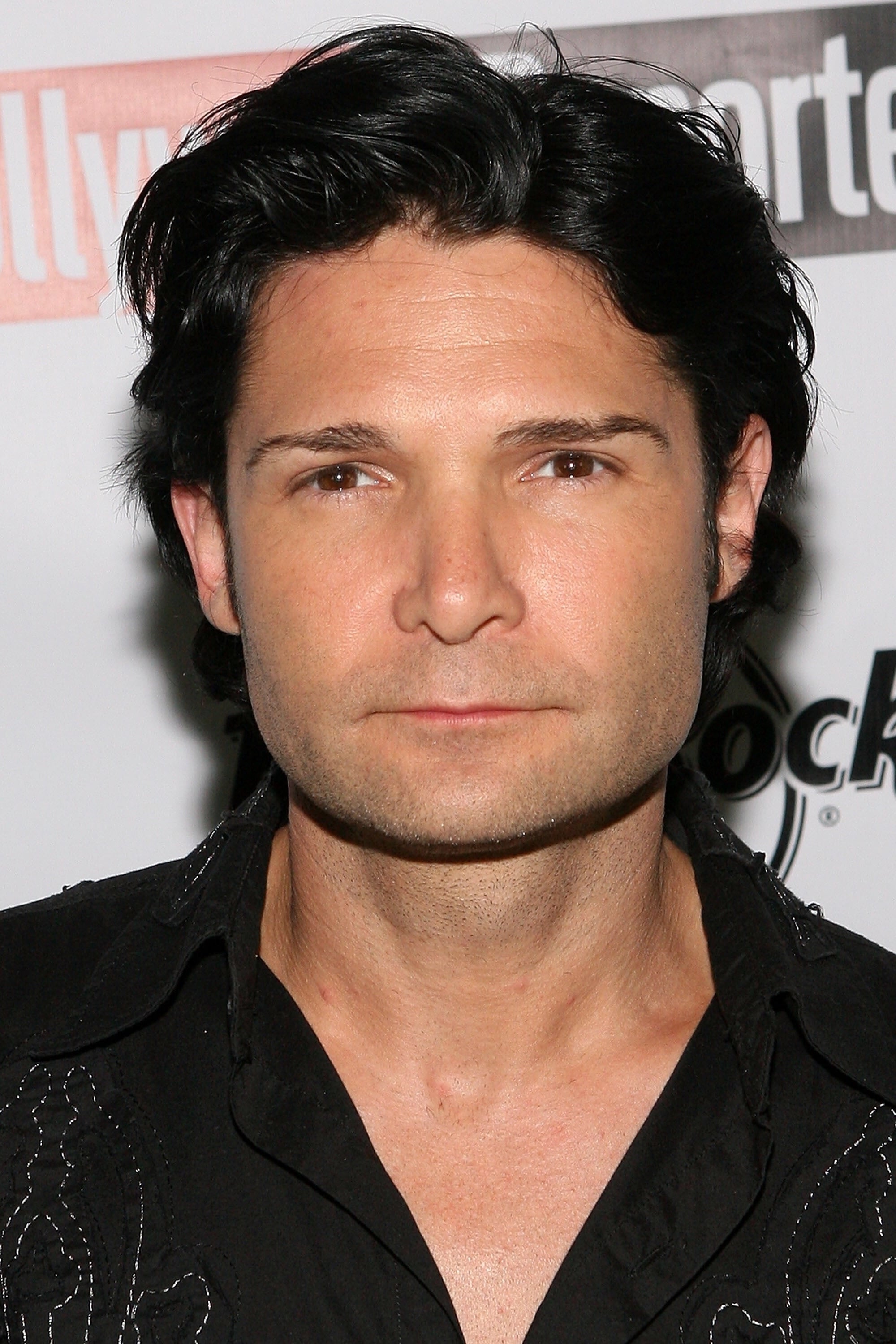
Corey Feldman has claimed for years that he was blacklisted for attempting to expose systemic issues and abuse within the entertainment industry. He believes that his efforts to protect young performers led to him being denied opportunities by major studios. The former child star has used his platform to speak out about his experiences and the lack of support he received from his peers. While he has continued to work on independent music and film projects he has not returned to major studio productions. His story remains a point of contention and discussion regarding industry transparency.
Isaiah Washington
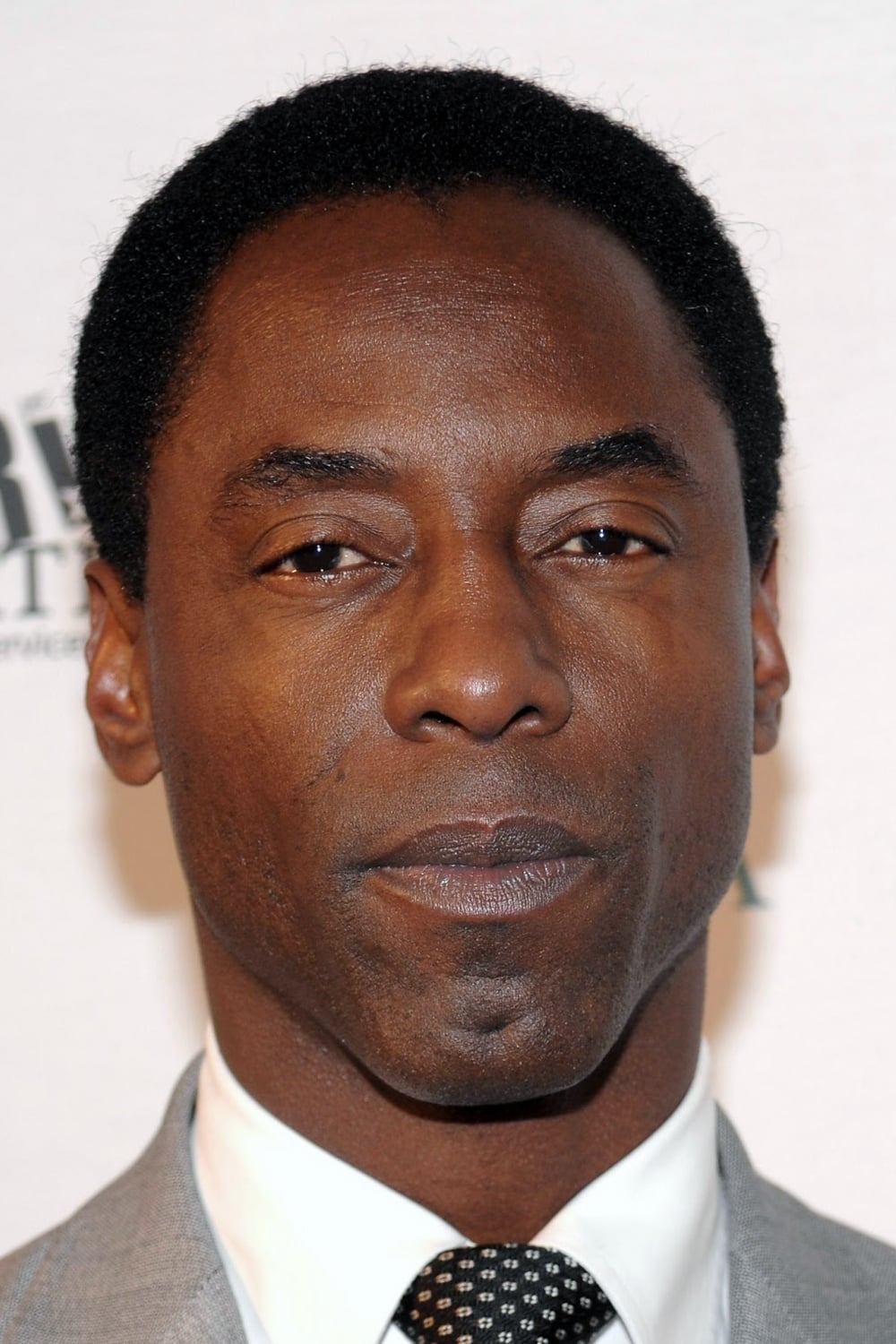
Isaiah Washington was removed from a highly successful television drama following a conflict involving a slur used against a costar. The incident led to a significant public backlash and his eventual dismissal from ‘Grey’s Anatomy’ by the network. Following his departure he found it difficult to secure roles in other major television series or studio films. He has since spoken about his feelings of being excluded from the industry as a result of the controversy. He eventually found work in independent projects and on cable television networks.
Mickey Rourke
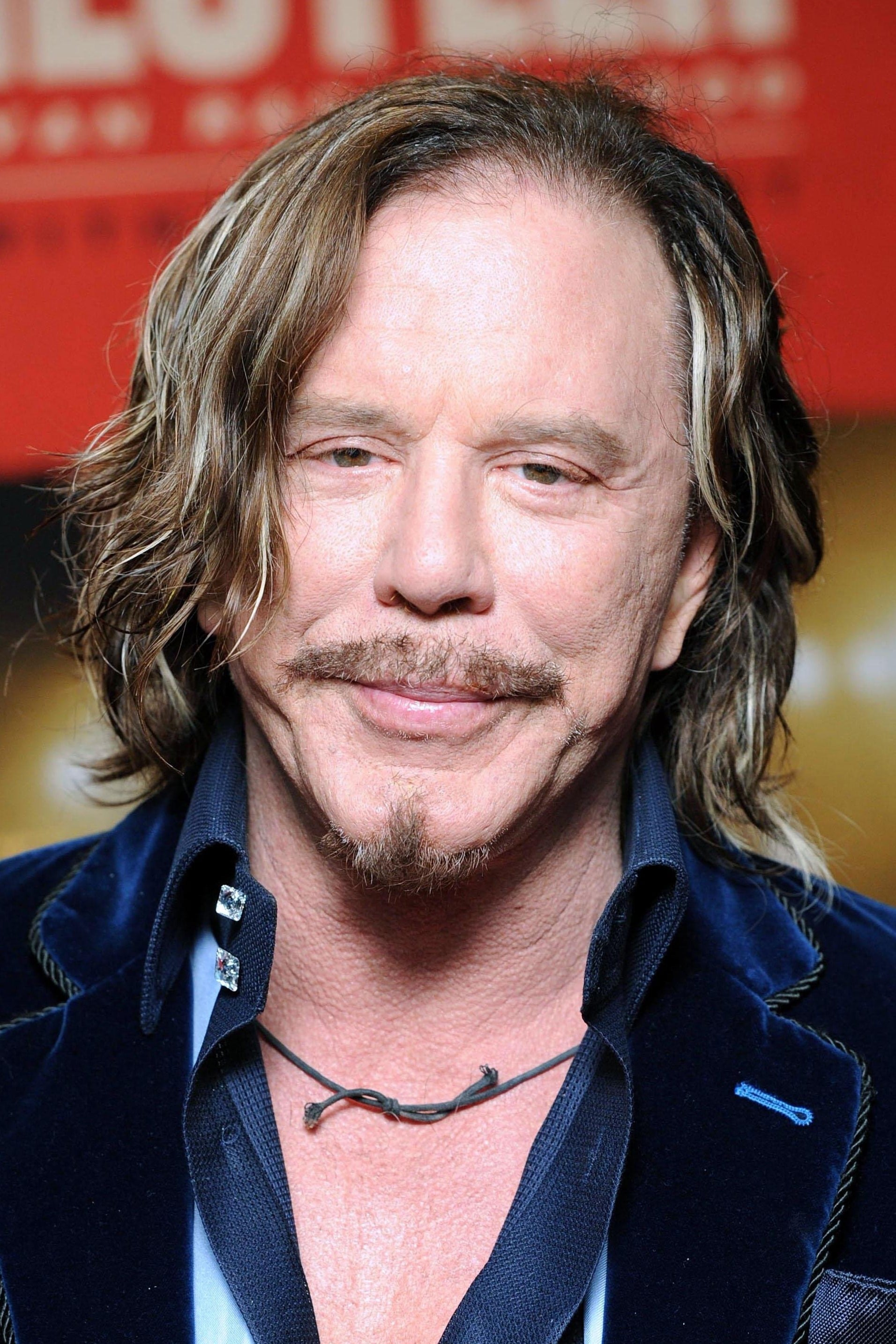
Mickey Rourke was once a rising star who became almost impossible for studios to work with due to his difficult reputation. His career stalled for nearly twenty years as he walked away from major roles to pursue a professional boxing career. He was often described as combative and unpredictable on film sets which made studios reluctant to hire him. He eventually made a major comeback with his performance in ‘The Wrestler’ which earned him an Academy Award nomination. His story is one of the most famous examples of an actor reclaiming a career after years of exclusion.
Edward Norton
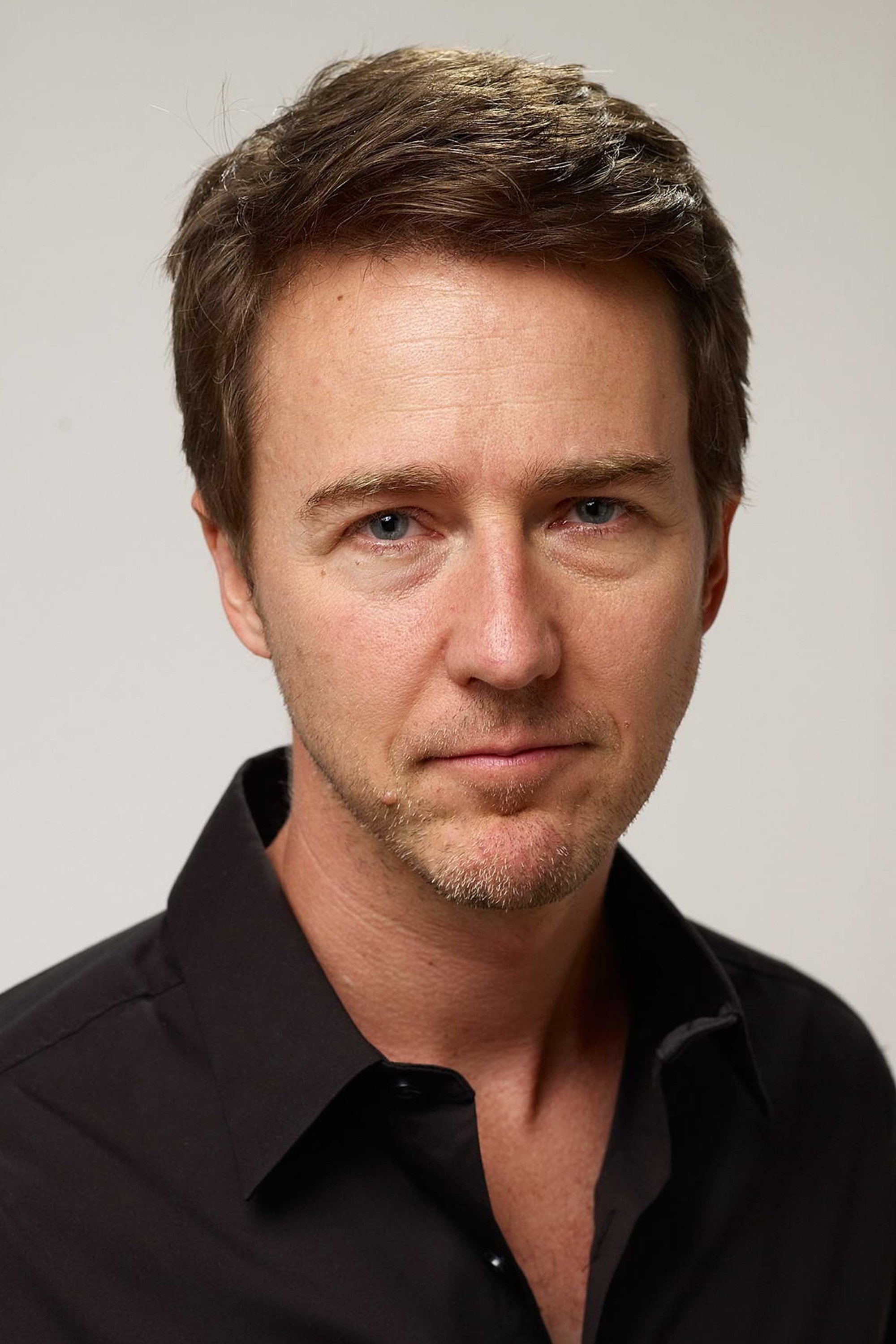
Edward Norton is widely regarded as a brilliant actor but has faced challenges with studios due to his reputation for creative control. There were public disagreements during the production of ‘The Incredible Hulk’ which led to him being replaced in the franchise. Reports of his heavy involvement in the editing and writing of his films made some major studios wary of hiring him for blockbuster projects. He has continued to find success in critically acclaimed independent films and projects with directors who value his input. His career highlights the tension between creative actors and the studio system.
Terrence Howard
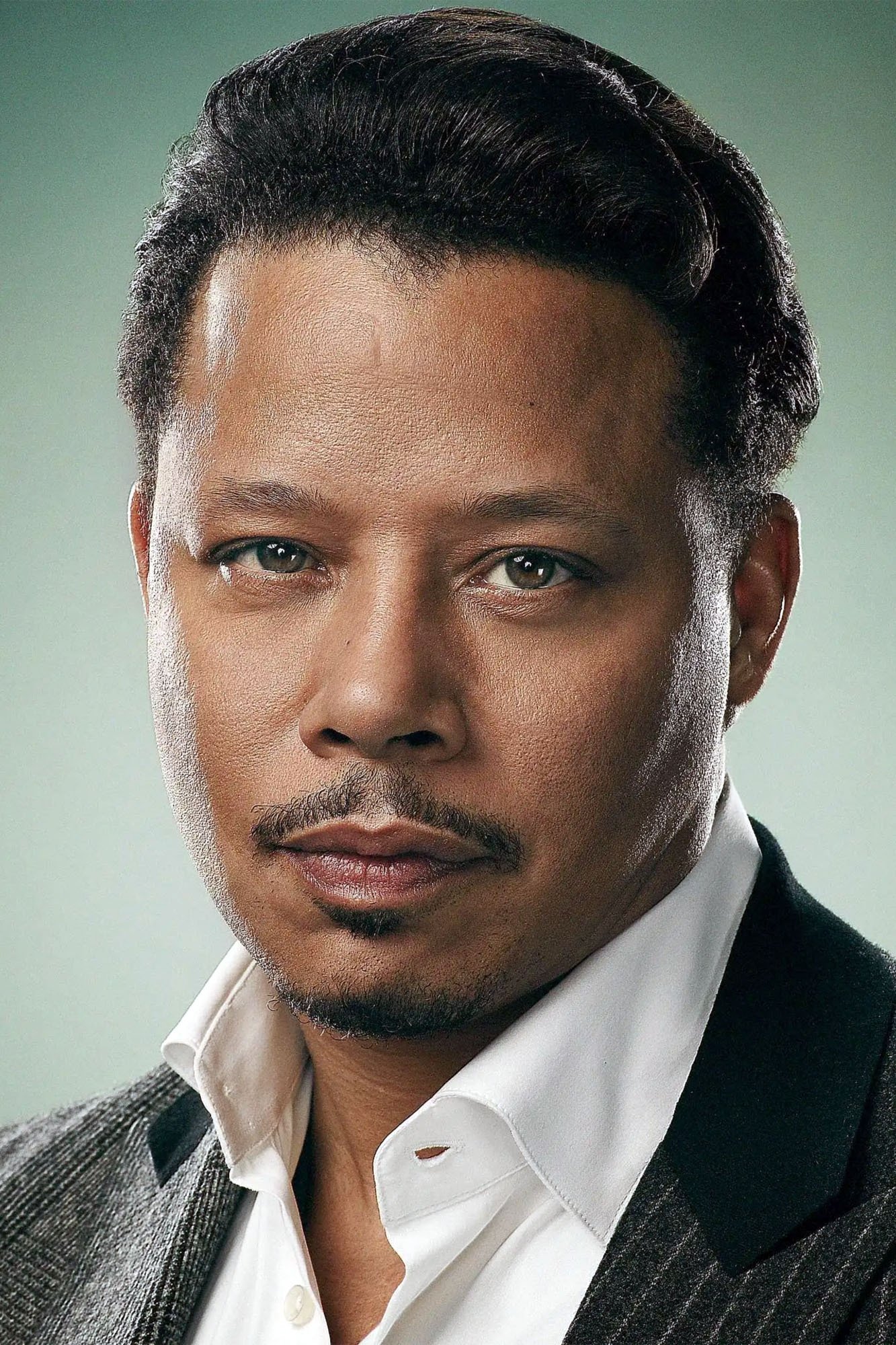
Terrence Howard was a key part of the initial success of the Marvel Cinematic Universe before a contract dispute led to his replacement. He has claimed that he was pushed out of the franchise after being offered a significantly reduced salary for the sequel. Following this high profile exit he experienced a period where he felt the industry was less welcoming to him. He eventually found massive success again on the television series ‘Empire’ which ran for several seasons. His experience remains a notable example of how financial negotiations can impact an actor’s longevity in a franchise.
Val Kilmer
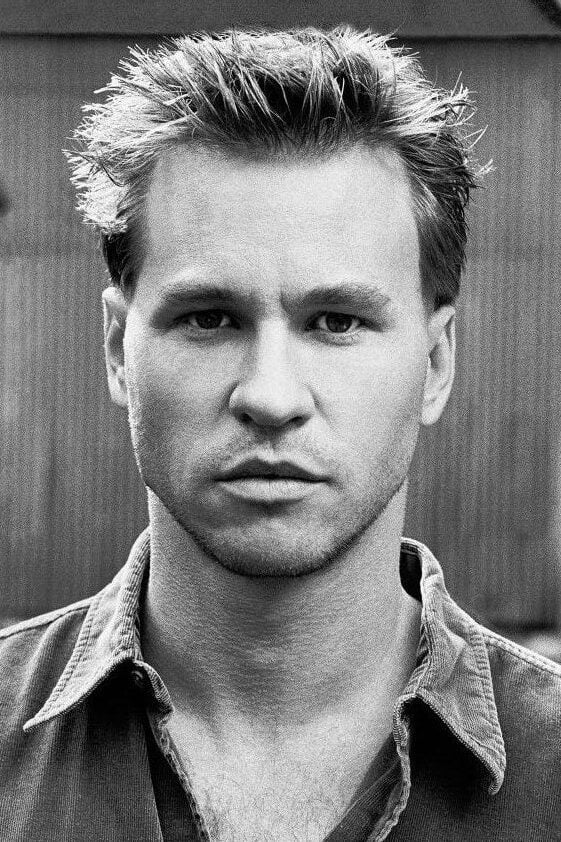
Val Kilmer was one of the biggest stars of the nineties but developed a reputation for being difficult to work with on set. Several high profile directors spoke out about their negative experiences with him during major productions. This reputation led to a decline in major studio offers as the industry shifted its focus to more reliable performers. He continued to work in smaller films and theater while dealing with personal health challenges in recent years. His appearance in ‘Top Gun: Maverick’ marked a poignant return to the big screen for the veteran actor.
Danny Glover
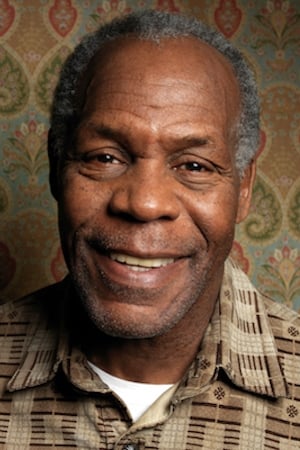
Danny Glover has faced professional pushback throughout his career due to his vocal political activism and human rights work. He has been a consistent critic of various government policies and has supported labor movements across the globe. Some industry observers have suggested that his outspoken nature led to fewer leading roles in major studio films later in his career. Despite these challenges he has remained a respected figure in the industry and has continued to work in international cinema. His commitment to his principles has often taken precedence over his commercial standing.
Tim Robbins
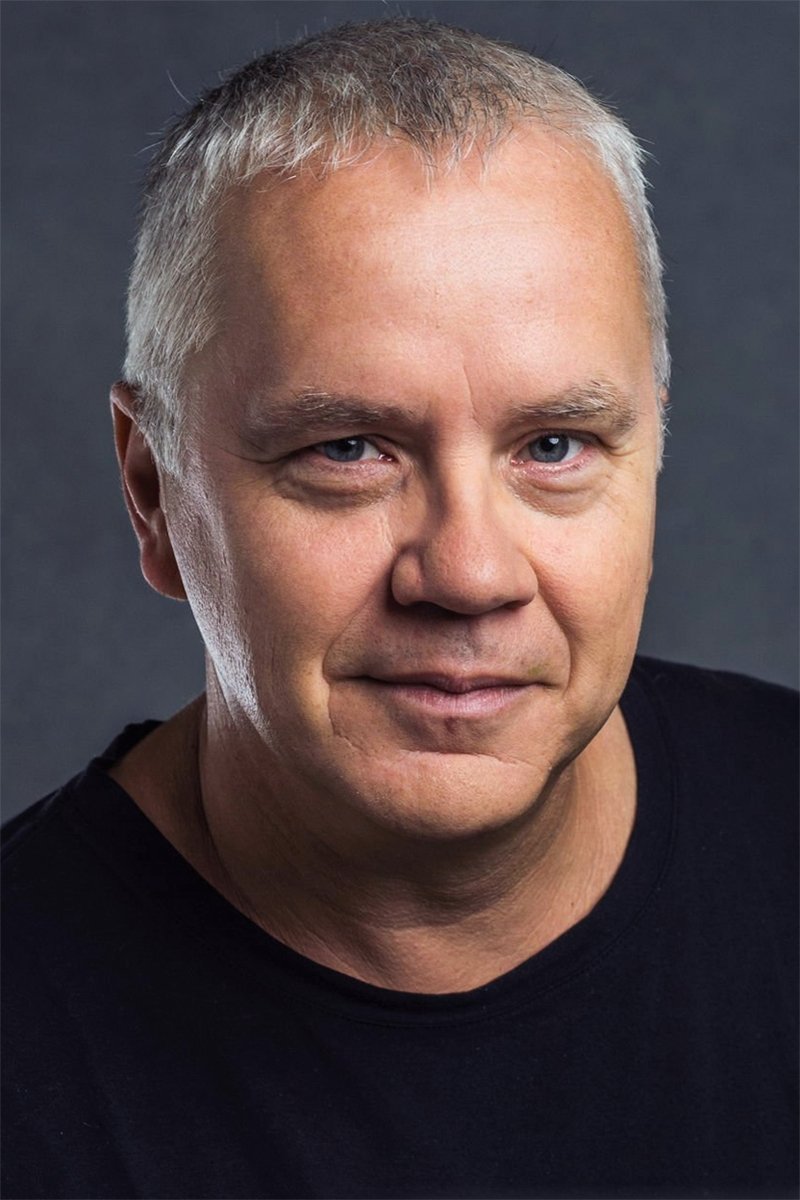
Tim Robbins is an Academy Award winning actor who experienced a period of professional quiet following his public opposition to the war in Iraq. He and his then partner were famously disinvited from various industry events during the height of the political tension. He noticed a significant drop in the number of high profile scripts being sent his way during that period. While he continued to work he often focused on independent projects and his own theater company. He has since returned to more mainstream roles but the period of exclusion remains a part of his career history.
John Cusack
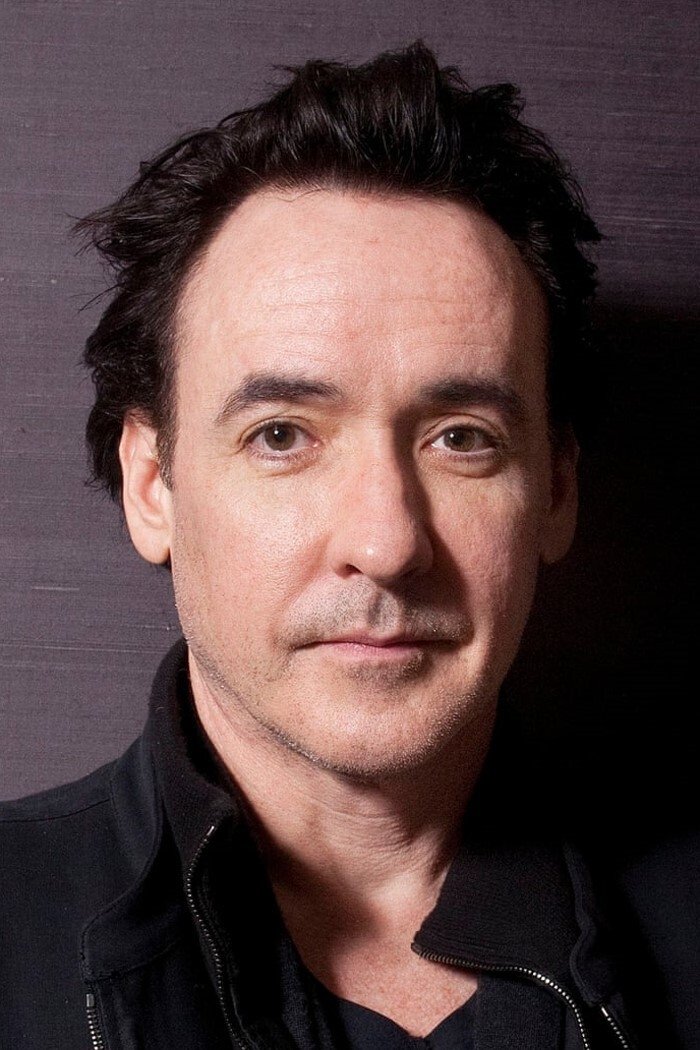
John Cusack has been a vocal critic of the modern Hollywood studio system and the types of films being produced today. He has spoken out about the lack of creative freedom and the corporate nature of the current entertainment landscape. Some industry insiders believe that his candid remarks and political activism have led to a decrease in major studio opportunities. He has largely shifted his focus to independent films and projects that align with his personal interests. His career trajectory illustrates a move away from the traditional studio model.
Kevin Spacey
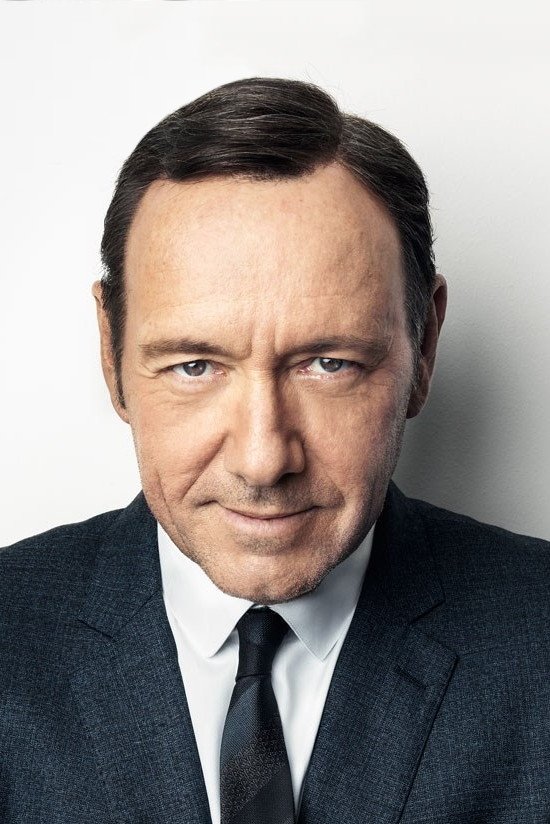
Kevin Spacey was one of the most respected actors in Hollywood until a series of allegations led to a sudden and total industry collapse. He was immediately removed from his leading role in ‘House of Cards’ and was even replaced in a completed film. The studios and talent agencies cut ties with him almost overnight as the controversy grew. He has faced several legal battles in the years following the initial reports and remained off screen for a long period. His case is a prime example of the modern era of immediate professional exclusion.
Armie Hammer
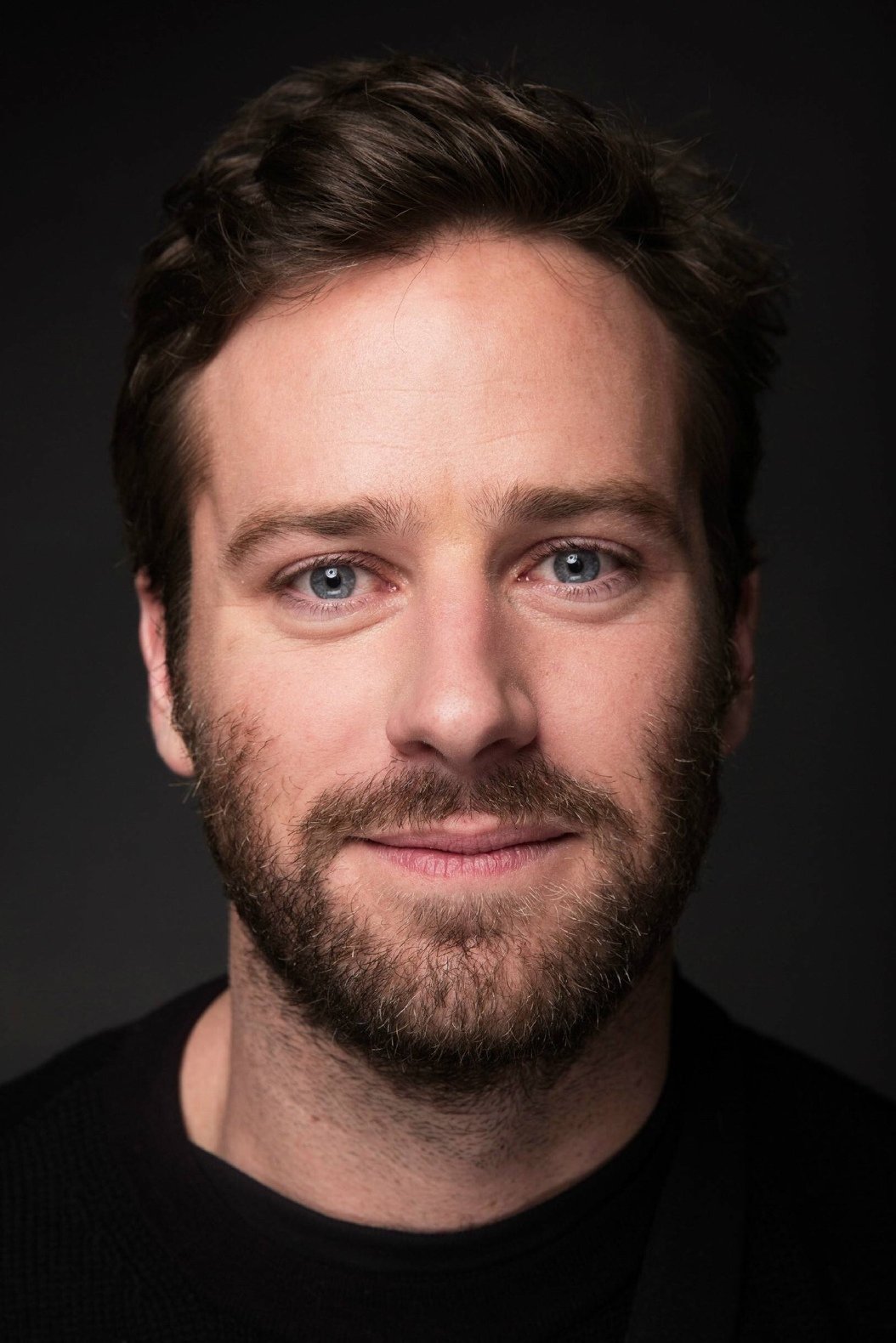
Armie Hammer saw his career come to an abrupt halt following a series of disturbing personal allegations that surfaced online. He was quickly dropped by his talent agency and removed from several upcoming high profile film projects. Major studios distanced themselves from the actor as the public outcry and legal scrutiny intensified. He has not appeared in a major Hollywood production since the controversy began. His rapid fall from grace highlights the current industry sensitivity to personal conduct and social media scandals.
James Franco
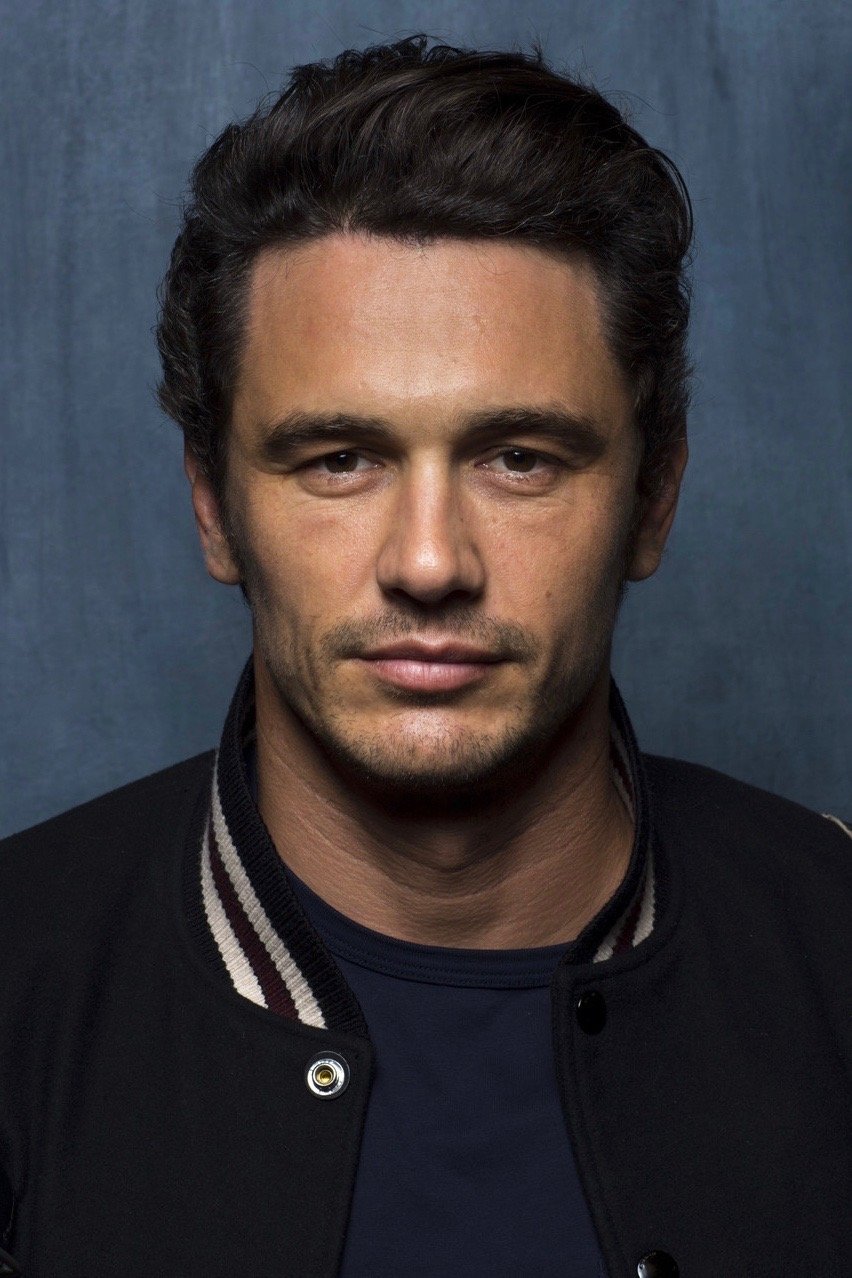
James Franco experienced a significant professional decline following allegations of misconduct involving his former students. While he was once a prolific actor and director his output in the mainstream studio system has largely ceased. He has faced public criticism and legal challenges that have made him a risky choice for major production companies. He has largely remained out of the spotlight while focusing on personal matters and smaller projects. The situation demonstrates how quickly a multifaceted career can be impacted by serious allegations.
Shia LaBeouf
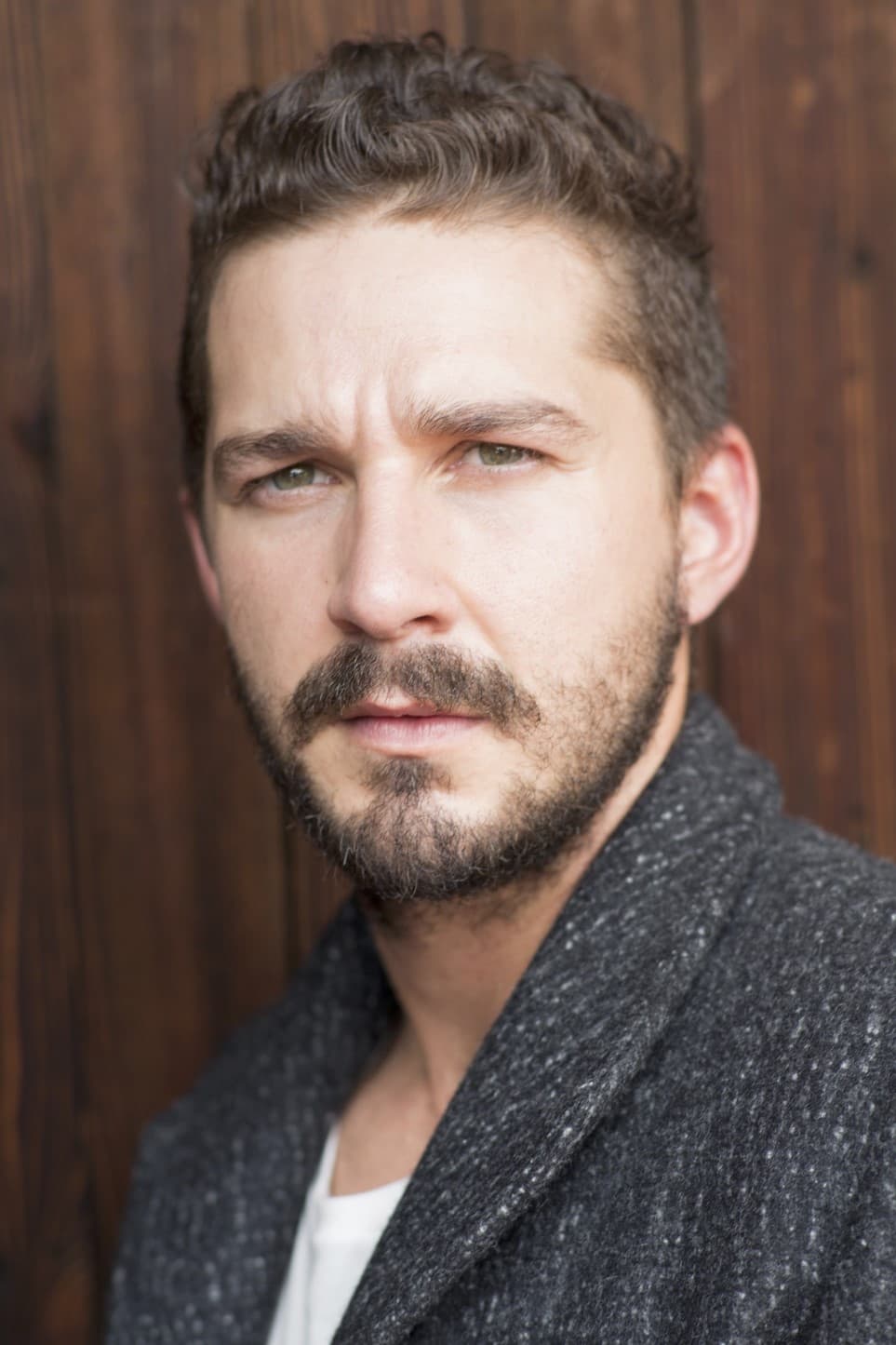
Shia LaBeouf has had a tumultuous relationship with Hollywood studios due to his legal issues and eccentric public behavior. He has been involved in several high profile incidents that led to a reputation for being unpredictable and difficult to insure. Some major studios have hesitated to cast him in large scale productions despite his recognized acting talent. He has recently focused on performance art and intense roles in independent films to maintain his creative output. His career remains a fascinating study in the balance between talent and personal volatility.
Adrien Brody
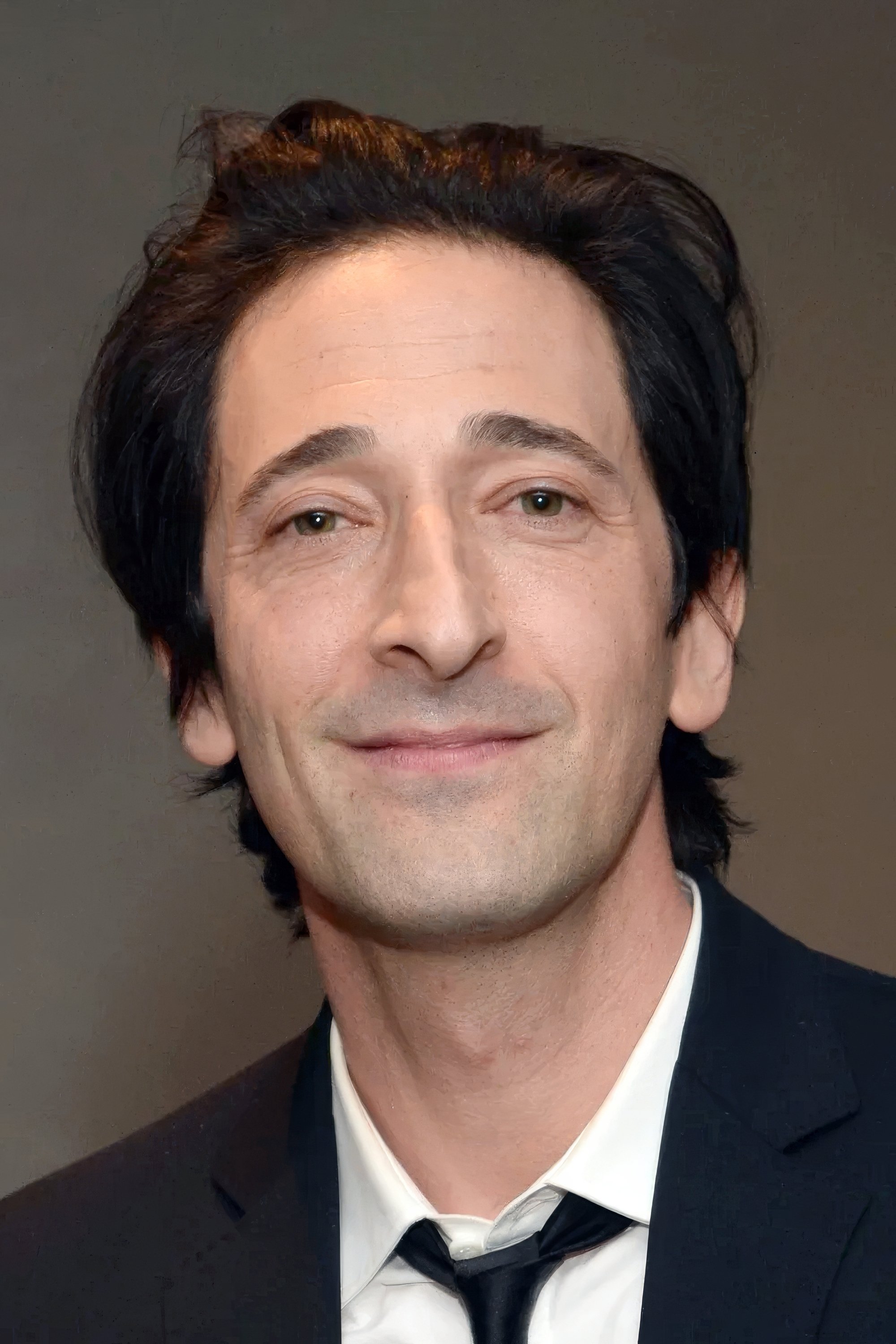
Adrien Brody won an Academy Award at a young age but reportedly faced a cooling of interest from major studios afterward. Some attribute this to his reputation for being selective and his unconventional approach to certain roles. There were also rumors that an unscripted moment at the Oscars led to some industry figures viewing him as unpredictable. While he has had a steady career he has rarely returned to the level of major studio leading man status he once held. He remains a highly sought after character actor in international and independent cinema.
Richard Dreyfuss
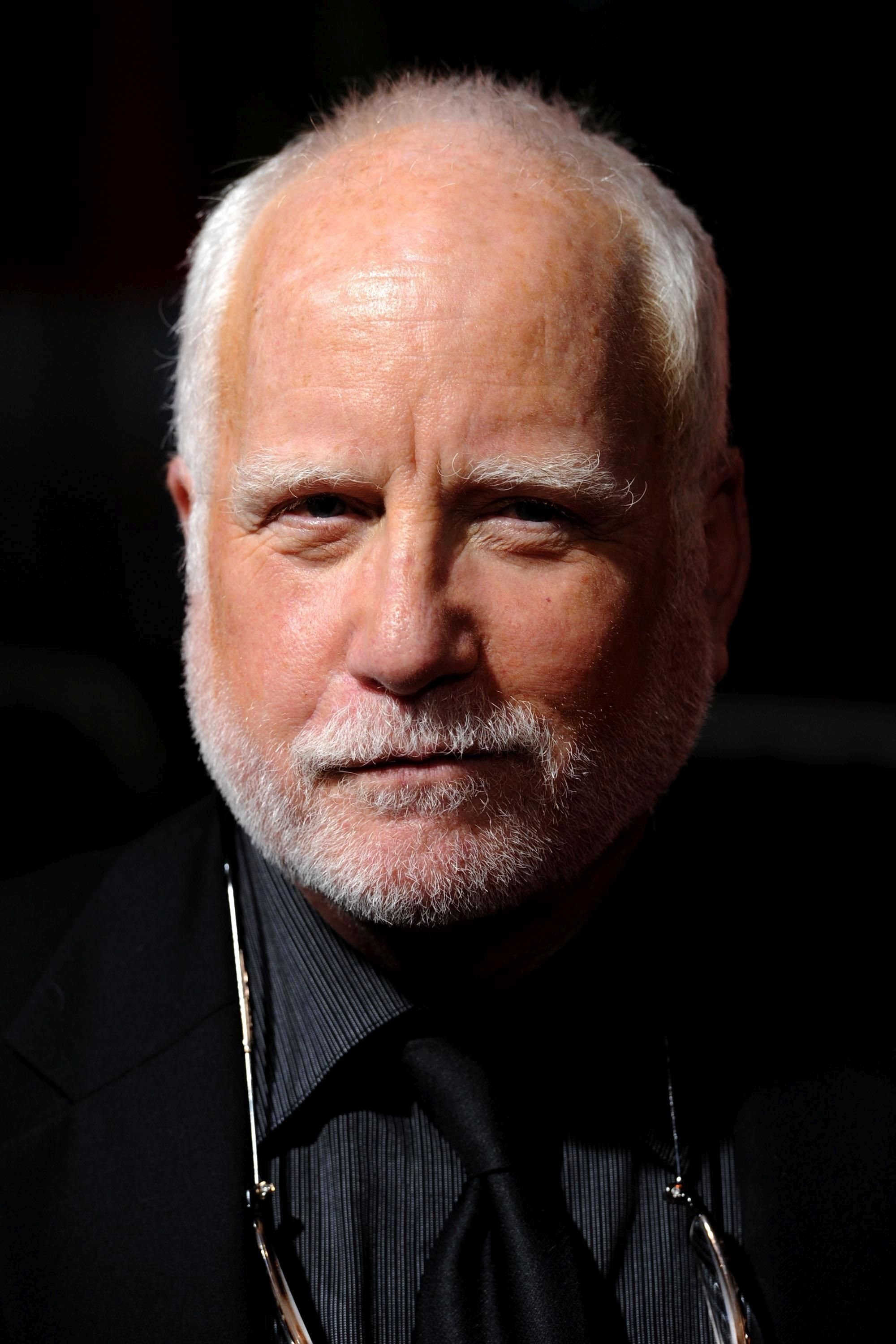
Richard Dreyfuss has spoken openly about how his career suffered due to his personal struggles and a reputation for being opinionated. He has mentioned that there were periods where the phone stopped ringing because of how he was perceived by industry executives. His outspoken nature on political and social issues has also made him a controversial figure at various points in his life. Despite these hurdles he has maintained a long career and remains one of the most recognizable actors of his generation. He continues to work and participate in discussions about the state of modern cinema.
Jeffrey Tambor
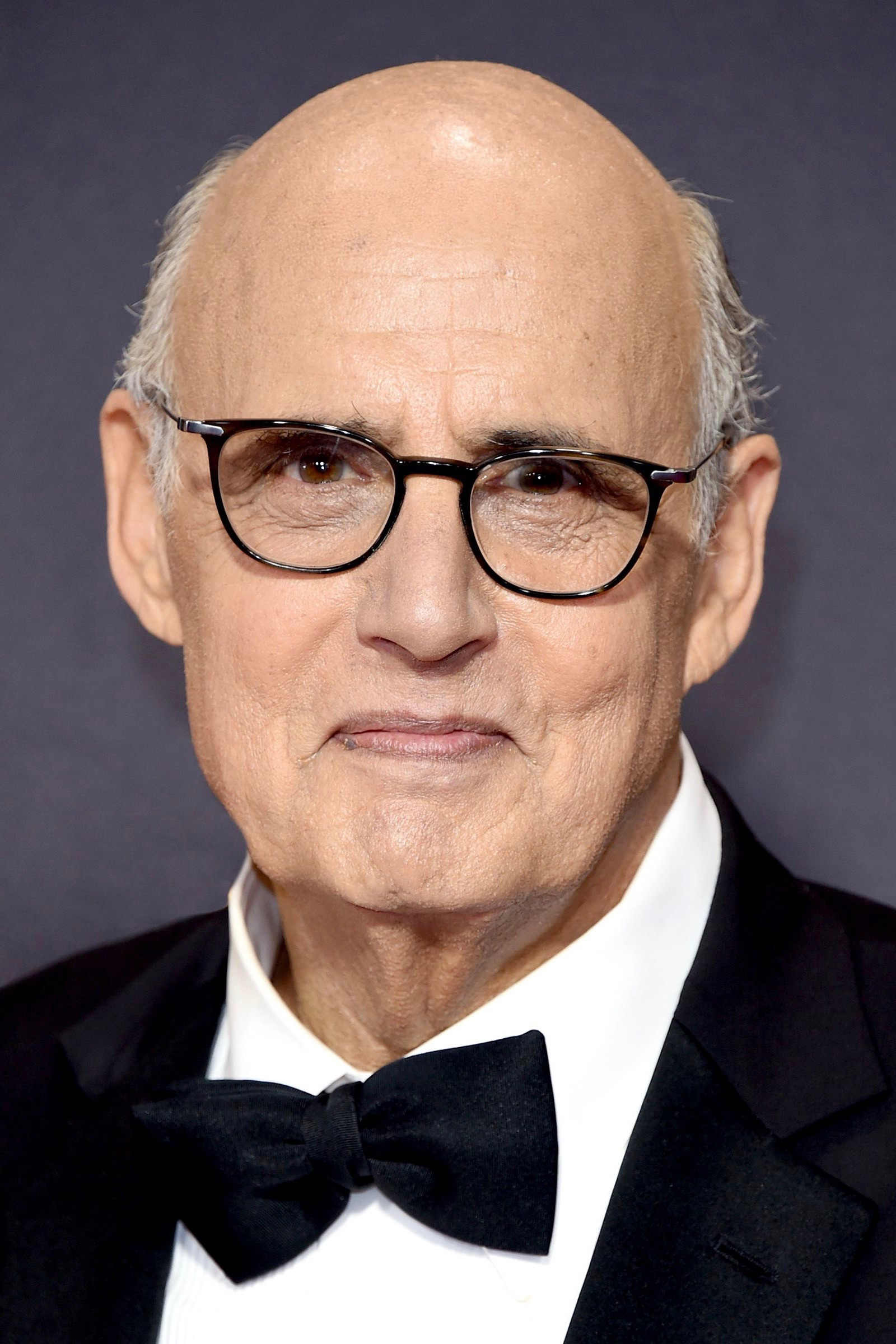
Jeffrey Tambor was removed from a critically acclaimed streaming series following allegations of misconduct on set. The controversy led to a sudden halt in his professional momentum and a distancing by major production companies. He has found it difficult to secure new roles in the mainstream industry since the conclusion of the internal investigation. While he had a long and successful career before the incident his recent professional life has been defined by his exclusion. His case reflects the ongoing changes in industry standards regarding workplace behavior.
Thomas Gibson
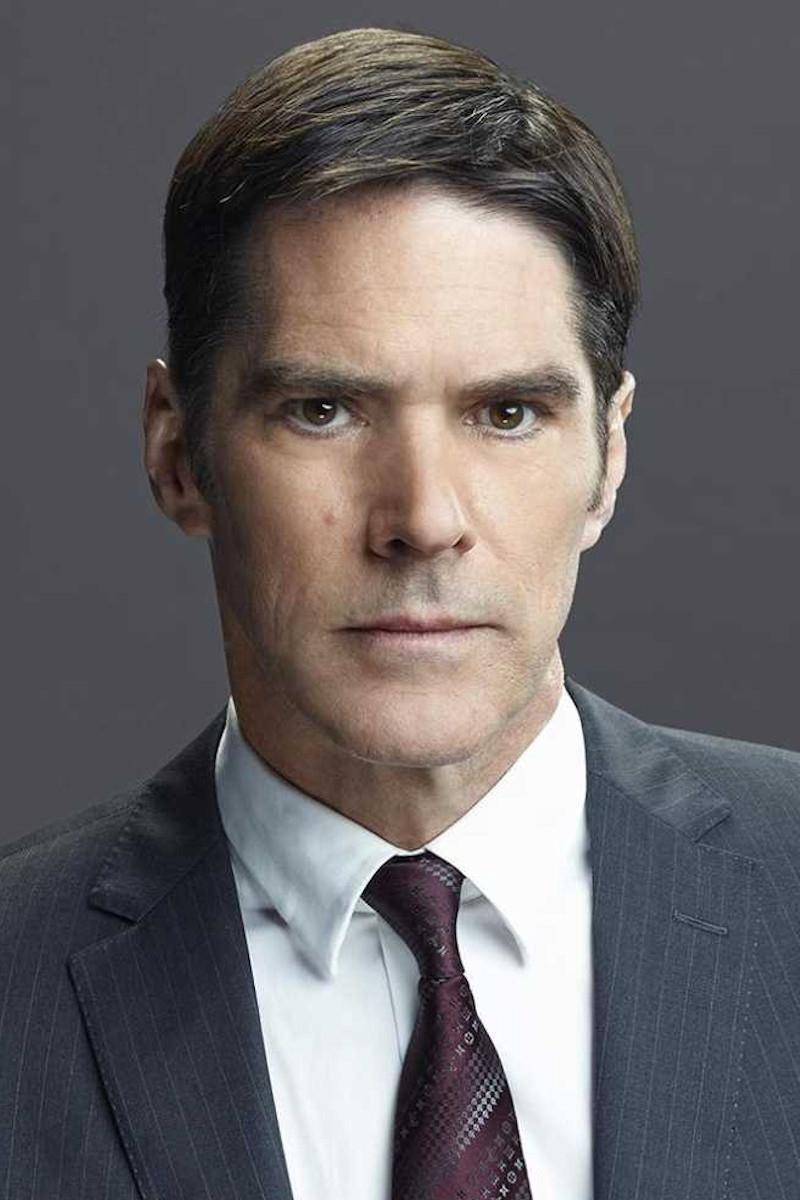
Thomas Gibson was a long time lead on a popular procedural drama until an on set altercation led to his immediate firing. The network and production studio decided to terminate his contract following reports of a physical confrontation with a producer. Since his departure he has not returned to a major television series or appeared in high profile studio films. The incident damaged his professional reputation and served as a reminder of the consequences of workplace conflict. He has maintained a low profile while working on smaller independent projects.
Columbus Short
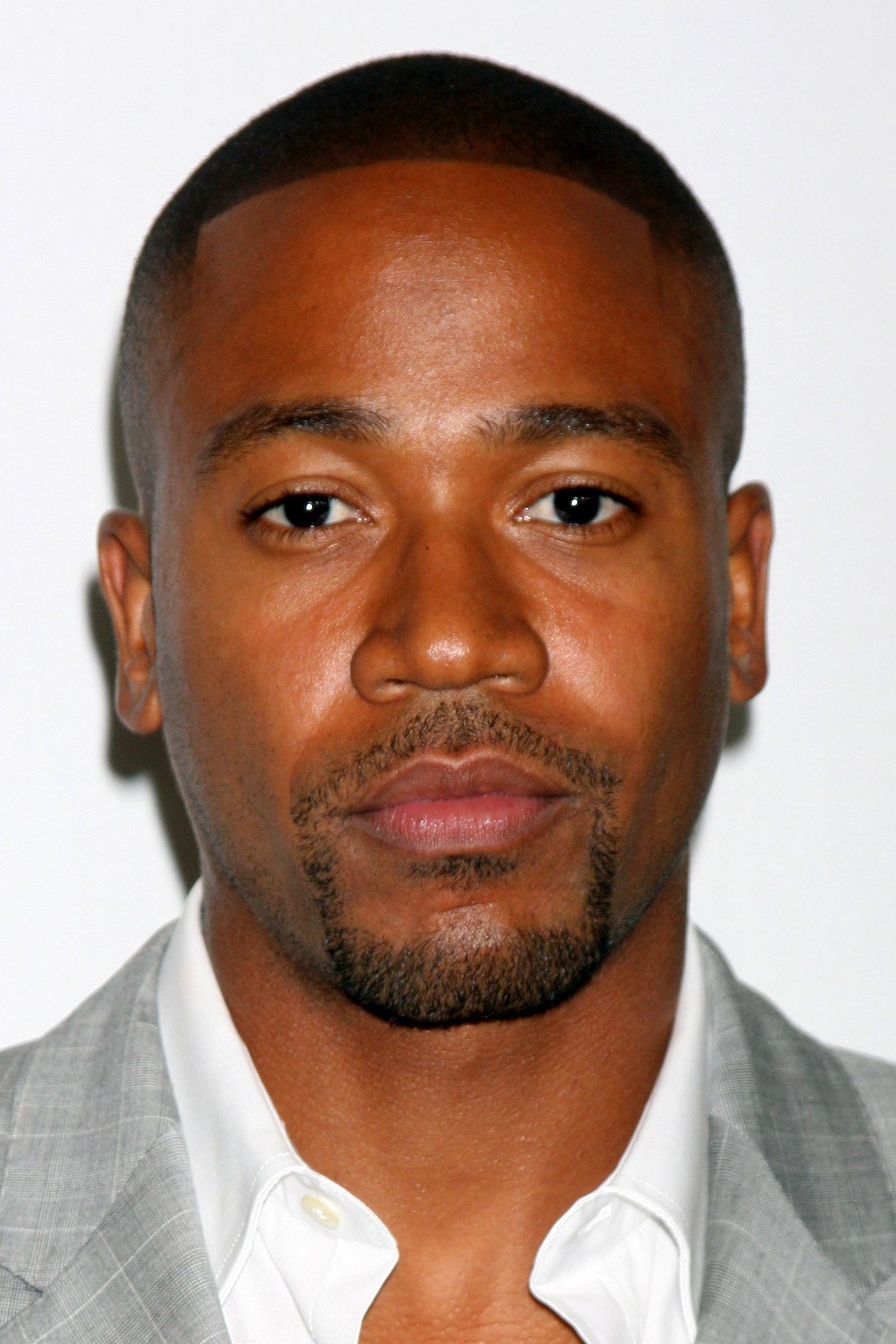
Columbus Short was a rising star in television and film before personal legal issues and domestic controversies impacted his career. He was removed from a hit television series and found it increasingly difficult to secure work with major studios. The negative publicity surrounding his personal life made him a difficult sell for mainstream production companies. He has been vocal about his struggles and his efforts to rebuild his reputation in the years since. His experience highlights the impact of personal conduct on professional longevity in the public eye.
Jonathan Majors
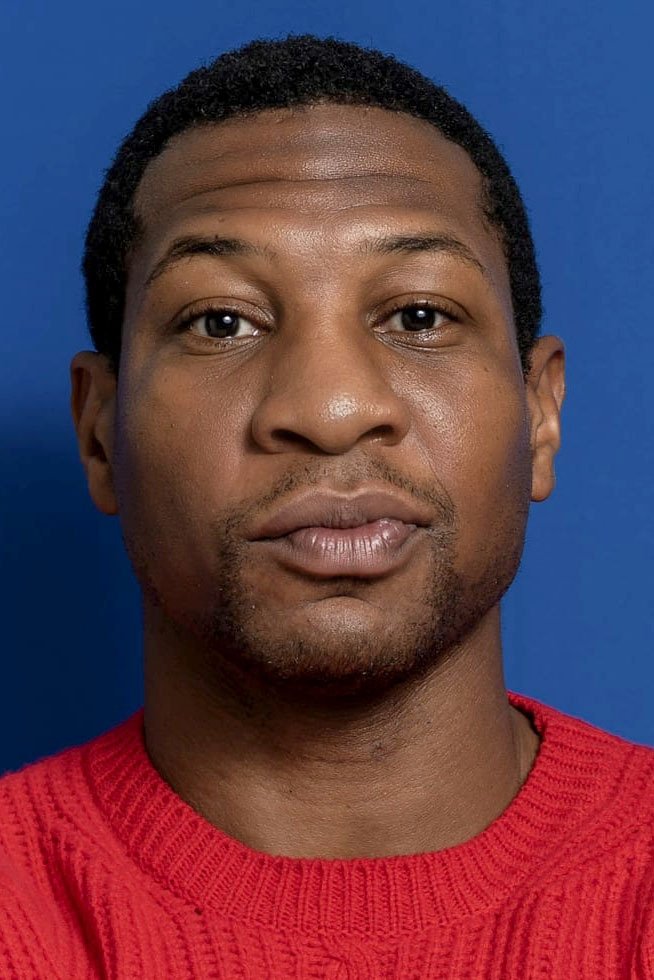
Jonathan Majors was poised to become the next major antagonist in a massive film franchise before legal issues derailed his trajectory. Following a conviction related to a domestic dispute he was quickly dropped by Marvel Studios and his management team. Several other high profile projects that were in development were also canceled or moved forward without him. The industry response was swift and definitive as studios sought to distance themselves from the legal controversy. His situation is one of the most recent and significant examples of modern professional exclusion.
Bill Cosby
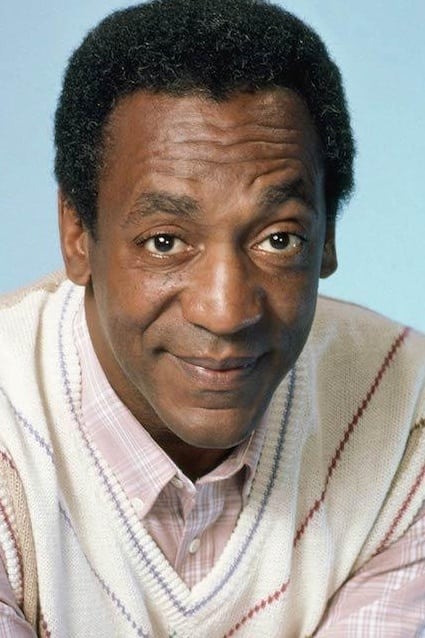
Bill Cosby was once known as America’s Dad before a massive series of criminal allegations led to his total exclusion from the industry. His television shows were pulled from syndication and he was stripped of various honorary degrees and awards. Major studios and networks cut all ties with the former comedy icon as the legal cases progressed. The downfall was absolute and resulted in a complete erasure of his standing in the entertainment world. His case remains a landmark moment in the history of celebrity accountability and industry distancing.
Danny Masterson
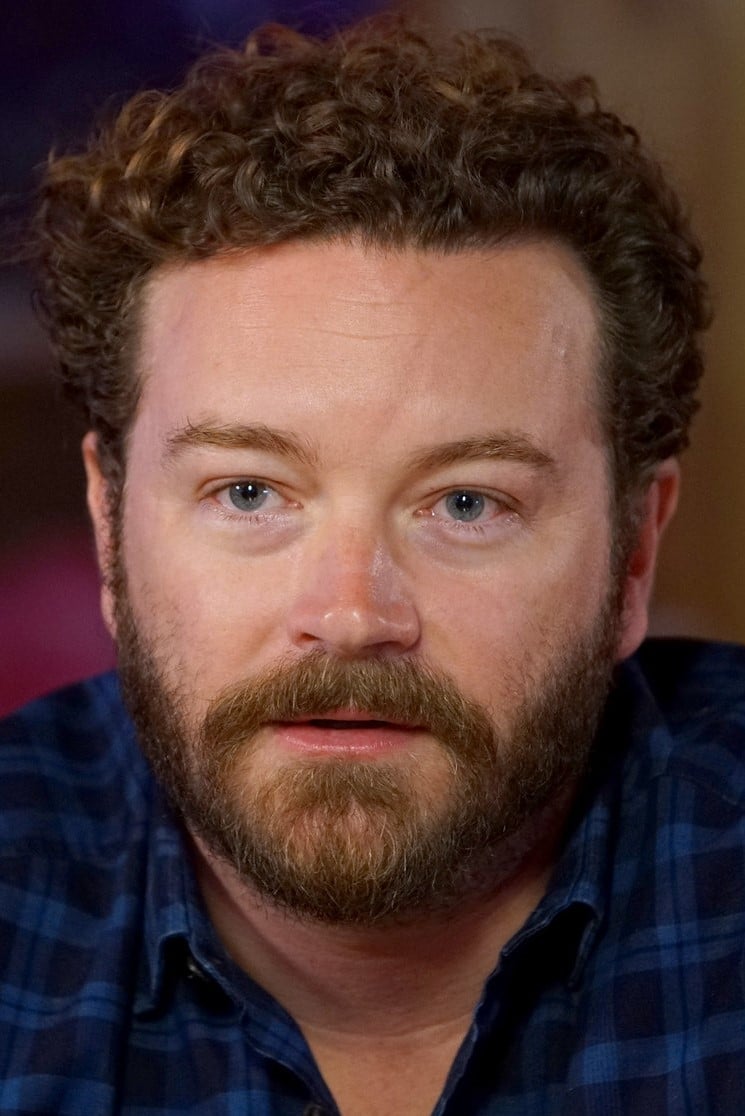
Danny Masterson was a well known television actor who was removed from a streaming series following serious criminal allegations. The studio decided to write him out of the show and cut all professional ties as the legal process moved forward. He was eventually convicted and the industry has since entirely distanced itself from his past and future work. His career ended abruptly and he has been completely excluded from all mainstream entertainment circles. The case illustrates the severity of the industry response to serious legal convictions.
Randy Quaid
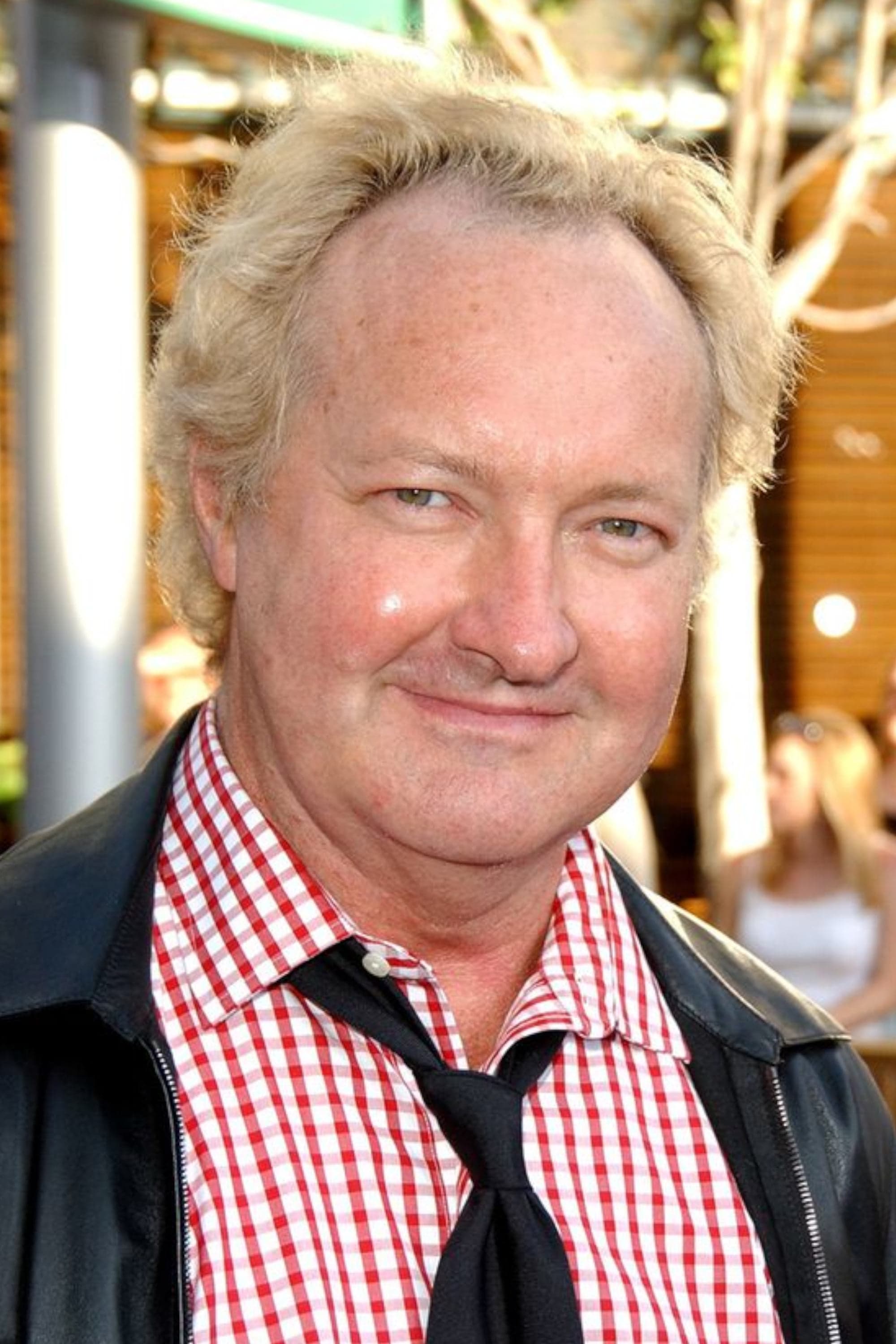
Randy Quaid has experienced a long period of professional isolation following a series of bizarre legal issues and public statements. He and his wife claimed for years that they were being targeted by a group they called the Hollywood Star Whackers. These claims and his subsequent legal troubles in both the United States and Canada made him unhireable for major studios. He was once a busy character actor but has been absent from mainstream cinema for over a decade. His story is one of the more unusual cases of career collapse in Hollywood history.
Wes Bentley
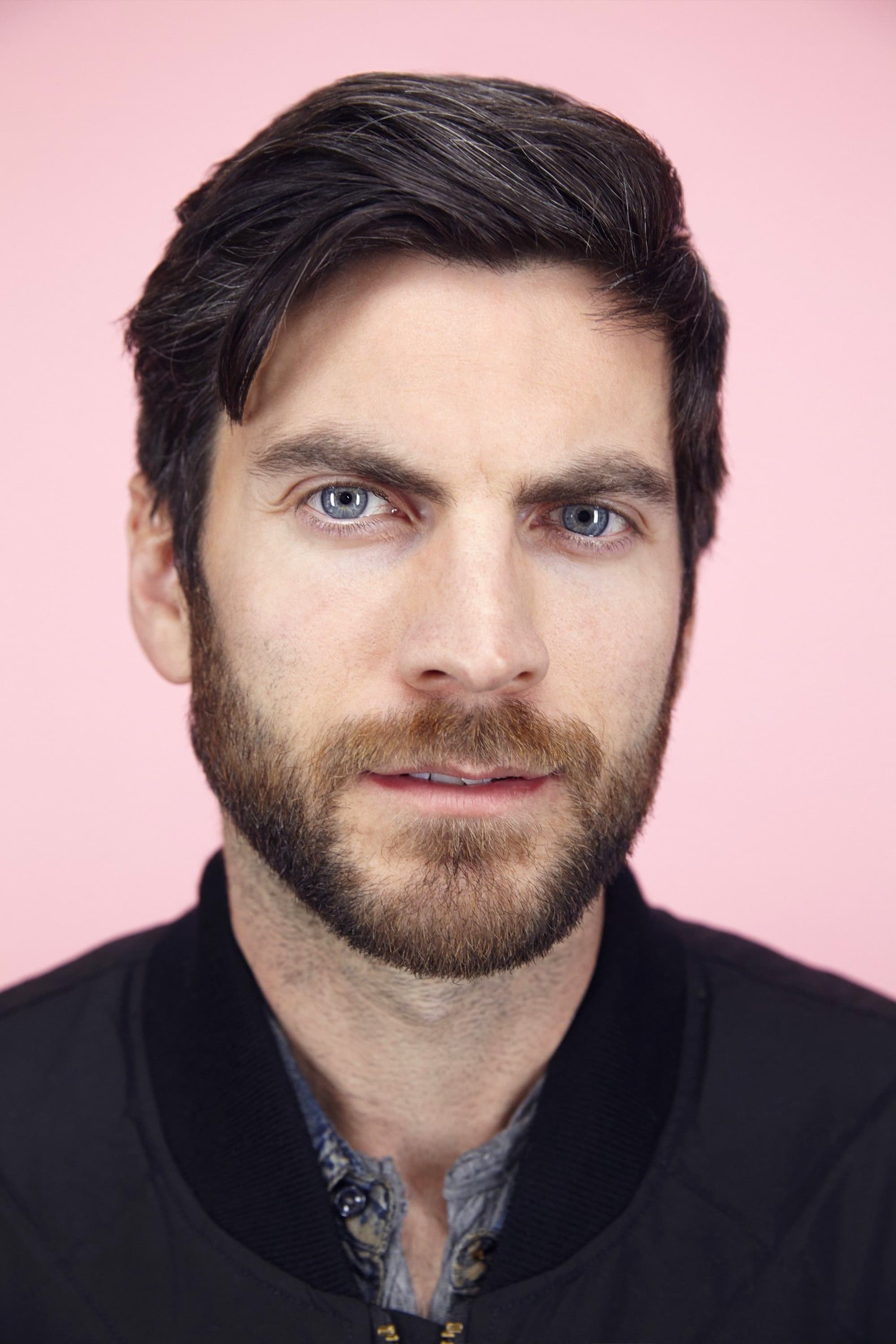
Wes Bentley faced a significant career slump following his breakout role in ‘American Beauty’ due to severe substance abuse issues. He has spoken about how he spent years avoiding work and being considered a risk by major production companies. He was essentially out of the industry for a long period while he struggled with his personal demons. He eventually managed to achieve sobriety and successfully rebuilt his career with roles in ‘Yellowstone’ and other major projects. His journey is a rare example of an actor successfully returning after a long period of professional exclusion.
T.J. Miller
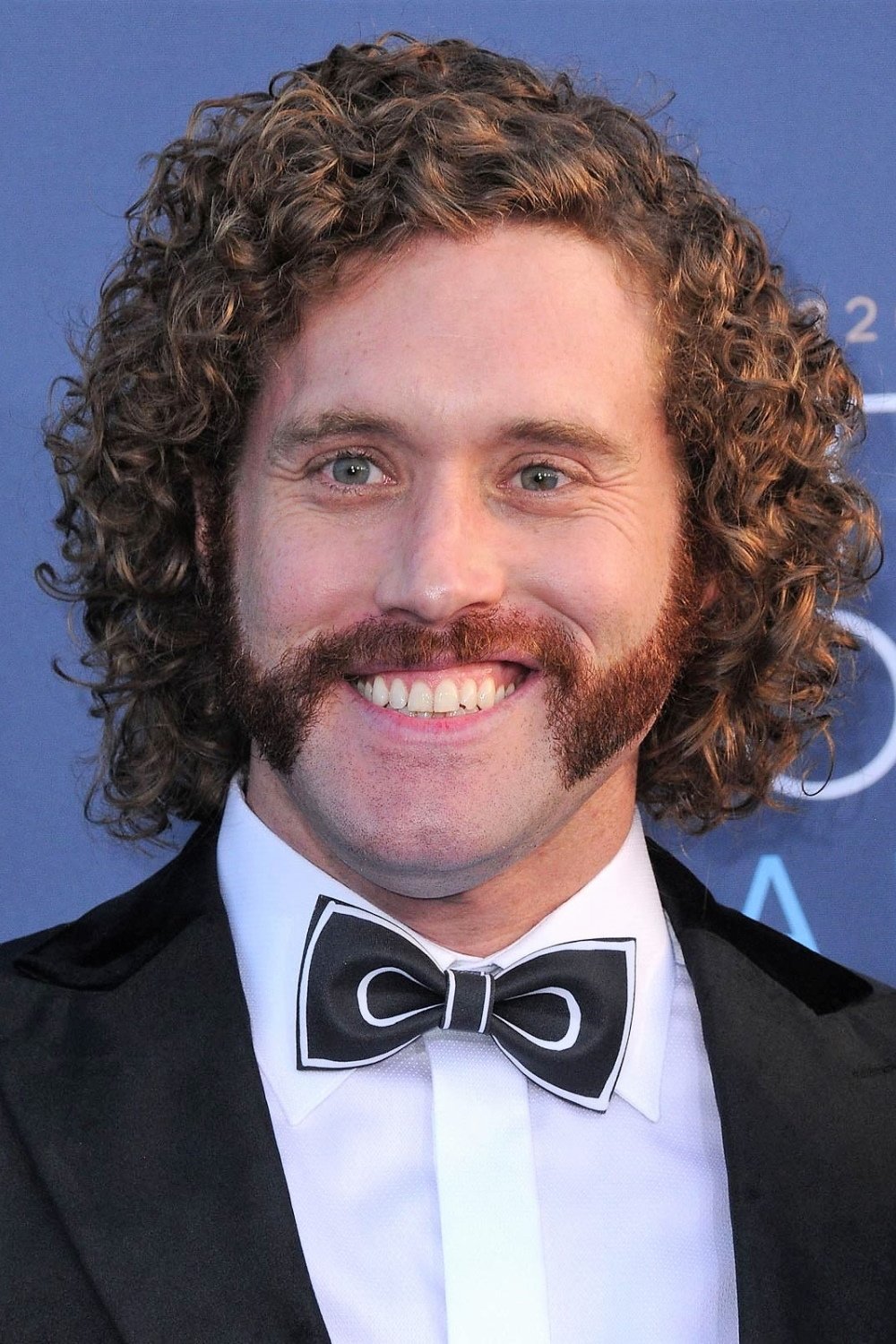
T.J. Miller was a successful comedic actor in both film and television before a series of allegations and controversies impacted his career. Reports of workplace misconduct and a legal incident involving a false report led to him being sidelined by major studios. He was written out of a popular television series and has seen a decline in his roles in major studio films. While he continues to perform stand up comedy his presence in mainstream Hollywood has significantly diminished. His case reflects the challenges of maintaining a career amidst ongoing personal controversy.
Woody Allen
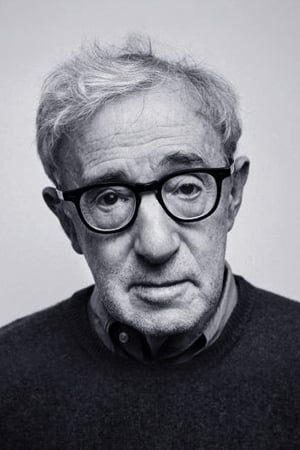
Woody Allen has faced a complex relationship with the major Hollywood studios for several decades due to personal controversies. While he continued to work for many years he eventually found it nearly impossible to secure American funding or distribution for his films. Major studios and streaming services eventually canceled contracts and distanced themselves from his creative projects. He has largely shifted his focus to European production companies to continue his filmmaking career. The situation highlights the long term professional impact of sustained public controversy.
Louis C.K.
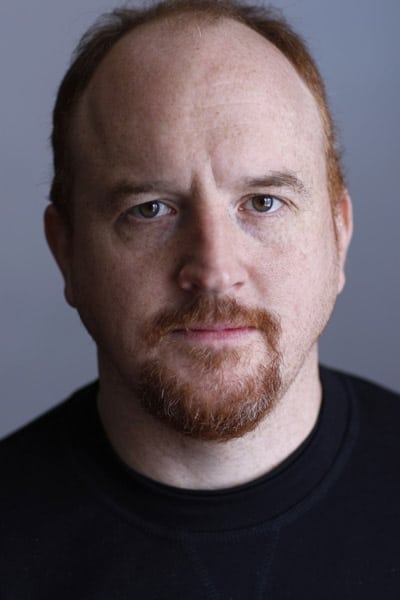
Louis C.K. experienced a total industry shutdown after he admitted to several instances of professional misconduct. His upcoming film was canceled and major networks immediately severed their ties with the comedian and actor. He was removed from various projects and his existing content was pulled from several platforms. While he has since returned to stand up comedy and self distributed projects he remains excluded from the major studio system. His downfall was one of the first major examples of the modern accountability movement in entertainment.
Drake Bell
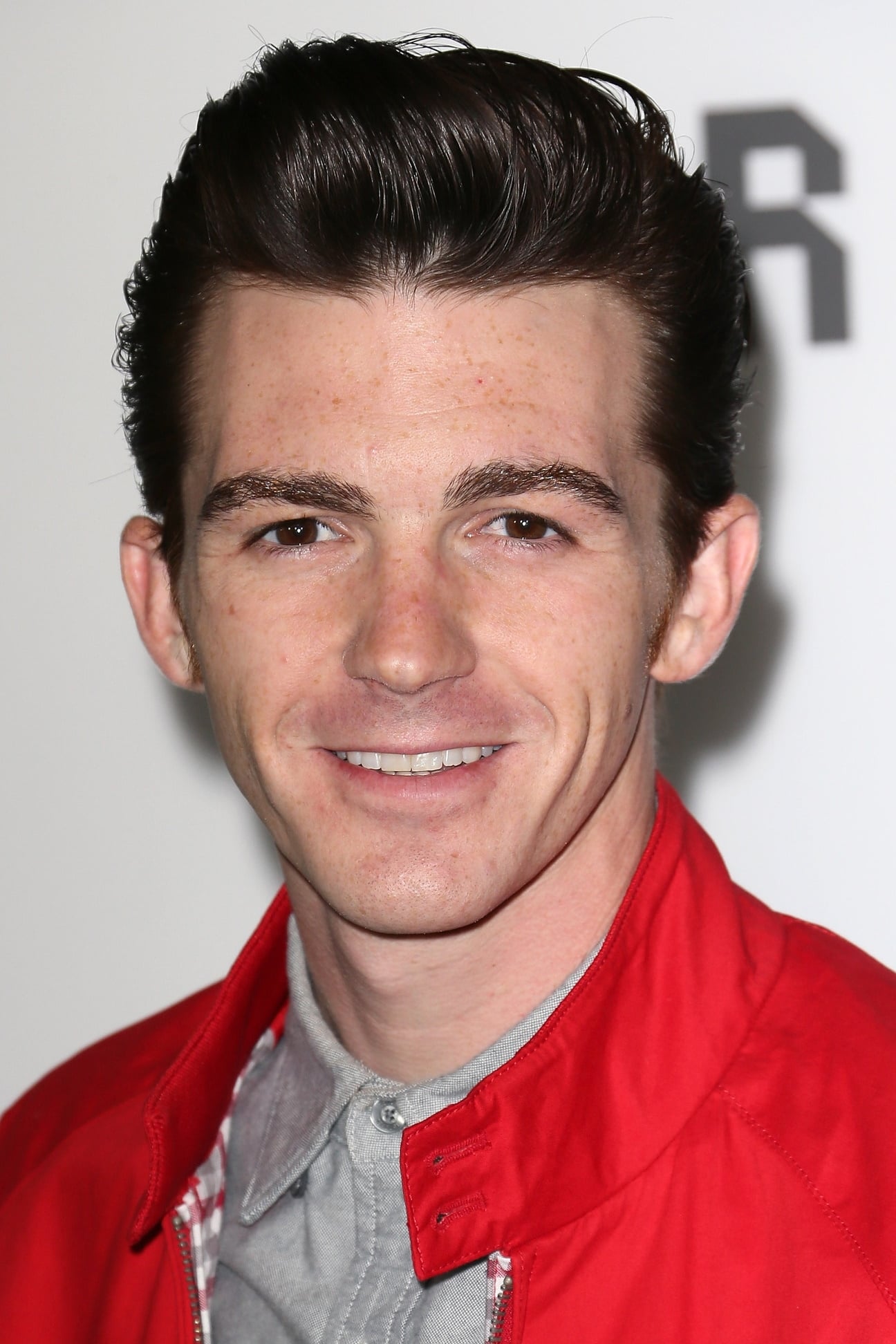
Drake Bell was a popular child star and musician who faced professional exclusion following a series of legal issues and personal controversies. His relationship with major networks and studios ended as details of his legal troubles became public. He has found it difficult to return to the mainstream success he enjoyed during his younger years. While he still has a dedicated fan base his work is now primarily focused on independent music and international appearances. His career path demonstrates the long term consequences of legal challenges for former child performers.
Lloyd Bridges
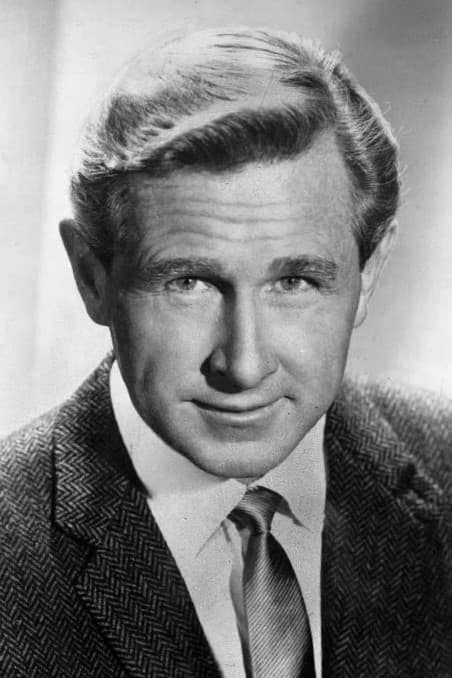
Lloyd Bridges was a successful actor who faced a brief but impactful period of being blacklisted during the early fifties. He was targeted for his past political associations and was forced to testify to save his career. The experience was deeply stressful and led to a temporary halt in his film and television work. He eventually managed to clear his name and went on to have a long and storied career in the industry. He is remembered today as a versatile performer who successfully navigated the dangers of the blacklist era.
Will Geer
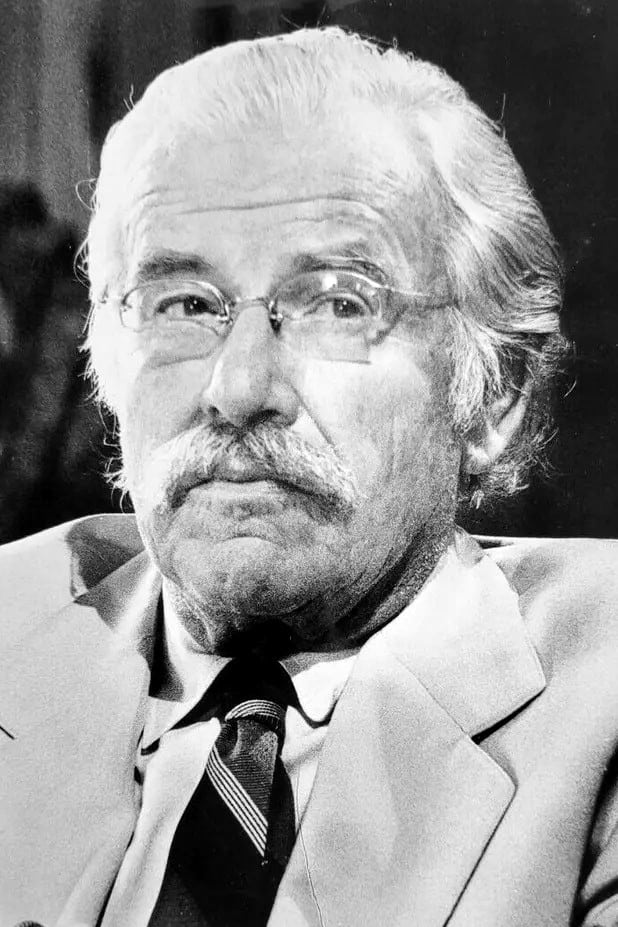
Will Geer was a veteran actor who was blacklisted for several years after refusing to cooperate with government investigators. He was a committed activist who found himself unable to secure work in Hollywood for most of the fifties. During this time he focused on his passion for botany and theater before eventually returning to the screen. He achieved his greatest mainstream success later in life as the grandfather on the hit series ‘The Waltons’. His late career resurgence is often cited as a triumph over the era of political exclusion.
Will Smith
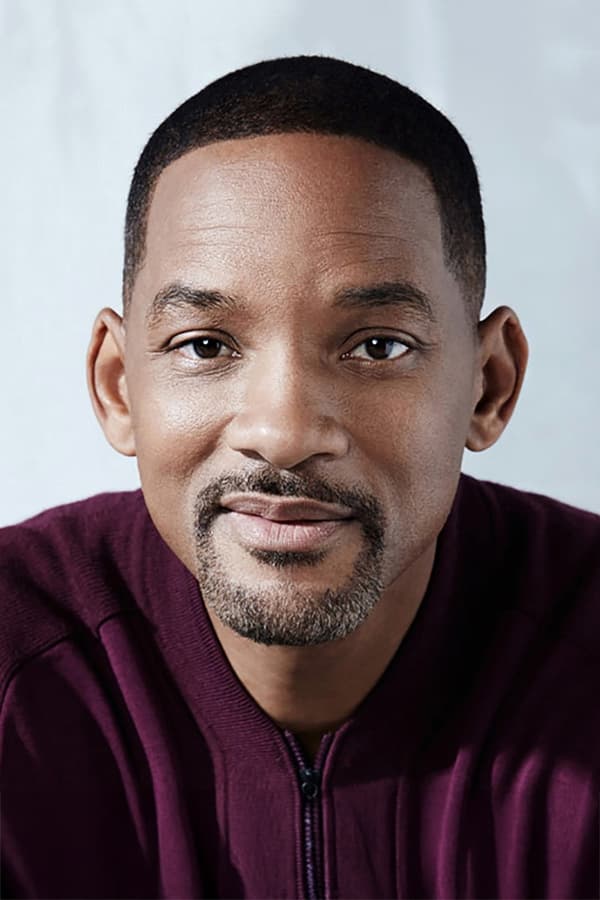
Will Smith faced an unprecedented professional setback following a highly publicized incident during an Academy Awards broadcast. Several of his upcoming projects were put on hold or moved to the back burner by major studios in the aftermath. He was also banned from attending the awards ceremony for a period of ten years as a result of his actions. While he has released one major film since the incident his standing as a leading man in the studio system has faced significant scrutiny. The situation remains one of the most talked about examples of immediate industry reaction to celebrity conduct.
Share your thoughts on which of these actors deserved a second chance in the comments.