


Actors Slammed for Defending Yellowface in Classic Films

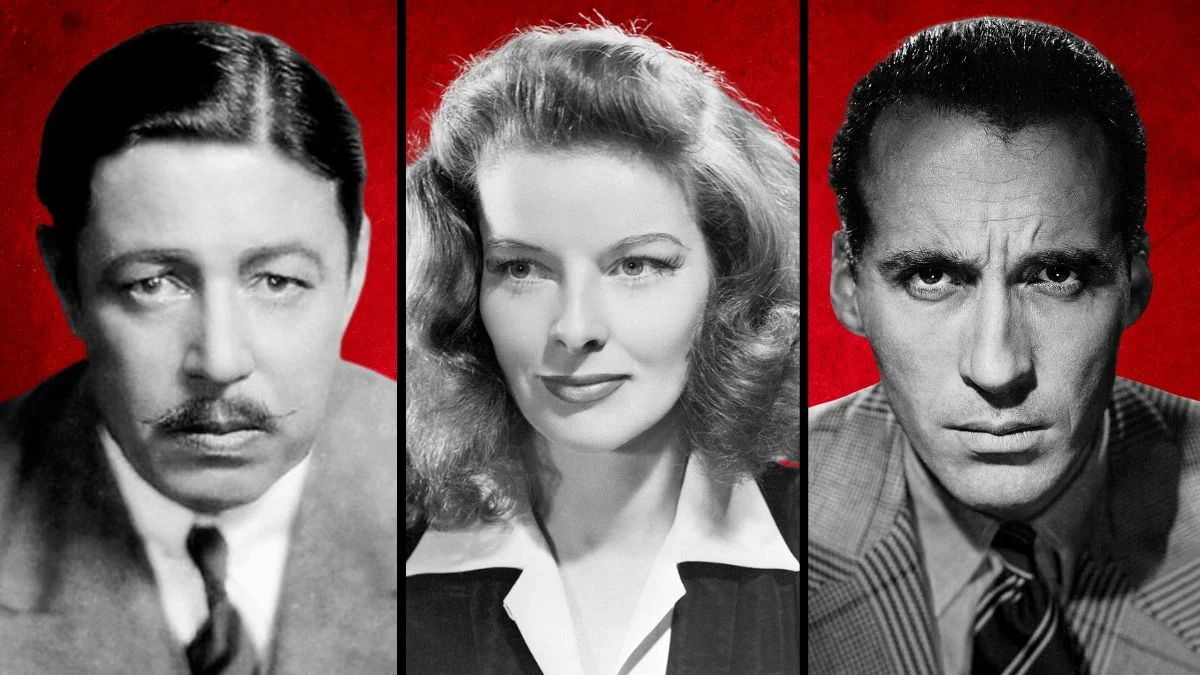


The history of cinema contains many instances where white actors were cast to play characters of Asian descent through the use of makeup and prosthetics. This practice known as yellowface has drawn intense criticism from modern audiences and historians who point to its harmful stereotypes. Many of the stars involved defended these casting choices by citing the commercial demands of the studio system or their own artistic range. These controversial performances remain a significant point of discussion regarding representation and racial bias in the film industry. The following list examines actors who faced backlash for their participation in or defense of these roles in classic movies.
Mickey Rooney
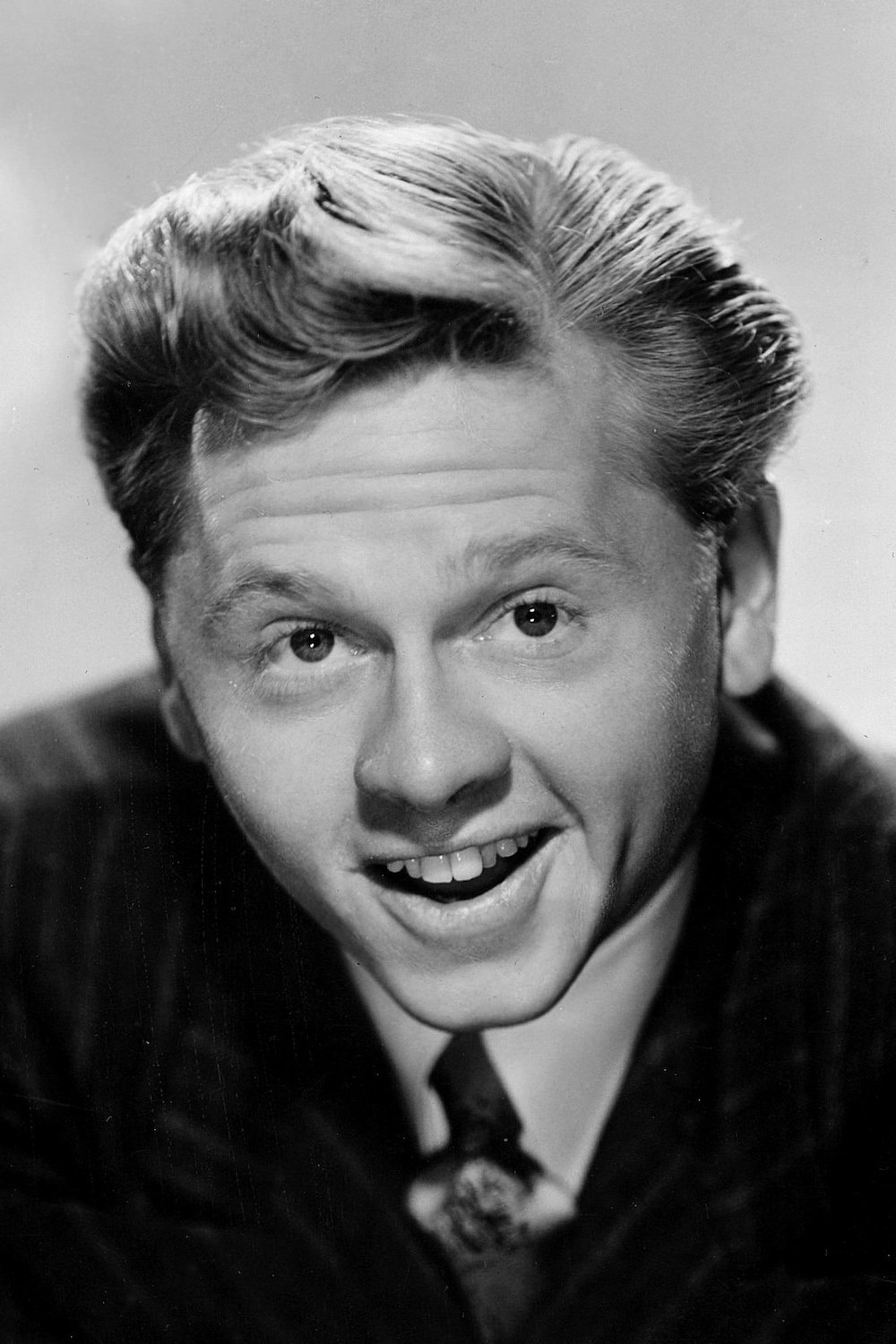
Mickey Rooney faced enduring condemnation for his portrayal of Mr. Yunioshi in the classic film ‘Breakfast at Tiffany’s’. The actor utilized buck teeth and a heavy accent to play the Japanese neighbor of the lead character. Rooney later expressed surprise at the level of offense taken by viewers and stated that he never intended to be derogatory. He maintained that the role was meant to be purely comedic and that audiences at the time of release enjoyed the performance. This role is now frequently cited as one of the most egregious examples of yellowface in Hollywood history.
Katharine Hepburn
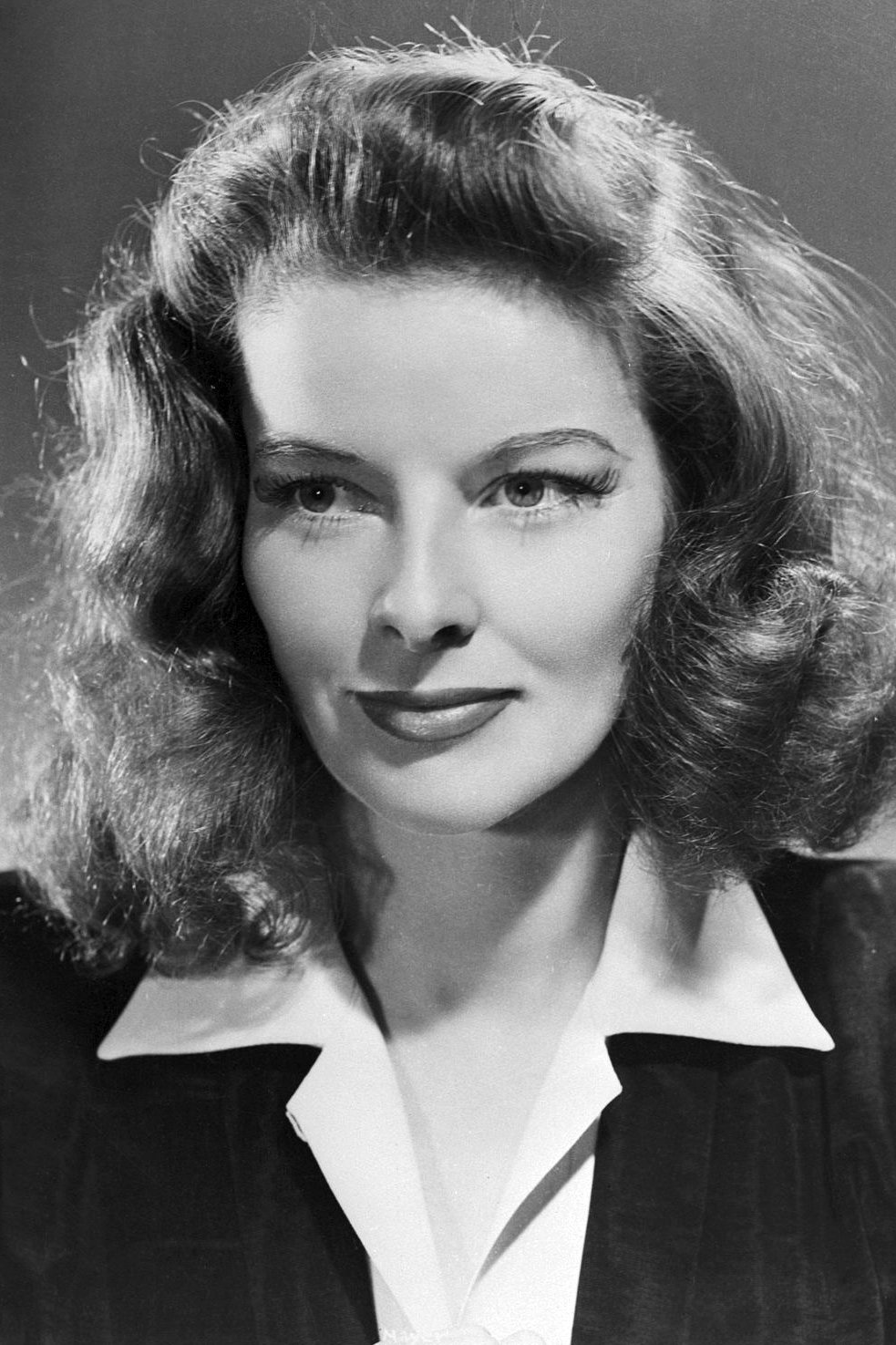
Katharine Hepburn took on the role of a Chinese woman named Jade in the 1944 film ‘Dragon Seed’. To achieve the look she had her eyelids taped and wore makeup designed to alter her features. The film was based on a novel by Pearl S. Buck and was intended to build sympathy for the Chinese resistance against Japanese invasion. Despite the serious subject matter Hepburn was criticized for the artificial nature of her appearance. She and the studio defended the casting by claiming that high profile stars were necessary to attract a large audience to the message.
Marlon Brando
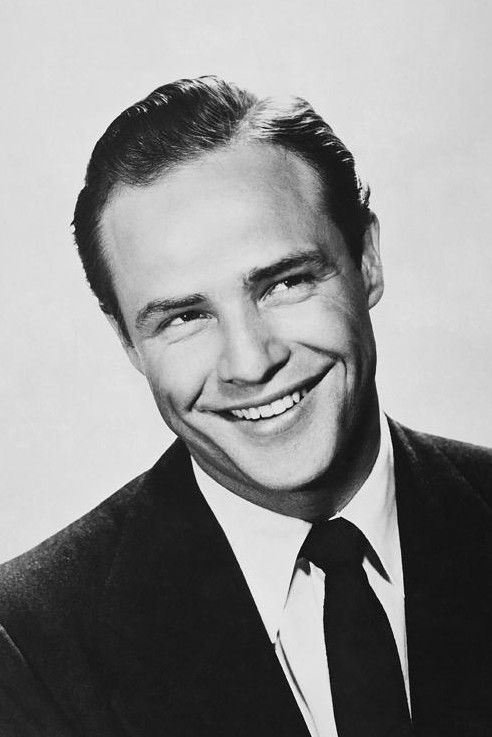
Marlon Brando appeared in the 1956 movie ‘The Teahouse of the August Moon’ as a character named Sakini. He spent hours in makeup each day to transform into an Okinawan interpreter for the United States military. Brando reportedly studied local customs and speech patterns to bring authenticity to the performance. However the use of prosthetics to change his facial structure drew significant criticism from later generations of film scholars. He defended his work as an attempt to portray the character with dignity despite the physical transformation.
John Wayne
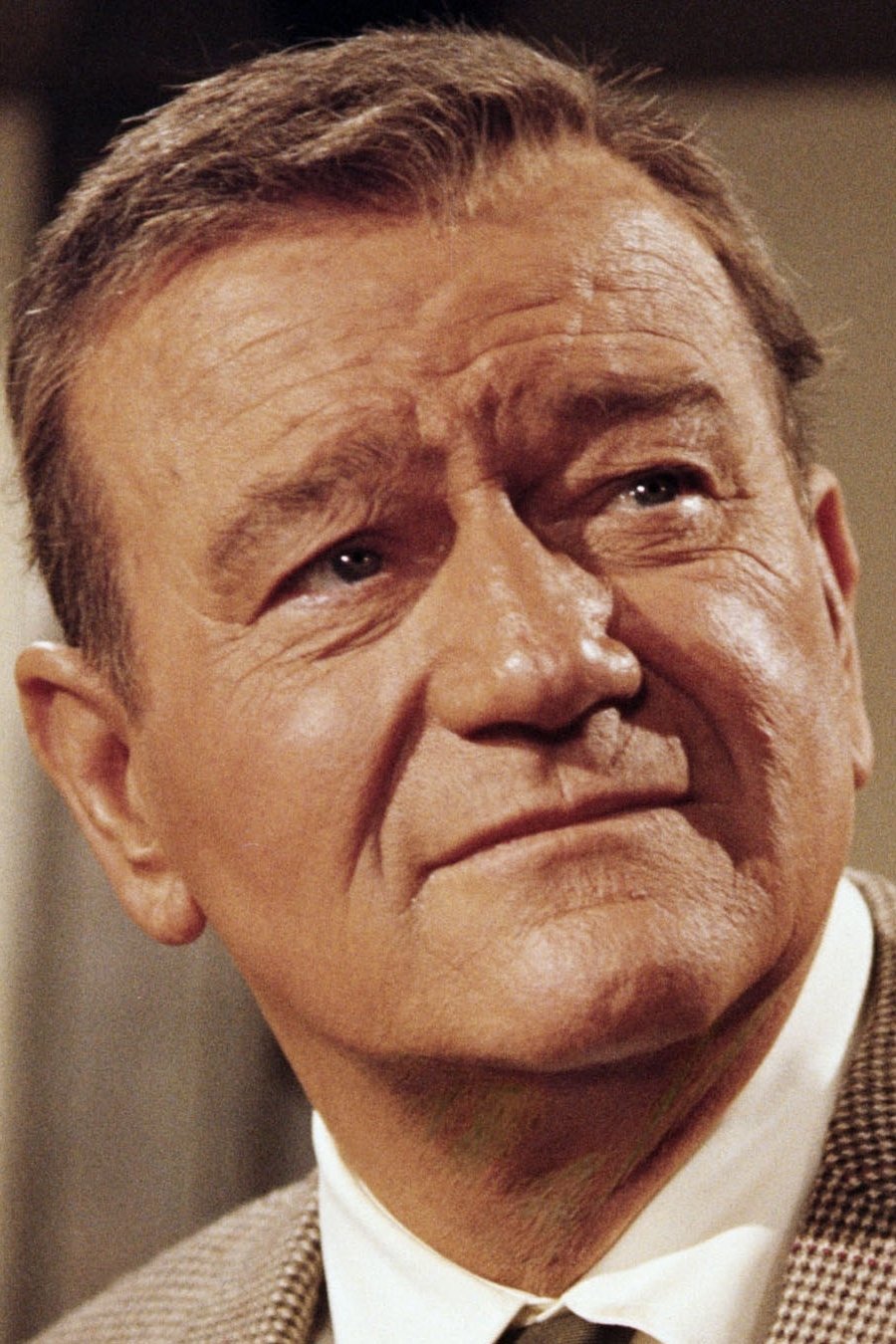
John Wayne portrayed the Mongol leader Genghis Khan in the 1956 historical epic ‘The Conqueror’. The casting of the quintessential American cowboy as an Asian conqueror is often regarded as one of the biggest missteps in cinema history. Wayne did not significantly change his vocal delivery for the role and his appearance was altered primarily through facial hair and makeup. The film was a critical failure and has since become a focal point for discussions on inappropriate casting in old Hollywood. Wayne generally stood by the project even as it was ridiculed for its historical inaccuracies.
Luise Rainer

Luise Rainer won an Academy Award for her performance as O Lan in the 1937 film ‘The Good Earth’. Although she received critical acclaim at the time her casting over actual Asian actresses has been heavily scrutinized. Rainer used subtle makeup to adjust her appearance but her presence in the role highlighted the exclusion of minority performers from leading parts. The actress expressed pride in the emotional depth she brought to the character during various interviews throughout her life. The industry defended the choice by stating that no Asian actress was considered a big enough star for the production.
Paul Muni
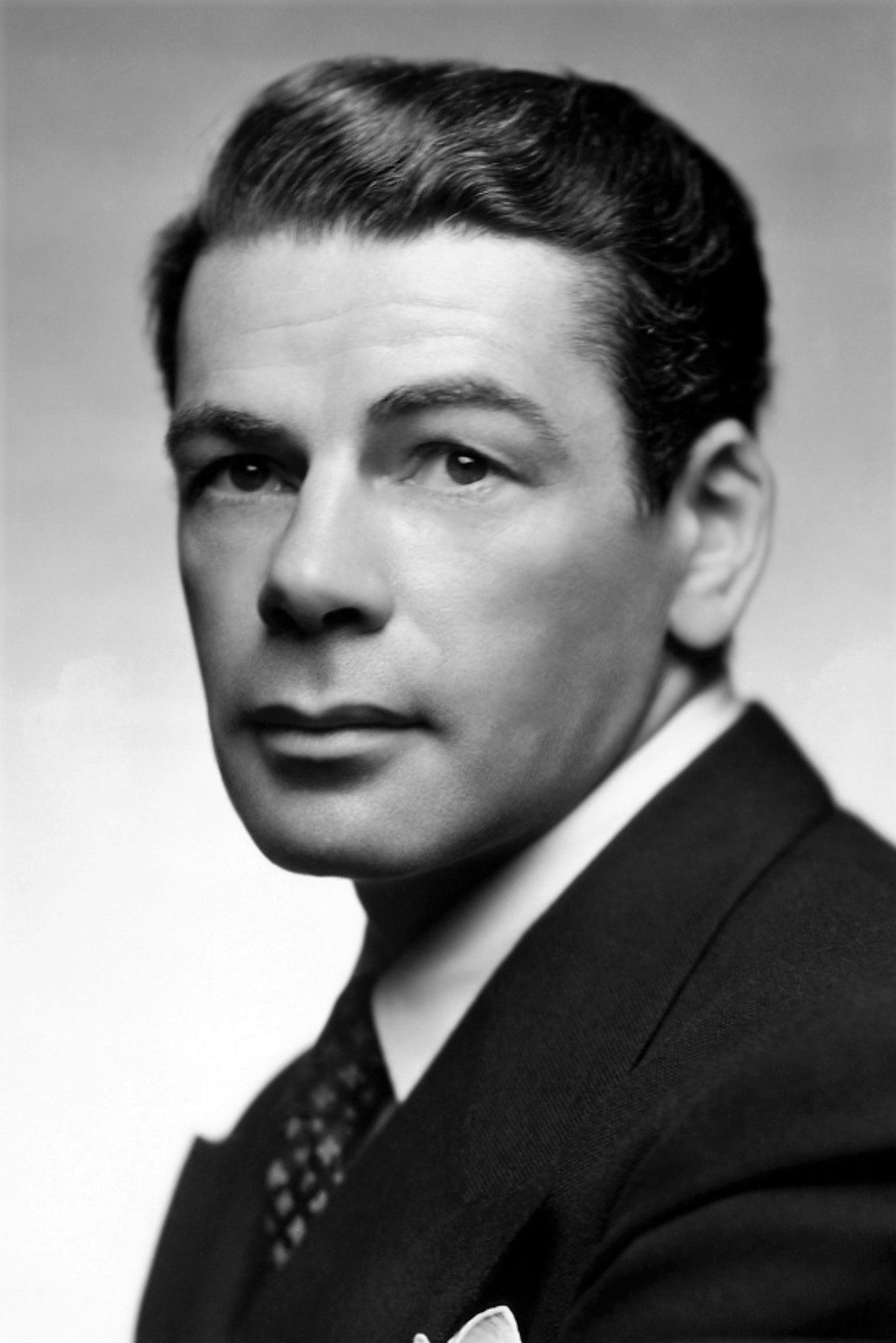
Paul Muni starred alongside Luise Rainer in ‘The Good Earth’ as the character Wang Lung. He was known for his immersive approach to acting and spent significant time researching the life of Chinese farmers. Muni used makeup to change his facial features to match the description of the character in the source material. Critics later pointed out that while his performance was skilled it reinforced the systemic barriers facing Asian actors in the 1930s. Muni remained a respected figure in the industry and rarely addressed the casting controversy directly.
Warner Oland
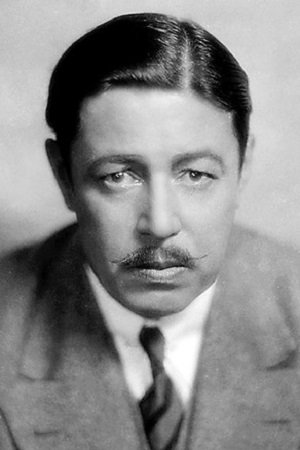
Warner Oland was a Swedish actor who became famous for playing the titular detective in the ‘Charlie Chan’ film series. He portrayed the character in sixteen films and became the face of the franchise for many years. Oland claimed that he had some Mongolian ancestry to justify his frequent casting as Asian characters. His portrayal relied on a specific style of speech that many now find to be a stereotypical caricature. Despite the controversy the films were very popular and Oland was celebrated for his work during his lifetime.
Boris Karloff
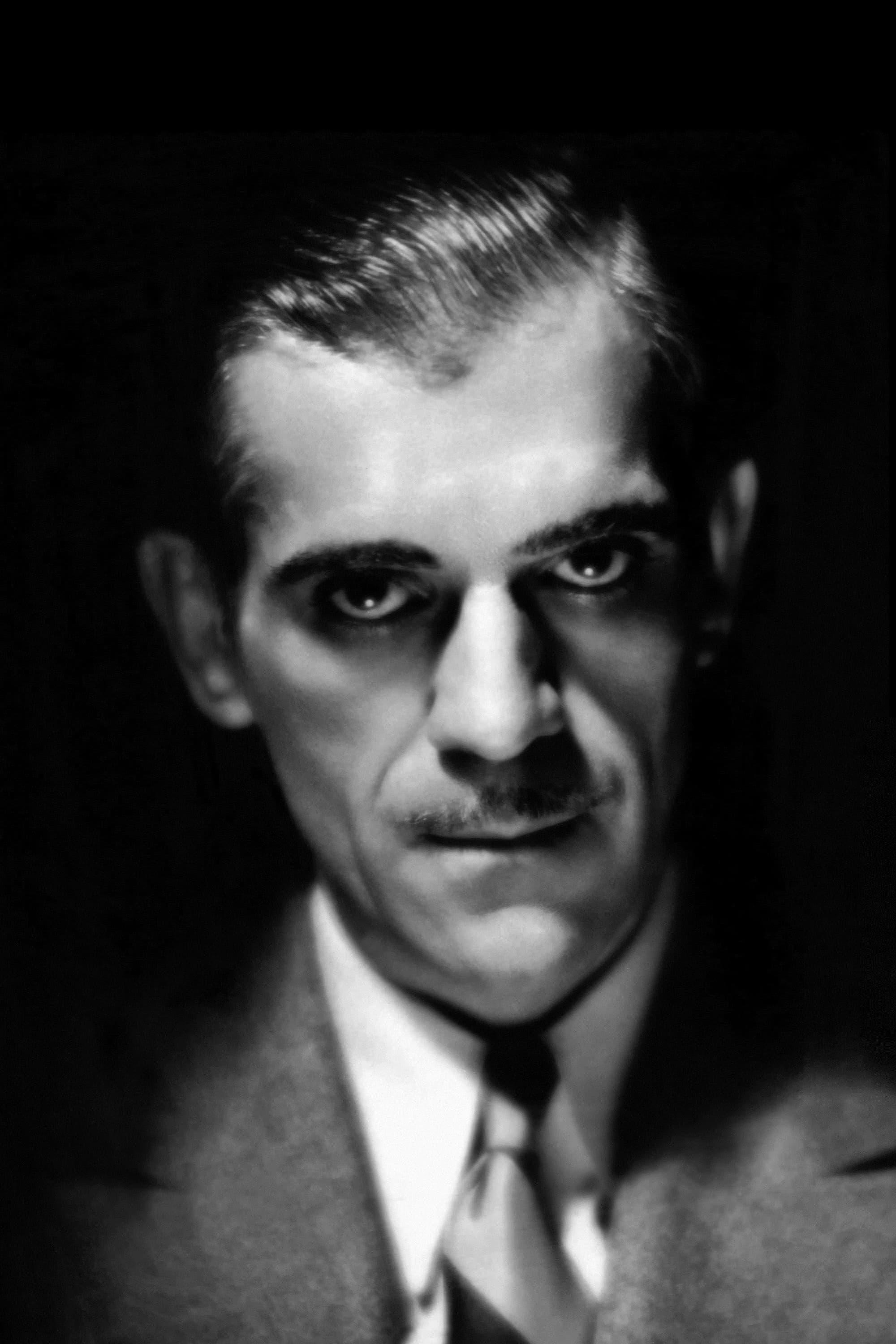
Boris Karloff is well known for his roles in horror films but he also played the title character in ‘The Mask of Fu Manchu’. He utilized heavy makeup and elongated fingernails to portray the villainous Asian doctor. This performance is often criticized for promoting the Yellow Peril trope that was common in early twentieth century media. Karloff was a versatile actor who frequently played various ethnicities throughout his long career in Hollywood. He defended his various roles as part of the theatrical tradition of transformation.
Myrna Loy

Myrna Loy played the daughter of Fu Manchu in the 1932 film ‘The Mask of Fu Manchu’. She wore elaborate costumes and makeup to appear as a villainous Asian woman. This was a departure from her usual roles as the sophisticated leading lady in romantic comedies. Loy later expressed some regret over the roles she took early in her career including those involving racial caricatures. However the studio promoted the film as a thrilling spectacle and did not acknowledge the problematic nature of the casting.
Peter Ustinov
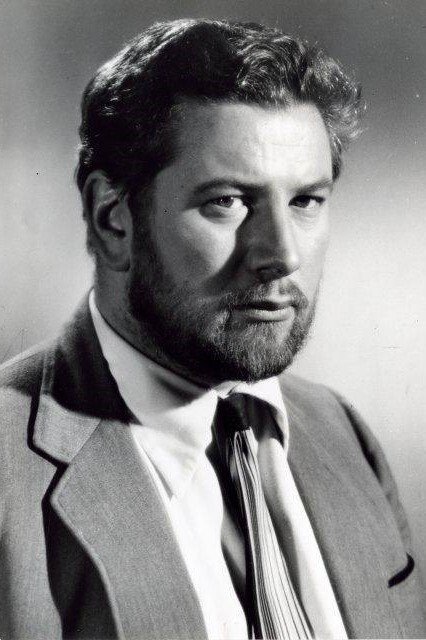
Peter Ustinov was cast as the lead in ‘Charlie Chan and the Curse of the Dragon Queen’ in 1981. This casting choice was met with protests from Asian American advocacy groups who were tired of seeing white actors in the role. Ustinov defended his participation by stating that the character was a legendary figure and that he was an actor capable of playing anyone. The film was a commercial and critical disappointment and it marked one of the last times a white actor played the character on a large scale. The controversy surrounding the film highlighted the growing resistance to yellowface in the modern era.
Christopher Lee
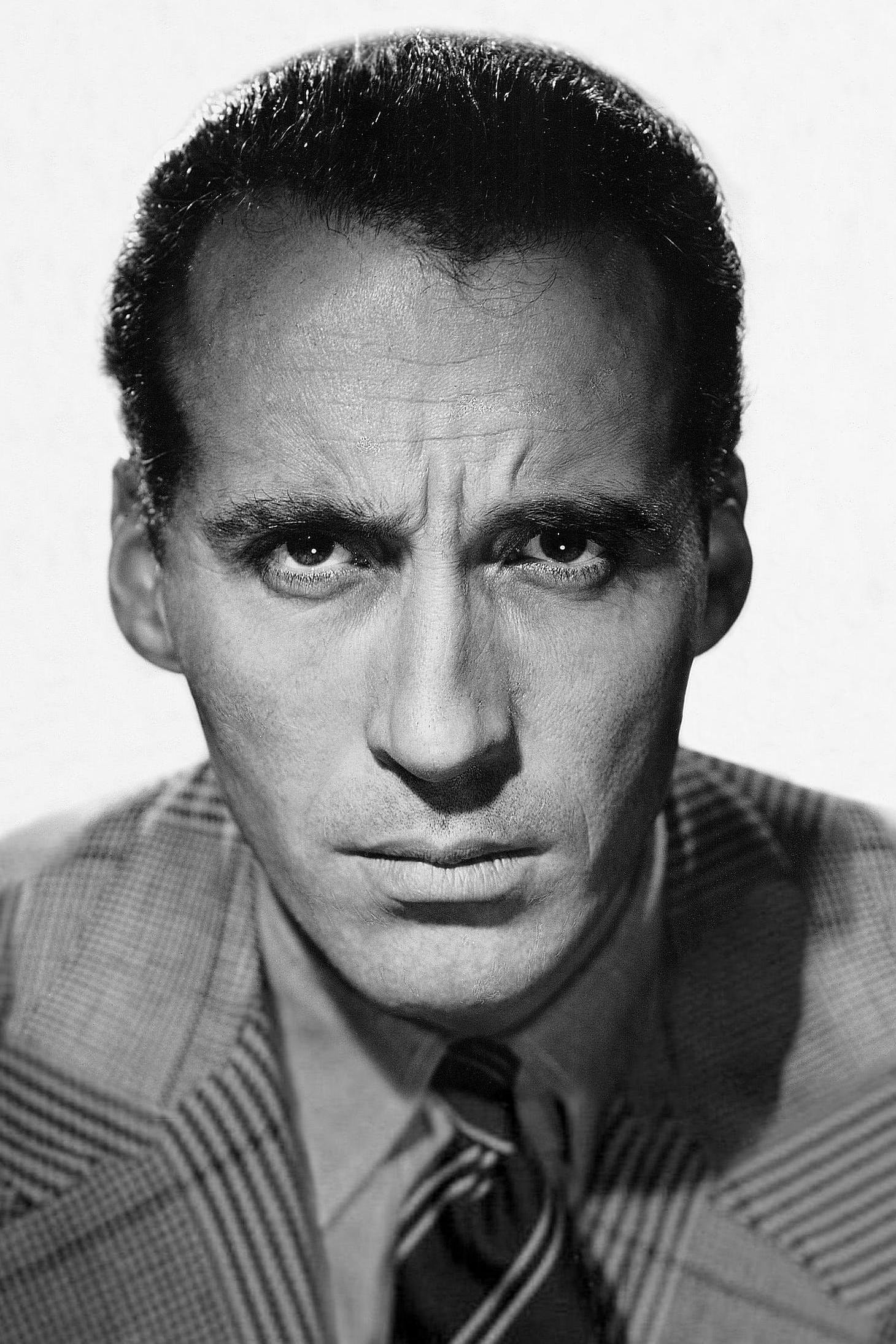
Christopher Lee played the character Fu Manchu in a series of five films during the 1960s. He followed in the footsteps of earlier actors who had used makeup to portray the villainous mastermind. Lee defended the films as being part of a pulp tradition and did not see the character as a racial slur. He argued that the stories were clearly fantastical and not meant to represent real people. Modern critics however view his performance as a continuation of harmful racial tropes.
David Carradine
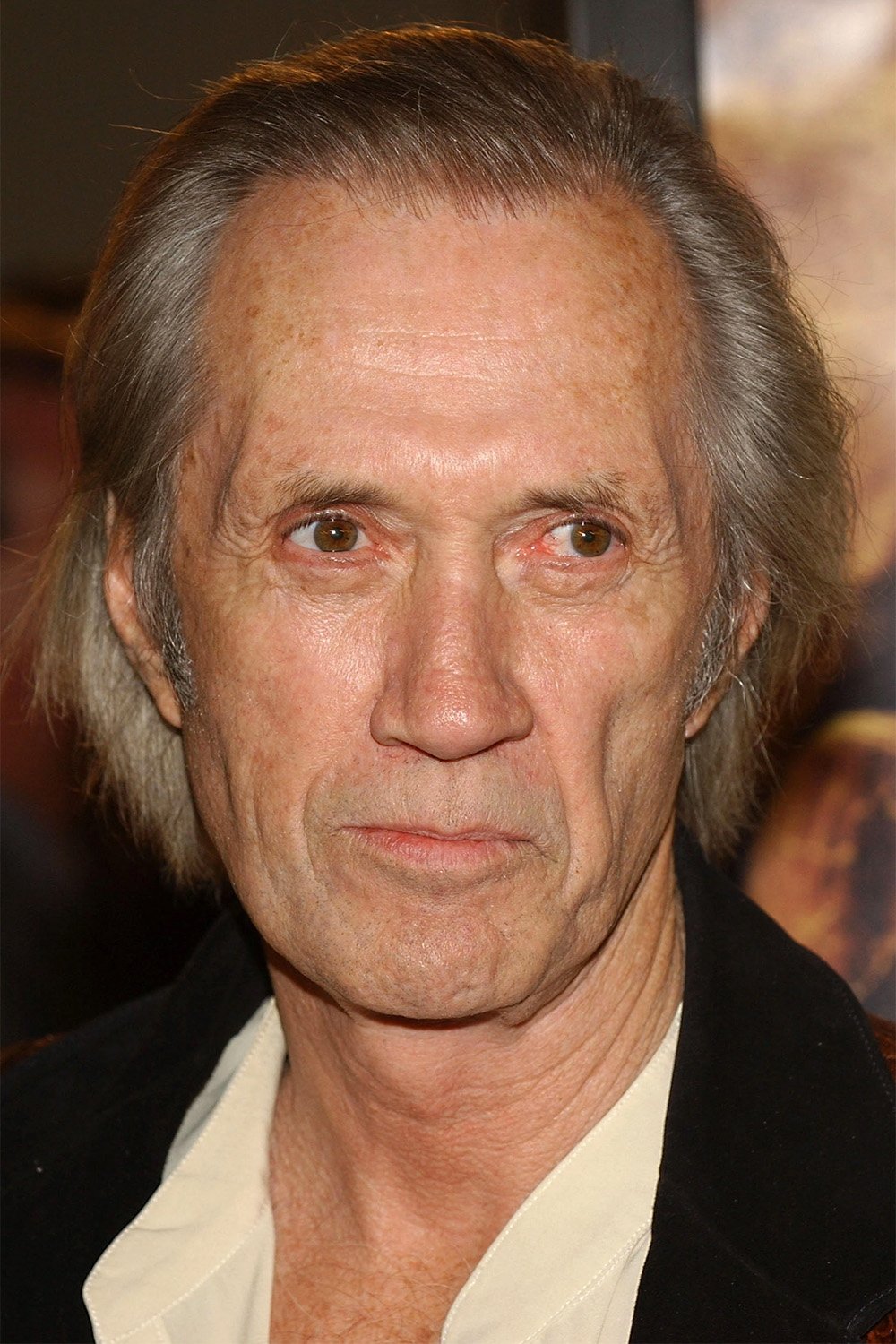
David Carradine starred in the television series ‘Kung Fu’ as Kwai Chang Caine who was half Chinese and half Caucasian. The role was famously originally intended for Bruce Lee but the network chose Carradine instead. Carradine often defended the casting by saying that the character was partially white and that he worked hard to respect the philosophy of the show. He became synonymous with the role and continued to play similar characters throughout his career. The decision to cast him over a martial arts legend like Lee remains a major point of contention for fans.
Gale Sondergaard
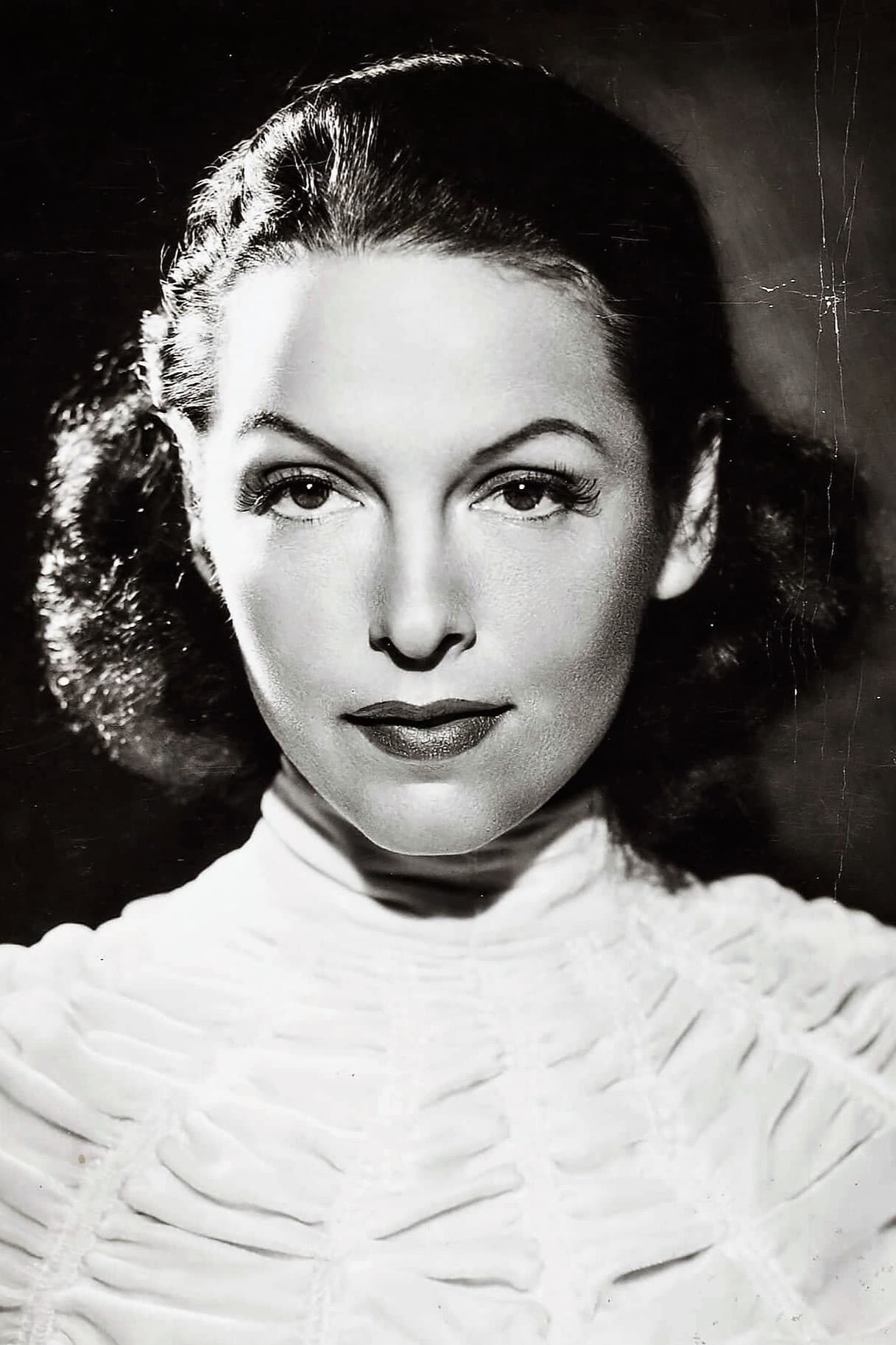
Gale Sondergaard played an Asian character in the 1940 film ‘The Letter’ starring Bette Davis. She won an Oscar for another role but this performance is remembered for its use of yellowface. Sondergaard portrayed the wife of a man who was killed and she was depicted as a mysterious and vengeful figure. She utilized makeup to alter her features and adopted a specific physical demeanor. The actress was a prominent figure in Hollywood and her participation in such roles was common for the period.
Flora Robson
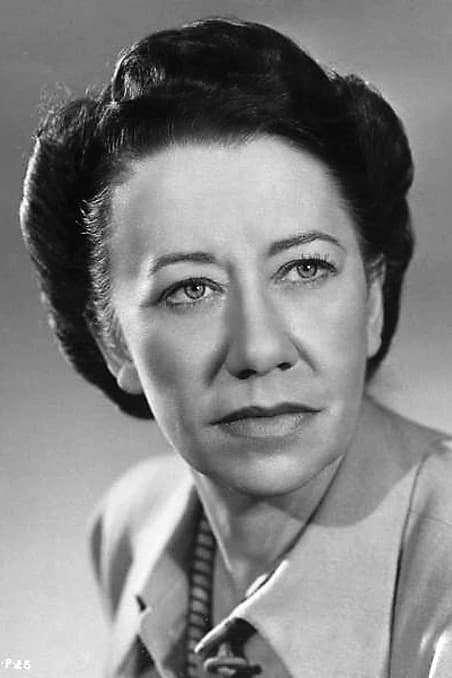
Flora Robson played a character of Haitian and Asian descent in the 1945 film ‘Saratoga Trunk’. She used dark makeup to change her skin tone and features for the role of Angelique. This performance was criticized for being a broad caricature that lacked nuance. Robson was a highly regarded stage actress who often took on diverse roles that were unavailable to minority actors at the time. She defended the practice of transformative acting as a core skill of her profession.
Loretta Young
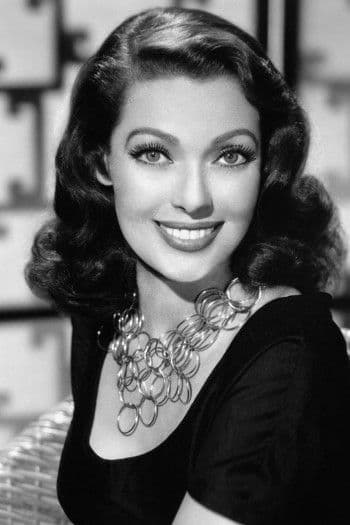
Loretta Young starred in the 1932 film ‘The Hatchet Man’ as a Chinese woman named Sun Toy. She appeared opposite Edward G. Robinson and both actors wore heavy makeup to alter their eyes and complexions. The film was set in San Francisco’s Chinatown and featured a plot involving gang wars and ancient traditions. Young was a major star and the studio used her presence to sell the film to a wide audience. She did not express public regret for the role during the height of her stardom.
Edward G. Robinson
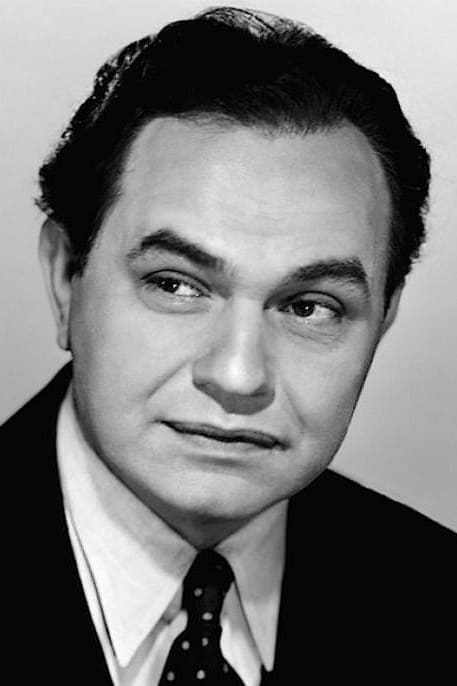
Edward G. Robinson played the lead role of Wong Low Get in the crime drama ‘The Hatchet Man’. He used prosthetics and a specific hairstyle to appear as a member of a Chinese tong. Robinson was known for his tough guy roles and he brought a similar intensity to this performance. The movie is now viewed as an example of how Hollywood used white stars to portray Asian characters in urban settings. Robinson believed in the artistic merit of the film and defended the production values.
Nils Asther
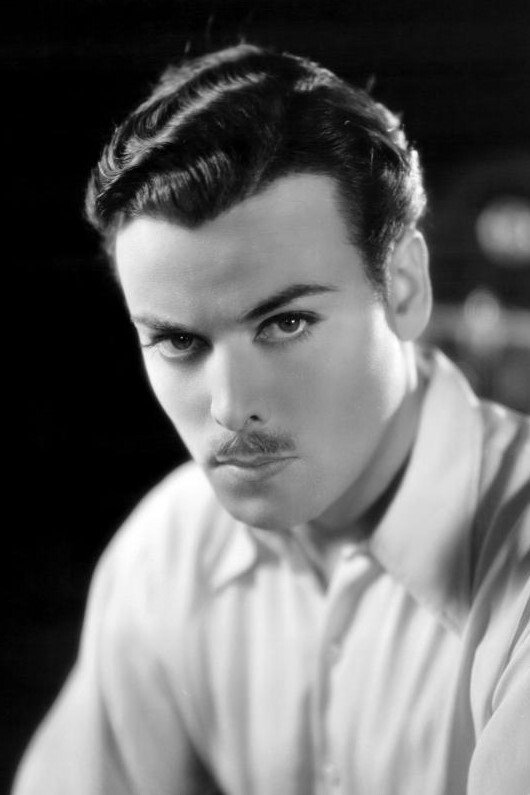
Nils Asther played the title role in the 1933 film ‘The Bitter Tea of General Yen’. He was a Swedish actor who portrayed a Chinese warlord who falls in love with an American missionary. Asther used subtle makeup but the performance was still clearly a white actor playing a different race. The film was controversial at the time for its themes of interracial romance and was banned in some areas. Asther was praised for his acting ability but the casting remains a point of historical criticism.
Alec Guinness
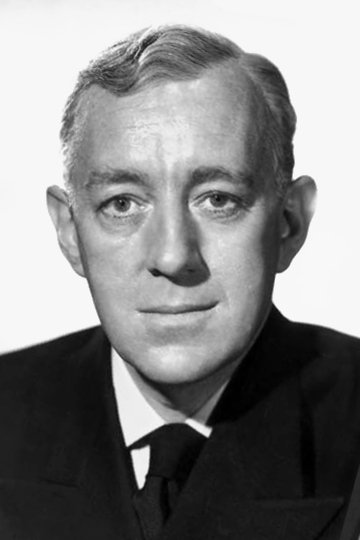
Alec Guinness played a Japanese businessman in the 1961 film ‘A Majority of One’. He used makeup to change his features and adopted an accent for the character named Koichi Asano. Guinness was famous for his ability to transform into many different types of characters. However this particular role has been criticized for being an insensitive caricature. The actor defended his work as an exercise in character acting and believed he was being respectful to the culture.
Ricardo Montalban
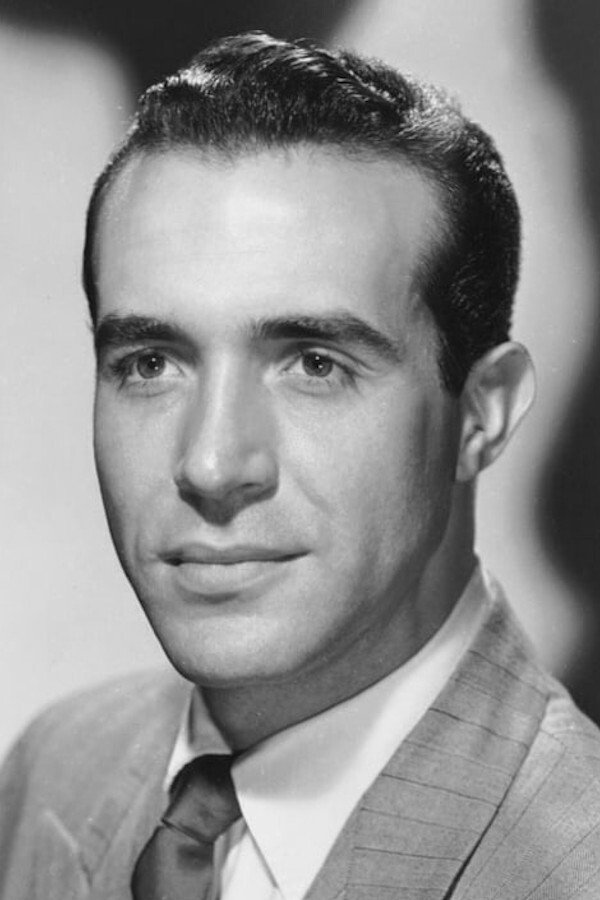
Ricardo Montalban played a Japanese character in the 1957 film ‘Sayonara’ which starred Marlon Brando. He wore heavy makeup and a wig to play a performer in a traditional theater troupe. Montalban was a Mexican actor who often faced typecasting himself but he took on this yellowface role for the major studio production. He later spoke about the challenges of finding diverse roles in Hollywood during that era. The film was a major success but his casting is viewed as problematic today.
Shirley MacLaine
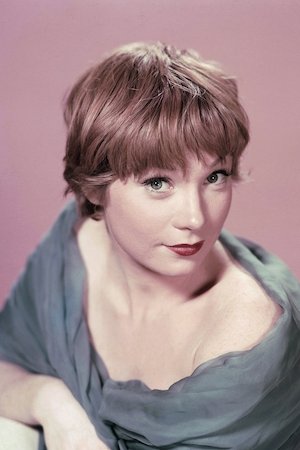
Shirley MacLaine played a double role in the 1962 film ‘My Geisha’ where she portrayed an actress who disguises herself as a Japanese woman. The plot required her to use makeup and traditional clothing to fool her own husband. MacLaine defended the role as a comedic farce and a commentary on the acting profession. She spent time in Japan to prepare for the film and claimed to have a deep appreciation for the culture. Despite her intentions the film relies heavily on yellowface for its central premise.
Helen Hayes
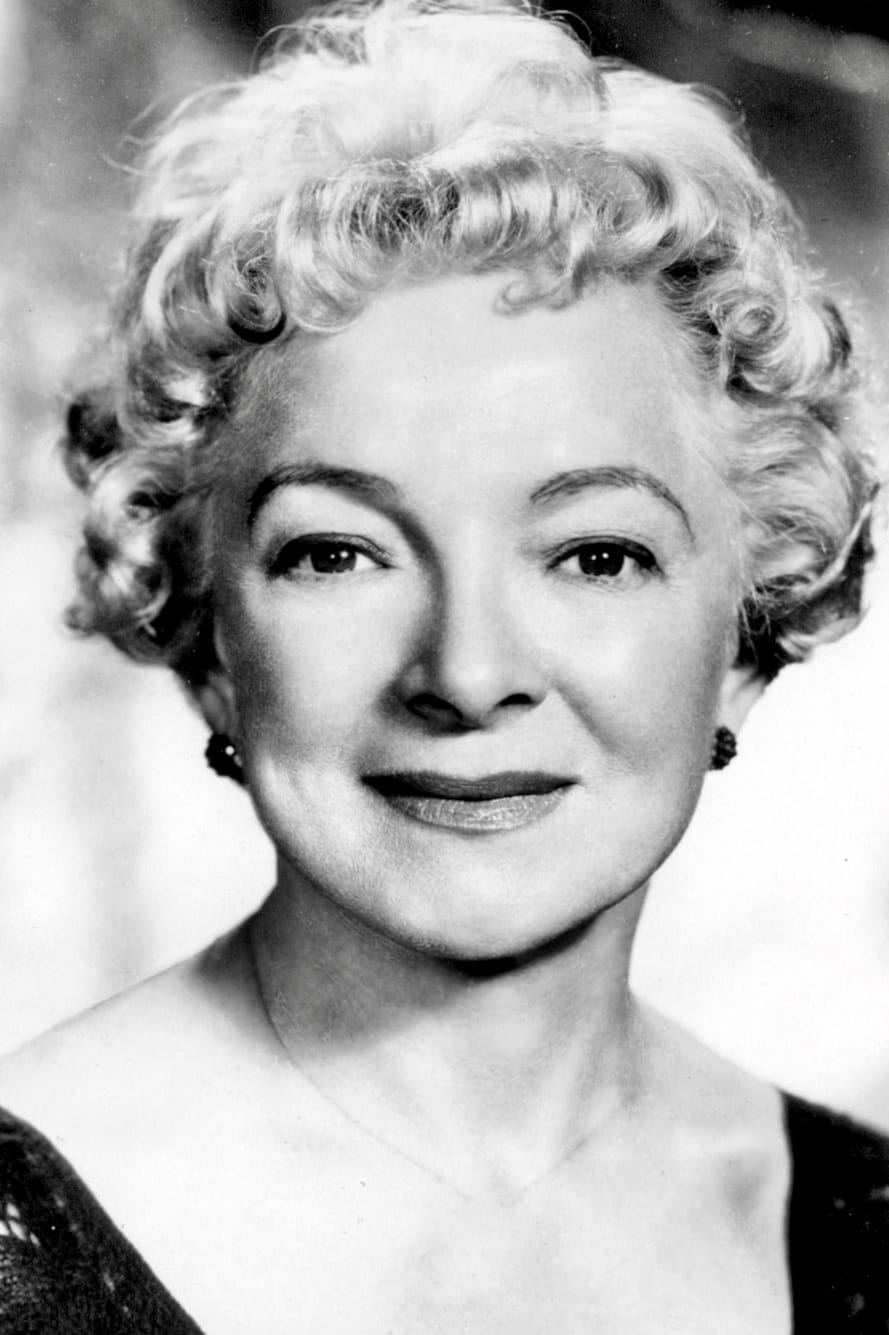
Helen Hayes played a Chinese woman in the 1932 film ‘The Son Daughter’ which was set during the Chinese Revolution. She wore makeup to change her appearance and portrayed a woman caught in a political struggle. Hayes was known as the First Lady of the American Theater and her participation gave the film prestige. The industry defended such casting by arguing that there were no Asian actresses with similar star power. Modern audiences point to this as an example of the systematic exclusion of Asian talent.
Ramon Novarro
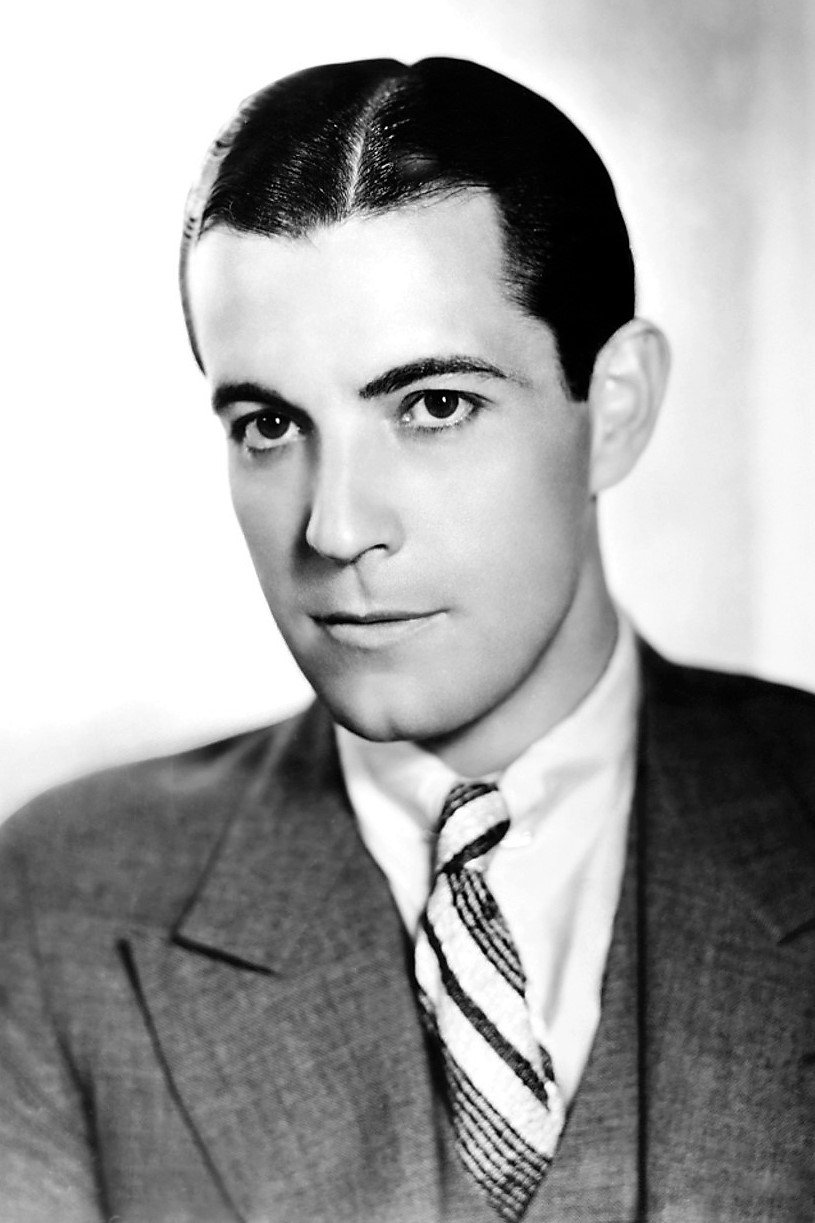
Ramon Novarro starred alongside Helen Hayes in ‘The Son Daughter’ as a Chinese prince. He was a major silent film star of Mexican descent who transitioned into talkies. Novarro used makeup to alter his features and his casting was typical of the era’s approach to ethnic roles. He was often cast in exotic parts due to his heritage but this specifically involved yellowface. The actor remained popular for his romantic roles and did not publicly challenge the casting practices of the time.
Charles Laughton
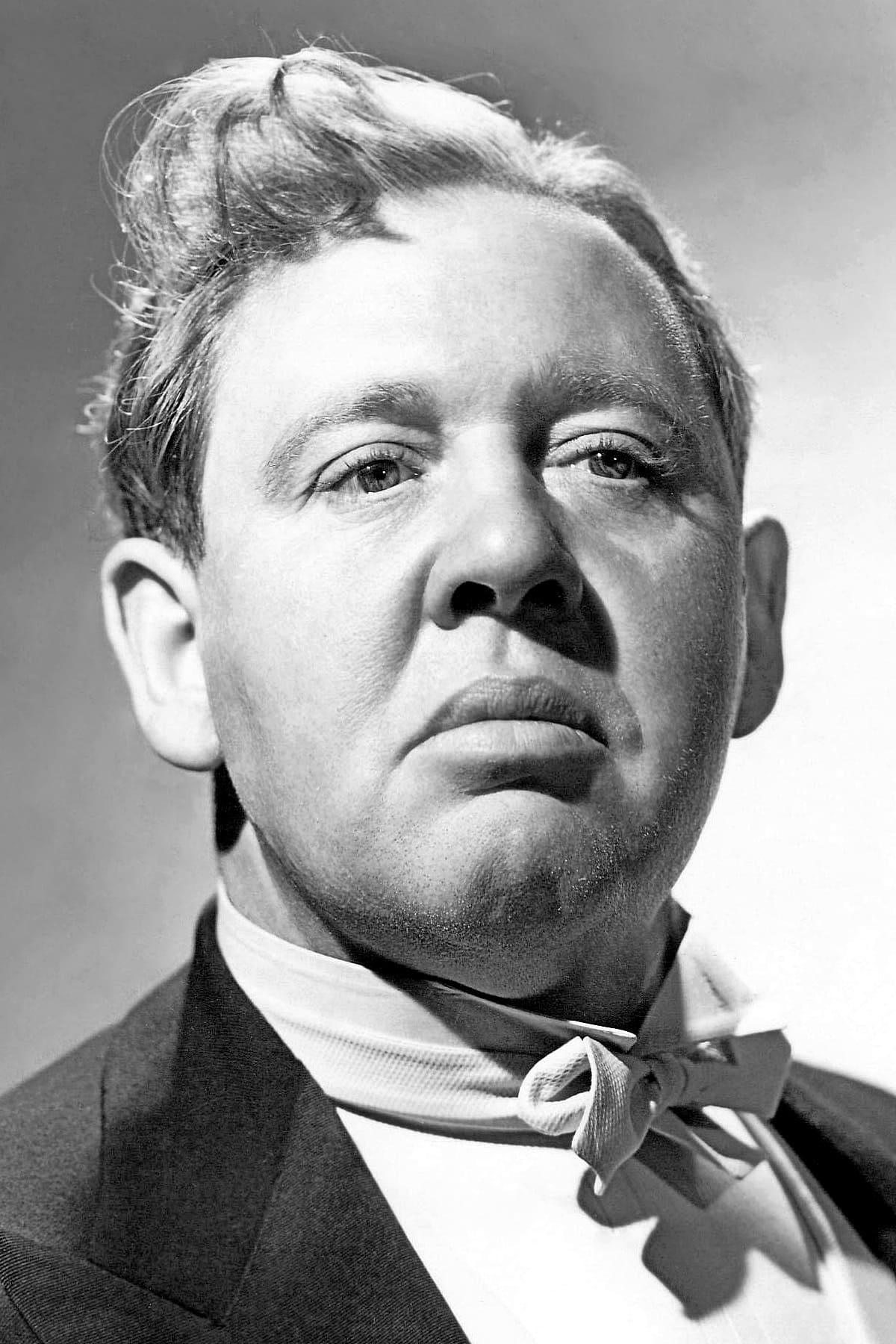
Charles Laughton played a villainous Chinese character in the film ‘The Remittance Man’ and appeared in other roles involving ethnic makeup. He was a highly acclaimed actor known for his dramatic intensity and physical transformations. Laughton often defended the right of an actor to inhabit any soul regardless of their physical background. His portrayals were often larger than life and contributed to the theatrical style of the period. Critics now view these roles as part of a history of insensitive representations.
Mary Pickford
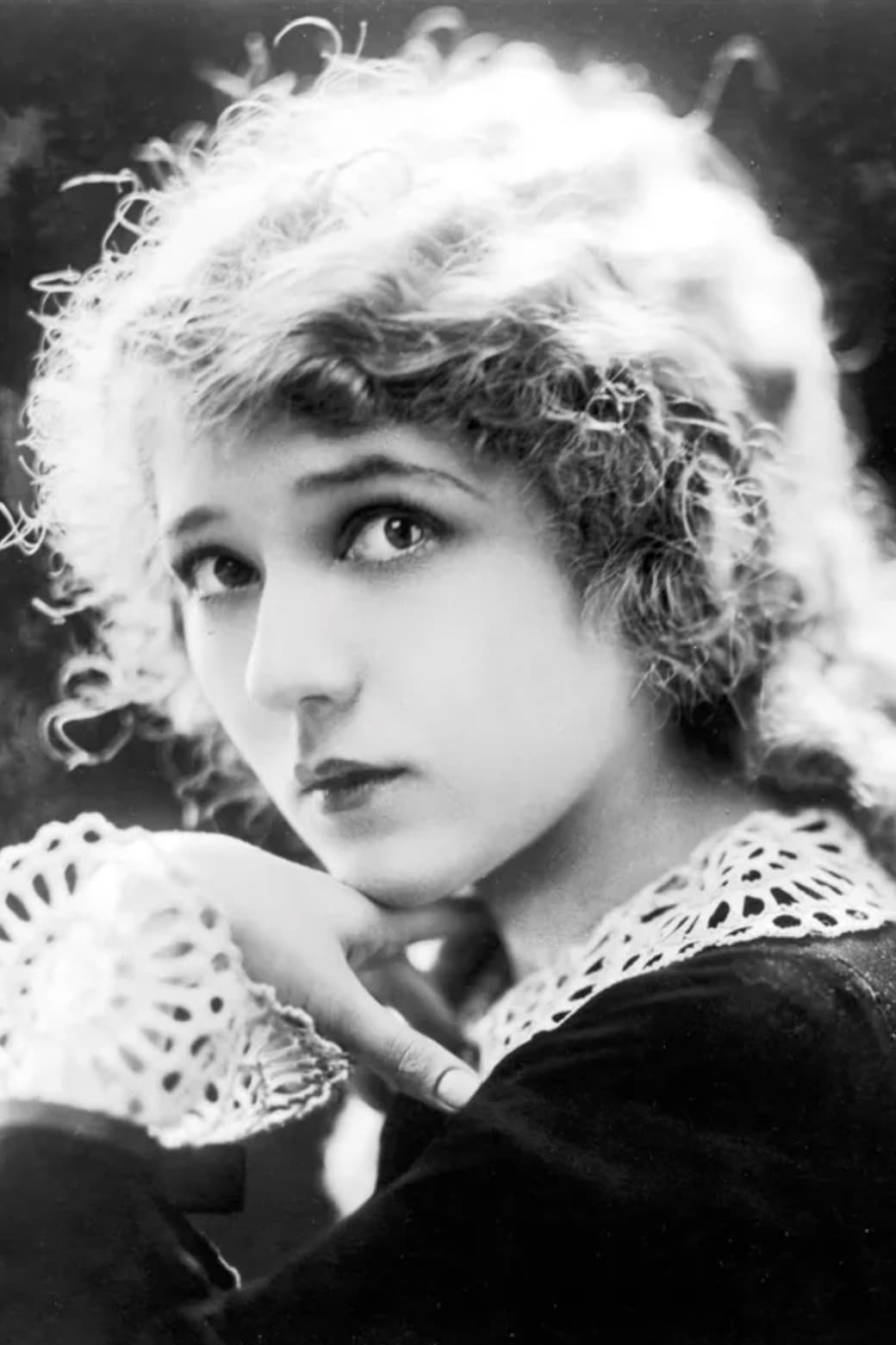
Mary Pickford played a Japanese woman in the 1915 silent film ‘Madame Butterfly’. As one of the most powerful women in early Hollywood she had significant control over her projects. She used makeup to change her appearance for the tragic role of Cho Cho San. Pickford defended the film as a beautiful adaptation of a famous opera and story. At the time it was common for white actors to play all the lead roles in such productions regardless of the setting.
Agnes Moorehead
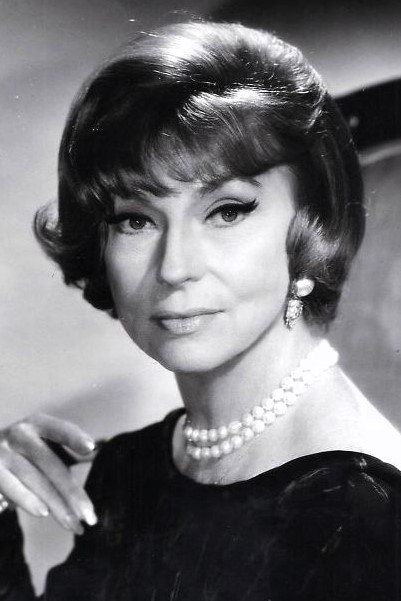
Agnes Moorehead appeared in ‘Dragon Seed’ as a Chinese villager alongside Katharine Hepburn. She used makeup to change her features and participated in the broad portrayal of Chinese life. Moorehead was a respected character actress who was known for her versatility in film and radio. She defended her work as a professional obligation and an opportunity to work on a major production. The film is now a primary example of the widespread use of yellowface in 1940s cinema.
Akim Tamiroff
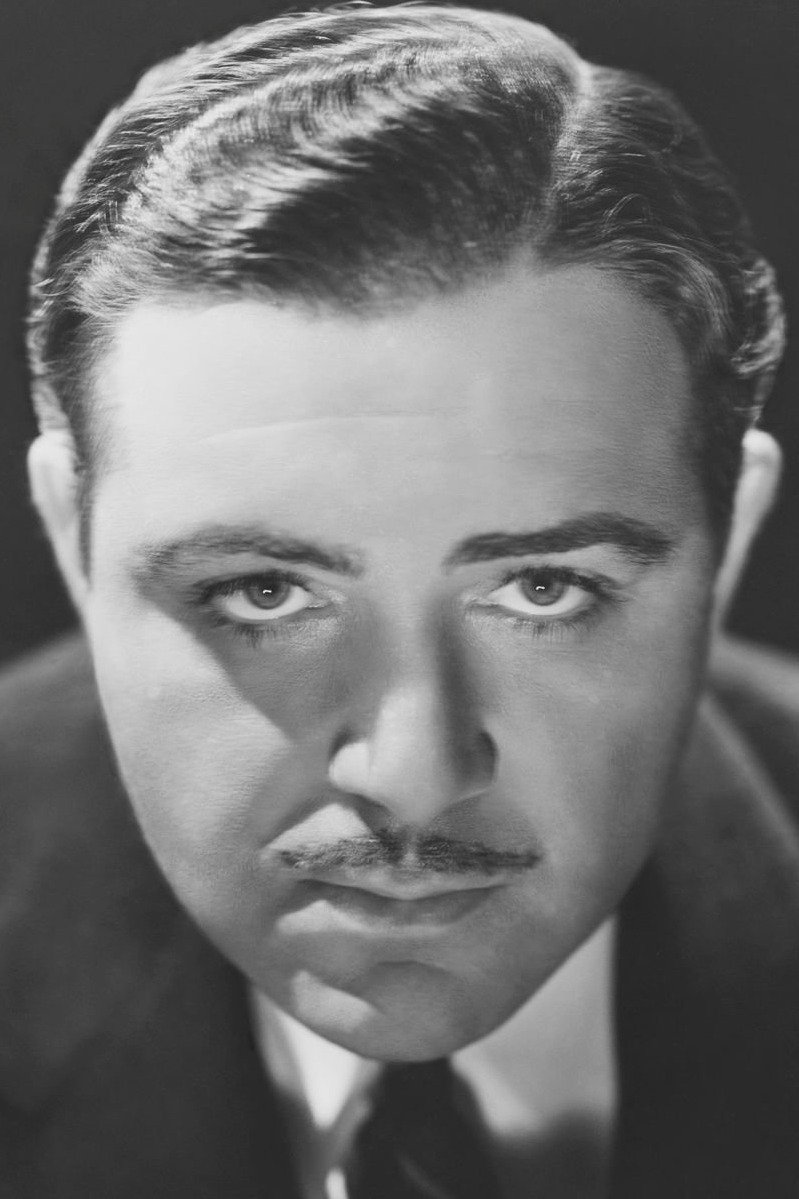
Akim Tamiroff was a Russian born actor who frequently played various ethnicities in Hollywood films. He appeared as a Chinese character in ‘The General Died at Dawn’ in 1936. Tamiroff utilized heavy makeup and a specific accent to portray the antagonist of the film. He was often praised for his ability to disappear into roles but this practice is now heavily scrutinized. Tamiroff and the studios viewed his ability to play any nationality as a major asset to his career.
Tony Randall
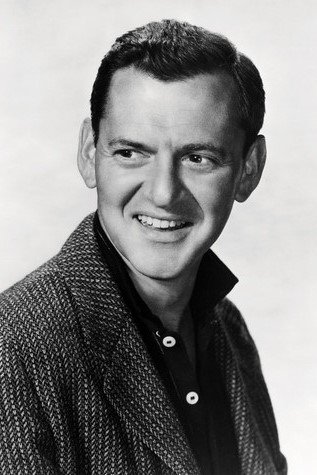
Tony Randall played seven different roles in the 1964 film ‘The 7 Faces of Dr. Lao’ including the title character who is Chinese. He used extensive prosthetics and makeup created by William Tuttle to achieve the various looks. Randall was proud of the technical achievement and the film won an honorary Oscar for makeup. He defended the performance as a magical and fantastical portrayal rather than a realistic one. However the use of yellowface for the primary character remains a controversial aspect of the movie.
Richard Barthelmess
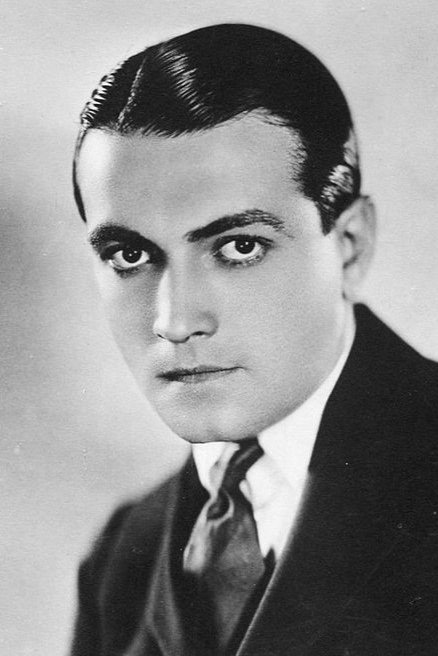
Richard Barthelmess played a Chinese man in the 1919 silent film ‘Broken Blossoms’ directed by D.W. Griffith. He used makeup to tilt his eyes and adopted a hunched posture for the role of Cheng Huan. The film was a major critical success and was praised for its artistic beauty and emotional power. Barthelmess was a leading star of the era and his performance was considered a masterclass in acting at the time. Today the film is studied both for its cinematic innovations and its problematic racial depictions.
Lon Chaney
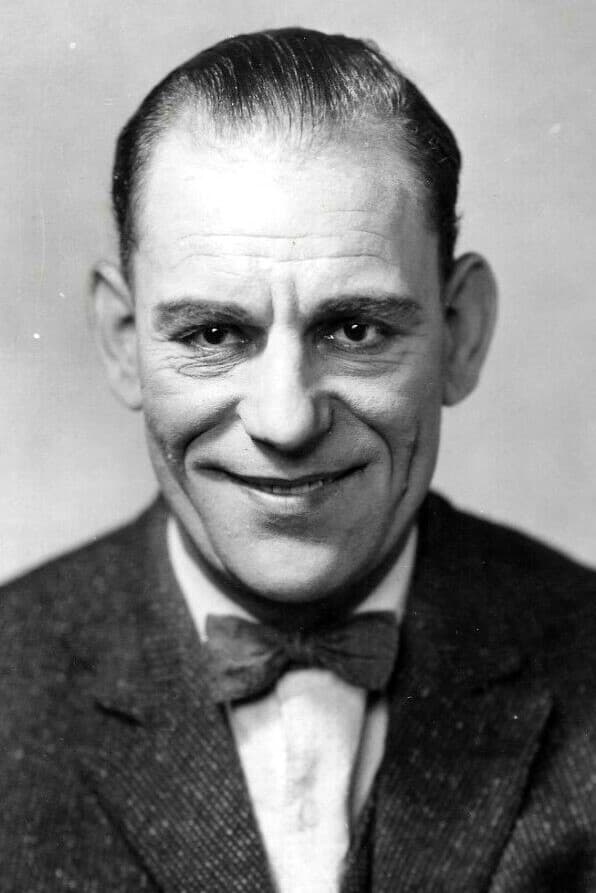
Lon Chaney was known as the Man of a Thousand Faces for his incredible ability to transform with makeup. He played a Chinese character in the 1927 film ‘Mr. Wu’ using elaborate techniques to change his appearance. Chaney defended his work by stating that he wanted to show the humanity in all types of people. He was famous for his dedication to his craft and often suffered physical discomfort to achieve his looks. His portrayal of Asian characters was seen as an extension of his transformative skills by the audiences of his day.
J. Carrol Naish
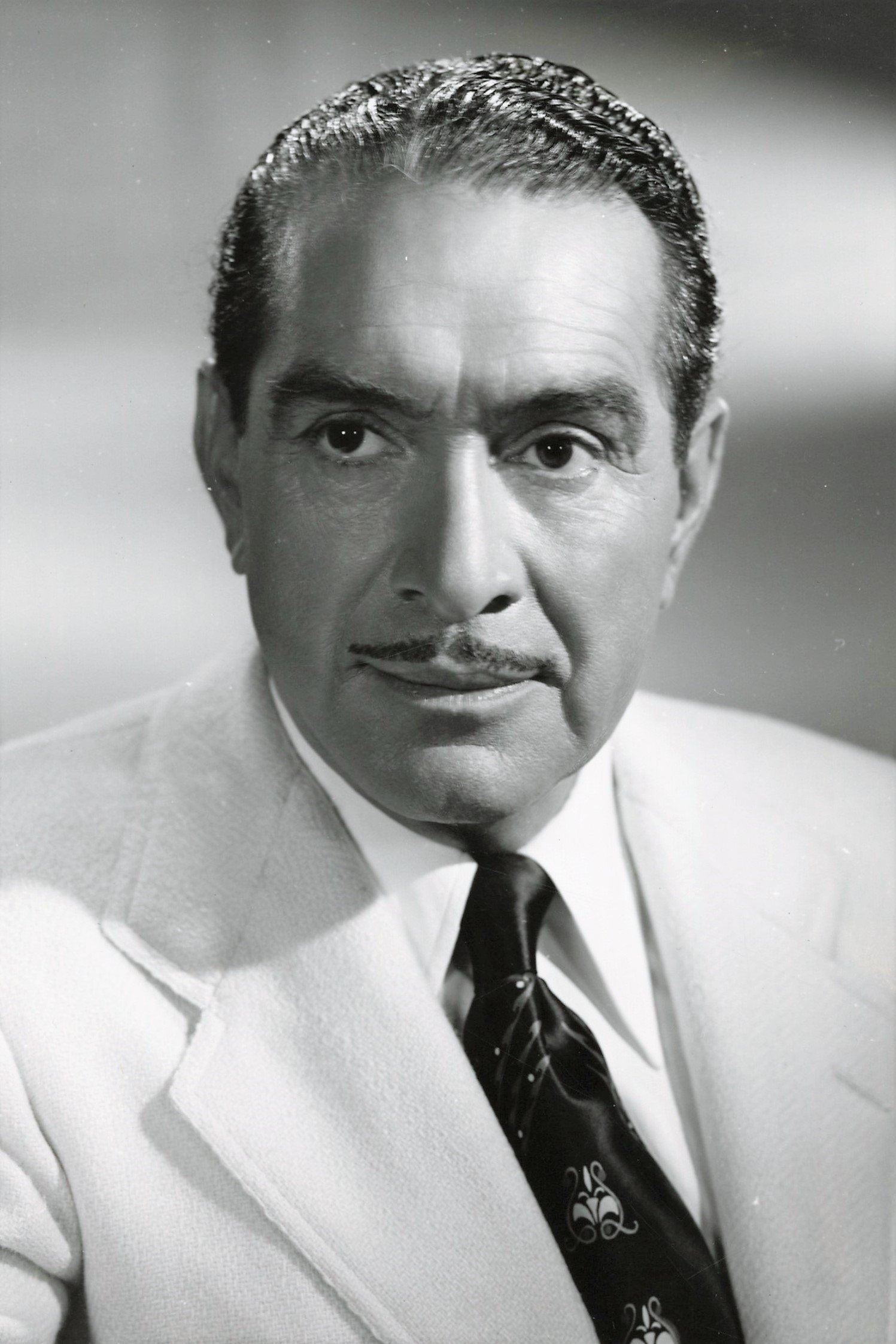
J. Carrol Naish was an American actor who made a career out of playing various ethnic characters including many of Asian descent. He played a Japanese character in ‘The Pied Piper’ and appeared in the ‘Charlie Chan’ series. Naish was often called the one man United Nations because of his range of accents and appearances. He defended the practice by saying that he was providing a service to the industry by playing roles others could not. His career exemplifies the era when character actors were expected to play any race required by the script.
Sidney Toler
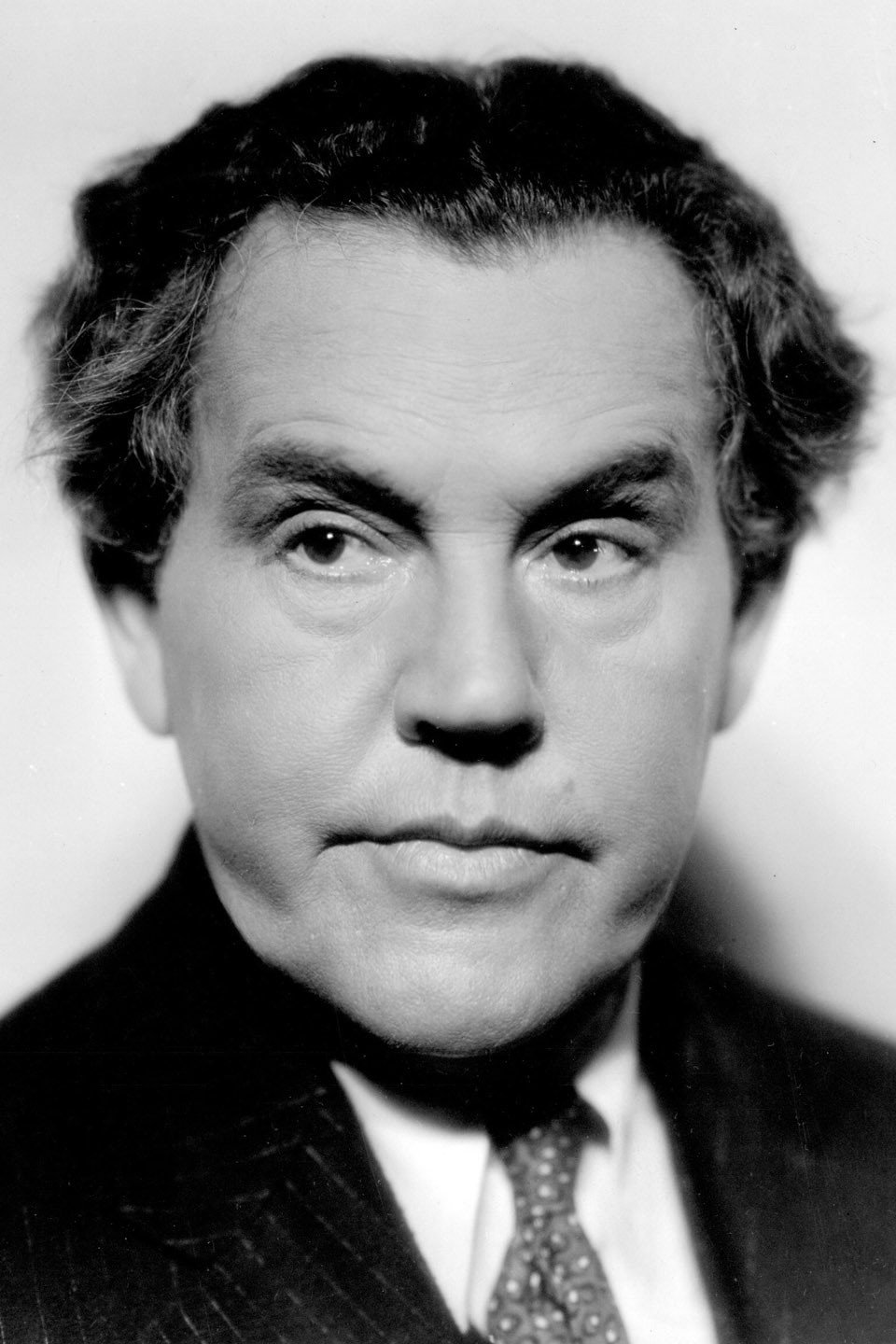
Sidney Toler took over the role of Charlie Chan after Warner Oland passed away and played the character in over twenty films. He used makeup to achieve the appearance of the Chinese detective and maintained the specific speech patterns associated with the role. Toler was a successful stage actor who saw the franchise as a major career opportunity. He defended the character as a hero who was smarter than the people around him. Despite this the films are now criticized for their reliance on racial stereotypes.
Roland Winters
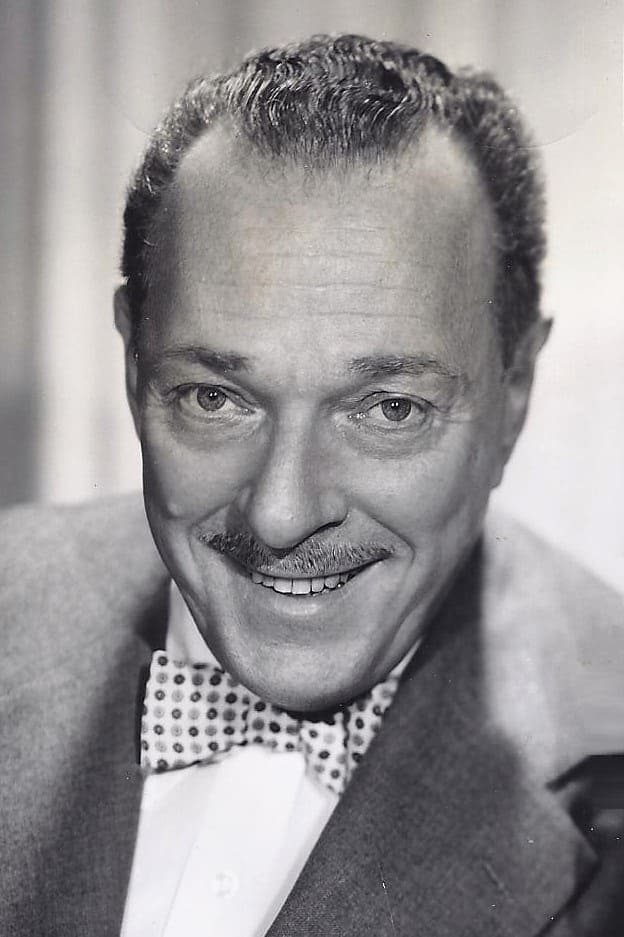
Roland Winters was the third actor to play Charlie Chan in the lengthy film series. He followed the established tradition of using makeup and a stylized accent to portray the Asian detective. Winters faced some criticism even during his own time for not being as convincing as his predecessors. He defended his interpretation by stating that he wanted to bring his own style to the legendary character. His tenure marked the end of the original run of the franchise in the late 1940s.
Joseph Wiseman
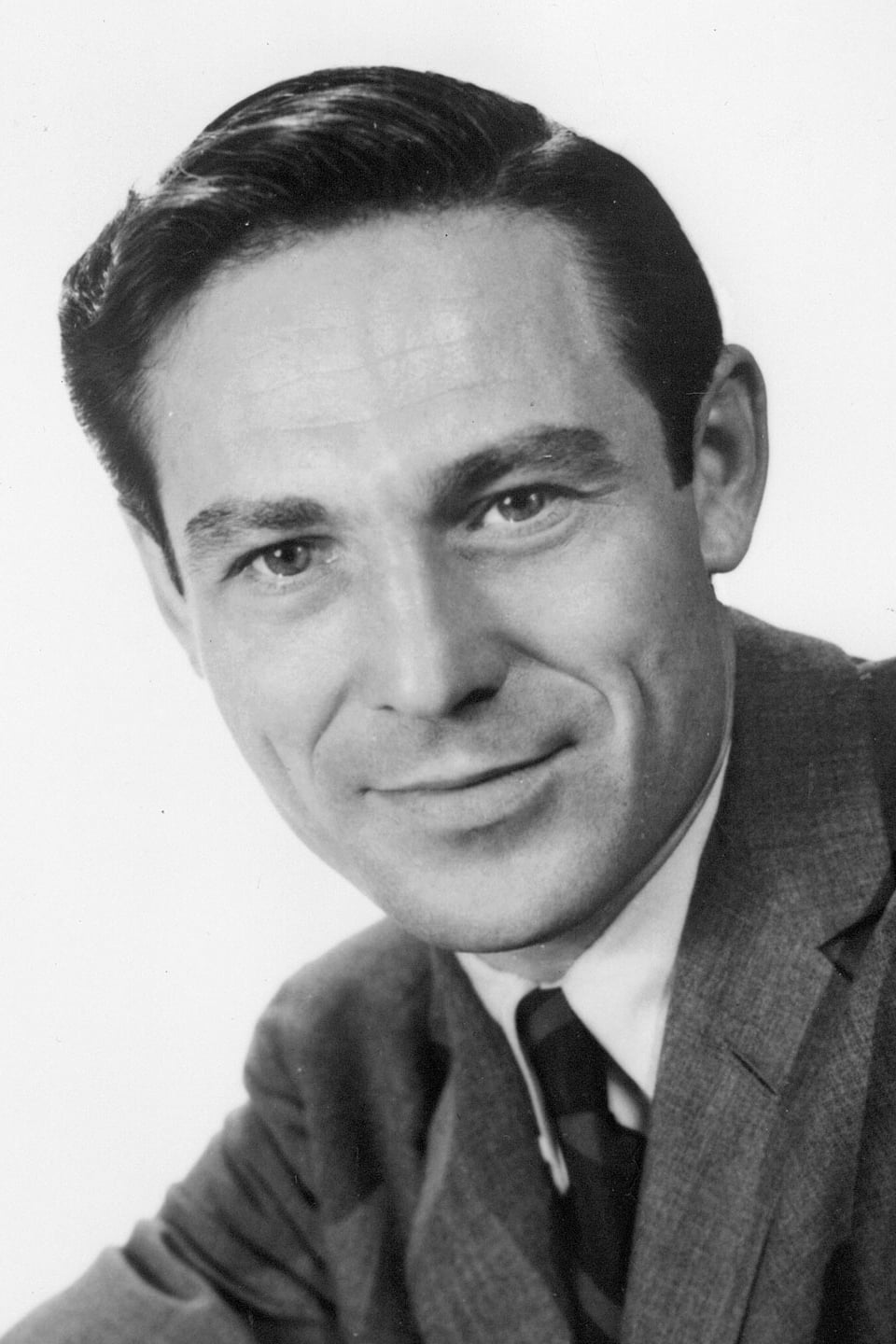
Joseph Wiseman played the titular villain in the first James Bond film ‘Dr. No’ in 1962. His character was half Chinese and half German and Wiseman used makeup to alter his features accordingly. He was a respected stage actor who brought a cold and calculating energy to the role. Wiseman later expressed that he did not think highly of the film and was surprised by its massive success. The casting of a white actor as a major Asian villain is a frequent topic in discussions about the Bond franchise.
Rita Moreno
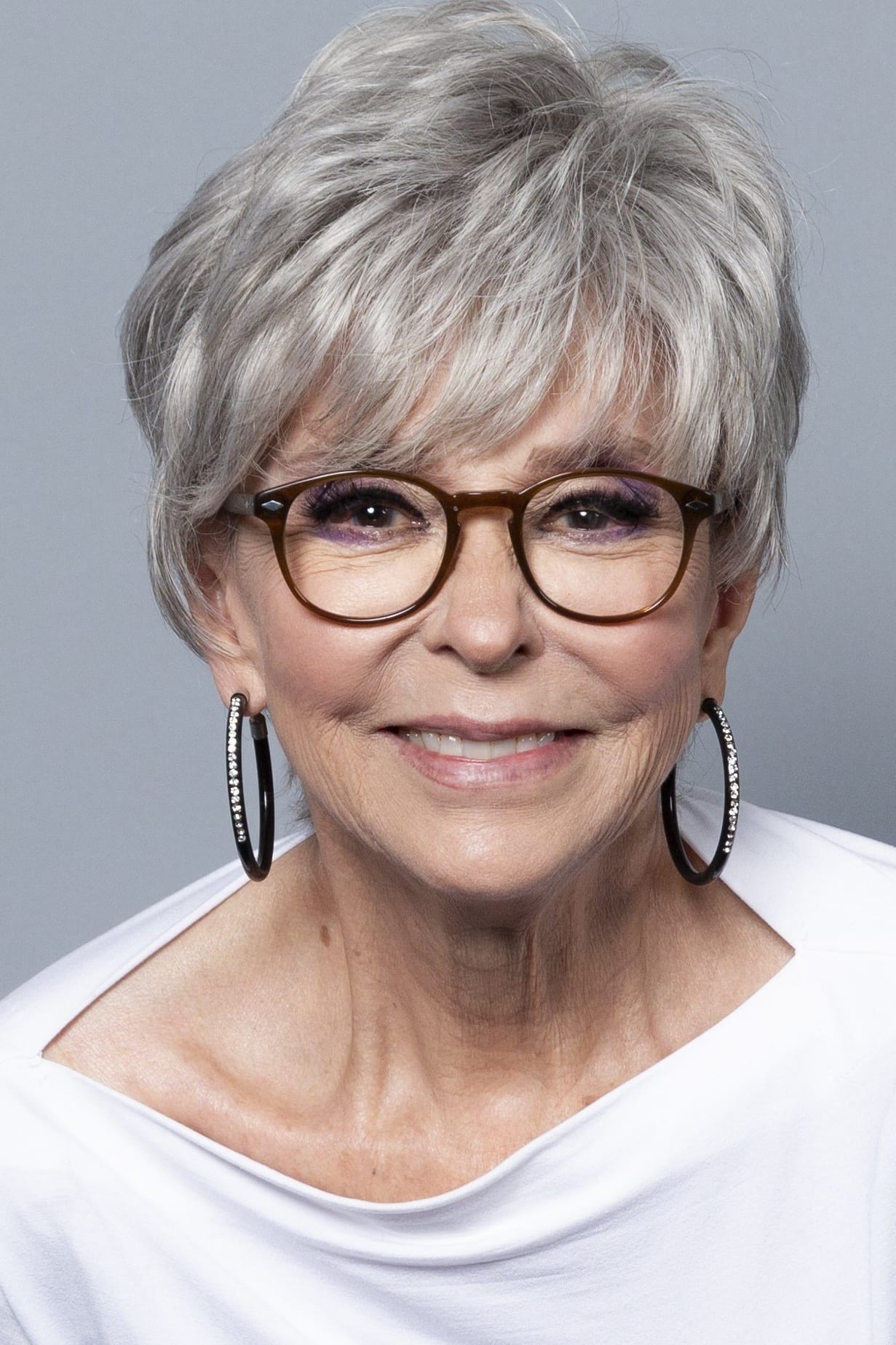
Rita Moreno played the character Tuptim in the 1956 film version of ‘The King and I’. While she is a woman of Puerto Rican descent her casting as a Thai woman is considered a form of yellowface. Moreno has spoken about the limited opportunities for actors of color and how they were often cast in any non white role available. She defended her performance as a way to work in a major musical production during a restrictive time in Hollywood. The film remains a classic but its casting choices are often debated by modern viewers.
Linda Hunt
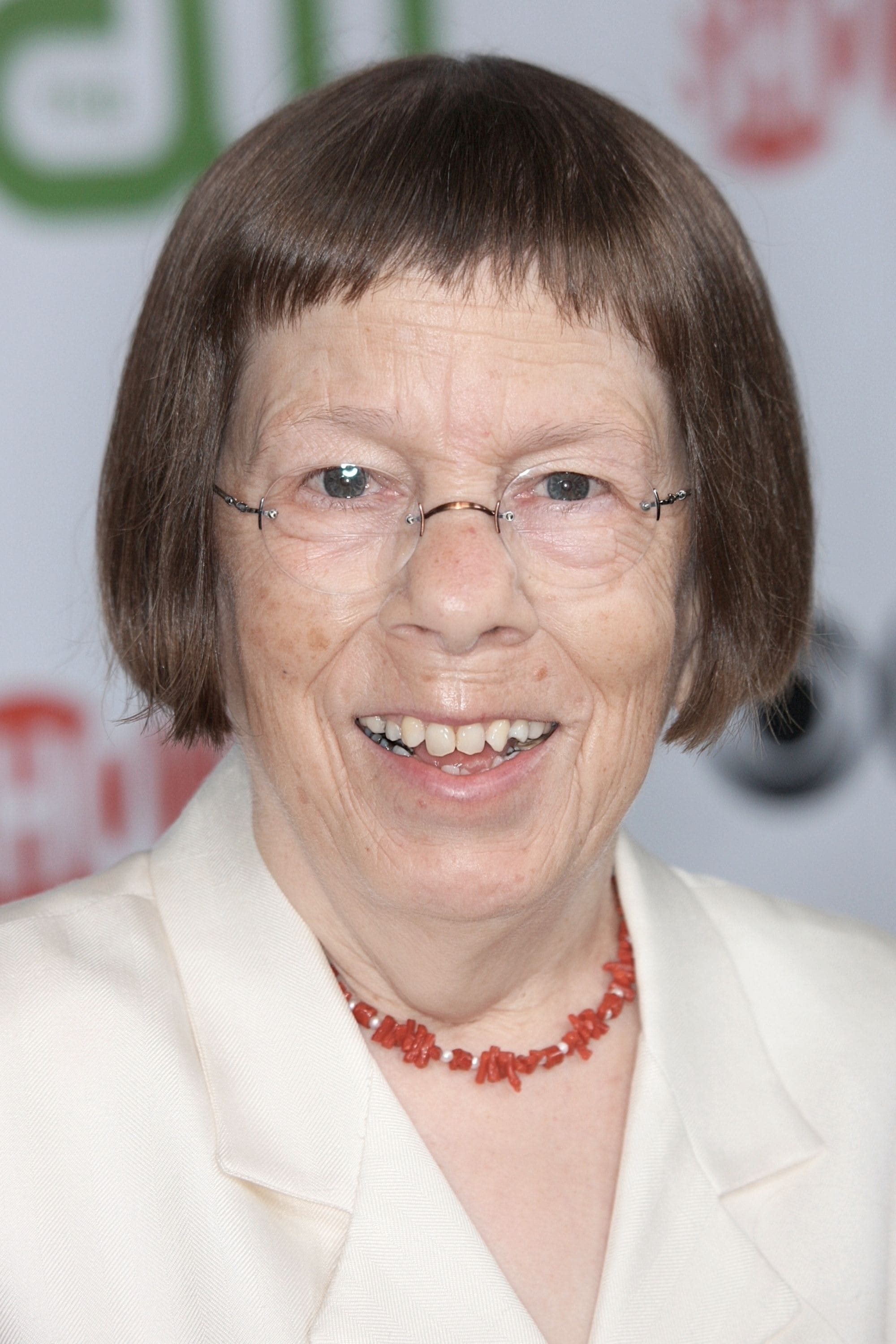
Linda Hunt won an Academy Award for playing a Chinese Australian man named Billy Kwan in the 1982 film ‘The Year of Living Dangerously’. She used makeup and hair styling to transform into the male character for the production. Hunt defended the role as a unique acting challenge and an opportunity to play a complex and soulful individual. This performance is unique because it involved both yellowface and cross gender acting. It is often cited as a brilliant performance while also being part of a problematic casting history.
Joel Grey
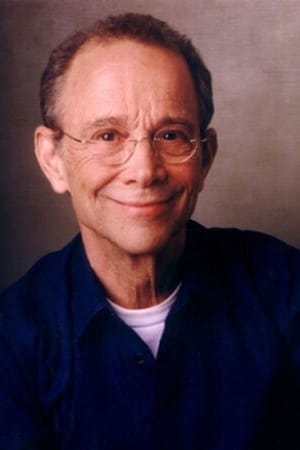
Joel Grey played a Korean martial arts master in the 1985 film ‘Remo Williams: The Adventure Begins’. He wore heavy prosthetics that took hours to apply each day to change his facial structure. Grey defended his casting by saying that the producers wanted an actor with a background in dance and movement. He received a Golden Globe nomination for the role but the film faced significant backlash from Asian American groups. The controversy contributed to the film’s poor performance at the box office and limited its legacy.
Fisher Stevens
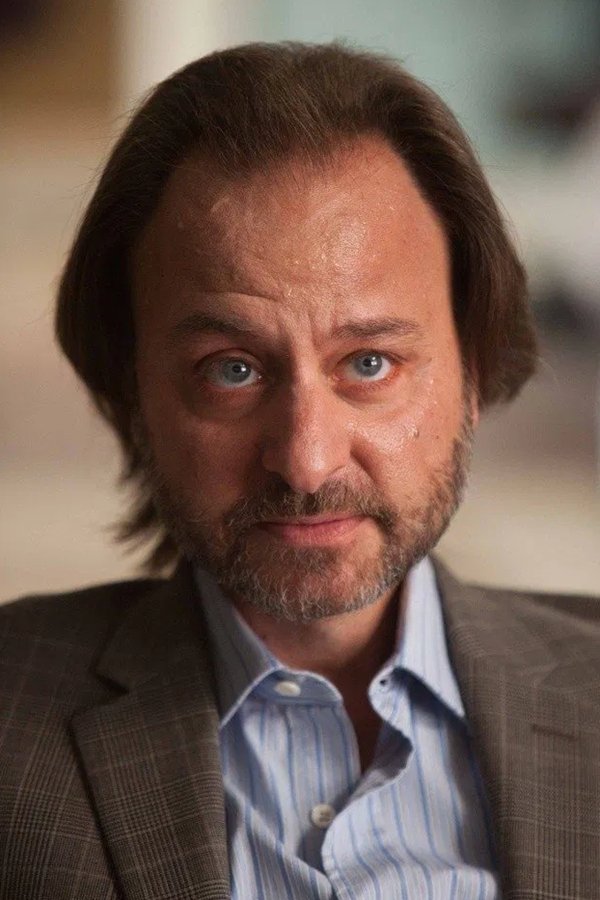
Fisher Stevens played an Indian character named Ben Jabituya in the 1986 film ‘Short Circuit’ and its sequel. He used brown makeup and a heavy accent to portray the scientist who worked on the robots. Stevens later expressed deep regret for the role and acknowledged that he was young and did not understand the implications at the time. He defended his initial choice by saying he was an actor looking for a big break in a major movie. This remains one of the most cited examples of modern yellowface in 1980s cinema.
Jonathan Pryce
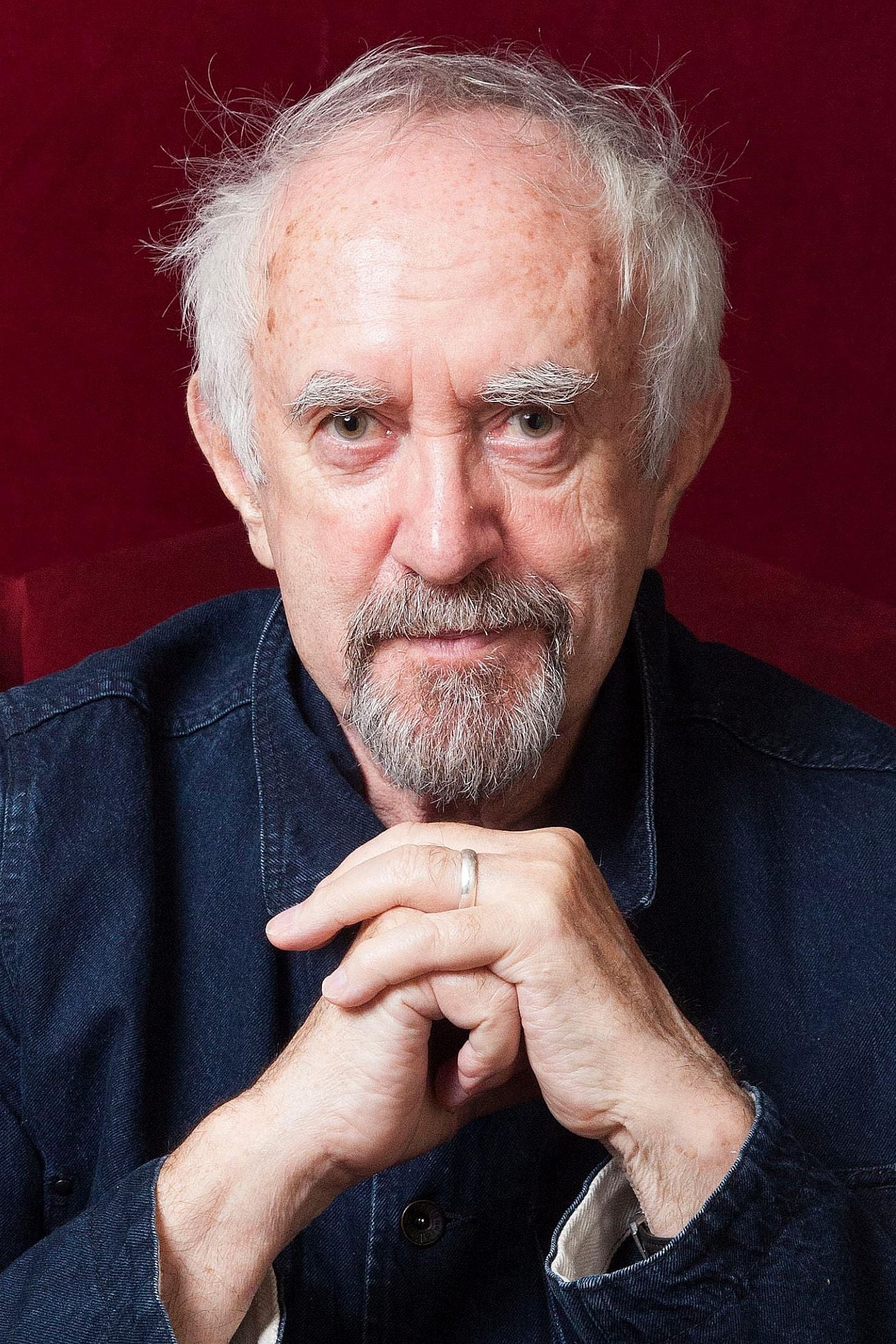
Jonathan Pryce played the Engineer in the original stage production of ‘Miss Saigon’ and the filmed versions of the performance. He used eye prosthetics and bronzing makeup to appear as a person of Eurasian descent. This led to a massive protest by the Actors Equity Association and other groups when the show moved to Broadway. Pryce defended his performance by stating that the character was a specific individual and that he was cast based on his acting ability. The controversy forced a change in how the character was presented in subsequent productions.
Jennifer Jones
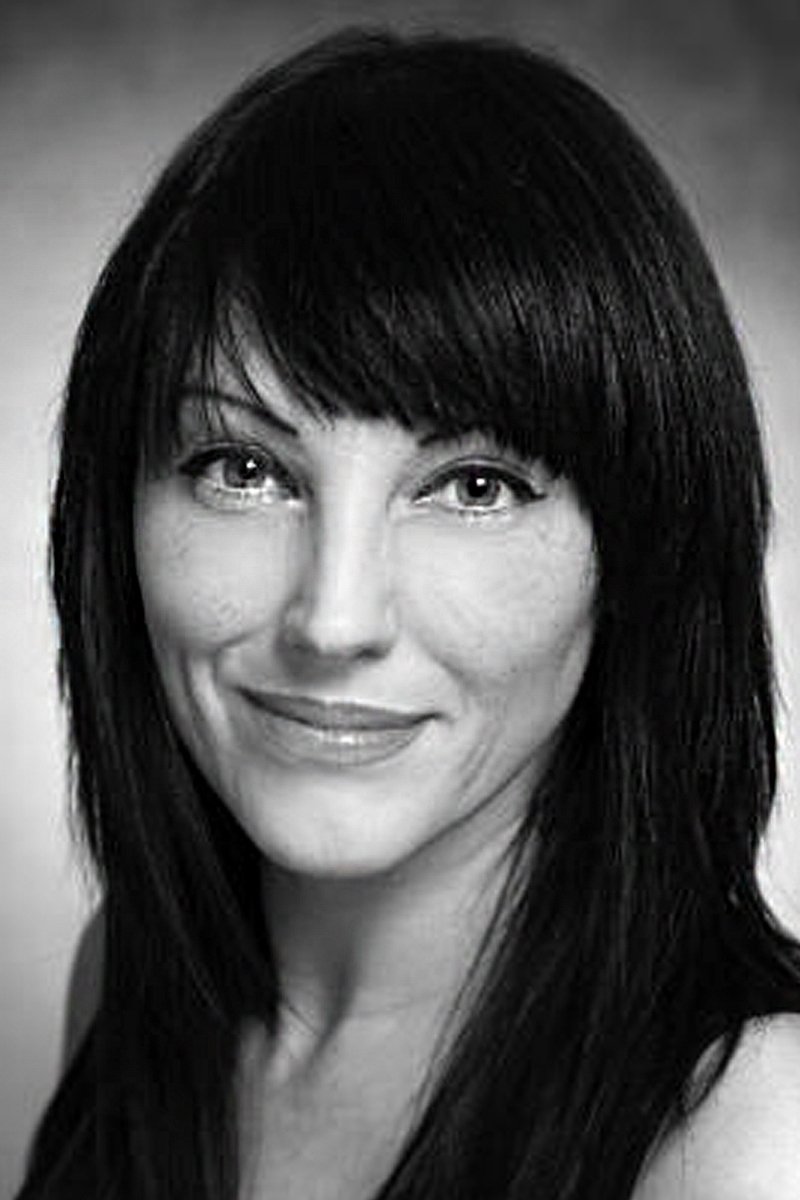
Jennifer Jones played a Eurasian doctor in the 1955 film ‘Love Is a Many Splendored Thing’. She used makeup to alter her appearance and portray the character Han Suyin who was based on a real person. The studio defended the casting of a white actress by claiming that the film’s romantic themes required a major star. Jones was a top actress of the time and the film was a significant commercial success. Critics now point to this as another example of Hollywood replacing Asian actors with white leads for box office reasons.
Walter Connolly
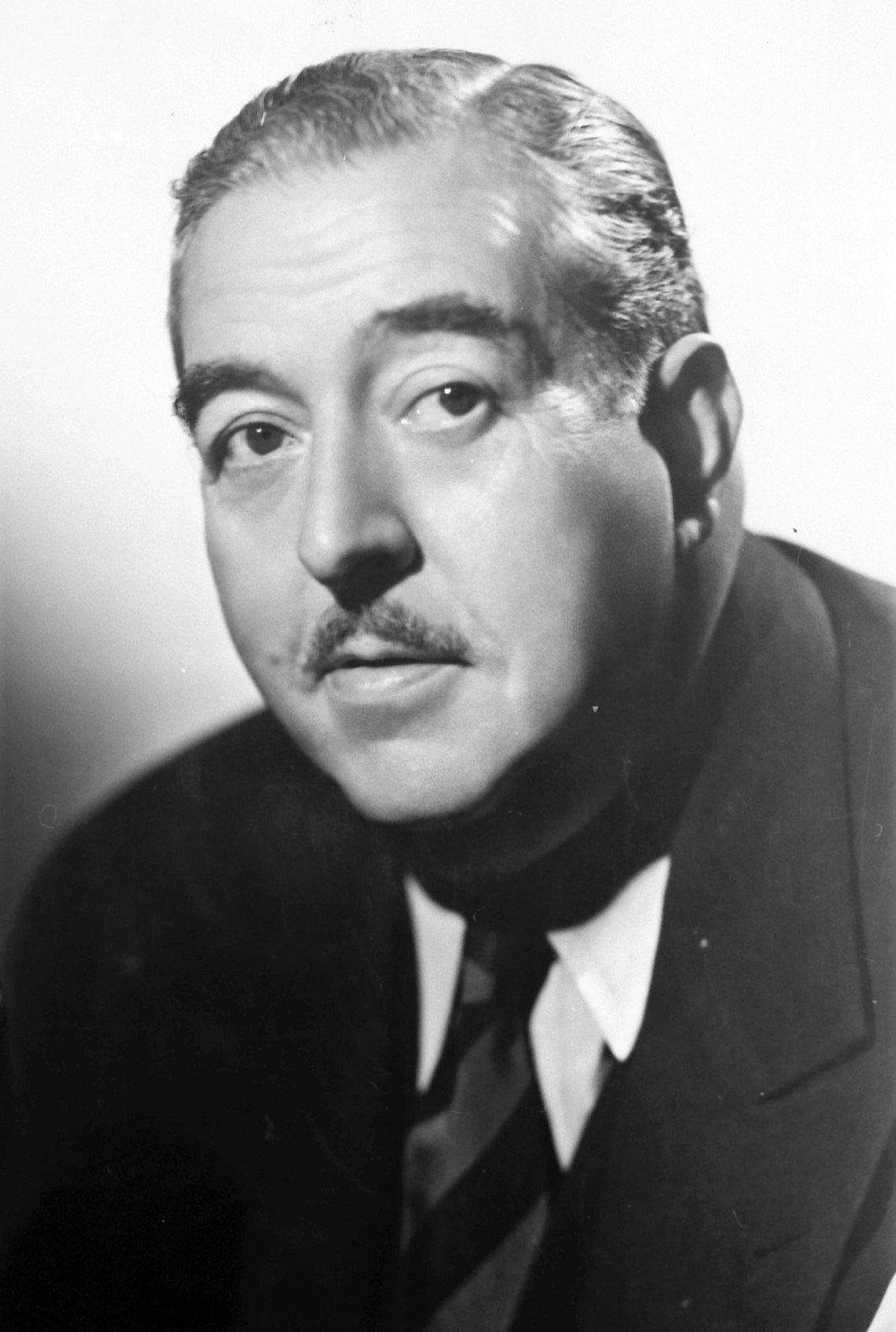
Walter Connolly appeared in ‘The Good Earth’ as a wealthy Chinese landowner in 1937. He was a prominent character actor who used makeup to fit into the film’s depiction of China. Connolly was part of a large white cast that occupied almost every significant role in the production. The studio and the actors defended this by citing the lack of bankable Asian talent in the United States. This reasoning has been thoroughly debunked by modern historians who point to the many talented Asian actors available at the time.
Tilly Losch
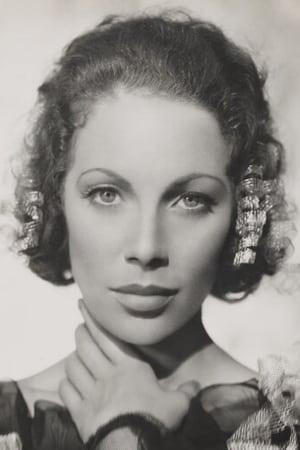
Tilly Losch was an Austrian actress and dancer who played a Chinese woman in ‘The Good Earth’. She utilized her background in dance to bring a specific grace to the character of Lotus. Losch used makeup to change her features and appeared in several scenes involving traditional Chinese settings. She defended her work as a fusion of different cultural aesthetics through the medium of film. Her performance is another layer of the extensive yellowface used in that specific production.
Harold Huber
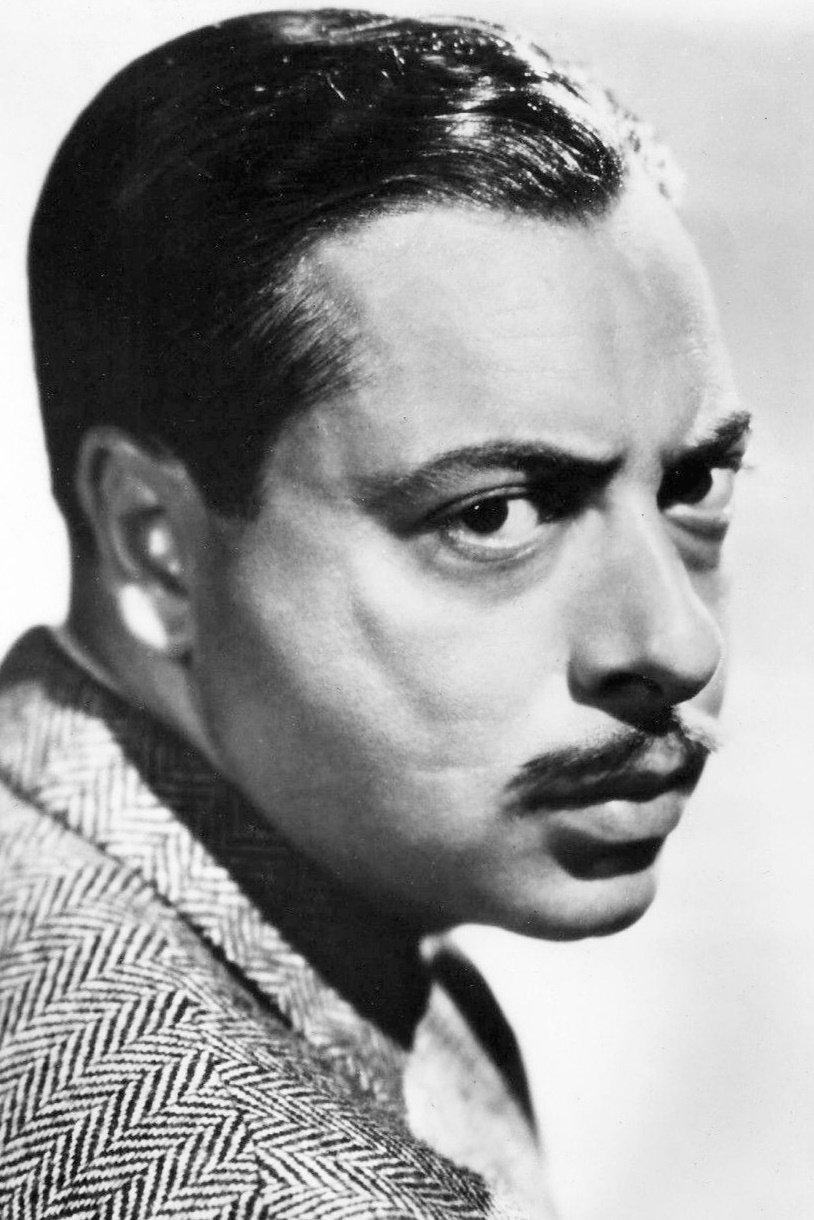
Harold Huber was a character actor who frequently appeared as Asian characters in the ‘Charlie Chan’ and ‘Mr. Moto’ film series. He was of European descent but was often cast in ethnic roles due to his versatility with accents. Huber defended his career as a professional necessity in an industry that prioritized typecasting. He believed that his ability to portray different nationalities was a testament to his skill as a performer. His roles contributed to the prevalence of yellowface in the B movie genre of the 1930s.
Frank Morgan
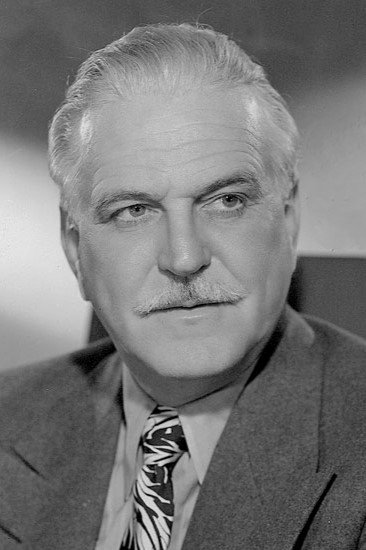
Frank Morgan who is best known as the Wizard in ‘The Wizard of Oz’ played a Chinese character in ‘The Good Earth’. He was a respected character actor who used makeup to transform for the dramatic role. Morgan and the other cast members were part of a production that was hailed for its technical excellence at the time. He did not publicly question the ethics of the casting and viewed it as just another role in his varied career. Today his participation is seen as part of a larger systemic issue within the studio system.
Turhan Bey
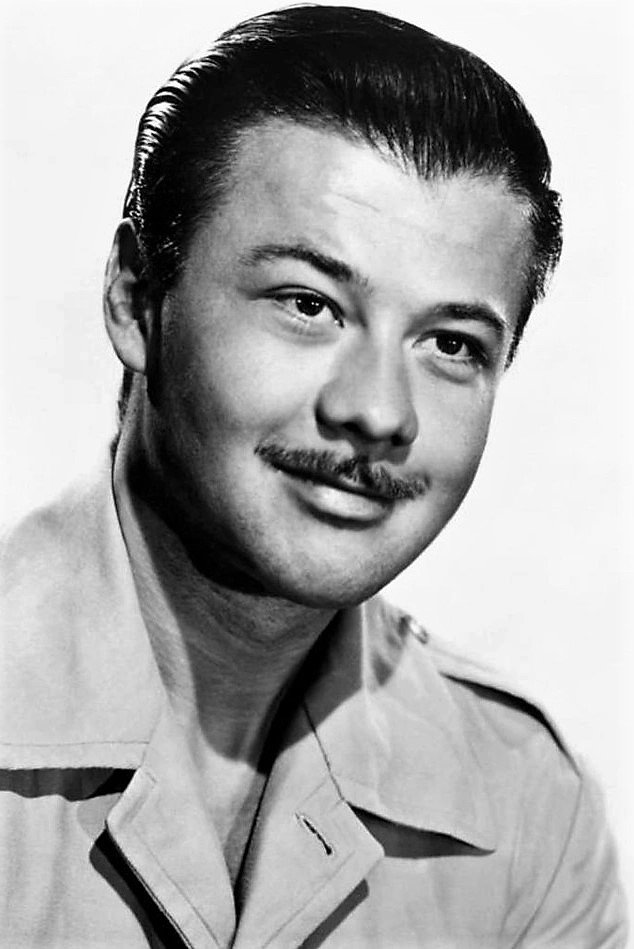
Turhan Bey was an actor of Turkish and Czech descent who was often cast in exotic roles in Hollywood during the 1940s. He played Asian characters in films like ‘Dragon Seed’ where he appeared alongside Katharine Hepburn. Bey defended his casting by stating that his own background was already considered exotic by Hollywood standards. He was often grouped with other white actors to fill roles that should have gone to Asian performers. His career highlights how studios used a small group of actors to represent many different cultures.
Gladys Cooper

Gladys Cooper played a role in the 1940 film ‘The Letter’ that involved her interacting with an Asian cast in a colonial setting. While she often played British aristocrats she was part of several productions that utilized yellowface for their primary characters. Cooper defended the traditional casting methods of the era as being necessary for the prestige of the films. She was a major star of both stage and screen and her influence helped maintain the status quo. Her work in these films is now scrutinized for its role in upholding racial hierarchies in cinema.
Robert Donat
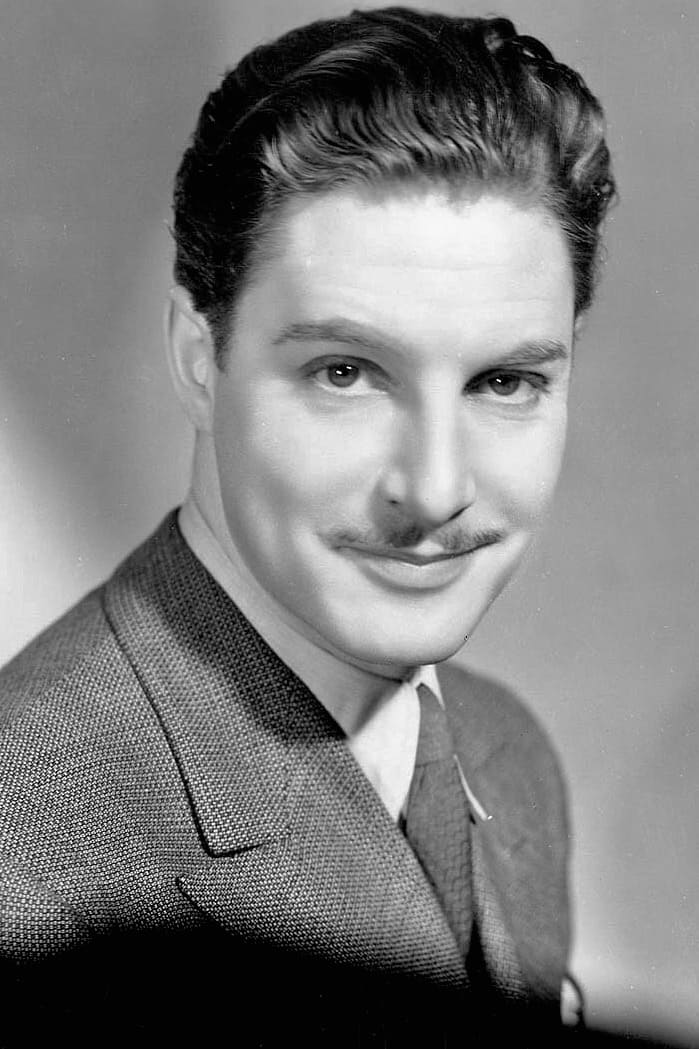
Robert Donat played a Chinese character in the 1958 film ‘The Inn of the Sixth Happiness’. He used makeup and an accent to portray the character of the Mandarin of Yang Cheng. Donat was a highly respected actor who won an Oscar for another role and this was one of his final performances. He defended the role as an opportunity to play a character with wisdom and dignity. The film was criticized for its lack of authentic casting despite being set entirely in China.
Sylvia Sidney
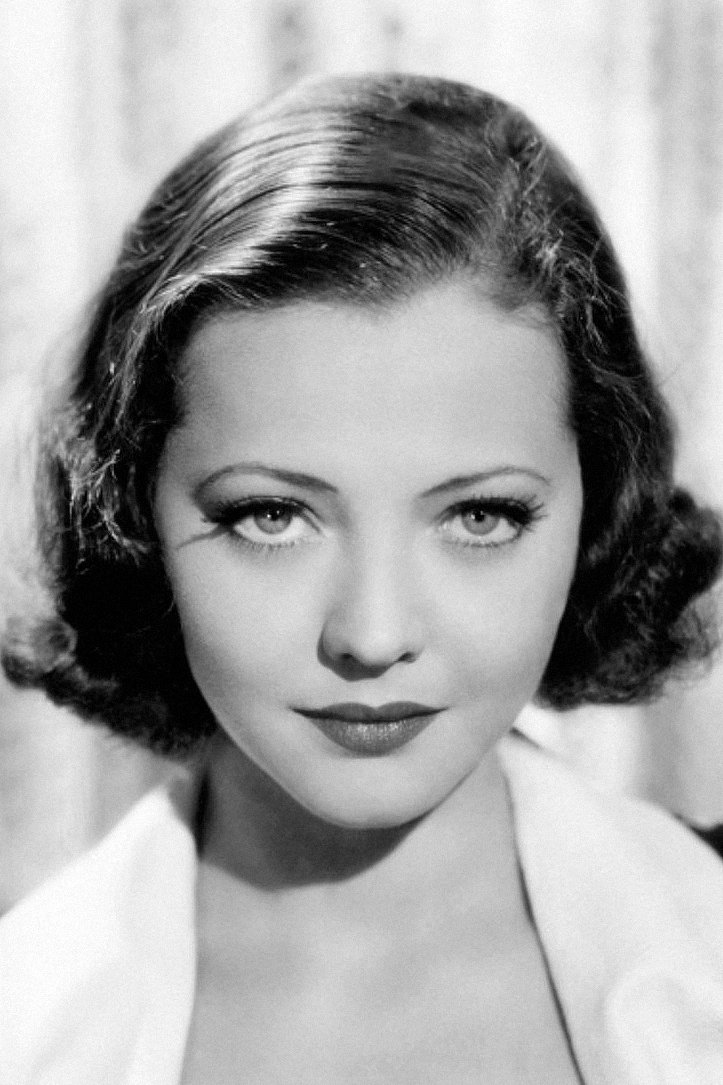
Sylvia Sidney played a Japanese woman in the 1932 film ‘Madame Butterfly’. She wore heavy makeup and traditional clothing to play the tragic heroine of the story. Sidney was a popular leading lady who was often cast in roles that highlighted her expressive eyes and emotional range. She defended her portrayal as a sincere effort to capture the heartbreak of the character. The film is now viewed as an early example of how Hollywood appropriated classic Asian stories for white stars.
Peter Sellers
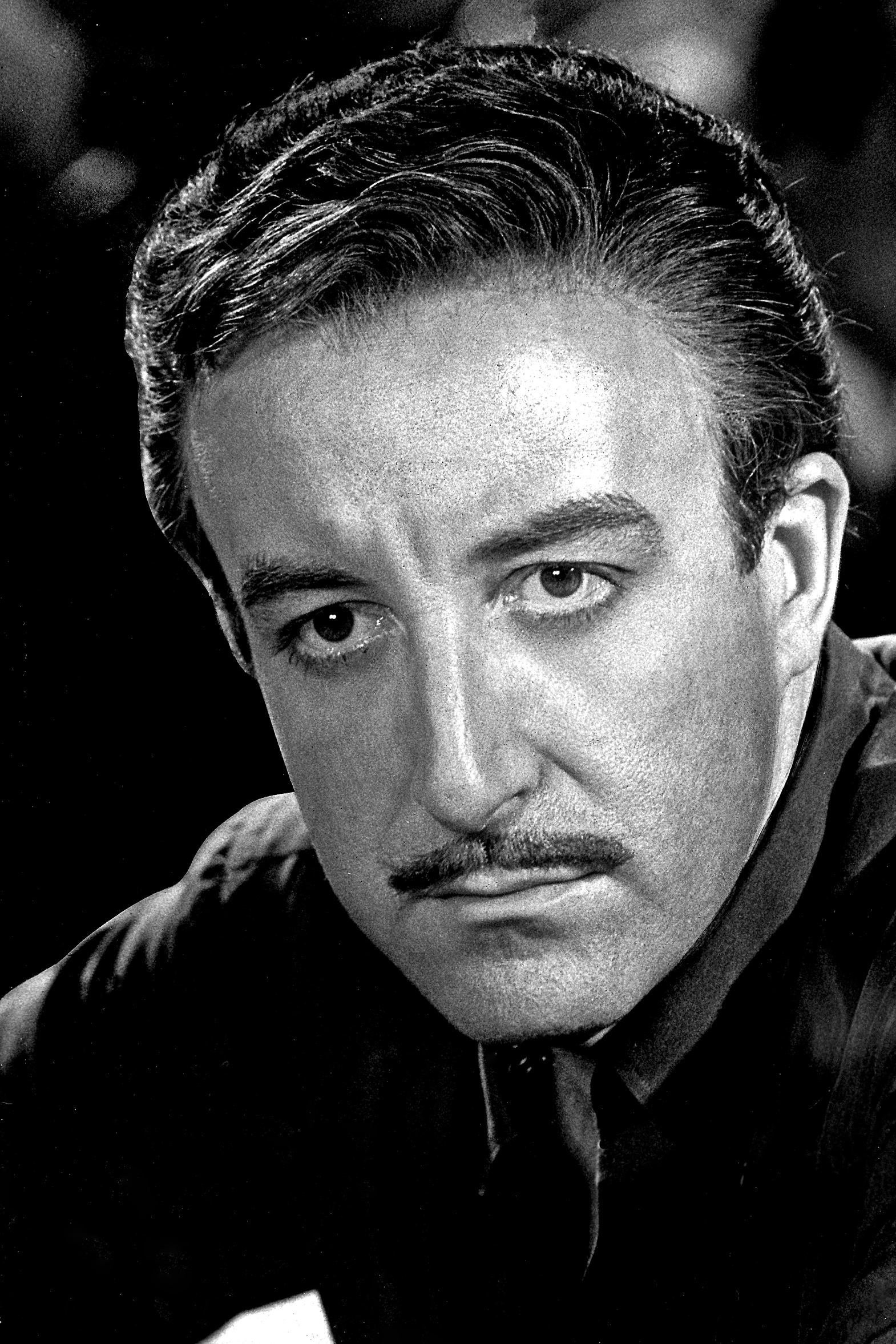
Peter Sellers used yellowface and brownface in several of his films including ‘The Party’ and ‘The Fiendish Plot of Dr. Fu Manchu’. He was known for his incredible range of voices and characters which he often created through physical transformation. Sellers defended his work as satire and believed that he was mocking the characters rather than the races they represented. However many of his portrayals are seen as offensive caricatures that relied on lazy stereotypes. He remained a beloved figure in comedy despite the recurring controversies surrounding his choices.
Barbara Stanwyck
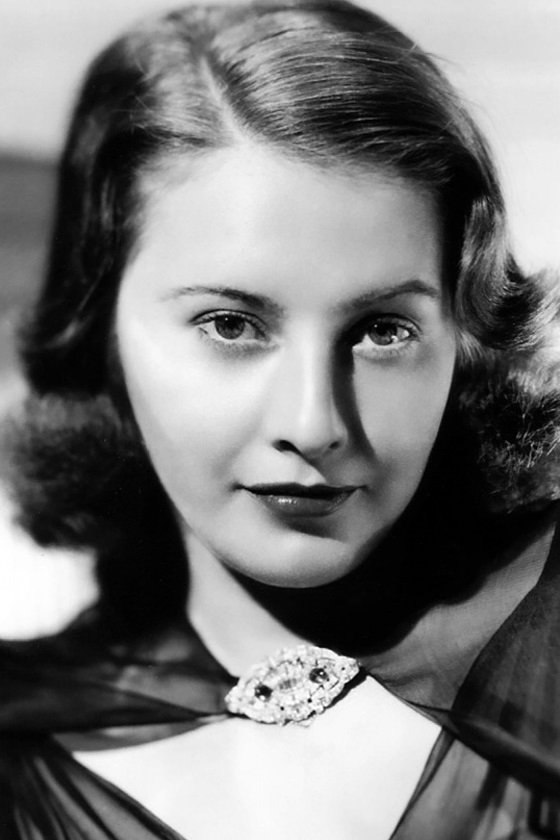
Barbara Stanwyck starred in ‘The Bitter Tea of General Yen’ as an American woman who falls for an Asian warlord. While she did not wear yellowface herself she defended the film and its controversial casting of Nils Asther. She believed the film was a bold piece of storytelling that addressed complex human emotions. Stanwyck was known for her strong and independent roles and she stood by the director’s vision for the project. The movie remains a significant point of discussion for its portrayal of interracial themes and yellowface.
Warner Baxter
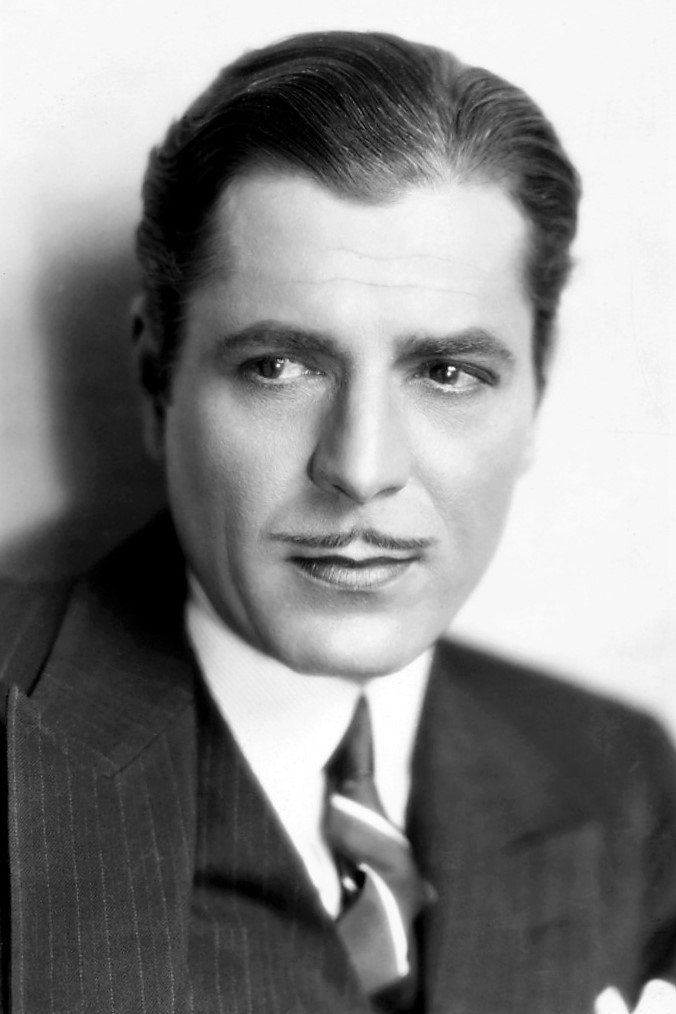
Warner Baxter played an Asian character in several early Hollywood productions using makeup to alter his appearance. He was a major star who won the second ever Academy Award for Best Actor. Baxter defended the practice of white actors playing Asian roles as a necessary part of the industry’s star system. He believed that the audience wanted to see their favorite actors in diverse and exotic settings. His career illustrates how even the biggest stars of the early era participated in the practice of yellowface without reservation.
Share your thoughts on these controversial casting choices in the comments.