


Actors Slammed for Taking Roles Meant for Underrepresented Groups

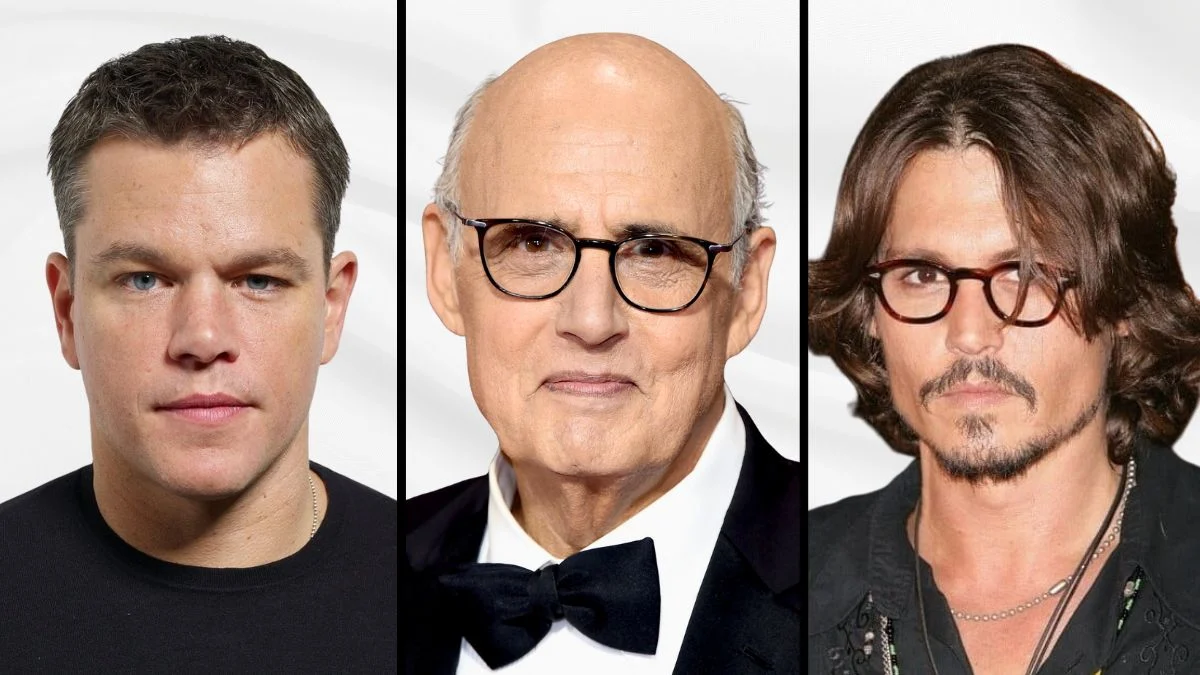


Hollywood has a long history of casting prominent stars in roles that were originally intended for individuals from marginalized backgrounds. This practice often sparks significant public debate regarding representation and authenticity in storytelling. Many actors have faced intense scrutiny for portraying characters of different ethnicities or physical abilities and sexual orientations. While some defend these choices as creative freedom others argue that they take away opportunities from underrepresented performers. This list examines several male actors who faced backlash for their controversial casting choices in major productions.
Mickey Rooney
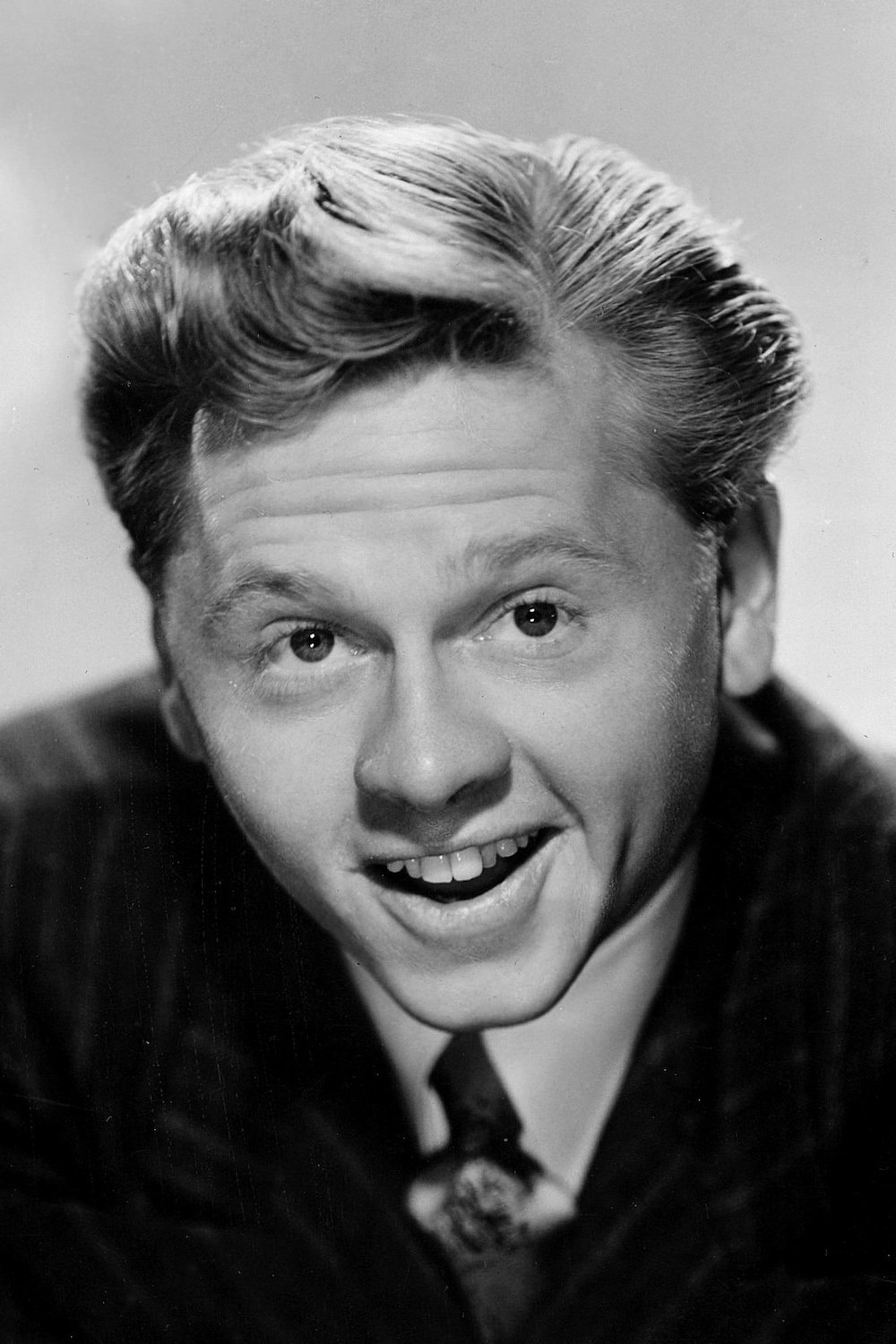
Mickey Rooney portrayed the Japanese character Mr. Yunioshi in the classic film ‘Breakfast at Tiffany’s’. The performance relied on heavy makeup and prosthetic teeth to create a caricature of an Asian man. Modern audiences and critics widely view this role as one of the most offensive examples of yellowface in cinema. The choice to cast a white actor in this role has been a point of contention for decades. Rooney eventually acknowledged the criticism but noted that he never intended to offend anyone with his performance.
Laurence Olivier
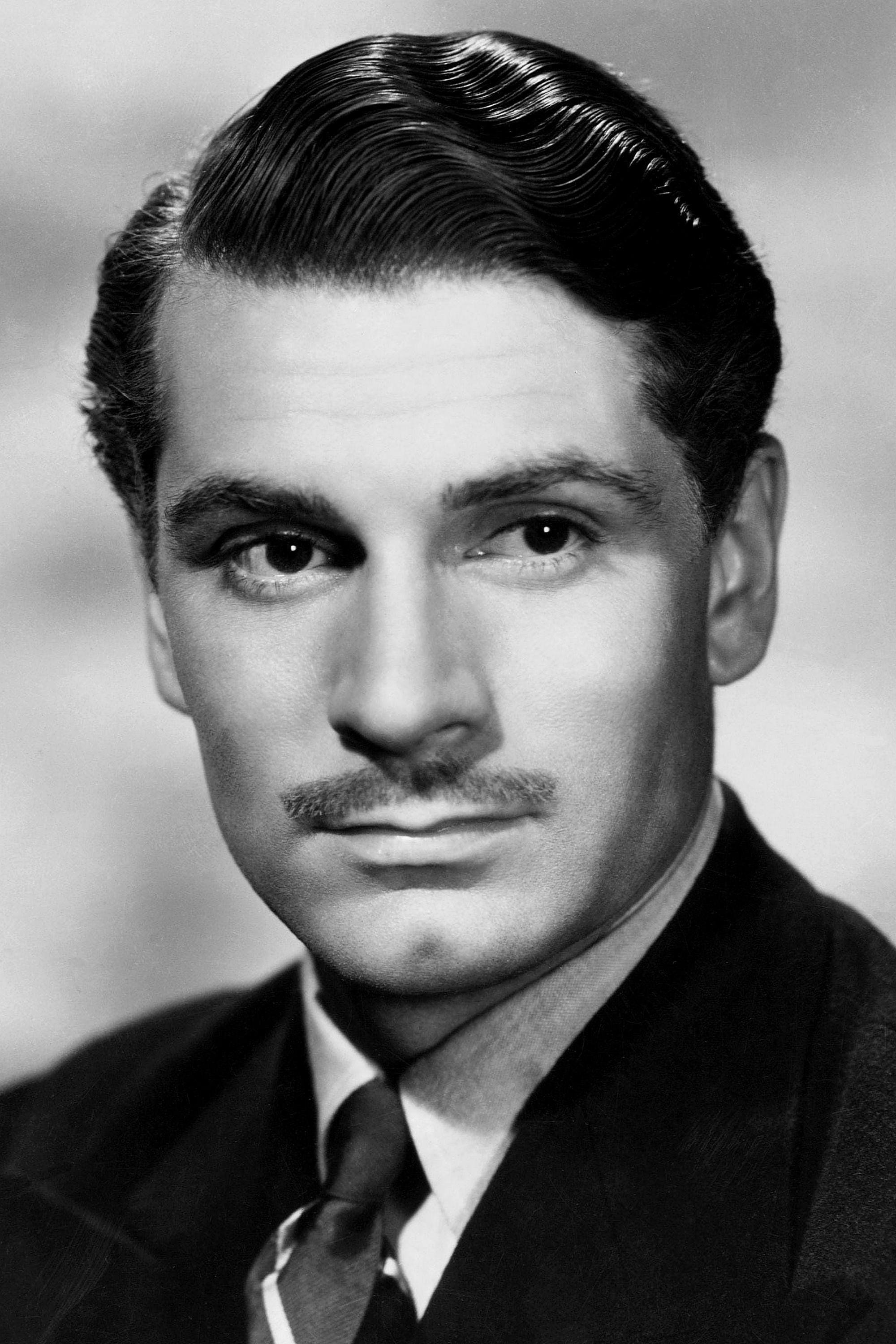
Laurence Olivier famously donned blackface to play the title character in the film adaptation of ‘Othello’. The actor used dark makeup and altered his voice to portray the Moorish general. This casting choice reflected the common practice of the time where white actors took on lead roles intended for people of color. Many modern viewers find the performance difficult to watch due to its visual depiction and historical context. The film remains a primary example of the exclusion of Black actors from significant Shakespearean roles on screen.
Marlon Brando
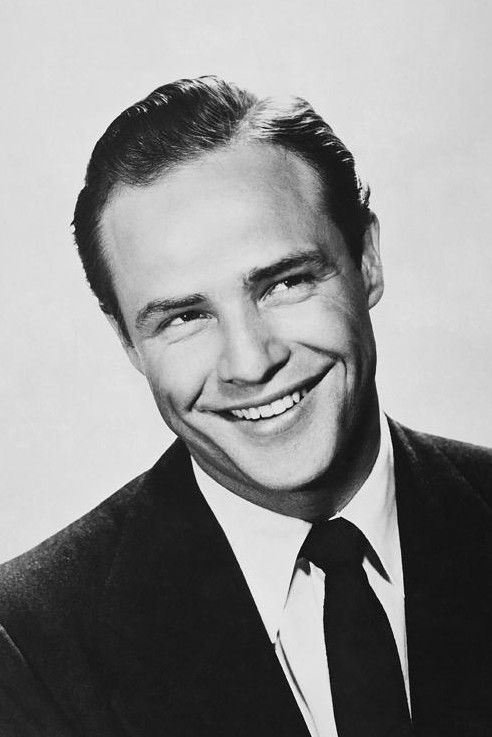
Marlon Brando played a Japanese villager named Sakini in the movie ‘The Teahouse of the August Moon’. He underwent extensive makeup sessions to change his facial features for the part. The decision to cast a major Hollywood star instead of an actor of Asian descent drew criticism regarding authenticity. This role is often included in discussions about the history of ethnic caricature in Western media. Brando later moved away from such roles as the industry began to change its approach to casting.
John Wayne
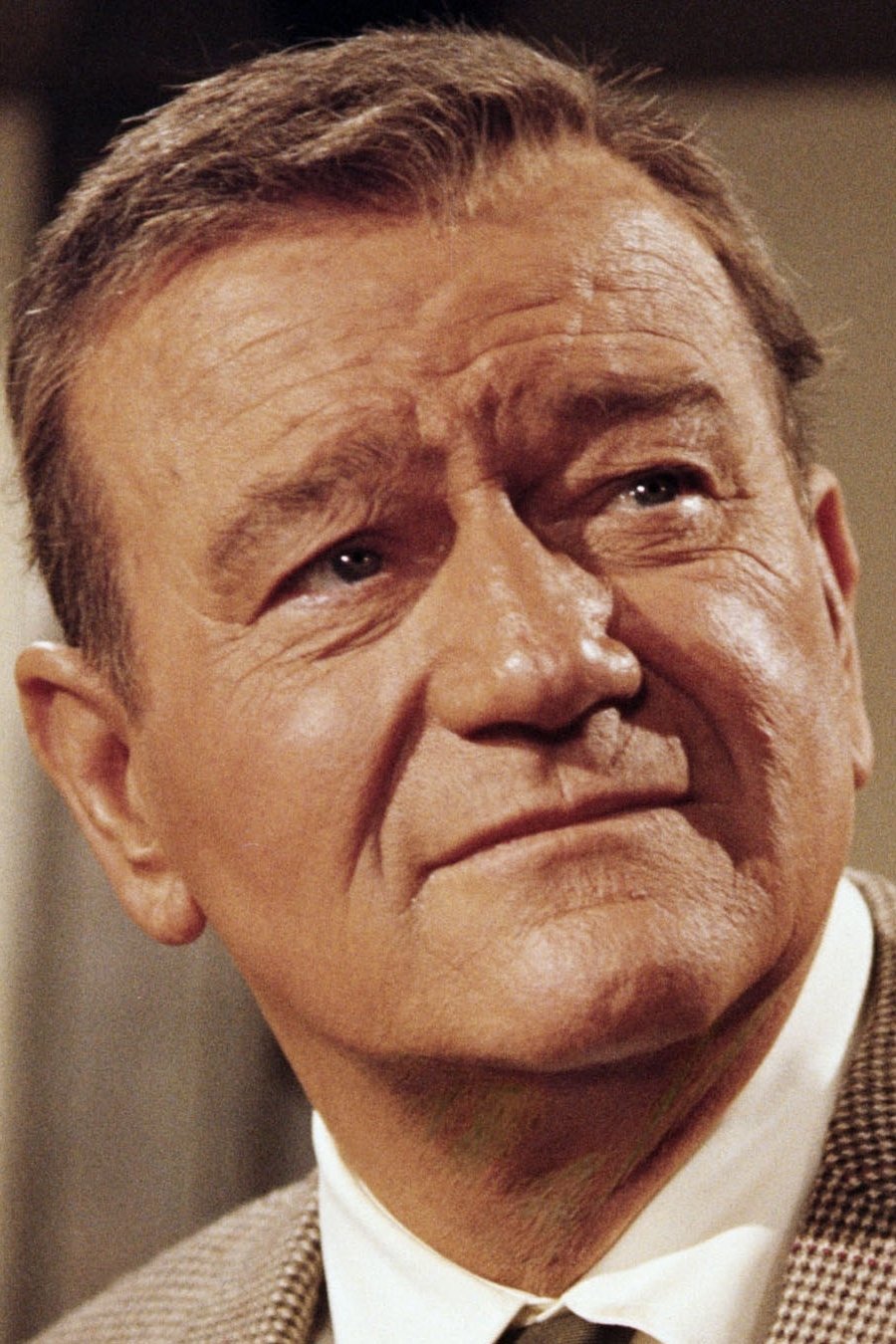
John Wayne took on the role of the Mongol leader Genghis Khan in the film ‘The Conqueror’. The movie is frequently cited as one of the most poorly cast films in the history of Hollywood. Wayne used makeup to approximate an East Asian appearance while maintaining his signature cowboy persona. This casting choice was met with confusion and later became a symbol of the era of blatant whitewashing. The project faced numerous other issues but the central casting remains its most enduring legacy.
Jake Gyllenhaal
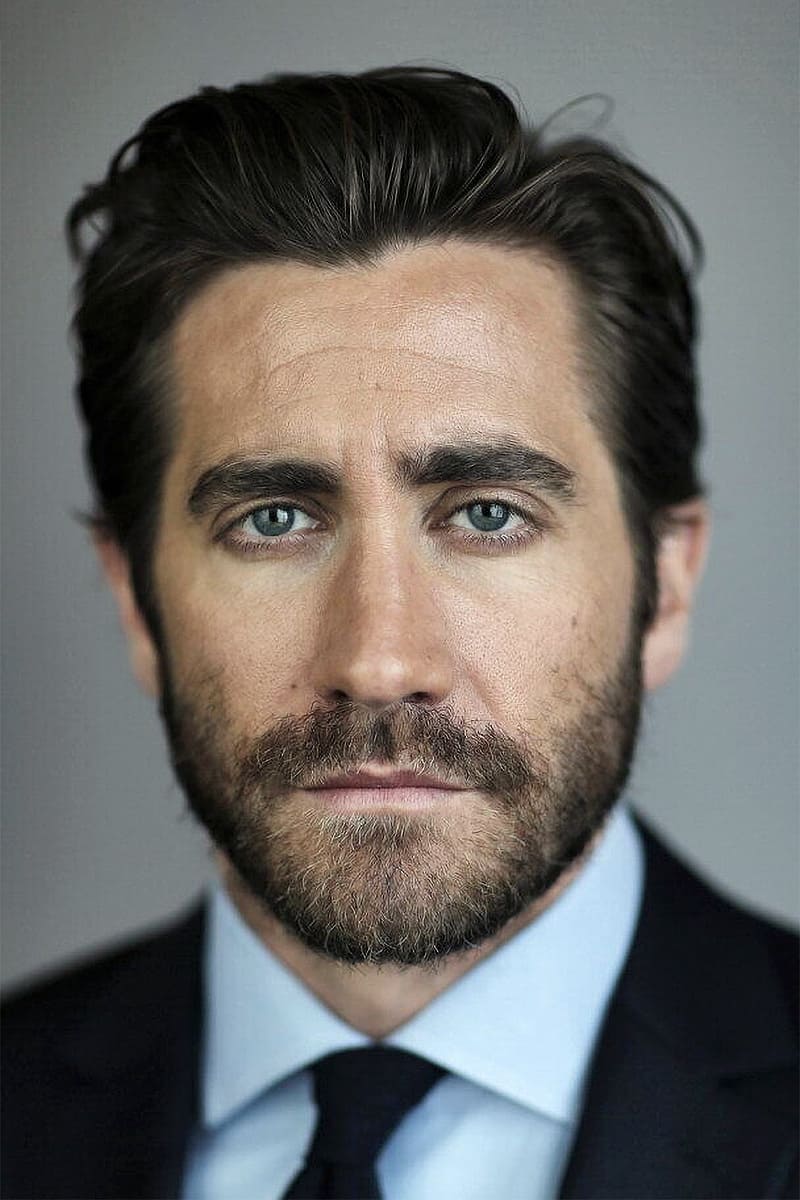
Jake Gyllenhaal starred as the lead character in the film ‘Prince of Persia’. The decision to cast a white American actor as a Persian prince caused significant controversy upon the release of the movie. Critics argued that the production missed an opportunity to provide a platform for an actor of Middle Eastern descent. The backlash highlighted ongoing concerns about the lack of diversity in big budget action films. Gyllenhaal later admitted that the role was not the right fit for him and learned from the experience.
Johnny Depp
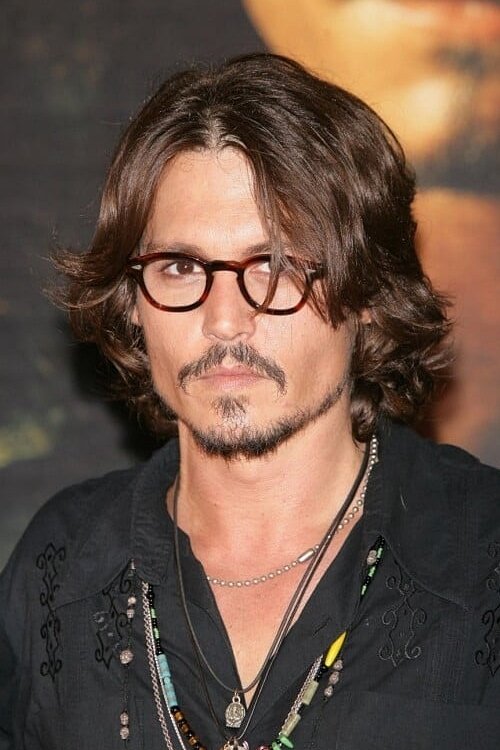
Johnny Depp played the role of Tonto in the big screen adaptation of ‘The Lone Ranger’. Although the actor claimed to have some Native American ancestry the casting was met with skepticism from indigenous communities. Many argued that the character should have been portrayed by a person with a verified indigenous background. The performance was also criticized for its use of traditional tropes and eccentric characterization. This casting choice sparked a broader conversation about representation in Western films.
Benedict Cumberbatch
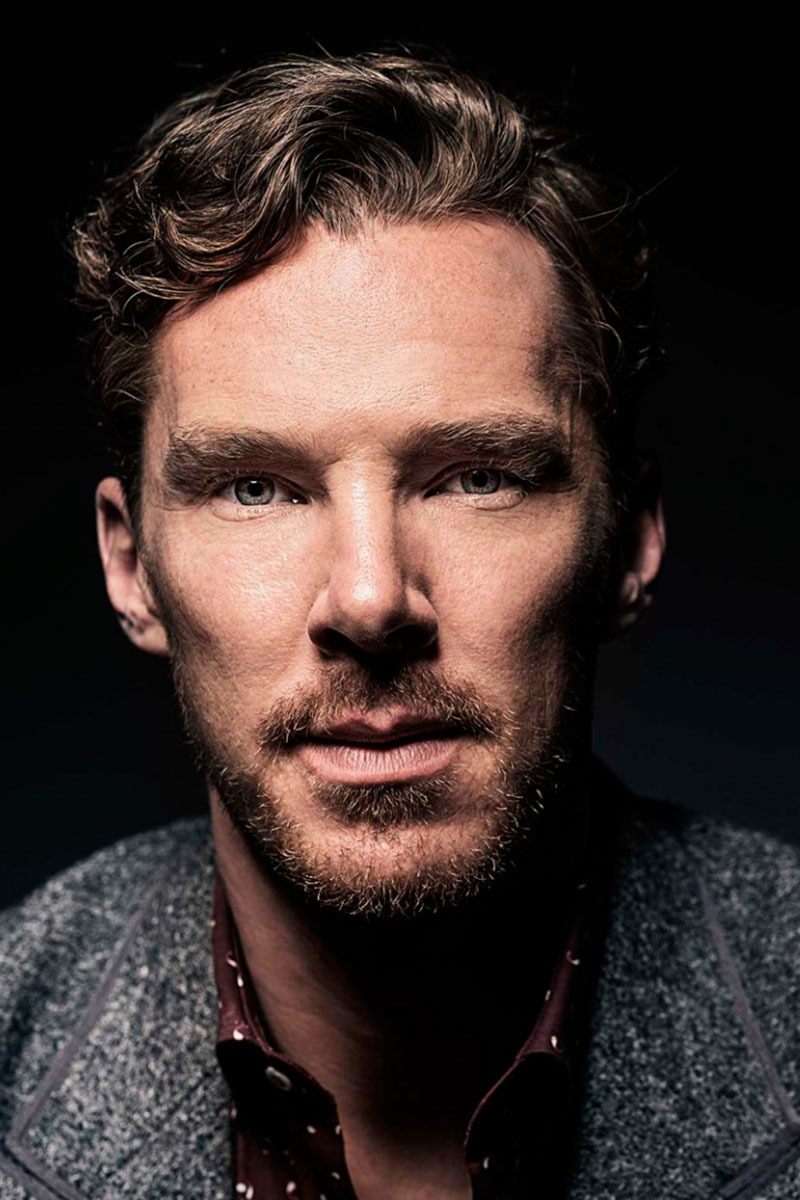
Benedict Cumberbatch appeared as the villainous Khan in the movie ‘Star Trek Into Darkness’. The character was originally established as being of Indian descent in earlier iterations of the franchise. Fans and critics were disappointed that a white actor was chosen for a role that had historically been a person of color. The production team defended the choice by focusing on the talent of the actor rather than the ethnic background of the character. This instance added to the growing list of whitewashing allegations in modern science fiction.
Eddie Redmayne
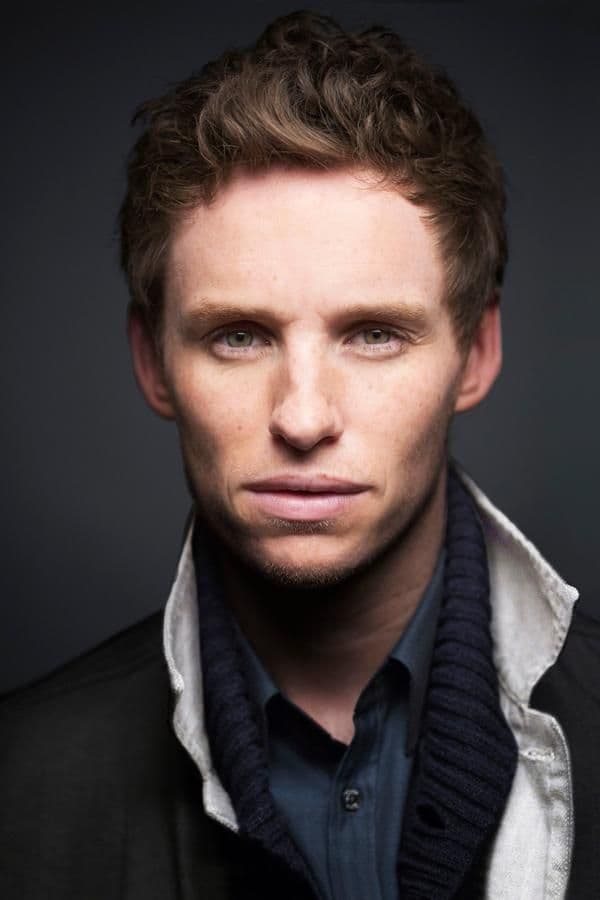
Eddie Redmayne portrayed a transgender woman named Lili Elbe in the film ‘The Danish Girl’. While the performance received critical acclaim it also drew criticism from the LGBTQ+ community. Many argued that a transgender actress should have been given the opportunity to play such a significant historical figure. The debate focused on the importance of authentic representation for marginalized groups in Hollywood. Redmayne later stated that he would not take the role if it were offered to him today.
Jared Leto
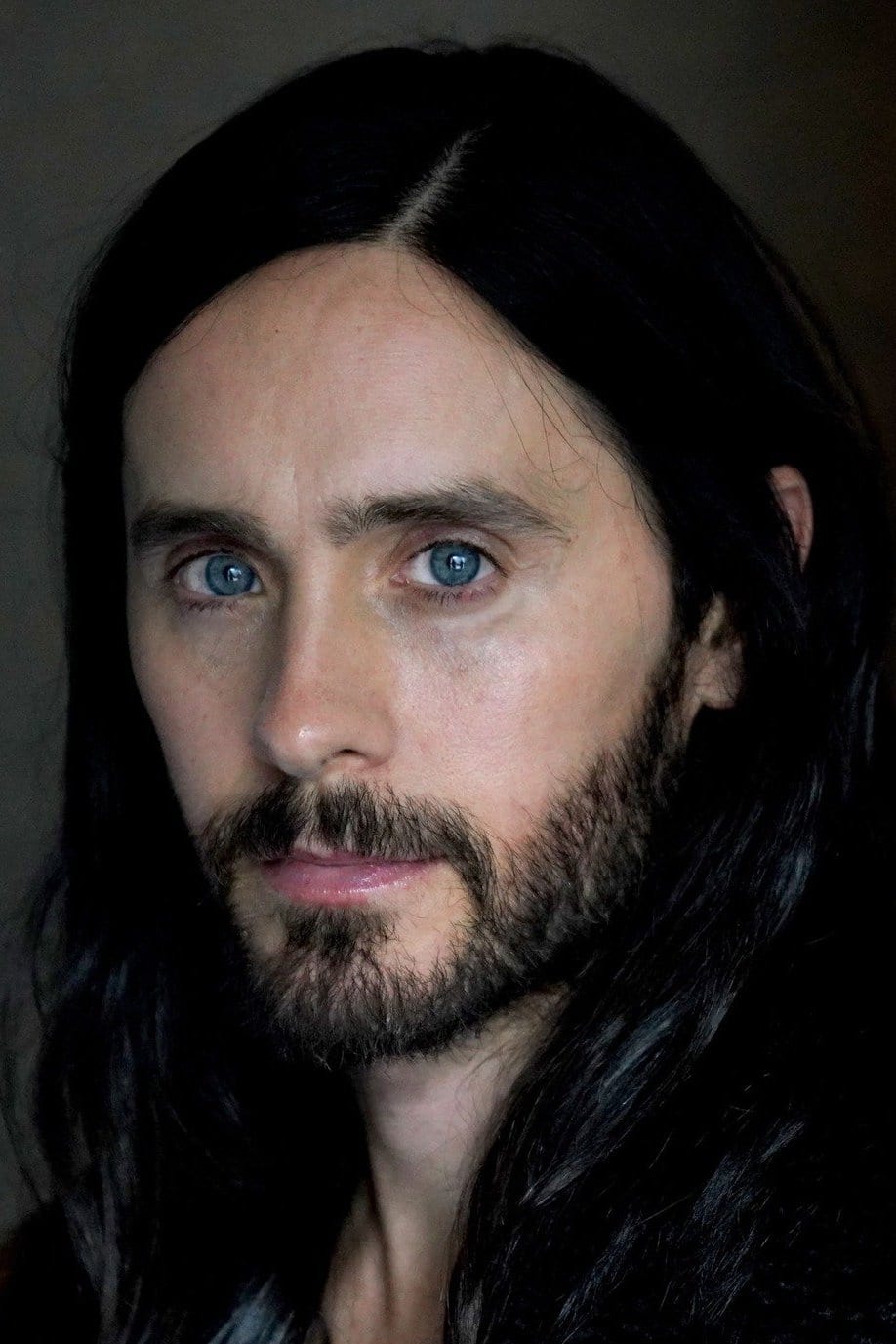
Jared Leto played the role of Rayon who was a transgender woman in the film ‘Dallas Buyers Club’. The actor won several awards for his performance but faced backlash from activists who wanted to see trans actors in trans roles. Critics pointed out that casting a cisgender man reinforces the idea that transgender women are simply men in costumes. The production was urged to consider the impact of such casting choices on the visibility of the trans community. Leto acknowledged the complexity of the issue during his subsequent interviews.
Jeffrey Tambor
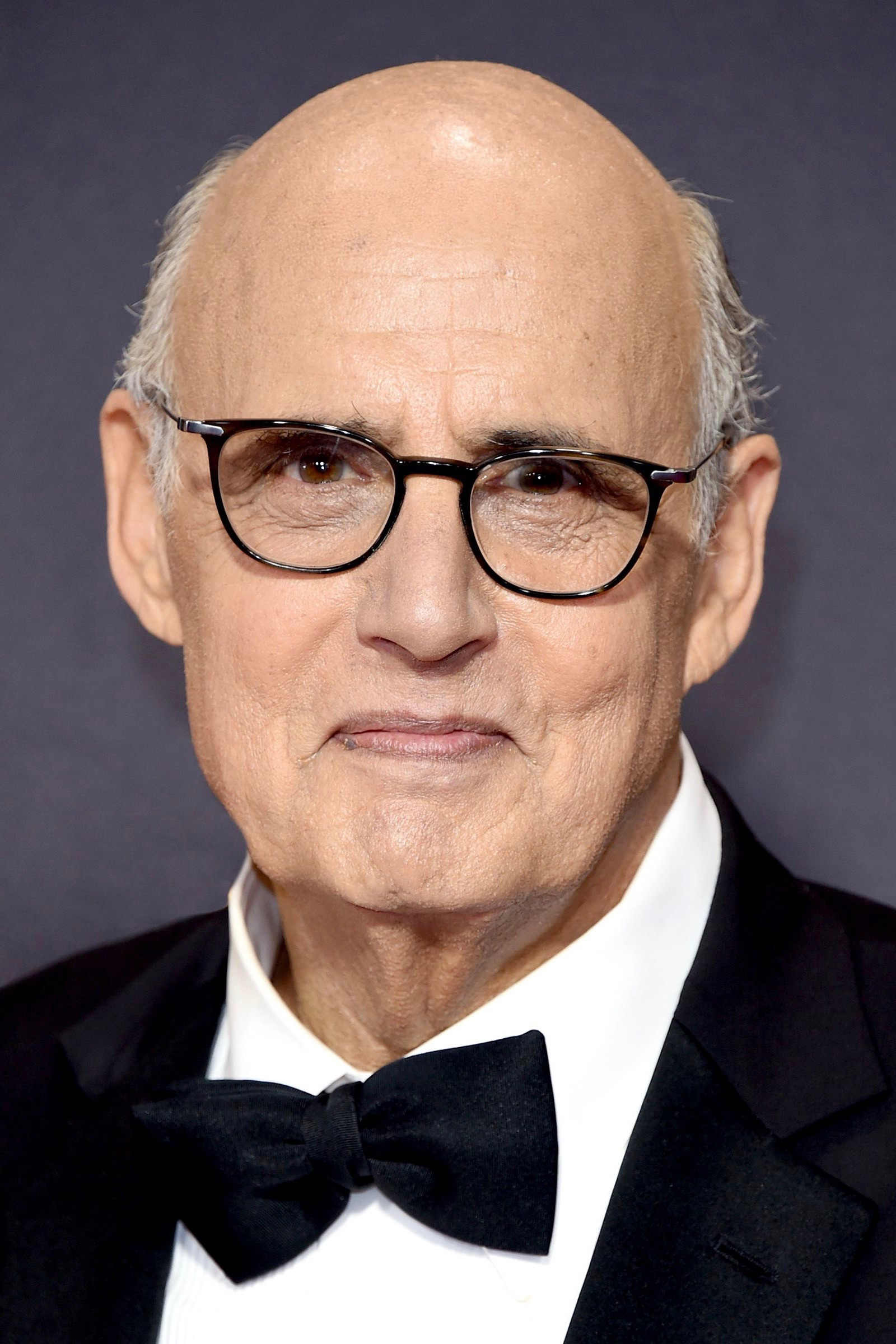
Jeffrey Tambor starred as Maura Pfefferman in the television series ‘Transparent’. The show followed a patriarch who comes out as a transgender woman to her family. While the series was praised for its writing the casting of a cisgender male actor remained a point of contention. Advocates argued that the role could have been a breakthrough for a transgender performer in the industry. The controversy surrounding the show eventually extended to other issues during its final seasons.
Jim Sturgess
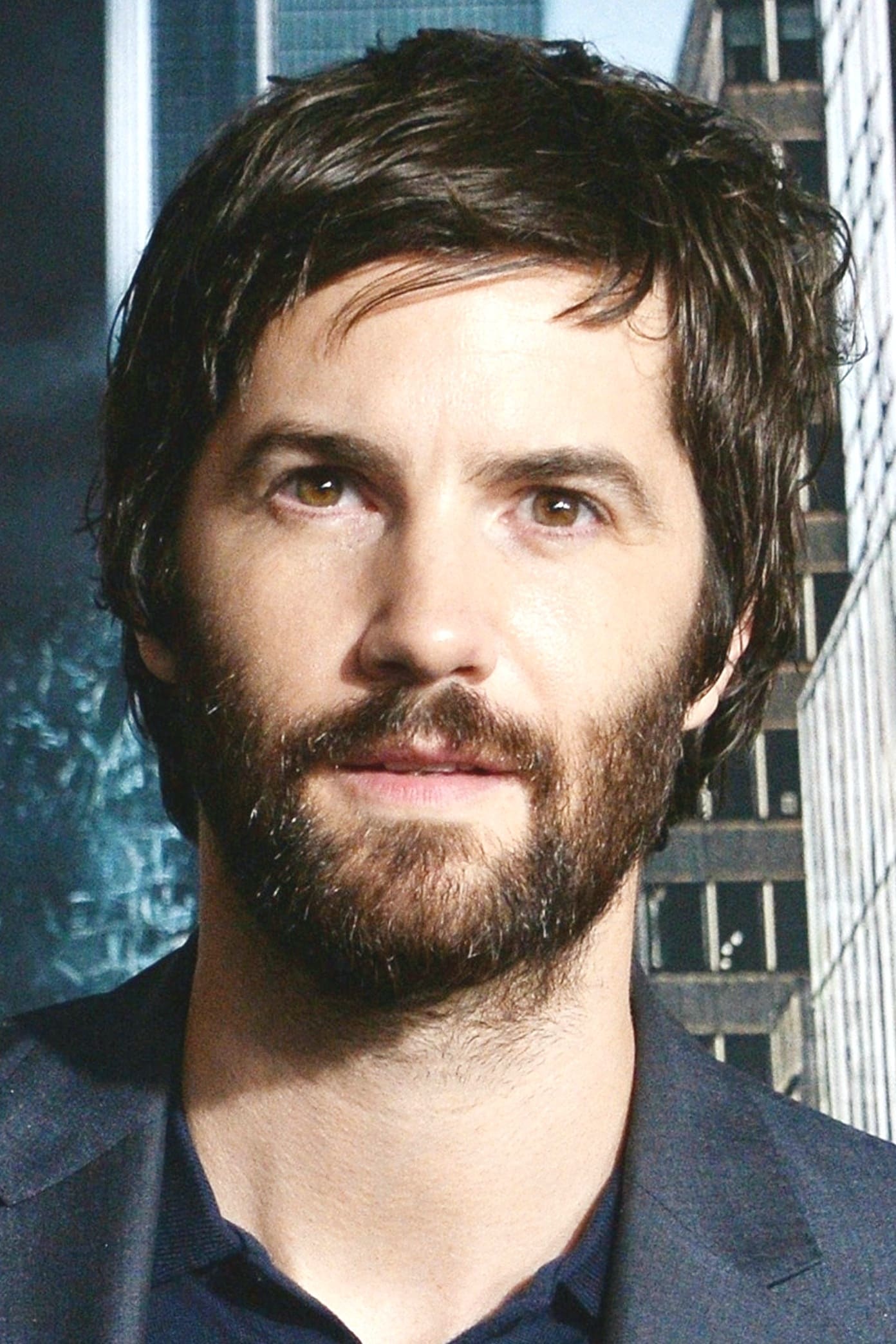
Jim Sturgess was cast as the lead character in the film ’21’. The movie was based on a true story about a team of Asian American students from MIT who mastered card counting. The production chose to change the ethnicities of the main characters to white actors for the film adaptation. This decision resulted in accusations of whitewashing from the public and Asian American advocacy groups. The film became a primary example of how Hollywood often replaces real life minority figures with white stars.
Justin Chatwin
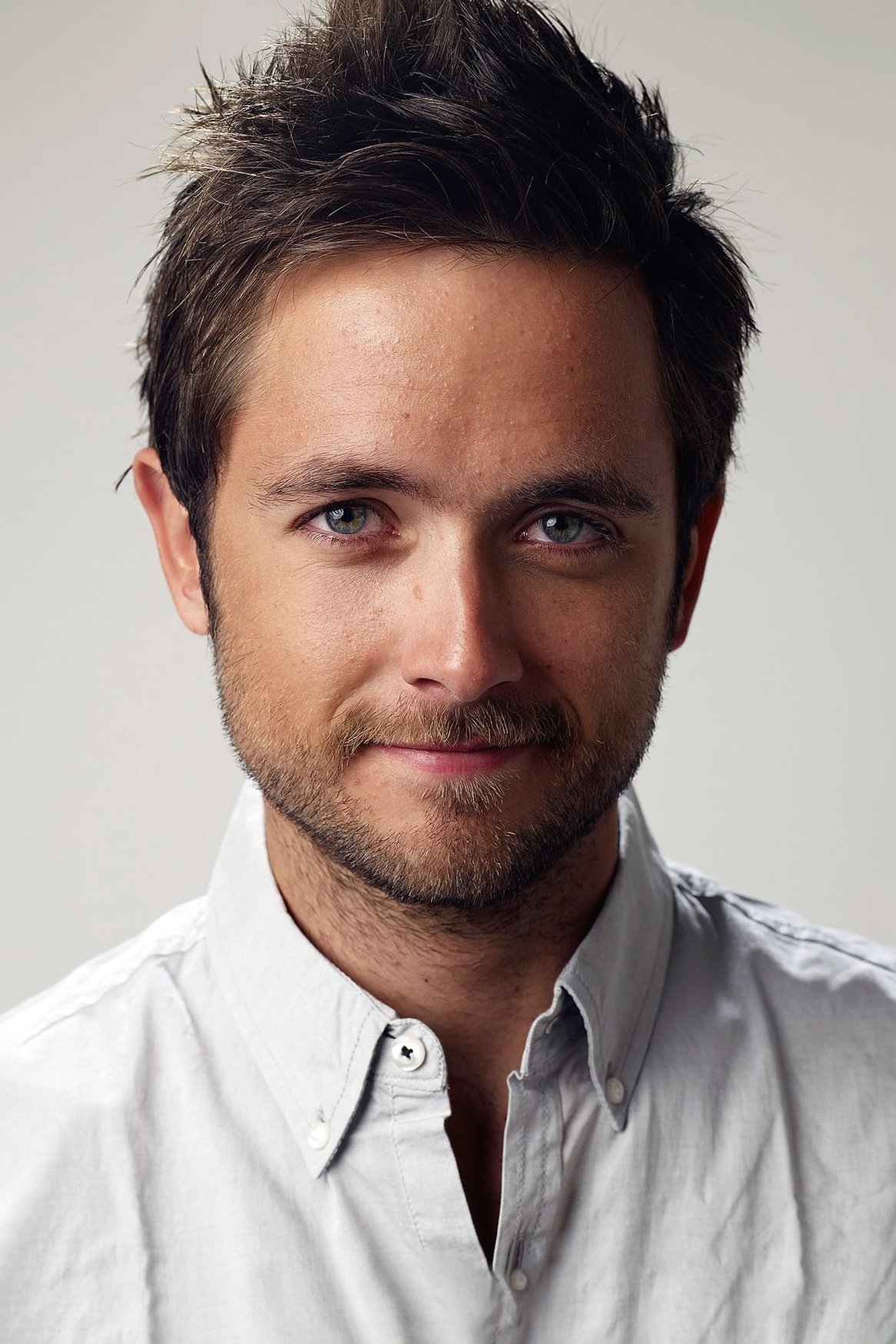
Justin Chatwin played the character Goku in the live action film ‘Dragonball Evolution’. The character originated in a popular Japanese manga and was widely perceived as Asian by the global fan base. The decision to cast a white actor in the lead role was met with widespread derision and disappointment. Fans felt that the adaptation failed to respect the cultural roots of the source material. The movie is often cited as a major failure in terms of both casting and overall quality.
Matt Damon
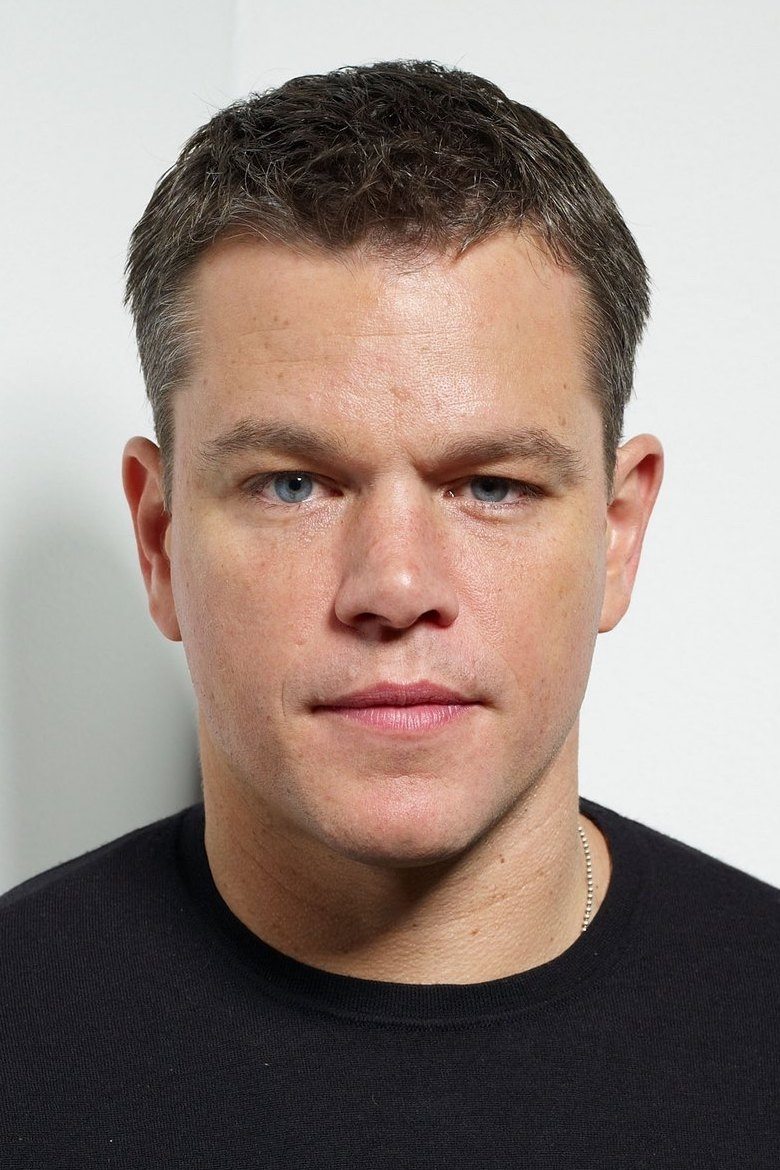
Matt Damon played a mercenary in the film ‘The Great Wall’ which was set in ancient China. The marketing for the film led many to believe that a white actor was being positioned as the savior of the Chinese people. This sparked a heated debate about the white savior trope in international cinema. While the director defended the casting by noting the character was always intended to be a foreigner the backlash remained significant. The controversy overshadowed the release of the film in Western markets.
Liam Neeson
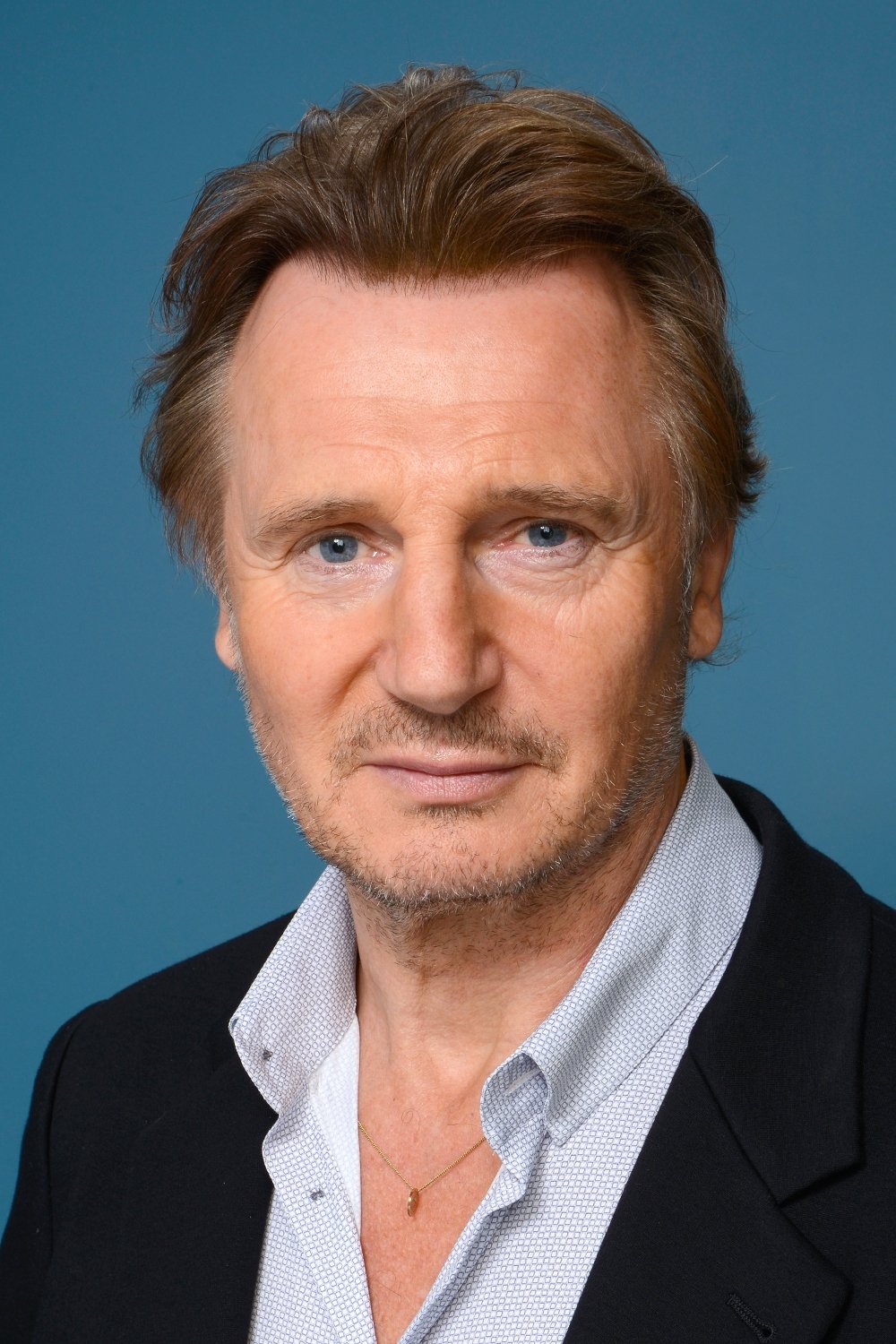
Liam Neeson played the character Ra’s al Ghul in the film ‘Batman Begins’. In the original comic books the character is depicted as being of Arab and East Asian heritage. The choice to cast a white actor of Irish descent was viewed by some as an erasure of the ethnic background of the character. This casting decision continued in the sequels and in other media adaptations of the character. It remains a point of discussion among fans who value ethnic accuracy in comic book movies.
Ben Affleck
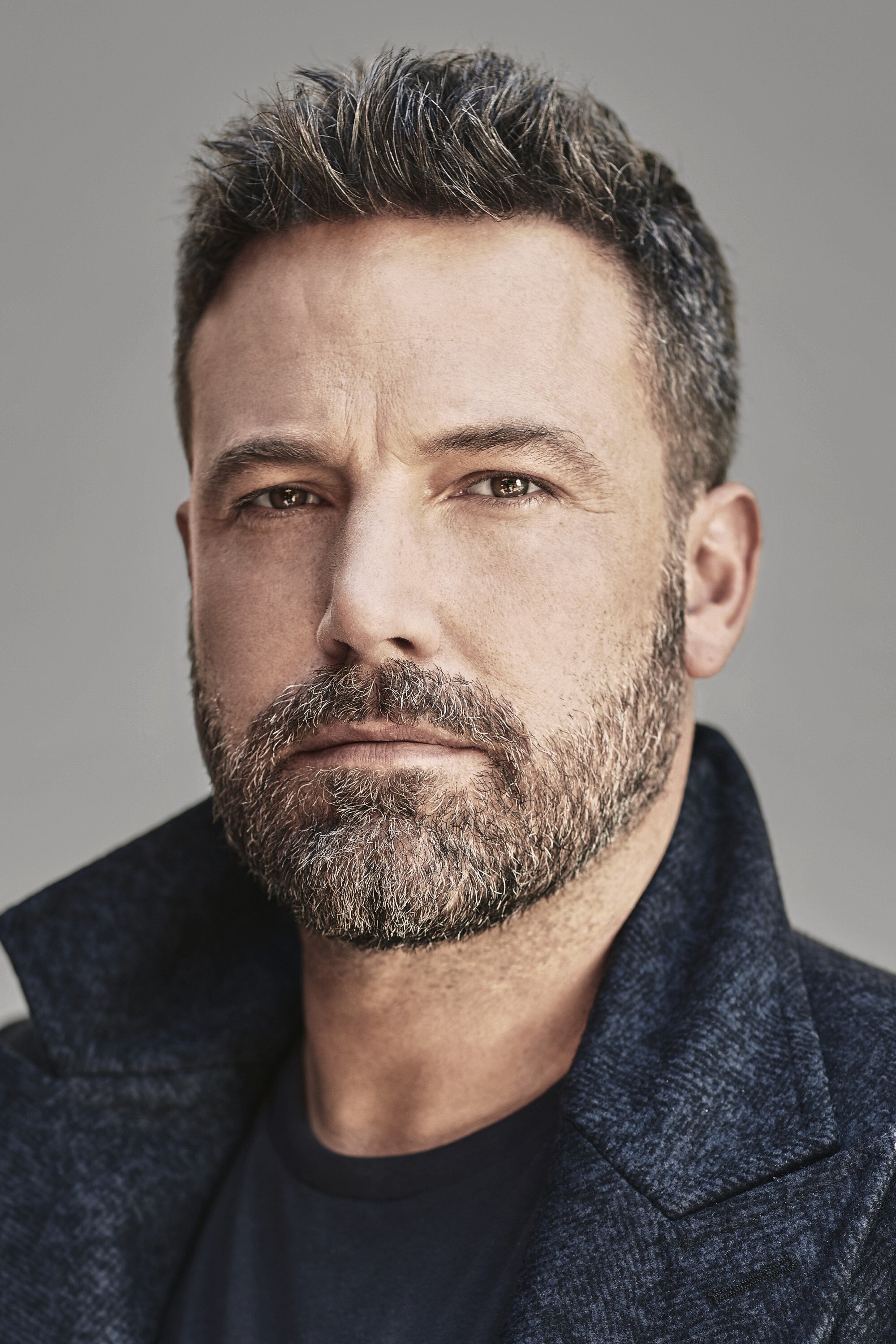
Ben Affleck directed and starred in the film ‘Argo’ where he played the real life CIA officer Tony Mendez. Mendez was of Mexican heritage and his background was a significant part of his identity. The decision for Affleck to play the role himself led to criticisms of whitewashing a Latino hero. Critics argued that there were many talented Latino actors who could have portrayed the historical figure. Despite the film winning several major awards the casting choice remains a subject of debate among film historians.
Joseph Fiennes
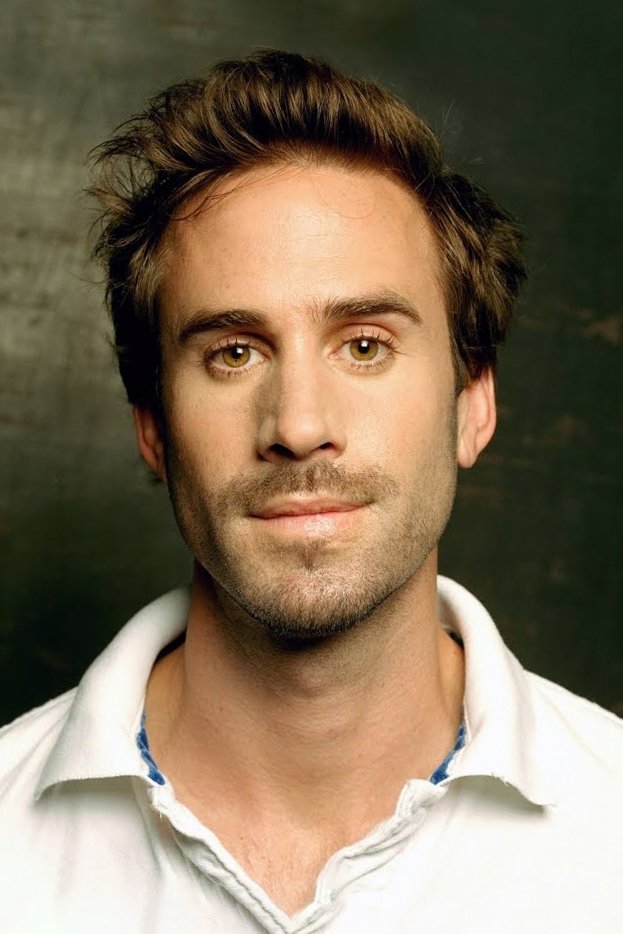
Joseph Fiennes was cast as Michael Jackson in an episode of the British anthology series ‘Urban Myths’. The announcement was met with immediate and intense backlash from the family of the singer and the general public. Many felt that casting a white actor to play a Black icon was deeply inappropriate and disrespectful. The controversy became so large that the production company eventually decided not to air the episode. Fiennes later expressed that he understood why the casting caused such a negative reaction.
Christian Bale
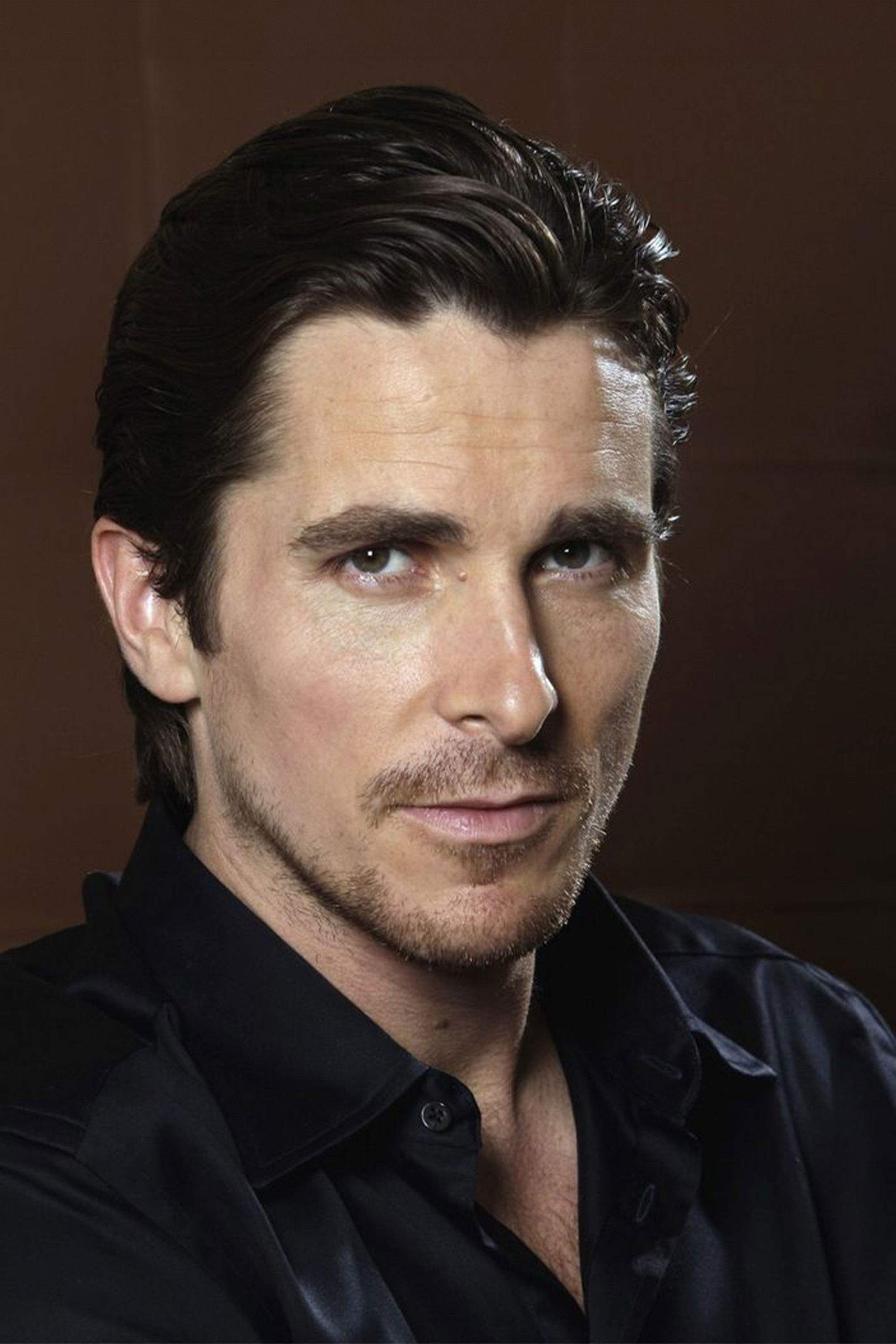
Christian Bale played the biblical figure Moses in the film ‘Exodus Gods and Kings’. The director faced heavy criticism for casting primarily white actors in roles representing ancient Egyptians and Israelites. Social media campaigns called for a boycott of the film due to the lack of diversity in the lead cast. Bale defended the production by citing the financial requirements of making a large scale epic. The controversy sparked a wider conversation about the responsibility of directors to ensure diverse representation in historical dramas.
Joel Edgerton
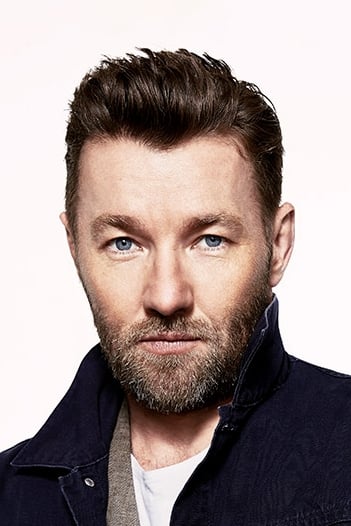
Joel Edgerton was cast as Ramses in the movie ‘Exodus Gods and Kings’. Like his costar he faced scrutiny for portraying an Egyptian historical figure as a white man. The use of tanning makeup on the actors further fueled the anger of critics who saw it as an outdated practice. This casting choice was seen as a missed opportunity to represent the actual demographics of the region during that time period. The film remains a key example used in discussions about systemic whitewashing in Hollywood.
Gerard Butler
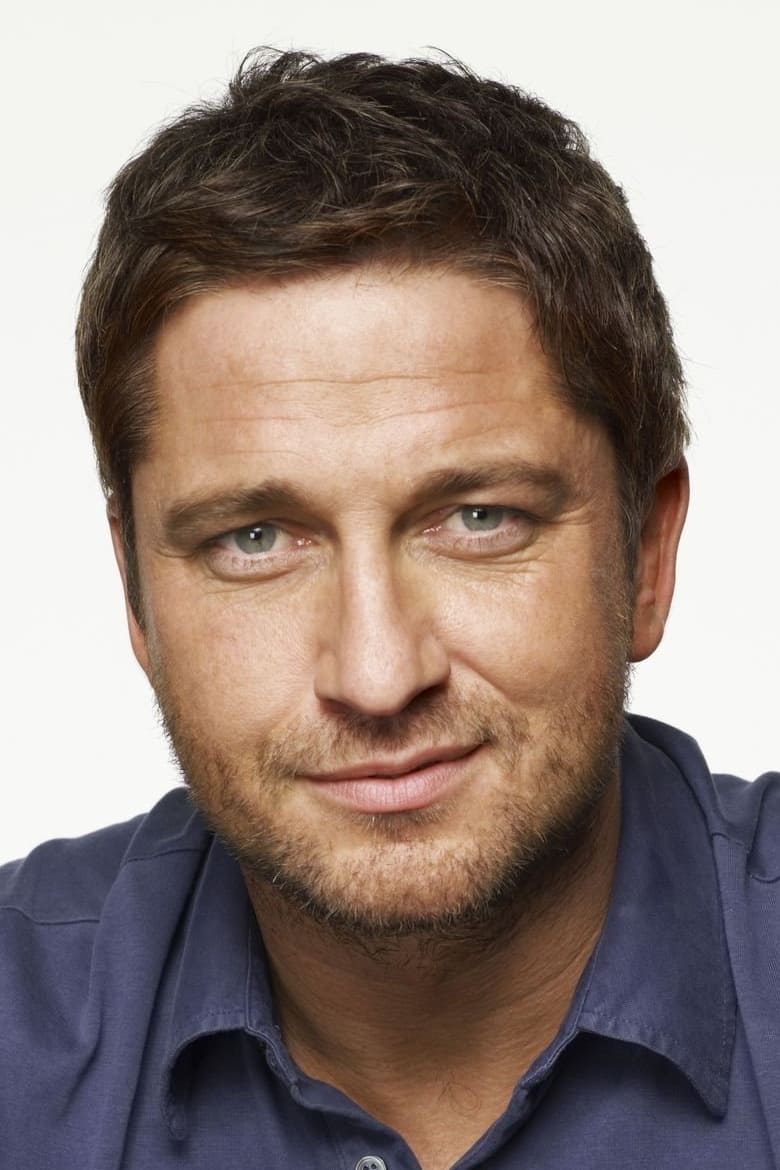
Gerard Butler played the Egyptian god Set in the film ‘Gods of Egypt’. The movie was heavily criticized for its almost entirely white lead cast in a story set in ancient Africa. The director and the studio eventually issued apologies for the lack of diversity before the film was even released. Critics noted that the casting felt like a step backward for the industry. The movie performed poorly at the box office and is often remembered for this casting controversy.
Nikolaj Coster-Waldau
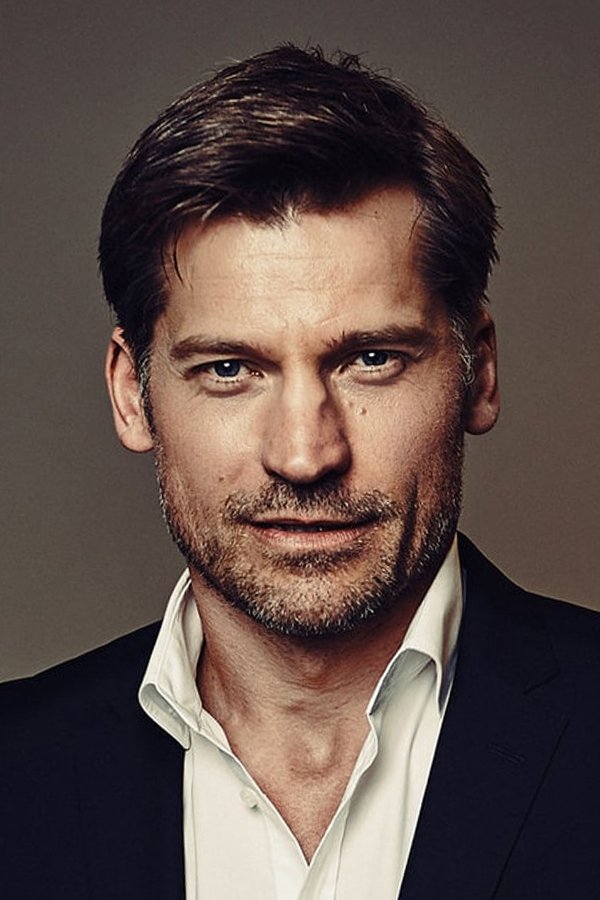
Nikolaj Coster-Waldau portrayed the god Horus in the film ‘Gods of Egypt’. His casting alongside other white actors in Egyptian roles led to widespread accusations of whitewashing. The actor later acknowledged that the criticism was valid and that the industry needed to improve its casting practices. Many viewers felt that the film ignored the cultural and historical reality of its setting. The backlash served as a turning point for how studios approached the casting of ancient epics.
Fisher Stevens
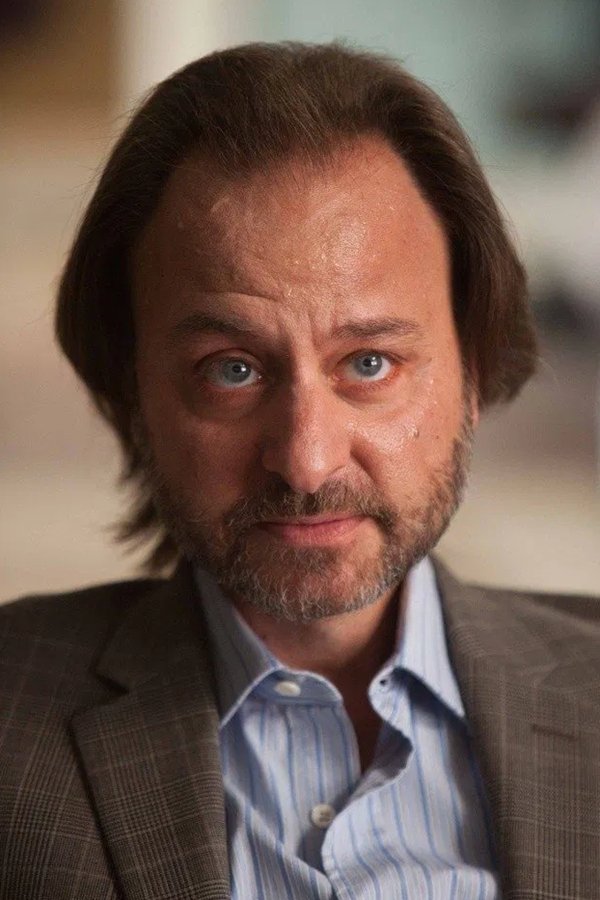
Fisher Stevens played the role of Ben Jabituya who was an Indian scientist in the film ‘Short Circuit’. The actor used brown makeup and an exaggerated accent to portray the character. Many people were unaware at the time that the actor was actually a white man from Chicago. In recent years Stevens has expressed deep regret for taking the role and for his contribution to ethnic stereotyping. The character is now frequently cited as a problematic example of brownface in eighties cinema.
Mike Myers
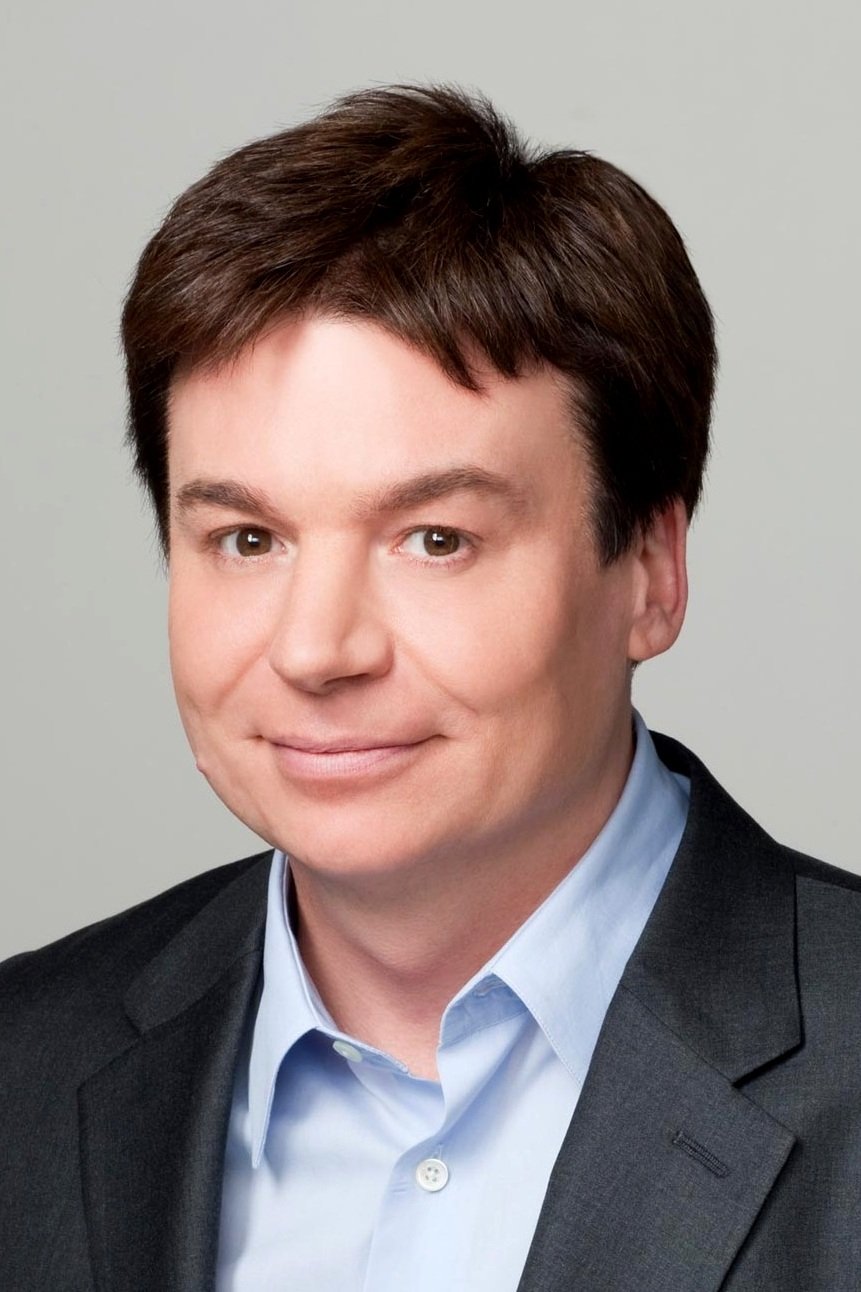
Mike Myers starred as the title character in the comedy film ‘The Love Guru’. He played an American man raised by Indian gurus who returns to the United States to start his own practice. The performance was criticized for its use of Indian culture as a punchline and for its stereotypical depictions. Many members of the Hindu community felt that the film was disrespectful to their faith and traditions. The movie was a critical and commercial failure that highlighted the risks of cultural appropriation in comedy.
Christopher Abbott
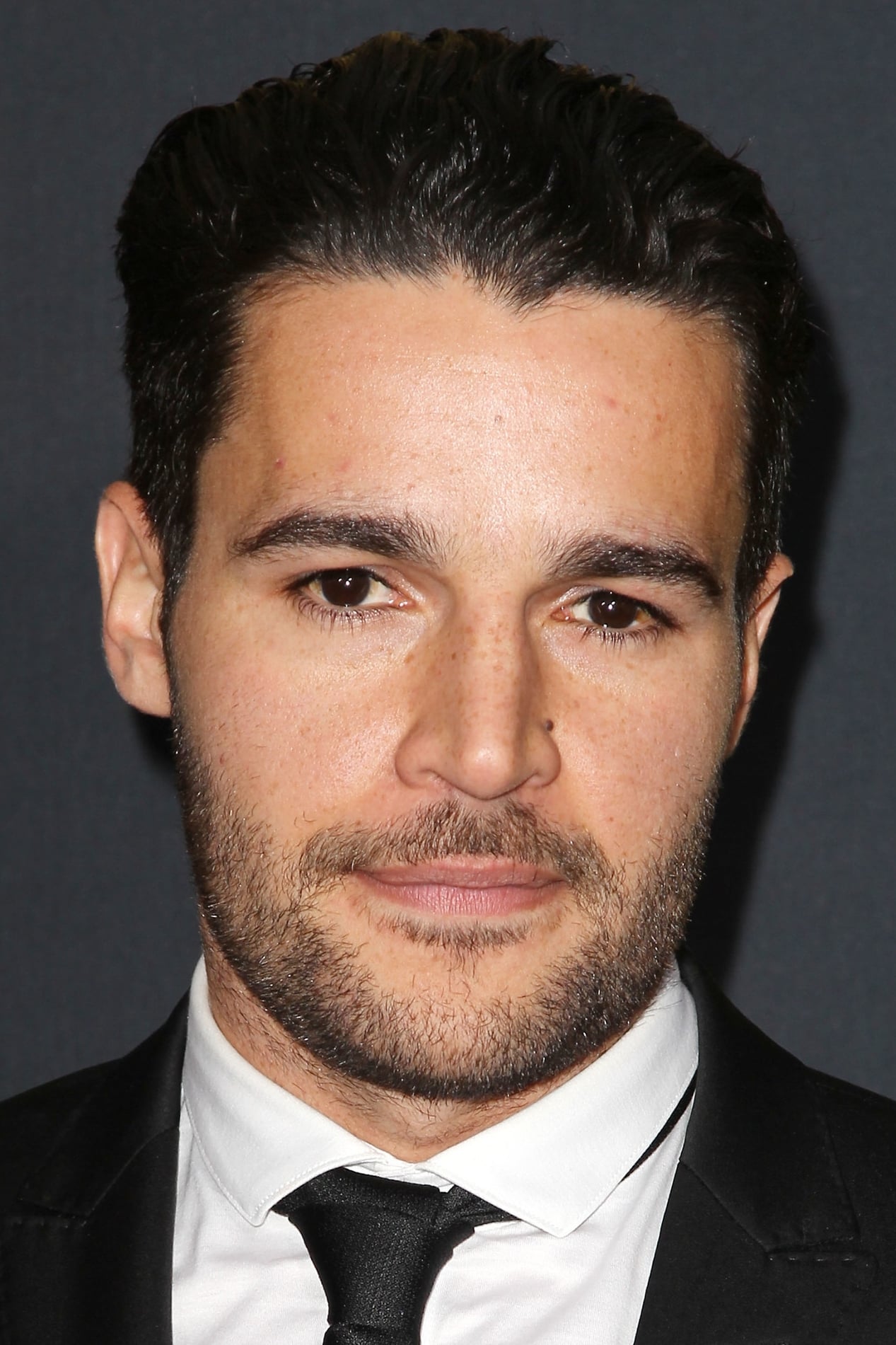
Christopher Abbott played an Afghan character named Fahim Ahmadzai in the film ‘Whiskey Tango Foxtrot’. While the actor gave a serious performance the choice to cast a white actor in the role of an Afghan man was criticized. Critics noted that there are many actors of Middle Eastern and Central Asian descent who could have brought more authenticity to the part. This casting followed a pattern of Hollywood using white actors for supporting roles that require specific ethnicities. The film received mixed reviews and the casting choice was a common point of discussion.
Max Minghella
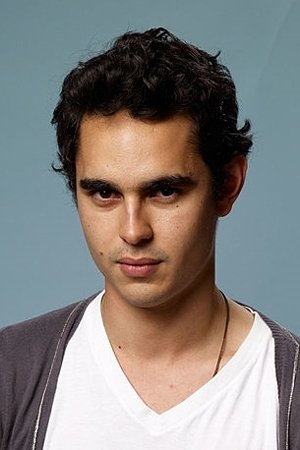
Max Minghella played the character Divya Narendra in the film ‘The Social Network’. Narendra is an Indian American entrepreneur who was involved in the early days of Facebook. The decision to cast an actor of Italian and Chinese descent to play an Indian character drew some criticism. While the performance was well received the choice was seen as another instance where Hollywood bypassed South Asian actors. This role is often discussed in the context of the limited opportunities for Indian American performers in major films.
James Corden
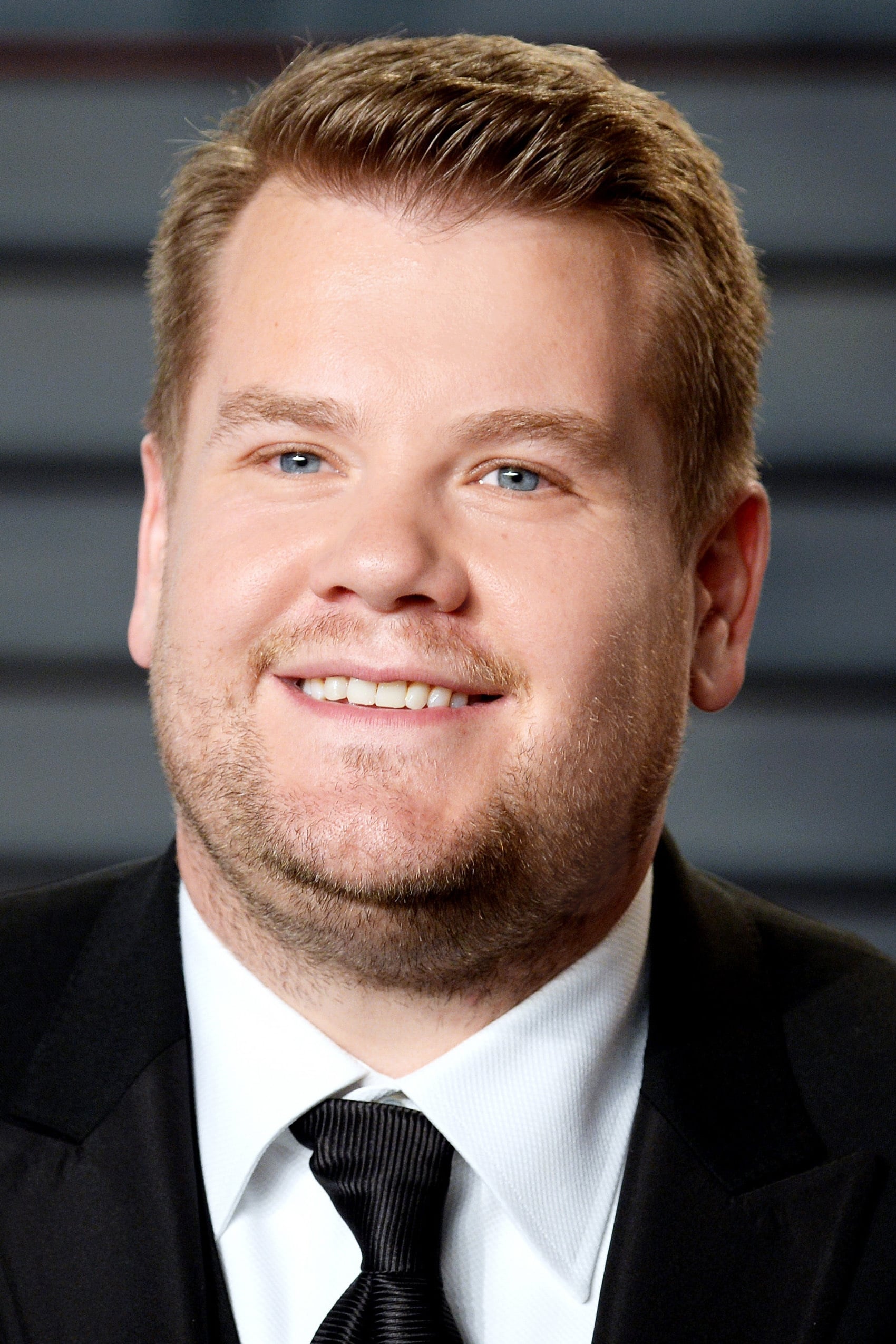
James Corden played a gay character named Barry Glickman in the film ‘The Prom’. His performance was slammed by many critics for being a collection of offensive gay stereotypes. Some argued that the role should have been played by an actual gay actor who could provide a more nuanced portrayal. The backlash was particularly strong because the film itself was intended to celebrate LGBTQ+ inclusivity. Corden faced significant scrutiny for his mannerisms and choices throughout the production.
Brendan Fraser
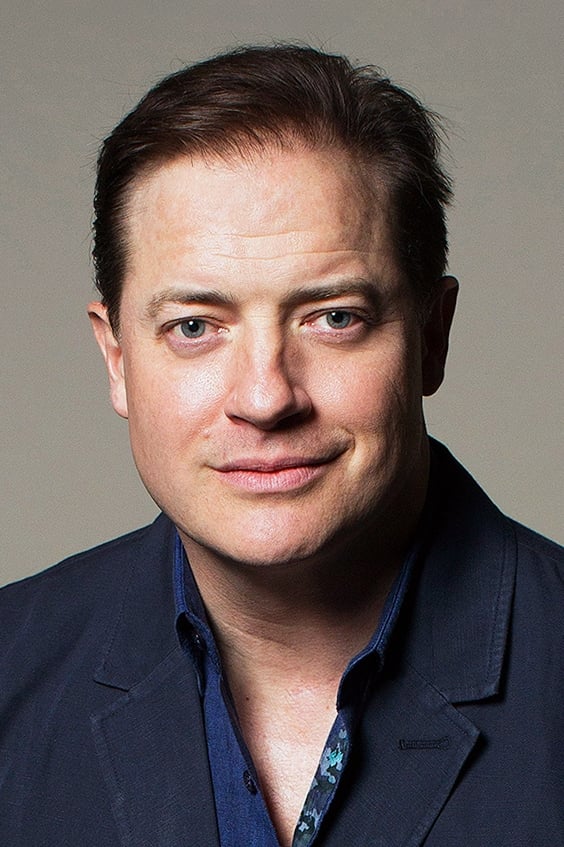
Brendan Fraser starred as a man living with severe obesity in the film ‘The Whale’. The actor wore a prosthetic suit to achieve the physical appearance required for the role. This casting choice sparked a debate about the use of fat suits and the exclusion of actors who actually live in larger bodies. Critics argued that the film treated the condition as a spectacle rather than providing authentic representation. Despite the controversy Fraser received an Academy Award for his performance in the movie.
Dustin Hoffman
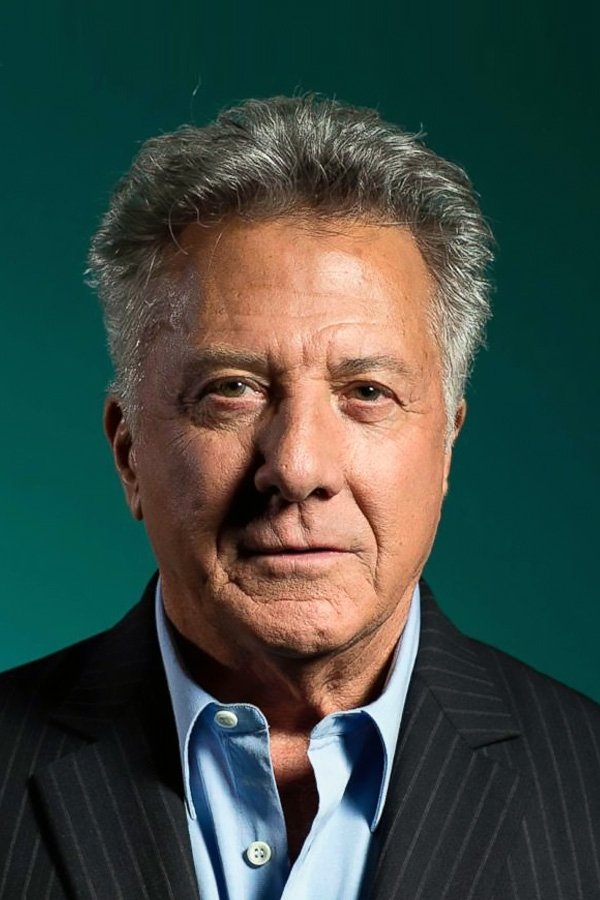
Dustin Hoffman played the character Raymond Babbitt who had autism in the film ‘Rain Man’. While the performance was highly praised at the time and won an Oscar it has since been criticized for its limited depiction of the condition. Many disability advocates argue that the role helped create a narrow stereotype of people with autism as savants. There is also a modern push for neurodivergent actors to be cast in roles that reflect their own lived experiences. The film remains a landmark in cinema but is viewed with more nuance today.
Tom Hanks
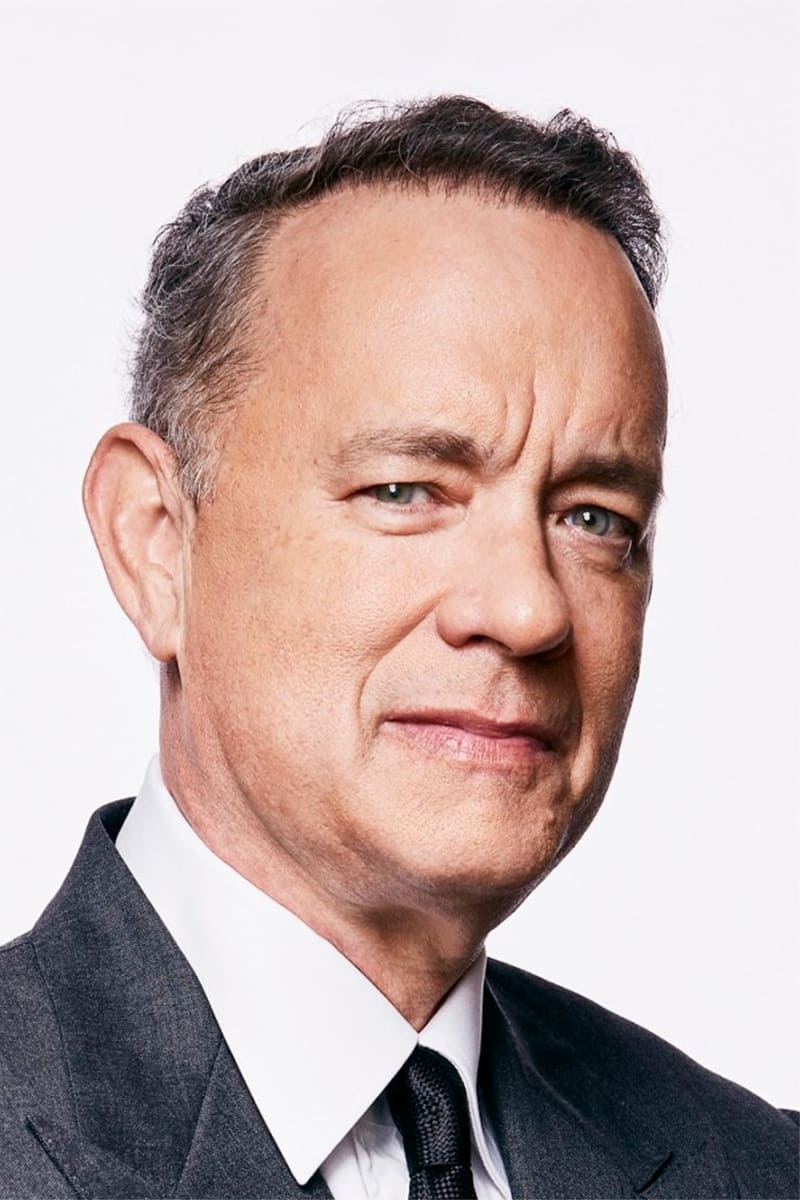
Tom Hanks won an Academy Award for his portrayal of a gay man with AIDS in the film ‘Philadelphia’. While the film was groundbreaking for its time Hanks has recently stated that he would not take the role today. He noted that a straight man playing a gay man in such a significant story takes away an opportunity for a gay actor. The conversation around the film reflects the changing standards for authenticity in Hollywood casting. Many now believe that these roles should be reserved for those who share the identity of the character.
Leonardo DiCaprio
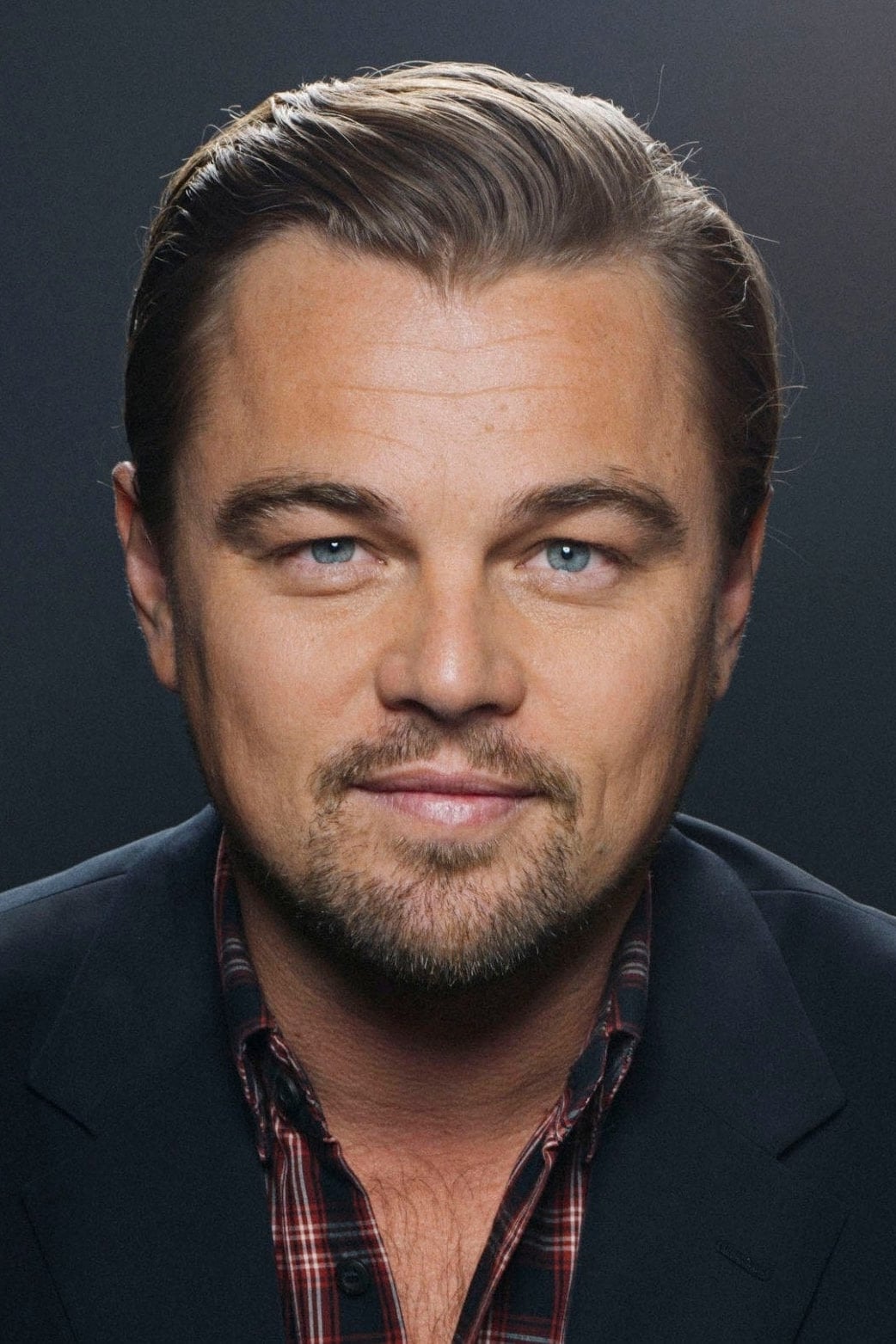
Leonardo DiCaprio played a character with an unspecified developmental disability in ‘What’s Eating Gilbert Grape’. The performance earned him his first Oscar nomination and was widely acclaimed for its realism. However modern critics often point out that this role began a trend of non disabled actors being rewarded for playing disability. Advocates argue that these roles should be played by actors who actually have the disabilities being depicted on screen. This would ensure that the performances are rooted in genuine experience rather than observation.
Sean Penn
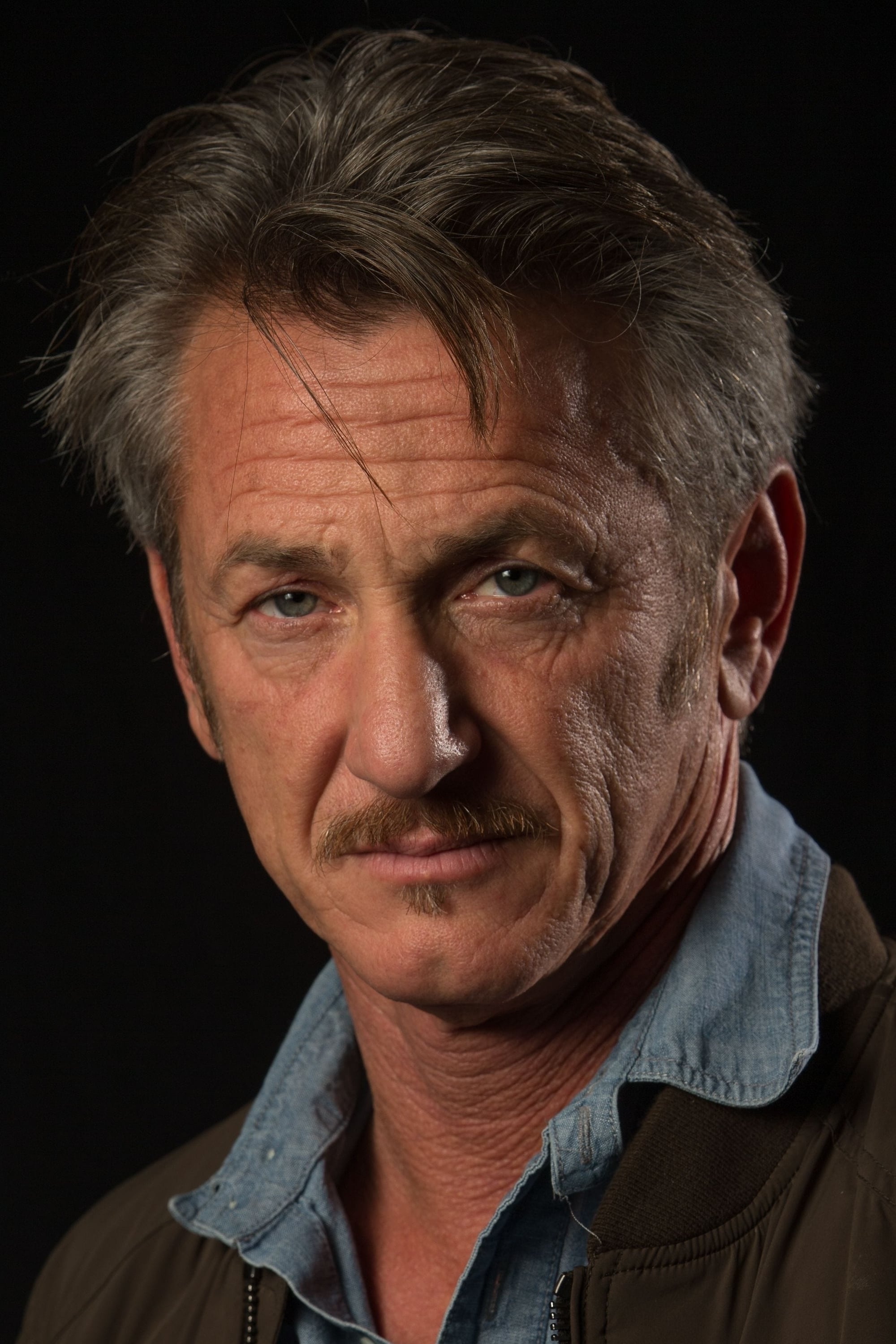
Sean Penn played a man with an intellectual disability in the movie ‘I Am Sam’. The film was criticized by some for its sentimental and arguably stereotypical portrayal of the character. This performance is often mentioned in discussions about the trope of non disabled actors taking on such roles to gain critical acclaim. Many advocates for disability rights have called for more inclusive casting practices in the film industry. The debate continues as to whether these performances can ever be truly authentic without lived experience.
Gary Oldman
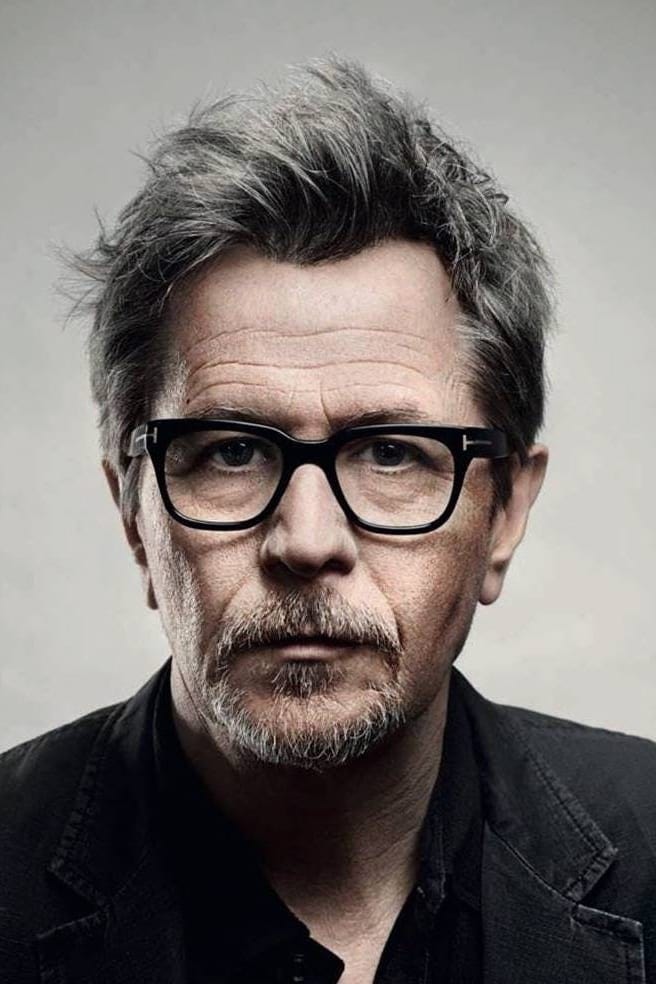
Gary Oldman played a character with dwarfism in the film ‘Tiptoes’ by acting on his knees and using digital effects. The movie was widely panned and is frequently cited as one of the most baffling casting choices in Hollywood. Actors with dwarfism have spoken out against the film for not hiring someone of their own community for the role. The production was seen as insensitive to the reality of the condition it was trying to portray. It remains a cautionary tale about the importance of authentic casting in cinema.
Rami Malek
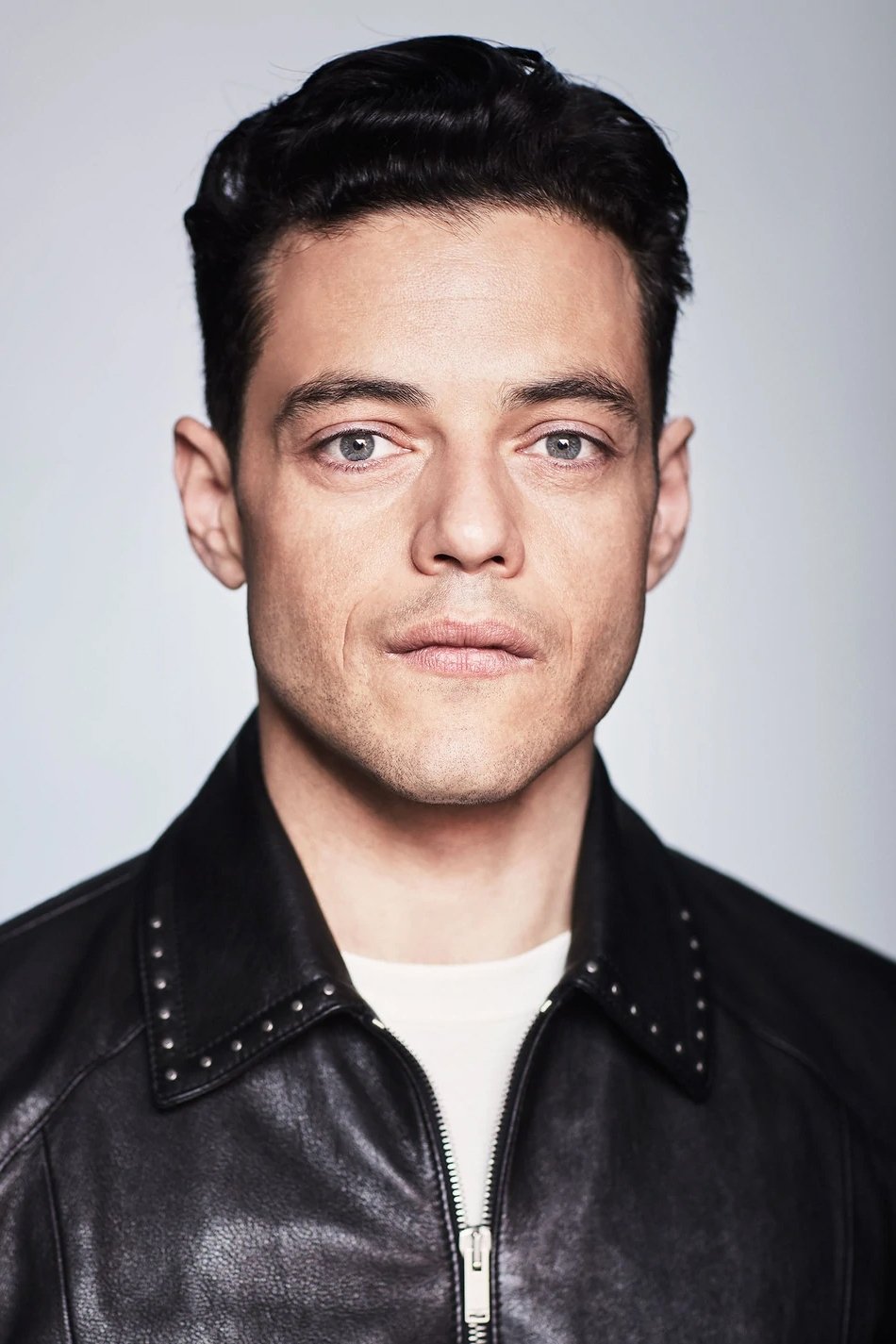
Rami Malek portrayed the legendary singer Freddie Mercury in the film ‘Bohemian Rhapsody’. Mercury was a queer man of Parsi descent and Malek is of Egyptian heritage. While some fans were happy with the casting others felt that a queer actor should have been chosen for the role. Malek won an Academy Award for his performance but the debate over straight actors playing queer icons persisted. The film became a massive success despite the ongoing discussions about representation.
Taron Egerton
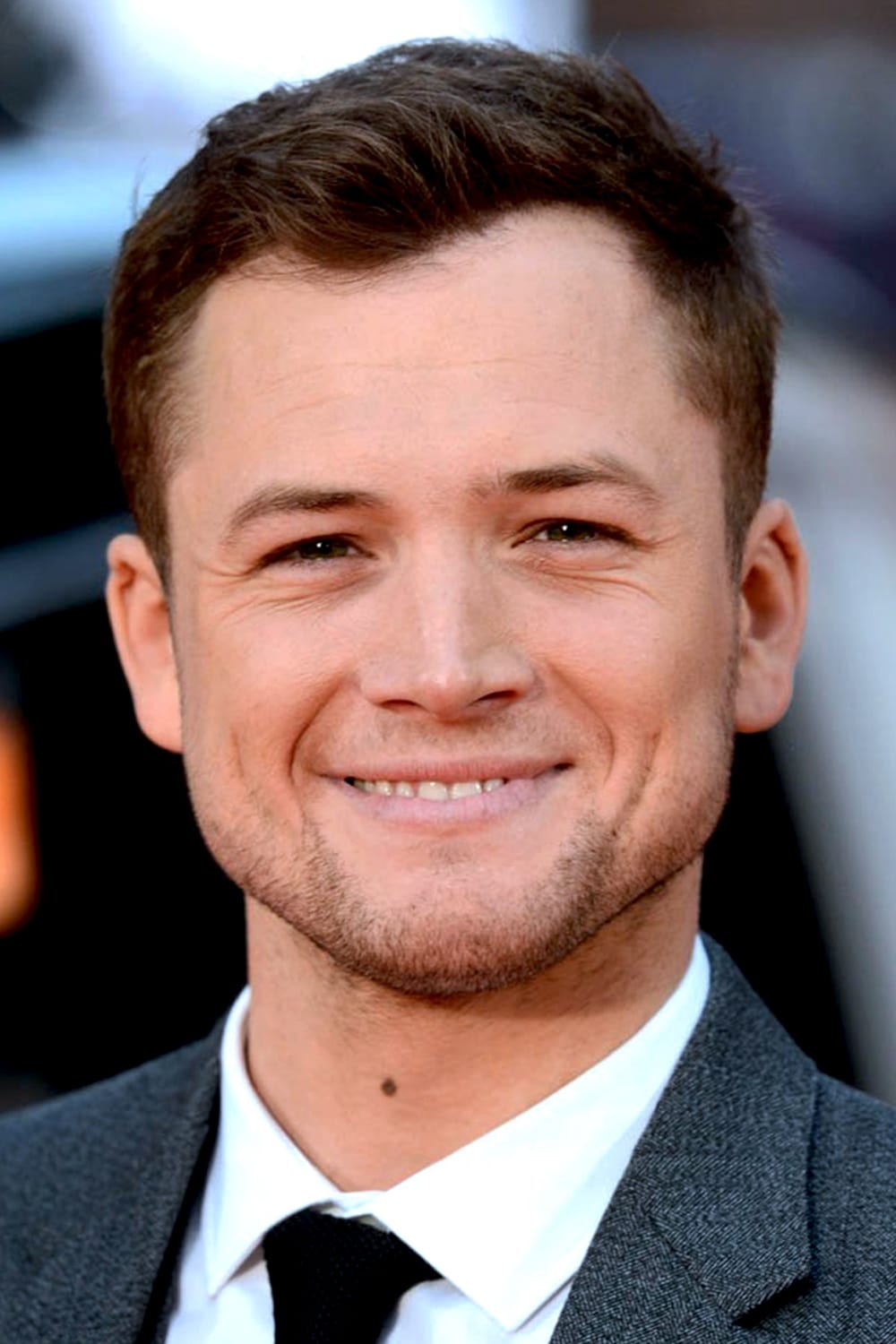
Taron Egerton played the iconic musician Elton John in the biographical film ‘Rocketman’. The actor is straight and his casting as a prominent gay figure sparked conversations about the necessity of LGBTQ+ representation. Some argued that the chemistry and authenticity of the role would have been enhanced by a gay performer. Egerton defended his participation by emphasizing his respect for Elton John and the queer community. The film was well received but it added to the list of major queer roles played by straight men.
James Franco
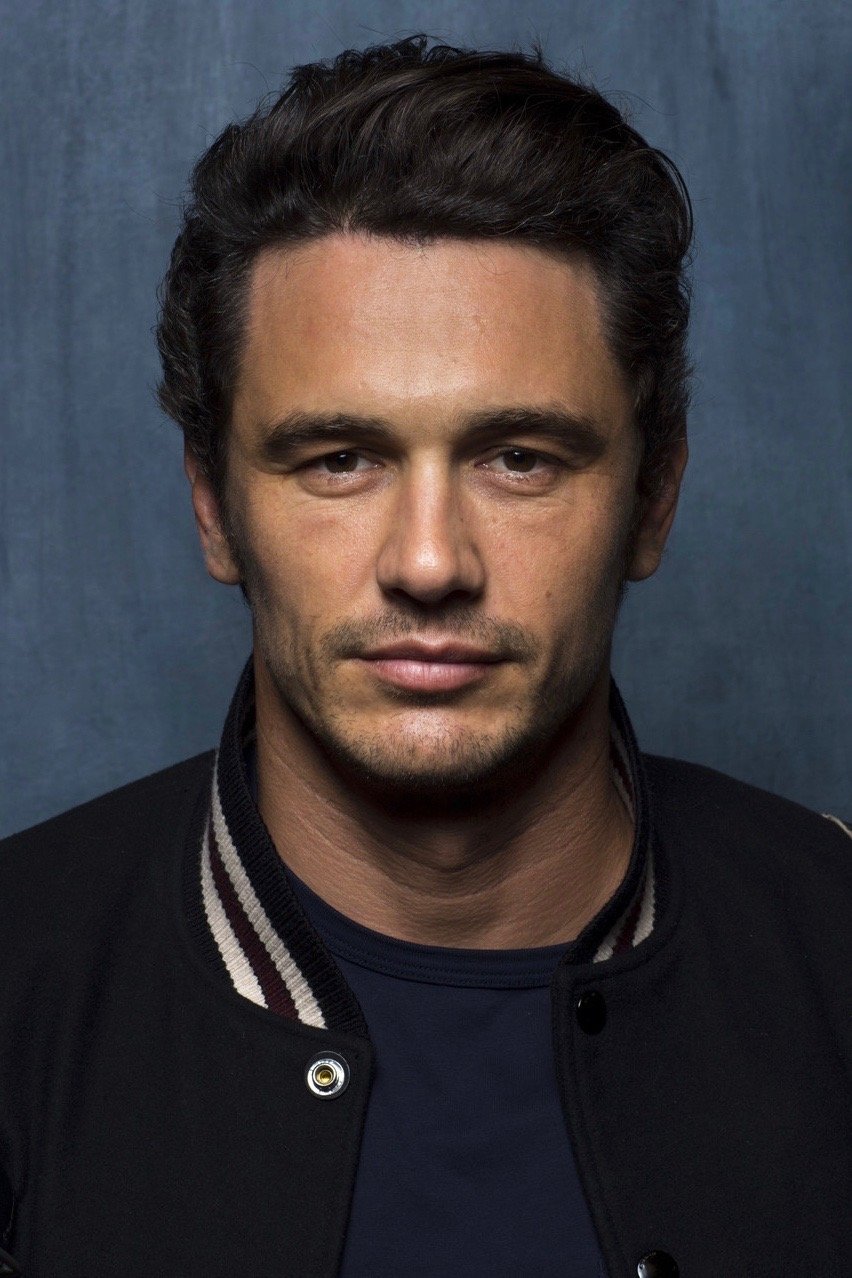
James Franco was cast as the real life gay activist and filmmaker Jack Potok in the movie ‘King Cobra’. Franco has frequently played queer characters throughout his career despite identifying as straight. This has led some critics to question why these roles are not given to out gay actors. The controversy is part of a larger discussion regarding the limited opportunities for queer men in Hollywood. Many feel that the industry should prioritize casting actors who share the sexual orientation of their characters.
Ewan McGregor
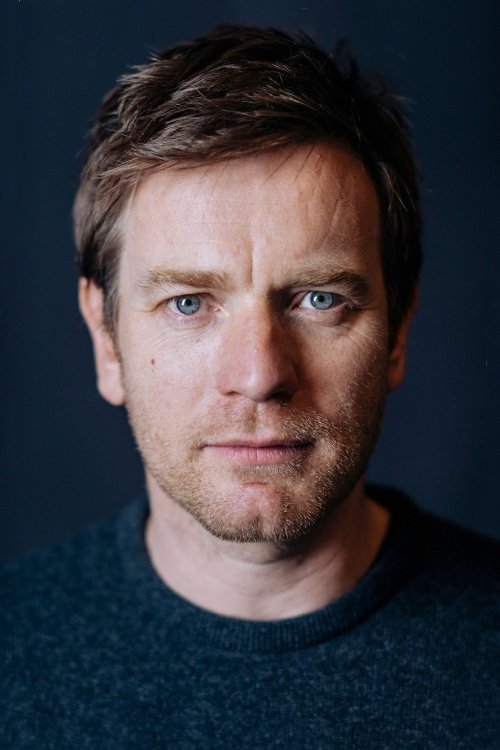
Ewan McGregor played the famous fashion designer Halston in a limited series for Netflix. Halston was a prominent gay man and McGregor is a straight actor. This casting choice led to criticism from some members of the LGBTQ+ community who desired to see a gay actor in the role. Critics argued that the performance relied on certain mannerisms that could have been avoided with a more authentic casting. McGregor won an Emmy for the role but the debate over his casting remained a significant part of the media coverage.
Jonathan Pryce
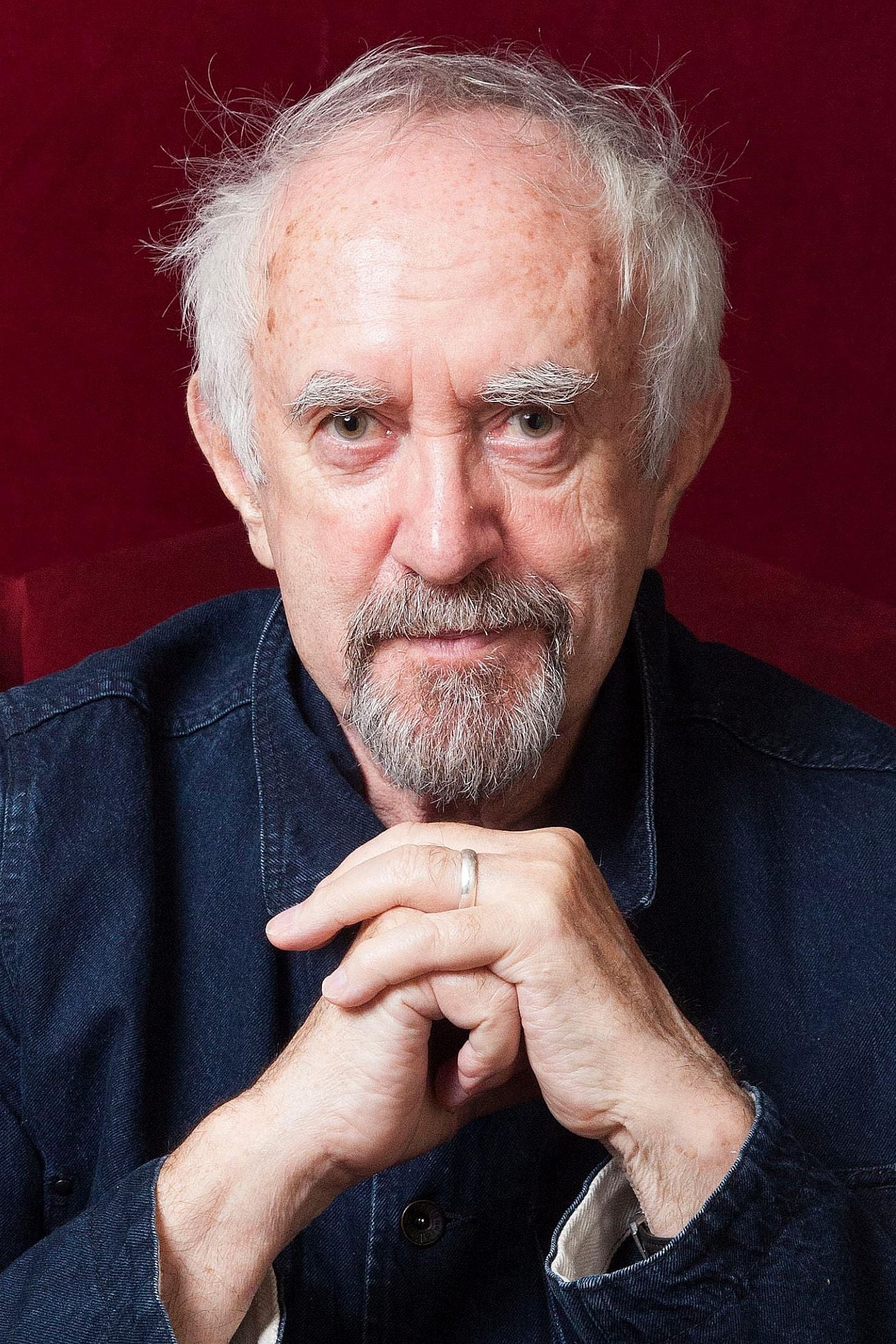
Jonathan Pryce originated the role of the Engineer in the stage musical ‘Miss Saigon’ and later appeared in various versions. The character is of Eurasian descent but Pryce is a white actor of Welsh background. For the original production he used eye prosthetics and bronzing makeup to appear Asian. This led to a massive protest from Asian American actors and a temporary ban on him performing the role in the United States. The controversy is considered a landmark moment in the fight against yellowface in theater.
Alec Guinness
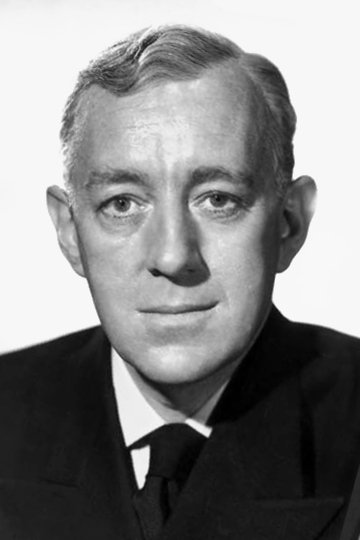
Alec Guinness played the Indian character Professor Godbole in the film ‘A Passage to India’. The actor used dark makeup to change his skin tone for the role. This casting choice was criticized for its lack of authenticity and its reliance on brownface. Even at the time of its release some critics found the portrayal to be jarring and unnecessary. The film is often studied today as an example of how major productions traditionally excluded South Asian actors from significant roles.
Burt Lancaster
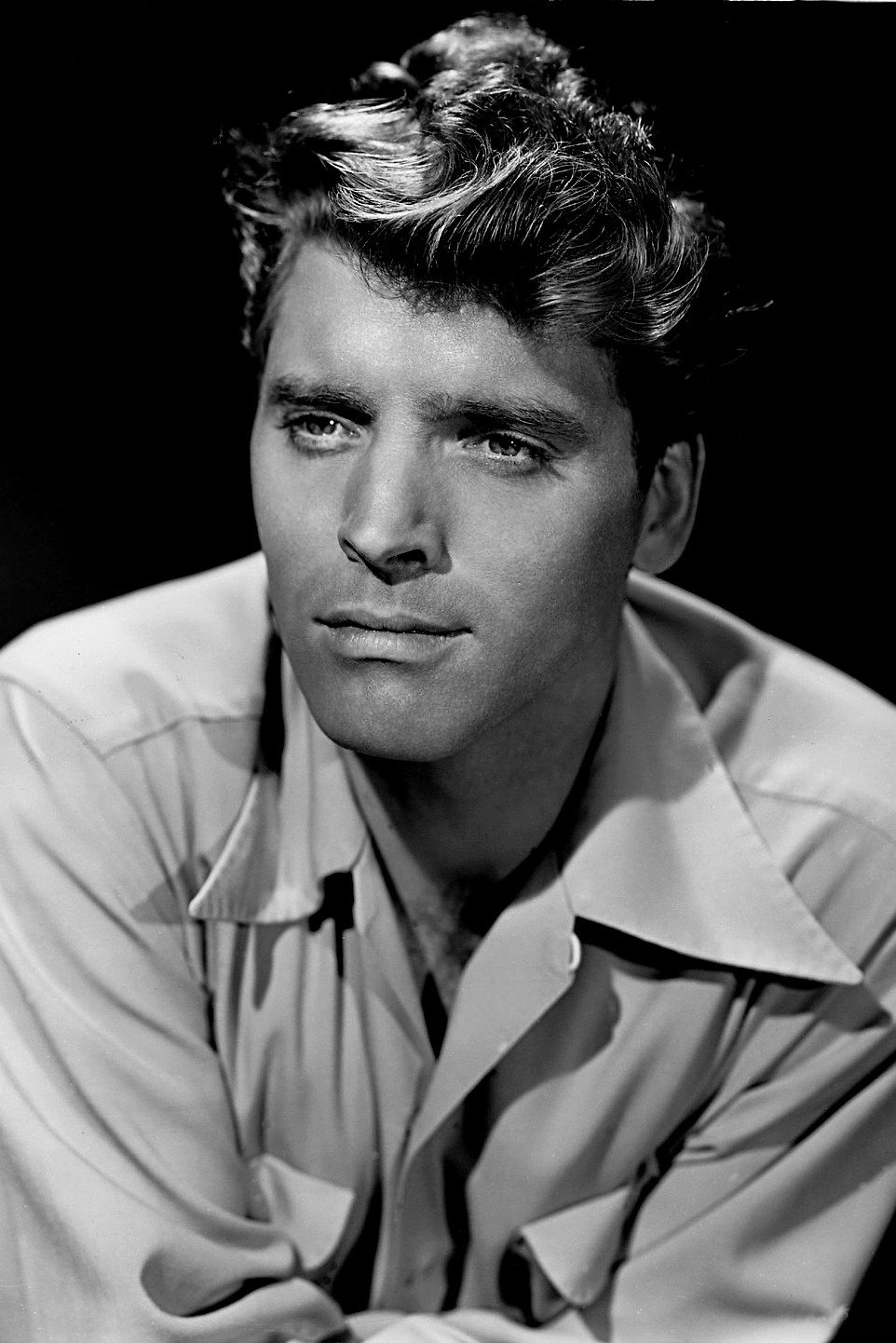
Burt Lancaster played a Native American man in the film ‘Apache’. The movie followed the story of a warrior who refuses to surrender to the United States government. Casting a white actor in the lead role was a common practice in the Western genre during that era. This choice often led to the erasure of indigenous perspectives and faces from their own stories. Modern viewers frequently point to this film as a problematic example of how Native American history was handled by Hollywood.
Tony Curtis
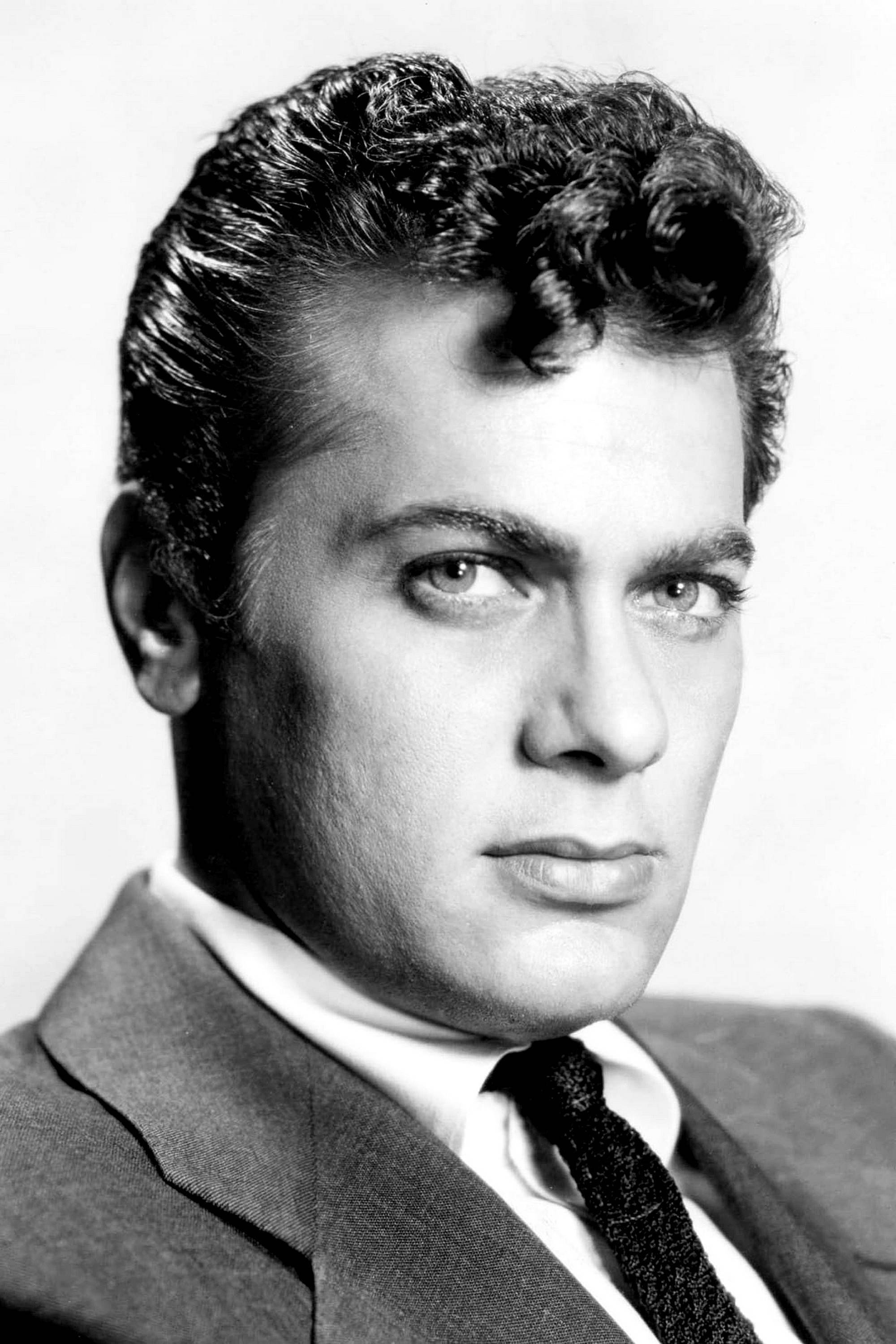
Tony Curtis played the real life Pima Indian hero Ira Hayes in the film ‘The Outsider’. Hayes was one of the men who raised the flag on Iwo Jima and his story is one of significant historical importance. The decision to have a white actor play a Native American hero was met with criticism regarding historical accuracy. Many felt that the role should have been used to highlight an indigenous actor. The film is now viewed through a lens that acknowledges the systemic exclusion of Native Americans from leading roles.
Robert Downey Jr.
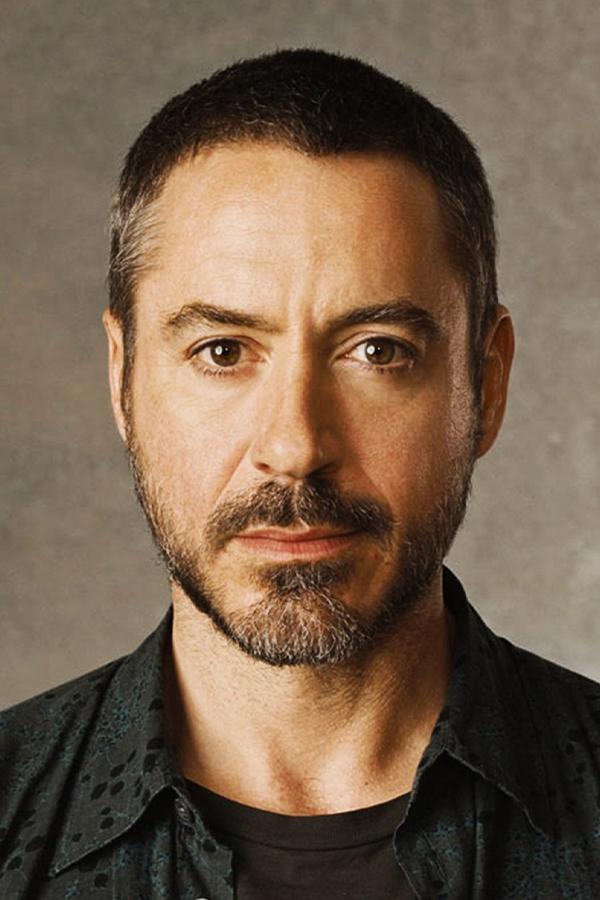
Robert Downey Jr. played a character who undergoes a controversial medical procedure to darken his skin in ‘Tropic Thunder’. While the film was a satire intended to mock the lengths actors go for awards the performance still sparked debate. Some viewers felt that the use of blackface was offensive regardless of the satirical intent. Others argued that the movie successfully lampooned the very practice of whitewashing in Hollywood. The role earned him an Academy Award nomination and remains one of his most talked about performances.
Al Pacino
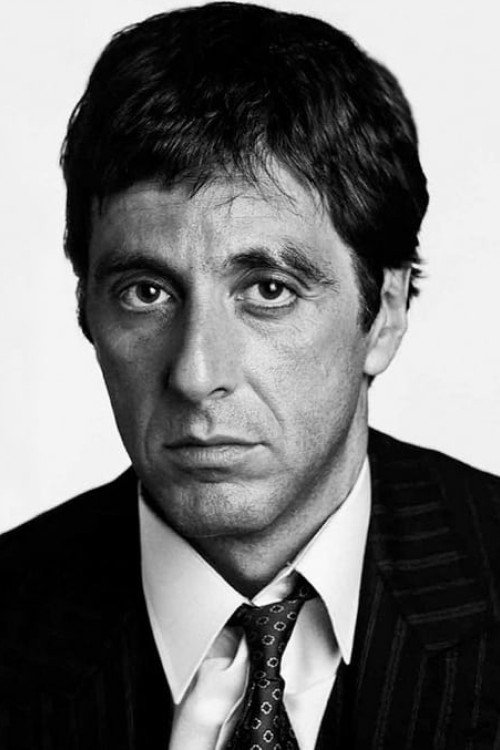
Al Pacino played the Cuban immigrant Tony Montana in the famous crime film ‘Scarface’. Pacino is of Italian heritage and his use of a thick accent and specific mannerisms drew mixed reactions. While the character became an iconic part of pop culture many have criticized the casting for not featuring a Latino actor. The performance is often debated in terms of its reliance on certain ethnic stereotypes. Despite this the film remains one of the most celebrated and analyzed works in Pacino’s career.
Hank Azaria
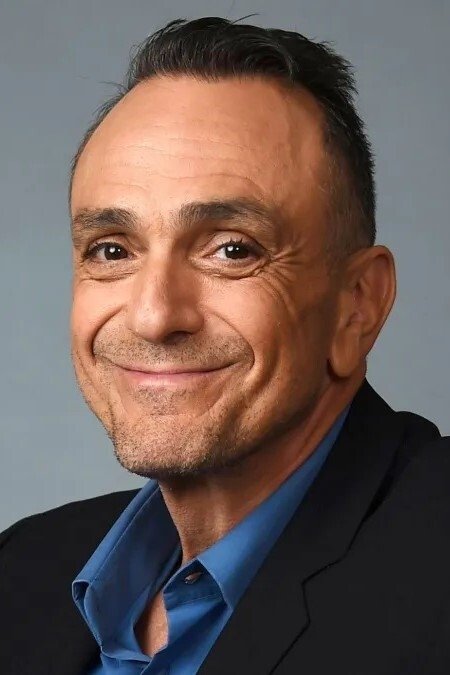
Hank Azaria provided the voice for the character Apu Nahasapeemapetilon on the animated series ‘The Simpsons’ for many years. The character was a primary source of representation for Indian Americans but was also criticized for being a collection of stereotypes. A documentary titled ‘The Problem with Apu’ highlighted the negative impact the character had on the South Asian community. Azaria eventually decided to step down from the role and expressed regret for his portrayal. This event led to a broader shift in how animated shows handle the voicing of characters of color.
Mike Henry
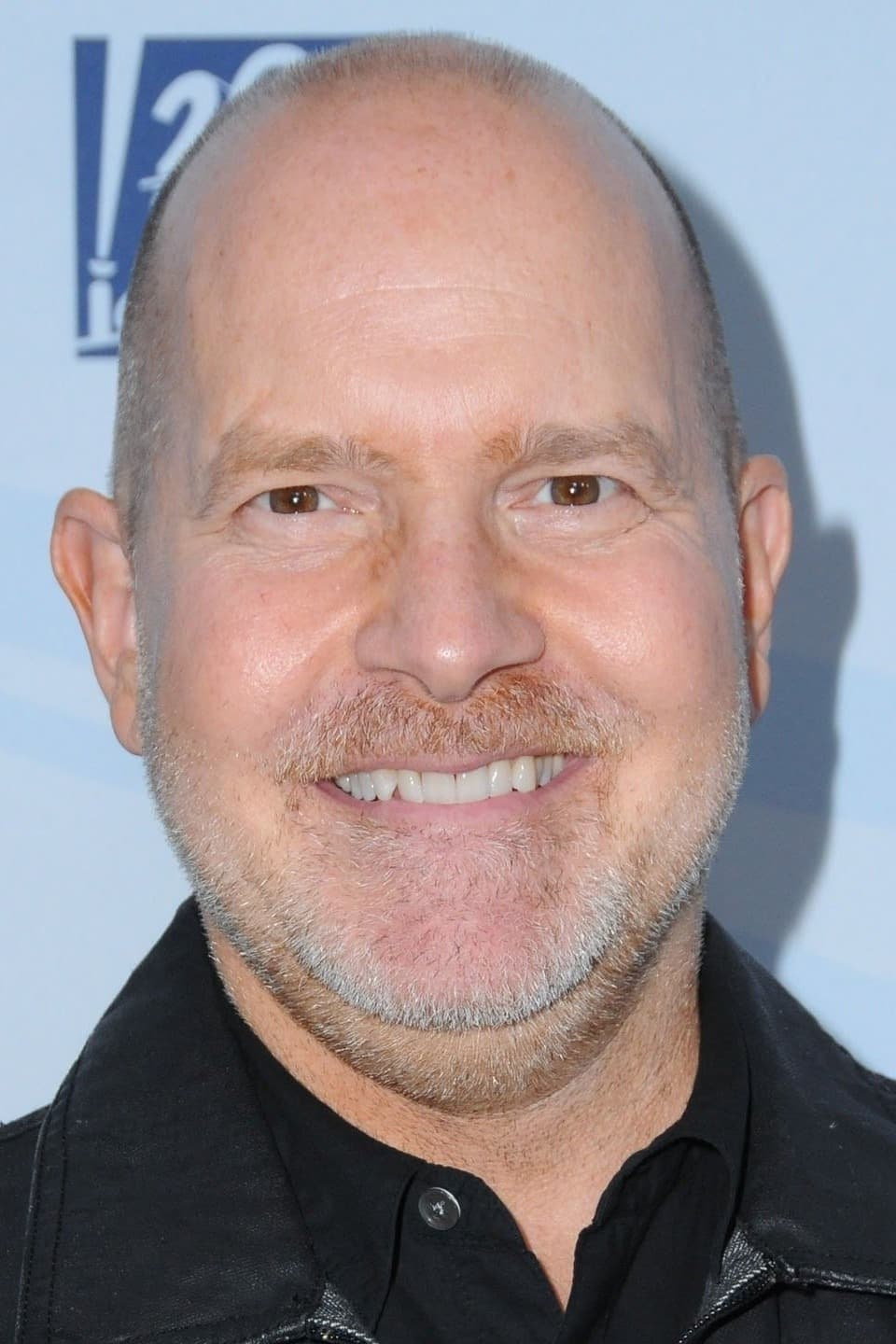
Mike Henry voiced the character Cleveland Brown on the animated series ‘Family Guy’ and its spinoff for two decades. The actor who is white eventually stepped down from the role in the wake of the Black Lives Matter movement. He stated that persons of color should play characters of color to ensure authenticity. This decision was part of a larger trend where white voice actors moved away from portraying minority characters. The role was subsequently recast with a Black actor to continue the legacy of the character.
Peter Sellers
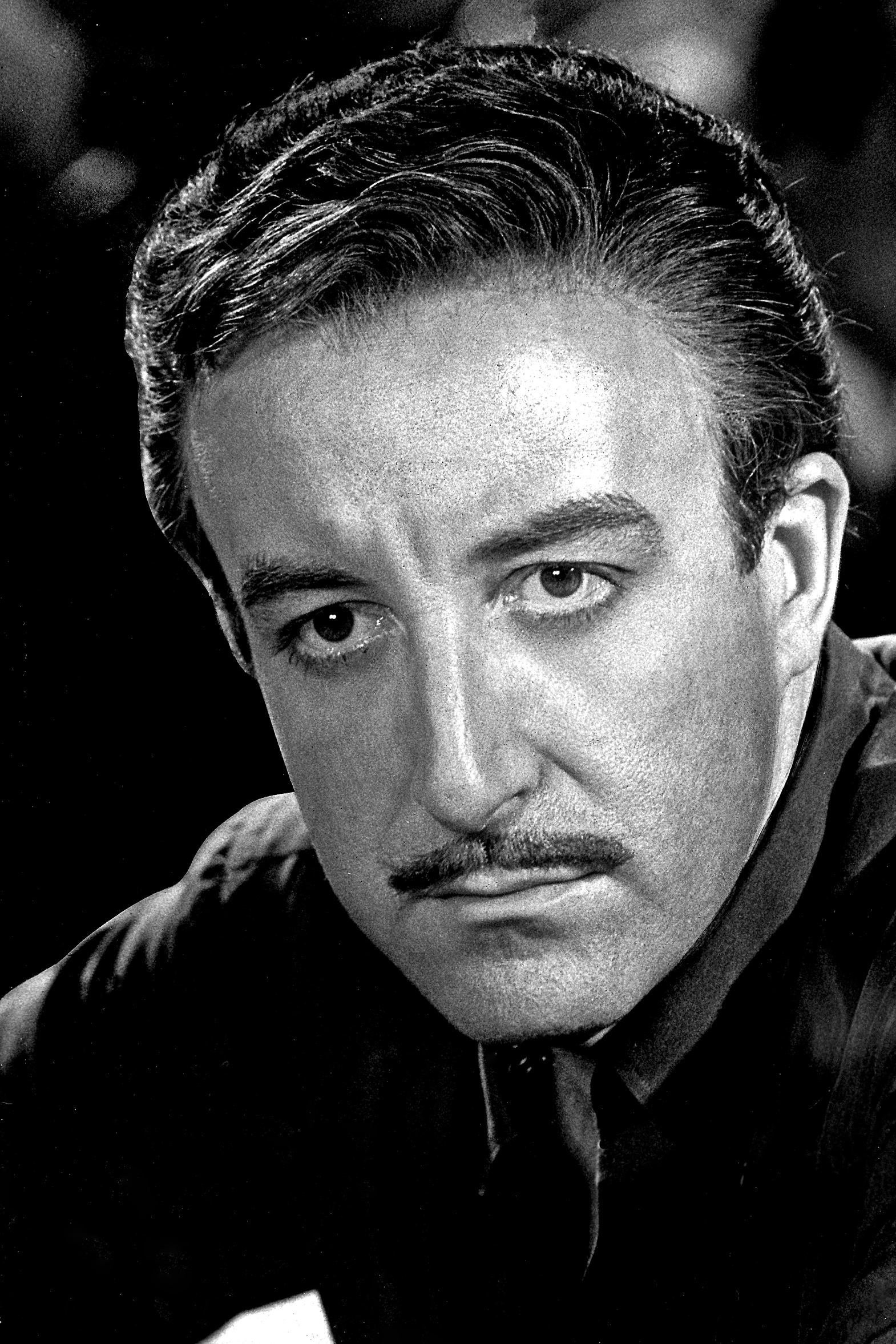
Peter Sellers played an Indian actor named Hrundi V. Bakshi in the comedy film ‘The Party’. The performance involved the use of brownface and an exaggerated accent for comedic effect. While the film was popular at the time it has since been condemned for its offensive portrayal of Indian people. The character is often cited as a prime example of the harmful caricatures that were once common in mainstream entertainment. Sellers was known for his versatility but this role remains one of his most controversial works.
Rob Schneider
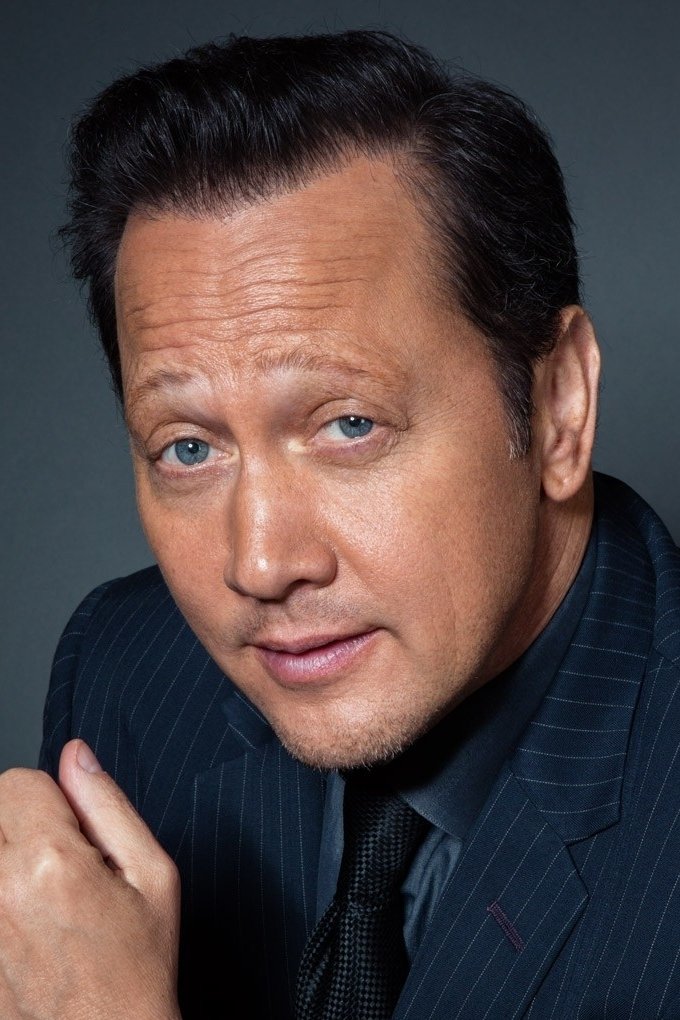
Rob Schneider played an Asian character in the film ‘I Now Pronounce You Chuck and Larry’. He used makeup and an accent to portray a Japanese minister during a wedding scene. The performance was criticized for its reliance on outdated and offensive racial stereotypes. Many viewers felt that the inclusion of the character was unnecessary and harmful to the Asian community. This role added to the list of Schneider’s performances that have faced scrutiny for their handling of ethnic identities.
Adam Sandler
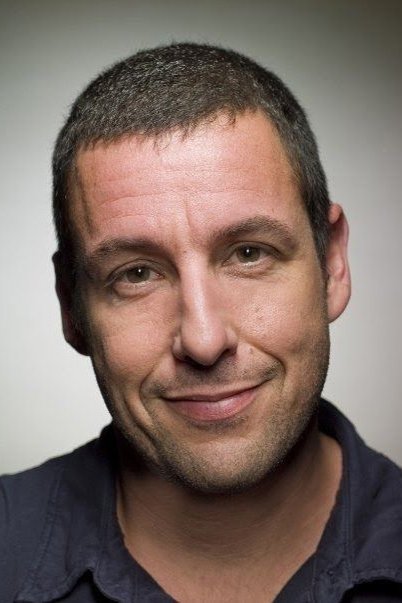
Adam Sandler starred in the film ‘I Now Pronounce You Chuck and Larry’ as a straight man pretending to be gay. The movie was intended as a comedy about domestic partnerships but it faced backlash from the LGBTQ+ community. Critics argued that the film used gay identity as a prop for cheap jokes and sight gags. Many felt that the story failed to handle the sensitive nature of the subject matter with enough respect. The casting of two straight leads to tell a story about gay rights remains a point of criticism.
John Travolta
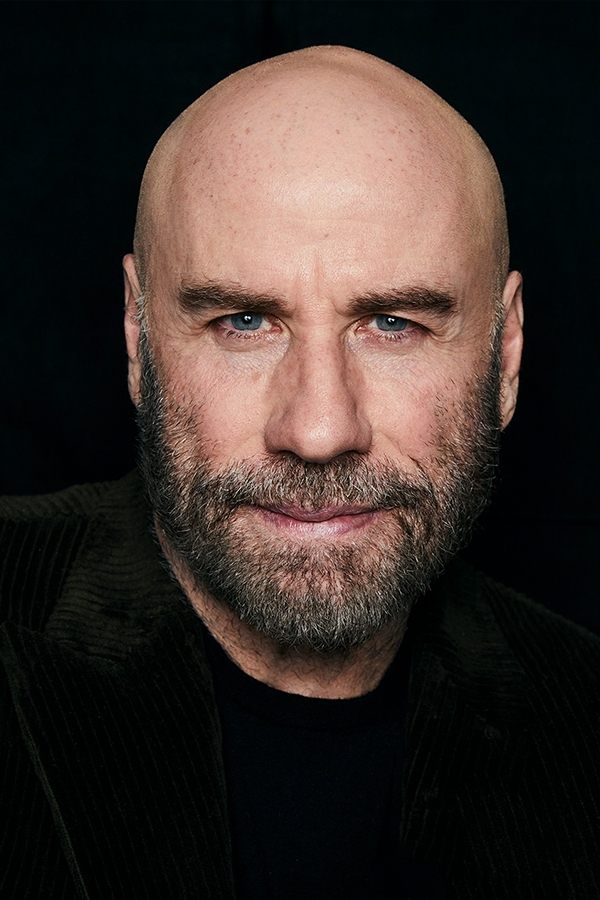
John Travolta played the character Edna Turnblad in the film version of the musical ‘Hairspray’. While the role has traditionally been played by men in drag it is still a male actor taking a prominent female role. This practice has sparked discussions about whether these roles should be given to plus size women instead. Critics of the casting argue that it turns the character into a caricature rather than a real person. Travolta’s performance was commercially successful but it remains a subject of debate regarding gender and representation.
Billy Crystal
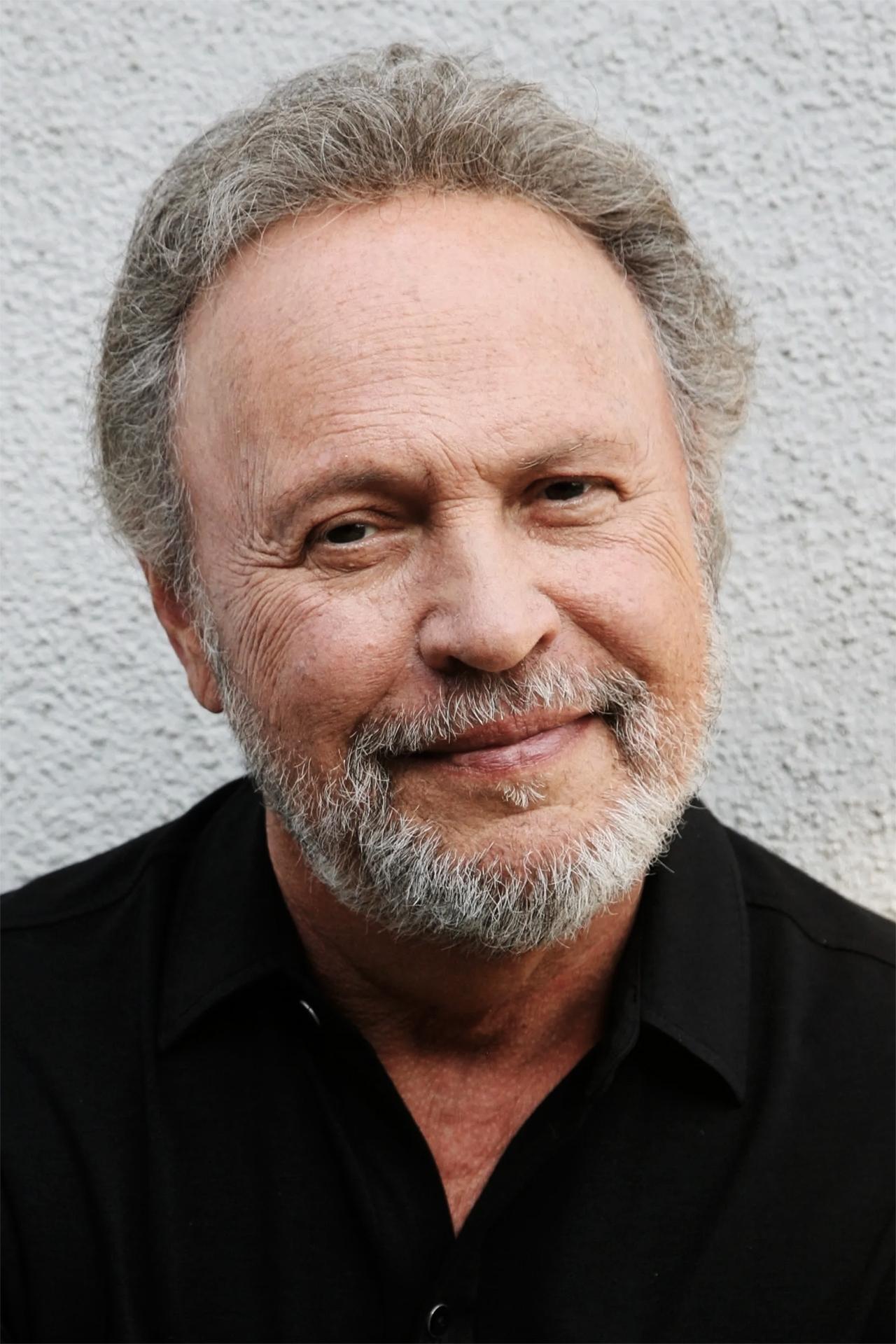
Billy Crystal appeared in blackface to portray Sammy Davis Jr. during a sketch on ‘Saturday Night Live’. This performance was part of his recurring character set during the mid eighties. While it was intended as an impression of a friend it has since been viewed as a problematic use of racial makeup. Many modern viewers find the sketch to be insensitive and a reflection of the lack of diversity in the cast at that time. Crystal has faced criticism for this and other similar performances throughout his career.
Armie Hammer
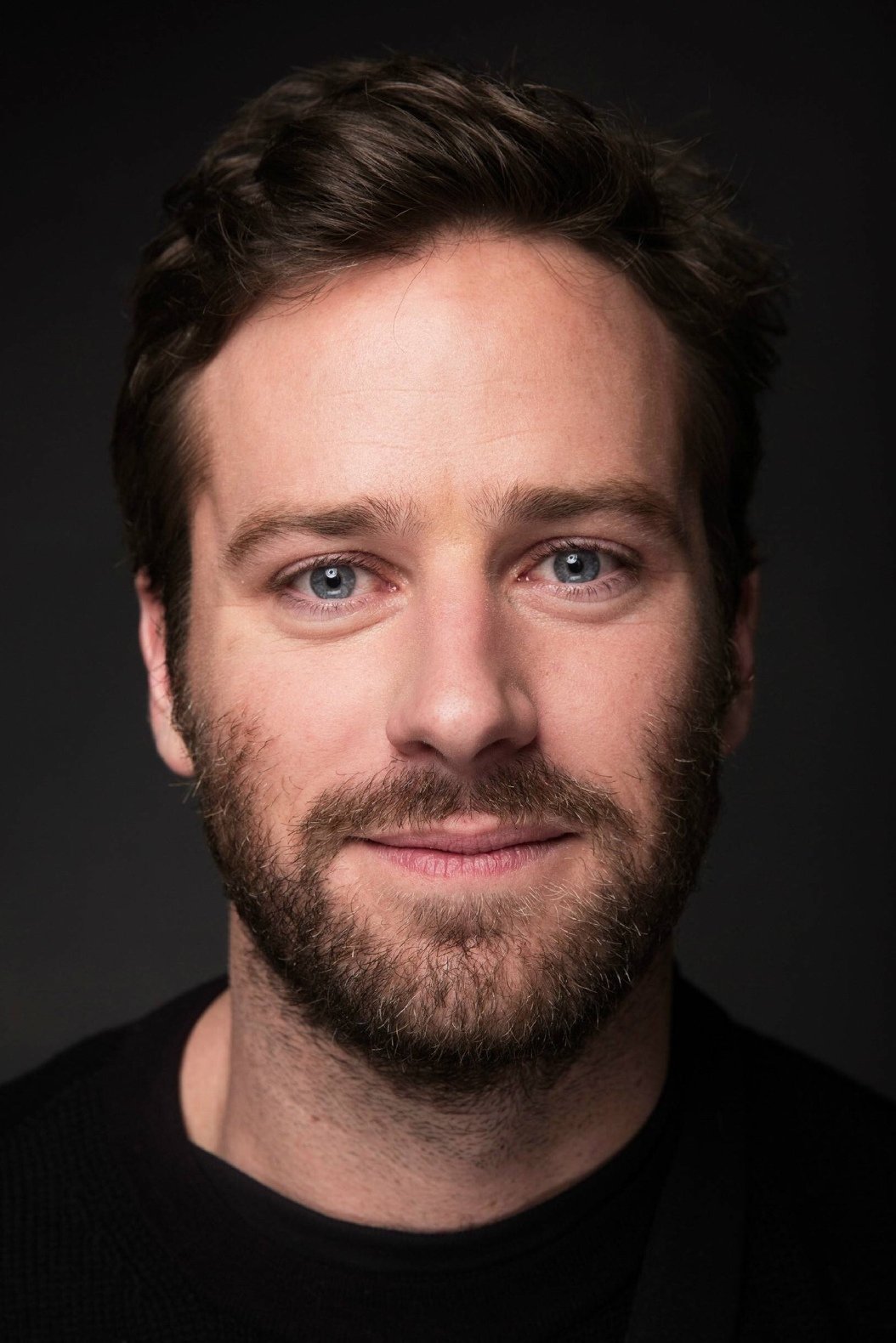
Armie Hammer starred as the lead in the film ‘The Lone Ranger’ alongside Johnny Depp. While the character of the Lone Ranger is white the film was criticized for its overall approach to indigenous culture. Hammer was part of a production that many felt prioritized a white perspective over a Native American one. The movie faced a difficult road at the box office and with critics who were tired of the lack of diversity. This project served as a catalyst for more discussions about representation in traditional Hollywood genres.
Charlton Heston
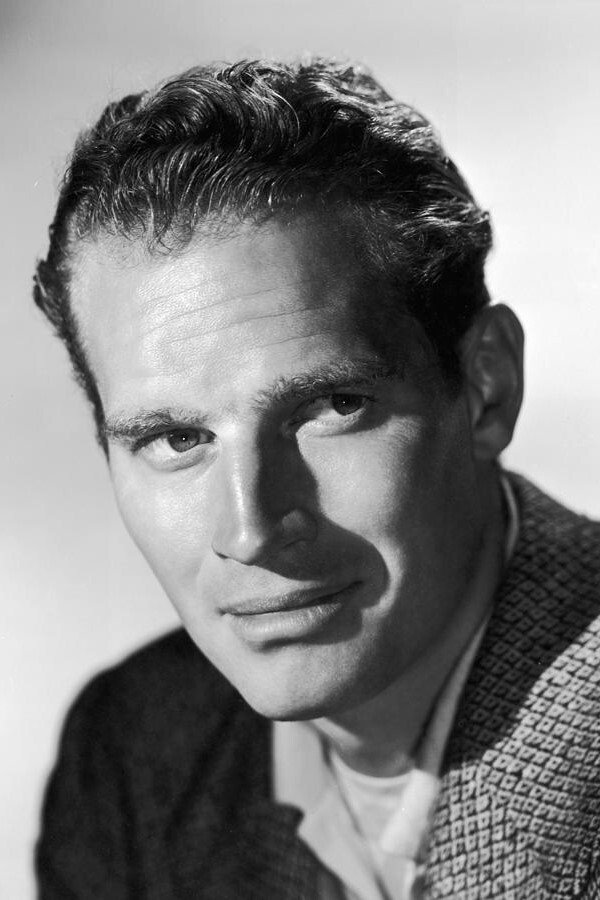
Charlton Heston played the Mexican police officer Miguel Vargas in the film noir classic ‘Touch of Evil’. The actor used dark makeup and black hair dye to portray the character. This casting choice is often cited as one of the most obvious examples of whitewashing in the history of cinema. While the film is highly regarded for its direction the casting of Heston as a Latino man remains a major flaw for many viewers. It highlights the long standing tradition of Hollywood using established white stars for roles of all ethnicities.
Share your thoughts on these controversial casting choices in the comments.