


Actors vs. the Historical Figures They Portrayed On-Screen



Biopics and prestige dramas can turn familiar names into fully lived-in characters, and the best performances usually come with meticulous research, physical transformations, and help from historians or the subjects’ estates. Below, you’ll find standout cases where actors stepped into the lives of real people, along with production details, preparation methods, and other concrete facts that shaped what you saw on screen.
Daniel Day-Lewis in ‘Lincoln’
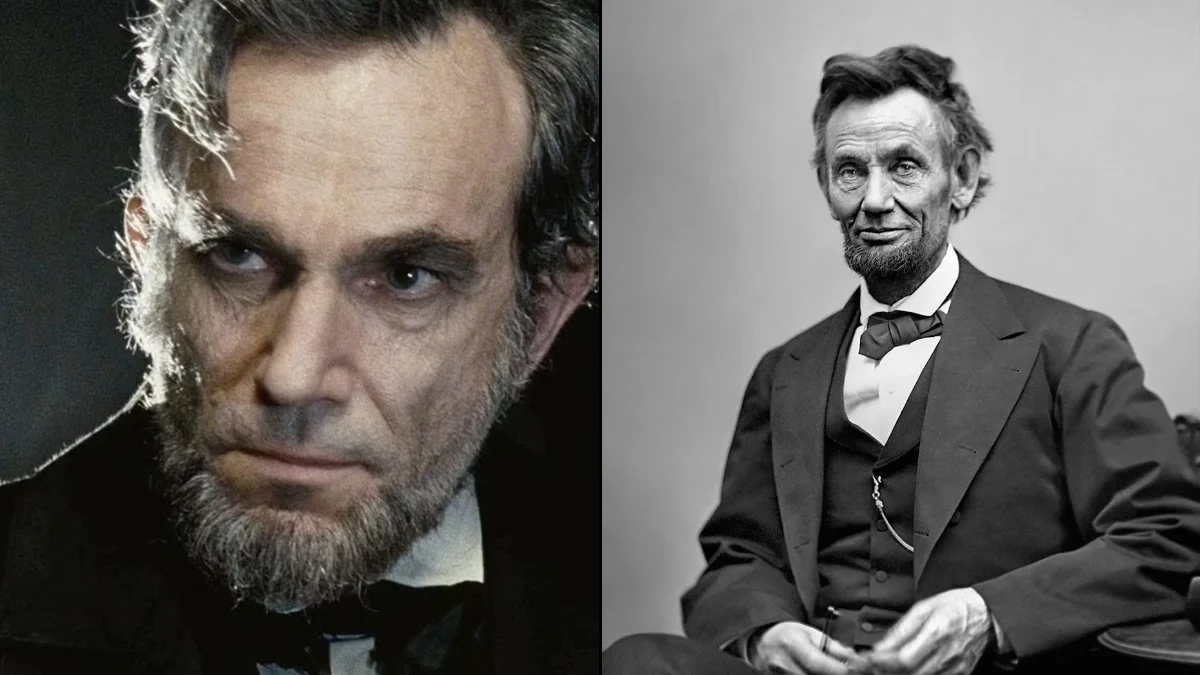
Steven Spielberg directed ‘Lincoln’, drawing heavily from Doris Kearns Goodwin’s book ‘Team of Rivals’ to focus on the political push to pass the Thirteenth Amendment. Daniel Day-Lewis reportedly stayed in character on set and adopted a historically supported higher-pitched voice. Costume and production teams reconstructed period-accurate wardrobes and Cabinet interiors based on archival references. Day-Lewis’s performance earned him major industry awards, including the Academy Award for Best Actor.
Rami Malek in ‘Bohemian Rhapsody’
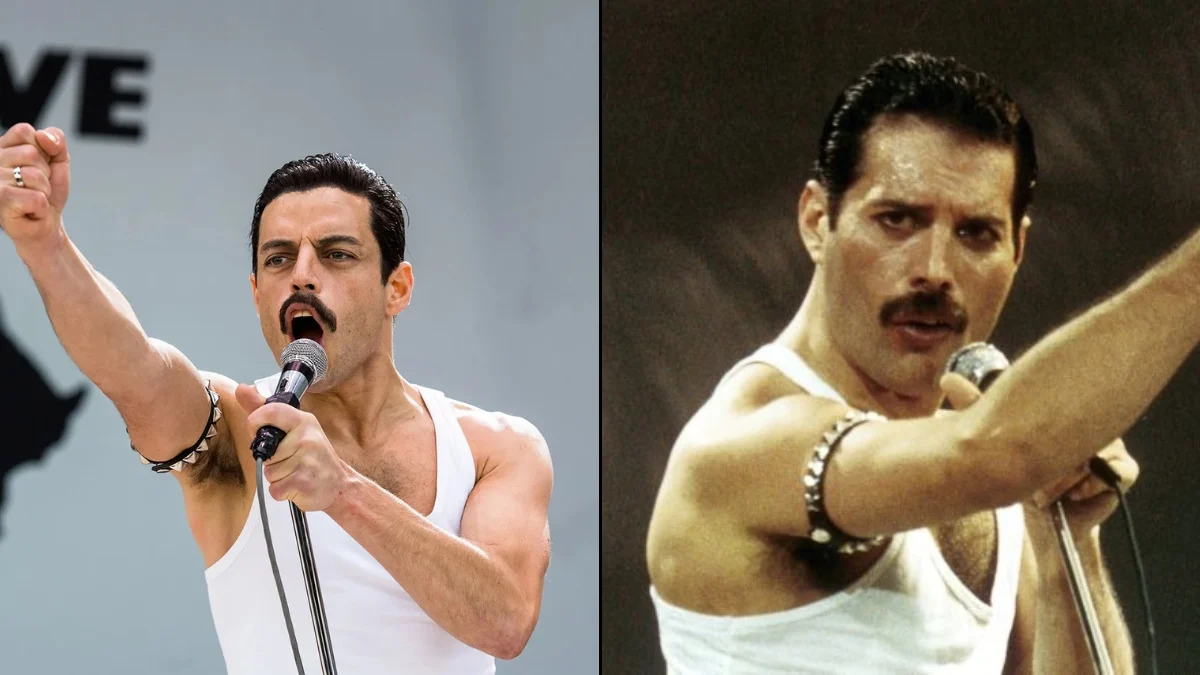
Rami Malek portrayed Freddie Mercury with extensive movement coaching and custom prosthetic teeth to mimic Mercury’s overbite. Surviving Queen members Brian May and Roger Taylor served as creative consultants, supplying performance footage and band history. The film mixed Malek’s vocals with stems from Mercury’s recordings for select sequences. Malek’s work received multiple top honors, including the Academy Award for Best Actor.
Meryl Streep in ‘The Iron Lady’
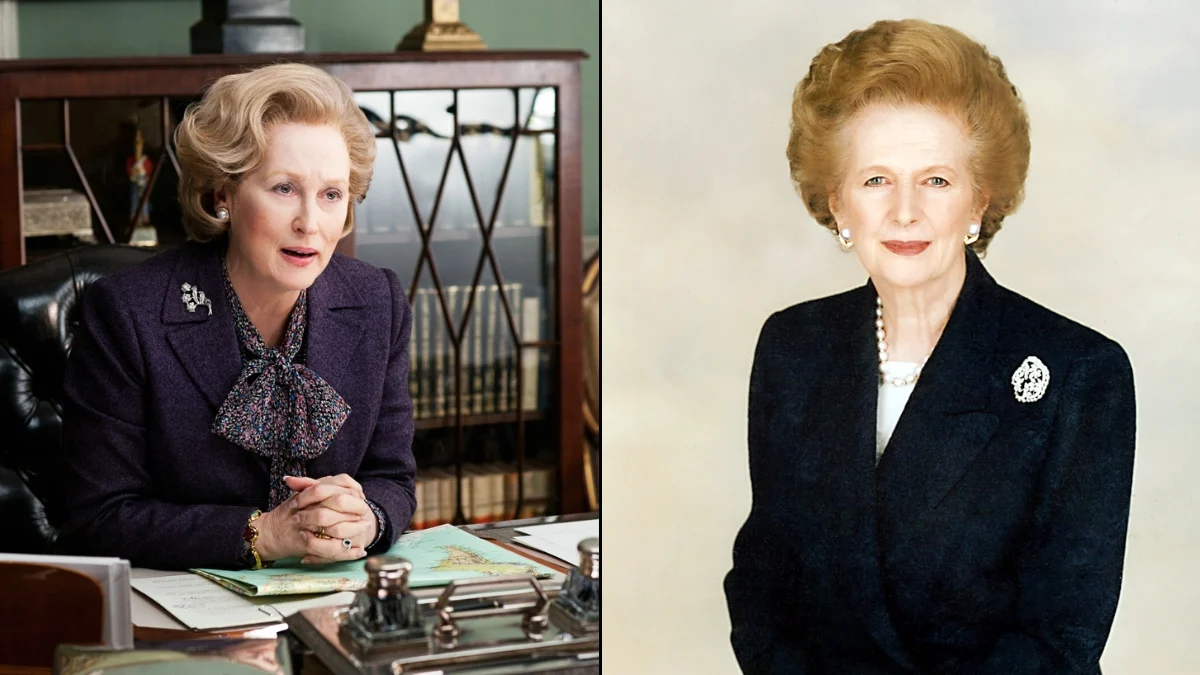
Meryl Streep’s portrayal of Margaret Thatcher combined hours of prosthetics, hairstyling, and dialect work guided by archival interviews and parliamentary recordings. The narrative intercuts Thatcher’s rise with later-life scenes, using makeup and visual effects to depict aging. Streep collaborated with political advisors and voice coaches to capture Thatcher’s cadence and rhetoric. She won the Academy Award for Best Actress for the role.
Forest Whitaker in ‘The Last King of Scotland’
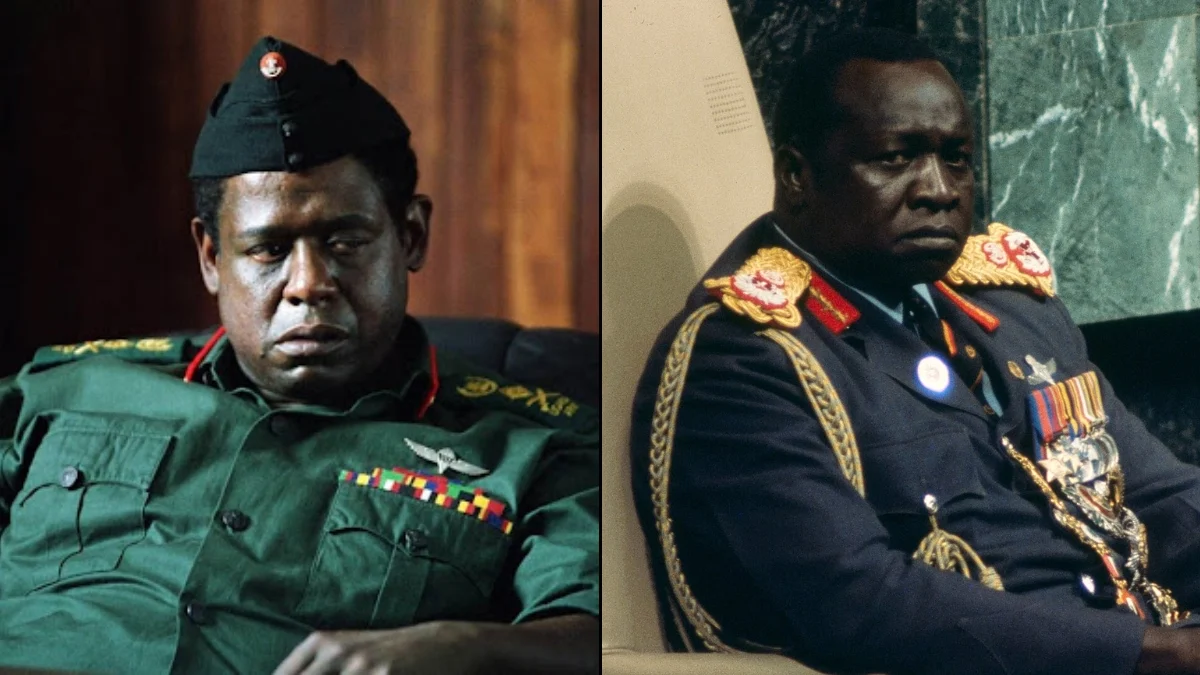
Forest Whitaker studied Ugandan history, learned Kiswahili phrases, and worked with dialect coaches to play Idi Amin. The film blends a fictional Scottish doctor with real events from Amin’s rule, a choice anchored by location shooting in Uganda. Whitaker incorporated Amin’s documented charm alongside verified accounts of volatility from contemporaneous sources. His performance garnered the Academy Award for Best Actor.
Cate Blanchett in ‘Elizabeth’
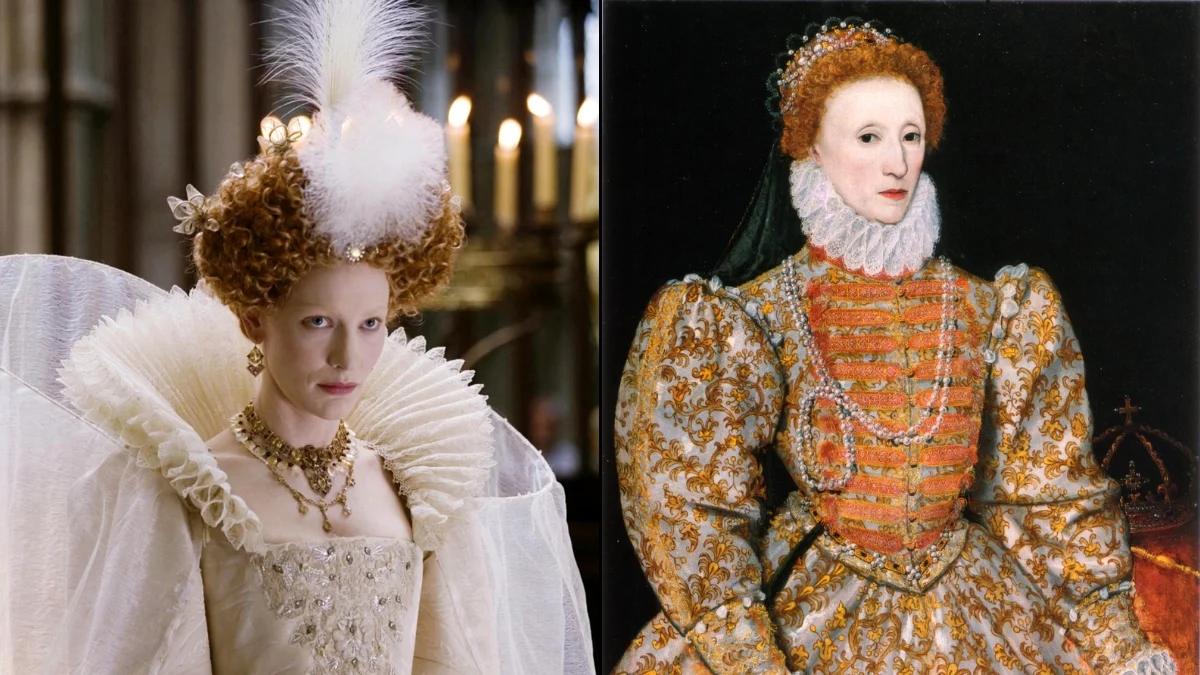
Cate Blanchett’s Elizabeth I was shaped by collaboration with director Shekhar Kapur and historians who advised on court etiquette, iconography, and attire. The production referenced portraits like the Clopton and Darnley likenesses for costume and hair design. Blanchett trained in sword handling and courtly movement to reflect Tudor ceremonial protocols. She received major nominations and won the BAFTA for Best Actress for the role.
Denzel Washington in ‘Malcolm X’
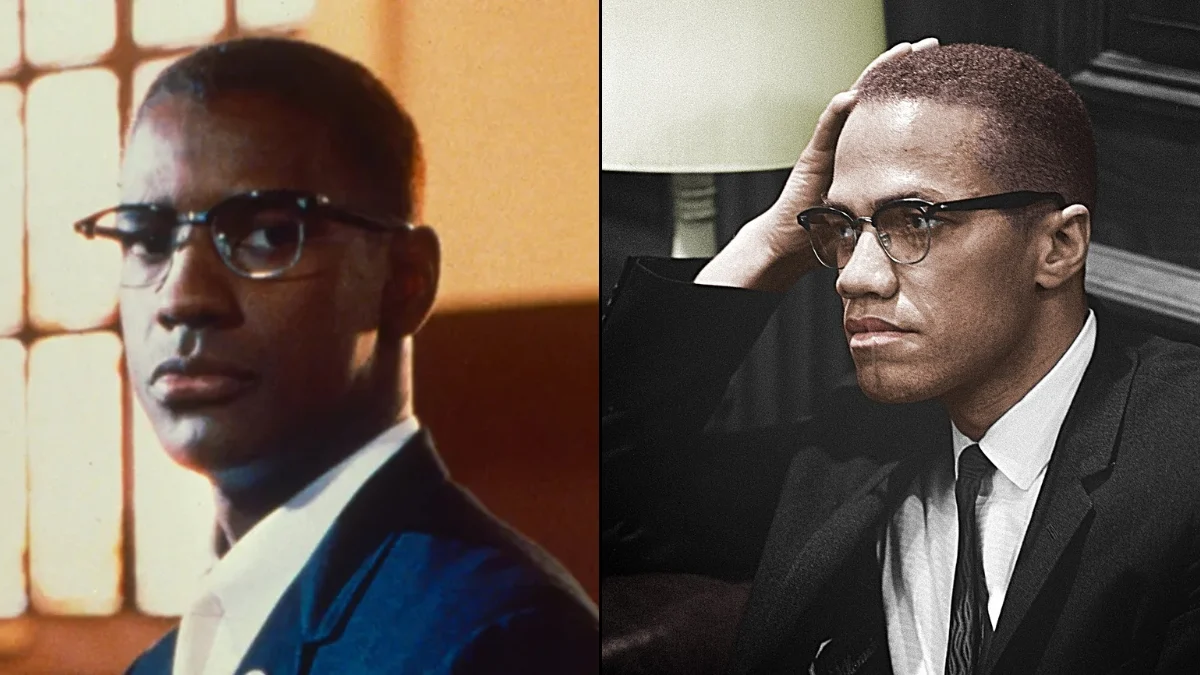
Spike Lee’s ‘Malcolm X’ adapts ‘The Autobiography of Malcolm X’ and other primary sources, with Washington drawing on stage experience from an earlier play. Production recreated pivotal speeches using verified transcripts and filmed in significant locations, including the Audubon Ballroom. Washington worked with religious and community advisors to portray shifts in Malcolm’s faith and politics. He earned an Academy Award nomination for Best Actor.
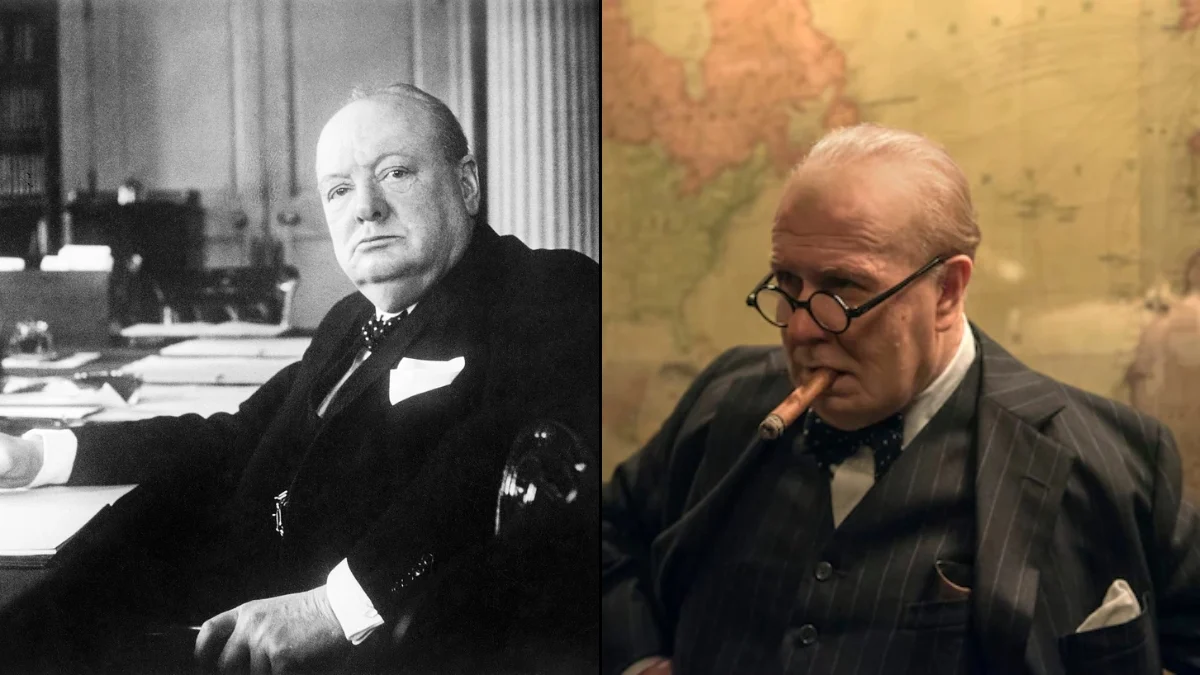
Gary Oldman in ‘Darkest Hour’
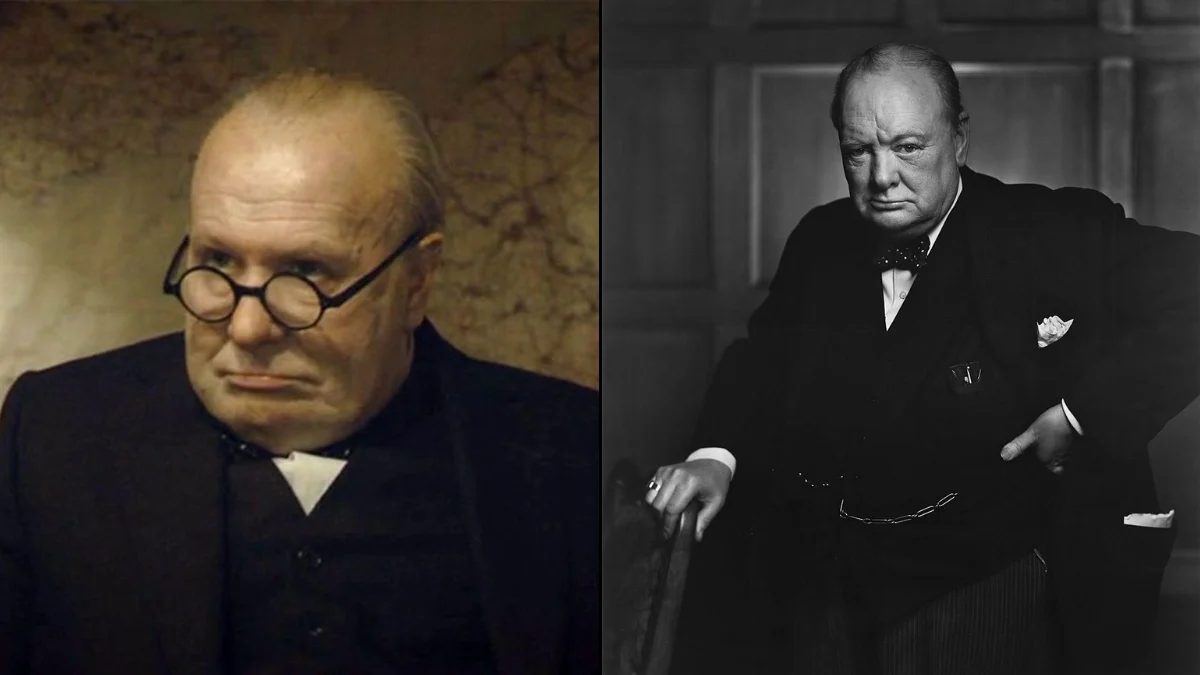
Gary Oldman became Winston Churchill with elaborate prosthetics designed by Kazu Hiro and historically sourced wardrobes. Production designers rebuilt the War Rooms and Commons chamber with reference to photographs and architectural plans. Oldman studied Churchill’s speeches and cigar habits to match timing and gestures documented in newsreels. The performance won the Academy Award for Best Actor.
Natalie Portman in ‘Jackie’
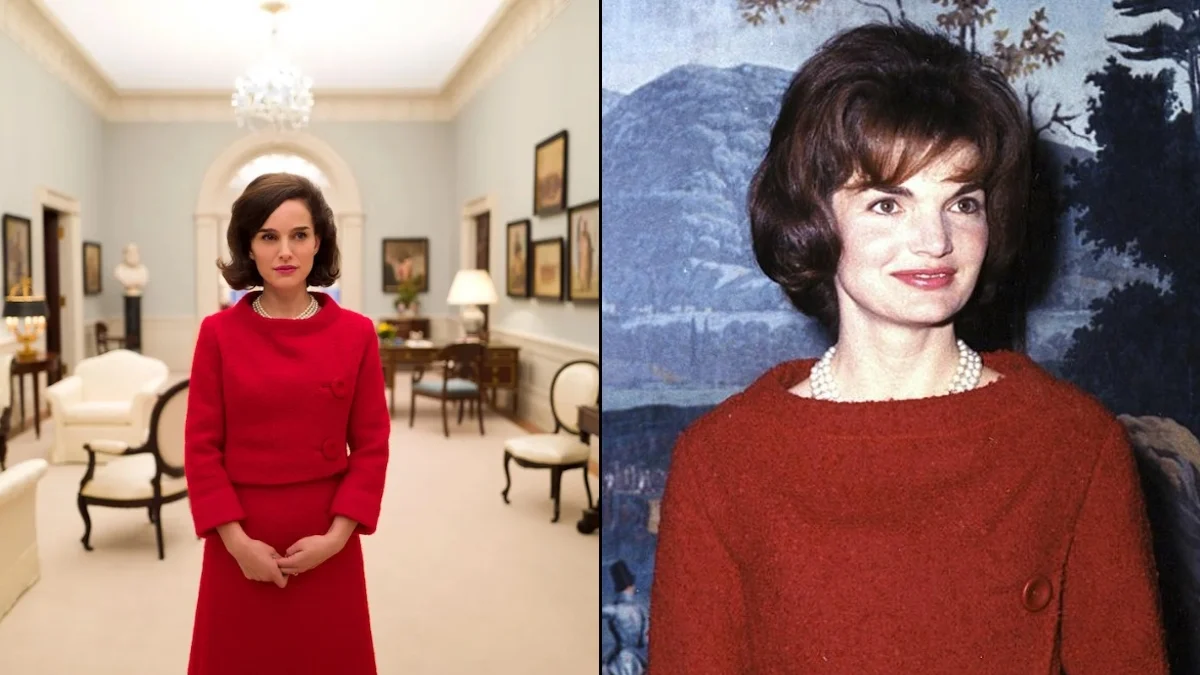
Natalie Portman portrayed Jacqueline Kennedy with emphasis on voice, breath, and posture, informed by the televised White House tour and press interviews. Director Pablo Larraín interwove documentary-style sequences with dramatized private moments, using period lenses and grain to mimic archival footage. Costume teams replicated iconic ensembles in consultation with fashion historians. Portman received an Academy Award nomination for Best Actress.
Eddie Redmayne in ‘The Theory of Everything’
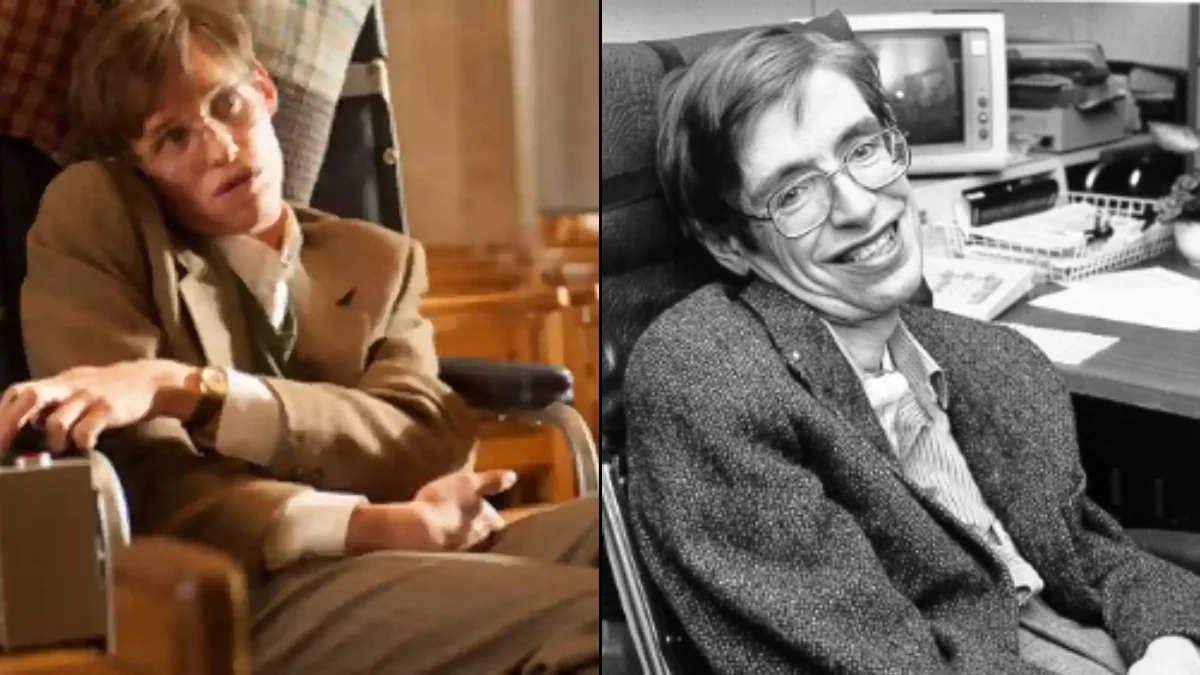
Eddie Redmayne collaborated with ALS specialists and met Stephen Hawking to map disease progression across distinct stages. The production scheduled scenes out of order but tracked physical benchmarks for consistency in mobility and speech. Makeup and costume departments coordinated with the actor’s physical work to maintain continuity. Redmayne won the Academy Award for Best Actor.
Charlize Theron in ‘Monster’
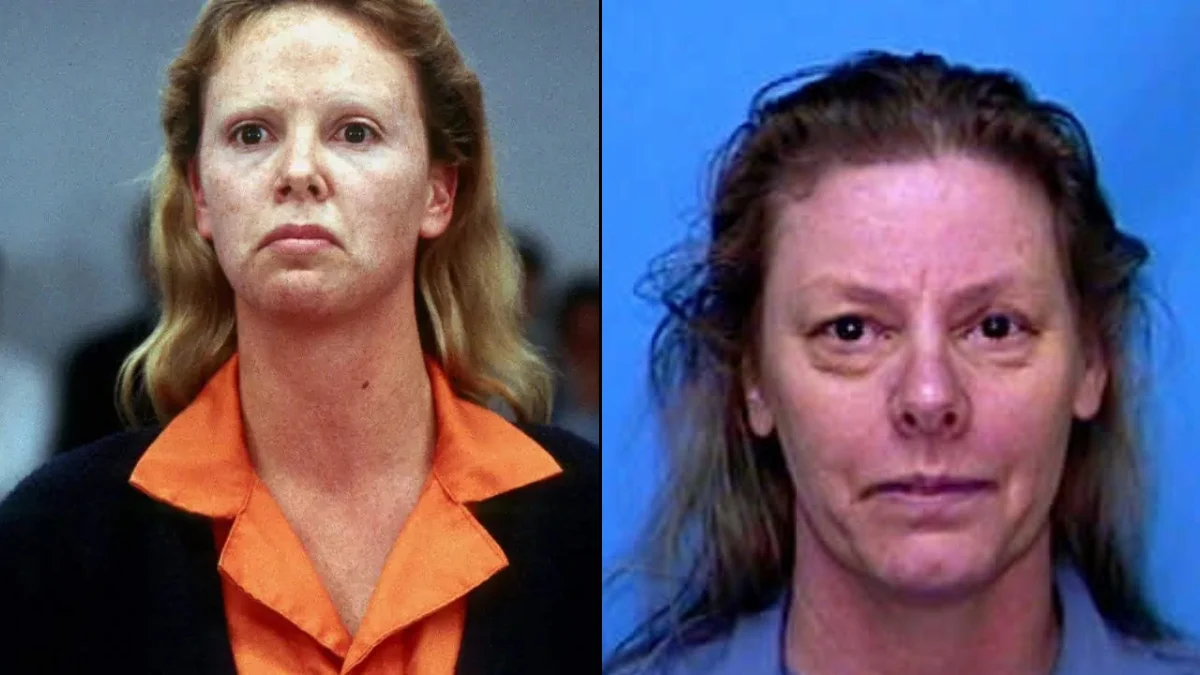
Charlize Theron transformed into Aileen Wuornos using prosthetic teeth, altered eyebrows, and a weight change supervised by nutritionists. She studied interrogation tapes and court records to reproduce speech patterns and affect. Director Patty Jenkins structured scenes around verified timelines from arrest reports and witness statements. Theron’s performance earned the Academy Award for Best Actress.
Austin Butler in ‘Elvis’
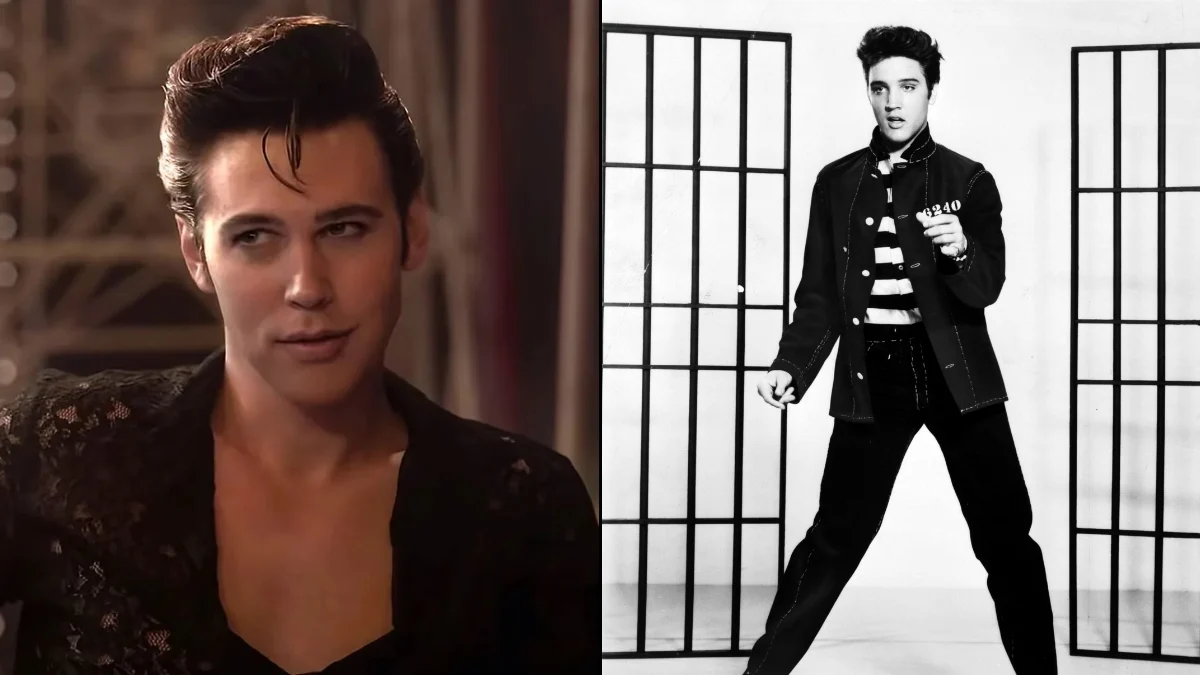
Austin Butler trained for months in voice and movement to capture Elvis Presley’s evolving performance style, working with dialect coaches and music supervisors. Director Baz Luhrmann incorporated concert recreations that combined Butler’s vocals with meticulously arranged backing tracks. The production consulted Graceland archives for costumes, jewelry, and set dressing. Butler won major awards, including a Golden Globe, and received an Academy Award nomination.
Ben Kingsley in ‘Gandhi’
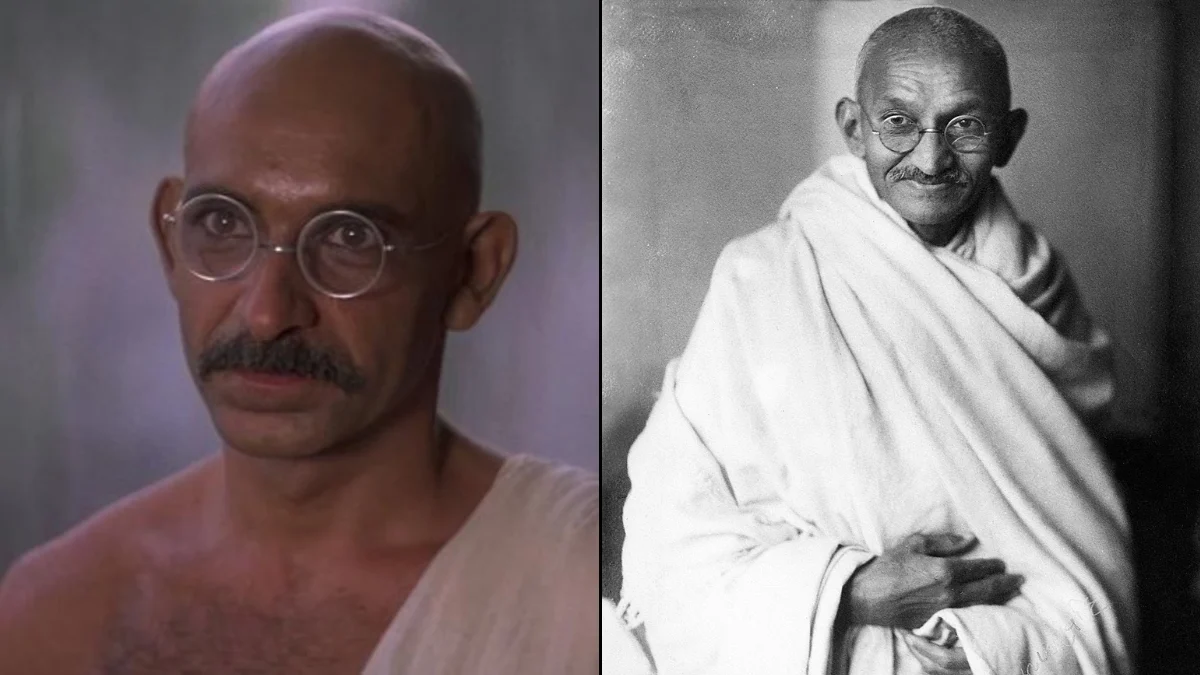
Ben Kingsley prepared for Mohandas K. Gandhi by studying Gujarati pronunciation, meditation practices, and diet routines reported by contemporaries. Richard Attenborough’s production coordinated with the Indian government and filmed at historic sites, including scenes with thousands of extras. Wardrobe teams reproduced homespun khadi garments with traditional weaving methods. Kingsley won the Academy Award for Best Actor.
Claire Foy in ‘The Crown’
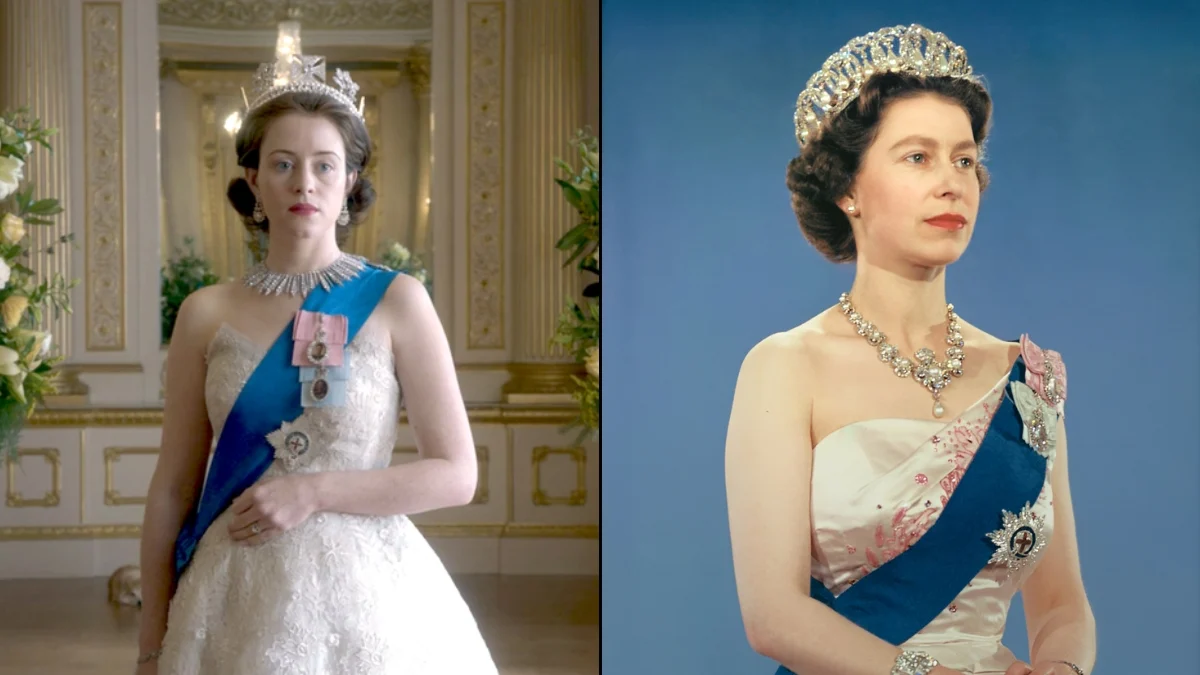
Claire Foy’s early-reign Queen Elizabeth II was built on extensive etiquette training, riding practice, and voice work anchored in BBC archives. The series consulted royal historians for protocol accuracy and sourced costume patterns from museum collections. Sets recreated palace interiors with attention to documented floor plans and furnishings. Foy received both Golden Globe and Primetime Emmy awards for the role.
Salma Hayek in ‘Frida’
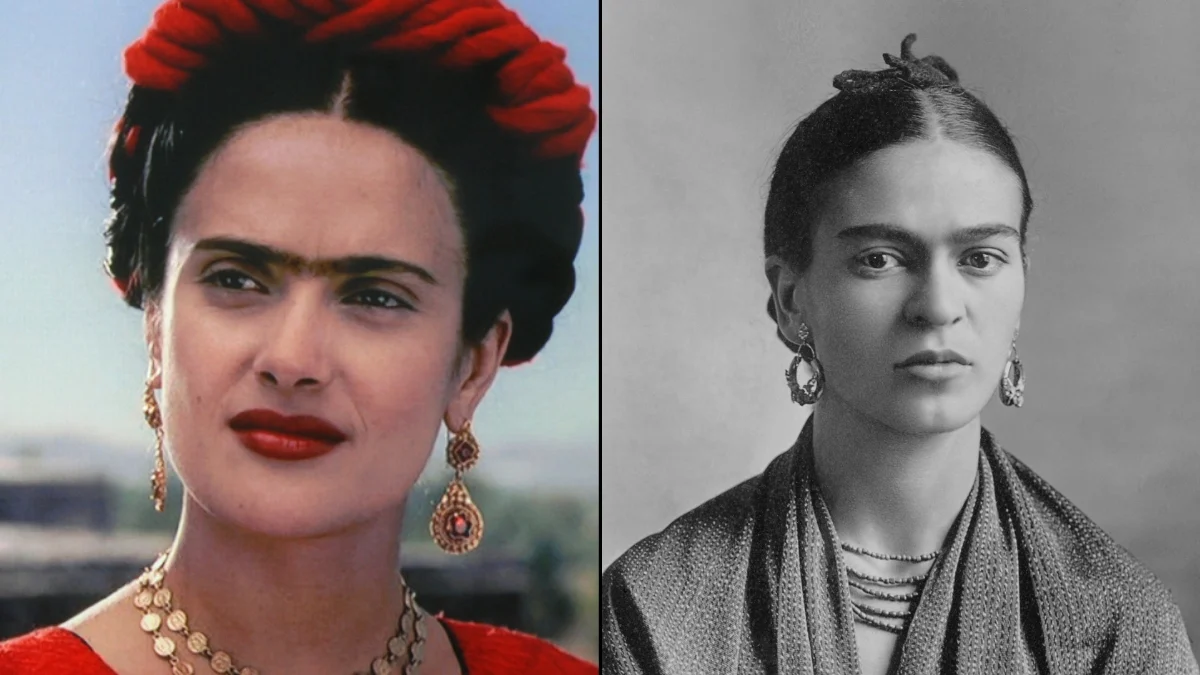
Salma Hayek produced and starred as Frida Kahlo, collaborating with consultants to clear artwork rights and accurately depict studio techniques. Makeup and hair teams crafted the signature unibrow and braided crowns based on photographs and self-portraits. The film incorporated bilingual dialogue and diegetic music to reflect Kahlo’s cultural milieu. It won Academy Awards for Best Makeup and Best Original Score.
Joaquin Phoenix in ‘Walk the Line’
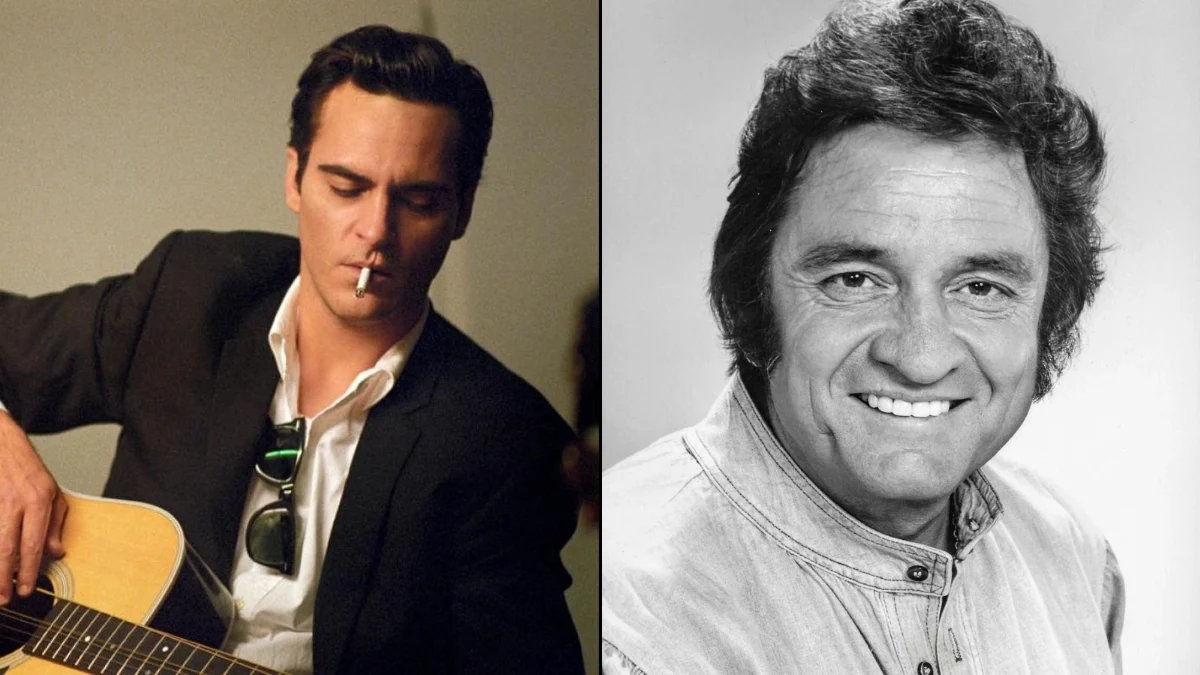
Joaquin Phoenix performed his own vocals as Johnny Cash, working with producer T Bone Burnett on guitar technique and phrasing. The production gained access to family archives and coordinated with the Cash estate for accuracy. Reese Witherspoon, portraying June Carter, also performed vocals, and both actors trained for live-recorded sequences. Phoenix earned an Academy Award nomination for Best Actor.
Margot Robbie in ‘I, Tonya’
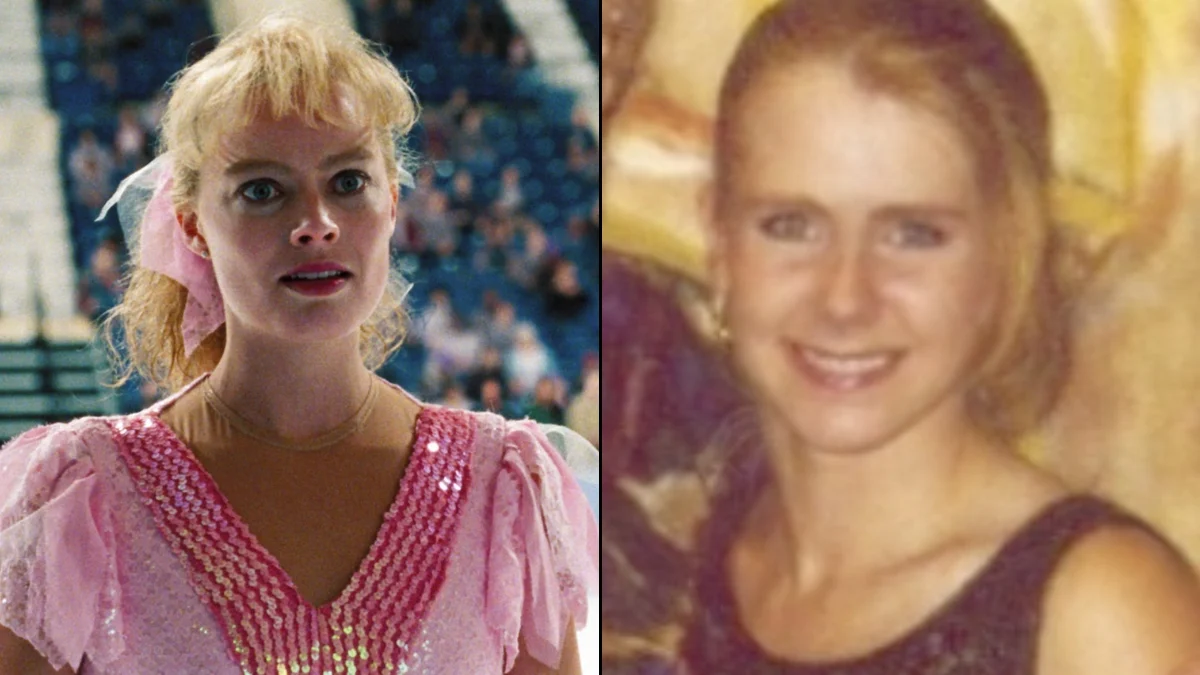
Margot Robbie trained intensively in figure skating, with elite doubles and visual effects used for elements like the triple axel. The screenplay cross-cuts conflicting interviews to mirror real-world disputes documented in media coverage and legal records. Costume designers reproduced competition outfits from televised events and photographs. Robbie received an Academy Award nomination, while Allison Janney won Best Supporting Actress.
Claire Danes in ‘Temple Grandin’
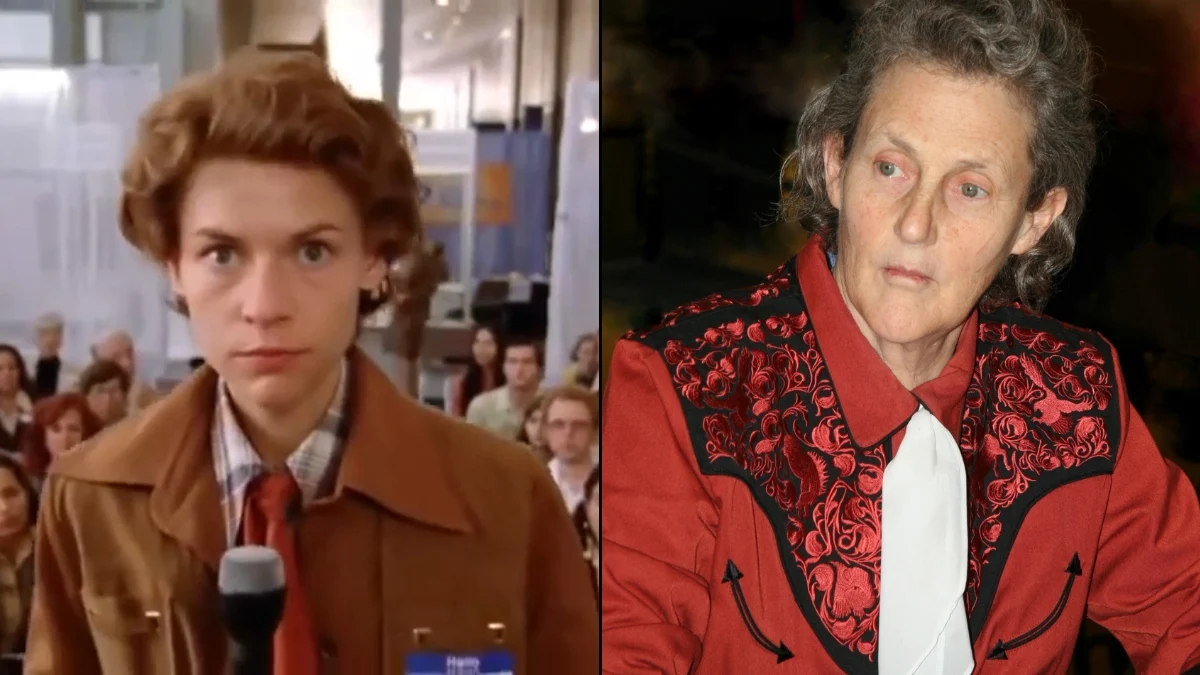
Claire Danes portrayed Temple Grandin with guidance from Grandin herself, focusing on sensory processing, speech cadence, and livestock-handling methods. Production shot in facilities modeled on Grandin’s designs, using technical diagrams to inform set builds. The film depicted her “squeeze machine” and feedlot systems based on published schematics and patents. Danes won Emmy, Golden Globe, and SAG awards for the performance.
Paul Giamatti in ‘John Adams’
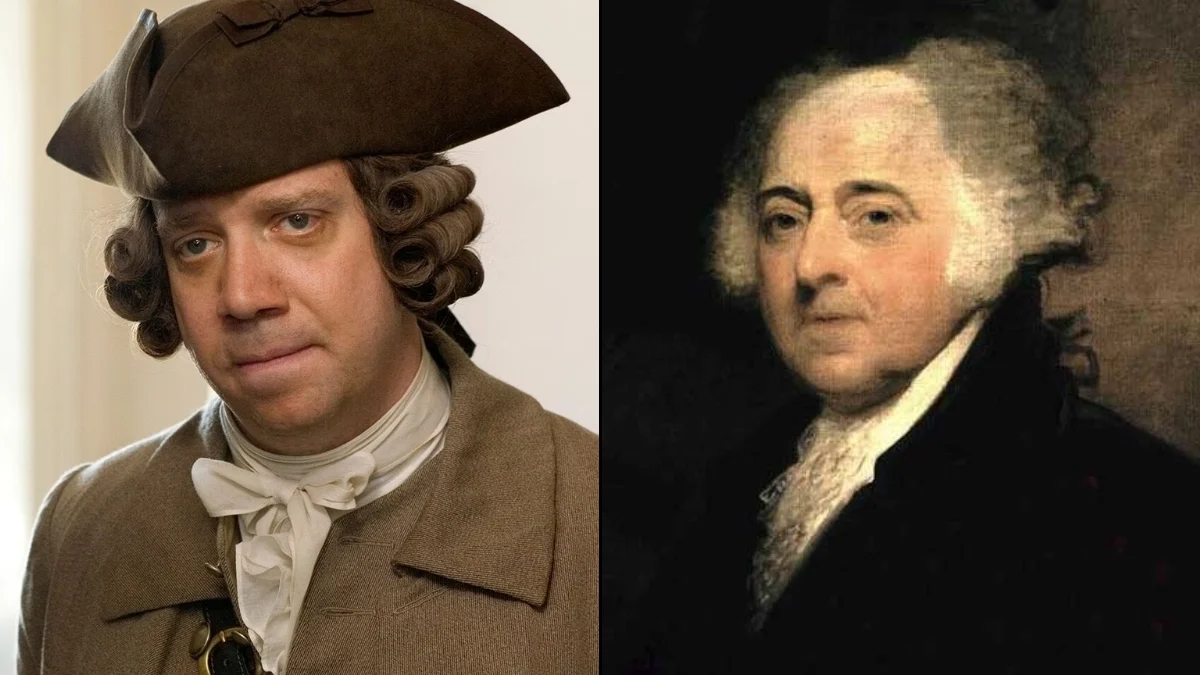
Paul Giamatti’s performance drew on David McCullough’s biography, with advisors consulting on legal practice, diplomatic protocol, and colonial politics. Sets and costumes were created from period inventories, paintings, and surviving garments. The production filmed in historically appropriate locations and used natural-light setups to approximate candlelit interiors. Giamatti won multiple awards, including an Emmy, for the role.
Helen Mirren in ‘The Queen’
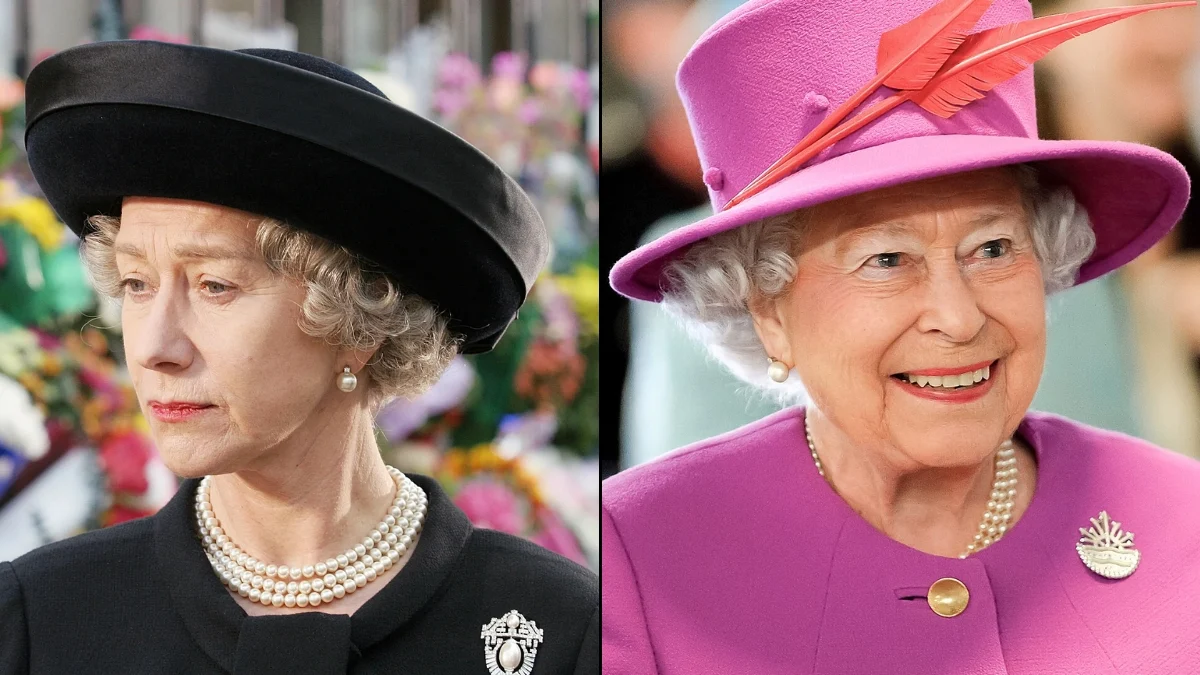
Helen Mirren worked with dialect and movement coaches to portray Queen Elizabeth II during the aftermath of Princess Diana’s death. Stephen Frears directed with input from royal correspondents and protocol experts to stage accurate ceremonies and briefings. Wardrobe replicated headscarves, handbags, and brooches from documented appearances. Mirren won the Academy Award for Best Actress.
Share your favorite portrayals—and the details you think the films or shows nailed—in the comments below!