


20 Actors We Wish Had Been On The A-List Longer




Some stars rocket to the top and then step away or see the spotlight move on just as fast as it arrived. Their peaks were exciting and packed with franchise hits, awards, or big cultural moments, yet the top tier run felt shorter than fans hoped. Here are twenty actors whose time as undeniable A-listers was brief compared to their impact, along with what fueled their rise and what came next.
Brendan Fraser
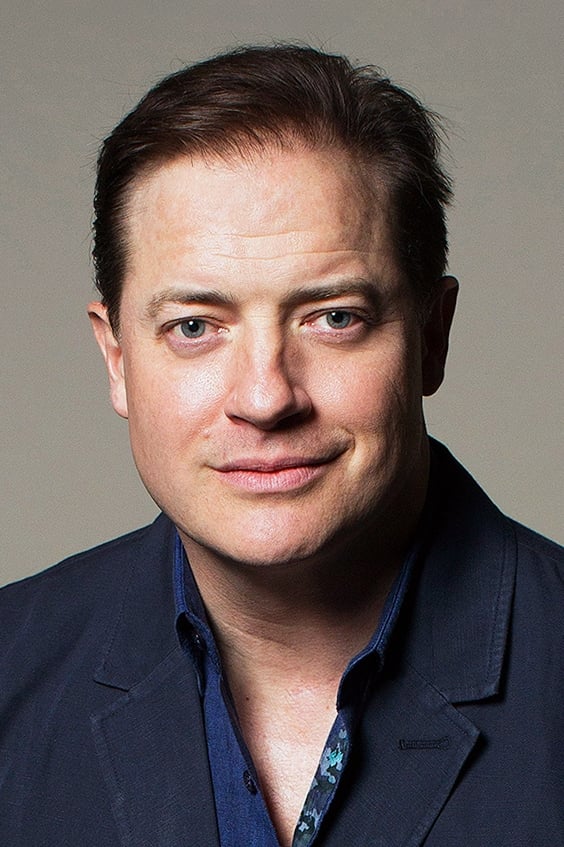
Brendan Fraser headlined adventure hits like ‘The Mummy’ and family smashes that cemented him as a bankable lead. After a run of major studio projects he dealt with injuries and fewer blockbuster offers, which reduced his presence in tentpole films. He continued working across smaller features and television with steady turns that reminded people of his range. His later acclaimed comeback showed the depth that had always been there even when the A-list heat cooled.
Alicia Silverstone
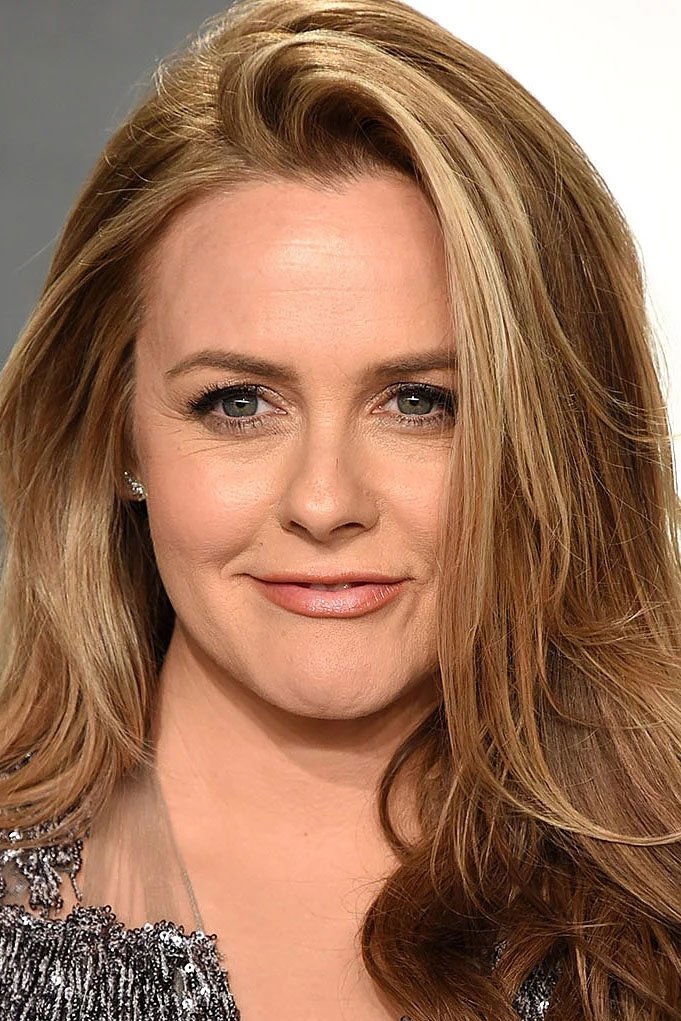
Alicia Silverstone became a household name with ‘Clueless’ and landed studio deals that positioned her for a long run at the top. A mix of underperforming follow-ups and a shift toward stage and indie work meant fewer big budget leads. She stayed visible through voice roles, advocacy, and steady film and TV appearances. Her pop culture influence remained strong even as the biggest studio star vehicles slowed.
Josh Hartnett
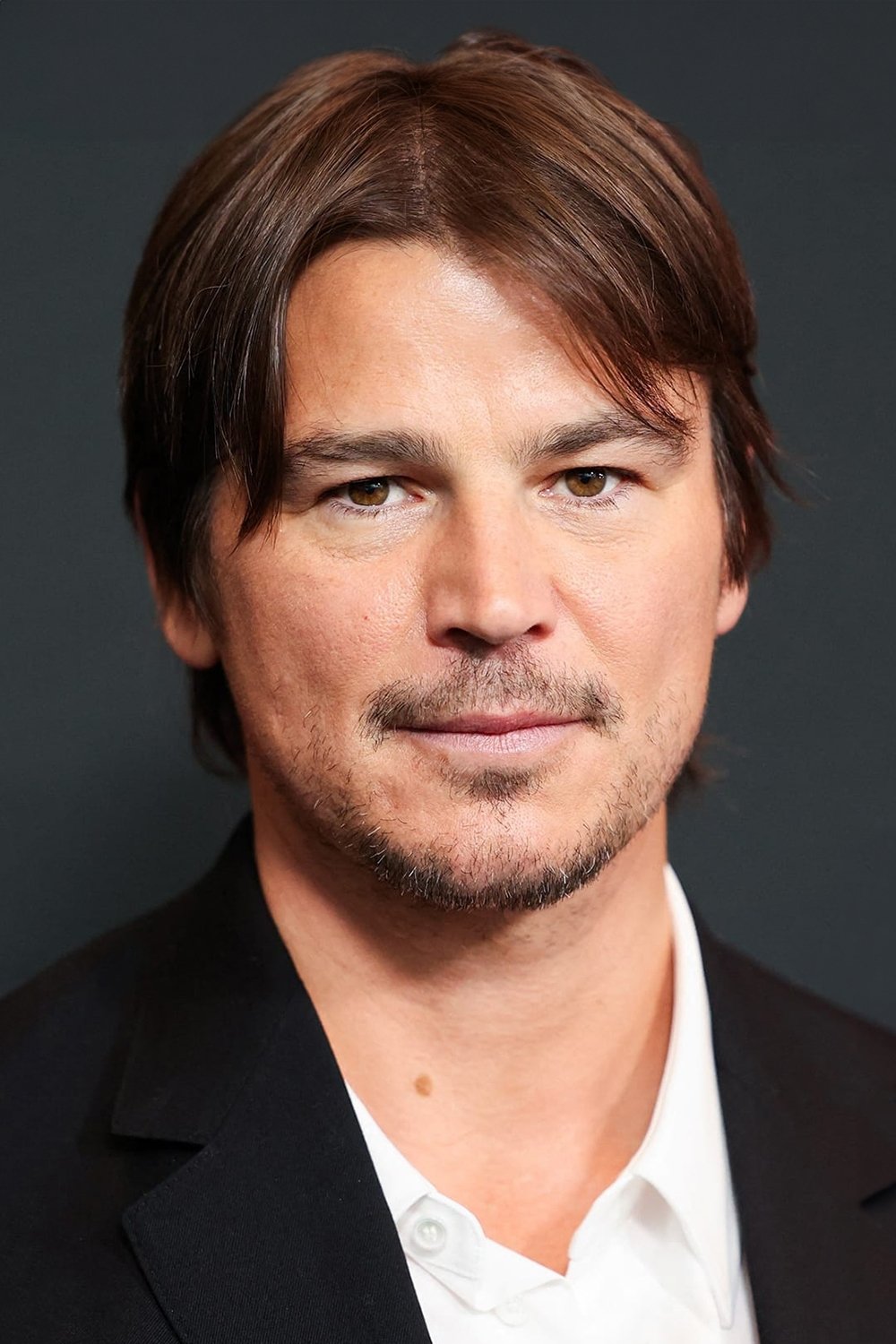
Josh Hartnett surged with ‘Pearl Harbor’ and ‘Black Hawk Down’ and quickly became a go-to name for high profile projects. He chose to prioritize smaller films and a quieter life, which meant fewer mainstream blockbusters. That pivot produced interesting indie performances and prestige television work. The early momentum showed he could carry massive releases, even if he preferred a different path.
Megan Fox

Megan Fox exploded into global fame with ‘Transformers’ and quickly led other commercial titles. Publicized tensions around productions and a move toward genre and independent projects shifted her trajectory. She continued to work consistently in action, horror, and television, building a niche audience. The early franchise success proved she could open movies at a huge scale.
Taylor Lautner
Taylor Lautner became world famous through the ‘Twilight’ series, which put him on magazine covers and late night staples. Attempts to transition into action and thriller leads met mixed results at the box office. He then focused on supporting roles, comedies, and television appearances. The franchise wave showed clear draw with younger audiences during its peak.
Hayden Christensen

Hayden Christensen anchored a cornerstone saga with ‘Star Wars’ and gained instant global recognition. After the prequels he stepped back and worked selectively in genre films and limited releases. He later returned to the galaxy on television, reintroducing the character to a new generation. The early spotlight demonstrated he could carry one of the most scrutinized roles in cinema.
Sam Worthington
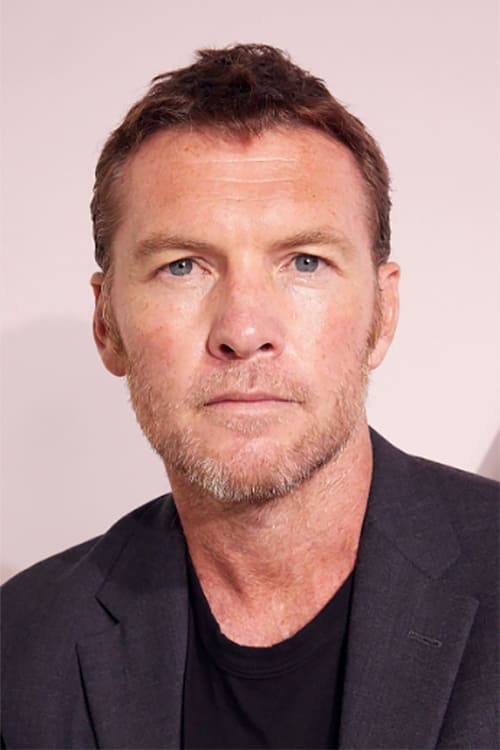
Sam Worthington shot to the top with ‘Avatar’ and then appeared across effects heavy adventures like ‘Clash of the Titans’. A quieter period followed with character roles and smaller scale thrillers. Subsequent returns to the ‘Avatar’ universe brought renewed attention and major box office. His initial burst showed strong appeal in large world building franchises.
Rachael Leigh Cook
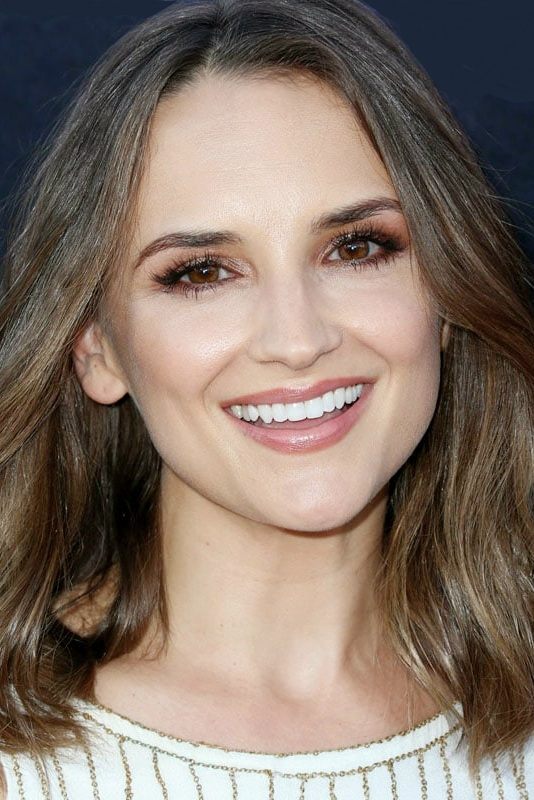
Rachael Leigh Cook headlined the teen rom-com wave with ‘She’s All That’ and fronted several studio projects. As that cycle ebbed she moved toward television films, voice work, and producing. She maintained a steady presence with romantic titles that built a loyal fan base. The teen boom years suggested she could have continued as a wider studio lead.
Keisha Castle-Hughes
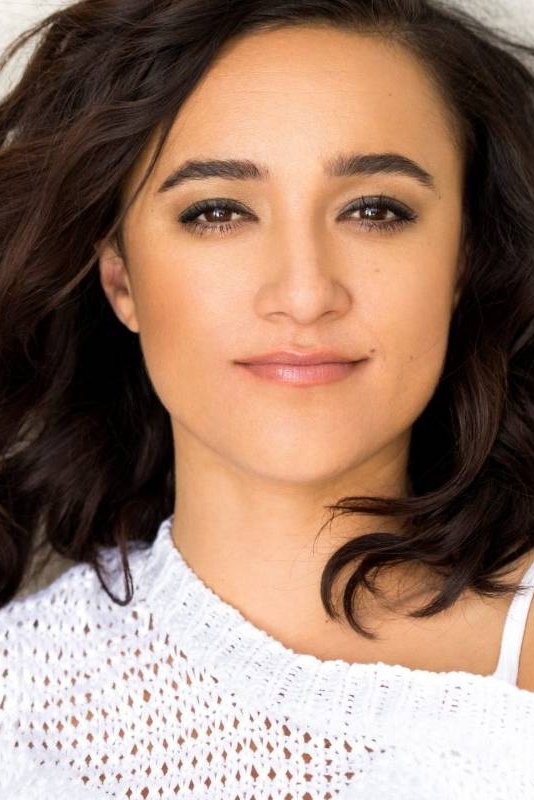
Keisha Castle-Hughes earned international acclaim and an Academy Award nomination for ‘Whale Rider’ at a very young age. High profile roles followed in period dramas and large franchises, but marquee leads were limited. She worked consistently in television including notable appearances in ‘Game of Thrones’. Early recognition indicated potential for more frequent top billed features.
Katherine Heigl

Katherine Heigl won an Emmy for ‘Grey’s Anatomy’ and followed with a strong stretch of theatrical rom-com hits. Industry headlines and changing genre trends coincided with fewer major studio leads. She transitioned into television series work, streaming films, and producing. The rom-com run showed real drawing power during a competitive box office era.
Cuba Gooding Jr.
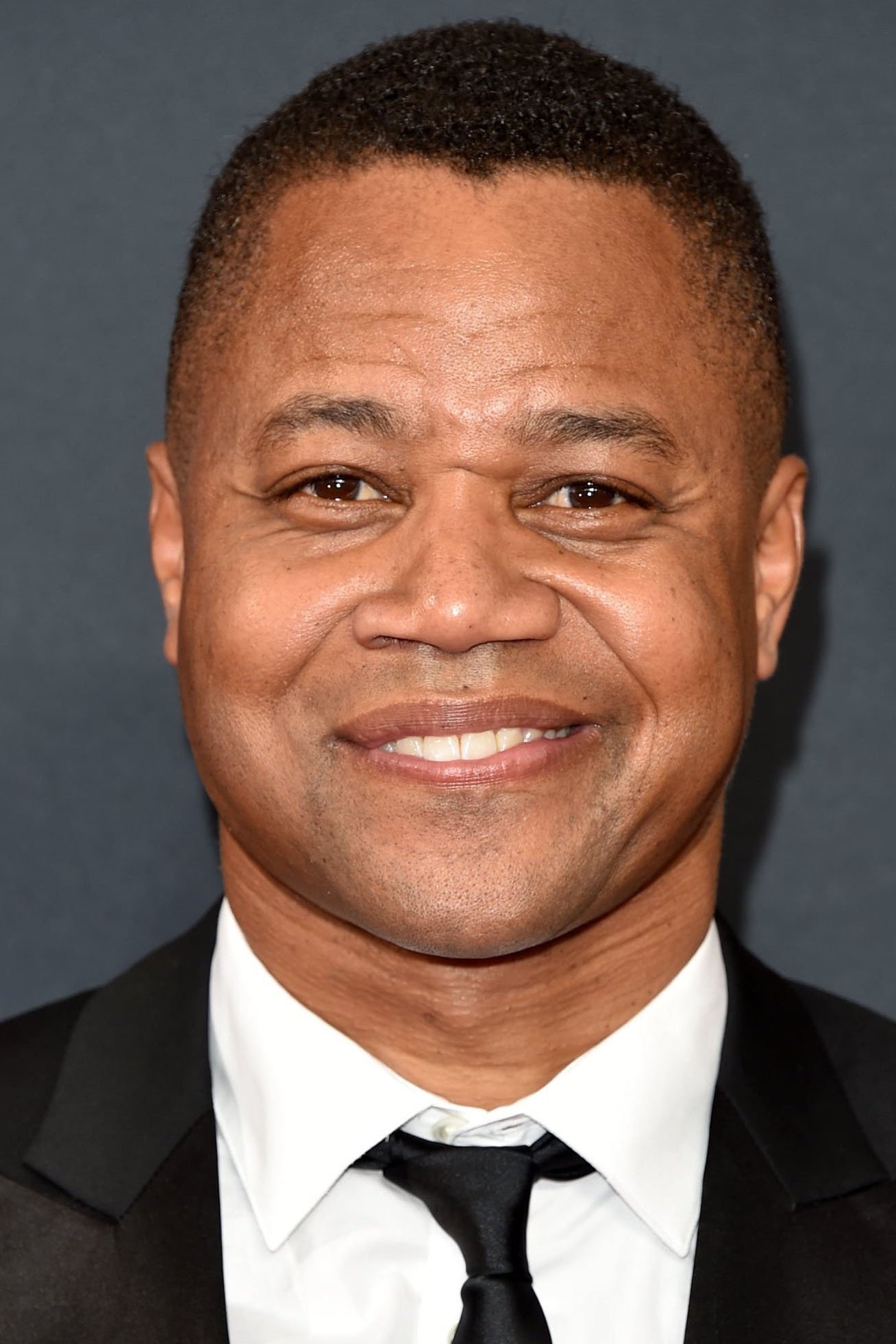
Cuba Gooding Jr. won an Academy Award for ‘Jerry Maguire’ and quickly became a sought after lead. A number of later films underperformed which shifted him toward supporting roles and television. He found success with limited series work and stage performances. His early awards momentum suggested a longer period of top billed studio projects.
Mira Sorvino
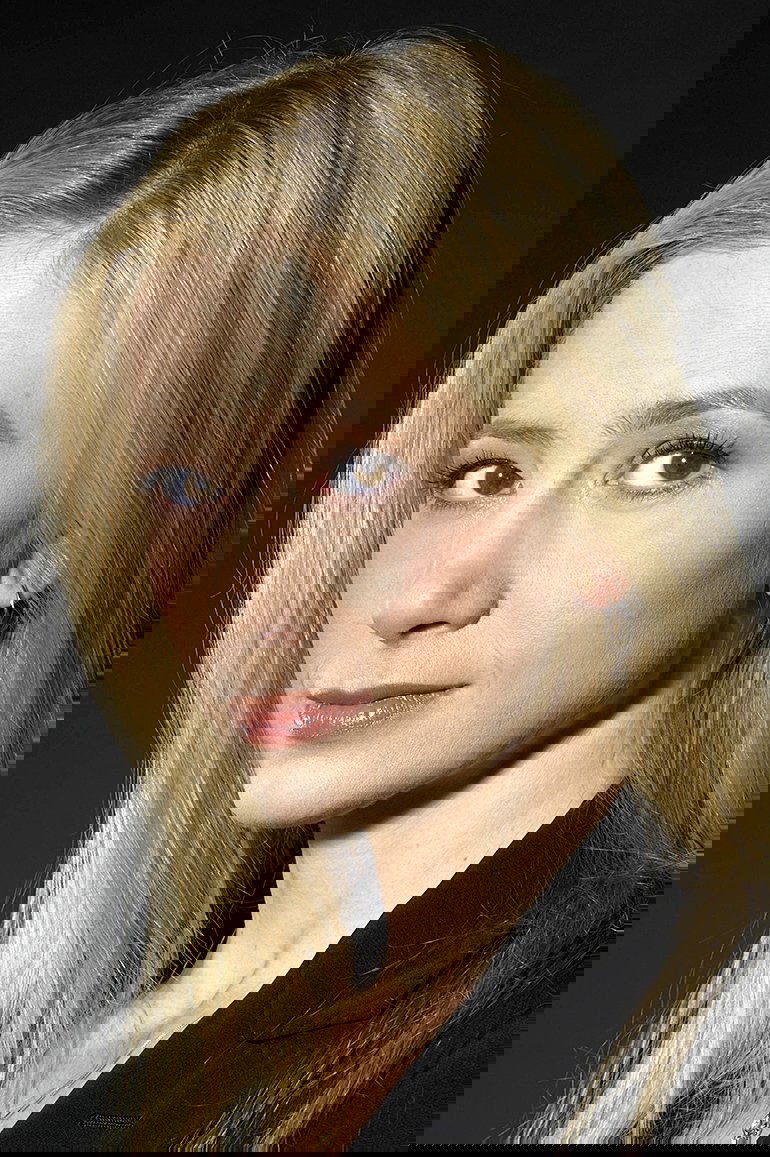
Mira Sorvino won an Academy Award for ‘Mighty Aphrodite’ and led a mix of comedies and dramas soon after. Reports about industry barriers and changing opportunities affected her access to prestige roles. She continued to work in independent film and television with steady performances. The awards breakthrough pointed to a path that could have stayed at the top tier longer.
Skeet Ulrich
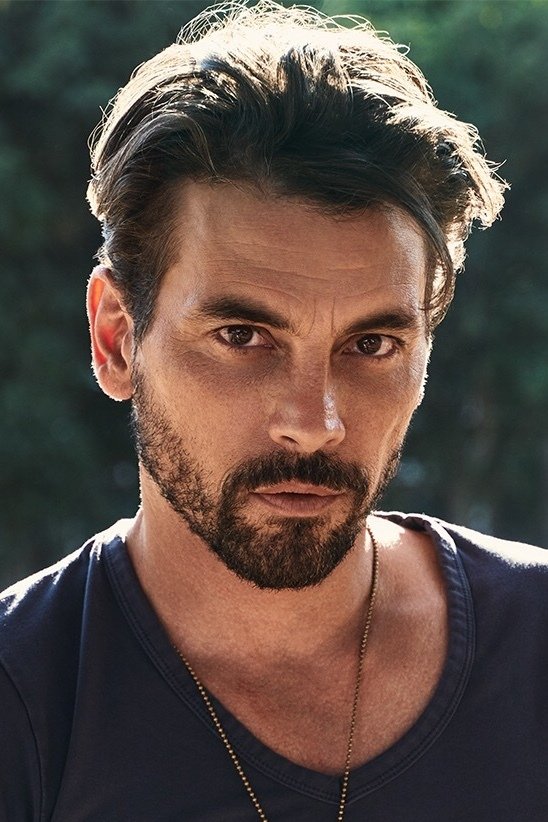
Skeet Ulrich broke out with ‘Scream’ and became a familiar face across late 1990s thrillers. As the teen horror cycle cooled he shifted to television with series like ‘Jericho’ and later ‘Riverdale’. He built a solid career in ensemble casts and recurring parts. The initial film wave hinted at a longer stretch of theatrical leads.
Sarah Michelle Gellar

Sarah Michelle Gellar dominated late 1990s pop culture with ‘Buffy the Vampire Slayer’ and hit films like ‘Cruel Intentions’. She chose to focus on family and selective projects, leading to fewer large scale roles. Later she returned to voice acting and new series that tapped into loyal fan interest. Her peak visibility suggested broader sustained film stardom if she had pursued it.
Macaulay Culkin
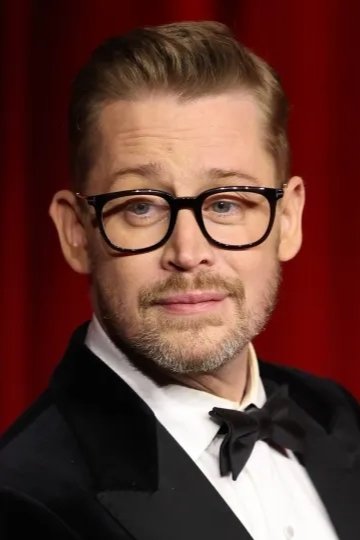
Macaulay Culkin became one of the most famous child stars ever with ‘Home Alone’ and other family hits. He took an extended hiatus from major film work and later returned in selective independent projects and television. Appearances with ‘American Horror Story’ and live performances showed continued audience curiosity. The early box office dominance showed rare franchise leading power.
Lindsay Lohan

Lindsay Lohan led popular teen comedies and dramas like ‘Mean Girls’ and ‘Freaky Friday’. Legal troubles and widely reported personal challenges disrupted a steady stream of studio films. She later made selective returns through television movies, streaming projects, and brand ventures. The early run demonstrated consistent draw with younger audiences.
Jean Dujardin
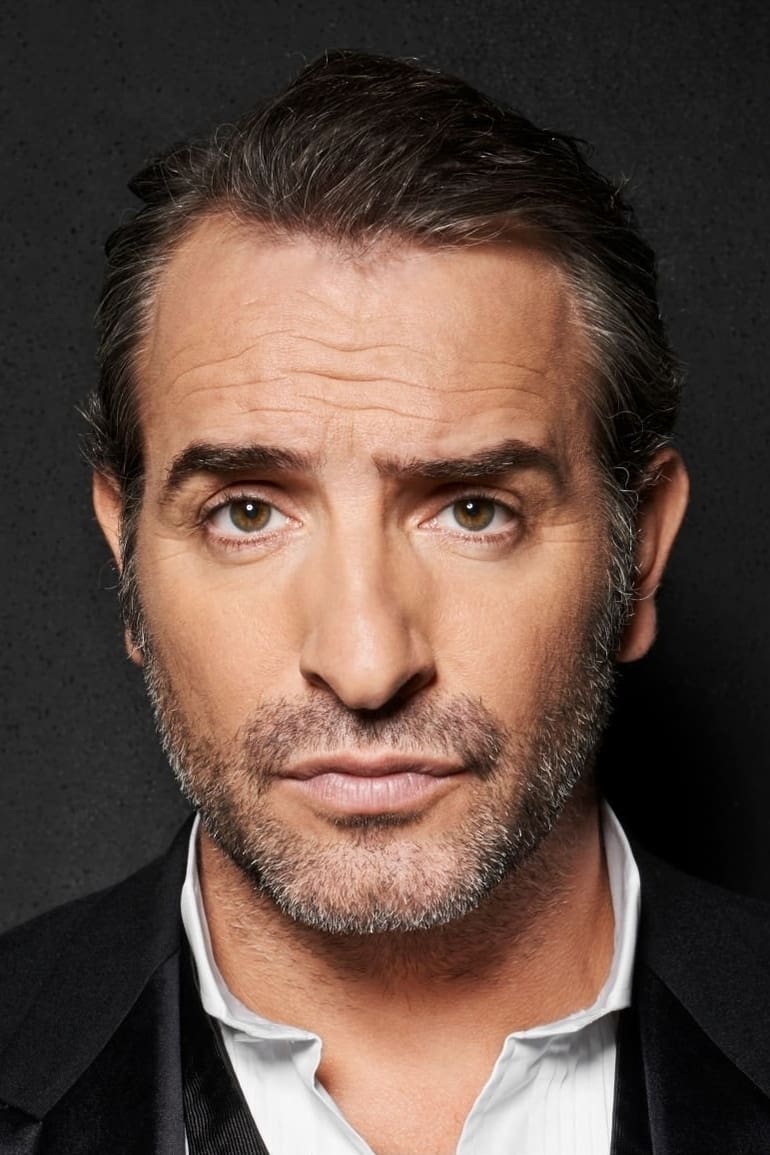
Jean Dujardin won the Academy Award for ‘The Artist’ and briefly became a sought after figure in Hollywood. His career remained vibrant in France with comedies and thrillers, while English language leads were limited. He continued to collect accolades in European cinema. The crossover moment suggested more sustained top billing in American productions.
John Boyega
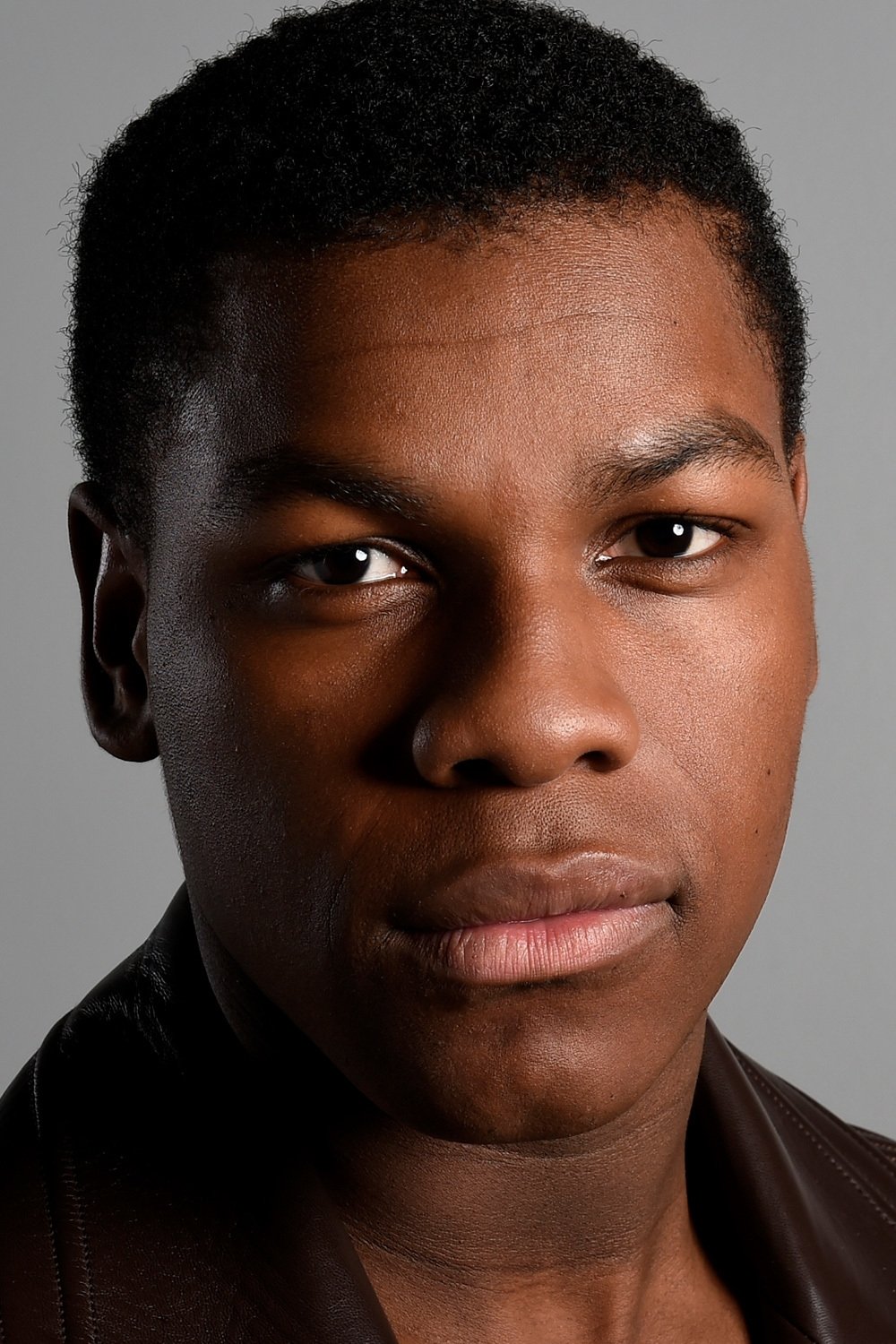
John Boyega’s breakthrough as Finn in the ‘Star Wars’ sequel trilogy made him globally recognizable. After the trilogy he focused on diverse projects including ‘Small Axe’ which earned strong critical praise. He remained active in mid budget dramas and genre films rather than nonstop blockbusters. The franchise shine showed clear potential for a longer A-list stretch.
Daisy Ridley

Daisy Ridley vaulted to fame as Rey and immediately led one of the biggest franchises in film history. Following the trilogy she chose a mix of independent dramas, voice roles, and select thrillers. She kept working consistently while avoiding constant tentpole scheduling. The massive early exposure pointed to an extended run of top tier studio leads.
Shailene Woodley
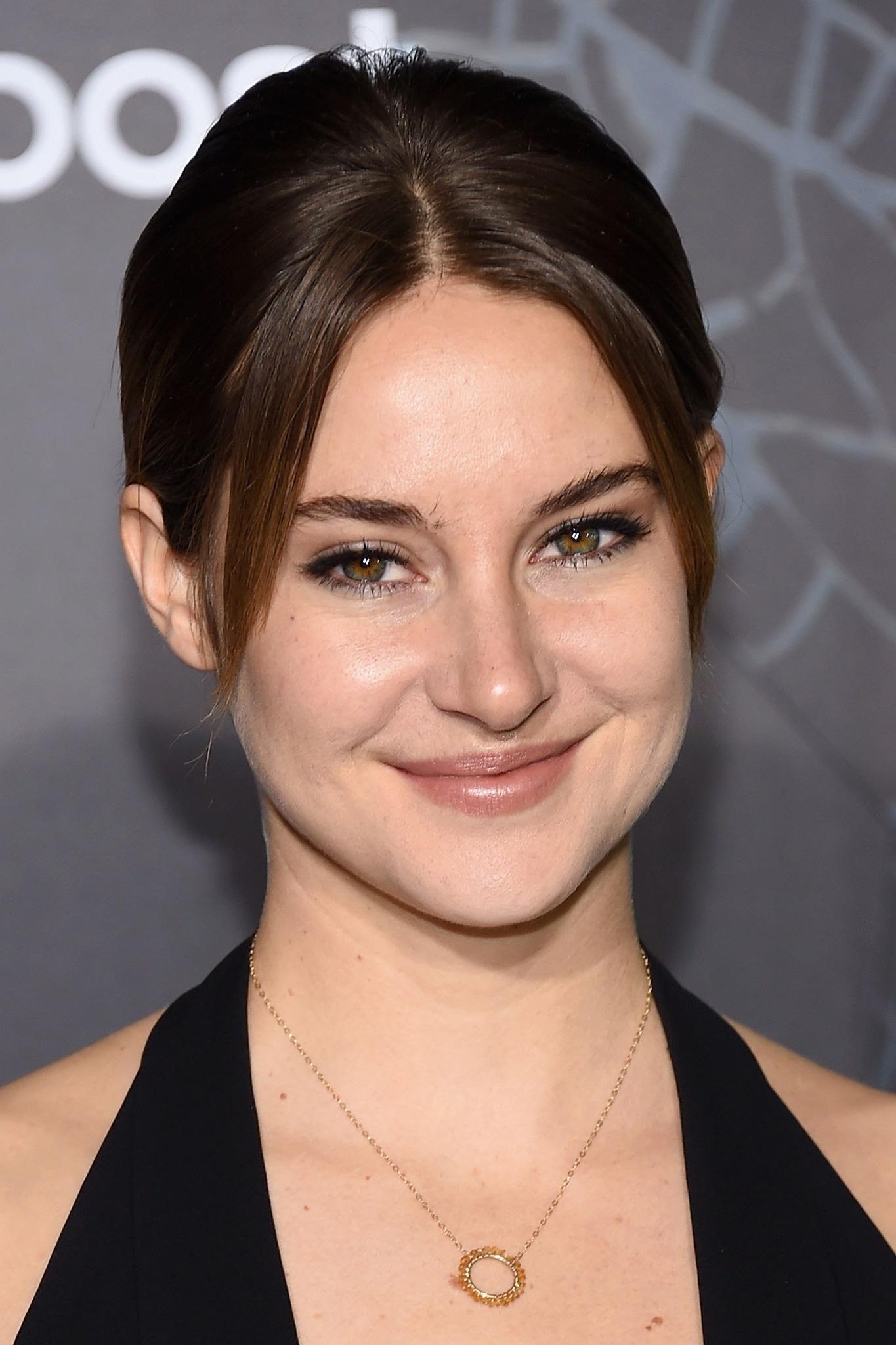
Shailene Woodley fronted the ‘Divergent’ series and earned acclaim with ‘The Fault in Our Stars’. Franchise changes and a pivot toward prestige television with ‘Big Little Lies’ altered her trajectory. She continued to take character driven roles in smaller films and streaming projects. The early period signaled a path that could have stayed centered on large theatrical releases.
Share the names you would add to this list in the comments and tell us who you think deserved a longer run at the very top.