


Actors Who Added 50+ lbs of Muscle (No Steroids Admitted)




Packing on serious size for a role takes obsessive structure around training, recovery, and nutrition. These actors built physiques that were dramatically bigger than their earlier screen appearances, leaning on smart programming, professional coaches, and disciplined eating to add mass quickly while staying camera ready.
Below are twenty five transformations that fans still talk about. Each entry shares practical details about what they actually did in the gym and kitchen, plus the roles that demanded the added size. None of these stars has admitted steroid use, and all leaned on repeatable methods that any lifter can study and adapt with proper guidance.
Christian Bale
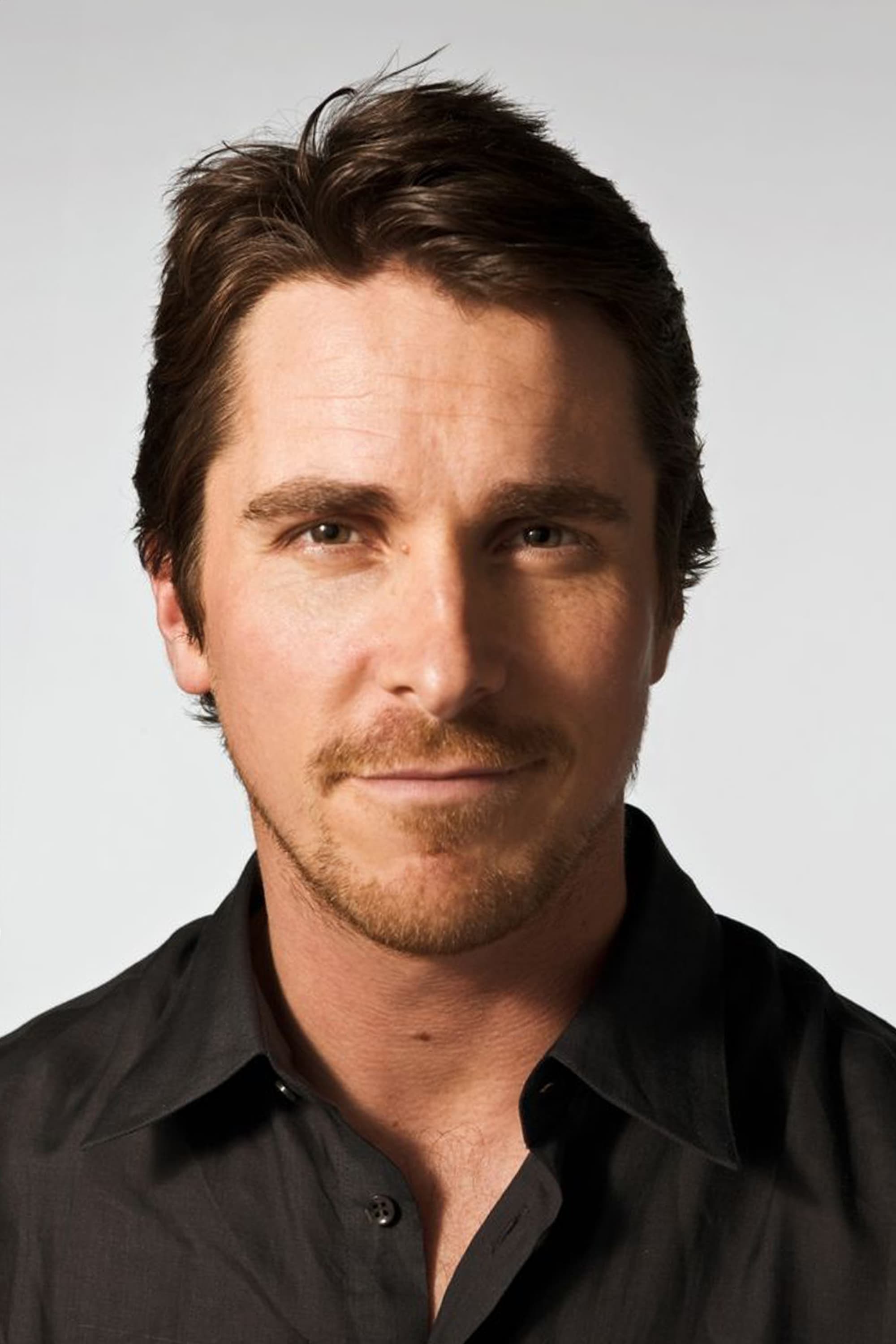
For the jump from an extreme cut physique to the armored look of ‘Batman Begins’, Bale rebuilt his body with classic strength moves and high calorie eating. His plan centered on progressive overload with squats, deadlifts, presses, and weighted pull ups, along with focused back work to fill out the cape silhouette. He used frequent small meals, whey protein, and steady hydration to support recovery between heavy sessions.
Conditioning was kept short and intense to protect mass once the weight returned. Fight training and mobility sessions were scheduled after lifting so the heavy work stayed the priority. The result was a thick upper back and traps that read well under the Batsuit while allowing long shoot days and stunt rehearsals.
Hugh Jackman
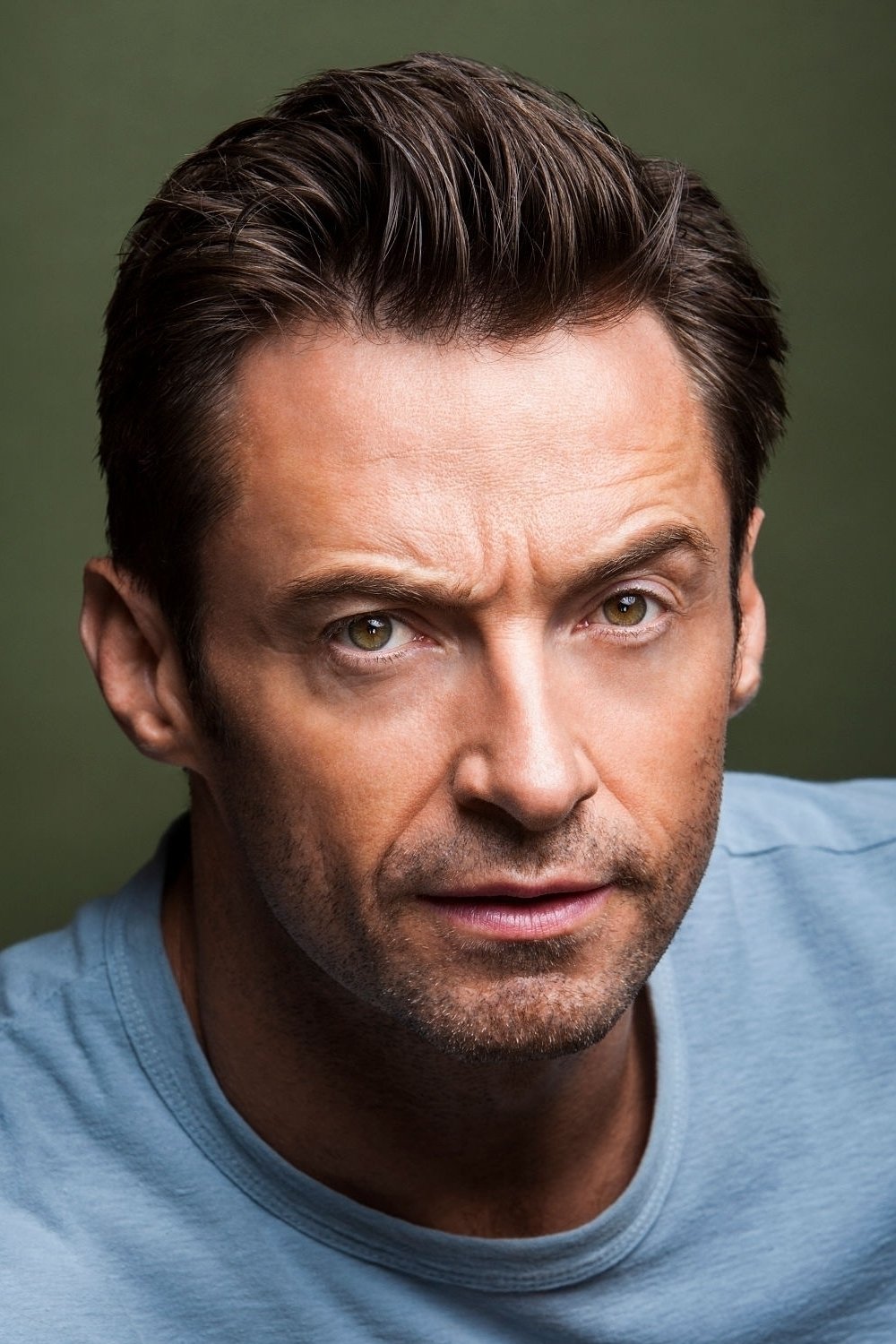
Jackman’s Wolverine build came from a simple template that he repeated for years. He ran a four day split built around heavy compound lifts early in a mass phase, then shifted to volume and tempo work closer to filming. He tracked protein at every meal and front loaded carbs around training so he could push big sets without bloating on camera.
His mornings often started fasted for low intensity cardio when leaning out, then he moved to heavy lifting later in the day. Grip work and loaded carries were regular staples to thicken forearms and traps since sleeveless shots demanded detail. Recovery included consistent sleep targets and structured deload weeks to keep joints fresh.
Henry Cavill
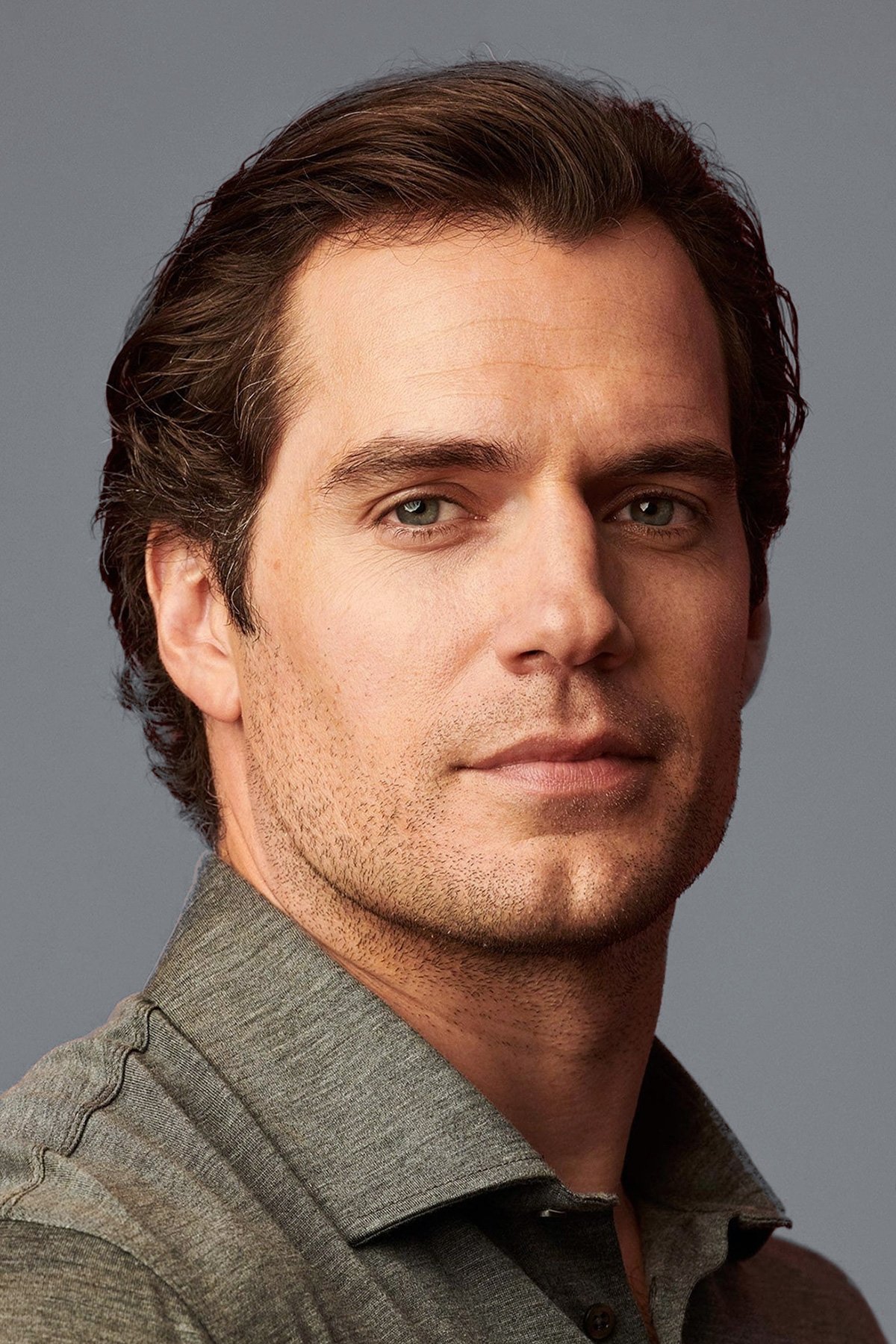
Cavill trained with Gym Jones methods for ‘Man of Steel’, mixing heavy barbell work with short work capacity finishers. The lifting emphasized deadlifts, front squats, and weighted chin ups to build posterior chain thickness and broad lats that filled the suit. He used creatine, electrolyte drinks, and frequent protein feedings to keep performance high across long blocks.
As filming neared he added conditioning circuits with sled pushes, kettlebell swings, and rower sprints to stay athletic without stripping size. Mobility drills for hips and thoracic spine kept him moving well during wire work. The plan delivered a wide frame with tight waist that photographed larger than life.
Chris Hemsworth

To look like a believable Asgardian in ‘Thor’, Hemsworth stacked mass with a push pull legs rotation and progressive overload. Sessions opened with heavy presses or pulls, then shifted to higher rep accessory work for arms and shoulders so they popped in sleeveless armor. He ate frequent protein rich meals with rice, oats, and fruit to drive training and recovery.
His team kept conditioning to short prowler pushes and battle rope finishers to maintain power without excessive calorie burn. He used regular bodyweight circuits on travel days to keep blood moving and protect joints. Consistent sleep and planned rest days kept stress low so he could hold size through the entire shoot.
Tom Hardy
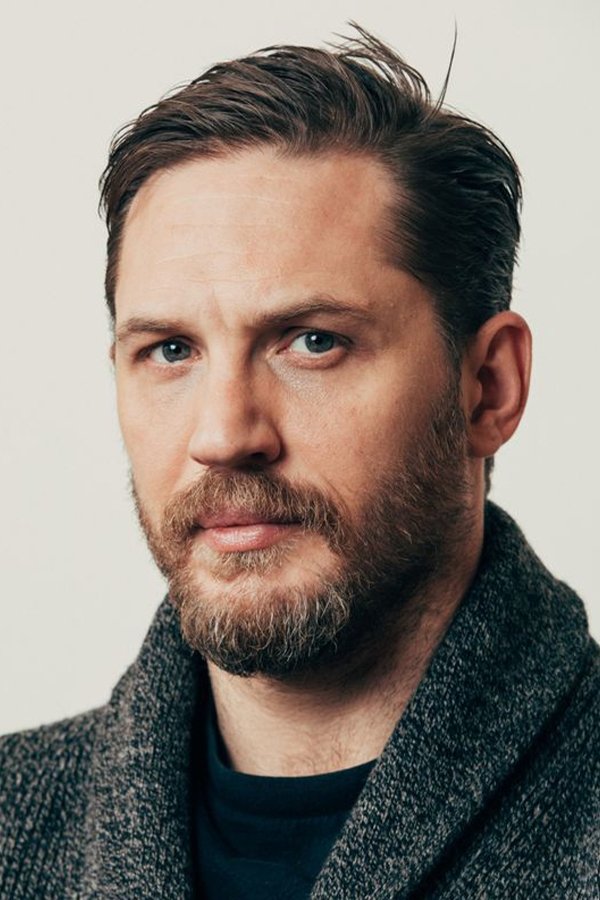
Hardy’s size for ‘Bronson’ and later for ‘The Dark Knight Rises’ came from dense, high frequency sessions focused on chest, shoulders, traps, and neck. He used a mix of classic barbell lifts and bodyweight progressions, performing multiple short workouts across the day when schedules were tight. Calorie intake favored simple whole foods, nut butters, and milk to push scale weight up.
Neck harness work and shrugs built a thicker silhouette under prison and tactical costumes. He rotated grip widths and tempos to hit muscle from different angles without chasing exotic movements. The approach created a compact but heavy look that filled frames in tight spaces.
Mark Wahlberg
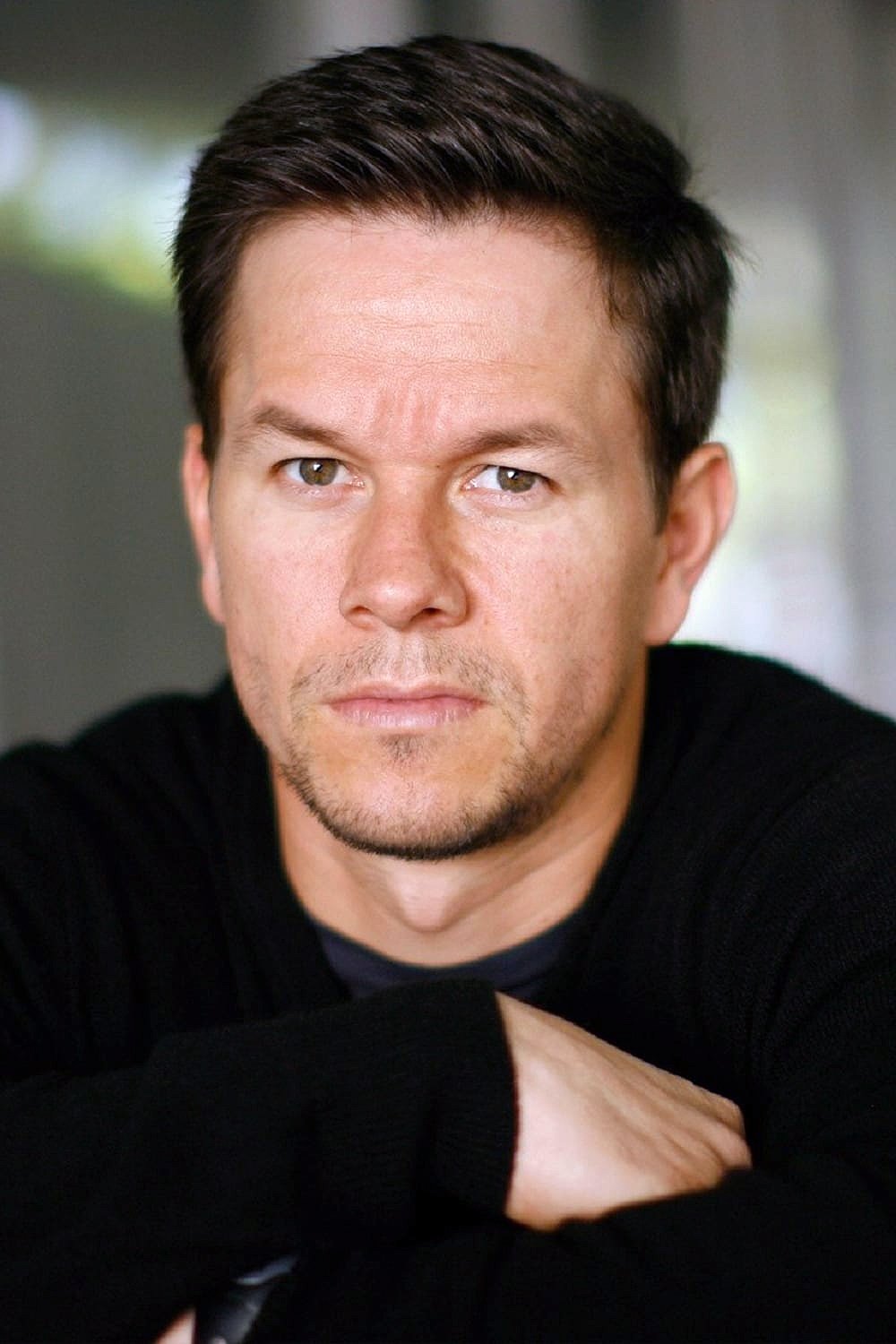
For ‘Pain and Gain’ Wahlberg followed a bodybuilding style split with heavy compound lifts first and pump work after. He prioritized progressive overload in bench press, squats, rows, and weighted dips, tracking each top set to ensure weekly increases. Meals were scheduled every few hours with lean proteins, white rice, and potatoes to keep glycogen high.
He kept cardio minimal during mass phases, relying on short incline walks and sled pulls to stay conditioned. Arm supersets and calf work were added at the end of sessions to round out the physique for tank top scenes. Consistency across months delivered dense size that read clearly on camera.
Dwayne Johnson
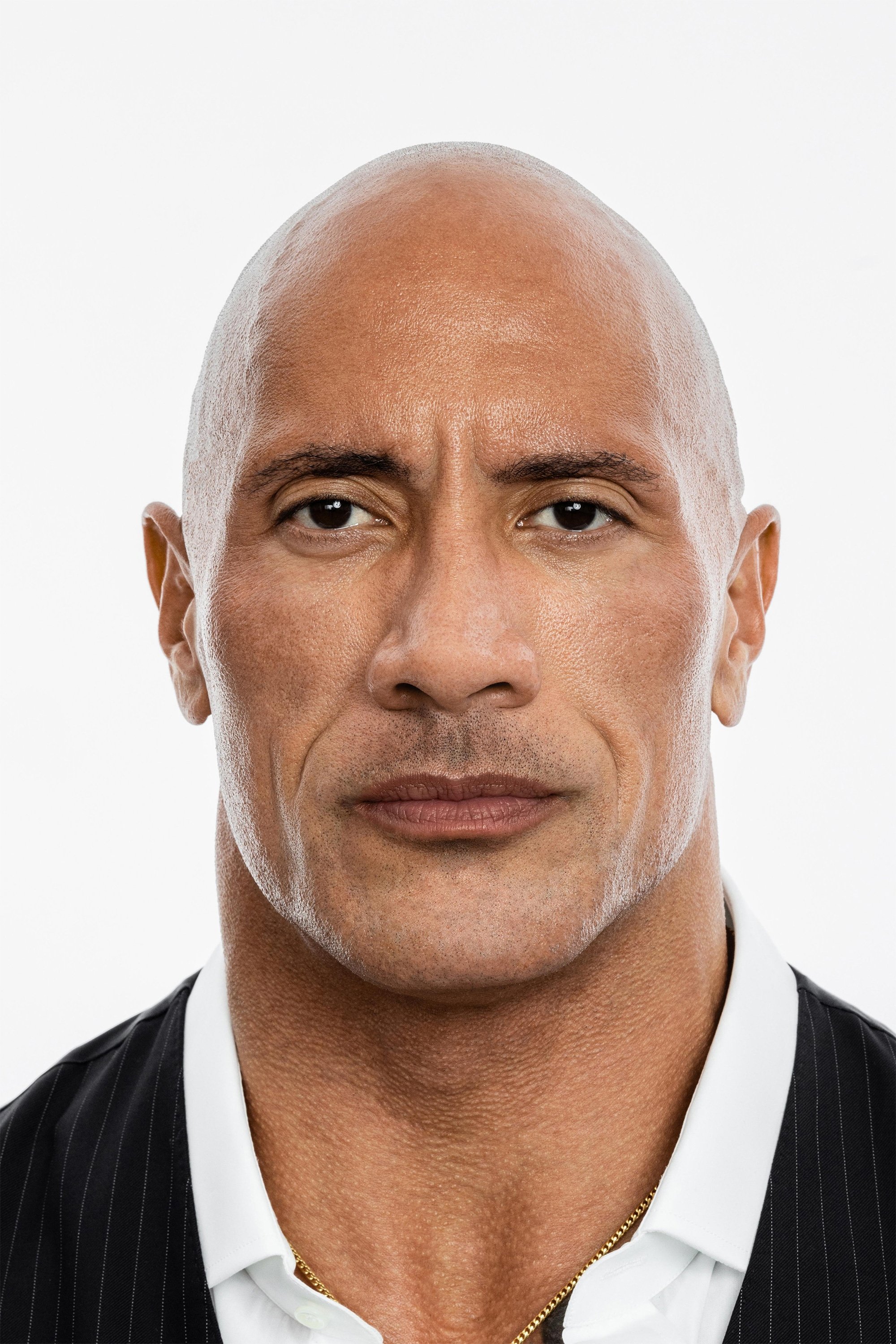
Johnson builds for action roles with periodized cycles that start with strength blocks and move into high volume hypertrophy phases. He favors early morning training to control schedule variables, logging compound lifts followed by machine and cable work to chase high quality sets. His diet uses measured portions, steady protein, and planned carbohydrate waves around training.
Recovery is treated as part of training with regular soft tissue work, warm ups that activate hips and upper back, and evening mobility to stay pain free. He tracks water intake throughout the day and keeps sodium balanced for pumps without cramping. The system lets him hold significant size during demanding film shoots.
Dave Bautista
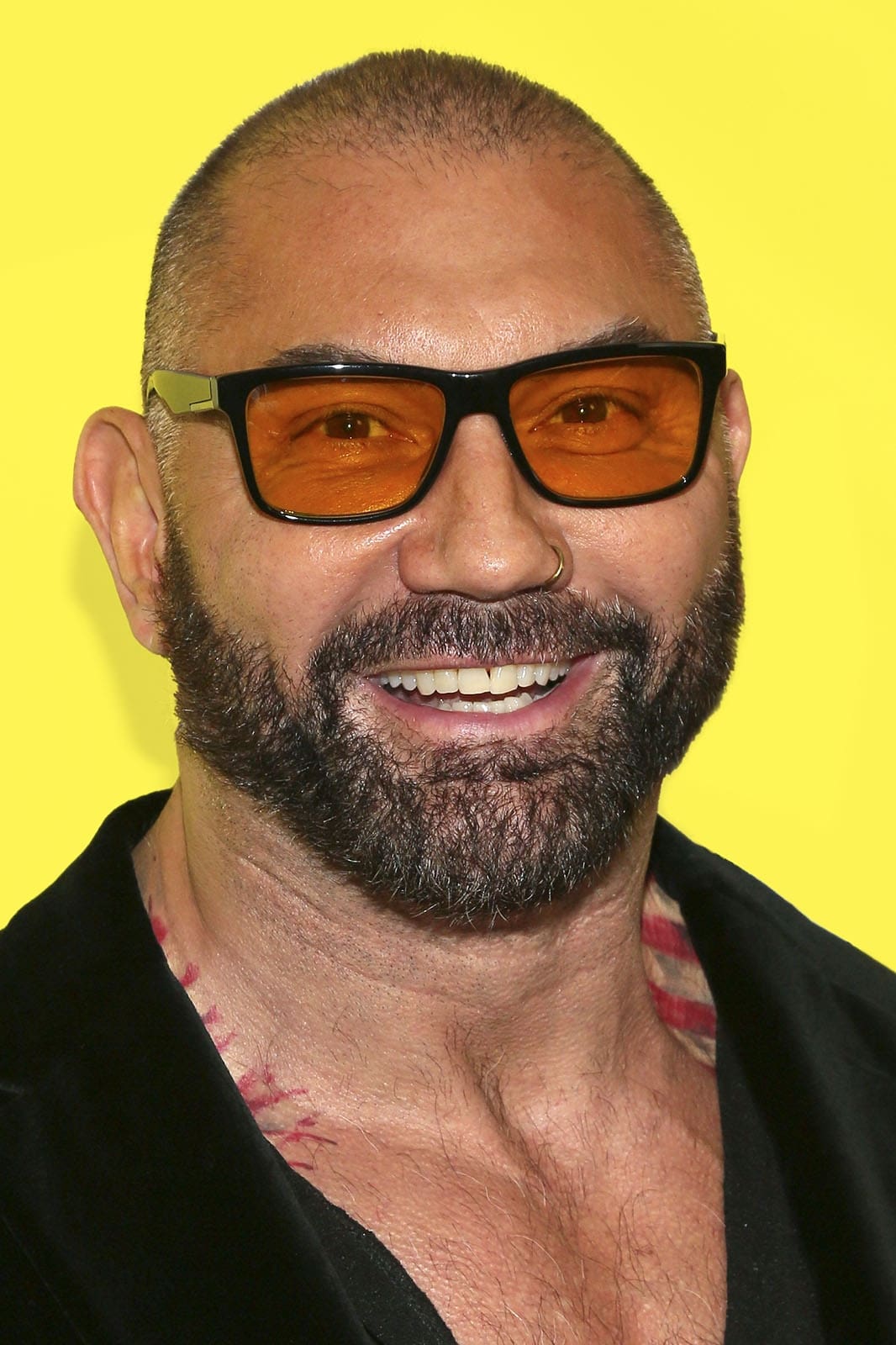
Bautista brings a power base from his wrestling background and adapts it for film with more hypertrophy work and joint friendly variations. He programs heavy presses, rows, and trap bar pulls, then adds higher rep sets for shoulders and arms to keep detail visible under tactical gear. Protein intake is spaced across the day and paired with simple carbs before lifting.
Stunt rehearsals double as conditioning, so his gym plan protects recovery by limiting junk volume. He uses sled drags, carries, and band work to keep knees and shoulders stable. The result is a thick frame with functional strength for fight choreography.
John Cena
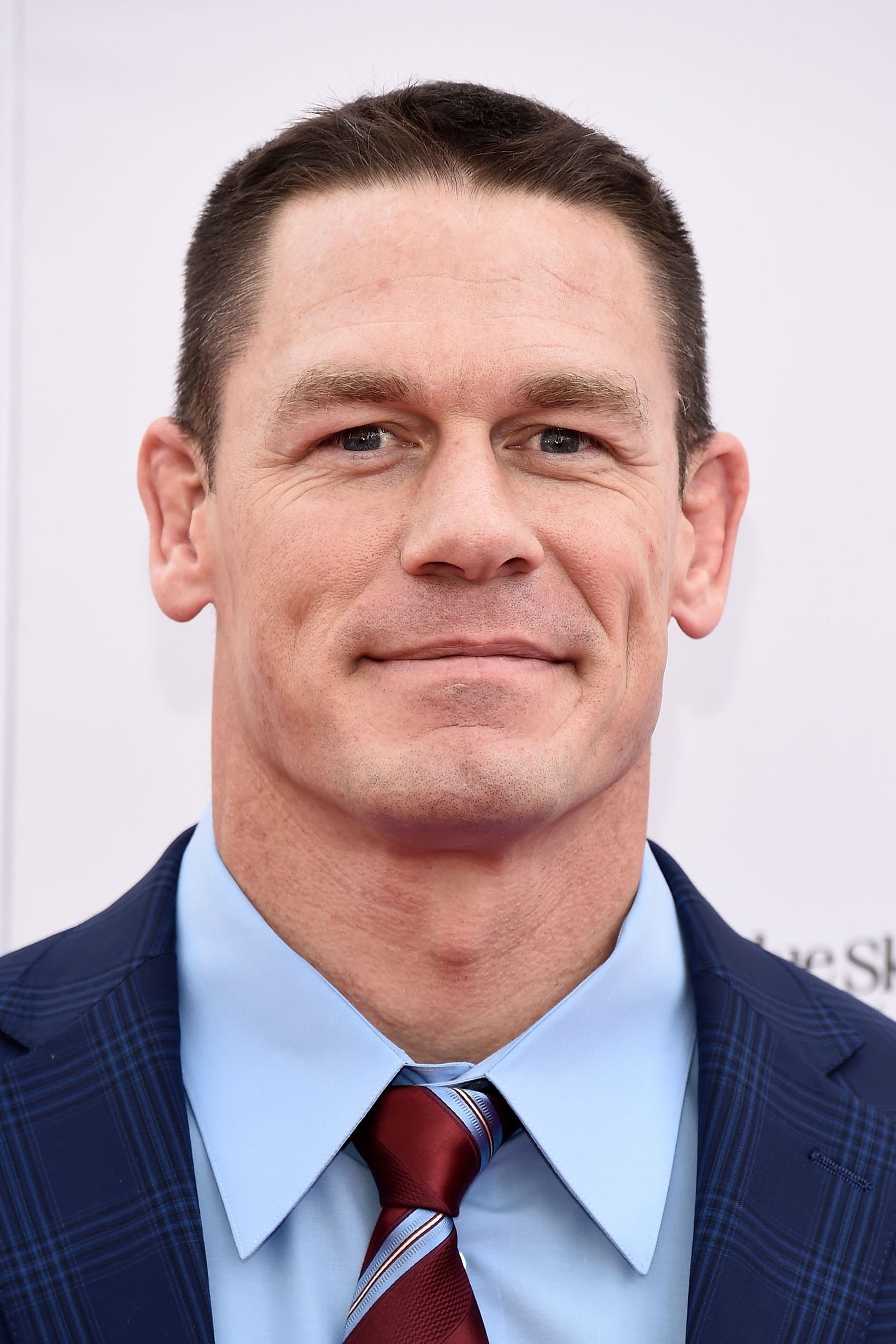
Cena maintains a powerbuilding template that blends low rep strength sets with moderate rep bodybuilding work. He tracks core lifts like squat, bench, and deadlift while rotating assistance moves to manage fatigue. His meals prioritize lean protein, oats, and rice, and he adjusts portions based on training intensity and travel.
For film projects he scales volume to fit stunt practice and blocking, often splitting sessions into morning and evening blocks. Prehab for shoulders and elbows keeps pressing pain free. The approach maintains a large athletic look that holds up during long days on set.
Terry Crews
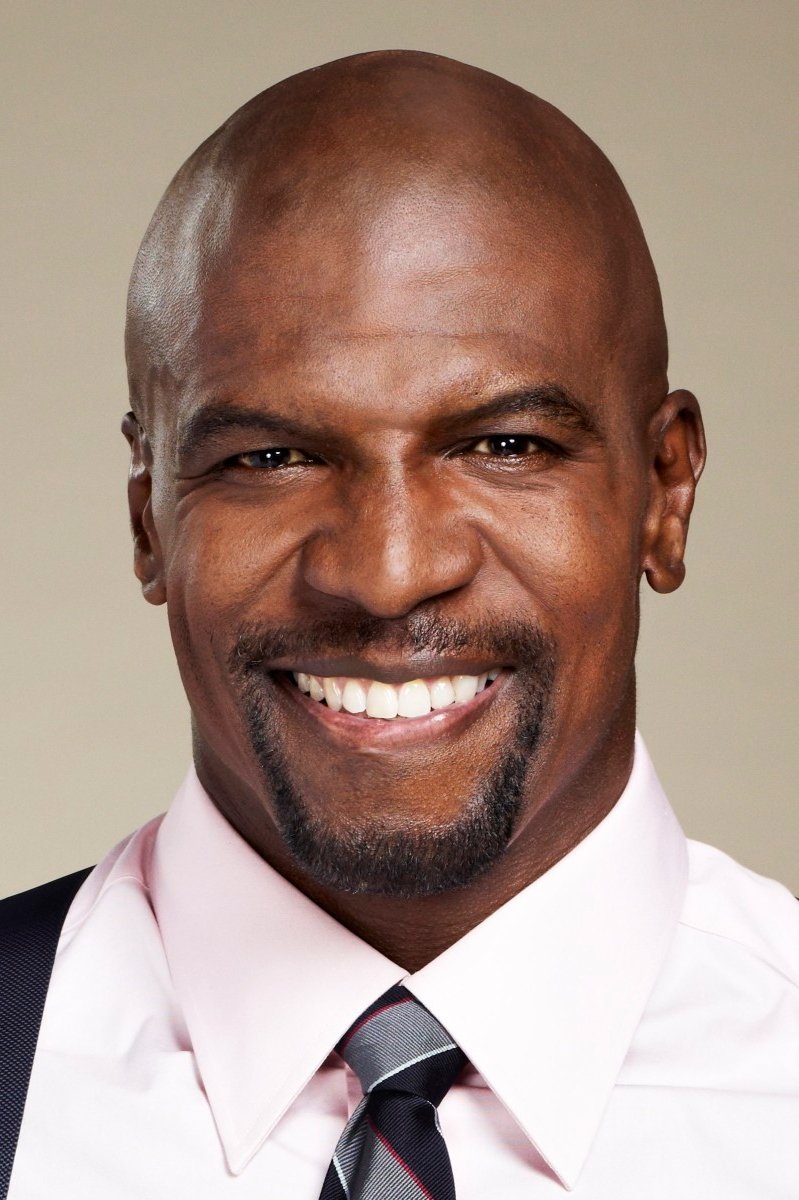
Crews uses a high energy schedule with weight training and steady conditioning to keep a large yet agile build. His lifting focuses on presses, rows, squats, and pull ups with strict form and time controlled rest. He often uses time restricted eating windows and keeps protein consistent to support muscle retention.
On camera work means long hours, so he favors efficient full body sessions when travel gets heavy. Jump rope and sprint intervals keep conditioning sharp without excessive joint stress. This balance lets him carry serious mass while moving well for action and comedy beats.
Jason Momoa
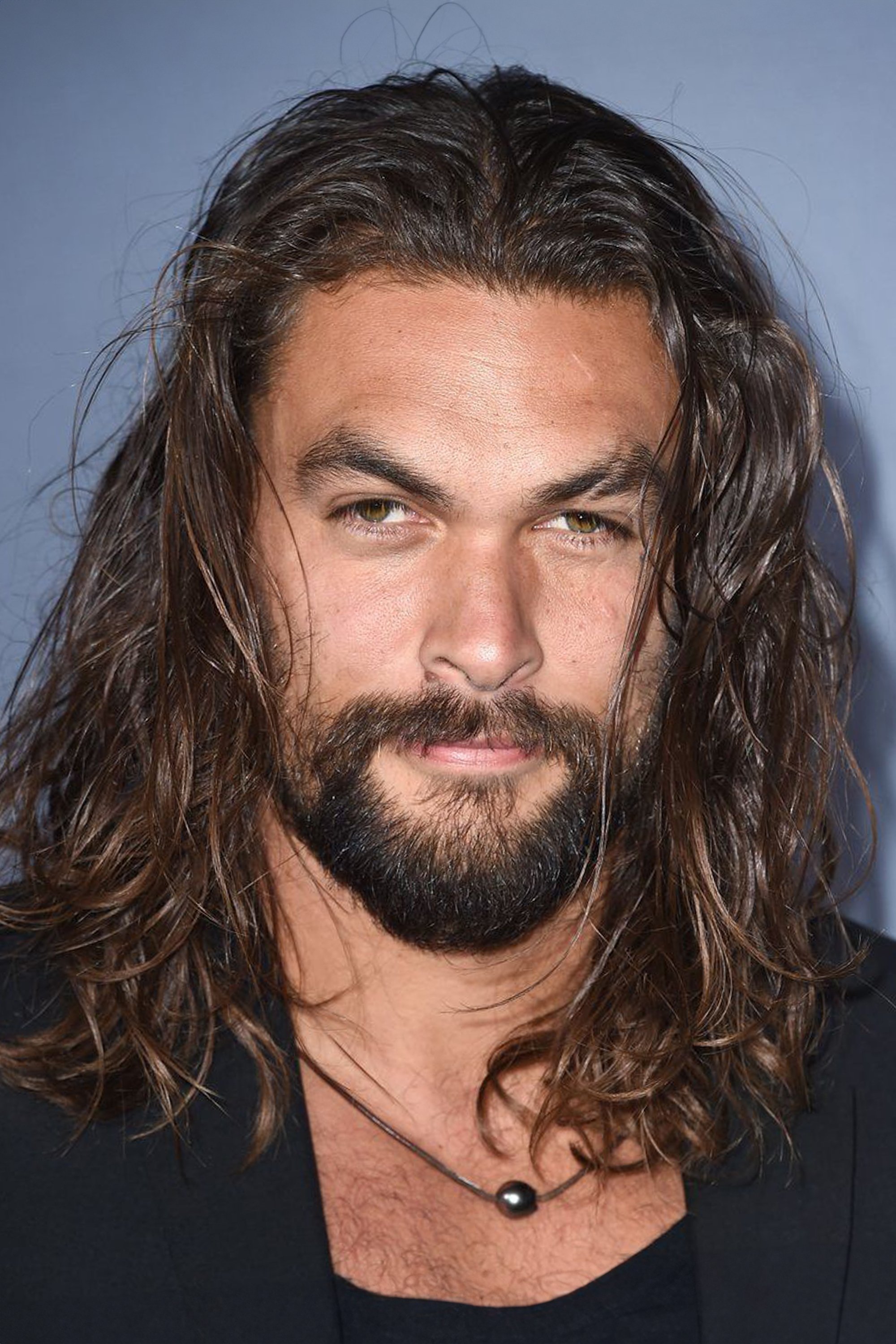
Momoa mixes traditional lifting with climbing, kettlebells, and sled work to build size that functions for fight scenes and water work in ‘Aquaman’. He emphasizes heavy back training with deadlifts, rows, and pull ups to build width, then adds shoulder and arm circuits for visual impact. Meals focus on quality proteins, root vegetables, and fruit, with calories pushed up during mass phases.
His training often runs outside or in minimal equipment settings which keeps sessions consistent during location shoots. Interval sprints and sandbag carries maintain power without long cardio sessions. The program supports a thick frame that can still perform dynamic stunts.
Chris Evans
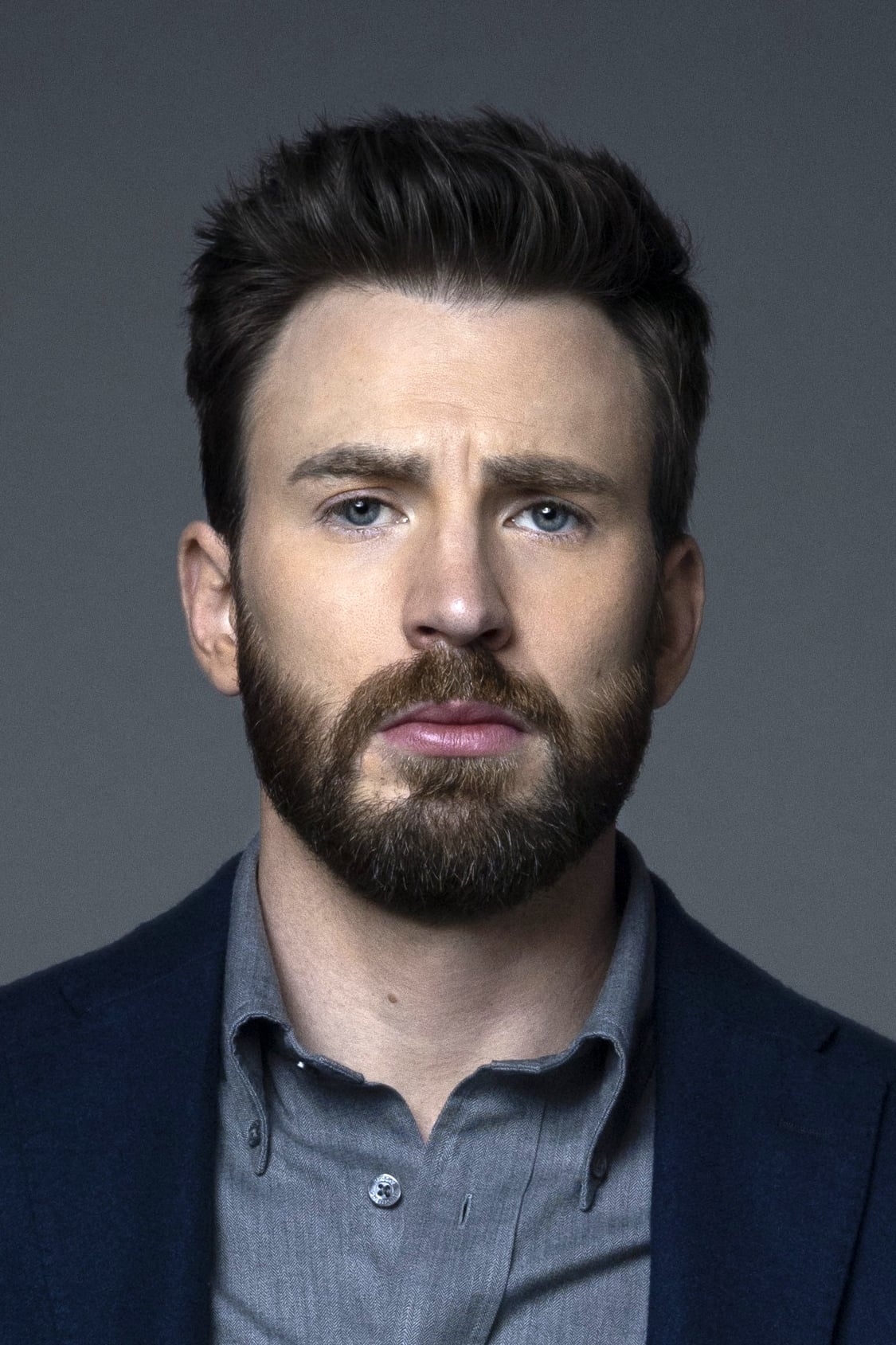
Evans built his ‘Captain America’ look with a structured push pull legs plan under an experienced coach. He started each session with a heavy compound lift, then chased volume on accessory moves to fill out chest, back, and shoulders. He ate frequent meals with measured protein and carb servings to keep energy stable during long production days.
Arm finishers and rear delt work ensured detail in close ups and uniform shots. Light rowing and bike intervals kept conditioning in place while preserving muscle. His consistency across multiple films helped him maintain size between projects.
Michael B. Jordan
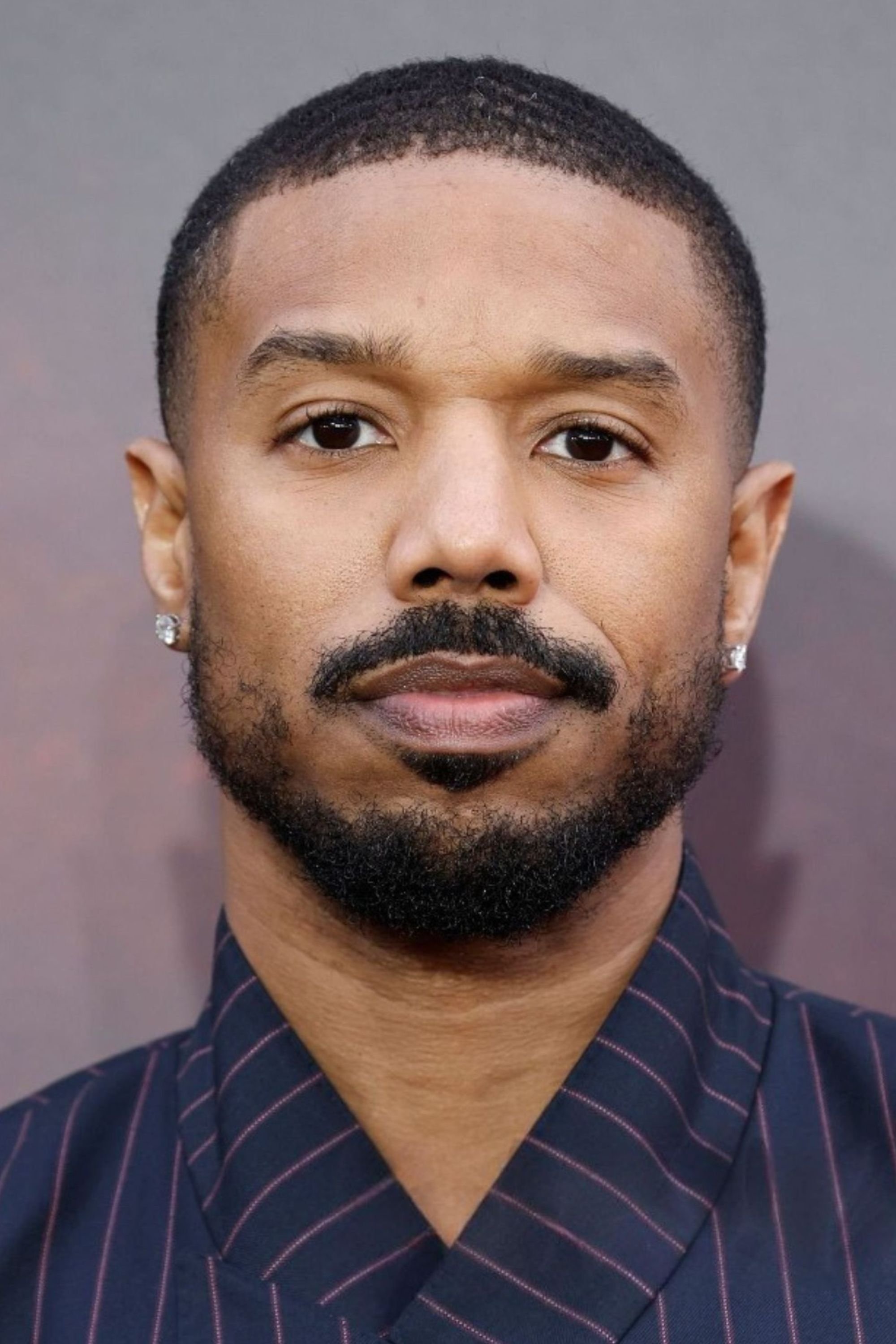
Jordan’s programs for ‘Creed’ and ‘Black Panther’ focused on upper back, chest, and shoulders with boxing conditioning layered on top. He trained with a coach who built cycles around progressive overload, drop sets, and tempo control to keep tension high. Nutrition centered on lean proteins, rice, and vegetables, with preworkout carbs to fuel sparring and mitt work.
Because daily boxing burns calories, lifting sessions prioritized heavy basics first, then pump work that did not wreck recovery. Core training and rotational work supported punch power and posture. The final package looked big on screen while staying fast in the ring.
Jake Gyllenhaal

For ‘Southpaw’ Gyllenhaal combined long boxing sessions with a bodybuilding style split to add size through the chest, back, and shoulders. He lifted after skill work, using bench variations, rows, and weighted pull ups to build density. Meals came every few hours with protein at each sitting and simple carbs timed around boxing and lifting.
Roadwork and mitt sessions provided conditioning, so he kept additional cardio minimal. He rotated grip angles and rep ranges to avoid overuse injuries during a heavy shooting schedule. The blend of skill and strength produced a bigger frame without losing speed.
Gerard Butler
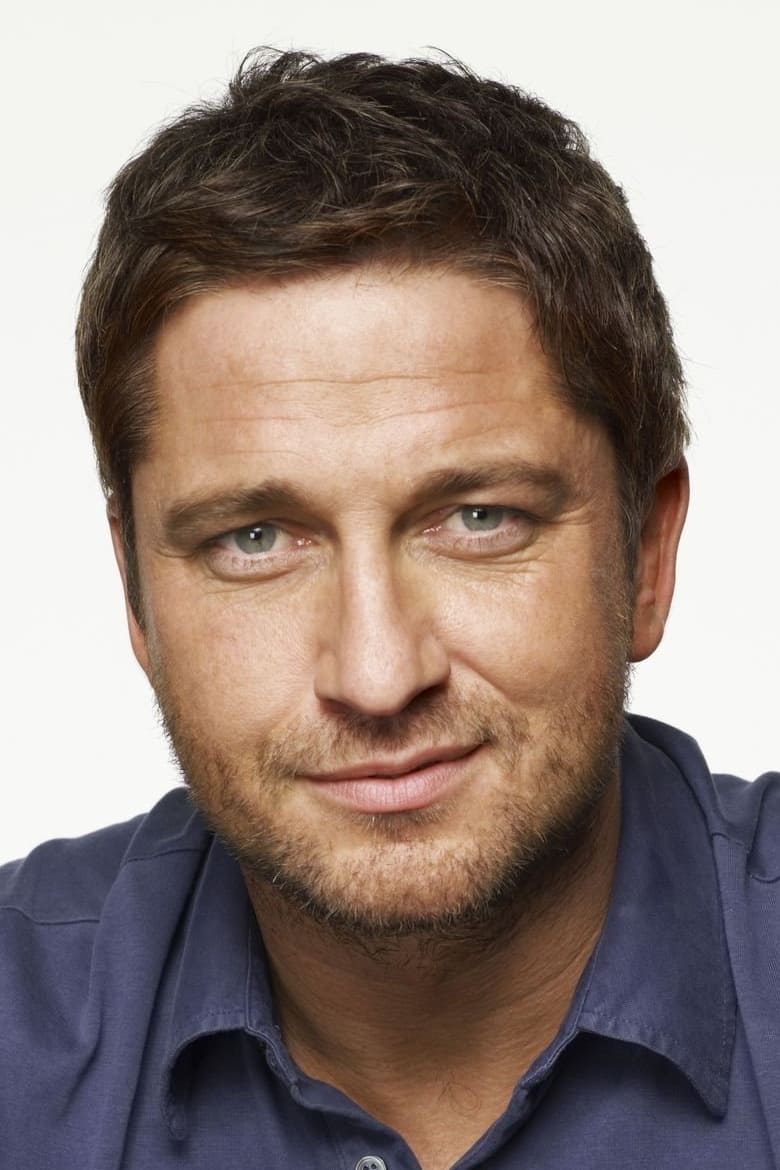
Butler trained at Gym Jones for ‘300’, where sessions emphasized heavy lifting, carries, and metabolic circuits. He built back and leg strength with deadlifts and front squats, then chased volume with kettlebell and bodyweight work. Protein intake was high across multiple meals, and carbs were cycled based on training demand.
Grip work, rope climbs, and sled pushes built functional size that read as Spartan on camera. Mobility drills for hips and ankles were included to protect knees during shield and spear work. The plan produced a broad chest and shoulders with thick legs that moved well.
Ben Affleck
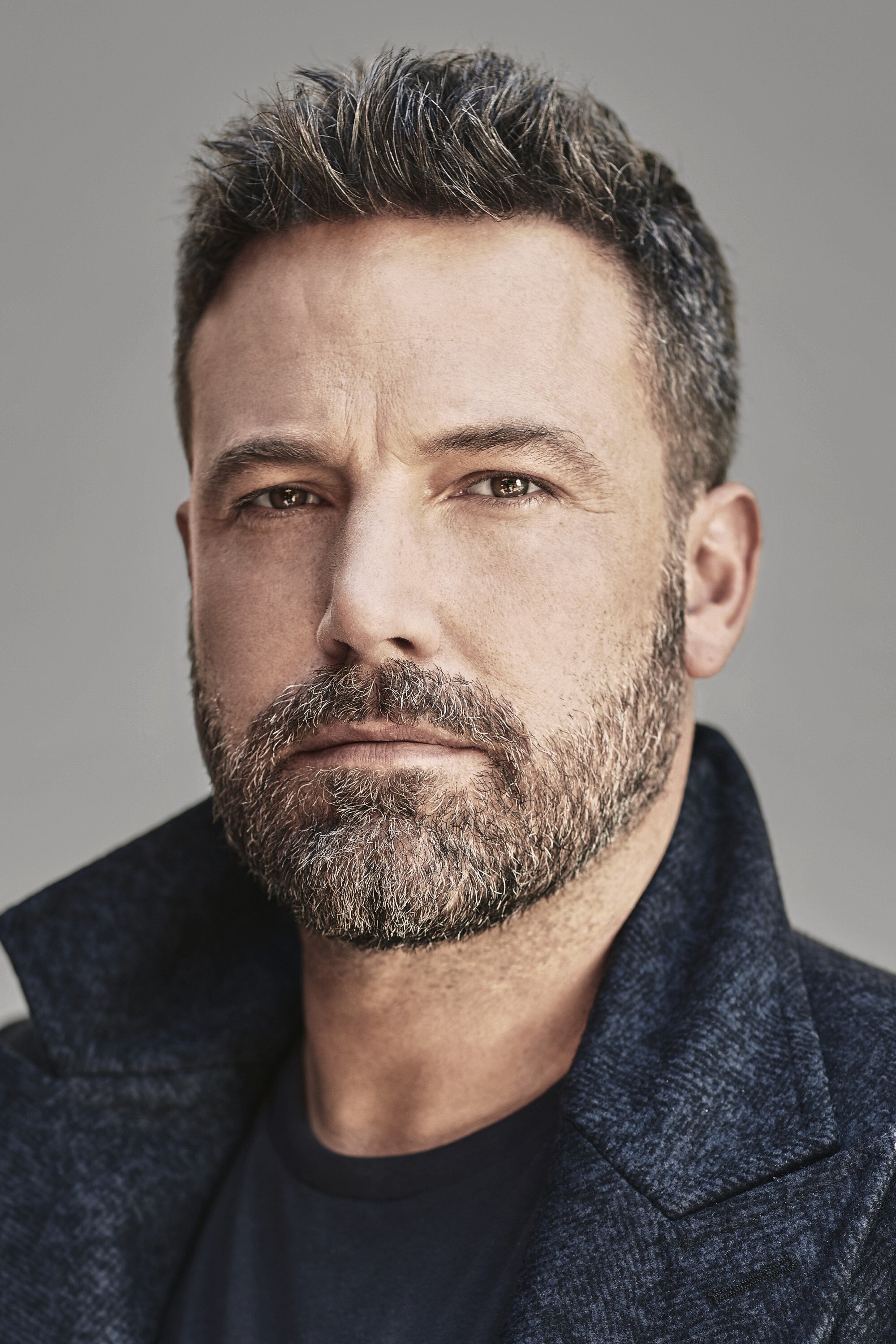
Affleck’s build for ‘Batman v Superman’ came from a mix of strength and bodybuilding work under an experienced strength coach. He trained big lifts at lower reps, then added higher rep accessory sets for arms, shoulders, and upper back. His meals centered on lean meats, vegetables, and starches like rice and potatoes to fuel heavy training.
He kept conditioning sessions short with prowler pushes and rower sprints to maintain power. Prehab for shoulders and hips was included to handle suit work and fight scenes. The approach delivered a wide frame with the durability needed for action sequences.
Will Smith
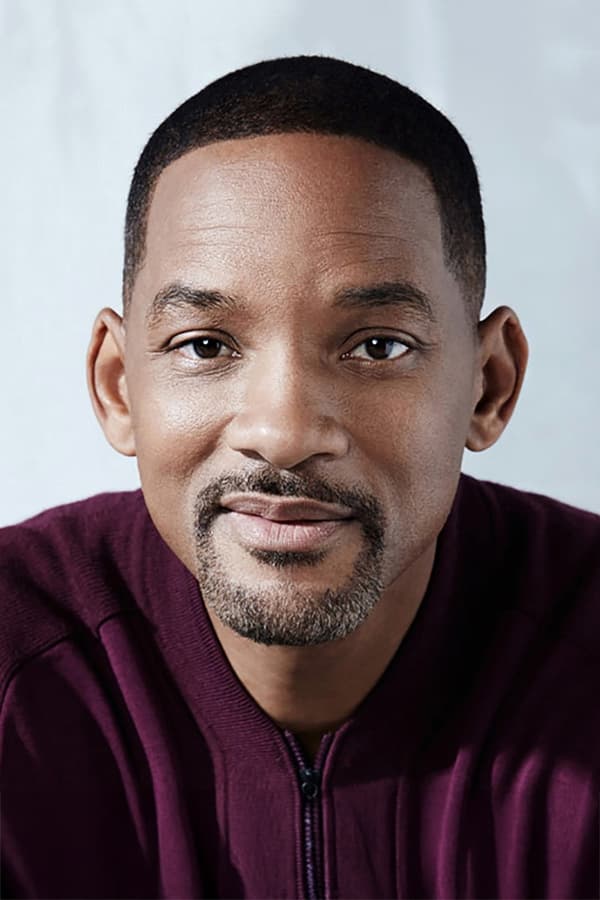
Smith prepared for ‘Ali’ with a plan that combined heavy lifting and extensive boxing practice. Strength work featured presses, squats, and pulls to add size through the chest and back, while skill sessions built endurance and ring movement. Nutrition relied on frequent meals with steady protein, plus carb timing to match the demands of sparring.
Because boxing volume is high, recovery was prioritized with consistent sleep and soft tissue work. He paced conditioning to avoid burning off mass, using intervals rather than long steady sessions. The result was a larger yet athletic build suitable for long training days.
Kumail Nanjiani
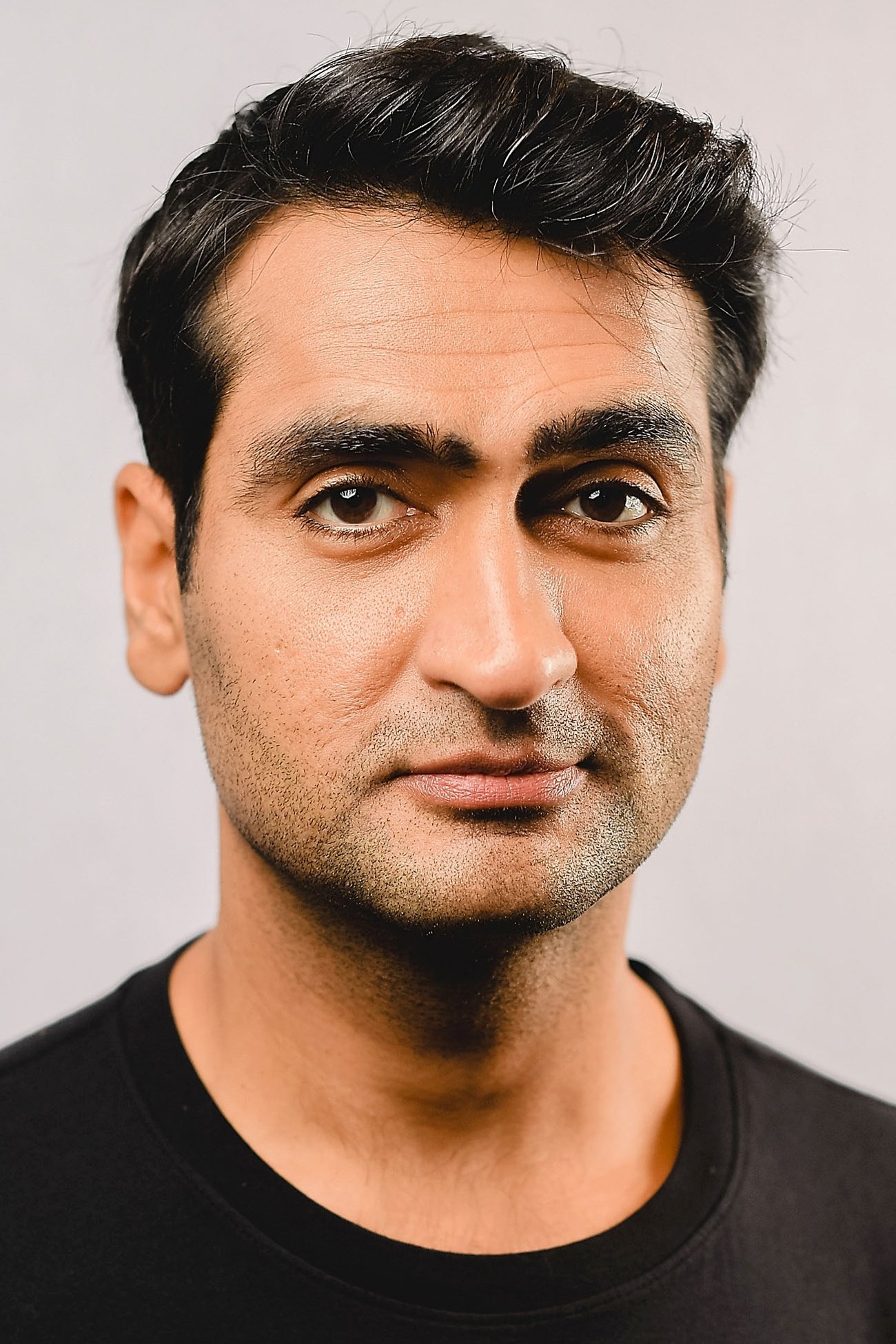
For ‘Eternals’ Nanjiani trained under professional coaches who mapped out a long hypertrophy phase with controlled calories. He lifted five to six days per week using a push pull legs structure, focusing on progressive overload for compound lifts and high quality machine work for arms and delts. Meals emphasized lean proteins, rice, and vegetables, with measured treats to keep adherence high.
Conditioning stayed low and targeted so mass gains were not compromised. He tracked metrics like body weight trends and training loads to guide calorie adjustments. The steady, data driven approach built a visibly larger upper body that fit superhero costuming.
Jonathan Majors
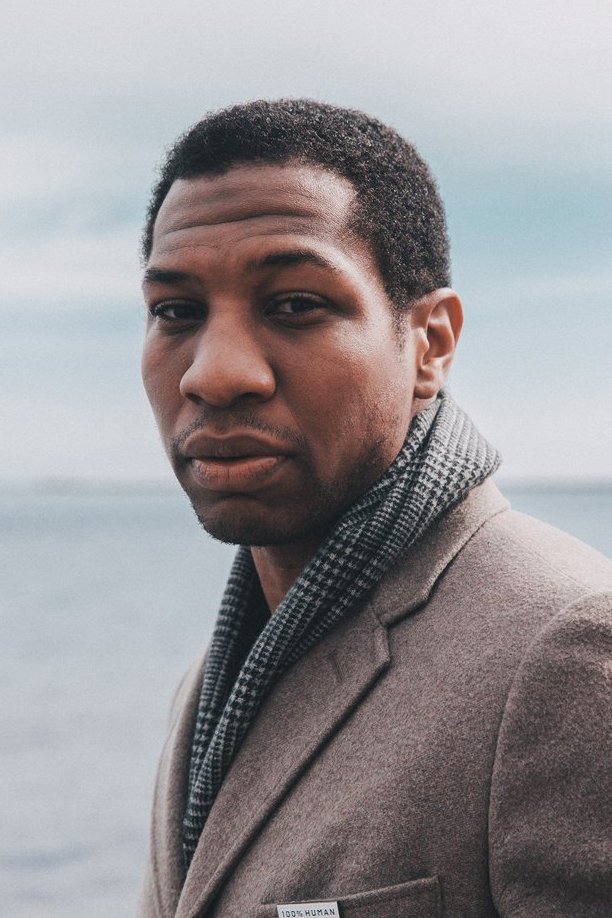
Majors added significant size for boxing scenes in ‘Creed III’ and for the bodybuilder focus in ‘Magazine Dreams’. He used heavy barbell lifts early in the cycle, then shifted to high volume pump work to push muscle fullness. Daily protein targets were met through multiple meals with rice and potatoes to support training output.
His conditioning relied on bag work, mitt rounds, and short sprints that kept him fast without excessive calorie drain. Mobility and shoulder prehab allowed high pressing volume while staying healthy for long shoot days. The compound plus volume formula built a dense frame suitable for both roles.
Alexander Skarsgård
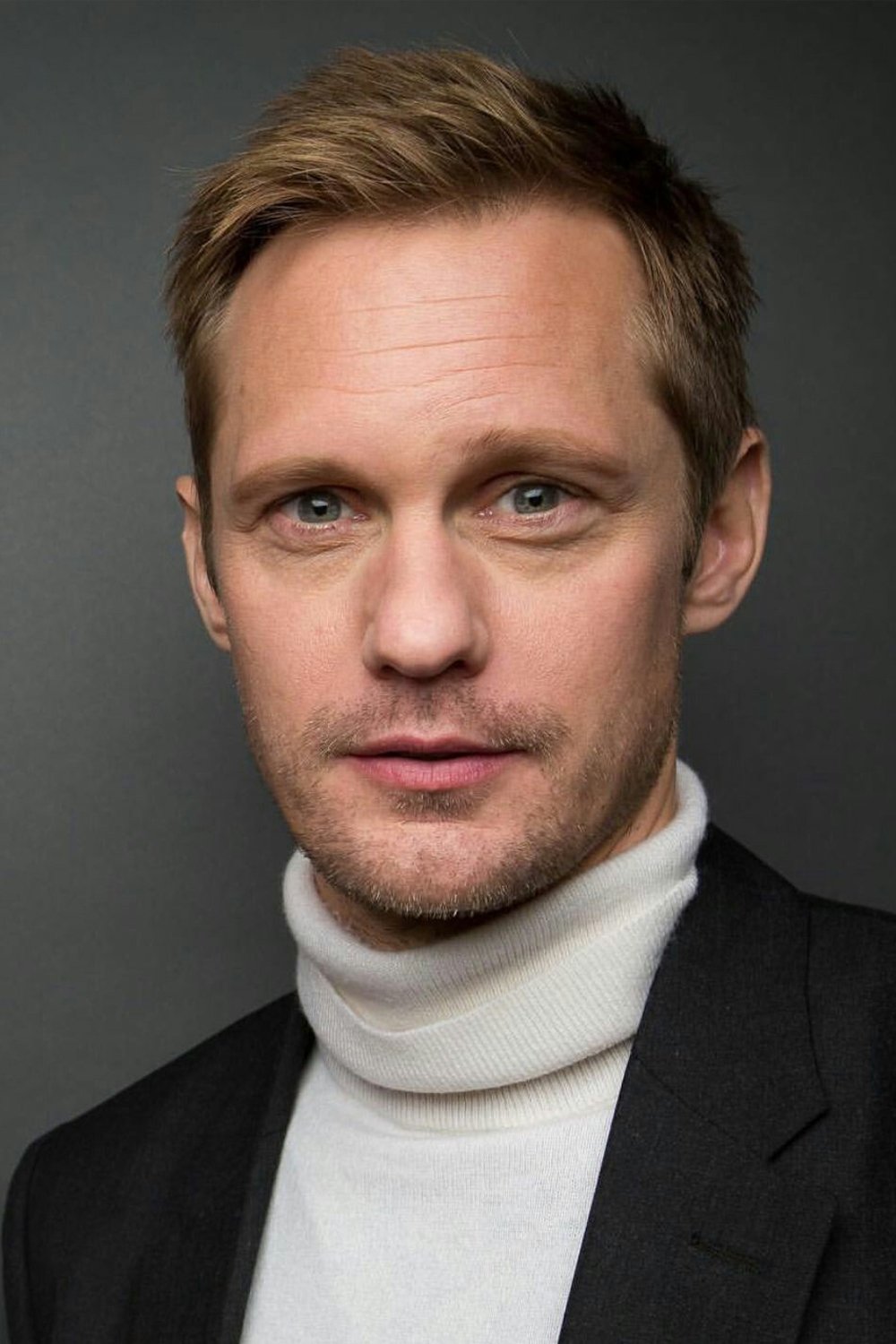
Skarsgård built a larger frame for ‘The Legend of Tarzan’ with coaching that emphasized heavy posterior chain work and core stability. Deadlifts, pull ups, and rows drove back width, while front squats and lunges added leg size without making movement slow. He ate frequent meals with high protein and moderate carbs to keep energy high during long production days.
Climbing drills and sprint intervals kept him agile for jungle sequences. Shoulder and scapular stability work protected posture during wire work. The plan delivered a lean but noticeably bigger upper body that filled out the character.
Sebastian Stan

Stan added mass for ‘The Winter Soldier’ by focusing on back, chest, and arm volume while keeping waist tight for tactical costumes. He trained with a coach who programmed bench and row variations first, followed by high rep supersets for delts and triceps. Nutrition kept protein high with timed carbs around the heaviest sessions.
He used sled pushes, farmer carries, and short bike intervals for conditioning that did not strip muscle. Consistent sleep and recovery work like banded mobility drills kept shoulders healthy through stunt rehearsals. The routine built a denser look across the upper body.
John Krasinski
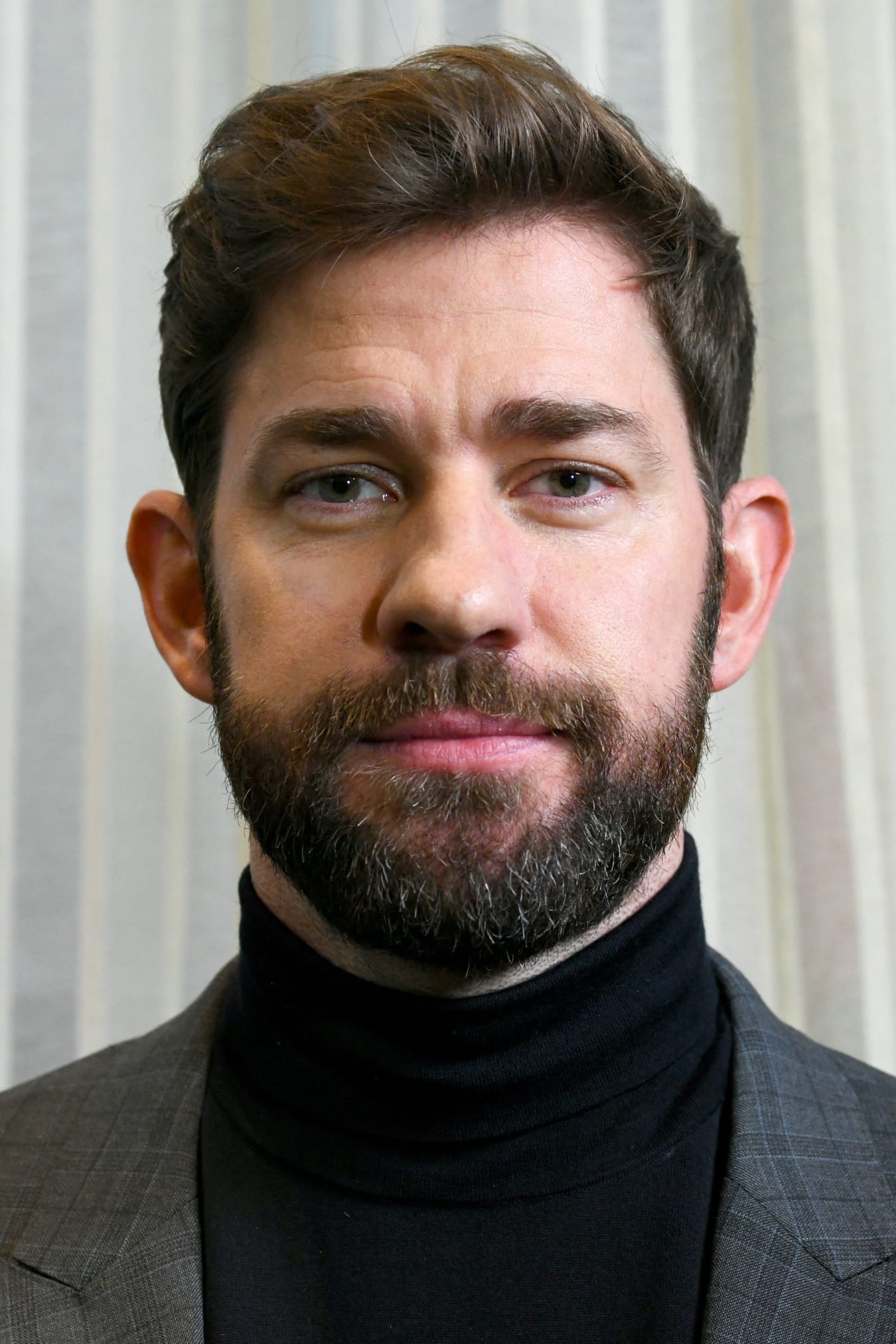
Krasinski’s build for ’13 Hours’ came from a strength foundation and high rep accessory work to add size quickly. He focused on squats, deadlifts, bench, and weighted pull ups, then chased volume on shoulders and arms to fill tactical gear. Meals were scheduled around training with steady protein and carbs to maintain performance.
Short intervals on the rower and sled work provided conditioning without long sessions. Core stability drills supported heavy carries and fast movement in gear. The approach created a bigger frame that still handled intense stunt days.
Arnold Schwarzenegger
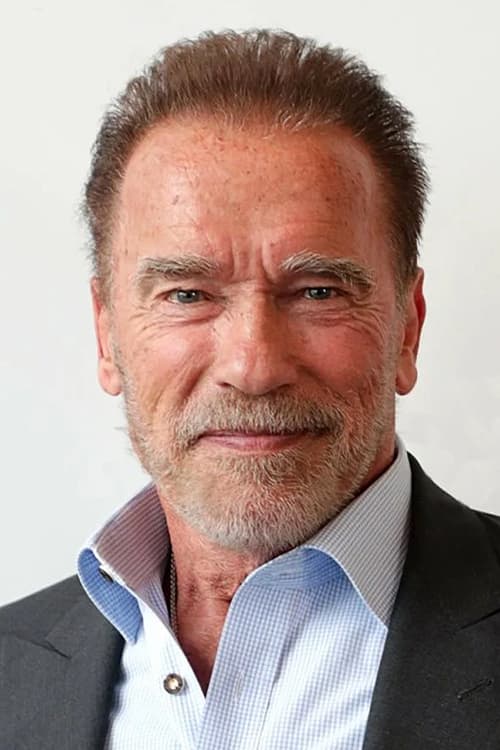
Schwarzenegger entered film already carrying elite mass from years of bodybuilding, then tailored that size for roles like ‘Conan the Barbarian’ and ‘Predator’. His training relied on high volume splits with multiple exercises per muscle group and strict progressive overload. Protein intake was high, and carbs were used generously to power long sessions.
For camera work he emphasized chest, back, and shoulders to maximize width, alongside calf and arm detail for close ups. Posing practice improved mind muscle connection and posture during action scenes. His template remains a reference for adding substantial size while keeping shape.
Lou Ferrigno
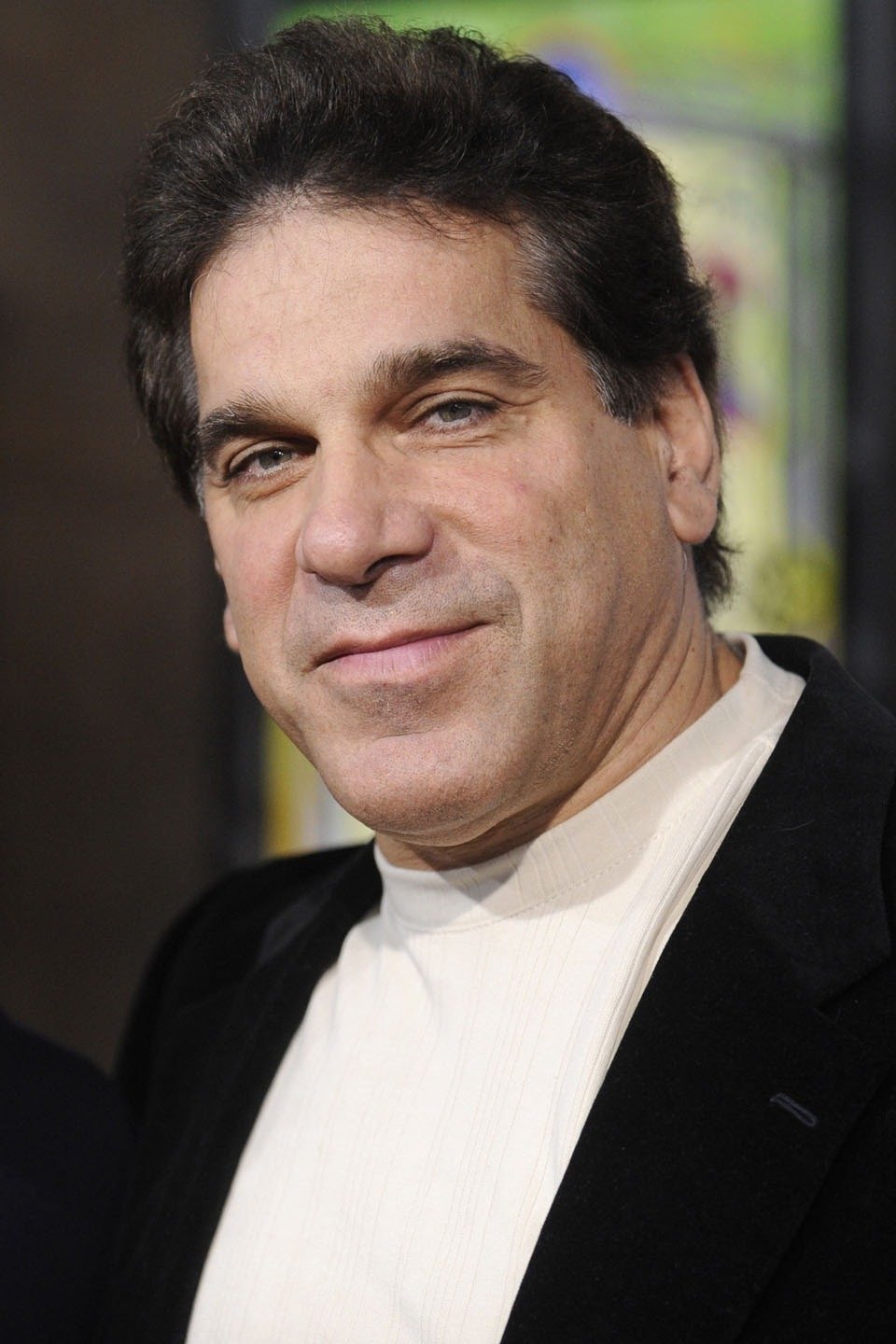
Ferrigno built a towering physique through competitive bodybuilding before bringing it to screen in ‘The Incredible Hulk’. His sessions featured heavy compound lifts like squats, bench, and rows, combined with high volume accessory work to chase muscular detail. He ate large, frequent meals with ample protein and carbohydrates to support recovery from long workouts.
When shooting, he adjusted volume to manage fatigue while maintaining density. Stretching and mobility drills helped keep joints healthy under heavy loads and makeup time. His size set a benchmark for muscular screen presence.
Dolph Lundgren
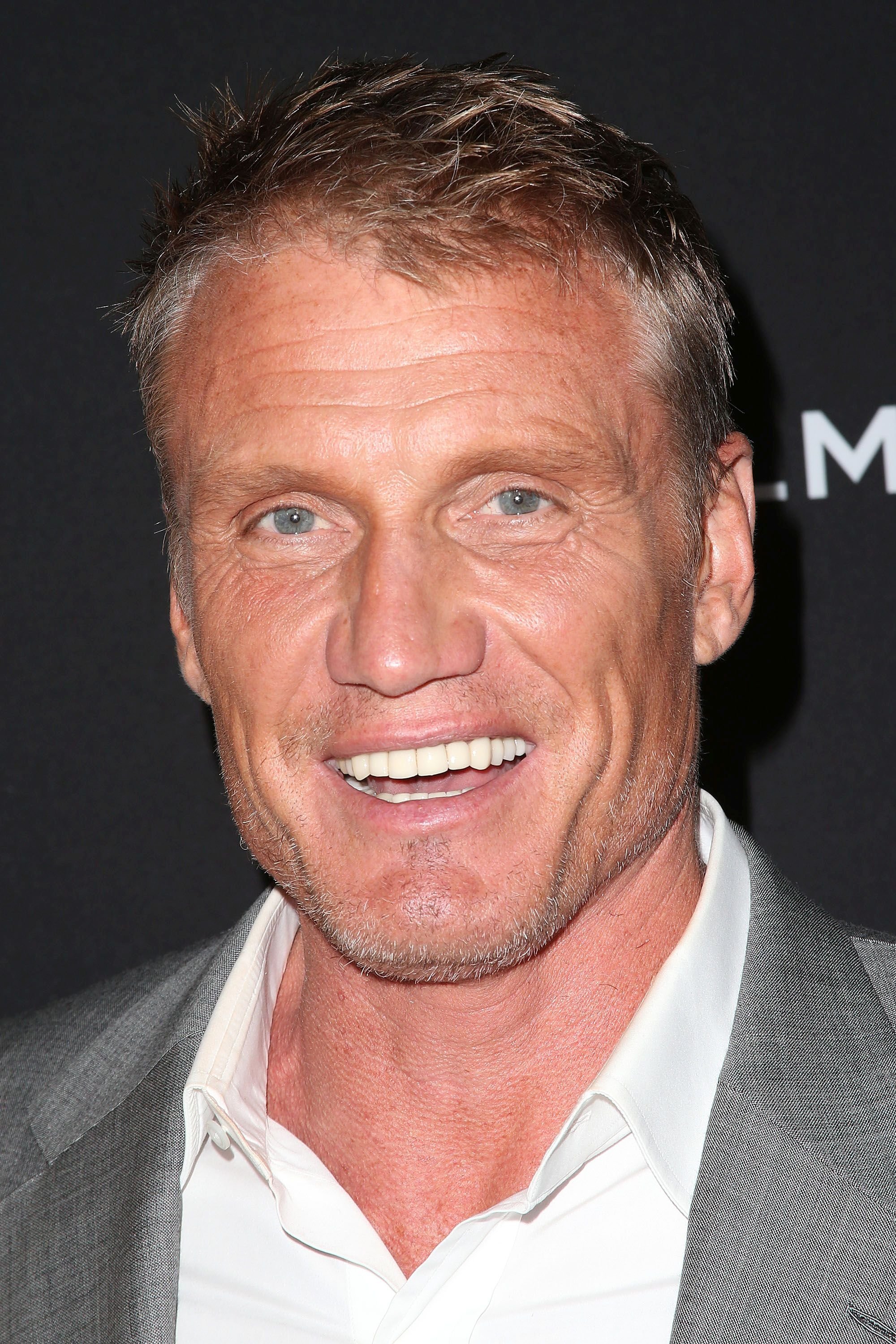
Lundgren combined a background in karate with serious weight training to add size for ‘Rocky IV’ and later action roles. His gym work centered on presses, squats, and rows, with extra shoulder and arm volume to match the on screen rival look. Nutrition focused on steady protein, clean carbs, and regular meal timing to support training.
He used conditioning like bag work and intervals to maintain fight stamina while holding mass. Mobility and prehab kept him durable during intense choreography. The result was a larger, athletic build that handled both striking and lifting demands.
Share which transformation surprised you most in the comments and tell us who else belongs on this list.