


Actors Who Apologized for Roles They Played

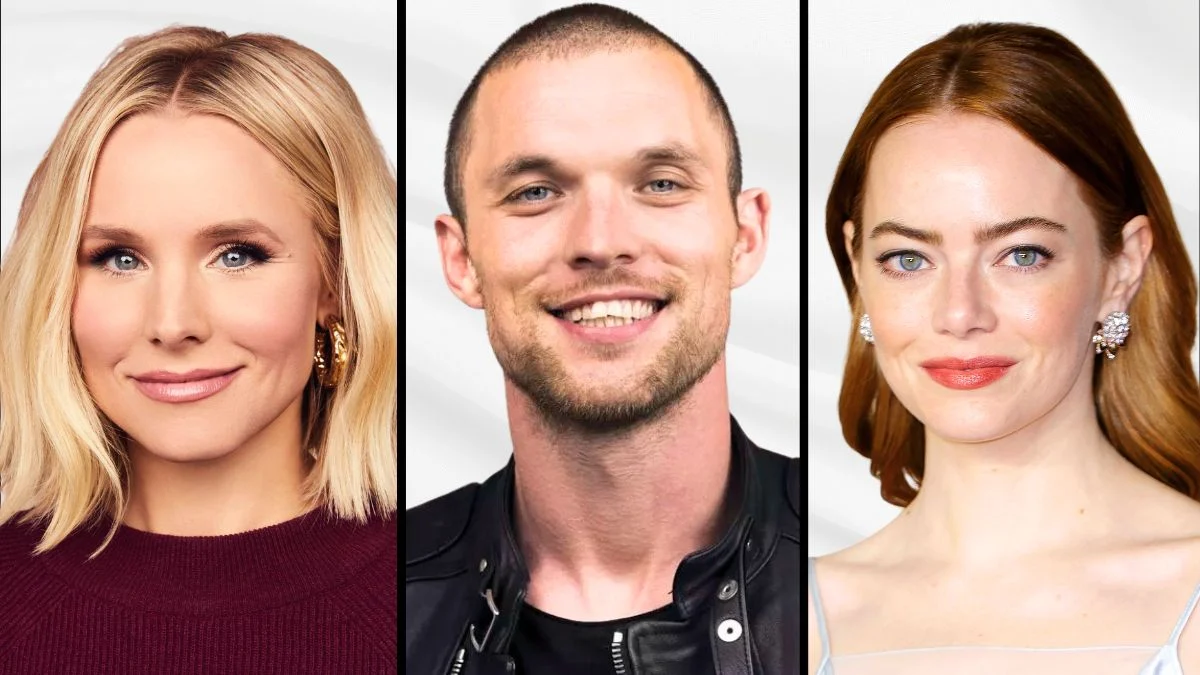


Sometimes a performance lands in the middle of a larger conversation about representation or taste, and the people involved take a second look. Over the past decade especially, a number of actors have publicly apologized for roles or portrayals that caused harm or missed the mark, often explaining what they learned and how they planned to do better.
These apologies were not just statements. Many led to concrete changes like recasting choices, pulled episodes, or clearer hiring practices about who gets to tell which stories. Here are fifteen actors who said sorry for roles they played and what happened next.
Hank Azaria
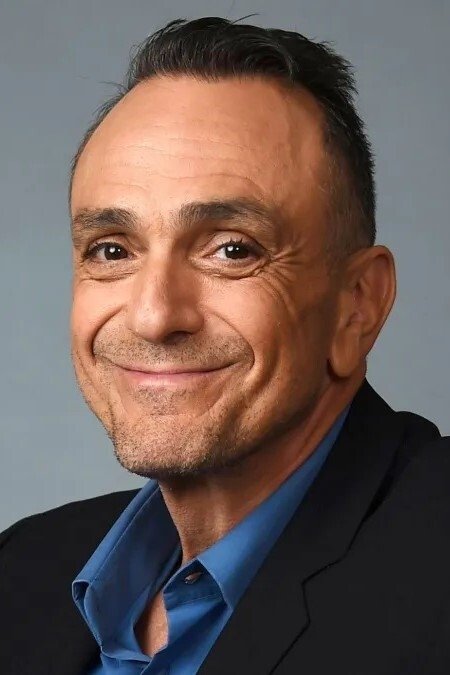
Hank Azaria apologized for voicing Apu on ‘The Simpsons’, saying in 2021 that he was sorry for the hurt the portrayal caused and that he wanted to listen to South Asian voices. He had already stepped away from the character the year before after discussions with the creative team and the community.
Following the apology, the show moved to a practice of having characters of color voiced by actors of the same background. Other roles Azaria had performed were recast, and Dr. Hibbert’s voice shifted to Kevin Michael Richardson as part of the broader change.
Mike Henry
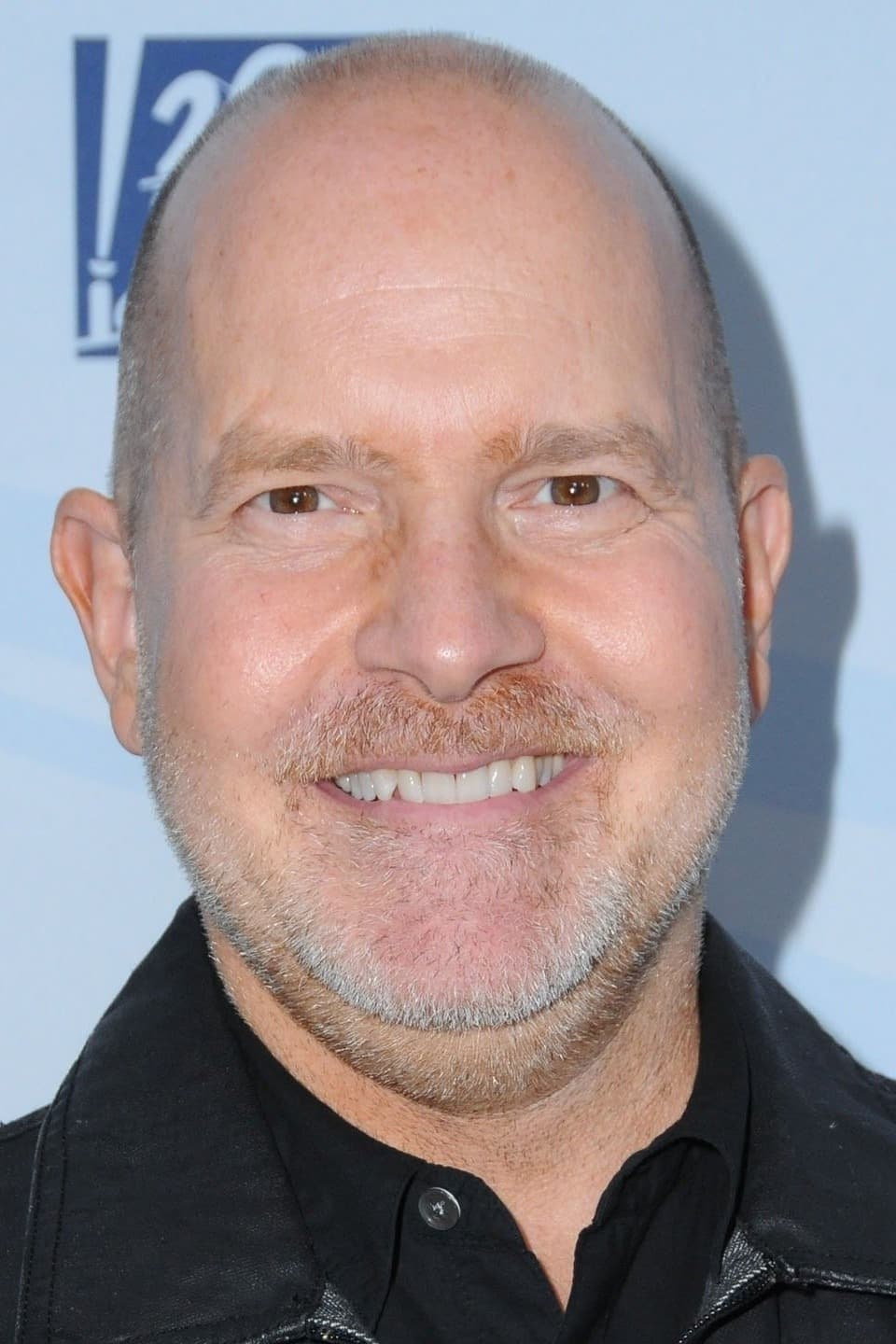
Mike Henry apologized in 2020 for voicing Cleveland Brown on ‘Family Guy’ and said the character should be played by a Black actor. He announced he would no longer perform the role after two decades.
Soon after, Arif Zahir took over as the new voice of Cleveland. The show updated credits and promotion to reflect the change and continued the practice for future casting decisions involving characters of color.
Jenny Slate
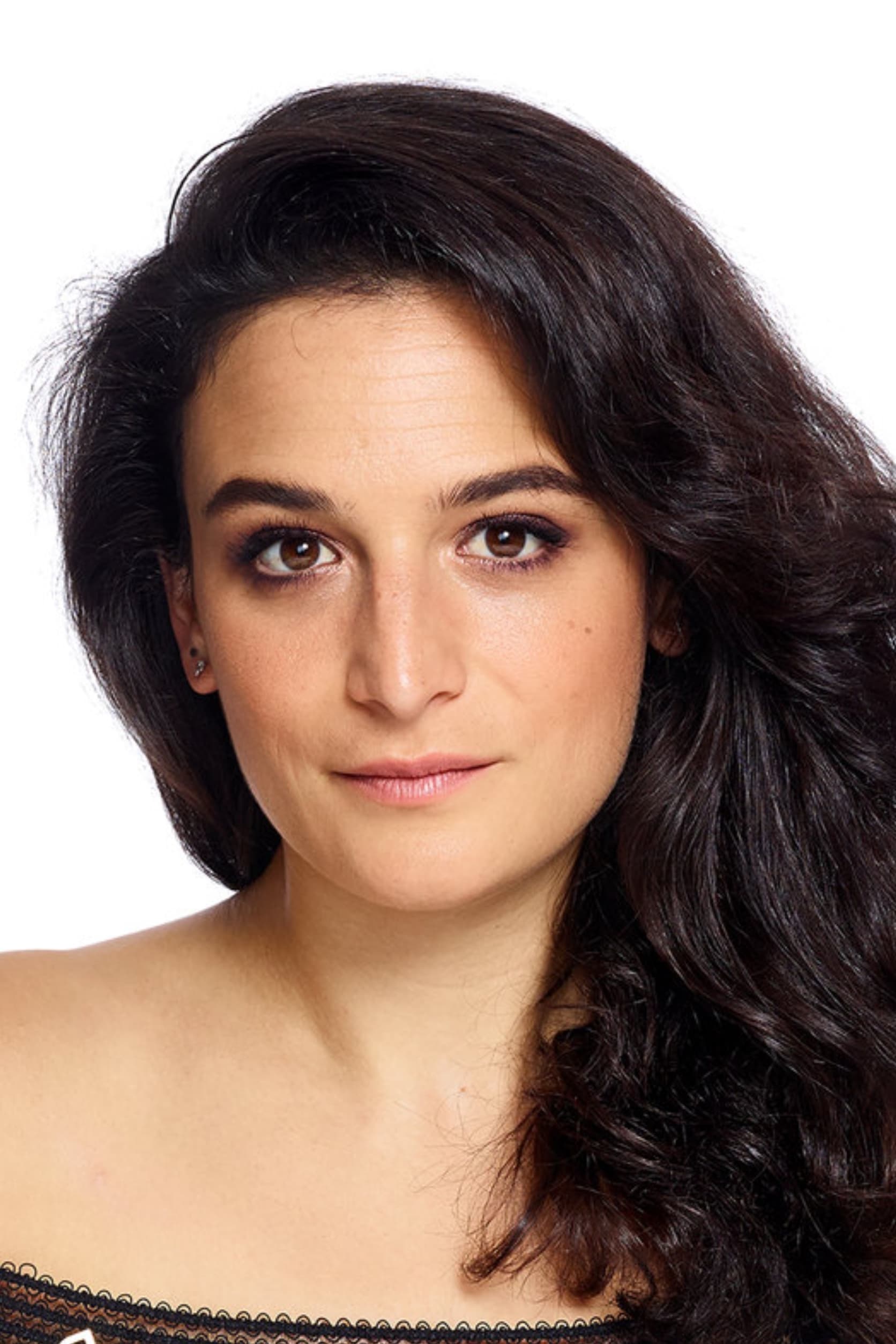
Jenny Slate apologized for voicing Missy on ‘Big Mouth’ in 2020 and said the character should be portrayed by a Black actor. She stepped down from the role during the show’s run.
Ayo Edebiri took over as Missy starting later that season, and the transition was addressed in publicity materials so viewers understood the change. Edebiri continued in the role as the series moved forward.
Kristen Bell
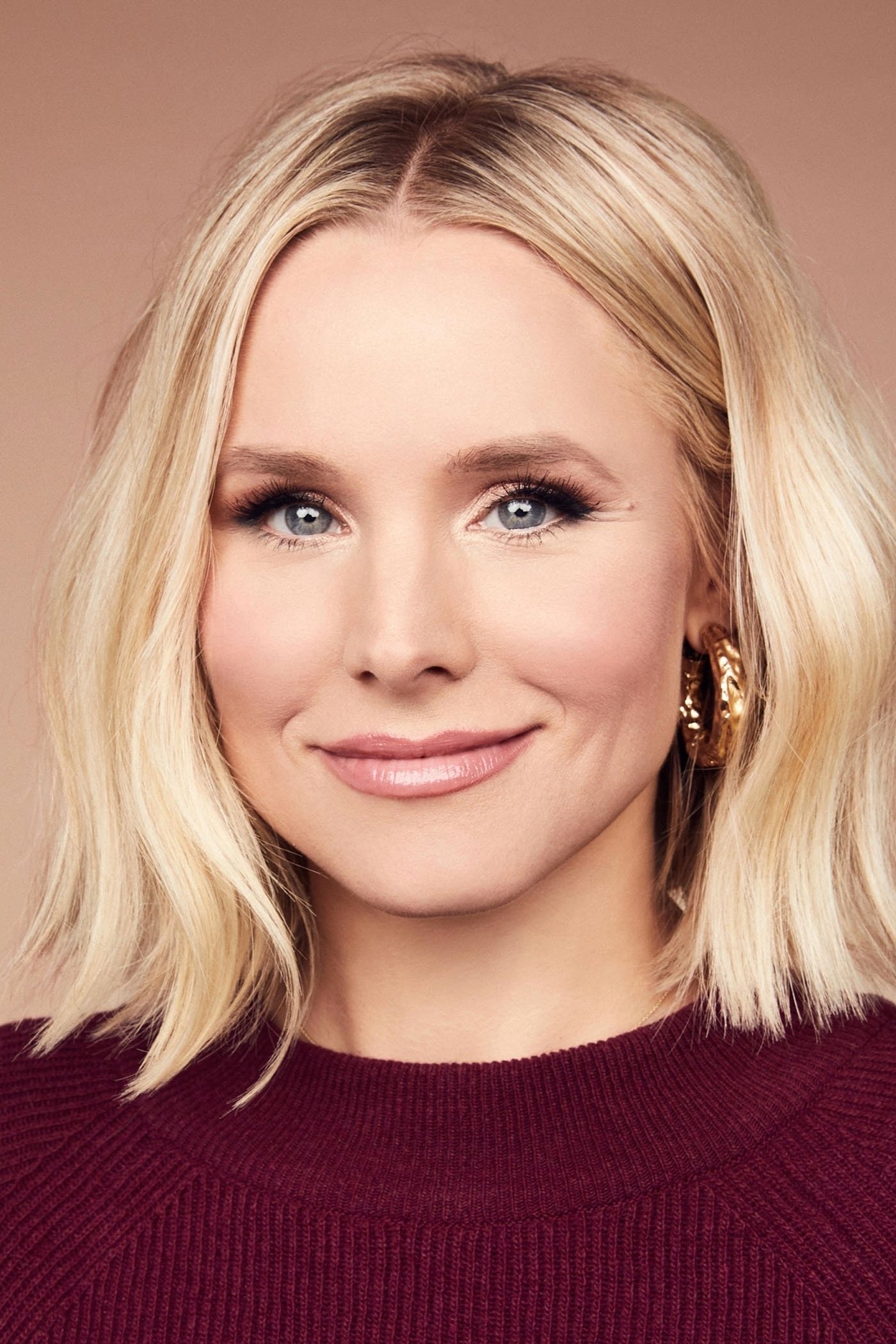
Kristen Bell apologized in 2020 for voicing Molly on ‘Central Park’, explaining that the mixed race character should be voiced by a mixed race or Black actor. She exited the role while staying with the series in a different part.
Emmy Raver Lampman became the new voice of Molly beginning with the second season. The producers also reviewed other casting choices to align with the same principle for future roles.
Alison Brie

Alison Brie apologized in 2020 for voicing Diane Nguyen on ‘BoJack Horseman’ and stated that Asian characters should be voiced by Asian actors. Her apology acknowledged that the show had already wrapped but aimed to be clear about future standards.
The statement joined a wave of similar commitments in animation that year. Casting notes for new projects from the show’s creators and alumni reflected a more explicit focus on authentic voice casting.
Fisher Stevens
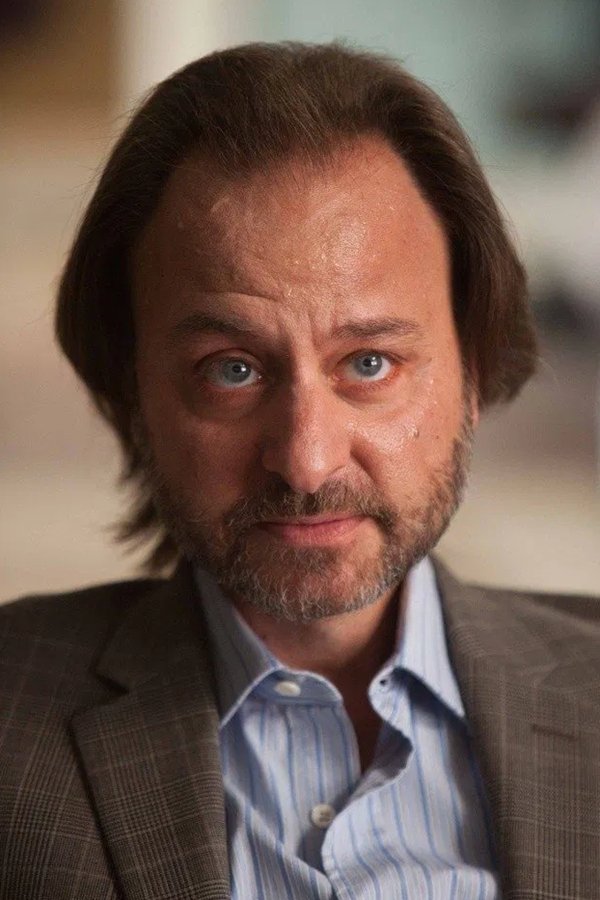
Fisher Stevens apologized for playing Ben in ‘Short Circuit’ and ‘Short Circuit 2’, where he used brownface and an accent to portray an Indian character. He said he had learned why the portrayal was harmful and that he was sorry for doing it.
In later projects he used his platform to talk about why roles should go to actors of the represented background. Discussions of the films in retrospectives and festival screenings often include his apology and context about how casting practices have changed.
Ed Skrein
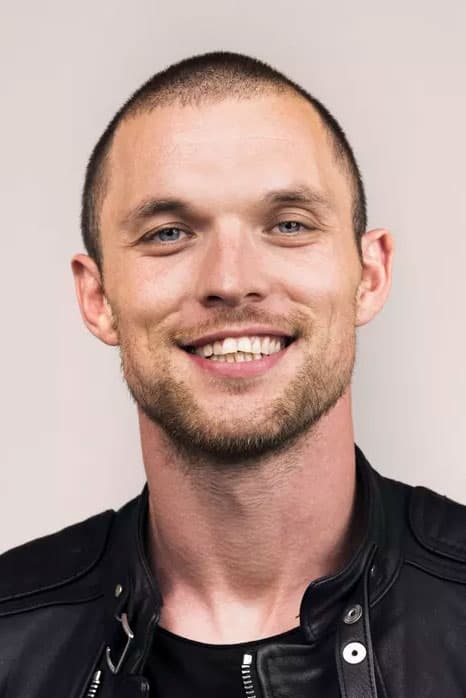
Ed Skrein apologized in 2017 after being cast as Ben Daimio in ‘Hellboy’, explaining that he did not want to contribute to whitewashing and that he would step away. He made the announcement early in the process so the role could be rethought.
The production recast Ben Daimio with Daniel Dae Kim. The switch became a widely cited example of how early feedback and a public apology can lead to a more accurate portrayal within the same project.
Halle Berry
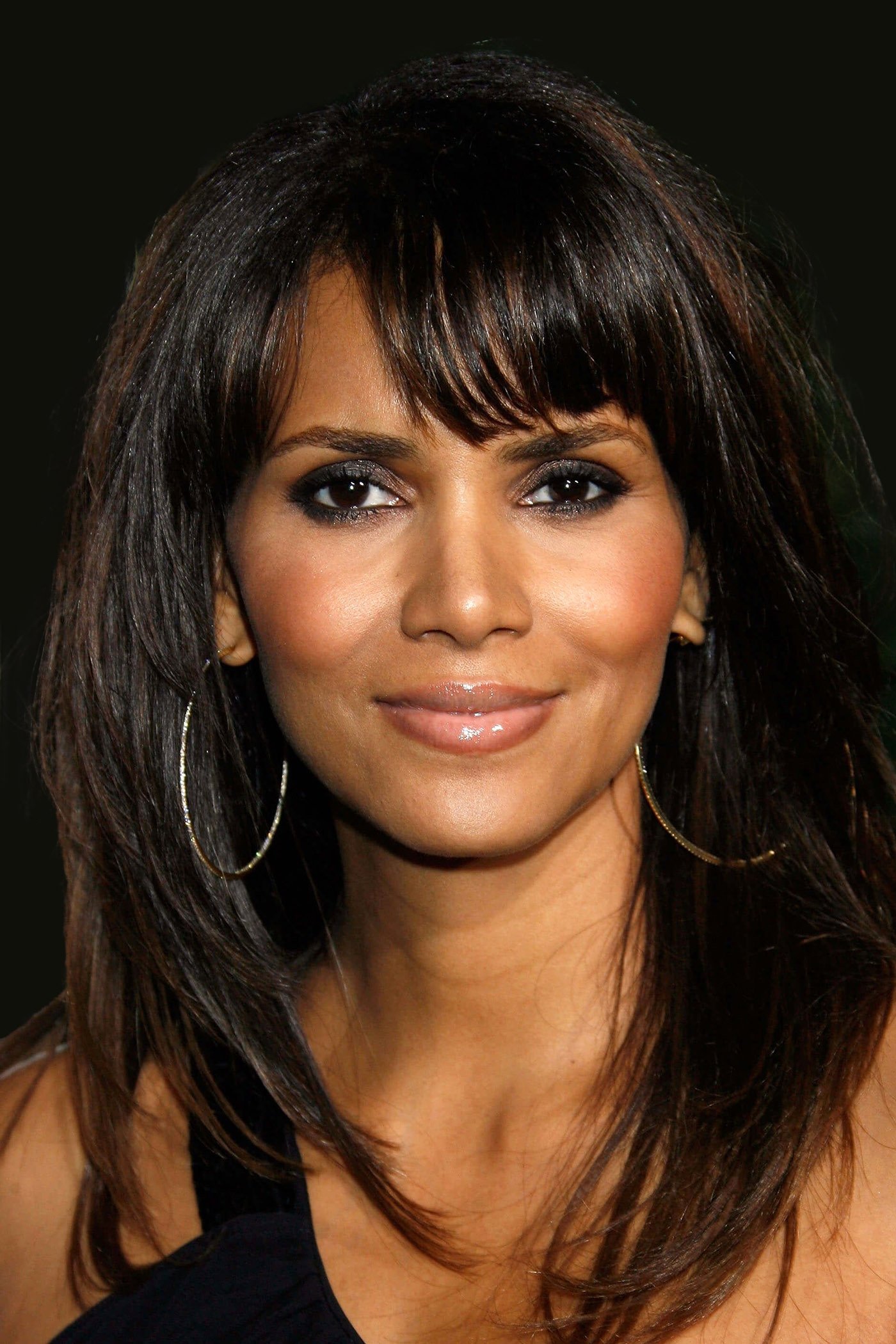
Halle Berry apologized in 2020 for discussing plans to play a transgender man in a project she was considering. She said she listened to concerns from the trans community and would no longer pursue the role.
She also stated that future roles should be cast with trans actors when the characters are trans. The project moved ahead without her involvement, and her statement was referenced in later coverage of inclusive casting practices.
Joseph Fiennes
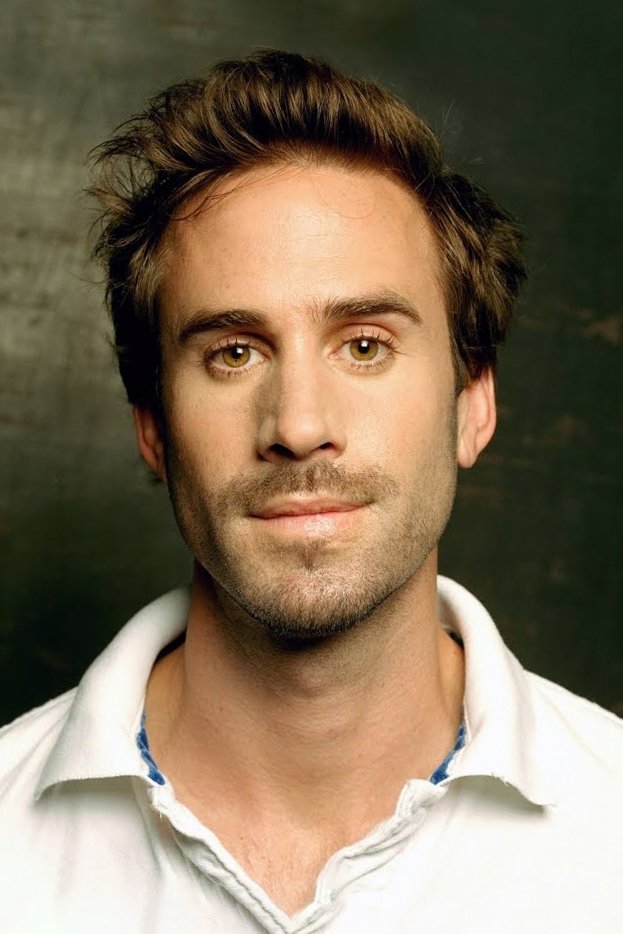
Joseph Fiennes apologized for being cast as Michael Jackson in ‘Urban Myths’ after significant backlash. He said the casting was a mistake and that he understood why people were upset.
The broadcaster pulled the episode before release. The decision and Fiennes’s apology were included in formal statements about the anthology, and the show continued with other episodes that did not include the segment.
Rooney Mara
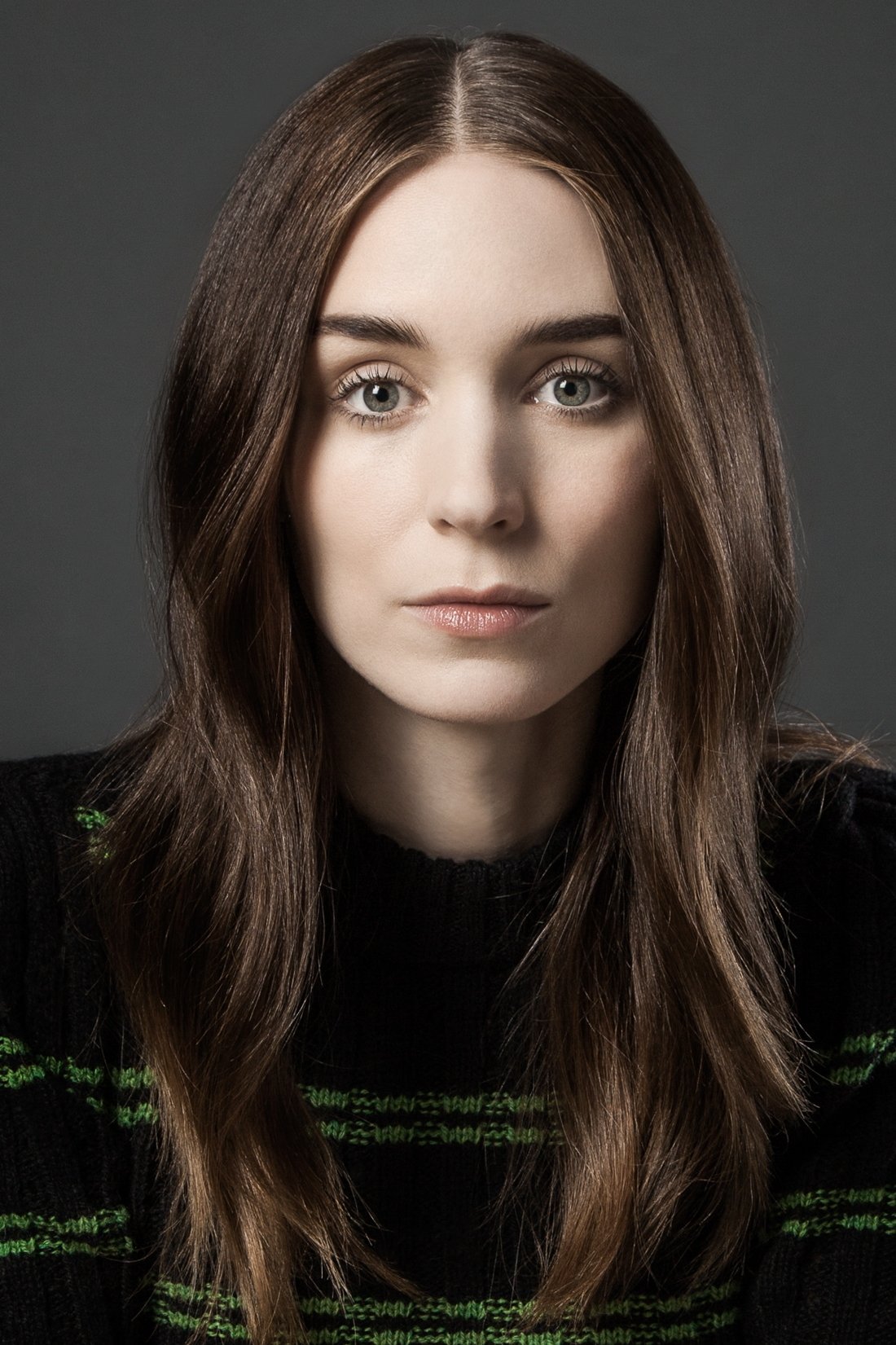
Rooney Mara apologized for playing Tiger Lily in ‘Pan’, acknowledging later that the role should have gone to a Native actress. She said she learned from the reaction and understood why the casting was wrong.
Industry discussion around the film encouraged studios to work with Native American consultants and cast Native actors for Native roles. Future fantasy projects cited the film as a case that shaped their approach to cultural representation.
Emma Stone
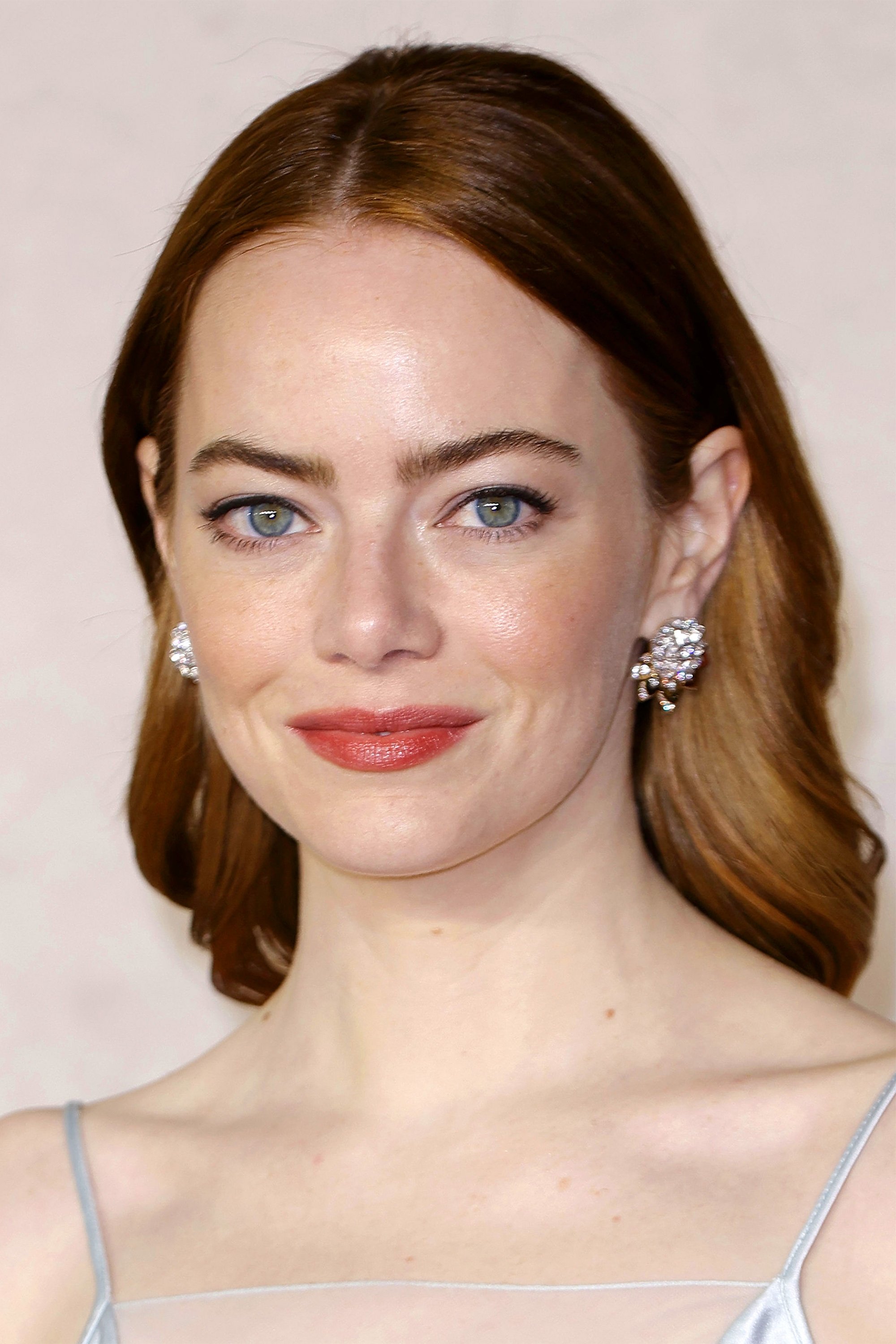
Emma Stone apologized for playing a character of part Asian heritage in ‘Aloha’. She made a brief public apology during an awards show bit and explained in later interviews that she understood the criticism of the casting.
The film’s director also apologized, and coverage of Stone’s apology became part of a broader look at how contemporary productions address mixed race characters. Casting directors began noting heritage in breakdowns more carefully for similar roles.
Jimmy Fallon
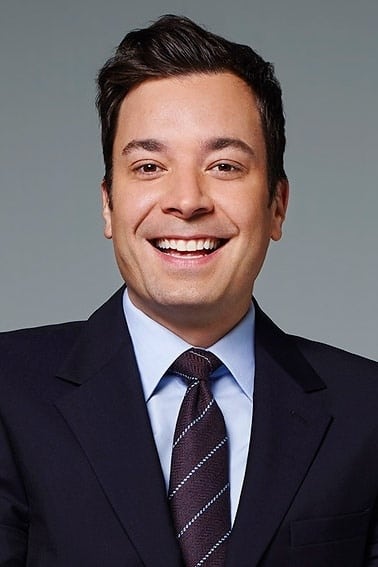
Jimmy Fallon apologized in 2020 for a ‘Saturday Night Live’ sketch from 2000 in which he wore blackface to impersonate Chris Rock. He said the performance was wrong and that he was sorry.
NBC and Fallon used the moment to review standards for archival sketches and future impersonations. The apology was added to public discussions of how late night and sketch comedy address race in both reruns and new material.
Jimmy Kimmel
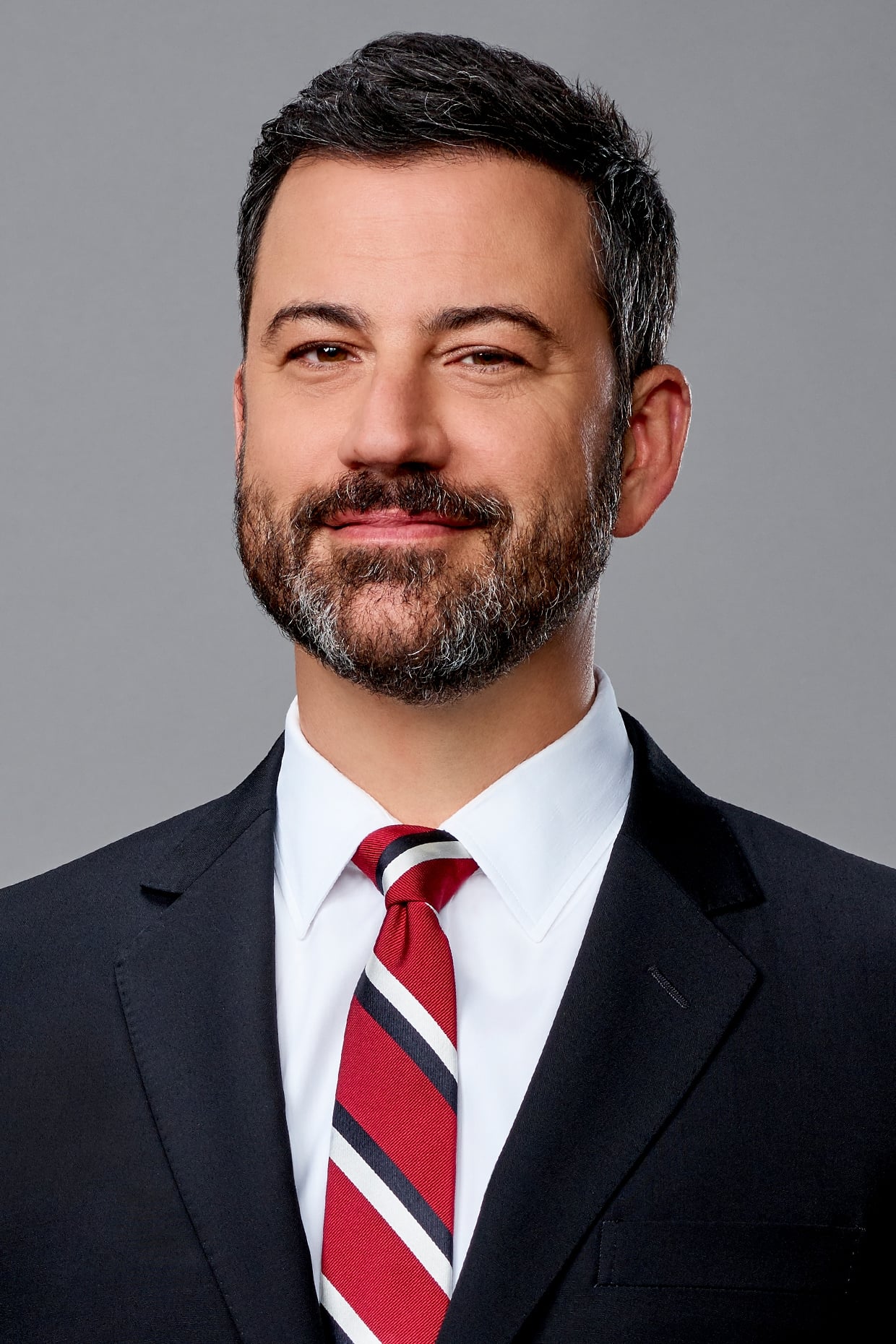
Jimmy Kimmel apologized in 2020 for past sketches, including ‘The Man Show’, where he appeared in blackface while impersonating celebrities. He said he regretted the performances and apologized to those hurt by them.
The apology was part of a larger reexamination of sketch archives on multiple platforms. Networks and streamers updated content notes and pulled select episodes while outlining clearer guidelines for makeup and impersonation in new shows.
Matt Lucas
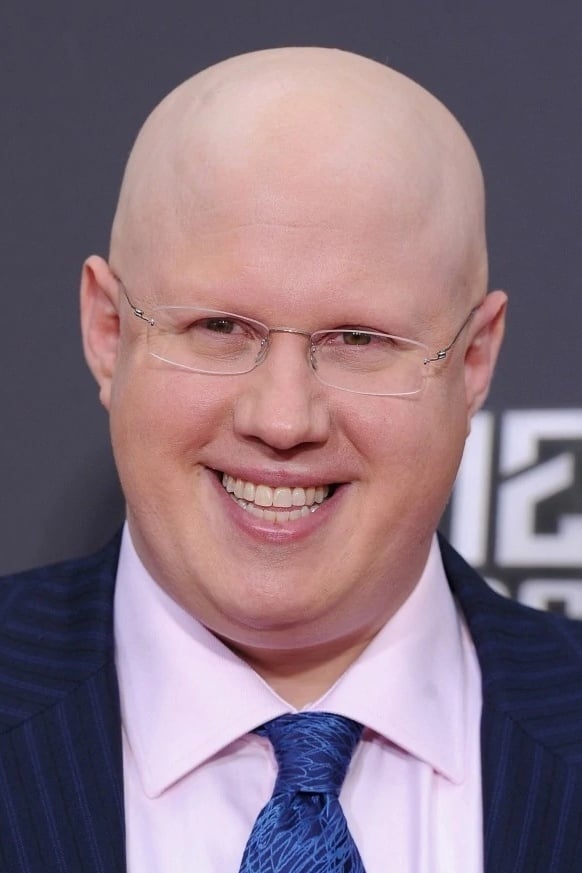
Matt Lucas apologized for playing characters in blackface and for other stereotypes in ‘Little Britain’. He said he was sorry and that the material would not be made today.
Some streaming services removed the series for a period and later returned edited versions with advisories. Lucas’s apology has been cited in new interviews when discussing comedy writing and casting choices for current projects.
David Walliams
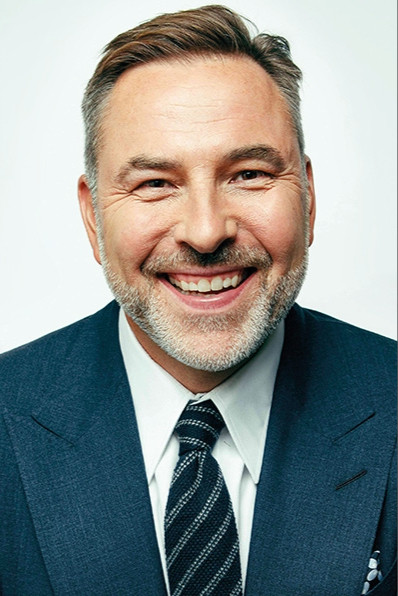
David Walliams apologized alongside Matt Lucas for the use of blackface and other offensive portrayals in ‘Little Britain’. He said he was sorry for the harm those characters caused.
The apology informed decisions about how the show appears on streaming platforms and in compilation releases. Production companies involved with the series shared statements that referenced the actors’ apologies and set expectations for future work.
Share the examples that stand out to you in the comments and tell us which other apologies from actors you think should be remembered.