


Actors Who Are Obsessed With Themselves

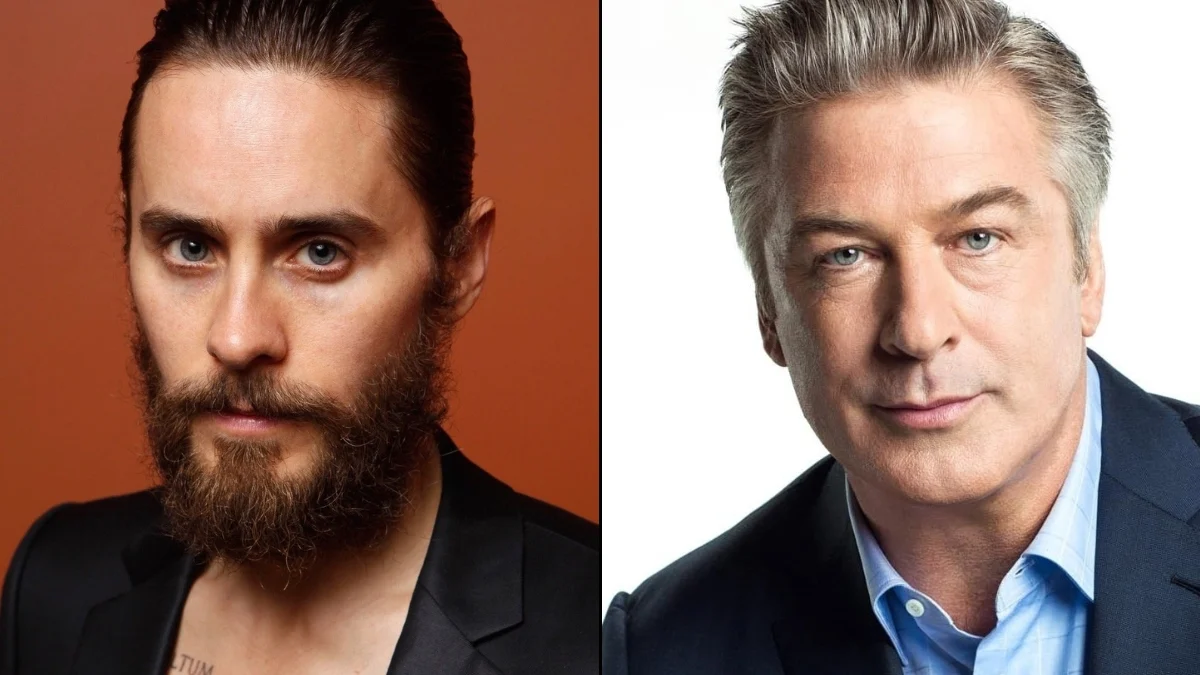


The entertainment industry is often a magnet for individuals with high levels of self-confidence, but some male actors have developed reputations for taking self-assurance to the extreme. Whether through public feuds with co-stars, unconventional personal philosophies, or demanding on-set behavior, these figures have been frequently described by peers and the press as being focused primarily on their own interests and image. These accounts often stem from memoirs, behind-the-scenes reports, and interviews where colleagues have detailed the challenges of working alongside them.
Alec Baldwin
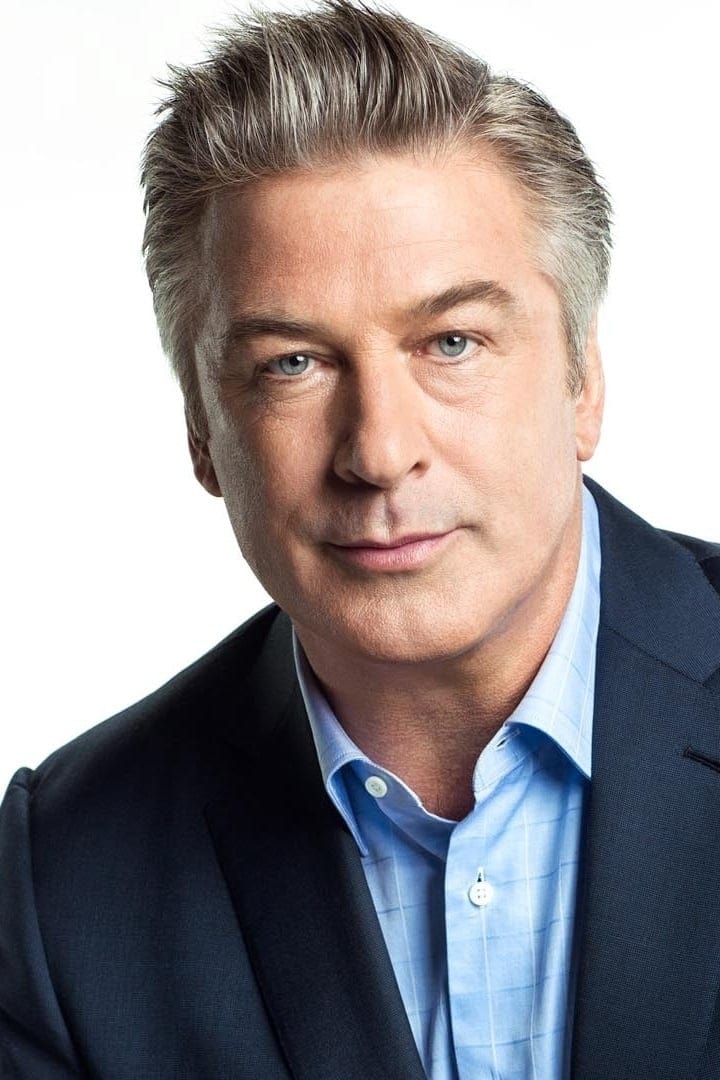
Alec Baldwin has long been associated with a robust ego and a volatile temper, traits that have occasionally overshadowed his performance in films like ‘Glengarry Glen Ross’. His reputation was significantly impacted by a 2011 incident where he was removed from an American Airlines flight after refusing to stop playing a mobile game. Co-stars and crew members have occasionally noted his tendency to assert authority on set in a manner that creates friction. This behavior is often cited in discussions regarding his professional longevity despite numerous public controversies.
Charlie Sheen
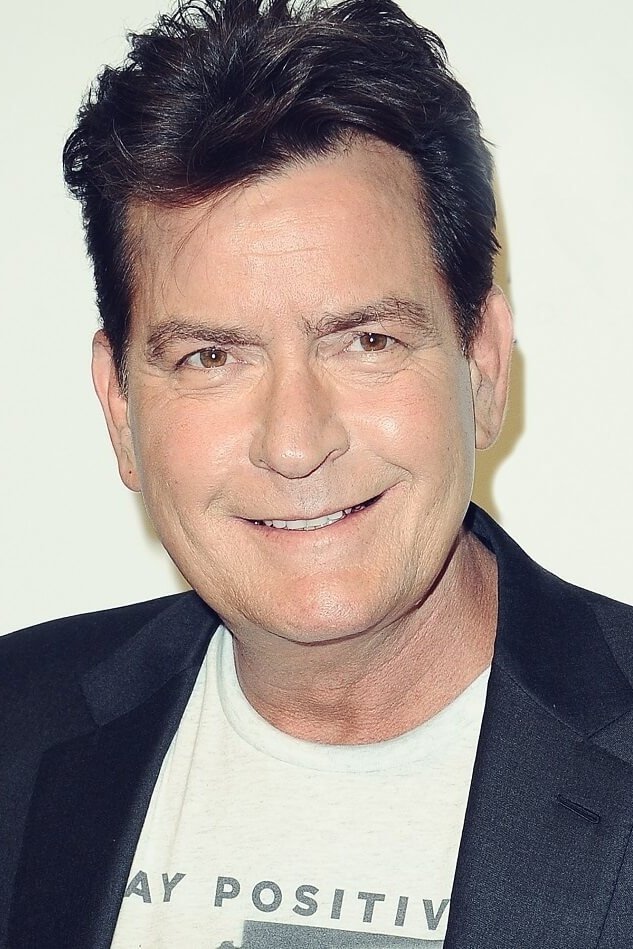
Charlie Sheen became a household name for his roles in ‘Two and a Half Men’ and ‘Platoon’, but his career was famously derailed by a highly public breakdown characterized by claims of “winning.” During this period, Sheen frequently gave interviews asserting his superiority and unique “tiger blood” biology, which many psychologists and commentators viewed as classic narcissistic behavior. His public dismissal of showrunner Chuck Lorre led to his removal from his hit sitcom and further cemented his image as an actor obsessed with his own mythology. Despite later attempts to reform his image, his history of self-aggrandizing outbursts remains a definitive part of his public persona.
Chevy Chase
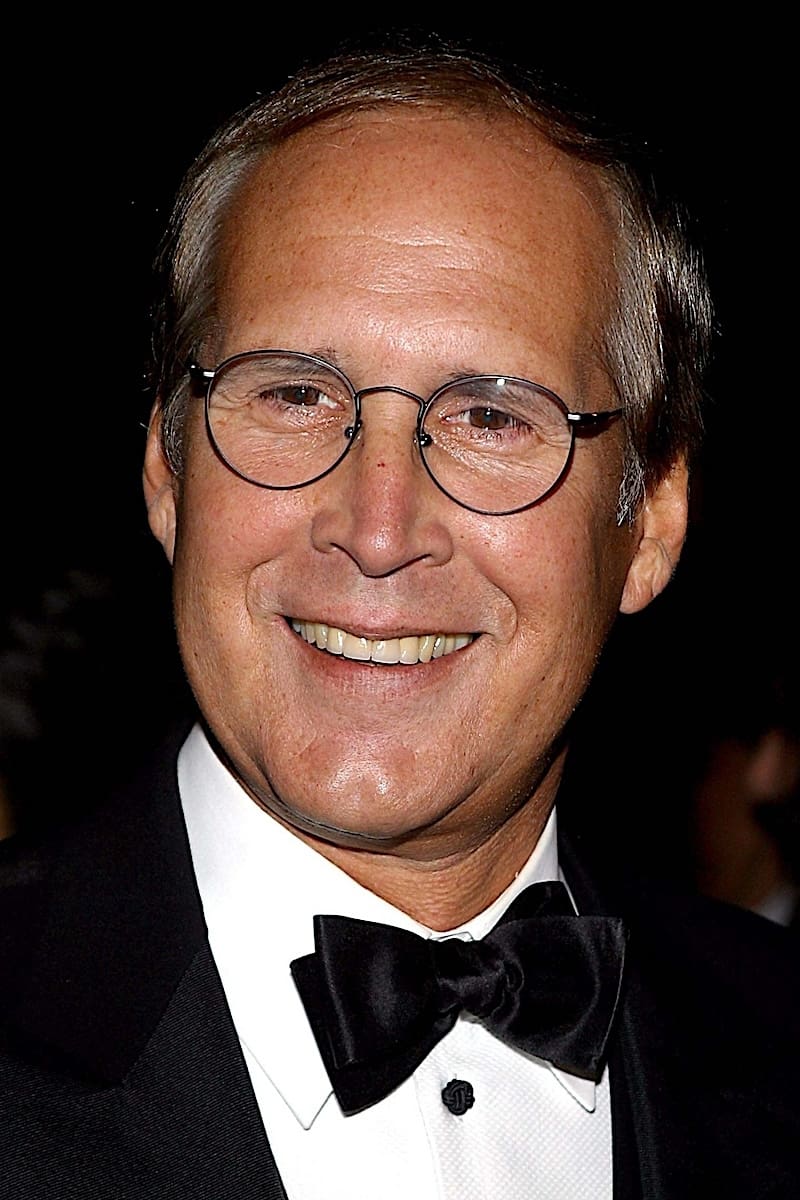
Chevy Chase is notoriously difficult to work with, a reputation that dates back to his early days on ‘Saturday Night Live’. His departure from the sketch show was fueled by tensions with his fellow cast members, many of whom felt he viewed himself as the sole star of the production. Decades later, his time on the sitcom ‘Community’ was marred by similar conflicts with co-stars and creator Dan Harmon, leading to his eventual exit. Multiple reports suggest that Chase’s belief in his own comedic genius often prevented him from collaborating effectively with others.
Christian Bale
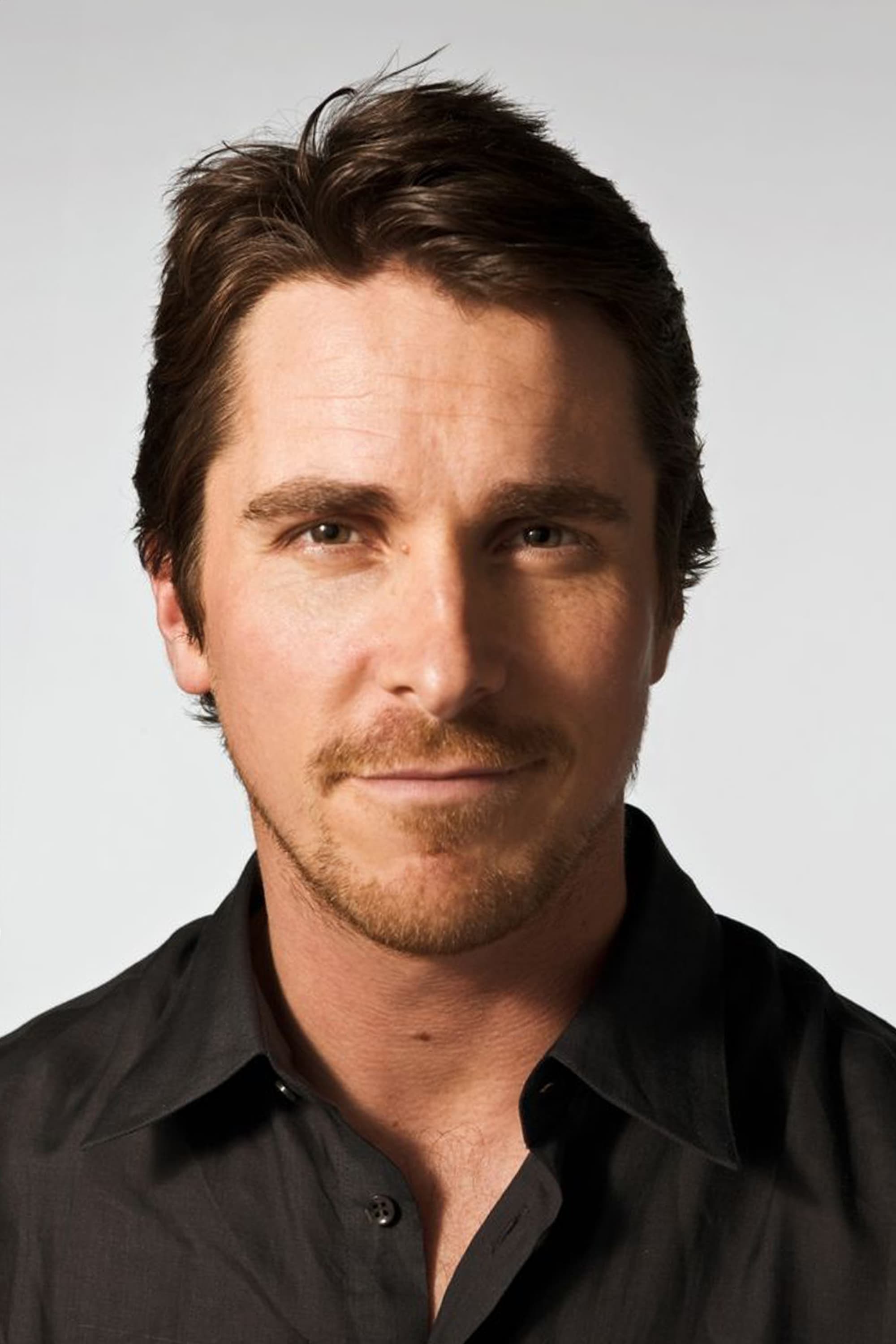
Christian Bale is renowned for his extreme physical transformations and intense dedication to his craft in films like ‘The Fighter’. However, this intensity famously boiled over into a profanity-laced rant on the set of ‘Terminator Salvation’, where he berated a crew member for breaking his concentration. While some defend his behavior as a manifestation of perfectionism, others point to it as an example of an actor placing his personal process above the well-being of the production team. His reputation for being demanding is well-documented in various industry reports regarding his professional standards.
Edward Norton
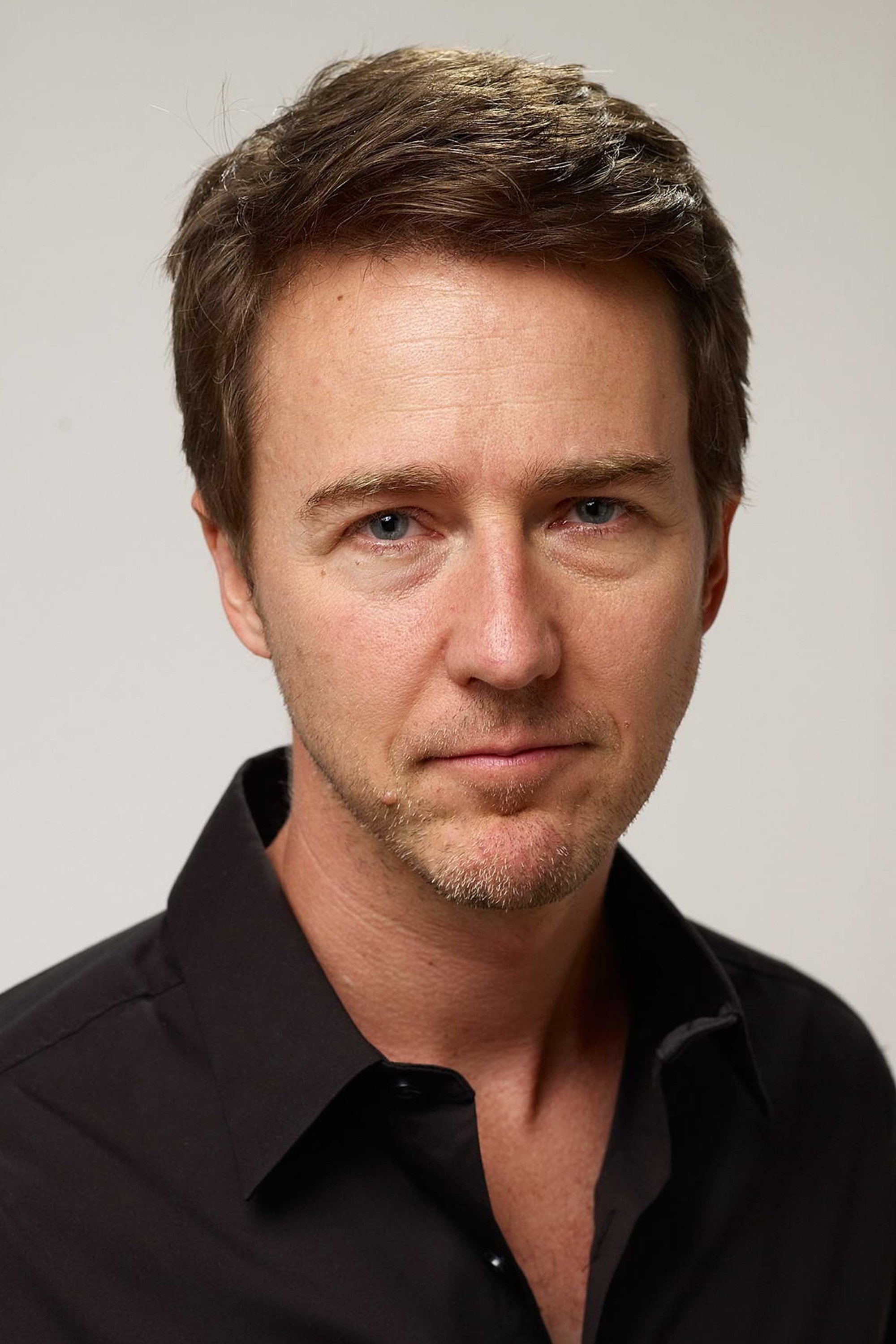
Edward Norton is known for his immense talent but also for his insistence on exerting creative control over projects, even when he is not the director. On the set of ‘American History X’, he reportedly took over the editing process against the wishes of director Tony Kaye, leading to a public feud. His tenure as Bruce Banner in ‘The Incredible Hulk’ also ended prematurely due to creative differences with Marvel Studios regarding his desire to rewrite the script. Critics and co-stars have frequently commented on his perceived belief that his artistic vision should supersede all others on a project.
Jared Leto
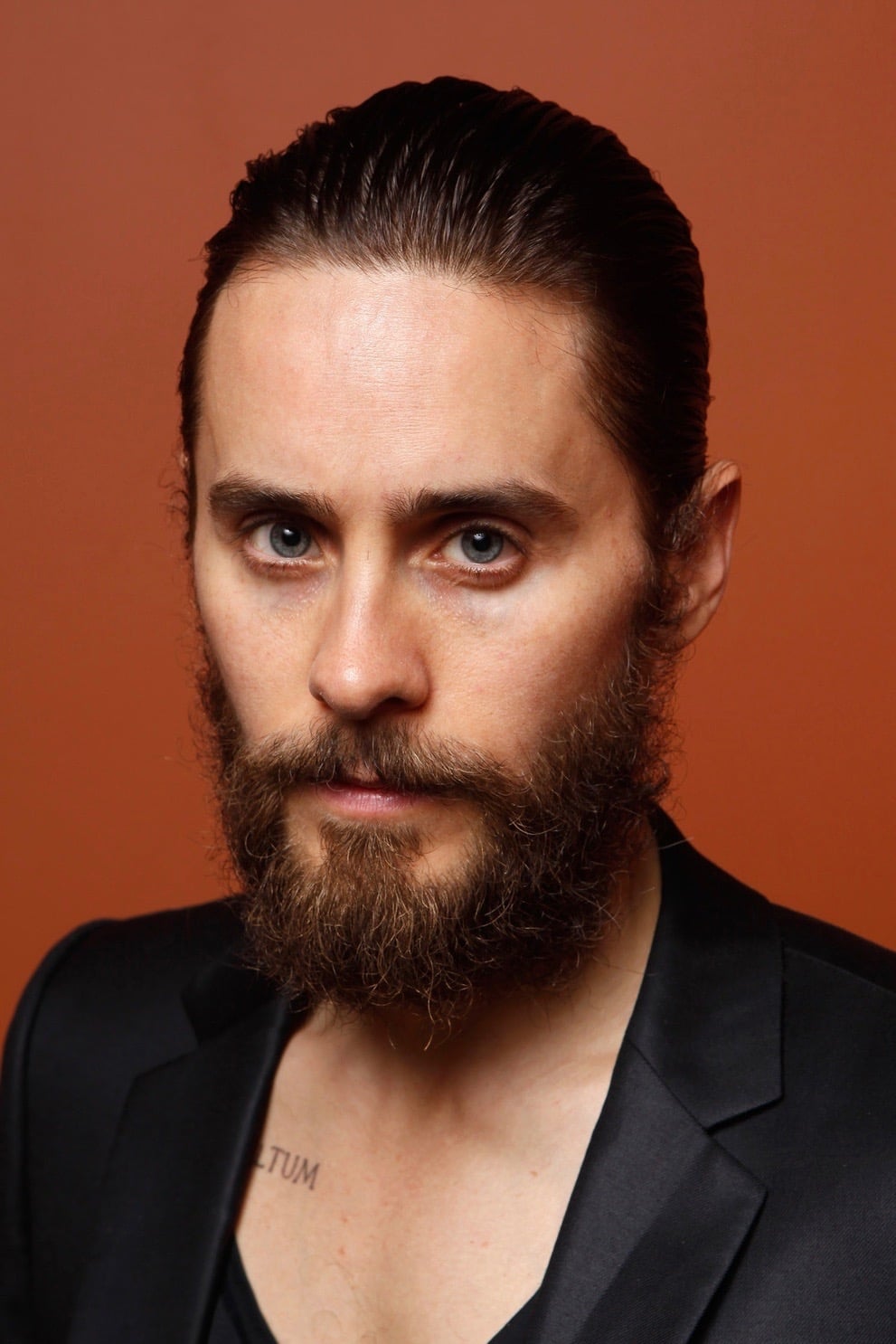
Jared Leto is famous for his method acting, which frequently involves staying in character for the duration of a film’s production. During the filming of ‘Suicide Squad’, he sent bizarre and often disturbing gifts to his co-stars, including live rats and used items, to simulate the Joker’s mindset. While he frames these actions as dedication to the role, co-stars have publicly described the experience as alienating and self-indulgent. Reports also indicated that Leto felt “upset” when Warner Bros. moved forward with a different ‘Joker’ film starring Joaquin Phoenix, viewing the character as uniquely his own.
Russell Crowe
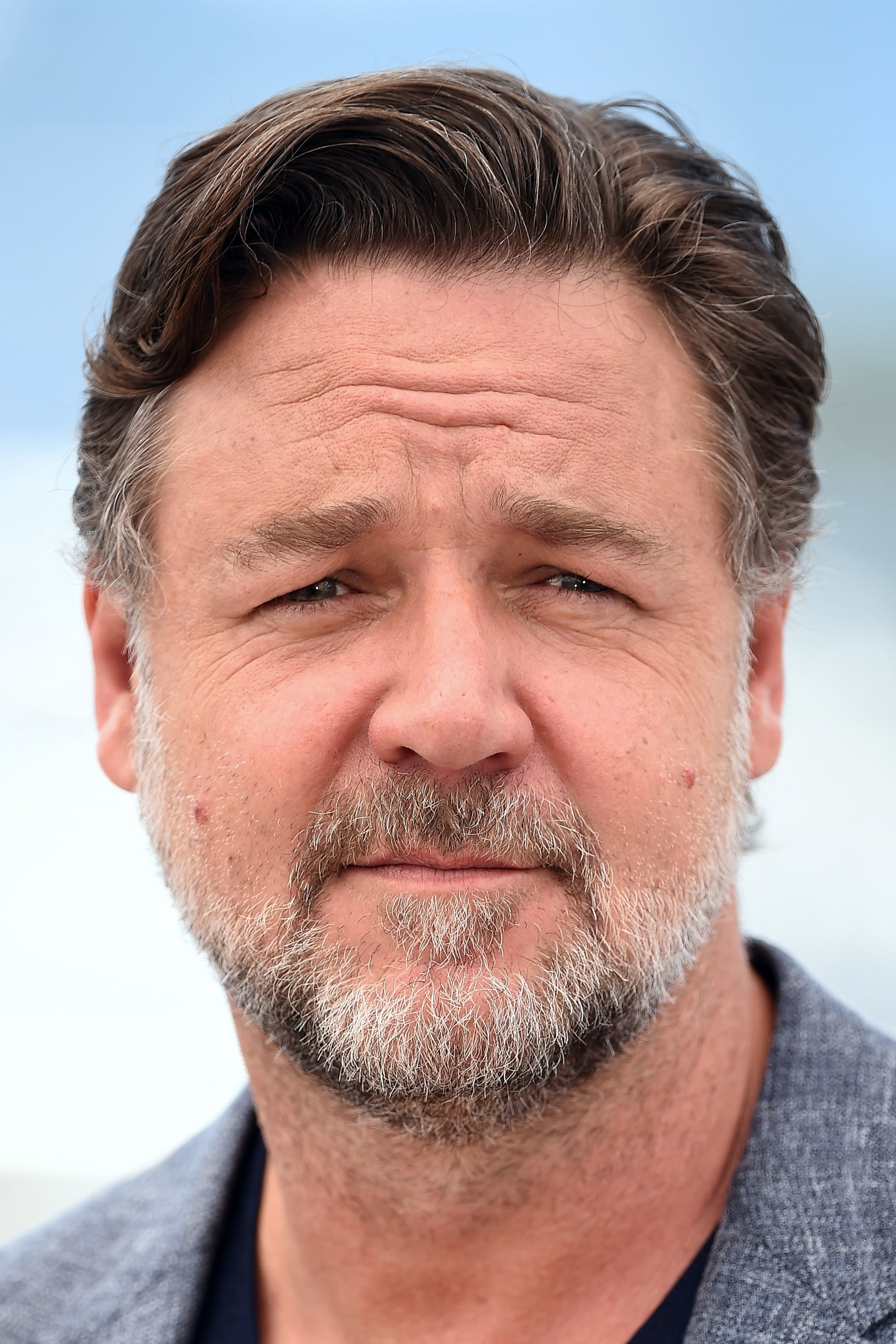
Russell Crowe gained a reputation for being arrogant and combative following his rise to stardom in ‘Gladiator’. He has been involved in several public altercations and has admitted to being difficult when he does not fully trust those in charge of a production. Director Curtis Hanson and other industry figures have noted that Crowe’s intense focus on his own portrayal can lead to clashes with directors and crew members. His public image for many years was defined by a sense of self-importance that occasionally made collaboration difficult.
Steven Seagal
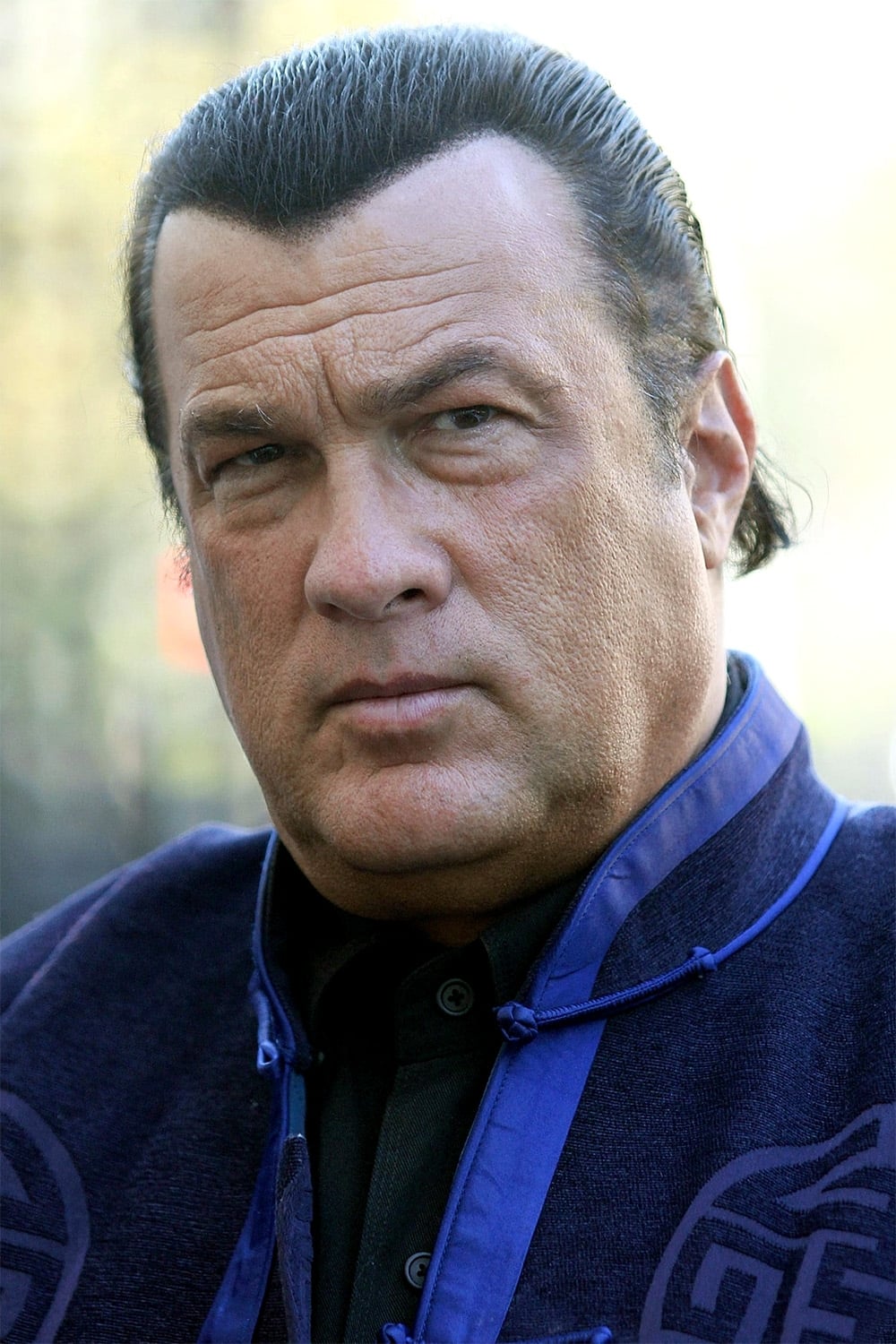
Steven Seagal is often cited by former co-stars as one of the most self-centered figures in Hollywood, frequently demanding that he be the most powerful person on set. Actor John Leguizamo shared a story from the filming of ‘Executive Decision’ where Seagal allegedly physically asserted his dominance by pushing him against a wall. Seagal’s belief in his own martial arts prowess and status has led to numerous reports of him rewriting scenes to ensure he never appears weak or defeated. This rigid control over his image has made him a frequent subject of ridicule among his peers in the industry.
Terrence Howard
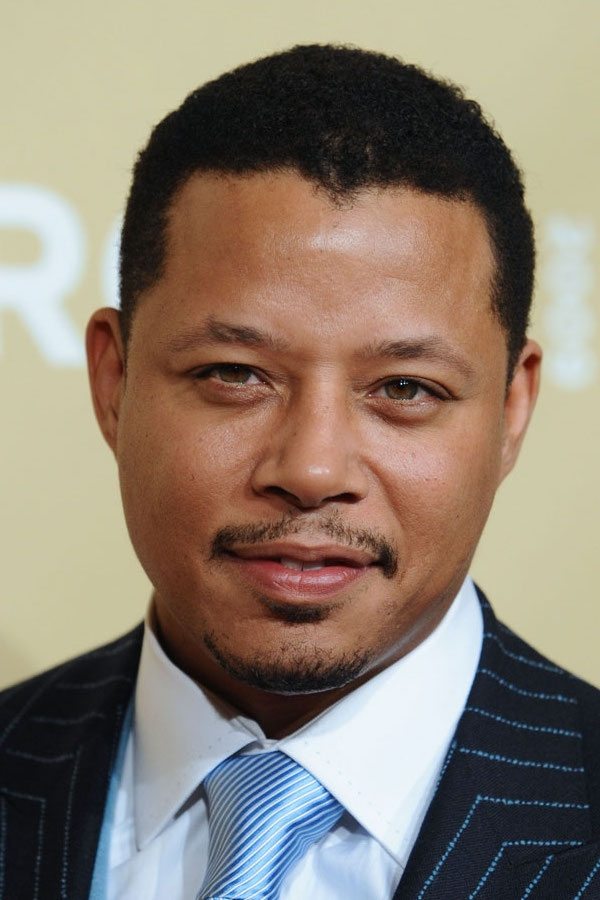
Terrence Howard has publicly shared a unique and controversial logic system he calls “Terryology,” which includes his firm belief that one multiplied by one equals two. He has claimed in interviews that he is one of the smartest people alive and that his mathematical “discoveries” will change the world. This preoccupation with his own intellect often surfaces in discussions about his professional life, including his exit from the ‘Iron Man’ franchise. His conviction that his personal theories are objectively correct has led many to characterize him as exceptionally self-absorbed.
Tom Cruise
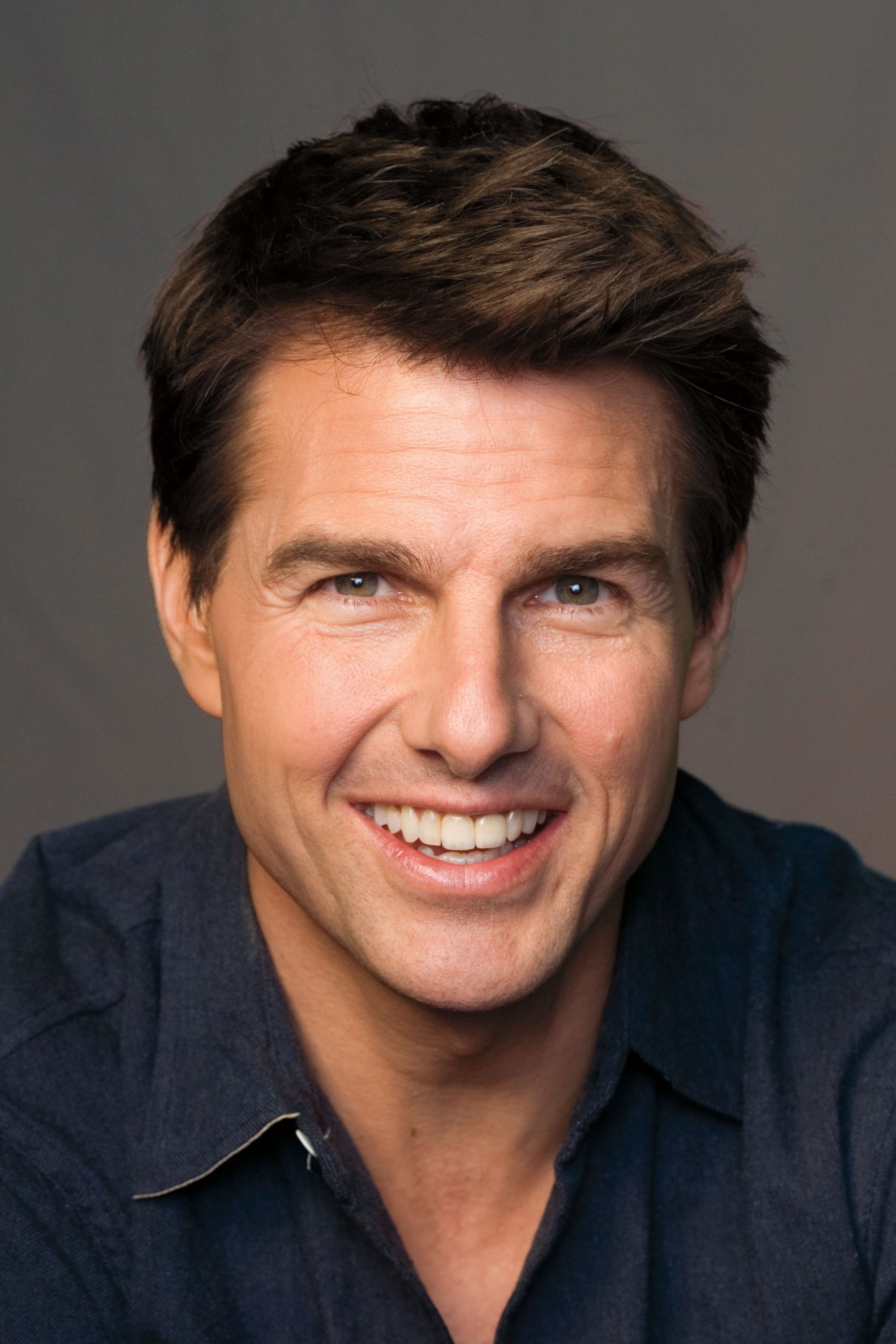
Tom Cruise is frequently described as a man obsessed with maintaining his status as the world’s ultimate movie star. His insistence on performing his own high-stakes stunts in the ‘Mission: Impossible’ series is often framed as a way to prove his singular physical and professional superiority. Public incidents, such as his enthusiastic jumping on a couch during ‘The Oprah Winfrey Show’, have been analyzed as displays of a person deeply focused on their own narrative. While he is praised for his work ethic, industry insiders often point to the total control he exerts over his public image as a sign of extreme self-interest.
Val Kilmer
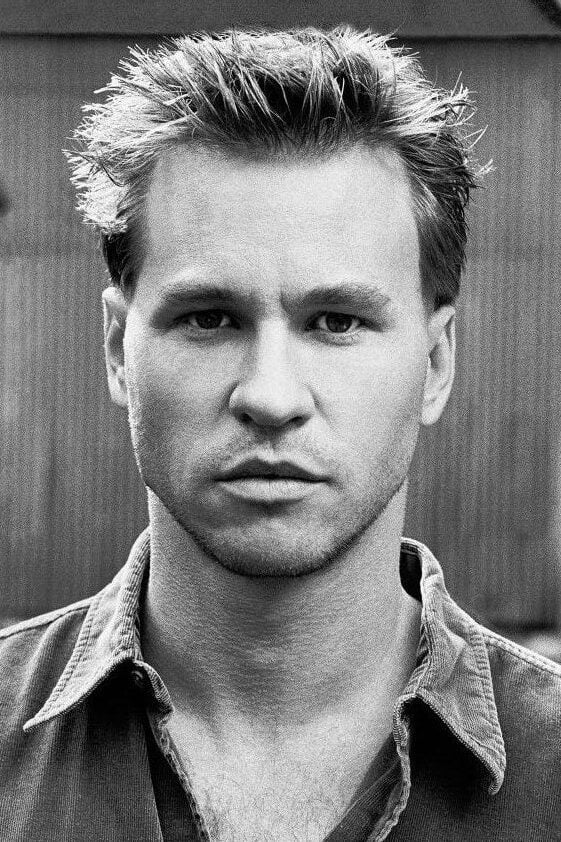
Val Kilmer’s reputation for being difficult and self-absorbed peaked during the 1990s, particularly on the sets of ‘Batman Forever’ and ‘The Island of Dr. Moreau’. Director Joel Schumacher famously described Kilmer as “childish and impossible,” noting that the actor often refused to speak to him or co-stars. Reports from ‘The Island of Dr. Moreau’ suggest that he and Marlon Brando engaged in a power struggle, with Kilmer frequently prioritizing his own whims over the needs of the production. Kilmer has since acknowledged some of his past behavior in his memoir, attributing it to his intense focus on his own artistic integrity.
William Shatner

William Shatner’s self-obsession is a recurring theme in the memoirs of his ‘Star Trek’ co-stars, most notably George Takei and Leonard Nimoy. They have detailed instances of Shatner stealing lines from other characters and ensuring the camera stayed focused primarily on him during ensemble scenes. Takei has been particularly vocal about Shatner’s perceived arrogance and his inability to acknowledge the contributions of his fellow cast members. Although Shatner has occasionally made light of these claims, the sheer volume of testimonies from his peers has established him as a textbook case of a self-centered actor.
Share your thoughts on these actors and their reputations in the comments.