


Actors Who Are Openly Critical of the Studios That Pay Them



While Hollywood is built on relationships between talent and major production houses, some actors have broken the industry’s unwritten rule of silence regarding their employers. These performers have publicly voiced their frustrations with studio management, creative decisions, and contractual obligations. From disputes over diverse representation to criticisms of grueling production schedules, these instances offer a rare glimpse into the friction within the studio system. The following male actors have all made headlines for their willingness to openly critique the very studios that financed their major projects.
Robert Pattinson
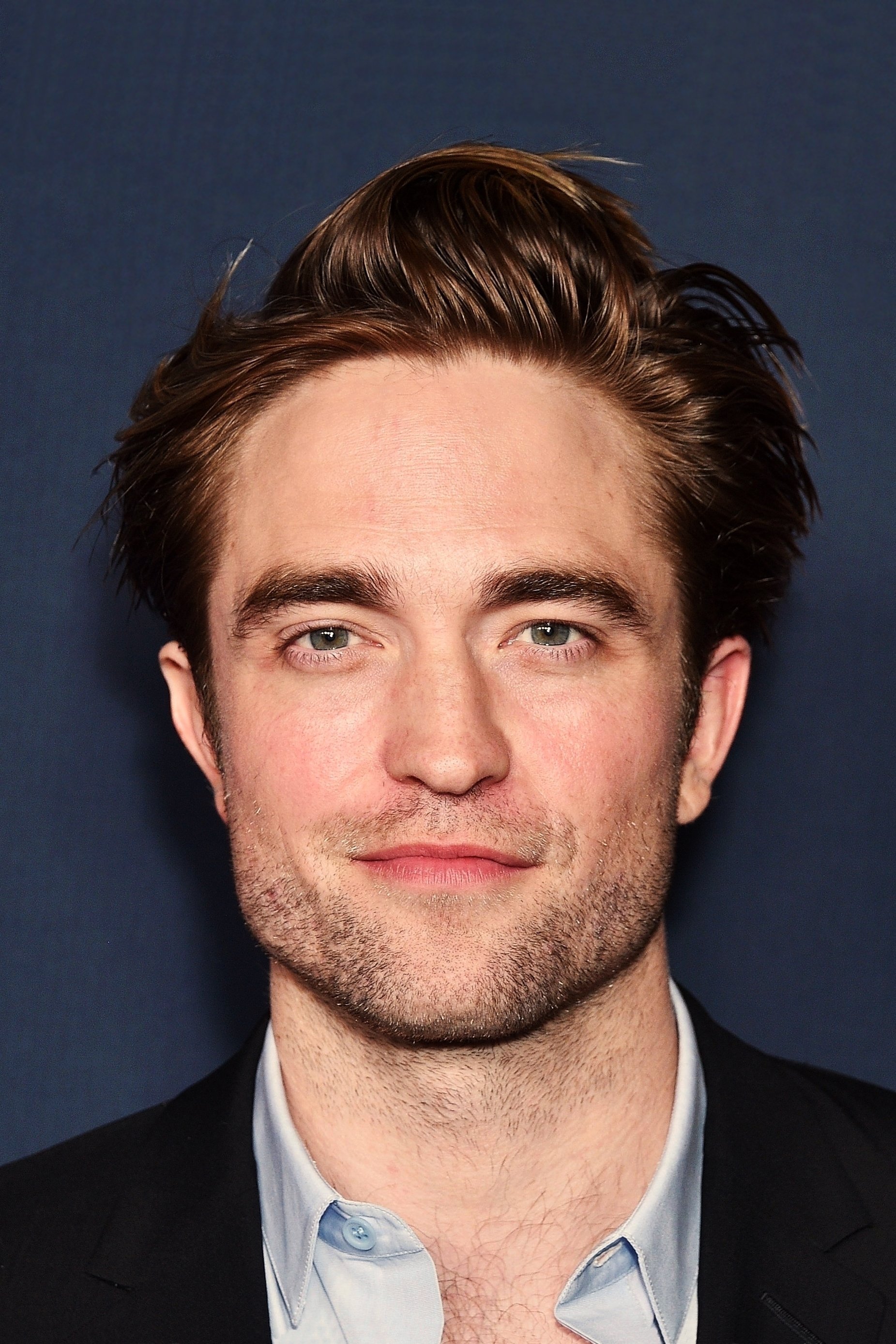
During the height of the ‘Twilight’ franchise, Pattinson frequently expressed his disdain for the series and the studio’s marketing approach. He often joked in interviews about the nonsensical plot points of ‘Twilight’ and the intensity of the fame the studio cultivated. Despite being the face of the franchise, he remained vocal about his creative differences with the material. His candid nature became a hallmark of the press tours for the later films in the series. This openness often contrasted with the polished image typically expected of a leading man in a major studio production.
Ray Fisher
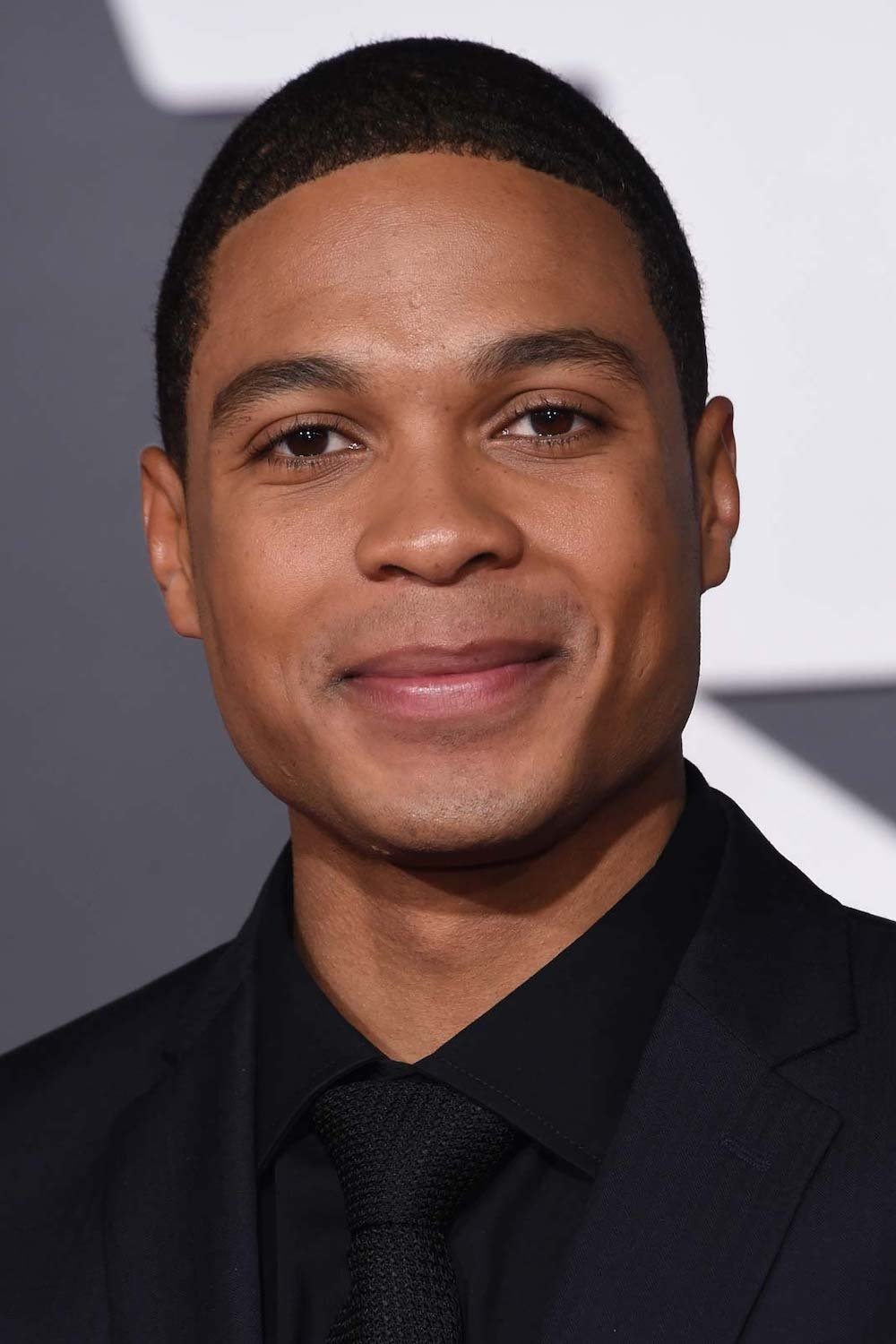
The actor launched a high-profile public campaign against Warner Bros. following his experience on the set of ‘Justice League’. He specifically targeted the studio’s leadership and Joss Whedon for what he described as gross and unprofessional behavior. Fisher’s refusal to stay silent led to an internal investigation and ongoing public disputes regarding the studio’s corporate culture. He has remained steadfast in his criticism, often using social media to hold executives accountable for their past actions. His defiance eventually led to him being removed from his role in ‘The Flash’.
John Boyega
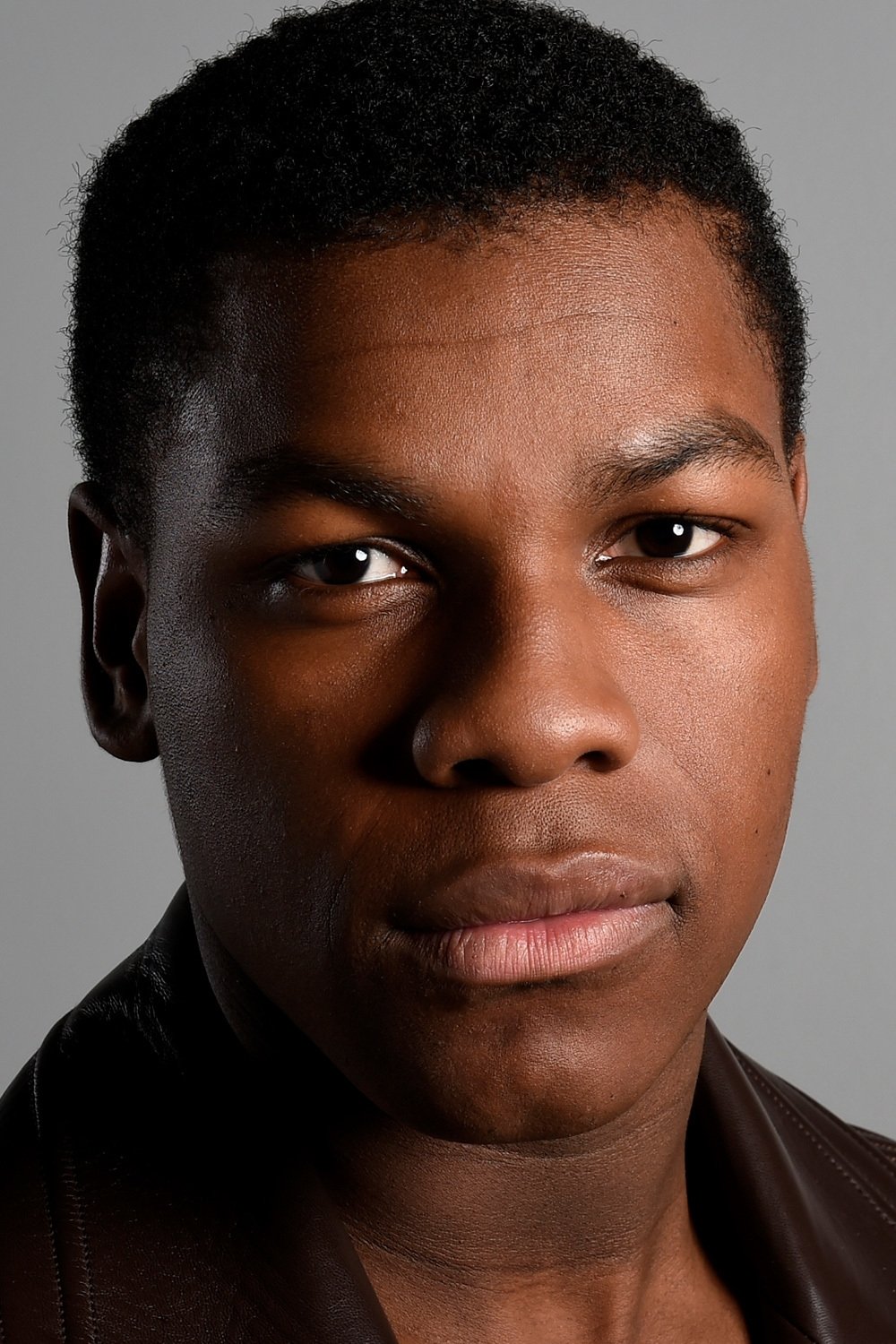
After the conclusion of the ‘Star Wars’ sequel trilogy, Boyega spoke out against Disney and Lucasfilm for sidelining characters played by people of color. He argued that the studio did not know what to do with his character, Finn, after marketing him as a central figure in ‘Star Wars: The Force Awakens’. The actor highlighted a pattern where minority characters were pushed to the periphery in favor of their white counterparts. His comments sparked a wider conversation about diversity and representation within major Hollywood franchises. He later clarified that these experiences shaped his approach to choosing future projects outside the studio system.
Adam Driver
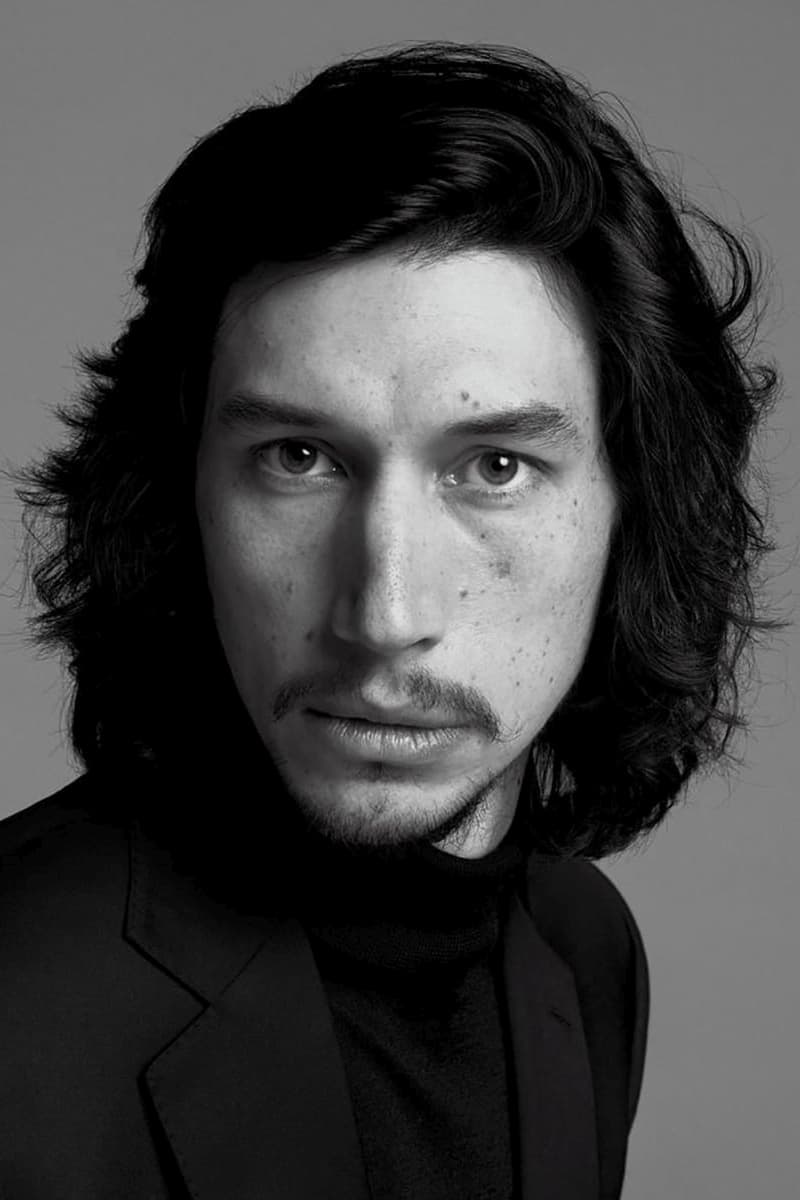
During the 2023 film festivals, Driver was vocal in his criticism of major streaming platforms like Netflix and Amazon. He questioned why smaller independent production companies could meet SAG-AFTRA’s demands while the massive studios could not. His comments specifically targeted the business models of these big studios during the labor strikes. He used the promotional tour for ‘Ferrari’ to highlight the disparity between corporate profits and actor compensation. This public stance established him as a prominent voice for labor rights within the acting community.
Edward Norton
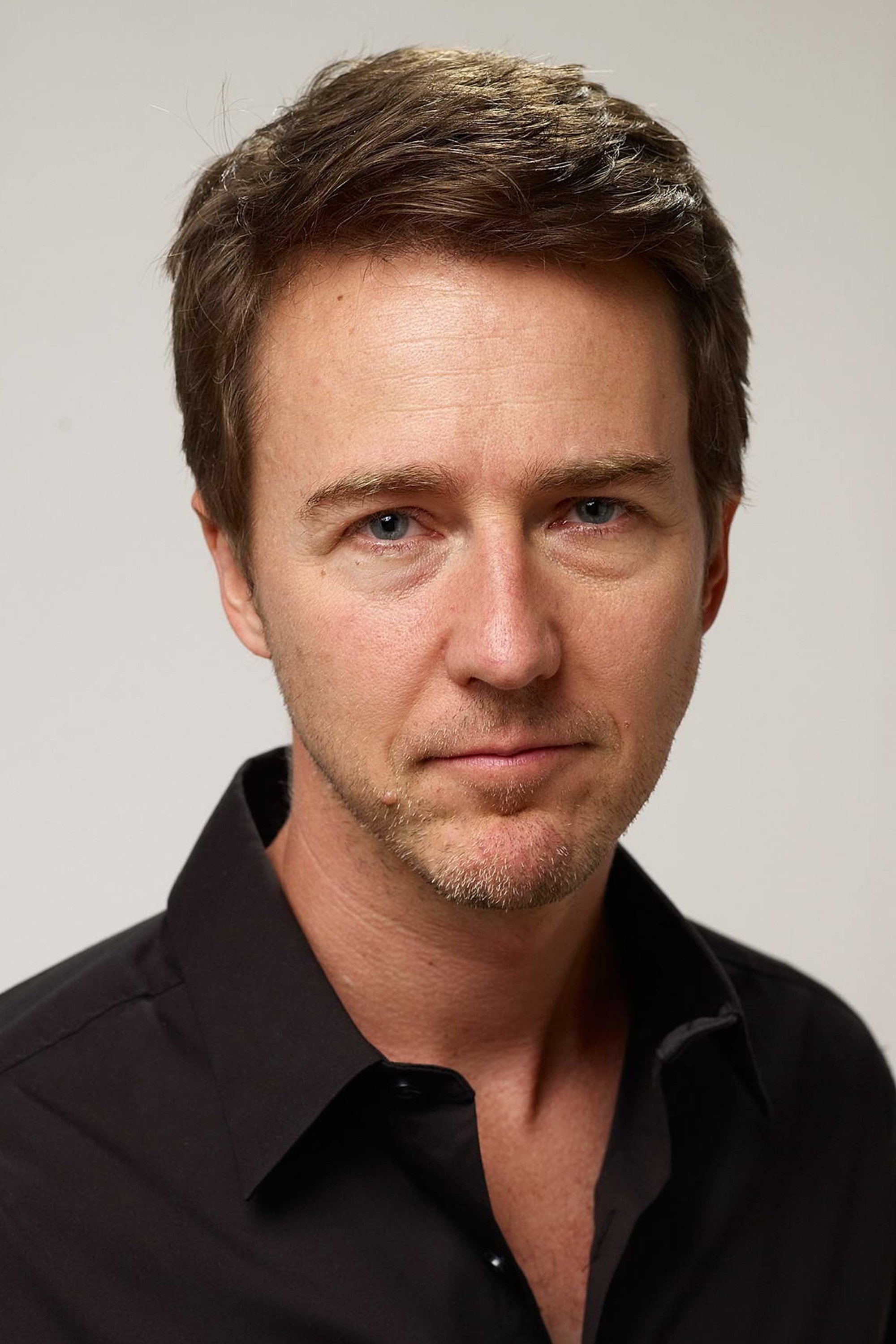
Known for his desire for creative input, Norton clashed with Marvel Studios during the post-production of ‘The Incredible Hulk’. He reportedly lobbied for a longer, more character-driven cut of the film, which the studio ultimately rejected. Following the release, Norton distanced himself from the project and the Marvel Cinematic Universe as a whole. The studio eventually released a statement citing the need for an actor who embodies the collaborative spirit, confirming the fractured relationship. This public fallout remains one of the most high-profile instances of a lead actor clashing with a modern franchise studio.
Shia LaBeouf
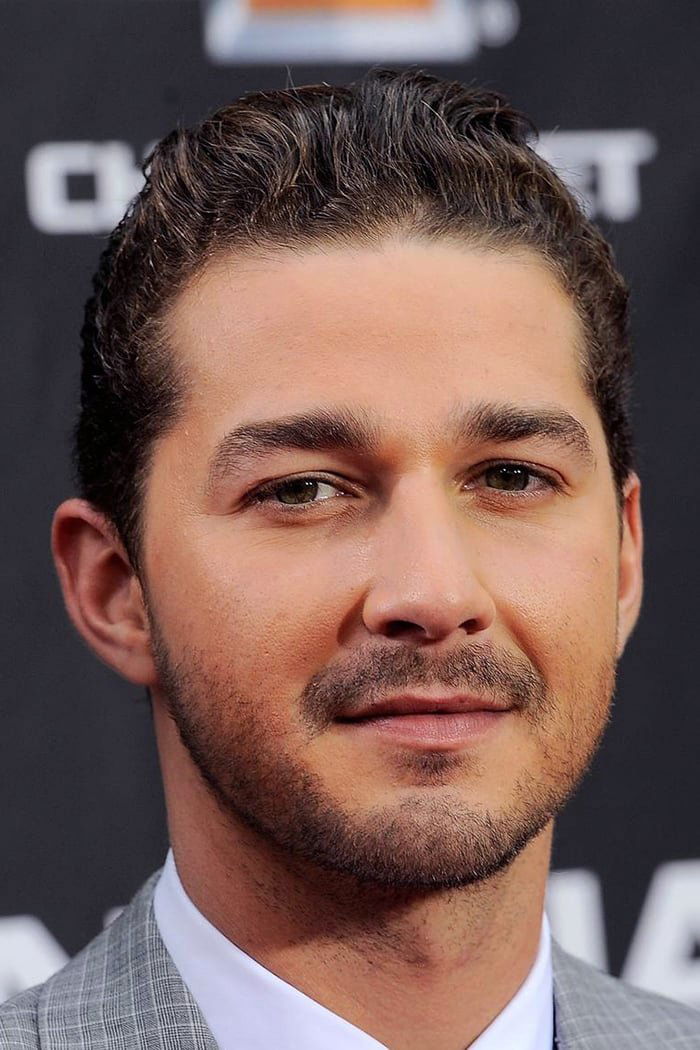
Following the release of ‘Indiana Jones and the Kingdom of the Crystal Skull’, LaBeouf publicly admitted that he felt he dropped the ball on the legacy of the franchise. He attributed some of the film’s failures to the creative direction taken by Paramount and director Steven Spielberg. The actor expressed that the studio’s focus on spectacle over substance harmed the final product. His honesty reportedly strained his relationship with the studio and high-profile collaborators for years afterward. He later reflected that he felt the studio’s pressure to conform to a specific star image was stifling.
Channing Tatum
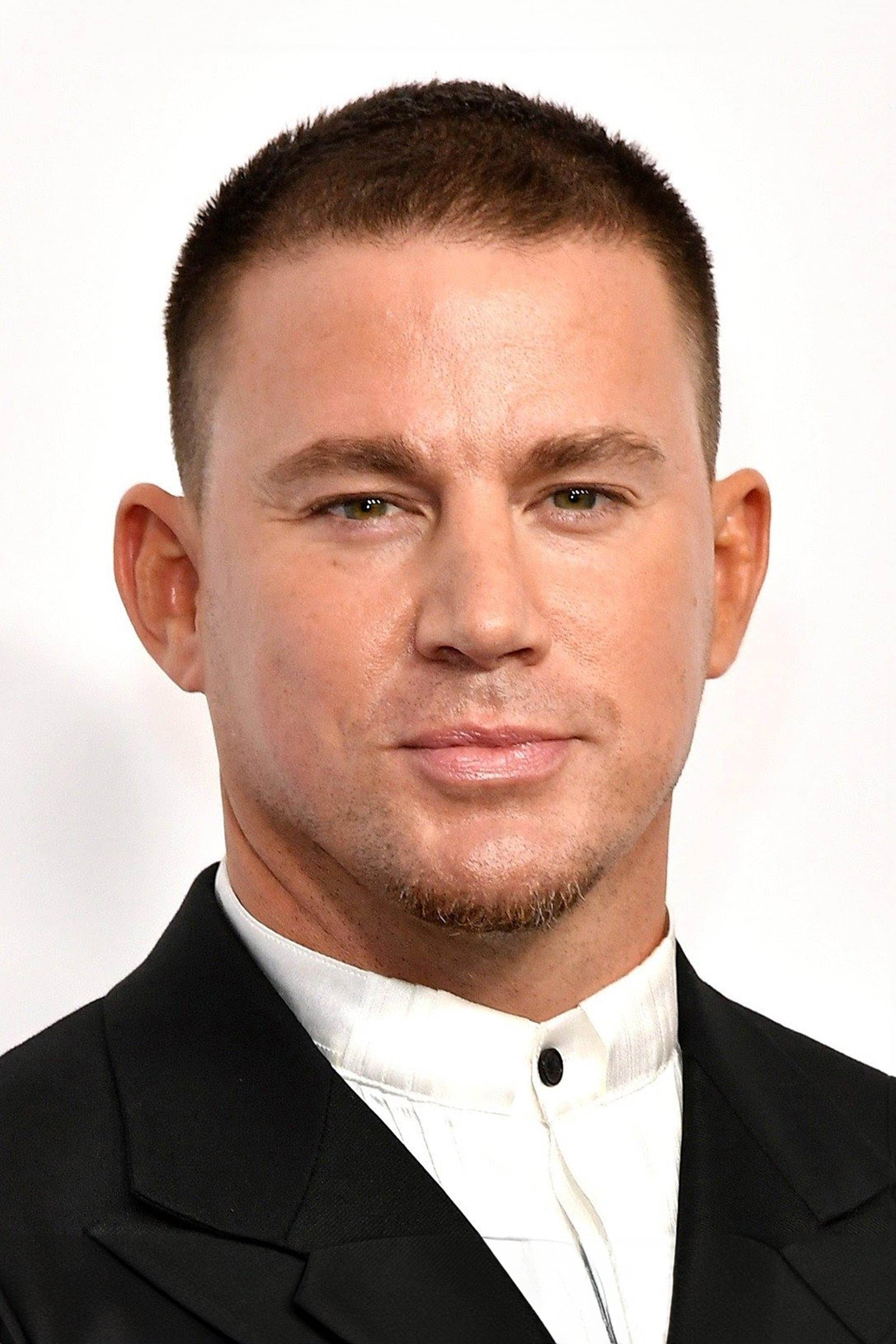
The actor has been remarkably open about his hatred for ‘G.I. Joe: The Rise of Cobra’, a film he was contractually obligated to make for Paramount. He revealed that the studio threatened him with legal action if he did not fulfill his multi-picture deal. Tatum criticized the script and the studio’s insistence on producing the film despite his lack of interest in the role. He later expressed relief when his character was killed off in the sequel ‘G.I. Joe: Retaliation’. His candid remarks highlight the often restrictive nature of long-term studio contracts for rising stars.
Idris Elba
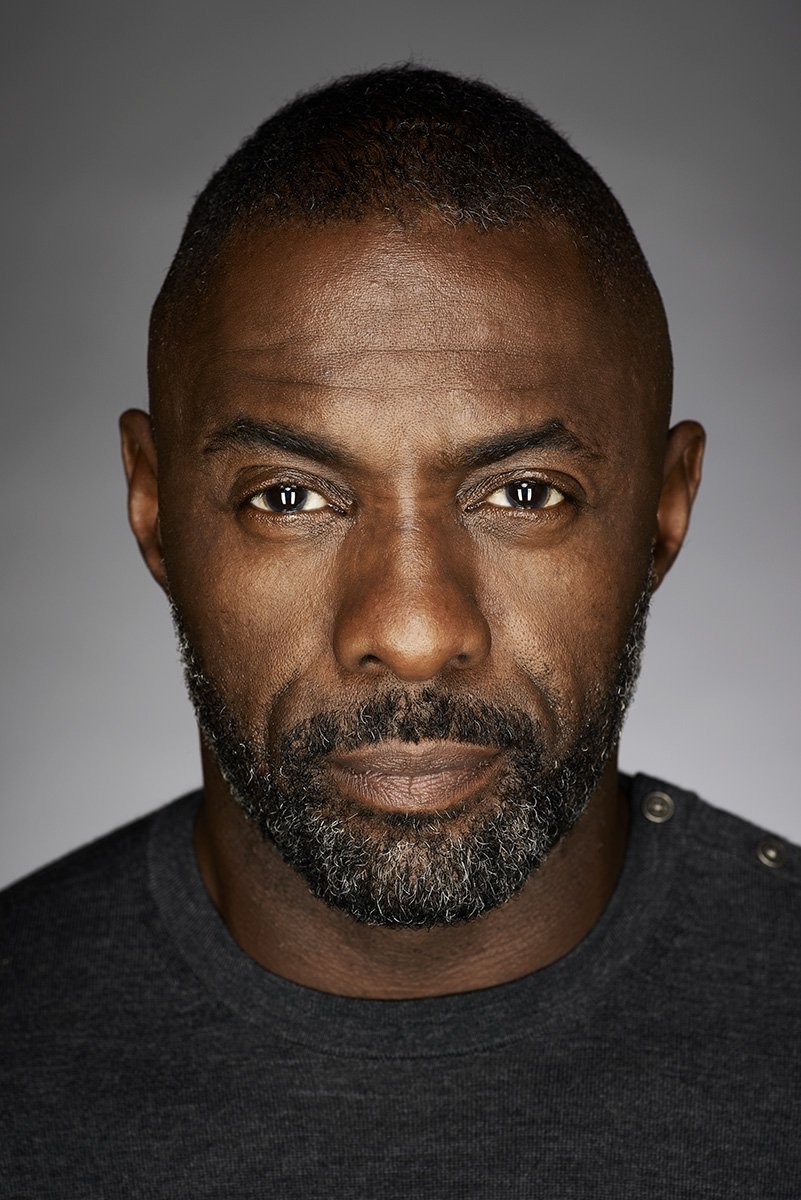
Elba described his experience returning for reshoots on ‘Thor: The Dark World’ as heart-wrenching and torture. He specifically critiqued the rigid scheduling and contractual demands imposed by Marvel Studios. The actor noted the jarring transition from playing a historical figure in ‘Mandela: Long Walk to Freedom’ to being suspended by wires in a green-screen studio. His public comments highlighted the grueling nature of the studio system’s production cycles. Despite his criticisms, he continued to play the character in several subsequent films in the franchise.
George Clooney
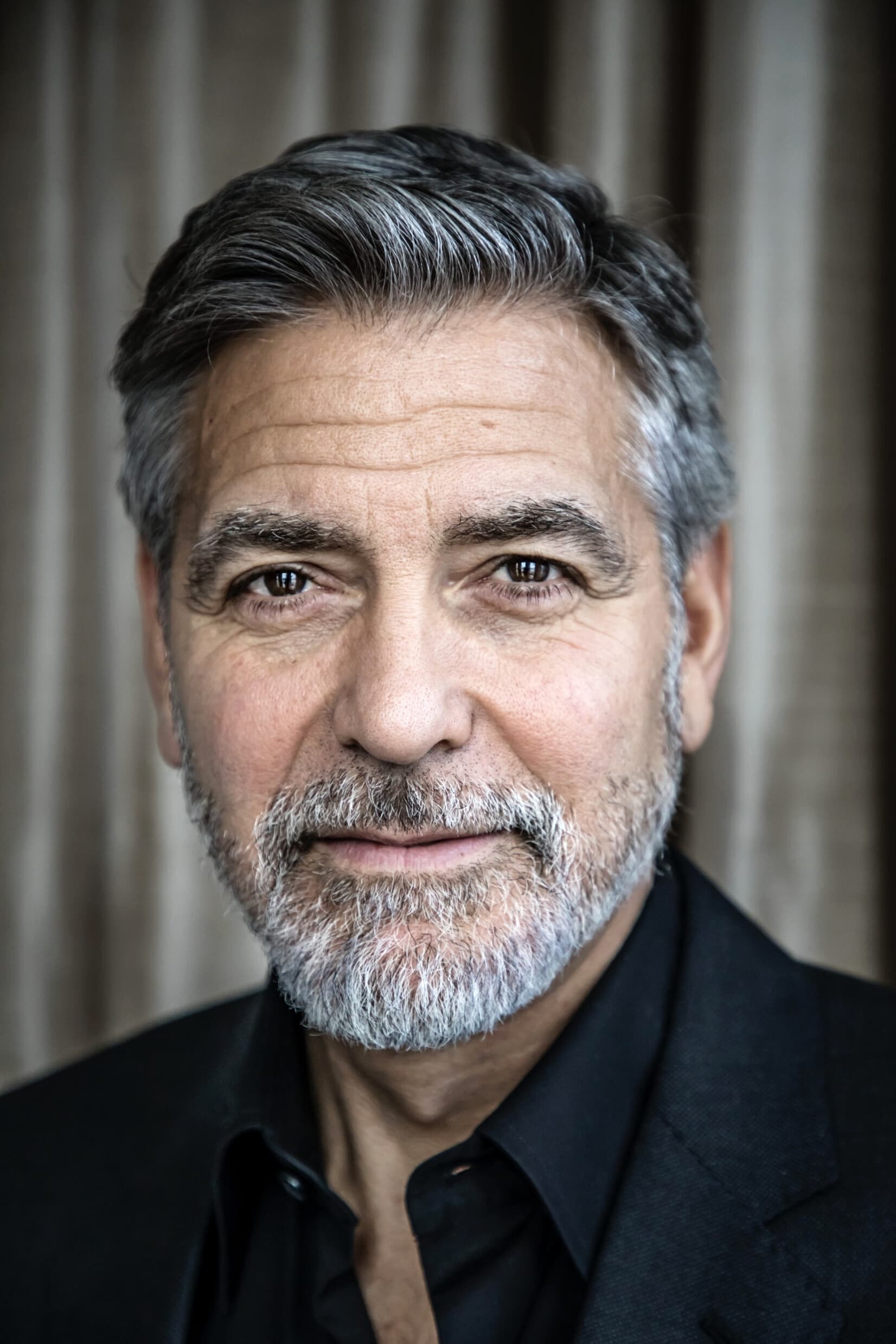
Clooney has been a vocal critic of major studios, particularly regarding their negotiation tactics during industry-wide labor disputes. He publicly challenged the Alliance of Motion Picture and Television Producers, which includes studios like Warner Bros. and Sony, for their stance on streaming residuals. Additionally, he expressed frustration with Warner Bros. over the marketing and handling of his cameo in ‘The Flash’. He has often used his platform to advocate for more equitable treatment of crew members and background actors. His willingness to challenge the powers that be has made him a leader in the Hollywood labor movement.
Matt Damon
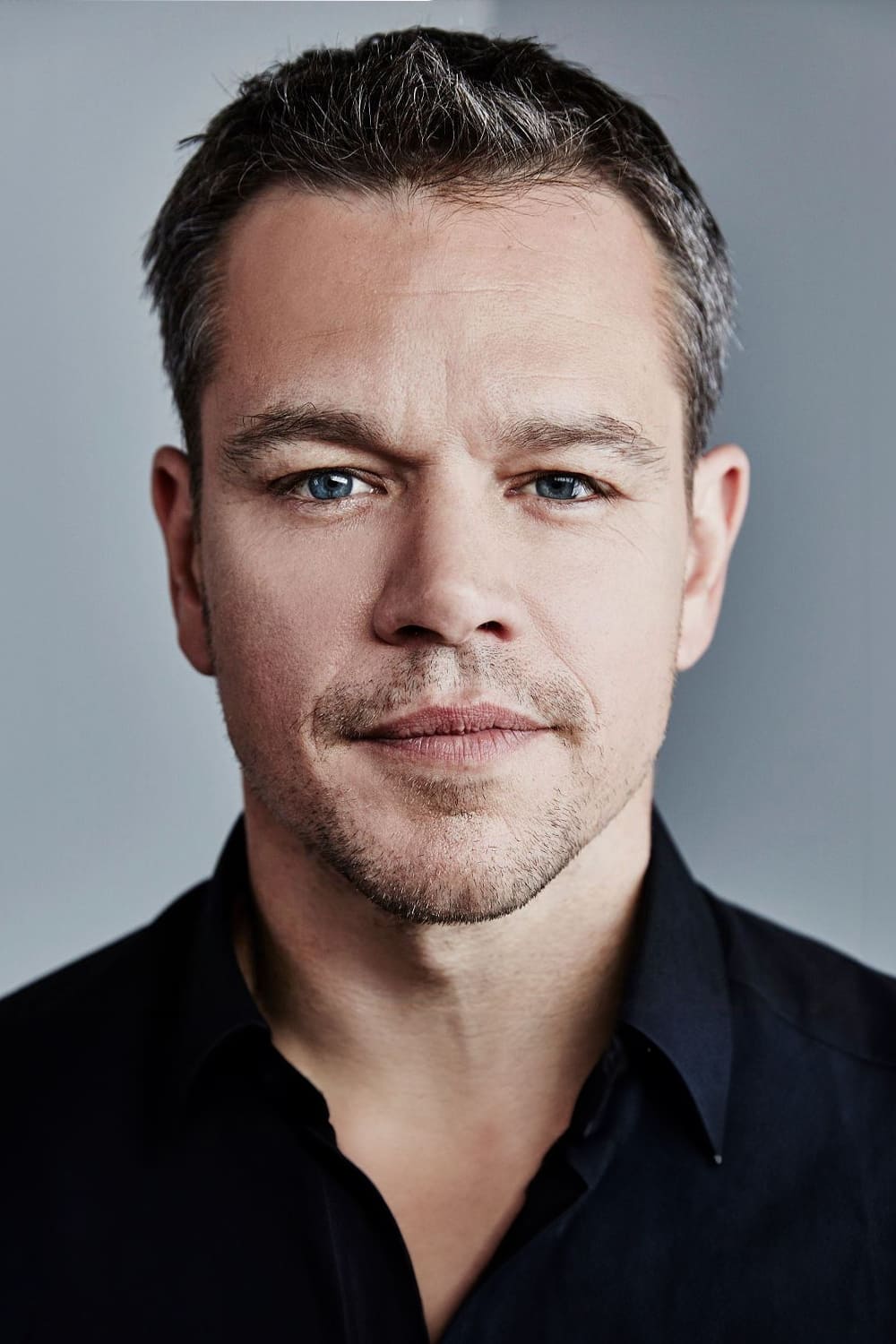
Damon famously criticized Universal Pictures for the production of ‘The Bourne Ultimatum’, specifically targeting the quality of the script provided. He noted that the studio pushed the film into production without a coherent screenplay, describing the initial draft as unreadable. The actor expressed that the rush to meet a release date compromised the creative process and the integrity of the character. While he returned for later installments, his public critique of the studio’s management of the franchise remains well-documented. He has since become more vocal about how the studio system’s reliance on intellectual property affects storytelling.
Terrence Howard
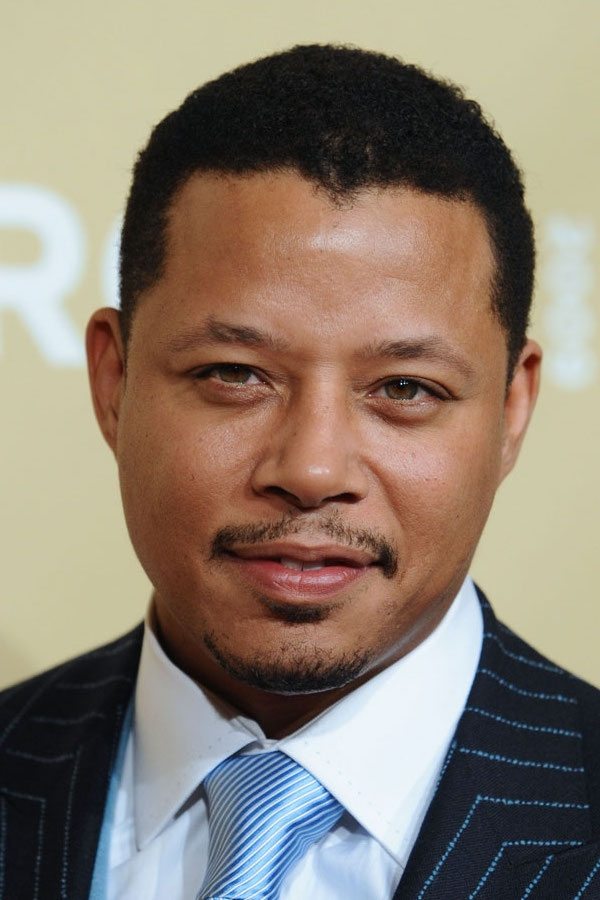
Howard was the first major actor to publicly break with Marvel Studios after he was replaced in ‘Iron Man 2’. He alleged that the studio reneged on a multi-picture contract and attempted to drastically reduce his salary for the sequel. The actor claimed that the studio took the money originally promised to him and gave it to other cast members. His public accusations against the studio’s business practices became a major talking point regarding how Marvel managed its talent contracts early on. This dispute effectively ended his involvement with the franchise and led to a long-standing grievance.
Hugo Weaving
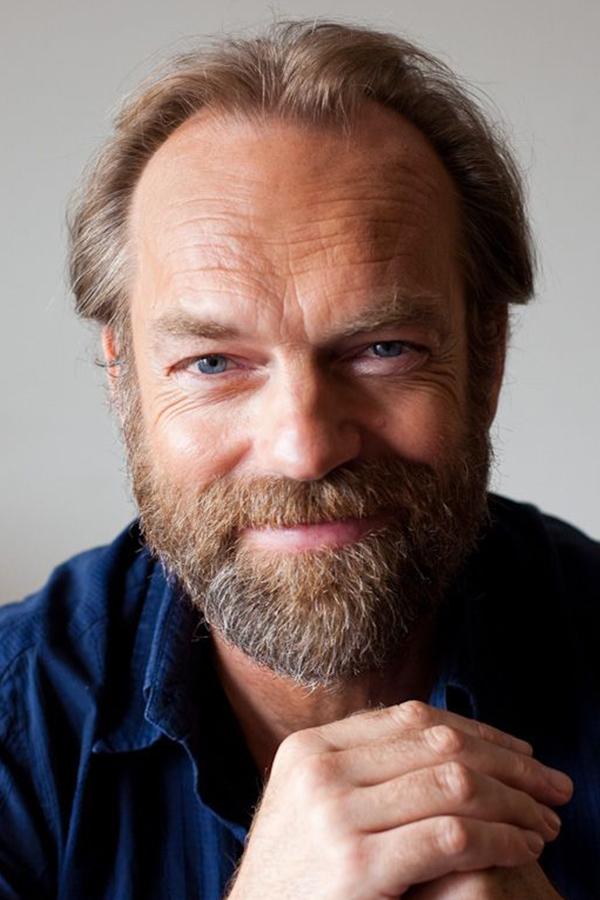
Despite voicing Megatron in the ‘Transformers’ franchise, Weaving was openly critical of the production process overseen by Paramount and director Michael Bay. He described the work as meaningless and admitted that he had no personal investment in the story or the characters. The actor noted that he never met the director and merely recorded lines in a booth with little context or direction. His blunt assessment of the studio’s blockbuster filmmaking style suggested a disconnect between the talent and the corporate product. These comments famously prompted a defensive public response from the film’s director.
Jim Carrey

Carrey famously withdrew his support for ‘Kick-Ass 2’ just months before its release, citing the film’s level of violence. He utilized social media to explain that a real-world tragedy had changed his perspective on the content he was promoting for Universal Pictures. The actor stated he could not in good conscience support the level of violence depicted in the studio’s production. While he did not return his paycheck, his refusal to participate in the press tour was a significant blow to the film’s marketing campaign. This incident highlighted the tension between an actor’s personal ethics and their professional commitments to a studio.
Share which of these actor critiques surprised you the most in the comments.