


Actors Who Are Secretly Writers Under Pen Names

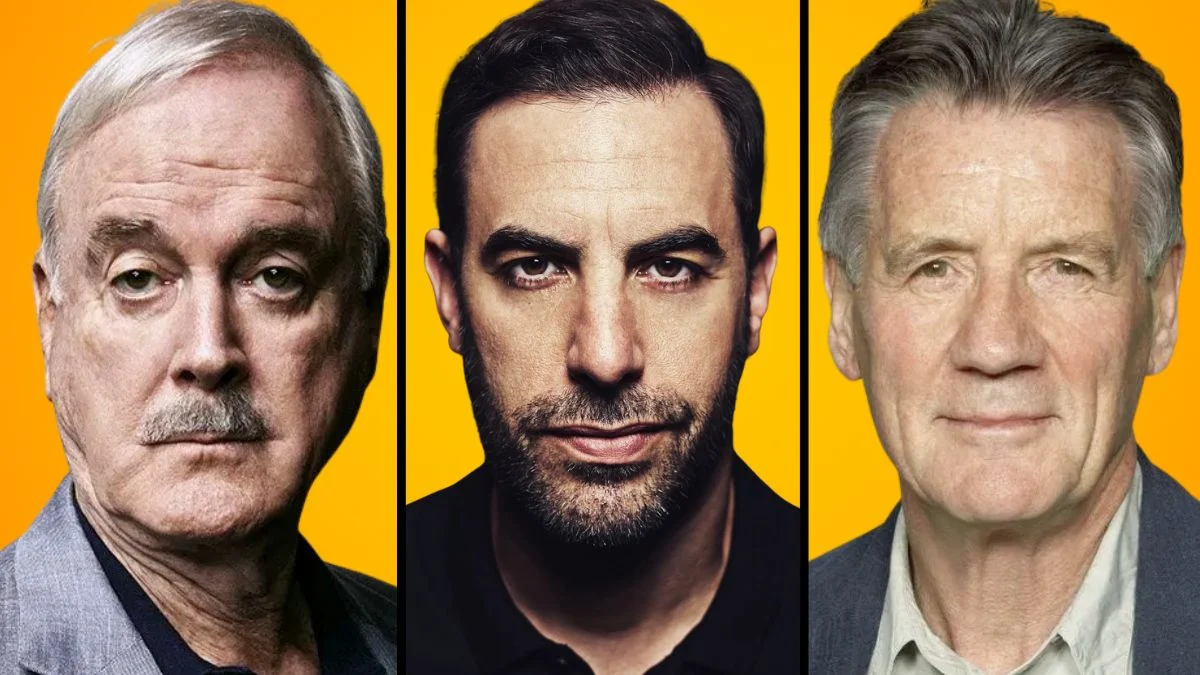


Many actors seek creative fulfillment outside of their time spent in front of the camera by exploring the world of literature and screenwriting. Some of these performers choose to hide their true identities behind clever pen names to ensure their written work is judged solely on its quality. This practice allows high profile stars to experiment with different genres and styles without the immediate scrutiny of the public or the industry. From award winning leading men to legendary comedians these artists have used pseudonyms to build secret legacies as writers.
Wentworth Miller
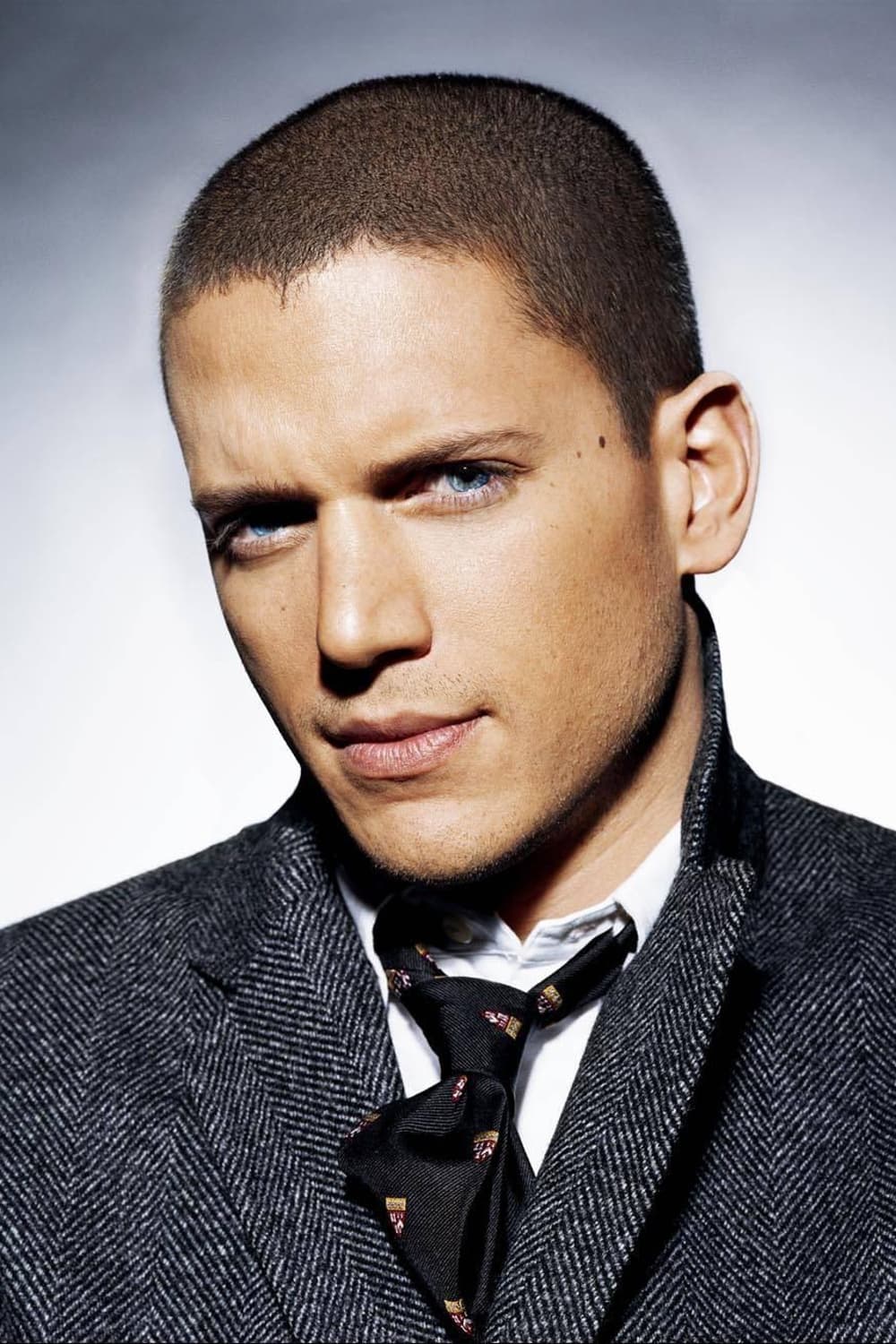
The actor became a household name following his performance in the television series ‘Prison Break’. He secretly wrote the screenplay for the movie ‘Stoker’ using the pseudonym Ted Foulke to keep his identity hidden from studios. This decision allowed the script to be evaluated on its own quality rather than his celebrity status. The work was eventually recognized as one of the best unproduced screenplays in the industry before filming began. Miller only revealed he was the author after the project gained a director and a cast.
Sean Penn
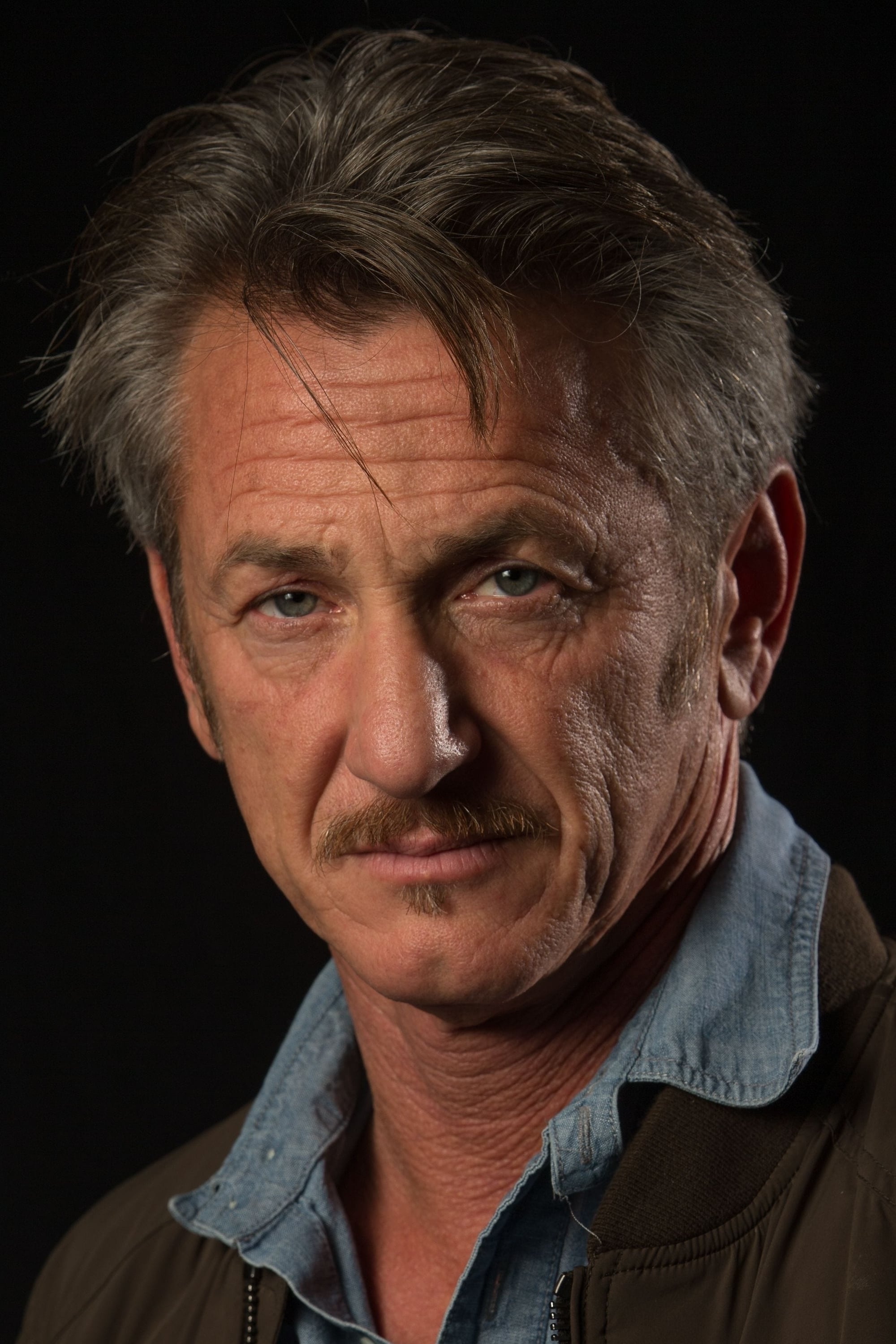
The two time Academy Award winner surprised the literary world when he published a novel titled ‘Bob Honey Who Just Do Stuff’. He initially released the work as an audio book under the mysterious pen name Pappy Pariah. This creative choice allowed the satirical and surreal story to find an audience without the baggage of his public persona. The book explores themes of modern society through the eyes of a specialized contractor. Penn eventually admitted to being the writer during the physical release of the text.
W.C. Fields
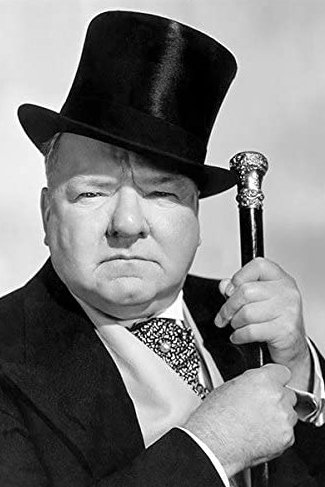
This legendary comedic actor was known for his distinct voice and sharp wit in early cinema. He often wrote the screenplays for his own films but used various aliases to avoid taking official credit under his real name. Some of his most famous pseudonyms included Mahatma Kane Jeeves and Otis Criblecoblis. These names were often inside jokes that reflected his cynical and humorous view of the entertainment industry. His writing helped define the slapstick and verbal comedy style of the era.
Stephen King
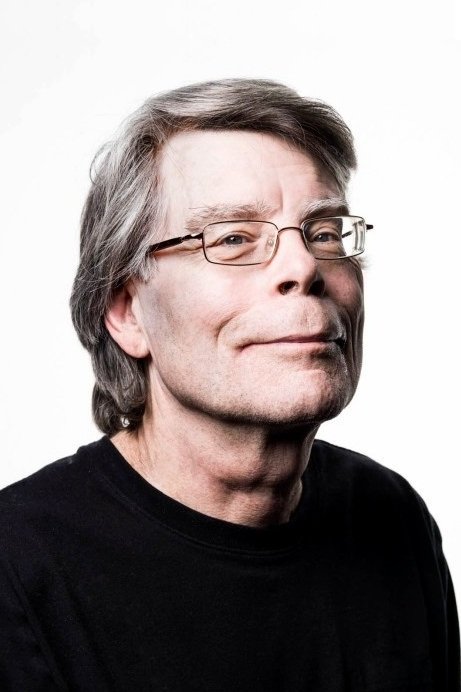
While primarily known as a novelist he has appeared in dozens of films and television shows including ‘Creepshow’ and ‘Maximum Overdrive’. He famously wrote several books under the pen name Richard Bachman to see if he could replicate his success without his famous name. The actor and author used this alias to publish stories like ‘The Running Man’ and ‘Thinner’ during the peak of his career. A persistent bookstore clerk eventually discovered the secret after noticing similarities in the writing styles. King continues to make cameo appearances in many adaptations of his work.
Charlie Chaplin
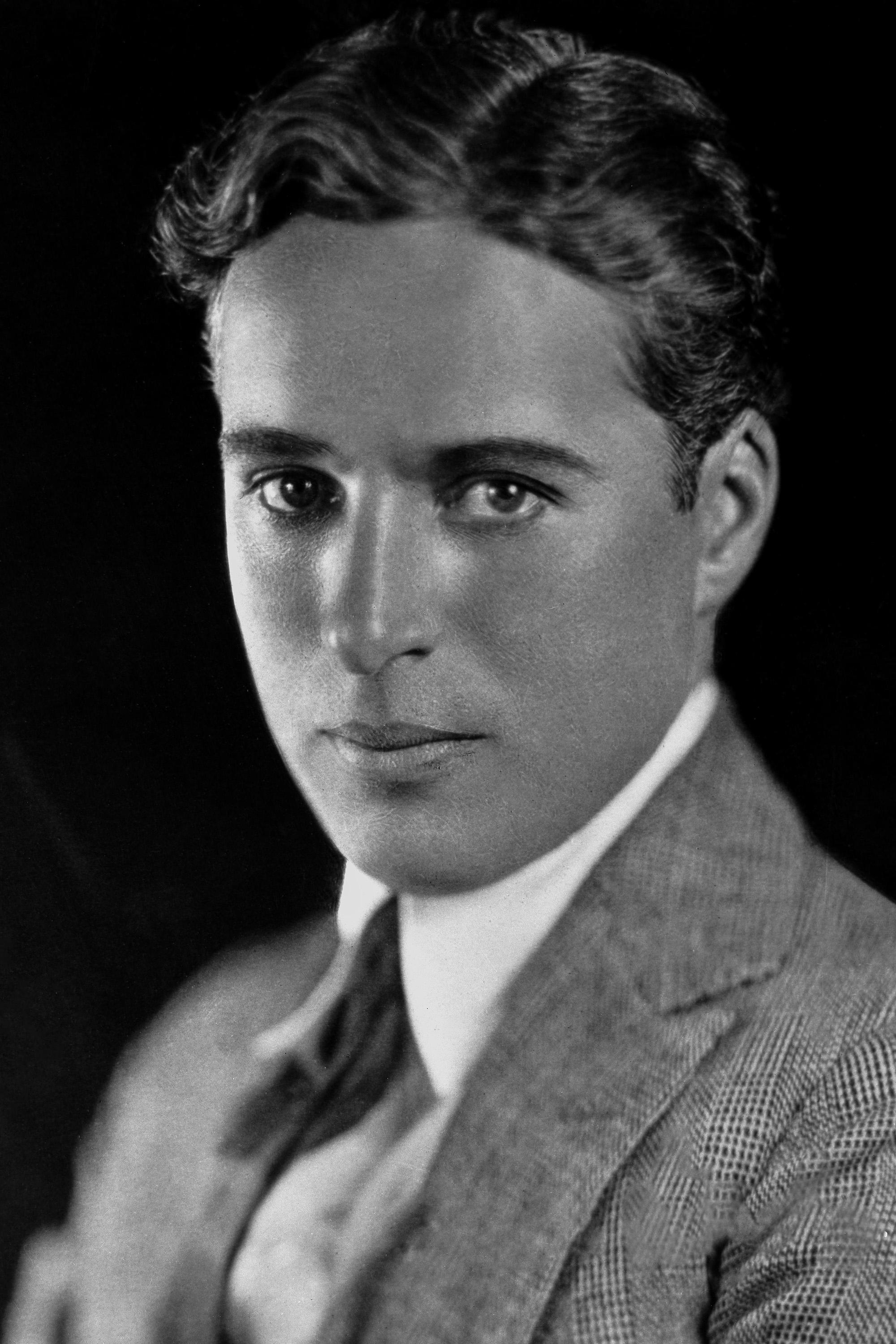
The silent film icon was a master of acting and directing but he also secretly composed music and wrote scripts under aliases. He used the name Guy Blackwell for some of his musical compositions to keep his contributions separate from his on screen image. This allowed him to explore different artistic avenues without the immediate pressure of his global fame. His writing and music became integral parts of classics like ‘The Gold Rush’ and ‘City Lights’. Chaplin remained one of the most versatile artists in the history of the medium.
Sacha Baron Cohen
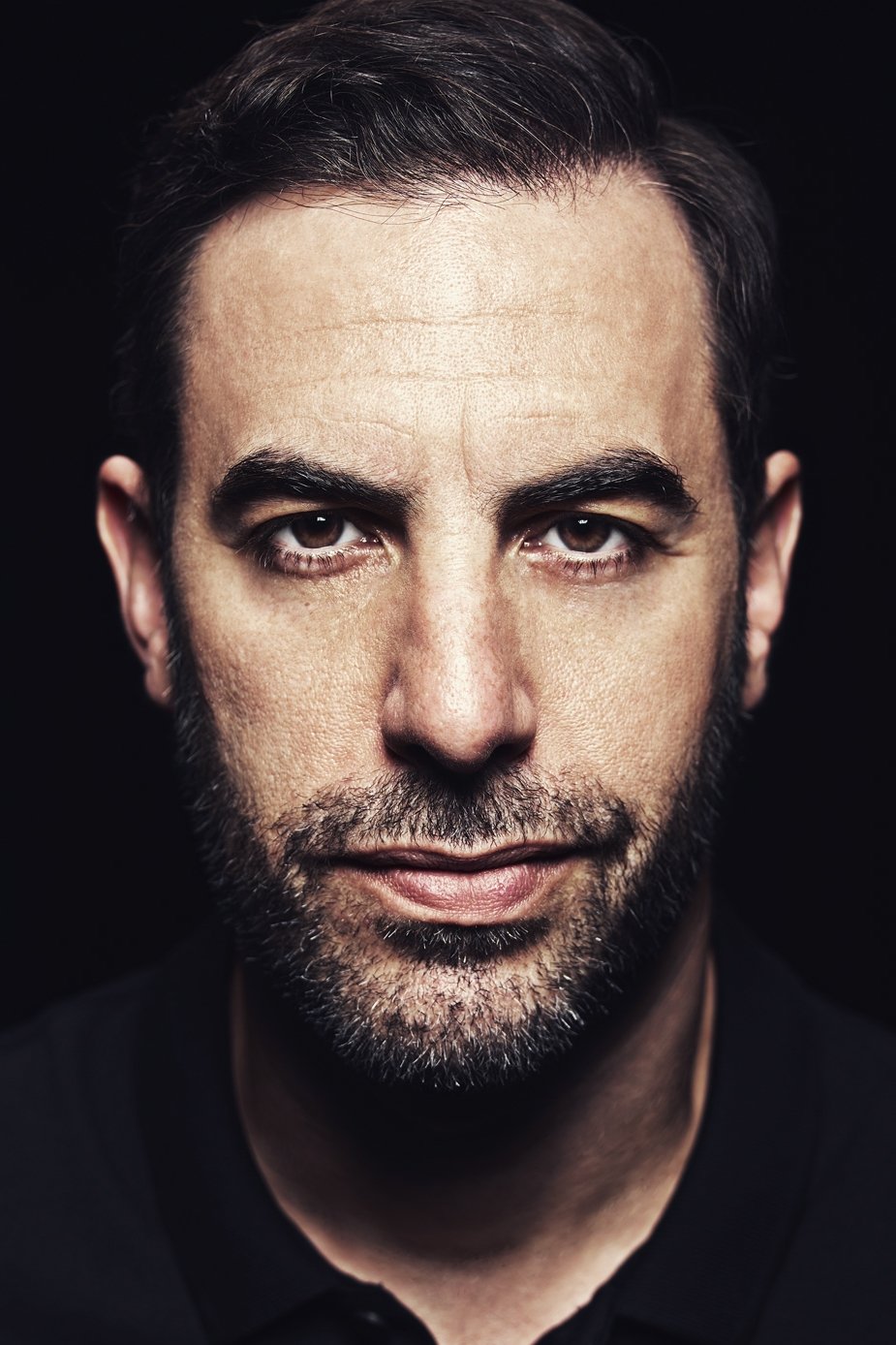
This versatile performer is famous for staying in character for long periods while filming his projects. He writes much of his own material for shows like ‘Da Ali G Show’ and movies like ‘Borat’. The actor often uses the names of his characters as the primary writing credits for his various sketches and segments. This method helps maintain the illusion that the personas are real people interacting with the public. His unique approach to writing has led to several award nominations and massive box office success.
Woody Allen
The prolific filmmaker and actor began his career as a comedy writer for television and magazines. He was born Allan Konigsberg but adopted his famous stage name early in his professional life. He also used the alias Heywood Allen for various writing assignments before becoming a household name in cinema. His scripts for movies like ‘Annie Hall’ and ‘Manhattan’ are celebrated for their intellectual humor and complex characters. He continues to write and perform in projects that blend drama with observational comedy.
Orson Welles
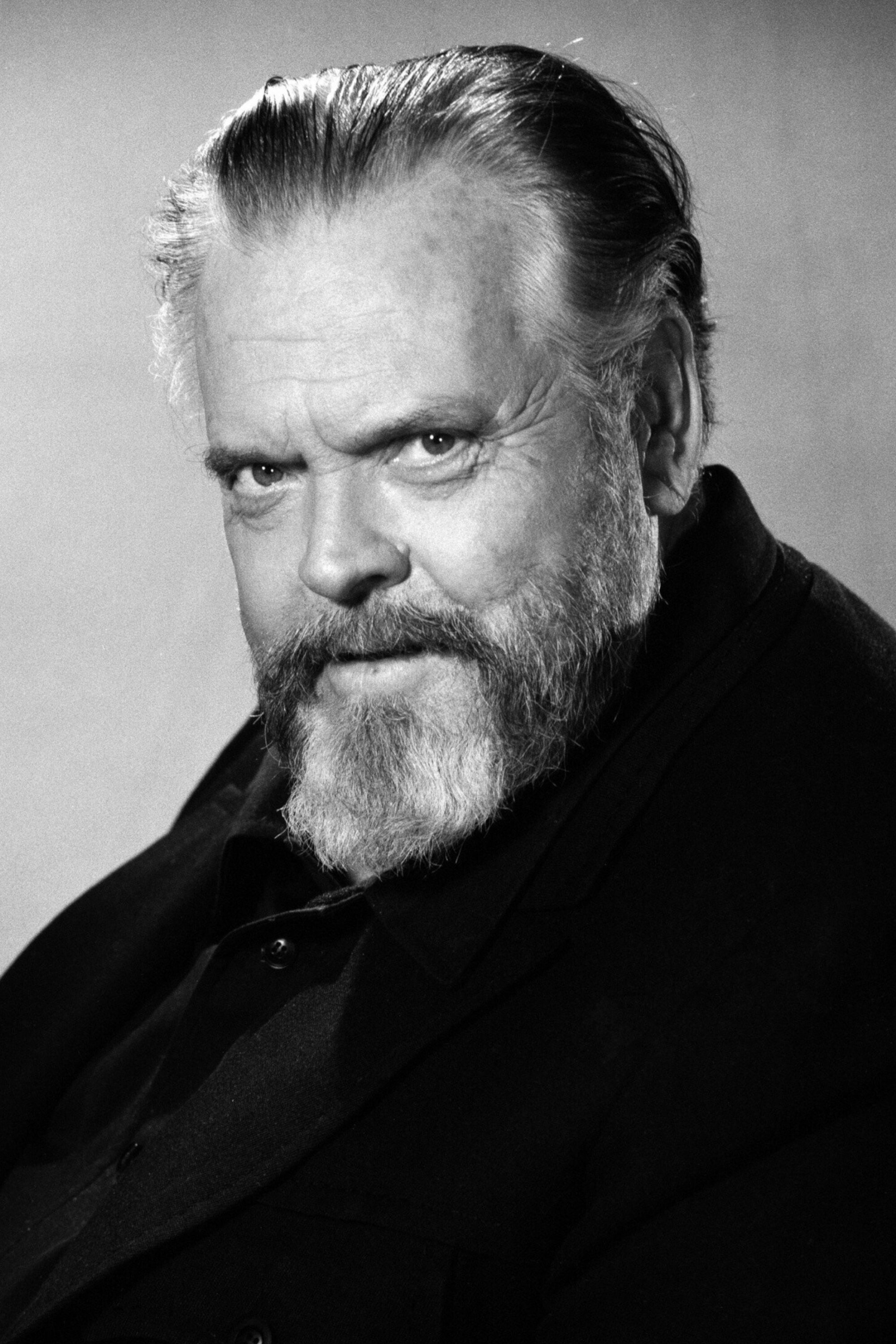
The visionary creator of ‘Citizen Kane’ was a prolific writer for radio and theater long before he became a movie star. He often used different names for his scripts to manage his workload and avoid union complications. This practice allowed him to contribute to numerous programs simultaneously without drawing too much attention to his output. His work on the radio broadcast of ‘The War of the Worlds’ remains one of the most famous events in media history. Welles remained a dedicated writer throughout his long and influential career.
Peter Sellers
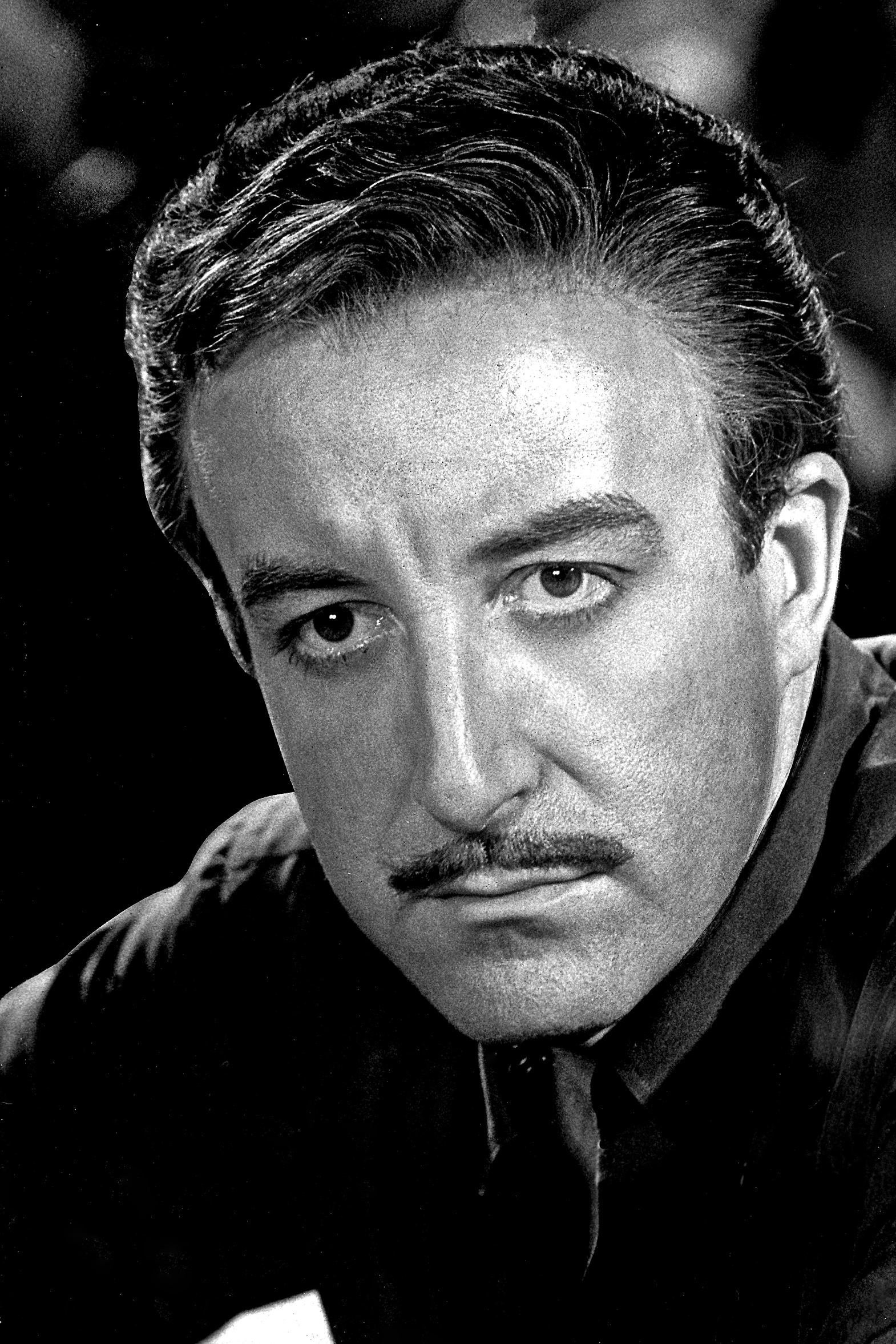
The star of ‘The Pink Panther’ was a chameleon who could transform into nearly any character. Early in his career he contributed writing to the legendary radio program ‘The Goon Show’ under various collective names. This allowed the performers to share credit for the surreal and chaotic humor that defined the series. His ability to write and perform multiple roles helped revolutionize British comedy in the mid twentieth century. Sellers often used these collaborative writing sessions to develop the voices and personalities of his future film roles.
Spike Milligan
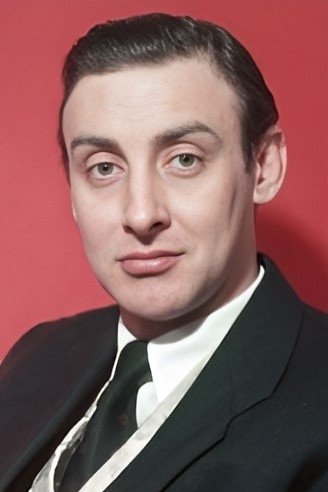
This influential comedian and actor was the primary creative force behind many classic radio and television scripts. He frequently used pseudonyms and collective credits when writing for the comedy group known as The Goons. His writing style was characterized by its absurdist logic and innovative use of sound effects. These scripts laid the groundwork for the future of sketch comedy and influenced generations of writers and performers. Milligan often used his writing to explore his personal experiences in a humorous and touching way.
Harry Secombe
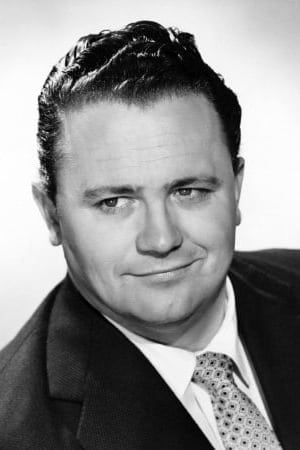
As a key member of the comedy troupe that produced ‘The Goon Show’ this actor was also a talented writer. He shared writing duties under various aliases and group names during the early days of British broadcast comedy. His contributions helped shape the whimsical and energetic tone of the performances. While he was a celebrated singer and actor his work behind the scenes was crucial to the success of the ensemble. Secombe remained a beloved figure in entertainment for his multifaceted talents.
Graham Chapman
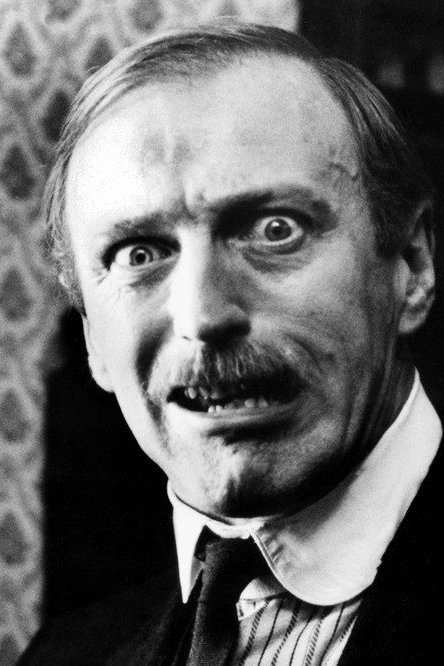
The Monty Python member was known for his portrayal of authoritative characters and his surreal writing contributions. He often wrote with John Cleese and used various group aliases for their television and film credits. This allowed the team to present a unified front while producing the material for ‘Monty Python and the Holy Grail’. His writing was often the source of the more bizarre and nonsensical elements of the comedy. Chapman continued to write and act in unique projects until his untimely passing.
John Cleese

This iconic actor and writer co created ‘Fawlty Towers’ and was a founding member of the Monty Python troupe. He often used collective names for his writing work on ‘Monty Python’s Flying Circus’ to emphasize the collaborative nature of the group. His scripts are famous for their precise timing and escalating absurdity in characters. He also used pen names when contributing to various satirical magazines and radio programs early in his career. Cleese remains a highly respected figure for his contributions to both acting and literature.
Michael Palin
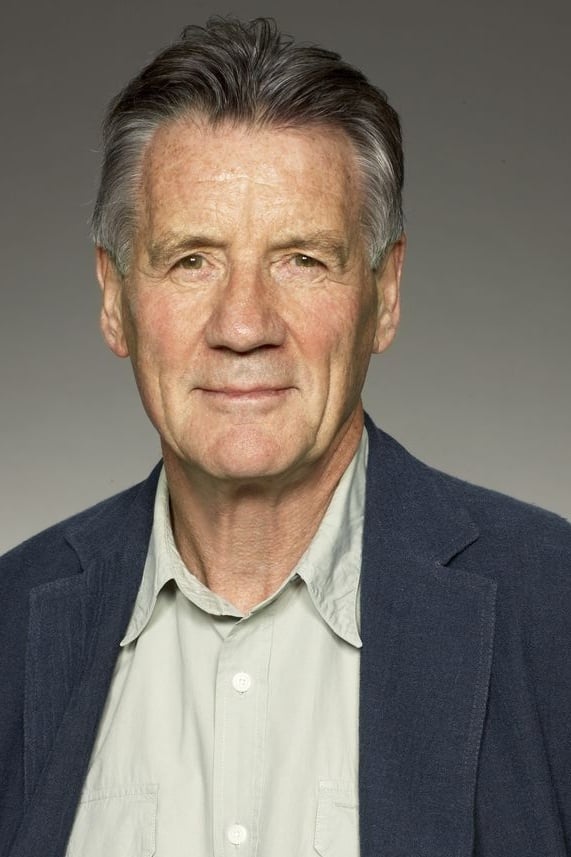
Known for his gentle humor and travel documentaries he was also a core writer for the Monty Python team. He frequently shared writing credits under the group name to maintain the collective identity of the troupe. His scripts often focused on mundane situations that spiraled out of control through surreal interruptions. Along with his acting roles in ‘Life of Brian’ he contributed significantly to the written structure of the films. Palin has since become a successful author of books and diaries under his own name.
Terry Jones
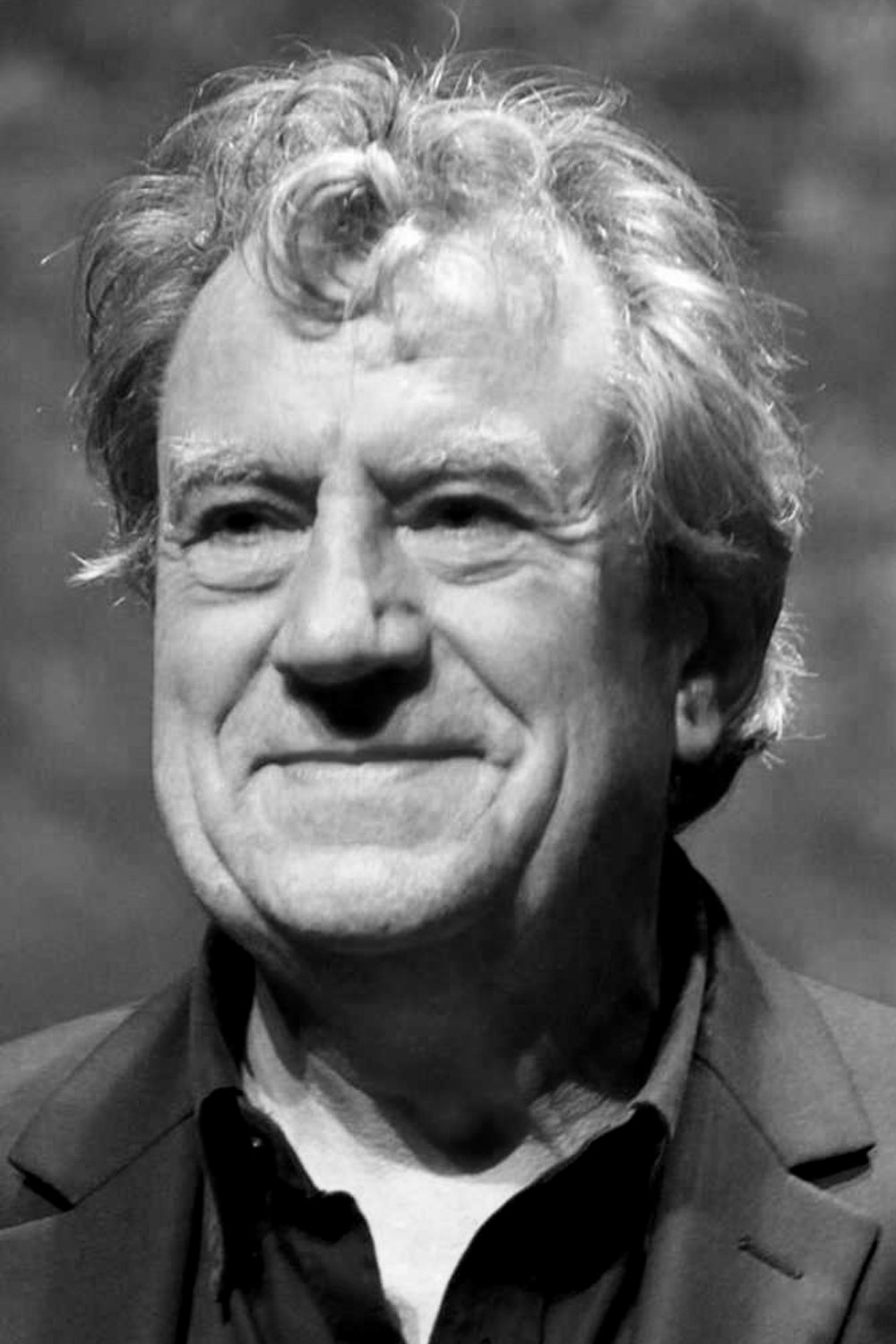
This actor and director was a vital part of the writing process for some of the most famous comedy sketches in history. He often used group pseudonyms for his work with the Monty Python team to foster a sense of creative unity. His writing style favored visual gags and historical parodies that became trademarks of the group. He directed films like ‘The Meaning of Life’ while also performing in multiple roles and writing the material. Jones was celebrated for his ability to balance academic interests with absurdist humor.
Terry Gilliam
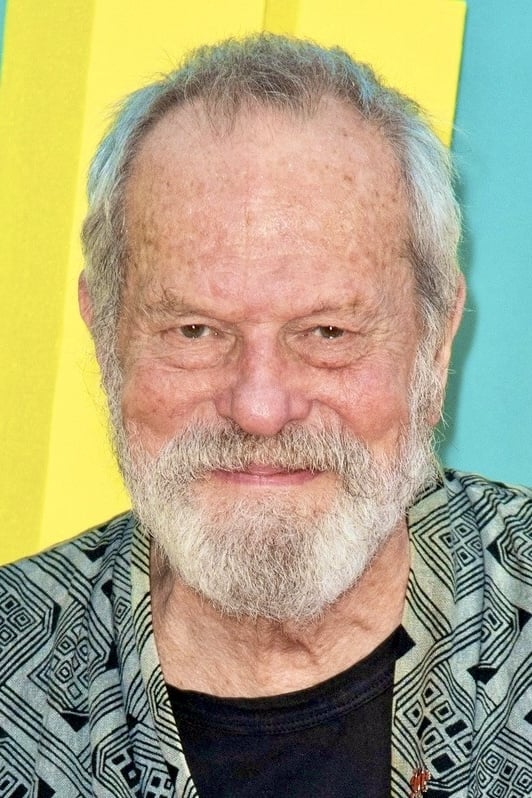
While famous for his unique animation style he also acted and wrote as part of the Monty Python ensemble. He contributed to the written scripts under the collective team names during the production of their television series. His visual imagination often informed the narrative structure of the group’s films and sketches. He transitioned into a successful career as a film director with projects like ‘Time Bandits’. Gilliam remains a singular voice in cinema who often writes his own visionary material.
Eric Idle
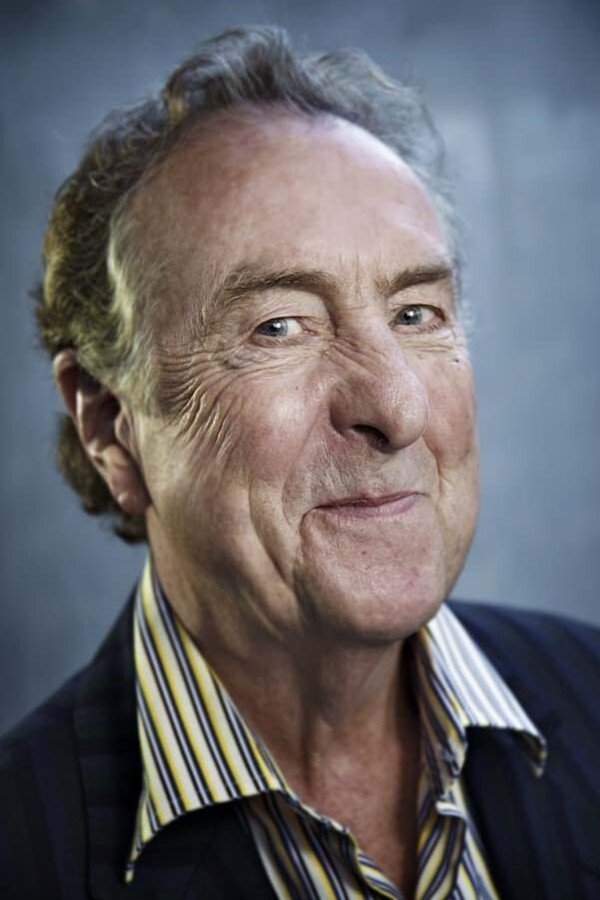
The actor and musician was responsible for writing many of the most famous songs and sketches for the Monty Python team. He used group aliases for his television writing credits to maintain the ensemble spirit of the show. His wit often manifested in clever wordplay and catchy musical numbers like ‘Always Look on the Bright Side of Life’. He later adapted the film ‘Monty Python and the Holy Grail’ into the hit stage musical ‘Spamalot’. Idle continues to write and perform for audiences around the world.
Donald Glover
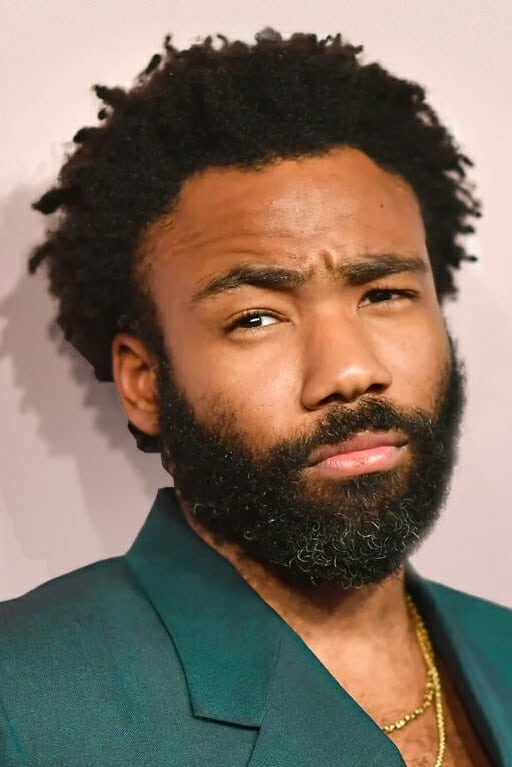
This talented performer is known for his acting in ‘Atlanta’ and his music career as Childish Gambino. Early in his career he used the alias McDJ for his various creative projects and writing contributions. This allowed him to build a reputation in different artistic circles before merging them under his real name. He worked as a writer for the comedy series ’30 Rock’ while also pursuing his acting goals. Glover has become one of the most prominent multi hyphenate artists in the modern entertainment industry.
James Franco
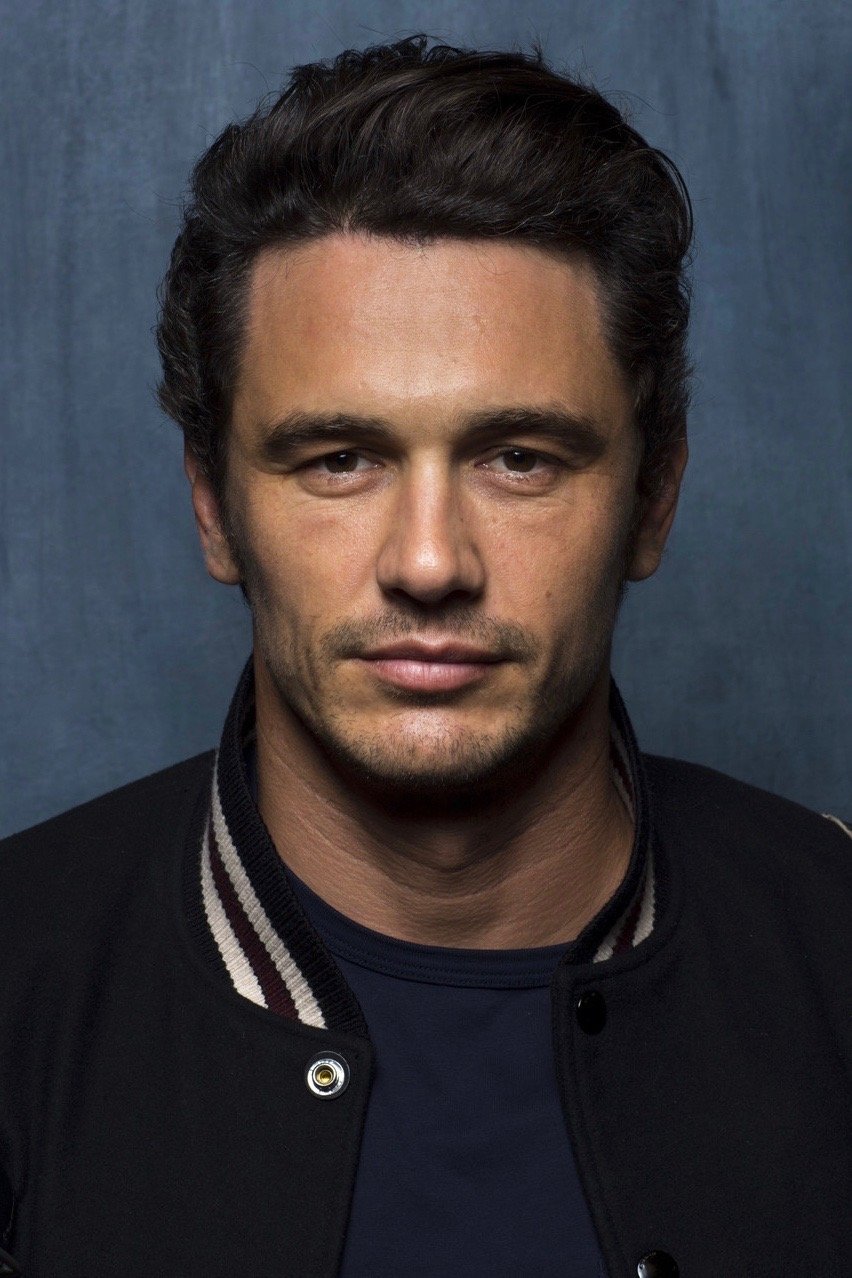
The actor has a long history of pursuing academic and artistic interests outside of his film roles. He has published several books and collections of poetry using different names to experiment with his writing style. He used the pseudonym William Tracy for some of his early literary submissions to see how the work would be received. This allowed him to distance his writing from his movie star persona and focus on the craft itself. Franco continues to be a prolific creator in the worlds of film and literature.
Harlan Ellison
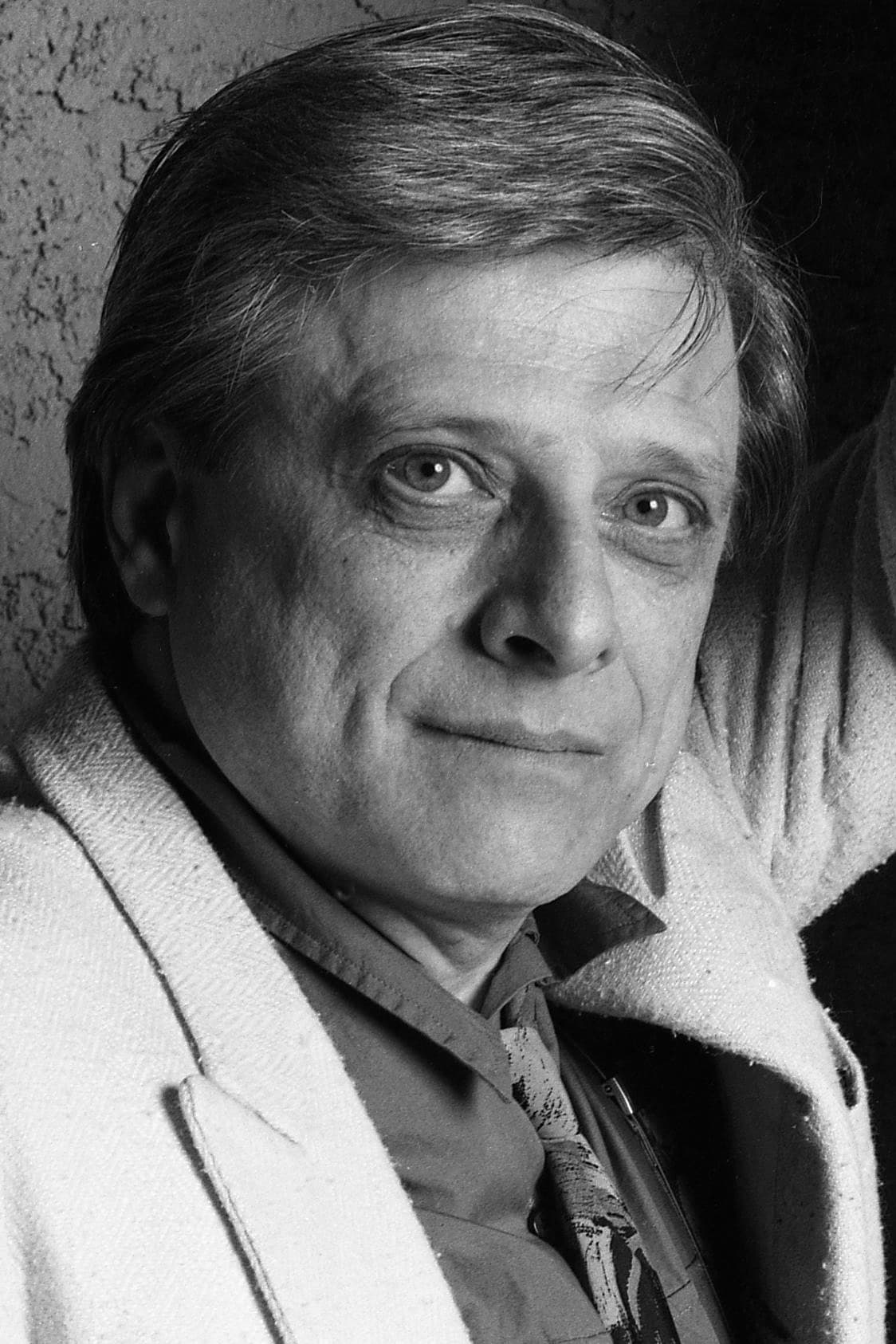
Although he was primarily a legendary writer he also had several acting roles in television series like ‘The Man from U.N.C.L.E.’. He famously used the pen name Cordwainer Bird when he wanted to disassociate himself from a project due to creative interference. This name became a signal to fans that the final product did not reflect his original vision. His writing won numerous awards and his acting cameos were often highly anticipated by his followers. Ellison remained a fierce advocate for the rights of writers throughout his life.
Sylvester Stallone
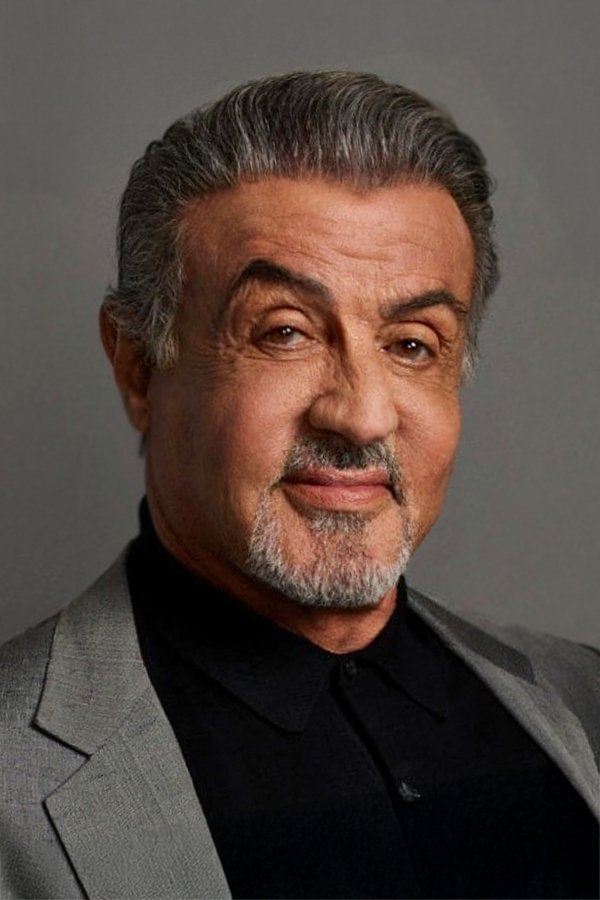
The action star is well known for writing the script for ‘Rocky’ which launched his massive career. In his early years he used the pen name Q. Moonblood for some of his writing projects and ideas. This pseudonym allowed him to pitch stories without the preconceptions associated with his physical appearance. He has since written many of his most famous movies including the ‘Rambo’ and ‘Expendables’ franchises. Stallone is recognized as one of the few actors to achieve major success as a screenwriter.
Mel Brooks
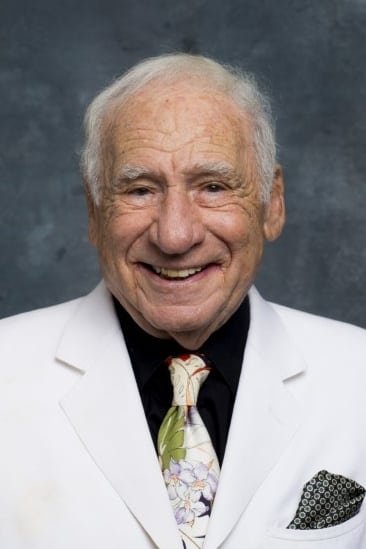
This legendary creator of ‘Blazing Saddles’ and ‘Young Frankenstein’ began his career as a performer and writer in television. He used various names like Harry Gribble when contributing to comedy programs in the early days of his career. This practice was common among writers who worked on multiple shows at the same time. His unique brand of satire and musical comedy became a staple of American cinema. Brooks remains one of the most influential figures in the history of comedy writing and acting.
Viggo Mortensen
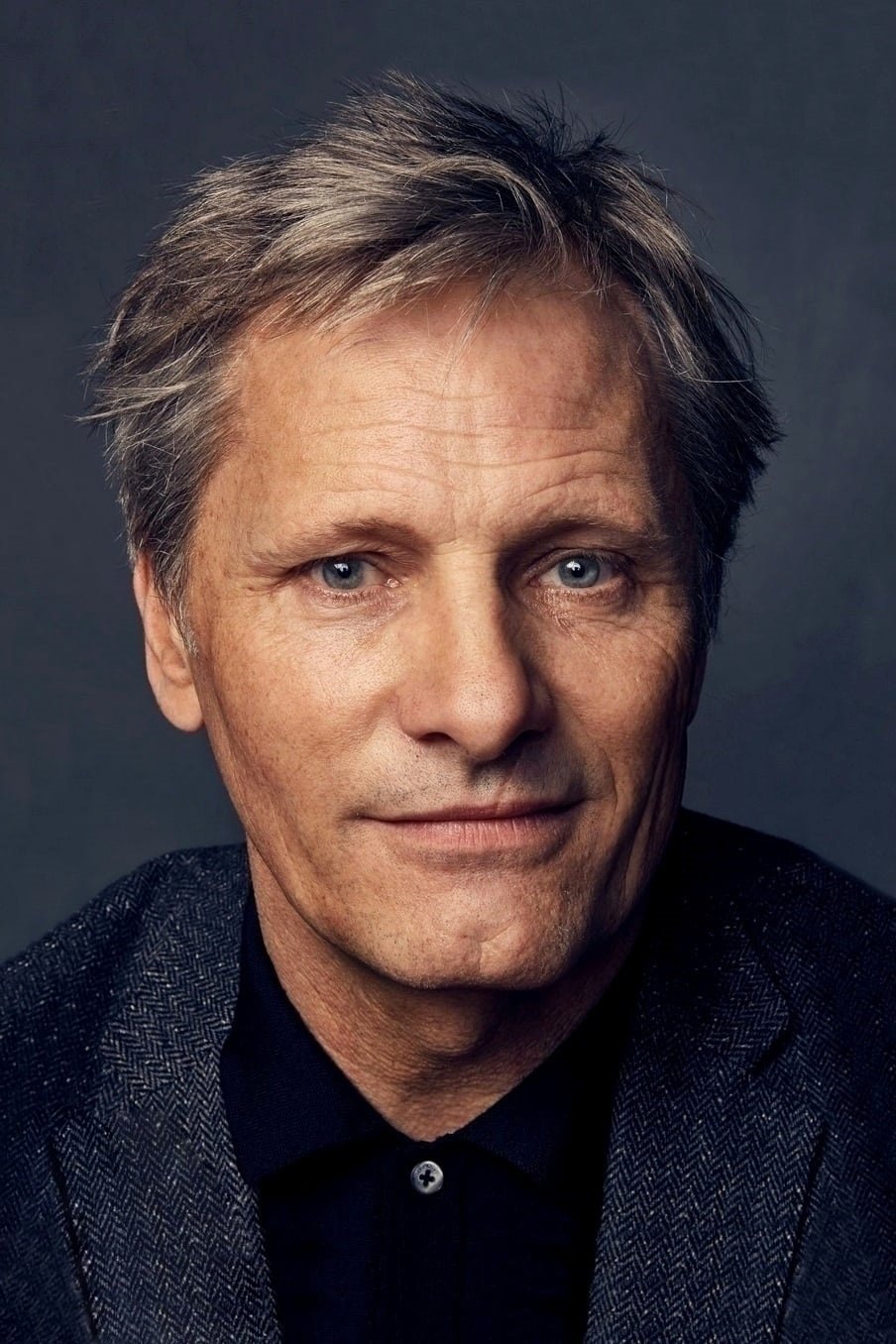
The star of ‘The Lord of the Rings’ is also a dedicated poet and publisher who founded Perceval Press. He has contributed writing and photography to various books using different names to keep the focus on the art. This allows him to participate in the creative community without his celebrity status dominating the conversation. His work often explores themes of nature and human emotion through a lens of quiet observation. Mortensen continues to be an active participant in the independent publishing world.
Buck Henry
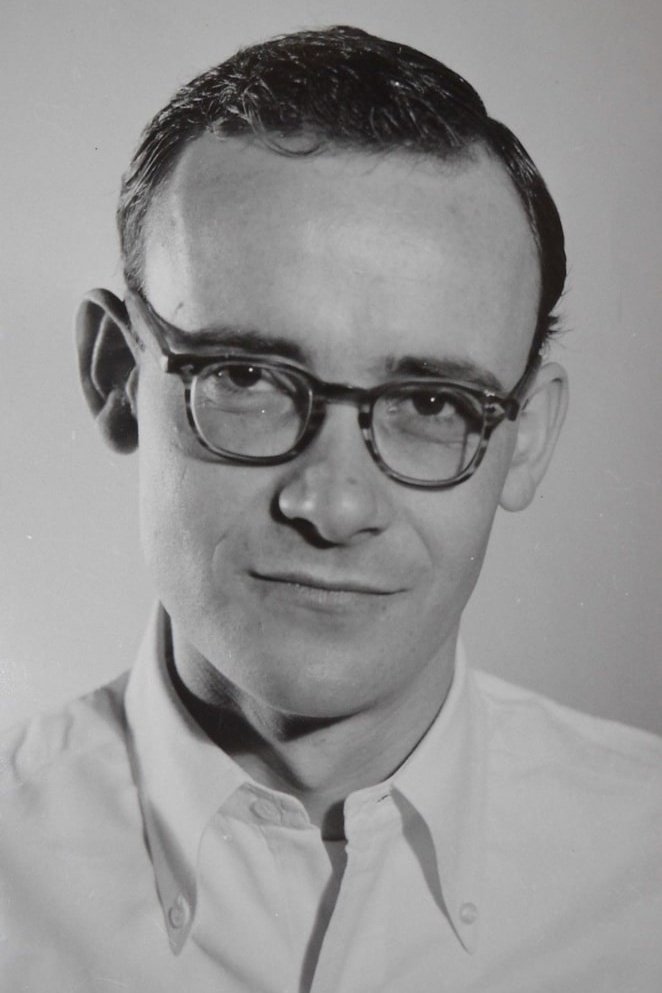
This influential actor and screenwriter was a major force in twentieth century comedy. He wrote the screenplay for ‘The Graduate’ and co created the television series ‘Get Smart’. Early in his career he used various pseudonyms for his magazine writing and satirical contributions. This allowed him to poke fun at public figures and institutions with a degree of anonymity. Henry was a frequent guest host on ‘Saturday Night Live’ and a respected figure in Hollywood.
Stan Laurel
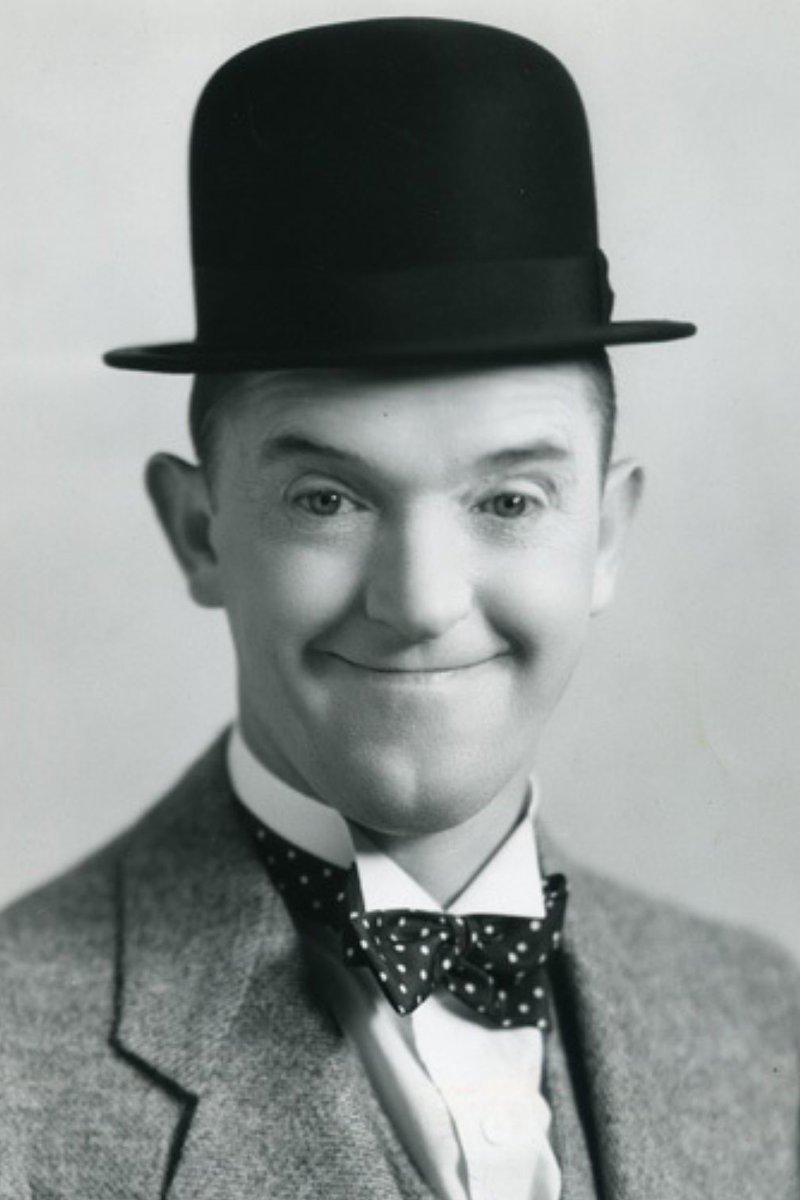
One half of the legendary Laurel and Hardy duo he was secretly the primary creative brain behind their films. He often wrote and edited their material without taking an official writing credit on screen. He used various collective names for the writing staff to emphasize the teamwork of the studio. His dedication to the craft of comedy ensured that their films remained timeless classics. Laurel spent much of his time in the editing room perfecting the timing of their famous gags.
Buster Keaton
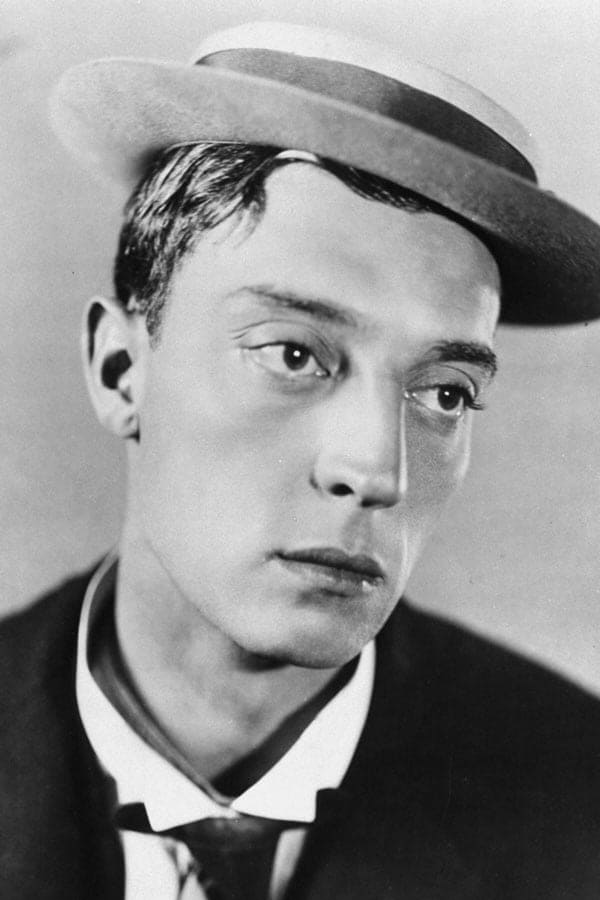
Known as The Great Stone Face he was a pioneer of physical comedy and innovative filmmaking. He wrote and directed many of his own silent masterpieces but often shared credit or used aliases for his written work. This allowed him to maintain control over his creative vision while working within the studio system. His scripts were often blueprints for elaborate and dangerous stunts that he performed himself. Keaton is remembered as a genius who mastered both the technical and performative aspects of cinema.
Harold Lloyd
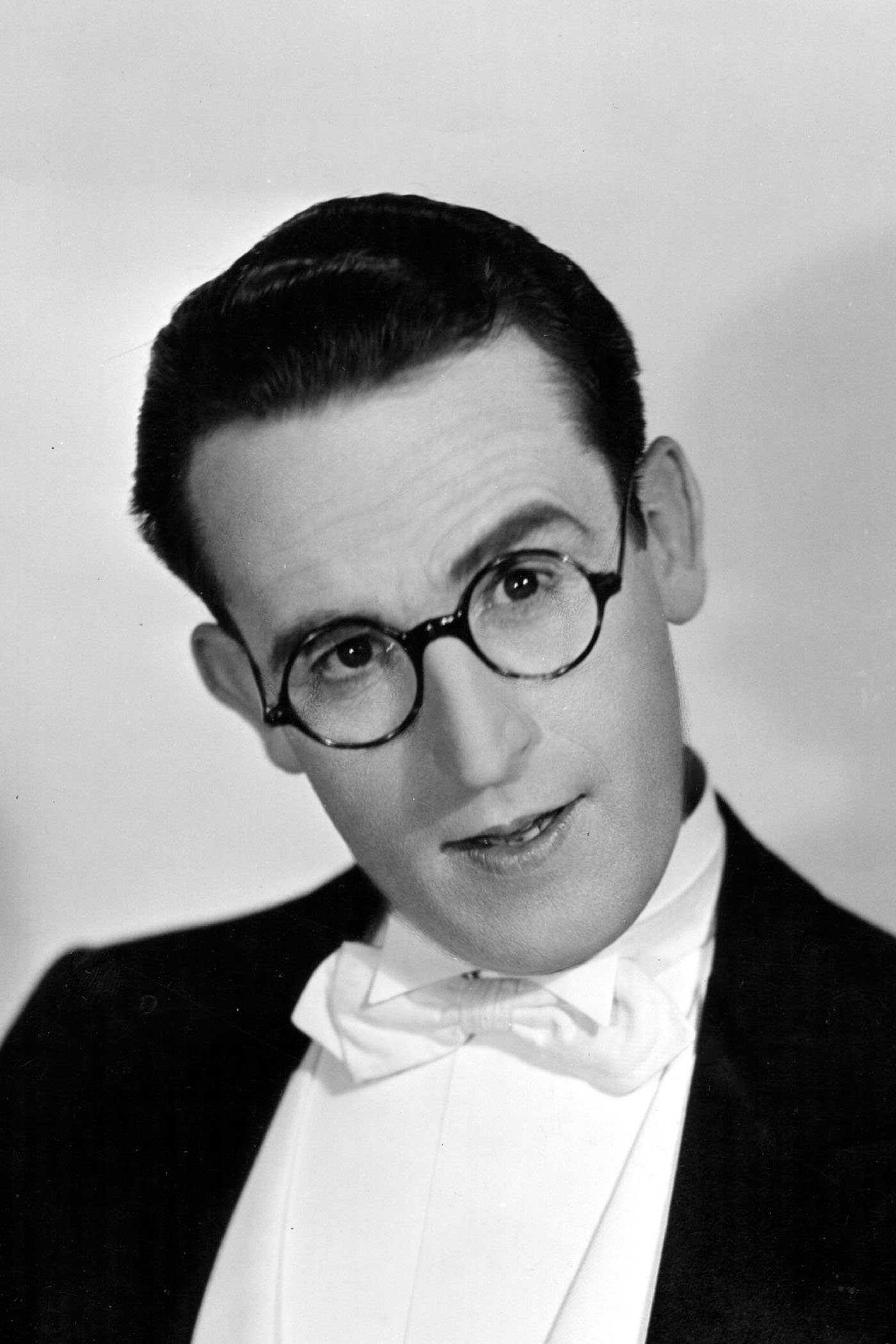
This silent film star was famous for his thrill comedy and the iconic image of him hanging from a clock. He was deeply involved in the writing of his films and often used pseudonyms to manage his credits. His writing focused on the character of the optimistic young man striving for success in a modern world. This relatable persona helped him become one of the most popular actors of his time. Lloyd remained a powerful figure in the industry through his own production company and creative oversight.
Robert Benchley
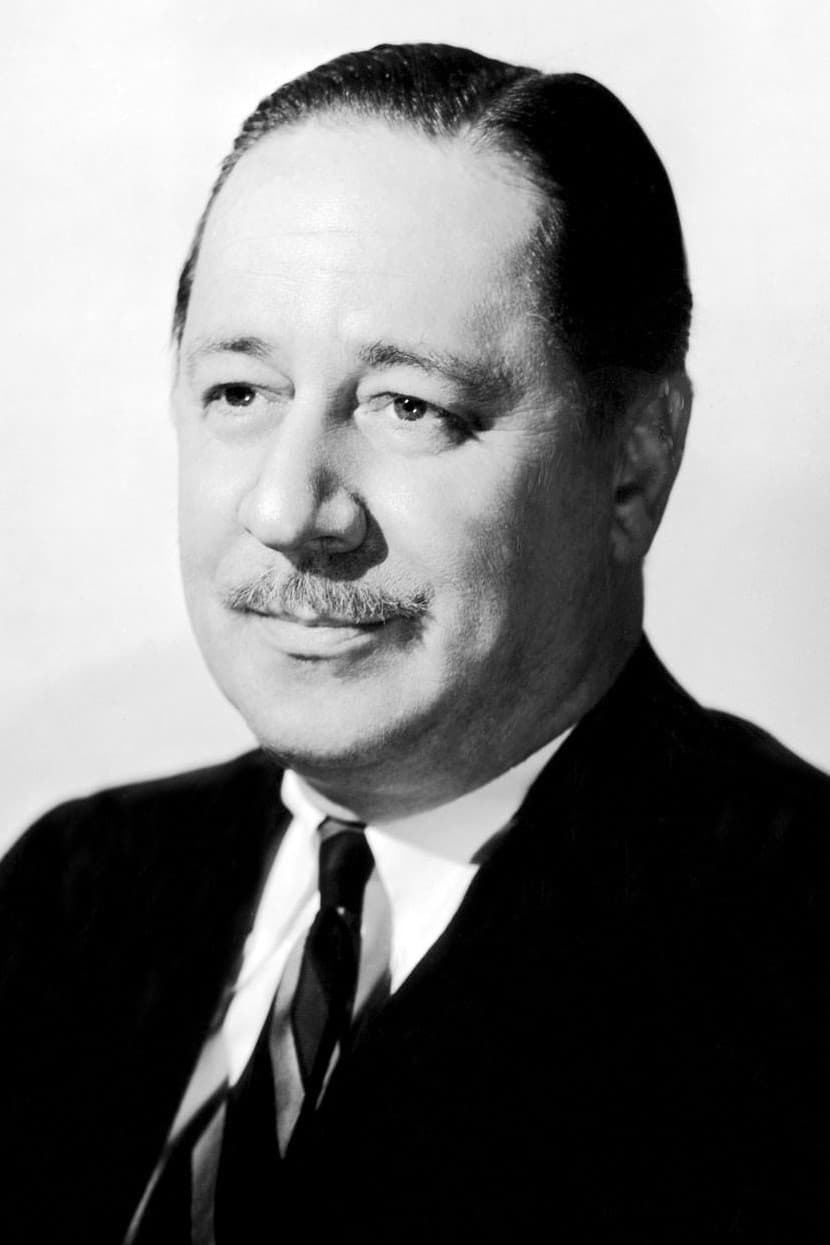
He was a celebrated humorist and actor who appeared in many films during the golden age of Hollywood. He often used different names for his satirical essays and short stories to maintain his distinct literary voice. His writing was famous for its gentle irony and observational wit regarding everyday life. He won an Academy Award for his short film ‘How to Sleep’ which he both wrote and starred in. Benchley was a member of the famous Algonquin Round Table and a mentor to many writers.
Fred Allen
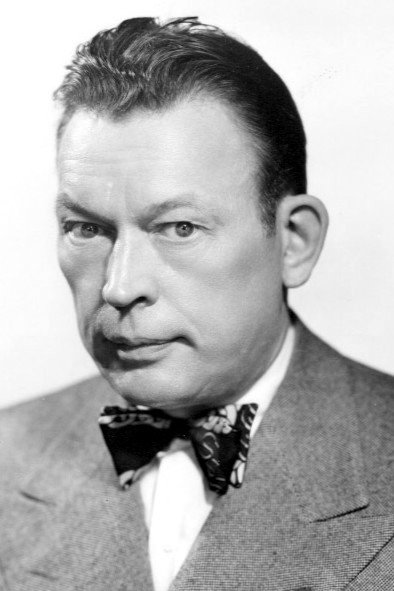
This radio star and actor was known for his quick wit and his long running feud with Jack Benny. He wrote much of his own material and used various names for his scripts and magazine articles. His writing style was intellectual and often included sharp social commentary disguised as humor. He influenced many future comedians with his structured approach to radio sketches and character development. Allen remained a prominent figure in the transition from radio to television.
Jack Benny
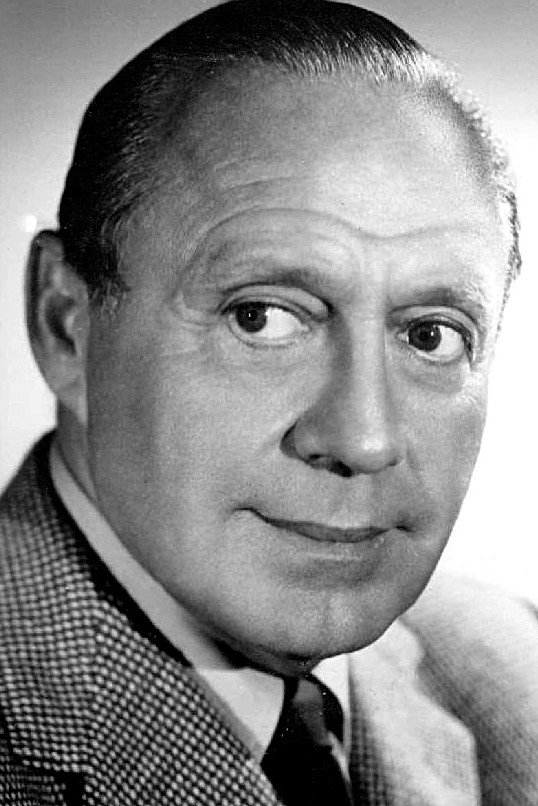
The legendary comedian and actor built a career on his persona of being a stingy and self deluded performer. While he worked with a team of writers he was heavily involved in the writing process and used aliases for his contributions. This collaborative approach ensured that his character remained consistent across radio and television. He was a master of the comedic pause and used his scripts to highlight his unique timing. Benny is remembered as one of the most influential performers in American broadcasting history.
Please share your thoughts on which of these actors had the most surprising secret writing career in the comments.