


Actors Who Asked for More Money and Got Fired for It

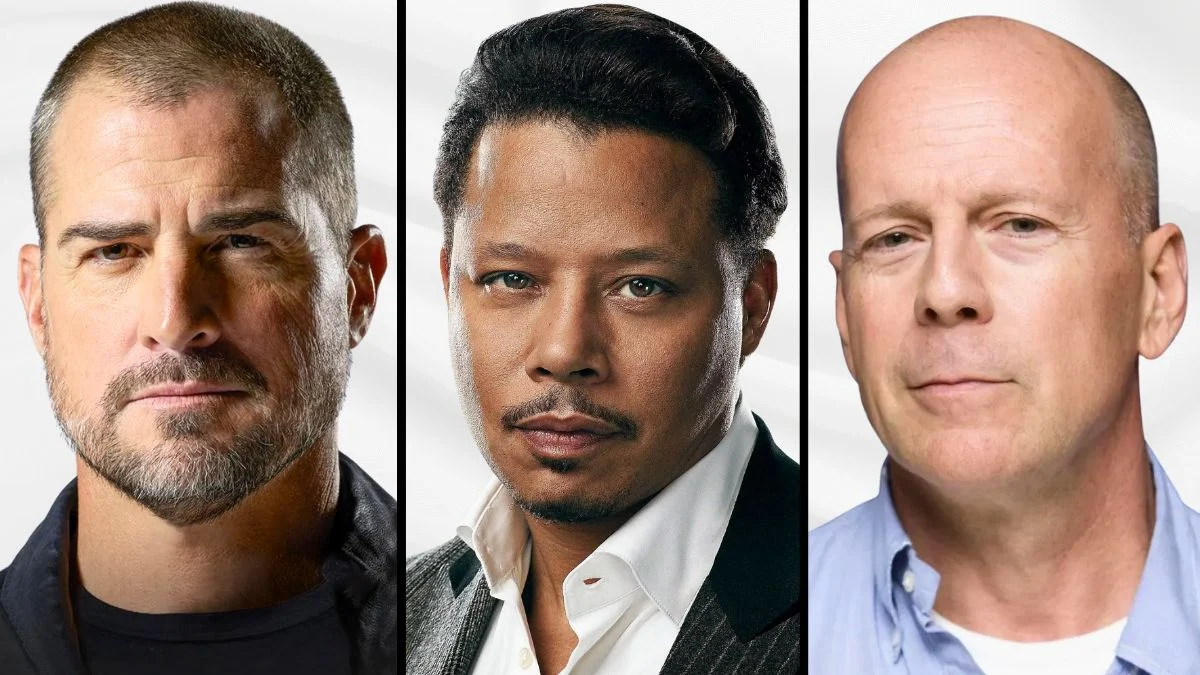


Sometimes a pay raise request reshapes a show or even a blockbuster franchise. Negotiations can stall, tempers can flare, and producers can decide to move forward without a familiar face. When that happens, the ripple effects can be huge for a series, a film lineup, and the careers involved.
Here are twenty cases where a salary push ended with a firing, a recast, or a sudden exit that left writers scrambling. You will find what each star asked for, how the studio responded, and who stepped into the gap when the dust settled.
Suzanne Somers
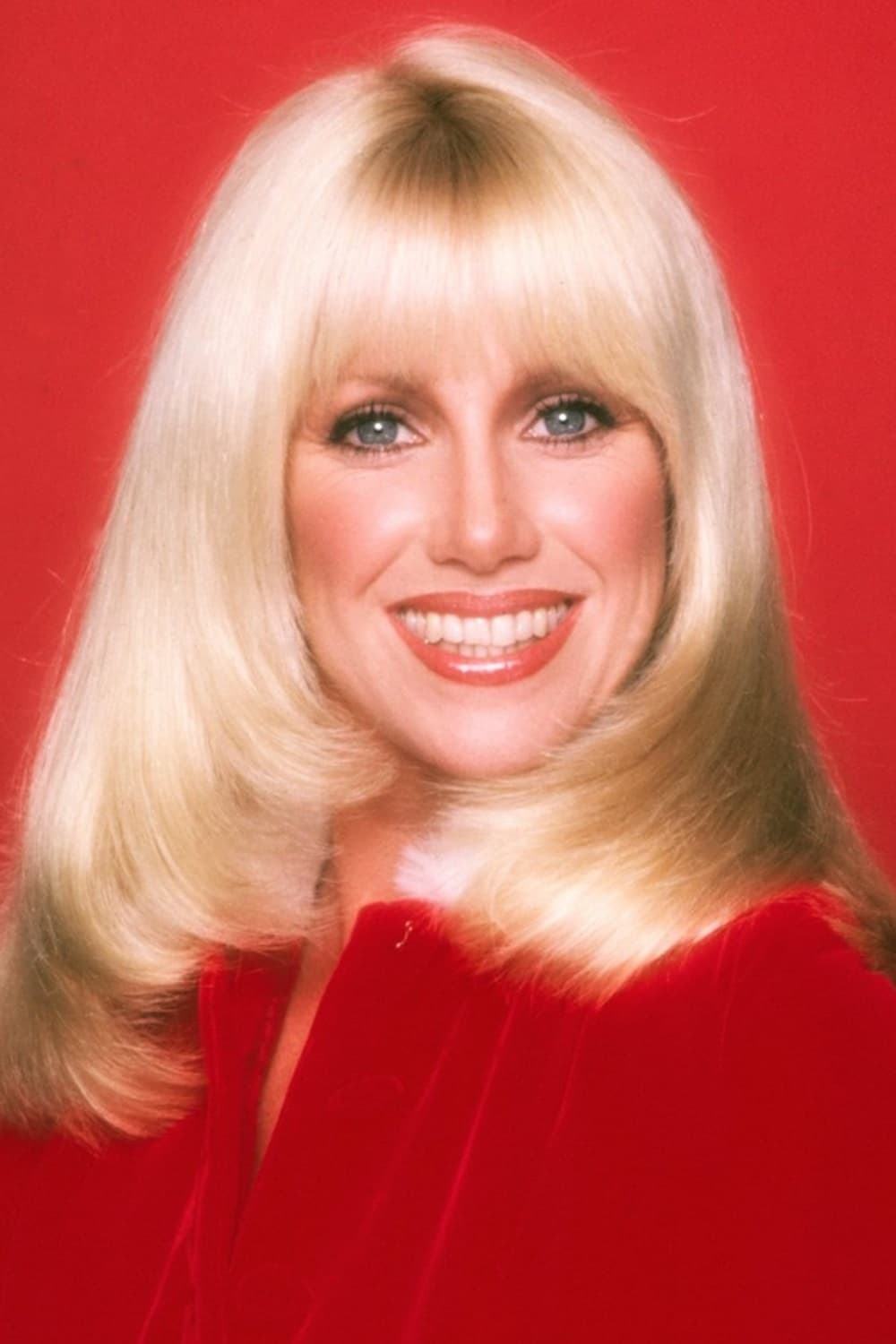
During ‘Three’s Company’ the breakout popularity of Chrissy Snow led Suzanne Somers to seek pay parity with her male co star and a share of backend profits. Negotiations turned tense and production reduced her on screen time to brief phone gags while the dispute played out.
The studio then cut ties and moved forward without her. The series shifted focus to new roommates and Somers pivoted to headlining specials and fitness ventures, showing how one contract fight can redirect an entire career.
Valerie Harper
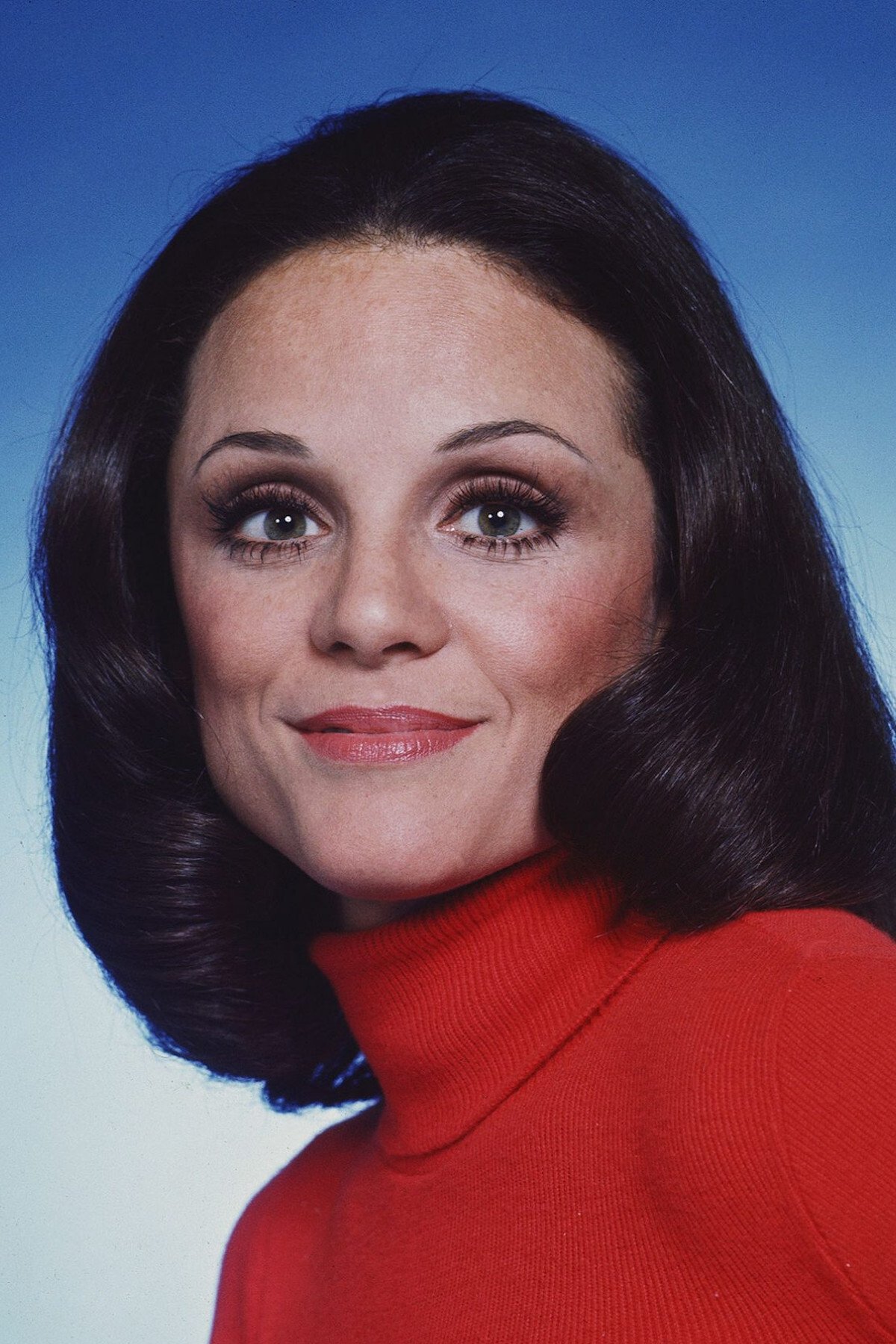
Valerie Harper asked for a raise and better terms on her own sitcom ‘Valerie’ after strong ratings. Talks collapsed and the production fired her mid run, forcing a quick retool of the show.
The network retitled the series ‘The Hogan Family’ and reshaped storylines around the remaining cast. Harper pursued legal action over the dismissal and the case became a high profile example of how star compensation battles can reshape ownership and credit.
Jorja Fox

At the height of ‘CSI’ success, Jorja Fox pushed for a salary bump alongside other principal cast members. When she did not report for scheduled work during the standoff, the studio issued a termination notice to keep production on track.
A short time later both sides reached a new agreement and she returned to the series. The brief firing underscored how procedural hits keep leverage by protecting shooting schedules even as key actors negotiate for raises.
George Eads
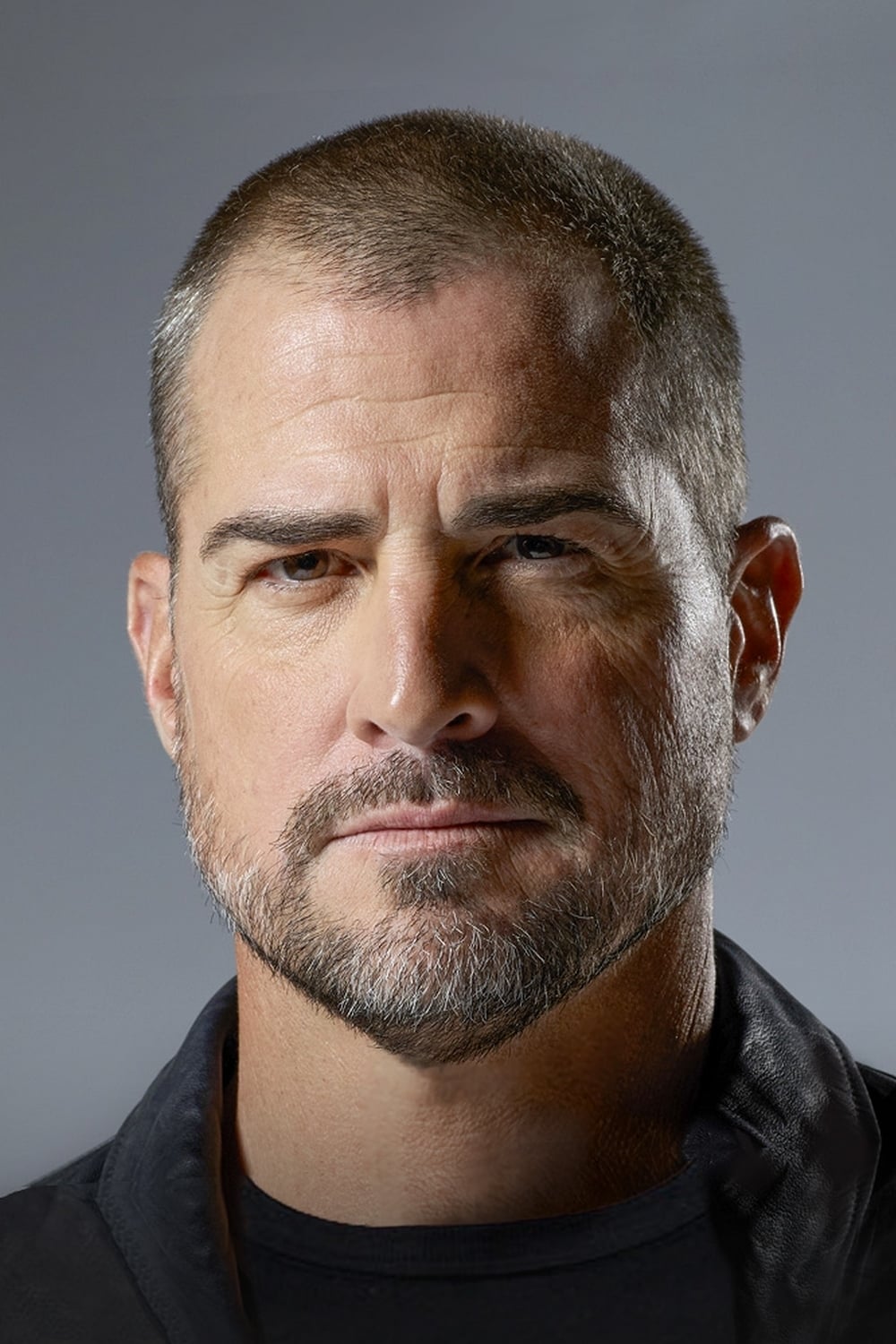
George Eads joined Jorja Fox in a parallel holdout during the same ‘CSI’ pay dispute. The production responded by firing him when attendance requirements were not met while negotiations continued in the background.
The impasse ended with a fresh deal and Eads resumed work soon after. The episode showed how fast a studio will escalate to protect an expensive ensemble drama when contracts lapse at the same time.
Terrence Howard
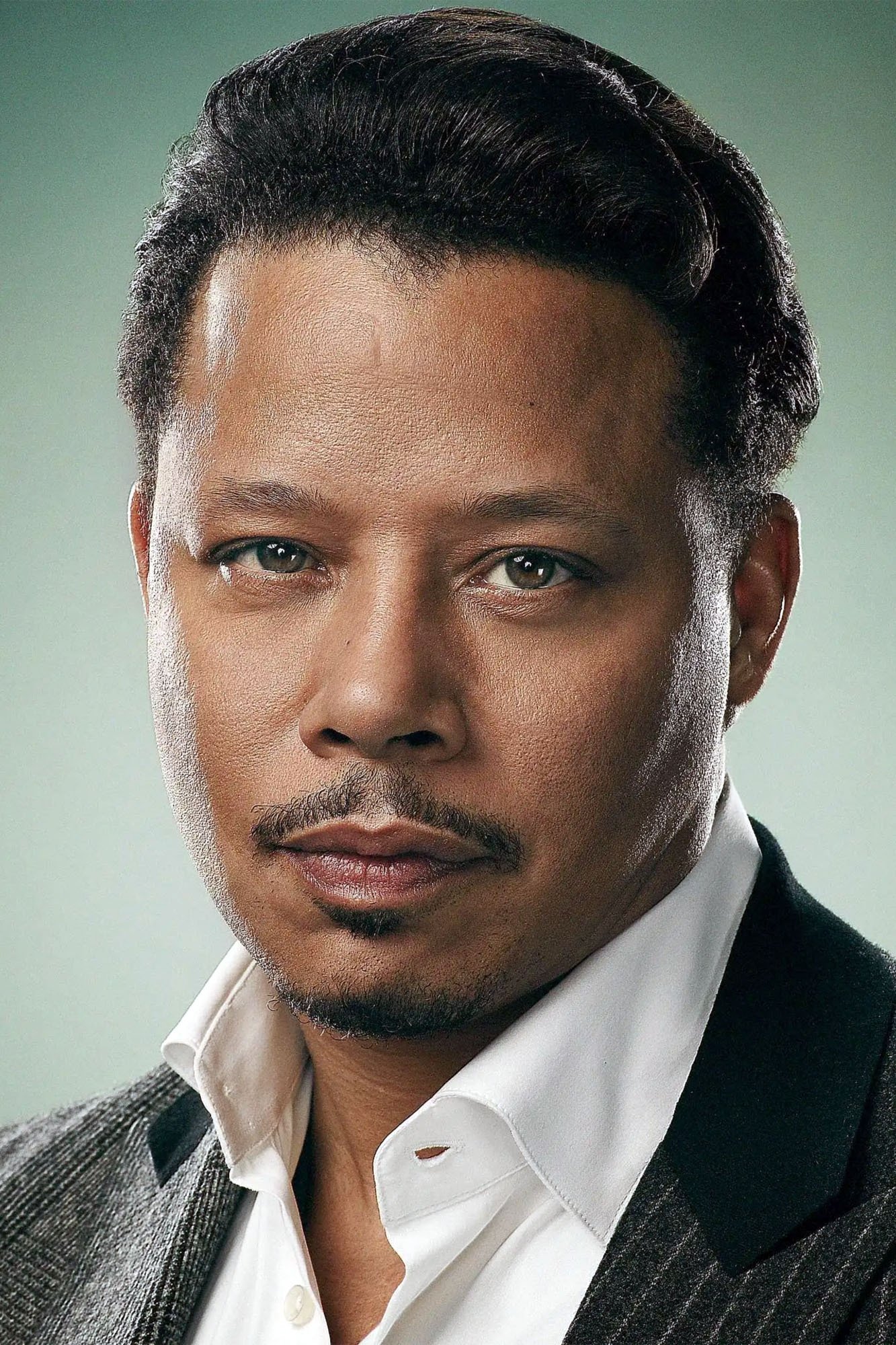
After ‘Iron Man’ opened the Marvel era, Terrence Howard expected a higher payday to return as James Rhodes. The offer that came in was lower than what he sought and negotiations stalled without a compromise.
Marvel recast the role with Don Cheadle for ‘Iron Man 2’ and kept the franchise rolling on its release calendar. The swap clarified how superhero universes prioritize continuity of production over matching an individual salary ask.
Edward Norton

Edward Norton played Bruce Banner in ‘The Incredible Hulk’ and then entered fresh talks about pay and collaboration for the crossover that became ‘The Avengers’. The parties could not align on compensation and working terms during the ensemble planning stage.
Marvel cast Mark Ruffalo and integrated the character into future films without Norton. The handoff affirmed the studio model of replacing pieces early when budget and creative expectations diverge from the production plan.
Bruce Willis

For ‘The Expendables 3’ Bruce Willis sought a higher fee than producers were prepared to pay for a short shoot window. Talks ended abruptly and the production chose to move ahead with a different casting plan.
Harrison Ford stepped into a new role and the franchise maintained its ensemble template. The change demonstrated how action series with rotating casts can withstand a high profile departure when costs do not line up.
Crispin Glover

Crispin Glover pursued a raise to return as George McFly in ‘Back to the Future Part II’. The producers balked at the figure and proceeded without him, using a stand in and makeup to approximate the character.
Glover later challenged the use of his likeness and won a settlement that influenced how sequels handle actor replacements. The dispute became a textbook case on both pay negotiations and the legal limits of recreating a performer on screen.
Janet Hubert

Janet Hubert entered renewal talks on ‘The Fresh Prince of Bel-Air’ with concerns about pay and episode guarantees. The new offer reduced her role and compensation compared with what she believed was appropriate for the show’s success.
When no agreement emerged, the production recast Aunt Viv with Daphne Maxwell Reid and continued the series. The outcome highlighted how a long running sitcom can keep momentum even after a major family character is replaced.
Delta Burke
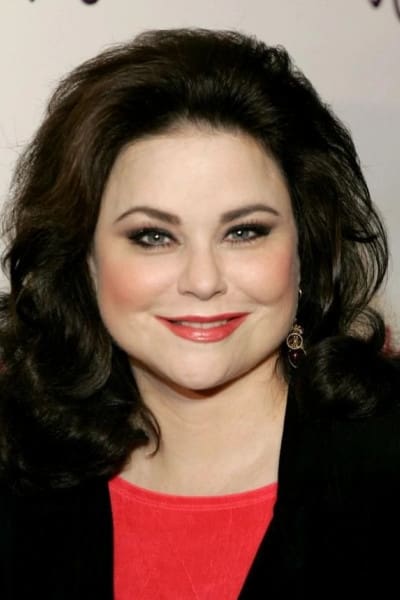
Delta Burke sought better pay and working conditions on ‘Designing Women’ after becoming a core audience draw. The relationship with producers deteriorated and the show fired her at the end of the season.
The next season introduced new characters to fill the gap and redistributed storylines among remaining leads. The situation illustrated how workplace issues and compensation fights often arrive together in network television.
John Schneider

During a contract dispute on ‘The Dukes of Hazzard’ John Schneider pushed for higher pay and a share of merchandising tied to the show’s booming popularity. Production responded by moving ahead without him when no deal materialized.
Producers installed a pair of replacement cousins to keep episodes flowing and protect advertising commitments. A later settlement brought Schneider back, but the season documented how quickly a studio can replace leads during a pay standoff.
Tom Wopat
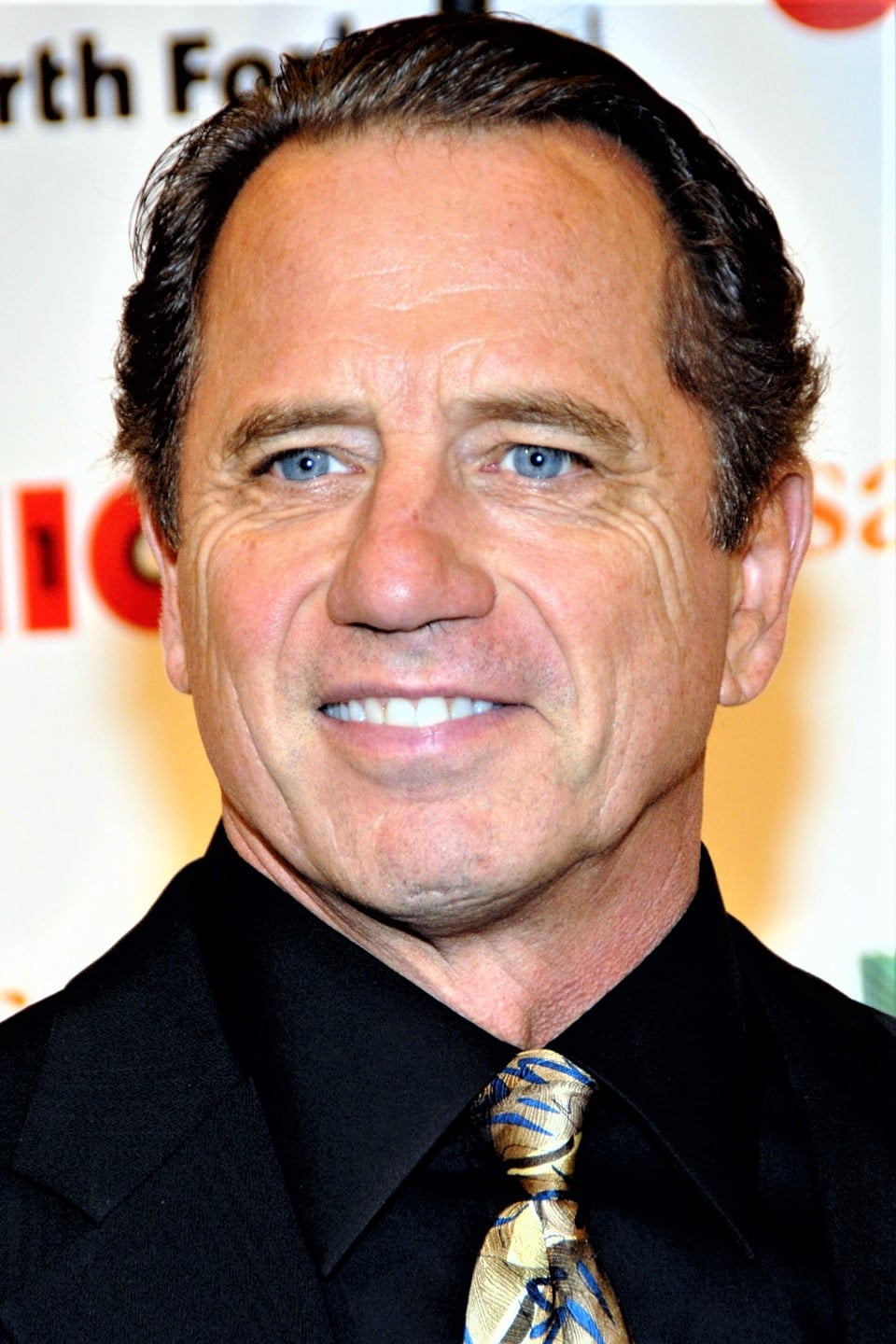
Tom Wopat stood alongside John Schneider in the same ‘The Dukes of Hazzard’ salary and merchandising battle. With both leads out, the production swapped in lookalike cousins to meet delivery deadlines for new episodes.
Once the dispute resolved, Wopat returned and the series restored its original dynamic. The episode remains a landmark example of how merchandise revenue splits can drive contract showdowns as much as weekly salary.
Austin St. John

As ‘Mighty Morphin Power Rangers’ surged, Austin St. John asked for improved pay and union level terms in line with the show’s success. Negotiations failed and the production removed him while keeping the color coded team format intact.
The show wrote in a new Red Ranger and continued with a fresh lead. The move showed how children’s action series rely on the brand and suits more than any single actor when costs collide with a tight production cycle.
Thuy Trang

Thuy Trang joined the same ‘Mighty Morphin Power Rangers’ pay push that sought better compensation for principal cast. Talks ended without agreement and the production replaced her as the Yellow Ranger to maintain its aggressive episode count.
A newcomer stepped into the role and the series never broke stride. The change emphasized how syndicated action shows can retool quickly when budgeted rates are fixed by large episode orders.
Walter Emanuel Jones

Walter Emanuel Jones also pressed for higher pay on ‘Mighty Morphin Power Rangers’ during the cast’s coordinated ask. When the talks collapsed, he exited and the Black Ranger mantle passed to another actor with minimal downtime.
Footage edits and voice looping bridged the transition while the new team took over. The handling underscored the production’s focus on delivery schedules and licensing plans over renegotiating baseline fees mid season.
Charlie Sheen
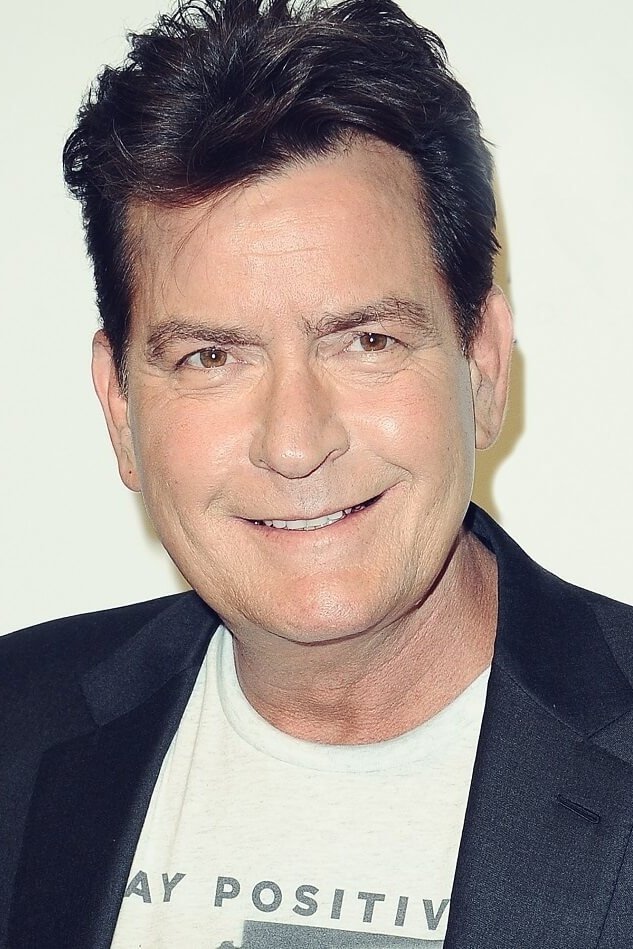
Charlie Sheen entered raise negotiations on ‘Two and a Half Men’ after multiple seasons as the highest paid actor in television. As friction grew around money and conduct, the studio terminated his contract and halted production to reset the show.
The series returned with Ashton Kutcher and refreshed its premise to finish its run. The case became a prominent example of how even a top earner can be replaced when a raise request collides with mounting off screen issues.
Maggie Roswell

Maggie Roswell sought more pay on ‘The Simpsons’ to offset travel costs from her home base to the studio. When a higher rate did not materialize, the show proceeded by recasting and writing around several of her characters.
Later technology changes and new terms paved the way for her return. The arc showed how compensation, logistics, and remote work options can intersect in long running animation.
Rob Morrow
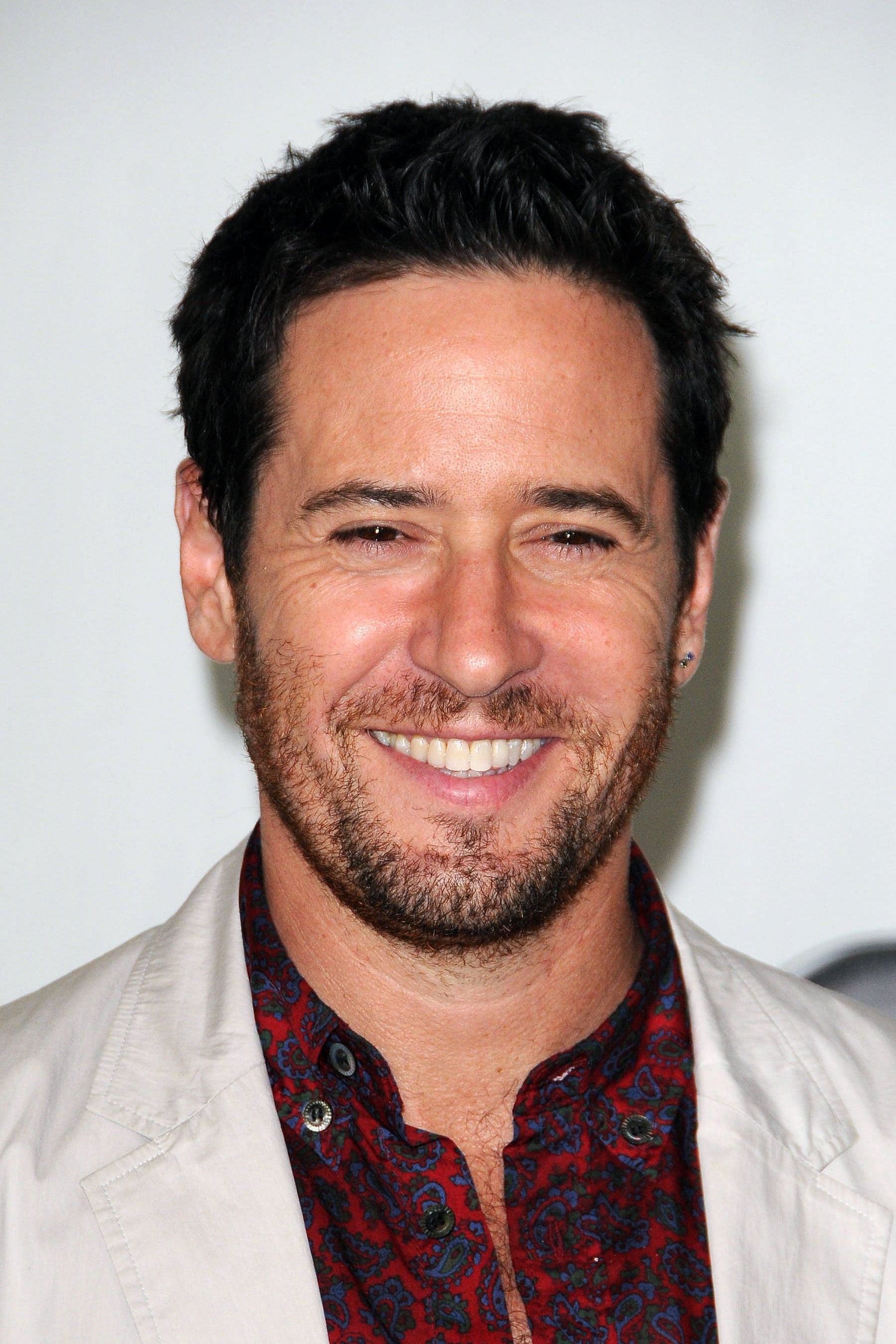
As ‘Northern Exposure’ grew, Rob Morrow pushed for a better deal that reflected his central role. The dispute escalated and he departed during the run while producers kept the series moving with story pivots.
The exit led to new characters and plotlines designed to stabilize ratings. The outcome demonstrated how a studio protects per episode budgets during renegotiations even when a lead asks for a raise midstream.
David Caruso
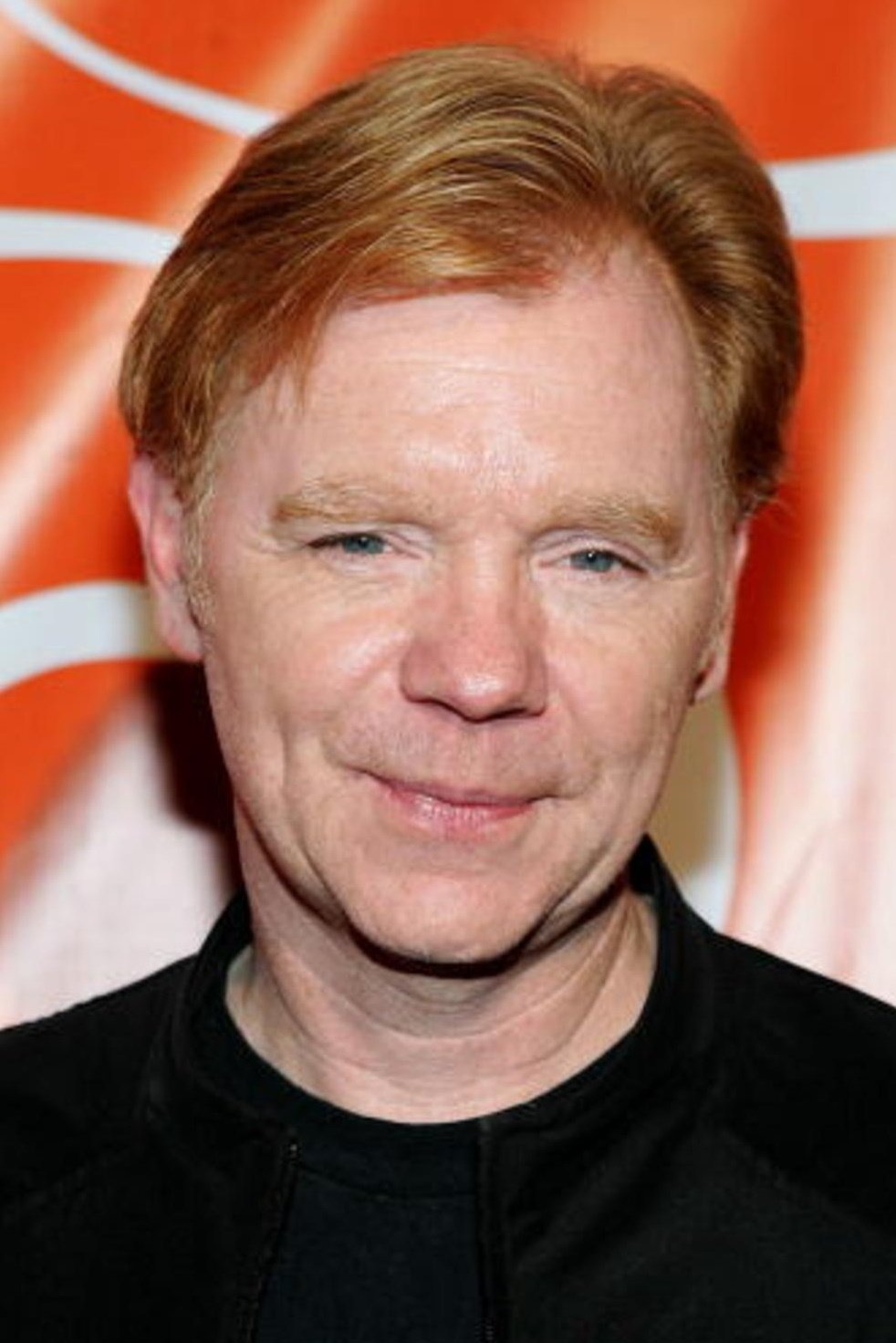
After a breakout first season on ‘NYPD Blue’ David Caruso entered talks for a substantial salary increase. When the sides failed to reach terms, he left and the show adjusted its ensemble to maintain momentum.
Producers promoted other characters and introduced a new partner dynamic to keep the formula working. The sequence became a staple industry case on how police procedurals manage sudden departures tied to compensation.
Cote de Pablo

Cote de Pablo’s team sought improved terms during renewal talks on ‘NCIS’ after years as a signature character. Negotiations did not produce a deal and the production wrote out Ziva, then rebalanced the cast to continue its high episode output.
Later stints returned the character under different arrangements. The path showed how even a top rated network drama can weather a pay impasse by revising arcs and staggering reappearances under new contracts.
Share your thoughts on which of these exits changed a show or franchise the most in the comments.