


Actors Who Co-Wrote Their Characters’ Backstories



Filmmaking is a collaborative process that often blurs the lines between acting and writing. While screenwriters construct the narrative framework, actors frequently contribute significantly to the development of their characters. Some performers go beyond memorizing lines by inventing detailed backstories or rewriting entire scenes to better suit their roles. This creative interference can lead to iconic moments that were never in the original script. The specific contributions of these thirty actors helped shape cinema history.
Edward Norton
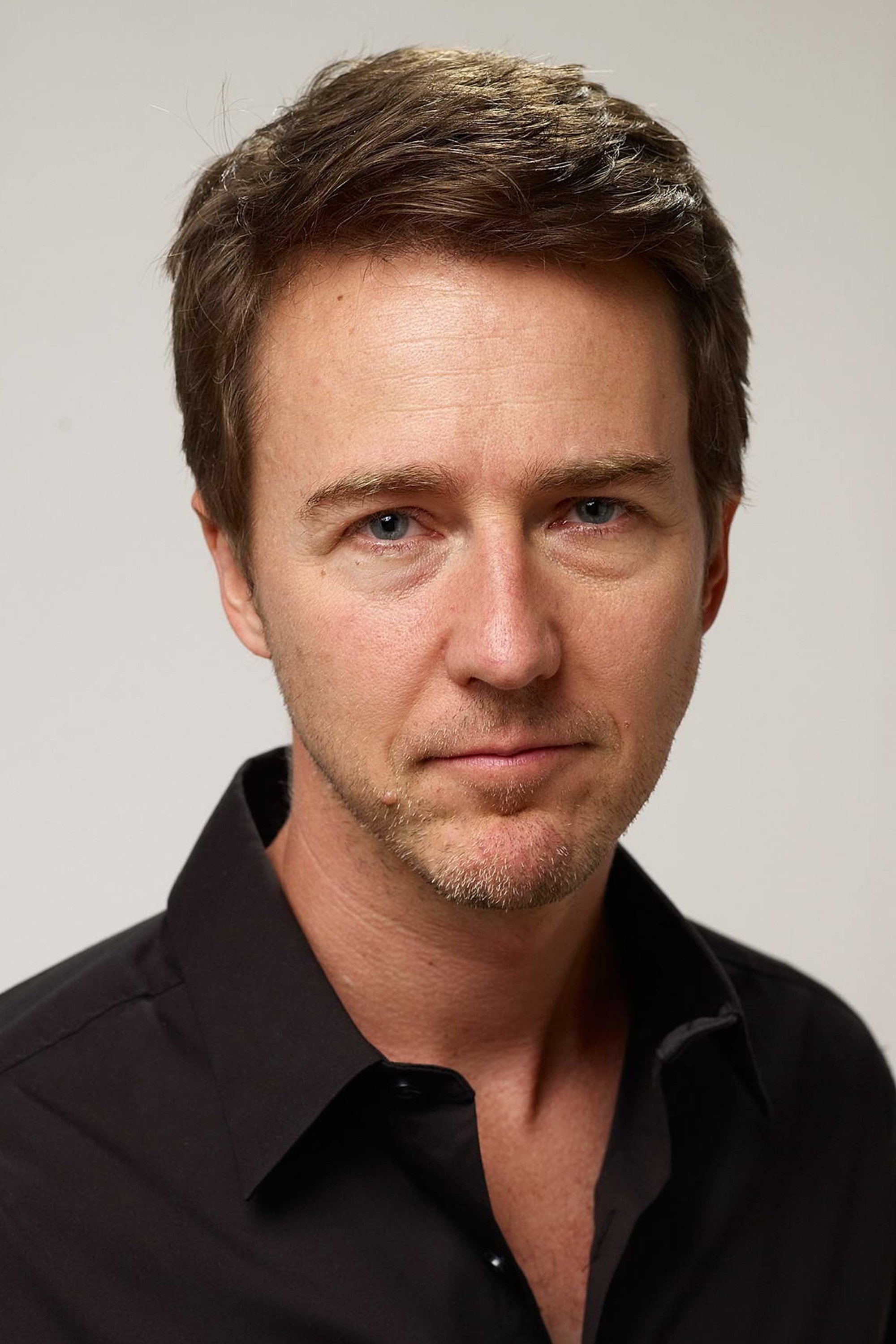
Edward Norton is well known for his heavy involvement in the writing process of ‘The Incredible Hulk’. He negotiated a contract that allowed him to rewrite significant portions of the script to add psychological depth to Bruce Banner. The actor wrote new pages every day during production to create a darker tone for the film. His efforts focused on exploring the tragic burden of the character rather than just the action. This creative control led to a unique but contested version of the Marvel hero.
Rutger Hauer
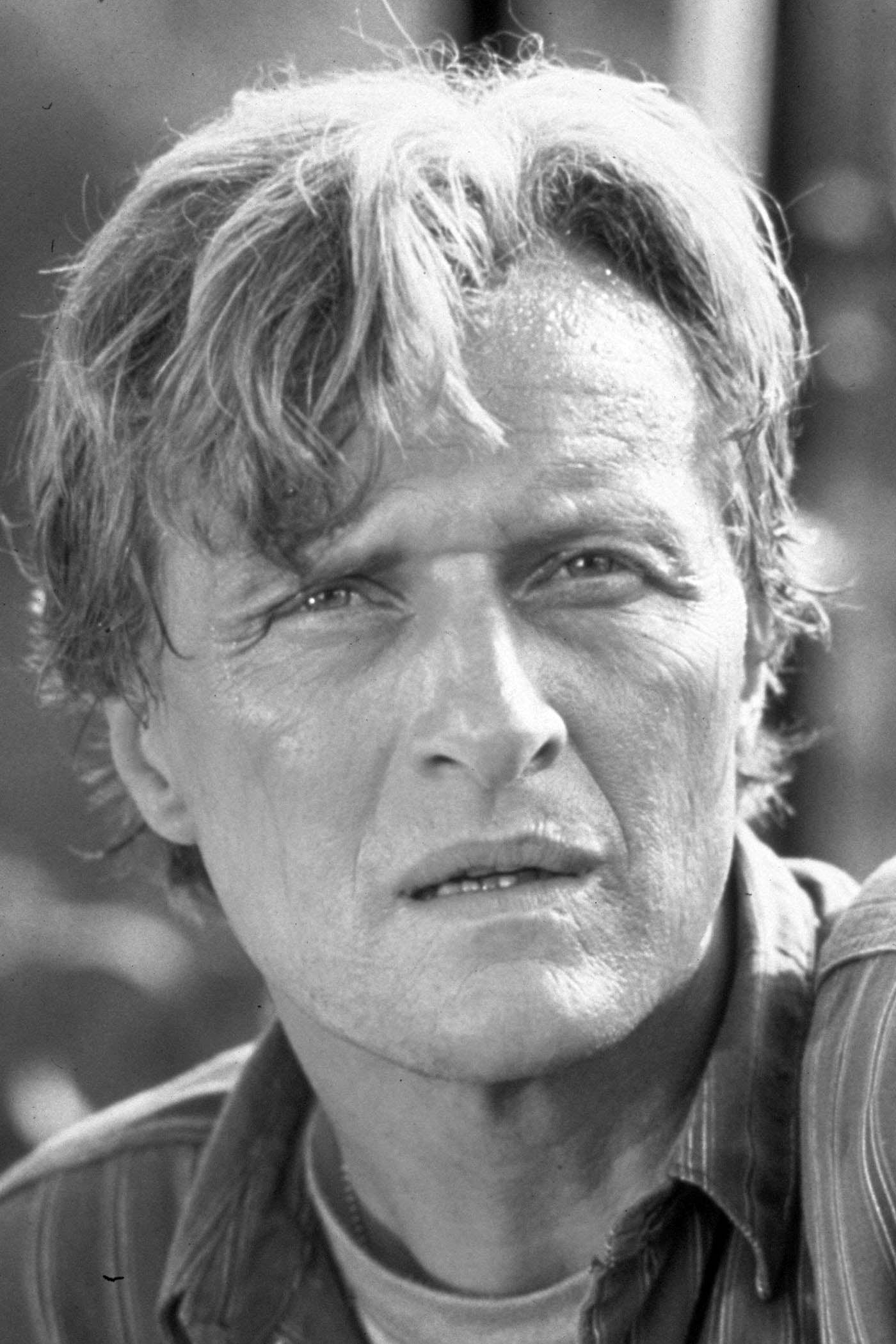
Rutger Hauer fundamentally altered the emotional climax of ‘Blade Runner’ by rewriting his final speech. He felt the original scripted monologue was too long and operatic for a dying replicant. Hauer cut the dialogue down and improvised the famous line about tears in rain to capture the fleeting nature of life. This contribution gave the antagonist Roy Batty a soulful and tragic end. The speech is now considered one of the most memorable moments in science fiction history.
Viggo Mortensen
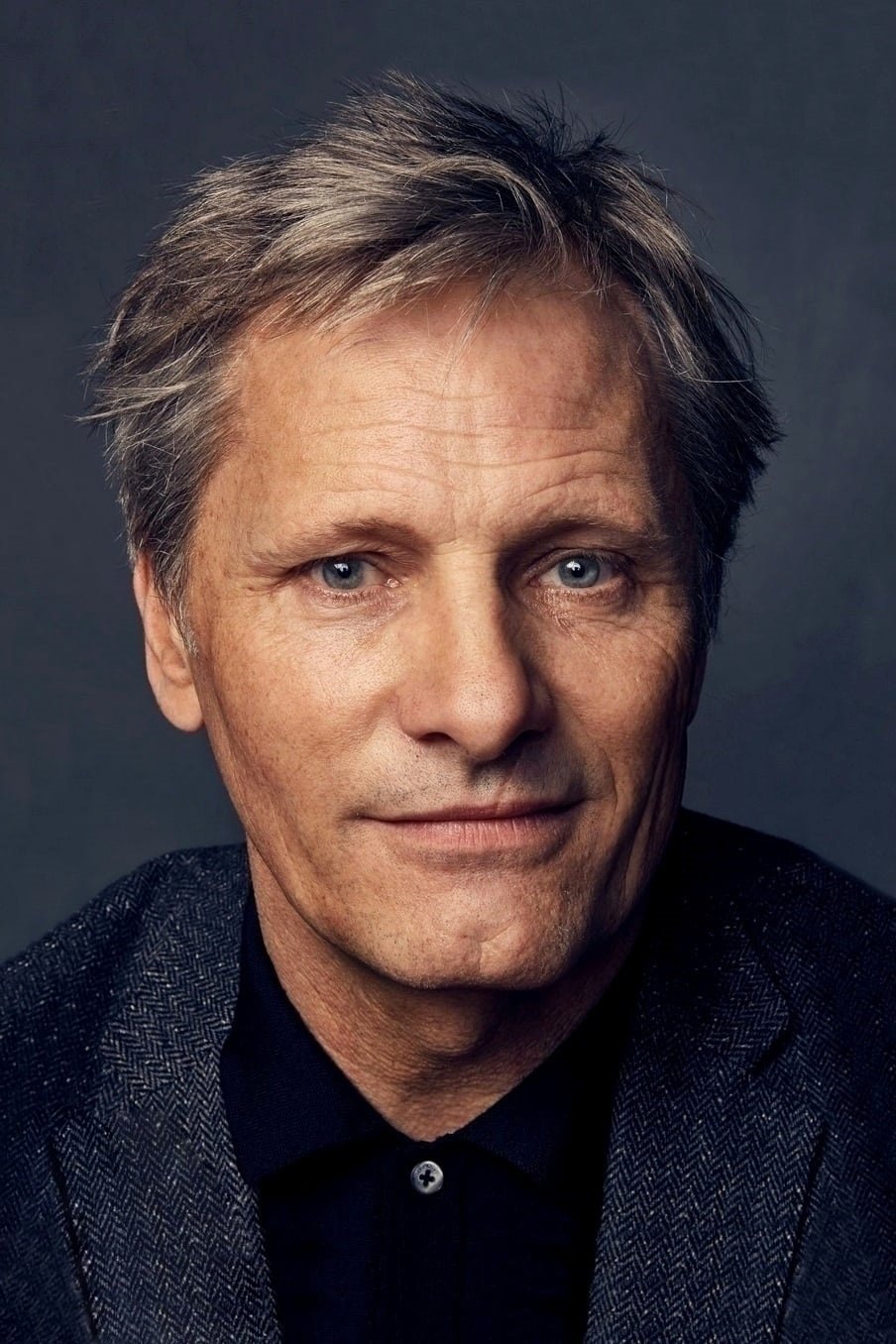
Viggo Mortensen immersed himself in research to create the authentic criminal background for his character in ‘Eastern Promises’. He traveled to Russia and spent weeks studying the language and the specific tattoos of Vory v Zakone gang members. The actor helped design the tattoos that told the story of his character’s criminal history. He also insisted on maintaining silence in certain scenes to enhance the menacing aura of Nikolai. His dedication transformed the role into a terrifyingly realistic portrayal.
Meryl Streep
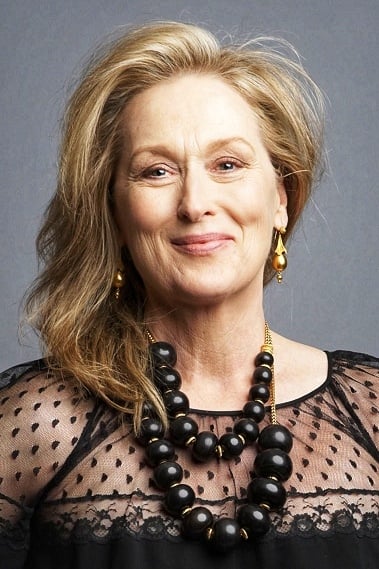
Meryl Streep felt the original script for ‘Kramer vs. Kramer’ portrayed her character as a one-dimensional villain. She wrote a new version of the courtroom speech to explain why a mother might leave her child. The director agreed to shoot her version which added crucial nuance and sympathy to the role. Streep successfully shifted the film from a story about a father to a tragedy about a broken family. Her writing contribution helped her win an Academy Award for the performance.
Johnny Depp
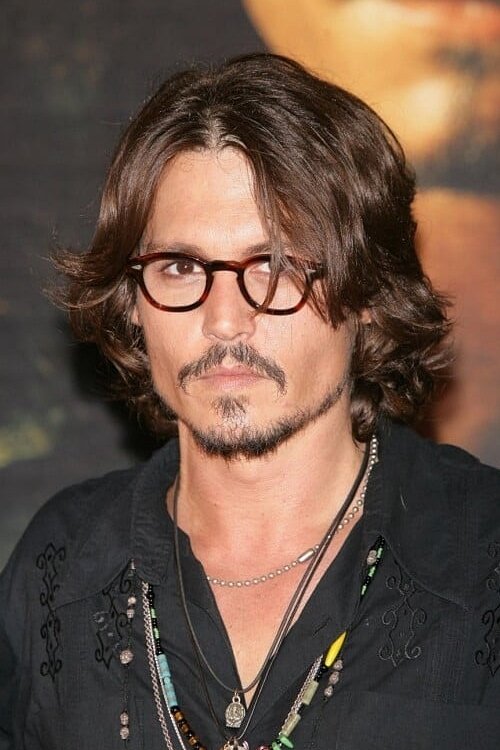
Johnny Depp completely reimagined the character of Jack Sparrow in ‘Pirates of the Caribbean: The Curse of the Black Pearl’. The script originally depicted the pirate as a standard swashbuckler, but Depp modeled him after rock star Keith Richards. He invented the slur, the unsteady walk, and the eccentric mannerisms that defined the franchise. Studio executives were initially confused by the choice and worried it would ruin the film. Depp stood by his creation and turned a generic character into a pop culture icon.
Benicio del Toro
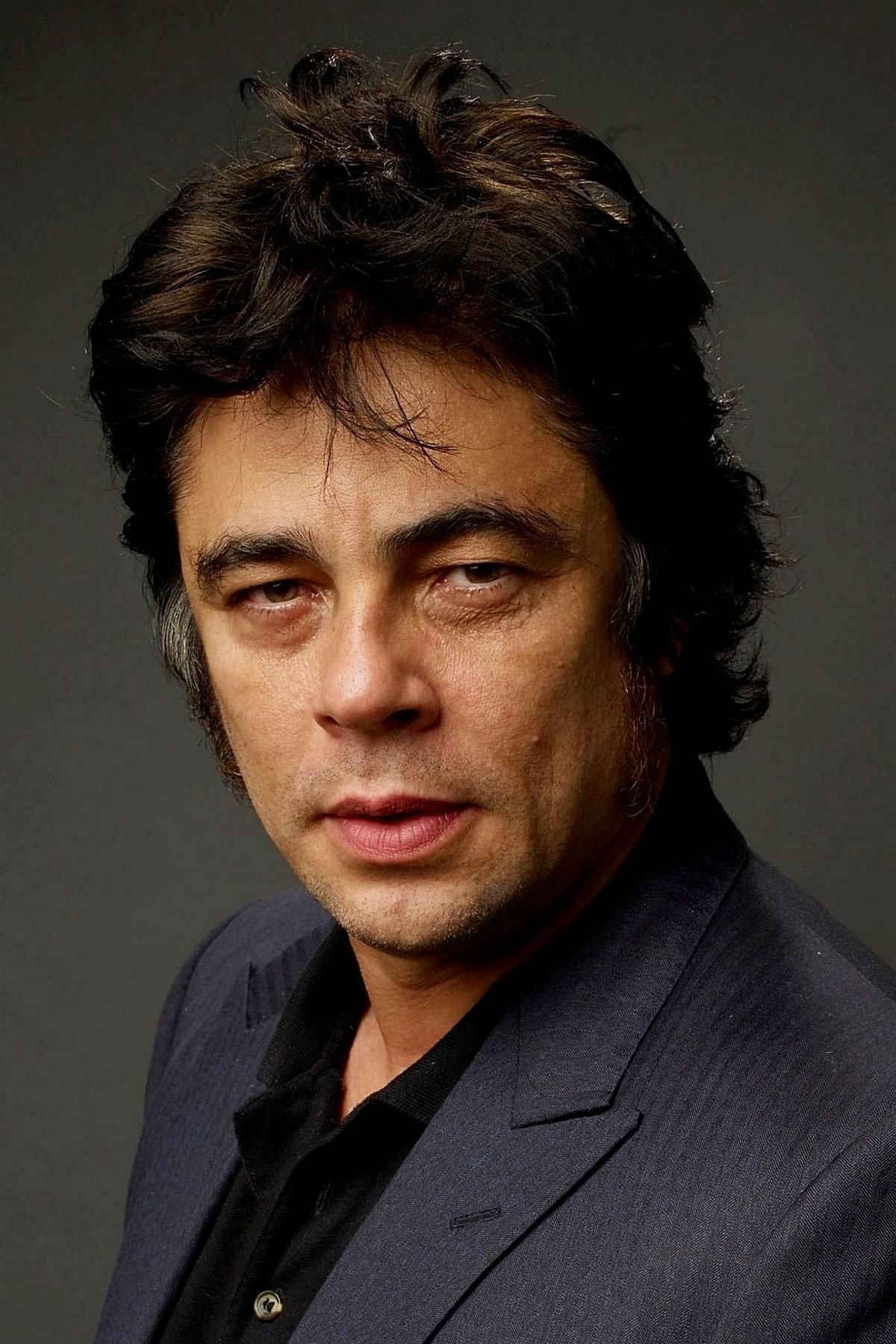
Benicio del Toro decided to make his character in ‘The Usual Suspects’ distinct by creating a unique speech pattern. He felt the dialogue for Fenster was negligible on the page so he mumbled his lines in a barely intelligible accent. This choice turned a minor background character into a memorable comedic presence. The other actors often struggled to keep a straight face during his scenes because of the bizarre delivery. His invention gave the character a mysterious and odd backstory that the script lacked.
Crispin Glover
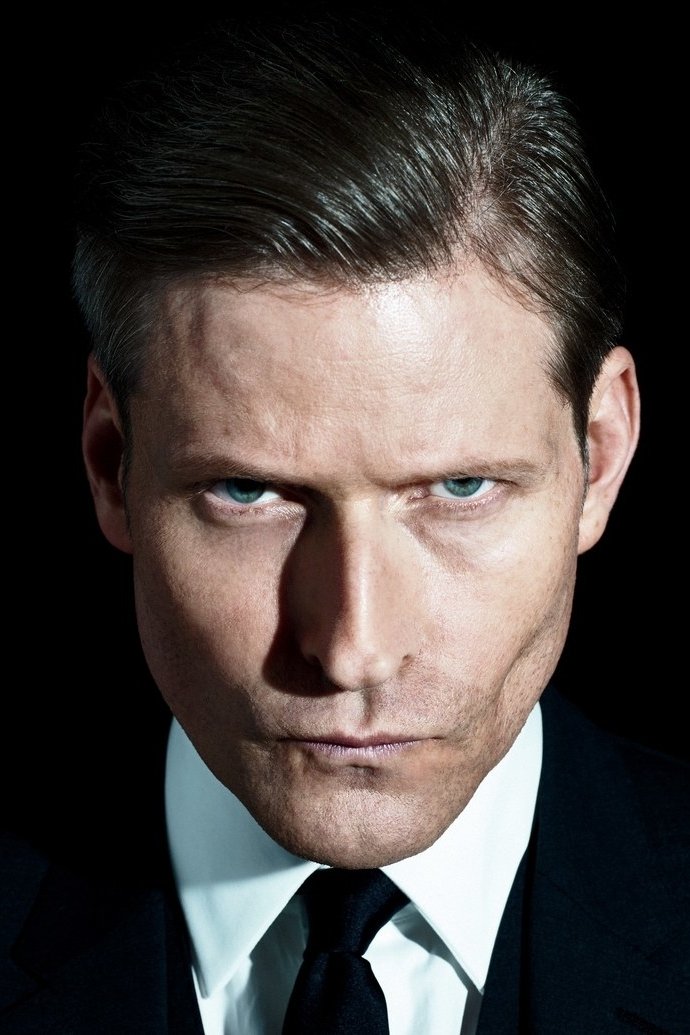
Crispin Glover disliked the dialogue written for the Thin Man in ‘Charlie’s Angels’ and refused to speak it. He convinced the director that the assassin would be more intimidating if he remained completely silent. Glover worked to express the character’s eccentricity solely through physical actions and hair fetishism. This decision removed all exposition and made the villain far more striking and strange. The change turned a standard bad guy into a unique silent antagonist.
Robert Downey Jr.
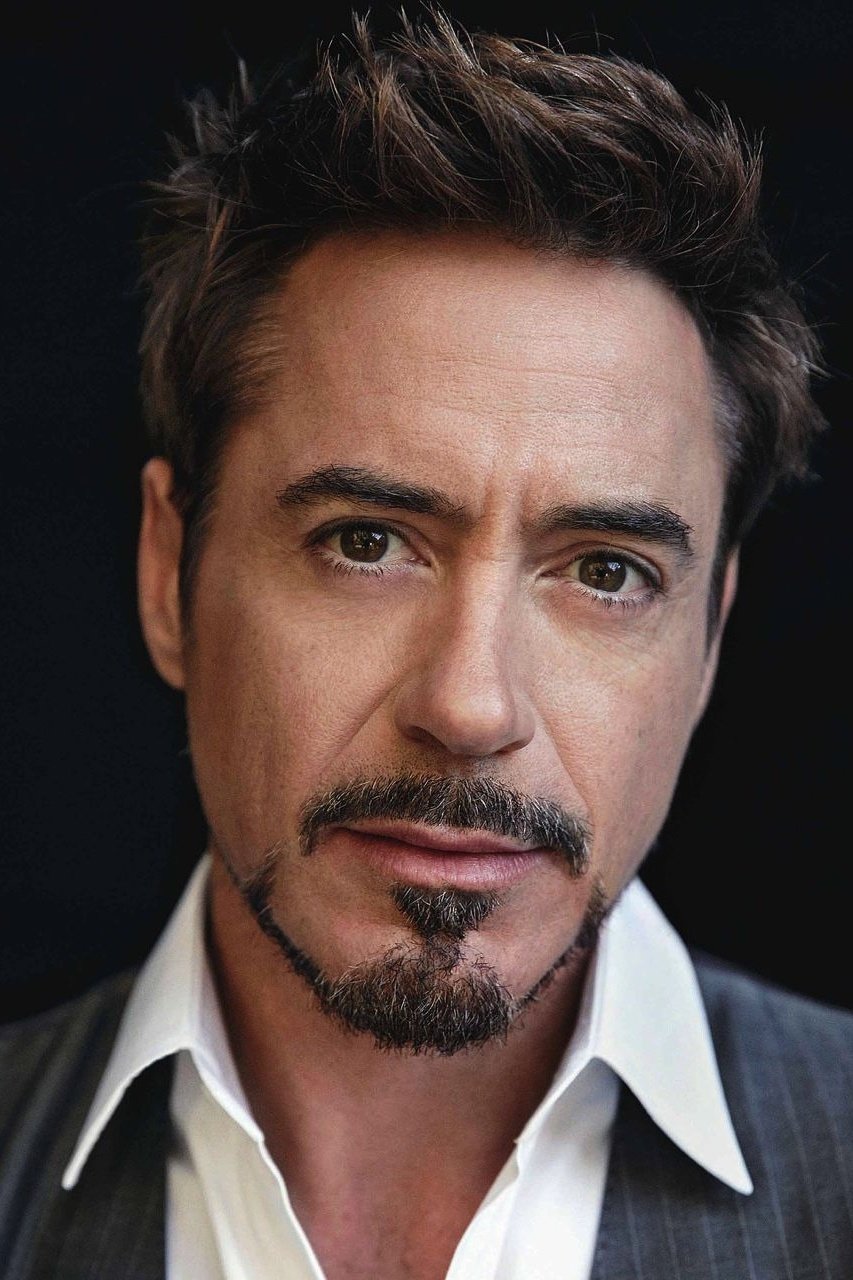
Robert Downey Jr. played a pivotal role in shaping the personality of Tony Stark in ‘Iron Man’. The production began with a loose script and the actor improvised many of the scenes alongside the director. He infused the character with his own quick wit and narcissistic charm to distinguish him from other superheroes. Downey continued to rewrite lines and develop the character’s voice throughout his tenure in the MCU. His creative input established the tone for the entire cinematic universe.
Marlon Brando
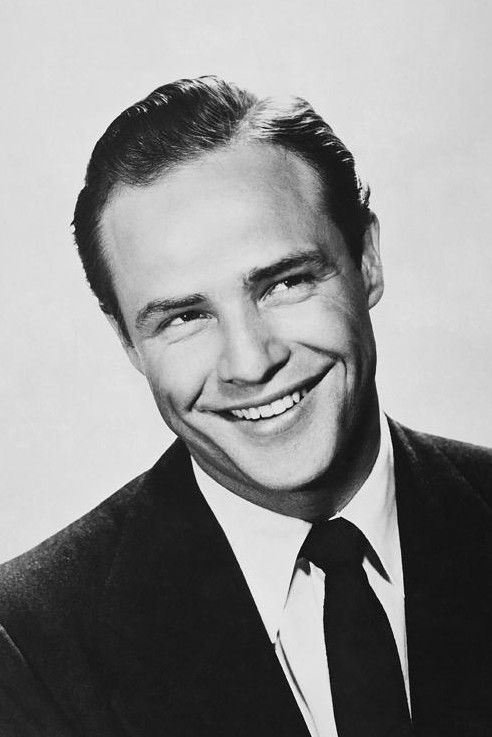
Marlon Brando arrived on the set of ‘Apocalypse Now’ without having learned his lines or read the source material. He spent days discussing the philosophy of Colonel Kurtz with the director to build the character from scratch. Brando improvised long rambling monologues that captured the madness of the rogue officer. He insisted on being filmed in shadows to hide his weight and enhance the mystery. This chaotic process resulted in a haunting and enigmatic villain.
Jason Isaacs
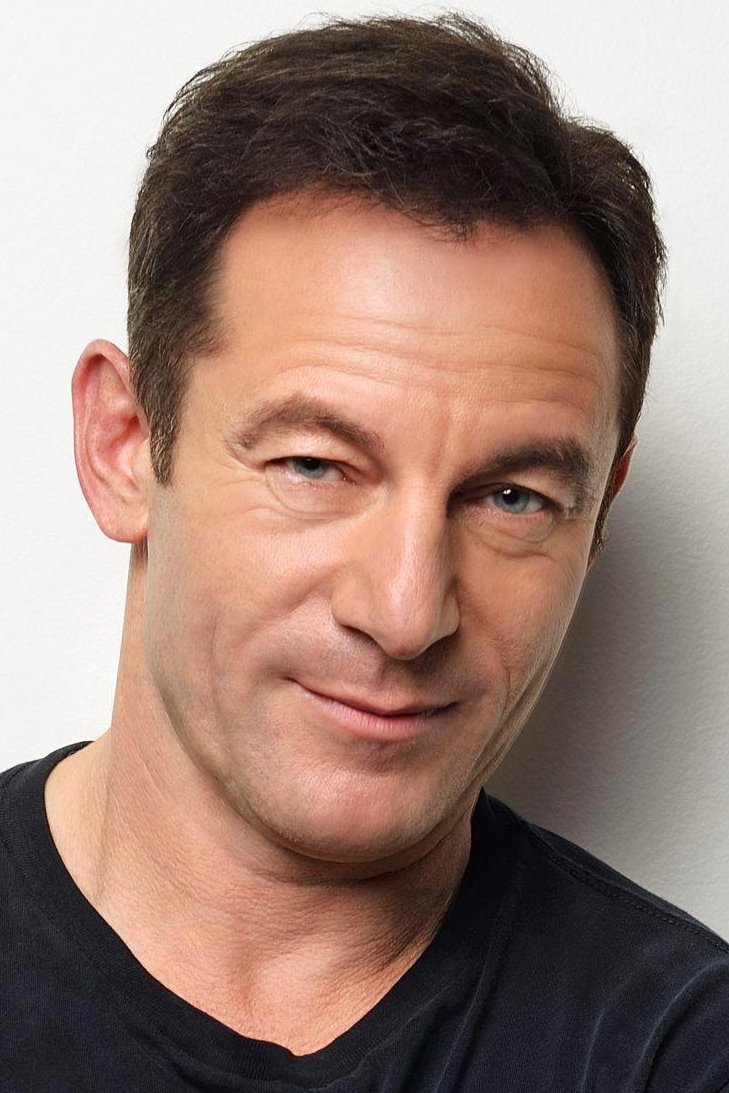
Jason Isaacs was originally asked to play Lucius Malfoy in ‘Harry Potter and the Chamber of Secrets’ with a pinstripe suit. He suggested the idea of the long white hair and the wizard robes to emphasize the character’s racism and aristocracy. The actor also developed a disdainful voice to distance his character from the seemingly pleasant public persona. He even improvised physical cruelty toward Dobby to show his true nature. These choices established the visual and tonal identity of the Malfoy family.
Denzel Washington
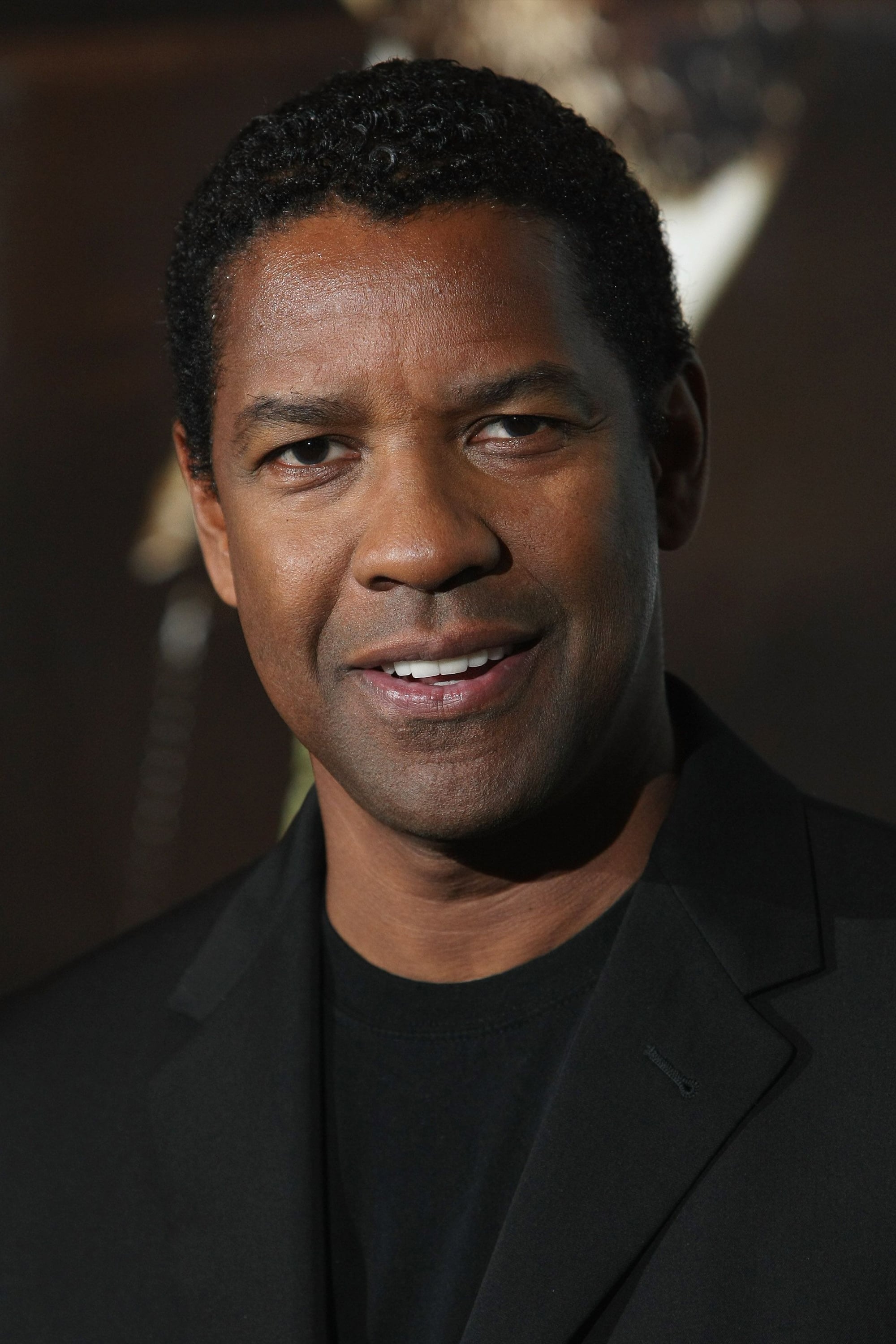
Denzel Washington added significant layers to the corrupt detective Alonzo Harris in ‘Training Day’. He improvised the famous King Kong speech which showcased the character’s megalomania. The actor also worked to ensure the character did not have a redemption arc in the final act. Washington wanted the audience to see the brutal consequences of Alonzo’s lifestyle without apology. His shaping of the character’s morality led to a Best Actor Oscar.
Tom Hardy

Tom Hardy was instrumental in developing the dual personality dynamic in ‘Venom’. He recorded his own voice for the symbiote and played it back in his ear to interact with it in real time. The actor pushed for a more comedic and frantic relationship between the man and the alien. He eventually received a writing credit on the sequel for his contributions to the story. Hardy effectively turned a superhero movie into a buddy comedy about a man and his parasite.
Ryan Reynolds
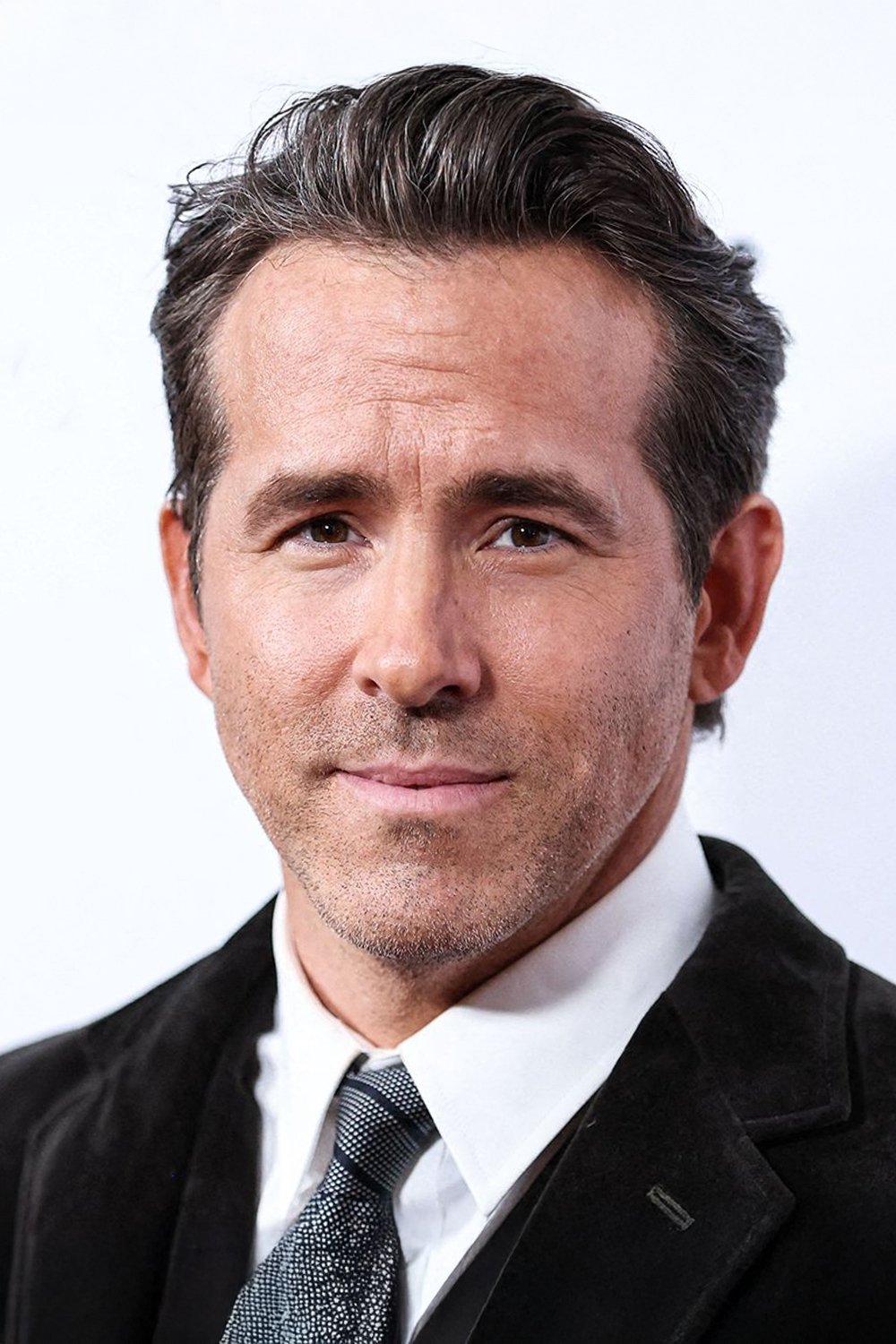
Ryan Reynolds spent years trying to get a faithful adaptation of ‘Deadpool’ made and had immense creative control. He wrote many of the jokes and pop culture references that defined the character’s fourth-wall-breaking humor. The actor crafted the specific personality of Wade Wilson to act as a commentary on superhero tropes. His ad-libbing and writing on set were essential to the unique tone of the film. Reynolds is widely credited as the primary architect of the movie franchise.
Heath Ledger
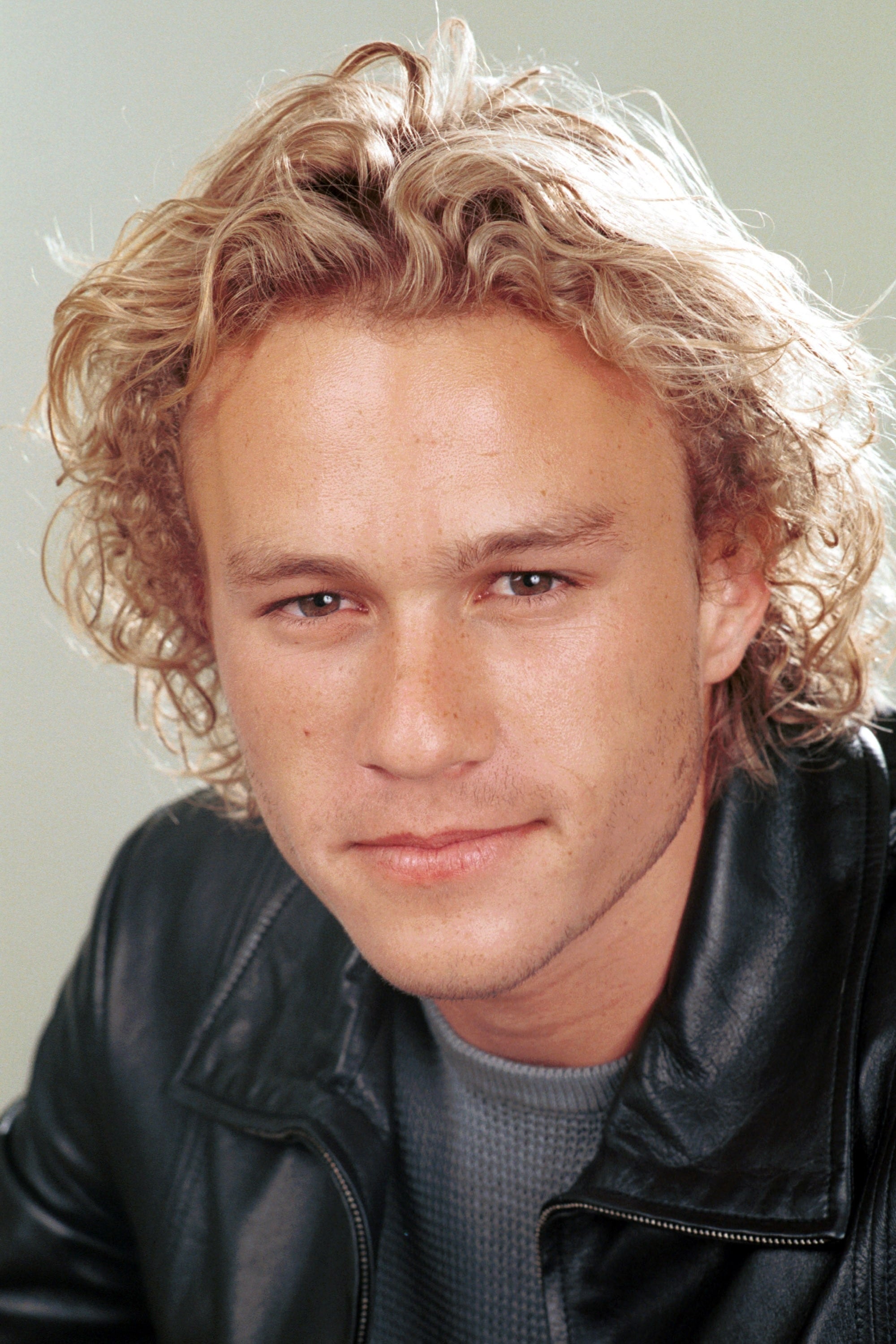
Heath Ledger locked himself in a hotel room for a month to construct the psychology of the Joker for ‘The Dark Knight’. He kept a diary filled with disturbing images and scrawlings that he used to stay in character. The actor designed the makeup himself initially to look like a man who slept in his paint. He also developed the voice and the lip-licking tic to flesh out the villain’s backstory. Ledger created a chaotic force of nature that redefined screen villainy.
Jenna Ortega

Jenna Ortega was very protective of her character’s integrity while filming ‘Wednesday’. She frequently changed lines that she felt made the character sound too much like a typical teenager. The actress taught herself to play the cello and refused to smile to maintain the gloomy atmosphere. She also choreographed the viral dance scene herself to ensure it matched Wednesday’s odd personality. Her input was vital in modernizing the Addams Family member without losing her essence.
Michelle Rodriguez
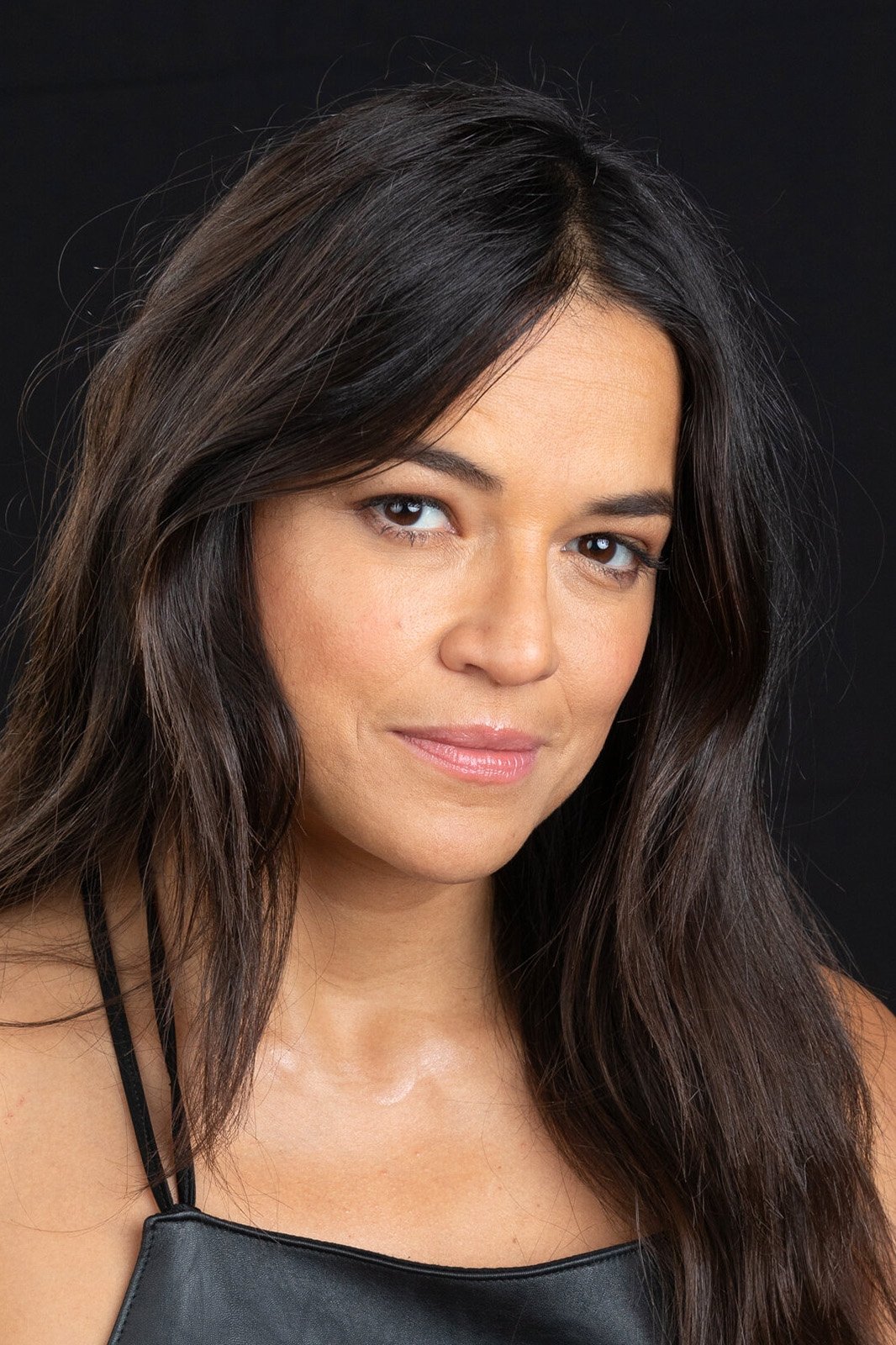
Michelle Rodriguez threatened to quit ‘The Fast and the Furious’ because of a plot point in the original script. The draft had her character Letty cheating on her boyfriend Dom with his best friend Brian. She felt this action undermined the loyalty and strength of the woman she was playing. The director agreed to rewrite the subplot to respect the character’s moral code. Her insistence established the enduring romance that became the heart of the franchise.
Dacre Montgomery
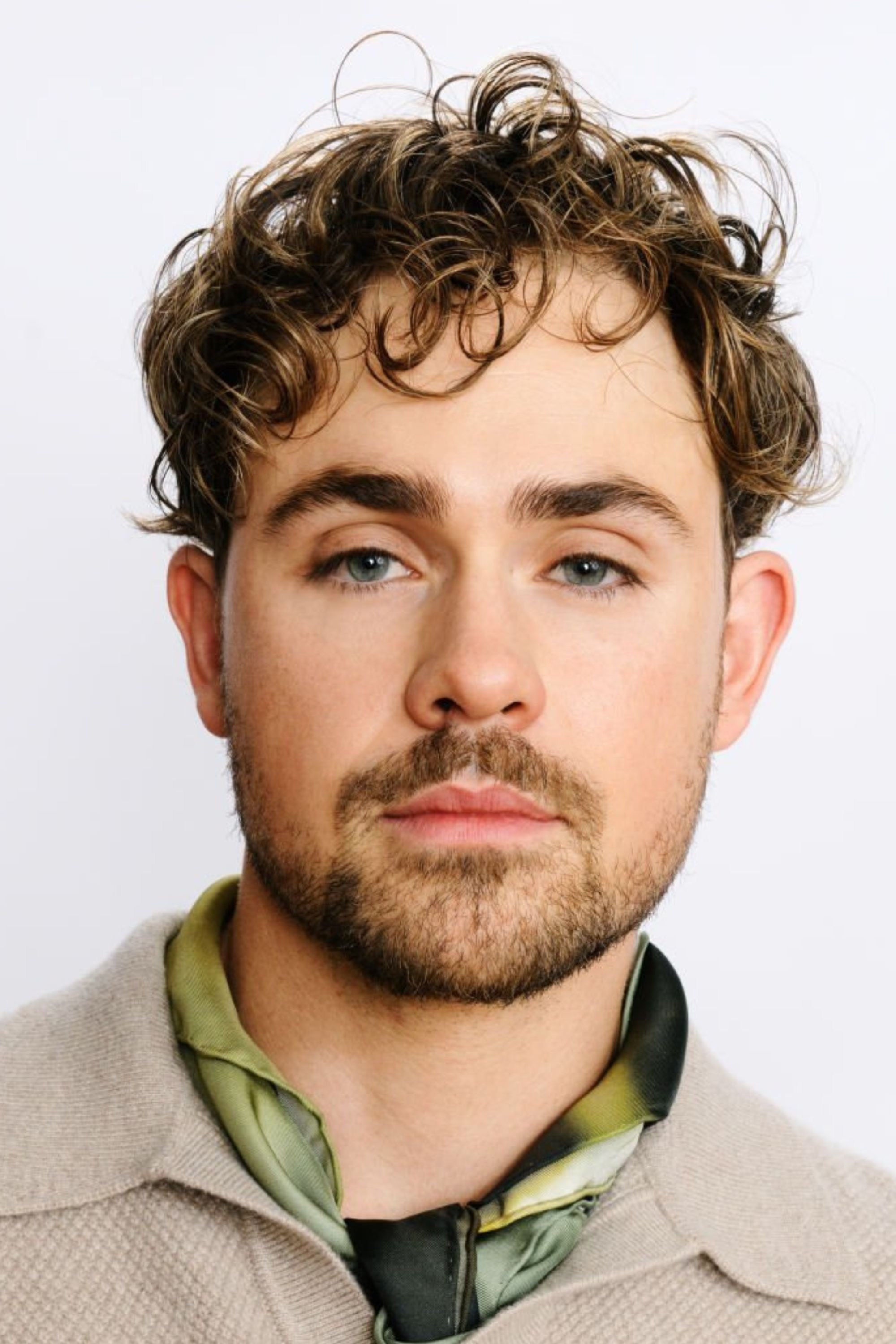
Dacre Montgomery worked with the creators of ‘Stranger Things’ to humanize the bully Billy Hargrove. He proposed including scenes that explored the character’s abusive relationship with his father. Montgomery wrote a scene discussing his mother that was included in the third season. These additions provided a tragic backstory that explained the character’s violent behavior. His contribution turned a standard antagonist into a complex and broken young man.
Maya Hawke
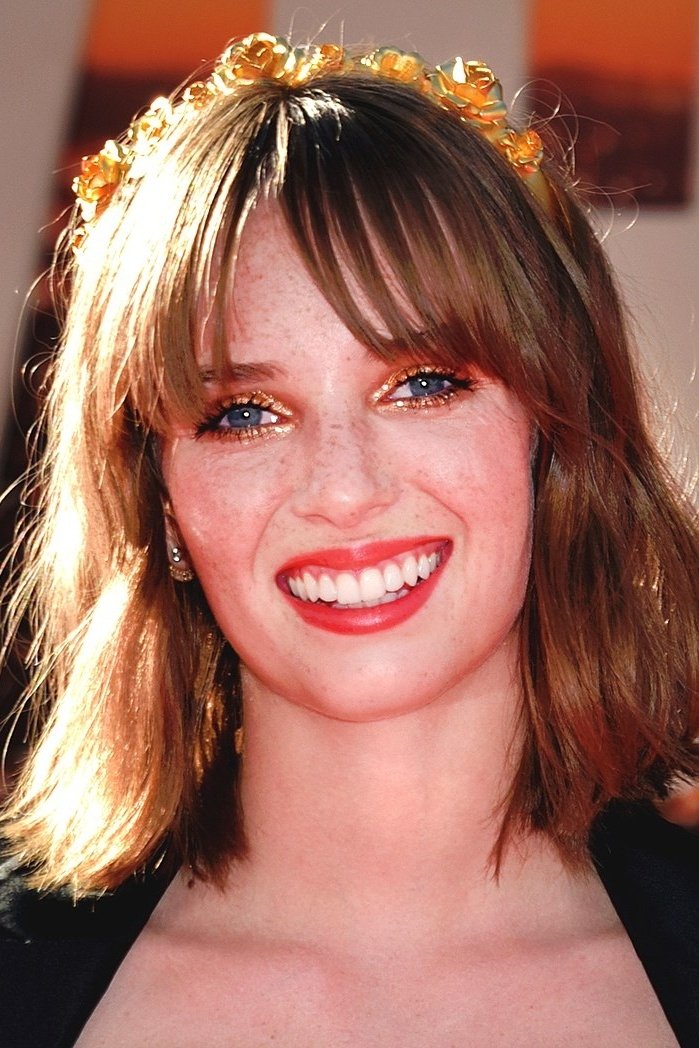
Maya Hawke influenced the writers of ‘Stranger Things’ regarding the romantic trajectory of her character Robin. The original plan was for Robin to end up in a relationship with Steve Harrington. Hawke felt that the chemistry between them was more platonic and suggested her character should be gay. The creators agreed and rewrote the script to include her coming-out scene. This decision added depth to the friendship and provided meaningful representation.
Mike Myers

Mike Myers recorded his entire dialogue for ‘Shrek’ before deciding the character needed a different voice. He convinced the studio to let him re-record every line with a Scottish accent. Myers believed the accent connected the ogre to a working-class background which contrasted with the villain’s posh nobility. This change cost the studio millions of dollars but ultimately defined the character’s identity. The accent became the most recognizable trait of the famous animation.
Bill Murray
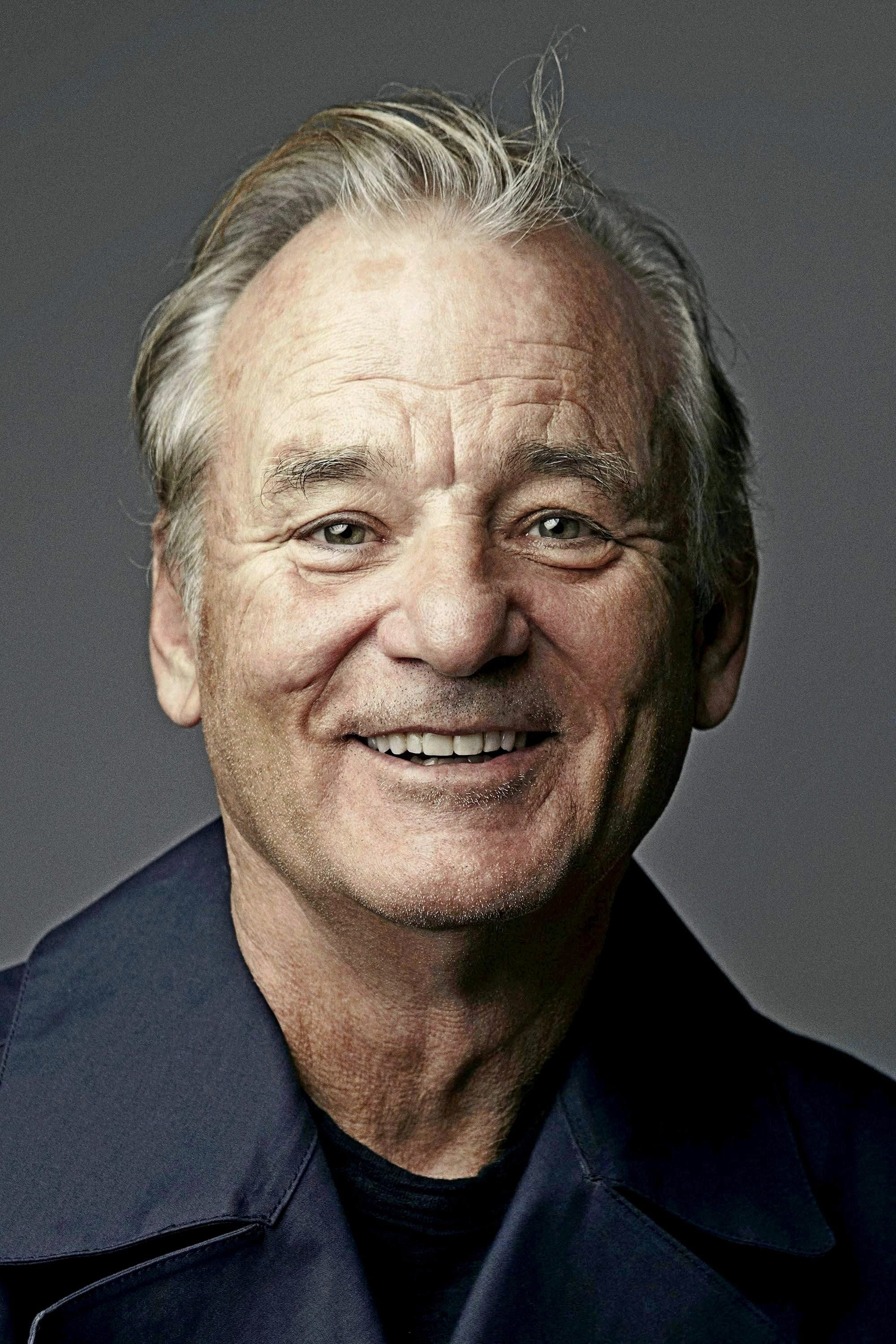
Bill Murray improvised almost every line he spoke in ‘Caddyshack’ including his backstory monologues. The famous Cinderella story scene was entirely unscripted and created on the spot. He utilized his background in sketch comedy to turn a minor groundskeeper role into a central figure. Murray created the character’s bizarre war with a gopher out of physical comedy and mutterings. His invention saved the film from being a standard sports comedy.
Sylvester Stallone
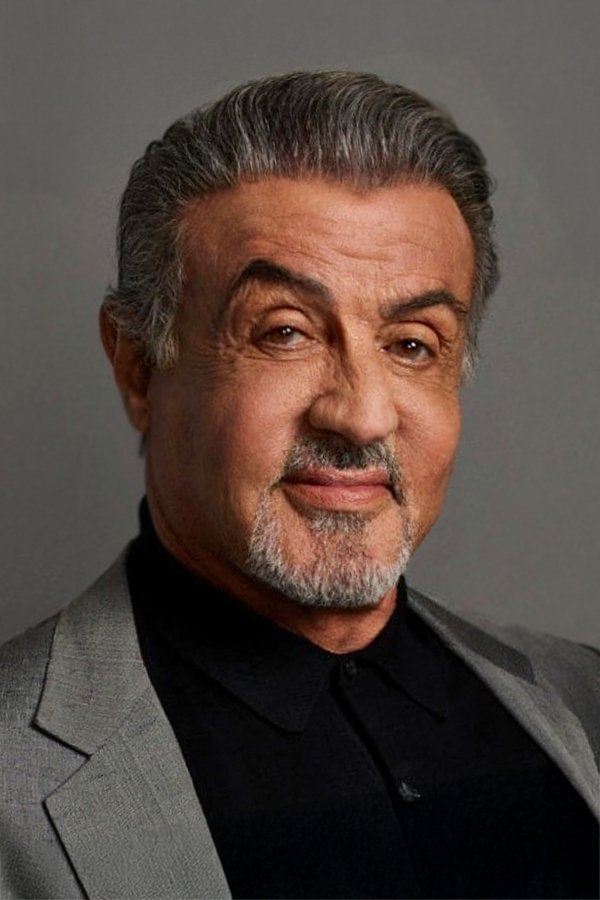
Sylvester Stallone wrote the screenplay for ‘Rocky’ and refused to sell it unless he could play the lead role. He created the entire backstory of the Philadelphia club fighter who gets a one-in-a-million shot. The studio wanted a famous star but Stallone fought to keep the character true to his gritty vision. He drew from his own struggles as a starving artist to fuel the character’s desperation. This gamble launched his career and created a cinematic legend.
Carrie Fisher
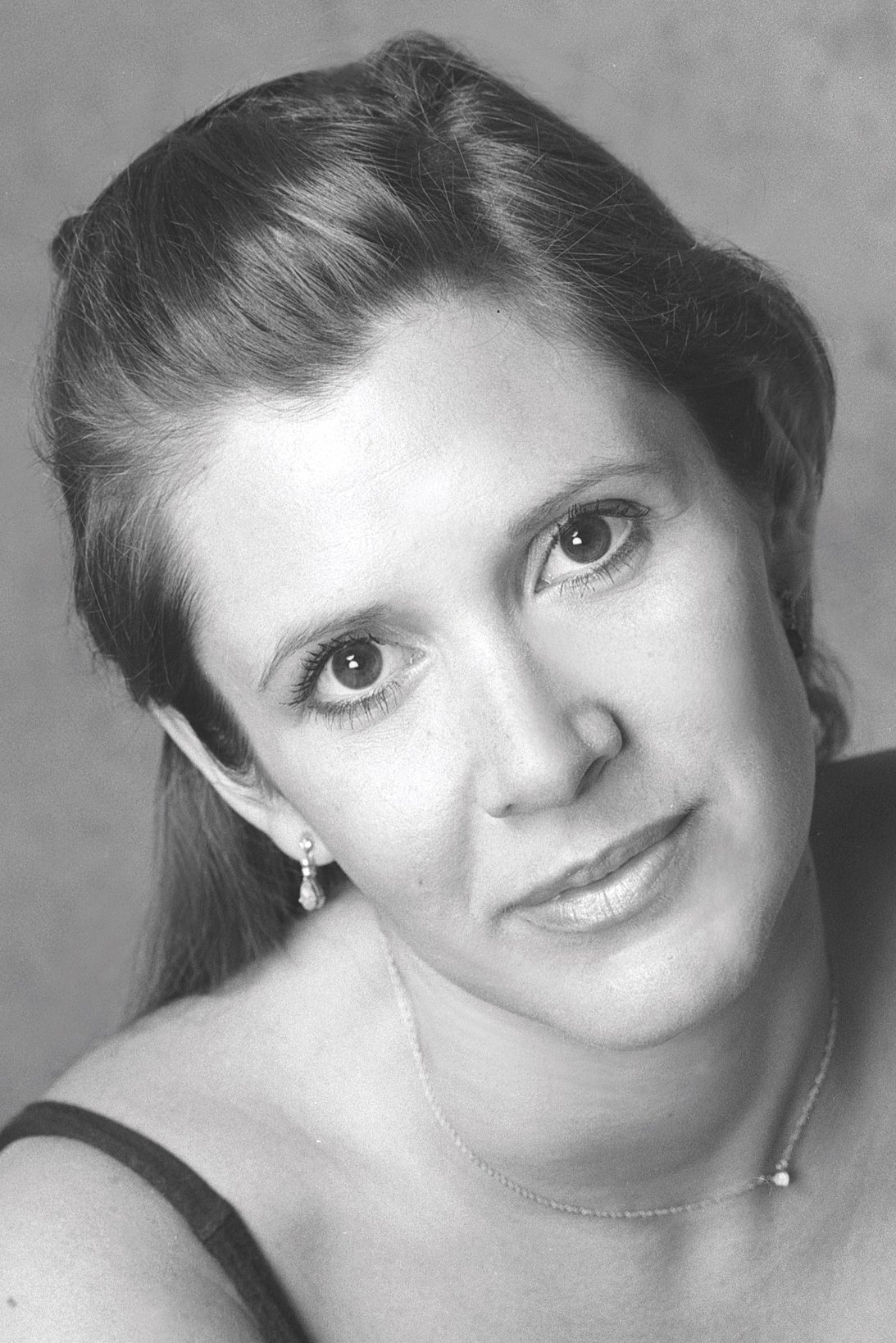
Carrie Fisher worked as an uncredited script doctor on the set of the original ‘Star Wars’ trilogy. She rewrote many of her own lines to make Princess Leia sound more intelligent and commanding. Fisher removed dialogue that she felt made the character a damsel in distress. Her writing sharpened the banter between Leia and Han Solo. She ensured the princess was a leader rather than just a plot device.
Harrison Ford
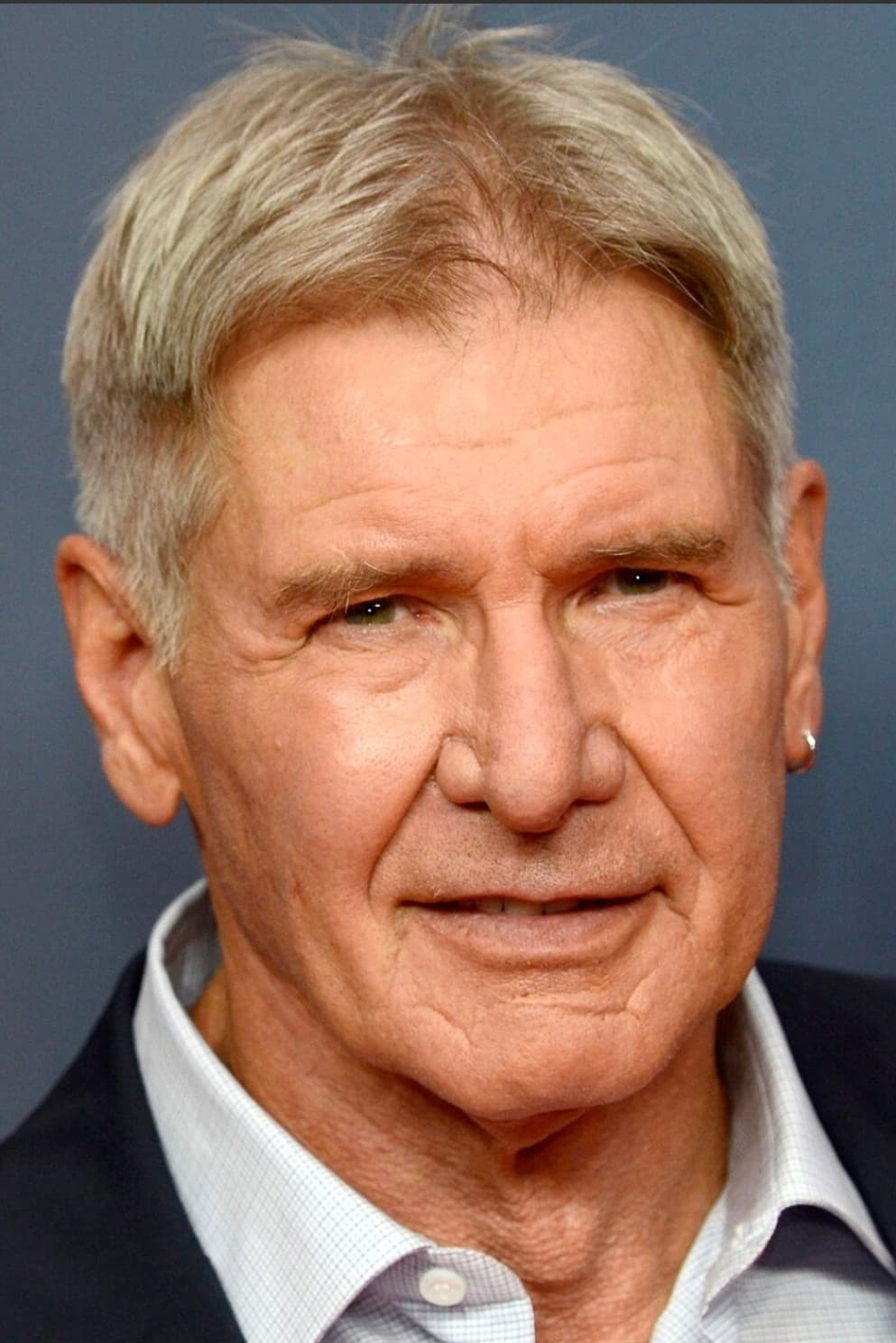
Harrison Ford famously altered a key emotional moment in ‘The Empire Strikes Back’. The script called for Han Solo to say he loved Leia back during the freezing scene. Ford felt this was out of character and instead improvised the line “I know”. This change perfectly encapsulated the rogue’s arrogance and affection in two words. It became one of the most defining moments of the character’s history.
Russell Crowe
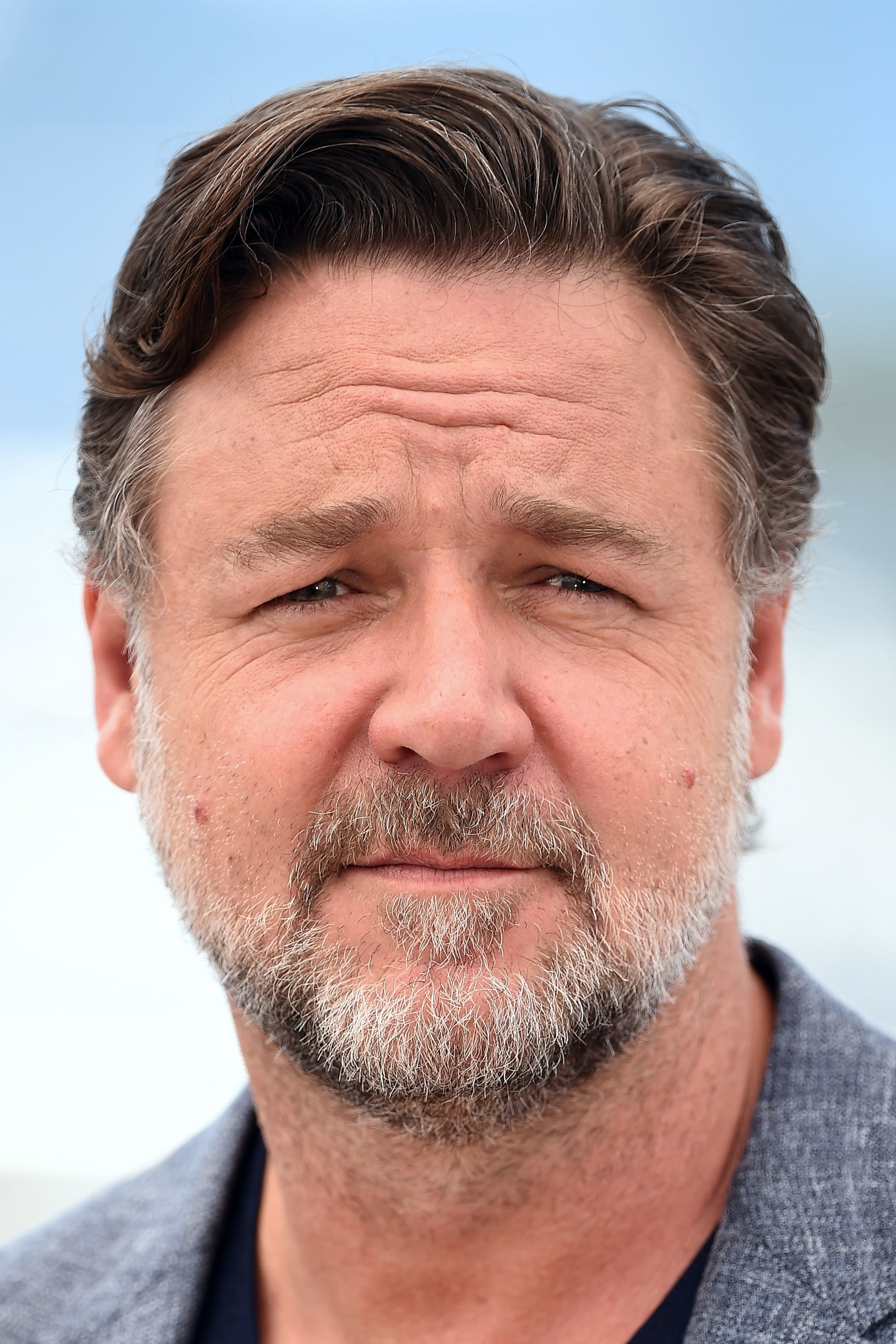
Russell Crowe was unhappy with the original script for ‘Gladiator’ and rewrote several key scenes. He worked to strip away dialogue he found melodramatic and focused on the stoicism of Maximus. The actor famously struggled with the ” vengeance in this life or the next” speech but eventually made it work. He heavily influenced the brooding intensity that defined the general’s personality. Crowe made the character far more grounded than the page suggested.
Matthew McConaughey
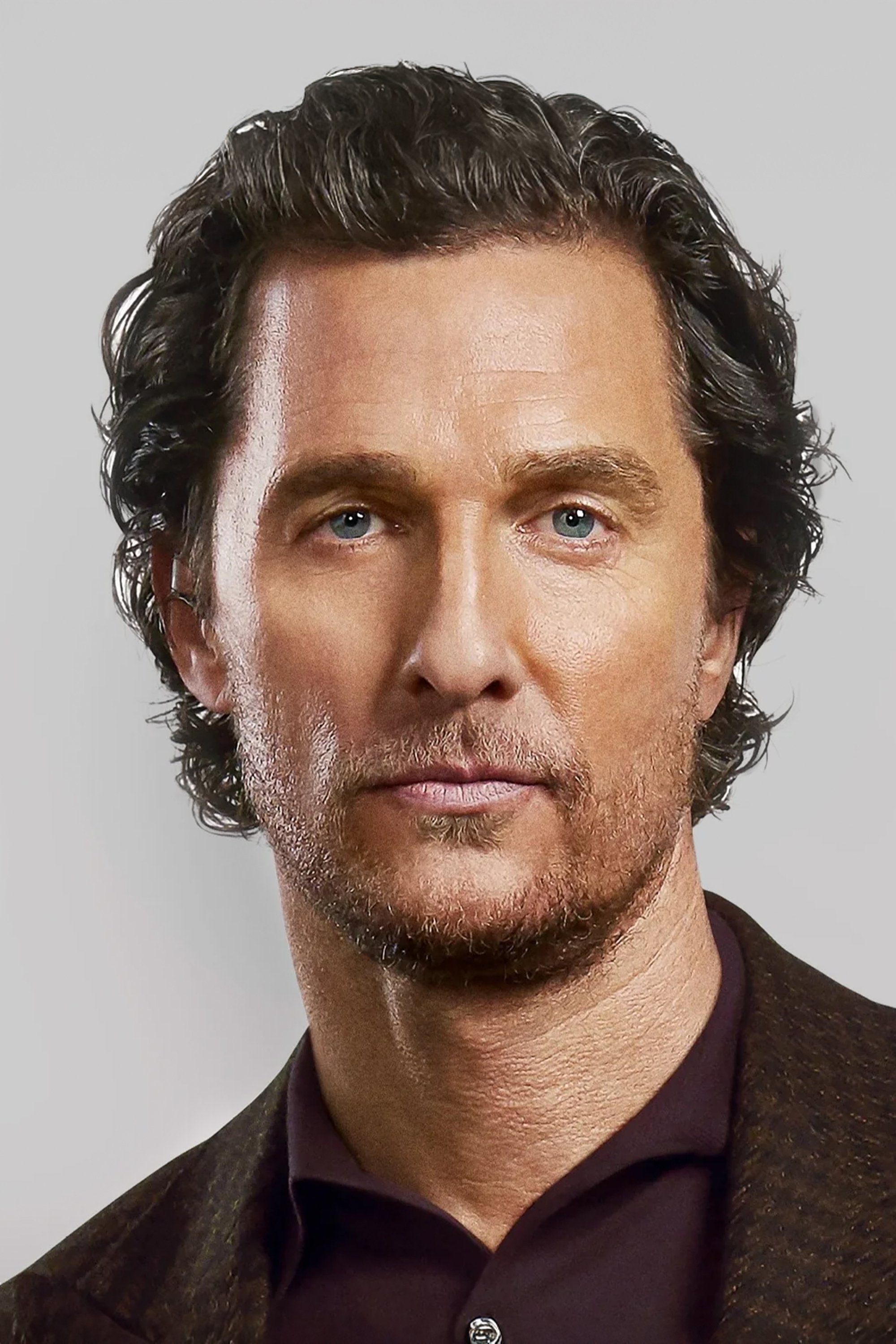
Matthew McConaughey only had a few lines in ‘Dazed and Confused’ before he expanded the role. He improvised the catchphrase “alright, alright, alright” which summarized his character’s philosophy on life. The actor created a backstory for Wooderson as a man stuck in his high school glory days. He leaned into the creepiness and charm of the older guy hanging out with teenagers. This character work launched his career as a leading man.
Anthony Hopkins
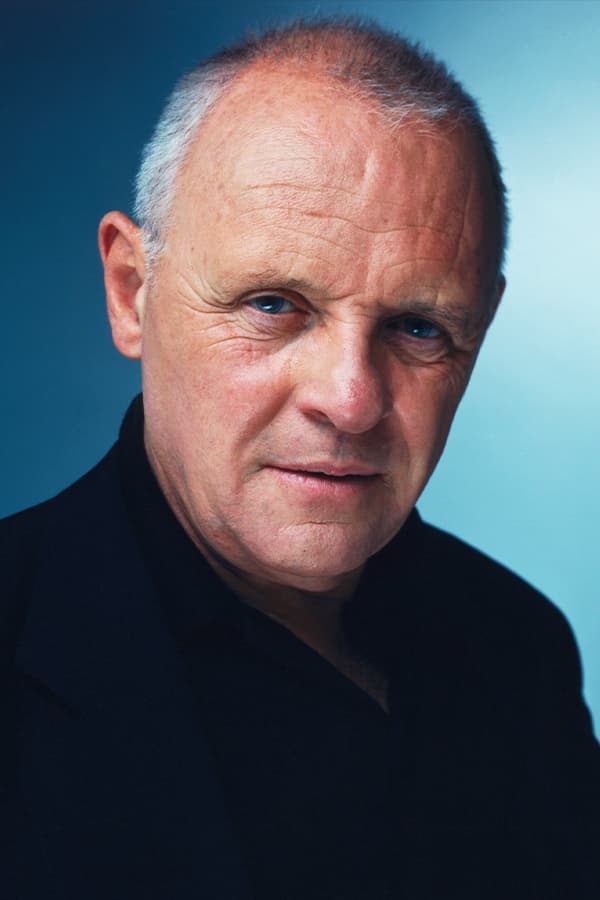
Anthony Hopkins mocked the southern accent of Jodie Foster’s character during their first meeting in ‘The Silence of the Lambs’. This unscripted moment was a genuine reaction that the director decided to keep in the film. Hopkins also suggested that Hannibal Lecter should wear white to look clinical and terrifying. He influenced the stillness of the character to contrast with the violence. These choices built the sophisticated monster that audiences remember.
Alan Rickman
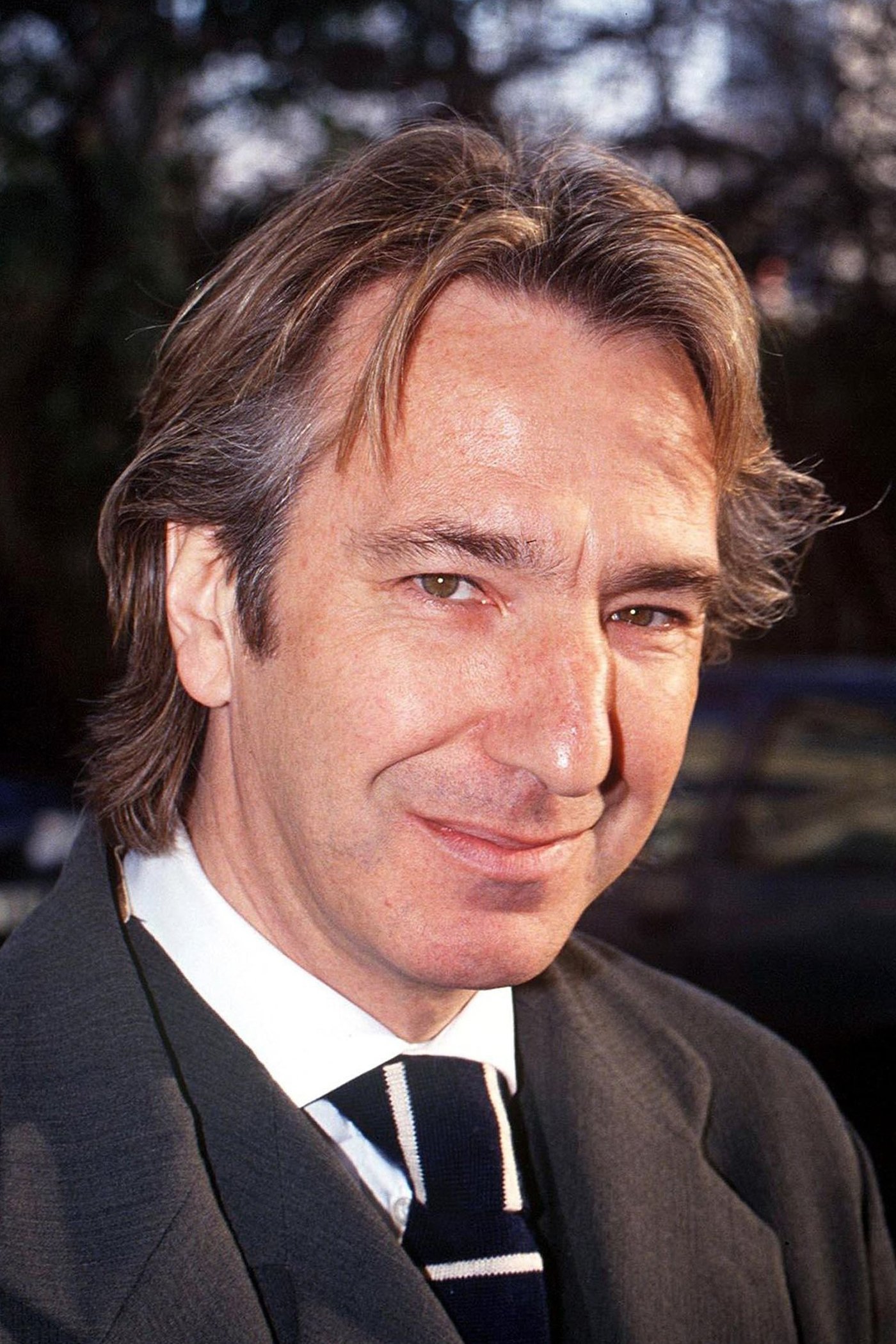
Alan Rickman felt the script for ‘Robin Hood: Prince of Thieves’ was lacking in humor and depth. He secretly wrote his own lines with the help of comedians to make the Sheriff of Nottingham more interesting. The director allowed him to perform these new scenes which often upstaged the hero. Rickman turned a generic villain into a sarcastic and scene-stealing tyrant. His rewriting made the antagonist the most memorable part of the movie.
Oscar Isaac
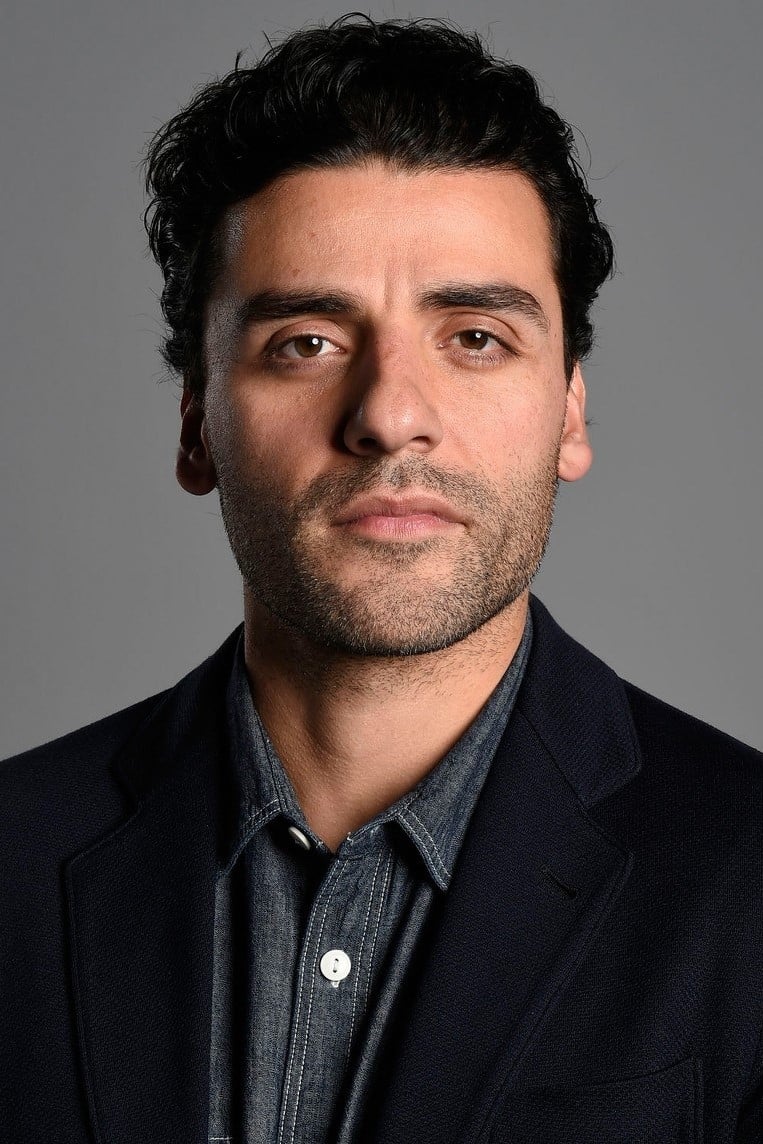
Oscar Isaac developed the idea for the distinct British persona of Steven Grant in ‘Moonlight’. The script did not originally specify that the alternate personality should have such a different accent or timid demeanor. Isaac wanted to differentiate the two identities visually and aurally for the audience. He convinced the studio that the British accent would add humor and tragedy to the character. This creative choice became the central performance hook of the series.
Michelle Williams
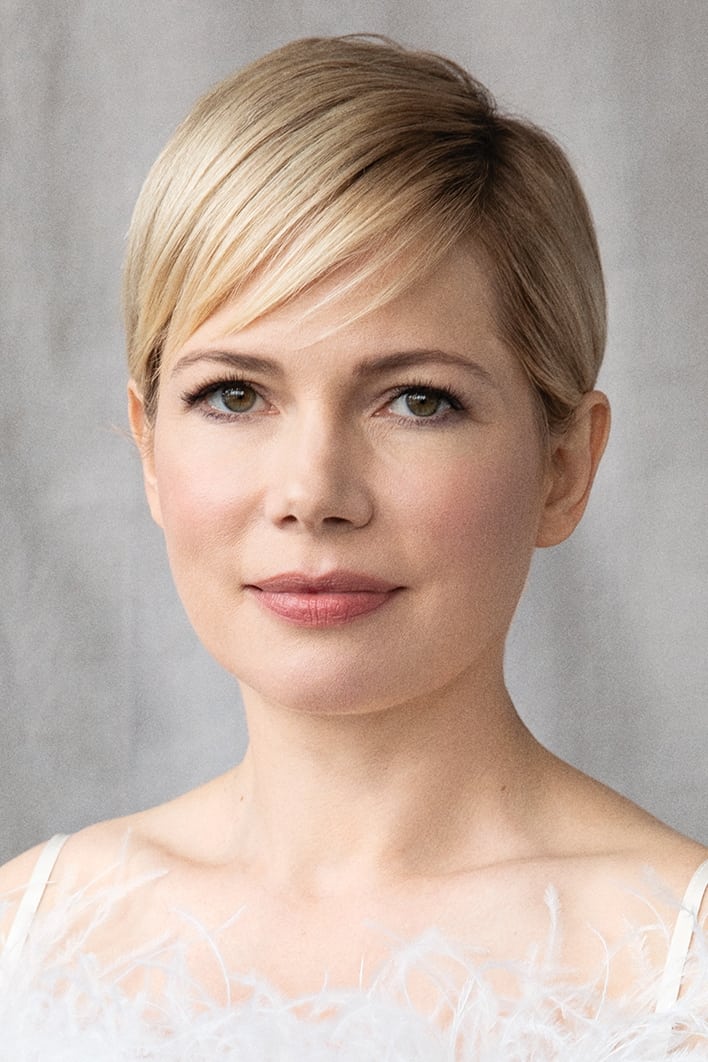
Michelle Williams and her co-star lived together in a house for weeks to build the backstory for ‘Blue Valentine’. They bought groceries on a budget and improvised arguments to create genuine memories of their marriage. The director filmed these interactions to use as the foundation for the characters’ history. Williams used this experience to inform the heartbreak shown in the later timeline of the film. This method acting created a deeply realistic portrayal of a failing relationship.
Henry Cavill
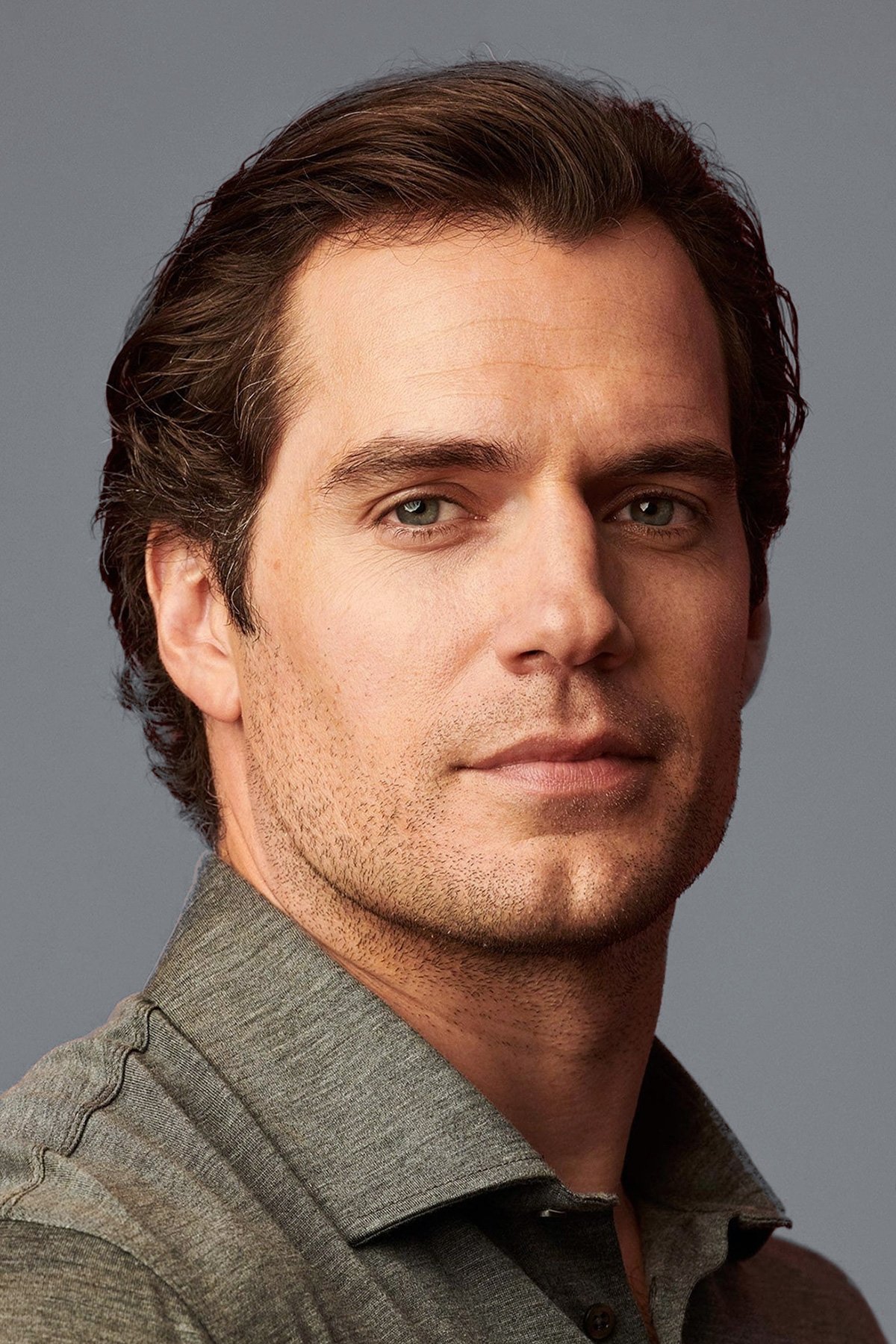
Henry Cavill was a massive fan of ‘The Witcher’ books and video games before being cast. He insisted on giving Geralt a gritty and deep voice that was not described in the script. The actor also pushed for more silence and fewer lines to reflect the character’s solitary nature. He often corrected the crew on lore details to ensure the backstory remained accurate. His passion shaped the on-screen version to be closer to the source material.
Share your favorite example of an actor changing a character in the comments.