


20 Actors Who Defended Their Box Office Flops

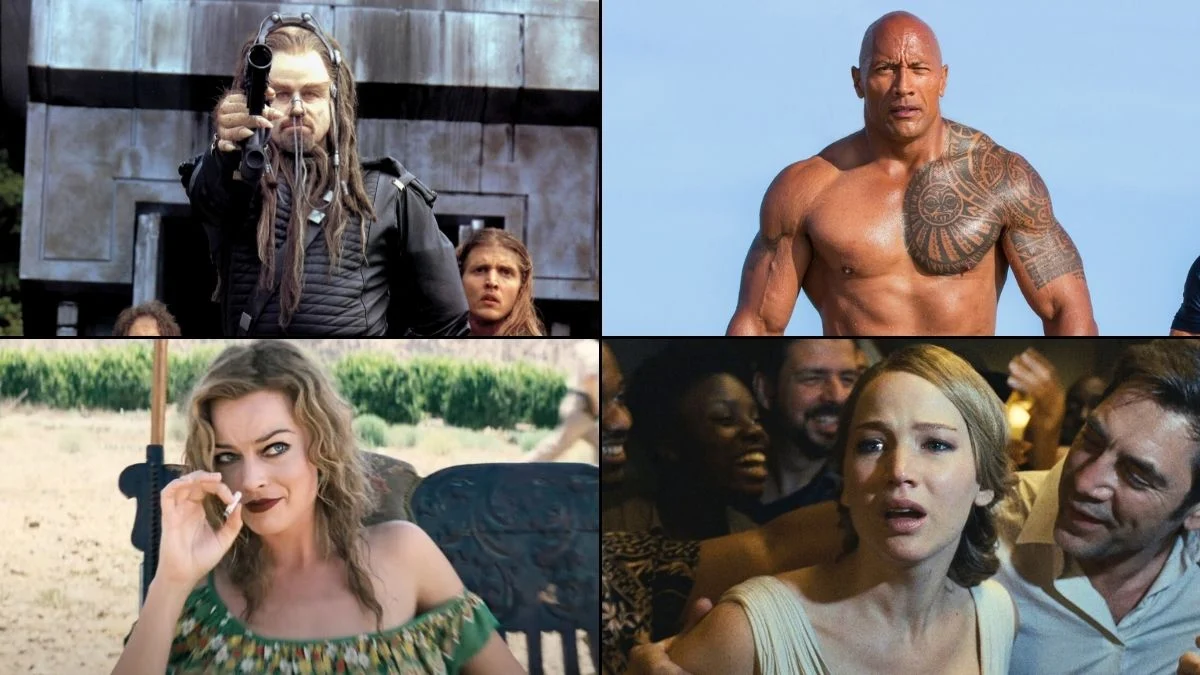


Every actor hits a project that doesn’t land, but some choose to stand by the work anyway. From blockbusters that missed projections to passion projects that confused audiences, these stars explained what they were trying to do, why the results mattered to them, or why the numbers aren’t the whole story. Here are twenty actors who publicly defended films labeled flops, focusing on what they said and the context behind it.
Ben Affleck
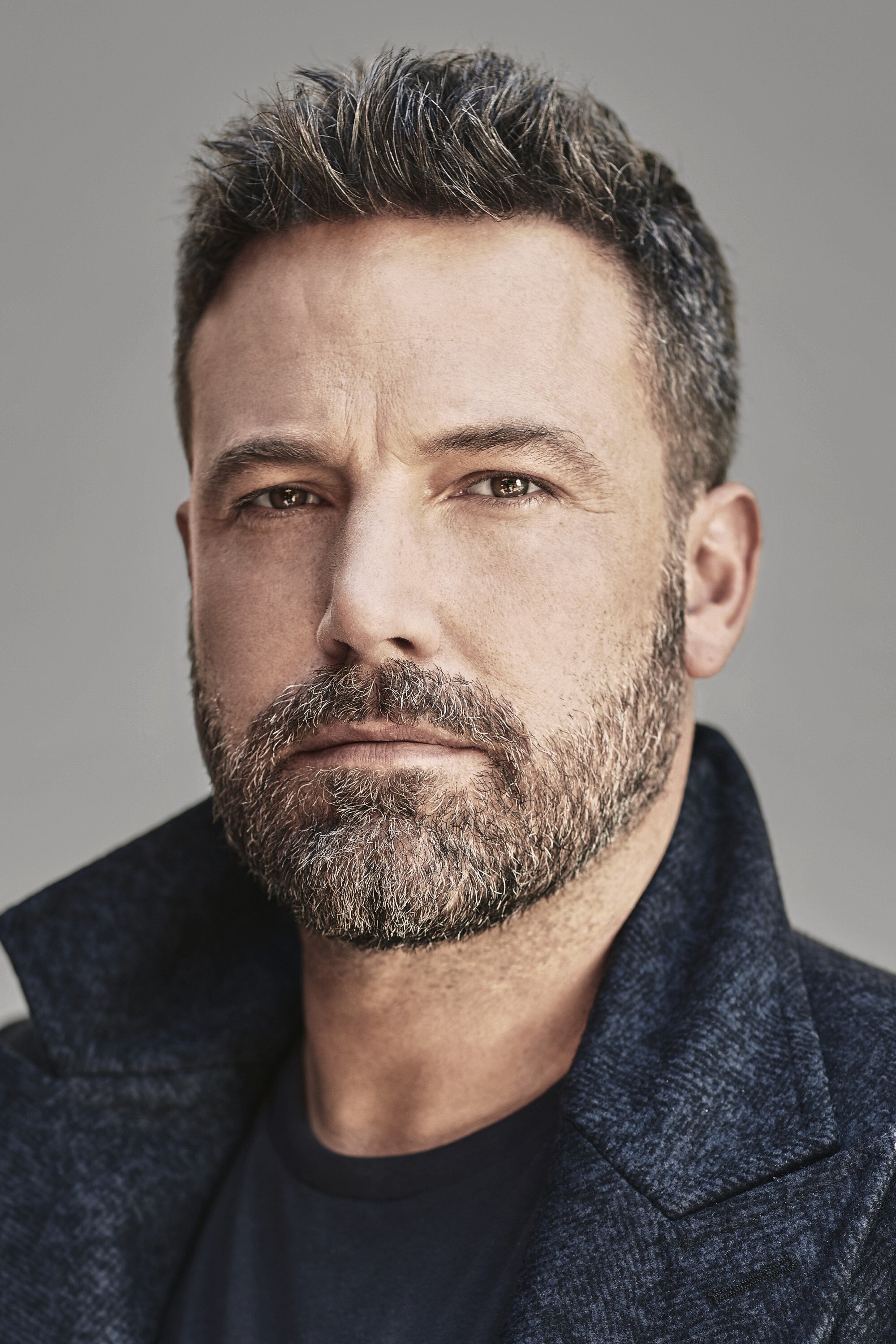
Affleck has repeatedly stood up for ‘Gigli’, saying the film’s failure taught him hard lessons about media narratives and marketing. He has explained that the production process was more complicated than the headlines suggested and that it unfairly overshadowed other work. Affleck also pointed out that creative risks sometimes collapse under expectations. He’s used the experience to talk about resilience and the difference between making a movie and selling one.
Dwayne Johnson
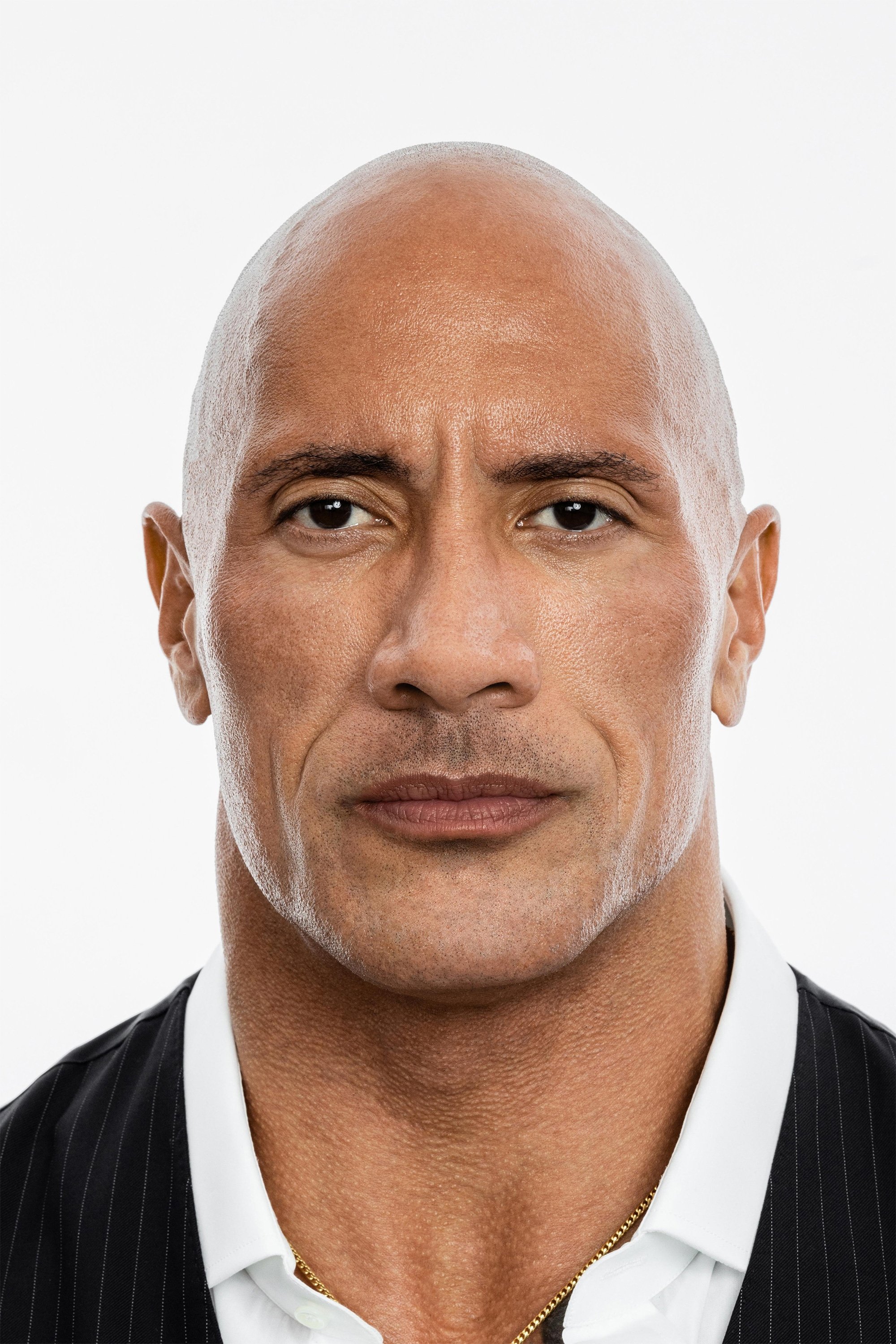
After ‘Baywatch’ underperformed with critics, Johnson highlighted strong audience reaction metrics and international turnout to argue that the film connected with viewers. He emphasized that the movie was designed as a raunchy summer comedy and delivered on that promise for its target crowd. Johnson also noted that some comedies find longer life on streaming and home release. He framed the reception as a critic–audience split rather than an outright rejection.
John Travolta
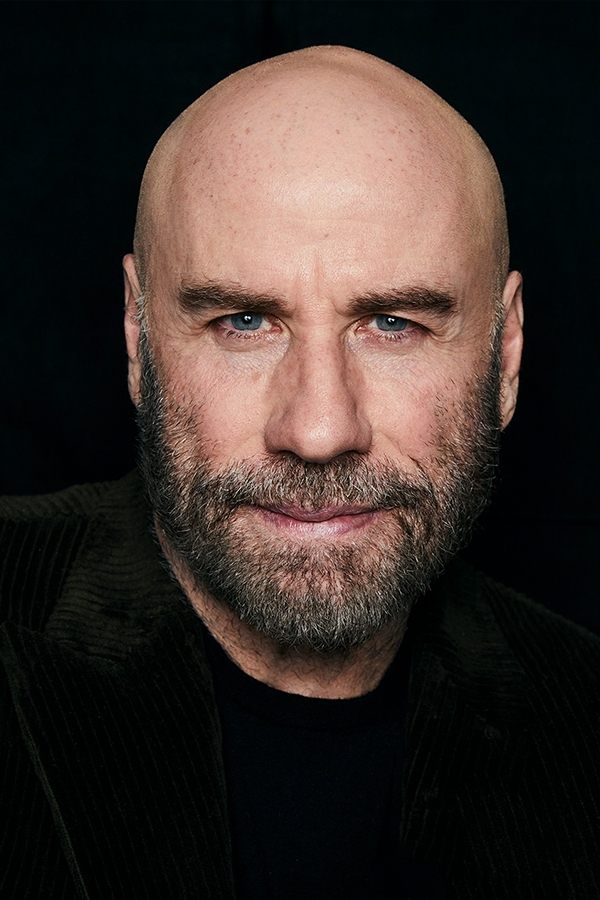
Travolta has defended ‘Battlefield Earth’ by stressing his long-standing enthusiasm for the source material and his belief in the film’s ambition. He has said the creative choices were deliberate attempts to build a specific pulp sci-fi tone. Travolta also argued that financial performance does not invalidate the effort of the cast and crew. He has maintained that experimentation can misfire without erasing intent.
Taylor Kitsch
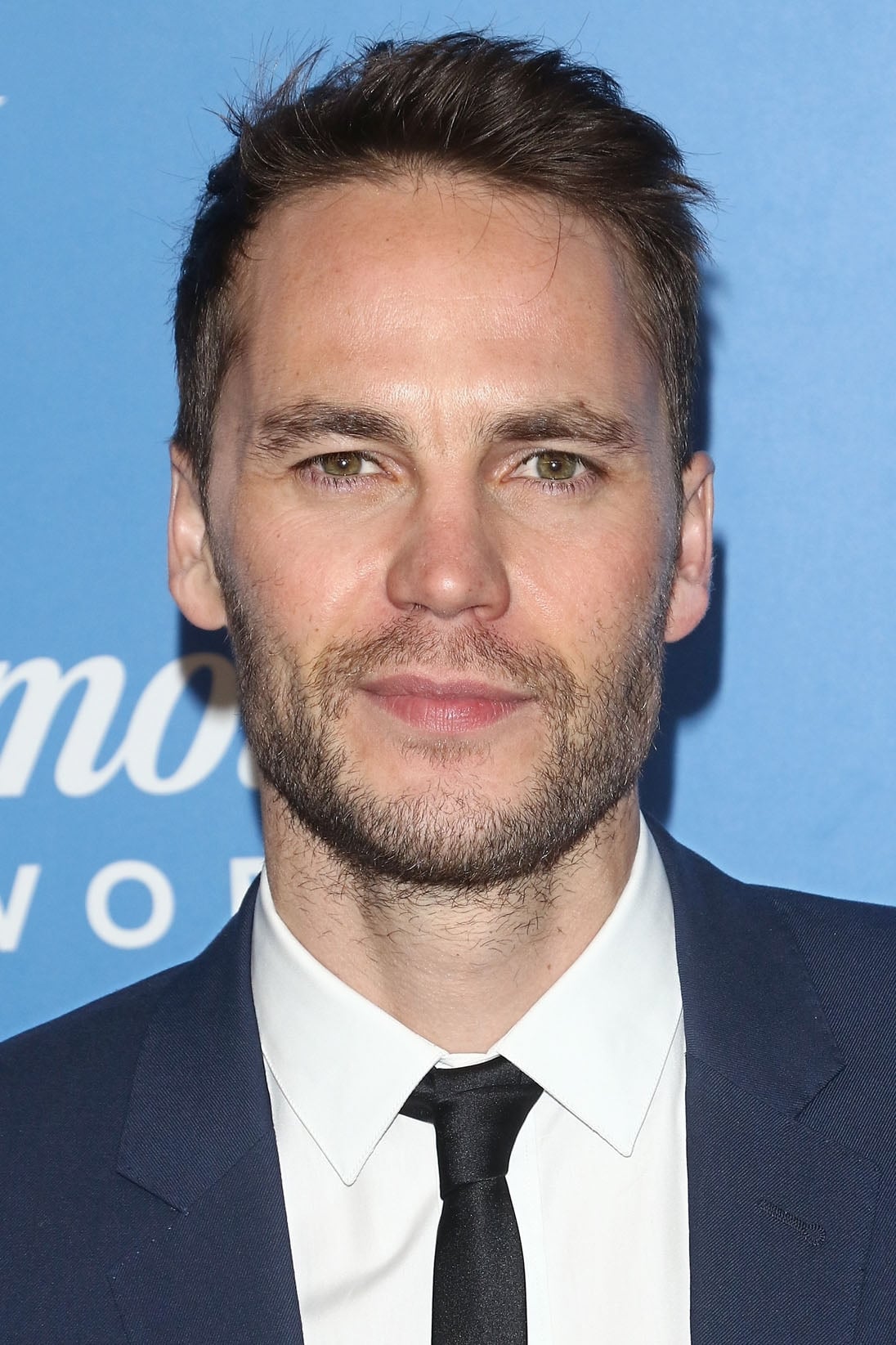
Kitsch has remained proud of ‘John Carter’, explaining that the film’s scope and worldbuilding were major swings that he was grateful to be part of. He has said the cast and crew delivered what they set out to make even if the marketing confused audiences. Kitsch has described the job as a career education in handling high expectations. He’s also noted that the movie earned a later following that appreciated its scale.
Margot Robbie

Robbie defended ‘Babylon’ by saying she believed the film would be rediscovered and appreciated over time. She explained that the story’s chaos and excess were purposeful choices to capture a turbulent Hollywood era. Robbie also pointed to the craftsmanship across departments as worth celebrating regardless of gross. She remained firm that divisive art can still be valuable.
Jennifer Lawrence

Lawrence supported ‘mother!’ by underlining that it was designed to provoke rather than please. She explained that the film’s allegorical structure invited discomfort and that backlash proved it struck a nerve. Lawrence repeatedly said she was proud of the performance and collaboration. She framed box office disappointment as a predictable outcome for a polarizing experiment.
Kevin Costner
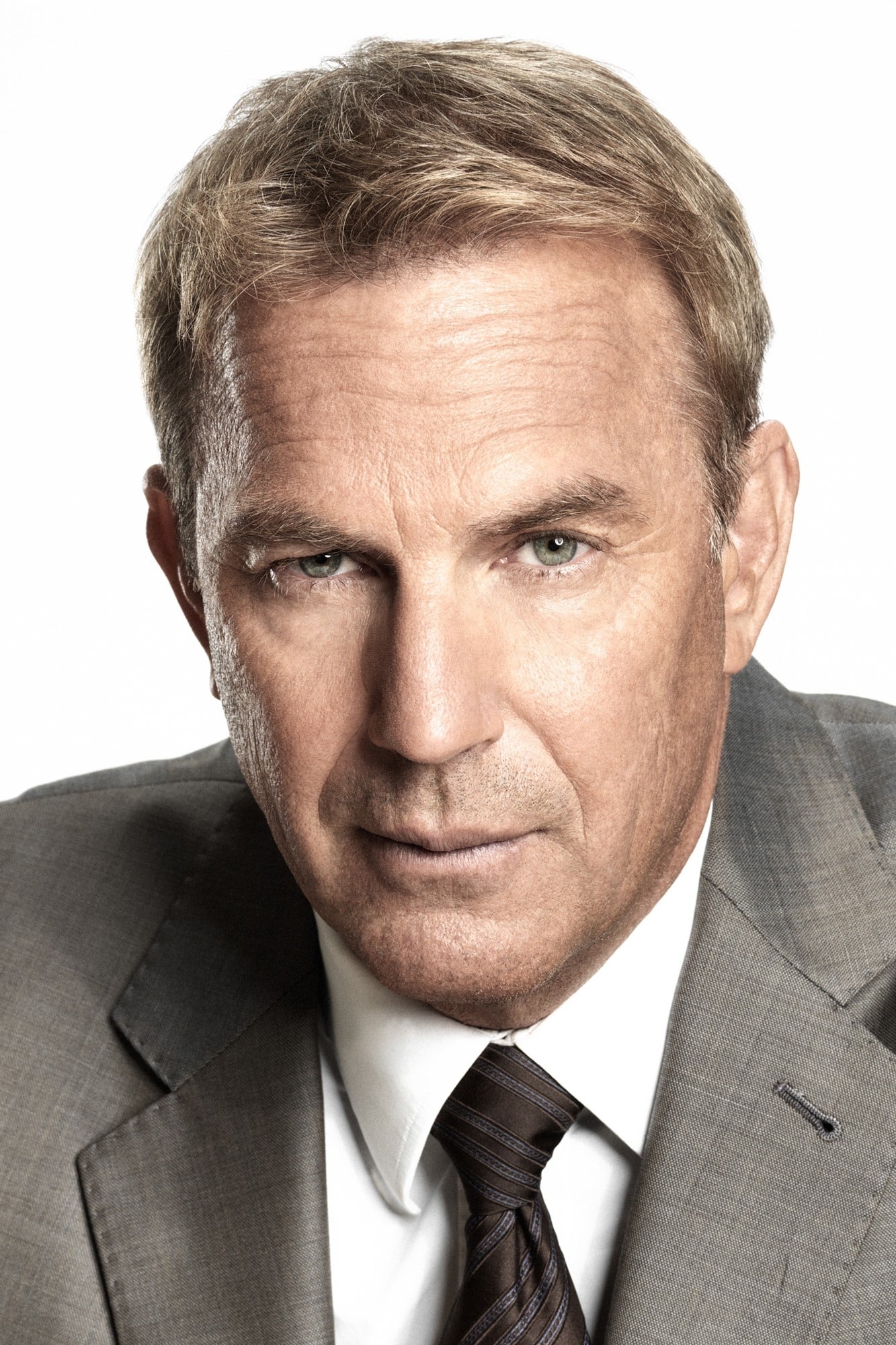
Costner has pushed back on the “disaster” label for ‘Waterworld’ by noting that its financial story included overseas grosses and ancillary revenue. He has explained that the production’s storm problems became the narrative, not the final film. Costner also said the movie delivered big practical spectacle that audiences remember. He argued that long-term earnings and cultural memory complicate the flop tag.
Colin Farrell
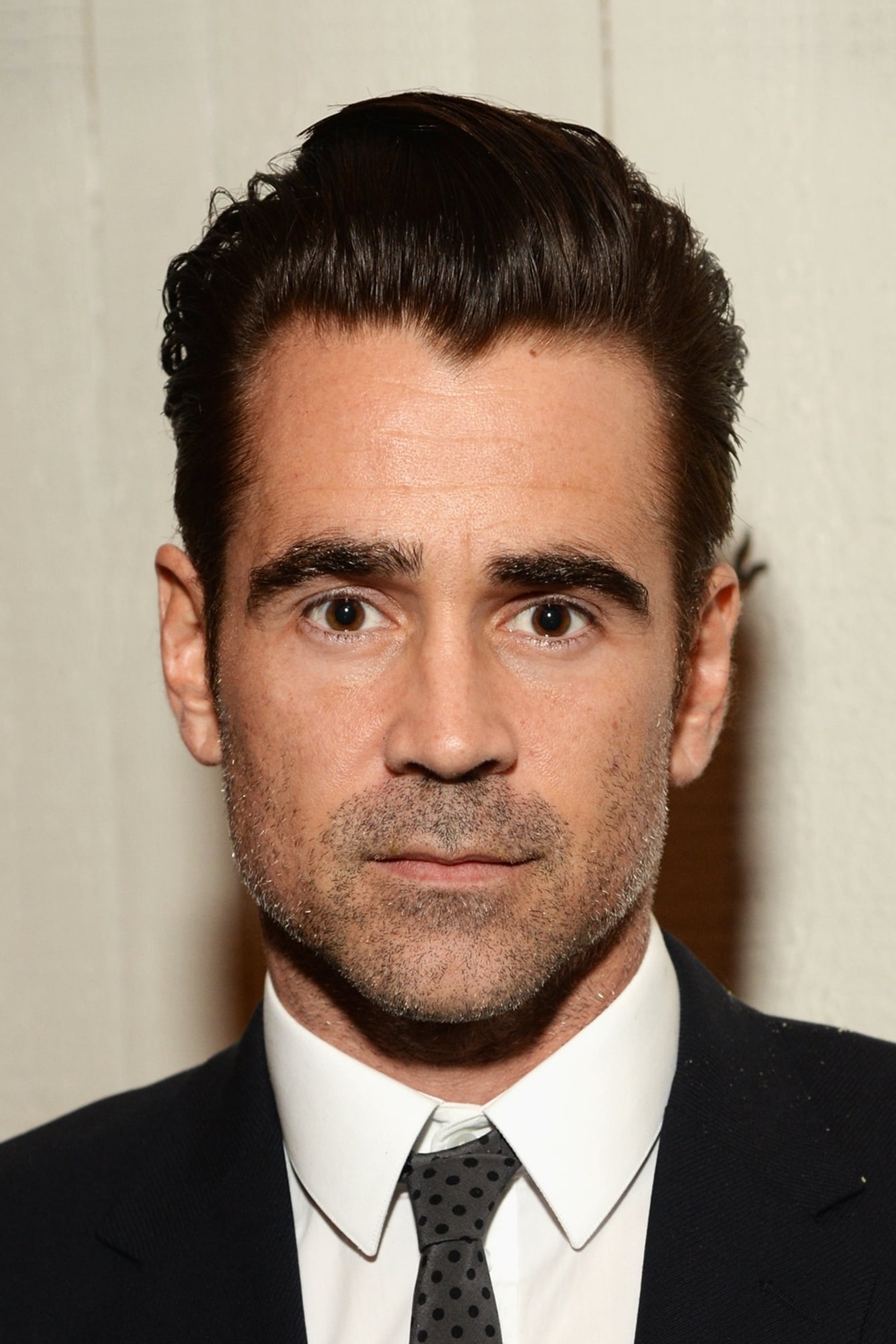
Farrell has talked candidly about the pain around ‘Alexander’ while still defending the intent to tell a sprawling historical epic. He has said the project’s various cuts show an effort to refine rather than excuse choices. Farrell emphasized that critical rejection does not erase the ambition of the undertaking. He credits the experience with sharpening his approach to future roles.
Kristen Stewart

Stewart defended ‘Charlie’s Angels’ by saying the movie was never built to chase four-quadrant hype and that it served its audience just fine. She explained that the tone and camaraderie were intentional updates rather than retreads. Stewart also underscored that social media narratives can snowball into box office predictions. She remained clear that she was proud of the team and the outcome.
Elizabeth Banks

As star and director, Banks argued that ‘Charlie’s Angels’ was judged within a narrow frame about gendered expectations. She explained that the film targeted a specific action-comedy lane and performed in line with that approach internationally. Banks also pointed to the franchise’s long dormant status as a factor in awareness. She defended the cast’s work and the film’s playful tone.
Melissa McCarthy
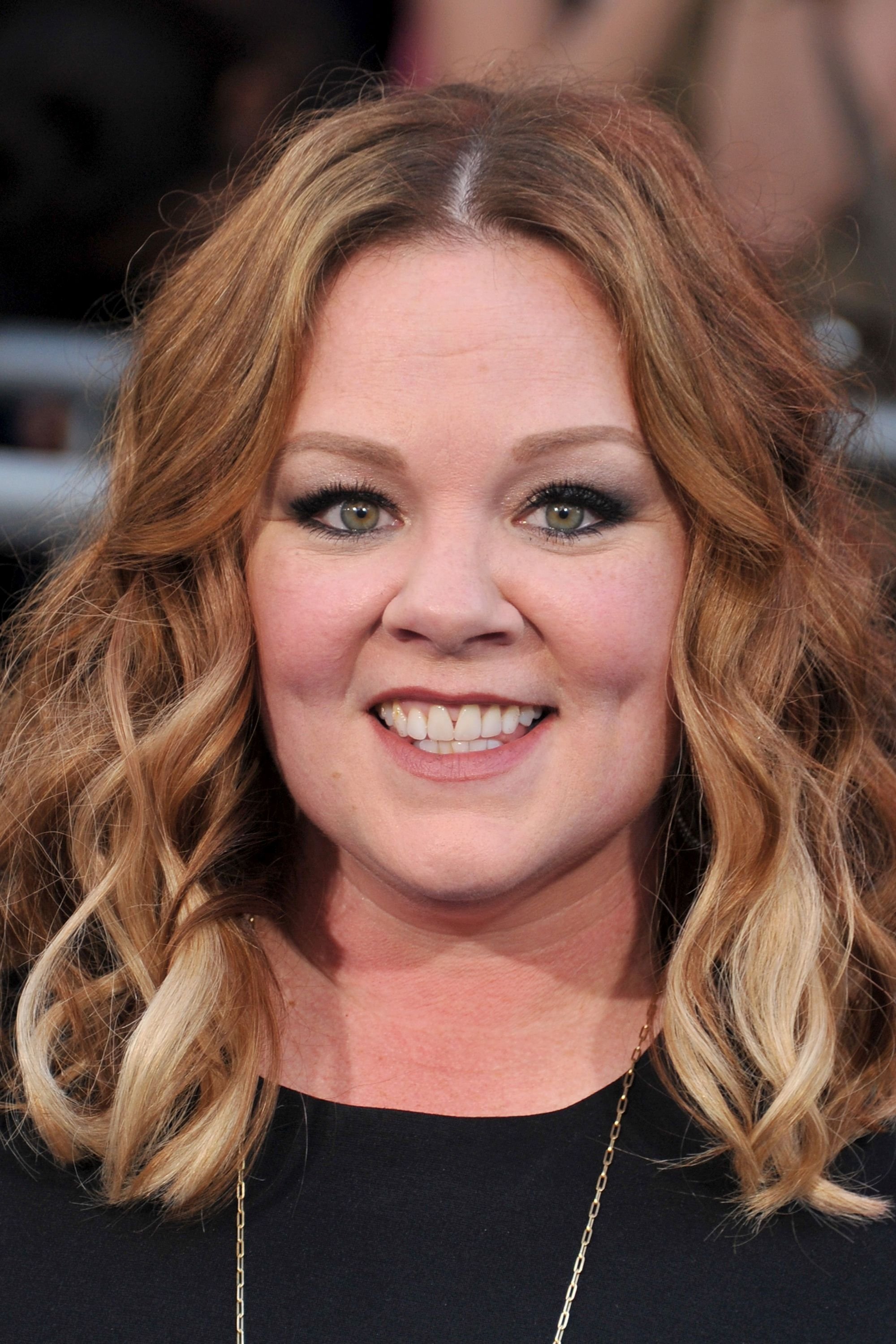
McCarthy consistently defended ‘Ghostbusters’ by calling out the pre-release backlash and insisting that viewers judge the actual movie. She said the team delivered a lively comedy with its own identity. McCarthy also stressed that online vitriol distorted perception before opening. She framed the experience as proof that loud negativity does not equal broad consensus.
Dan Aykroyd
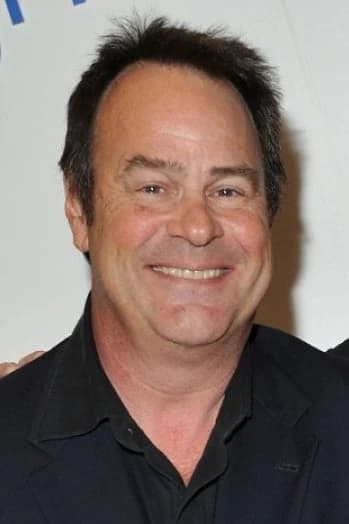
Aykroyd publicly supported the ‘Ghostbusters’ reboot and praised its cast and direction. He acknowledged budgeting issues while insisting there was plenty to admire on screen. Aykroyd said the franchise can support different interpretations without erasing the original. He urged people to separate discourse storms from the work itself.
Emile Hirsch
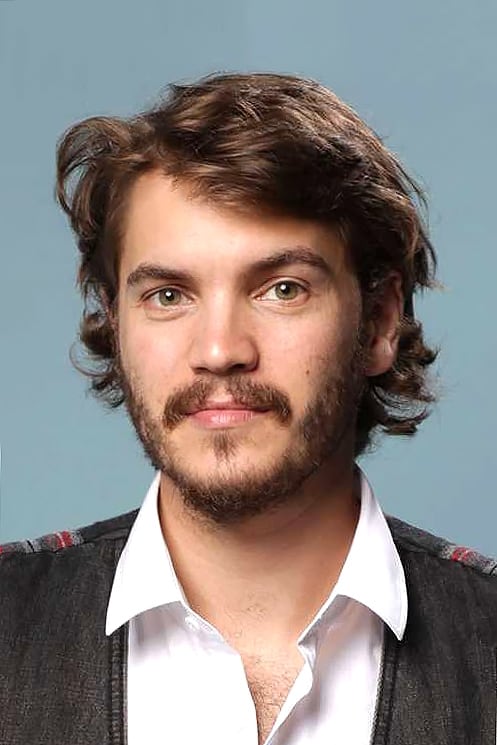
Hirsch has defended ‘Speed Racer’ by noting that its candy-colored aesthetic and editing language were ahead of their time. He has said the Wachowskis built a sincere family film that later found a passionate fan base. Hirsch points to stylistic choices that critics initially dismissed but viewers later embraced. He credits the film’s afterlife with validating the creative gamble.
Robert Downey Jr.
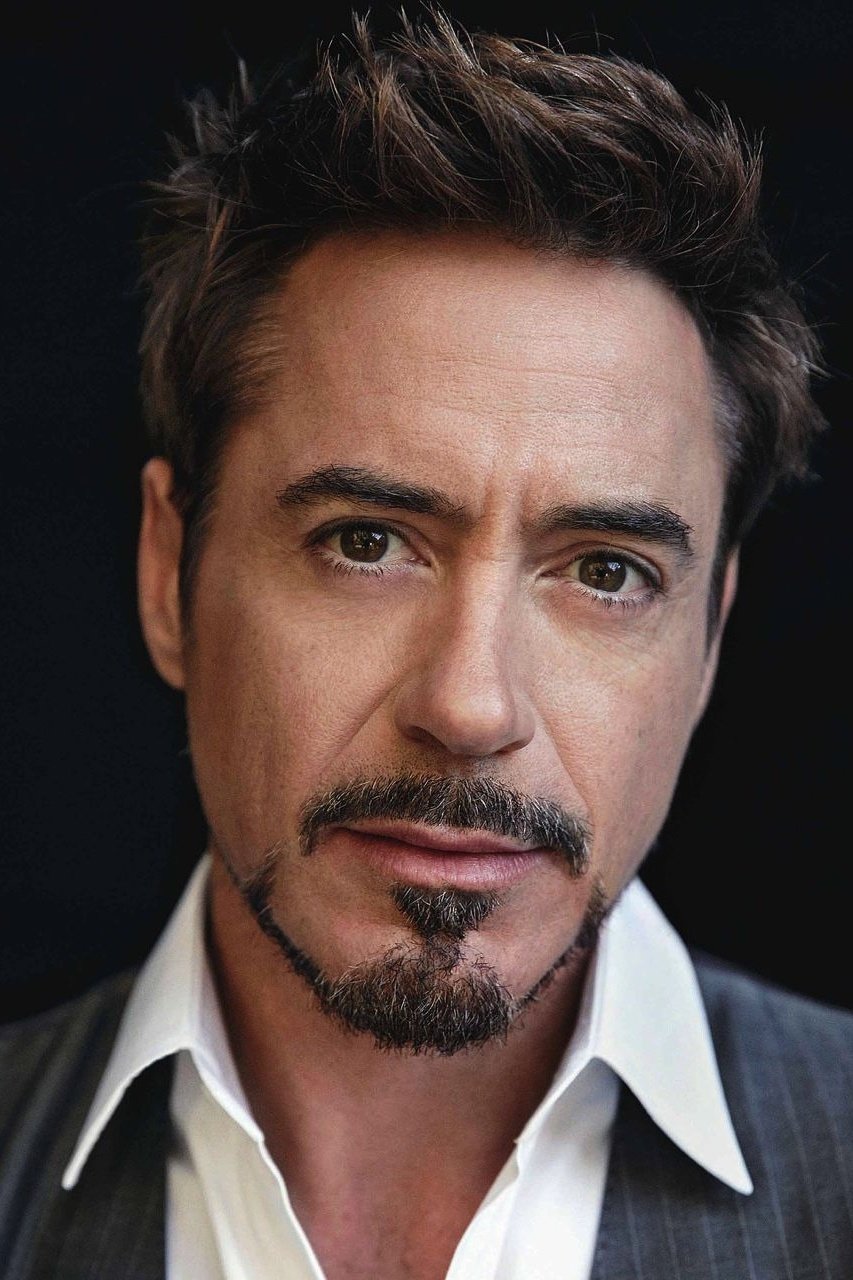
Downey Jr. has reframed ‘Dolittle’ as an important personal course correction rather than a simple failure. He explained that the troubled production forced him to reassess partnerships and priorities after a long franchise run. Downey Jr. also said the experience reminded him how easily ambition can outgrow coherence. He’s used it as a public lesson in learning from misfires.
Johnny Depp
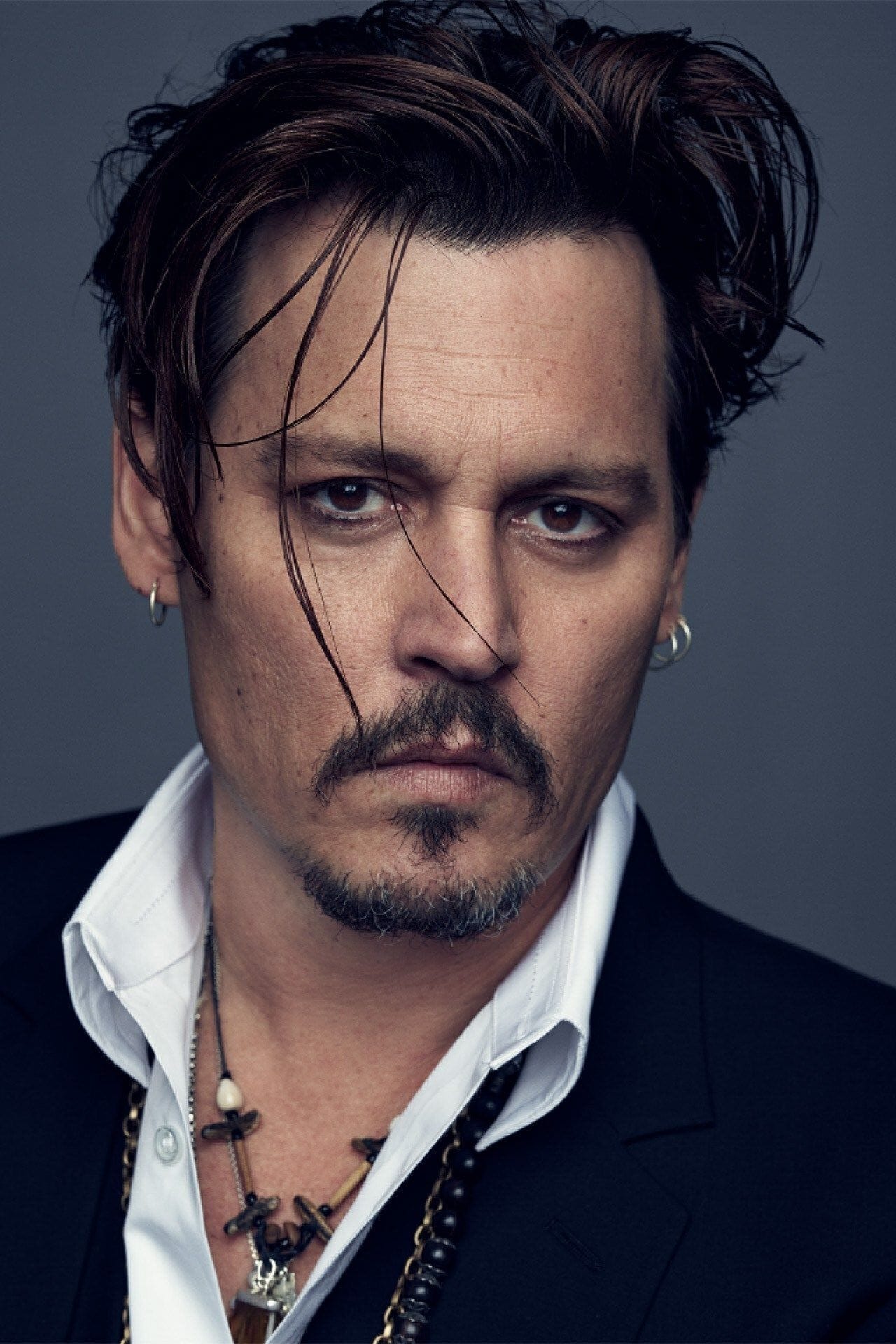
Depp defended ‘The Lone Ranger’ by arguing that critics decided the story before release. He said the film’s unusual tone and scale didn’t fit easy marketing boxes. Depp also praised his collaborators and called the project a brave swing. He suggested that some movies get reevaluated once hype fades.
Matt Smith
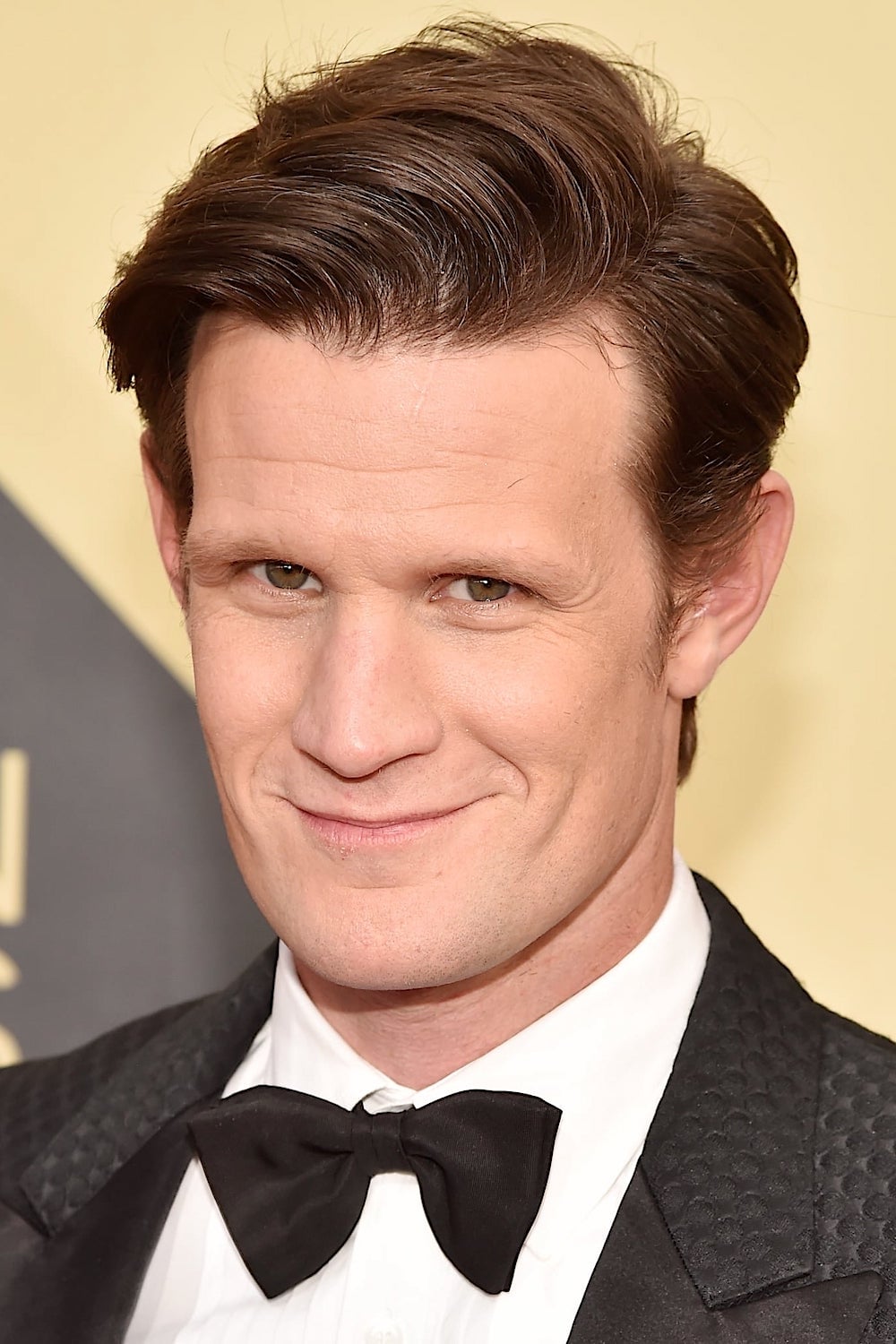
Smith responded to ‘Morbius’ underperforming by downplaying box office as the only measure and focusing on doing the job. He said that outcomes can be unpredictable even with major brands. Smith emphasized that actors have limited control beyond the work they deliver on set. He encouraged perspective when a film doesn’t connect.
Iman Vellani

Vellani addressed ‘The Marvels’ results by saying box office is an executive concern and that she was happy with the finished film. She highlighted the joy of sharing a story centered on teamwork and sisterhood. Vellani urged audiences to judge the movie on its own terms. She kept the focus on craft and community rather than revenue.
Brie Larson

Larson stood by ‘The Marvels’ and spoke about believing in its message and collaborators. She acknowledged the tough climate for superhero releases while stressing the film’s character focus. Larson pointed to the importance of representation and the joy of working with her co-stars. She emphasized that financial narratives can obscure viewer experiences.
Zac Efron
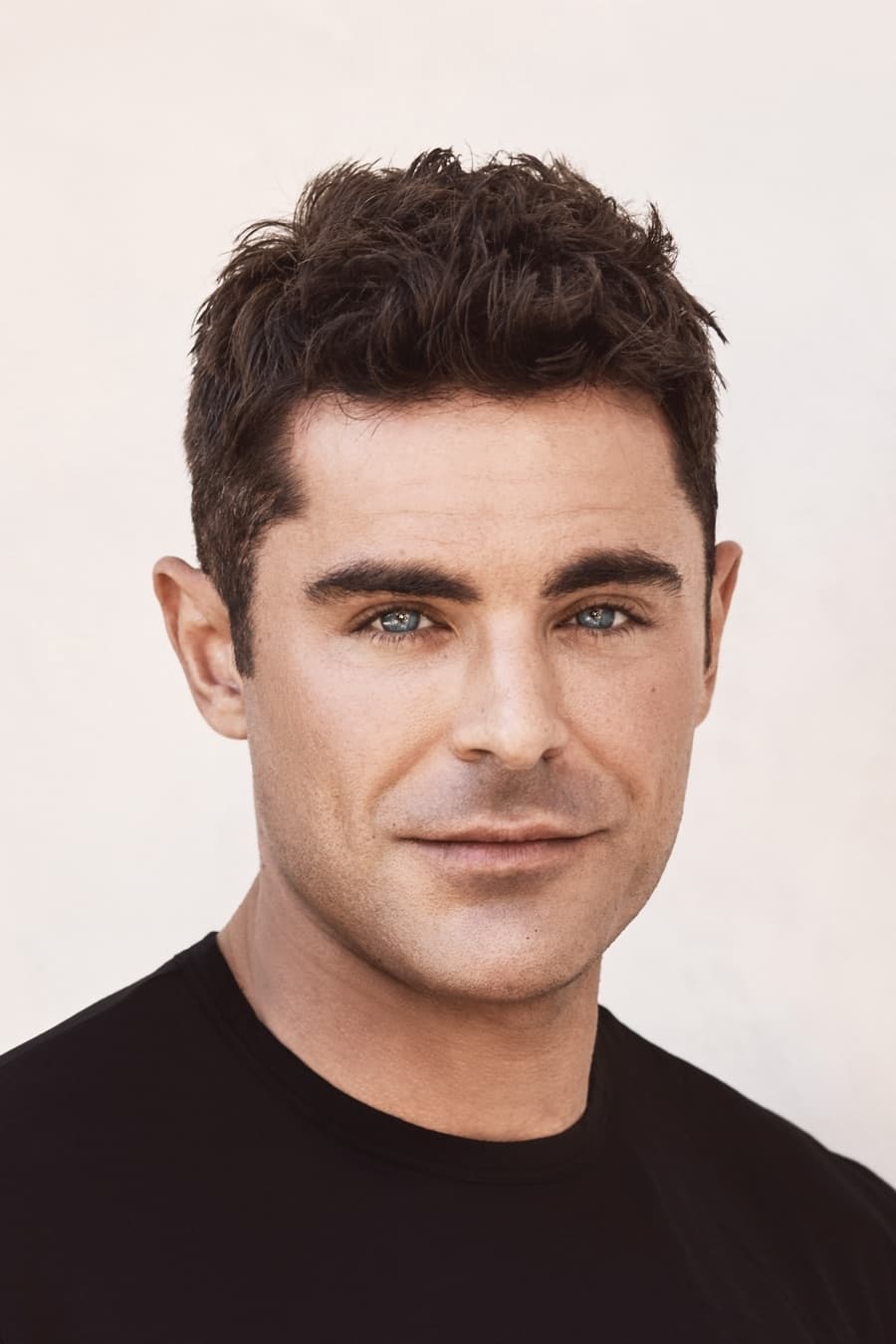
Efron talked up ‘Baywatch’ by explaining the creative choice to flip stereotypes and lean into R-rated absurdity. He discussed the intense physical preparation required for the role and how that supported the movie’s tone. Efron credited the original creators’ input and the production’s willingness to push boundaries. He framed the film as an intentionally brash comedy that plays better with casual audiences than with critics.
Naomi Watts

Watts has defended aspects of ‘Diana’ by stressing the difficulty of portraying a globally scrutinized figure. She explained the level of research and the pressure surrounding the performance. Watts acknowledged the harsh reviews while noting that intent and effort do not vanish with a bad weekend. She used the outcome to talk about risk when tackling real-life icons.
Share the actor–movie pairing you think deserves a second look in the comments.