


Actors Who Defended Themselves Against Ridiculous Public Accusations of “Acting White”

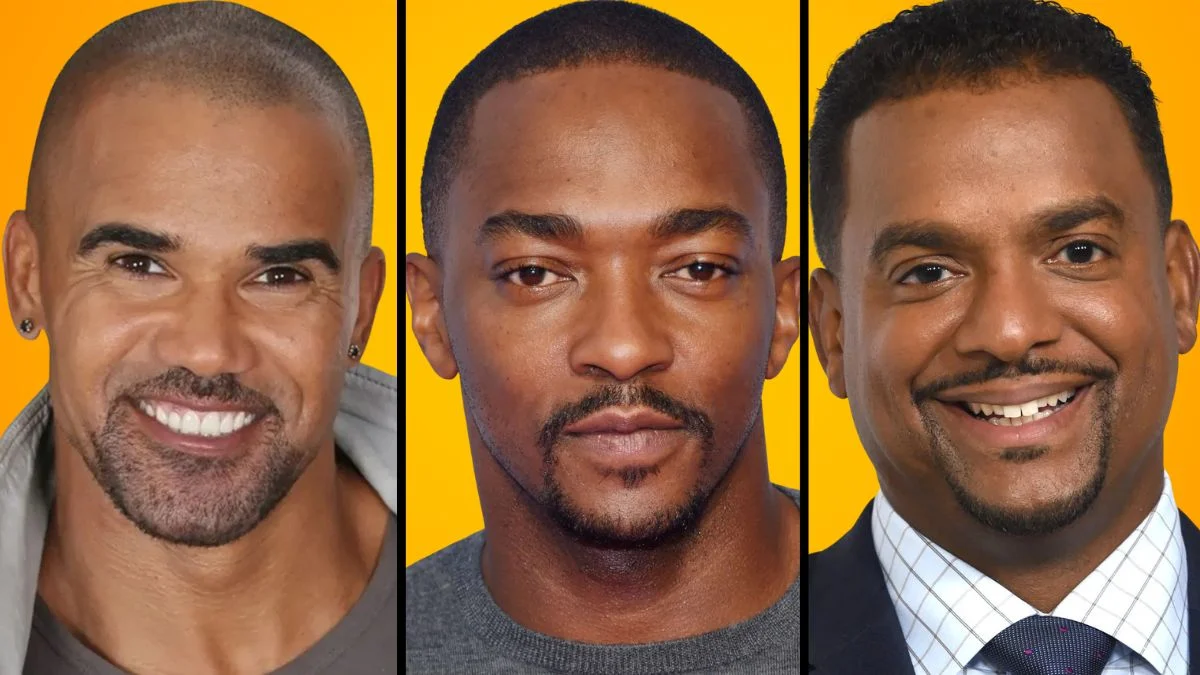


The entertainment industry has long struggled with narrow definitions of cultural authenticity that often result in unfair labels for performers. Many prominent male actors have faced the stinging accusation of “acting white” simply for their speech patterns or personal interests. These performers have had to publicly defend their right to be multifaceted individuals who do not fit into a single box. By speaking out they challenge the harmful idea that intelligence or specific cultural tastes are exclusive to one demographic. Their stories highlight the importance of embracing a broad and inclusive spectrum of identity within Hollywood.
Will Smith
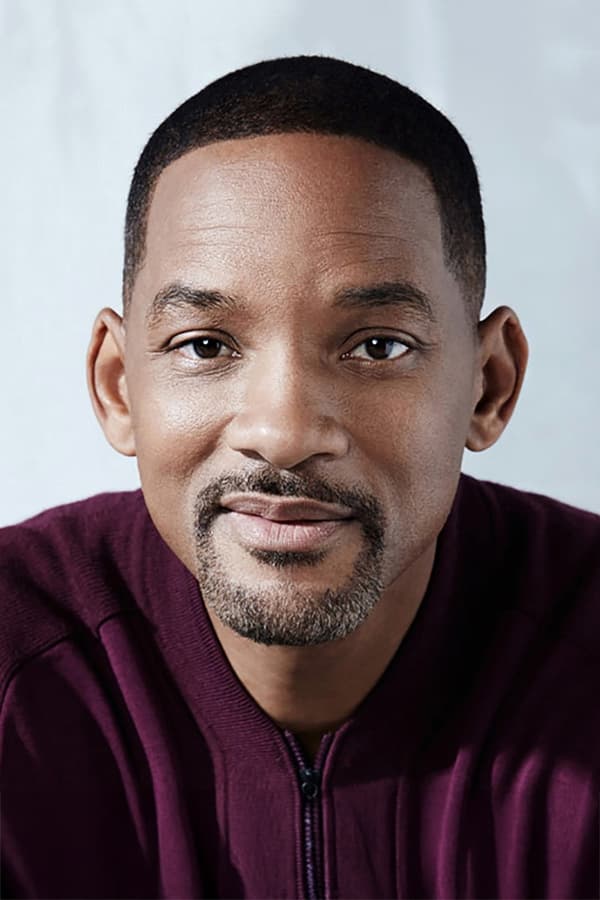
Will Smith faced early career criticism for his choice to avoid profanity and his focus on positive themes. Many critics in the hip hop community suggested he was not authentic enough to his Philadelphia roots. Smith consistently argued that his upbringing in a diverse neighborhood allowed him to appreciate many different cultural influences. He maintains that being successful and well spoken should not lead to accusations of abandoning his heritage. The actor has used his massive platform to show that Black excellence can take many different forms.
Donald Glover
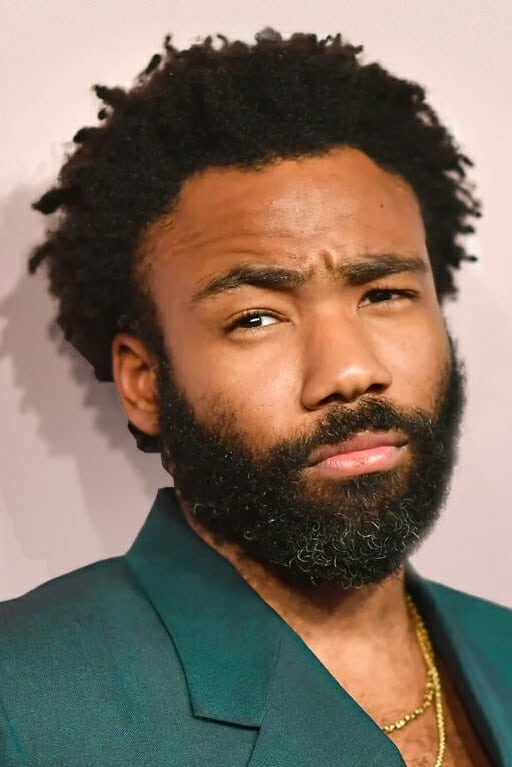
Donald Glover has frequently addressed comments regarding his perceived distance from traditional urban culture. His work in ‘Community’ and his early music often led to claims that he was catering to a specific audience. Glover explored these themes of isolation and identity deeply in his award winning series ‘Atlanta’. He has stated that the concept of “acting white” is a tool used to limit the creativity of individuals. The multitalented star continues to push boundaries by embracing his unique perspective on art and life.
Michael B. Jordan
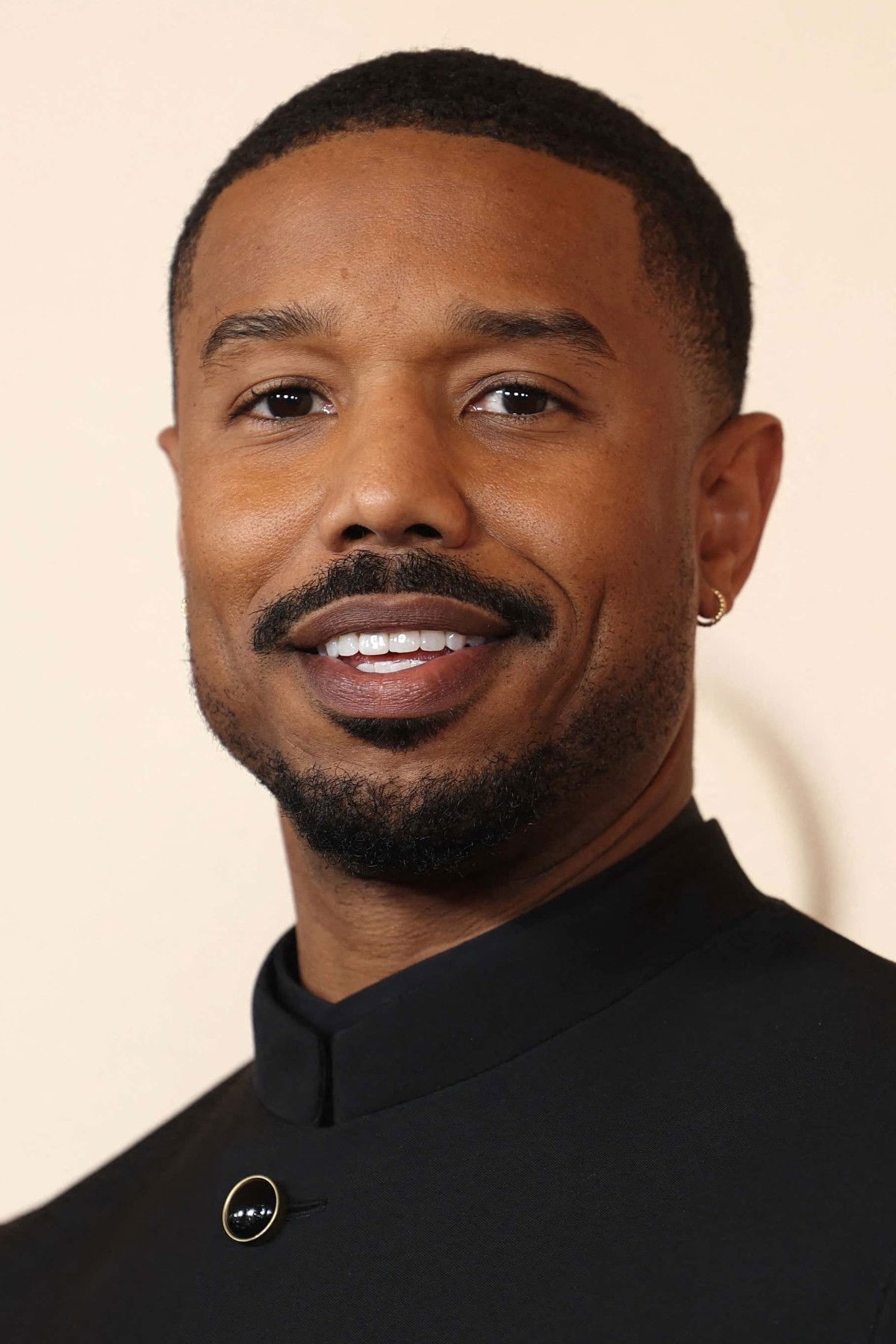
Michael B. Jordan dealt with online trolls who questioned his cultural standing because of his love for anime and his public demeanor. He responded to these critiques by asserting that his personal tastes do not diminish his pride in his community. Jordan has often spoken about the pressure on young men of color to perform a certain type of masculinity. He believes that honesty about one’s self is the ultimate form of authenticity. Through his production company he works to create roles that represent the wide reality of the Black experience.
Sterling K. Brown
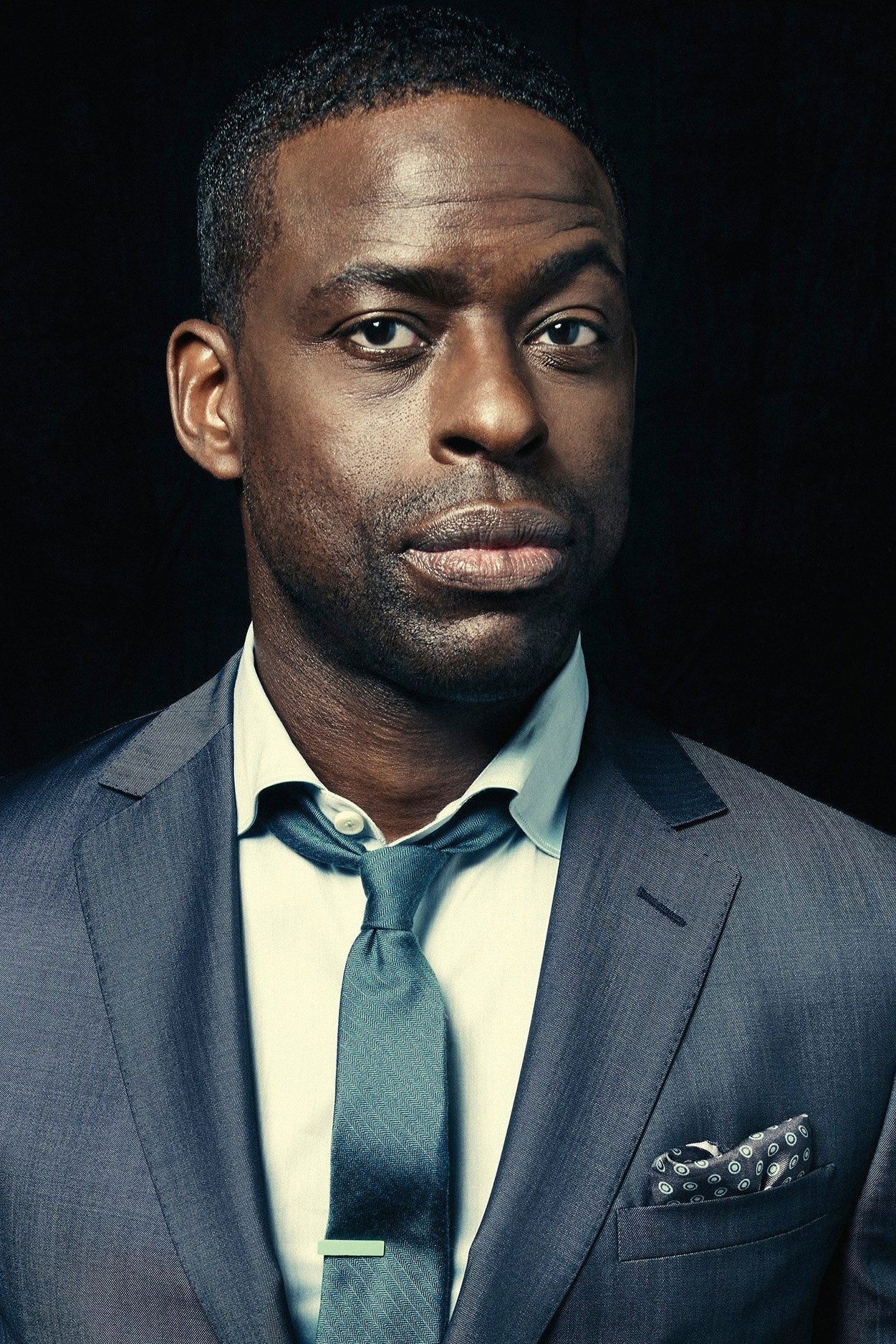
Sterling K. Brown has spoken about the assumptions people make based on his articulate manner and his professional background. He grew up in Saint Louis and pursued higher education at prestigious institutions like Stanford and NYU. Brown has noted that some people view his success and speech as a departure from his racial identity. He refutes these claims by emphasizing that his education and talent are integral parts of his identity. The ‘This Is Us’ star remains a vocal advocate for the complexity of the modern Black man.
Anthony Mackie
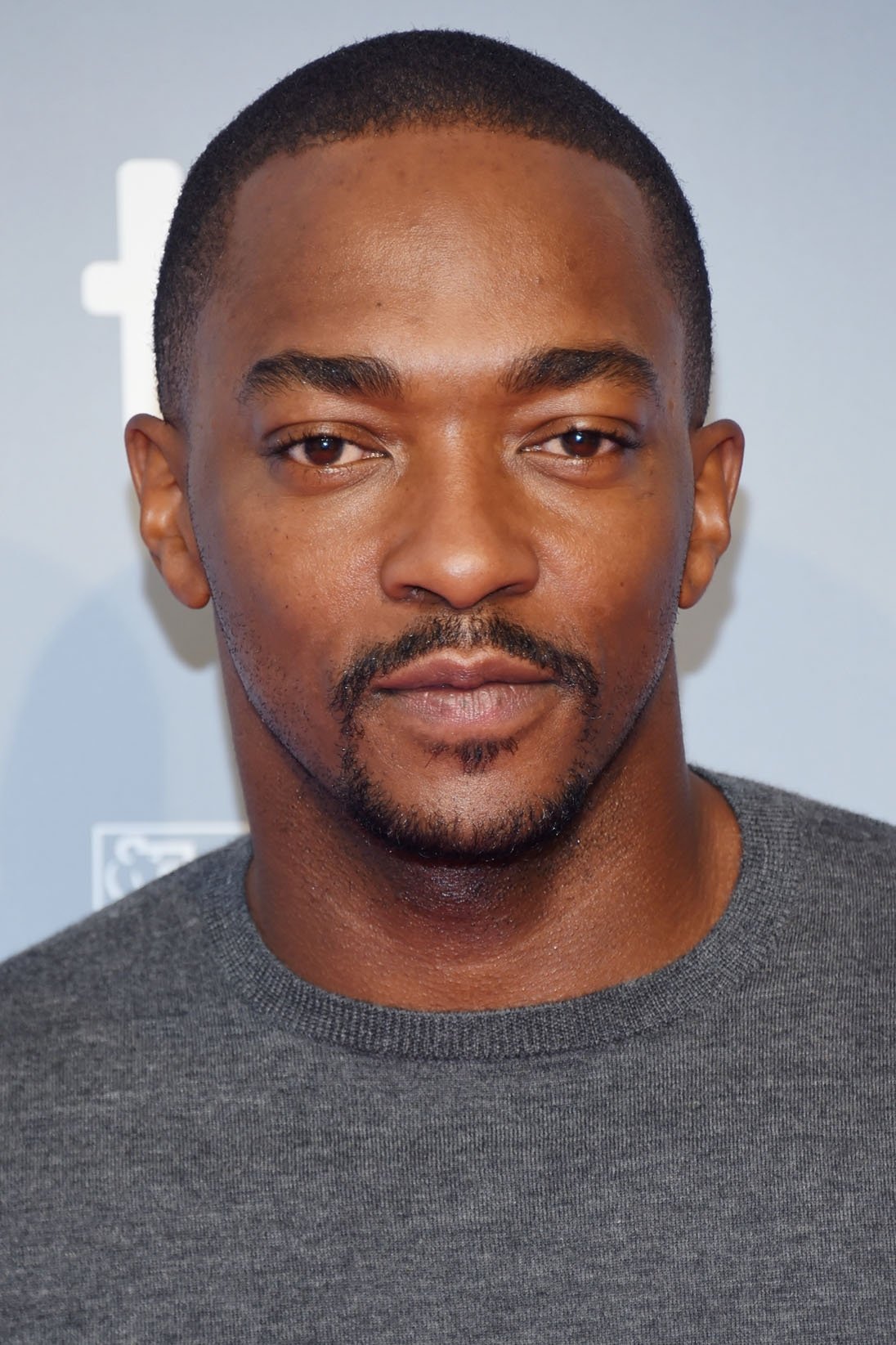
Anthony Mackie has encountered criticism for his theatrical training and his participation in high profile blockbuster films. He attended the Juilliard School and has a deep love for Shakespearean performance which some have labeled as outside his cultural lane. Mackie has countered these narratives by explaining that a performer should have access to all types of stories. He remains unapologetic about his craft and his desire to play a diverse range of characters. The actor believes that limiting oneself to stereotypes is a disservice to the art of acting.
David Oyelowo
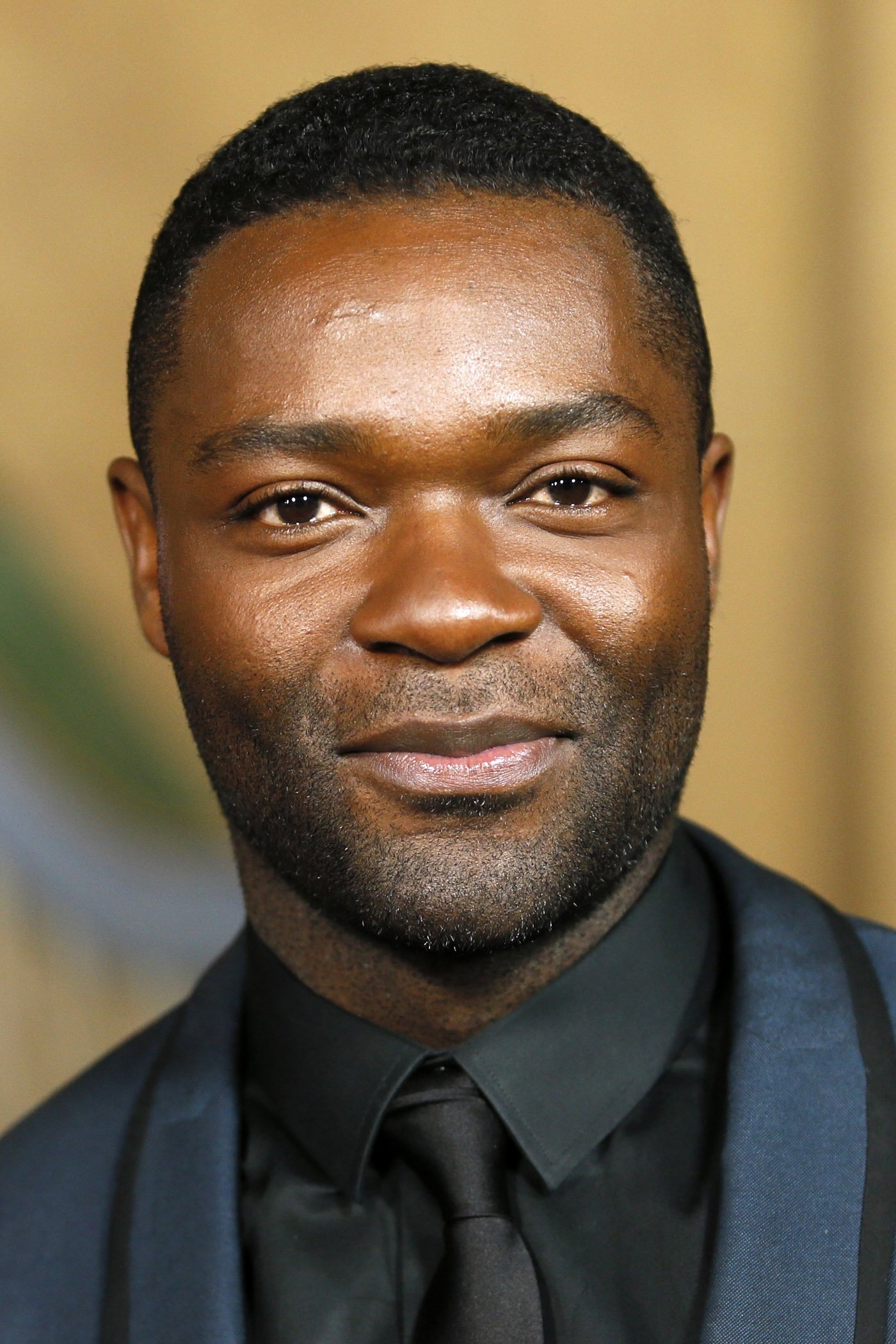
David Oyelowo often faces questions about his identity due to his British accent and his Nigerian heritage. Some audiences in the United States have struggled to reconcile his refined speech with their preconceived notions of Blackness. Oyelowo has addressed this by explaining that his background is as much a part of the African diaspora as any other. He has pointed out that the global Black experience is vast and cannot be summarized by a single dialect. His performances in films like ‘Selma’ demonstrate his ability to bridge many different worlds.
John Boyega
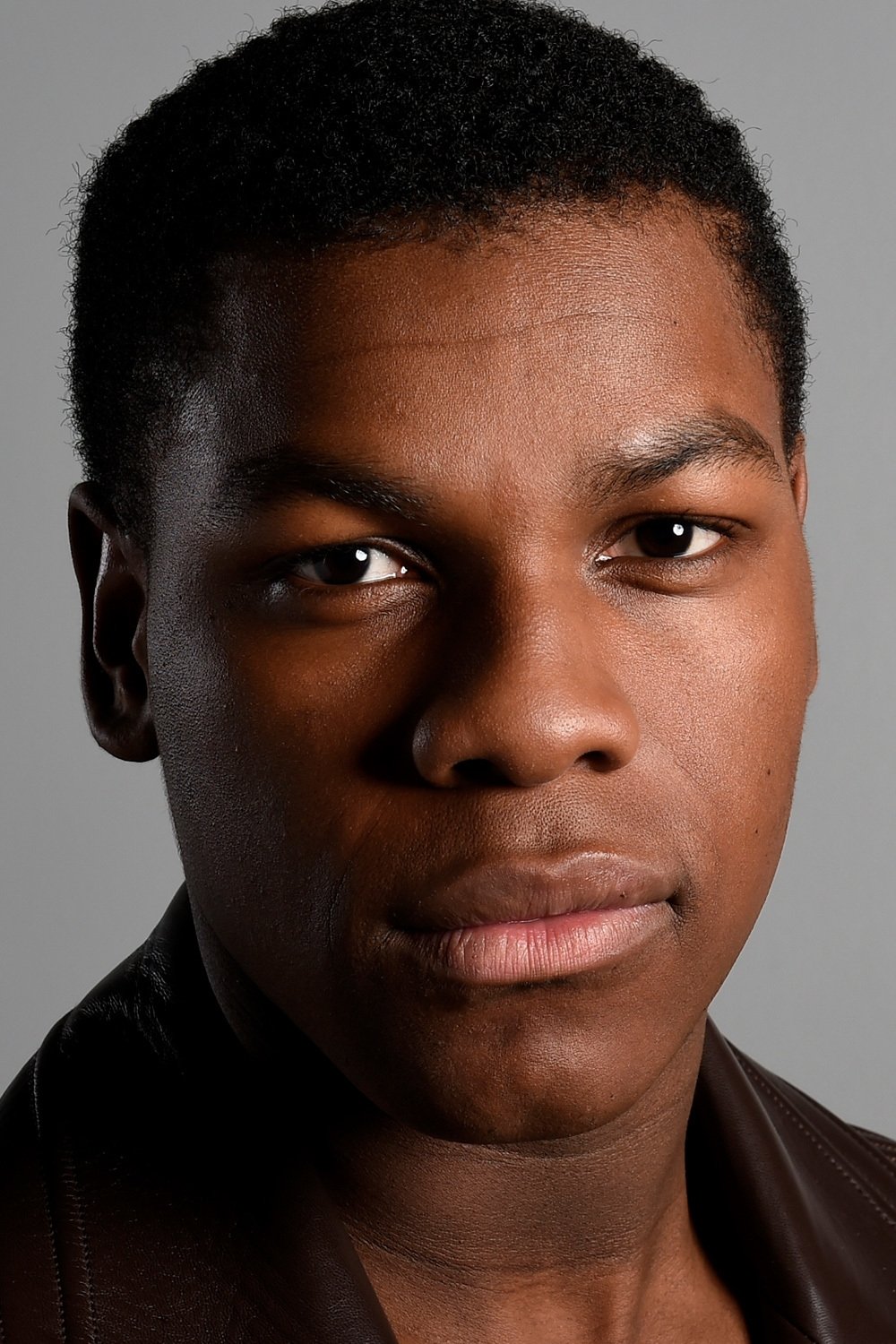
John Boyega has been vocal about the unique pressures faced by actors of color in the international spotlight. Critics have sometimes misinterpreted his South London upbringing and his career choices as an attempt to distance himself from his roots. Boyega has used his social media presence to clarify his positions and defend his cultural pride. He argues that being a global star does not require a person to lose their original identity. The actor remains committed to supporting young talent from similar backgrounds in the United Kingdom.
Trevor Noah
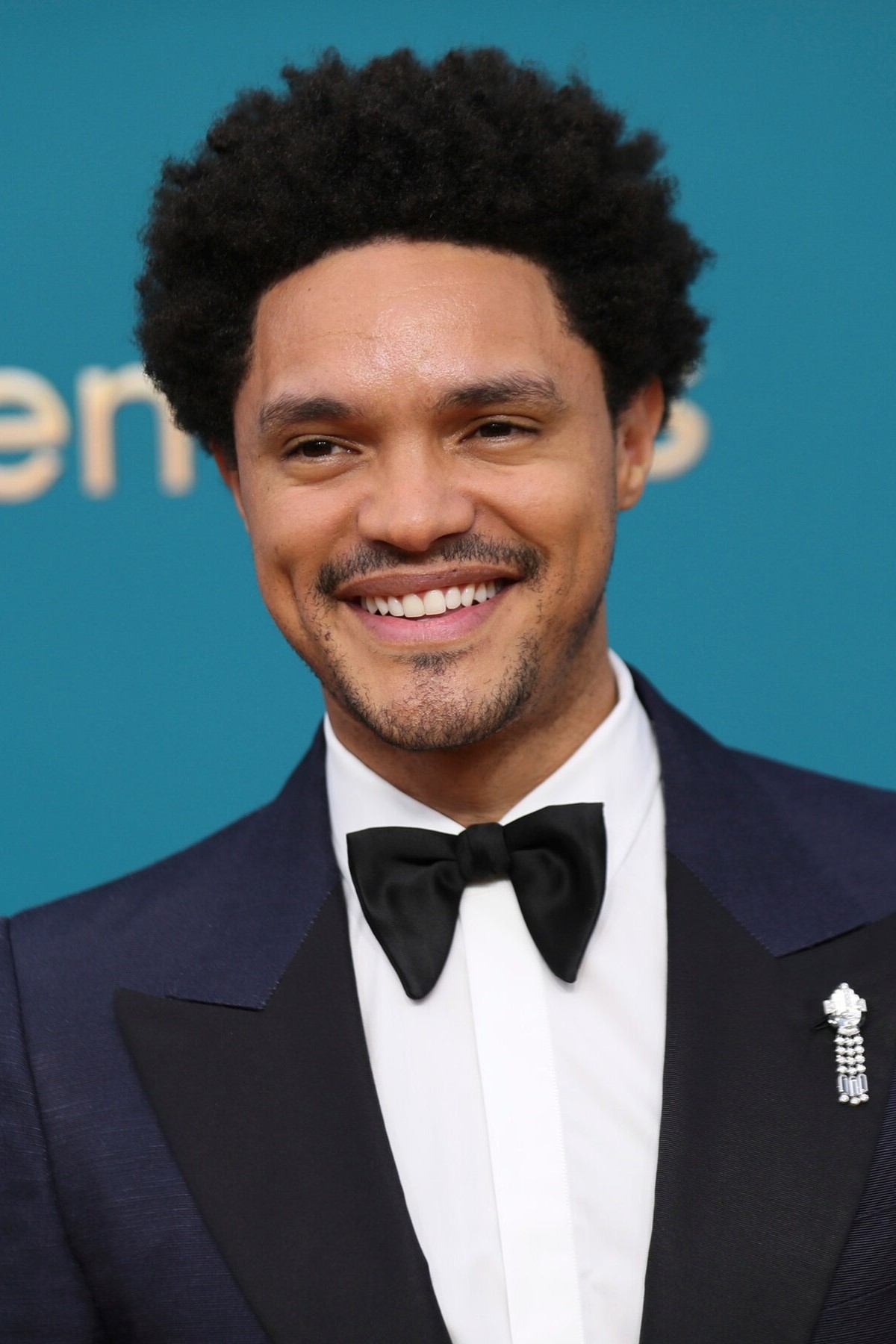
Trevor Noah has navigated accusations of being out of touch with both South African and American cultures. Growing up as a mixed race child in South Africa gave him a unique perspective on the fluidity of identity. He has often discussed how code switching was a survival skill that people now use to judge his authenticity. Noah uses his platform to explain that race is a social construct that often creates unnecessary barriers. He believes that his ability to speak many languages and adapt to different environments is a strength rather than a flaw.
Keegan-Michael Key
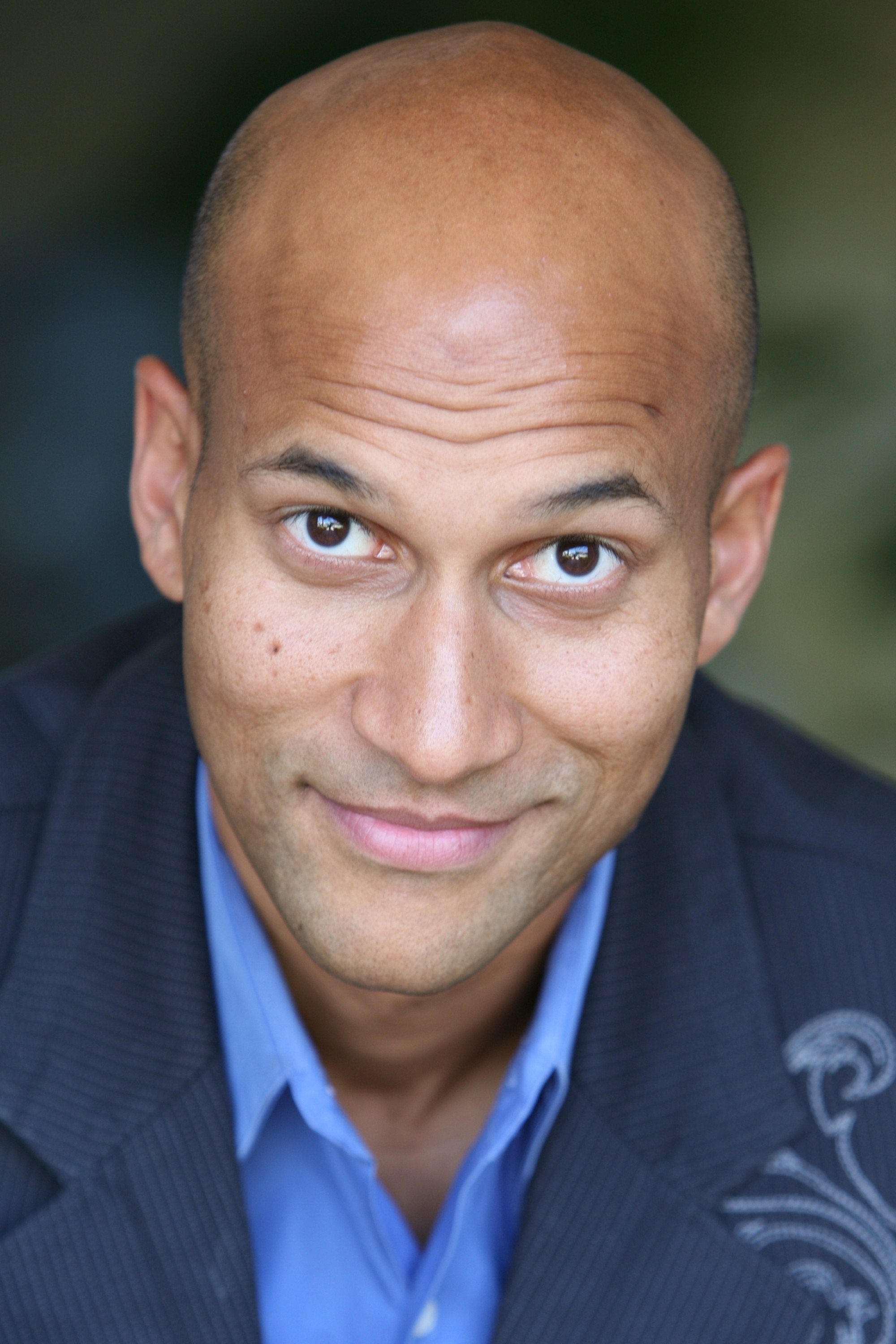
Keegan-Michael Key has explored the concept of “acting white” through both his comedy and his personal interviews. As a biracial man he has frequently felt the pressure to choose a side or perform a specific identity. His work on ‘Key & Peele’ often satirized the very idea of cultural gatekeeping. Key has stated that his ability to move between different social circles is a natural part of his personality. He continues to advocate for a more nuanced understanding of how individuals express their heritage.
Jordan Peele
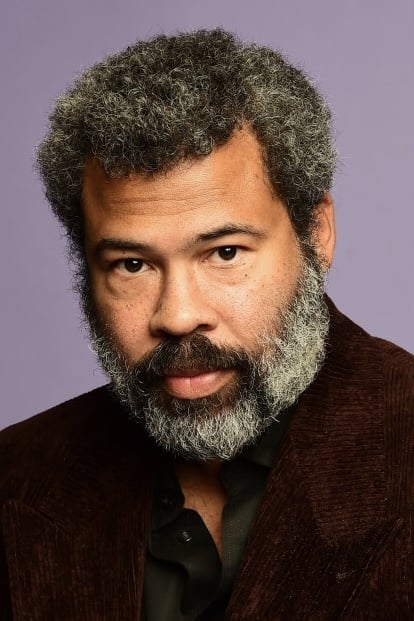
Jordan Peele has faced similar critiques regarding his background and his creative voice in the horror genre. Many people questioned his transition from comedy to psychological thrillers and how it related to his racial identity. Peele responded by creating films like ‘Get Out’ that directly address the complexities of the Black experience in America. He has expressed that he does not want to be limited by what others think a Black director should produce. His success has opened doors for more diverse storytelling that avoids traditional tropes.
Alfonso Ribeiro
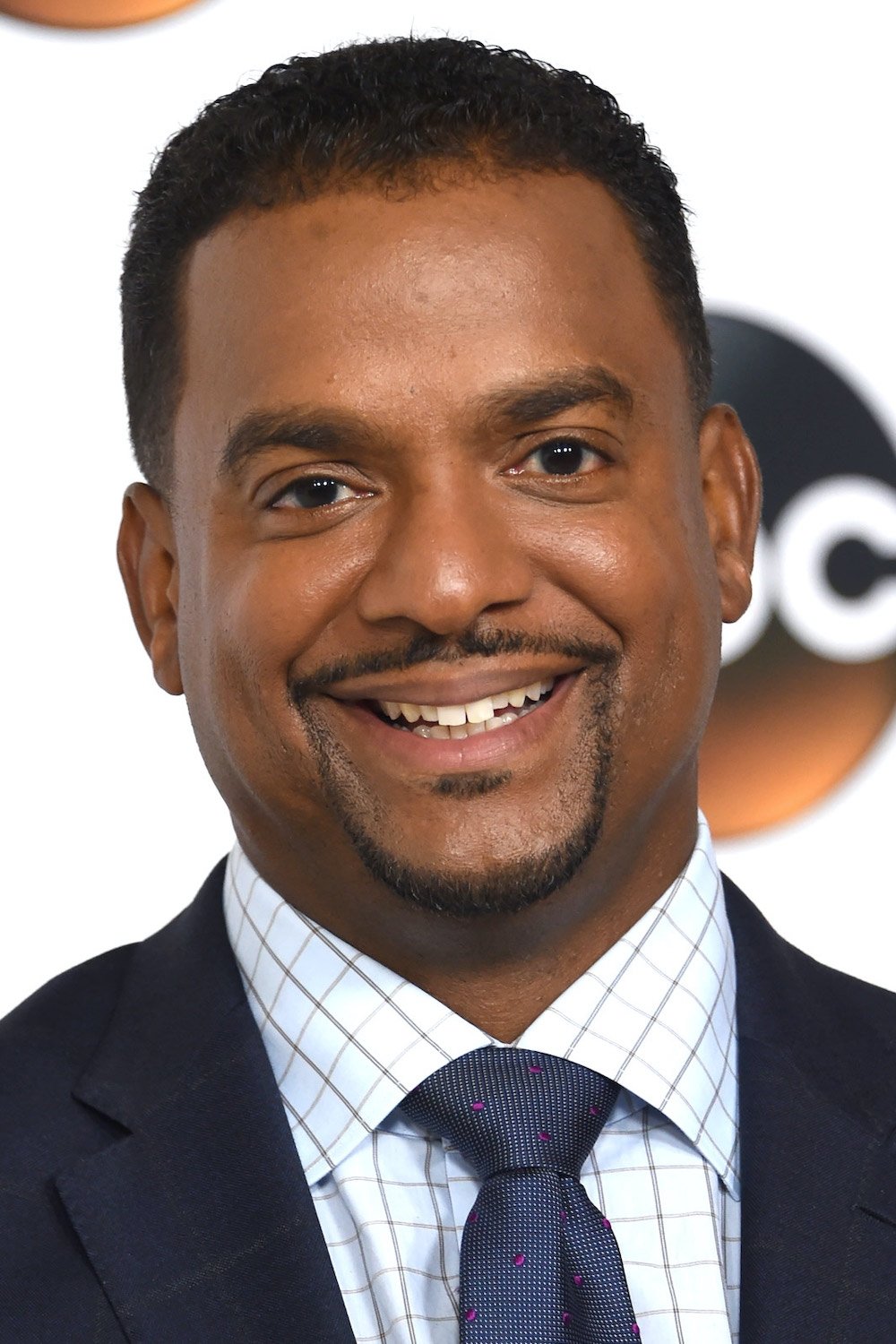
Alfonso Ribeiro is perhaps most famous for his role as Carlton Banks in ‘The Fresh Prince of Bel-Air’. The character was specifically written to represent a Black youth who did not fit urban stereotypes and was frequently accused of “acting white”. Ribeiro has talked about how fans often projected those same accusations onto him in real life. He has spent years explaining that the character was a specific comedic creation and not a blueprint for his entire life. The actor remains proud of how the role challenged perceptions of Black wealth and behavior.
Shemar Moore
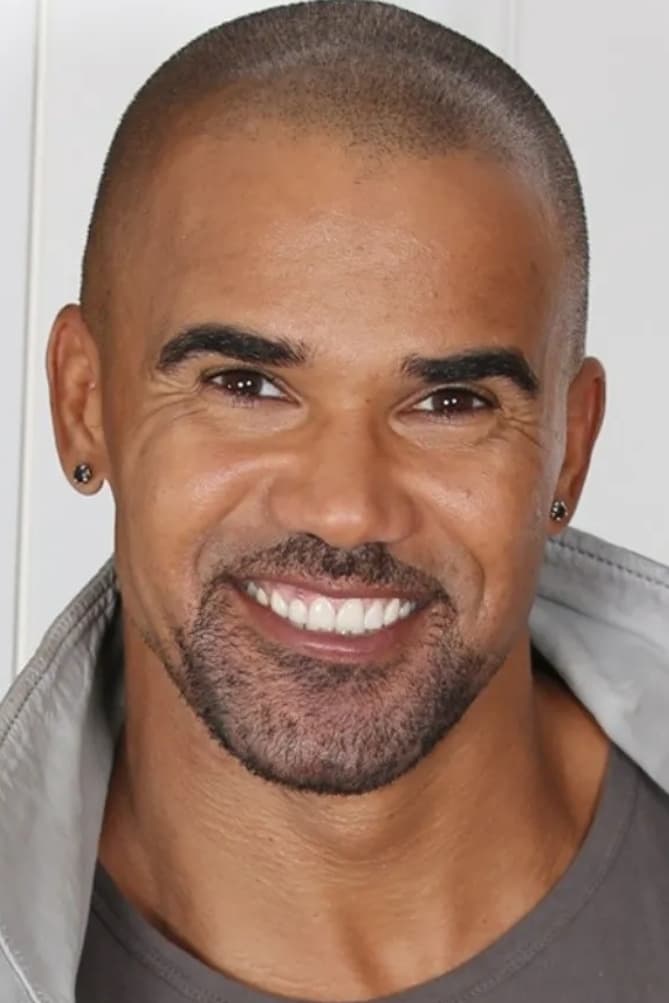
Shemar Moore has addressed public comments about his biracial heritage and his public image for many years. He has faced accusations that he is not “Black enough” based on his appearance and his professional choices. Moore has consistently defended his identity by stating that he is proud of both sides of his family. He often shares his perspective on the importance of self acceptance and ignoring the critics. The actor encourages his fans to embrace their own unique backgrounds without fear of judgment.
Taye Diggs
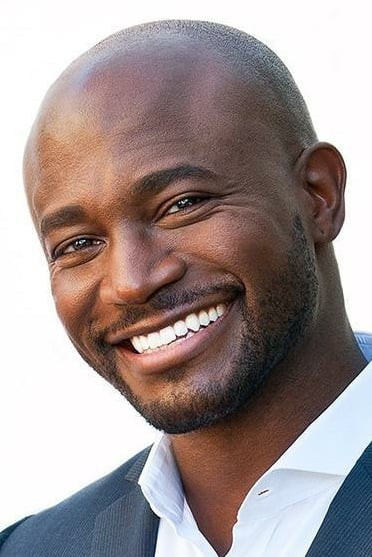
Taye Diggs has spoken openly about the criticism he received for his roles in musical theater and romantic comedies. Some critics suggested that his polished image and career path were an attempt to appeal to white audiences. Diggs has countered these ideas by explaining that his love for the arts knows no racial boundaries. He has written children’s books that focus on self esteem and the beauty of diverse skin tones. The actor remains a prominent figure who refuses to be pigeonholed by narrow societal expectations.
Giancarlo Esposito
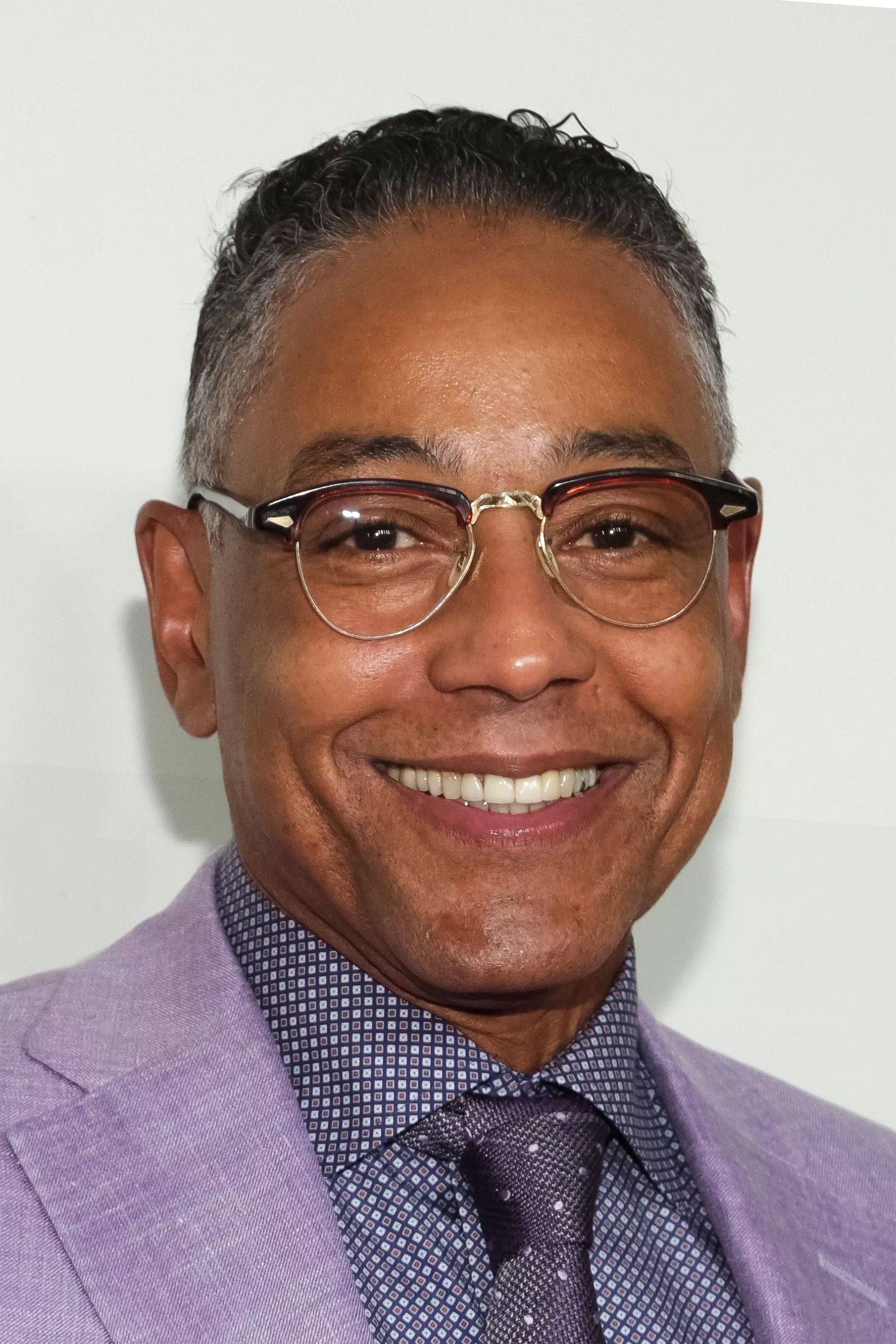
Giancarlo Esposito has a rich heritage that includes both Italian and African American roots. He has often discussed the challenges of navigating an industry that wants to label him as only one thing. Esposito has faced suggestions that his theatrical approach to acting is a sign of distance from his Black identity. He maintains that his craft is a reflection of his diverse life experiences and his dedicated study of the arts. His iconic roles in ‘Breaking Bad’ and other series showcase his incredible range as a performer.
Lenny Kravitz
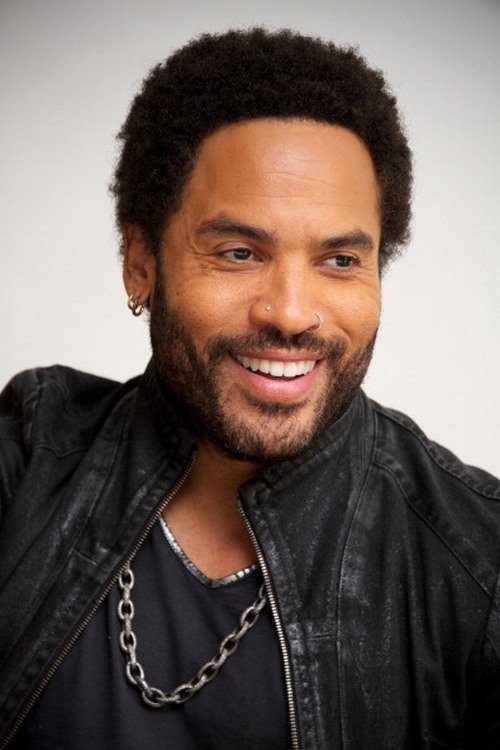
Lenny Kravitz has been a target of cultural gatekeeping since the beginning of his music and acting career. As a Black man in rock and roll he was often told that his music was “white music” by various industry figures. Kravitz has always defended his right to play any genre he chooses and to dress in his signature style. He has pointed out that the origins of rock and roll are deeply rooted in Black culture. The artist continues to inspire others to ignore labels and follow their own creative instincts.
Jaden Smith
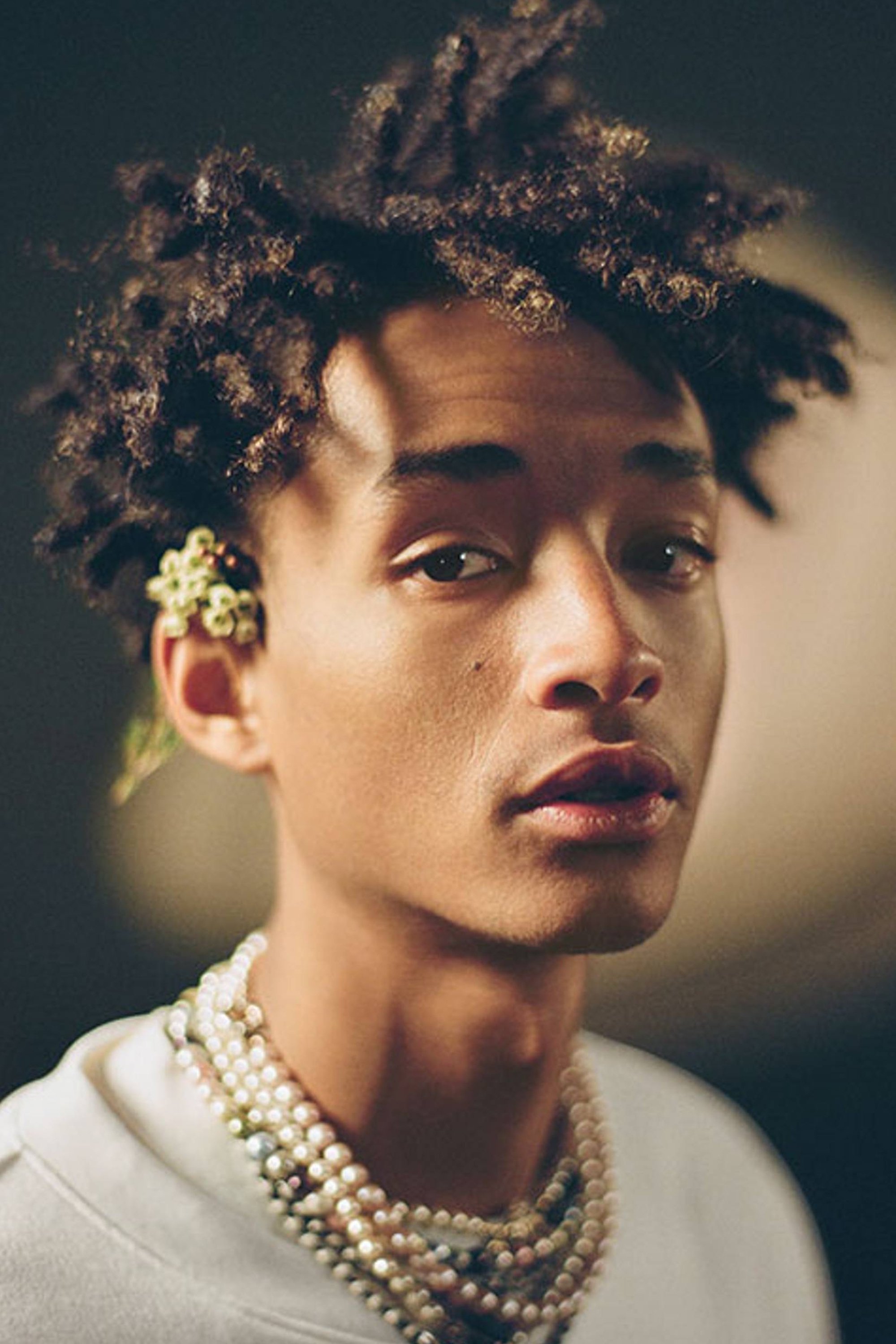
Jaden Smith has faced intense public scrutiny for his fashion choices and his philosophical public statements. Many observers have used these traits to accuse him of being disconnected from his community and “acting white”. Smith has responded by continuing to experiment with his style and supporting various social causes. He believes that young people should have the freedom to express themselves without being limited by racial stereotypes. His work in both film and environmental activism shows a commitment to global issues.
Jaleel White
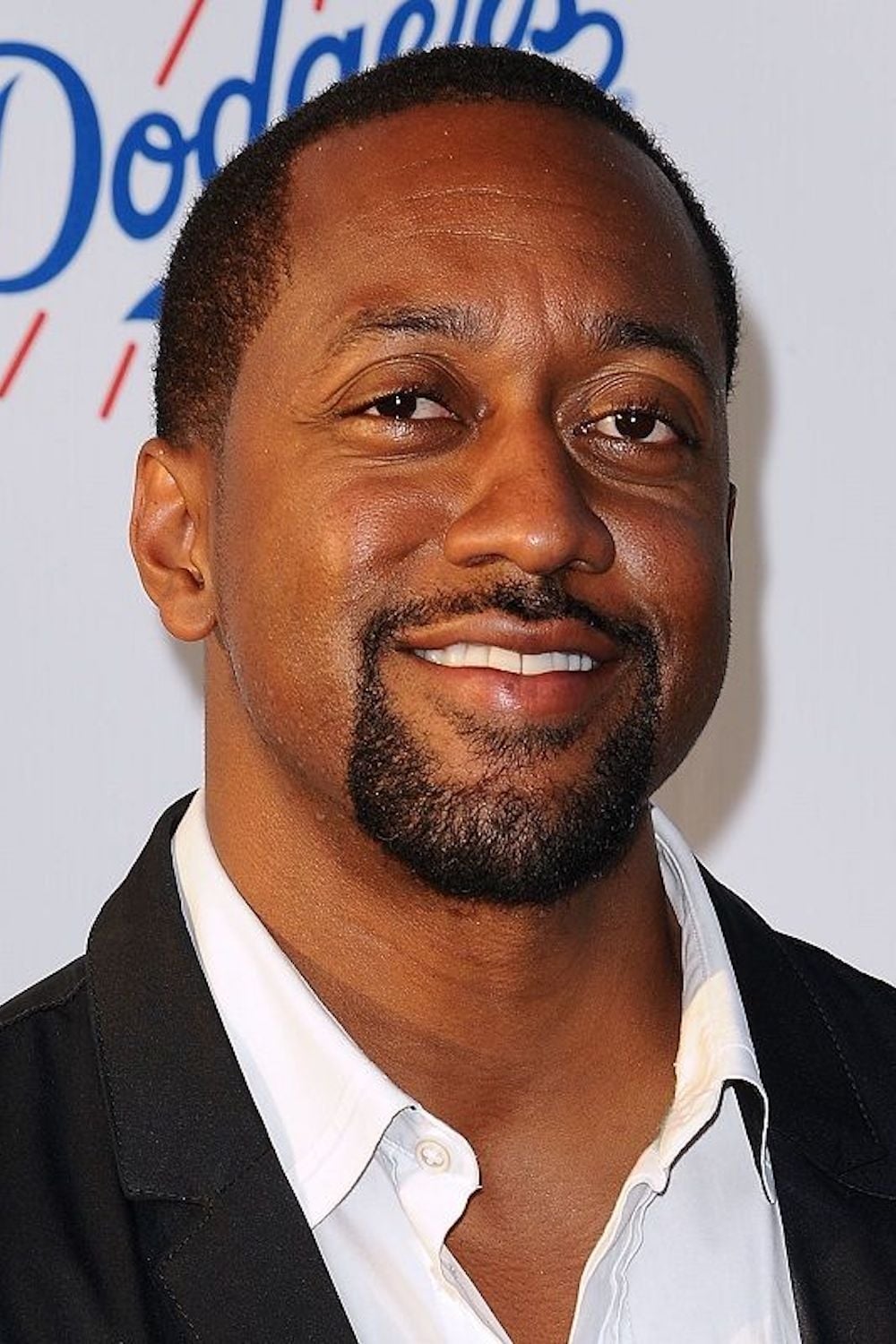
Jaleel White became a household name playing Steve Urkel who was the epitome of a nerd on ‘Family Matters’. Because the character was socially awkward and highly intelligent he was often the subject of “acting white” jokes within the show and in the real world. White has reflected on how this role shaped public perception of his own personality for decades. He has worked hard to show audiences that he is a versatile actor with a wide range of talents. The performer continues to advocate for characters that represent the intellectual diversity of Black youth.
Donald Faison
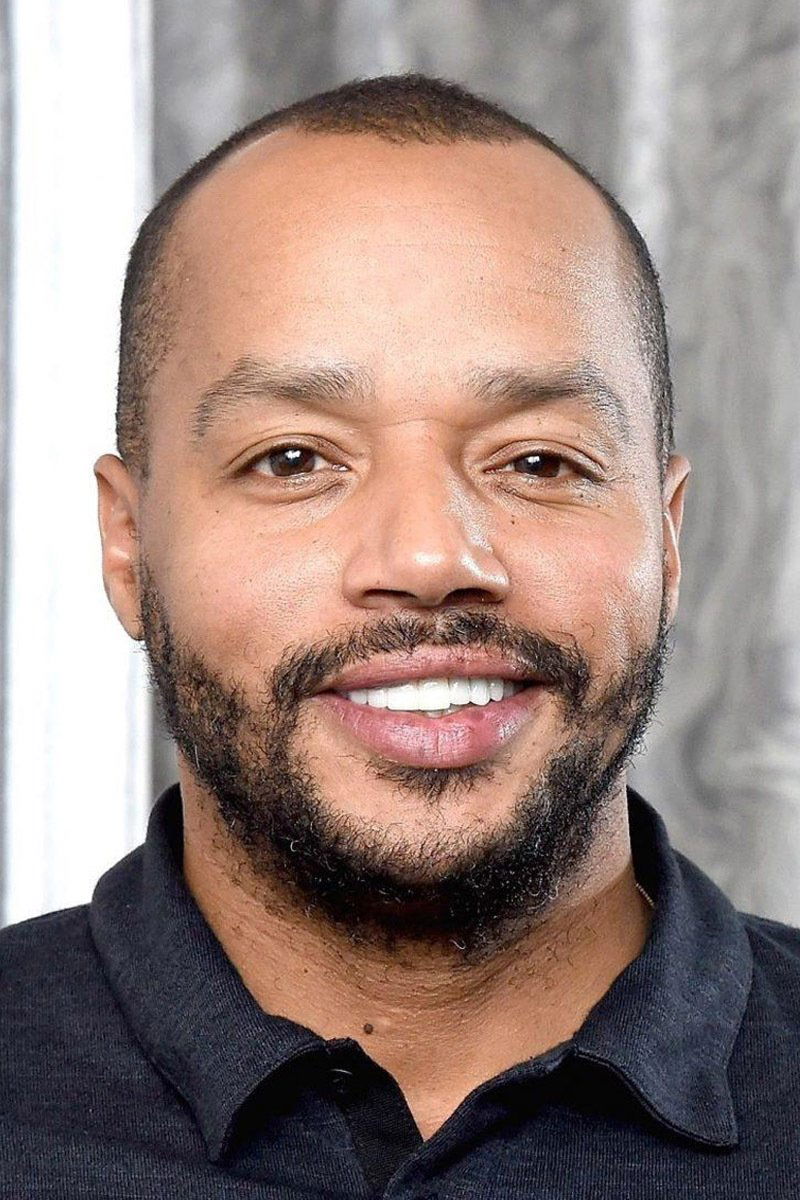
Donald Faison gained fame for his role as Christopher Turk in the hit medical comedy ‘Scrubs’. His character was often portrayed as having interests that some viewers considered outside of traditional Black culture. Faison has mentioned in interviews that he has faced similar comments about his own personality and speech. He has always maintained that his humor and his interests are authentic to who he is as a person. The actor remains a beloved figure who helps normalize a wide variety of Black experiences on television.
Dulé Hill
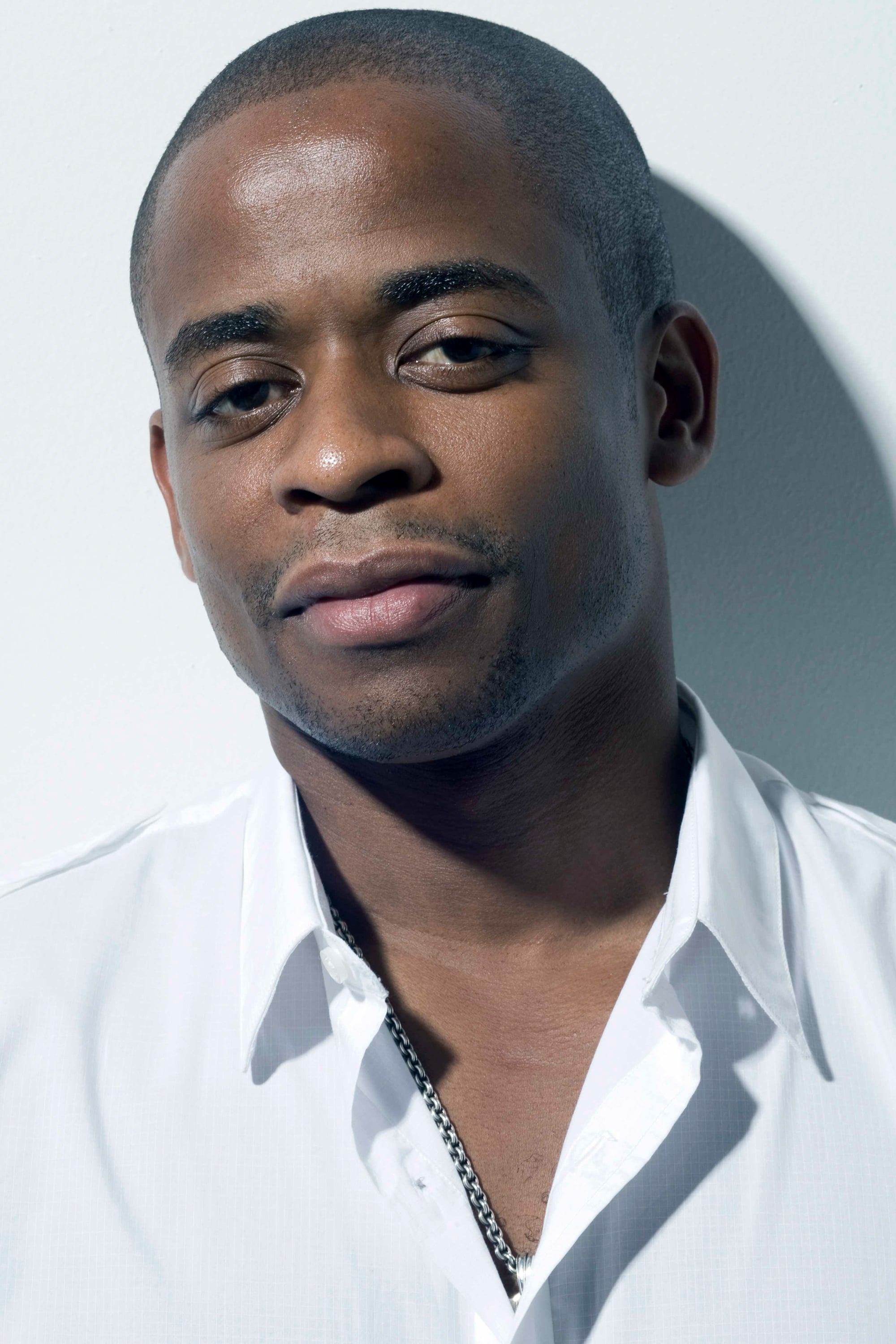
Dulé Hill is a classically trained tap dancer who has starred in long running series like ‘The West Wing’ and ‘Psych’. His characters are often highly professional and intellectual which has led to some public commentary about his perceived identity. Hill has addressed these observations by celebrating the excellence and dedication required for his roles. He believes that displaying intelligence and talent is a vital way to represent his community. The actor continues to choose projects that challenge the status quo in the entertainment industry.
Jesse Williams
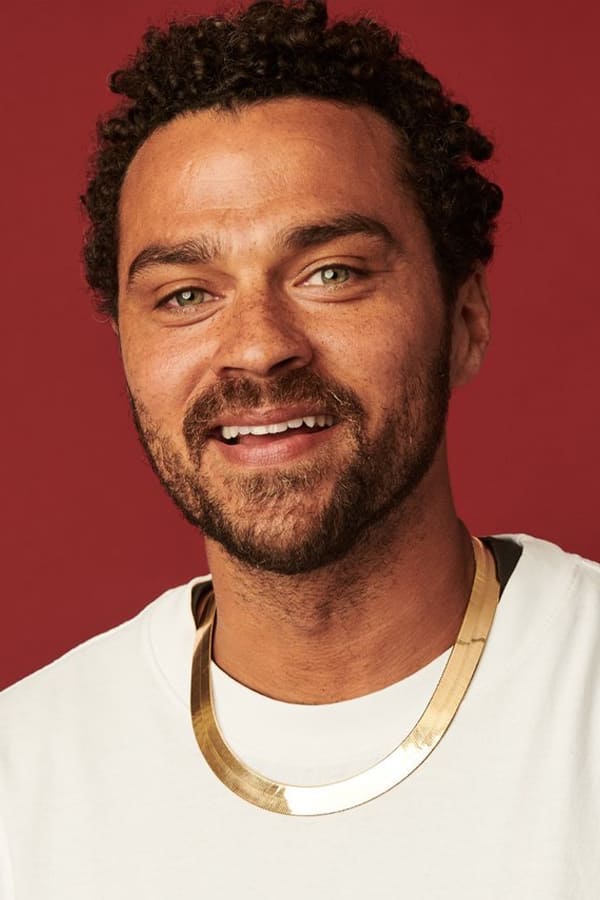
Jesse Williams has been a vocal activist while maintaining a successful acting career in mainstream hits like ‘Grey’s Anatomy’. Because of his biracial background and his physical appearance some have tried to dismiss his message by claiming he is “acting white”. Williams has consistently used his platform to address systemic racism and the importance of Black history. He argues that his appearance does not change his commitment to justice or his connection to his roots. The actor remains one of the most prominent voices for social change in Hollywood today.
Tyler James Williams
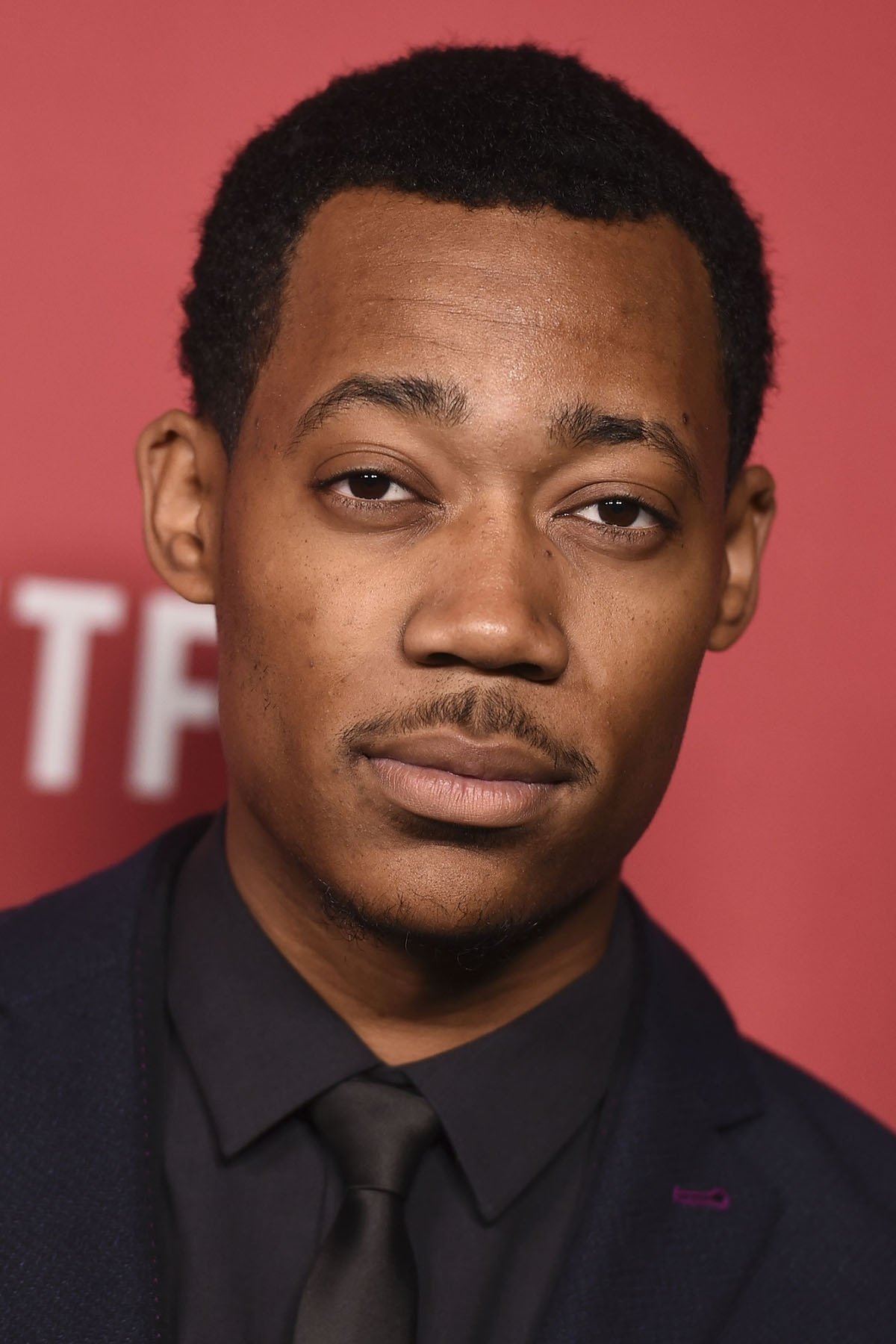
Tyler James Williams rose to fame as the star of ‘Everybody Hates Chris’ and has continued to have a successful career. He has spoken about the pressure to act a certain way to prove his authenticity to the public. Williams has noted that he often receives comments about his vocabulary and his professional demeanor. He maintains that being intelligent and hardworking should never be seen as a betrayal of one’s culture. The actor uses his social media to provide insightful commentary on the industry and the importance of being true to oneself.
Boris Kodjoe
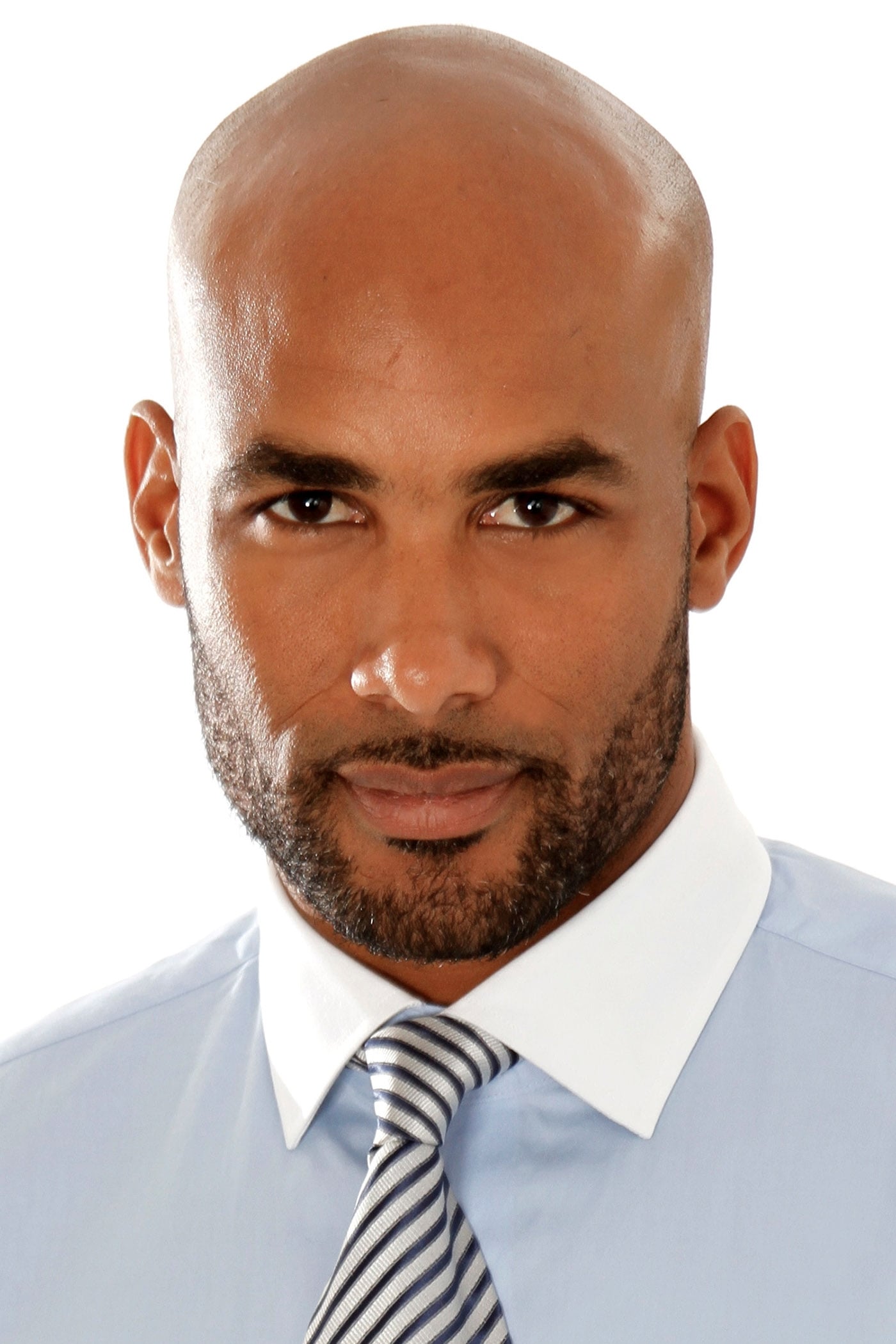
Boris Kodjoe was born in Austria and raised in Germany which has given him a unique international perspective. His European upbringing and his accent have sometimes led to accusations that he is not “Black enough” for American audiences. Kodjoe has defended his identity by highlighting the global nature of the African diaspora. He has spoken about how his heritage is a mix of different cultures that all contribute to who he is. The actor continues to work on projects that celebrate African history and modern global connections.
Blair Underwood

Blair Underwood has enjoyed a long career playing sophisticated and powerful characters on television and in film. He has sometimes been criticized for his “clean” image and for playing roles that are not traditionally urban. Underwood has countered these critiques by stating that he wants to represent a broad range of Black men in his work. He believes that showing Black men in positions of authority and intellect is a form of activism. The actor remains a respected figure who has paved the way for many others in the industry.
Michael Ealy
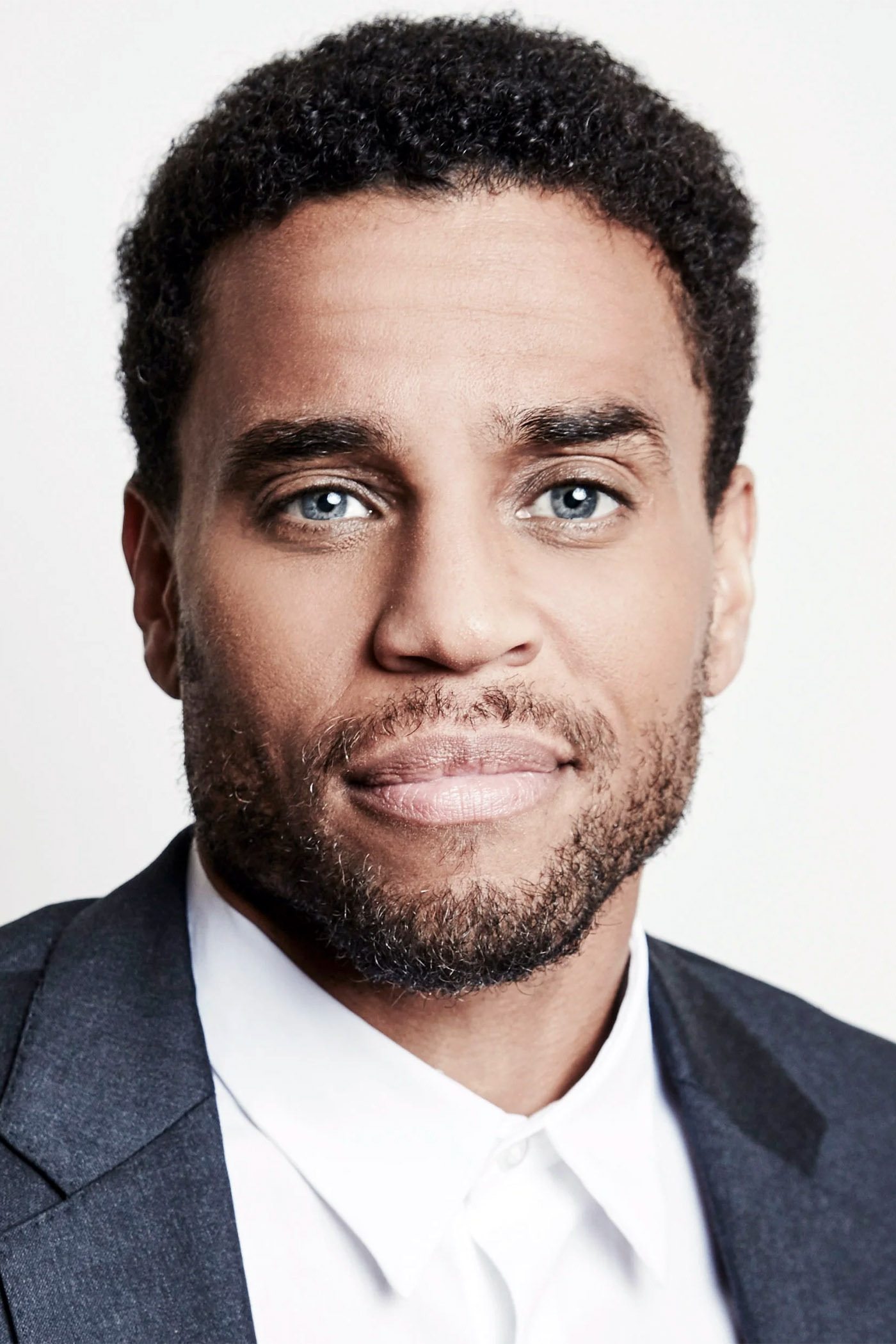
Michael Ealy has often had to address comments about his striking blue eyes and his soft spoken nature. Some people have used these physical traits and his calm demeanor to question his cultural authenticity. Ealy has responded by staying focused on his work and choosing a variety of complex roles. He has stated that his appearance is simply a result of his genetic history and does not define his heart or mind. The actor continues to be a leading man who proves that Blackness is not defined by a single look.
Wentworth Miller
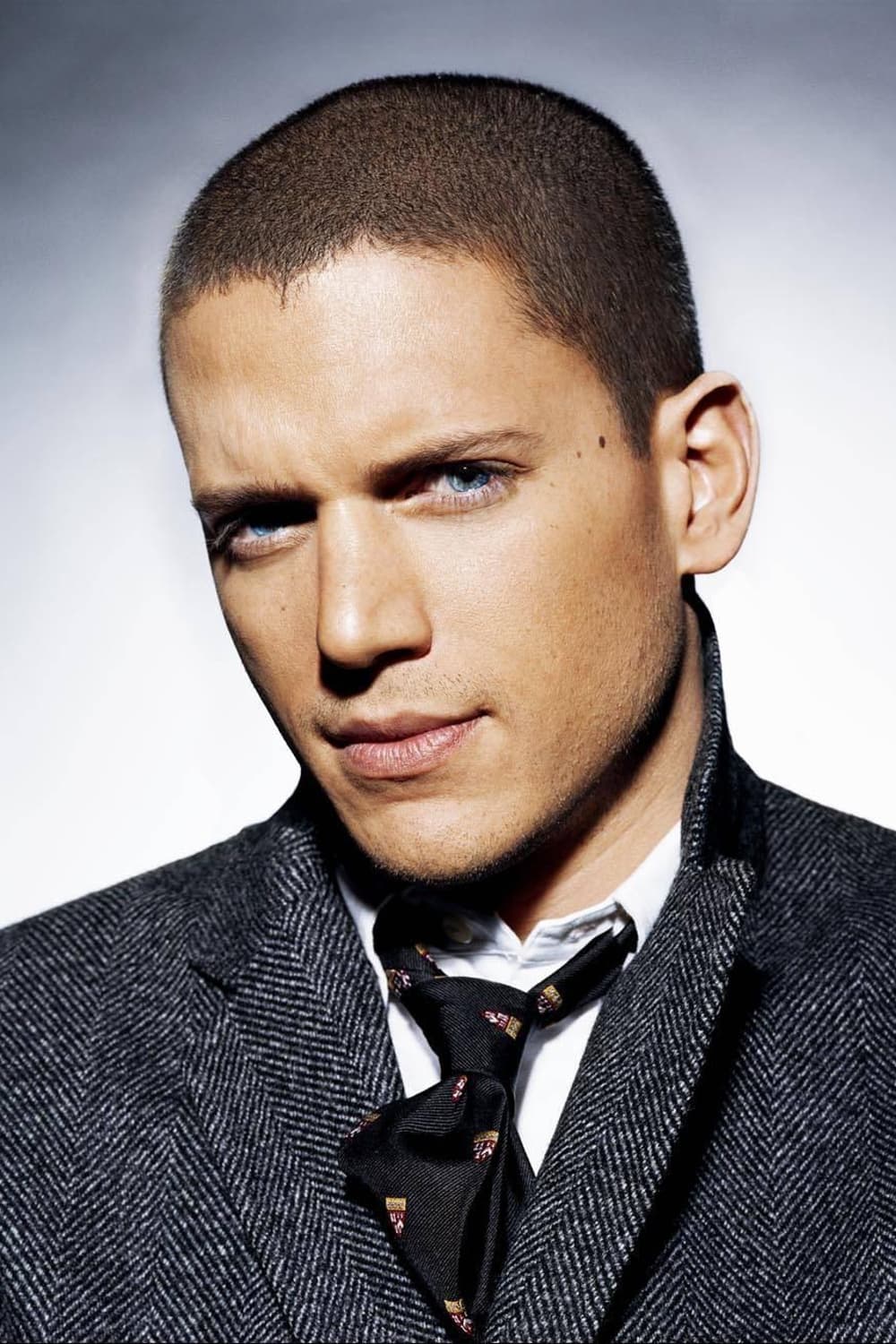
Wentworth Miller is a biracial actor who many people assumed was white for a large part of his career. When he publicly discussed his heritage he faced a different set of challenges and questions about his identity. Miller has spoken about the complexity of “passing” and the internal struggle to claim his full self. He has used his platform to discuss mental health and the importance of living authentically. The actor remains a thoughtful voice on the intersections of race and personal identity.
Marcus Scribner
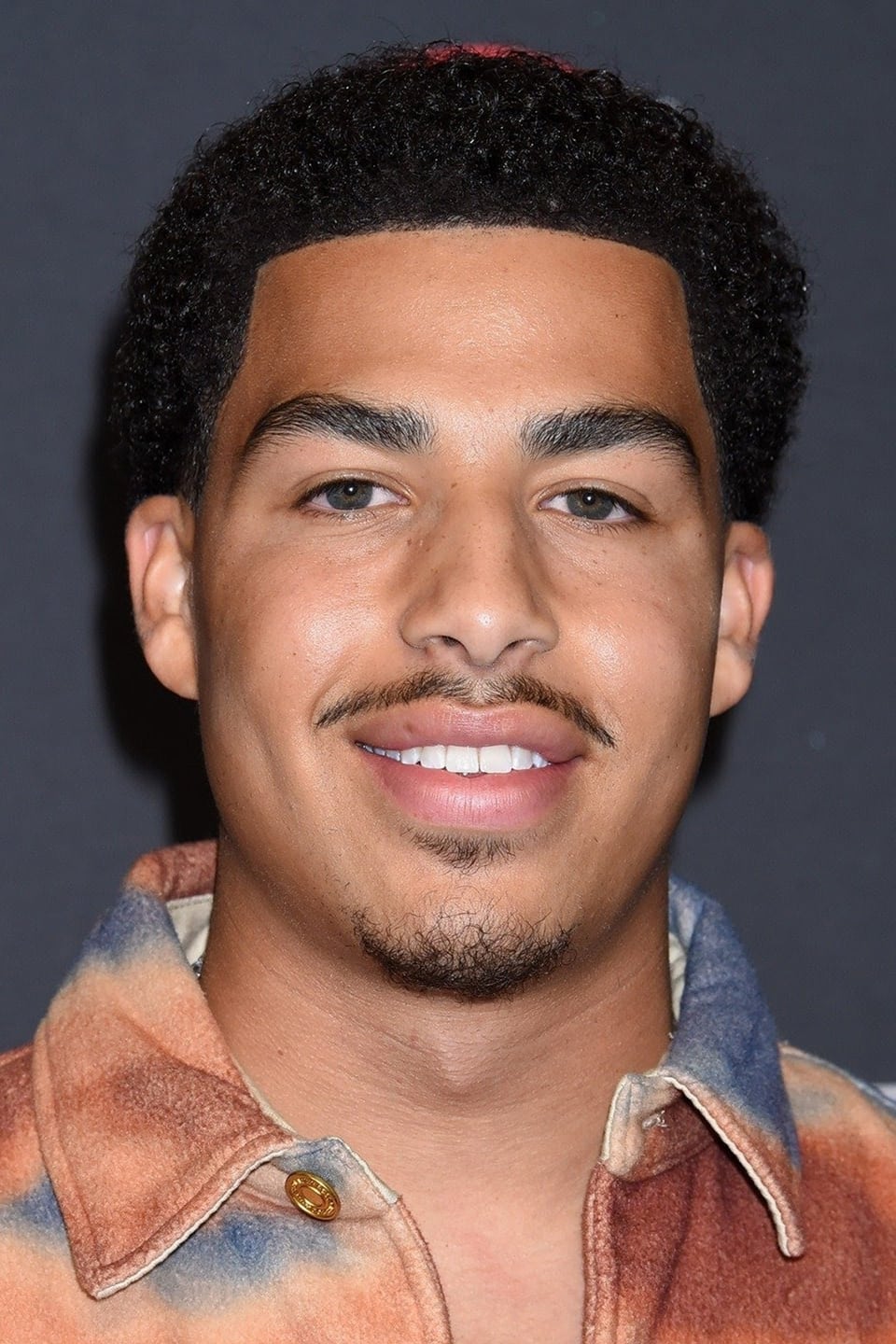
Marcus Scribner plays Andre Johnson Jr. on the sitcom ‘Black-ish’ where his character is frequently teased for his “white” interests. Scribner has noted that many of the plot points regarding his character are based on real life experiences. He has defended his character and himself by saying that modern Black youth have a right to enjoy whatever they want. The actor believes that the show helps to break down stereotypes and start important conversations. He continues to advocate for a world where everyone can be their true self without labels.
Romany Malco
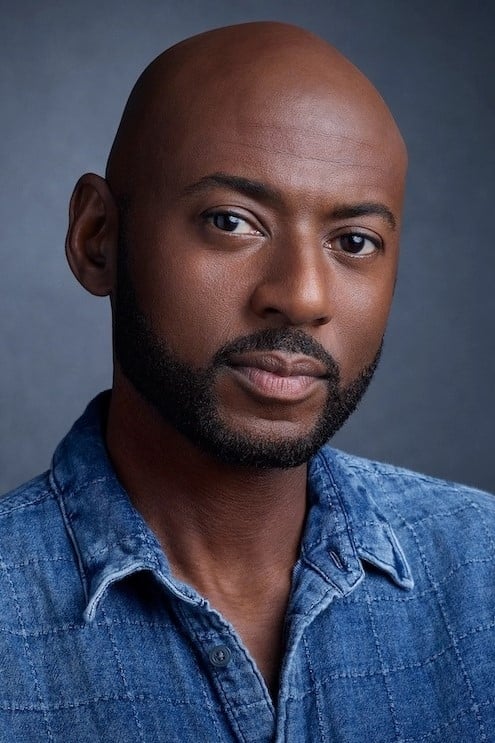
Romany Malco has often discussed the expectations placed on Black actors to perform in a specific way. He has faced criticism for his articulate nature and for his roles that do not fit the “thug” stereotype. Malco has been vocal about his upbringing and the importance of education in his life. He maintains that he will not change who he is to satisfy the limited imagination of others. The actor uses his platform to encourage others to be authentic and to pursue their goals with confidence.
Charles Michael Davis
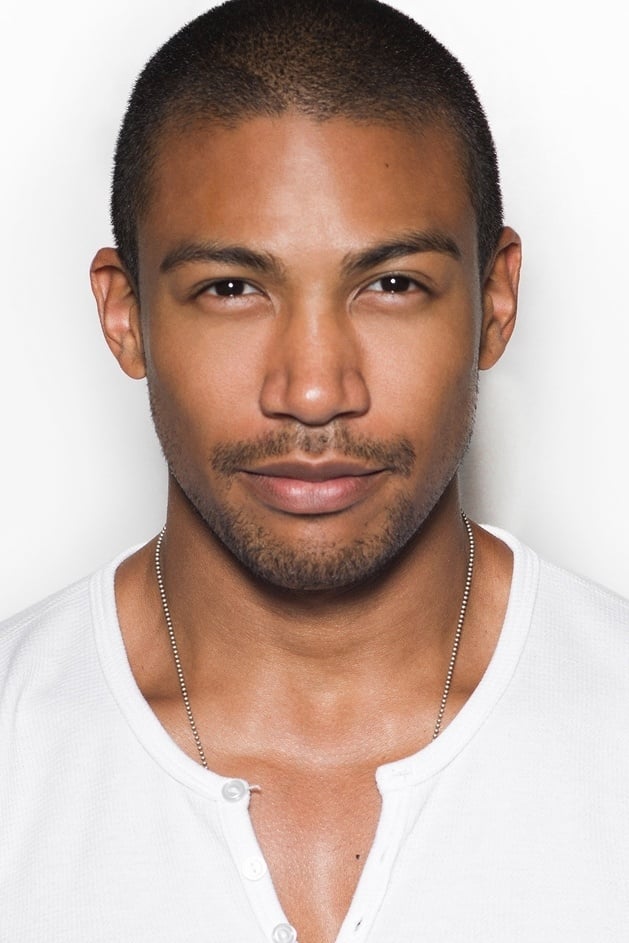
Charles Michael Davis is a biracial actor known for his roles in ‘The Originals’ and ‘Younger’. He has frequently encountered comments about his appearance and how it relates to his racial identity. Davis has defended his heritage by explaining that he embraces all parts of his background. He has noted that being biracial often means living between two worlds and creating your own path. The actor continues to choose roles that showcase his talent and his unique perspective.
Sinqua Walls
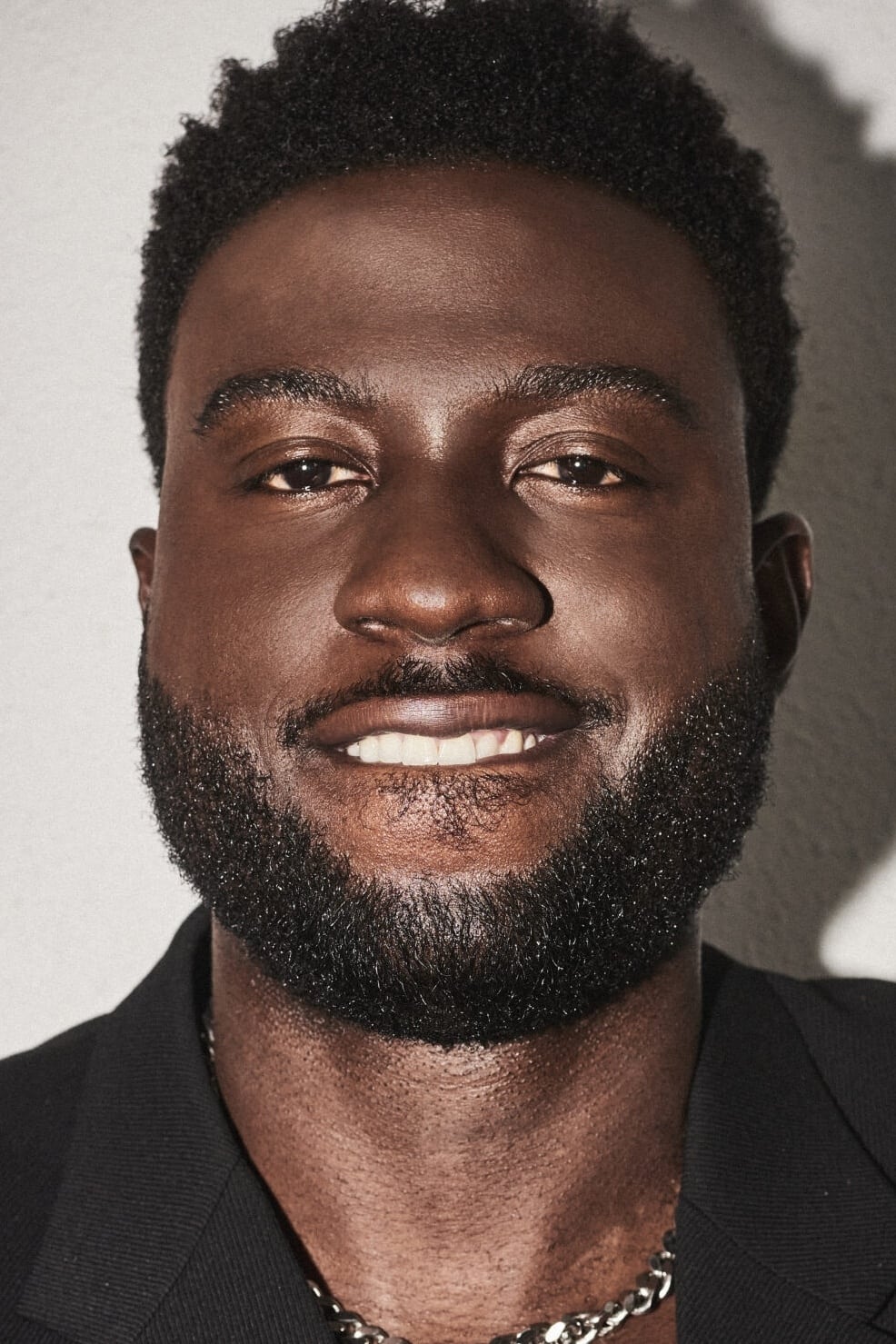
Sinqua Walls has had a diverse career ranging from sports dramas to supernatural series. He has sometimes been told that he speaks “too white” or that his interests are not “Black enough”. Walls has responded by stating that his speech and interests are a reflection of his own life experiences. He believes that no one should have the power to define another person’s cultural authenticity. The actor remains committed to being a positive role model for young people who feel they do not fit in.
Stephan James
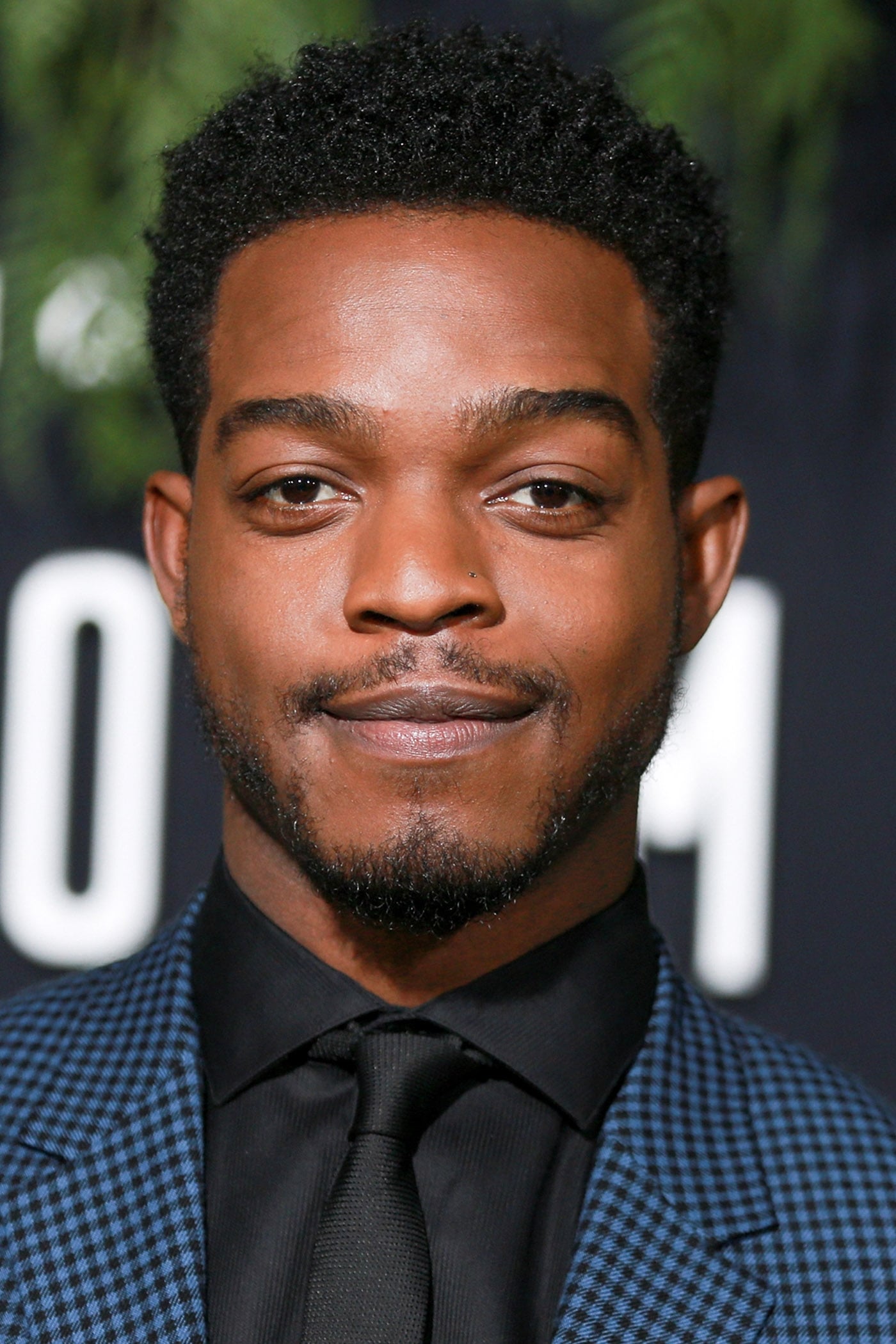
Stephan James is a Canadian actor who has played legendary figures like Jesse Owens and John Lewis. He has sometimes faced questions about his connection to the American Black experience due to his upbringing in Toronto. James has defended his work by emphasizing the universal themes of struggle and triumph in the African diaspora. He believes that his international perspective allows him to bring a unique depth to his roles. The actor continues to rise in Hollywood by portraying complex and dignified characters.
Algee Smith
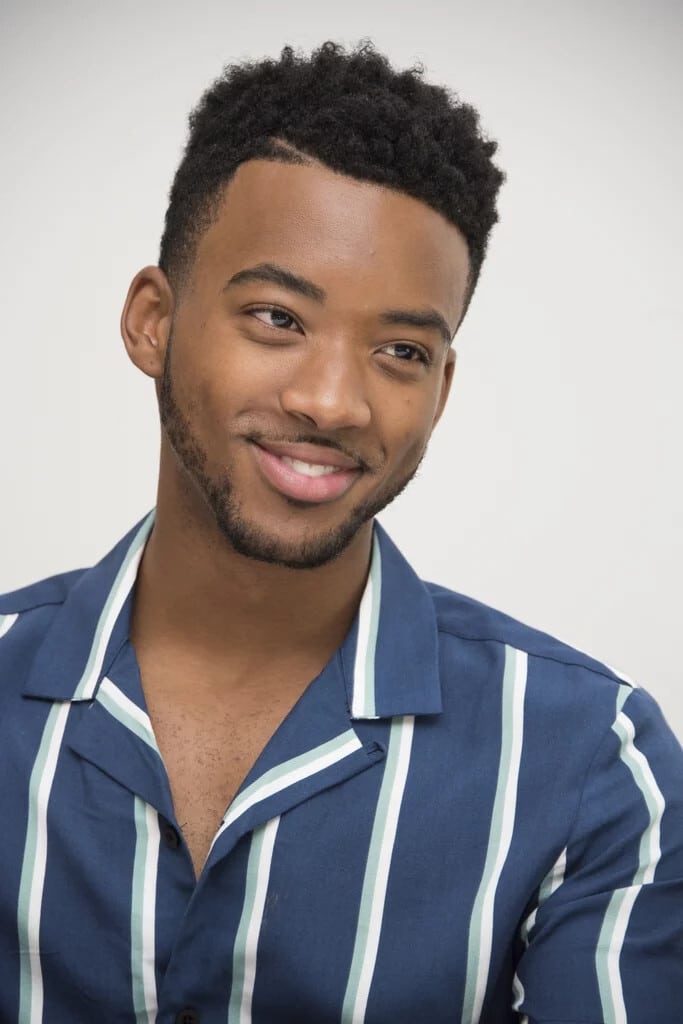
Algee Smith has spoken about the pressures of being a young Black actor in an industry that loves labels. He has faced comments about his fashion and his way of speaking from people both inside and outside his community. Smith has consistently maintained that he is just being himself and is not trying to fit into any specific category. He believes that the younger generation is more open to the idea that identity is fluid. The actor remains focused on creating meaningful art that speaks to a wide audience.
Lakeith Stanfield
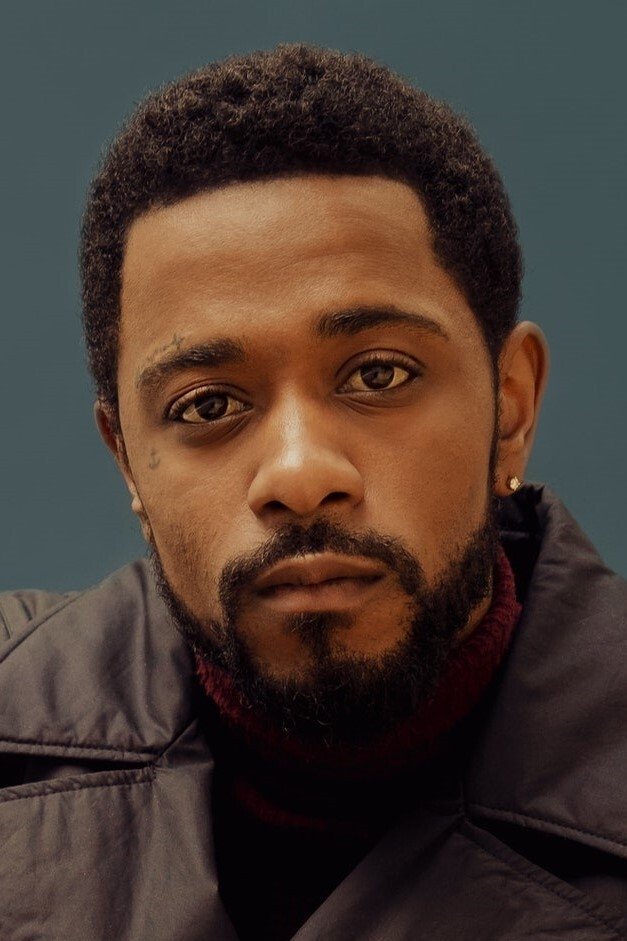
Lakeith Stanfield is known for his eccentric personality and his unconventional approach to his roles. He has frequently been accused of “acting white” or being “weird” because he does not follow traditional social norms. Stanfield has defended his right to be an individual and to express his creativity in his own way. He has noted that being Black should include the freedom to be as strange or as different as one wants. The actor continues to captivate audiences with his unique performances and his honest perspective.
Brian Tyree Henry
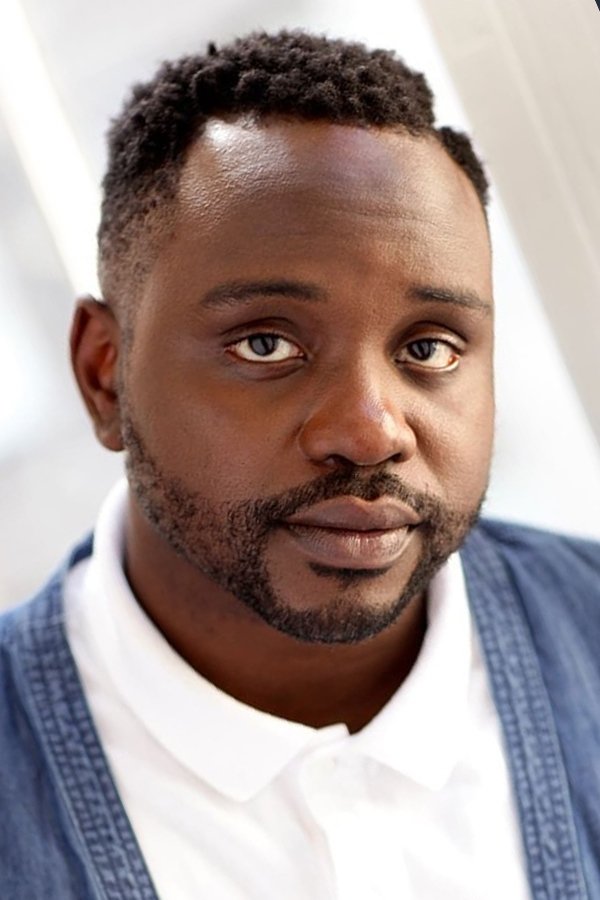
Brian Tyree Henry has often discussed the beauty of the “Black nerd” and the importance of diverse representation. He has faced suggestions that his intellectual approach to his craft is somehow a departure from his roots. Henry has countered these ideas by celebrating the complexity of the people he grew up with. He believes that every Black person has a unique story that deserves to be told without judgment. The actor remains a powerful force in the industry who champions the humanity of all his characters.
Winston Duke
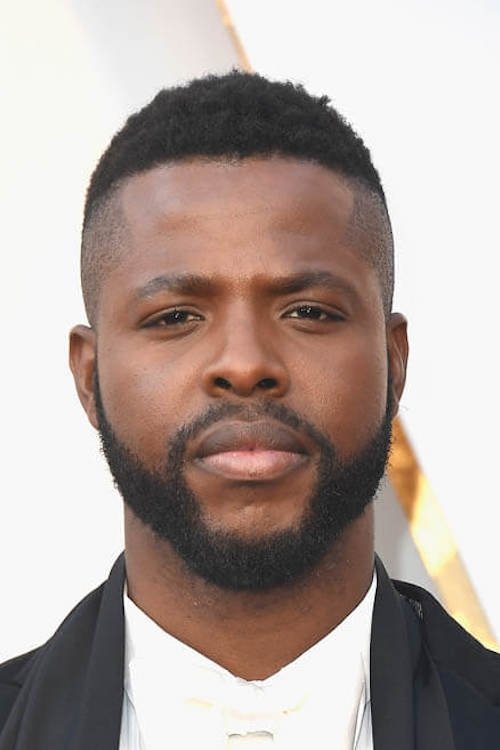
Winston Duke rose to international fame in ‘Black Panther’ and has used his platform to talk about his Ivy League education. He attended the Yale School of Drama and has a deep appreciation for classical theater. Duke has encountered critics who find his academic background and his way of speaking to be at odds with his rugged appearance. He maintains that his education is a tool that allows him to better represent his community on the global stage. The actor continues to advocate for a more inclusive definition of what it means to be a Black man.
Daveed Diggs
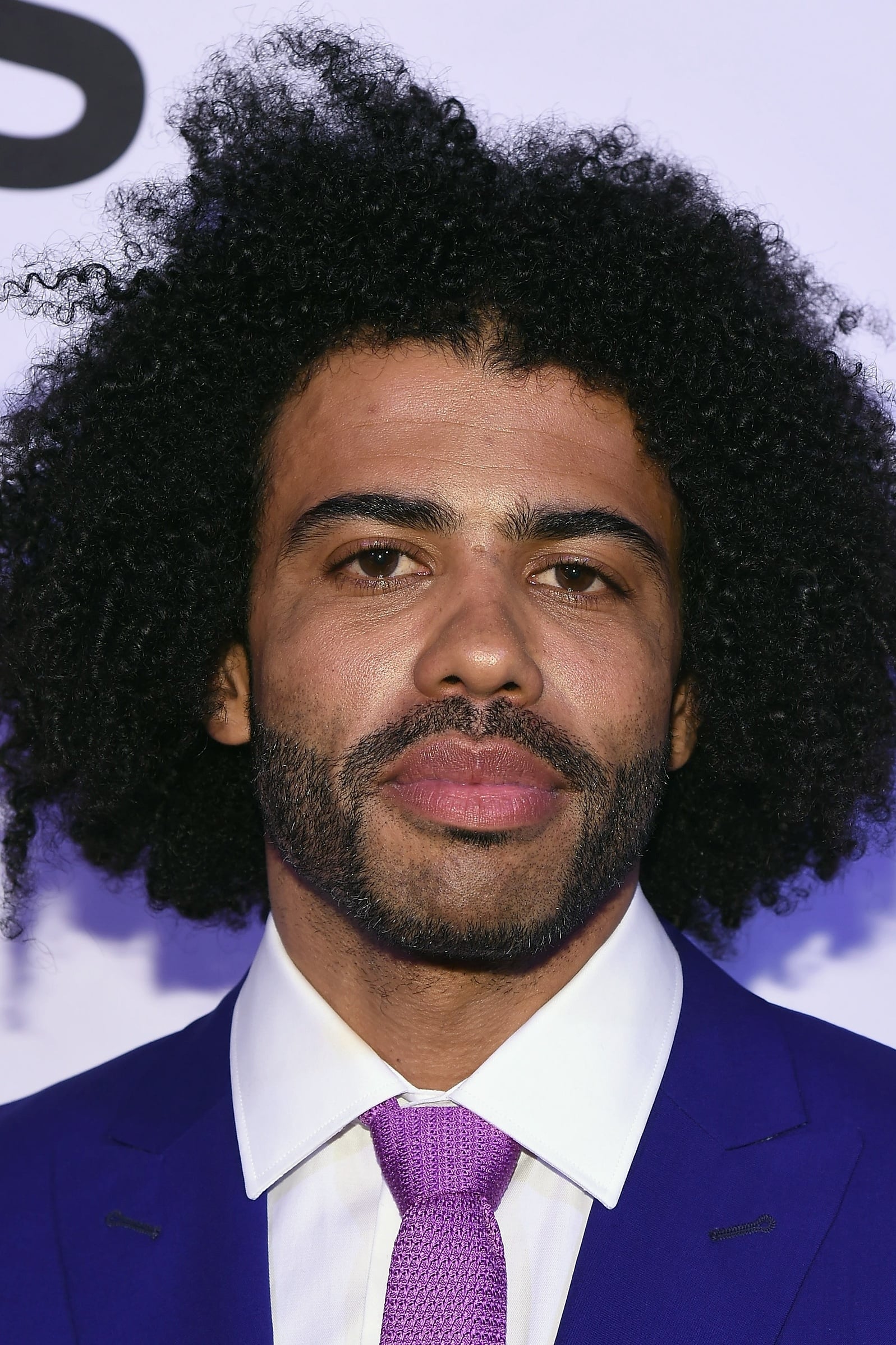
Daveed Diggs is a Tony Award winning performer known for his roles in ‘Hamilton’ and ‘Snowpiercer’. As a biracial man with a background in both hip hop and theater he has often faced questions about where he fits in. Diggs has defended his varied interests by stating that they all contribute to his artistic voice. He has noted that the idea of “acting white” is a limiting concept that he refuses to accept. The performer continues to push boundaries and create work that reflects his multifaceted identity.
Leslie Odom Jr.
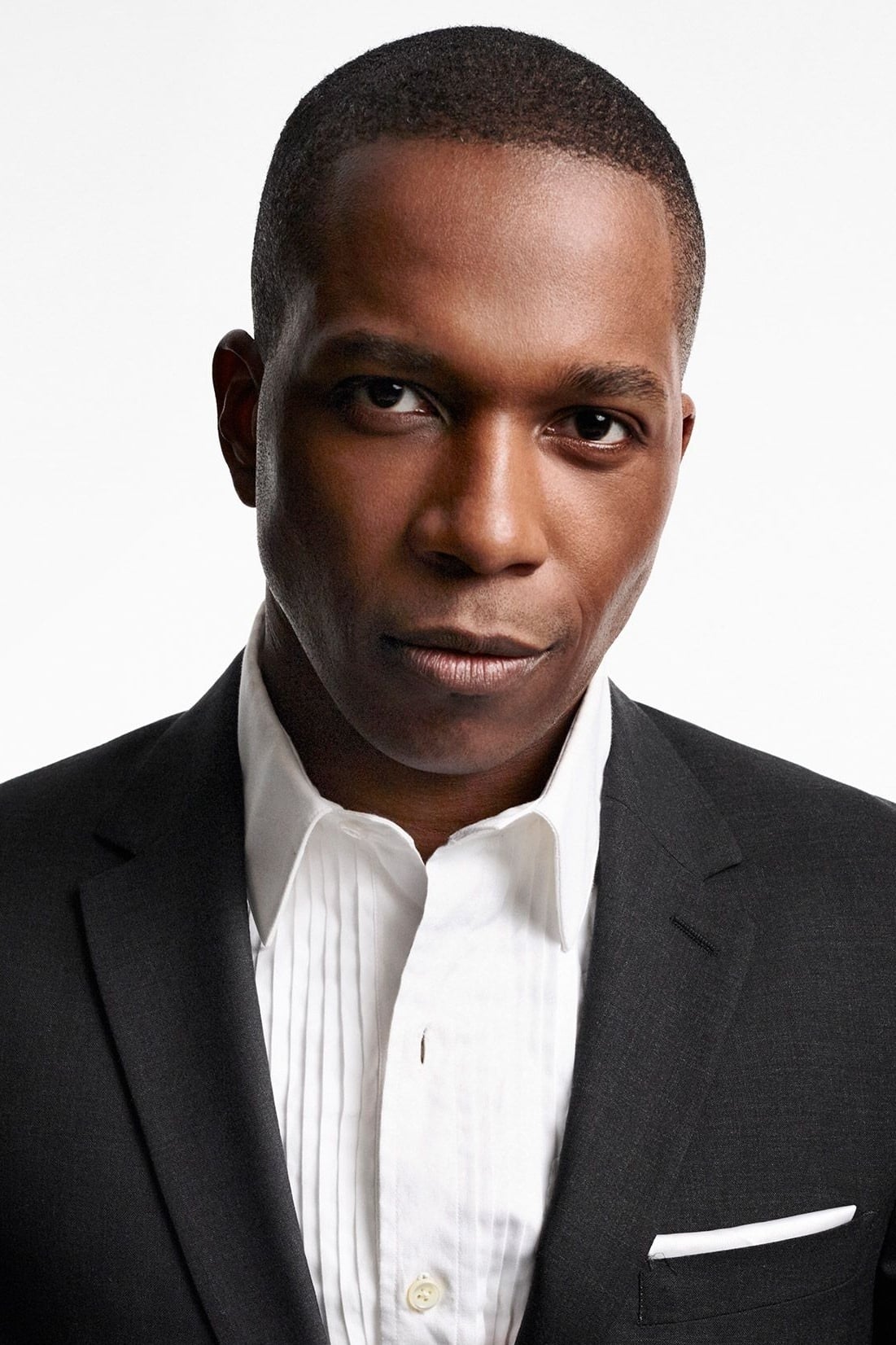
Leslie Odom Jr. has enjoyed massive success on Broadway and in film with his refined and powerful performances. He has sometimes been criticized for his polished image and for the types of roles he chooses to play. Odom Jr. has responded by highlighting the importance of excellence and preparation in everything he does. He believes that Black actors should be able to inhabit any space they choose without having their identity questioned. The actor remains a role model for aspiring performers who value craft and professionalism.
Tituss Burgess
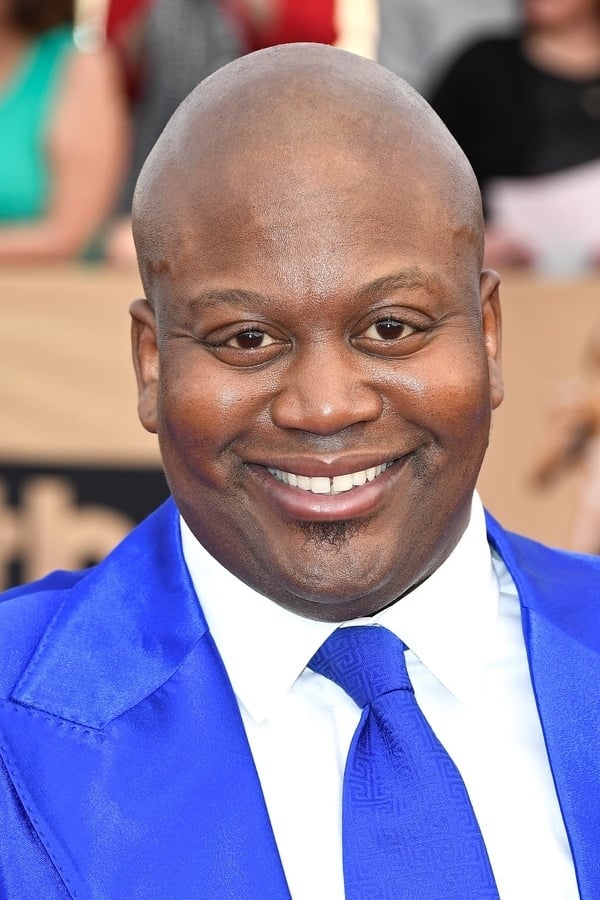
Tituss Burgess is known for his incredible vocal range and his comedic roles on television. He has faced accusations that his performance style is not “traditionally” Black and that he caters to a specific demographic. Burgess has defended his art by stating that his talent is a gift that he shares with the world in his own way. He believes that being flamboyant or theatrical is a valid expression of his identity. The actor continues to be a vibrant and necessary voice in the entertainment world.
Billy Porter
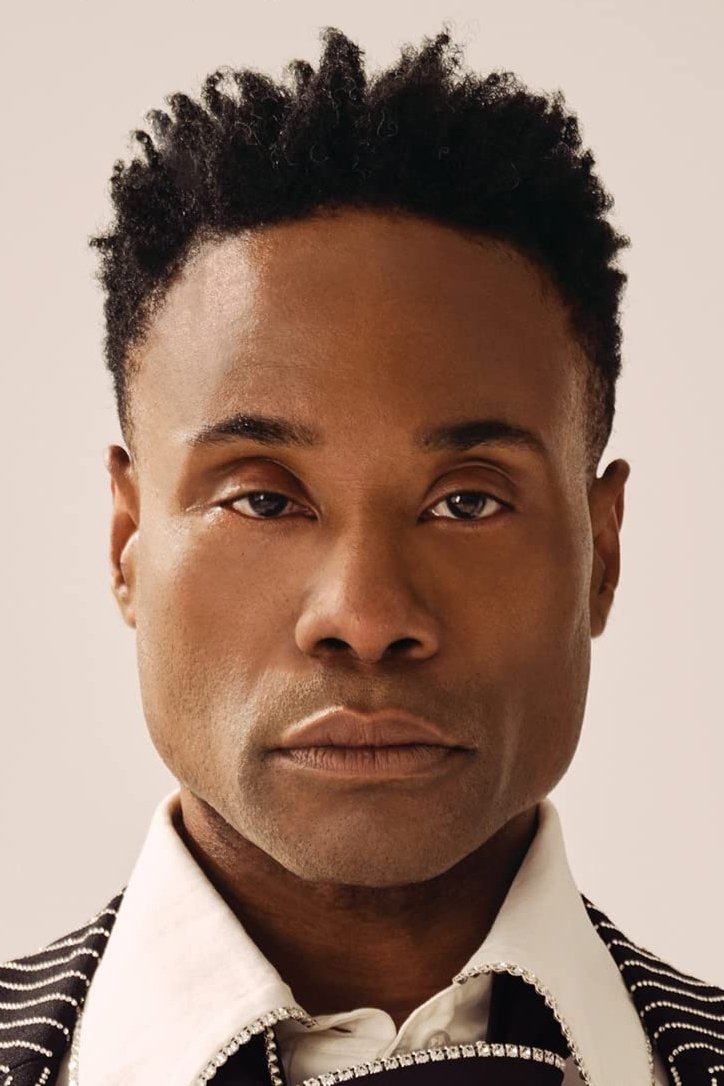
Billy Porter has become a fashion icon and a respected actor who is known for his bold choices. He has frequently been the target of criticism for his style and his way of speaking which some see as a rejection of traditional norms. Porter has countered these critiques by asserting his right to live his truth every single day. He has spoken about how he spent years trying to fit in before deciding to embrace his full self. The ‘Pose’ star remains a powerful advocate for the LGBTQ+ community and for individual freedom.
Colman Domingo
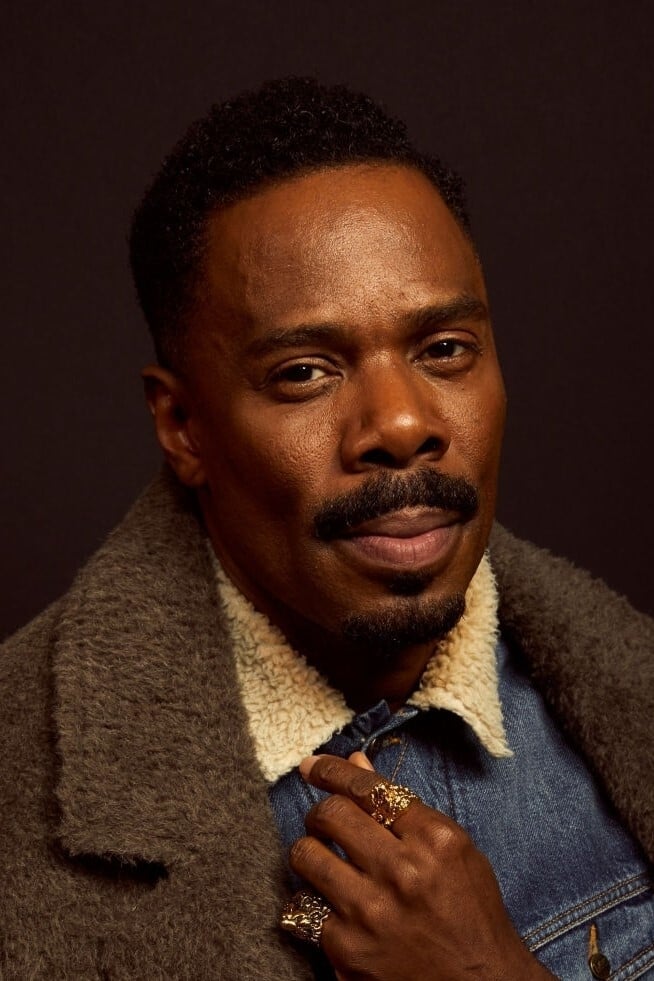
Colman Domingo is a versatile actor and playwright who has received critical acclaim for his diverse roles. He has often spoken about the “respectability politics” that can lead to accusations of “acting white” or being “too proper”. Domingo maintains that his elegance and his intelligence are authentic expressions of his being. He believes that the Black experience is vast enough to include every type of personality and interest. The actor continues to choose challenging roles that showcase the depth of human emotion.
André Holland
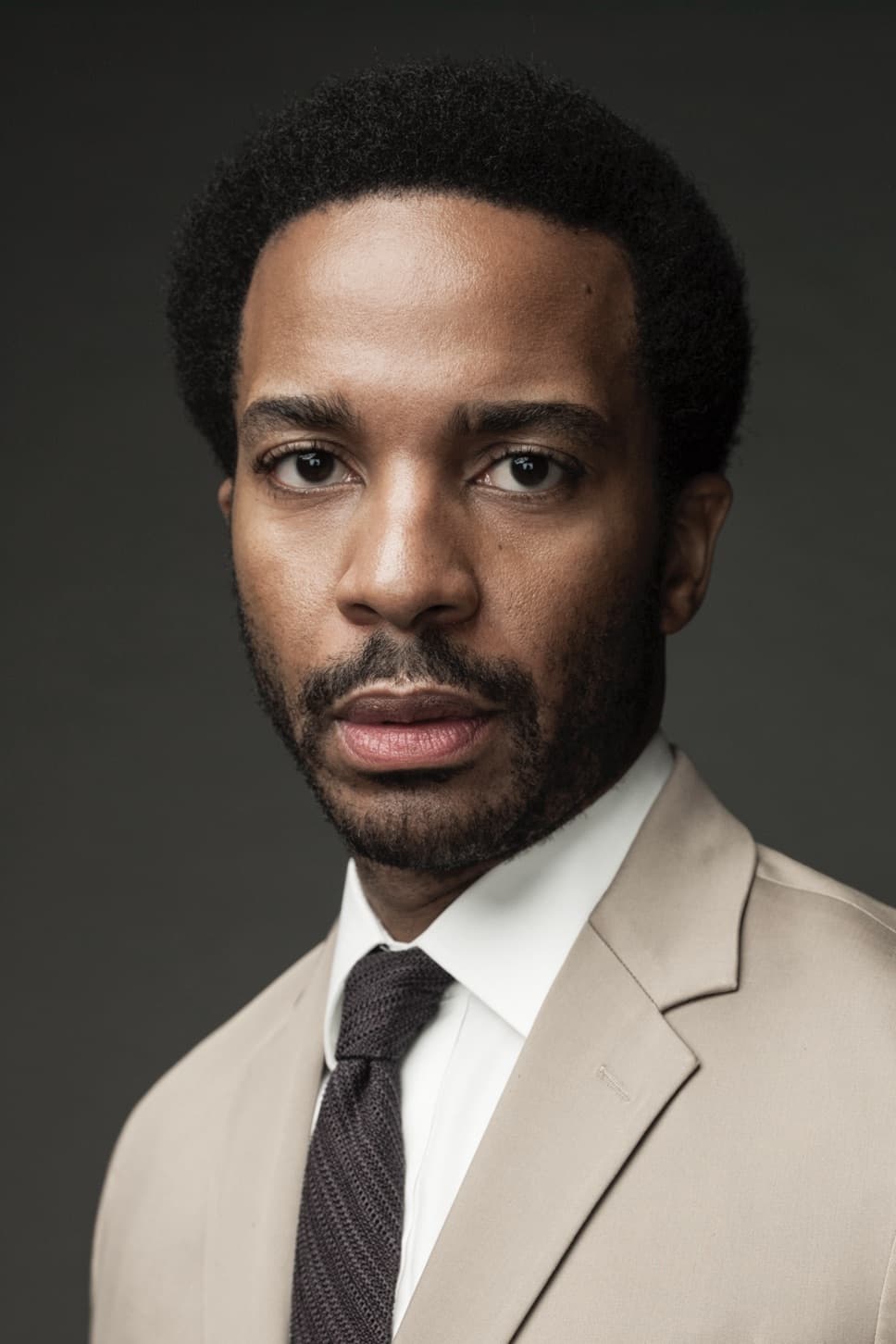
André Holland is known for his soulful and intellectual performances in films like ‘Moonlight’ and ‘Selma’. He has faced comments about his quiet demeanor and his articulated speech patterns in his personal life. Holland has responded by emphasizing that his identity is rooted in his family and his upbringing in Alabama. He believes that being a “thinking” actor is not a trait that belongs to any one race. The performer remains a respected figure who brings a high level of dignity to all his work.
Lin-Manuel Miranda
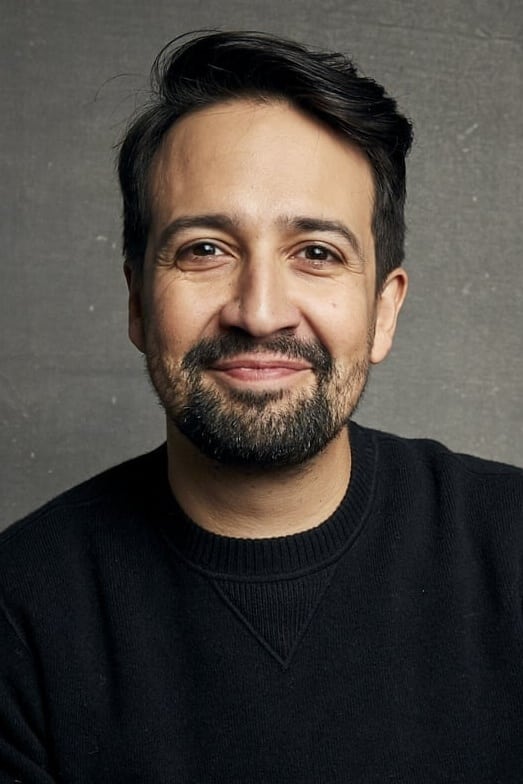
Lin-Manuel Miranda has frequently addressed the criticism he receives for being a “theatre kid” and for his specific way of speaking. Some critics in the Latino community have suggested that his success on Broadway makes him less connected to his roots. Miranda has defended his identity by pointing out that his work is deeply informed by his life in Washington Heights. He believes that his love for musical theater is a legitimate way to express his cultural heritage. The creator remains a dominant force who has changed the landscape of modern entertainment.
Laz Alonso
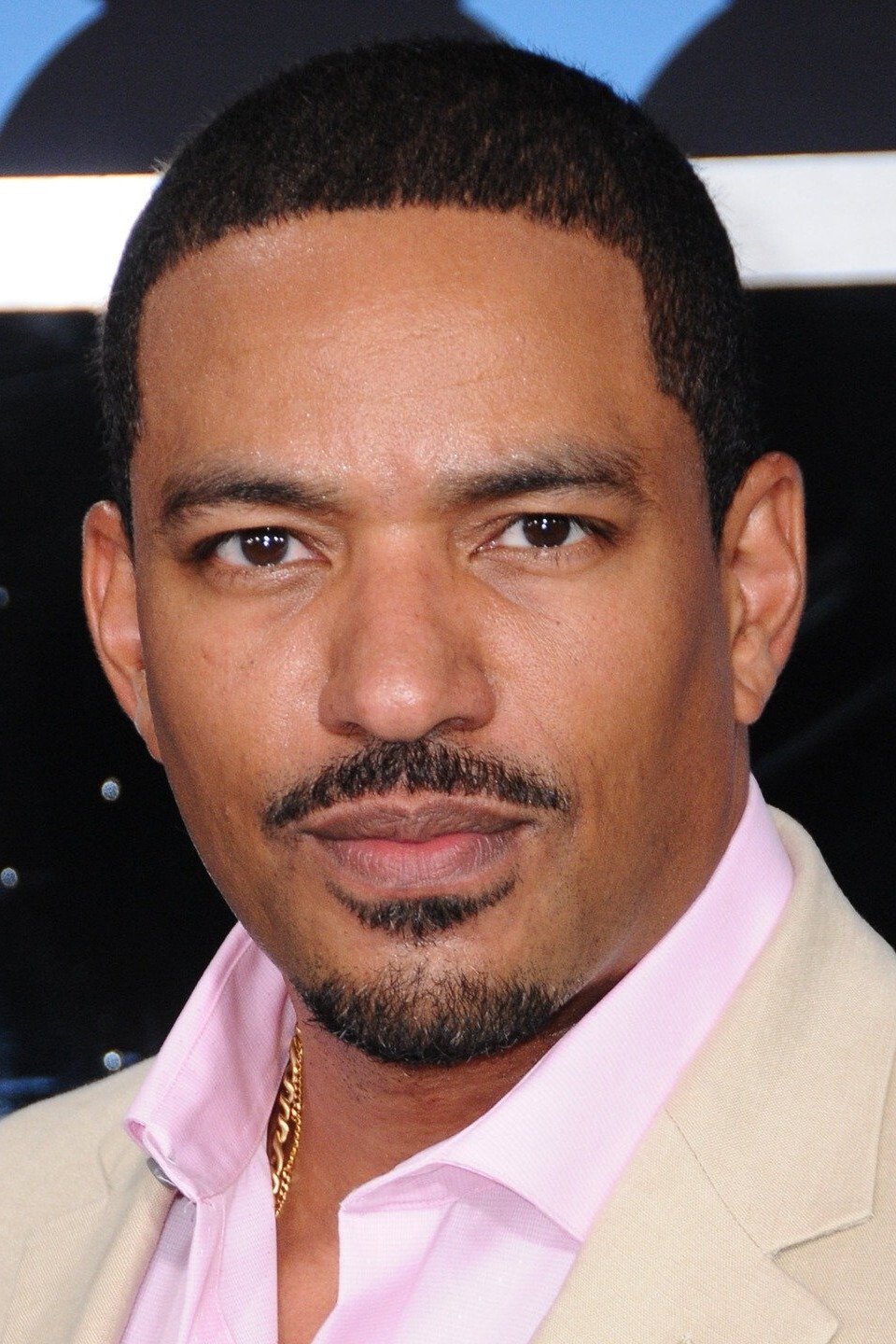
Laz Alonso has spoken about the importance of being an educated and well rounded individual in the acting world. He has faced suggestions that his professional image and his speech are an attempt to “act white”. Alonso has countered these claims by proudly discussing his Afro-Latino heritage and his upbringing. He believes that knowledge and professionalism should be celebrated rather than used as a basis for criticism. The actor remains a dedicated performer who works to uplift his community through his roles.
Oscar Isaac
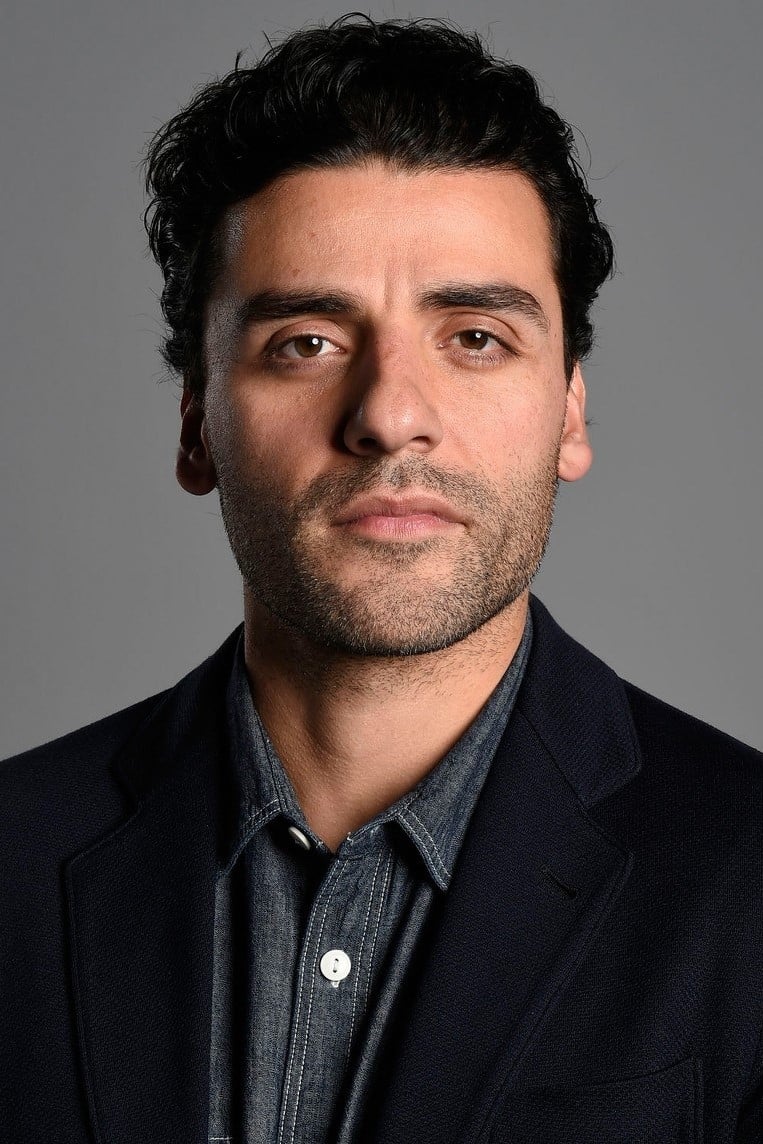
Oscar Isaac has had to navigate the complexities of identity in Hollywood while playing a wide range of ethnicities. He has sometimes been accused of being “whitewashed” or losing his connection to his Guatemalan and Cuban roots. Isaac has defended his choices by stating that he is an actor first and wants to play compelling human beings. He has noted that his background is a part of him but does not limit the types of stories he can tell. The star continues to be one of the most sought after actors of his generation.
Wilmer Valderrama
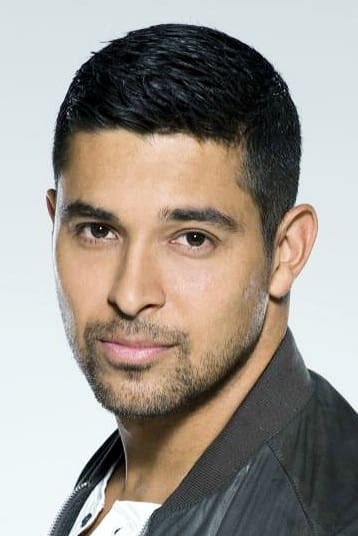
Wilmer Valderrama rose to fame on ‘That ’70s Show’ and has since built a diverse career as an actor and producer. He has faced comments about his assimilation into American culture and how it affects his identity. Valderrama has responded by becoming a vocal advocate for the Latino community and for civic engagement. He believes that being a successful American does not mean turning one’s back on their original culture. The actor remains a positive influence who works to empower the next generation of leaders.
Simu Liu
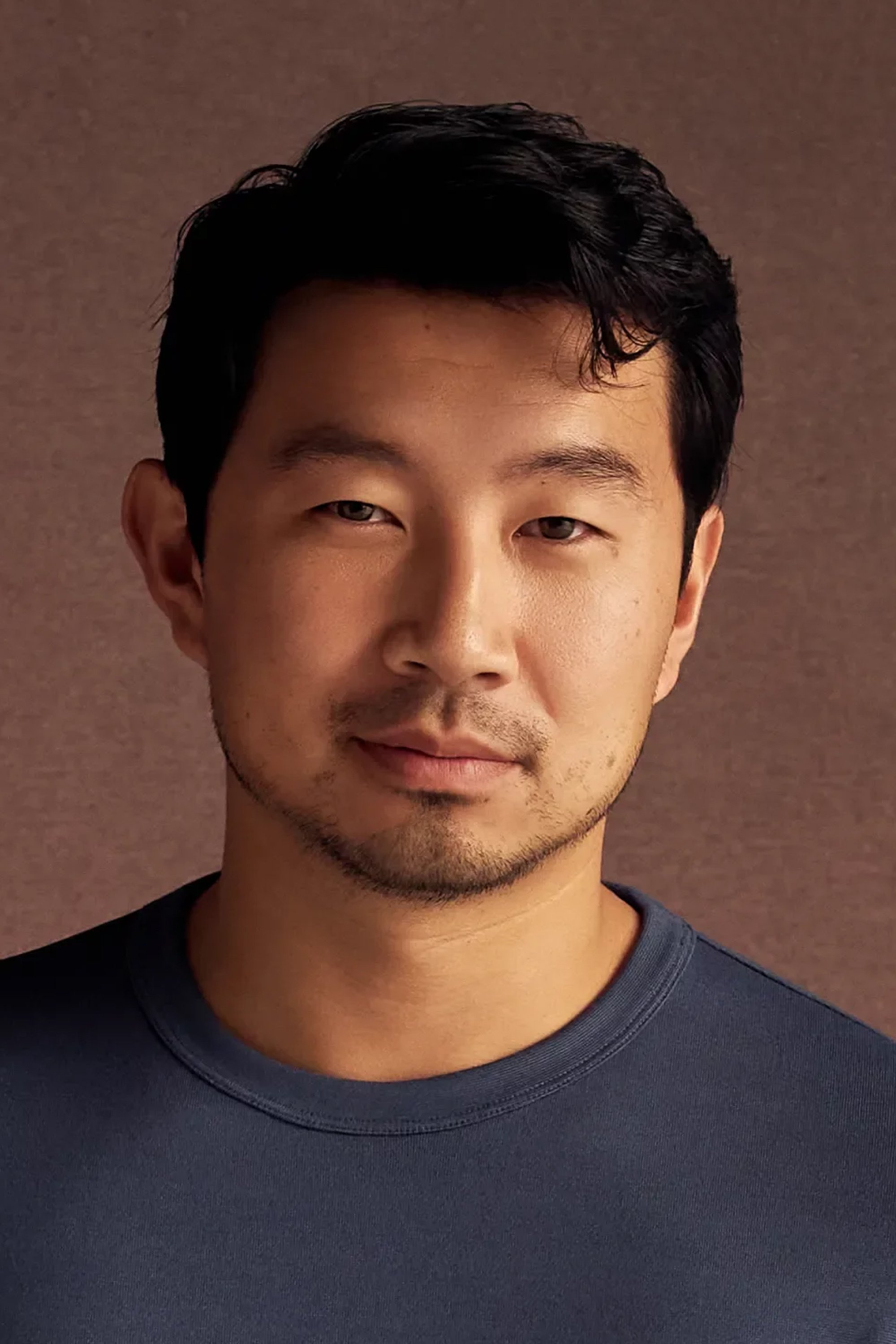
Simu Liu has become a major star as the lead in ‘Shang-Chi and the Legend of the Ten Rings’. He has faced criticism from some who believe he is “too Westernized” or that he does not represent traditional Asian values. Liu has defended himself by explaining that his experience as an immigrant in Canada is a valid and important story. He believes that there is no single way to be Asian and that everyone should embrace their unique path. The actor continues to use his platform to fight for better representation and to challenge stereotypes.
John Cho
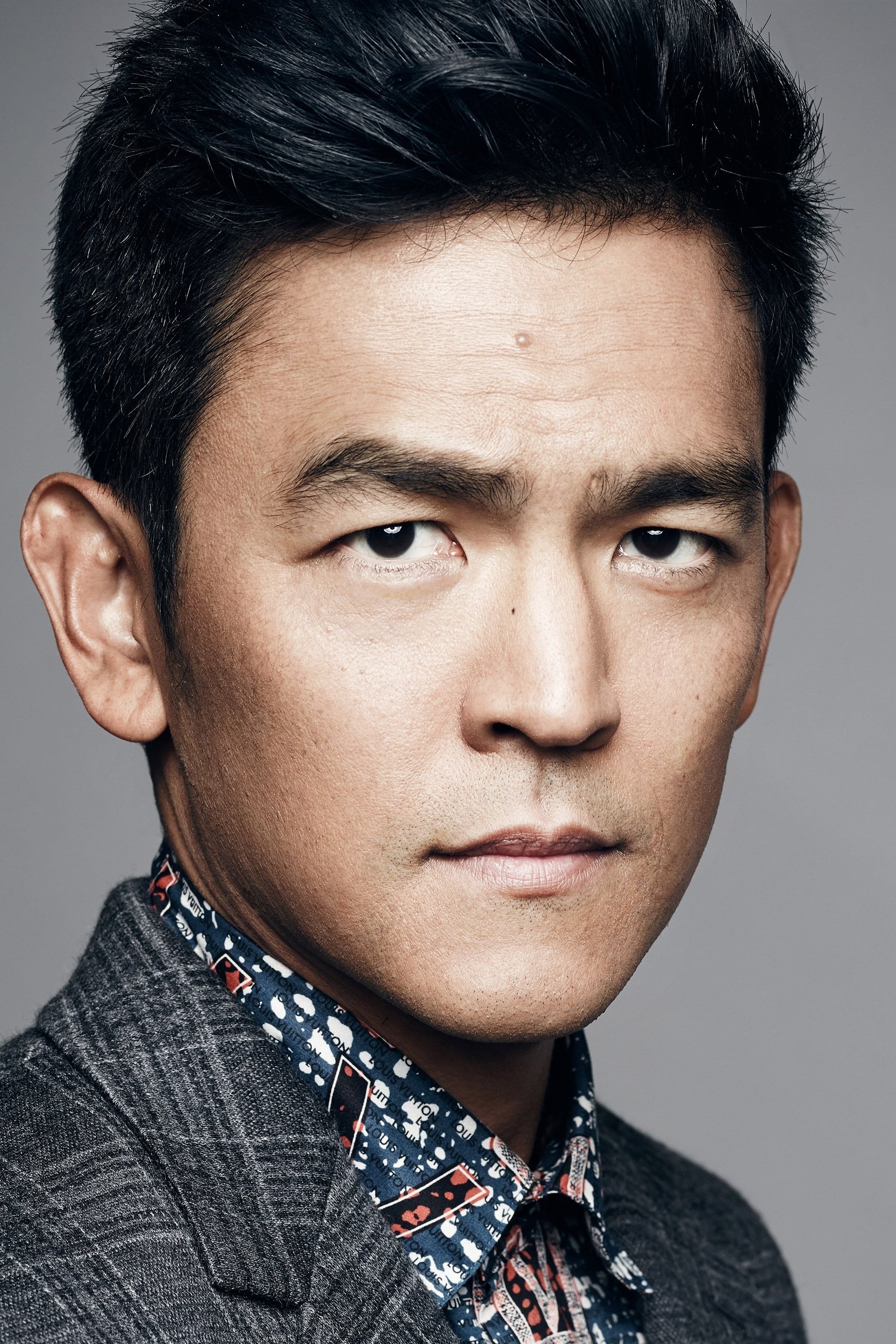
John Cho has been a pioneer for Asian American actors in Hollywood for over two decades. He has often dealt with the “model minority” stereotype and the idea that he is “acting white” because of his calm and professional image. Cho has countered these narratives by speaking out about the nuances of the Asian American experience. He believes that his presence in mainstream roles is a way to break down barriers for others. The actor remains a respected figure who continues to choose roles that defy expectations.
Kumail Nanjiani
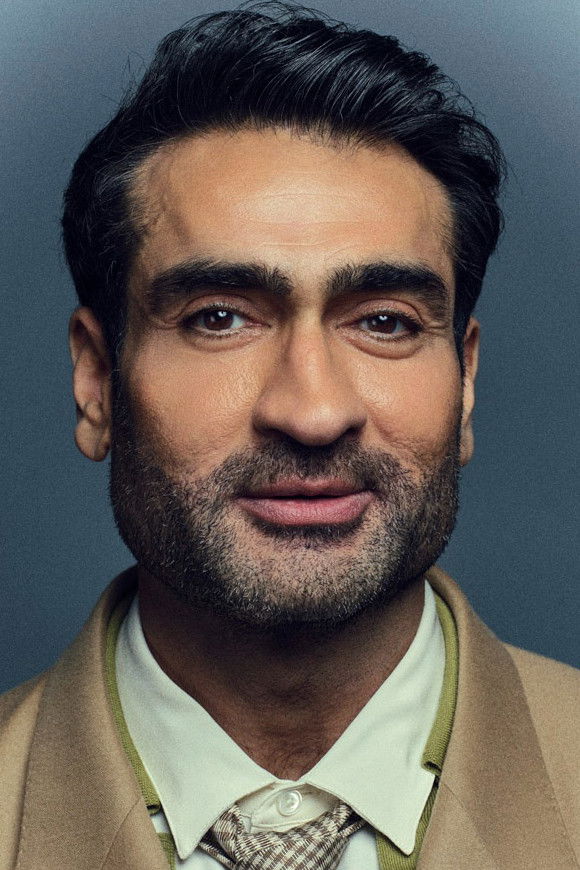
Kumail Nanjiani has discussed the challenges of being a Pakistani immigrant in the American comedy and acting scenes. He has faced accusations of losing his cultural identity as he became more famous and changed his physical appearance. Nanjiani has defended his choices by stating that he is simply evolving as a person and an artist. He believes that people should be allowed to grow and change without being accused of betraying their heritage. The actor continues to find success by sharing his unique and humorous perspective with the world.
Hasan Minhaj
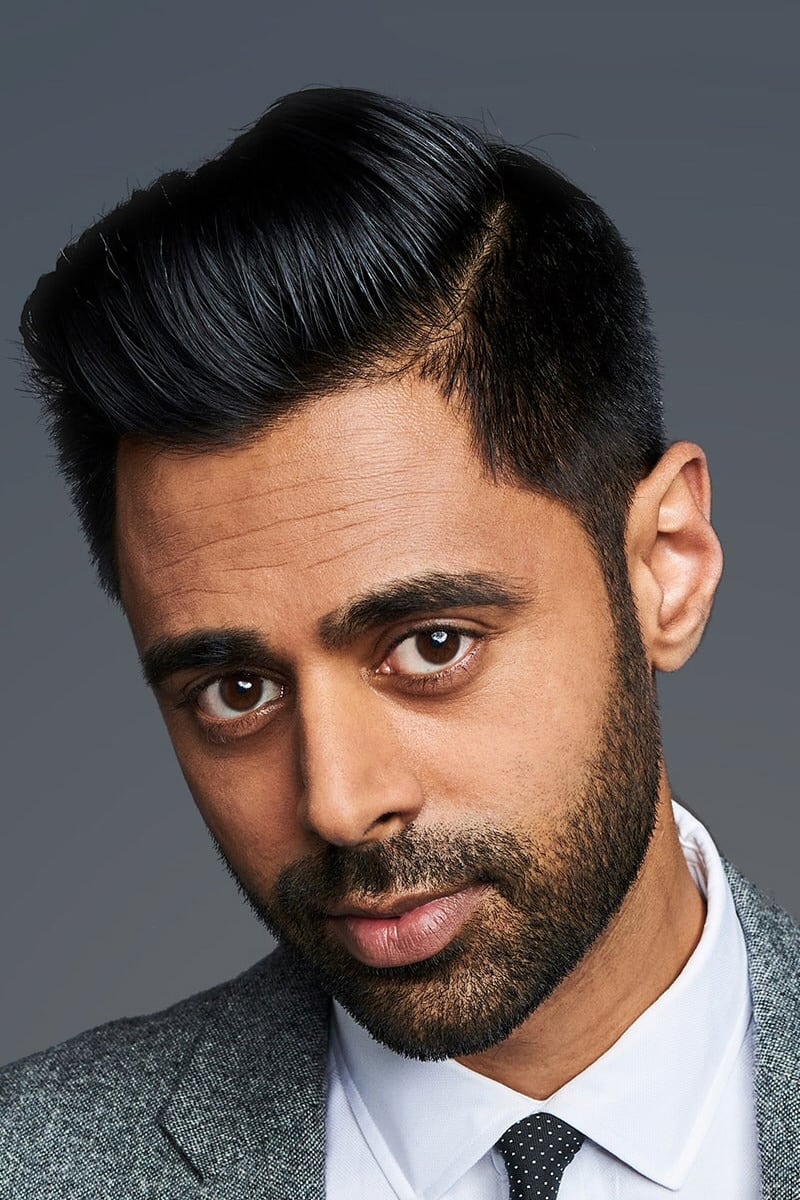
Hasan Minhaj has used his comedy to explore the pressures of growing up in an immigrant family in the suburbs. He has frequently addressed the idea of being “too white” for some and “not white enough” for others. Minhaj has defended his identity by highlighting the specific experiences of the first generation American community. He believes that his ability to navigate different cultures is a vital part of his storytelling. The performer remains a bold voice who uses his platform to tackle complex social and political issues.
Riz Ahmed
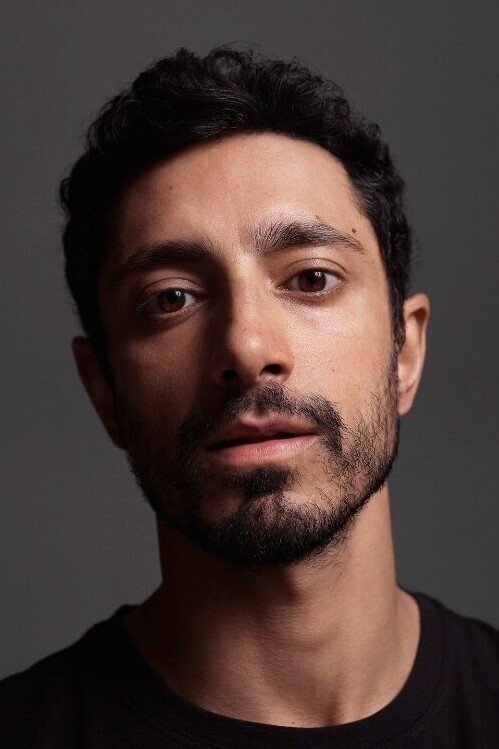
Riz Ahmed has written and spoken extensively about the “types” of roles that actors of color are expected to play. He has faced criticism for being too articulated or for his intellectual approach to identity and belonging. Ahmed has countered these critiques by arguing that everyone should have the right to define themselves on their own terms. He has used his music and his acting to challenge the narrow boxes that society tries to put him in. The actor remains a global star who is dedicated to promoting a more inclusive world.
Dev Patel
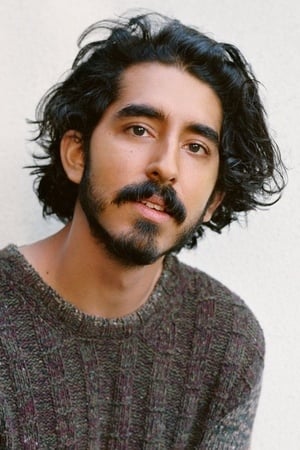
Dev Patel has faced questions about his identity since he first appeared in the British series ‘Skins’. Some critics suggested that his success in Hollywood and his British upbringing made him less authentic to his Indian heritage. Patel has responded by choosing roles that allow him to explore a wide range of human experiences. He believes that his heritage is a source of strength that informs his work in many different ways. The actor continues to receive critical acclaim for his powerful and nuanced performances.
Share your thoughts on these actors and their experiences in the comments.