


20 Actors Who Demanded Co-Stars Be Fired for Stealing Scenes

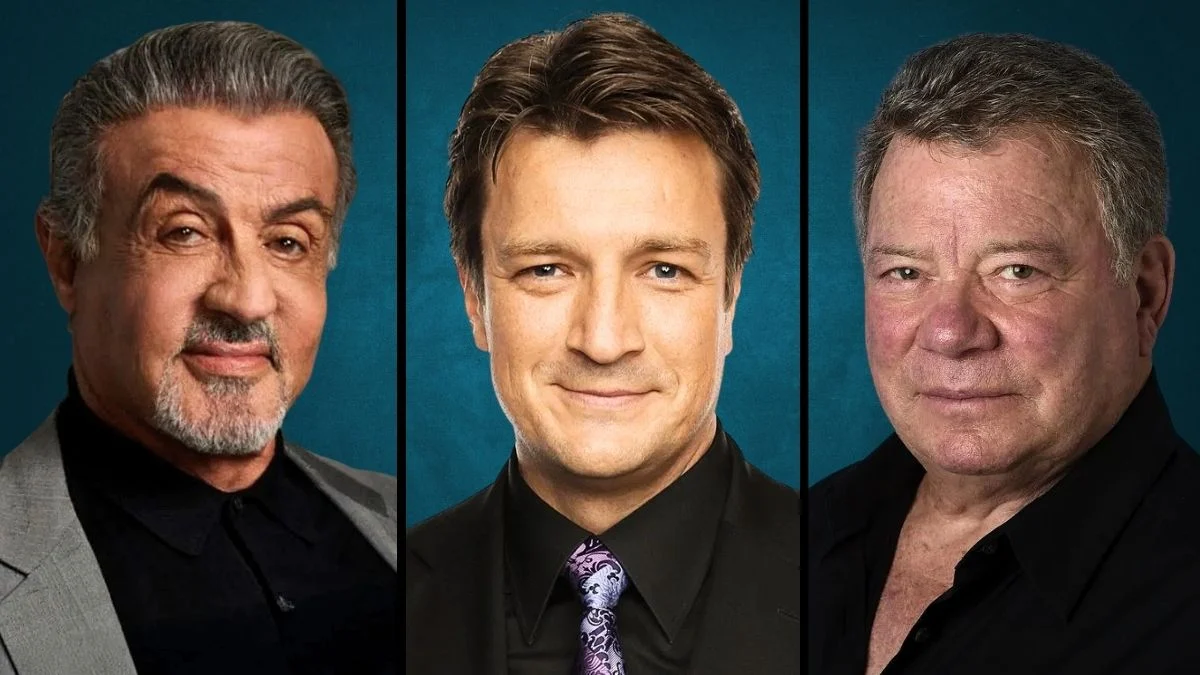


Hollywood egos are notoriously fragile, and nothing threatens a lead actor more than a co-star who captures the audience’s attention. While chemistry is essential for a successful production, it often curdles into jealousy when one performer feels upstaged or threatened by another’s talent. This insecurity frequently leads to behind-the-scenes power plays where top-billed stars issue ultimatums to producers. From altering scripts to demanding outright terminations, these actors refused to share the spotlight.
Sylvester Stallone
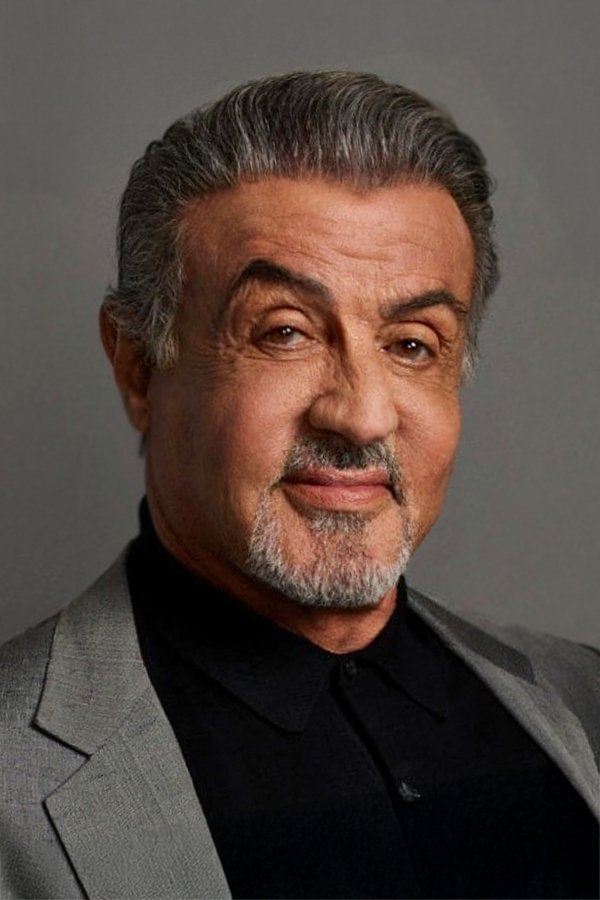
During the filming of ‘The Lords of Flatbush’ (1974), a young Sylvester Stallone found himself at odds with Richard Gere, who was originally cast in a lead role. Stallone claimed that Gere was too aggressive during rehearsals and took his method acting too far. The tension culminated in a physical altercation involving a mustard-stained chicken sandwich inside a car. Stallone issued an ultimatum to the director, demanding that one of them had to go. Gere was promptly fired and replaced by Perry King, cementing a decades-long feud between the two stars.
Will Smith
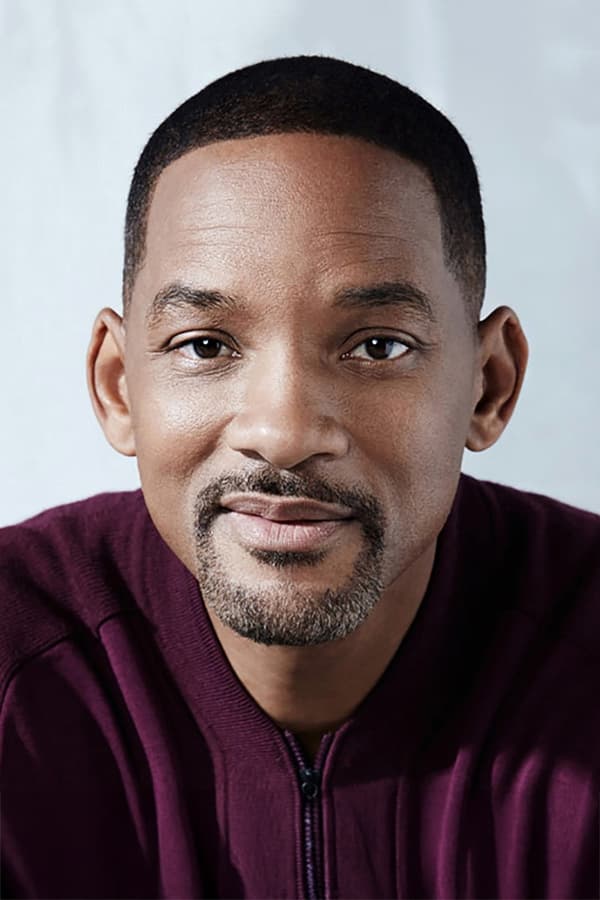
‘The Fresh Prince of Bel-Air’ (1990–1996) famously replaced the actress playing Aunt Vivian after the third season due to severe backstage tension. Will Smith reportedly clashed with the original actress, Janet Hubert, whom he felt was difficult and imperious on set. Hubert later alleged that Smith was threatened by her seasoned acting skills and refused to help the ensemble negotiate for better salaries. Smith publicly stated that Hubert wanted to take over the show, leading to her dismissal and recasting. The feud lasted for decades before a televised reconciliation.
William Shatner
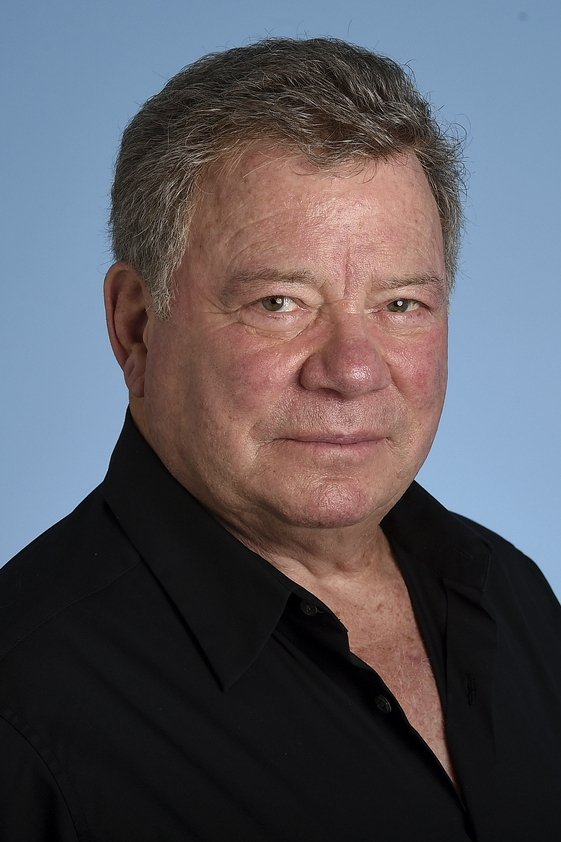
The set of ‘Star Trek’ (1966–1969) was rife with conflict as William Shatner fought to maintain his status as the undisputed lead. Co-stars George Takei and James Doohan frequently accused Shatner of stealing lines and demanding that other characters’ scenes be cut to ensure Captain Kirk remained the center of attention. Shatner reportedly viewed the popularity of Spock as a direct threat to his career and often undermined Leonard Nimoy during filming. While he could not get the main cast fired, his demands successfully minimized their screen time and dialogue.
Vin Diesel
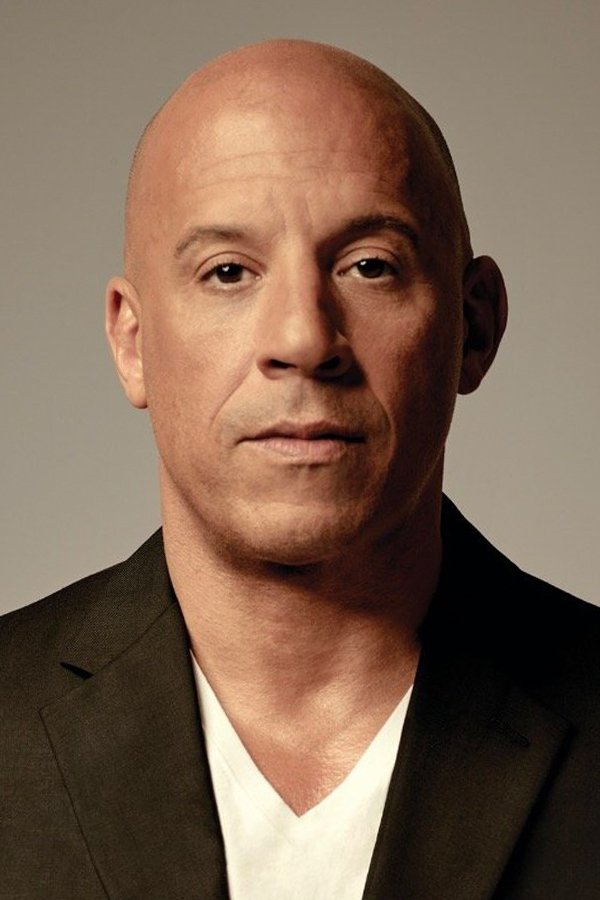
The ‘Fast & Furious’ franchise saw a massive clash of egos when Dwayne “The Rock” Johnson joined the cast and quickly became a fan favorite. Vin Diesel, who also served as a producer, reportedly took issue with Johnson’s scene-stealing charisma and rising popularity within the series. Tensions boiled over on social media, with Johnson vaguely referring to male co-stars as “candy asses” due to unprofessional behavior. The feud eventually led to Johnson leaving the main timeline of the franchise to star in his own spinoff. Diesel effectively exerted his control to ensure he remained the singular alpha of the main series.
Lea Michele

On the musical dramedy ‘Glee’ (2009–2015), rumors persisted that Lea Michele was fiercely protective of her role as the show’s primary star. Naya Rivera, whose character Santana grew from a background player to a fan favorite, reportedly clashed with Michele as her screen time increased. Reports surfaced that Michele threatened to quit the production if Rivera was not dealt with during their frequent on-set altercations. Ultimately, Rivera was written out of the season five finale, a move many attributed to Michele’s influence and demands.
Charlie Sheen
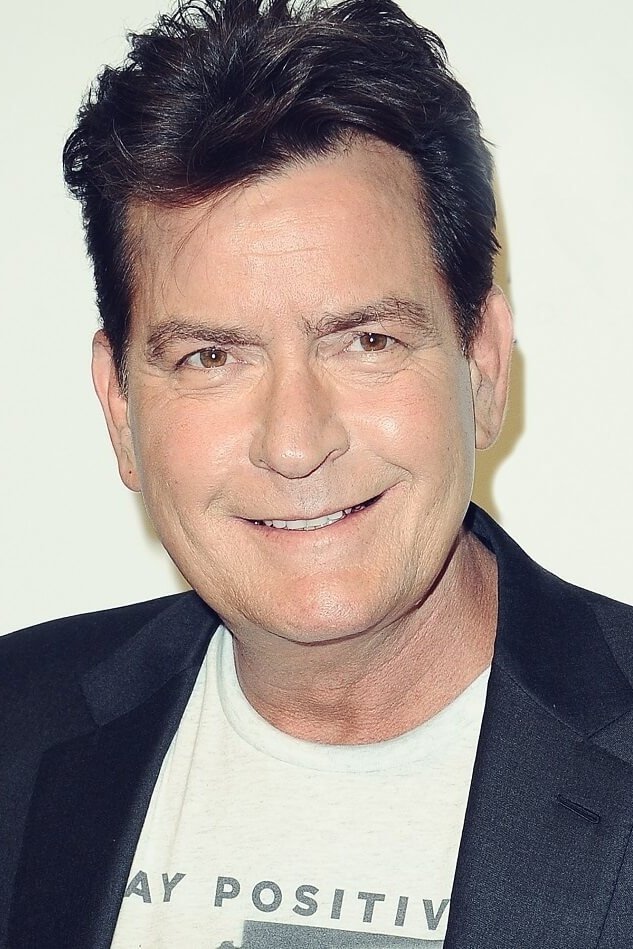
During the production of ‘Anger Management’ (2012–2014), Charlie Sheen exerted his power as the show’s lead and executive producer to remove Selma Blair. Blair had reportedly complained to producers about Sheen’s lack of professionalism, including his chronic tardiness and work ethic. Upon hearing of her complaints, Sheen allegedly sent a text message to Blair firing her with a barrage of expletives. He then issued an ultimatum to the studio that he would not return to work if she was still employed. Blair was officially written out of the show immediately following the incident.
Tori Spelling
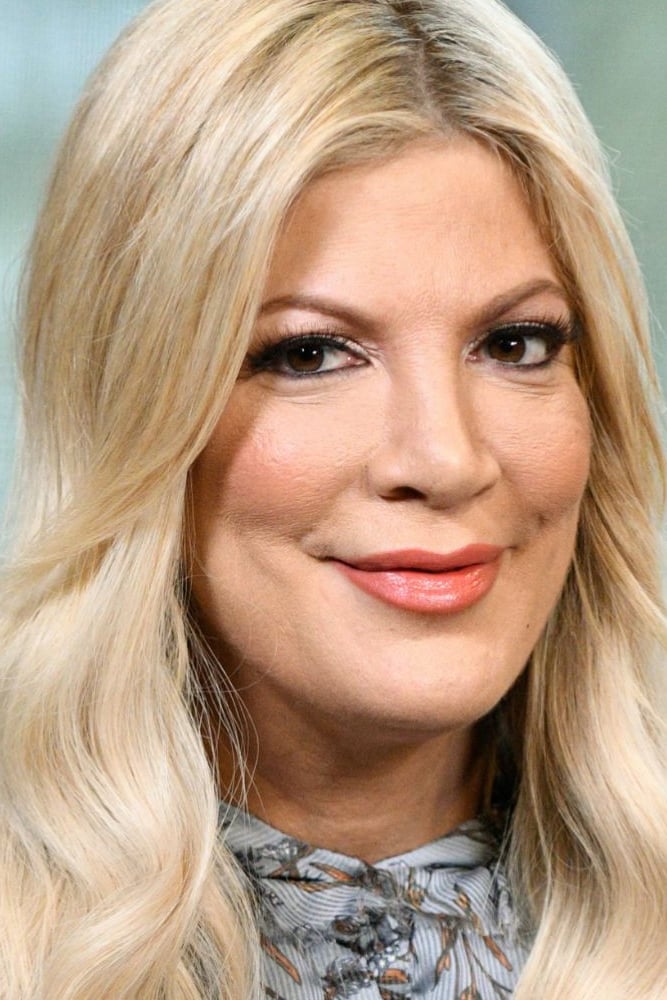
Shannen Doherty’s departure from ‘Beverly Hills, 90210’ (1990–2000) was the result of ongoing friction with the cast, particularly Tori Spelling. Spelling eventually admitted that she called her father, the show’s legendary creator Aaron Spelling, to demand Doherty’s removal after a physical fight nearly broke out on set. The cast felt that Doherty’s behavior was unprofessional and that her dramatic presence was disrupting the production. Aaron Spelling sided with his daughter and the other cast members, leading to Doherty’s character being written out.
John Stamos
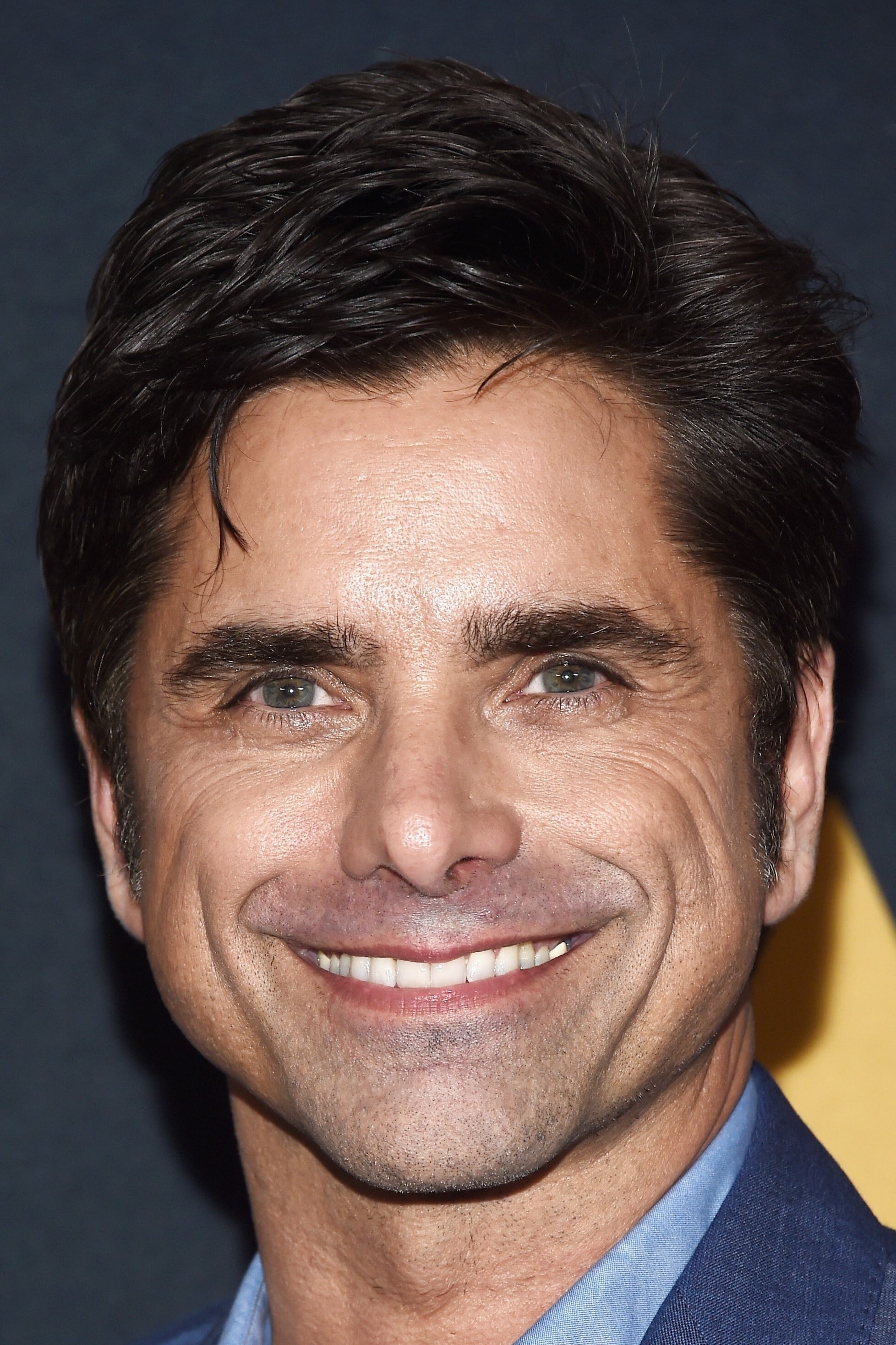
In the early days of ‘Full House’ (1987–1995), John Stamos struggled to work with the infant Olsen twins because they cried constantly during filming. Stamos frustratedly demanded that the producers fire the babies and bring in a different set of twins who would behave better. The production briefly hired a pair of redheaded twins to replace Mary-Kate and Ashley, but the new children proved even more difficult to work with. Stamos eventually realized his mistake and asked for the Olsen twins to be brought back, securing their place in pop culture history.
Ryan Gosling
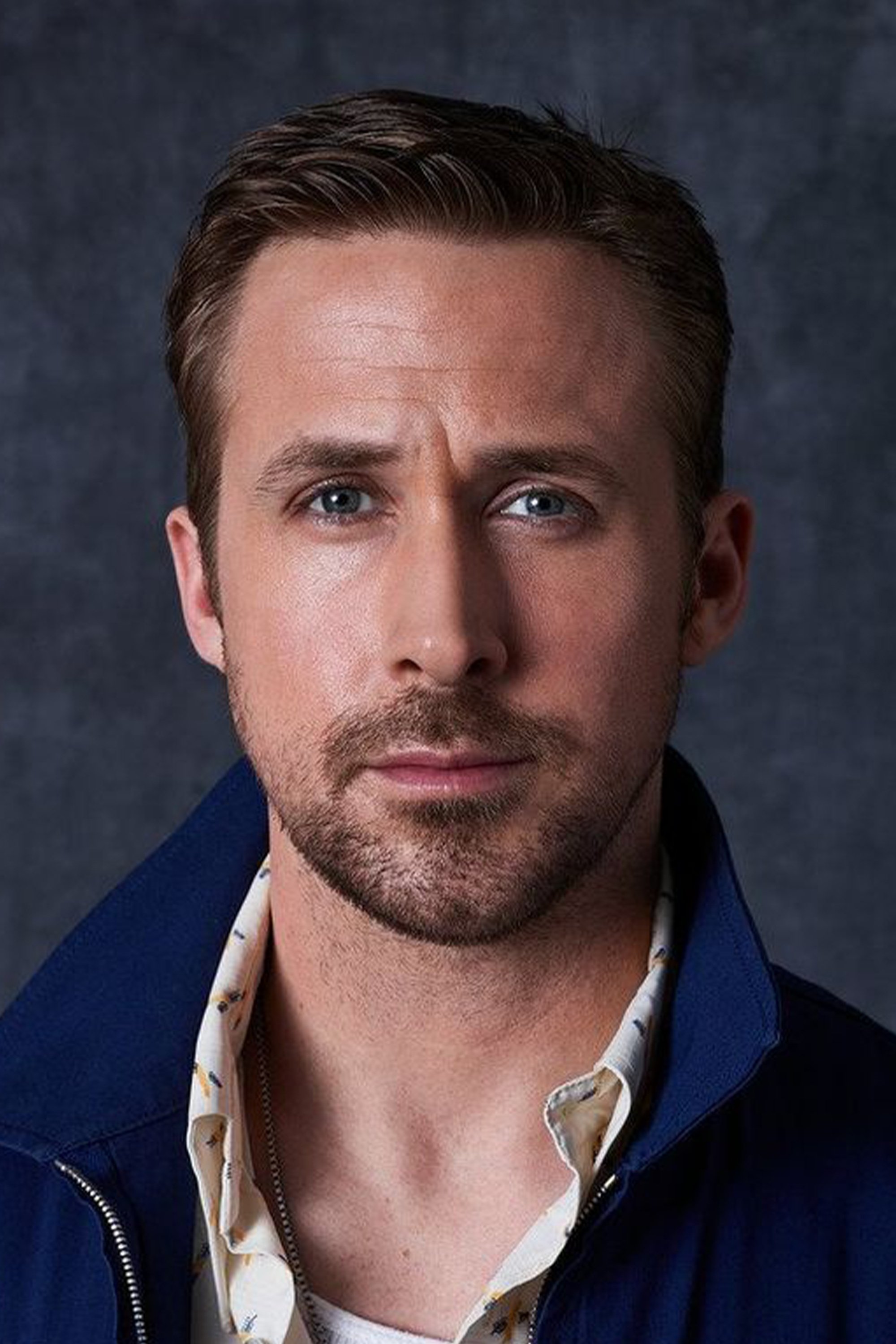
While filming ‘The Notebook’ (2004), Ryan Gosling found his chemistry with Rachel McAdams to be non-existent and frustrating. He stopped a scene mid-take and explicitly asked the director, Nick Cassavetes, to take McAdams away and bring in another actress to read lines with him. Gosling argued that he was getting nothing from her performance and that the film would not work with her in the role. The director forced them into a private therapy session to scream at each other, which ironically fixed their dynamic and allowed them to finish the movie.
Kirk Cameron
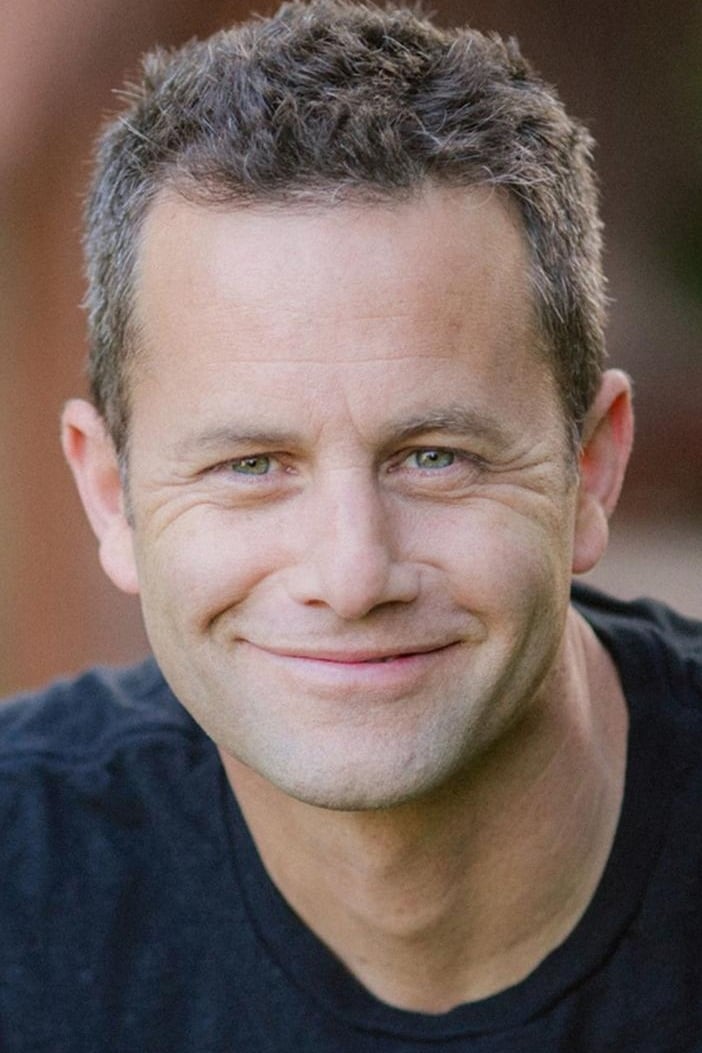
As Kirk Cameron became increasingly religious during the run of ‘Growing Pains’ (1985–1992), he began to scrutinize the lifestyles of his co-stars. When Julie McCullough was cast as his fiancée, Cameron discovered she had previously posed for Playboy magazine. He reportedly demanded that the producers fire her, refusing to let his character marry a woman with her background. The writers were forced to abruptly change the storyline, leaving McCullough’s character standing at the altar.
Alec Baldwin
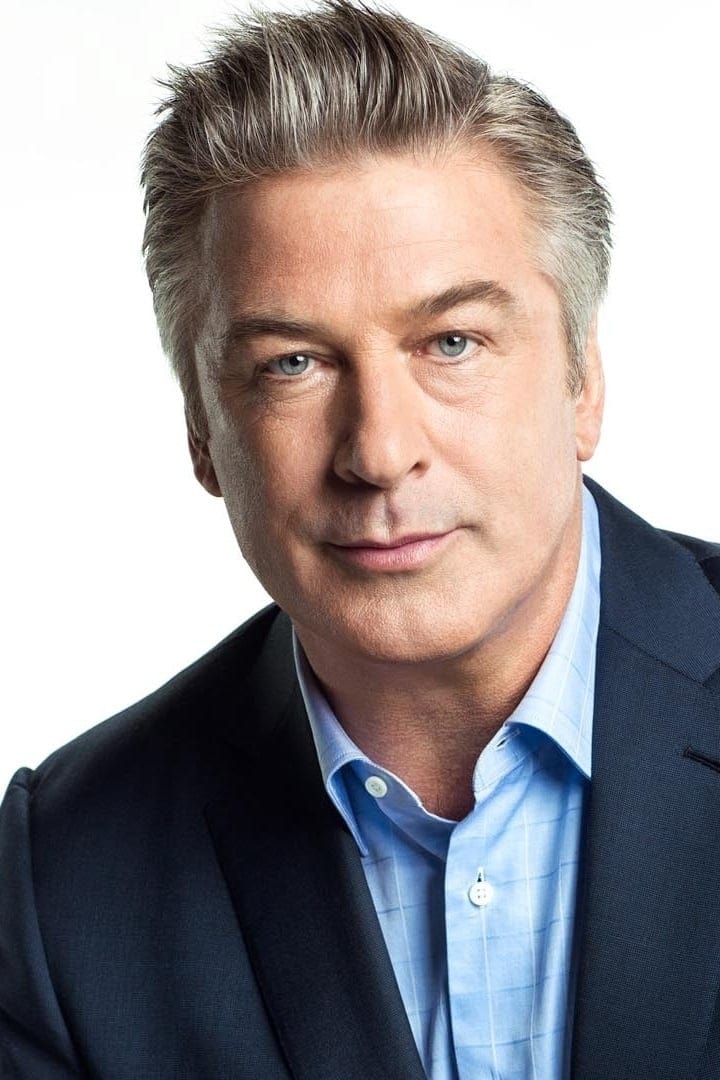
During rehearsals for the Broadway play ‘Orphans’ (2013), Alec Baldwin clashed heavily with his co-star Shia LaBeouf. Baldwin felt that LaBeouf’s method acting intensity and erratic behavior were incompatible with the production. The tension escalated until Baldwin reportedly told the director that one of them had to leave. The production chose to fire LaBeouf and replace him with Ben Foster, citing “creative differences” to the press.
Nathan Fillion

The crime procedural ‘Castle’ (2009–2016) was successful on screen, but the relationship between leads Nathan Fillion and Stana Katic was notoriously toxic. Reports emerged that Fillion bullied Katic and that the two refused to speak to one another when the cameras weren’t rolling. Despite the show relying on their chemistry, Katic was shockingly let go before a planned ninth season, a move widely attributed to Fillion’s contract negotiations and demand for a solo spotlight. The backlash from fans was so severe that the network decided to cancel the show entirely rather than proceed without her.
Julianna Margulies
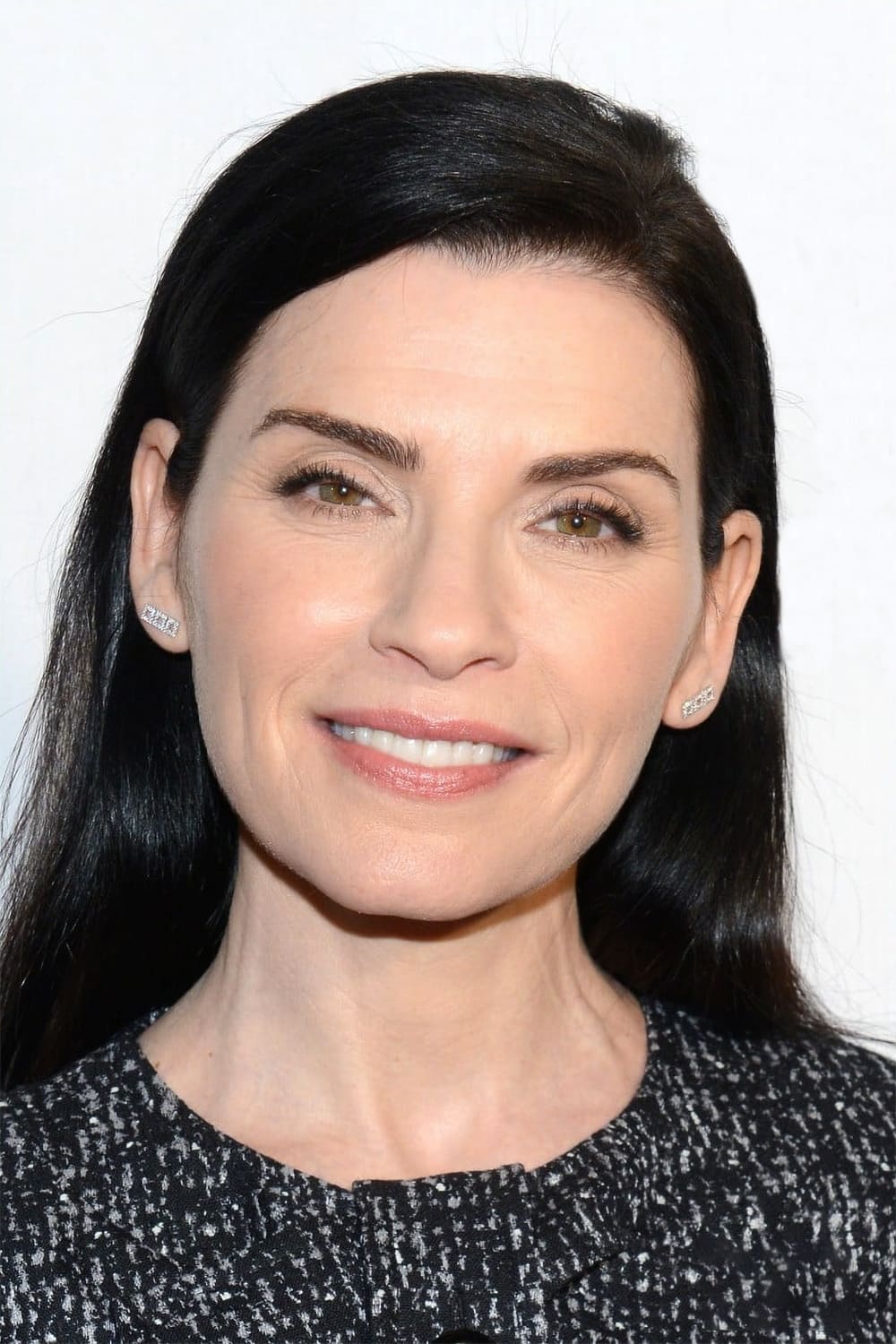
On ‘The Good Wife’ (2009–2016), a bizarre feud developed between Julianna Margulies and Archie Panjabi, who played the popular character Kalinda. Panjabi’s character became a breakout success, earning her an Emmy before Margulies won hers, which reportedly caused friction. Margulies, who was also a producer, allegedly orchestrated a situation where the two actors did not share a scene for over two years. When Panjabi finally left the show, their final “scene” together was filmed separately and stitched together using green screen technology.
Patrick Dempsey
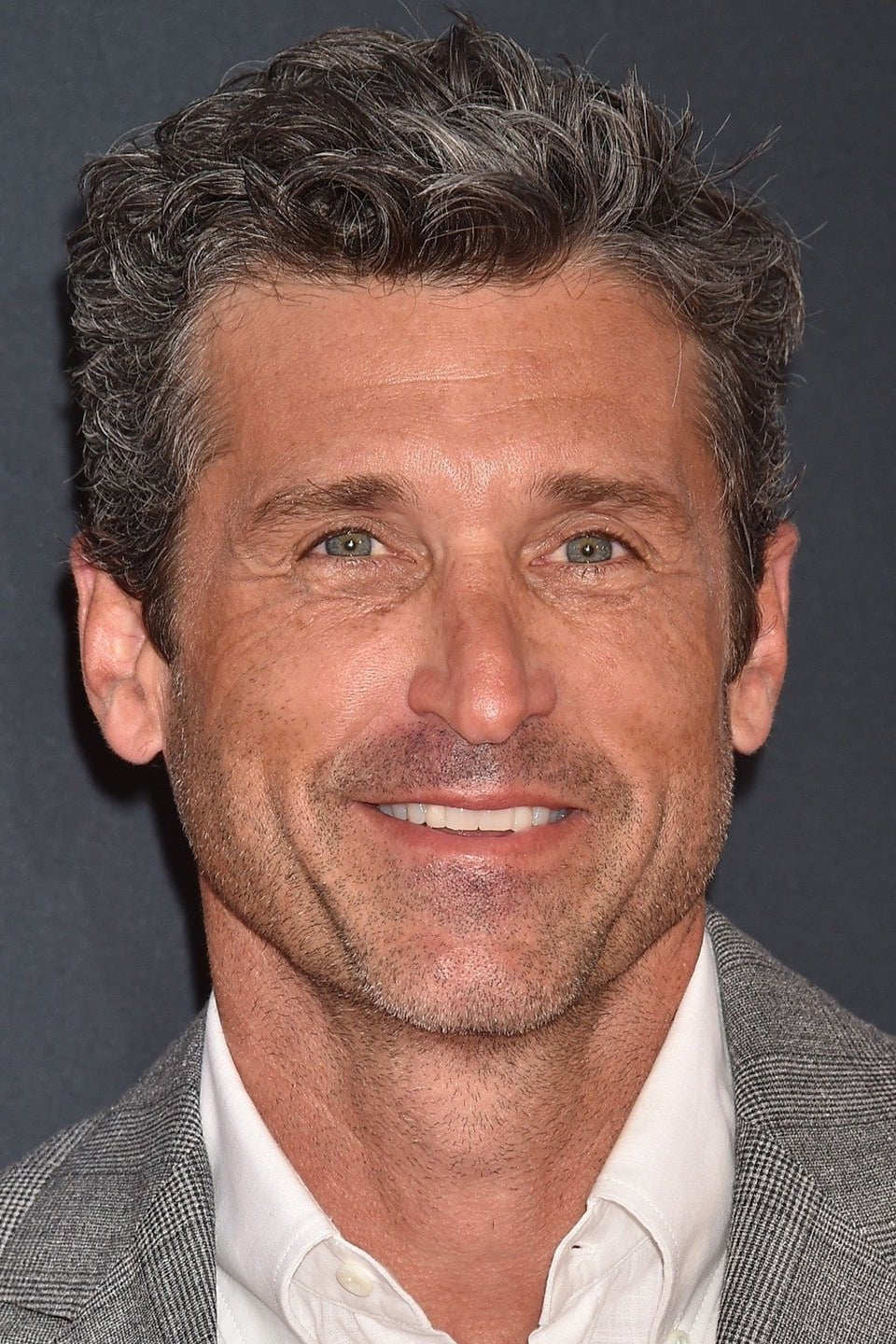
‘Grey’s Anatomy’ (2005–Present) faced a major crisis when Isaiah Washington used a homophobic slur during an argument with co-star T.R. Knight. Patrick Dempsey, witnessing the event, became furious and insisted that the network take action against Washington. The ensuing media firestorm and internal pressure from the cast, led by Dempsey’s refusal to tolerate the behavior, resulted in Washington’s dismissal from the hit medical drama. While the firing was based on conduct, the power dynamics of the lead actors played a crucial role in the decision.
Kevin James
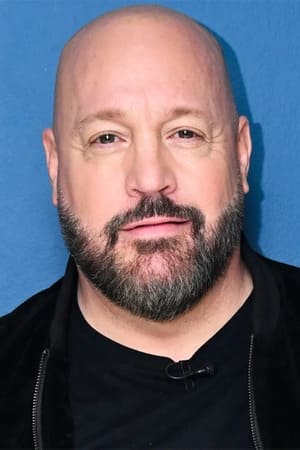
When the sitcom ‘Kevin Can Wait’ (2016–2018) needed a ratings boost, Kevin James decided to reunite with his former screen partner, Leah Remini. This creative pivot required the removal of Erinn Hayes, who played his wife in the first season. James reportedly felt that he had better comedic timing with Remini and pushed for the creative reboot that killed off Hayes’ character. The abrupt firing of Hayes to make room for James’s preferred co-star drew criticism from fans and critics alike.
Damon Wayans
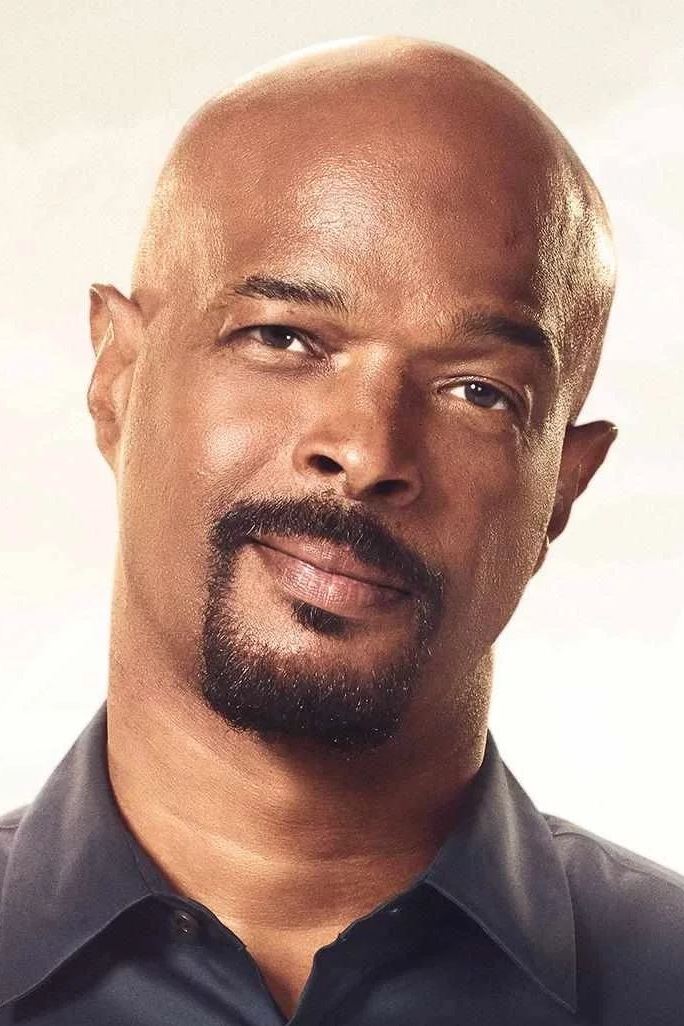
The TV adaptation of ‘Lethal Weapon’ (2016–2019) was plagued by a volatile relationship between stars Damon Wayans and Clayne Crawford. Wayans accused Crawford of being unsafe and reckless during stunt sequences, leading to injuries on set. Wayans eventually refused to work with Crawford, sending the production into a tailspin. The studio ultimately fired Crawford and recast his role with Seann William Scott, proving that Wayans held the ultimate veto power on the series.
Alyssa Milano
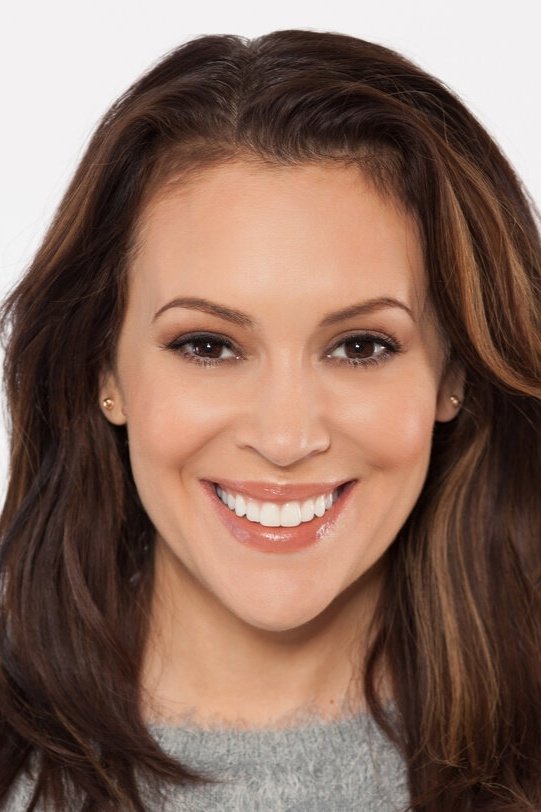
The set of ‘Charmed’ (1998–2006) was famous for the feud between Shannen Doherty and Alyssa Milano. The tension grew so thick that a mediator was brought in to navigate the conflict, but it wasn’t enough to save the trio. Milano eventually issued a “me or her” ultimatum to the producers, stating she would not return if Doherty remained on the show. Given Milano’s rising popularity and Doherty’s past reputation, the network fired Doherty and killed off her character, Prue Halliwell.
Bill Murray
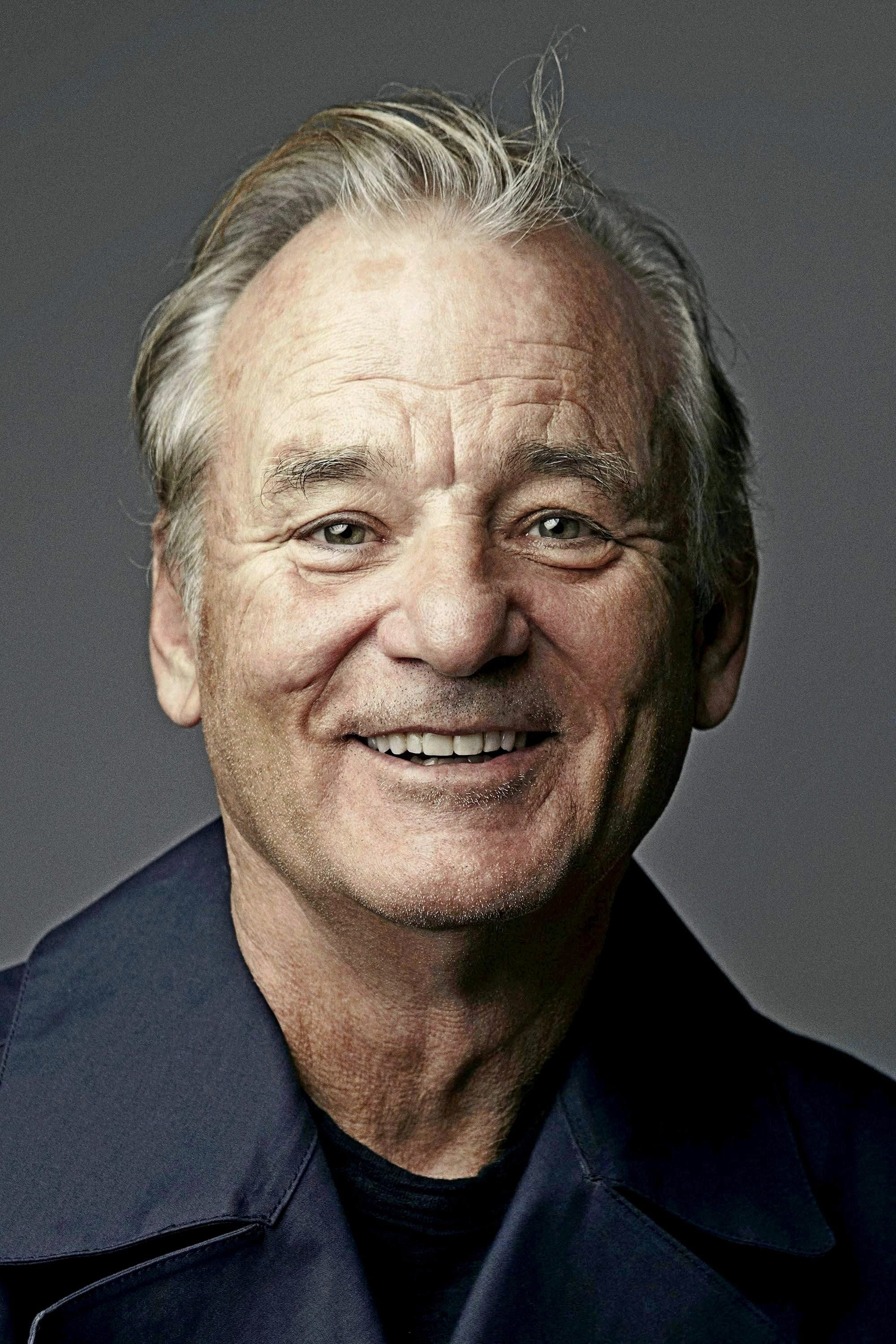
During the filming of ‘Charlie’s Angels’ (2000), Bill Murray was reportedly unimpressed with Lucy Liu’s acting abilities and told her so directly. This led to a physical altercation where crew members had to separate the two actors. Murray demanded that Liu be replaced, but the director and studio stood by her. Consequently, when the sequel was greenlit, Murray refused to return, and the script was rewritten to accommodate his absence, effectively removing him from the franchise due to his refusal to work with Liu.
Robert Downey Jr.
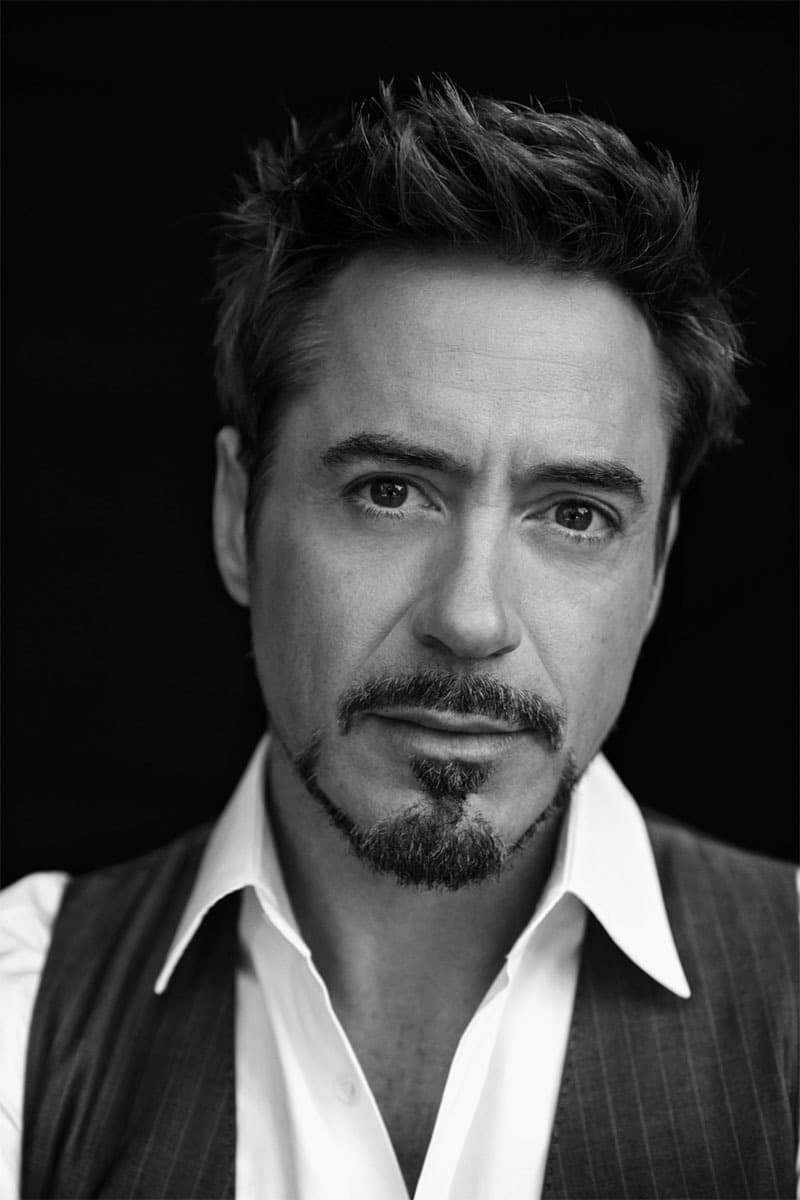
In the first ‘Iron Man’ (2008), Terrence Howard was the highest-paid actor, earning more than Robert Downey Jr. When the sequel was negotiated, Marvel offered Howard a significant pay cut to increase Downey’s salary. Howard claimed that Downey ignored his calls for support and effectively pushed him out to secure the larger paycheck and spotlight for himself. Don Cheadle replaced Howard, and Downey went on to become the undisputed face of the Marvel Cinematic Universe.
Joan Crawford
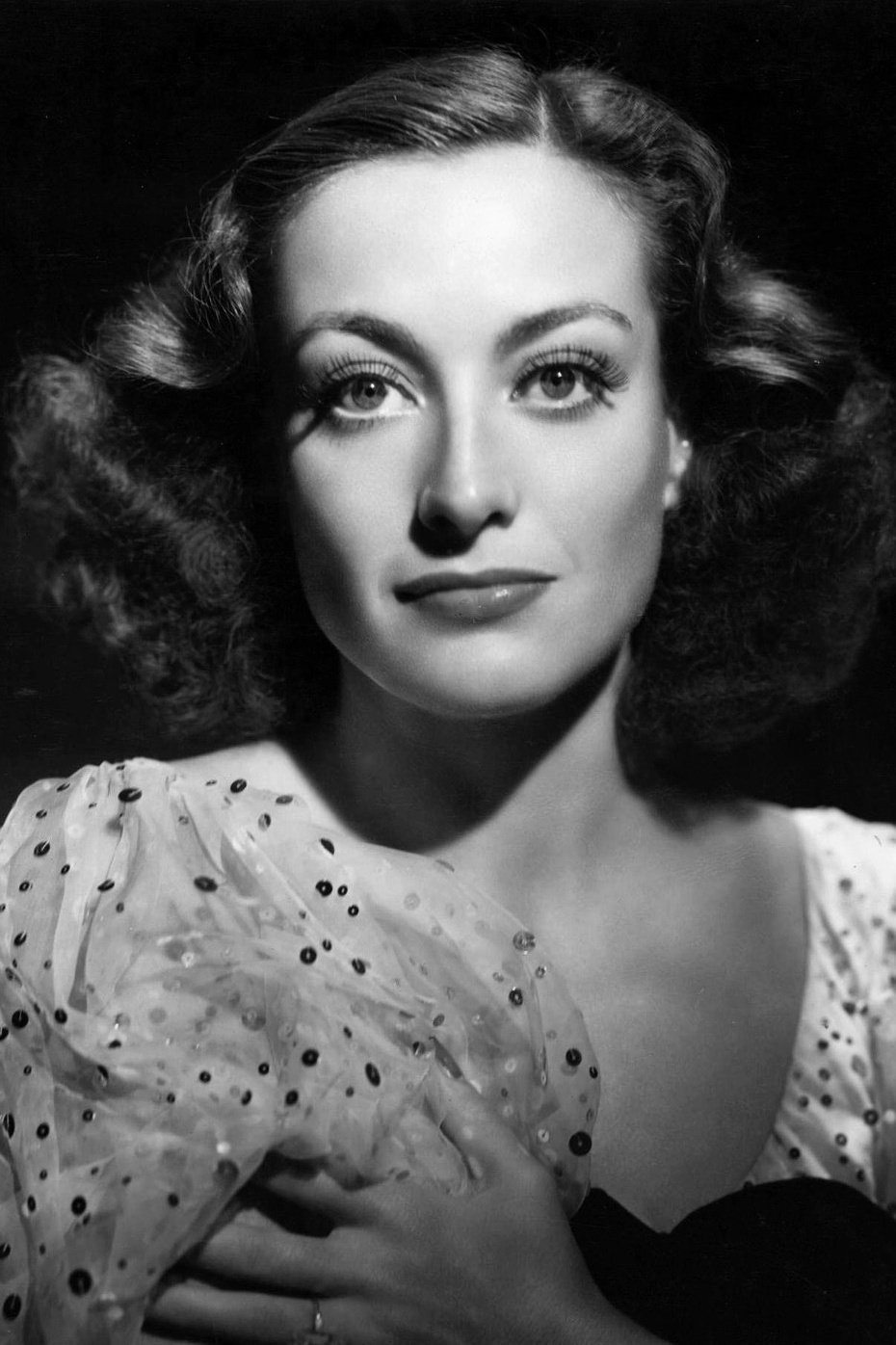
Legendary actress Joan Crawford was notorious for her jealousy regarding co-stars who threatened her dominance. On the set of ‘Johnny Guitar’ (1954), she was reportedly enraged by the applause and attention Mercedes McCambridge received from the crew. Crawford demanded that the director minimize McCambridge’s role and even threw McCambridge’s costumes onto the highway in a rage. She successfully lobbied to have McCambridge’s scenes cut down to ensure that she remained the undisputed star of the film.
Share your thoughts on these Hollywood power plays and tell us which firing shocked you the most in the comments.