


Actors Who Demanded Constant Ego-Stroking While Playing Selfless Characters

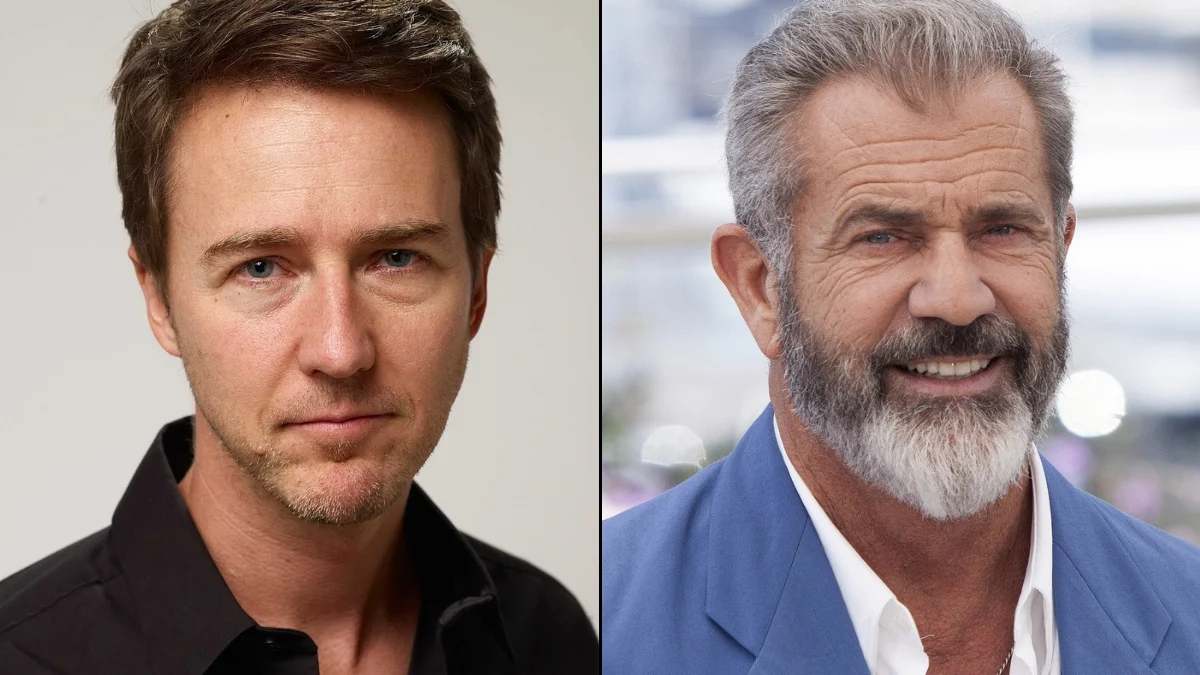


In the world of high-stakes filmmaking, the line between a character’s nobility and an actor’s personal demands often becomes blurred. Many performers have built their reputations playing heroes who sacrifice everything for the greater good, yet behind the scenes, their behavior tells a different story. Producers and directors frequently navigate complex power dynamics when stars insist on creative control or special treatment that contradicts the selfless nature of their roles. This list examines male actors who were reportedly difficult or demanding while portraying some of cinema’s most altruistic figures.
Edward Norton
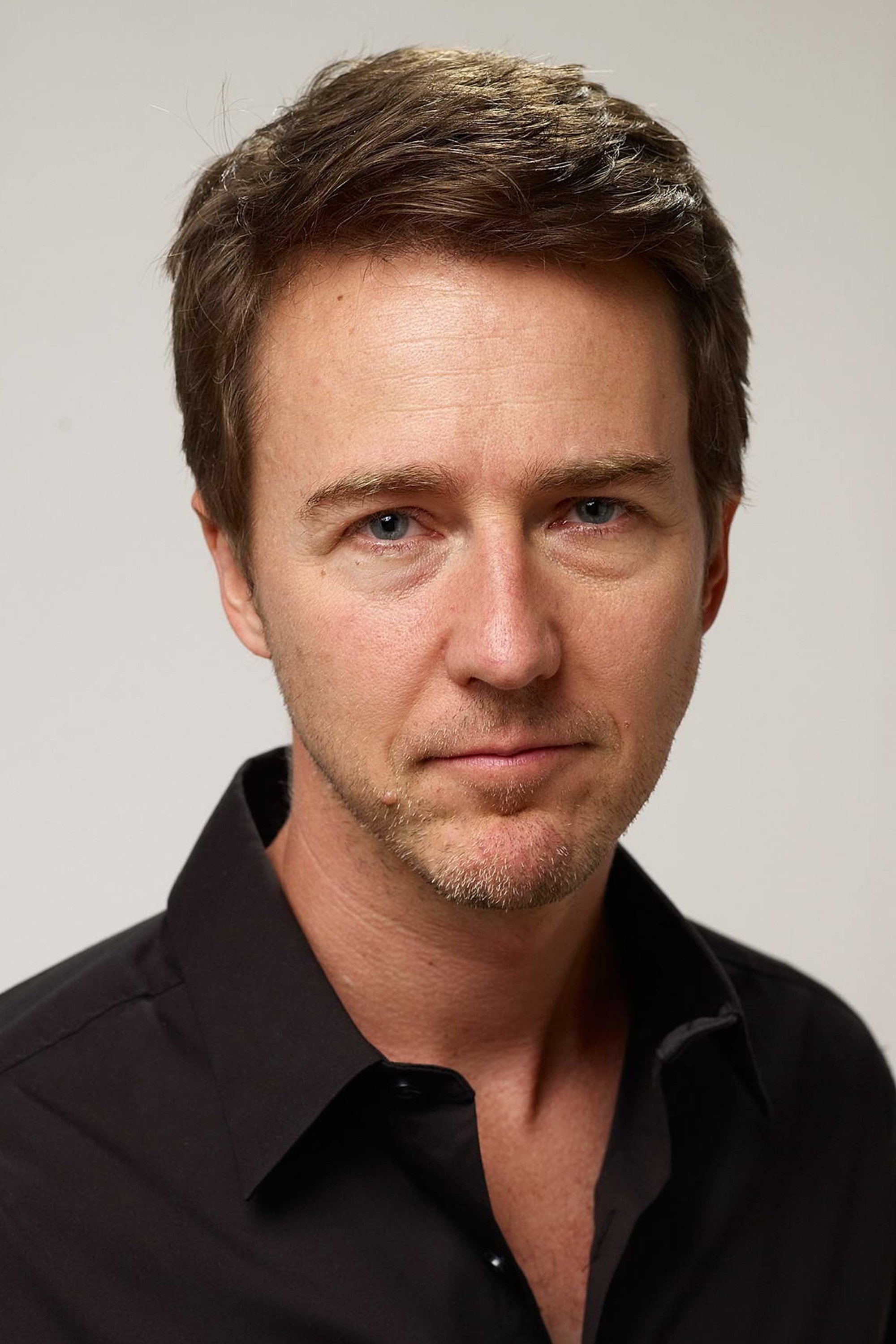
While portraying the selfless Bruce Banner in ‘The Incredible Hulk’, the actor famously insisted on rewriting the script to give his character more philosophical depth. This desire for creative control led to significant friction with Marvel executives and the film’s director during the editing process. Despite playing a hero defined by his internal struggle to protect others, his insistence on having the final word made him a difficult collaborator. He was ultimately replaced in the franchise due to his reputation for being uncooperative with the studio’s broader vision. His professional history is marked by similar clashes on projects like ‘American History X’, where he seized control of the final cut.
Val Kilmer
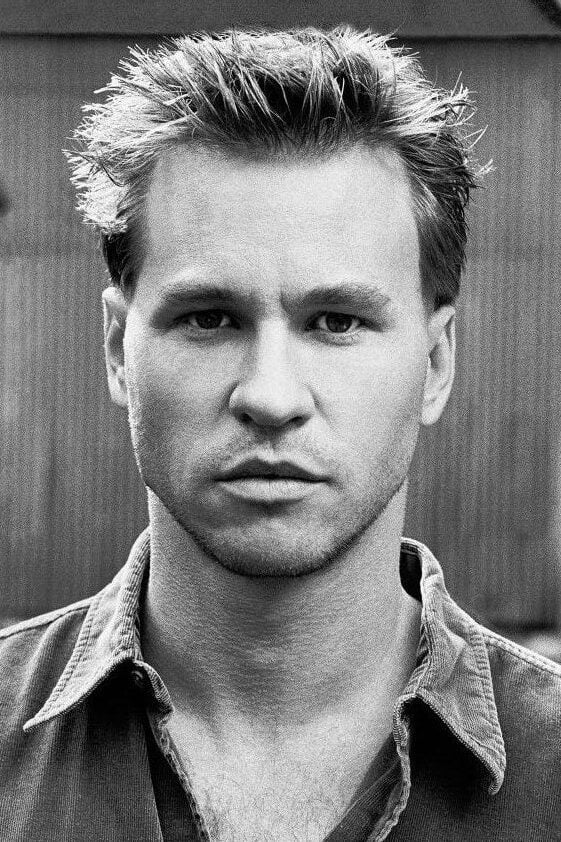
During the filming of ‘Batman Forever’, Kilmer played the ultimate selfless protector, but his behavior on set was described by director Joel Schumacher as “childish and impossible.” He reportedly engaged in physical altercations with crew members and refused to speak to the director for weeks at a time. His reputation for being difficult followed him from the set of ‘The Island of Dr. Moreau’, where he made excessive demands and often ignored stage directions. While his character was a beacon of justice in Gotham, his off-camera persona was defined by a need for constant accommodation. This pattern of behavior eventually led to his departure from the ‘Batman’ franchise after only one film.
Steven Seagal
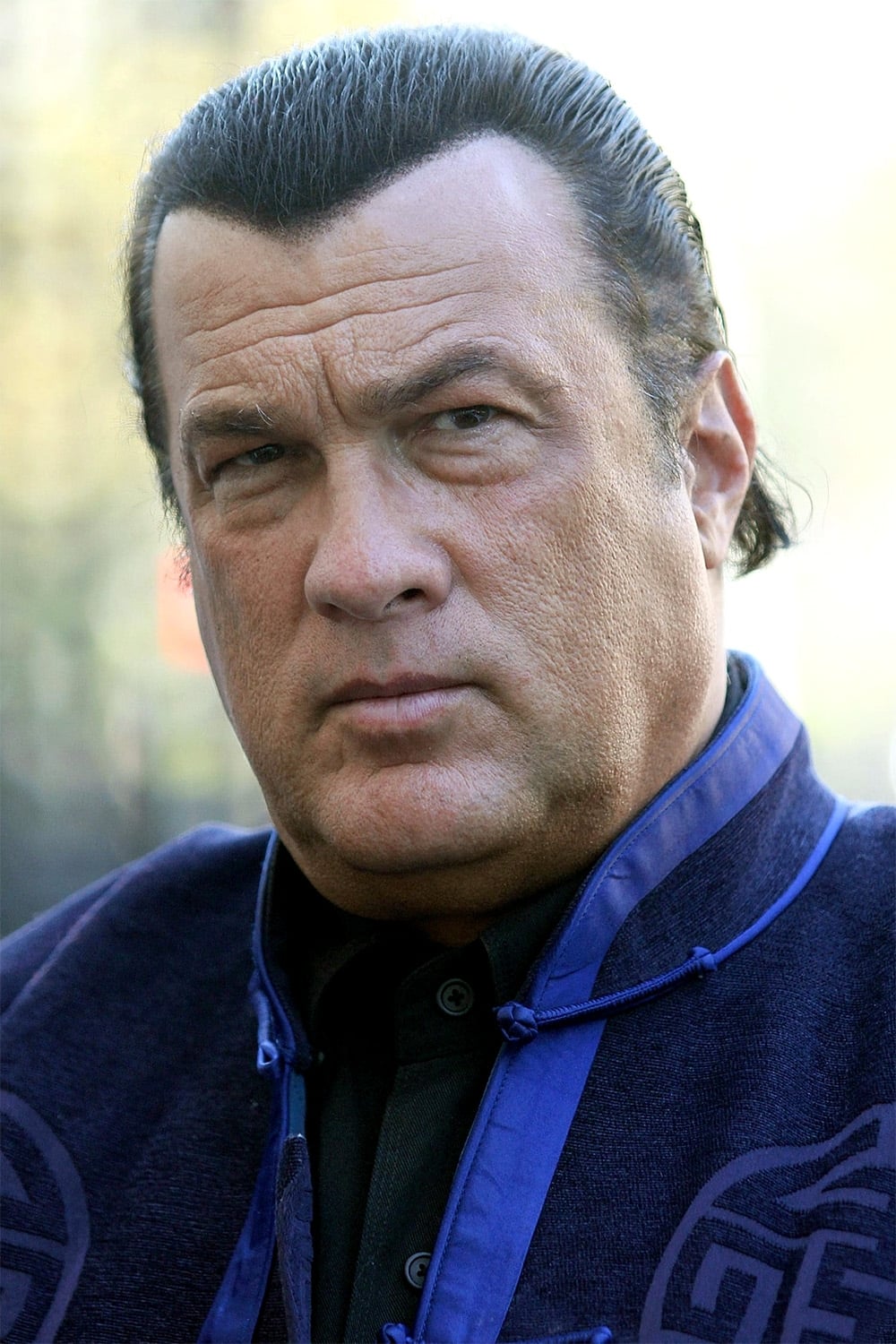
The actor has spent decades playing selfless law enforcement officers and special agents who save the day in films like ‘Under Siege’. Behind the scenes, he has been accused of bullying stunt performers and demanding that his characters never lose a fight or even appear vulnerable on screen. His contracts often contained specific ego-driven clauses that ensured his invincibility, regardless of the narrative requirements. Numerous co-stars have recounted stories of his demands for specialized treatment and his refusal to take direction from others. Despite the heroic nature of his roles, his professional reputation is dominated by reports of an inflated sense of self-importance.
Chevy Chase
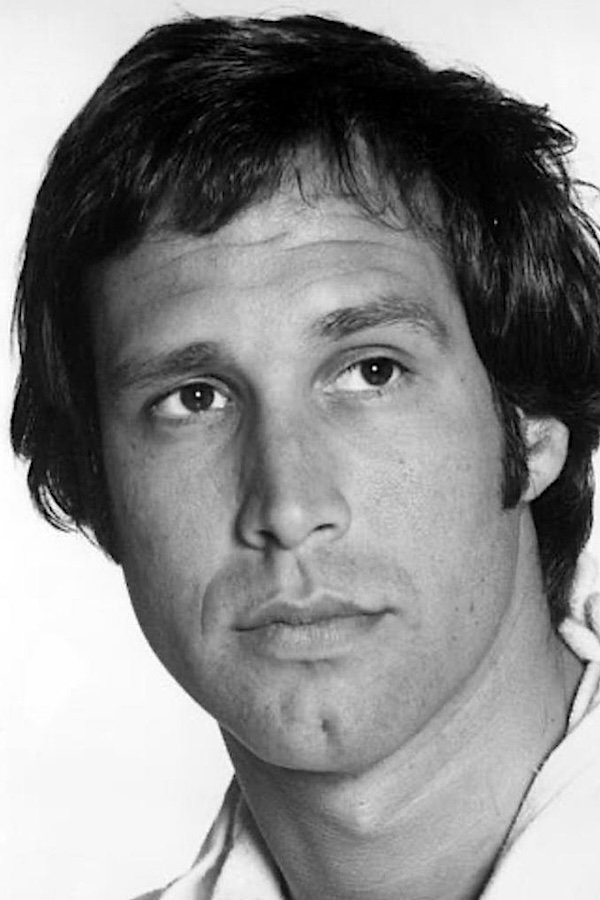
Known for playing the well-meaning and dedicated father Clark Griswold in ‘National Lampoon’s Vacation’, Chase has a long-standing reputation for being abrasive with his colleagues. During his tenure on the series ‘Community’, where he played a character who occasionally sought to help his friends, his ego led to public feuds with creator Dan Harmon. His demands for attention and his tendency to insult the writing staff created a toxic environment that eventually led to his exit. While his characters often strive for family unity, his real-life professional relationships have frequently been fractured by his personality. His career is often cited as a cautionary tale regarding the impact of ego on long-term collaborative projects.
Mel Gibson
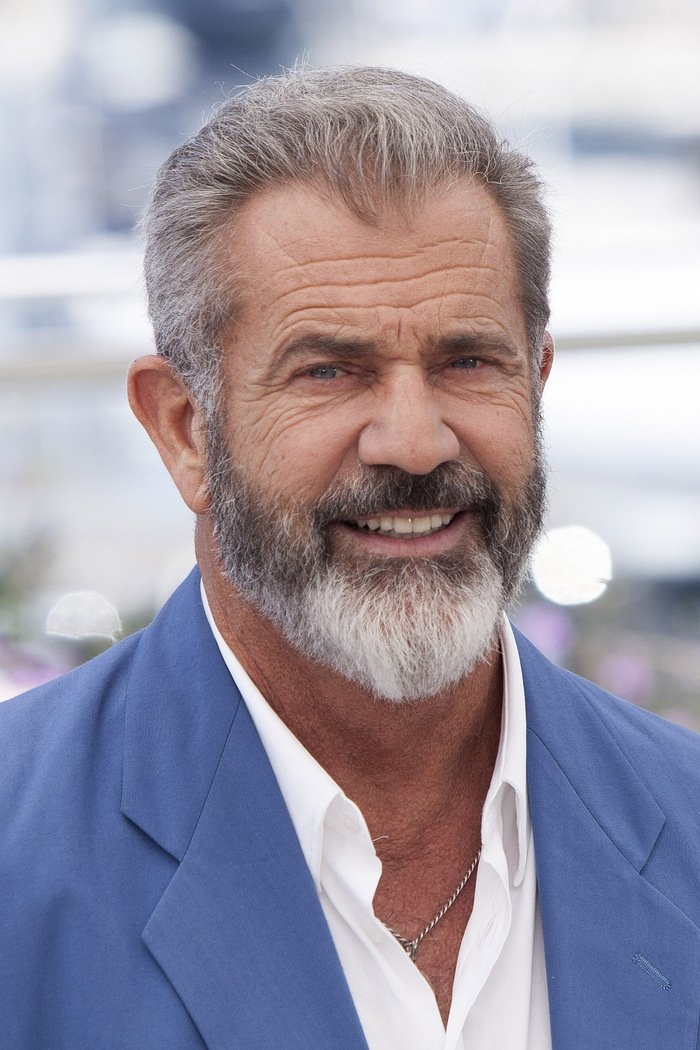
While starring as the selfless freedom fighter William Wallace in ‘Braveheart’, Gibson maintained an intense level of control over every aspect of the production. His demands for perfection and his high-pressure leadership style were known to create an intimidating atmosphere for the cast and crew. He frequently sparred with studio heads over budgetary requirements and his specific creative choices, refusing to compromise his vision. Although his character was a symbol of ultimate sacrifice, the actor’s reputation in Hollywood was built on his status as a demanding and often volatile figure. This intensity helped him achieve cinematic success but often came at the cost of professional harmony.
Tom Cruise
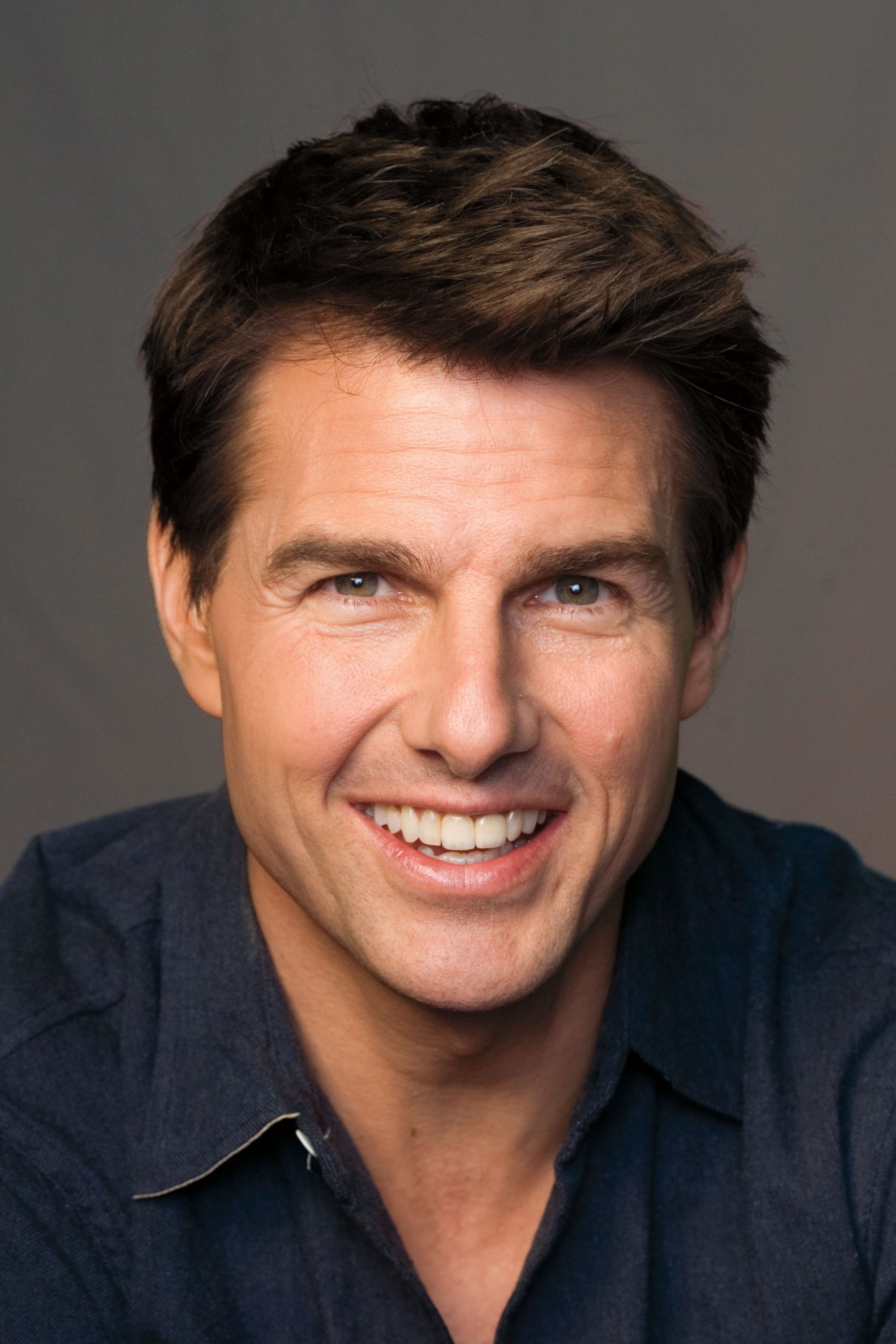
The actor is renowned for playing selfless heroes like Ethan Hunt in the ‘Mission: Impossible’ franchise, yet he exerts a level of control that is almost unparalleled in Hollywood. He is known for demanding absolute dedication from every person on his sets, which often leads to highly stressed working environments. His public outbursts regarding production standards and safety protocols demonstrate a man who insists on total authority over his projects. While his characters are often defined by their willingness to die for a cause, Cruise’s professional life is centered on his role as a singular power center. His need for perfection and control is a hallmark of his long and successful career.
Wesley Snipes
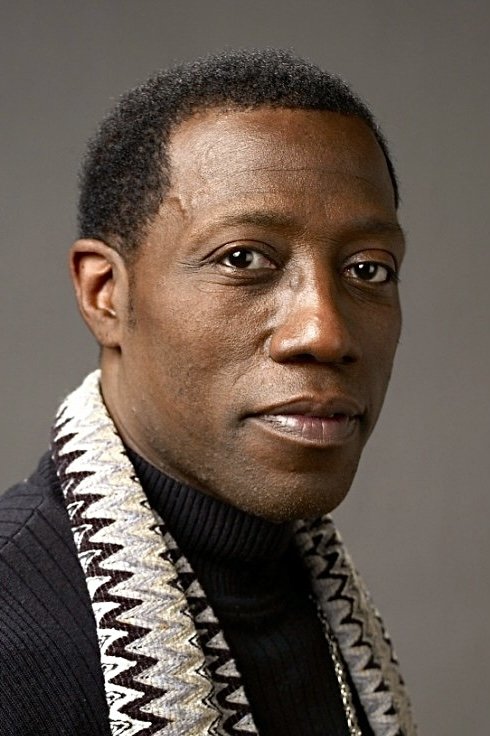
During the production of ‘Blade: Trinity’, Snipes portrayed a selfless protector of humanity, yet he reportedly refused to interact directly with his director. He chose to stay in his trailer for the majority of the shoot, coming out only for essential close-up shots. Co-stars claimed he would only communicate through Post-it notes signed “From Blade,” showing a deep immersion in his ego-driven process. At one point, he allegedly attempted to physically intimidate the director during a disagreement over the film’s creative direction. This behavior created a legendary disconnect between the heroic character on screen and the actor’s conduct behind the scenes.
Gene Hackman
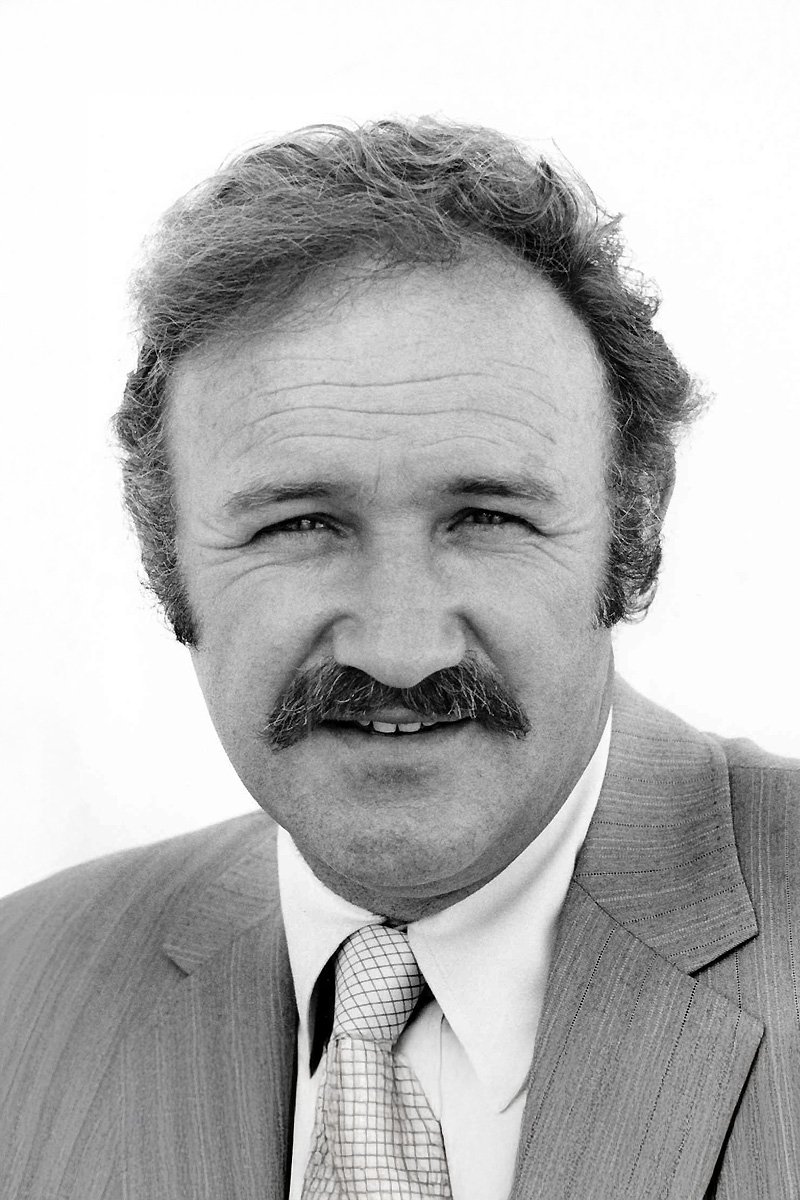
While playing the wise and eventually selfless patriarch in ‘The Royal Tenenbaums’, Hackman was reportedly so difficult that the cast lived in fear of his temper. Director Wes Anderson had to enlist the help of Bill Murray to act as a buffer and keep Hackman from berating the crew. He frequently expressed his disdain for the production and insulted the creative team during filming. Despite the character’s emotional journey toward redemption and selflessness, the actor’s behavior remained prickly and unyielding. His reputation for being an “old-school” demanding performer made the set one of the most tense in modern comedy history.
Marlon Brando
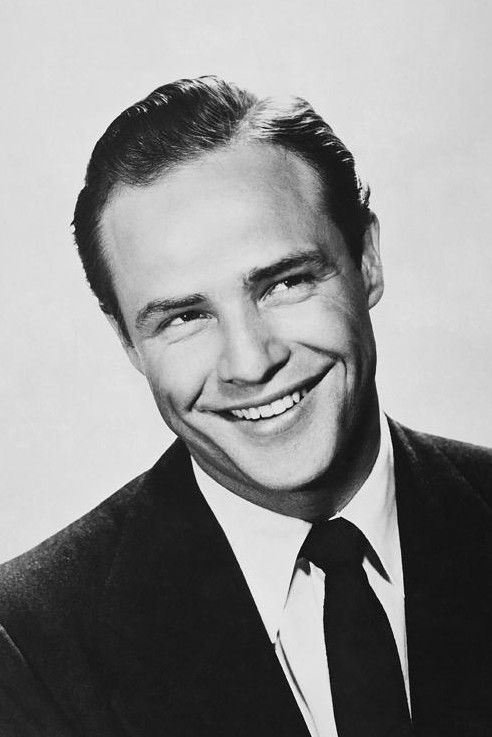
For his role as the selfless father Jor-El in ‘Superman’, Brando demanded a record-breaking salary for only a few days of actual work. He refused to learn his lines, insisting they be written on props or even on the clothing of other actors so he could read them during takes. His demands for a limited schedule and high pay forced the production to reorganize the entire shoot around his whims. Although he played a noble scientist who sacrificed everything to save his son, his actual participation was defined by financial greed and a lack of professional preparation. This role remains a primary example of a star using their status to command extreme concessions.
William Shatner
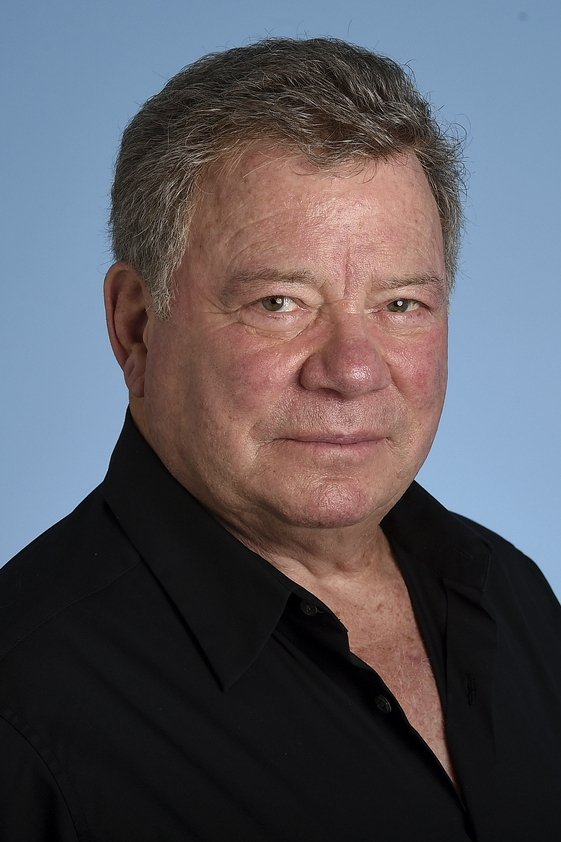
As Captain James T. Kirk in ‘Star Trek’, Shatner played a leader who would risk his life for any member of his crew. However, his co-stars have spent decades detailing how he would manipulate scenes to ensure he had the most dialogue and camera time. He reportedly ignored the presence of his fellow actors and demanded that the show’s focus remain solely on him at all times. This need for constant ego-stroking led to deep-seated resentment among the supporting cast that lasted for decades. While Kirk was a paragon of selfless leadership, the actor was often perceived as the exact opposite by those who worked with him.
Jim Carrey

While playing the selfless (and eventually kind-hearted) protagonist in ‘How the Grinch Stole Christmas’, Carrey’s behavior was so taxing that a makeup artist required therapy after the shoot. He reportedly treated the crew with hostility and made constant, difficult demands due to the discomfort of his costume. Later, during the filming of ‘Man on the Moon’, he stayed in character as Andy Kaufman at all times, causing chaos for the entire production. His insistence that everyone cater to his “method” approach required the crew to perform extra work to accommodate his persona. Despite the heart-warming themes of his films, his process was often described as incredibly self-centered.
Dustin Hoffman
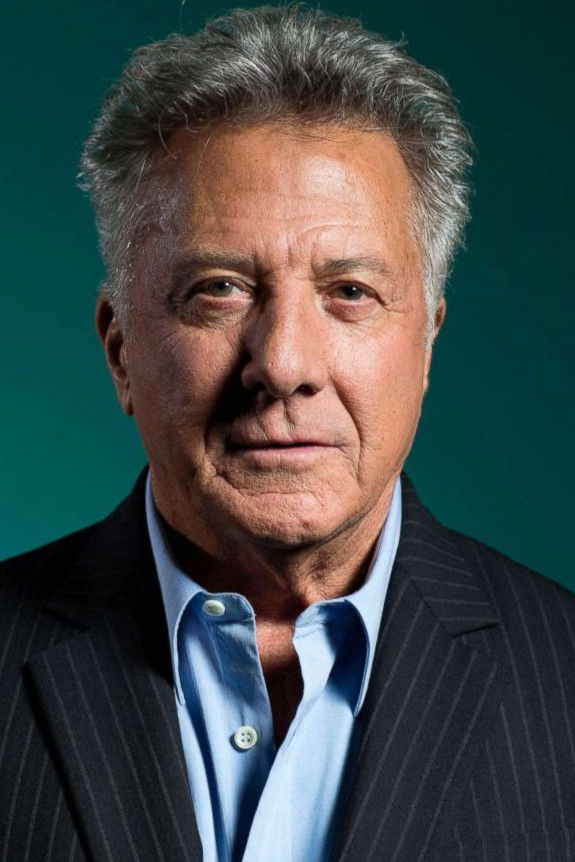
The actor played a selfless, struggling father in ‘Kramer vs. Kramer’, but he famously used manipulative tactics on his co-star Meryl Streep to elicit emotional responses. He was known for being an “obsessive” and “difficult” collaborator who demanded frequent script changes to suit his preferences. His reputation for being meticulous often crossed the line into being controlling and dismissive of the director’s input. While he portrayed characters who were deeply vulnerable and devoted to others, his professional approach was often characterized by a hardline insistence on his own creative dominance. This conflict between his on-screen sensitivity and off-screen demands is well-documented in Hollywood history.
Russell Crowe
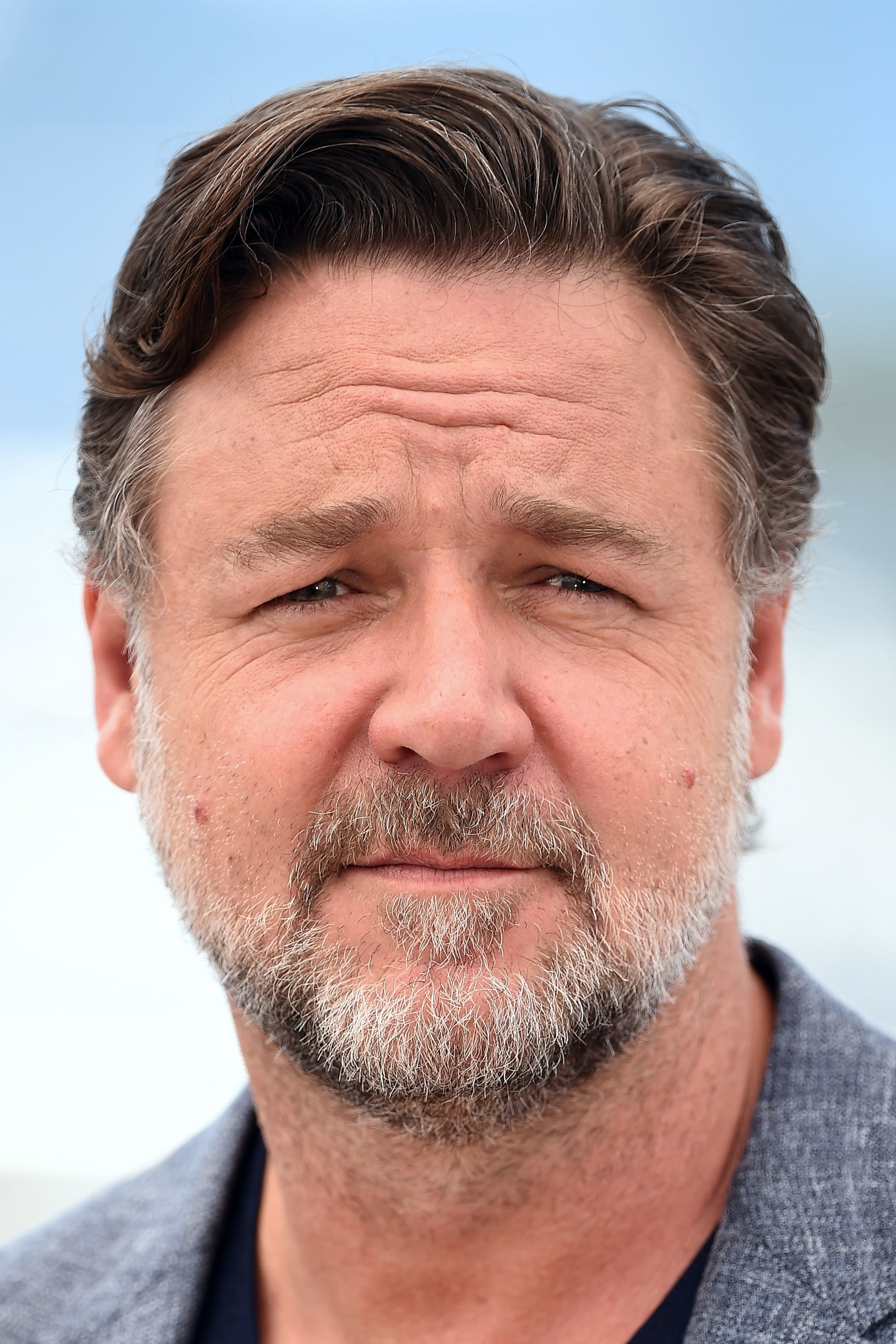
While playing the ultimate selfless hero Maximus in ‘Gladiator’, Crowe was reportedly a constant source of tension on set. He was known for his short temper and for frequently insulting the quality of the script even as he was filming it. On one occasion, he allegedly threatened a producer over a minor disagreement regarding the treatment of his personal assistants. His demands for rewrites and his intense, ego-driven personality made him a polarizing figure for the crew. Despite the noble and sacrificial nature of the character that won him an Oscar, his behavior during production was described as volatile and demanding.
Kirk Douglas
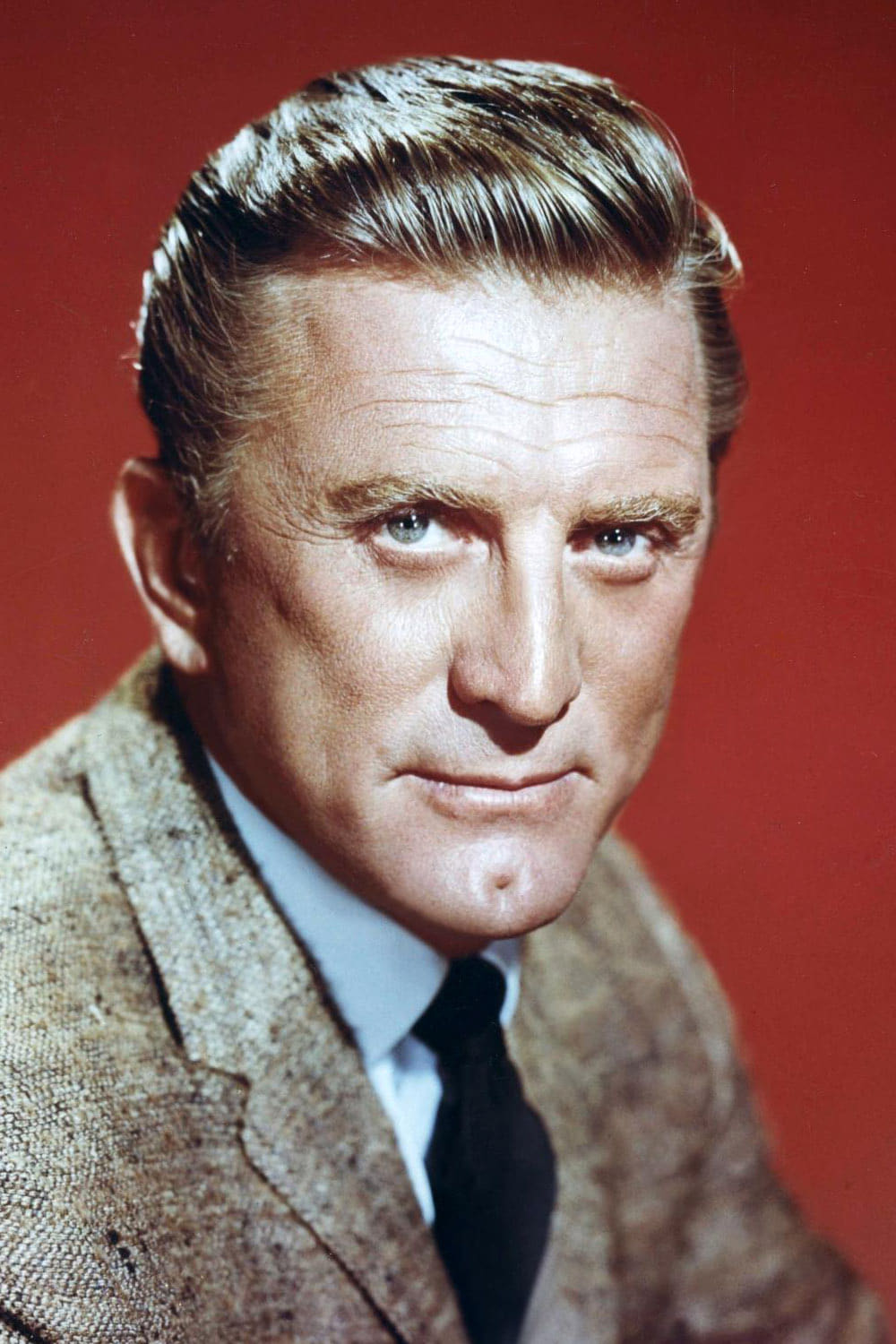
In his role as the selfless revolutionary in ‘Spartacus’, Douglas used his power as a producer to fire the original director and hire a younger Stanley Kubrick, whom he hoped to control. He was known for having a “colossal ego” and for insisting that every scene be structured to highlight his physical prowess and leadership. His desire for total authority over the project led to significant clashes with the creative team and other high-profile actors. Although Spartacus became a global symbol of self-sacrifice and heroism, the man behind the performance was defined by a relentless drive for professional dominance. His autobiography even acknowledges the friction his ego caused throughout his storied career.
Vin Diesel
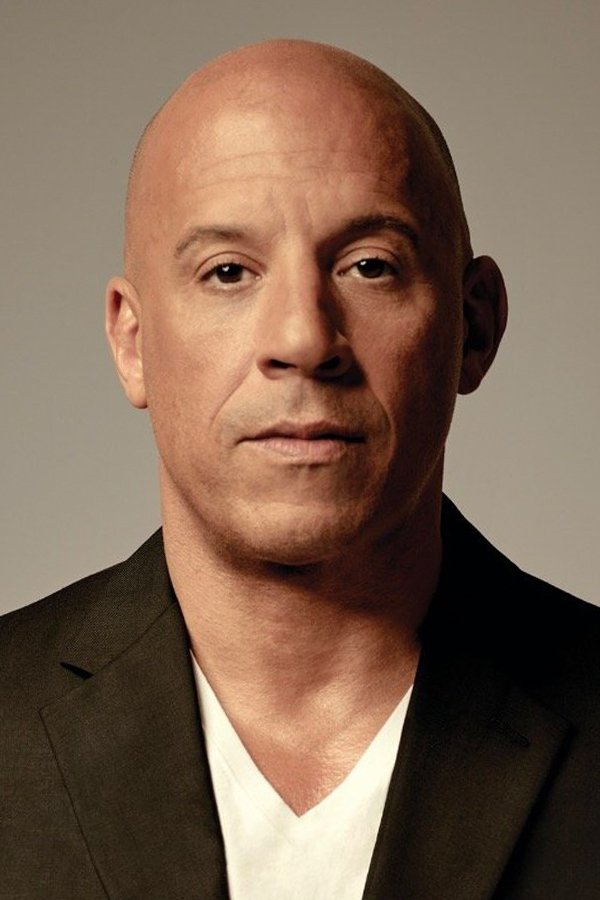
As the leader of the family-oriented crew in the ‘Fast & Furious’ franchise, Diesel portrays a man who values loyalty above all else. However, his public feud with Dwayne Johnson revealed a reputation for showing up late to set and demanding “creative control” over every scene. Reports suggest he treats himself as the ultimate authority on the franchise’s direction, often leading to power struggles with other stars and directors. While his character Dominic Toretto is defined by his selfless devotion to his “family,” Diesel’s ego has been a central point of conflict behind the scenes. His demands for a “producer” level of influence have shaped the production of the series for years.
Patrick Dempsey
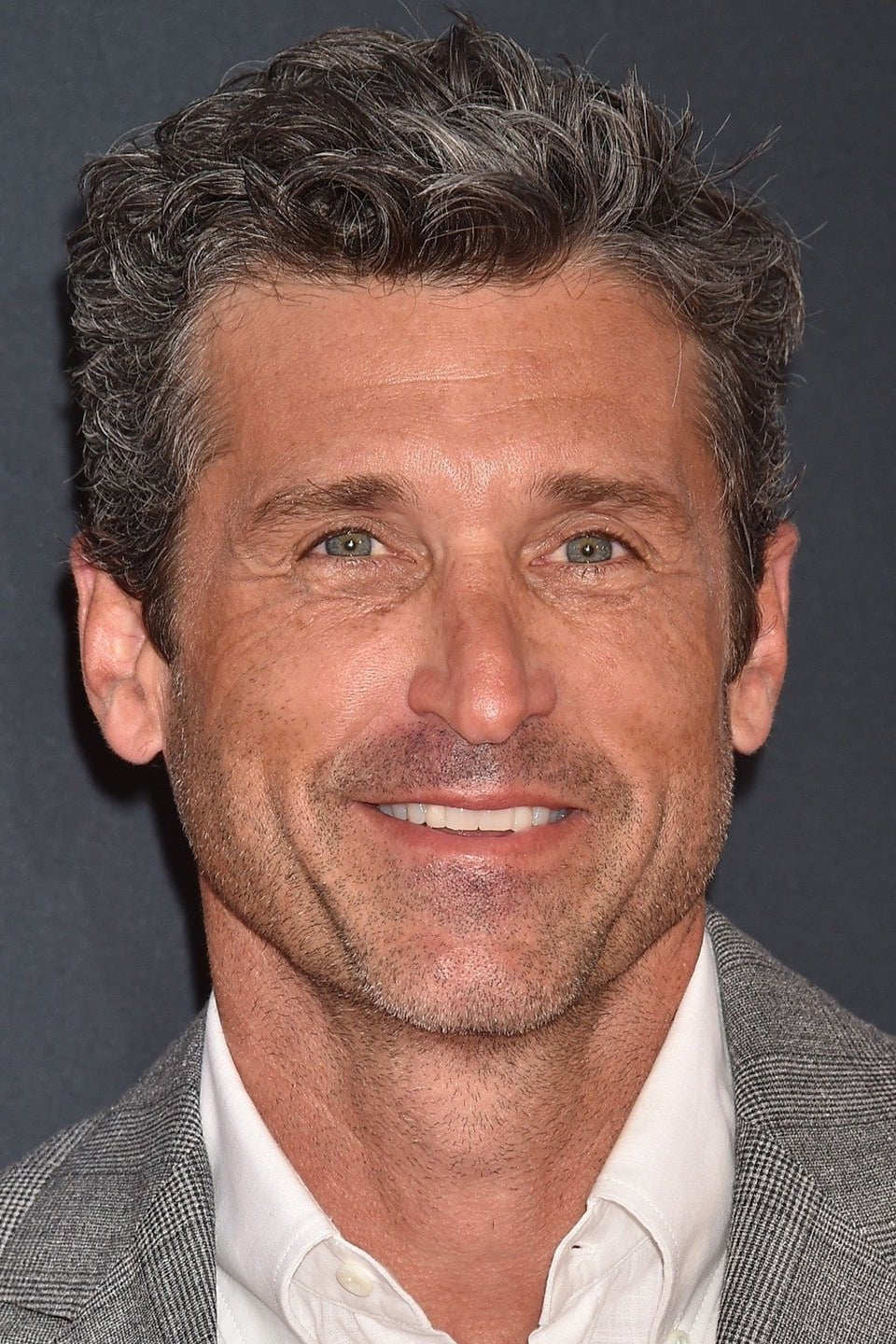
For over a decade, Dempsey played the selfless and heroic “McDreamy” on ‘Grey’s Anatomy’, a character who spent every episode saving lives. Behind the scenes, however, reports surfaced that his “diva” behavior and ego clashes with the production team led to his character’s unexpected death. He was accused of creating a toxic atmosphere on set and having a “hold” over the production that made life difficult for his co-stars. Despite portraying one of the most beloved and selfless doctors in television history, his exit was the result of mounting tension regarding his conduct. His departure served as a major turning point for the long-running medical drama.
Share your thoughts on which of these actors surprised you the most in the comments.