


Actors Who Don’t Support DEI Initiatives

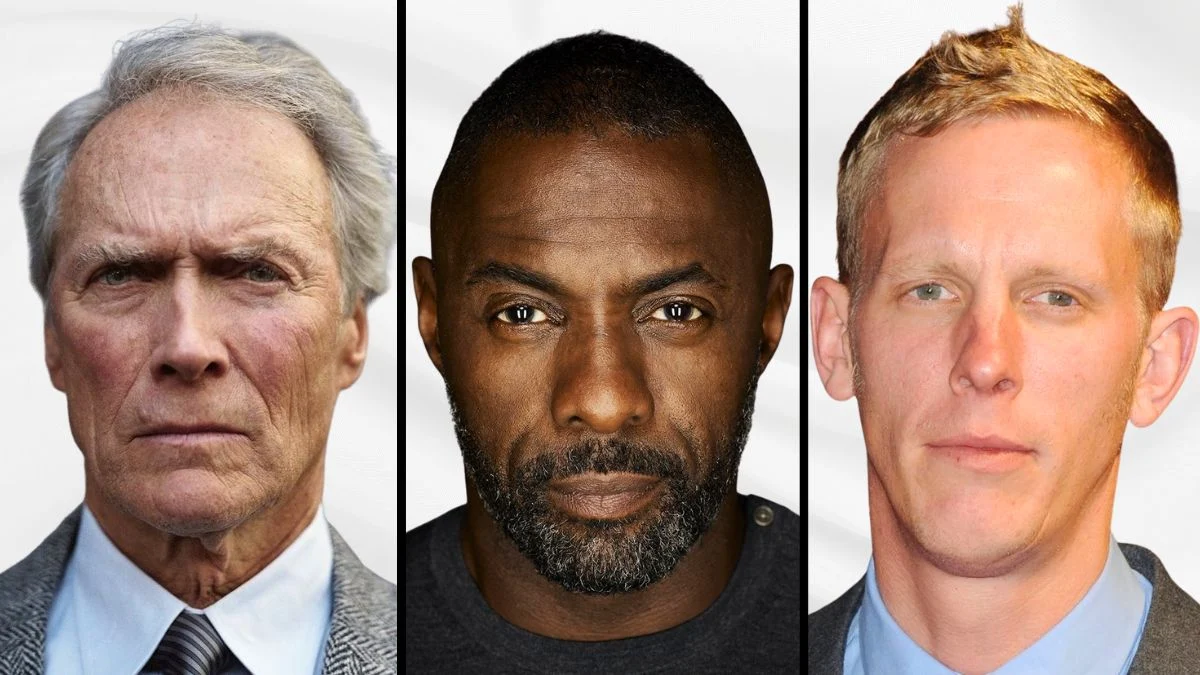


The conversation surrounding Diversity, Equity, and Inclusion in Hollywood has created a significant divide within the entertainment industry. While many studios and performers champion these mandates as necessary progress, a growing number of actors have voiced opposition or skepticism regarding forced implementation. These figures often argue that artistic integrity and meritocracy should take precedence over quotas and identity politics. The following list highlights male actors who have criticized specific inclusion initiatives or the broader cultural shift affecting casting and storytelling.
Richard Dreyfuss
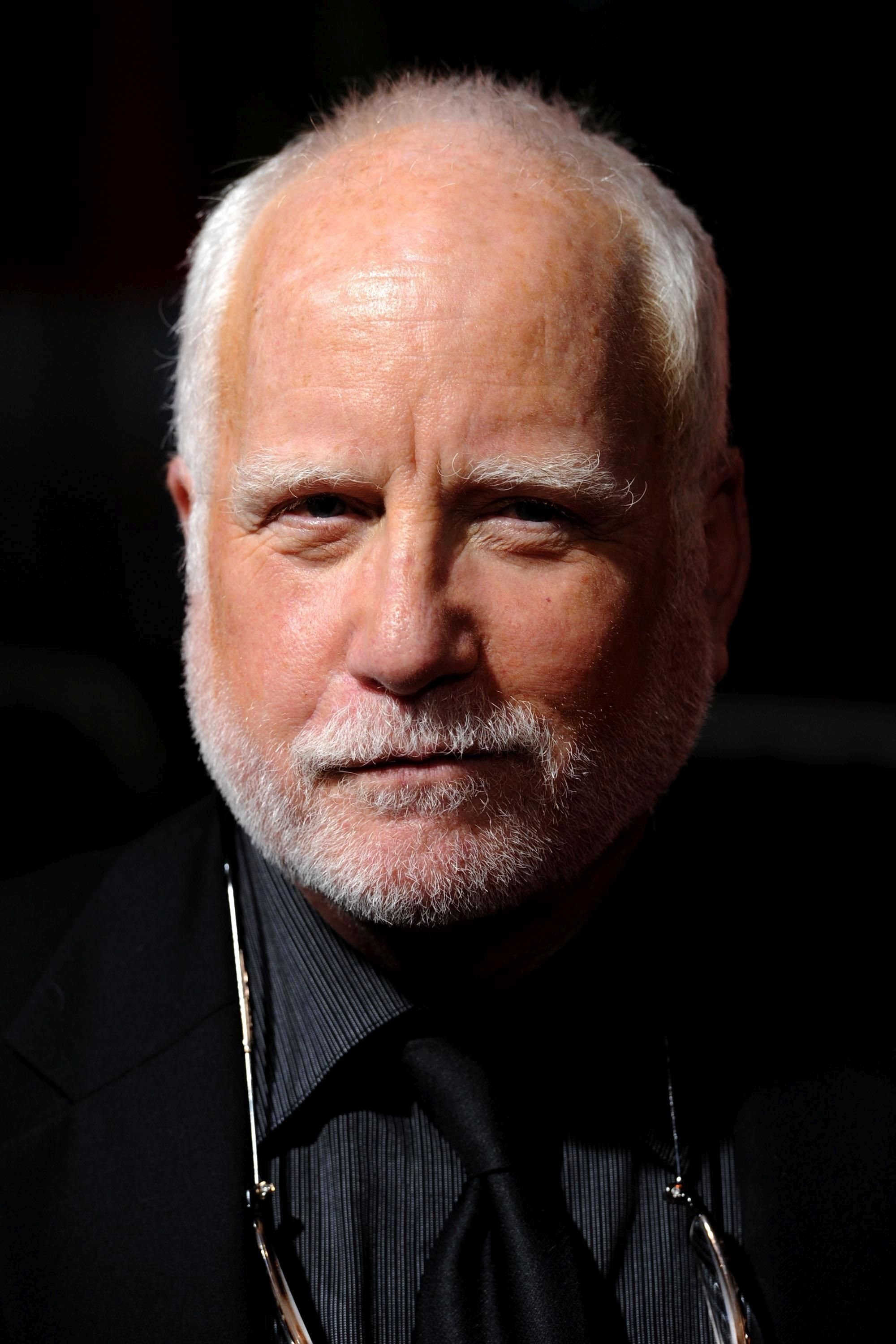
This Academy Award winner made headlines for his blunt criticism of the Academy’s new inclusion standards for Best Picture eligibility. Dreyfuss stated that the requirements made him want to vomit because he believes art should not be regulated by moral codes. He argued that no group should be patronized by mandated representation in cinema. The actor maintains that creative freedom must remain absolute without bureaucratic interference regarding race or gender.
Morgan Freeman
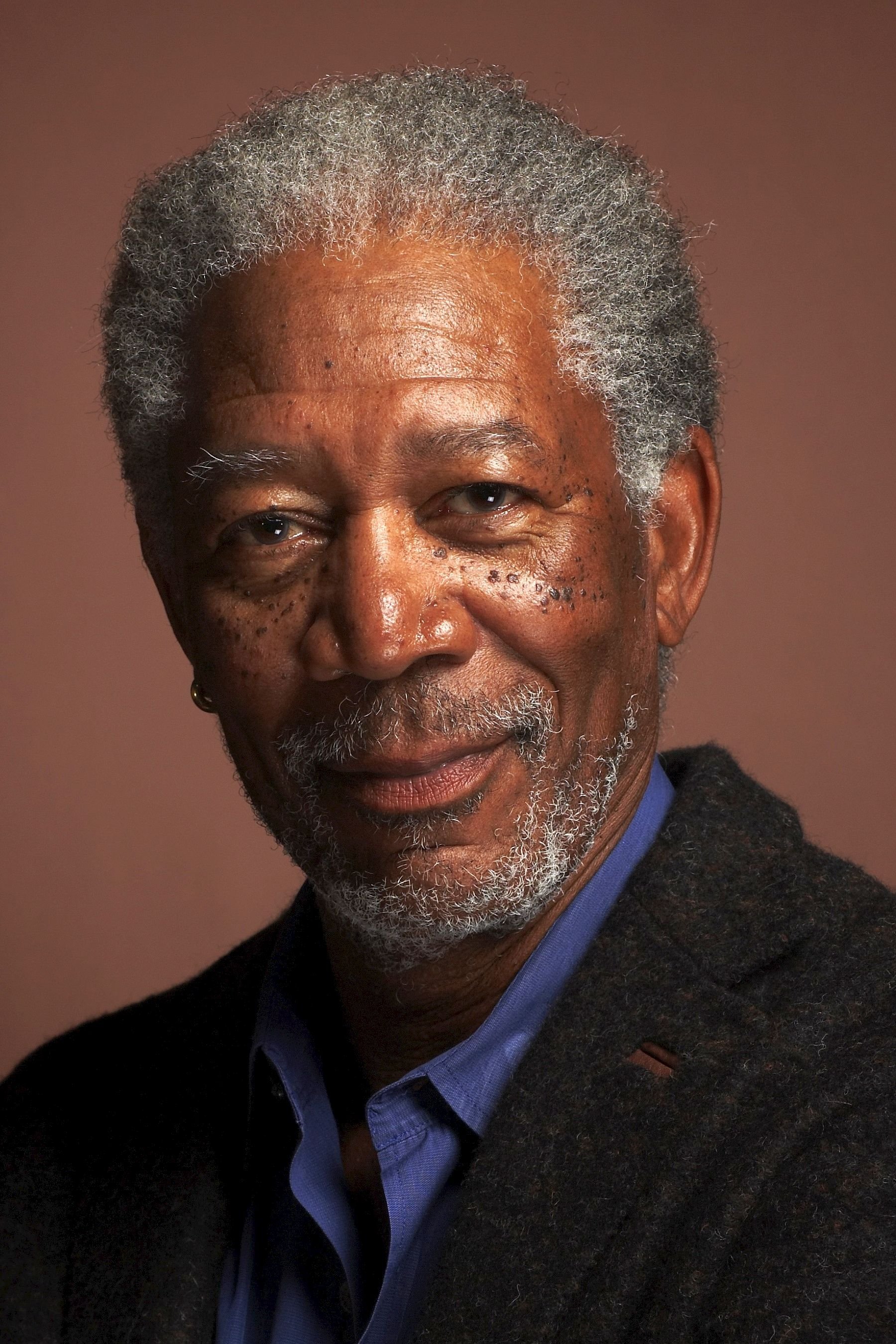
The legendary actor has frequently expressed his dislike for focusing on race and specific designated months for Black history. Freeman famously told an interviewer that the best way to stop racism is to stop talking about it constantly. He views himself simply as a man rather than a Black man and wishes for others to see him the same way. His stance prioritizes individual humanity over the collective categorization often utilized in modern DEI frameworks.
John Cleese
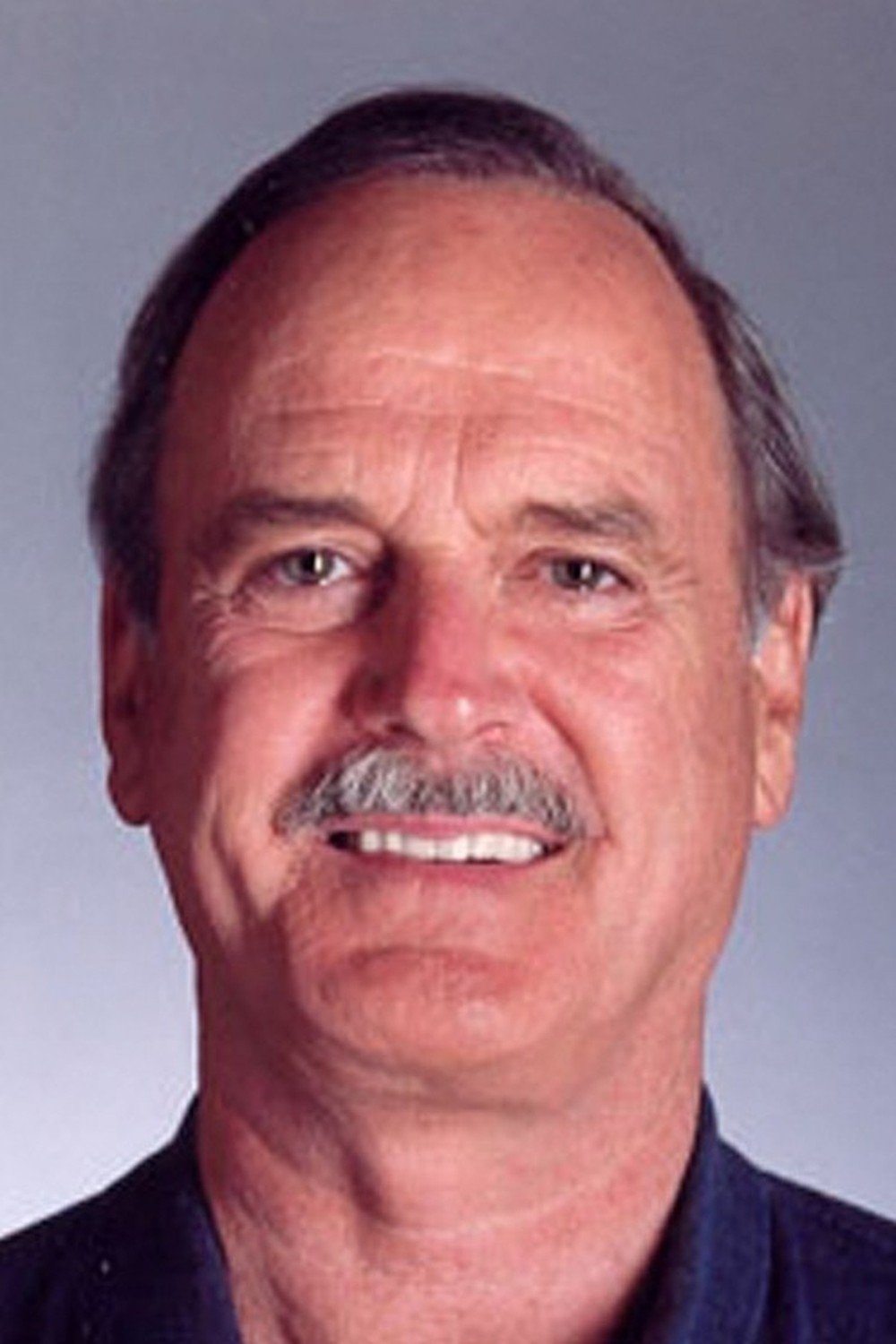
The ‘Monty Python’ star has become a vocal critic of what he terms the stifling nature of woke culture on comedy. Cleese argues that the fear of offending specific groups destroys the nuance and spontaneity required for humor. He has publicly opposed the retroactive editing of classic content to suit modern sensitivities. The comedian believes that creative expression suffers when artists are forced to adhere to strict political correctness.
Anthony Mackie
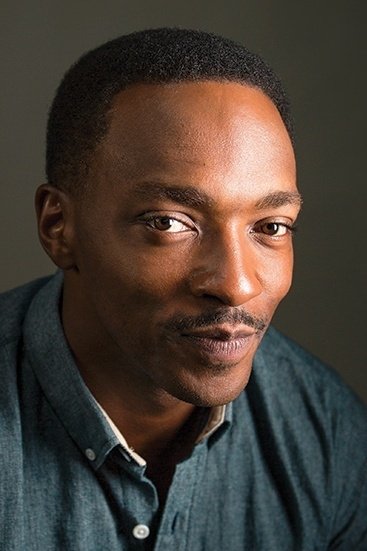
While starring in the Marvel Cinematic Universe, Mackie criticized the production practices that segregate crews based on the race of the cast. He pointed out that ‘Black Panther’ had a predominantly Black crew while his other films did not. Mackie argued that hiring should be based solely on who is the best person for the job regardless of their background. His comments highlighted the performative nature of some studio diversity efforts rather than true integration.
Idris Elba
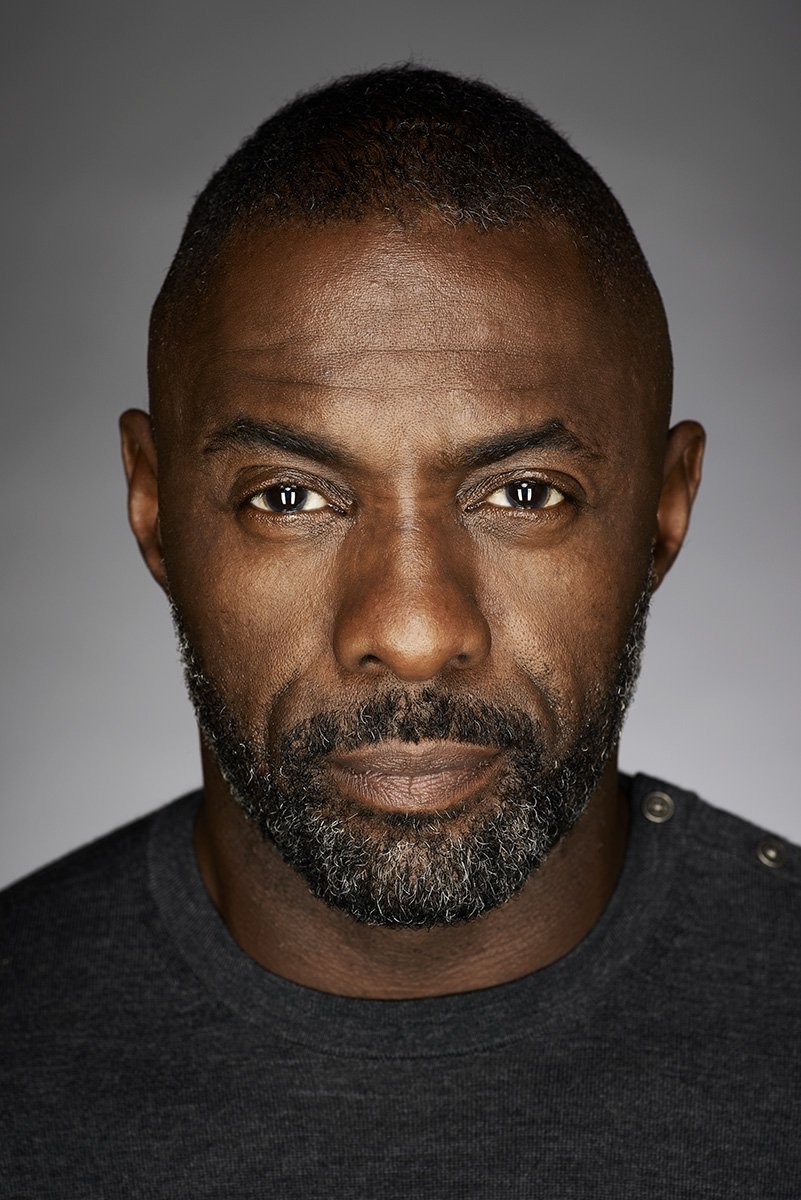
This British actor announced that he stopped describing himself as a Black actor because the label created unnecessary limitations on his career. Elba expressed frustration that his race became the primary identifier rather than his talent or work ethic. He believes that obsession with skin color can hinder true progress and artistic immersion. His perspective favors a meritocratic approach where an actor is defined by their skill set alone.
Rowan Atkinson
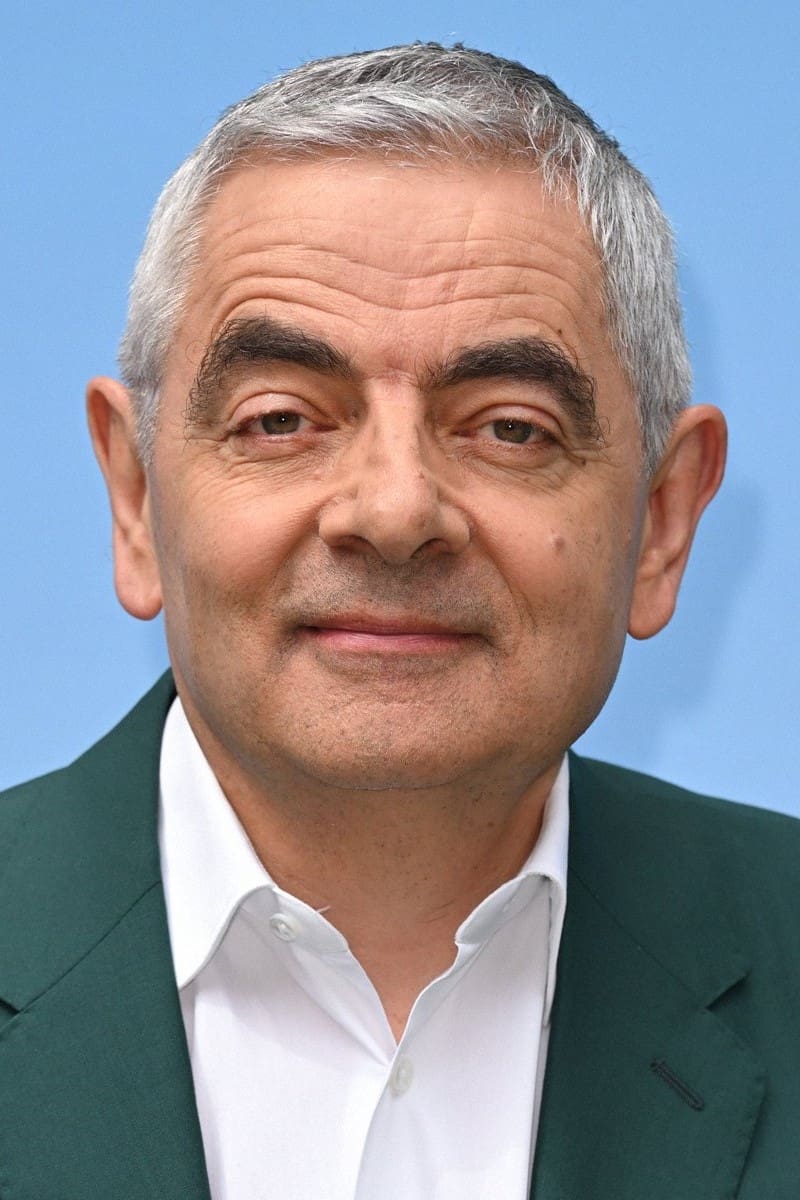
Famous for ‘Mr. Bean’, Atkinson is a staunch defender of free speech and has campaigned against legislation that restricts expression. He argues that the job of a comedian is to offend and that no subject should be off-limits. Atkinson believes that cancel culture and the policing of language pose a threat to the arts. He views the modern push for inoffensive content as a detriment to society’s ability to tolerate differing views.
Terry Gilliam
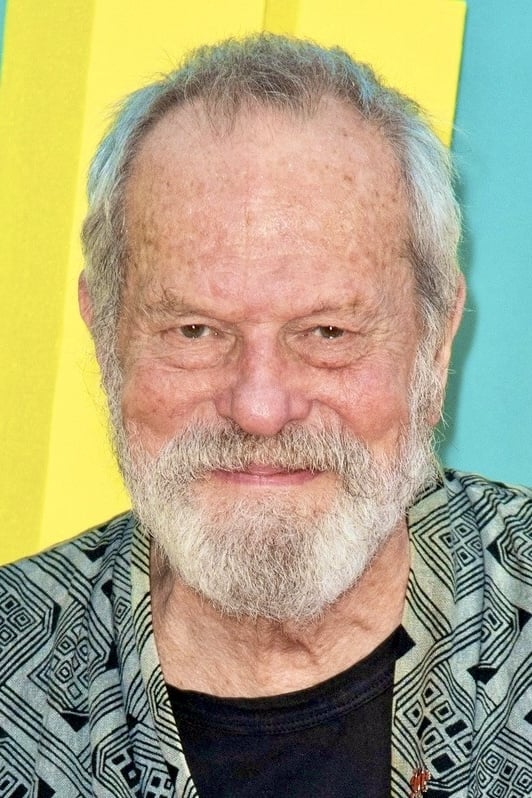
The director and ‘Monty Python’ alumnus has mocked the current climate of identity politics by jokingly declaring himself a Black lesbian. Gilliam expressed frustration with the pressure to view the world through the lens of victimhood and representation quotas. He criticized the #MeToo movement for what he perceived as a mob mentality that ignores due process. His views align with the belief that artistic decisions should not be dictated by social trends.
Laurence Fox
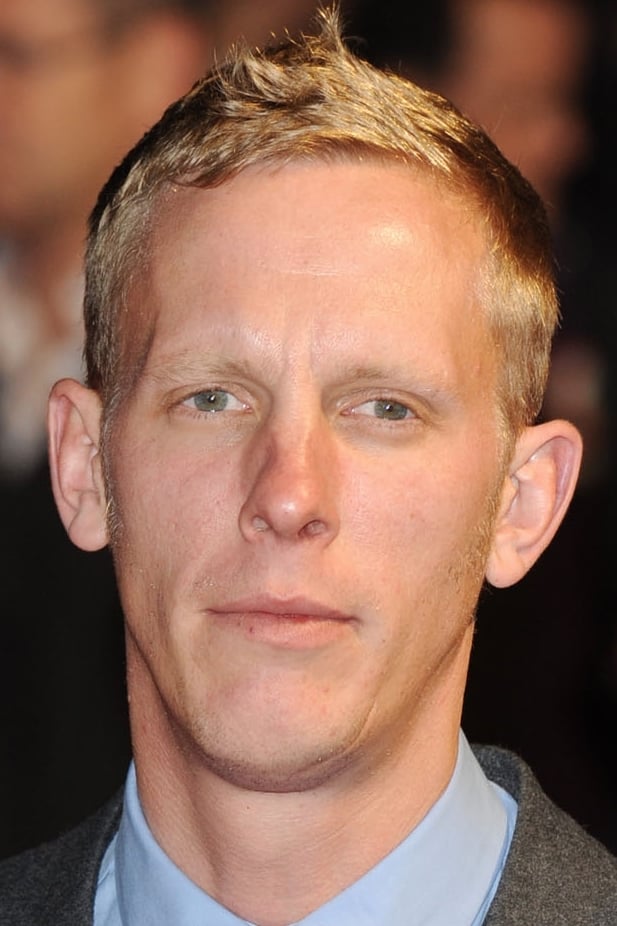
After founding the Reclaim Party, Fox dedicated himself to fighting what he calls the woke virus in the entertainment industry. He claims his career suffered significantly after he questioned the narrative of systemic racism on a popular talk show. Fox argues that the industry now prioritizes political allegiance over acting ability. He frequently speaks out against the casting changes made to historical figures in the name of diversity.
Kevin Sorbo
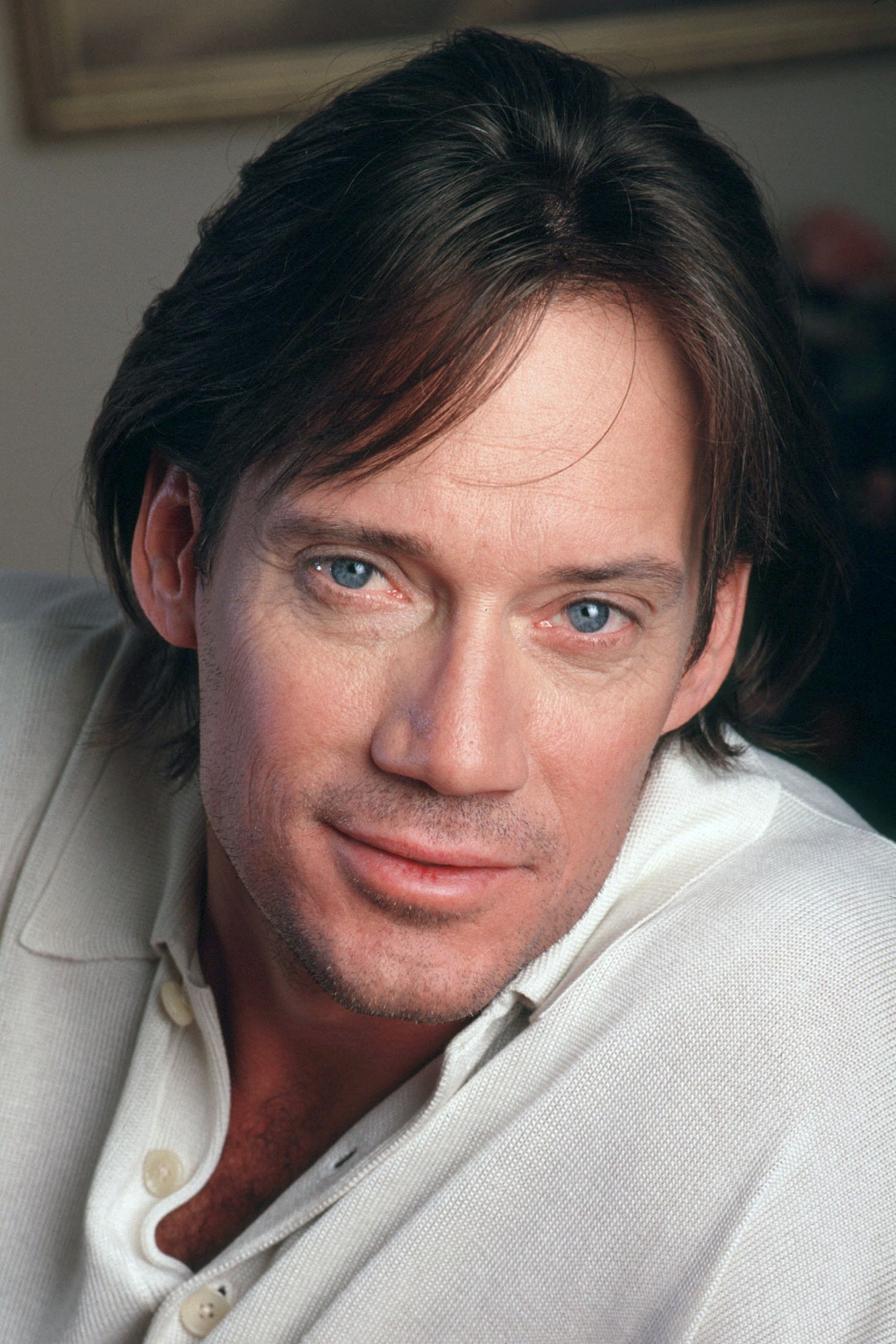
Known for ‘Hercules: The Legendary Journeys’, Sorbo has stated that his conservative Christian views led to him being blacklisted by mainstream Hollywood. He frequently criticizes the industry for pushing specific social agendas through entertainment content. Sorbo argues that masculinity is being attacked in modern media narratives. He now focuses on producing independent films that align with his traditional values.
James Woods
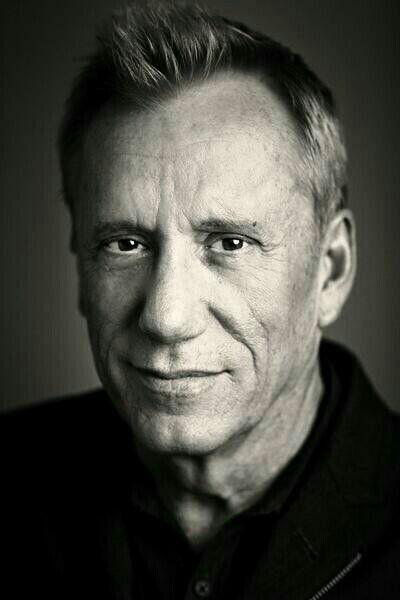
Woods is one of the most outspoken conservative voices in the acting community and frequently condemns Hollywood liberalism. He uses his platform to criticize the shift towards identity politics and the exclusion of dissenting viewpoints. The actor believes that the industry has become hostile to anyone who does not conform to progressive ideologies. He often highlights the hypocrisy he perceives within the Hollywood elite regarding inclusion.
Jon Voight
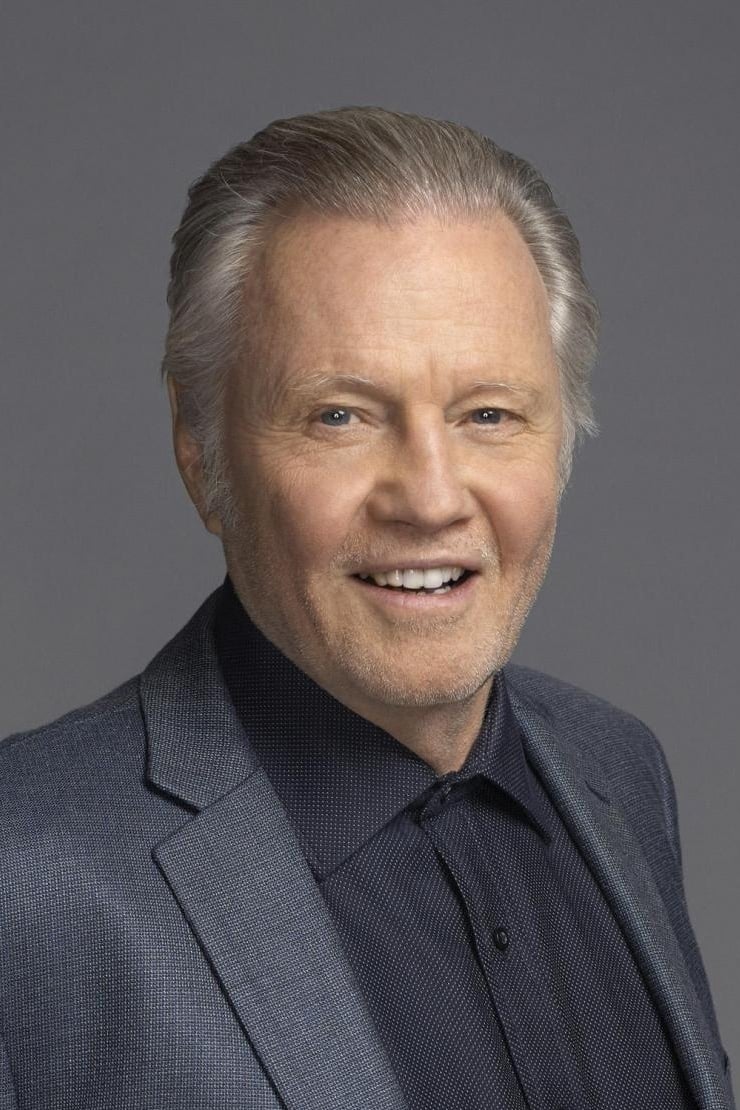
This veteran actor is a strong supporter of conservative politics and has claimed that the country is in danger from the liberal left. Voight argues that Hollywood has lost its way by focusing on political messaging rather than storytelling. He has released videos warning against the cultural shift that he believes undermines traditional American values. His opposition extends to the way the industry vilifies those with opposing political beliefs.
Dean Cain
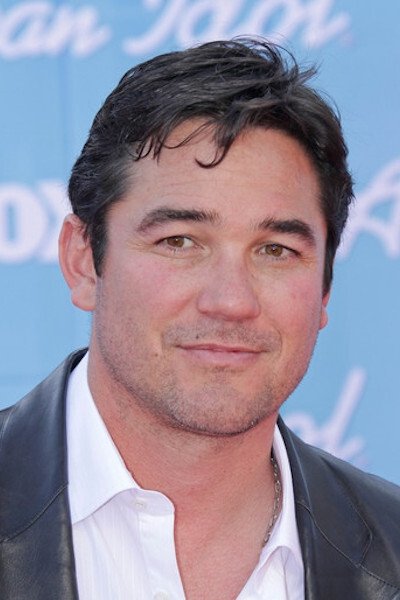
The former ‘Lois & Clark: The New Adventures of Superman’ star is a regular commentator who criticizes the direction of modern comic book adaptations. Cain has expressed disappointment with changes to the Superman character that align with current political trends. He argues that the focus on identity politics detracts from the core heroism of the characters. He believes that entertainment should unite audiences rather than lecture them on social issues.
Rob Schneider
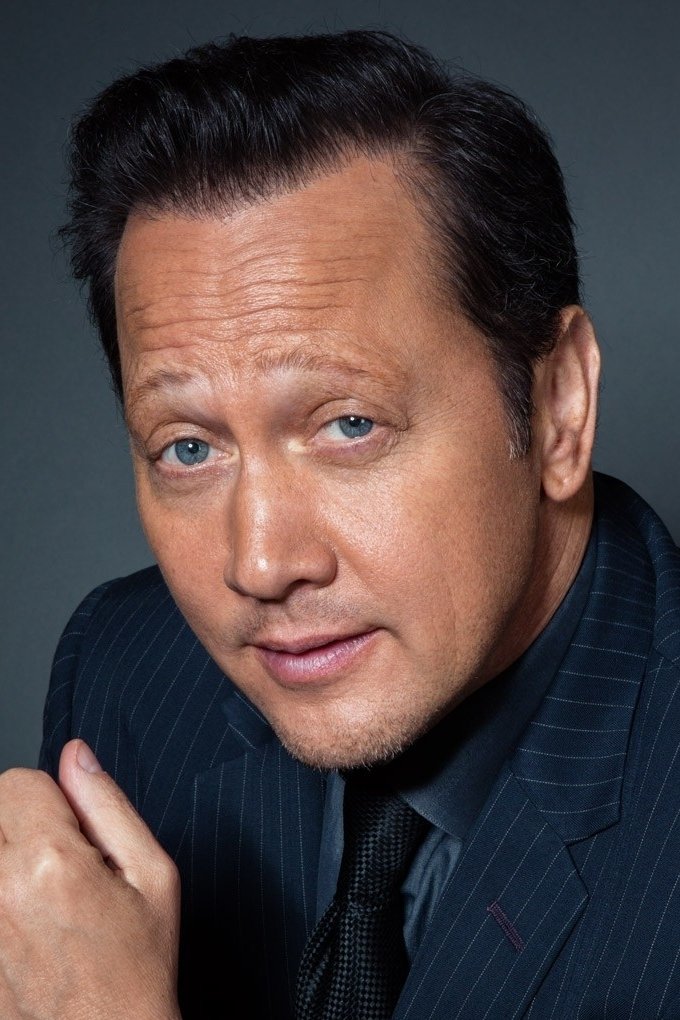
Schneider has become a fierce critic of the political conformity demanded by the entertainment industry. He argues that late-night talk shows have become indoctrination camps rather than sources of comedy. The actor believes that true diversity includes diversity of thought which he feels is absent in Hollywood. He advocates for free speech and the right to question mainstream narratives without fear of cancellation.
Tim Allen
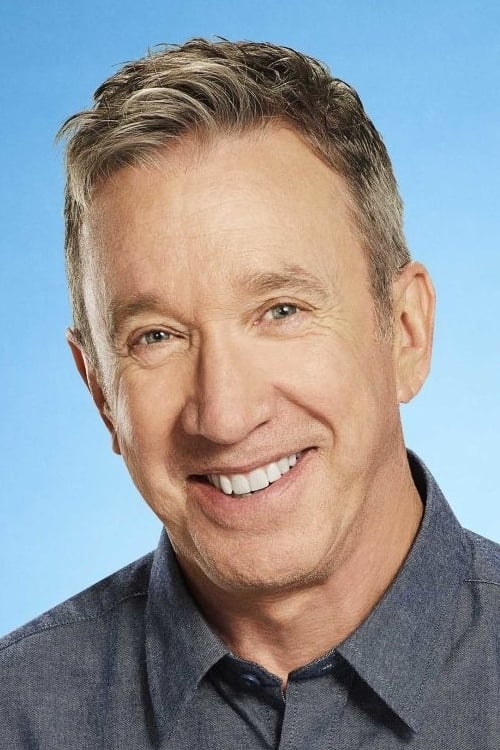
The star of ‘Home Improvement’ has likened the atmosphere in Hollywood to 1930s Germany regarding the pressure to conform. Allen argues that comedians are now required to navigate a minefield of prohibited topics to avoid ruin. He believes that the purpose of comedy is to make people laugh rather than to signal virtue. His sitcoms often attempt to present a more traditional perspective that he feels is ignored by the mainstream.
Clint Eastwood
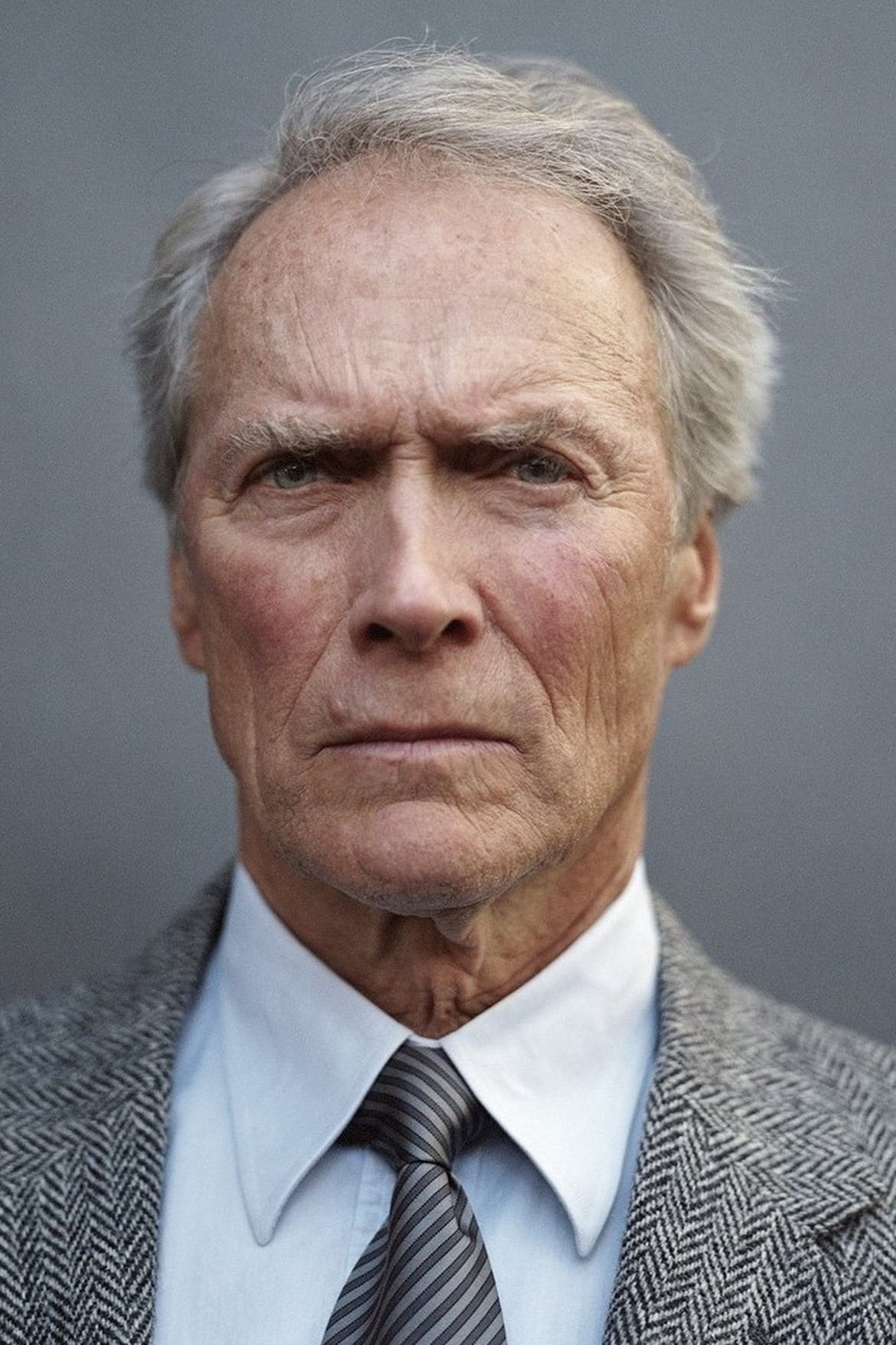
Eastwood has long criticized what he calls the pussy generation for being overly sensitive and obsessed with political correctness. The director and actor prioritizes storytelling that explores complex characters without adhering to modern sanitization. He argues that society has lost its ability to handle tough realities and direct language. His films often reject the moral absolutes demanded by current cultural critics.
Mel Gibson
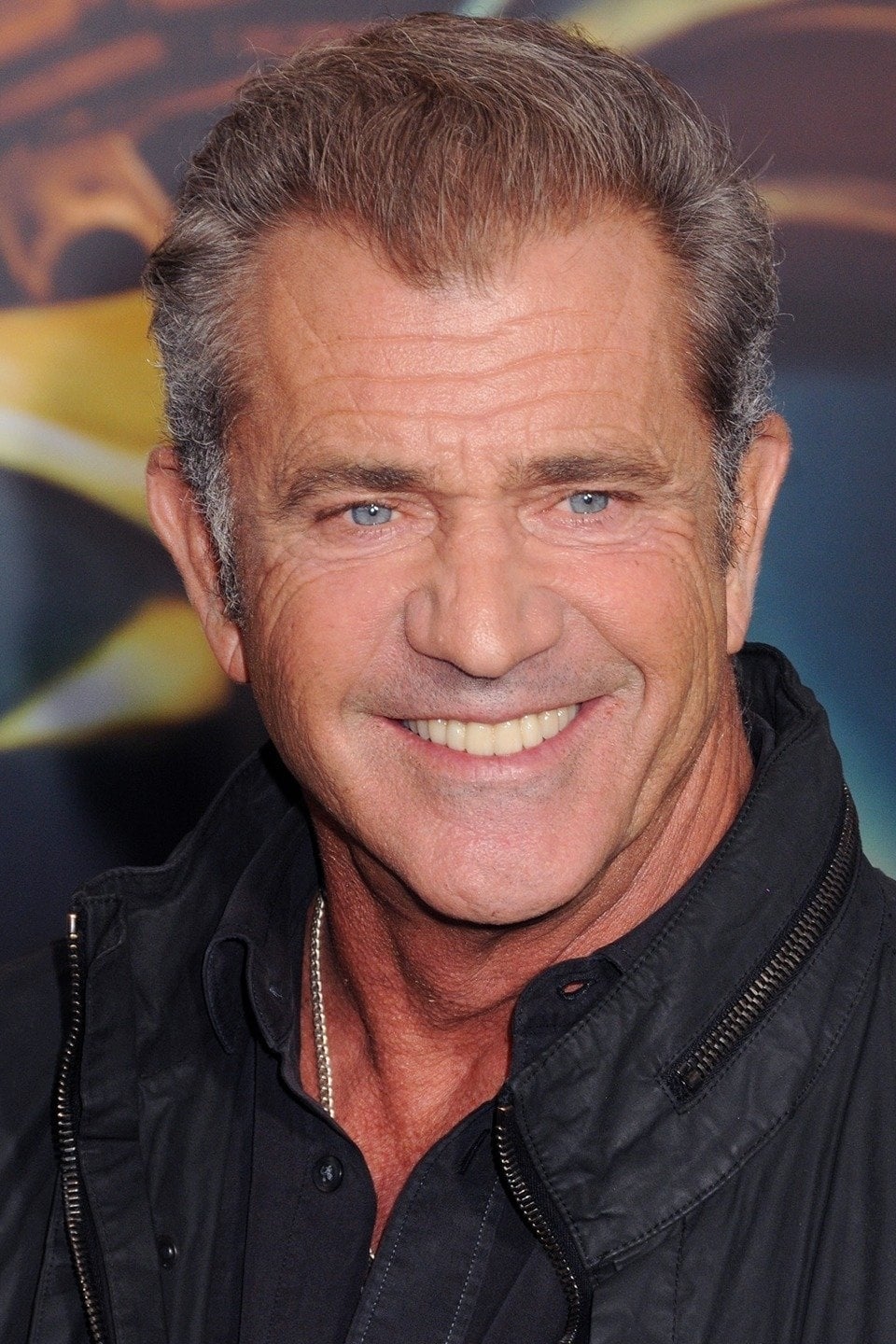
Gibson has expressed disdain for the political correctness that dominates the modern film industry. He focuses on making films that adhere to his own historical and religious interests regardless of industry trends. The actor believes that the industry is often hypocritical in its moral posturing. He continues to work outside the main studio system to maintain creative control over his projects.
Vince Vaughn
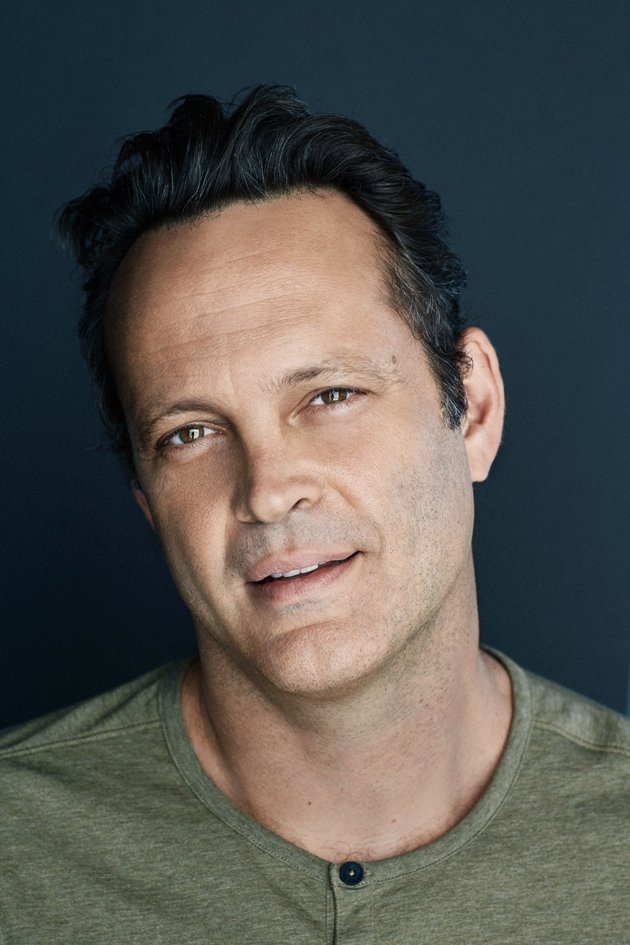
As a rare libertarian in Hollywood, Vaughn has spoken against the concept of affirmative action and mandates. He believes that individuals should succeed based on their own drive and ability rather than government or corporate intervention. The actor advocates for personal responsibility and opposes the collective grouping of people. His views support a free-market approach to casting and production.
Kelsey Grammer
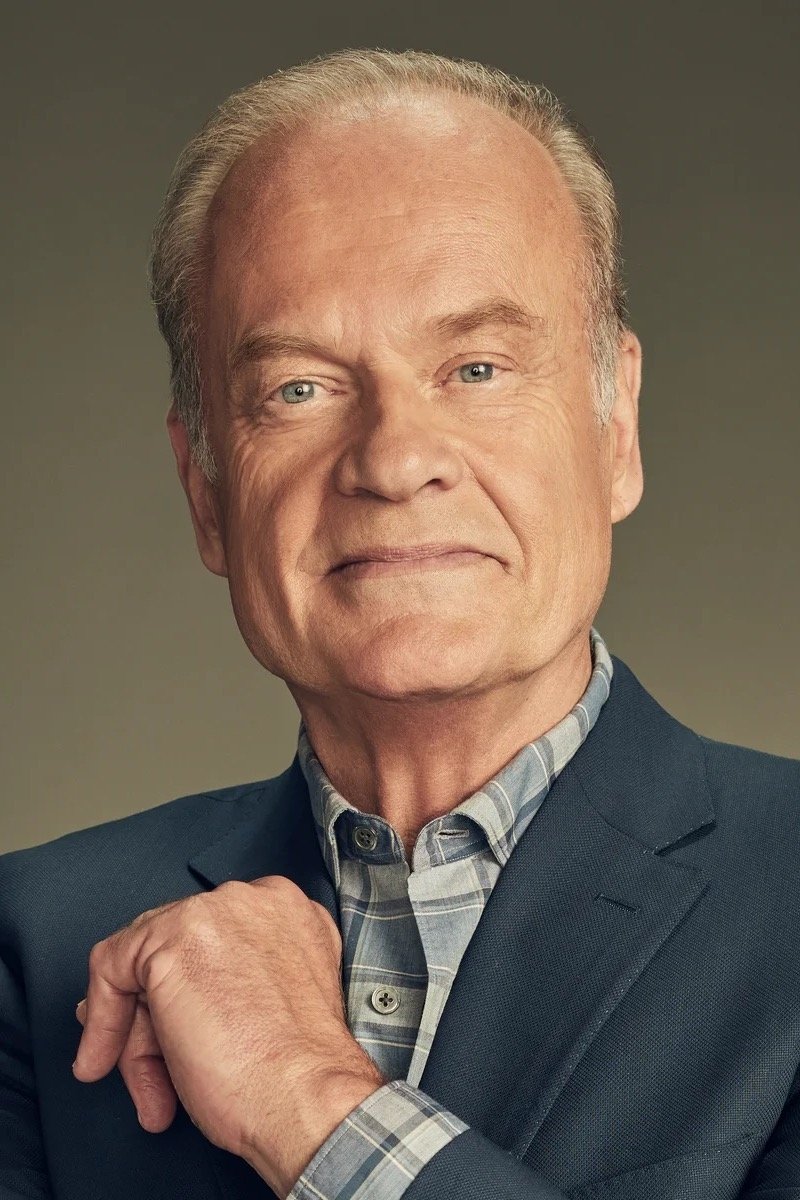
The ‘Frasier’ star remains an open conservative in an industry that leans heavily to the left. Grammer has stated that his political views have caused some friction but he refuses to apologize for them. He focuses on universal themes in his work rather than specific identity-based narratives. He believes that entertainment should rise above the current political divisiveness.
Gary Oldman
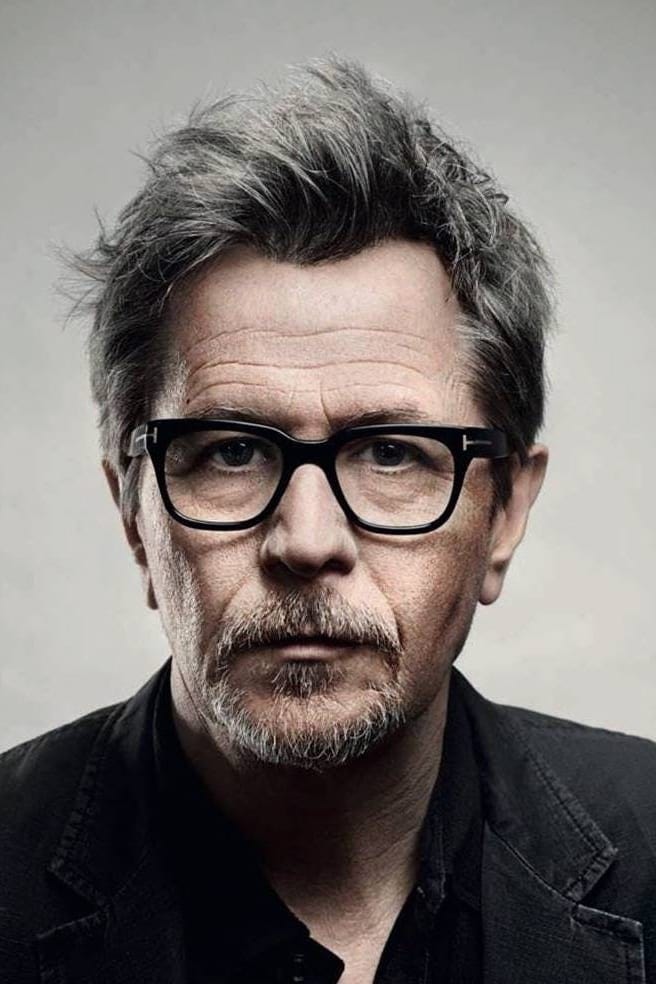
Oldman once gave a controversial interview where he defended other actors who had been ostracized for offensive language. He criticized the hypocrisy of a culture that condemns public figures for private jokes while consuming edgy humor. The actor argued that political correctness had become a straitjacket for performers. He expressed frustration with the inability to speak freely without facing career destruction.
Russell Brand
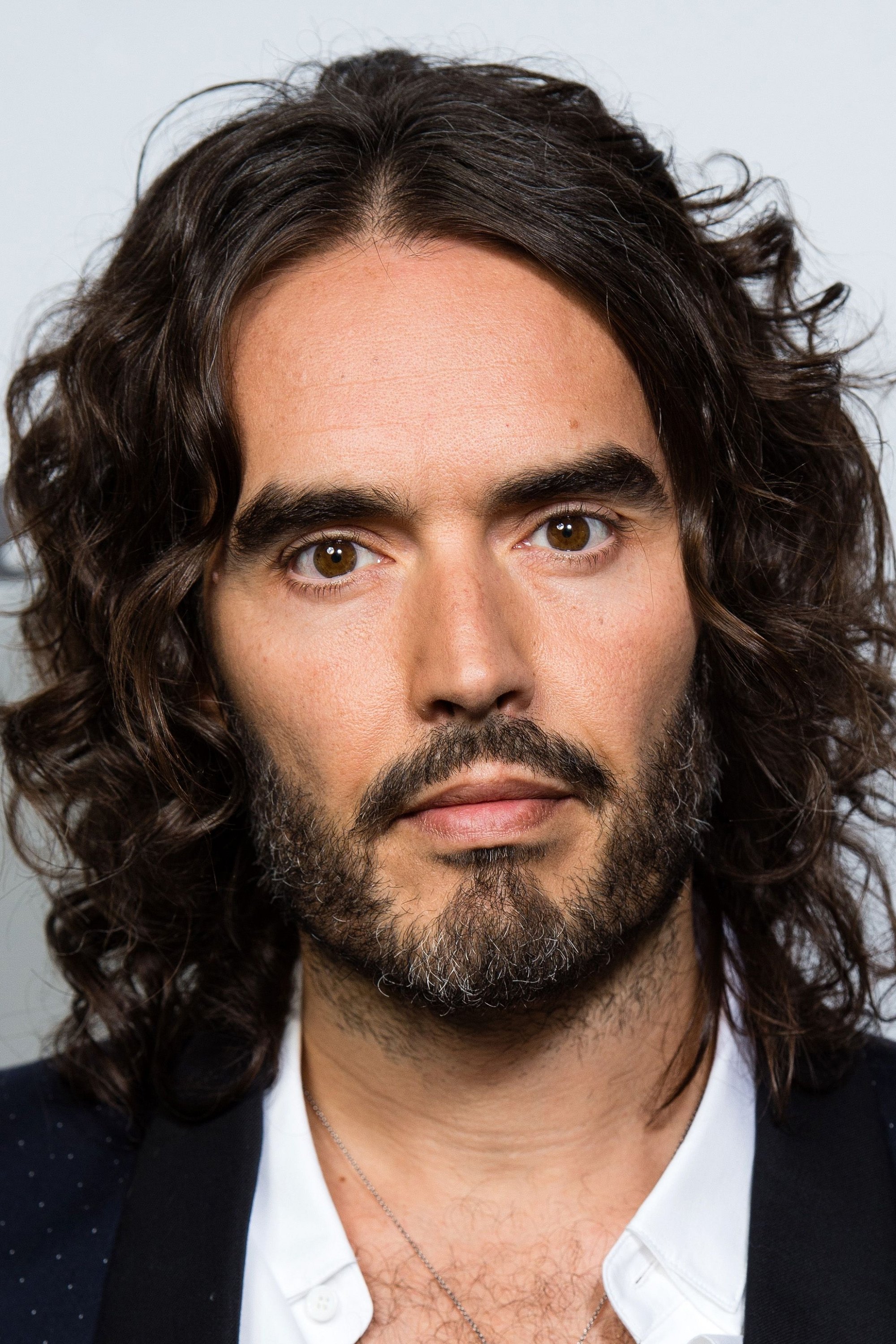
Brand has shifted from a mainstream comedian to a commentator who questions corporate media narratives and censorship. He argues that the establishment uses identity politics to divide the working class and distract from economic issues. The actor criticizes the mainstream push for conformity and the silencing of alternative voices. He champions free expression and skepticism of authorized social mandates.
Dave Chappelle
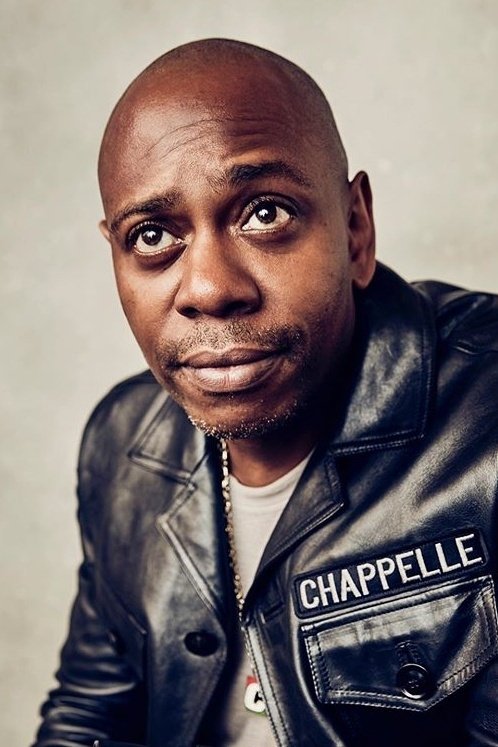
Chappelle has faced immense backlash for his comedy specials that challenge the rules regarding transgender issues and cancel culture. He argues that the artistic community is being held hostage by a small but vocal group of critics. The comedian refuses to alter his material to appease those who demand compliance with new social codes. He believes that the intent of the artist matters more than the subjective offense taken by the audience.
Ricky Gervais
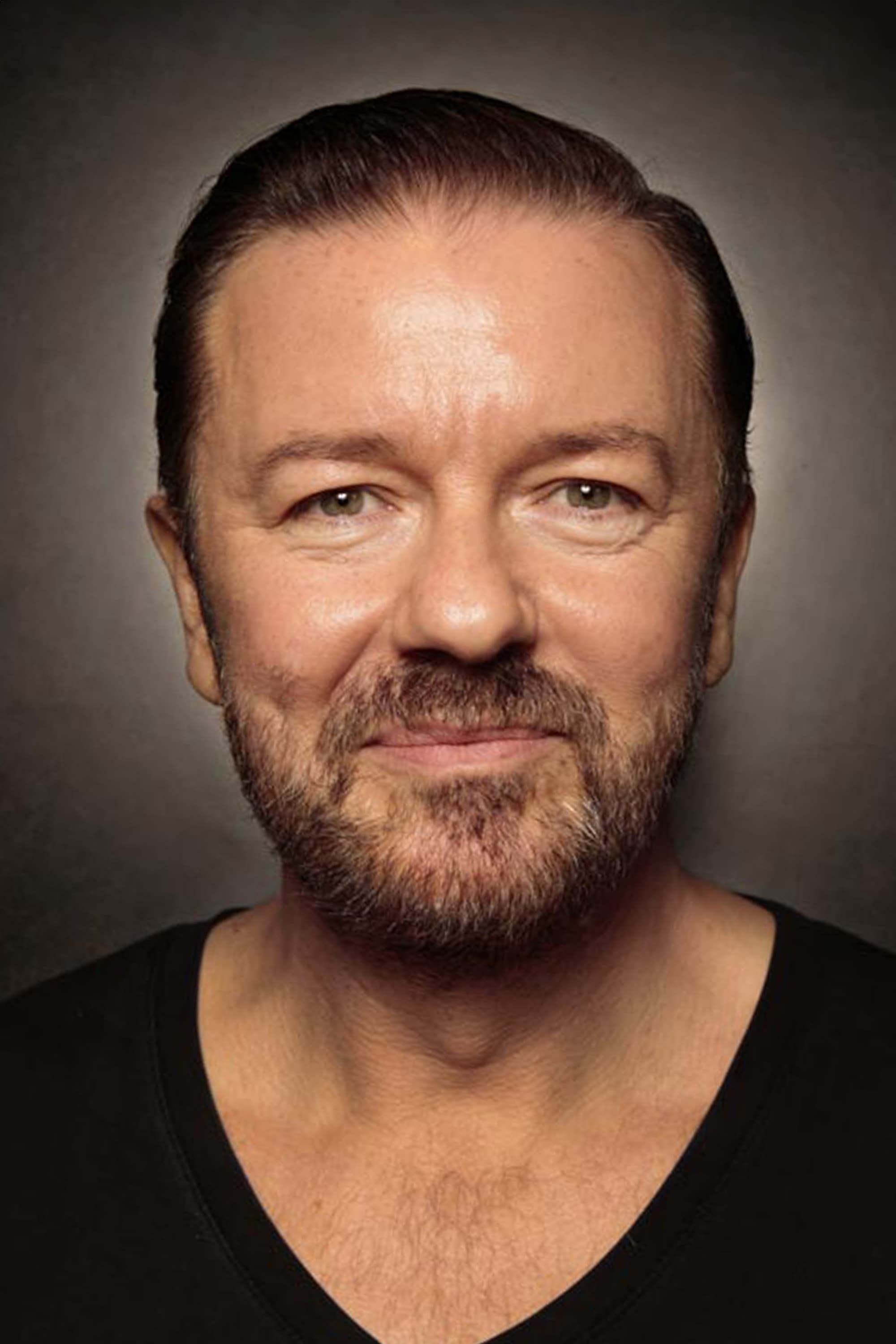
Gervais famously used his Golden Globes hosting duties to roast the Hollywood elite for their hypocrisy and performative virtue signaling. He argues that actors have no business lecturing the public on morality while working for unethical corporations. The comedian believes that no topic should be immune from ridicule or satire. He consistently pushes back against the idea that comedy must be safe or inclusive.
Bill Burr
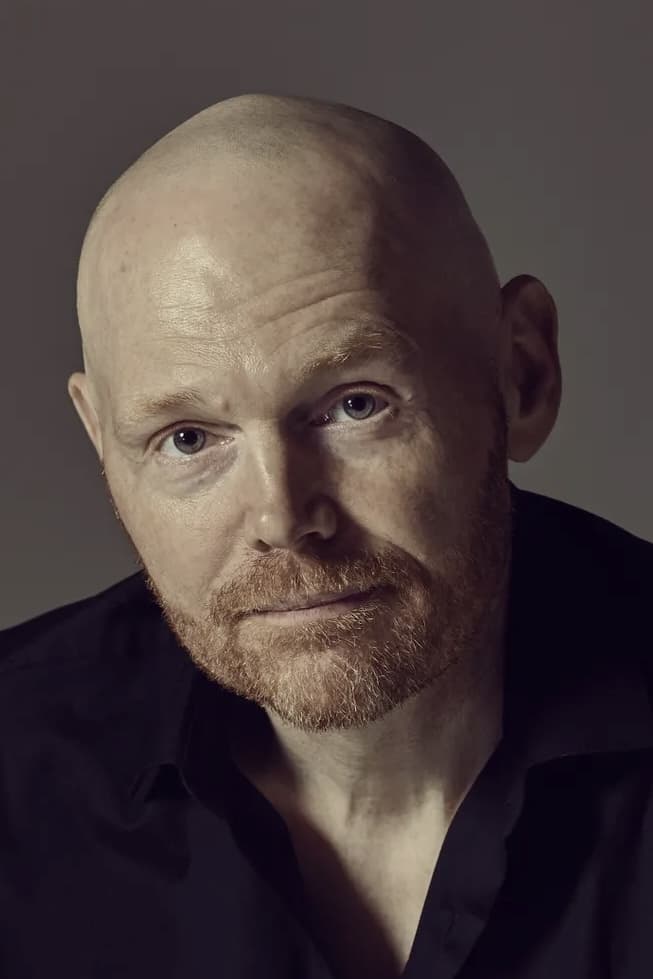
Burr frequently rants about the performative nature of white guilt and the co-opting of social movements. He argues that the current cultural climate encourages people to look for reasons to be offended. The comedian criticizes the lack of forgiveness and the rush to destroy careers over past mistakes. He believes that the obsession with correct language ignores the intent behind the words.
Brian Cox
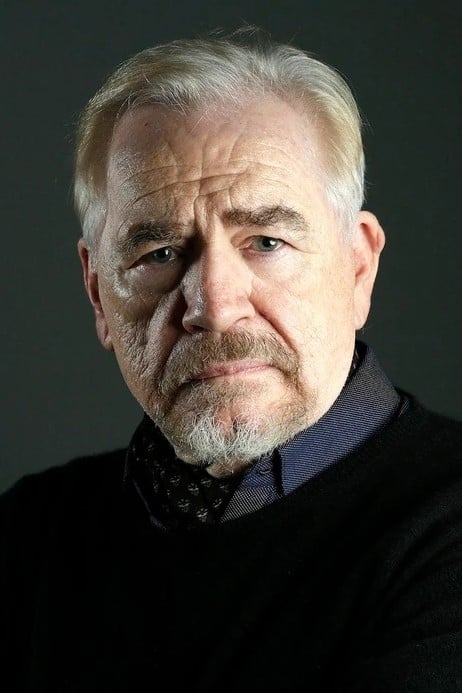
The ‘Succession’ star has described woke culture as truly awful and a form of McCarthyism. Cox argues that the movement to rewrite history and sanitize the past is dangerous. He believes that social media has created a toxic environment where context is ignored in favor of shaming. His views highlight the generational divide regarding how to address historical injustices.
Sean Penn
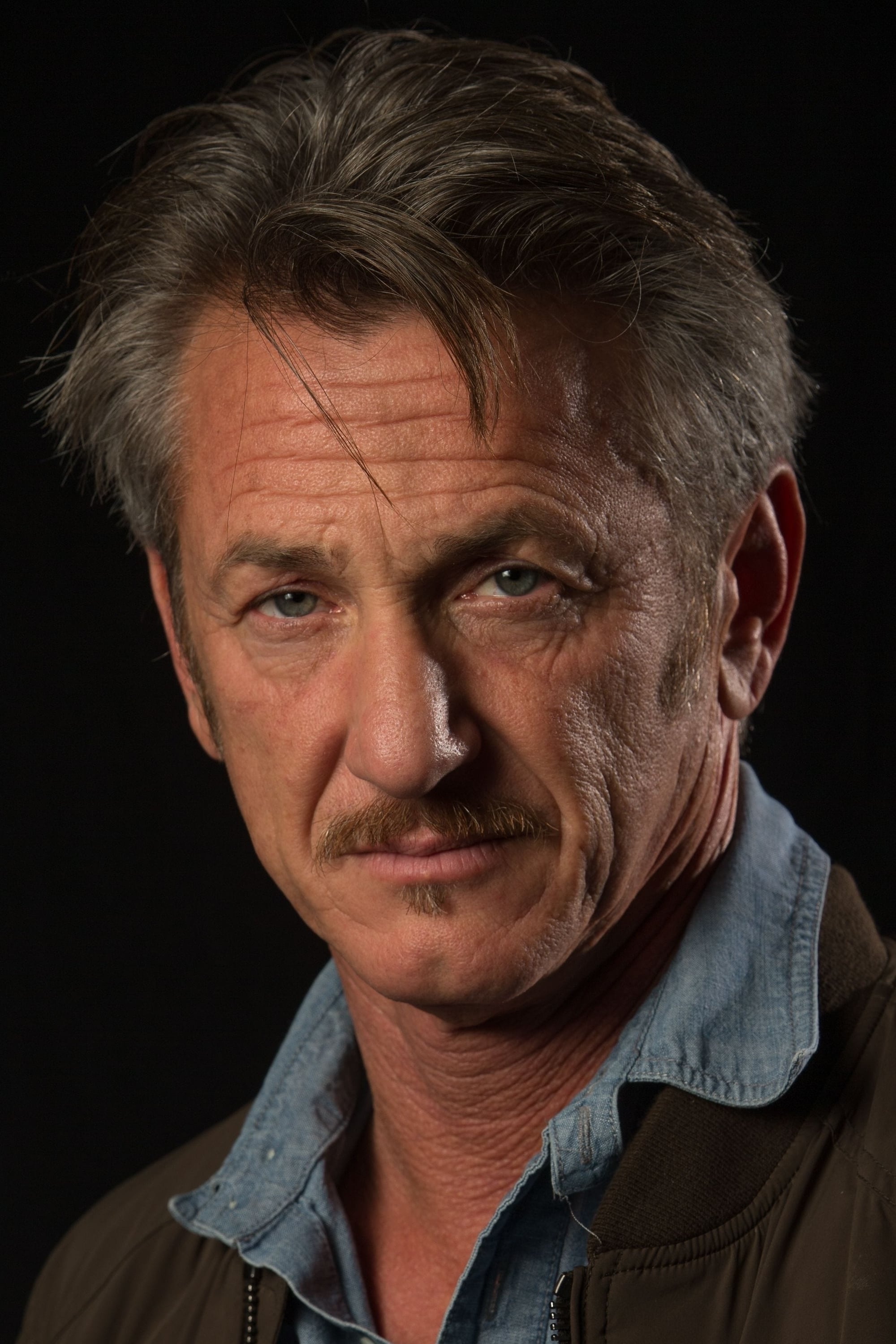
Penn has lamented what he perceives as the feminization of American men and the loss of traditional masculinity. He argues that the push for inclusivity has led to a softening of culture that he finds unappealing. The actor believes that men are being unfairly targeted by modern social narratives. He maintains that biology and traditional gender roles still have valid places in storytelling.
Mads Mikkelsen
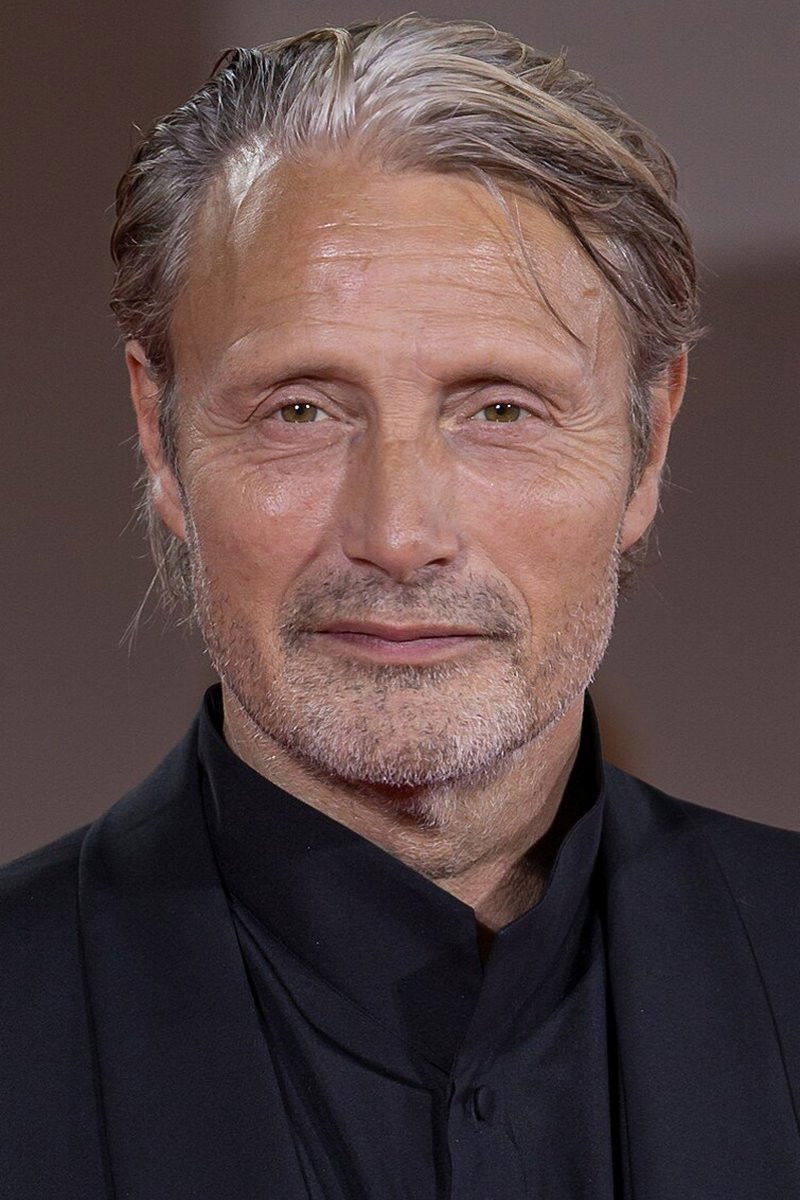
During a press conference for ‘The Promised Land’, Mikkelsen dismissed a question about the lack of diversity in his historical film. He questioned the logic of forcing modern diversity standards onto a story set in 1750s Denmark. The actor reacted with disbelief to the suggestion that the production failed by adhering to historical accuracy. His response highlighted the conflict between historical reality and modern representation demands.
Ralph Fiennes
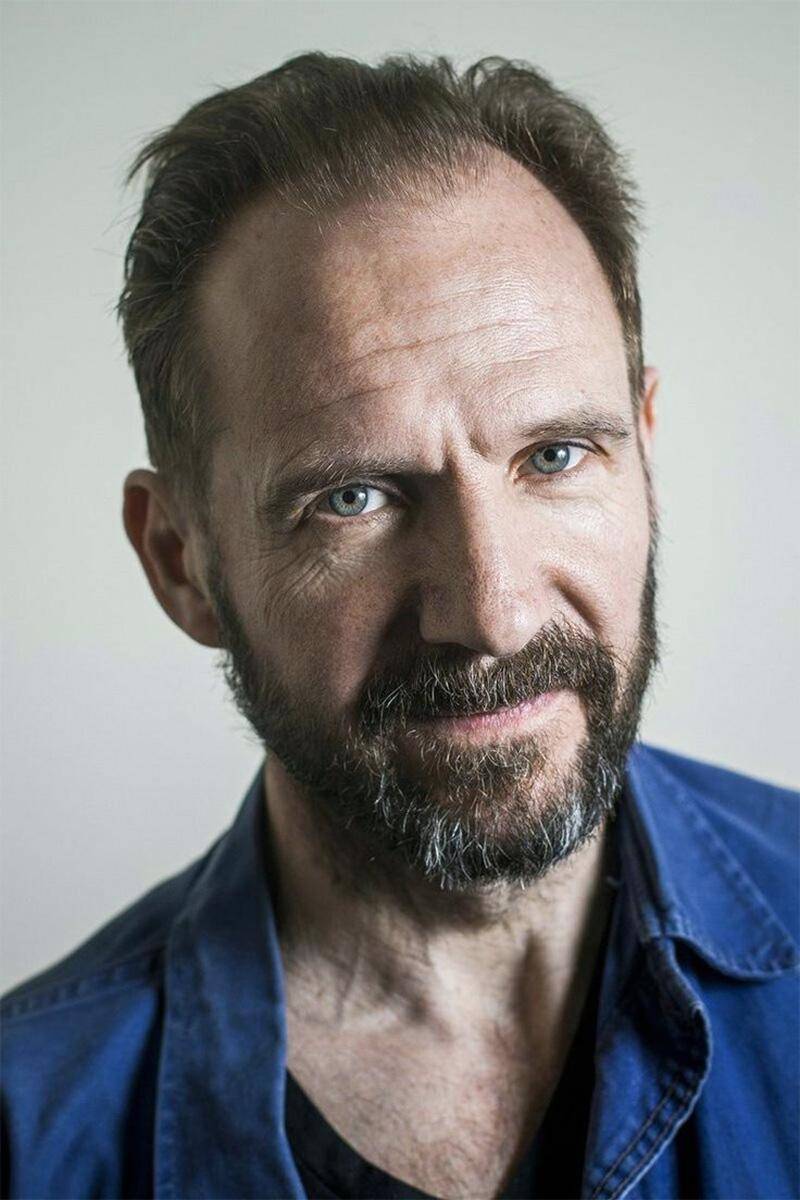
Fiennes has spoken out against the use of trigger warnings in theater and the editing of classic texts. He argues that audiences should be shocked and disturbed by art rather than coddled. The actor defended author J.K. Rowling against the intense backlash she received for her views. He believes that the hostility directed at dissenting voices is irrational and disturbing.
Isaiah Washington
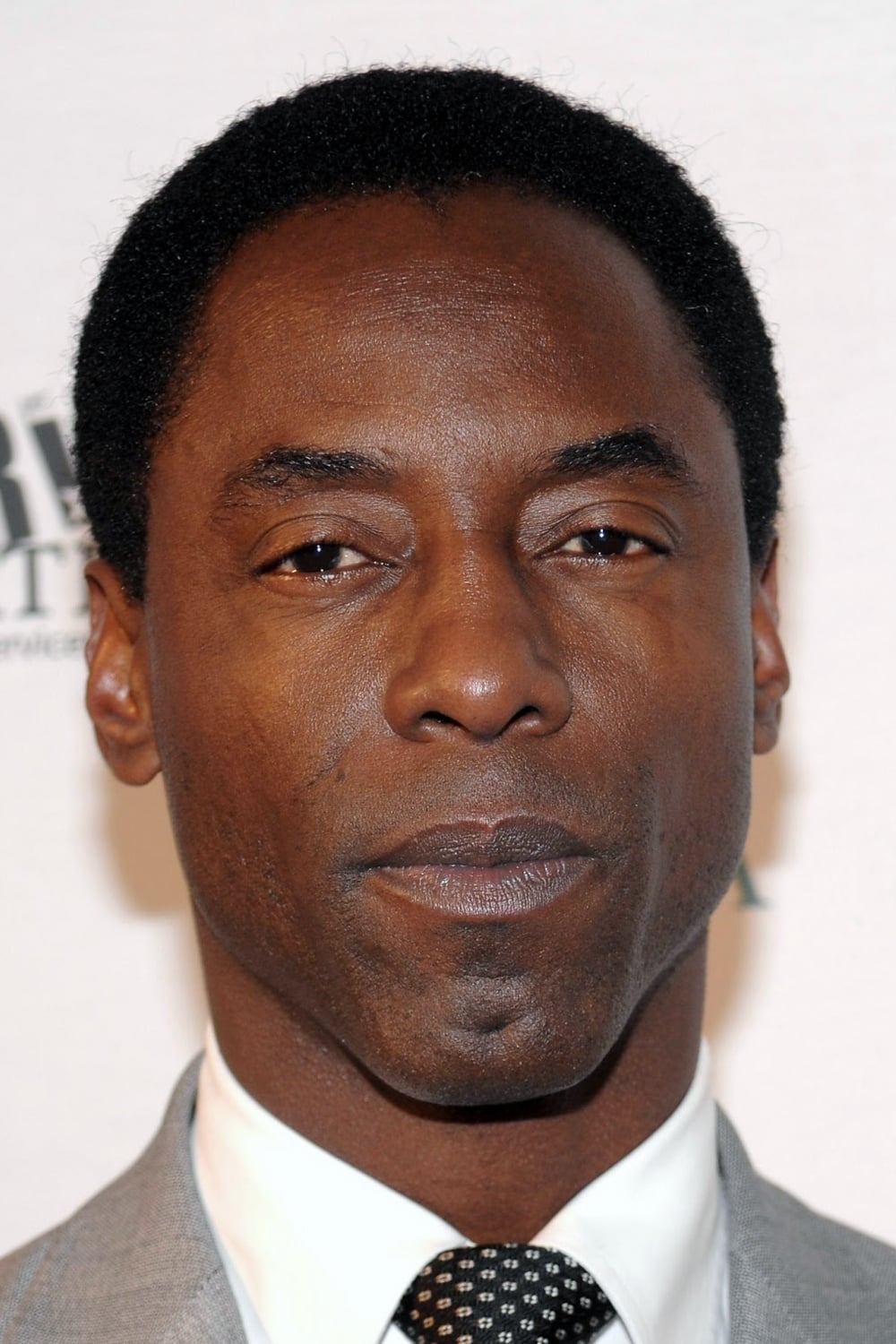
After his dismissal from ‘Grey’s Anatomy’, Washington became a vocal critic of the Hollywood establishment. He eventually left the Democratic party and criticized the industry’s reliance on identity politics to control Black actors. Washington argues that the system exploits minority talent while demanding political obedience. He now advocates for independent content creation outside the mainstream gates.
Robert Davi
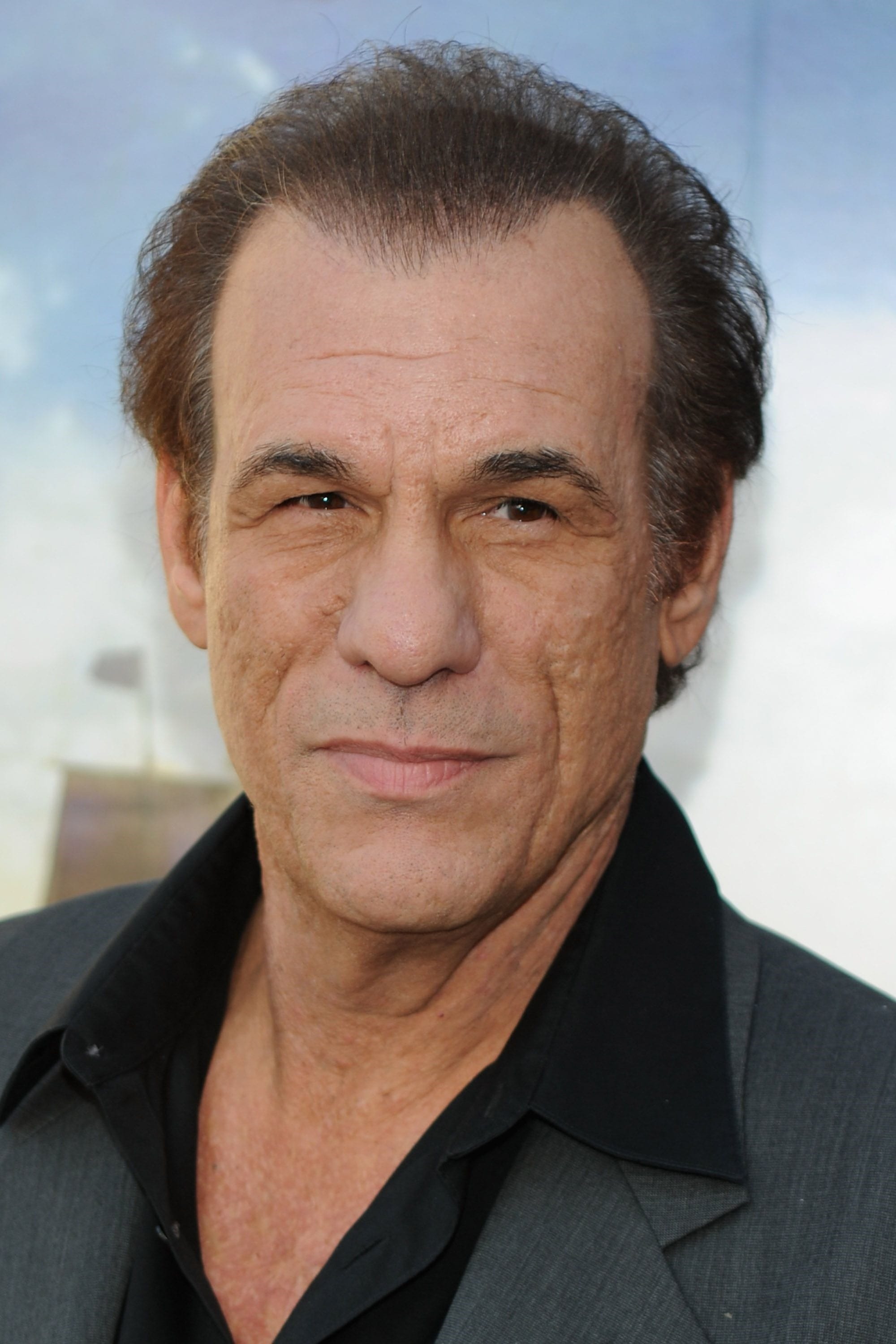
Davi is a staunch conservative who argues that Hollywood systematically excludes those who do not adhere to leftist ideologies. He has directed films that challenge the narratives surrounding modern political issues. The actor believes that the industry punishes patriotism and traditional values. He frequently appears on conservative media to discuss the bias in entertainment.
Adam Baldwin
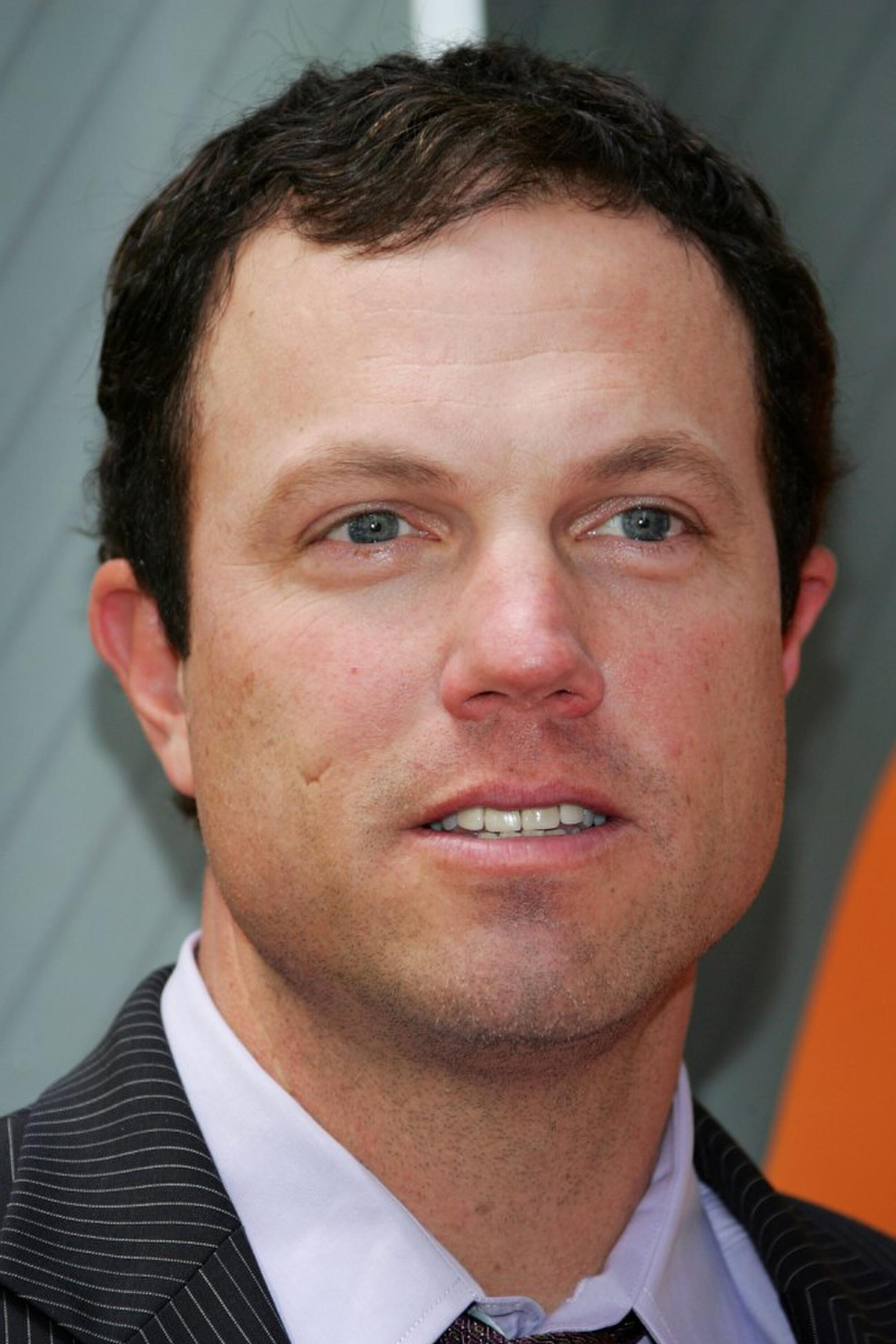
Baldwin was a central figure in the Gamergate controversy and has long opposed the encroachment of political correctness into pop culture. He argues that the push for diversity often results in poor storytelling and characterization. The actor believes that creators should prioritize the fan base over modern social critics. He maintains that merit should always trump identity quotas.
Scott Baio
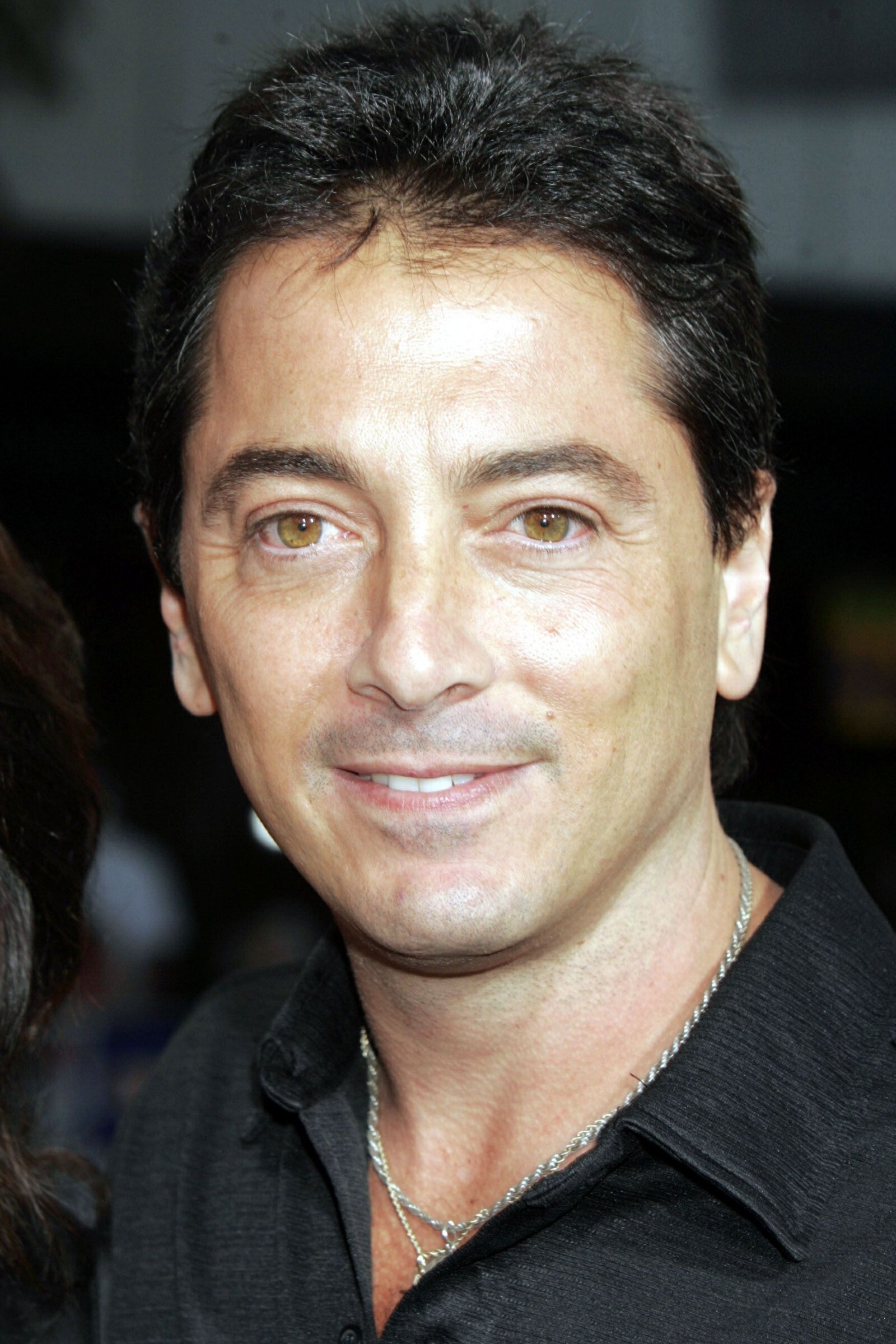
Baio is an avid supporter of the MAGA movement and criticizes the liberal hegemony of the entertainment industry. He argues that his political beliefs have cost him work and friends in Hollywood. The actor believes that the industry promotes a specific anti-American agenda. He uses his platform to voice opposition to the cultural shifts promoted by mainstream studios.
Stephen Baldwin

The youngest Baldwin brother is a vocal Christian conservative who has criticized the moral decay of Hollywood. He argues that the industry mocks faith and traditional family values. Baldwin believes that the push for inclusion often excludes religious perspectives. He focuses on faith-based projects that align with his worldview.
Jim Caviezel
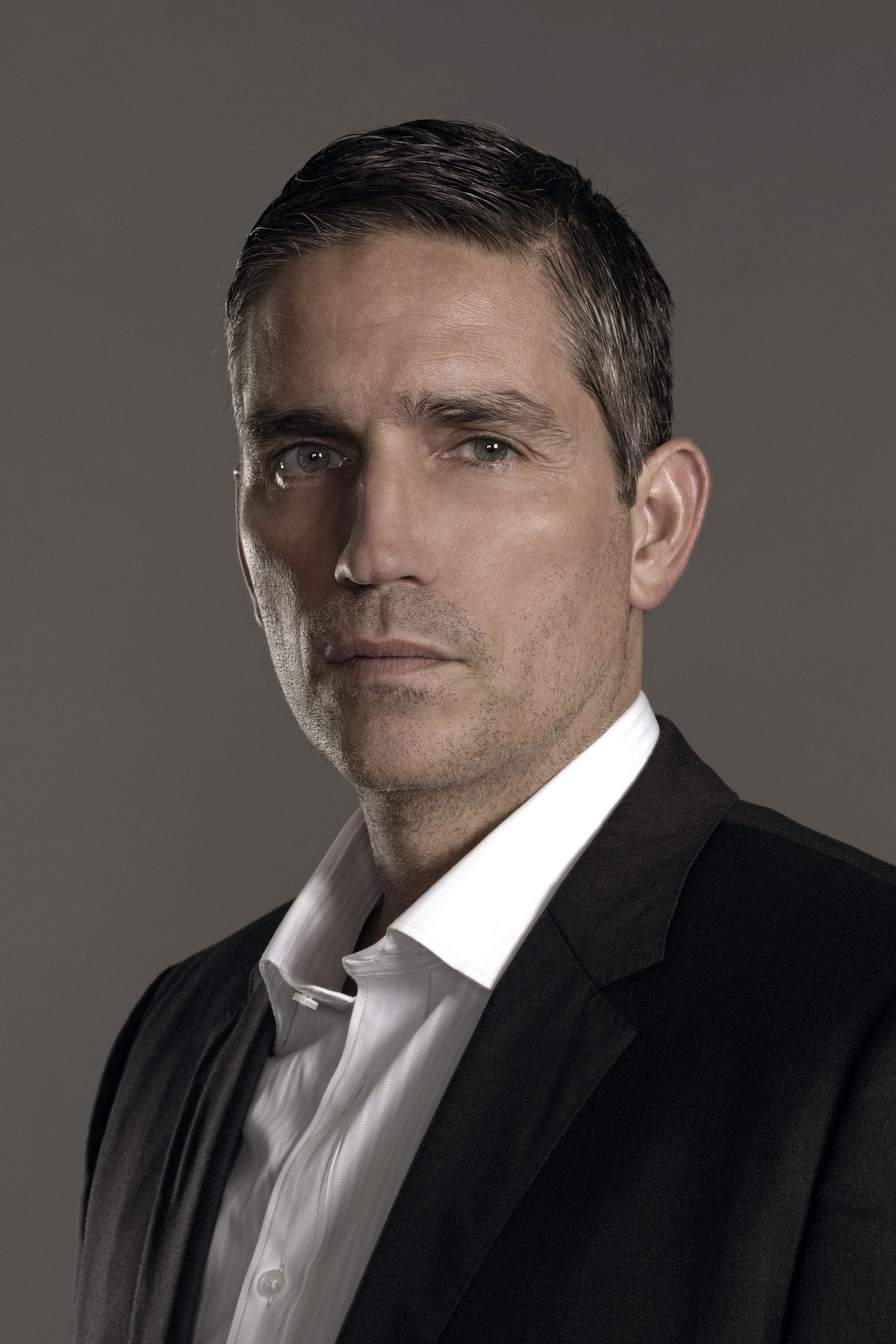
The star of ‘Passion of the Christ’ and ‘Sound of Freedom’ frequently speaks against the global elite and media narratives. Caviezel argues that the industry is complicit in hiding uncomfortable truths. He believes that films should inspire moral courage rather than adhere to politically correct trends. His work often targets audiences that feel alienated by secular Hollywood content.
Randy Quaid
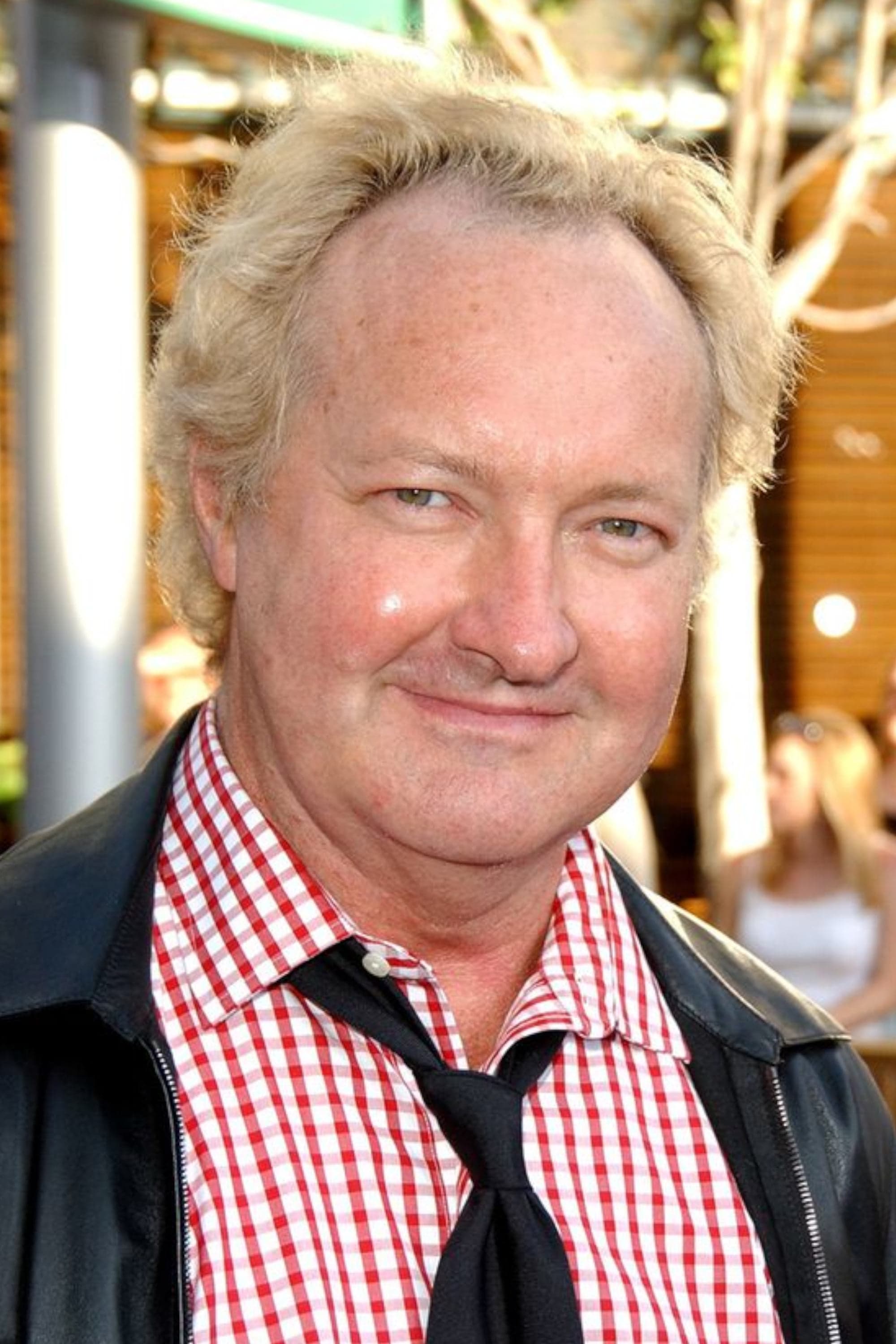
Quaid has expressed extreme distrust of the Hollywood system and claims there is a conspiracy to control actors. While his views are often unconventional, he staunchly opposes the studio machine and its mandates. He argues that the industry destroys individuals who do not conform. His opposition is rooted in a desire for total personal autonomy.
Chuck Norris
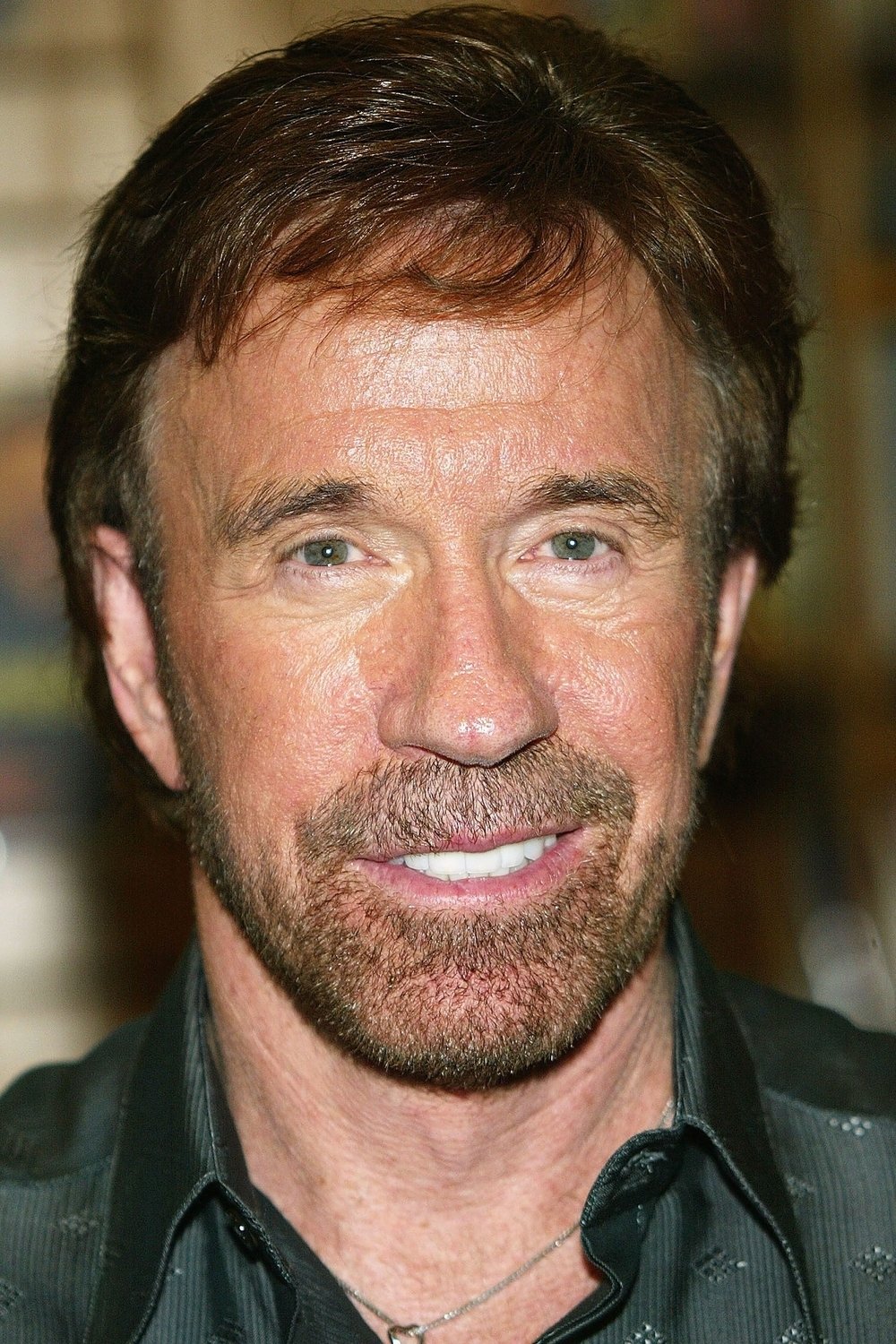
Norris is a long-time conservative columnist who warns against the erosion of American values in culture. He argues that the media promotes a progressive agenda that confuses children and weakens society. The actor believes in traditional morality and opposes the relativism often found in modern storytelling. He champions a return to foundational principles over modern diversity initiatives.
Steven Seagal
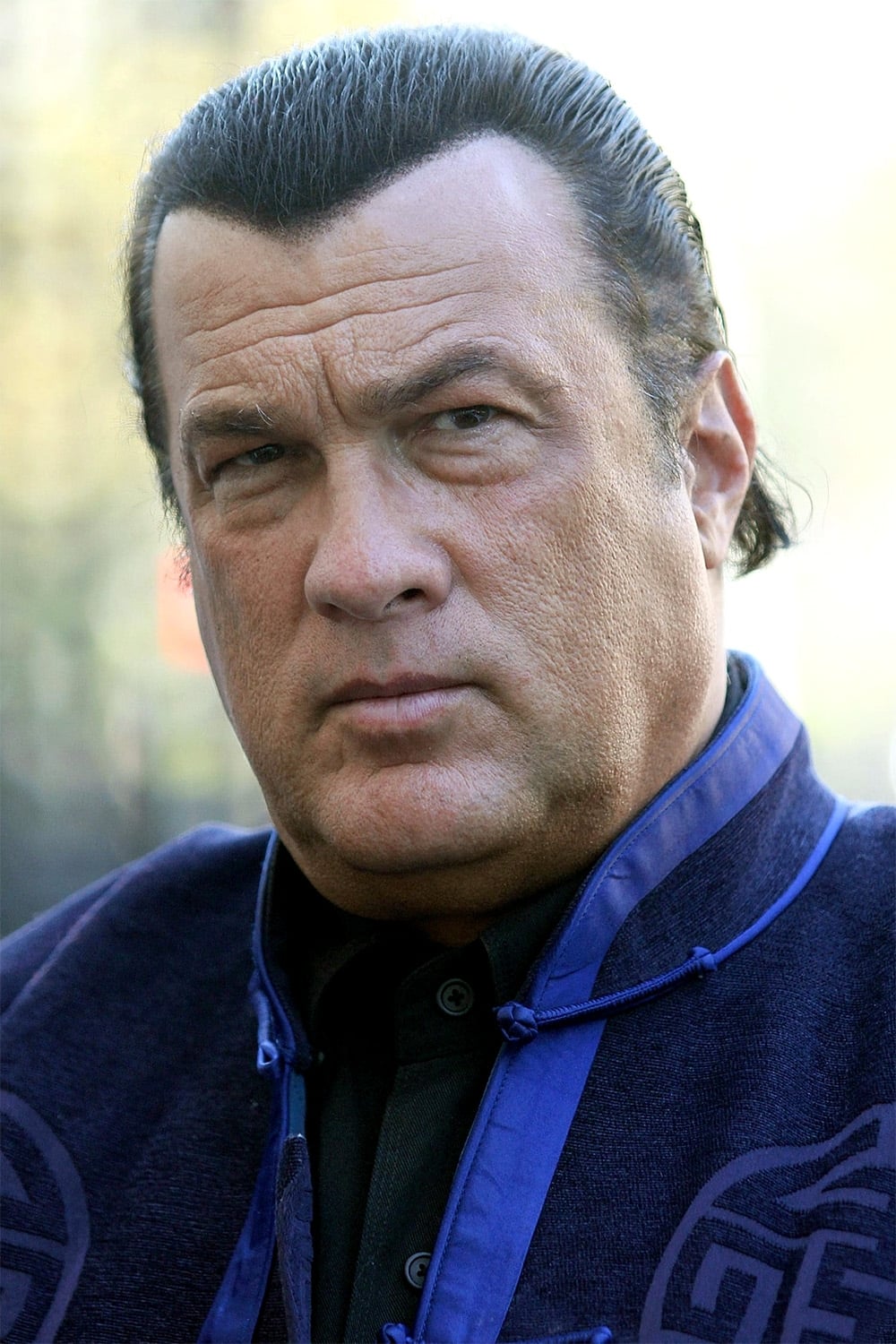
Seagal has been a vocal critic of the American government and the media apparatus. He argues that the narratives pushed by Hollywood are often propaganda designed to manipulate the public. The actor has aligned himself with foreign leaders who oppose Western liberalism. His views reject the cultural consensus promoted by the American entertainment industry.
Dennis Miller
The former ‘SNL’ anchor transitioned into a conservative commentator who mocks the sensitivity of the modern left. Miller argues that the obsession with not offending anyone renders comedy toothless. He believes that society has become too soft and unable to handle reality. His humor targets the very initiatives that seek to regulate speech and behavior.
Zachary Levi
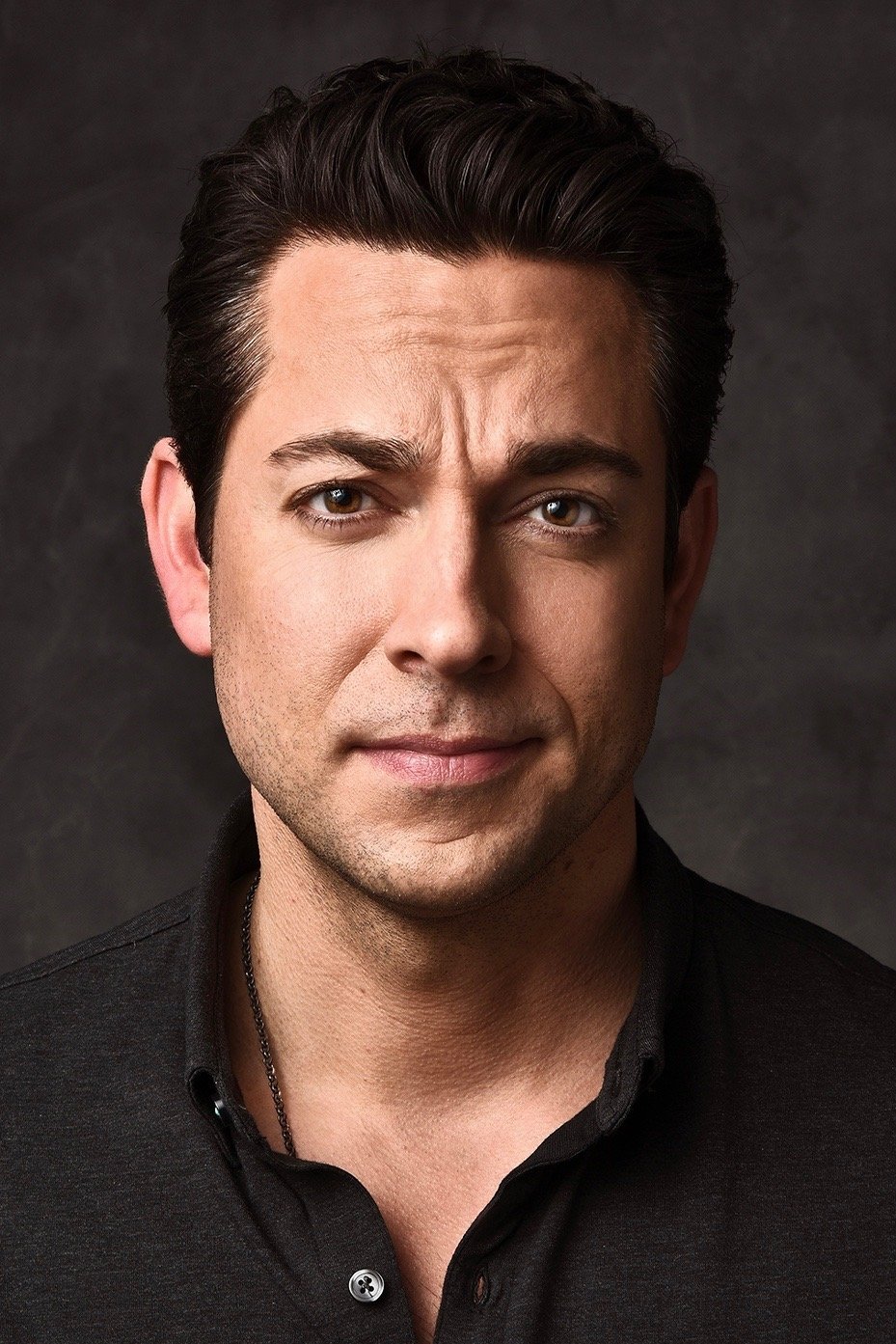
Levi recently endorsed Donald Trump and criticized the entertainment industry for outputting garbage content. He argues that the studio system cares more about messaging than quality or audience satisfaction. The actor believes that the industry is eroding the trust of the viewers. He advocates for a system where content is judged by its quality rather than its political alignment.
Stephen Fry
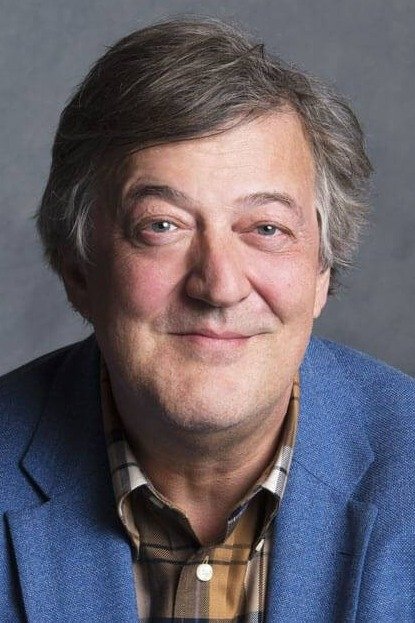
While generally liberal, Fry has criticized the self-righteous and priestly caste of the woke movement. He argues that the current approach to inclusion often resembles a new form of puritanism. The actor believes that the policing of language and thought is counterproductive to true progress. He warns that the movement risks alienating the very people it seeks to convert.
Jeremy Clarkson
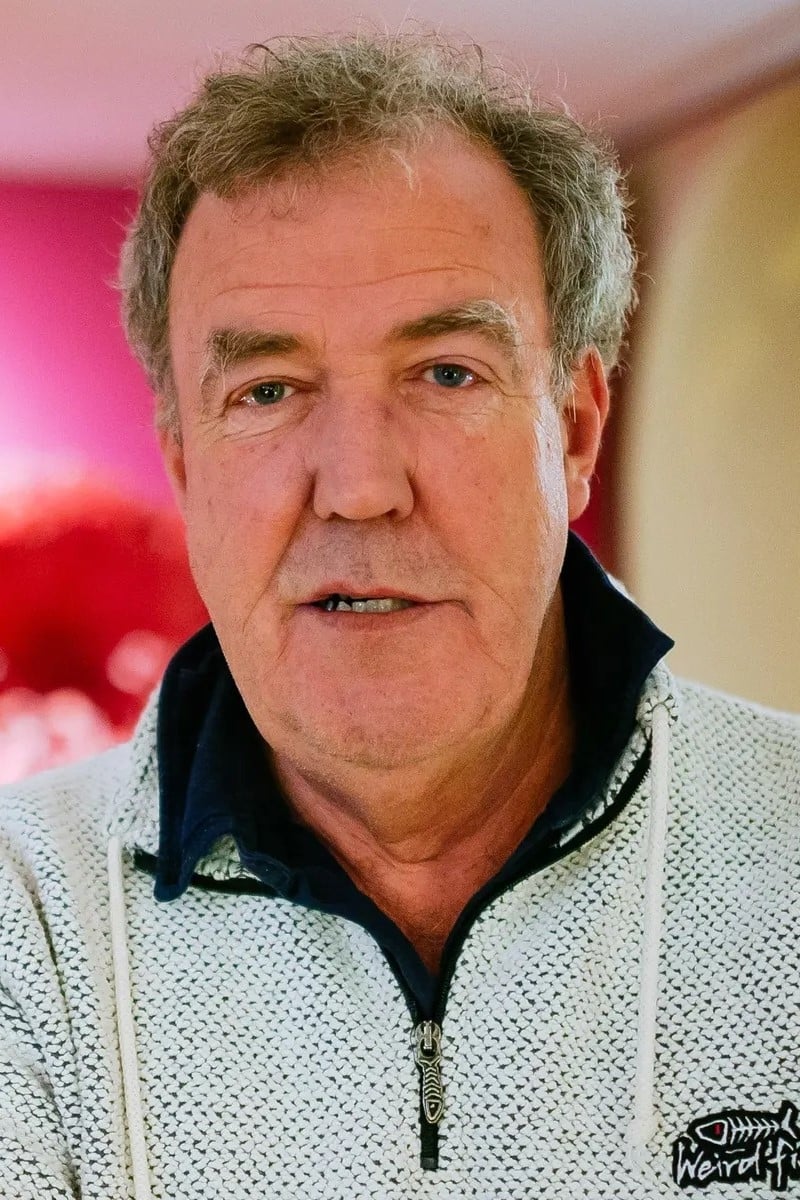
The ‘Grand Tour’ host frequently ridicules the woke measures implemented by television networks. Clarkson argues that the obsession with diversity boxes ticks rather than focusing on entertainment value. He believes that the public is tired of being lectured to by television presenters. His brand relies on rejecting the sanitized safety of modern media standards.
Sylvester Stallone
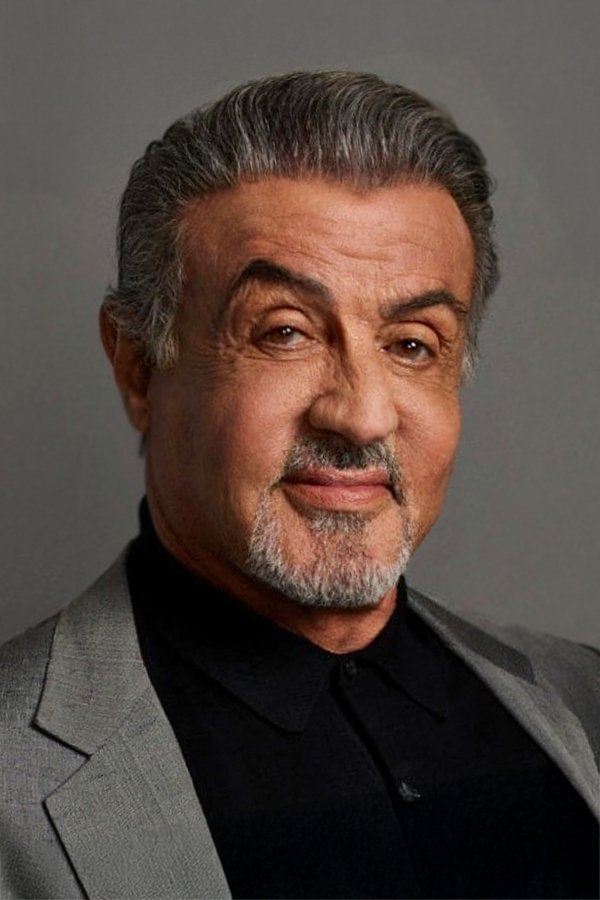
Stallone has largely avoided the specific language of the culture wars but maintains a conservative alignment. He joined the Mar-a-Lago club and has often emphasized individual grit over systemic excuses in his films. The actor believes in the American Dream as a result of hard work rather than grievance. His storytelling focuses on overcoming odds without reliance on external validation.
Sam Elliott
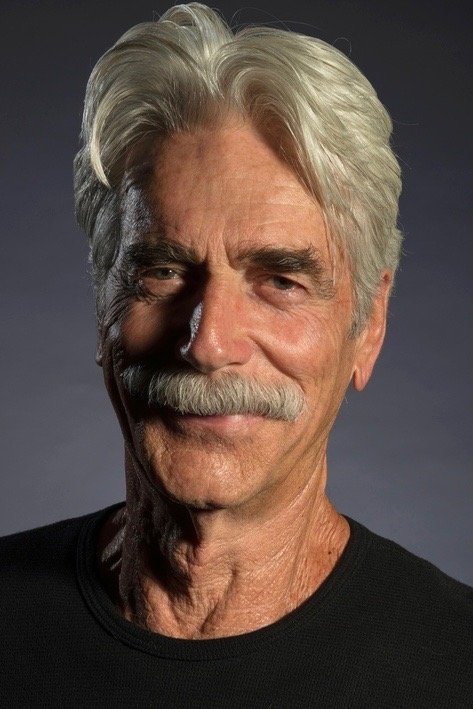
Elliott sparked controversy with his criticism of ‘The Power of the Dog’ for its deconstruction of the cowboy mythos. He argued that the film stripped the American West of its historical reality to serve a modern narrative. The actor expressed frustration with the reinterpretations of classic archetypes. His comments reflected a resistance to the revisionist trends popular in current cinema.
Dennis Quaid
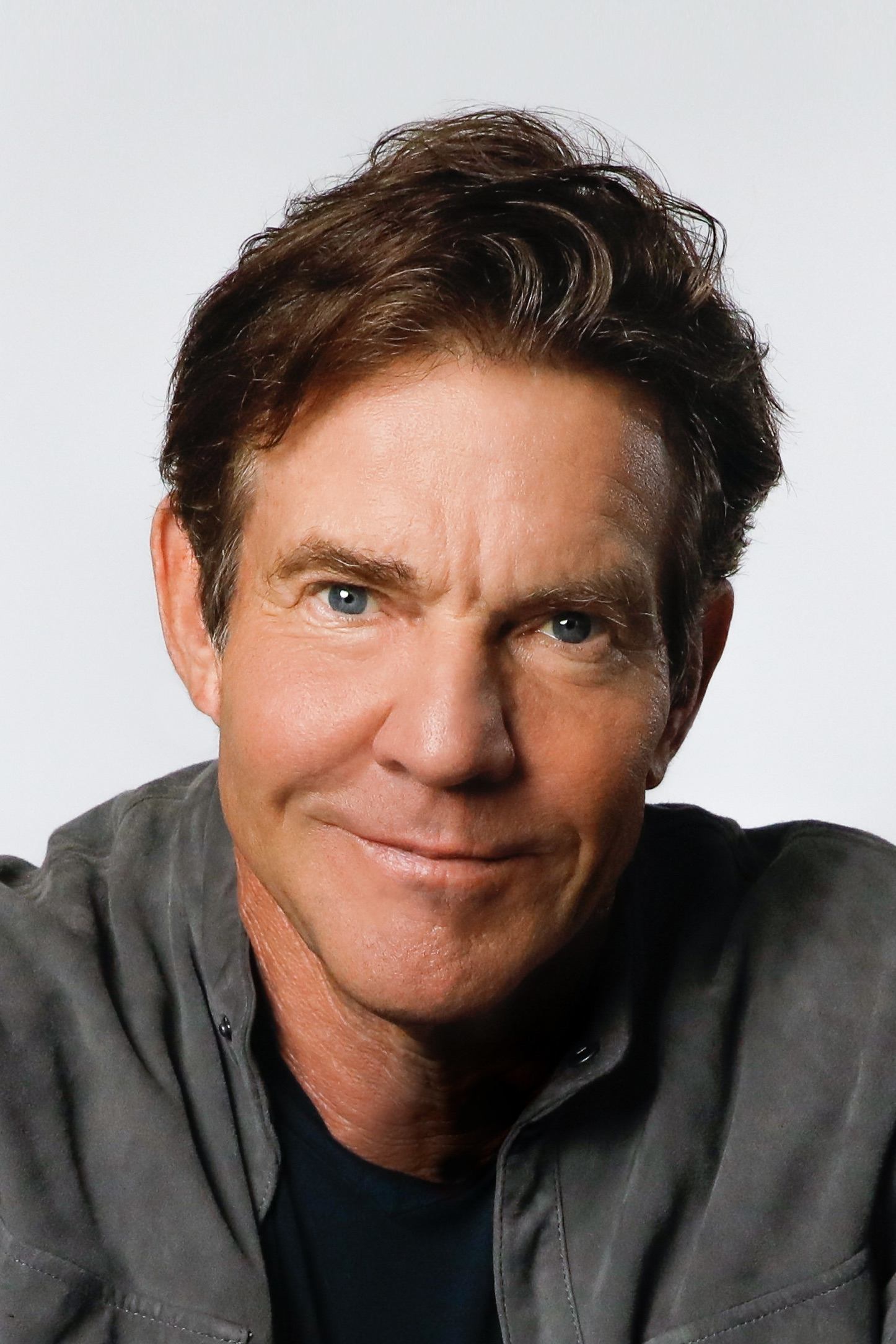
Quaid has stated that he feels the country is divided and that cancel culture is a major problem. He argues that people should be able to disagree without trying to destroy each other’s livelihoods. The actor believes in the importance of historical context and rejects the erasure of the past. He focuses on projects that promote unity rather than identity-based division.
Kevin Costner
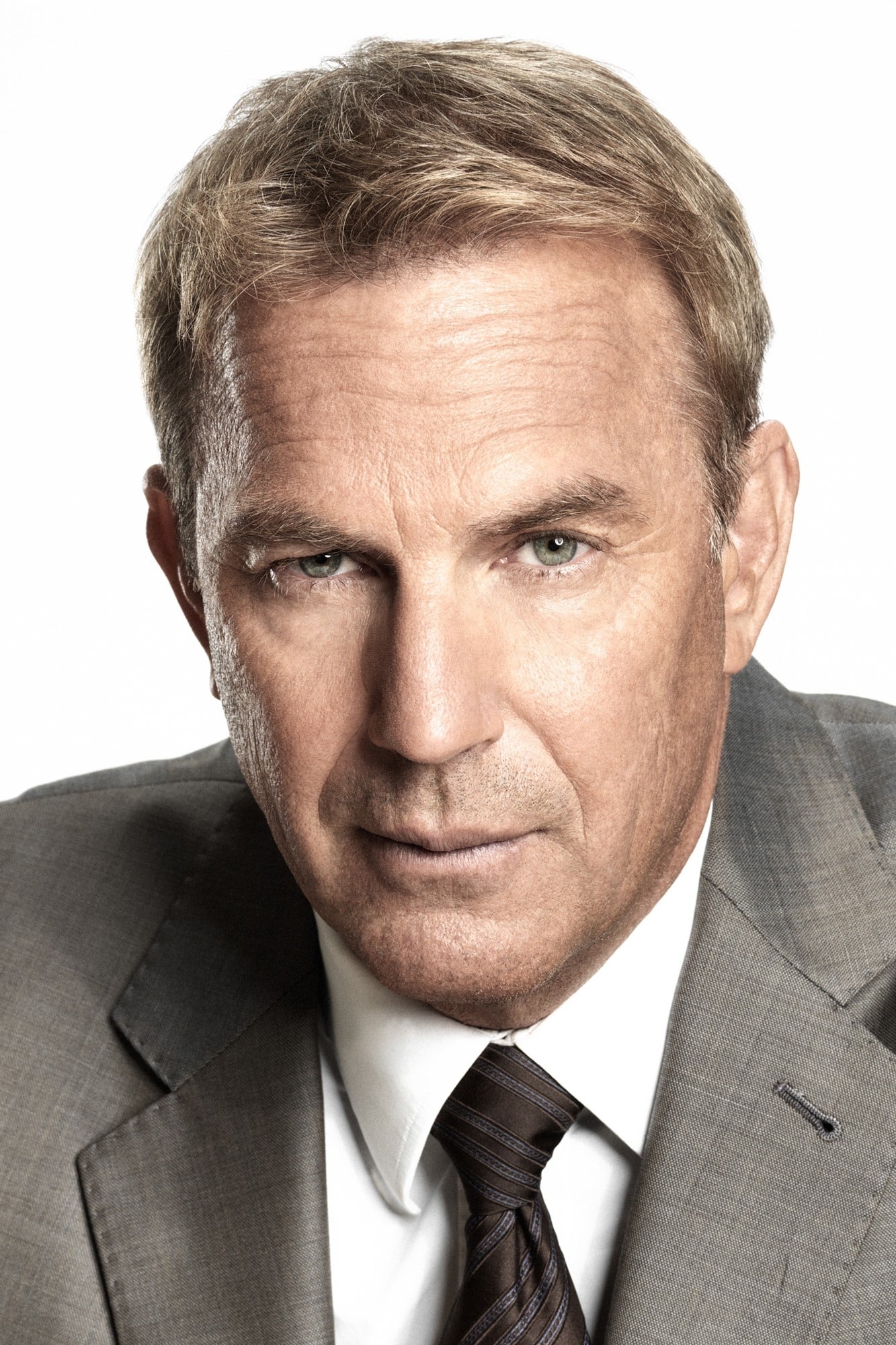
Costner defended his show ‘Yellowstone’ against claims that it was merely red-state pandering while noting his dislike for labels. He argues that people are too quick to categorize art based on political utility. The actor prioritizes authentic storytelling over adhering to a specific cultural checklist. He believes that good stories should transcend the current political dichotomies.
Please share your thoughts on these actors and their stances in the comments.