


Actors Who Don’t Support Method Acting

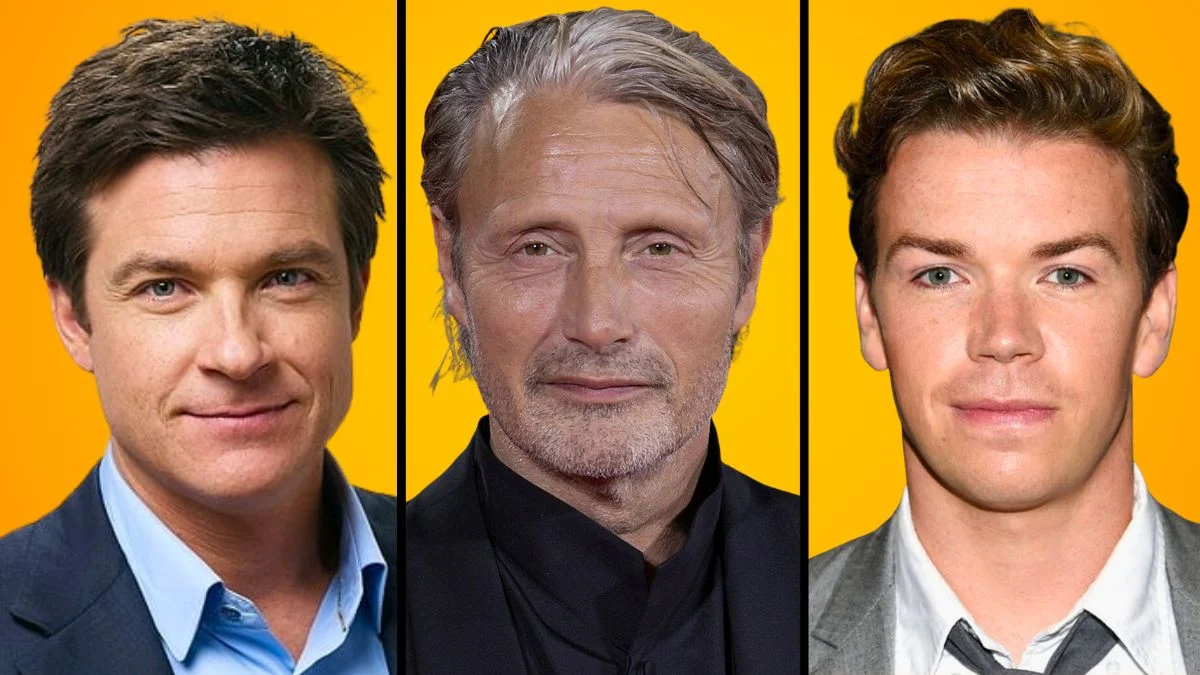


Method acting has long been a contentious topic in Hollywood, with some performers swearing by extreme immersion and others dismissing it as unnecessary or even unprofessional. While the technique has produced some legendary performances, many acclaimed actors prefer to rely on technical skill, imagination, and classical training rather than living as their characters around the clock. These male actors have publicly expressed skepticism, criticism, or a lack of interest in the intense psychological demands of the method approach. They argue that acting is ultimately a job of make-believe that should not encroach on their personal lives or the comfort of their colleagues.
Mads Mikkelsen
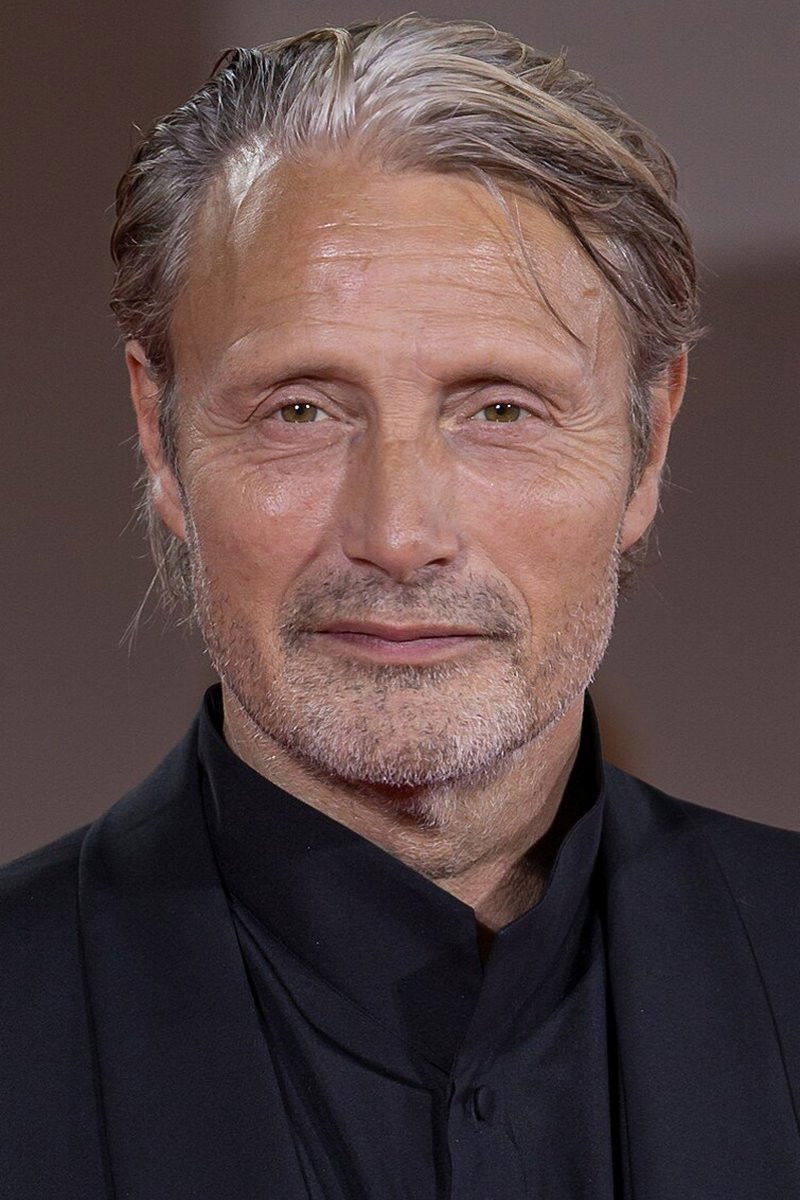
Mikkelsen has been one of the most vocal critics of method acting in recent years. He has described the practice as pretentious and questioned what an actor would do if they had to play a serial killer. The Danish actor believes that preparation is essential but should not bleed into the actual filming process or interactions with the crew. He prefers to switch into character when the director calls action and drop it immediately after the cut. Mikkelsen argues that constantly staying in character can actually hinder the collaborative nature of filmmaking.
Anthony Hopkins
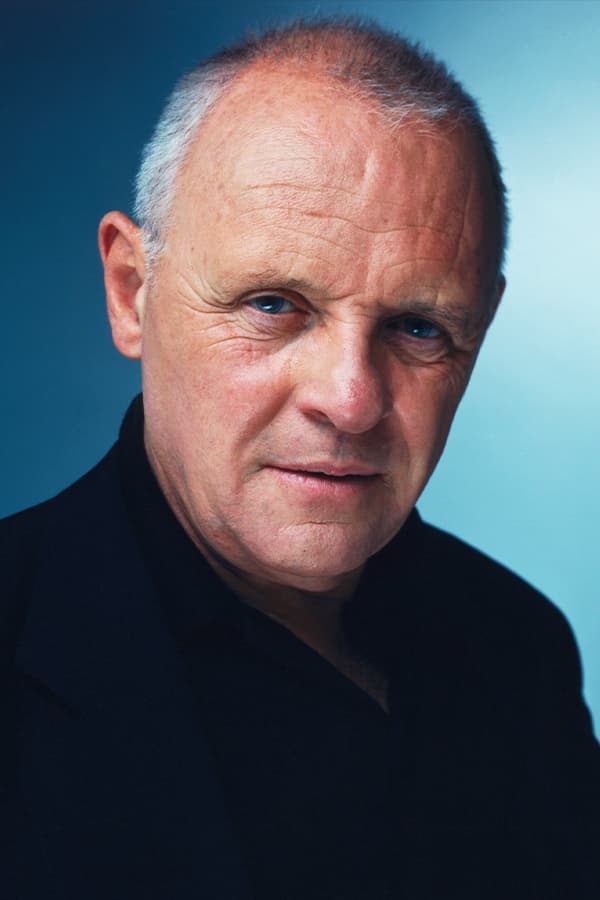
This legendary actor views acting as a technical profession rather than a spiritual journey. Hopkins famously described his process as reading the script hundreds of times until the lines become second nature. He believes that the work is simply to show up, say the lines, and go home without carrying the emotional weight of the role. Hopkins has stated that he does not need to suffer to deliver a convincing performance. His approach relies on precision and voice control rather than psychological immersion.
Laurence Olivier
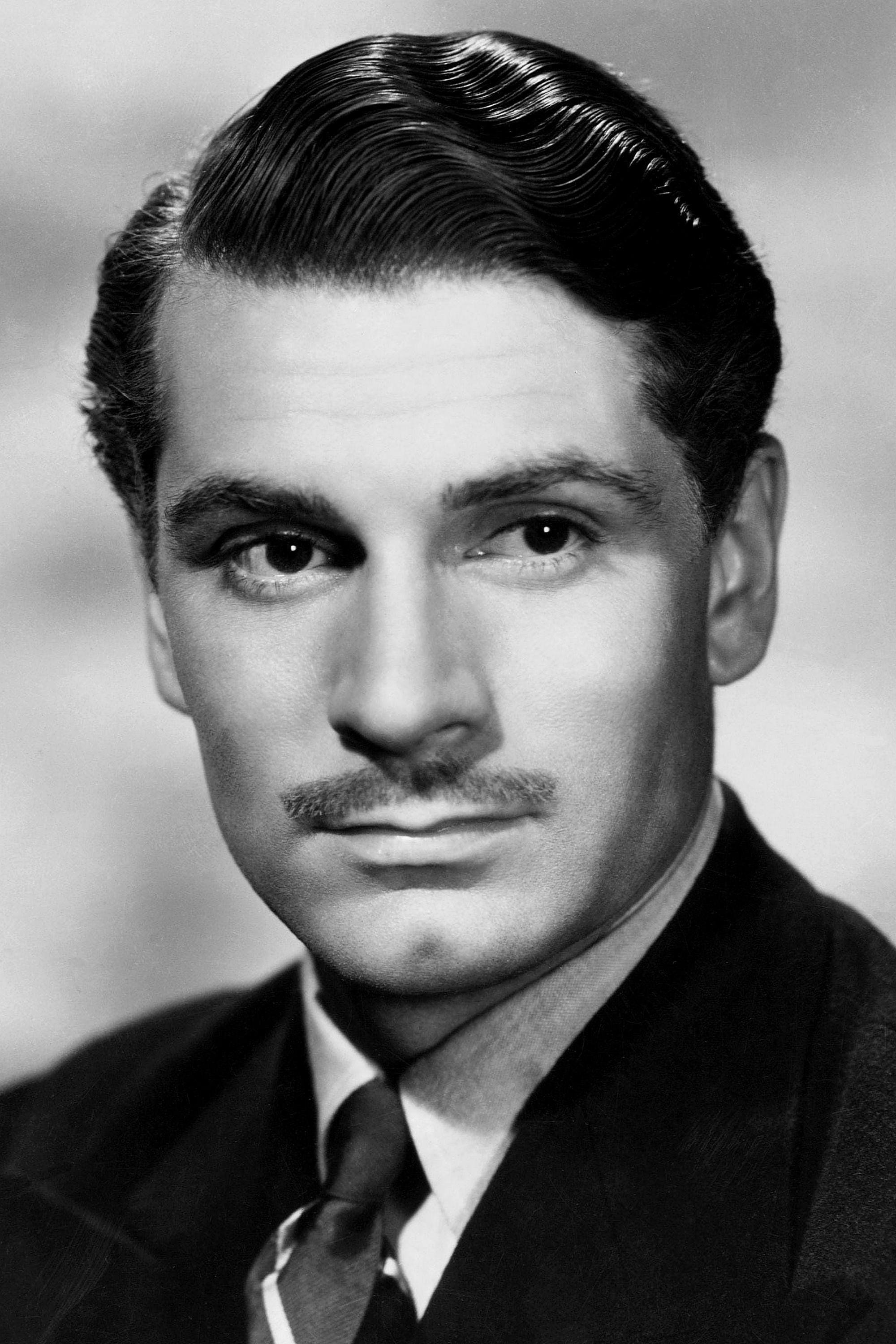
Olivier is the source of perhaps the most famous anecdote regarding the rejection of method acting. While working on ‘Marathon Man’, he famously asked his co-star Dustin Hoffman why he did not just try acting instead of putting himself through physical torture. The classically trained British actor believed that the craft required imagination rather than actual experience. Olivier felt that relying solely on personal trauma or physical exhaustion limited an actor’s range. He maintained that a performer should be able to simulate emotions without actually living them.
Brian Cox
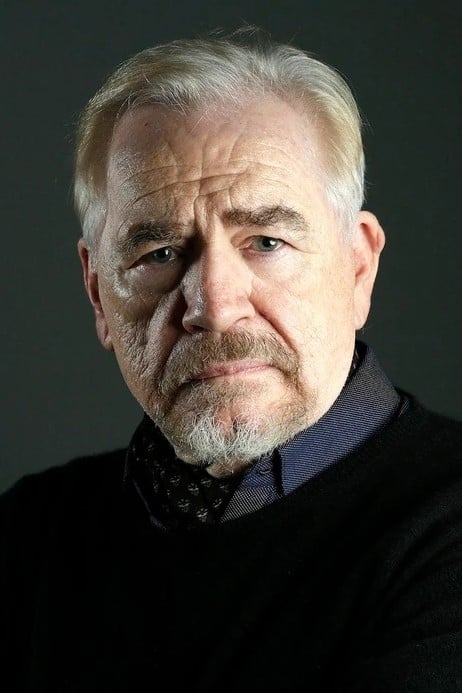
The veteran Scottish actor has been outspoken about his disdain for the method approach. Cox expressed concern for actors who lose themselves in roles and suggested that the technique is often a uniquely American obsession. He criticized the intense preparation of his co-star Jeremy Strong during their time on ‘Succession’. Cox believes that acting requires a separation between the performer and the character to remain sustainable. He argues that great acting comes from craft and observation rather than total absorption.
Robert Pattinson
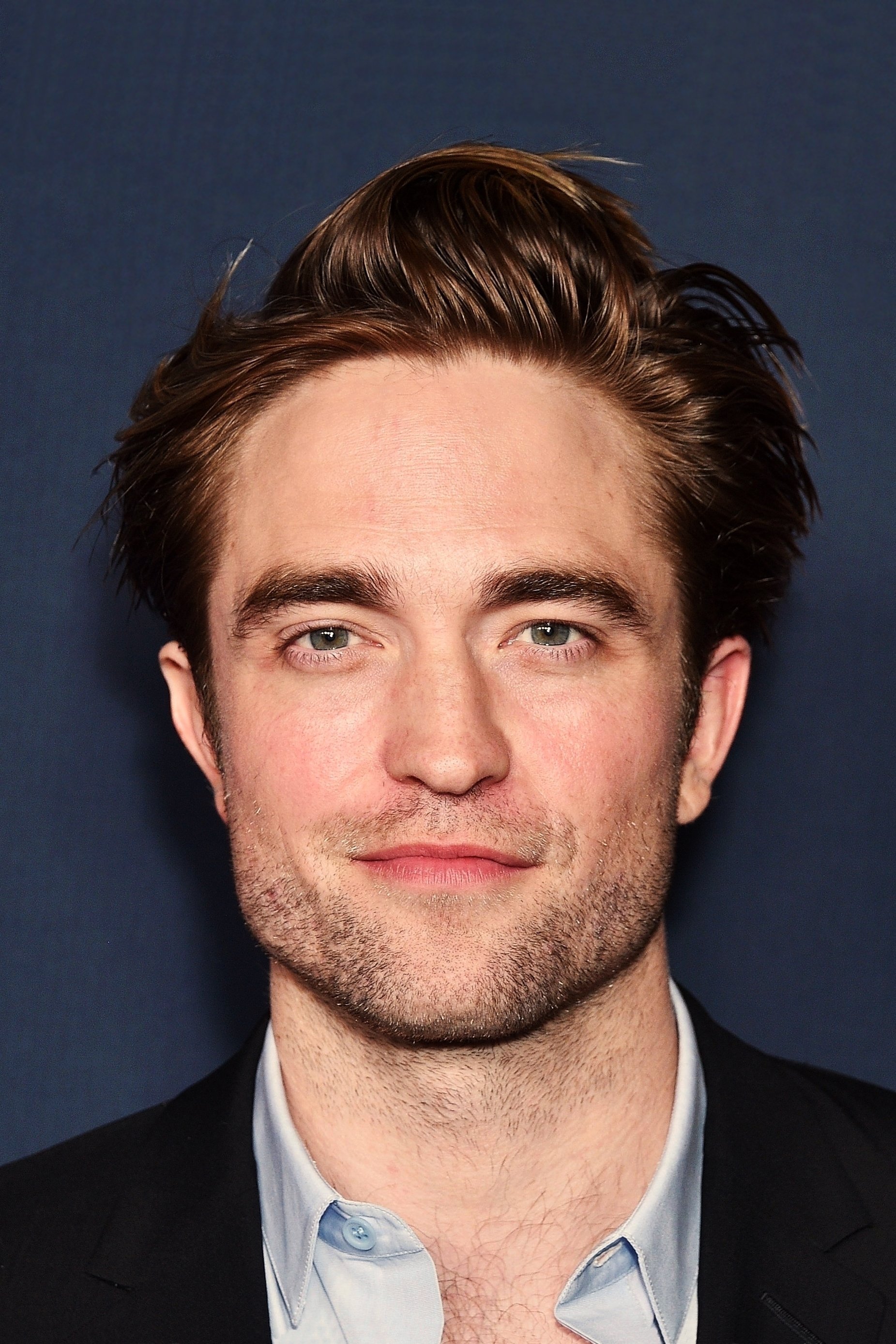
Pattinson has offered a more humorous take on the subject of immersive acting techniques. He once noted that actors only seem to go method when they are playing unlikeable characters or villains. The actor suggested that nobody ever refuses to break character when playing a nice or charming person. Pattinson prefers to enter a scene with a clear head rather than maintaining a persona between takes. He finds the idea of staying in character off-camera to be unnecessary for his process.
Samuel L. Jackson
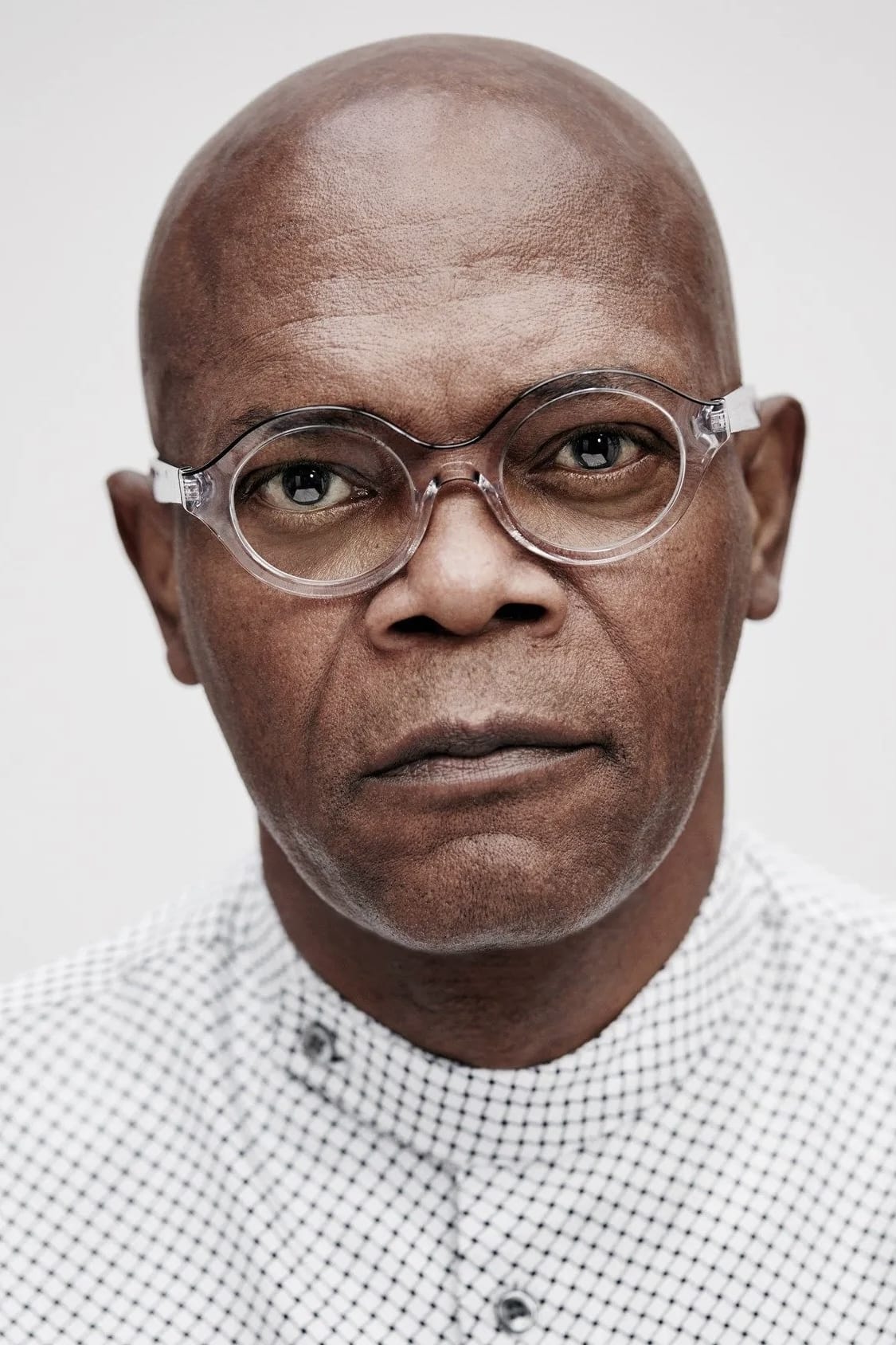
Jackson treats acting as a fun game of make-believe rather than a tortured artistic endeavor. He has stated that he prefers to leave his characters on the set at the end of the day. The actor enjoys interacting with the crew and having a good time during production. Jackson believes that method acting can sometimes become an excuse for being difficult to work with. His prolific career is built on his ability to turn on his charisma and intensity the moment the camera rolls.
Martin Freeman
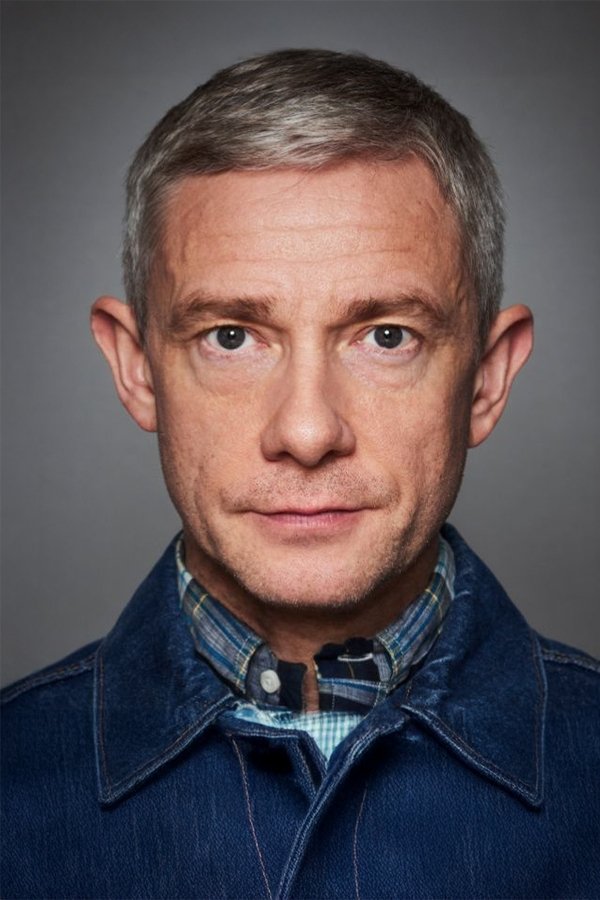
Freeman has described extreme method acting as highly impractical and amateurish. He believes that the job of an actor is to pretend effectively rather than to become the person they are portraying. The British actor has criticized the notion that one must be difficult or isolated to give a great performance. He argues that professionalism involves being able to snap in and out of character to facilitate the technical side of filming. Freeman views the craft as a job that requires cooperation rather than self-indulgence.
Will Poulter
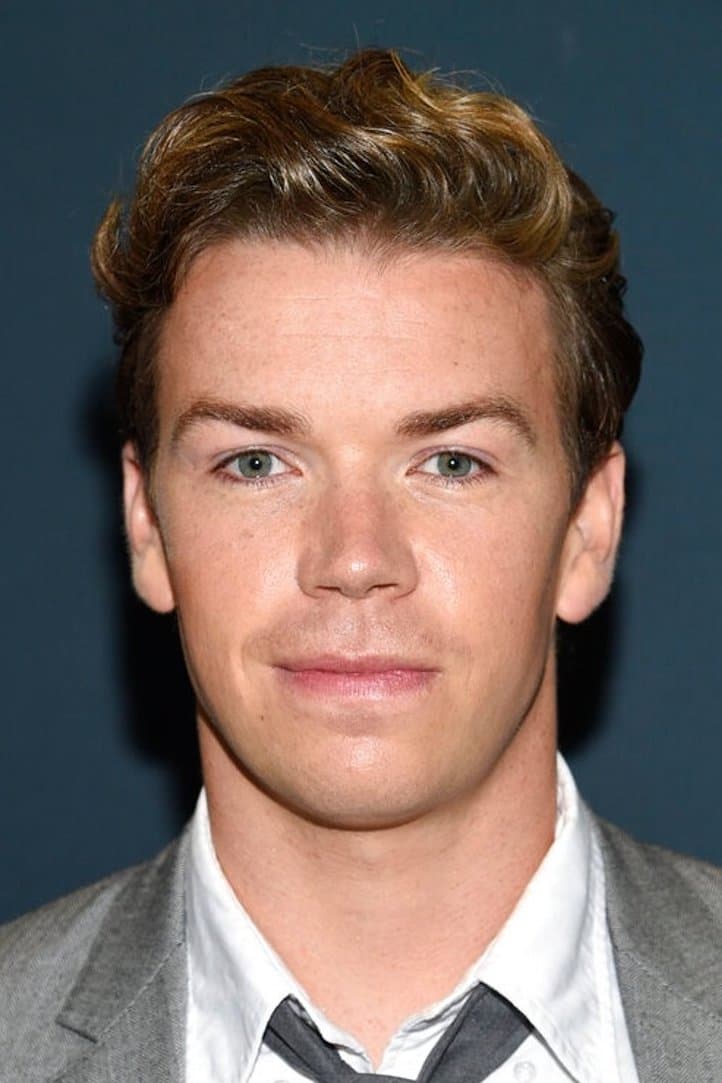
Poulter has raised concerns about method acting being used as a shield for inappropriate behavior on set. He argues that no acting technique should ever compromise the safety or comfort of the cast and crew. The actor believes that preparation should never be an excuse for being rude or creating a toxic work environment. Poulter emphasizes that acting is a collaborative effort that requires mutual respect. He maintains that it is possible to deliver intense performances without psychological projection.
David Harbour
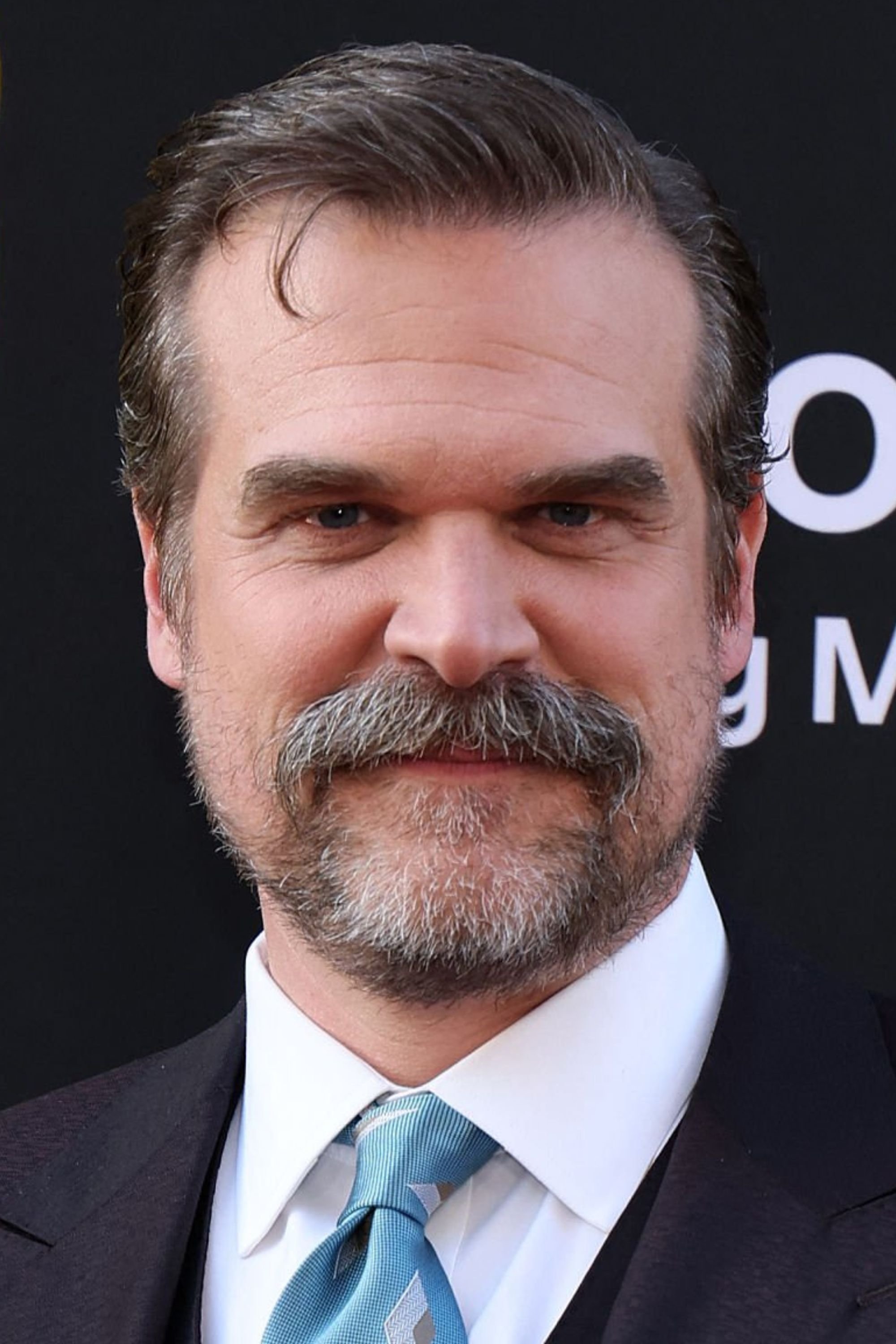
Harbour admitted to trying method acting in his younger years but ultimately found it dangerous and silly. He recalled a time when he attempted to kill a cat for a role but could not go through with it. The ‘Stranger Things’ actor now realizes that imagination is a far more powerful tool than real-world experience. He believes that great acting allows the audience to feel the emotion without the actor actually suffering. Harbour now focuses on technique and script analysis.
Sebastian Stan
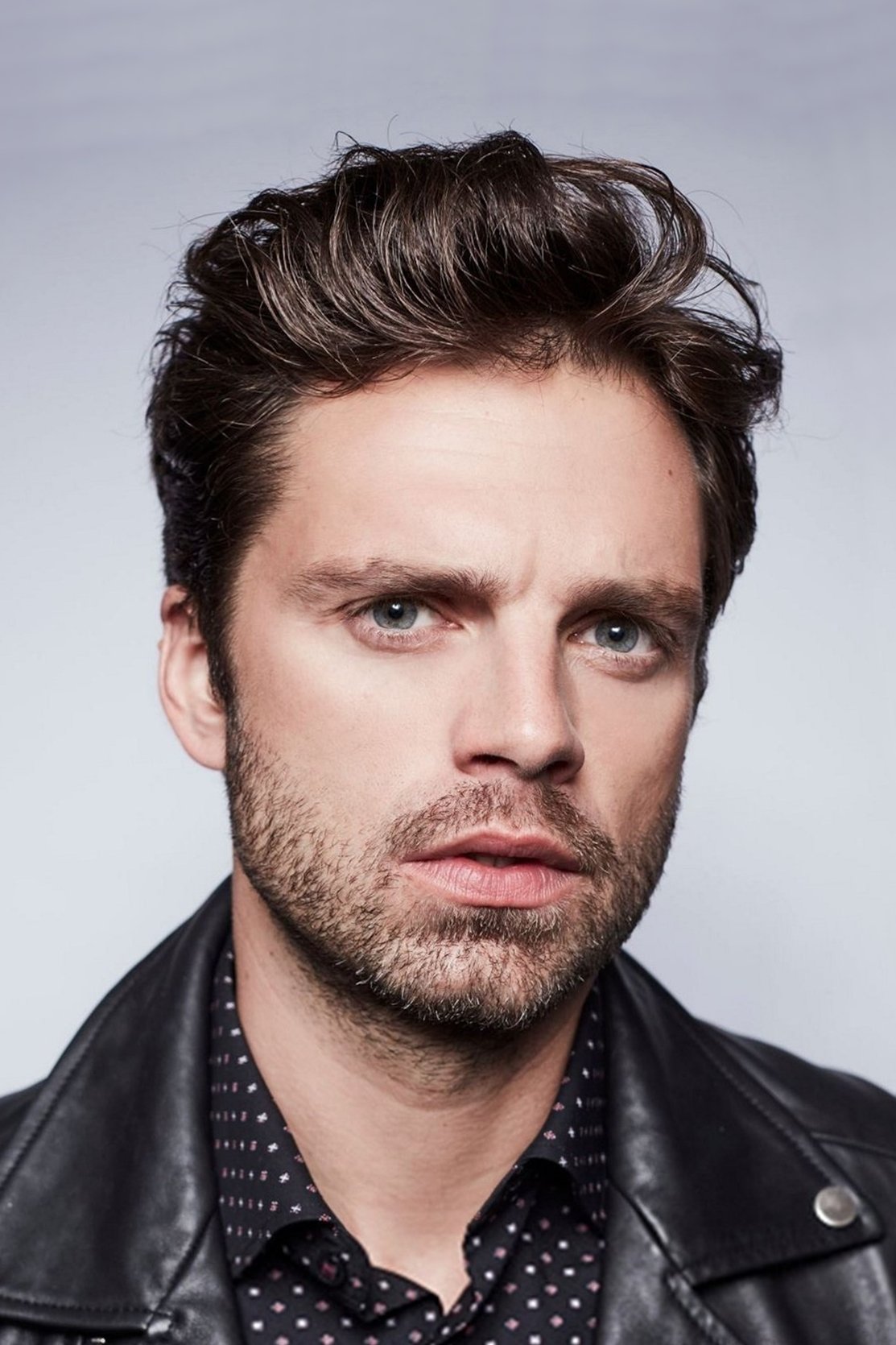
Stan has expressed skepticism regarding the need to create chaos to find a truthful performance. He prefers to maintain a professional distance from his characters to preserve his own mental health. The actor believes that preparation is vital but should not interfere with the logistics of filmmaking. Stan argues that trust between scene partners is more important than individual immersion. He finds it more effective to rely on the script and his fellow actors.
Liam Neeson
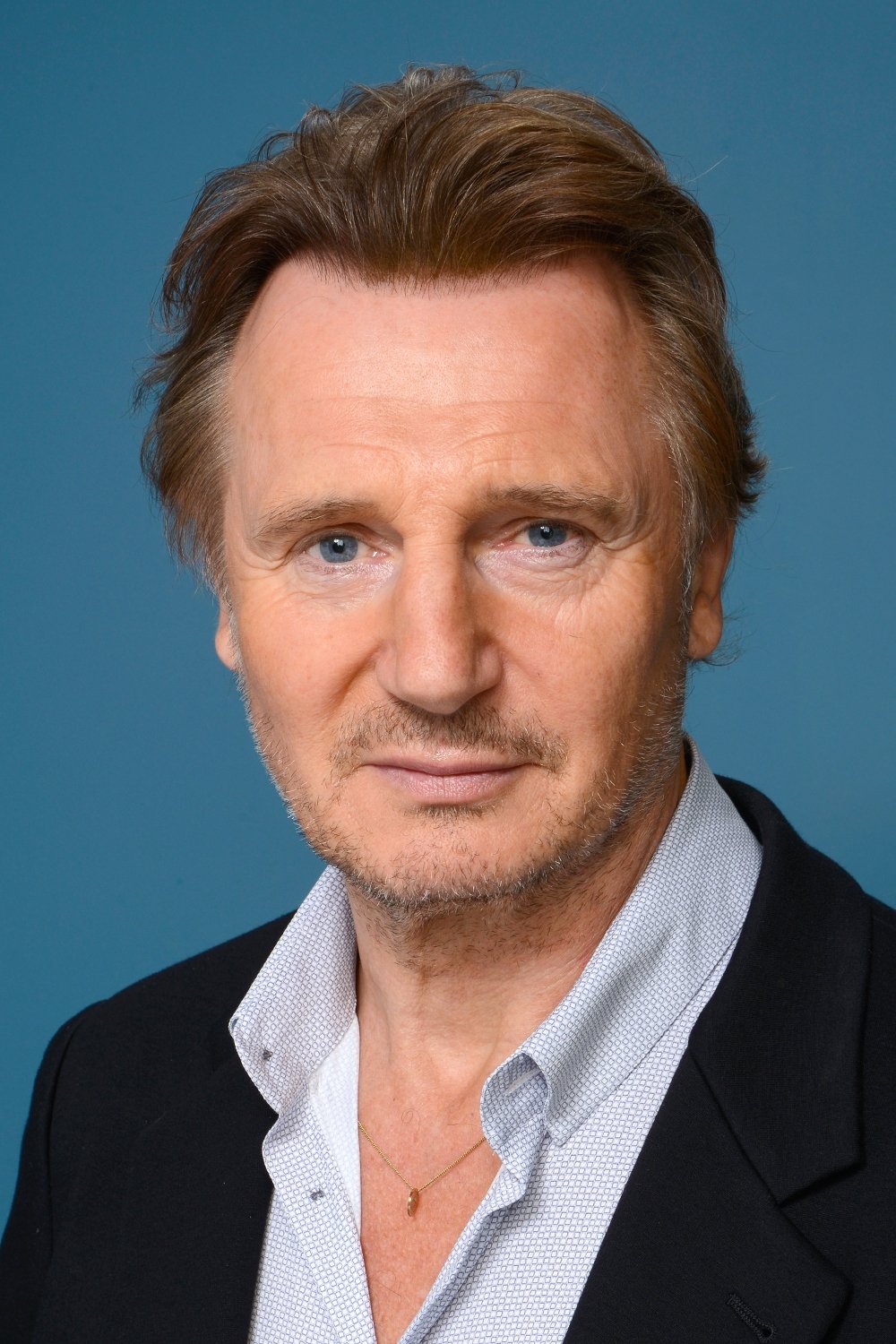
Neeson views acting as a craft similar to carpentry or cabinet making. He has stated that he does not need to live as his character to understand their motivations. The actor prefers to hang up his costume and return to his own life the moment he leaves the set. Neeson believes that emotional recall can be useful but should not replace imagination. His approach is grounded in the text and the immediate reality of the scene.
Hugh Grant
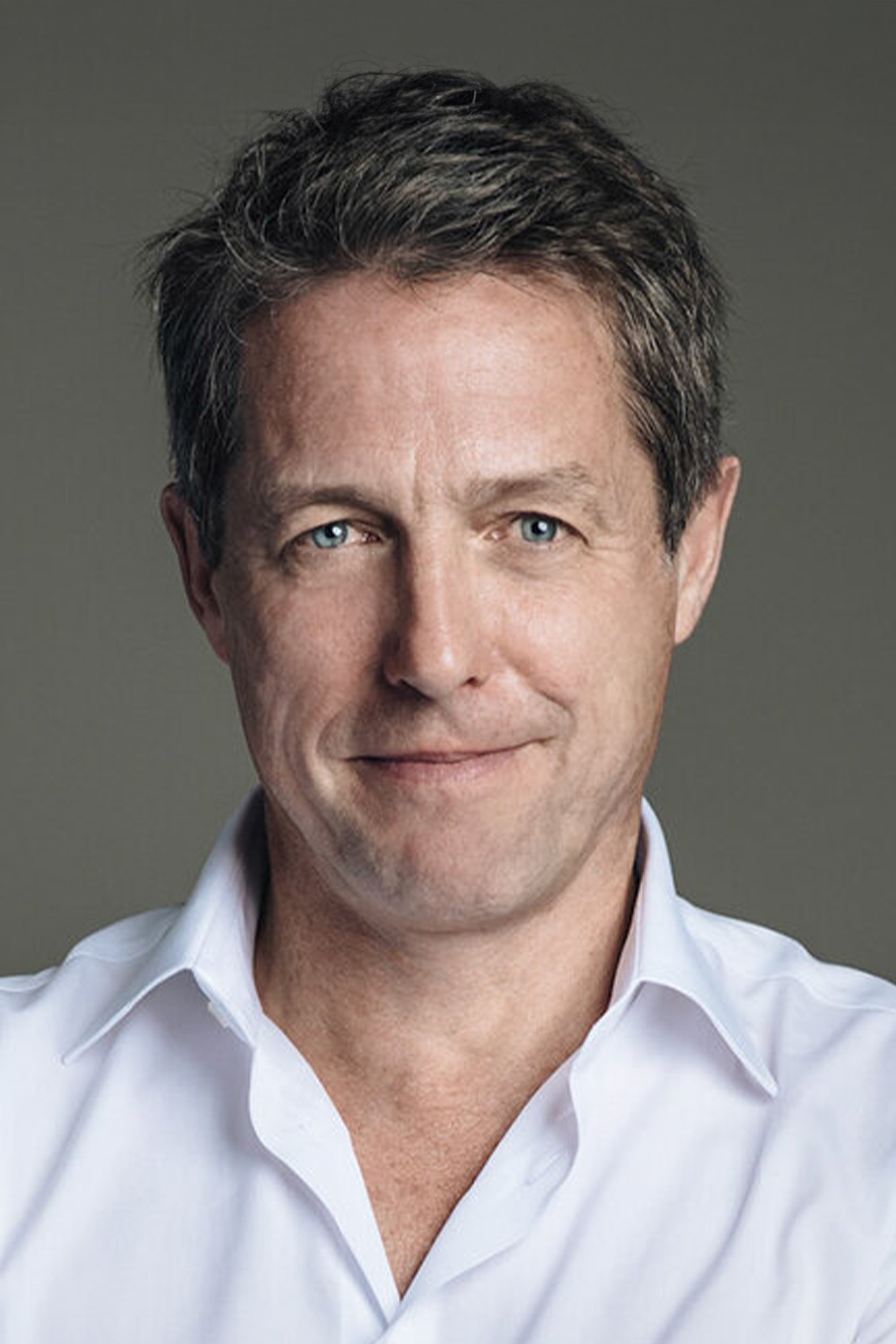
Grant is known for his technical precision and skepticism toward overly serious acting philosophies. He views his job as hitting his marks and delivering lines with the correct timing and intonation. The actor has famously joked about his limited range while dismissing the idea of deep psychological transformation. Grant believes that charm and technical proficiency are often more effective than suffering. He treats acting as a high-paying job that requires discipline rather than immersion.
John Malkovich
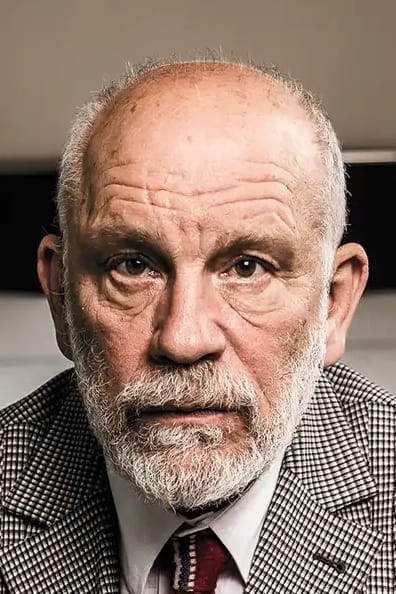
Malkovich has famously declared that he is not a method actor and does not really understand the practice. He relies on his unique vocal delivery and presence to create memorable characters. The actor believes that the script provides everything a performer needs to do their job. Malkovich prefers to maintain his own personality when the cameras are not rolling. He views the character as a construct rather than a person he needs to inhabit.
Mark Strong
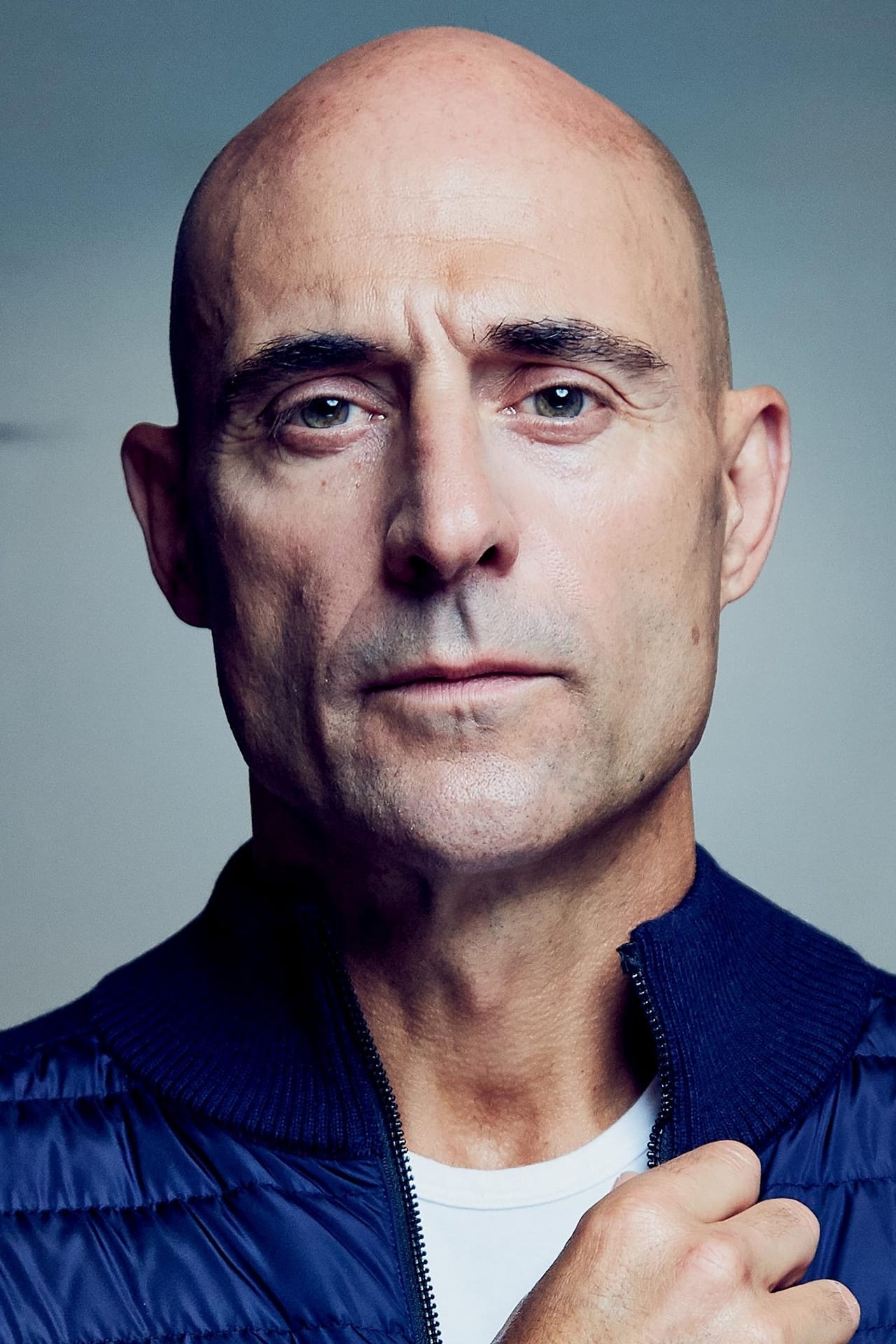
Strong believes that the ability to turn a character on and off is the mark of a professional. He argues that staying in character between takes is exhausting for everyone involved in the production. The actor prefers to joke around with the crew and relax when he is not filming. Strong feels that this relaxation allows him to save his energy for the actual performance. He sees method acting as a hindrance to the social aspect of working on a film set.
Cillian Murphy
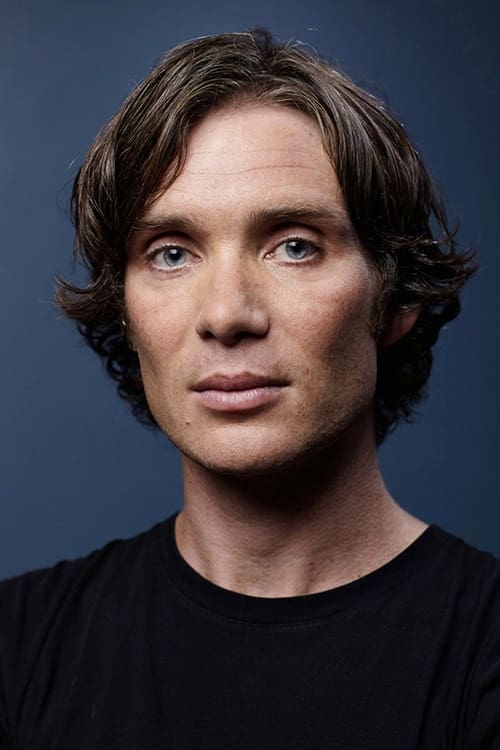
Murphy has delivered some intense performances but generally dislikes the method label. He has mentioned that he finds the process of staying in character to be a pain for the people around him. The actor prefers to conserve his energy and focus for the specific moments of filming. Murphy acknowledges the need for preparation but draws a line at living the role. He believes that the audience should do the work of believing the character, not the actor.
Ralph Fiennes
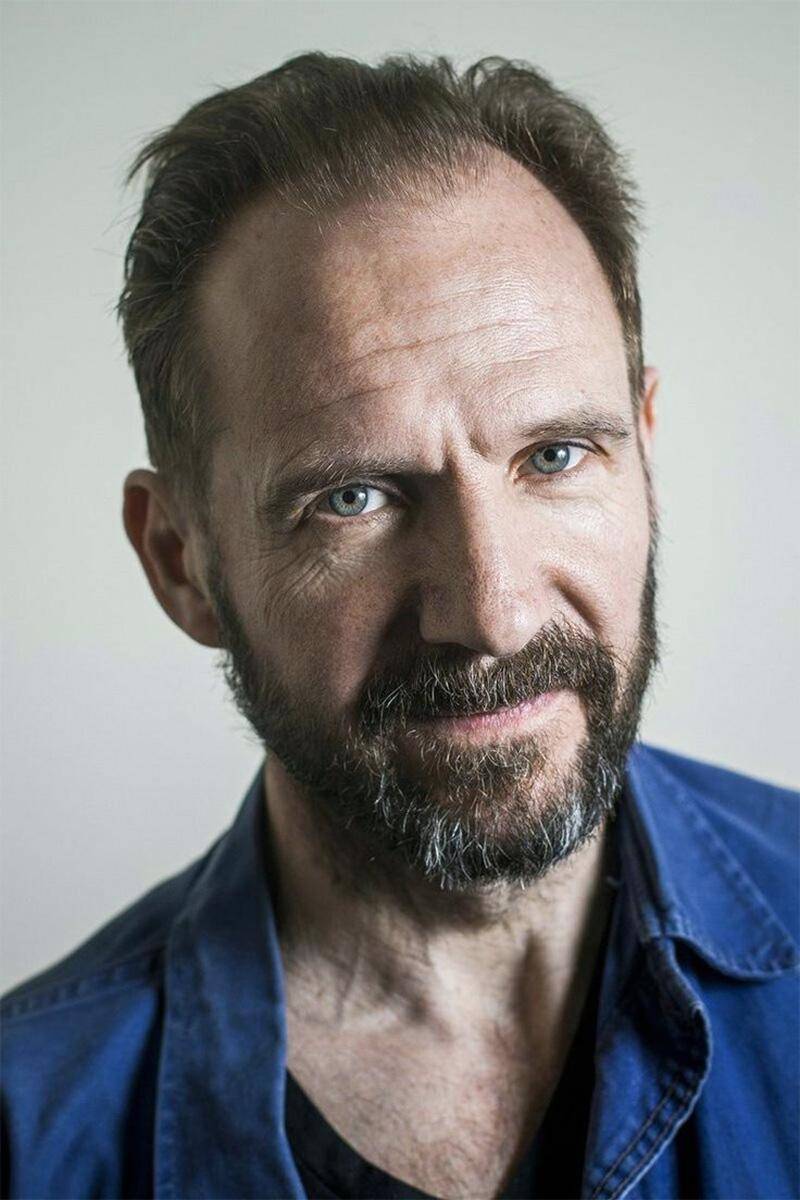
Fiennes is a classically trained actor who believes in the distinction between the player and the part. He has stated that he does not want to become the character but rather wants to represent them. The actor uses his intellect and imagination to construct his roles. Fiennes finds the idea of losing oneself completely to be unnecessary for truthful storytelling. He prefers a disciplined approach that allows for control and variation.
Ian McKellen
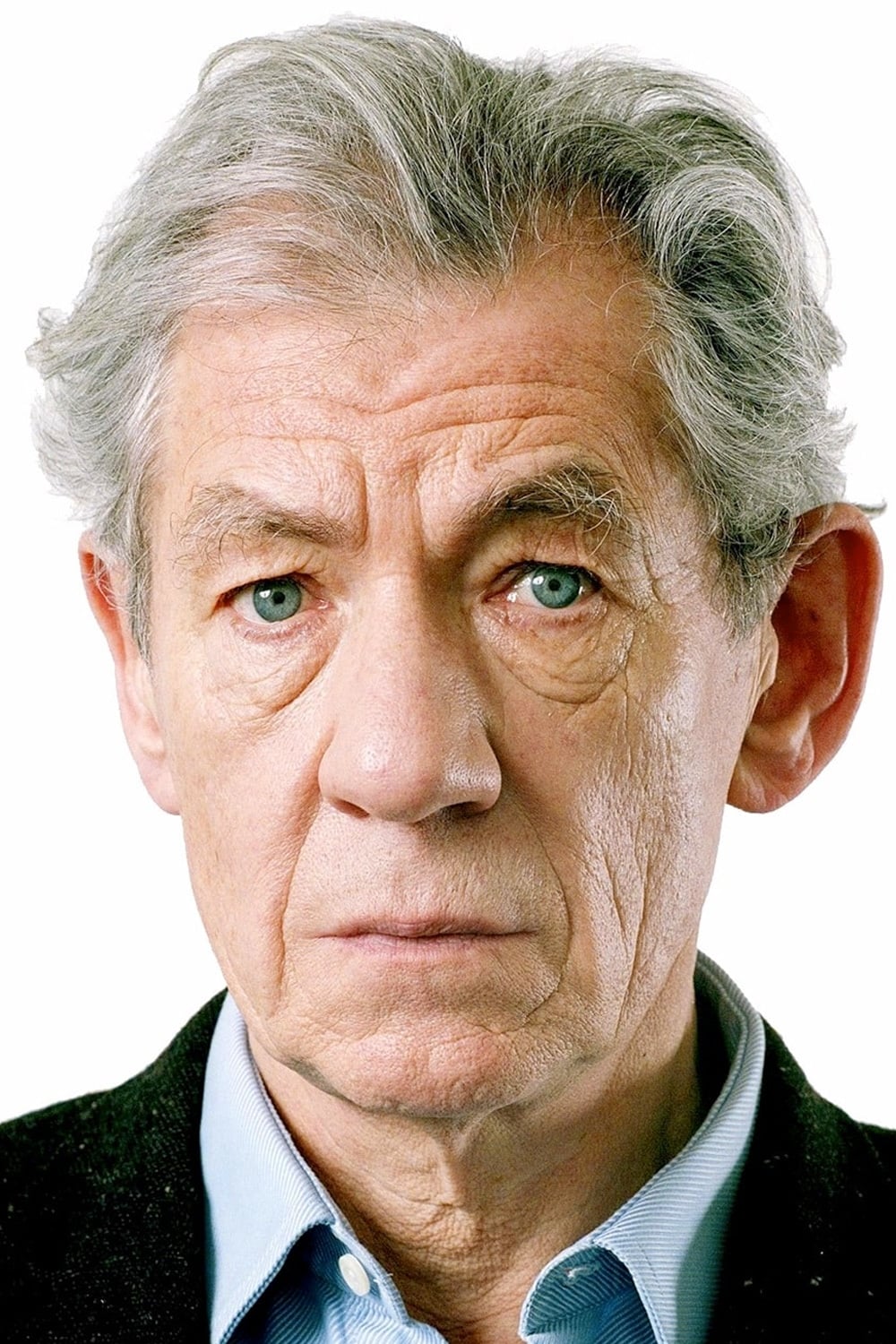
McKellen famously explained his acting technique on ‘Extras’ as simply pretending to be the person he is playing. While intended as a joke, it reflects his genuine belief in the power of imagination over immersion. The legendary stage and screen actor relies on the text and his voice to convey meaning. McKellen believes that an actor must remain in control to effectively communicate with the audience. He views the theatre as a place for presentation rather than personal therapy.
Spencer Tracy
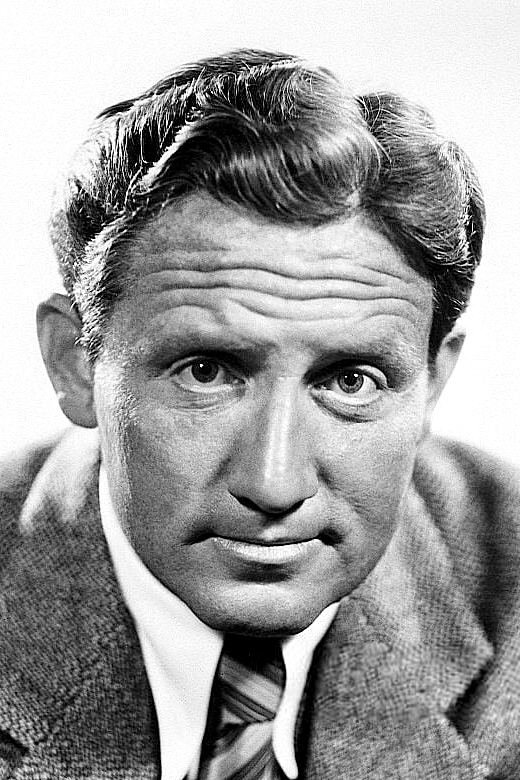
Tracy was one of the original proponents of the naturalistic but non-method style of acting. His advice to younger actors was simply to learn their lines and not bump into the furniture. The Hollywood icon believed that listening was the most important skill for a performer. Tracy rejected the intellectualization of acting that became popular in the mid-20th century. He felt that the truth of a scene came from simplicity and honesty.
James Cagney
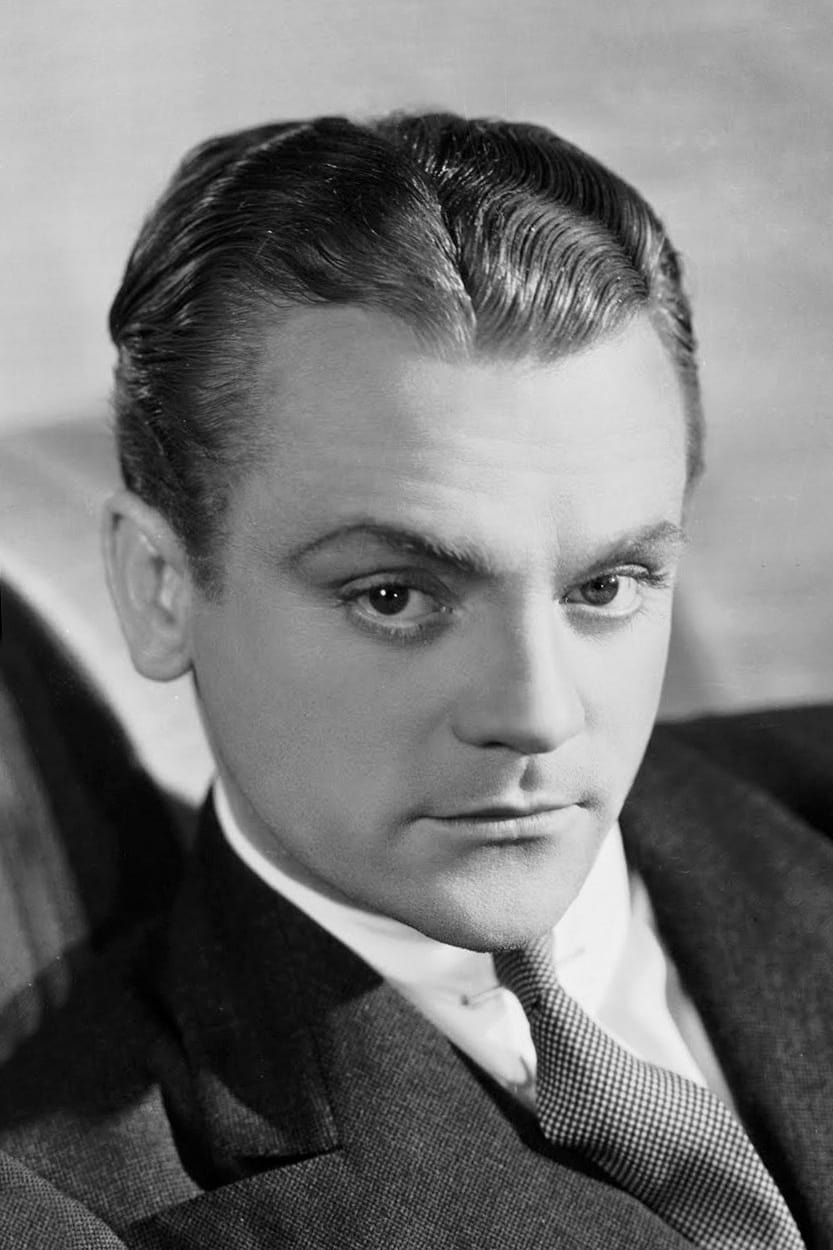
Cagney had a straightforward approach to his craft that relied on instinct and rhythm. He famously advised others to plant their feet, look the other fellow in the eye, and tell the truth. The actor came from a vaudeville background and viewed acting as a performance art. Cagney did not believe in digging into his past trauma to find a character. His energy came from his physical presence and unique vocal cadence.
Michael Douglas
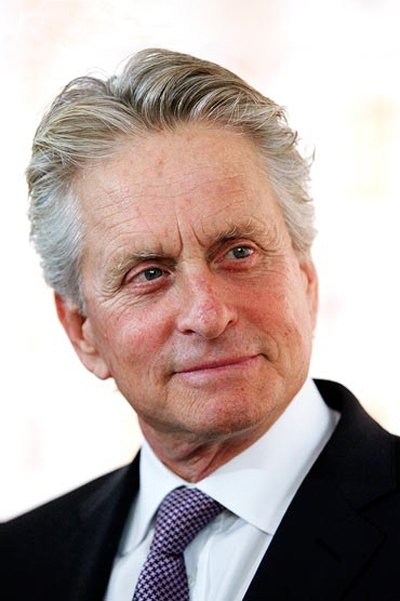
Douglas approaches acting with a producer’s mindset and values efficiency and professionalism. He believes that the actor is one part of a larger machine and must function reliably. The actor has stated that he does not take his work home with him at the end of the day. Douglas relies on the script and the direction to guide his performance. He views the method as a potential distraction from the business of making a movie.
Colin Farrell
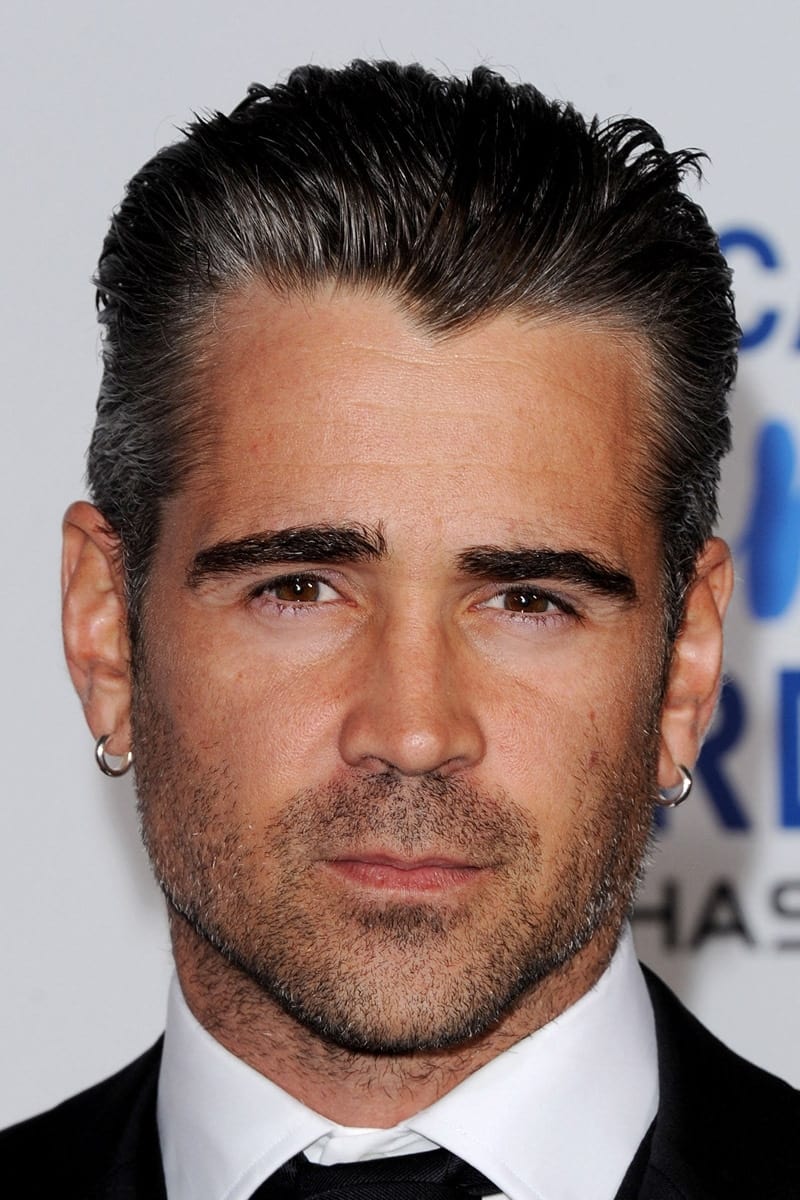
Farrell attempted to stay in character for his role in ‘Tigerland’ but found the experience miserable. He quickly realized that he could not sustain that level of intensity without losing his mind. The actor now prefers to dip in and out of the role as needed. Farrell believes that preserving his own sanity allows him to be a better performer. He trusts his instincts more than rigid immersive techniques.
Jake Gyllenhaal

Gyllenhaal immersed himself deeply for his role in ‘Nightcrawler’ but later stepped back from that extreme approach. He realized that taking acting too seriously could actually be detrimental to the work. The actor now focuses on finding joy and playfulness in his performances. Gyllenhaal believes that imagination allows for more freedom than strict realism. He prefers to have fun on set while still taking the work seriously.
Ben Kingsley
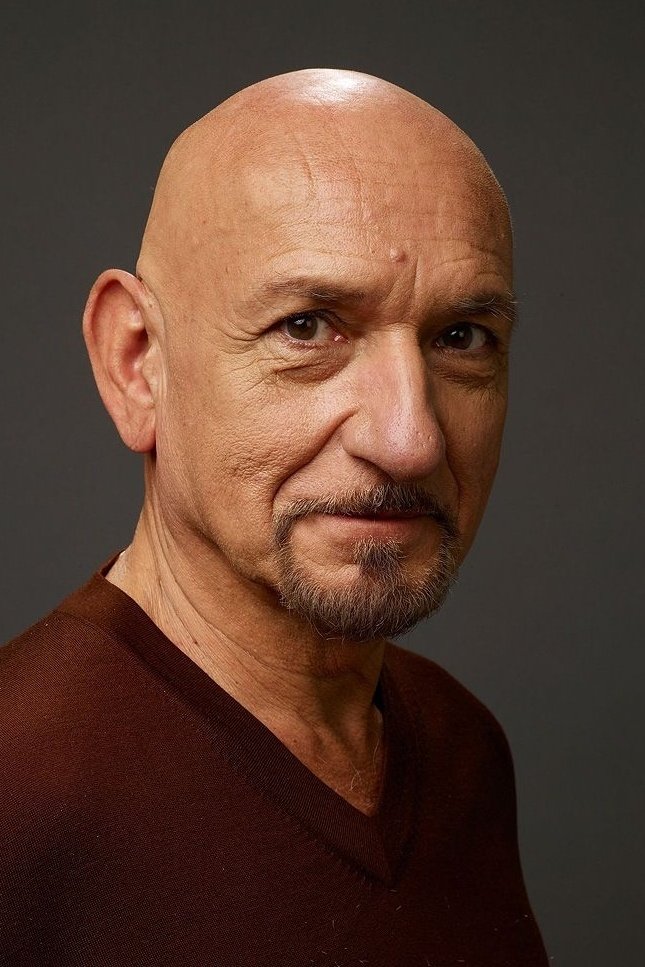
Kingsley is capable of great transformation but relies on technique rather than method immersion. He famously shaved his head and lost weight for ‘Gandhi’ but did not claim to become the man himself. The actor believes that the character exists in the script and the costume. Kingsley maintains a professional demeanor and does not require the crew to address him by his character’s name. He trusts that the external elements will help him find the internal truth.
Gary Oldman
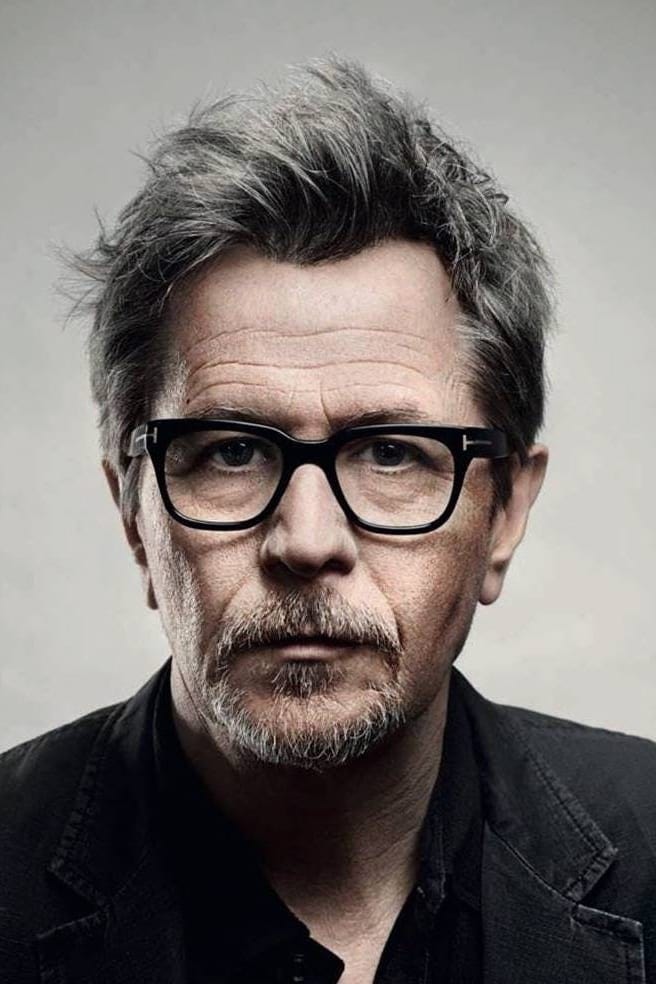
Oldman is known as a chameleon who disappears into his roles, yet he rejects the method label. He describes acting as a simple process of turning a dial to the correct frequency. The actor does not believe in suffering for his art or taking the character home. Oldman relies on vocal training and physical mannerisms to build his personas. He maintains that he is always aware that he is acting.
Willem Dafoe
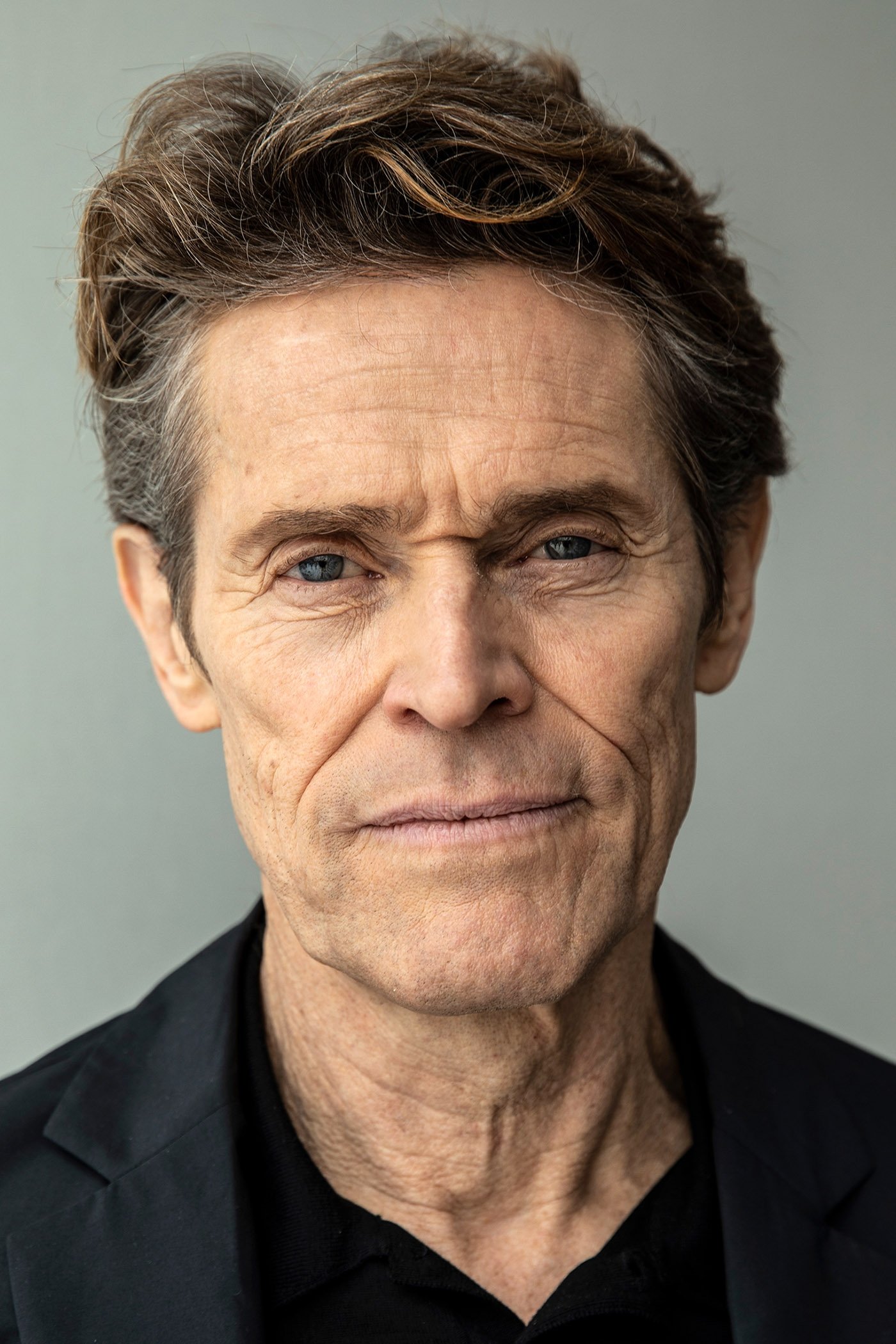
Dafoe comes from an experimental theatre background but avoids the typical traps of method acting. He believes that the physical action of the scene dictates the emotion. The actor prefers to focus on the tangible tasks he must perform rather than abstract feelings. Dafoe views acting as a physical discipline that requires flexibility. He finds the idea of becoming the character to be a limiting concept.
Harrison Ford
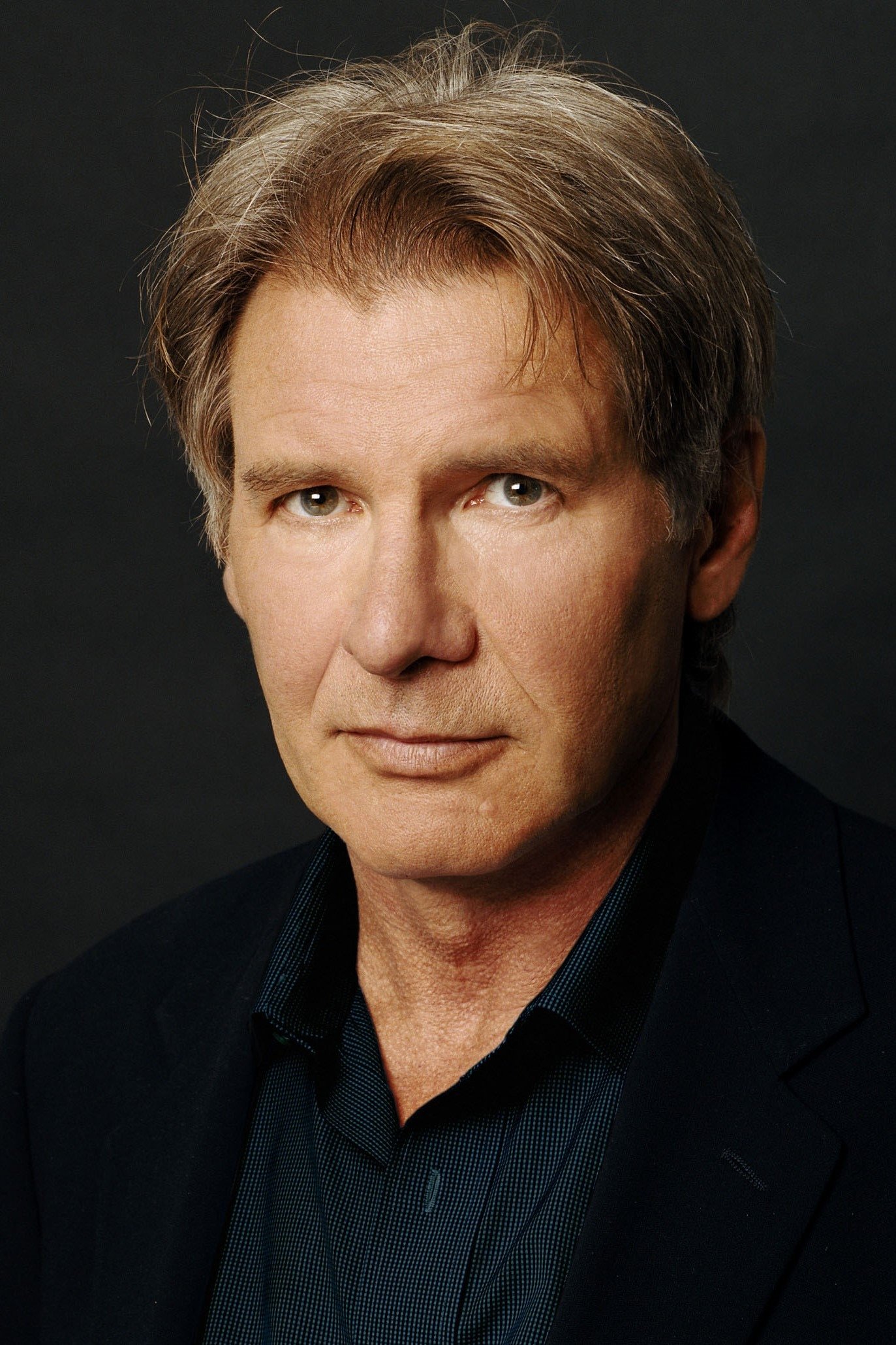
Ford treats acting as a job that he happens to be very good at. He has never expressed interest in the theoretical or psychological aspects of the craft. The actor relies on his natural charisma and understanding of the camera. Ford believes that his duty is to serve the story and the director. He famously prefers to cut the dialogue if he feels he can convey the meaning with a look.
Morgan Freeman
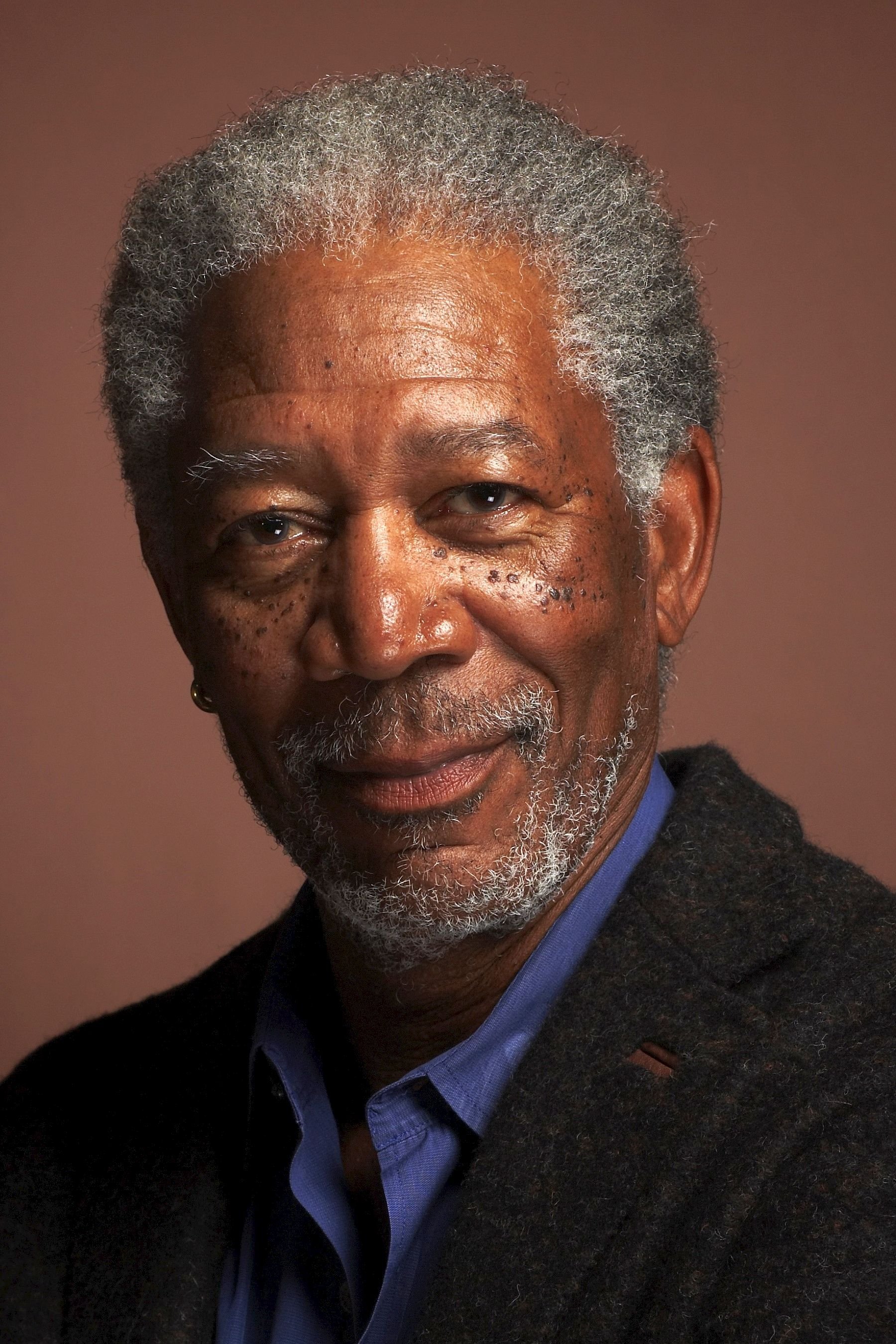
Freeman is known for his relaxed authority and instant access to deep emotion. He has stated that he does not need to do research or live the role to understand a character. The actor relies entirely on the script and his own intuition. Freeman believes that if it is not on the page, he does not need to worry about it. He prefers to keep his process simple and efficient.
Michael Caine
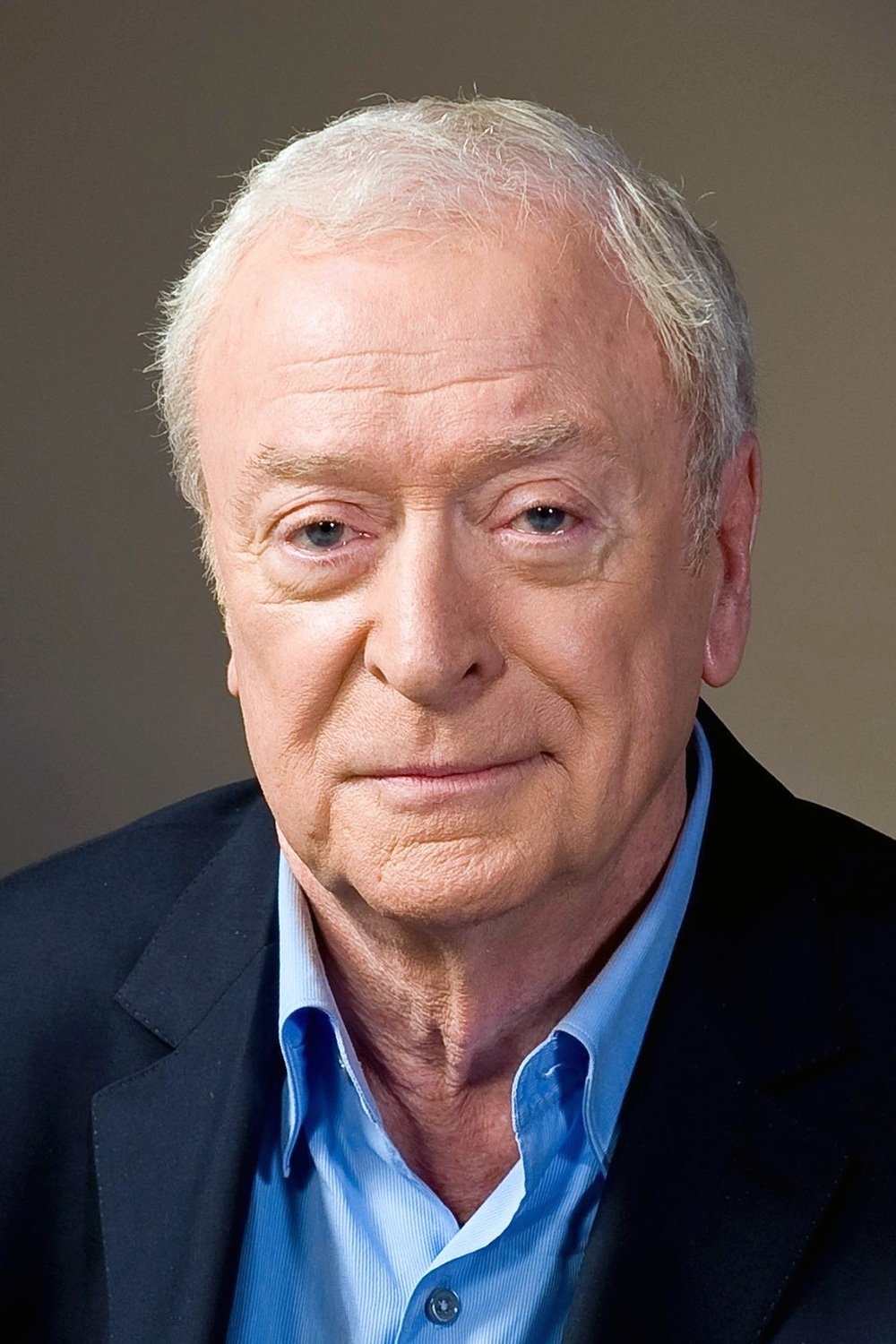
Caine is a master of film acting technique and has written books on the subject. He emphasizes the importance of technical details like not blinking and controlling one’s voice. The actor believes that rehearsal is where the work happens so that the performance can be relaxed. Caine views the method as unnecessary if an actor has properly prepared technically. He prides himself on being low-maintenance and professional.
Christopher Plummer
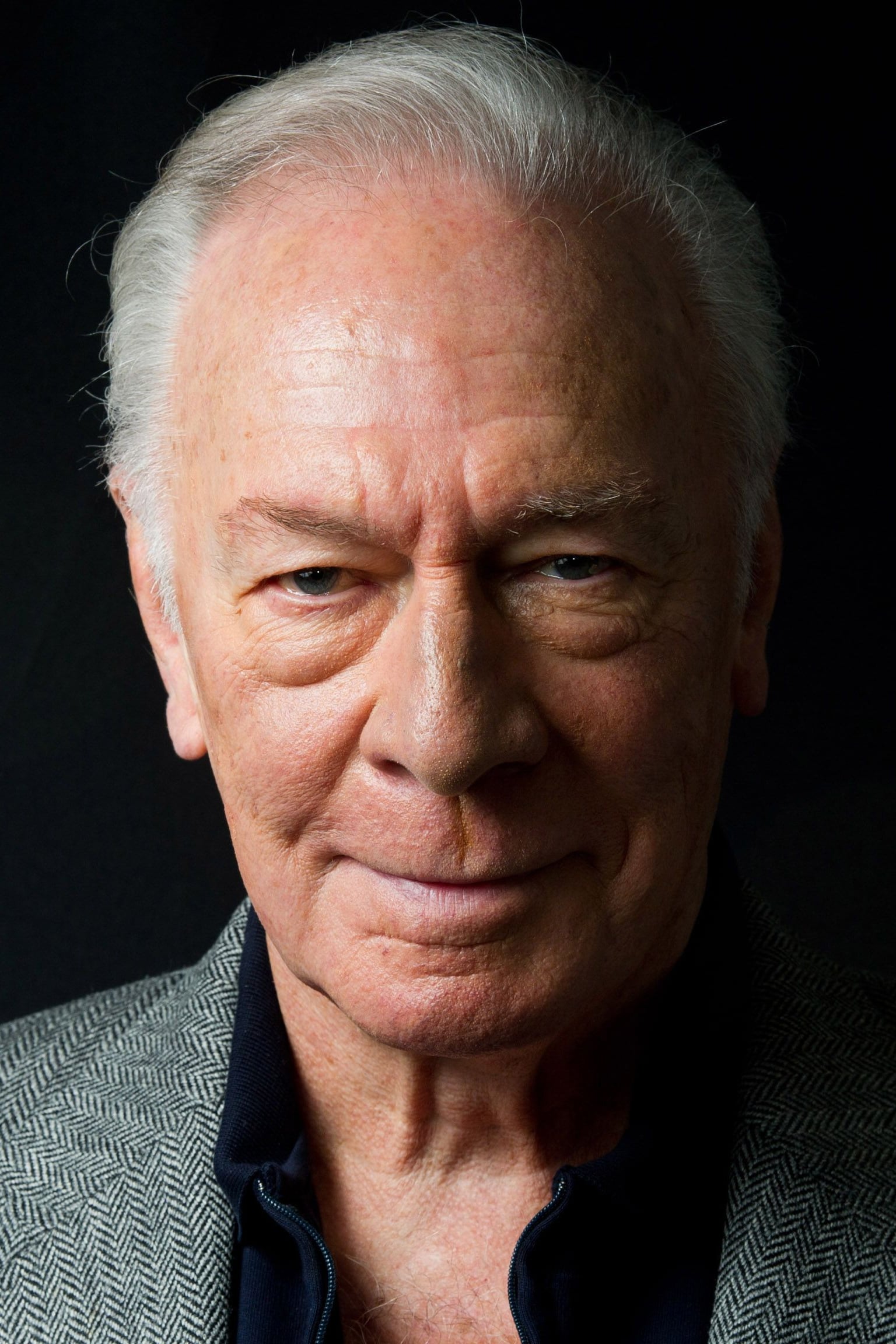
Plummer was a classically trained actor who valued the text above all else. He was critical of actors who mumbled or relied too heavily on internal feelings at the expense of clarity. The actor believed that the voice was the primary instrument of the performer. Plummer maintained that technique allowed an actor to repeat a performance night after night. He found the self-indulgence of method acting to be tedious.
Patrick Stewart
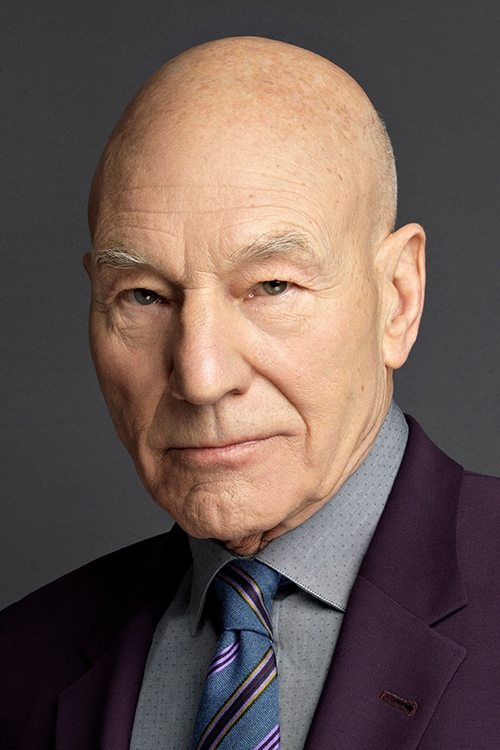
Stewart honed his craft with the Royal Shakespeare Company and relies on vocal power and precision. He believes that the text contains all the clues an actor needs to build a character. The actor does not engage in deep psychological immersion or stay in character off-stage. Stewart views acting as an act of communication rather than a trance state. He brings a sense of discipline and history to every role.
Jeff Bridges
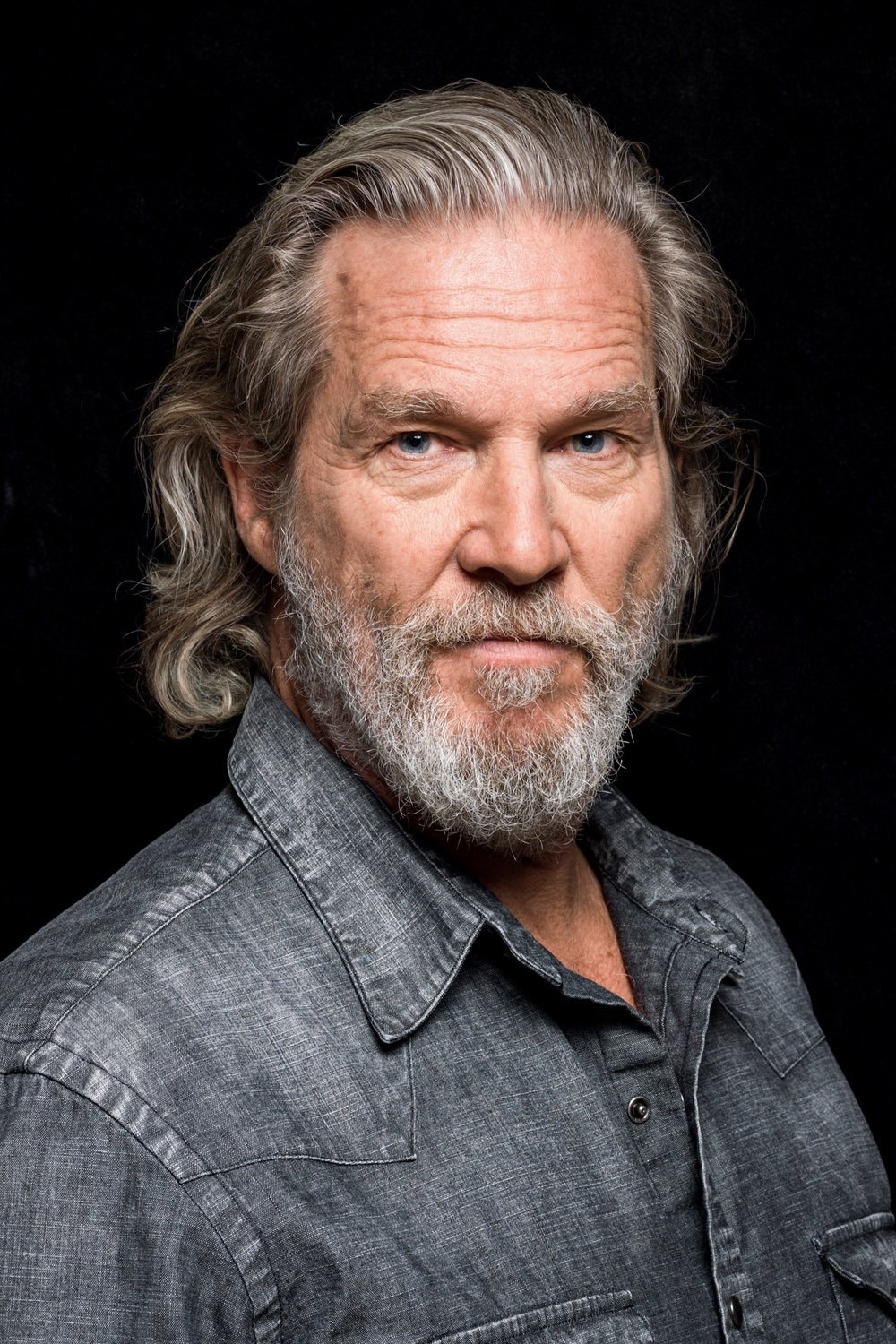
Bridges is known for his incredibly naturalistic performances but does not subscribe to the method. He has described his process as simply playing pretend like a child. The actor prefers to keep the atmosphere on set light and relaxed. Bridges believes that tension inhibits the creative flow necessary for good acting. He relies on his instincts and his relationship with his co-stars.
Paul Giamatti
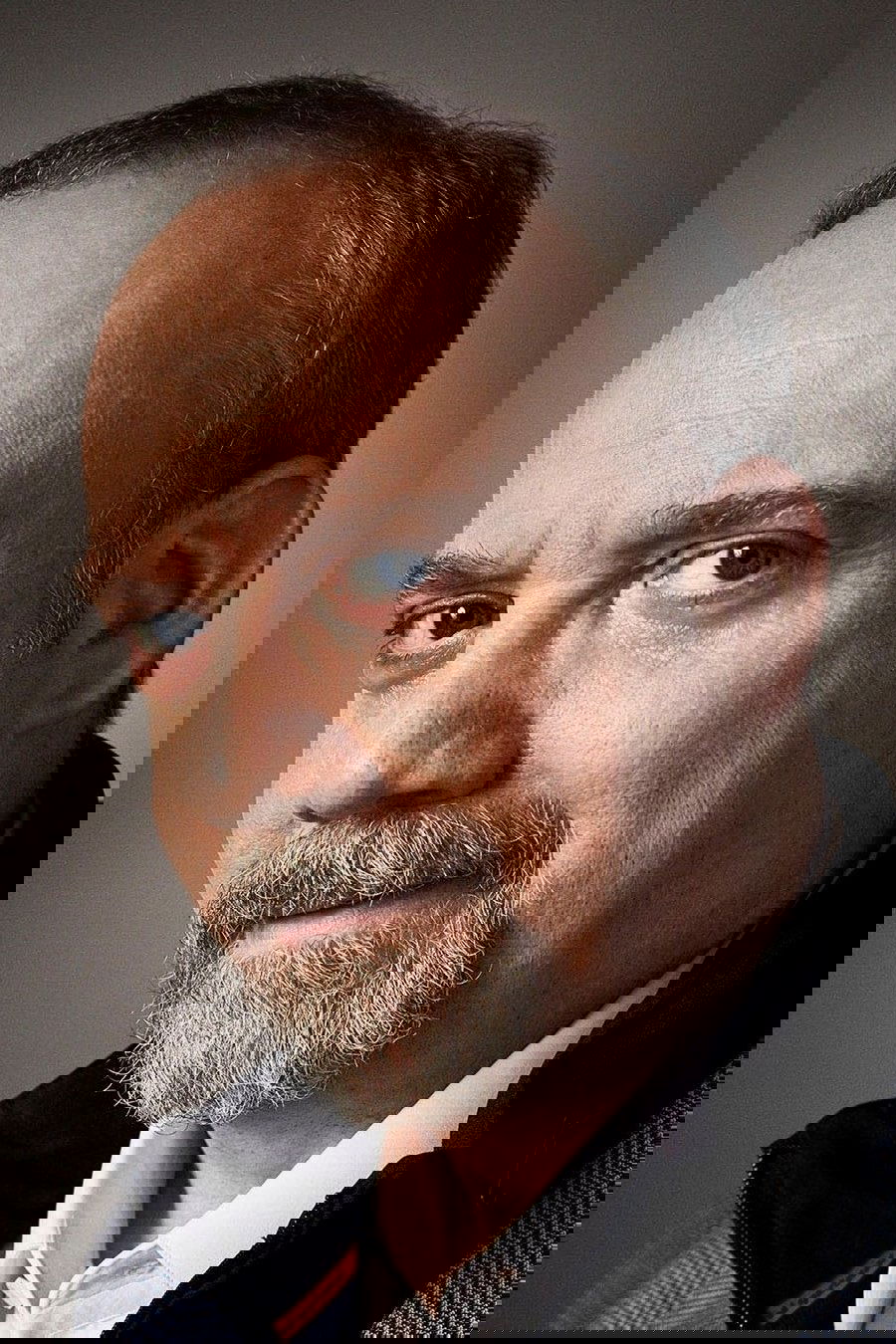
Giamatti is a highly respected character actor who admits he does not know what method acting really means. He approaches his roles with intelligence and a sense of play. The actor believes that putting on a costume and saying the lines is usually enough to get into character. Giamatti prefers not to overanalyze the psychological state of the people he plays. He focuses on the immediate reality of the scene.
Viggo Mortensen
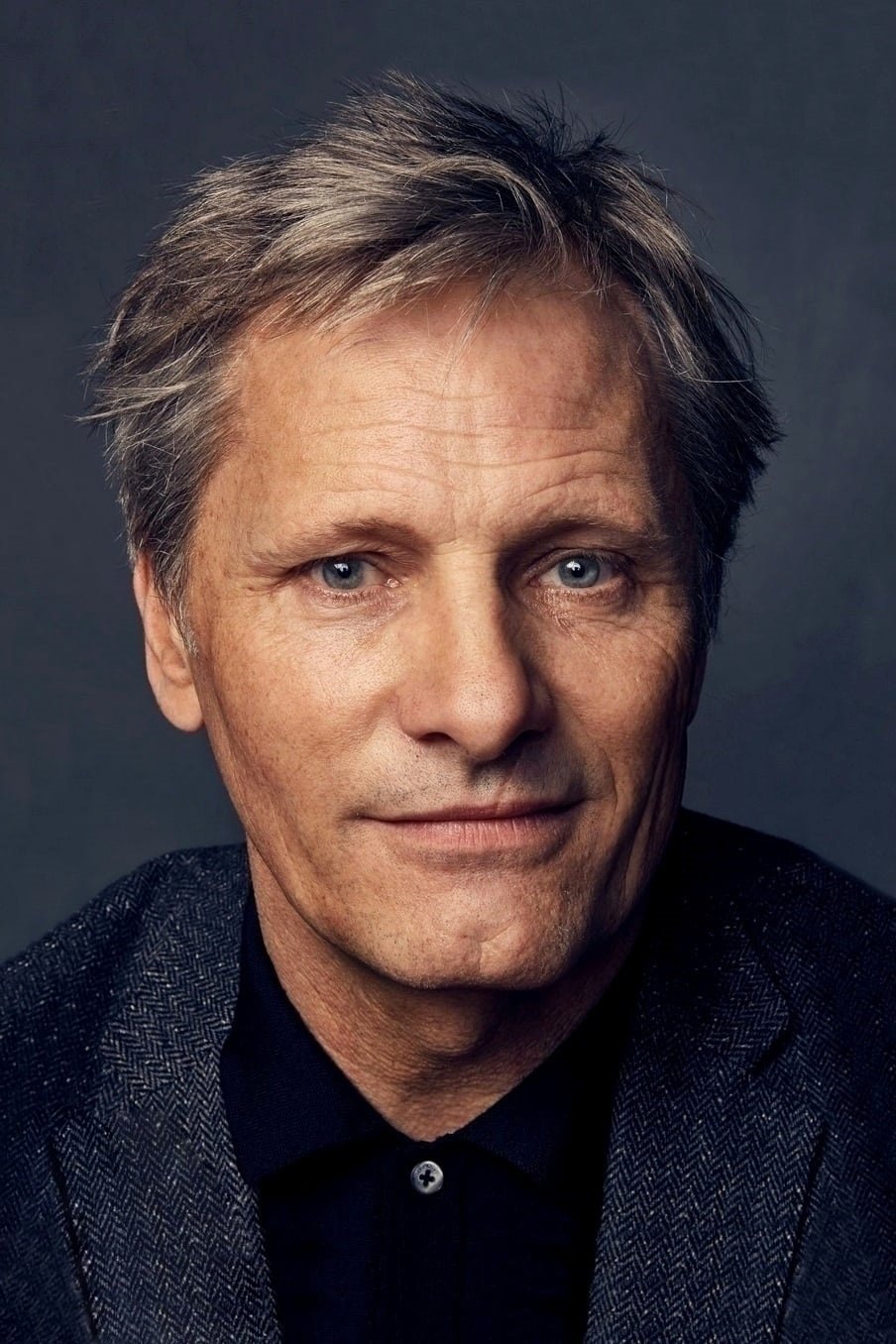
Mortensen is known for intense preparation, but he distinguishes his work from method acting. He conducts extensive research and learns new skills but does not demand that others treat him as the character. The actor believes in being a good colleague and helping the crew. Mortensen finds that remaining aware of the filmmaking process makes him a better collaborator. He uses his preparation to fuel his imagination, not to replace it.
Richard Burton

Burton possessed one of the most distinctive voices in cinema and relied on his theatrical background. He viewed acting as a craft that involved projecting the voice and commanding the stage. The actor was skeptical of the American style of mumbling and internalizing. Burton believed that the words were the most important element of the performance. He approached his roles with a fiery intellect rather than psychological submersion.
Peter O’Toole
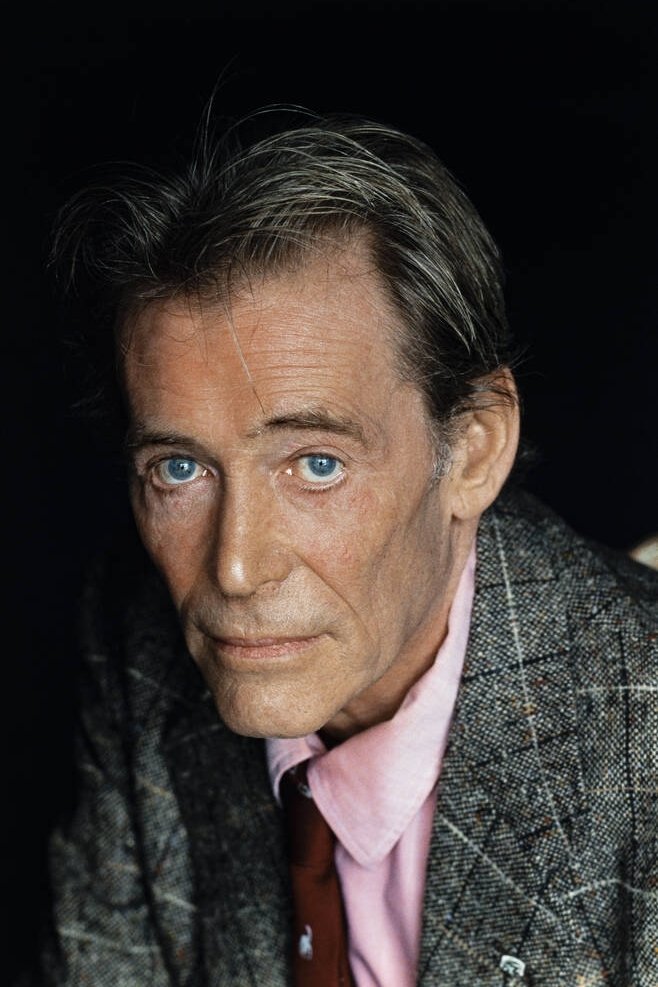
O’Toole lived a wild life, but his acting was disciplined and rooted in the stage tradition. He found the concept of method acting to be a drag and overly serious. The actor believed in the magic of performance and the ability to transcend reality. O’Toole relied on his personality and his ability to interpret the text. He did not need to be miserable to play a tragic character.
Alec Guinness
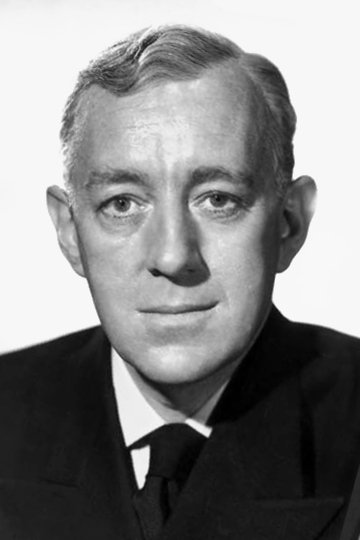
Guinness was the ultimate chameleon who could disappear into any role without method techniques. He built his characters from the outside in, often starting with a walk or a prop. The actor believed that the physical transformation would lead to the emotional truth. Guinness maintained a polite and reserved demeanor on set. He found the American obsession with inner truth to be somewhat baffling.
Humphrey Bogart
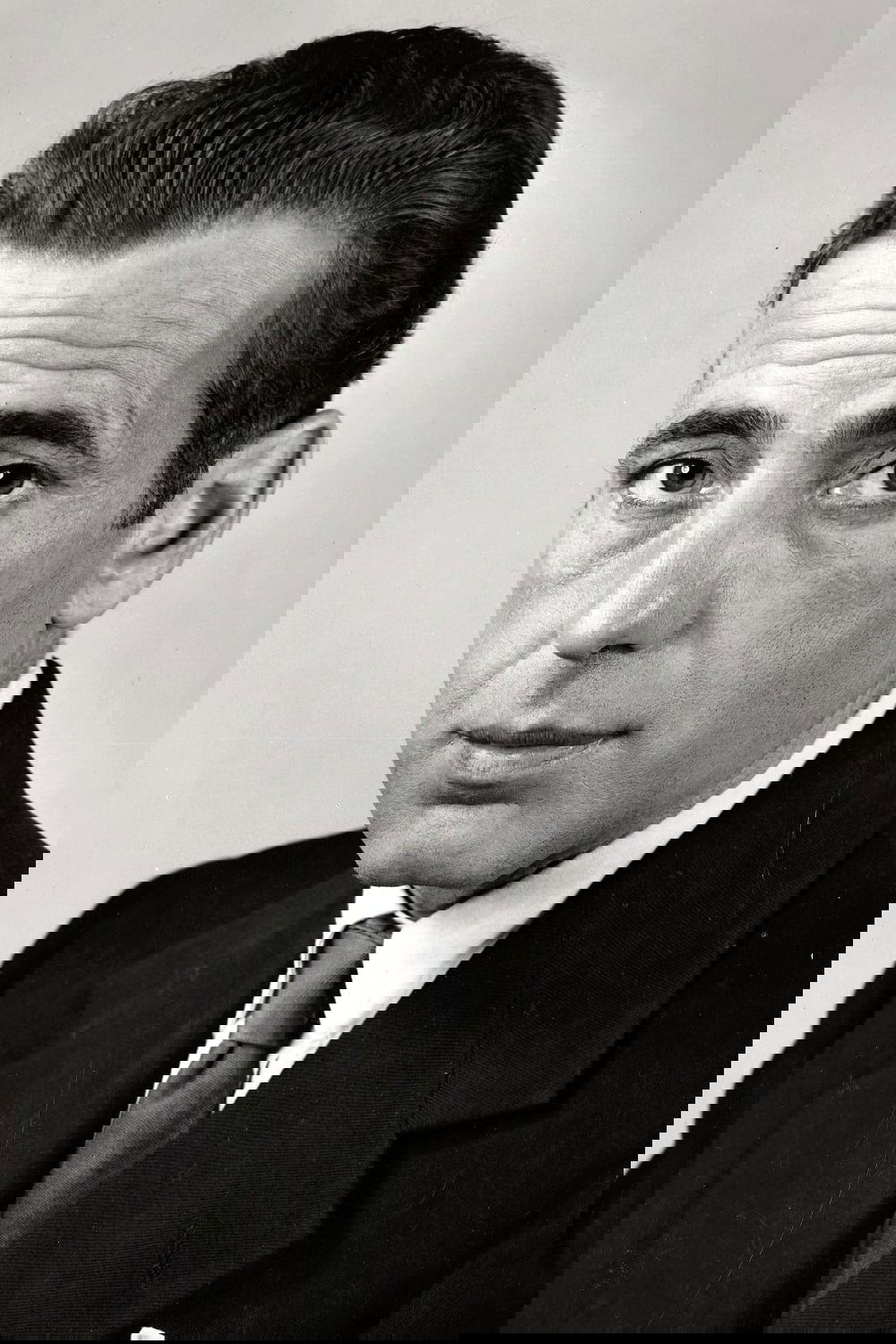
Bogart created a screen persona that defined cool, but he was a hard-working professional. He did not buy into the theories of the Actor’s Studio that were emerging late in his career. The actor believed in showing up on time and knowing his lines. Bogart felt that his job was to be a professional and deliver what the director needed. He relied on his distinct presence rather than transformation.
Robert Redford
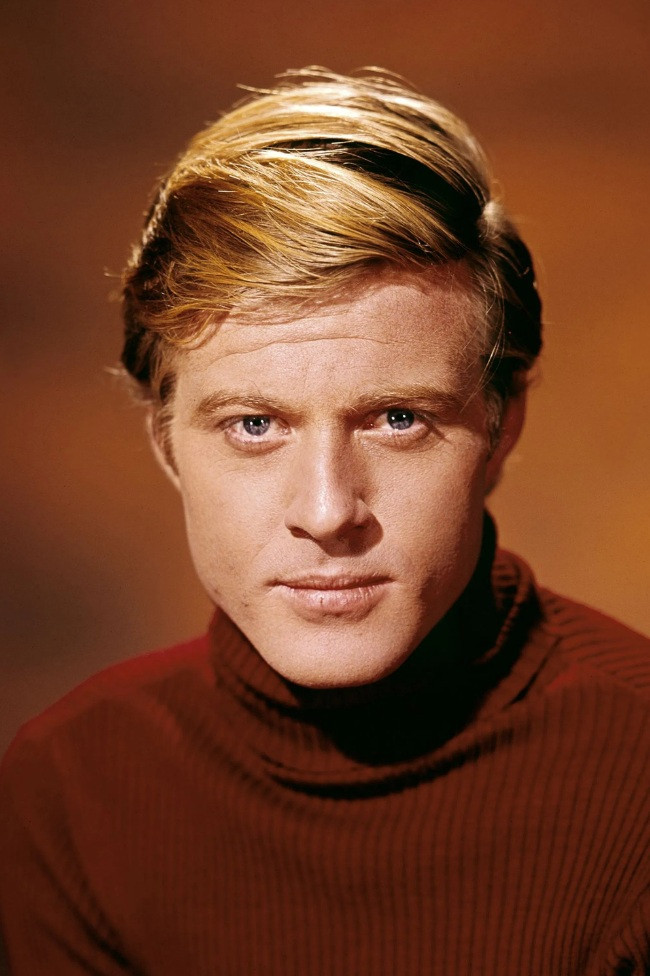
Redford is a technical actor who understands the mechanics of filmmaking perfectly. He believes that less is often more when acting for the camera. The actor relies on subtlety and listening rather than grand emotional displays. Redford views the method as potentially indulgent. He prefers a naturalistic style that feels effortless and unrehearsed.
Gene Hackman
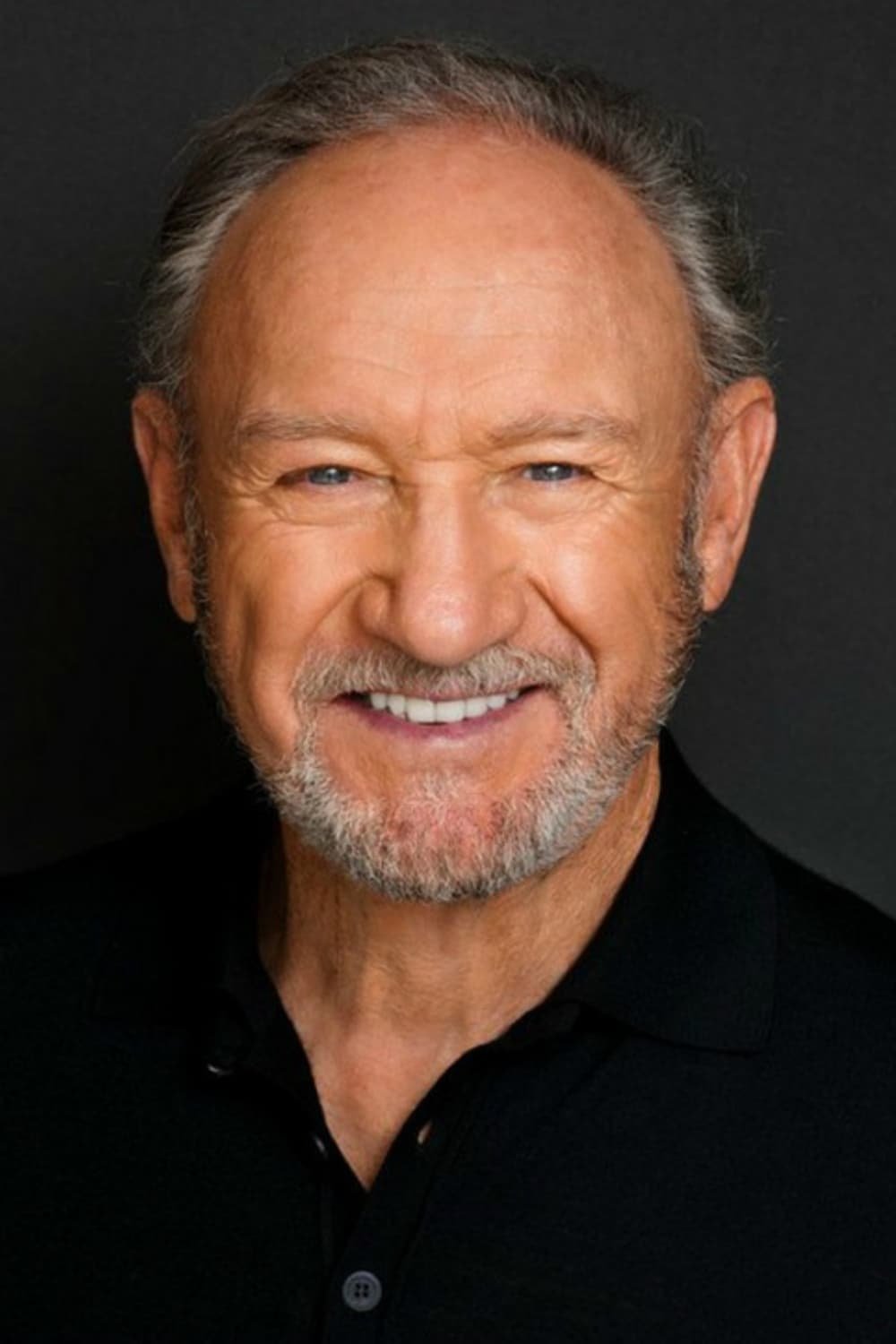
Hackman was an instinctual actor who could access deep emotion instantly without staying in character. He viewed acting as a job and was known to want to finish the day as quickly as possible. The actor relied on his raw talent and his ability to listen to his scene partners. Hackman did not intellectualize his roles or write elaborate backstories. He simply reacted honestly to what was happening in the moment.
Jason Bateman
Bateman has a very specific, dry comedic style that requires precise timing rather than immersion. He views acting as a puzzle where he must fit his dialogue into the rhythm of the scene. The actor prefers to direct and act simultaneously, which requires him to be fully aware of the production. Bateman finds the idea of losing himself in a character to be counterproductive to comedy. He treats the work as a technical exercise in delivery.
John Krasinski
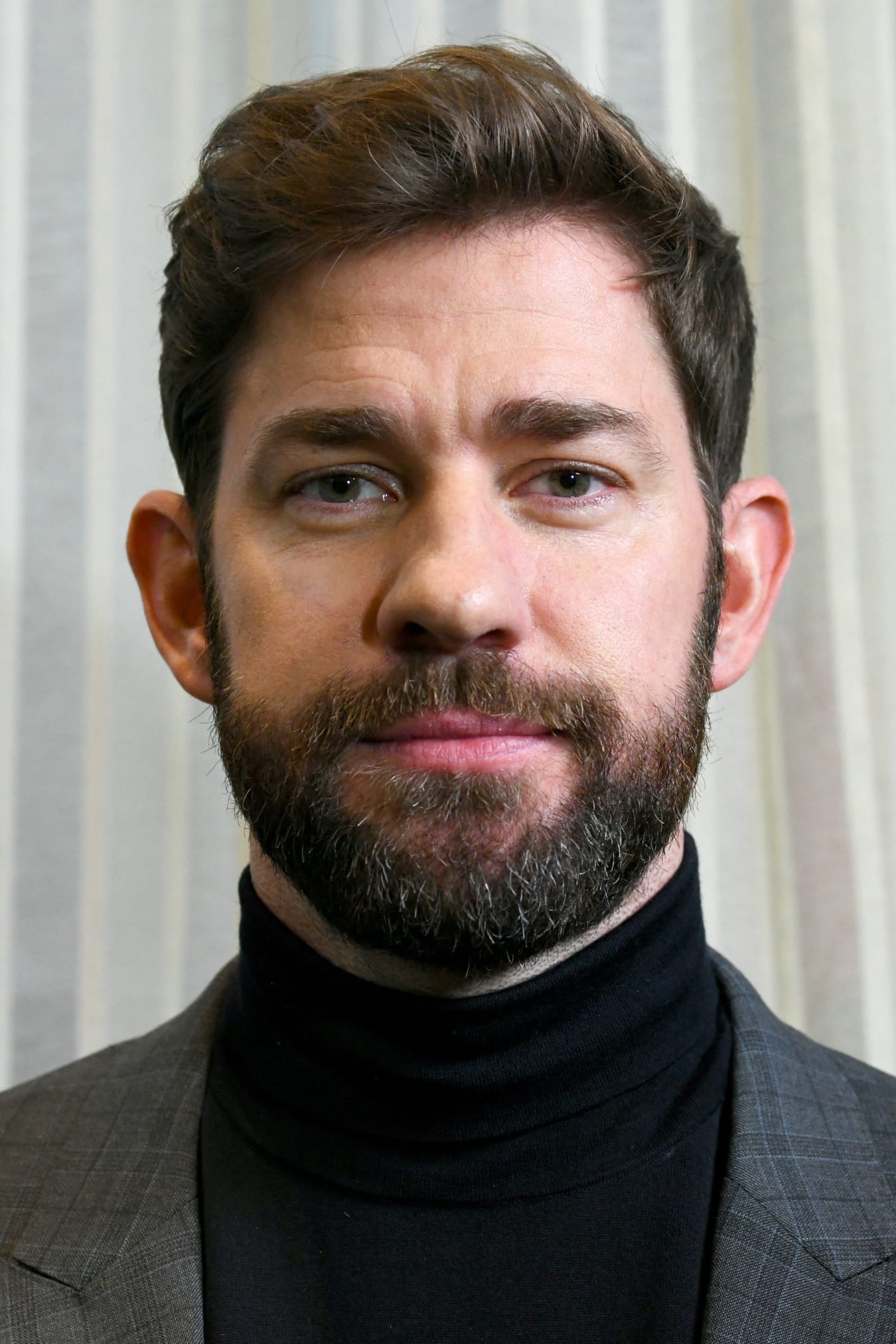
Krasinski approaches acting with a writer’s and director’s eye. He does not subscribe to the idea that he needs to feel the emotions of his character for them to be real. The actor believes that the audience’s reaction is more important than his own internal state. Krasinski prefers to keep things light on set to foster creativity. He relies on his natural charm and timing.
Ryan Reynolds
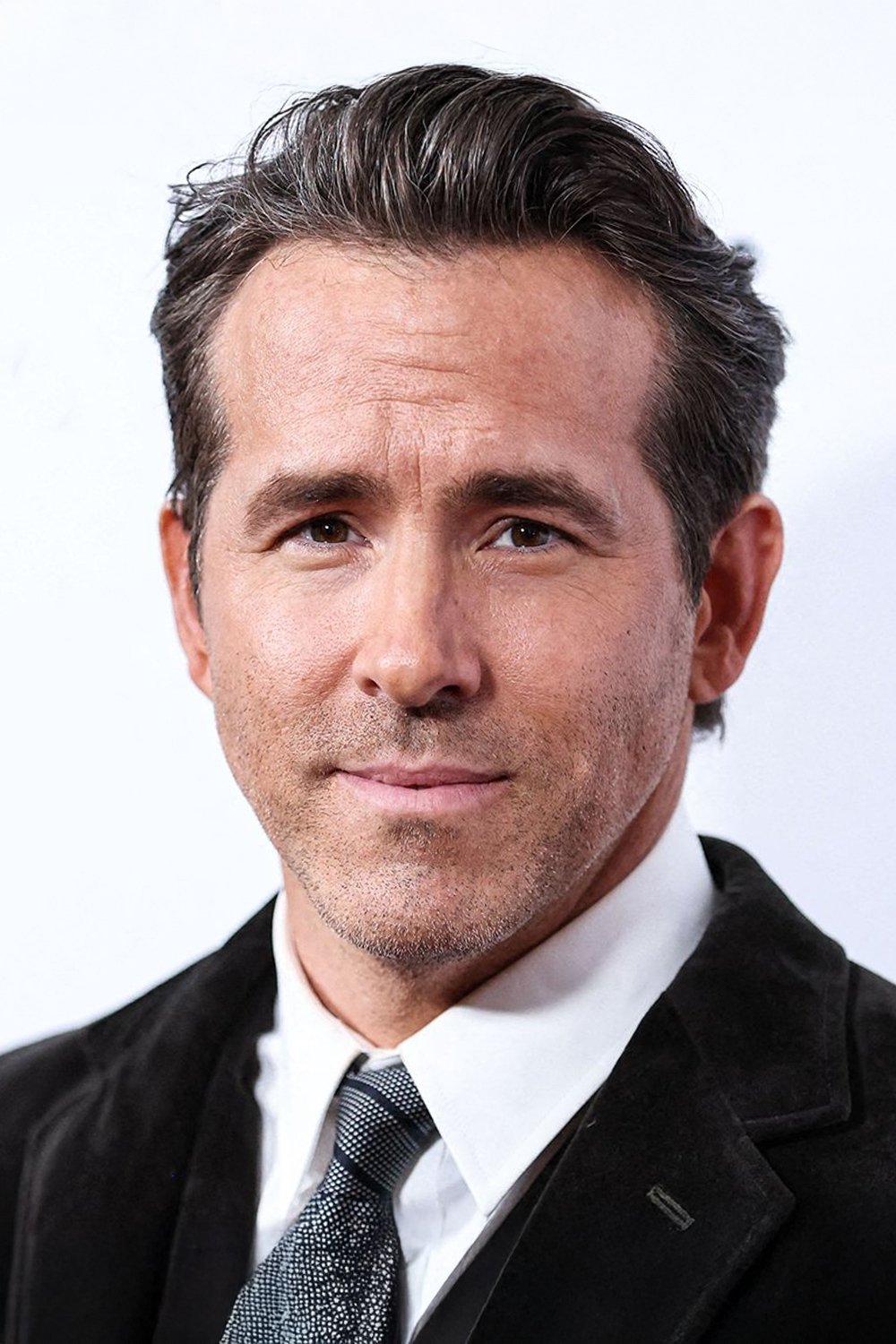
Reynolds has built a massive career on his quick wit and specific brand of delivery. He does not live as his characters and often breaks the fourth wall in his performances. The actor views acting as a form of entertainment that should be fun for the performer and the audience. Reynolds relies on improvisation and writing rather than emotional memory. He keeps a clear separation between his life and his work.
Matt Damon
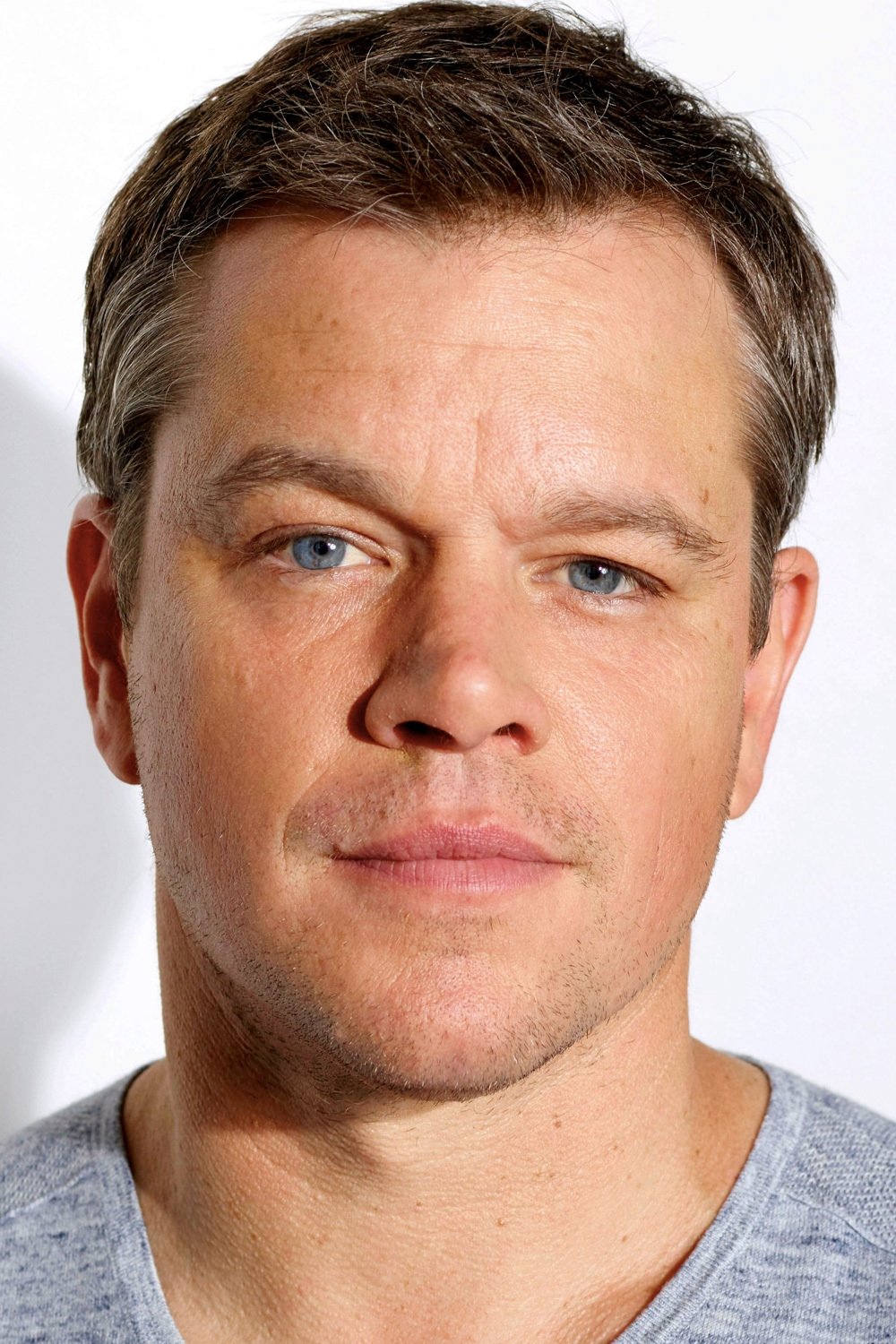
Damon is a highly intelligent actor who focuses on the script and the technical requirements of the shot. He does not believe in taking the character home to his family. The actor prefers to turn the performance on when the director calls action. Damon believes that preparation involves understanding the story, not living it. He is known for being easy to work with and very grounded.
George Clooney
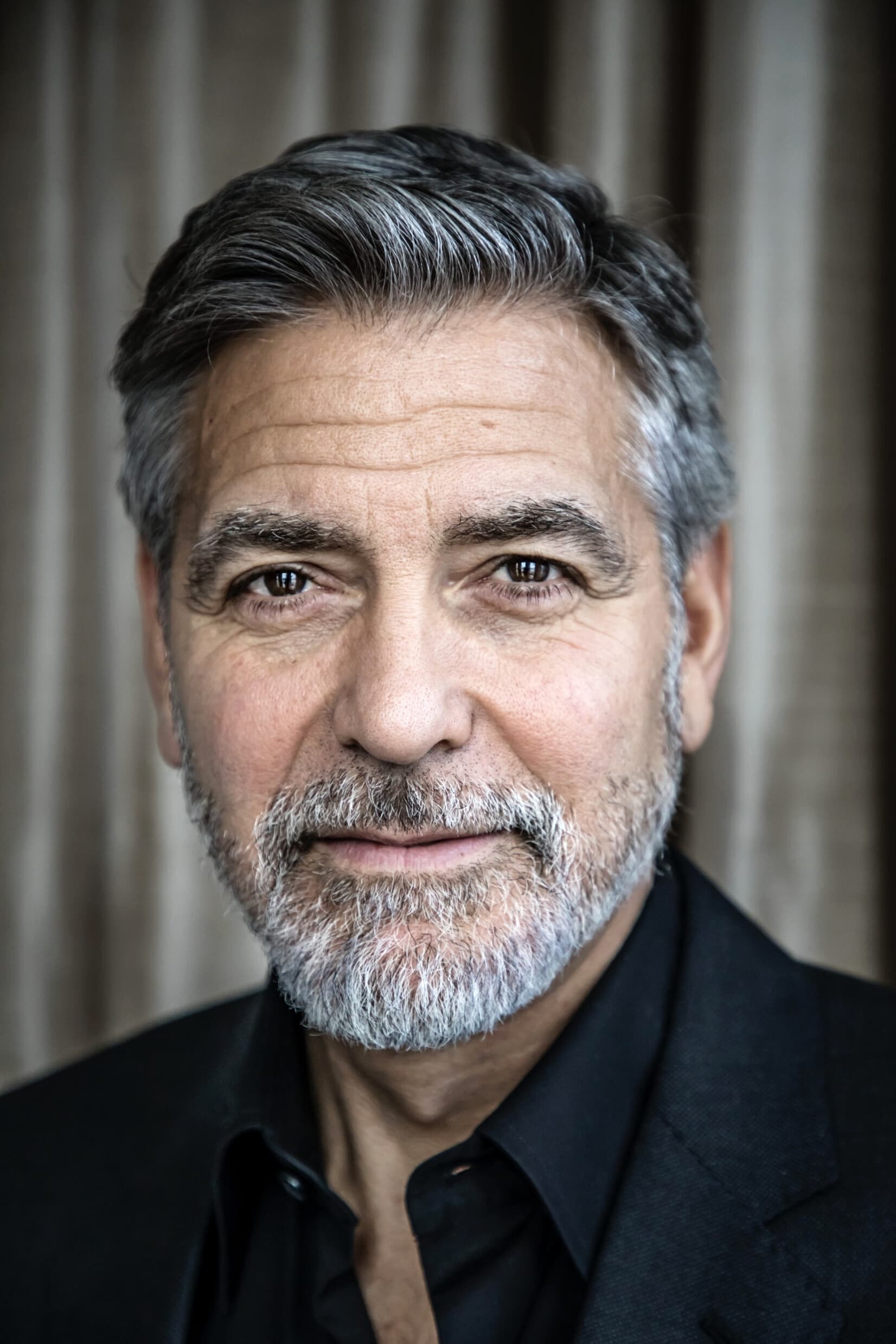
Clooney brings his natural charisma to every role and does not attempt to disappear into a character through method techniques. He believes that the audience is always aware they are watching a movie star. The actor focuses on the tone of the film and his chemistry with other actors. Clooney views acting as a serious job that shouldn’t be taken too seriously. He prefers to keep the set atmosphere fun and professional.
Michael Fassbender
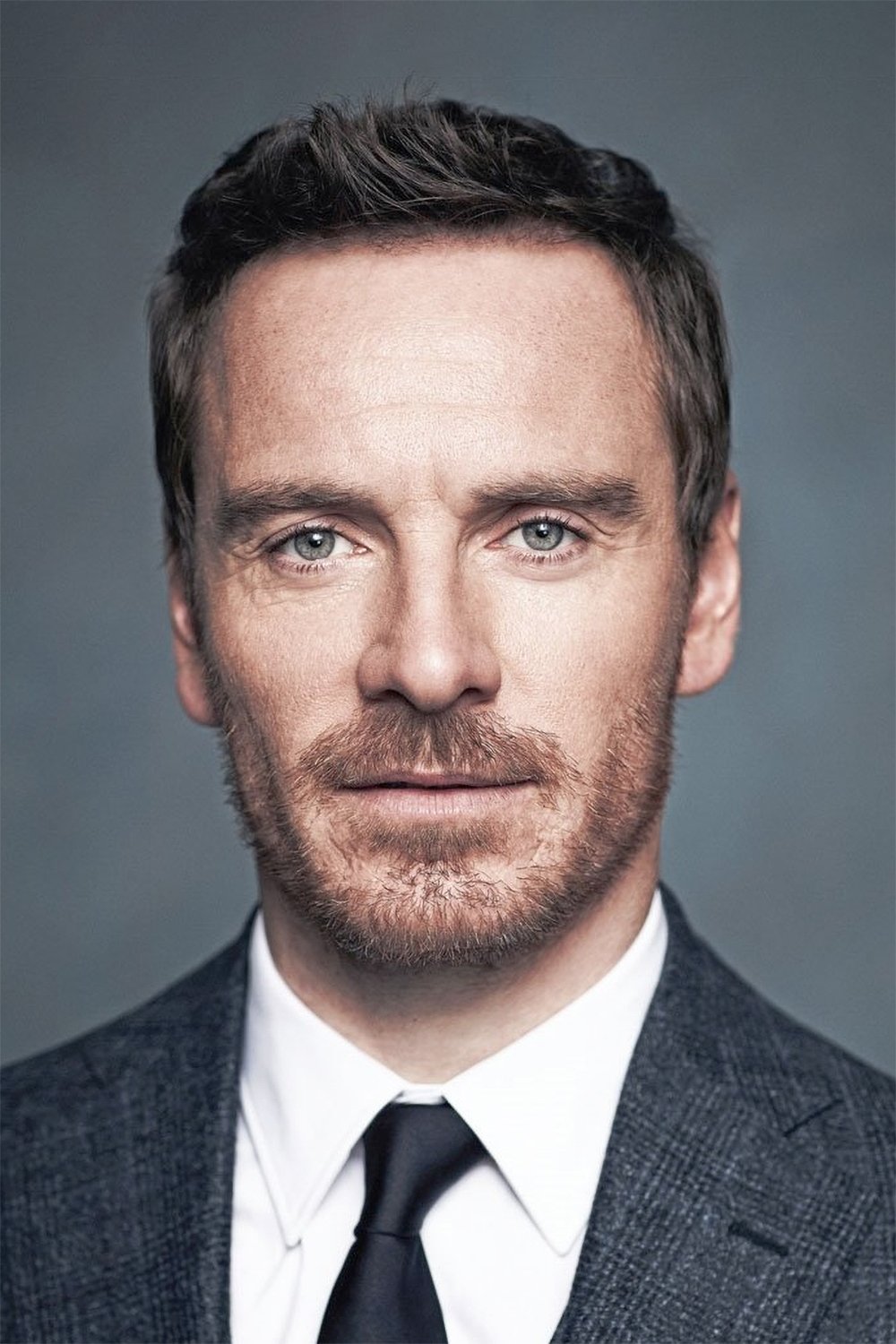
Fassbender is capable of intense roles but approaches them with a technical mindset. He famously prepared for ‘Steve Jobs’ by learning the script by rote until he could say it at any speed. The actor believes that repetition and rhythm are the keys to a performance. Fassbender does not sit in a corner and stay in character. He prefers to engage with the crew and drop the role between takes.
Tell us which of these acting philosophies you agree with most by leaving a comment.