


Actors Who Don’t Support The #MeToo Movement

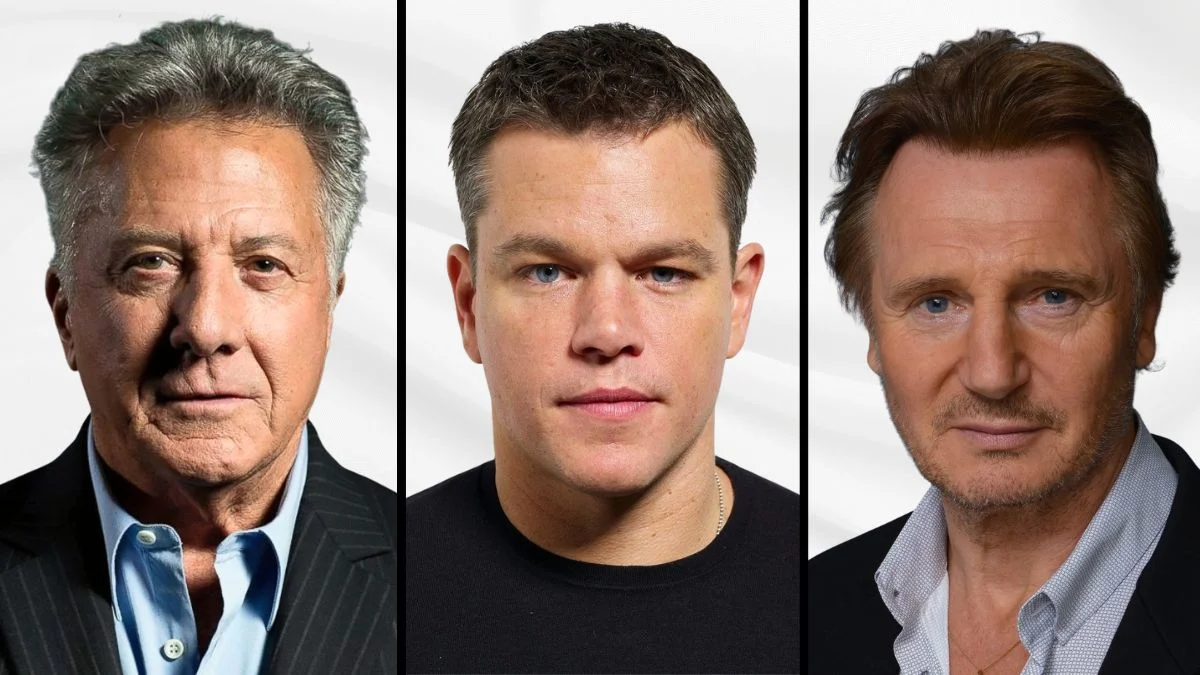


The #MeToo movement reshaped Hollywood by encouraging victims of sexual harassment to speak out against their abusers. While many celebrities publicly supported the cultural shift, others expressed skepticism or outright opposition to its methods and consequences. Some male actors criticized what they viewed as a lack of due process or a witch hunt mentality targeting men in the industry. Others found themselves at the center of allegations and fought back against the movement to clear their names. This list explores the male actors who have either criticized the movement or found themselves in opposition to it.
Liam Neeson
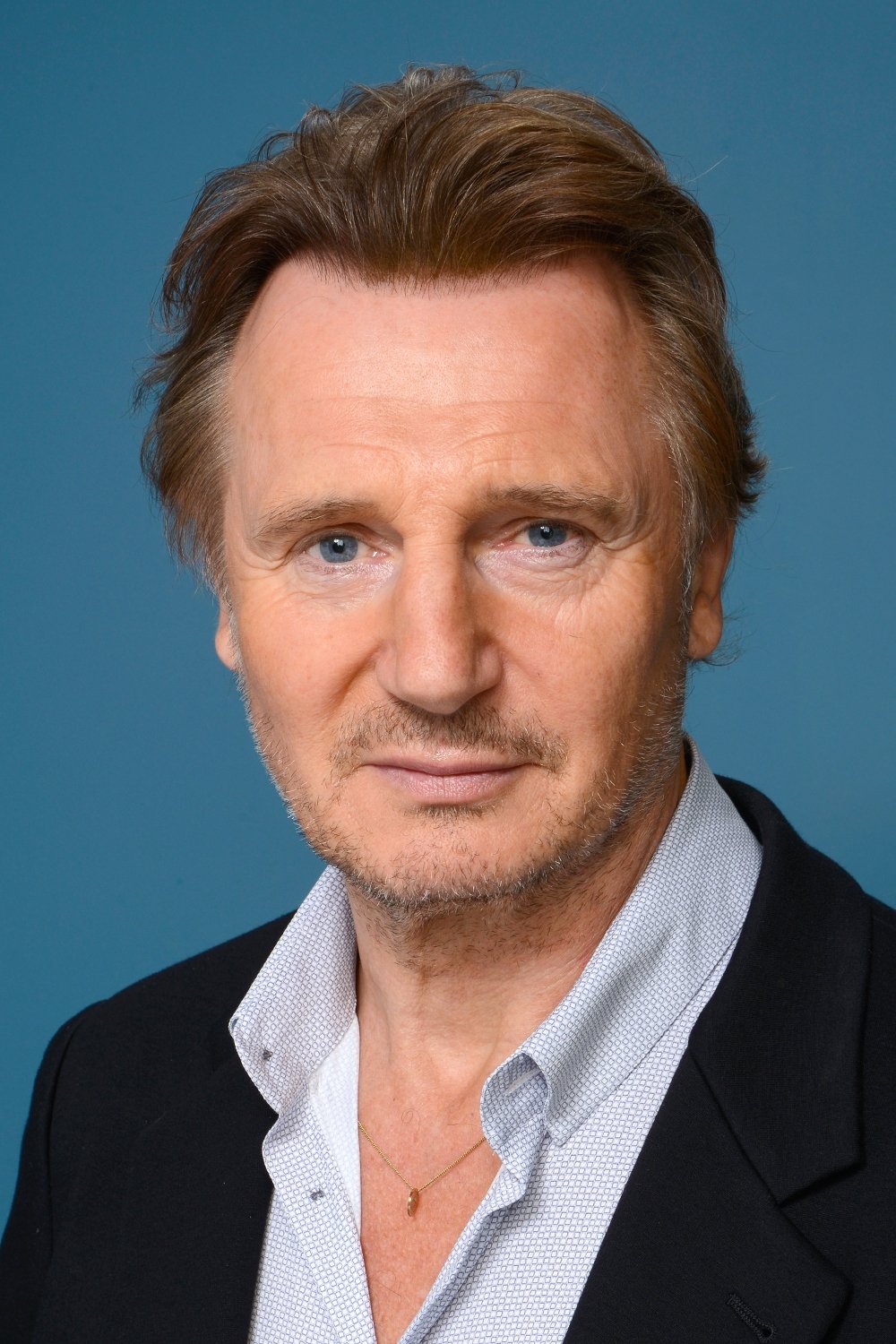
Liam Neeson sparked controversy during an interview on an Irish talk show when he referred to the #MeToo movement as a witch hunt. He expressed concern that the trend was leading to a lack of due process for men accused of misconduct. The actor specifically defended Dustin Hoffman and Garrison Keillor by suggesting their alleged actions were being blown out of proportion. Neeson stated that while the movement was healthy in some respects, he feared it was becoming too extreme. His comments drew immediate backlash from activists who felt he was minimizing the experiences of victims.
Sean Penn
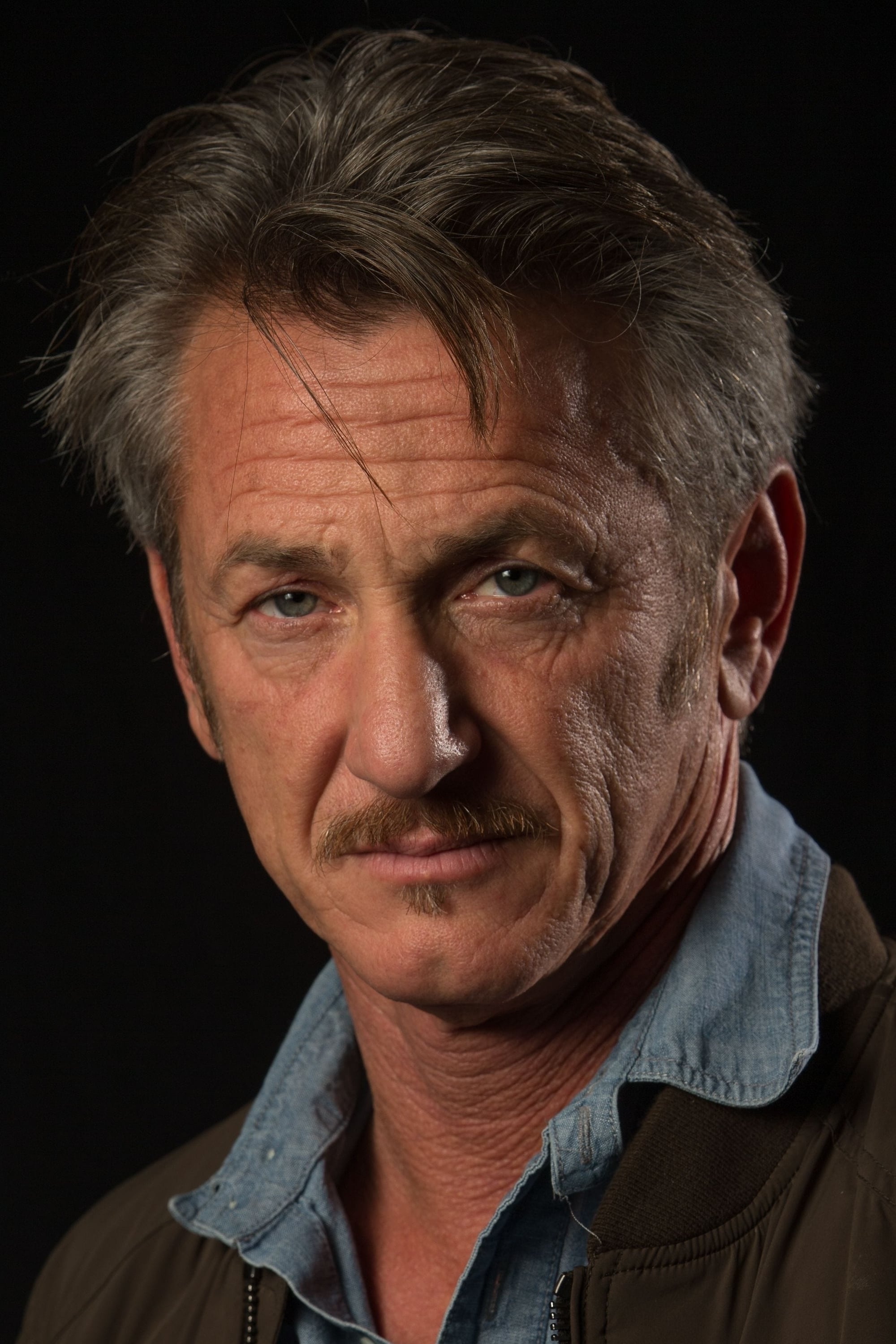
Sean Penn has been a vocal critic of the #MeToo movement and described it as a campaign largely shouldered by a receptacle of the salacious. He argued that the movement created a spirit of division between men and women rather than fostering unity. The actor suggested that the public discourse lacked nuance and turned into a series of black and white accusations without facts. Penn stated that he believes many accusations are not intellectually honest and are driven by self-aggrandizement. His views have made him an unpopular figure among staunch supporters of the movement.
Henry Cavill
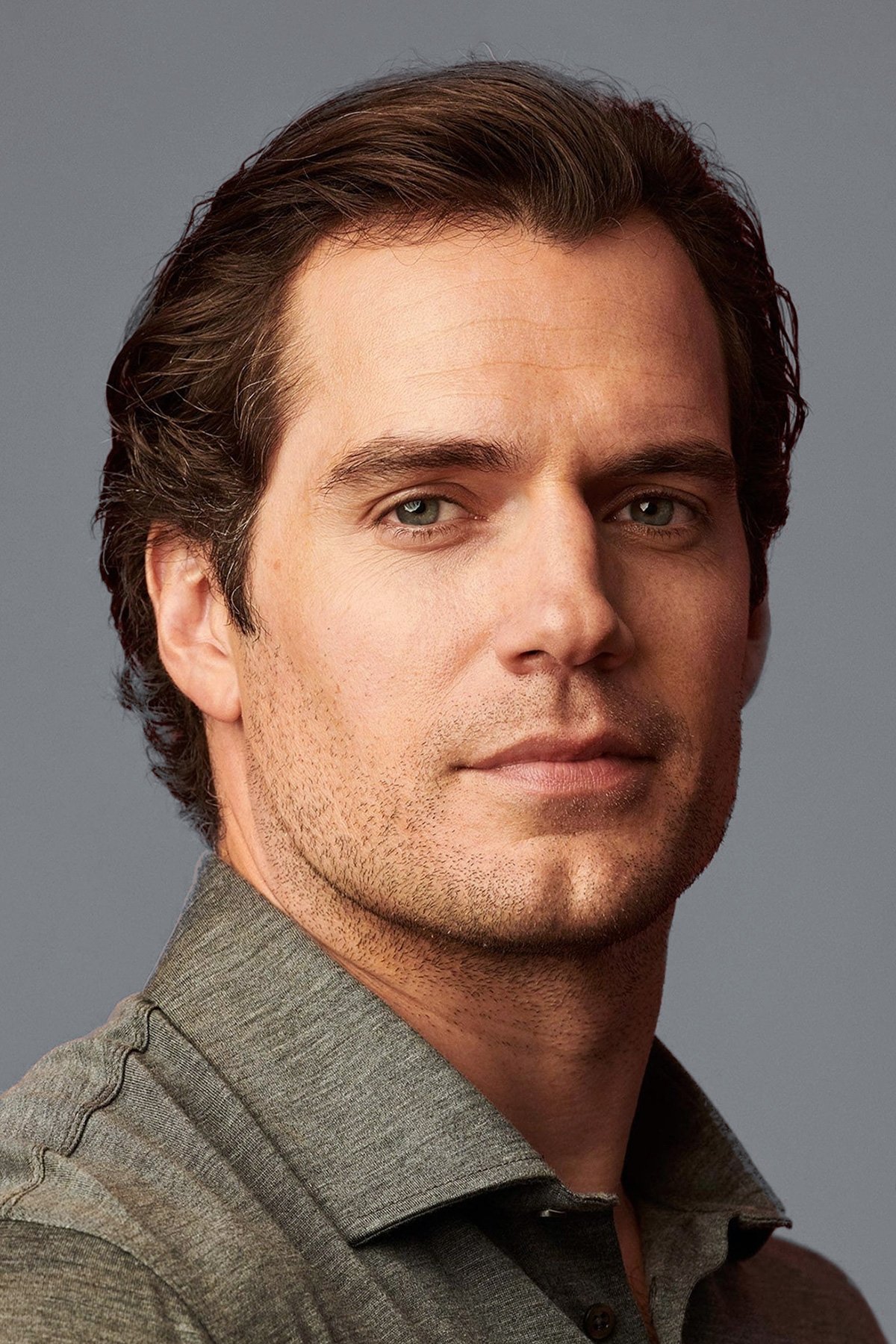
Henry Cavill faced criticism after he discussed how the #MeToo era affected his approach to dating and romance. The actor told an interviewer that he was afraid to flirt with women because he did not want to be called a rapist or accused of misconduct. He expressed a longing for a traditional approach where men wooed women but felt that modern rules made this impossible. Cavill suggested that the movement created a hostile environment for men who simply wanted to pursue relationships. He later apologized for his choice of words after facing a wave of online backlash.
Matt Damon
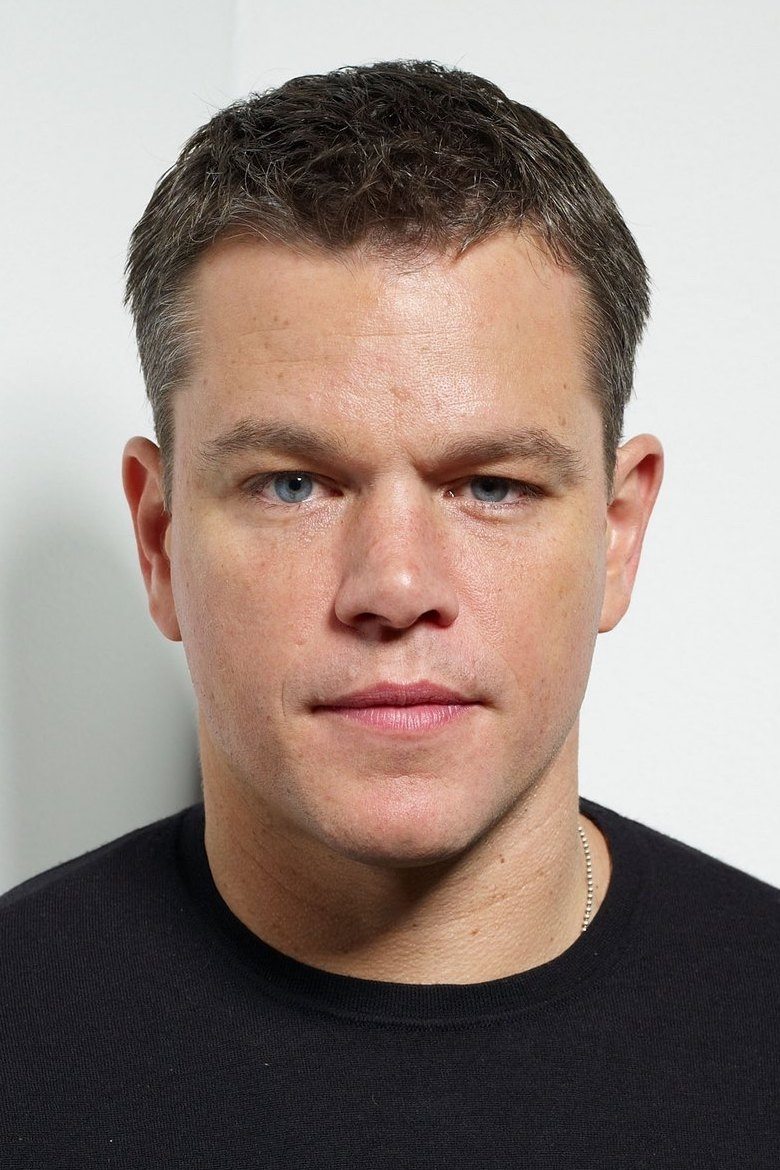
Matt Damon came under fire for comments he made suggesting that not all sexual misconduct should be treated with the same severity. He argued that there is a spectrum of behavior and that patting someone on the butt is different from rape. The actor expressed worry that the culture of outrage was conflating minor infractions with serious criminal acts. Damon also mentioned that he would decide on a case-by-case basis whether to work with people accused of misconduct. He eventually apologized and admitted he needed to listen more before speaking on the subject.
Alec Baldwin
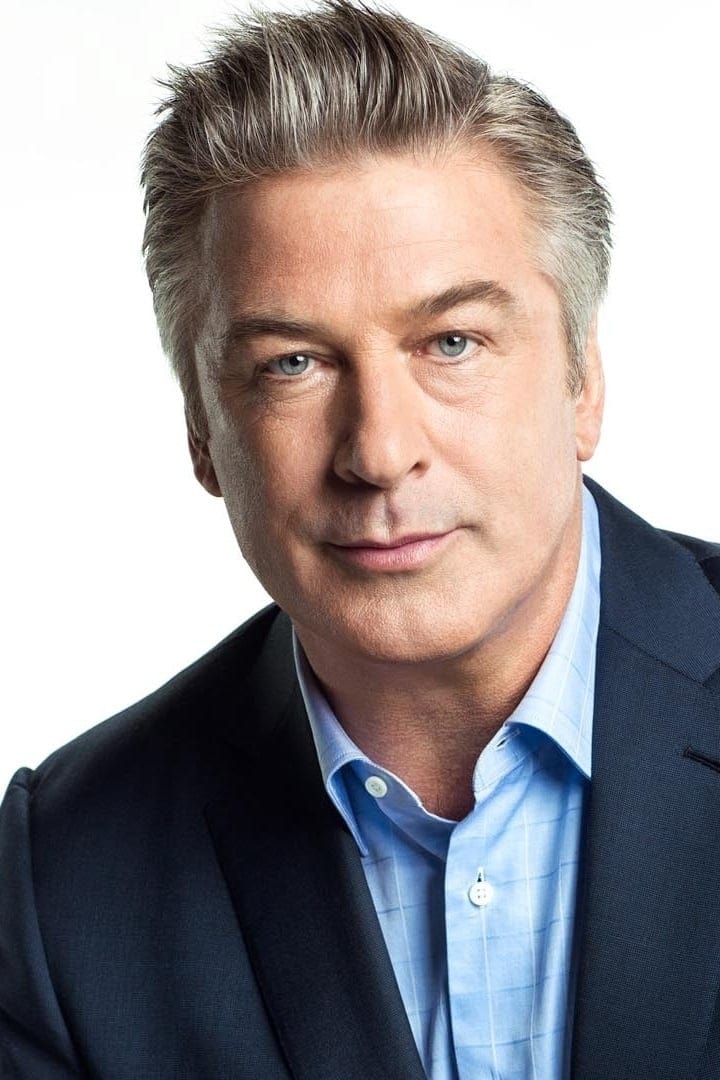
Alec Baldwin has frequently used his platform to criticize the #MeToo movement and defend friends who were accused of wrongdoing. He publicly supported Woody Allen and pushed back against the industry rejecting the director based on unproven allegations. Baldwin argued that the movement was destroying careers without proper judicial process or evidence. He tweeted about the unfairness of what he perceived as mob justice taking over Hollywood. His defense of accused figures has consistently placed him at odds with movement leaders.
Terry Gilliam
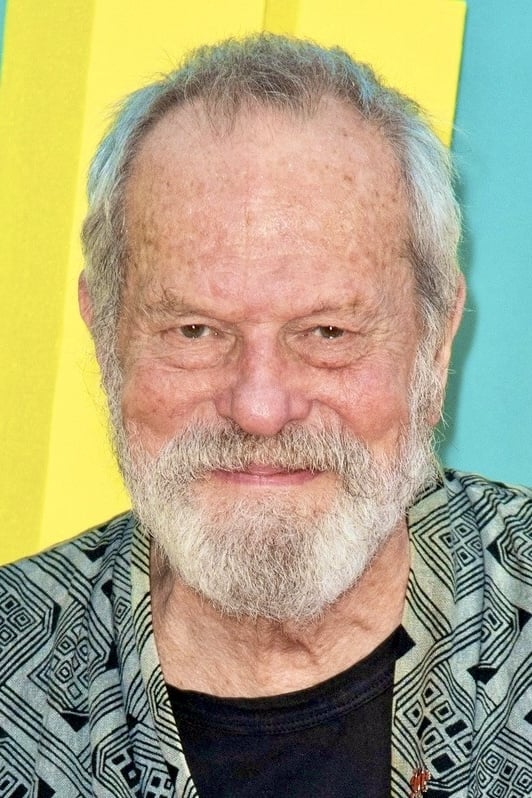
Terry Gilliam angered many when he described the #MeToo movement as mob rule that had transformed into a witch hunt. The Monty Python member and director claimed that some individuals used the movement to advance their own careers while destroying others. He expressed sympathy for Harvey Weinstein by suggesting that the producer was a monster who also opened doors for ambitious adults. Gilliam stated that people needed to take responsibility for their own choices rather than blaming everything on others. His comments were widely condemned as victim-blaming and out of touch.
Woody Allen
Woody Allen has remained a staunch critic of the frenzy surrounding sexual misconduct allegations in the entertainment industry. The director and actor has consistently denied the abuse allegations brought against him by his daughter Dylan Farrow. He has described himself as a poster boy for the movement because he claims to have always treated women with respect on his sets. Allen argued that the climate of accusation allows people to be condemned without facts or trial. His career has suffered significantly as Amazon and various actors severed ties with him.
Johnny Depp
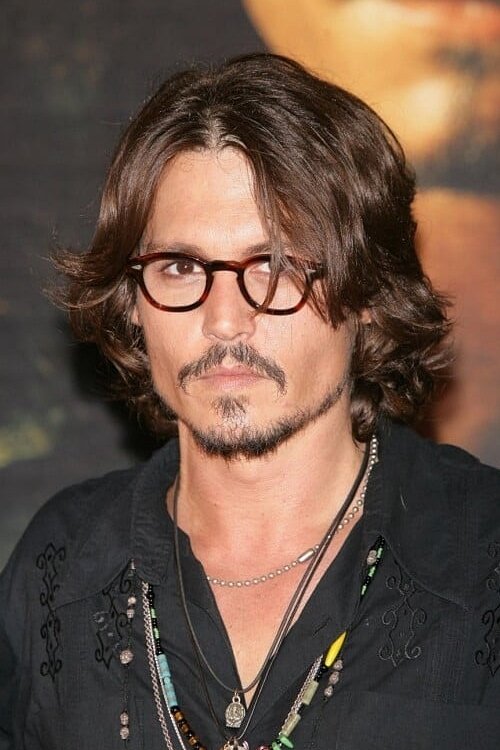
Johnny Depp positioned himself as a victim of a movement that he believes rushed to judgment without hearing both sides of the story. The actor lost major franchise roles after allegations of domestic abuse surfaced from his ex-wife Amber Heard. Depp argued in court and in the press that he was being boycotted by Hollywood due to false claims fueled by the #MeToo climate. He maintained his innocence throughout highly publicized legal battles in the United Kingdom and the United States. His supporters view him as a prime example of how the movement can destroy the innocent.
Kevin Spacey
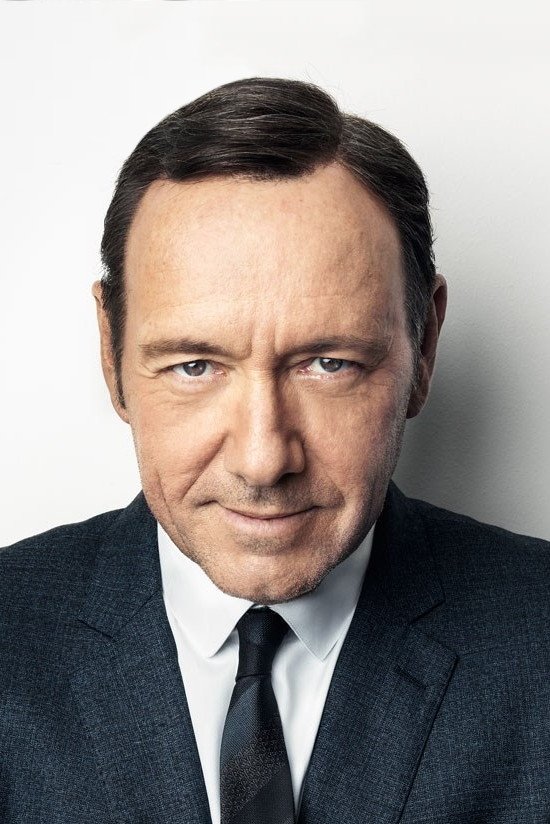
Kevin Spacey has fought against the #MeToo movement by vehemently denying the numerous sexual assault allegations leveled against him. The actor released bizarre videos in character as Frank Underwood to subtly mock the accusations and assert his eventual return. Spacey has successfully defended himself in multiple court cases and avoided criminal conviction in the United States and United Kingdom. He views the swift cancellation of his career as an unjust reaction to unproven claims. His attempts to return to acting indicate his refusal to accept the industry’s judgment.
Geoffrey Rush
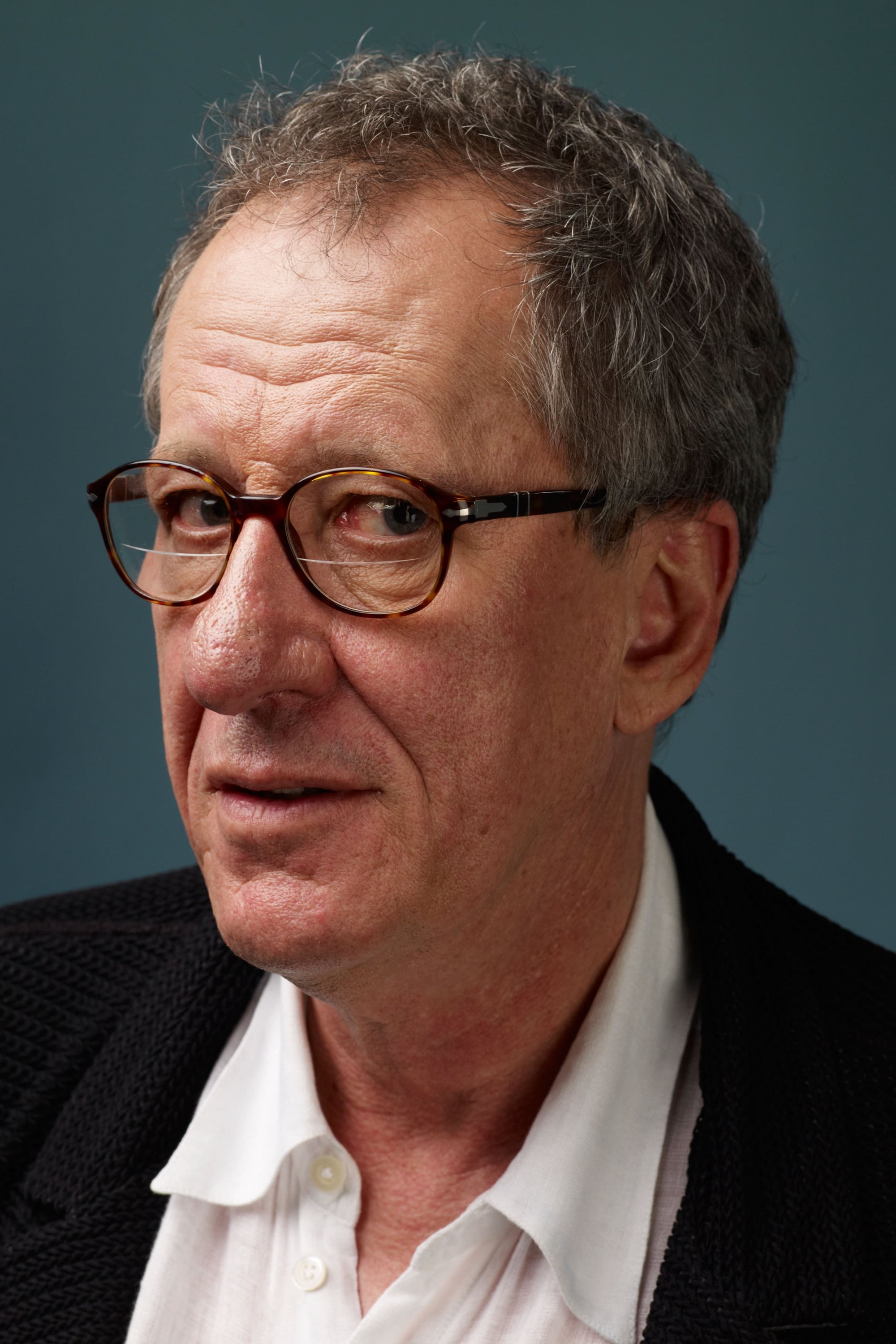
Geoffrey Rush challenged the validity of the #MeToo movement’s reporting mechanisms by suing a newspaper for defamation. The Australian actor won his case after the court found that the allegations of inappropriate behavior were not proven true. Rush argued that the publication destroyed his reputation and caused him significant emotional distress. His legal victory was seen by some as a pushback against the practice of publishing anonymous or unverified accusations. He effectively utilized the legal system to reject the narrative imposed upon him.
Gérard Depardieu
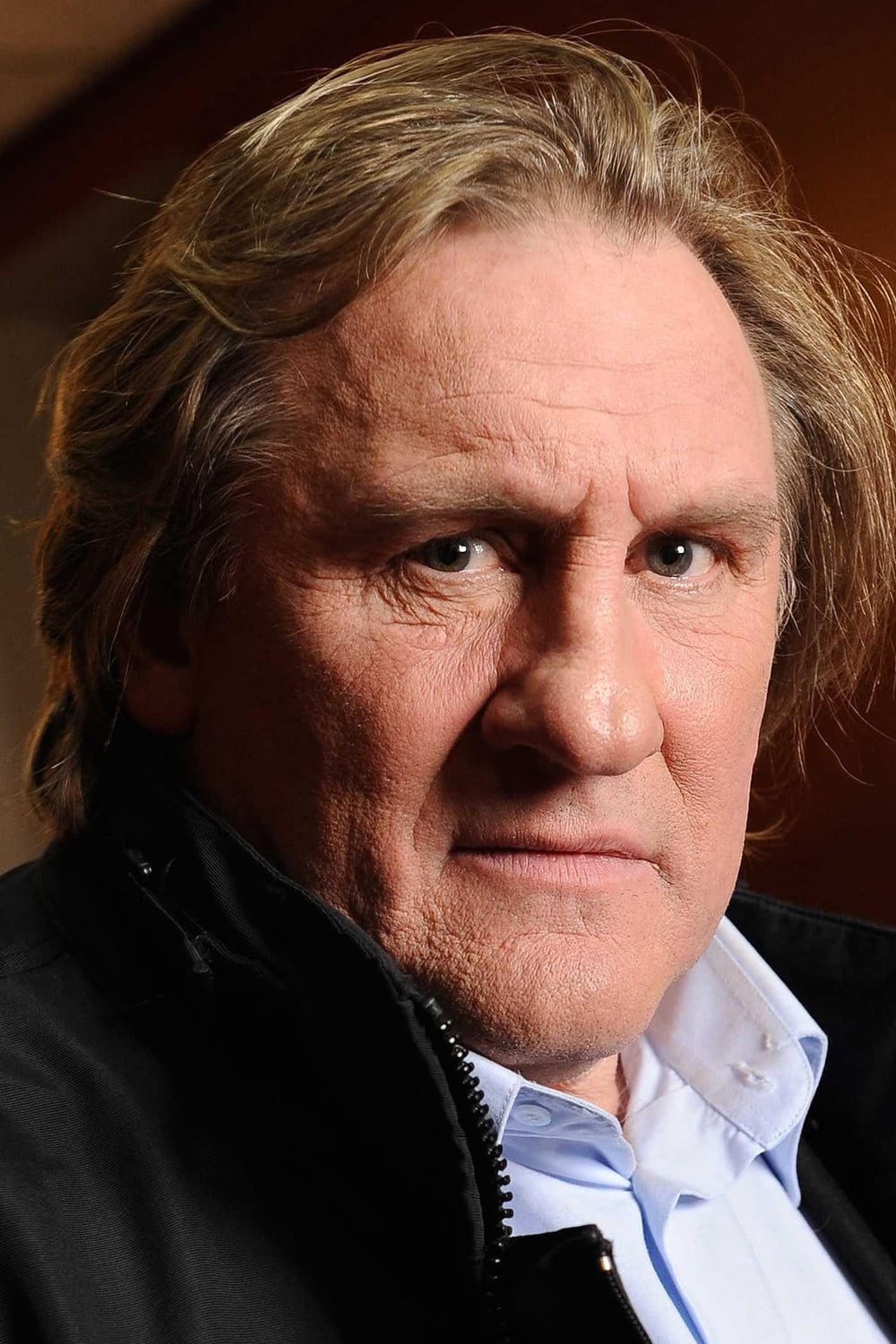
Gérard Depardieu has openly dismissed the #MeToo movement and the allegations brought against him by multiple women. The French actor has been indicted on charges of rape and sexual assault but continues to deny any criminal wrongdoing. He has received support from figures like Emmanuel Macron and other French artists who criticized the manhunt against him. Depardieu views the accusations as part of a modern puritanical wave that threatens the art of seduction. He remains defiant despite the growing number of women speaking out against him.
Alain Delon
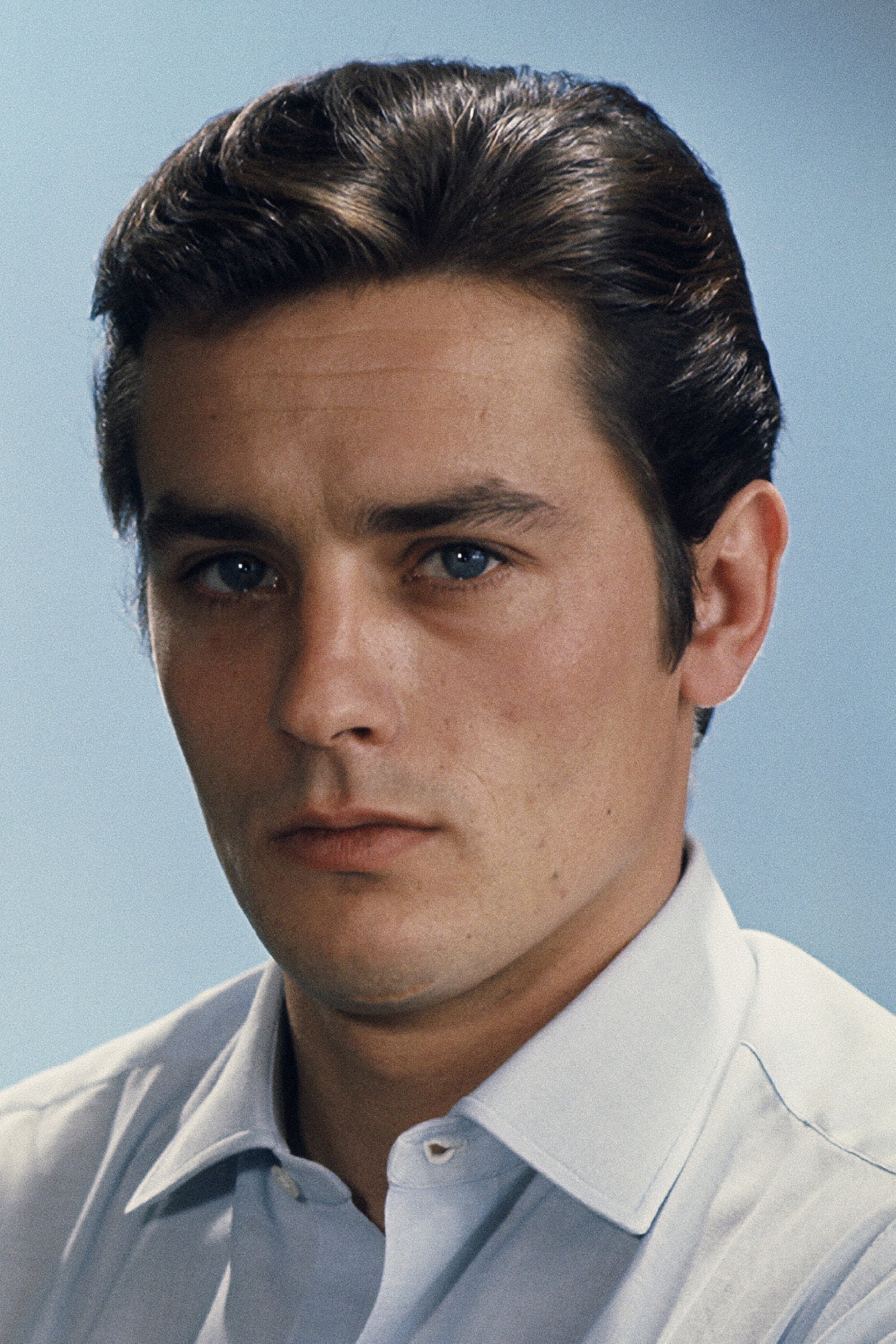
Alain Delon faced protests from #MeToo activists when the Cannes Film Festival decided to award him an honorary Palme d’Or. The French screen legend admitted to slapping women in the past and made comments that many viewed as misogynistic. Delon dismissed the controversy and stated that he is from a different generation with different standards. He refused to apologize for his past behavior or his conservative views on gender roles. The actor accepted his award despite the petitions circulating against him.
Bill Cosby
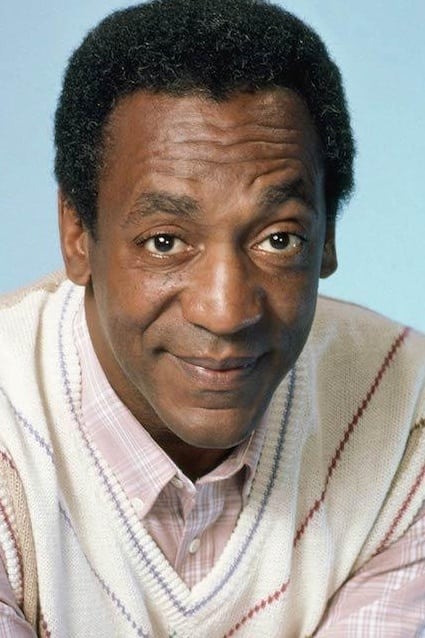
Bill Cosby stands as one of the first major figures to be toppled during the rise of the #MeToo era. The comedian maintained his innocence throughout his trials and imprisonment for sexual assault. He expressed no remorse and refused to participate in sex offender programs because he insisted he was wrongly convicted. After his conviction was overturned on a technicality, he celebrated his release as a vindication of his rights. Cosby continues to view himself as a target of a corrupt system rather than a perpetrator.
Morgan Freeman
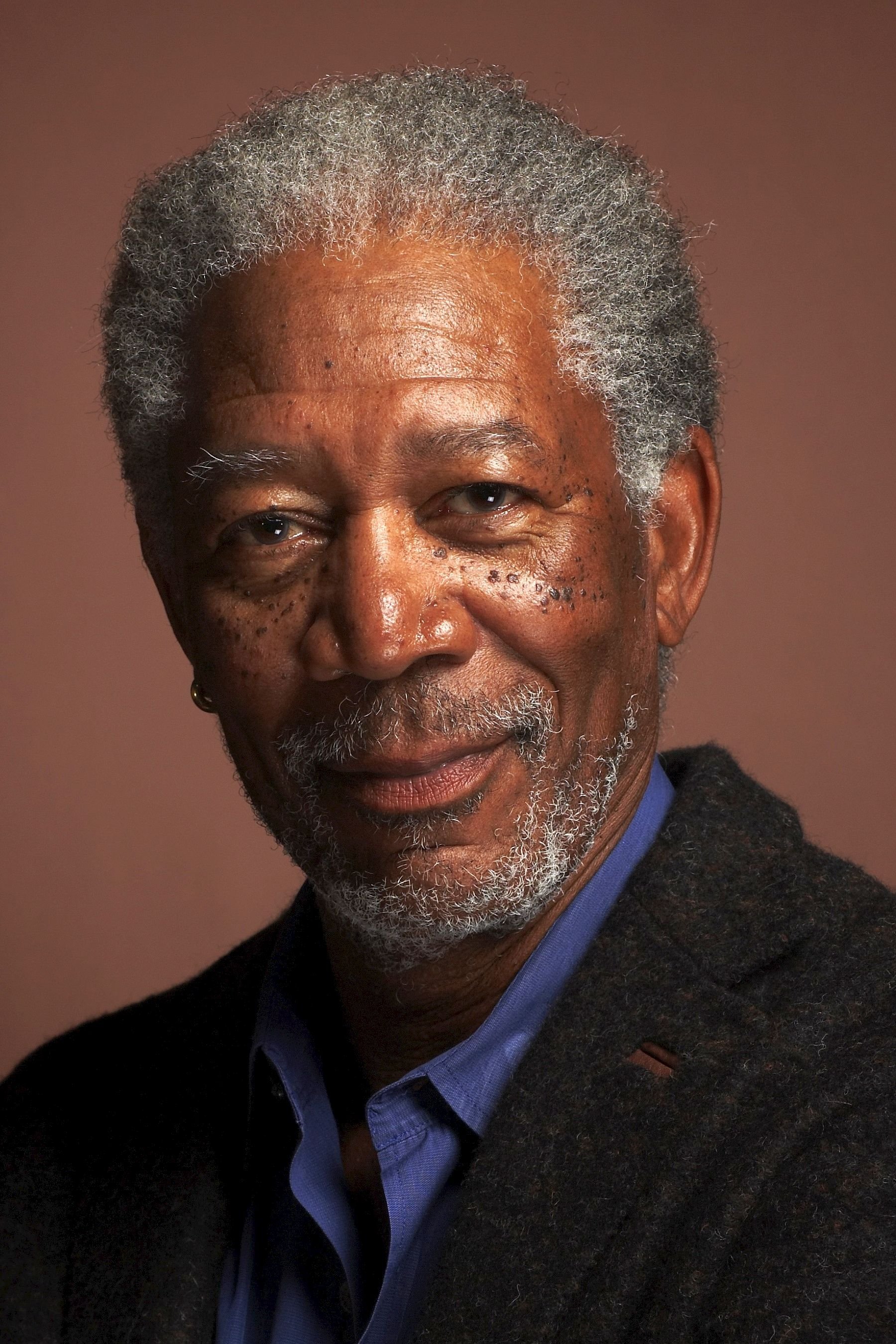
Morgan Freeman contested a report by CNN that accused him of inappropriate behavior and harassment on various movie sets. The actor issued a statement apologizing to anyone he might have made uncomfortable but firmly denied assaulting anyone or creating unsafe work environments. He argued that it is wrong to equate misplaced compliments or humor with horrific incidents of sexual assault. Freeman’s lawyers demanded a retraction from the network and accused them of malicious intent. He successfully weathered the controversy by distinguishing his alleged behavior from more severe crimes.
Dustin Hoffman
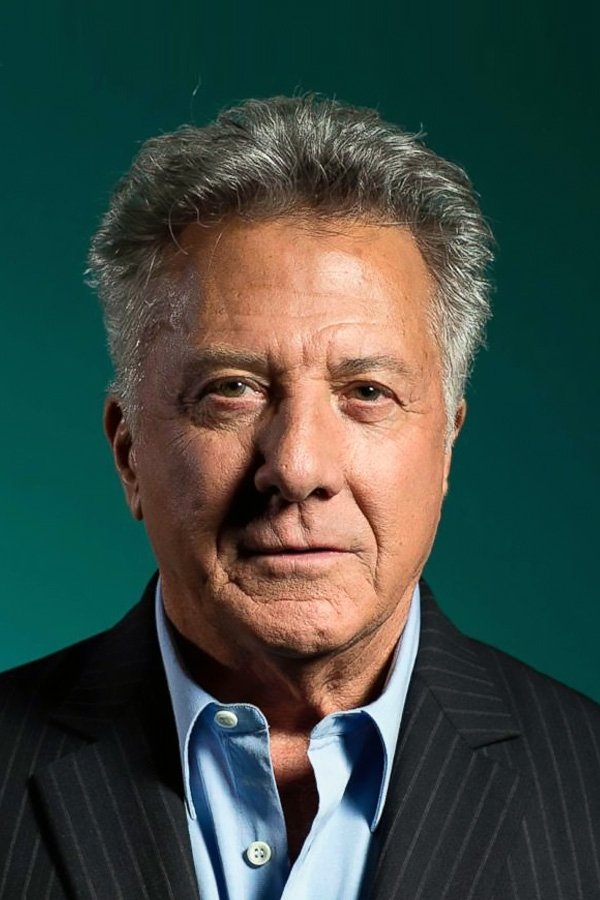
Dustin Hoffman faced multiple allegations of sexual misconduct and responded with defensive statements. When confronted by John Oliver during a public panel, Hoffman argued that the accusations did not reflect who he is as a person. He complained that the #MeToo climate meant he was being judged for things that allegedly happened decades ago on set. The actor felt he was being ambushed and that the movement was not allowing for context or forgiveness. His defensive posture during the confrontation went viral and drew further criticism.
Casey Affleck
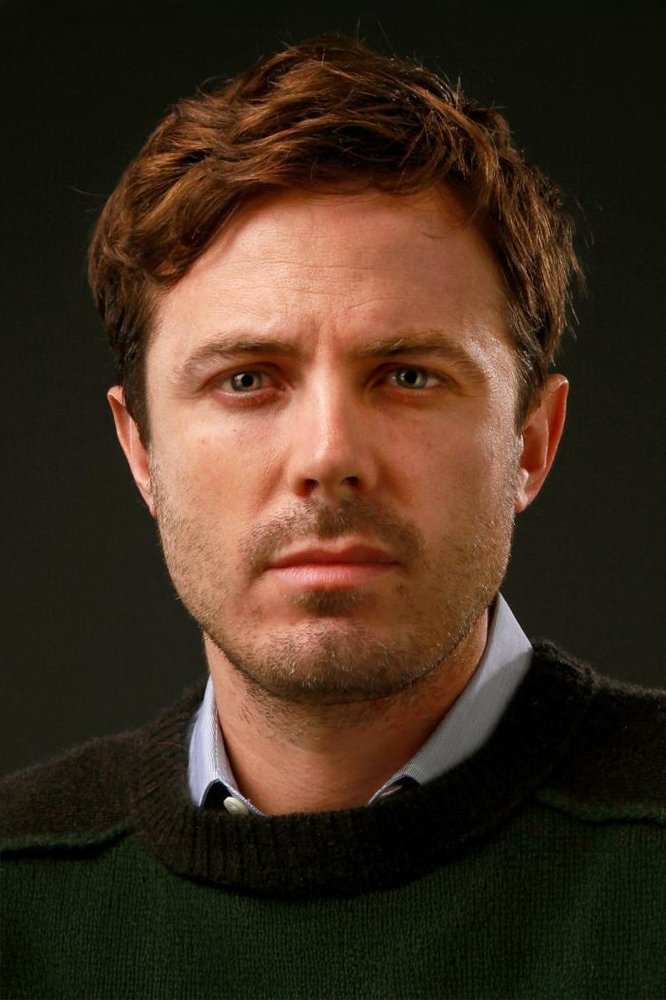
Casey Affleck settled sexual harassment lawsuits with two women prior to the height of the #MeToo movement but faced renewed scrutiny as it gained momentum. The actor withdrew from presenting the Best Actress award at the Oscars to avoid becoming a distraction due to the controversy. He eventually broke his silence to say he supported the movement but felt he had been treated unfairly in the court of public opinion. Affleck admitted to allowing an unprofessional environment on his set but denied the specific assault allegations. He has largely kept a low profile to avoid further backlash.
James Franco
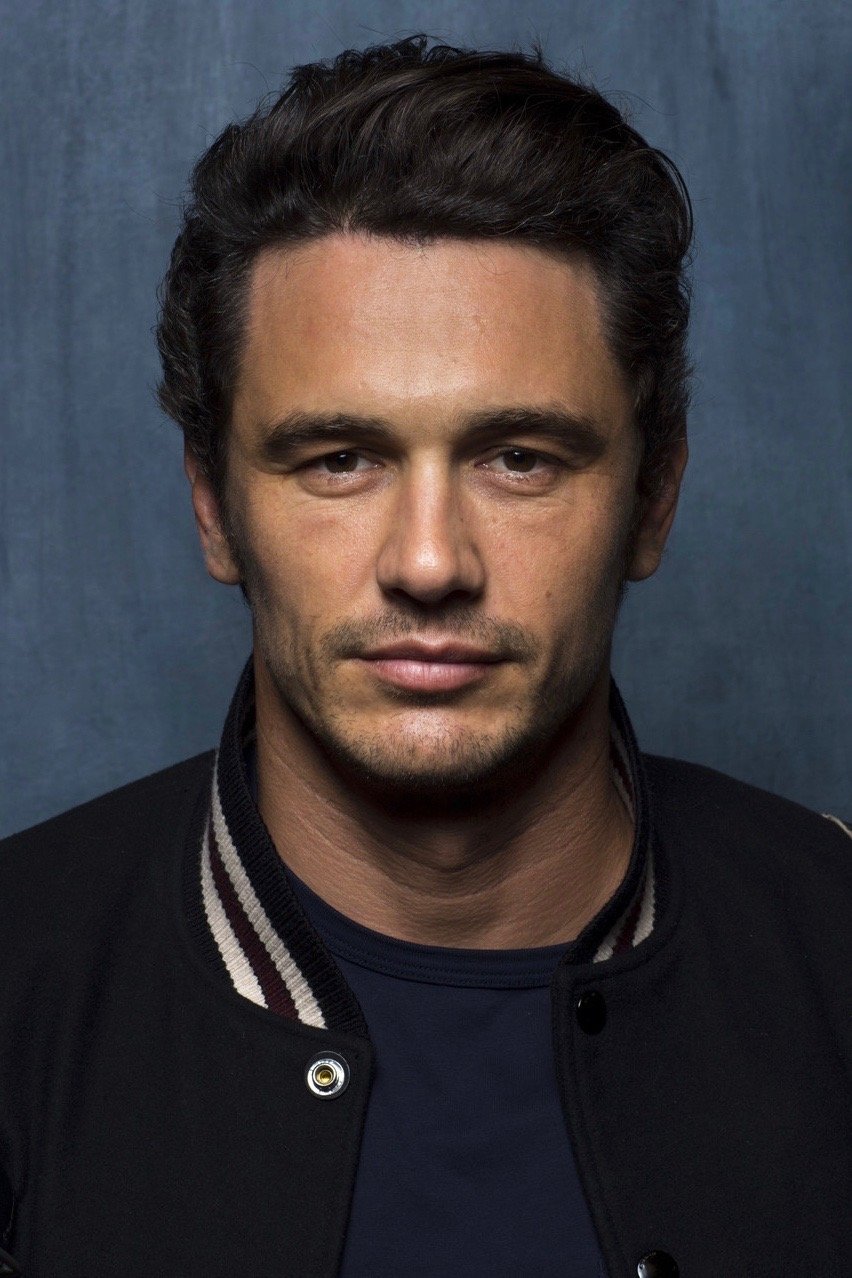
James Franco was accused of sexual misconduct by several women and students shortly after wearing a Time’s Up pin to an awards show. The actor denied the allegations and claimed that the stories being told about him were not accurate. He stated that he supported people coming forward but felt he was being targeted with falsehoods. Franco later settled a lawsuit with two former students who accused him of exploitative behavior at his acting school. He has since admitted to sleeping with students but maintained that the initial reporting was misleading.
Louis C.K.
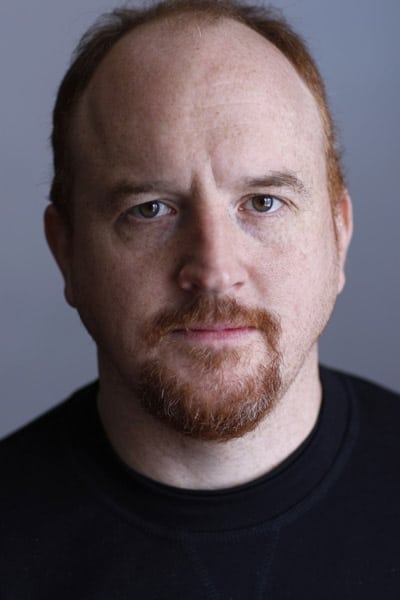
Louis C.K. admitted to the sexual misconduct allegations against him but later pivoted to mocking the reaction he faced. In his comeback comedy sets, he complained about the financial and social cost of his scandal. The comedian joked about the whistleblowers and the extreme nature of the public shaming he endured. He expressed frustration that he lost millions of dollars and his career standing overnight. His return to comedy has been built on a defiance of the movement that temporarily ousted him.
Frank Langella
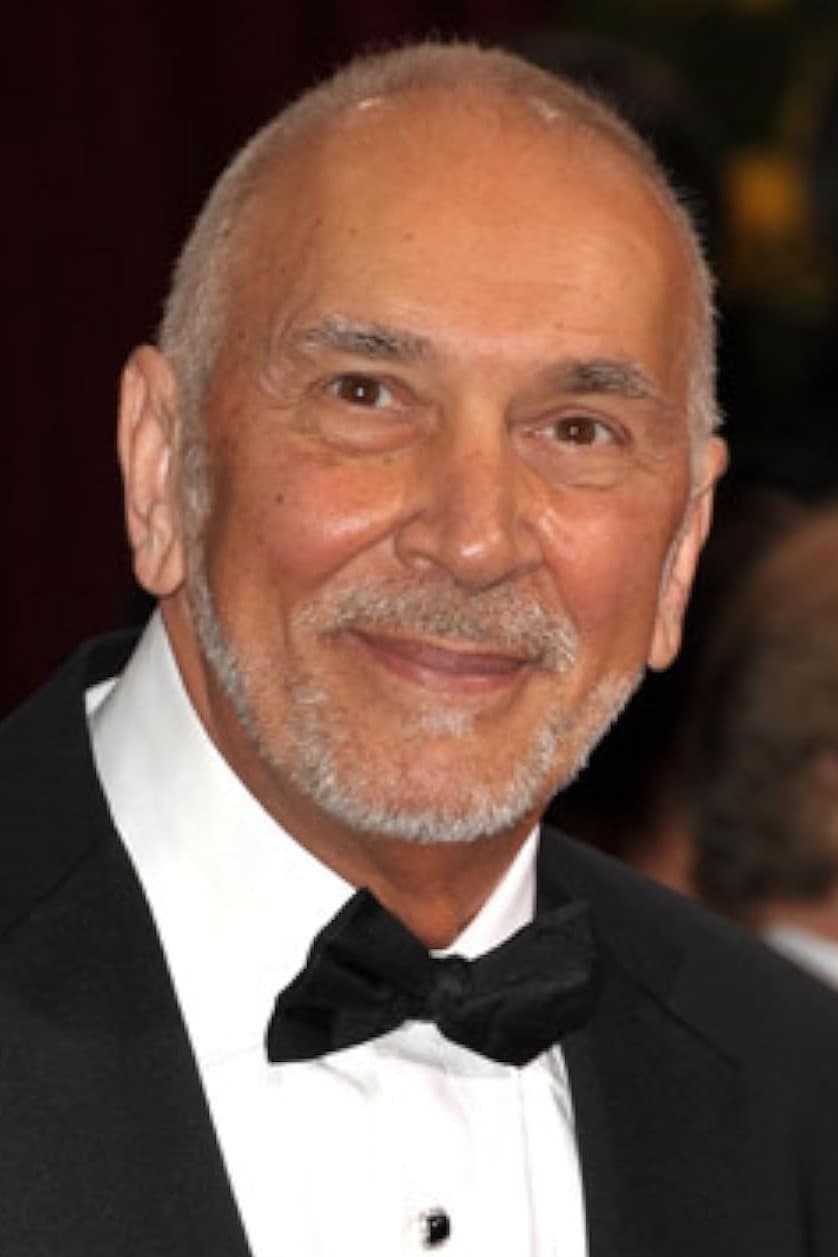
Frank Langella was fired from the Netflix series ‘The Fall of the House of Usher’ following an investigation into unacceptable conduct. The veteran actor wrote a guest column vehemently denying the severity of the allegations and criticizing the process. He claimed he was a victim of cancel culture and that the investigation was one-sided and unfair. Langella argued that he was punished for valid artistic choices and misunderstood interactions. He described the termination as a humiliation that disregarded his decades of professional behavior.
Richard Dreyfuss
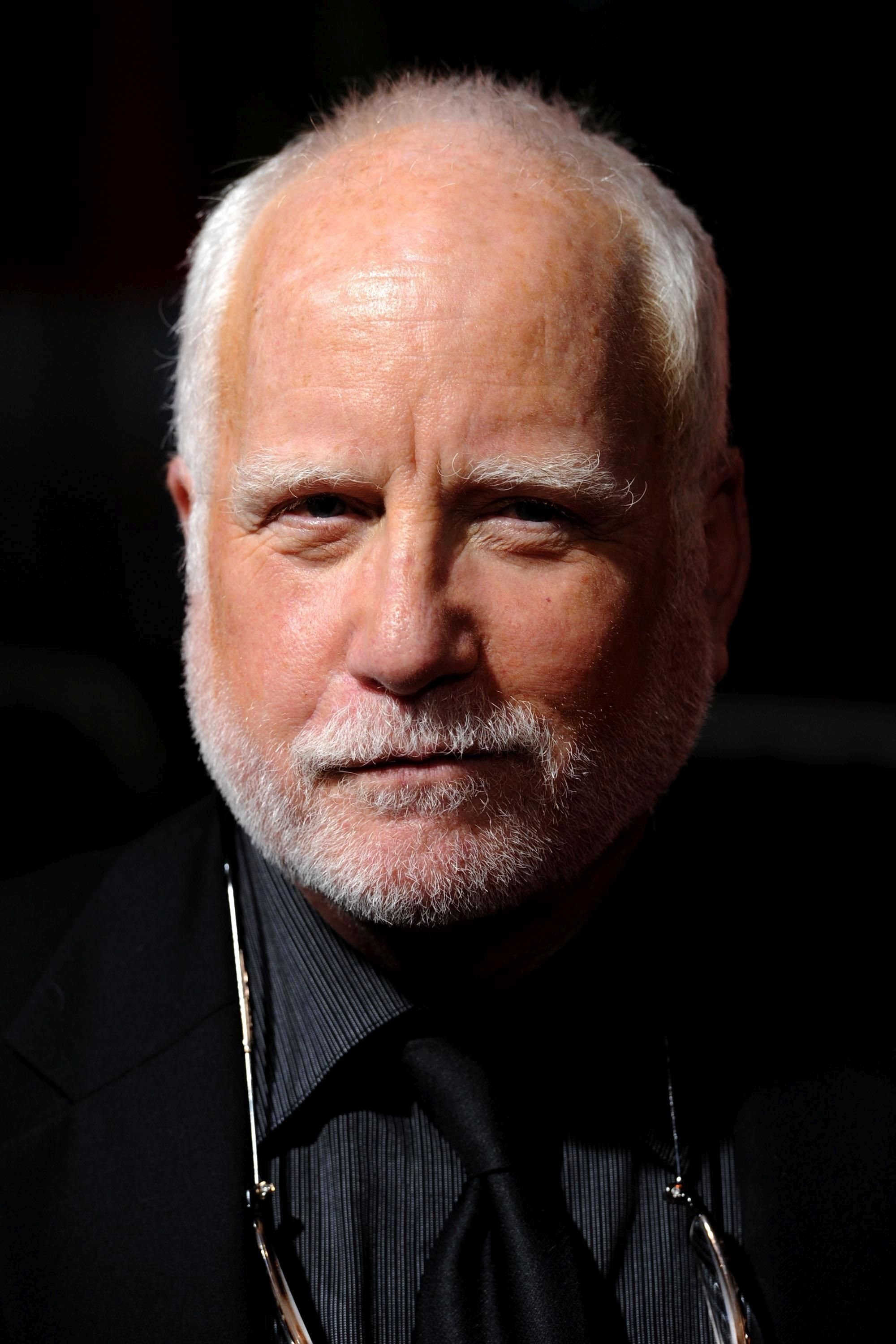
Richard Dreyfuss was accused of sexual harassment and responded by denying he ever assaulted anyone. The actor admitted to being an asshole in his past but argued that there is a distinct difference between boorish behavior and criminal assault. He criticized the modern lens being applied to actions from decades ago during a different cultural era. Dreyfuss expressed concern that the movement was blurring the lines between awkward advances and predation. He maintained that he should not be lumped in with the more serious offenders exposed by the movement.
Steven Seagal
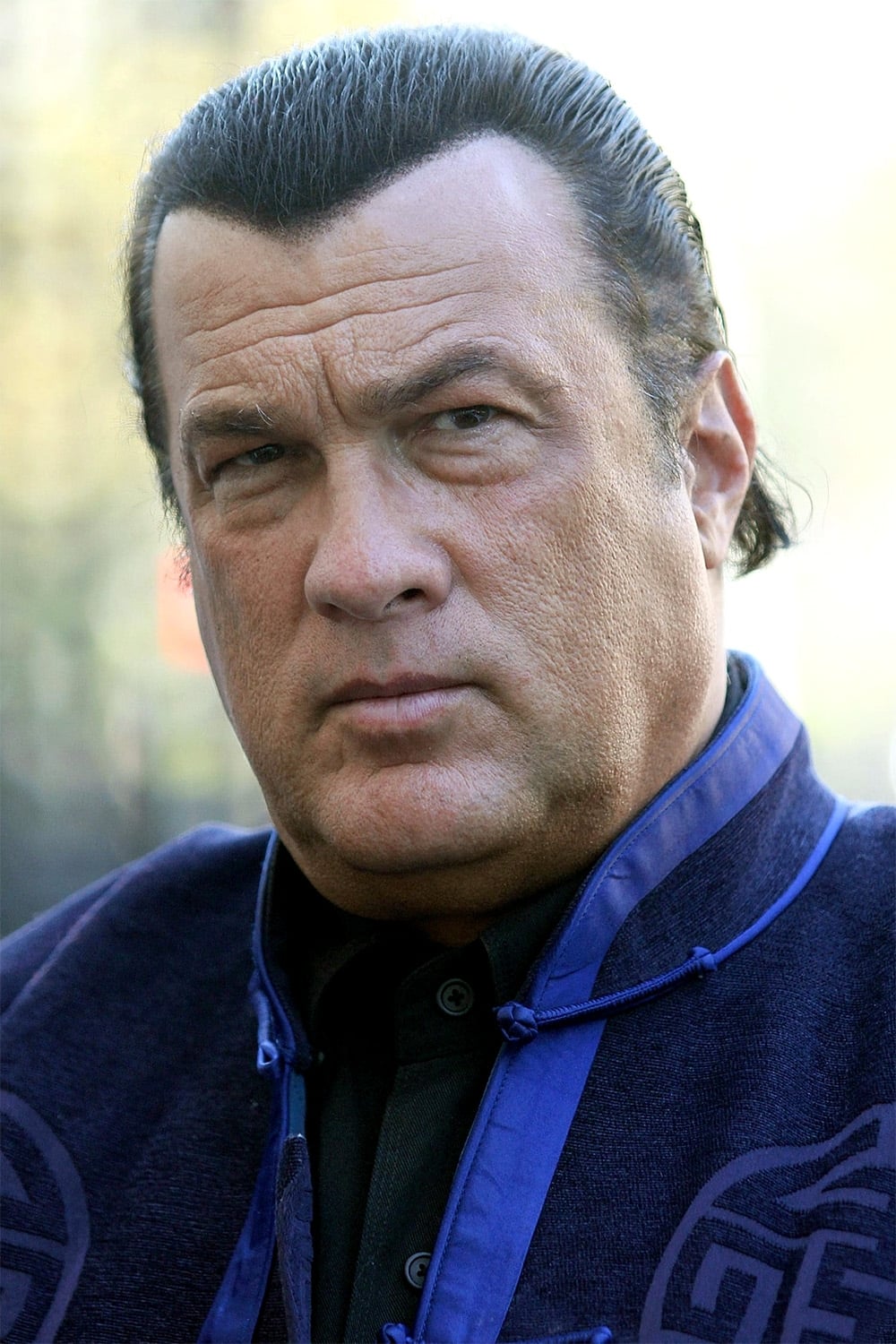
Steven Seagal has been accused of sexual misconduct by multiple women and has reacted with hostility toward the claims. The action star famously walked out of a live television interview when a reporter asked him about the allegations. He has denied all accusations of assault and harassment through his legal representatives. Seagal has refused to engage in a dialogue about the movement or his alleged behavior. His response has been one of total avoidance and dismissal.
Oliver Stone
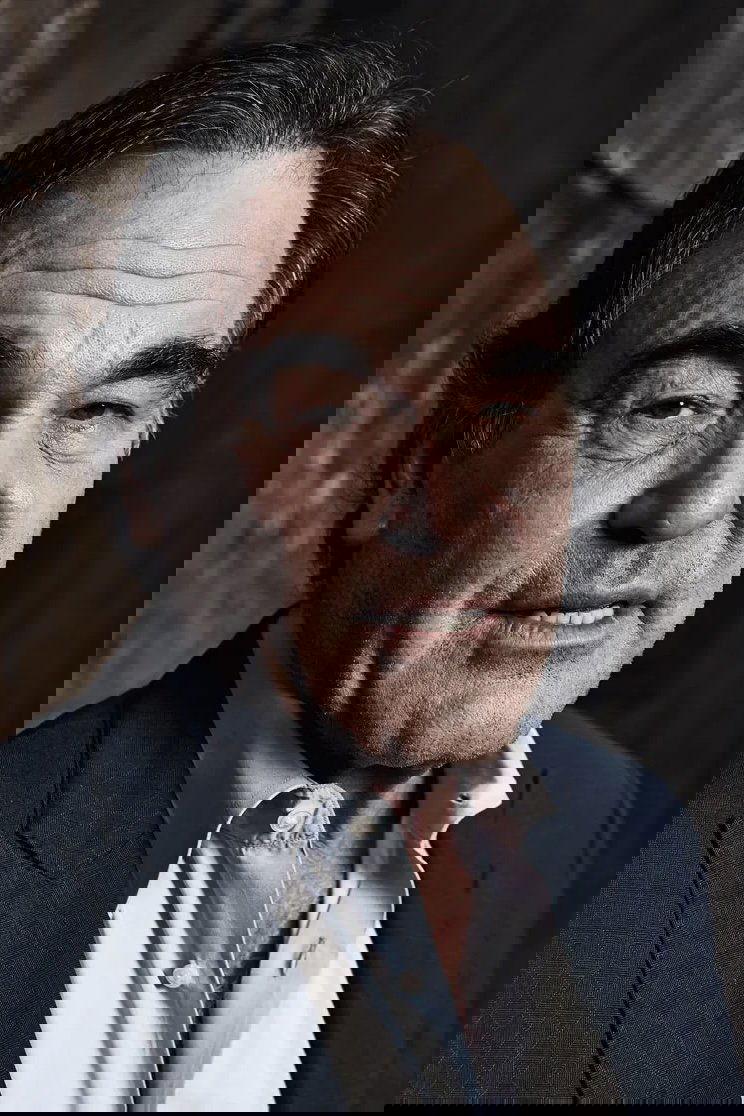
Oliver Stone initially criticized the #MeToo movement by warning against a vigilante system where accusations equate to guilt. The director and actor expressed sympathy for Harvey Weinstein and argued that a man should not be condemned by a mob. Stone later retracted his comments and apologized after facing significant backlash. However, his initial reaction revealed a deep skepticism regarding the social media-driven justice of the movement. He has since remained relatively quiet on the topic to avoid further controversy.
Roman Polanski
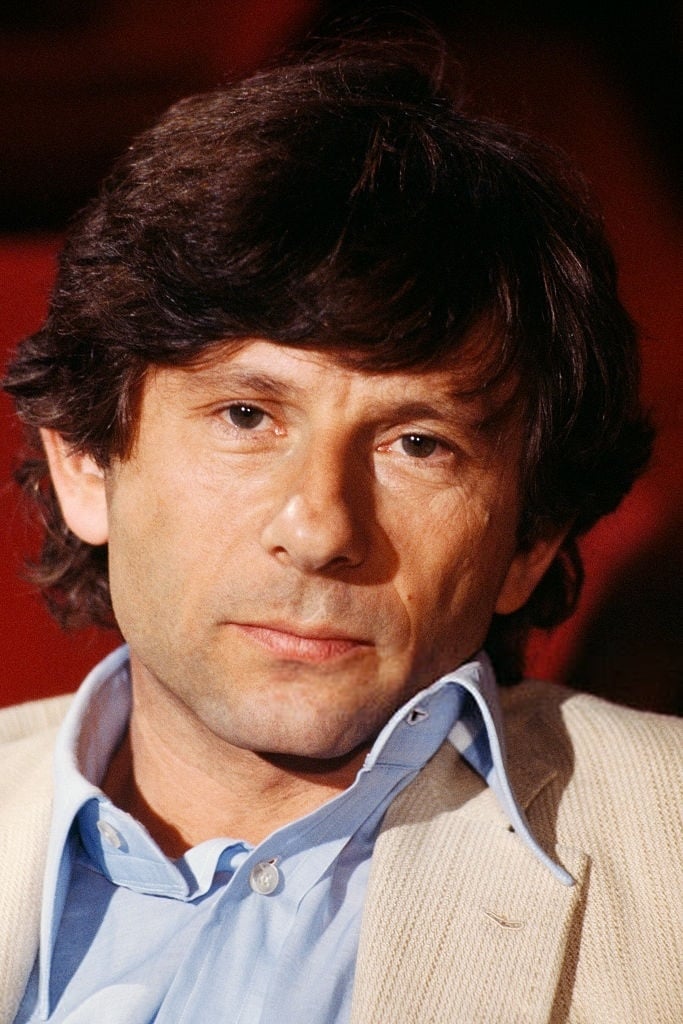
Roman Polanski has been a fugitive from the United States justice system for decades but faced new scrutiny during the #MeToo era. The director and actor has repeatedly claimed he is being persecuted by feminist activists and the media. He compared the movement to a hysterical mass endeavor similar to a blizzard trying to bury him. Polanski views the renewed interest in his past crimes as an unjust attempt to prevent him from working. He continues to make films in Europe despite protests and boycotts.
Bill Murray
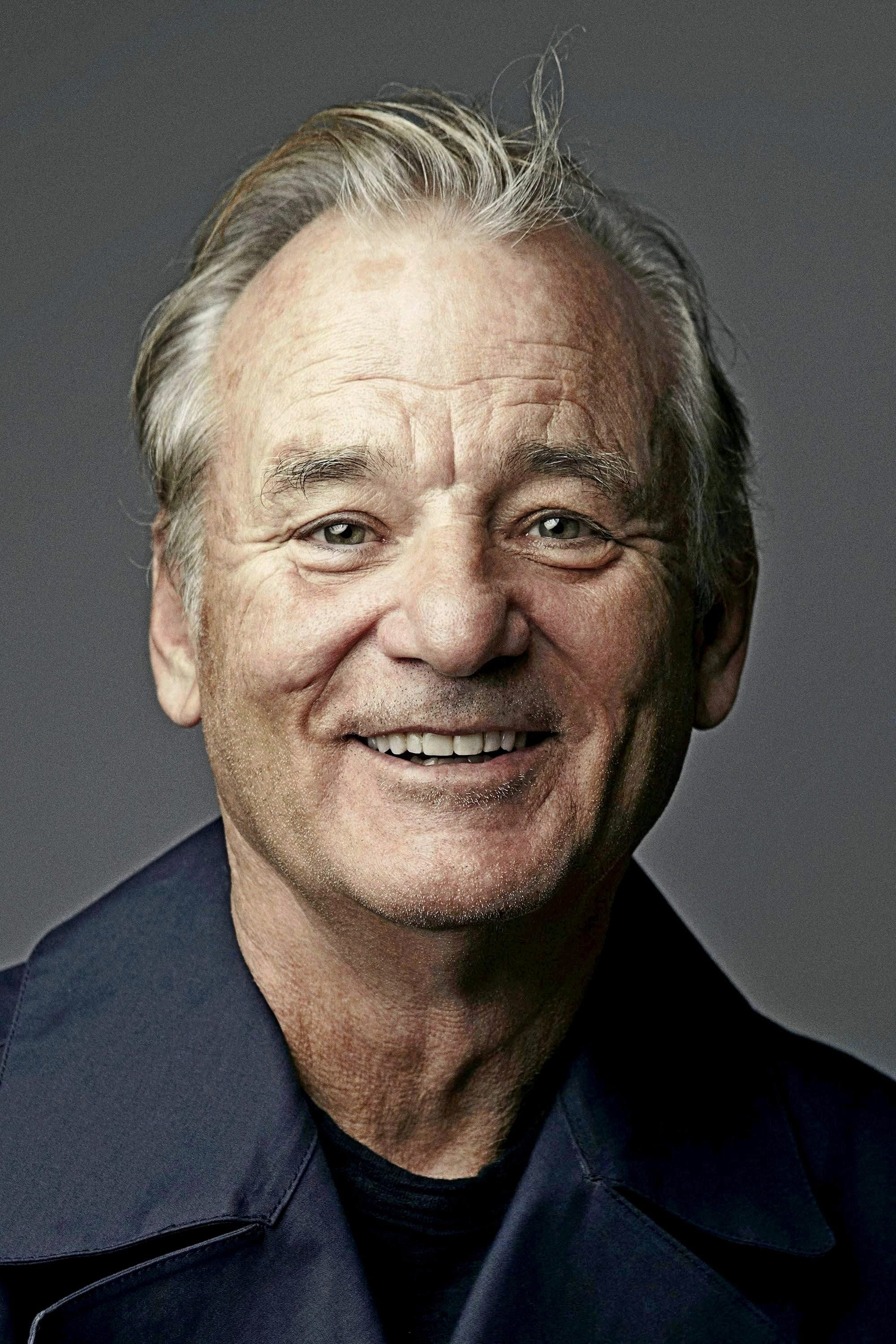
Bill Murray faced a suspension of his film ‘Being Mortal’ after a complaint of inappropriate behavior was filed against him. The actor described the incident as a difference of opinion with a woman on set regarding what was considered funny. He paid a substantial settlement to the accuser but seemed perplexed by how his behavior was received. Murray noted that the world is different now and that what he thought was playful was no longer accepted. He expressed a desire to make peace but framed the issue as a generational misunderstanding.
Jeffrey Tambor
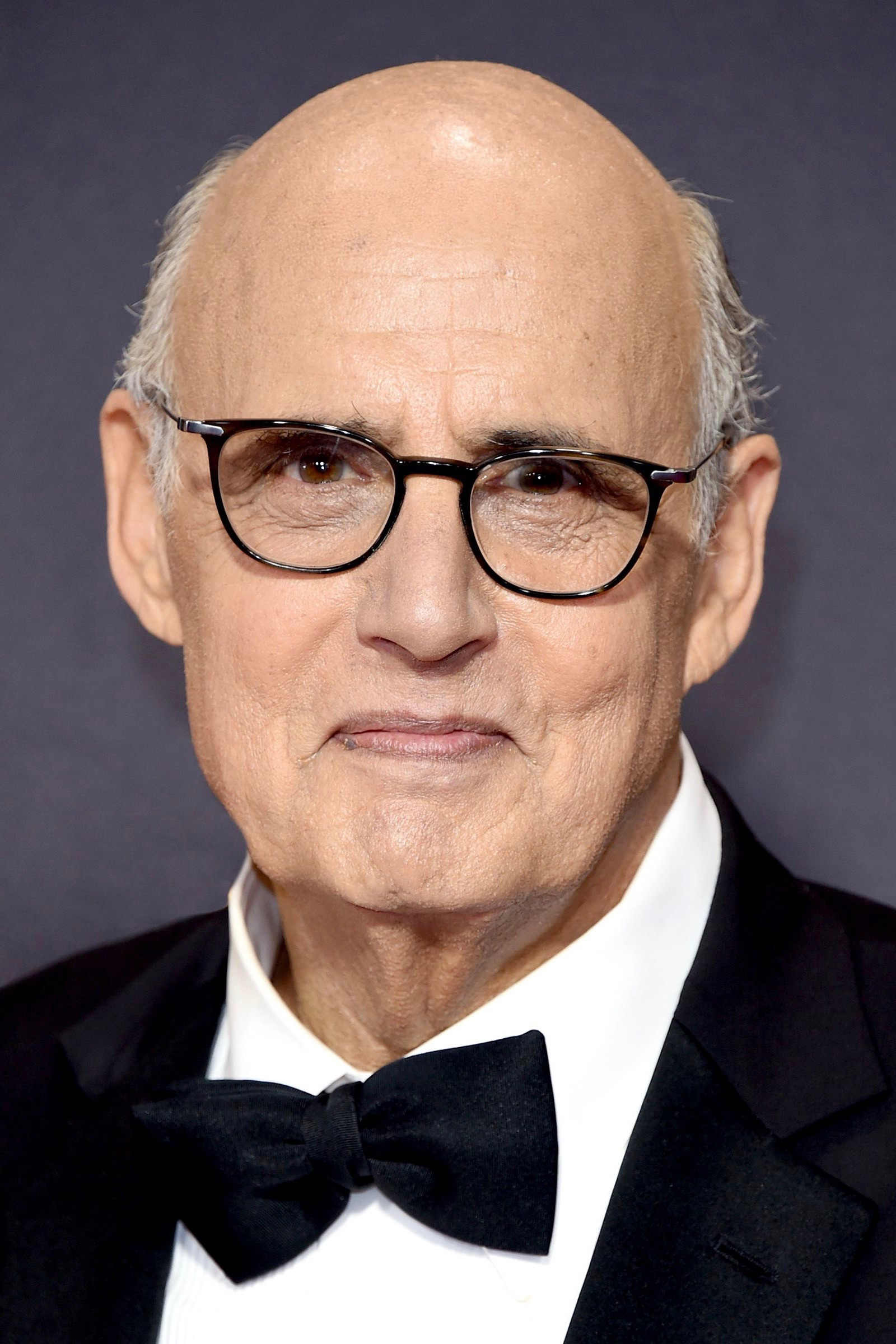
Jeffrey Tambor was fired from his hit show ‘Transparent’ following accusations of sexual harassment by his assistant and a co-star. The actor strongly denied ever being a predator and criticized the investigation that led to his dismissal. He admitted to being difficult and volatile on set but insisted the claims of sexual misconduct were false. Tambor argued that the atmosphere at Amazon had become politicized and unjust toward him. He has continued to maintain his innocence regarding the specific harassment claims.
Kevin Sorbo
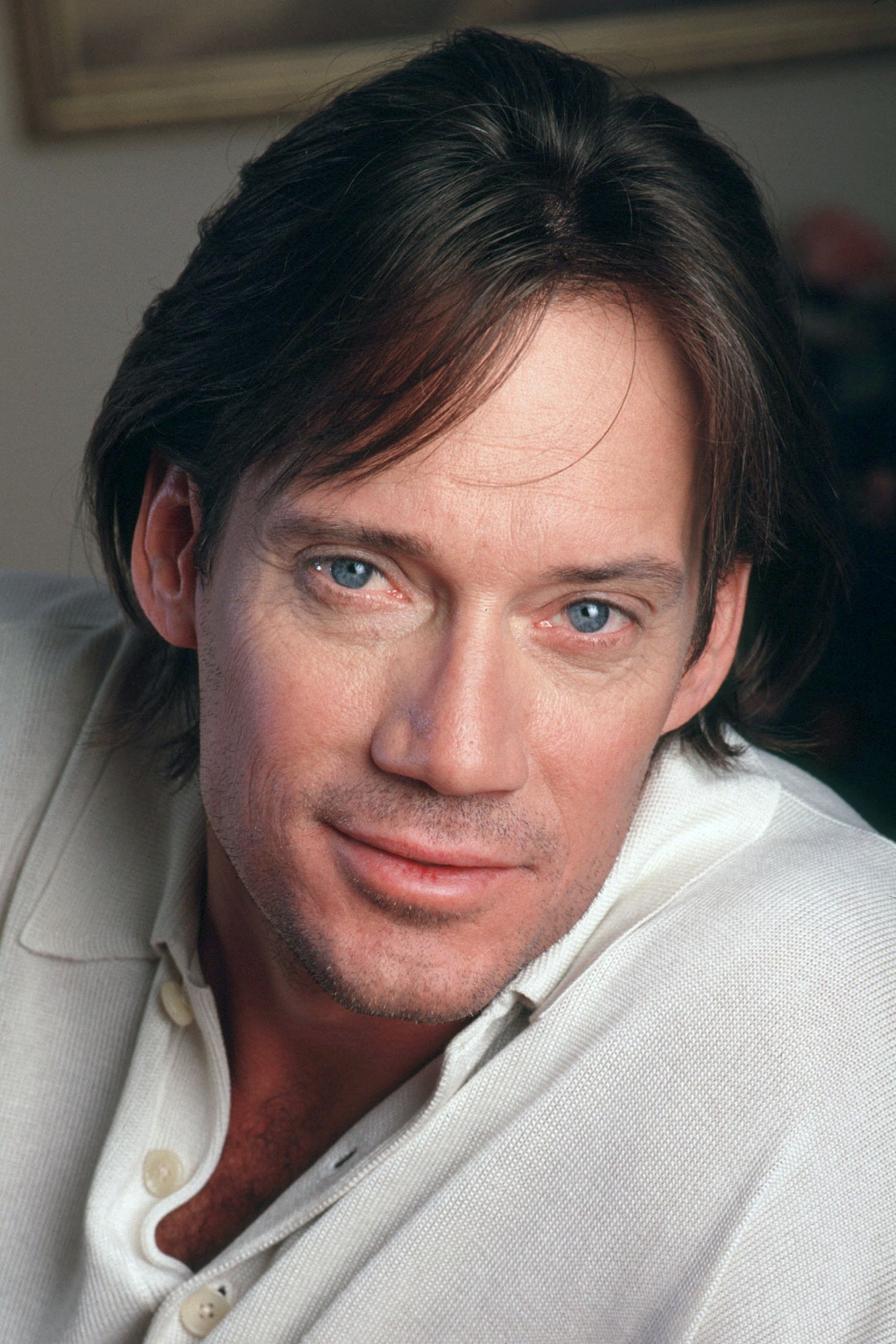
Kevin Sorbo has frequently used social media to criticize the #MeToo movement and modern progressive causes in Hollywood. The conservative actor has suggested that the movement is driven by hypocrisy and political agendas. He has defended men he believes were unfairly targeted or canceled without proof. Sorbo argues that the industry has lost its moral compass and is consumed by witch hunts. His views align with a broader critique of what he calls the woke culture in entertainment.
James Woods
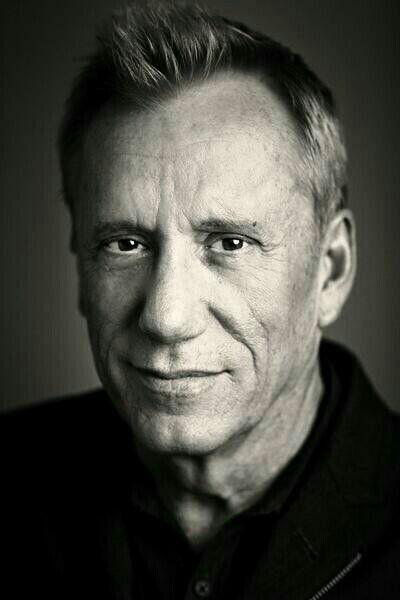
James Woods is a vocal conservative who has criticized the #MeToo movement as part of a larger liberal attack on traditional values. The actor has been accused of misconduct himself and has aggressively threatened legal action against his accusers. He views the movement as a political tool used to destroy the careers of those who do not conform. Woods has used his Twitter platform to mock the movement and support other men who have been accused. He remains an unapologetic opponent of the cultural shift in Hollywood.
Taron Egerton
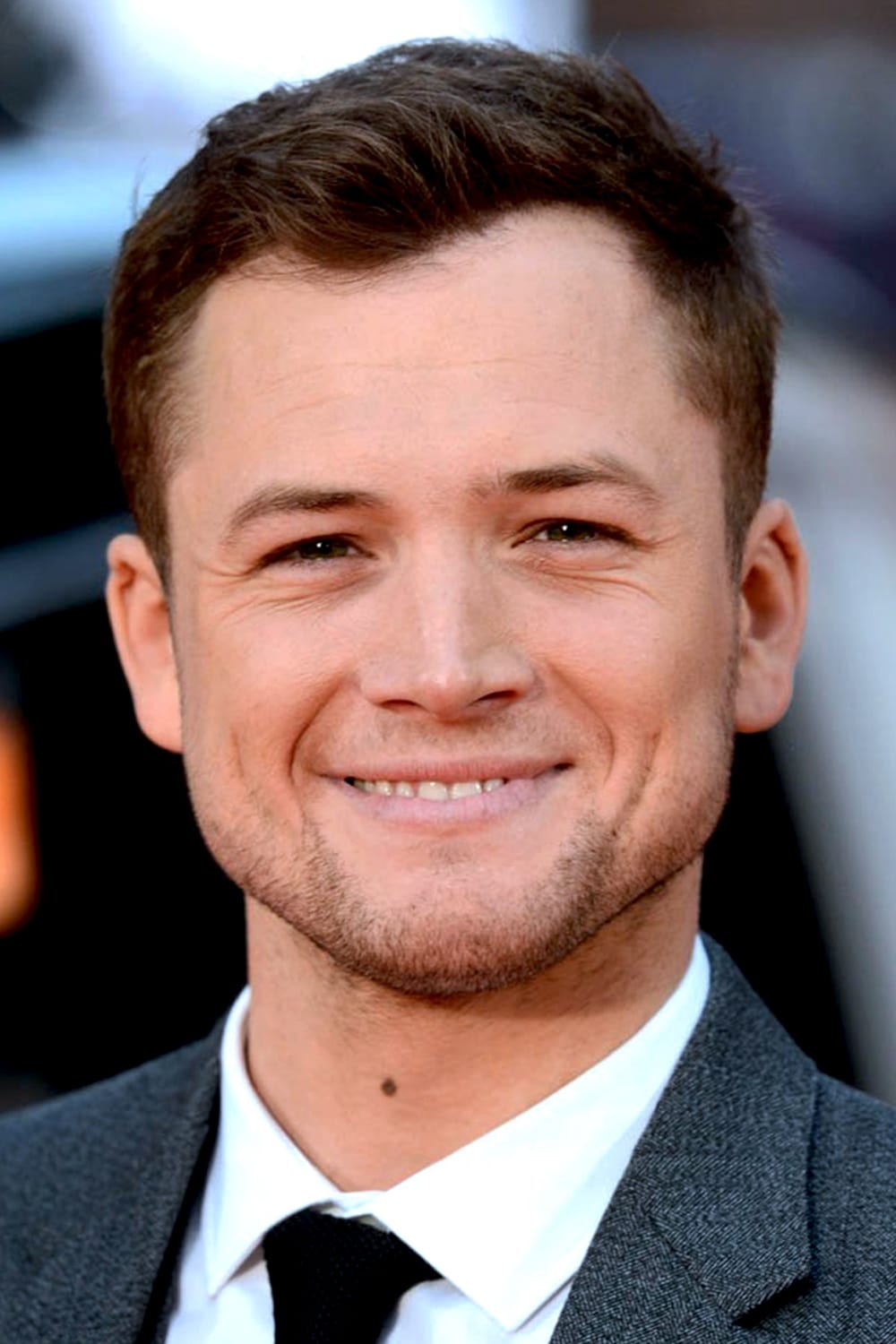
Taron Egerton sparked a debate when he questioned how the #MeToo movement influenced his interactions with women. The actor stated that he would avoid being alone with certain people to prevent fabricated accusations from destroying his career. He expressed a fear that even innocent situations could be twisted into something malicious in the current climate. Egerton clarified that he supports the protection of women but feels the pendulum has swung too far. His comments highlighted the anxiety some men feel regarding the potential for false claims.
Jason Bateman
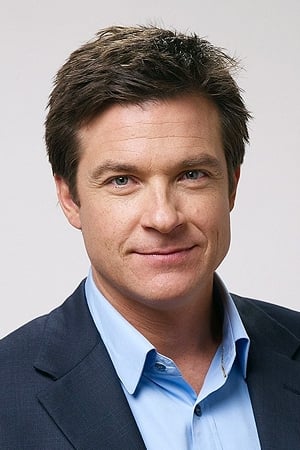
Jason Bateman faced backlash for defending Jeffrey Tambor during a cast interview for ‘Arrested Development’. Bateman minimized Tambor’s verbal harassment of co-star Jessica Walter by calling it a common part of the industry process. He argued that actors are difficult artists and that such behavior should be understood in that context. Critics felt Bateman was excusing abuse and gaslighting a female victim in real-time. He later apologized profusely after realizing how his defense of a male peer undermined his female co-star.
Russell Brand
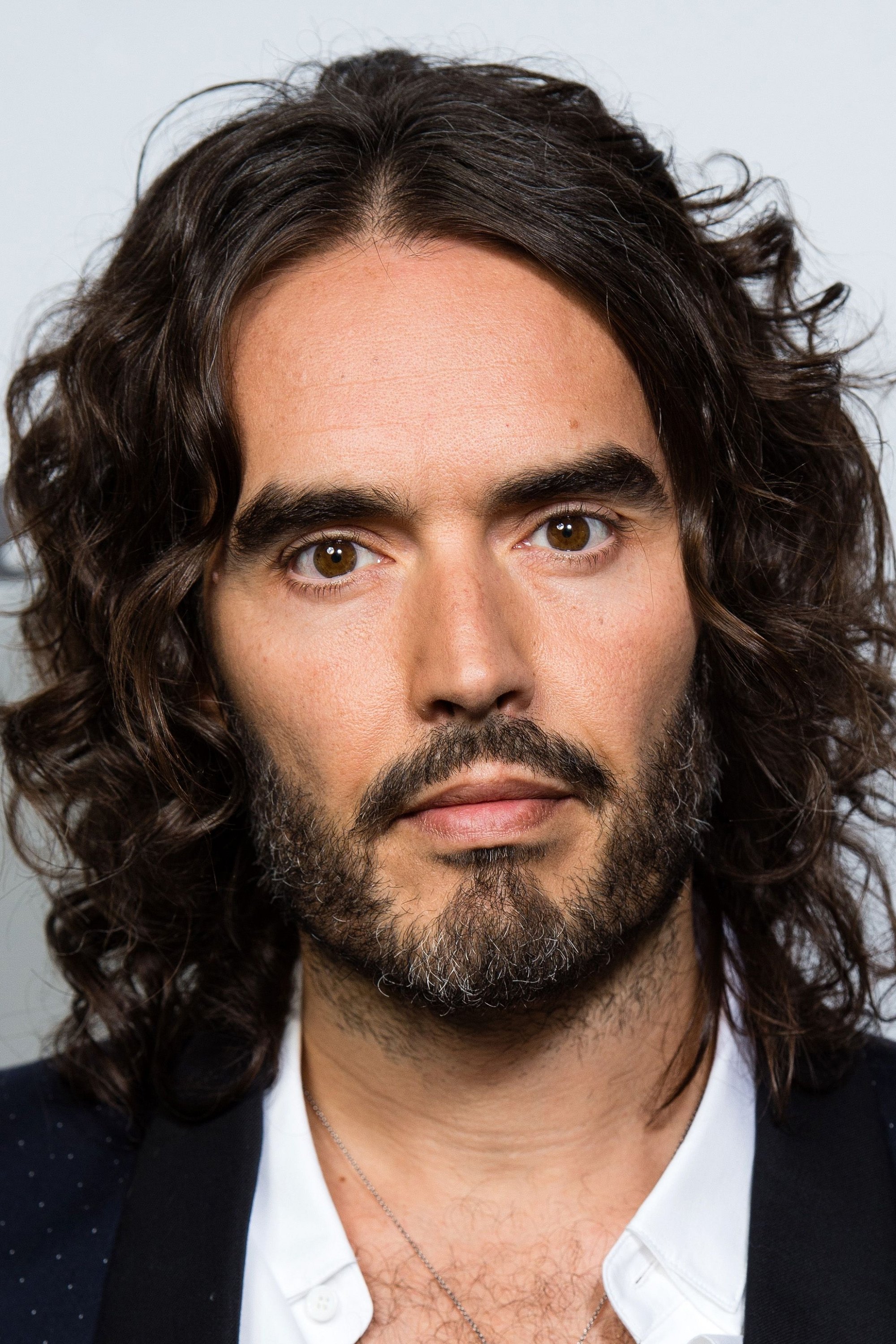
Russell Brand has recently been accused of sexual assault and emotional abuse by multiple women following a joint media investigation. The actor and comedian released a video ahead of the reports denying all criminal allegations and claiming his relationships were consensual. He framed the accusations as a coordinated attack by the mainstream media to silence his anti-establishment views. Brand argues that the #MeToo movement is being weaponized against him because of his political dissent. He has since retreated to alternative media platforms to rally his supporters.
Cuba Gooding Jr.
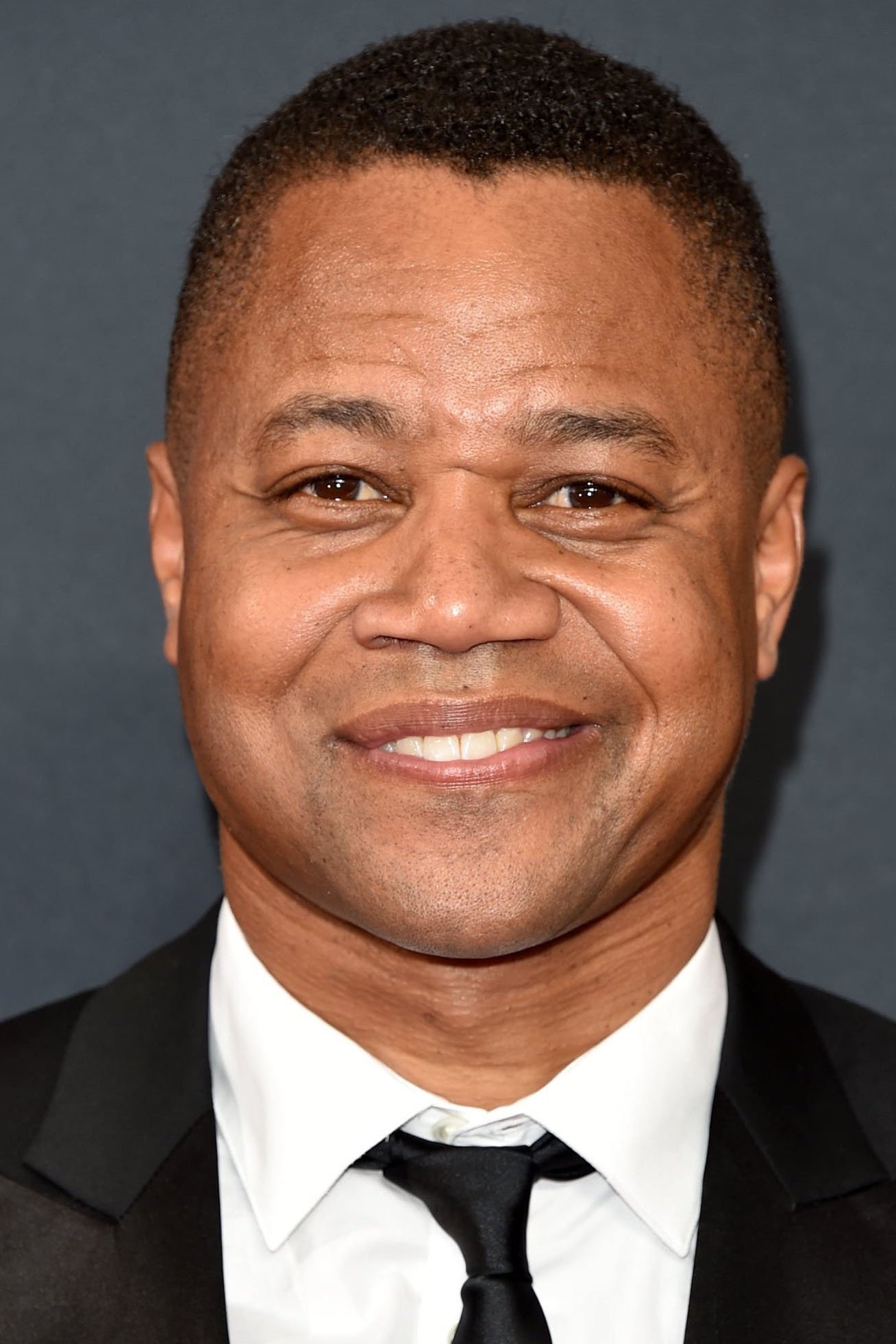
Cuba Gooding Jr. faced allegations from over twenty women regarding unwanted touching and groping. The actor pleaded guilty to one count of forcible touching to resolve his legal case but avoided jail time. Throughout the process, his legal team aggressively attacked the credibility of the accusers and the motives of the prosecution. Gooding Jr. maintained that he was a fun-loving guy whose actions were misinterpreted by the #MeToo climate. He viewed the prosecution as an excessive reaction to non-criminal behavior.
Danny Masterson
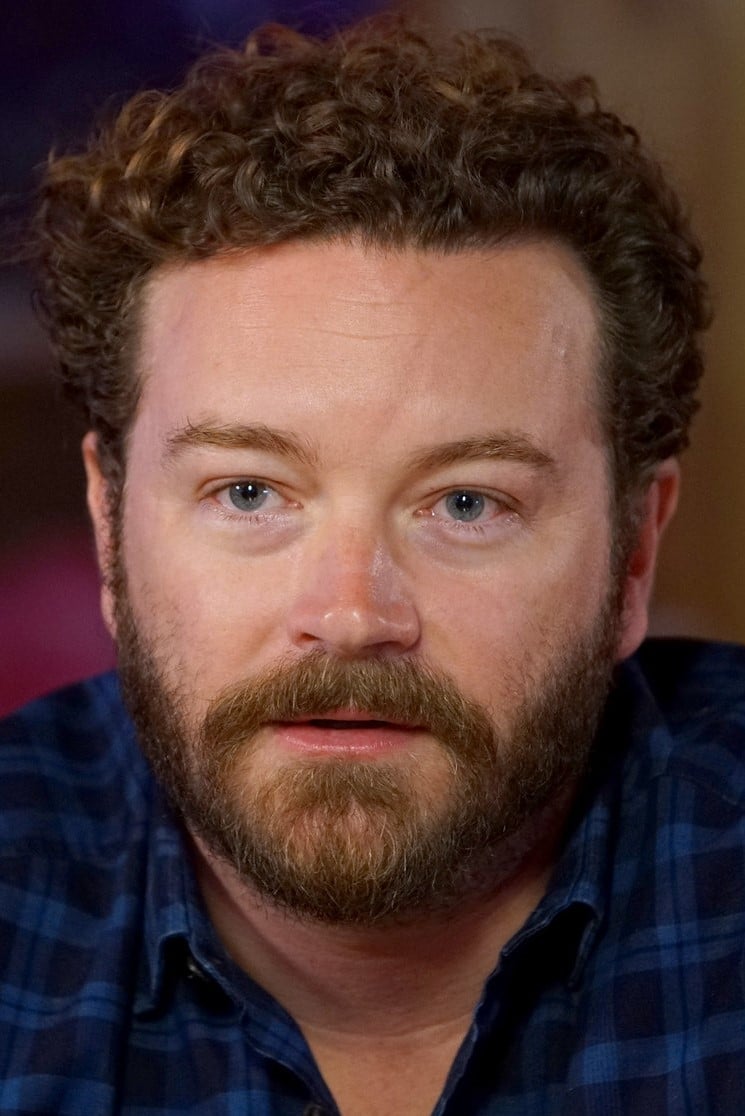
Danny Masterson was convicted of rape and sentenced to thirty years to life in prison, but he maintained his innocence throughout the trials. The actor claimed that the allegations were part of a conspiracy against the Church of Scientology. He and his defense team argued that the sexual encounters were consensual and that the accusers were coordinating their stories. Masterson’s supporters and family continue to assert that he was the victim of a biased justice system influenced by public pressure. He never conceded to the validity of the movement or the charges.
Armie Hammer
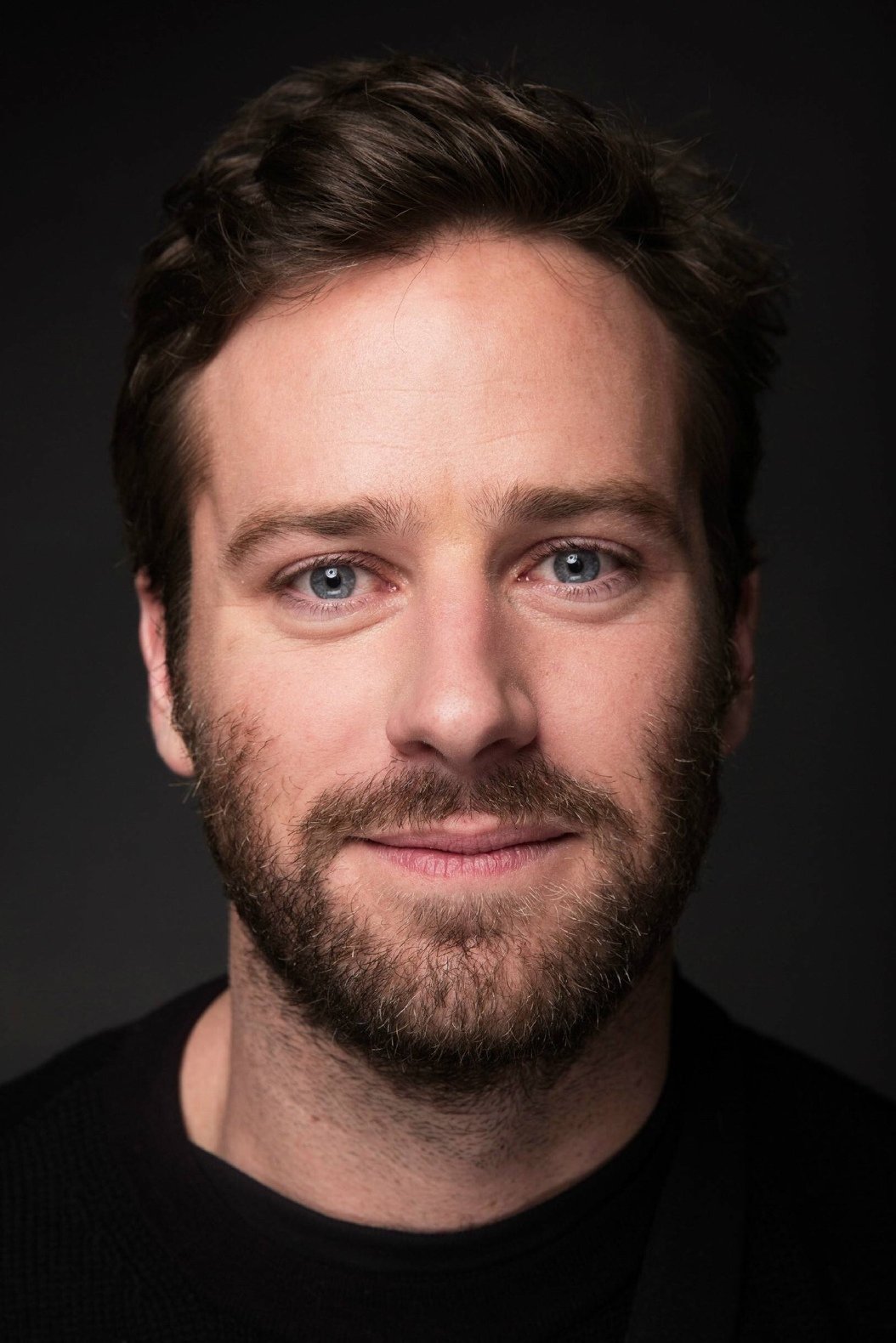
Armie Hammer faced a career-ending scandal involving allegations of sexual assault and bizarre cannibalistic fantasies. The actor denied all claims of non-consensual sexual activity and described the allegations as an online attack. He argued that all his relationships were completely consensual and discussed in advance. Hammer viewed the public outcry as a distortion of his private life and kinks. He retreated from Hollywood and has largely refused to engage with the media since the scandal broke.
Chris Noth
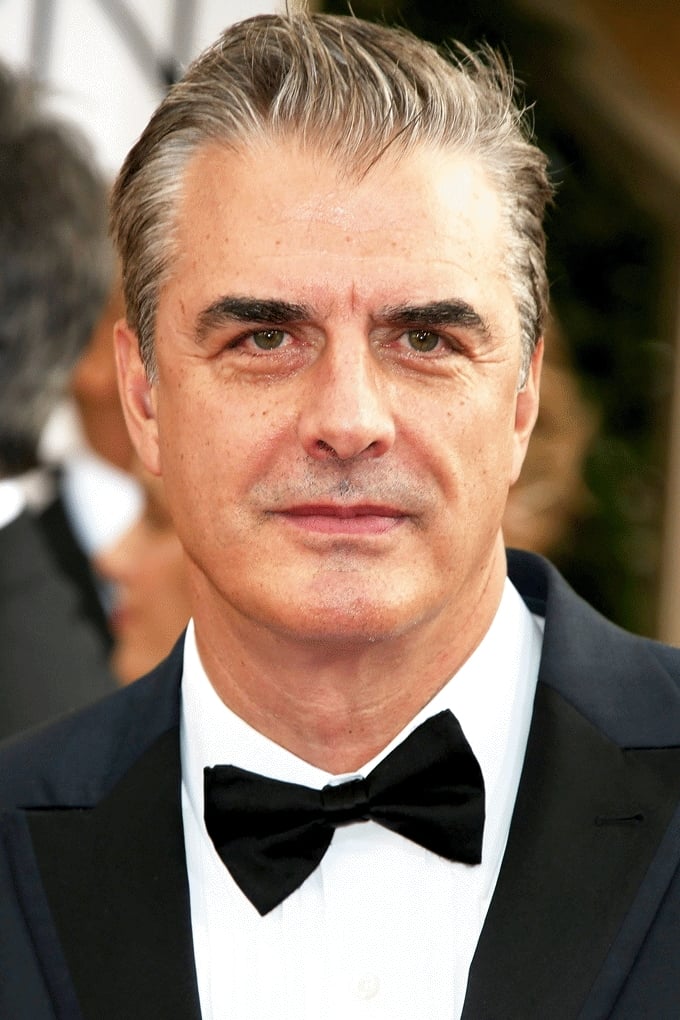
Chris Noth was removed from the show ‘The Equalizer’ and cut from the ‘And Just Like That…’ finale after sexual assault allegations surfaced. The actor categorically denied the accusations and stated that the encounters were consensual. He questioned the timing of the stories and suggested there was a motive behind them coming out when they did. Noth insisted that he did not cross the line into assault despite the graphic nature of the claims. He has maintained that the movement has unfairly targeted him without proof.
Ed Westwick
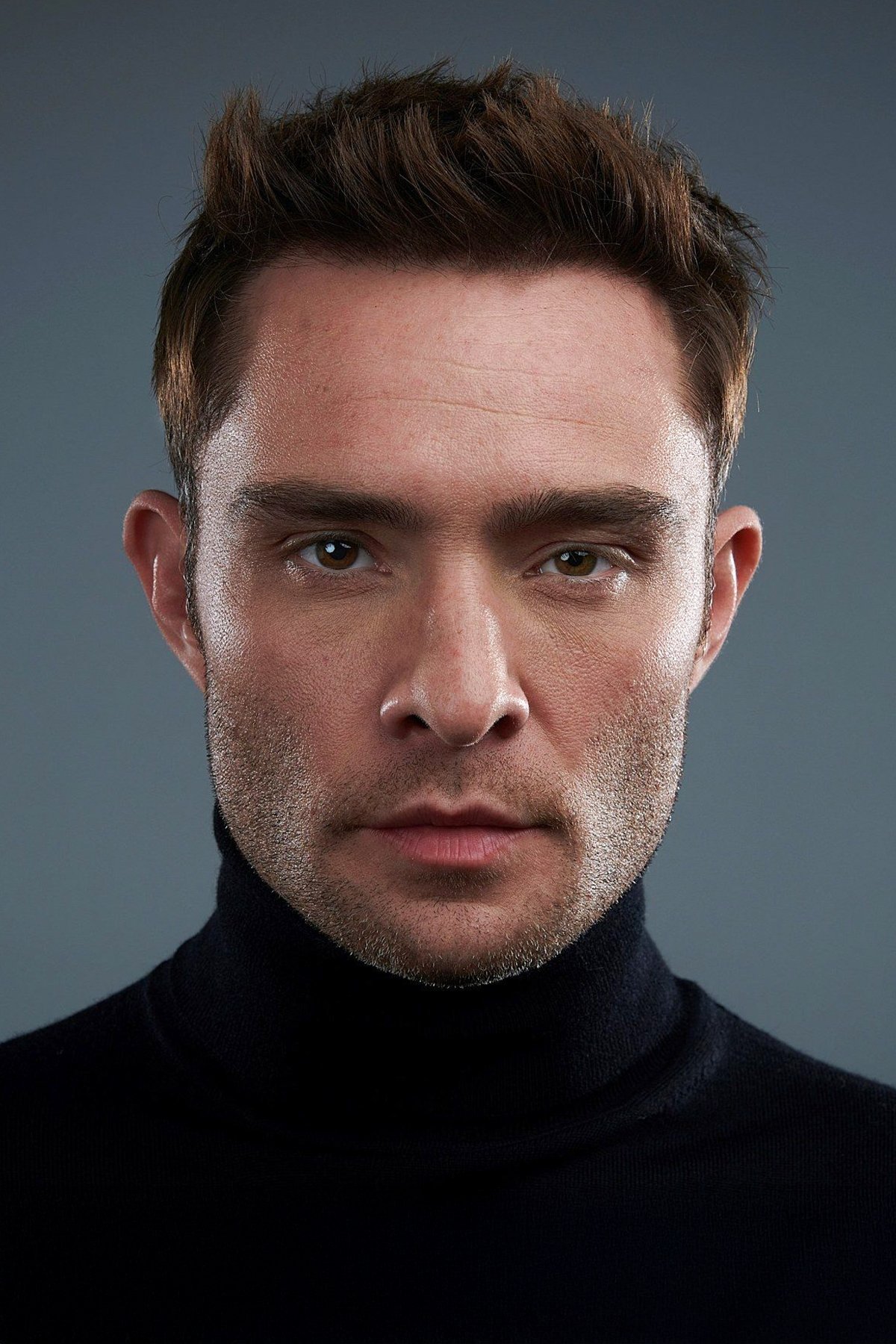
Ed Westwick was accused of sexual assault by multiple women and responded with vehement denials on social media. The actor stated that he did not know the women and that the events described never occurred. He cooperated with authorities and was eventually not charged due to insufficient evidence. Westwick argued that social media allows unverified claims to destroy reputations instantly. He has worked to rebuild his career while maintaining that he was falsely accused by the movement.
T.J. Miller
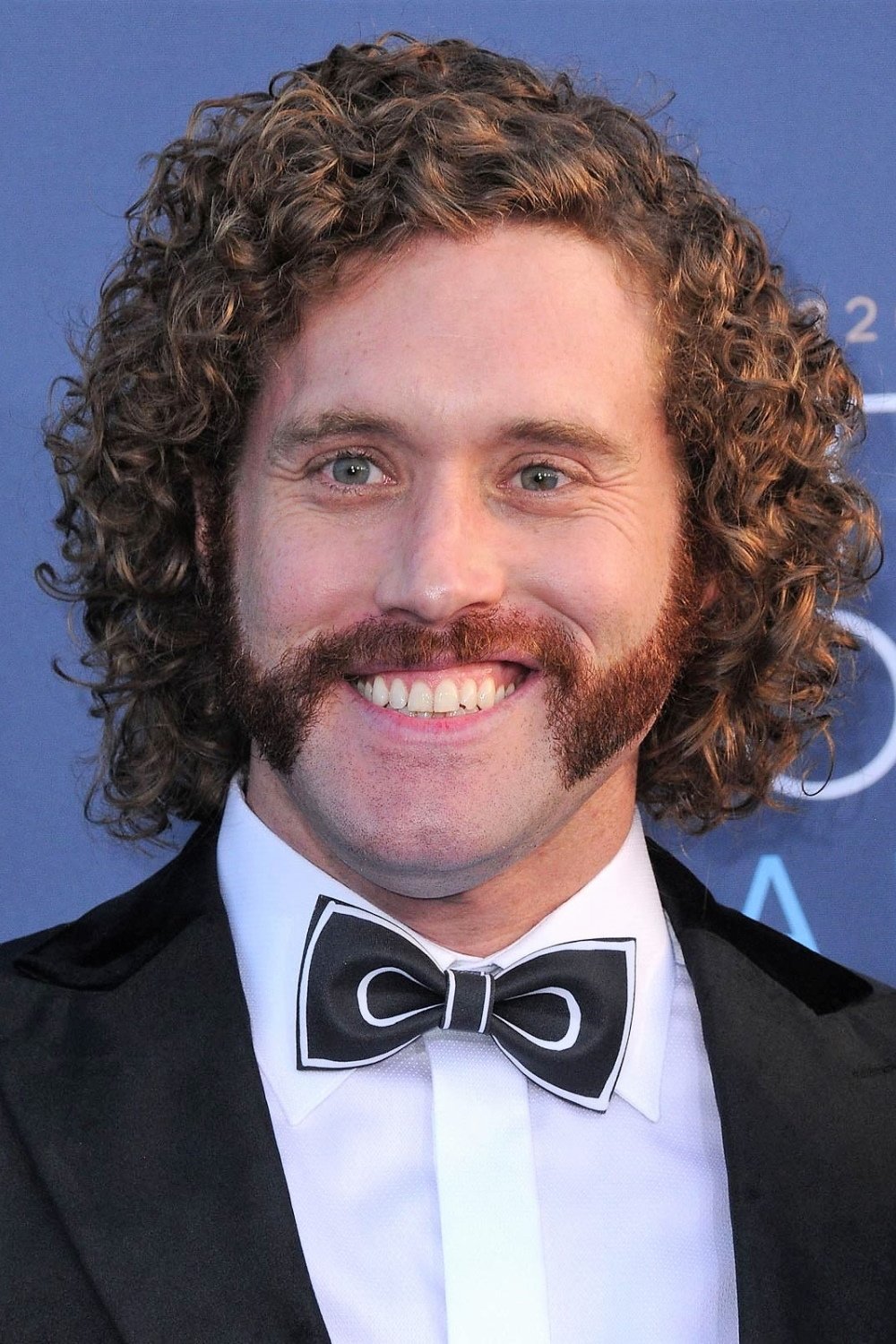
T.J. Miller denied allegations of sexual assault dating back to his college years when they resurfaced during the height of the movement. The comedian and actor claimed the accuser was using the current climate to launch a vindictive attack. He argued that the relationship was consensual and that the accusations were being used to undermine his career. Miller also faced accusations of bullying on set, which he dismissed as misunderstandings of his comedic style. He has continued to tour and perform despite the controversies.
Jeremy Piven
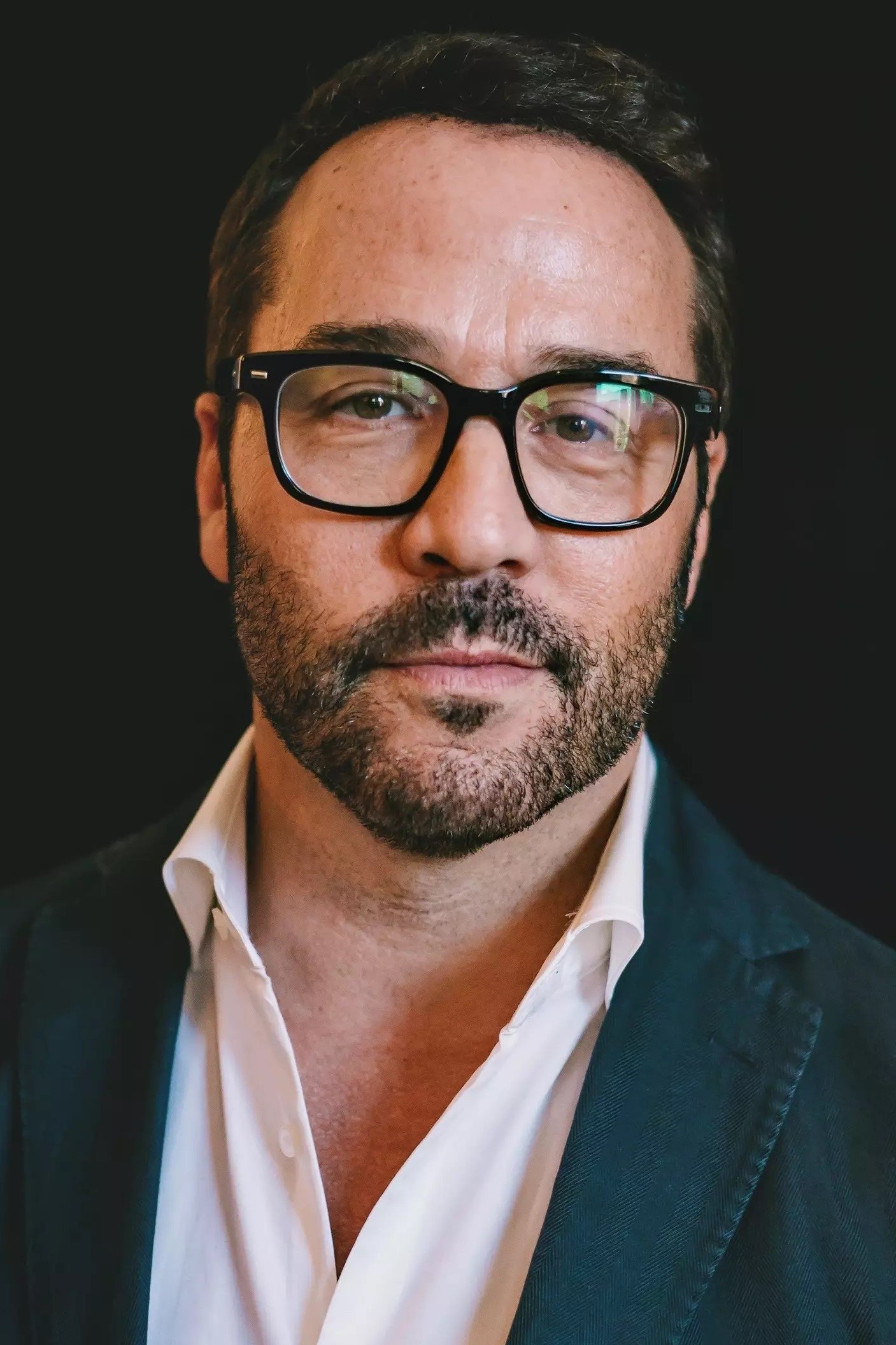
Jeremy Piven took the unusual step of taking a polygraph test to prove his innocence after being accused of sexual misconduct. The actor categorically denied the allegations from several women and claimed he was being held hostage by the movement. He argued that the standard of proof had disappeared and that men were being guilty until proven innocent. Piven released the results of his lie detector test to the press to clear his name. He remains a vocal critic of how the industry handles anonymous accusations.
Jon Voight
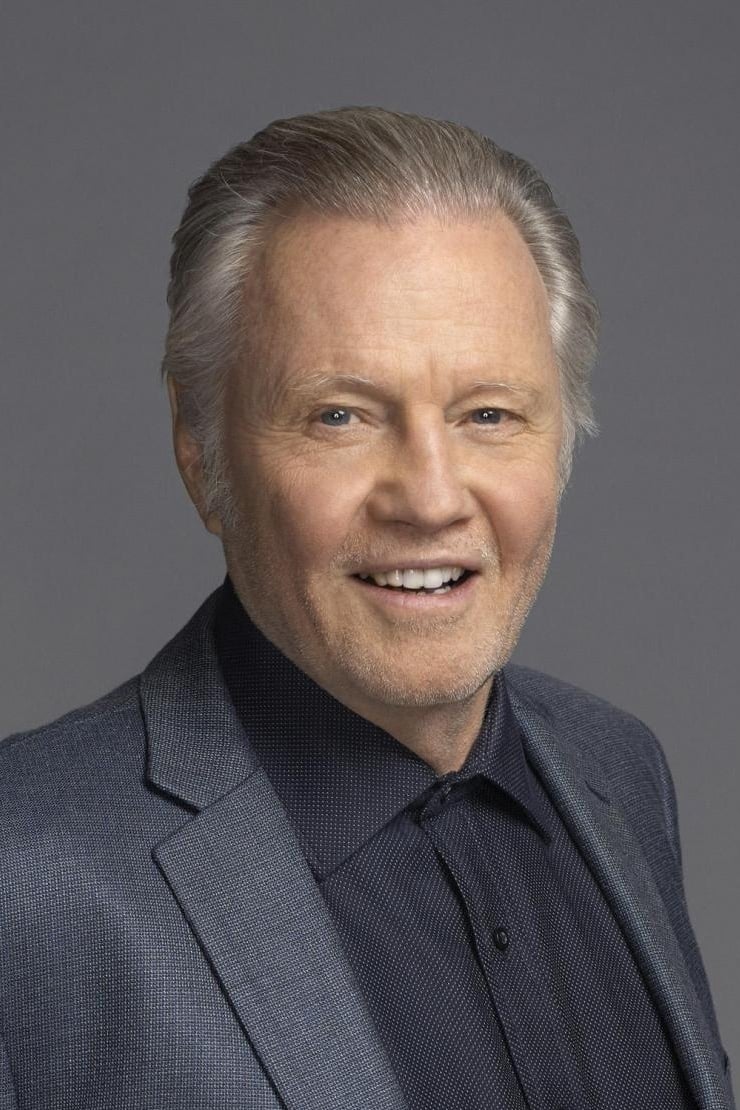
Jon Voight has consistently opposed the political and social shifts in Hollywood, including the #MeToo movement. The veteran actor views the movement as a symptom of liberal extremism that seeks to dismantle traditional structures. He has defended Donald Trump and other figures against accusations of misconduct. Voight argues that the industry has become intolerant of differing views and due process. His opposition is rooted in his broader conservative political ideology.
Charlie Sheen
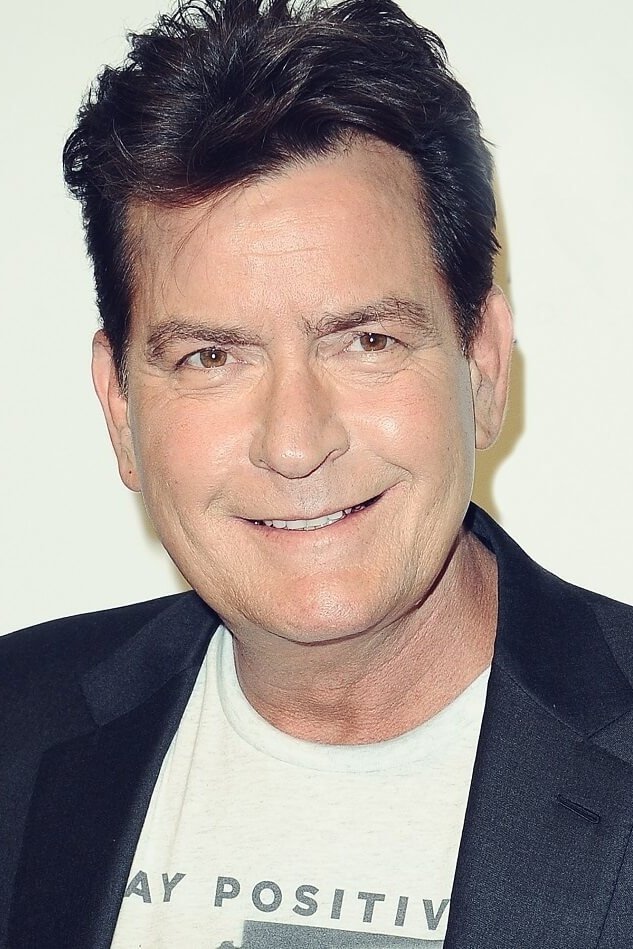
Charlie Sheen has faced numerous legal and social controversies throughout his career and has been dismissive of the industry’s moral policing. While he has not been a central figure in the #MeToo discourse, he was sued for exposing sexual partners to HIV and faced older allegations of misconduct. Sheen has generally operated outside the bounds of Hollywood’s new standards of behavior. He has settled lawsuits quietly rather than engaging with the movement’s ideological debates. His attitude suggests a rejection of the accountability demanded by current activists.
Share your thoughts on these actors and their stances in the comments.