


Actors Who Doubt Systemic Racism Narratives

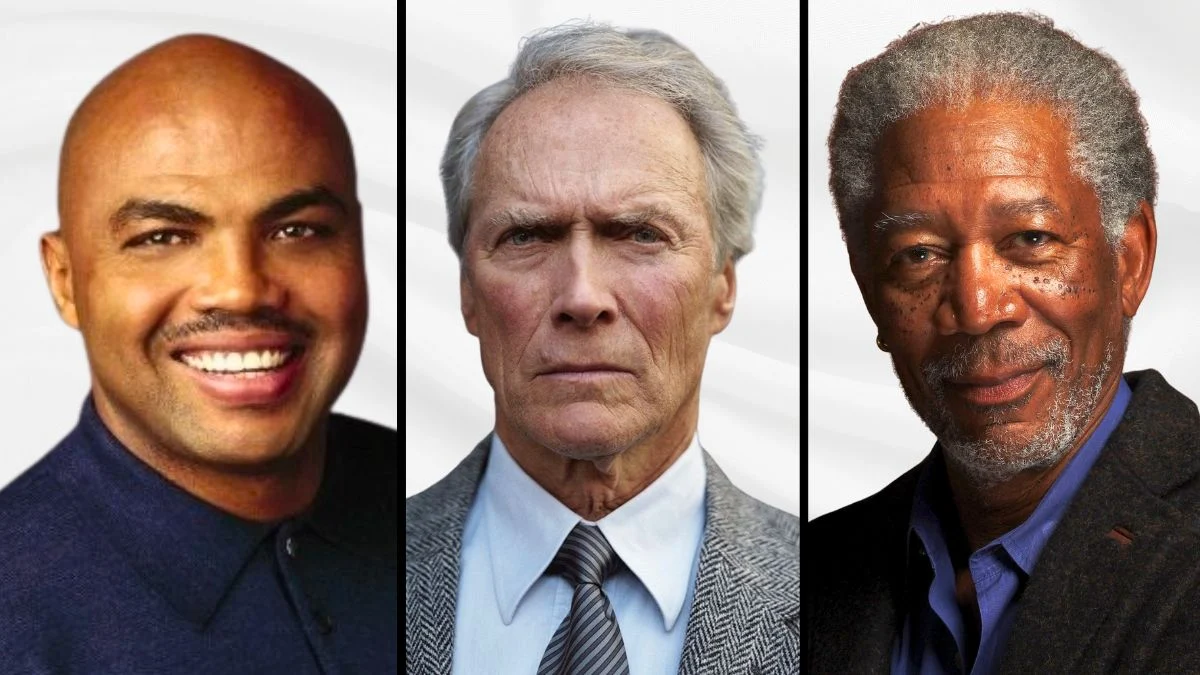


Public discourse regarding race and society in Hollywood often leans toward a singular viewpoint, yet several actors have voiced alternative perspectives. These individuals range from industry veterans to chart-topping musicians who have transitioned into acting. Some have openly questioned the effectiveness of movements like Black Lives Matter or the rhetoric surrounding systemic racism. Others advocate for a colorblind meritocracy or reject labels they feel limit their artistic identity. Their statements frequently spark debate within the entertainment industry and among the general public.
Morgan Freeman
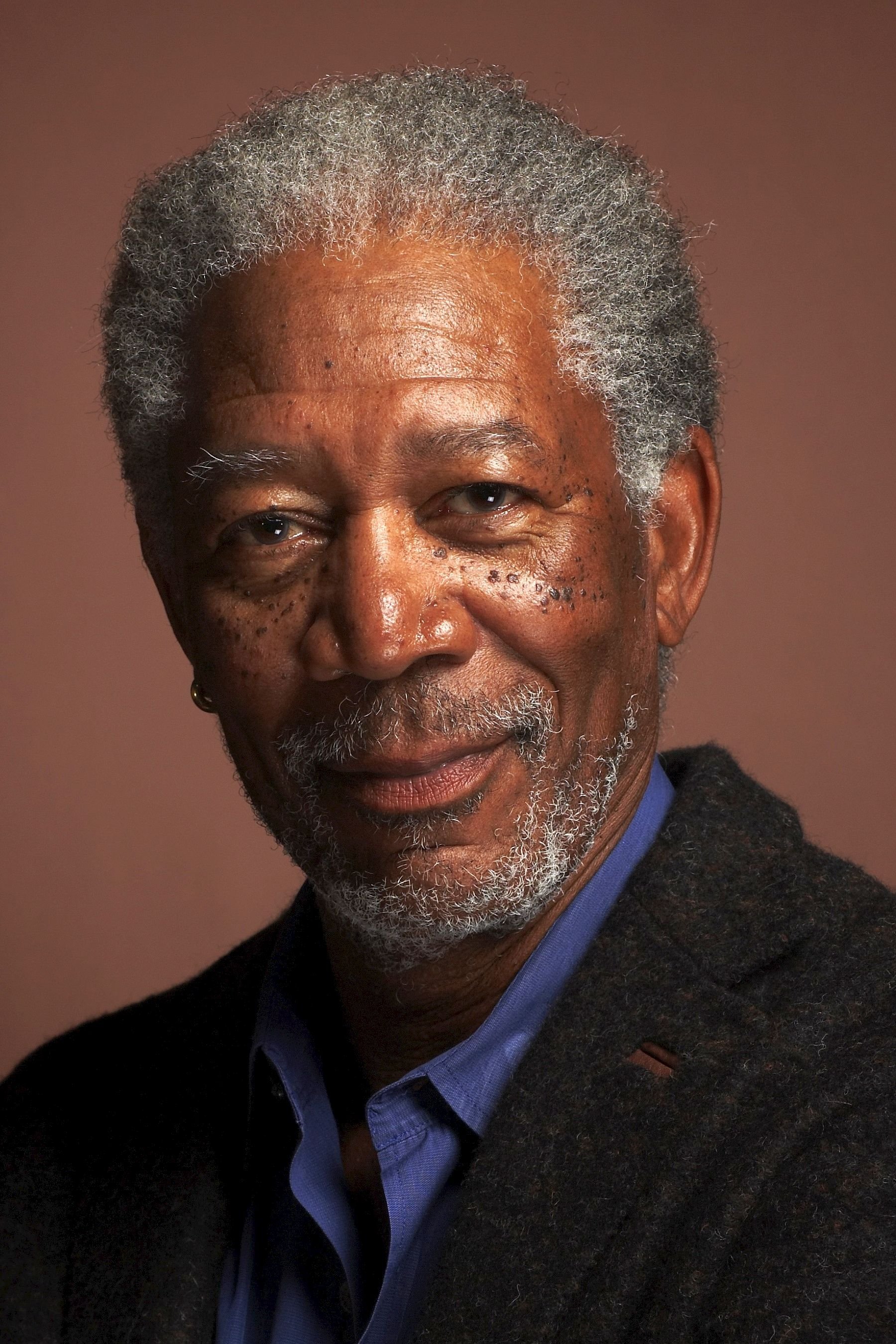
Morgan Freeman has famously expressed skepticism about the emphasis placed on race in modern society. He once stated during a ’60 Minutes’ interview that the best way to stop racism is to “stop talking about it.” The Academy Award winner argues that focusing constantly on racial differences only serves to perpetuate the divide between people. Freeman believes that individual achievement and character should supersede racial categorization. His views often align with a philosophy of colorblindness rather than systemic critique.
Lil Wayne
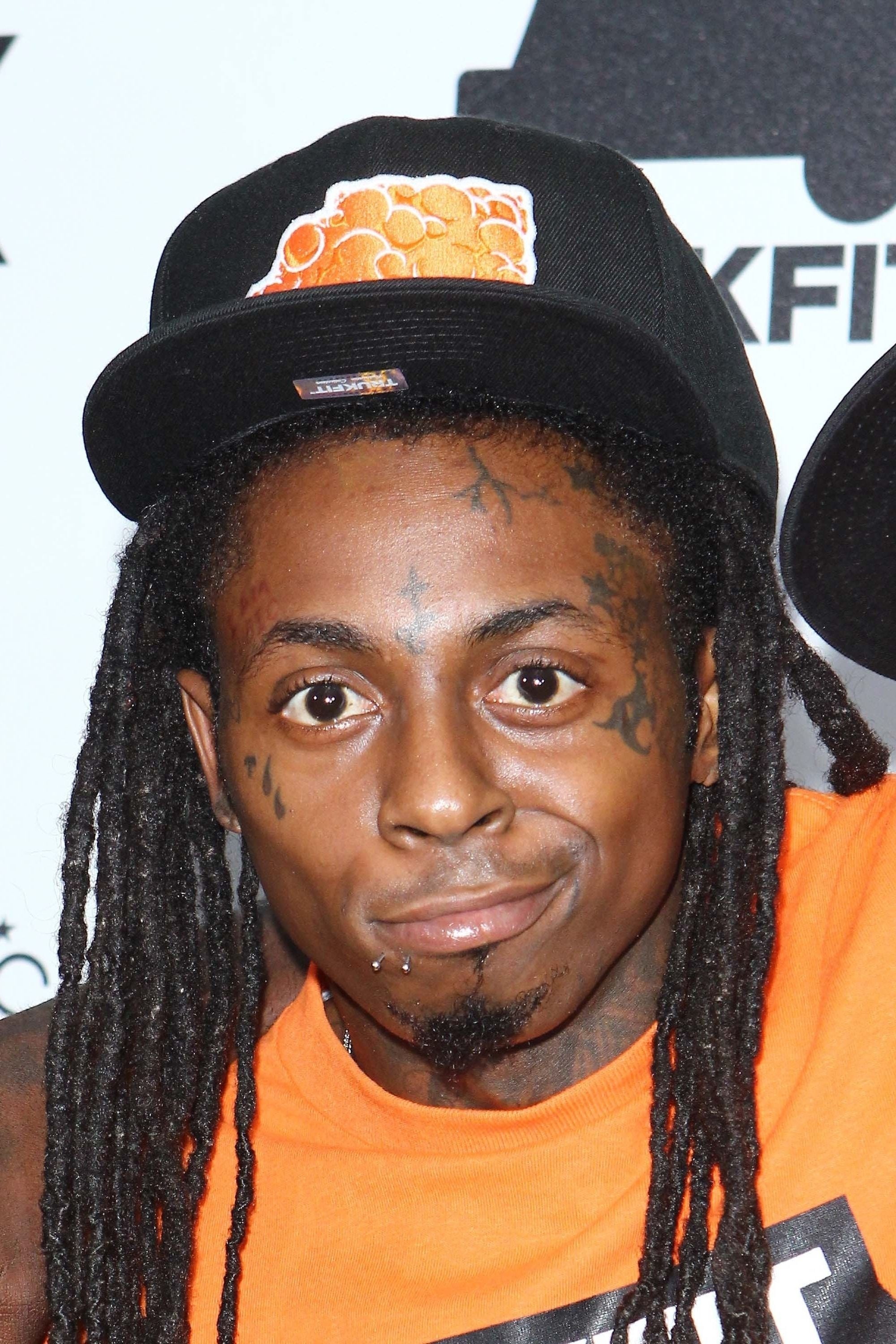
Lil Wayne caused a stir when he told an interviewer that he had never experienced racism in his life. The rapper and actor credited a white police officer for saving his life when he was a child. He suggested that his massive, diverse fanbase was proof that the country had moved past certain racial divides. Wayne has dismissed questions about the Black Lives Matter movement by stating it had nothing to do with him. His perspective focuses heavily on his personal reality rather than collective narratives.
Terry Crews
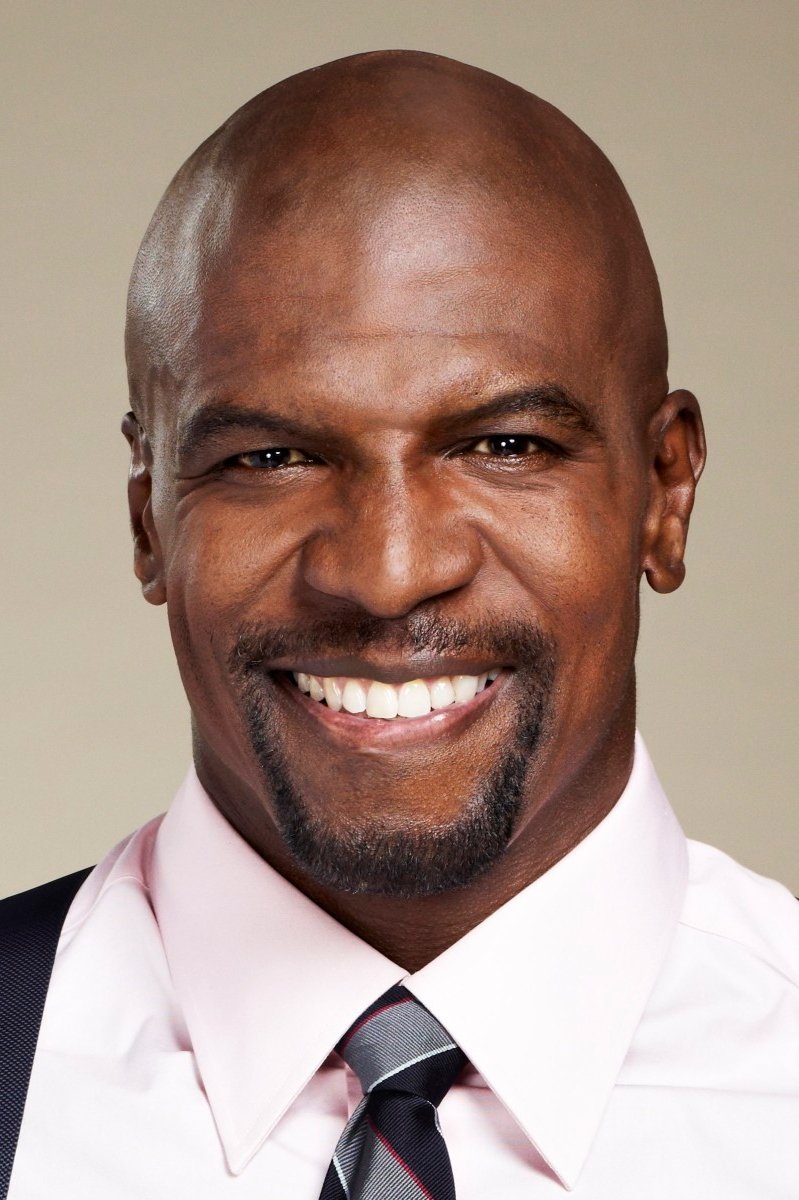
Terry Crews faced significant backlash for his comments regarding the Black Lives Matter movement during the height of the 2020 protests. He tweeted a warning that defeating white supremacy without white people could create “Black supremacy.” Crews emphasized the need for unity and cooperation across racial lines rather than division. He also criticized what he viewed as groupthink within the black community regarding political and social issues. The actor later apologized for the timing but maintained his stance on the importance of reconciliation.
Ye
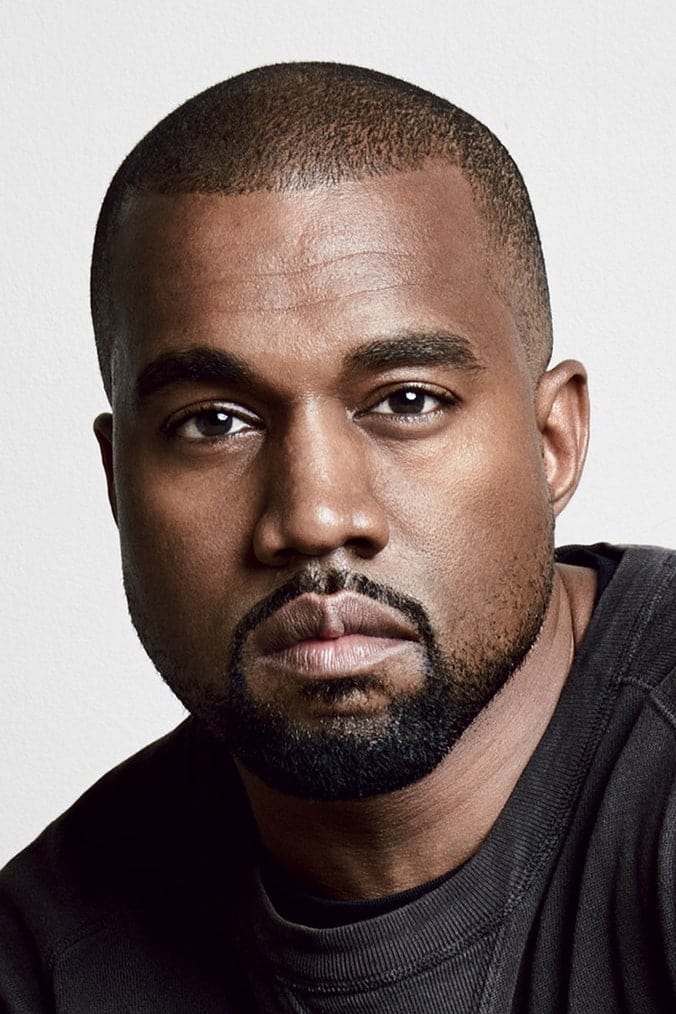
Kanye West has made numerous controversial statements that challenge mainstream narratives about systemic racism in America. He notably wore a “White Lives Matter” shirt during a fashion show in Paris to critique the Black Lives Matter movement. West described the movement as a “scam” and has frequently aligned himself with conservative political figures. He argues that black people are kept in a mental prison by focusing on victimhood and historical oppression. His outspoken nature has led to widespread condemnation and professional consequences.
Idris Elba
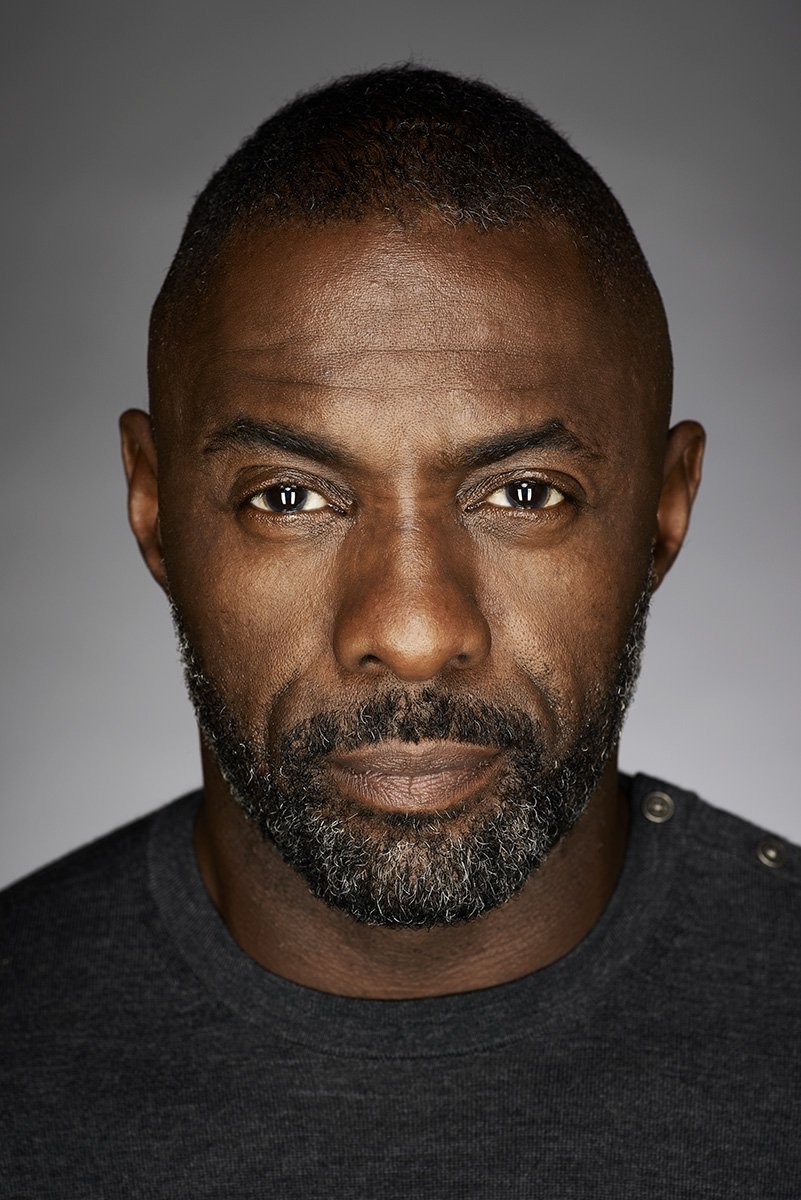
Idris Elba declared that he no longer describes himself as a “Black actor” because the label puts him in a box. He argued that the obsession with race can hinder aspirations and personal growth for artists. The British actor acknowledged that racism exists but stated it is only as powerful as individuals allow it to be. Elba emphasizes his identity as an individual creative force rather than a representative of a specific demographic. His comments sparked a debate about the necessity of racial labels in the entertainment industry.
Richard Dreyfuss
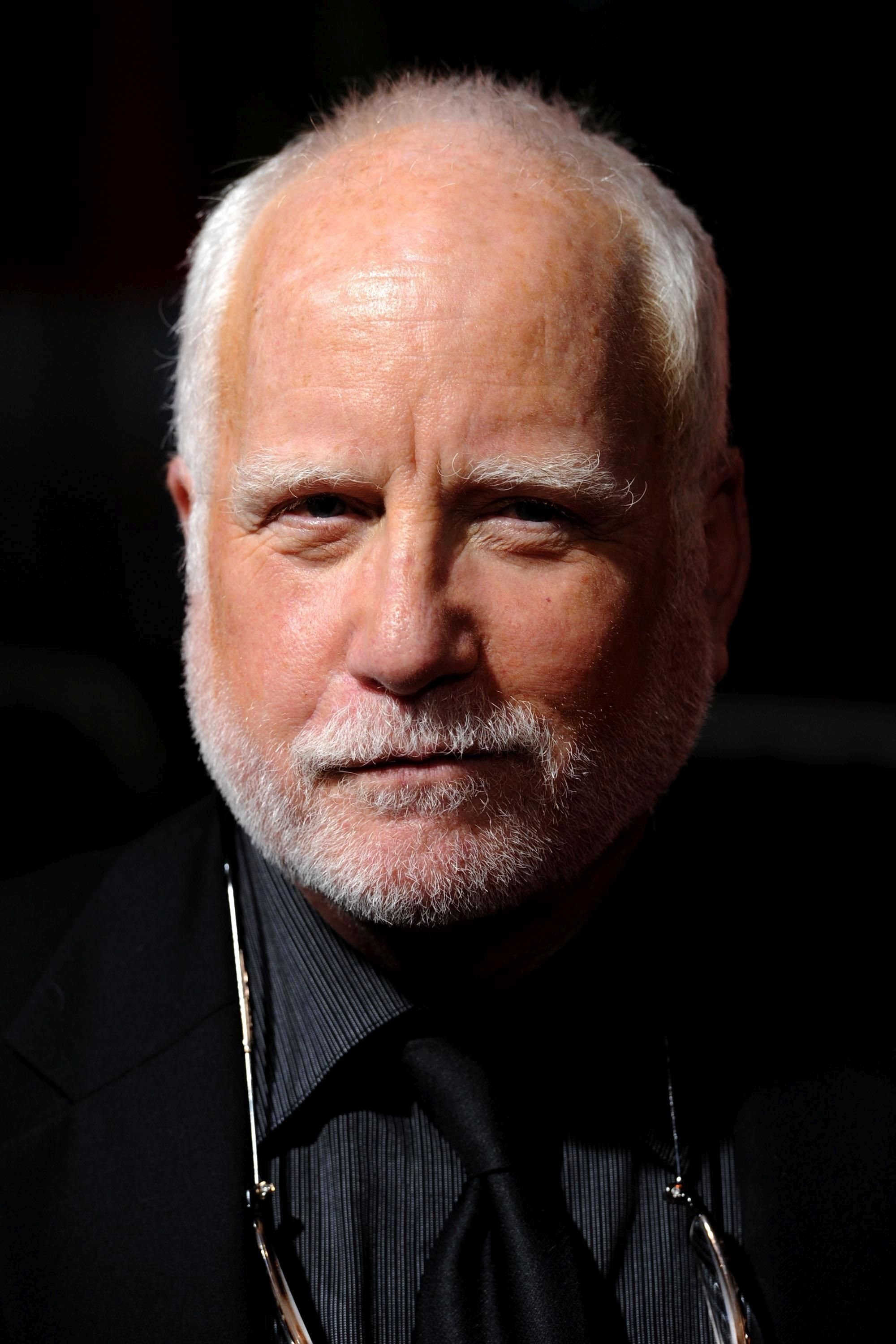
Richard Dreyfuss criticized the Academy of Motion Picture Arts and Sciences for its new diversity and inclusion standards. The veteran actor stated that the new requirements “make me vomit” and infringe upon artistic freedom. He defended Laurence Olivier’s performance in ‘Othello’ as an example of an actor ignoring boundaries to create art. Dreyfuss believes that legislation and mandates cannot force morality or social change within the arts. He argues that art should be judged solely on its merit rather than the identity of the creators.
Anthony Mackie
Anthony Mackie criticized Marvel Studios for what he perceived as a form of segregation in their hiring practices. He pointed out that ‘Black Panther’ was the only film where he saw a predominantly black crew. Mackie argued that hiring people based solely on race for a specific movie is just as racist as excluding them from others. He advocated for the best person to get the job regardless of their background or skin color. His comments challenged the industry’s approach to diversity quotas and production staffing.
Isaiah Washington
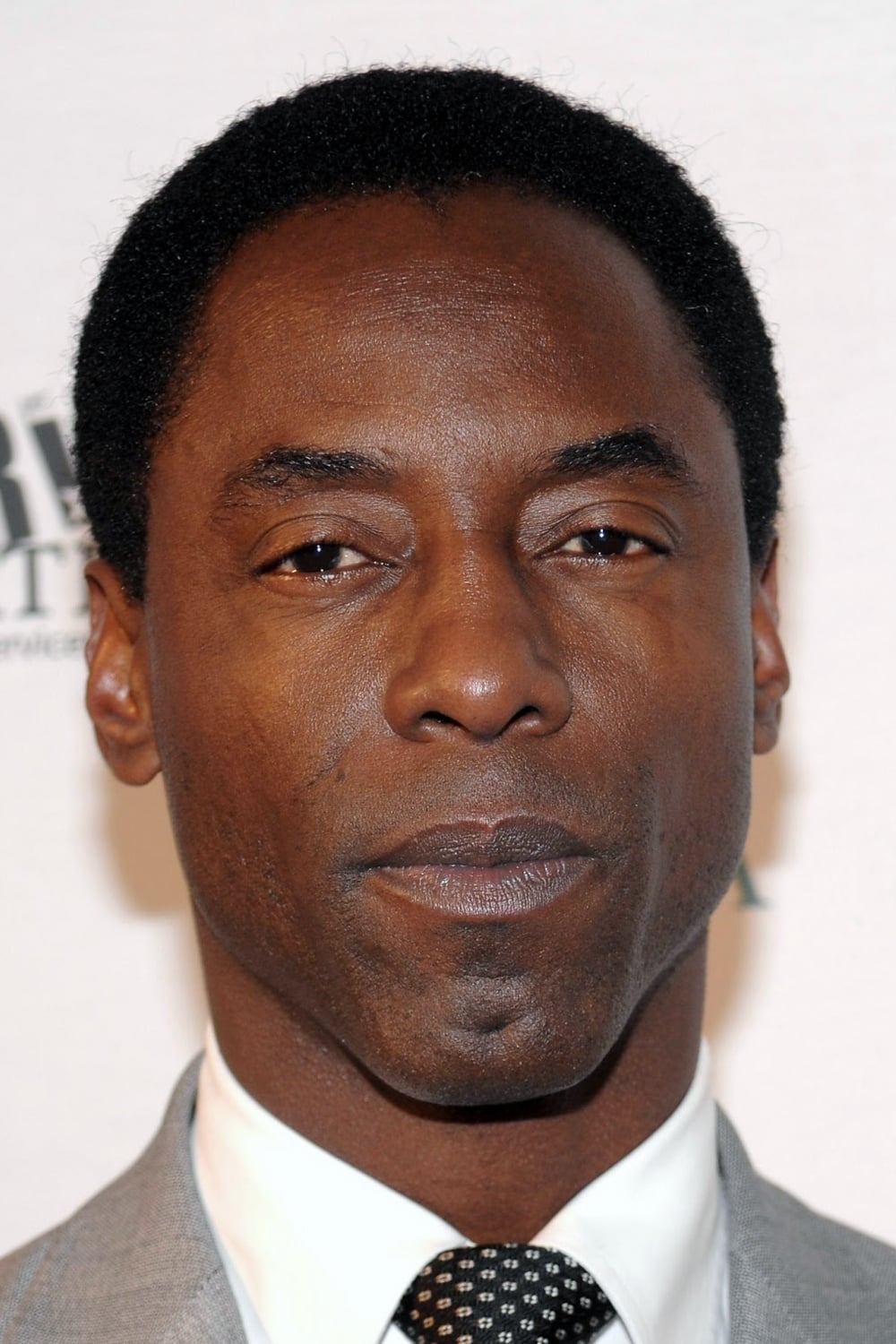
Isaiah Washington left the Democratic Party and joined the “WalkAway” movement. He has been a vocal critic of what he calls the “victimhood narrative” pushed by mainstream media and political leaders. Washington argues that systemic racism is often used as a tool to manipulate voters and maintain political power. He advocates for independent thinking and self-reliance within the black community. The actor frequently uses social media to challenge established views on race and politics.
Laurence Fox
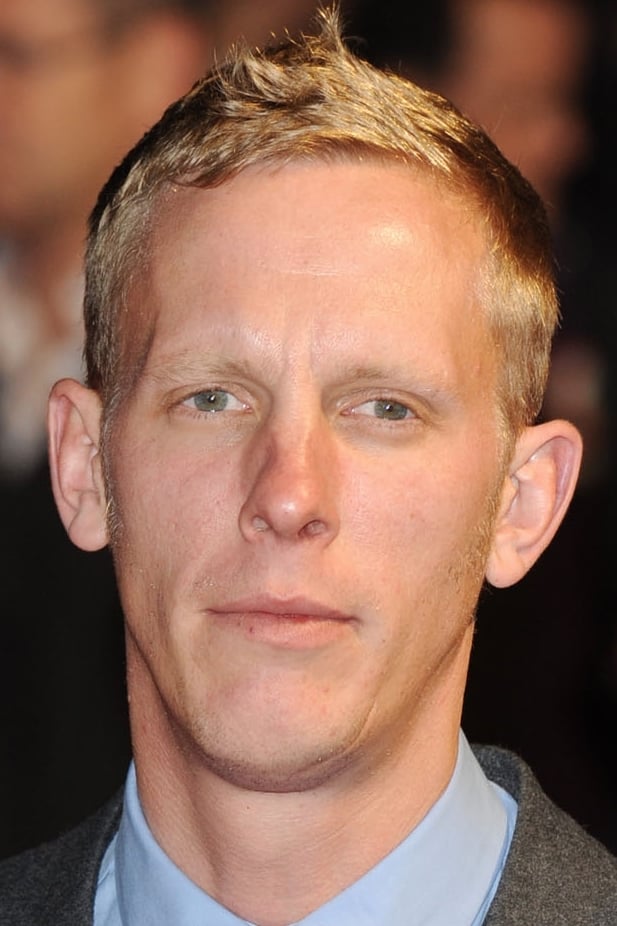
Laurence Fox founded the Reclaim Party in the United Kingdom to oppose what he terms “woke” culture. He gained notoriety for criticizing the presence of a Sikh soldier in the film ‘1917’ as historically forced. Fox frequently argues that charges of systemic racism are used to silence free speech and valid debate. He has publicly criticized the act of kneeling for Black Lives Matter as a performative gesture. His political career is built on resisting identity politics and cultural progressivism.
Clint Eastwood
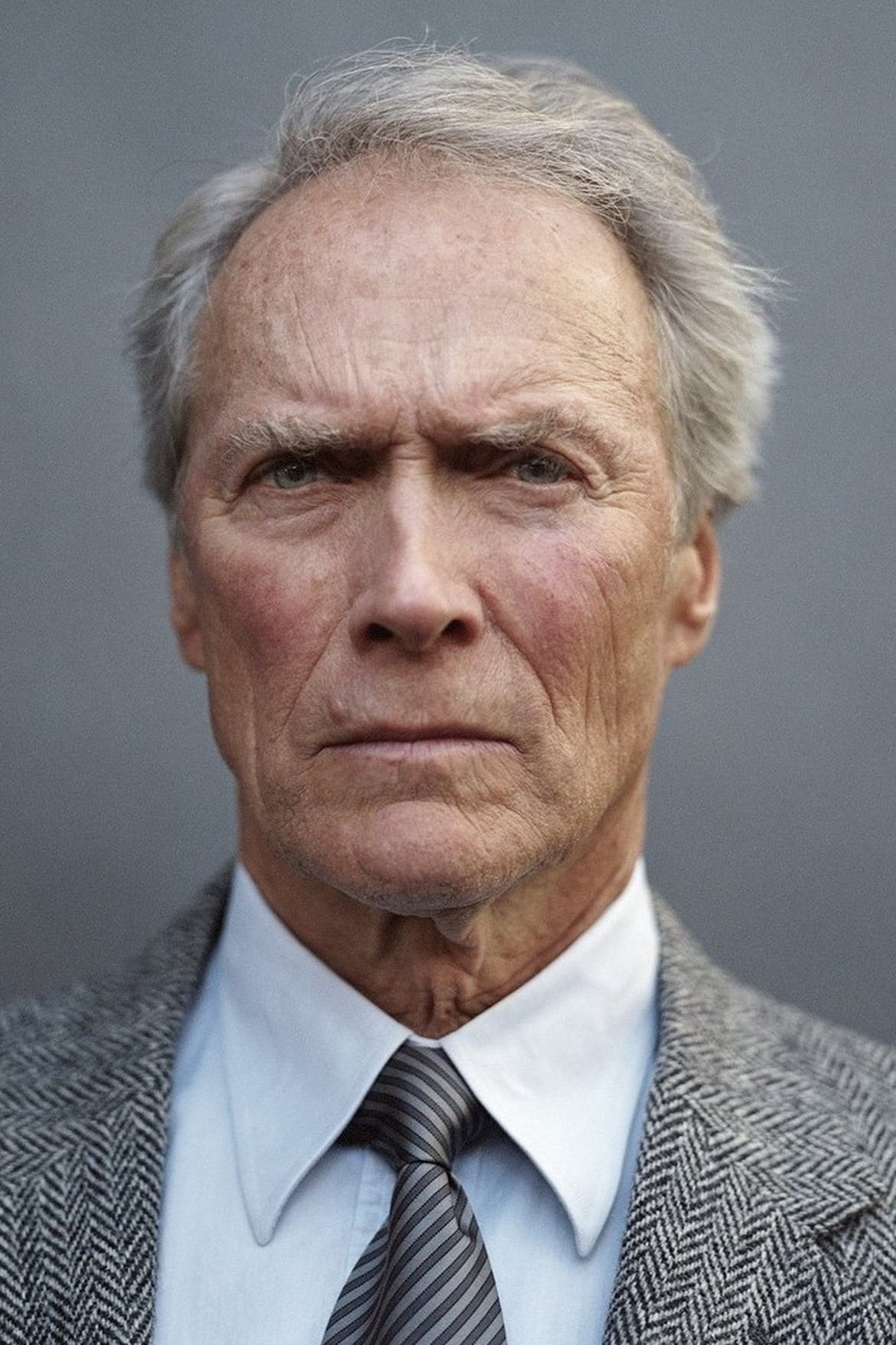
Clint Eastwood has long expressed disdain for what he calls the “pussy generation” of political correctness. The director and actor believes that people today are too easily offended and obsessed with sensitivity. He has suggested that accusations of racism are often overblown or misapplied in modern society. Eastwood champions a rugged individualism that dismisses systemic excuses for personal outcomes. His films often focus on characters who overcome odds through grit rather than social aid.
James Woods
James Woods is one of the most vocal conservative voices in Hollywood. He uses his platform to relentlessly attack the narratives of the political left, including those regarding systemic racism. Woods often characterizes social justice movements as mobs that seek to destroy American values. He champions the police and criticizes the demonization of law enforcement. His career has suffered due to his unyielding political stances.
Jon Voight
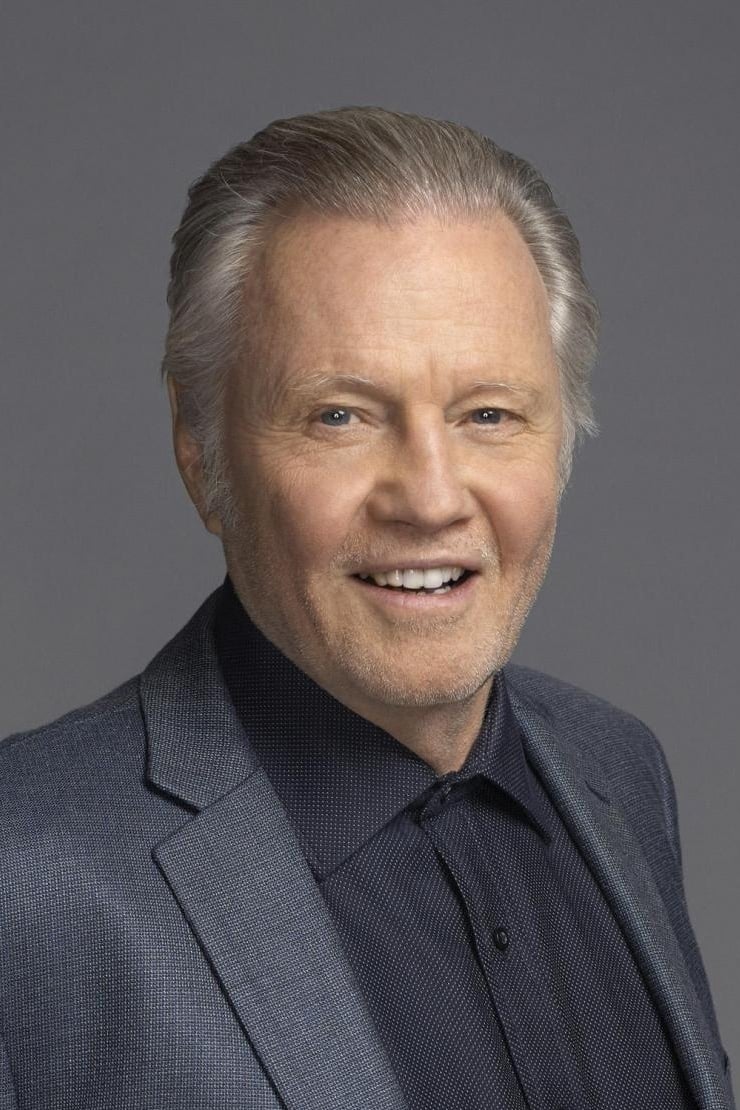
Jon Voight is a staunch supporter of Donald Trump and has released videos calling racism a lie propagated by Democrats. He argues that the left uses racial division to destroy the country and maintain control. Voight believes the United States is a land of opportunity where anyone can succeed regardless of race. He views the narrative of systemic oppression as a betrayal of American ideals. The actor frequently calls for a return to traditional patriotic values.
Dean Cain
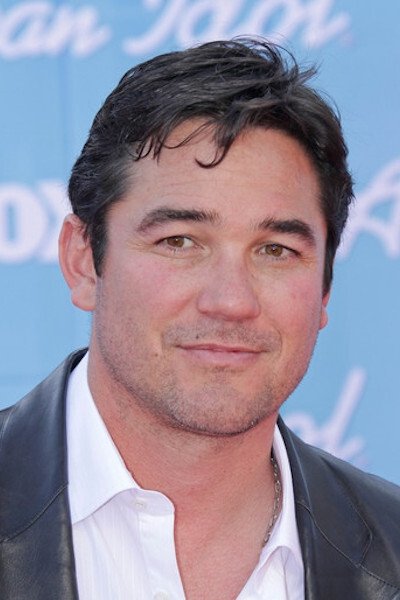
Dean Cain frequently appears on conservative news outlets to discuss politics and culture. He has criticized the direction of modern comic books and movies for prioritizing “woke” messaging over storytelling. Cain defends the police against charges of systemic bias and opposes the “defund the police” movement. He argues that the media exacerbates racial tensions for ratings and political gain. The actor advocates for judging individuals by their actions rather than group identity.
Kevin Sorbo
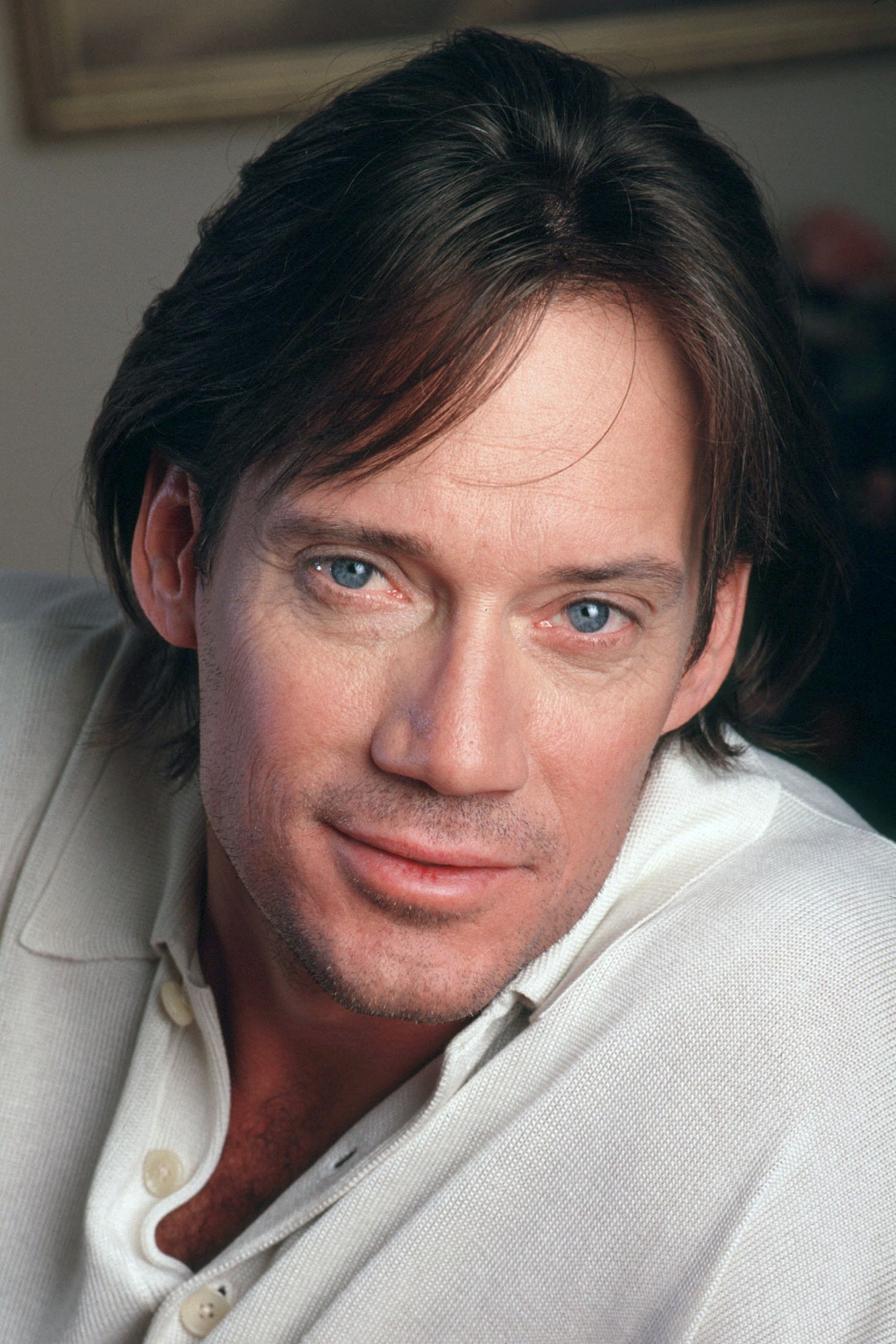
Kevin Sorbo has transitioned from mainstream television star to a leading figure in faith-based and conservative cinema. He frequently posts on social media mocking the concept of systemic racism and white privilege. Sorbo argues that these concepts are used to divide Americans and demonize white people. He promotes the idea that hard work and faith are the keys to success in America. The actor claims he was blacklisted from Hollywood for his religious and political views.
Scott Baio
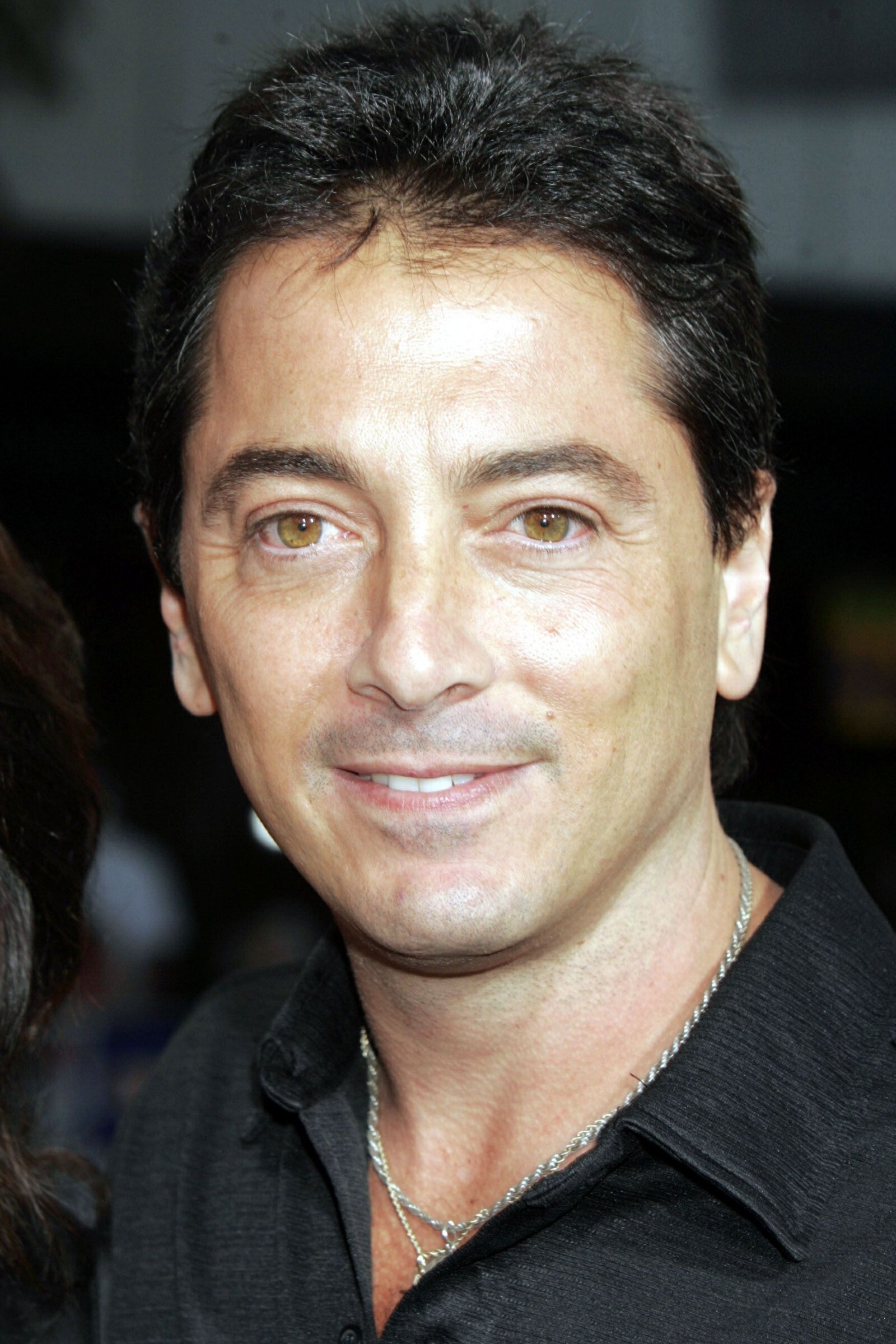
Scott Baio is an outspoken conservative who has campaigned for Republican candidates. He declared that America has been a “MAGA country” from its inception. Baio dismisses the idea that the country is plagued by systemic injustice. He argues that liberal policies have failed minority communities while conservatives offer real solutions. The actor frequently engages with critics on social media who challenge his worldview.
Randy Quaid
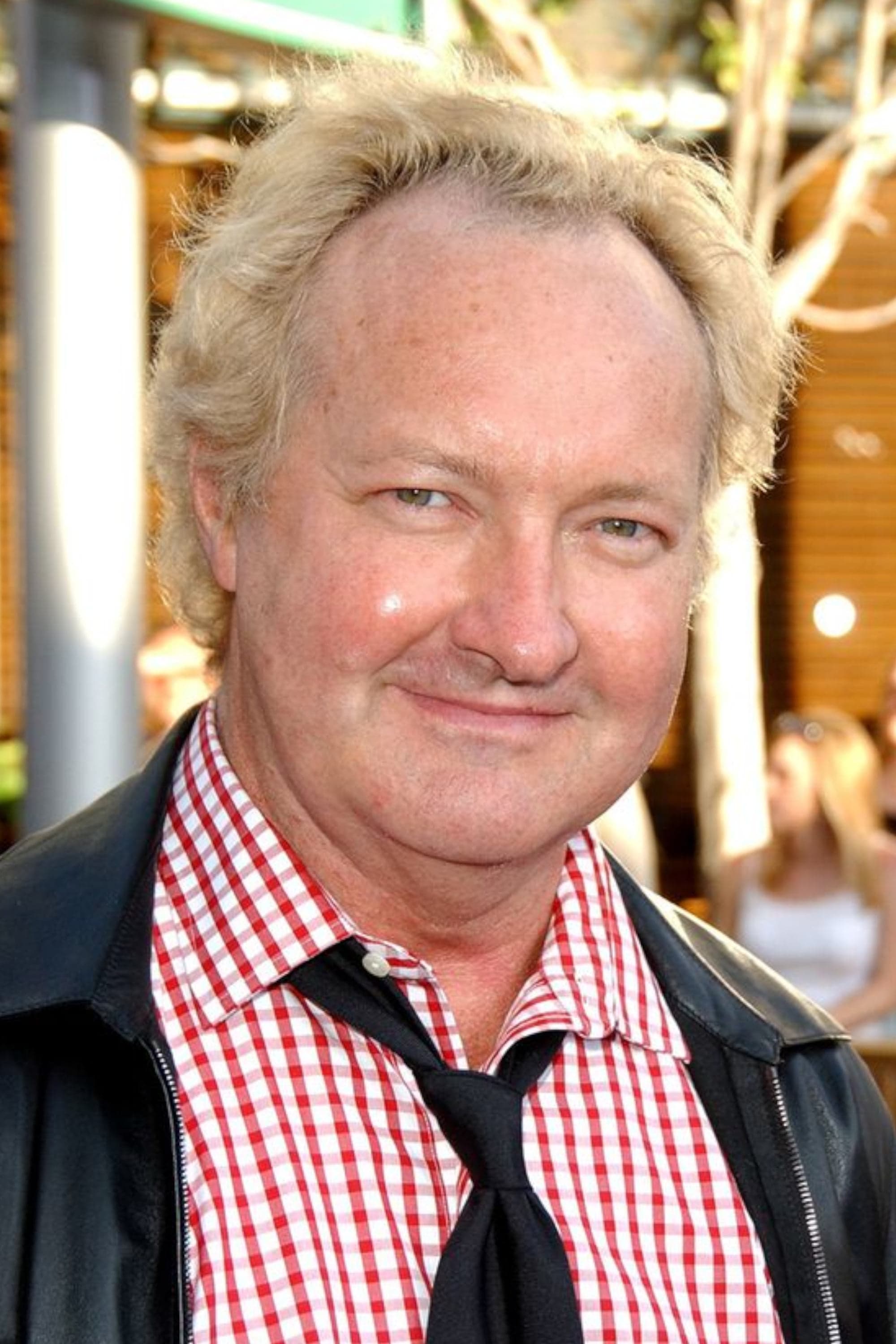
Randy Quaid has become a prolific poster of conspiracy theories and pro-Trump content. He vehemently rejects the mainstream media’s framing of American history and current events. Quaid has attacked various political figures he believes are destroying the country with false narratives. He views the focus on racism as a distraction from what he sees as the real corruption in Washington. His erratic behavior has kept him on the fringes of the industry.
Nick Searcy
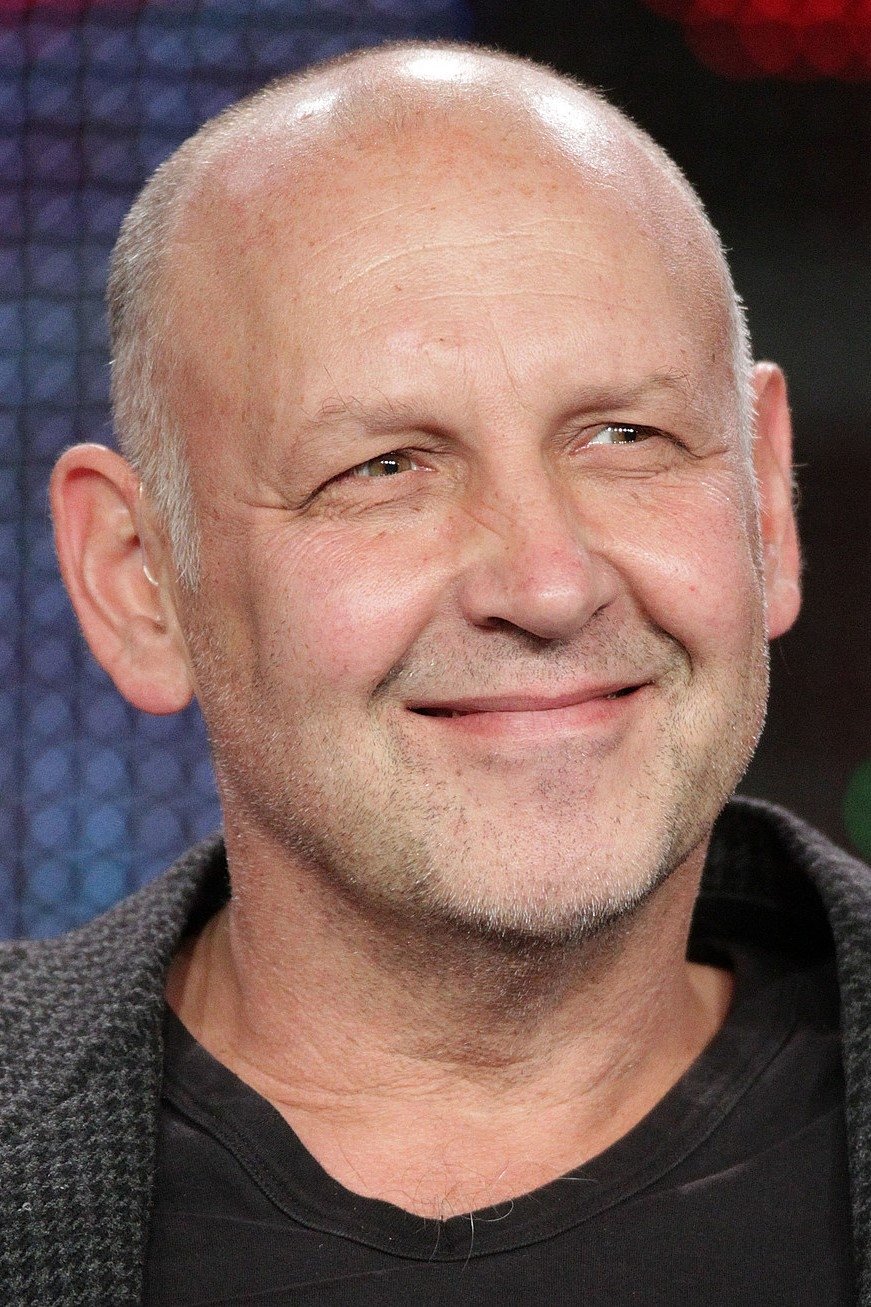
Nick Searcy is a character actor who is openly conservative and critical of Hollywood’s political monoculture. He directed a documentary challenging the narrative of the January 6th Capitol riot. Searcy often mocks the concept of “white guilt” and systemic racism on social media. He believes the entertainment industry bullies actors into silence regarding their true political beliefs. The actor continues to work despite his combative stance against industry norms.
Adam Baldwin
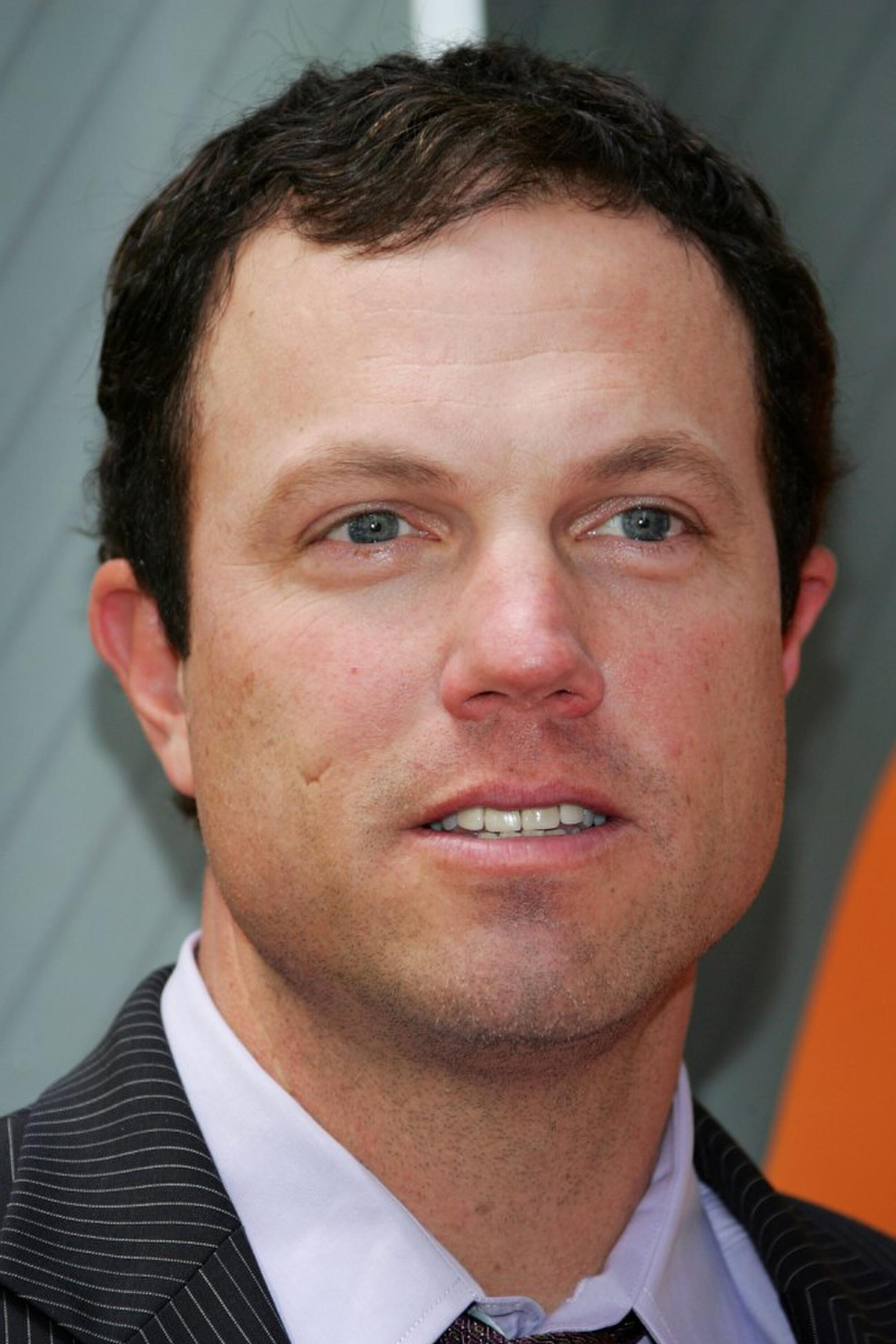
Adam Baldwin was a key figure in the Gamergate controversy and remains a vocal conservative. He has criticized the “social justice warrior” mentality that he believes has infected entertainment. Baldwin argues that the focus on identity politics ruins storytelling and divides fans. He dismisses the notion that systemic barriers prevent success in modern America. The actor advocates for personal responsibility over collective blame.
Robert Davi
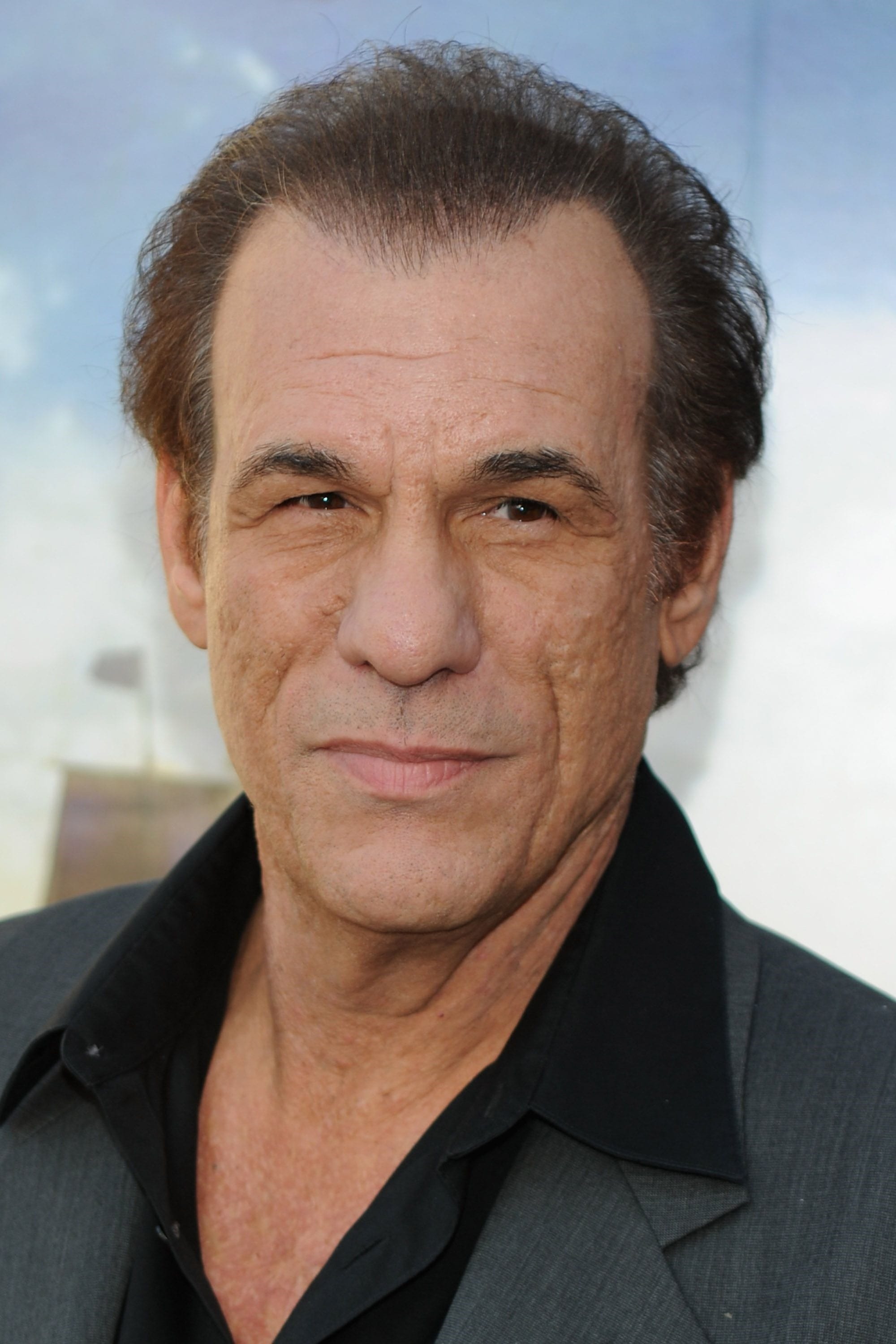
Robert Davi contributes to conservative media and frequently speaks out against the “leftist agenda” in Hollywood. He argues that the narrative of systemic racism is a tool used to undermine American patriotism. Davi has directed films that celebrate conservative values and American exceptionalism. He believes that the education system indoctrinates youth with anti-American sentiment. The actor urges his peers to stop apologizing for their country’s history.
John Schneider
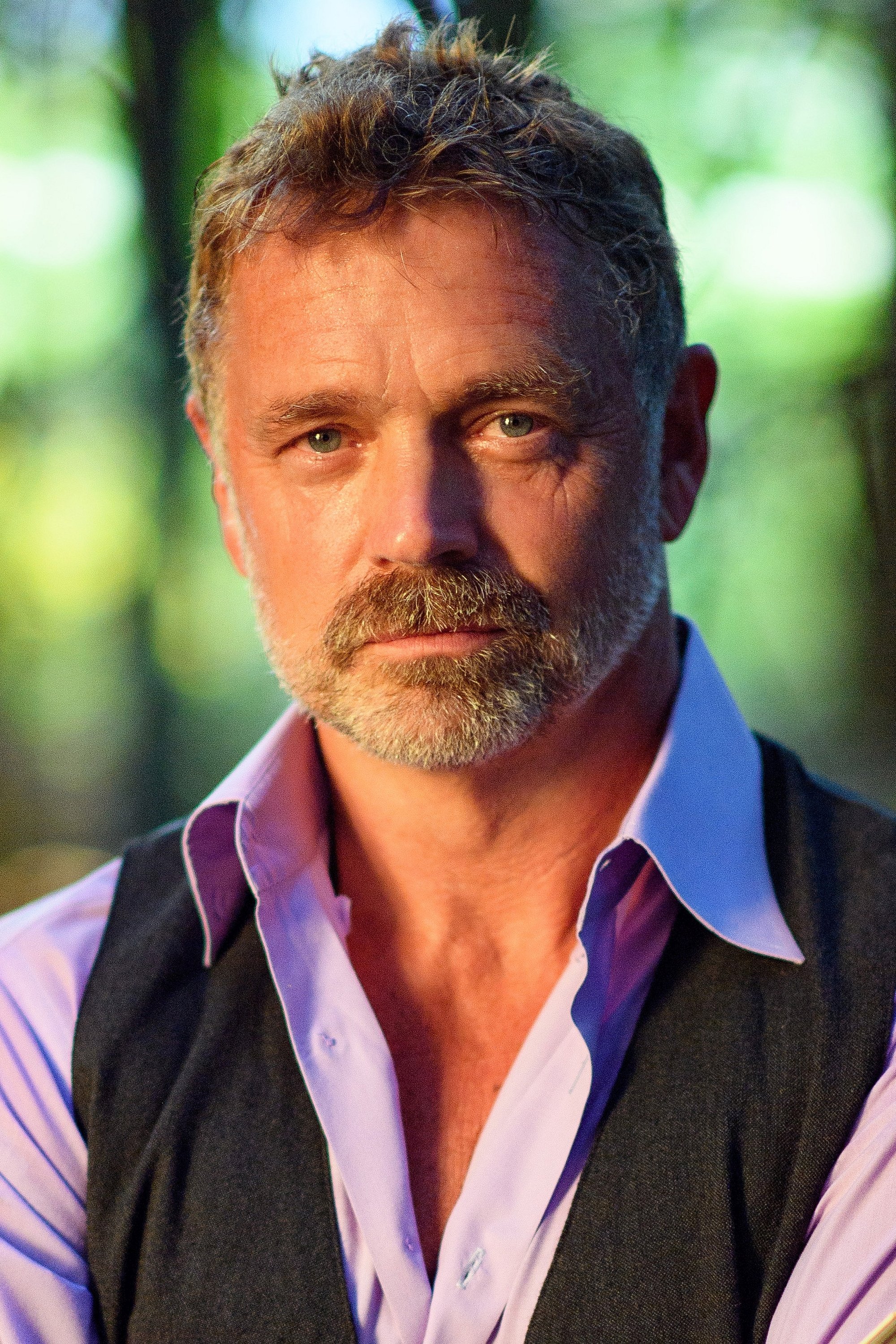
John Schneider is a critic of the current Democratic administration and its focus on racial equity. He has made comments comparing the treatment of conservatives in Hollywood to historical persecution. Schneider believes that the values of the heartland are being ignored by coastal elites. He rejects the idea that America is inherently racist or evil. The actor produces independent content to bypass mainstream gatekeepers.
Yaphet Kotto
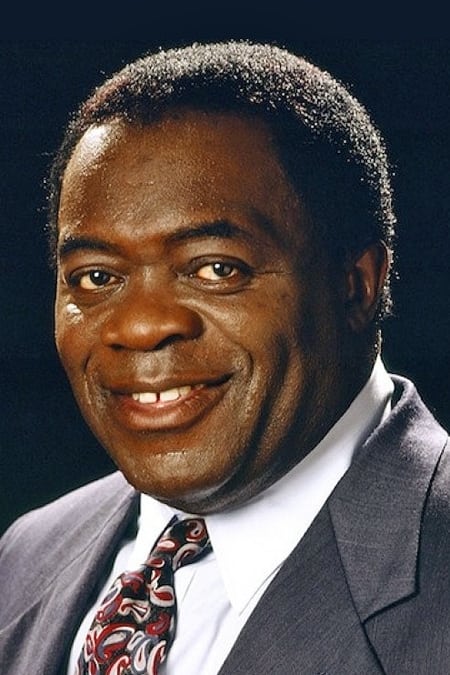
The late Yaphet Kotto gave an interview in his final years where he criticized black actors for complaining about the lack of Oscar nominations. He stated that he never relied on awards or validation from white institutions to feel successful. Kotto argued that begging for inclusion was undignified and unnecessary. He believed that talent would always rise to the top regardless of race. His perspective was rooted in a generation that prioritized resilience over complaint.
50 Cent
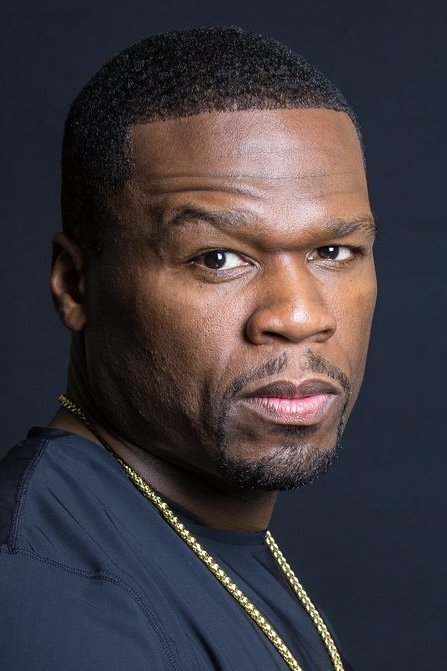
50 Cent has prioritized economic interests over racial solidarity in his political commentary. He briefly endorsed Donald Trump due to concerns over Joe Biden’s tax plan. The rapper and actor has mocked the idea that he should vote a certain way based on his race. He has criticized the assumption that black voters belong to the Democratic party. His pragmatic approach to politics often clashes with the moral framing of systemic racism.
Ice Cube
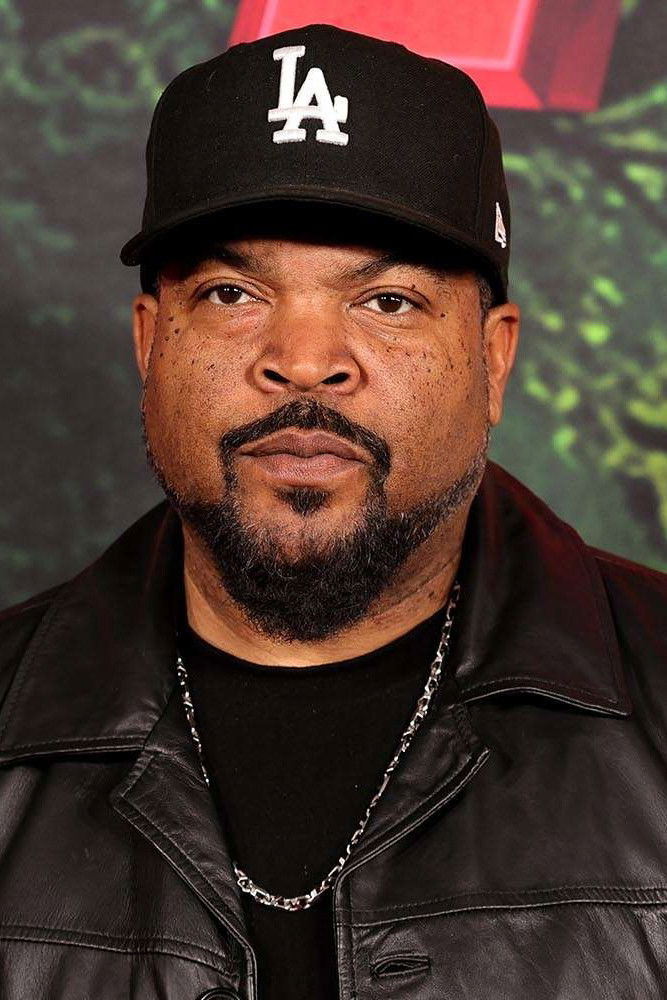
Ice Cube worked with the Trump administration on the “Platinum Plan” to bring economic capital to black communities. He faced backlash for engaging with Republicans but argued he would work with anyone who helped his people. The rapper and actor criticized the Democratic party for taking the black vote for granted. He challenges the narrative that black people must only align with one political ideology. Cube emphasizes economic independence over symbolic political gestures.
Charles Barkley
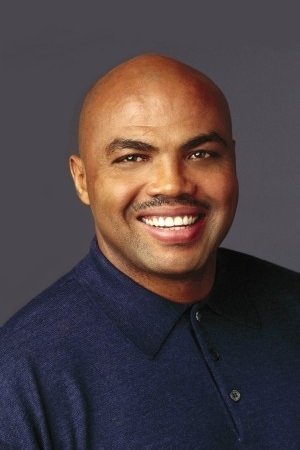
Charles Barkley is a sports commentator and occasional actor who frequently challenges simplistic narratives about race. He has criticized the “defund the police” slogan as dangerous for black communities. Barkley argues that politicians exploit racial divisions to keep themselves in power. He has called out the media for focusing on race only when it suits a specific agenda. His blunt style often puts him at odds with progressive activists.
Rob Schneider
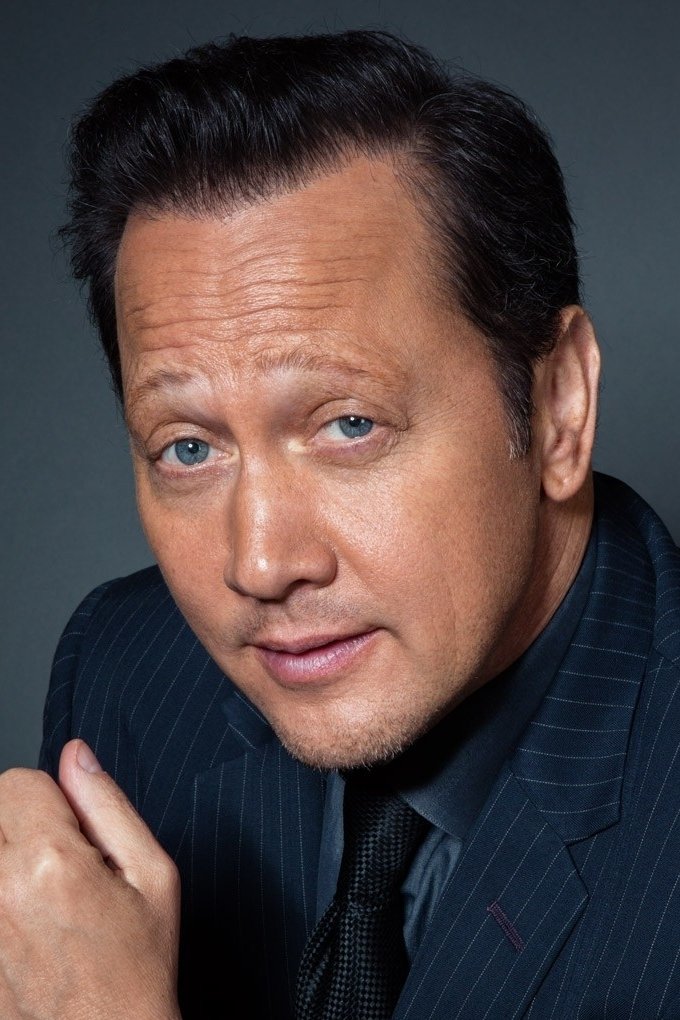
Rob Schneider has become an outspoken critic of California’s political leadership and progressive policies. He argues that the state’s focus on identity politics has led to its decline. Schneider left Hollywood for Arizona to escape what he views as a toxic environment. He frequently mocks “woke” terminology and the policing of speech. The comedian believes that freedom of expression is under attack by the left.
Tim Allen
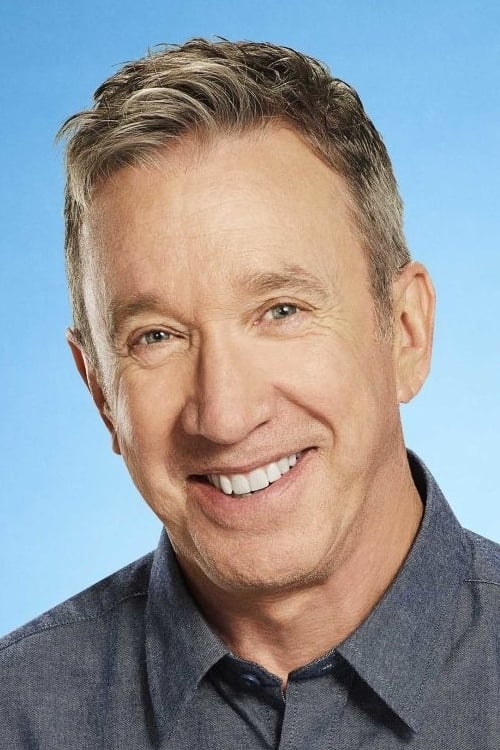
Tim Allen is one of the few open conservatives starring in network sitcoms. He has likened the atmosphere in Hollywood to 1930s Germany in terms of the pressure to conform. Allen believes that the “thought police” stifle creativity and comedy. He subtly infuses his characters with traditional values that contrast with modern progressive trends. The actor navigates his career by appealing to a massive audience that feels ignored by mainstream narratives.
Kelsey Grammer
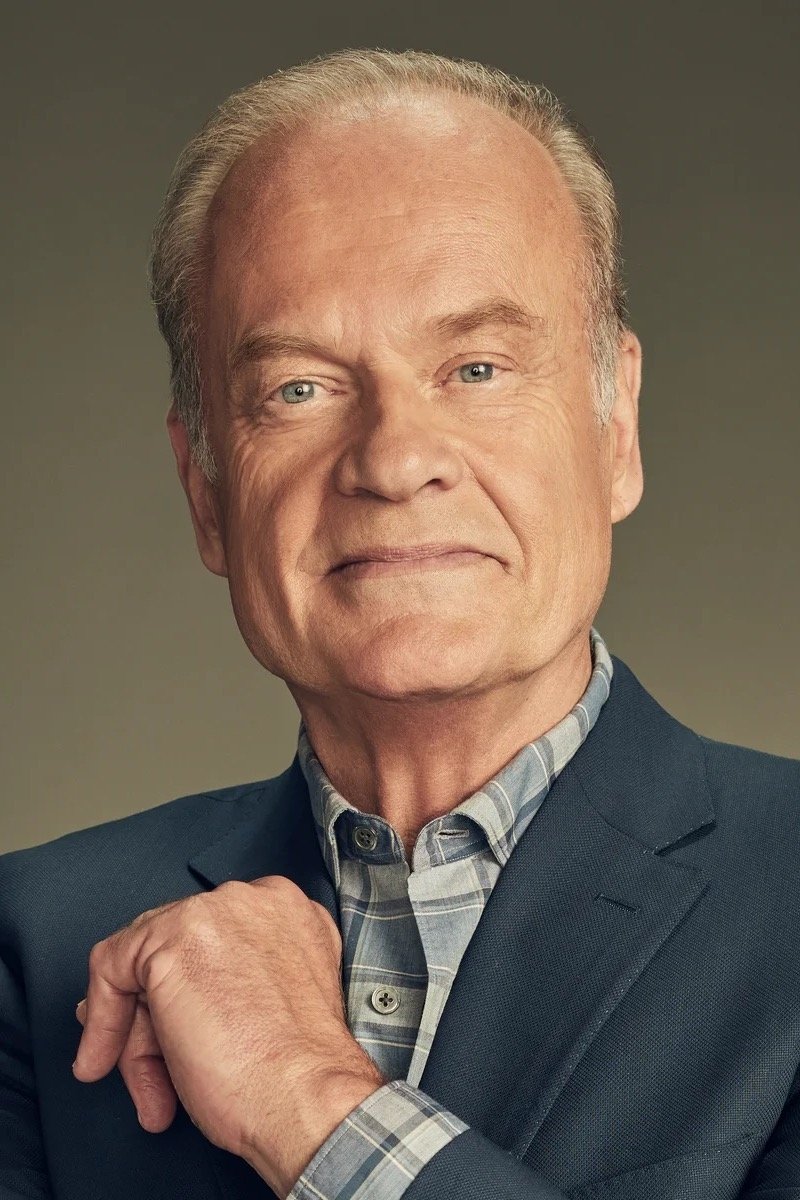
Kelsey Grammer has identified as a Republican for years in an industry that is overwhelmingly liberal. He supports principles of small government and individual liberty. Grammer generally avoids aggressive confrontation but stands firm in his conservative beliefs. He does not subscribe to the view that American society is structurally oppressive. The actor focuses on human stories that transcend political and racial categories.
Chuck Norris
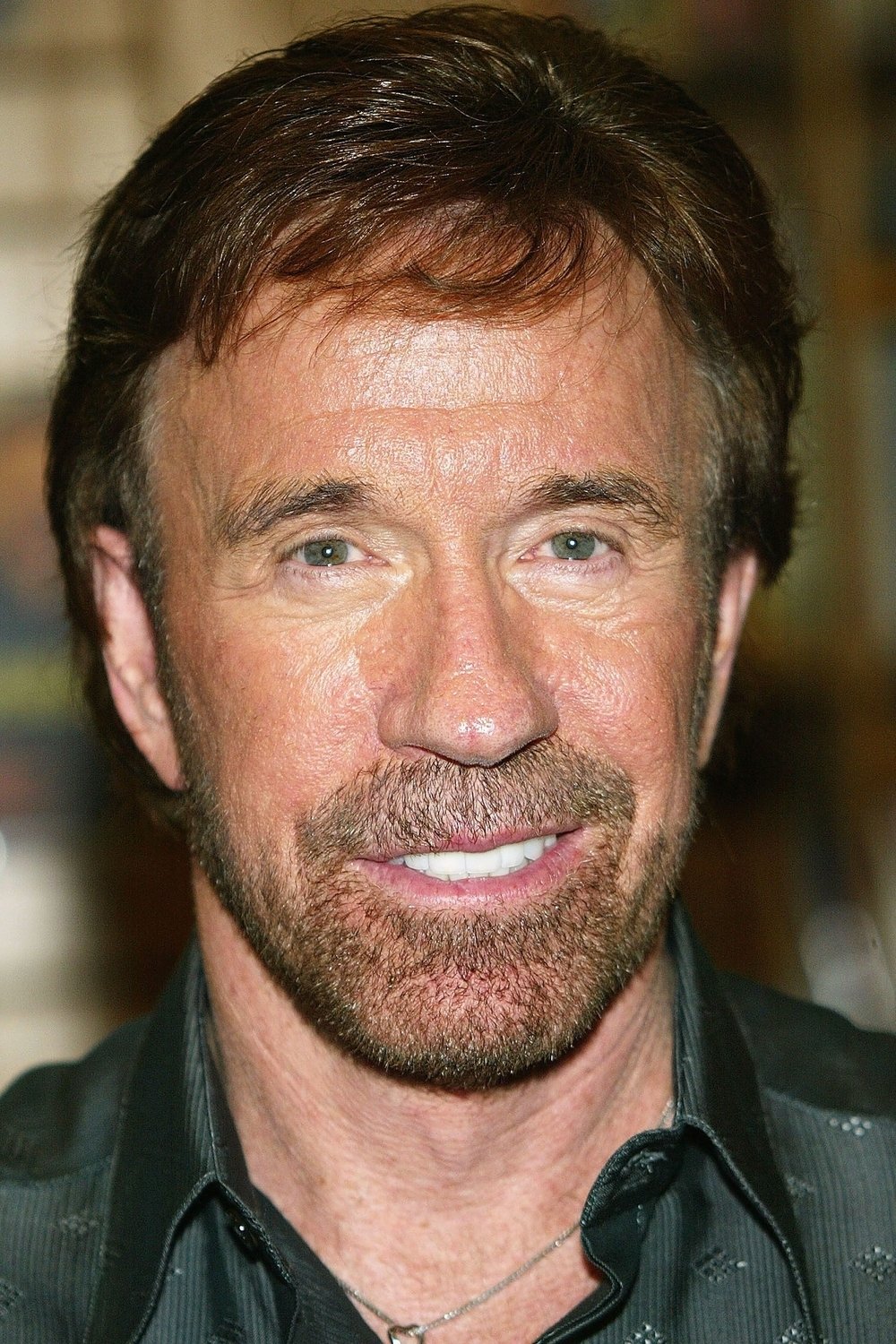
Chuck Norris became a conservative columnist after his action star career peaked. He writes frequently about the dangers of losing traditional American values. Norris views the country’s history with pride rather than shame. He argues that the family unit and faith are the solutions to societal ills, not government intervention. The actor dismisses the narrative that the American system is rigged against specific groups.
Stephen Baldwin

Stephen Baldwin is the youngest of the Baldwin brothers and a vocal supporter of Donald Trump. He often clashes with his brother Alec over political issues. Stephen views the attacks on Trump and conservatives as unjust and biased. He rejects the notion that supporting conservative policies makes one a racist. The actor relies on his faith to navigate the hostility he faces in the entertainment world.
Jim Caviezel
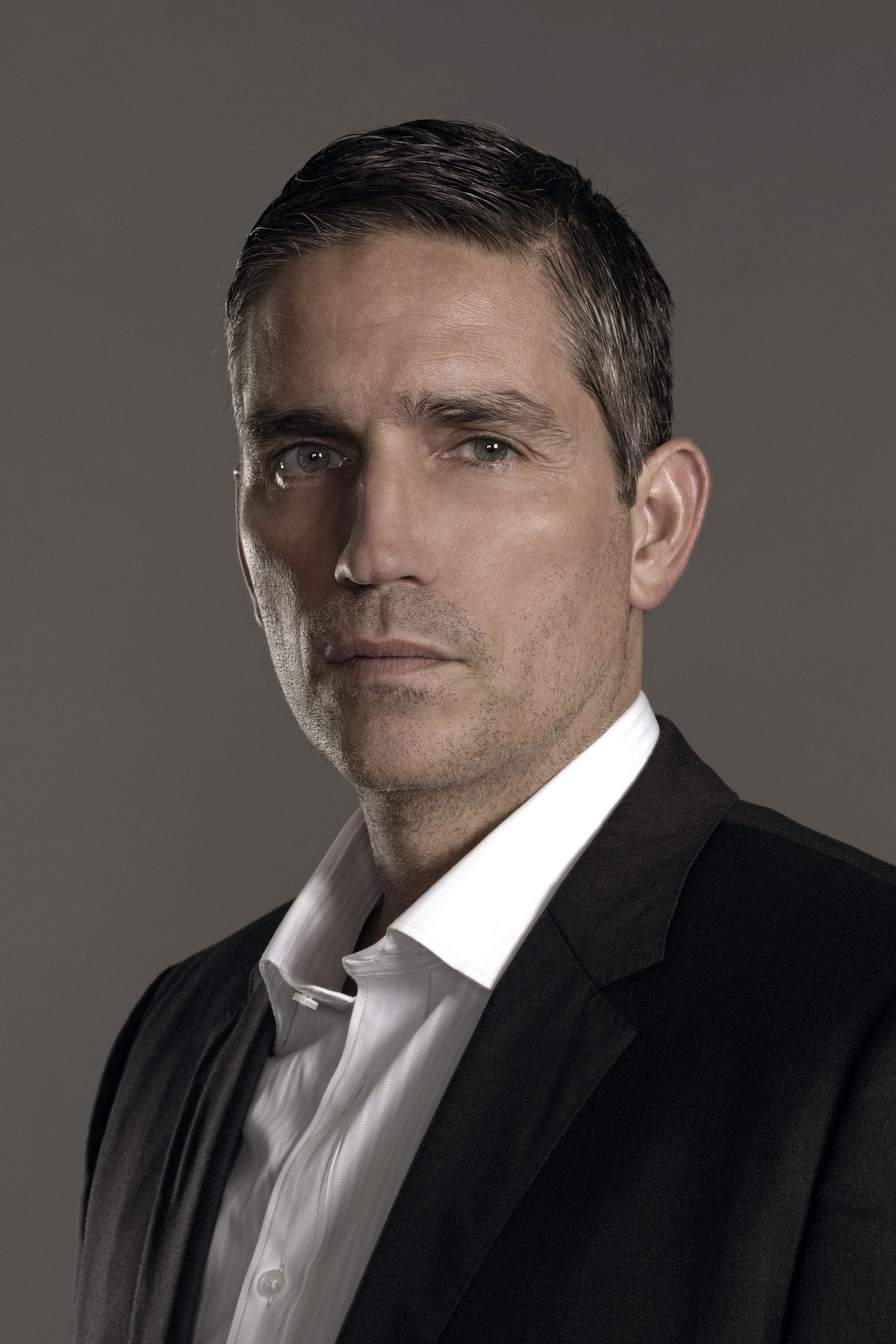
Jim Caviezel has moved away from mainstream Hollywood to star in films that appeal to religious and conservative audiences. He frequently speaks about a battle between good and evil in modern society. Caviezel criticizes the media for manipulating the truth and dividing the populace. He views the current cultural narratives as deceptive and harmful. The actor aligns himself with movements that challenge the global establishment.
Michael Caine
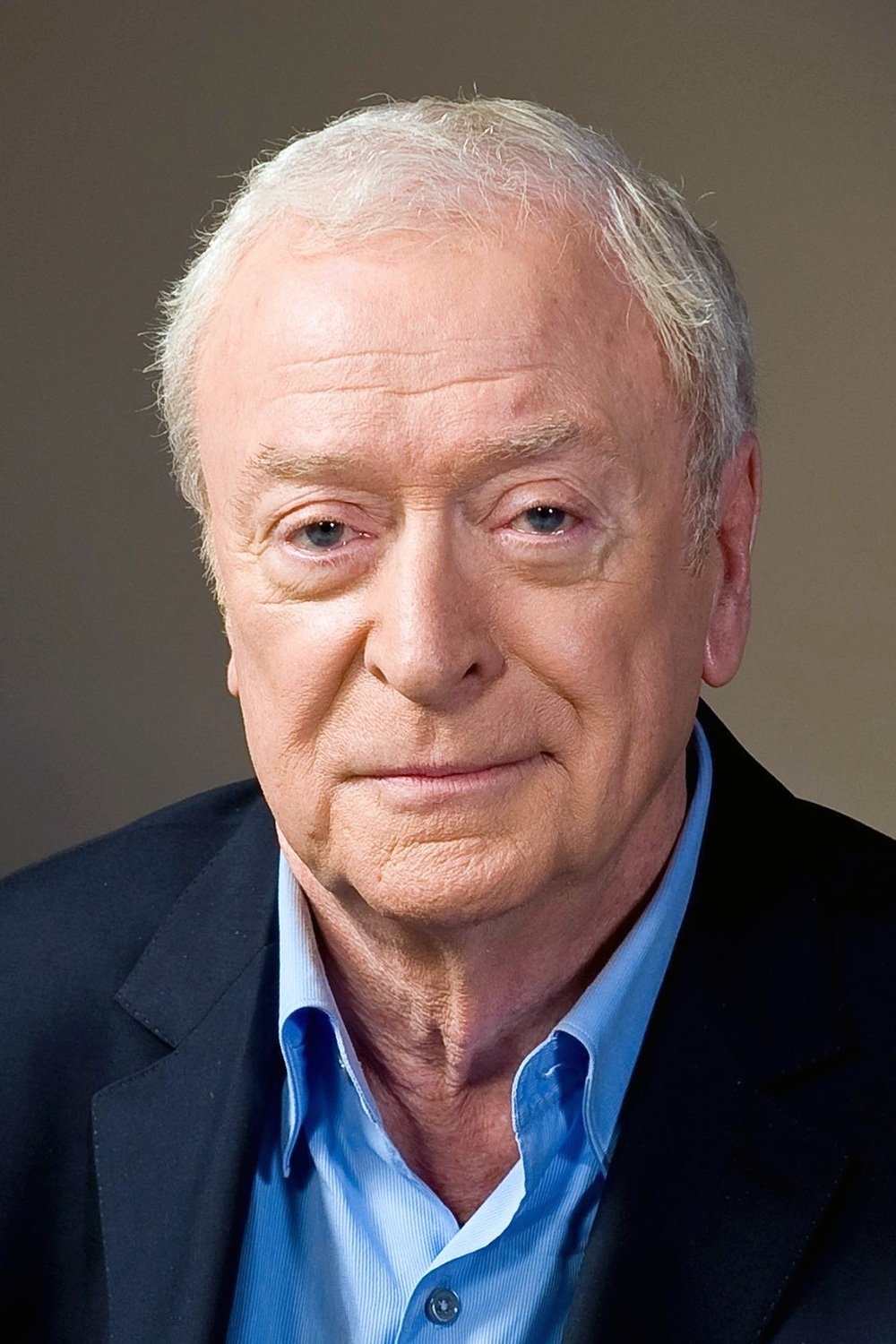
Michael Caine has expressed frustration with the changing norms of language and behavior in the industry. He once stated that he voted for Brexit and believes people should be able to speak freely without fear. The British legend finds the constant policing of “woke” culture to be tiresome. He focuses on the quality of work rather than the identity politics surrounding it. Caine represents an older generation that prioritizes merit and professionalism.
John Cleese
John Cleese has become a prominent warrior against what he calls the “woke police.” He argues that the inability to understand context and nuance is destroying comedy. Cleese has criticized the removal of “offensive” episodes from streaming services. He believes that the current cultural climate stifles creativity and intellectual debate. The comedian refuses to apologize for jokes that push boundaries or offend modern sensibilities.
Rowan Atkinson
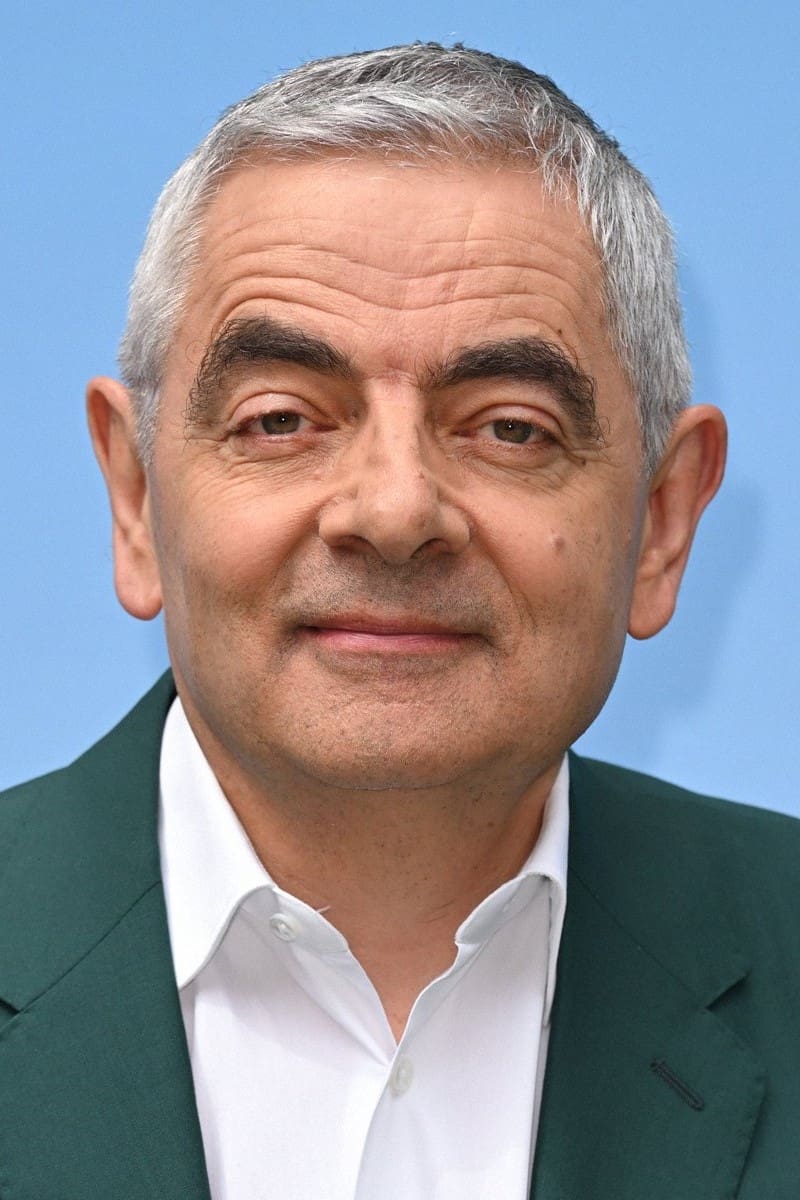
Rowan Atkinson has campaigned vigorously for free speech and against hate speech laws he feels are too broad. He compared the “cancel culture” mob to a medieval search for witches. Atkinson argues that the right to offend is a crucial part of a free society. He rejects the idea that words act as violence or that certain groups should be shielded from satire. The actor believes that the best way to combat prejudice is through open expression, not censorship.
Share your thoughts on these actors and their perspectives in the comments.