


Actors Who Flat-Out Refused to Memorize Their Movie Lines

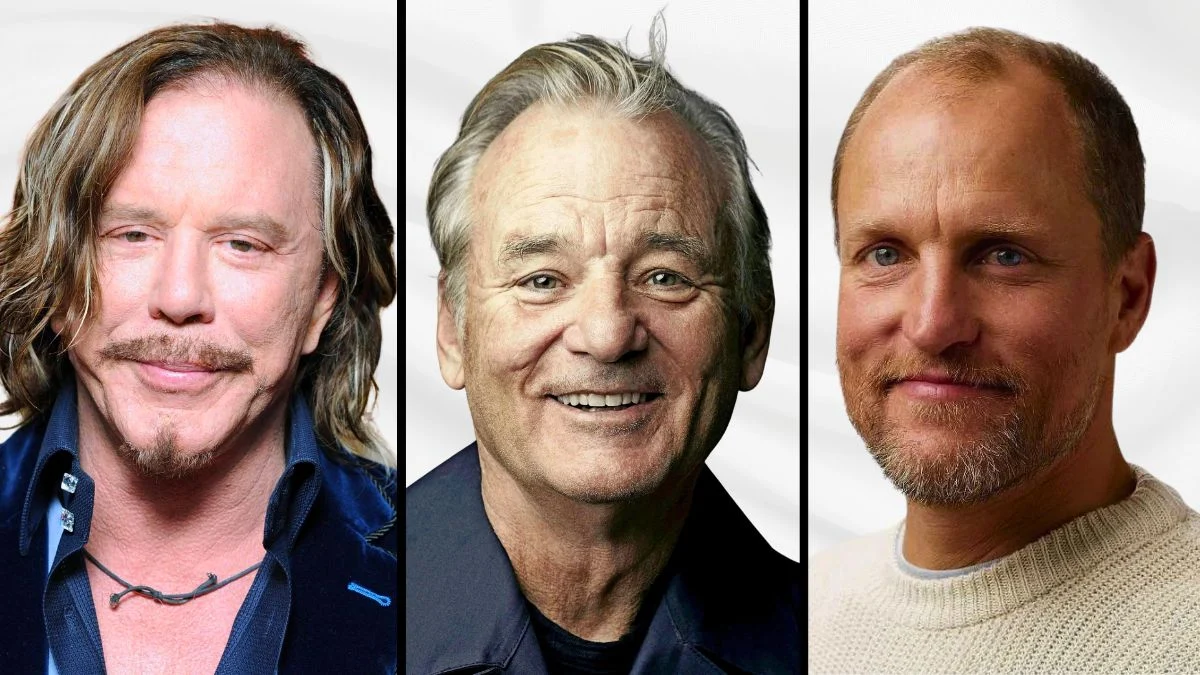


The film industry often prizes actors who commit every word of a script to memory to ensure a smooth production. However some of the most famous male stars in Hollywood history chose a different path by relying on external aids or improvisation. These performers often argued that the pressure of memorization hindered their ability to deliver a raw and authentic performance. From legendary veterans to modern blockbuster stars these actors transformed the set with their unique methods.
Marlon Brando
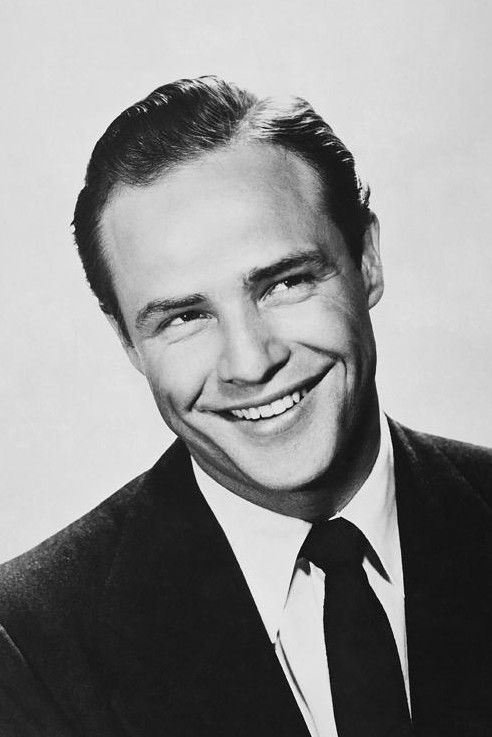
Marlon Brando is perhaps the most famous actor to consistently use cue cards throughout his legendary career. He believed that memorizing lines made a performance feel stale and mechanical rather than spontaneous. During the filming of ‘The Godfather’ he had lines hidden on props and even taped to the chests of his fellow actors. This method allowed him to maintain eye contact and focus on his physical presence while delivering iconic dialogue.
Johnny Depp
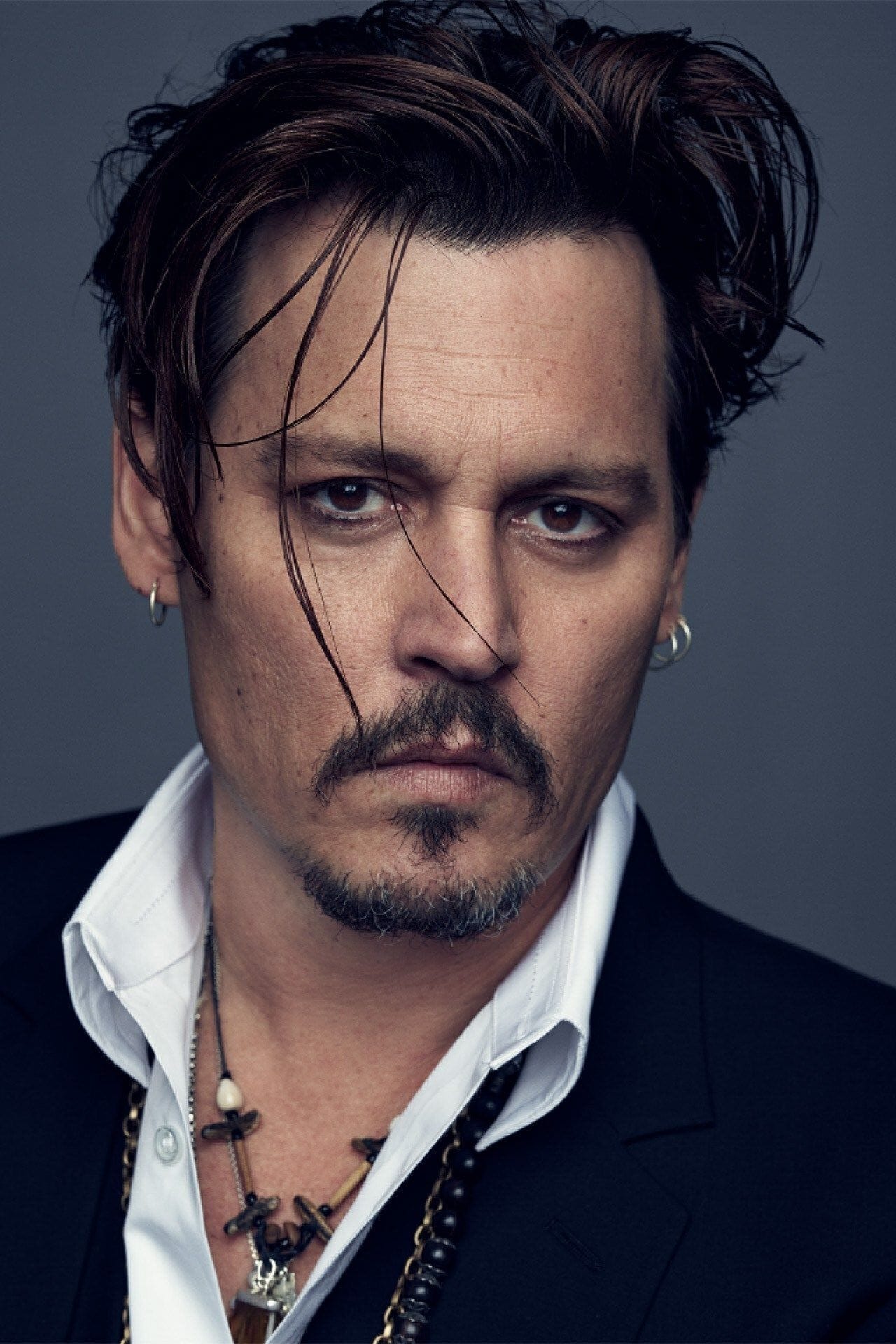
Johnny Depp has frequently used an earpiece on movie sets to have his lines fed to him by a sound engineer. He has stated that this technique helps him find the truth of a character without the distraction of trying to remember complex scripts. While working on ‘Pirates of the Caribbean’ he reportedly requested specific sounds and music through the device to help set the mood. His preference for this method has become a well known part of his acting process in big budget productions.
Bruce Willis

Bruce Willis began using earpieces during the later stages of his career to assist with his dialogue on set. Director M. Night Shyamalan confirmed that the actor used this technology while filming the movie ‘Glass’. The use of these devices allowed Willis to continue working on multiple projects despite challenges with traditional memorization. This approach was common during his work on various independent action films in recent years.
Al Pacino
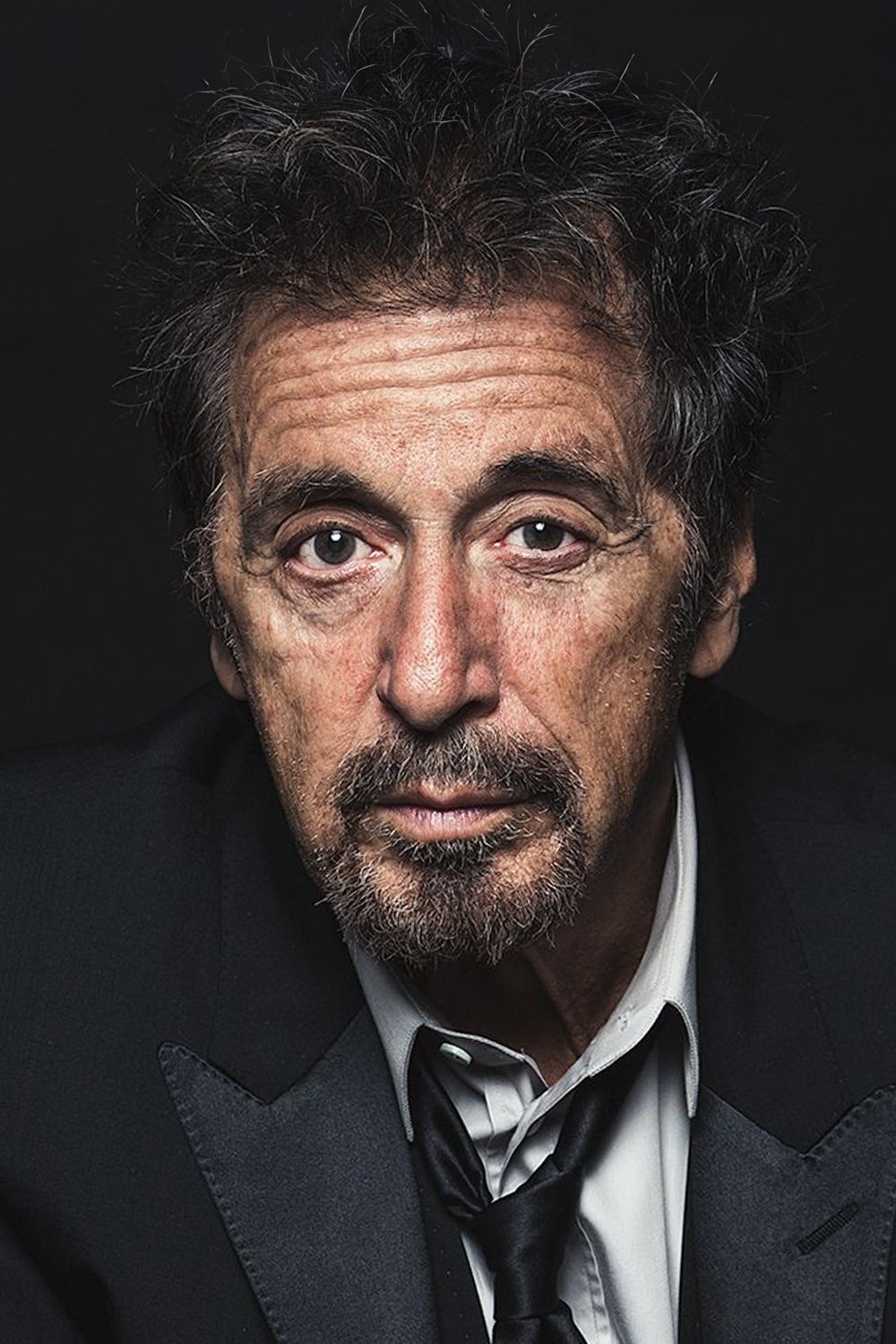
Al Pacino is another veteran actor who has utilized earpieces to help him deliver his lines during long production days. While filming ‘The Irishman’ for director Martin Scorsese the actor relied on a small device to stay on track with the dense script. He has often spoken about the intensity of his roles and how these aids allow him to stay in the moment. The technology ensures that he can focus on the emotional depth of a scene without worrying about forgetting a specific word.
Robert De Niro
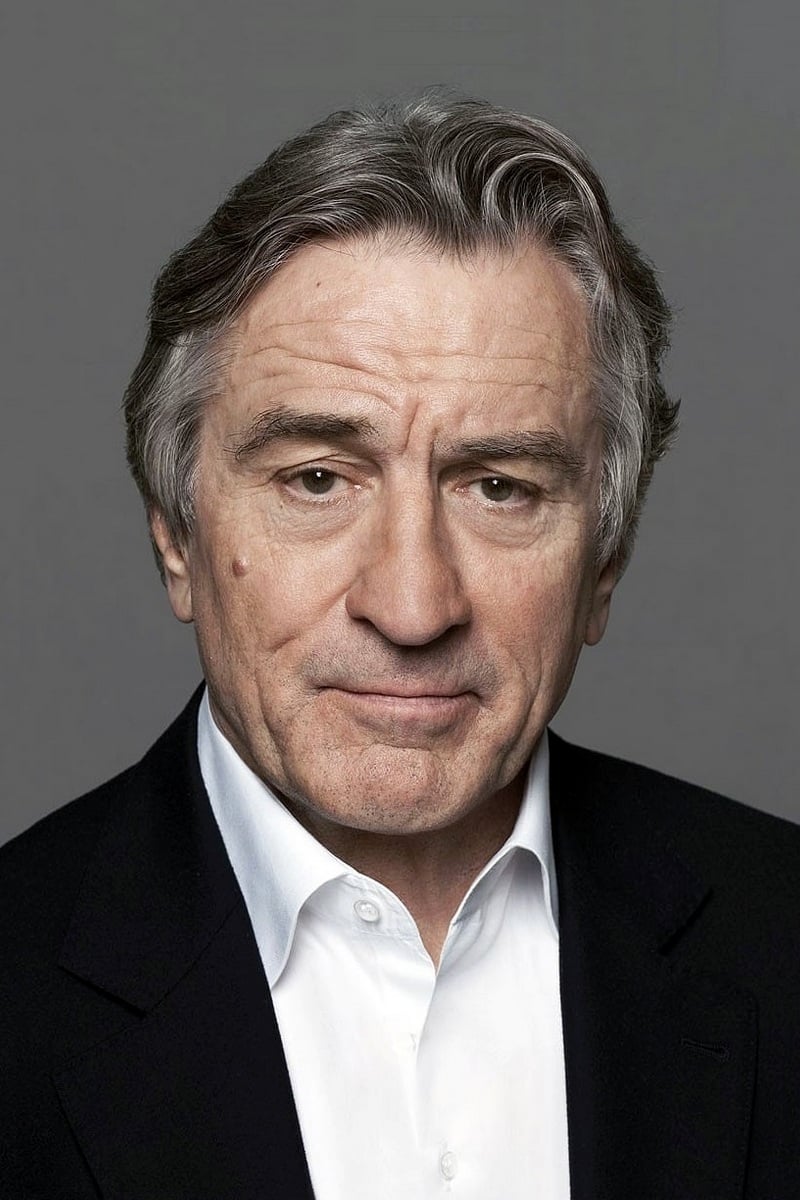
Robert De Niro has been known to use cue cards on set during several of his more recent film projects. This technique allows the legendary actor to focus on his movements and facial expressions while having the script within his line of sight. On the set of ‘The Intern’ he utilized various methods to ensure his performance remained natural and fluid. Many directors are happy to accommodate this request to benefit from his immense talent and screen presence.
Jack Nicholson
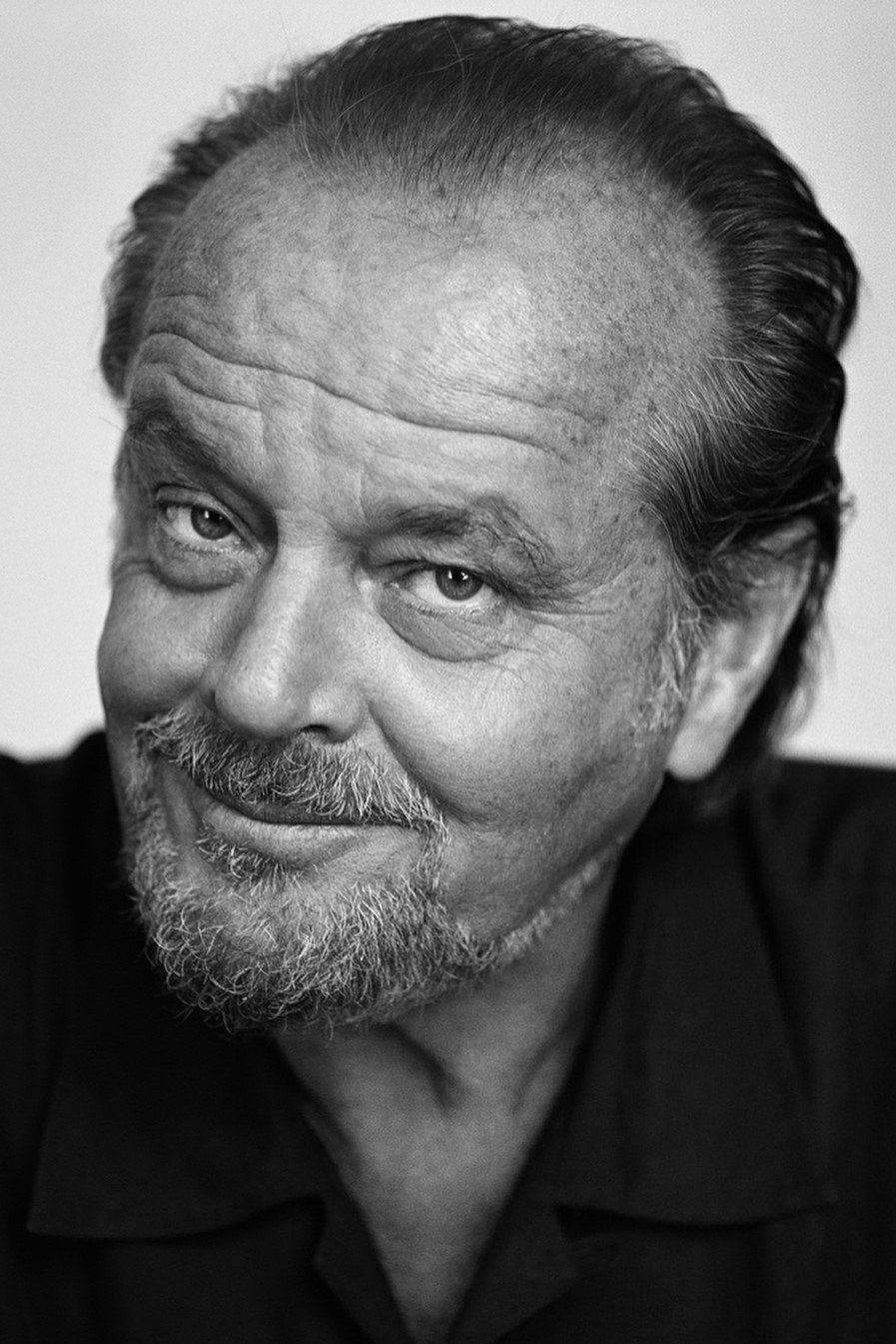
Jack Nicholson used cue cards during the production of ‘The Departed’ to help him navigate his complex scenes as a mob boss. The actor preferred having the lines available on boards so he could experiment with different deliveries in the moment. Director Martin Scorsese allowed this flexibility to capture the unpredictable energy that Nicholson is known for. This method contributed to the chaotic and threatening nature of his character in the film.
John Wayne
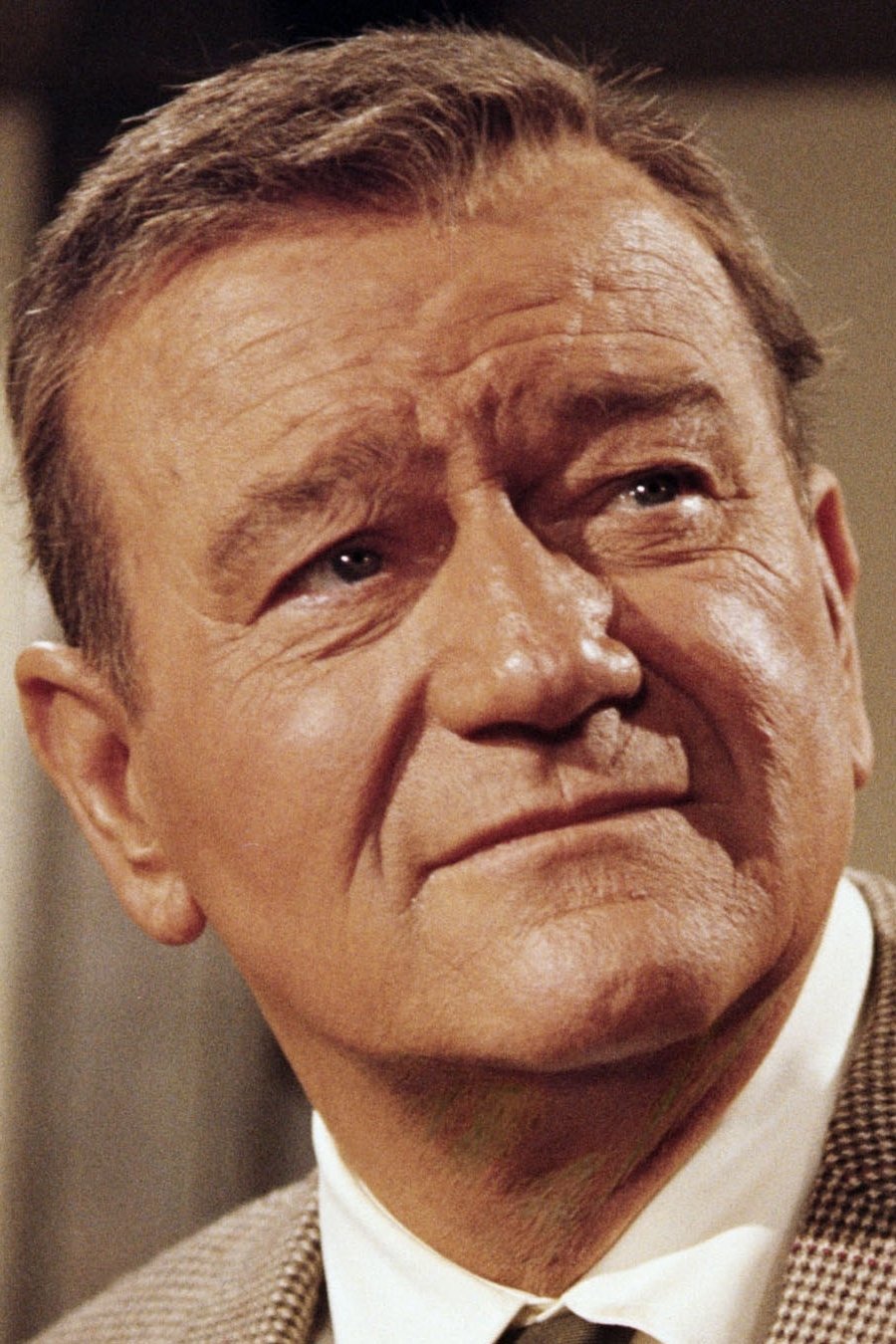
John Wayne relied heavily on cue cards during the final years of his prolific acting career. As he aged he found it more difficult to memorize large blocks of dialogue for his western films. During the filming of ‘The Shootist’ he used large boards held up behind the camera to guide his performance. This allowed the iconic star to maintain his commanding presence on screen without the stress of perfect memorization.
Robert Downey Jr.
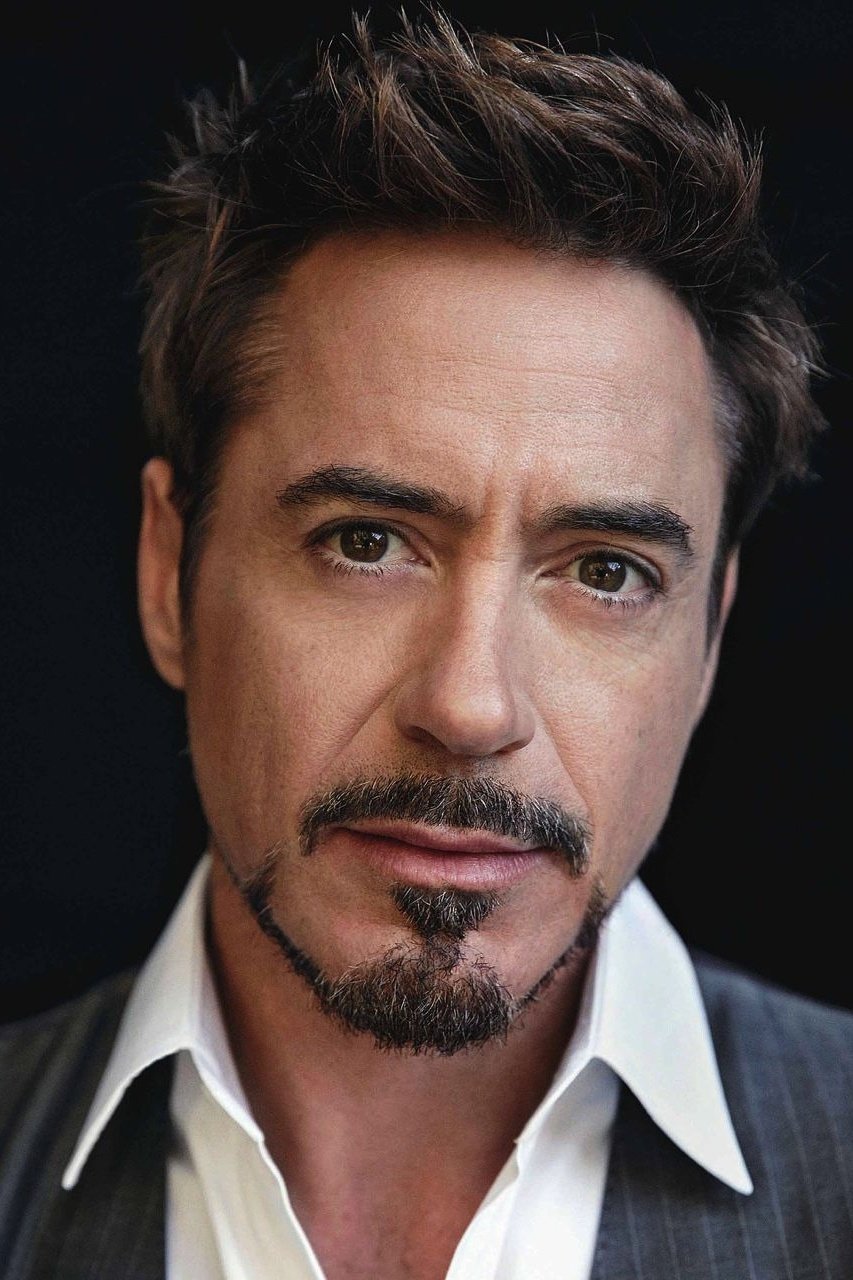
Robert Downey Jr. famously used post it notes and hidden cue cards on the set of the original ‘Iron Man’ movie. Because the script was often being rewritten during production he found it easier to have the new lines placed around the set. This approach helped him maintain the fast talking and witty persona of Tony Stark throughout the film. His ability to integrate these aids into his performance helped define the character for the entire franchise.
Frank Sinatra
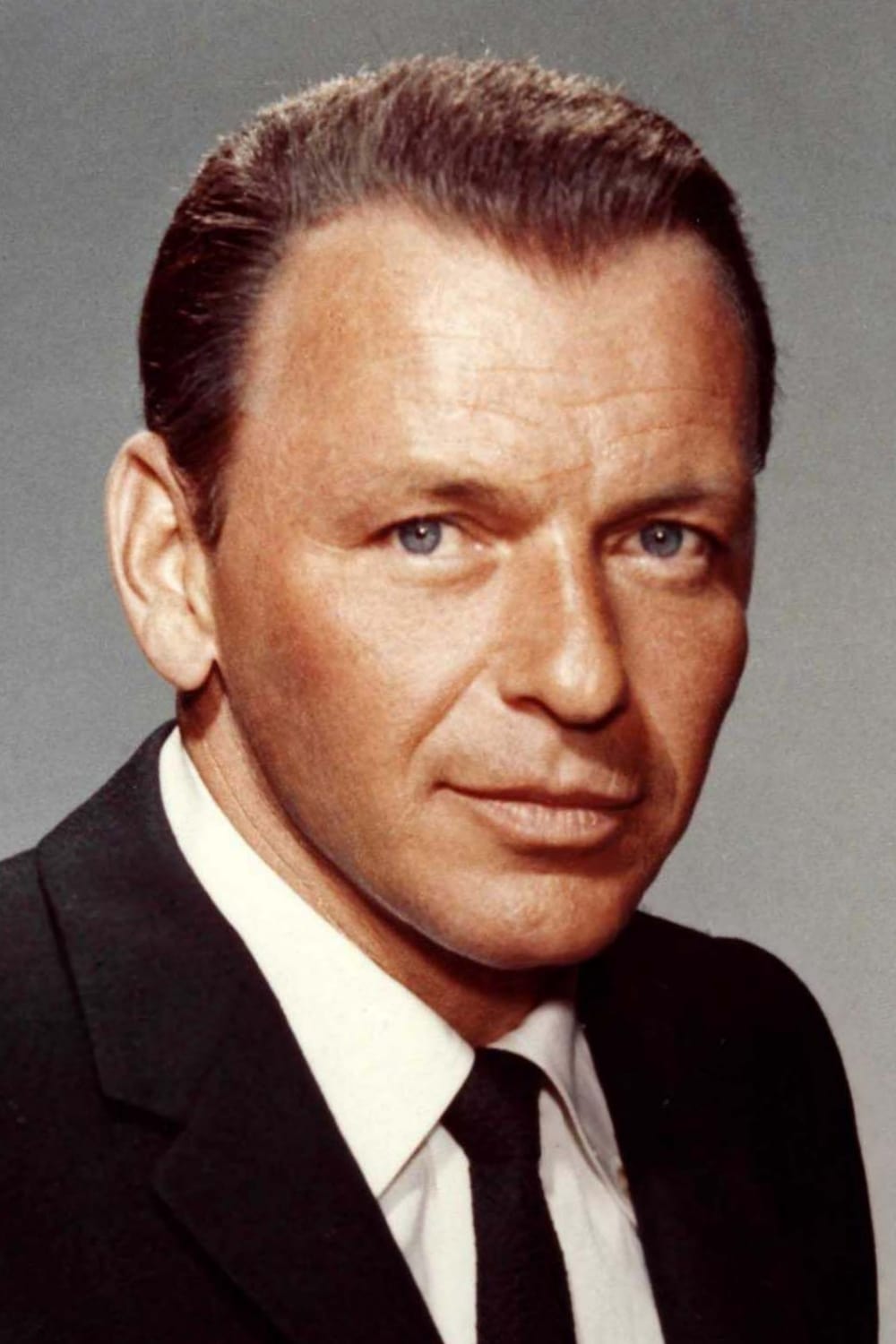
Frank Sinatra was notorious for his refusal to rehearse or spend time memorizing scripts for his movie roles. He preferred the first take because he believed it captured the most honest version of his performance. On the set of ‘From Here to Eternity’ he insisted on minimal takes and used various prompts to get through his scenes. His natural charisma allowed him to succeed despite his lack of traditional preparation.
Steve McQueen
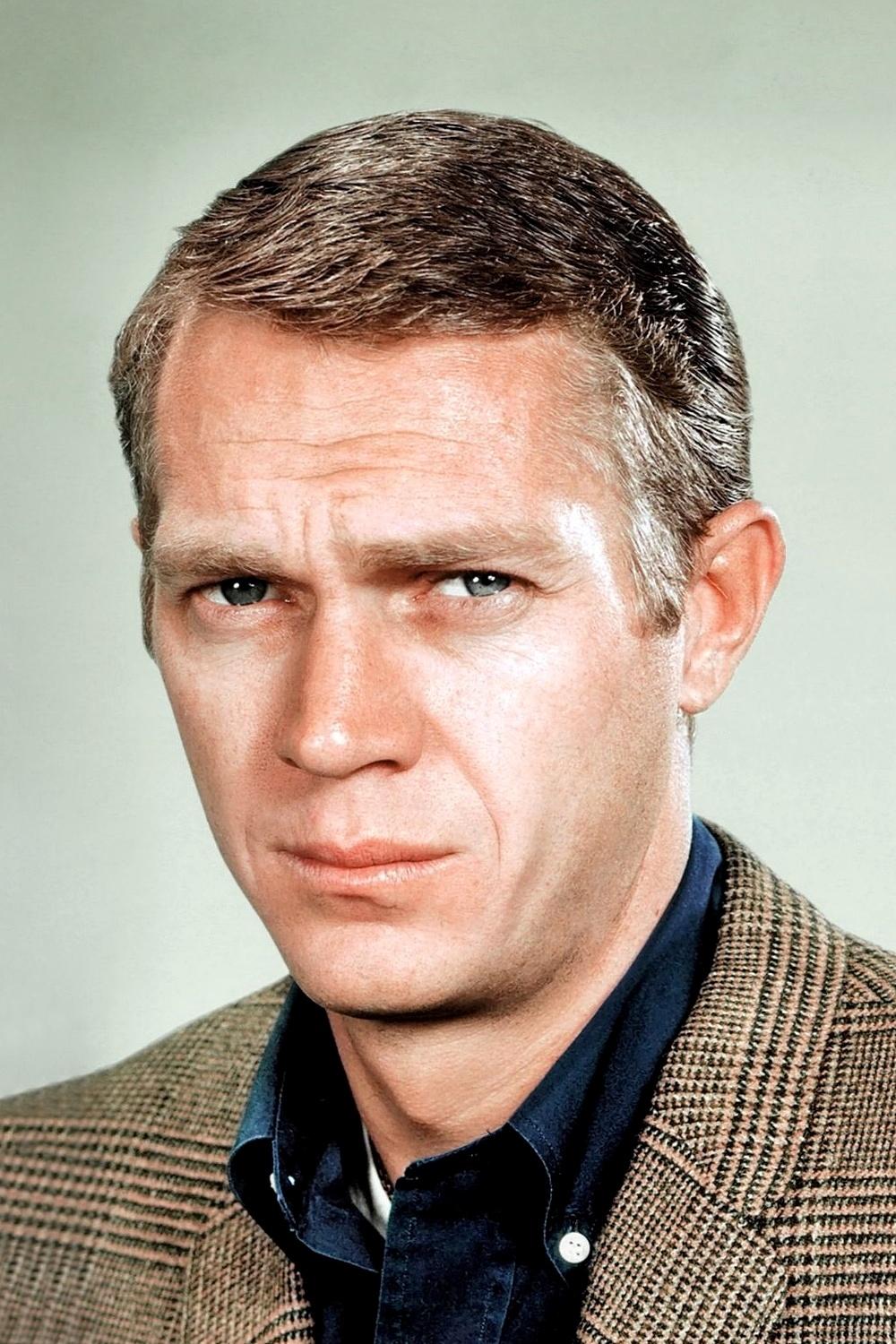
Steve McQueen often used cue cards to help him through his scenes in various action movies and dramas. The actor was more concerned with his physical movements and the look of a scene than the specific wording of the script. During the production of ‘The Magnificent Seven’ he frequently had his lines placed where he could easily see them. This allowed him to maintain his cool and stoic image while delivering his dialogue.
John Barrymore

John Barrymore was one of the earliest major film stars to rely on cue cards for his movie dialogue. As he transitioned from the stage to the screen he found the repetitive nature of filming to be a challenge for his memory. He often had his lines written on large boards that were placed just out of the camera frame. This practice became so common for him that he was rarely seen on a set without his trusted prompts.
Orson Welles
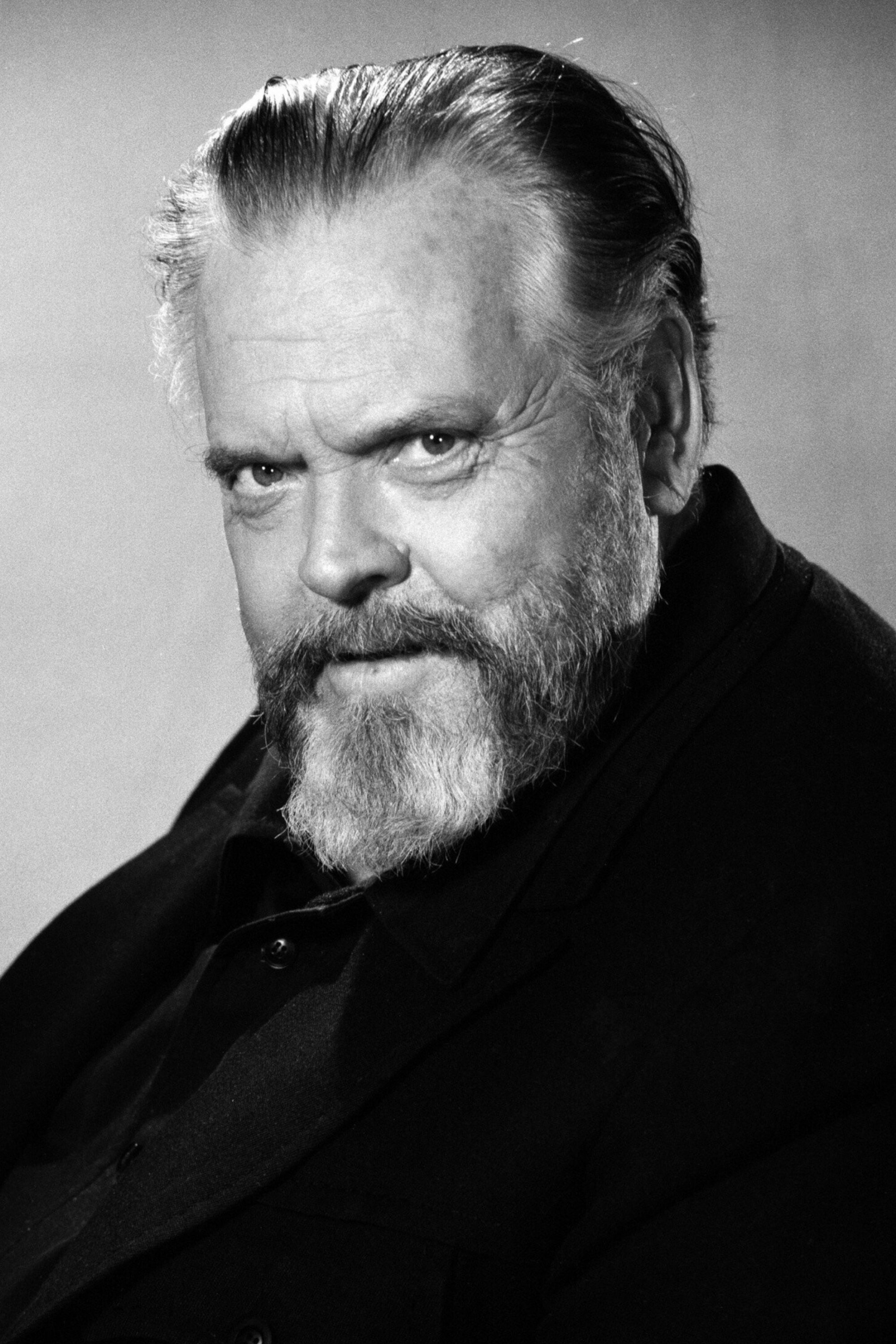
Orson Welles used cue cards extensively during his later years as both an actor and a director. He often felt that the technical aspects of filmmaking were more important than rote memorization of the script. While filming various projects in Europe he would have his lines taped to cameras or held by assistants. This allowed him to focus on the visual composition and the overall tone of the production.
Charlie Sheen
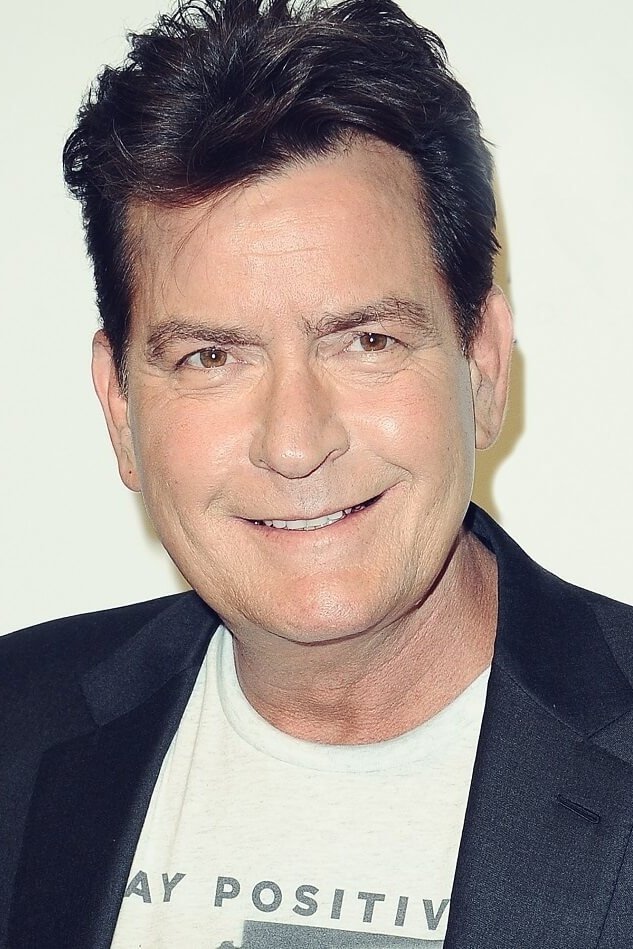
Charlie Sheen utilized an earpiece for many years while working on his long running television series and various film projects. The actor preferred having a technician read his lines to him to keep the pace of the show moving quickly. This method was particularly helpful during the high pressure environment of a sitcom where scripts changed daily. It allowed him to maintain his comedic timing without spending hours studying the script at home.
Mickey Rourke
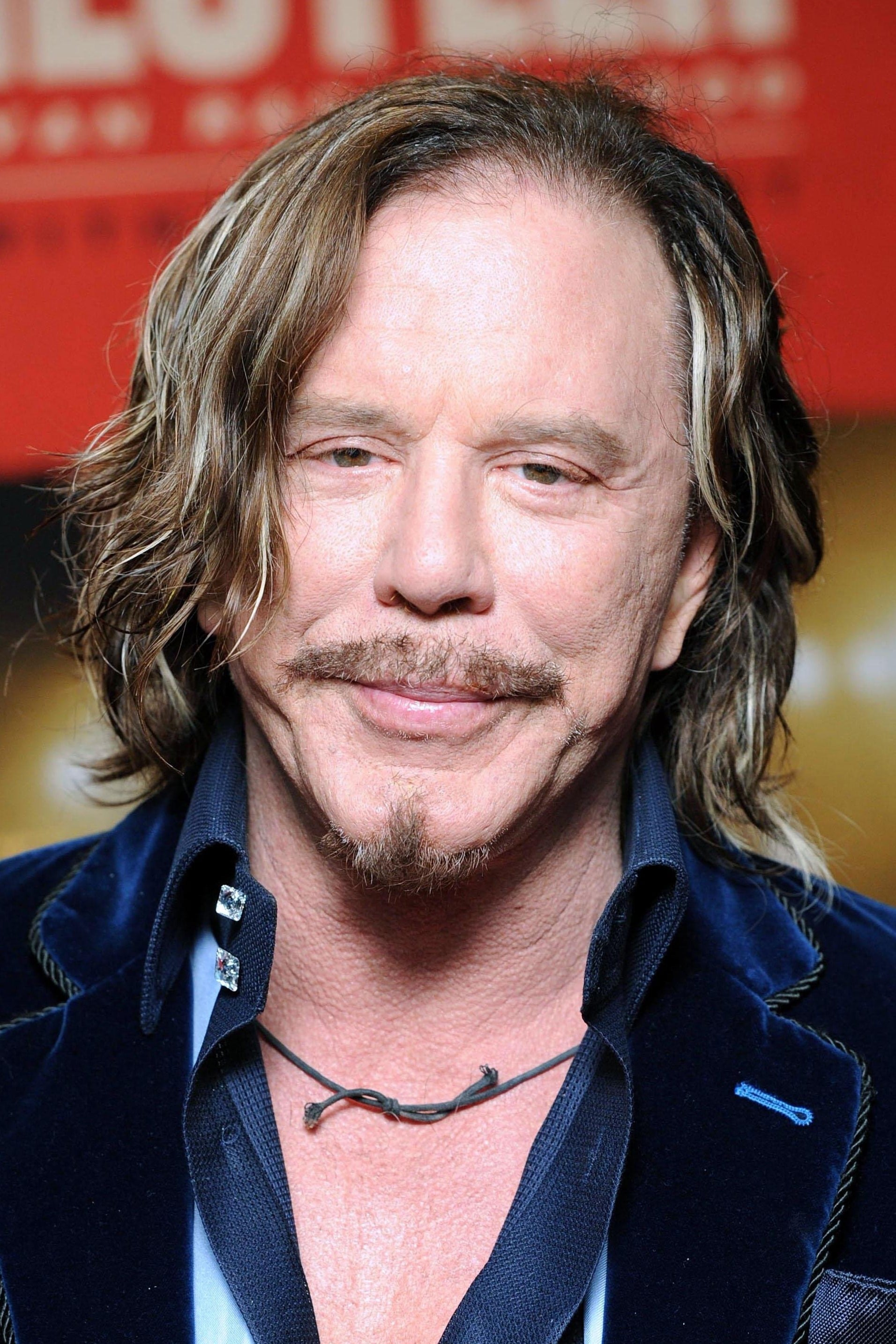
Mickey Rourke has used earpieces on several of his film sets to help him stay connected to his characters. During the filming of ‘The Wrestler’ he relied on these aids to manage the intense physical and emotional demands of the role. He has argued that these tools help him stay in a state of flow while the cameras are rolling. Many directors have praised his ability to turn these prompts into powerful and moving performances.
Gary Busey
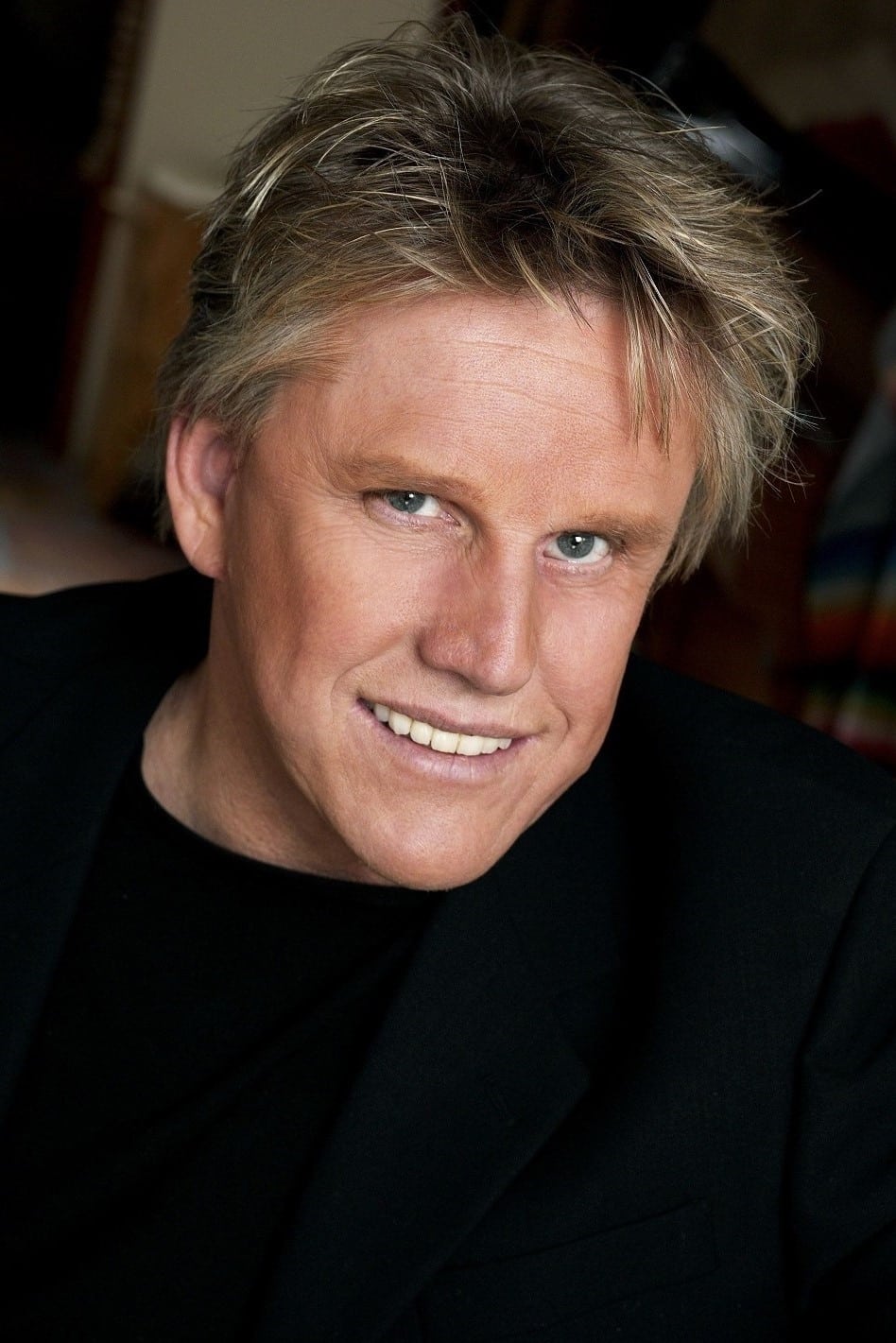
Gary Busey is known for his unconventional approach to acting which often includes the use of cue cards. He prefers to have his lines visible so he can focus on the spiritual and energetic aspects of his performance. This method has been used on various sets throughout his career to accommodate his unique style. His colleagues have often remarked on how he integrates these aids into his intense and unpredictable scenes.
Burt Reynolds

Burt Reynolds used cue cards and improvisation throughout much of his career to keep his performances feeling fresh. He often felt that the written script was merely a suggestion for the character he was playing. On the set of ‘Smokey and the Bandit’ he frequently deviated from the lines to add his own humor and personality. This refusal to stick strictly to the script helped him become one of the biggest stars of the decade.
Bill Murray
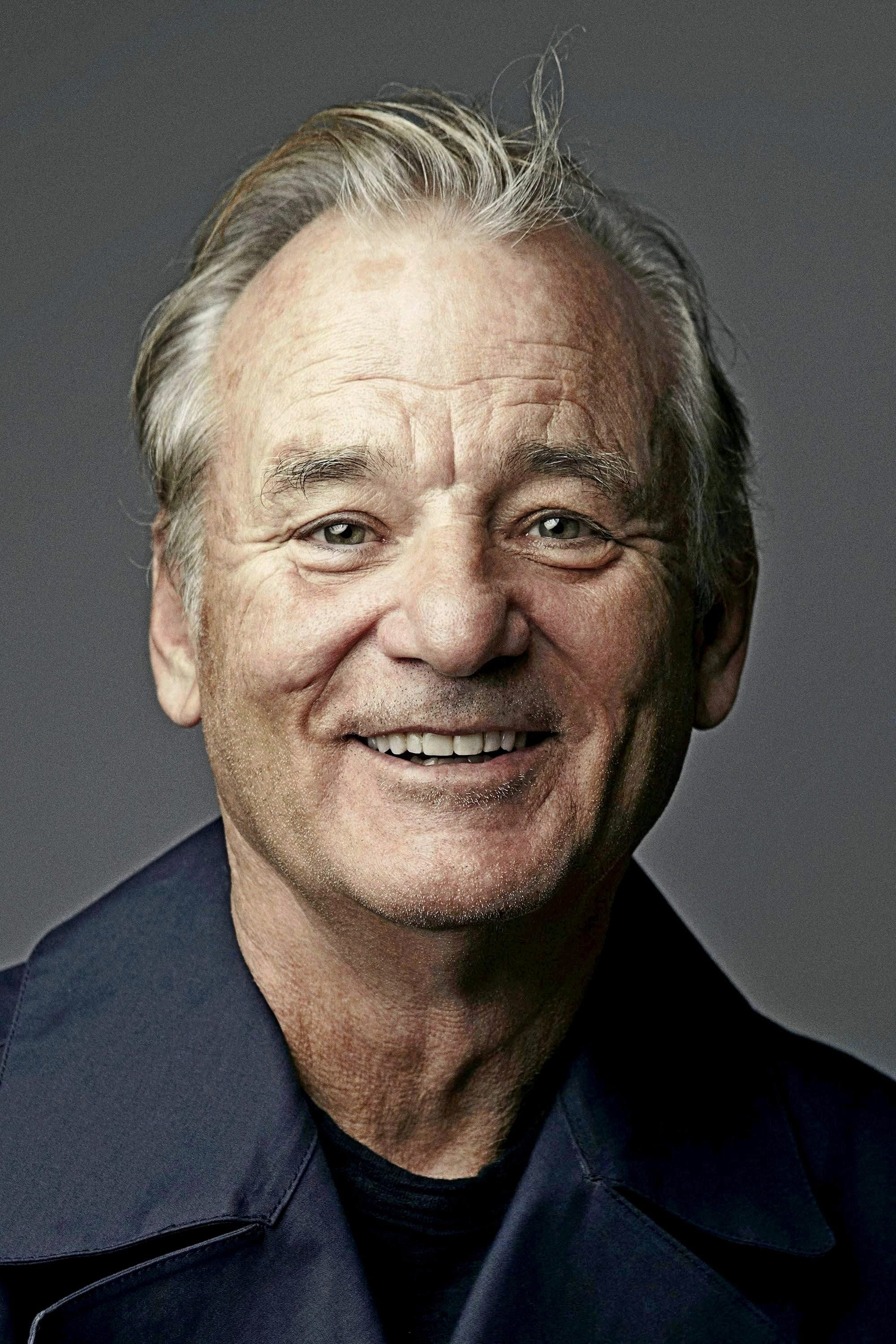
Bill Murray is famous for his tendency to ignore the script entirely and improvise his lines on set. He often arrives to a production with the intention of rewriting his character through spontaneous dialogue. During the filming of ‘Ghostbusters’ many of his most iconic lines were created in the moment rather than memorized. This approach requires his fellow actors to be ready for anything when the cameras start recording.
Will Ferrell
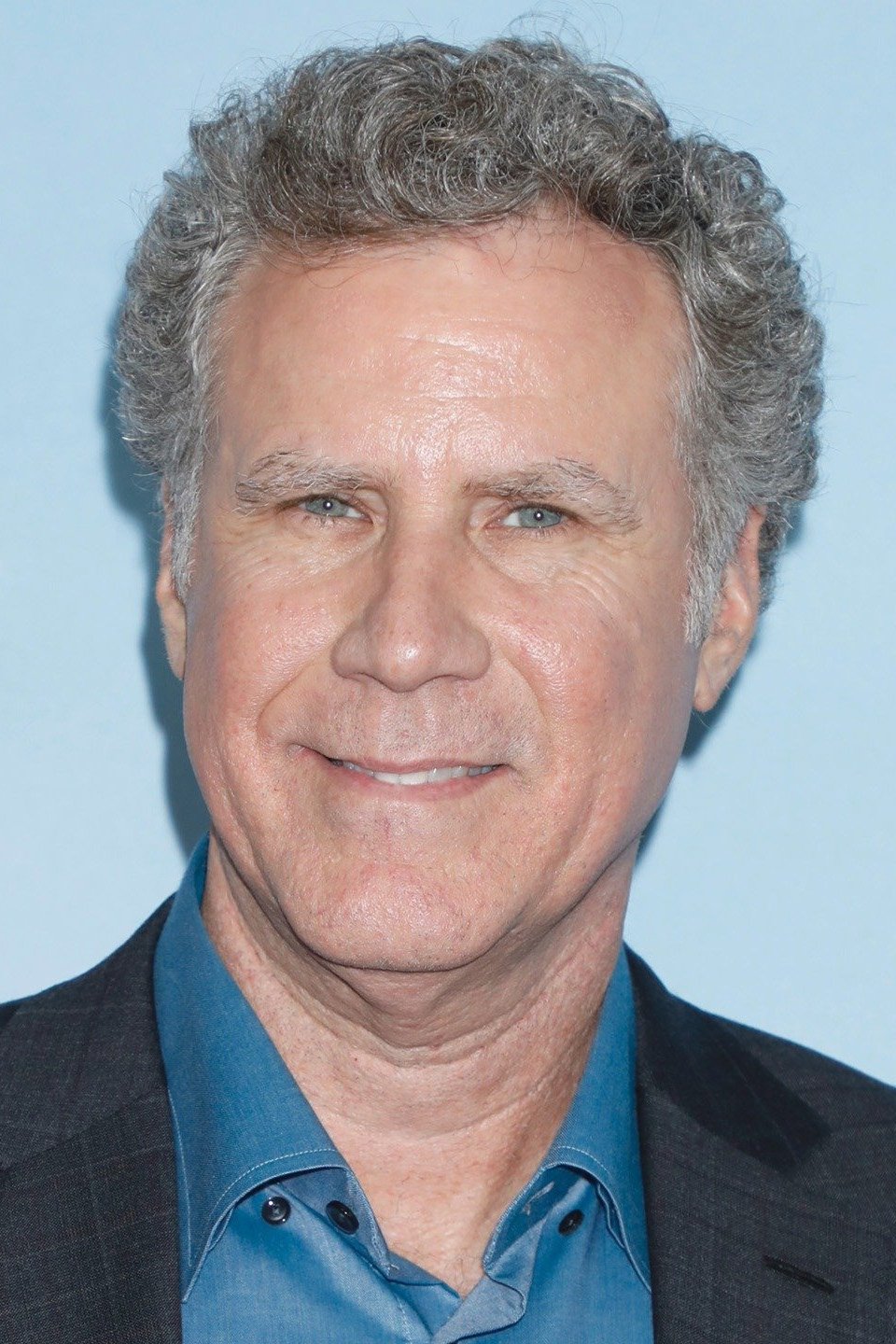
Will Ferrell often chooses to improvise his scenes rather than memorizing the specific words written in the script. He works closely with directors like Adam McKay to create a space where he can explore different comedic directions. On the set of ‘Anchorman’ he would film multiple versions of the same scene with entirely different dialogue in each take. This method prioritizes comedic inspiration over strict adherence to the written page.
Sacha Baron Cohen
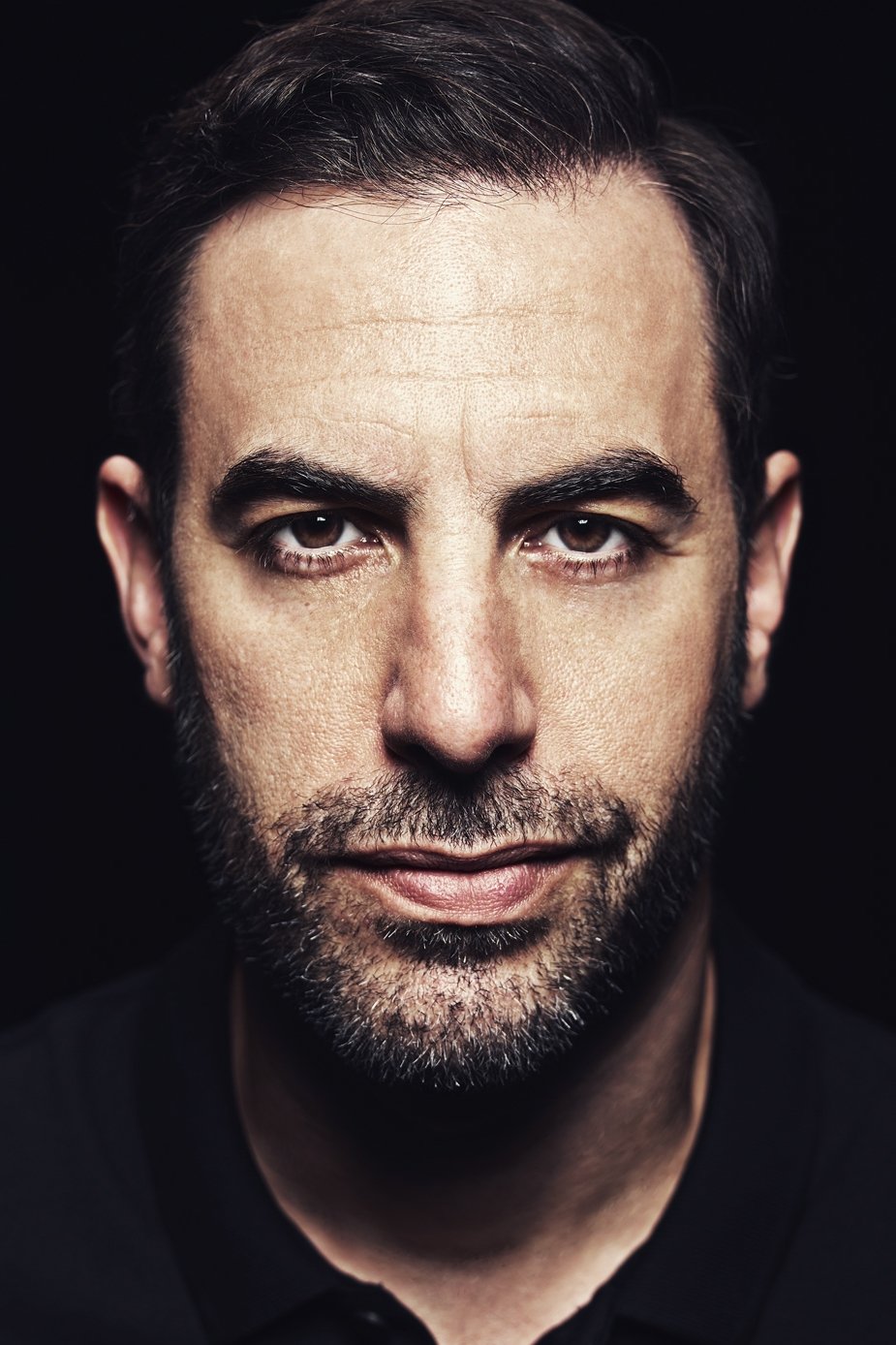
Sacha Baron Cohen relies on improvisation and character immersion rather than traditional script memorization. Because he often films in real world situations his dialogue must be reactive to the people around him. In the movie ‘Borat’ he had a general idea of the story but created the specific lines as the scenes unfolded. This refusal to use a standard script is essential to the documentary style of his comedy.
Robert Mitchum
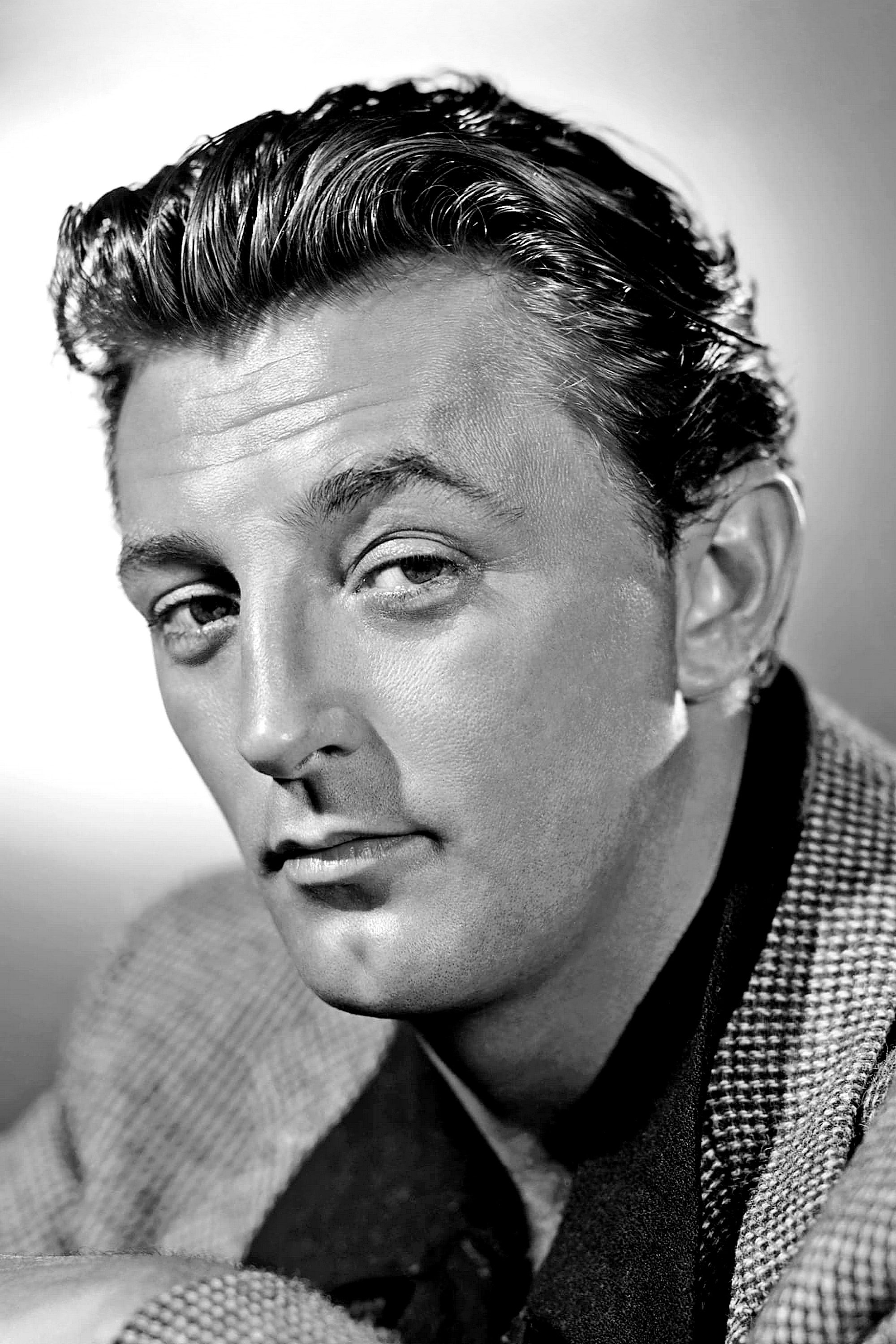
Robert Mitchum was known for his relaxed attitude toward acting and his frequent use of cue cards. He often joked that he only had two acting styles which were with or without a cigar. During the production of ‘The Night of the Hunter’ he used various prompts to help him through his dialogue. His effortless delivery made it impossible for the audience to tell that he was reading his lines from a board.
Montgomery Clift
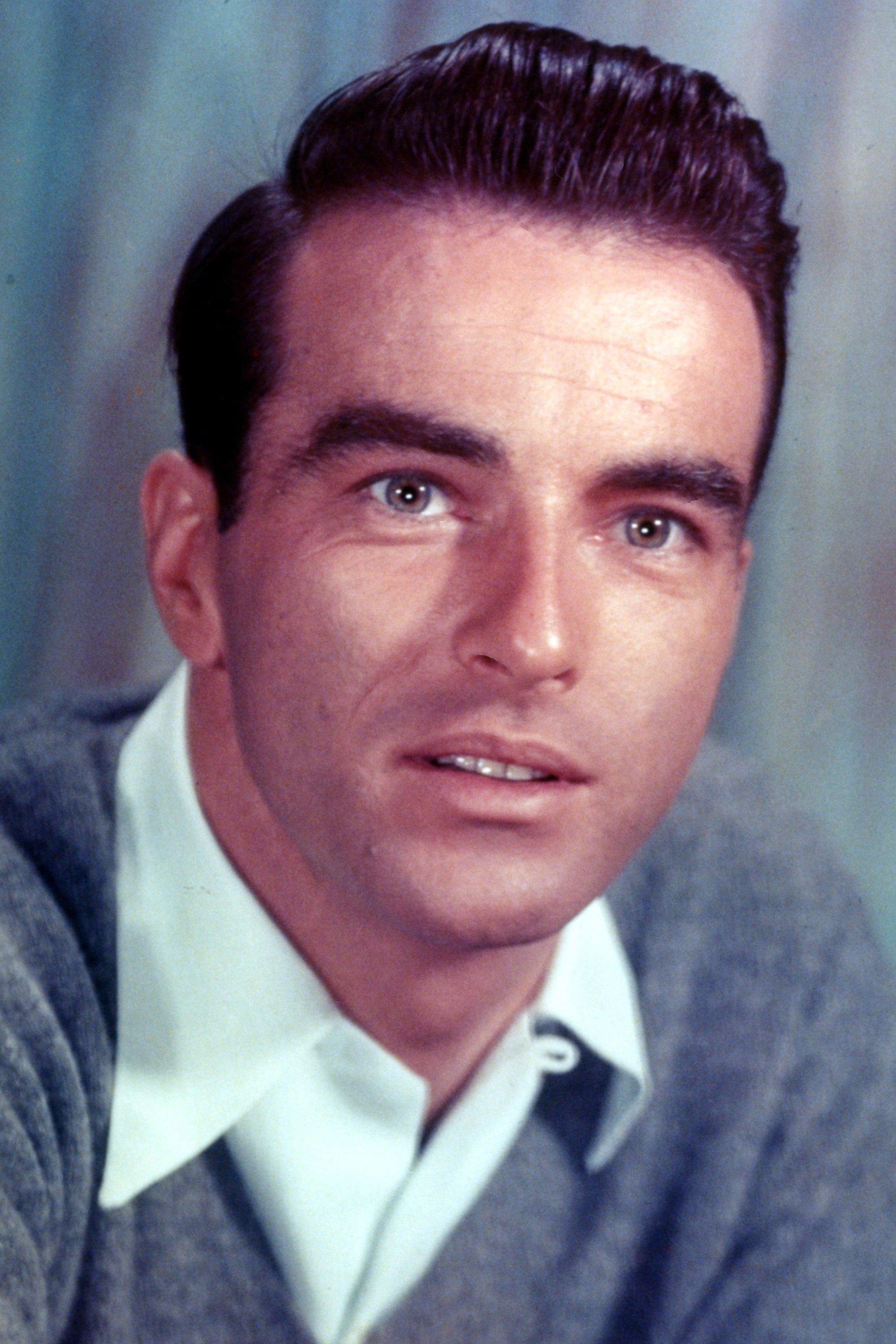
Montgomery Clift began using cue cards later in his career after surviving a serious car accident. The trauma made it difficult for him to focus and memorize the large amounts of text required for his roles. During the filming of ‘Judgment at Nuremberg’ he relied on prompts to deliver his highly emotional testimony. Despite these challenges he was still able to produce some of the most acclaimed performances of his life.
Richard Burton

Richard Burton was a classically trained stage actor who began to use cue cards as he took on more film roles later in life. The fast pace of movie production was sometimes at odds with his traditional method of preparation. While filming ‘Cleopatra’ he utilized aids to manage the massive script and the chaotic environment on set. His powerful voice and presence remained intact even when he was not working from memory.
Peter O’Toole
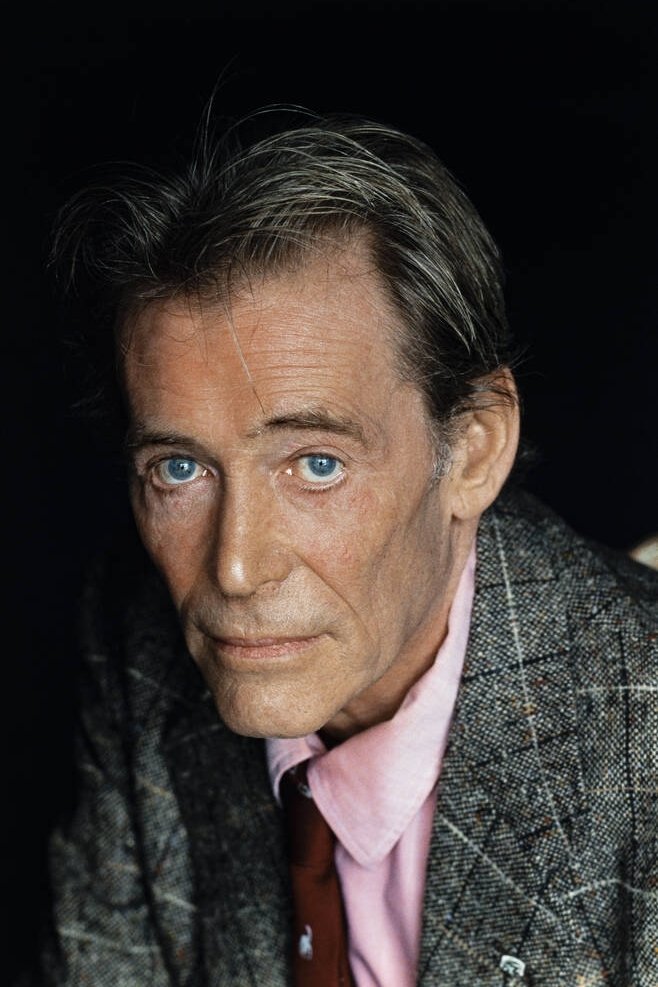
Peter O’Toole used various aids including cue cards during his later film appearances in the modern era. While he was once known for his incredible ability to memorize entire plays he found film scripts more tedious as he aged. On the set of ‘Troy’ he used prompts to help him through his scenes as the king of the city. He remained a dedicated professional who used these tools to ensure the production stayed on schedule.
George Burns
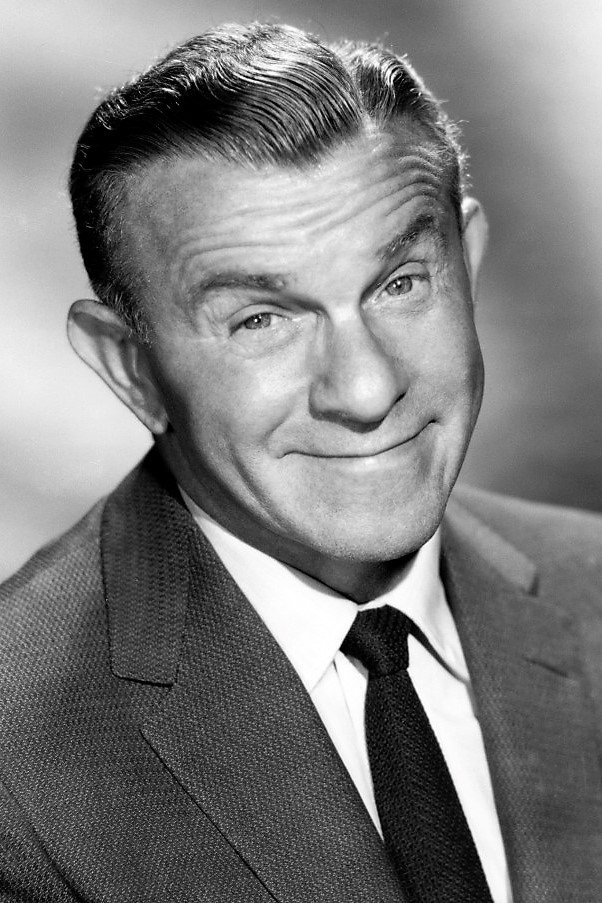
George Burns relied on teleprompters and cue cards for almost all of his film and television appearances in his later years. He was very open about his use of these aids and often joked about them during his performances. In the movie ‘The Sunshine Boys’ he used these prompts to maintain his perfect comedic timing with his co stars. His ability to read the lines while appearing completely natural was a testament to his decades of experience.
James Coburn
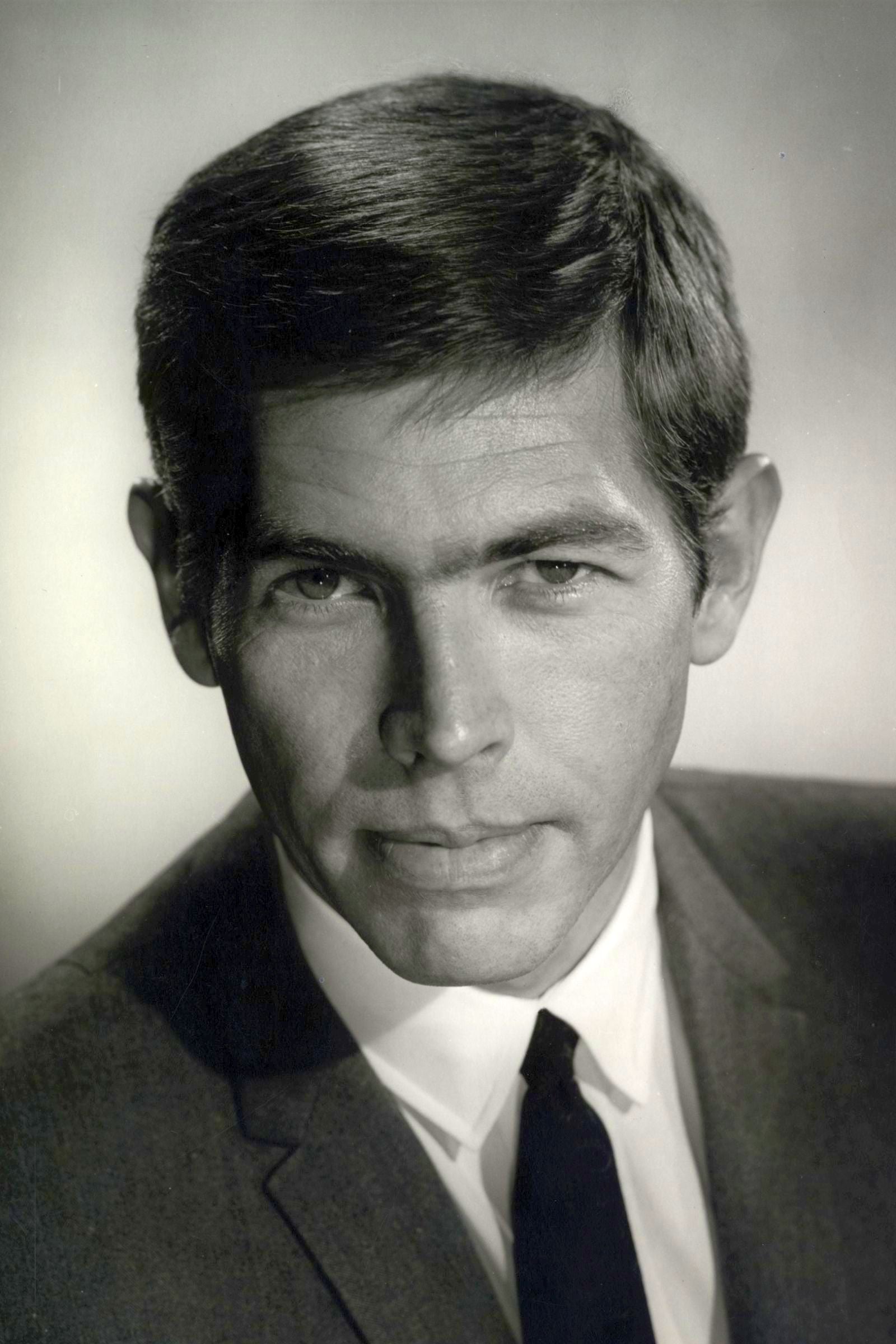
James Coburn utilized cue cards during the filming of ‘Affliction’ which earned him an Academy Award. The actor found that having the lines nearby allowed him to focus on the grit and intensity of the character. He was known for his professional attitude and his ability to work seamlessly with his directors. The use of prompts did not hinder his ability to create a terrifying and memorable screen presence.
Bela Lugosi
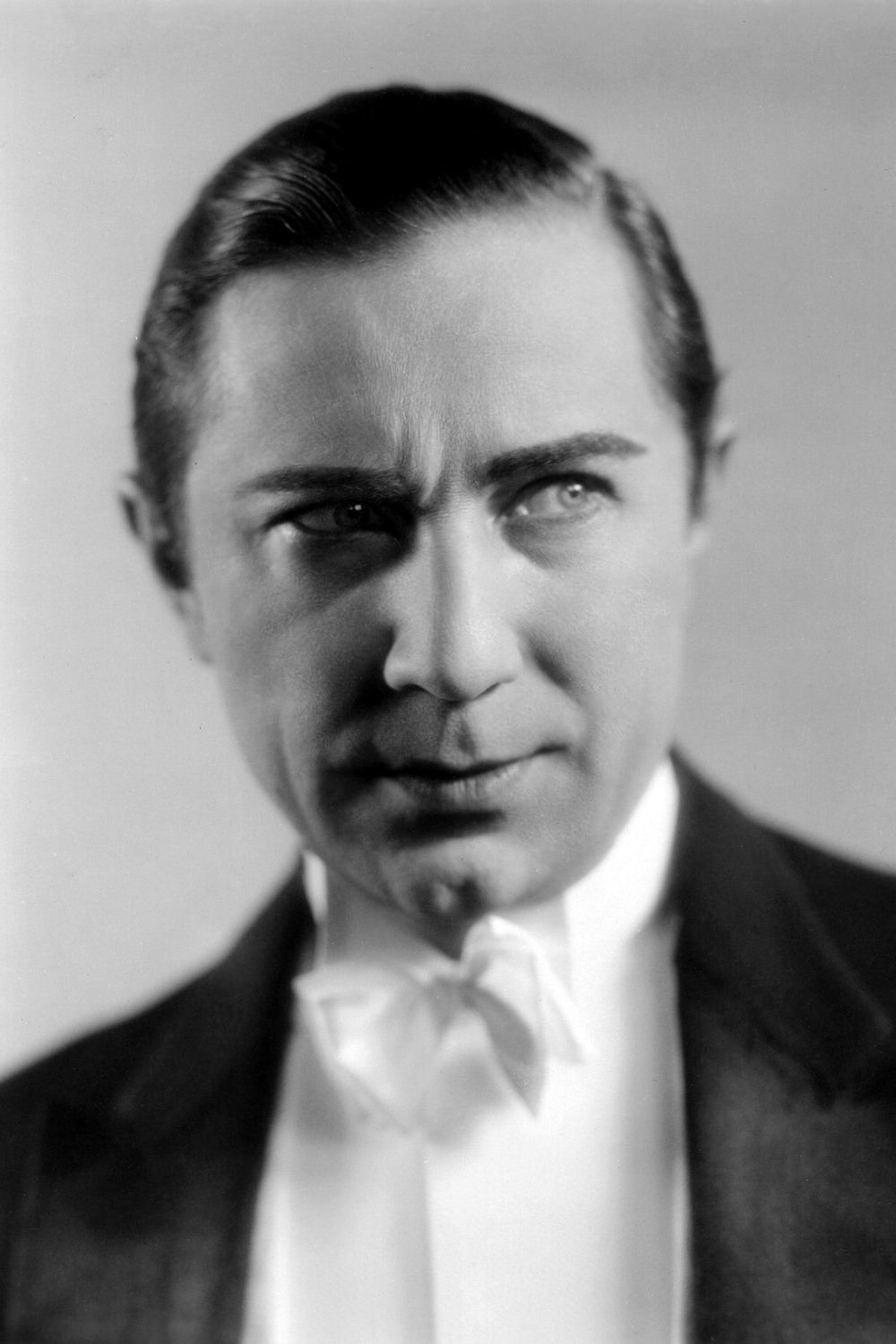
Bela Lugosi often struggled with the English language and used phonetic cue cards to help him through his early Hollywood roles. During the filming of ‘Dracula’ he had to memorize his lines phonetically because he did not yet speak the language fluently. He would often have the words written out on boards to ensure his pronunciation was correct. This unique challenge helped create the slow and deliberate speaking style that became his trademark.
Woody Harrelson
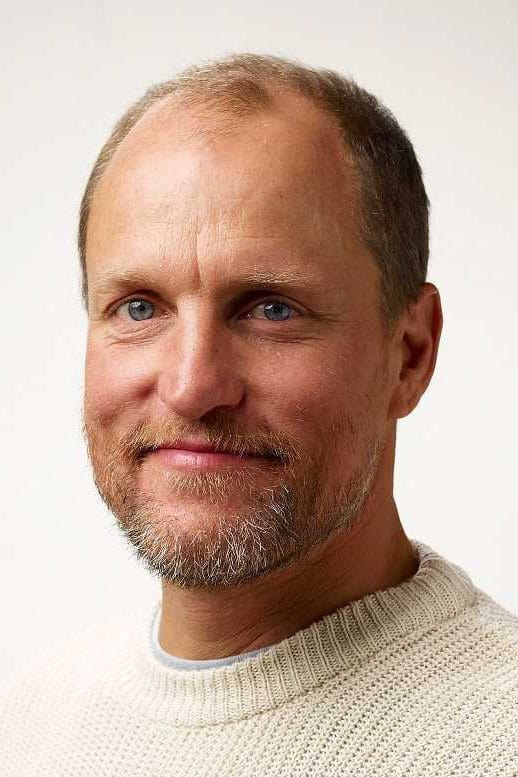
Woody Harrelson is known for his preference for improvisation and his tendency to stray from the written script. He often discusses the character with the director and then finds the words through action and interaction. In various projects he has been encouraged to bring his own voice to the role rather than sticking to rote memorization. This creates a naturalistic feel in his movies that audiences often find very relatable.
Vince Vaughn
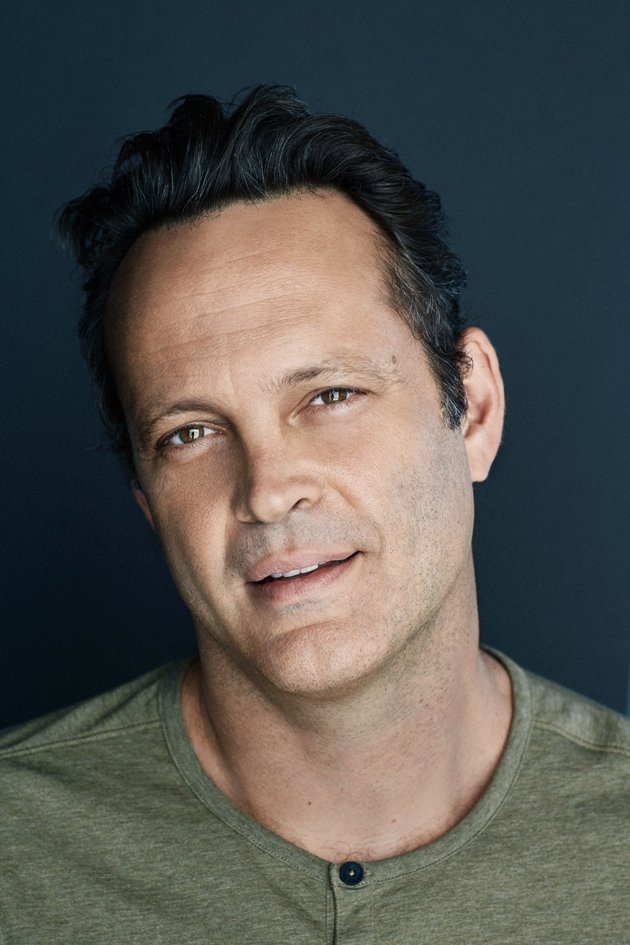
Vince Vaughn often utilizes a rapid fire improvisation style that makes traditional script memorization unnecessary. He prefers to understand the objective of a scene and then fill in the dialogue through spontaneous conversation. This was highly evident in ‘Old School’ where much of his banter was created during the actual filming. Directors often give him the freedom to explore the character without the constraints of a formal script.
Adam Sandler
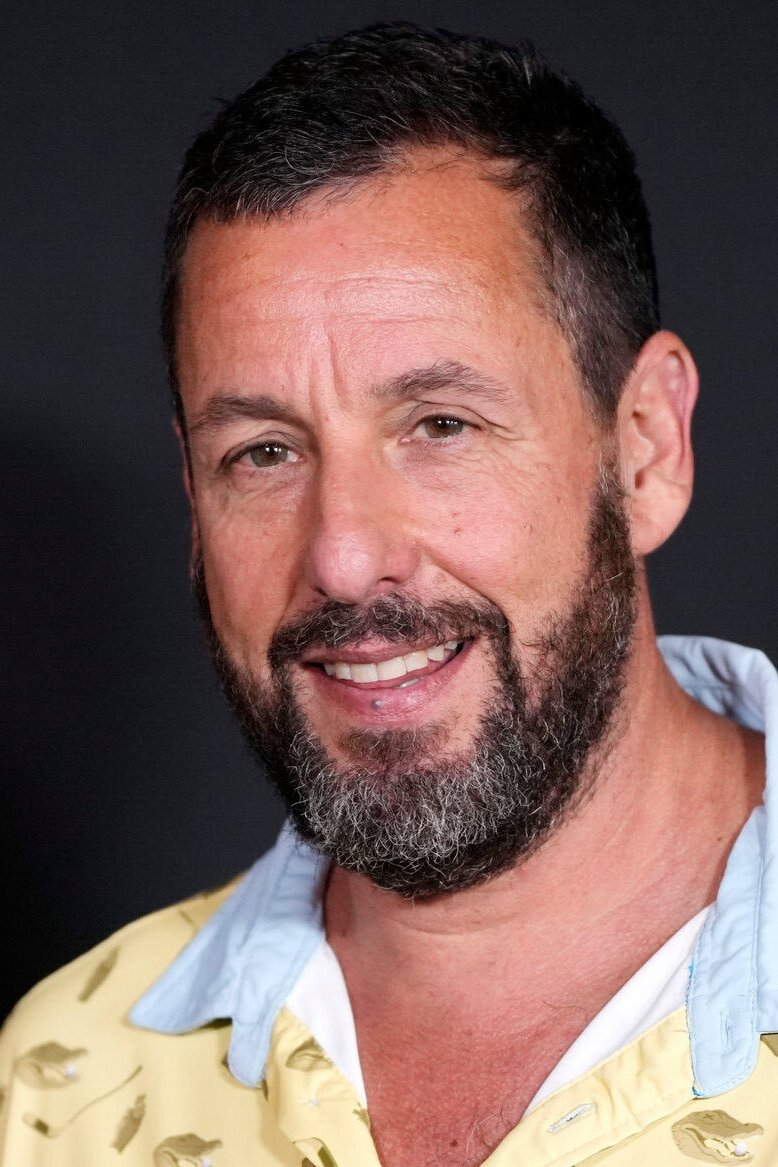
Adam Sandler frequently uses teleprompters and large cue cards on the sets of his comedy films. This allows him to focus on the physical comedy and his interactions with the other cast members. He often works with a regular crew that knows exactly how to place these prompts to keep the production moving. This method has helped him maintain a high output of films while keeping the atmosphere on set light and fun.
Alec Baldwin

Alec Baldwin has reportedly used teleprompters on various sets to help him manage long monologues and complex dialogue. This practice is common in the television industry where scripts are often updated until the moment of filming. By using these aids he can ensure that he delivers the exact wording requested by the writers without multiple retakes. His professional reputation allows him to use these tools effectively without sacrificing the quality of his work.
Russell Crowe
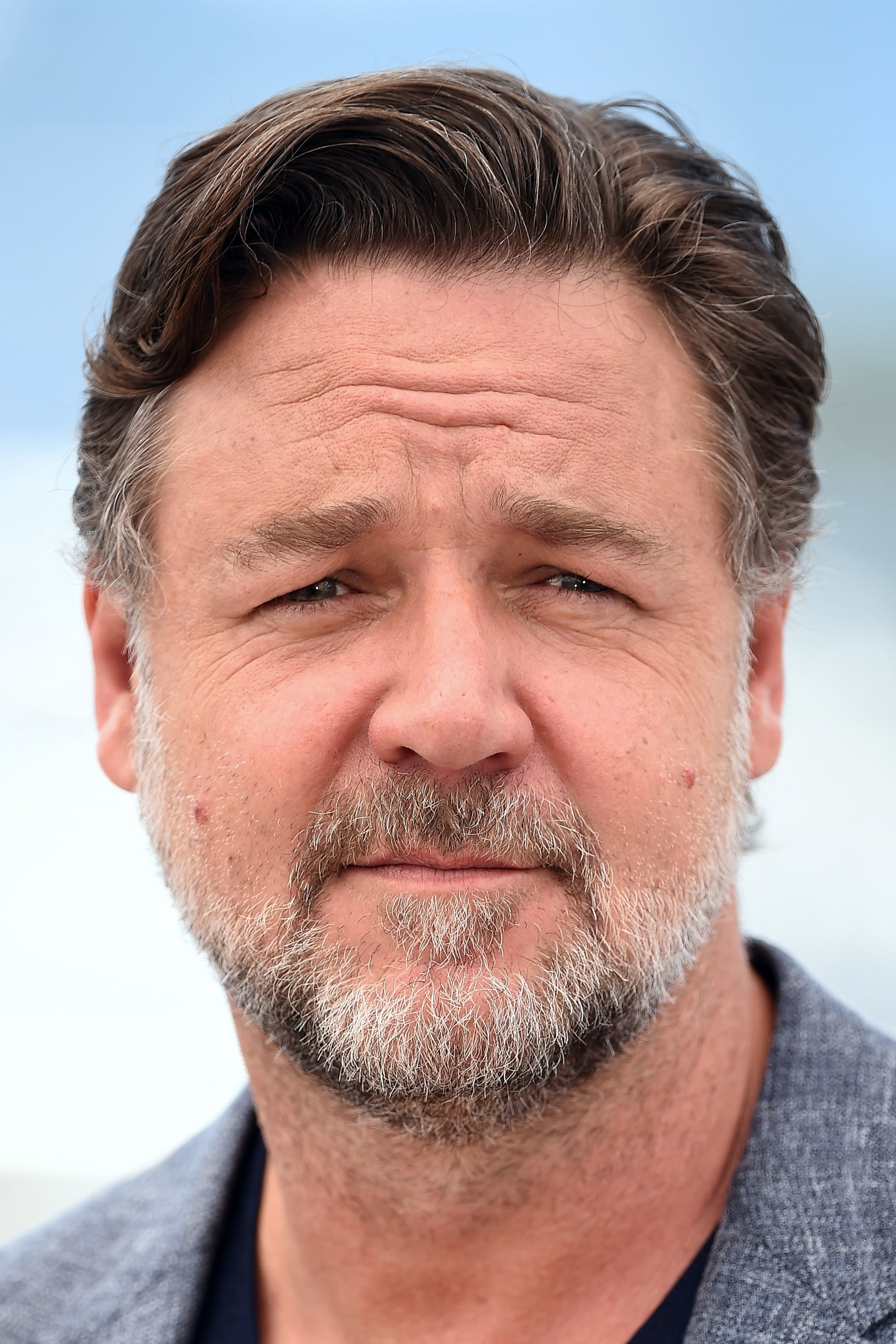
Russell Crowe utilized an earpiece during some of his scenes in ‘Gladiator’ to receive cues from the director. This helped him maintain the intense focus required for the epic battle scenes and emotional confrontations. While he is generally a very disciplined actor he has used these tools when the technical requirements of a scene are particularly demanding. This ensures that the performance is perfectly synchronized with the camera movements and special effects.
Gene Hackman
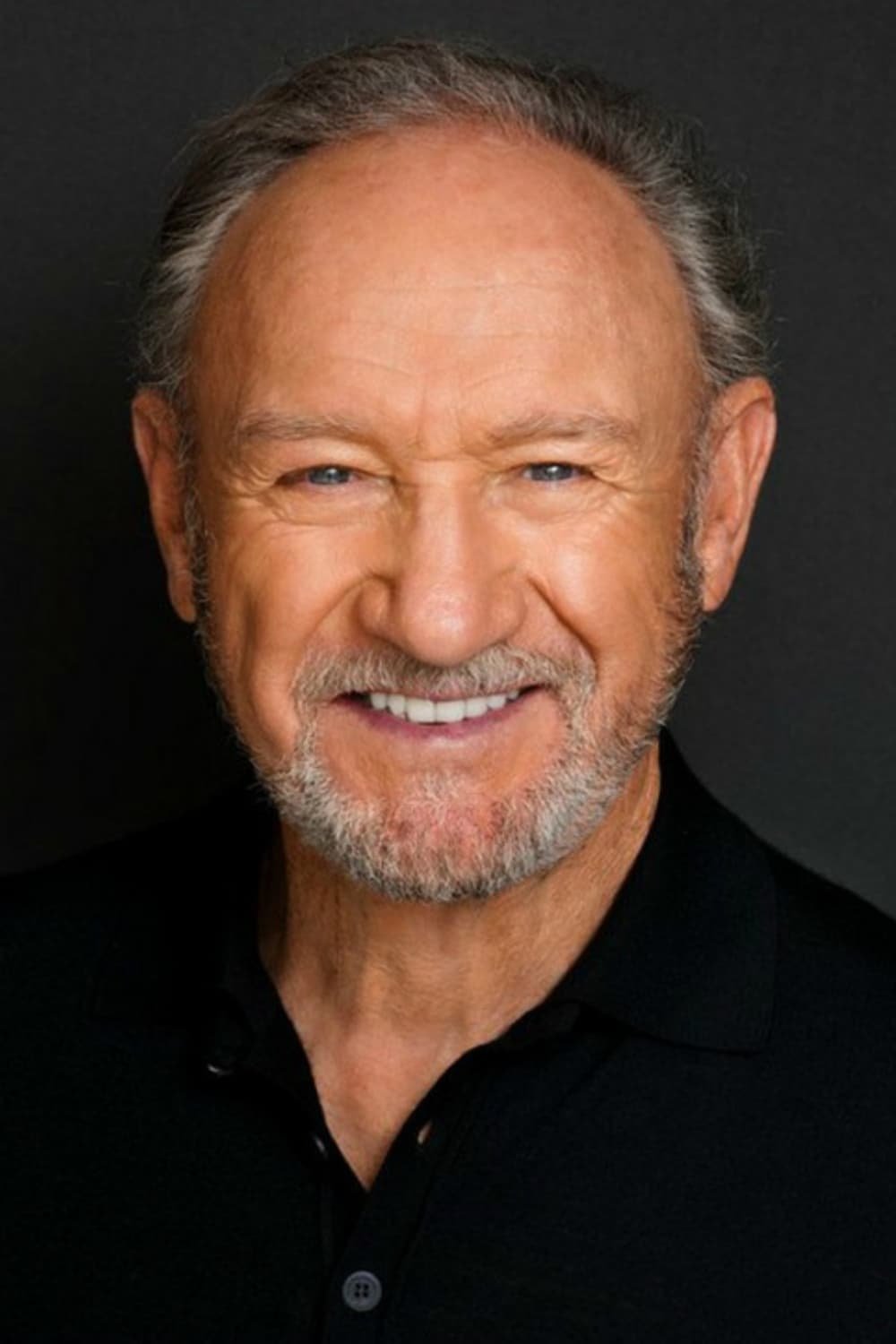
Gene Hackman was known for his intense preparation but would occasionally refuse to memorize certain parts of a script if he felt they were unnecessary. On the set of ‘The Royal Tenenbaums’ he frequently pushed back against the formal dialogue to find a more authentic voice for his character. He would sometimes use notes or prompts to help him navigate the scenes he had modified. His dedication to character truth often took precedence over following the script exactly as written.
Liam Neeson
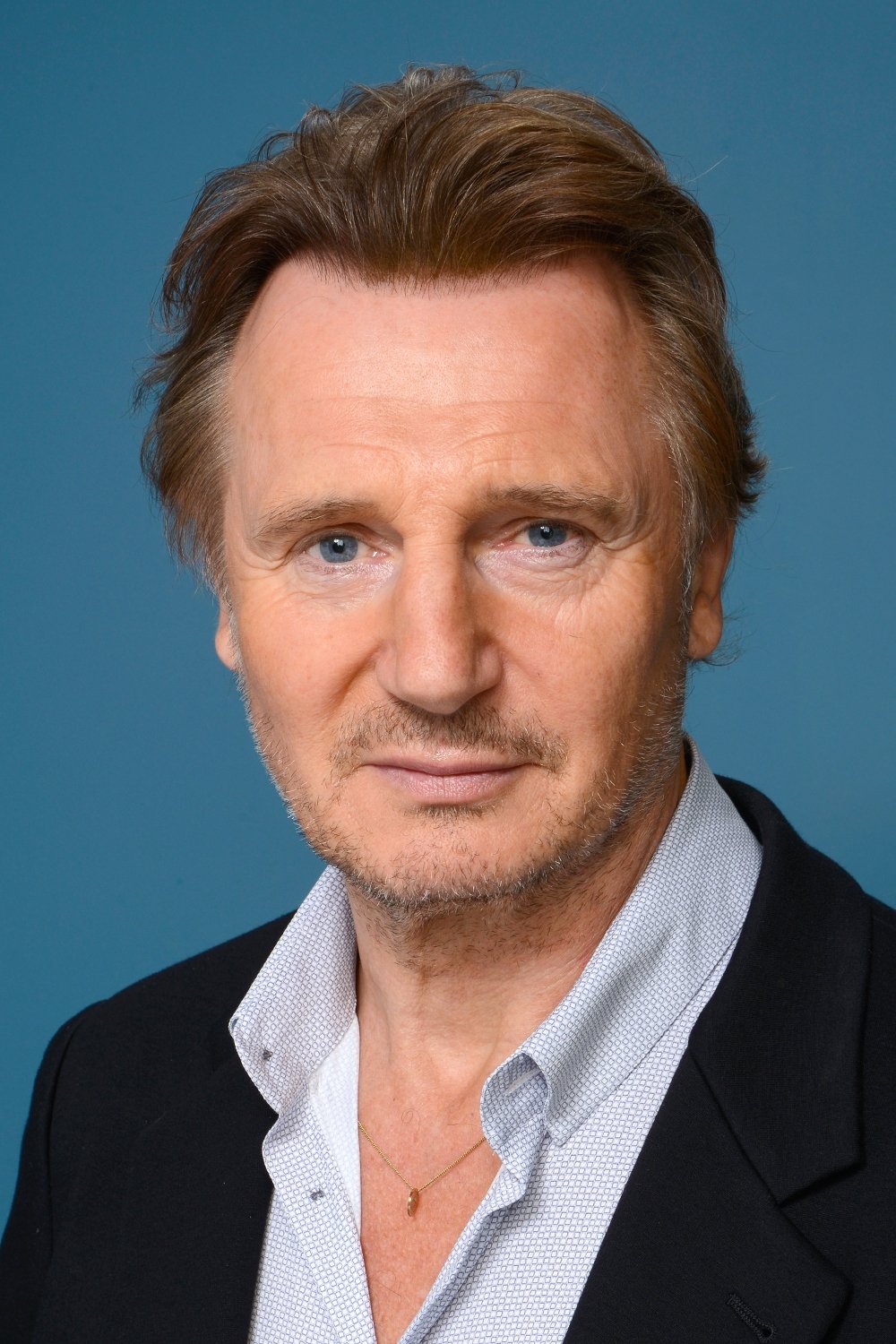
Liam Neeson has been the subject of reports suggesting he uses earpieces for some of his more recent action film roles. This allows him to maintain the fast pace of the production while focusing on the stunts and choreography. Many veteran actors in the action genre use these tools to manage the heavy workload of multiple films per year. His performances continue to be highly regarded for their grit and reliability.
Harrison Ford
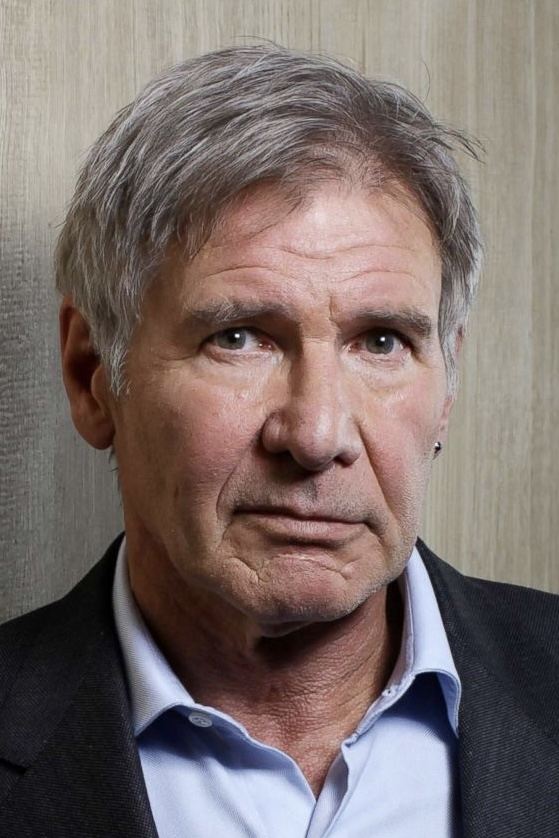
Harrison Ford has occasionally used cue cards to help him through technical dialogue in the ‘Star Wars’ and ‘Indiana Jones’ franchises. He has famously expressed his frustration with some of the more complex scientific or historical lines in these scripts. By having the lines visible he can deliver them with the necessary confidence and authority. This allows him to focus on the adventurous spirit and physicality that his fans expect.
Dustin Hoffman
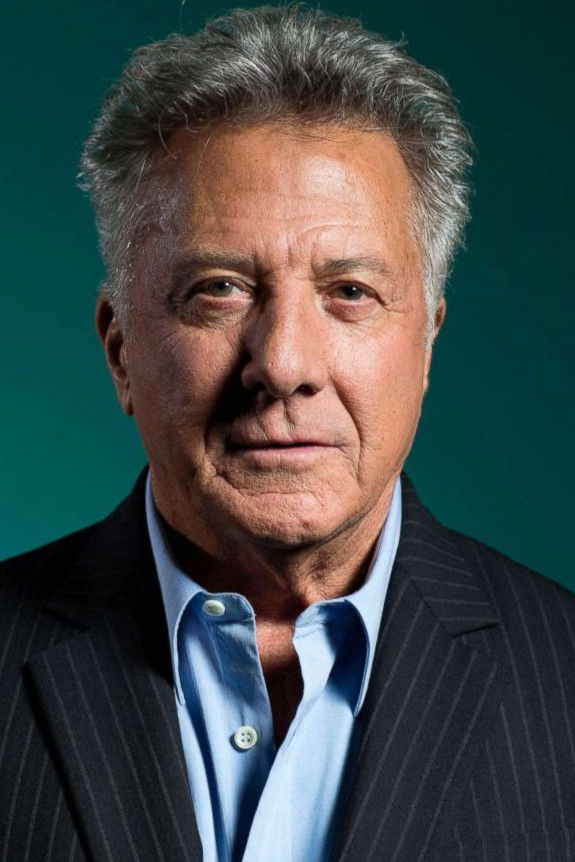
Dustin Hoffman has utilized various prompts and aids on set to help him stay in character during long filming days. While he is a dedicated method actor he sometimes finds that these tools help him bridge the gap between himself and the role. During the production of ‘Rain Man’ he used different techniques to maintain the specific speech patterns of his character. This ensured that his performance remained consistent throughout the entire movie.
Pierce Brosnan
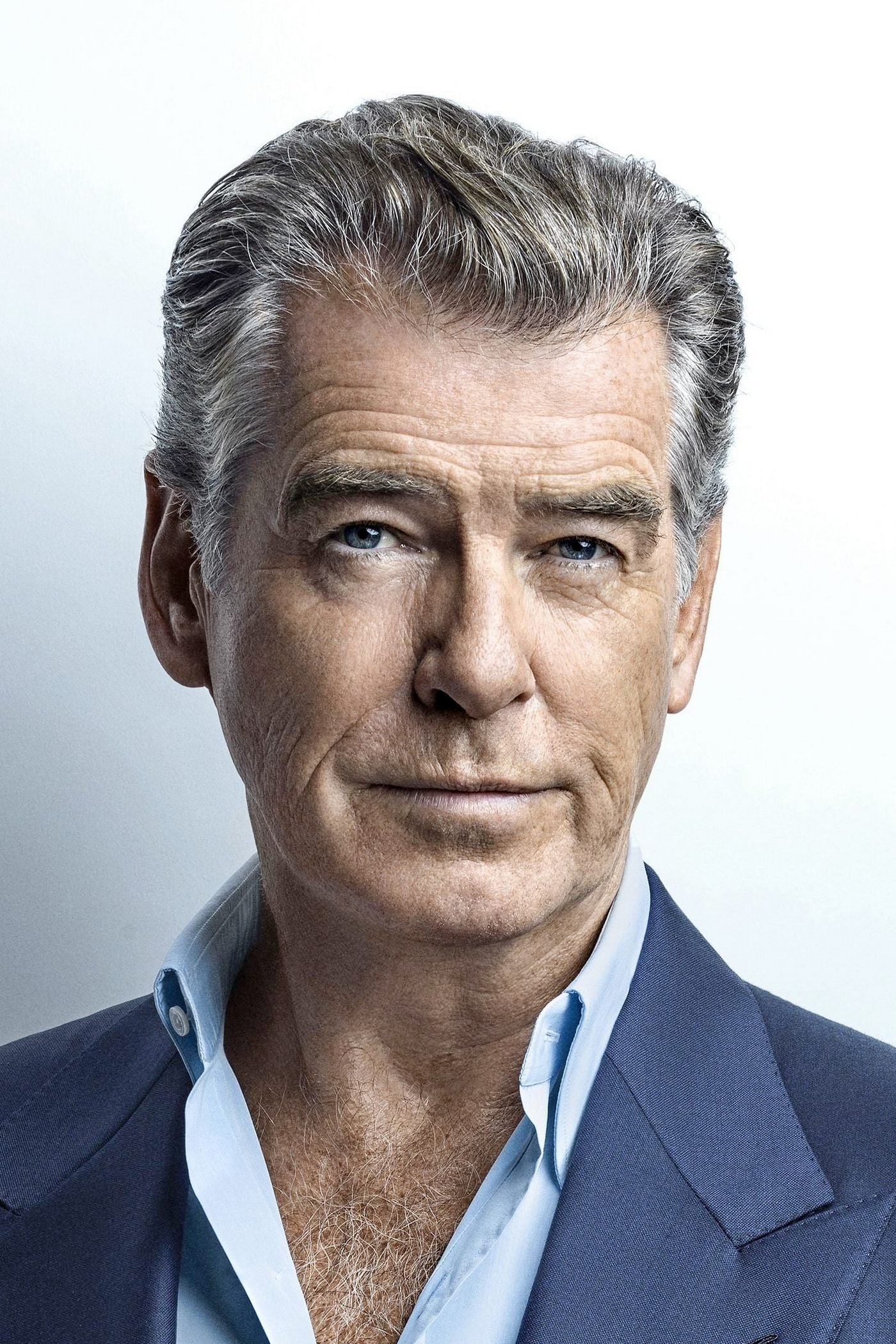
Pierce Brosnan used an earpiece while filming the television series ‘The Son’ to manage the large amount of dialogue required for the lead role. He found that the device helped him stay on track during the demanding production schedule of a prestige drama. This allowed him to focus on the character’s internal journey rather than just the words on the page. His use of the technology was praised by the production team for keeping the shoot on schedule.
Kevin Spacey
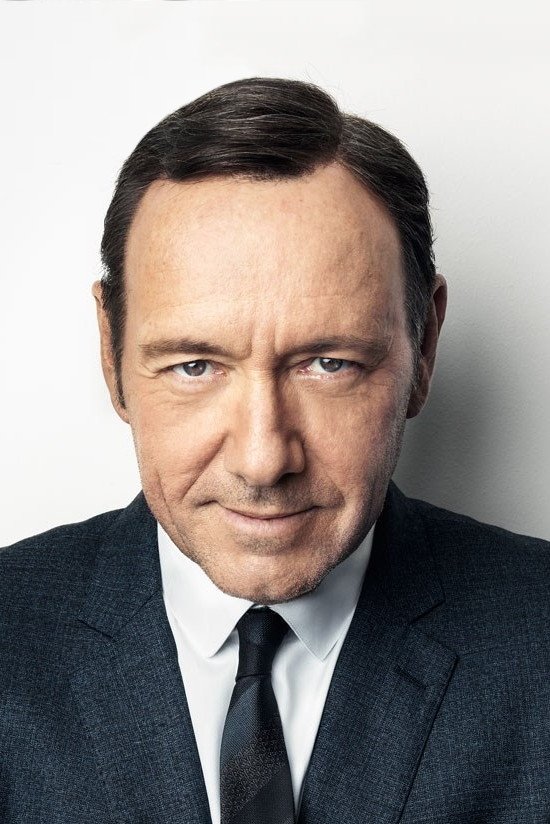
Kevin Spacey has utilized earpieces on several of his film and television sets to assist with his delivery of complex dialogue. This method allowed him to maintain a steady pace during long takes and intense scenes. He often argued that these tools were a modern necessity for actors working in high pressure environments. Many of his co stars were unaware that he was using a device because his delivery remained so natural.
Anthony Quinn
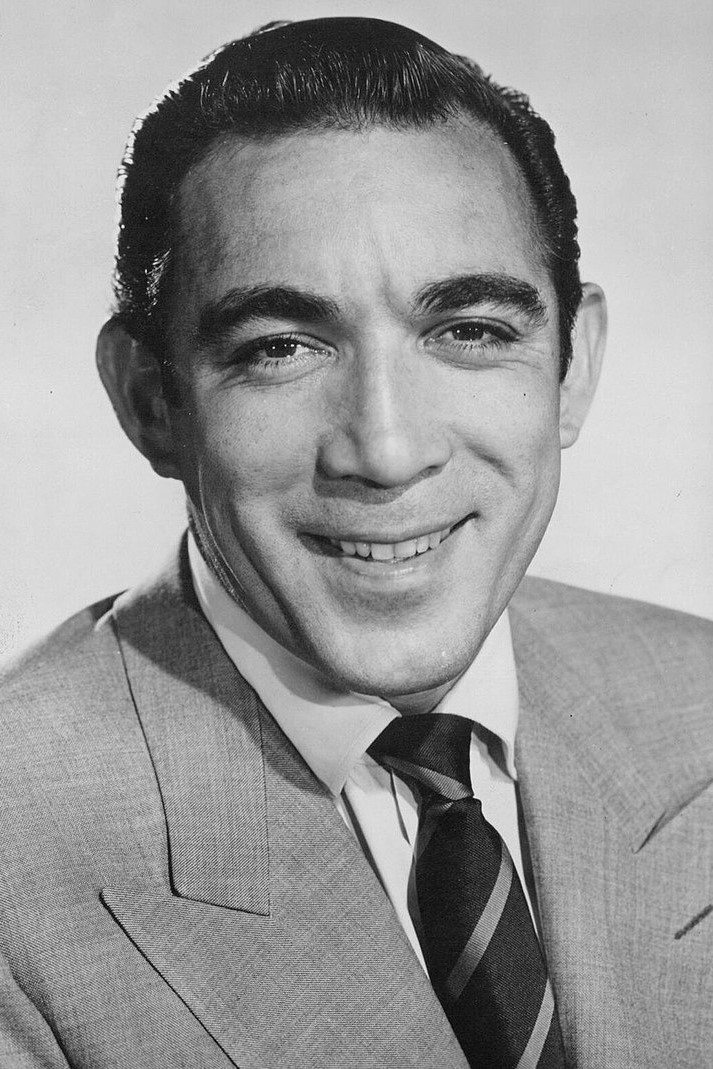
Anthony Quinn turned to the use of cue cards during the final years of his legendary career in international cinema. He found that the prompts allowed him to continue playing powerful and commanding roles well into his eighties. The actor was always professional and used the cards to ensure he didn’t hold up the production. His presence on screen remained as formidable as ever despite his reliance on these aids.
Kirk Douglas
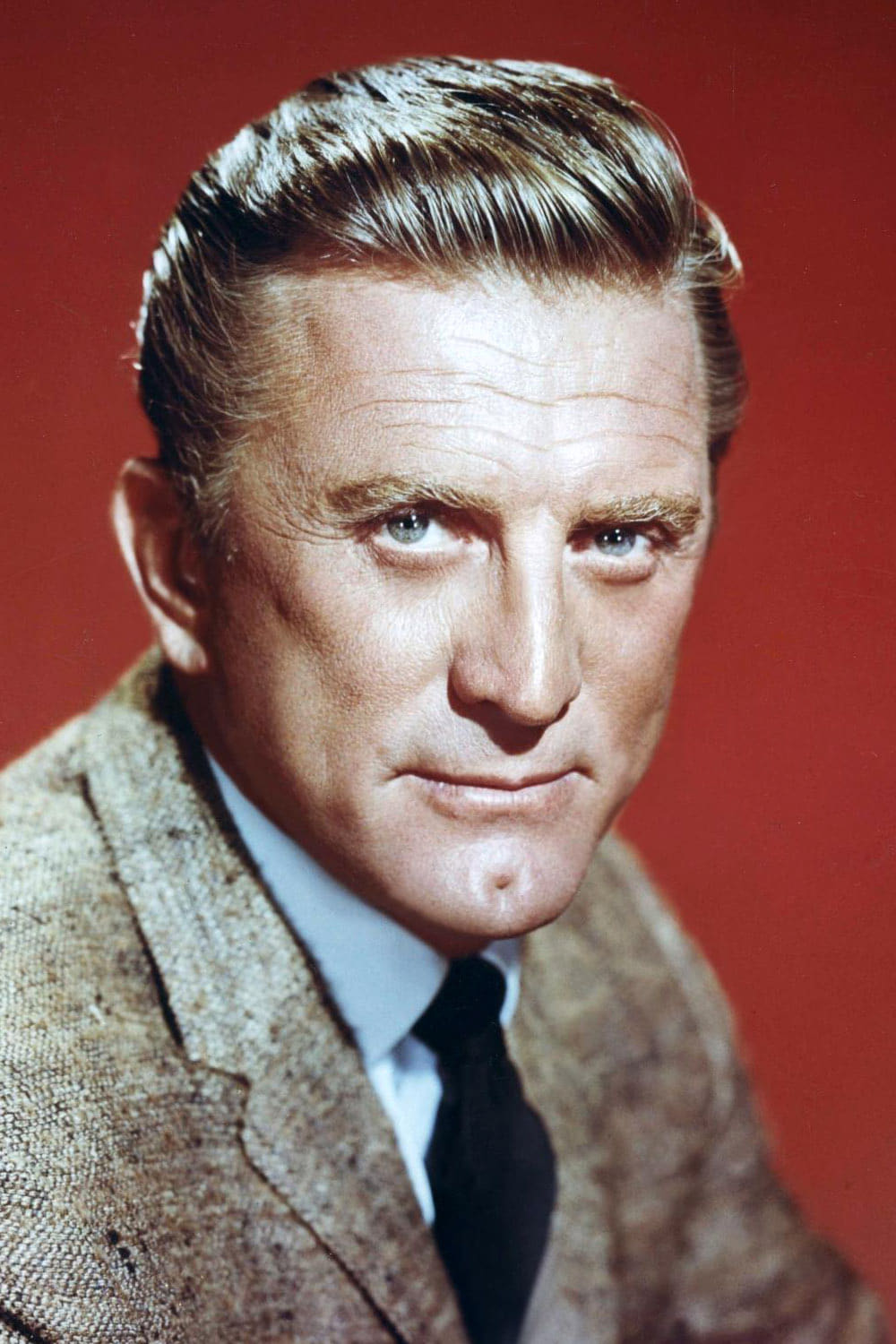
Kirk Douglas used cue cards during his later film appearances to help him overcome the challenges of aging. He was determined to continue working and found that these tools were essential for his success on set. Even with the use of prompts he brought a level of intensity and passion to his roles that few could match. He remains one of the most respected figures in Hollywood history for his resilience and talent.
Paul Newman
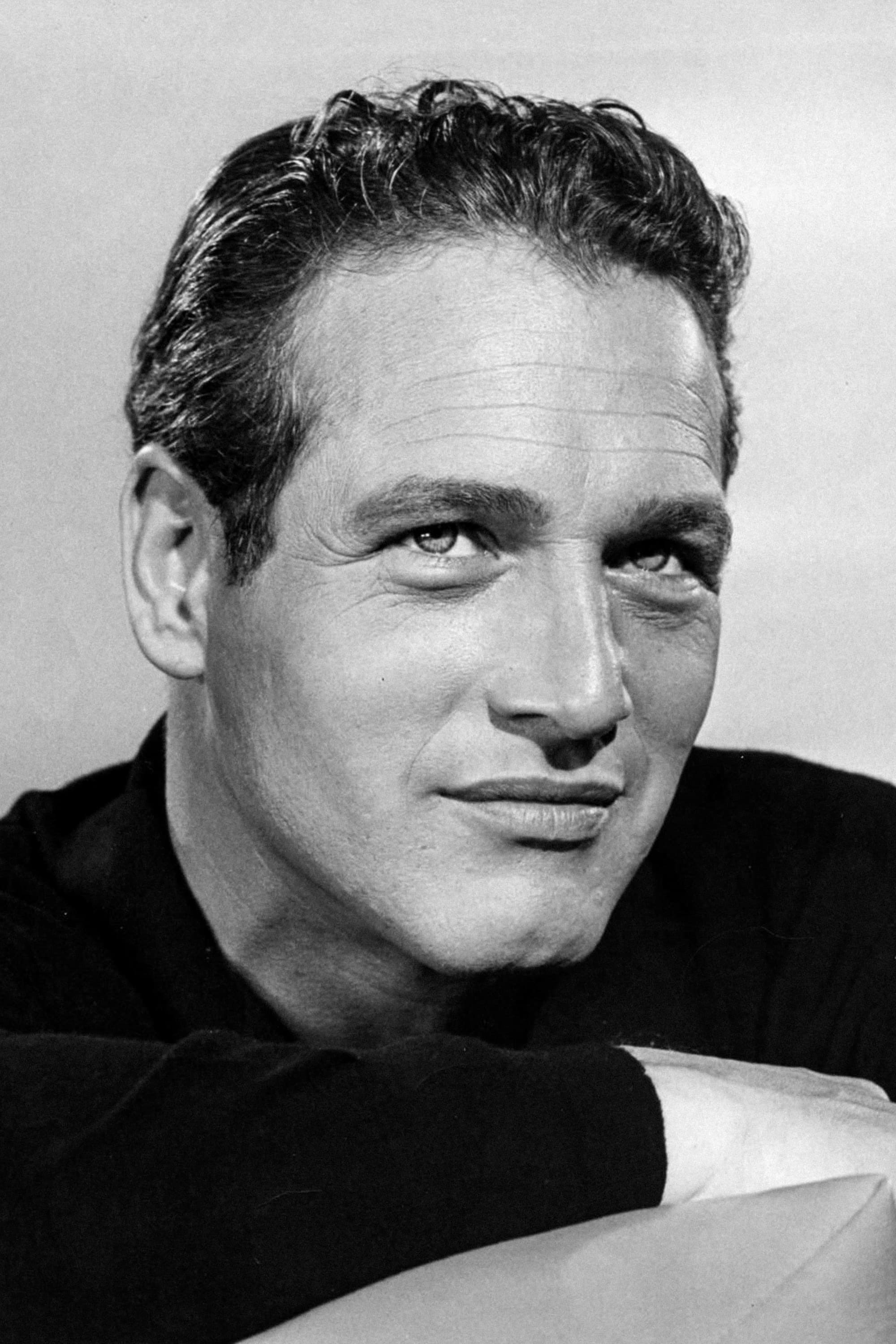
Paul Newman occasionally used cue cards during the later stages of his career to help him with specific scenes. He was known for his meticulous preparation but was not afraid to use aids when he felt they would improve the performance. This allowed him to focus on the nuances of his character’s emotions and his chemistry with other actors. His work in his later years continued to receive critical acclaim and award nominations.
Laurence Olivier
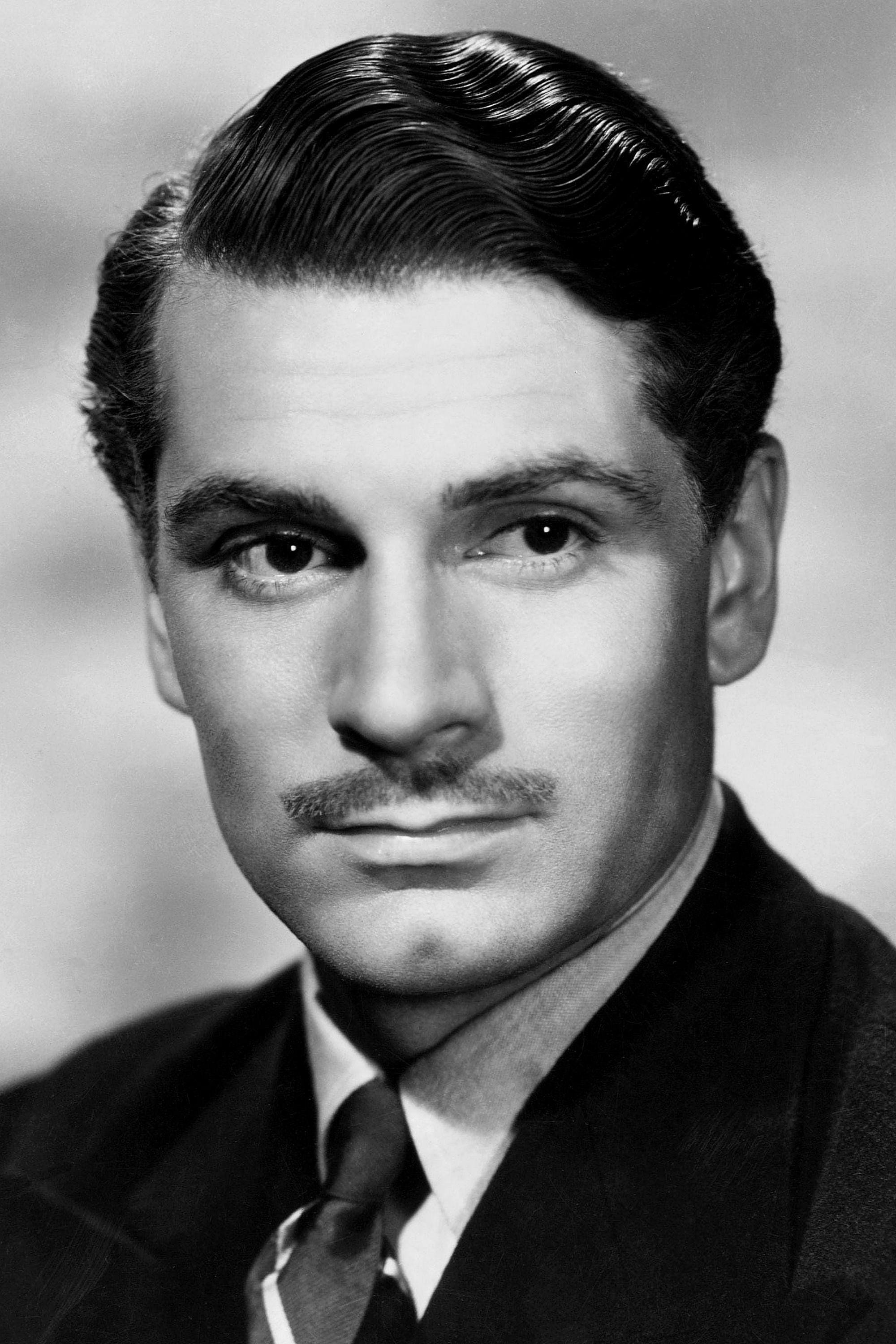
Laurence Olivier began using various prompts and cue cards as he faced health challenges toward the end of his career. Despite being considered one of the greatest actors of all time he was practical about the tools he needed to perform. He used these aids to help him through demanding roles in films like ‘The Boys from Brazil’. His ability to transform into a character remained sharp even when he was not working strictly from memory.
Gregory Peck

Gregory Peck utilized cue cards during his final film and television roles to ensure he delivered his lines perfectly. The actor was known for his dignity and his powerful speaking voice which remained intact throughout his life. He used the prompts to maintain the high standard of work that he had established over many decades. His professionalism on set was legendary and he was always prepared to use whatever tools were necessary.
Sidney Poitier
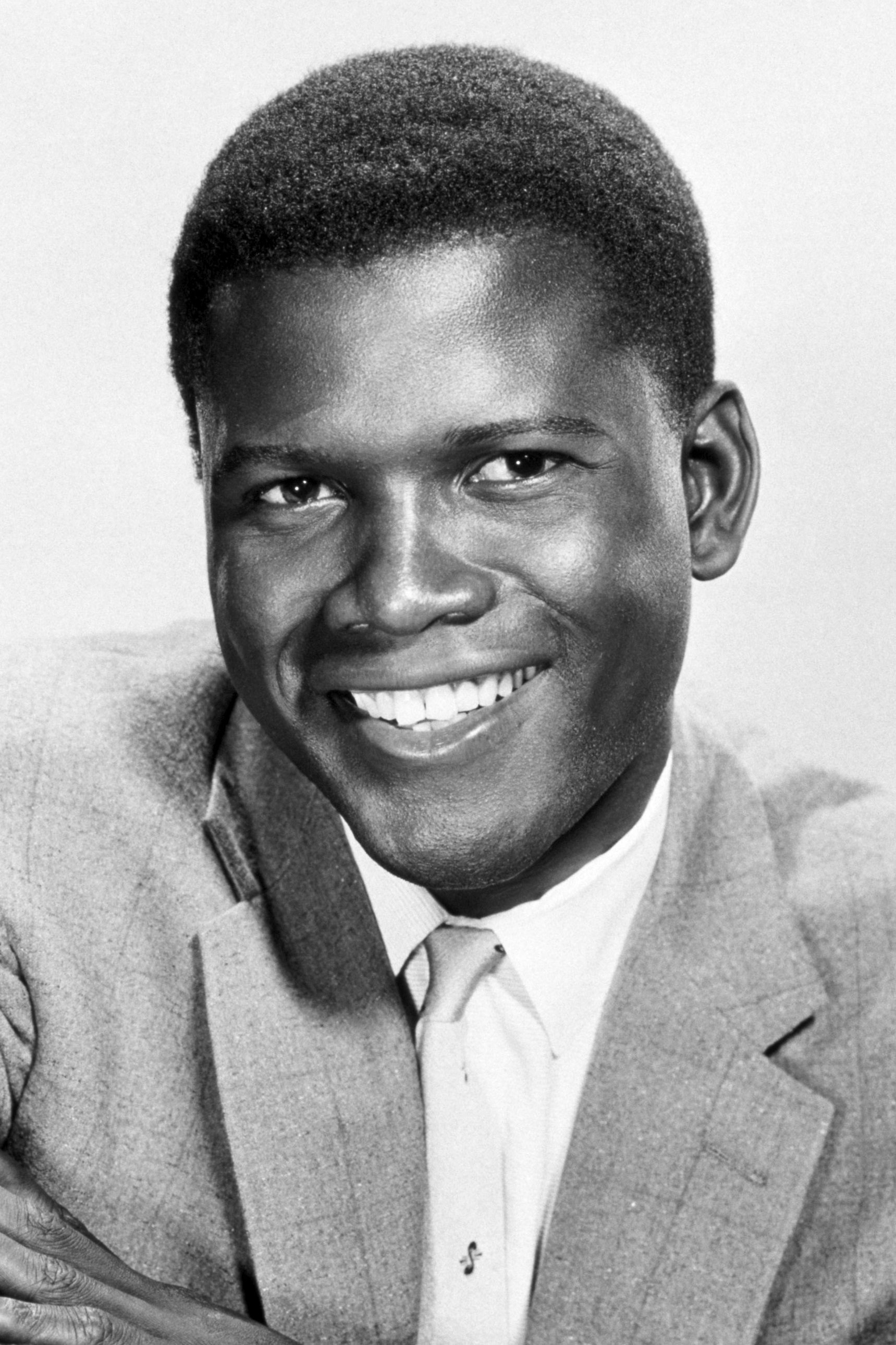
Sidney Poitier used various aids to help him with his dialogue during his later appearances in television movies and films. He remained a commanding presence on screen and used these tools to ensure his performances were flawless. The actor was highly respected by his peers and always found ways to adapt to the changing demands of the industry. His legacy as a trailblazer and a master of his craft was never diminished by his use of prompts.
Ben Affleck
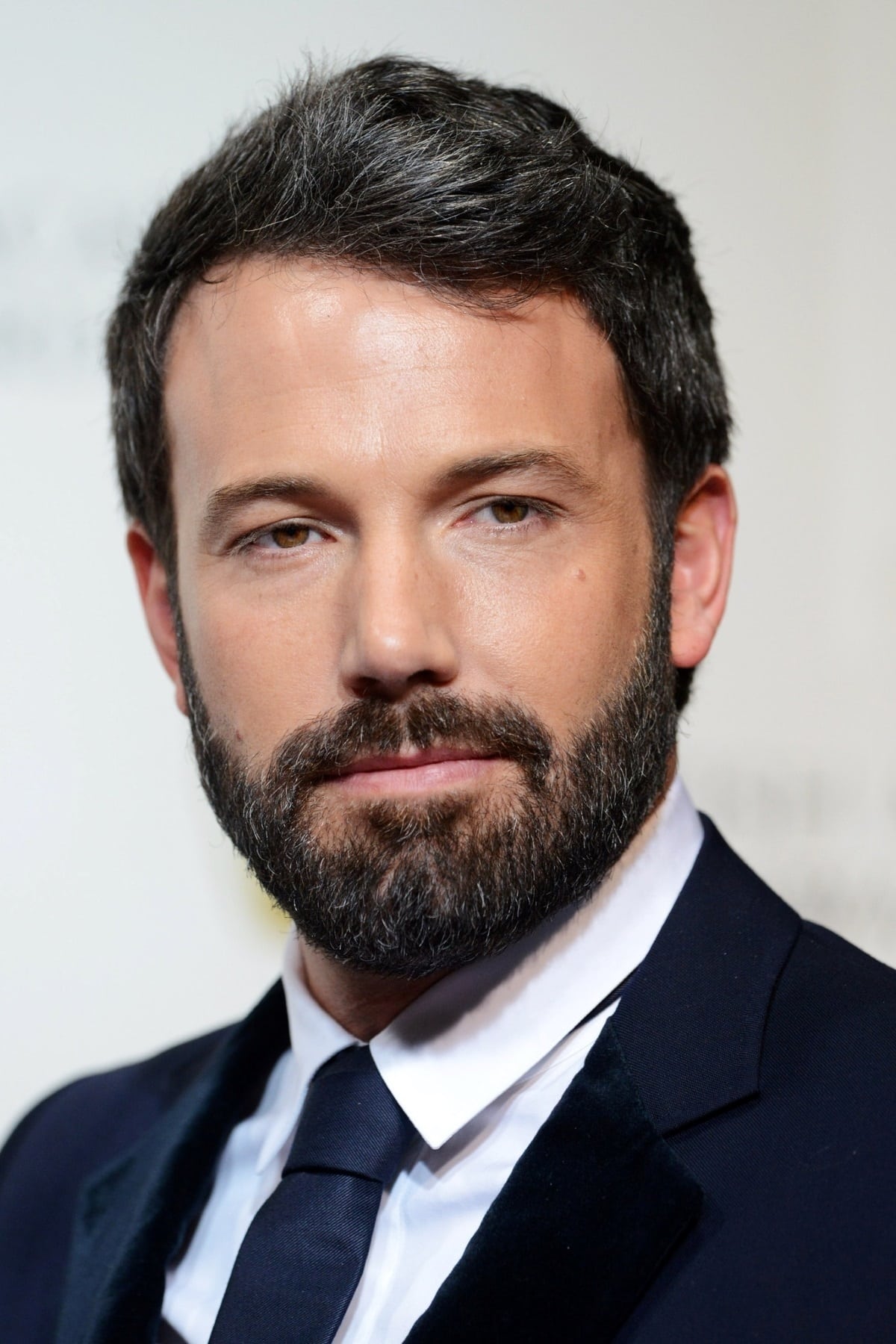
Ben Affleck has been reported to use cue boards for specific scenes that involve a high volume of technical or rapidly changing dialogue. This helps him maintain the rhythm of the scene while working as both an actor and sometimes a director. He often finds that these aids allow for more flexibility on set when adjustments are made at the last minute. This practical approach helps him manage the various responsibilities he takes on during a production.
Tom Hardy
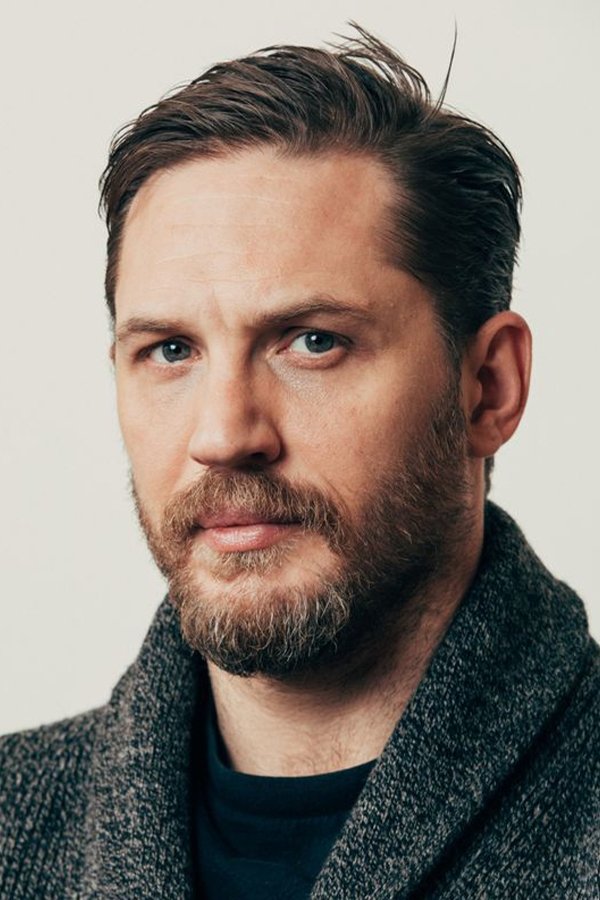
Tom Hardy has utilized earpieces for specific roles where the character’s voice or delivery is particularly unique. He has stated that having certain cues or even his own pre recorded lines in his ear helps him stay in character. While filming ‘Venom’ he used technology to help manage the interaction between his character and the internal voice of the symbiote. This modern approach to acting helps him create the complex and layered performances he is known for.
Joaquin Phoenix
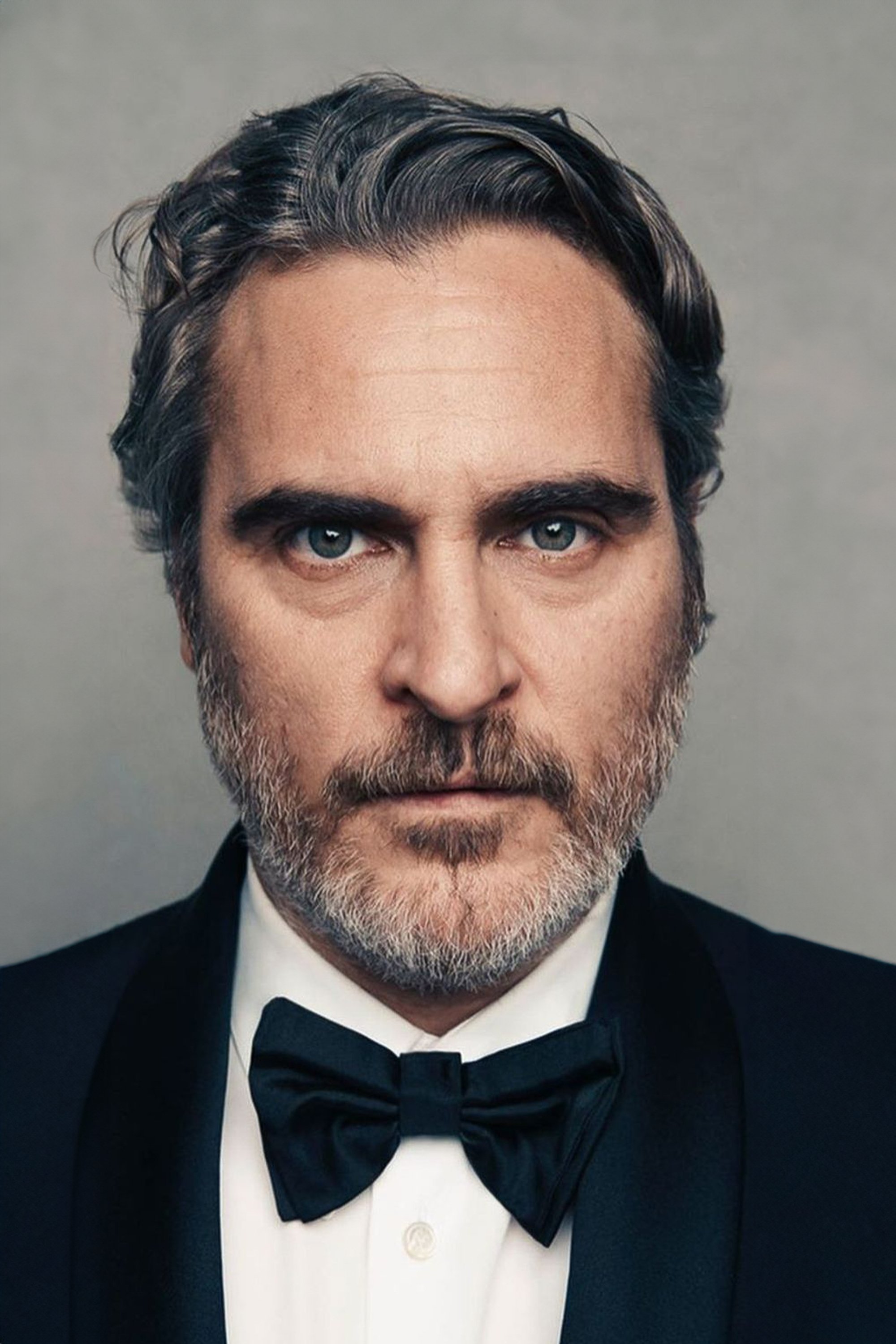
Joaquin Phoenix is known for his unpredictable style and his tendency to abandon the script in favor of raw emotion. He often works with directors who allow him the freedom to find the scene in the moment rather than following the written dialogue. During the production of ‘Joker’ he frequently improvised and changed lines to better fit the character’s mental state. This refusal to stick to a memorized script is a core part of his intense and immersive process.
Ryan Gosling
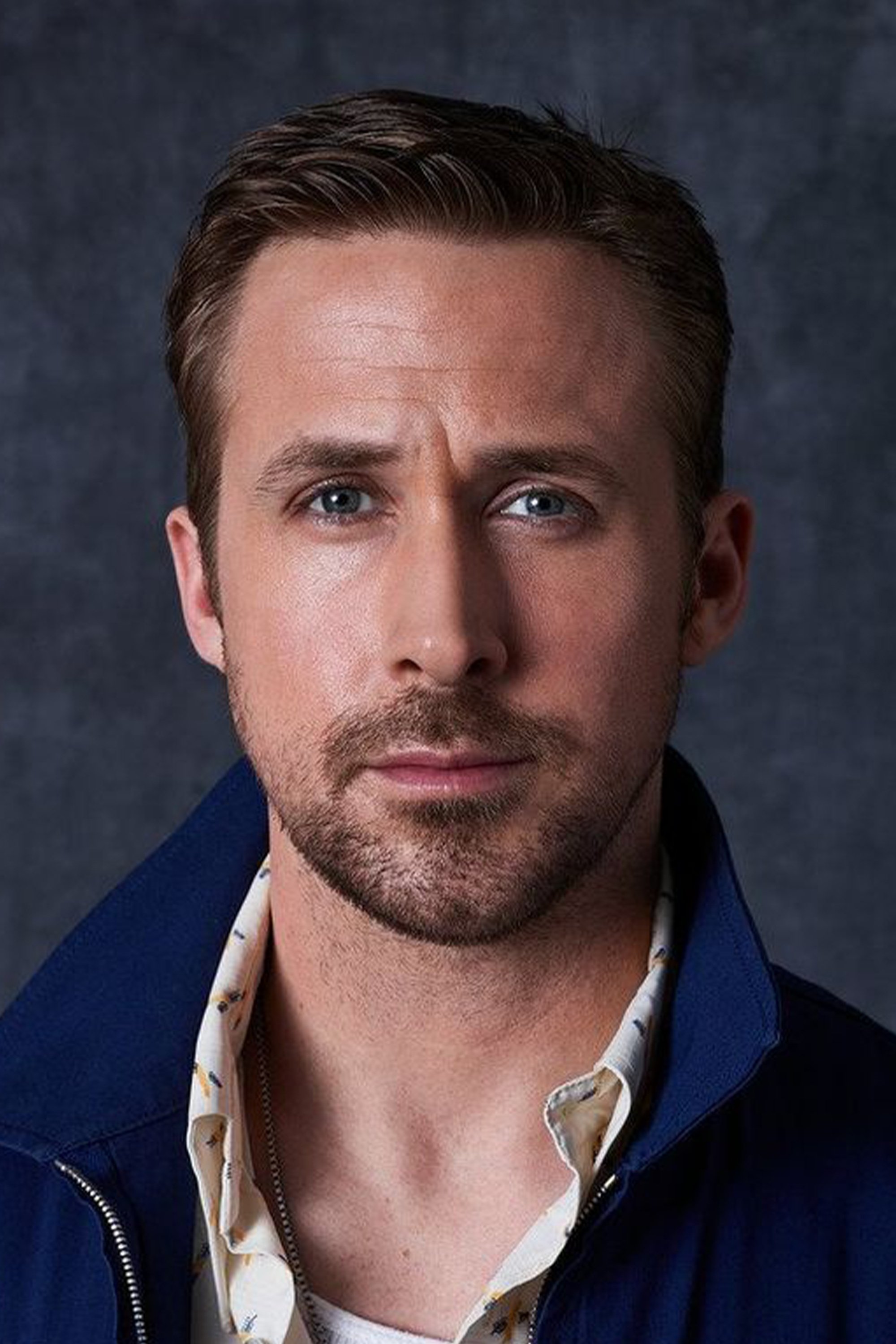
Ryan Gosling often prefers to improvise his dialogue to create a more natural and intimate feeling on screen. He has worked on several films where the script served more as a guide than a strict set of instructions. In the movie ‘The Place Beyond the Pines’ he utilized improvisation to build a more authentic connection with his co stars. This approach allows him to bring a unique and personal energy to every role he plays.
Peter Sellers
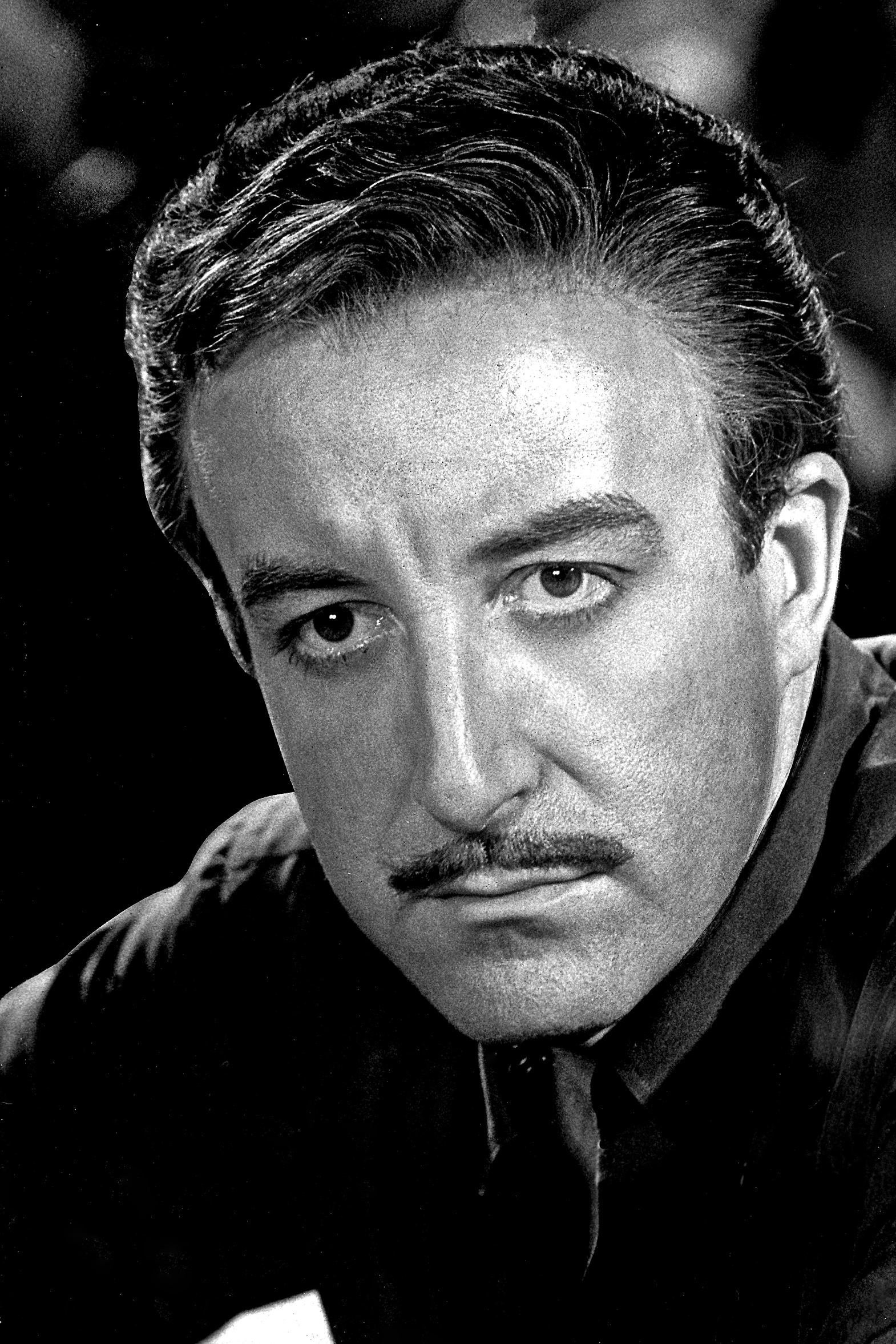
Peter Sellers was a master of improvisation who often felt that the script was too restrictive for his comedic genius. He would frequently arrive on set and perform scenes in entirely different ways than what was originally written. During the filming of ‘Dr. Strangelove’ he created much of his dialogue through spontaneous inspiration and character work. This refusal to be bound by the script resulted in some of the most iconic moments in film history.
Peter Falk
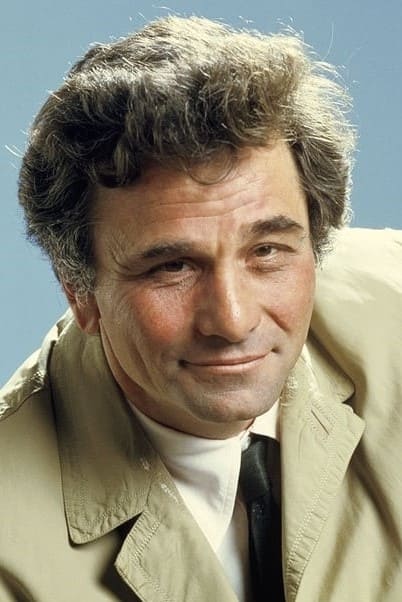
Peter Falk used cue cards extensively while filming his famous television series and various movie roles throughout his career. He often had his lines hidden in his character’s iconic raincoat or placed on props around the set. This allowed him to maintain the bumbling and distracted persona of Lieutenant Columbo while actually reading his lines. His ability to hide his use of prompts was so effective that it became a seamless part of his acting style.
Christopher Walken
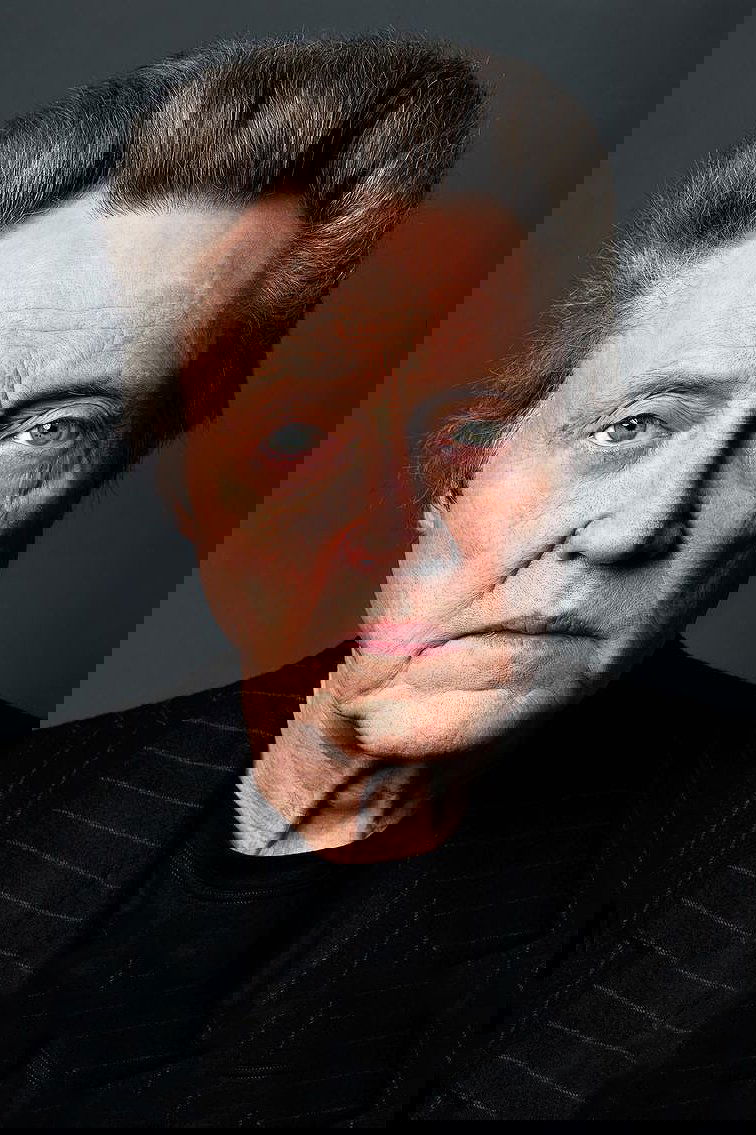
Christopher Walken has a unique way of approaching scripts that often involves ignoring traditional punctuation and memorization techniques. He prefers to read the lines as a series of individual words to find his own rhythm and cadence. This often leads to him deviating from the script to create the singular speaking style that he is famous for. Many directors have learned to give him the space to interpret the dialogue in his own inimitable way.
Tell us which of these actors surprised you most in the comments.