


Actors Who Fought Producers to Protect Original Book Lore



The transition from page to screen is often a treacherous journey for beloved literary characters, as directors and producers frequently prioritize visual flair or pacing over thematic accuracy. Many actors take it upon themselves to serve as the guardians of the source material, engaging in quiet battles behind the scenes to ensure the adaptation remains faithful to the author’s vision. These performers often reference specific passages and character histories to challenge scripts that deviate too far from established lore. By advocating for the integrity of the original text, these actors help protect the essence of the stories that fans have cherished for decades.
Henry Cavill
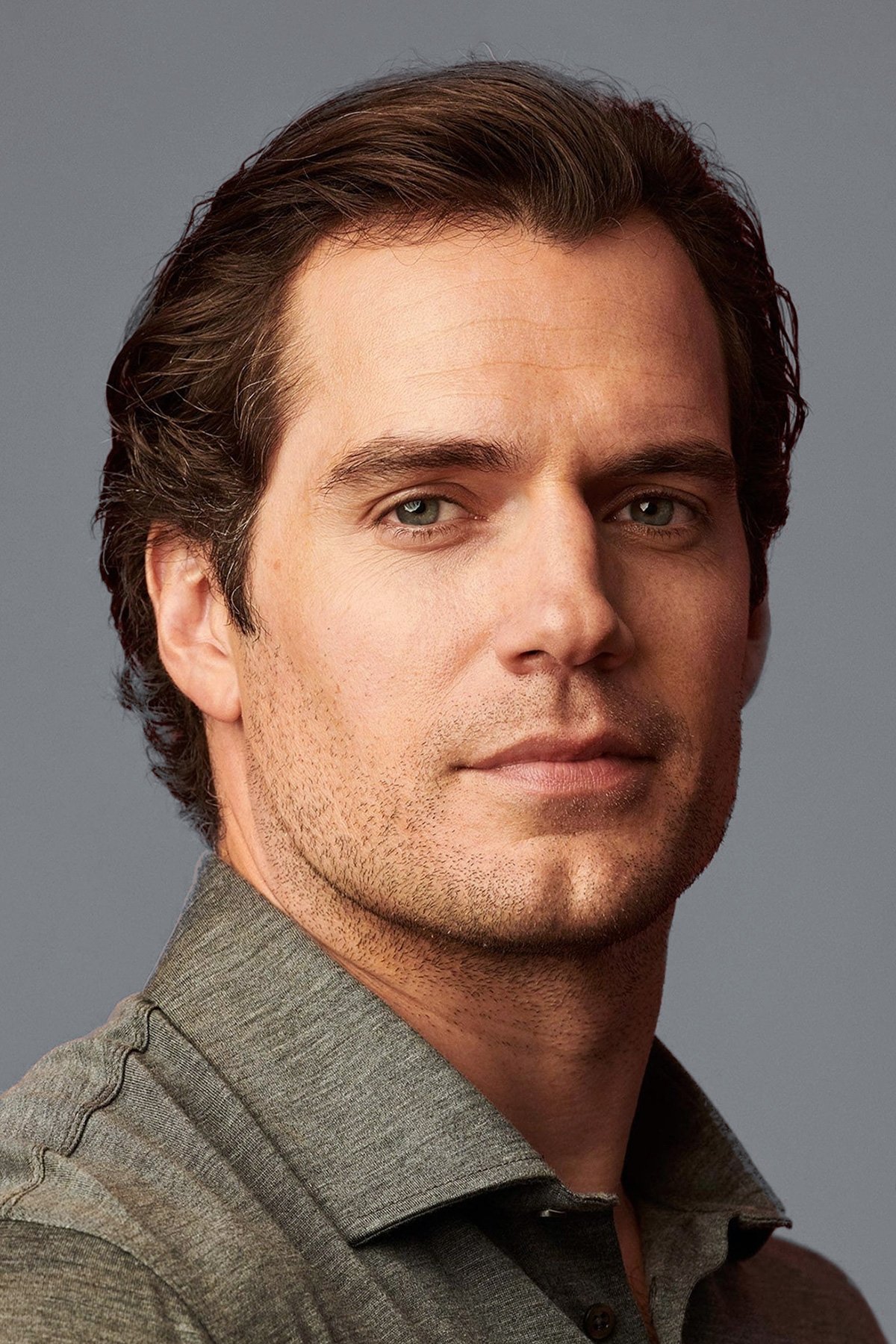
Cavill is well known for his deep commitment to Andrzej Sapkowski’s ‘The Witcher’ series during his time as Geralt of Rivia. He frequently lobbied the showrunners to include more of the character’s intellectual depth and internal monologue found in the books. The actor reportedly spent his own time rewriting dialogue to ensure Geralt sounded more like the philosophical monster hunter from the novels. This dedication often led to creative friction with producers who favored a more streamlined, action-oriented approach for the television medium. He remained steadfast in his belief that the source material provided the most compelling version of the story.
Christopher Lee
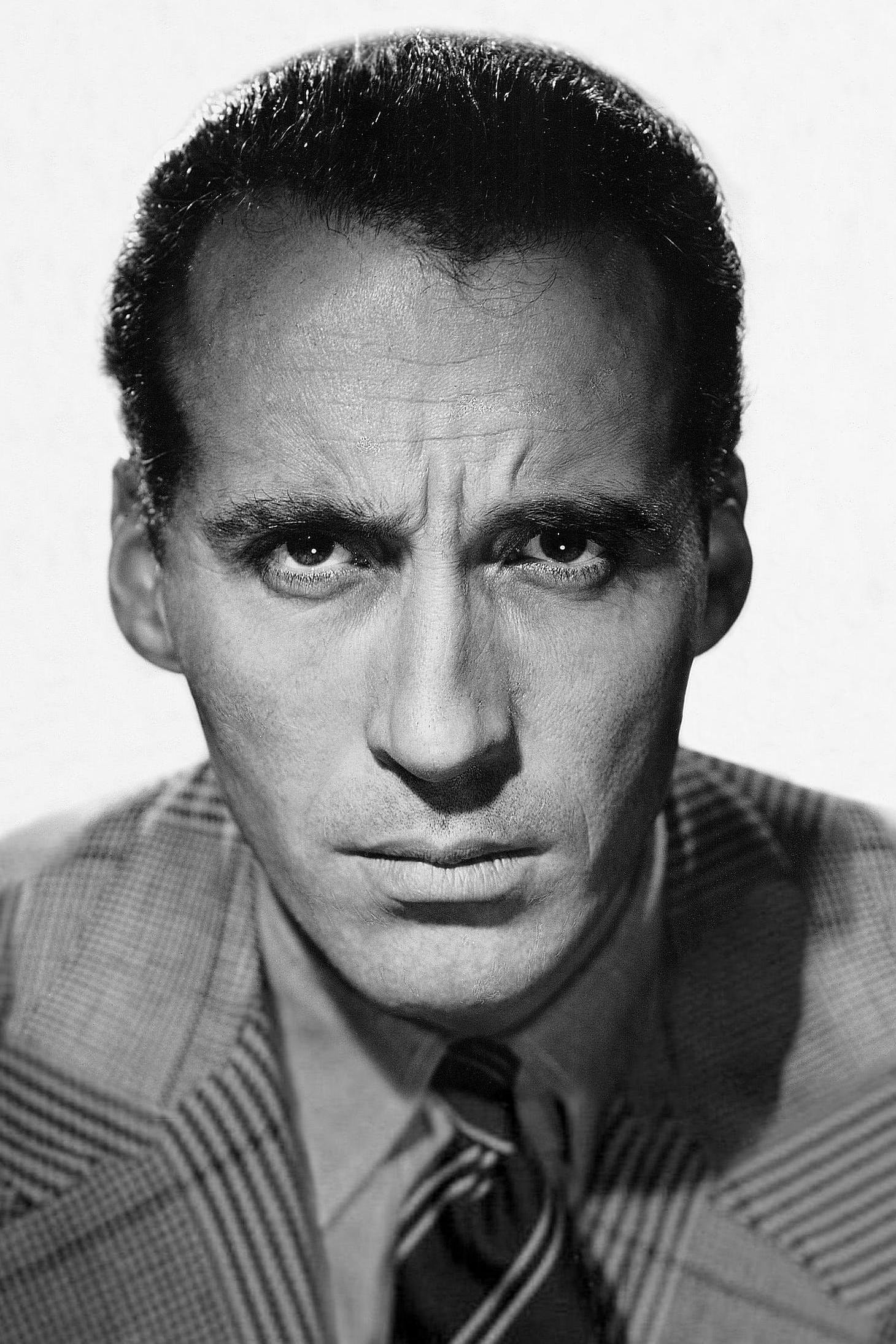
As a lifelong fan of J.R.R. Tolkien, Lee was the only member of ‘The Lord of the Rings’ cast to have actually met the author. He was famously known on set for carrying the books with him and correcting Peter Jackson on various points of Middle-earth history. During the filming of ‘The Lord of the Rings: The Return of the King’, he famously corrected the director on the sound a man makes when stabbed in the back, drawing on his own clandestine military experience. His insistence on lore accuracy extended to the portrayal of Saruman’s motivations and the specific nuances of Wizardry. Lee viewed himself as a primary protector of Tolkien’s legacy throughout the entire production.
Alan Rickman
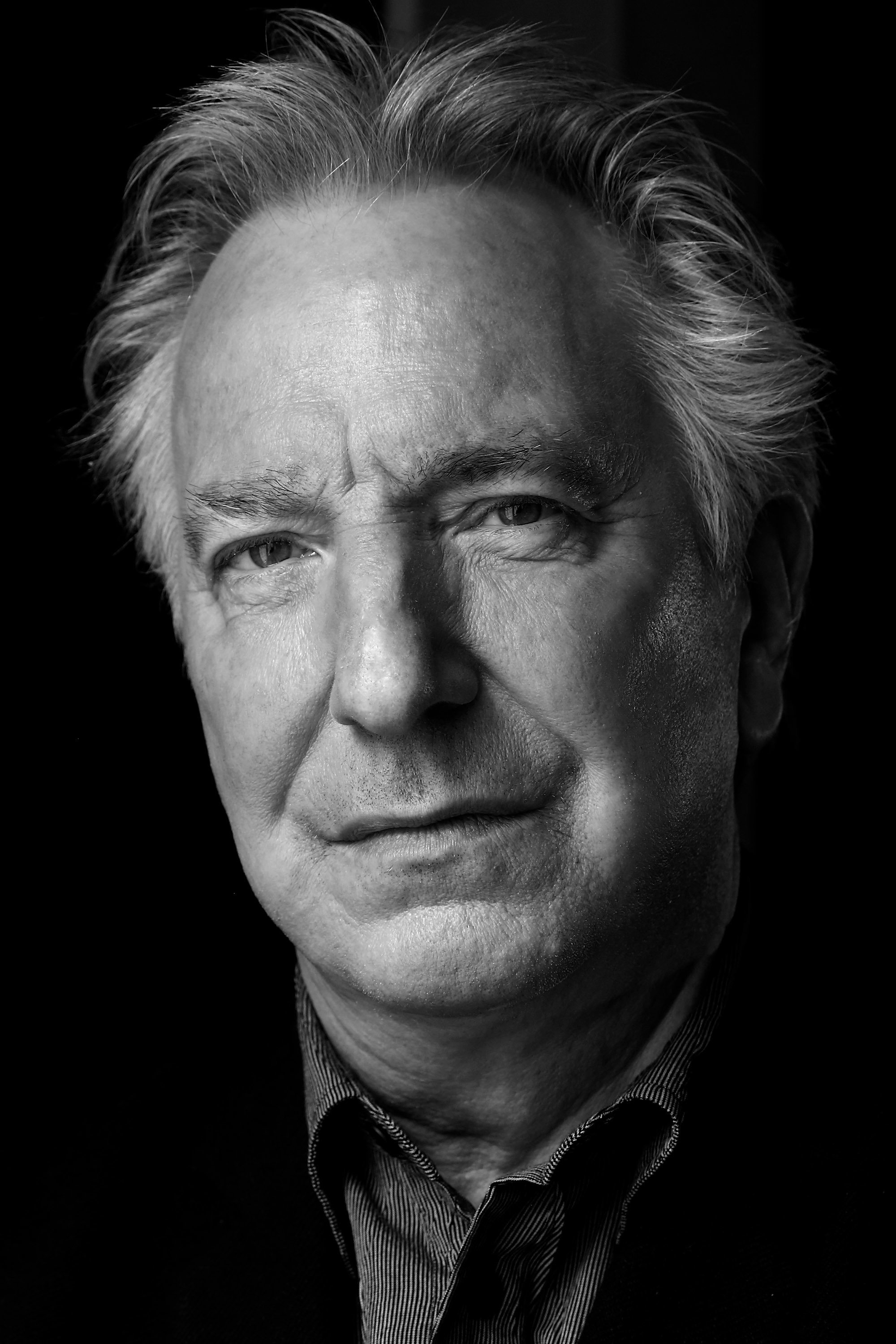
Before filming began on the ‘Harry Potter’ series, Rickman received secret information from J.K. Rowling regarding Severus Snape’s ultimate fate. This knowledge allowed him to push back against directors who wanted him to play the character as a one-dimensional villain. He would often refuse to follow specific directions, telling the filmmakers that he knew something they did not about Snape’s motivations. By fighting for these subtle character beats, he ensured the eventual reveal in ‘Harry Potter and the Deathly Hallows’ felt earned and consistent. His performance remains one of the most celebrated examples of staying true to a character’s literary soul through internal resistance.
Viggo Mortensen
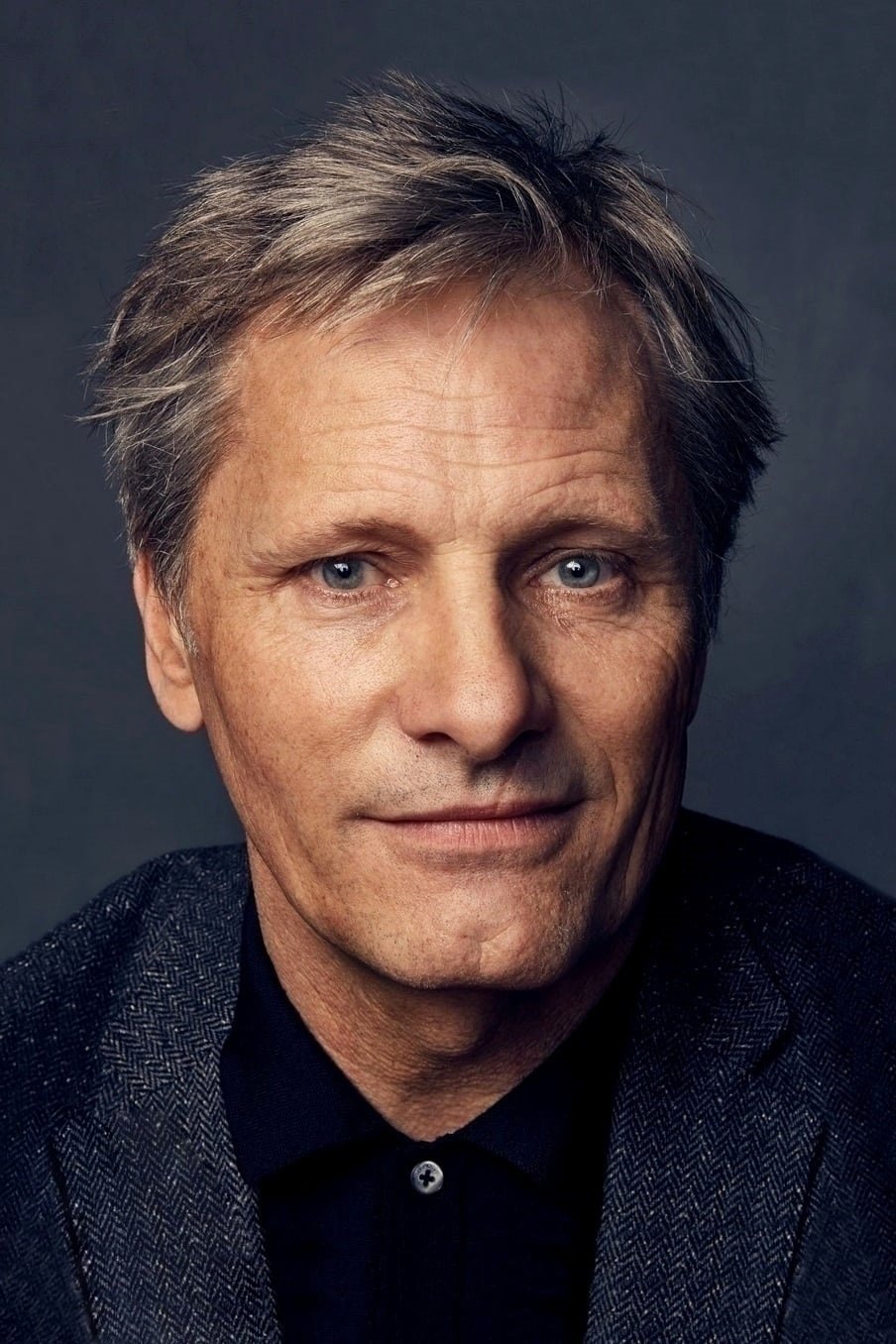
Mortensen became deeply immersed in the world of ‘The Lord of the Rings’, even learning to speak basic Elvish to enhance his performance as Aragorn. He famously advocated for his character to retain the humility and reluctance found in the books, rather than being a standard action hero. The actor was known to sleep in his costume and carry his sword everywhere to better understand the physical toll of the journey described by Tolkien. He frequently referenced the appendices and the main text to ensure Aragorn’s cultural heritage as a Ranger was accurately depicted. Mortensen’s commitment often forced the production to reconsider scenes that felt too modernized or inconsistent with the established lore.
Ian McKellen
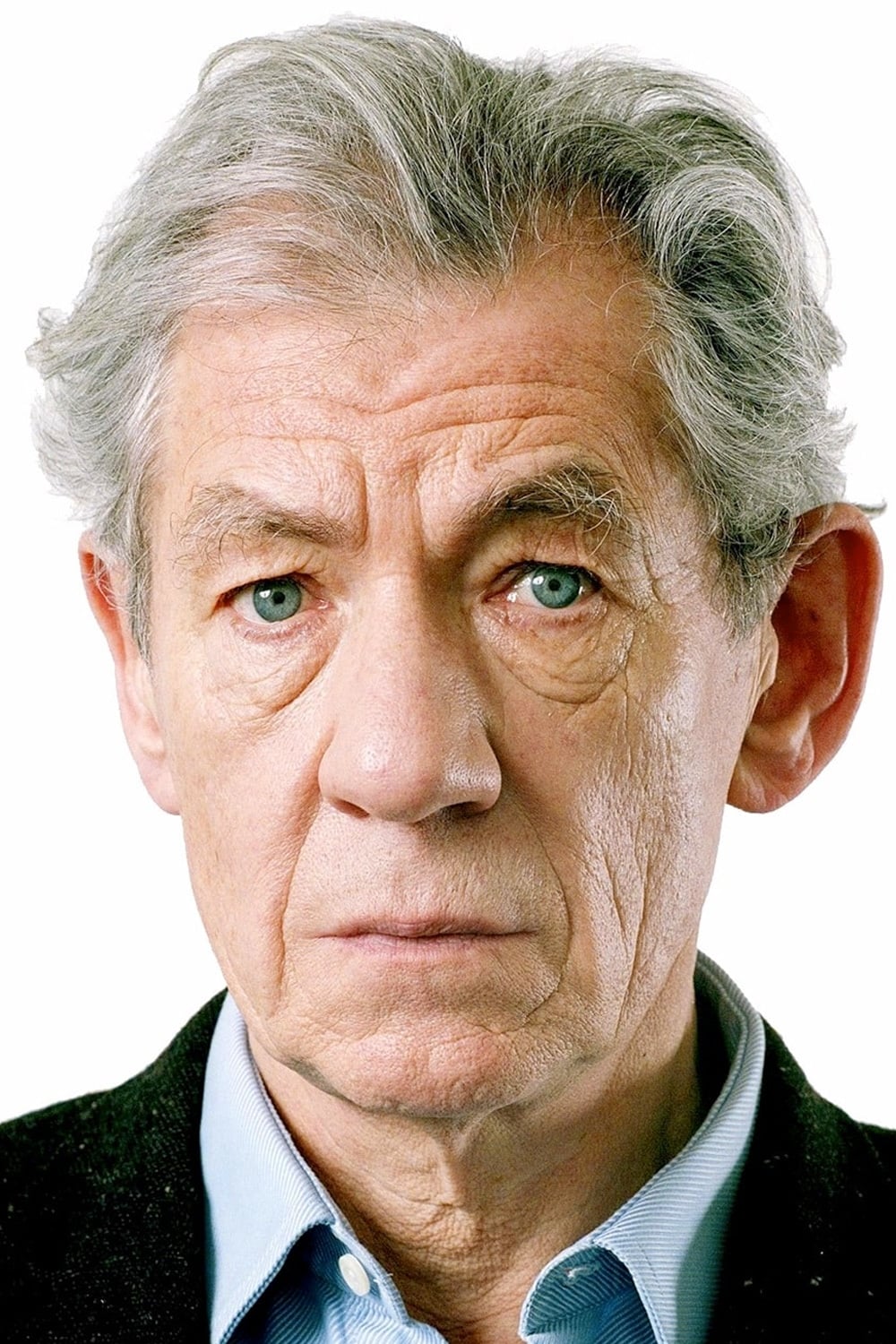
During the filming of ‘The Lord of the Rings’ trilogy, McKellen was rarely seen without a copy of the novels in his hands. Whenever a script change felt inconsistent with the character of Gandalf, he would point to specific passages in the text to justify his stance. He was particularly protective of Tolkien’s rhythmic prose and often insisted on using the author’s original phrasing for key spells and dialogue. McKellen believed that the strength of the films lay in their proximity to the source material’s specific tone and vocabulary. His persistence ensured that Gandalf’s wisdom and occasional sternness remained as balanced as they were on the page.
Jeremy Brett
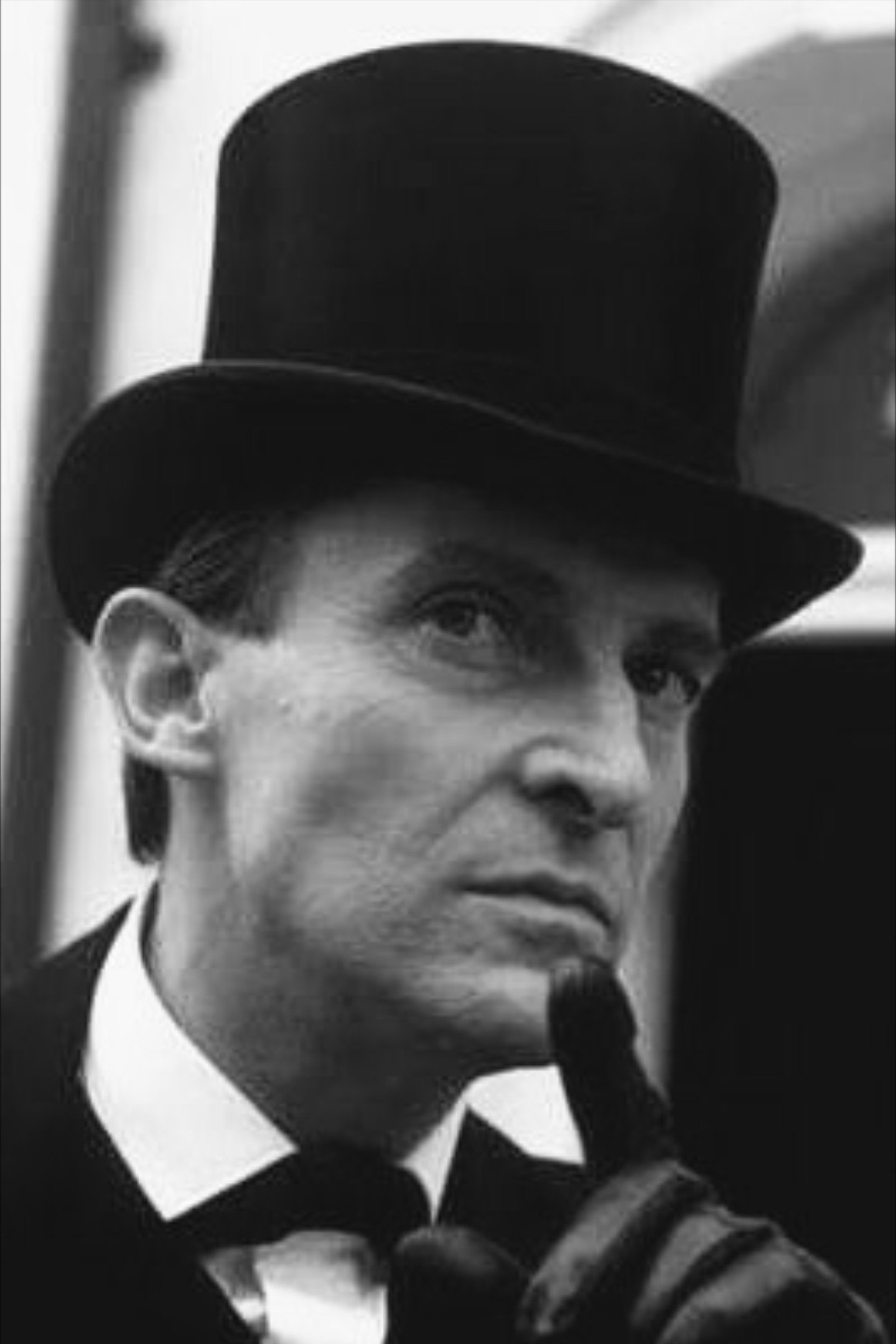
Brett is widely considered the definitive Sherlock Holmes due to his obsessive adherence to Sir Arthur Conan Doyle’s original stories. He carried a document he called “The Baker Street File,” which contained every detail about Holmes’s habits, movements, and physical traits mentioned in the books. He would frequently halt production on ‘The Adventures of Sherlock Holmes’ if a script contradicted what he called “The Canon.” Brett fought producers to include the character’s darker traits and eccentricities that were often sanitized in previous adaptations of the detective. His dedication to accuracy was so intense that it significantly impacted his approach to every scene filmed for the series.
Alan Ritchson
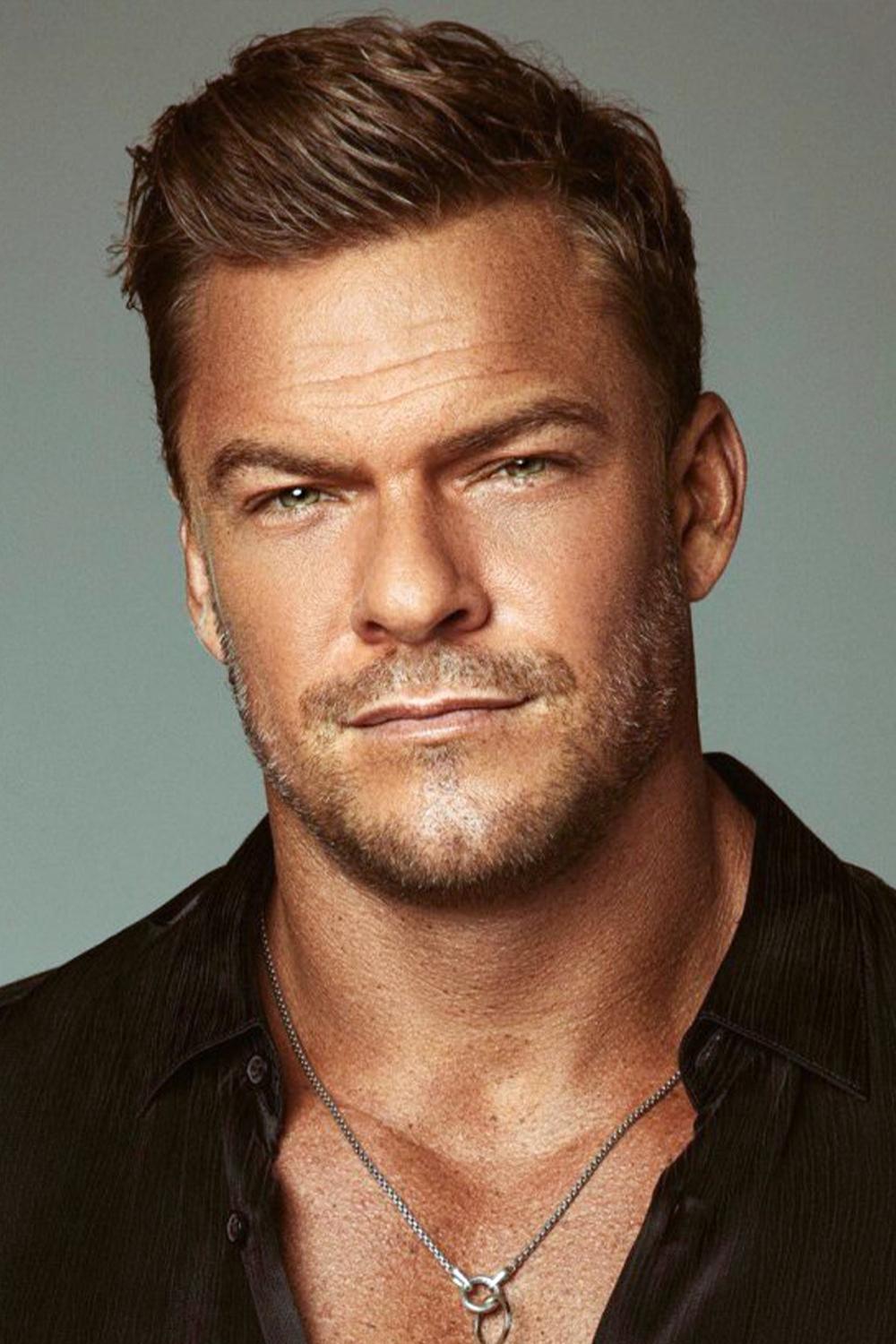
When taking on the lead role in ‘Reacher’, Ritchson made it clear he wanted to move away from previous adaptations that strayed from Lee Child’s vision. He pushed for the character to maintain the massive physical presence and tactical silence described throughout the book series. Ritchson advocated for Reacher to remain a man of few words, emphasizing that the character’s intelligence is shown through observation rather than exposition. He worked closely with the production team to ensure the fight choreography reflected the brutal, efficient style found in the novels. His goal was to provide fans with a literal interpretation of the character they had been reading about for years.
Richard Armitage
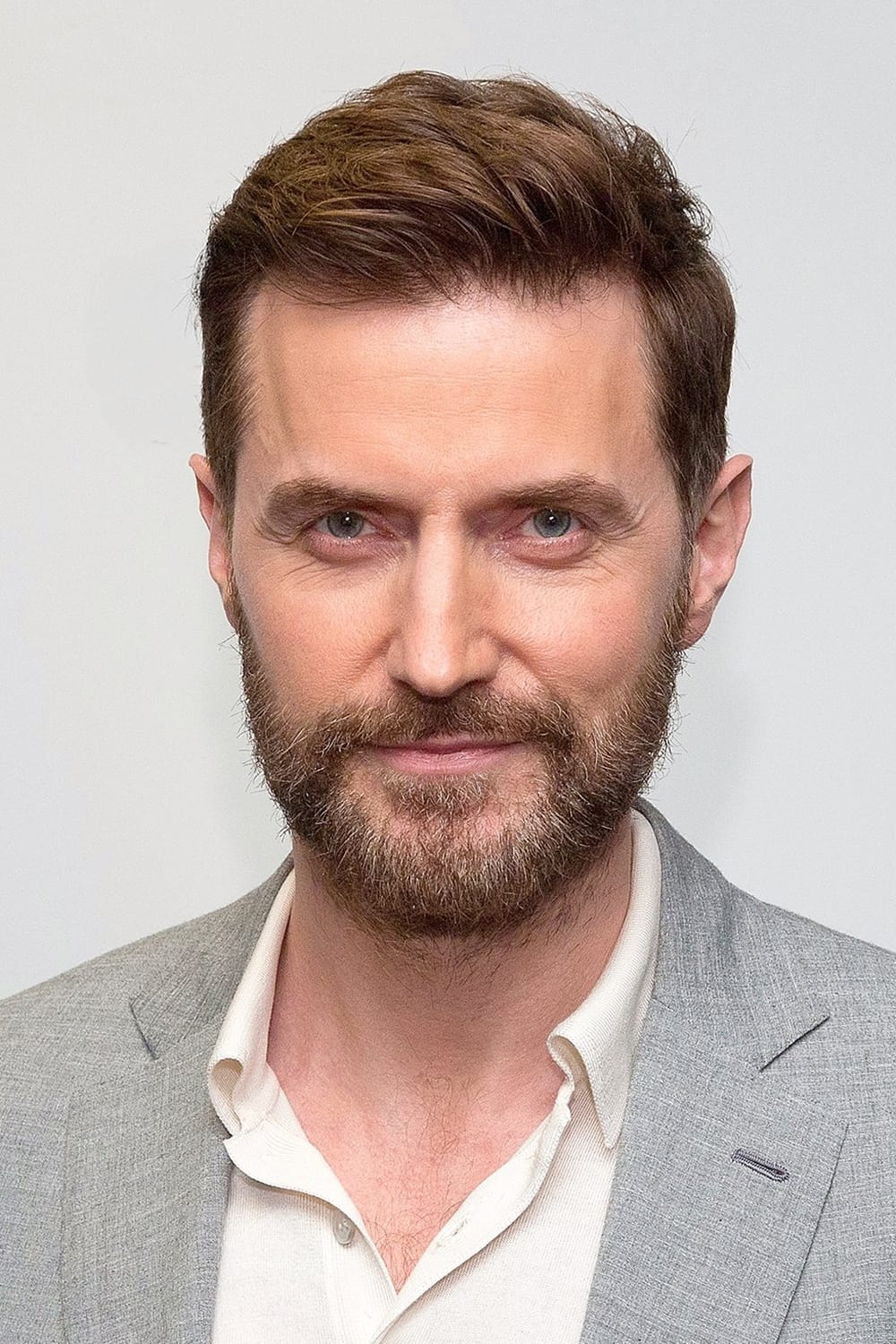
Armitage was a devoted fan of ‘The Hobbit’ long before being cast as Thorin Oakenshield in the film trilogy. He spent a significant amount of time studying the character’s lineage in the appendices of Tolkien’s work to bring more gravity to the role. The actor pushed for Thorin to be portrayed with the tragic nobility and mounting paranoia described in the literature, even when the script leaned toward more generic action. He argued for the inclusion of specific dwarven customs and lore that helped ground the character in the history of Middle-earth. Armitage’s research helped ensure that Thorin’s descent into “dragon sickness” remained the emotional core of the story.
Sean Astin
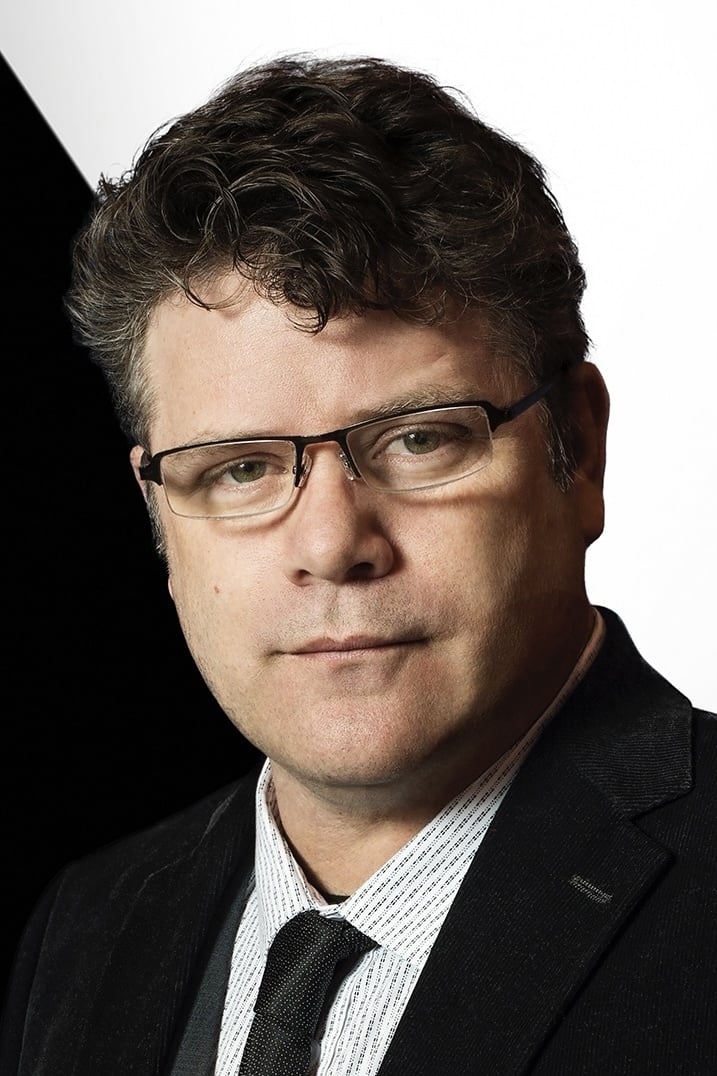
Astin took his role as Samwise Gamgee very seriously, recognizing the character as the emotional heart of ‘The Lord of the Rings’. He frequently advocated for Sam’s book lines to be included, particularly those that showcased his humble wisdom and loyalty. The actor was protective of the platonic but deeply spiritual bond between Sam and Frodo, ensuring it did not become a standard Hollywood friendship. He worked to ensure that Sam’s love for the Shire and simple things remained a driving force for the character’s actions. Astin’s insistence on these details helped preserve the sincerity of Tolkien’s message about the power of ordinary people.
John Rhys-Davies

While filming ‘The Lord of the Rings’, Rhys-Davies was often vocal about his concerns regarding the portrayal of Gimli. He pushed back against the writers when he felt the character was being relegated to mere comic relief, reminding them of the dignity and craftsmanship of Dwarves in Tolkien’s lore. The actor fought for scenes that showcased Gimli’s poetic nature, such as his awe upon entering the Glittering Caves. He believed that the rivalry and eventual friendship with Legolas needed to be rooted in historical lore rather than just jokes. His efforts helped give the character a more rounded and respectful representation on the big screen.
Jason Isaacs
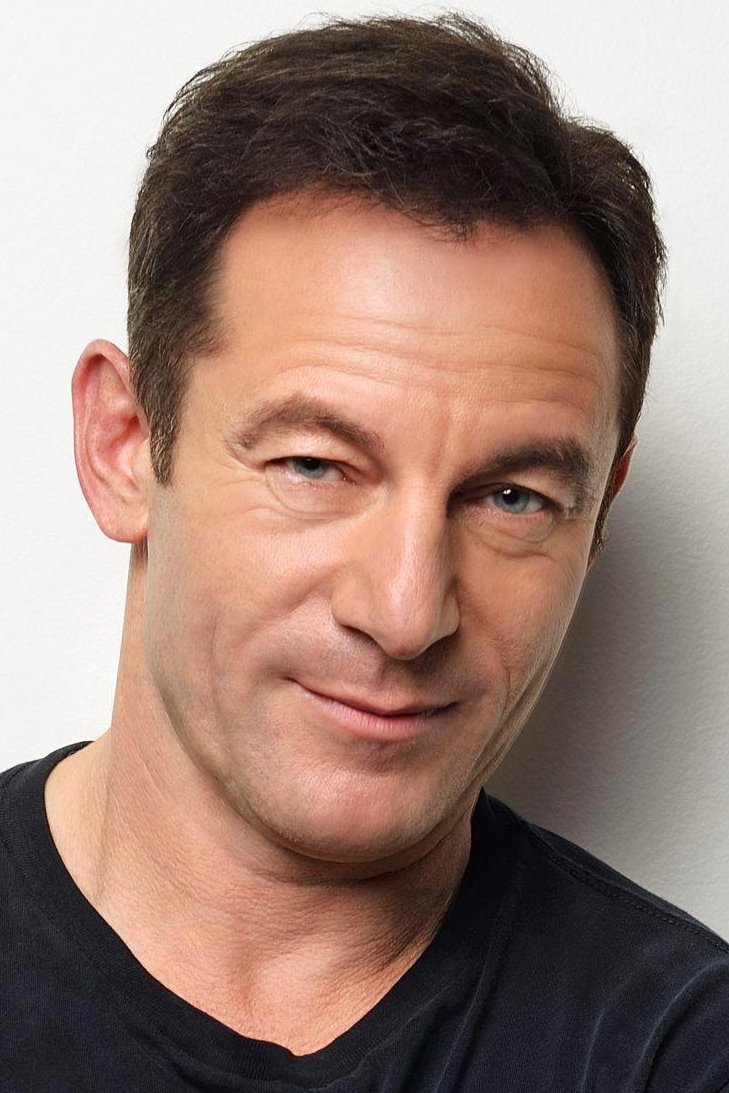
Isaacs played a major role in defining the look and attitude of Lucius Malfoy in the ‘Harry Potter’ films. He rejected the initial costume designs, which he felt were too mundane, and instead suggested the long platinum hair and velvet robes to match the character’s aristocratic book description. He also insisted on carrying a cane that concealed his wand, a detail that highlighted the character’s vanity and hidden menace. Isaacs frequently consulted the books to ensure his interactions with other characters reflected the pure-blood elitism described by Rowling. His creative input helped make Lucius one of the most visually accurate characters in the entire film franchise.
Ben Barnes
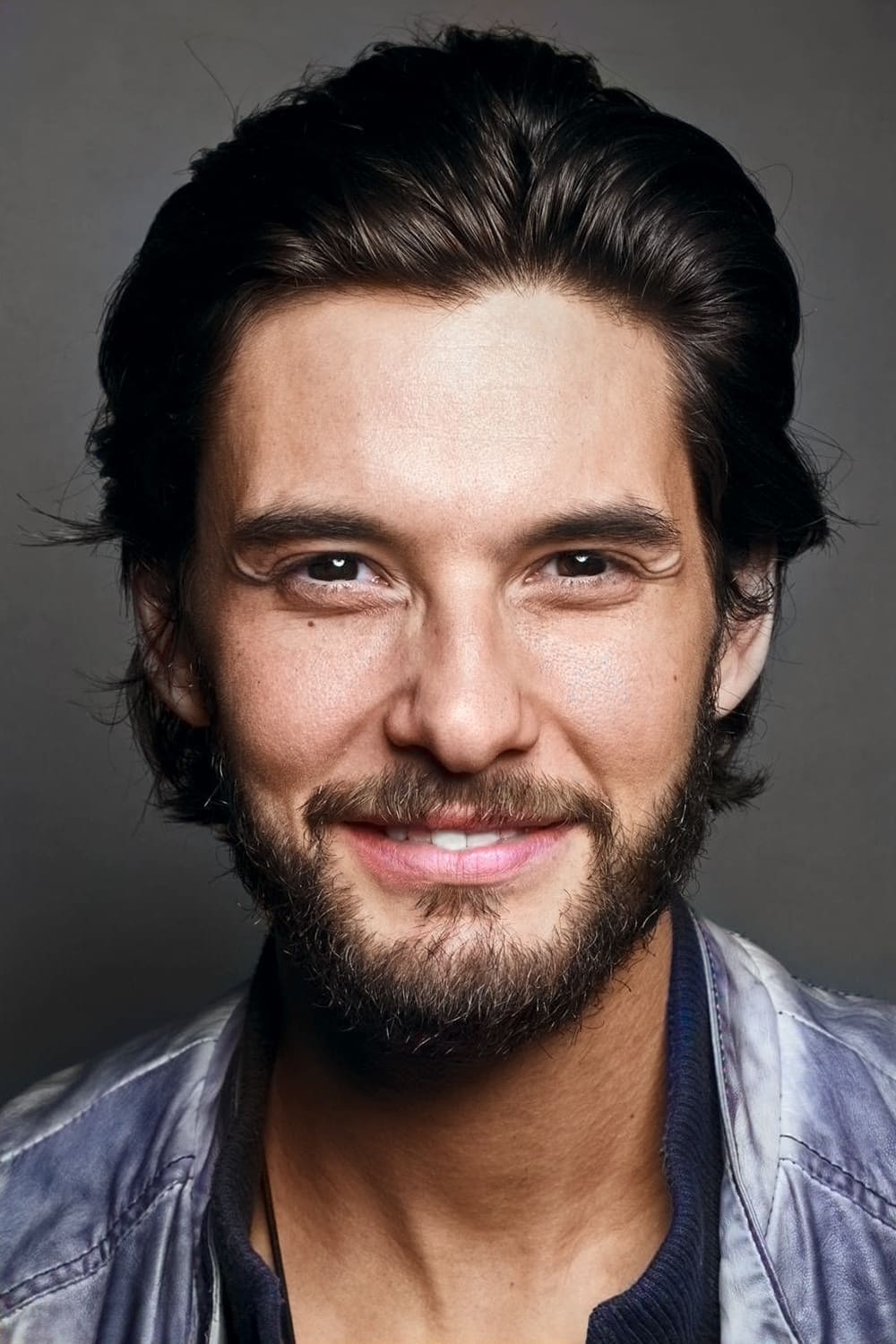
As a fan of Leigh Bardugo’s books, Barnes was well-versed in the complexities of General Kirigan before joining the cast of ‘Shadow and Bone’. He worked closely with the showrunners to ensure the character’s motivations remained as nuanced and morally gray as they are in the ‘Grishaverse’ novels. Barnes pushed for specific dialogue that referenced the character’s long and lonely history, wanting to avoid a standard villain trope. He often checked script details against the lore of the “Small Science” to ensure the magic system remained consistent with the books. His familiarity with the source material made him a reliable resource for maintaining the world’s internal logic.
Matthew Macfadyen
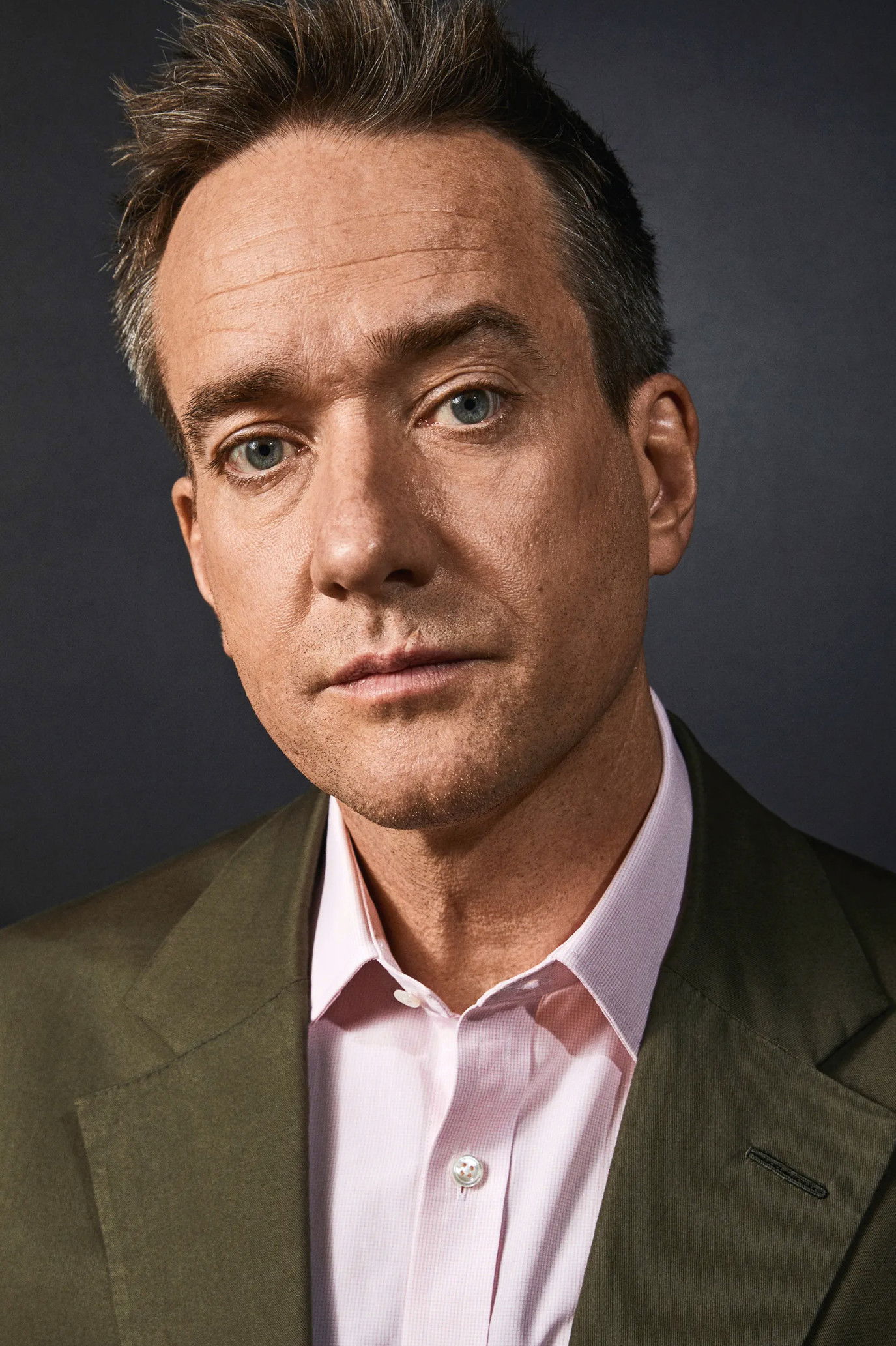
In the 2005 adaptation of ‘Pride & Prejudice’, Macfadyen sought to portray Mr. Darcy exactly as Jane Austen wrote him. He pushed back against the idea of playing Darcy as a suave romantic hero, instead focusing on the character’s social anxiety and awkwardness. The actor studied the social hierarchies of the era to understand why Darcy’s behavior would be perceived as haughty by the other characters. He advocated for a more grounded and less polished version of the character that emphasized internal struggle over external charm. This adherence to the book’s characterization resulted in a performance that many literary fans found deeply authentic.
Harry Melling
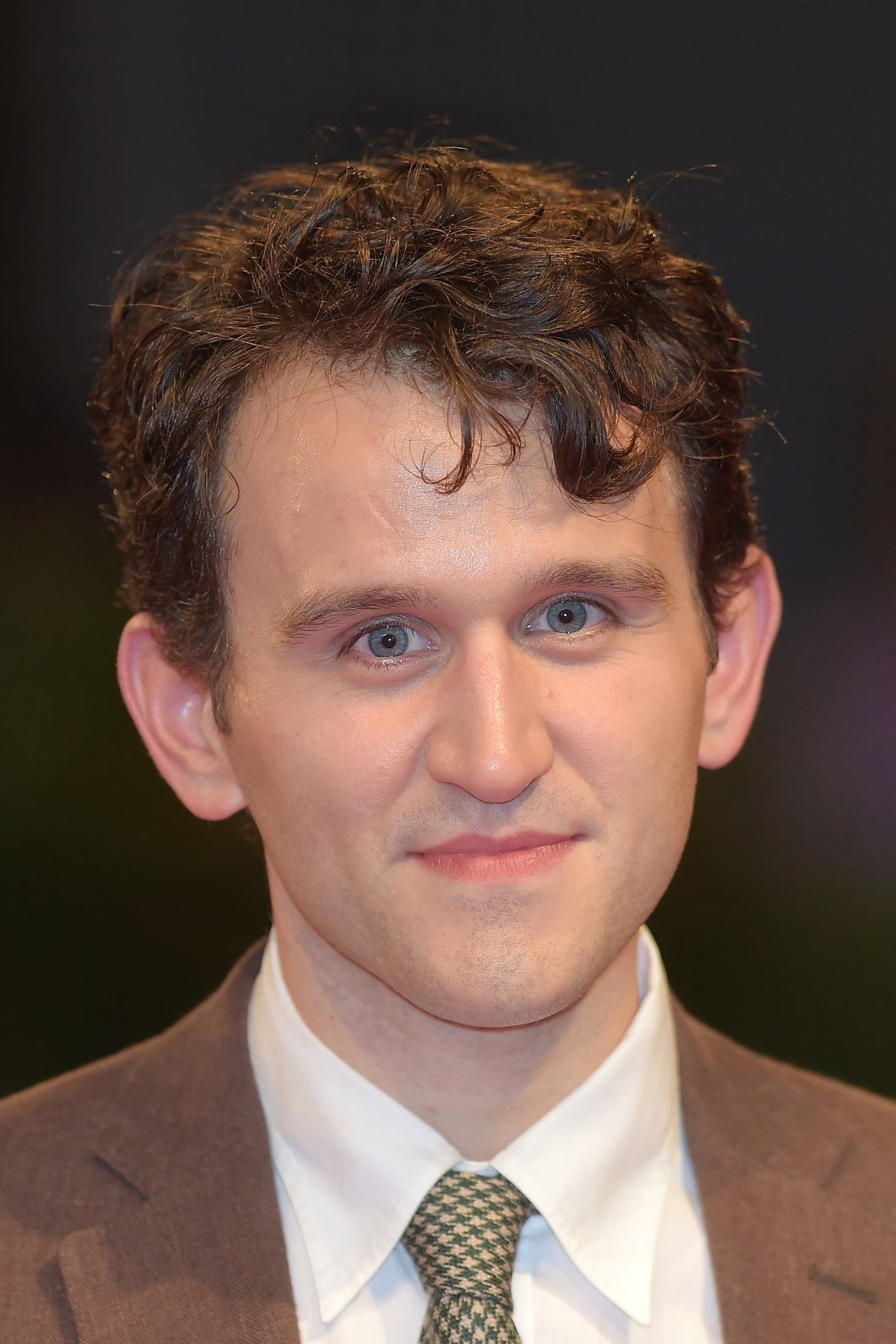
Melling, who played Dudley Dursley in the ‘Harry Potter’ films, was disappointed when the character’s redemption arc was largely cut from the final movies. He advocated for the inclusion of the scene from ‘Harry Potter and the Deathly Hallows’ where Dudley finally shows gratitude toward Harry. The scene was eventually filmed, largely due to the importance of Dudley’s growth in the book lore, although it only appeared as a deleted scene in the final cut. Melling understood that without this moment, the character’s journey remained incomplete compared to the narrative established in the novels. His effort ensured that the most significant moment of Dudley’s literary history was at least captured on film.
Sam Heughan
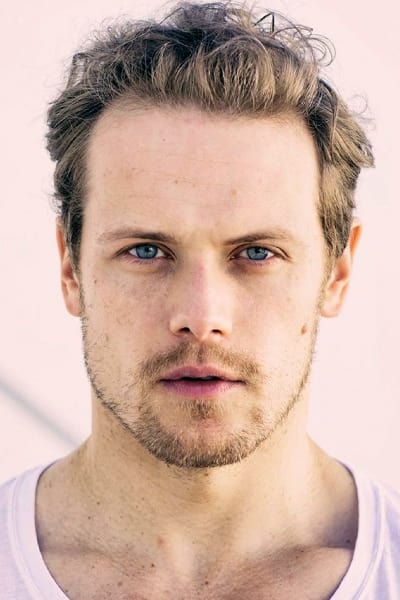
Heughan has been a consistent advocate for book accuracy since the beginning of the ‘Outlander’ television series. He maintains a close relationship with author Diana Gabaldon to ensure Jamie Fraser’s character development aligns with the extensive book series. The actor often discusses specific plot points and character traits with the producers to prevent the show from diverging too far from the source material. He is particularly protective of Jamie’s Gaelic heritage and the historical accuracy of the Highland culture depicted in the story. Heughan’s commitment to the lore has helped maintain the show’s massive following among the original readers of the novels.
Tell us which other actors you think have done a great job defending their character’s book lore in the comments.