


Actors Who Have Openly Criticized the “Toxic” Culture of Hollywood

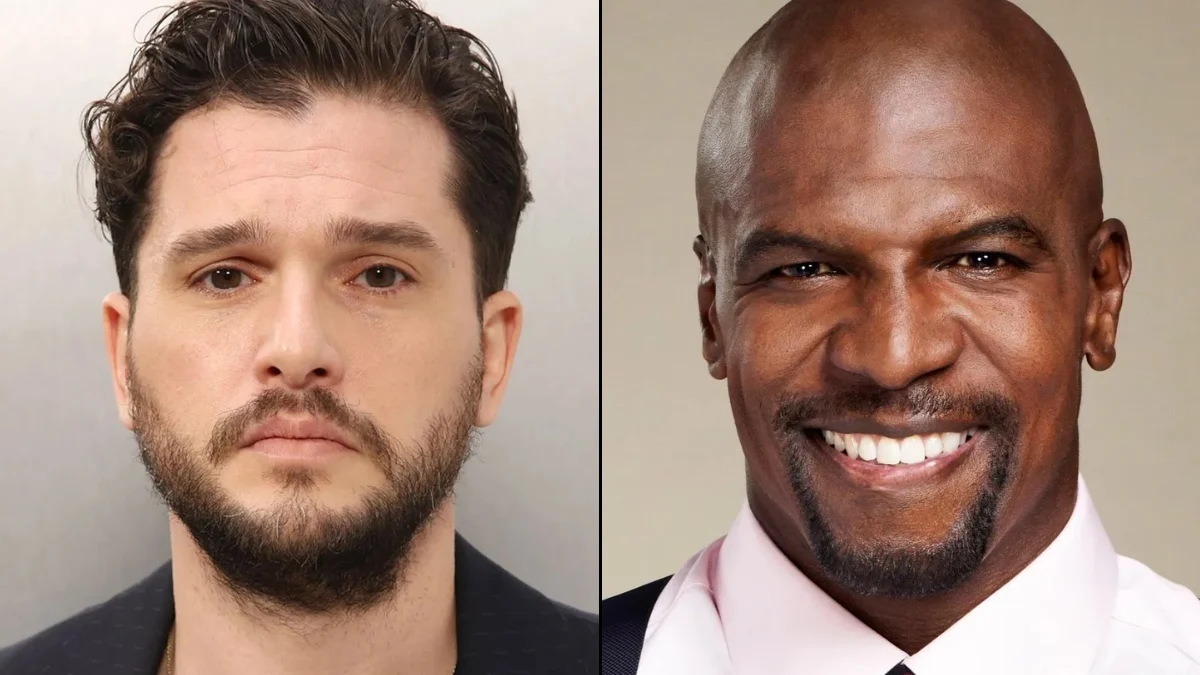


Hollywood has long been romanticized as a place of glamour and success, but many insiders have started to peel back the curtain on its darker aspects. From unrealistic body standards and systemic racism to the protection of predators and the exploitation of child stars, the industry faces significant criticism from those within. Male actors are increasingly using their platforms to speak out against these “toxic” elements, aiming to foster a safer and more inclusive environment. This shift marks a departure from the traditional culture of silence that once dominated the entertainment world.
Terry Crews
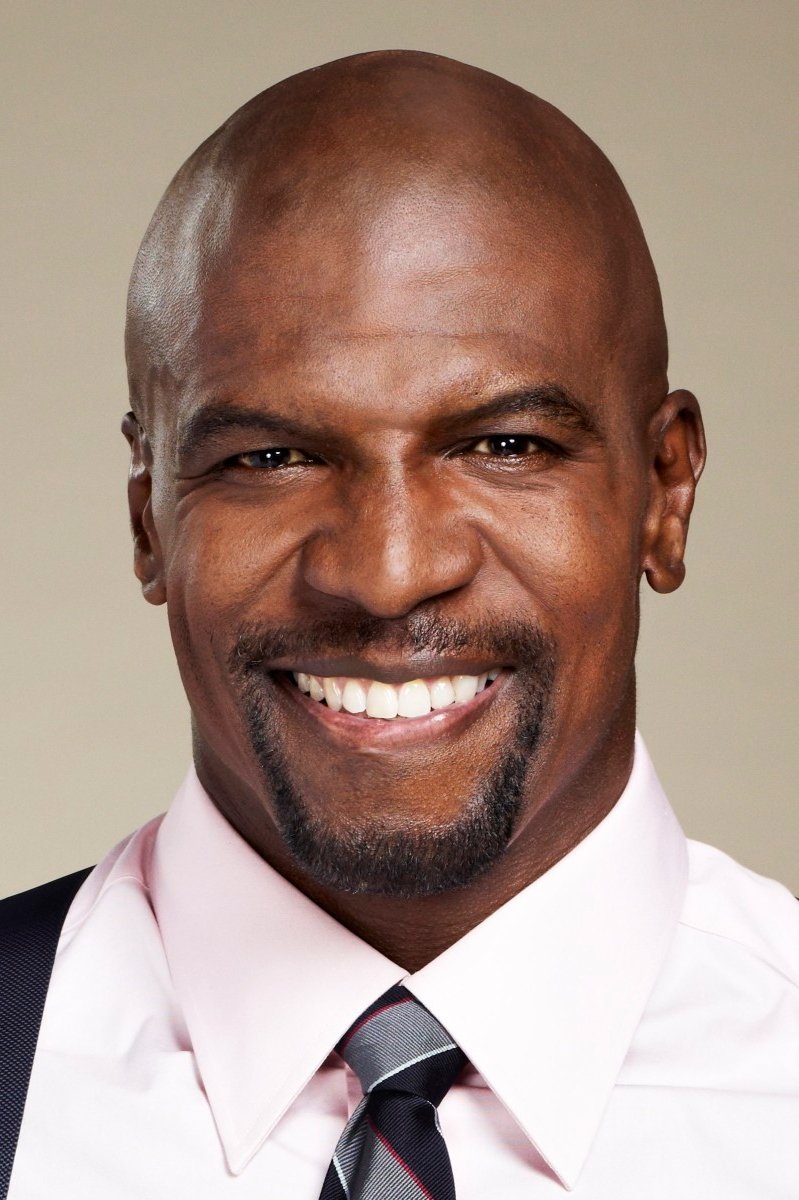
Terry Crews became a leading voice in the Me Too movement after sharing his personal experience with sexual assault by a high-level Hollywood executive. He criticized the industry’s culture of silence and the power dynamics that allow such behavior to go unpunished. Crews highlighted the “toxic masculinity” that often prevents men from speaking out about being victims of harassment. His advocacy emphasized that the industry needs systemic changes to protect all individuals from predatory behavior. He remains a vocal proponent for accountability and transparency within talent agencies and studios.
Brendan Fraser
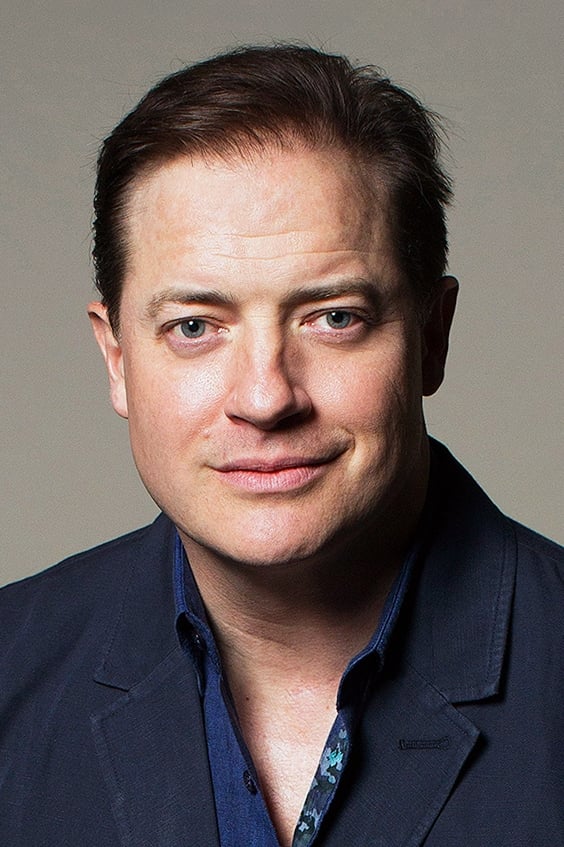
Brendan Fraser detailed his experiences with sexual assault and the subsequent professional “blacklisting” he faced after reporting the incident. He alleged that an influential figure in the Hollywood Foreign Press Association assaulted him, which led to a decline in his career opportunities. Fraser’s story shed light on the “toxic” repercussions for those who dare to challenge powerful industry insiders. He spoke about the mental health toll and the feeling of being discarded by the industry he loved. His recent career resurgence has been seen as a victory against the culture that tried to silence him.
Corey Feldman
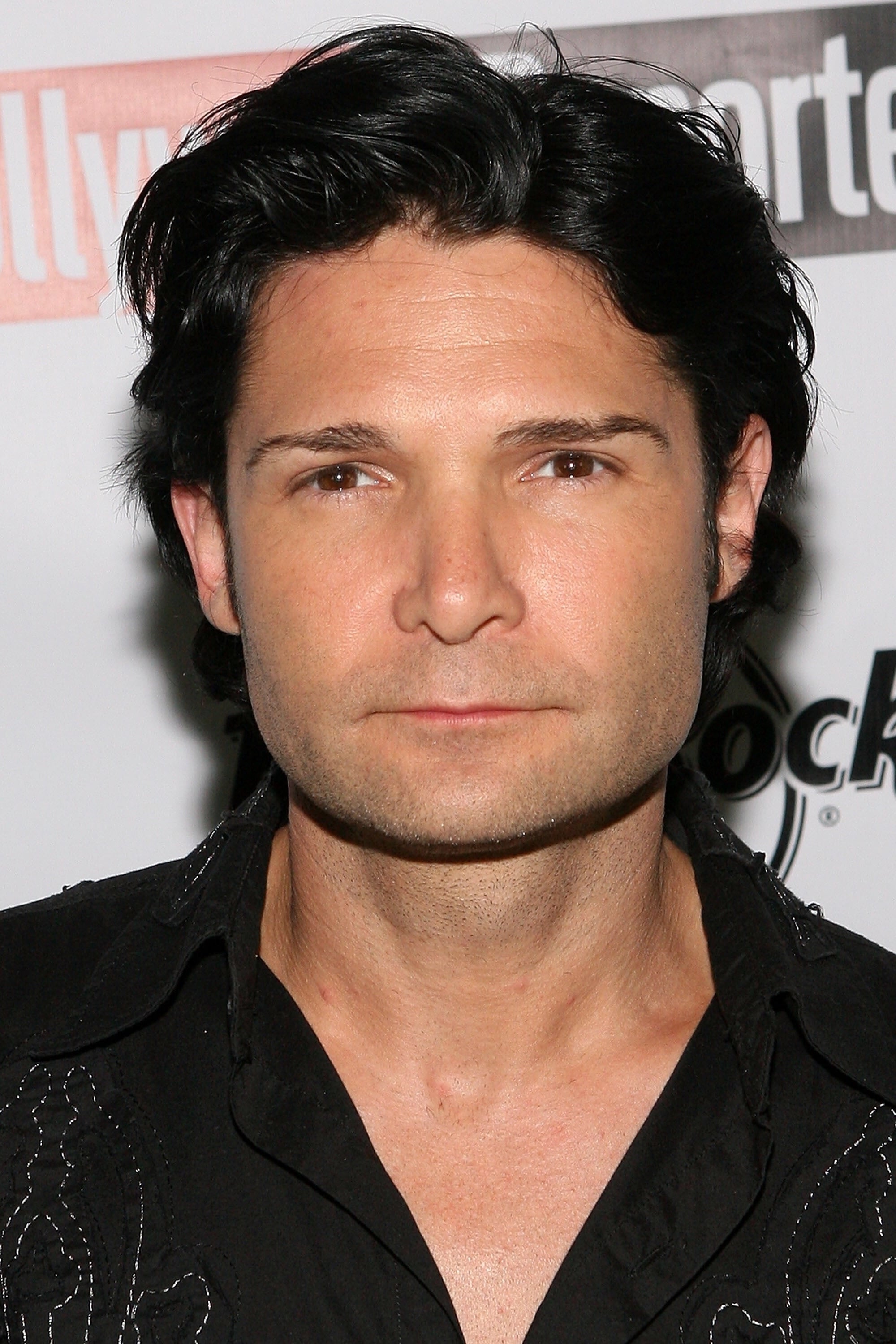
Corey Feldman has spent decades speaking out against the systemic “pedophilia” and child abuse he witnessed as a young actor in the 1980s. He has criticized Hollywood for protecting high-profile predators and failing to safeguard child performers. Feldman claims that the industry’s power structures were built to facilitate exploitation and maintain a “wall of silence.” His efforts have often been met with industry pushback, yet he continues to advocate for legislative changes to protect children on set. He views the culture as fundamentally broken regarding the treatment of minors.
Elijah Wood
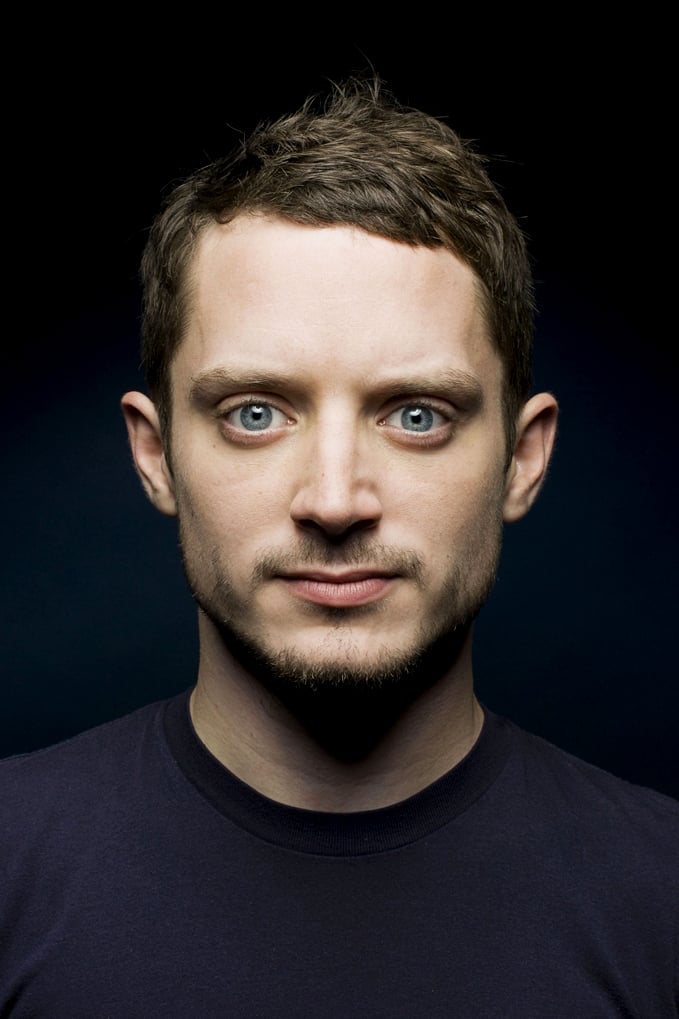
Elijah Wood has corroborated the existence of deep-seated issues regarding the abuse of child actors in Hollywood. He stated that the industry has historically harbored “predators” who were protected by those in positions of authority. Wood described the environment as “toxic” because the crimes were often organized and hidden from the public eye. He emphasized that the problem was systemic and not limited to a few isolated incidents. His comments brought renewed attention to the need for better oversight and protection for young talent.
John Boyega

John Boyega has been a vocal critic of how major film franchises, particularly ‘Star Wars’, handle characters played by minority actors. He called out the industry for “tokenism” and for pushing non-white characters to the side in favor of their white counterparts. Boyega expressed frustration with how studios market diversity but fail to provide these characters with meaningful narrative arcs. He criticized the “toxic” fan backlash he received and the lack of support from the studio during those moments. His stance has sparked broader conversations about systemic racism and representation in blockbuster cinema.
Zac Efron
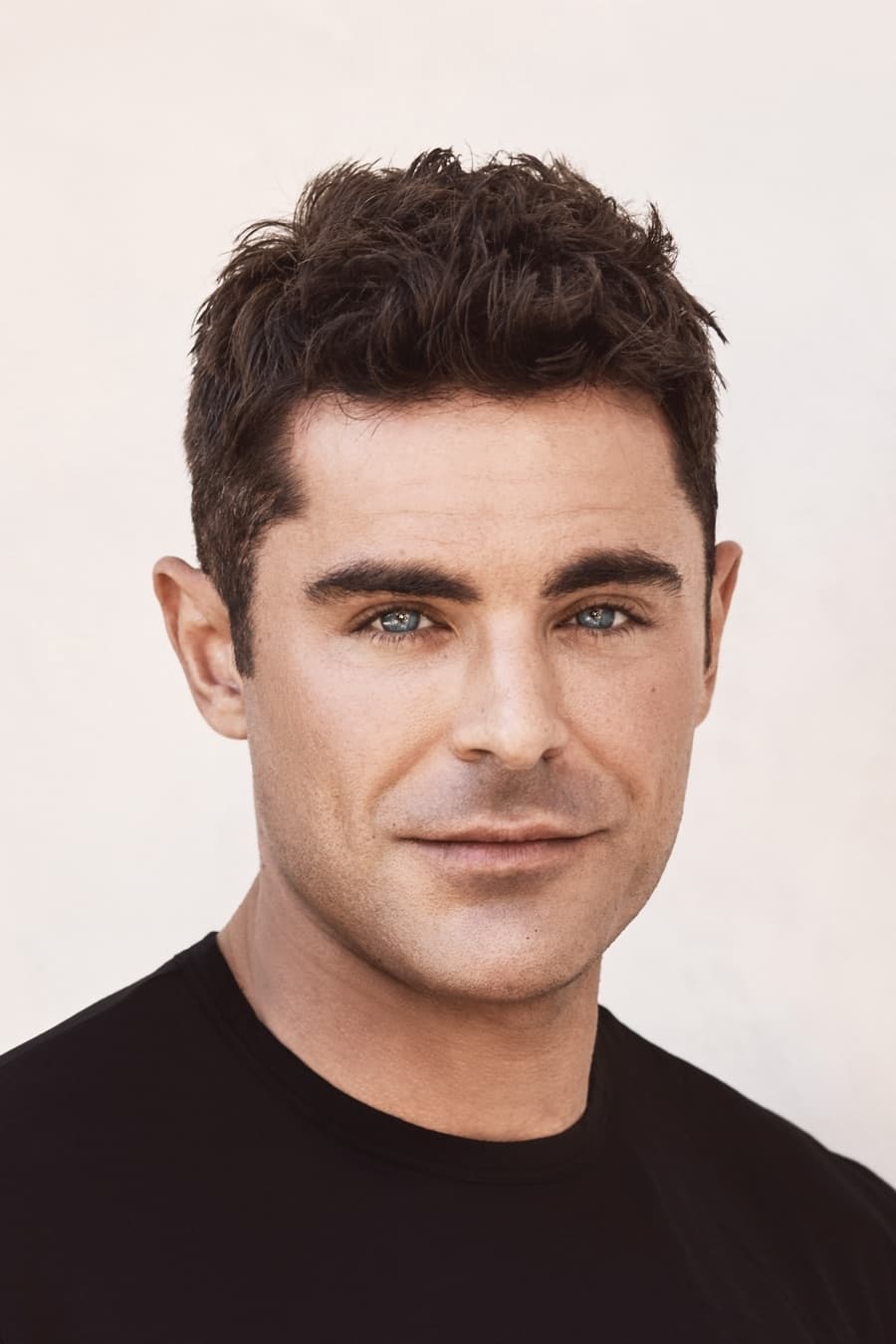
Zac Efron has criticized the “unrealistic” and “toxic” body standards he was forced to maintain for his role in ‘Baywatch’ (2017). He shared that the extreme fitness regimen led to insomnia, depression, and a “burnout” that took a long time to recover from. Efron highlighted how the industry’s obsession with physical perfection can be dangerous for an actor’s mental and physical health. He stated that he never wants to be in that specific physical shape again because of the toll it took. His openness has helped humanize the struggles male actors face regarding body image.
Penn Badgley
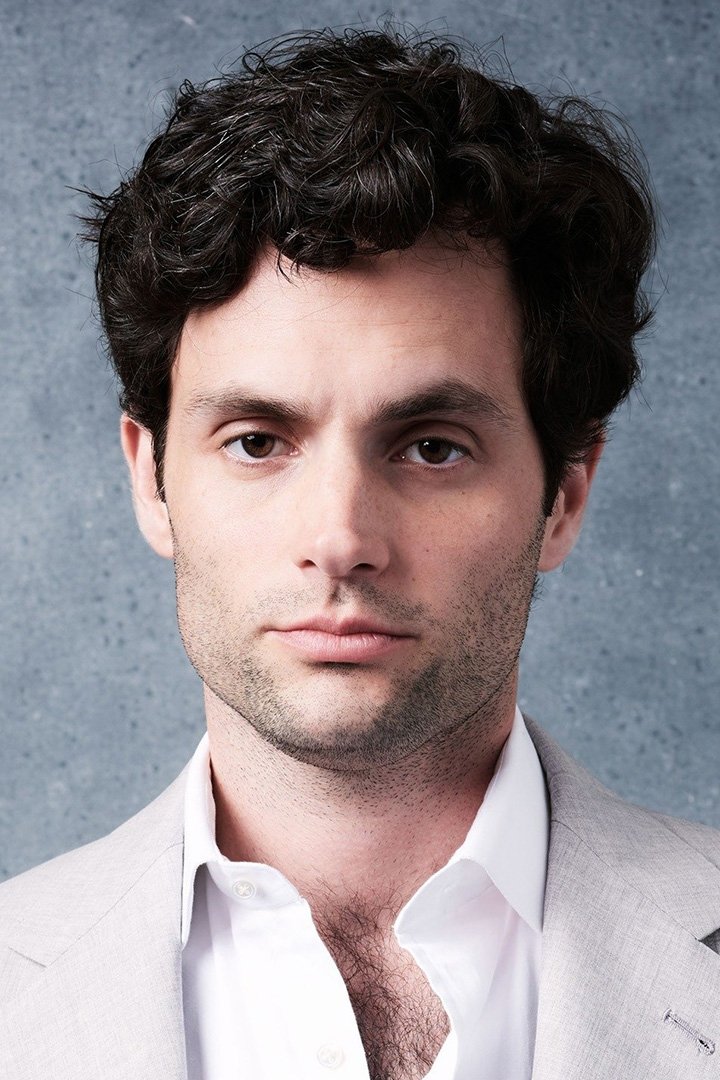
Penn Badgley has frequently criticized the “objectification” of actors and the industry’s tendency to romanticize toxic behavior. He has been vocal about his discomfort with fans who find his character in ‘You’ (2018–2024) attractive, noting that it reflects a larger cultural issue. Badgley argues that Hollywood often prioritizes “sex appeal” over the psychological complexity of characters. He has also spoken about the “draining” nature of the fame machine and how it distorts personal identity. His critiques often focus on the responsibility of creators to avoid glorifying abusive traits.
Kit Harington
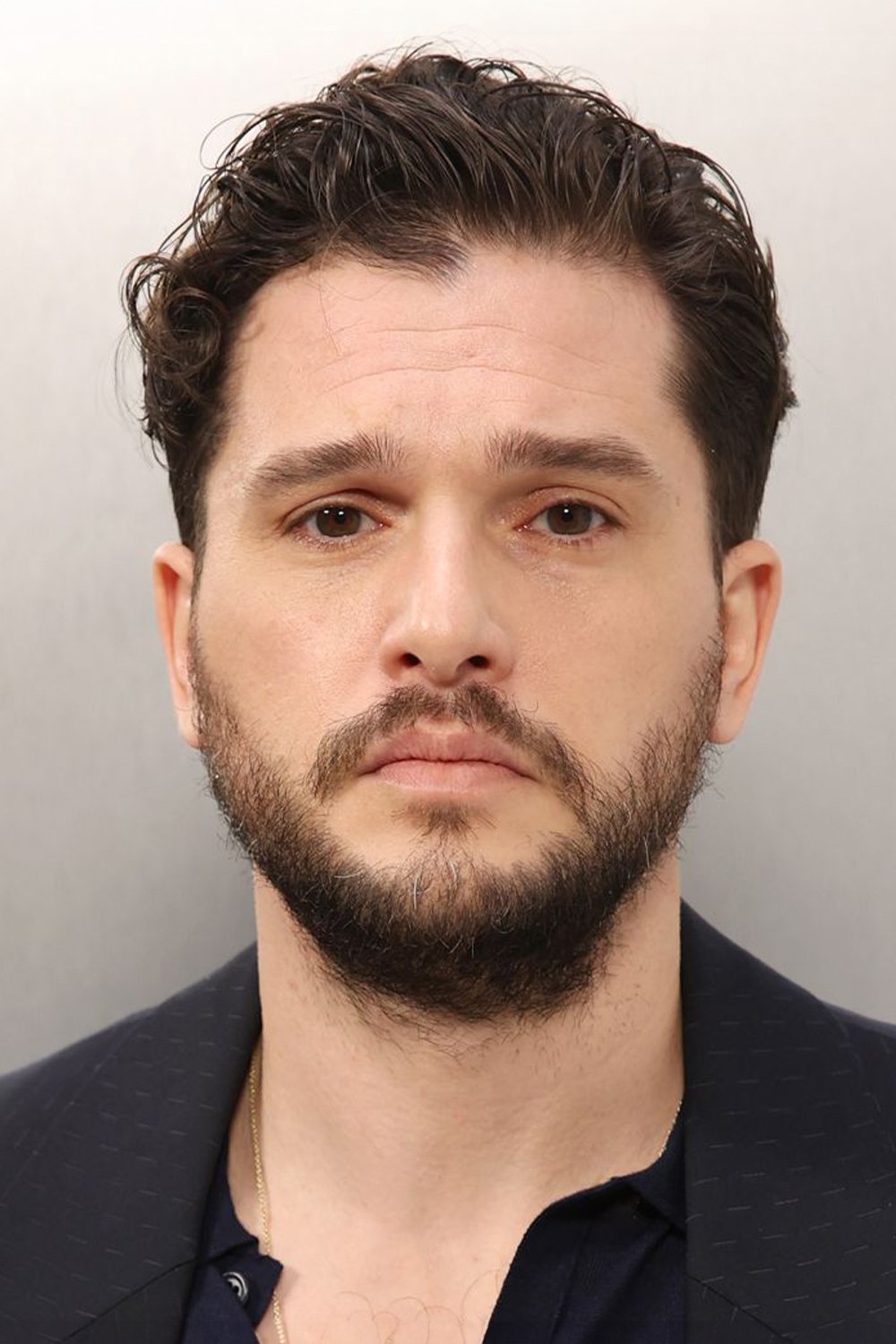
Kit Harington has spoken out against the “double standard” and the “demeaning” sexualization of male actors in the industry. He argued that men often face the same “toxic” objectification as women but are expected to remain silent about it. Harington noted that being treated like a “hunk” can make an actor feel like they are being valued for their appearance rather than their skill. He called for a shift in how the industry and the media discuss the physical attributes of performers. His comments highlight the pervasive nature of objectification across all genders in Hollywood.
Richard Madden
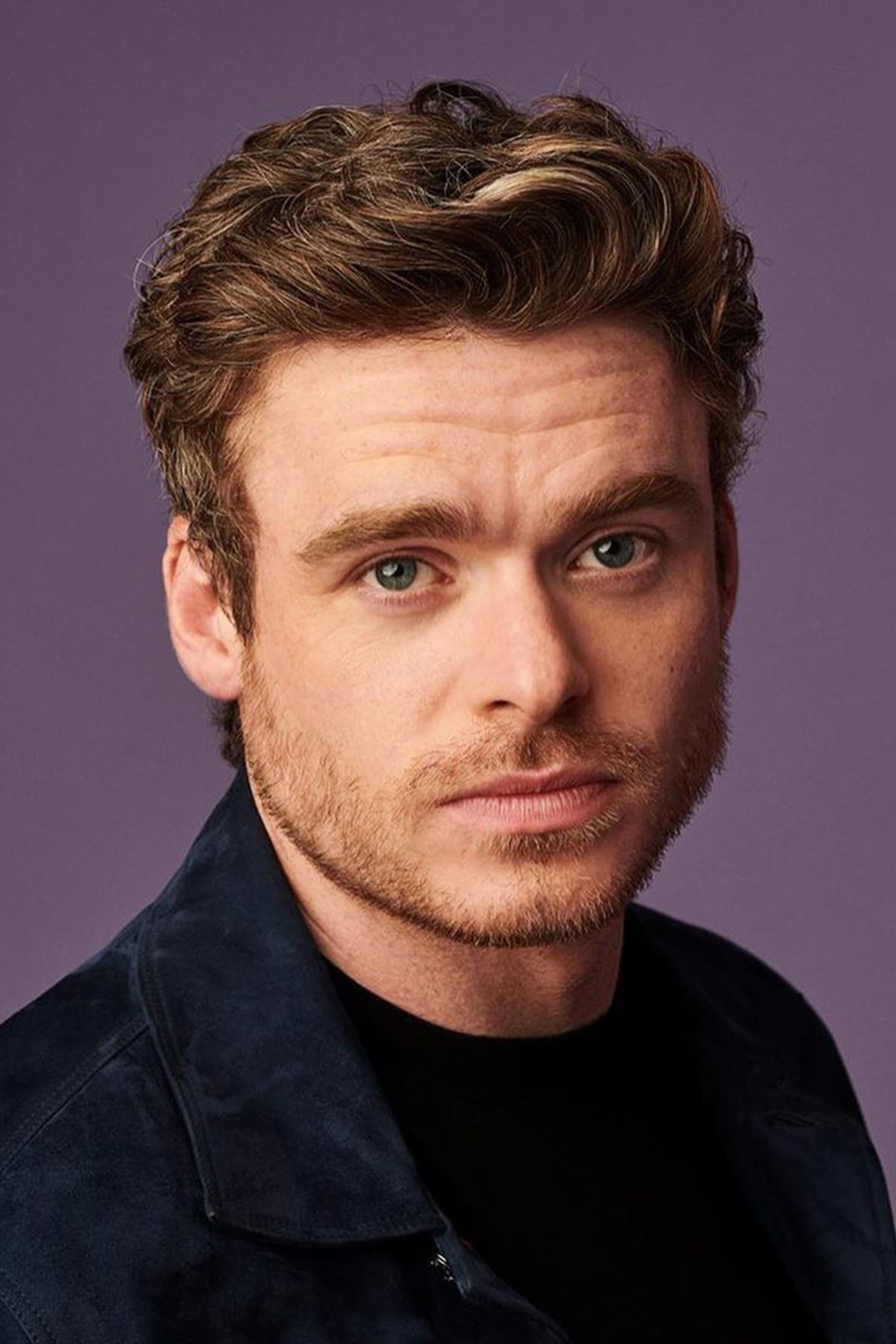
Richard Madden has addressed the intense pressure on male actors to lose weight and maintain a specific physique for leading roles. He described the industry’s expectations as “toxic” and noted that he has been told to slim down for parts multiple times. Madden pointed out that this pressure is often hidden behind the scenes but affects the mental well-being of many performers. He criticized the “unattainable” standards that are projected on screen, which influence both the actors and the audience. He advocates for a more realistic representation of the human form in film.
Kumail Nanjiani
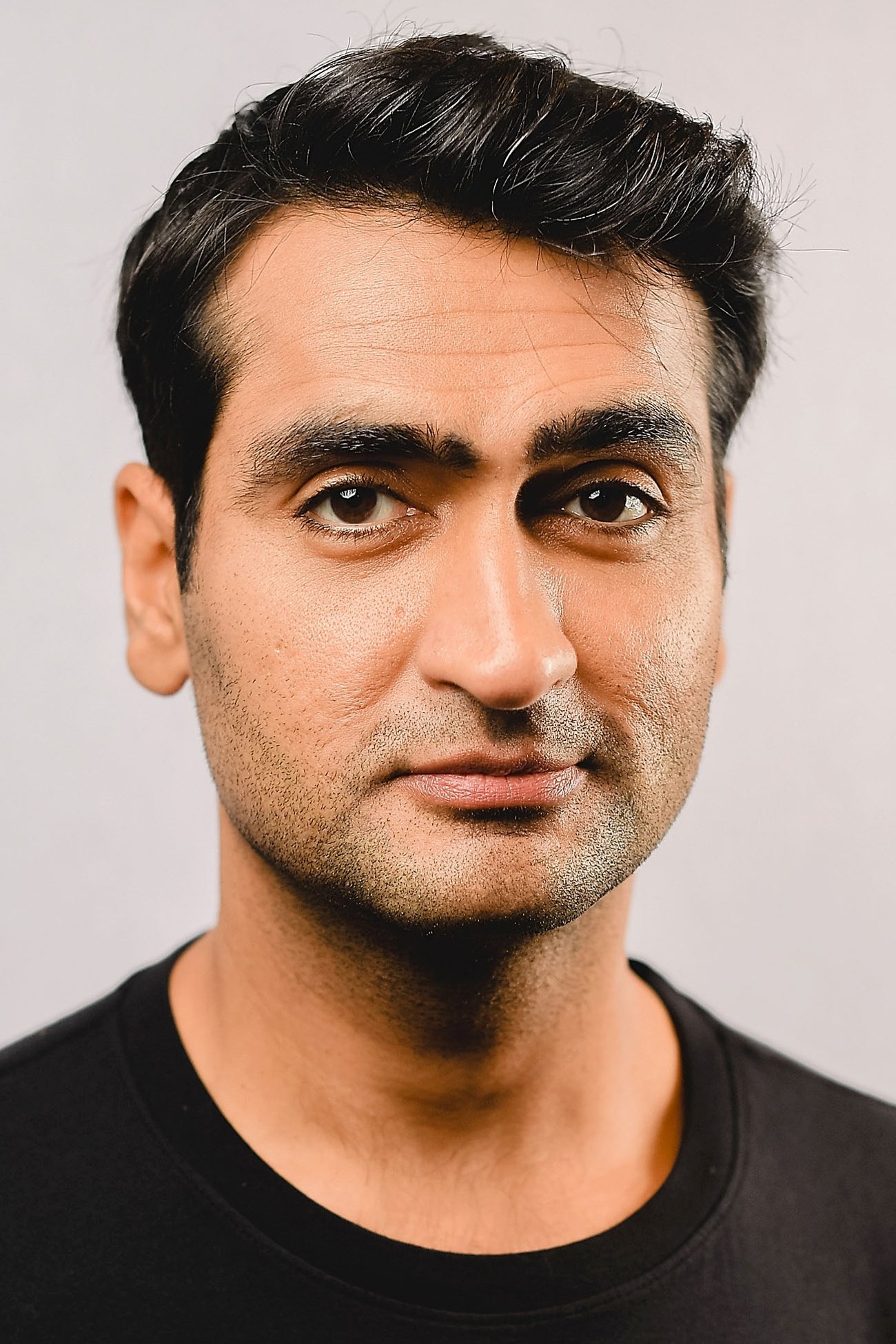
Kumail Nanjiani shared the psychological impact of undergoing a massive physical transformation for his role in ‘Eternals’ (2021). He spoke about the “body dysmorphia” that developed due to the industry’s pressure to look like a superhero. Nanjiani criticized the culture of “toxic masculinity” that celebrates extreme physical changes without acknowledging the mental health consequences. He noted that the constant scrutiny of his body became overwhelming and unhealthy. His experience highlighted the intense expectations placed on minority actors to conform to traditional leading-man standards.
Justin Baldoni
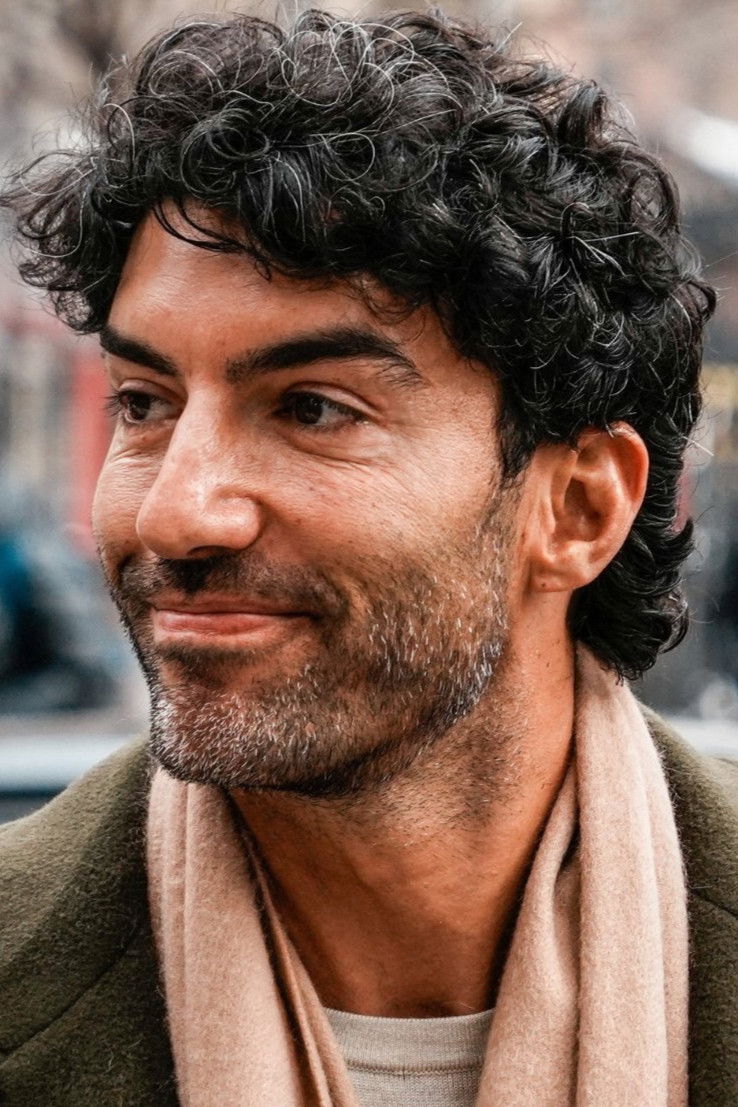
Justin Baldoni has made it his mission to challenge “toxic masculinity” and the industry’s role in perpetuating it. Through his book and various interviews, he has criticized Hollywood for portraying men as “emotionless” and “stoic” archetypes. Baldoni argues that these portrayals are harmful to men in real life and contribute to a culture of suppression. He has called for more “vulnerable” and “authentic” male characters that break away from traditional tropes. His work focuses on redefining what it means to be a man in the entertainment world and beyond.
Simu Liu

Simu Liu has been a strong critic of the “racist tropes” and “orientalism” that have historically plagued Hollywood. He has called out the industry for its lack of genuine representation and for casting Asian actors in “clichéd” or “subordinate” roles. Liu specifically criticized past depictions that relied on stereotypes, arguing they are “toxic” to the self-esteem of Asian communities. He uses his platform to demand that studios hire diverse creators to tell authentic stories. His advocacy aims to dismantle the systemic biases that have limited opportunities for actors of color.
Dev Patel
Dev Patel has discussed the “cliché” roles and “typecasting” he faced early in his career due to his South Asian heritage. He criticized the industry for its “narrow-minded” view of what a leading man can look like. Patel has been vocal about the “toxic” nature of being placed in a box where he was only offered roles as “the sidekick” or “the tech expert.” He has since focused on projects that challenge these limitations and provide more depth to minority characters. His journey reflects a broader fight against the industry’s historical racial biases.
Riz Ahmed
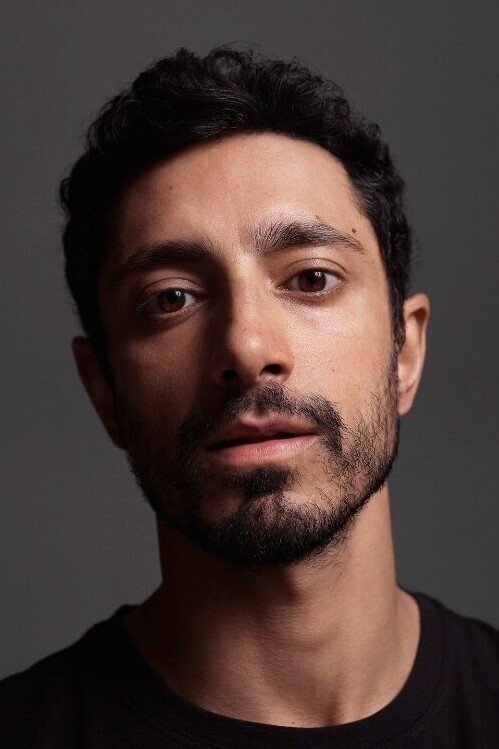
Riz Ahmed has criticized the “monolithic” and often “toxic” portrayal of Muslims in Western cinema and television. He has spoken about how these portrayals contribute to real-world prejudice and dehumanization. Ahmed has called for the industry to move beyond “terrorist” or “victim” tropes to more nuanced and humanized characters. He argues that the industry’s lack of diversity in writers’ rooms is a major factor in these harmful depictions. His work with the “Blueprint for Muslim Inclusion” aims to provide a roadmap for better representation.
Seth Rogen
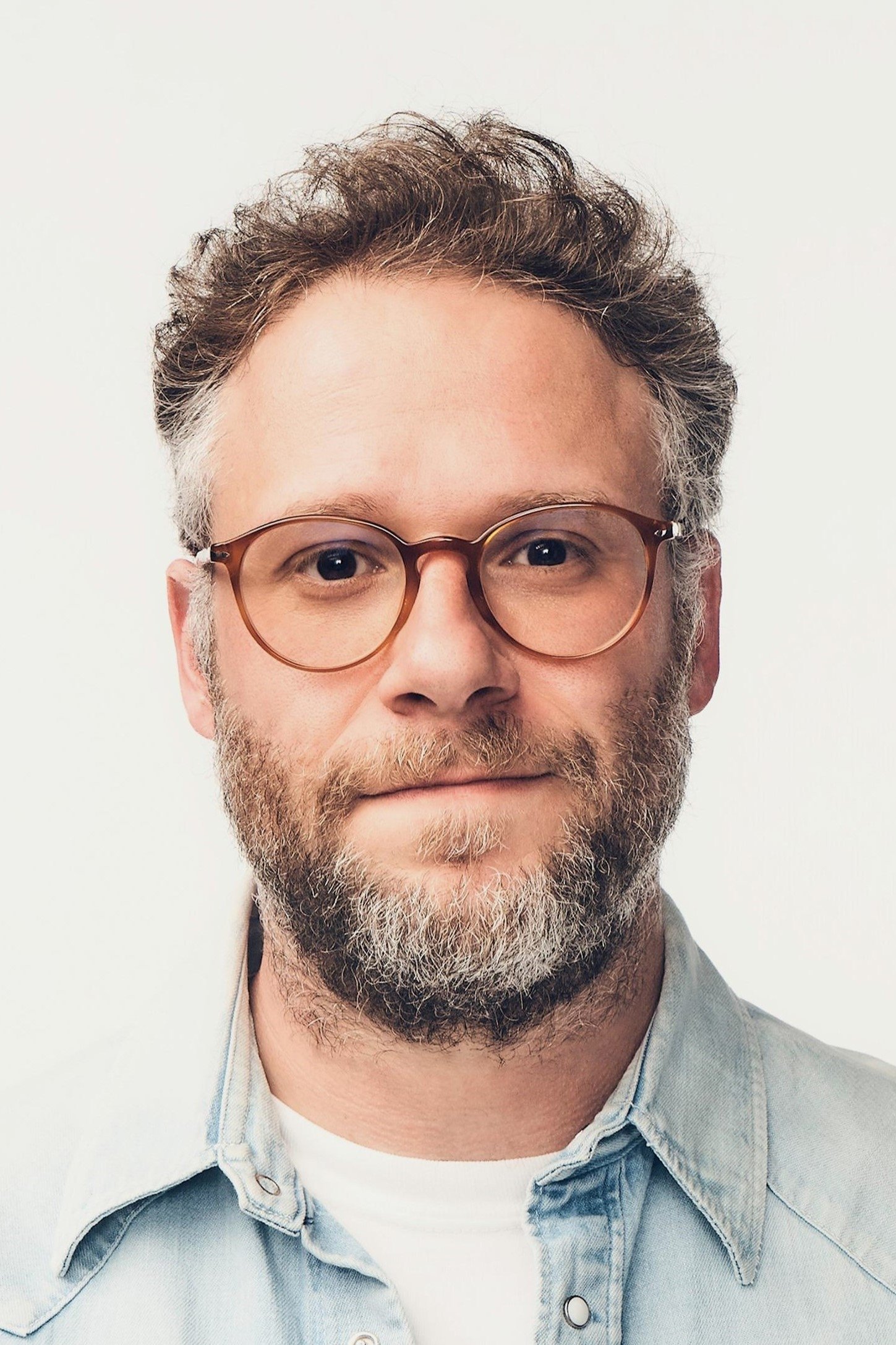
Seth Rogen has addressed the “boys club” mentality and the culture of silence that protected figures like Harvey Weinstein for years. He expressed regret for working with certain individuals and acknowledged how the industry ignored “open secrets” about abuse. Rogen has been critical of how Hollywood prioritizes “box office” success over the safety and dignity of its workers. He has since made efforts to ensure more transparent and accountable environments on his own productions. His comments reflect a growing realization among established actors about their role in systemic issues.
Wil Wheaton
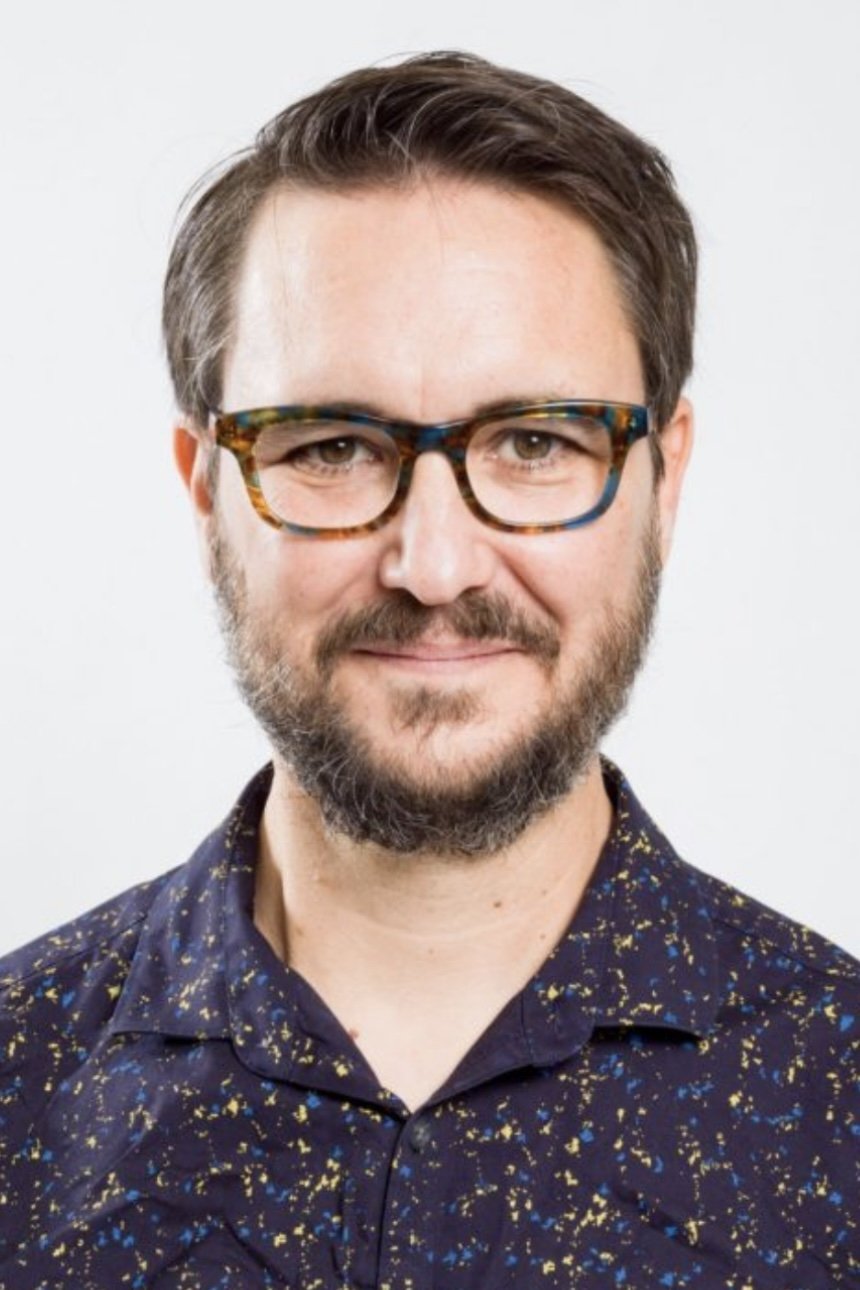
Wil Wheaton has been an outspoken critic of the “exploitation” he faced as a child star in films like ‘Stand by Me’ (1986). He described the industry as a place where children are often treated as “commodities” rather than human beings. Wheaton has spoken about the “toxic” pressure from both parents and agents to perform regardless of emotional well-being. He advocates for better mental health support and stronger labor laws for young performers. His candidness about his past trauma has shed light on the long-term effects of the Hollywood machine.
Macaulay Culkin
Macaulay Culkin has frequently discussed the “toxic” nature of his early fame and the exploitation he experienced within the industry. He highlighted how his childhood was essentially “managed” for profit, leading to a strained relationship with his family and the media. Culkin has criticized the “paparazzi” culture and the intense scrutiny that child stars are forced to endure. He chose to step away from acting for many years to reclaim his identity and escape the industry’s demands. His story serves as a cautionary tale about the pressures of early stardom.
Jacob Elordi
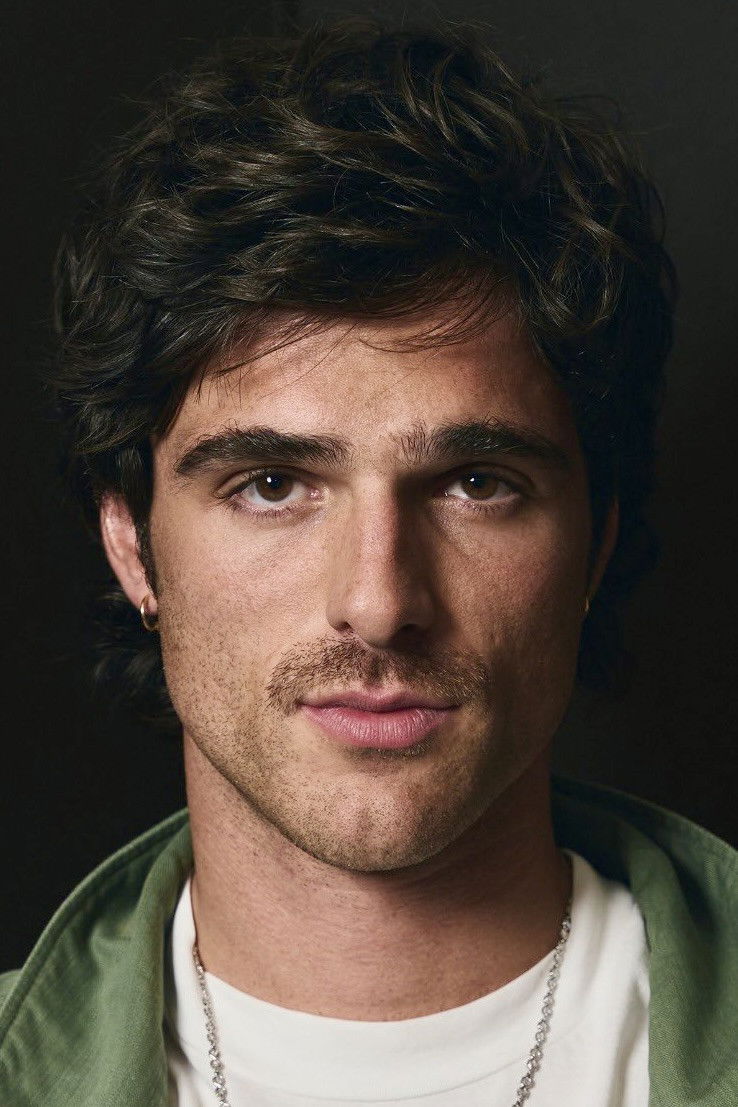
Jacob Elordi has expressed frustration with being “objectified” and pigeonholed as a “teen heartthrob” after starring in ‘The Kissing Booth’ (2018). He described the filming of certain commercial projects as “miserable” and “soul-crushing” due to the lack of creative substance. Elordi has criticized the industry for focusing more on his “abs” and physical appearance than his acting abilities. He has since sought out more challenging and “gritty” roles to distance himself from the toxic “celebrity” image. He believes the industry often sacrifices artistic integrity for marketability.
Will Poulter
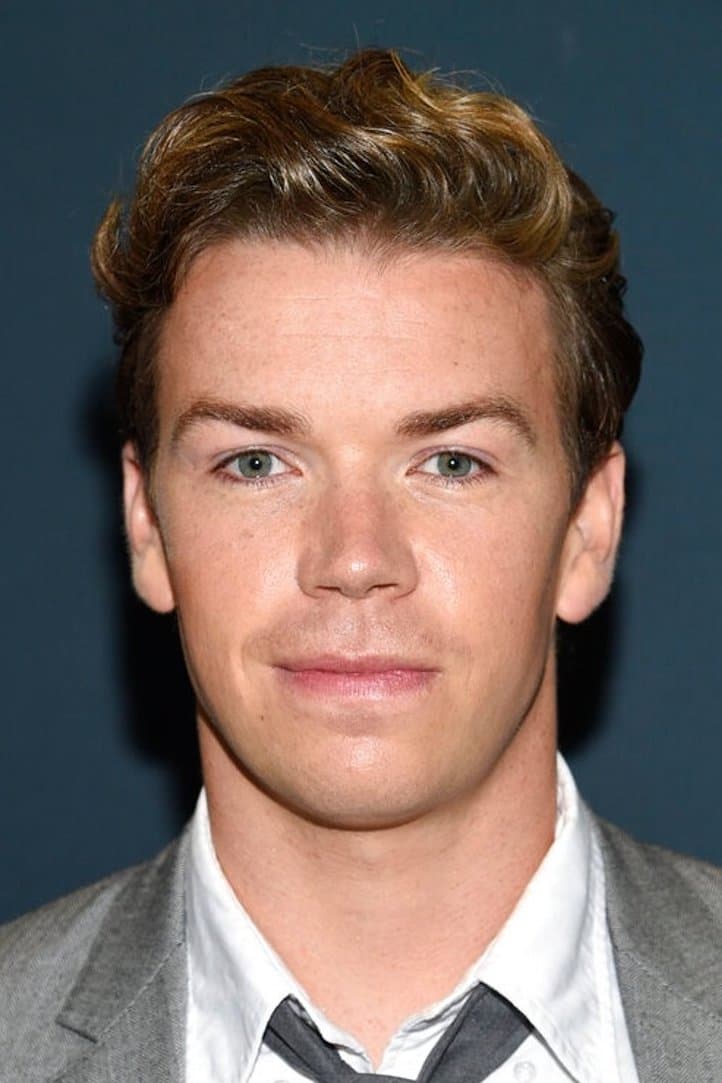
Will Poulter has addressed the “toxic” impact of social media and the industry’s obsession with physical appearance on mental health. He spoke out after facing cruel comments about his looks, emphasizing how Hollywood’s “beauty standards” are damaging to everyone. Poulter has advocated for a more “compassionate” industry that prioritizes the humanity of its actors. He has also been critical of the “manufactured” nature of celebrity culture and the pressure to always be “camera-ready.” His focus remains on promoting mental well-being and authenticity in a superficial environment.
Andrew Garfield
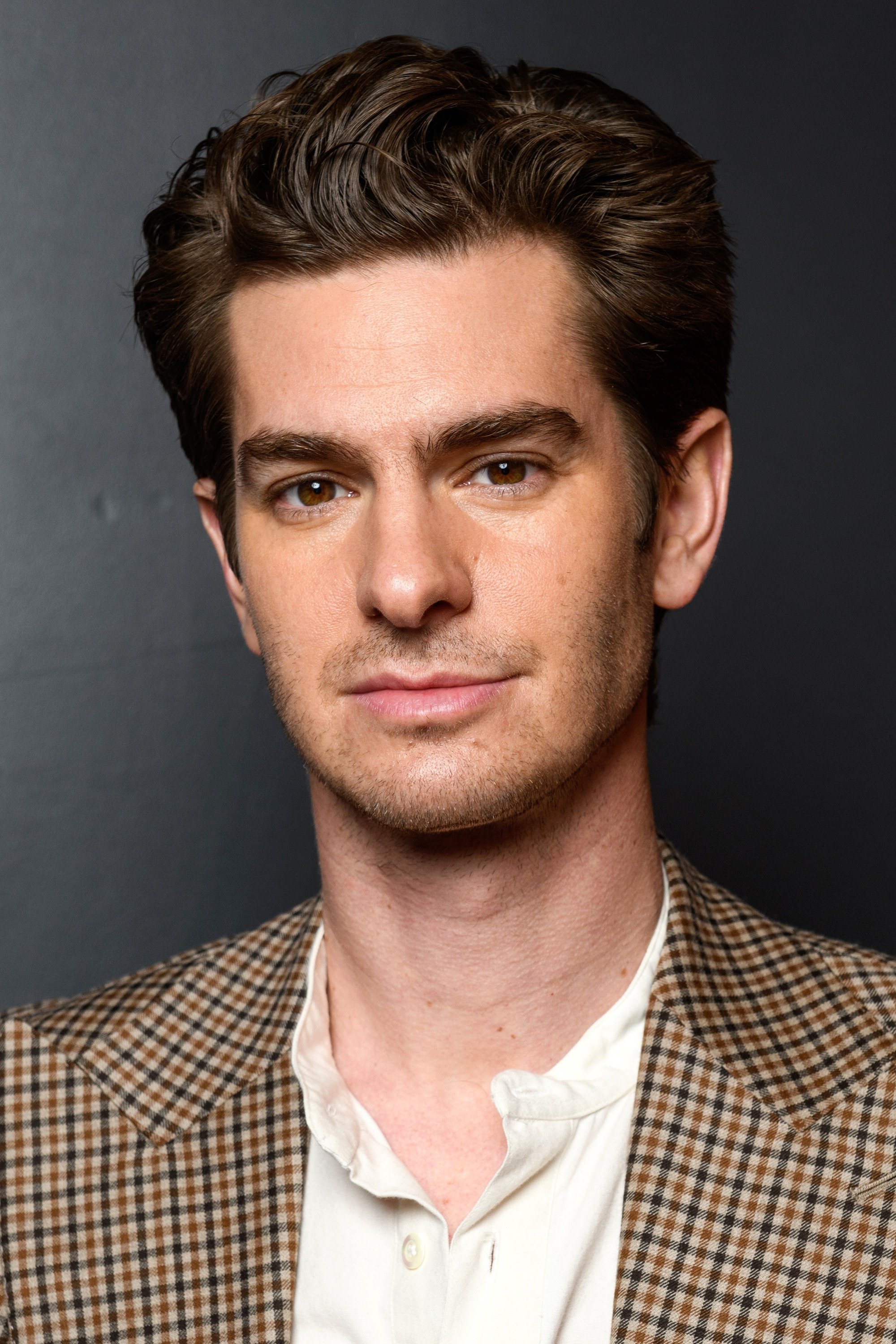
Andrew Garfield has criticized the “corporate” and “soul-less” side of Hollywood, particularly within the world of superhero franchises. He spoke about his experience with ‘The Amazing Spider-Man’ (2012) and how the pressure to satisfy shareholders can stifle artistic creativity. Garfield described the industry’s focus on “branding” as “toxic” to the true spirit of acting and storytelling. He has since prioritized independent films that allow for more creative freedom and emotional depth. His critiques highlight the tension between “art” and “commerce” in modern filmmaking.
Robert Pattinson

Robert Pattinson has long been a critic of the “invasive” nature of fame and the “toxic” paparazzi culture that follows young actors. He described the period during the height of his ‘Twilight’ (2008–2012) fame as “stifling” and “terrifying.” Pattinson has been vocal about the “absurdity” of celebrity worship and how it distorts an actor’s sense of reality. He often uses humor to mask his genuine disdain for the “superficial” aspects of the Hollywood industry. His career choices post-‘Twilight’ reflect a desire to escape the mainstream “star” system.
Rainn Wilson
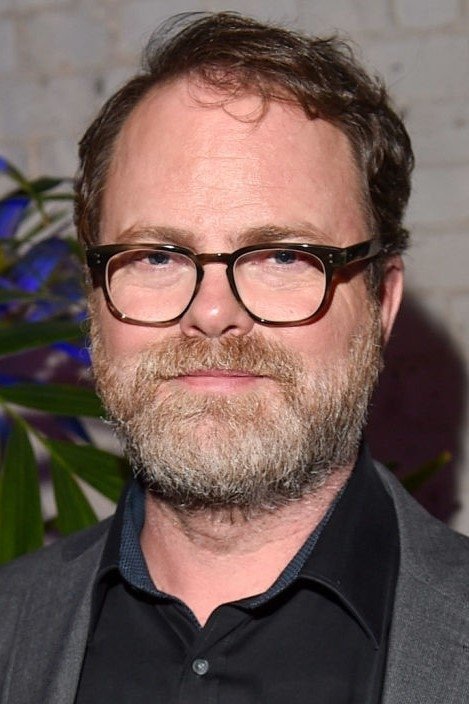
Rainn Wilson has criticized Hollywood for its “anti-spiritual” bias and the “toxic” way it often portrays religious characters as “villains” or “buffoons.” He argued that the industry is often “out of touch” with the spiritual lives of a majority of the population. Wilson has called for more “nuanced” and “positive” depictions of faith and spirituality on screen. He believes the industry’s “secular” bubble can be exclusionary and judgmental toward those with different worldviews. His advocacy focuses on bringing more diversity of thought to the entertainment world.
Ethan Hawke
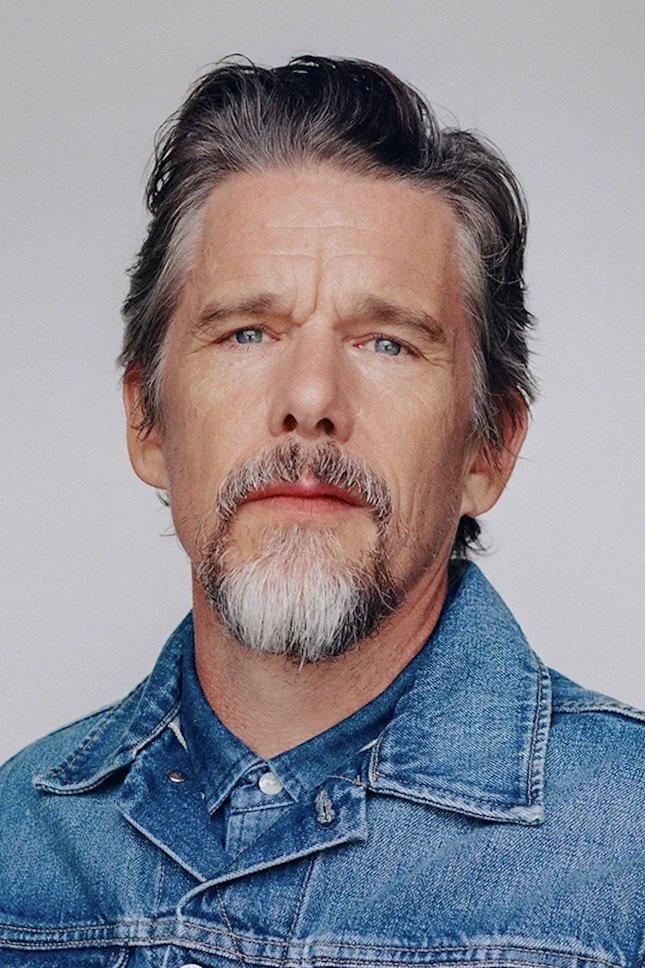
Ethan Hawke has frequently critiqued the industry’s shift toward “commercialization” and the loss of “artistic” integrity. He described the obsession with “opening weekend” numbers and “franchise-building” as “toxic” to the medium of film. Hawke argues that Hollywood often discourages “risk-taking” in favor of “safe” and “marketable” content. He has been a vocal proponent for independent cinema and the preservation of the “theatrical experience.” His critiques are centered on the idea that the industry is becoming a “content factory” rather than a place for art.
Joaquin Phoenix
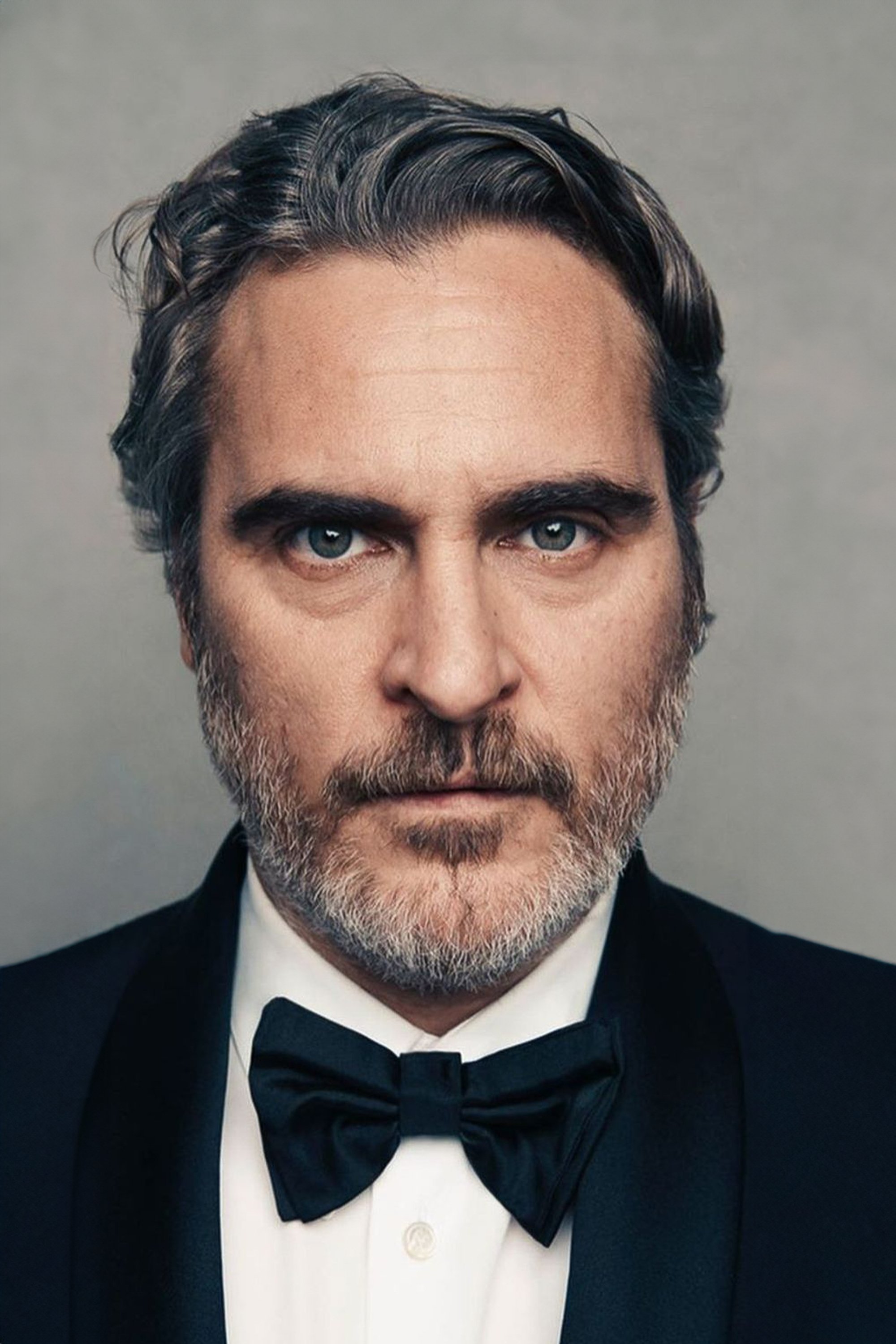
Joaquin Phoenix has been a vocal critic of the “competitive” and “artificial” nature of the awards season in Hollywood. He famously called the Oscars “bullshit” and argued that art should not be “ranked” or “pitted” against each other. Phoenix believes the industry’s focus on accolades is “toxic” because it fosters ego and detracts from the actual work of acting. He has also used his acceptance speeches to call out the industry’s “systemic racism” and environmental irresponsibility. His approach to his career is often seen as a rejection of traditional Hollywood norms.
Edward Norton
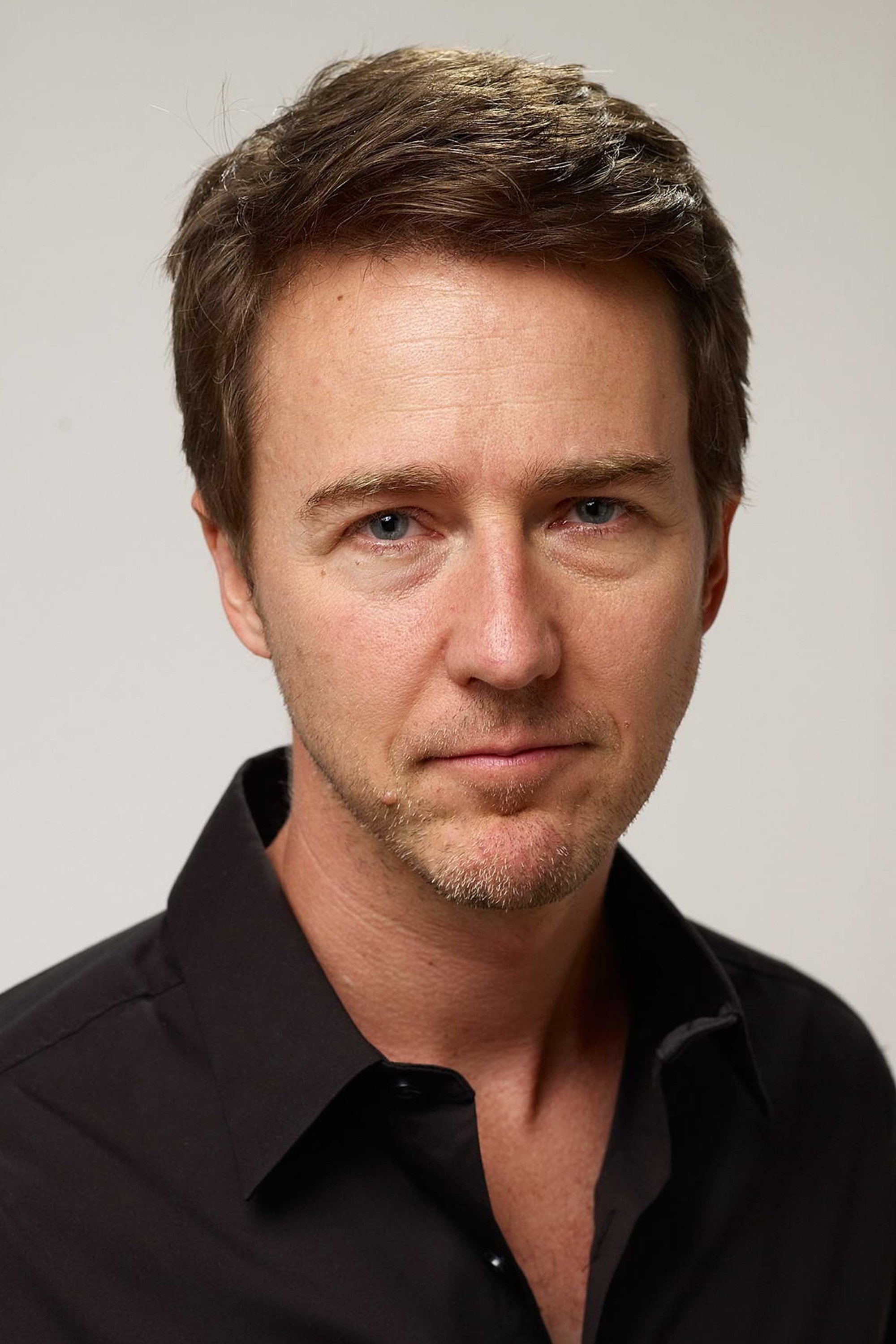
Edward Norton is known for his critiques of the “studio system” and the way corporate interference can “ruin” the creative process. He has been open about his conflicts with studios over the “final cut” of his films, arguing for the importance of “director-led” storytelling. Norton views the industry’s focus on “marketing” over “substance” as a “toxic” trend that devalues the work of actors and filmmakers. He has often taken long breaks from the industry to avoid the “cynicism” of the Hollywood machine. His reputation for being “difficult” is something he attributes to his defense of artistic quality.
Mark Ruffalo
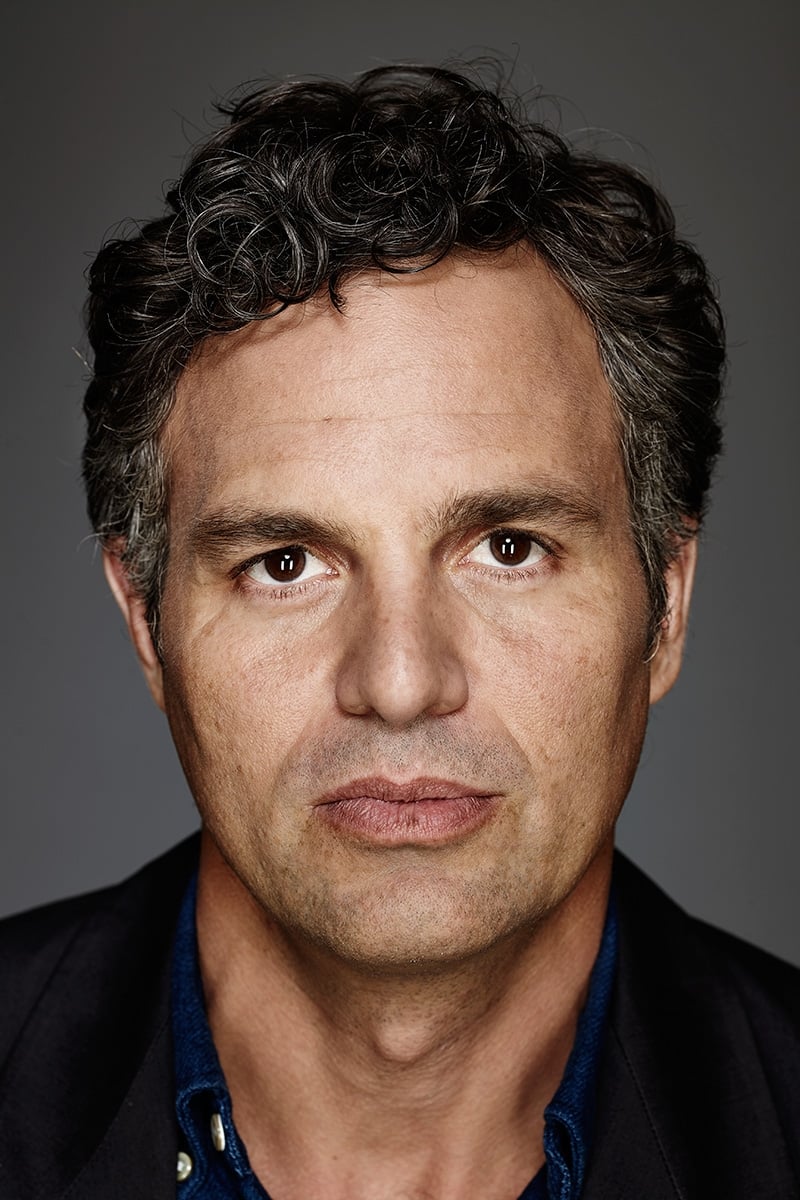
Mark Ruffalo has criticized the industry for its “political silence” and its failure to take a stand on important social and environmental issues. He has called out Hollywood for being “complicit” in maintaining the status quo by prioritizing “corporate interests.” Ruffalo advocates for the industry to use its massive influence to promote “sustainability” and “social justice.” He has been critical of the lack of “diversity” behind the scenes and the slow pace of meaningful change. His activism is rooted in the belief that the industry has a moral obligation to the public.
Chris Evans
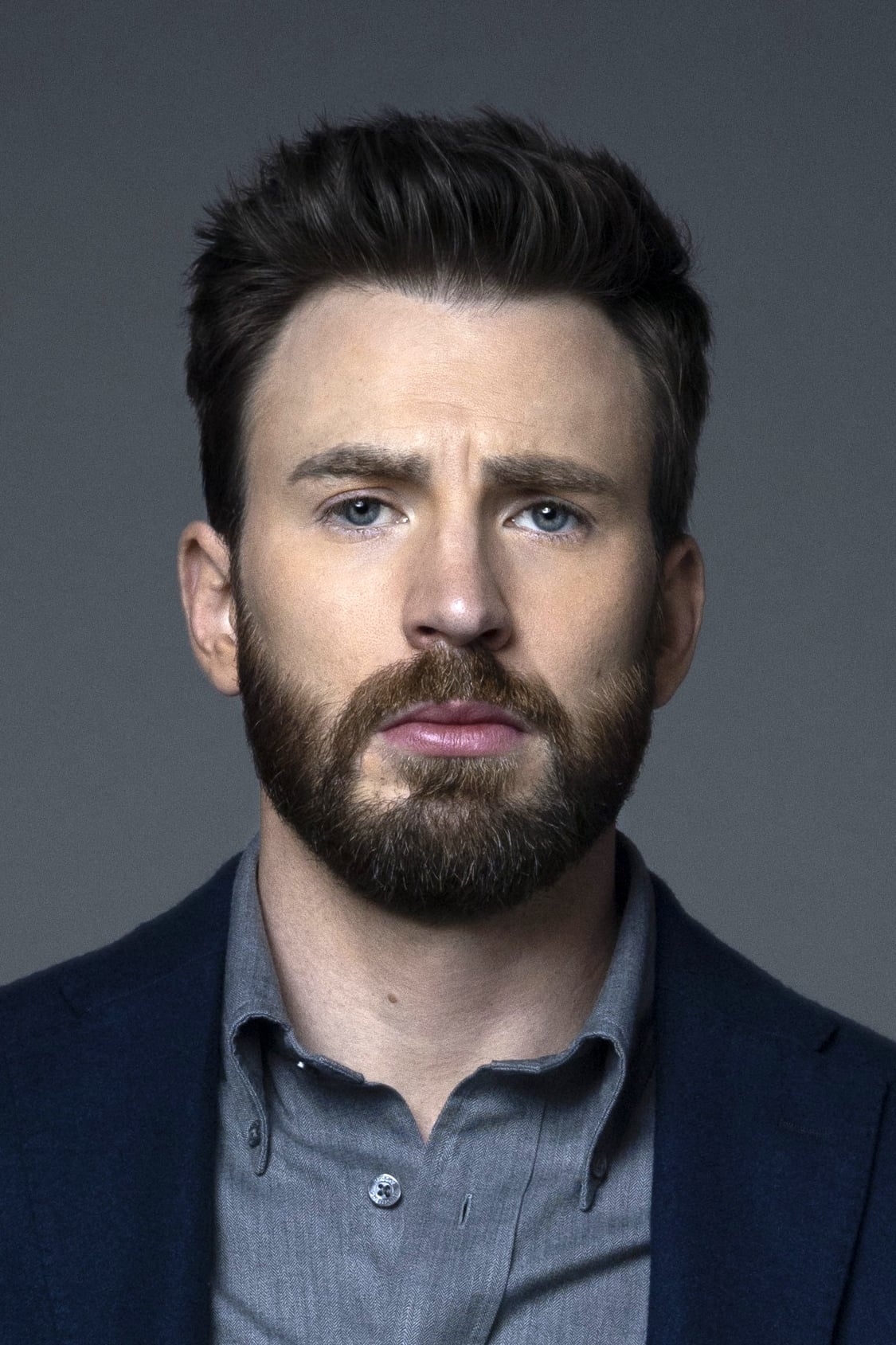
Chris Evans has discussed the “anxiety-inducing” nature of the Hollywood “star-making” machine and the loss of personal identity. He described the “toxic” pressure of being a “public figure” and the constant scrutiny that comes with being a Marvel lead. Evans has been vocal about his struggles with “imposter syndrome” and the “manufactured” feel of the film industry. He has expressed a desire to focus more on “directing” and “theater” to escape the “hollow” nature of blockbuster fame. His openness has sparked discussions about the mental health of high-profile actors.
Tom Holland
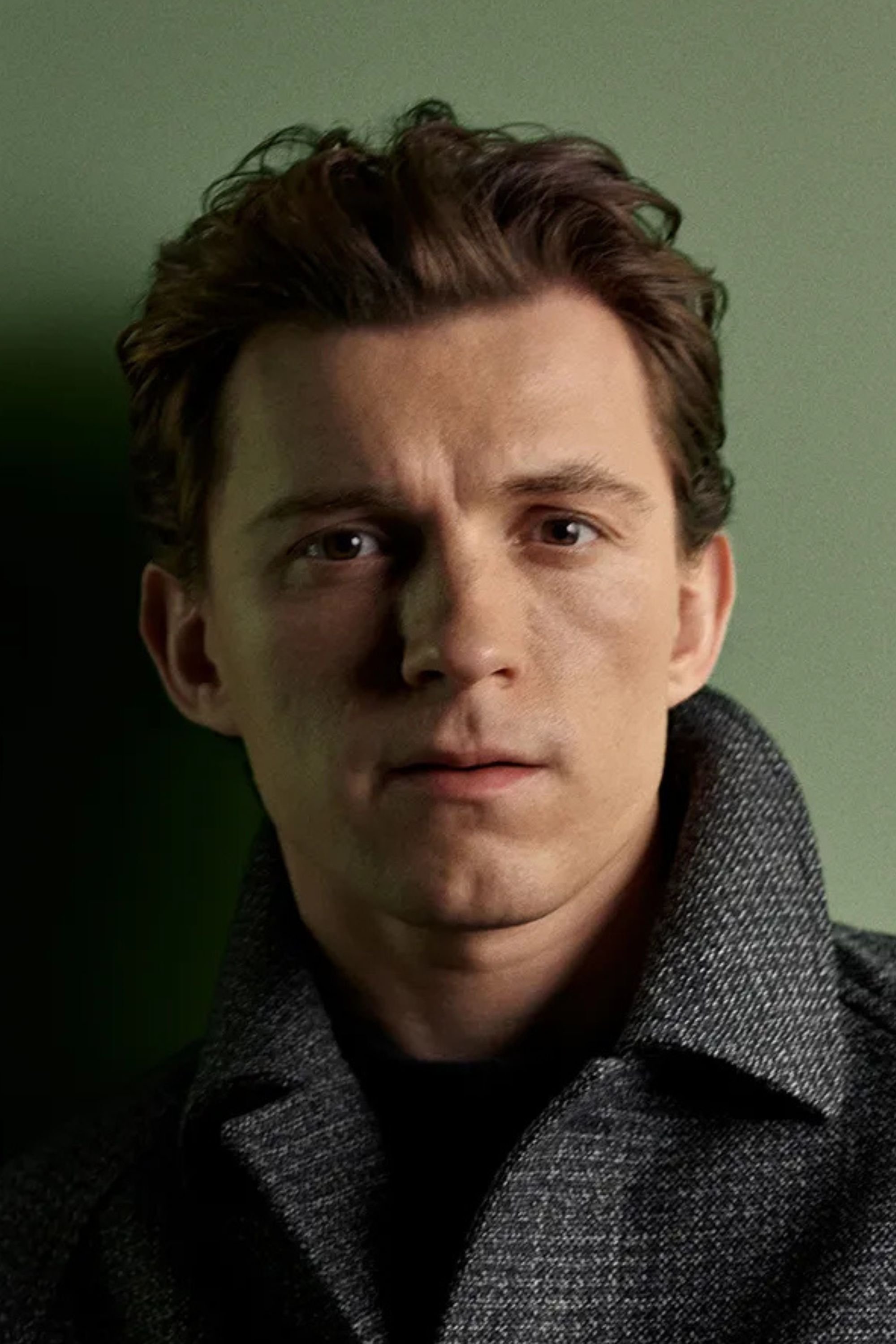
Tom Holland has spoken about the “mental health toll” of the industry and the “overwhelming” expectations placed on young actors. He recently took a break from acting and social media, citing the “toxic” and “spiraling” nature of online commentary. Holland has criticized the “paparazzi” for their “invasive” tactics and the lack of “privacy” for those in the spotlight. He noted that the industry can be “exhausting” and that it is easy to lose oneself in the “fame trap.” His experiences highlight the challenges of growing up under the Hollywood microscope.
David Harbour
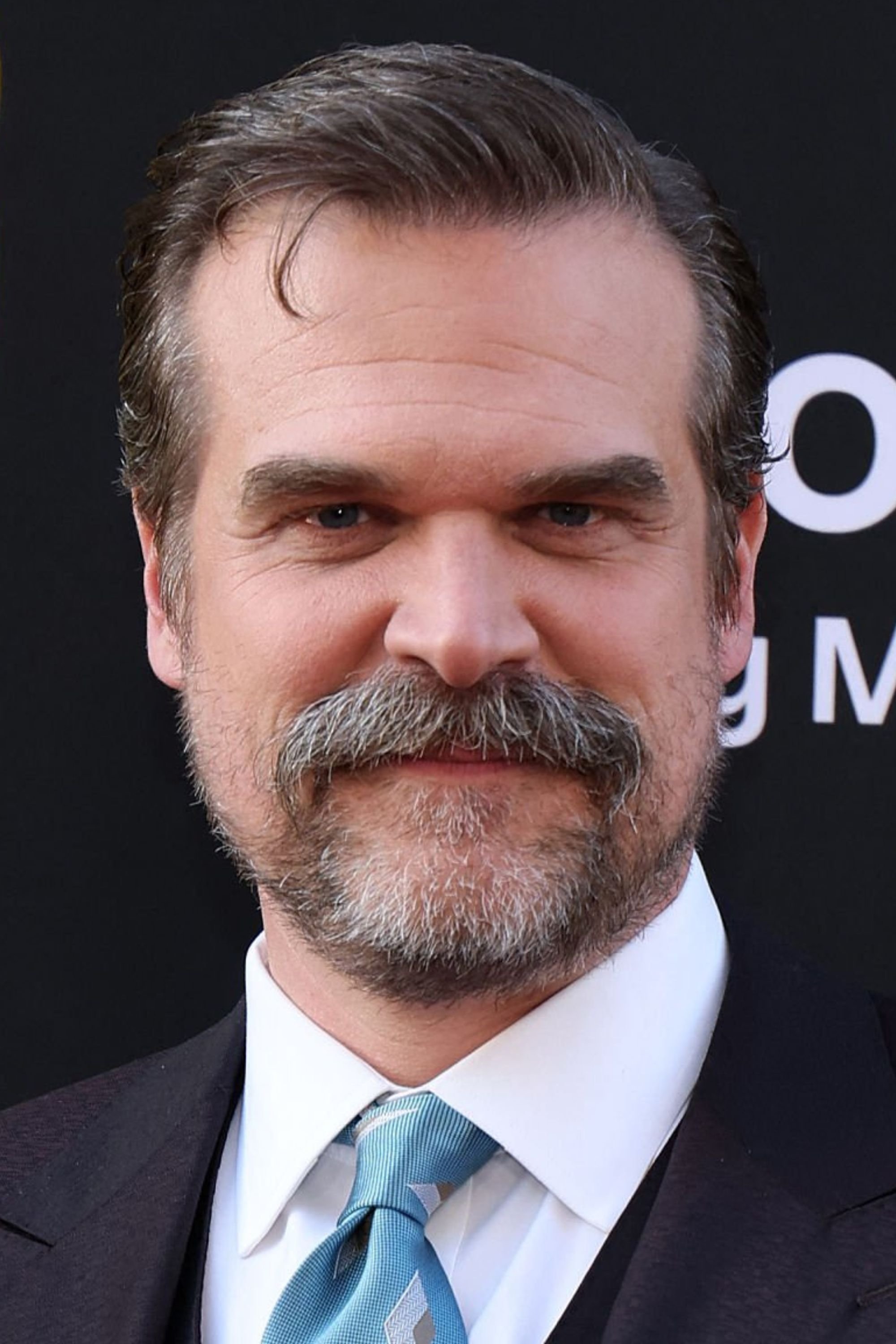
David Harbour has critiqued the “toxic” standards of “masculinity” and the “unrealistic” body expectations for male leads. He noted that the industry’s obsession with “abs” and “muscles” is often “boring” and “unhealthy” for performers. Harbour has spoken about being “marginalized” early in his career because he didn’t fit the “traditional leading man” look. He advocates for a more “authentic” representation of men that includes diverse body types and emotional vulnerability. He believes the industry needs to move past “surface-level” aesthetics to find true talent.
Henry Cavill
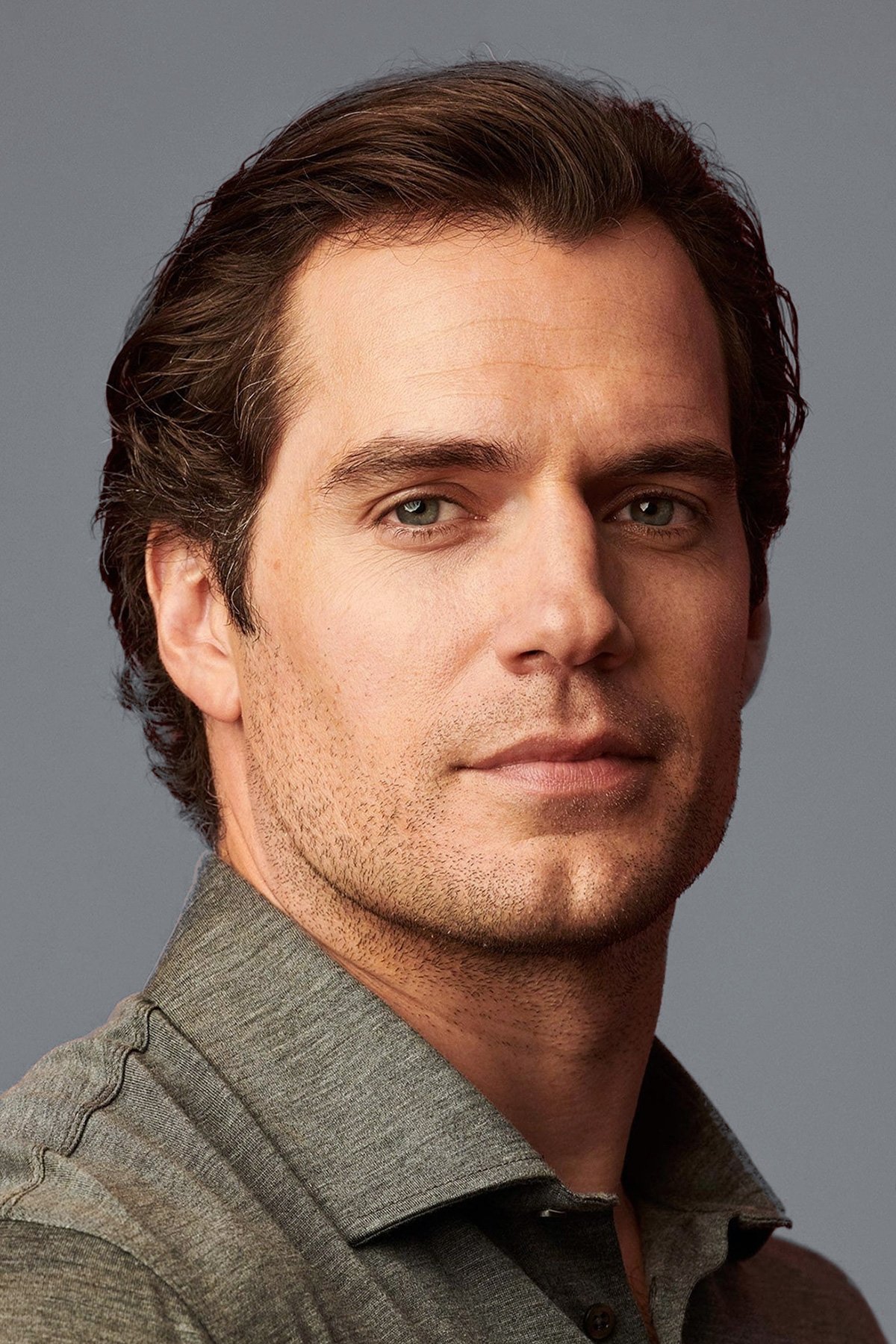
Henry Cavill has addressed the “hostile” and “toxic” nature of certain segments of the internet and how it reflects on the industry. He has been critical of how the media handles the private lives of actors, calling for more “respect” and “boundaries.” Cavill noted that the “pressure” to constantly be “on” for the public can be “draining” and “unnatural.” He has also spoken about the “difficulty” of navigating the industry’s “dating culture” as a high-profile actor. His comments focus on the need for a more “human” approach to the celebrity experience.
Channing Tatum
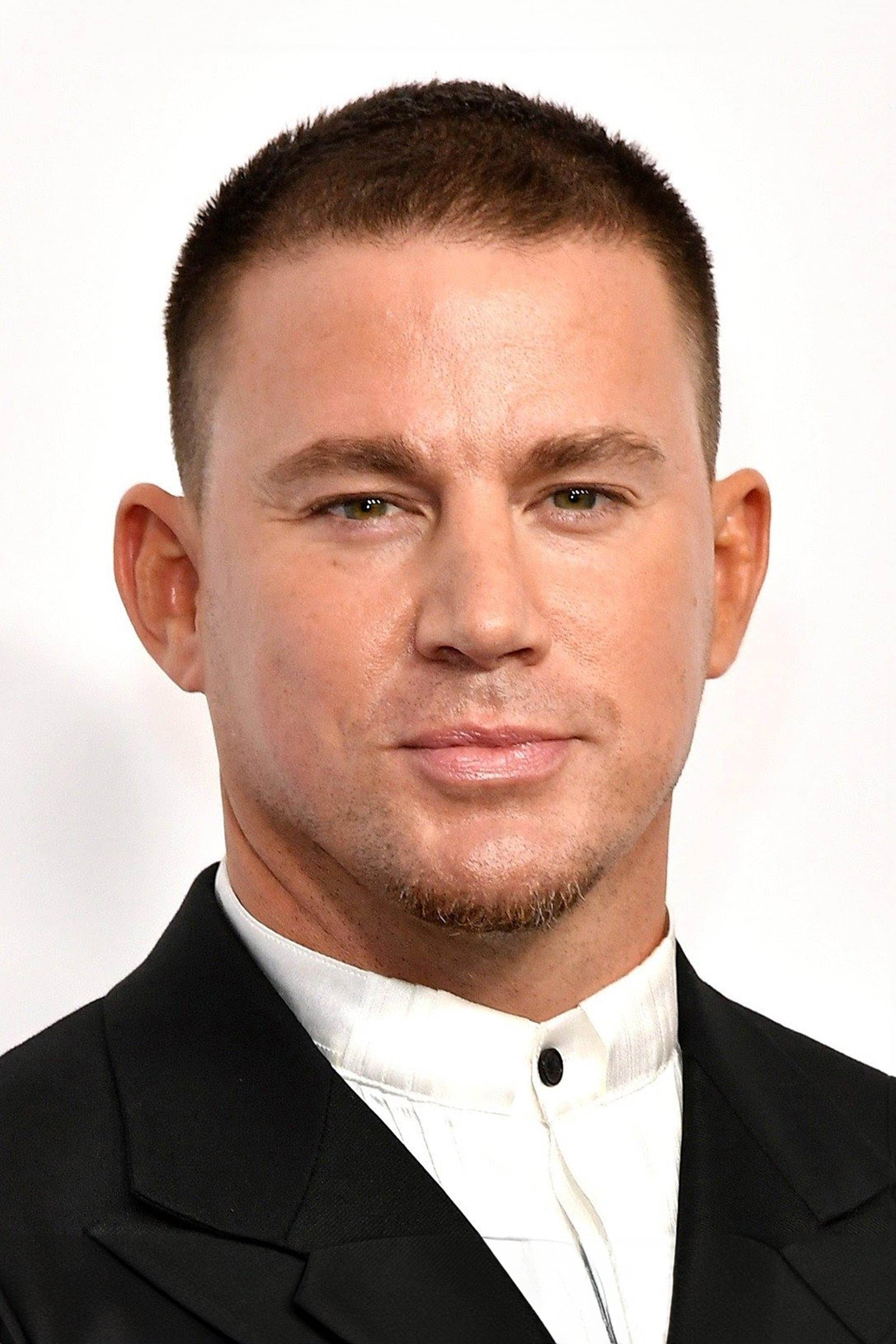
Channing Tatum has spoken about the “objectification” he felt during the early stages of his career and his time in the ‘Magic Mike’ (2012) franchise. He criticized the “toxic” pressure to maintain a “perfect physique,” noting that it is not “sustainable” or “healthy.” Tatum mentioned that the industry often views actors as “props” rather than creative partners. He has since taken more control of his career by “producing” and “directing” his own projects. His goal is to create a more “collaborative” and “supportive” environment on set.
Josh Hutcherson
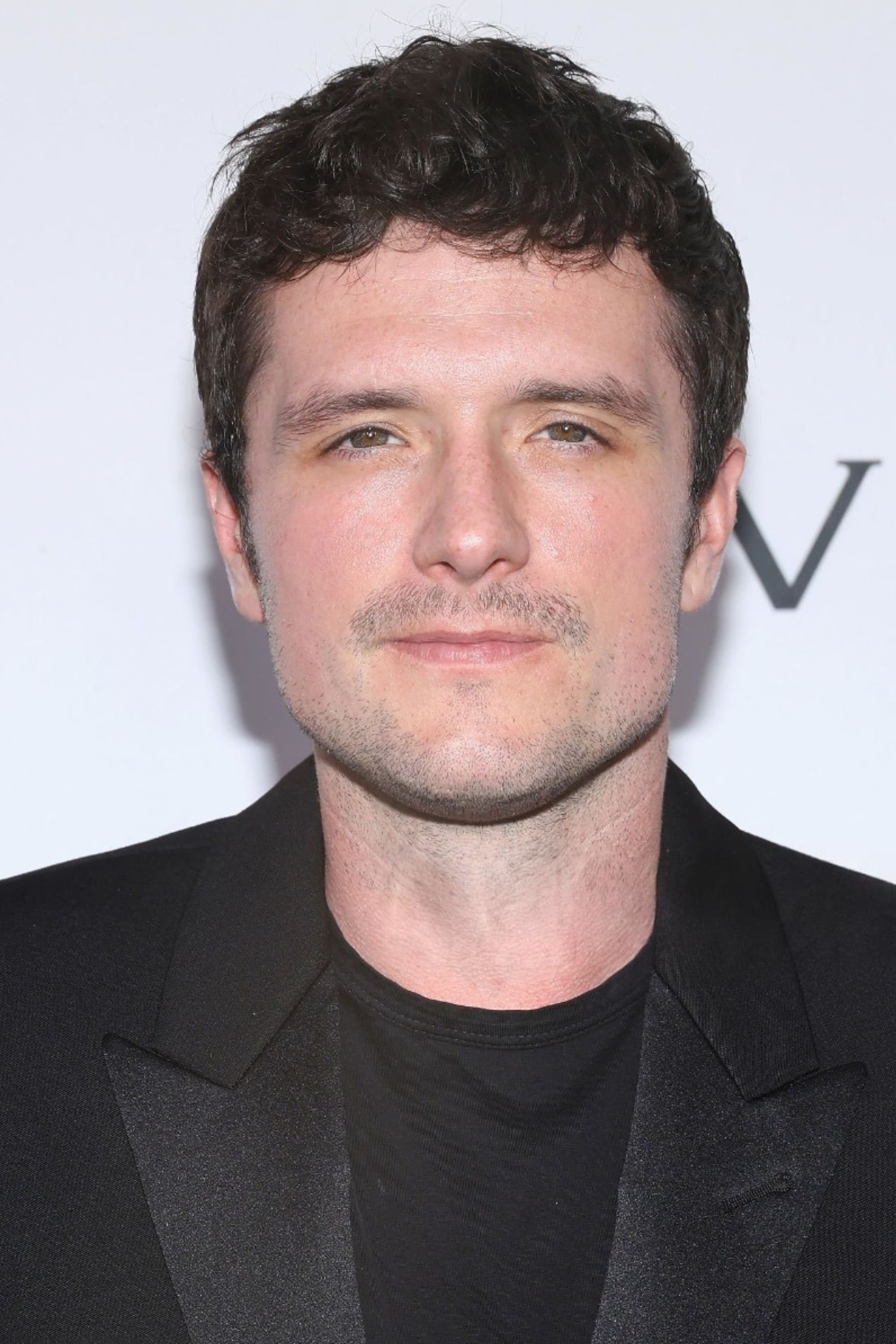
Josh Hutcherson has described the “unhealthy” and “artificial” nature of the Hollywood fame machine. He spoke about how the industry can feel like a “bubble” that isolates actors from the real world. Hutcherson criticized the “toxic” obsession with “celebrity gossip” and the way it distracts from meaningful storytelling. He noted that he has tried to maintain a “normal life” away from Los Angeles to avoid the industry’s “superficiality.” His perspective is one of a former child star who successfully navigated the transition to adult acting.
Ben Affleck
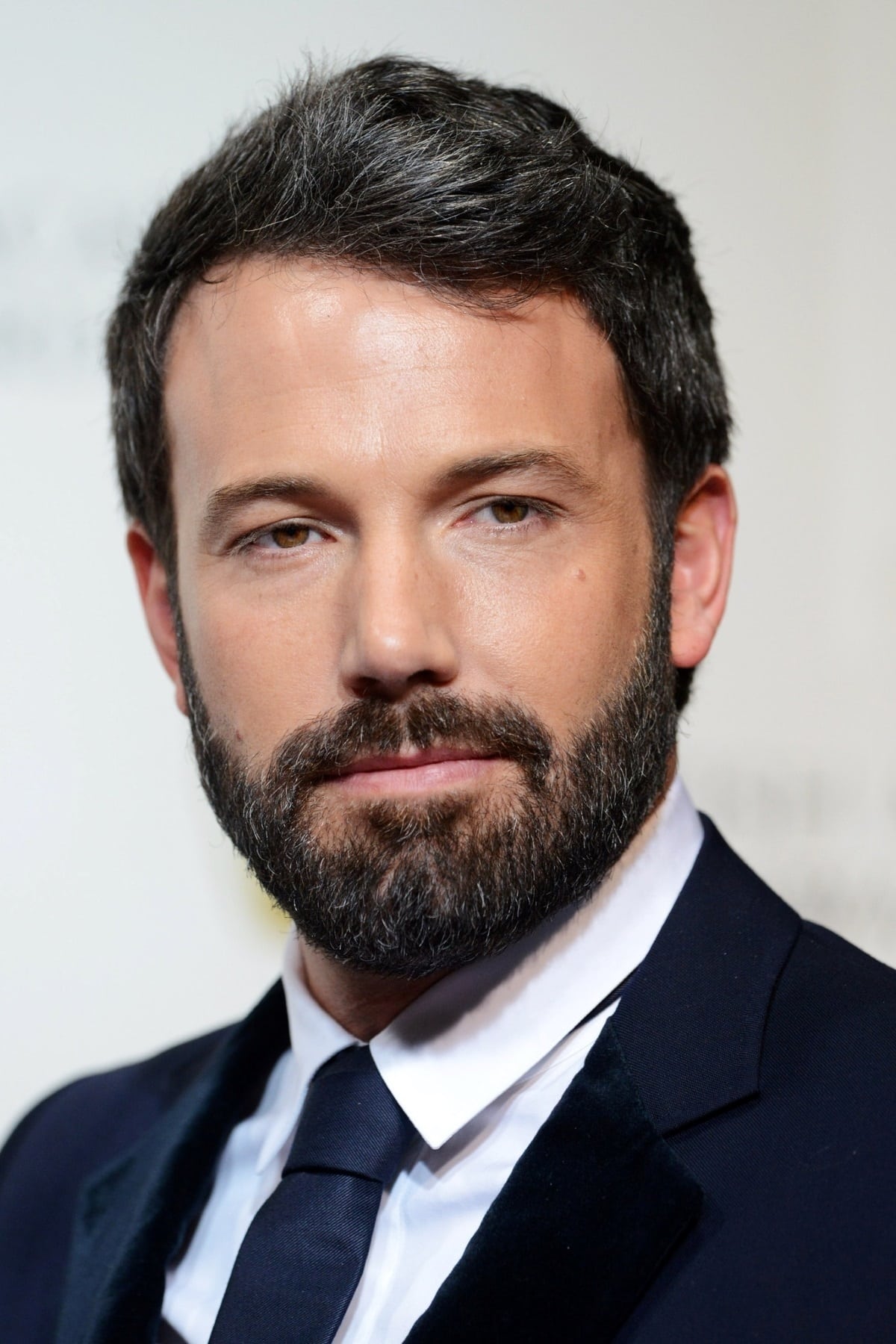
Ben Affleck has been candid about the “toxic” impact of tabloid culture and “paparazzi” on his mental health and personal relationships. He criticized the industry for being “predatory” toward the private struggles of its performers. Affleck spoke about the “pressure” to maintain a “public image” while dealing with addiction and personal loss. He has also been critical of the “cynicism” in Hollywood regarding middle-aged actors and their career longevity. His journey has made him a vocal advocate for “mental health awareness” and “privacy” in the industry.
Christian Bale
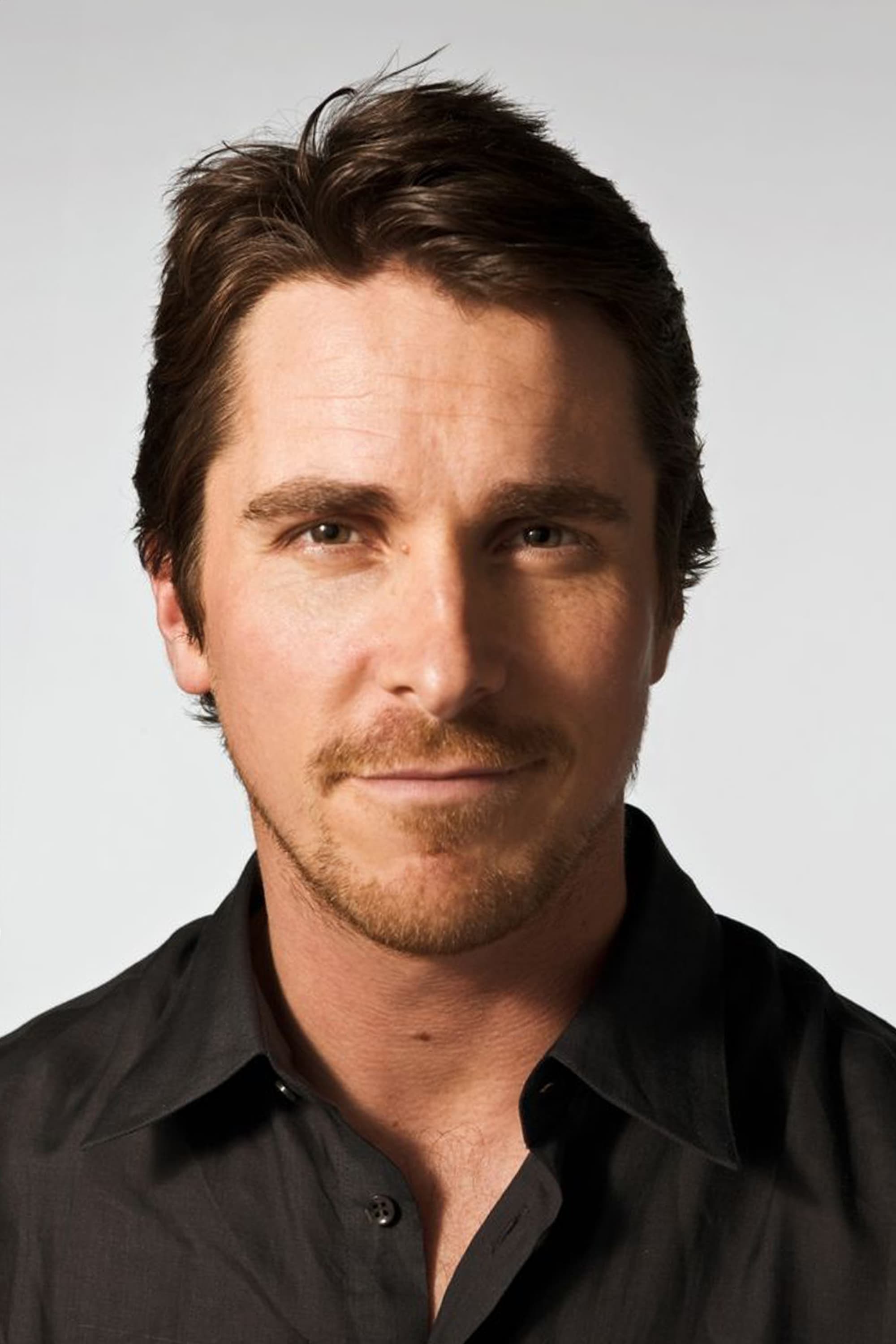
Christian Bale has frequently expressed his “disdain” for the “superficial” aspects of Hollywood and the “nonsense” of celebrity status. He criticized the “toxic” obsession with an actor’s “weight gain or loss” for roles, arguing it takes away from the actual craft. Bale famously keeps his private life completely separate from his “professional” life to avoid the “toxicity” of fame. He has been vocal about his “frustration” with the “marketing” side of the industry, which he finds “boring” and “distracting.” His commitment to “art” over “celebrity” is a defining trait of his career.
Daniel Radcliffe
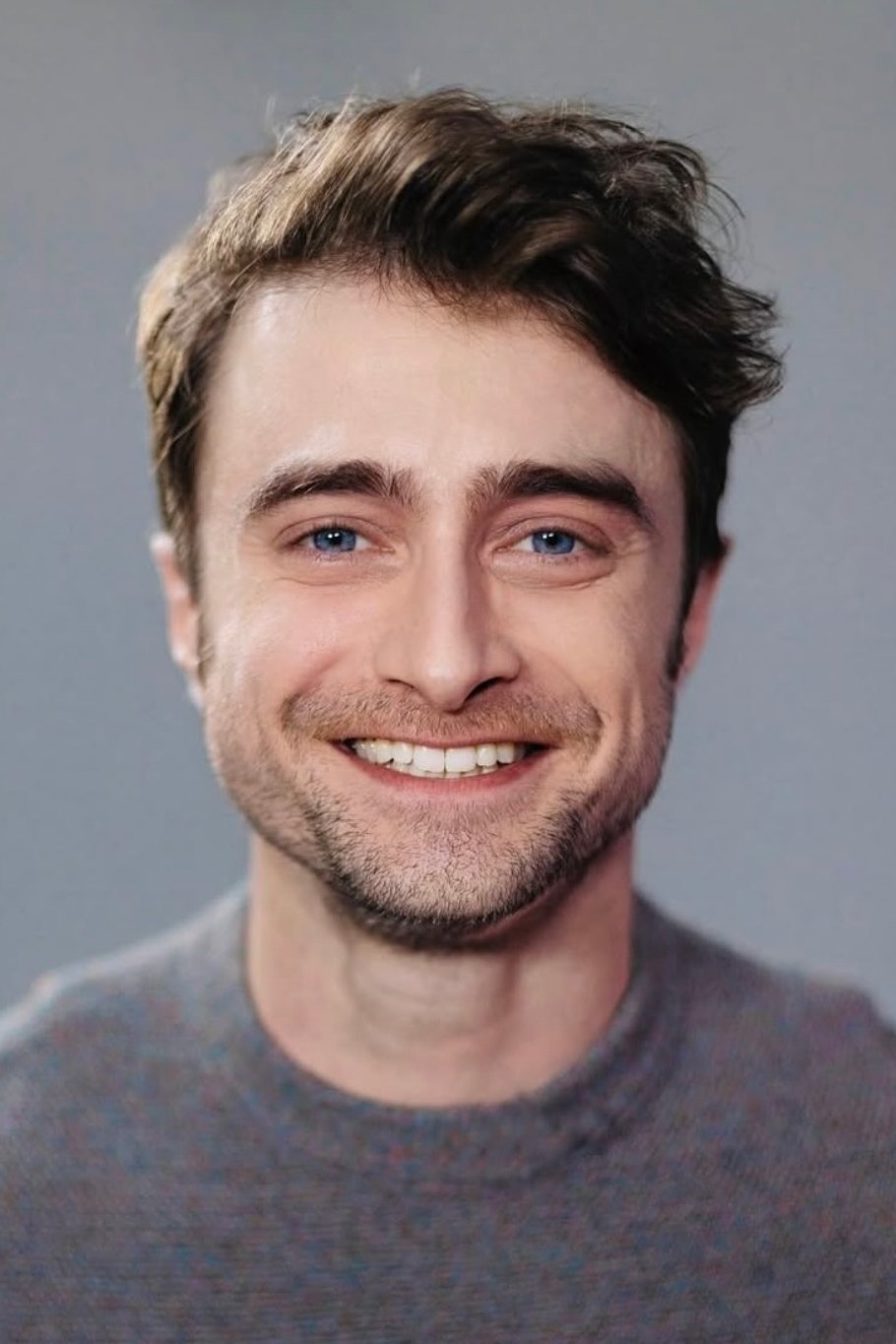
Daniel Radcliffe has criticized the “subtle” racism and the “lack of diversity” that still exists within the Hollywood industry. He pointed out that while the industry “talks” about progress, the “casting” choices often tell a different story. Radcliffe has also spoken about the “toxic” expectations placed on child stars and the “predatory” nature of those who wait for them to fail. He has used his platform to support “underrepresented voices” and has chosen roles that “challenge” the status quo. His critiques highlight the need for “genuine” systemic change rather than performative gestures.
Jesse Eisenberg
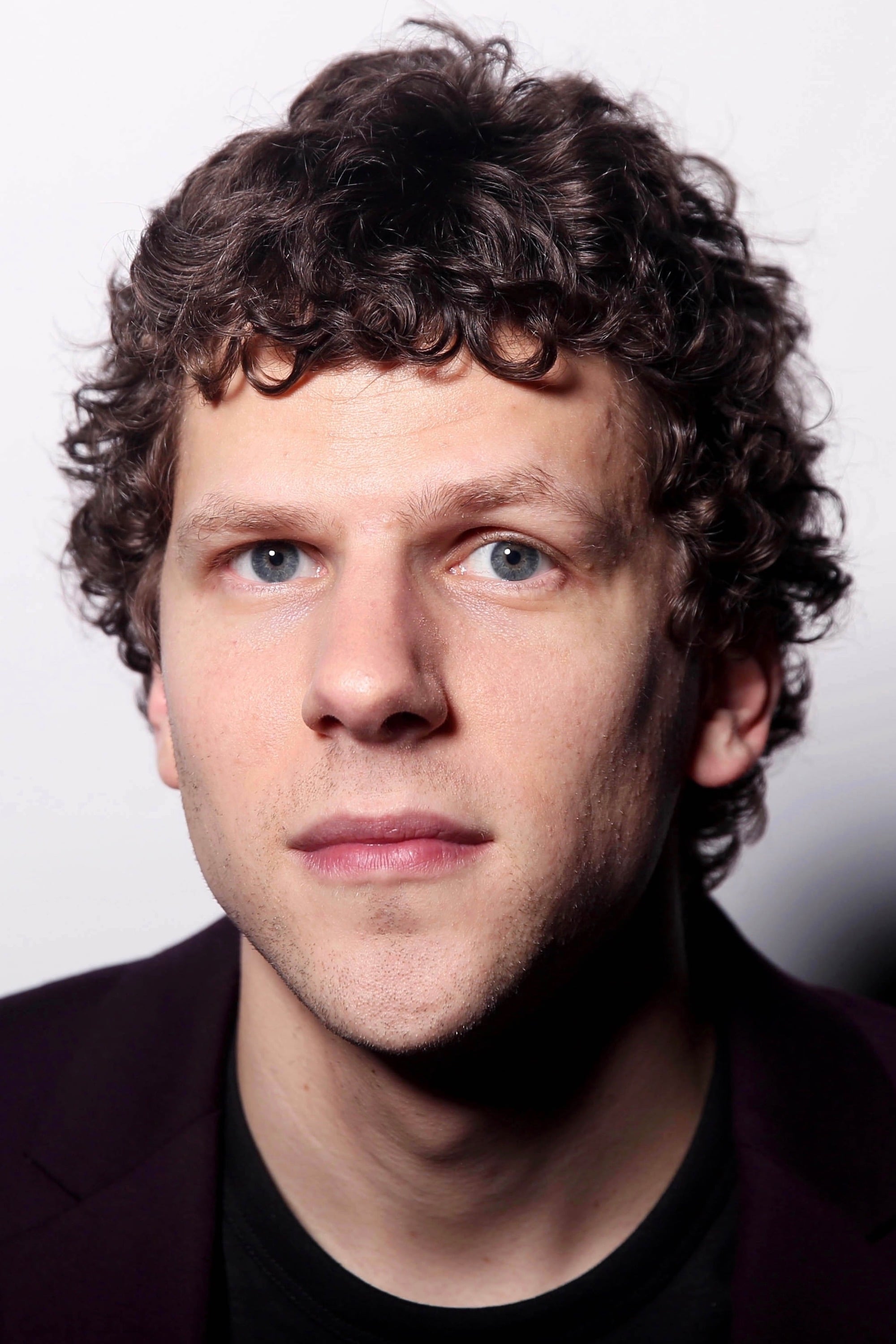
Jesse Eisenberg has discussed the “anxiety-inducing” and “superficial” nature of the “press circuit” and industry events. He criticized the “toxic” culture of “ego” that often permeates Hollywood social circles. Eisenberg noted that the industry can be “intimidating” and “judgmental” toward those who don’t fit the “traditional” movie star mold. He has been vocal about his preference for “theater” and “writing” as a way to escape the “commercial” pressure of film. His comments reflect a desire for a more “intellectual” and “less celebrity-focused” environment.
Joseph Gordon-Levitt
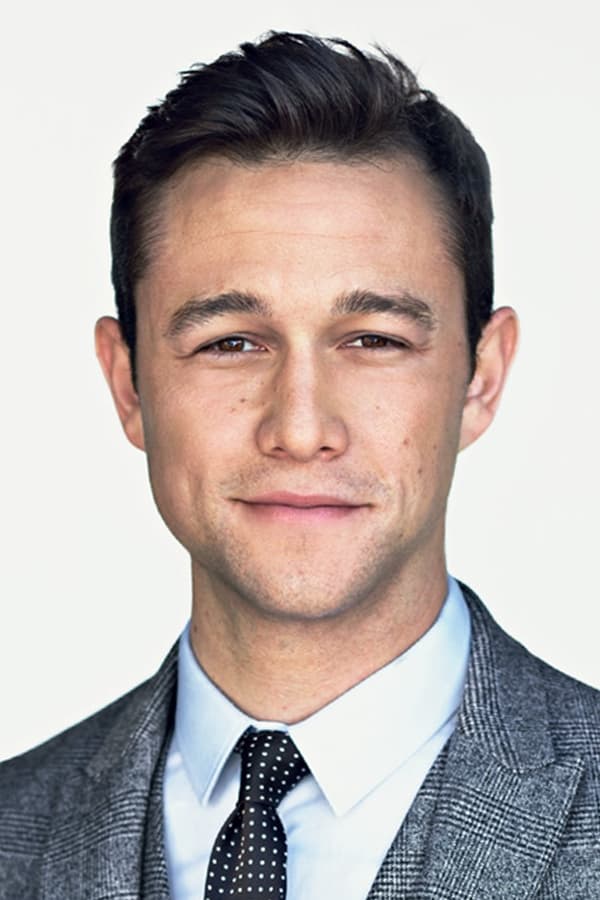
Joseph Gordon-Levitt has criticized the “cult of celebrity” and the way it “objectifies” human beings for profit. He argued that the industry’s focus on “fame” is “toxic” to the creative process and the mental health of actors. Gordon-Levitt has been vocal about his “discomfort” with being seen as a “sex symbol” rather than an “artist.” He founded ‘HitRecord’ as a way to promote “collaborative” creativity outside of the traditional Hollywood system. His critiques are aimed at “democratizing” art and reducing the “elitism” of the industry.
Idris Elba
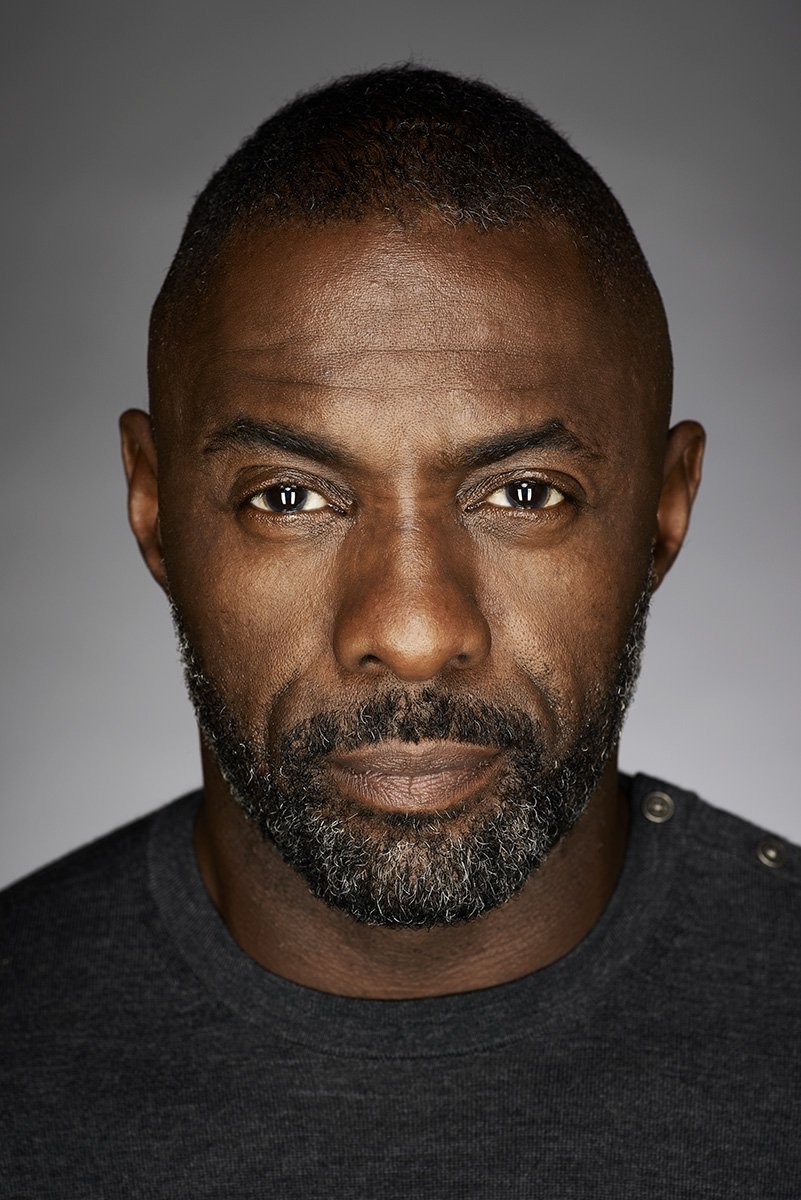
Idris Elba has spoken out about being “pigeonholed” by the industry and the “limitations” placed on Black actors. He criticized the “toxic” habit of labeling actors by their “race” rather than their “ability.” Elba has been vocal about the “lack of opportunities” for minority actors to play “universal” roles that aren’t defined by their background. He has also discussed the “exhausting” nature of the “James Bond” rumors and how they reflect the industry’s “obsession” with casting tropes. He continues to push for a more “colorblind” approach to casting in Hollywood.
Jason Momoa
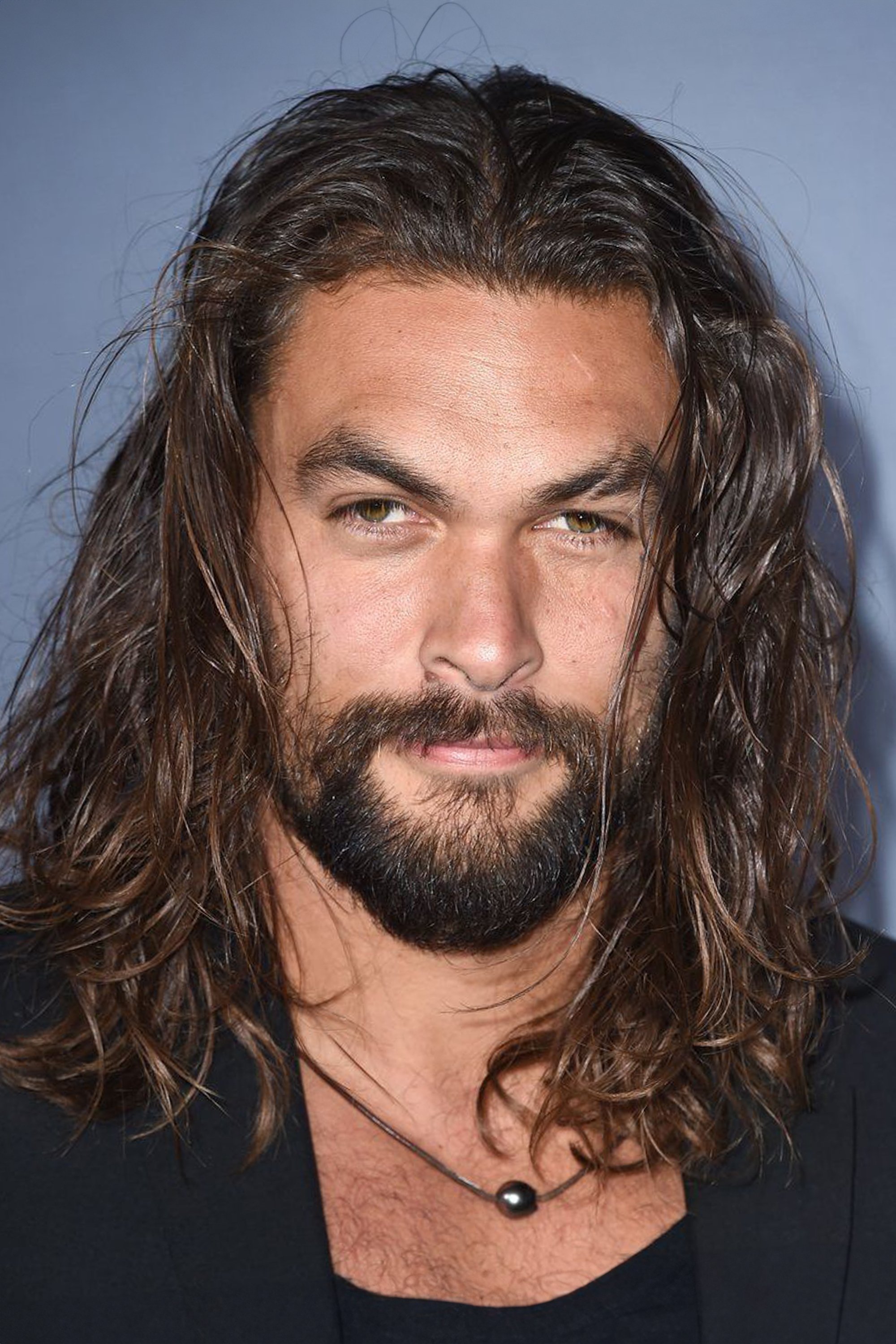
Jason Momoa has criticized the “physical toll” and the “toxic” expectations of having to be “ripped” for every role. He shared that he has been “starved” and “dehydrated” on set to achieve a specific “superhero” look. Momoa highlighted how these practices are “dangerous” and “not representative” of a healthy body. He has called for the industry to “embrace” more “natural” physiques and to prioritize the “safety” of actors. His comments have resonated with many who are tired of the “extreme” physical demands of action cinema.
Matt Damon
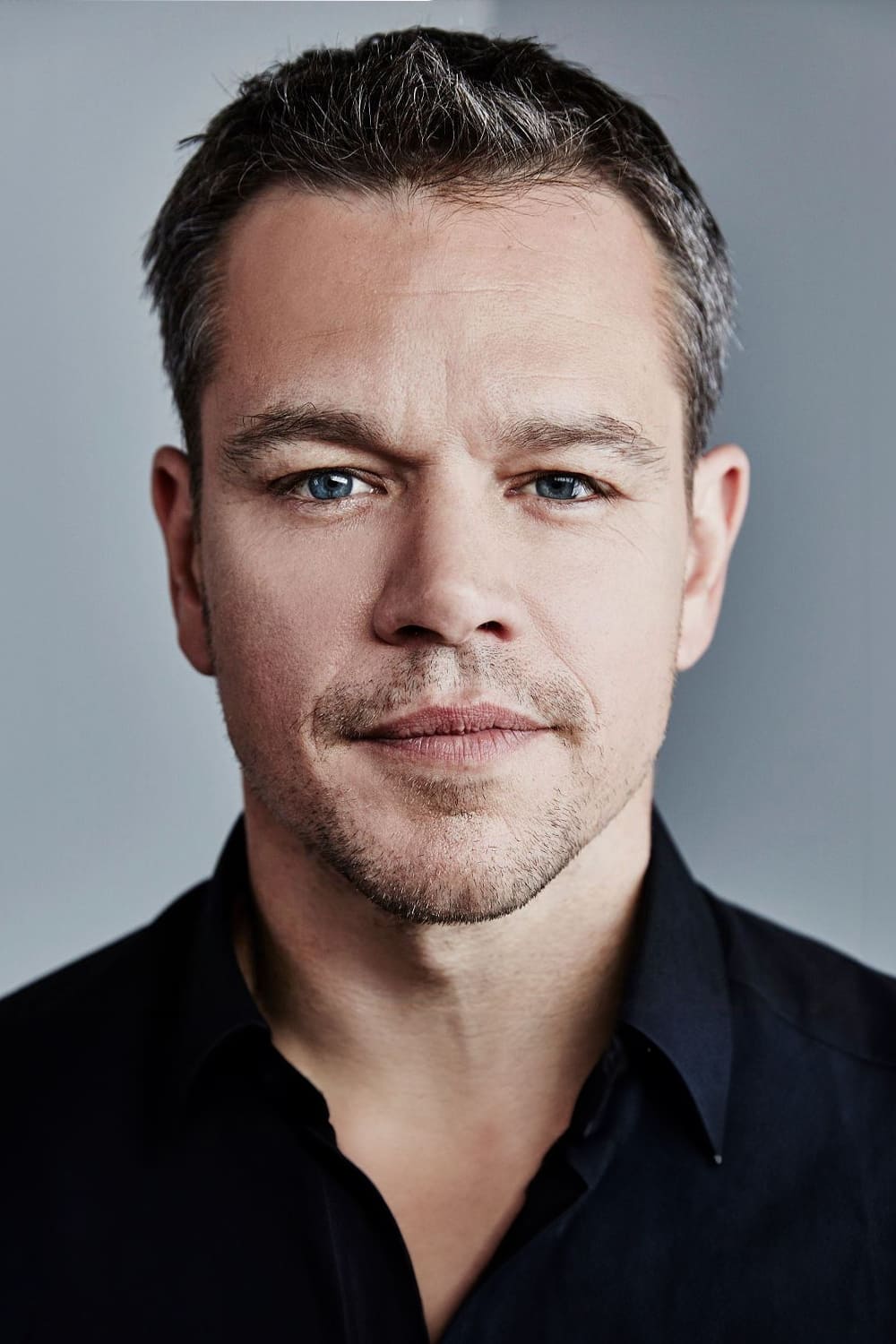
Matt Damon has acknowledged the “toxic” culture of complicity and the “rotten” behavior that was allowed to persist in Hollywood for years. He criticized the “systemic” failure to protect victims and the “culture of silence” that permeated high-level production companies. Damon spoke about the need for a “massive shift” in how the industry handles “power dynamics” and “harassment.” While he faced criticism for some of his comments, he has remained vocal about the need for “accountability” and “transparency.” He believes the industry is undergoing a “painful but necessary” transformation.
Share your thoughts on these actors’ critiques of the industry in the comments.