


Actors Who Hid Severe Dyslexia and Memorized Scripts by Listening

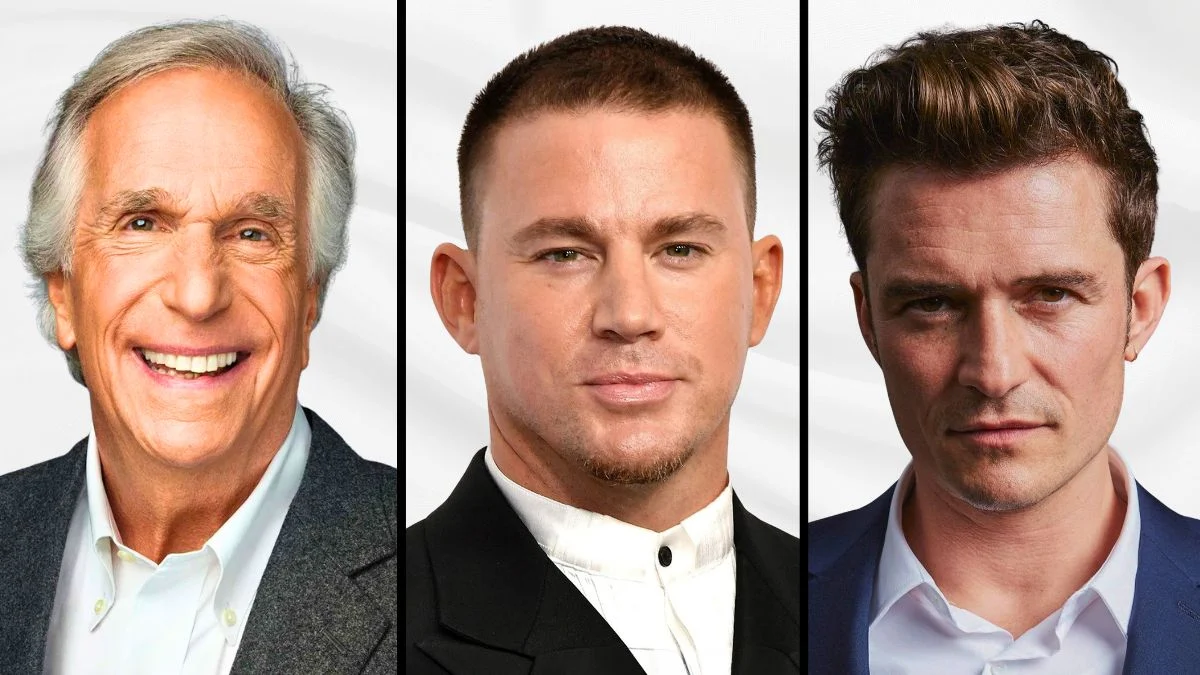


Many of the most celebrated performers in Hollywood have navigated significant learning challenges while rising to the top of their profession. Dyslexia often presents a major hurdle for actors who must process complex scripts and long monologues under tight production schedules. Some of the most famous stars kept their struggles private for years and developed ingenious workarounds to master their lines. By relying on auditory learning and listening to recorded scripts they proved that traditional reading is not the only path to a successful acting career. These stories of resilience highlight how creative individuals can adapt and thrive in a demanding environment.
Tom Cruise
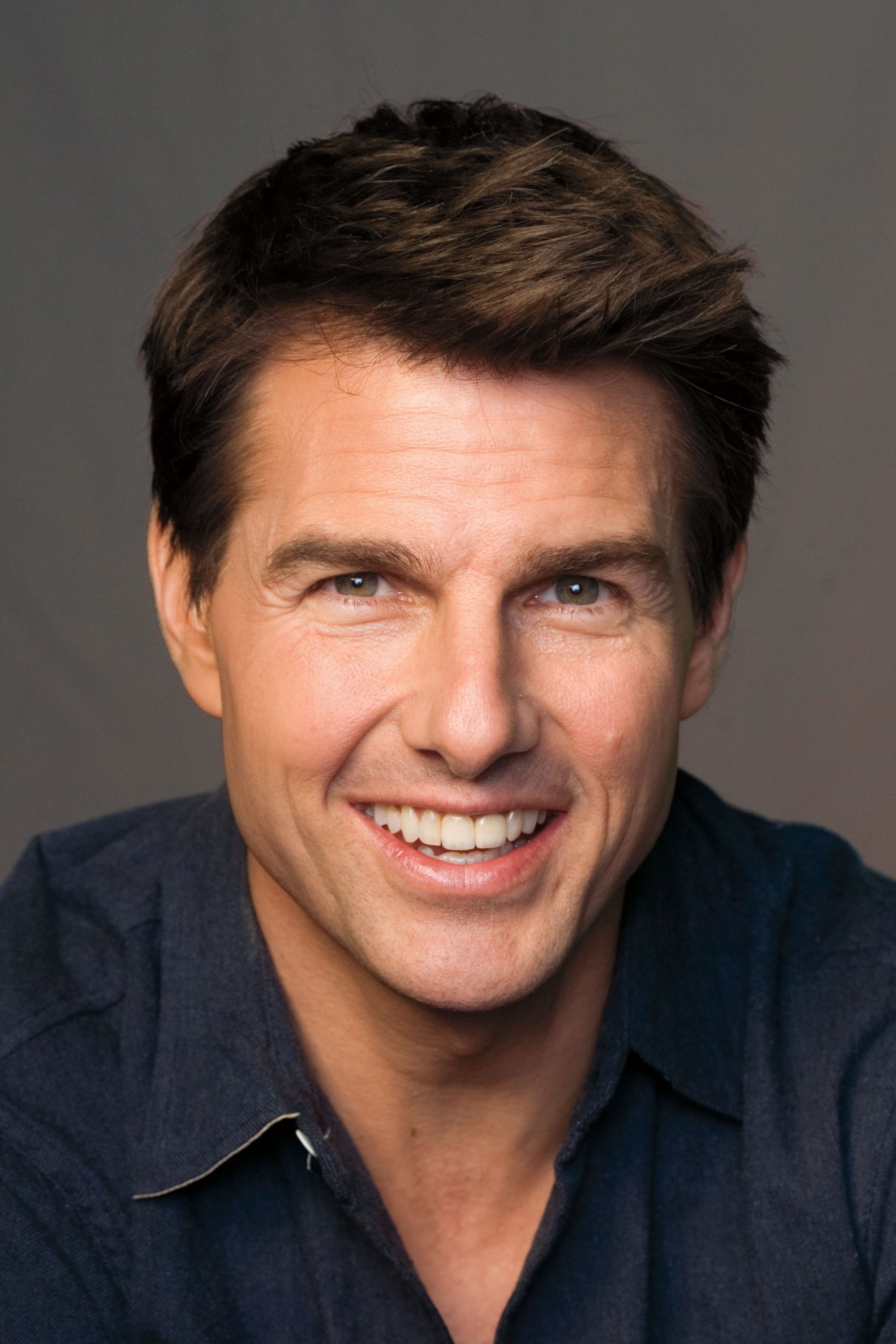
Tom Cruise struggled with reading throughout his early education and described himself as functionally illiterate as a young adult. He kept his learning disability a secret while filming early hits like ‘Top Gun’ and ‘Rain Man’ by using auditory methods. To learn his lines he would listen to tapes and have assistants read the script aloud to him repeatedly. This dedication allowed him to master complex dialogue and become one of the most successful action stars in history. He later credited specific learning techniques for helping him finally overcome his literacy challenges.
Henry Winkler
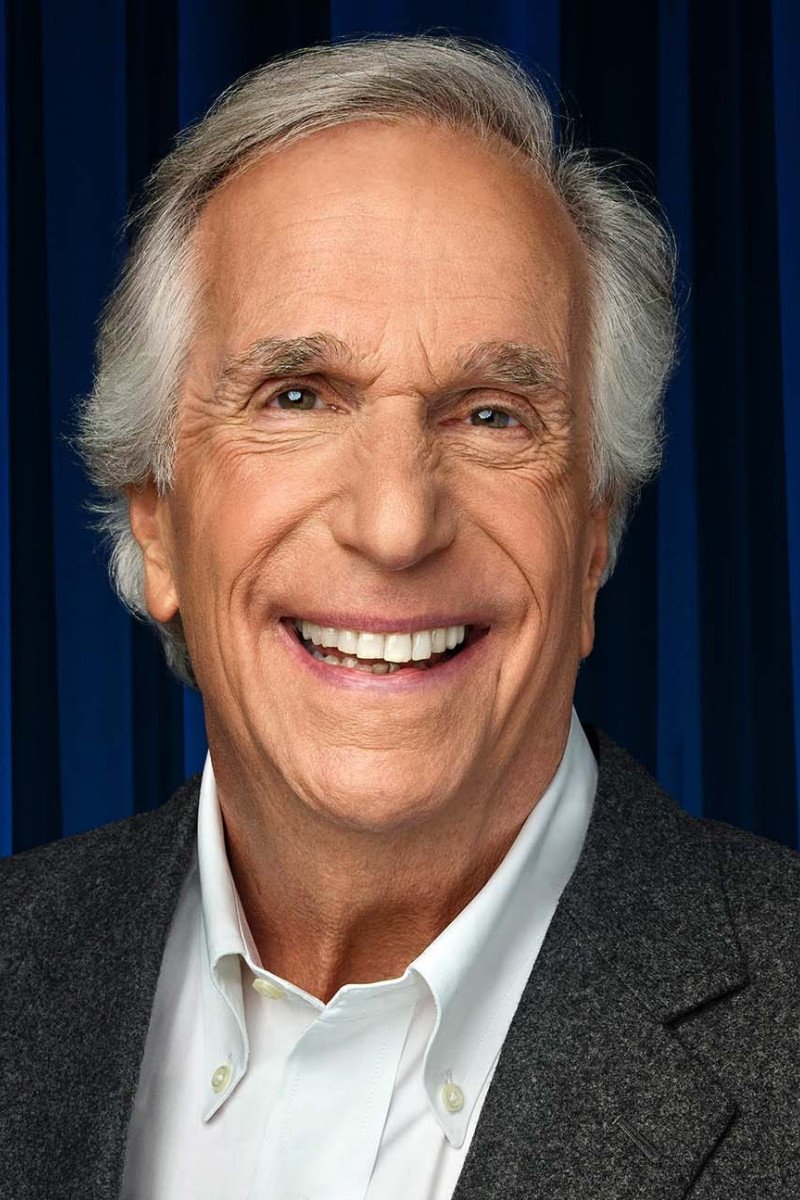
Henry Winkler rose to fame as the Fonz on ‘Happy Days’ while hiding his inability to read a script effectively. He often improvised during auditions or asked to take scripts home so he could have someone read them to him. His severe dyslexia was not officially diagnosed until he was thirty one years old and already a major television star. Winkler used his auditory skills to memorize every line and movement required for his iconic role. Today he is a celebrated author of children books that focus on characters with learning differences.
Orlando Bloom
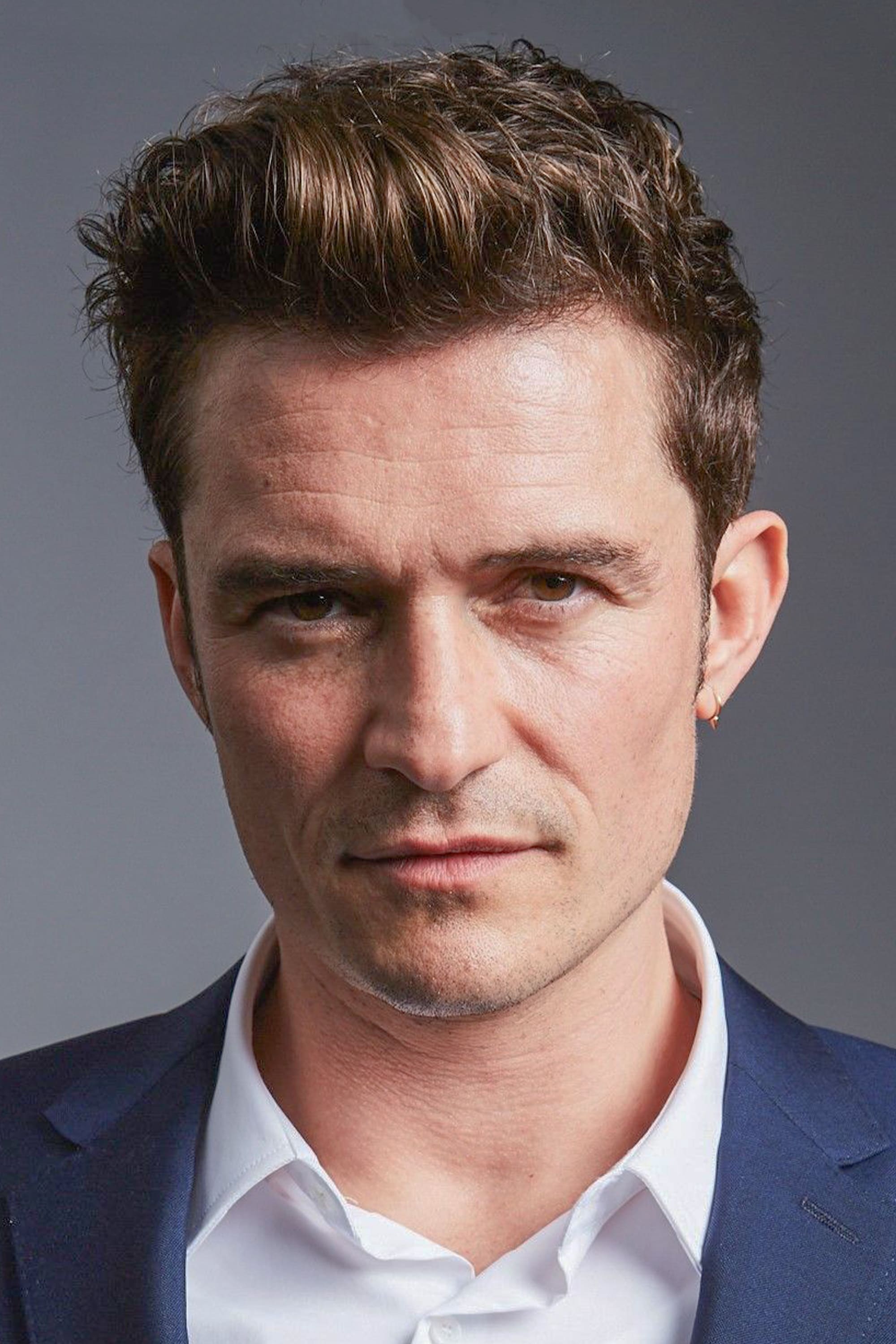
Orlando Bloom was diagnosed with dyslexia as a young child and found traditional schoolwork extremely difficult. He gravitated toward the arts and discovered that acting provided a creative outlet for his energy. While working on massive productions like ‘The Lord of the Rings’ he relied on hearing the lines to commit them to memory. His mother encouraged him to read out loud to help bridge the gap between sight and sound. Bloom has often spoken about how his struggle with reading forced him to work harder than his peers.
Keanu Reeves
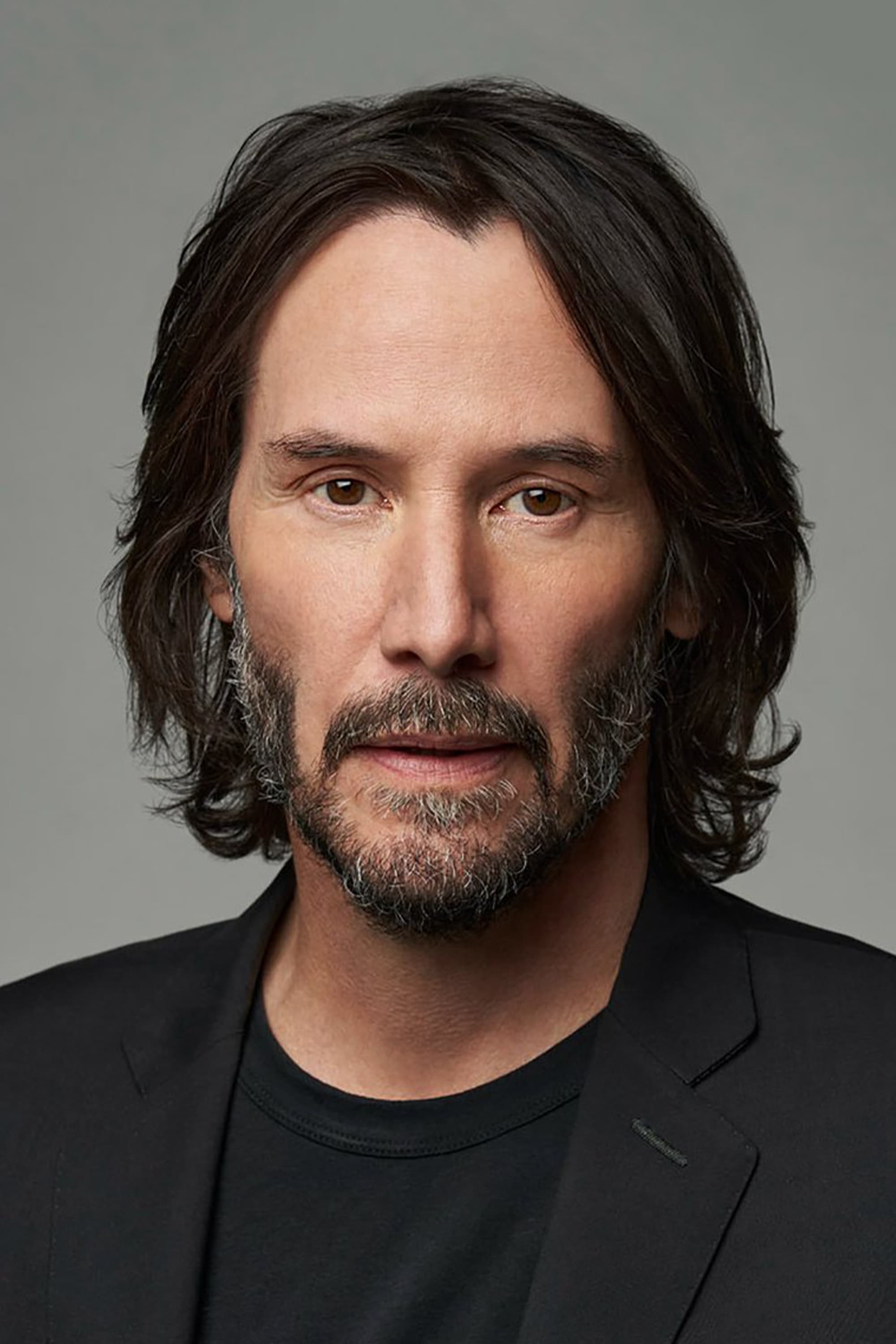
Keanu Reeves faced significant challenges in school due to his dyslexia and eventually dropped out before graduating. He found that his ability to absorb information through listening was much stronger than his reading skills. On sets like ‘The Matrix’ and ‘John Wick’ he focused on the rhythm of the dialogue to master his performance. This auditory approach helped him develop a unique presence and delivery that became his trademark style. He remains an advocate for those who learn differently and views his dyslexia as a key part of his identity.
Anthony Hopkins
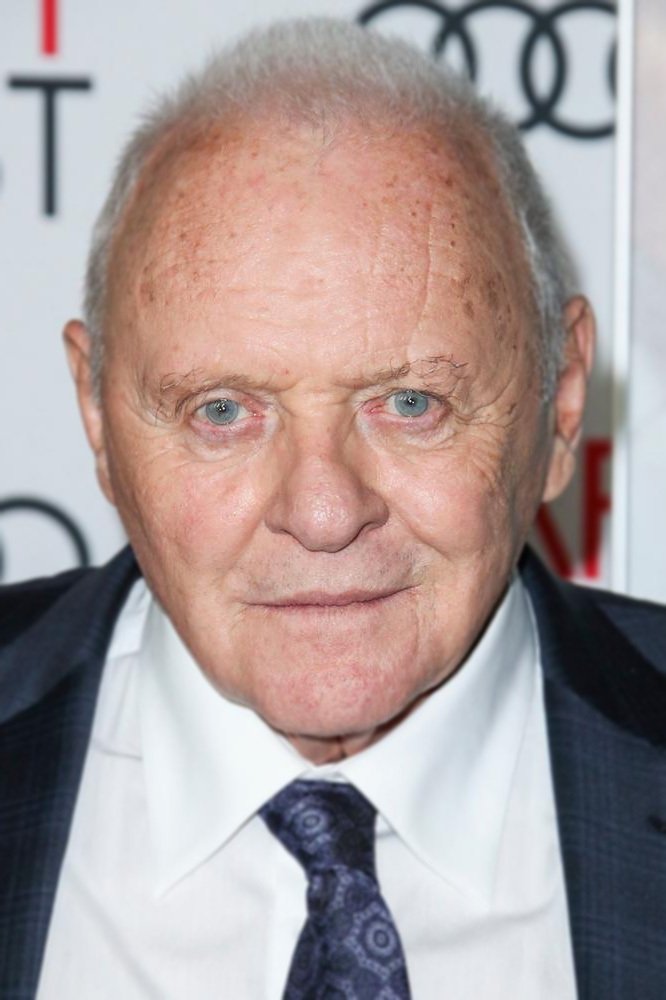
Anthony Hopkins felt like an outsider in school because his dyslexia made standard learning nearly impossible. He turned to the piano and acting to express himself when reading felt like an insurmountable wall. To prepare for roles like Hannibal Lecter in ‘The Silence of the Lambs’ he would read his lines hundreds of times until they became second nature. He also utilized his keen sense of hearing to understand the nuances of the characters he portrayed. His career proves that a lack of academic success does not limit artistic greatness.
Patrick Dempsey
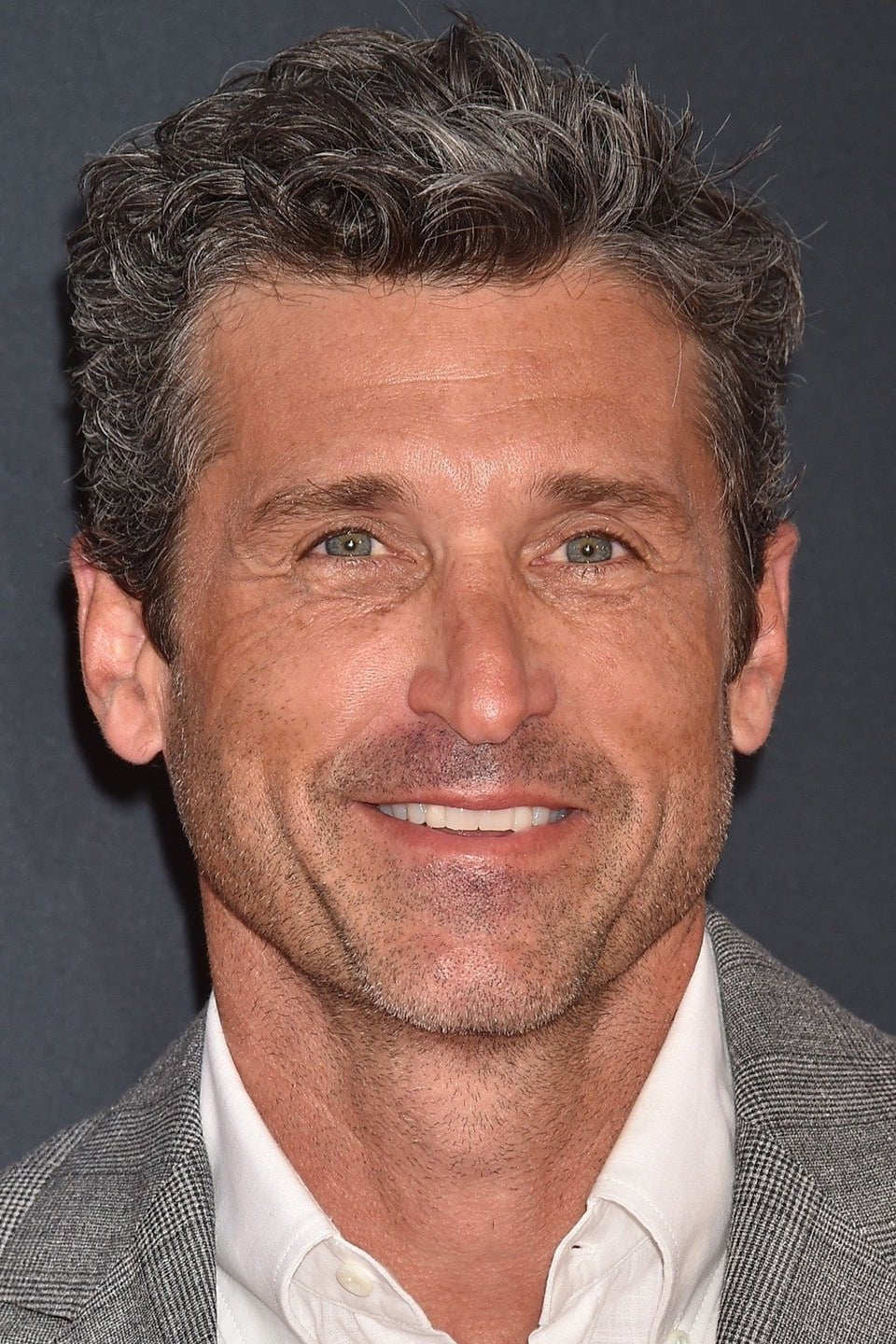
Patrick Dempsey was not diagnosed with dyslexia until he was twelve years old and had already struggled for years in the classroom. He found that he could not read scripts at all during the early stages of his career and had to memorize everything by ear. This forced him to be incredibly disciplined and to hire coaches who would read the dialogue to him. While starring in ‘Grey’s Anatomy’ he continued to use these methods to keep up with the fast paced medical jargon. He believes his learning disability gave him the perspective needed to succeed in Hollywood.
Channing Tatum
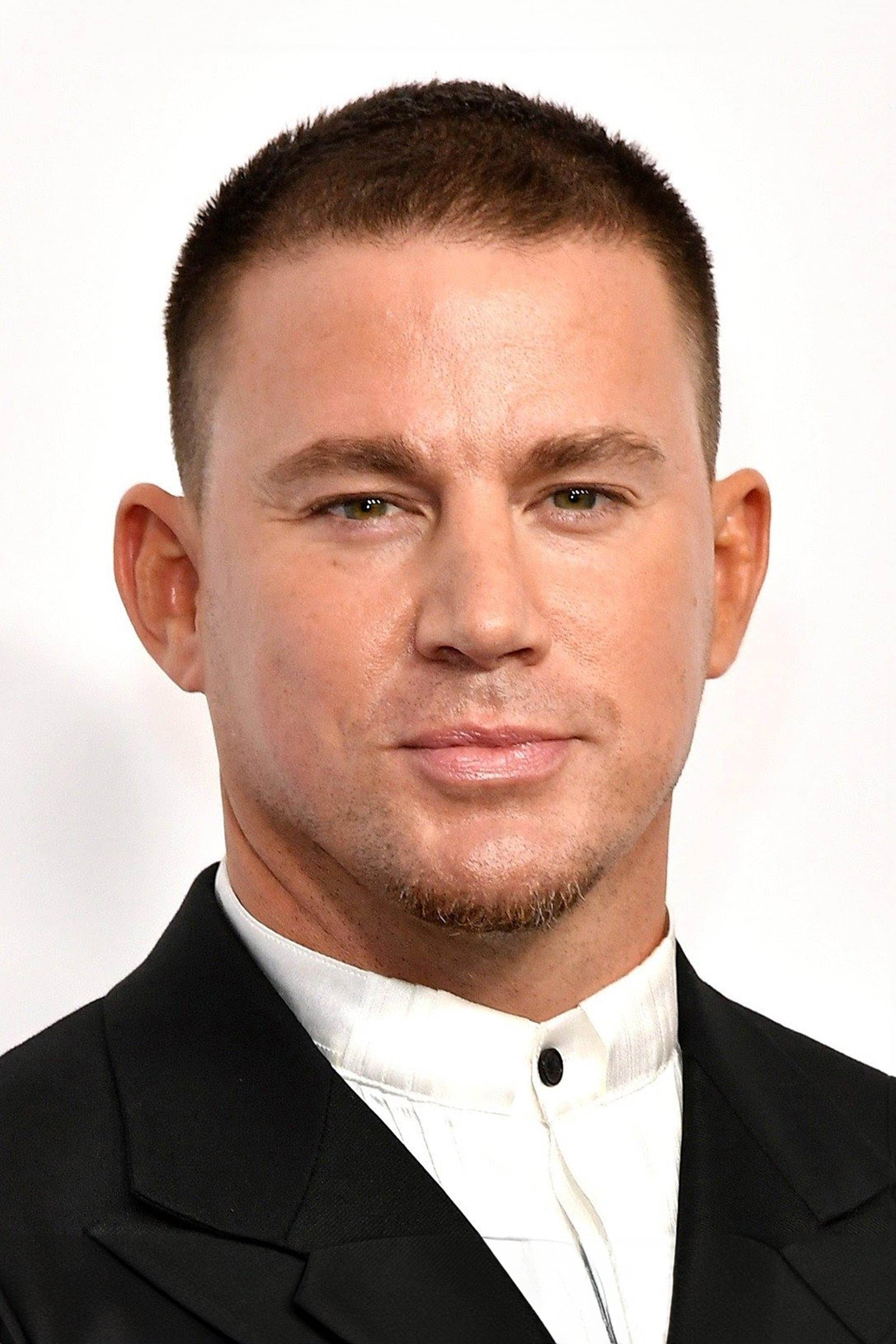
Channing Tatum grew up feeling like he was not smart because he struggled with both dyslexia and ADHD. He found that sitting down with a script was a frustrating experience that often led to zero retention of the material. Instead he began to learn his lines by listening to others speak them or having them read aloud in various tones. This method served him well through diverse roles in films like ‘Magic Mike’ and ’21 Jump Street’ where he showed great comedic timing. He has been open about how hard he has to work to prepare for every project.
Billy Bob Thornton
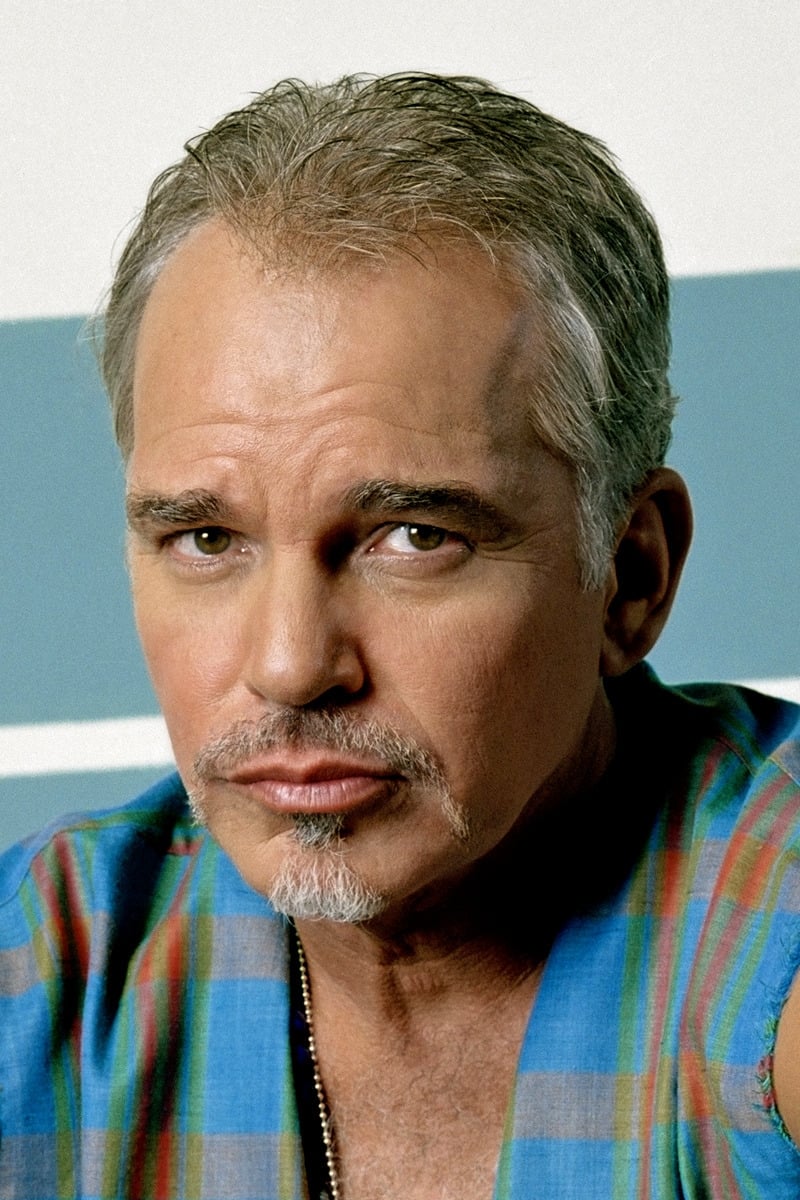
Billy Bob Thornton has often discussed how his dyslexia made it nearly impossible for him to read books or scripts in a traditional way. He relied on his ears and his natural storytelling ability to navigate his way through auditions and filming. For his breakout role in ‘Sling Blade’ he used his auditory focus to craft the specific speech patterns of his character. He admits that he still struggles with reading but has found that listening allows him to connect more deeply with the material. His success as both an actor and screenwriter highlights his incredible adaptability.
Danny Glover
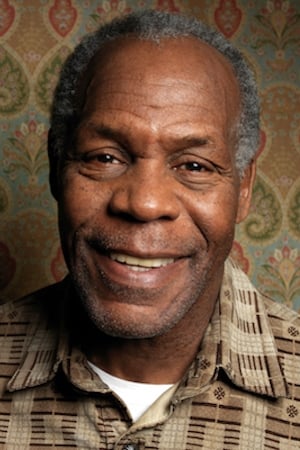
Danny Glover did not realize he had dyslexia until he was an adult and had already begun his professional acting career. As a student he felt marginalized because he could not keep up with the reading requirements of his classes. He adapted by becoming an exceptional listener and memorizing his lines through repetitive auditory practice. This skill became essential during his work on the ‘Lethal Weapon’ series where he delivered high stakes dialogue with ease. Glover now uses his platform to support literacy programs and advocate for dyslexic children.
Mark Ruffalo
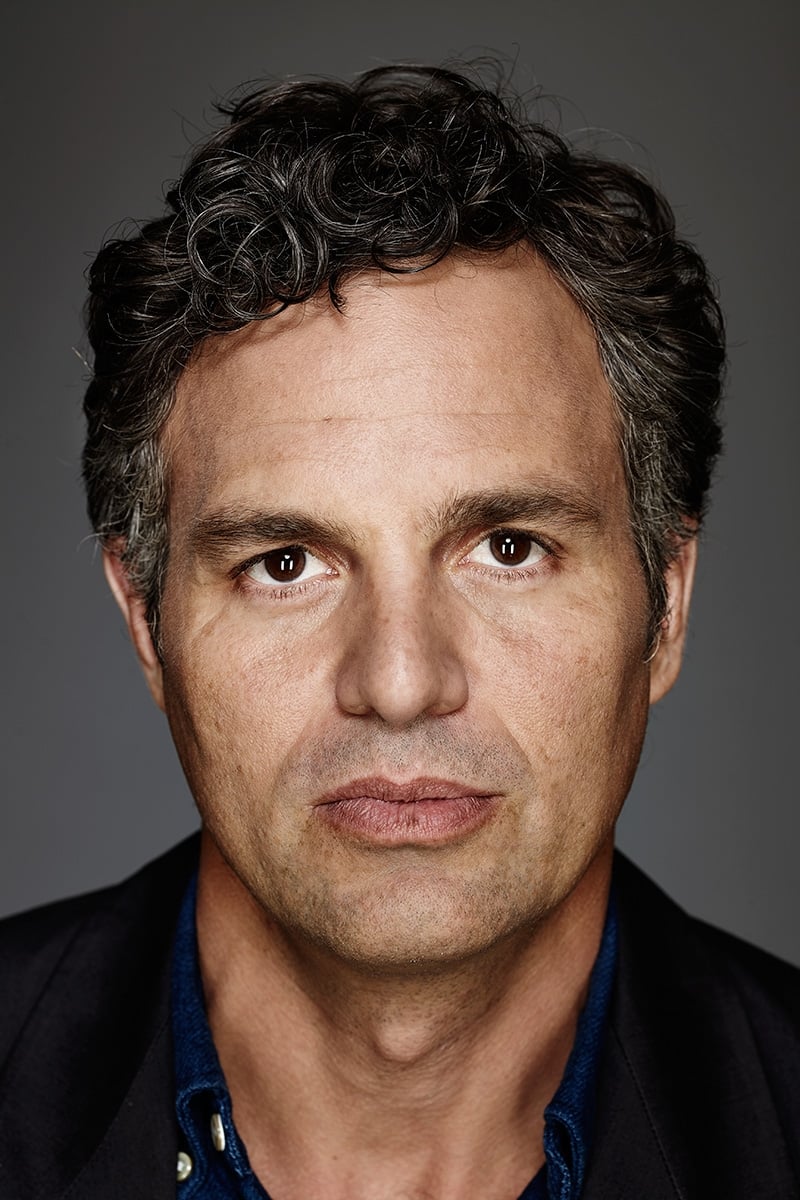
Mark Ruffalo struggled with his education for years before understanding that his difficulties stemmed from dyslexia. He found the process of reading scripts to be exhausting and often felt behind during table reads with other actors. To compensate he spent extra time listening to recordings of the scenes to ensure he had the rhythm down. This auditory focus helped him deliver authentic performances in ‘The Avengers’ and ‘Spotlight’ despite his internal struggles. He encourages young people to realize that their brains simply process information in a different way.
Abhishek Bachchan
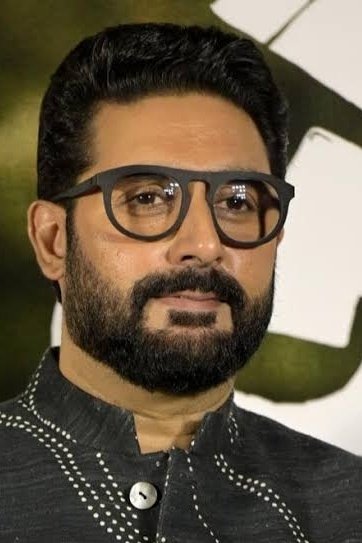
Abhishek Bachchan is a prominent Indian actor who has been very vocal about his childhood struggles with dyslexia. He attended a special school to help manage his learning disability while pursuing his passion for the performing arts. In the early years of his career he relied heavily on hearing his lines to help him memorize the dialogue for his films. This method allowed him to excel in ‘Dhoom’ and ‘Guru’ while maintaining a high level of performance. He continues to inspire fans in India by sharing his journey of overcoming academic obstacles.
Hrithik Roshan
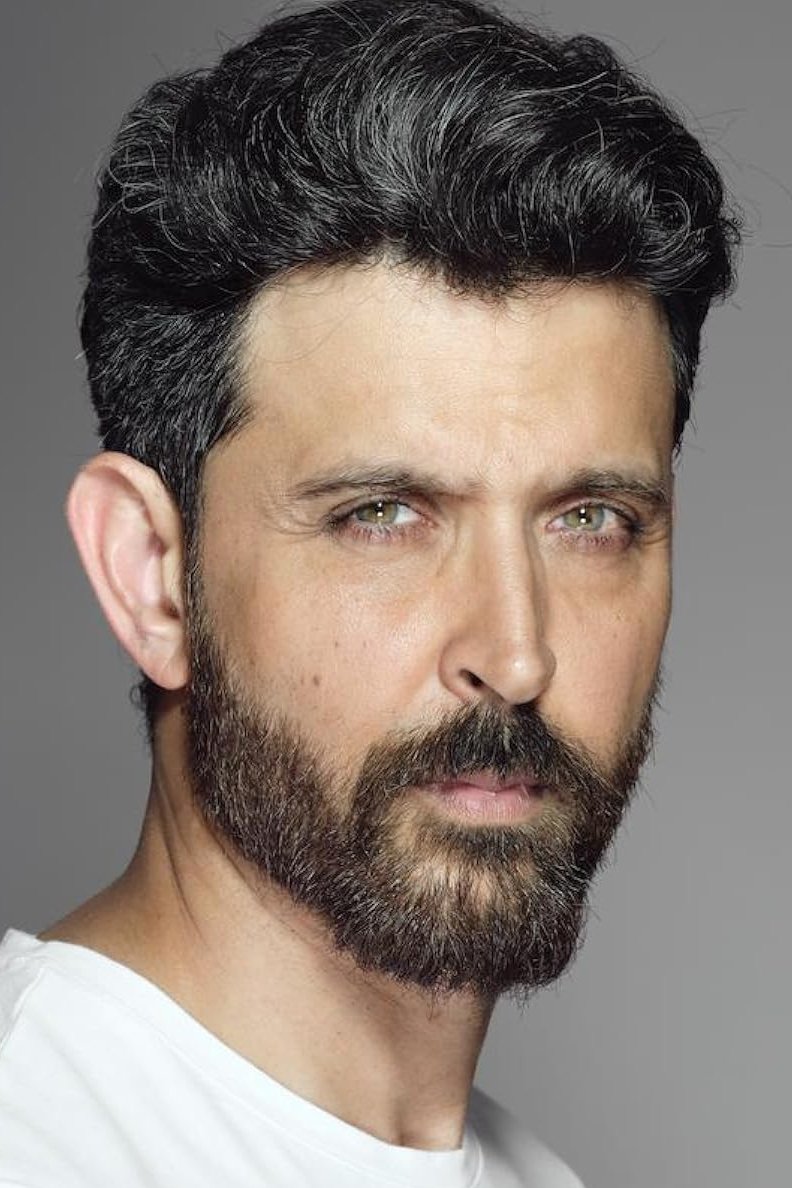
Hrithik Roshan faced multiple challenges as a child including a severe stutter and dyslexia. He worked tirelessly to overcome these issues by using speech therapy and auditory learning techniques. For his various roles in Bollywood cinema he would listen to his lines repeatedly to ensure he could deliver them smoothly. His dedication to his craft is evident in films like ‘Krrish’ where he displays incredible physical and vocal control. He is now considered one of the most talented and successful actors in the Indian film industry.
Jim Carrey

Jim Carrey dealt with dyslexia and ADHD which made his time in the traditional school system quite difficult. He used his high energy and observational skills to mimic others and learn through sound rather than sight. His ability to memorize lines by listening helped him transition from stand up comedy to massive film roles. In ‘The Mask’ and ‘The Truman Show’ his performances were built on a foundation of intense auditory preparation. He has used his fame to bring awareness to the challenges faced by neurodivergent individuals.
Sylvester Stallone
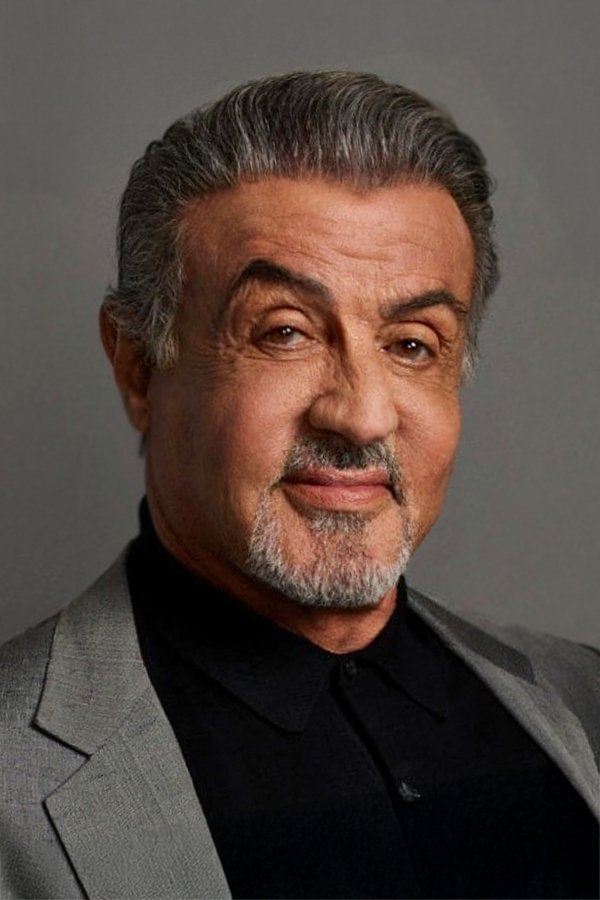
Sylvester Stallone faced academic hurdles early on and turned to physical fitness and acting as a way to prove his worth. He struggled with reading scripts and often preferred to write his own material so he could control the language. To learn the dialogue for ‘Rocky’ he spent countless hours listening to the words and feeling the cadence of the sentences. This approach helped him create some of the most iconic characters in the history of cinema. He remains a symbol of perseverance for those who face learning and physical challenges.
Vince Vaughn
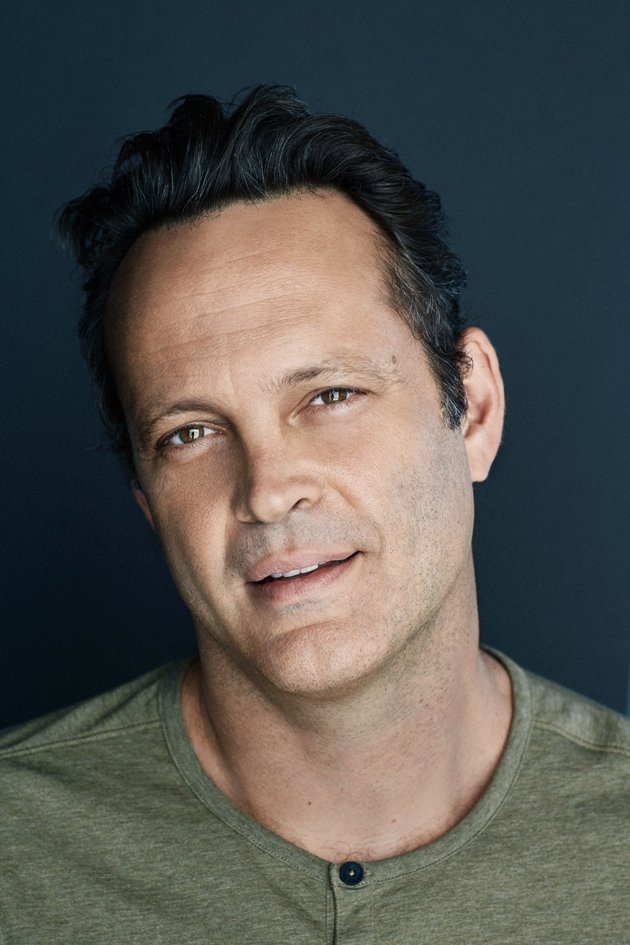
Vince Vaughn was diagnosed with dyslexia at a young age and felt that the school system was not designed for his way of thinking. He discovered that he had a natural gift for fast paced conversation and improvisation which helped him hide his reading struggles. When preparing for movies like ‘Wedding Crashers’ he would often have the script read to him to help the lines stick. This allowed him to maintain his signature comedic flow without getting bogged down by the written word. He views his dyslexia as a catalyst that pushed him toward a career in entertainment.
Brian Blessed
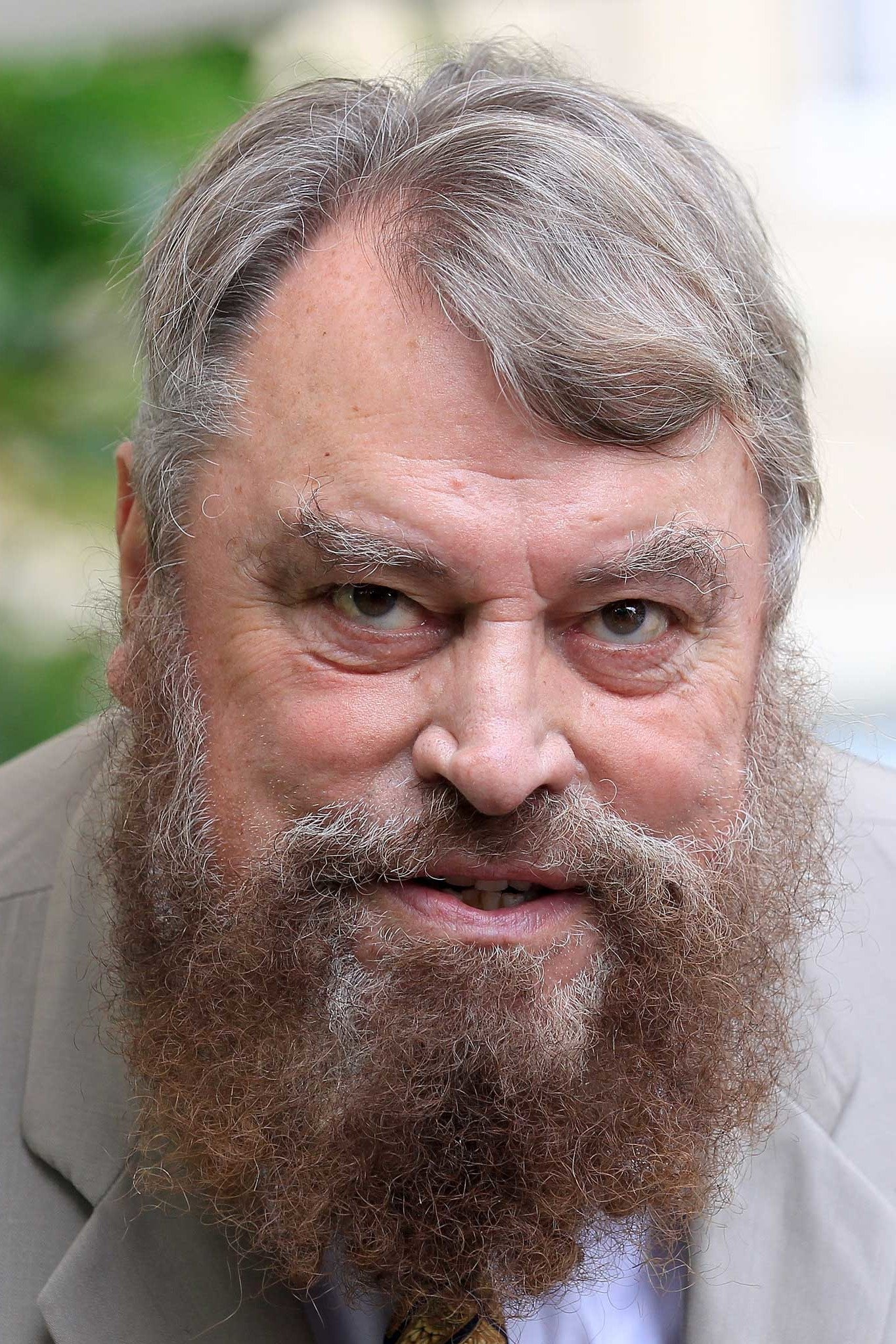
Brian Blessed is known for his powerful voice and boisterous personality but he also struggled with dyslexia throughout his life. He found that the best way to tackle complex Shakespearean dialogue was to hear it spoken aloud. By focusing on the sound and the vibration of the words he was able to memorize massive amounts of text. This technique served him well in ‘Flash Gordon’ and numerous stage productions across the globe. He has never let his reading difficulties dampen his adventurous spirit or his love for the arts.
Joe Pantoliano
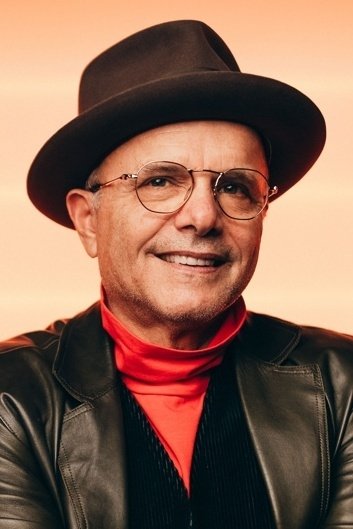
Joe Pantoliano did not discover he had dyslexia and clinical depression until he was an established actor in Hollywood. He spent the early part of his career hiding his reading issues by asking others to help him run lines until he knew them by heart. His ability to learn through listening was crucial for his roles in ‘The Matrix’ and ‘The Sopranos’ where precision was required. He has since become a mental health advocate and works to reduce the stigma surrounding learning disabilities. Pantoliano emphasizes that knowing how your brain works is the first step toward true success.
Daniel Radcliffe
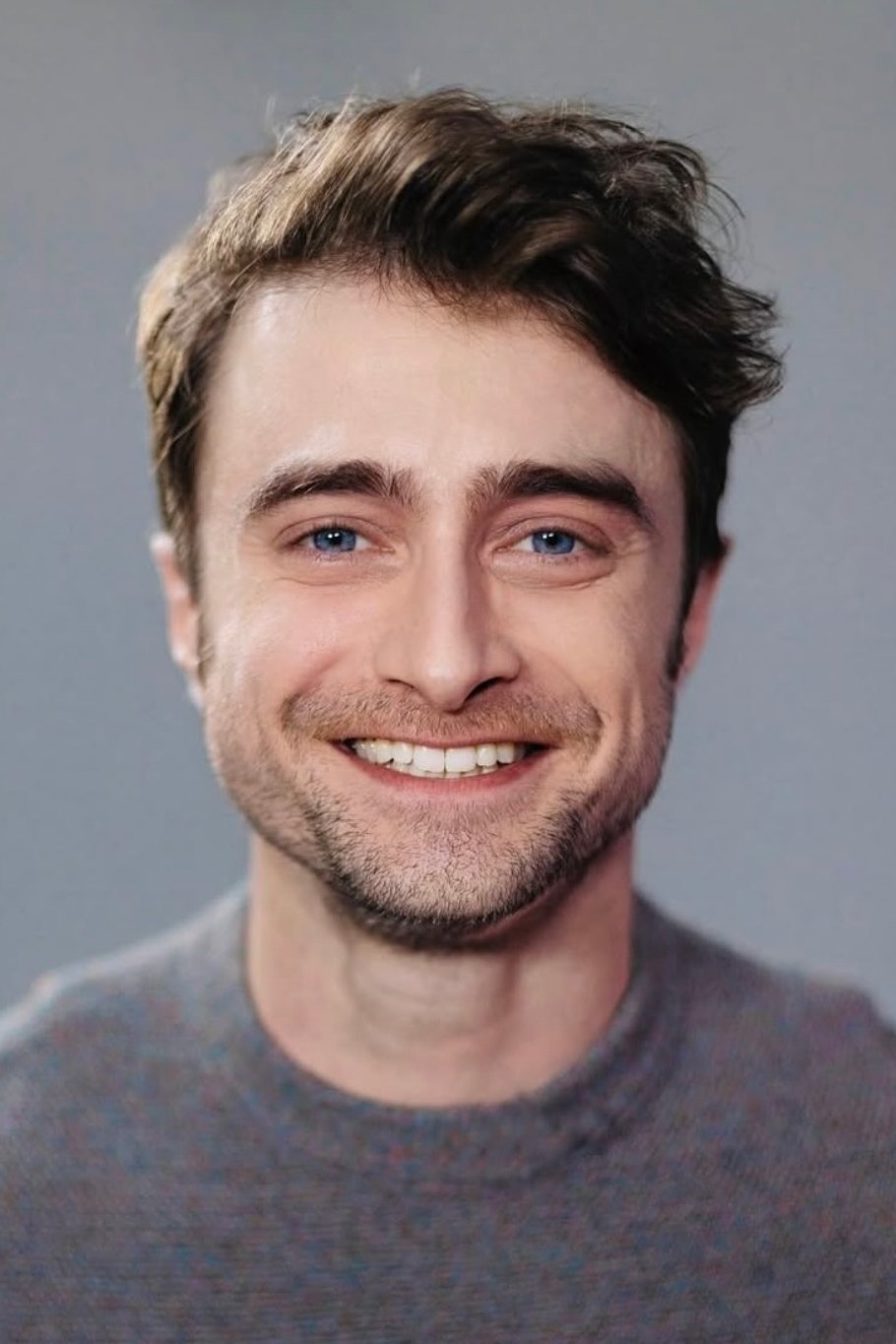
Daniel Radcliffe has been open about his struggles with dyspraxia and dyslexia which affected his ability to perform simple tasks and read. While filming the ‘Harry Potter’ series he received significant support to help him manage the massive amounts of dialogue. He found that hearing the lines and repeating them back was the most effective way for him to learn. This auditory method allowed him to grow as an actor while maturing in front of a global audience. He continues to take on challenging roles on stage and screen that require intense preparation.
Tom Holland
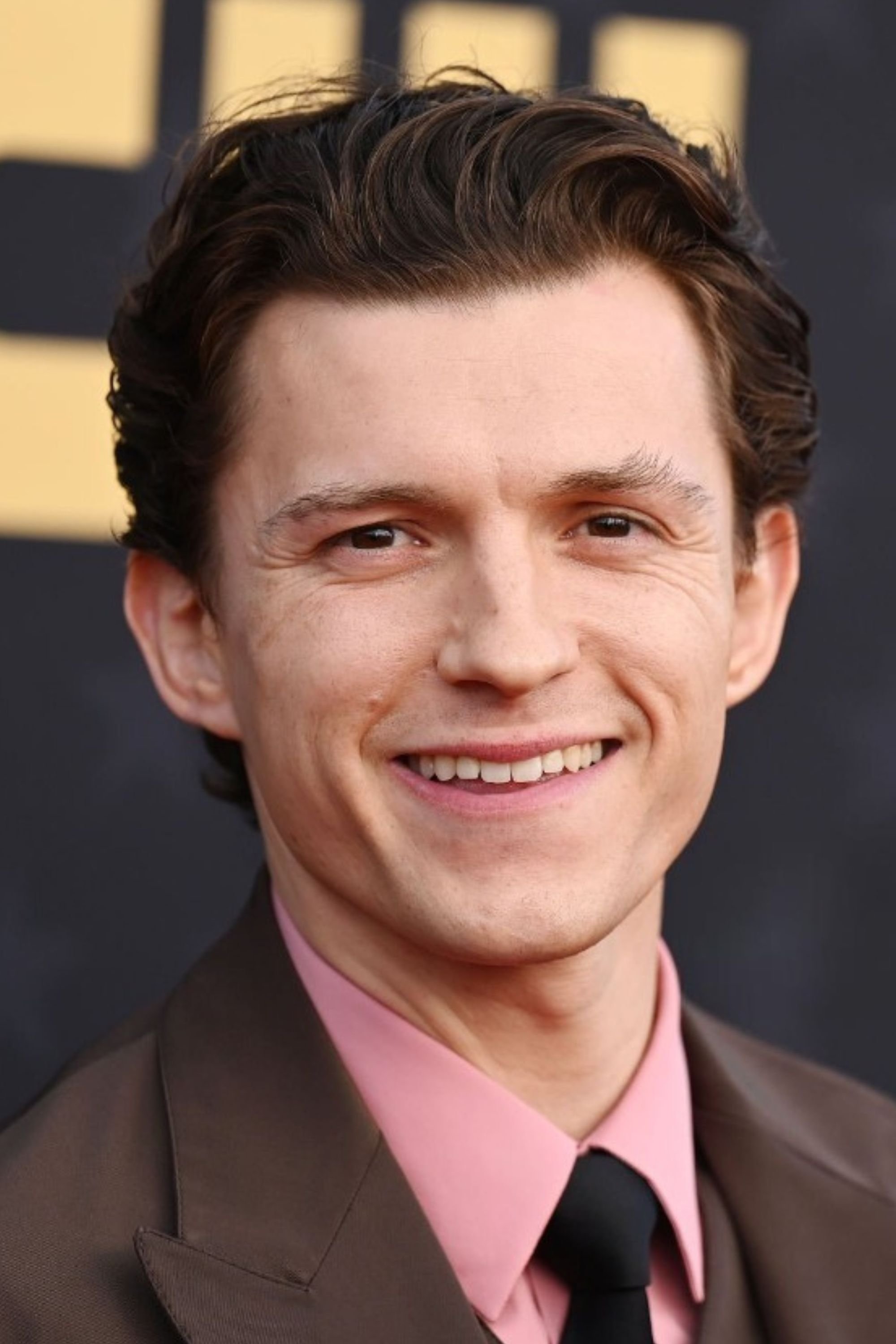
Tom Holland was diagnosed with dyslexia as a child and his parents moved him to a special school to get the help he needed. He found that the physical nature of acting and the auditory side of learning lines suited him better than reading books. When he joined the Marvel Cinematic Universe as Spider Man he used his listening skills to master the witty and fast dialogue. He often talks about the importance of hard work and not letting a diagnosis define what a person can achieve. His career is a testament to the power of finding the right learning style for your strengths.
Daveed Diggs
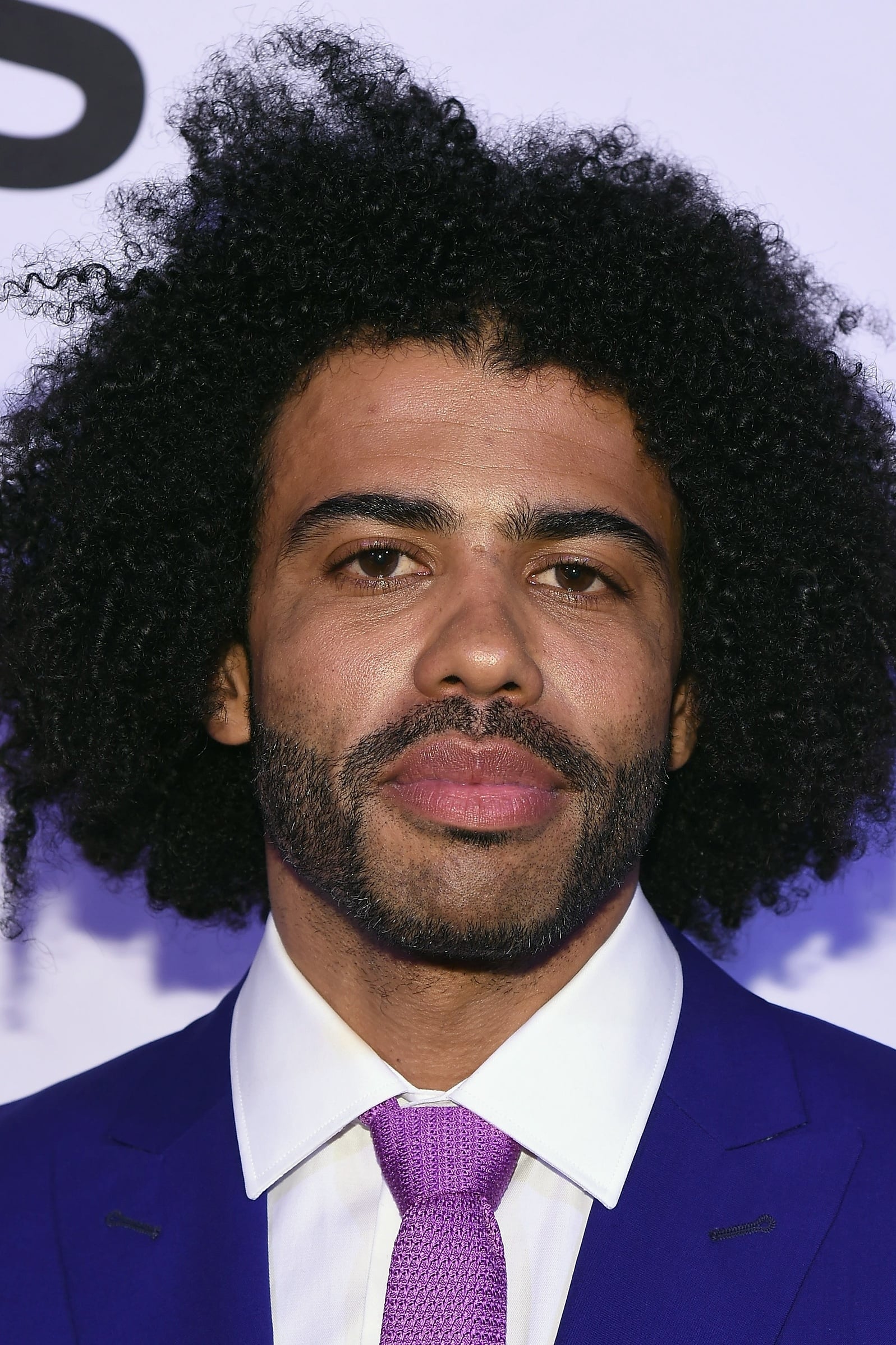
Daveed Diggs is a multitalented actor and rapper who has discussed how dyslexia shaped his relationship with language. He found that the rhythmic nature of rap helped him process words and sounds more effectively than standard reading. When he took on the dual roles of Marquis de Lafayette and Thomas Jefferson in ‘Hamilton’ he relied on his auditory memory. The fast paced delivery required for the show was perfectly suited to his unique way of learning through sound and tempo. He has become a prominent voice for creative thinking and educational reform.
Seth Rogen

Seth Rogen has noted that his dyslexia and ADHD made school a very challenging environment for him. He gravitated toward stand up comedy where he could rely on his verbal skills and timing rather than written assignments. In his film career he often uses his ability to listen and react to help him memorize scenes and improve his performances. This approach has led to a successful career as an actor and producer on hits like ‘Superbad’ and ‘Pineapple Express’ where he often works with a collaborative team. He continues to use his platform to discuss neurodiversity in a relatable way.
Chris Rock
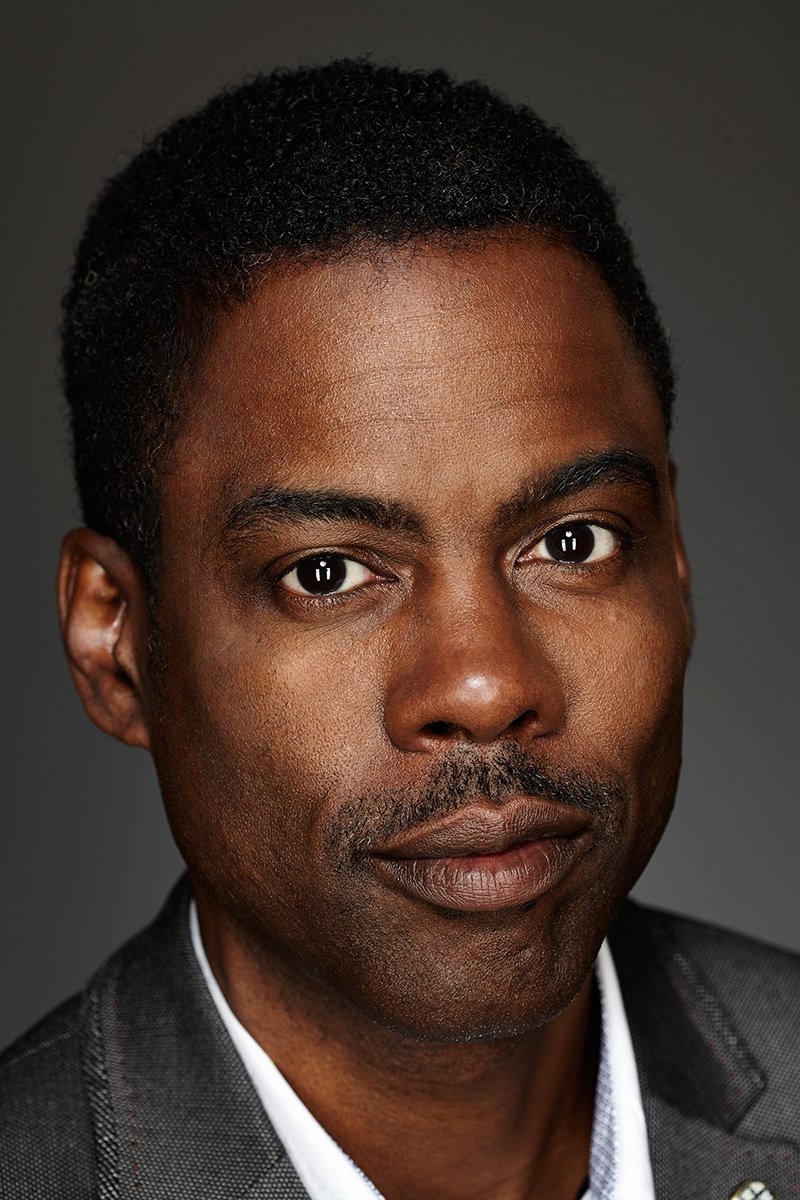
Chris Rock was diagnosed with a non verbal learning disorder as an adult which shares many traits with dyslexia. He struggled in school and found that he processed information much better when he could hear it and see it in action. His legendary stand up specials are the result of intense verbal practice and listening to his own material to refine the jokes. In his acting roles he applies a similar level of auditory focus to ensure he captures the right tone for the character. He has described his diagnosis as a relief that explained years of frustration.
Dax Shepard
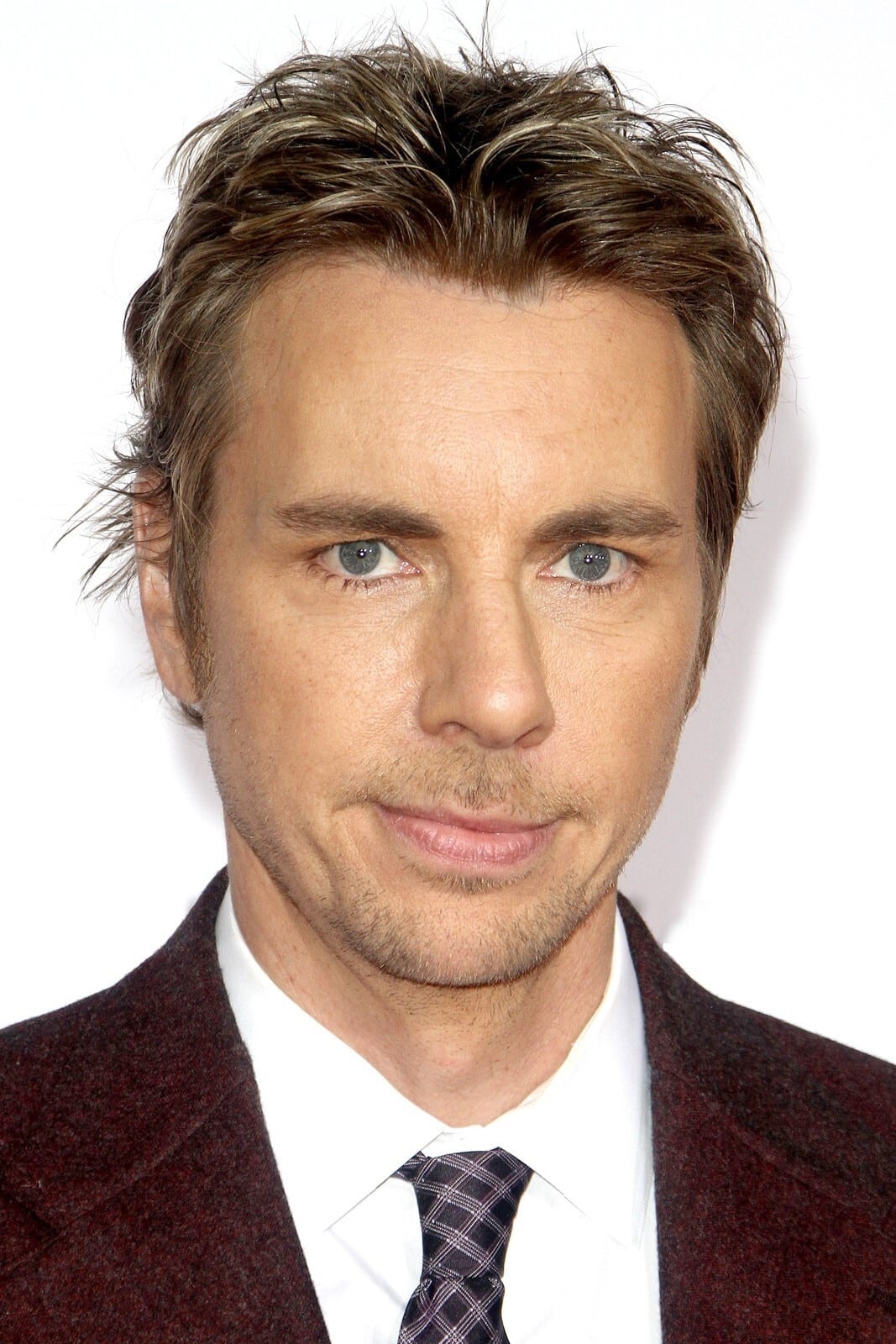
Dax Shepard has been very candid about his dyslexia and how it affected his self esteem during his younger years. He found that reading scripts was a slow and painful process that made him feel behind his colleagues. To stay competitive he began listening to his lines and using his strong verbal memory to anchor his performances. This strategy worked well for him on ‘Parenthood’ and in his various film roles where he is known for his quick wit. He often encourages others to be honest about their struggles and to find creative solutions.
Shia LaBeouf
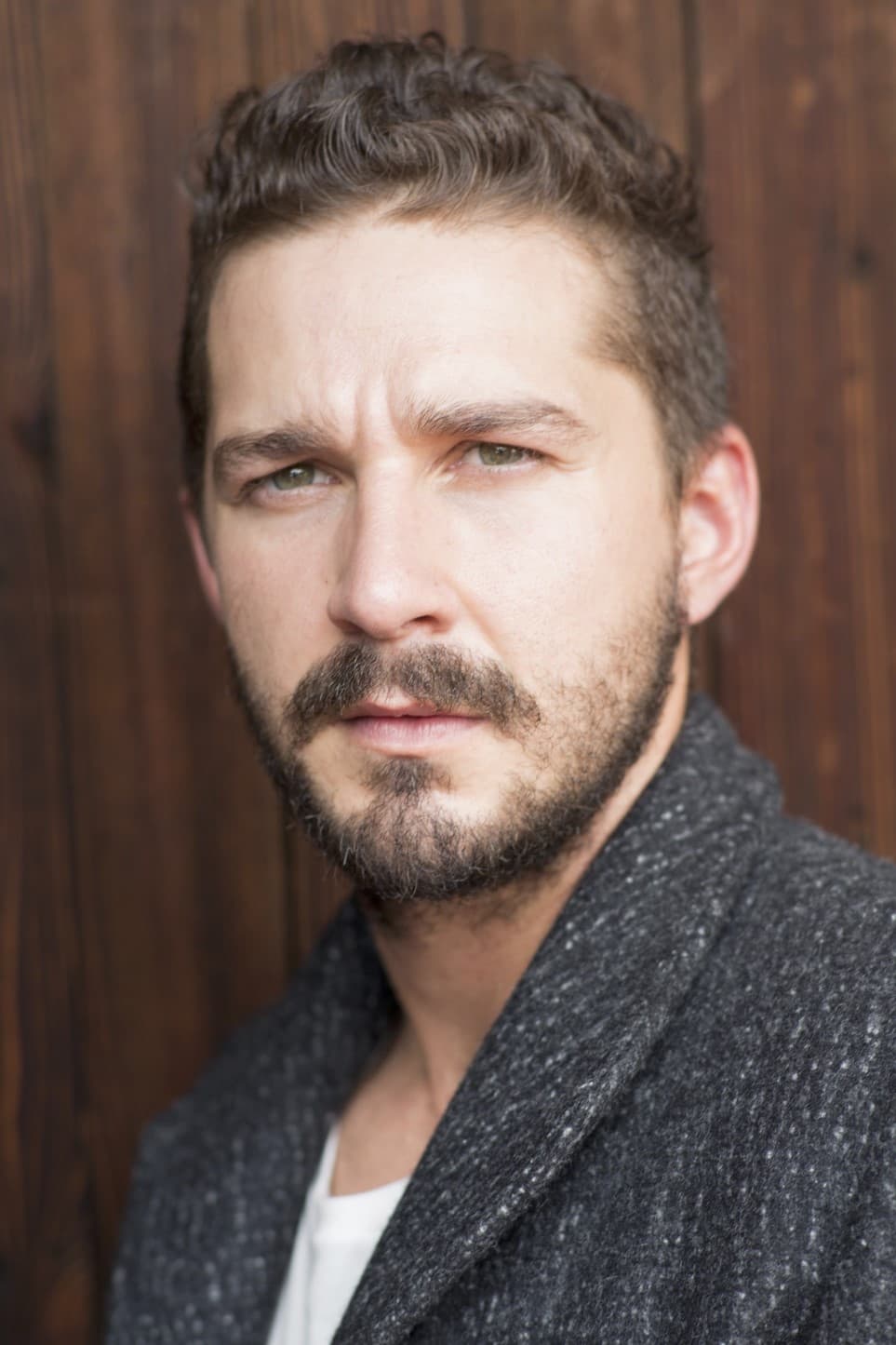
Shia LaBeouf has dealt with learning disabilities including dyslexia throughout his journey from child star to leading man. He found that traditional scripts were difficult to navigate and often preferred to hear the scenes played out. During the filming of ‘Transformers’ and ‘Honey Boy’ he used his auditory skills to absorb the emotional weight of the dialogue. His intense acting style is often a result of his deep connection to the sound and feeling of the words. He has spoken about how his struggles have influenced his artistic perspective.
Woody Harrelson
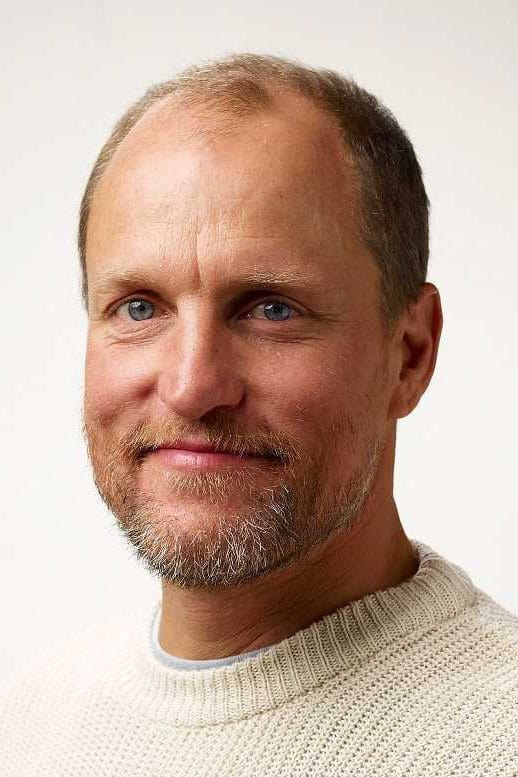
Woody Harrelson struggled with his academics due to dyslexia but found that he had a natural affinity for performance. He learned to trust his ears and his instincts when it came to memorizing dialogue for his early work on ‘Cheers’ and later in ‘The Hunger Games’ series. By listening to the rhythm of the language he was able to deliver lines with a natural and effortless quality. This auditory approach allowed him to bypass the frustration of reading and focus on the character. He remains one of the most versatile and respected actors in the industry today.
Dustin Hoffman
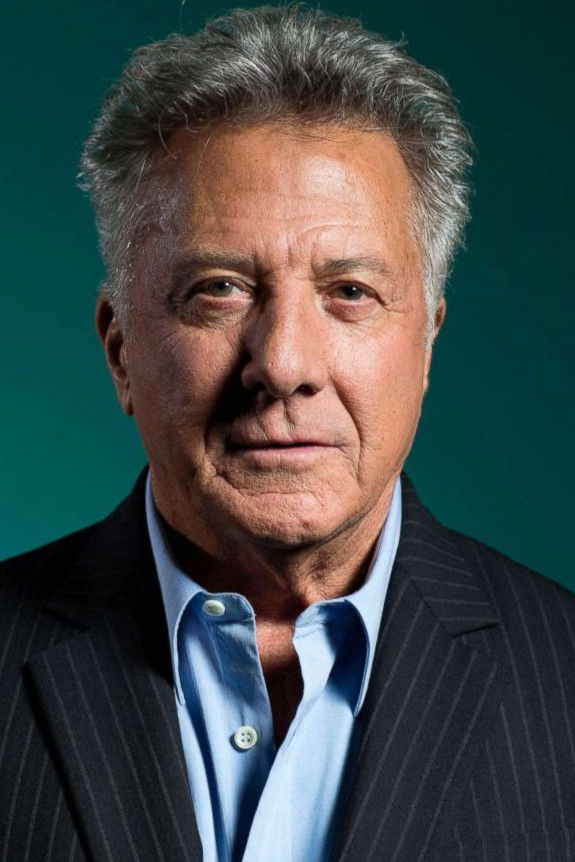
Dustin Hoffman is a legendary actor who has navigated the challenges of dyslexia for his entire career. He often spent much longer than his costars preparing for roles because of the extra effort required to process the written word. He relied on listening to others and having his lines read back to him to ensure he understood the nuances of the script. This meticulous auditory preparation resulted in iconic performances in ‘The Graduate’ and ‘Rain Man’ that defined his career. He is a prime example of how dedication can overcome even the most difficult learning hurdles.
Robert Redford
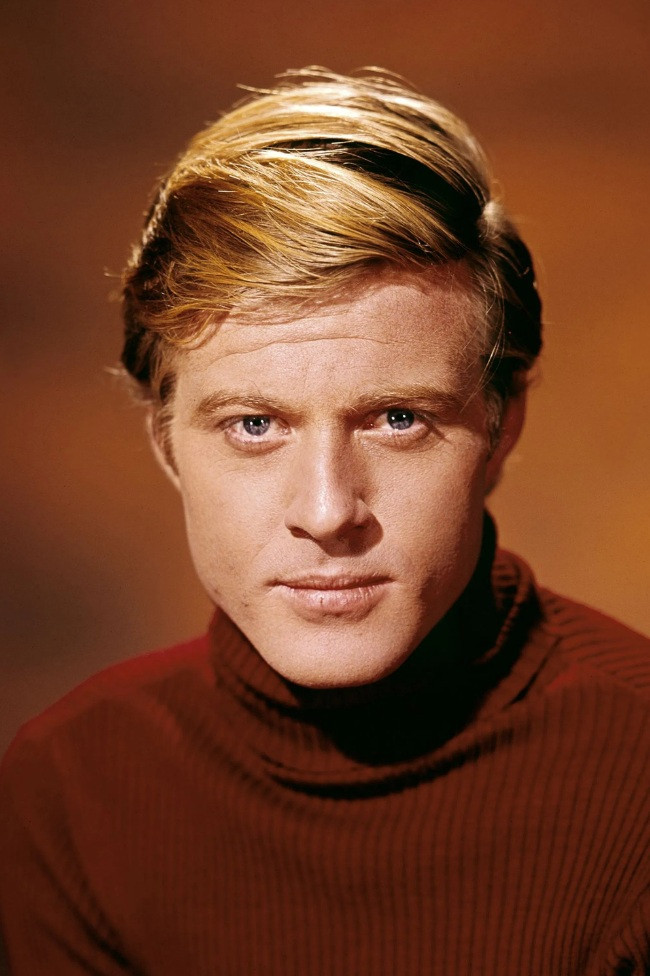
Robert Redford has shared that he struggled with dyslexia during a time when there was very little support for the condition in schools. He felt like he was constantly fighting against the written word and preferred visual and auditory learning. When he began his career in Hollywood he used his listening skills to memorize his lines and understand the flow of a scene. This helped him become a major star in classics like ‘Butch Cassidy and the Sundance Kid’ and ‘The Sting’ where his screen presence was undeniable. He eventually became a champion for independent film and creative expression.
Mark Wahlberg
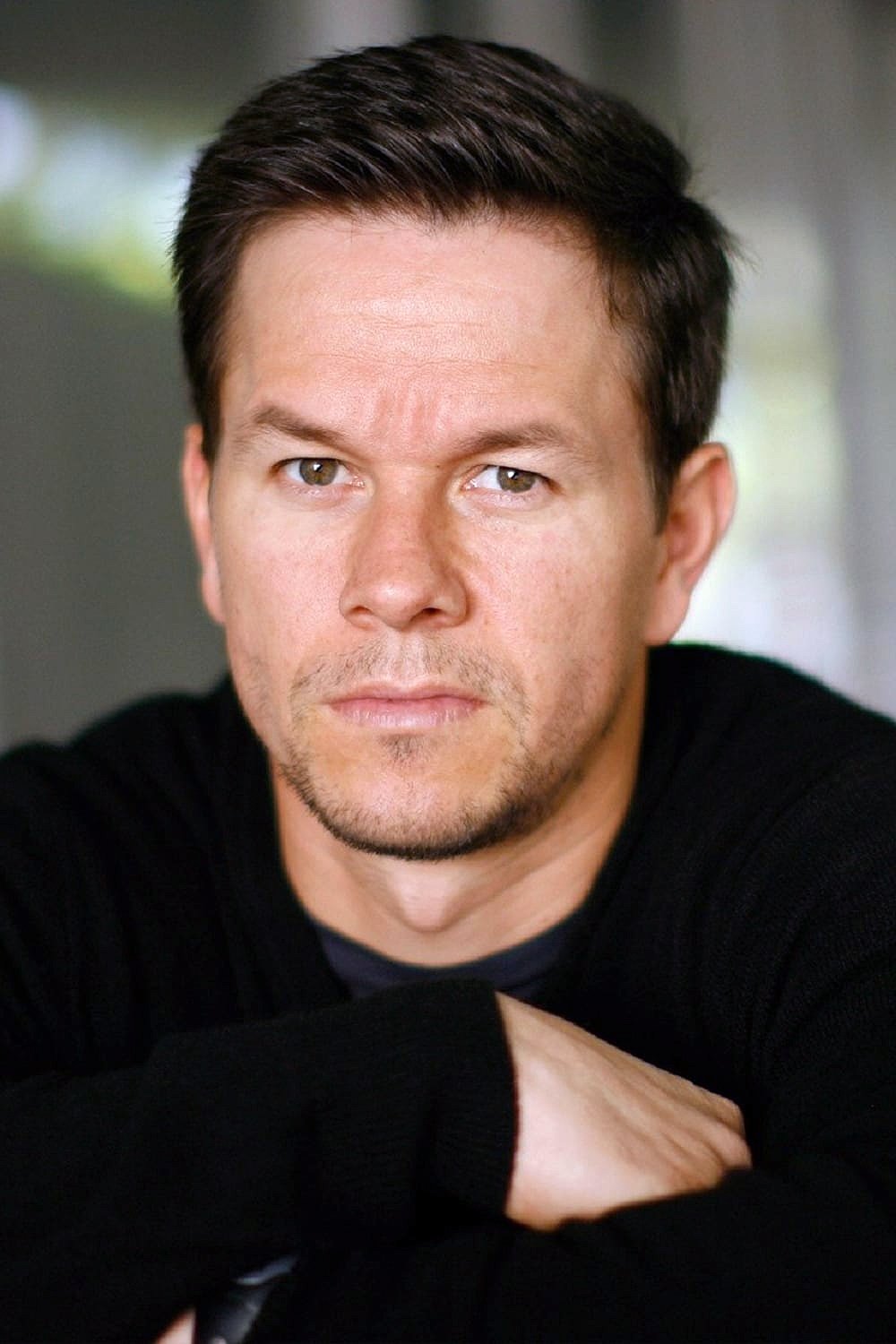
Mark Wahlberg faced many obstacles as a young man including learning difficulties that made school nearly impossible to finish. He found that he could memorize information quickly if he heard it rather than seeing it on a page. This skill was essential as he transitioned from music to a highly successful acting career in films like ‘The Departed’ and ‘The Fighter’ where he had to master specific dialects. He has often spoken about how his experiences forced him to develop a strong work ethic. Today he is one of the highest paid actors and producers in the world.
Will Smith
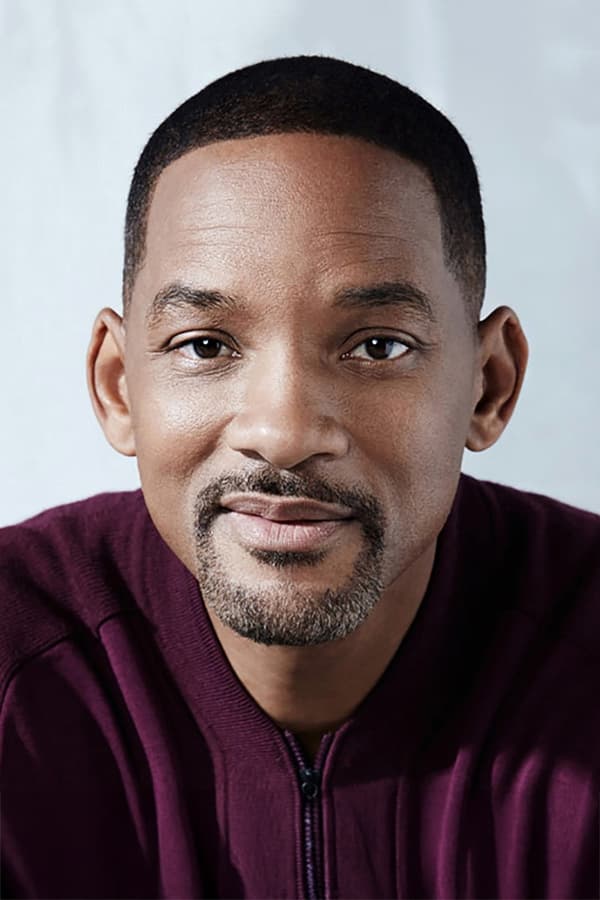
Will Smith has mentioned in various interviews that he struggled with learning issues that made it hard for him to focus on reading. He found that he could excel in performance by using his ears to pick up on patterns and rhythms in speech. This was particularly useful for his early career in music and his transition to television on ‘The Fresh Prince of Bel Air’ where his charisma took center stage. He utilized auditory memorization to handle the dialogue for big budget films like ‘Men in Black’ and ‘King Richard’ with great success. He encourages young people to find their own unique way of processing the world.
Billy Ray Cyrus
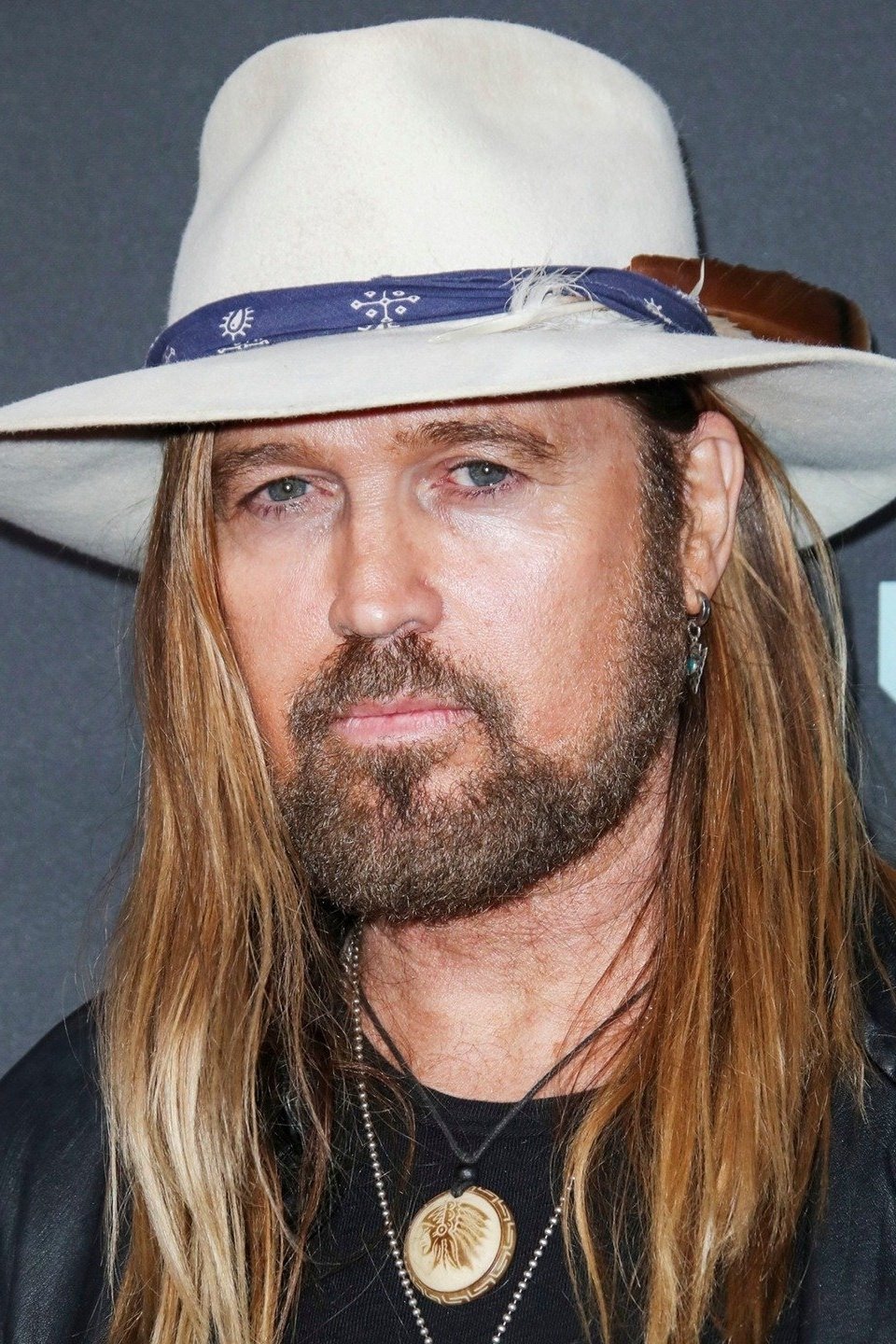
Billy Ray Cyrus has spoken about how dyslexia made his early education a struggle and affected his confidence. He turned to music and acting where he could rely on his auditory strengths to learn lyrics and scripts. When he starred in ‘Doc’ and ‘Hannah Montana’ he used his ability to hear the lines to help him prepare for the daily filming schedule. This allowed him to overcome his reading difficulties and build a multifaceted career in the entertainment industry. He often shares his story to encourage children who may be facing similar challenges in the classroom.
Brendan Fraser
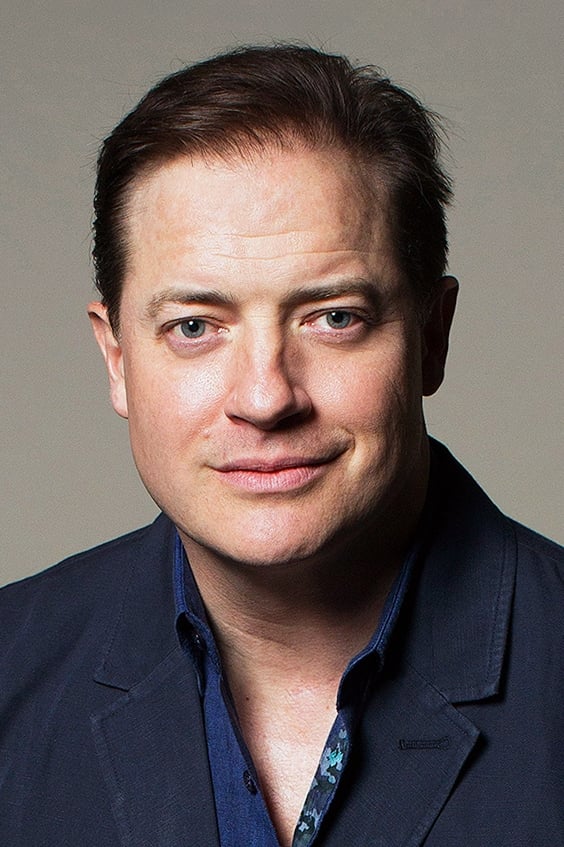
Brendan Fraser has navigated a career filled with physical and academic challenges including his struggle with dyslexia. He found that the best way to master a script was to hear it read aloud so he could connect with the emotions of the scene. This auditory approach helped him deliver memorable performances in ‘The Mummy’ and his Oscar winning turn in ‘The Whale’ where he displayed deep sensitivity. He has been open about the hard work required behind the scenes to make his performances look effortless. His comeback has been celebrated by fans and peers alike.
Ben Miller
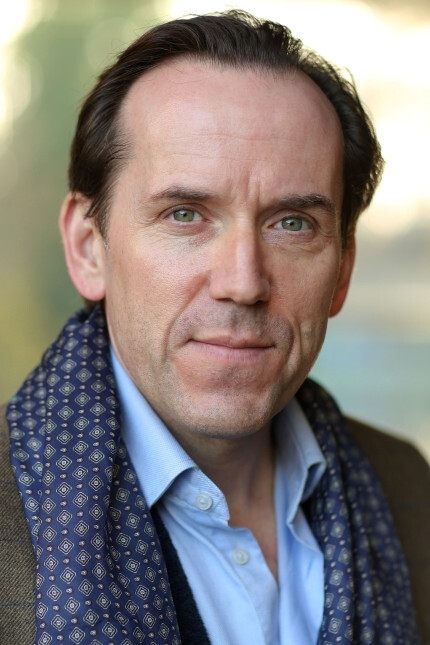
Ben Miller is a British actor and comedian who was diagnosed with dyslexia later in his life after years of academic struggle. He found that his love for science and acting required him to find alternative ways to process complex information. To learn his lines for shows like ‘Death in Paradise’ he used auditory repetition and listening to recordings. This allowed him to maintain a high level of performance while managing his reading difficulties. He has since written books for children that aim to demystify the experience of being neurodivergent.
Oliver Reed
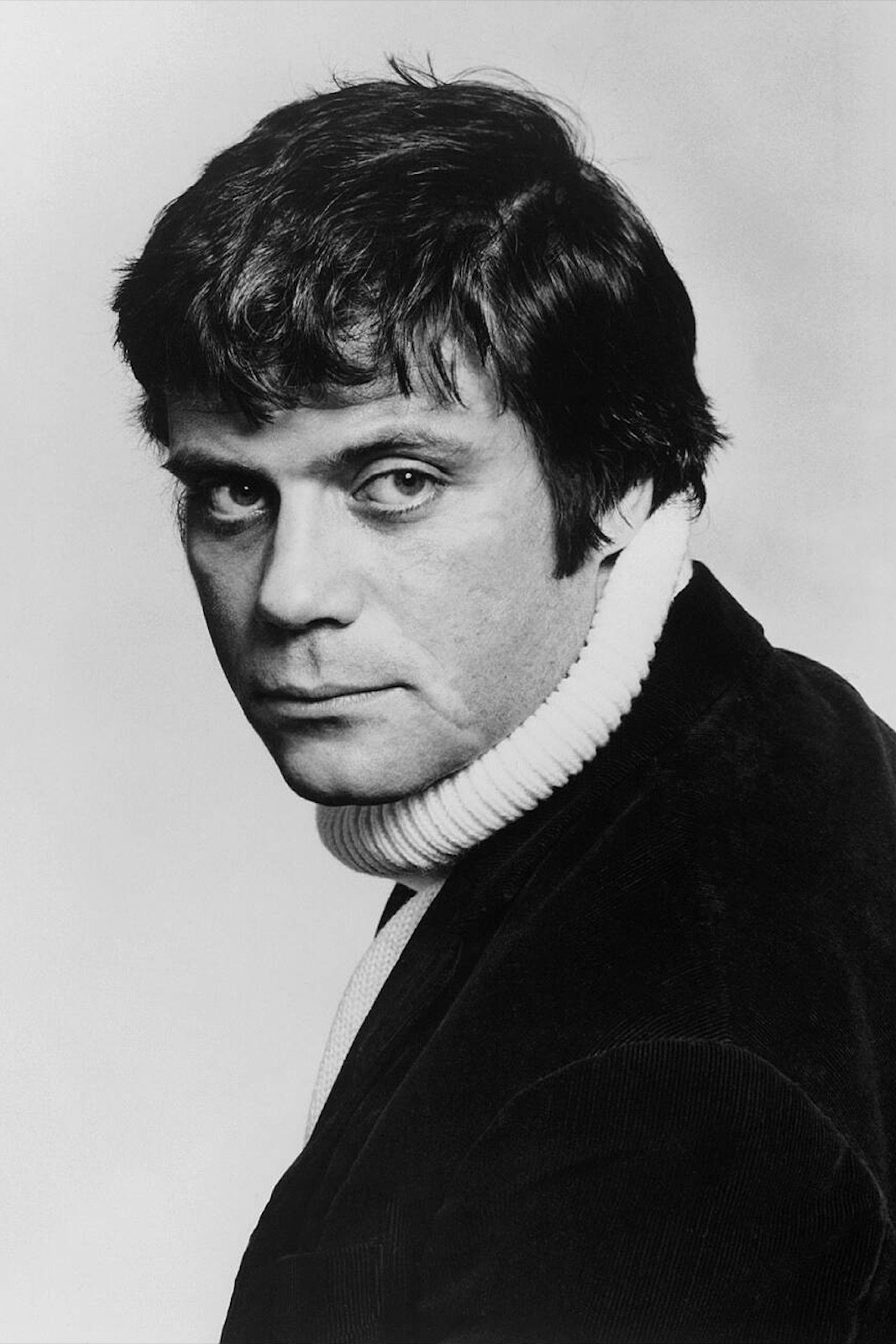
Oliver Reed was a legendary figure in British cinema who struggled with severe dyslexia long before it was widely understood. He often hid his inability to read well by having scripts read to him by assistants or friends. His powerful performances in ‘Oliver!’ and ‘Gladiator’ were built on his incredible ability to memorize lines by ear and his natural screen presence. He was known for his boisterous personality which often masked the internal struggle he felt with literacy. Reed remains an icon of the silver screen despite his lifelong battle with the written word.
Stephen Fry

Stephen Fry is known for his vast vocabulary and intellect but he has also been open about his struggles with dyslexia. He found that while he loved language the actual process of reading and writing could be surprisingly difficult for him. To cope with his acting roles he developed a keen auditory memory that allowed him to soak up lines by hearing them spoken. This served him well in his performances in ‘Blackadder’ and as the narrator for many audiobooks. He continues to be a leading voice in education and mental health awareness.
Jay Leno
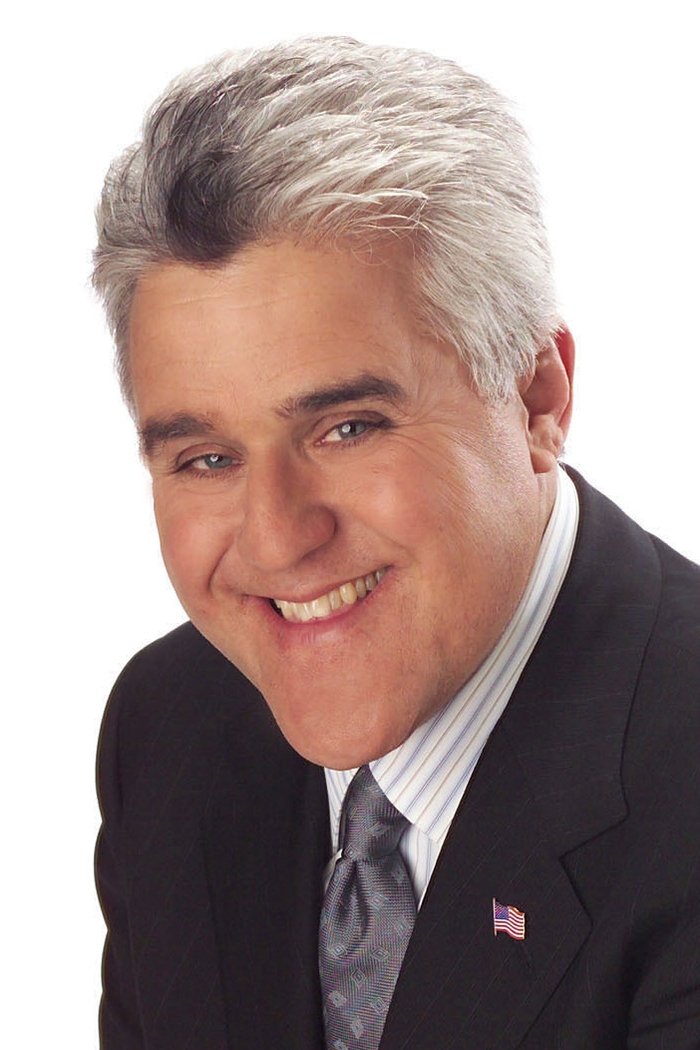
Jay Leno spent his childhood feeling like a failure in school because his dyslexia made traditional testing impossible. He found his calling in comedy where he could use his verbal skills and observational humor to connect with audiences. During his long tenure on ‘The Tonight Show’ he relied on his ability to listen and react rather than reading off a teleprompter or script. This auditory focus helped him become one of the most successful talk show hosts in history. He often talks to students about how his learning disability actually helped him build a unique career path.
Bob Hoskins
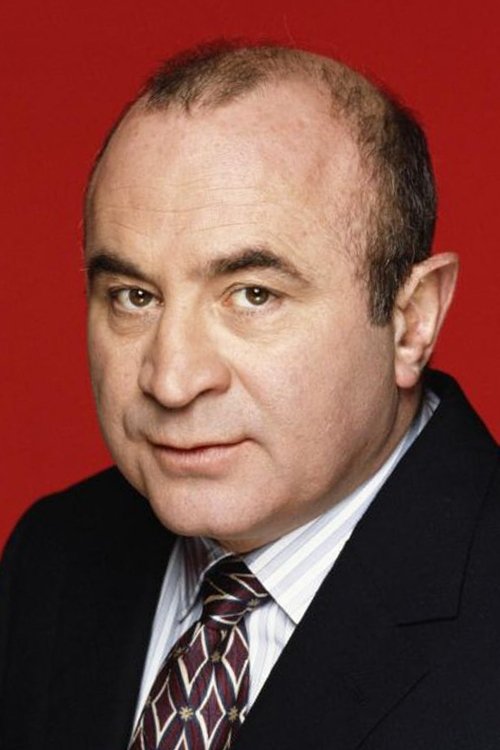
Bob Hoskins was a versatile actor who left a lasting mark on cinema while dealing with the challenges of dyslexia. He left school early and found that acting was a place where his natural talent could shine without the pressure of reading. To prepare for his roles in ‘Who Framed Roger Rabbit’ and ‘The Long Good Friday’ he would listen to his lines repeatedly. This allowed him to deliver tough and tender performances that felt completely authentic. He never let his literacy issues prevent him from becoming one of the most respected actors of his generation.
Steve McQueen
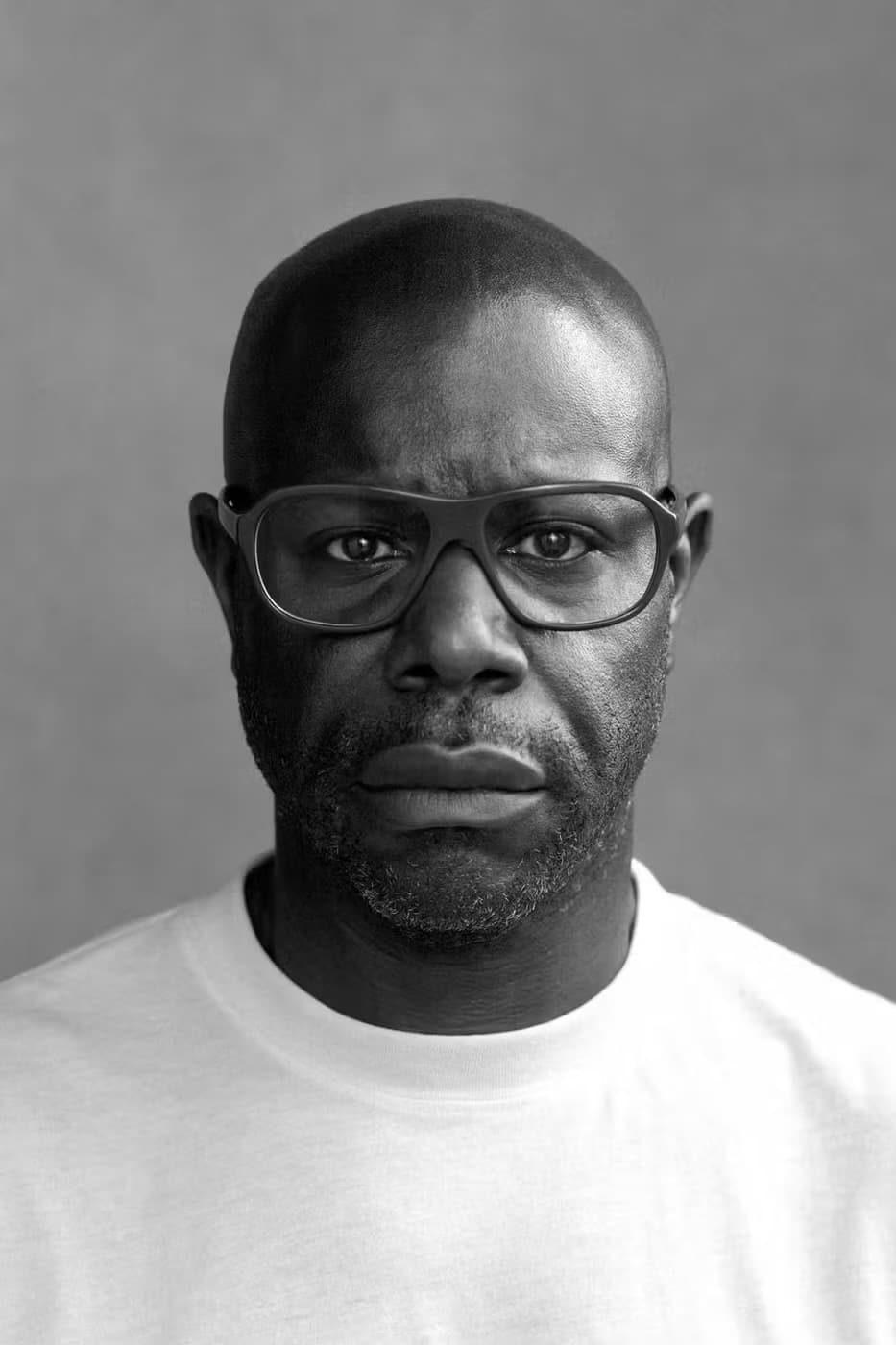
Steve McQueen was the ultimate cool guy of Hollywood but he hid a lifelong struggle with dyslexia and a difficult childhood. He had a hard time in school and eventually found that he learned best through physical action and listening to instructions. When it came to his film roles he preferred to have his lines read to him so he could focus on the physical delivery. This approach helped him create iconic characters in ‘Bullitt’ and ‘The Great Escape’ that required more presence than dialogue. He remains a legendary figure whose success was built on his own terms.
Joaquin Phoenix
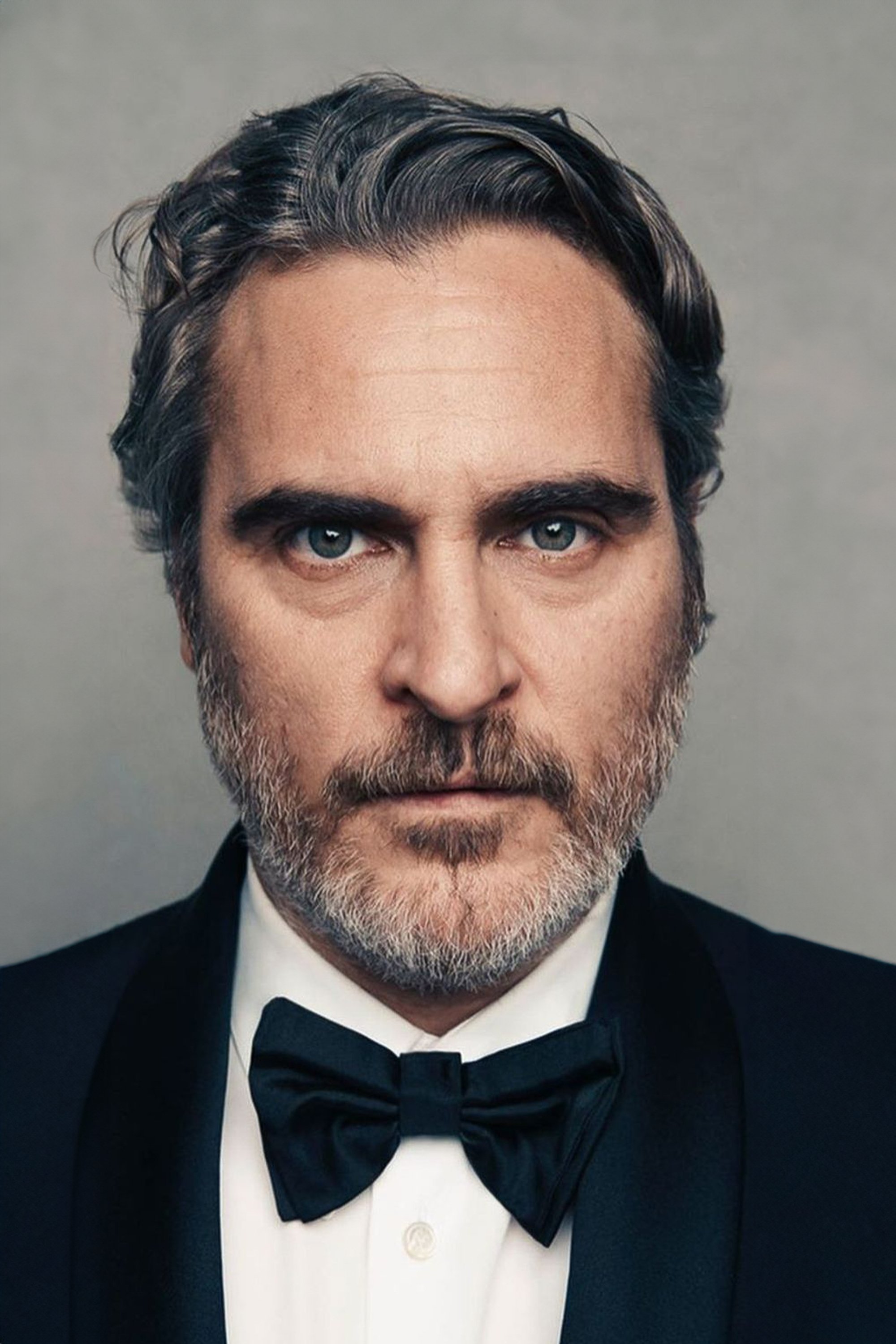
Joaquin Phoenix has discussed how his unconventional upbringing and dyslexia influenced his approach to his craft. He finds that reading a script can sometimes feel like a barrier to understanding a character. To overcome this he focuses on the sound and the feeling of the words during rehearsals and discussions with directors. This auditory and emotional connection helped him deliver his haunting performance in ‘Joker’ and other acclaimed films. He is known for his intense dedication and his ability to transform into complex roles despite his reading difficulties.
James Cromwell
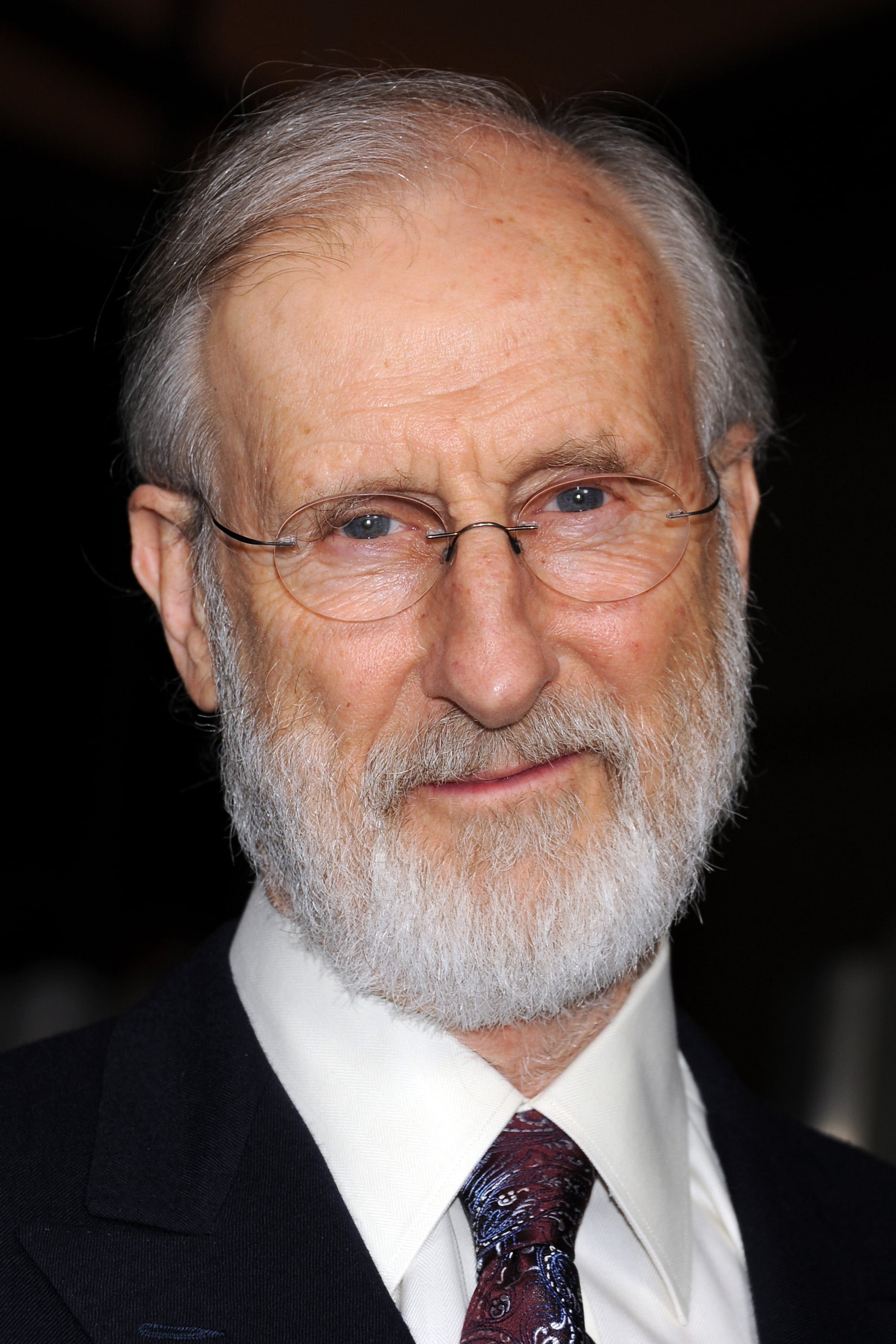
James Cromwell is a respected character actor who has dealt with dyslexia throughout his long career. He found that the traditional way of reading scripts was often slow and prevented him from fully grasping the character. To compensate he would listen to the dialogue and use his strong auditory skills to memorize his lines. This technique was essential for his roles in ‘Babe’ and ‘L.A. Confidential’ where he delivered precise performances. He has since become an advocate for animal rights and continues to work steadily in the industry.
River Phoenix
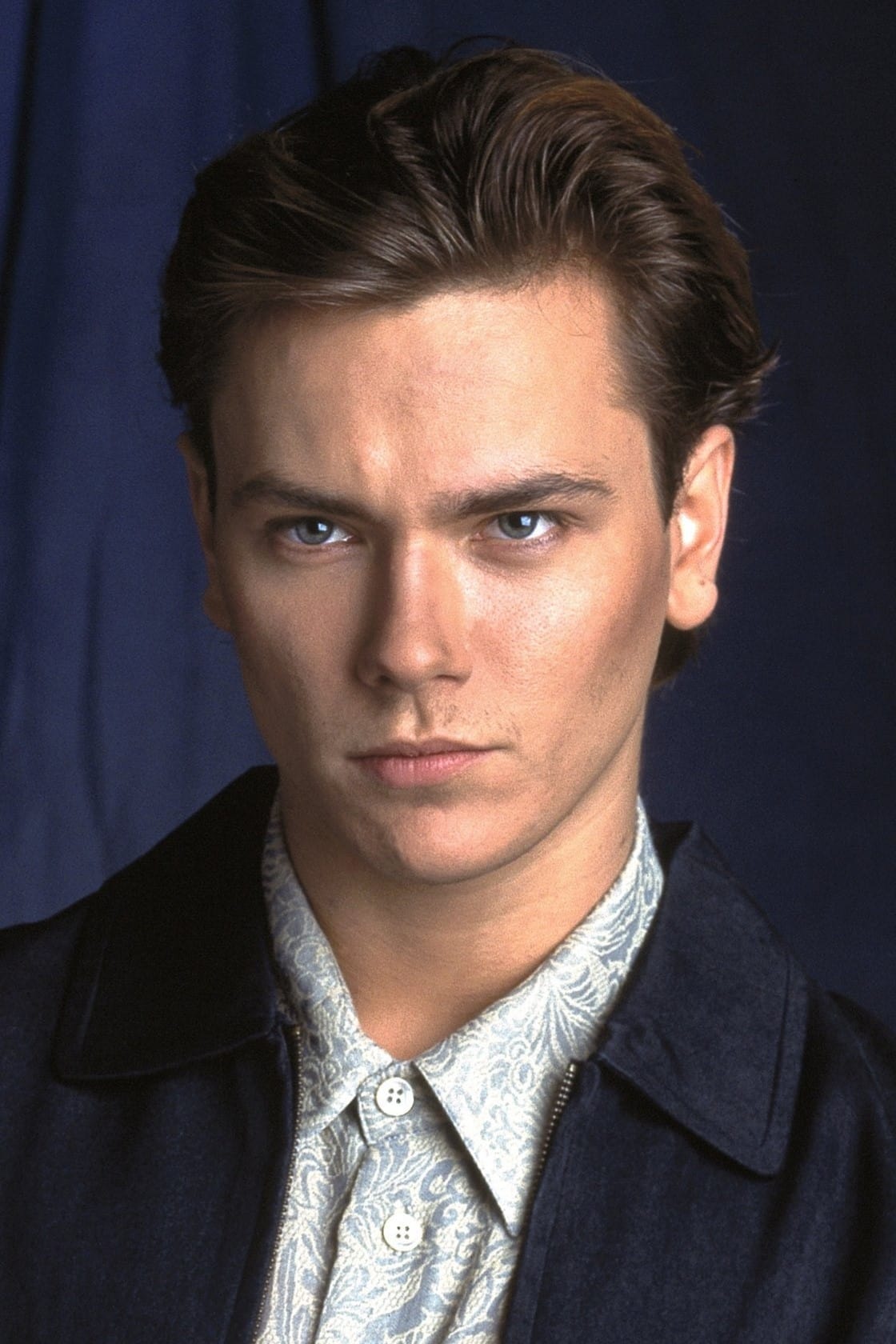
River Phoenix was a rising star who faced significant difficulties with traditional education and reading due to his dyslexia. He found that he could connect much more easily with the world through music and acting. When preparing for his breakout roles he relied on listening to the rhythm of the lines rather than reading them off a page. This allowed him to deliver raw and authentic performances in films like ‘Stand by Me’ and ‘My Own Private Idaho’. His talent was fueled by his ability to absorb the world through sound and emotion.
Harry Belafonte

Harry Belafonte struggled with reading throughout his life because of severe dyslexia that was not diagnosed during his youth. He found that he had to memorize every script and song lyric by listening and repetition. This method allowed him to become a groundbreaking actor and musician during the mid twentieth century. In films like ‘Carmen Jones’ he relied on his auditory focus to deliver a powerful performance. He has often spoken about how his challenges with literacy shaped his determination to succeed.
Aamir Khan
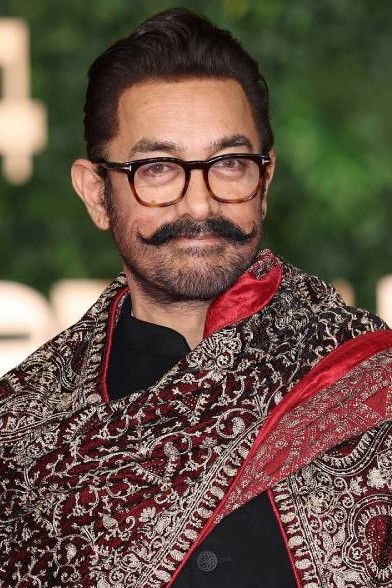
Aamir Khan is a legendary Indian actor who has shared his experiences with learning difficulties in many interviews. He often spent extra time with his directors and costars listening to the dialogue to ensure he understood the nuances of each scene. His performance in ‘Taare Zameen Par’ reflected his personal understanding of the struggles faced by children with dyslexia. By using auditory learning he has been able to maintain a high standard of excellence in his acting and filmmaking. He remains a powerful advocate for educational reform in India.
Chace Crawford
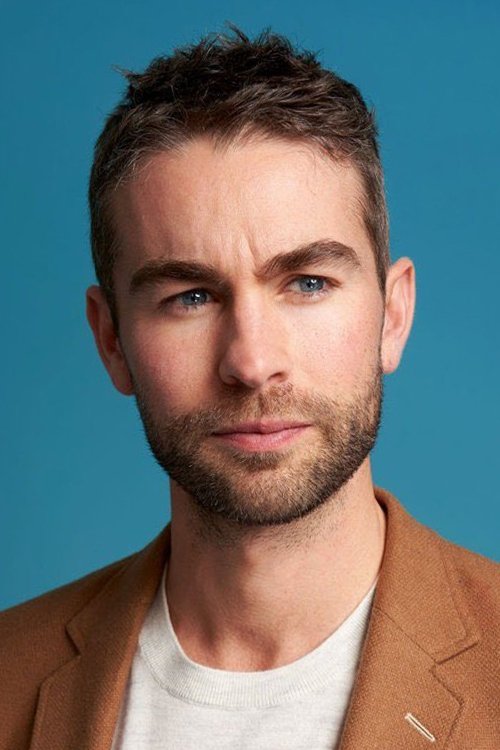
Chace Crawford was diagnosed with dyslexia as a young child and had to work much harder than his peers to get through school. He found that reading scripts for auditions was often an overwhelming task that required extra preparation. To succeed he began to memorize his lines by listening to recordings and practicing with a coach. This auditory approach helped him land his breakout role on ‘Gossip Girl’ and continue his career in television and film. He believes that his learning style has made him a more observant and focused performer.
James Marsden
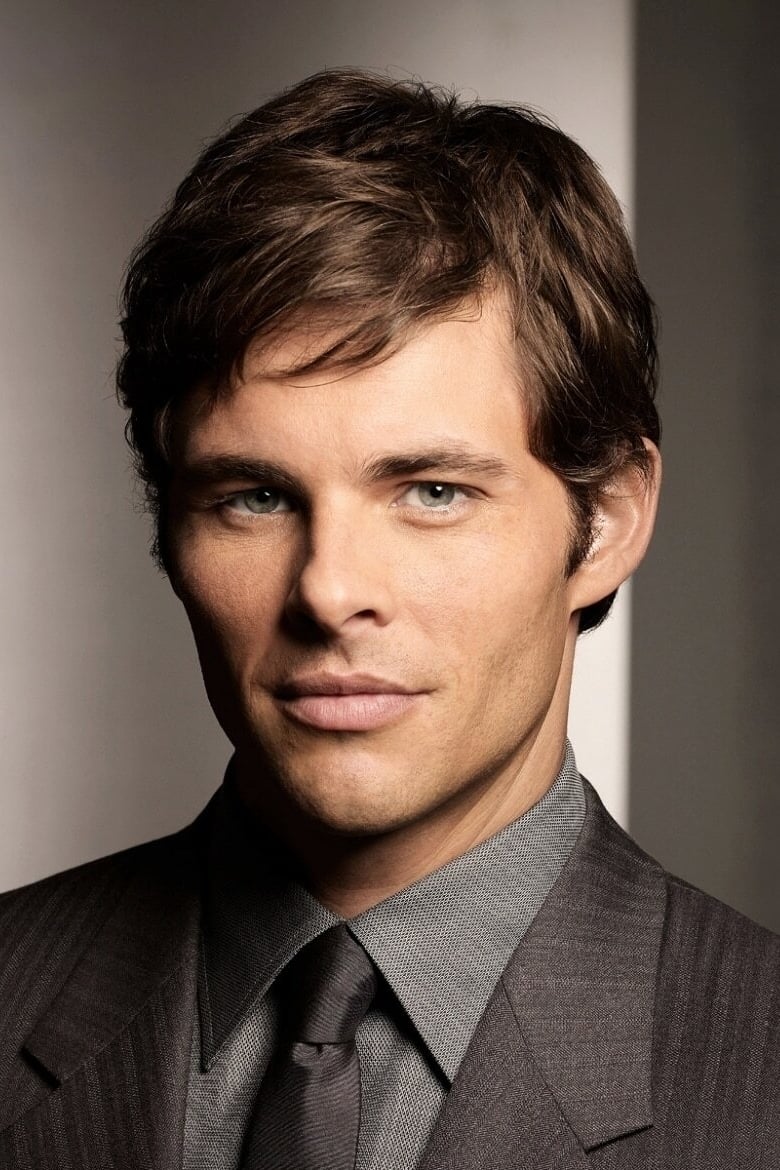
James Marsden has navigated a successful career in film and television while managing the challenges of dyslexia. He found that traditional reading was not his strength and focused instead on his ability to learn through hearing. By listening to the lines and the flow of the dialogue he was able to prepare for roles in ‘X Men’ and ‘Enchanted’ with confidence. This auditory method allowed him to handle complex musical numbers and fast paced scenes. He continues to be a versatile actor who proves that learning differences do not define artistic potential.
Share your own favorite stories of actors who overcame learning hurdles in the comments.