


Actors Who Learned Wild Skills Just for One Role

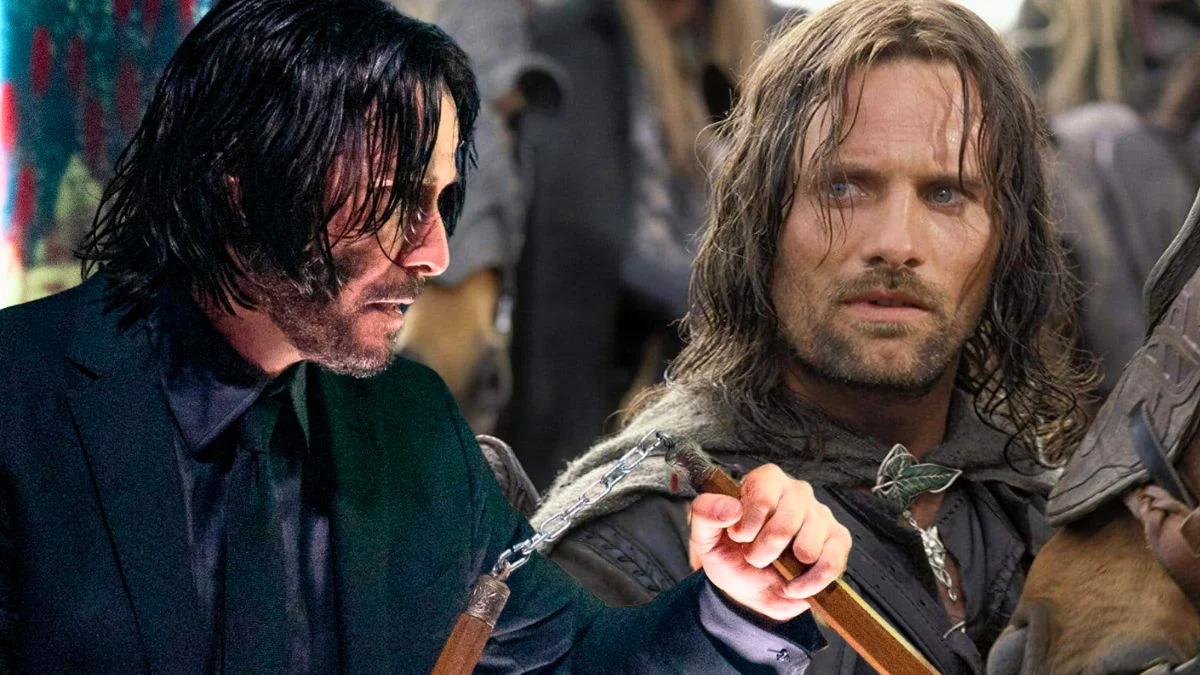


Some roles demand more than a script and a great wardrobe—they demand brand-new abilities most of us would never attempt. From deep-sea breath holds to helicopter aerobatics, these performers trained like specialists to make their characters feel startlingly real.
Here are 25 times actors went all-in to learn a wild skill for a single project. The dedication shows up on screen in the smallest gestures—the way a hand grips a sword, the way a heel-and-toe downshift sings—and it’s often the difference between a good performance and an unforgettable one.
Keanu Reeves – Gun-fu and stunt driving for ‘John Wick’
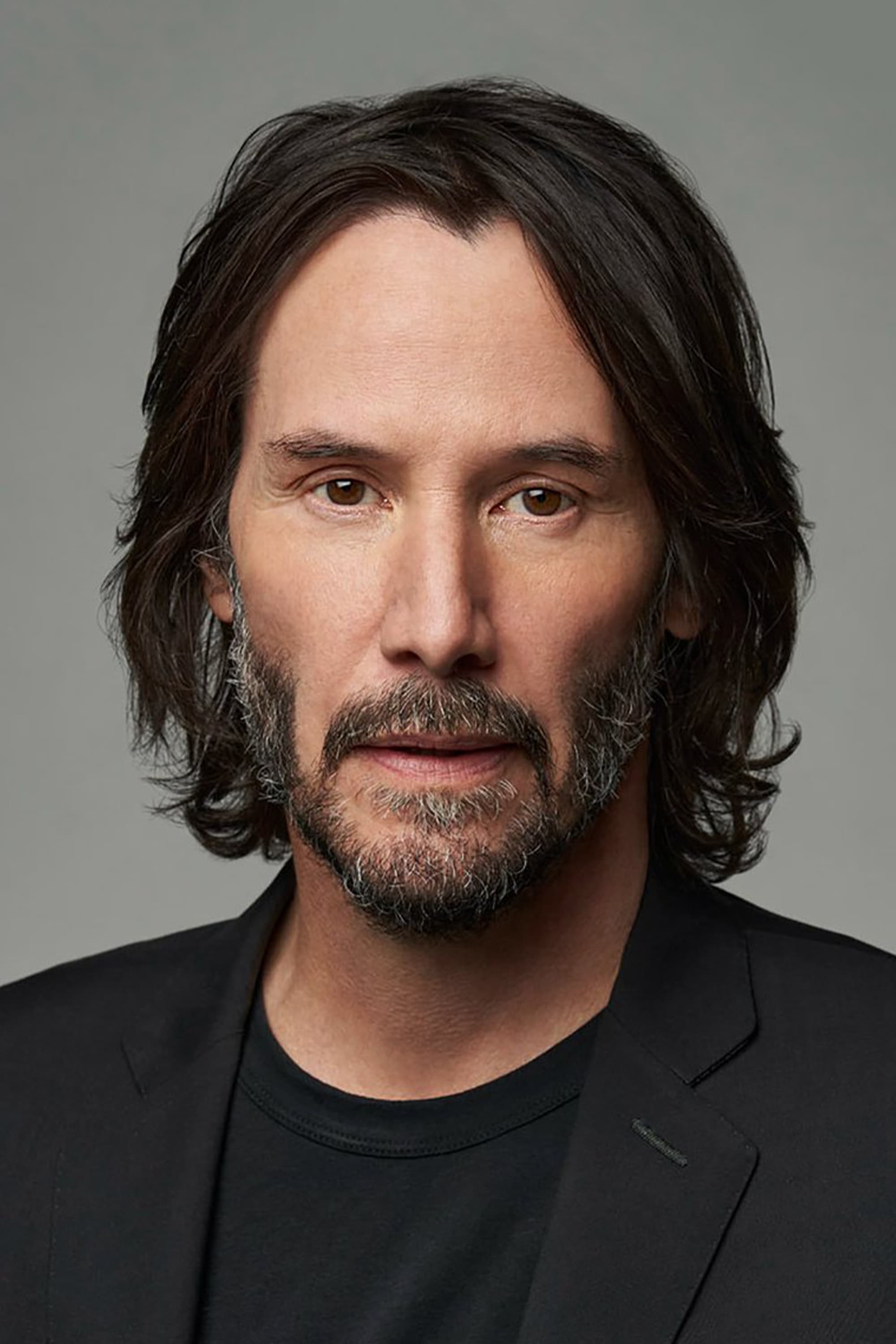
Reeves trained for months in live-fire three-gun (pistol, rifle, shotgun) and tactical reloads to build the smooth, relentless “gun-fu” style that defines ‘John Wick’. He layered that with judo and jiu-jitsu reps so throws, chokes, and weapon transitions felt second nature.
He also drilled precision driving—J-turns, drifting, and 180s—so fight scenes could spill through traffic without cutting to a double. That real-world skill set is why the action looks like a fluid dance instead of a stitched-together montage.
Tom Cruise – Helicopter piloting for ‘Mission: Impossible – Fallout’
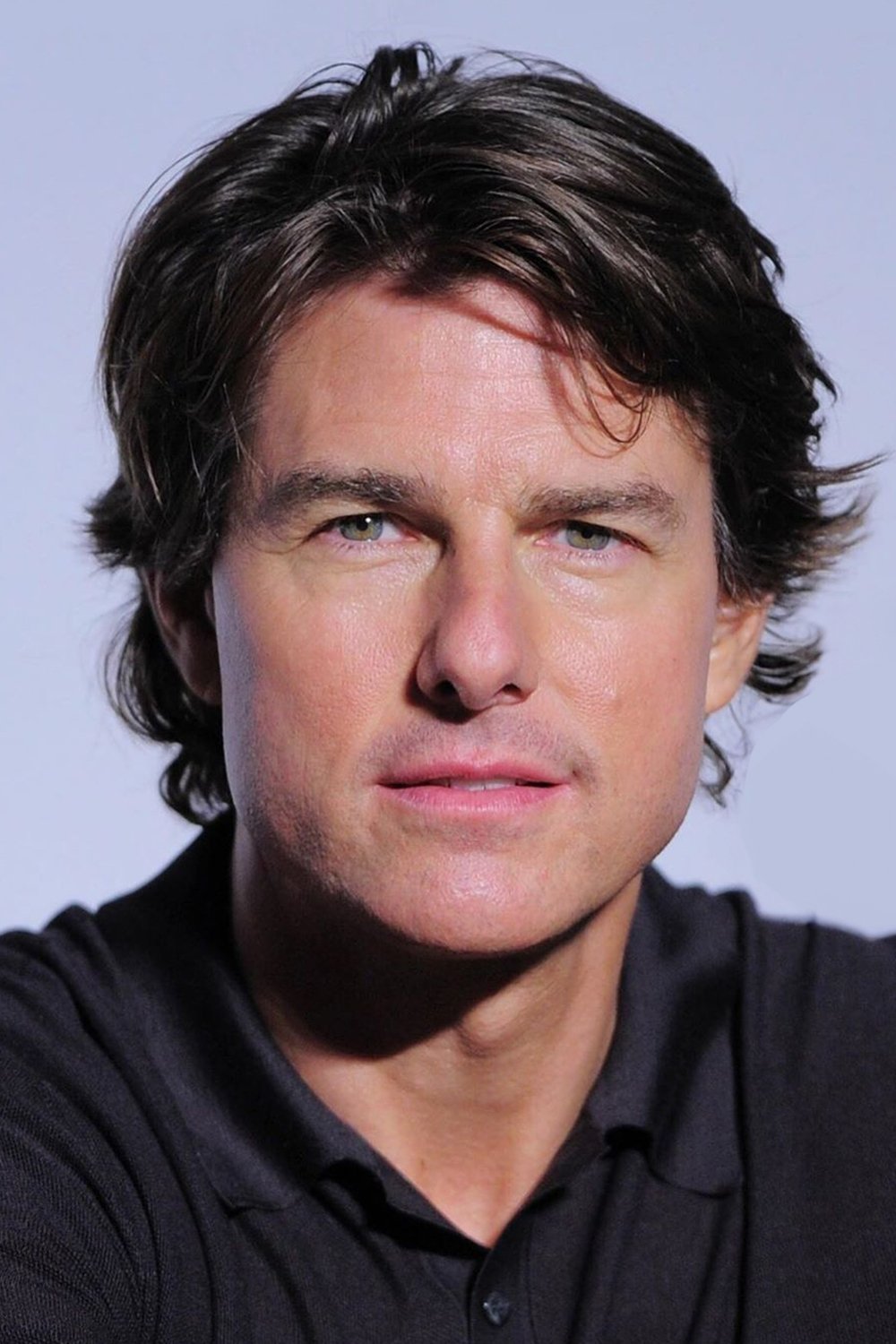
For ‘Mission: Impossible – Fallout’, Cruise didn’t just sit in a cockpit; he trained to actually pilot a helicopter through complex maneuvers, including steep climbs and low-altitude runs. The chopper chase works because he’s not pretending—that’s him on the stick.
It’s a perfect example of Cruise’s “do it for real” ethos: the camera can hold wider and longer, the stakes read higher, and you can feel the risk in every banking turn because the star himself is threading the needle.
Kate Winslet – Freediving for ‘Avatar: The Way of Water’
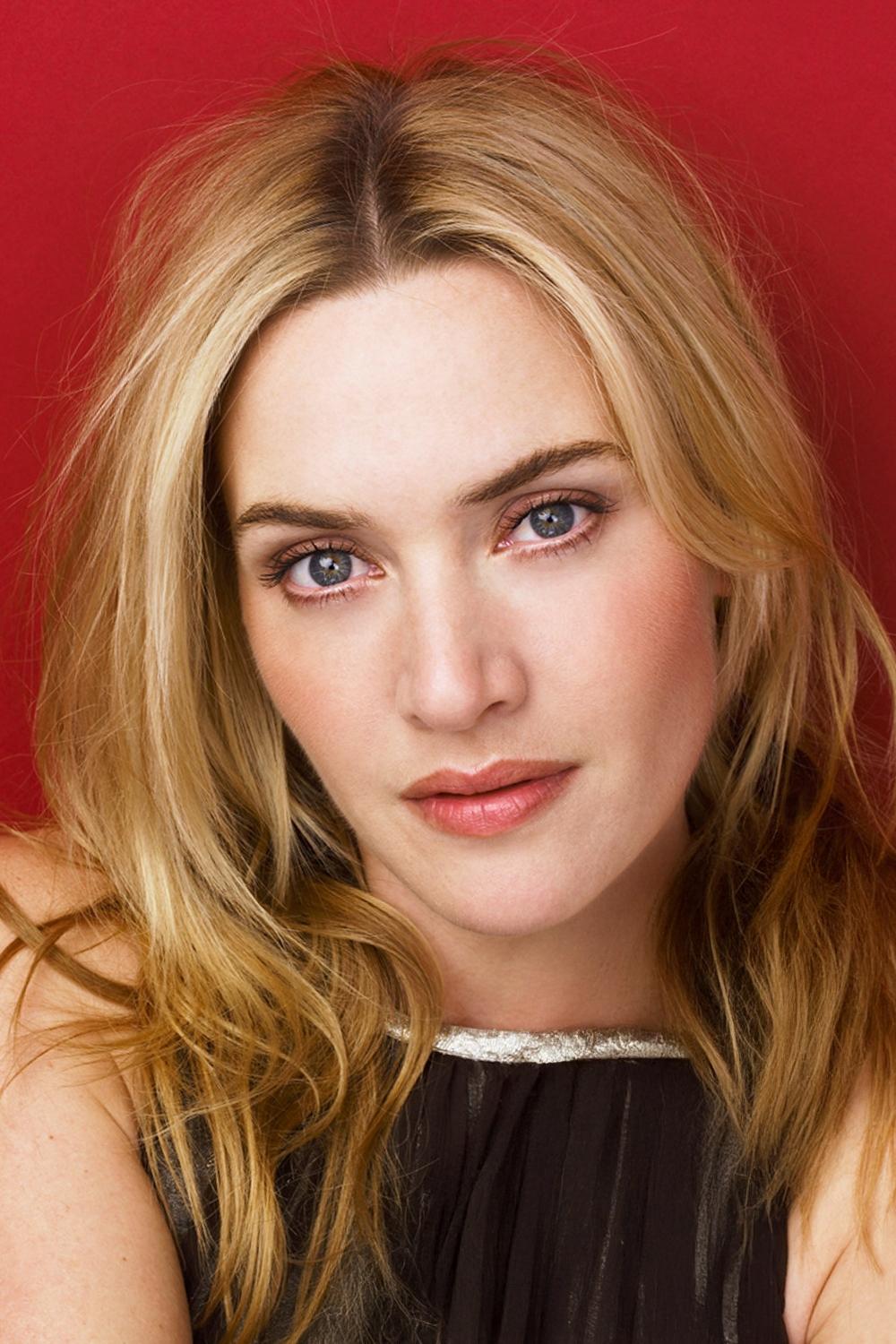
Winslet learned performance freediving so she could act underwater without bubbles or scuba gear. She reportedly achieved a jaw-dropping breath hold measured in minutes, letting scenes play with serene stillness beneath the surface in ‘Avatar: The Way of Water’.
That training gave the Na’vi ocean world a lived-in authenticity—no frantic cutting, just actors moving naturally in an alien sea, eyes steady, body language expressive.
Rooney Mara – Body piercings and motorcycle skills for ‘The Girl with the Dragon Tattoo’
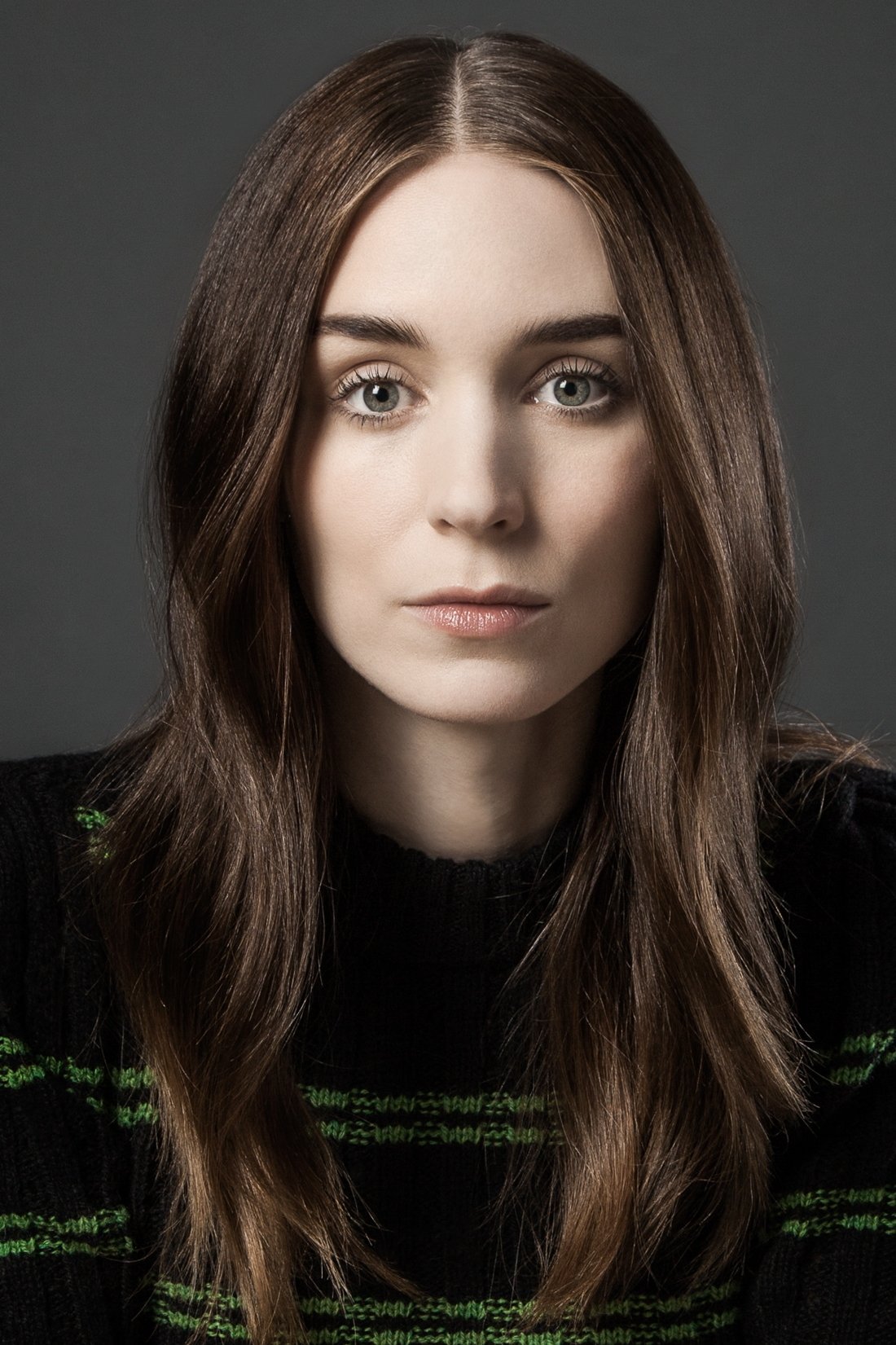
To inhabit Lisbeth Salander in ‘The Girl with the Dragon Tattoo’, Mara went far beyond wardrobe. She got multiple real piercings and learned to handle a motorcycle so the character’s spiky, solitary intensity wasn’t just an attitude—it was a lifestyle.
Those choices grounded Lisbeth’s physicality. The way she sits a bike, the way jewelry shifts when she moves, even the small discomforts—all of it sells a hacker who lives on the edge.
Margot Robbie – Figure skating for ‘I, Tonya’
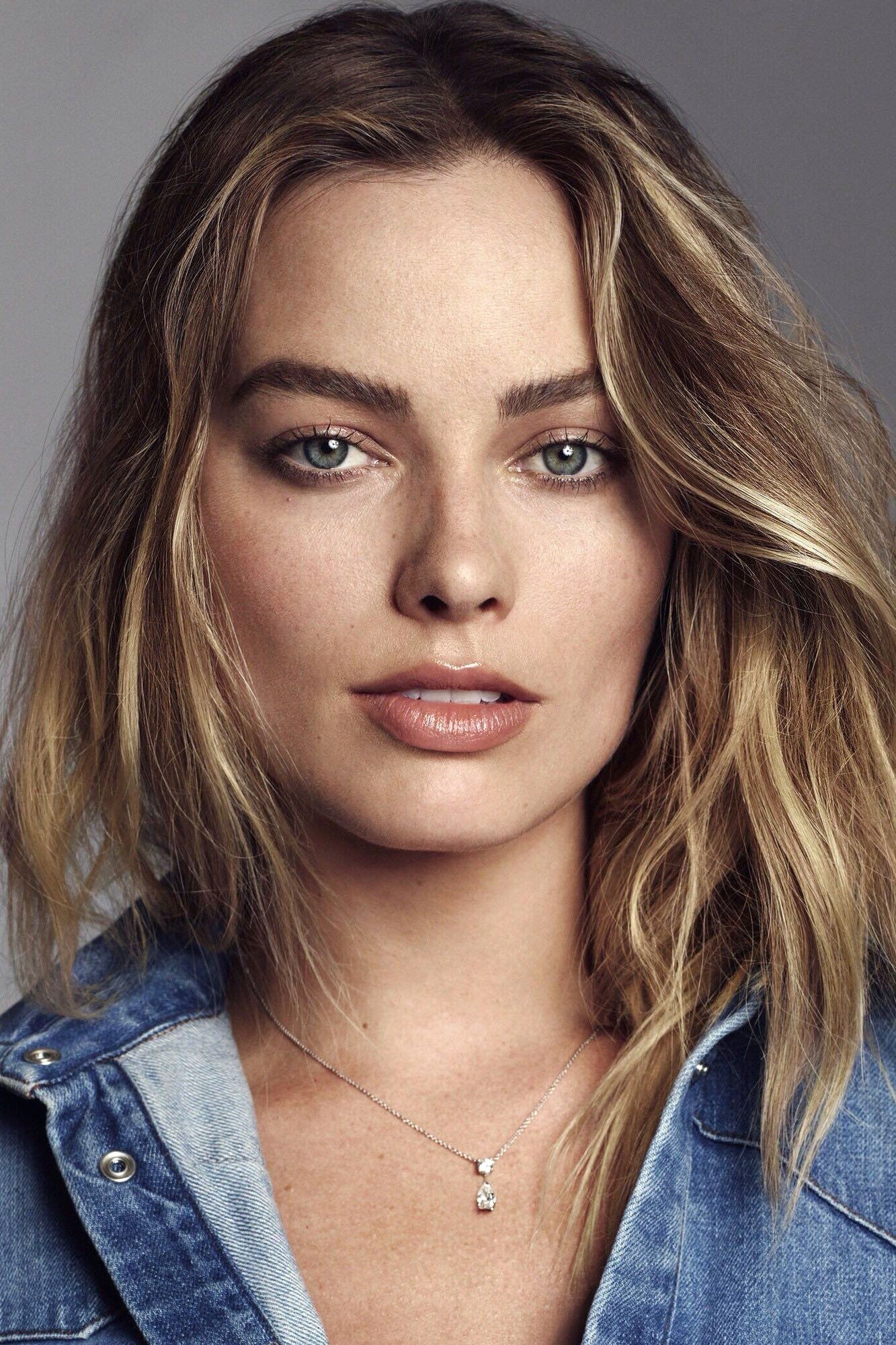
Robbie trained extensively in figure skating, mastering footwork, spins, and jumps to capture the attack and showmanship of Tonya Harding in ‘I, Tonya’. While the most extreme elements used doubles, Robbie’s on-ice fluency makes the character’s bravado feel authentic.
Her work pays off between the big moves—the posture in the kiss-and-cry, the explosive takeoffs, the razor-sharp stop at the boards that reads like a threat and a flourish.
Natalie Portman – Ballet for ‘Black Swan’
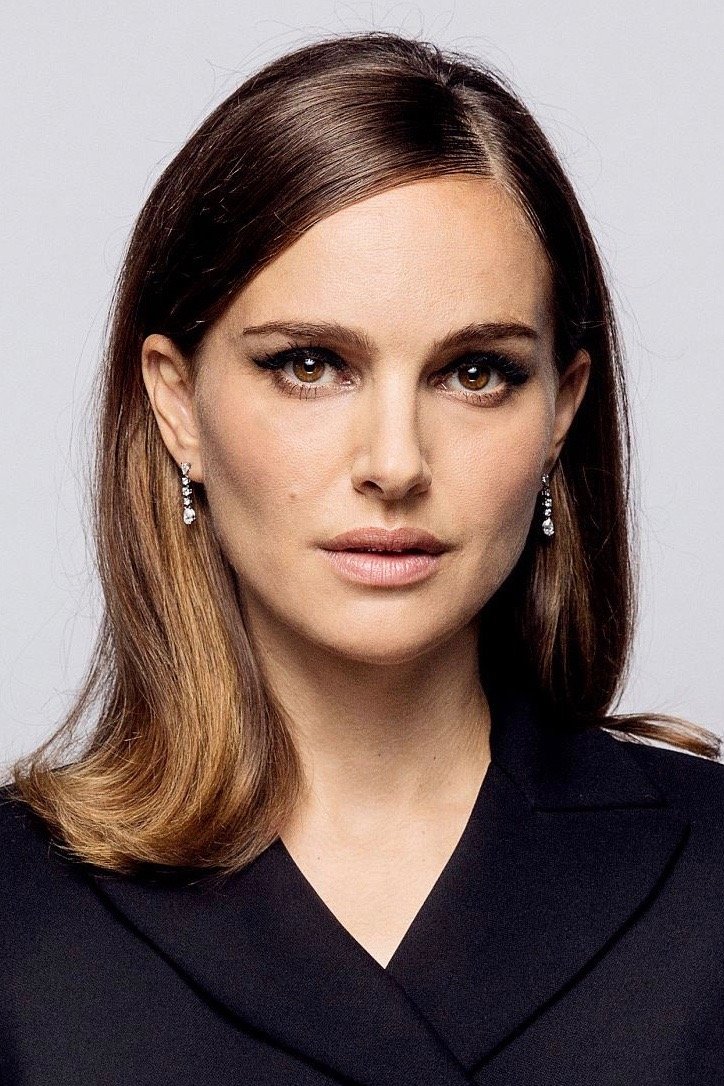
Portman undertook rigorous ballet training to embody a dancer’s line, turnout, and stamina for ‘Black Swan’. Beyond steps, it was about living in a dancer’s body—how to carry tension through the ribcage, how feet articulate, how exhaustion looks elegant.
That embodiment is why the film’s psychological unraveling hits so hard: the technique becomes the character’s prison and her weapon at once.
Daniel Day-Lewis – Butchery for ‘Gangs of New York’
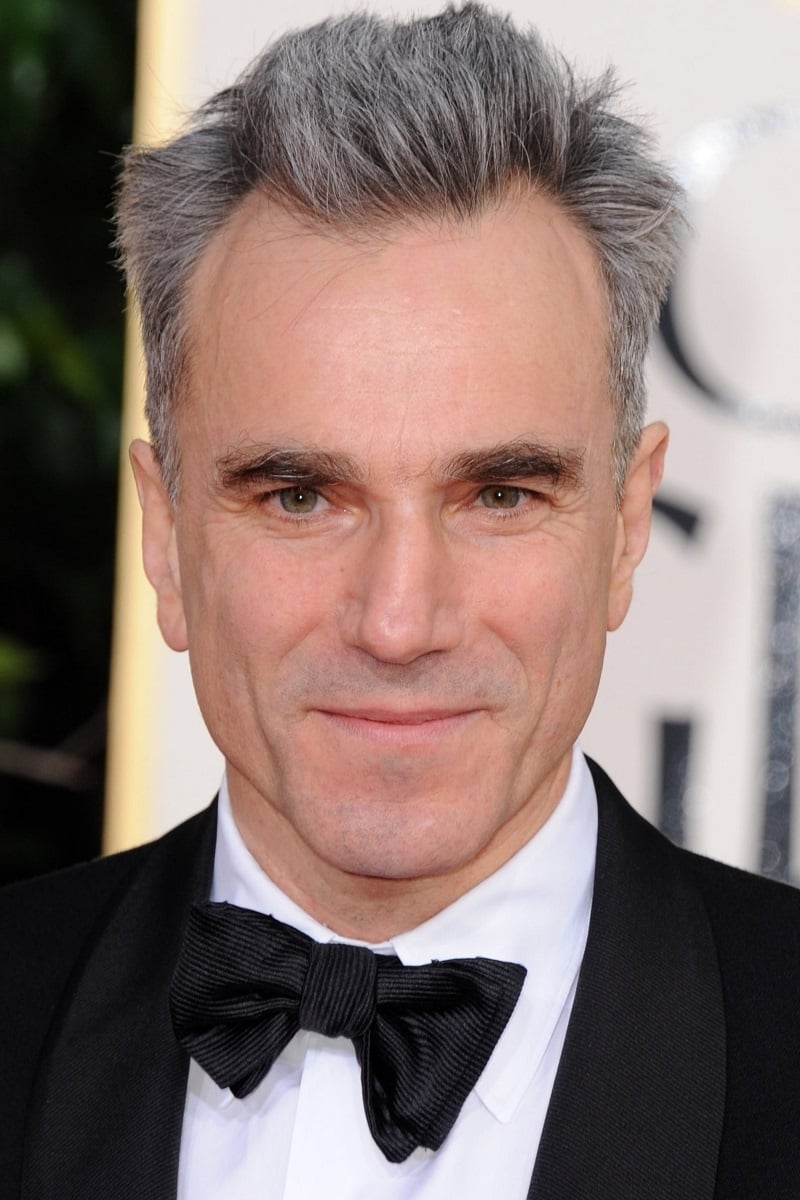
For ‘Gangs of New York’, Day-Lewis apprenticed in butchery so his blade work, sharpening rituals, and casual menace with knives felt utterly natural. The skill isn’t just a prop trick; it’s part of how Bill the Butcher communicates power.
You can see it in micro-moments—the way he tests an edge with his thumb, the economy of motion in a cut. The craft turns into character anthropology.
Viggo Mortensen – Swordsmanship and riding for ‘The Lord of the Rings’
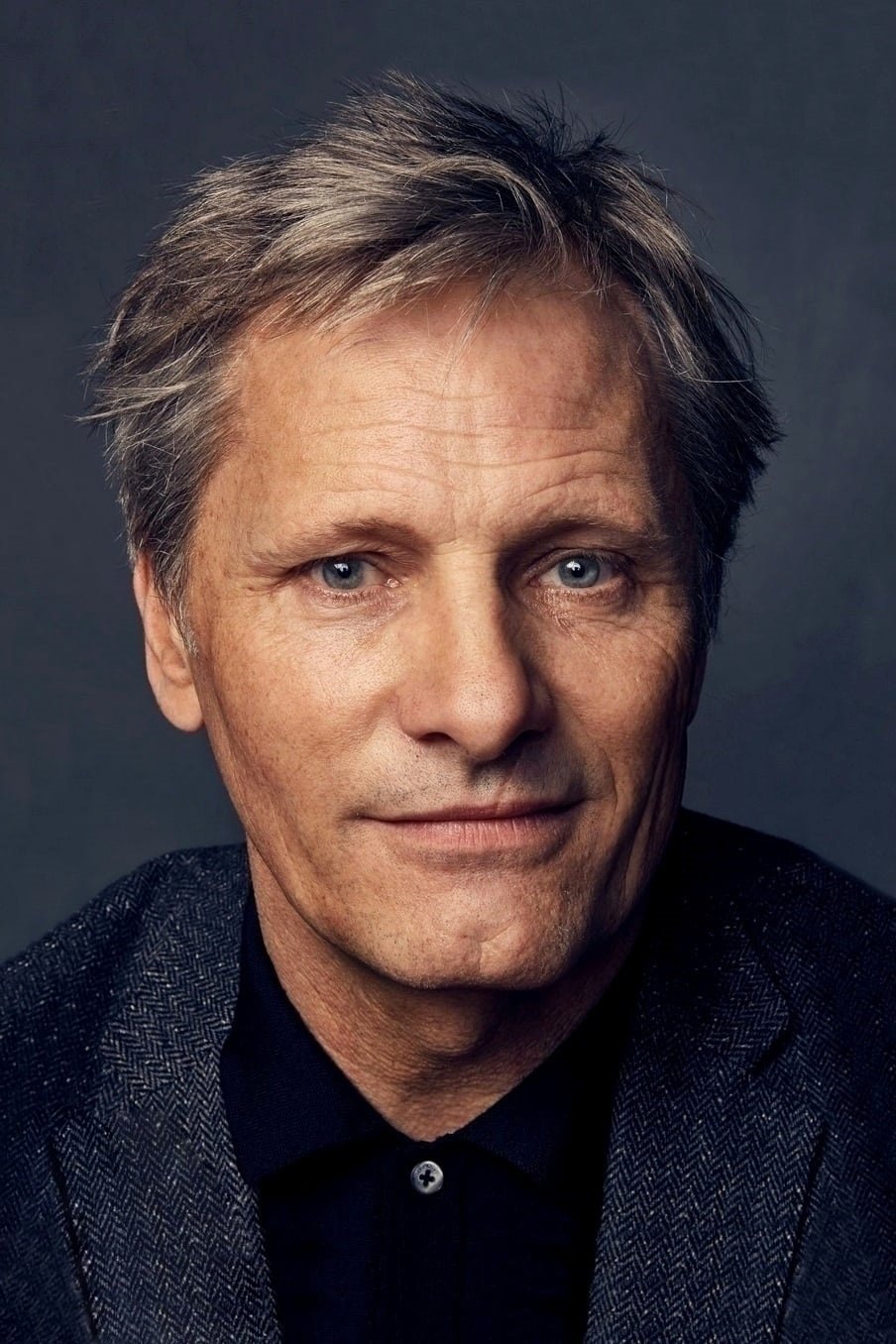
Mortensen trained in European sword techniques and became a fearless rider for ‘The Lord of the Rings’, often performing with his equine partner as if they were one organism. He even took his sword home to practice, building muscle memory on and off set.
That commitment gives Aragorn’s combat a grounded, weighty rhythm. The blade doesn’t just swing; it speaks a language of timing, distance, and intent.
Adrien Brody – Piano for ‘The Pianist’
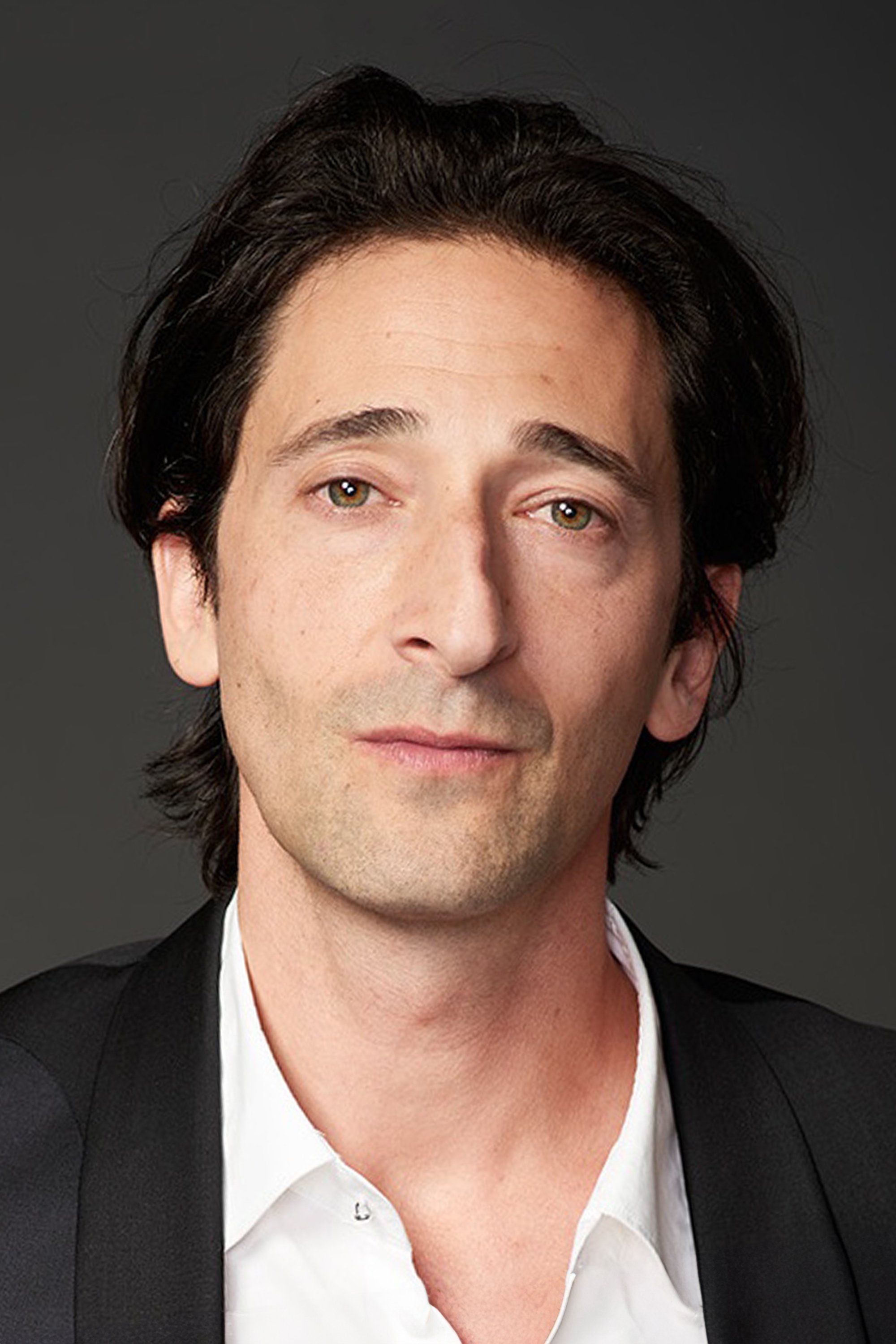
Brody learned to play classical piano passages for ‘The Pianist’, building the muscle memory, posture, and emotional vocabulary of a serious musician. Even when a double covers the most virtuosic angles, his hands and body tell the truth.
The result is haunting: music isn’t merely background—it pours out of his physicality, a lifeline to identity in a world collapsing around him.
Leonardo DiCaprio – Frontier survival for ‘The Revenant’
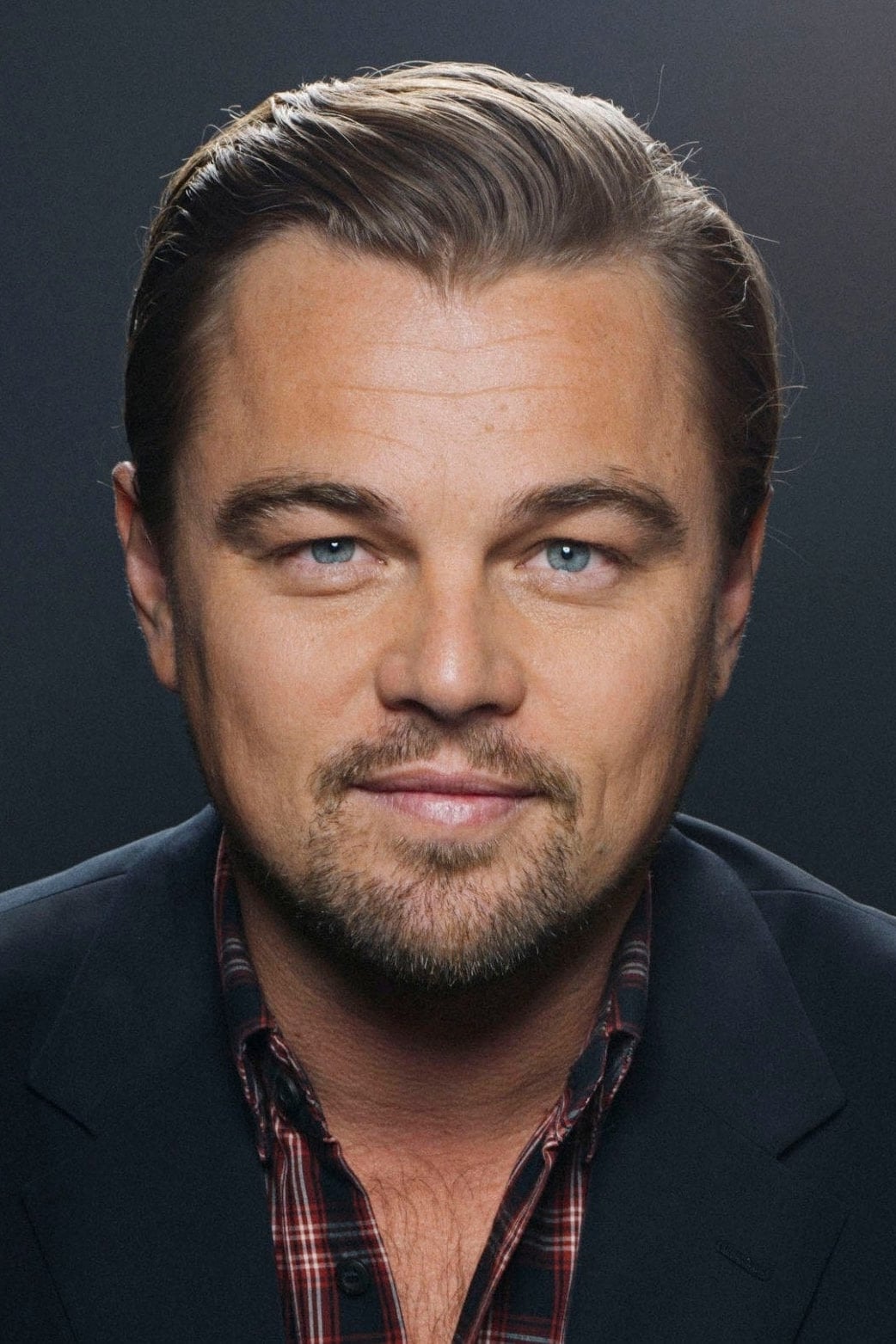
DiCaprio dove into cold-weather survival for ‘The Revenant’, learning primitive fire-making, handling period weapons, and moving through wilderness like someone who reads the land. He leaned into the brutal textures of the environment so nothing felt staged.
Because the survival behavior is real, the film’s silence works. Breathing clouds, hands numbed, every motion purposeful—it’s a performance built from endurance and craft.
Robert De Niro – Boxing for ‘Raging Bull’
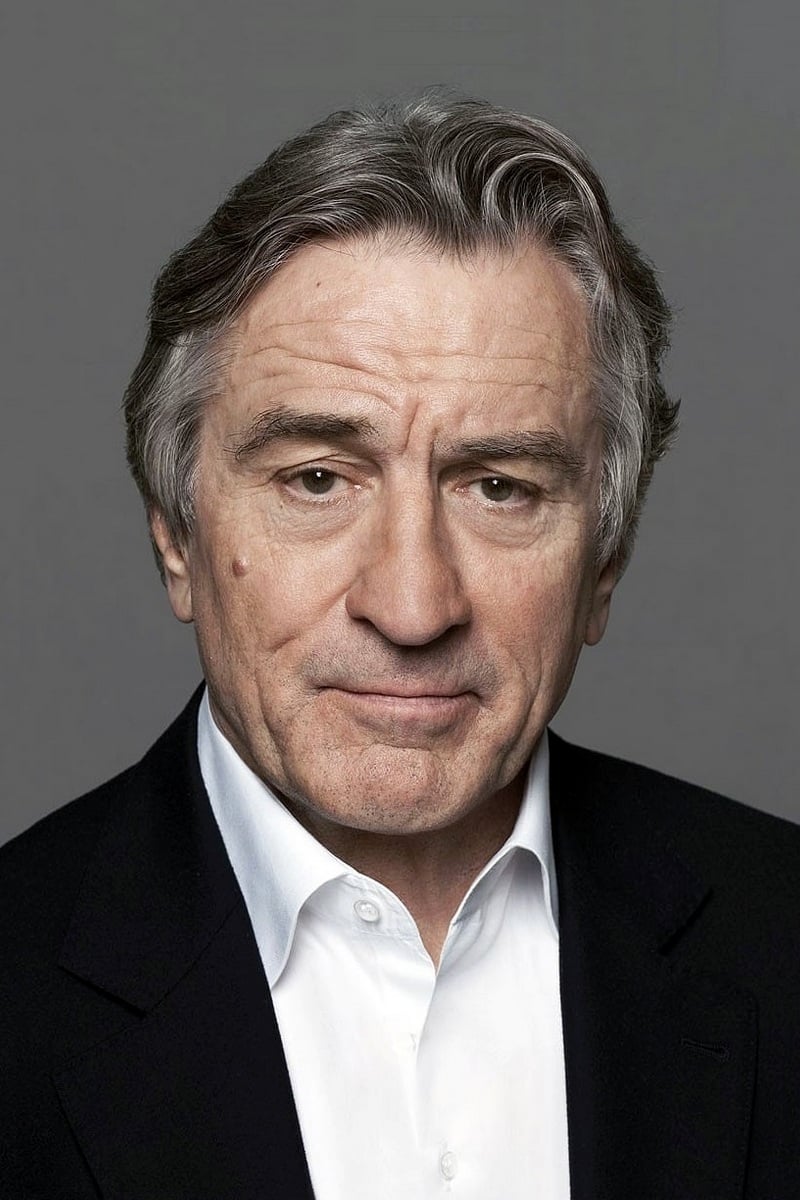
De Niro trained as a boxer long and hard enough to fight real bouts while preparing for ‘Raging Bull’. He learned ring craft—footwork, feints, balance—so Jake LaMotta’s style felt specific, not generic “movie punching”.
That specificity makes each round tell a story. The corner work, the clinches, the breathing patterns—De Niro wears the sport, not a costume.
Hilary Swank – Boxing for ‘Million Dollar Baby’
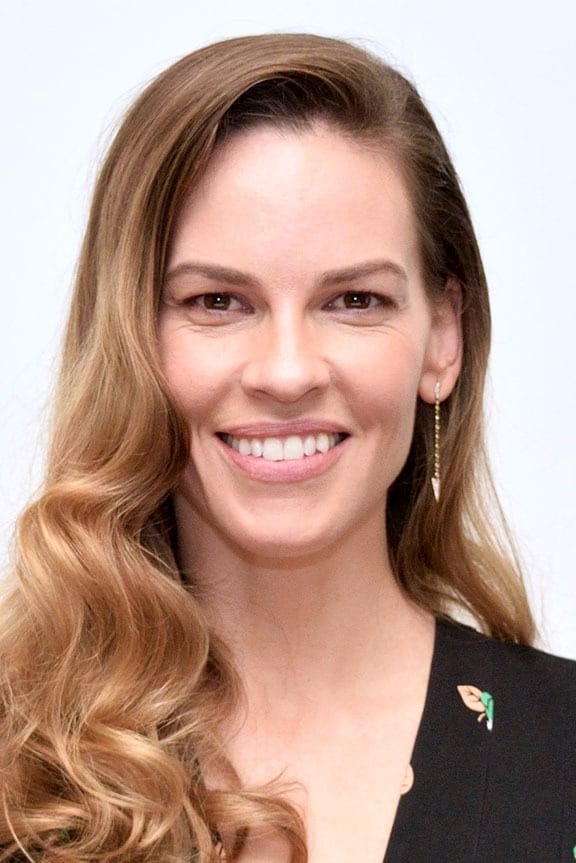
Swank put on serious ring hours to transform into a committed fighter in ‘Million Dollar Baby’. The stance, the jab that snaps back, the way she covers up—these are habits forged in repetitive drills, not just coached for a close-up.
Her physical credibility lets the film lean on small details: glove tape, rope pressure, eyes tracking an opening. The drama lands because the craft is there.
Christian Bale – Racing techniques for ‘Ford v Ferrari’
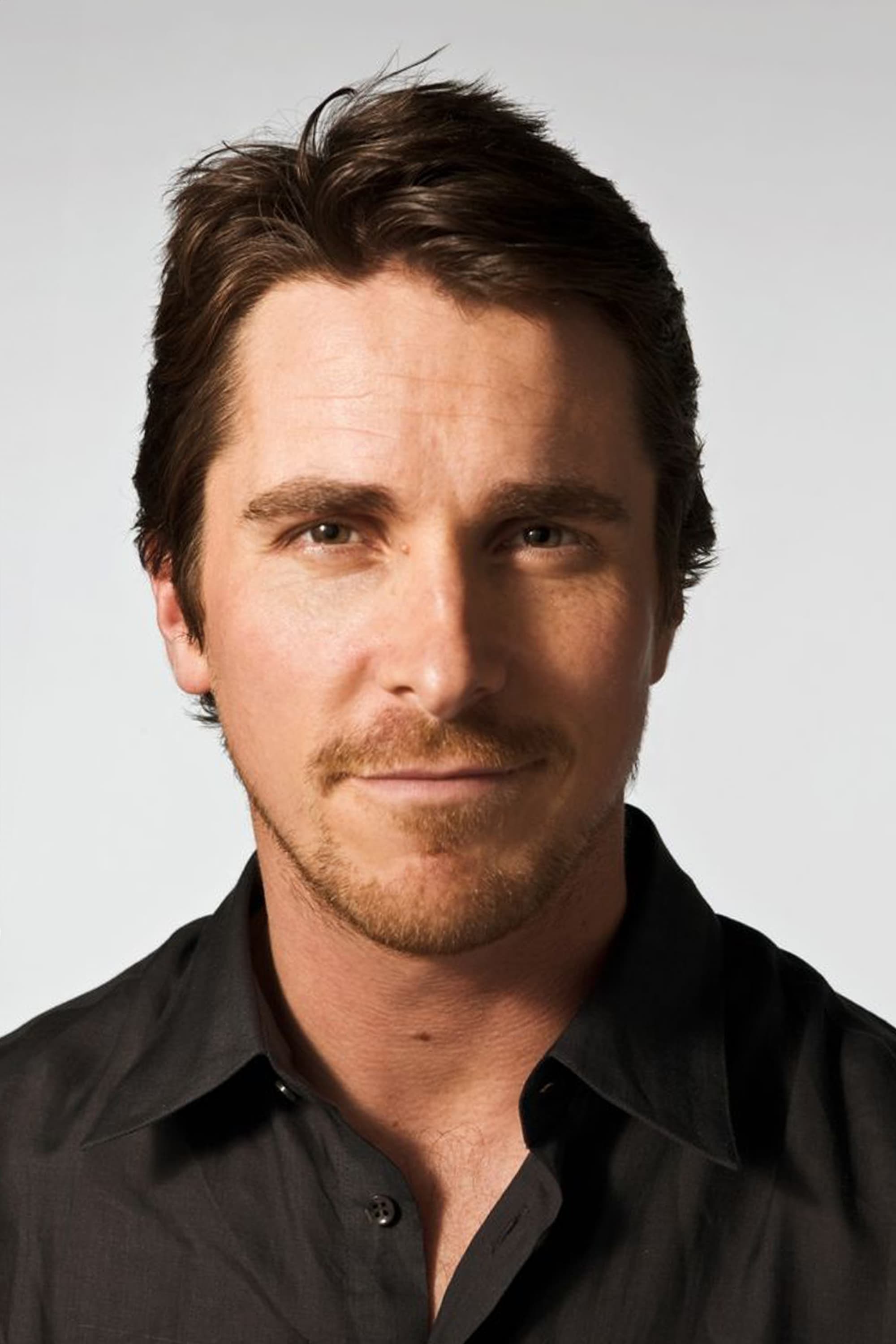
Bale studied racing lines, heel-and-toe downshifts, and cockpit discipline to channel Ken Miles in ‘Ford v Ferrari’. Even with safety limits and doubles, he learned how drivers think: what a car tells you through vibration, how to place it on the edge.
That knowledge electrifies the in-car scenes. You don’t see an actor pretending to yank a wheel—you see a racer managing chaos with mechanical empathy.
Henry Cavill – Long-take swordwork for ‘The Witcher’
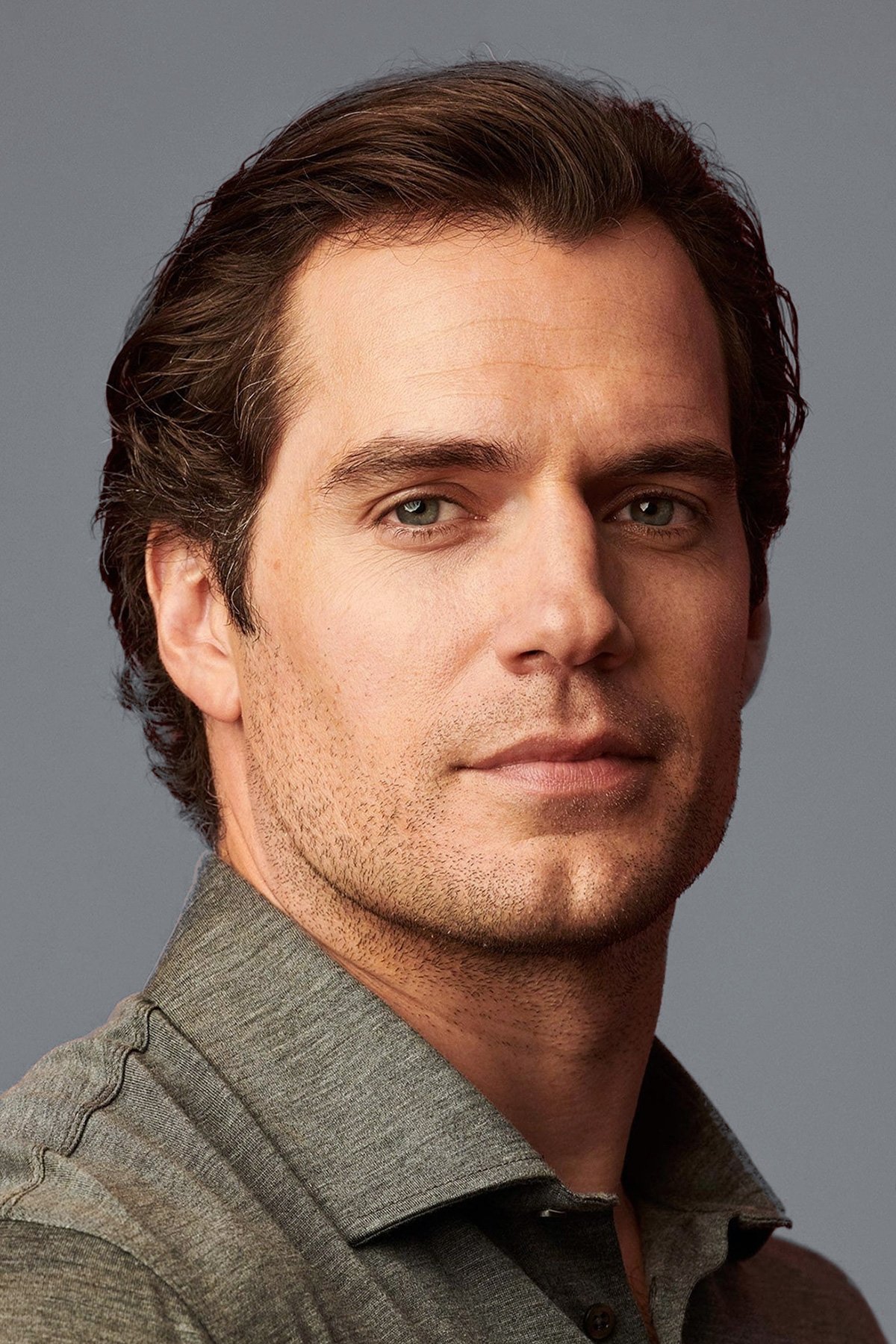
Cavill trained to execute complex sword choreography in long takes for ‘The Witcher’, prioritizing edge alignment, footwork, and body mechanics that read as lethal efficiency. He pushed to minimize cuts so audiences could watch the technique breathe.
It pays off in the show’s most talked-about fights, where rhythm, balance, and blade tracking make Geralt look like a professional monster killer, not a fantasy tourist.
Zendaya – Aerial silks and trapeze for ‘The Greatest Showman’

Zendaya learned aerial work for ‘The Greatest Showman’, developing grip strength, timing, and spatial awareness to perform in the air with grace and control. It’s not just stunts—it’s choreography in three dimensions.
That training gives her scenes a floating intimacy. Moments of trust mid-swing feel truly risky because the technique behind them is real.
Alison Brie – Pro-wrestling fundamentals for ‘GLOW’
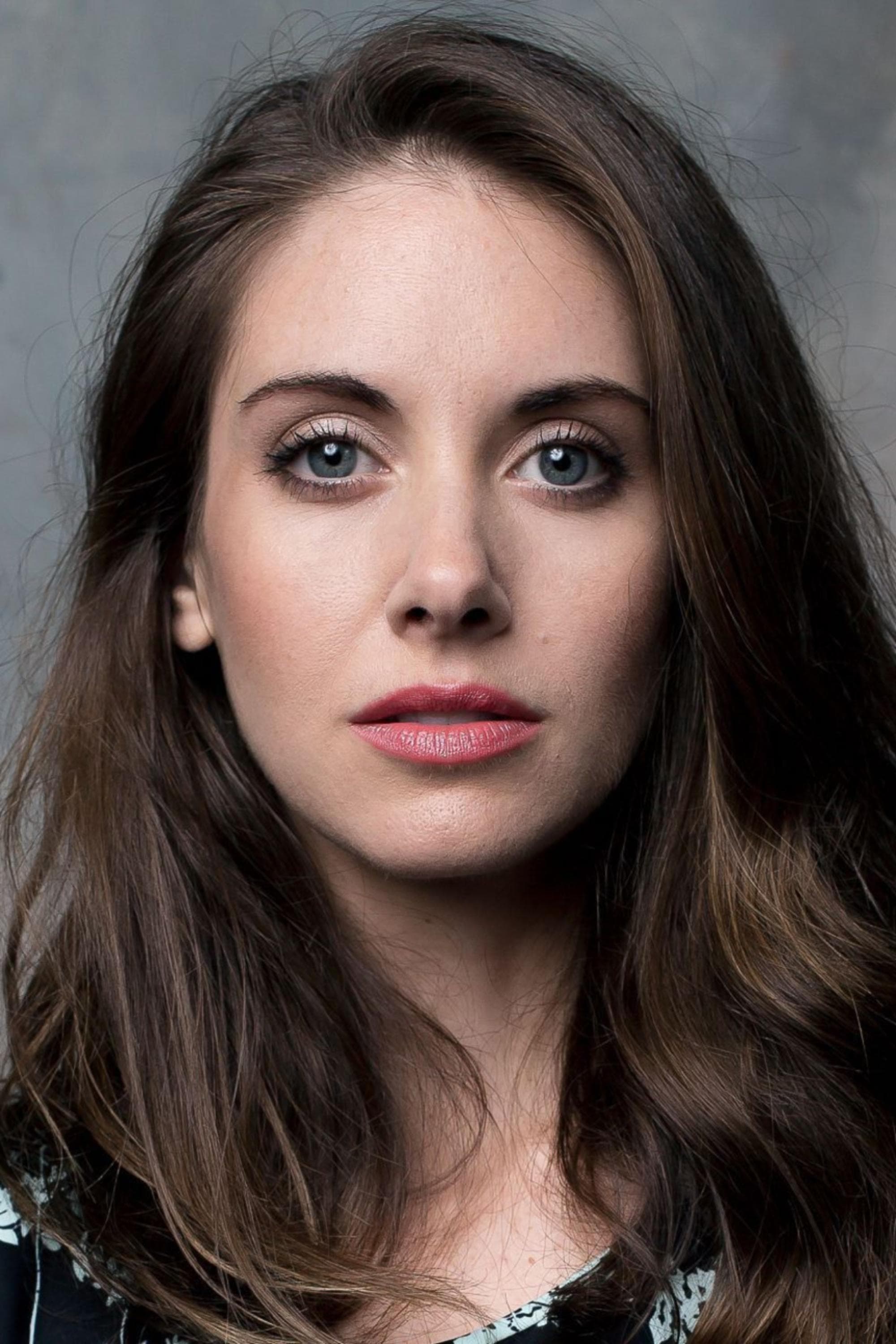
For ‘GLOW’, Brie trained in bumps, rolls, and match psychology—the storytelling grammar of professional wrestling. Learning how to land safely while selling impact is a demanding, technical craft.
Because she can work a sequence, the show can stage longer, clearer matches. You see characters tell stories with holds and reversals, not just quick cuts and reaction shots.
Benedict Cumberbatch – Finger-tutting and mystic “hand magic” for ‘Doctor Strange’
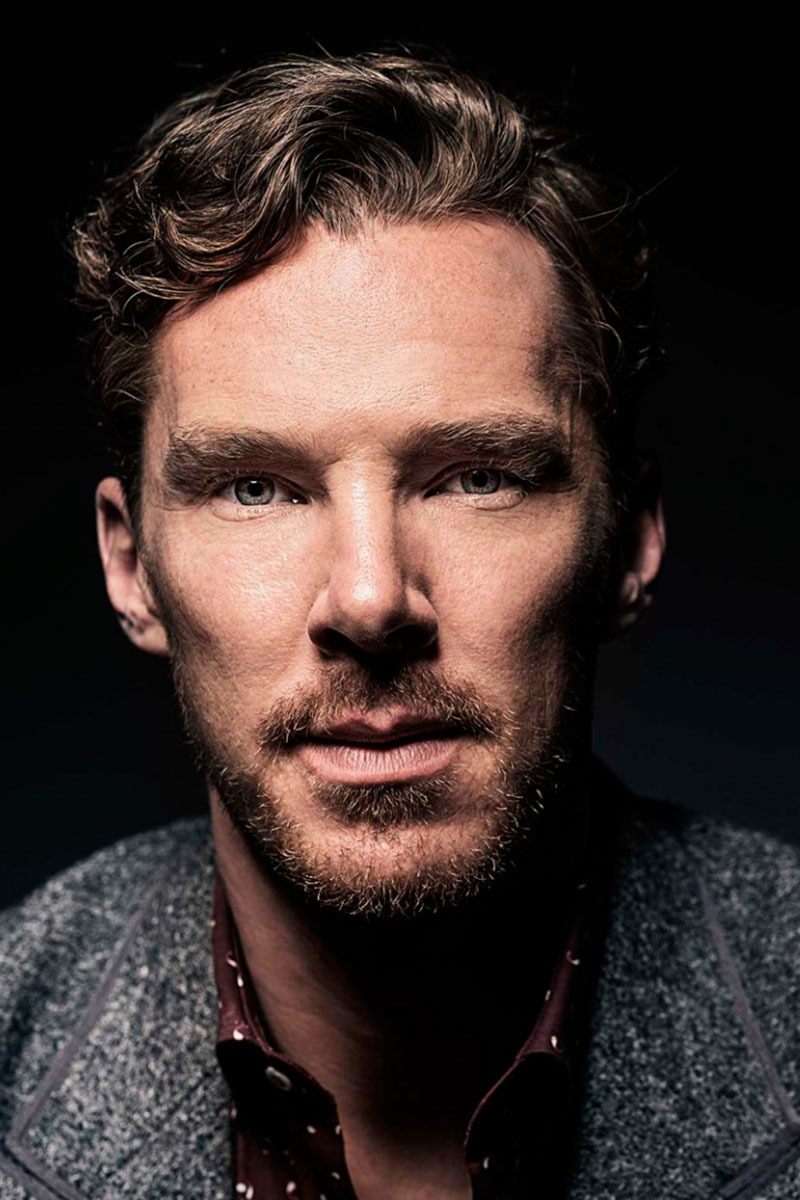
Cumberbatch studied intricate hand choreography—finger-tutting and illusion-style movements—to make spellcasting in ‘Doctor Strange’ look precise rather than vague. The gestures feel like a martial art for the hands.
That specificity turns VFX into character work: each movement has intention, so the magic feels authored, not generic particle glow.
Simu Liu – Wushu for ‘Shang-Chi and the Legend of the Ten Rings’
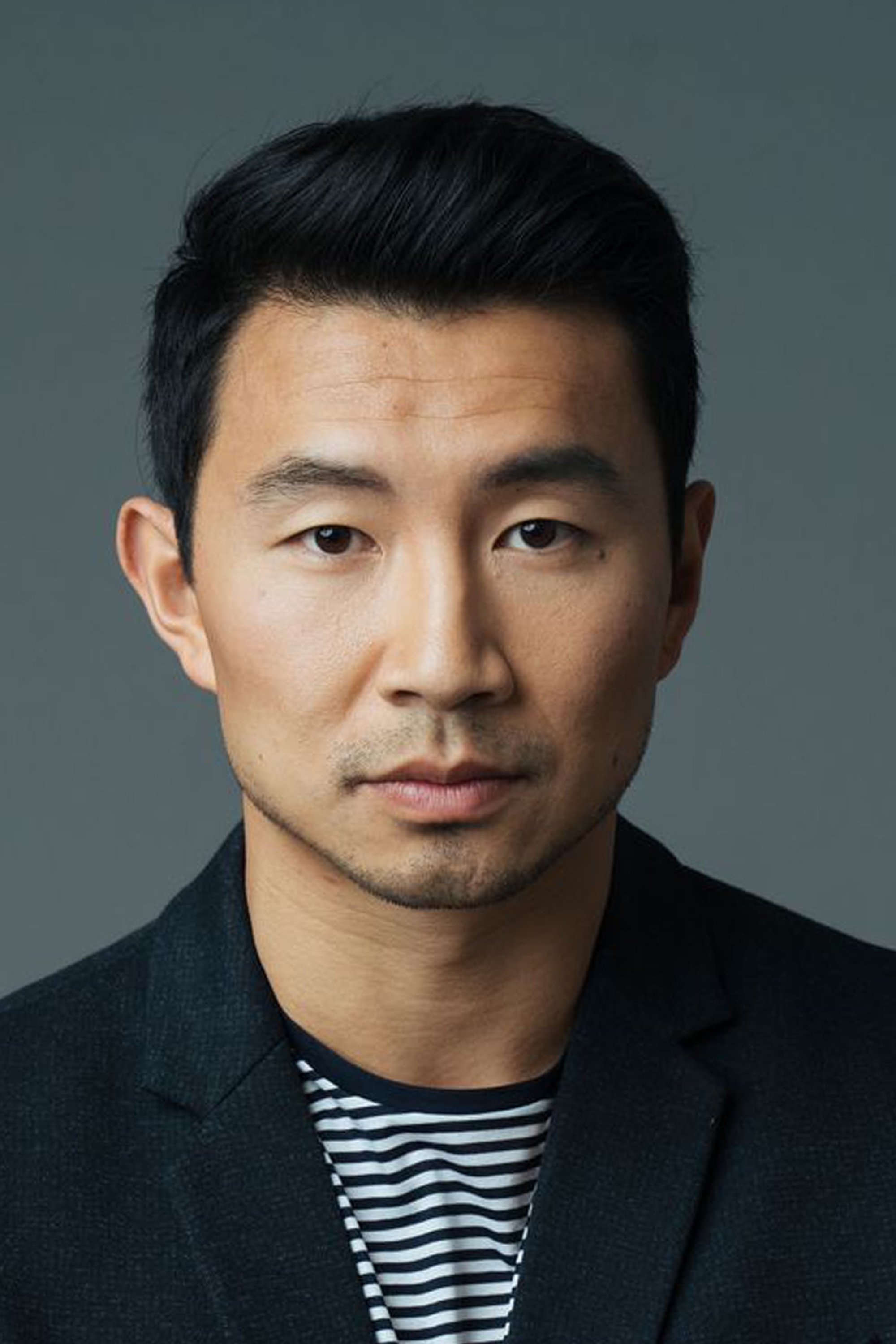
Liu trained across wushu forms, acrobatics, and screen fighting to carry the lead in ‘Shang-Chi and the Legend of the Ten Rings’. He worked on kicks, sweeps, and transitions that showcase flexibility and power without losing character.
Because he can really move, the film can stage classic Hong Kong-influenced sequences—wide shots, rhythmic exchanges, and storytelling through motion.
Ke Huy Quan – Fight choreography comeback for ‘Everything Everywhere All at Once’
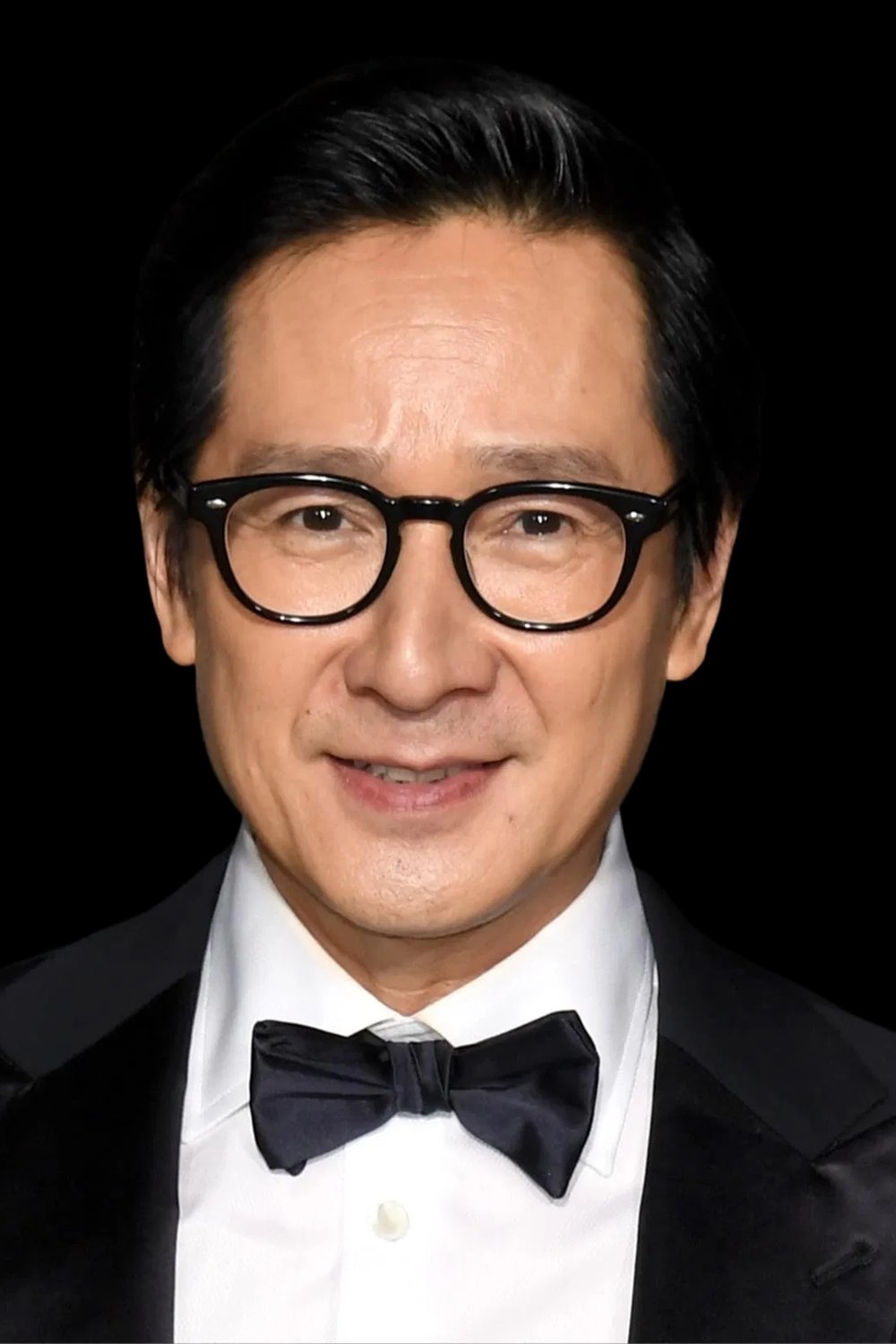
Returning to action after years behind the camera, Quan retrained in modern screen fighting to create inventive, character-driven combat for ‘Everything Everywhere All at Once’. He fused martial basics with prop play and comedic timing.
The famous fanny-pack scene lands because the mechanics are there: weight transfer, beat changes, and clean reactions that make absurdity look astonishingly credible.
Charlize Theron – Judo, wrestling, and driving for ‘Atomic Blonde’

Theron poured herself into grappling and striking for ‘Atomic Blonde’, emphasizing throws, joint locks, and grimy, exhausting exchanges that feel like they hurt. She also drilled vehicle work to complement the film’s kinetic style.
The result is bone-crunching realism: shoes slip, breath shortens, and furniture becomes a weapon—exactly what happens when technique meets desperation.
Michelle Yeoh – Phonetic Mandarin and swordplay for ‘Crouching Tiger, Hidden Dragon’
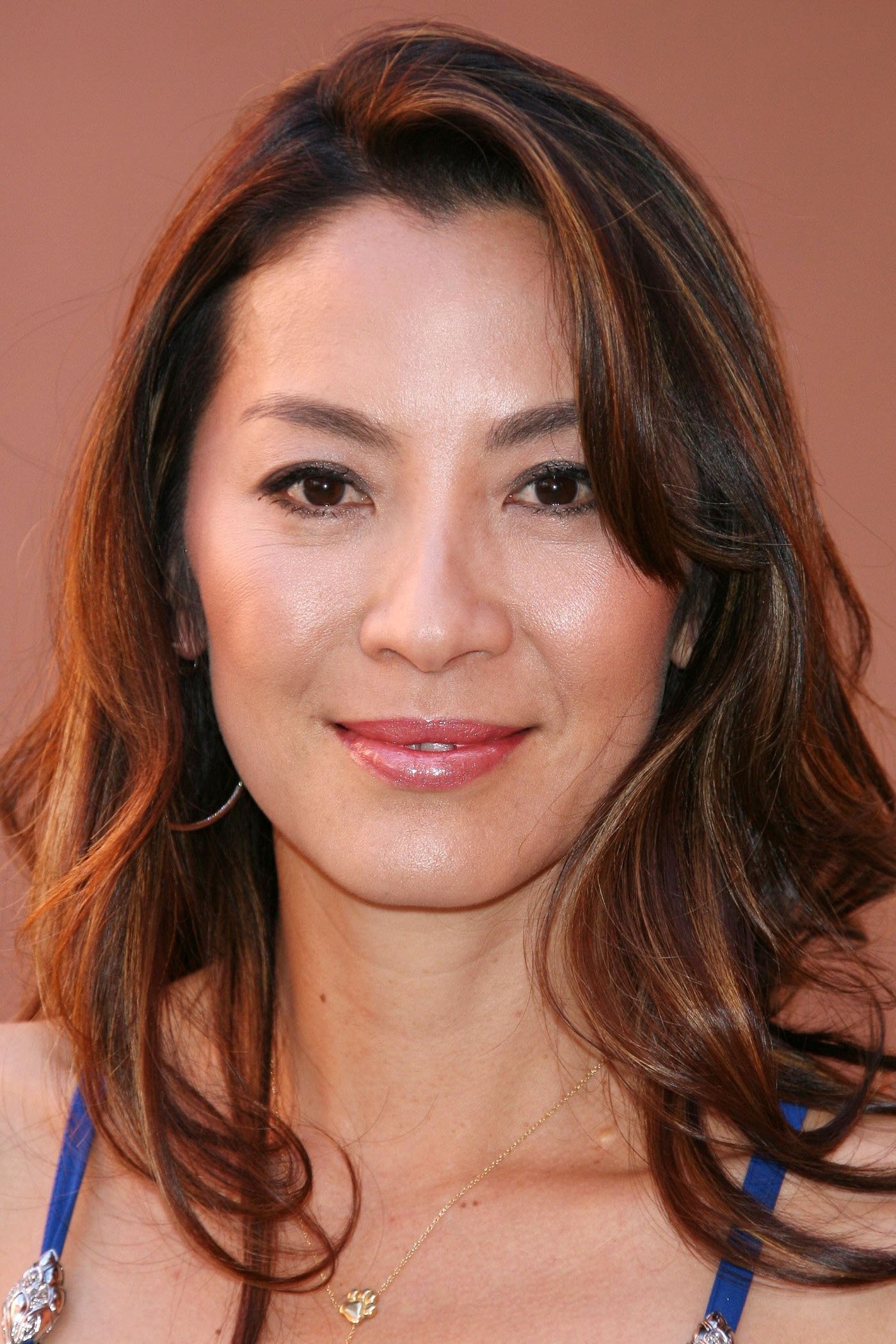
Yeoh, already a screen fighter, learned her Mandarin dialogue phonetically for ‘Crouching Tiger, Hidden Dragon’ while mastering elegant sword choreography. Memorizing sounds rather than words is its own high-wire act.
Layered with her precise movement, it creates a performance that’s musical in two ways: in the cadence of her speech and in the rhythm of her blade.
Taron Egerton – Singing as Elton for ‘Rocketman’
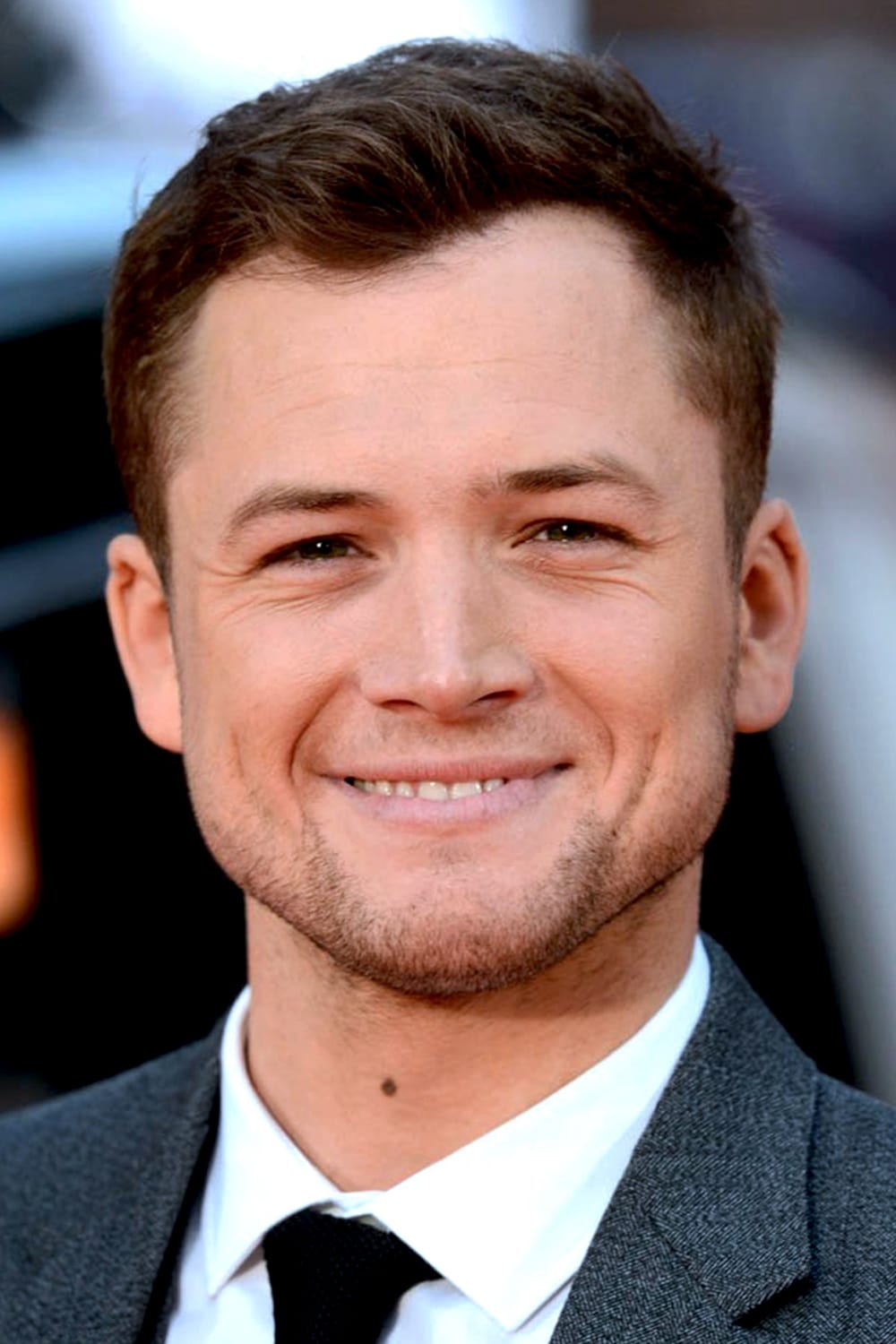
Egerton trained vocally to perform Elton John’s songs himself in ‘Rocketman’, shaping tone, breath, and phrasing to honor a singular voice without slipping into stiff impersonation.
Singing it for real lets the biopic stage numbers with spontaneity—emotional beats can swell or fracture mid-line because the actor controls the sound.
Austin Butler – Voice and stagecraft for ‘Elvis’
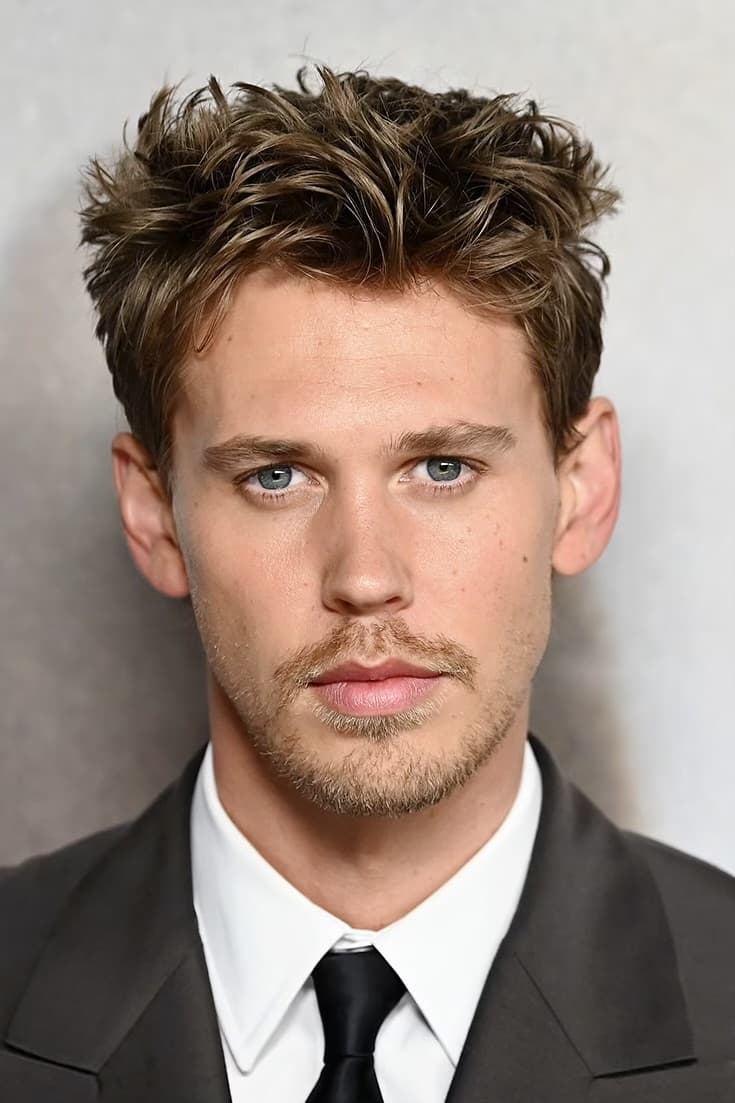
Butler put in serious voice work and stage movement study to capture Presley’s sound and physical electricity in ‘Elvis’. He learned how to place the voice and how tiny hip shifts can whip a crowd.
That physical-vocal fusion means performance scenes don’t just quote history—they thrum with the nervous energy of live music.
Daniel Craig – Stunt driving and firearms for ‘Casino Royale’
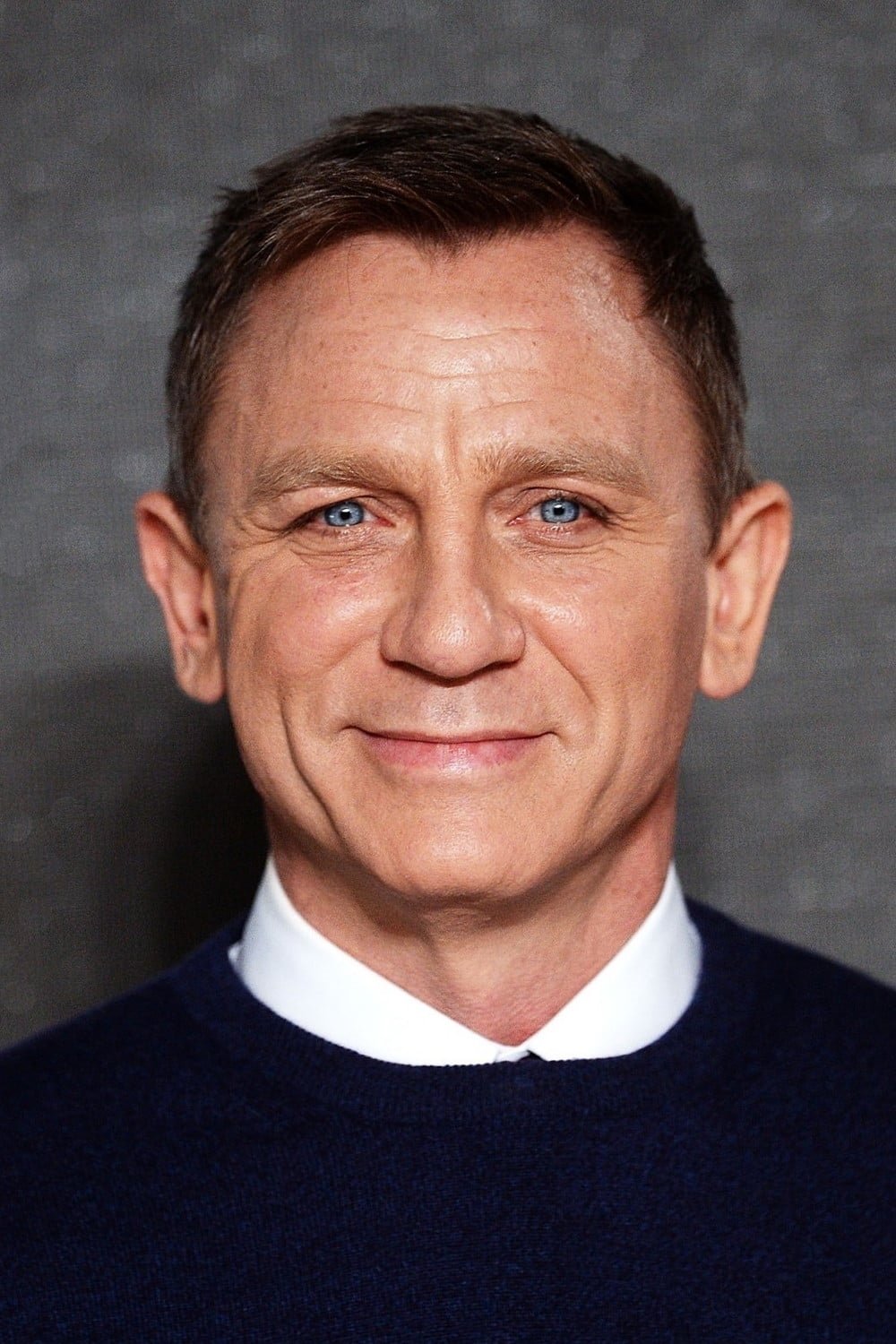
To reboot Bond in ‘Casino Royale’, Craig trained in tactical firearms handling, hand-to-hand combat, and high-performance driving. The gritty parkour pursuit works because the physical language feels new and bruising.
His Bond doesn’t glide; he collides. The skills let the film hold longer and closer, trusting the actor’s mechanics to sell danger.
Nicolas Cage – Precision driving for ‘Gone in 60 Seconds’
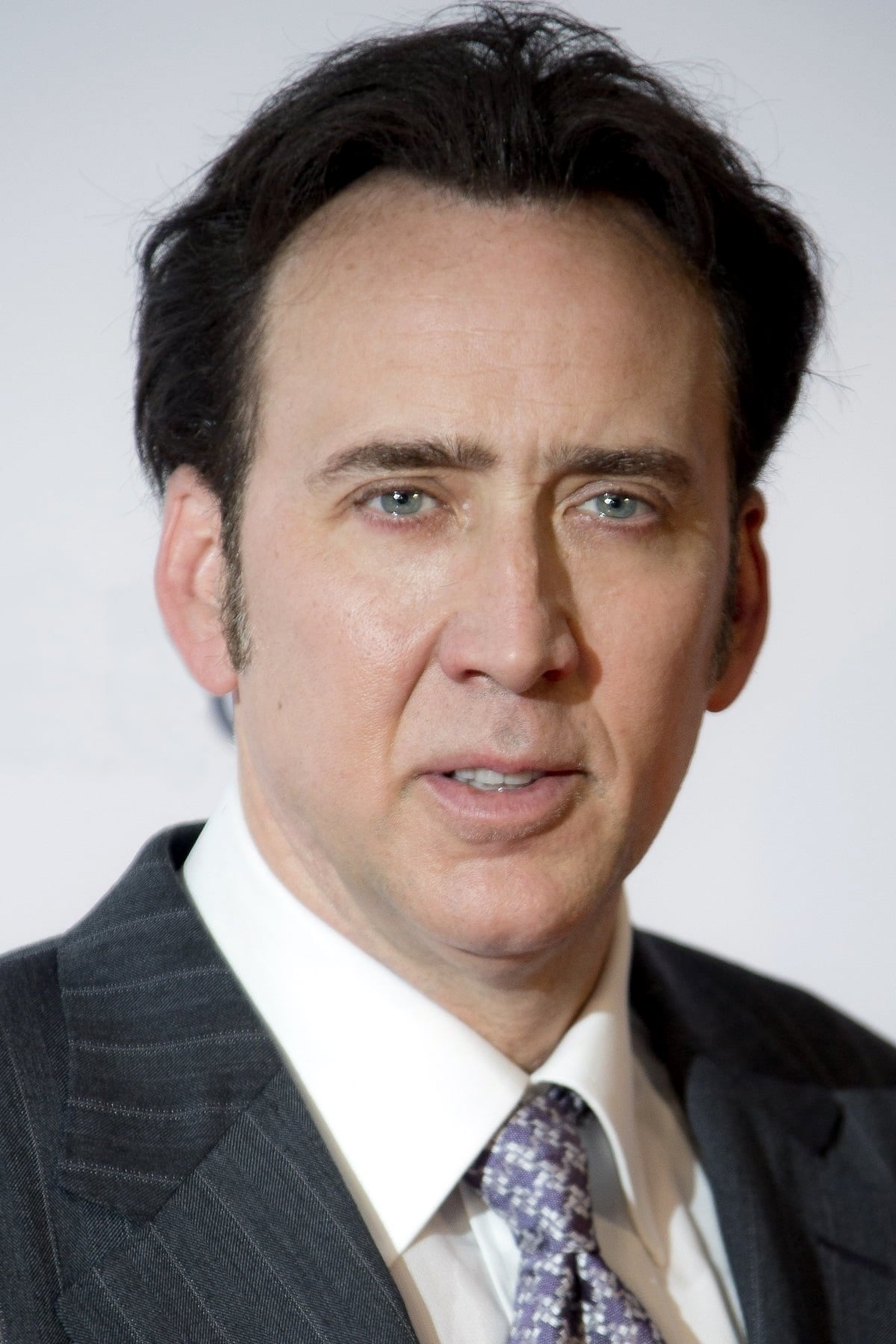
Cage learned advanced driving techniques—J-turns, reverse 180s, controlled slides—to make grand-theft getaways in ‘Gone in 60 Seconds’ look sharp rather than sloppy. It’s choreography on asphalt.
Because he can actually place a car, the movie can stage tension in inches: mirrors past pillars, bumpers kissing danger, engines talking back as a partner in the scene.
Which transformation impressed you most—and what wild, role-specific training did we miss? Share your picks in the comments!