


Actors Who Lost “Leading Man” Status After Being Labeled “Too Difficult” by Castmates

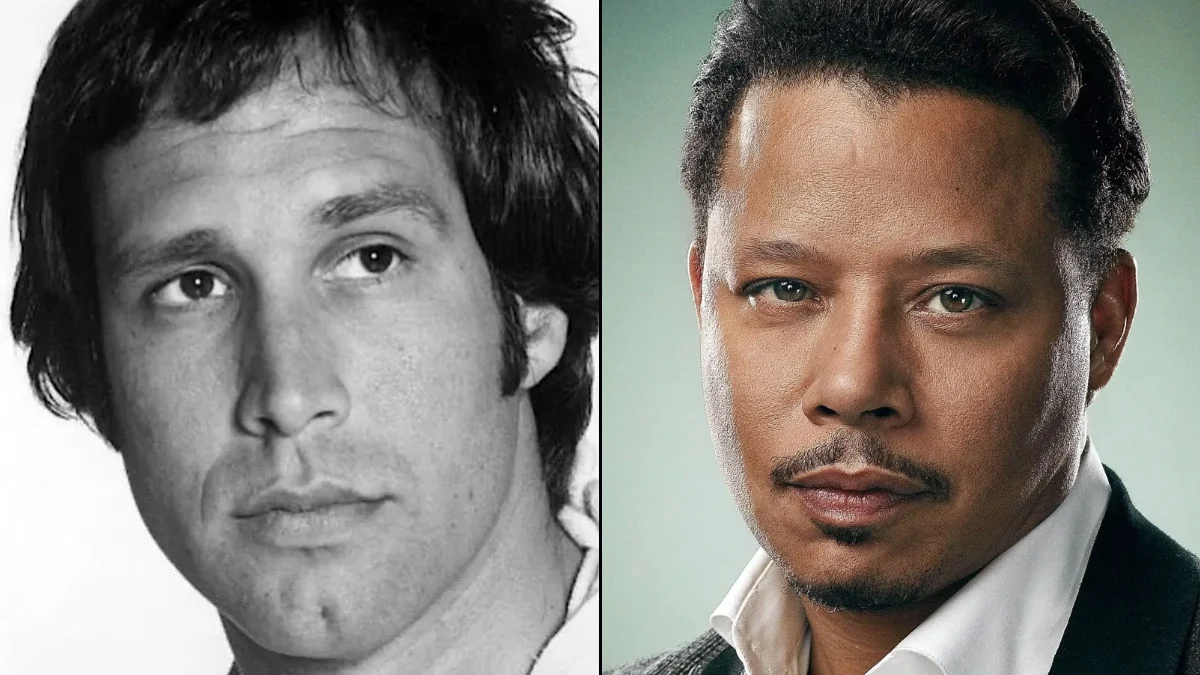


In the high-stakes environment of Hollywood, the reputation of an actor often dictates the longevity of their career. While talent can secure a breakthrough role, sustained “leading man” status requires a level of professional cooperation that some stars struggle to maintain. Several prominent actors have seen their opportunities in major studio productions dwindle after being labeled as difficult to work with by their peers and production staff. These individuals often find themselves sidelined or relegated to independent projects as directors and producers become wary of on-set friction.
Edward Norton
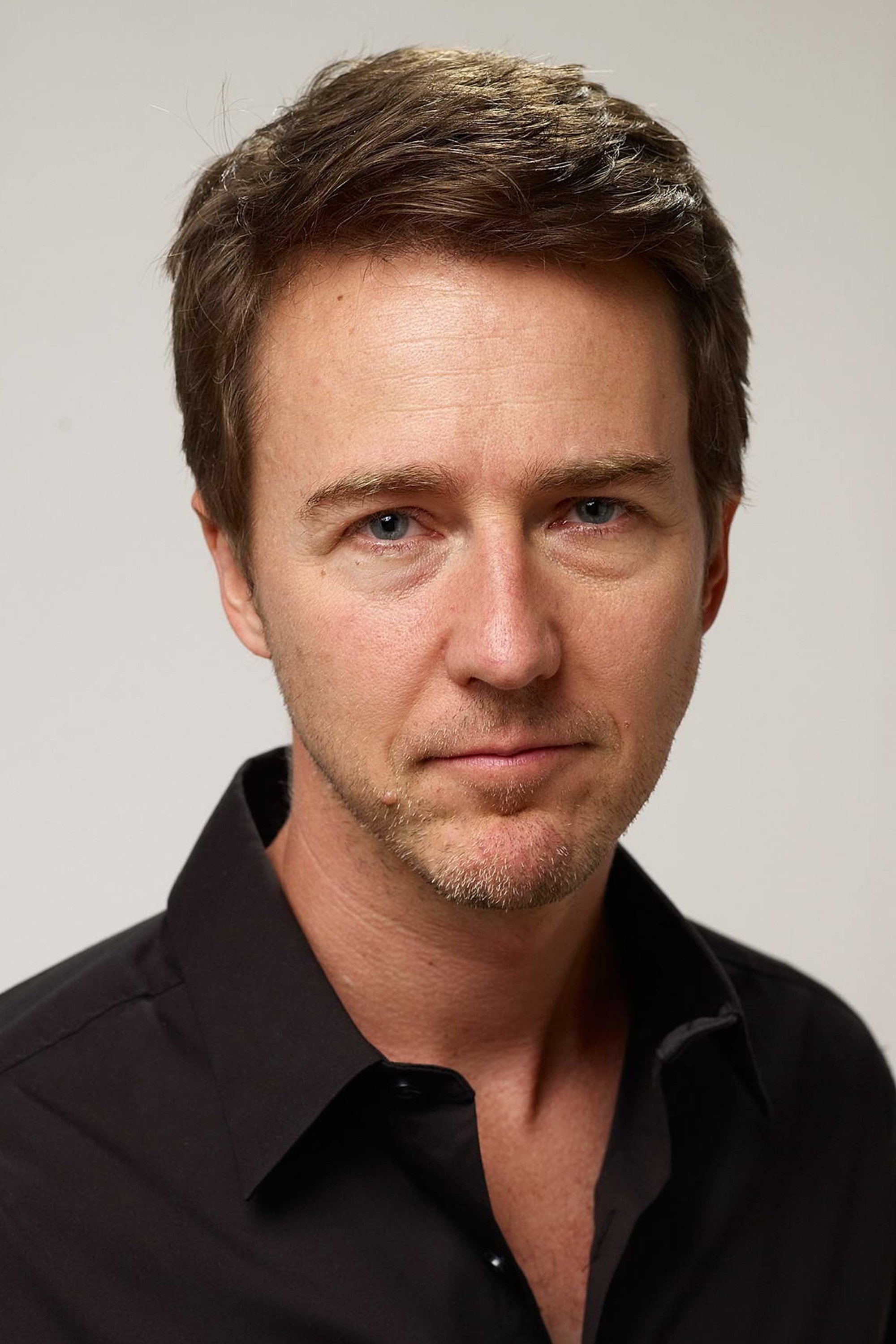
After significant disputes over the final cut and script of ‘The Incredible Hulk’, Marvel Studios famously replaced the actor with Mark Ruffalo. Director Louis Leterrier and various production insiders have discussed his intense need for creative control, which often led to clashes with the creative vision of the studio. This reputation for being a “perfectionist” to the point of disruption caused a shift away from major franchise leads toward independent character roles. His history of rewriting scenes during the production of ‘Red Dragon’ and ‘American History X’ further fueled his reputation for being hard to manage. Consequently, he became known as a liability for big-budget, collaborative studio environments.
Val Kilmer
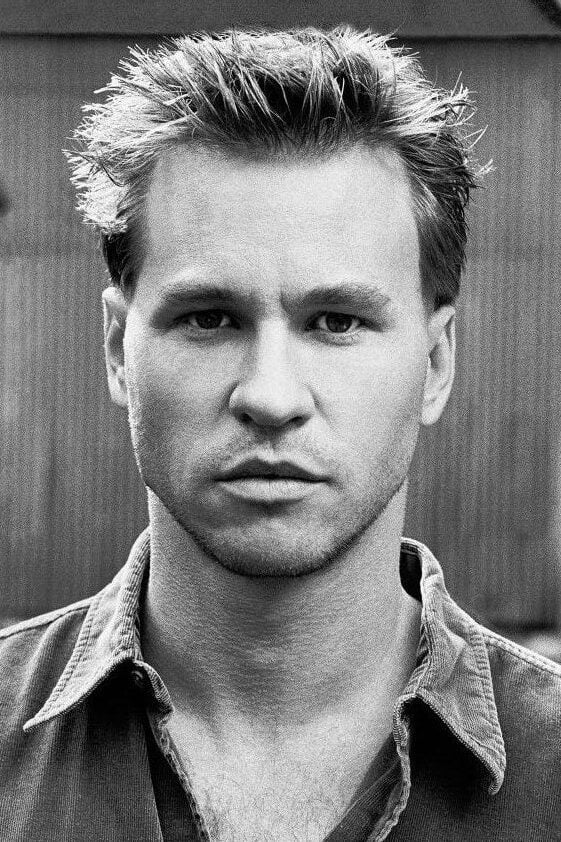
Director Joel Schumacher once described the actor as “childish and impossible” following their work on the set of ‘Batman Forever’. During the filming of ‘The Island of Dr. Moreau’, he famously clashed with director John Frankenheimer and veteran actor Marlon Brando, leading to a toxic working environment. These high-profile incidents led to a significant decline in major studio leading roles throughout the late 1990s and 2000s. Kilmer eventually transitioned into supporting parts and independent projects as his reputation for being temperamental preceded him in Hollywood circles. By the turn of the millennium, he was no longer considered a safe choice for tentpole films.
Wesley Snipes
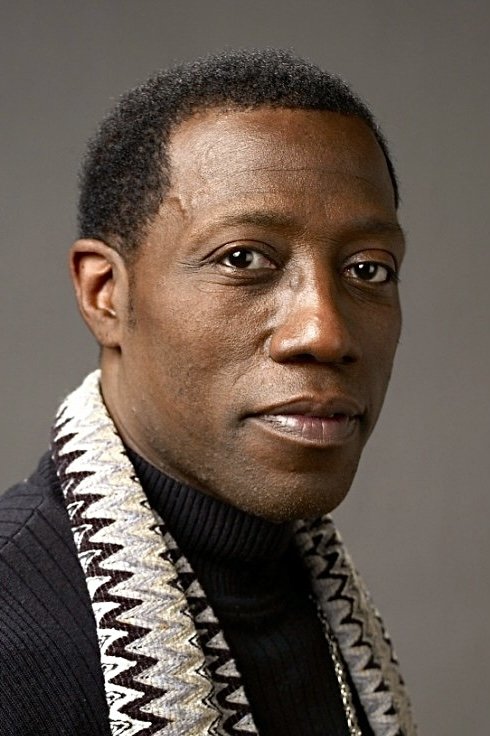
Actor Patton Oswalt famously detailed the behavior of his co-star on the set of ‘Blade: Trinity’, which reportedly included refusing to leave his trailer for anything other than close-ups. Reports surfaced that Snipes would only communicate with director David S. Goyer through post-it notes, which he signed as “Blade.” His alleged physical confrontation with the director further cemented his status as a professional liability for large-scale productions. As a result, his career as a top-tier action star saw a sharp decline following the conclusion of the ‘Blade’ trilogy. Major studios largely stopped casting him in lead roles, leading him toward direct-to-video projects.
Terrence Howard
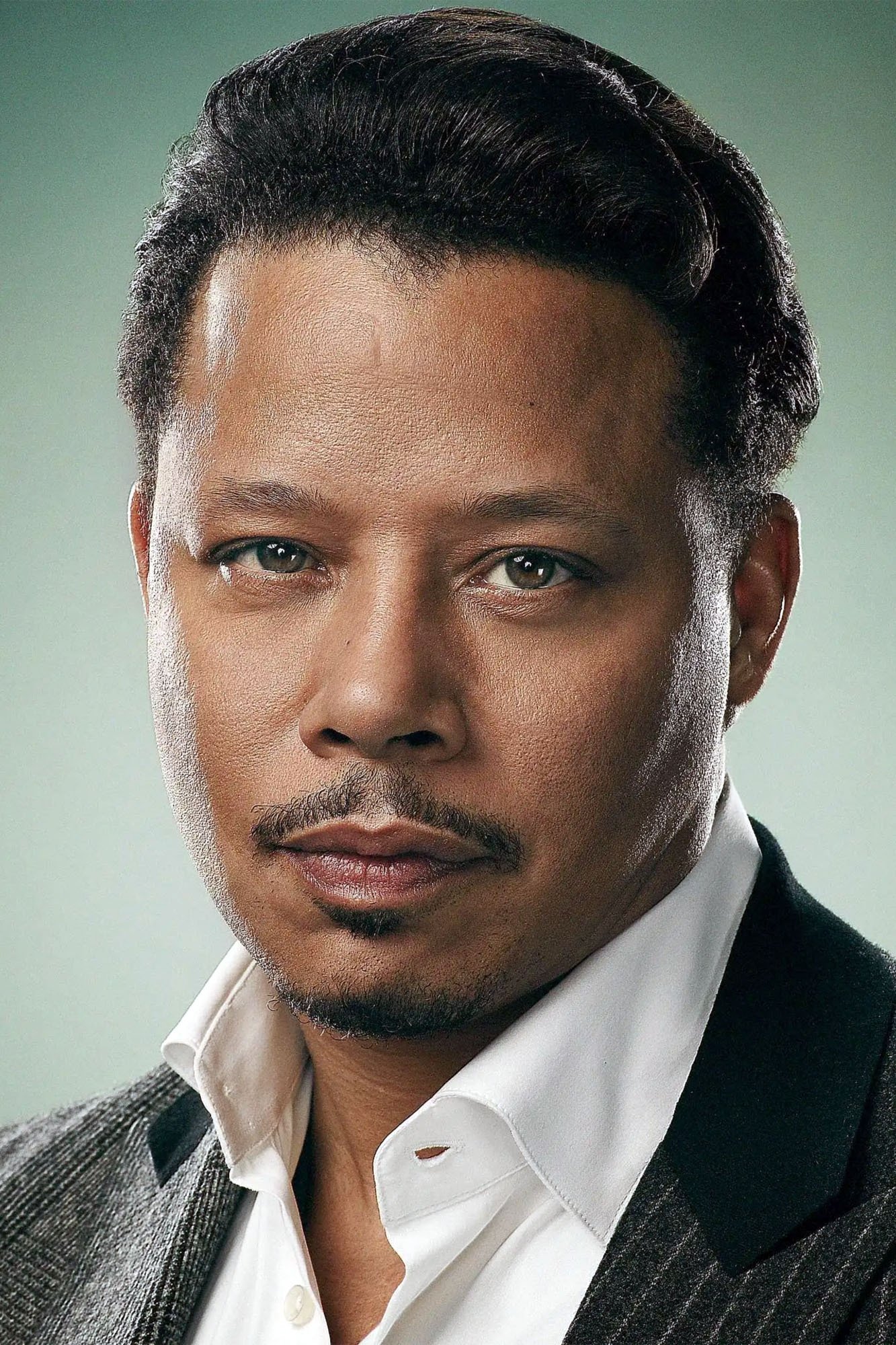
The actor was famously replaced by Don Cheadle for the sequel to ‘Iron Man’ following disputes over salary and on-set behavior. Reports suggested that his behavior during the filming of the first movie made the production team hesitant to keep him on for a multi-film arc. Howard publicly blamed Robert Downey Jr. for his exit, though industry insiders pointed toward his general difficulty and high financial demands. This exit from the Marvel Cinematic Universe marked a turning point where he transitioned away from being a major film lead. He eventually found success again in television, but his path to movie stardom was significantly altered.
Chevy Chase
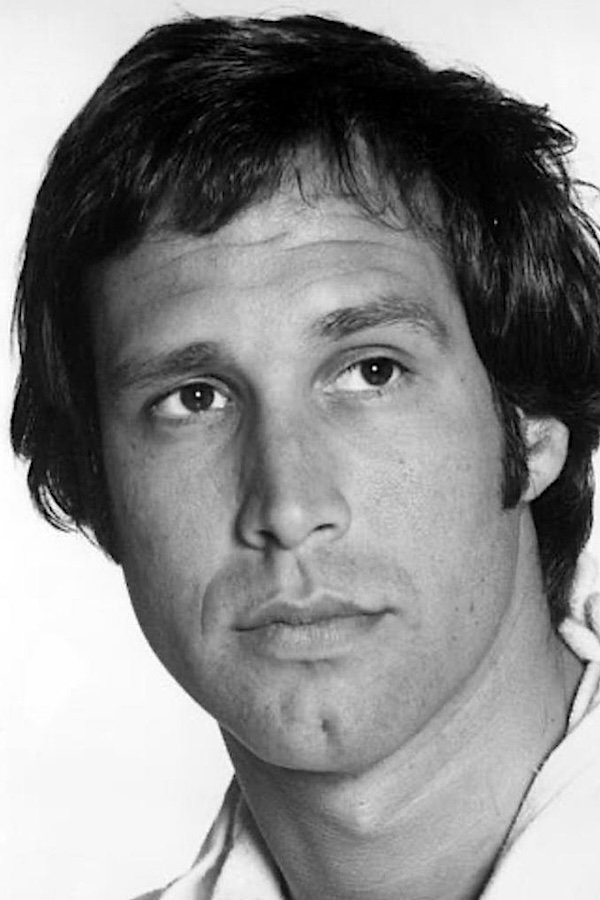
Known for a career-long history of friction with colleagues, the actor was famously banned from hosting ‘Saturday Night Live’ after multiple incidents with the cast. Decades later, his tenure on the series ‘Community’ ended abruptly following reported racial slurs and a public feud with creator Dan Harmon. His castmates on various projects have frequently described him as alienating and difficult to collaborate with on set. These recurring issues effectively ended his run as a leading man in mainstream comedy films. Today, he is often cited as a cautionary tale regarding professional conduct in the entertainment industry.
Steven Seagal
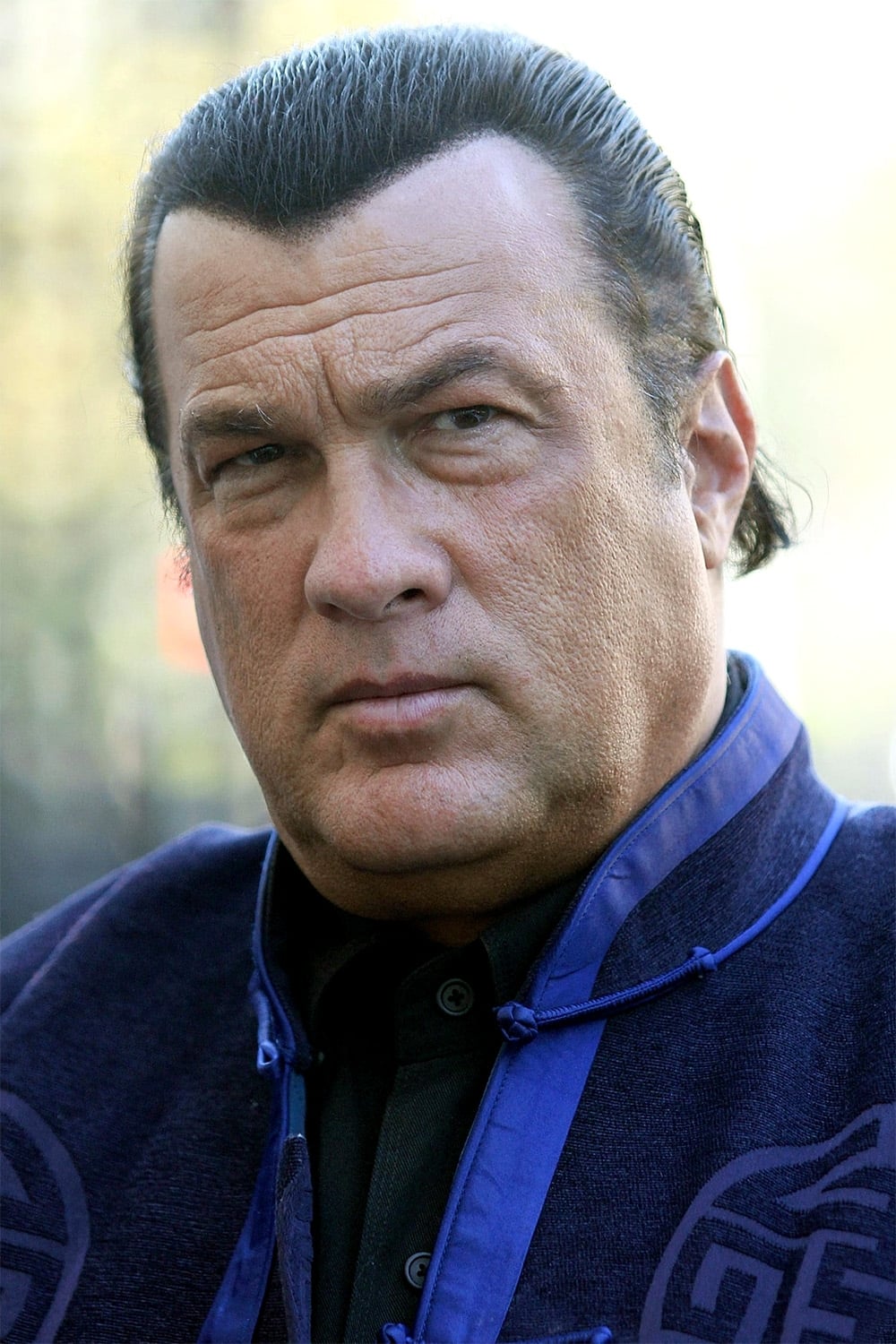
The action star’s transition from major studio hits to direct-to-video releases was accelerated by numerous reports of on-set bullying. During the filming of ‘Executive Decision’, he reportedly engaged in a physical altercation with co-star John Leguizamo over a disagreement about ranking. Many of his former castmates and stunt performers have gone on record describing his aggressive and unprofessional behavior during production. This reputation, combined with various legal issues, made major studios reluctant to bankroll his projects. His status as a bankable leading man evaporated, leaving him to work almost exclusively in low-budget overseas productions.
Alex Pettyfer
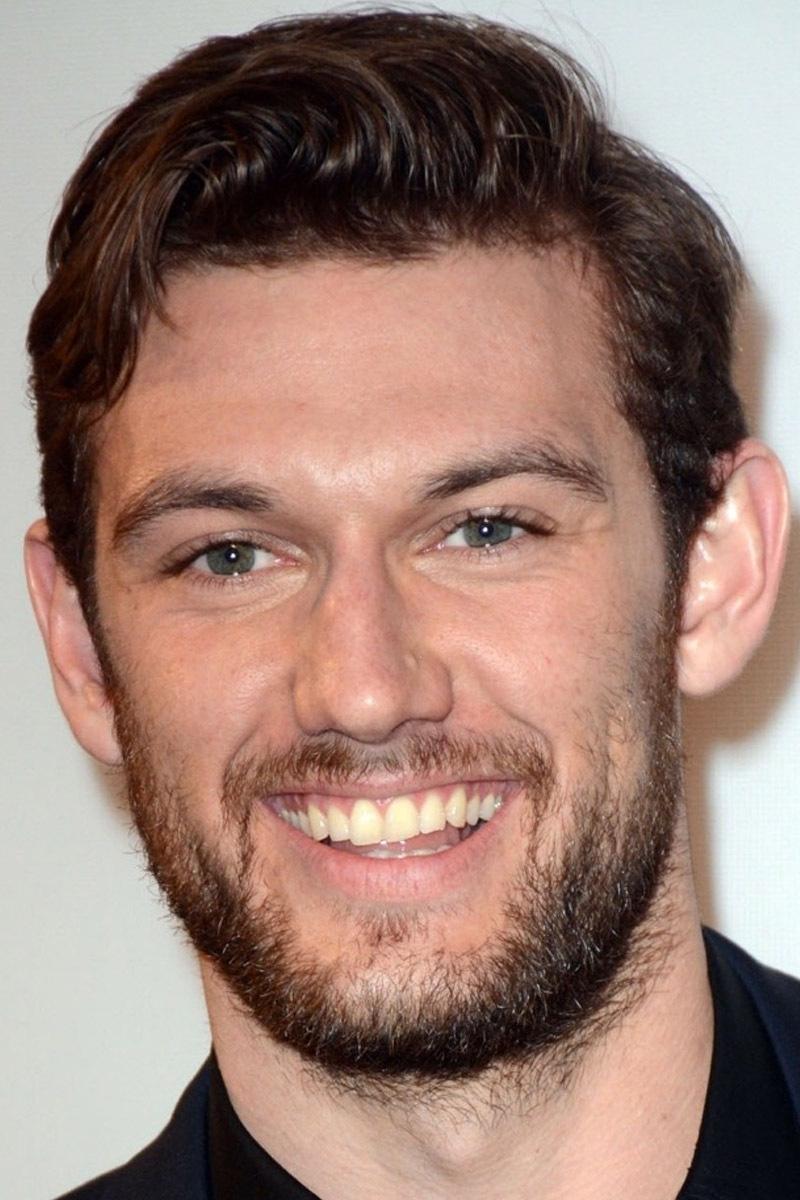
After a promising start in films like ‘I Am Number Four’, the actor’s rise was derailed by reports of a heated feud with Channing Tatum on the set of ‘Magic Mike’. Tatum reportedly felt the actor was arrogant and difficult to work with, a sentiment that echoed through several other production circles. The public nature of this fallout led to a significant cooling of his career momentum just as he was being positioned as Hollywood’s next “it” boy. While he continued to work, he was no longer the first choice for major studio romantic or action leads. He later admitted in interviews that his younger self did not handle the pressures of fame with the necessary professional grace.
Thomas Gibson
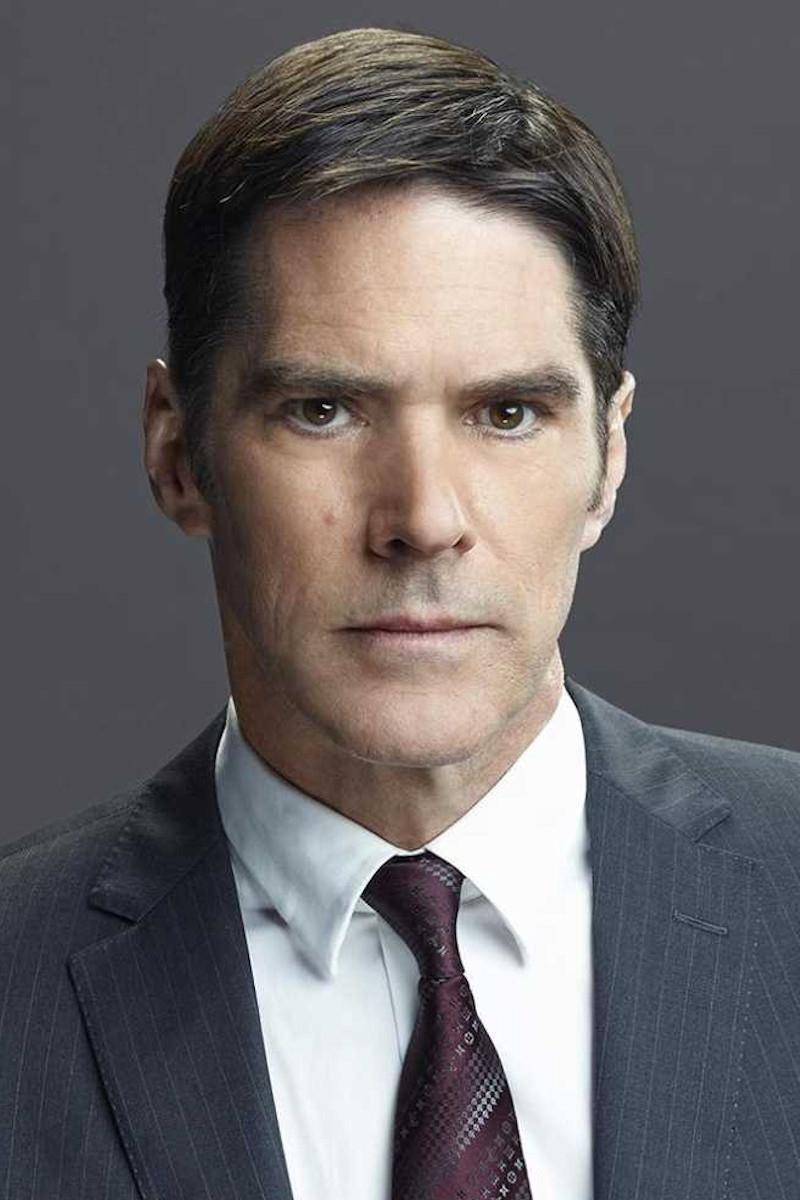
The actor was fired from the long-running series ‘Criminal Minds’ after he allegedly kicked a writer-producer during a creative disagreement on set. This incident followed a history of reported anger management issues and a previous requirement to attend professional counseling. His dismissal from a leading television role served as a major blow to his career, as his reputation for volatility became public knowledge. Following his exit, he struggled to secure similar high-profile leading roles in the industry. The incident remains a prominent example of how a single physical altercation can dismantle a steady career.
Isaiah Washington
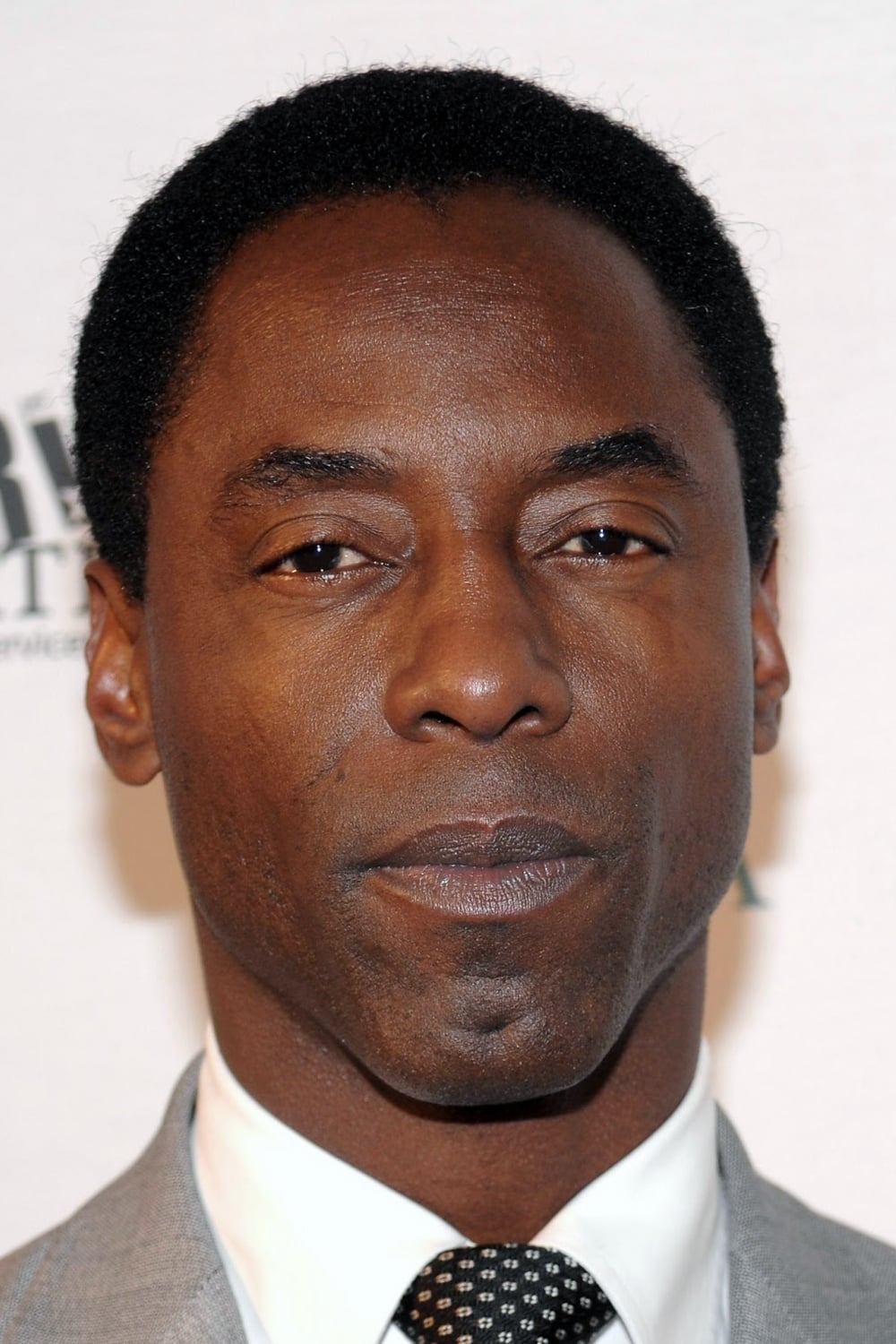
The actor’s time as a leading man on ‘Grey’s Anatomy’ ended in scandal after he used a homophobic slur during an on-set argument with a castmate. The fallout was immediate, resulting in his character being written out of the show and a significant public backlash. Despite attempts to apologize and rehabilitate his image, the incident made him a controversial figure for major networks and studios. His career suffered a long hiatus from mainstream leading roles, and he largely moved into independent films and smaller television guest spots. The controversy highlighted the low tolerance for discriminatory behavior among modern Hollywood ensembles.
Shia LaBeouf
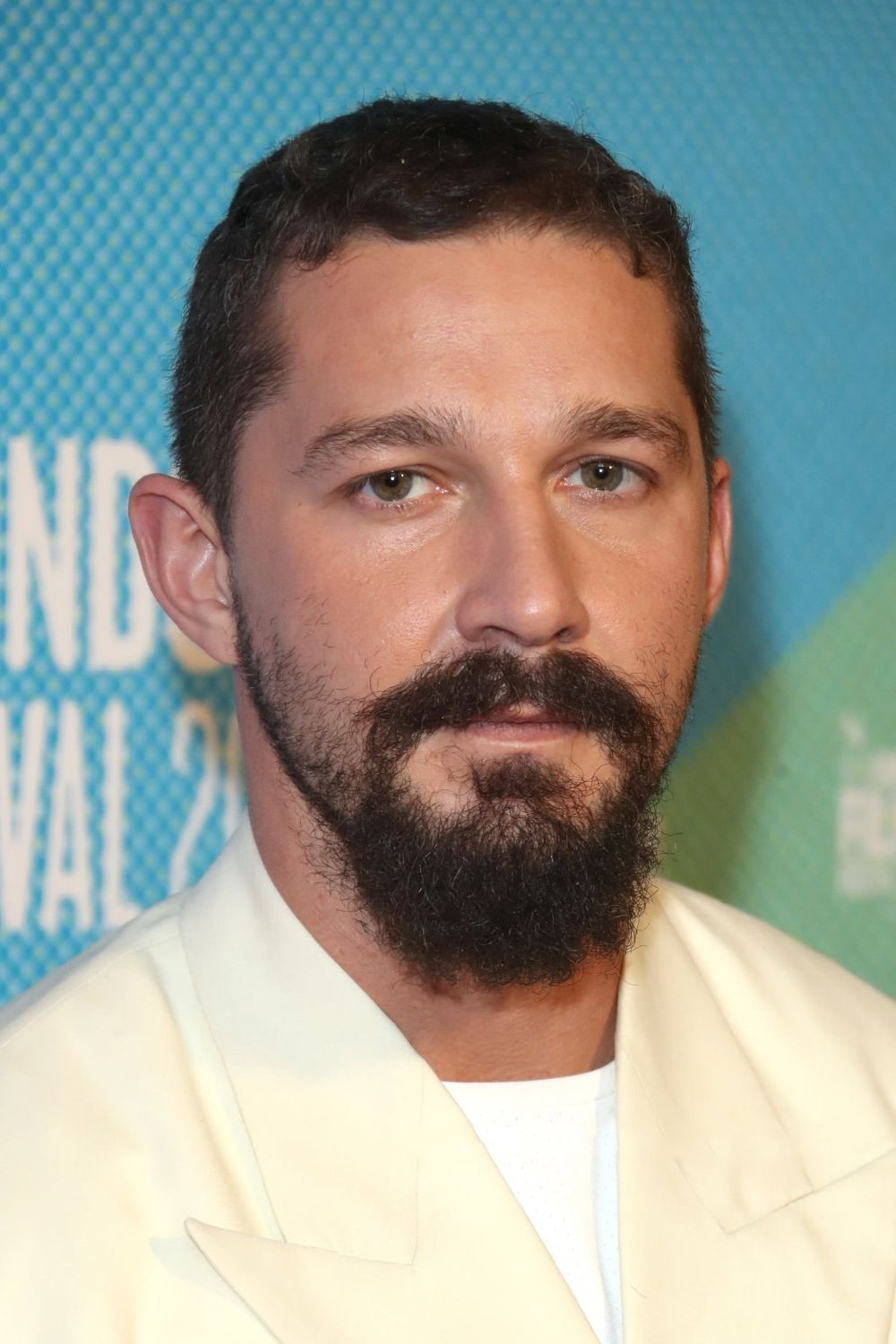
Despite his immense talent, the actor’s commitment to extreme method acting often led to friction with his co-stars in films like ‘Fury’ and ‘Lawless’. Reports of his erratic behavior on sets and his dismissal from ‘Don’t Worry Darling’ contributed to a shift in how major studios viewed him. While he was once the face of the ‘Transformers’ franchise, he transitioned into experimental and independent cinema as his reputation grew more complex. His castmates often spoke of the intensity he brought to sets, which sometimes crossed the line into unprofessionalism. Consequently, he moved away from traditional leading man roles in blockbuster cinema.
T.J. Miller
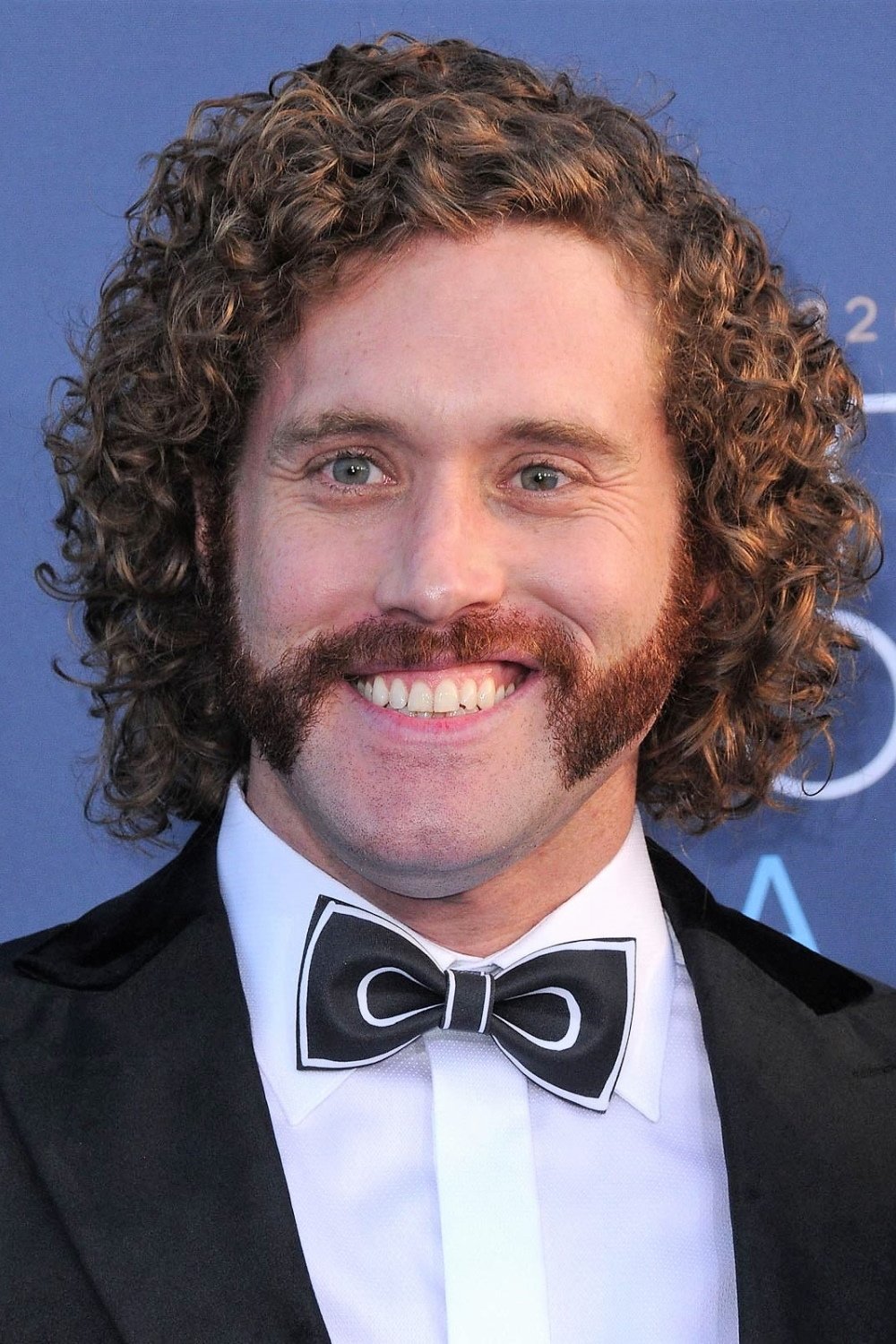
Once a rising star in comedy, the actor was removed from the series ‘Silicon Valley’ following reports of his unprofessional conduct and a hostile work environment. Co-stars and crew members described him as being frequently late or unprepared, creating significant delays for the production. Later, Ryan Reynolds confirmed that he would not work with the actor again after a strange and uncomfortable interaction on the set of ‘Deadpool’. These cumulative reports of difficulty led to a rapid decline in his casting for major studio comedies and franchises. His once-promising trajectory as a top-tier comedic lead effectively stalled.
Mickey Rourke
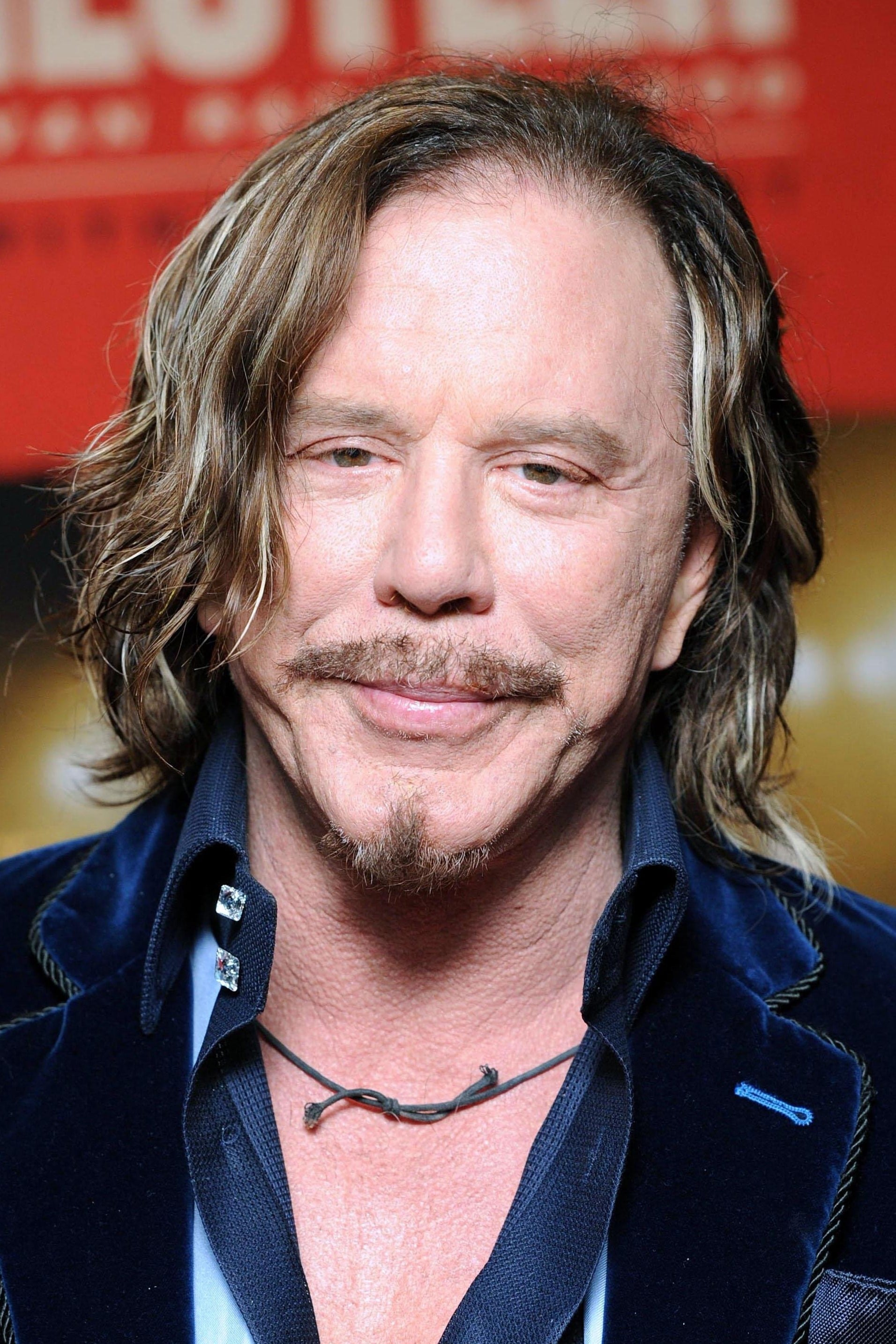
During the 1980s, the actor was one of Hollywood’s most sought-after leading men before his reputation for being difficult destroyed his career prospects. He famously burned bridges with prominent directors and turned down major roles, often expressing open disdain for the film industry. His volatile behavior on and off set led to him being virtually blacklisted by major studios for nearly two decades. Although he achieved a significant career resurgence with ‘The Wrestler’, he never fully regained the steady “leading man” status he held in his youth. His career serves as a classic example of how self-destructive behavior can derail a Hollywood trajectory.
Charlie Sheen

The actor’s high-profile meltdown during his time on ‘Two and a Half Men’ remains one of the most documented cases of professional fallout in television history. His public attacks on show creator Chuck Lorre and reports of his unpredictable behavior on set led to his historic firing. Prior to this, he had been the highest-paid actor on television and a consistent film lead in the 1980s and 1990s. The toxicity surrounding his exit made major studios wary of hiring him for significant future projects. His career post-sitcom has been marked by brief, less successful ventures and a lack of major leading roles.
William Shatner

While he remains an icon for his role in ‘Star Trek’, his relationship with his original castmates has been fraught with tension for decades. George Takei and the late Leonard Nimoy both spoke publicly about his perceived ego and his tendency to dominate screen time at the expense of others. This reputation for being a difficult collaborator followed him through various stages of his career, often limiting his work to specific types of roles. While he found later success in ‘Boston Legal’, the friction with his peers frequently overshadowed his professional achievements. He is often cited in discussions about how leading men interact with their ensemble cast.
Bruce Willis

Before his retirement due to health issues, the actor developed a reputation for being difficult on set, most notably during the production of ‘Cop Out’. Director Kevin Smith described working with him as “soul-crushing,” claiming the actor refused to cooperate with standard production requests. Similar reports surfaced from other sets, suggesting a lack of engagement and a challenging attitude toward directors and co-stars. These incidents occurred during a period where he began appearing primarily in low-budget action films rather than major studio releases. This shift indicated a loss of trust from top-tier producers who were once eager to cast him as their lead.
Tell us which of these career shifts surprised you the most by sharing your thoughts in the comments.