


Actors Who Mastered an Accent So Well Fans Forgot It Wasn’t Theirs

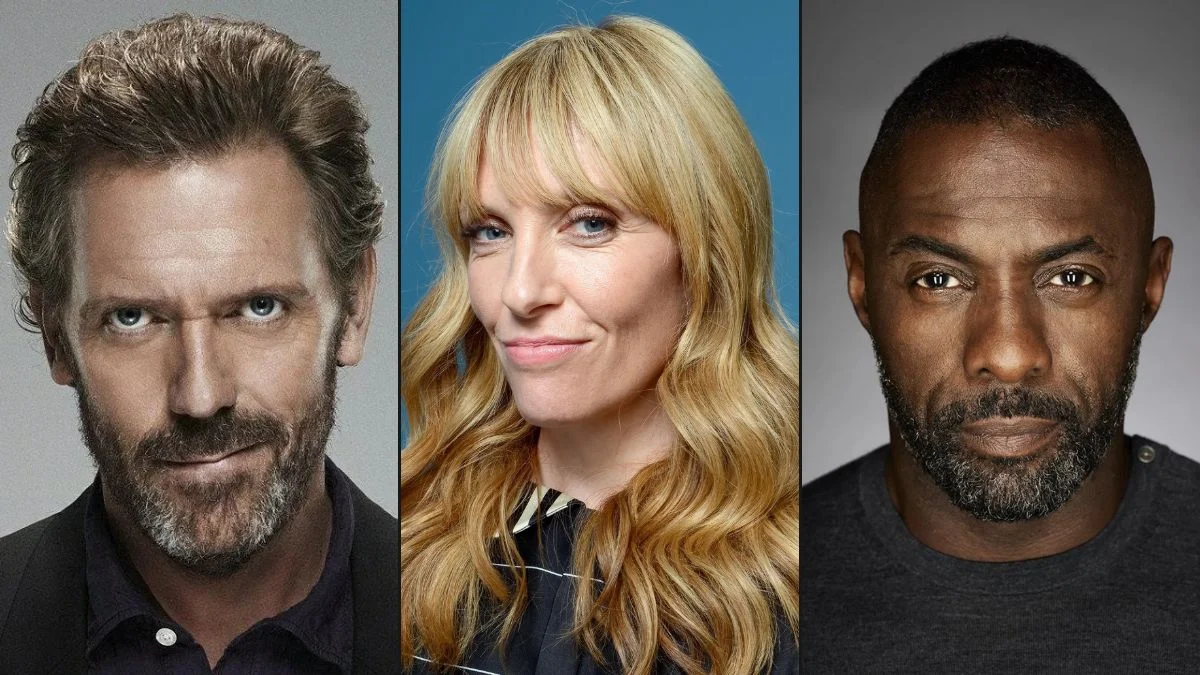


Some actors don’t just play a part—they inhabit a voice so completely that audiences forget it isn’t their own. Whether it’s a Brit passing as a grizzled American antihero or an American nailing a pitch-perfect London cadence, these performances prove that accent work can be as transformative as makeup or wardrobe.
Below are twenty performers whose vocal chameleon skills left fans second-guessing their passports. From long-running TV leads to one-off cinematic thunderbolts, each entry showcases not just technical precision but an ear for rhythm, idiom, and cultural nuance that makes the accent feel lived-in rather than layered on.
Hugh Laurie
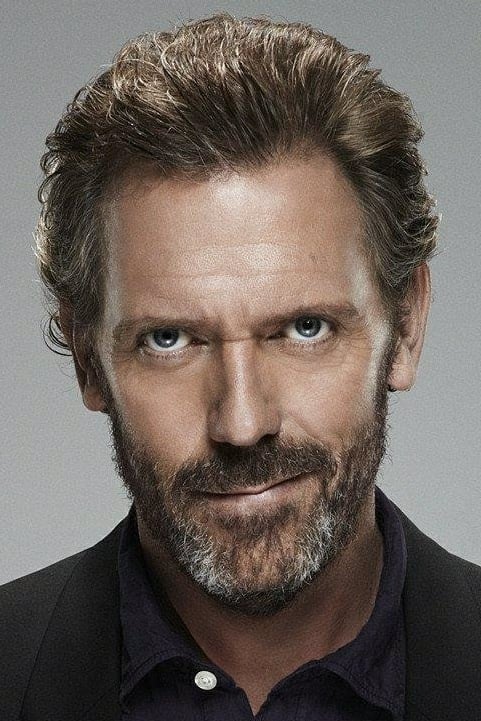
As the irascible diagnostician of ‘House’, Laurie’s flat, unaffected American delivery fooled a generation into assuming Princeton-born rather than Oxford-bred. Casting execs famously wanted an “authentic American,” and his audition tape—already in the accent—sealed the deal for a reason.
What sells it is his casual chew of medical jargon and sarcasm; the vowels never feel labored, even when House barrels through a monologue. Off set, the switch back to his native English accent stunned talk-show audiences again and again.
Andrew Lincoln
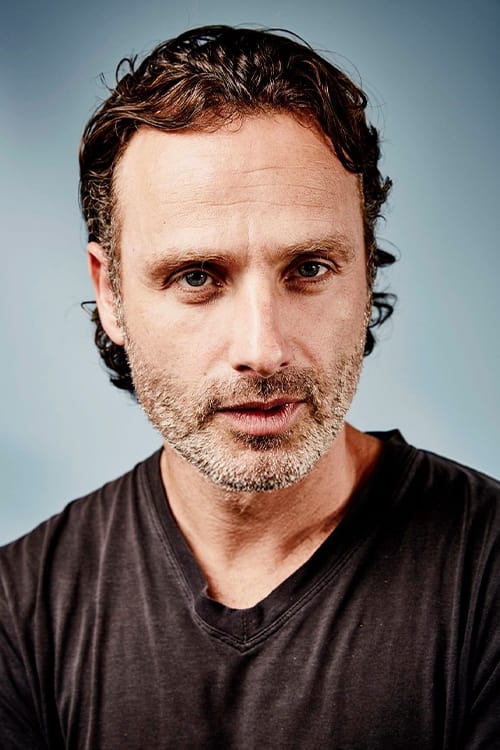
Lincoln’s drawl as Rick Grimes in ‘The Walking Dead’ grew more gravelly as the apocalypse wore on, and fans bought every syllable. His Southern inflections remain consistent whether he’s whisper-pleading with a friend or barking orders mid-melee.
The accent lands because it adapts to grief and fatigue rather than staying pristine. That lived-in evolution makes Rick’s voice feel like a real person weathered by loss, not a classroom exercise.
Idris Elba
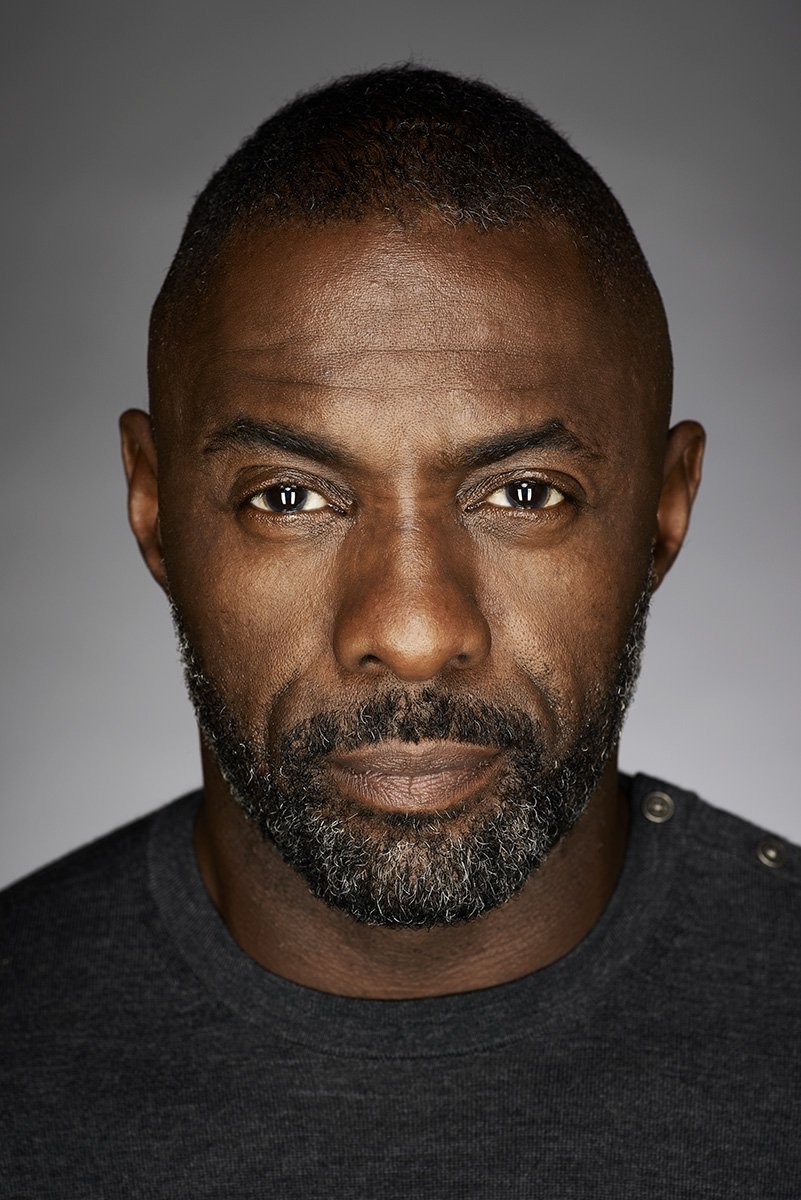
Elba’s Stringer Bell in ‘The Wire’ is a Baltimore businessman first, drug kingpin second—and linguistically, he’s all local. Many viewers were genuinely shocked to hear his natural London accent in interviews.
He nails the rhythm of American business-speak and street pragmatism, code-switching within scenes. The consonants are clipped when he’s negotiating, relaxed when he’s plotting, always specific and never showy.
Christian Bale
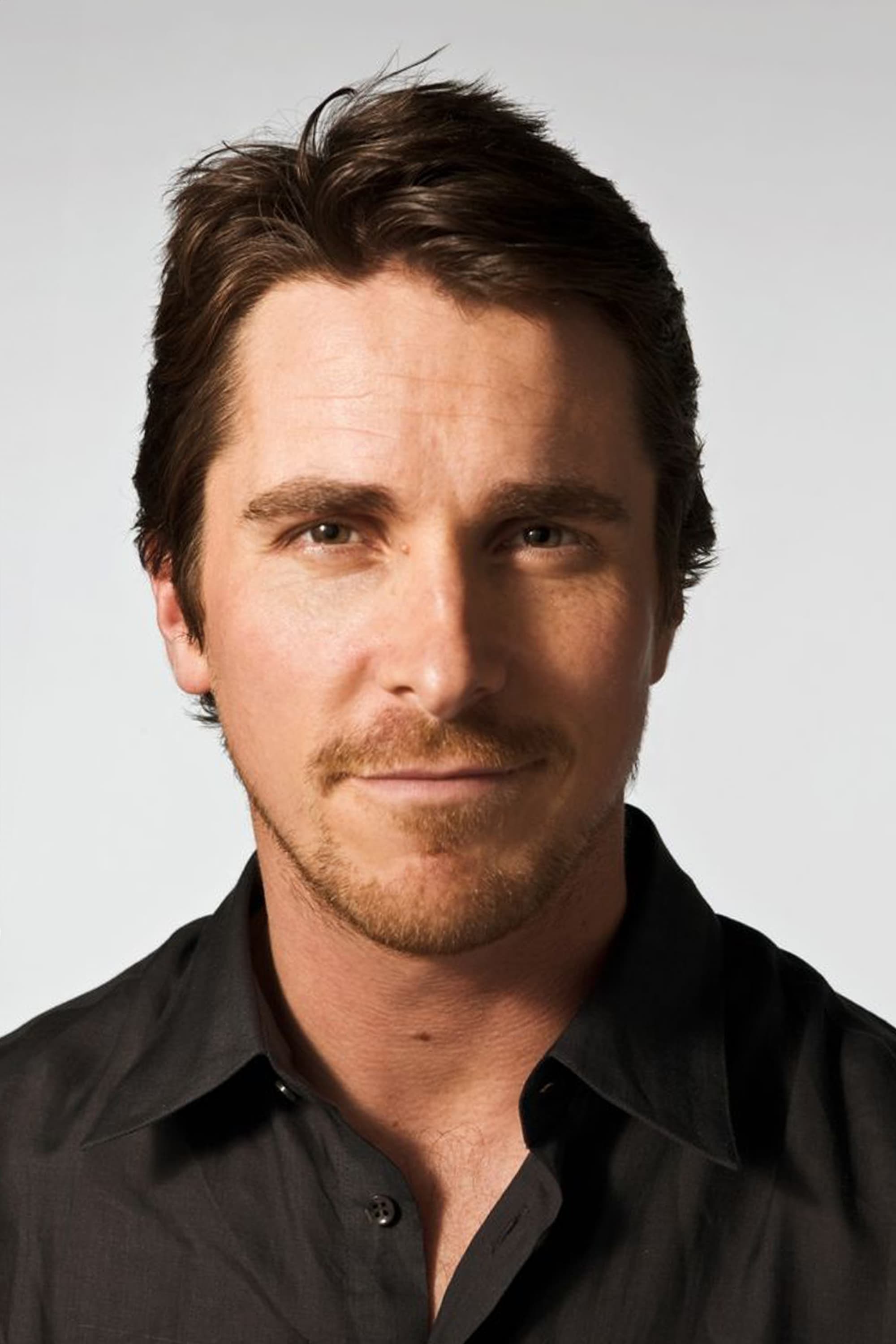
Bale toggles through American registers like presets: the sleek urbanity of Bruce Wayne in ‘The Dark Knight’, the Queens-tinged hustle in ‘American Hustle’, the combustible Boston edges in ‘The Fighter’. He disappears not just into characters, but into zip codes.
His secret is mechanical rigor matched with emotional spontaneity. Even when a character explodes, the accent doesn’t; it flexes with the feeling instead of breaking.
Daniel Kaluuya
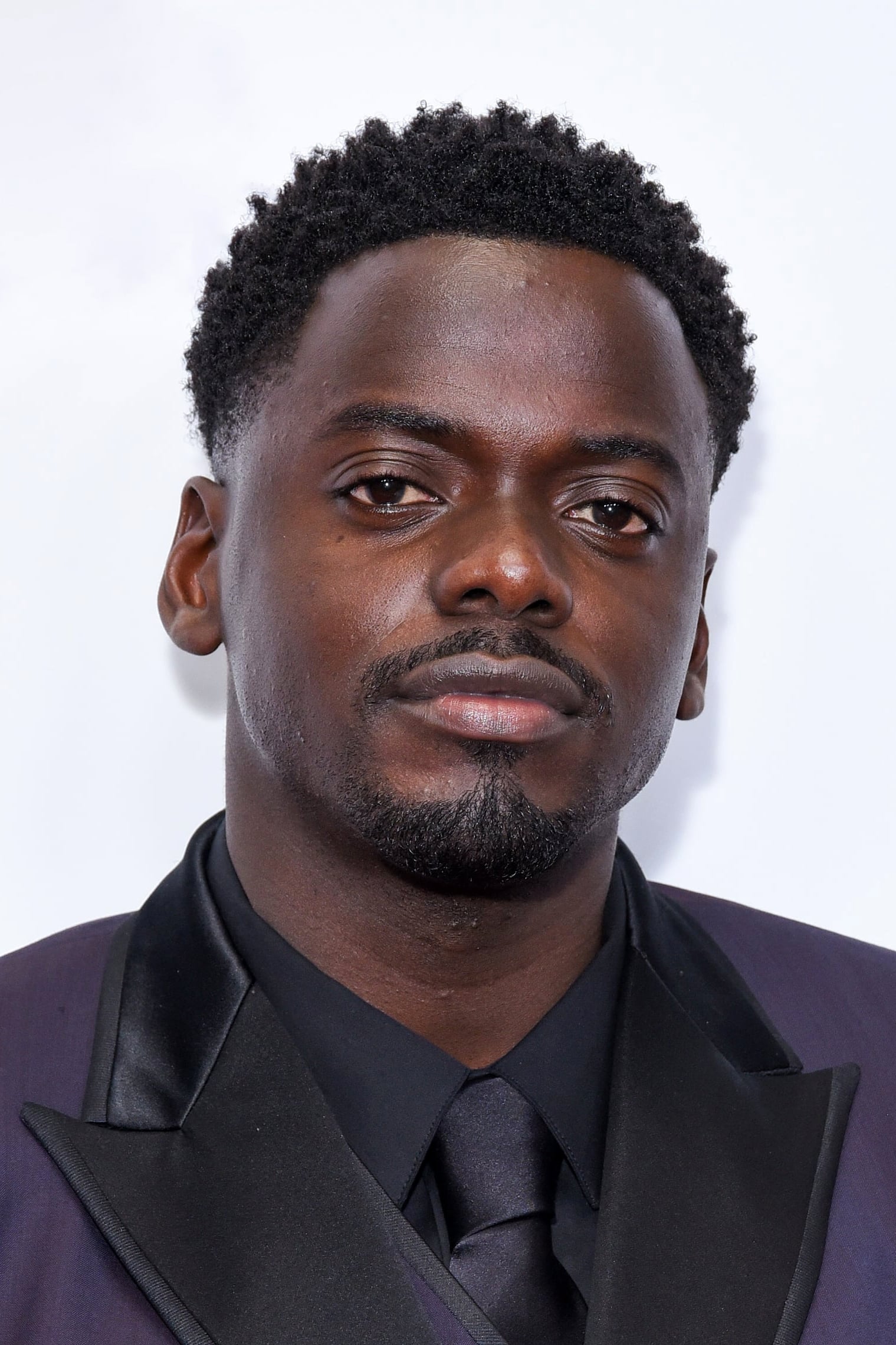
Kaluuya’s Americanisms in ‘Get Out’ are so seamless that his press-tour accent reveal became a viral gotcha. Then he vaulted to a resonant Chicago cadence portraying Fred Hampton in ‘Judas and the Black Messiah’—a completely different challenge, equally convincing.
He grounds every vowel in character intent: tentative and soft in horror, sermon-strong and percussive in revolution. It’s musicality anchored to psychology.
Renée Zellweger

When Zellweger signed on for ‘Bridget Jones’s Diary’, skeptics queued up. Then she opened her mouth and delivered a wry, utterly credible London accent that carried through the sequels without slipping.
The performance works because she understands social tone as much as sound—the self-deprecating asides, the upward lilt of awkward charm. It’s not “generic British”; it’s Bridget, specifically.
Toni Collette
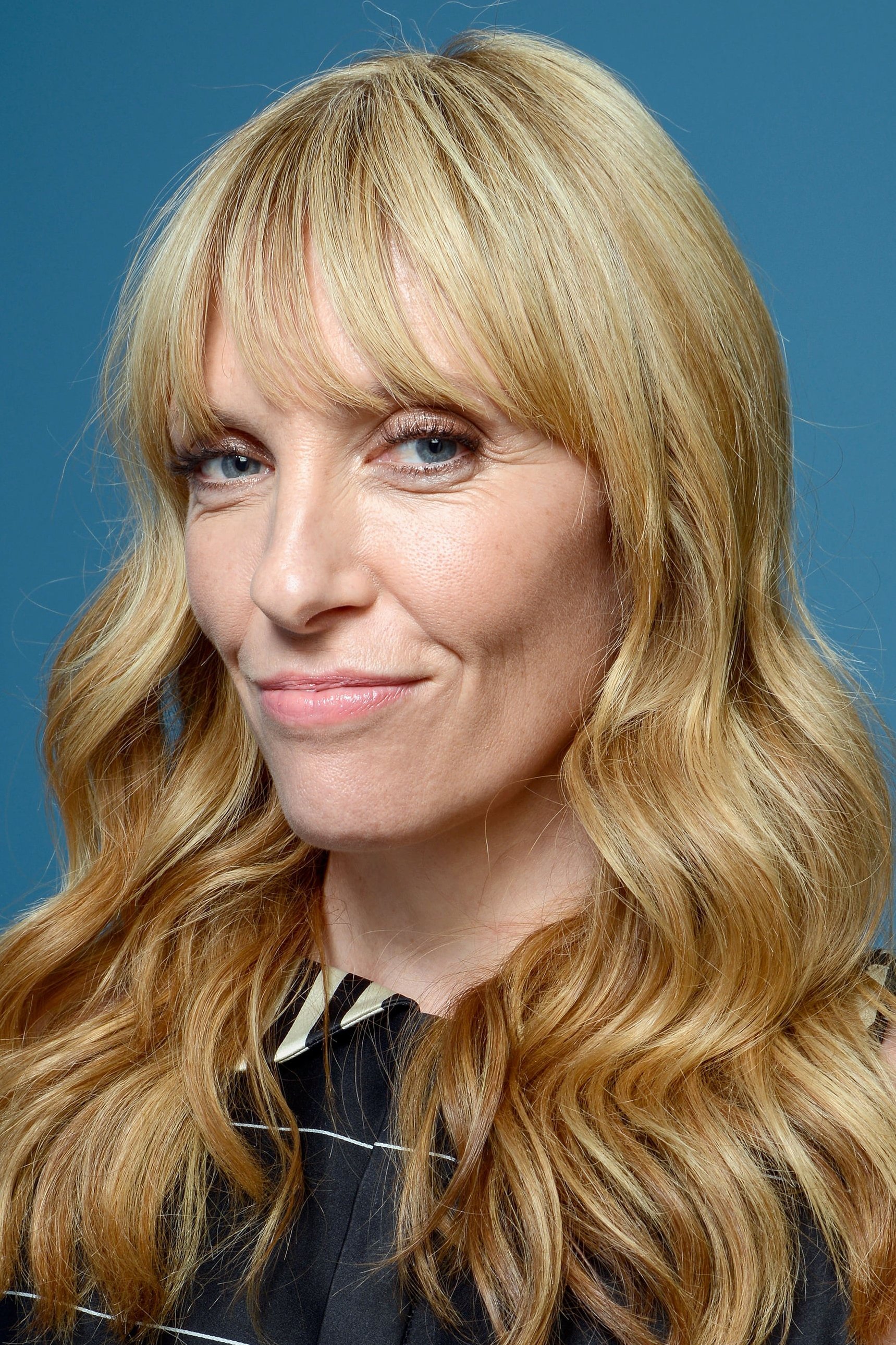
Collette’s American accents—from the hushed dread of ‘Hereditary’ to the suburban kaleidoscope in ‘United States of Tara’—are so precise you’d swear she grew up stateside. She modulates region and class with small, telling choices.
Her craft shows in transitions. A character’s stress spikes, and so does pace; the vowels tighten, but never betray the mask. It’s control in service of chaos.
Gillian Anderson
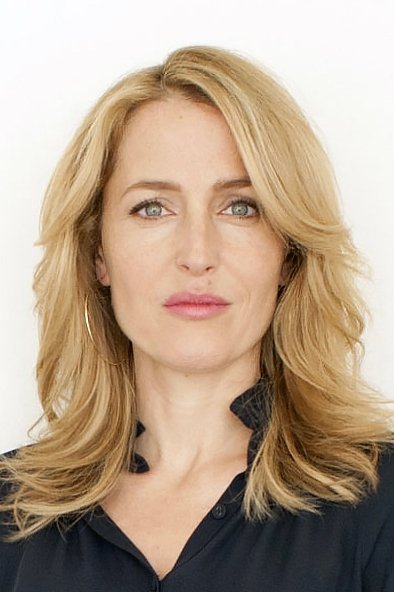
Anderson is a rare case: fans argue over which accent is her “real” one. She’s American-born, UK-raised, and her Margaret Thatcher in ‘The Crown’ is a meticulous feat of vocal architecture—cool, measured, and unmistakably Thatcher.
Because she’s lived on both sides of the Atlantic, her ear for micro-intonations is razor sharp. In ‘Sex Education’, she slides into a clipped, posh delivery that feels natural rather than adopted.
Margot Robbie

From the New York sizzle of Naomi in ‘The Wolf of Wall Street’ to Tonya Harding’s Pacific Northwest cadence in ‘I, Tonya’, Robbie treats accents like character armor—flashy when needed, sturdy always. Even the buoyant brightness of ‘Barbie’ rides a consistent American tone.
She threads physicality through sound: posture, jaw set, even the way she laughs reinforces the voice. The result is cohesion you feel before you analyze.
Gary Oldman
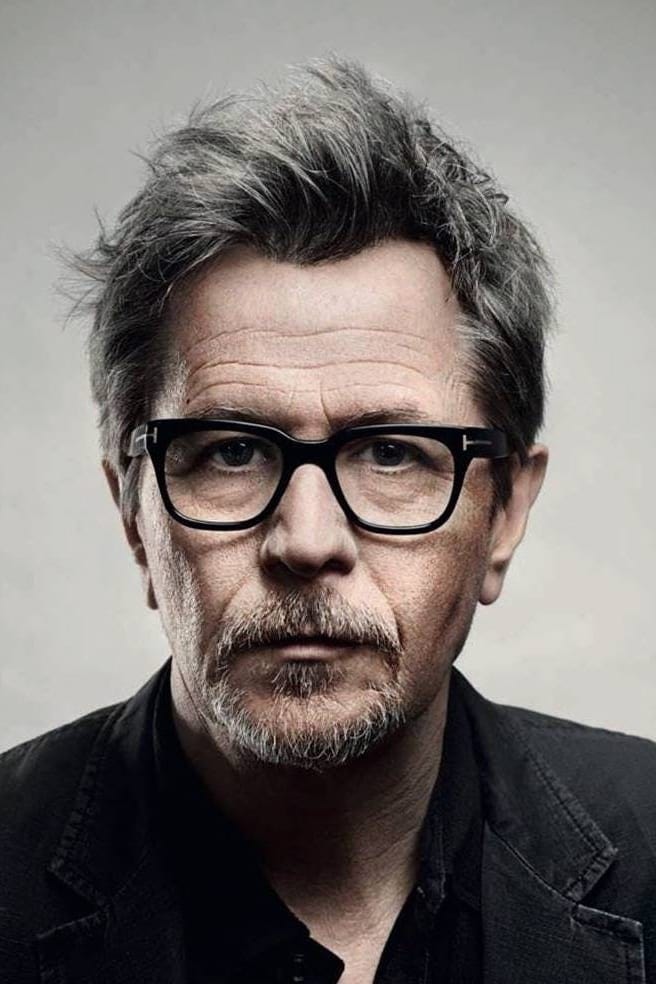
Oldman’s résumé could be a dialect atlas. His Jim Gordon in ‘The Dark Knight’ trilogy is a steady Midwestern-ish American; earlier turns like ‘State of Grace’ flirt with New York grit. Audiences often assume he’s domestic to whatever role he’s in.
He’s a master of restraint—never overselling an R or dropped T. The choices are subtle, so authenticity sneaks up on you.
Daniel Day-Lewis
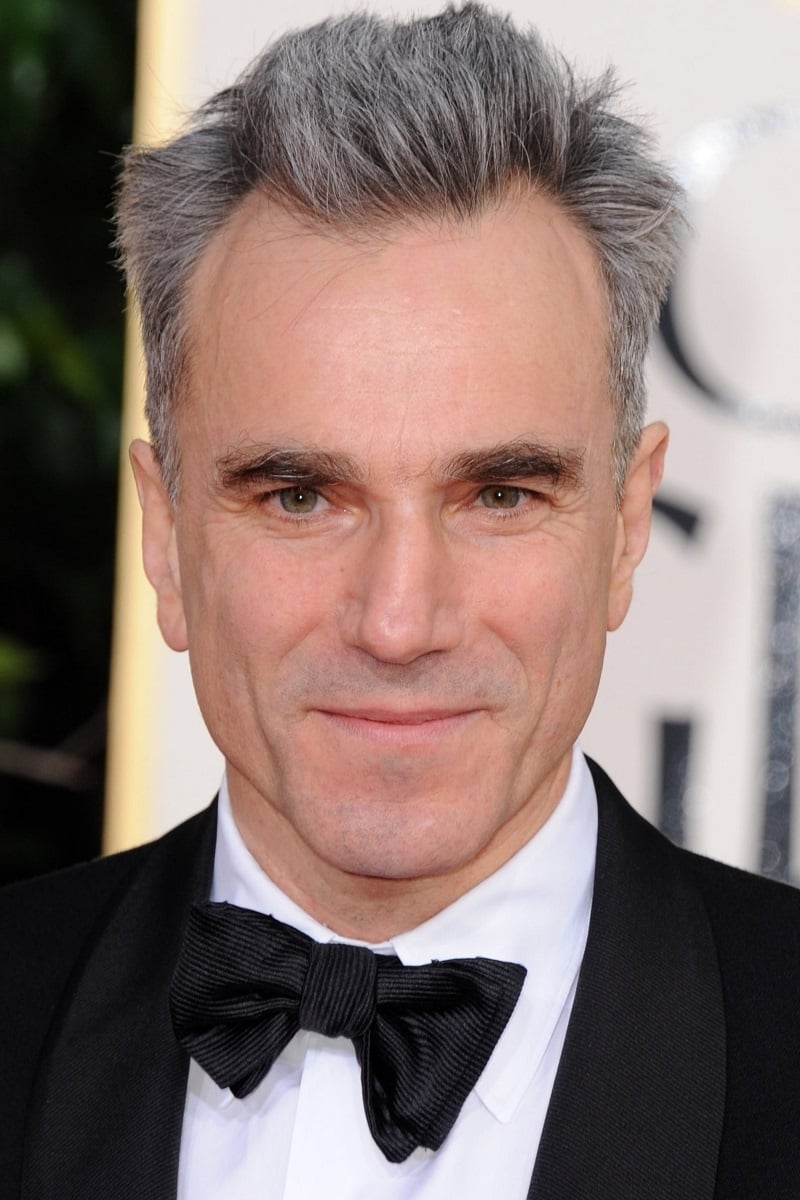
Day-Lewis conjures accents that sound unearthed rather than invented: the flinty frontier baritone of ‘There Will Be Blood’, the historical lyricism of ‘Lincoln’, the menacing old-New-York swagger of ‘Gangs of New York’. Each feels archaeologically precise.
His method intensity extends to breath patterns and tempo. He doesn’t just sound American; he sounds era-specific, class-specific, and maddeningly real.
Cate Blanchett
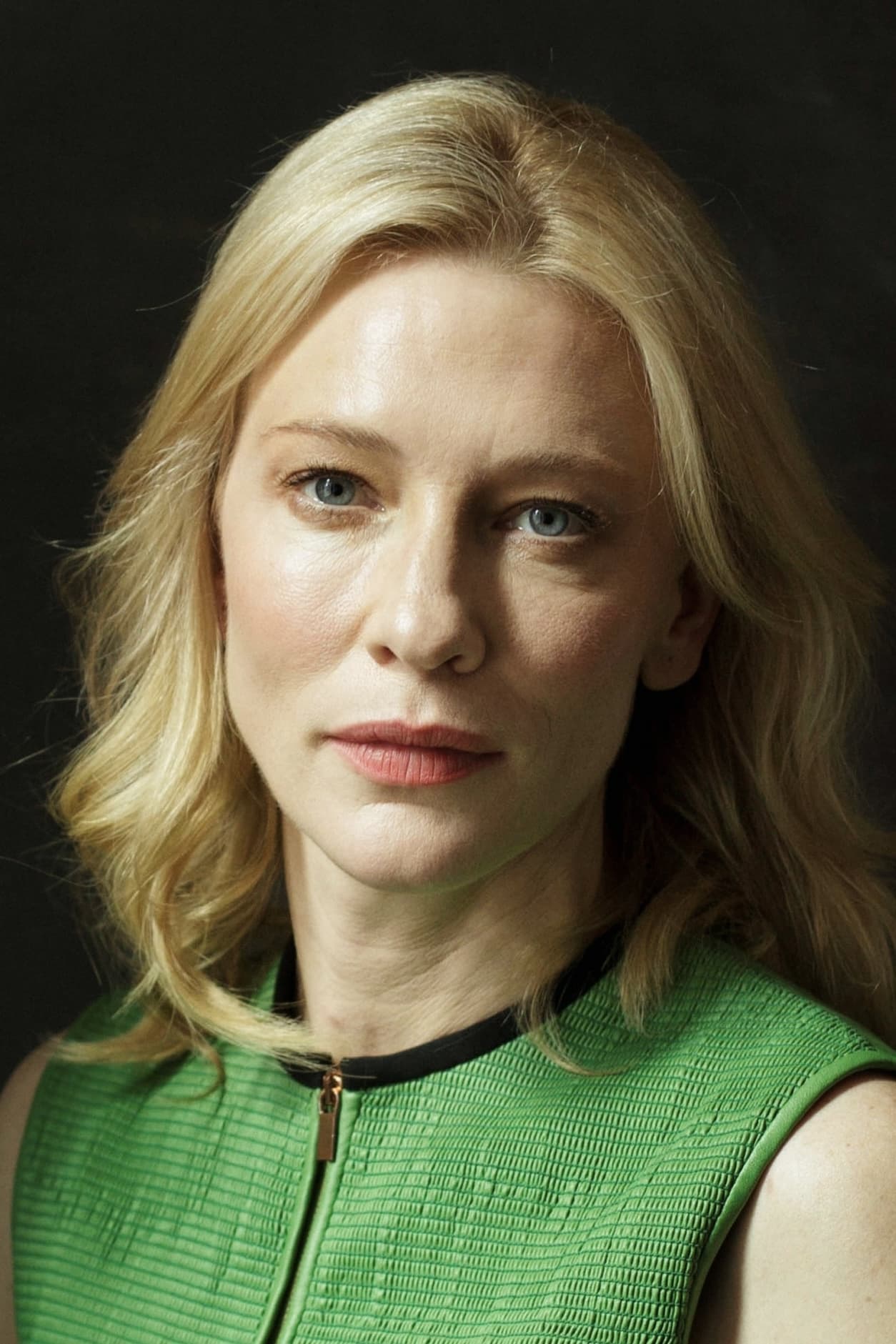
Blanchett glides between continents. Her American voice in ‘Blue Jasmine’ carries brittle California elegance, while her regal diction in ‘Elizabeth’ is crystalline without becoming stiff.
She’s attentive to social context—the way power softens or sharpens vowels. Even in heightened worlds, she keeps the humanity under the polish.
Saoirse Ronan
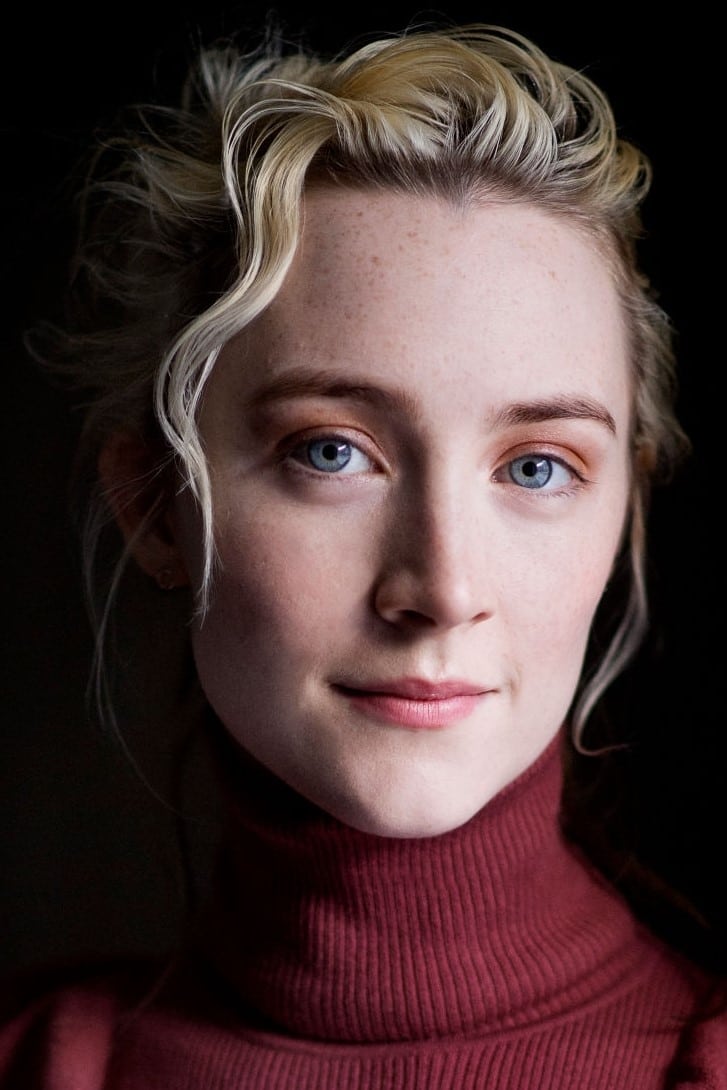
Ronan’s American teen in ‘Lady Bird’ feels effortlessly local, and her New England turn in ‘Little Women’ is warm and unfussy. Many viewers are startled to hear her natural Irish lilt off camera.
Her gift is ease. She avoids over-enunciation and lets the lines breathe, so the accent feels like a hometown she’s returning to, not a destination she’s straining toward.
Henry Cavill
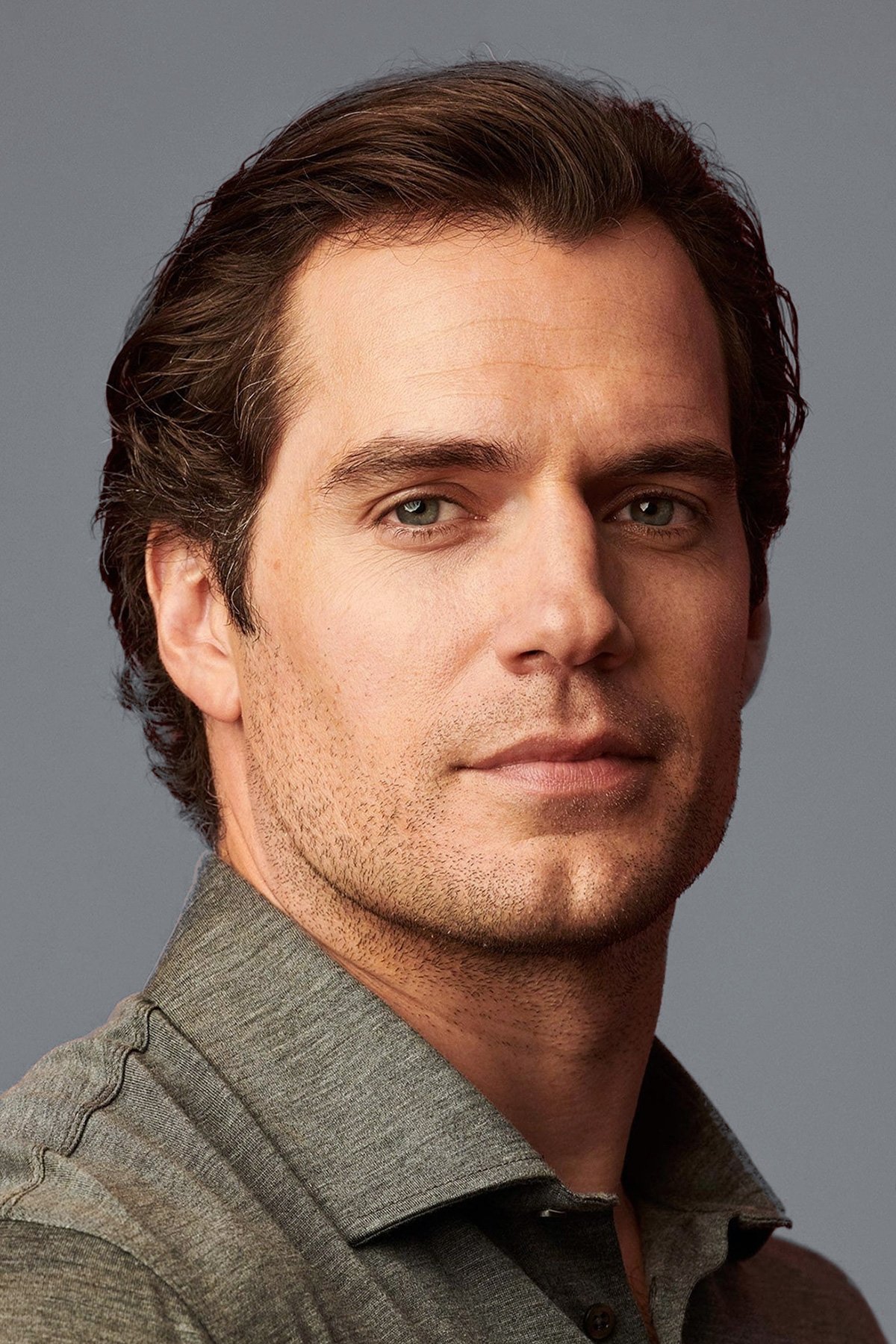
Cavill’s Superman across ‘Man of Steel’ and beyond speaks with a clean, neutral American that fits both newsroom and cornfield. Then he drops into the gravelly, otherworldly cadence of Geralt in ‘The Witcher’—another transformation fans quickly accepted as canonical.
He favors consistency over flourish, which is exactly right for icons. The steadiness sells truth and, paradoxically, humanity.
Matthew Rhys
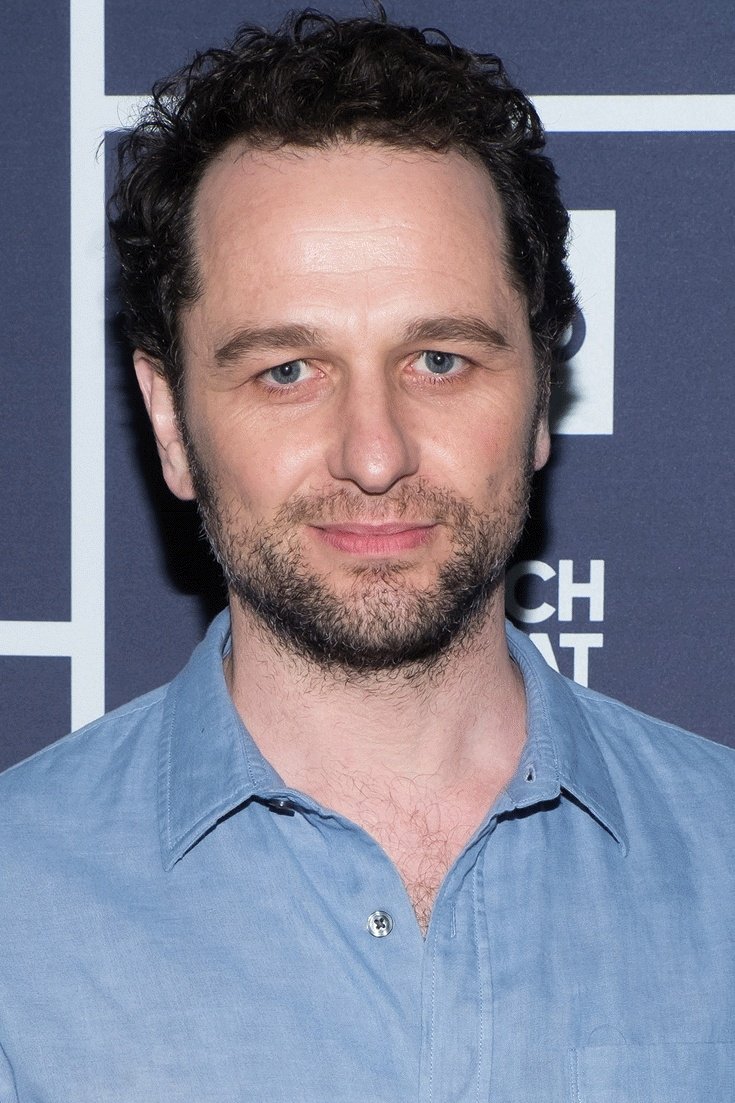
Rhys’s American voice in ‘The Americans’ is a shape-shifter by design, yet his baseline accent as Philip Jennings is so normal-guy authentic that it vanishes. Later in ‘Perry Mason’, he leans into period American without tipping into caricature.
He understands that understatement is a superpower. Tiny shifts—how a question ends, how a consonant lands—do the heavy lifting.
Charlie Hunnam
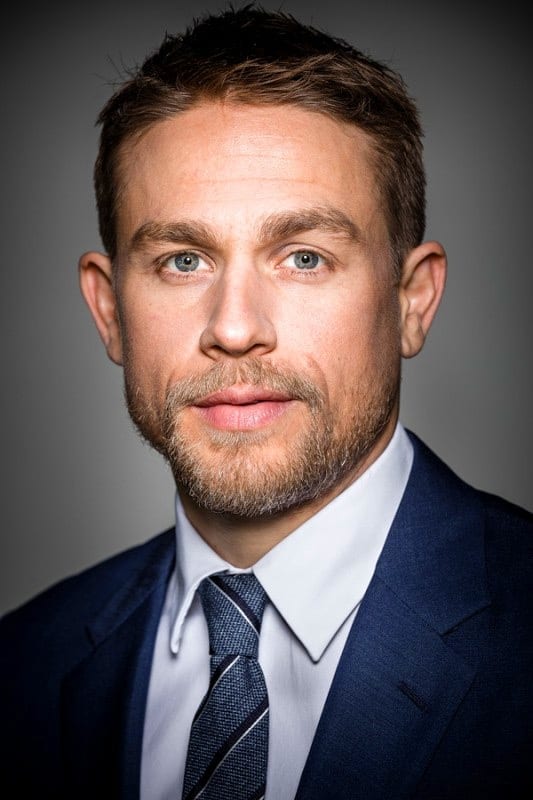
Hunnam’s biker-baritone in ‘Sons of Anarchy’ convinced plenty of viewers he was California-born. Even when scenes demanded speed or rage, his vowels stayed aligned with the character’s world.
He learned to marry vocal weight with emotional weight. The more responsibility Jax carried, the more grounded the accent became.
Damian Lewis

Lewis fooled audiences twice over: the quietly coiled Marine in ‘Homeland’ and the swaggering finance shark of ‘Billions’ are both distinctly, persuasively American—just not the same American. Each has its own music.
That dual success comes from specificity. He calibrates rhythm to profession: clipped and guarded for military, rapid-fire and razor-edged for Wall Street.
James Marsters
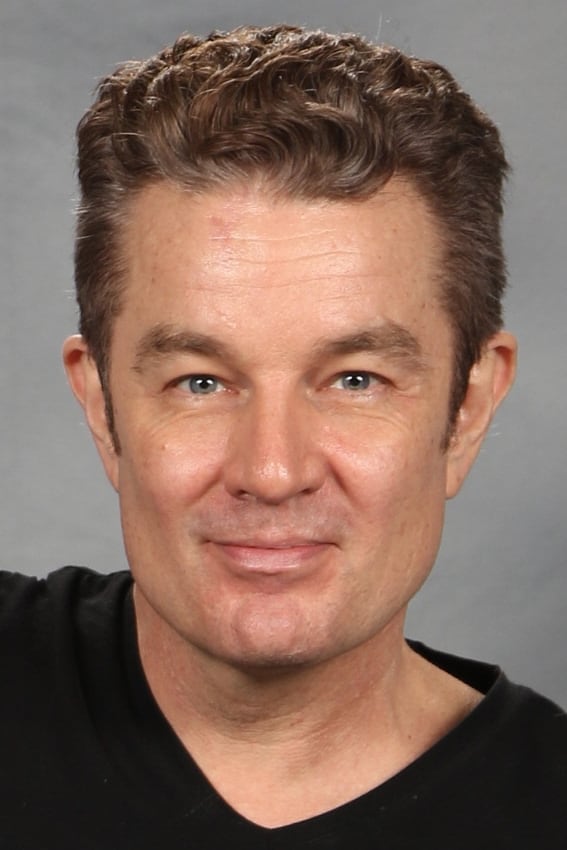
As Spike in ‘Buffy the Vampire Slayer’ (and later ‘Angel’), Marsters delivered a punk-poetic London bite that had fans swearing he was British. The accent never wavered, even through quips, screams, and sincerity.
His trick was texture. He gave the voice a lived-in scratch that matched the character’s centuries of mileage, turning a dialect into a biography.
Jodie Comer
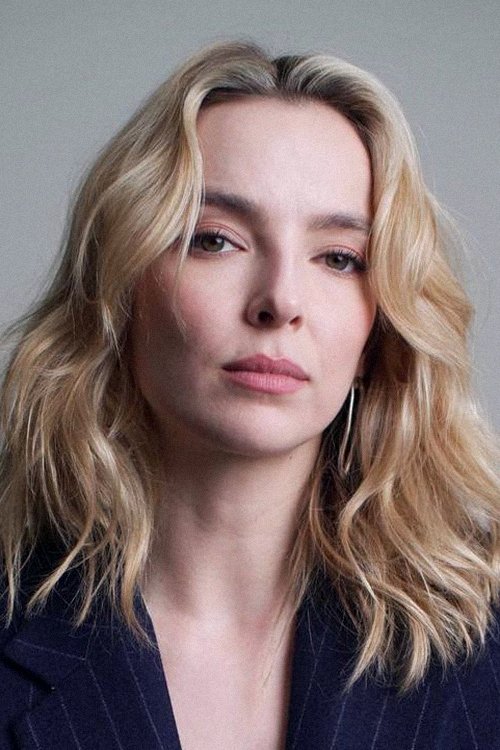
Comer’s party trick in ‘Killing Eve’ is swapping skins mid-sentence—Parisian cool, Russian steel, American casual—but the real feat is that her natural Liverpool sound is almost never heard. She vanishes into each vocal mask.
Because she links accent to attitude, her shifts feel like emotional choices, not just technical ones. Watch her in ‘Free Guy’ and you’ll swear she grew up stateside.
Robert Downey Jr.
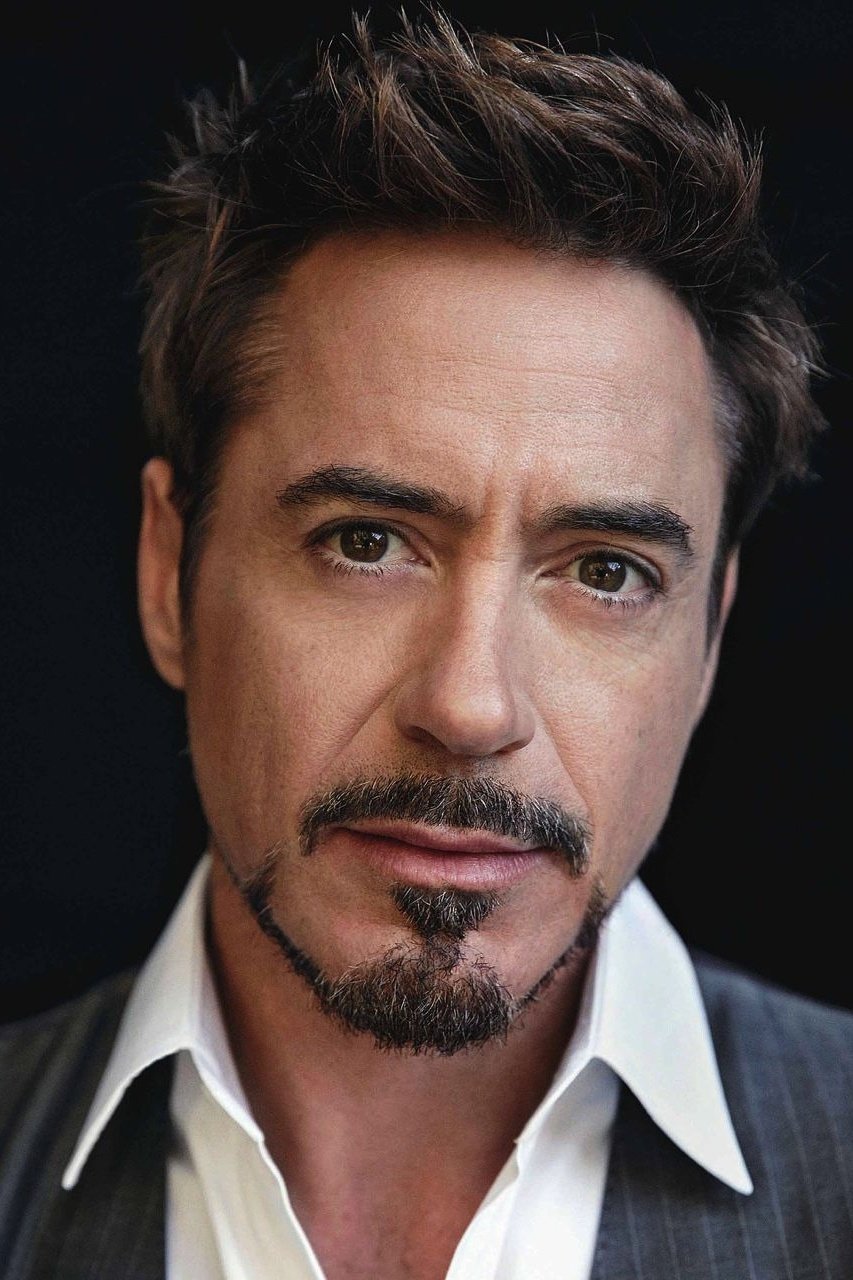
Downey’s Holmes in ‘Sherlock Holmes’ balances Victorian crispness with streetwise looseness—a nimble British voice that never sounds pasted on. Earlier, his turn in ‘Chaplin’ required a delicate, period-appropriate Englishness that he wore with uncanny ease.
He succeeds by focusing on energy as much as sound. The curiosity and speed of his delivery make the accent feel native to the mind at work.
Share the performances that fooled you the most—and the ones we missed—in the comments.