


Actors Who Openly Admitted They Only Did a Specific Movie for the Paycheck



Many actors carefully select roles based on artistic merit or the quality of the script. However, the realities of the film industry sometimes require professionals to prioritize financial compensation over creative satisfaction. Even the most celebrated performers have accepted projects primarily to fund their lifestyles or pay off debts. These male actors were candid about accepting specific roles simply for the paycheck.
Michael Caine
The legendary British actor has never been shy about his reasons for starring in ‘Jaws: The Revenge’. Caine famously stated that he had never seen the film but had seen the house it built. He filmed his scenes quickly and used the substantial salary to secure a comfortable lifestyle for his family. While the movie received poor reviews, Caine regarded the financial freedom it provided as a worthwhile trade.
Jeremy Irons
Jeremy Irons took on the role of the villain Profion in the fantasy film ‘Dungeons & Dragons’ for a very practical reason. The actor had recently purchased a historic castle in Ireland and needed funds for its extensive renovations. Irons admitted that the production allowed him to overact and have fun while securing the necessary capital. His performance remains a memorable part of the film due to his enthusiastic delivery.
Morgan Freeman
Morgan Freeman is known for his gravitas, yet he was blunt about his involvement in ‘London Has Fallen’. When asked why he returned for the action sequel, Freeman laughed and simply stated he did it for the money. He explained that at his stage in his career, high-paying roles are sometimes just a job to be completed. The actor felt no need to invent artistic justifications for a project that was clearly a commercial endeavor.
Gary Oldman
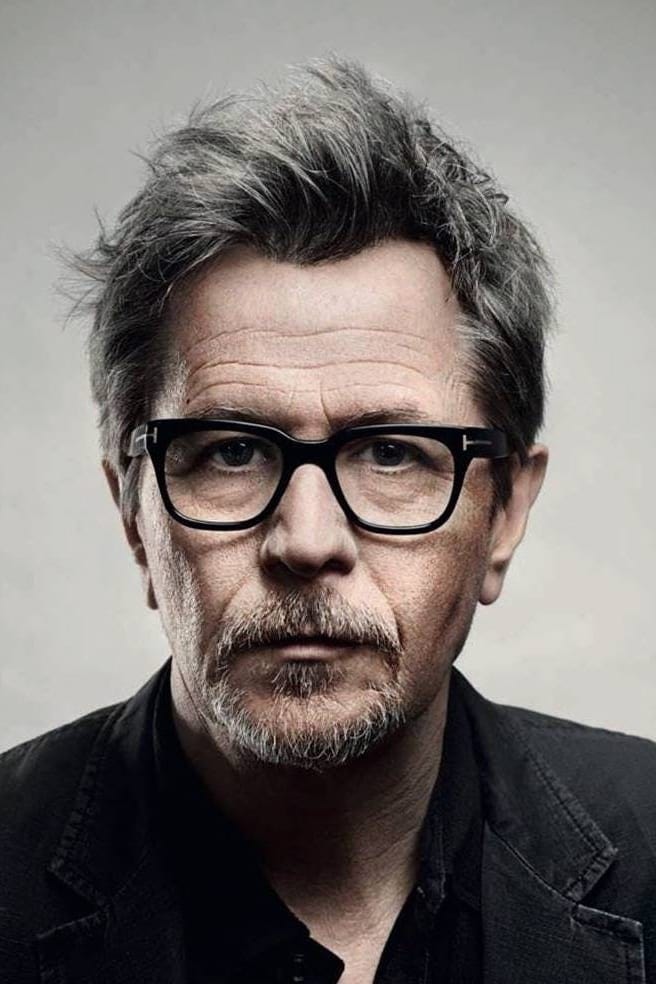
Gary Oldman is widely respected for his transformative acting abilities, but he acknowledged that financial needs drove his participation in the ‘RoboCop’ remake. He explained that as an actor, he is at the mercy of the industry and needs to work to support his family. Oldman noted that bills do not stop coming just because an artist wants to wait for a perfect script. His candidness highlighted the pragmatic side of sustaining a long career in Hollywood.
Richard Dreyfuss
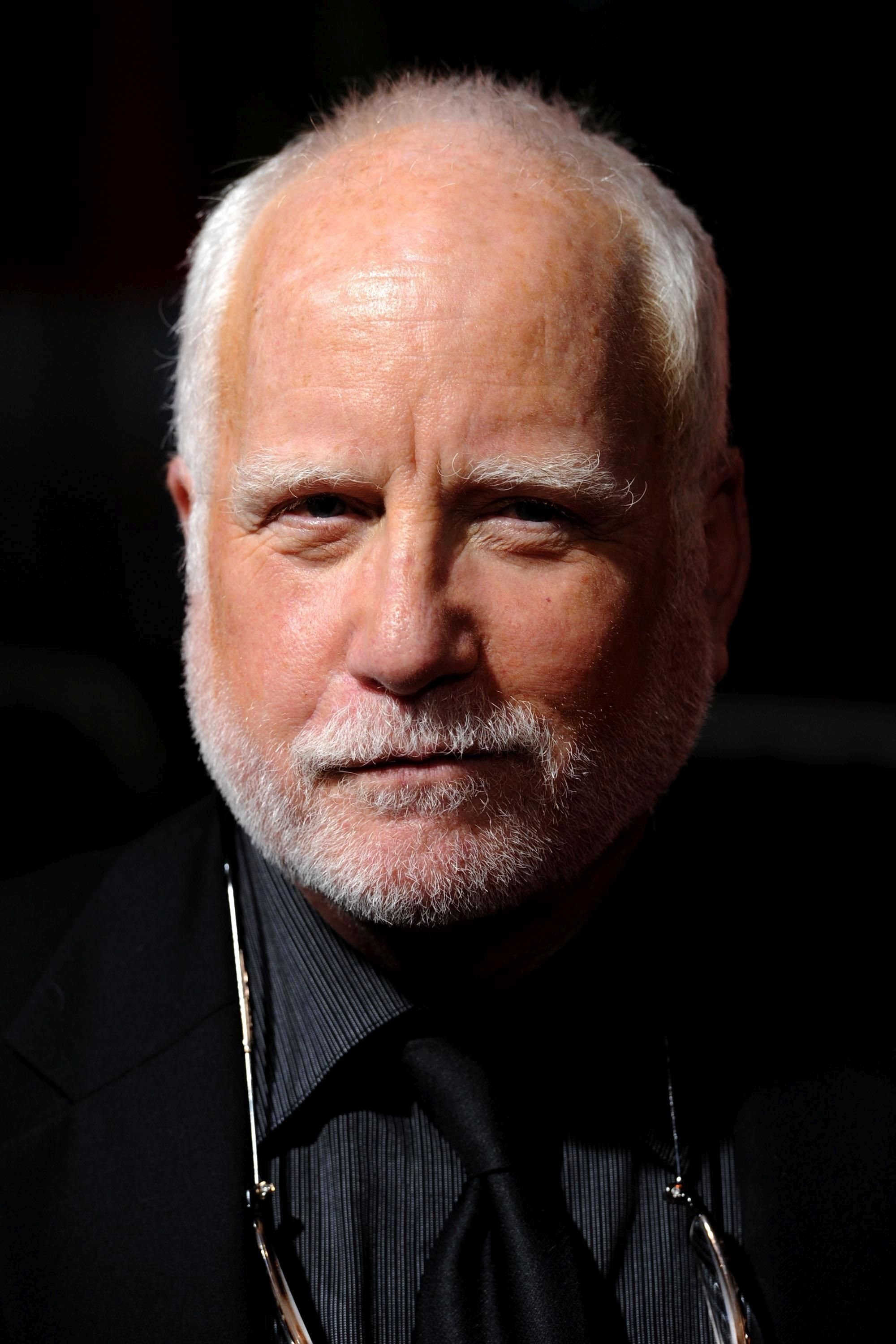
Richard Dreyfuss appeared in the disaster movie ‘Poseidon’ and made no secret of his motivation. The actor explicitly stated that he accepted the role because the studio offered him a large sum of money. He viewed the project as a simple transaction where he provided a service in exchange for a paycheck. Dreyfuss felt that waiting for a masterpiece was not always an option when a lucrative offer was on the table.
Stephen Dillane
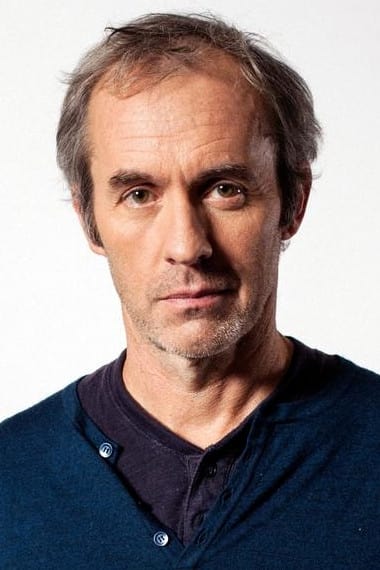
Stephen Dillane played Stannis Baratheon in ‘Game of Thrones’ but later admitted he did not enjoy the experience. He confessed that he participated in the massive hit series primarily for the financial benefits. Dillane mentioned that he struggled to understand the plot and relied on co-star Liam Cunningham to explain the scenes. Despite his lack of passion for the material, his performance was highly praised by fans.
Tim Roth
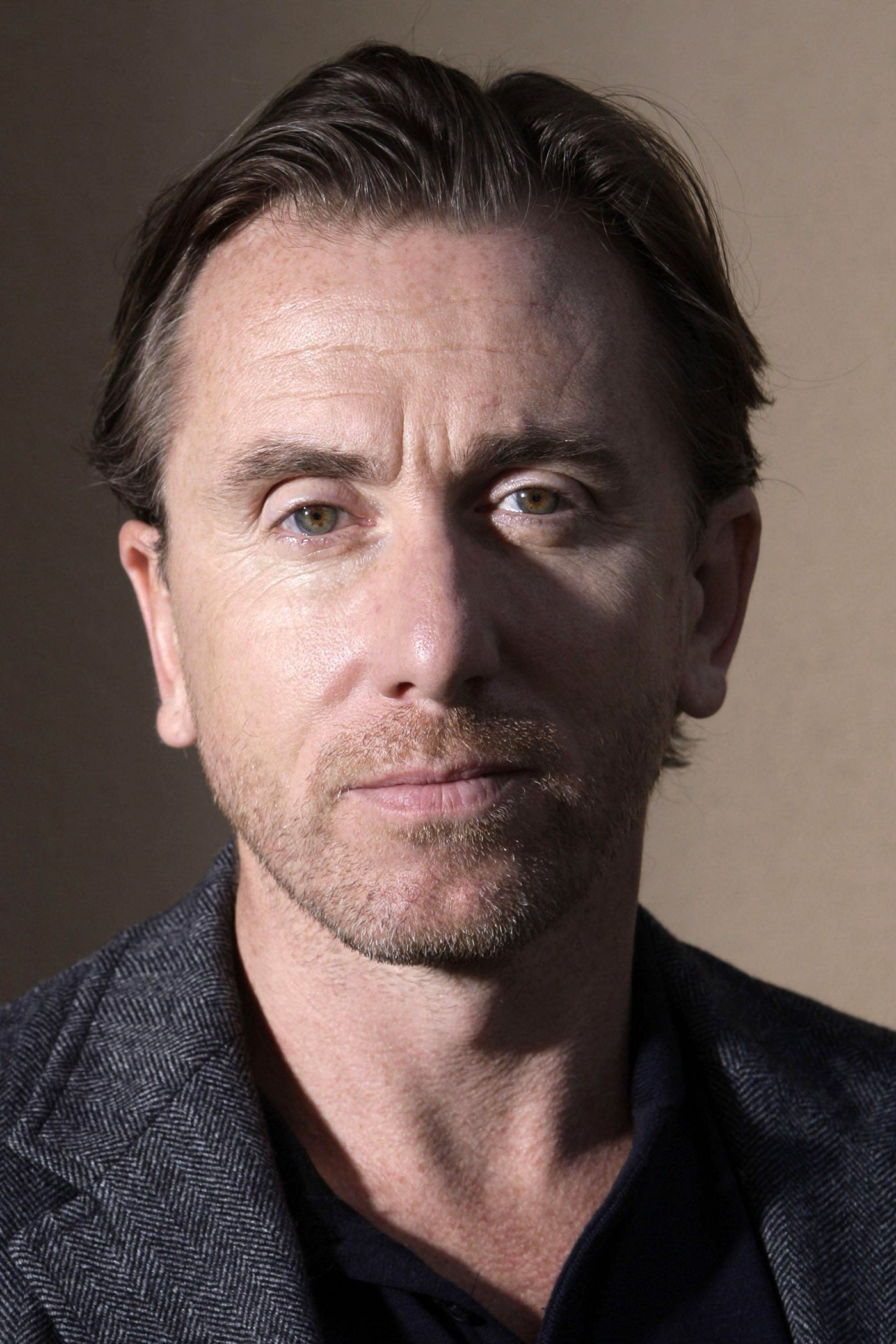
Tim Roth accepted the role of Sepp Blatter in the FIFA-funded movie ‘United Passions’ to cover a financial gap. The actor revealed that he had a specific monetary need at the time and the film helped him address it. He later expressed regret about the project once the corruption scandals surrounding FIFA came to light. Roth was honest about the fact that actors sometimes take jobs solely to manage their personal finances.
Dennis Hopper

Dennis Hopper played the villain King Koopa in the chaotic live-action adaptation of ‘Super Mario Bros.’. He famously told his son that he accepted the role so he could buy him shoes. The production was notoriously difficult, and Hopper and his co-stars struggled with the constantly changing script. He maintained a sense of humor about the film by framing it as a necessary job to support his children.
Laurence Olivier
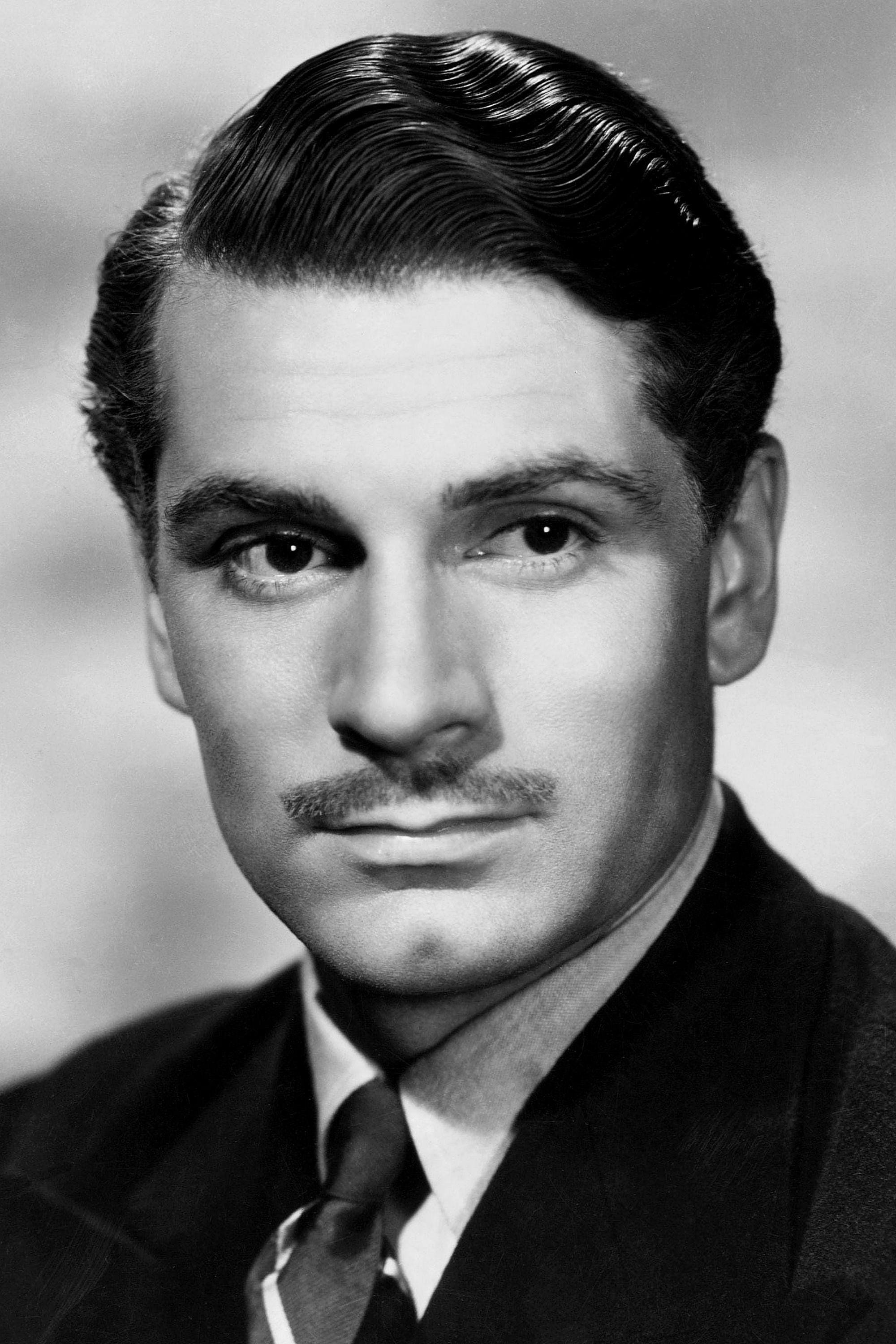
Laurence Olivier is considered one of the greatest actors of the 20th century, yet he took a role in ‘Inchon’ strictly for the cash. He told the director that he was doing the film for the money and nothing else. At that stage in his life, Olivier was focused on leaving a financial inheritance for his family. His brutally honest approach demonstrated that even acting royalty must consider practical economics.
Jackie Chan
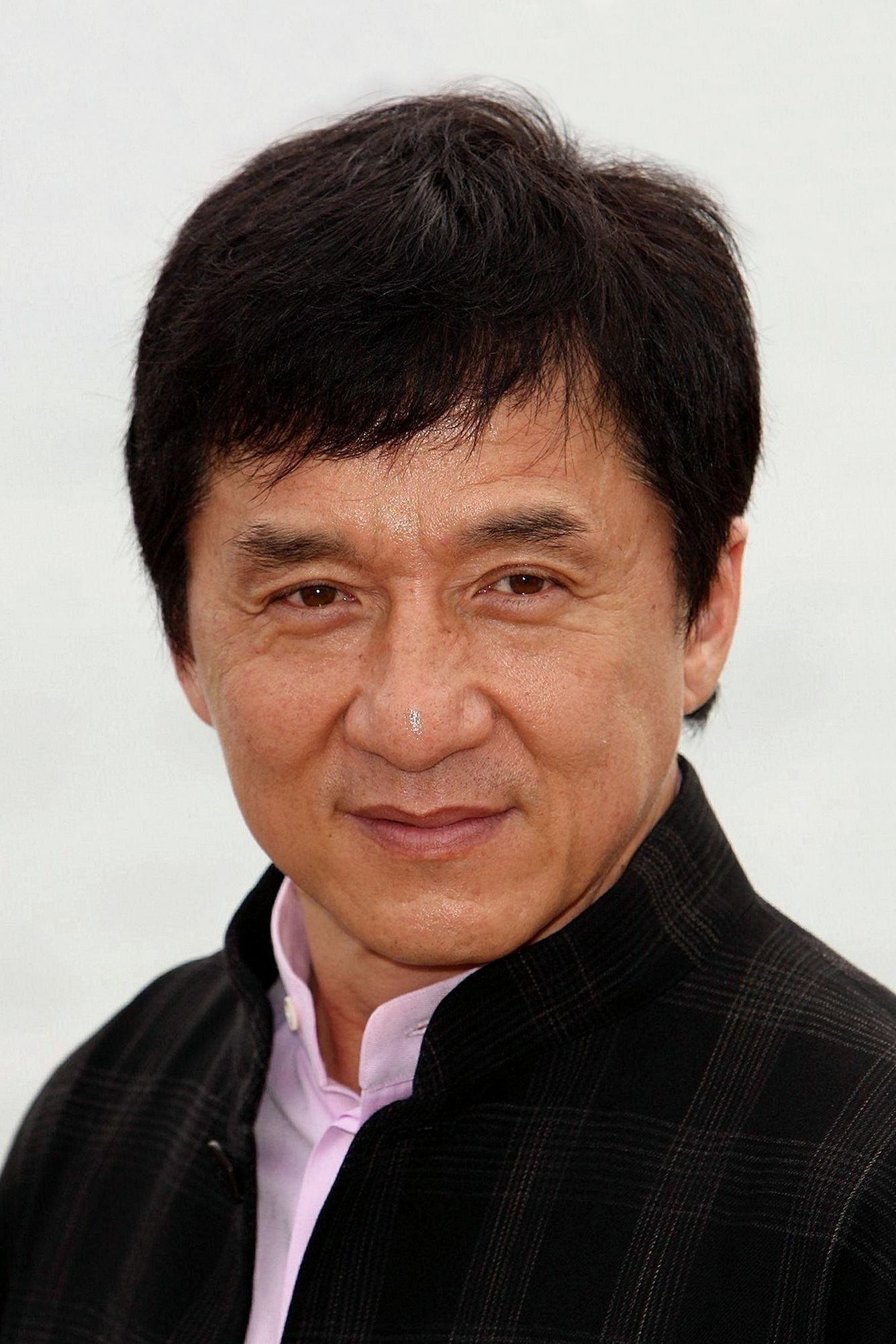
Jackie Chan has openly stated that he made the ‘Rush Hour’ films because of the incredible salary offered. He admitted that he did not fully understand the American humor or the appeal of the dialogue. The studio provided a paycheck that was too significant to turn down, prompting him to return for sequels. Chan viewed these Hollywood blockbusters as a means to fund his own projects in Asia.
Eddie Murphy
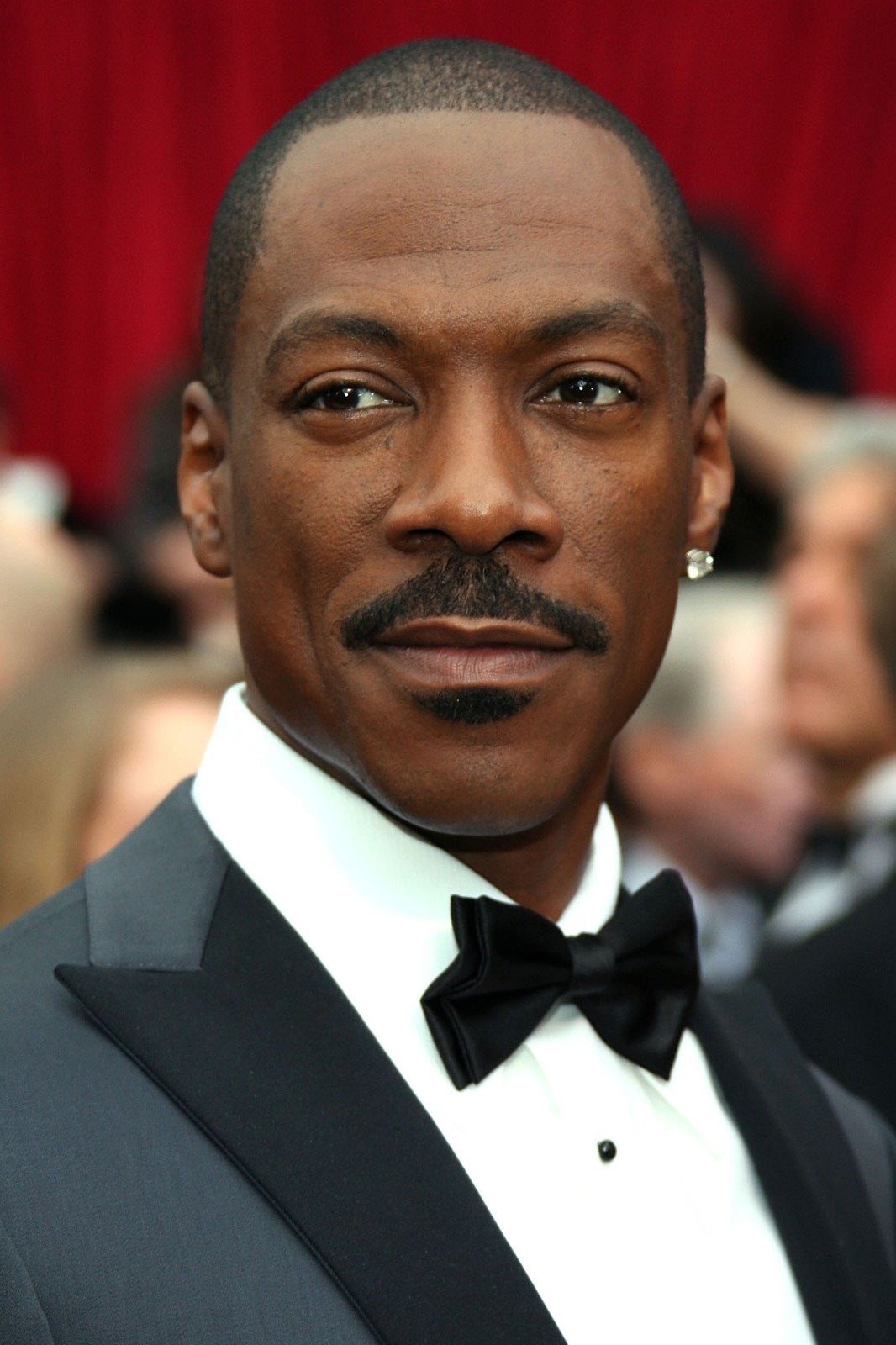
Eddie Murphy was candid about his role in the film ‘Best Defense’, which he joined after the original production had wrapped. The studio realized the movie needed star power and offered Murphy a million dollars for a small amount of work. He admitted that the money was incredible for such a brief commitment. Murphy essentially saved the film from total obscurity by agreeing to the lucrative reshoots.
Paul Bettany

Paul Bettany voiced the AI assistant J.A.R.V.I.S. in the early ‘Iron Man’ films and described the gig as robbery. He noted that he would work for two hours in a recording booth and then receive a large bag of money. Bettany found the job incredibly easy and felt almost guilty about how little effort it required compared to the payout. He later took on a physical role as Vision, which required significantly more work.
Christopher Eccleston
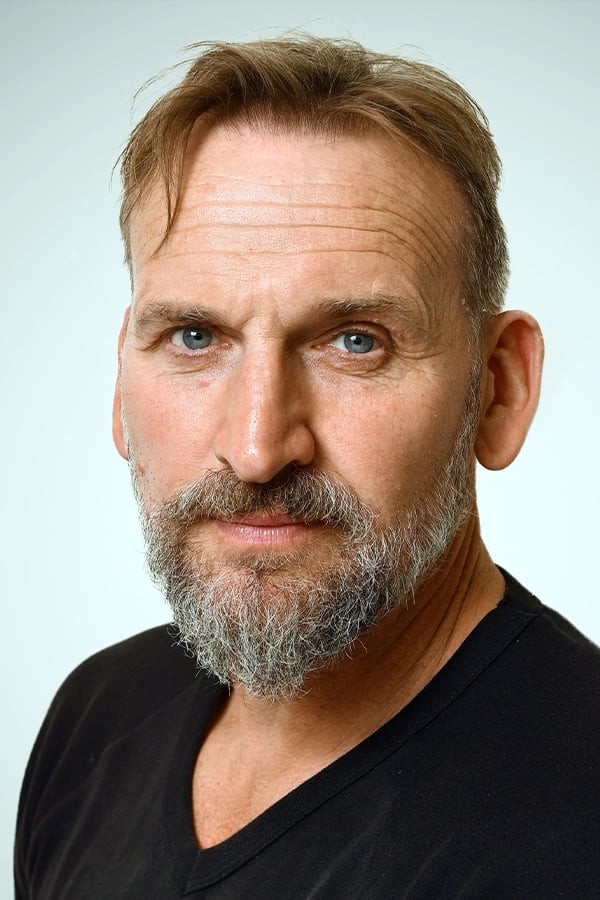
Christopher Eccleston played the villain Destro in ‘G.I. Joe: The Rise of Cobra’ and was transparent about his reasoning. He stated that he is a working-class actor who takes roles to pay the bills. Eccleston noted that blockbusters help subsidize the smaller theater projects he is passionate about. He refused to pretend that his involvement in the franchise was driven by artistic inspiration.
Billy Bob Thornton
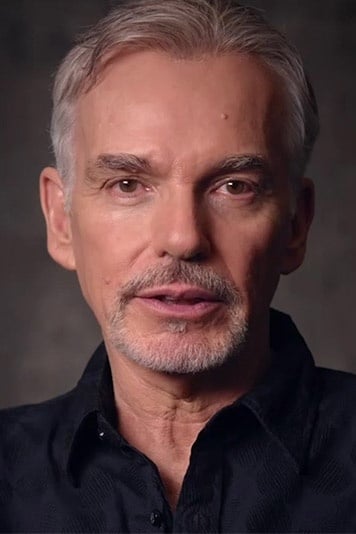
Billy Bob Thornton accepted a role in the blockbuster ‘Armageddon’ based on the advice of his manager. He was told that the movie would be terrible but the paycheck would be substantial. Thornton agreed to the project to secure his financial standing and broaden his audience reach. He treated the role as a necessary step to maintain his career stability.
Michael Madsen
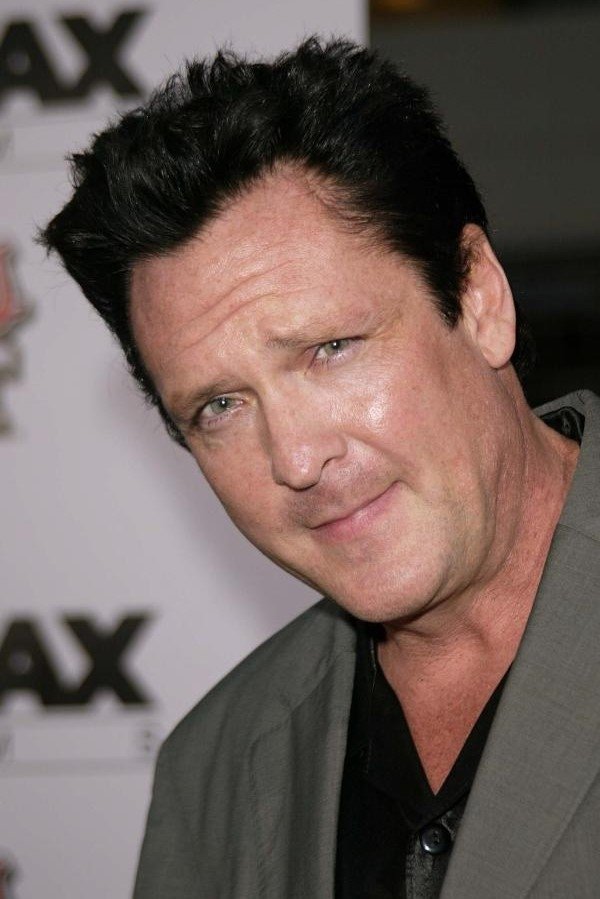
Michael Madsen starred in the vampire video game adaptation ‘BloodRayne’ and later called the film an abomination. He explained that he accepted the role simply because he enjoys making money. Madsen acknowledged the low quality of the production but did not apologize for cashing the check. His honesty reflects the attitude of many character actors who work frequently to stay employed.
Alec Guinness
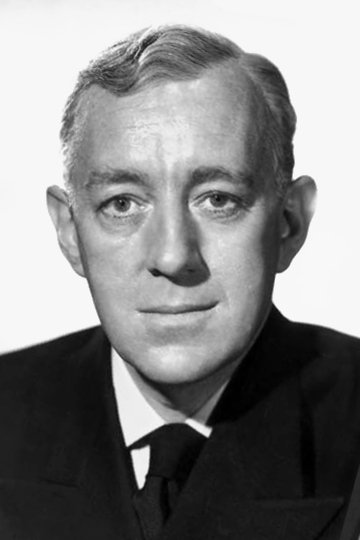
Alec Guinness famously had a complicated relationship with his role as Obi-Wan Kenobi in ‘Star Wars’. While he did not enjoy the dialogue, he negotiated a contract that gave him a percentage of the film’s royalties. This shrewd business move made him very wealthy and secured his financial future. Guinness openly referred to the film as fairy-tale rubbish but appreciated the income it generated.
Marlon Brando
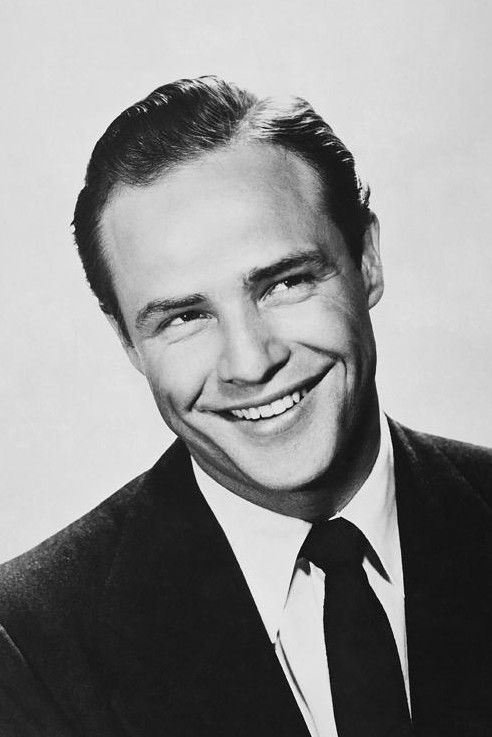
Marlon Brando demanded an unprecedented salary and a percentage of the profits to play Jor-El in ‘Superman’. He worked for a limited number of days and refused to memorize his lines, reading them from cue cards instead. Brando saw the role as a quick way to replenish his funds without exerting much effort. His involvement gave the film legitimacy, but his motivation was purely financial.
Harrison Ford
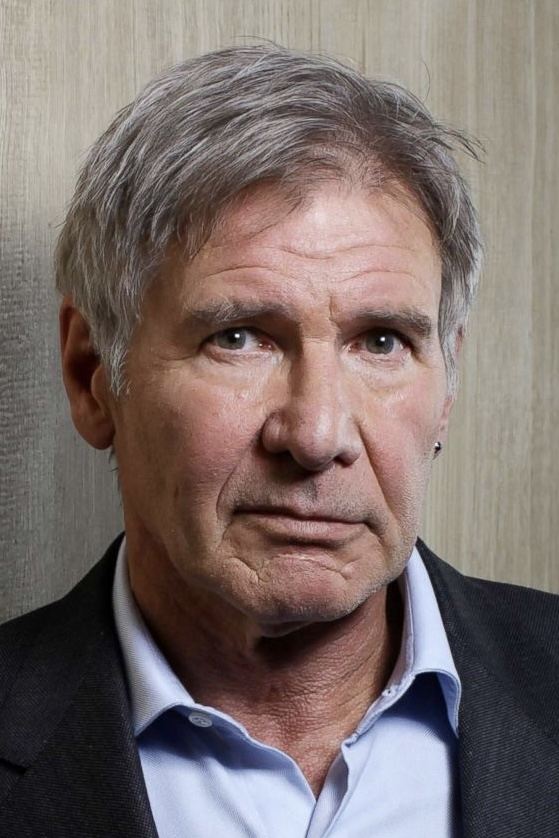
Harrison Ford has admitted that he returned to the role of Han Solo in ‘Star Wars’ partly for the money. In the early days of his career, he viewed acting as a job that provided a better income than carpentry. Even later in life, he acknowledged that a significant paycheck was a key factor in reprising iconic roles. Ford has always maintained a pragmatic view of his profession as a means of earning a living.
Ben Affleck
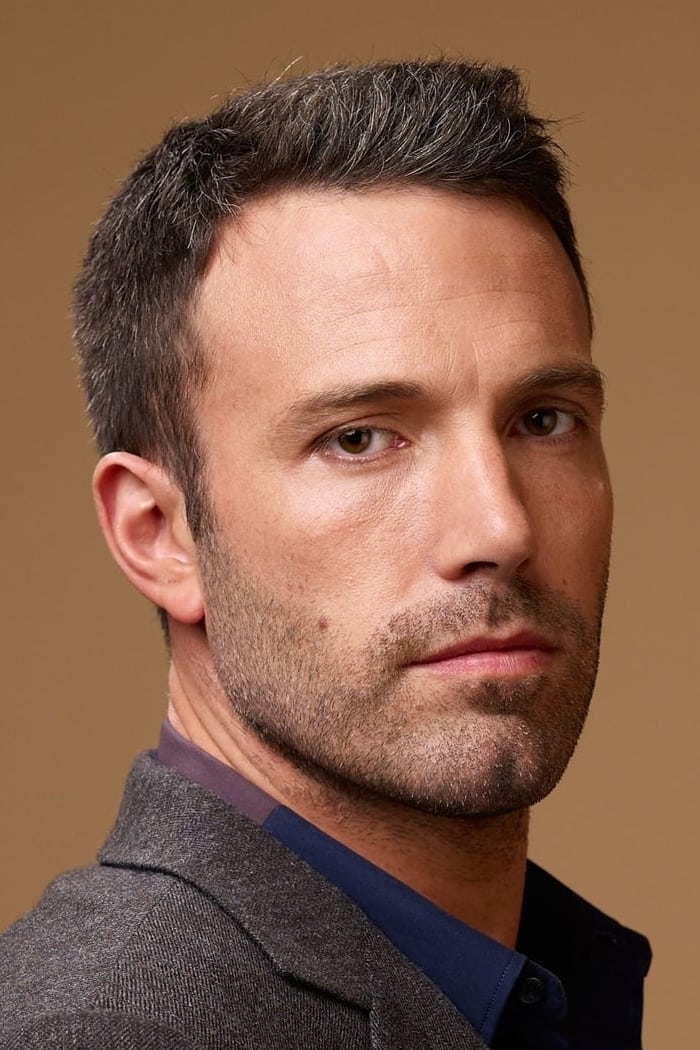
Ben Affleck starred in the sci-fi thriller ‘Paycheck’ and noted the irony of the title given his motivation. He admitted that he did the movie because the salary was substantial during a time when he was commanding high fees. Affleck has since pivoted to directing and selecting more personal projects. He looks back on that era of his career as a time when he prioritized studio money over script quality.
Willem Dafoe
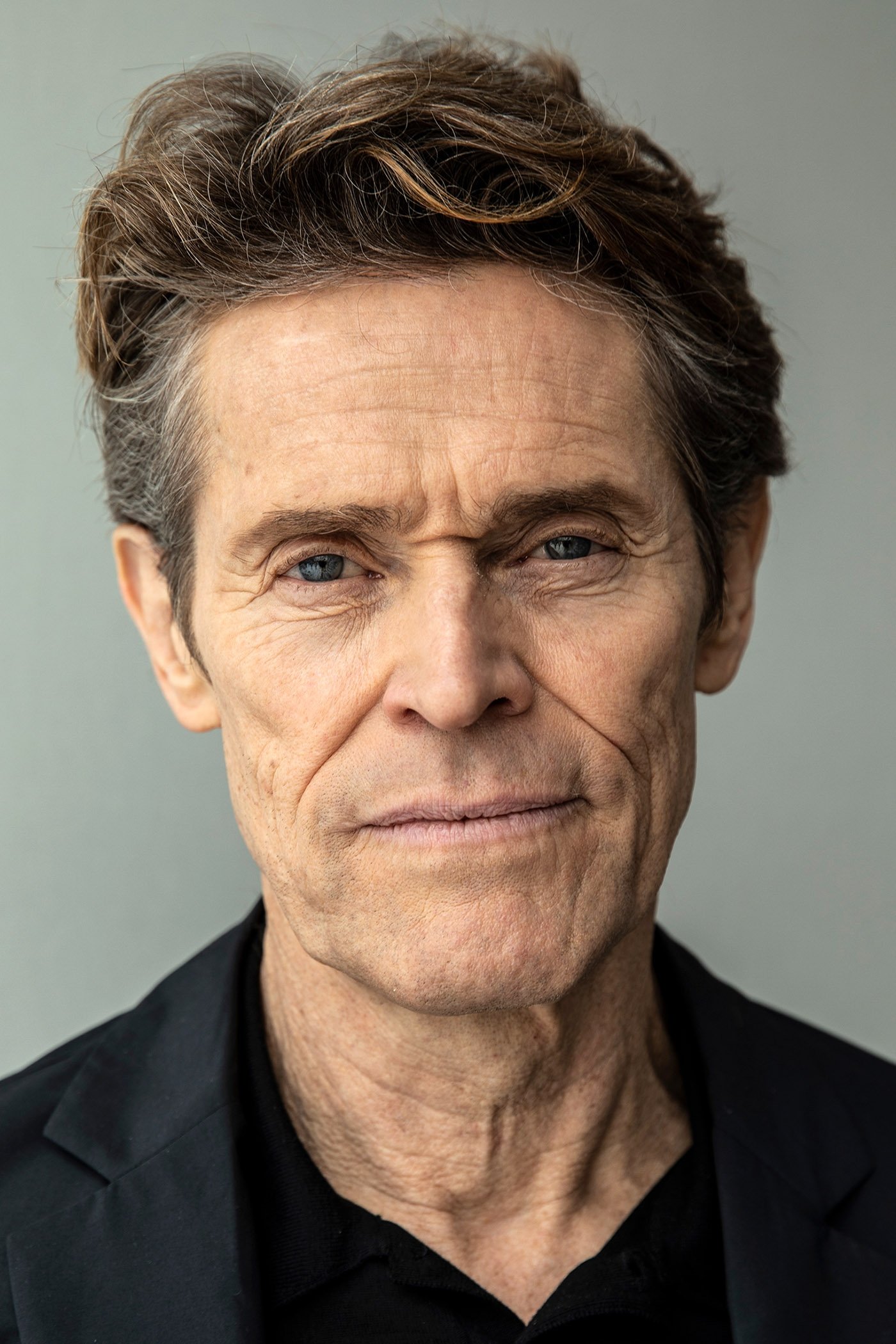
Willem Dafoe took the role of the villain in ‘Speed 2: Cruise Control’ and viewed it as a practical job. He stated that the production offered a good gig with a solid paycheck. Dafoe balances commercial projects with independent films, using the former to fund his work in the latter. He has never been embarrassed about taking well-paying roles to maintain his freedom as an actor.
Richard Burton

Richard Burton was known for taking roles in subpar films like ‘Exorcist II: The Heretic’ to fund his lavish lifestyle. He needed immense amounts of money to buy diamonds for Elizabeth Taylor and support his family. Burton was open about the fact that he often chose projects based on the salary rather than the script. Critics lamented the waste of his talent, but he prioritized his immediate financial needs.
Jean-Claude Van Damme
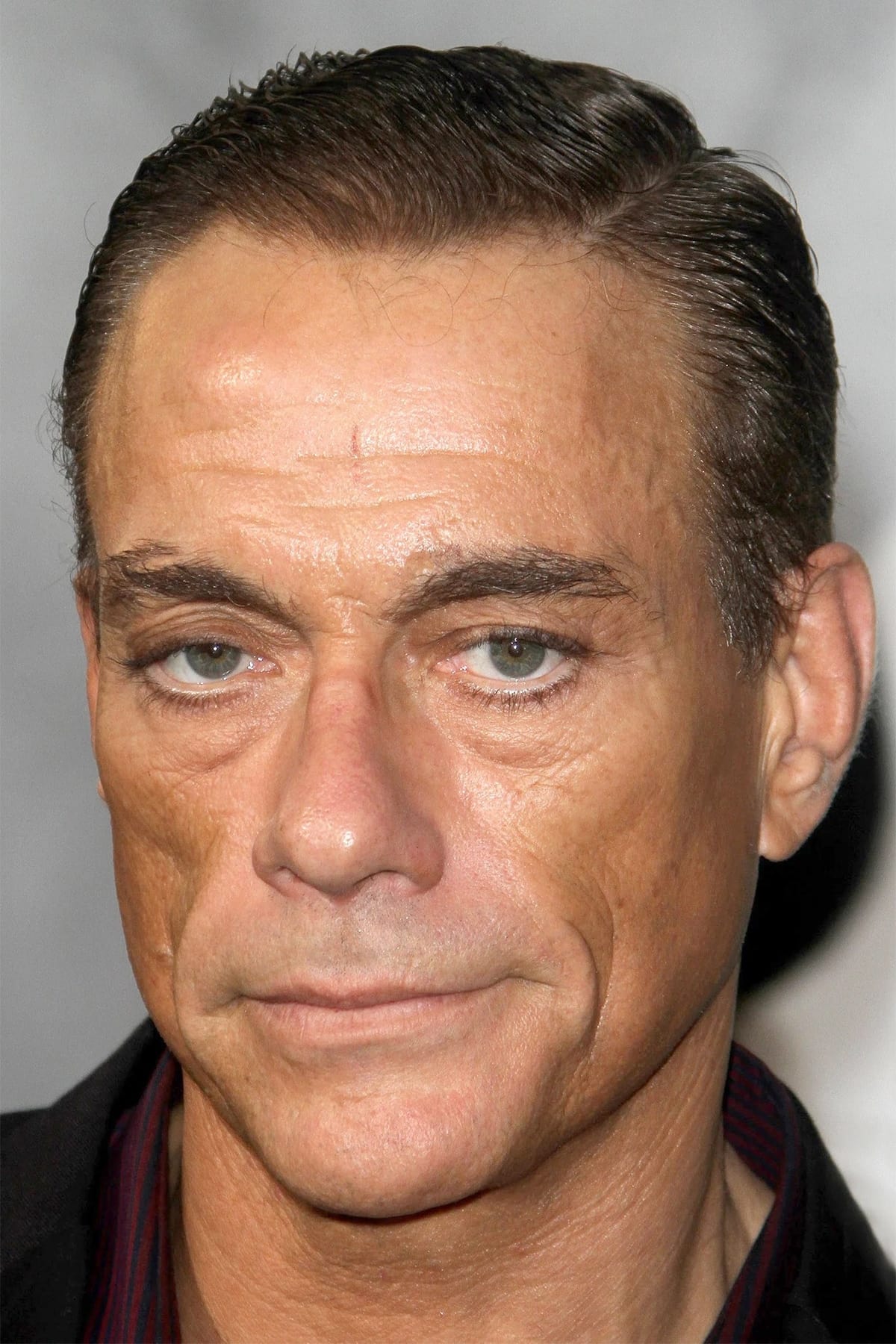
Jean-Claude Van Damme was the highest-paid actor in the cast of ‘Street Fighter’. He accepted the role because the studio offered him a massive sum that he could not refuse. Van Damme was struggling with personal issues at the time but showed up to secure the payment. The film was critical failure, yet it remains one of his most profitable ventures.
Anthony Hopkins
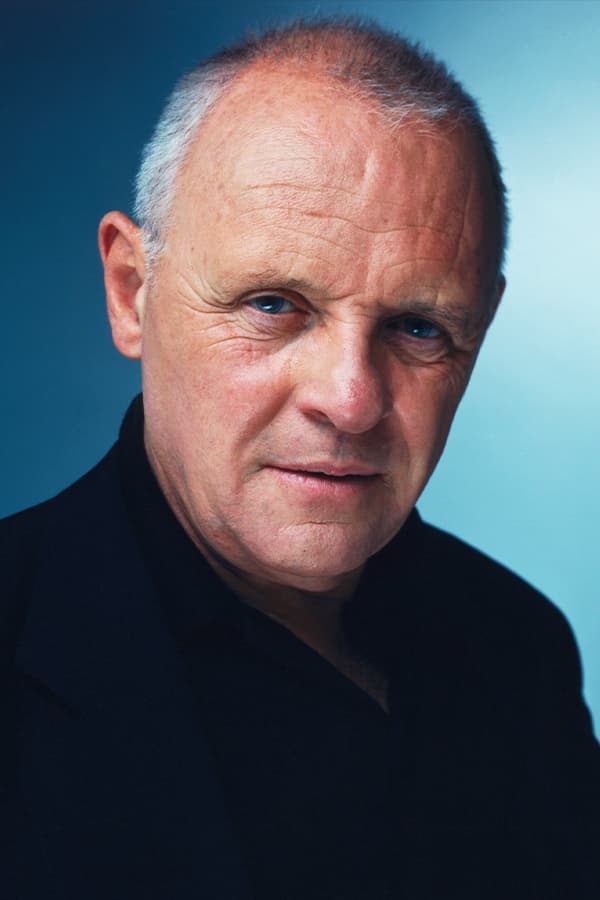
Anthony Hopkins joined the ‘Transformers’ franchise and ‘The Wolfman’ with a very straightforward attitude. He has stated that he acts because it is better than doing nothing and it pays very well. Hopkins brings professionalism to every set but does not pretend that every blockbuster is high art. He views acting as a job that allows him to live comfortably.
Charlie Sheen
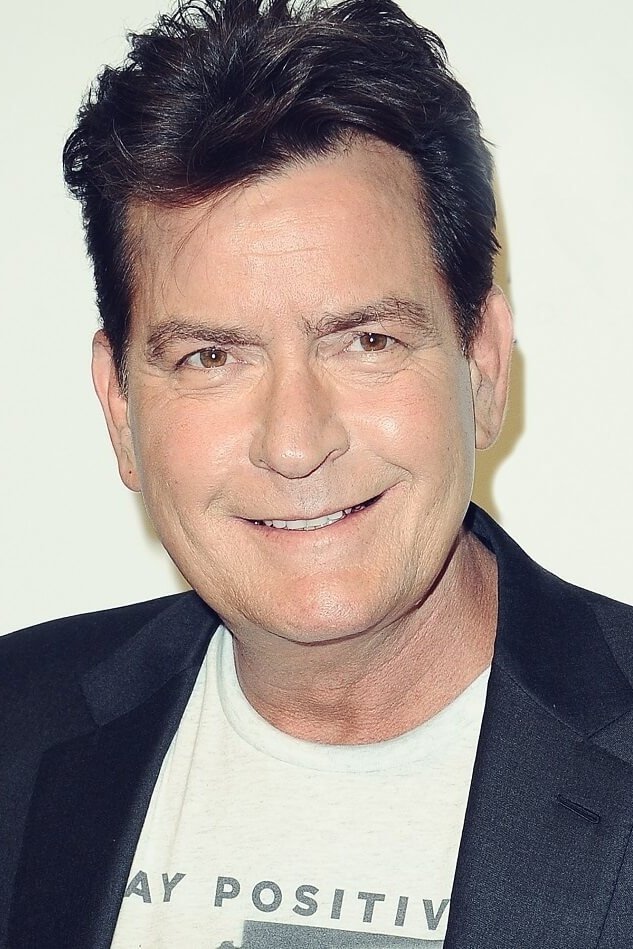
Charlie Sheen accepted a cameo role in ‘Scary Movie 5’ alongside Lindsay Lohan for a quick payout. He reportedly received a large sum for a single day of work on the horror parody. Sheen has often been transparent about using his celebrity status to earn easy money. He saw the project as a simple way to capitalize on his public image.
Frank Langella
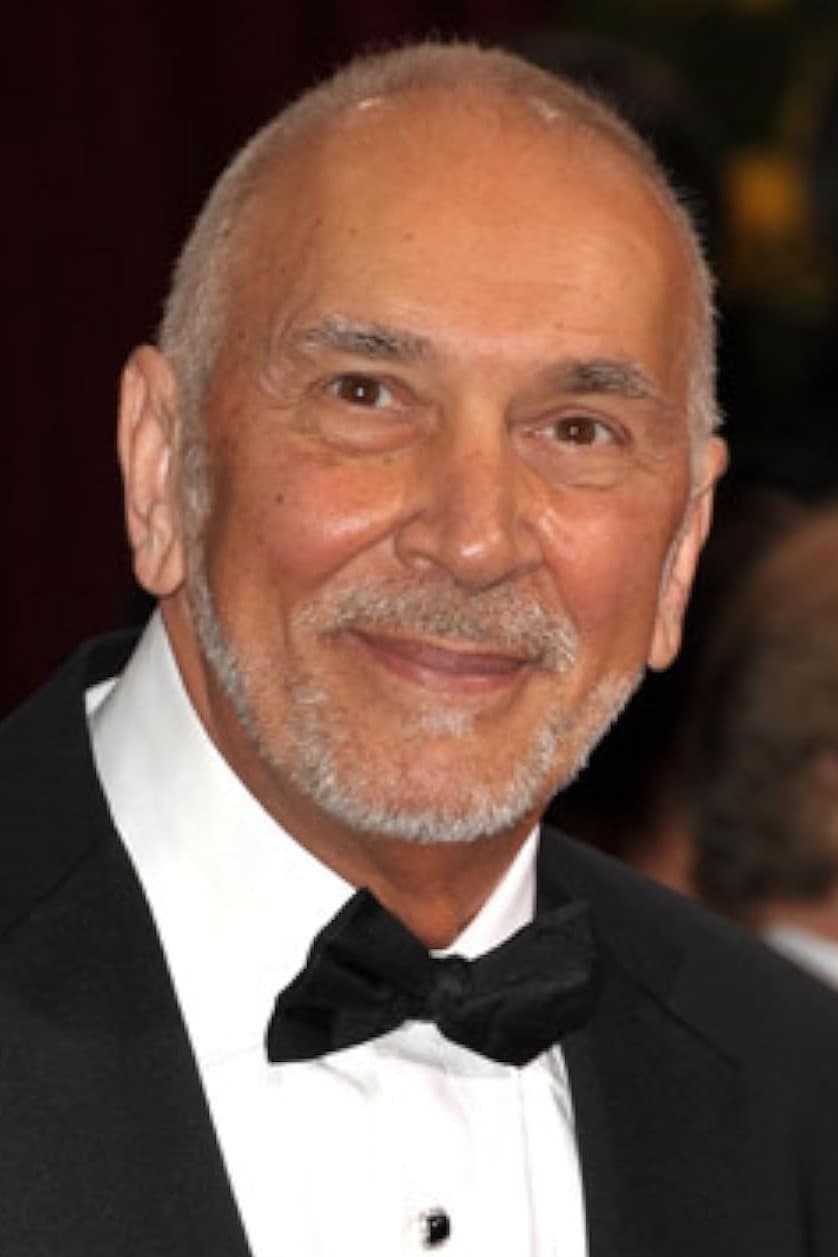
Frank Langella played Skeletor in ‘Masters of the Universe’ because his son was a huge fan and he needed the money. He later came to enjoy the role and called it one of his favorites, but the initial draw was the paycheck. Langella accepted the part during a time when he needed a commercial hit to boost his finances. He committed fully to the performance despite the film’s campy nature.
Matthew Lillard
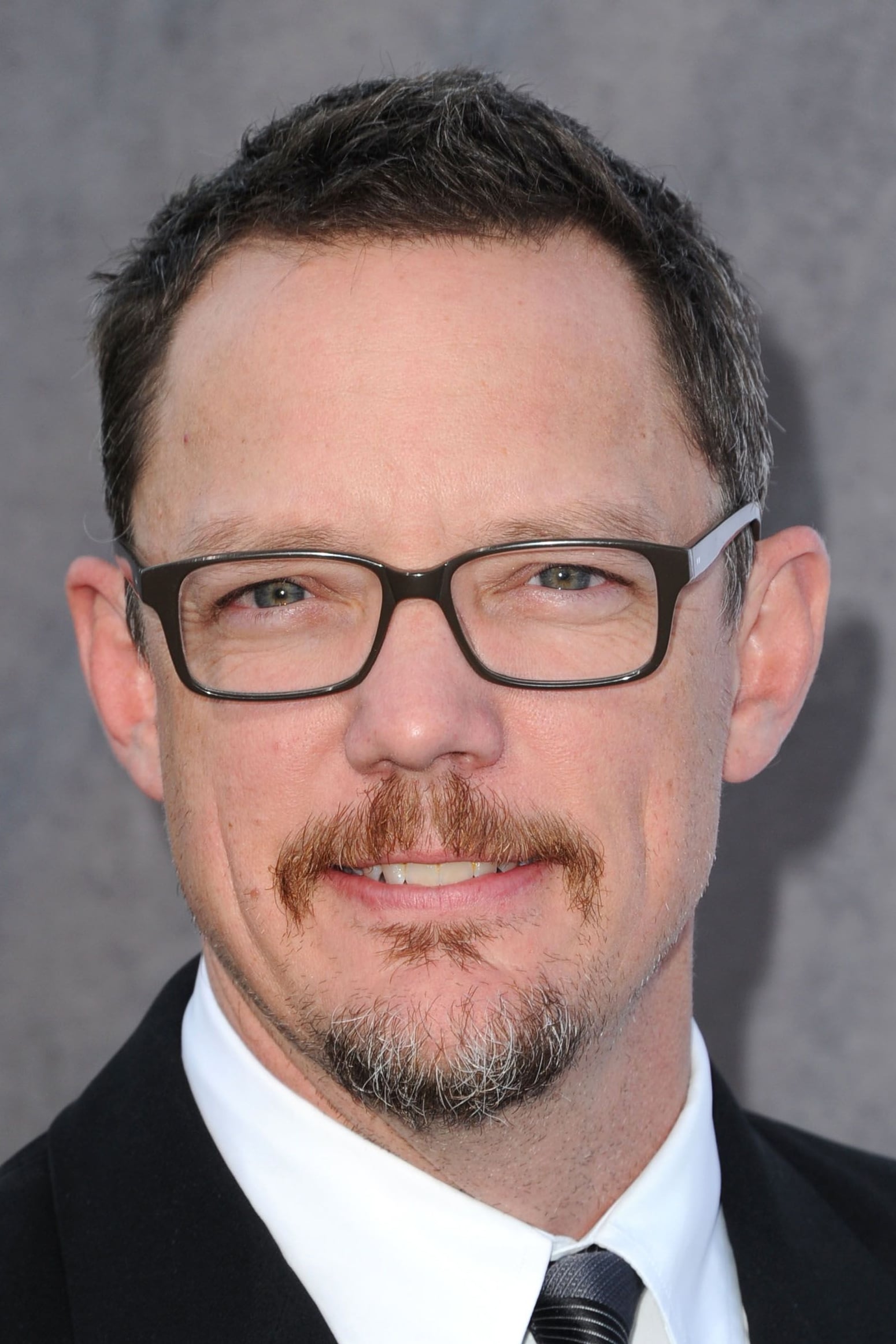
Matthew Lillard has expressed pride in his role as Shaggy in the ‘Scooby-Doo’ films because of what it did for his family. He stated that the movie paid for his house and provided financial security. Lillard acknowledged that while it was not high drama, the job was vital for his livelihood. He remains grateful for the commercial success that allowed him to support his children.
Sylvester Stallone
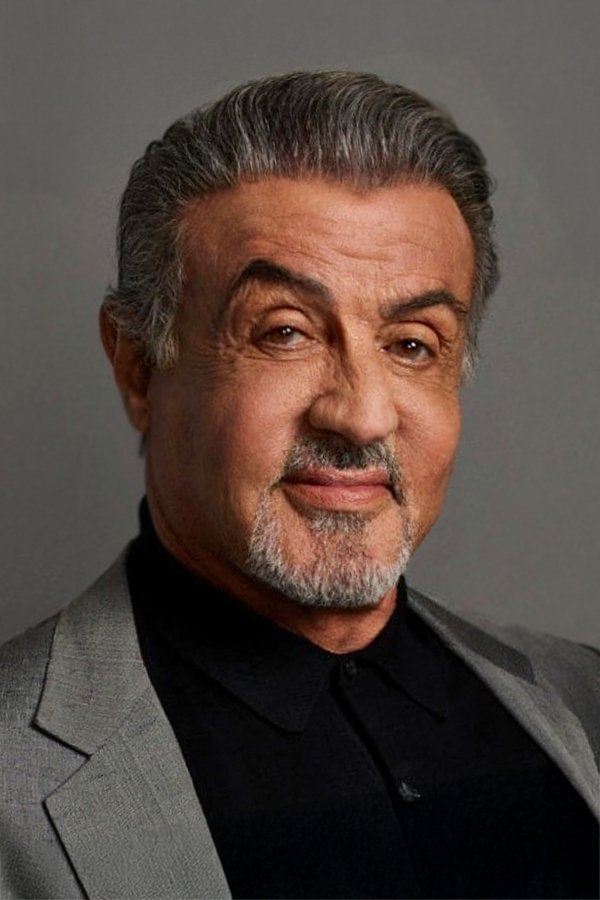
Sylvester Stallone acted in the adult film ‘The Party at Kitty and Stud’s’ purely out of desperation. He was homeless and broke at the time, and the small payment allowed him to get off the streets. Stallone has been open about this early struggle, stating he had no other options for survival. The film was later rebranded to capitalize on his fame, but he views it as a survival tactic.
Ian McShane

Ian McShane joined the cast of ‘Game of Thrones’ for a single episode and was dismissive of the show’s intense fandom. He described the series as just tits and dragons and admitted he did it for the check. McShane enjoyed working with his friends on set but did not take the mythology seriously. His primary motivation was the easy work schedule and the payment involved.
Nicolas Cage
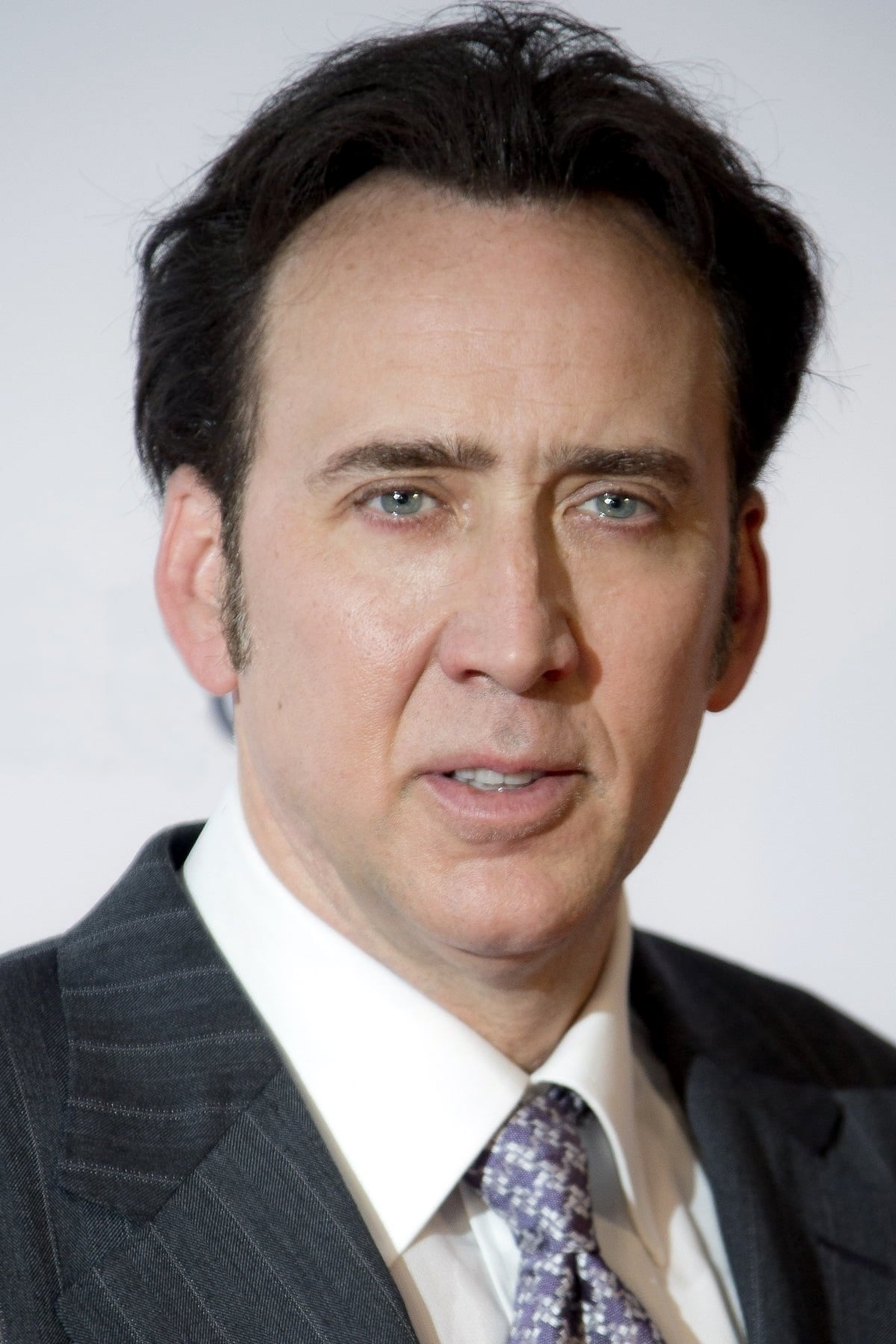
Nicolas Cage entered a period of his career where he accepted numerous roles in direct-to-video movies to pay off debts. He openly discussed that he needed the money to resolve issues with the IRS and manage his finances. Despite the volume of films, Cage insisted he never phoned in a performance. He viewed these jobs as a way to work his way out of a difficult financial hole.
Clark Gable
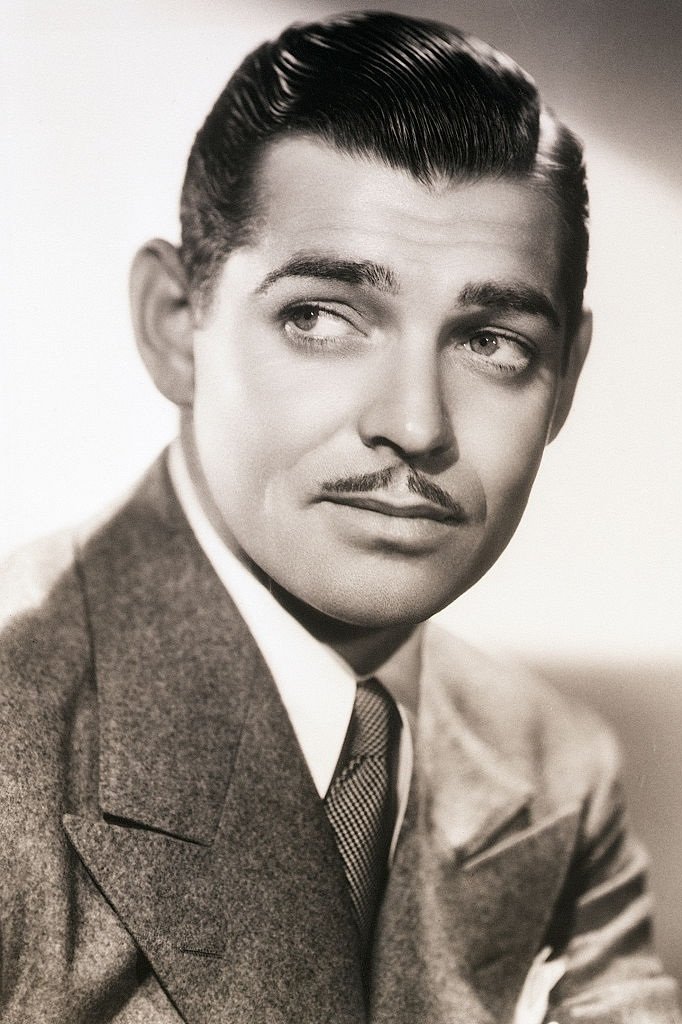
Clark Gable famously did not want to play Rhett Butler in ‘Gone with the Wind’. He eventually agreed to the role because he needed the bonus money to pay for a divorce settlement. The studio offered him a significant sum that allowed him to marry Carole Lombard. His performance became iconic, but his initial motivation was entirely driven by his personal financial crisis.
Dave Bautista
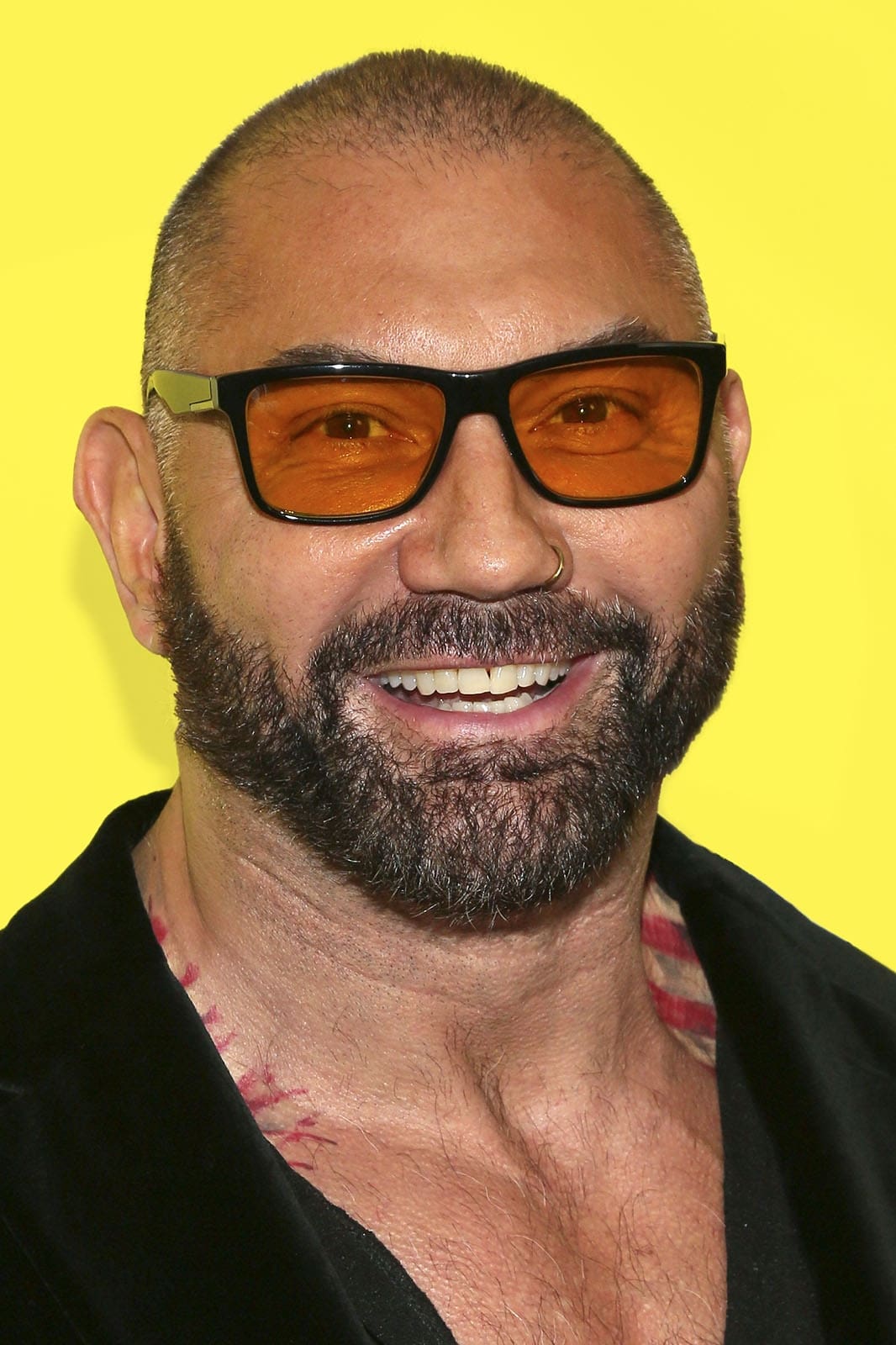
Dave Bautista campaigned for the role of Drax in ‘Guardians of the Galaxy’ because he was broke. He revealed that he had lost all his money from wrestling and was struggling to buy Christmas presents for his children. The role saved him from financial ruin and launched his acting career. Bautista has always been open about how the paycheck changed his life.
Orson Welles

Orson Welles voiced the planet-eating robot Unicron in ‘The Transformers: The Movie’ shortly before his death. He described the job to a biographer as playing a toy that attacks other toys. Welles accepted the role to fund his own independent film projects which were constantly running out of money. He had little interest in the content but needed the resources to continue his own creative work.
Ray Winstone
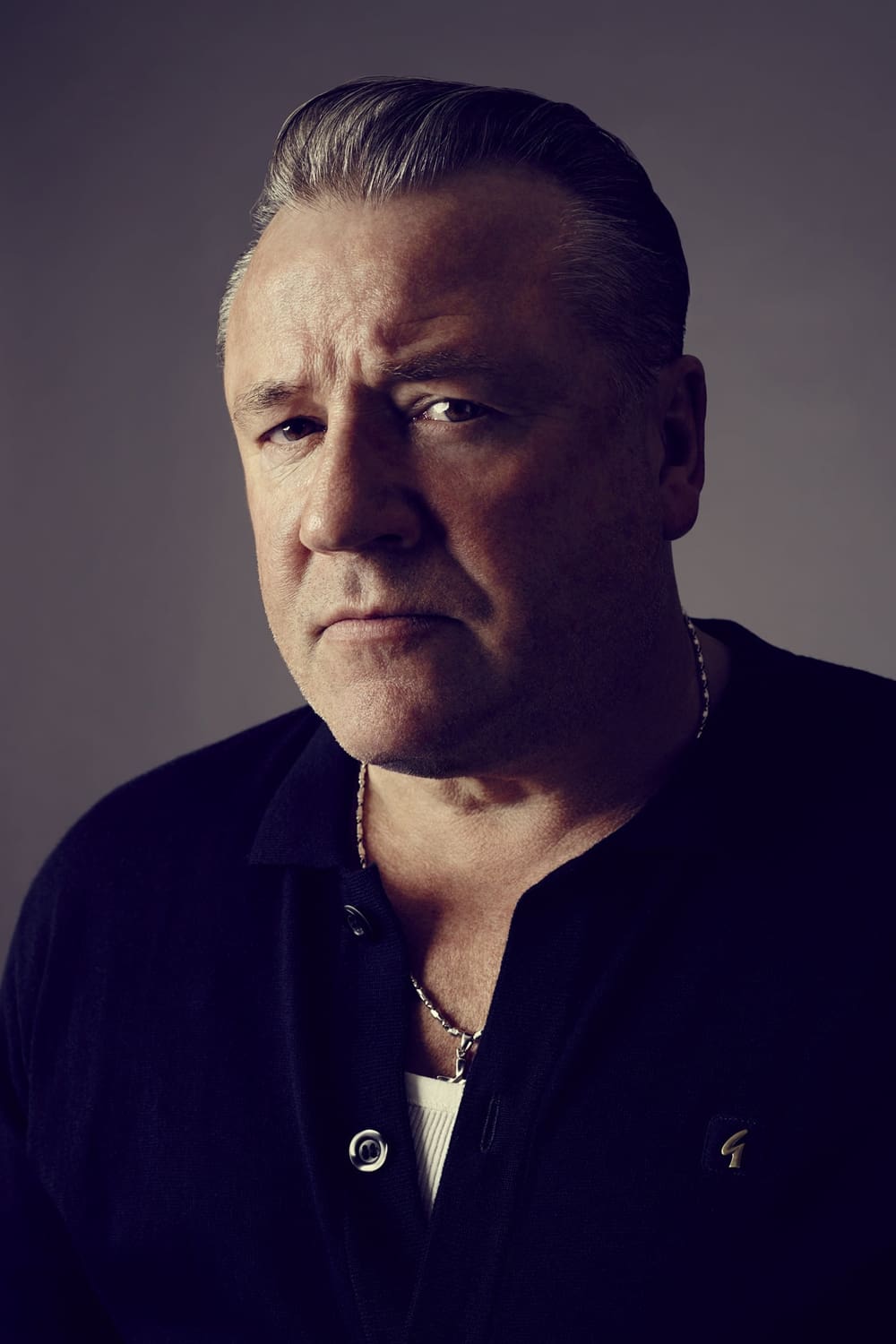
Ray Winstone appeared in ‘Indiana Jones and the Kingdom of the Crystal Skull’ and later criticized the experience. He admitted that he did the film for the money and felt frustrated by the production process. Winstone stated that reshoots and script changes made the job difficult, but the salary was the redeeming factor. He prefers roles where he has more creative input.
Terence Stamp
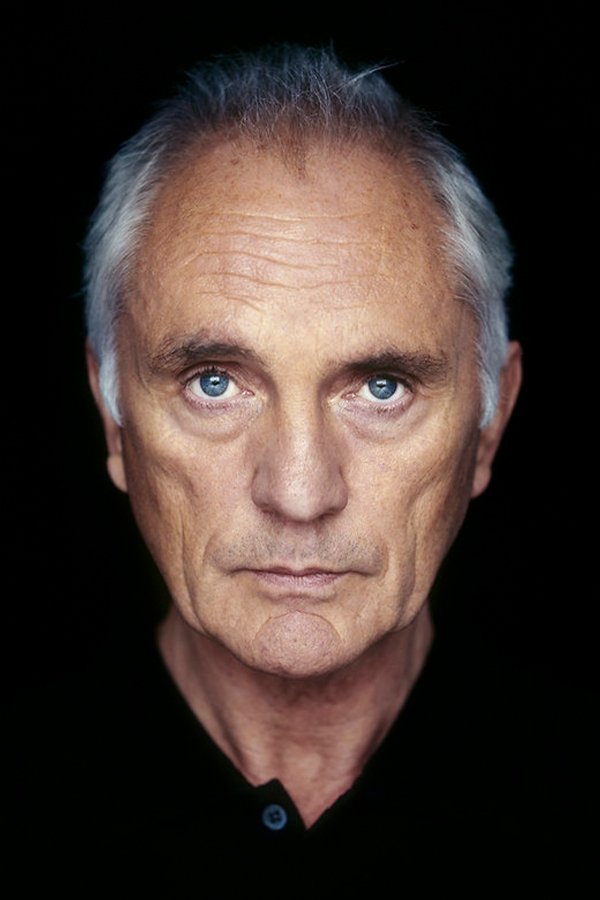
Terence Stamp played Chancellor Valorum in ‘Star Wars: Episode I – The Phantom Menace’ and found the experience boring. He accepted the role to work with George Lucas but later noted that actors work for the pay. Stamp was disappointed by acting against green screens but cashed the check nonetheless. He has been candid about the lack of artistic satisfaction in that specific blockbuster.
Peter O’Toole
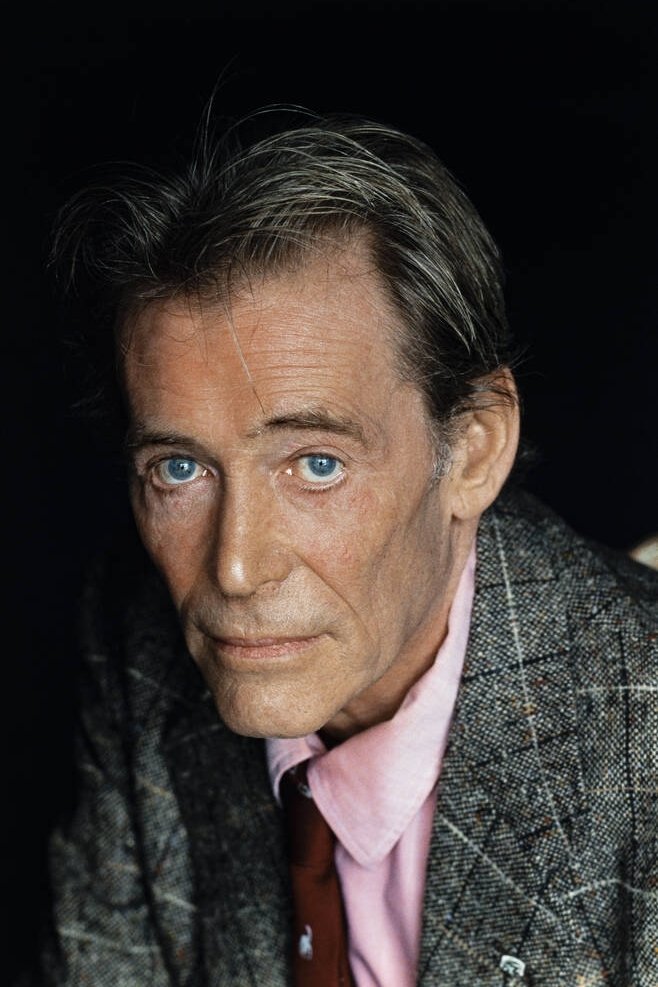
Peter O’Toole accepted a role in the epic ‘Troy’ and reportedly disliked the finished film. He famously referred to the director as a clown and expressed regret over the production. However, O’Toole needed the money to maintain his lifestyle in his later years. He viewed the big-budget spectacle as a necessary evil to keep his finances in order.
Tell us which of these honest admissions surprised you the most in the comments.