


Actors Who Publicly Demanded Studios Stop Prioritizing “Agendas” Over Talent

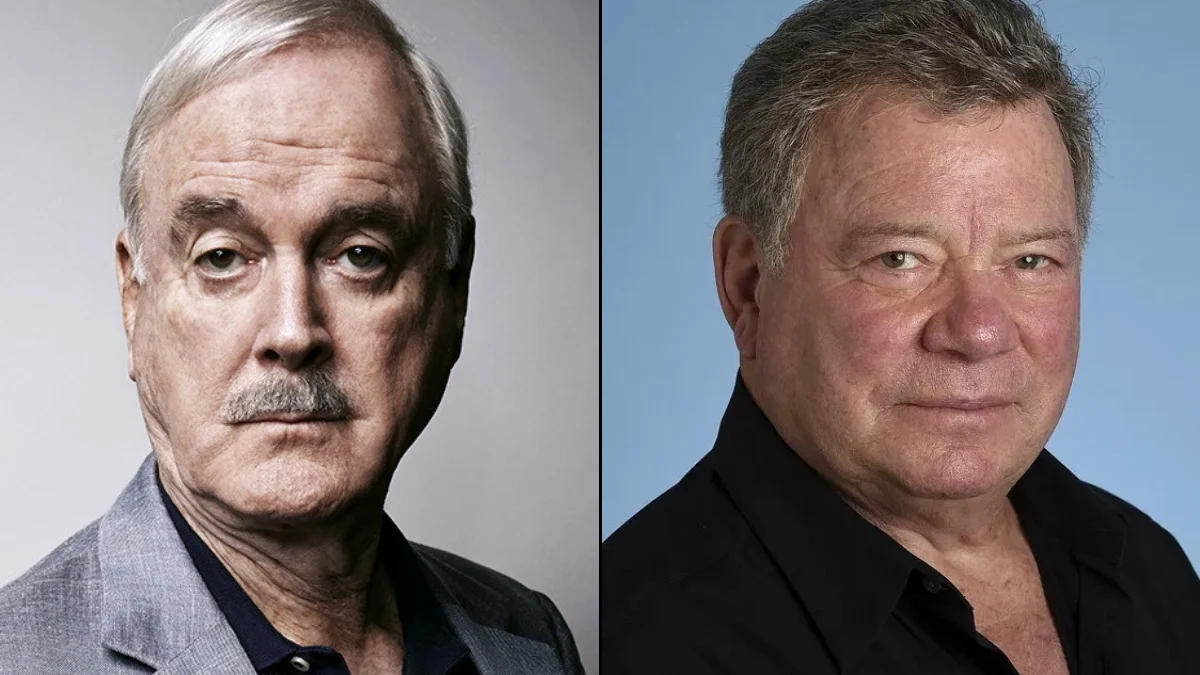


The entertainment industry has recently seen a surge in public discourse regarding the balance between creative merit and social messaging. While many studios have adopted new diversity and inclusion standards, a growing number of male actors have voiced concerns that these priorities may be overshadowing raw talent and storytelling quality. These performers argue that the focus on specific ideological agendas can stifle artistic expression and alienate portions of the global audience. From veteran legends to contemporary stars, several high-profile figures have called for a return to a system that prioritizes the best person for the job regardless of external social pressures.
John Cleese

The ‘Monty Python’s Flying Circus’ star famously criticized the BBC and other major studios for prioritizing diversity quotas over the quality of comedy. In various interviews, he expressed concern that the focus on social agendas stifles creativity and prevents the best talent from being hired. Cleese argued that humor should not be restricted by political correctness, which he believes has become a primary driver in modern production. His remarks often highlight a perceived shift where ideological conformity is valued more than comedic excellence.
Richard Dreyfuss
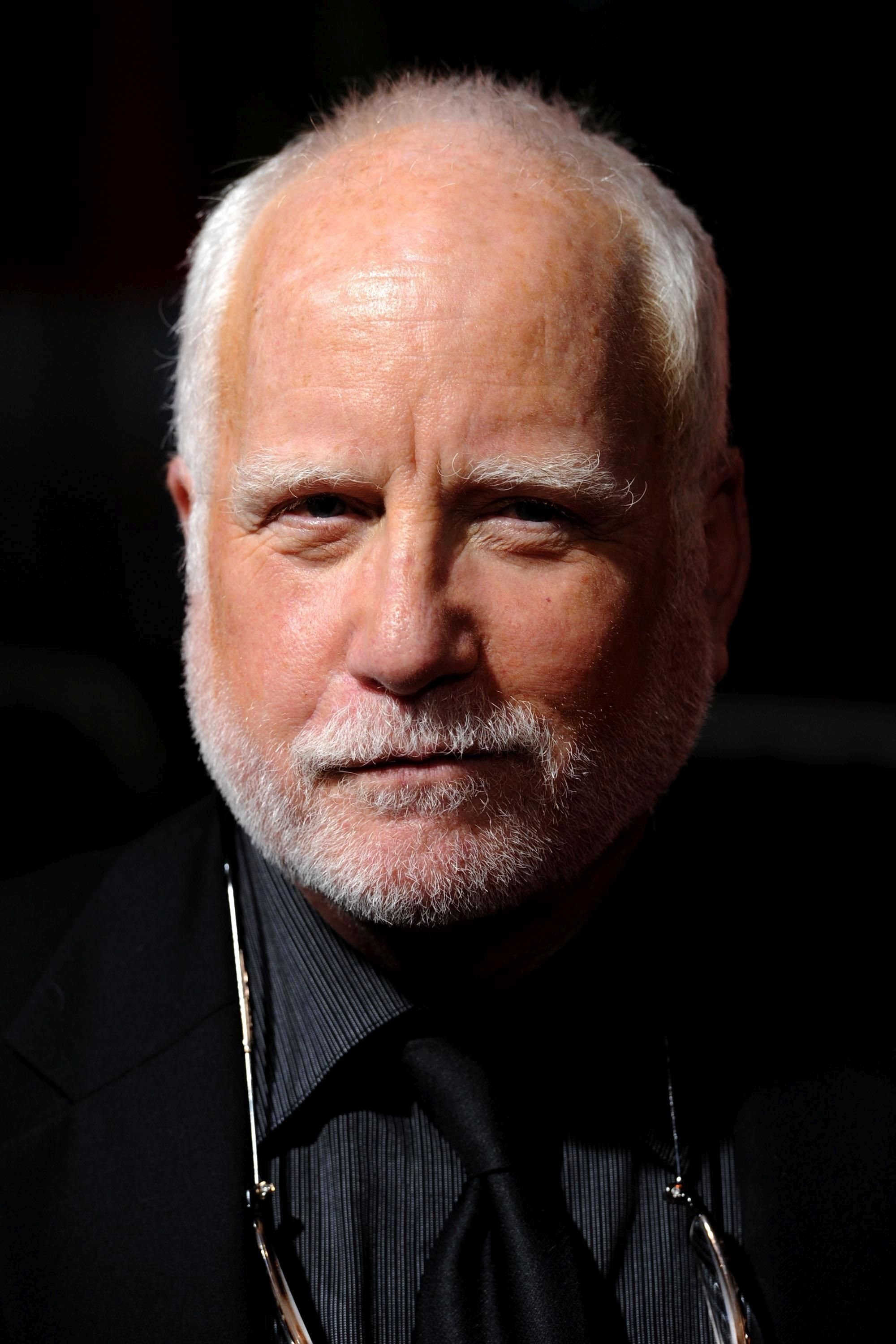
The veteran actor from ‘Jaws’ spoke out against the Academy of Motion Picture Arts and Sciences’ new diversity and inclusion requirements for film eligibility. He stated that these mandates “make me vomit” and argued that art should be about the craft of acting rather than meeting social criteria. Dreyfuss emphasized that an actor should be able to play any role regardless of their personal background or identity. He believes that imposing such rules on the creative process diminishes the integrity and freedom of the film industry.
Zachary Levi
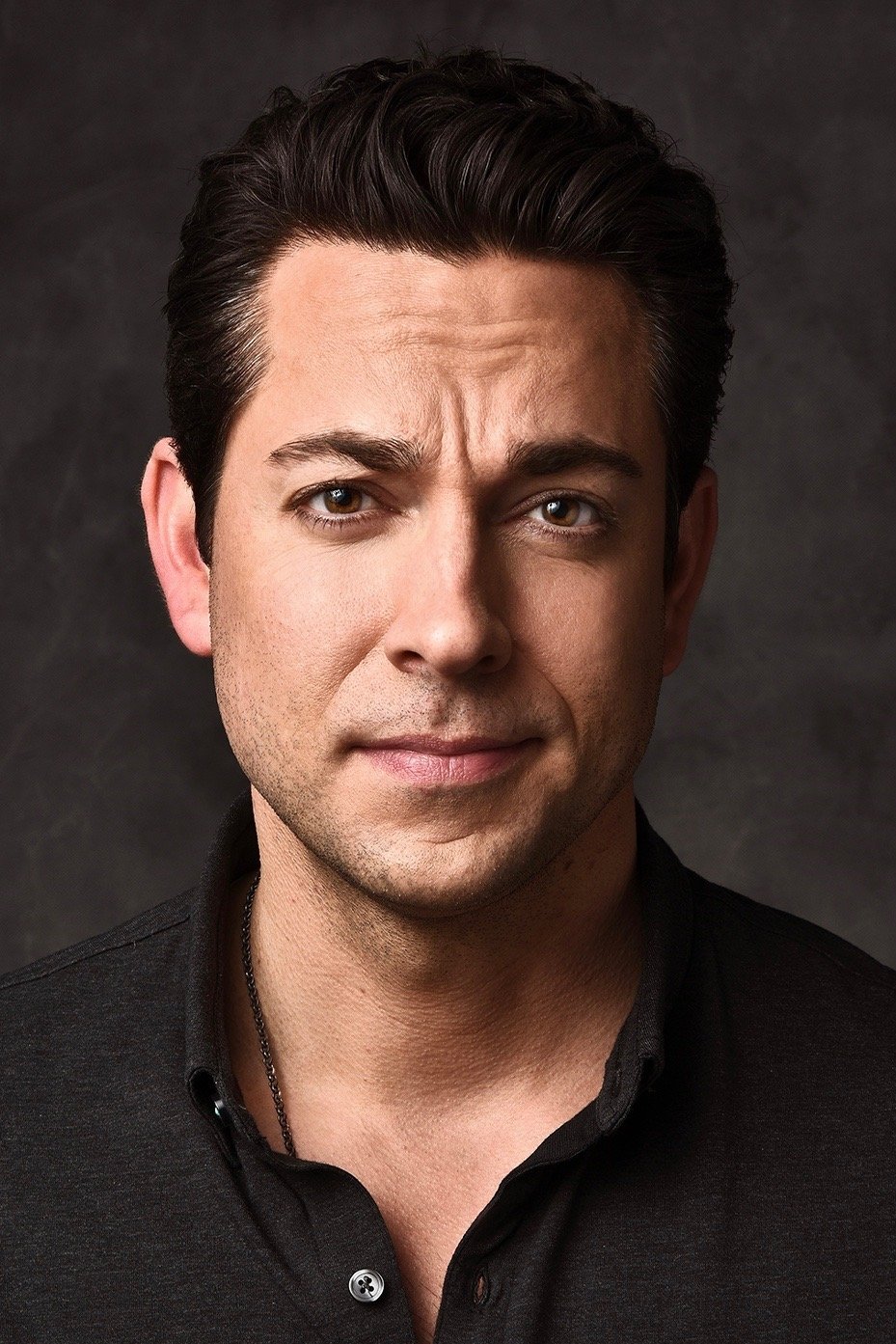
During an appearance at a fan convention, the ‘Shazam!’ star encouraged audiences to stop supporting “garbage” content produced by major studios. He suggested that Hollywood often prioritizes specific messaging or franchise maintenance over providing quality entertainment for the viewers. Levi urged the industry to focus back on telling great stories that resonate with people rather than following corporate or political trends. His comments reflected a frustration with the current state of studio output and the perceived lack of care for narrative depth.
Kevin Sorbo
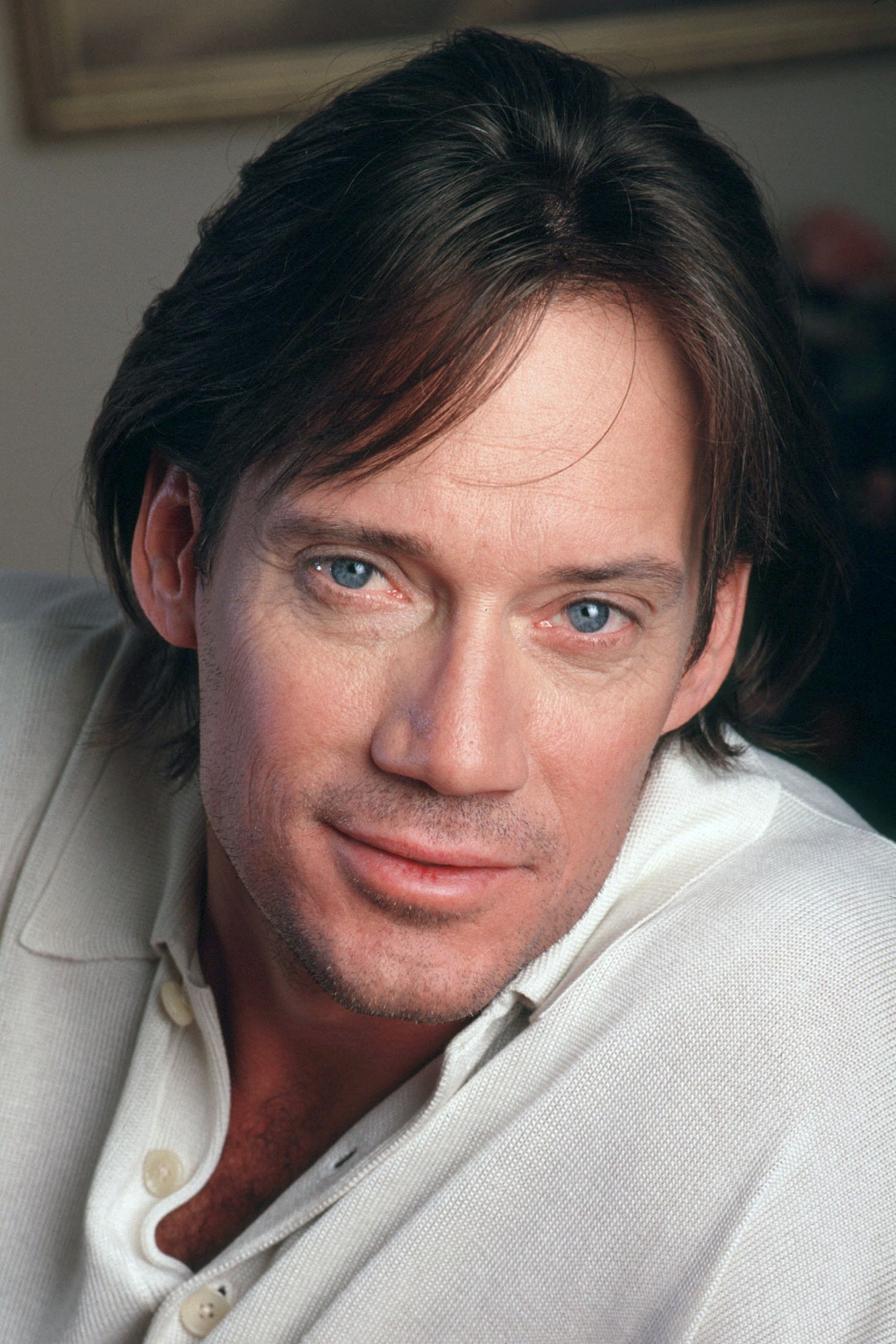
Known for ‘Hercules: The Legendary Journeys’, Sorbo has frequently claimed that his conservative and religious views led to him being blacklisted by major studios. He argues that Hollywood has moved away from merit-based casting in favor of promoting specific political and social agendas. Sorbo has publicly called for the industry to return to values that prioritize storytelling and talent over ideological gatekeeping. He often uses his platform to highlight how the industry’s current direction excludes performers who do not align with mainstream progressive views.
Laurence Fox
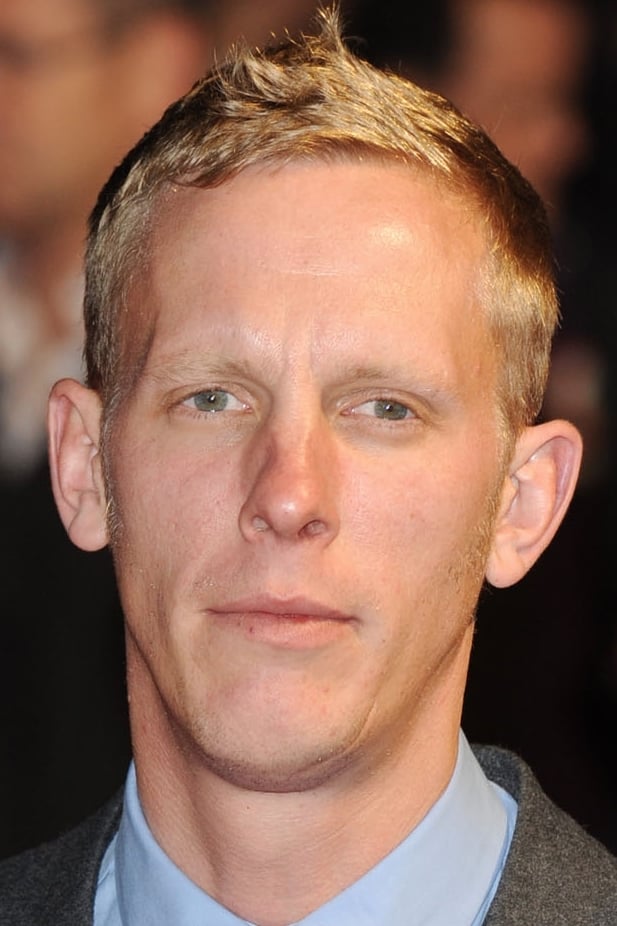
The British actor became a prominent critic of what he describes as “woke” casting and storytelling in the film and television industry. He specifically questioned the inclusion of diverse characters in historical settings where he felt it was historically inaccurate, such as in the film ‘1917’. Fox argued that the industry’s push for diversity often comes at the expense of historical truth and artistic merit. He has since become a vocal advocate for prioritizing creative independence over social engineering in media.
Rob Schneider
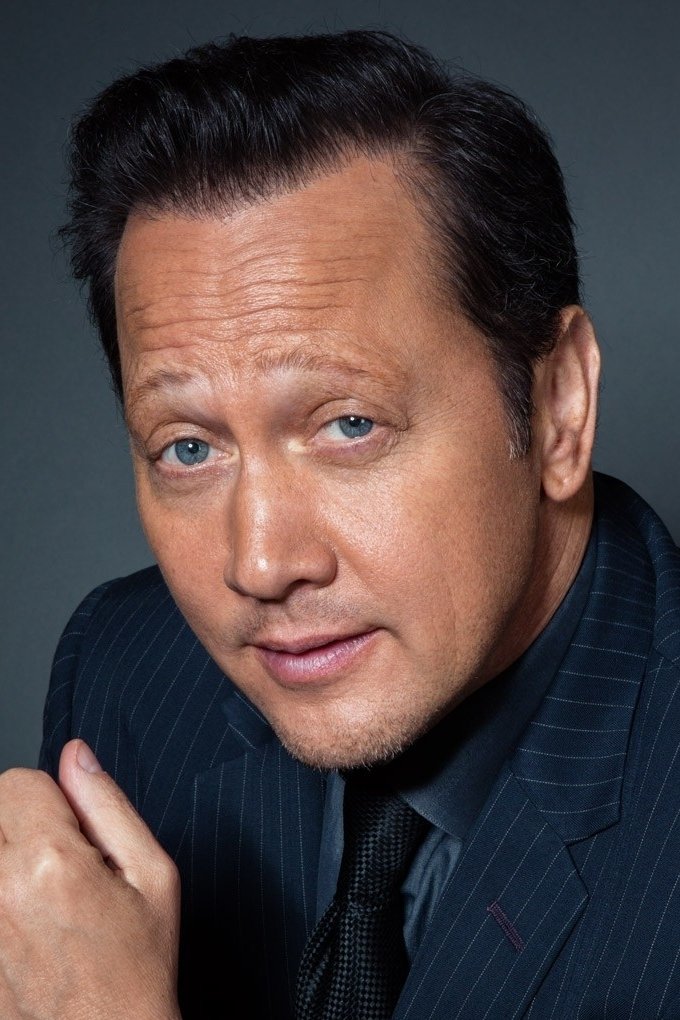
The ‘Deuce Bigalow: Male Gigolo’ star has been vocal about the decline of the entertainment industry due to its focus on political correctness. He suggested that late-night television and major film studios have traded genuine humor for partisan messaging. Schneider believes that the best person for a job should be hired based on their ability to entertain rather than their adherence to a specific agenda. He has expressed that audiences are becoming tired of being lectured by the content they consume for leisure.
Tim Allen
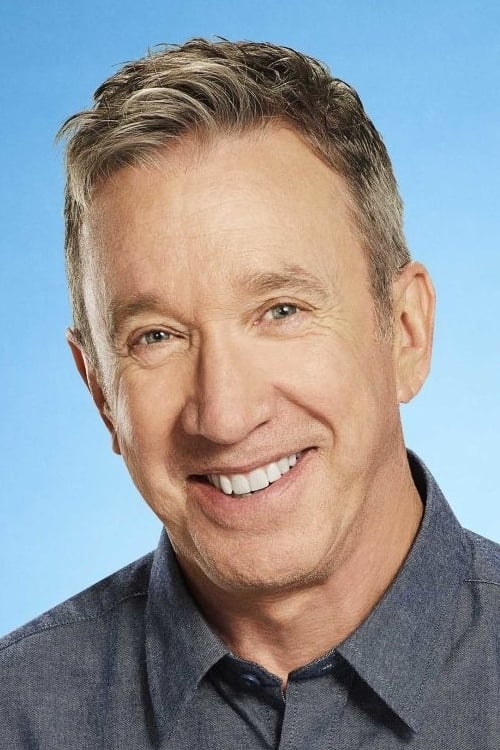
While starring in ‘Last Man Standing’, Allen often spoke about the challenges of being a conservative in the modern Hollywood landscape. He has noted that the industry’s political environment can be restrictive and that “agendas” often dictate which projects get the green light. Allen advocates for a professional landscape where talent and humor are the primary considerations regardless of an individual’s personal beliefs. He has criticized the tendency of studios to prioritize social signaling over the quality of the production.
Jon Voight
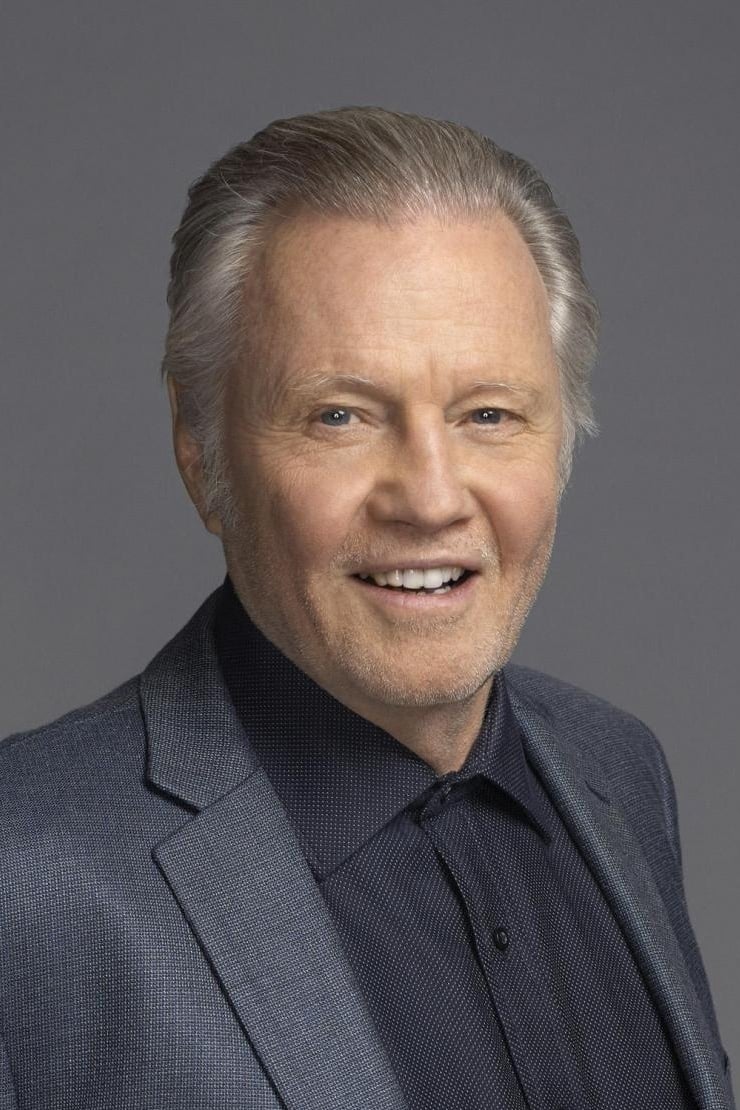
The actor, known for his Oscar-winning role in ‘Coming Home’, has frequently released videos and statements criticizing Hollywood’s shift toward radical political activism. He claims that the industry has become a platform for indoctrination rather than a source of artistic expression. Voight argues that talent is being overlooked in favor of those who support specific political narratives. He has called on studios to return to the “golden age” of filmmaking where the focus remained on the craft and the audience’s experience.
James Woods
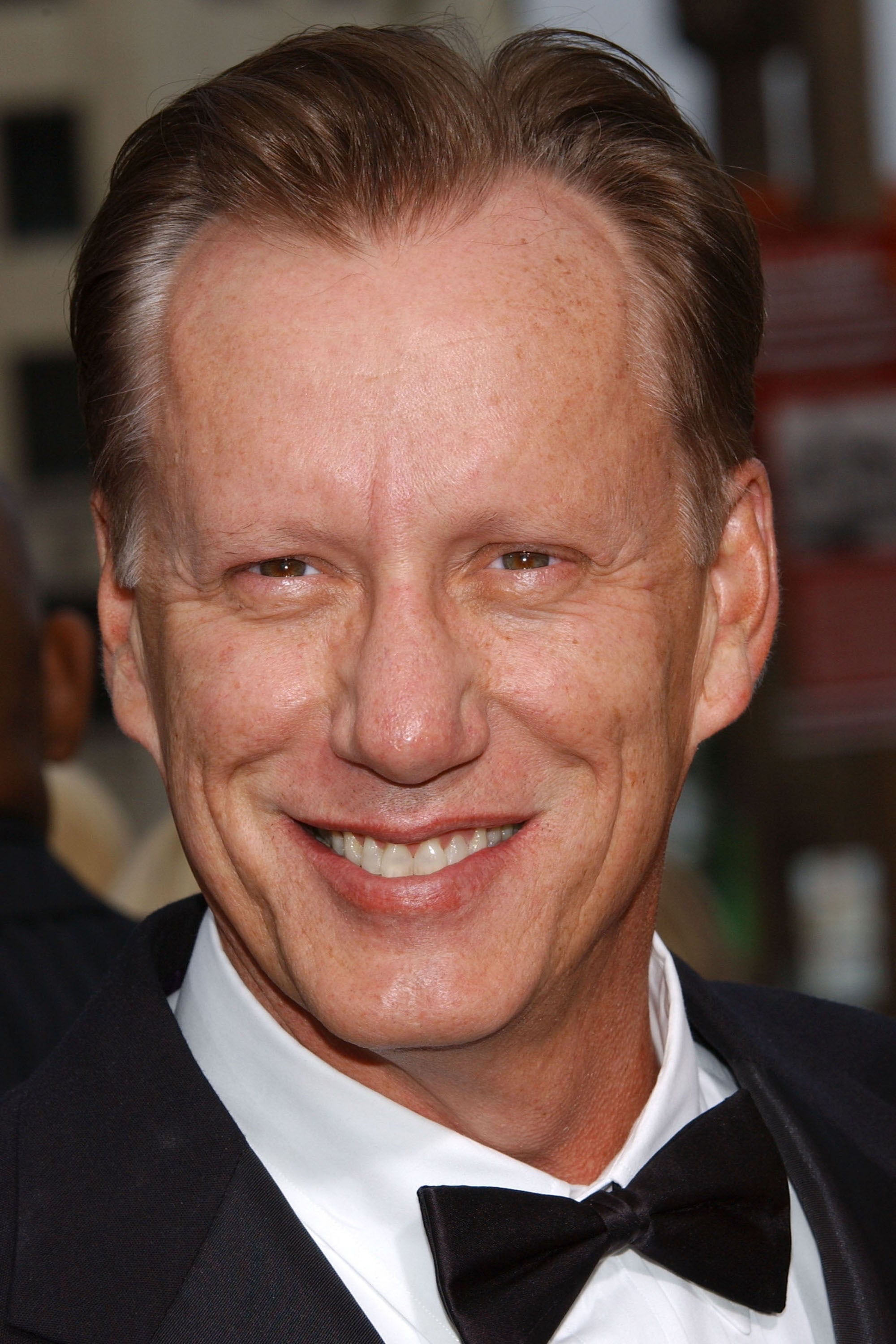
Known for ‘Casino’, Woods has long been a critic of the political bias he perceives within the major studio system. He has stated that his career suffered because he refused to conform to the prevailing ideological expectations of Hollywood. Woods maintains that the industry should focus on the best performers and writers to ensure the highest quality of entertainment. He frequently uses social media to challenge the prioritization of social agendas over the meritocracy of the acting profession.
Dean Cain
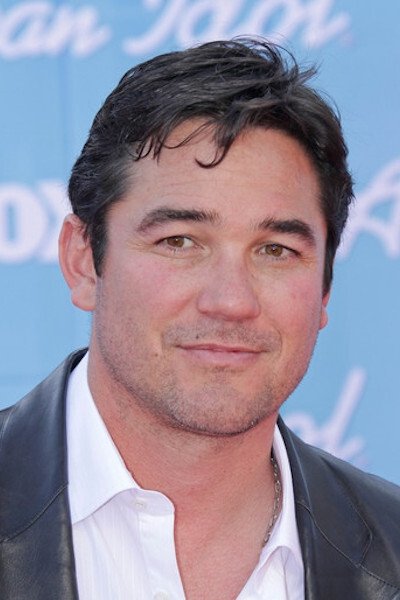
The ‘Lois & Clark: The New Adventures of Superman’ actor has spoken out against changes made to classic characters to fit modern social agendas. He criticized the decision to change Superman’s motto and personal identity, calling it a move toward “virtue signaling” rather than good storytelling. Cain believes that studios should stick to the core values of the characters and prioritize the expectations of the fans. He argues that the focus on political correctness is alienating a large portion of the audience.
Antonio Sabàto, Jr.
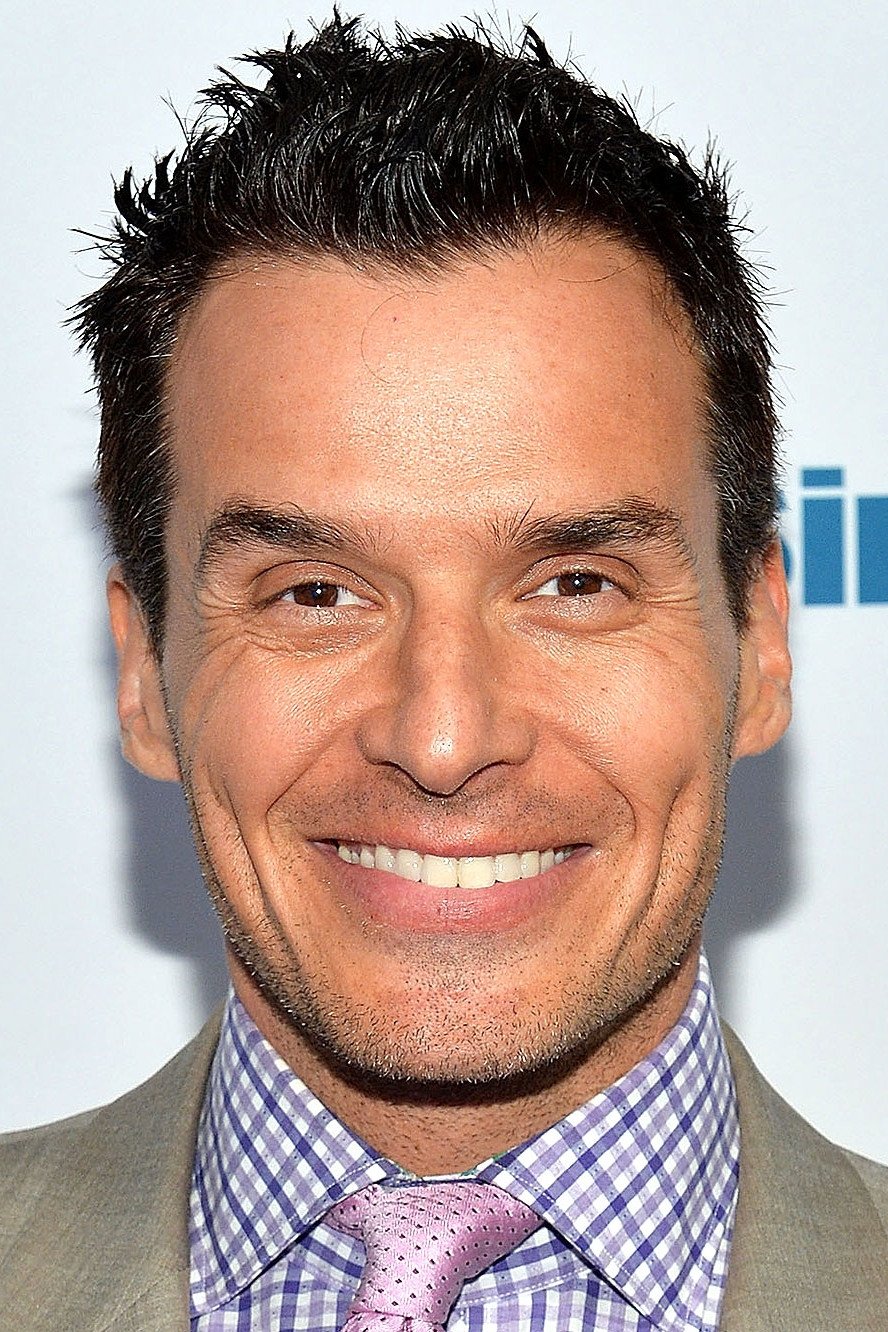
After appearing at a political convention, the ‘General Hospital’ star claimed he was effectively blacklisted from major Hollywood projects. He argued that the industry no longer values talent or professional history if an actor’s personal views do not match the studio’s agenda. Sabato Jr. has been a vocal proponent of creating alternative production companies that focus purely on entertainment. He believes that the current system is too focused on enforcing ideological consistency among its workers.
Scott Baio
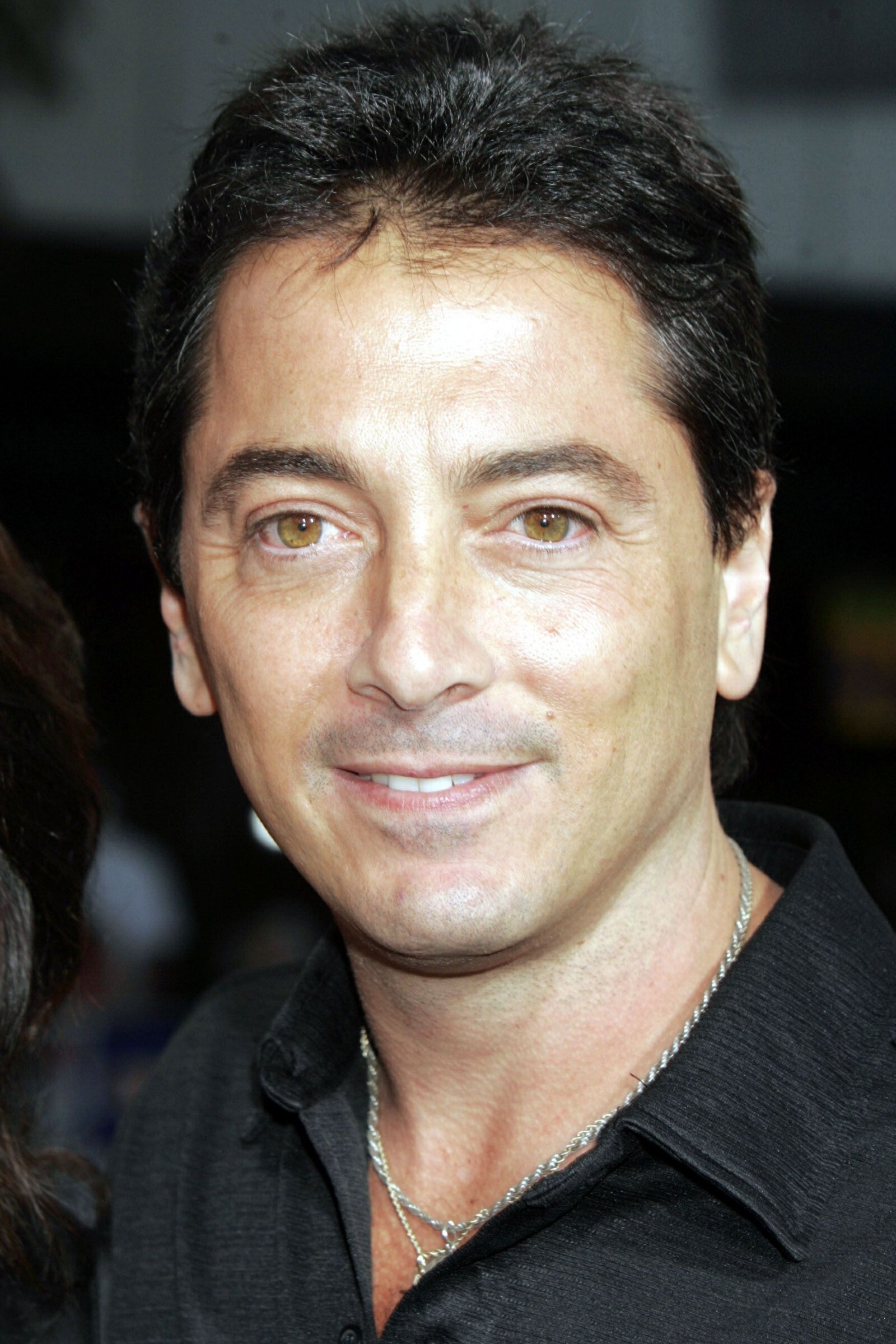
The ‘Happy Days’ star has frequently discussed the difficulties of finding work in an industry that he feels prioritizes liberal agendas. He argues that Hollywood has become an “exclusive club” where talent is secondary to political alignment. Baio has publicly urged studios to stop using their platforms for social engineering and to return to making movies for everyone. He highlights the divide between the industry’s values and those of the general public.
Robert Davi
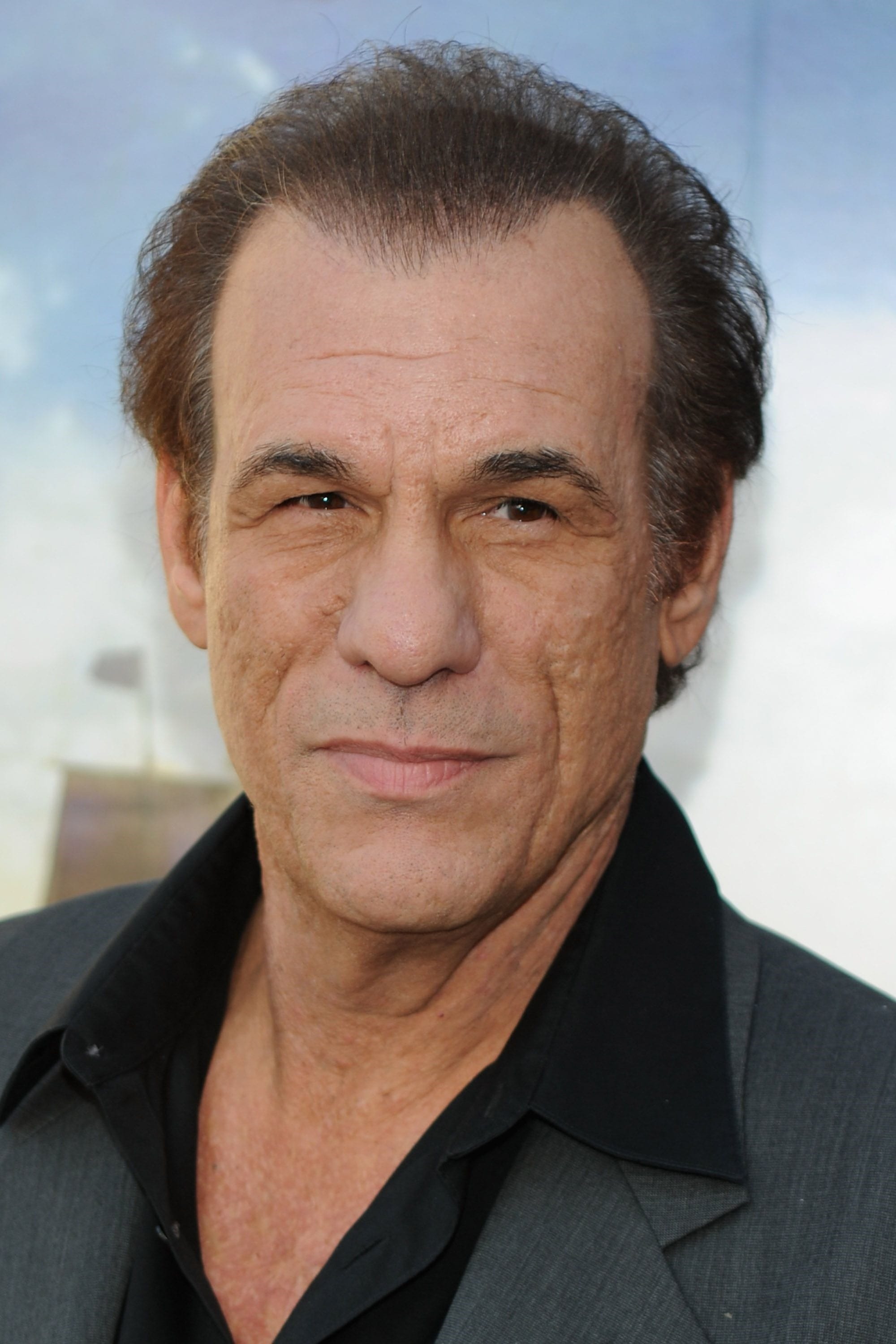
The ‘Die Hard’ actor has criticized the “groupthink” mentality in Hollywood that prioritizes diversity quotas over artistic excellence. He believes that the focus on identity politics has led to a decline in the quality of storytelling and character development. Davi has called for a return to a merit-based system where the most talented individuals are given opportunities regardless of their background. He often speaks about the need for more intellectual diversity within the creative community.
Jim Caviezel
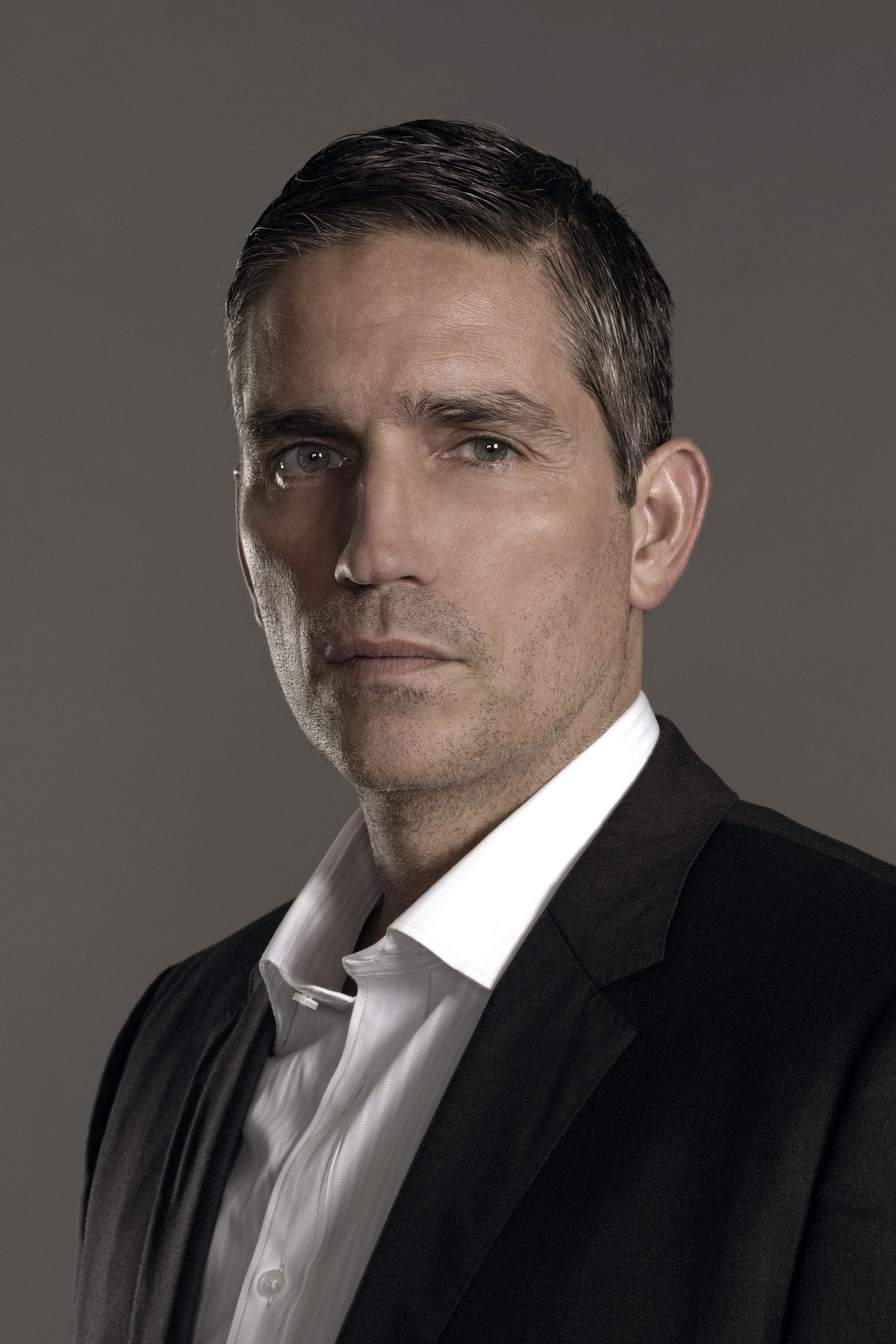
The star of ‘The Passion of the Christ’ has often spoken about the industry’s resistance to traditional values in filmmaking. He argues that major studios frequently pass on high-quality projects because they do not align with certain ideological agendas. Caviezel has emphasized that the goal of filmmaking should be to tell the truth and inspire audiences, not to serve political interests. He has become a figurehead for independent productions that seek to bypass the traditional Hollywood gatekeepers.
Kirk Cameron
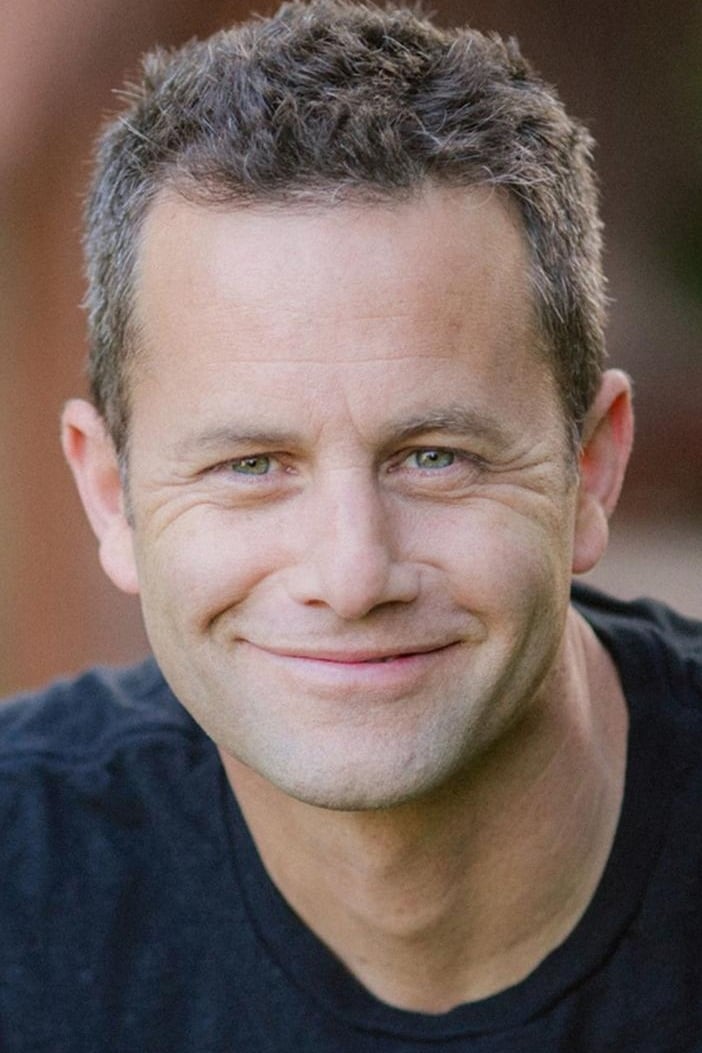
Since moving into faith-based films like ‘Fireproof’, the actor has criticized the mainstream industry for its perceived hostility toward traditional morals. He argues that studios often prioritize agendas that are at odds with the values of many American families. Cameron believes that the quality of entertainment suffers when the primary goal is to push a specific social narrative. He advocates for a media landscape where talent and positive messaging are given more weight than political trends.
William Shatner
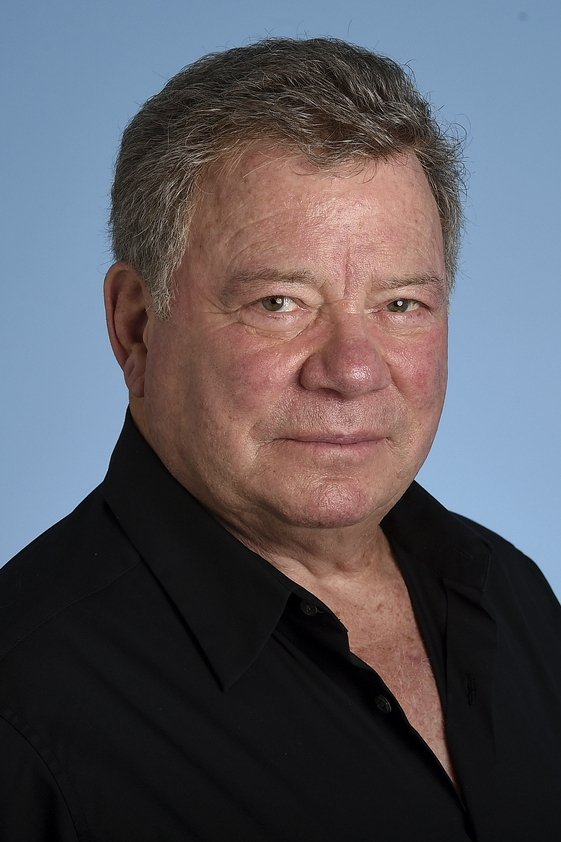
The ‘Star Trek’ icon has occasionally pushed back against what he describes as “woke” revisions of classic science fiction themes. He has commented on the importance of maintaining the integrity of storytelling without letting modern social sensitivities dictate every creative choice. Shatner argues that while inclusion is important, it should not be forced at the expense of the narrative or the established lore of a franchise. His views emphasize a desire for organic character development over agenda-driven casting.
Dennis Quaid
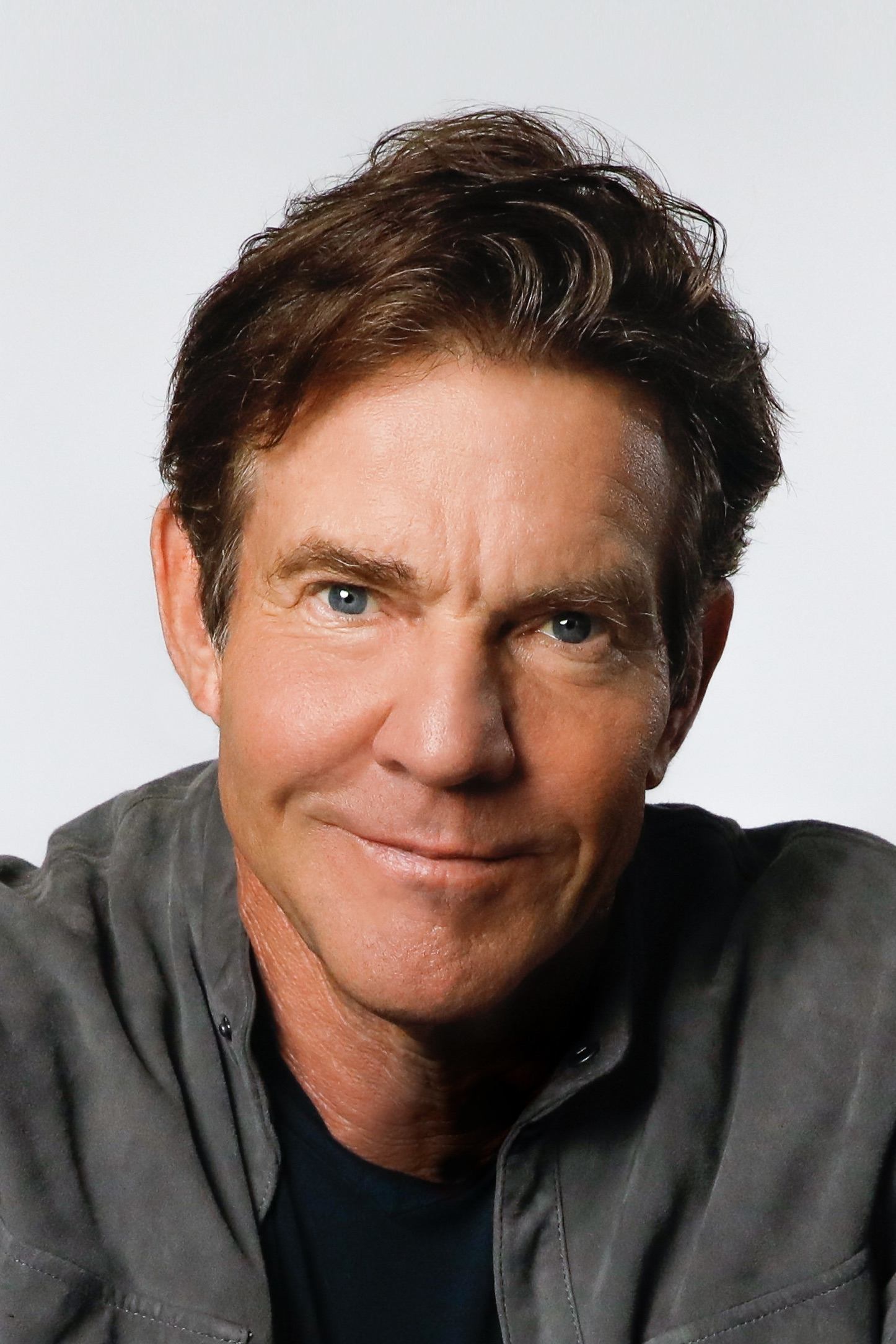
In interviews regarding his role in the biographical film ‘Reagan’, Quaid has discussed the “cancel culture” prevalent in Hollywood and how it affects the creative process. He suggested that the industry’s focus on political correctness creates an environment of fear that stifles talent and original thought. Quaid advocates for a return to storytelling that unites people rather than focusing on divisive social agendas. He believes that the entertainment industry should prioritize the art of cinema above all else.
Clint Eastwood
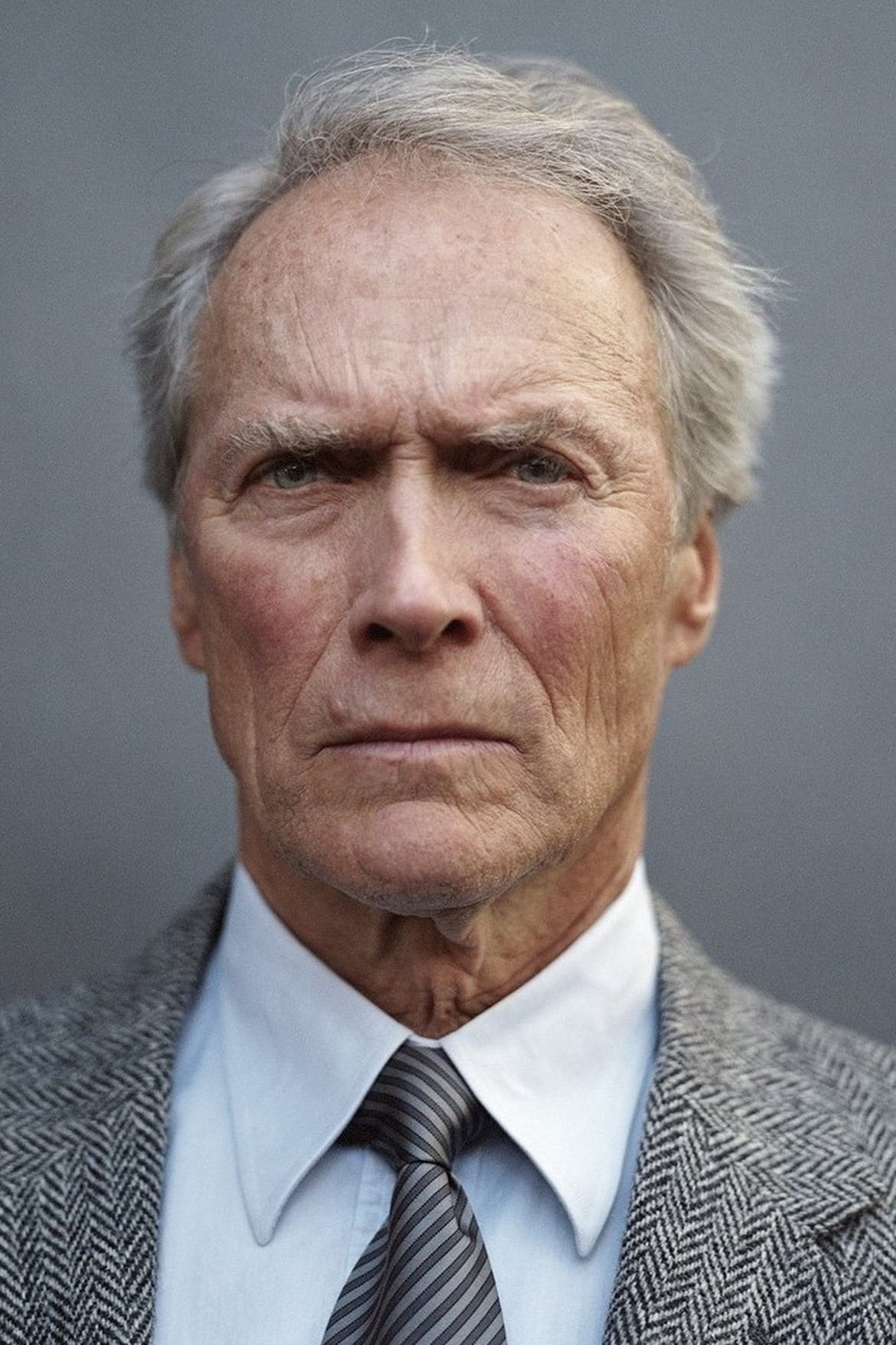
The legendary director of ‘Unforgiven’ has long been a critic of political correctness, which he believes has made the industry too sensitive. He argues that the pressure to adhere to social agendas limits the types of stories that can be told on screen. Eastwood’s filmmaking style often focuses on gritty realism and individual merit, standing in contrast to modern studio trends. He has publicly stated that he avoids letting contemporary political sensitivities influence his creative vision.
Kelsey Grammer
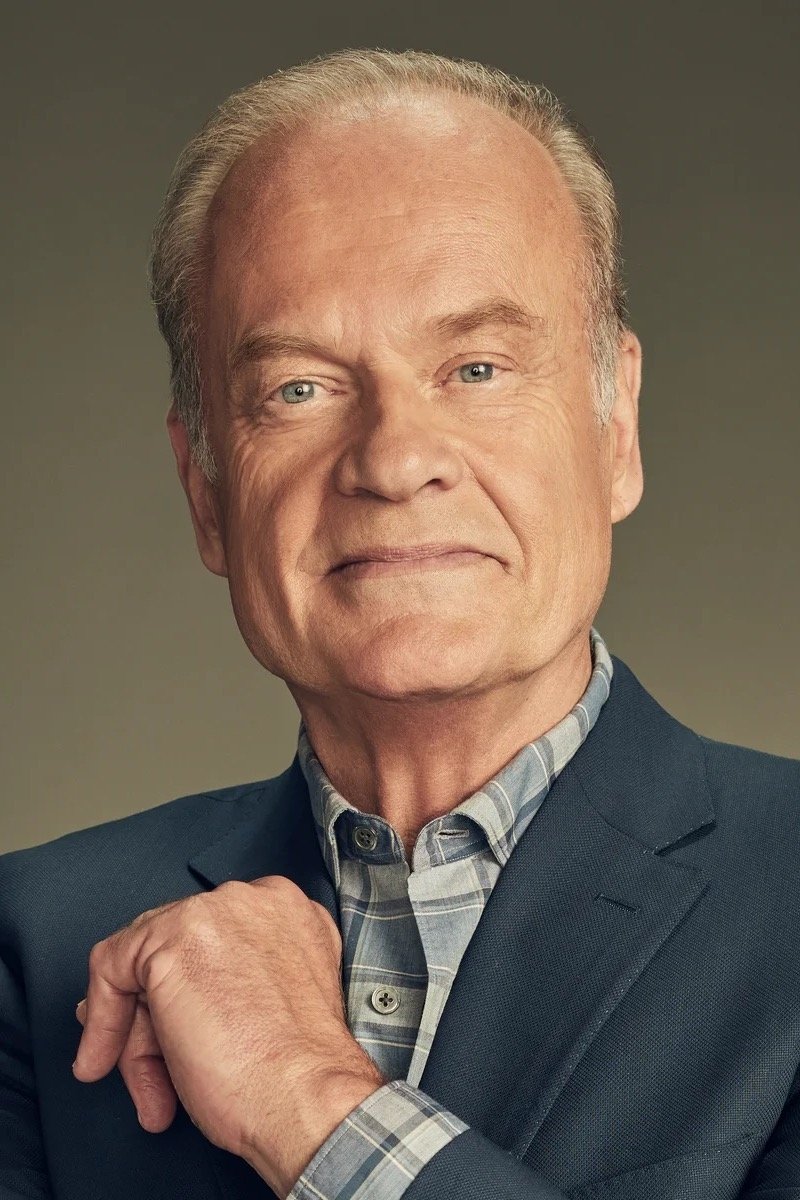
The ‘Frasier’ star has been open about his conservative views and the challenges they present in a predominantly liberal industry. He has noted that the focus on “agendas” can sometimes lead to the exclusion of talented individuals with differing perspectives. Grammer maintains that the goal of television and film should be to entertain and connect with the audience through high-quality performance. He continues to advocate for a professional environment where merit remains the most important factor for success.
Nick Searcy
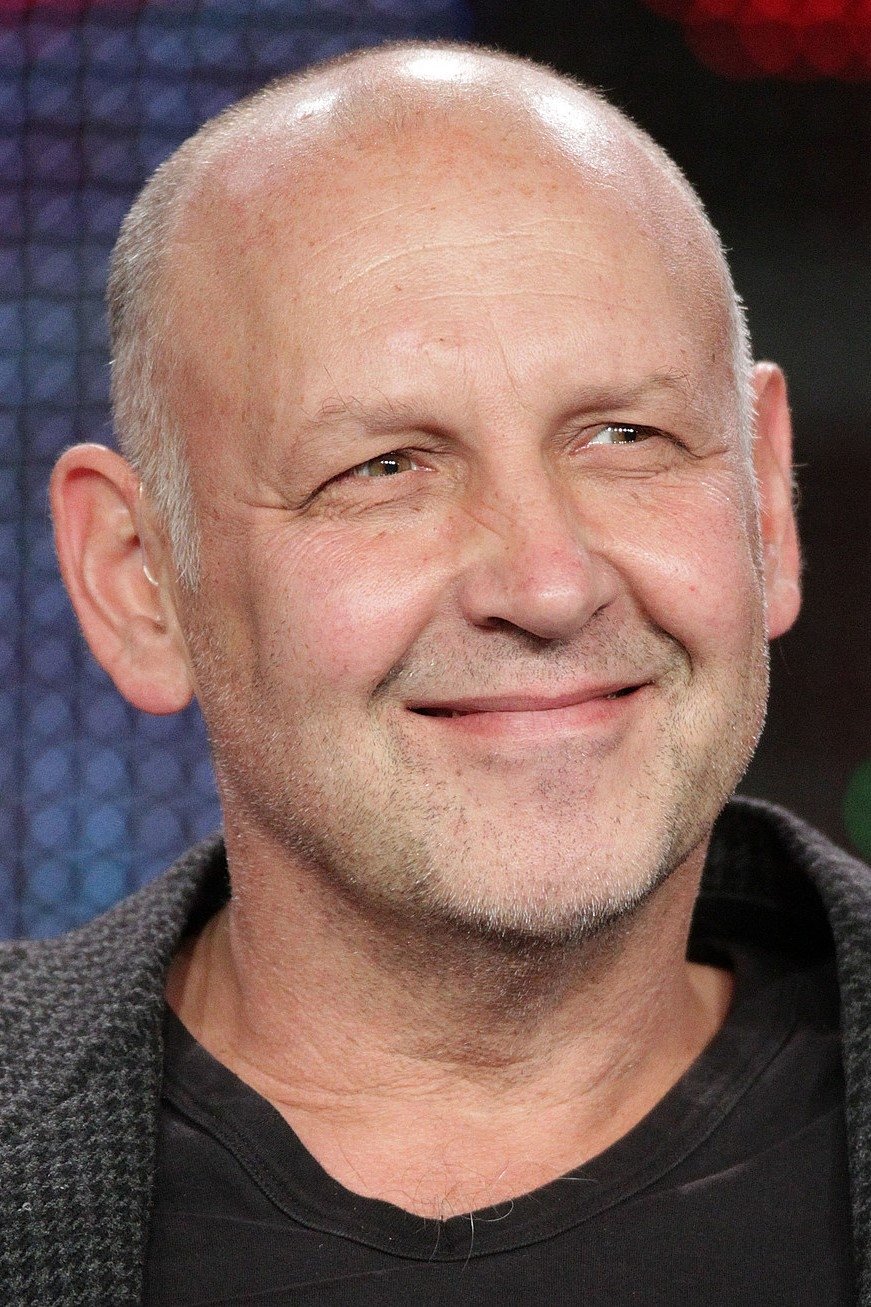
Known for his role in the television series ‘Justified’, Searcy is a vocal critic of the political litmus tests he believes are now common in Hollywood. He argues that studios are more interested in an actor’s social media presence and political views than their actual acting ability. Searcy has frequently used his platform to point out the perceived hypocrisy of an industry that claims to value diversity while excluding certain viewpoints. He urges a return to a focus on the craft of acting and the production of quality content.
Please share your thoughts on the balance between industry agendas and talent in the comments.