


Actors Who Publicly Spoke Out Against Studios Pandering to Focus Groups

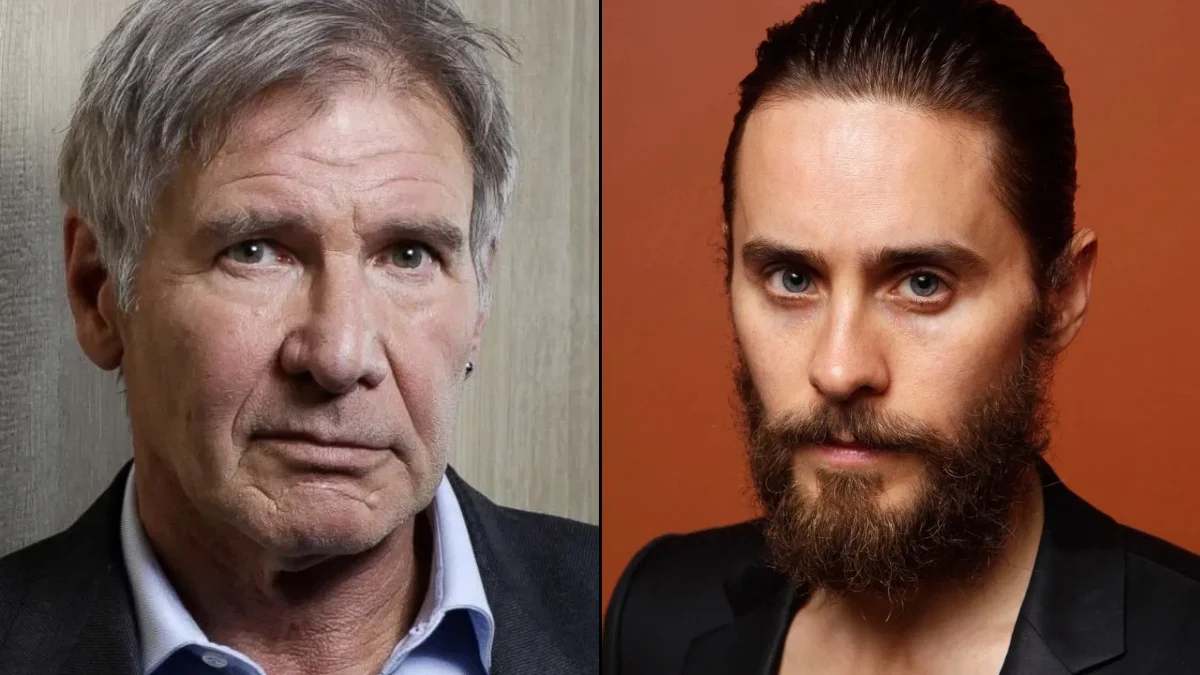


The film industry has long been a battleground between creative vision and commercial viability. While directors and actors often strive to produce unique pieces of art, studios frequently rely on focus groups and market research to ensure a high return on investment. This process, often referred to as filmmaking by committee, has led several prominent male actors to voice their frustrations. These performers have publicly called out the way studio interference can dilute a script, prioritize merchandising over story, or fundamentally change a character to satisfy demographic data. From legendary icons to modern blockbuster stars, these actors have all taken a stand against the trend of pandering to focus groups.
Harrison Ford
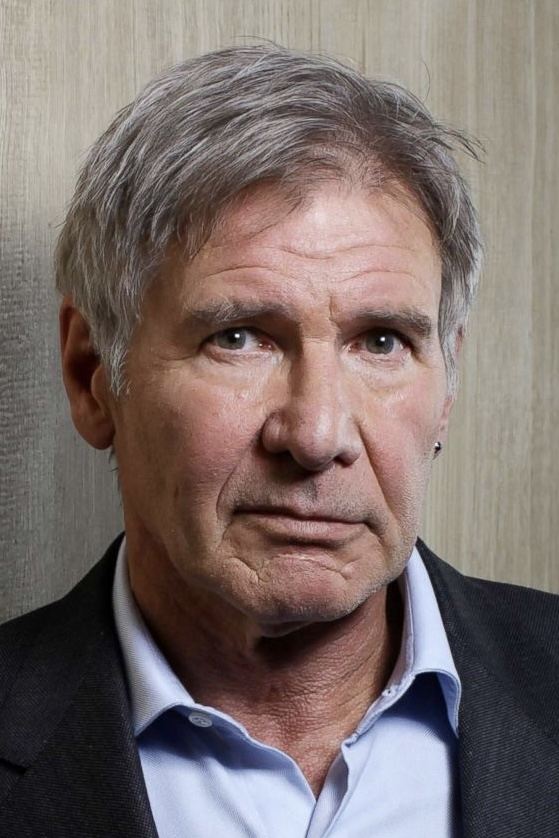
In interviews regarding ‘Blade Runner’, the actor detailed how the studio forced a voice-over and a happy ending after test audiences found the original cut confusing. He believed these changes insulted the audience’s intelligence and weakened the film’s noir atmosphere. Ford maintained that the original vision was sacrificed for a more traditional, market-tested conclusion. This experience shaped his future skepticism toward heavy-handed studio revisions. This tension between personal artistry and commercial demands became a defining theme of his late-career discussions.
Edward Norton
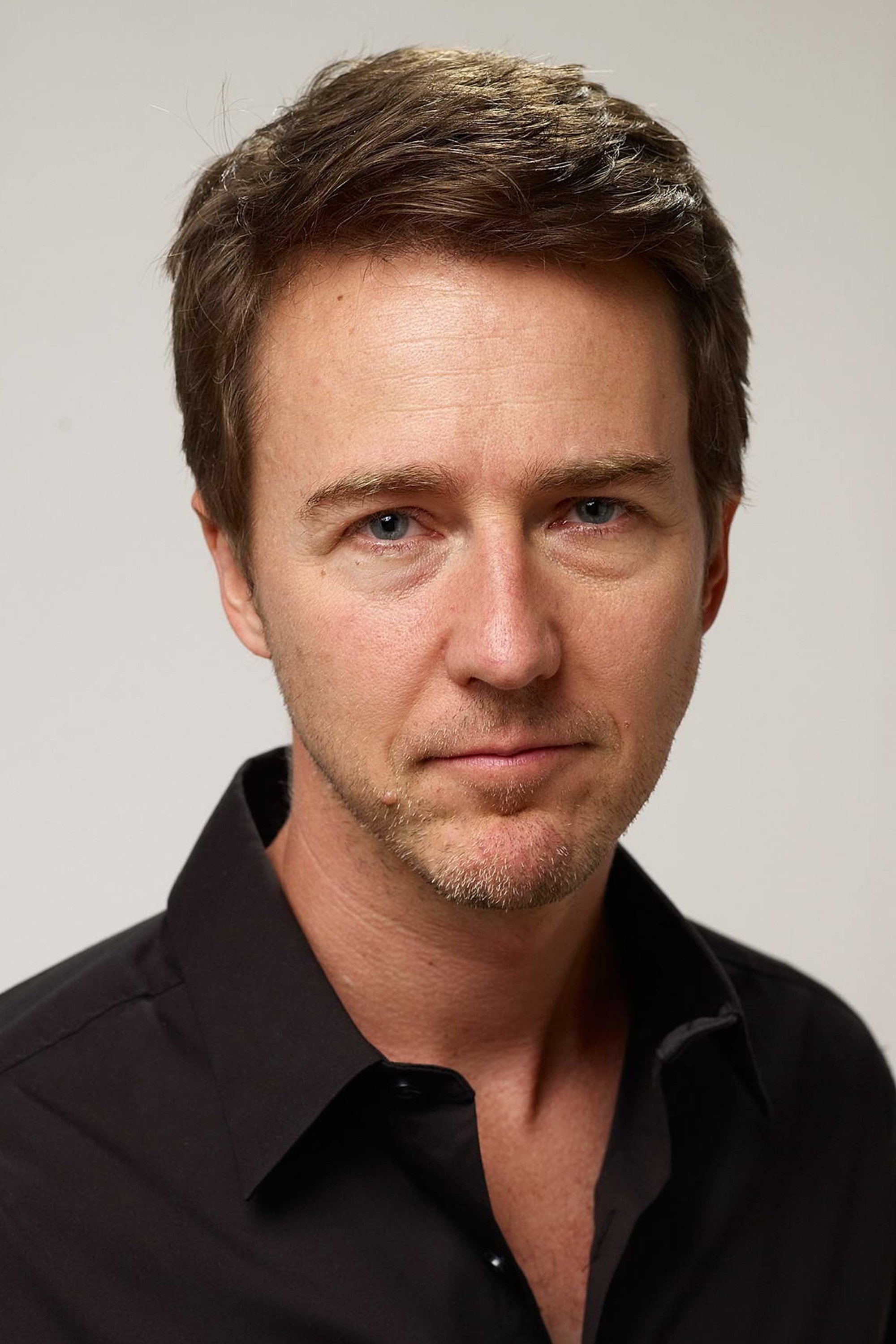
The actor famously clashed with Marvel Studios during the post-production of ‘The Incredible Hulk’ regarding the film’s final runtime and tone. Norton advocated for a longer, more character-driven story that explored the internal struggle of Bruce Banner, while the studio preferred an action-oriented cut for mass appeal. This creative difference led to a public fallout and his eventual replacement in the franchise. He has since spoken about the importance of protecting a director’s vision against corporate mandates. He remains a vocal proponent for protecting the integrity of the screenplay from executive meddling.
John Boyega

Following the conclusion of the ‘Star Wars’ sequel trilogy, Boyega spoke candidly about how Disney handled diverse characters. He argued that the studio prioritized marketing over narrative depth, often sidelining characters of color in favor of safer, focus-group-approved arcs. Boyega highlighted that such pandering ultimately harms the integrity of the storytelling and alienates the cast. His comments sparked a broader industry conversation about how major studios manage franchise diversity. His willingness to speak out demonstrated a commitment to authentic storytelling over corporate convenience.
Jared Leto
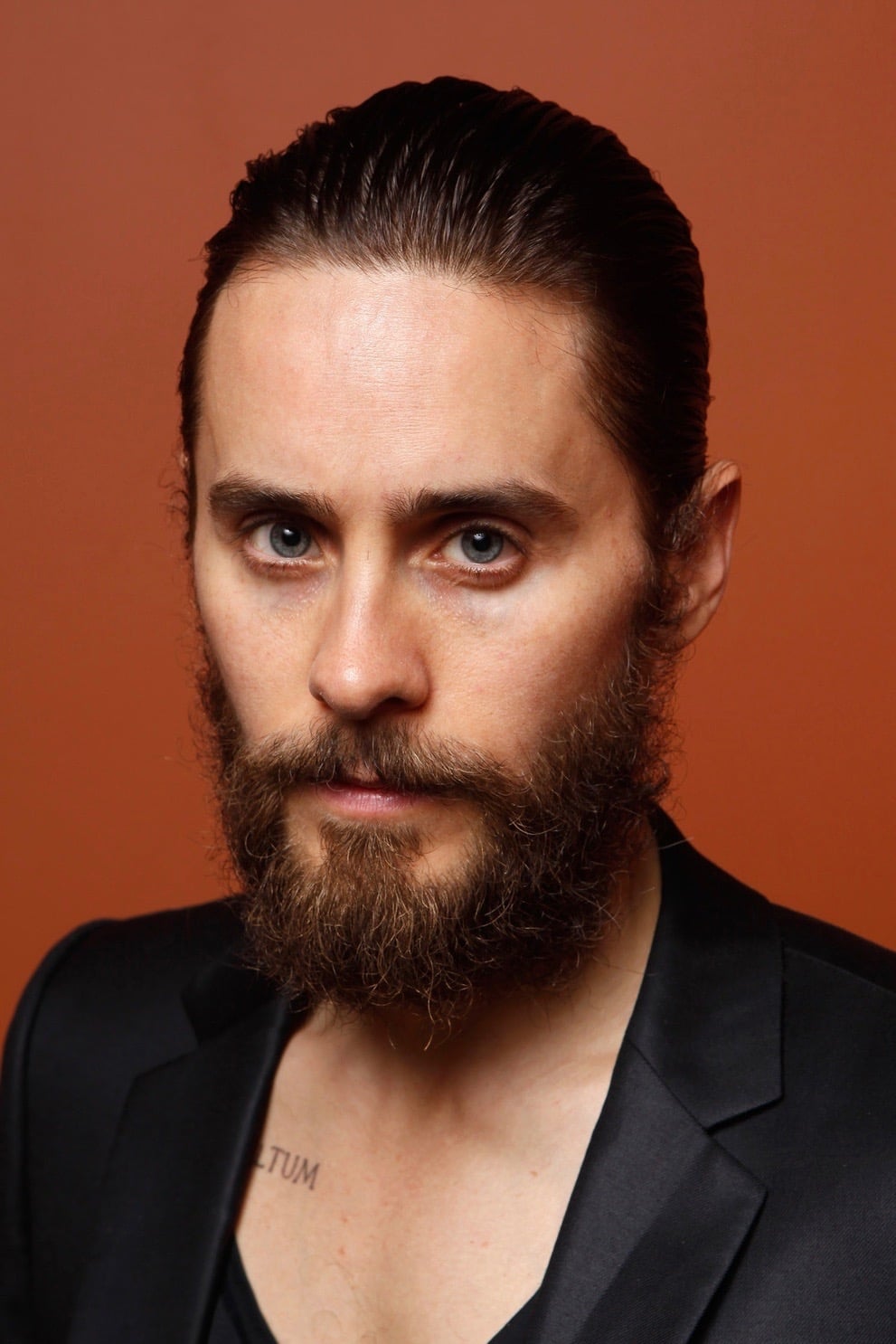
After the release of ‘Suicide Squad’, Leto expressed confusion and disappointment over the significant amount of his footage that was removed from the theatrical cut. He noted that the studio opted for a lighter tone and faster pacing following negative feedback on other projects and focus group evaluations. Leto felt that the more experimental and disturbing elements of his Joker performance were sacrificed to create a more accessible film. He later remarked that enough footage was cut to make a standalone film for his character. He remains frustrated that the more complex aspects of the role were discarded in favor of a faster-paced edit.
Viggo Mortensen
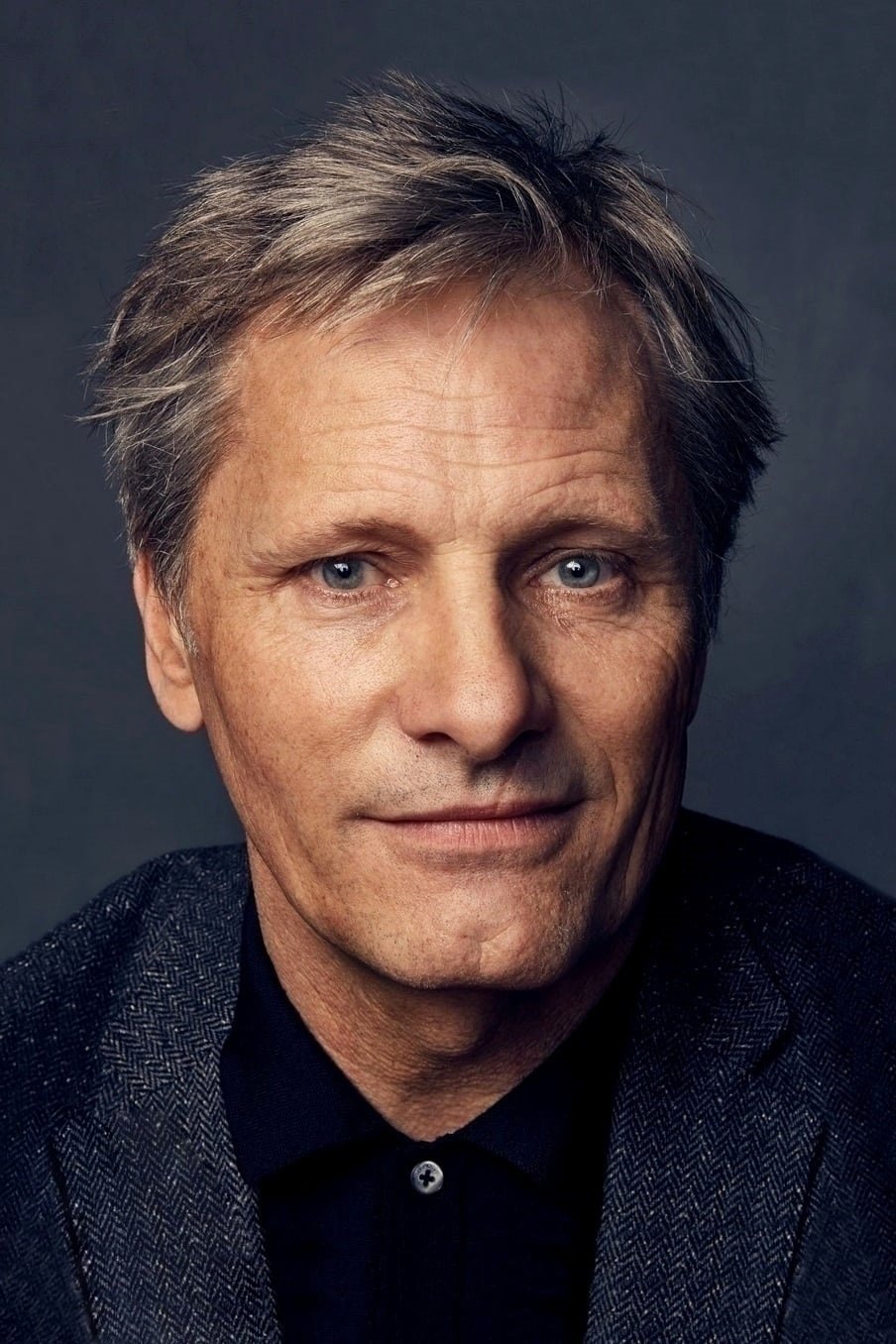
The actor has been critical of the way ‘The Lord of the Rings’ evolved from a character-focused production into a massive spectacle series. He noted that as the series grew in success, the studio pushed for more CGI and grand battles to satisfy the global audience’s perceived demand for scale. Mortensen argued that the subtle, grounded elements of ‘The Lord of the Rings: The Fellowship of the Ring’ were gradually lost to the demands of big-budget filmmaking. He has consistently championed smaller, director-led projects over those dictated by market research. He expressed a desire to see a return to films that trust the audience’s patience and intelligence.
Ryan Reynolds
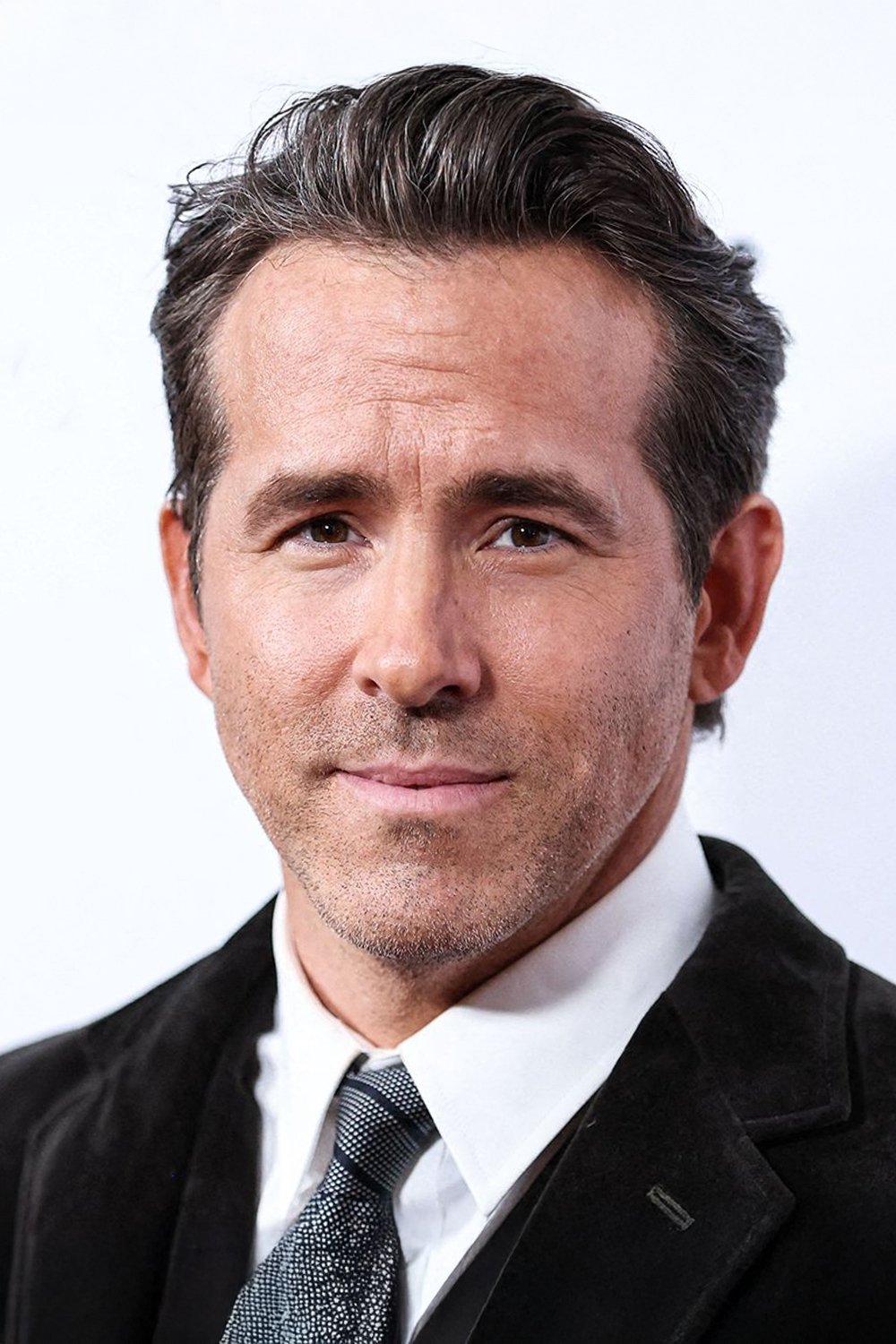
Before ‘Deadpool’ became a massive success, Reynolds spent over a decade trying to get the film made without studio interference. He frequently mentioned how executives were terrified of an R-rating and wanted to soften the character to fit broader demographic profiles. It was only after test footage leaked and received overwhelming public support that the studio finally allowed the film to proceed as originally intended. Reynolds has since used his platform to criticize the safe approach often taken by major production houses. The success of the final product served as a vindication of his belief in the original, uncompromised vision.
Brad Pitt
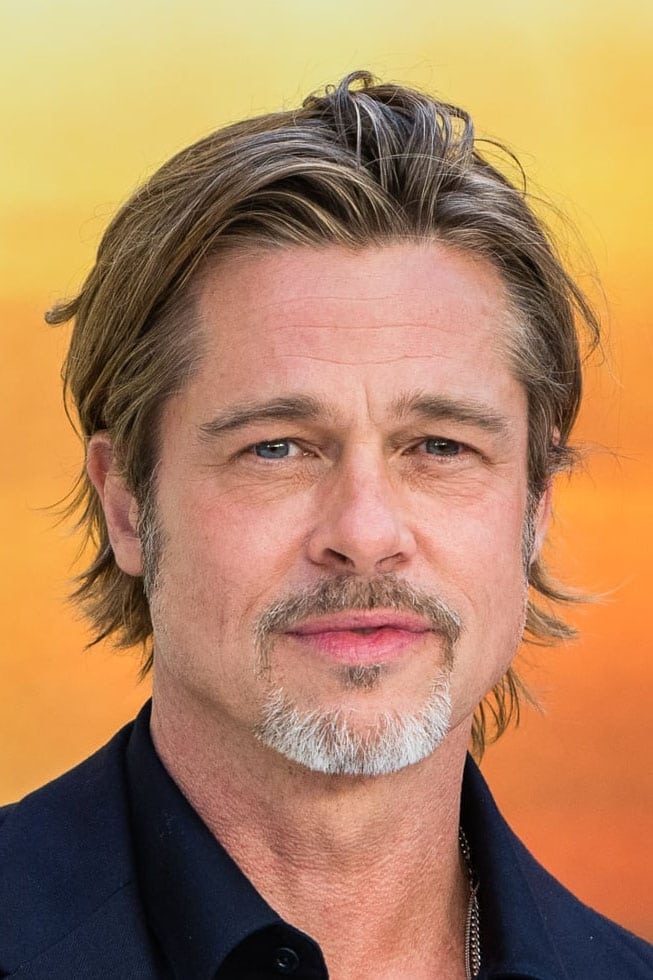
During his press tour for ‘Troy’, Pitt admitted that he was unhappy with the direction the film took toward becoming a conventional Hollywood blockbuster. He felt the production prioritized visual scale and star power over the nuance of the original source material. Pitt suggested that the film was shaped by a desire to appeal to every possible demographic, which resulted in a less compelling narrative. This experience influenced his decision to move toward producing and acting in more idiosyncratic films under his Plan B banner. He emphasized that chasing every demographic often results in a film that satisfies no one deeply.
George Clooney
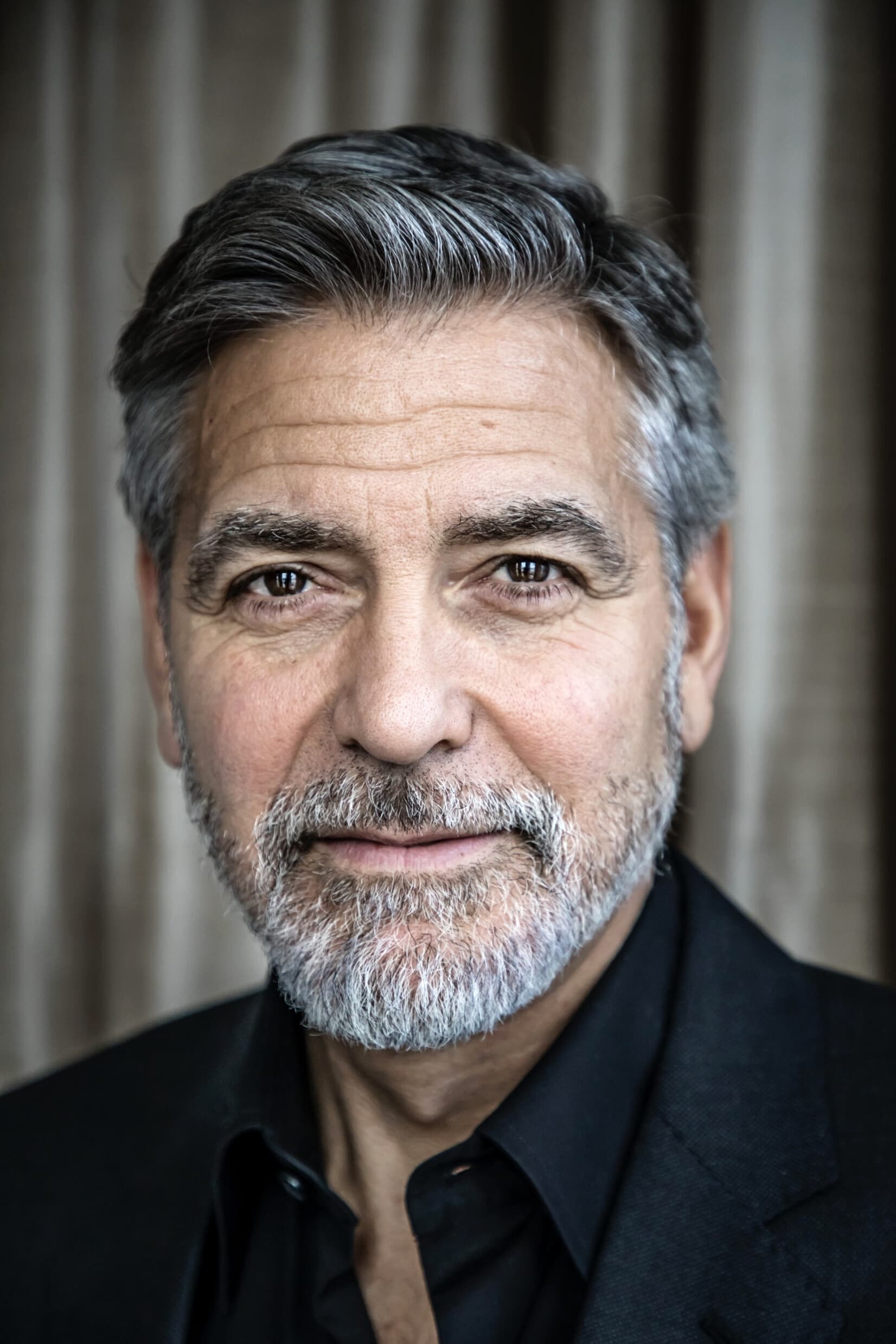
While discussing ‘Batman & Robin’, Clooney has frequently poked fun at the movie’s focus on toy sales and merchandising over a coherent script. He noted that the production felt less like a movie and more like a two-hour commercial for action figures. Clooney has also criticized the studio-driven nature of ‘Solaris’, where executives were concerned about the film’s pacing and philosophical tone. He remains an advocate for films that take creative risks rather than those designed by committee. This focus on marketability over character helped steer his future career toward more independent and serious filmmaking.
Simon Pegg
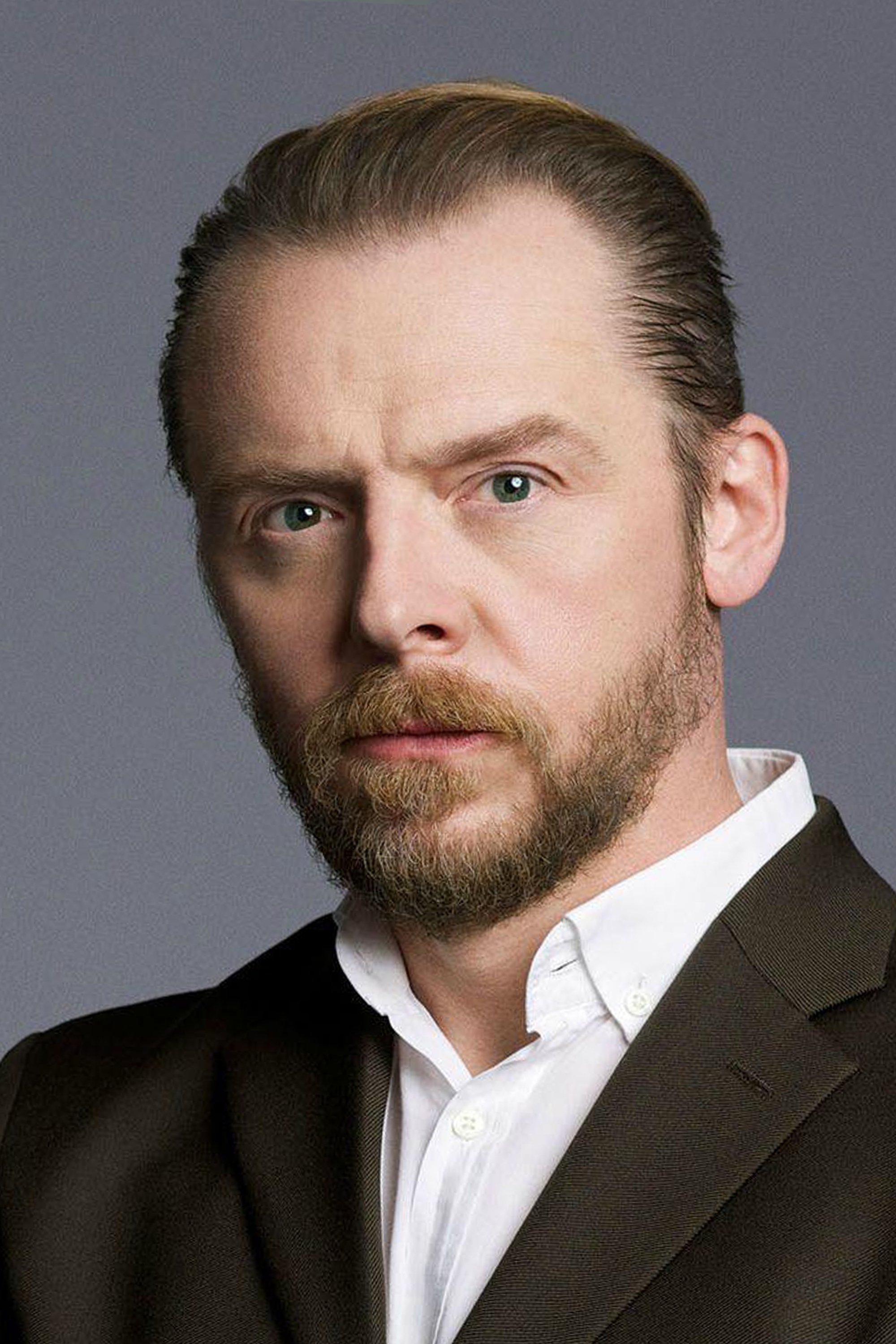
Pegg has spoken about the frustration of seeing films like ‘Star Trek Beyond’ marketed almost exclusively as action-heavy blockbusters. He argued that the studio was trying to capture the ‘Fast & Furious’ audience rather than honoring the intellectual roots of the franchise. Pegg pointed out that focus group-driven marketing often creates a false impression of a film’s true identity. He believes this approach can alienate core fans while failing to provide a unique experience for new viewers. He advocated for a more honest marketing strategy that respects the genre’s distinct qualities.
Joaquin Phoenix
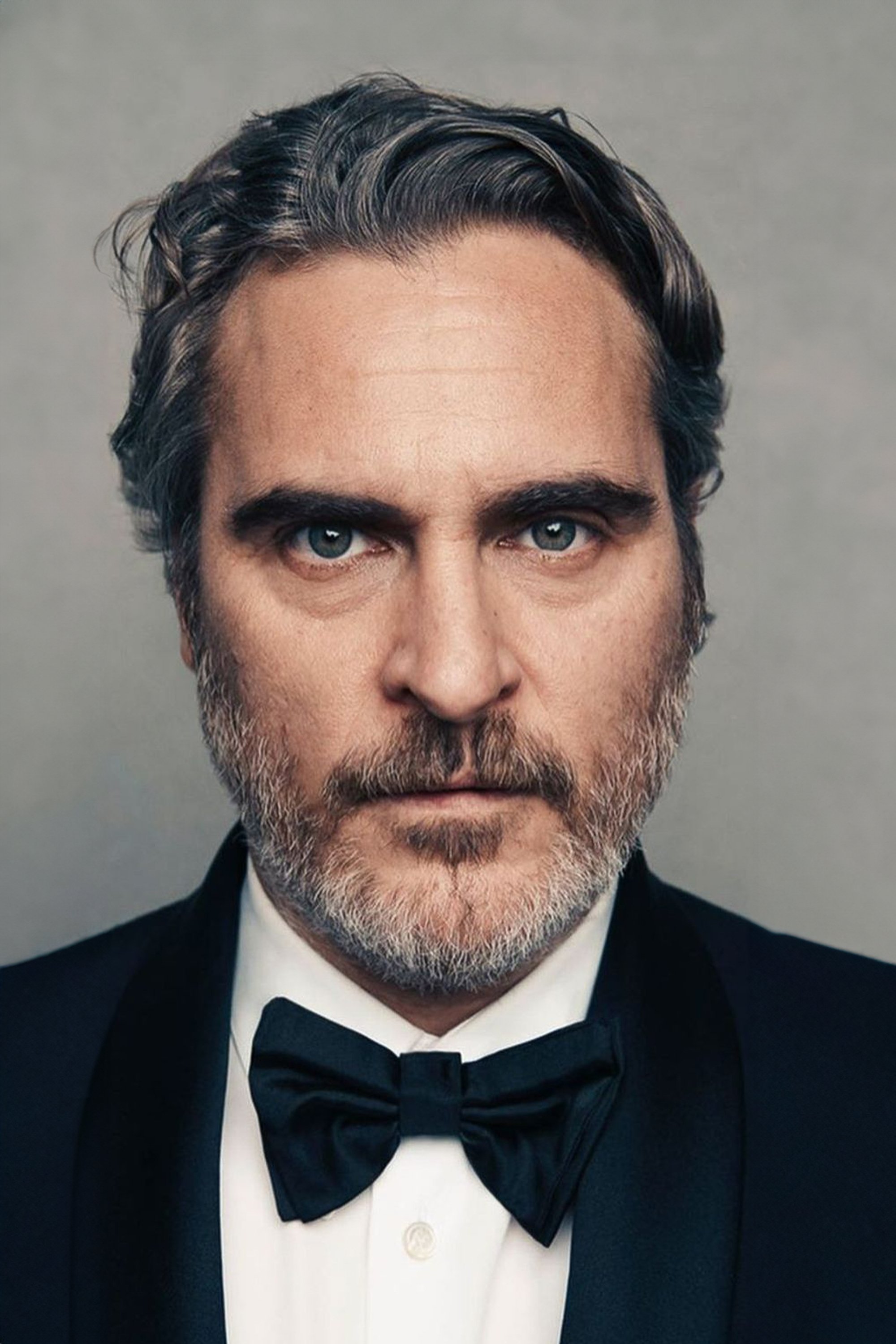
Known for his selective approach to roles, Phoenix has often criticized the packaging of modern cinema to suit commercial interests. He has expressed discomfort with the way studios attempt to sanitize characters to make them more likable to test audiences. Phoenix famously walked away from potential franchise roles because he felt the creative vision would be compromised by corporate oversight. His involvement in ‘Joker’ was contingent on maintaining a gritty, uncompromising tone that defied traditional superhero tropes. His career continues to be defined by a refusal to participate in the traditional studio testing process.
Christian Bale
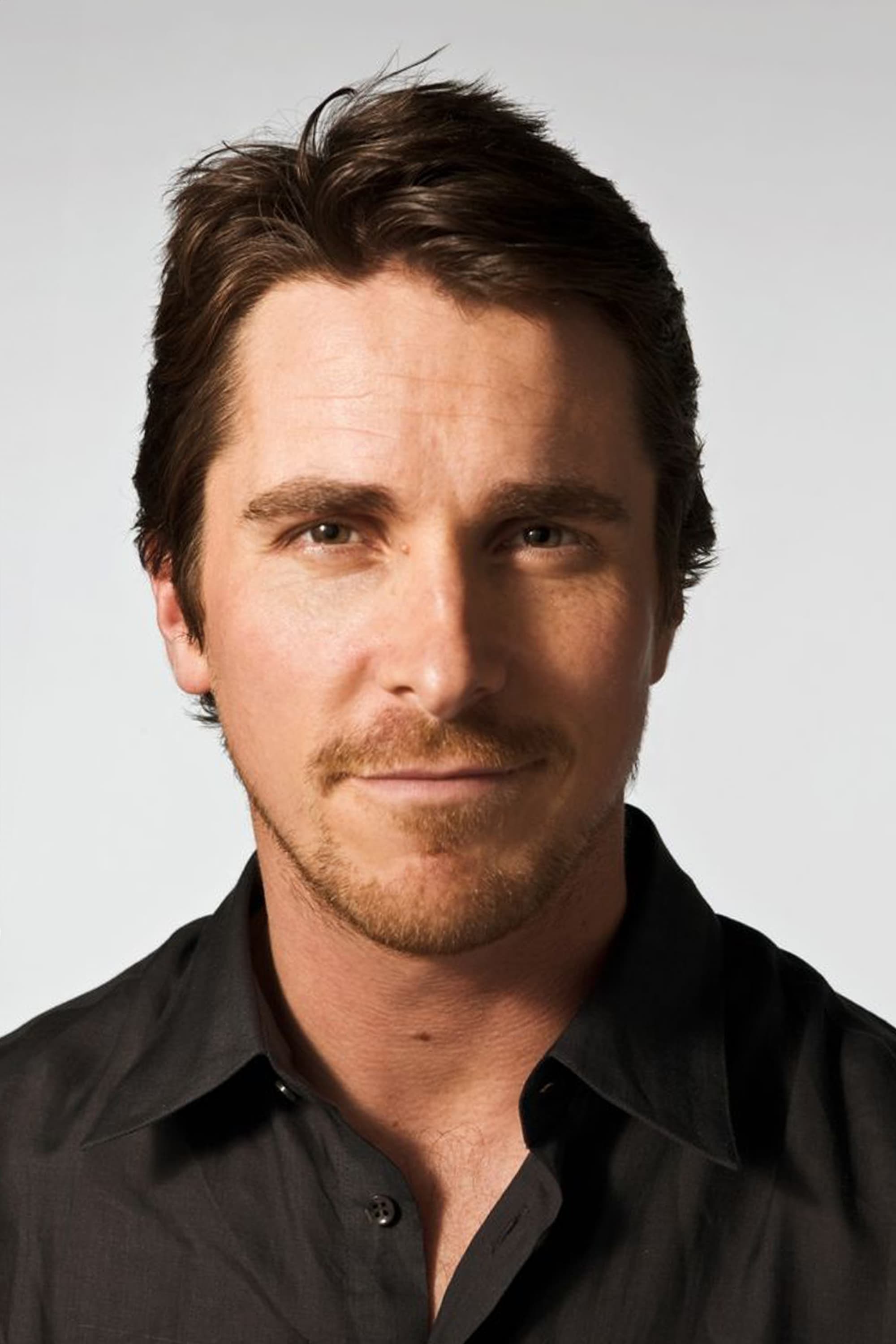
Bale expressed dissatisfaction with the production of ‘Terminator Salvation’, stating that the final product was far from what was originally promised. He noted that the story was significantly altered to fit a PG-13 rating and to appeal to a wider audience, which he felt undermined the grit of the series. Bale has often spoken about his preference for working with directors who have a singular vision rather than those working under heavy studio constraints. He remains one of the most vocal critics of films that prioritize franchise longevity over artistic quality. This conviction has often led him to clash with large-scale productions that prioritize mass appeal over depth.
Robert Pattinson

Since his time in the ‘Twilight’ series, Pattinson has been incredibly open about his dislike for the way the films were tailored for a specific teenage demographic. He often joked about how the studio tried to make his character more conventionally attractive and less weird than he wanted to play him. Pattinson has used the freedom of his post-franchise career to choose roles that actively challenge studio conventions and market expectations. He has frequently stated that he prefers movies that are strange and unpredictable rather than those tested for mass appeal. His journey reflects a deliberate pivot toward arthouse cinema and roles that prioritize creative risks.
Dustin Hoffman
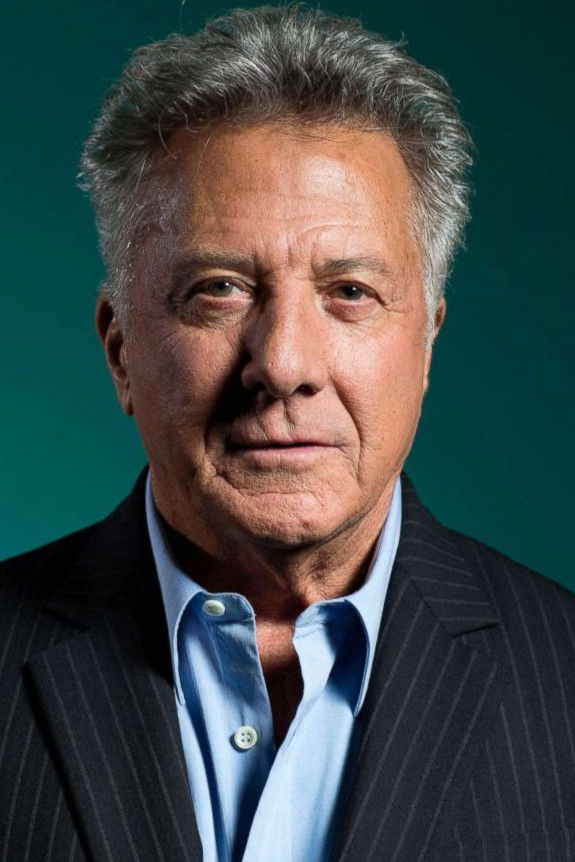
Hoffman has lamented the perceived death of cinema in recent years, citing the shift from filmmaker-driven projects to those managed by corporate boards. He argued that the current reliance on test screenings and demographic data has stifled creativity in Hollywood. Hoffman pointed out that many of his most famous films, like ‘The Graduate’, would never be made today because they wouldn’t fit into a predictable profit model. He continues to advocate for a return to storytelling that prioritizes human experience over focus group approval. He lamented that the art of the slow-burn character study is being replaced by fast-paced, tested content.
Gary Oldman

The actor has criticized the way his film ‘Tiptoes’ was edited by the studio to become something entirely different from what was originally filmed. He noted that the studio’s desire to market it as a quirky romantic comedy for general audiences destroyed the serious drama the cast had actually made. Oldman has often spoken about the executives who prioritize marketability over the integrity of the performance. This experience reinforced his desire to work with independent-minded directors who have final cut privilege. He highlighted how corporate interference can effectively silence the creative voice of the entire cast and crew.
Matt Damon
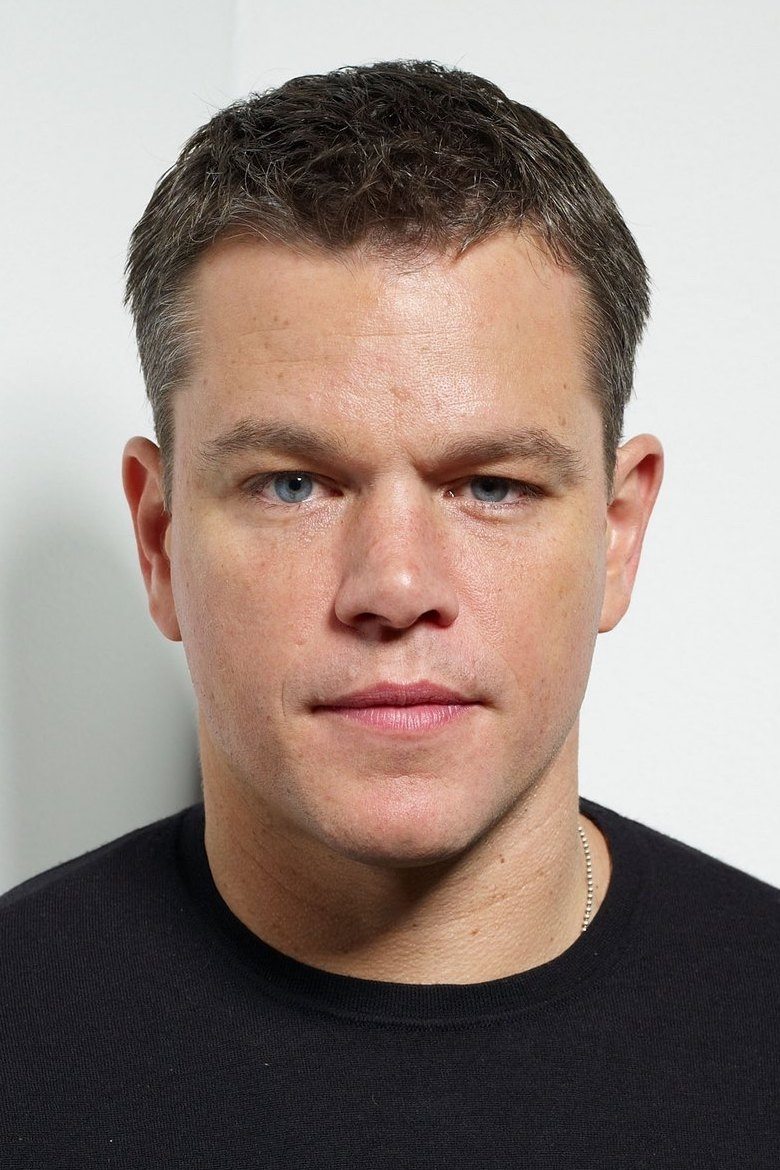
Damon has spoken about the disappearance of the mid-budget movie and how studio decisions are now driven entirely by international box office potential and focus group feedback. He noted that this trend leads to safer, less original scripts that avoid any complexity that might alienate a global audience. Damon pointed out that ‘The Bourne Identity’ was a film that studios were originally unsure about because it didn’t follow the typical action movie formula. He remains critical of the cookie-cutter approach to modern franchise filmmaking. He argued that this environment makes it increasingly difficult for original, thought-provoking stories to survive in the mainstream.
Share which actor you think made the most valid point about studio interference in the comments.