


Actors Who Question Climate Change Alarmism

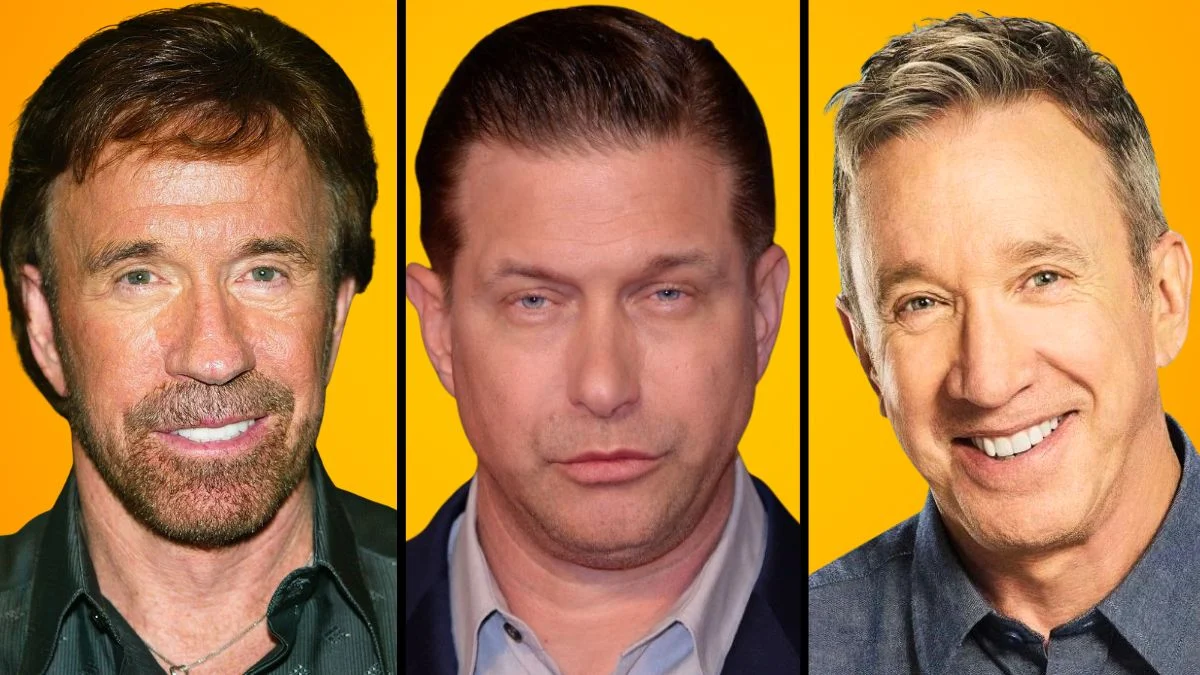


Climate change remains one of the most polarized topics in the entertainment industry: while a significant portion of Hollywood advocates for immediate environmental action, a distinct group of actors has voiced skepticism regarding the prevailing narrative. These figures often question the severity of the crisis: some attribute temperature shifts to natural cycles rather than human activity, while others criticize what they view as alarmist tactics used by activists and politicians. This list explores the male actors who have publicly challenged the consensus on climate change or the methods proposed to combat it.
Chuck Norris
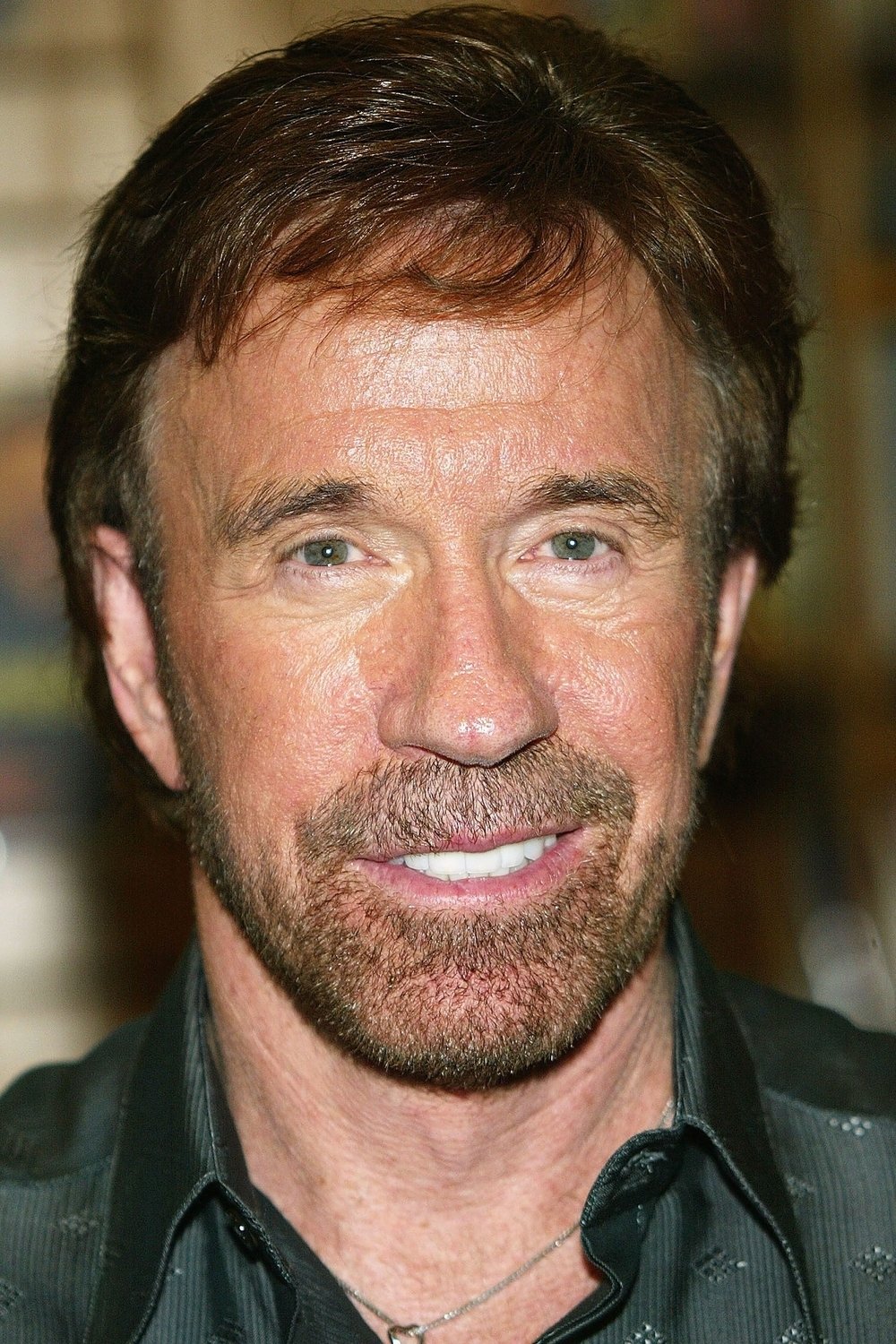
The martial artist and action star has used his platform to challenge the scientific consensus on global warming. Chuck Norris penned syndicated columns where he criticized the data used by climate scientists: he argued that the emails released during the “Climategate” controversy exposed a manipulation of facts to fit a specific agenda. He famously dismissed the urgency of the crisis by stating that “there is no such thing as global warming” in a satirical list of facts, though his serious writings reflect a deep skepticism of government-led environmental regulations. Norris believes that economic freedom should not be sacrificed for unproven climate models.
Kevin Sorbo
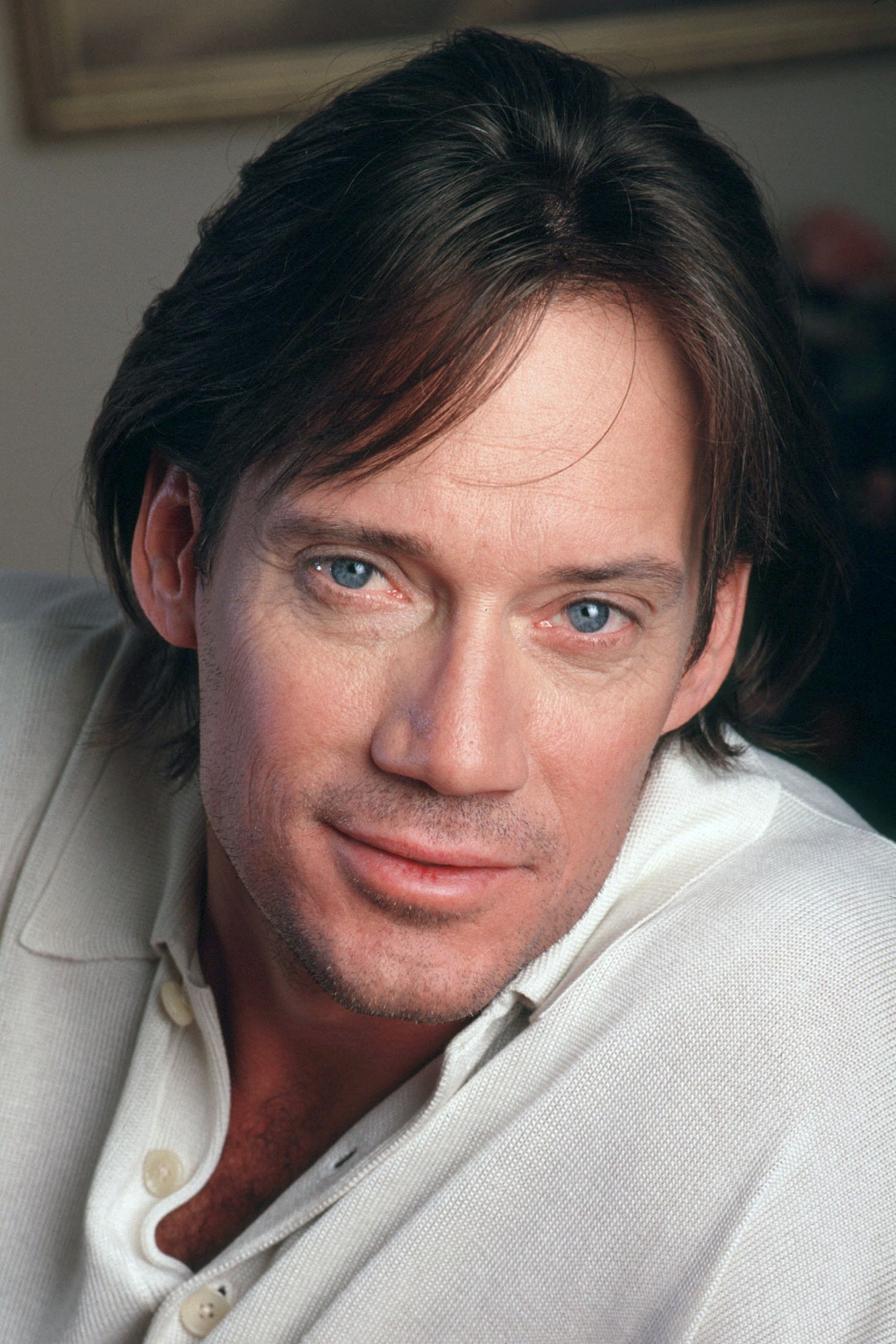
Known for his role as Hercules, Kevin Sorbo has become one of the most vocal critics of climate change activism in Hollywood. He narrated the documentary ‘Climate Hustle 2’ (2020): the film aims to expose what it describes as the “climate agenda” and features scientists who dissent from the mainstream consensus. Sorbo frequently takes to social media to mock climate predictions that have failed to materialize: he argues that the alarmism is a tool for political control rather than environmental protection. The actor often points to historical weather patterns to suggest that current changes are part of a natural cycle.
James Woods
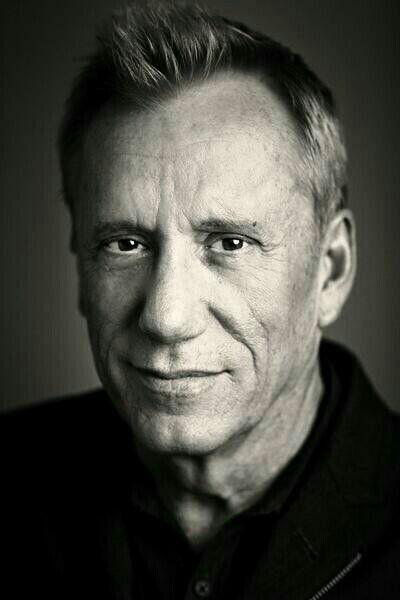
James Woods often uses his social media presence to critique environmental policies and the politicians who support them. Following the devastation of California wildfires: Woods argued that the fires were caused by poor forest management and bureaucratic red tape rather than climate change. He has engaged in heated debates with users who attribute natural disasters to global warming: he insists that blaming the climate ignores practical solutions like controlled burns and infrastructure maintenance. Woods views the climate change narrative as a political strategy used to expand government power.
Jon Voight
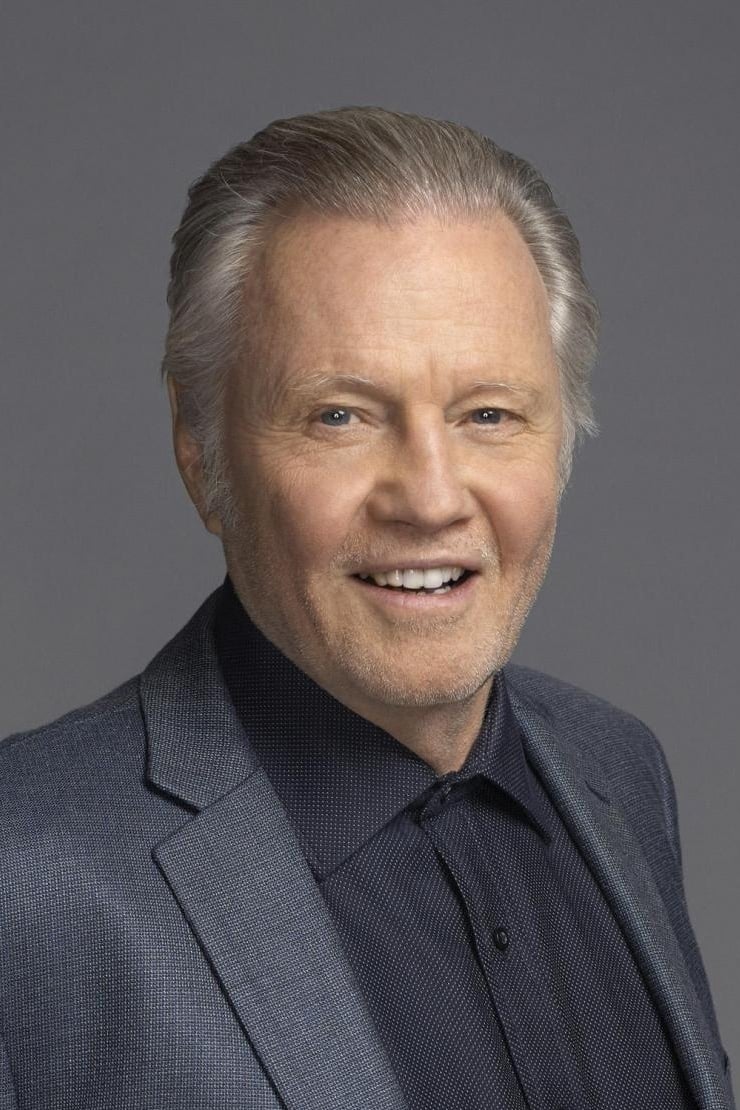
Academy Award winner Jon Voight has consistently aligned himself with political figures who express skepticism about human-caused climate change. He has publicly supported policies that favor fossil fuel expansion: Voight argues that the United States should utilize its natural resources rather than be restricted by international climate agreements. In various interviews and videos, he has characterized the climate movement as a radical leftist agenda designed to weaken the American economy. Voight believes that the alarmism surrounding the issue is exaggerated to instill fear in the public.
Jeremy Clarkson
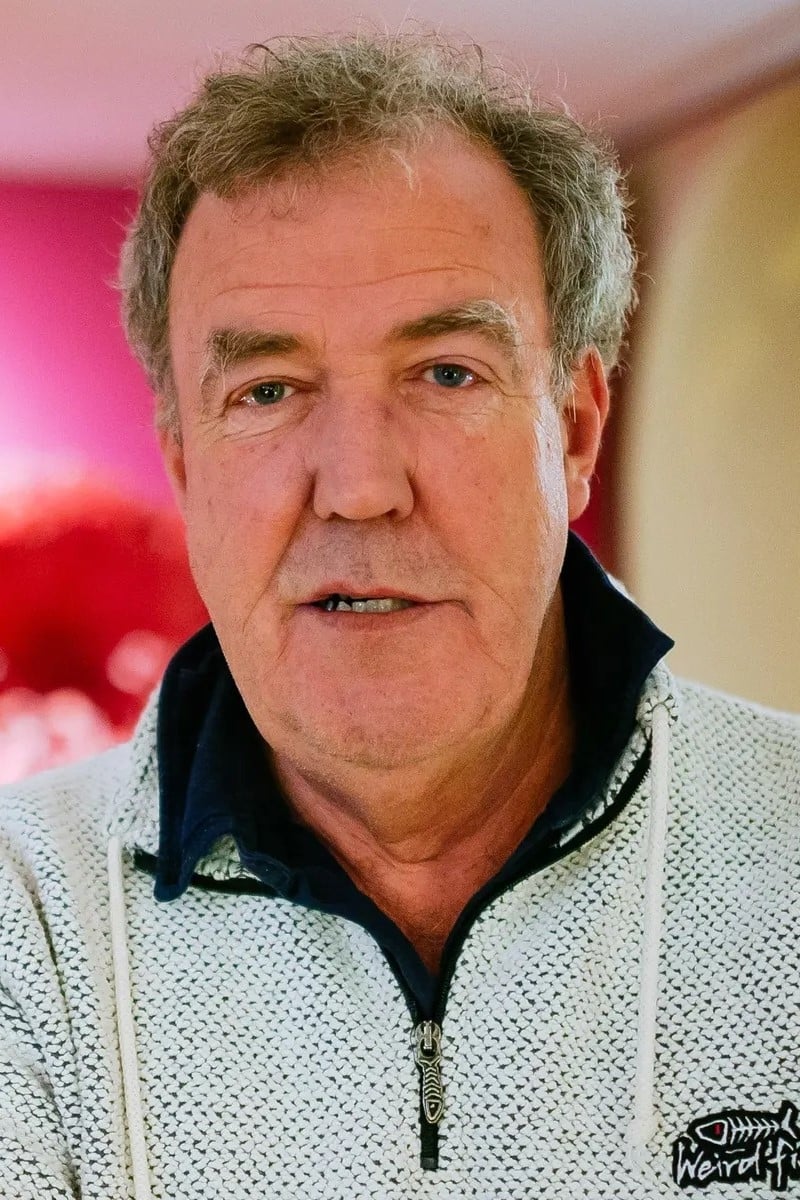
The former ‘Top Gear’ host has a long history of mocking environmentalists and questioning the impact of cars on the planet. Jeremy Clarkson frequently criticized the “eco-mentalists” who advocate for banning combustion engines: he argues that such measures are impractical and economically damaging to working-class people. While he has acknowledged weather changes in recent years, he remains highly critical of activists like Greta Thunberg: he famously told her to “be a good girl and shut up” and return to school. Clarkson questions the effectiveness of radical protests and believes that technological innovation—not hysteria—will solve environmental challenges.
Rob Schneider
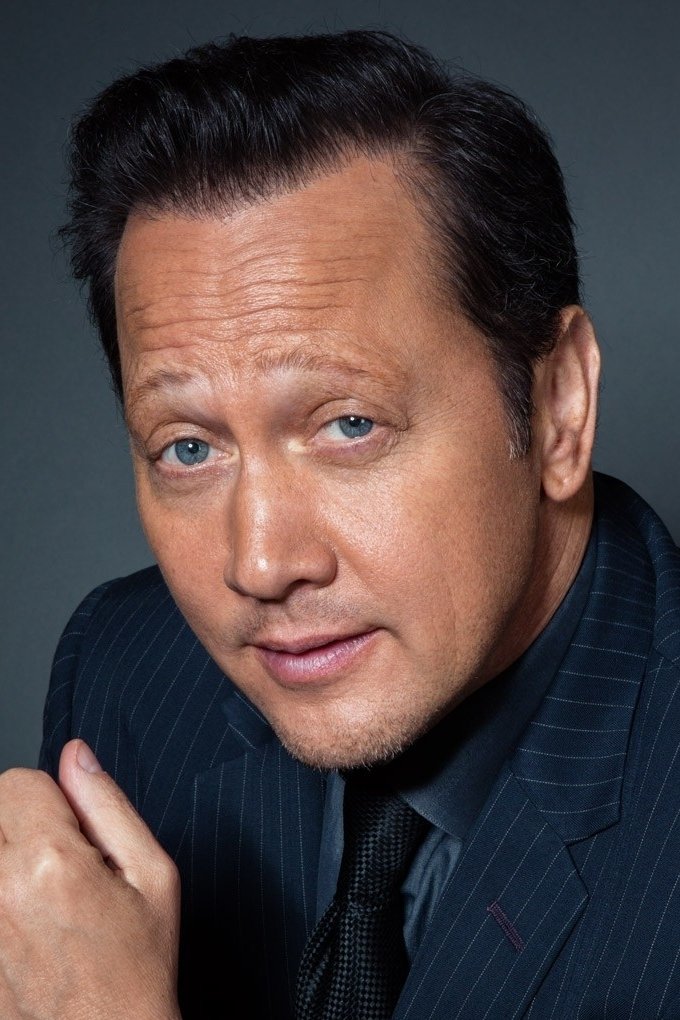
Comedian and actor Rob Schneider advocates for open debate regarding scientific mandates and climate narratives. He has used his stand-up comedy and social media accounts to question the certainty of climate models: Schneider suggests that the consensus is forced and that dissenting voices are unfairly silenced. He argues that the push for green energy ignores the economic realities faced by developing nations and the poor. Schneider emphasizes the importance of free speech and skepticism when facing government-imposed “truths” about the environment.
Tim Allen
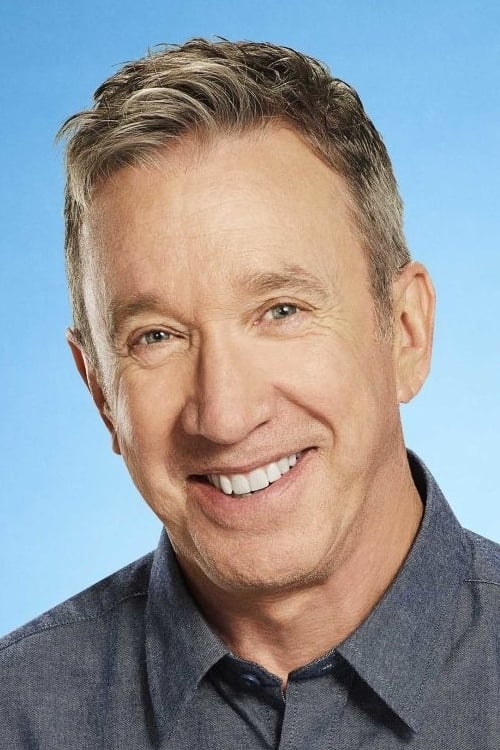
The star of ‘Home Improvement’ and ‘Last Man Standing’ has expressed skepticism regarding the language used to describe climate trends. Tim Allen has joked about the shifting terminology from “global warming” to “climate change”: he suggests that the rebranding indicates a lack of scientific certainty. In interviews, he has questioned whether human activity is the sole driver of environmental changes or if the planet is going through a natural phase. Allen criticizes the “PC culture” that he believes forces people to accept environmental dogmas without question.
Kelsey Grammer
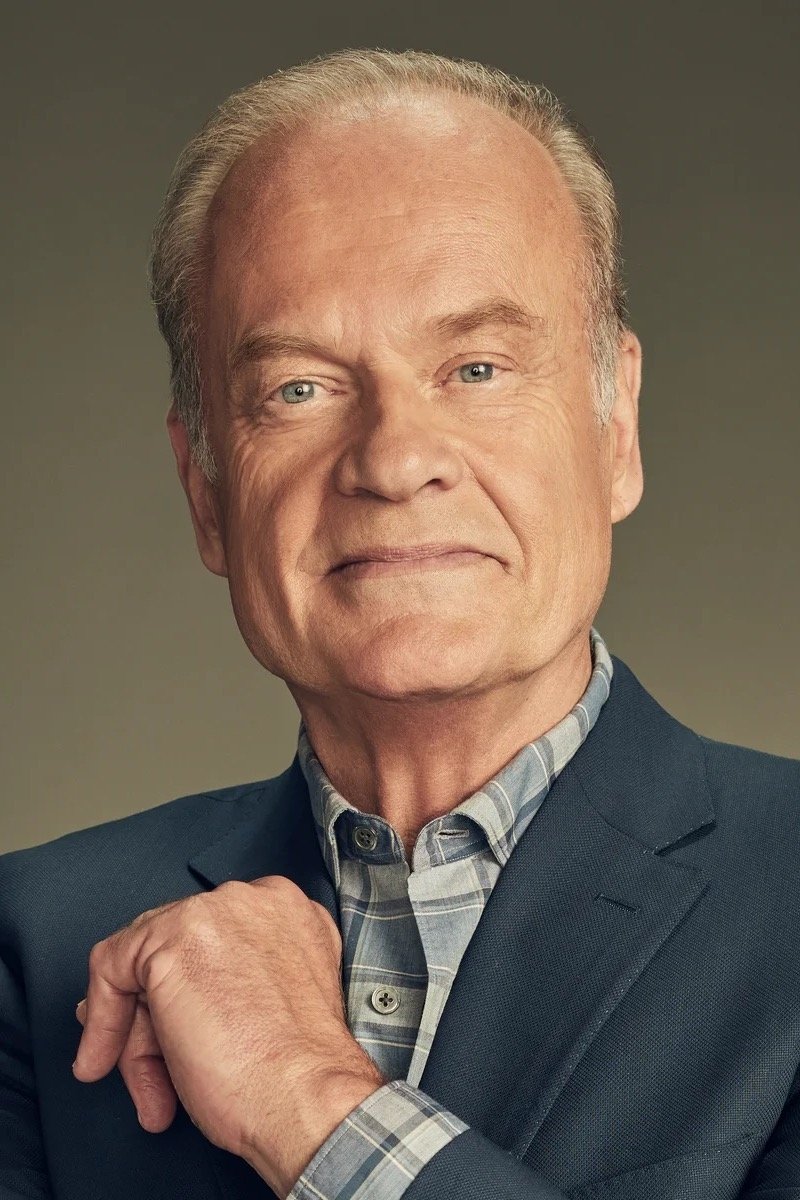
‘Frasier’ star Kelsey Grammer has openly stated his disbelief in the scientific consensus regarding global warming. He has compared current climate concerns to the “global cooling” theories that were popular during his youth: Grammer argues that science is constantly changing and that the current panic may be unfounded. When discussing California wildfires, he rejected the notion that they were solely the result of climate change. Grammer maintains that he is willing to adapt to a warming trend but remains skeptical of the political motives behind the activism.
Dean Cain
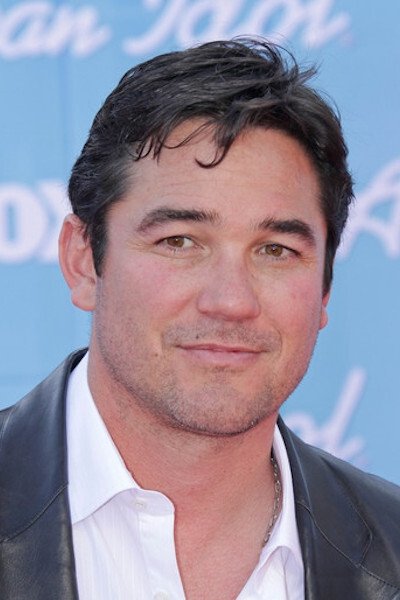
Former Superman actor Dean Cain frequently challenges the narrative that climate change is the primary cause of natural disasters. He has appeared on news programs to argue that poor land management and legislative failures are the true culprits behind the intensity of California’s wildfires. Cain criticizes politicians who use climate change as a scapegoat for their own administrative shortcomings: he believes that practical solutions are being ignored in favor of ideological posturing. The actor advocates for a more balanced approach that considers economic and safety factors over alarmist rhetoric.
Adam Baldwin
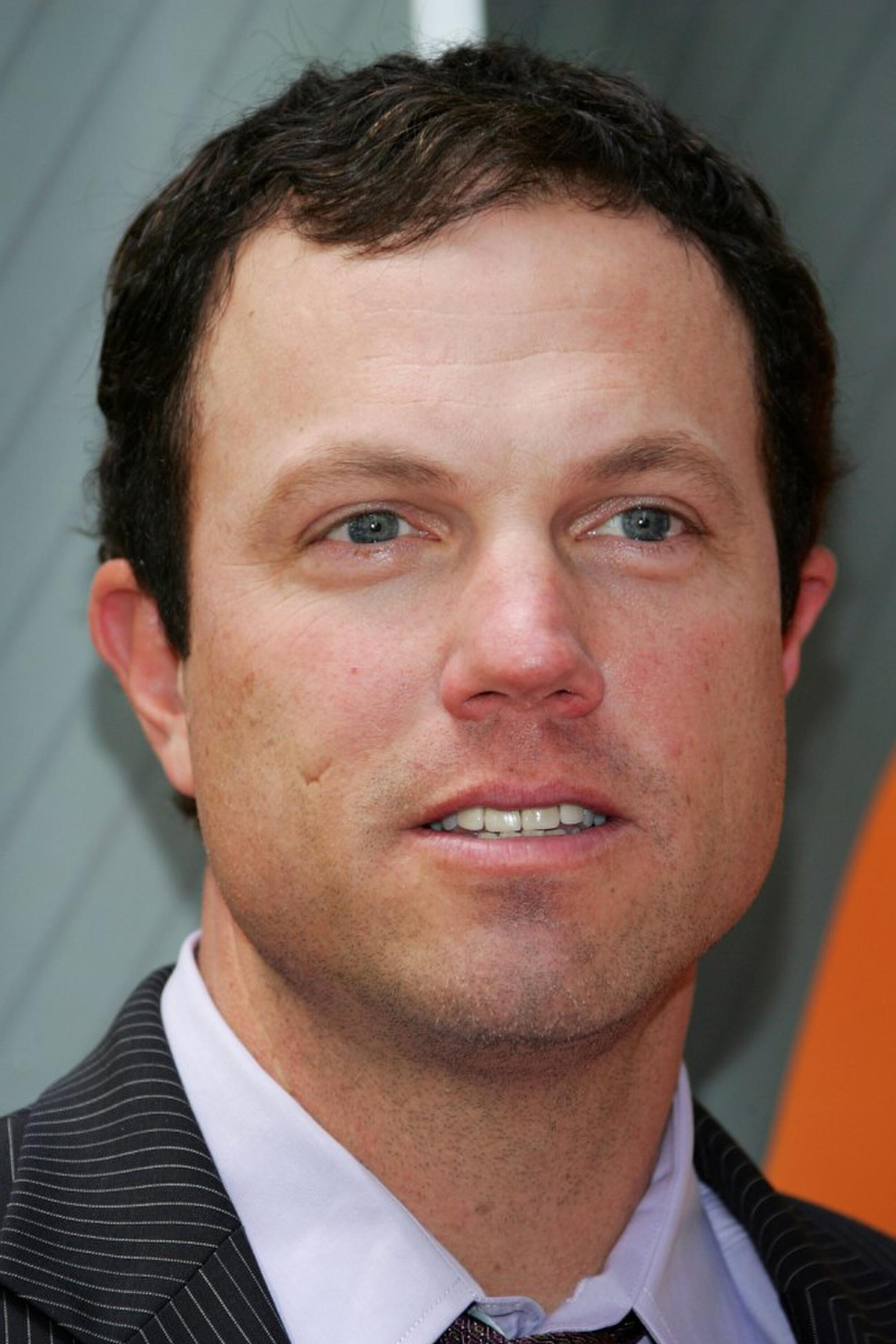
Adam Baldwin, known for his roles in ‘Firefly’ and ‘Chuck’, is a staunch conservative who questions the validity of man-made global warming. He has used Twitter to share articles and data that contradict mainstream climate reports: Baldwin often highlights the hypocrisy of wealthy climate activists who use private jets. He views the climate change movement as a mechanism for socialism and wealth redistribution. Baldwin argues that the science is not settled and that skepticism is a necessary part of the scientific process.
Robert Davi
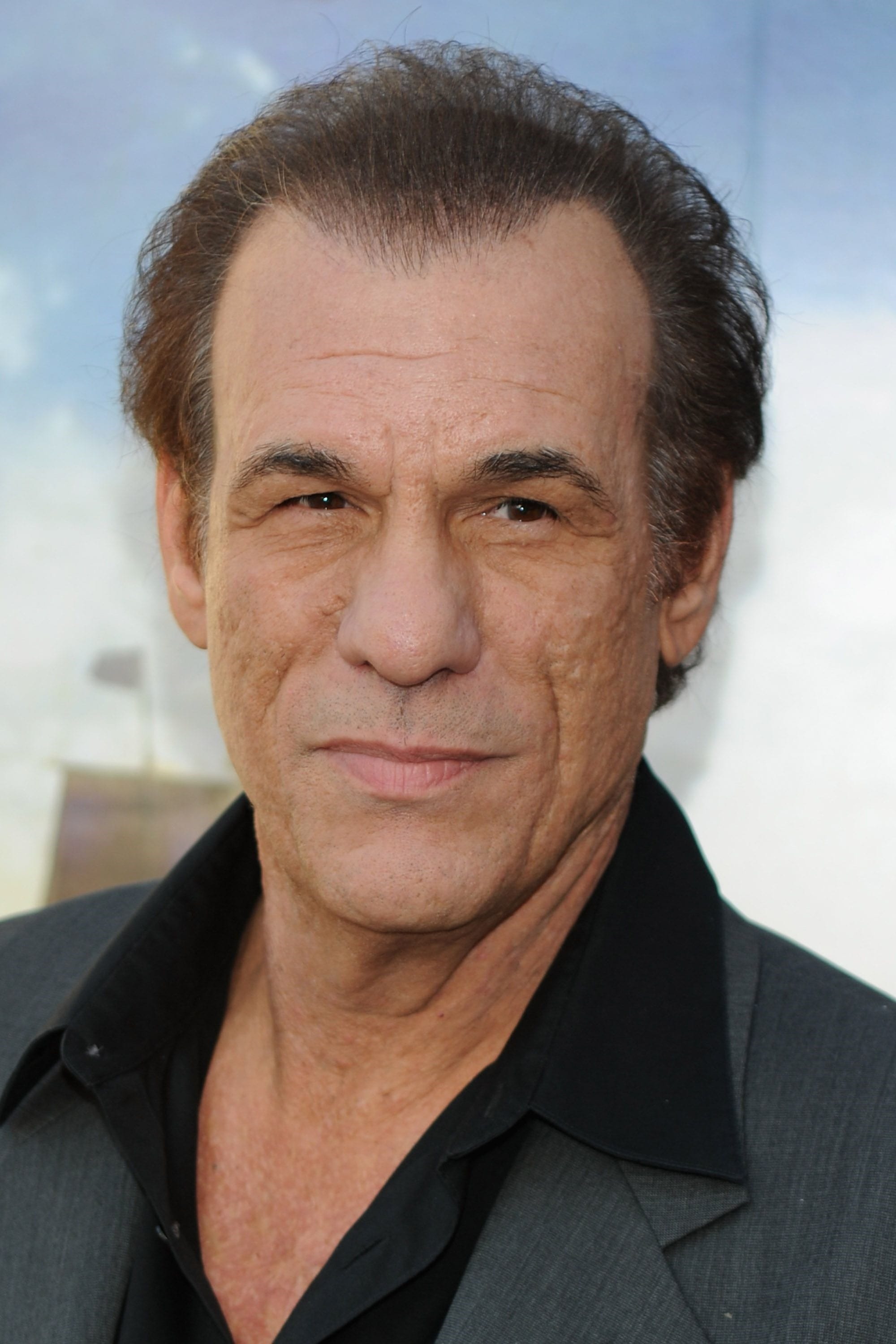
Character actor Robert Davi is an outspoken critic of the global climate change agenda. He has warned that international climate agreements threaten American sovereignty and economic prosperity: Davi argues that these deals unfairly target Western nations while allowing other countries to pollute freely. He frequently questions the data presented by the UN and suggests that the “crisis” is manufactured to implement global governance. Davi believes that energy independence through fossil fuels is essential for national security.
Pat Sajak
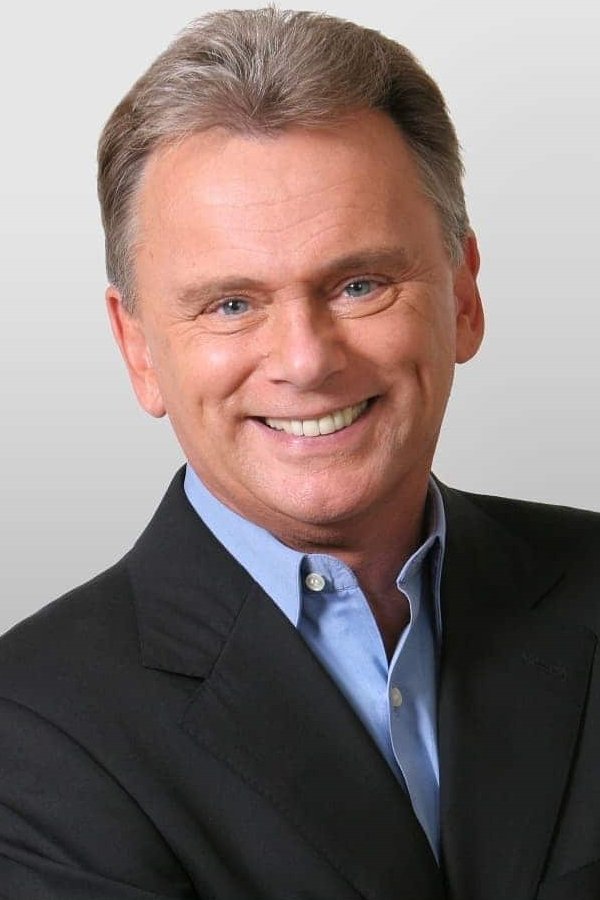
The long-time ‘Wheel of Fortune’ host has stirred controversy with his blunt tweets regarding climate activism. Pat Sajak once tweeted that “global warming alarmists are unpatriotic racists knowing that their big government schemes to ‘save the planet’ will eventually kill the American dream”: this statement highlighted his disdain for the regulations proposed by environmentalists. He argues that the movement is less about the environment and more about implementing a socialist agenda. Sajak often uses humor and sarcasm to mock what he perceives as the hypocrisy of climate elites.
John Ratzenberger
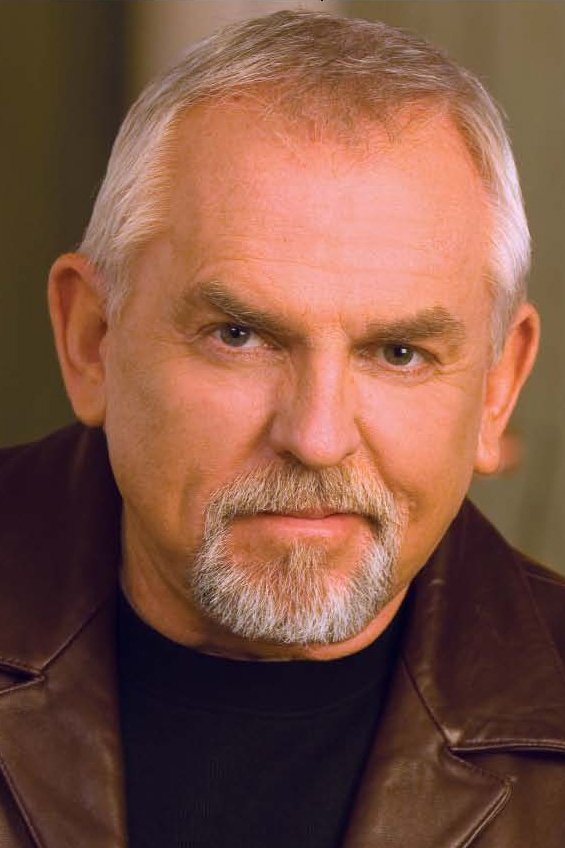
Best known as Cliff Clavin on ‘Cheers’, John Ratzenberger has expressed doubts about the narrative that humans are destroying the planet. He has championed American manufacturing and skilled labor: Ratzenberger argues that strict environmental regulations stifle industry and innovation. He believes that the climate creates natural cycles of warming and cooling that are beyond human control. Ratzenberger focuses his advocacy on vocational training rather than environmental activism.
Scott Baio
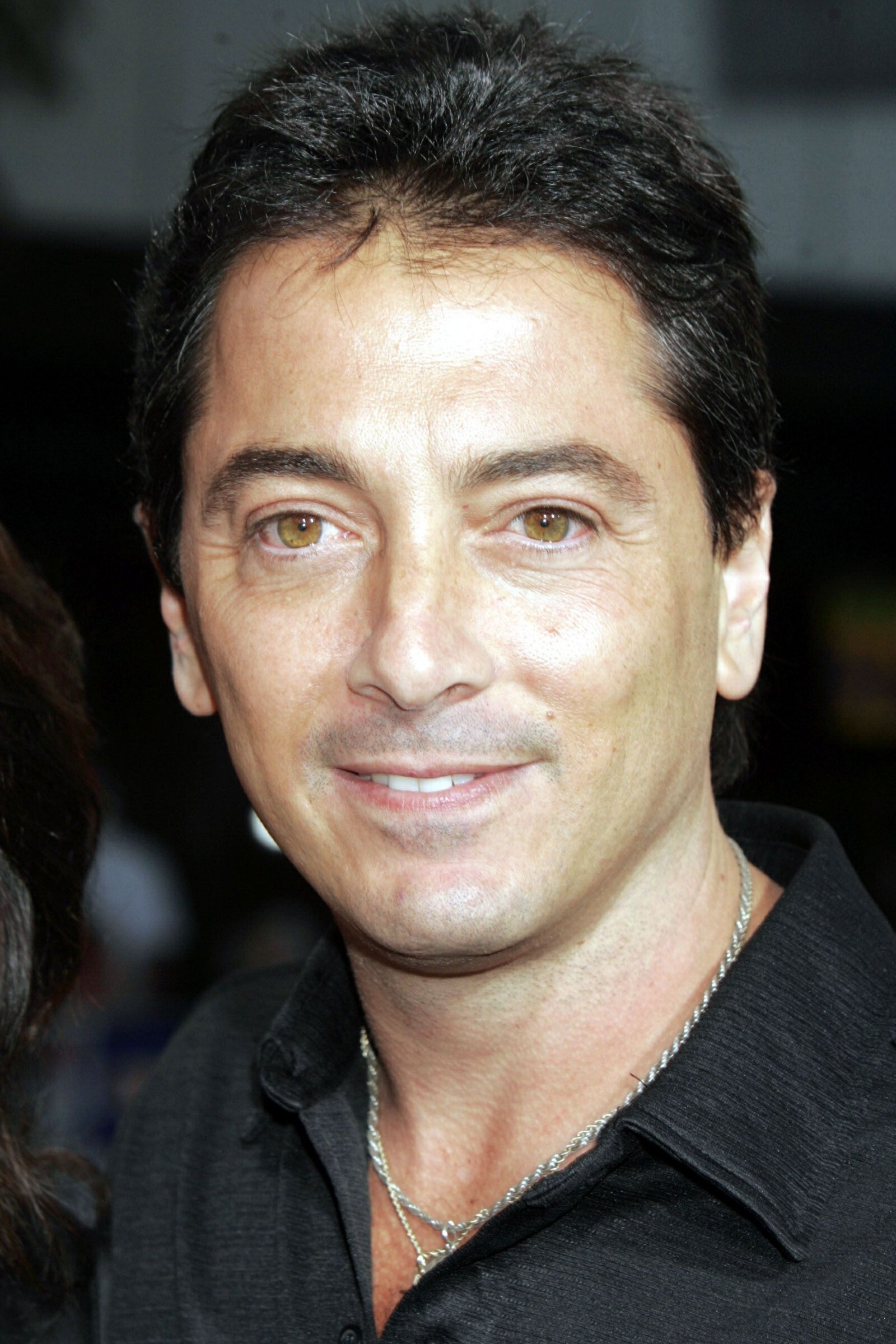
‘Happy Days’ actor Scott Baio is a vocal supporter of conservative policies and a skeptic of climate alarmism. He has endorsed politicians who withdrew from the Paris Climate Agreement: Baio argues that such treaties hurt American workers and businesses. He uses his social media platforms to question the logic of climate protestors and the media’s coverage of weather events. Baio believes that the climate issue is used as a wedge issue to divide the country and promote big government.
Randy Quaid
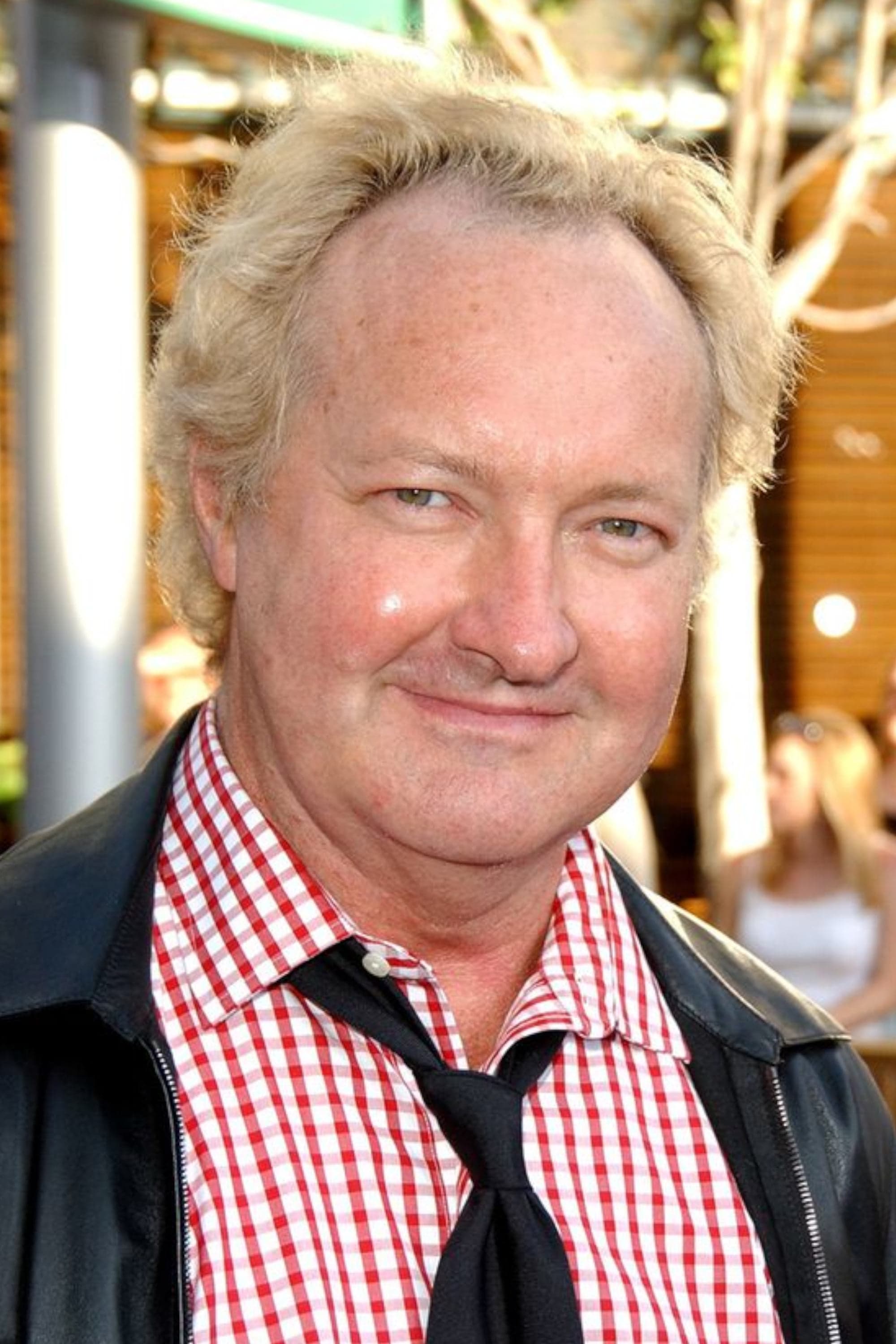
Randy Quaid has expressed deep distrust of mainstream narratives, including those surrounding climate change. He often characterizes the climate movement as part of a larger conspiracy to control the population and resources. Quaid uses his eccentric video messages to mock the “elites” who dictate environmental policies while living lavish lifestyles. He believes that the media manipulates weather data to push a globalist agenda.
Jim Caviezel
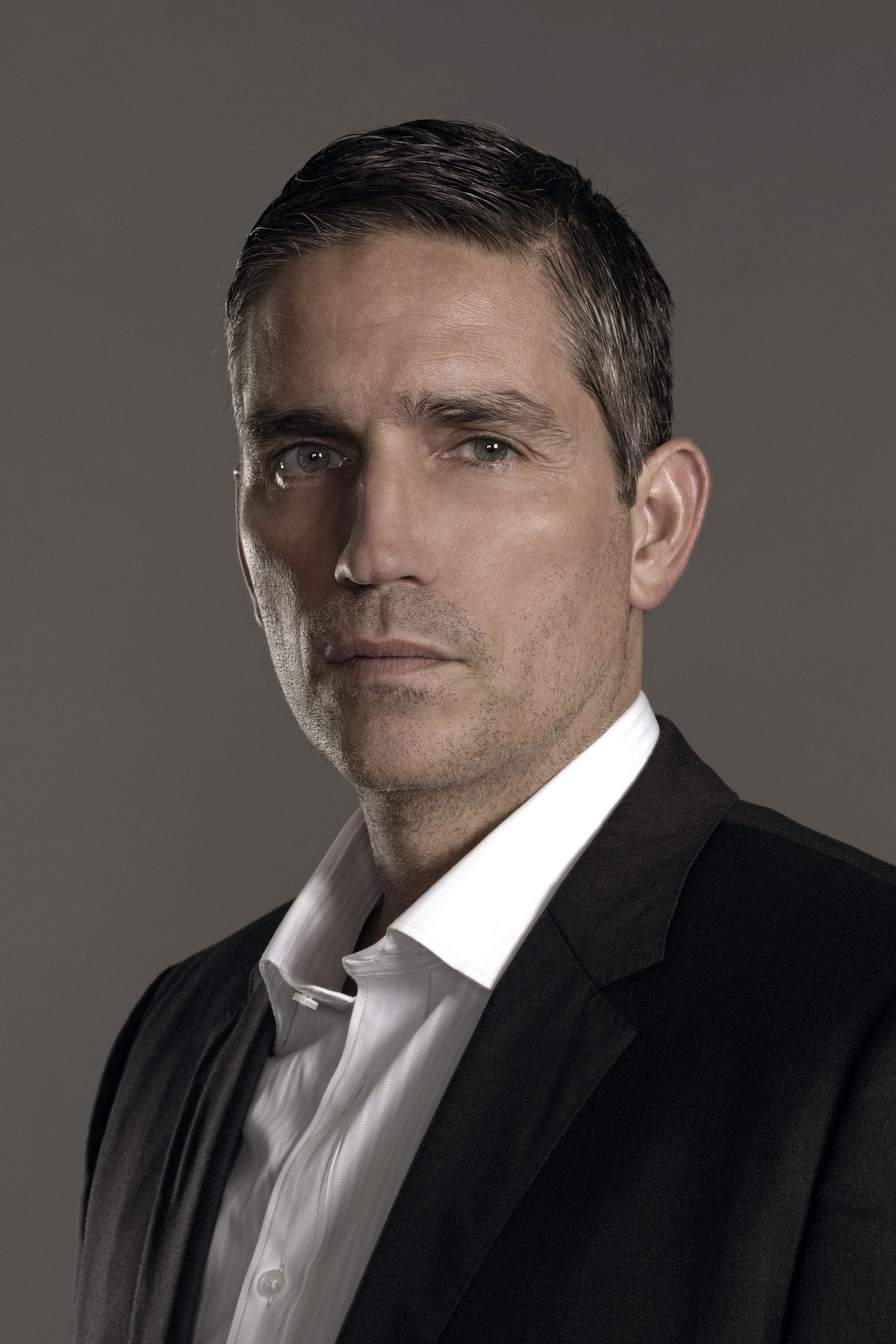
Jim Caviezel, star of ‘The Passion of the Christ’, is known for his conservative views and skepticism of globalist agendas. He has spoken against the “Great Reset,” a concept often linked to climate change policies: Caviezel believes that these initiatives are designed to strip individuals of their freedoms. He argues that the media uses fear of environmental collapse to manipulate the public. Caviezel advocates for faith and freedom over government-mandated environmentalism.
Isaiah Washington
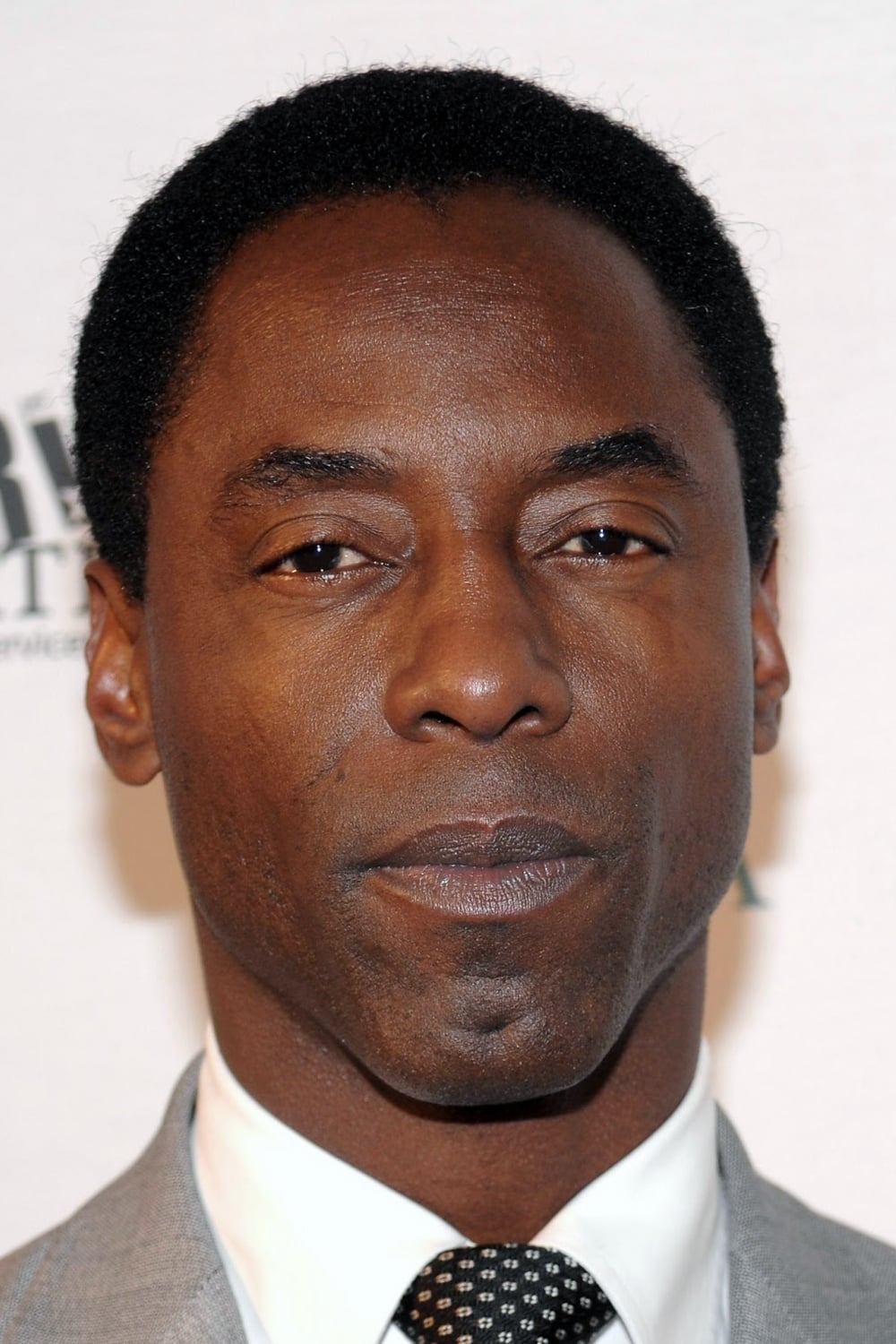
Former ‘Grey’s Anatomy’ actor Isaiah Washington has used social media to question the narratives presented by the Democratic party, including climate change. He has expressed skepticism about the motivations behind the Green New Deal: Washington argues that these policies do not benefit the African American community or the working class. He encourages his followers to do their own research rather than accepting the “settled science” presented by the media. Washington values independent thinking and challenges the Hollywood status quo.
Vincent Gallo
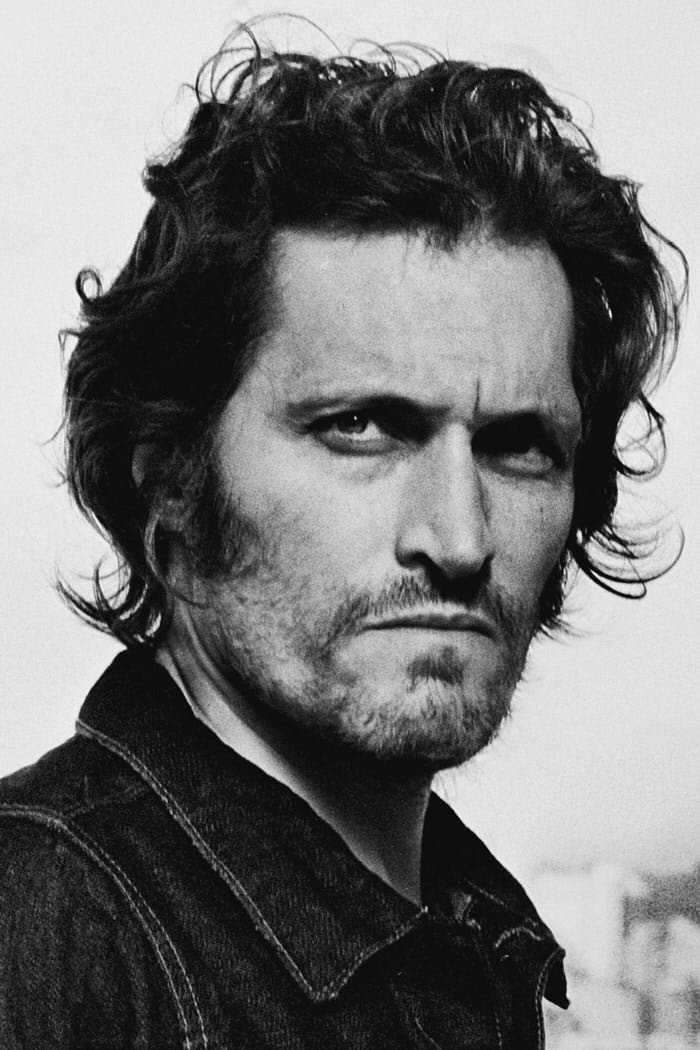
Actor and director Vincent Gallo is known for his provocative conservative views and rejection of liberal Hollywood causes. He has dismissed environmentalism as a superficial trend adopted by celebrities to appear virtuous: Gallo argues that the climate movement is filled with hypocrisy and self-righteousness. He believes that the planet is resilient and that human arrogance leads people to believe they can control the climate. Gallo’s contrarian nature leads him to oppose almost all mainstream political consensuses.
Stephen Baldwin

The youngest Baldwin brother differs significantly from his siblings in his political and environmental views. Stephen Baldwin has expressed skepticism regarding the severity of global warming: he argues that the issue is used to distract from more pressing moral and spiritual problems. He supports leaders who prioritize economic growth over environmental regulations. Baldwin believes that faith should guide stewardship of the earth rather than government mandates.
Meat Loaf
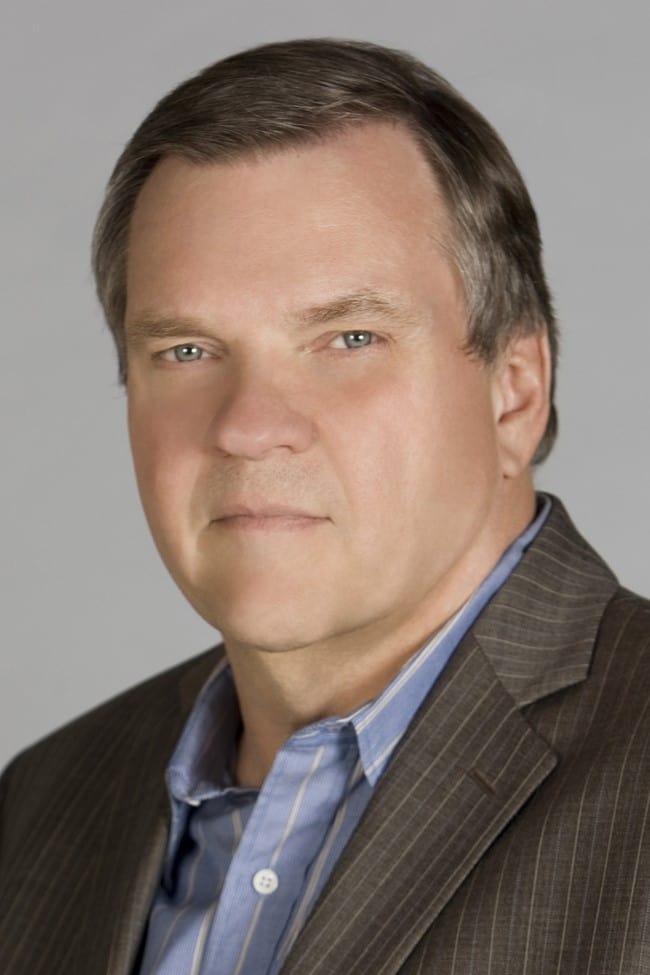
The late singer and actor Meat Loaf was a fierce critic of climate change activism before his passing. He famously stated in an interview that he believed Greta Thunberg had been “brainwashed” into thinking climate change was real: Meat Loaf argued that “there is no climate change” and that the data was being manipulated. He felt that the movement was forcing children to live in fear based on false information. His comments sparked a direct response from Thunberg, highlighting the divide between celebrity skeptics and activists.
Joe Rogan
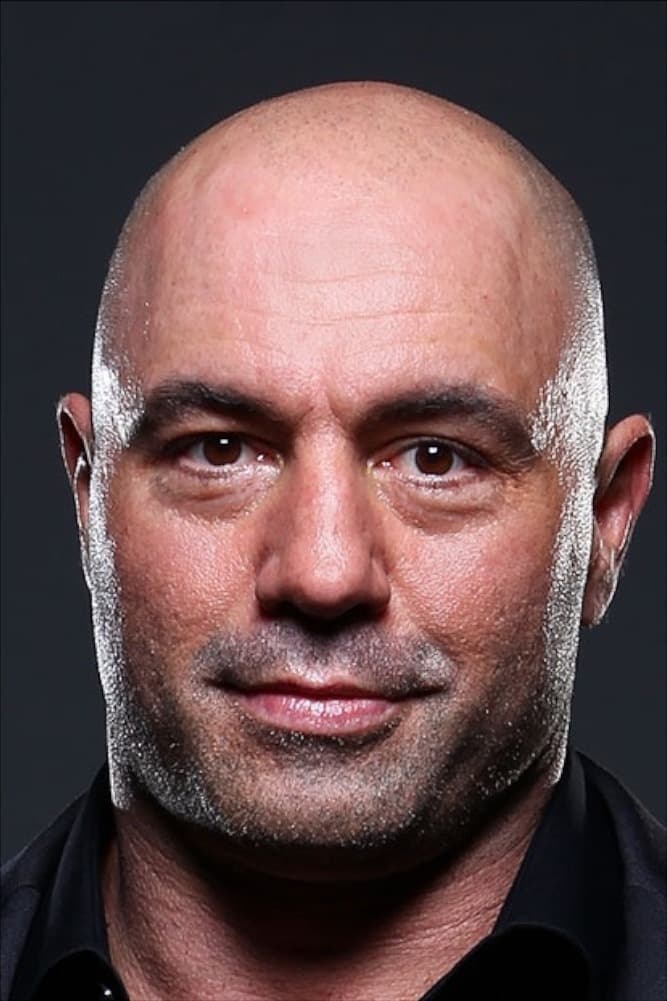
While not a strict denier, actor and podcaster Joe Rogan frequently questions the accuracy of climate models and the narratives surrounding them. He has hosted guests who challenge the mainstream consensus: Rogan often discusses the concept of “interglacial periods” and questions whether current warming is catastrophic or historical. He criticizes the alarmist tone of the media and the shaming of those who ask questions about the data. Rogan advocates for open conversation rather than the dogmatic acceptance of “settled” science.
Russell Brand
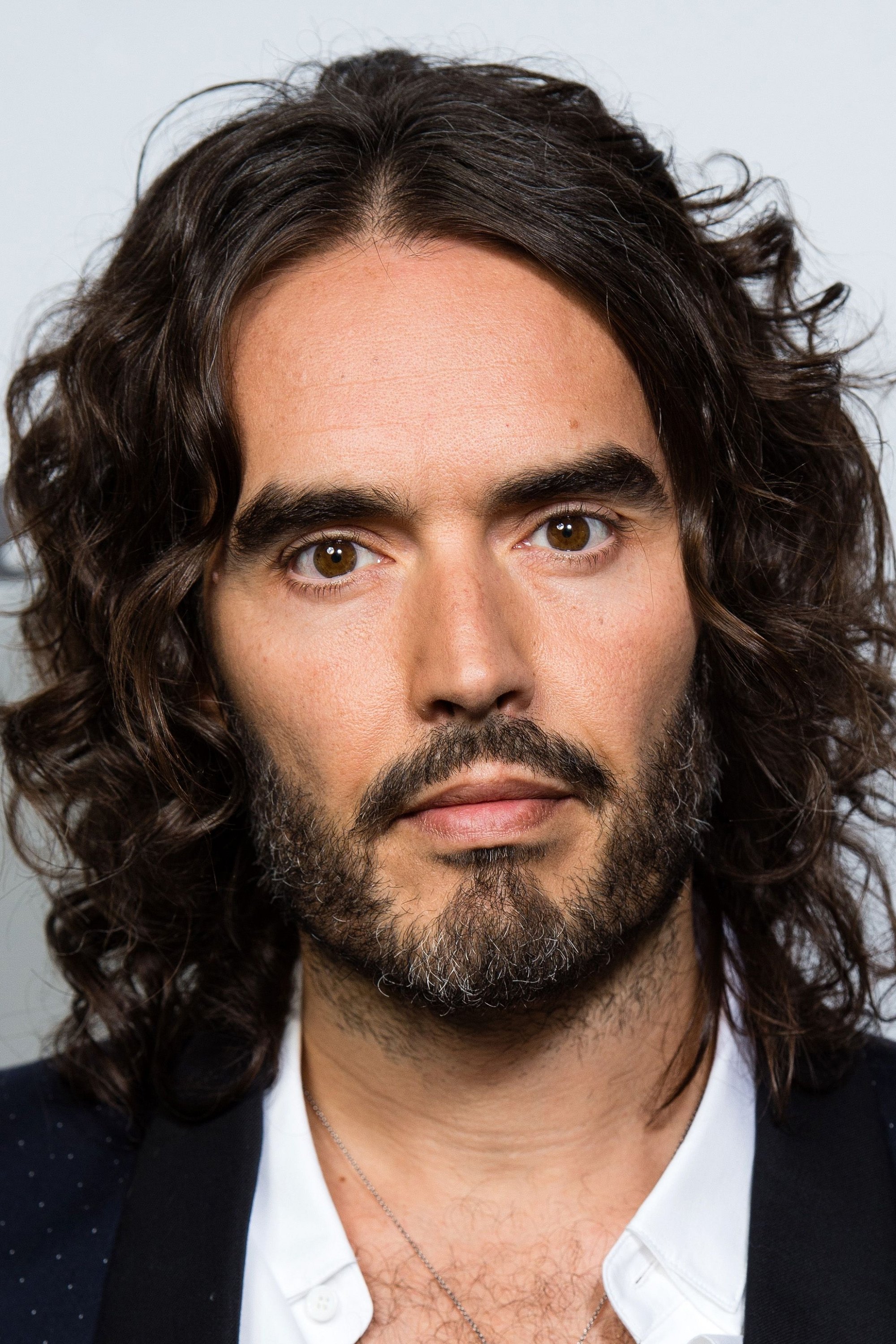
Russell Brand has evolved into a vocal critic of the corporate and political agendas attached to climate change. He argues that the “Great Reset” and green energy transitions are transfers of wealth from the poor to the elite: Brand questions whether the proposed solutions are actually about saving the planet or about increasing control. He criticizes the hypocrisy of global summits where leaders arrive in private jets to lecture the public on carbon footprints. Brand believes the narrative is being weaponized to manipulate behavior.
Laurence Fox
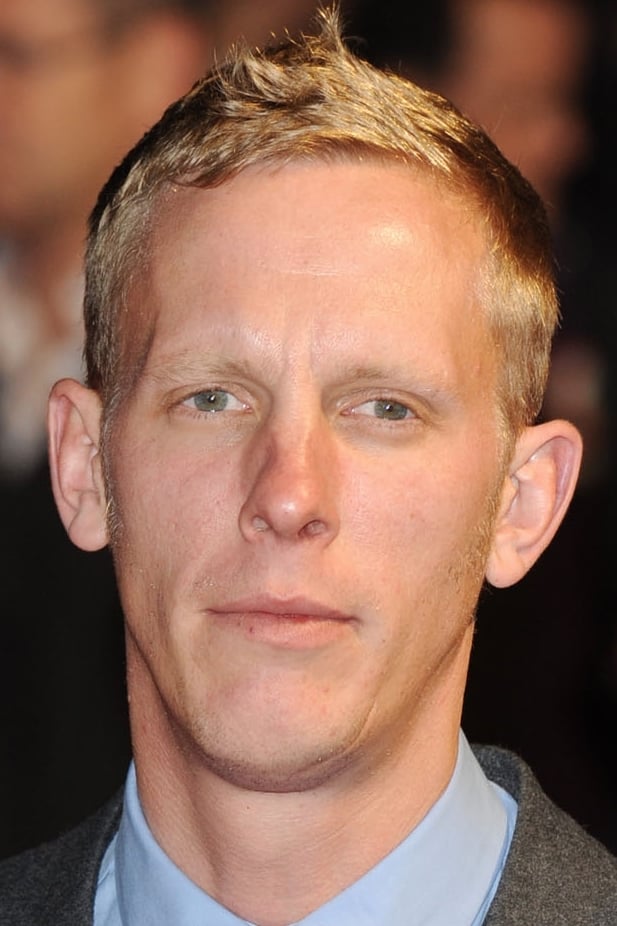
British actor Laurence Fox has become a polarizing figure for his anti-woke and anti-climate activist stances. He frequently mocks groups like Extinction Rebellion: Fox argues that their protests disrupt the lives of working people and accomplish nothing. He has tweeted about the weather to challenge the notion of a climate emergency, often pointing to cold spells as evidence against global warming. Fox views the climate movement as a religion that does not tolerate dissent.
John Lydon
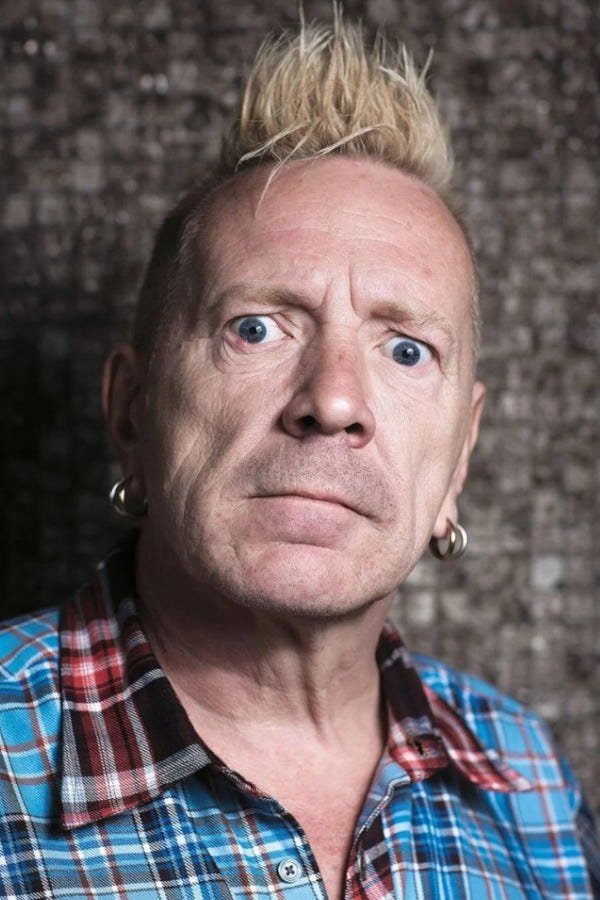
The Sex Pistols frontman, also known as Johnny Rotten, has criticized the climate change narrative as a tool of the establishment. He has stated that while the climate might be changing, he does not trust the politicians leading the charge: Lydon argues that the burden of green policies falls on the poor while the rich remain unaffected. He rejects the “doom-mongering” of activists and calls for a more rational approach. Lydon remains suspicious of any cause that is universally embraced by the mainstream media.
Adam Carolla
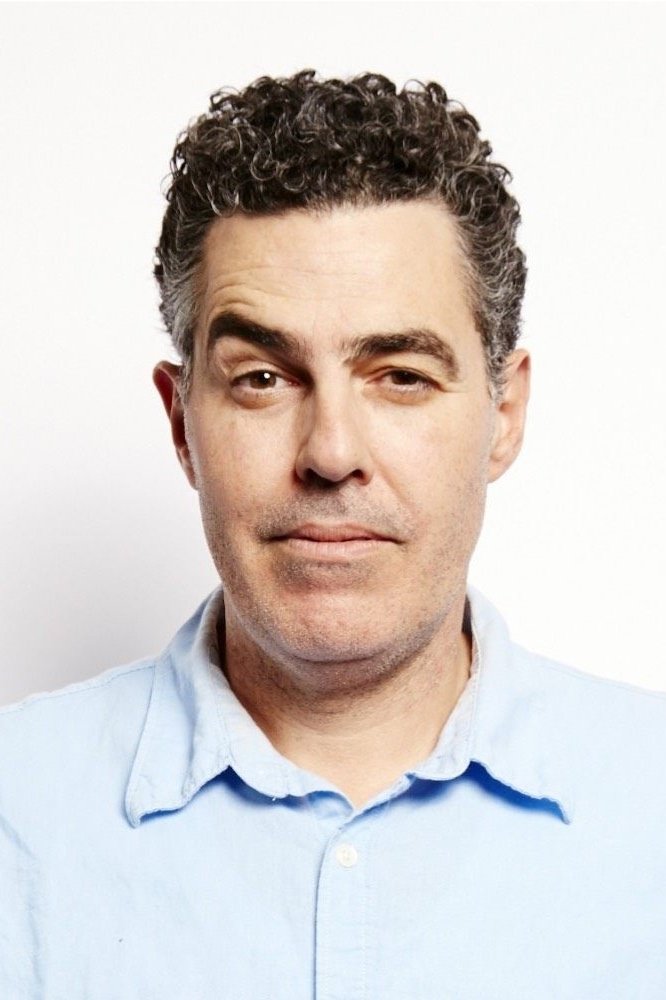
Comedian and actor Adam Carolla often refers to the climate change movement as a “religion” for secular people. He argues that people have replaced traditional faith with environmentalism: Carolla believes this leads to a dogmatic approach where questioning the science is seen as heresy. He frequently complains about the inefficiency of green energy solutions like solar and wind in his podcasts. Carolla asserts that the hysteria is manufactured to give people a sense of purpose and moral superiority.
Nick Searcy
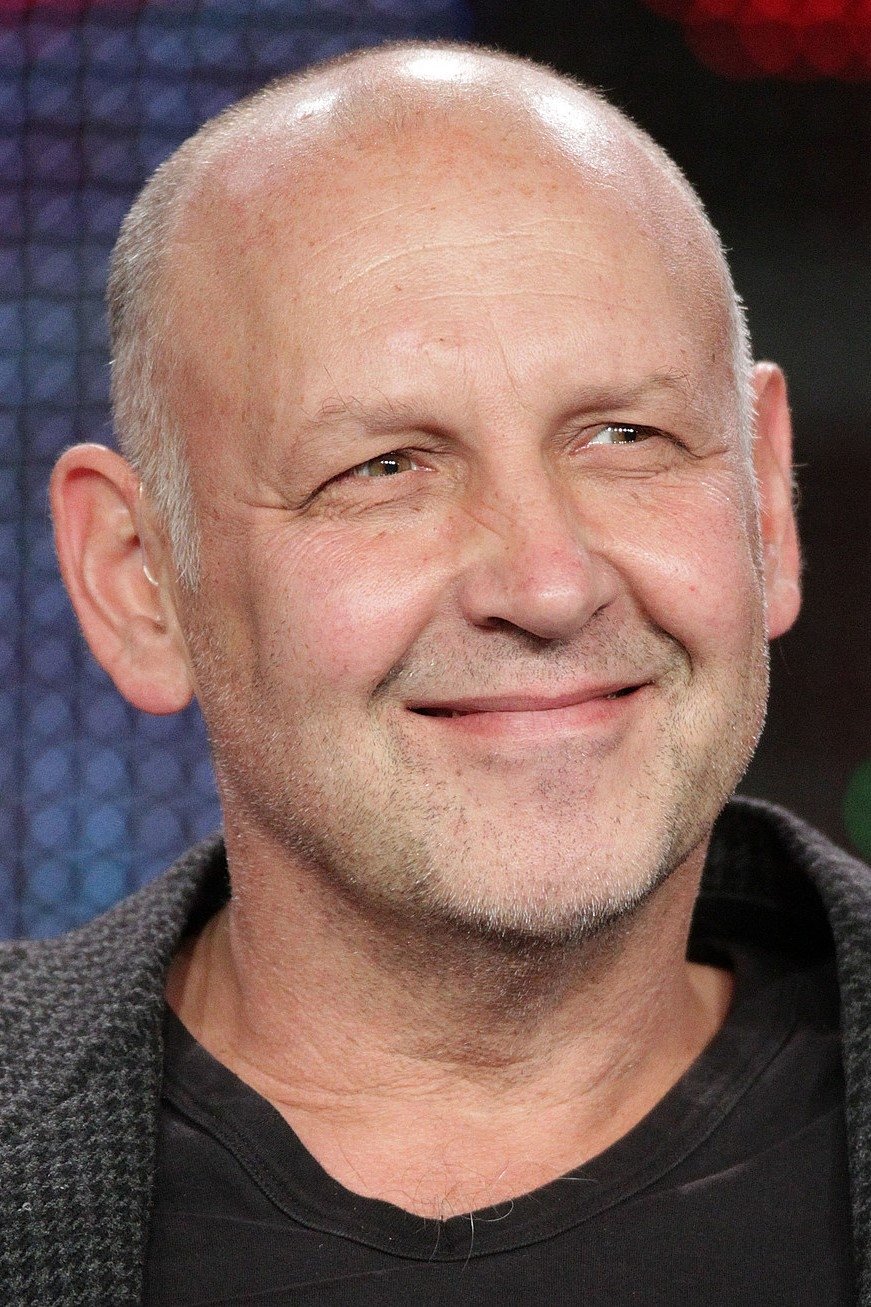
‘Justified’ actor Nick Searcy is an unapologetic conservative who regularly mocks climate alarmism on social media. He has referred to climate change as a “hoax” and a “scam” designed to tax citizens and expand government reach. Searcy engages directly with detractors, often using humor and blunt language to dismiss their concerns about the weather. He believes that the entertainment industry is out of touch with reality and blindly follows liberal talking points.
Kid Rock
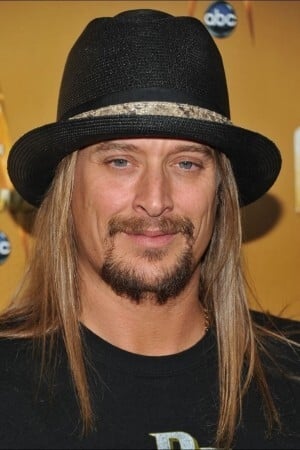
Musician and actor Kid Rock has made his skepticism of political correctness and liberal agendas clear. He has dismissed the idea that humans are the primary drivers of climate change: Kid Rock argues that the climate has changed for millions of years without human intervention. He openly supports politicians who advocate for deregulation and the burning of fossil fuels. His defiance of environmental norms is part of his broader anti-establishment persona.
Gene Simmons

KISS bassist and actor Gene Simmons has expressed a cyclical view of the earth’s climate. He has stated in interviews that the planet goes through natural periods of cooling and warming: Simmons argues that while humans may have some impact, it is arrogant to assume we are the sole cause. He believes that scientists often change their predictions and that the “doom and gloom” scenarios are exaggerated. Simmons advocates for adaptation rather than destroying economies to prevent inevitable changes.
Alice Cooper
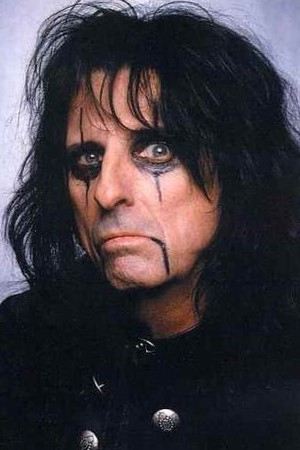
Rock legend and actor Alice Cooper keeps his politics largely private but has hinted at skepticism regarding the certainty of climate science. He has remarked that he is “not a scientist” but notes that the experts seem to change their minds every few years: Cooper recalls the panic over “global cooling” in the 1970s and contrasts it with today’s warming alarmism. He believes that entertainers should entertain rather than preach to their audiences about political issues. Cooper views the constant state of alarm as a media-driven phenomenon.
Trace Adkins
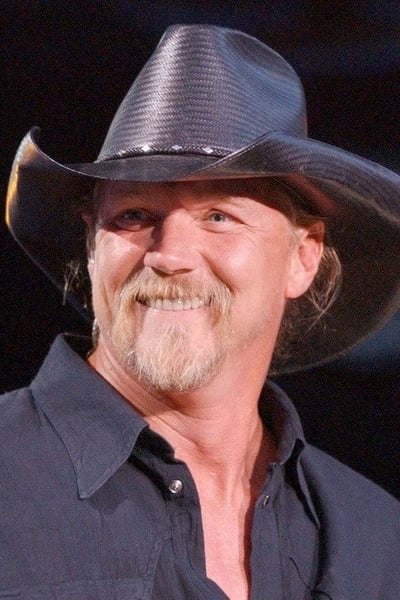
Country star and actor Trace Adkins has questioned the validity of man-made climate change. He has suggested that the earth’s environment is far more complex than scientists understand and that natural cycles play a major role: Adkins is skeptical of policies that would harm the American energy sector. He supports the use of oil and gas and believes that the US should not apologize for its energy consumption. Adkins views the climate movement as elitist and disconnected from the needs of rural Americans.
Rowan Atkinson
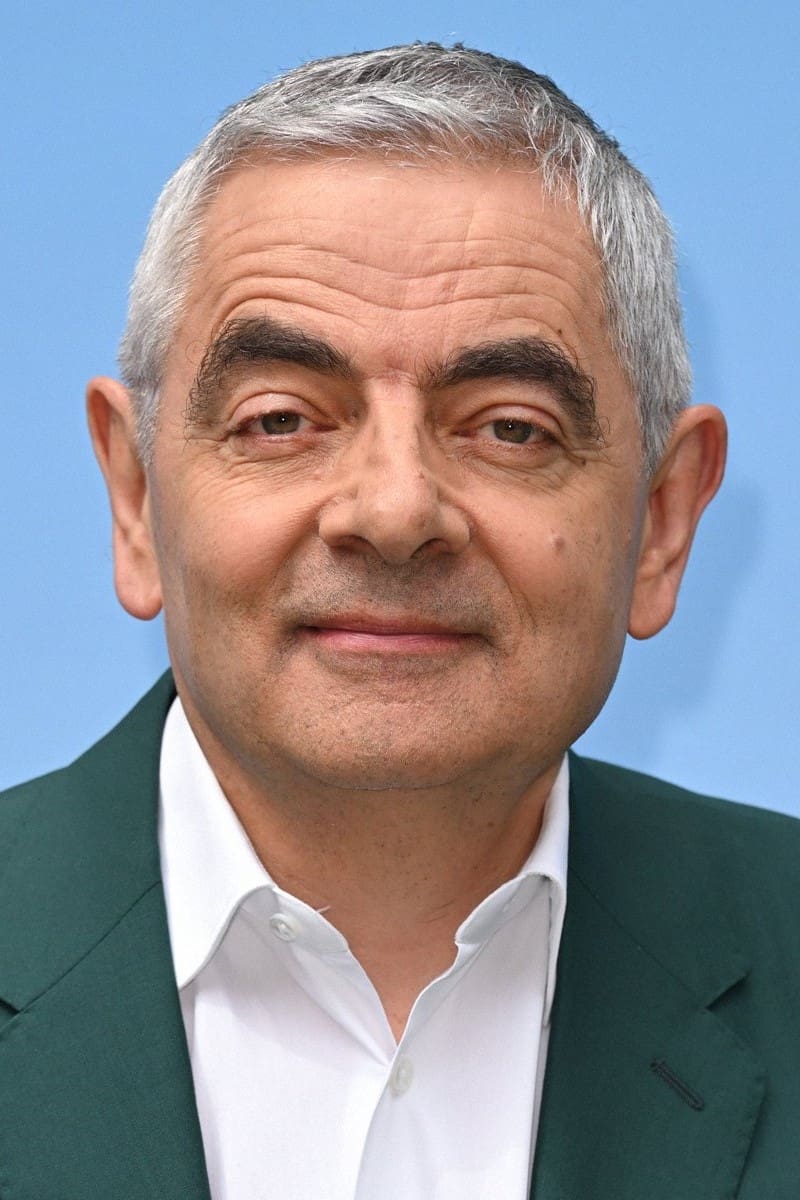
While not a denier of climate change, ‘Mr. Bean’ actor Rowan Atkinson has publicly questioned the “electric vehicle” solution promoted by climate alarmists. He wrote a detailed op-ed arguing that EVs are not the environmental panacea they are claimed to be: Atkinson pointed to the high carbon cost of battery production and the short lifespan of the vehicles. He advocates for keeping older gasoline cars on the road longer to reduce waste. Atkinson’s stance challenges the simplistic “new technology” narrative often pushed by environmental activists.
Share your thoughts on these actors’ perspectives and the climate change debate in the comments.