


Actors Who Refused Roles Glorifying Questionable Leaders

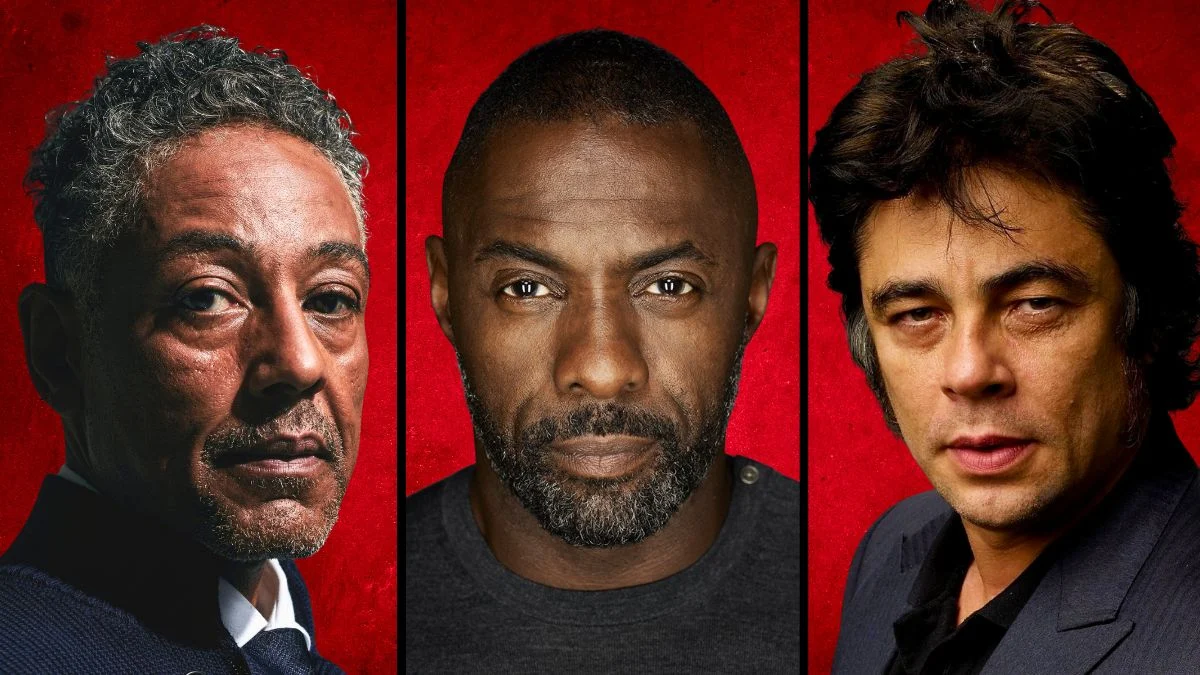


Representation in cinema has often relied on caricatures and historical revisionism. Many prominent male actors have chosen to turn down high paying roles that sought to glorify or oversimplify controversial political figures and authoritarian leaders. These decisions frequently stem from a desire to avoid perpetuating harmful stereotypes or participating in propaganda. This list explores several performers who prioritized their principles and the nuance of their craft over the prestige of certain projects. These men have helped shift the landscape of Hollywood by demanding more complex and honest narratives.
Riz Ahmed
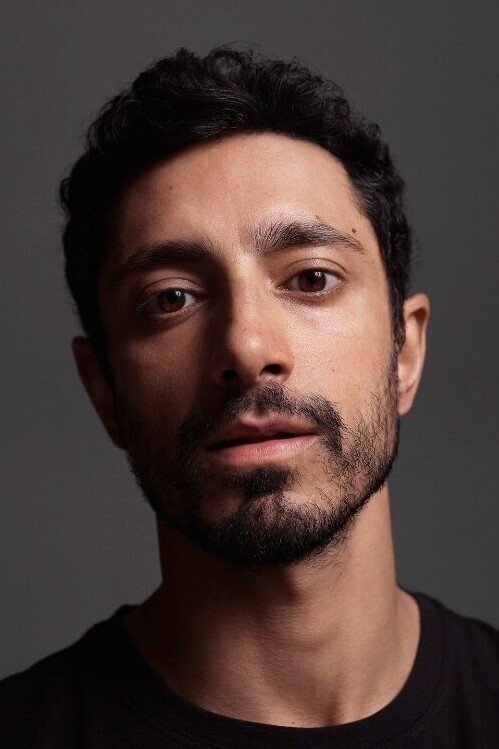
Riz Ahmed has consistently advocated for more responsible storytelling regarding characters from diverse backgrounds. He has rejected numerous scripts that sought to portray political figures as simplistic archetypes or glorified extremists. The actor emphasizes the need for narratives that avoid reducing entire cultures to political talking points. His commitment to authenticity has led him to pass on prominent projects that lacked human nuance. Ahmed believes that film should challenge perceptions rather than reinforce existing prejudices.
Rami Malek
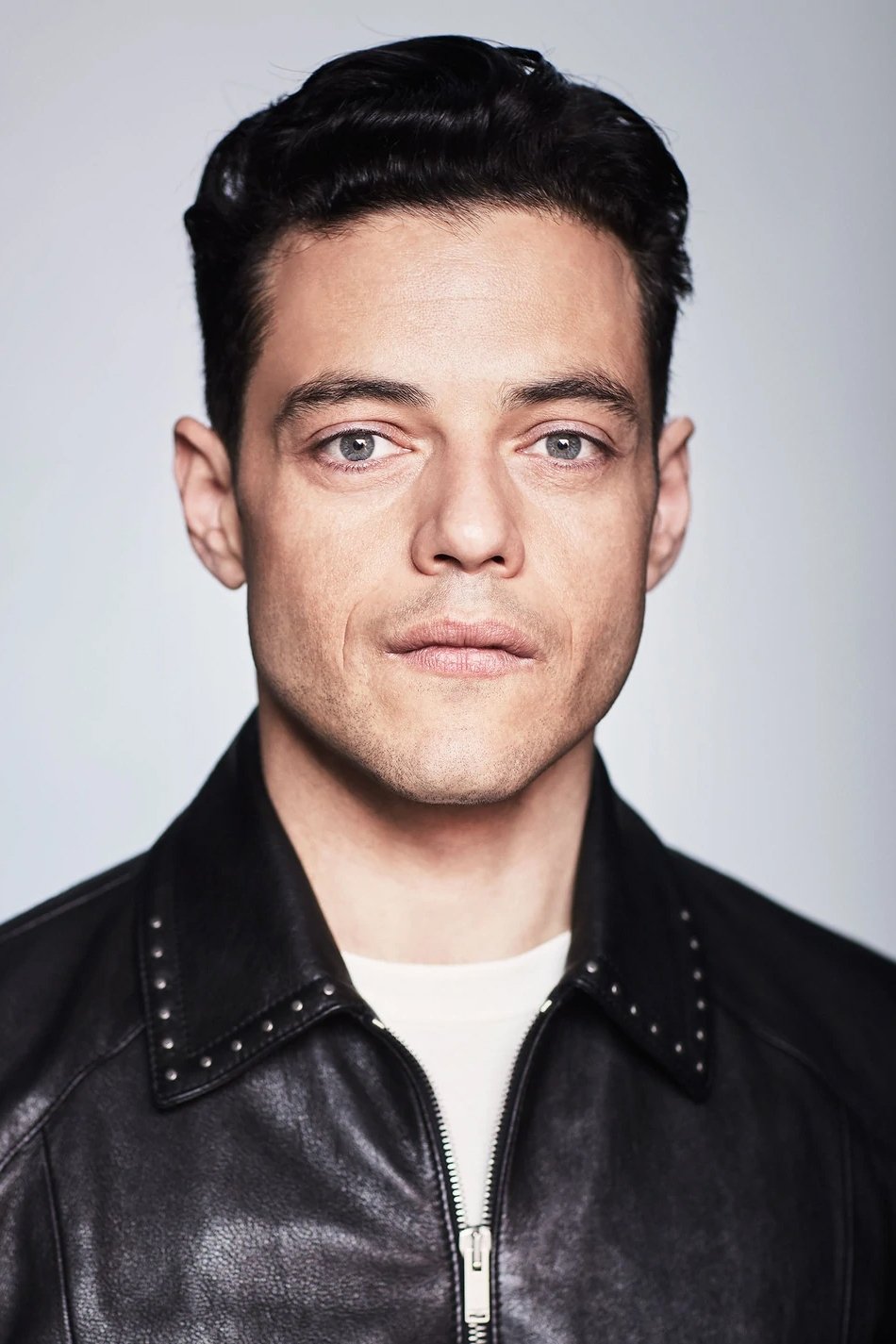
Rami Malek famously set a strict condition before agreeing to appear in a major film franchise. He refused to play a character that utilized religion or ideology to justify acts of terror or questionable leadership. The actor wanted to ensure that the role was grounded in personal motivation rather than political caricature. This decision reflects his broader strategy of avoiding projects that might incite misunderstanding of his heritage. Malek has remained dedicated to portraying complex individuals who transcend simple labels.
Mahershala Ali
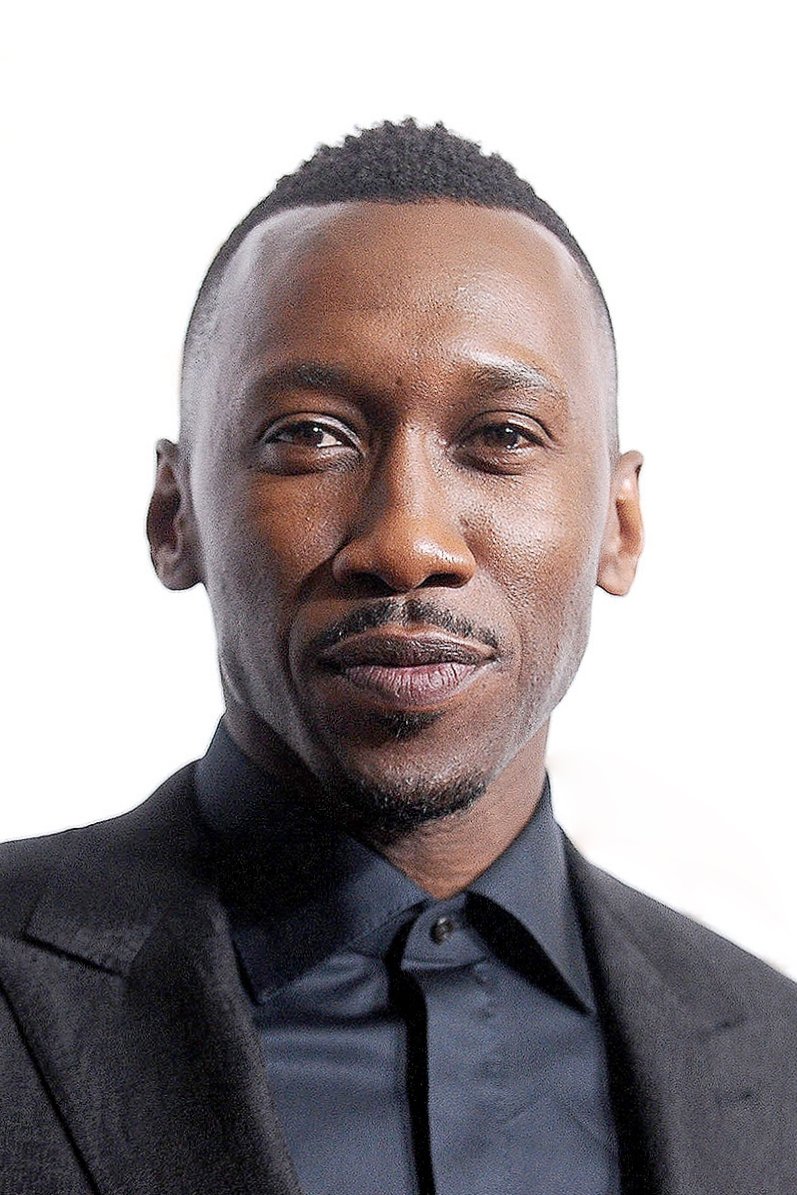
Mahershala Ali is known for his meticulous script selection process which often involves weeding out reductive portrayals of power. He has declined opportunities to play leaders whose actions were presented without a critical lens or historical context. The actor prefers to inhabit roles that examine the moral weight of leadership rather than those that celebrate questionable authority. His focus on intellectual and emotional depth has made him a standout in the industry. Ali continues to push for stories that offer a profound look at the human condition.
Sacha Baron Cohen
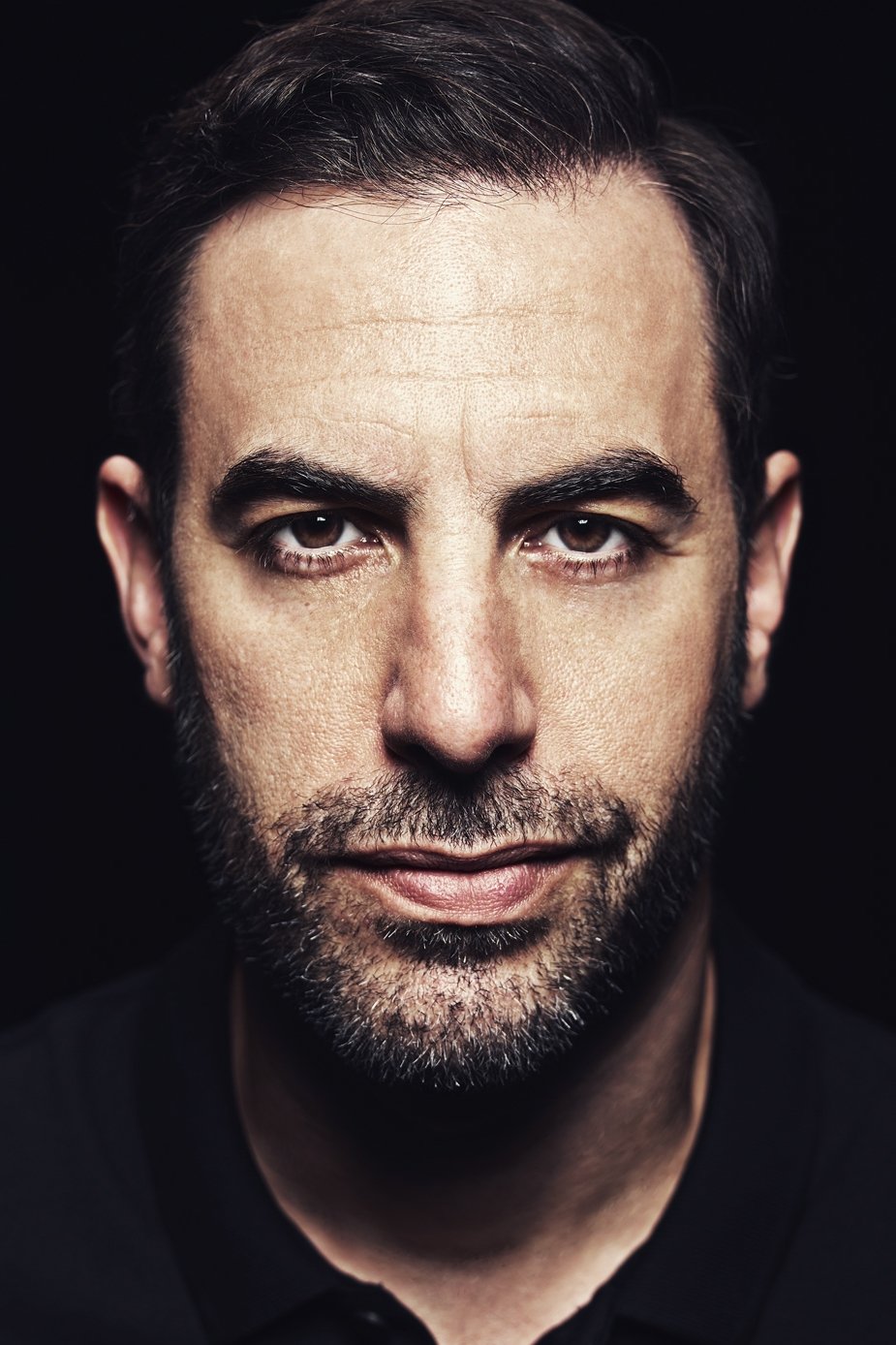
Sacha Baron Cohen has frequently used satire to critique authoritarianism and the cult of personality. While he has portrayed eccentric leaders he has reportedly turned down roles that were meant to humanize or glorify real world tyrants. The actor is careful to ensure that his work serves as a commentary on power rather than a validation of it. He often uses humor to expose the absurdity of extremist ideologies and those who enforce them. This approach allows him to tackle difficult political subjects without validating the subjects themselves.
Marlon Brando
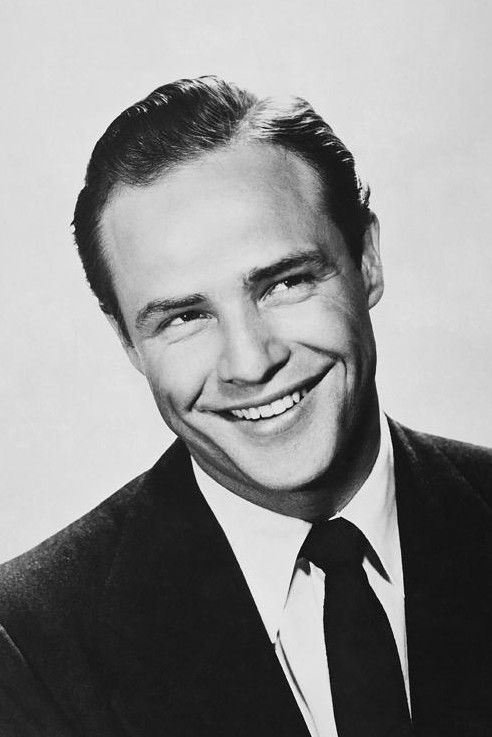
Marlon Brando was one of the first major Hollywood stars to leverage his fame against political misrepresentation. He famously turned down roles that he felt glorified the mistreatment of indigenous peoples or historical figures with dark legacies. The actor was known for demanding script changes to add complexity to leaders who were originally written as simple heroes. His activism often extended beyond the screen as he advocated for civil rights and indigenous sovereignty. Brando prioritized social responsibility over the financial rewards of the studio system.
Dev Patel

Dev Patel has spoken about the limited types of roles offered to actors of color in the early stages of their careers. He made a conscious effort to move away from scripts that focused on stereotypical leaders or characters defined by their nationality. The actor has passed on projects that he felt were intellectually dishonest or served to glorify oppressive regimes. Patel seeks out roles that offer a fresh and authentic perspective on the global experience. His career trajectory demonstrates a clear preference for creative integrity over mainstream tropes.
Sayed Badreya
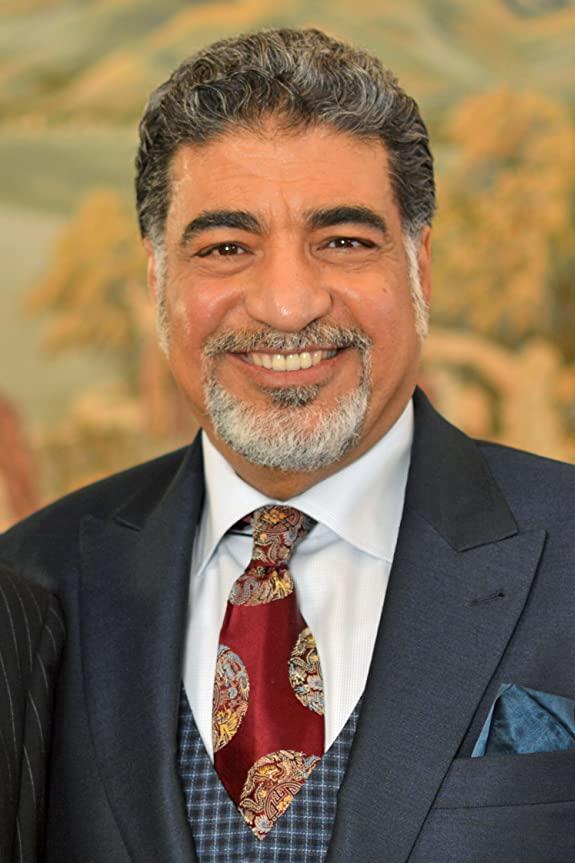
Sayed Badreya has spent much of his career fighting against the limited casting of Middle Eastern actors as villains. He has turned down countless roles that portrayed political leaders as mindless or purely malevolent. The actor advocated for multifaceted characters who possessed logical motivations and human traits. Badreya often chose to work on independent projects that allowed for greater creative freedom and cultural respect. His stance helped pave the way for a more diverse range of stories in Hollywood.
Maz Jobrani
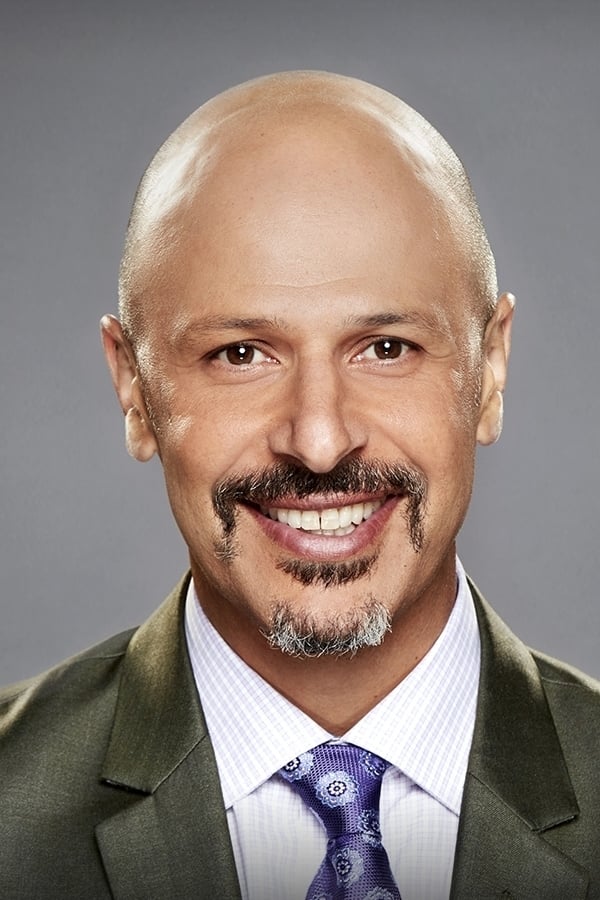
Maz Jobrani is a comedian and actor who has frequently addressed the issue of stereotyping in the film industry. He has consistently refused to take roles that glorified questionable leaders or depicted his culture in a negative light. The actor uses his platform to highlight the absurdity of how certain regions are portrayed in Western media. Jobrani prefers to participate in projects that promote understanding and break down barriers. His work often blends humor with poignant social commentary.
Faran Tahir
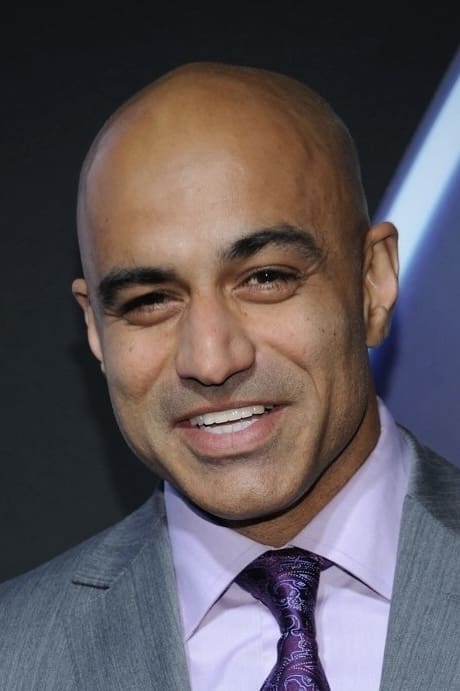
Faran Tahir has a long history of carefully navigating the roles offered to him as a character actor. He has rejected scripts that presented leaders as caricatures of evil without any underlying substance. The actor insists on finding the humanity in every character he plays regardless of their political alignment. Tahir has been a vocal critic of the tendency to use specific ethnicities to represent generic villainy. He believes that every character deserves a backstory that explains their actions and beliefs.
Haaz Sleiman
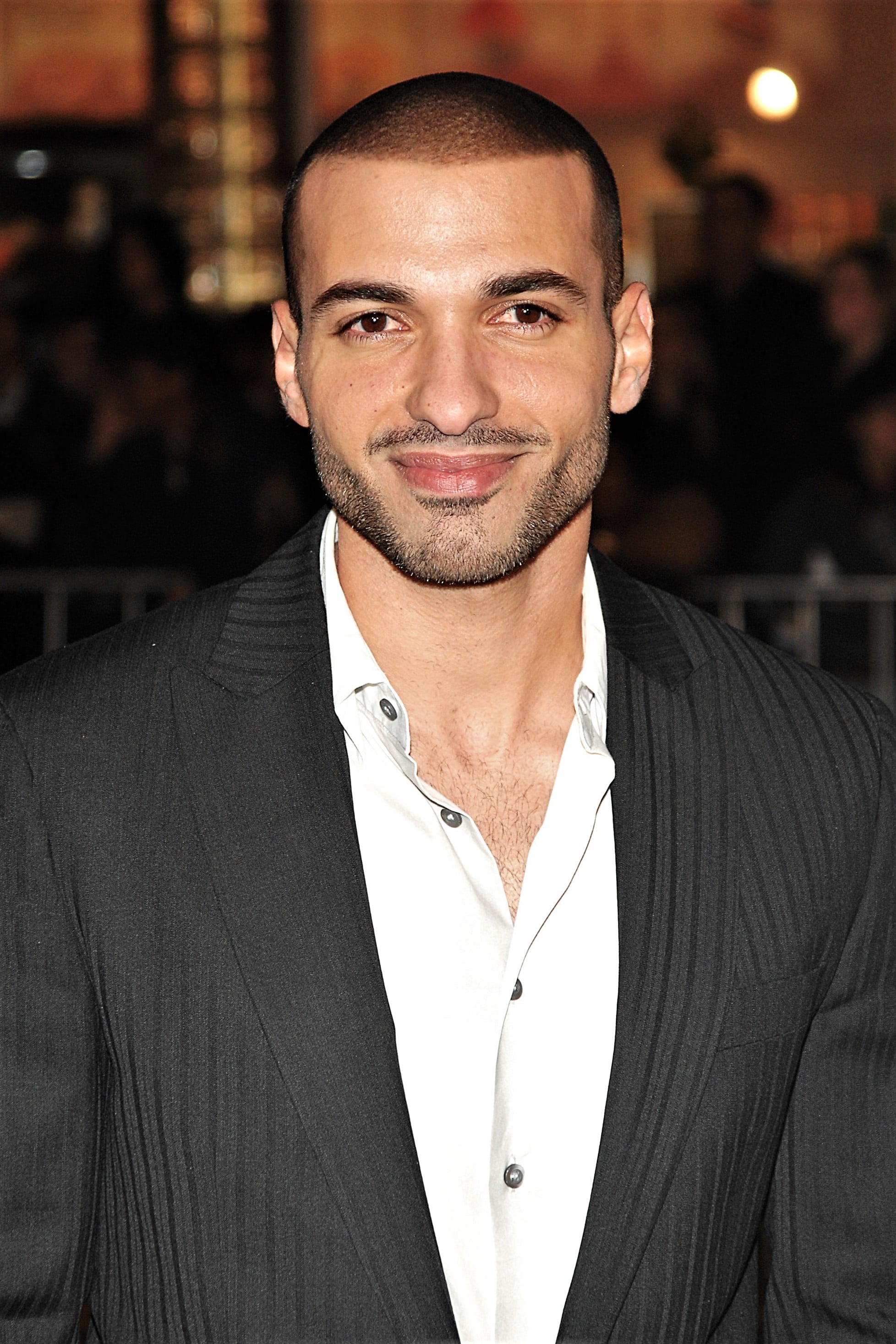
Haaz Sleiman has made a point of selecting roles that reflect a diverse and nuanced view of his heritage. He has turned down prominent opportunities to play leaders who were written as mere instruments of conflict. The actor looks for stories that emphasize the commonalities of human experience rather than those that highlight division. Sleiman is dedicated to portraying characters who challenge the audience to think more deeply about the world. His filmography is a testament to his belief in the power of empathy in storytelling.
Waleed Zuaiter
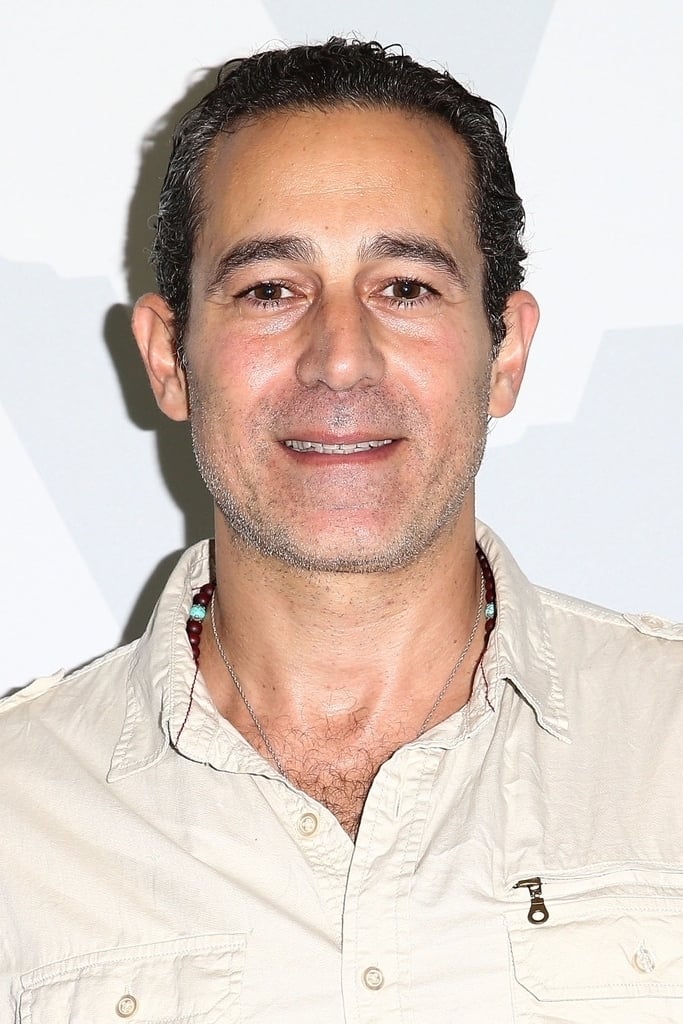
Waleed Zuaiter is both an actor and a producer who seeks to improve the quality of representation in cinema. He has often declined roles that glorify authoritarian figures or rely on historical inaccuracies for the sake of drama. The actor focuses on projects that explore the intricate realities of political life in various regions. Zuaiter believes that cinema has a responsibility to portray the truth even when it is uncomfortable. His work behind the scenes further supports his commitment to elevating minority voices.
Navid Negahban
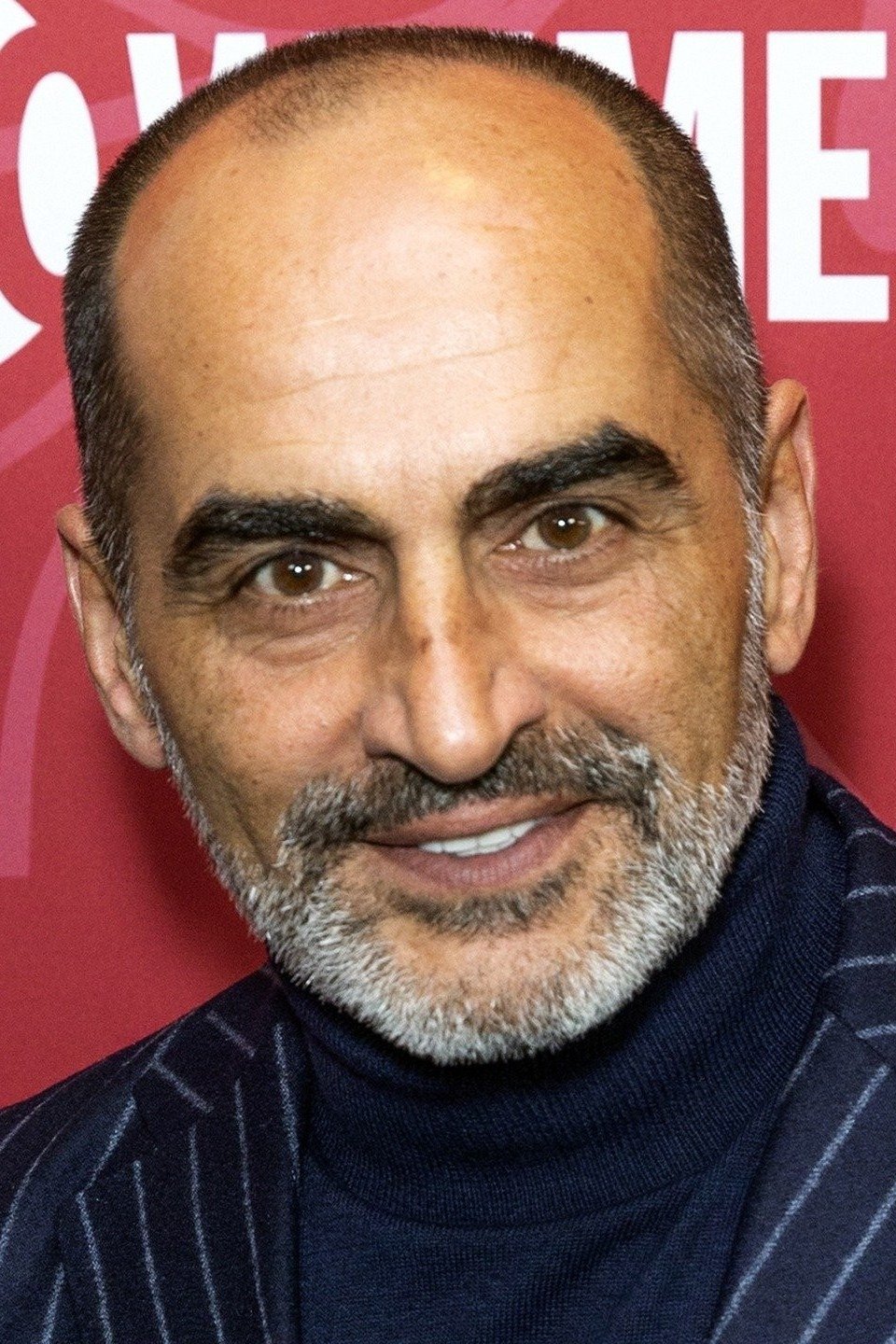
Navid Negahban has gained international recognition for his ability to bring depth to complex political characters. Despite his success he has remained vigilant about avoiding roles that serve as propaganda for questionable regimes. The actor prefers to play individuals who are conflicted and shaped by their circumstances. He has walked away from projects that he felt were too simplistic or reinforced harmful biases. Negahban continues to be a sought after talent for his ability to ground even the most difficult characters in reality.
Saïd Taghmaoui
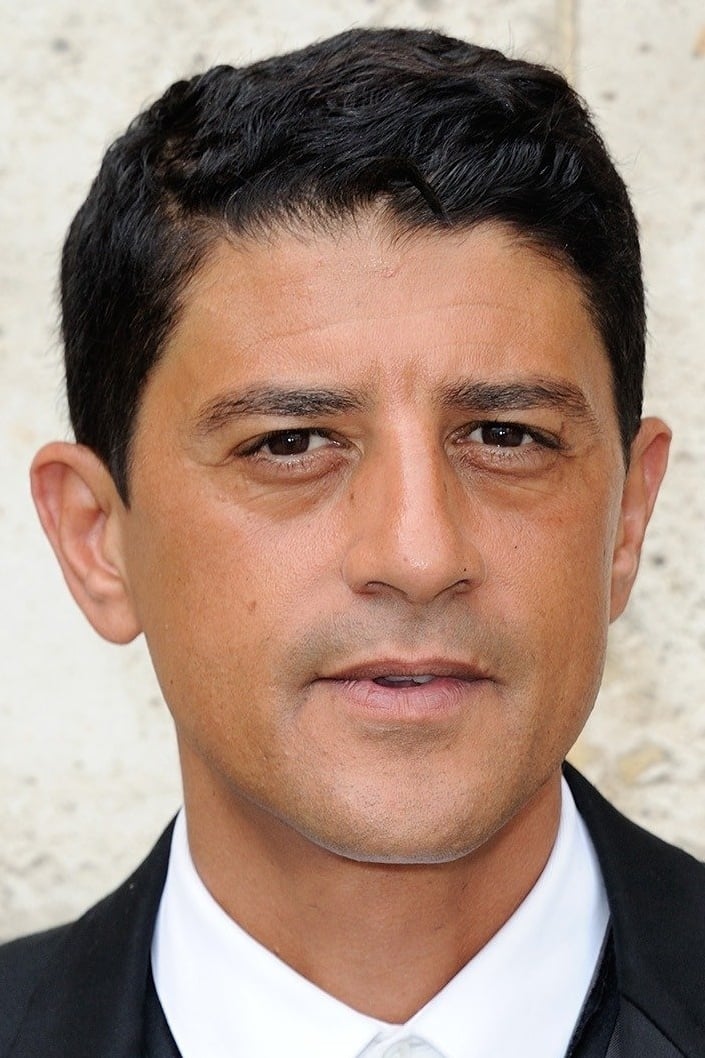
Saïd Taghmaoui has built a versatile career across several continents while maintaining a strict set of professional ethics. He has famously turned down roles that he felt were insulting to his background or glorified oppressive leadership. The actor values the artistic merit of a script over the size of the budget or the fame of the director. He often speaks about the pressure on international actors to accept roles that may be culturally insensitive. Taghmaoui remains a vocal advocate for better writing and more honest depictions of global politics.
Adeel Akhtar

Adeel Akhtar is known for his range and his ability to play both comedic and deeply tragic roles. He has been selective about the political characters he portrays on screen. The actor has avoided scripts that glorified questionable leaders or presented historical events in a biased manner. He looks for roles that allow him to showcase the vulnerability and humanity of the characters he plays. Akhtar is often praised for his subtlety and lack of artifice in his performances.
Tahar Rahim
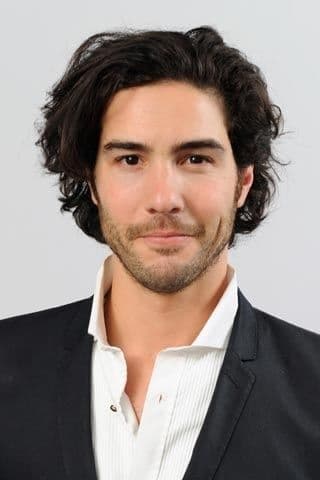
Tahar Rahim has chosen a path that prioritizes complex narratives over easy commercial wins. He has rejected roles that required him to play leaders associated with mindless violence or questionable ideologies. The actor seeks out directors who are interested in exploring the shades of gray within their characters. Rahim has expressed a desire to avoid being pigeonholed into specific types of political roles. His career reflects a deep commitment to the craft of acting and the exploration of different perspectives.
Ali Suliman
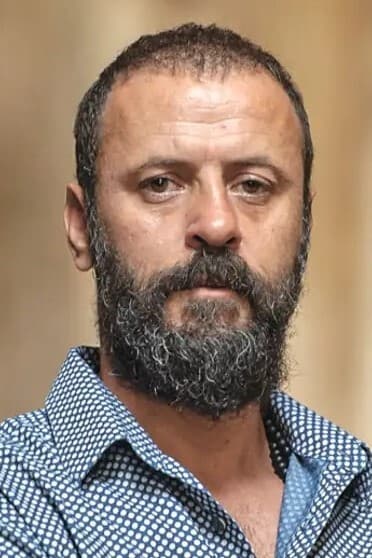
Ali Suliman has frequently worked on films that tackle difficult social and political themes with grace. He has passed on numerous roles that he felt glorified the very issues he seeks to critique. The actor is drawn to stories that humanize people caught in the middle of larger political conflicts. He believes that film should be a tool for reflection rather than a means of spreading divisive rhetoric. Suliman remains a prominent figure in international cinema for his thoughtful and measured performances.
Art Malik
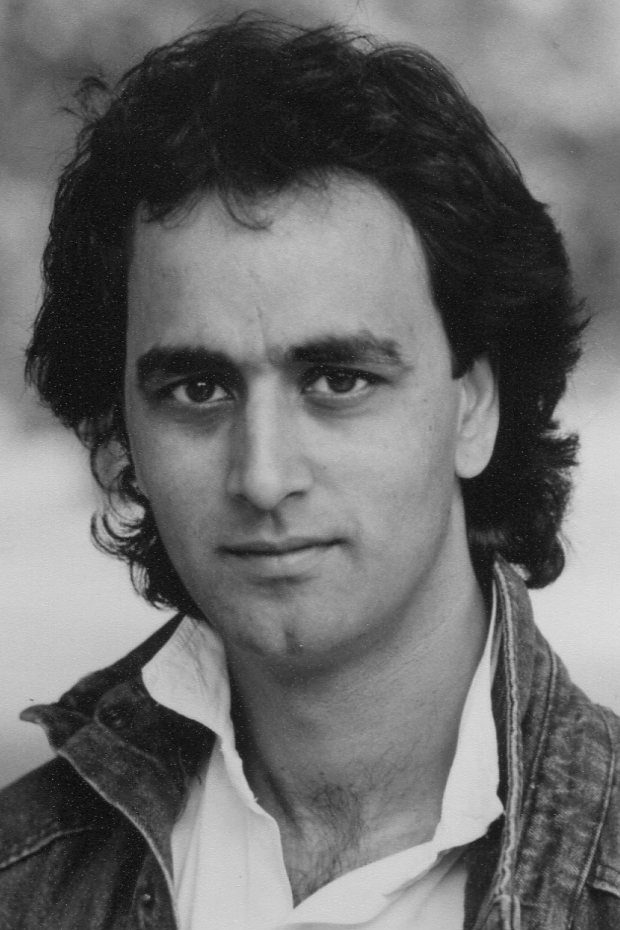
Art Malik has a long and storied career during which he has seen the evolution of political portrayals in film. He has been vocal about his decision to turn down roles that he found to be regressive or glorifying of questionable authority. The actor has worked to ensure that the characters he plays have agency and depth. He has often chosen to work in theater and television where he felt the writing was more sophisticated. Malik is respected in the industry for his talent and his principled approach to his work.
Kal Penn
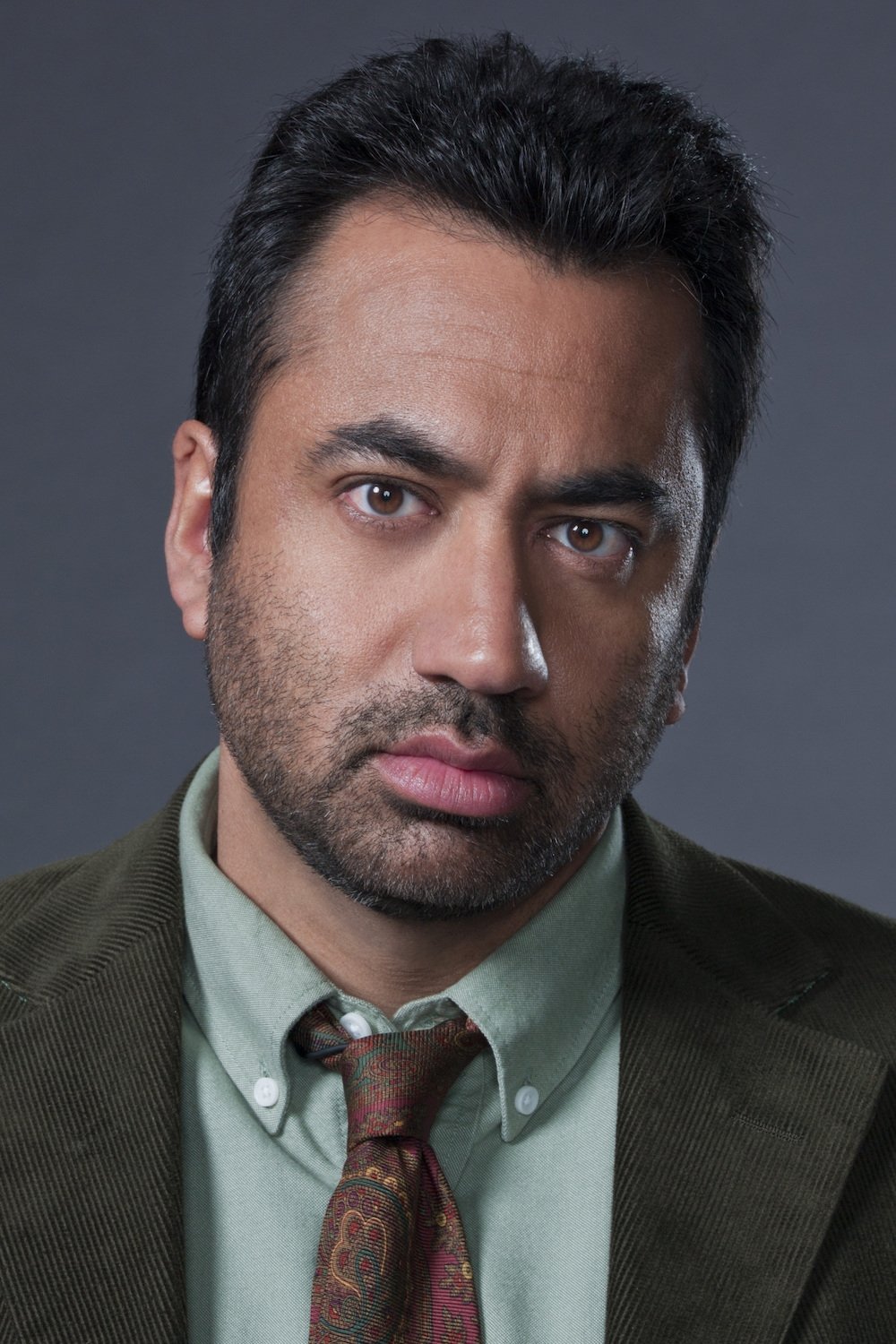
Kal Penn transitioned from a successful acting career to a role in public service and then back to entertainment. This unique perspective has influenced his choice of roles and his refusal to participate in projects that glorify harmful leaders. He has been a critic of the ways in which Hollywood often simplifies complex international issues. The actor prefers projects that use satire or drama to provide a more nuanced look at political life. Penn continues to use his experience to advocate for more diverse and accurate storytelling.
Kumail Nanjiani
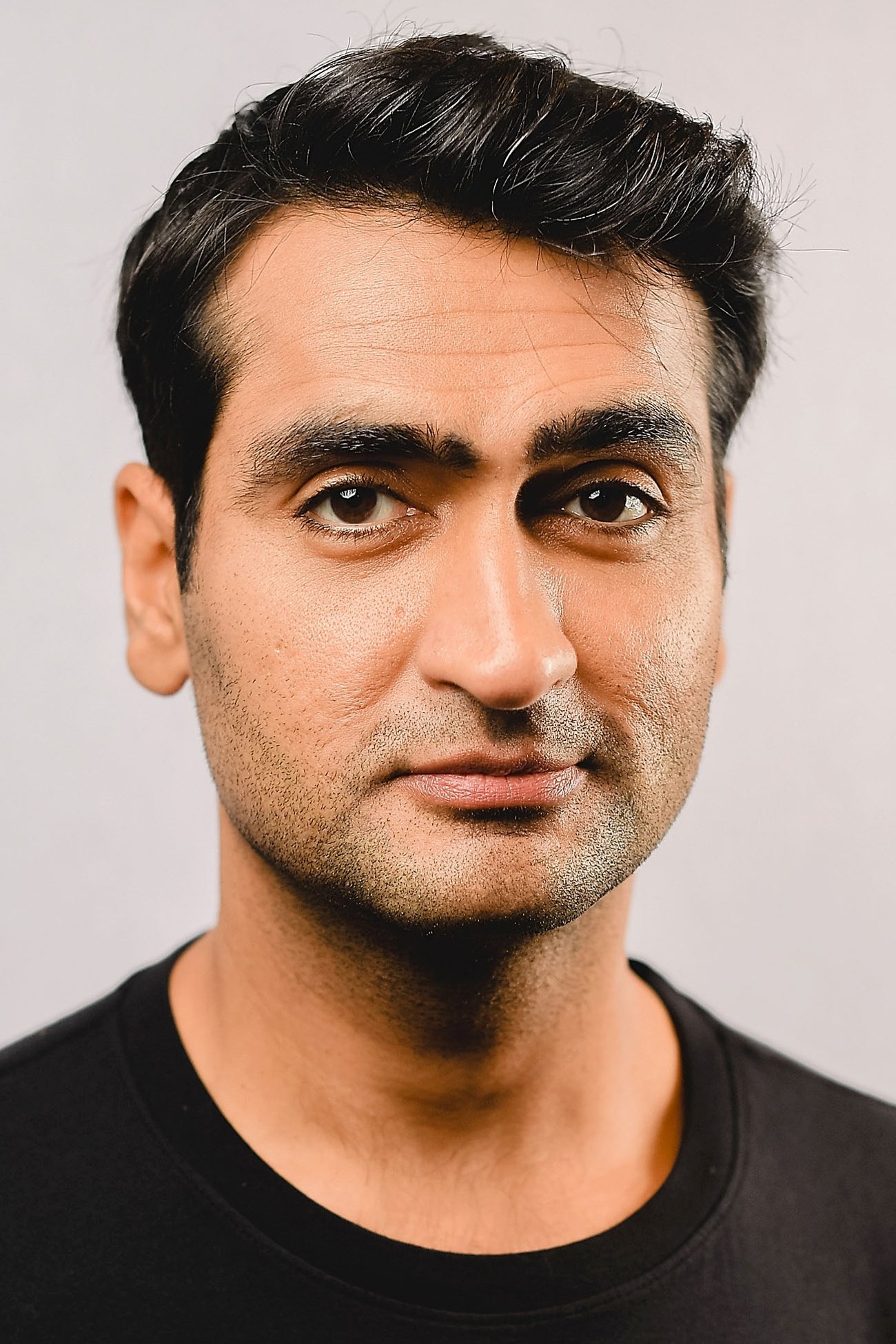
Kumail Nanjiani has spoken openly about the types of roles he was offered early in his career and why he rejected them. He refused to play any characters that were written as stereotypical terrorists or glorified leaders of extremist groups. The actor wanted to avoid contributing to the negative perceptions of people from his background. He has since become a leading man who creates his own opportunities and stories. Nanjiani is part of a wave of talent that champions a more inclusive and varied range of narratives.
Mo Amer
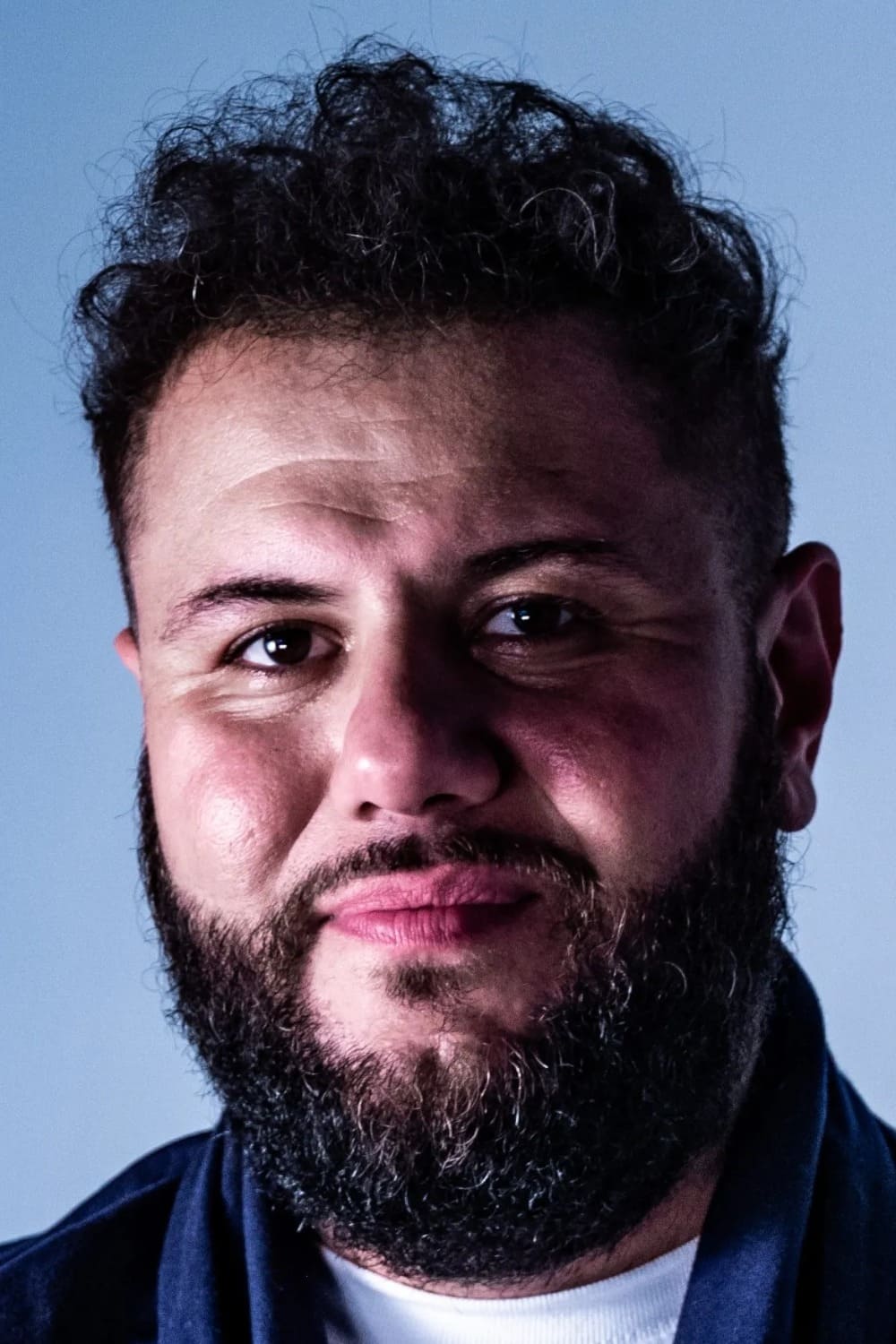
Mo Amer is a comedian and actor who uses his personal experiences to inform his work. He has consistently turned down roles that he felt were exploitative or glorified questionable political figures. The actor focuses on telling stories that are grounded in everyday life and human connection. He believes that humor is a powerful way to bridge cultural divides and challenge stereotypes. Amer is dedicated to his principles and has helped build a unique and respected brand in the industry.
Ramy Youssef
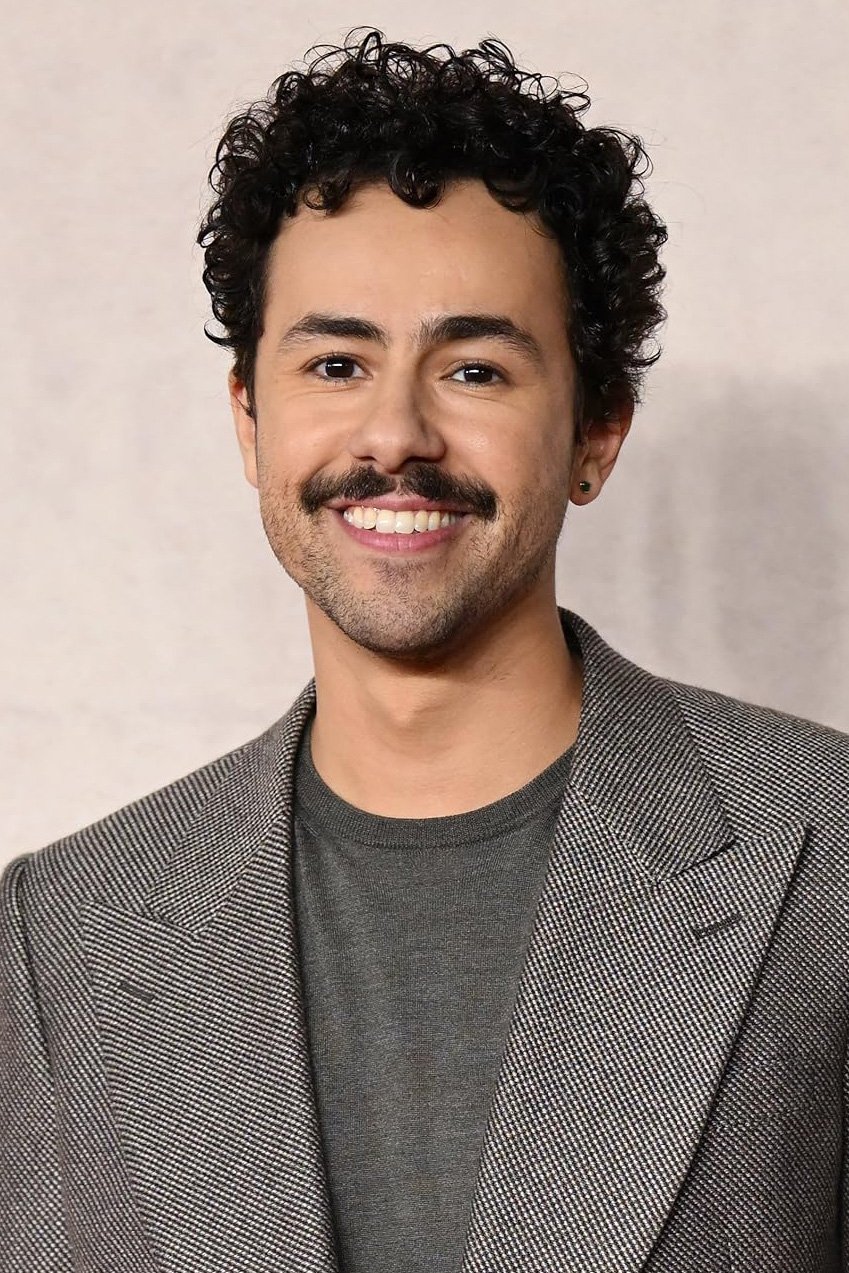
Ramy Youssef has used his creative work to explore the intersection of faith and modern life in a way that is rarely seen on screen. He has been careful to avoid roles that present religious or political leaders in a glorifying or simplistic light. The actor prefers to focus on the internal struggles and personal growth of his characters. He has rejected scripts that sought to use his heritage for cheap political points. Youssef is a leading voice in a new generation of creators who prioritize authenticity.
Amr Waked
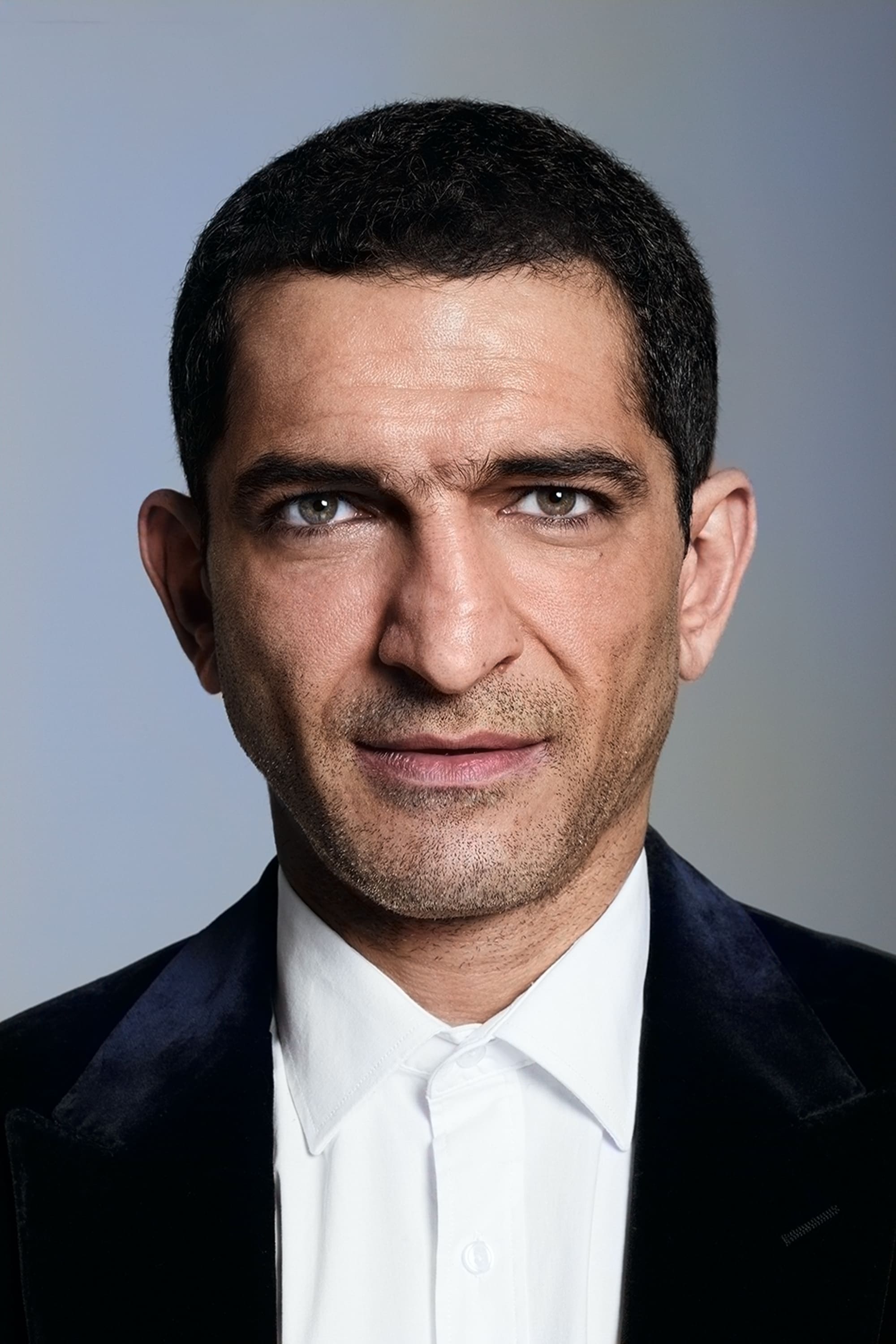
Amr Waked is an internationally recognized actor who has also been active in real world political movements. He has often turned down roles that he felt were used as propaganda for authoritarian regimes. The actor is committed to projects that promote human rights and democratic values. He has faced professional challenges due to his outspoken nature but remains dedicated to his principles. Waked believes that an actor is responsible for ensuring their work aligns with their personal ethics.
Shaun Toub
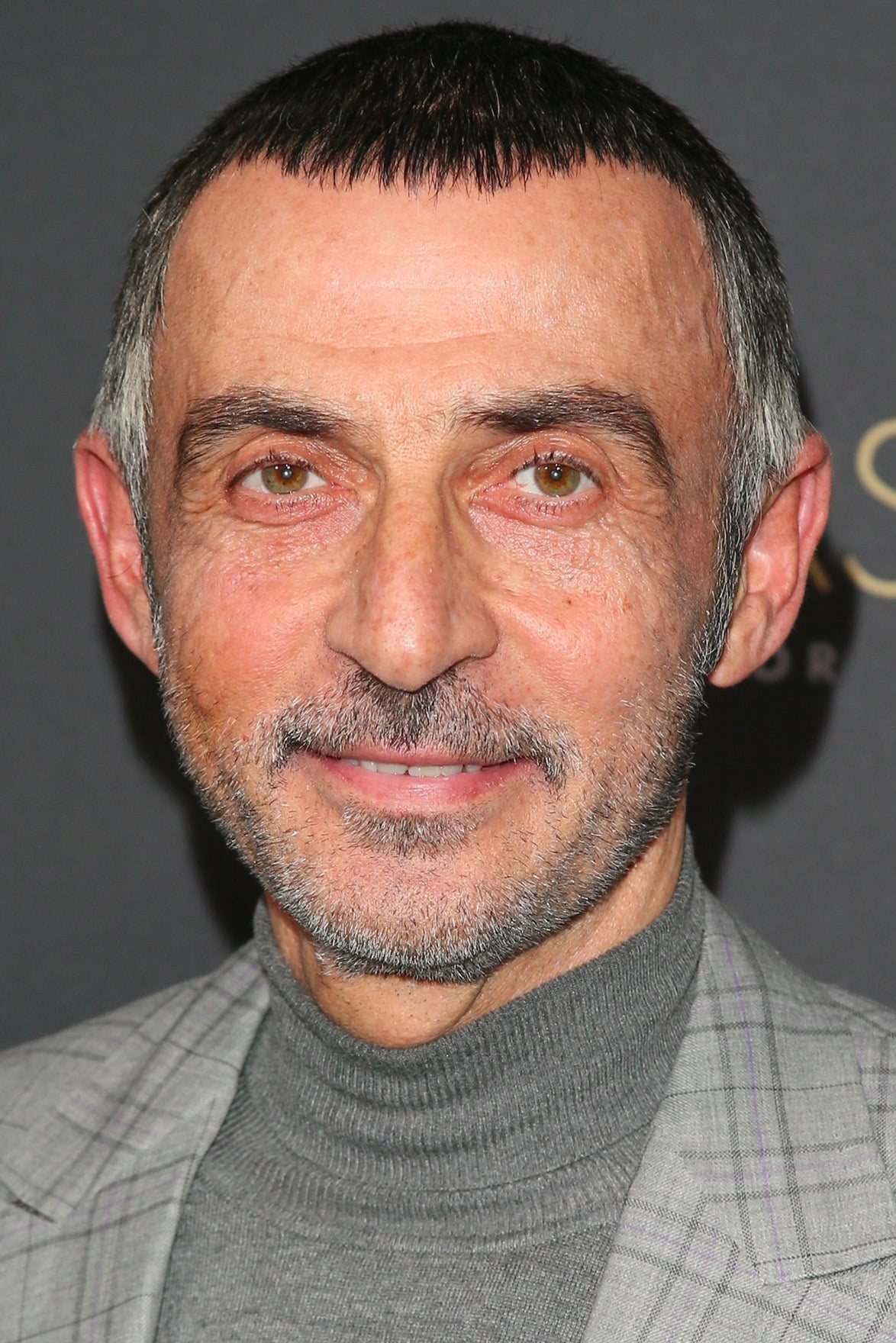
Shaun Toub has appeared in many major film and television productions while maintaining a focus on character integrity. He has rejected roles that glorified questionable leaders or presented historical events without proper context. The actor strives to bring a sense of dignity and realism to every part he takes. He has often advocated for script changes to ensure that his characters are portrayed with respect. Toub is characterized by a sense of professionalism and a commitment to truth.
Alexander Siddig
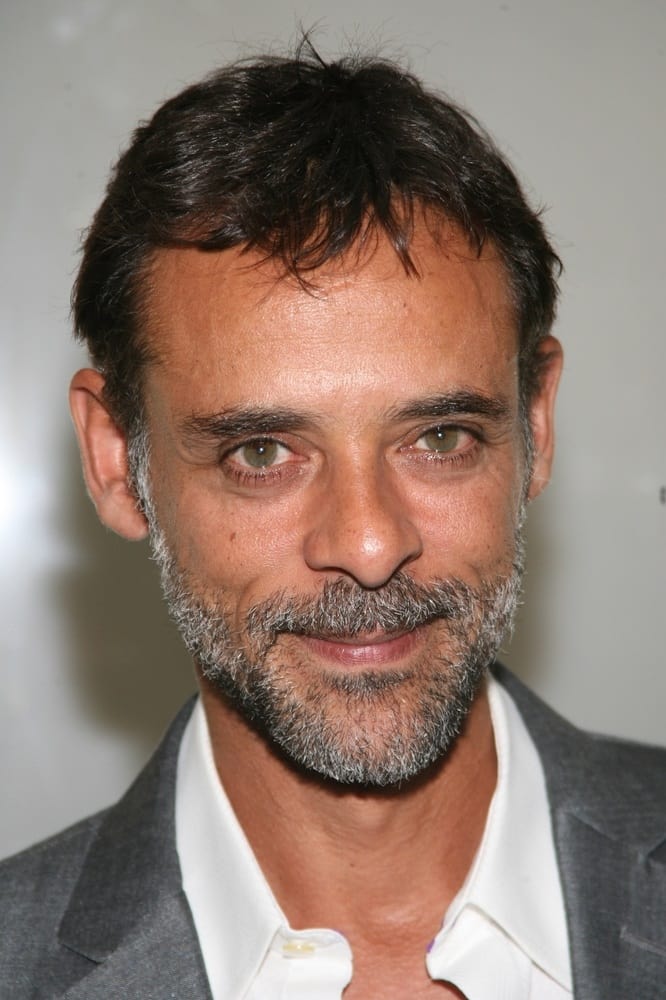
Alexander Siddig has a long history of playing complex characters in both science fiction and historical dramas. He has been vocal about his refusal to take roles that were written as flat or glorifying of questionable leadership. The actor prefers to work on projects that challenge the audience perceptions about power and morality. He has often passed on prominent roles in favor of smaller more intellectually stimulating projects. Siddig is a versatile talent with a clear sense of artistic integrity.
Hakeem Kae-Kazim
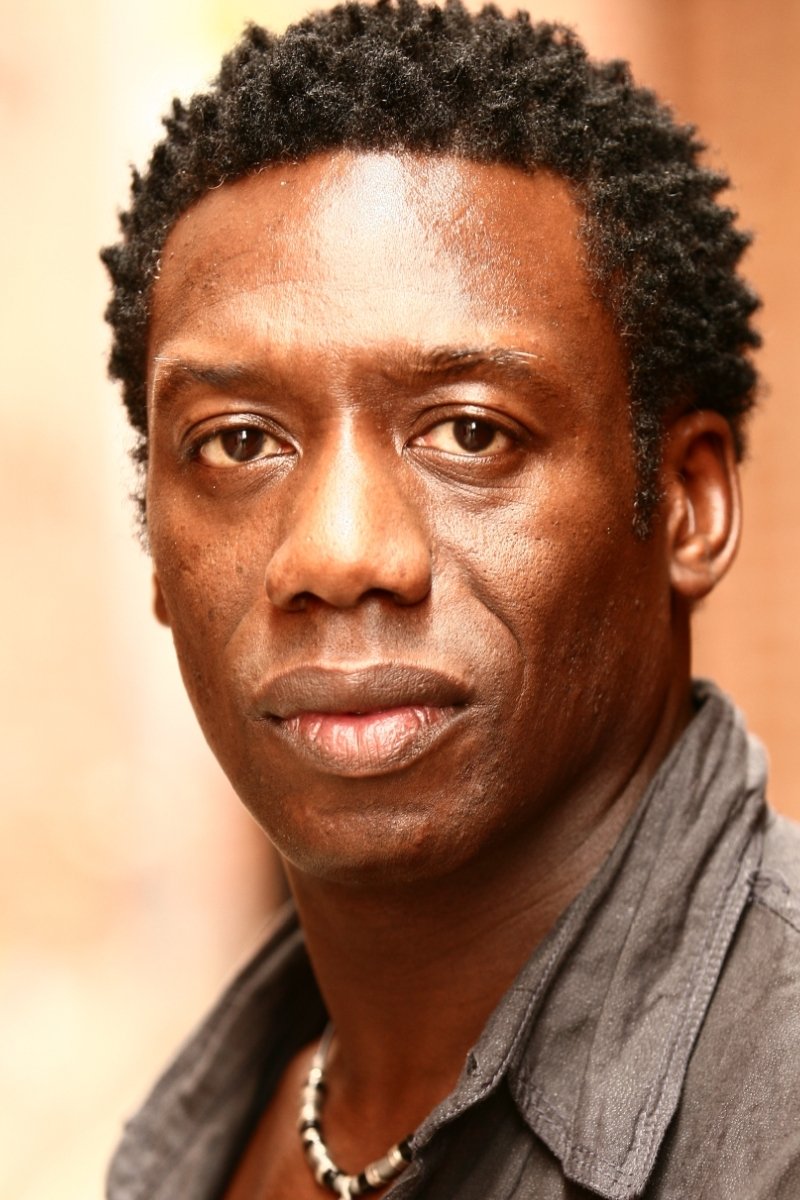
Hakeem Kae-Kazim is known for his powerful presence and his ability to play a wide range of characters. He has been selective about the types of leaders he portrays on screen and has rejected those that were written as mere caricatures. The actor looks for roles that offer a deep exploration of the motivations behind a person actions. He has avoided projects that glorified questionable authority or presented a limited view of history. Kae-Kazim continues to be a respected figure for his commitment to quality storytelling.
Adewale Akinnuoye-Agbaje
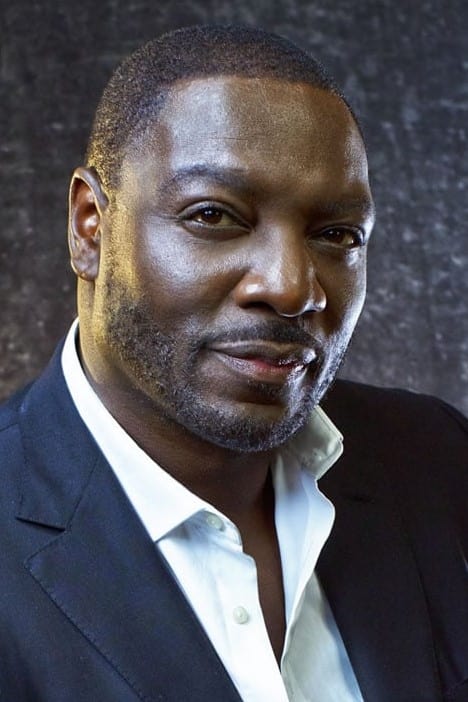
Adewale Akinnuoye-Agbaje has frequently chosen roles that highlight the complexities of the human experience. He has turned down numerous opportunities to play leaders whose actions were presented without a critical or moral framework. The actor focuses on projects that offer a more nuanced understanding of different cultures and political systems. He has also moved into directing where he can have more control over the narratives being told. Akinnuoye-Agbaje is dedicated to creating work that is both entertaining and thought provoking.
Barkhad Abdi
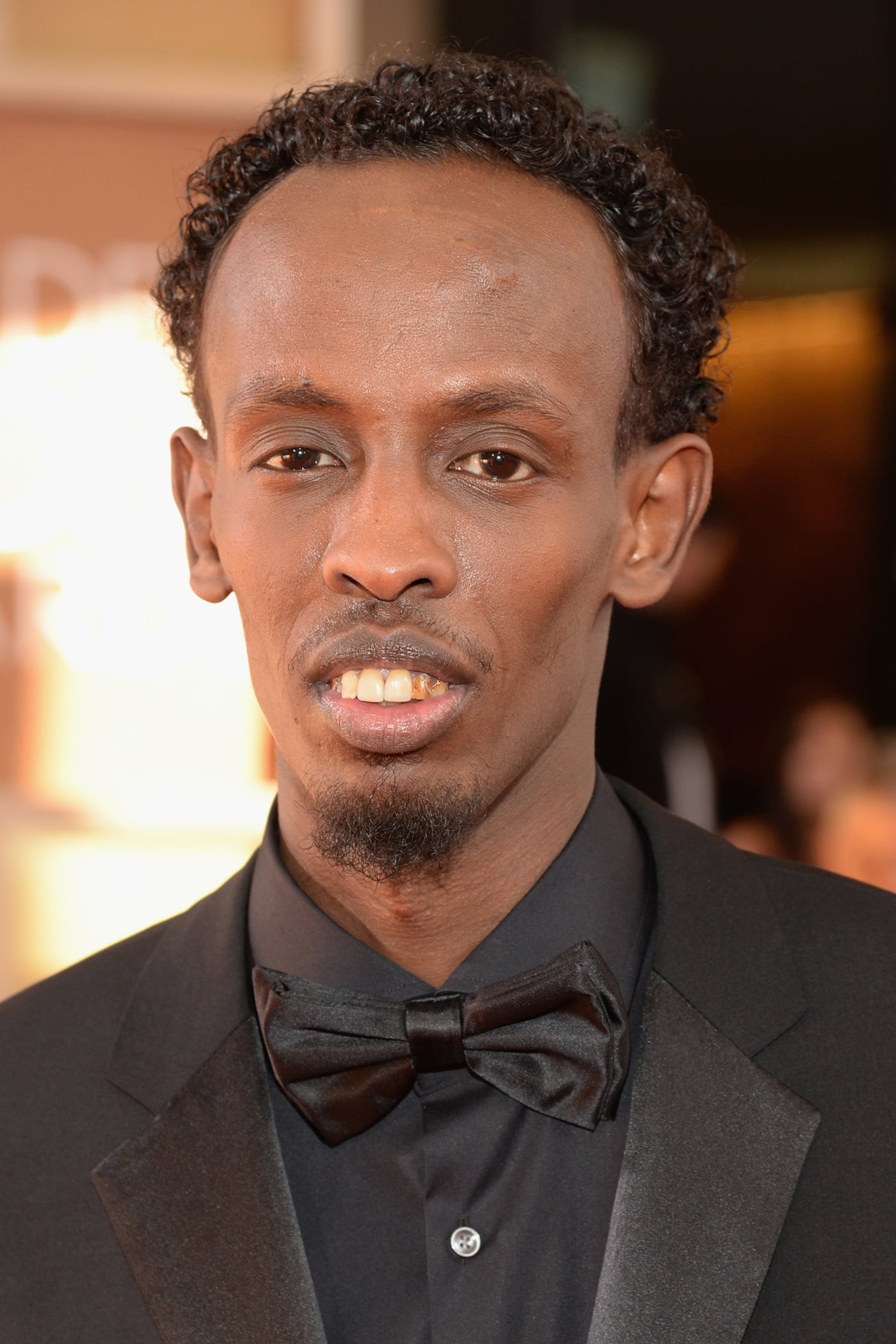
Barkhad Abdi rose to fame with a performance that showed the desperation and humanity behind a difficult situation. Since then he has been careful to avoid roles that glorify questionable leaders or repeat the same tropes. The actor is committed to finding projects that allow him to showcase his range and tell new stories. He has passed on roles that he felt were reductive or lacked a genuine human core. Abdi continues to look for opportunities that challenge him as an artist and a storyteller.
Djimon Hounsou
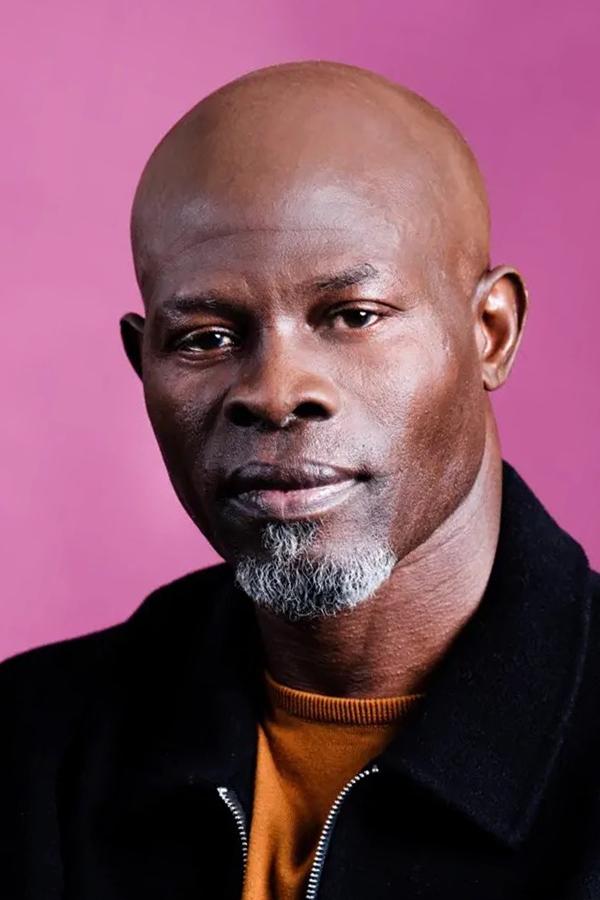
Djimon Hounsou has a career defined by powerful performances in films that often tackle historical and social issues. He has been selective about the roles he takes and has avoided those that glorified questionable authority figures. The actor prefers to participate in stories that give a voice to the marginalized and explore the struggle for justice. He has often spoken about the importance of representation and the need for more accurate historical depictions. Hounsou is widely respected for his deep sense of responsibility to his craft.
Idris Elba
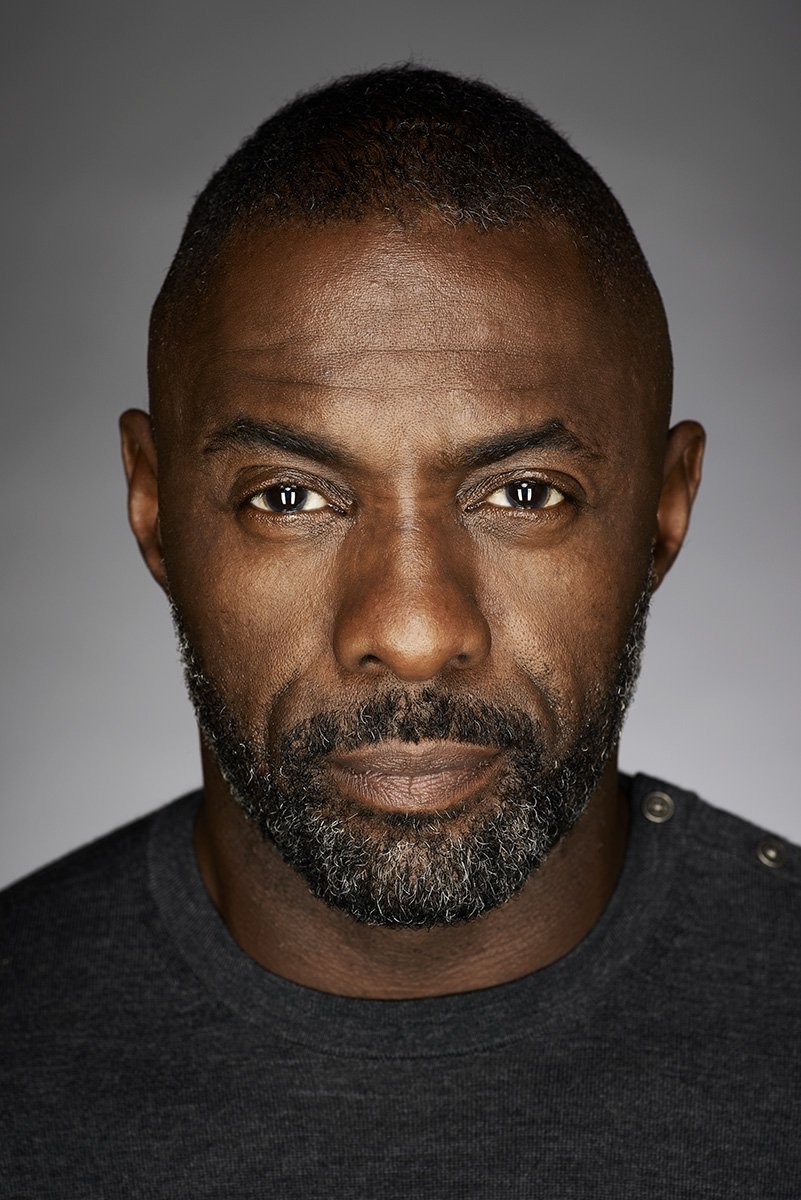
Idris Elba is one of the most recognizable actors in the world and he uses his influence to choose projects wisely. He has declined roles that he felt were simplistic or glorified leaders with questionable backgrounds. The actor seeks out characters who are multifaceted and possess a clear sense of purpose. He is also involved in producing which allows him to help develop stories that move away from traditional stereotypes. Elba remains a champion for diverse and authentic storytelling in the modern era.
John Boyega
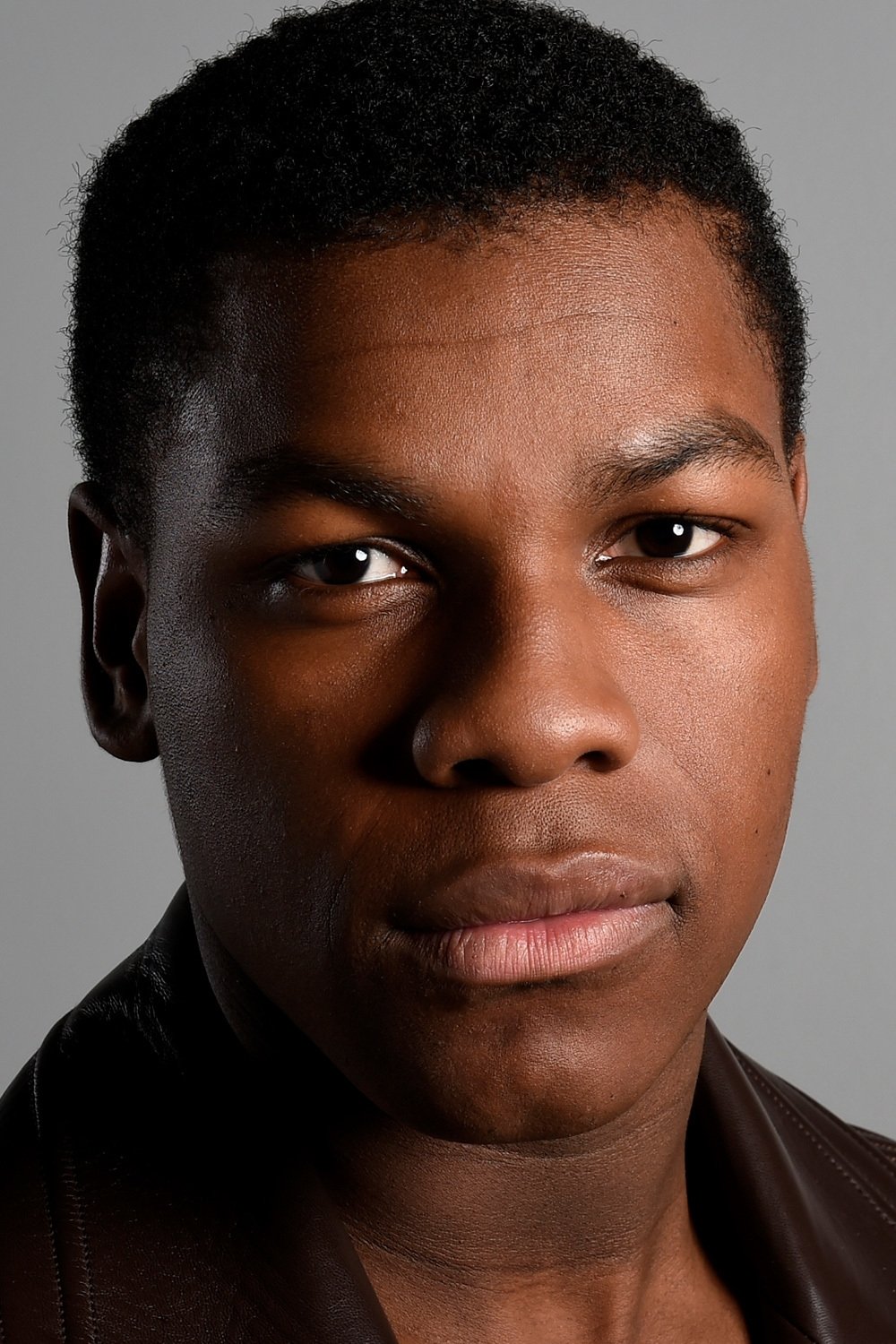
John Boyega has become a prominent voice for change in the film industry both on and off the screen. He has been vocal about his decision to reject roles that he felt were regressive or glorified questionable leaders. The actor focuses on projects that offer a fresh and modern perspective on the world. He has often used his platform to advocate for better treatment of actors of color and more inclusive casting. Boyega is dedicated to ensuring that the next generation of storytellers has more opportunities.
Oscar Isaac
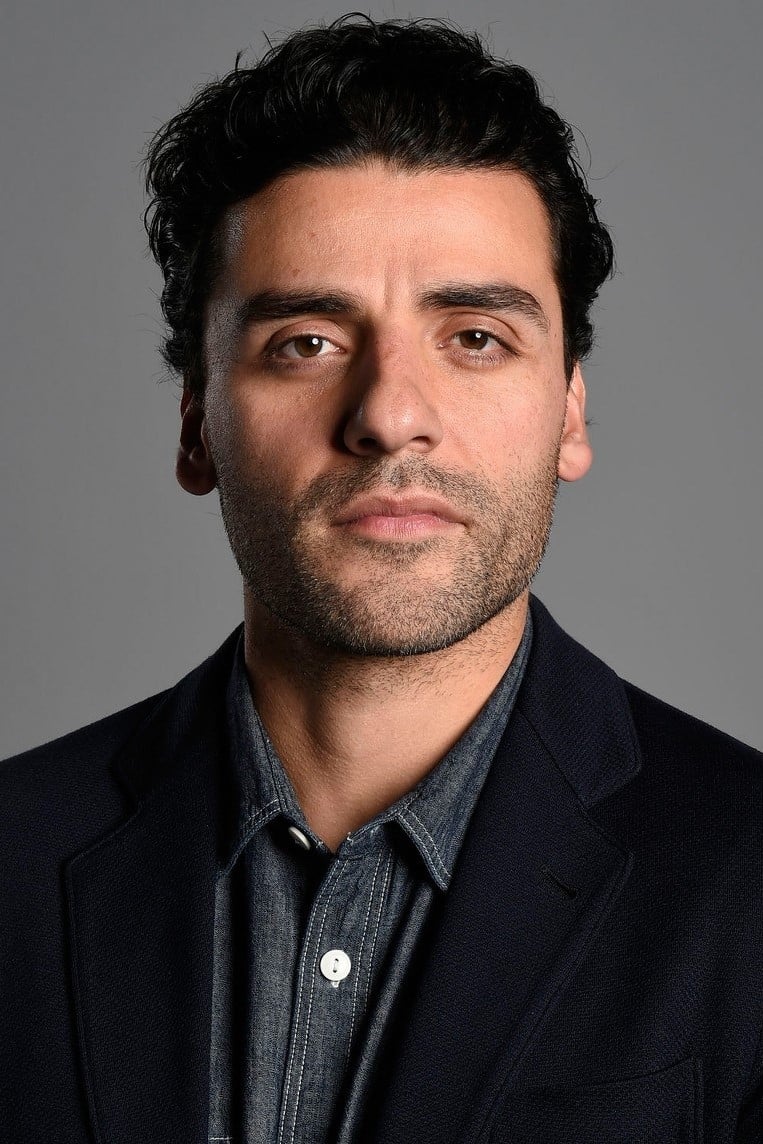
Oscar Isaac is known for his incredible range and his ability to inhabit a wide variety of roles. He has been careful to avoid scripts that glorify questionable leaders or present political issues in a binary manner. The actor is drawn to characters who are complex and often morally ambiguous. He prefers to work with directors who are interested in exploring the human condition in all its messiness. Isaac is one of the most respected actors of his generation due to his commitment to his art.
Pedro Pascal
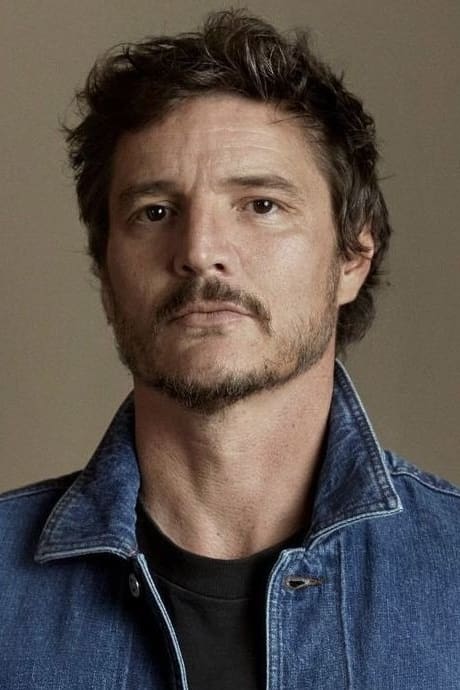
Pedro Pascal has seen a massive rise in popularity but he remains grounded in his choice of projects. He has turned down roles that he felt were stereotypical or glorified questionable authority. The actor seeks out characters who are relatable and possess a strong sense of humanity. He often participates in projects that highlight the importance of community and empathy. Pascal is known for a sense of warmth and authenticity that resonates with global audiences.
Diego Luna
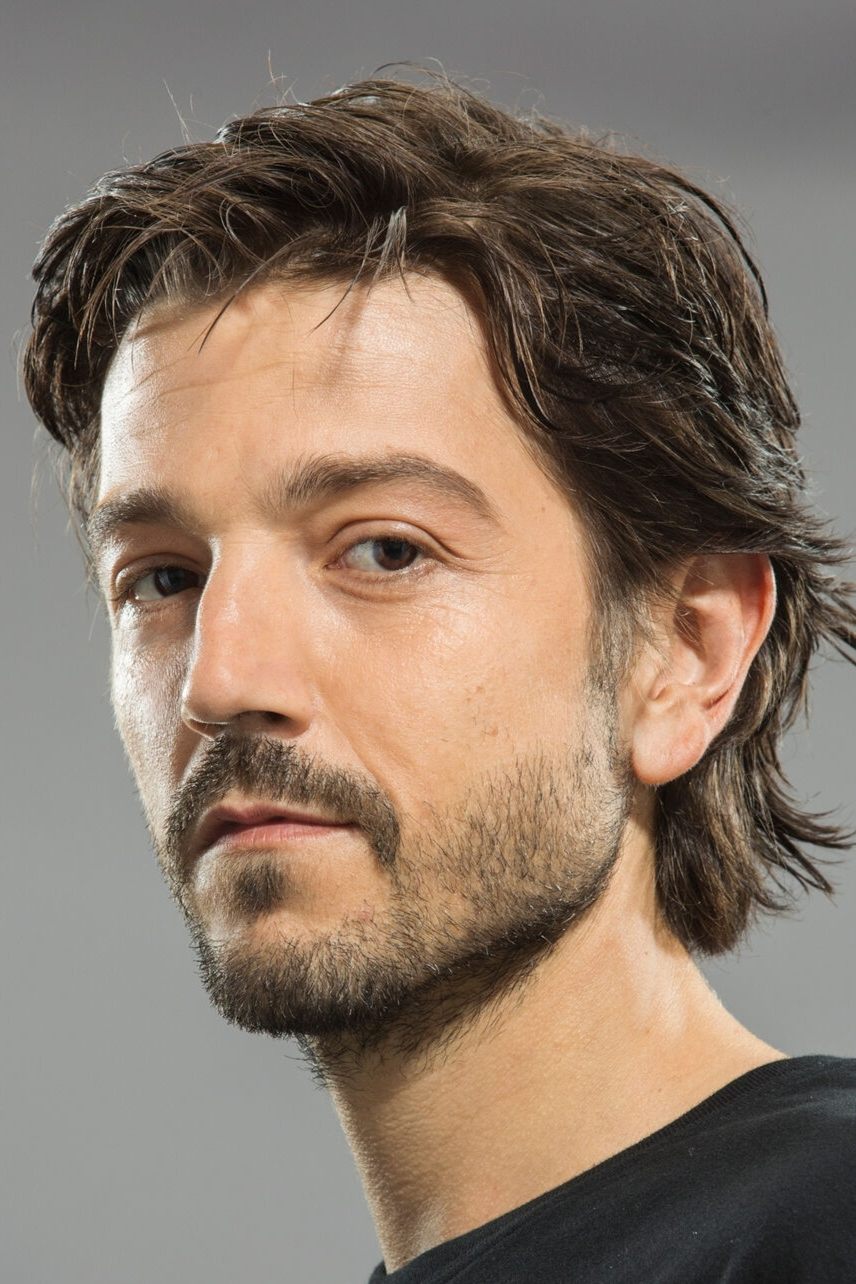
Diego Luna has balanced a successful career in Hollywood with a deep commitment to independent cinema in his home country. He has been selective about the political roles he takes and has avoided those that glorify questionable leaders. The actor focuses on stories that explore the realities of power and the impact it has on ordinary people. He is also a co-founder of a documentary festival which highlights his dedication to truthful storytelling. Luna believes that film is a powerful tool for social change and reflection.
Gael García Bernal
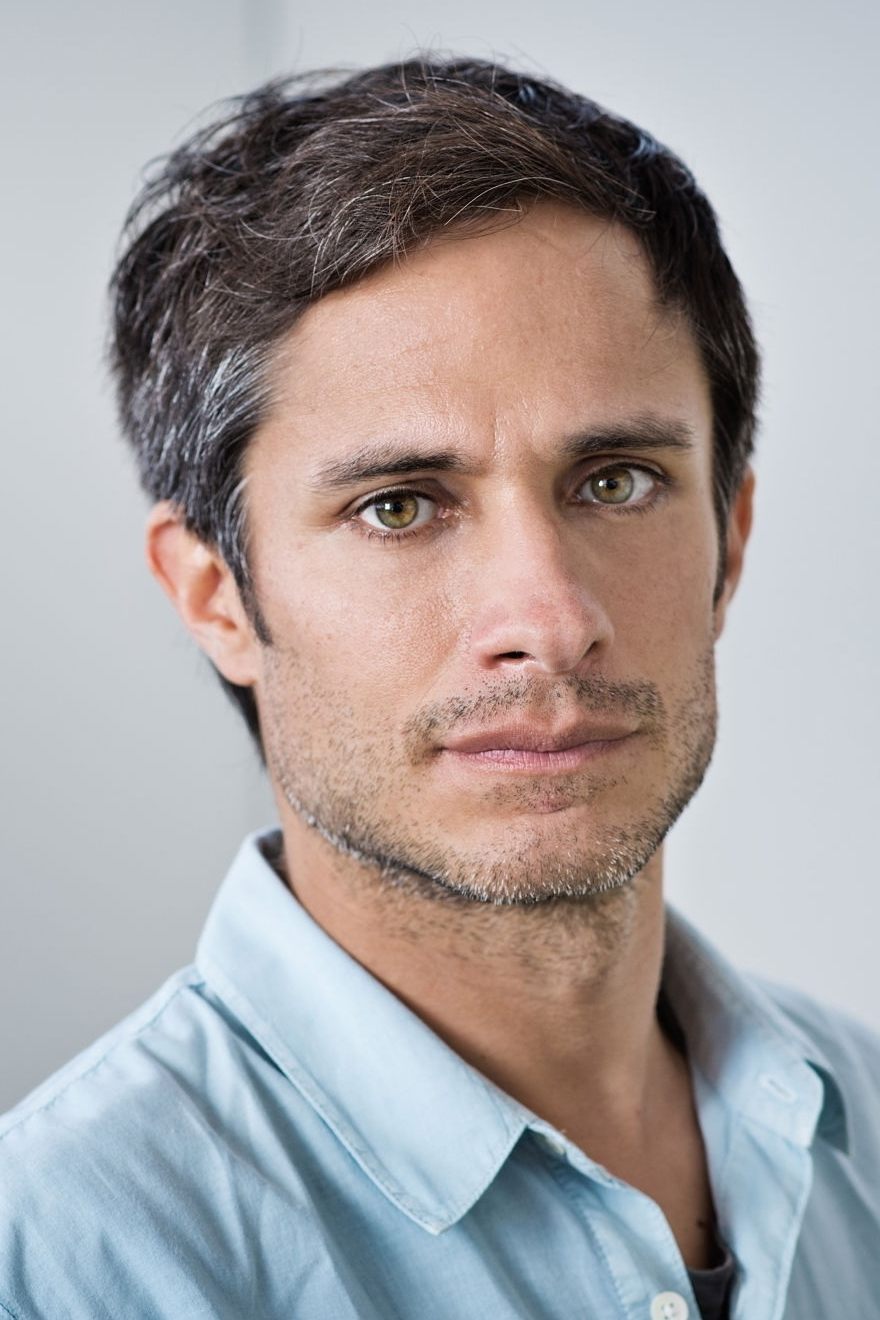
Gael García Bernal has used his international fame to support projects that tackle difficult political and social issues. He has turned down roles that he felt were used to glorify questionable leaders or promote specific political agendas. The actor prefers to work on films that offer a more poetic and humanistic view of the world. He has often chosen to work with directors who have a unique and challenging vision. Bernal remains a central figure in world cinema for his artistic integrity and social activism.
Edgar Ramírez
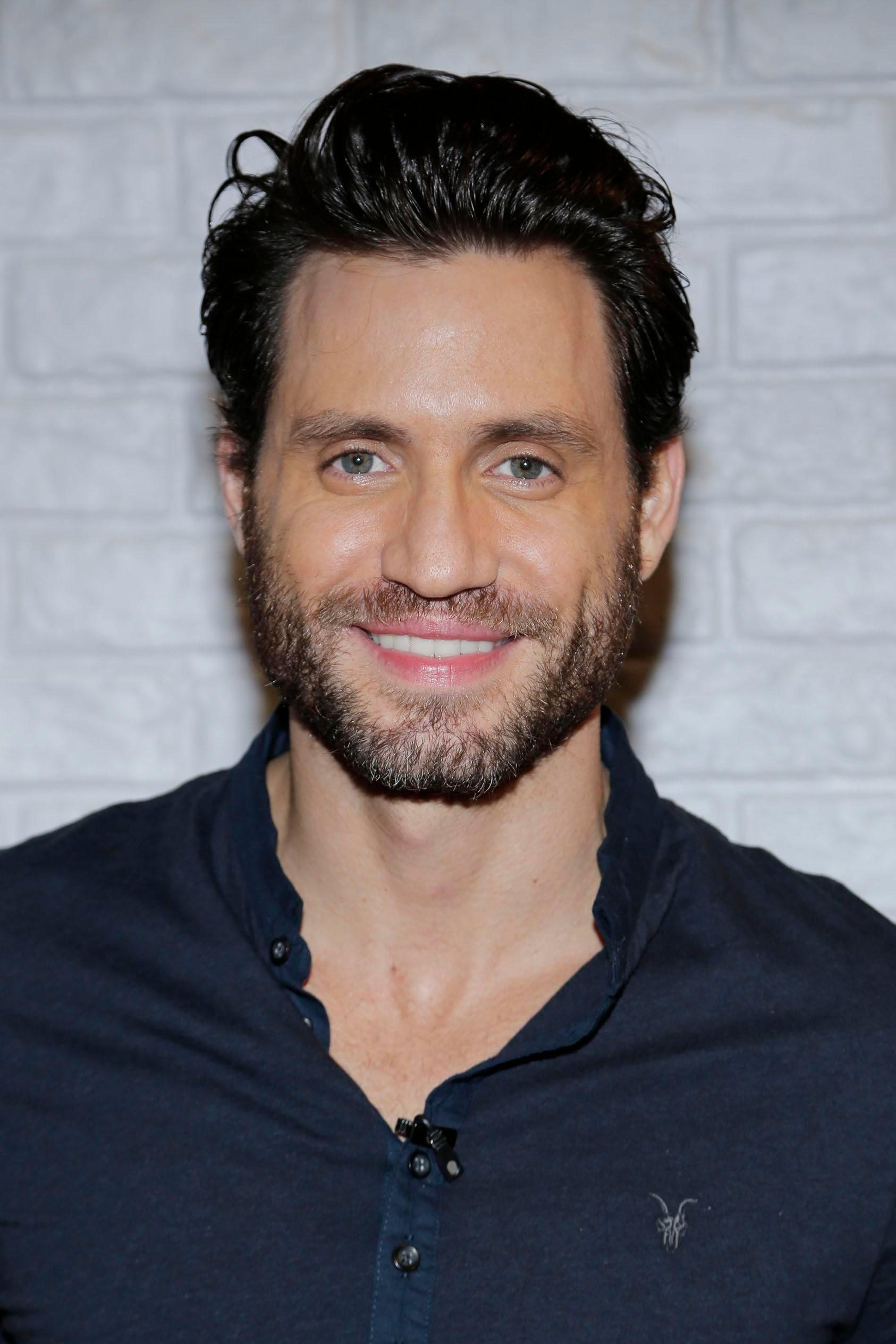
Edgar Ramírez has a background in journalism and political science which informs his approach to acting. He has been very careful about the roles he takes that involve political leaders or historical figures. The actor has turned down projects that he felt were historically inaccurate or glorified questionable authority. He looks for scripts that offer a deep and honest exploration of the complexities of power. His performances are often praised for their intelligence and historical grounding.
Demián Bichir
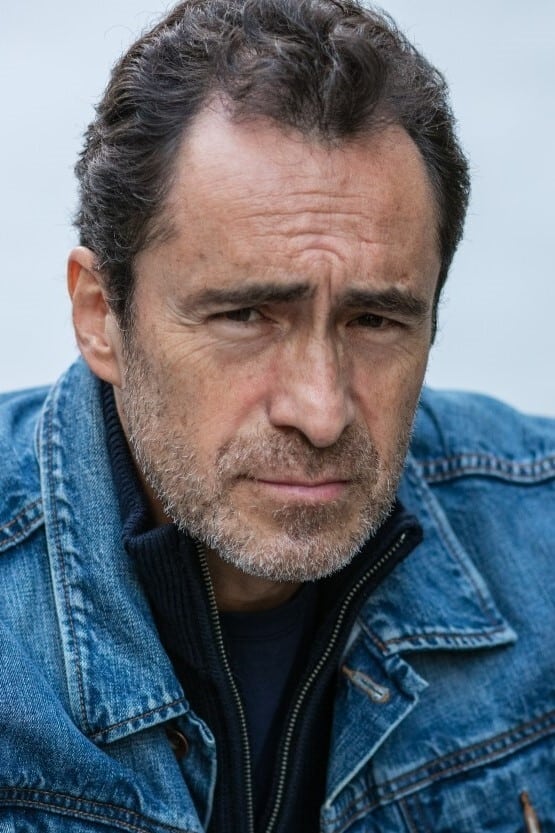
Demián Bichir is an acclaimed actor who has often played characters involved in the political and social struggles of his region. He has been selective about his roles and has avoided those that glorified questionable leaders. The actor focuses on stories that highlight the human cost of political conflict and the search for justice. He has been a vocal advocate for the rights of immigrants and other marginalized groups. Bichir is known for his deep personal and professional ethics.
Benicio del Toro
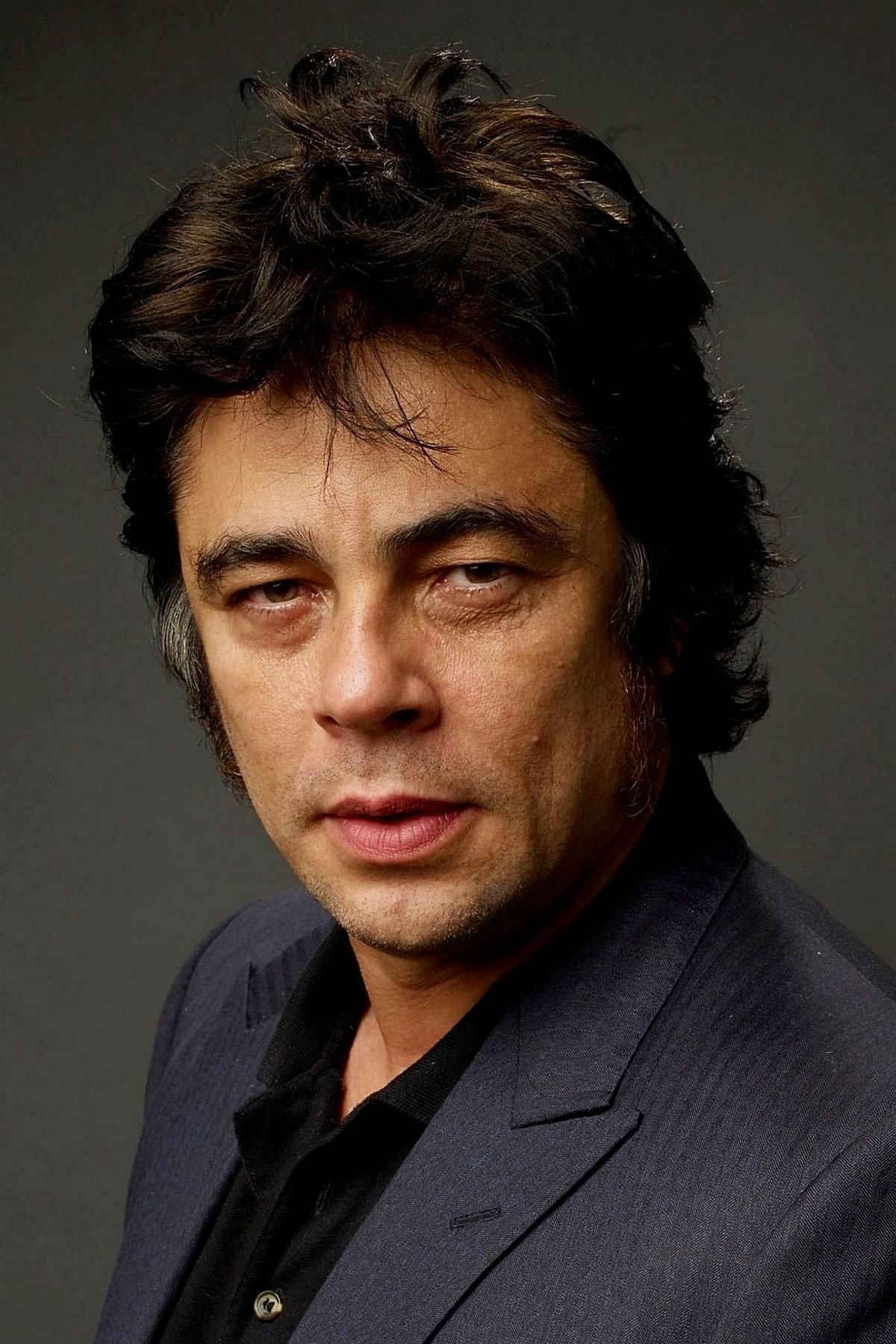
Benicio del Toro is known for his intense and transformative performances in a wide range of films. He has been careful to avoid roles that glorify questionable leaders or present simplified versions of complex historical events. The actor is drawn to characters who are often on the fringes of society and possess a unique perspective. He prefers to work on projects that challenge the audience to look beyond superficial appearances. Del Toro has earned numerous awards and critical acclaim for his commitment to his craft.
Javier Bardem
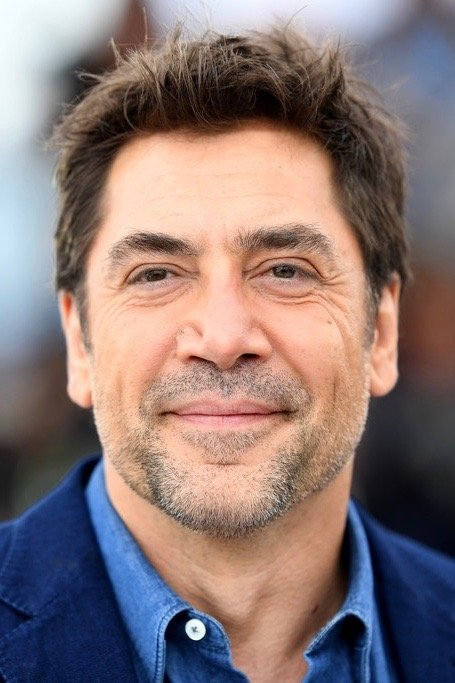
Javier Bardem has built a career on playing diverse and often challenging characters. He has been selective about the political roles he takes and has avoided those that glorify questionable authority. The actor focuses on stories that explore the psychological motivations behind a person actions. He is also an active environmental and social advocate which influences his choice of projects. Bardem remains a powerful force in international cinema for his talent and his principled approach to acting.
Mads Mikkelsen

Mads Mikkelsen has a reputation for playing complex and often enigmatic characters. He has been careful to avoid roles that glorify questionable leaders or rely on lazy stereotypes. The actor seeks out projects that offer a unique and compelling vision of the world. He has often passed on major blockbuster roles in favor of smaller films that offer more creative freedom. Mikkelsen is a favorite of critics and audiences alike for his dedication to his art.
Giancarlo Esposito
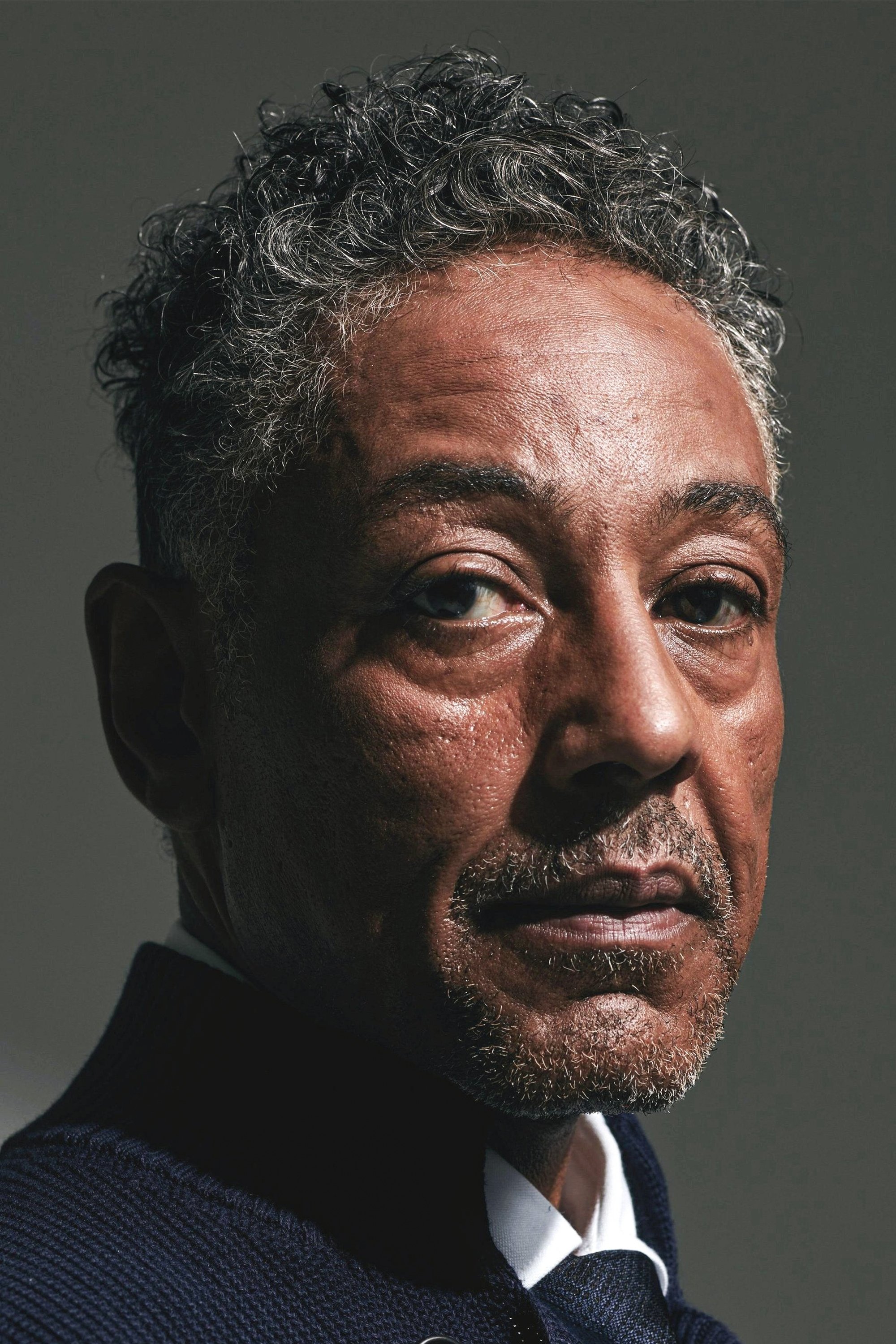
Giancarlo Esposito is known for his ability to play powerful and often intimidating characters with a sense of grace and complexity. He has been selective about the roles he takes and has avoided those that glorify questionable leaders without depth. The actor focuses on projects that offer a more nuanced look at the nature of power and authority. He has often spoken about the importance of character backstory and the need for meaningful representation. Esposito is highly regarded for his precision and deep emotional resonance.
Which actor do you think has made the strongest stand against harmful political portrayals in film? Share your thoughts in the comments.