


Actors Who Refused to Let Studios Lighten Their Skin for Roles

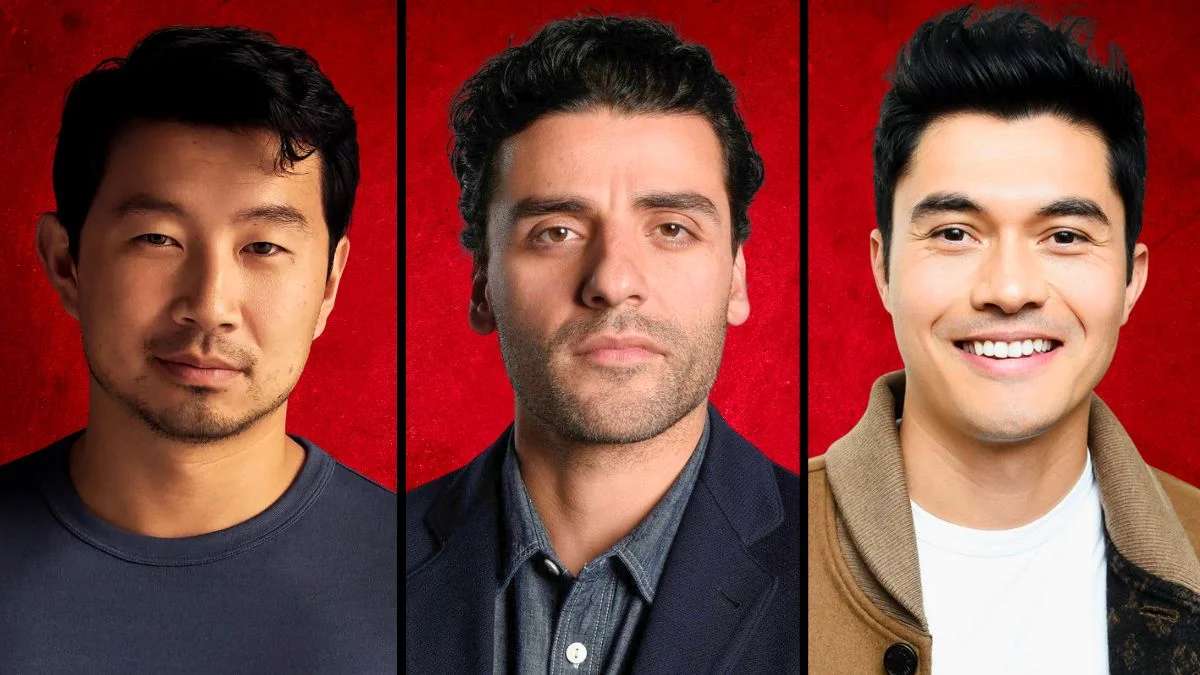


The film industry has long struggled with issues of colorism and the misrepresentation of diverse skin tones on screen. Many male actors have taken a stand against practices that involve digital skin lightening or the use of makeup to alter their natural complexion. These performers advocate for better lighting and technical standards to ensure that all skin tones are captured accurately and beautifully. By refusing to conform to Eurocentric beauty standards they are helping to reshape the aesthetic landscape of modern cinema. This push for authenticity is a vital step toward achieving true equity in the entertainment world.
John Boyega
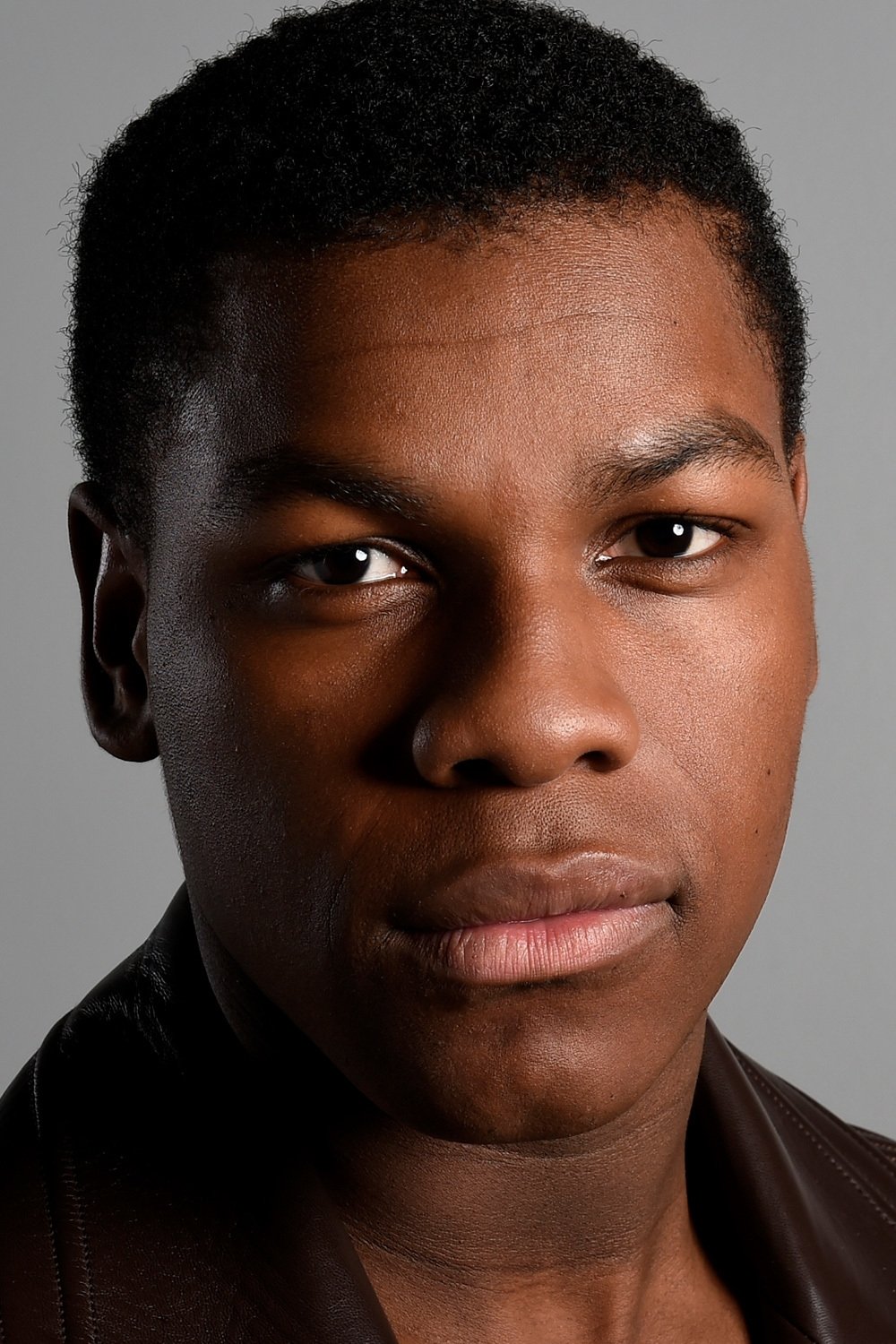
John Boyega has publicly addressed the way his skin tone was handled during the promotion of major film franchises. He noted that international versions of posters for the film ‘Star Wars The Force Awakens’ significantly altered his appearance. The actor has since used his platform to demand that studios treat Black actors with the same visual respect as their white counterparts. He believes that refusing to allow such changes is essential for maintaining the integrity of his performance. Boyega continues to be a leading voice in the conversation regarding how diverse talent is presented to global audiences.
Daniel Kaluuya
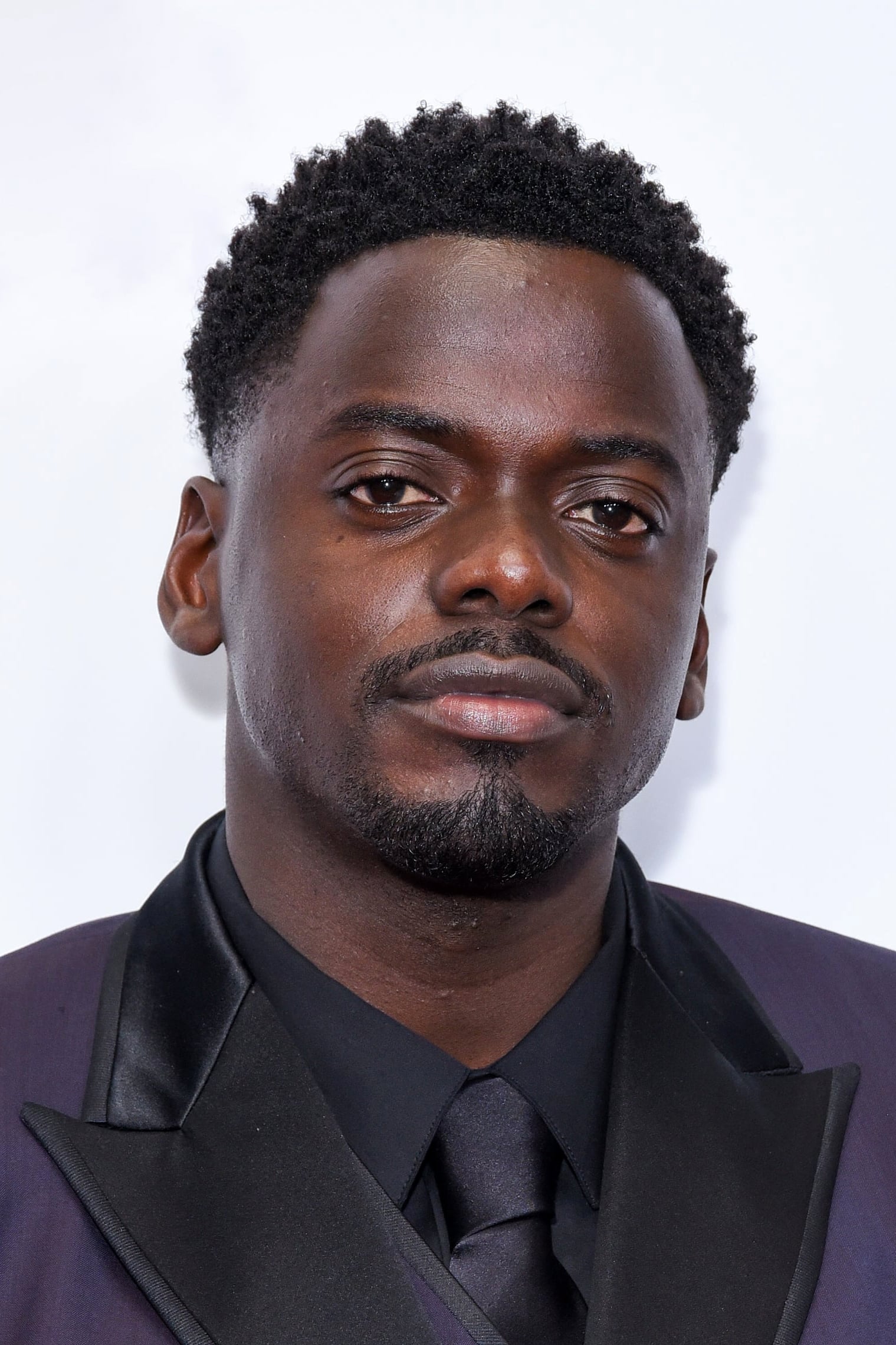
Daniel Kaluuya often discusses the importance of proper lighting techniques for actors with darker complexions. He has noted that many traditional Hollywood lighting setups are designed for lighter skin and can wash out natural features. During the production of ‘Get Out’ and ‘Black Panther’ the actor worked with cinematographers to ensure his skin was captured with depth and richness. Kaluuya believes that refusing to be lightened or poorly lit is a matter of professional respect and artistic integrity. His advocacy highlights how technical choices can impact the representation of Black masculinity on screen.
Dev Patel

Dev Patel has discussed the pressures of being a South Asian actor in an industry that often favors lighter skin tones. Early in his career he faced situations where the nuances of his heritage were overlooked in favor of a more generic look. He has remained steadfast in his refusal to let studios modify his appearance to fit a specific aesthetic mold. In films such as ‘Lion’ and ‘The Green Knight’ he showcased the importance of authentic representation for brown actors. Patel’s success serves as a testament to the power of maintaining one’s natural identity in the face of studio expectations.
Riz Ahmed
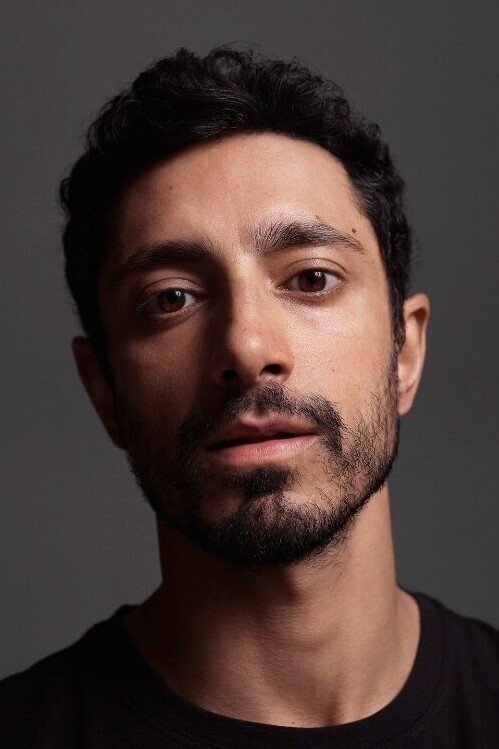
Riz Ahmed has been a vocal critic of the lack of authentic representation for Muslim and South Asian performers. He has often spoken about the triple threat of stereotyping and how it extends to the visual presentation of actors. Ahmed advocates for the industry to move away from the practice of lightening skin for marketing materials or film color grading. His work in ‘Sound of Metal’ demonstrated a commitment to raw and honest storytelling that includes his natural appearance. He continues to push for systemic changes that prioritize the dignity of all performers.
Simu Liu

Simu Liu has addressed the importance of East Asian actors being portrayed without excessive digital retouching or skin lightening. He has spoken about his past experiences as a model where his features were altered to look more conventional. After joining the Marvel Cinematic Universe in ‘Shang-Chi and the Legend of the Ten Rings’ he prioritized a look that felt grounded and real. Liu believes that seeing Asian men as they are is crucial for breaking down long-standing stereotypes. He continues to advocate for a more inclusive definition of beauty and heroism.
Raymond Ablack
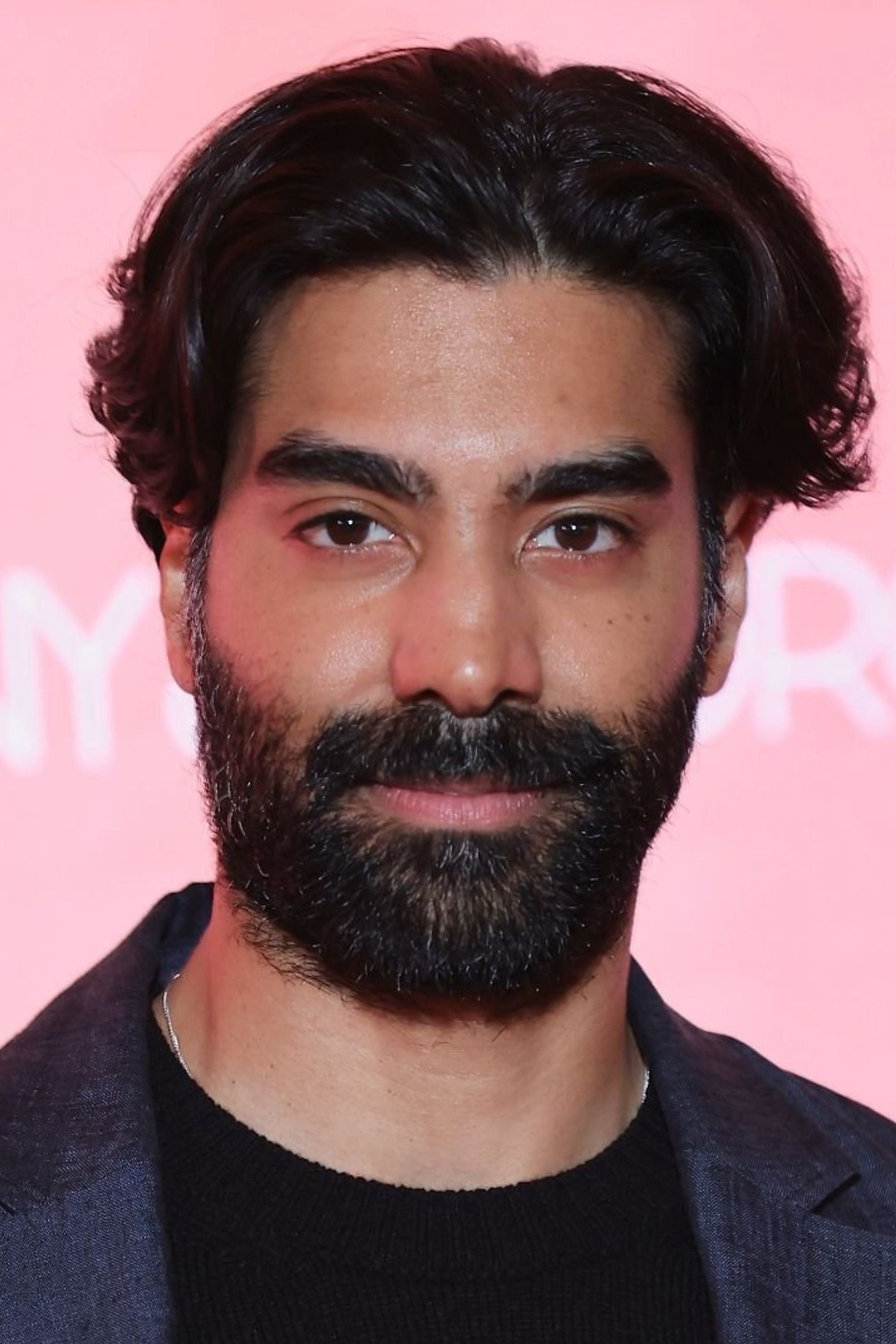
Raymond Ablack shared his experiences of being told early in his career that his skin tone was a barrier to certain roles. He noted that there were instances where he felt pressure to look a certain way to appeal to casting directors. The actor has since embraced his natural appearance and refuses to allow studios to lighten his skin for the camera. His roles in shows like ‘Ginny and Georgia’ have allowed him to bring an authentic South Asian presence to a wide audience. Ablack’s openness about these challenges has resonated with many people in the industry.
Sendhil Ramamurthy
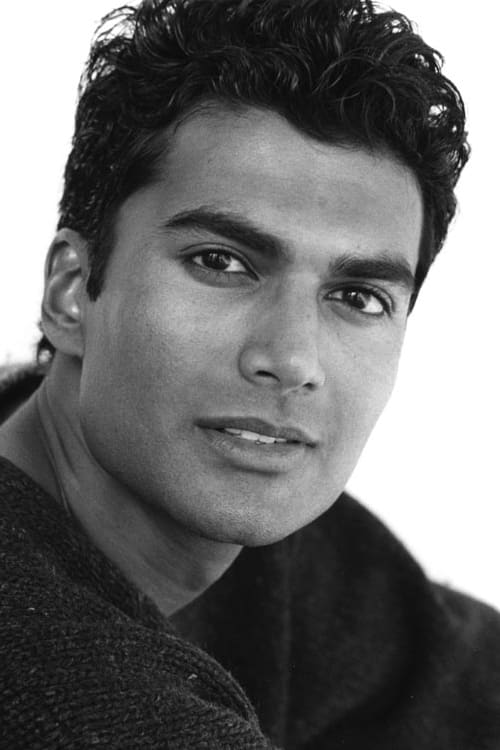
Sendhil Ramamurthy has recounted stories of being asked to lighten his skin with makeup during his early years in television. He found the request offensive and chose to maintain his natural complexion despite the potential impact on his career. The actor has often spoken about how the industry preference for lighter skin tones affects casting for South Asian roles. In his work on ‘Heroes’ and other series he insisted on being lit and filmed as he truly is. Ramamurthy remains a dedicated advocate for accurate skin tone representation in Hollywood.
Kumail Nanjiani
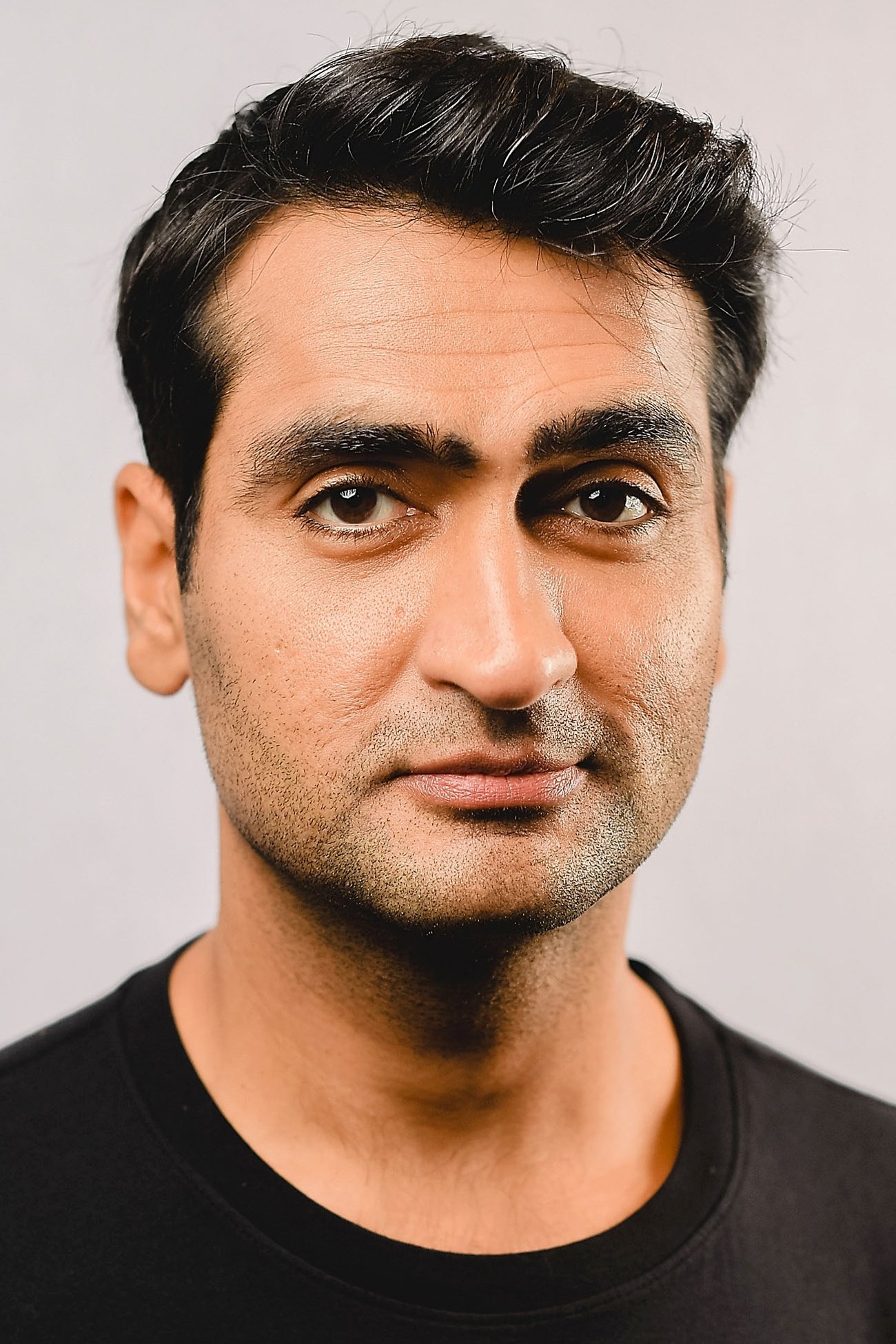
Kumail Nanjiani has discussed the physical transformations he underwent for his roles while emphasizing the need for authentic lighting. He has been vocal about the way South Asian skin is often misrepresented in Western media through poor technical choices. Nanjiani worked closely with his production team to ensure that his natural skin tone was highlighted rather than muted. He believes that actors should not have to compromise their heritage to fit into a certain visual narrative. His success has opened doors for more honest portrayals of brown men in blockbuster cinema.
Henry Golding

Henry Golding has faced scrutiny regarding his mixed race identity and how it translates to the screen. He has consistently championed a natural look that reflects his real-life heritage without digital enhancement. In films like ‘Crazy Rich Asians’ he helped bring a specific aesthetic to the screen that prioritized the beauty of diverse Asian skin tones. Golding refuses to let studios alter his appearance to fit traditional expectations of what a leading man should look like. He advocates for a more nuanced understanding of identity that is visible in every frame.
Winston Duke
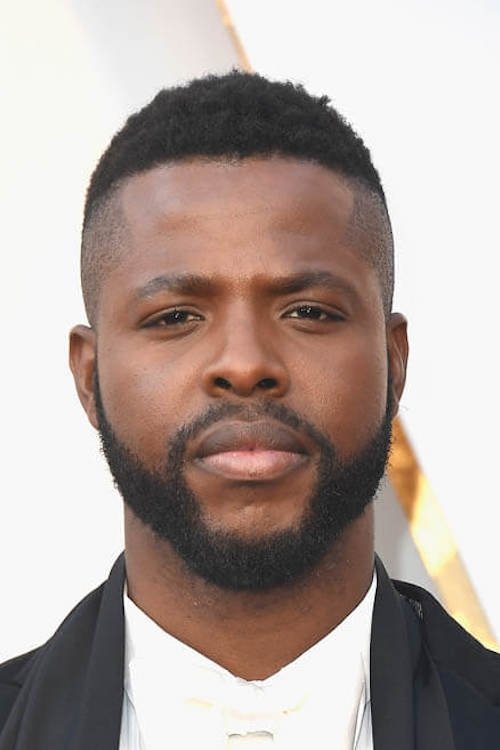
Winston Duke has expressed deep pride in his dark skin and the cultural significance of his appearance. He has been a key figure in the movement to ensure that dark-skinned Black men are lit with care and precision on screen. During the filming of ‘Black Panther’ and ‘Us’ he worked to ensure his skin tone was a central part of his character presence. Duke believes that refusing to be lightened is an act of resistance against historical biases in the film industry. He continues to celebrate his complexion as a source of strength and beauty.
Mahershala Ali
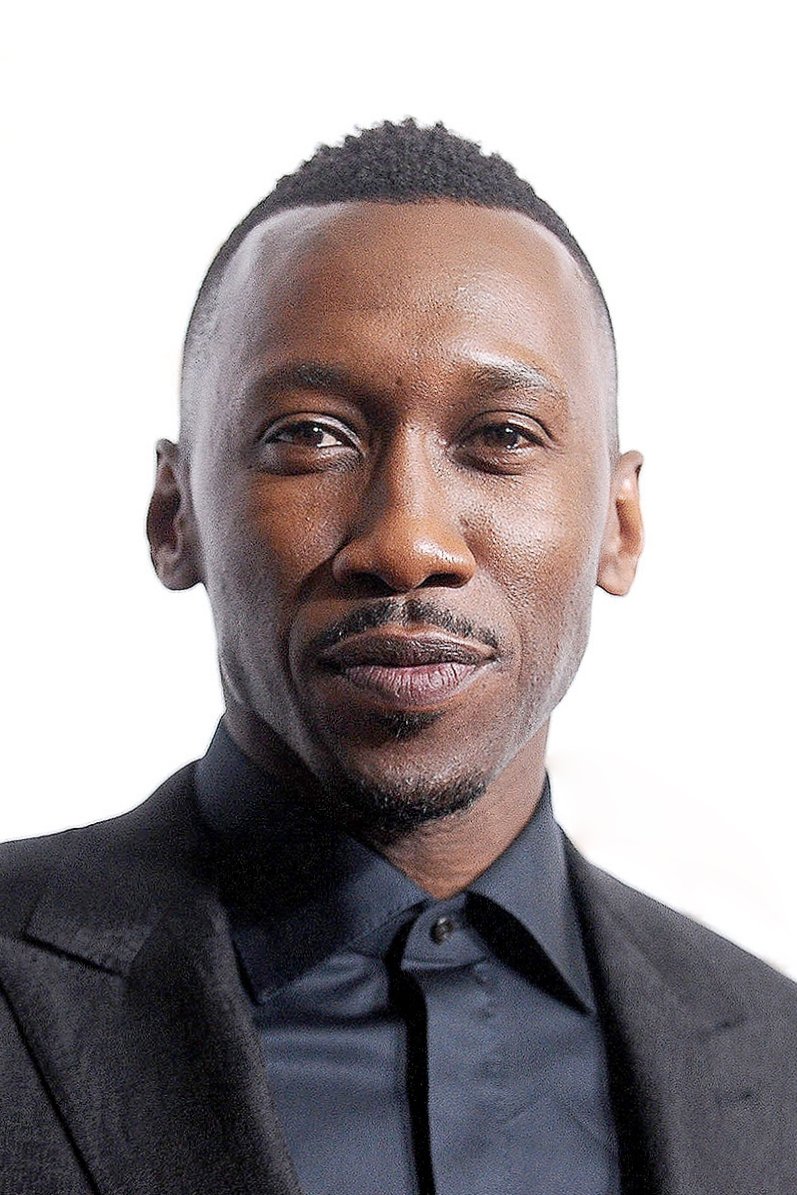
Mahershala Ali is known for his deliberate choices regarding how his characters are presented visually. He has worked with world-class cinematographers to ensure that his skin tone is rendered with accuracy and artistic intent. In projects like ‘Moonlight’ and ‘Green Book’ the lighting played a crucial role in conveying the emotion of his performances. Ali understands that the way an actor is lit can fundamentally change the audience perception of their humanity. He remains an advocate for the technical mastery required to film diverse skin tones correctly.
Billy Porter
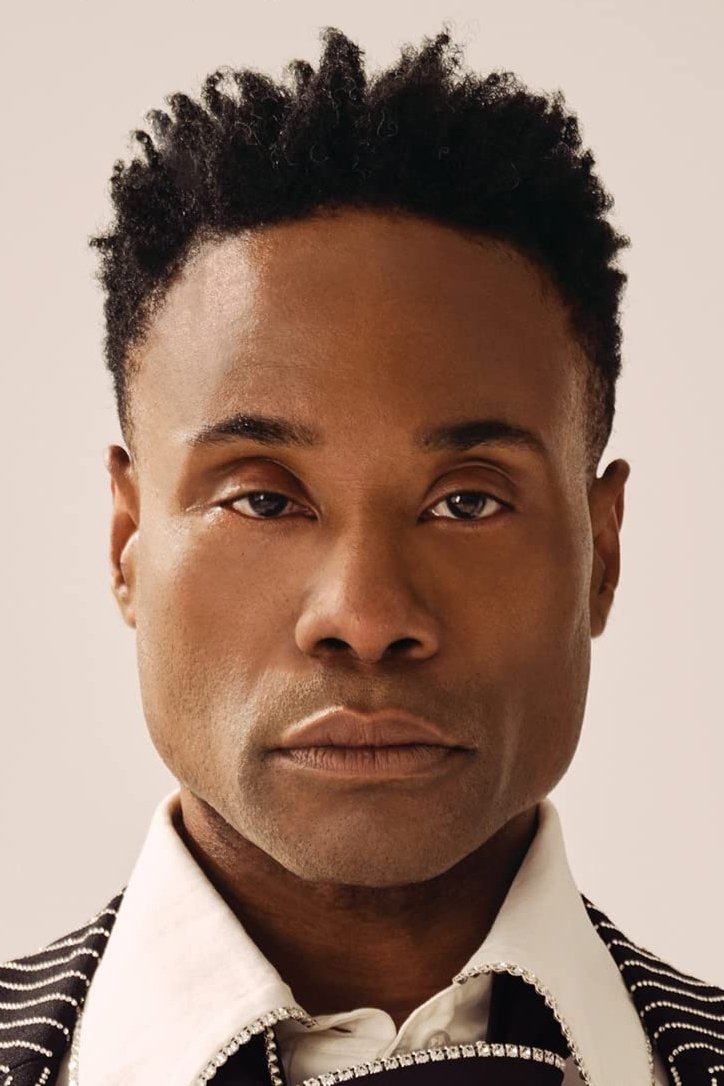
Billy Porter has spent his career challenging the norms of the entertainment industry regarding race and gender. He has been outspoken about the need for Black performers to be seen in their most authentic state without cosmetic lightening. Porter often uses his public appearances and roles in series like ‘Pose’ to celebrate the vibrancy of Black skin. He believes that the industry has a responsibility to unlearn Eurocentric standards that have harmed diverse talent for years. His refusal to conform to these standards is a core part of his artistic identity.
Jesse Williams
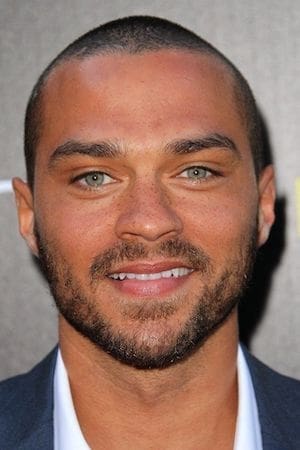
Jesse Williams has used his platform to address the systemic issues of colorism and representation in Hollywood. He has spoken about the nuances of being a light-skinned Black man and the importance of advocating for those with darker complexions. Williams refuses to participate in projects that use digital tools to further lighten or clean up skin tones for an idealized look. He emphasizes that the diversity of the Black experience should be reflected in the variety of skin tones seen on screen. His activism extends to the technical and production aspects of the film industry.
Donald Glover
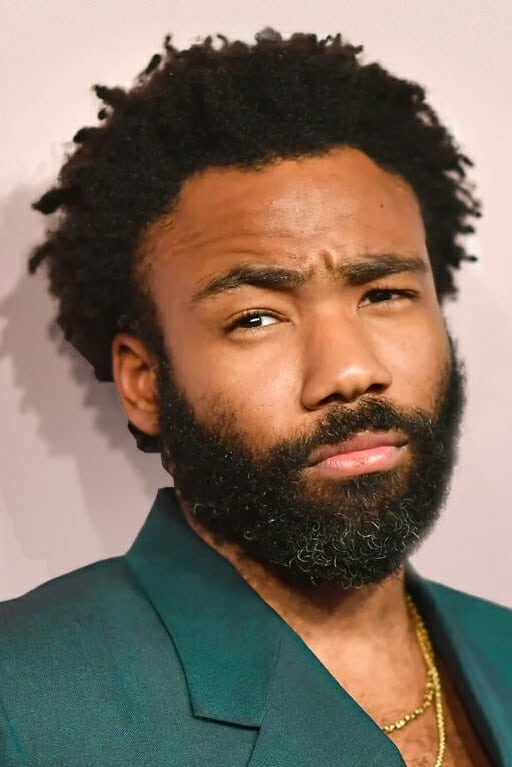
Donald Glover has explored themes of race and colorism extensively in his television series ‘Atlanta’. He has been critical of the way the industry often homogenizes the appearance of Black actors through lighting and post-production. Glover prioritizes a visual style that captures the reality of his own skin and that of his cast members. By maintaining control over the aesthetic of his projects he ensures that his natural appearance is never compromised. He continues to influence the industry by demonstrating the power of authentic visual storytelling.
Oscar Isaac
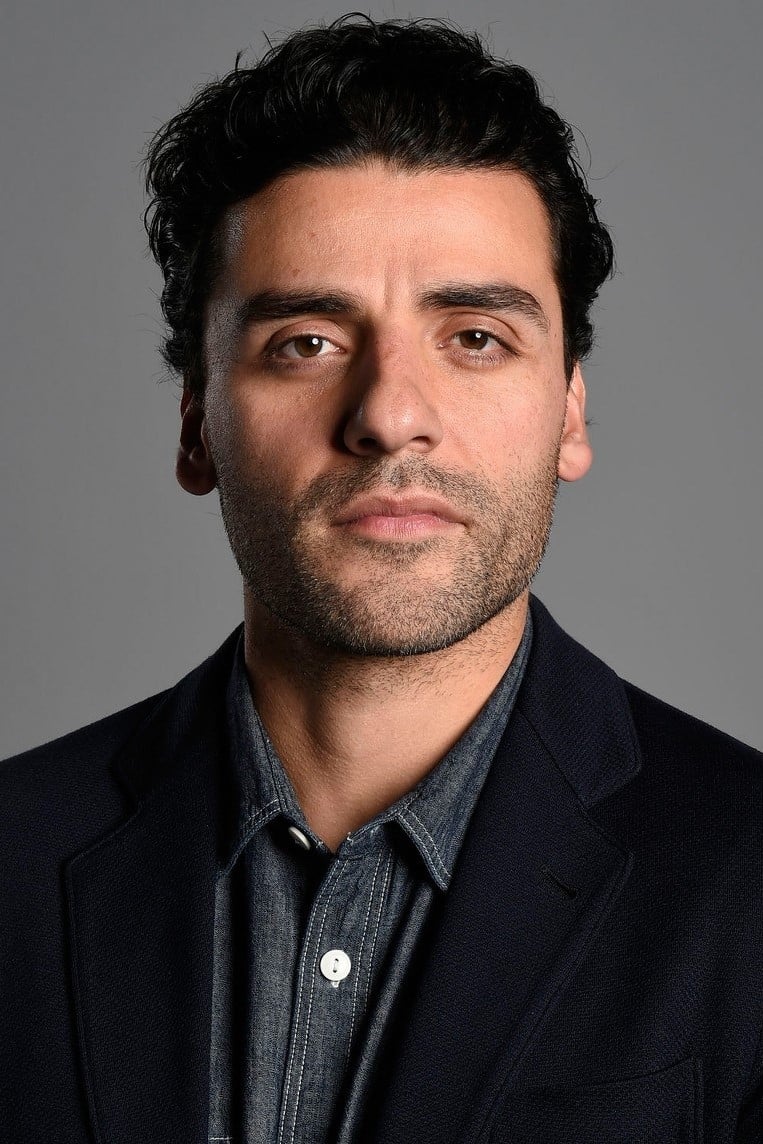
Oscar Isaac has navigated a wide range of roles while maintaining a firm stance on his ethnic identity and appearance. He has resisted studio attempts to make his features appear more racially ambiguous or lighter through makeup and lighting. In his work across the ‘Star Wars’ sequels and ‘Moon Knight’ he has consistently brought his natural self to the screen. Isaac believes that an actor physical truth is essential to their ability to connect with an audience. His career reflects a commitment to diversity that goes beyond simple casting choices.
Chadwick Boseman
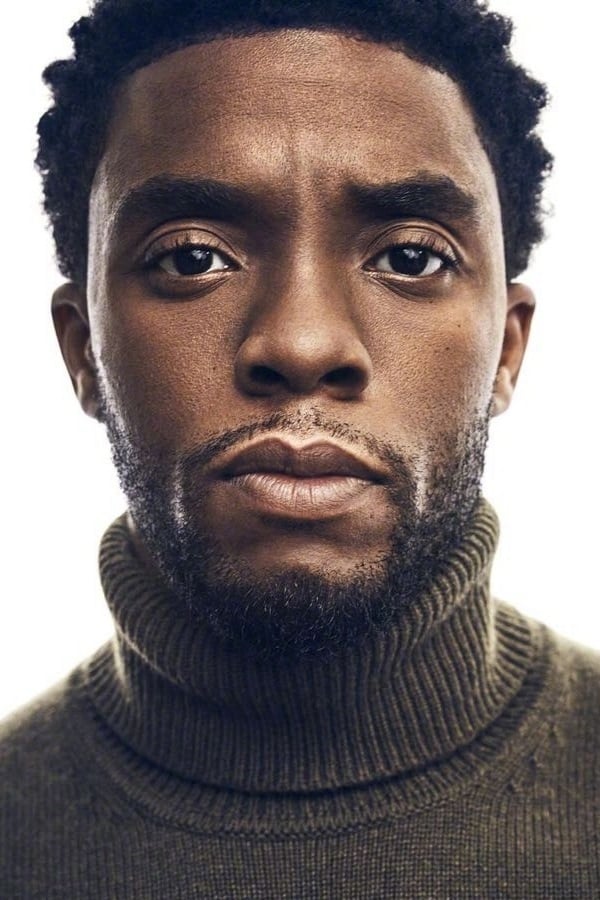
The late Chadwick Boseman was a fierce advocate for the authentic representation of the African diaspora. He played a pivotal role in ensuring that ‘Black Panther’ celebrated the beauty of Black skin through its costume design and cinematography. Boseman often discussed the importance of the film visual language in providing a sense of pride to viewers around the world. He resisted any attempts to soften or lighten the appearance of the characters to make them more palatable to a global market. His legacy continues to inspire actors to stand up for their natural identity.
Regé-Jean Page
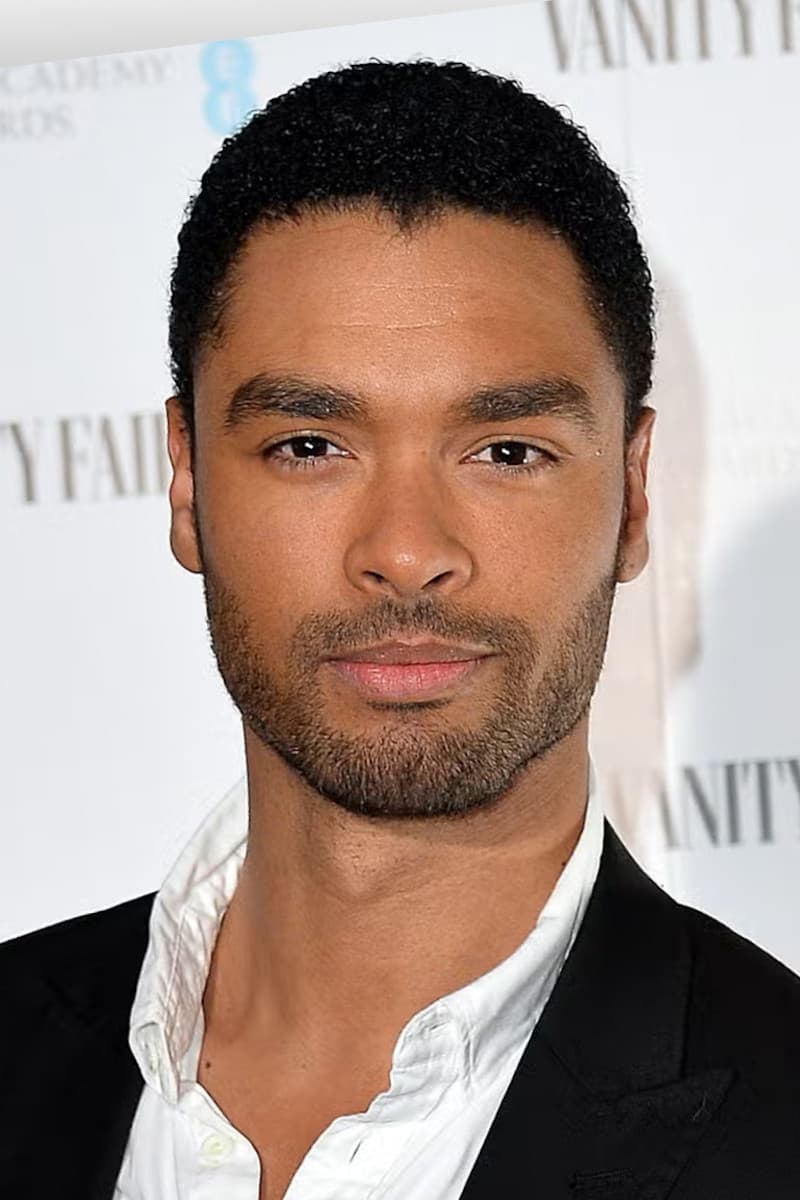
Regé-Jean Page became a global sensation for his role in ‘Bridgerton’ where his appearance was a key part of his character appeal. He has spoken about the importance of being lit properly to showcase the richness of his skin tone on camera. Page advocates for a shift in how period dramas approach the visual representation of diverse actors. He believes that studios must invest in the technology and talent needed to film all skin tones with equal care. His refusal to be lightened helped set a new standard for romance and period pieces.
Sterling K. Brown
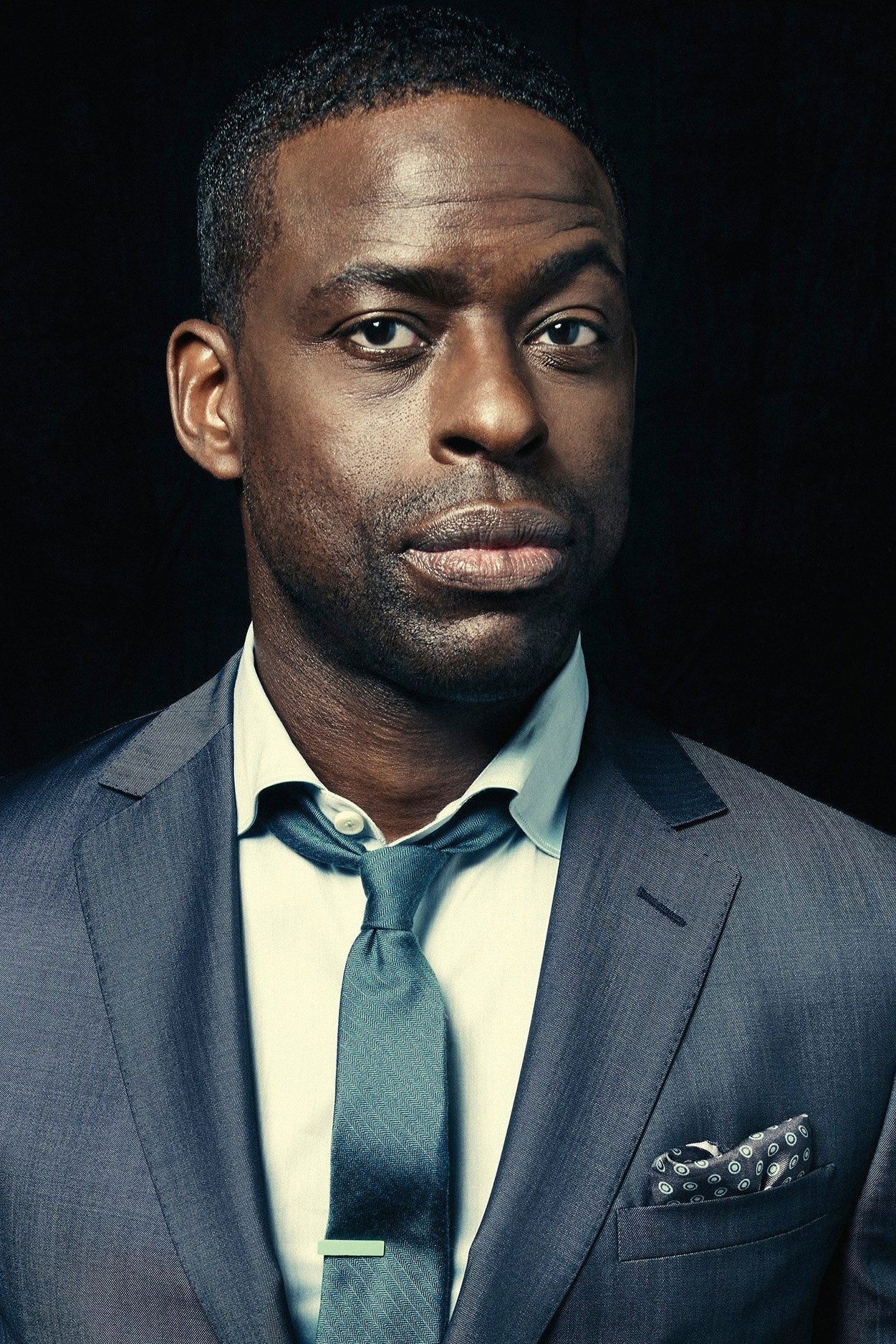
Sterling K. Brown has frequently addressed the technical side of filming Black actors in the modern industry. He has praised cinematographers who take the time to learn how to light darker skin without making it look washed out. Brown believes that the industry has a long way to go in terms of providing consistent quality for diverse performers. He refuses to settle for subpar lighting that does not do justice to his natural complexion. His work in ‘This Is Us’ showed the world the importance of seeing Black families in their true light.
David Oyelowo
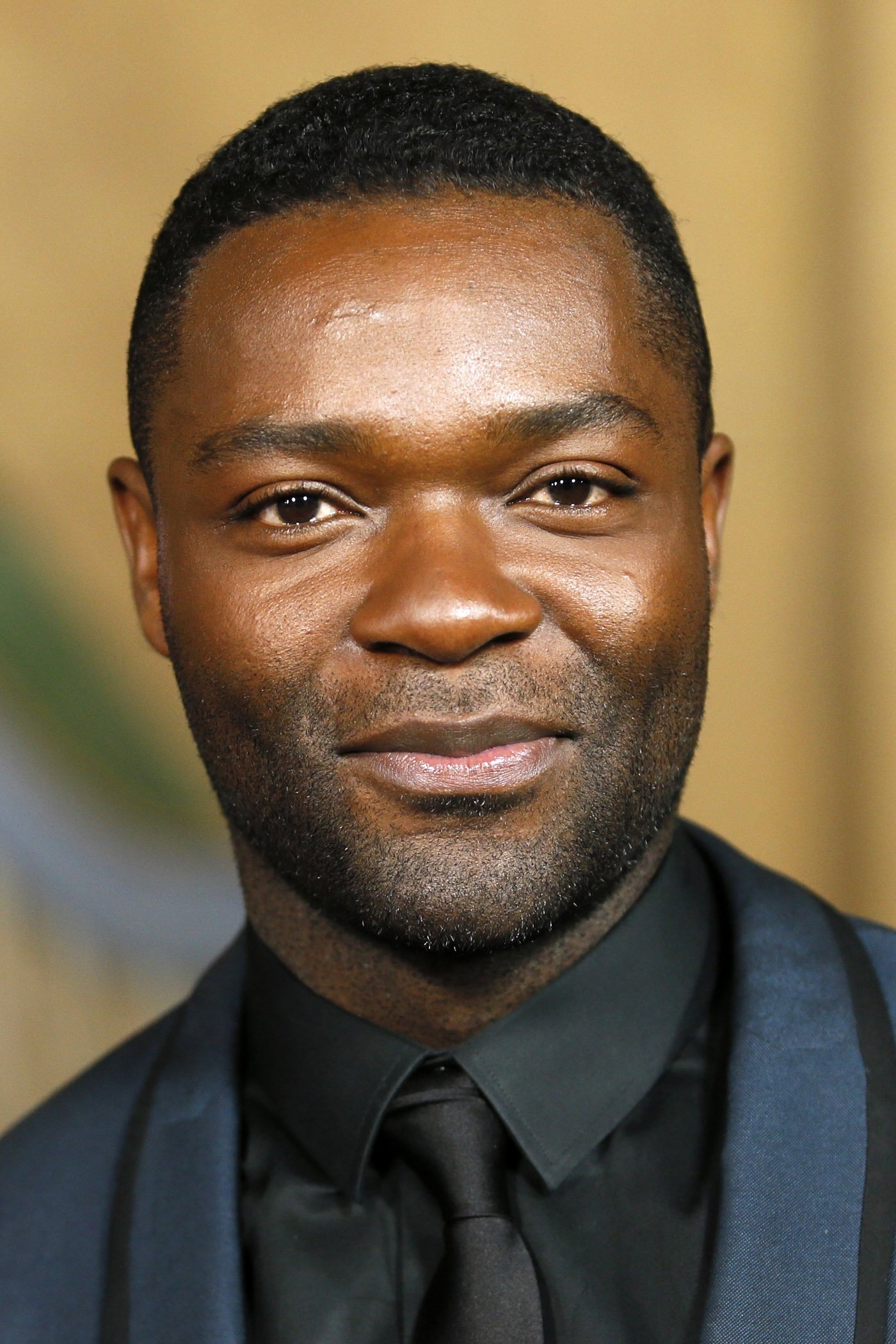
David Oyelowo has been a leading voice in the push for better representation of African actors in Hollywood. He has criticized the tendency of some productions to use lighting that flattens or lightens the skin of Black performers. Oyelowo insists on working with crews that understand the specific needs of filming his complexion with depth and clarity. In his portrayal of Martin Luther King Jr. in ‘Selma’ he emphasized the importance of visual authenticity for historical figures. He continues to challenge the industry to improve its technical standards for all actors.
Chiwetel Ejiofor
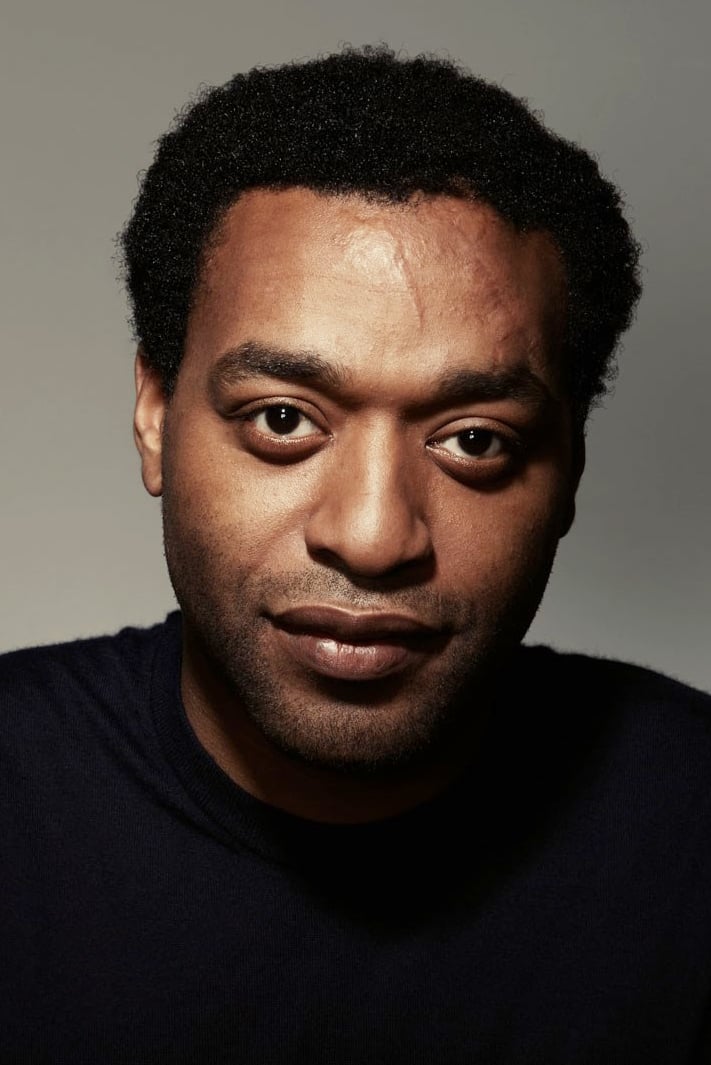
Chiwetel Ejiofor has built a distinguished career while maintaining a high standard for how he is presented on screen. He has often worked on projects that require a raw and honest depiction of the human experience without digital enhancements. Ejiofor believes that the natural variations in skin tone are part of what makes a performance believable. He has resisted any pressure to alter his appearance for the sake of conforming to mainstream beauty ideals. His commitment to authenticity is evident in his powerful performances in films like ’12 Years a Slave’.
Djimon Hounsou
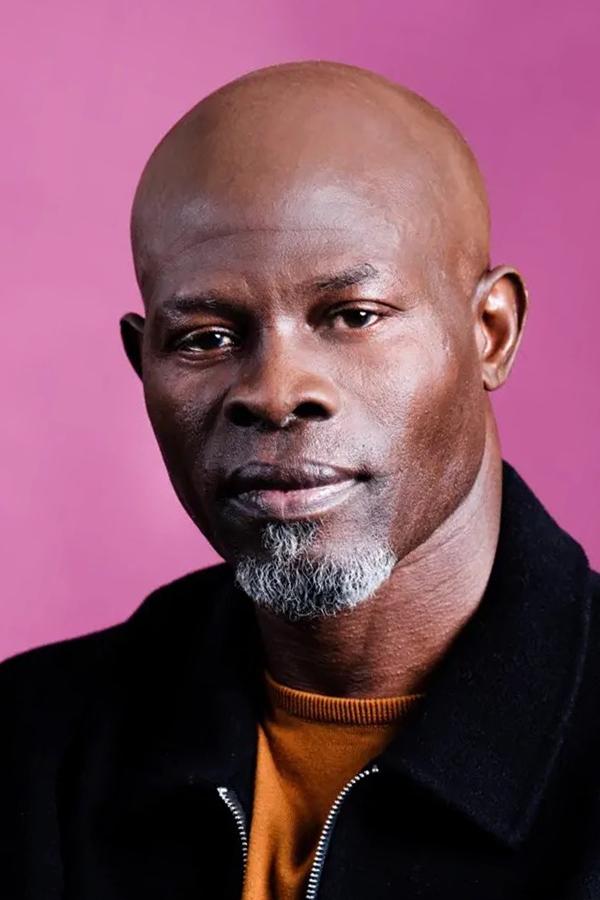
Djimon Hounsou has long been a vocal advocate for the dignity of African actors in the global film industry. He has spoken about the early challenges he faced when trying to maintain his natural look in a system that favored lighter skin. Hounsou refuses to allow his complexion to be altered by studios looking to fit a certain demographic profile. He believes that the beauty of African skin should be celebrated and lit with the highest level of professional care. His enduring career is a testament to the importance of staying true to one roots.
Michael B. Jordan
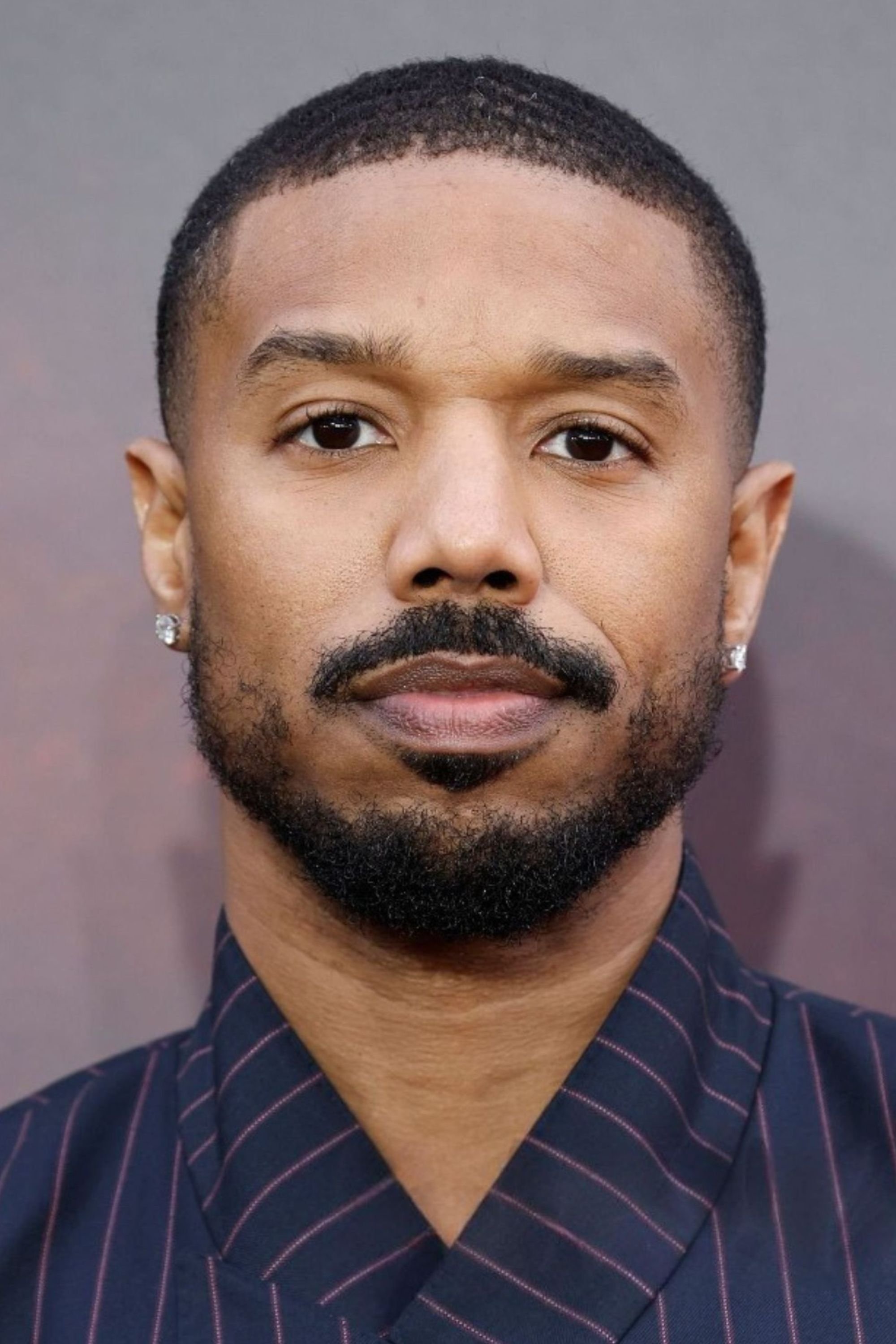
Michael B. Jordan has used his influence as both an actor and producer to champion diversity behind the scenes. He implemented inclusion riders to ensure that production crews are diverse and capable of filming different skin tones accurately. Jordan has spoken about his own experiences with lighting and the need for more experts who understand how to capture Black skin. In the ‘Creed’ films he showcased a physical presence that was grounded in his natural appearance. He continues to push for a more inclusive industry that values the visual integrity of all its stars.
Anthony Mackie
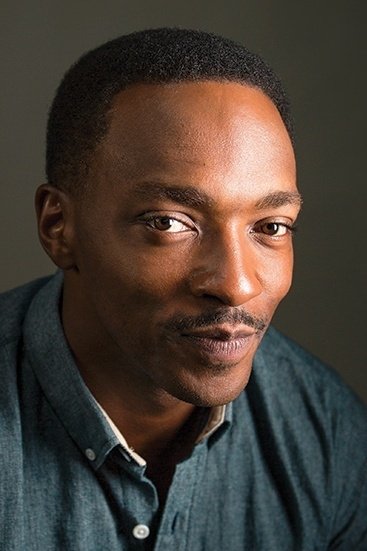
Anthony Mackie has often discussed the evolution of film technology and its impact on diverse actors. He has noted that as digital cameras have improved the industry must also update its lighting techniques for Black performers. Mackie advocates for a standard of excellence that ensures no actor is made to look lighter or darker than they are in reality. He believes that visual honesty is a key component of a successful and relatable performance. His roles in the Marvel Cinematic Universe have allowed him to bring this message to a massive global audience.
Shamier Anderson
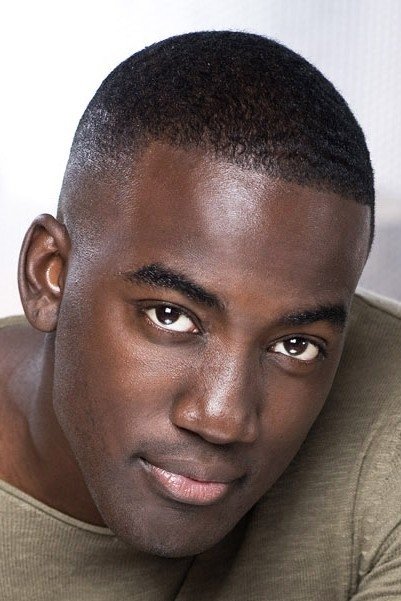
Shamier Anderson is an emerging star who has already made a point of discussing skin tone representation. He has worked to ensure that his natural complexion is presented accurately in high profile projects like ‘John Wick Chapter 4’. Anderson believes that the industry is slowly moving in the right direction but still requires constant pressure from actors. He refuses to allow any digital lightening of his skin during the post production phase of his films. By standing his ground he is helping to pave the way for future generations of Black actors.
Stephan James
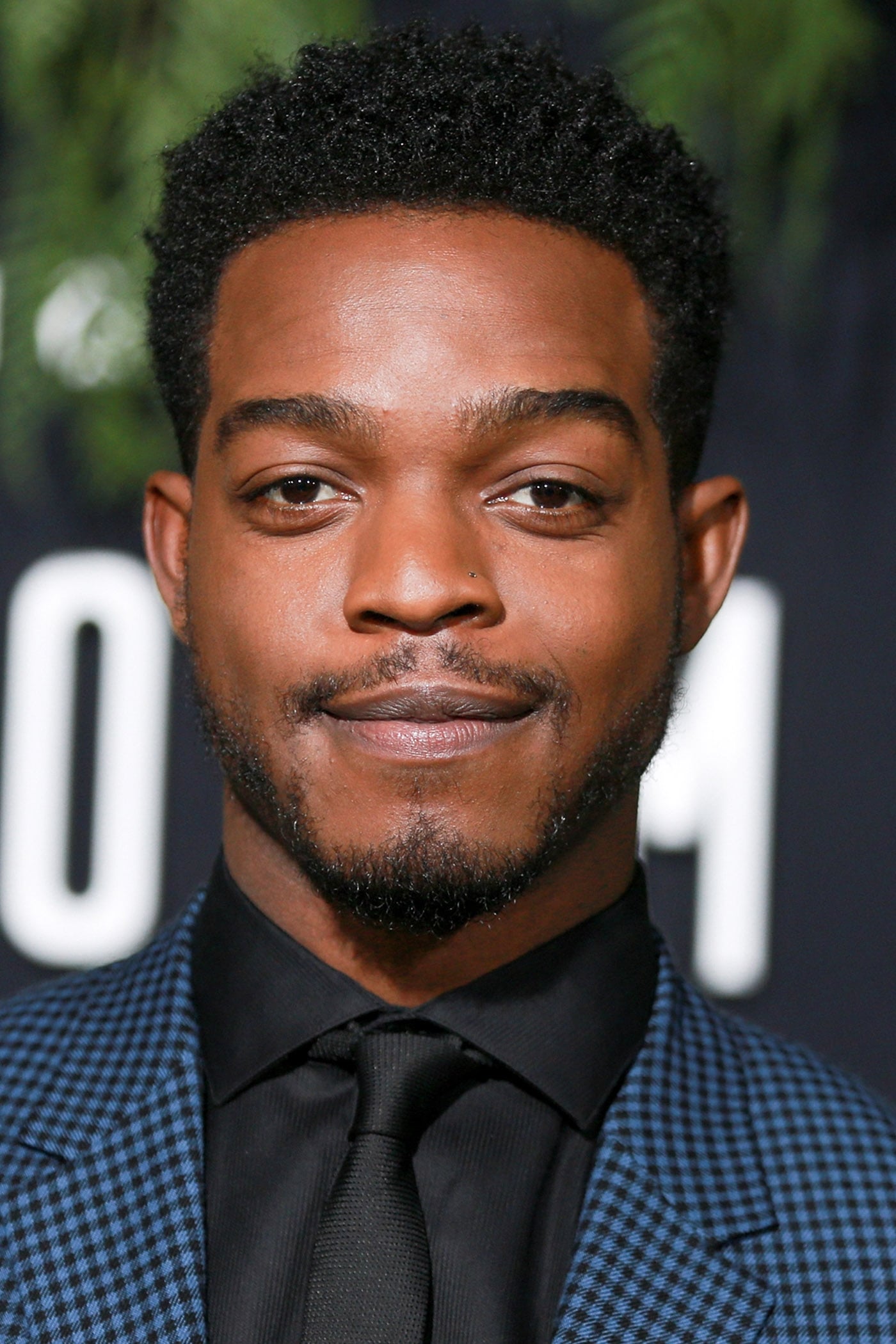
Stephan James has earned acclaim for his roles in ‘If Beale Street Could Talk’ and ‘Selma’ where visual artistry was paramount. He has spoken about the collaborative process of working with directors of photography to find the best light for his skin. James believes that an actor natural look should be preserved as part of the storytelling process. He resists any attempts by studios to modify his appearance through filters or color grading. His commitment to authentic representation has made him a respected figure among his peers.
Colman Domingo

Colman Domingo is a veteran actor who has seen firsthand the changes in how the industry treats diverse skin tones. He has been vocal about the need for cinematographers to be trained in lighting a full spectrum of complexions. Domingo insists on a high level of visual quality for all his roles including his award-winning work in ‘Rustin’. He believes that refusing to be lightened is a way of honoring the history and identity of his community. His presence on screen is a celebration of the depth and beauty of his natural skin.
Algee Smith
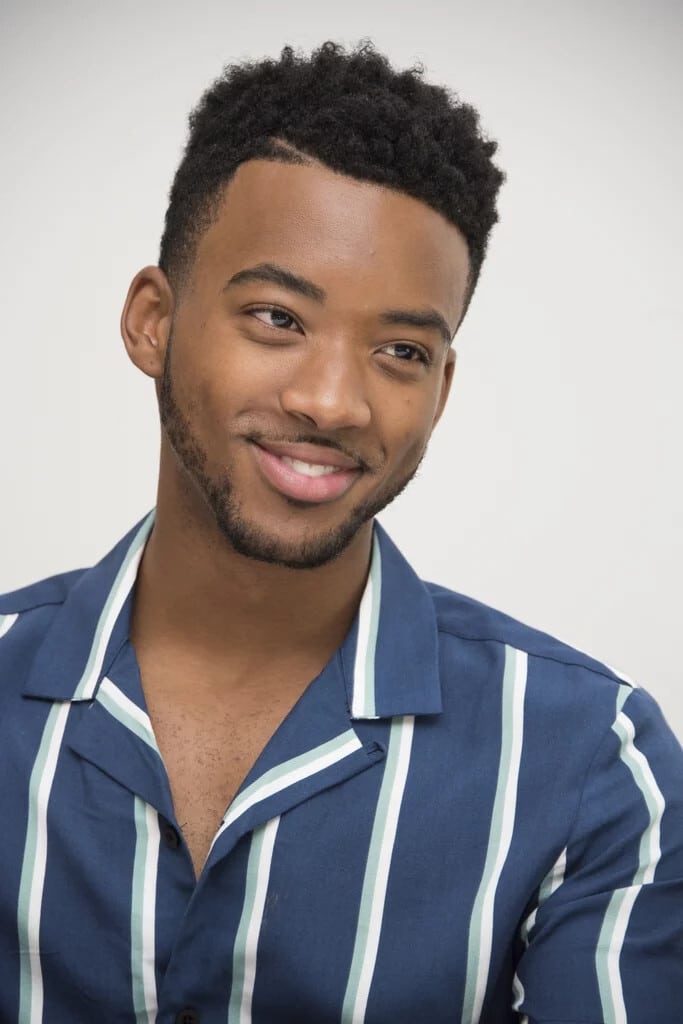
Algee Smith has discussed the importance of lighting in his work on series like ‘Euphoria’ and films like ‘Detroit’. He has noted that the right lighting can make an actor feel more confident and connected to their character. Smith has been part of a younger generation of actors who are not afraid to speak up about their visual representation. He avoids projects that do not show a commitment to capturing his skin tone accurately. His dedication to visual truth reflects a broader shift in the entertainment industry.
Yahya Abdul-Mateen II
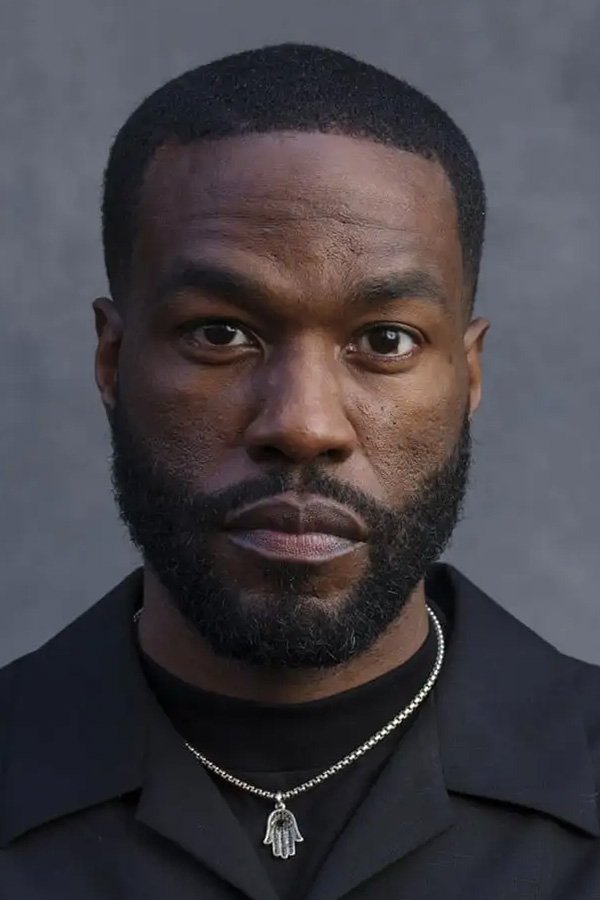
Yahya Abdul Mateen II has quickly become one of the most sought-after actors in Hollywood while maintaining his natural appearance. He has expressed the importance of being seen as a dark-skinned Black man in roles that were not traditionally written for people of color. In ‘Watchmen’ and ‘Candyman’ he worked with crews that prioritized the rich textures of his skin. Abdul Mateen II believes that accurate representation is a form of empowerment for audiences. He continues to refuse any attempts to lighten his skin for commercial or artistic reasons.
Kingsley Ben-Adir
Kingsley Ben Adir has taken on the challenge of playing historical icons like Malcolm X and Bob Marley. He has insisted that the visual portrayal of these figures must be as accurate as possible to their real-life complexions. Ben Adir works closely with makeup and lighting departments to ensure that he is not lightened or altered on screen. He believes that the integrity of a biographical performance depends on this level of visual honesty. His work highlights the importance of preserving the natural look of the people he portrays.
Damson Idris
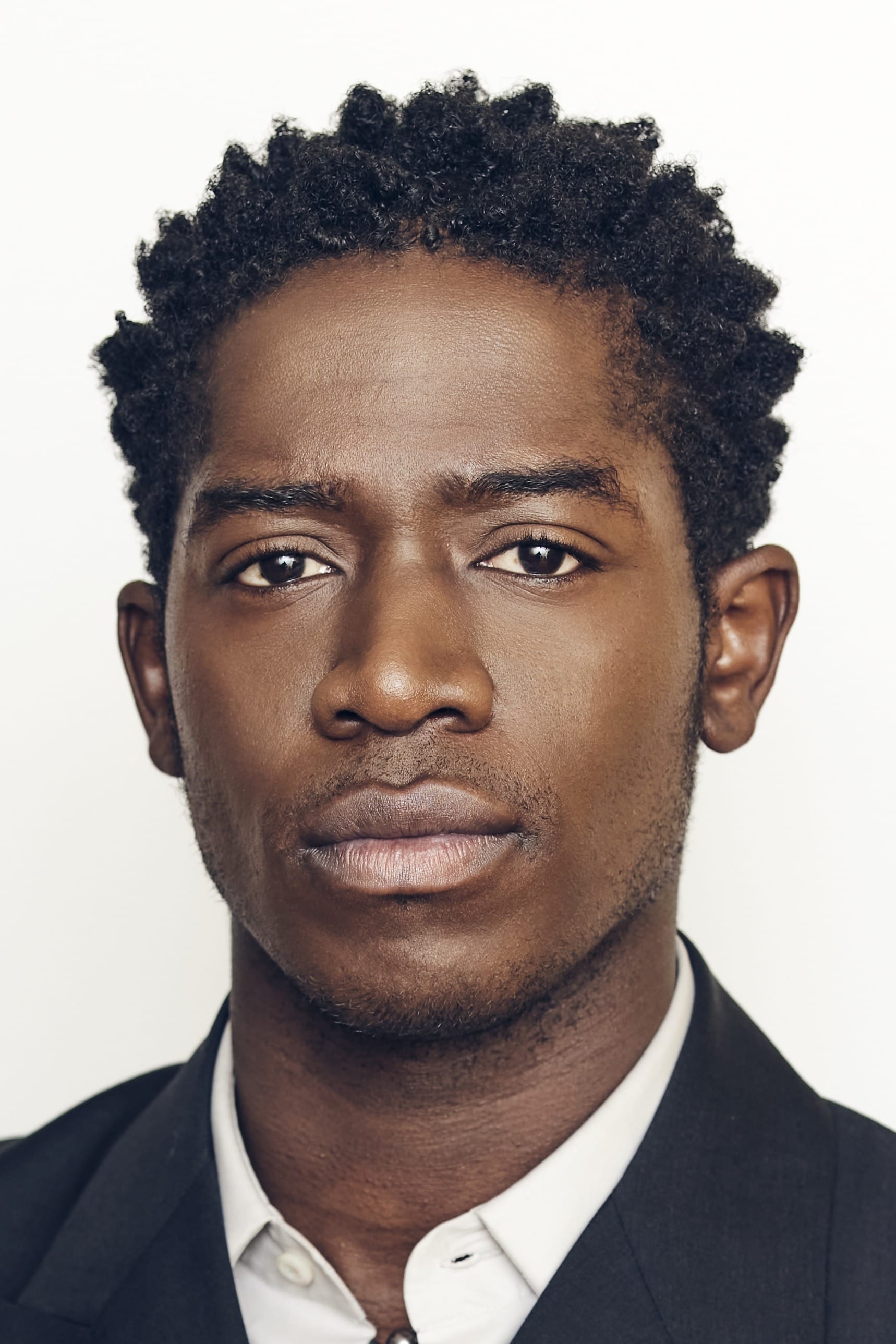
Damson Idris has spoken about the movie star aesthetic and the need for high-quality cinematography. He has been vocal about the difference between being lit and being lit correctly for his skin tone. The actor has praised the technical team on ‘Snowfall’ for their commitment to showing reality through a diverse lens. Idris believes that actors should have a say in how their skin is graded and presented in final edits. He refuses to accept anything less than a faithful representation of his natural self.
Aldis Hodge
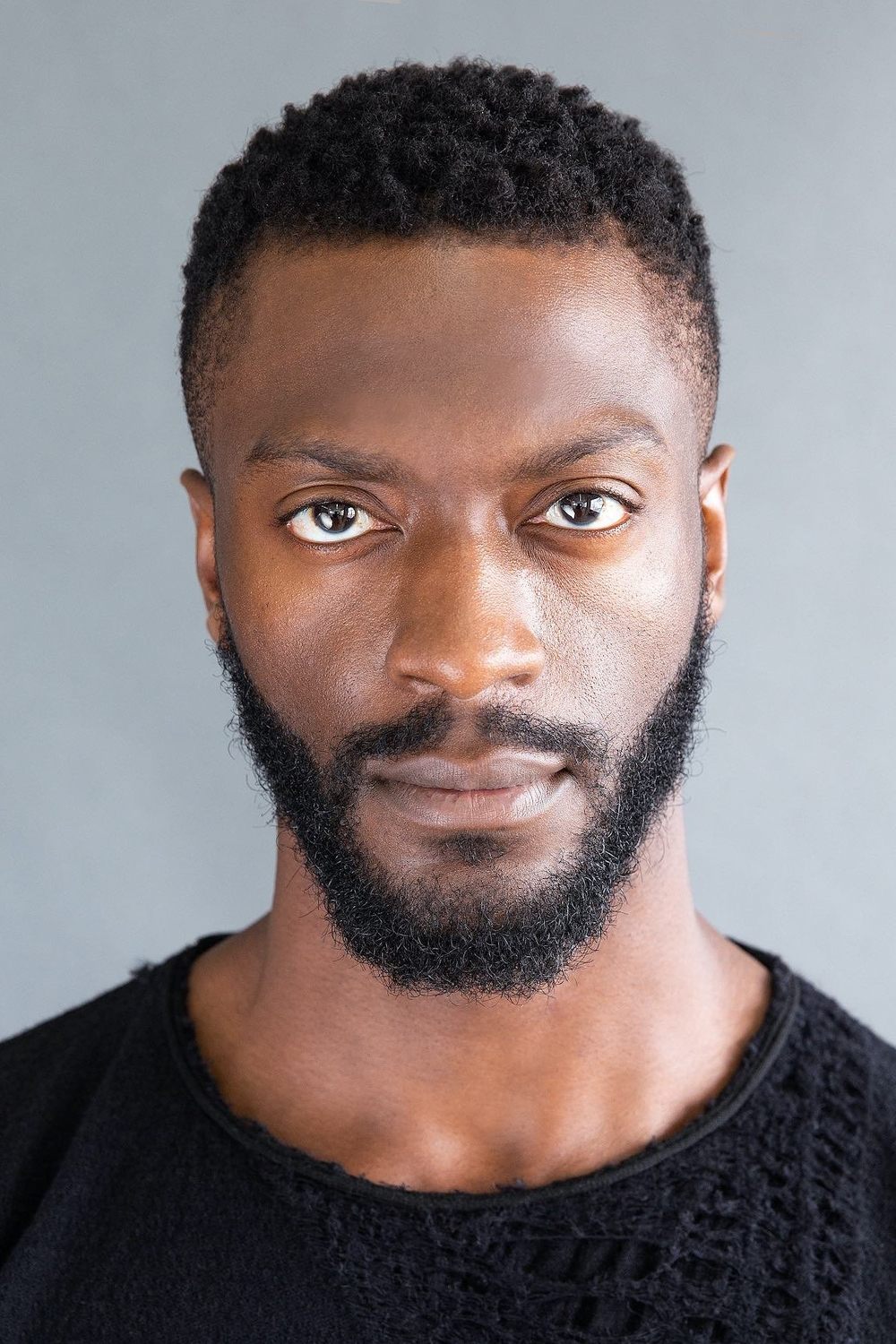
Aldis Hodge has spent years in the industry advocating for better technical standards for Black actors. He has discussed the frustrations of being on sets where the lighting does not account for the nuances of his skin. Hodge believes that the industry history of skin lightening is a remnant of a biased past that must be overcome. In his roles in ‘Hidden Figures’ and ‘Black Adam’ he has championed a look that is authentic and powerful. He continues to push for progress in how diverse talent is seen on the big screen.
Leslie Odom Jr.
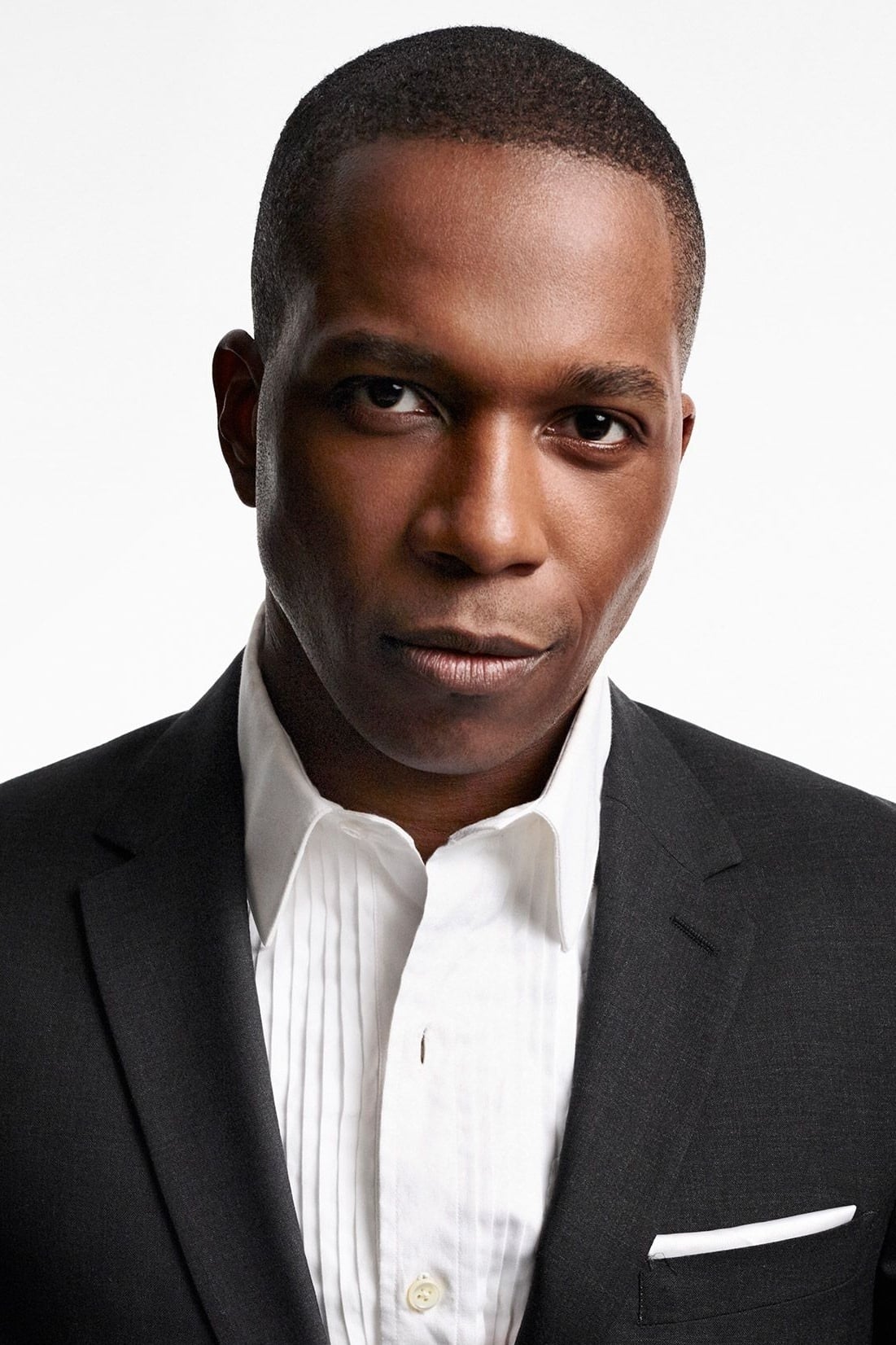
Leslie Odom Jr. has brought his talents to both the stage and screen while maintaining a focus on authentic representation. He has spoken about the importance of being lit with warmth and precision to capture the full range of his expressions. Odom Jr. believes that the way an actor is presented visually is an extension of their performance and should be handled with care. He refuses to work on projects that use digital tools to lighten his complexion or erase his natural features. His advocacy has helped raise awareness of the technical aspects of colorism in entertainment.
Brian Tyree Henry
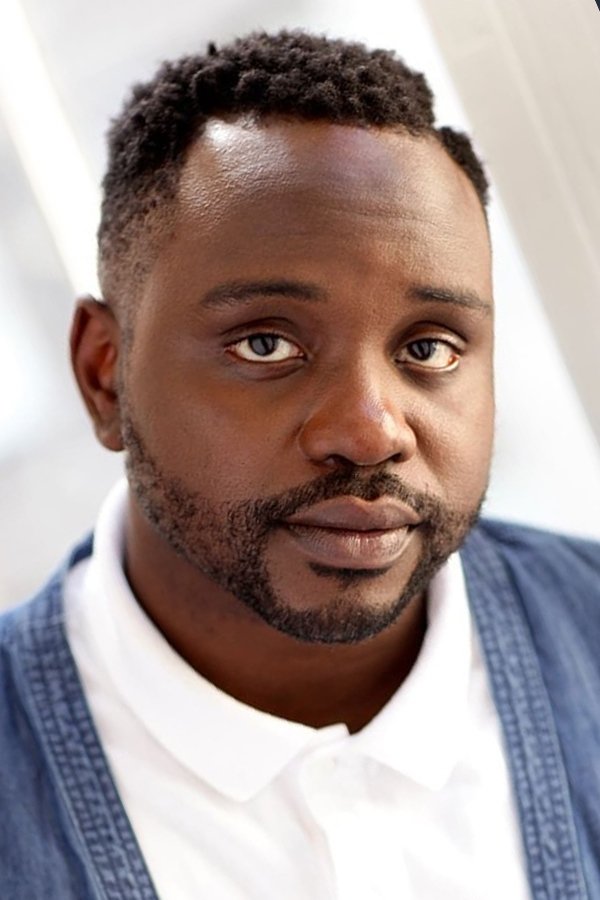
Brian Tyree Henry has become known for his expressive performances and his commitment to being seen as he is. He has often discussed the importance of diverse casting that includes a wide range of body types and skin tones. Henry resists any studio pressure to conform to a specific look that would involve lightening his skin for the camera. In films like ‘Eternals’ and ‘Causeway’ he has showcased the beauty of his natural complexion. He believes that authenticity is the key to creating a lasting connection with the audience.
Utkarsh Ambudkar
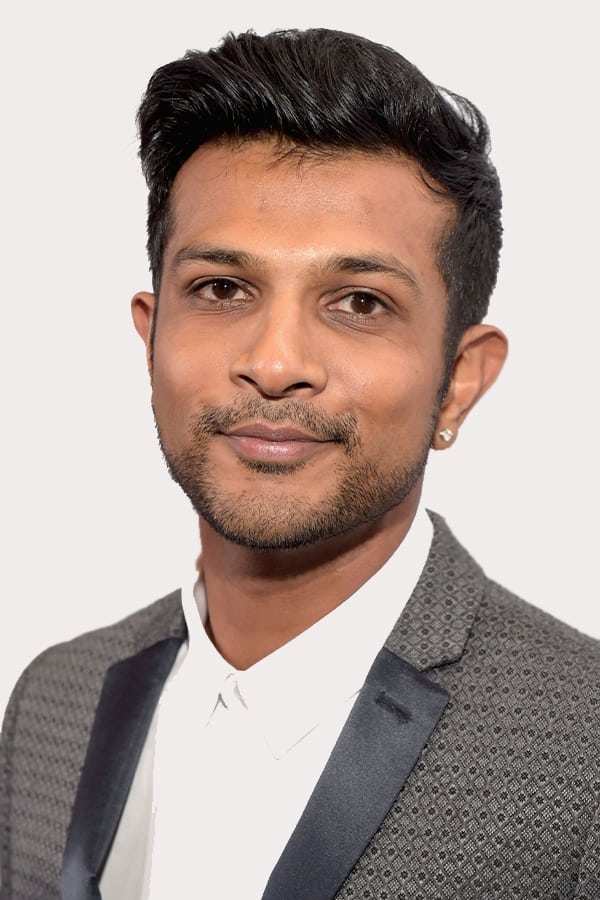
Utkarsh Ambudkar has consistently pushed for better representation for South Asian performers in both comedy and drama. He has spoken about the early days of his career when he was sometimes asked to change his look to fit a certain stereotype. Ambudkar now refuses any roles or productions that do not respect his natural skin tone and heritage. His success in ‘Ghosts’ and other projects shows that audiences appreciate and respond to authentic representation. He remains a vocal advocate for the inclusion of diverse voices in all levels of production.
Kal Penn
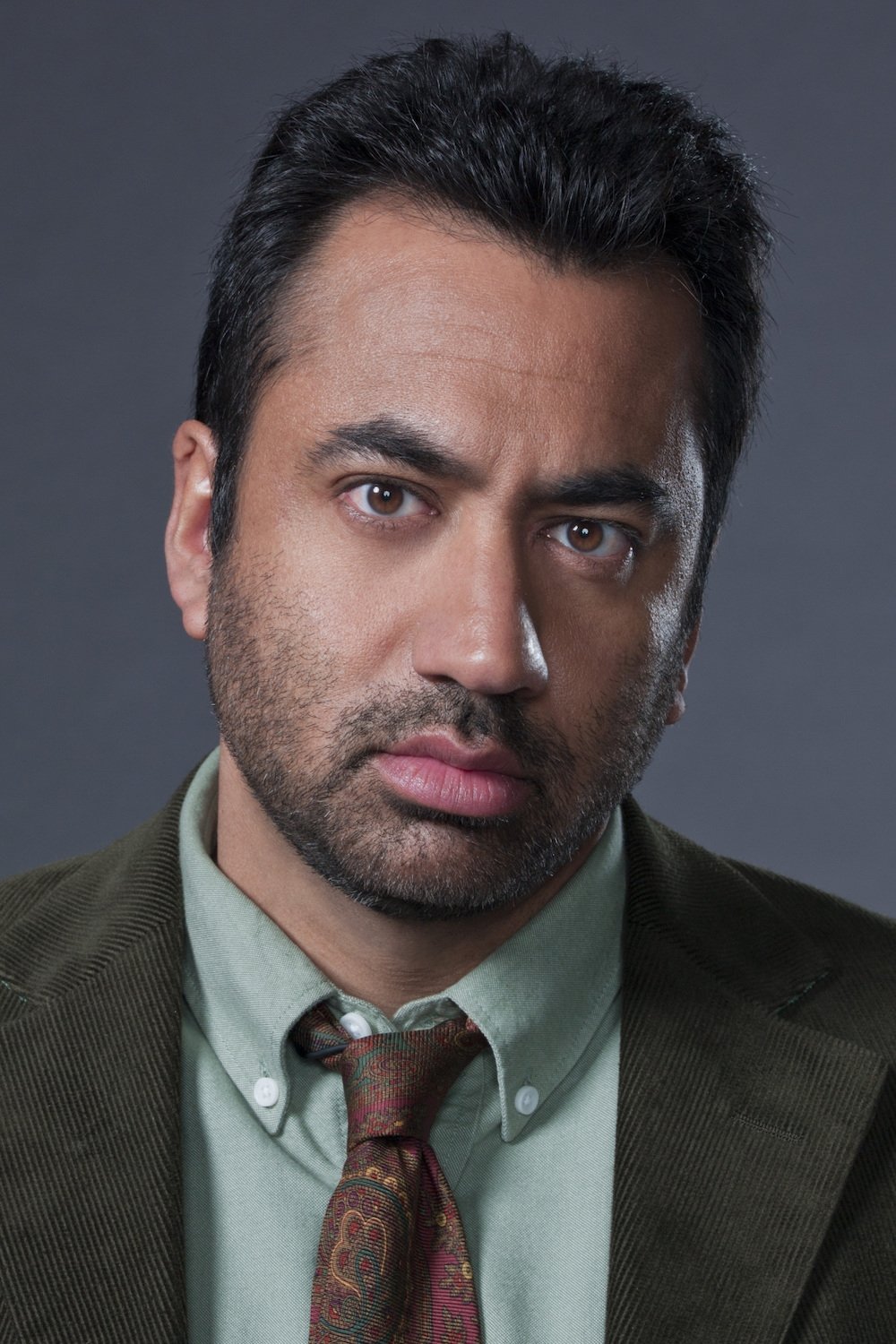
Kal Penn has been a prominent figure in the industry for years and has seen the evolution of how South Asian actors are treated. He has shared stories of the hurdles he faced when trying to get cast in roles that did not rely on caricatures. Penn has always maintained his natural appearance and resisted pressure to lighten his skin for the sake of marketability. He believes that the industry is slowly learning to value the unique looks of all its performers. His career serves as an example of how to navigate Hollywood without compromising one’s identity.
Avan Jogia
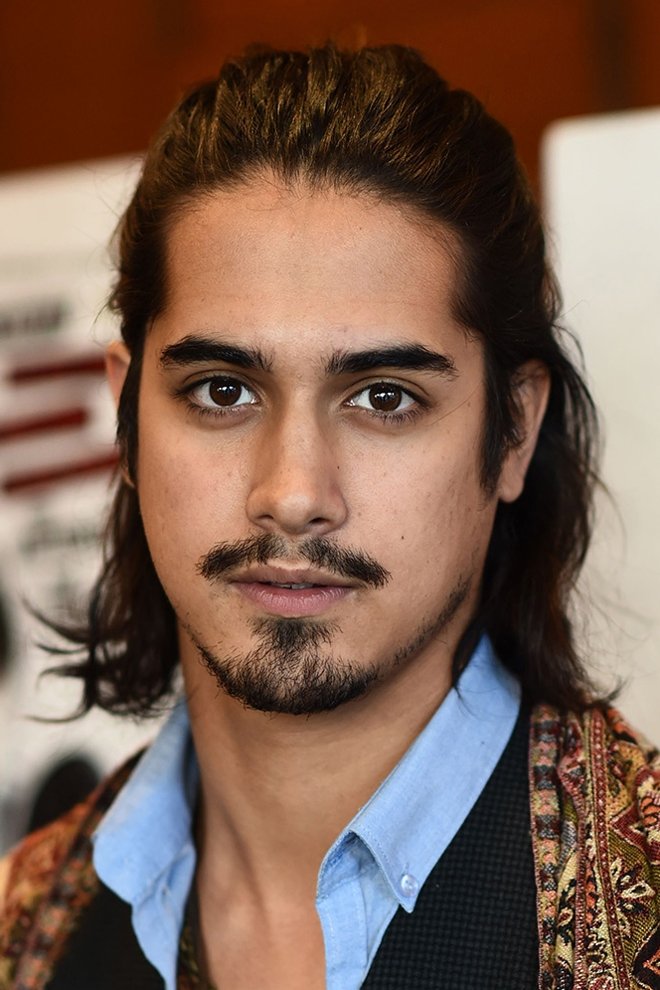
Avan Jogia has written about the experience of being a mixed race actor and the visual expectations that come with it. He has been critical of how the industry often tries to categorize performers into specific boxes based on their skin tone. Jogia refuses to allow studios to alter his appearance to make him look more or less of a certain ethnicity. He advocates for a more fluid and honest understanding of race that is reflected in the way actors are filmed. His work continues to challenge traditional notions of beauty and identity.
Mena Massoud
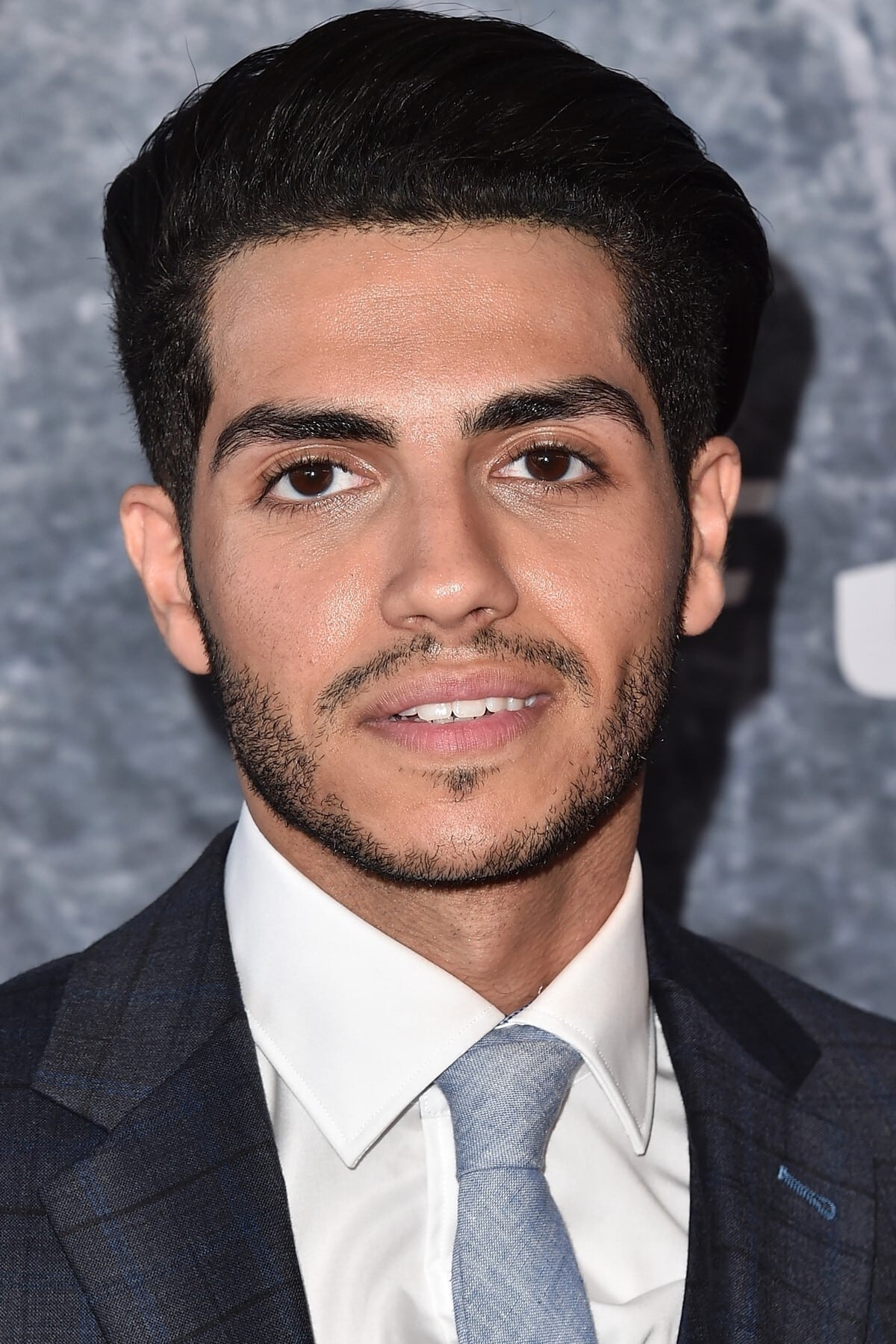
Mena Massoud gained international fame for his role in ‘Aladdin’ but has also spoken about the difficulties that followed. He has addressed the specific challenges of being a brown actor in a landscape that often prioritizes lighter-skinned stars. Massoud has remained firm in his refusal to let his appearance be modified to fit a more Eurocentric ideal. He believes that true diversity means showing the full spectrum of skin tones without digital interference. His advocacy highlights the ongoing struggle for equity for actors from the Middle East and North Africa.
O-T Fagbenle
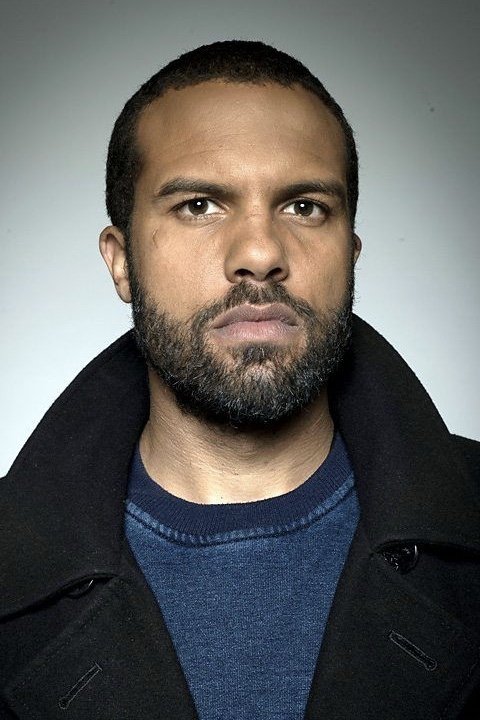
O-T Fagbenle has used his roles in ‘The Handmaid’s Tale’ and ‘Black Widow’ to highlight the importance of realistic lighting. He has discussed the nuances of filming mixed race actors and the need for technical teams to be well-versed in different complexions. Fagbenle refuses to allow his skin to be lightened or washed out by poor set choices. He believes that an actor skin tone is an essential part of their character identity and should be treated with respect. His commitment to visual integrity is a core part of his approach to his craft.
Share your thoughts on these actors and their commitment to authentic representation in the comments.