


Actors Who Refused to Play Villains Anymore Because of Stereotypes

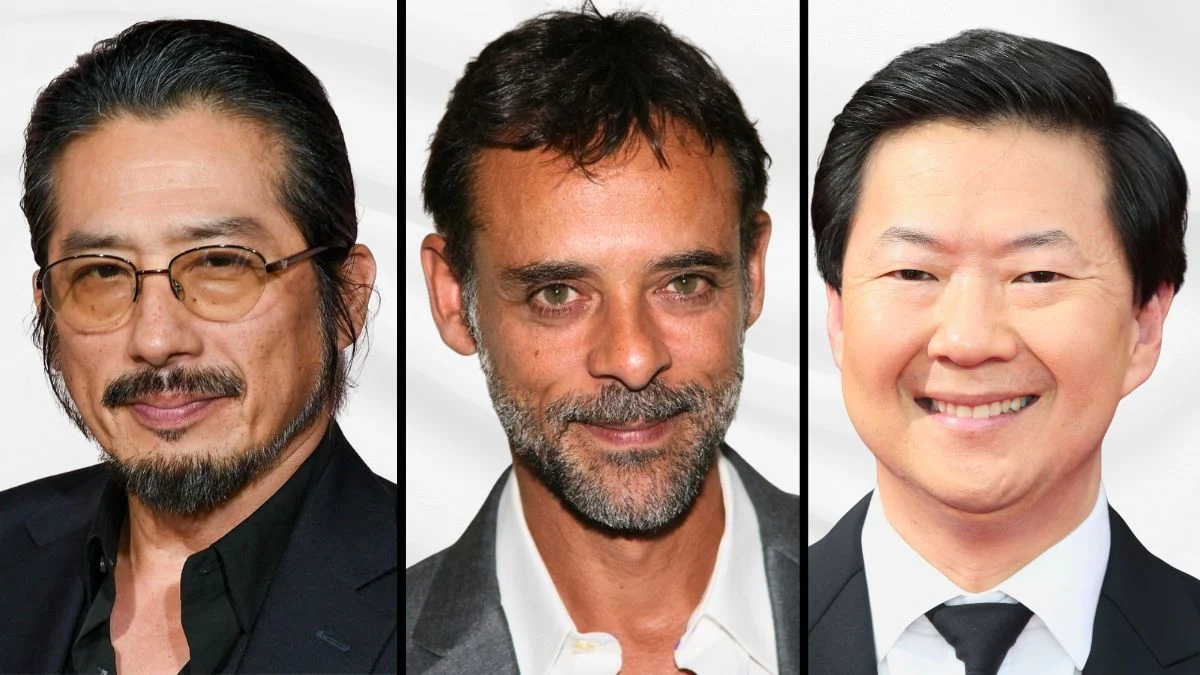


Many talented actors have faced the difficult choice of taking a steady paycheck or standing up against harmful representation. For decades Hollywood leaned on lazy tropes that cast specific ethnic groups as the perpetual antagonist. These performers decided to break the cycle by refusing roles that reinforced negative stereotypes and limited their artistic range. Their collective efforts have helped pave the way for a more diverse and nuanced landscape in modern entertainment. By saying no to stereotypical villainy they have changed the way audiences see the world.
Riz Ahmed
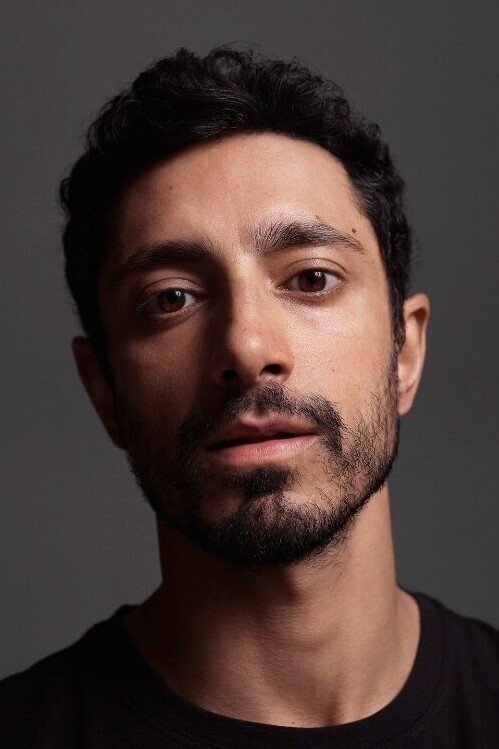
Riz Ahmed has been a leading voice in demanding better representation for Muslim actors in the film industry. He famously spoke before the British Parliament about the dangers of stereotypical casting and how it affects real world perceptions. Ahmed often rejects scripts that portray characters of his background as one dimensional terrorists or extremists. He focuses on roles that provide a complex look at the human experience in films like ‘Sound of Metal’. This commitment has helped him break free from the narrow casting lanes often reserved for performers of South Asian descent.
Jackie Chan
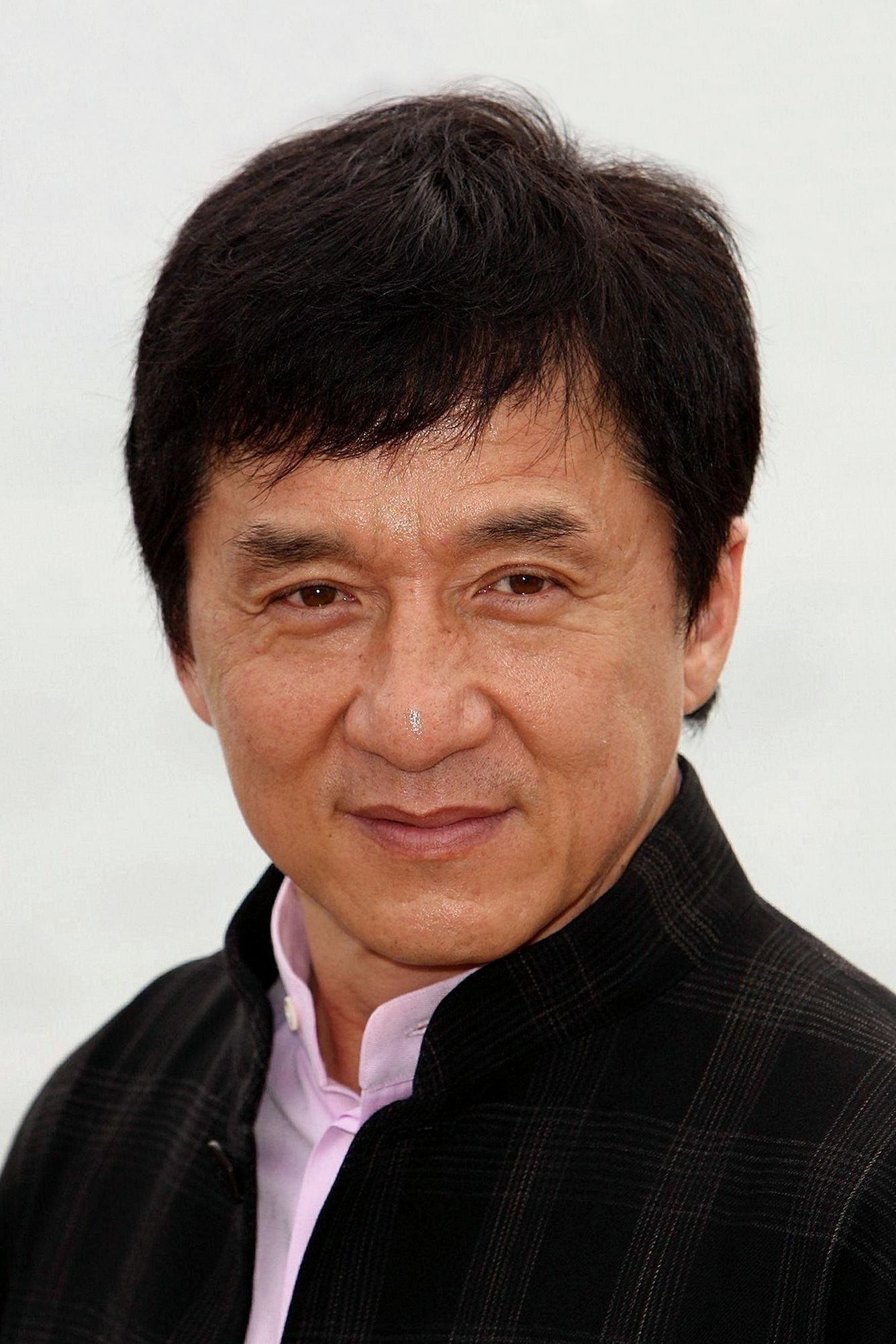
Jackie Chan spent the early part of his career playing various roles including some darker characters in Hong Kong cinema. Once he transitioned to the international stage he became very selective about his image to ensure he was a positive role model. He famously turned down the role of a villain in ‘Lethal Weapon 4’ because he did not want to play a stereotypical Chinese criminal. Chan preferred to play the hero or the relatable underdog to promote a better image of Asian men in Hollywood. He has since maintained a career built on action comedy and characters with high moral integrity.
Danny Trejo
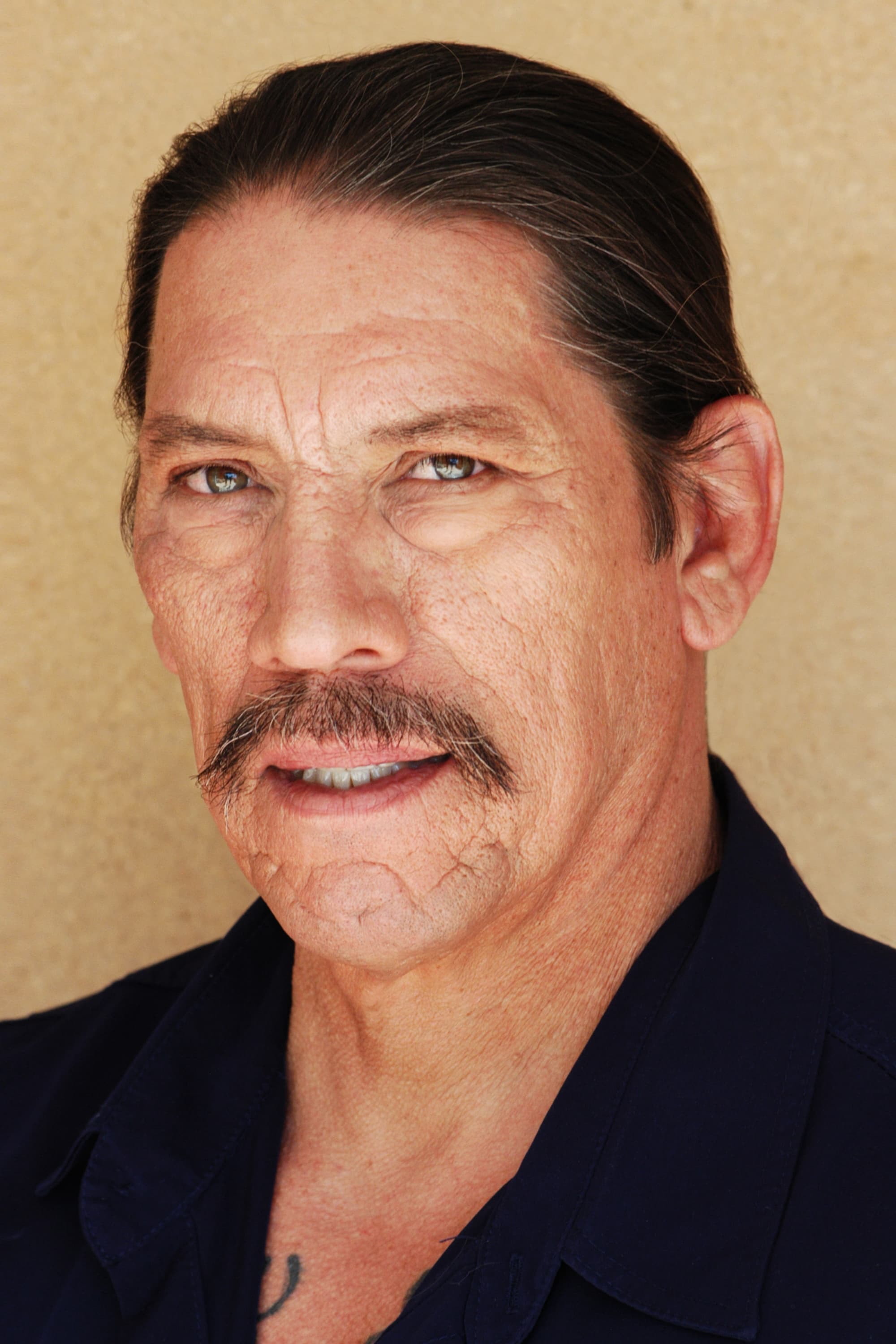
Danny Trejo spent years being cast as a generic tough guy or inmate due to his rugged appearance and personal history. He eventually realized that his roles could have a significant impact on young people who looked up to him. Trejo established a personal rule that if he played a villain the character must always die or face justice. This was his way of ensuring that his performances did not glamorize a life of crime or reinforce negative stereotypes about Latino men. He has since transitioned into playing more heroic or comedic roles such as the lead in ‘Machete’.
Cliff Curtis
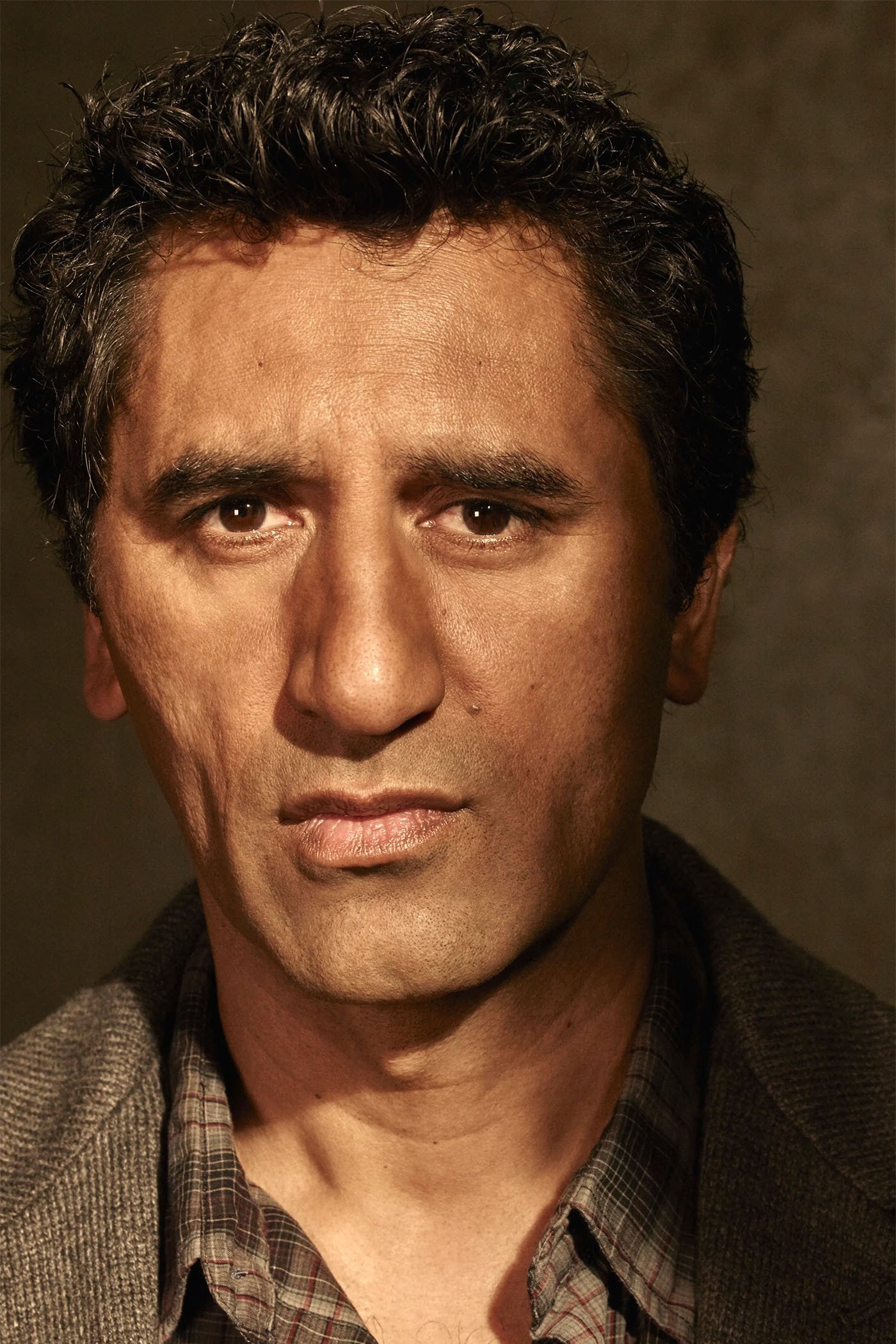
Cliff Curtis is known for his incredible versatility and has played characters of many different ethnicities throughout his career. At one point he realized he was being sought out primarily to play various types of ethnic villains or gang members. He made a conscious decision to seek out roles that offered more depth and shifted away from these harmful tropes. Curtis began taking on roles that highlighted his range as a dramatic actor in projects like ‘Whale Rider’. His career now includes a wide variety of characters that transcend the limitations of his early typecasting.
Alexander Siddig
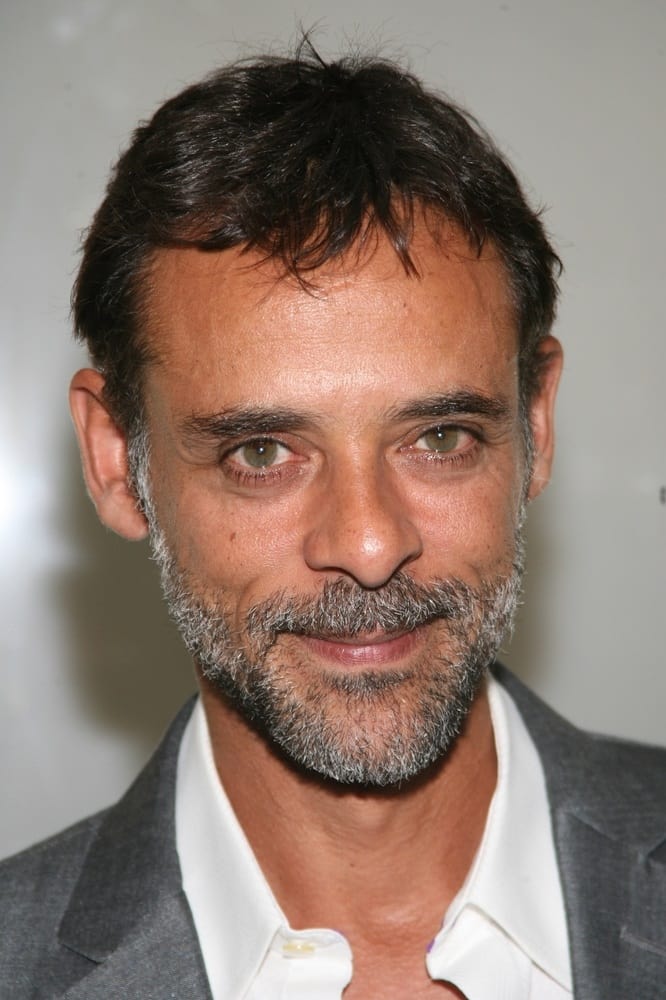
Alexander Siddig gained international fame for his role in ‘Star Trek Deep Space Nine’ which presented a positive image of a professional of Middle Eastern descent. After the series ended he found that many of the offers he received were for stereotypical terrorist roles. Siddig began turning these down to avoid contributing to the negative portrayal of his heritage in Western media. He has often spoken out about the lack of imaginative writing for actors of color in the industry. His later work reflects a desire to play complex and multifaceted characters regardless of their background.
Faran Tahir
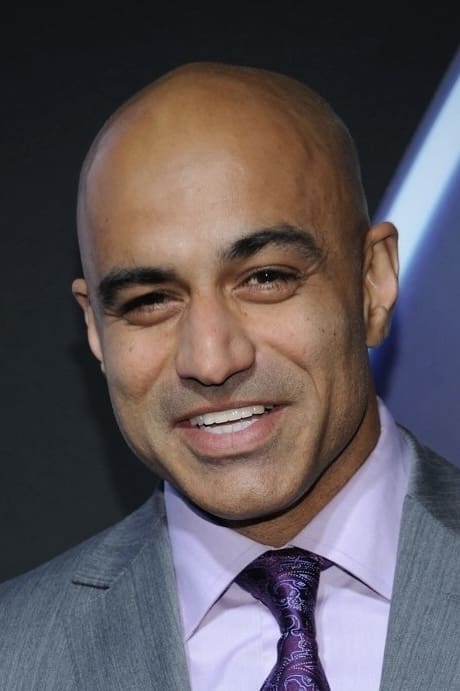
Faran Tahir has a long history of playing authority figures and complex characters but he has faced many offers for stereotypical villains. He established a set of personal criteria for accepting antagonist roles to ensure they were not just flat caricatures. Tahir insists that his characters have a clear motivation and a human element that goes beyond their ethnicity or religion. He famously negotiated his role in ‘Iron Man’ to ensure the character was not a simple stereotype. This approach has allowed him to maintain a successful career while upholding his personal values.
Kal Penn
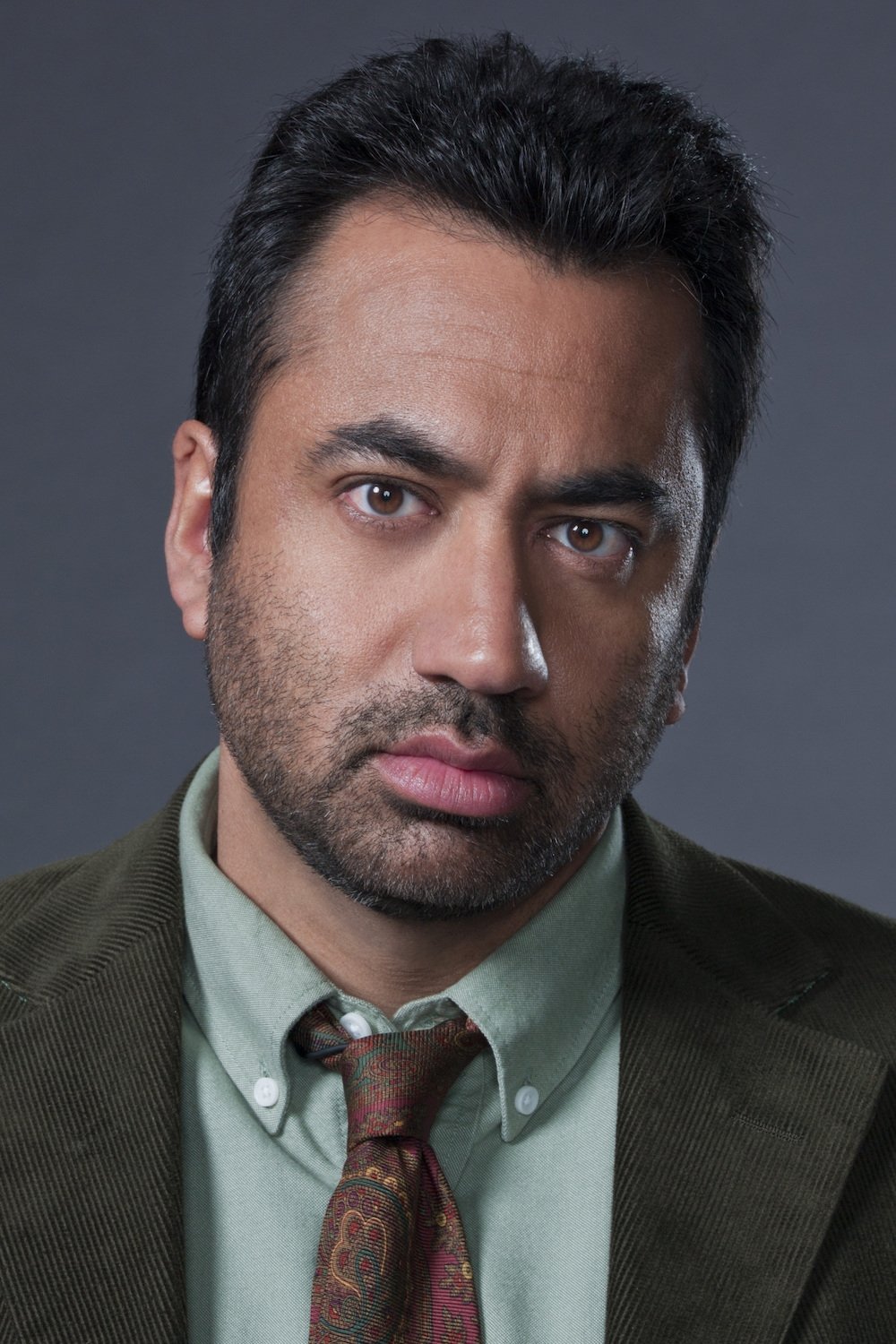
Kal Penn started his career by exposing the ridiculous nature of the stereotypical roles he was offered as a young actor. He shared script excerpts on social media that required him to use thick accents or play into offensive South Asian tropes. Penn decided to stop auditioning for these parts and instead looked for roles that allowed him to be a regular American guy. This led him to the ‘Harold and Kumar’ franchise which subverted many of the expectations placed on Asian American actors. He eventually moved into more serious roles and even spent time working in the public sector.
Tony Shalhoub
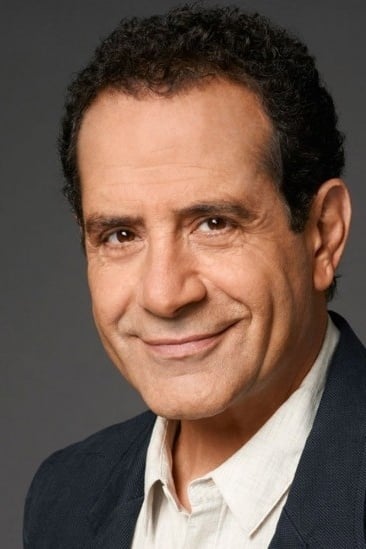
Tony Shalhoub is a highly decorated actor who faced significant typecasting during the early years of his career. Being of Lebanese descent he was frequently offered roles that depicted Middle Eastern characters as dangerous or unsavory. He made a point of refusing these stereotypical villain roles to avoid being pigeonholed by his heritage. Shalhoub instead focused on characters that showcased his comedic timing and dramatic depth in shows like ‘Monk’. His success has proven that actors of Middle Eastern descent can lead major productions without relying on tired tropes.
Rami Malek
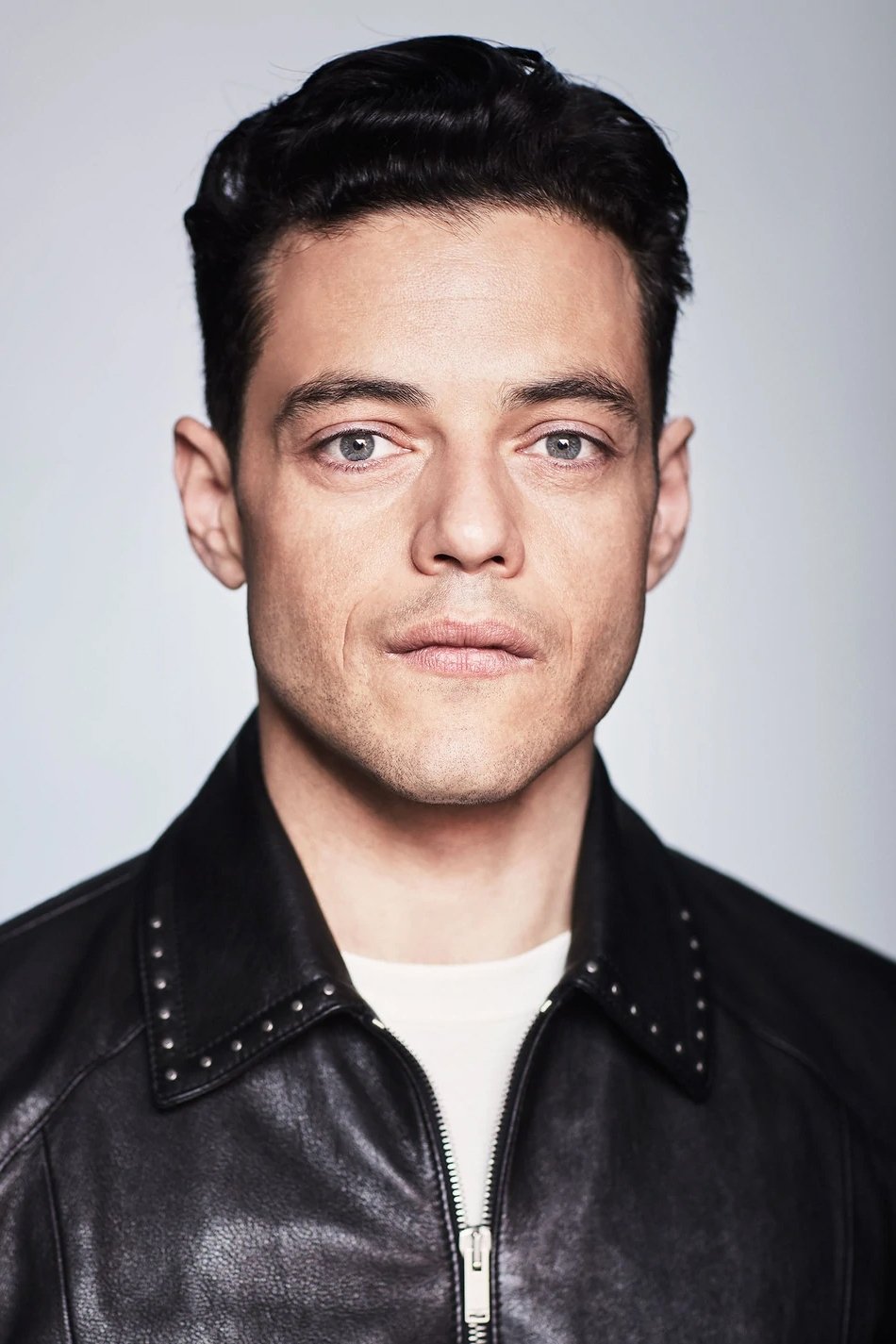
Rami Malek has been very vocal about his refusal to play characters that promote negative religious or ethnic stereotypes. When he was approached for the role of the villain in ‘No Time to Die’ he had a serious discussion with the director. Malek wanted to ensure that the character was a distinct individual and not a representation of any specific ideology or culture. He only accepted the part once he was certain the antagonist was defined by his personal motivations rather than his background. This stance has been a hallmark of his career as he seeks out unique and challenging roles.
Ken Jeong
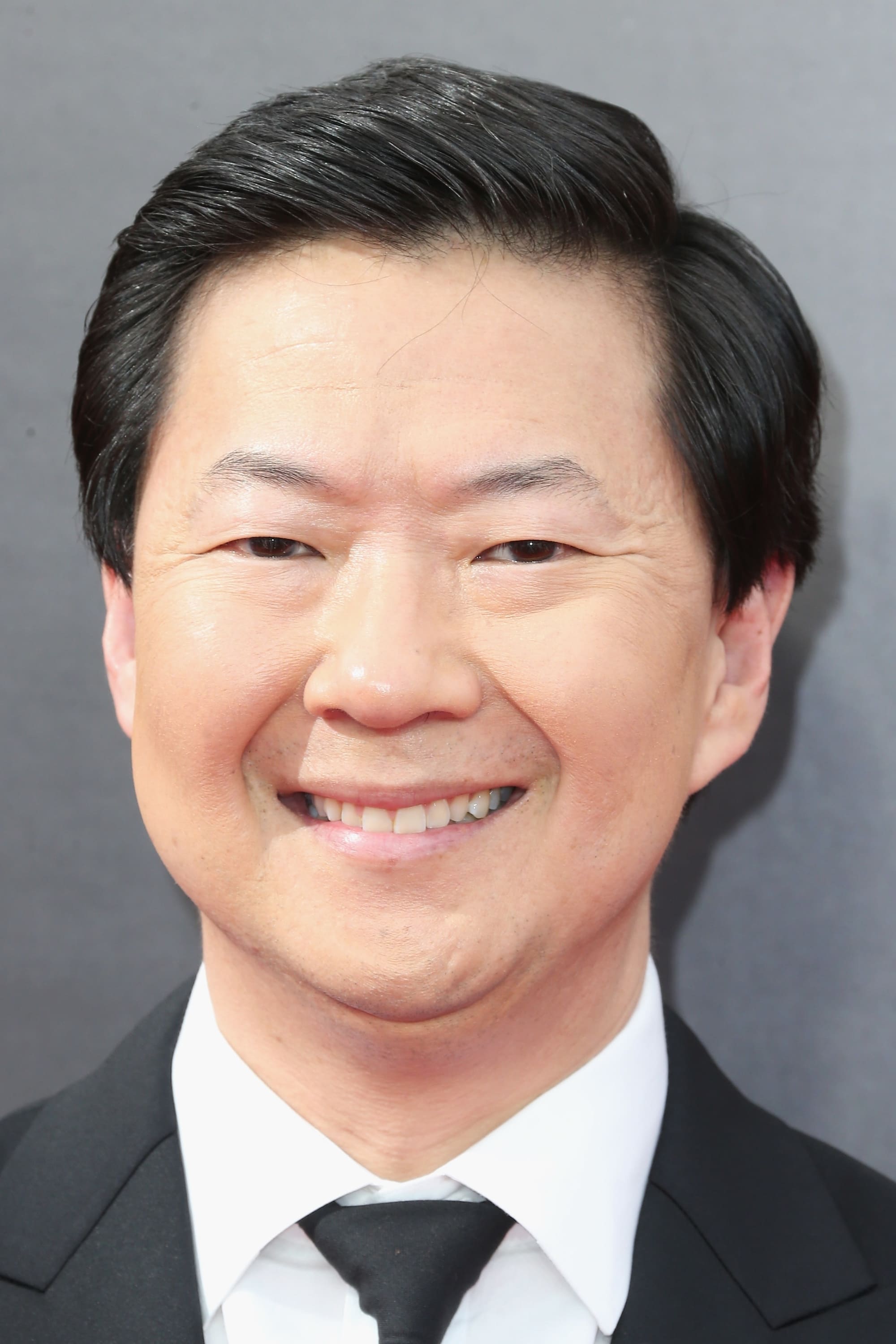
Ken Jeong initially rose to fame playing characters that some critics felt leaned into certain Asian stereotypes. Over time he has become more mindful of the roles he chooses and the way they impact the perception of Asian American men. He has moved away from the more outlandish caricatures to focus on roles that offer a more grounded and human portrayal. Jeong has expressed a desire to lead projects that show the diversity and complexity of the Asian American experience. His work in ‘Dr. Ken’ and other projects reflects this shift toward more positive and varied representation.
BD Wong
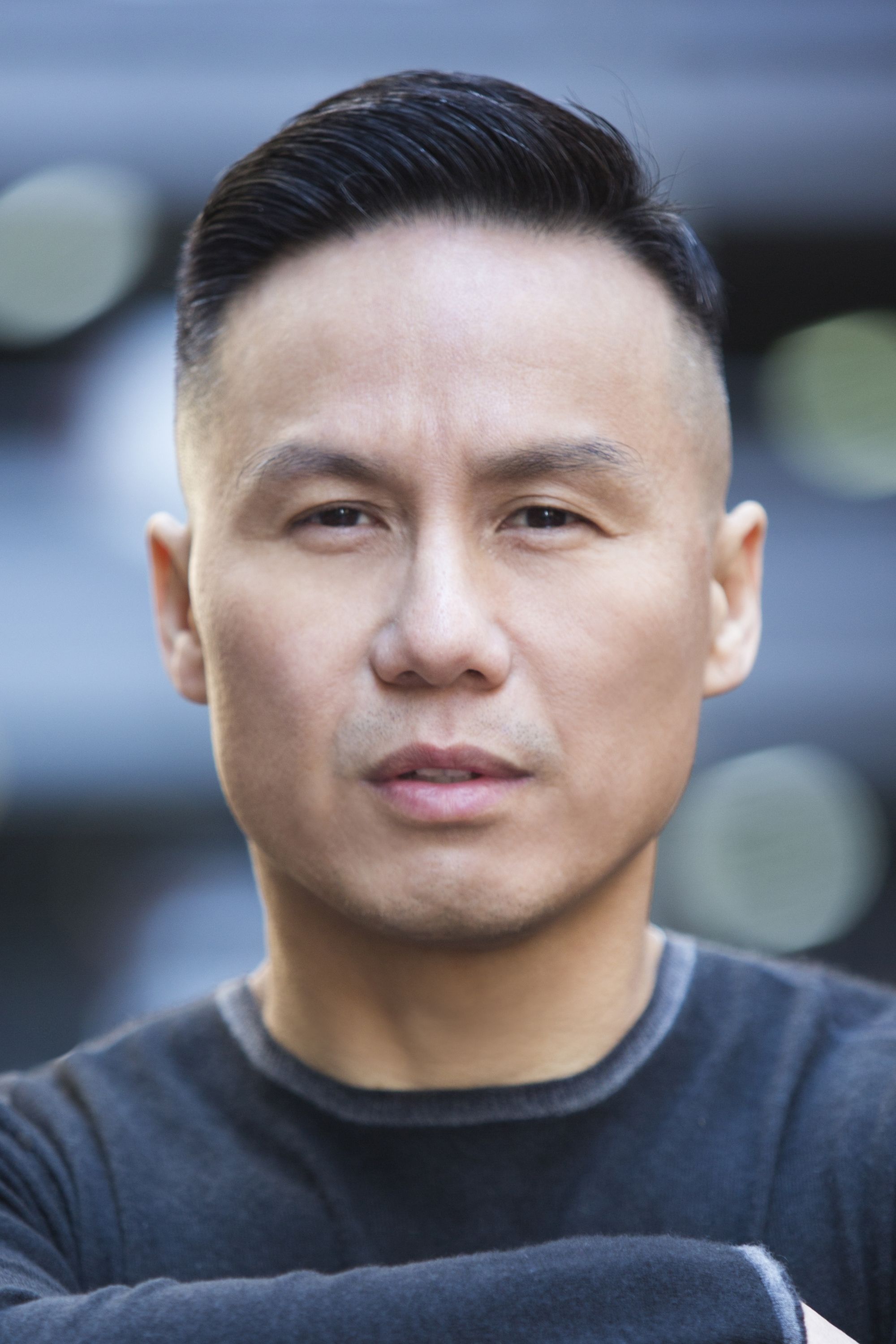
BD Wong has spent decades advocating for better representation for Asian actors in film and television. He has often criticized the industry for casting Asian men as silent villains or one dimensional sidekicks. Wong has been careful to select roles that challenge these conventions and provide a more nuanced perspective. His roles in ‘Law and Order Special Victims Unit’ and ‘Mr. Robot’ have allowed him to explore complex characters that defy easy categorization. He remains a powerful voice in the fight for authentic storytelling and diverse casting.
John Cho
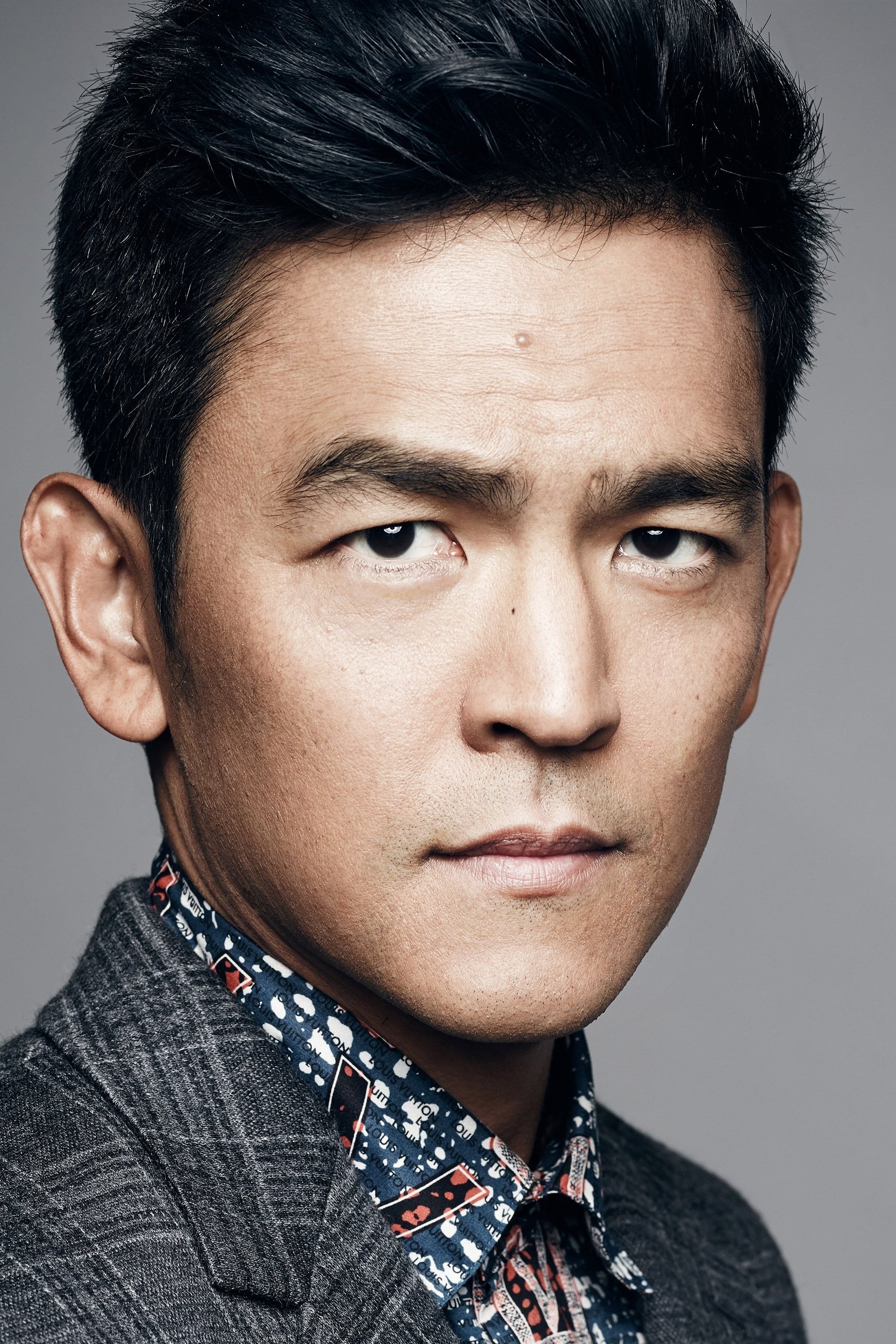
John Cho made a conscious decision early in his career to avoid roles that required a fake accent or played into the “model minority” or “villain” stereotypes. He wanted to be seen as an American actor who could play any role regardless of his ethnicity. This led him to take on characters that were traditionally written for white actors such as his role in the ‘Star Trek’ reboot. Cho has been a pioneer in breaking the glass ceiling for Asian American leading men in Hollywood. His work continues to push the boundaries of what is expected from actors of his background.
Hiroyuki Sanada
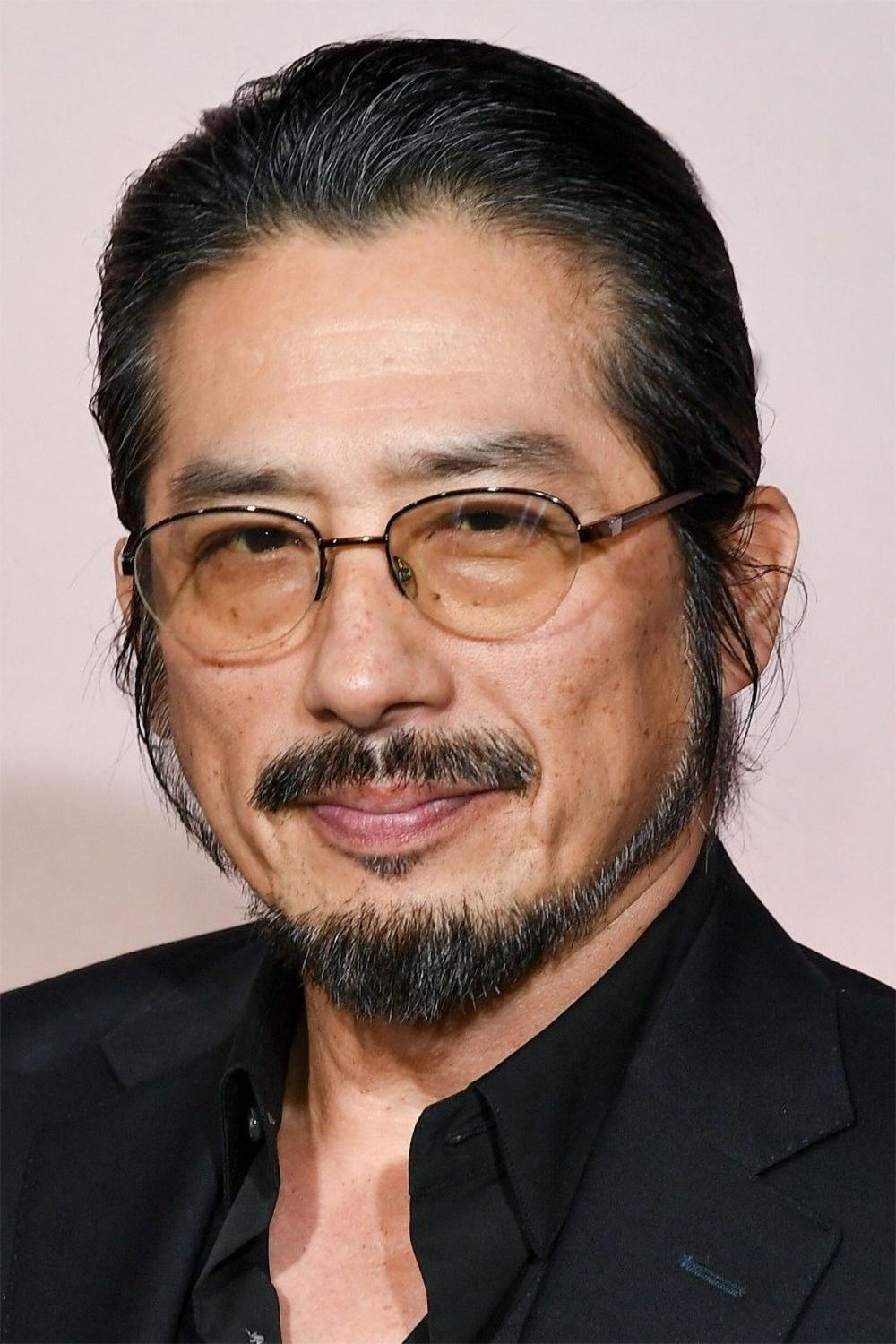
Hiroyuki Sanada is a veteran actor who has worked tirelessly to ensure Japanese culture is portrayed accurately in international cinema. He often refuses roles that lean into the “faceless ninja” or “unrelenting villain” tropes that have plagued Asian actors for years. Sanada often acts as a consultant on sets to ensure that the costumes and dialogue are respectful and authentic. He prefers to play characters with depth and honor even if they are the antagonist of the story. His dedication has earned him great respect in both the Japanese and American film industries.
Cary-Hiroyuki Tagawa
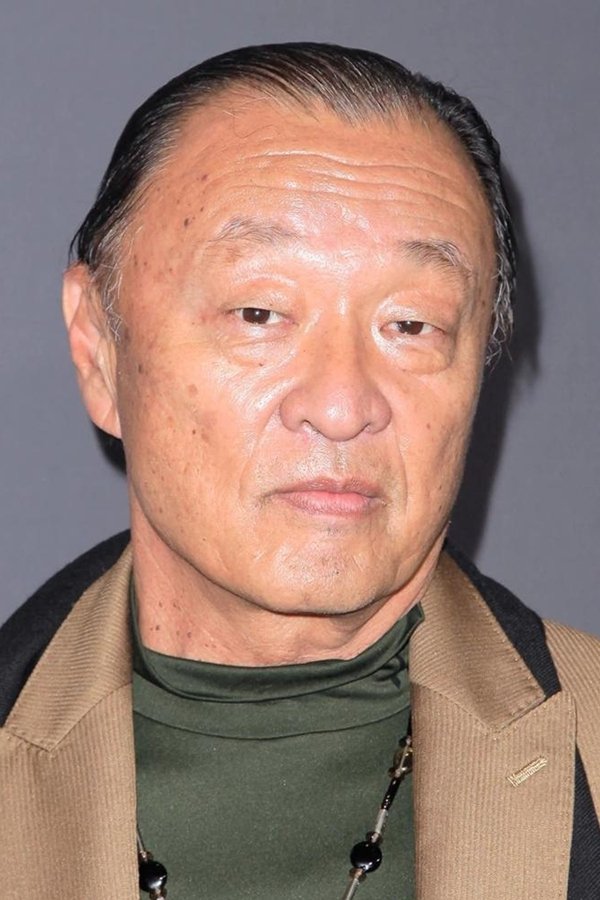
Cary-Hiroyuki Tagawa is famous for his portrayal of iconic villains but he has also been critical of the lack of diversity in those roles. As his career progressed he began to seek out characters that allowed him to show more of his spiritual and philosophical side. He moved away from the “yellow peril” archetypes that were common in the eighties and nineties. Tagawa has used his platform to advocate for more substantial roles for Asian actors that go beyond the typical bad guy. He continues to look for projects that offer a more complete picture of human nature.
Tadanobu Asano
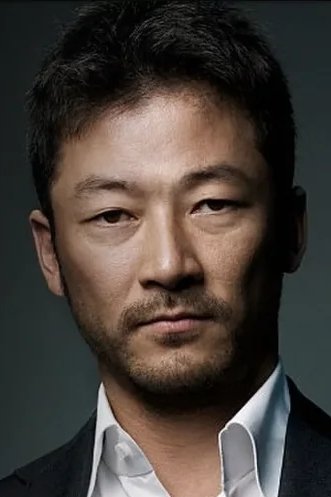
Tadanobu Asano is a major star in Japan who has carefully navigated his entry into Western films. He has avoided the trap of being cast solely as a foreign menace or a stereotypical martial arts villain. Asano looks for roles that provide a creative challenge and allow him to showcase his range as a dramatic performer. He has successfully transitioned between heroic roles in superhero films and more grounded characters in independent cinema. His choices reflect a commitment to building a global career that is not limited by cultural stereotypes.
Benedict Wong
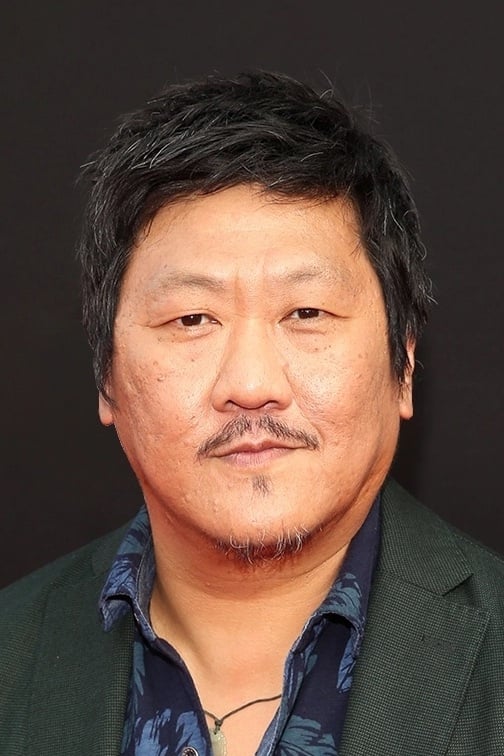
Benedict Wong has become a familiar face in major franchises but he remains selective about the roles he accepts. He has spoken about the importance of moving past the roles of “waiter” or “gang member” that were once the only options for Asian actors. Wong chooses characters that have a sense of agency and personality such as his role in ‘Doctor Strange’. He actively avoids projects that rely on outdated or offensive tropes to portray people of Asian descent. His success is a testament to the changing tides of representation in modern blockbusters.
Shaun Toub
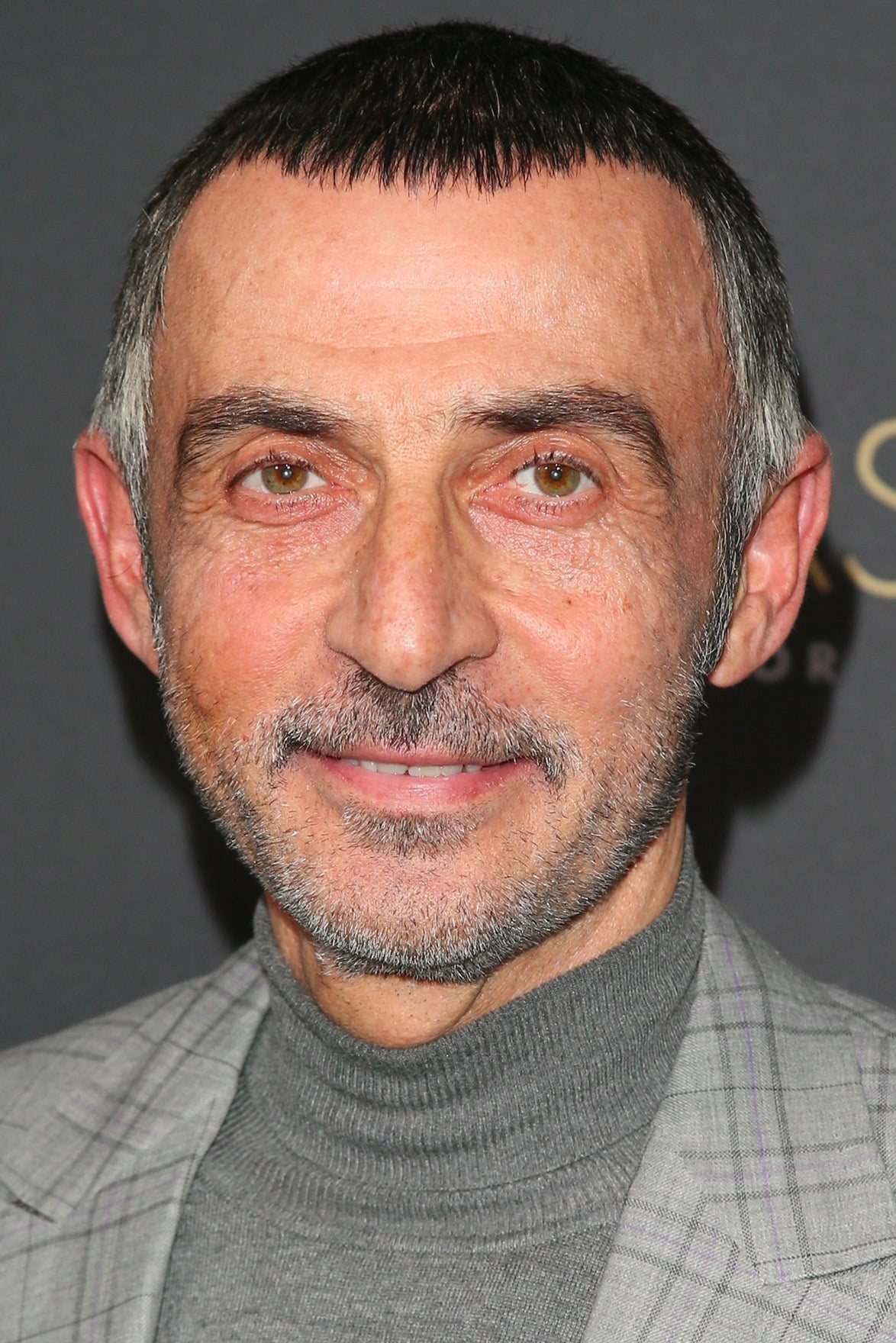
Shaun Toub has built a career playing a wide variety of characters but he is particularly mindful of how Middle Eastern men are portrayed. He has often refused roles that he felt were dehumanizing or focused solely on negative stereotypes. Toub prefers to play characters that have a family life and relatable struggles even if they are in a position of conflict. He has been a consistent voice for the importance of heart and humanity in every role he takes. His work in films like ‘Iron Man’ and ‘The Kite Runner’ showcases this balanced approach.
Haaz Sleiman
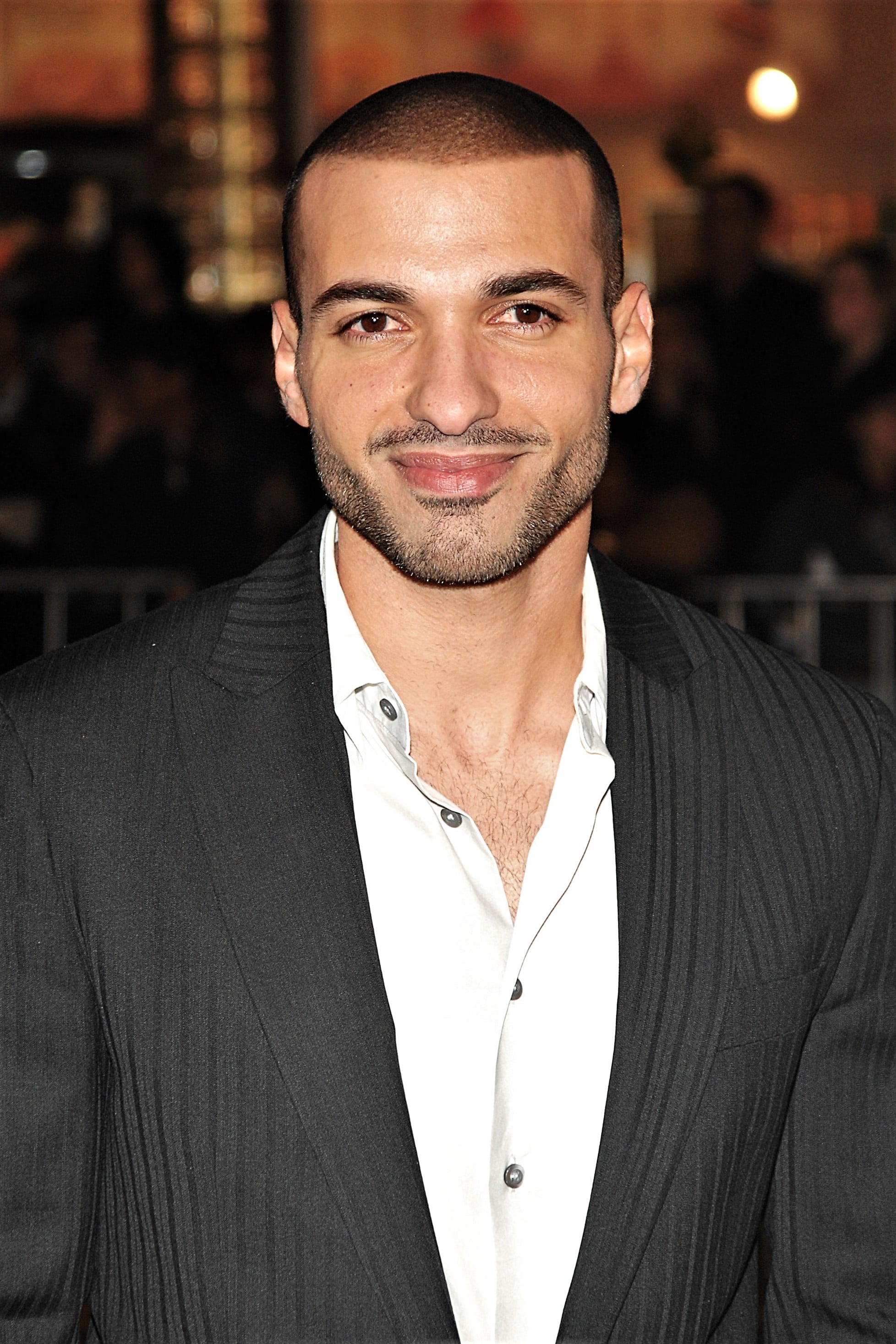
Haaz Sleiman is an actor who has publicly discussed the need for more positive and diverse roles for Middle Eastern performers. He has made it a point to reject projects that he feels are Islamophobic or rely on tired villainous clichés. Sleiman is interested in telling stories that highlight the commonalities between people of different backgrounds. He has taken on roles that explore LGBTQ themes and other complex social issues to broaden the narrative. His career is dedicated to breaking down barriers and fostering understanding through the arts.
Maz Jobrani
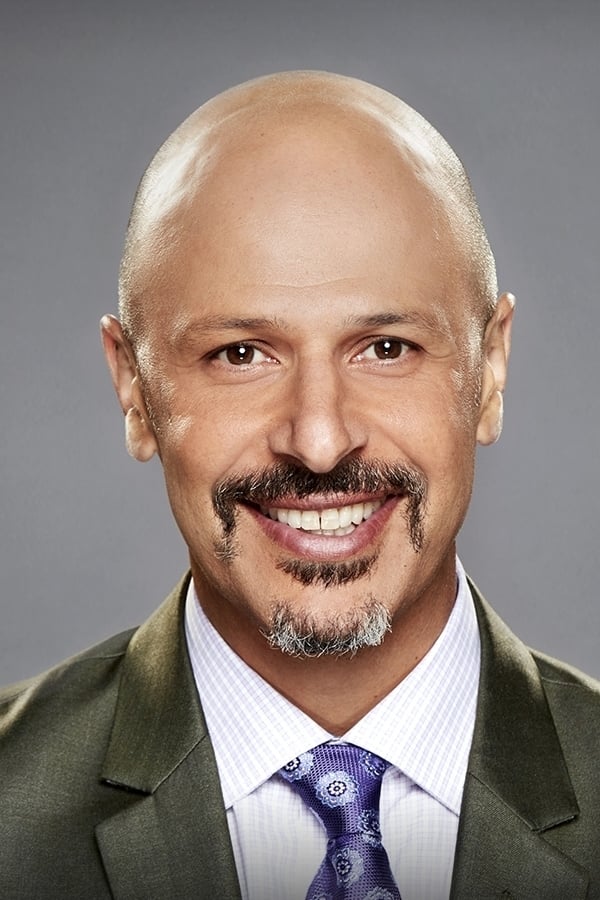
Maz Jobrani is another comedian who has consistently pushed back against the “Axis of Evil” stereotypes in Hollywood. He has spoken at length about being offered roles that required him to shout in a generic accent while playing a criminal. Jobrani chooses to play characters that reflect his true identity as an Iranian American who is part of the cultural fabric of his country. He uses his comedy to highlight the absurdity of the casting calls he has received throughout his career. His projects aim to humanize and celebrate Middle Eastern culture rather than demonizing it.
Amr Waked
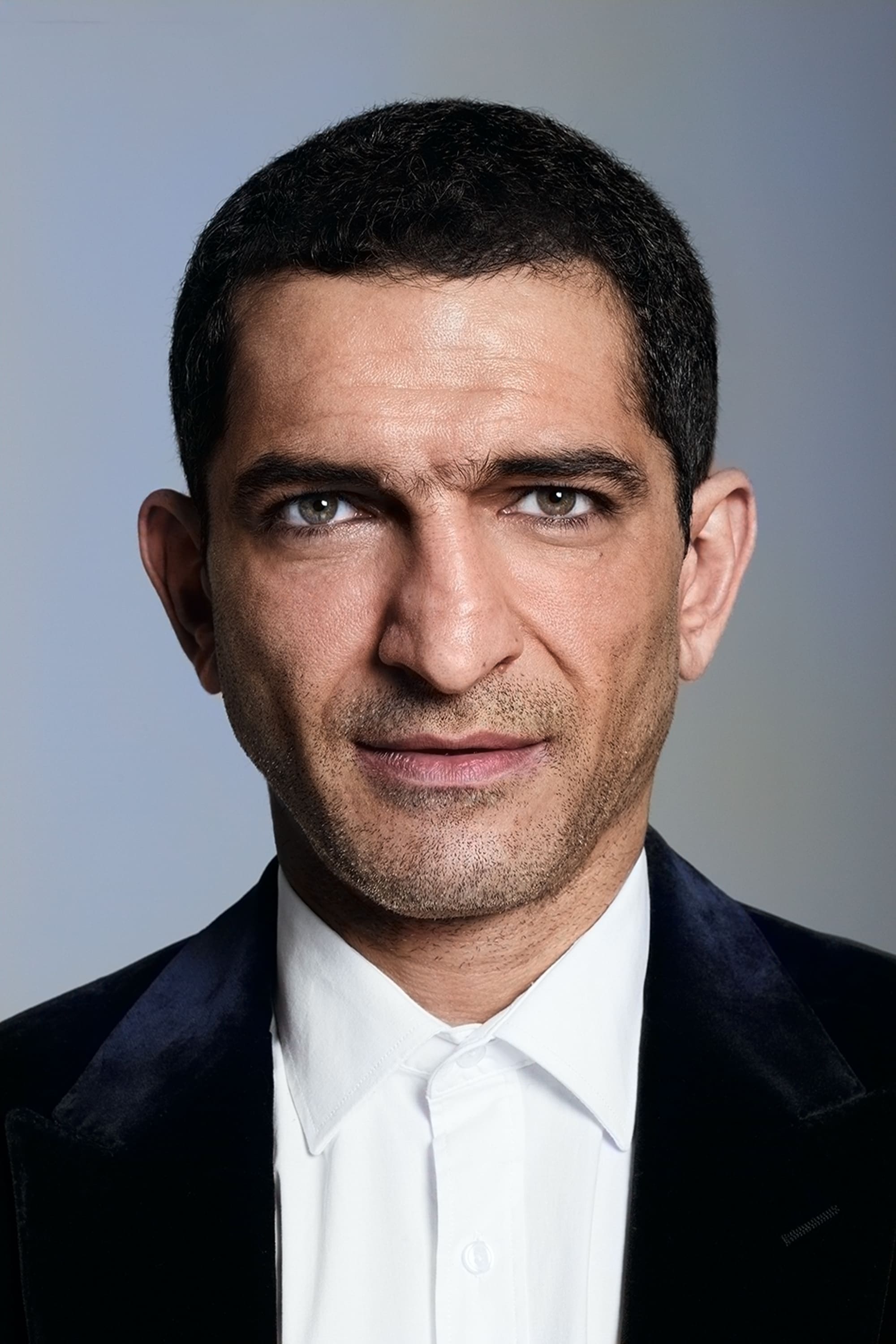
Amr Waked is a prominent Egyptian actor who has expanded his career into the international film scene. He is very selective about the roles he takes in Western productions to avoid being used as a token villain. Waked looks for scripts that offer a sophisticated view of the world and avoid black and white morality. He has worked on projects that deal with political intrigue and human rights showcasing his depth as a performer. His choices demonstrate a desire to bridge the gap between different cultures through thoughtful storytelling.
Oded Fehr
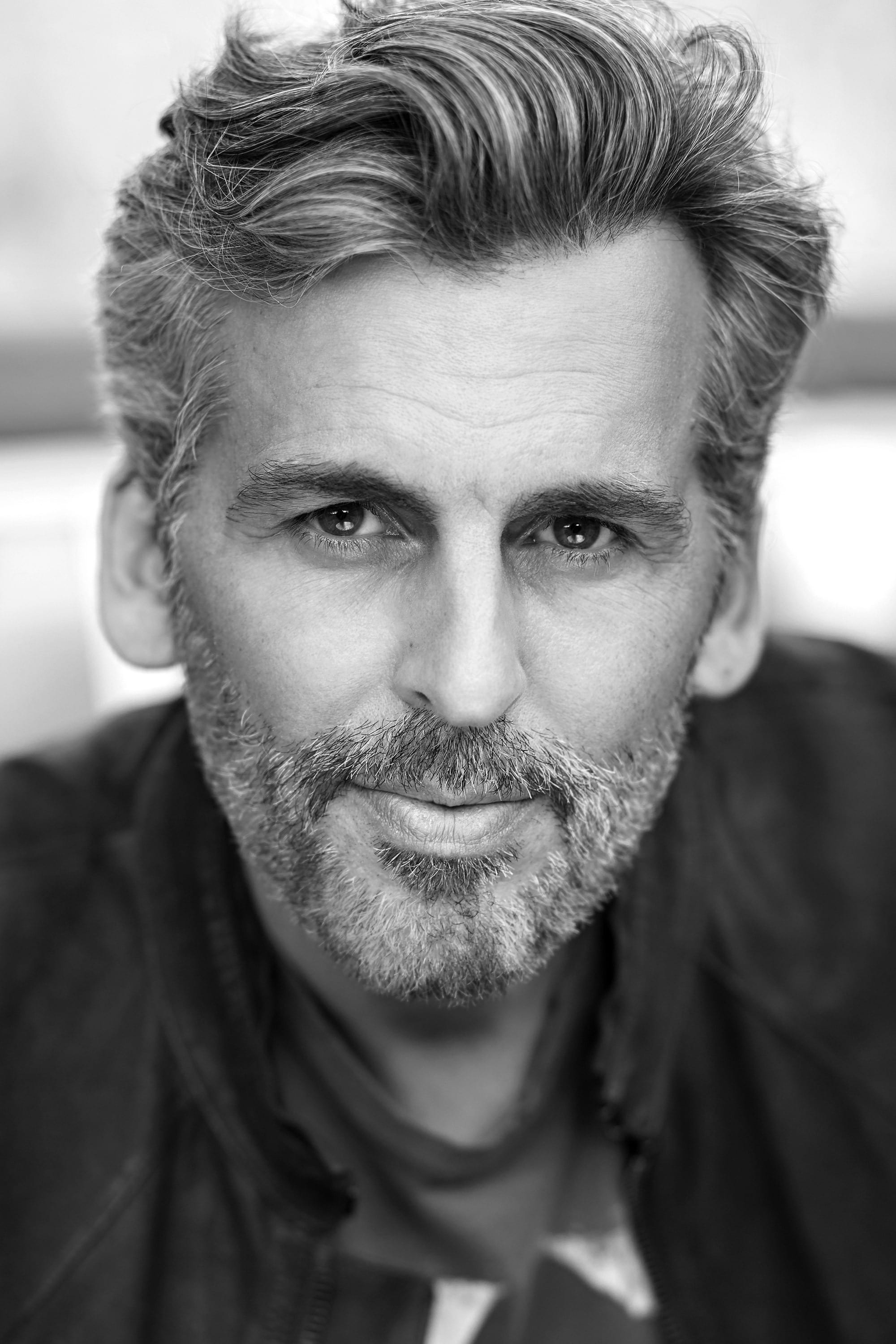
Oded Fehr became a household name with his role in ‘The Mummy’ which presented a more heroic image of a Middle Eastern character. Since then he has been careful to avoid falling back into the stereotypical villain roles that are often offered to actors of his background. Fehr has played a wide range of characters including soldiers and leaders who are defined by their competence and bravery. He remains an example of how an actor can maintain a long career without relying on negative tropes. His work continues to be diverse and engaging across different genres.
Naveen Andrews

Naveen Andrews achieved great success with his role in ‘Lost’ which featured a character with a complex and mysterious past. Before this he found that the industry often tried to box him into stereotypical antagonist roles based on his heritage. Andrews has sought out projects that challenge him artistically and offer a fresh perspective on his identity. He has been vocal about the need for more leading roles for South Asian actors that are not defined by their ethnicity. His career reflects a steady move toward more varied and substantial performances.
Art Malik
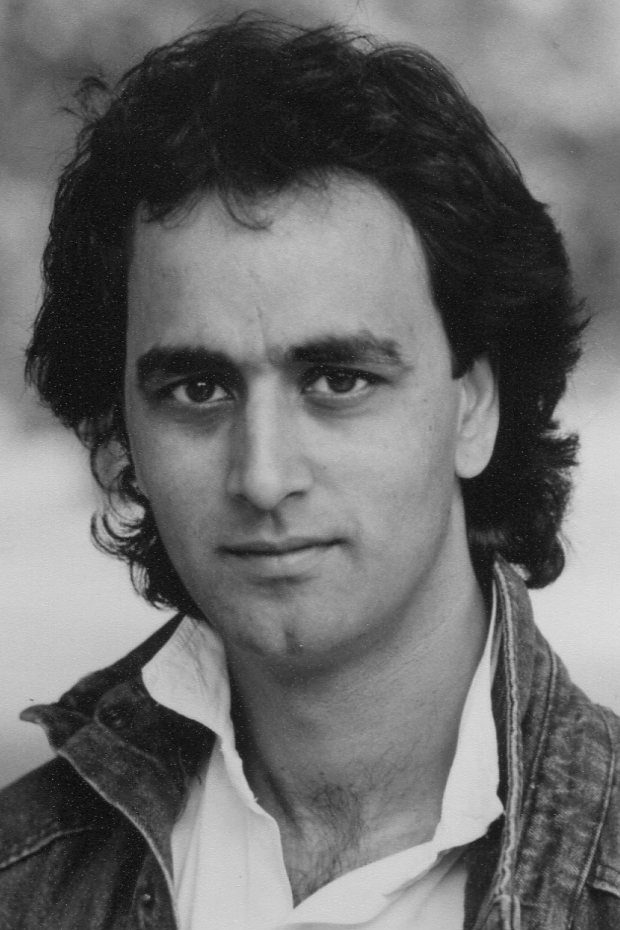
Art Malik is a veteran of the British acting scene who has seen the industry change significantly over the decades. He has often spoken about the frustration of being offered “villain of the week” roles during the early part of his career. Malik decided to prioritize roles that allowed him to show his versatility and intelligence as an actor. He has appeared in everything from period dramas to modern thrillers proving that he cannot be easily categorized. His long standing success is a result of his refusal to be limited by the expectations of others.
Saeed Jaffrey
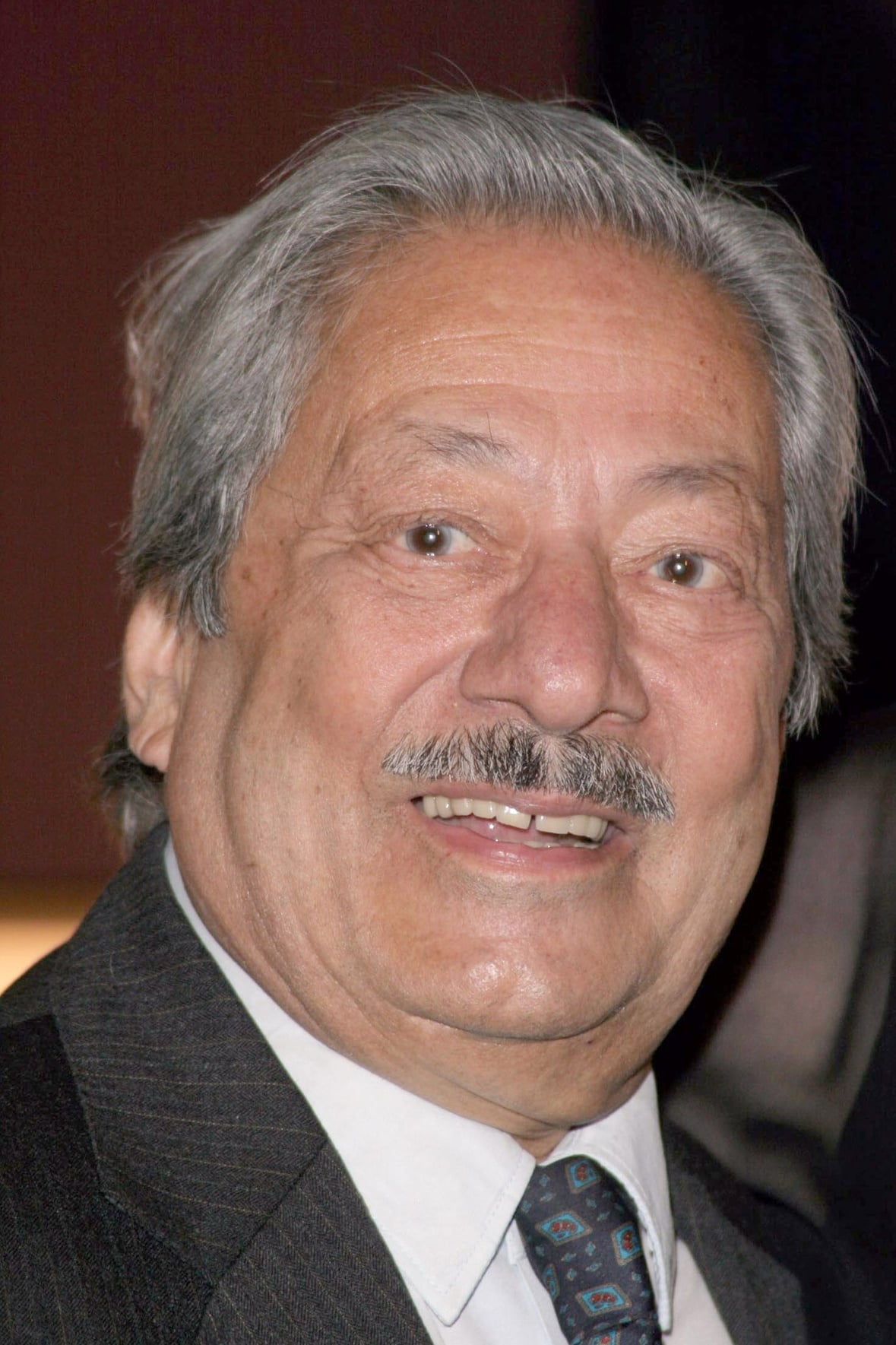
Saeed Jaffrey was a pioneer for South Asian actors in both British and international cinema during his long career. He worked tirelessly to ensure that his characters were treated with dignity and depth rather than being reduced to caricatures. Jaffrey often refused roles that he felt were disrespectful to his culture or reinforced negative biases. He was one of the first actors of his background to achieve mainstream success in a wide variety of roles. His legacy is one of breaking down doors for future generations of diverse performers.
Sayed Badreya
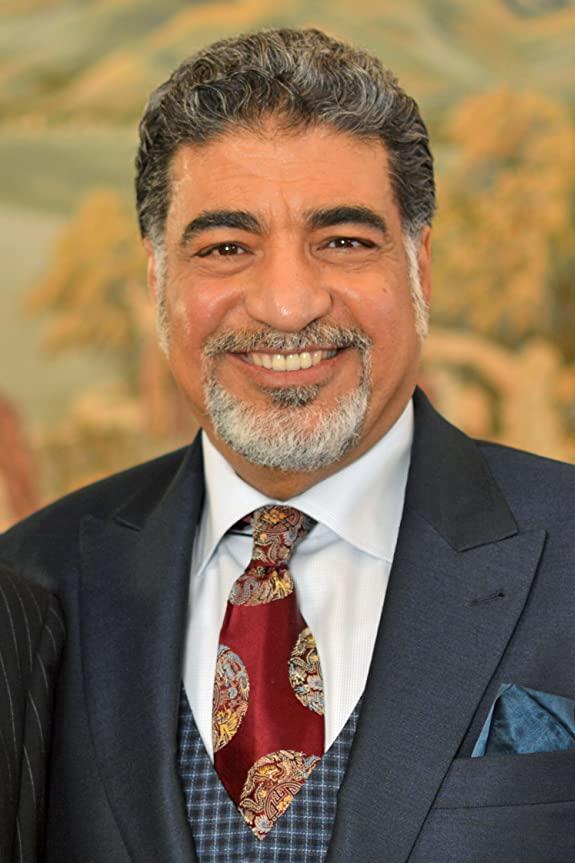
Sayed Badreya has made it his mission to change the way Middle Eastern people are portrayed in Hollywood. He has been a vocal critic of the “terrorist” stereotype and has often worked with directors to make his characters more human. Badreya prefers to play roles that show the everyday lives and struggles of people from his background. He has created his own content and production company to ensure that better stories are being told. His dedication to authentic representation has made him a respected figure in the industry.
Waleed Zuaiter
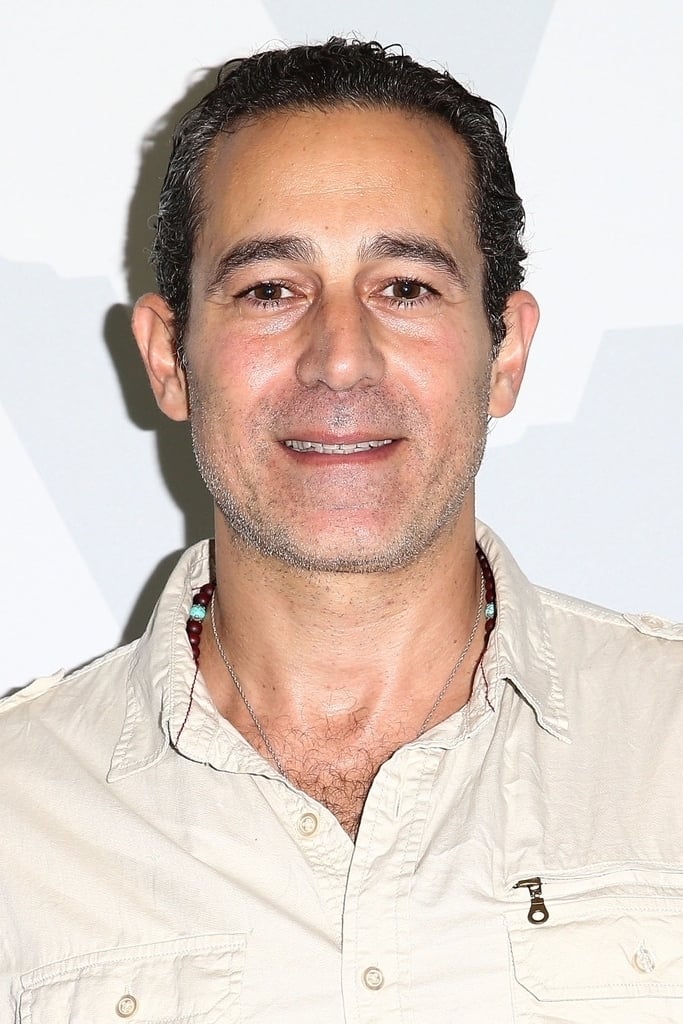
Waleed Zuaiter is an actor and producer who is deeply committed to improving the quality of roles for Arab actors. He has avoided taking on stereotypical villain parts that he feels are lazy or damaging to his community. Zuaiter looks for projects that explore complex themes and provide a platform for diverse voices. He founded a production company specifically to develop stories that offer a more nuanced view of the Middle East. His work both in front of and behind the camera is focused on long term cultural change.
Ali Suliman
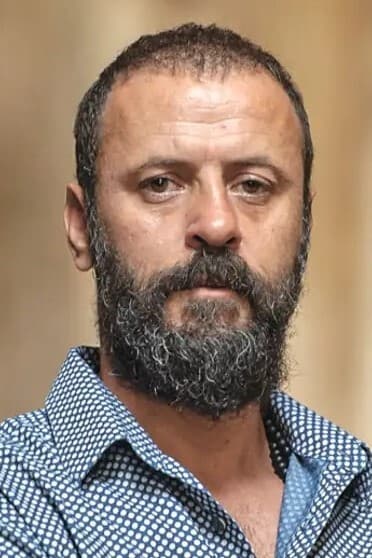
Ali Suliman is an actor who primarily works in international and independent cinema where he can find more substantial roles. He has been very cautious about the offers he receives from Hollywood to ensure he is not being cast as a simple antagonist. Suliman is interested in characters that are defined by their internal conflicts and human emotions. He has received critical acclaim for his work in films that deal with the realities of life in conflict zones. His career is a testament to the power of choosing roles with integrity and purpose.
Ashraf Barhom
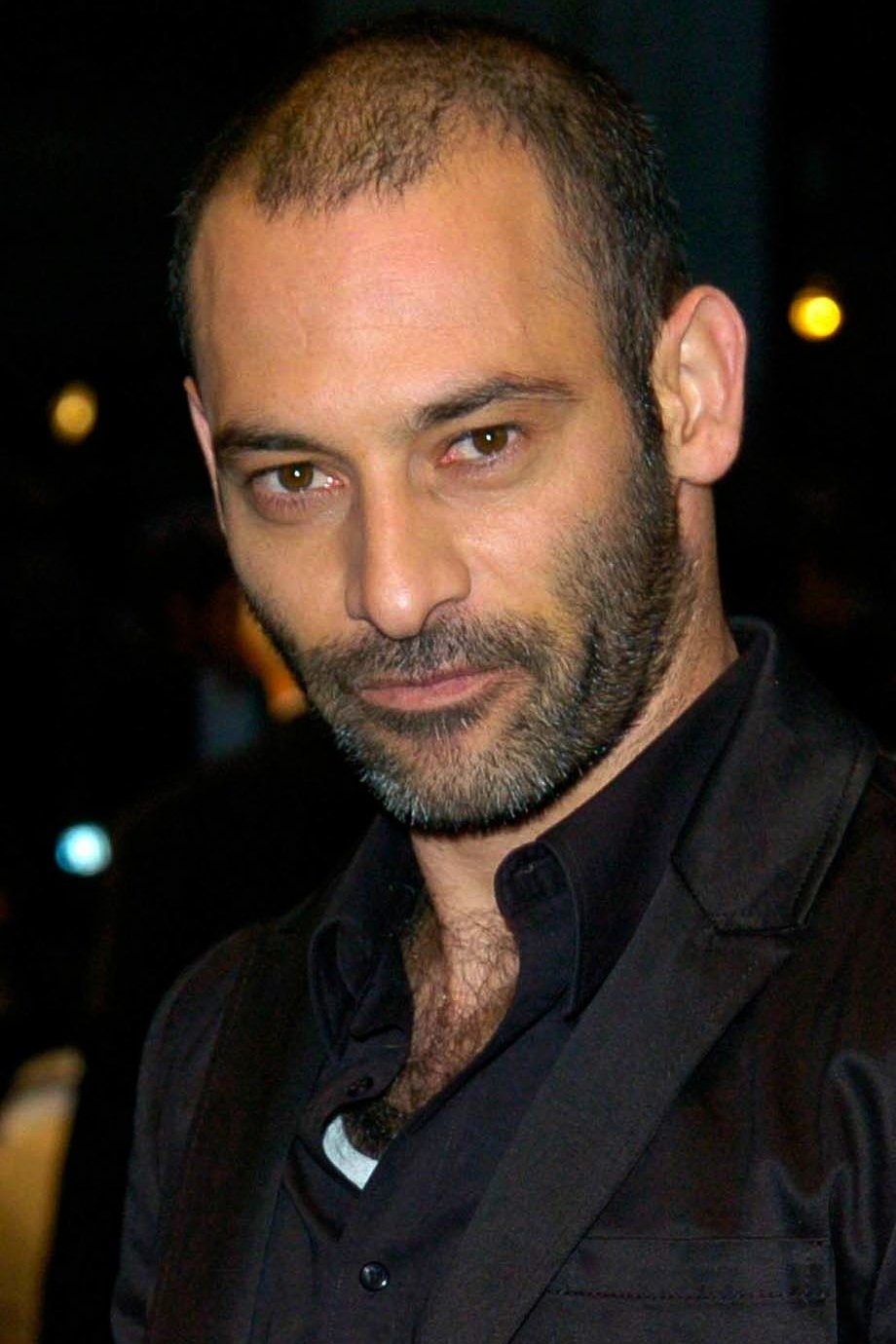
Ashraf Barhom is known for his intense and powerful performances in a variety of international films. He has expressed a desire to avoid roles that are based on political or religious stereotypes. Barhom looks for scripts that allow him to explore the psychological depths of his characters regardless of their role in the story. He has been successful in finding work that challenges audiences to look past their preconceived notions. His commitment to his craft has allowed him to build a career based on talent and versatility.
Sammy Sheik
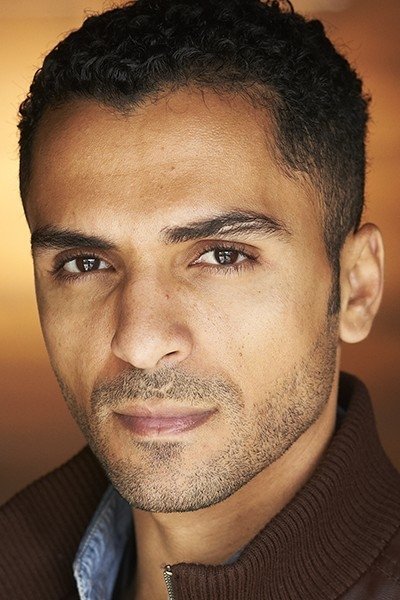
Sammy Sheik has spoken about the shift in Hollywood toward more inclusive casting and his role in that transition. He has been selective about the types of characters he plays to avoid contributing to negative imagery. Sheik prefers to take on roles that show the diversity within the Middle Eastern community including professional and heroic figures. He has noted that the industry is becoming more open to stories that are not centered on conflict or villainy. His career reflects this positive trend toward more balanced representation.
Pej Vahdat
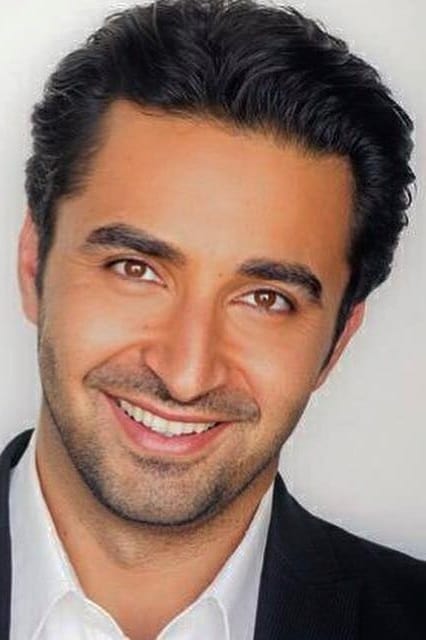
Pej Vahdat has built a successful career by choosing roles that highlight his range as both a comedic and dramatic actor. He has been careful to avoid scripts that rely on religious or cultural stereotypes to create a villain. Vahdat often plays characters who are integral parts of their communities and have a strong sense of identity. He has been a part of long running series where his character was a fan favorite for his intelligence and humor. His work continues to show that actors of his background can thrive in any genre.
Bernard White
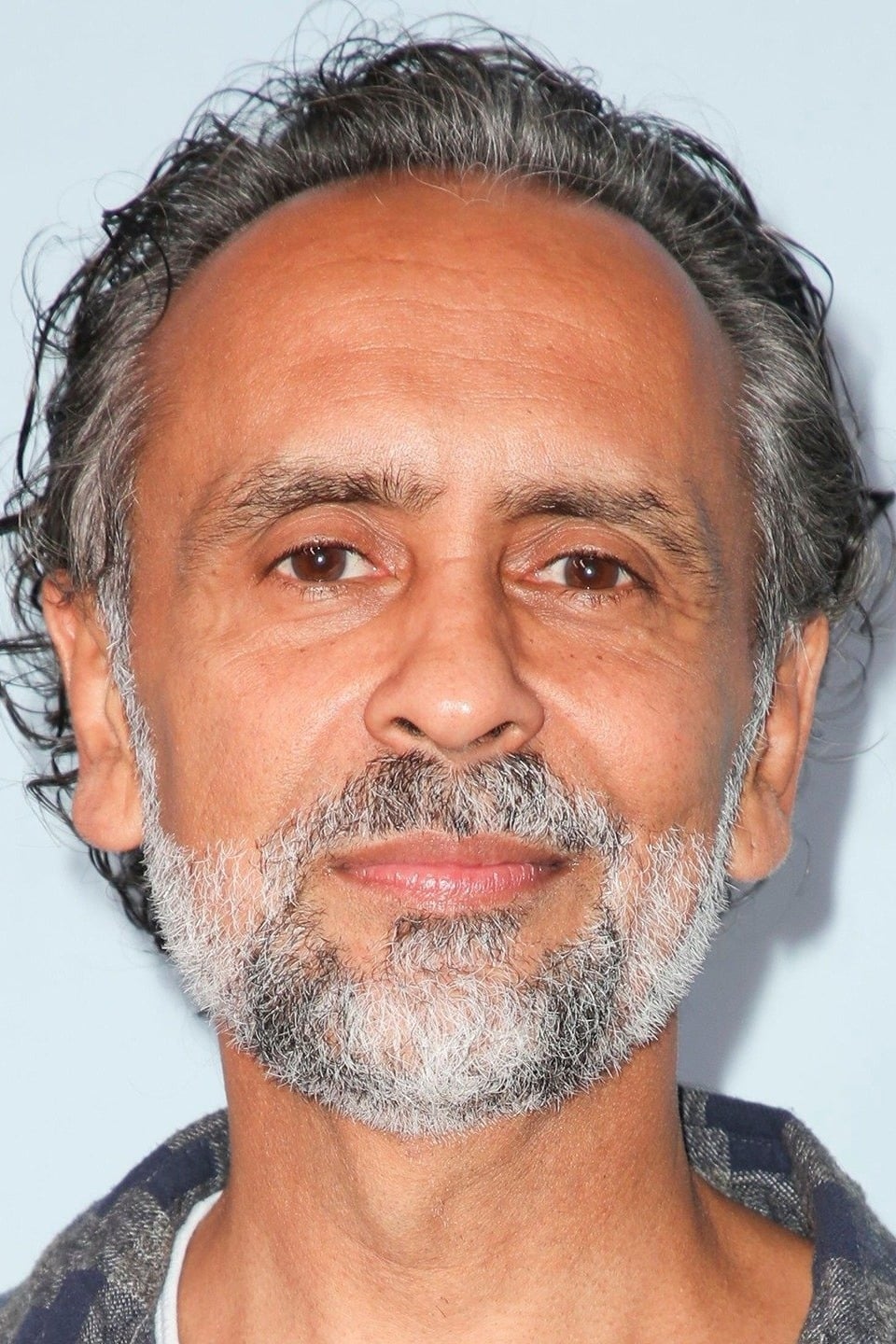
Bernard White is a seasoned actor who has witnessed the evolution of representation in Hollywood over many years. He has often shared his experiences of being typecast early on and how he moved away from those roles. White chooses characters that offer a sense of wisdom and humanity which has become his trademark. He has appeared in major franchises and independent films alike always bringing a sense of dignity to his parts. His longevity in the industry is a result of his ability to adapt and his refusal to be a stereotype.
Erick Avari
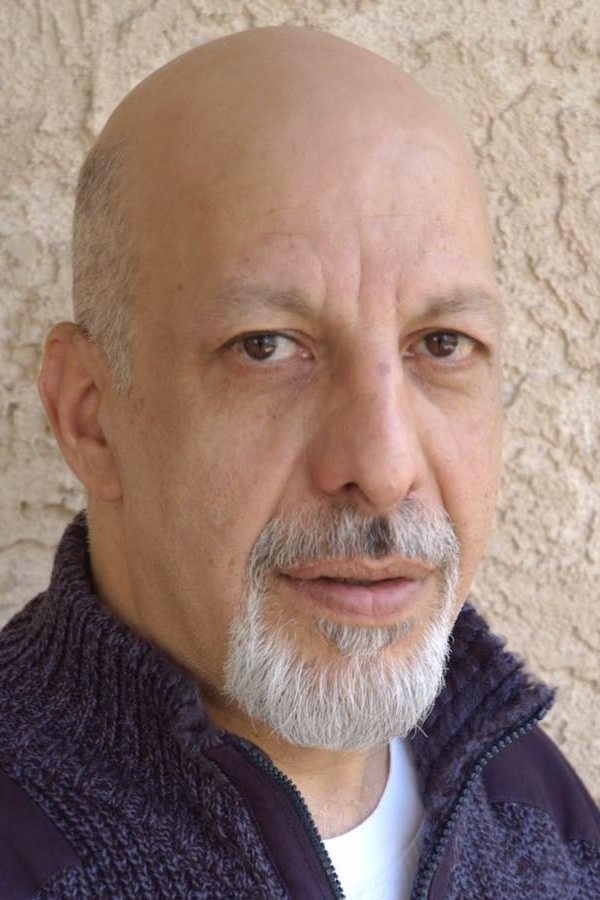
Erick Avari is one of the most versatile character actors in the business with a filmography that spans dozens of genres. He has played characters from countless different backgrounds and has always avoided being defined by any one of them. Avari has been vocal about his disdain for roles that are based on ethnic tropes or simple villainy. He approaches every role with a focus on the character’s unique personality and history. His success has shown that an actor’s talent should always come before their cultural background.
Iqbal Theba
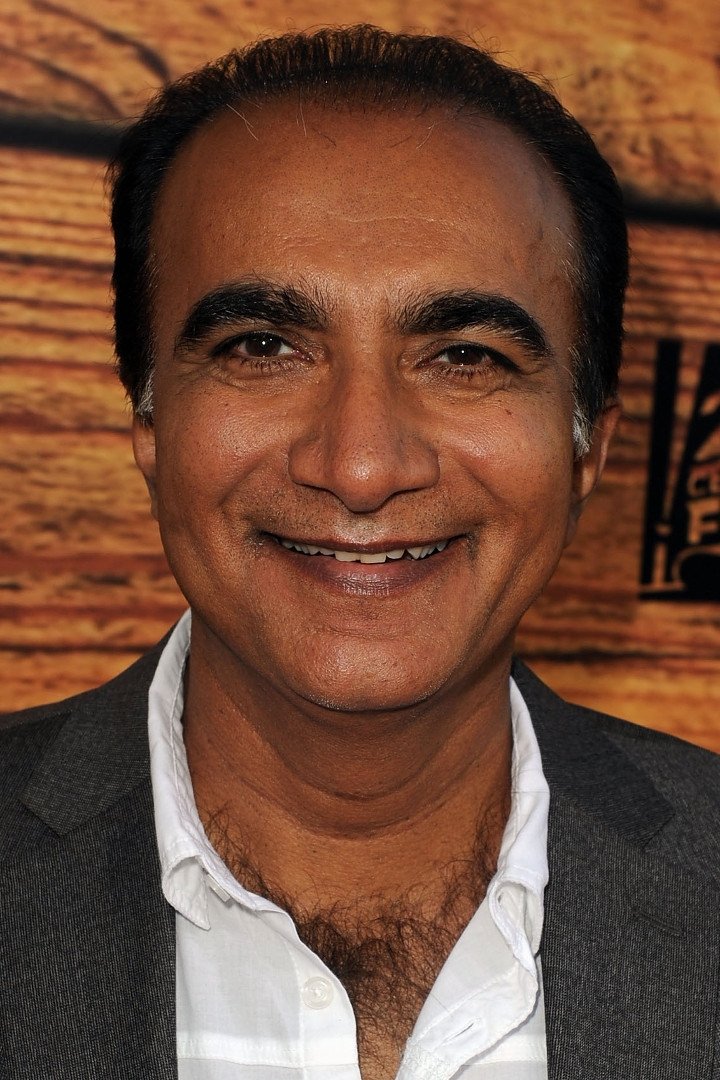
Iqbal Theba became a fan favorite for his role in ‘Glee’ which showcased a character who was funny and full of heart. Before this success he often encountered roles that were limited to being a “cab driver” or a “shop owner” with a thick accent. Theba has since been more selective about his roles to ensure they offer something more than just a punchline or a stereotype. He wants to play characters that have a full life and contribute to the story in a meaningful way. His career is an example of the power of staying true to oneself.
Sendhil Ramamurthy
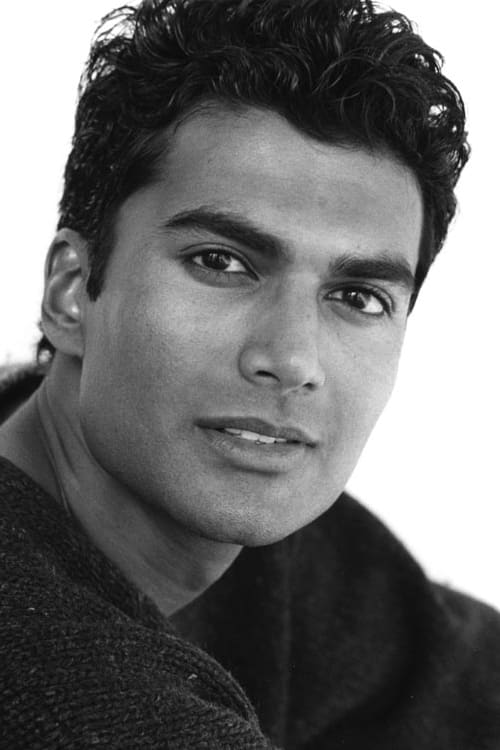
Sendhil Ramamurthy rose to fame as a hero in ‘Heroes’ which was a significant departure from the roles typically offered to South Asian men. He has used his platform to advocate for more leading roles that are not tied to an actor’s ethnicity. Ramamurthy has avoided taking on villainous roles that feel like they are leaning into cultural clichés. He prefers to play characters who are romantic leads or professional experts in their fields. His work continues to challenge the traditional casting norms of Hollywood.
Kunal Nayyar
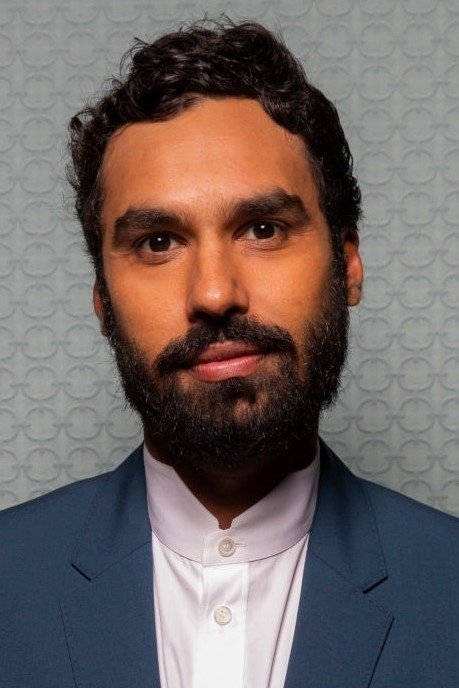
Kunal Nayyar spent a decade as part of a massive television hit and has since focused on diversifying his acting portfolio. He has expressed a desire to take on more serious and dark roles that are a departure from his comedic image. However he remains careful to ensure these roles do not fall into stereotypical traps for South Asian actors. Nayyar is interested in characters that are complex and perhaps even morally ambiguous but not defined by their race. He is currently exploring new creative avenues in both theater and film.
Utkarsh Ambudkar
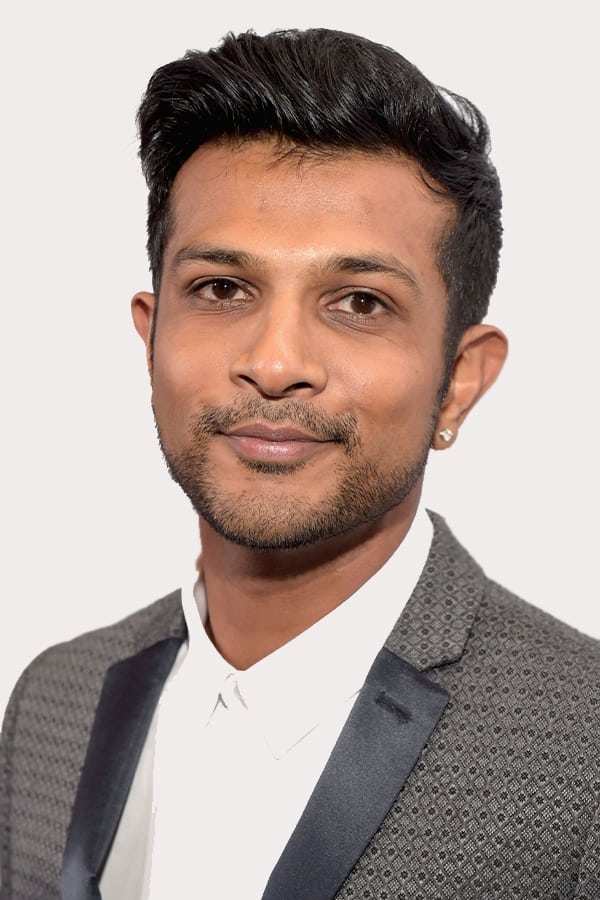
Utkarsh Ambudkar is an actor and musician who has been a vocal proponent of authentic representation in the arts. He has spoken about his refusal to take on roles that he feels are a step backward for his community. Ambudkar looks for projects that allow him to be a fully realized individual with a unique voice and perspective. He has been successful in finding roles in comedies and dramas that highlight his talents without relying on tropes. His work is a reflection of the modern and diverse world he lives in.
Kumail Nanjiani
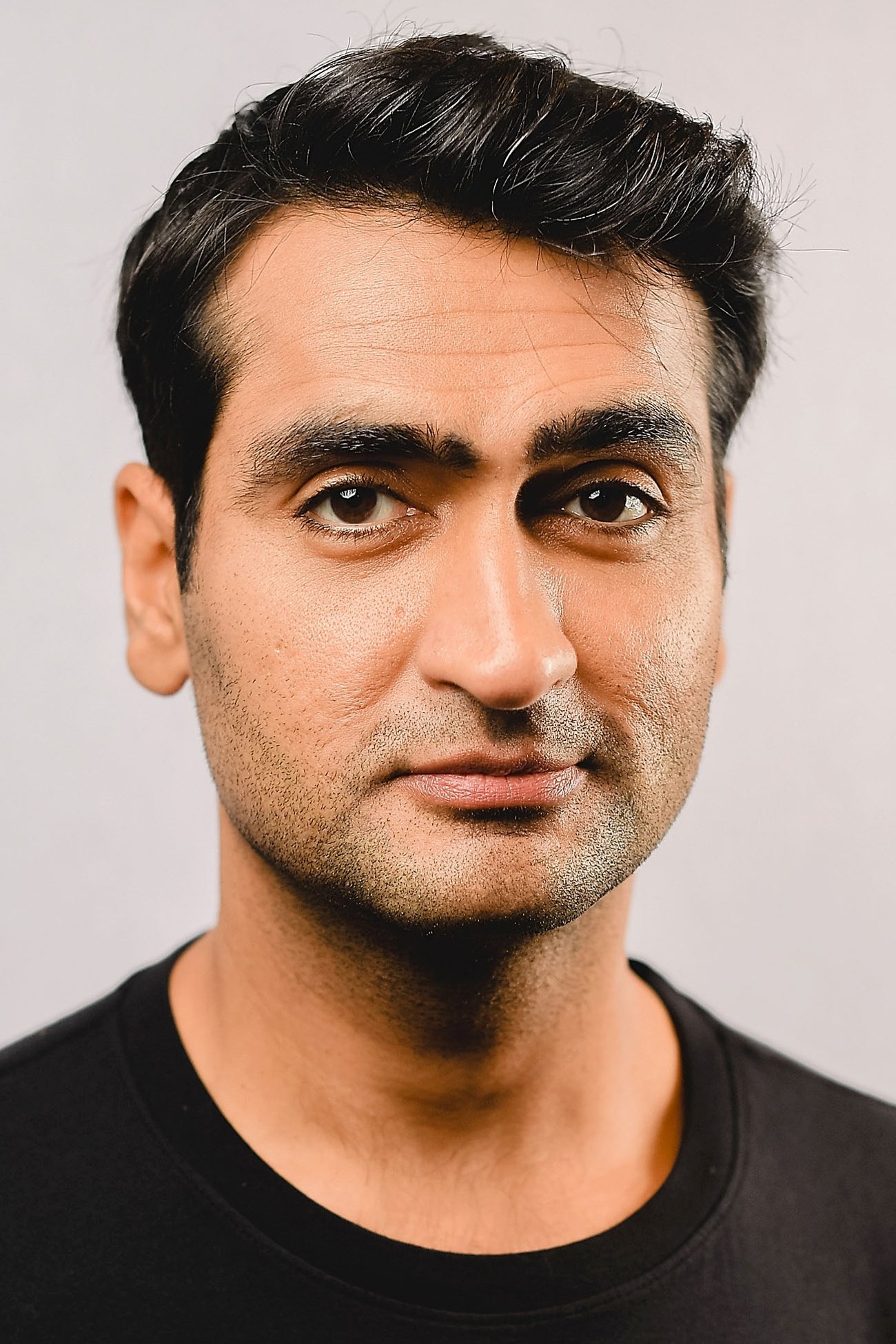
Kumail Nanjiani has transformed his career from a stand up comedian into a leading man in major film productions. He has been very open about the types of roles he was offered early on and why he chose to move away from them. Nanjiani wanted to prove that he could be a hero in an action movie or a lead in a romantic comedy. He has avoided playing the “it guy” or the “villain” characters that were once the standard for actors of his descent. His physical transformation for ‘Eternals’ was a statement about his ability to fit into any role.
Hasan Minhaj
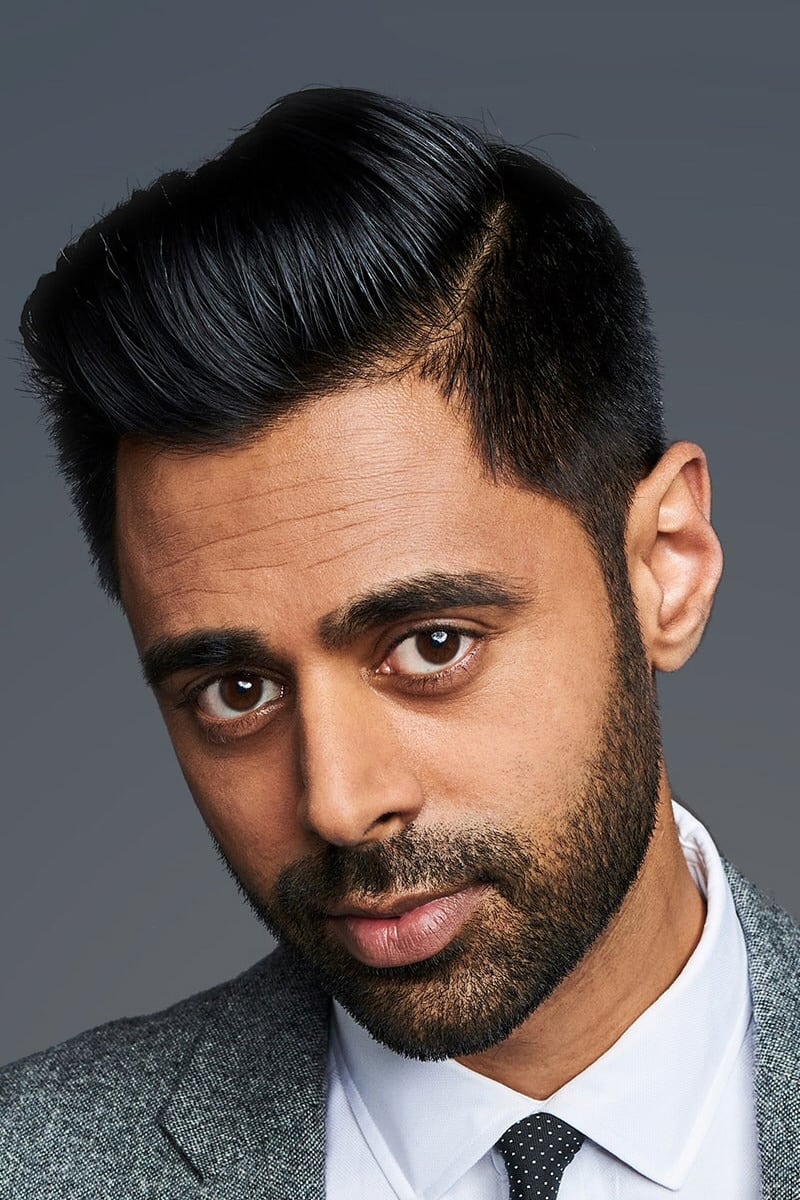
Hasan Minhaj is primarily known for his work in comedy and news satire but he has also ventured into acting. He has used his platform to critique the way the media and the film industry treat people of color. Minhaj has been vocal about refusing roles that he feels are dehumanizing or simple caricatures of his heritage. He is interested in creating and performing in stories that are smart and socially relevant. His influence extends beyond the screen as he continues to push for systemic change in entertainment.
Aziz Ansari
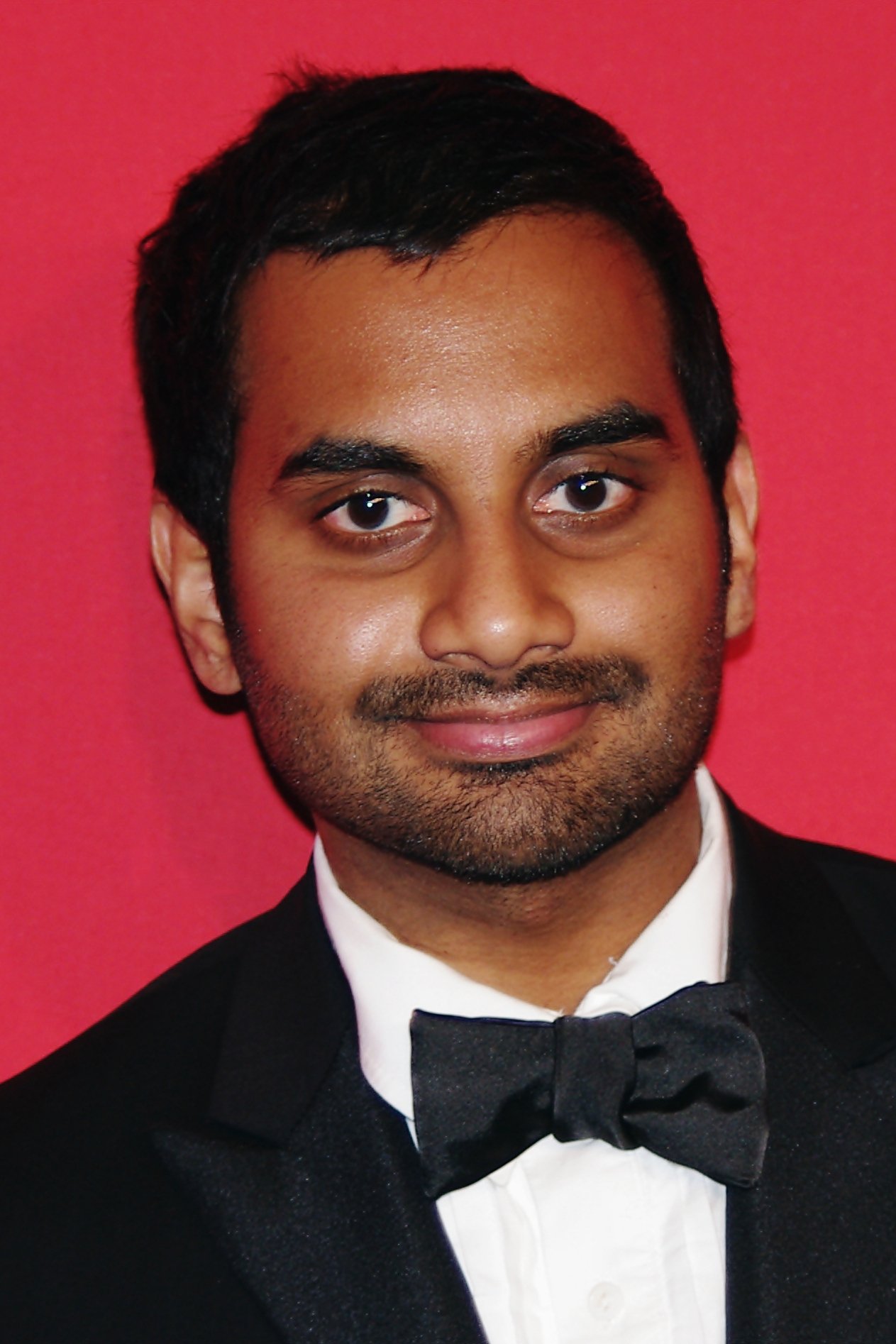
Aziz Ansari created his own television series to provide the kind of nuanced and lead roles that he found lacking in the industry. He has been a critic of the way Asian and Middle Eastern actors are often relegated to the background or cast as villains. Ansari wanted to show the everyday life of a person of his background in a way that was relatable and honest. By taking control of his own narrative he has bypassed many of the traditional barriers in Hollywood. His work has inspired other creators to do the same for their own communities.
Dev Patel

Dev Patel has had a remarkable career trajectory from his breakout role in ‘Skins’ to becoming an Oscar nominated actor. He has been very careful to avoid the “tech geek” or “poverty porn” tropes that are sometimes associated with South Asian actors. Patel has turned down several high profile roles that he felt were not a good representation of his culture or himself. He has moved into producing and directing to have more say in the stories that get told. His career is defined by a commitment to artistic growth and cultural respect.
Simu Liu
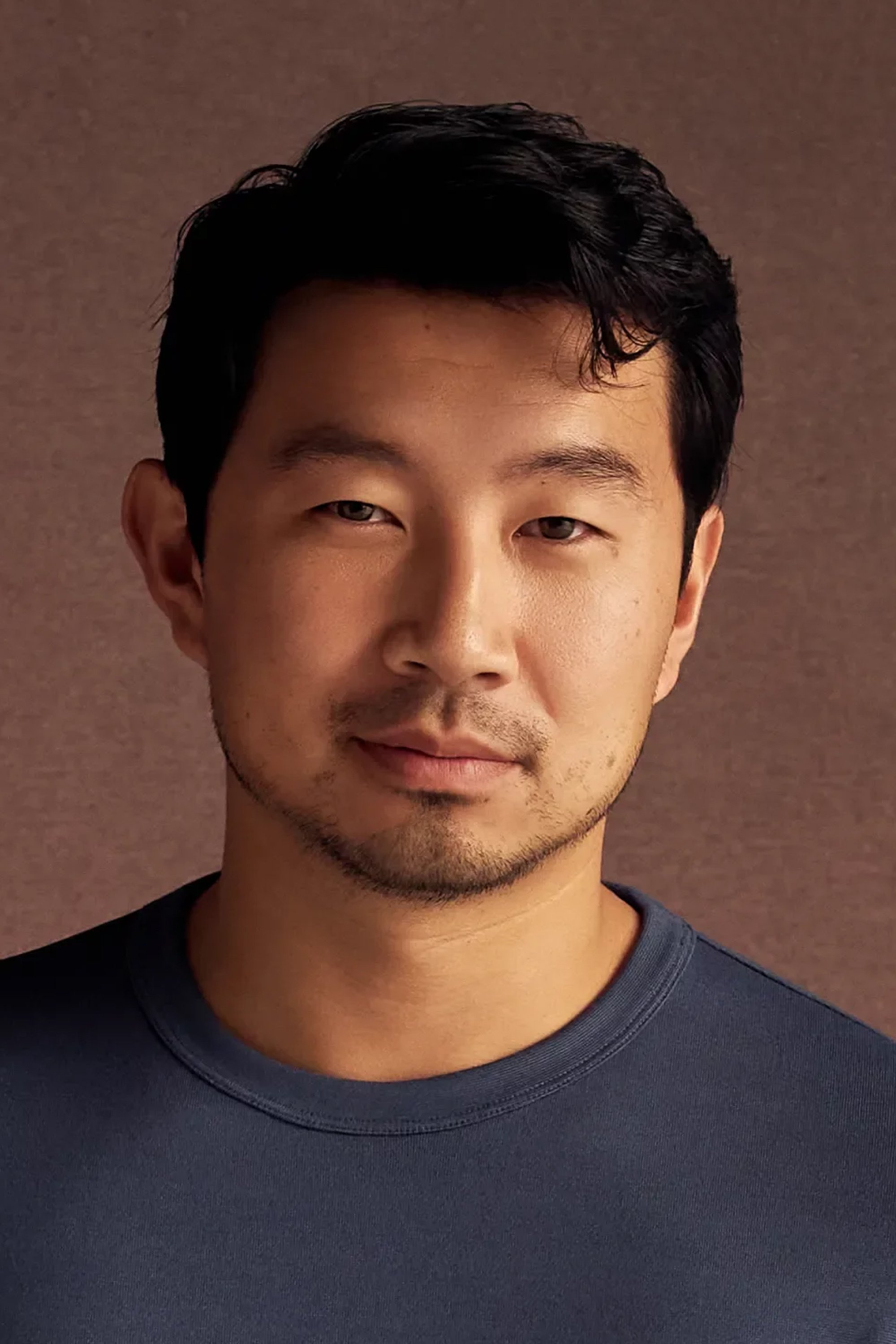
Simu Liu became a global star with his role in ‘Shang Chi and the Legend of the Ten Rings’ which broke many stereotypes. Before his Marvel success he was a vocal critic of the way Asian men were portrayed as weak or villainous in media. Liu has made it a point to take on roles that show strength and leadership. He continues to use his social media presence to call out instances of bias and to promote more inclusive casting. His work is a major part of the push for better representation for the Asian community.
Steven Yeun
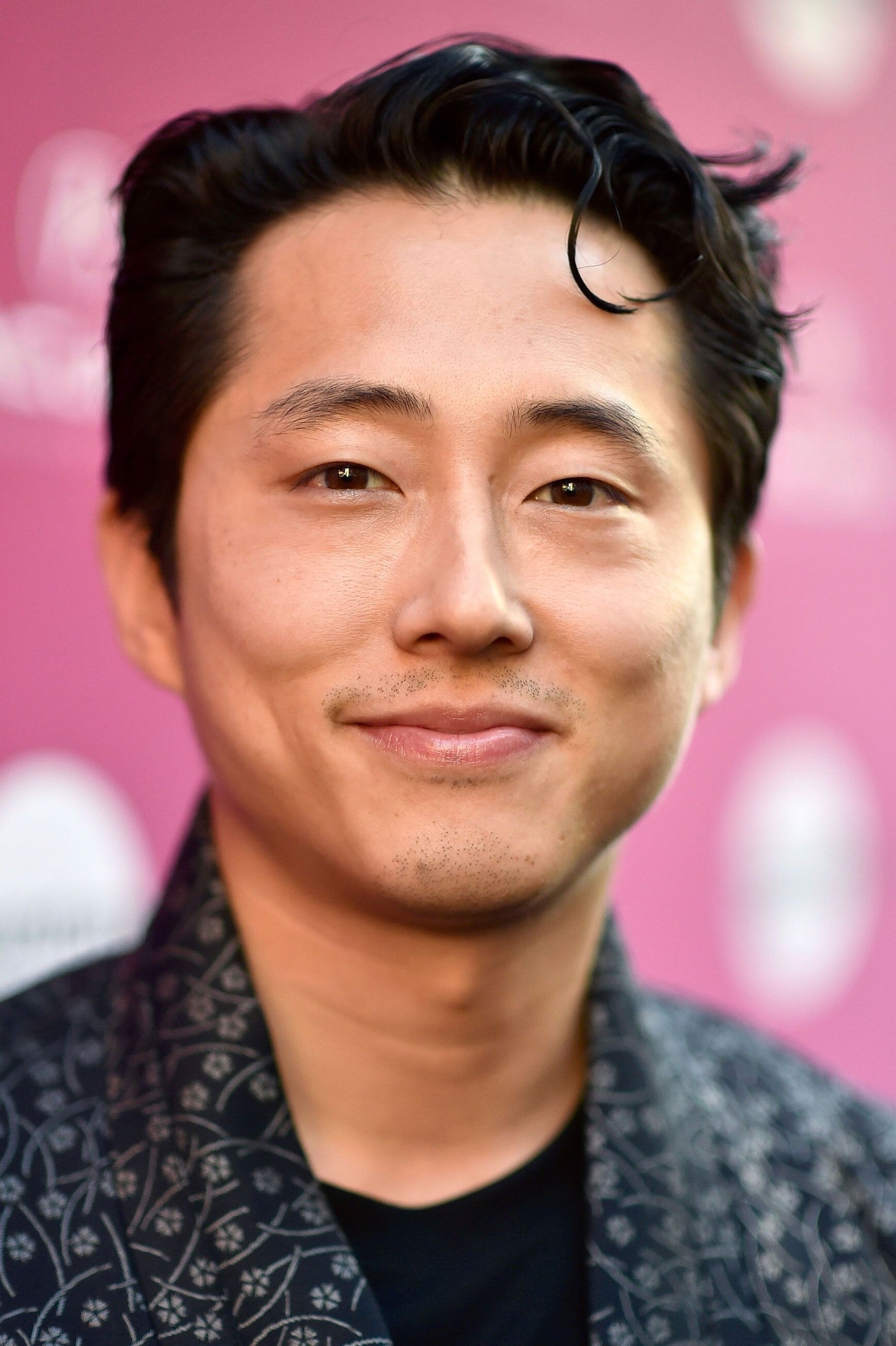
Steven Yeun became a fan favorite on ‘The Walking Dead’ where he played a character who was a hero and a leader. Since leaving the show he has sought out a wide variety of roles in independent films that defy any simple categorization. Yeun has been careful to avoid being typecast and has instead focused on projects that offer deep character studies. He has received immense critical acclaim for his work in films like ‘Minari’ and ‘Burning’. His career is a prime example of an actor who has successfully navigated the industry on his own terms.
Daniel Dae Kim
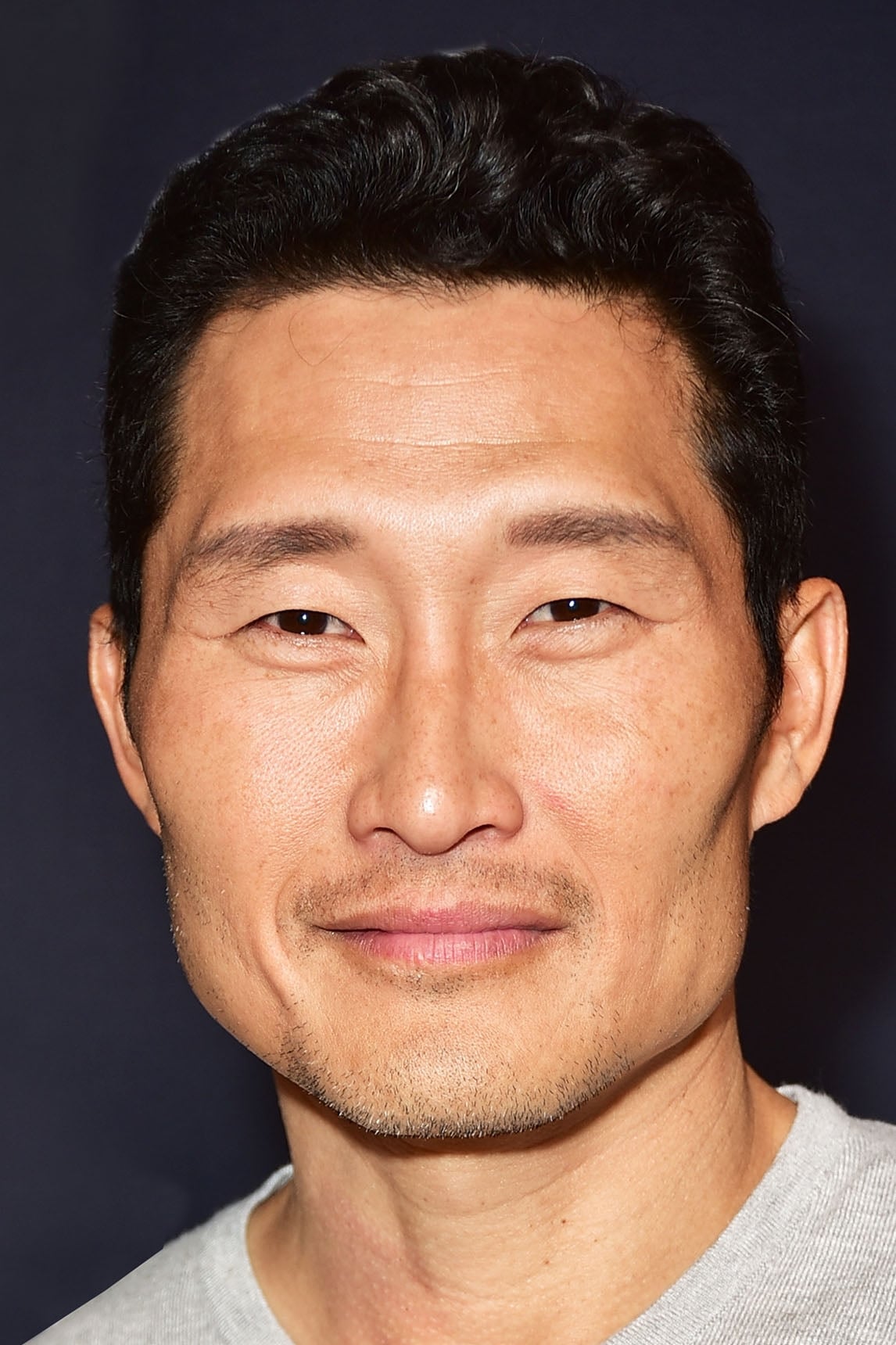
Daniel Dae Kim has been a major figure in the fight for pay equity and better representation for Asian American actors. He has spoken about his decision to leave roles that he felt did not respect his character or his contributions. Kim has sought out roles that provide a more positive and powerful image of Asian men in society. He also started his own production company to develop projects that feature diverse leads. His advocacy has made him a leader both on and off the screen in the entertainment community.
Sung Kang
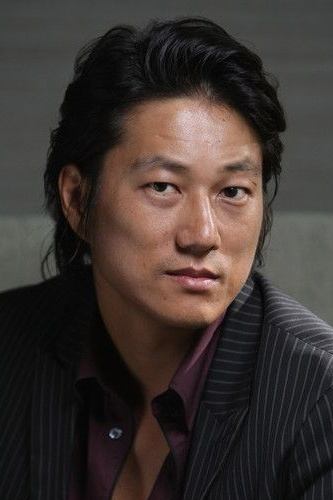
Sung Kang is best known for his role in the ‘Fast and Furious’ franchise where he played a cool and capable character. He has talked about the importance of being more than just a background character or a stereotypical villain. Kang has looked for roles that allow him to show different sides of his personality including comedic and dramatic work. He is interested in projects that treat his ethnicity as just one part of a complex human being. His continued success is a result of his talent and his thoughtful approach to his career.
Randall Park

Randall Park has used his career to show that Asian American men can be successful in any genre including romantic comedies and superhero films. He has been a part of projects that subvert traditional expectations and provide a fresh perspective on identity. Park has been careful to avoid roles that rely on accents or other tired tropes for humor. He has also moved into writing and directing to create more opportunities for himself and others. His work is characterized by its charm and its commitment to positive representation.
Donnie Yen
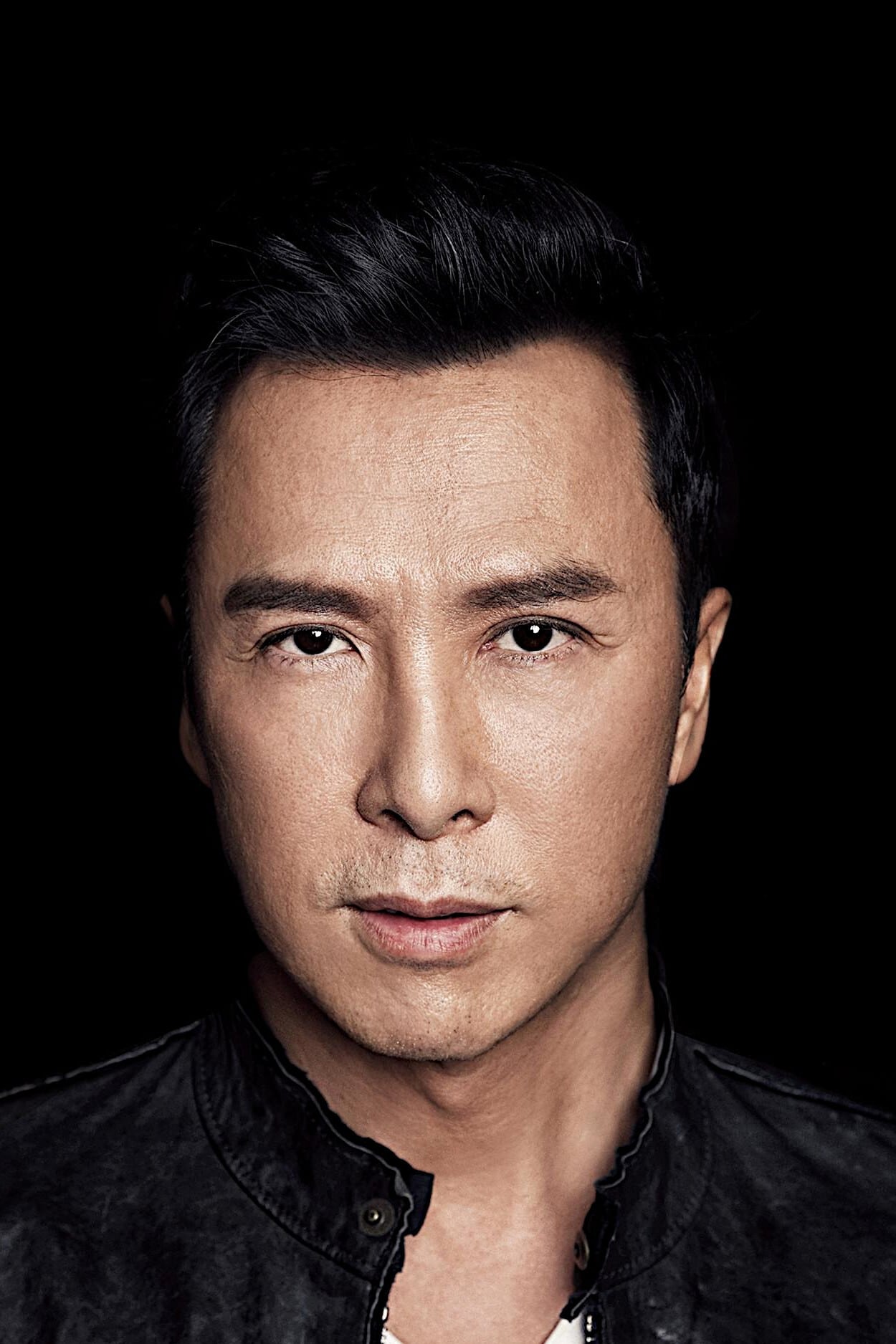
Donnie Yen is a legendary figure in martial arts cinema who has become more selective about his international roles. He has famously turned down parts in Hollywood that he felt were disrespectful to Chinese culture or focused on negative stereotypes. Yen wants to ensure that when he is in a Western film his character is treated with the same respect as his roles in Asia. He has been a strong advocate for the proper portrayal of martial arts and Chinese heritage in global media. His presence in major franchises has helped to improve the visibility of Asian actors.
Jet Li
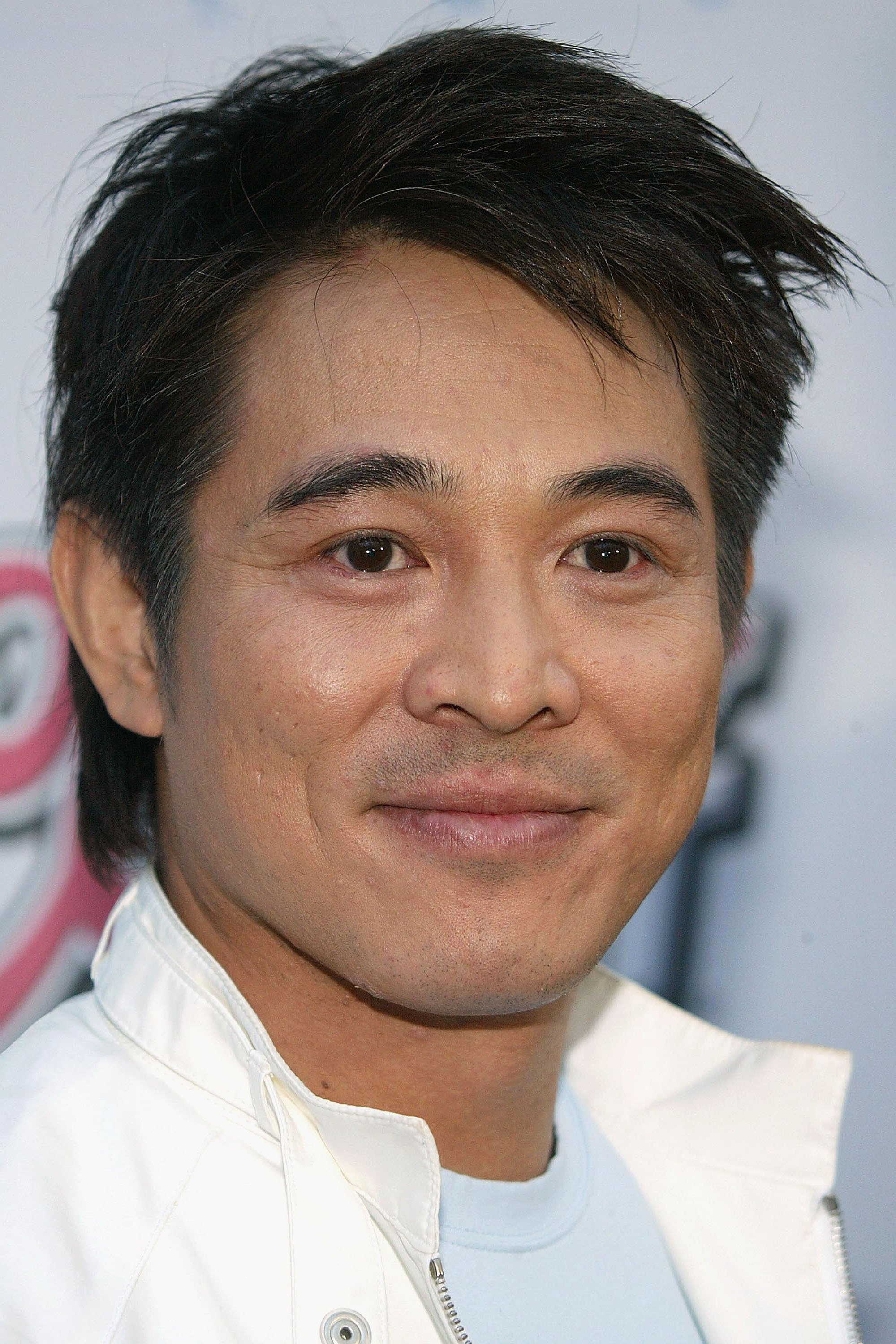
Jet Li is another martial arts icon who has been mindful of his impact on global audiences. He famously turned down a role in the sequels to ‘The Matrix’ because he was concerned about his skills being used in a way he didn’t approve of. Li has always looked for roles that allow him to promote a message of peace and self improvement. He has moved away from playing simple villains to focus on characters with a strong moral center. His career is built on a foundation of respect for his art and his culture.
Chow Yun-fat
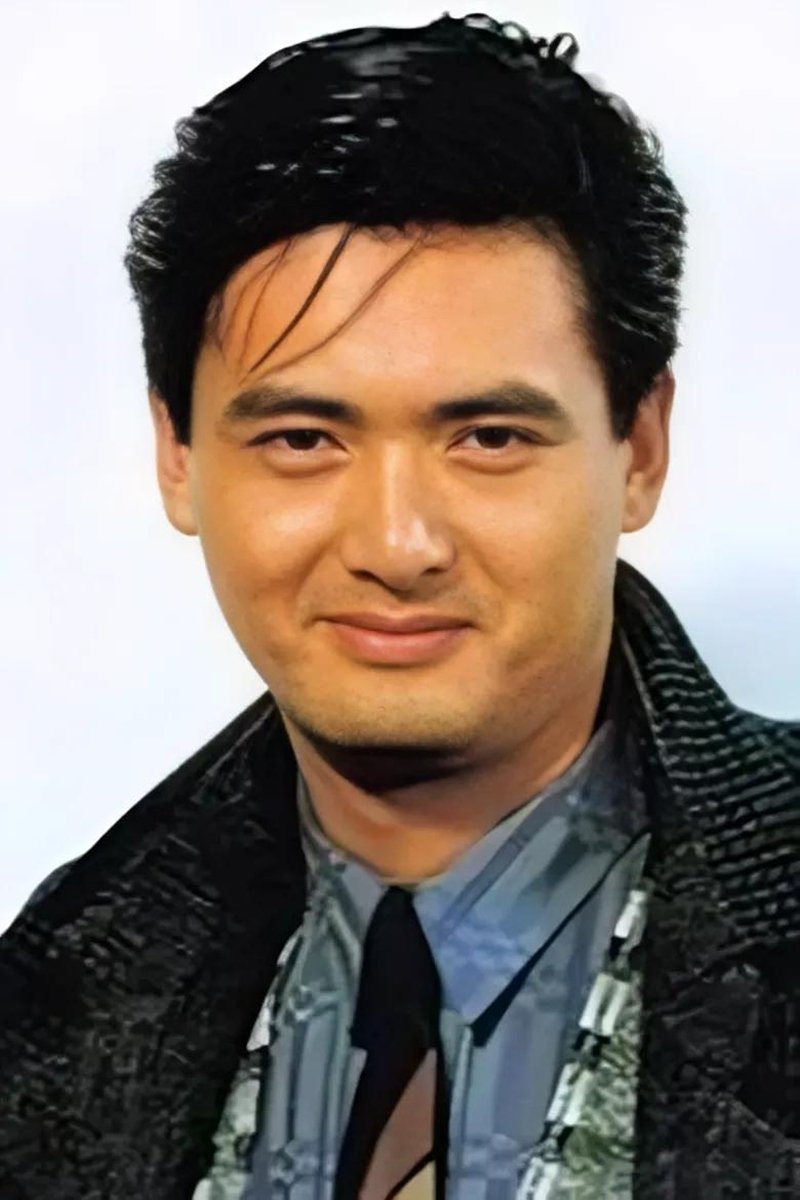
Chow Yun-fat became an international superstar through his work in Hong Kong action films where he often played charismatic figures. When he transitioned to Hollywood he was careful to avoid being cast solely as a triad boss or a generic criminal. He sought out roles that allowed him to showcase his legendary screen presence and dramatic range. Chow has been a consistent figure of dignity and style throughout his long career. He remains one of the most respected actors in the world for his ability to transcend cultural boundaries.
Tony Leung Chiu-wai
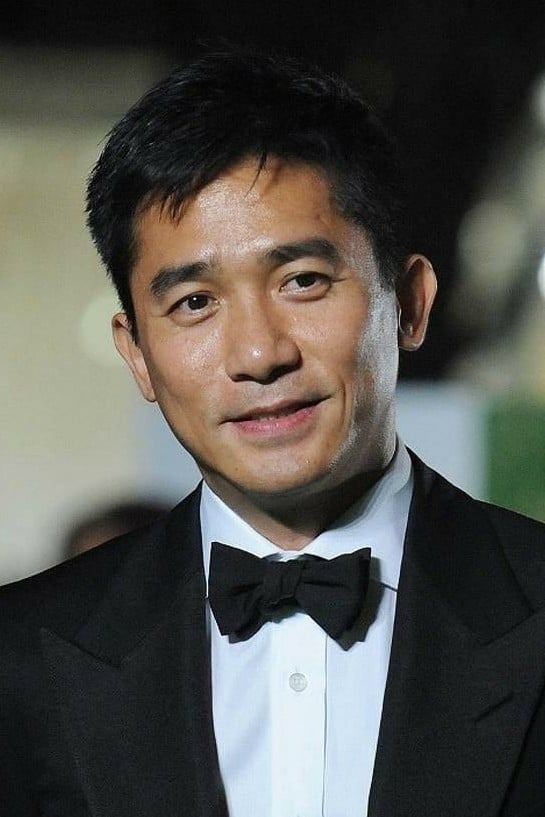
Tony Leung Chiu-wai is widely considered to be one of the greatest actors of his generation. He took a long time to accept a role in a Hollywood production because he wanted to find the right character. When he finally joined the Marvel Cinematic Universe he played an antagonist with deep emotional layers and complex motivations. Leung has always prioritized the artistic quality of a role over the size of the production. His career is a masterclass in choosing roles that offer depth and challenge regardless of the genre.
Share your thoughts on these actors and their impact on representation in the comments.