


Actors Who Refused to Say Their Lines Until They Were Written Out



The relationship between a performer and a script can often lead to creative differences on a film set. Some of the most famous actors in Hollywood history have challenged the dialogue provided to them by screenwriters. These disagreements can stem from concerns about character integrity, historical accuracy, or simple personal preference. While some actors follow the script word for word, others refuse to perform until their lines are modified or entirely removed. The following list highlights male performers who successfully navigated these tensions to have their dialogue rewritten.
Marlon Brando
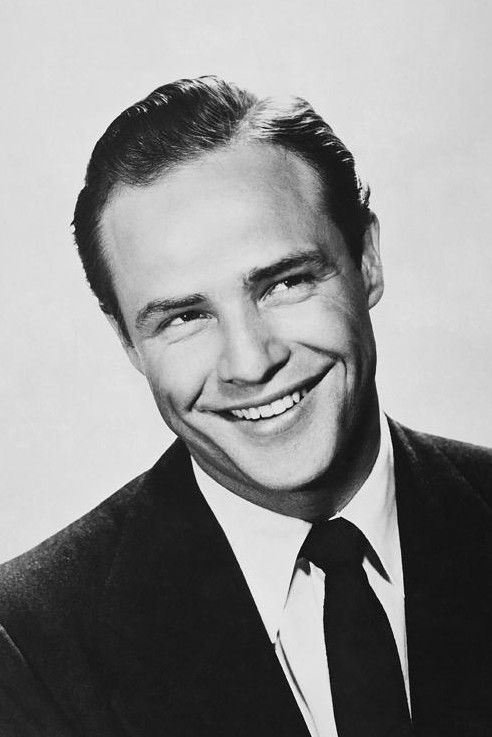
Marlon Brando was famous for his refusal to memorize scripts in his later career. On the set of ‘The Godfather’ he insisted on using cue cards hidden around the set instead of reciting lines as they were originally written. During the production of ‘Apocalypse Now’ he arrived significantly overweight and had not read the source material. He spent days debating his character with the director and eventually improvised most of his dialogue. His demands for script changes were legendary and often caused significant production delays.
Edward Norton
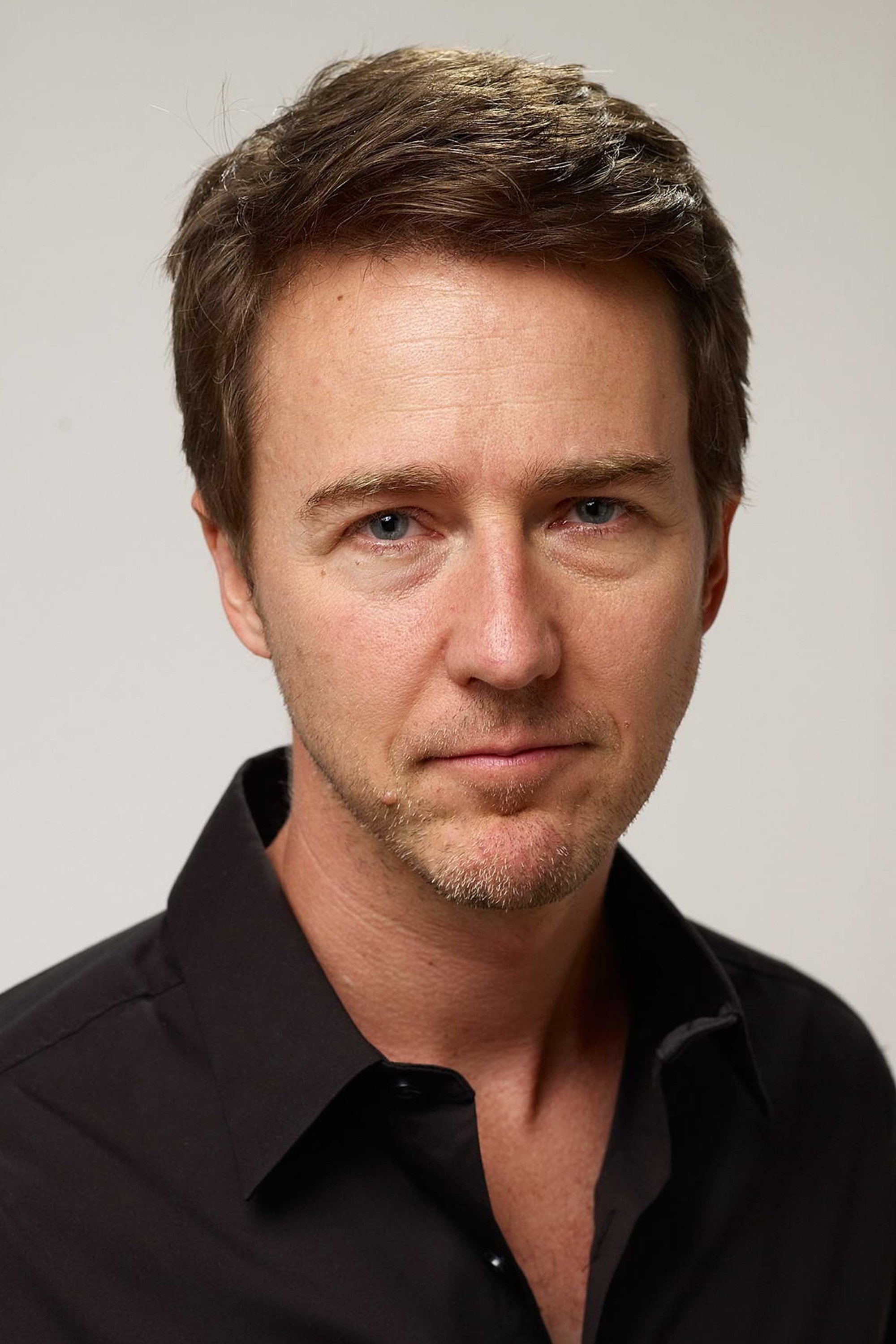
Edward Norton is well known for taking an active role in rewriting the films he stars in. He famously performed an extensive uncredited rewrite of ‘American History X’ and refused to promote it when the final cut was chosen. He also insisted on significant dialogue changes for ‘The Incredible Hulk’ to focus more on the internal struggle of his character. If his writing suggestions are not taken he often creates friction on the set. His commitment to his vision has led to multiple conflicts with directors and studio executives over the years.
Russell Crowe
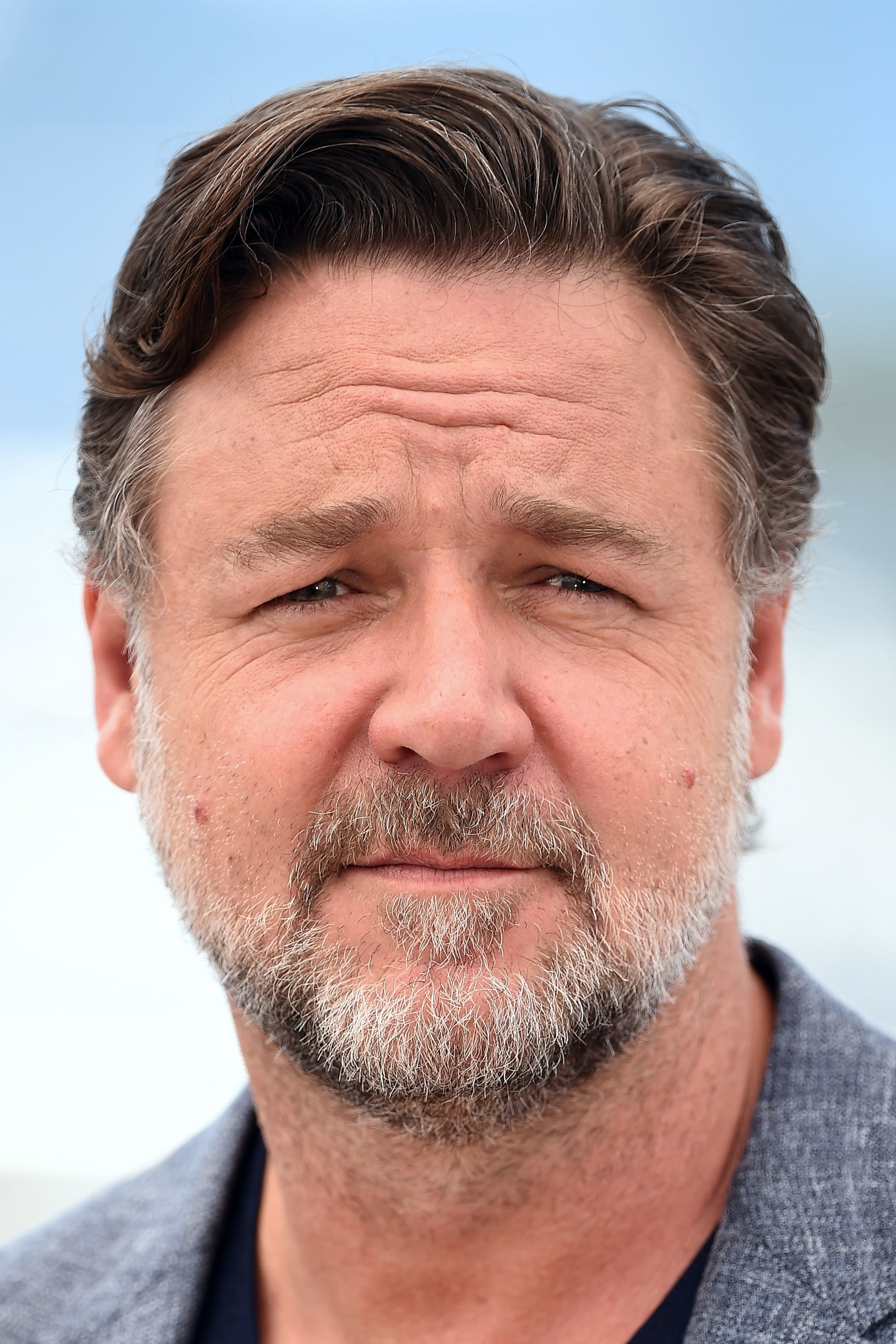
Russell Crowe famously clashed with the production team over the dialogue in ‘Gladiator’. He reportedly hated the line regarding his vengeance in this life or the next and initially refused to say it. He told the producer that the writing was garbage but he was so good he could make it work. While he eventually performed the line, he insisted on many other changes throughout the filming process. His intense focus on his character often led to spontaneous rewrites on the set.
Wesley Snipes
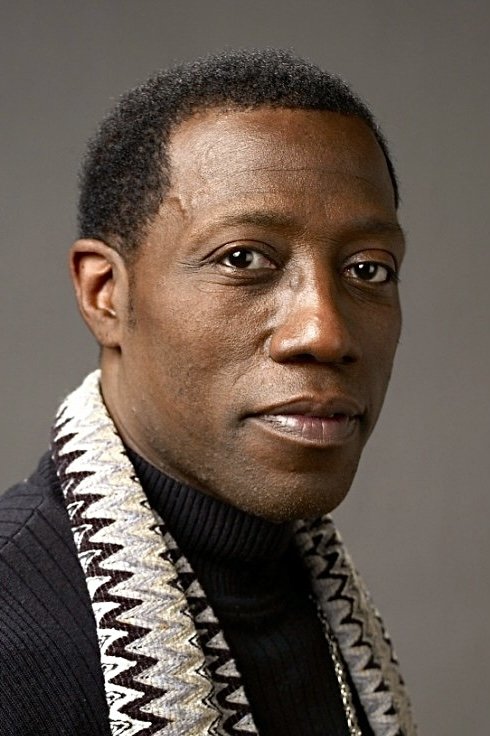
Wesley Snipes had a very difficult time on the set of ‘Blade: Trinity’. He reportedly refused to say many of his lines and would only communicate with the director through handwritten notes. In one famous instance, he refused to open his eyes for a scene, forcing the production to use digital effects. He felt the script did not respect the character and demanded that many of his scenes be shortened or changed. This behavior created a very tense environment for the rest of the cast and crew.
Harrison Ford
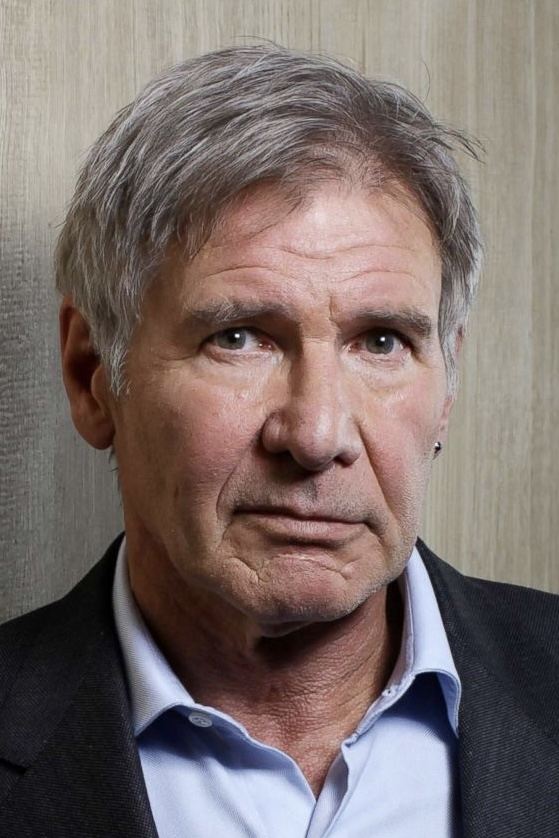
Harrison Ford was famously critical of the dialogue written by George Lucas for ‘Star Wars: A New Hope’. He told the director that he could type the lines but no one could actually say them. Ford pushed for more natural and grounded dialogue that fit his cynical character. He often improvised or simplified his lines to make Han Solo feel more authentic. His input helped shape the personality of one of the most iconic characters in cinema history.
Samuel L. Jackson
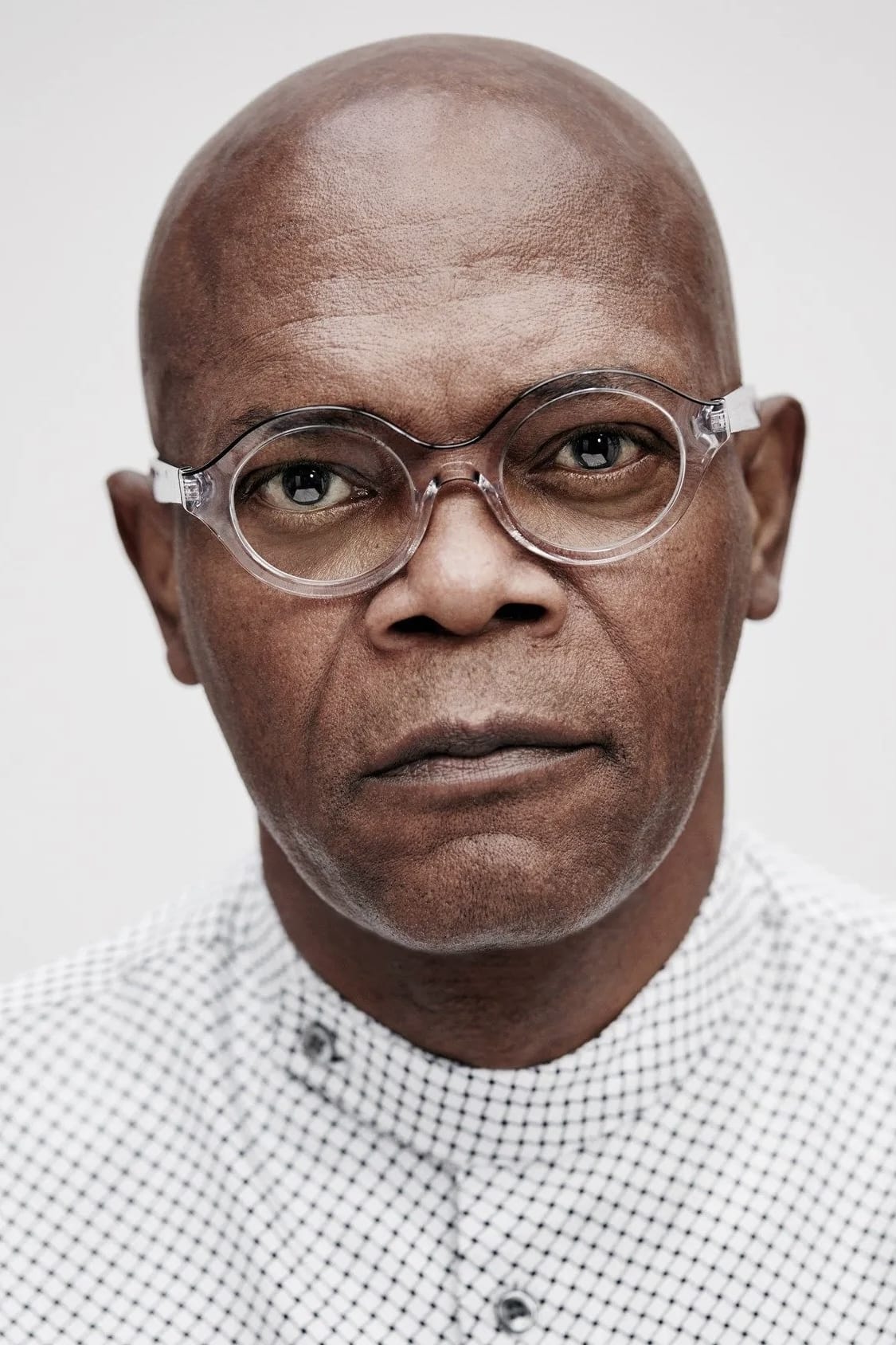
When the producers of ‘Snakes on a Plane’ tried to change the title to a more generic name, Samuel L. Jackson threatened to quit the project. He refused to say any dialogue that promoted the new title and insisted the original name was the only reason he joined. He also requested that specific lines be written into the script to satisfy the expectations of his fans. The studio eventually gave in to all of his demands to keep him on the film. His influence ensured the movie maintained its cult appeal.
Robert Downey Jr.
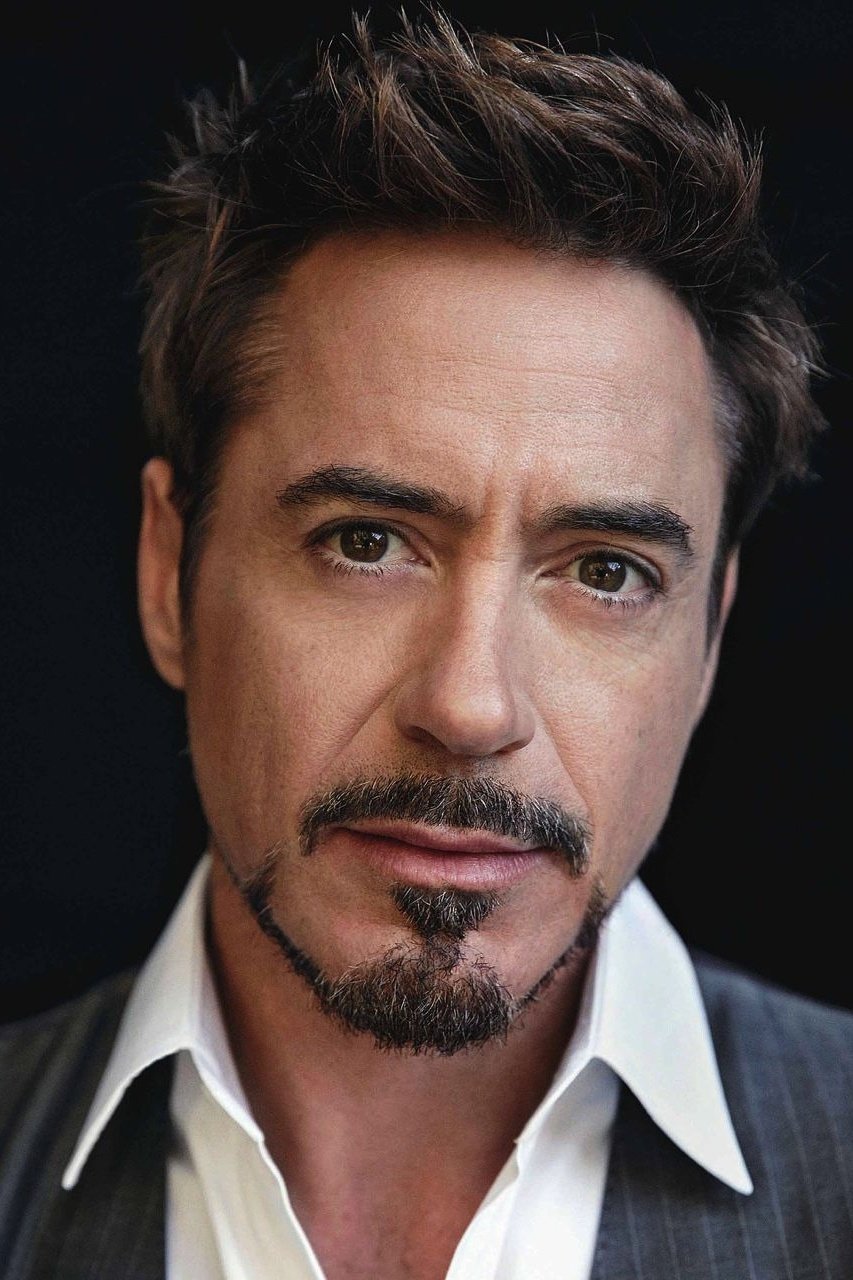
While filming ‘Iron Man’ Robert Downey Jr. felt many of the scripted scenes were too stiff and formal. He refused to perform the dialogue as written and instead worked with the director to improvise more natural conversations. This approach helped define the witty and fast talking personality of Tony Stark. He continues to have a high level of input on his dialogue in every Marvel film he appears in. His ability to rewrite scenes on the fly has become a hallmark of his career.
Mickey Rourke
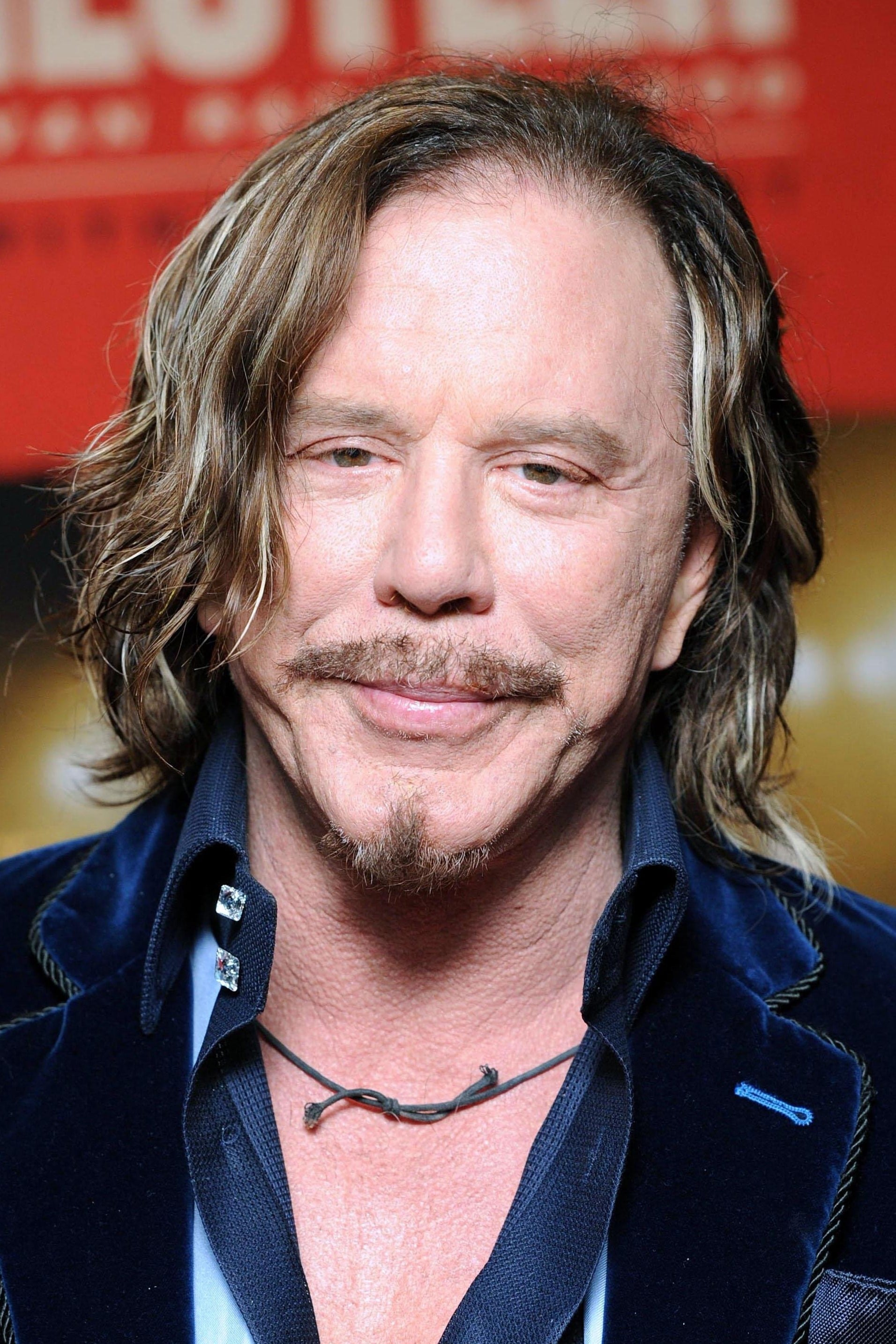
For his role in ‘Iron Man 2’ Mickey Rourke had very specific ideas about his character. He insisted that the villain should have a pet bird and speak almost entirely in Russian. He rejected the standard dialogue provided to him and worked to make the character more eccentric. Rourke spent a significant amount of time researching Russian prison culture to ensure his rewritten lines were accurate. His performance was much different than what was originally envisioned in the script.
Henry Cavill
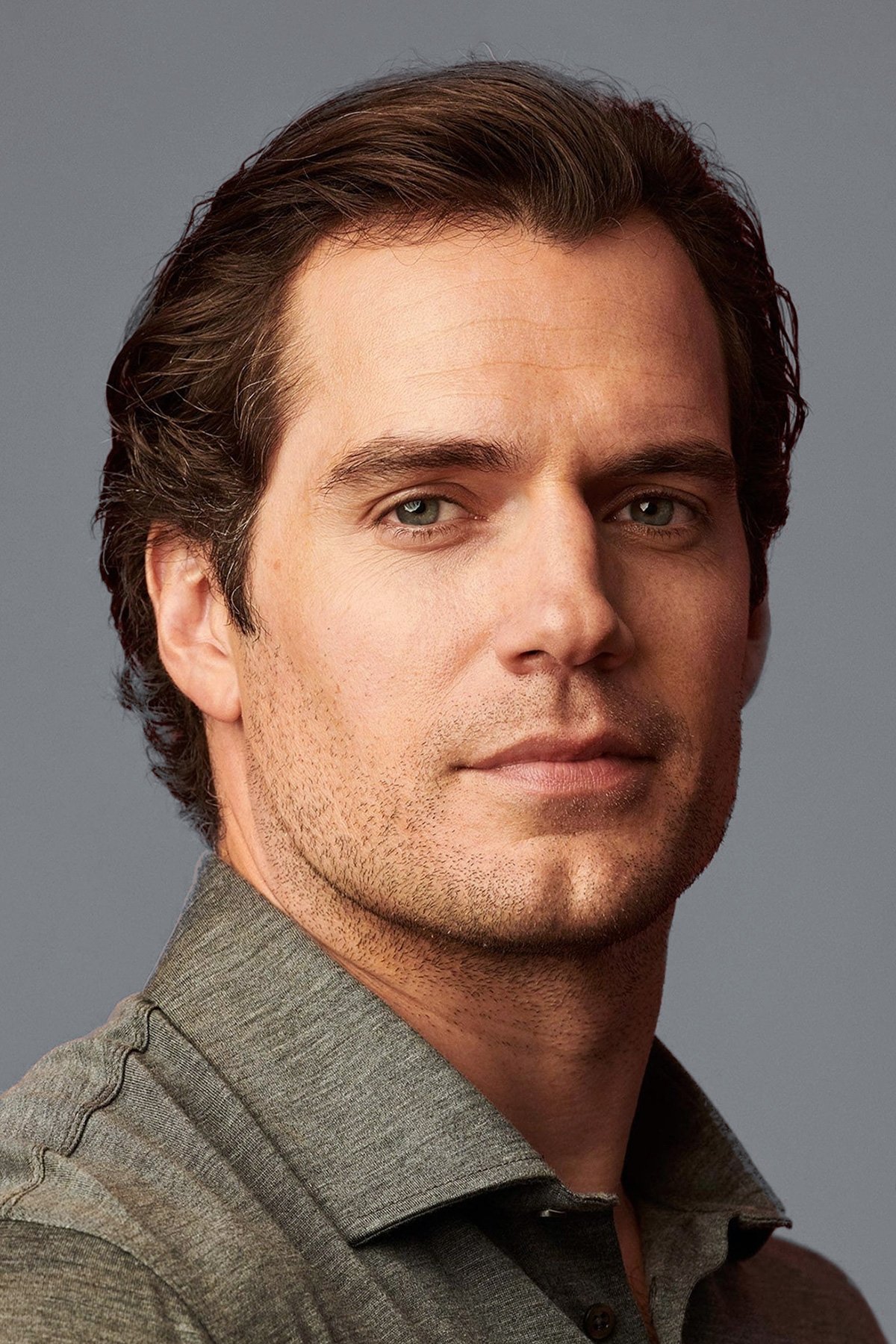
As a dedicated fan of the source material Henry Cavill often pushed for more book accurate dialogue in ‘The Witcher’. He refused to say lines that he felt contradicted the established character of Geralt of Rivia. He would often come to the set with highlighted passages from the novels to justify his requests for rewrites. His commitment to the lore led to several significant changes in the writing of the show. Cavill felt it was his responsibility to represent the character as the author intended.
Crispin Glover
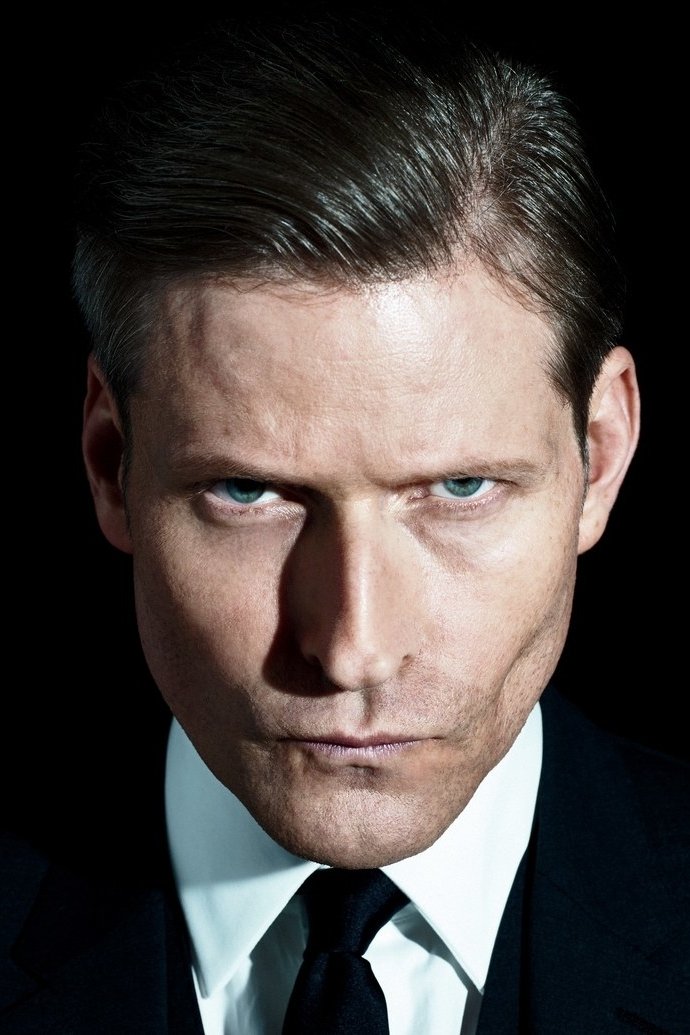
For the film ‘Willard’ Crispin Glover decided that his character would be more effective if he was mostly silent. He refused to say a large portion of the scripted lines because he believed it made the character more mysterious. He felt that the audience would find the character more unsettling if he communicated through gestures and intense stares. The director eventually agreed and cut most of the dialogue from the final version of the film. This creative choice defined the unique tone of the performance.
Daniel Day-Lewis
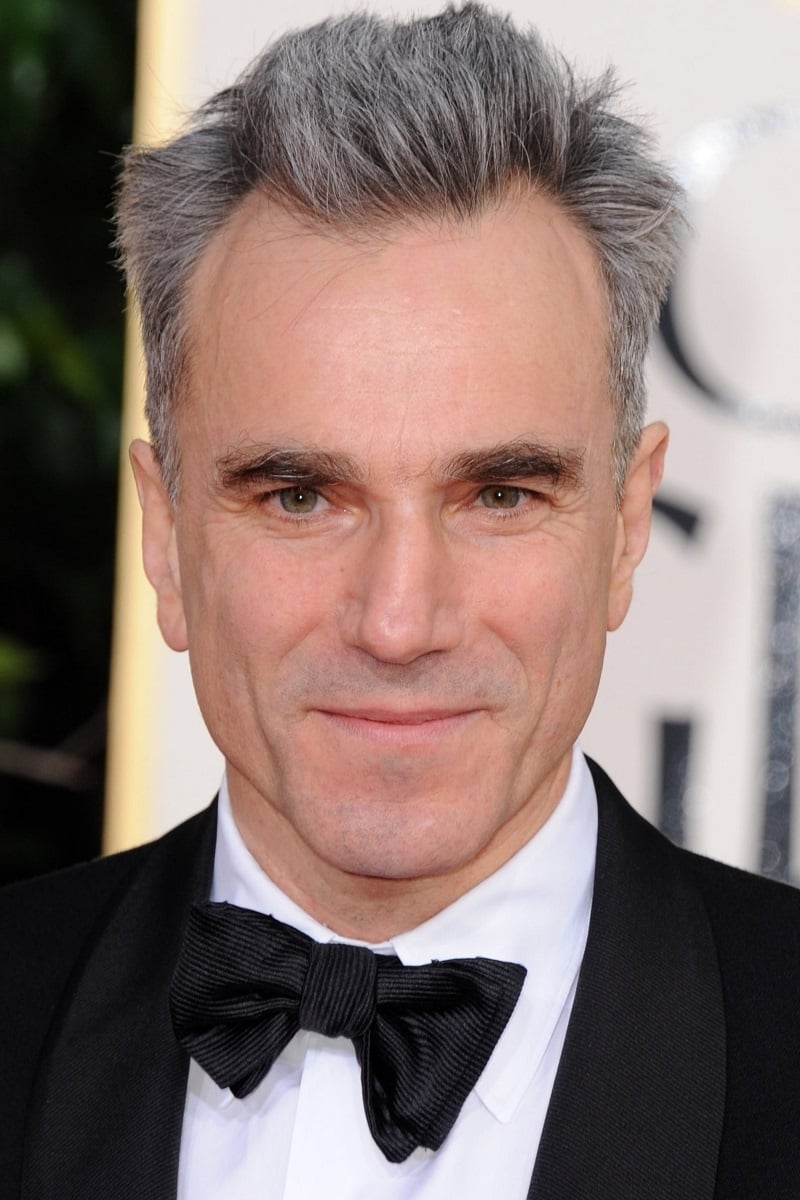
Daniel Day-Lewis is known for his extreme method acting and his deep involvement in the writing process. For the film ‘Lincoln’ he was very specific about the speech patterns and the exact word choices used by the president. He refused to perform any scenes until he felt the dialogue perfectly matched the historical period. He spent years researching the character to ensure every line felt authentic and meaningful. His dedication often requires the script to be tailored to his extensive research.
Tom Cruise
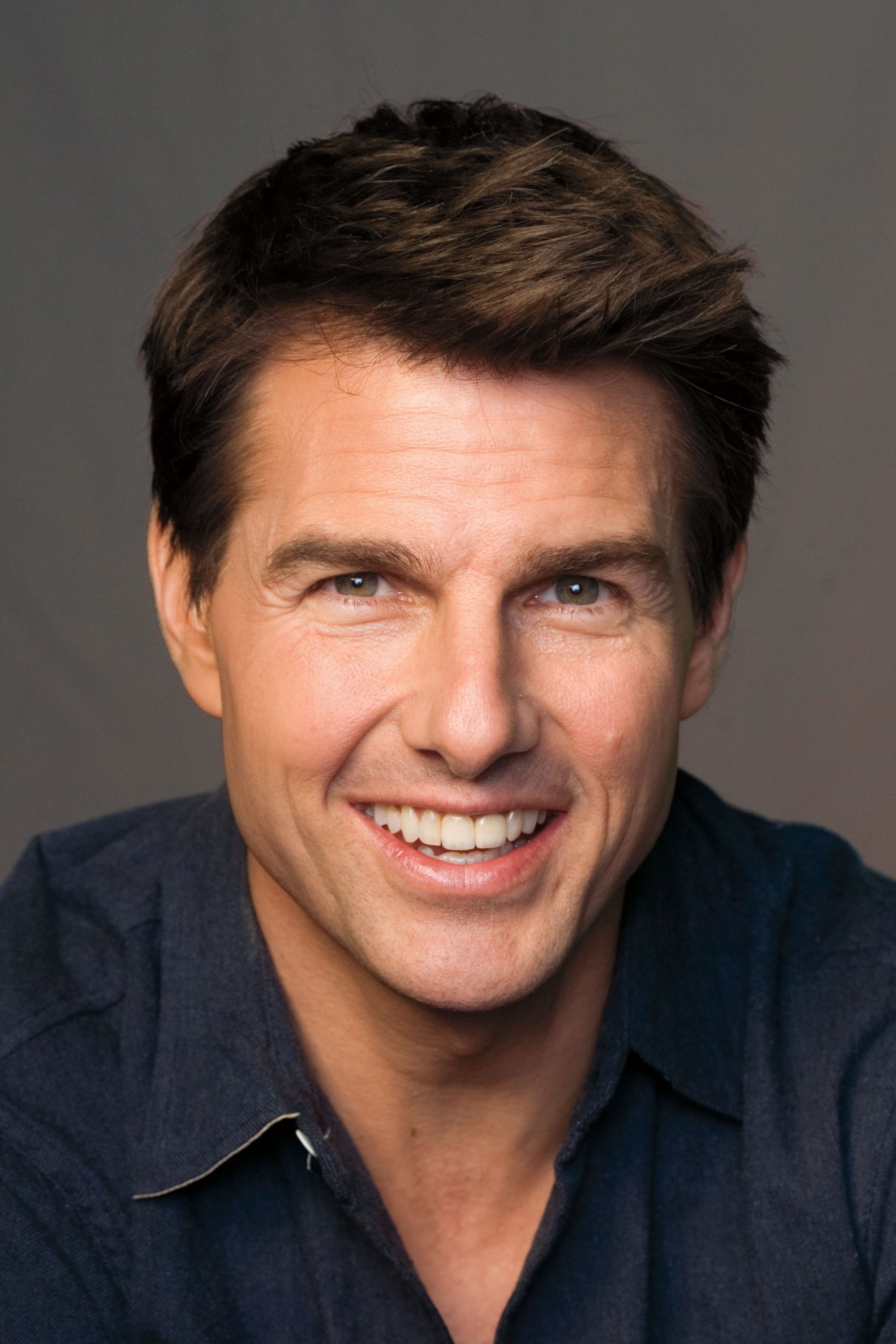
In the 2017 version of ‘The Mummy’ Tom Cruise reportedly took significant control over the script and character arc. He insisted on more screen time and dialogue changes to suit his established image as a leading man. He brought in his own writers to rework the story and ensure his character had a more heroic journey. These changes shifted the focus of the film away from the monster and toward his character. His influence over the production was absolute and changed the entire direction of the project.
Gene Hackman
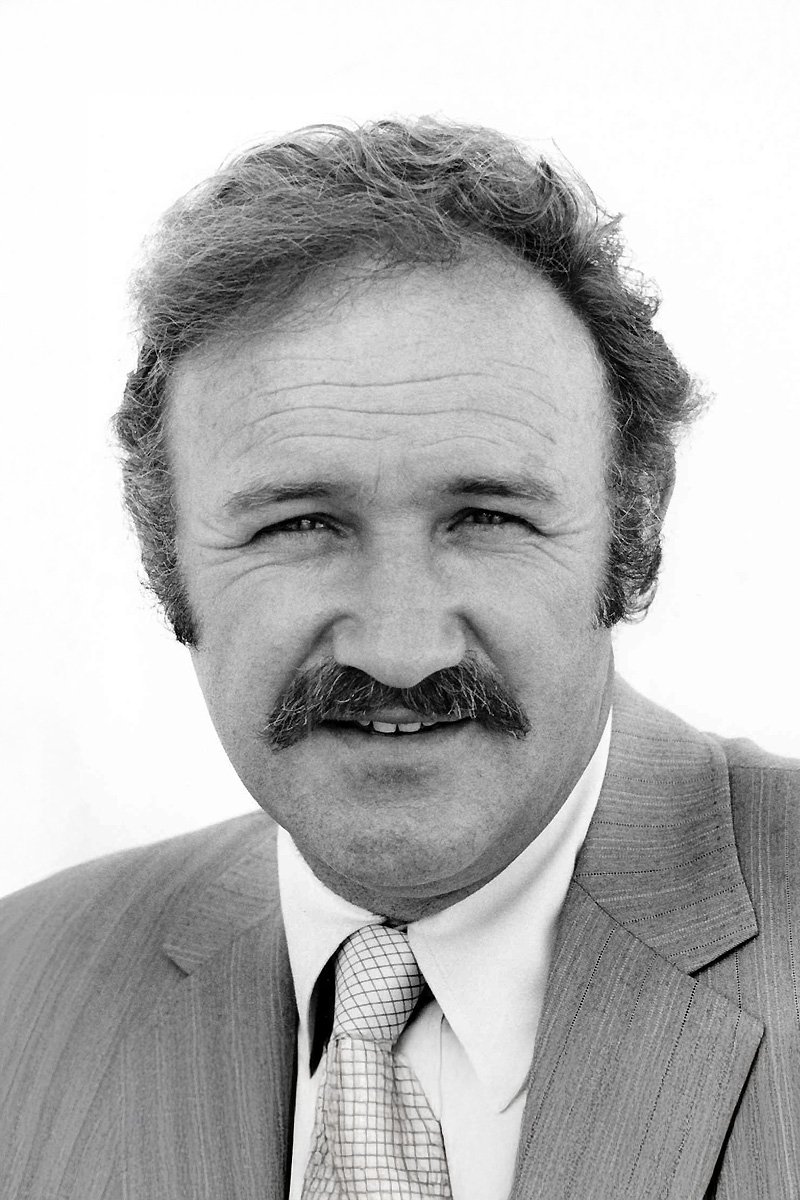
Gene Hackman was known for being very direct about his opinions on scripts. He clashed with the directors of ‘Superman IV: The Quest for Peace’ over the quality of the dialogue. He refused to perform certain scenes until the writing met his professional standards. Hackman felt the script was not taking the characters seriously enough and demanded more gravitas in his lines. His refusal to compromise forced the writers to make several last minute adjustments.
Brad Pitt
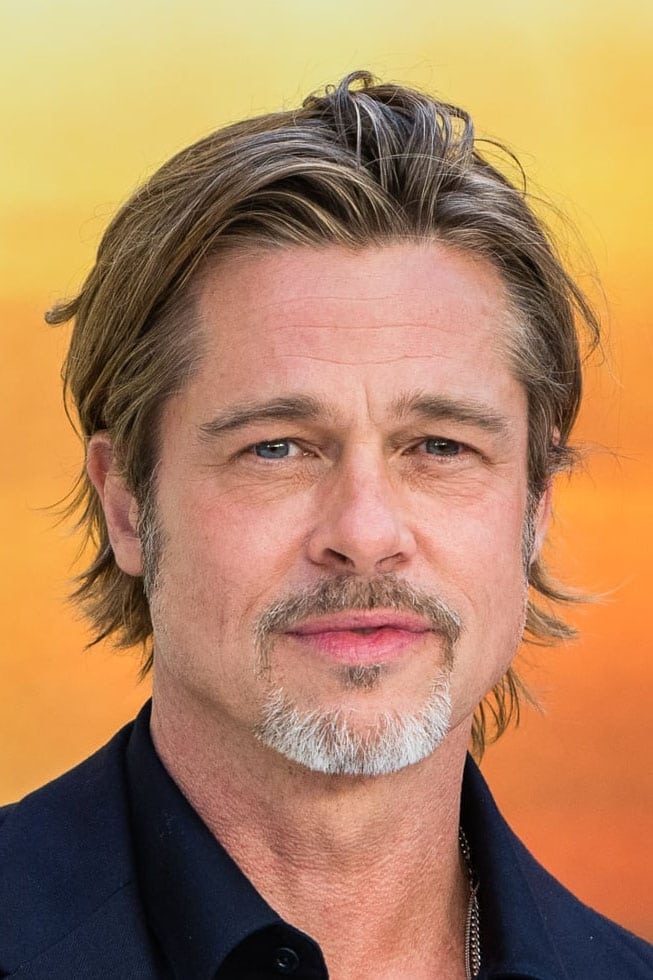
Brad Pitt famously threatened to quit the film ‘Seven’ if the dark ending was changed by the studio. He refused to say any lines that would lead to a more traditional or happy conclusion for his character. He wanted to ensure the film maintained its gritty and uncompromising tone. The studio eventually relented and kept the original ending as Pitt demanded. His stand for the artistic integrity of the script helped make the film a classic.
Joaquin Phoenix
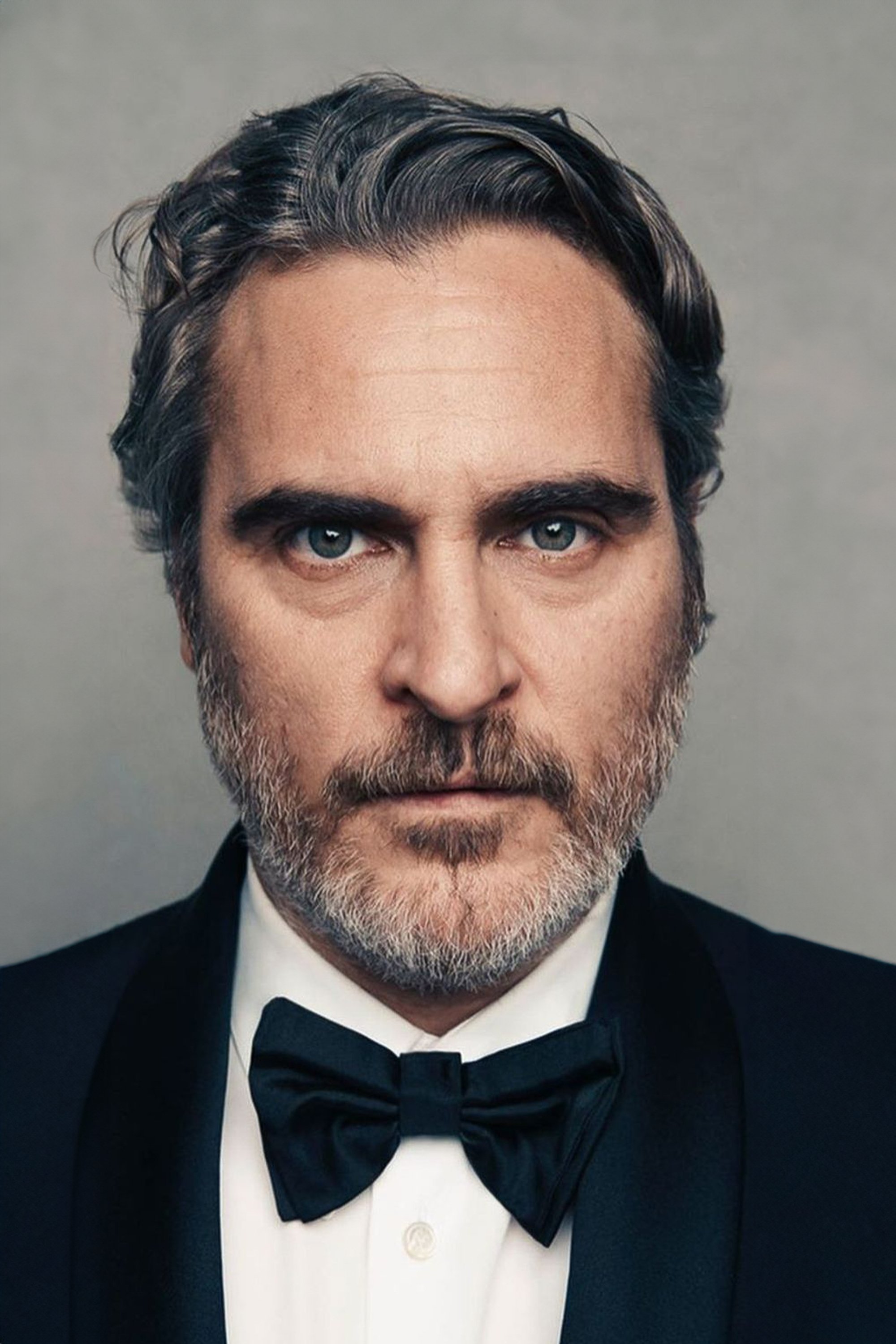
Joaquin Phoenix frequently walked off the set of ‘Joker’ when he felt the dialogue was not working for the character. He collaborated closely with the director to rewrite entire scenes during the production. Phoenix wanted to ensure that the character’s descent into madness felt organic and not forced by the script. He often discarded the written lines in favor of improvisations that felt more emotionally honest. His unpredictable nature led to a more raw and authentic performance.
Val Kilmer
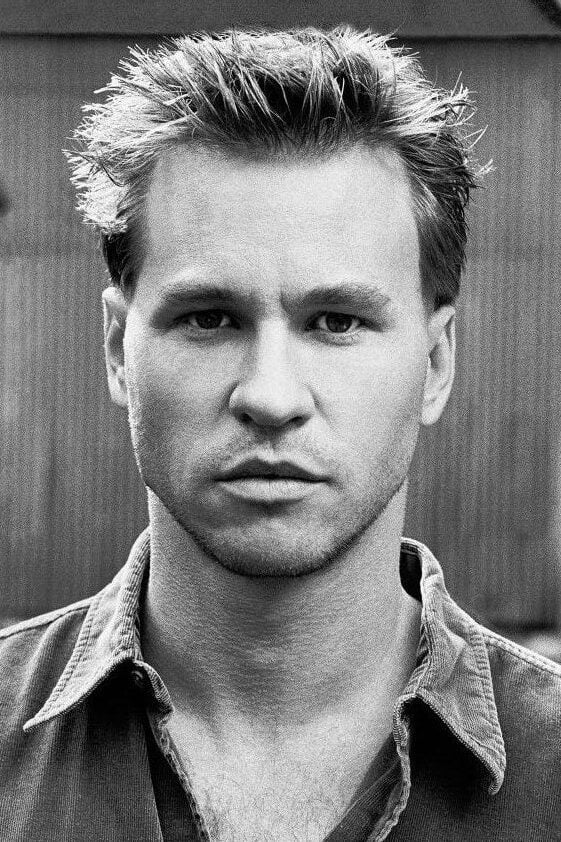
Val Kilmer had major conflicts on the set of ‘The Island of Dr. Moreau’ with the original director and his co-stars. He refused to speak his lines as written and demanded significant alterations to his character. He would often show up late to the set and then spend hours arguing about the script. This behavior contributed to a chaotic production that is still talked about in Hollywood today. Kilmer eventually got many of the changes he wanted but at a great cost to the production.
Benicio Del Toro
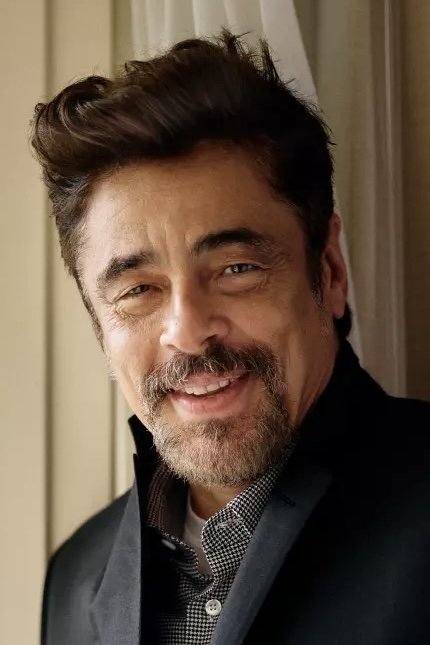
Benicio Del Toro chose to make his character in ‘The Usual Suspects’ almost entirely unintelligible. He ignored the script’s original intention for his dialogue to be clear and easy to understand. He felt that giving the character a strange accent and mumbling his lines would make him more memorable. The other actors were often genuinely confused by what he was saying during their scenes. This creative risk paid off and became one of the most discussed aspects of the film.
Ryan Reynolds
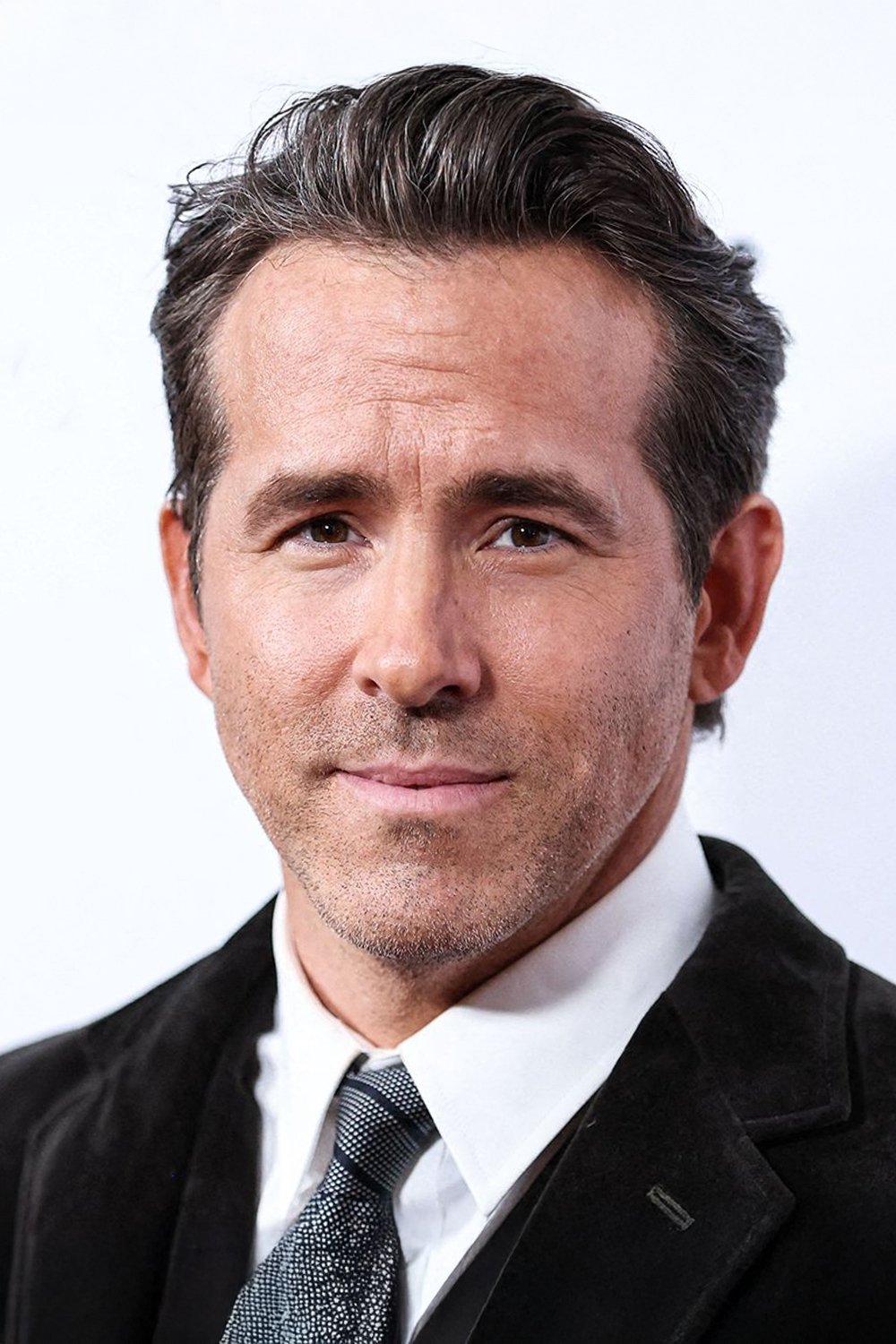
During the development of ‘Deadpool’ Ryan Reynolds worked tirelessly to ensure the dialogue matched the comic book character. He refused to use the original studio approved script because it lacked the signature humor of the character. He and the writers spent years refining the lines to include the meta commentary and jokes fans expected. Even during filming he would frequently suggest rewrites to make a scene funnier. His persistence was instrumental in the success of the franchise.
Sylvester Stallone
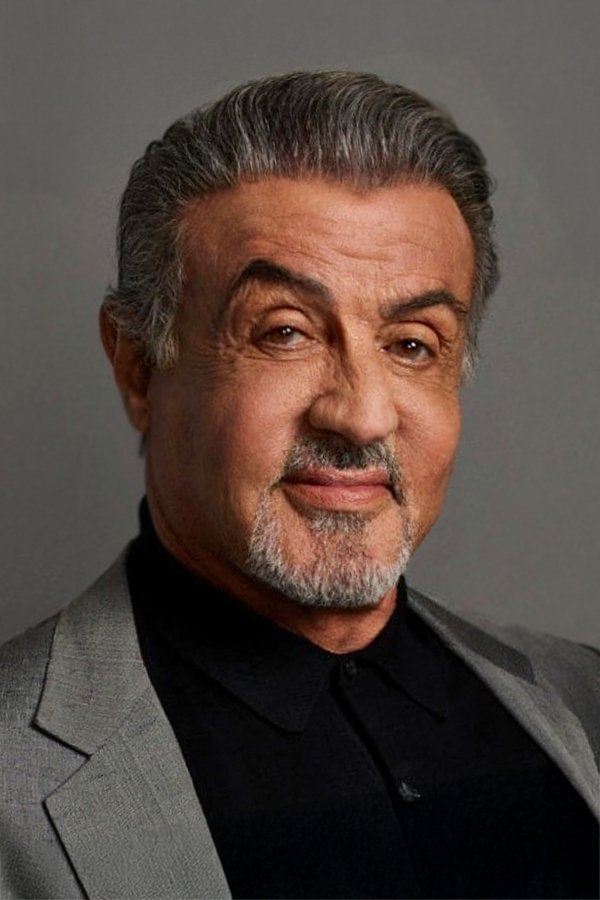
Sylvester Stallone famously refused to sell the rights to the script for ‘Rocky’ unless he was allowed to star in the movie. He also rejected the initial studio notes that wanted to change the character’s dialogue to be more polished. He felt the lines needed to be authentic to the working class Philadelphia setting. He spent a great deal of time rewriting the script to ensure the voice of the character remained consistent. His determination turned a low budget film into a global phenomenon.
John Krasinski
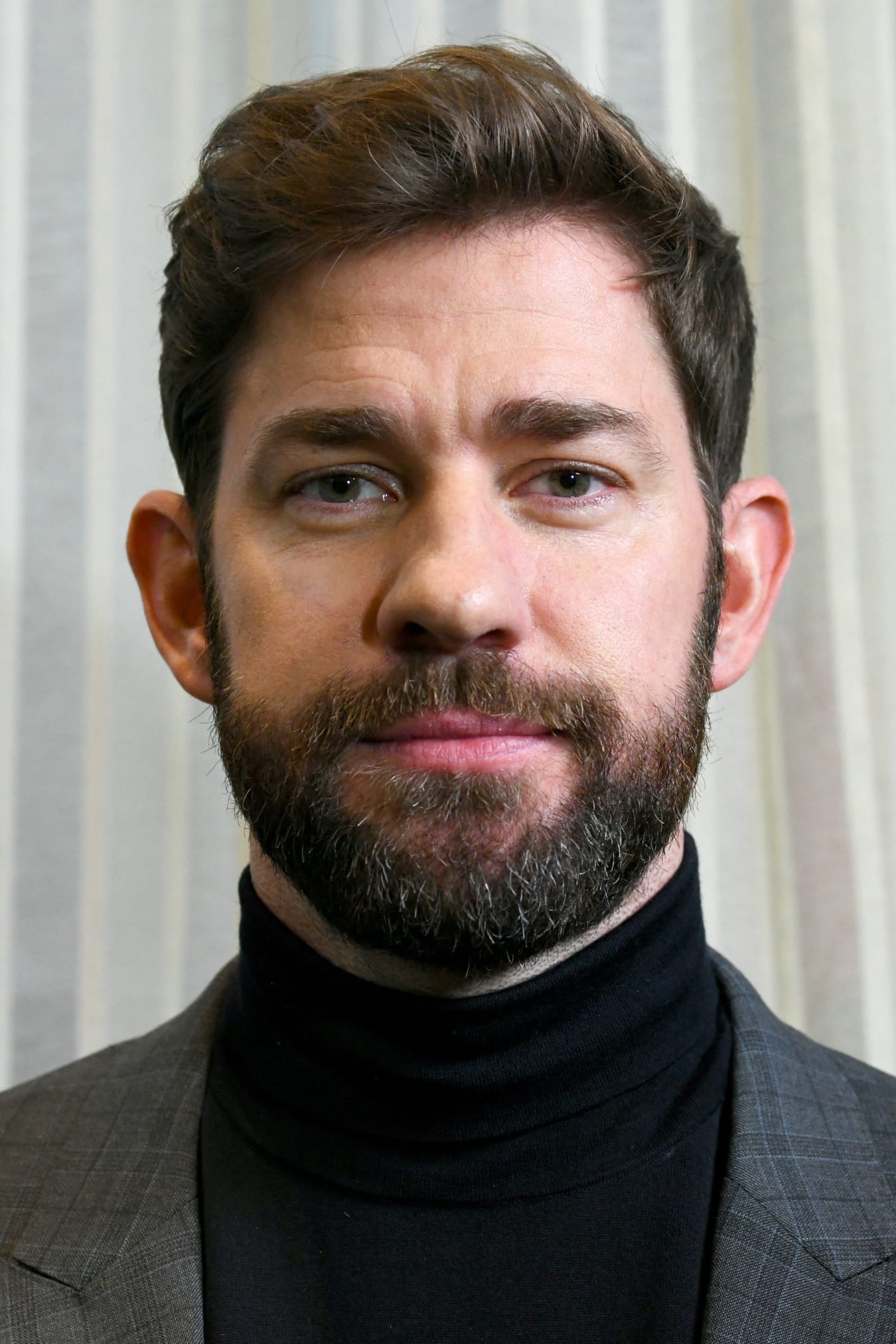
John Krasinski famously refused to film a cheating subplot for his character in the television show ‘The Office’. He told the producers that the loyal fan base would never forgive his character and that the dialogue was a mistake. He felt so strongly about the integrity of the relationship that he put his foot down against the writers. The producers eventually agreed with his assessment and the storyline was completely removed. This decision preserved the most popular dynamic of the series.
Alec Baldwin
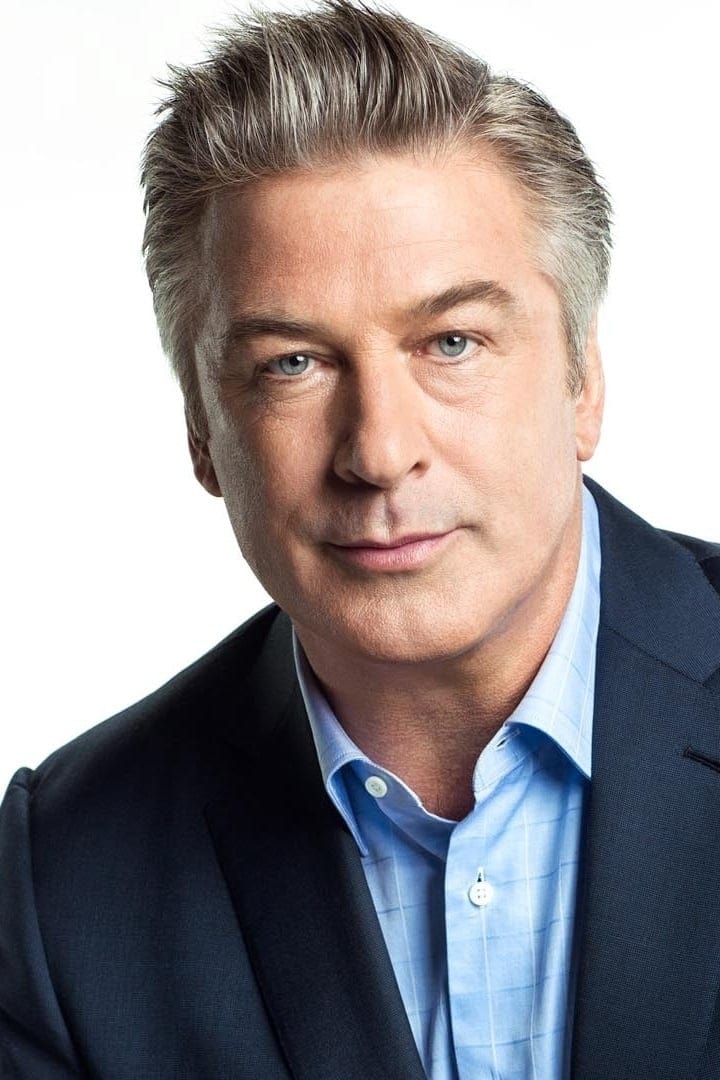
Alec Baldwin was known for being very difficult on the set of the film ‘The Marrying Man’. He demanded numerous script changes and refused to film until his requirements were implemented by the studio. He often challenged the director and the writers on the logic of his character’s dialogue. This led to a very long and expensive production that was plagued by constant rewrites. His behavior on the set became a subject of intense media scrutiny at the time.
Jason Isaacs
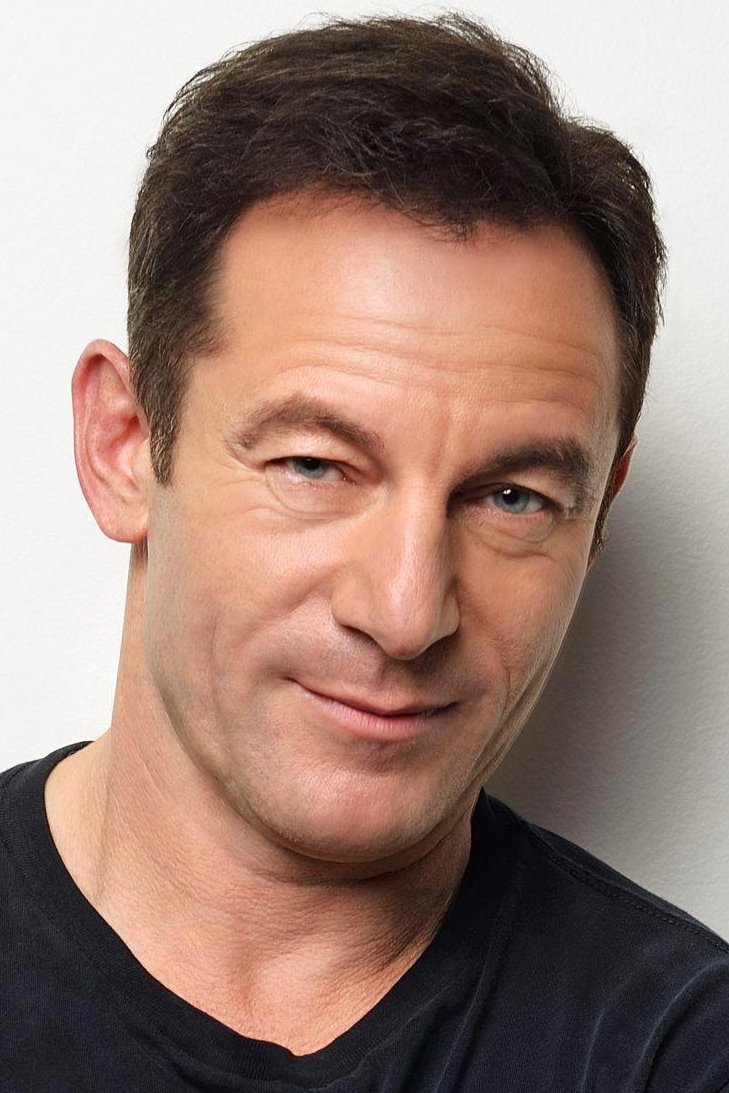
Jason Isaacs was originally cast as Lucius Malfoy in the ‘Harry Potter’ series and immediately had ideas for the character. He requested that his character have long hair and specific regal dialogue that was not in the original script. He also came up with the idea for the cane that hid his wand to make the character feel more menacing. Isaacs refused to play the character as a standard villain and pushed for more sophistication. The filmmakers agreed and his additions became iconic parts of the role.
Ben Affleck
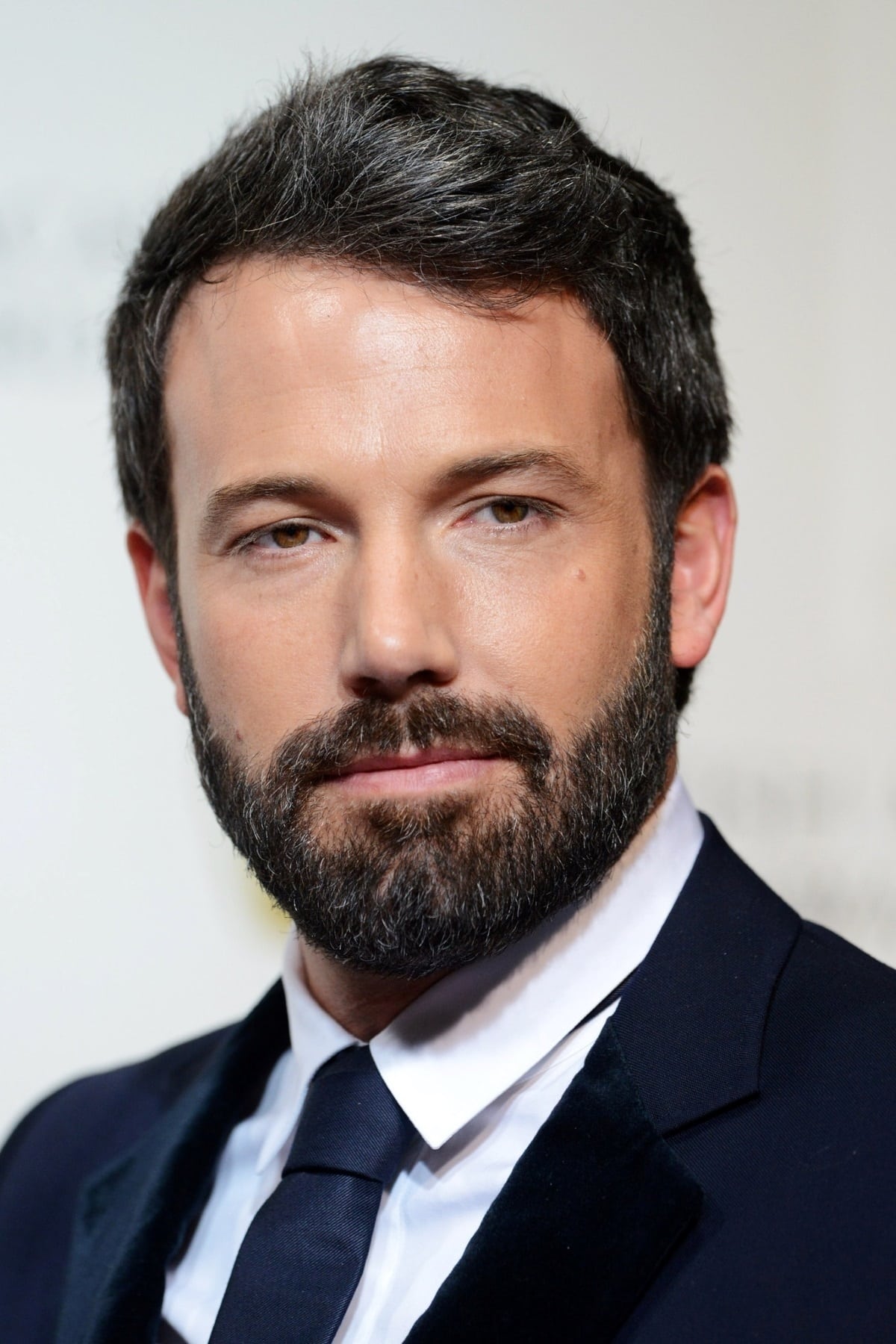
While filming ‘Gone Girl’ Ben Affleck refused to wear a New York Yankees baseball cap for a key scene. As a devoted fan of the Boston Red Sox he felt it was a betrayal of his personal values and character. He argued with the director for several days until the production finally agreed to change the hat. They eventually settled on a New York Mets cap so the production could move forward. This minor standoff became a well known story about his dedication to his hometown team.
Liam Neeson
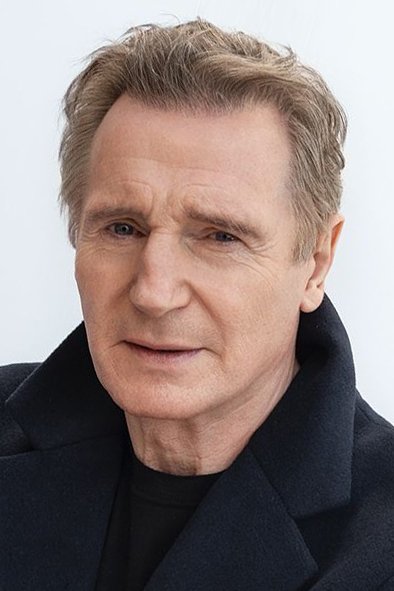
On the set of ‘The Grey’ Liam Neeson pushed for more philosophical elements in his character’s dialogue. He rejected several simpler action movie lines in favor of more complex reflections on life and death. He wanted to ensure the film felt like a survival drama rather than a standard thriller. Neeson worked with the director to rewrite several key monologues to give the character more depth. His input helped elevate the emotional impact of the story.
Mads Mikkelsen
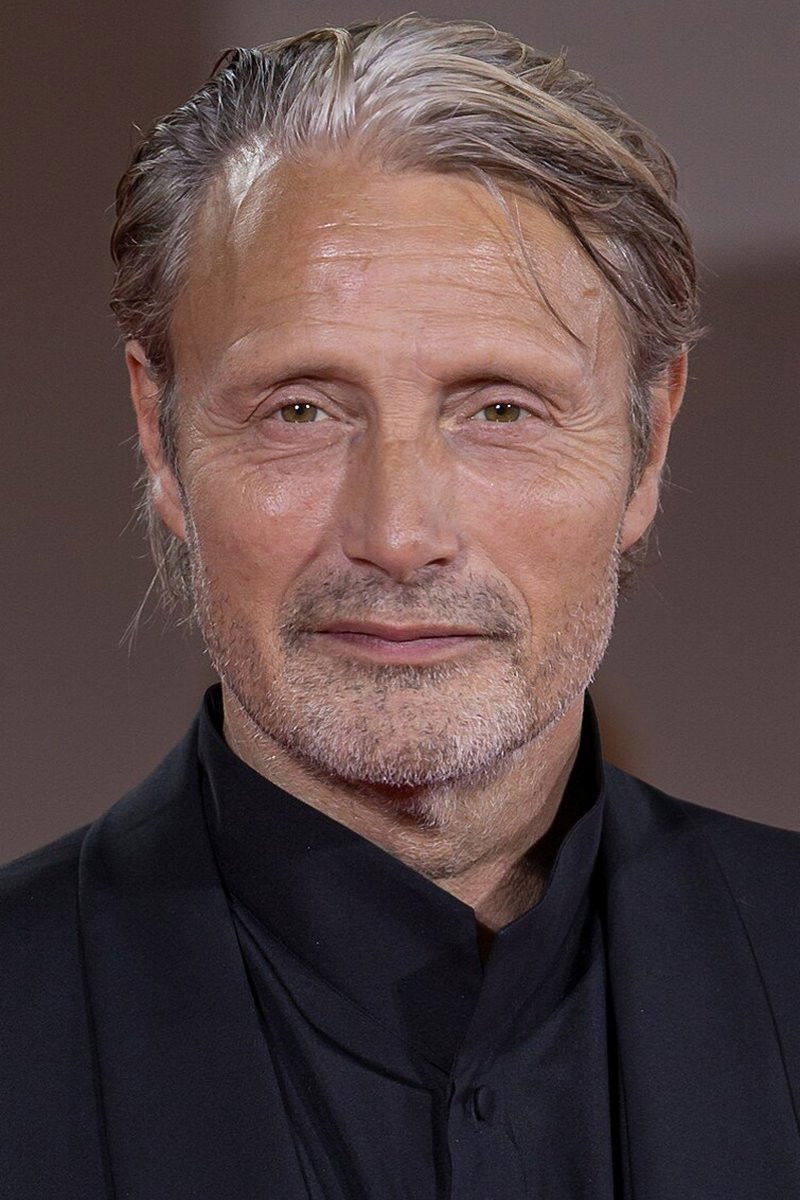
In the film ‘Casino Royale’ Mads Mikkelsen and Daniel Craig both pushed for less dialogue during the torture scene. They felt that the physical acting and the intensity of the moment would be more powerful than written lines. Mikkelsen wanted his character to remain cool and detached rather than explaining his motivations. They successfully convinced the director to cut several pages of dialogue from the scene. The result is considered one of the best scenes in the modern James Bond era.
Chow Yun-fat

When Chow Yun-fat moved to Hollywood he often had to challenge scripts that relied on tired stereotypes. He worked hard to rewrite his lines in films like ‘The Replacement Killers’ to ensure his characters had more dignity. He refused to say dialogue that felt out of character or that simplified his cultural background. His insistence on better writing helped him transition into a respected international star. He was very protective of his image and the way he was portrayed on screen.
Gong Yoo
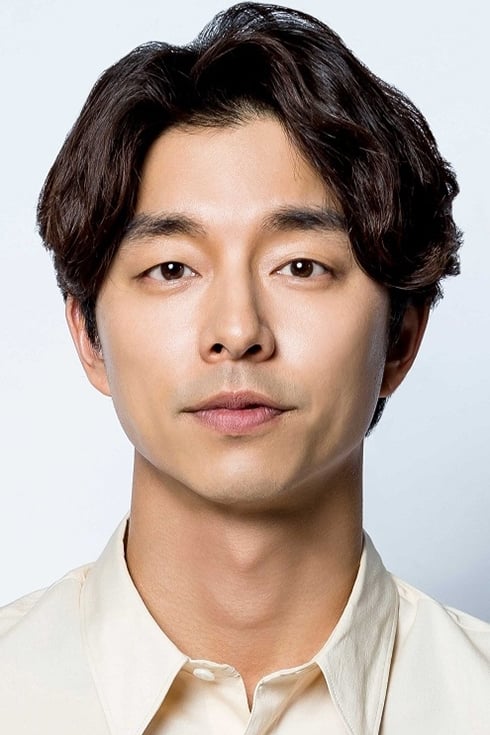
Gong Yoo is known in the Korean film industry for being very selective with his roles and the quality of the scripts. In several of his major projects he has requested significant modifications to ensure his characters have more emotional depth. He has been known to refuse to film scenes until the dialogue feels natural and earned. His input is highly valued by directors who appreciate his dedication to the craft. This focus on quality has made him one of the most successful actors in Asia.
Javier Bardem
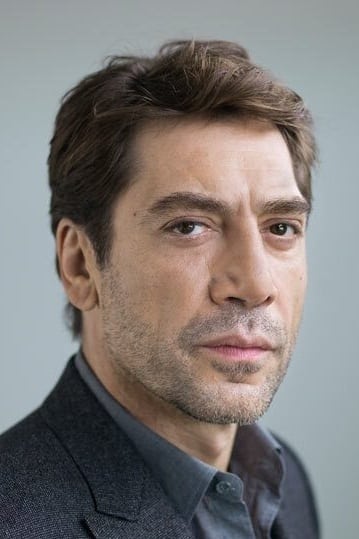
For his role in ‘No Country for Old Men’ Javier Bardem wanted his character to be as quiet and ominous as possible. He requested that several of his scripted lines be removed to heighten the sense of mystery surrounding the character. He believed that the less the audience knew about his character the more terrifying he would be. The directors agreed with his minimalist approach and cut many of his scenes. His performance went on to win an Academy Award.
Viggo Mortensen
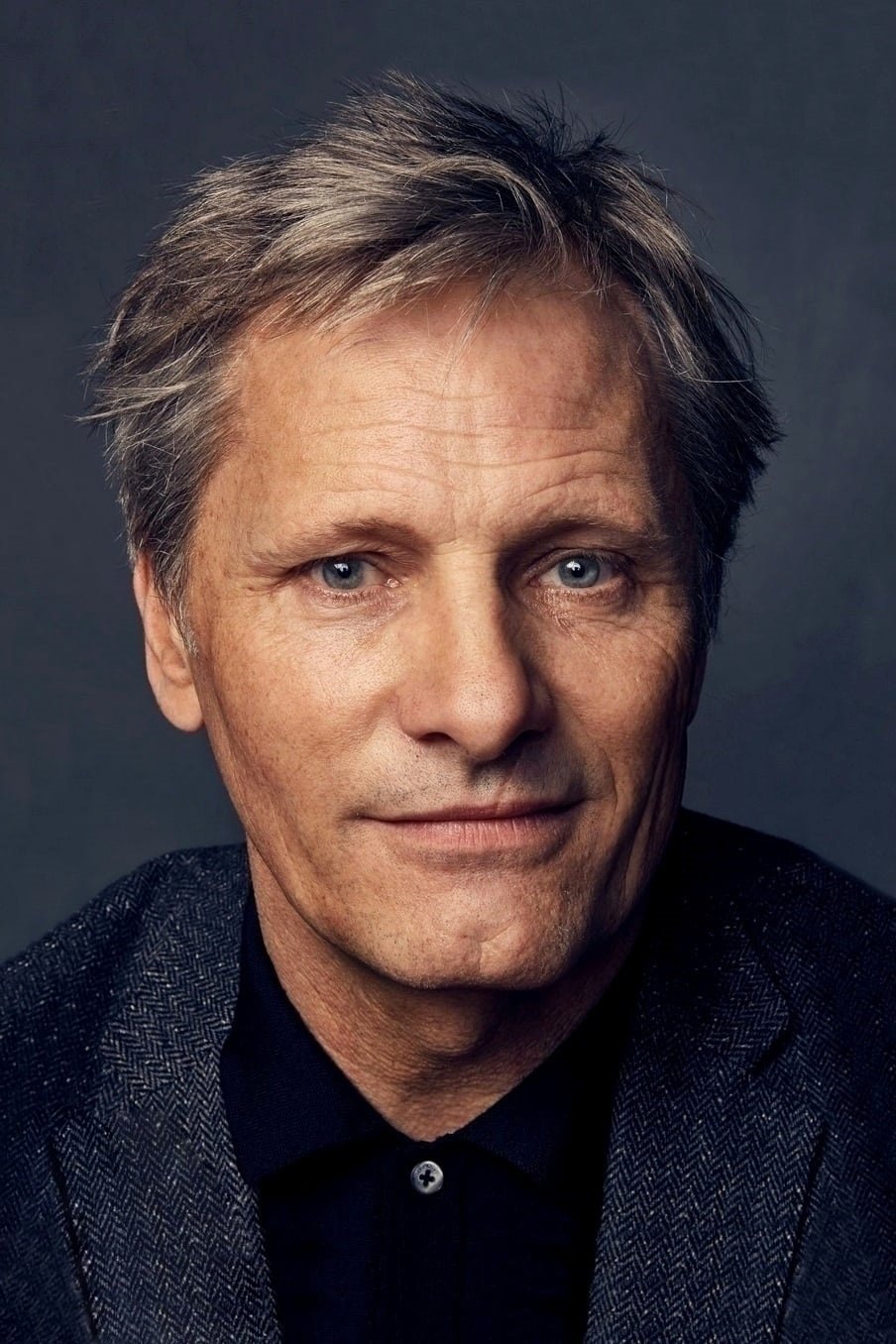
Viggo Mortensen became an expert on the lore written by J.R.R. Tolkien while filming ‘The Lord of the Rings’. He refused to say lines that contradicted the source material and insisted on incorporating more of the Elvish language. He would often carry a copy of the book on set to point out where the script deviated from the original text. Mortensen was so dedicated that he even helped rewrite some of the battle speeches. His passion for the material earned him the respect of the entire production.
Christian Bale
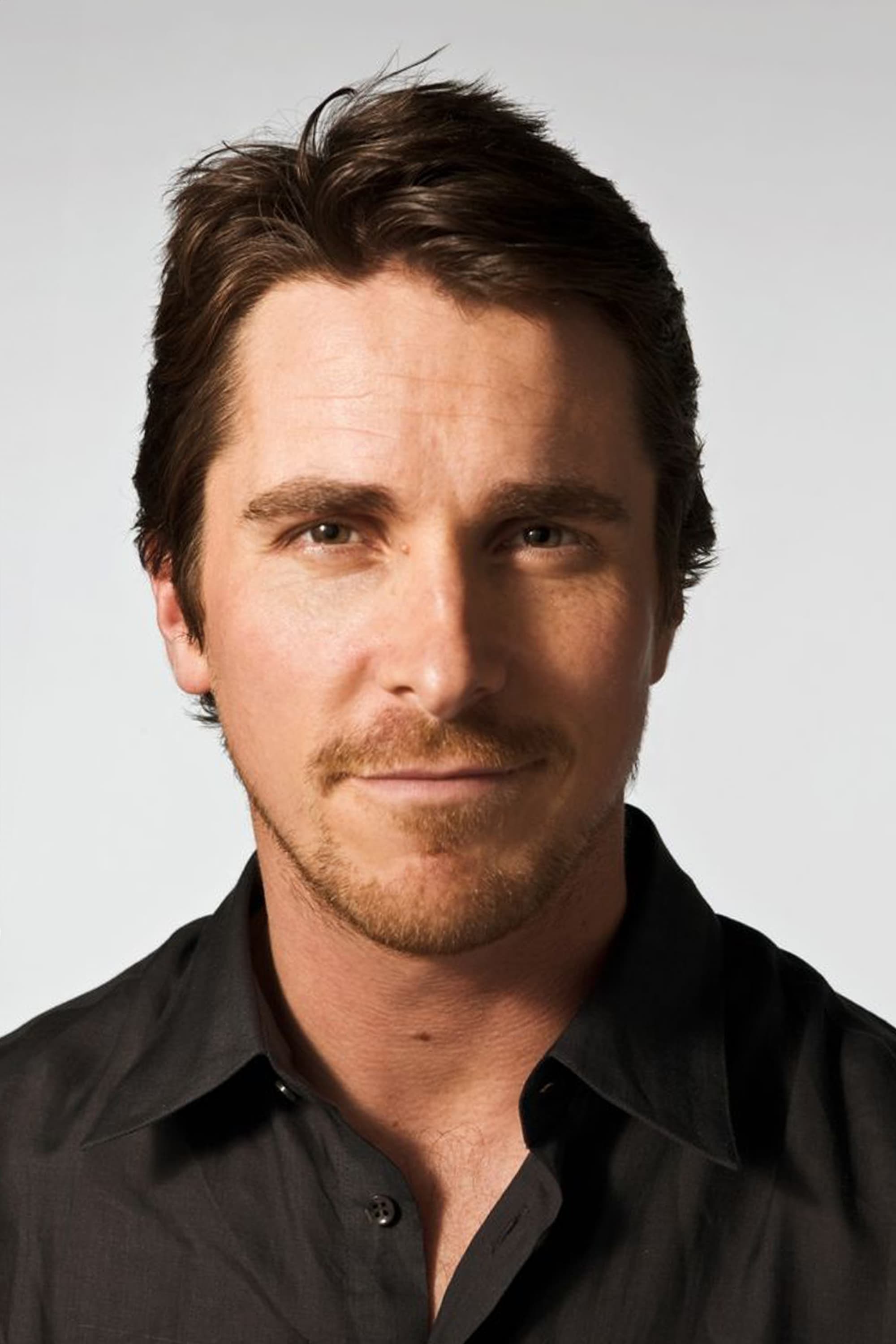
On the set of ‘Terminator Salvation’ Christian Bale was very vocal about the script needing more emotional weight. He refused to film until several key scenes were rewritten to give his character more of a personal arc. He felt the original dialogue was too focused on the action and not enough on the human element of the story. His intensity led to some famous confrontations on the set but also resulted in a more grounded script. He is known for demanding the best from the writers he works with.
Dustin Hoffman
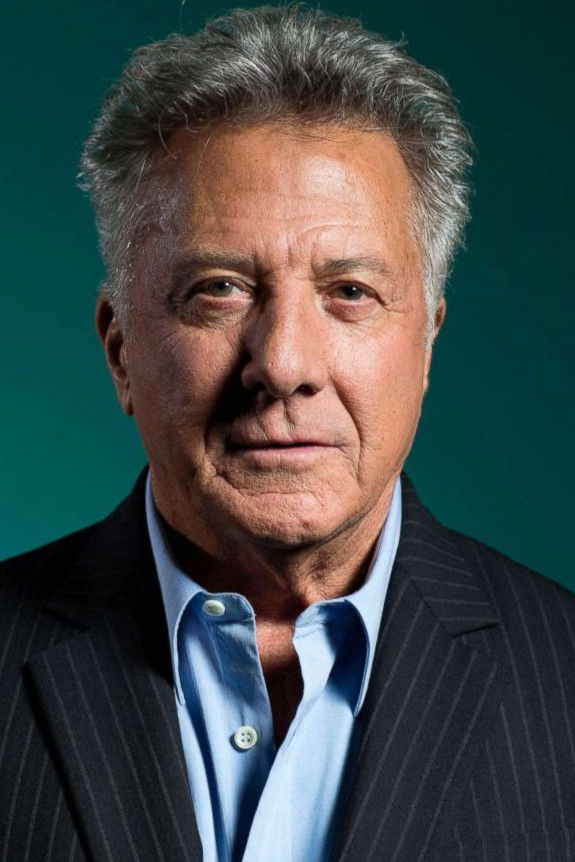
On the set of ‘Tootsie’ Dustin Hoffman fought hard for the integrity of his character. He refused to say lines that he felt made the female version of his character look foolish or stereotypical. He wanted the character to be taken seriously as a woman and not just as a comedic gimmick. He had constant debates with the director over the tone of the dialogue. His refusal to play into easy jokes resulted in a much more nuanced and successful film.
Bill Murray
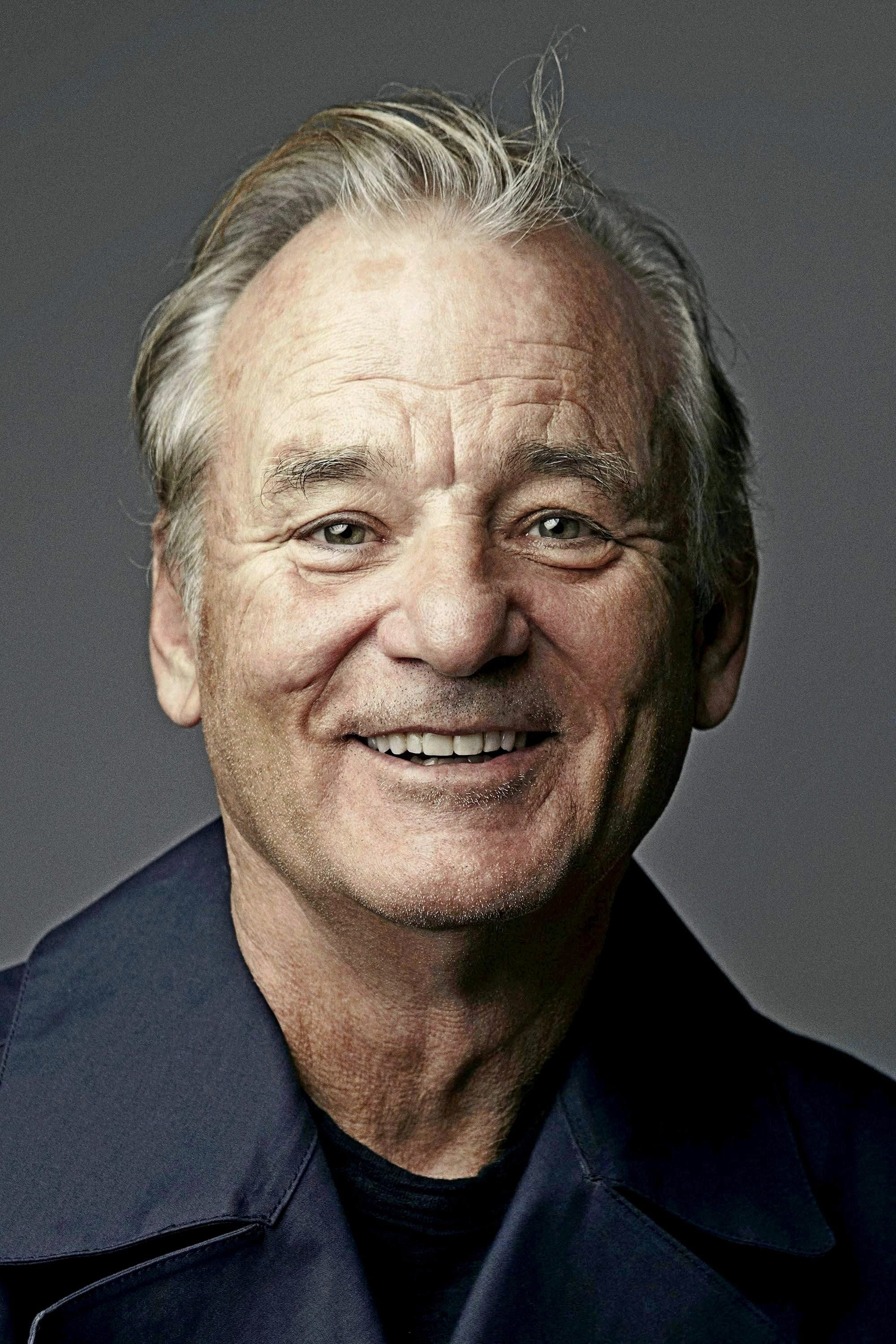
Bill Murray was famously unhappy with the writing on the set of ‘Charlie’s Angels’. He reportedly told his co-stars that their lines were terrible and refused to say many of his own scripted parts. He would often ignore the script entirely and force the other actors to react to his spontaneous improvisations. This tension led to significant problems during the production and he was replaced in the sequel. His preference for improvisation often puts him at odds with traditional screenwriters.
Mike Myers
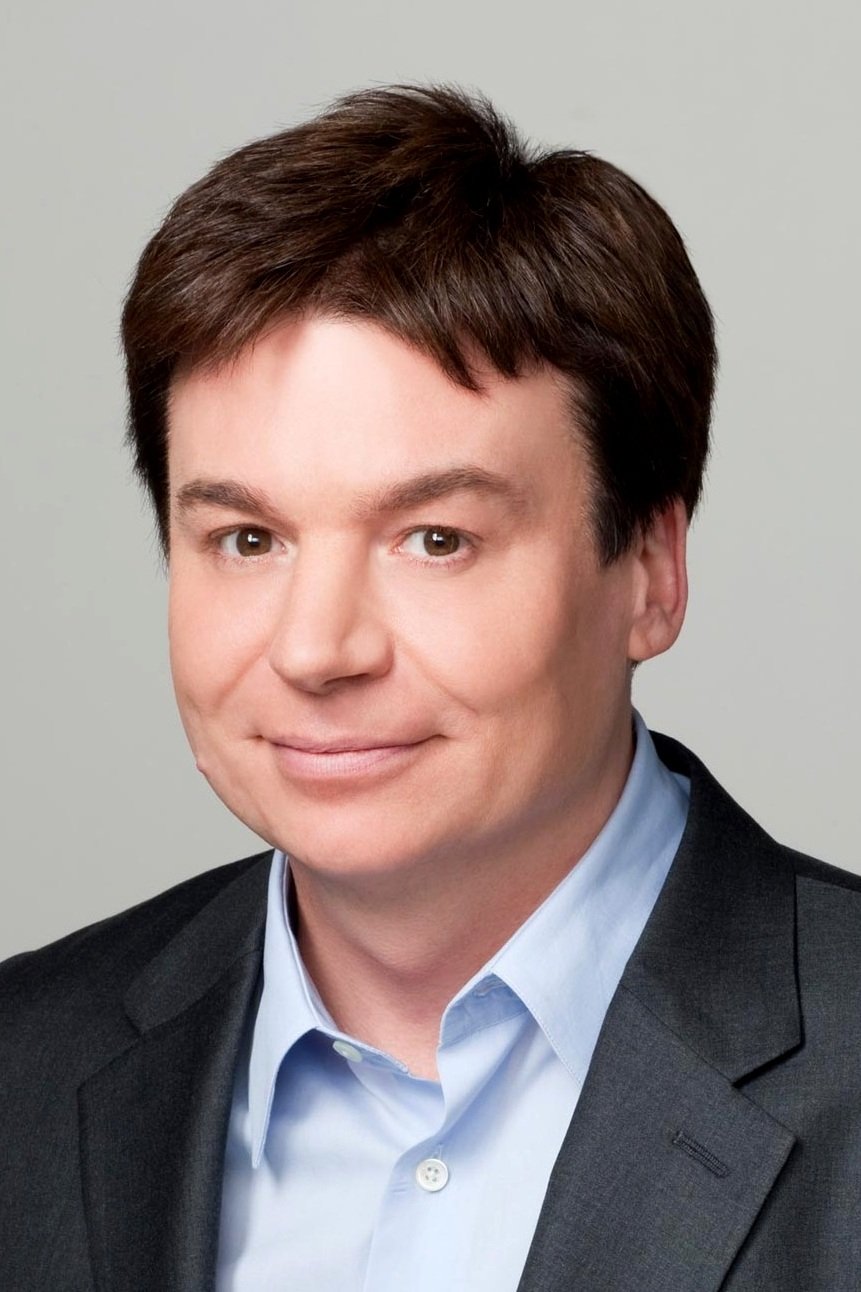
Mike Myers insisted that the film ‘Shrek’ be re-recorded with a Scottish accent after the project was nearly finished. He refused to accept the original vocal performance and forced a massive rewrite of the character’s voice. He felt the accent added a layer of vulnerability and humor that was missing from the first version. This decision cost the studio millions of dollars and required a significant amount of new animation. However, the change is widely credited with making the character a massive success.
Peter Sellers
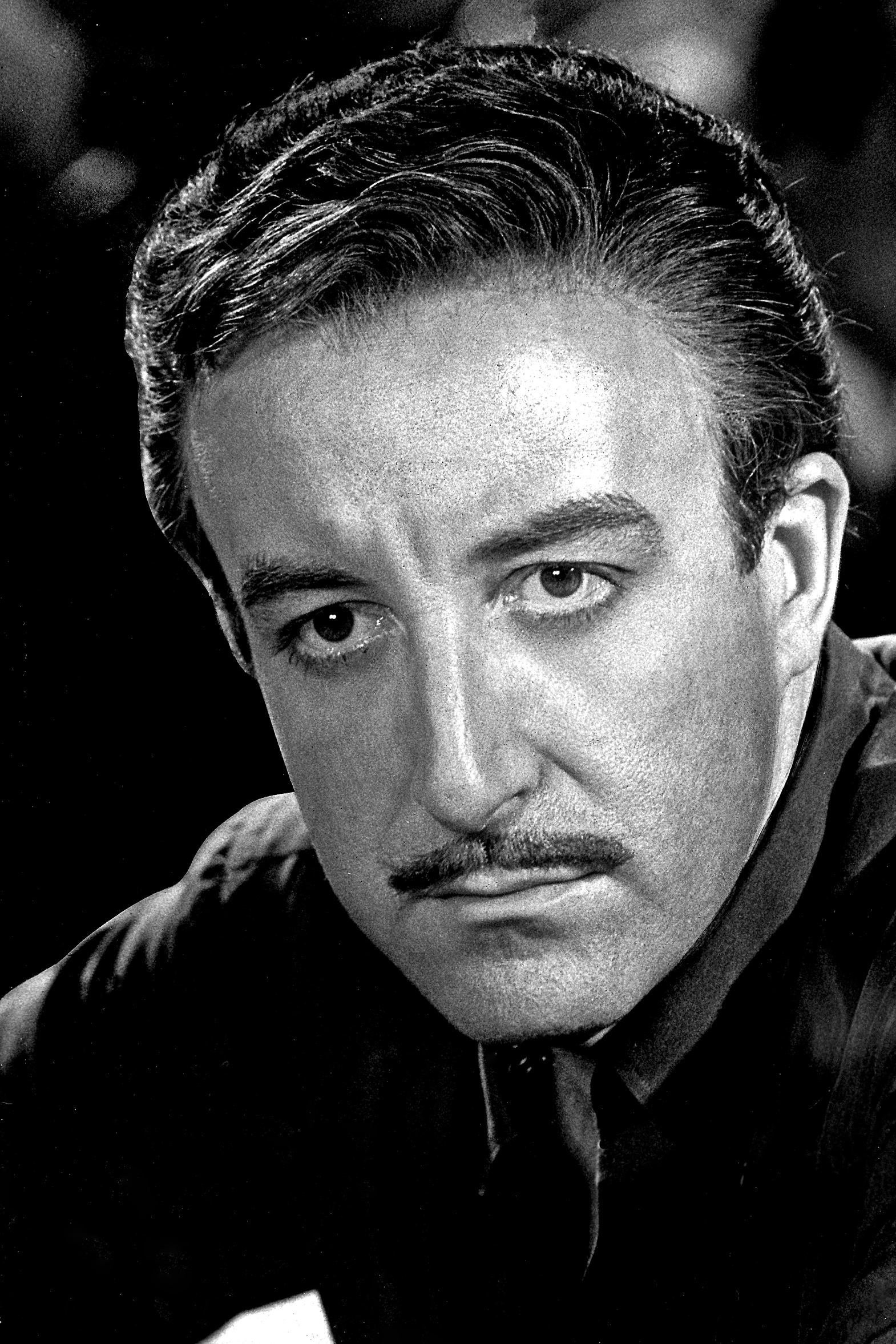
Peter Sellers often discarded the script entirely for the ‘The Pink Panther’ films. He would refuse to say his lines and instead chose to improvise with his co-stars to find something more comedic. He felt that the best humor came from spontaneous reactions rather than written jokes. His directors eventually learned to just keep the cameras rolling and let him explore the scene. This unconventional approach led to some of the most famous comedic moments in film history.
Sacha Baron Cohen
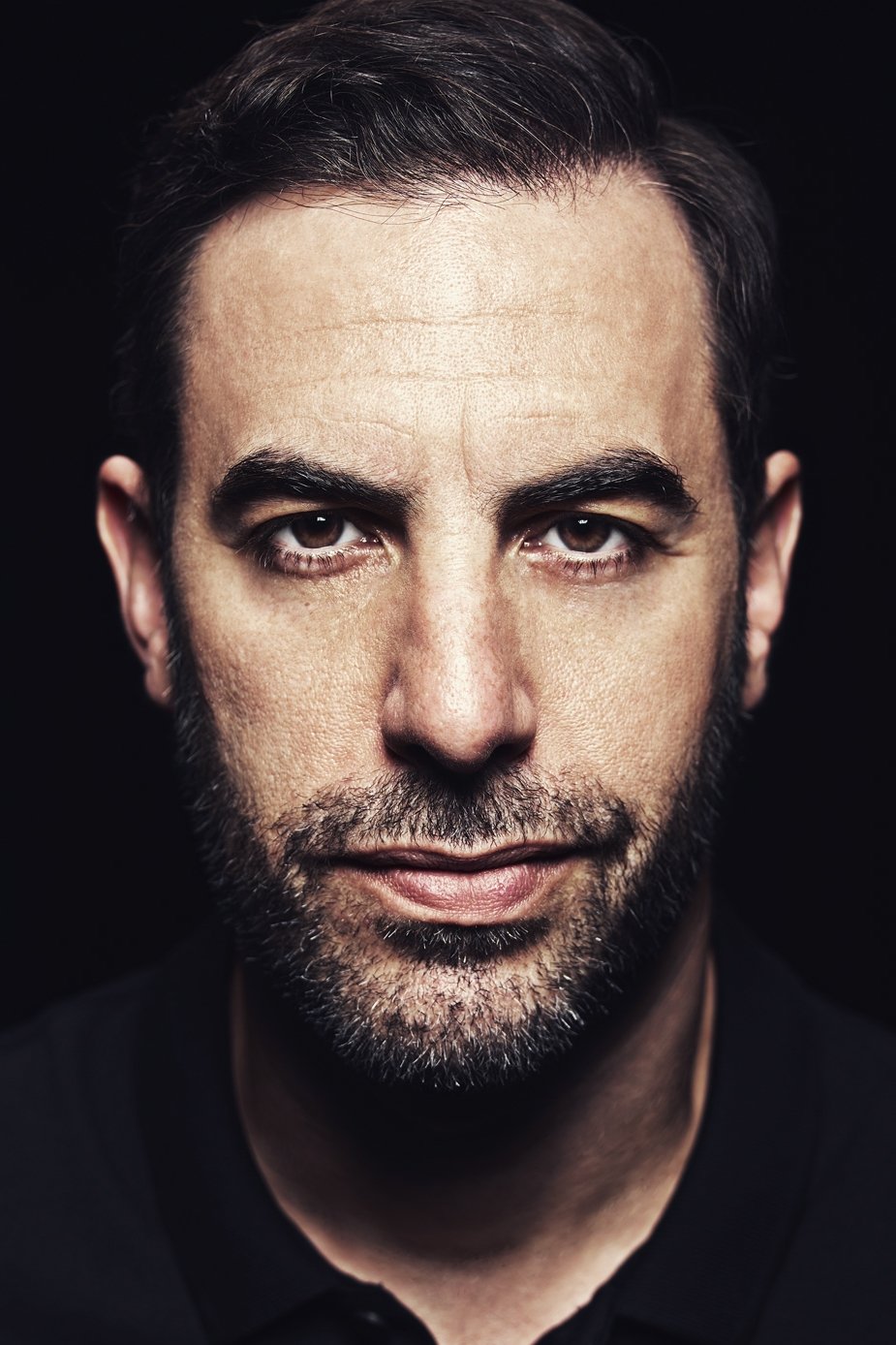
Sacha Baron Cohen stays in character for months at a time and refuses to follow any script that feels staged or fake. For his film ‘Borat’ he rejected traditional dialogue to ensure all the reactions from the people he met were genuine. He often had to improvise his way out of dangerous situations while staying in character. He refuses to work on projects where he does not have total control over the dialogue and the scenarios. His unique method requires a very high level of trust from the production.
David Spade

On the set of ‘8 Simple Rules’ David Spade reportedly refused to say lines that he found unfunny or inconsistent with his comedic persona. He had a reputation for wanting to rewrite his dialogue to better fit his fast talking style. He would often work with the writers to sharpen the jokes and remove scenes that he felt were too sentimental. His input helped the show transition during a difficult period after the loss of its lead actor. He remains very protective of his comedic voice.
Mark Hamill
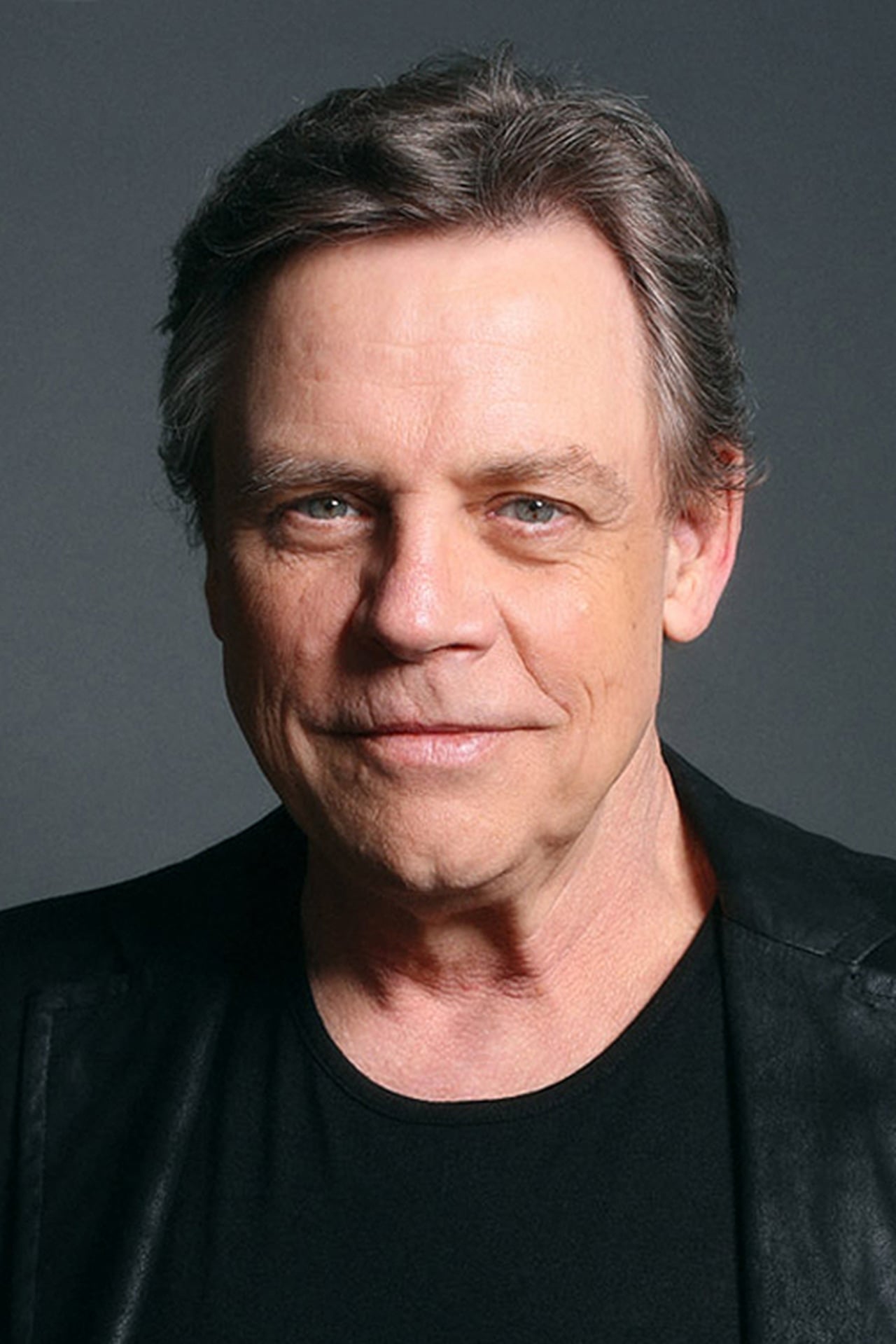
Mark Hamill had fundamental disagreements with the direction of his character in ‘Star Wars: The Last Jedi’. He voiced his concerns to the director and initially refused to perform some scenes until the dialogue was adjusted. He felt the lines did not reflect the hero he had played decades earlier. While he eventually performed the role, he was very public about his desire for a different script. His honesty about the creative process sparked a massive debate among the fan base.
Sean Connery
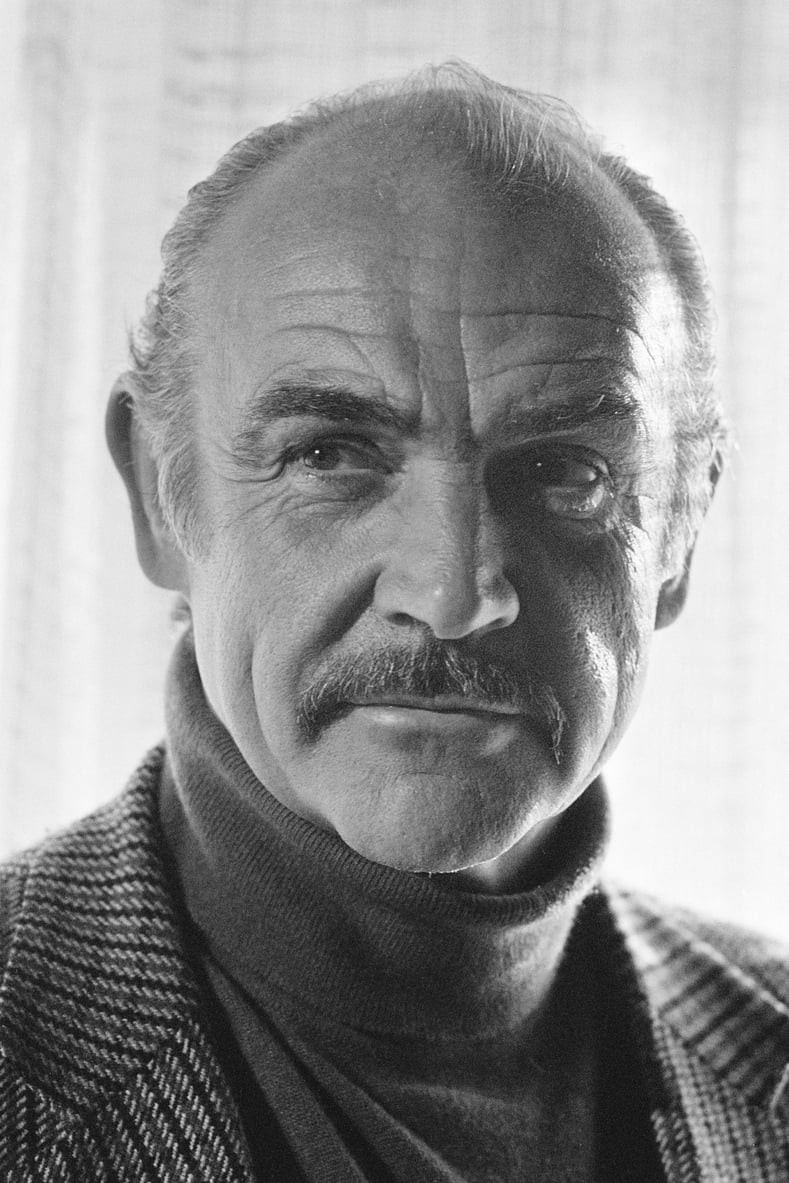
Sean Connery became so frustrated with the script for ‘The League of Extraordinary Gentlemen’ that he essentially took over the creative direction. He refused to say his lines until they were rewritten to his personal satisfaction. He had frequent arguments with the director over the tone and the logic of the story. This experience was so negative for him that he decided to retire from acting shortly after the film was released. He was known for being very demanding of the scripts he agreed to perform.
Jeremy Irons
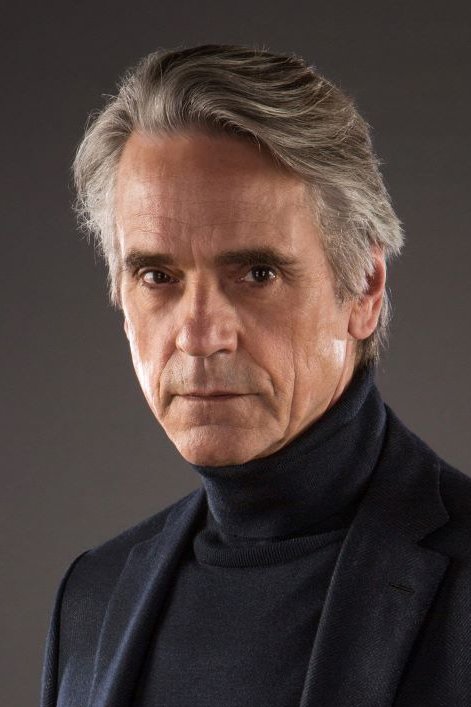
Jeremy Irons was unhappy with the villainous dialogue provided to him for the film ‘Die Hard with a Vengeance’. He worked closely with the director to make his character more sophisticated and less of a standard movie cliché. He refused to say lines that made the character seem like a typical terrorist and pushed for more intellectual dialogue. His performance was praised for its elegance and wit which was a direct result of his rewrites. He often seeks to add depth to characters that might otherwise be one dimensional.
Will Smith
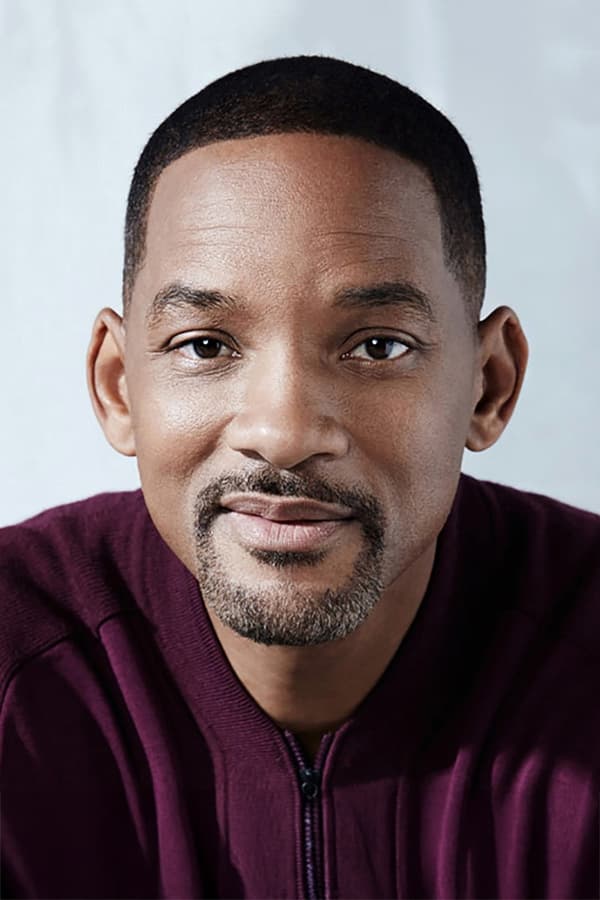
During the production of ‘Men in Black 3’ the script was constantly being rewritten to satisfy the needs of the lead actors. Will Smith refused to film several key scenes until the dialogue met his personal standards for the character. He felt the story needed more emotional stakes and worked with the writers to incorporate a time travel plot. The production was even shut down for several weeks to allow for these extensive rewrites. His influence on the script was a major factor in the final shape of the movie.
Robert De Niro
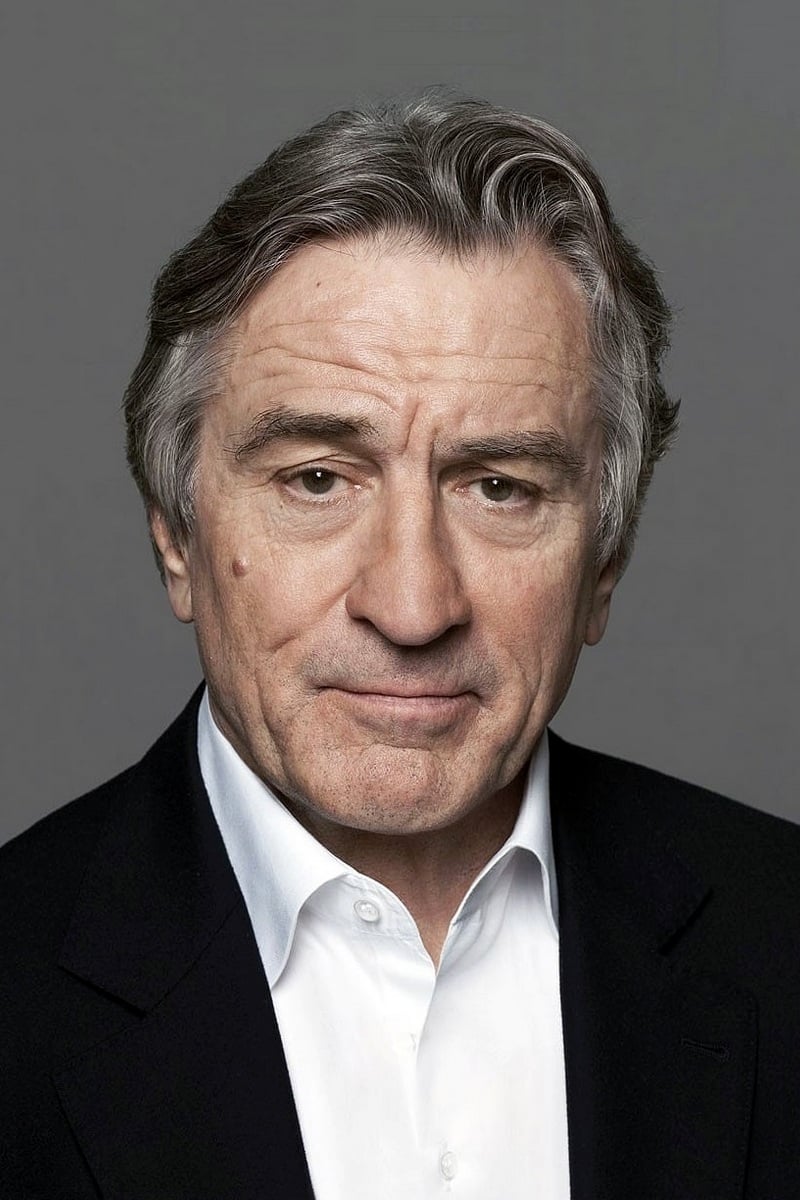
Robert De Niro is known for his intense preparation and his habit of analyzing every line in a script. He has been known to refuse to say dialogue that does not fit the internal logic of his character. He will often insist on rewrites during the rehearsal process to ensure the words feel natural. His reputation for being meticulous means that writers often have to go through multiple drafts to satisfy him. He believes that the dialogue must be a direct reflection of the character’s history.
Hugh Jackman
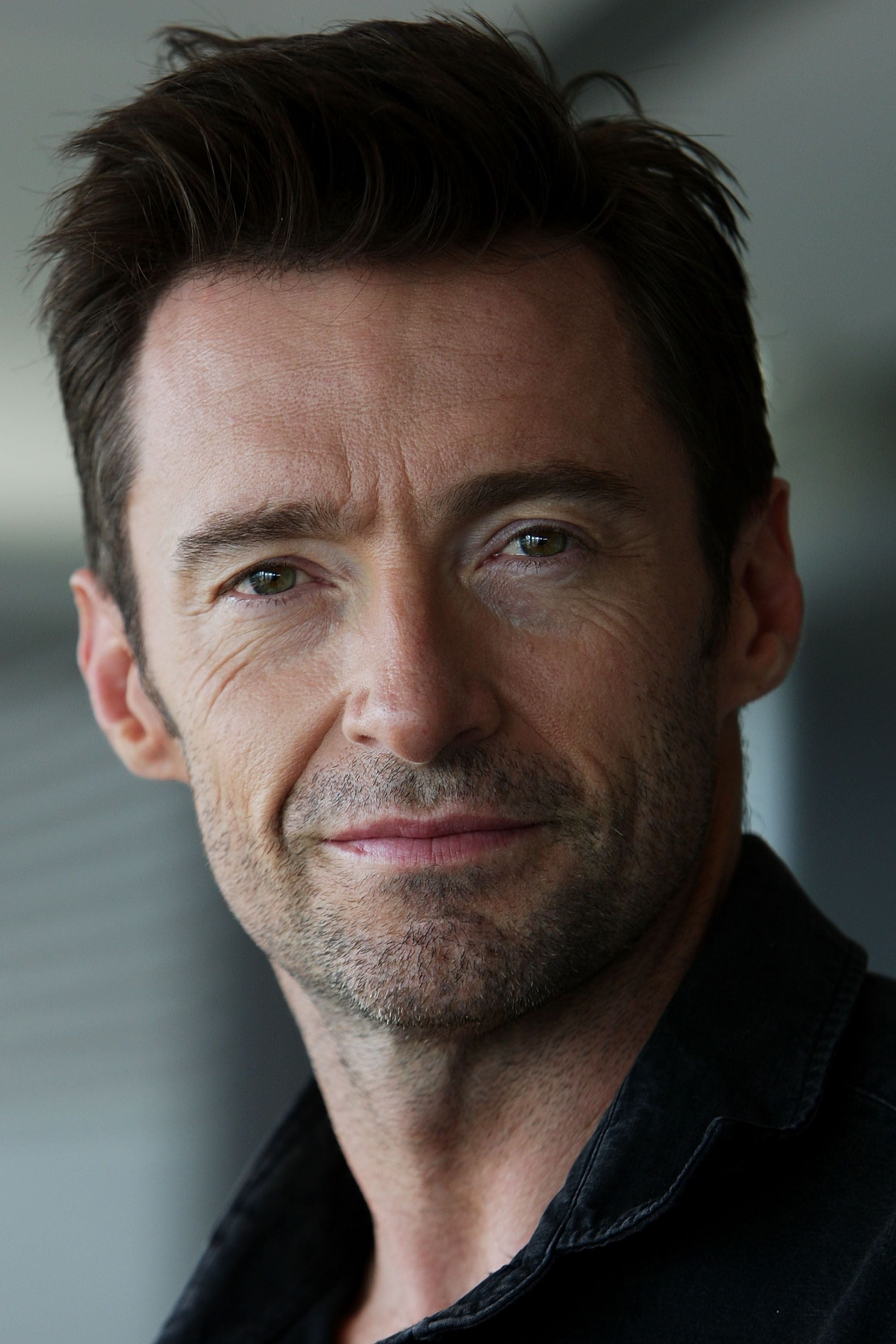
For the film ‘Logan’ Hugh Jackman wanted a much grittier and more realistic tone than previous superhero movies. He refused to say lines that felt too much like a standard comic book film and pushed for more mature dialogue. He worked with the director to ensure the character’s final journey felt earned and emotionally resonant. He even took a pay cut to ensure the film could be released with an R rating. His dedication to the script resulted in one of the most acclaimed films in the genre.
Oscar Isaac
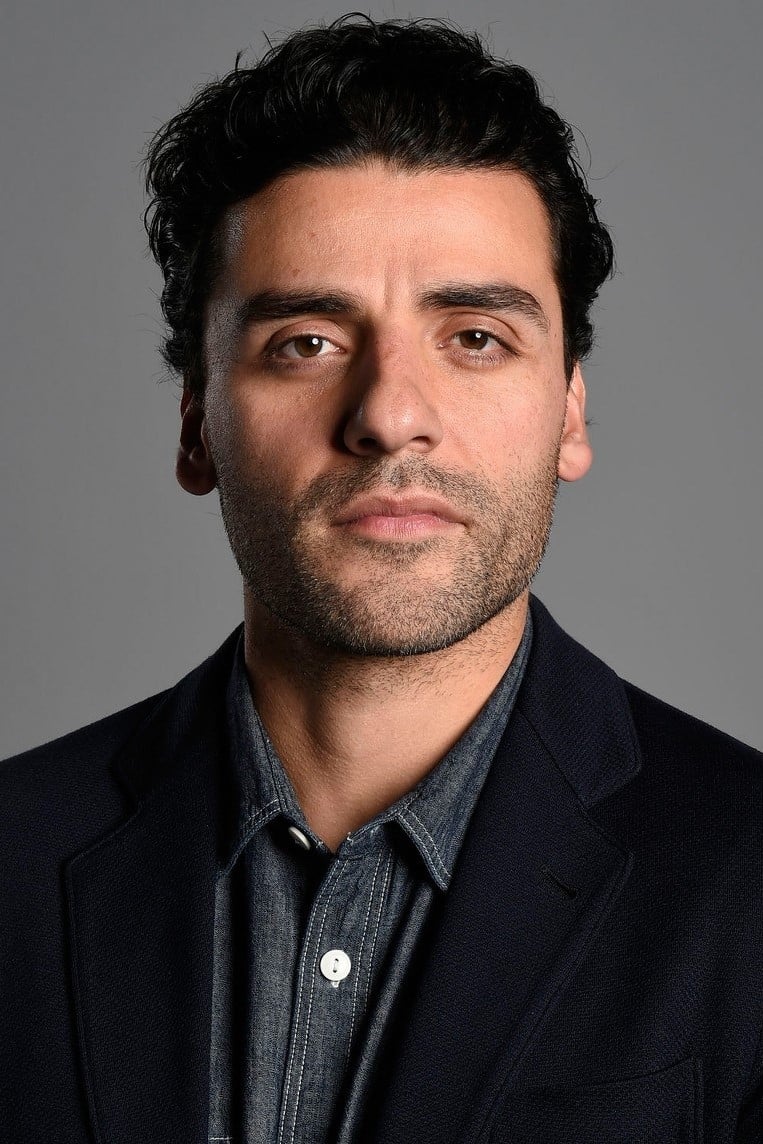
In ‘Star Wars: The Force Awakens’ the character of Poe Dameron was originally supposed to die early in the story. Oscar Isaac refused to take the role unless the character survived and his dialogue was significantly expanded. He wanted to ensure he was playing a hero that had a future in the franchise. The director agreed to the changes and the script was rewritten to make him a lead character. His input changed the trajectory of the entire sequel trilogy.
Bruce Willis
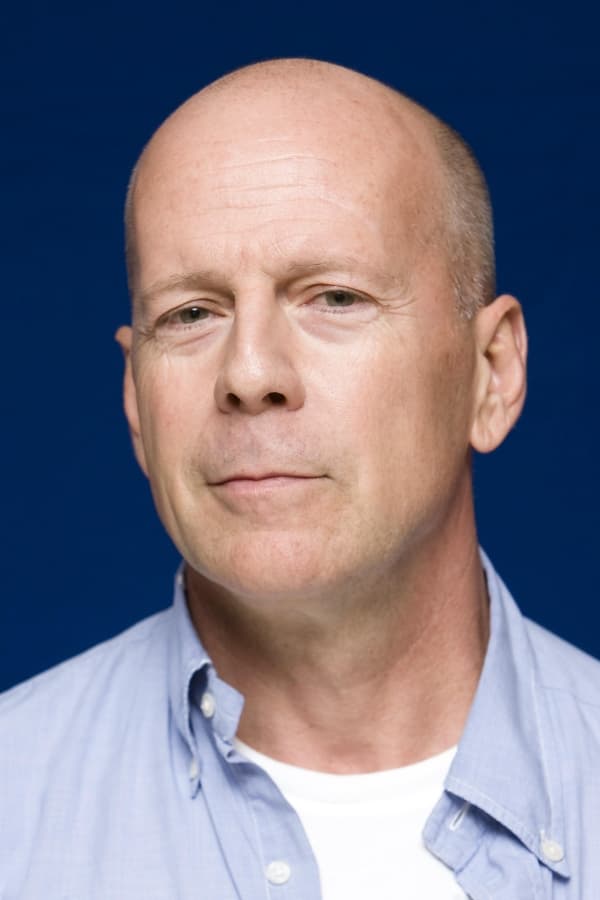
On the set of the film ‘Cop Out’ Bruce Willis reportedly refused to say many of the scripted lines. This led to a major fallout with the director who later claimed that Willis was incredibly difficult to work with. He would often ignore the script and give minimal effort during the scenes he did not like. His refusal to cooperate with the original writing led to a very tense and public disagreement. This behavior has been noted by several other directors who have worked with him over the years.
Tom Hardy
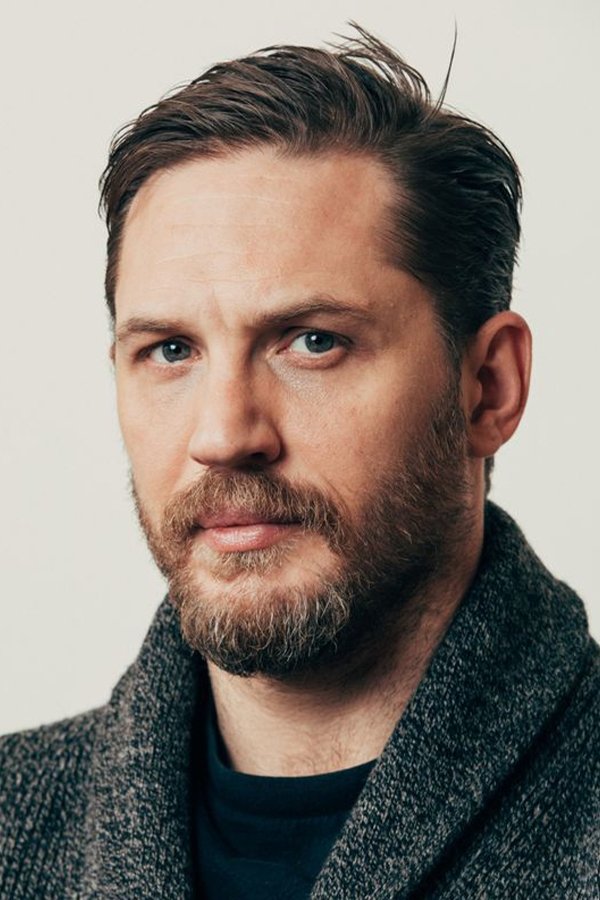
While filming ‘Mad Max: Fury Road’ Tom Hardy was often confused by the lack of a traditional script. He would refuse to say certain lines until the director explained the deeper context of the scene in great detail. He was known for being very vocal about his frustrations with the unconventional production process. He later apologized to the director after seeing the final film and realizing the vision was correct. His demand for clarity during filming often resulted in scenes being reworked on the fly.
Share your thoughts on which of these actors had the best reasons for refusing their lines in the comments.