


Actors Who Reject Cancel Culture

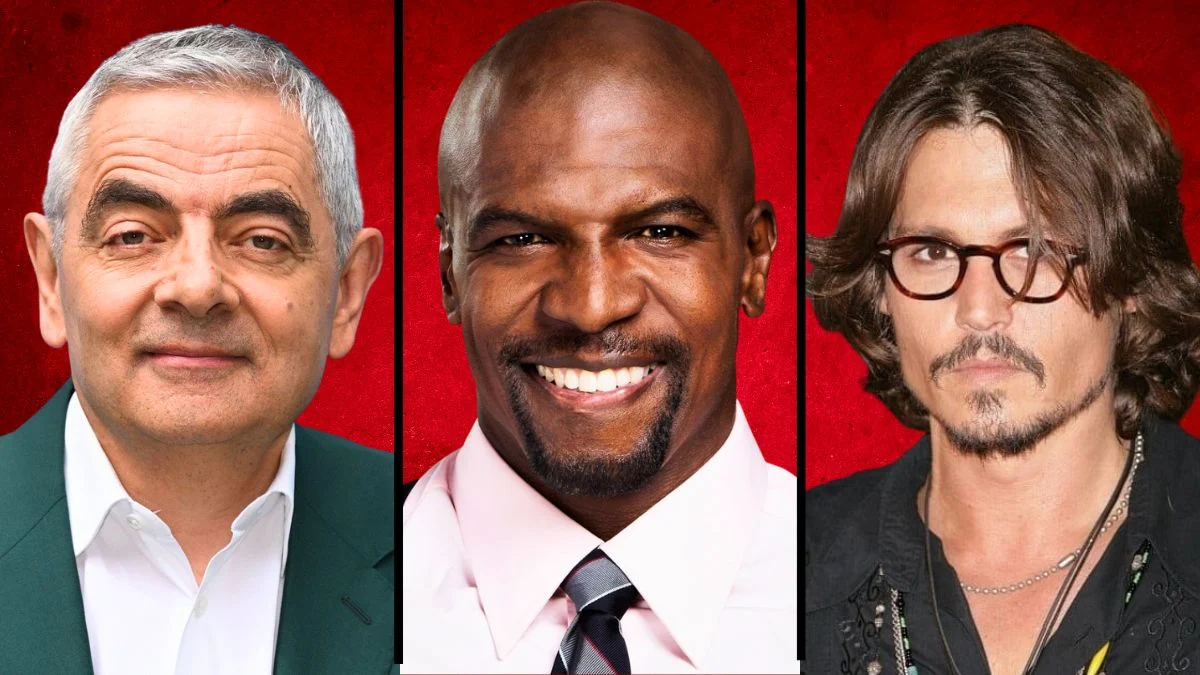


The landscape of modern entertainment has shifted dramatically with the rise of social media activism and public accountability. A growing number of male actors have decided to voice their opposition to the phenomenon commonly known as cancel culture. These performers argue that the rush to judgment often destroys careers without allowing for due process or redemption. Many believe that the fear of offending others has stifled artistic creativity and ruined the genre of comedy. The following individuals have publicly criticized the climate of censorship or refused to bow to mob pressure.
Ricky Gervais
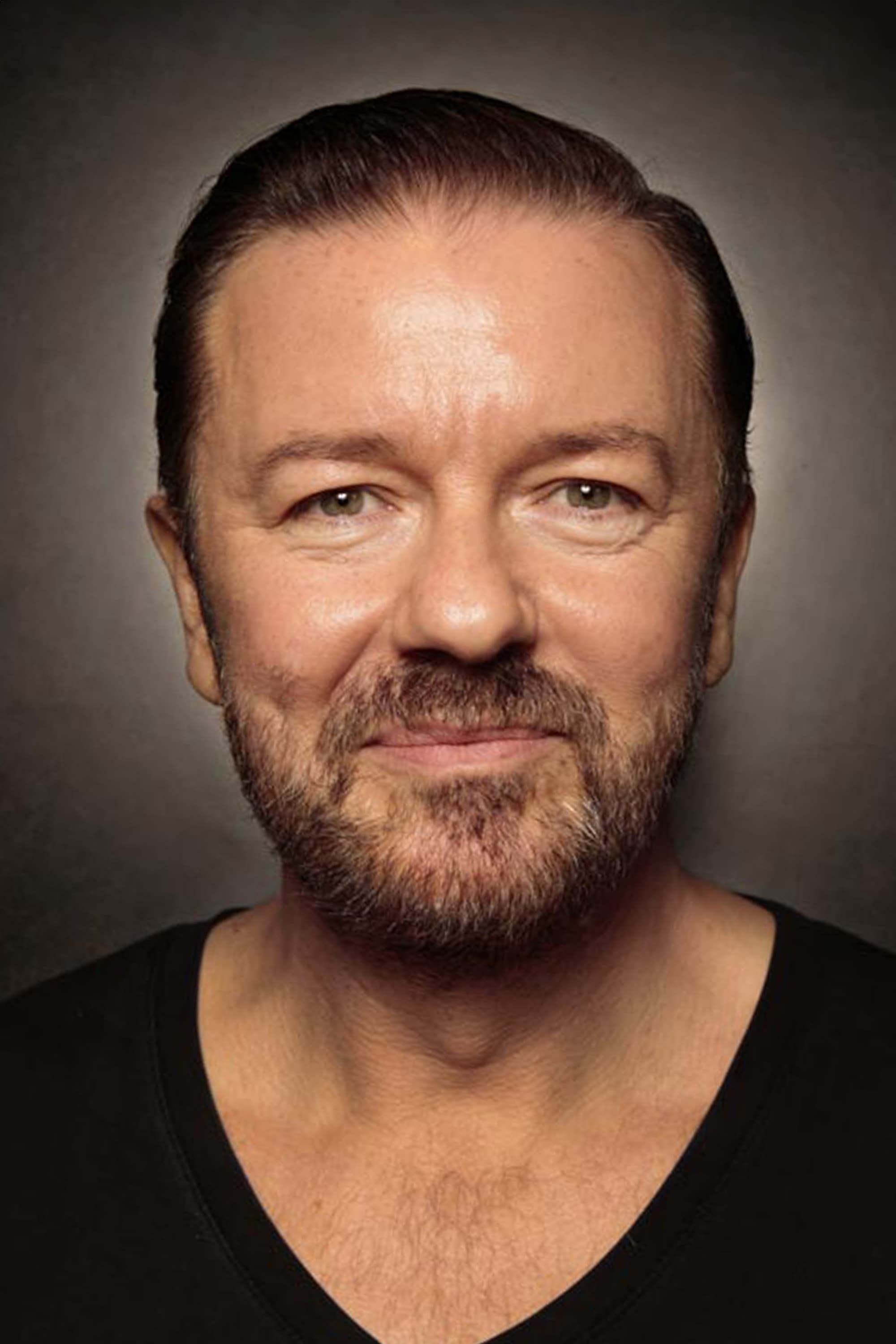
Ricky Gervais frequently targets cancel culture in his stand-up specials and public interviews. He argues that the concept of censorship is fatal to the art of comedy and free expression. The creator of ‘The Office’ believes that offense is subjective and should not dictate what an artist creates. He explicitly states that he will not alter his jokes to appease online mobs or critics. Gervais maintains that people have the right to be offended but not the right to silence others.
Jerry Seinfeld
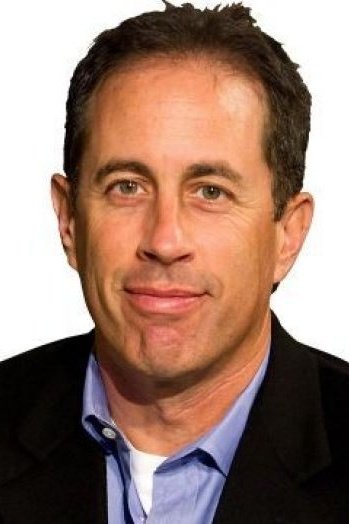
Jerry Seinfeld recently expressed frustration regarding the current state of television comedy. He suggested that extreme political correctness has destroyed the ability to make funny sitcoms. The ‘Seinfeld’ star noted that writers worry too much about offending small groups of people. He believes this fear creates a sterile environment where genuine humor cannot thrive. Seinfeld longs for the days when comedy could push boundaries without immediate backlash.
Dave Chappelle
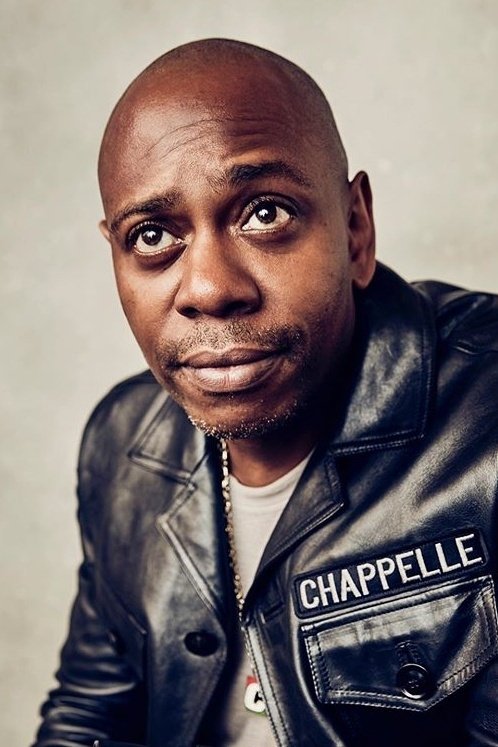
Dave Chappelle remains one of the most prominent critics of attempts to silence comedians. He faced immense backlash for his special ‘The Closer’ but refused to apologize or remove the content. Chappelle argues that artistic expression must remain free from the constraints of political correctness. He continues to tour and perform material that directly challenges the norms of cancel culture. His stance highlights the divide between traditional comedy and modern sensibilities.
John Cleese
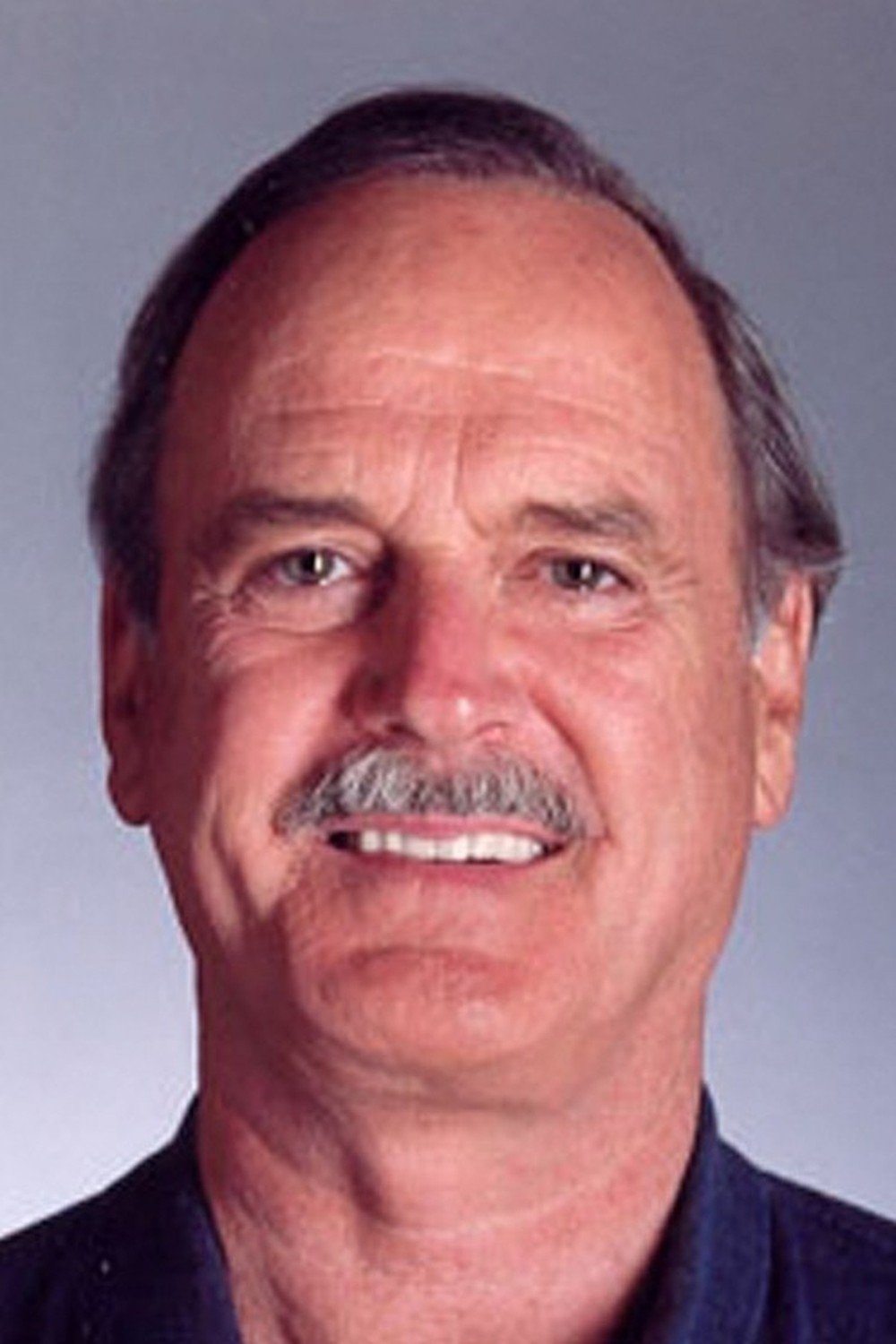
John Cleese serves as a vocal opponent of what he terms “woke culture” and its impact on creativity. The ‘Monty Python and the Holy Grail’ actor claims that the constant fear of cancellation kills the creative process. He argues that comedy requires a degree of risk that is impossible under strict censorship. Cleese has even engaged in debates at universities to defend the necessity of free speech. He refuses to edit his past work to suit modern standards.
Rowan Atkinson
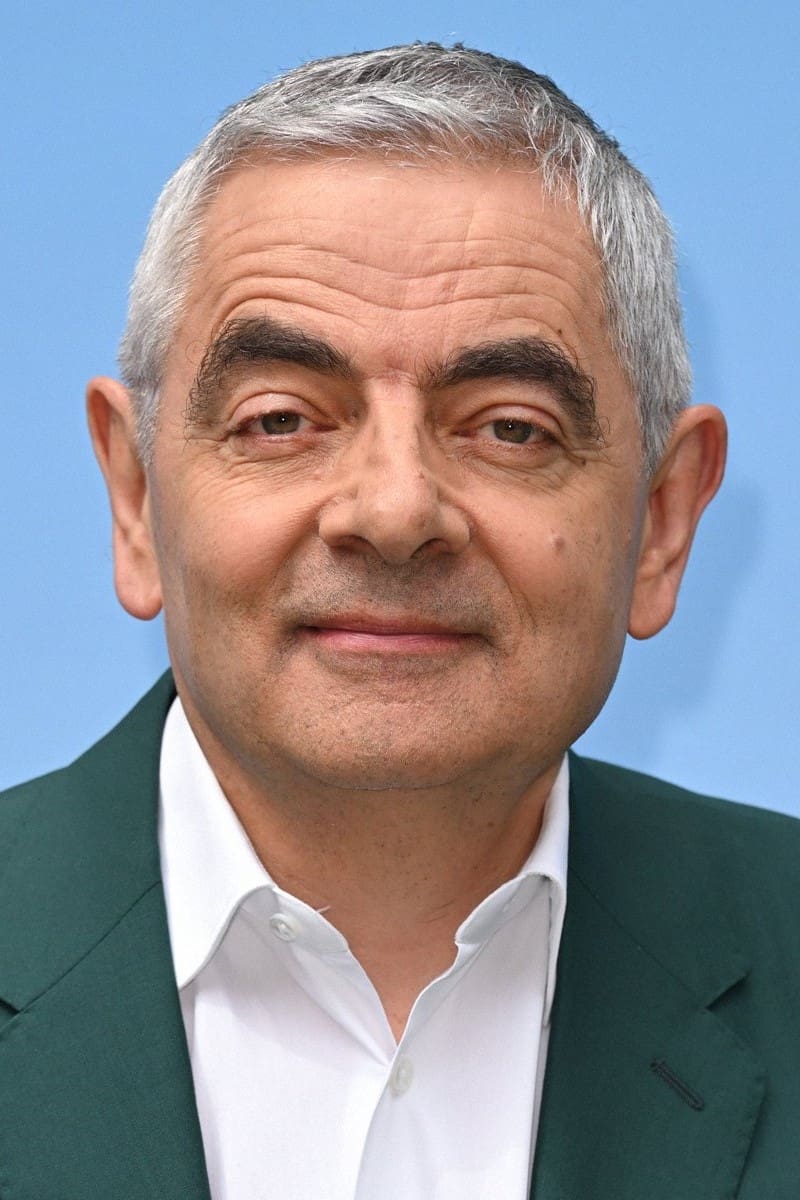
Rowan Atkinson has spent years campaigning for free speech and the right to offend. The ‘Mr. Bean’ actor famously stated that the job of comedy is to offend or it has no purpose. He compares cancel culture to a digital mob roaming the streets looking for someone to burn. Atkinson believes that legal and social restrictions on speech erode the fundamental rights of artists. He urges society to tolerate opposing views rather than silencing them.
Johnny Depp
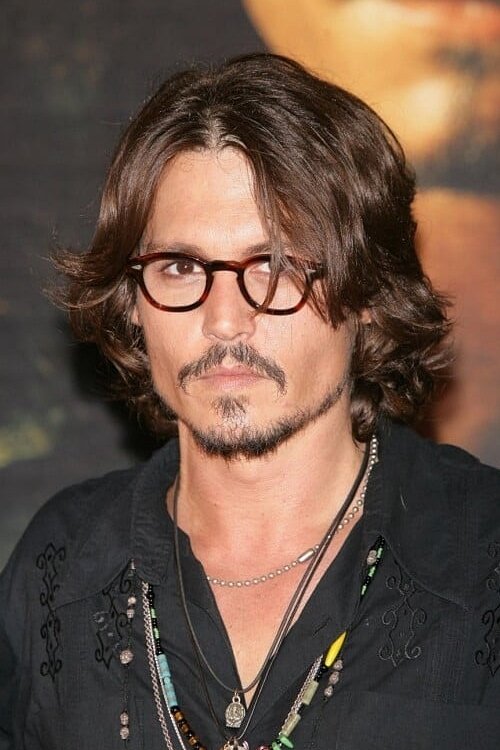
Johnny Depp publicly addressed cancel culture while attending the San Sebastian Film Festival. He described the phenomenon as an instant rush to judgment that has gotten out of hand. The actor stated that no one is safe from the movement as long as someone is willing to make a claim. He urged people to stand up for those facing injustice rather than blindly following the crowd. Depp views the current climate as a complex situation that requires truth rather than snap decisions.
Bryan Cranston
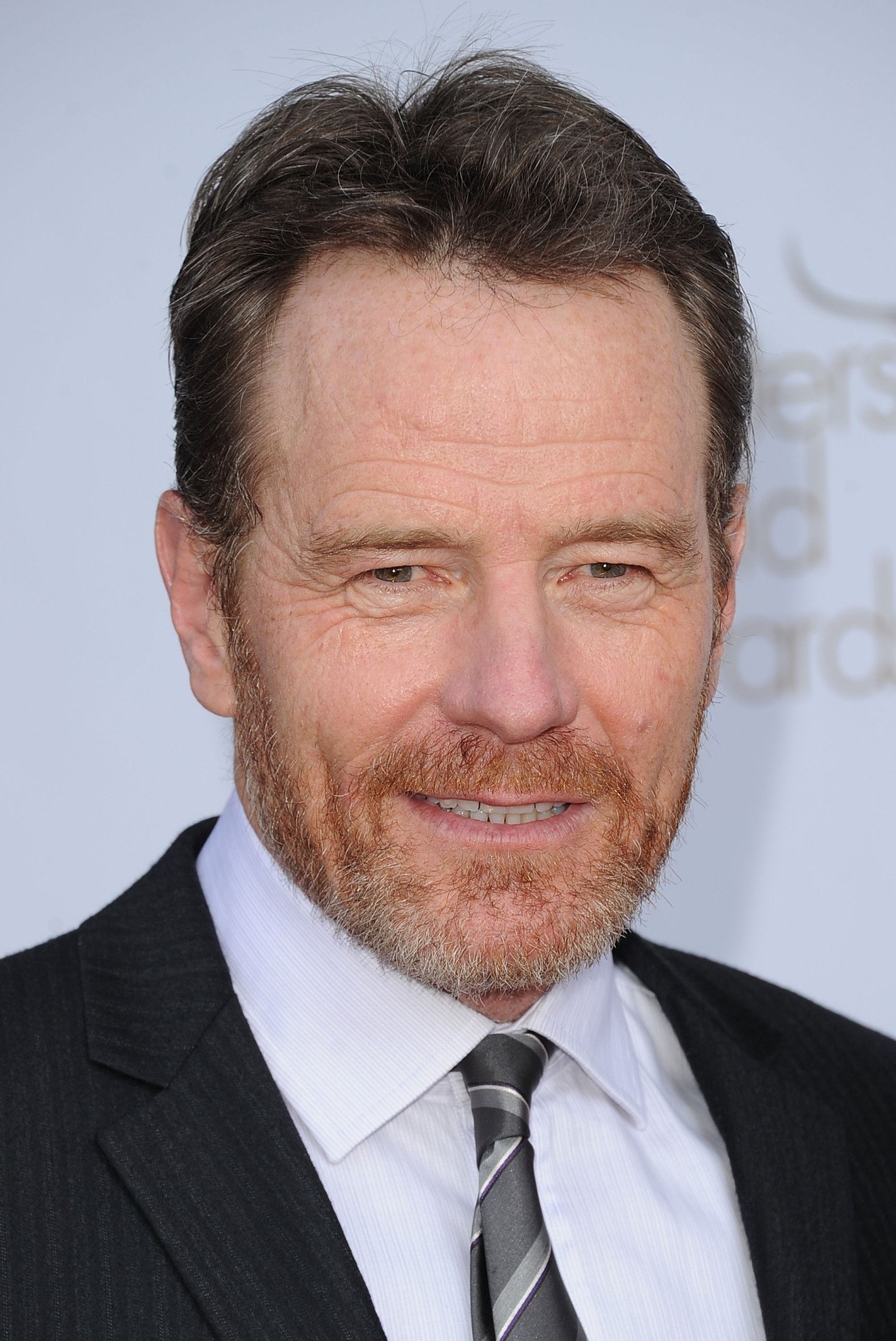
Bryan Cranston expressed a nuanced view on the lack of forgiveness in modern society. He noted that cancel culture leaves no room for apology or redemption when someone makes a mistake. The ‘Breaking Bad’ actor believes that ostracizing people immediately creates a less compassionate world. He advocates for a second chance rather than permanent social banishment. Cranston suggests that society should focus on education and forgiveness instead of destruction.
Kevin Hart
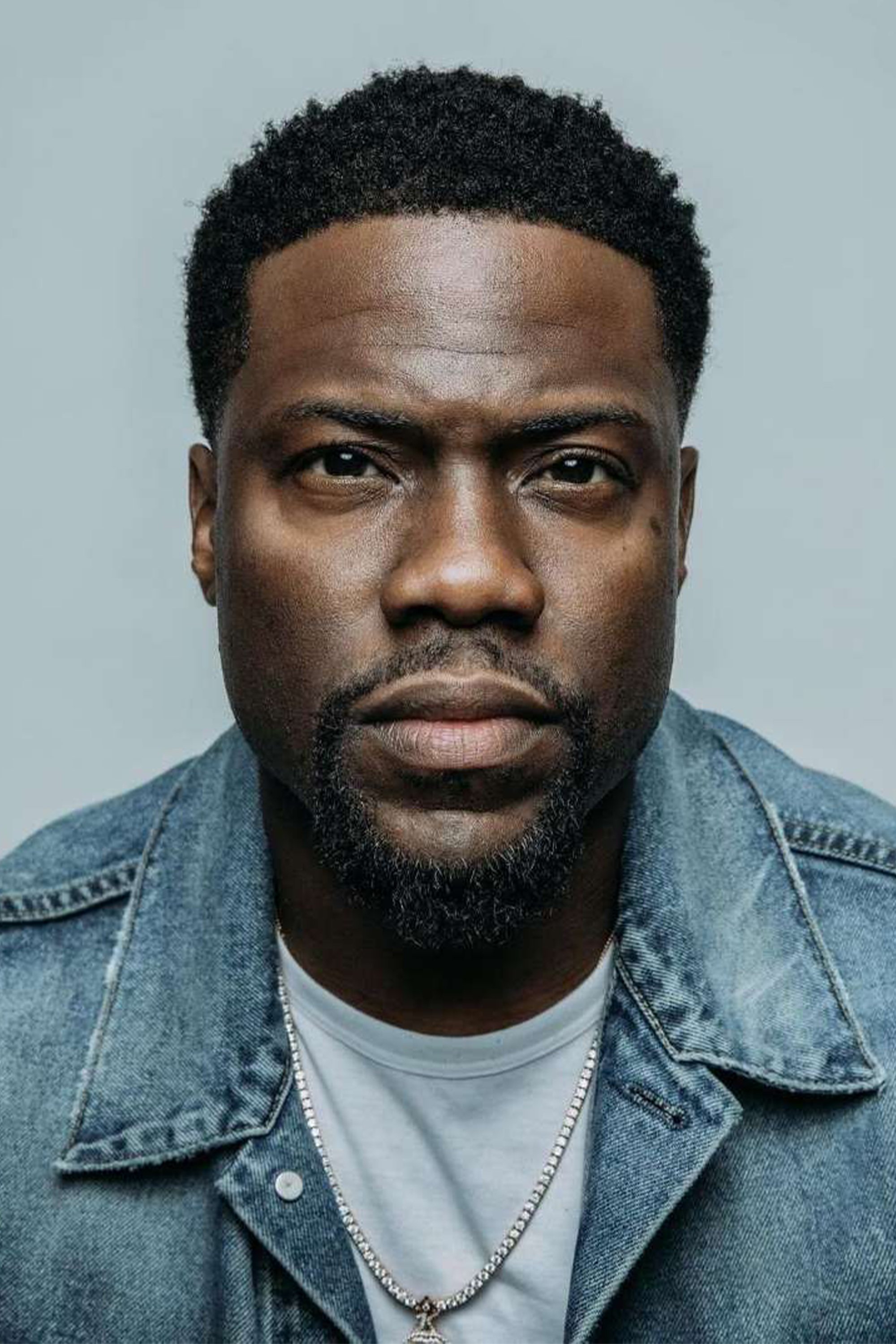
Kevin Hart stepped down from hosting the Oscars after refusing to issue a new apology for old tweets. He stated that he had already addressed the controversy years prior and would not feed the internet trolls. The ‘Jumanji: Welcome to the Jungle’ star decided to move on rather than submit to the demand for perpetual repentance. Hart believes that people grow and change over time. He refuses to let his past dictate his current success or happiness.
Chris Rock
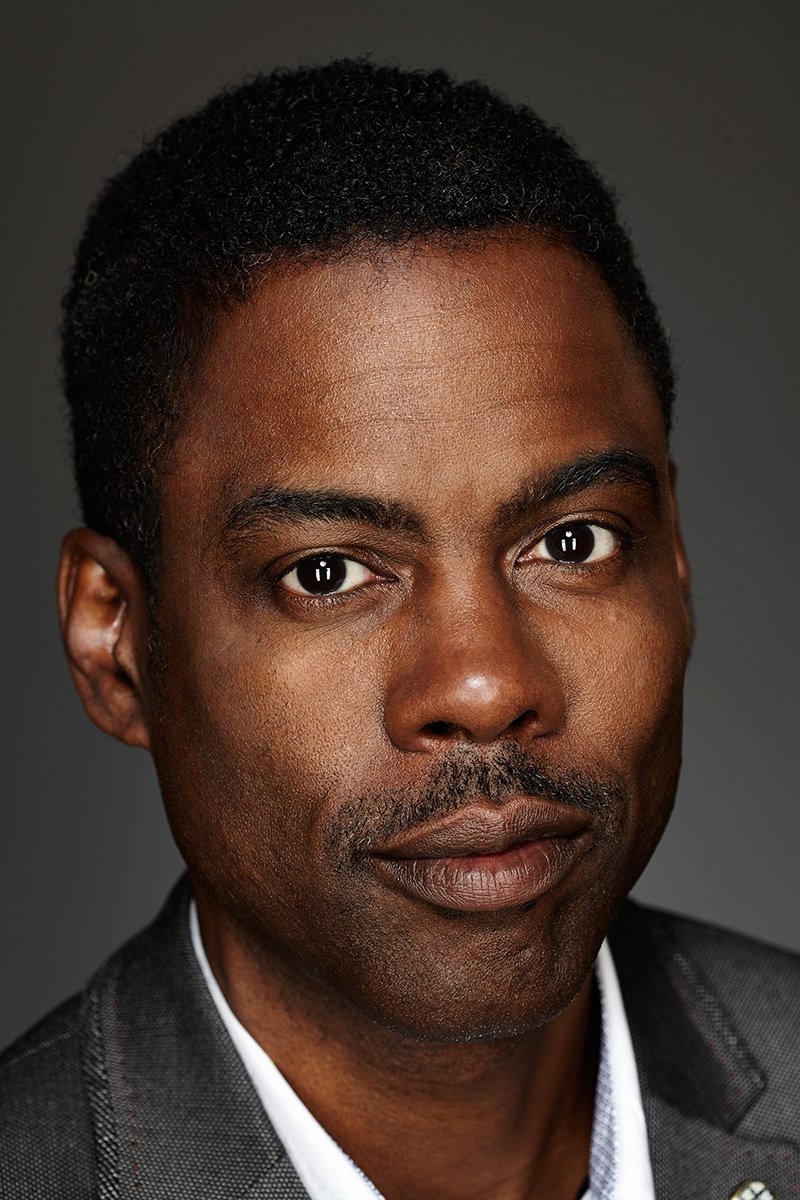
Chris Rock has incorporated criticisms of cancel culture into his stand-up routines. He joked that the fear of cancellation has led to boring television and film content. The comedian argues that audiences are losing out on great art because creators are terrified of the backlash. Rock believes that the selective outrage of the internet often targets the wrong people. He maintains that comedians serve a vital role in society by saying the unsayable.
Bill Burr
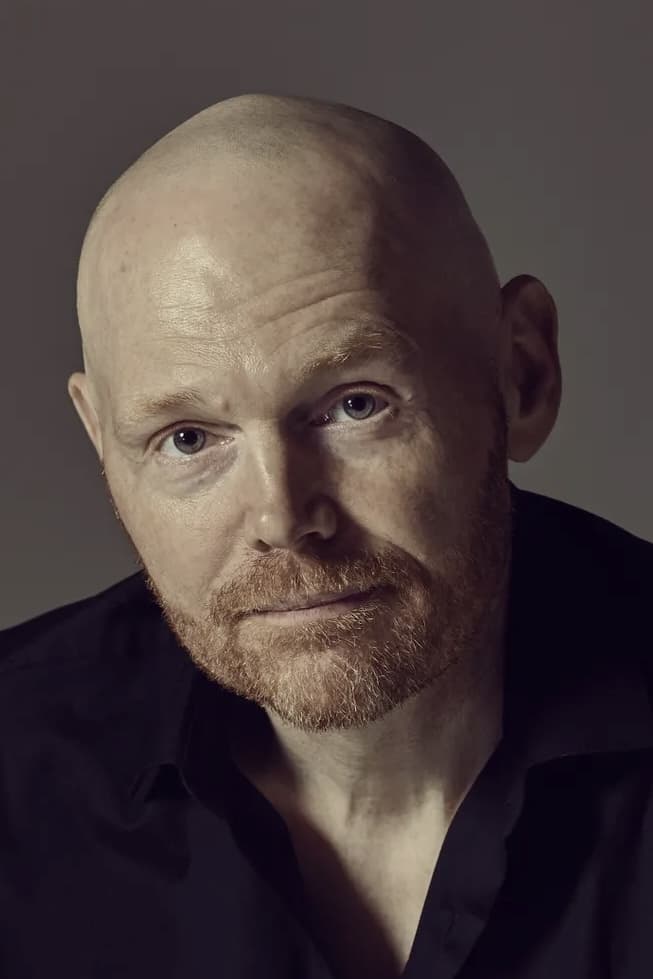
Bill Burr regularly rants against cancel culture on his podcast and in his comedy specials. He criticizes the mob mentality that seeks to destroy lives over minor infractions or jokes. The ‘The Mandalorian’ actor argues that nobody is perfect and everyone has made mistakes in their past. Burr refuses to apologize for his abrasive style of humor. He believes that the intent behind a joke matters more than the reaction it garners.
Clint Eastwood
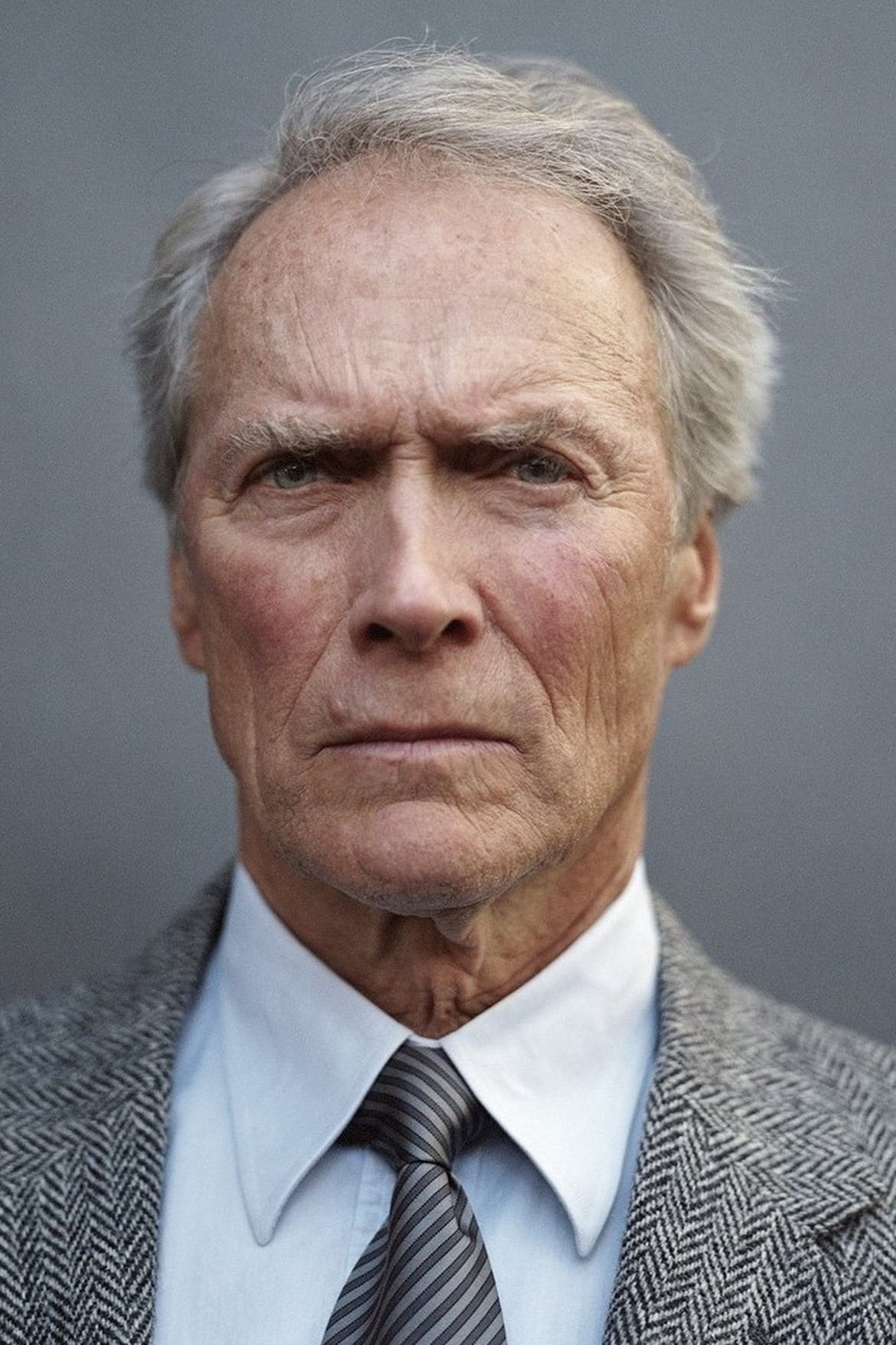
Clint Eastwood has long criticized what he calls the “pussy generation” of modern society. The legendary director and actor believes that people have become too sensitive and obsessed with political correctness. He argues that society spends too much time walking on eggshells to avoid offending anyone. Eastwood continues to make films that reflect his own values regardless of current trends. He dismisses the outrage culture as a temporary and unfortunate phase.
Liam Neeson
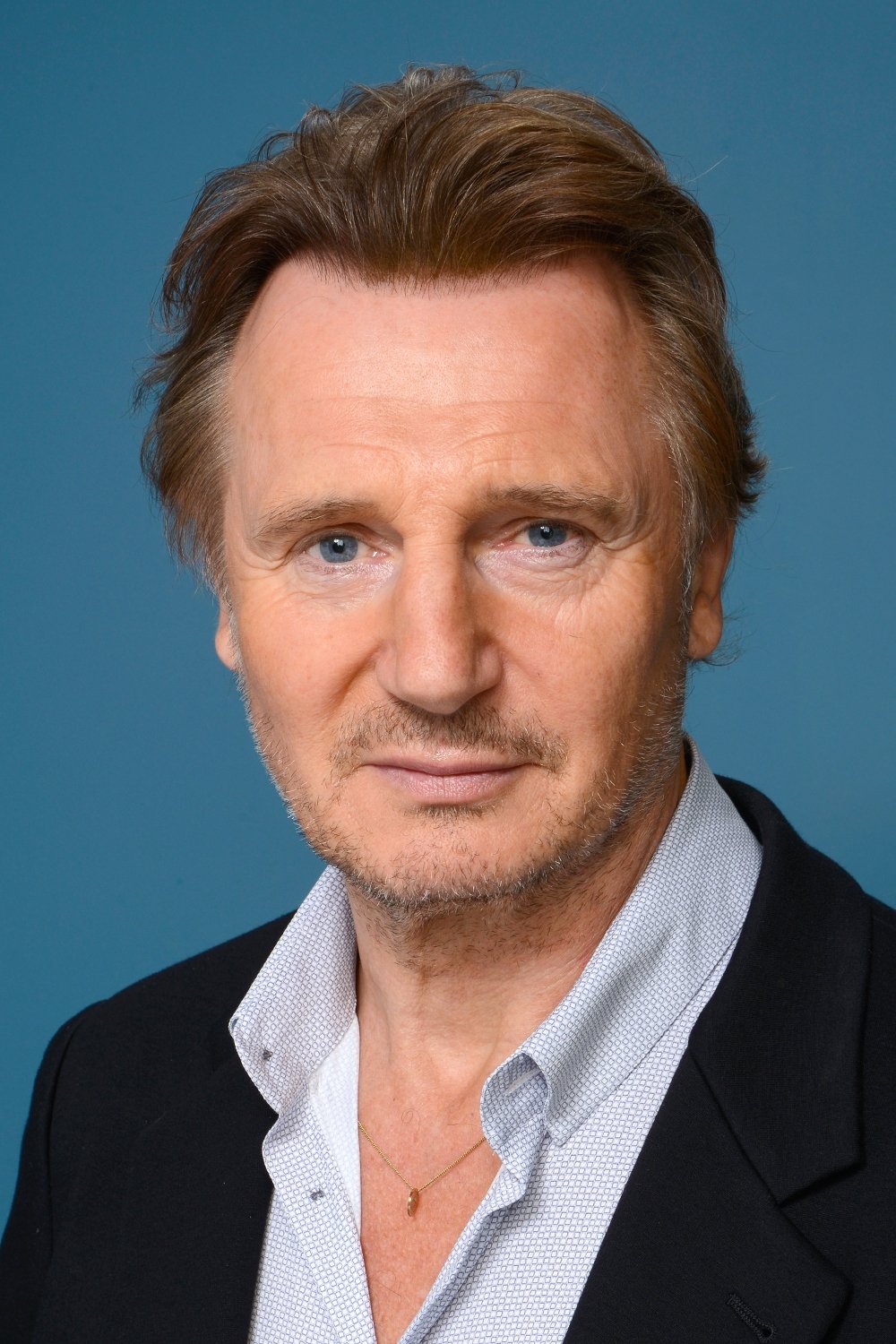
Liam Neeson spoke out against what he perceived as a witch hunt in the entertainment industry. He expressed concern that accusations often equate to immediate guilt without a trial. The ‘Taken’ star faced his own controversy and navigated it by being honest rather than hiding. He believes that the nuance of human interaction is often lost in online discourse. Neeson suggests that the industry needs to step back from the edge of immediate condemnation.
Marlon Wayans
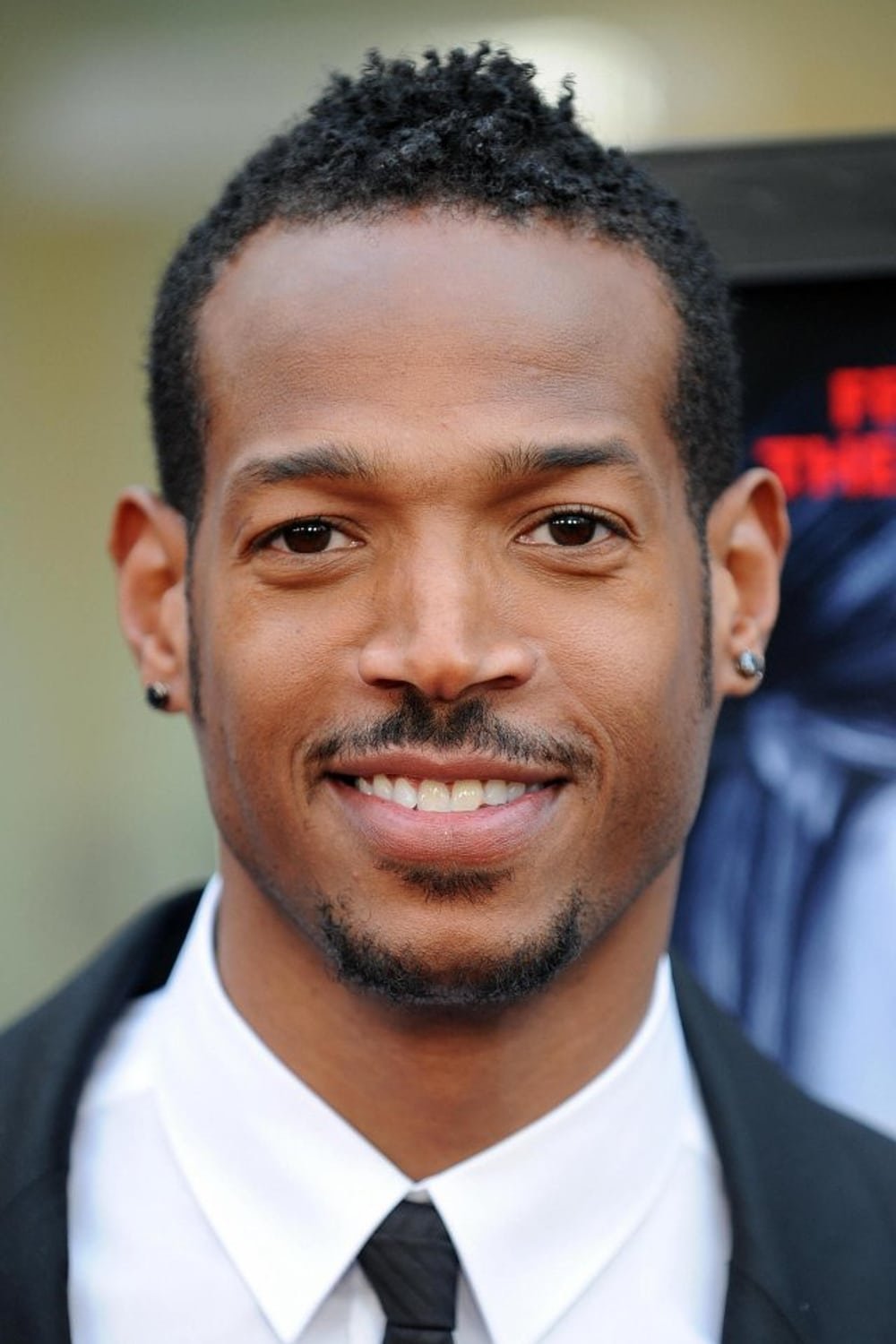
Marlon Wayans declared that he would never edit his comedy to suit this generation. The ‘White Chicks’ actor believes that movies from the past should be appreciated for what they were. He argues that society needs to laugh at itself rather than taking everything seriously. Wayans insists that his goal is to make people smile and not to adhere to strict political rules. He plans to continue making bold comedies regardless of the cultural climate.
Terry Crews
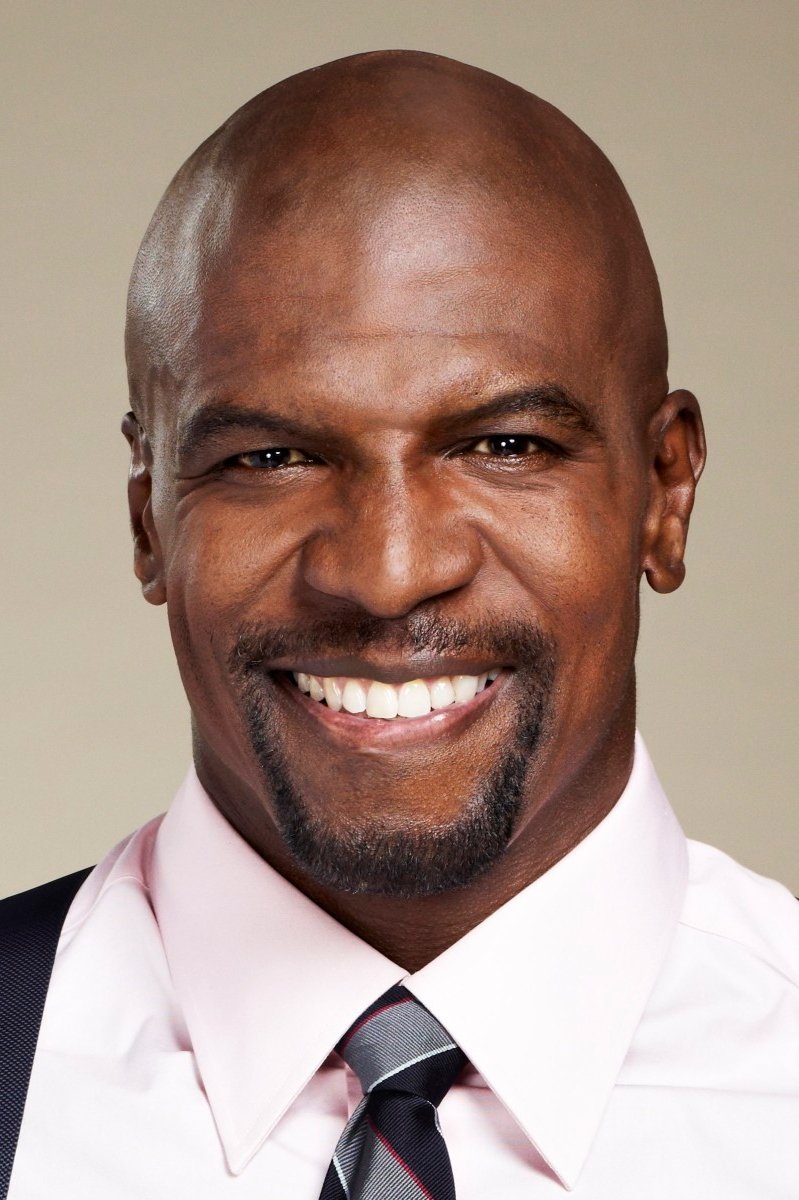
Terry Crews faced significant backlash for his independent views on social movements but refused to back down. He argued that he must stay true to his own experiences and thoughts rather than following a group narrative. The ‘Brooklyn Nine-Nine’ actor emphasizes the importance of individual thinking over mob mentality. Crews engages directly with his critics on social media to explain his perspective. He believes that true freedom involves the ability to question popular opinions.
Matthew McConaughey
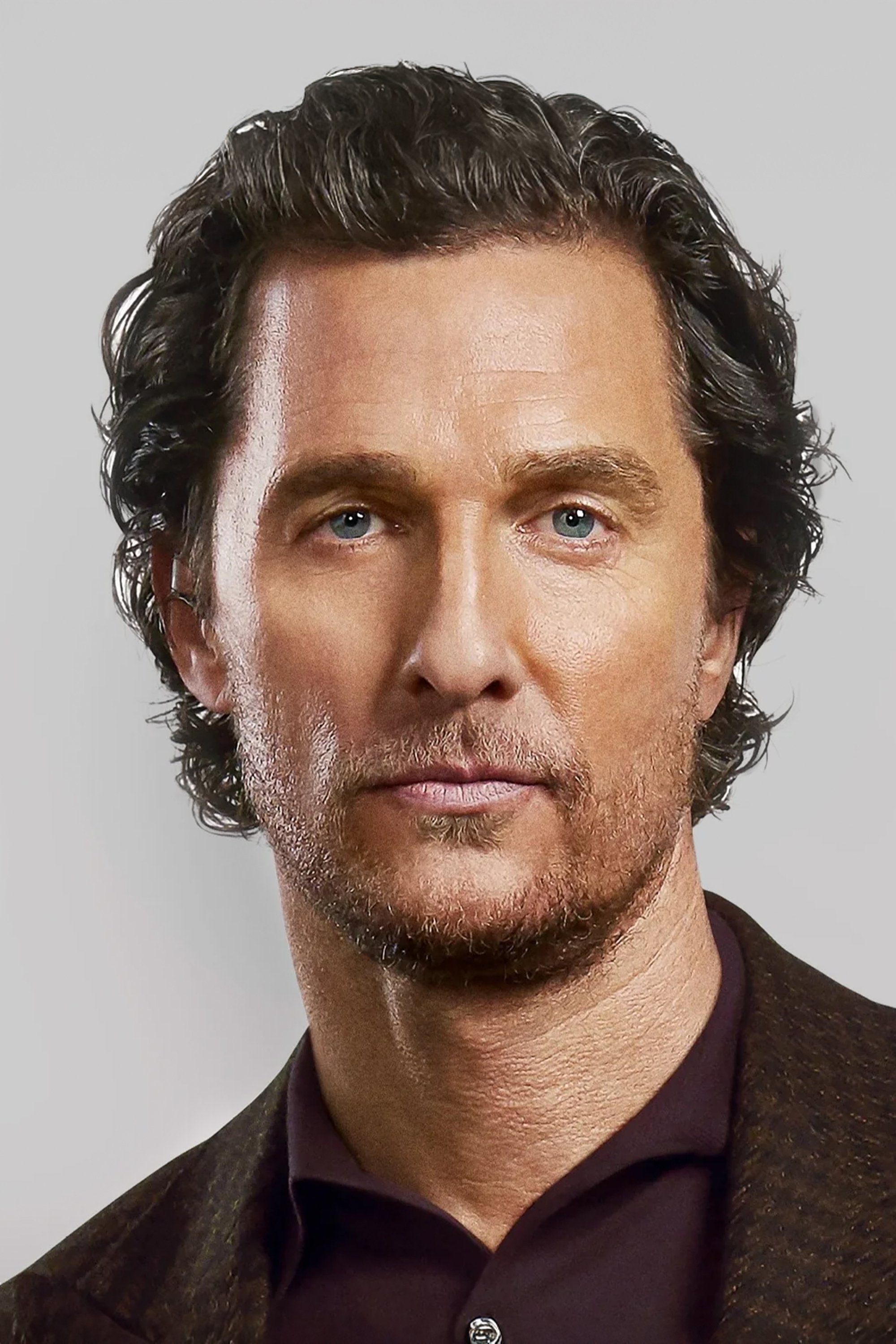
Matthew McConaughey has criticized the “illiberal left” for their attitude toward those with opposing views. He argues that there is a form of arrogance in believing that one side holds the absolute moral truth. The ‘Dallas Buyers Club’ actor advocates for meeting in the middle rather than shouting from the extremes. He believes that cancel culture drives people further apart instead of solving problems. McConaughey encourages open dialogue rather than shutting down conversation.
Gary Oldman
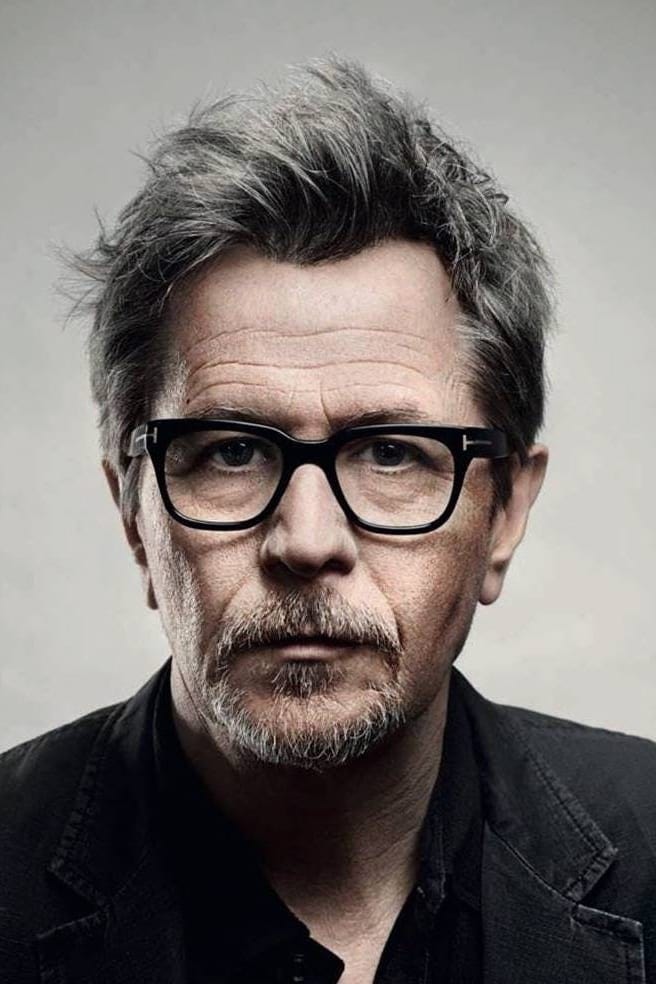
Gary Oldman has previously defended fellow actors against what he saw as the hypocrisy of political correctness. He argued that many people say things privately that they condemn publicly. The ‘Darkest Hour’ actor believes that the industry can be incredibly unforgiving and hypocritical. He suggests that humor and satire are often unfairly targeted by those looking to take offense. Oldman values artistic integrity over conforming to safe public opinions.
Rob Schneider
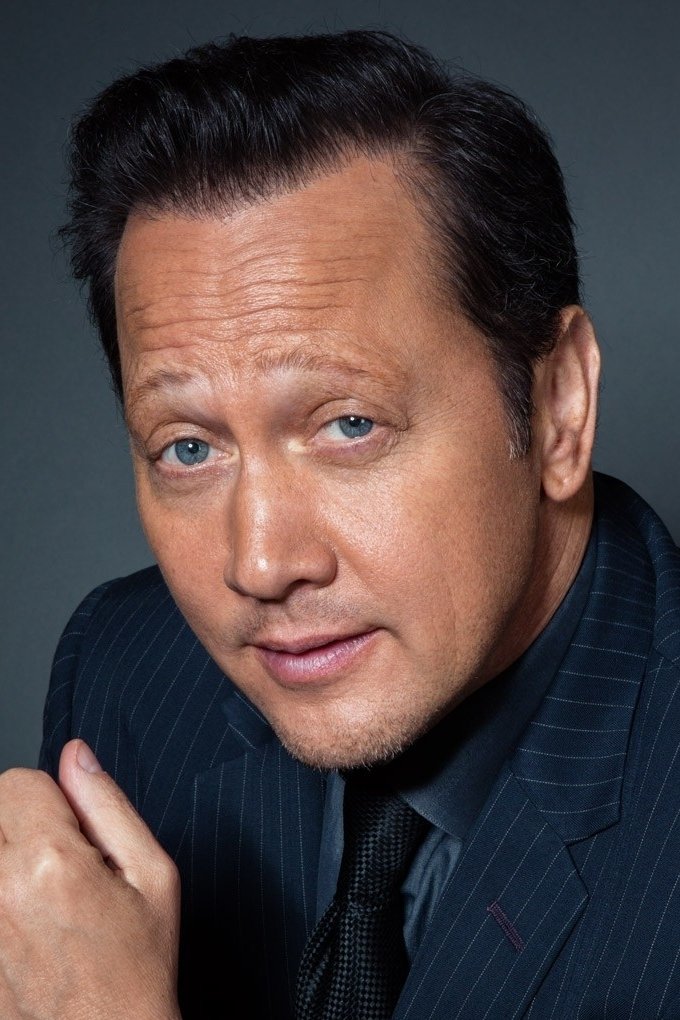
Rob Schneider is a frequent critic of the current political and cultural climate in Hollywood. He argues that late-night comedy has become nothing more than indoctrination rather than entertainment. The ‘Deuce Bigalow: Male Gigolo’ actor believes that free speech is under attack by cancel culture. He uses his platform to support other performers who have been ostracized. Schneider maintains that comedy requires the freedom to be rebellious.
Tim Allen
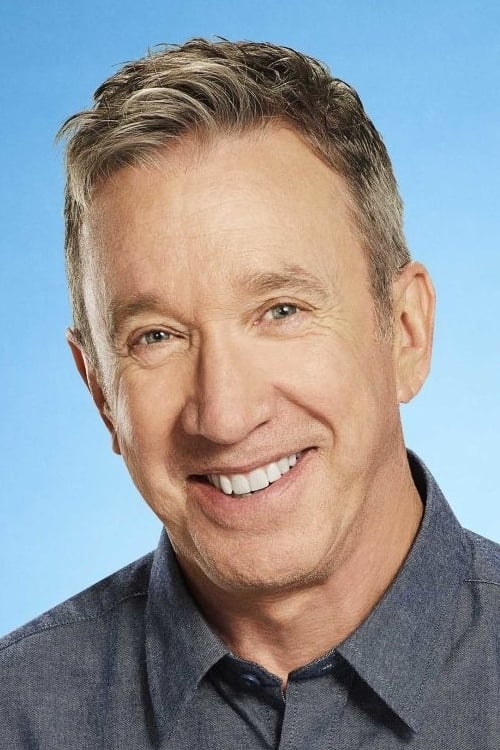
Tim Allen has often spoken about the difficulty of being a conservative in Hollywood. He compares the pressure to conform to the political climate to living in 1930s Germany. The ‘Last Man Standing’ star focuses on creating content that appeals to middle America. He argues that comedy should be able to poke fun at everyone without fear of career destruction. Allen believes that the industry has become too one-sided and intolerant.
Russell Brand
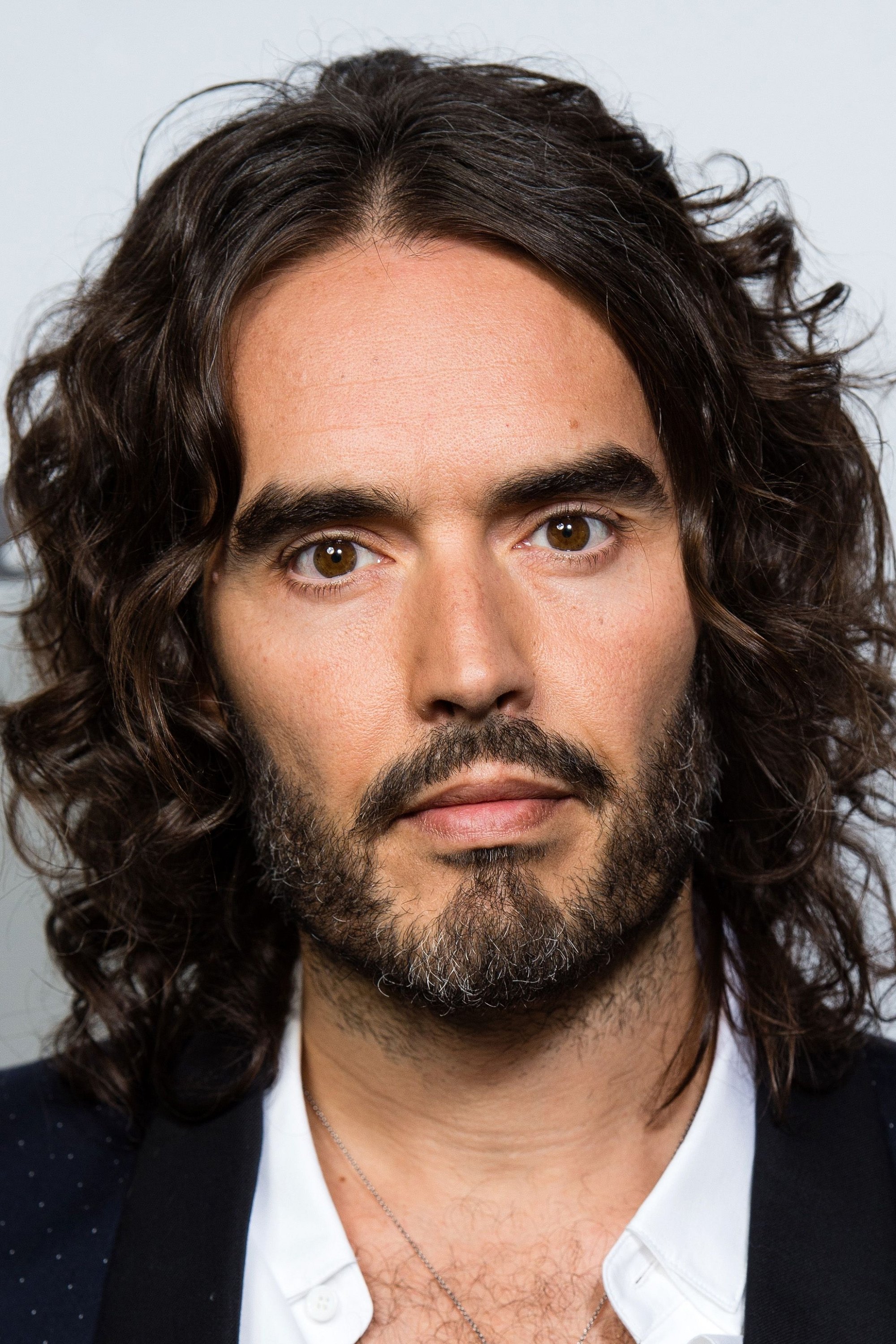
Russell Brand reinvented himself as an online commentator who questions mainstream narratives. He frequently discusses the dangers of censorship and the power dynamics behind cancel culture. The ‘Forgetting Sarah Marshall’ actor believes that establishment forces use cancellation to silence dissent. He advocates for a spiritual and open-minded approach to resolving conflicts. Brand argues that the current culture prevents genuine growth and understanding.
Richard Dreyfuss
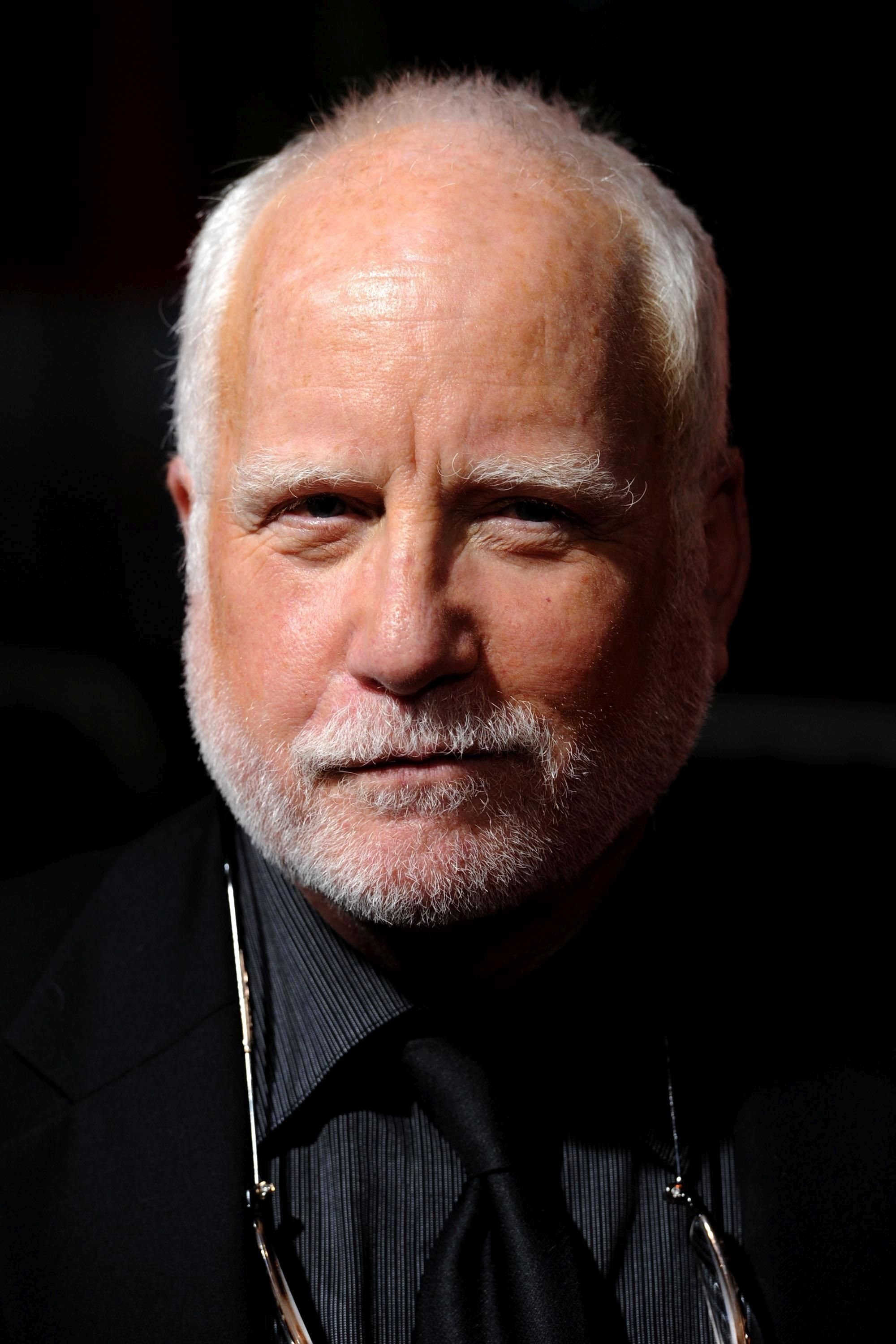
Richard Dreyfuss criticized the new diversity inclusion standards set by the Academy Awards. He stated that art creates itself and should not be subjected to moral codes or quotas. The ‘Jaws’ actor believes that an actor should be allowed to play any role regardless of their personal identity. He argues that these new rules treat people like children and stifle creativity. Dreyfuss passionately defends the absolute freedom of the artist.
Sean Penn
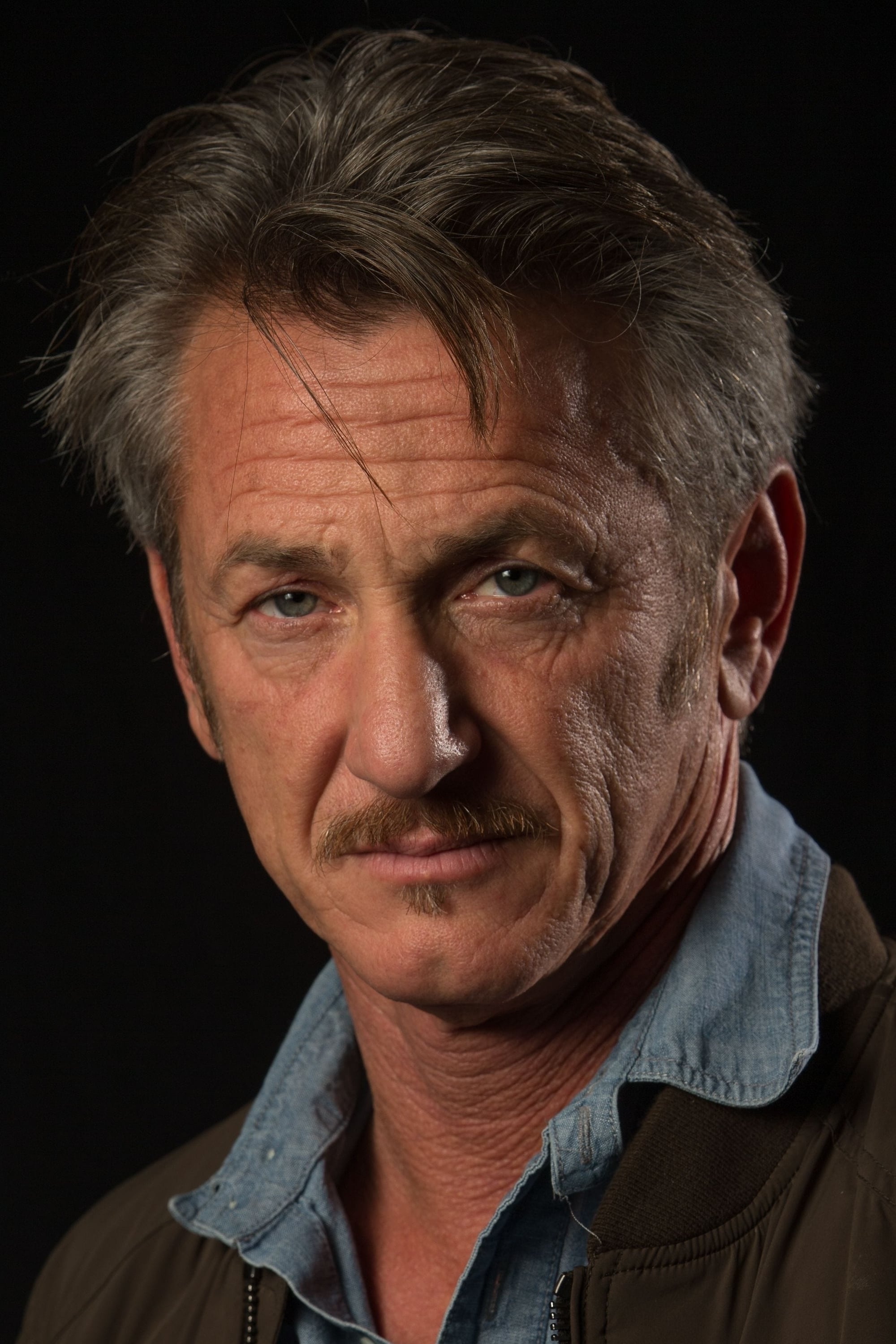
Sean Penn has criticized the “feminization” of American men and the impact of modern culture on masculinity. He argues that the push for political correctness has created a cowardly society. The ‘Mystic River’ actor believes that men are surrendering their natural traits to please the current cultural narrative. He dismisses the idea that being a strong man is toxic. Penn often speaks his mind regardless of how unpopular his views might be.
Dennis Quaid
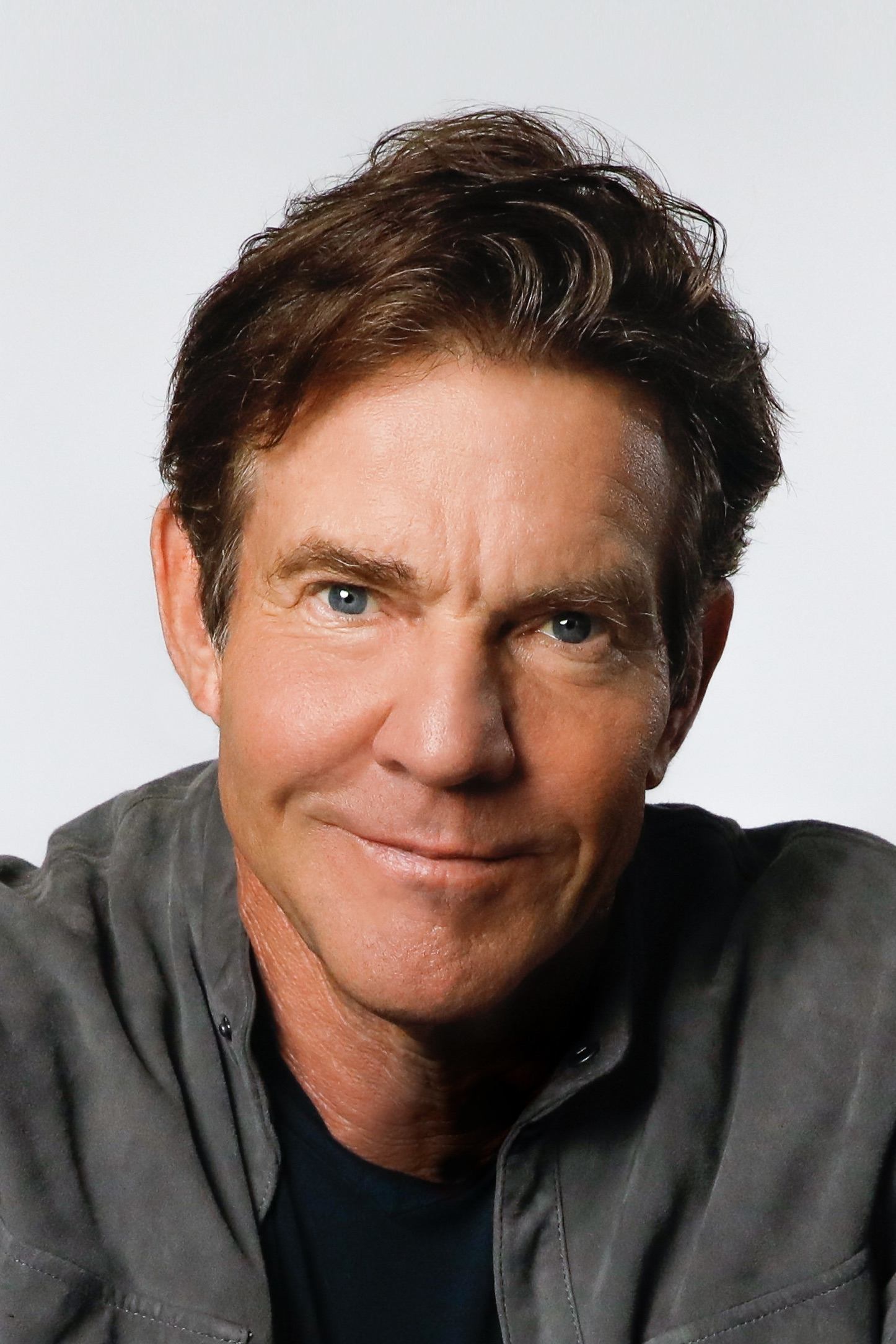
Dennis Quaid has spoken about the importance of free speech and the dangers of censorship. He believes that there is a concerted effort to silence certain viewpoints in the media. The ‘The Day After Tomorrow’ actor supports the idea that Americans should hear all sides of an argument. He argues that cancel culture creates a fearful society where truth is hidden. Quaid focuses on projects that align with his values of freedom and patriotism.
Kelsey Grammer
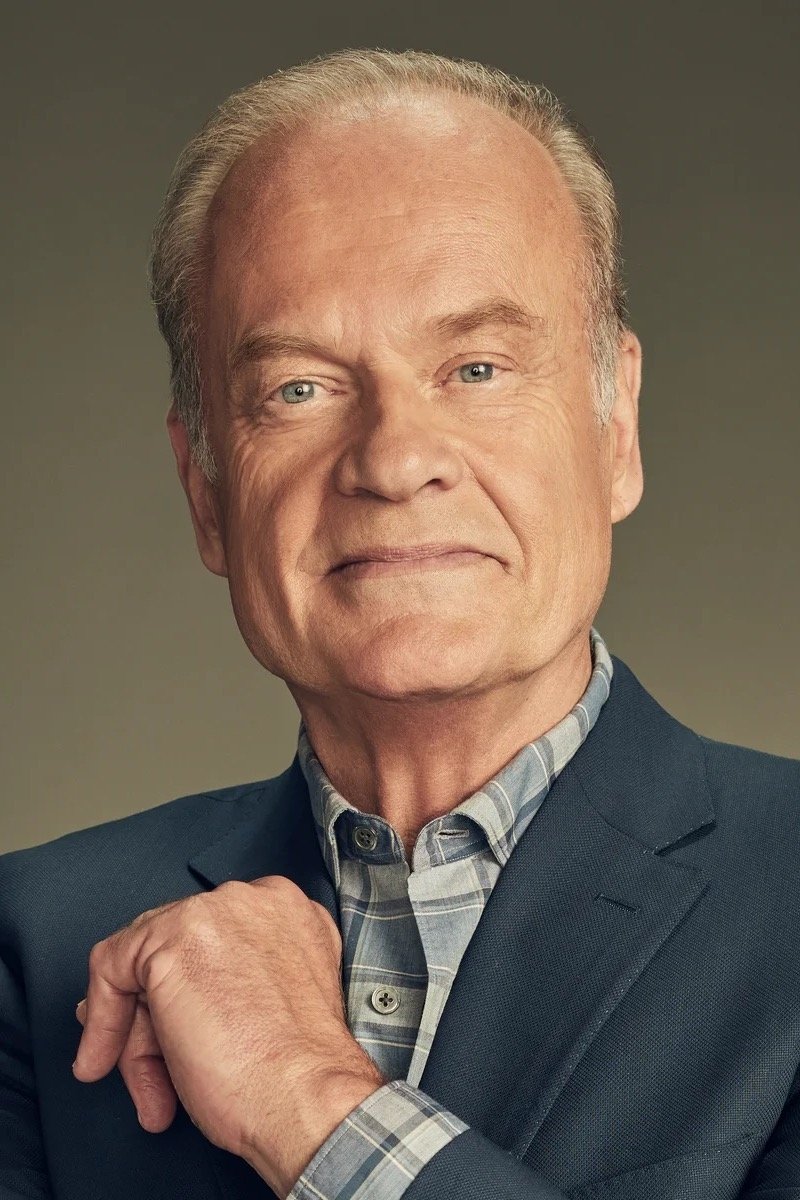
Kelsey Grammer has navigated Hollywood as a conservative for decades without hiding his views. He focuses on his work and ignores the political noise that often surrounds the industry. The ‘Frasier’ star believes that his professional reputation protects him from the worst of cancel culture. He argues that mutual respect is more important than political agreement. Grammer continues to succeed by focusing on talent rather than Twitter arguments.
Jon Voight
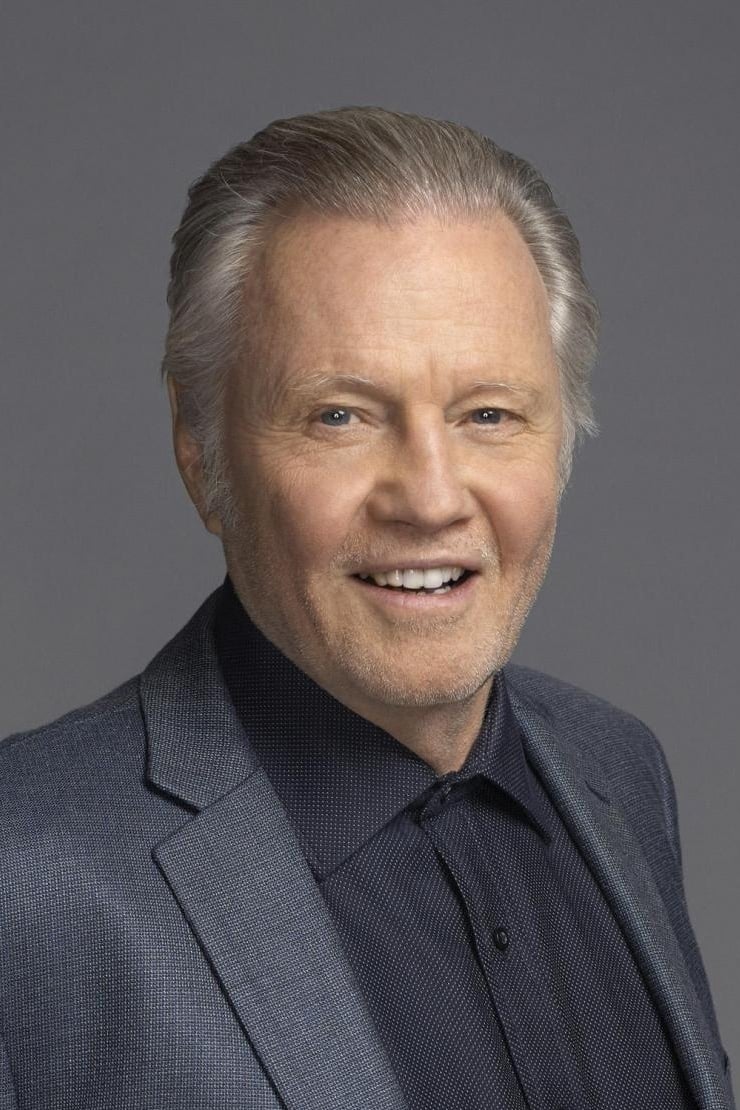
Jon Voight is one of the most vocal conservatives in Hollywood and frequently posts political videos. He directly challenges the narratives promoted by the mainstream media and the entertainment industry. The ‘Midnight Cowboy’ actor believes that the country is in danger from radical ideologies. He ignores the backlash he receives and continues to speak his truth. Voight views his activism as a duty to his country.
James Woods
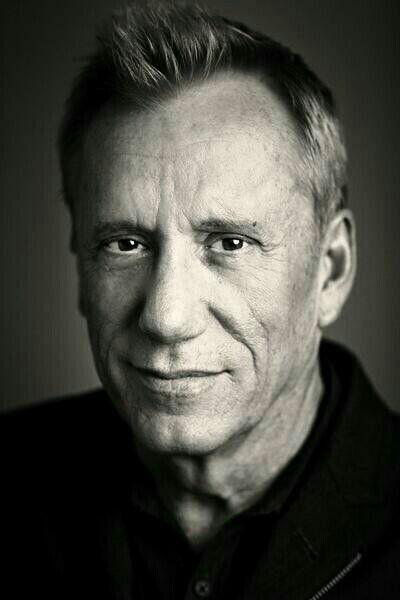
James Woods sacrificed much of his career to remain a vocal critic of the political left. He uses social media to highlight what he sees as the hypocrisy of cancel culture. The ‘Casino’ actor refuses to silence his opinions to secure roles in Hollywood. He believes that the blacklist against conservatives is real and dangerous. Woods wears his exclusion from mainstream projects as a badge of honor.
Kevin Sorbo
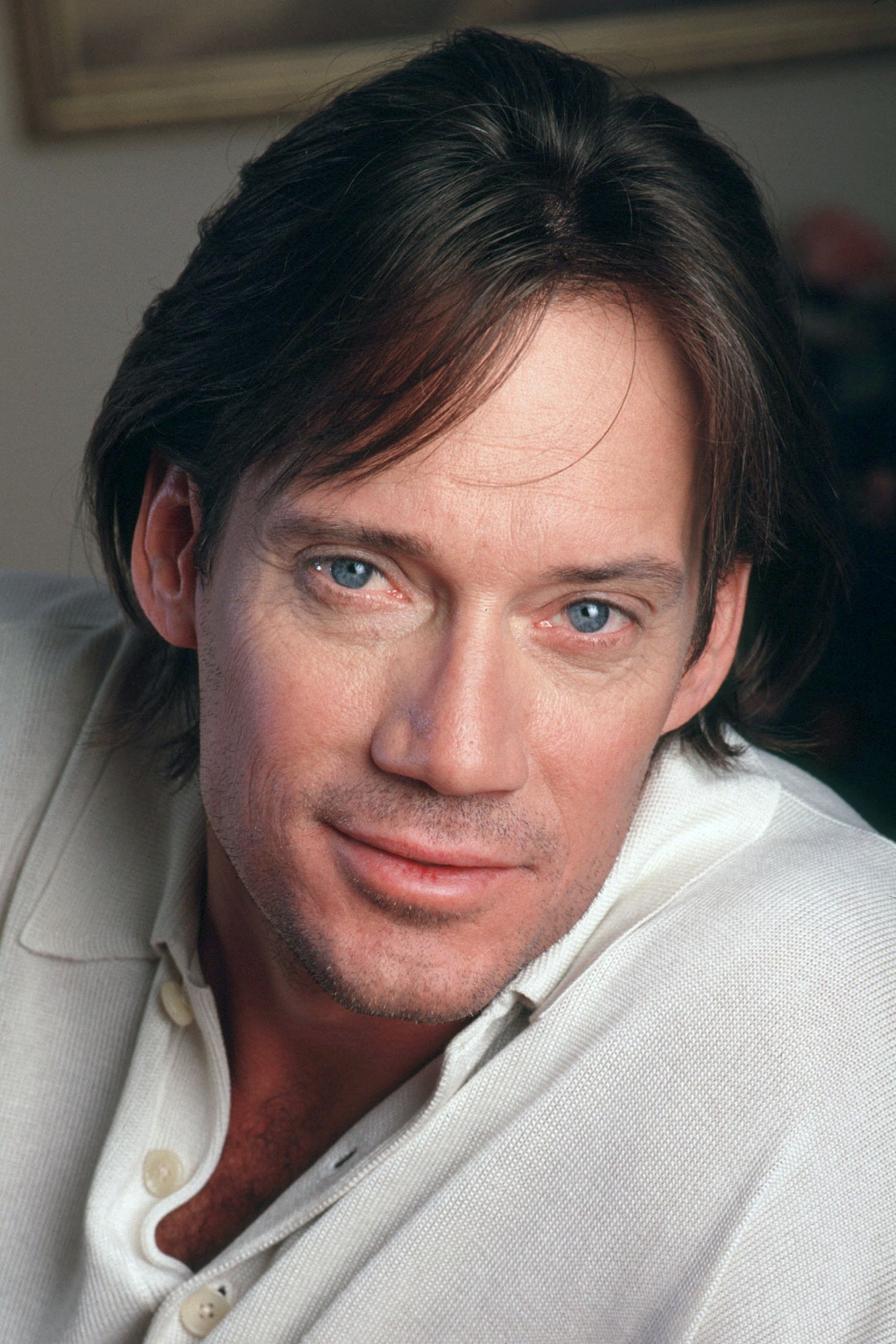
Kevin Sorbo claims that he was blacklisted from Hollywood due to his Christian and conservative views. The ‘Hercules: The Legendary Journeys’ actor built his own path in independent faith-based films. He argues that the industry preaches tolerance but practices intolerance toward those who think differently. Sorbo is a fierce critic of cancel culture and “woke” ideology. He encourages others to create their own platforms outside the mainstream system.
Dean Cain
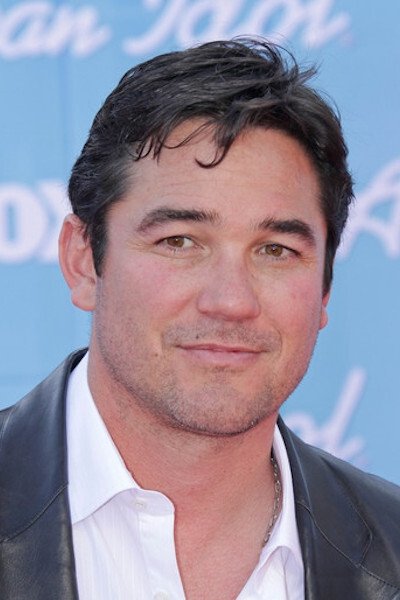
Dean Cain frequently appears on news programs to critique the direction of modern culture. The ‘Lois & Clark: The New Adventures of Superman’ actor defends traditional values and questions progressive narratives. He argues that cancel culture is a tool used to bully people into submission. Cain believes that standing up for one’s beliefs is worth the cost of lost roles. He remains active in the industry despite his dissenting views.
Zachary Levi
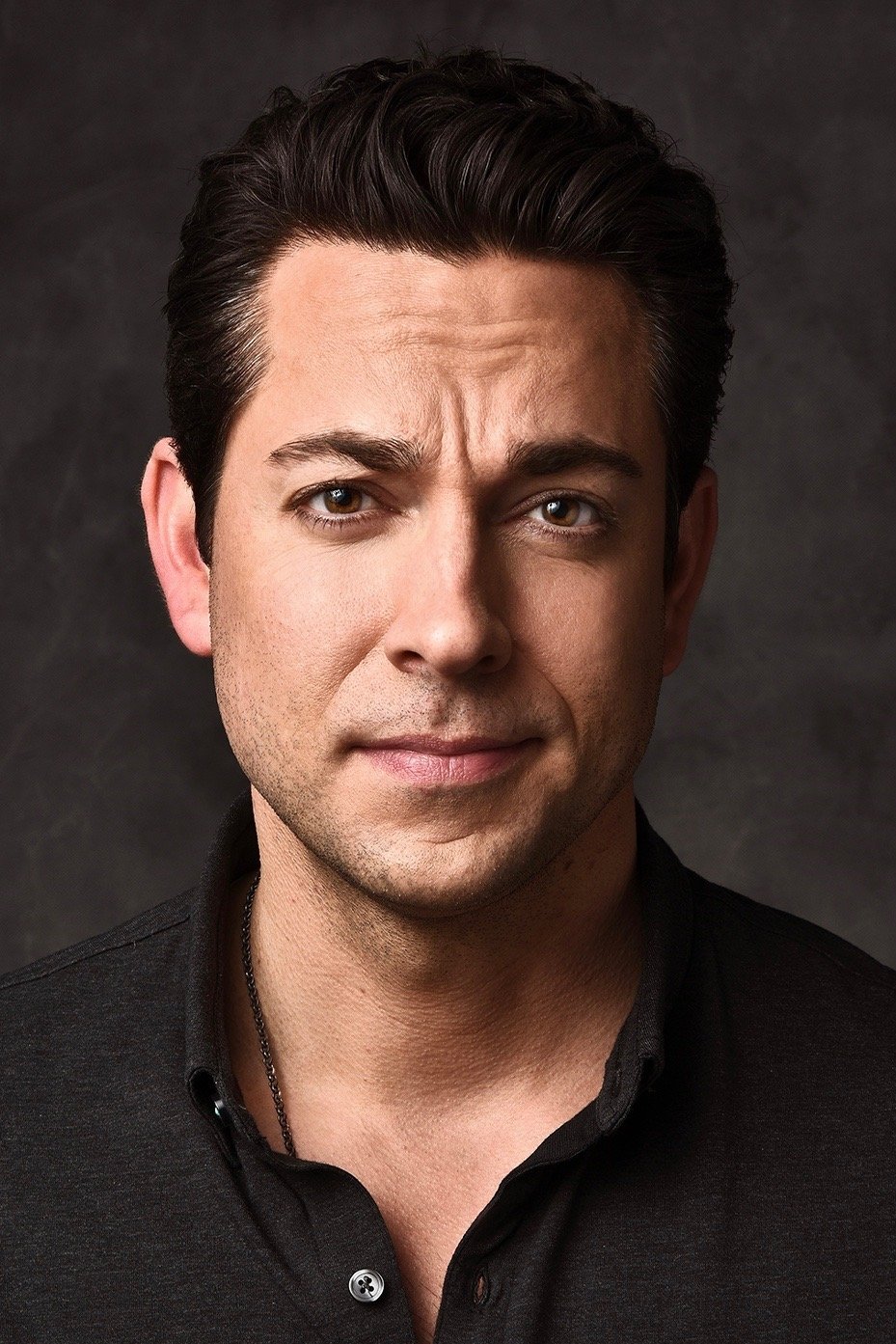
Zachary Levi recently spoke out about the fear that permeates Hollywood regarding political expression. He endorsed candidates outside the mainstream and criticized the industry’s culture of silence. The ‘Shazam!’ actor noted that many people in the industry are terrified to say what they truly believe. He argues that bravery is required to break the cycle of fear. Levi decided to trust in his faith and integrity rather than career safety.
Woody Harrelson
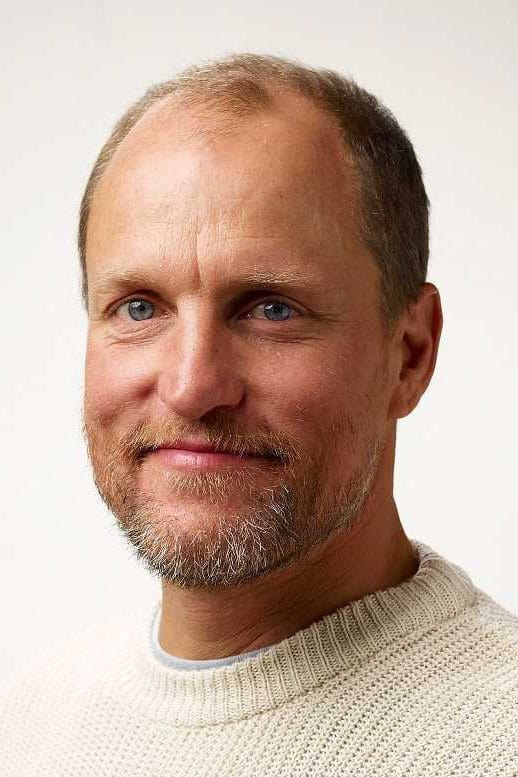
Woody Harrelson faced criticism for his comments regarding pharmaceutical companies and government mandates. He used his ‘Saturday Night Live’ monologue to question the logic of lockdowns and corporate power. The ‘Zombieland’ actor describes himself as an anarchist who distrusts authority. He refuses to conform to the accepted narrative just to please the media. Harrelson values personal freedom above social acceptance.
Mel Gibson
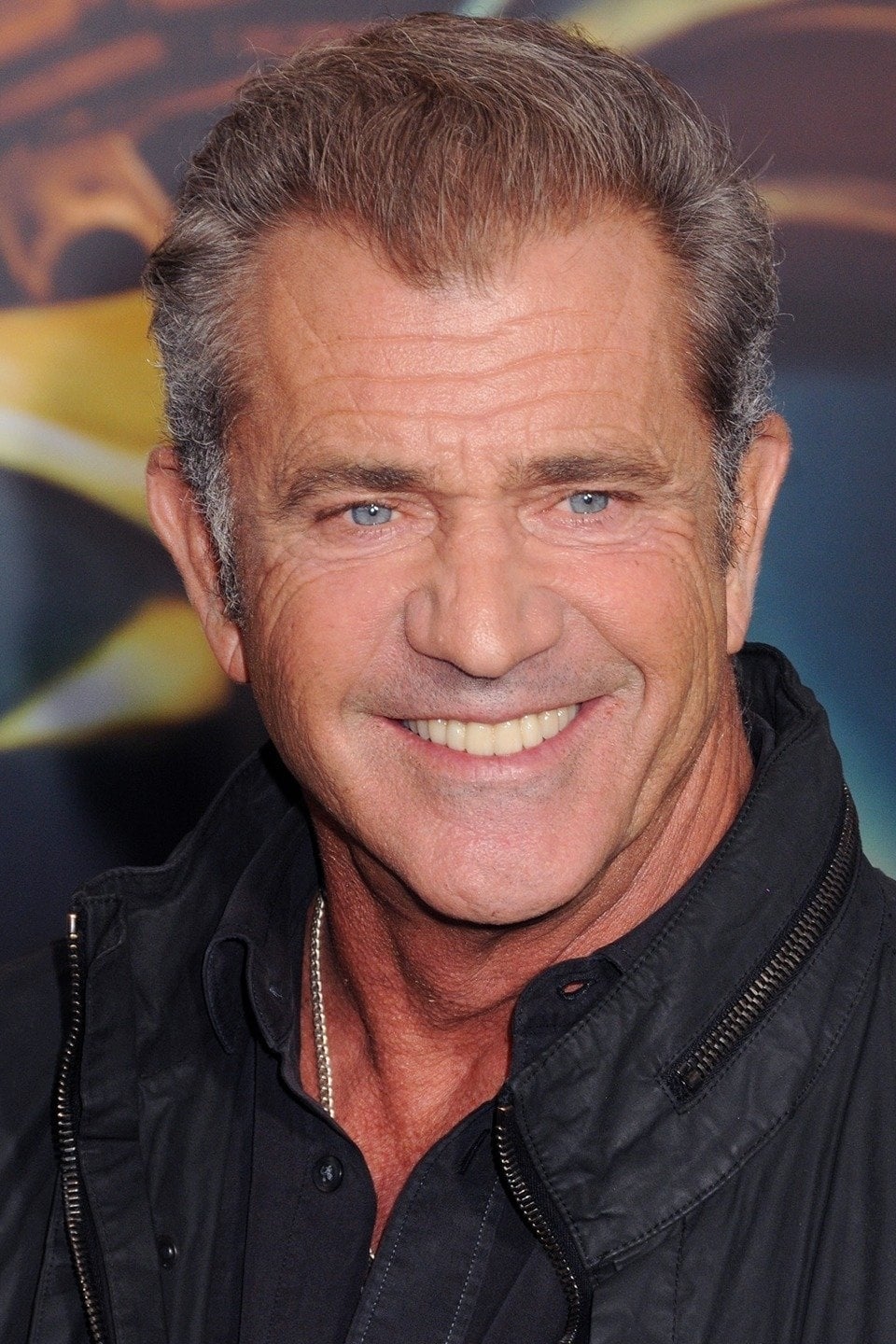
Mel Gibson survived one of the most high-profile cancellations in Hollywood history. He continued to work and eventually directed Academy Award-nominated films again. The ‘Braveheart’ star focused on his craft and personal recovery rather than engaging with online critics. His career trajectory proves that talent can sometimes outlast social outrage. Gibson remains a polarizing but undeniably active figure in the industry.
Vince Vaughn
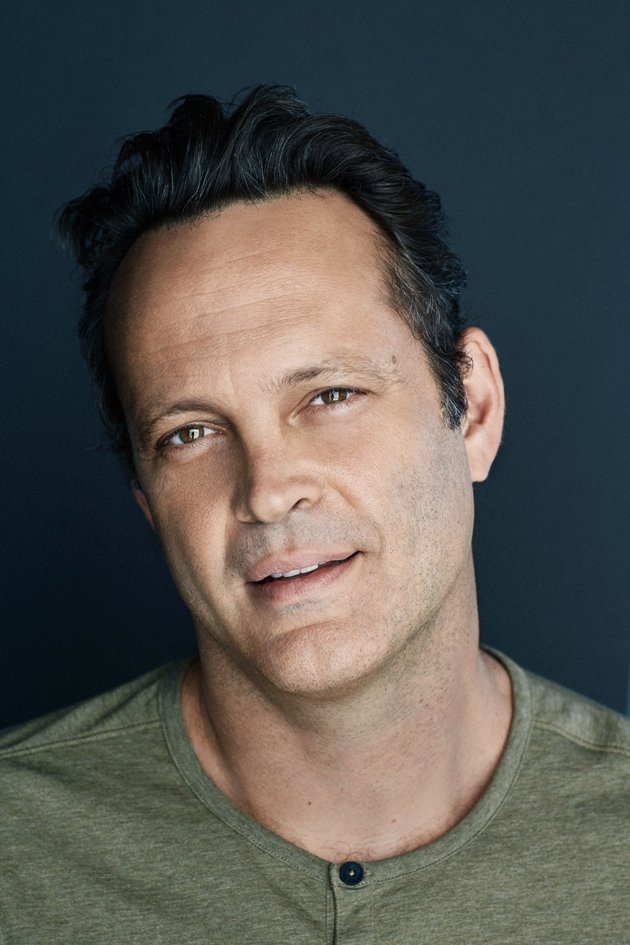
Vince Vaughn holds libertarian views and generally avoids the political fray of Hollywood. He faced backlash for being seen shaking hands with Donald Trump but refused to apologize. The ‘Wedding Crashers’ actor believes that people should be able to be cordial despite political differences. He argues that the demand for ideological purity is ridiculous. Vaughn focuses on his work and ignores the demands of the online mob.
Kurt Russell
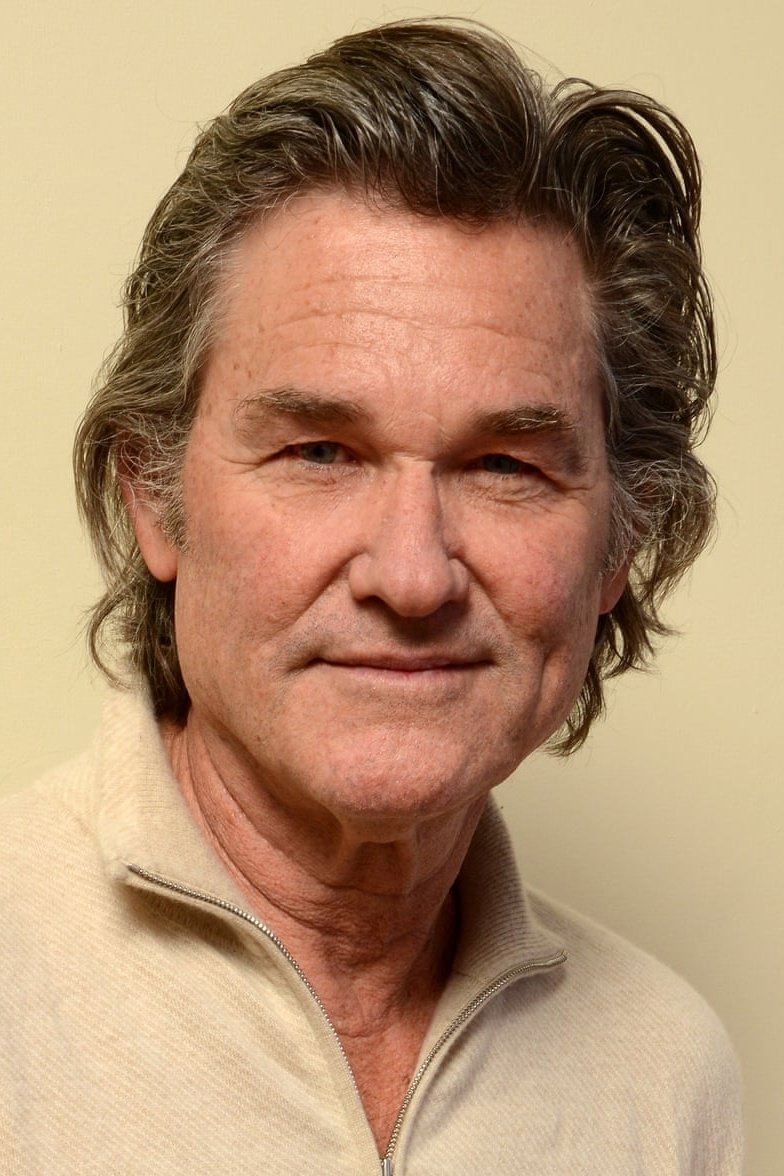
Kurt Russell believes that actors should function as court jesters and stay out of politics. He argues that taking a hard political stance alienates the audience and hurts the art. The ‘The Hateful Eight’ actor feels that the current climate forces actors to become politicians. He prefers to remain an entertainer who can be anything the audience needs him to be. Russell rejects the notion that celebrities have a duty to lecture the public.
Michael Caine
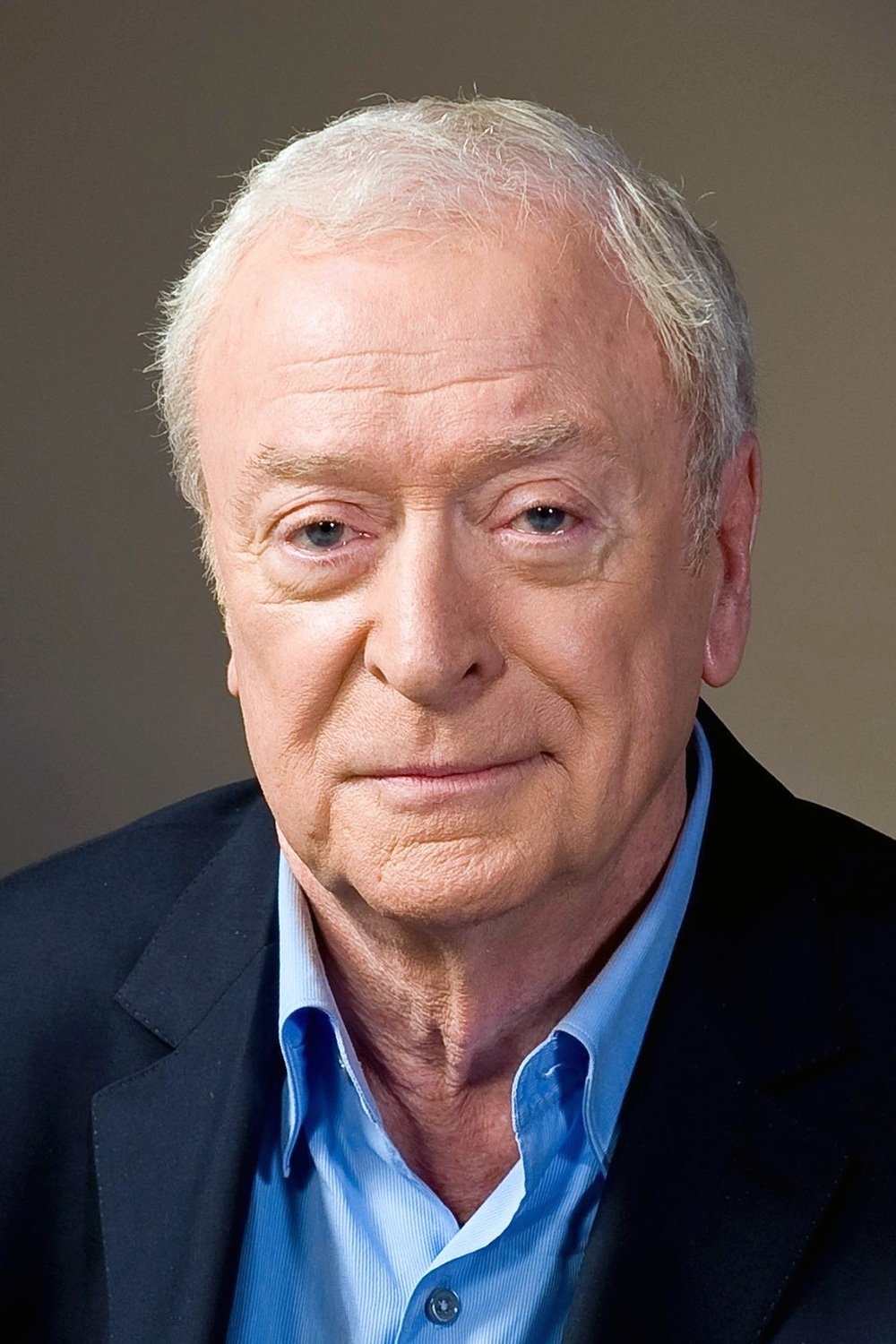
Michael Caine has expressed boredom with the constraints of political correctness. He stated that he can no longer speak his mind without fearing a backlash. The ‘The Dark Knight’ actor believes that this environment makes life dull and interactions artificial. He prefers the older days when people could speak freely and debate openly. Caine continues to work but maintains a critical view of modern sensitivity.
Anthony Hopkins
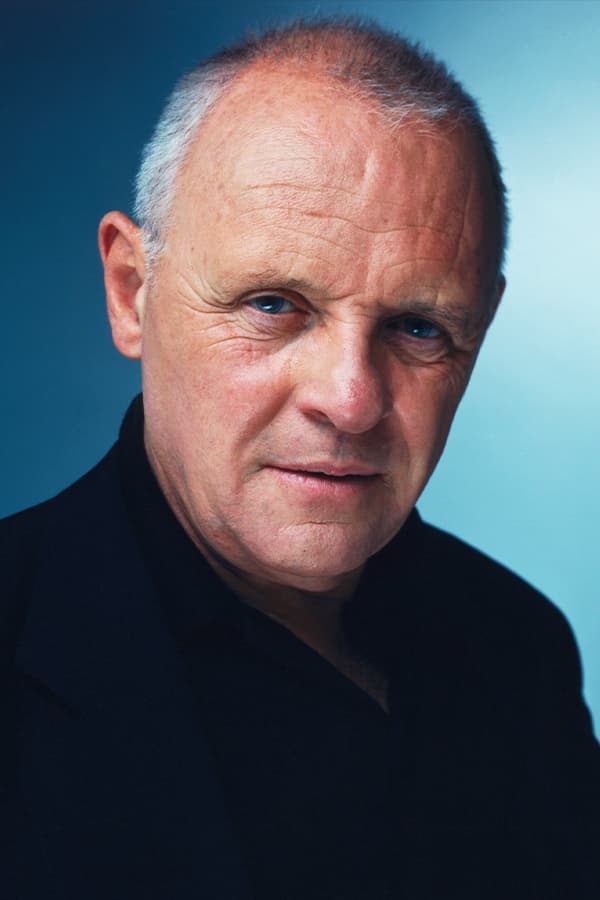
Anthony Hopkins consciously avoids engaging in public moralizing or political discussions. He stated that he is an actor and does not have the knowledge to lecture others on how to live. The ‘The Silence of the Lambs’ star believes that the internet has created a toxic environment of judgment. He refuses to participate in the cycle of outrage and cancellation. Hopkins focuses entirely on his craft and personal peace.
Jamie Foxx
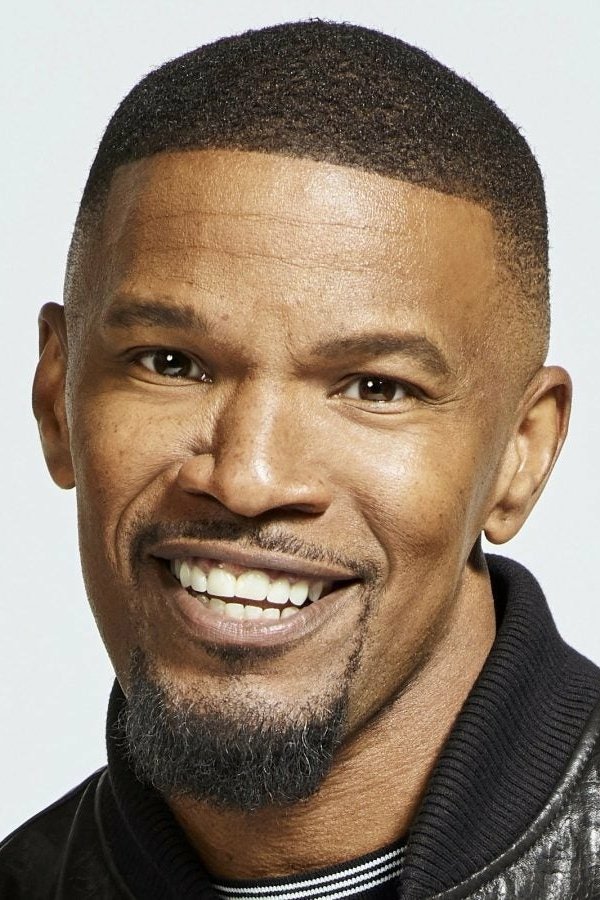
Jamie Foxx defended Dave Chappelle during the controversy surrounding his comedy specials. He argued that comedians need the space to explore artistic expression without fear. The ‘Ray’ actor believes that the artistic community should support one another against external pressure. He suggests that canceling comedians sets a dangerous precedent for all artists. Foxx values the raw honesty that comedy provides to society.
Adam Carolla
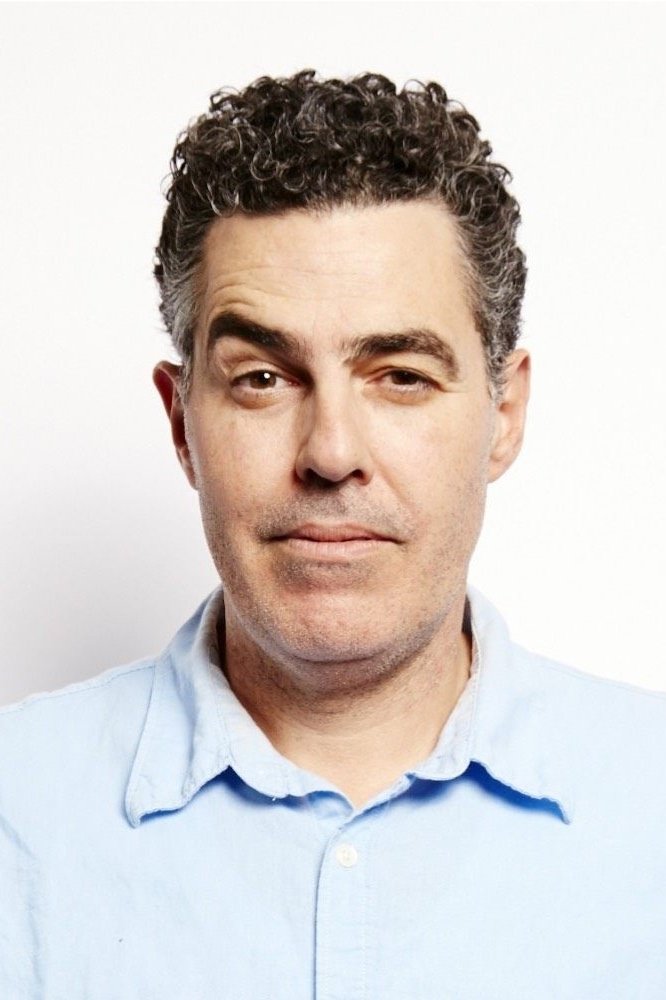
Adam Carolla has built an entire career on complaining about censorship and the “nanny state.” He argues that cancel culture is driven by people with too much time on their hands. The ‘The Man Show’ alum believes that society has lost its sense of humor and resilience. He refuses to apologize for his jokes and encourages others to hold the line. Carolla operates independently to ensure he cannot be fired by a network.
Jim Breuer
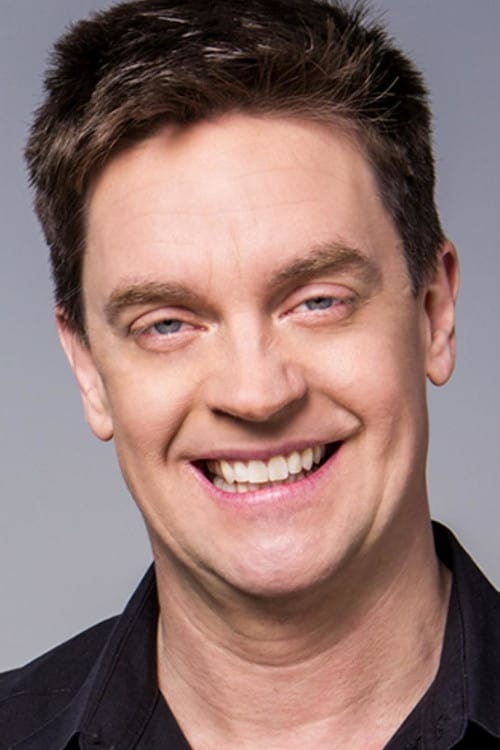
Jim Breuer creates comedy that directly mocks the narratives of the mainstream media. He faced cancellations of venues due to his views on mandates but refused to comply. The ‘Half Baked’ actor argues that he serves a higher power and not the entertainment industry. He believes that fear is being used to control the population. Breuer focuses on his loyal fanbase rather than trying to win over critics.
Louis C.K.
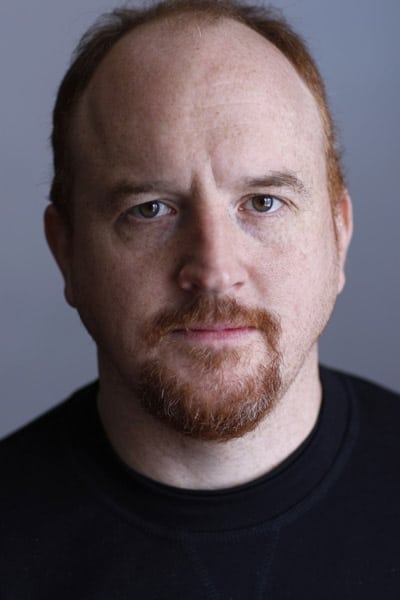
Louis C.K. returned to touring and winning Grammys despite a massive scandal that derailed his career. He addresses his downfall directly in his material but refuses to disappear. The comedian argues that he has the right to earn a living and tell jokes. His comeback demonstrates that an audience still exists for material that ignores social bans. He operates outside the traditional gatekeepers of the industry.
Sylvester Stallone
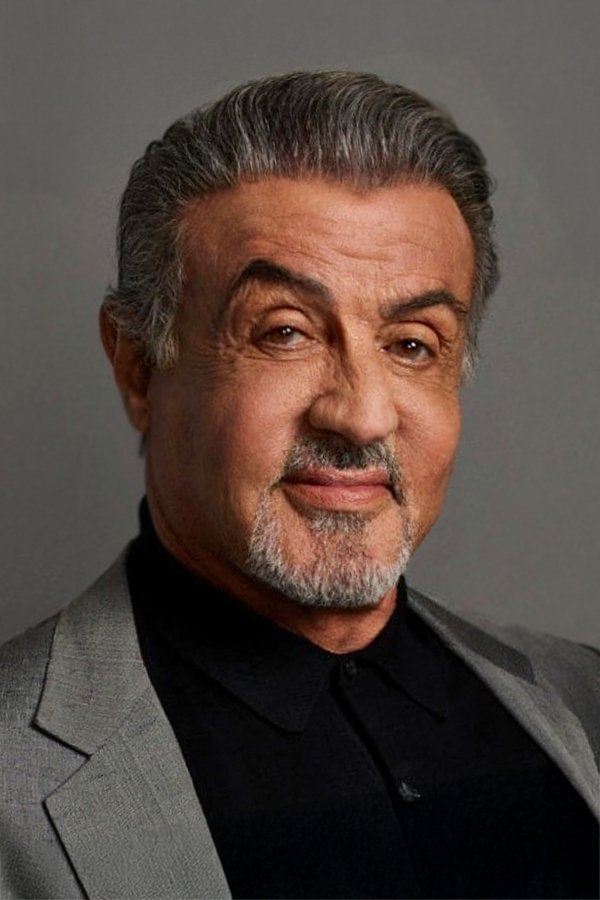
Sylvester Stallone has generally stayed away from “woke” politics and focuses on traditional themes. He joined the private club Mar-a-Lago, signaling his indifference to Hollywood’s political preferences. The ‘Rocky’ star believes in grit, determination, and individual strength. He rarely engages in social media apologies or explanations. Stallone maintains a persona that prioritizes action over political correctness.
Mark Wahlberg
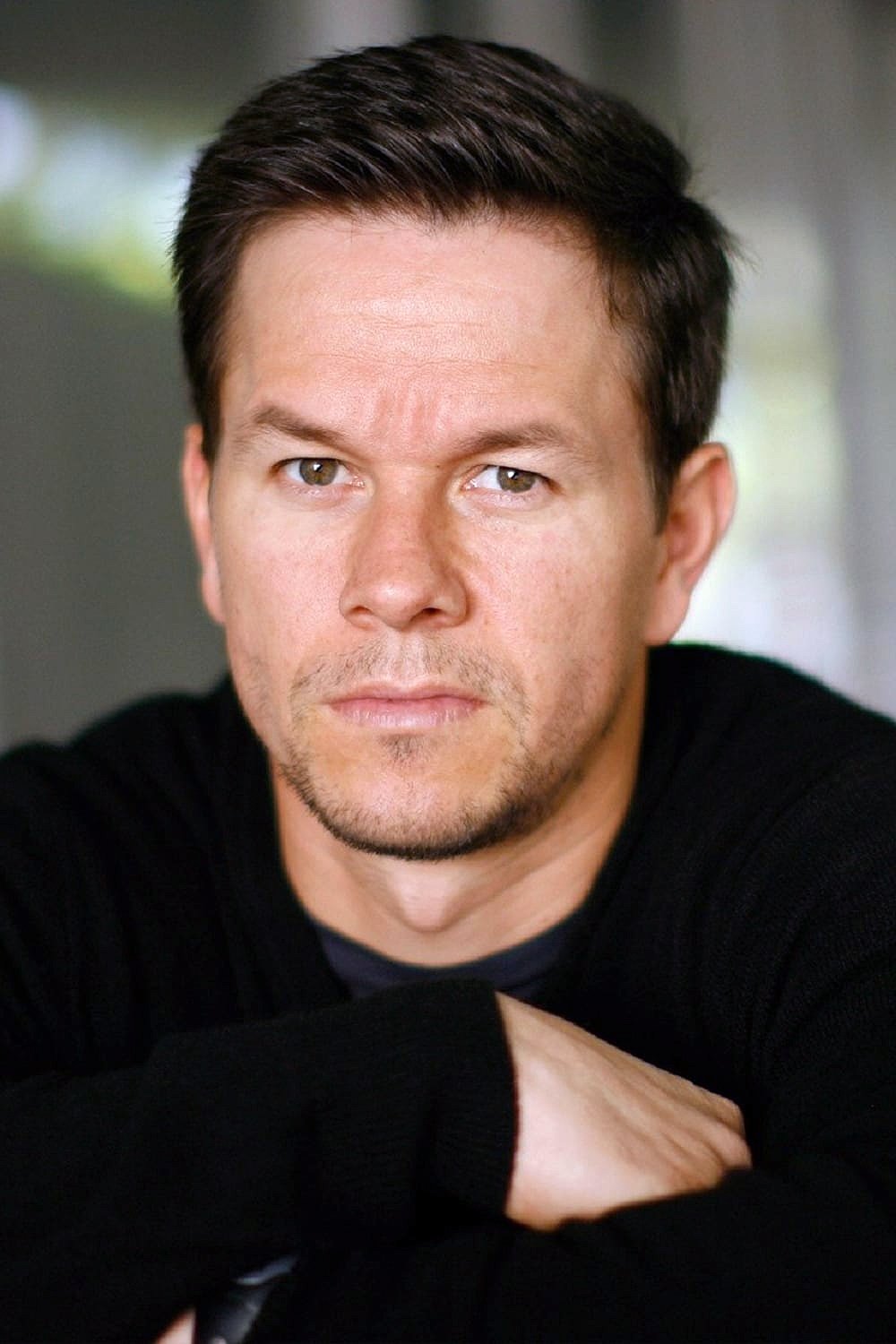
Mark Wahlberg focuses heavily on his Catholic faith and family rather than Hollywood trends. He has stated that he does not believe celebrities should lecture regular people on politics. The ‘The Departed’ actor believes that many in Hollywood live in a bubble detached from reality. He prioritizes his own values and discipline over industry expectations. Wahlberg argues for humility rather than moral superiority.
Stephen Fry
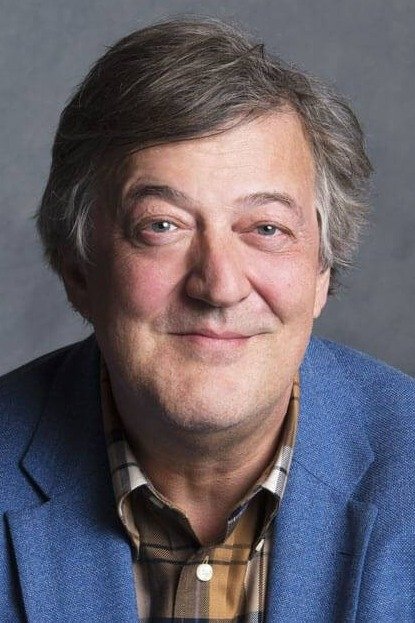
Stephen Fry has voiced concern over the “illiberal” nature of the current progressive movement. He argues that while he sympathizes with the goals, the methods of shaming are counterproductive. The British actor and writer fears that cancel culture creates a society of fear and resentment. He believes that true progress comes from debate rather than silencing opposition. Fry advocates for a return to classical liberal values of free speech.
Jeremy Piven
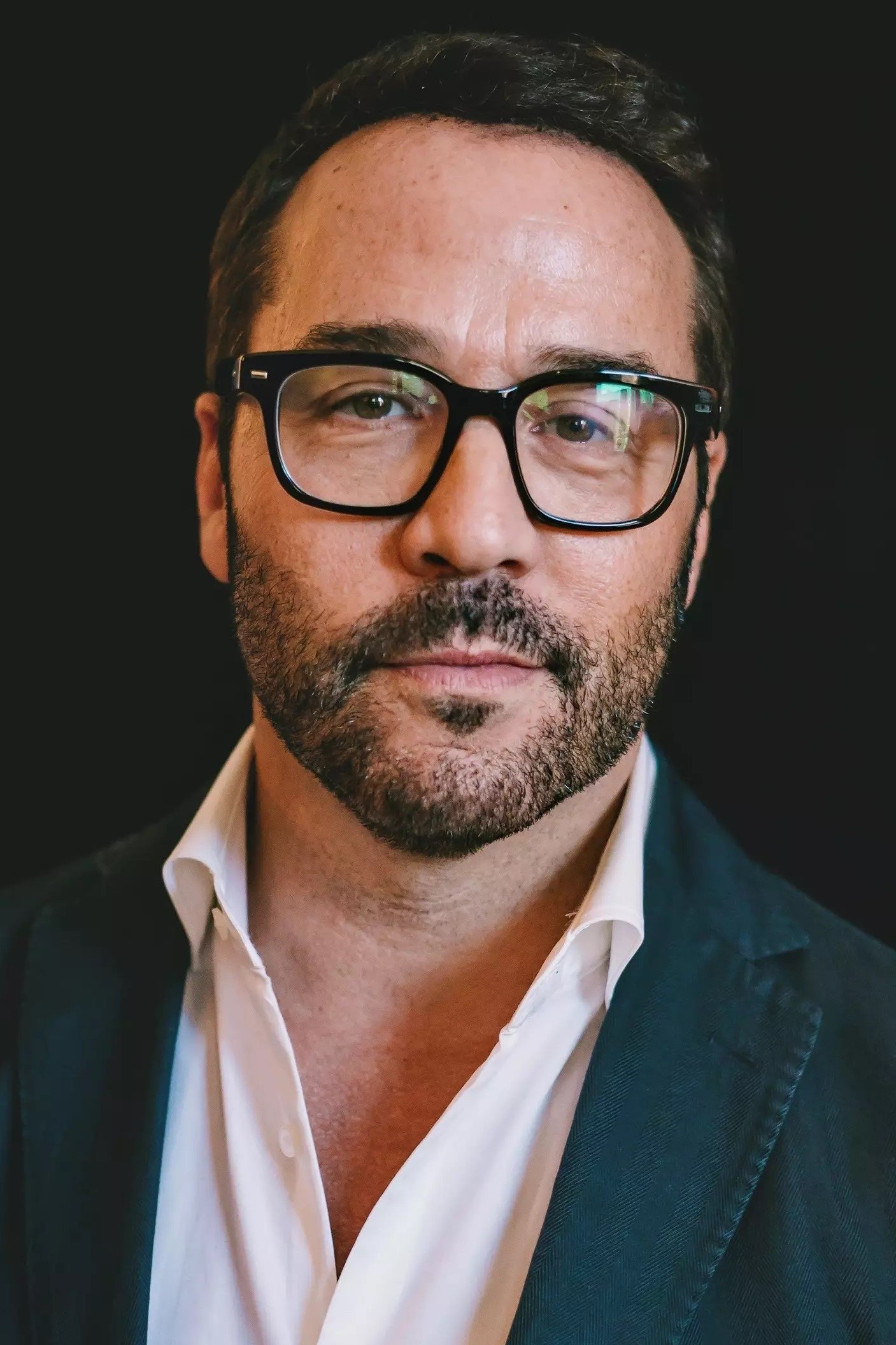
Jeremy Piven has criticized the speed at which the industry turns on its own. He argues that the media often runs with narratives before facts are established. The ‘Entourage’ actor believes that he became an easy target during the height of the movement. He continues to perform stand-up comedy where he addresses these issues directly. Piven suggests that the public loves a takedown more than the truth.
T.J. Miller
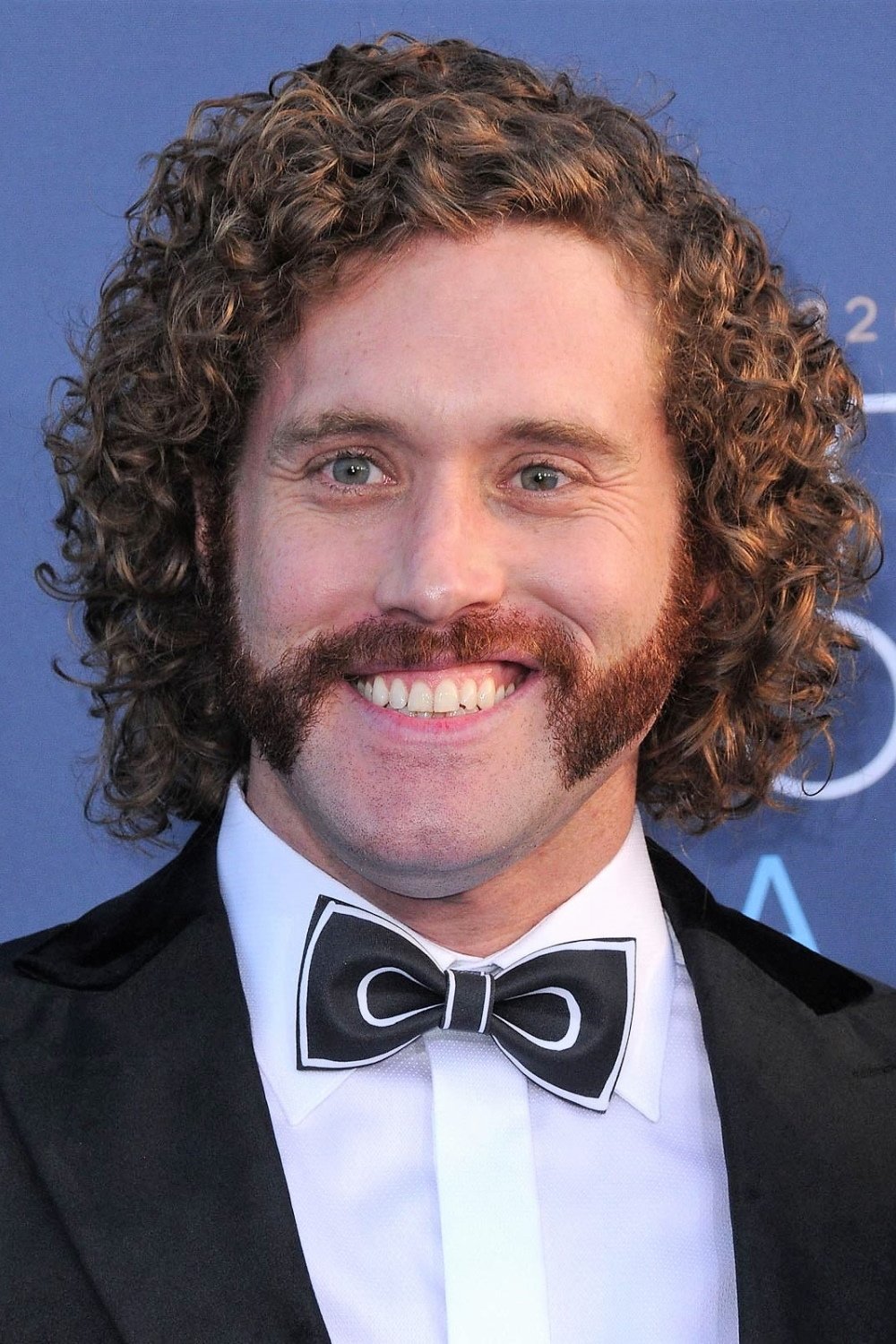
T.J. Miller has been a vocal critic of the Hollywood machine and its phony nature. After leaving ‘Silicon Valley’, he spoke out about the toxicity he perceived in the industry. He refuses to play the game of public apologies to salvage his career. Miller believes that chaos and honesty are preferable to curated public images. He continues to perform for audiences who appreciate his unpredictable nature.
Tyrese Gibson
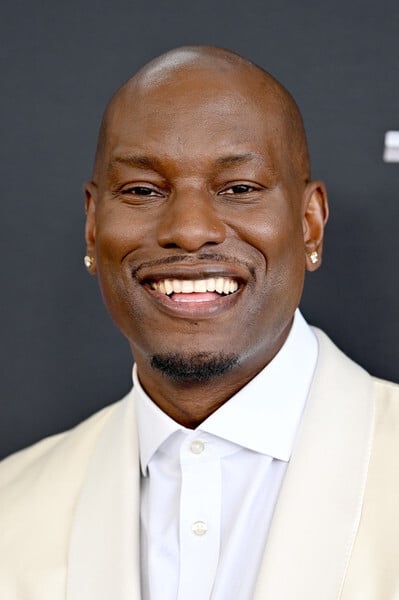
Tyrese Gibson frequently uses his Instagram to post unfiltered thoughts that go against the grain. He has spoken out against what he sees as the manipulation of the Black community. The ‘Fast & Furious’ actor refuses to be put in a box by the media or his peers. He argues that he answers only to God and his own conscience. Gibson is willing to face ridicule to speak what he believes is the truth.
Mickey Rourke
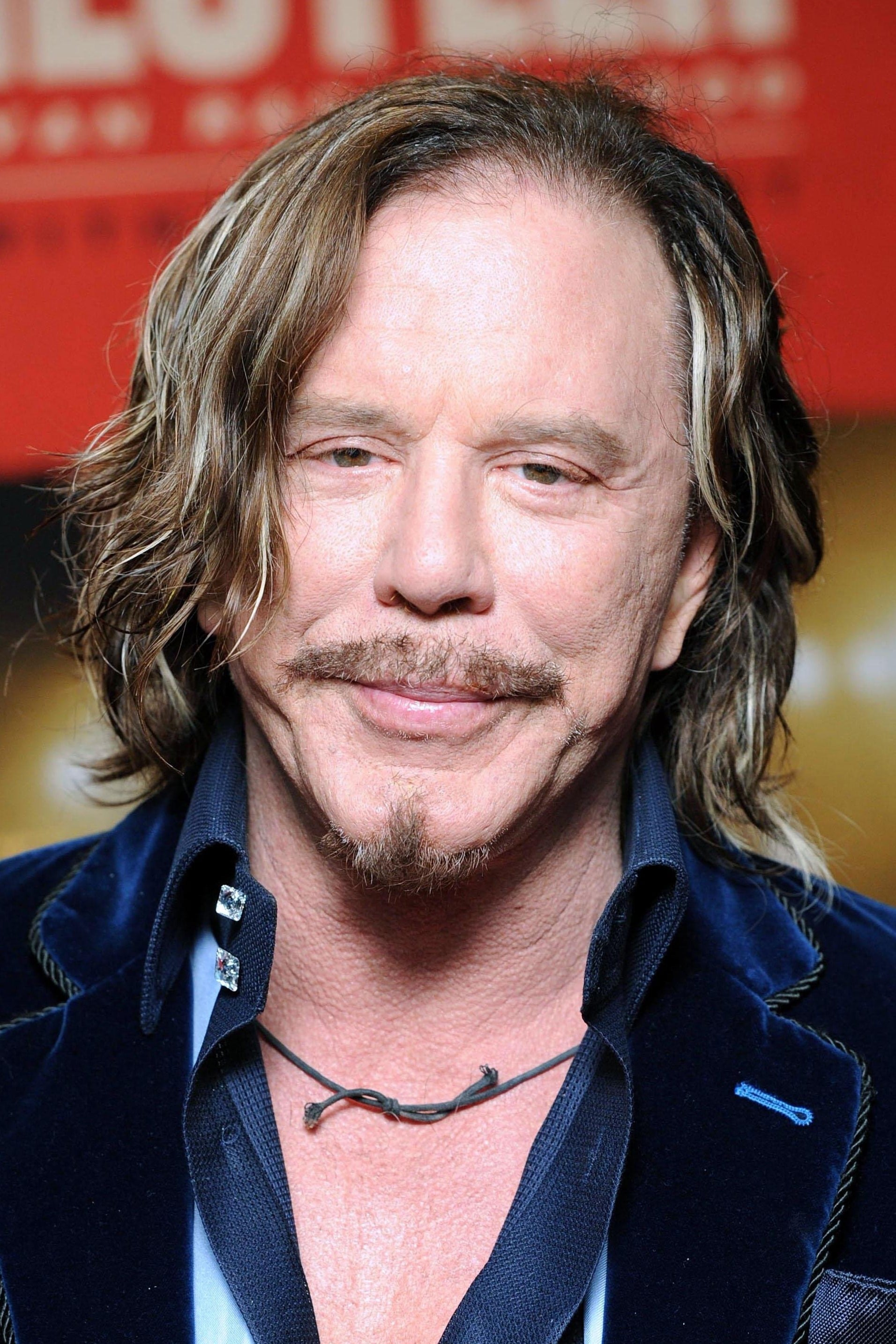
Mickey Rourke has defended individuals like Johnny Depp and criticized the industry’s rush to judgment. The ‘The Wrestler’ actor has a history of conflict with Hollywood studios and executives. He believes that the industry is run by people who do not understand real life or loyalty. Rourke values strength and loyalty over public perception. He remains an outsider who refuses to play by the established rules.
Share your thoughts on these actors and their stances in the comments.