


Actors Who Say Hollywood Forces “Inclusive” Changes That Ruin Stories



Modern Hollywood has seen a significant shift in how stories are developed and cast as studios prioritize specific social initiatives. Many actors have publicly expressed concerns about how these mandates impact the quality of storytelling and the authenticity of the characters. These performers argue that forced inclusion can sometimes feel artificial or detract from the original intent of the creative work. The discussion remains a central point of debate within the entertainment industry as audiences and creators navigate changing cultural norms.
Richard Dreyfuss
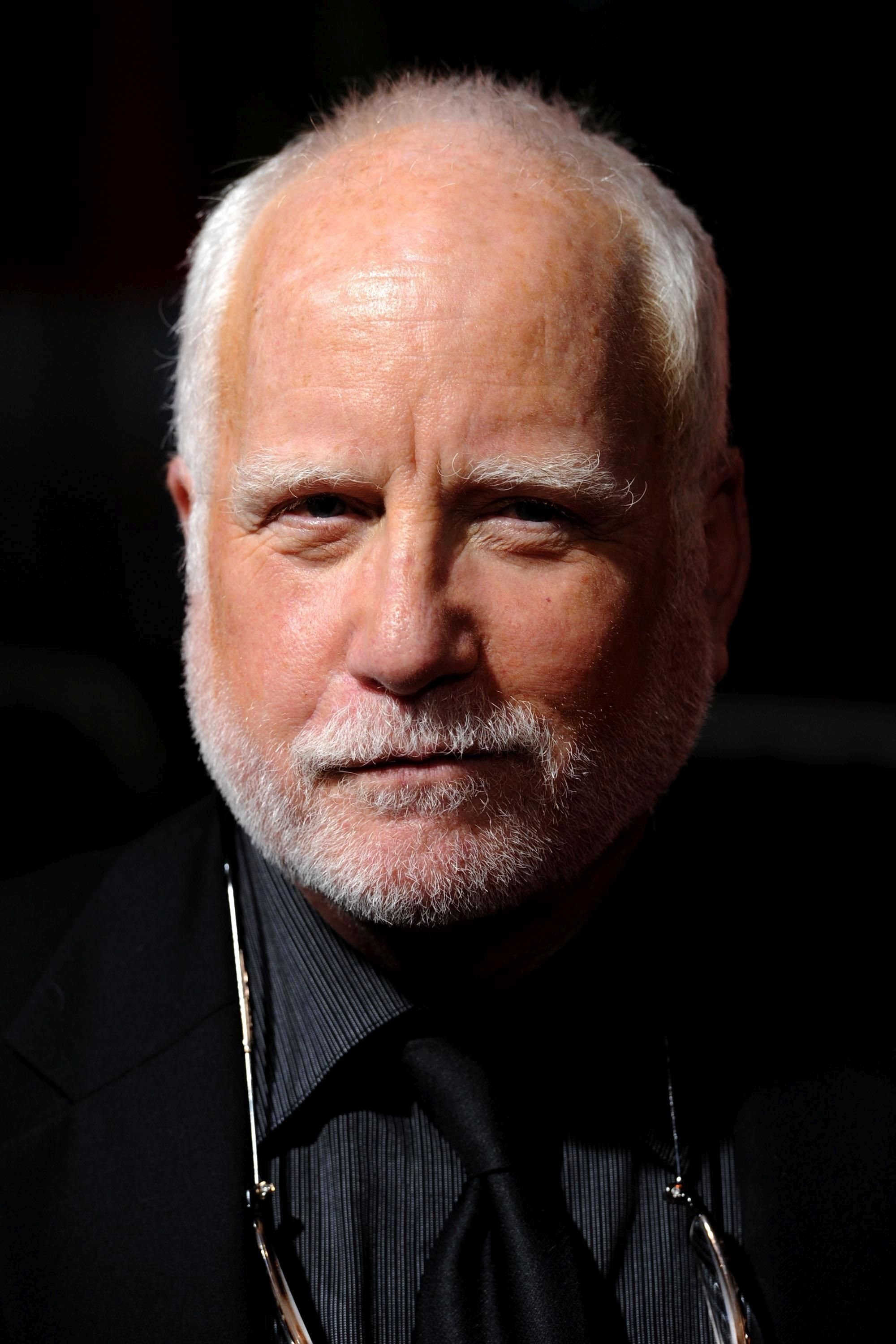
Richard Dreyfuss has been vocal about his disapproval of the new Academy Award diversity standards. He stated that these requirements stifle the creativity of filmmakers by mandating specific demographic quotas for productions. The actor believes that art should be a reflection of the creator’s vision rather than a checklist for social engineering. He expressed concern that these rules make it difficult to tell historical stories accurately or explore specific cultural themes. Dreyfuss maintains that movies should be judged on their artistic merit alone without institutional interference.
Laurence Fox
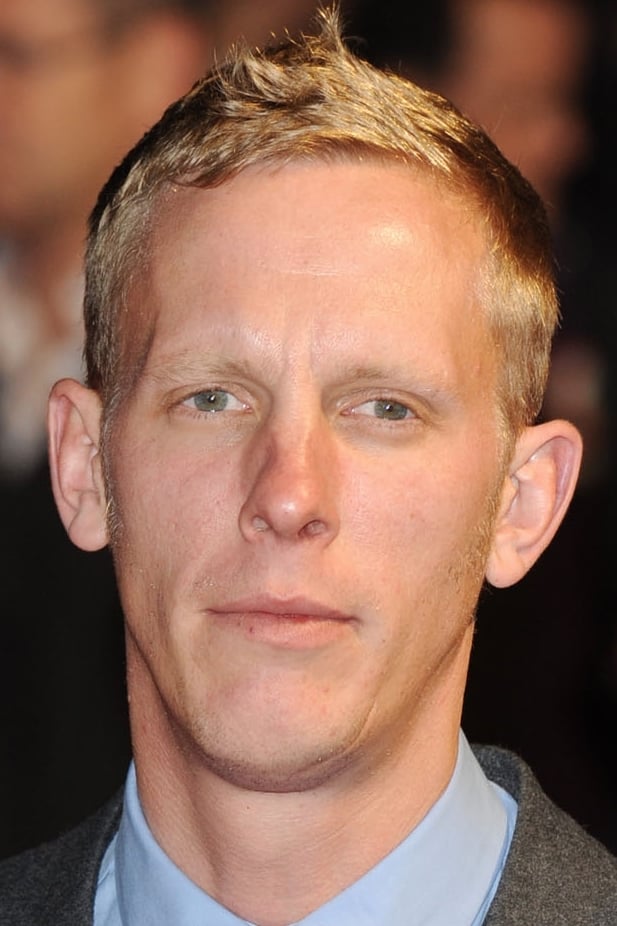
Laurence Fox became a prominent critic of the industry after questioning the inclusion of a Sikh soldier in the film ‘1917’. He argued that historical accuracy was sacrificed for the sake of modern diversity initiatives in the war epic. The actor suggests that such creative choices can break the immersion for viewers and feel like political messaging. Fox has frequently commented on how the industry prioritizes social justice narratives over compelling scripts. His stance has led to significant media attention and a shift in his own professional career path.
John Cleese
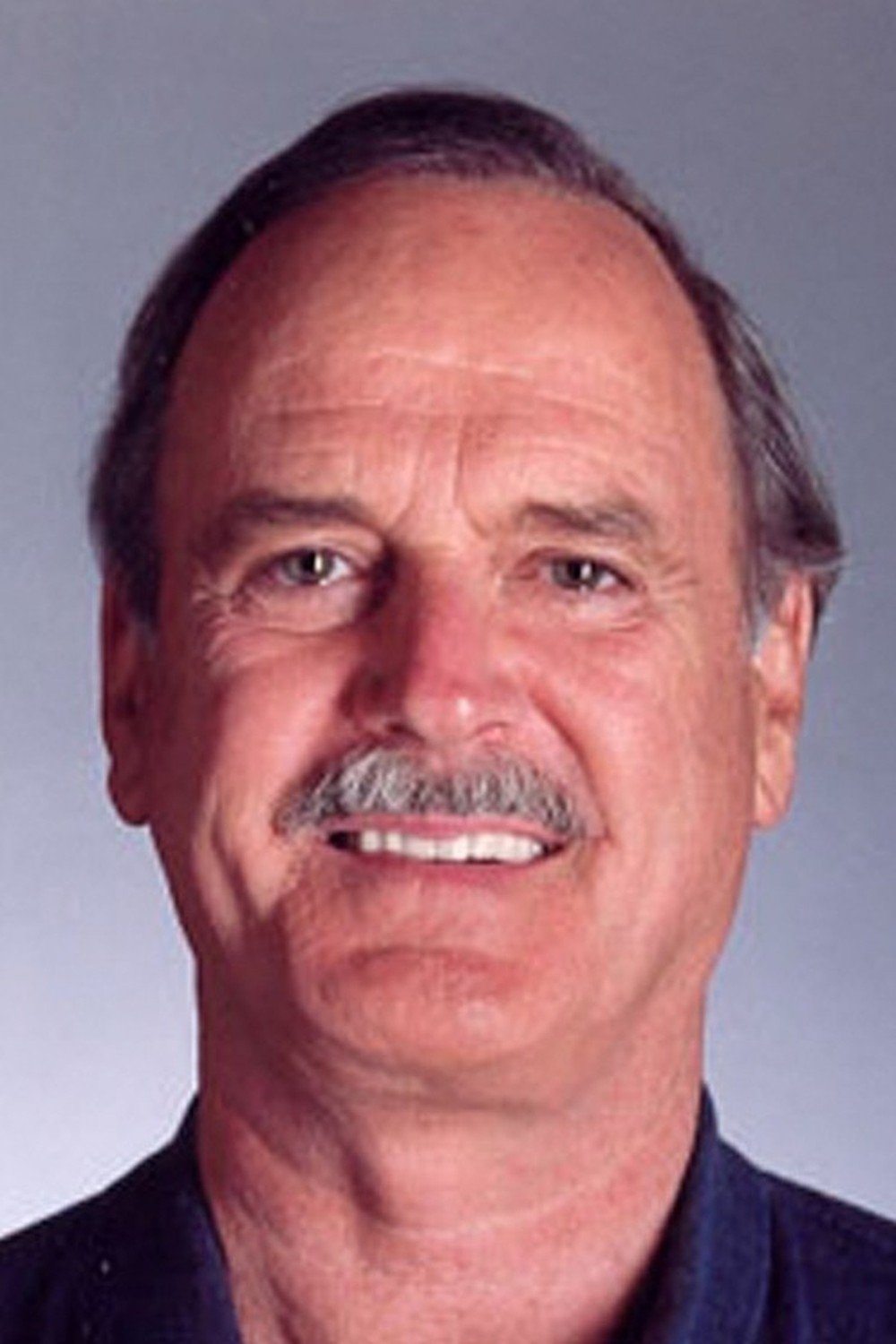
John Cleese has frequently spoken out against the impact of political correctness on the world of comedy and storytelling. He believes that the pressure to avoid offending anyone has made modern scripts less bold and less funny. The actor argues that the industry’s focus on inclusivity often results in the self-censorship of writers and performers. He has expressed frustration that classic works are now viewed through a modern lens that misrepresents their original context. Cleese maintains that the freedom to offend is essential for the health of the creative arts.
Terry Gilliam
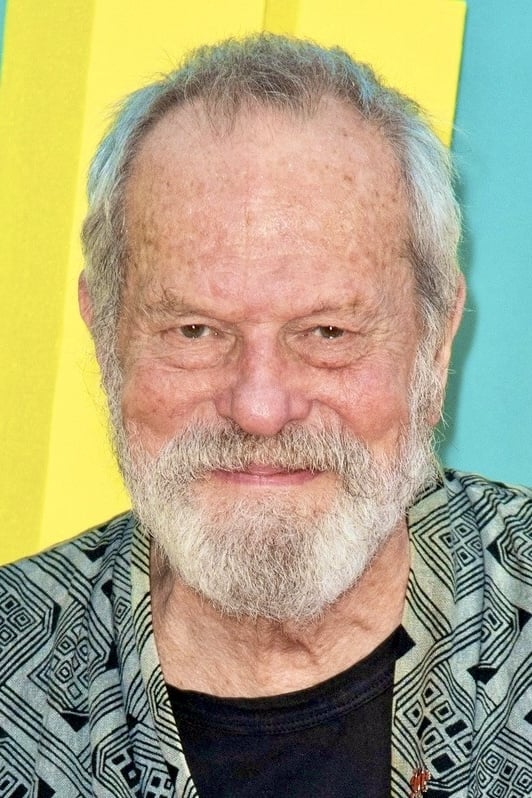
Terry Gilliam has voiced strong opposition to the push for diversity quotas in the film industry. He famously remarked that he no longer feels he can tell the stories he wants to tell because of rigid demographic requirements. The filmmaker and actor believes that these mandates are a form of artistic restriction that harms the final product. He has criticized the idea that actors must share the same background as their characters to play them effectively. Gilliam continues to advocate for a creative environment that prioritizes imagination over administrative guidelines.
Kevin Sorbo
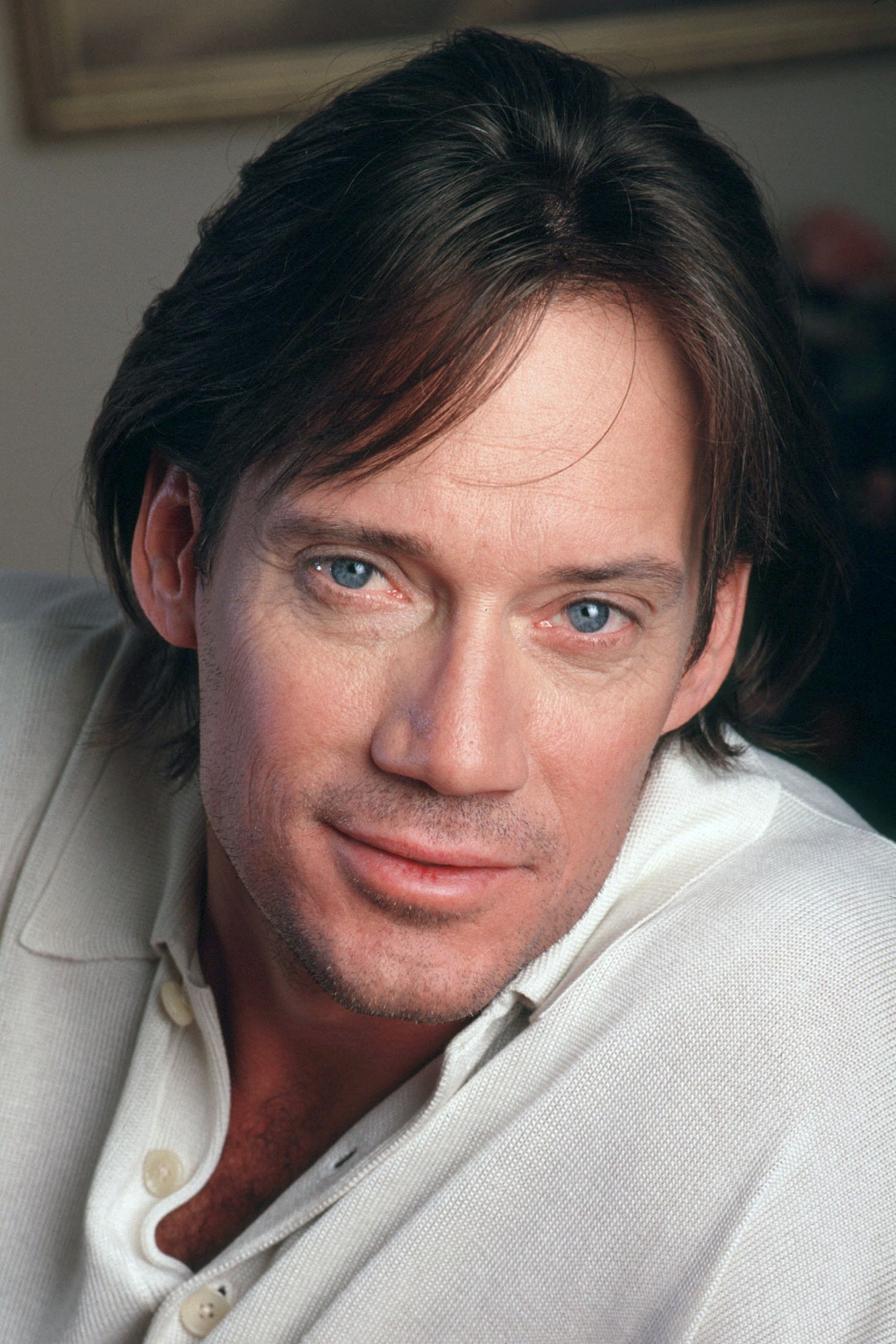
Kevin Sorbo often discusses how his career changed after he began speaking out against Hollywood’s ideological shifts. He claims that the industry’s focus on progressive themes and inclusivity has led to the exclusion of traditional stories. The actor believes that many modern scripts are written to serve an agenda rather than to entertain a broad audience. He argues that forced changes to established characters often alienate the original fanbase of a franchise. Sorbo remains an active critic of what he describes as the “woke” culture within major studios.
James Woods
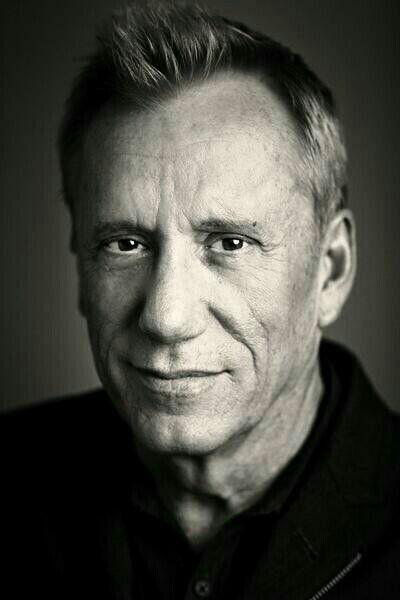
James Woods has been a vocal critic of Hollywood’s political landscape for many years. Woods often uses social media to highlight what he views as the detrimental effects of forced diversity on storytelling. The actor suggests that modern casting choices are often made to satisfy social requirements rather than to find the best talent. He believes this trend has led to a decline in the overall quality and realism of cinematic projects. Woods argues that the industry has become a place where ideological conformity is valued over artistic excellence.
Jon Voight
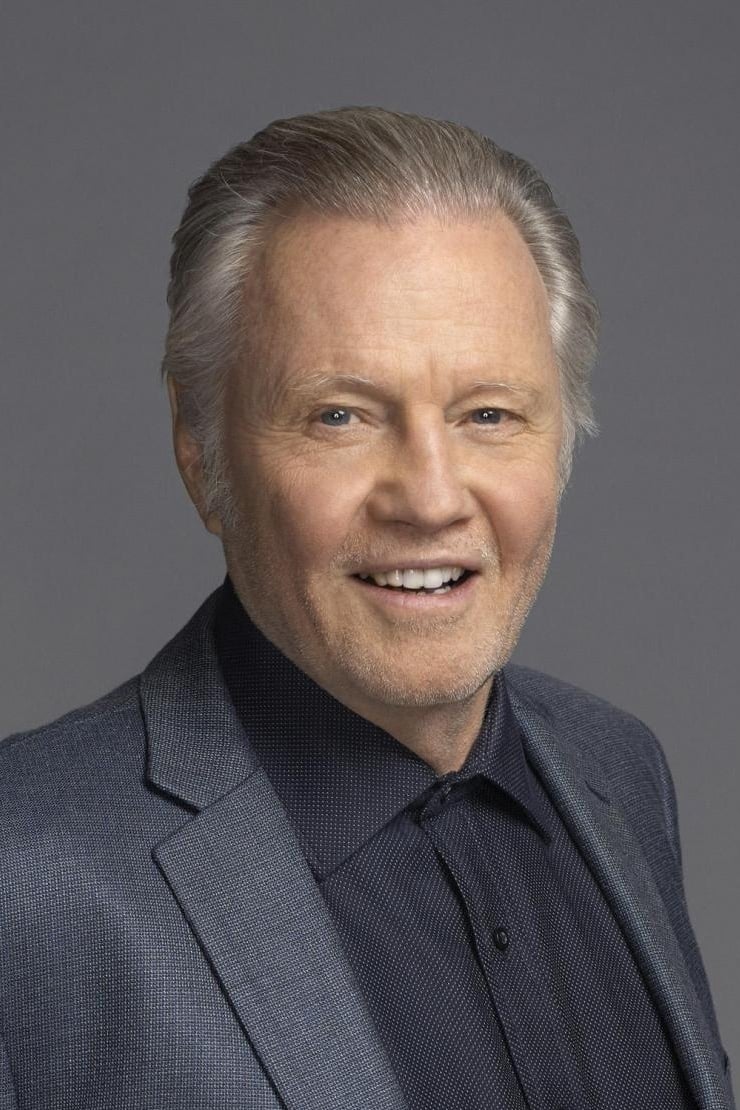
Jon Voight frequently shares his views on the political and cultural shifts occurring within the entertainment world. He believes that the push for specific social narratives has compromised the integrity of modern filmmaking. The actor has expressed concern that Hollywood is more interested in teaching lessons than in telling honest stories. He argues that the focus on inclusive mandates often results in flat and uninspired characters. Voight remains a prominent voice for those who feel that traditional values are being pushed out of mainstream media.
Robert Davi
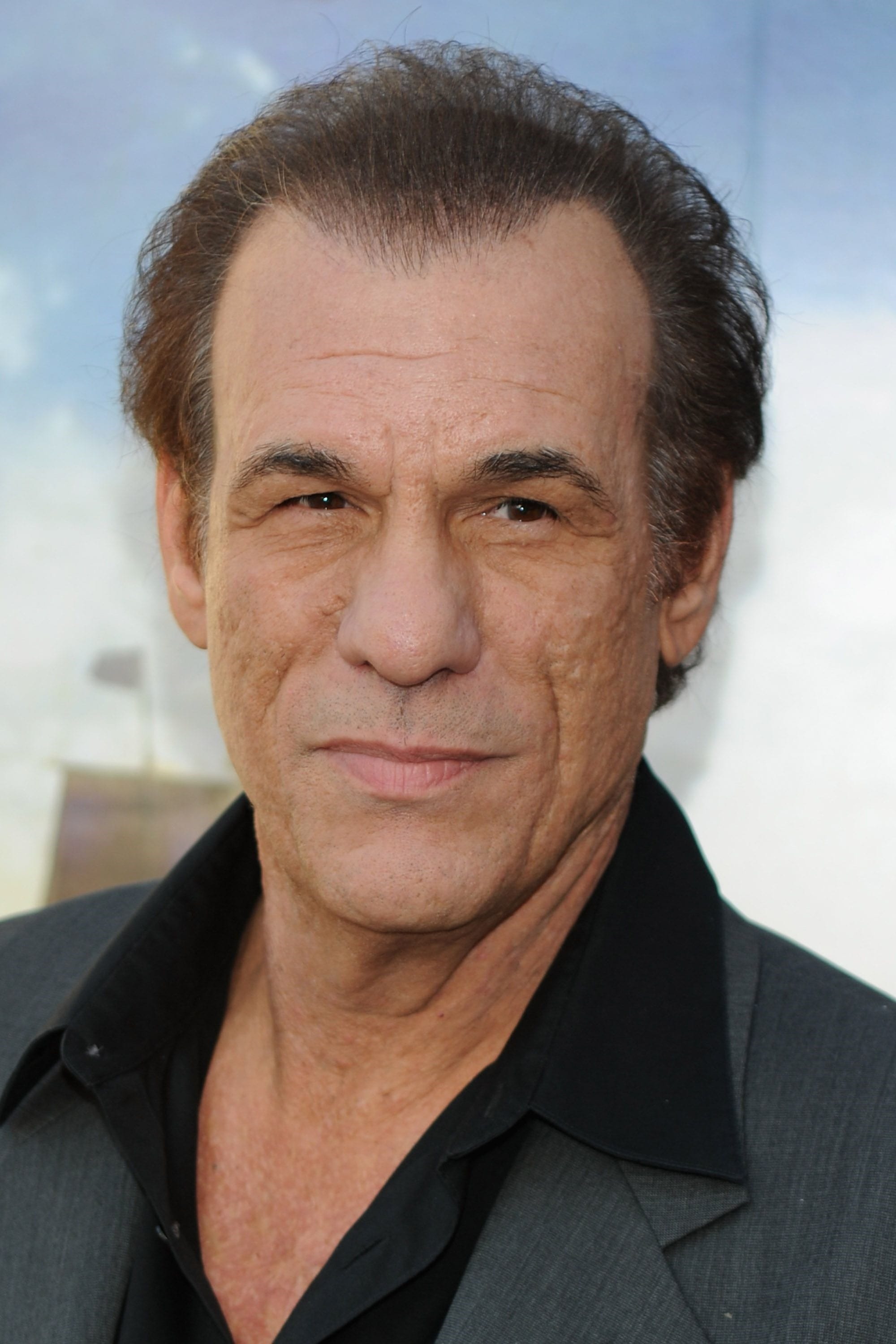
Robert Davi has spoken at length about the pressure on creators to conform to modern diversity standards. He suggests that the focus on checking boxes has led to a lack of originality in recent films. The actor believes that great art comes from a place of individual truth rather than corporate mandates. He has criticized the way the industry handles legacy characters by changing their identities to fit modern trends. Davi advocates for a return to storytelling that focuses on universal human experiences regardless of demographics.
Dean Cain
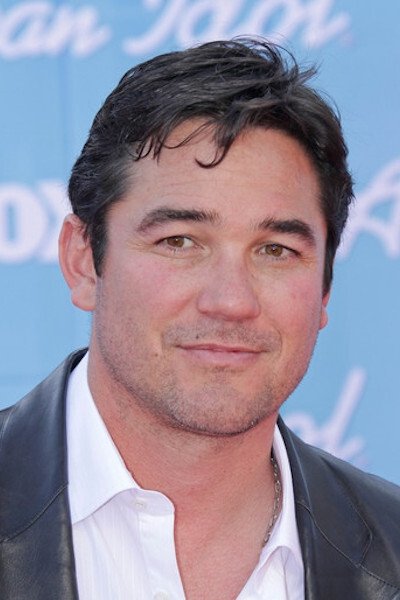
Dean Cain has expressed strong opinions on the changes made to classic characters to fit modern inclusive standards. He criticized the decision to change the identity or background of established icons as a move that prioritized politics over legacy. The actor argues that these icons should remain faithful to their origins to respect the fans and the creators. He believes that forced inclusivity in established franchises can feel like a betrayal of the source material. Cain often discusses how these industry trends impact the way audiences connect with heroes.
Nick Searcy
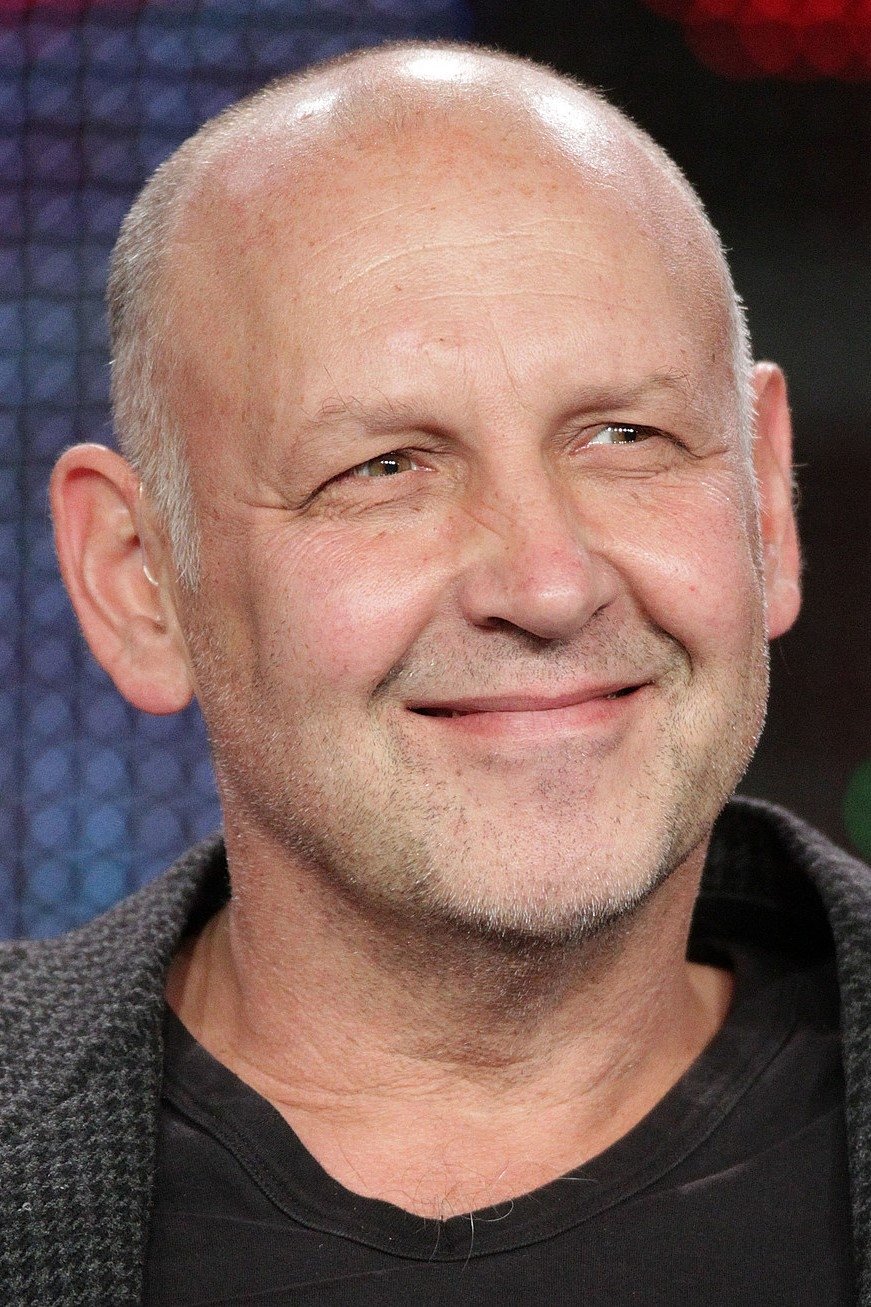
Nick Searcy is a frequent critic of the ideological shifts he perceives in the television and film industries. He argues that the focus on diversity and inclusion has become a mandatory requirement that stifles authentic dialogue. The actor believes that modern productions often prioritize a specific social message over the development of a logical plot. He has spoken about the challenges faced by performers who do not agree with the prevailing industry culture. Searcy maintains that the quality of a story should always be the primary concern of any production team.
Scott Baio
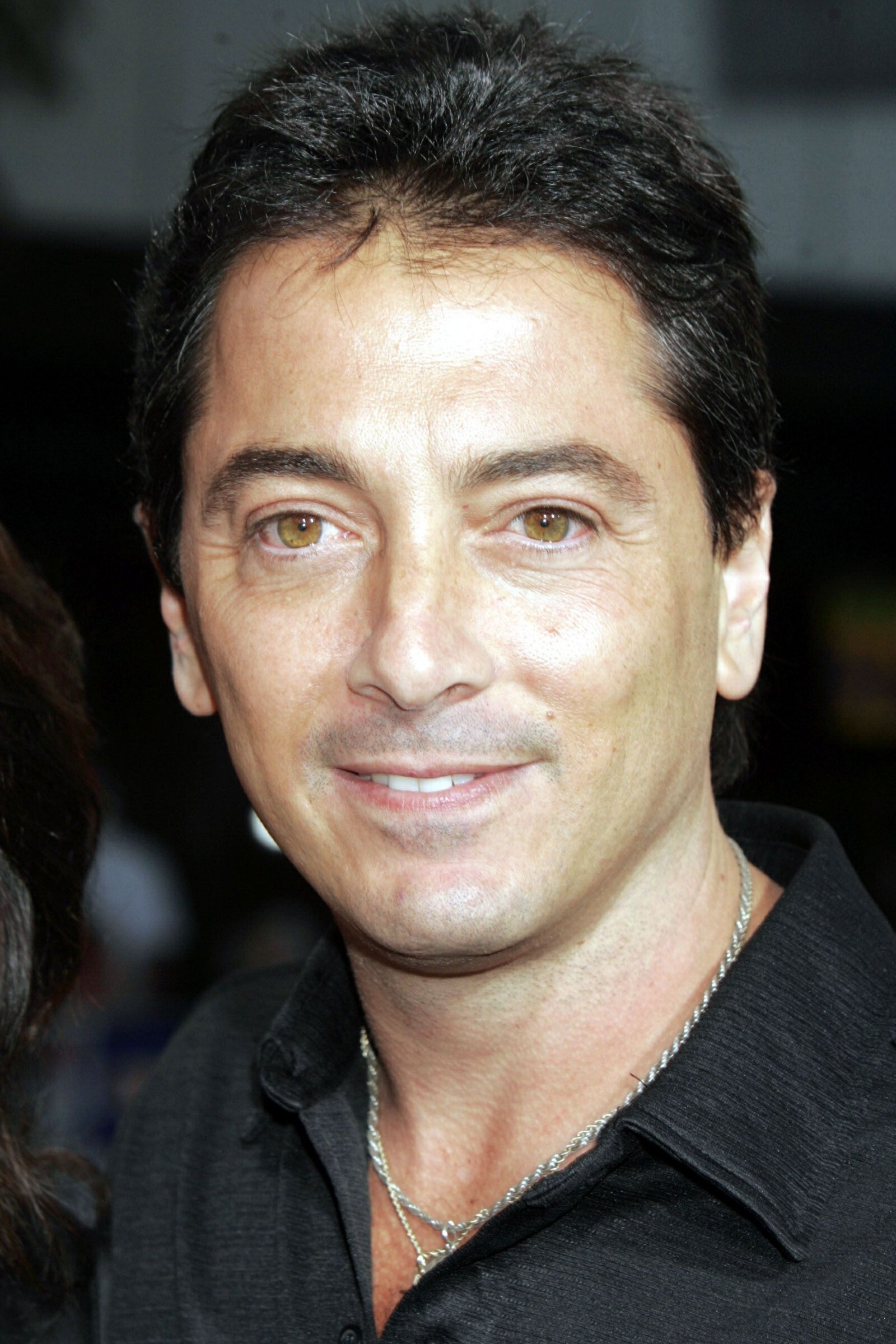
Scott Baio has shared his concerns regarding the influence of modern social movements on television content. He believes that the push for inclusivity has led to the creation of characters that feel like caricatures rather than real people. The actor suggests that writers are often forced to include specific themes that do not naturally fit the narrative. He argues that this trend has made modern television less relatable to a significant portion of the audience. Baio continues to speak out about what he views as the loss of traditional storytelling values.
Kirk Cameron
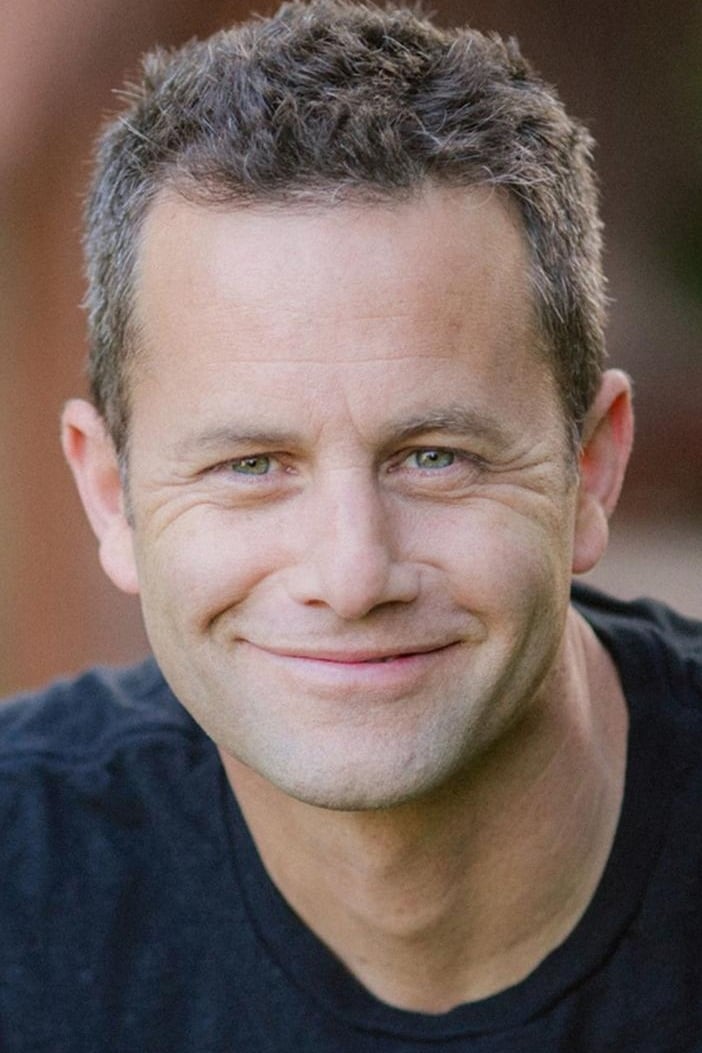
Kirk Cameron has focused much of his later career on producing content that reflects his personal values. He has expressed the belief that mainstream Hollywood often excludes or misrepresents traditional viewpoints in its quest for inclusivity. The actor argues that the industry’s current focus often leads to the marginalization of stories that do not fit a specific progressive mold. He believes that forced changes to cultural narratives can be harmful to the overall fabric of society. Cameron advocates for a more balanced approach to representation that includes a wider range of perspectives.
John Rhys-Davies

John Rhys-Davies has discussed the importance of historical and cultural context in storytelling. He has expressed skepticism regarding the practice of modernizing historical narratives to fit contemporary diversity standards. The actor believes that changing the past to suit current political trends is a form of intellectual dishonesty. He argues that audiences lose the ability to learn from history when stories are altered for the sake of inclusion. Rhys-Davies emphasizes the need for stories to remain grounded in the reality of their setting.
Clint Eastwood
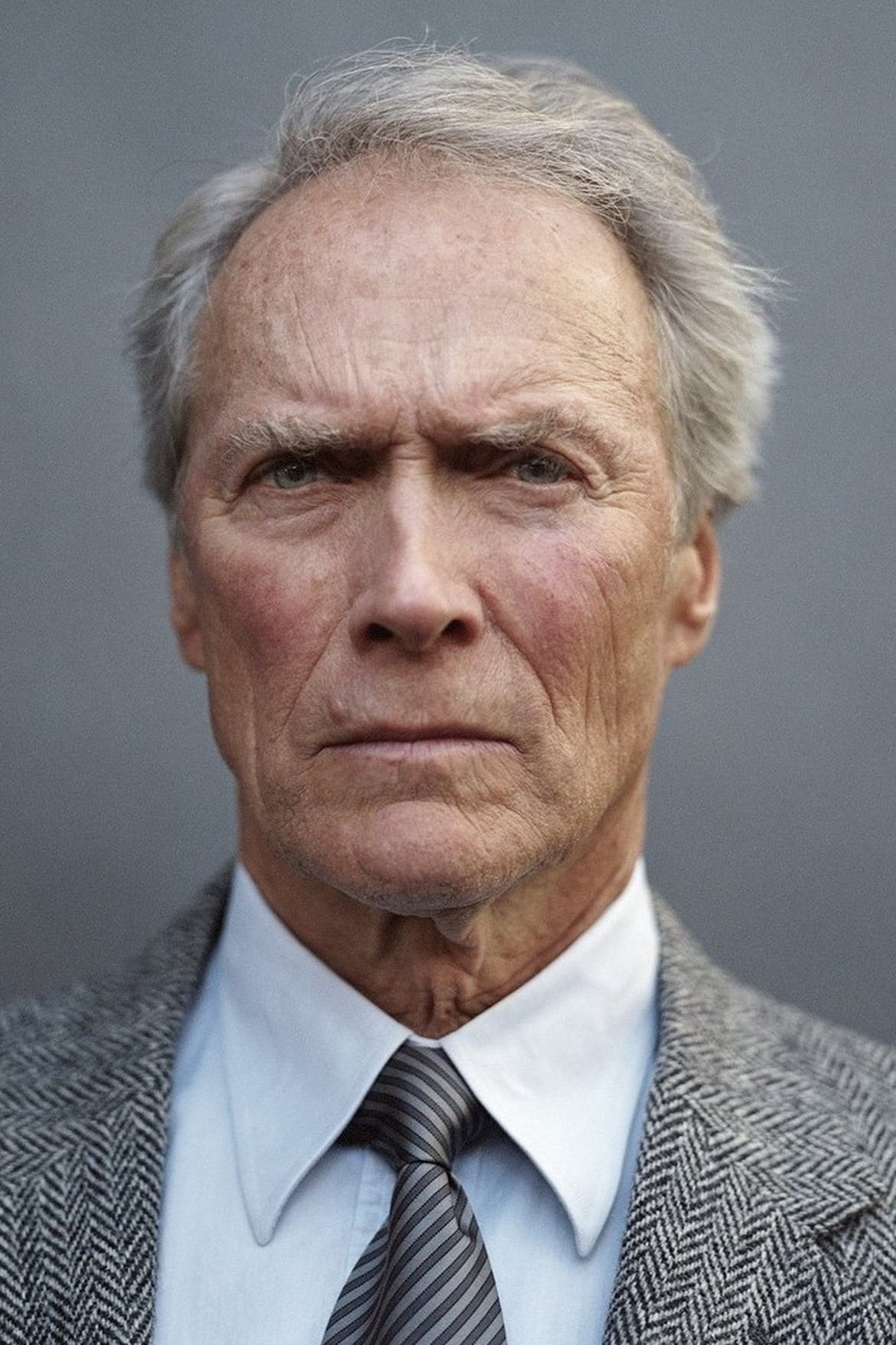
Clint Eastwood has long been a critic of political correctness in the film industry and society at large. He has stated that the modern preoccupation with avoiding offense has made it difficult to tell gritty and realistic stories. The actor and director believes that creative projects should not be hampered by a fear of violating modern social codes. He has frequently emphasized the importance of individual vision over collective mandates. Eastwood maintains that the best films are those that explore the truth of the human condition without external pressure.
Vince Vaughn
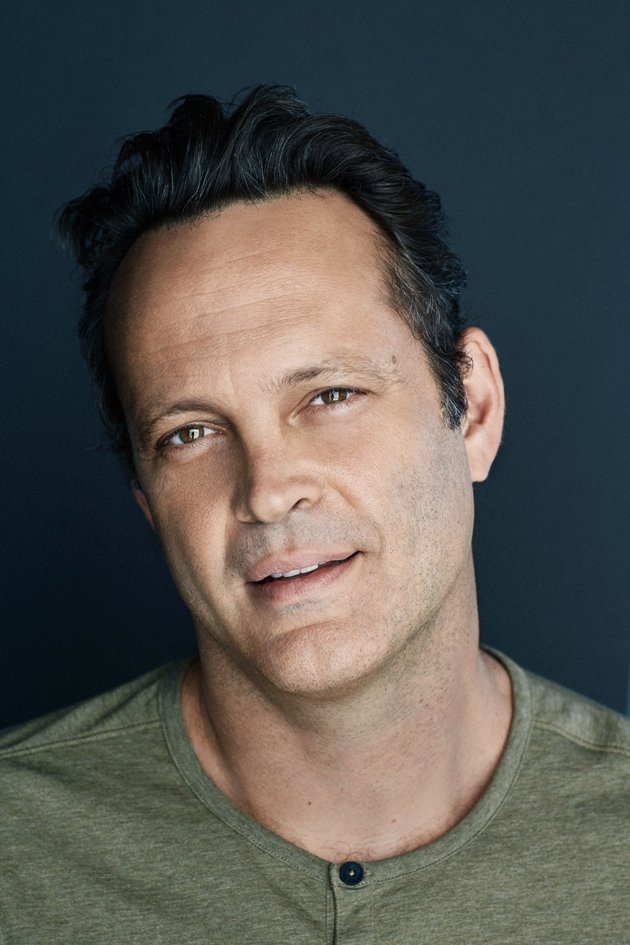
Vince Vaughn has shared his perspective on how the changing cultural climate has affected the production of R-rated comedies. He suggests that the industry’s focus on sensitivity and inclusivity has made studios hesitant to take creative risks. The actor believes that the best humor often comes from exploring uncomfortable or taboo subjects. He argues that the current environment leads to the development of safe and predictable content that fails to challenge the audience. Vaughn maintains that a lack of creative freedom ultimately ruins the potential for great storytelling.
Rob Lowe
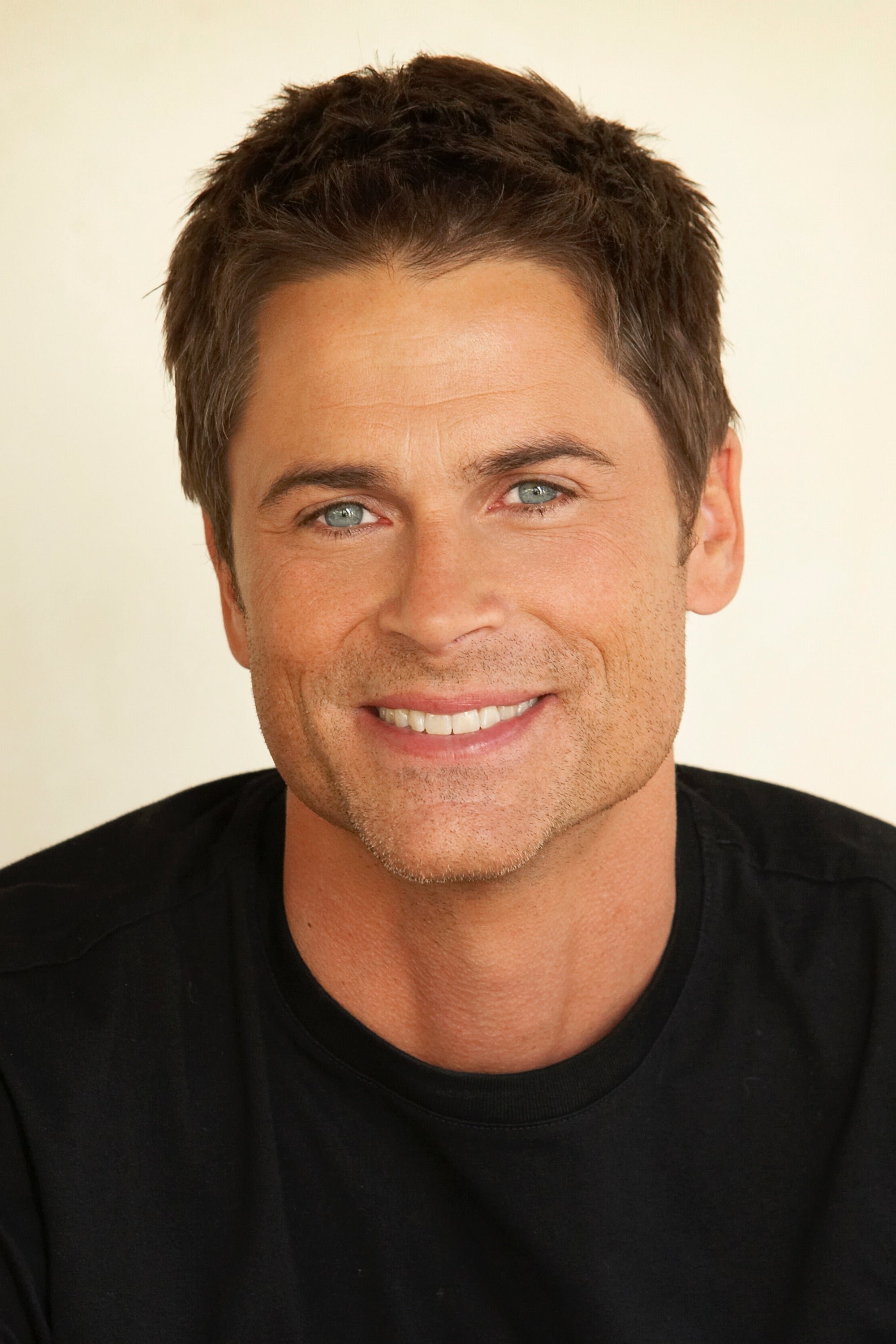
Rob Lowe has commented on how the industry has become unrecognizable compared to when he first started his career. He has expressed concern that the focus on political and social mandates has overshadowed the craft of acting. The actor believes that the current atmosphere can make it difficult for performers to express their true creative instincts. He suggests that the push for certain types of representation can sometimes feel forced or unnatural. Lowe continues to navigate the changing landscape while advocating for a focus on talent and script quality.
John Schneider
John Schneider has spoken out against the perceived bias and forced narratives in modern media. He believes that the industry’s focus on inclusivity often comes at the expense of traditional family values. The actor argues that many modern scripts are designed to promote a specific lifestyle rather than to entertain. He has expressed frustration that classic archetypes are being dismantled to make way for modern social themes. Schneider remains a vocal supporter of creating content that resonates with the values of Middle America.
Jim Caviezel
Jim Caviezel has frequently discussed his belief that the mainstream film industry has moved away from authentic storytelling. He suggests that the push for inclusive changes is often a way to promote a specific world view that he does not share. The actor believes that stories should be rooted in deep moral and spiritual truths rather than modern social trends. He has criticized the way the industry handles characters with traditional beliefs or backgrounds. Caviezel focuses on projects that he feels maintain a higher level of creative and moral integrity.
Isaiah Washington
Isaiah Washington has shared his experiences regarding the industry’s approach to diversity and inclusion. He has expressed the belief that the current mandates are often performative and do not lead to genuine progress. The actor argues that the focus on demographics can sometimes limit the types of stories that are allowed to be told. He has spoken about the challenges of working within a system that he views as ideologically driven. Washington maintains that the industry should focus on individual talent and original ideas rather than collective labels.
Dennis Quaid
Dennis Quaid has noted the significant cultural shifts that have occurred in Hollywood over the last several decades. He believes that the industry has become increasingly focused on political and social messaging. The actor suggests that this shift can sometimes lead to the creation of stories that feel like lectures rather than entertainment. He argues that the best films are those that allow the audience to think for themselves without being told what to believe. Quaid emphasizes the importance of maintaining a balance between art and social commentary.
Randy Quaid
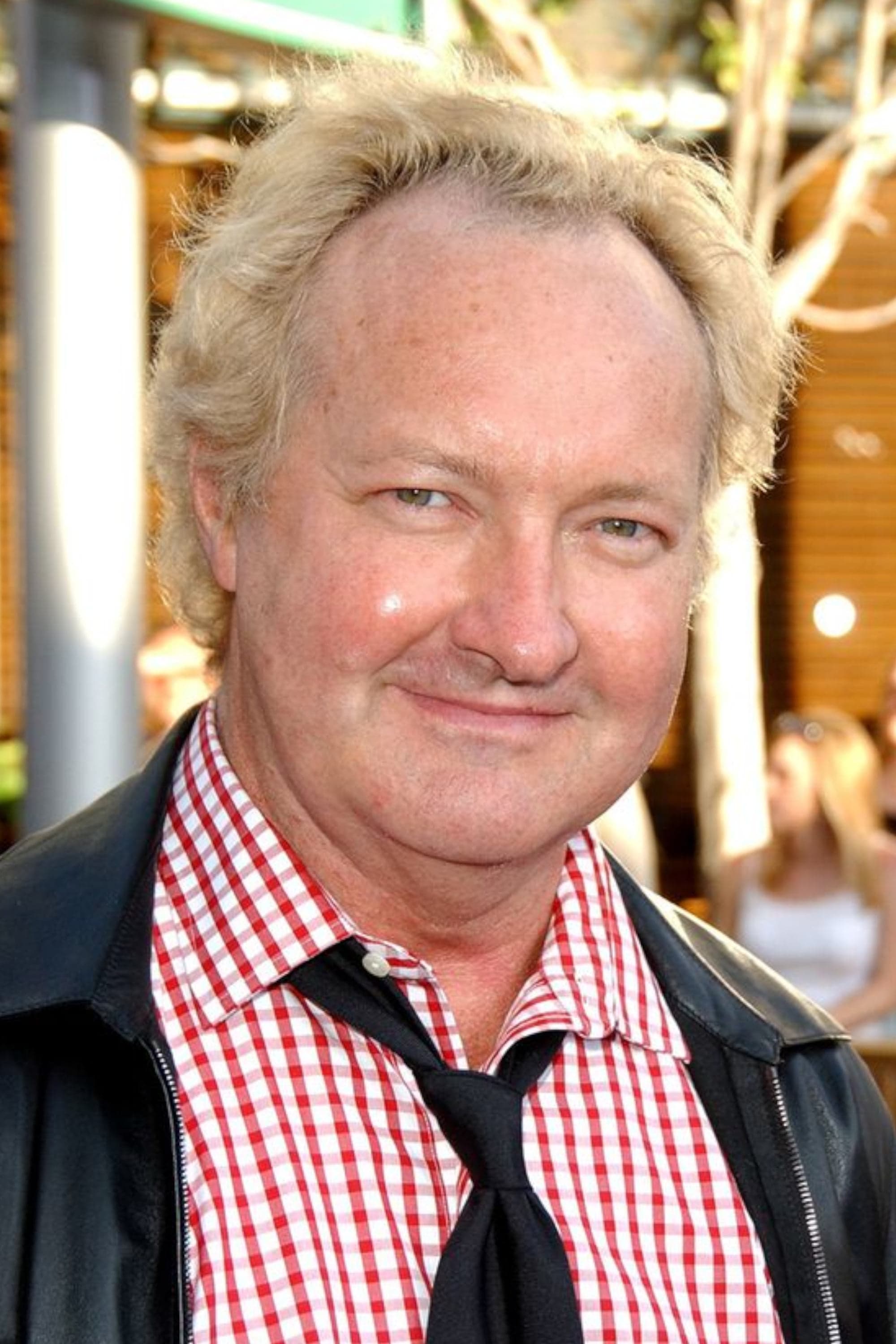
Randy Quaid has frequently used social media to critique the current state of the film industry. He suggests that the focus on political correctness and inclusivity has led to a lack of original and daring content. The actor believes that major studios are more concerned with appearing socially conscious than with producing quality entertainment. He has spoken about how these shifts have alienated certain segments of the audience. Quaid remains vocal about his dissatisfaction with the perceived ideological bias in Hollywood casting.
Stephen Baldwin

Stephen Baldwin has discussed the impact of his personal beliefs on his career within the entertainment industry. He believes that Hollywood’s current focus on inclusivity often excludes those with traditional or religious viewpoints. The actor suggests that modern storytelling is frequently used as a tool for social engineering. He argues that the pressure to conform to new standards has made the industry less welcoming to a variety of perspectives. Baldwin continues to advocate for the inclusion of traditional themes in mainstream cinema.
Adam Baldwin
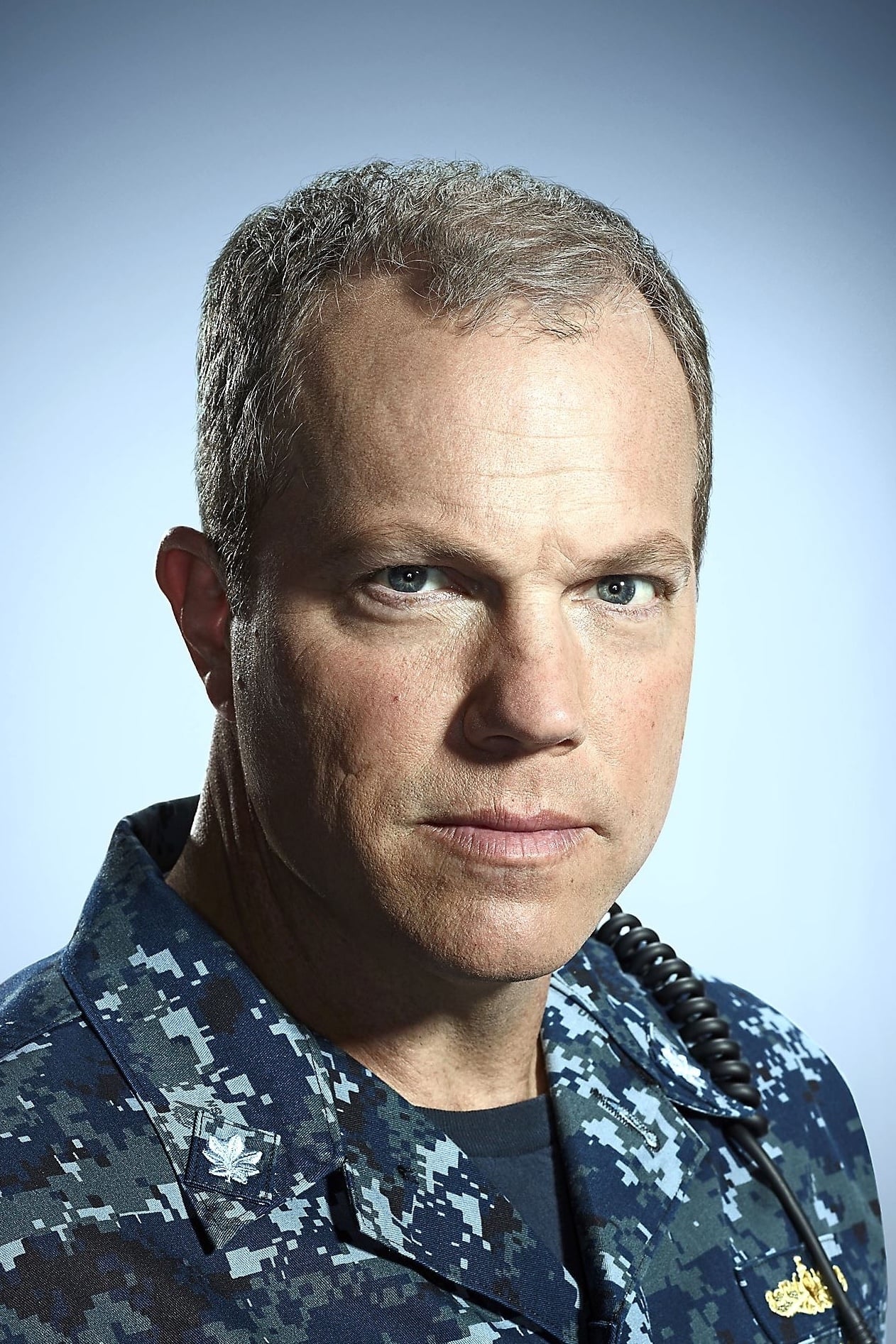
Adam Baldwin is known for being a vocal critic of the political and cultural trends in Hollywood. He has expressed the belief that forced diversity initiatives are a form of virtue signaling that ruins the internal logic of a story. The actor argues that characters should be cast based on their suitability for the role rather than to meet a quota. He believes that the current focus on identity politics has led to a decline in the quality of writing and character development. Baldwin frequently comments on how these trends affect the relationship between creators and their fans.
Mel Gibson
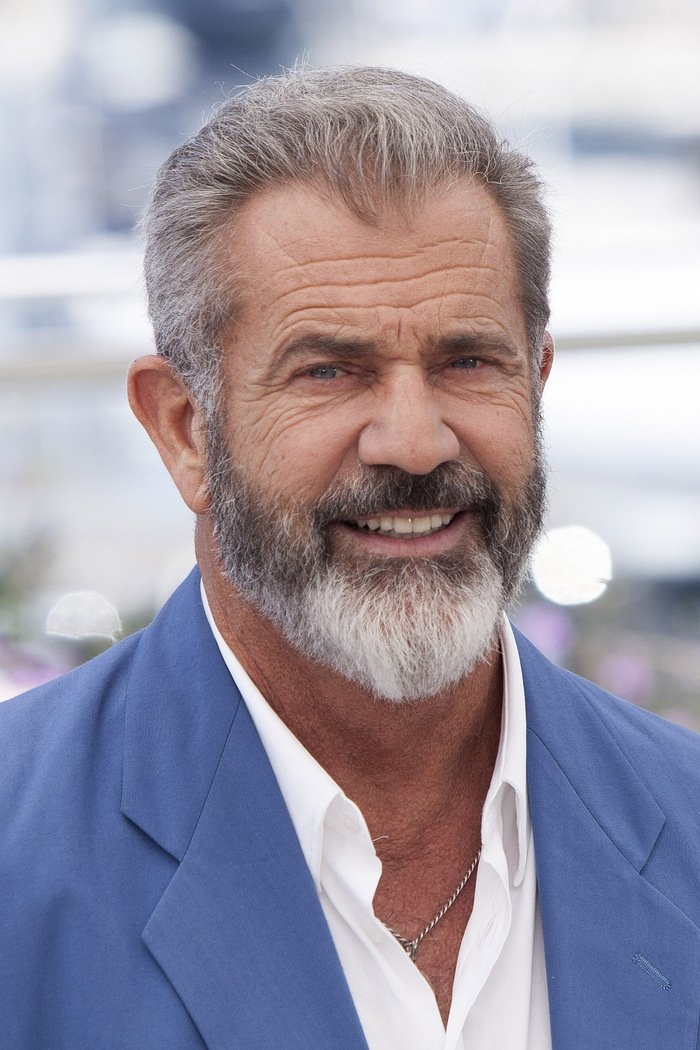
Mel Gibson has experienced both massive success and significant professional challenges within the studio system. He has expressed skepticism regarding the industry’s focus on modern social mandates and political correctness. The actor and director believes that the best stories are those that are told with a clear and uncompromising vision. He has criticized the way that modern institutions attempt to regulate the creative process through demographic requirements. Gibson maintains that the primary goal of a filmmaker should be to create a powerful and lasting work of art.
Tim Allen
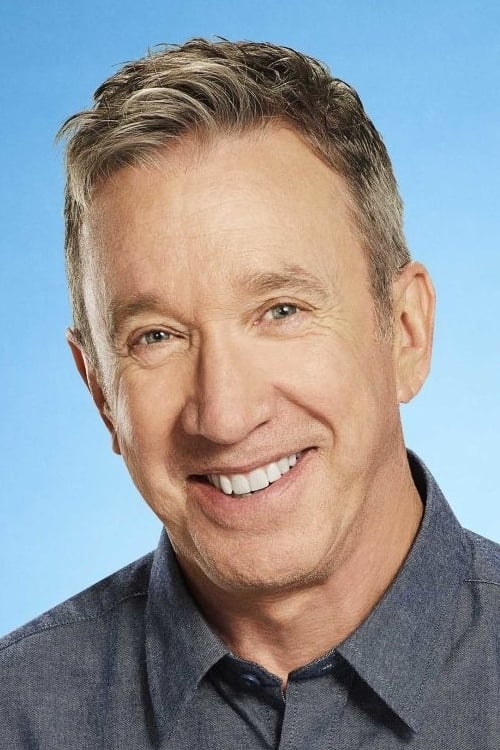
Tim Allen has frequently discussed the challenges of working in a modern industry that he feels is increasingly sensitive. He believes that the pressure to be inclusive and politically correct has made it difficult to perform certain types of comedy. The actor suggests that writers are often afraid to take risks because of the potential for social backlash. He argues that the current environment can lead to the production of bland and uninspired content. Allen continues to advocate for the freedom of creators to explore a wide range of topics and characters.
Gary Oldman
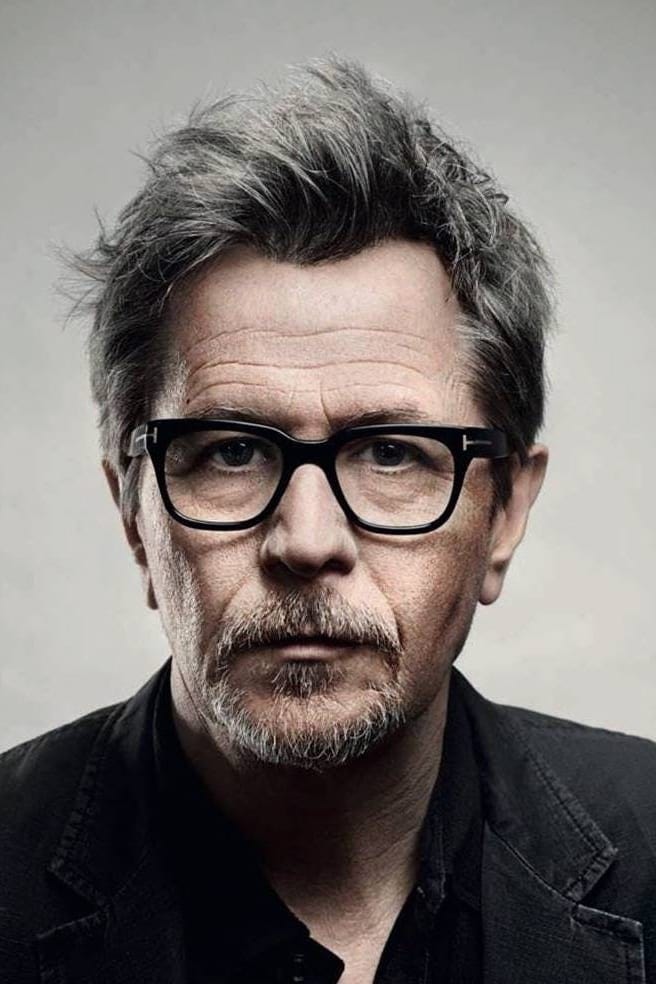
Gary Oldman once criticized the perceived hypocrisy and sensitivity of the awards circuit and the industry at large. He expressed the belief that the modern obsession with avoiding offense has become a form of creative madness. The actor argues that performers and writers should not be held to impossible standards of social purity. He has suggested that the focus on political correctness can hinder the ability to portray complex and flawed human beings. Oldman emphasizes the need for the industry to return to a focus on the craft of acting and storytelling.
Kelsey Grammer
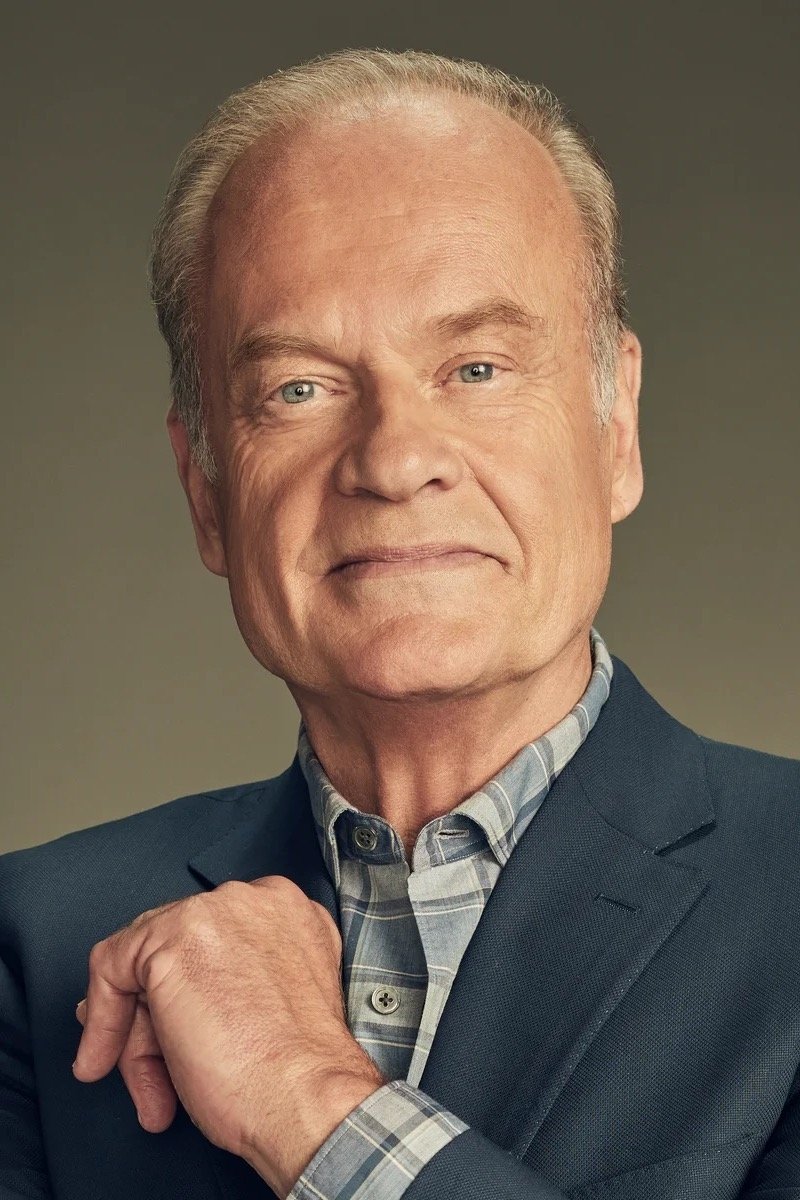
Kelsey Grammer has spoken about the challenges of being a performer with traditional views in a modern entertainment landscape. He believes that the industry’s focus on inclusive changes often results in a narrow range of acceptable ideas. The actor suggests that modern television and film can sometimes feel like they are promoting a single perspective. He argues that true diversity should include a wide range of political and social viewpoints. Grammer remains an active participant in the industry while maintaining his own unique voice.
Michael Caine
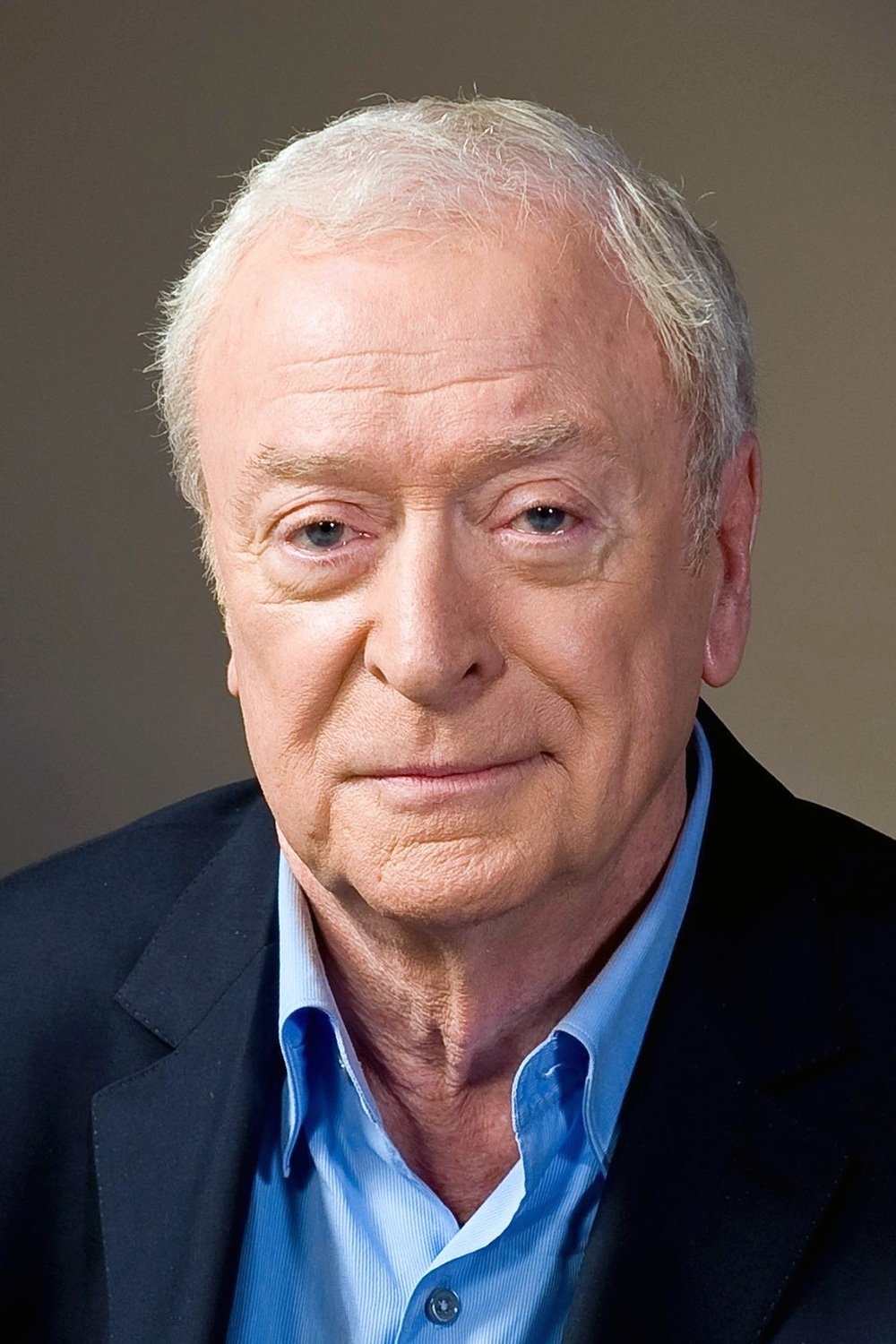
Michael Caine has commented on how the film industry has changed regarding language and social conduct. He expressed a degree of frustration with the modern rules that dictate what people can and cannot say on set or in their work. The actor believes that the focus on being inclusive can sometimes lead to a lack of authenticity in the portrayal of characters. He suggests that the industry was more open and less restricted during the earlier parts of his career. Caine continues to work in major productions while observing the evolving cultural norms of the business.
Sylvester Stallone
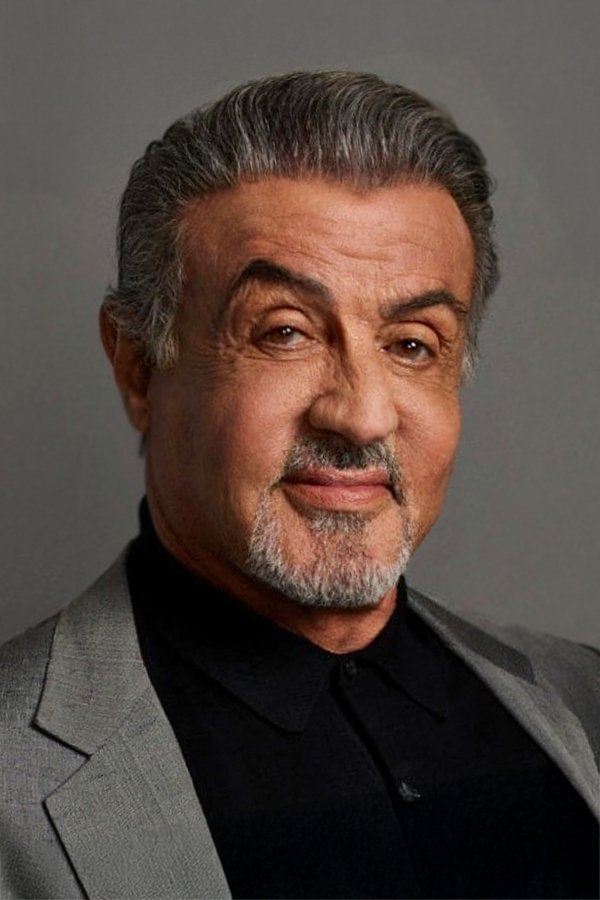
Sylvester Stallone has noted the shifts in how masculinity and traditional hero archetypes are portrayed in modern films. He believes that the industry’s current focus often leads to the deconstruction of the classic heroes that audiences love. The actor and director suggests that the push for specific social changes can ruin the universal appeal of an action story. He argues that audiences still want to see stories that celebrate strength and perseverance without modern political caveats. Stallone maintains a focus on creating content that stays true to the spirit of his iconic characters.
Mel Brooks
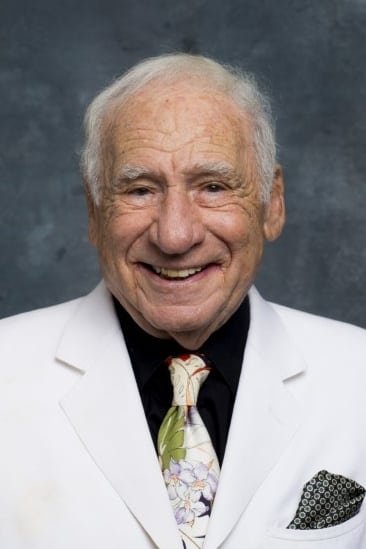
Mel Brooks has stated that many of his most famous films could not be made in today’s cultural climate. The filmmaker and actor believes that the modern obsession with being politically correct has stifled the genre of satire. He argues that comedy requires the freedom to push boundaries and poke fun at everyone equally. Brooks has expressed concern that a hyper sensitivity toward inclusivity can ruin the timing and impact of a joke. He maintains that humor is a necessary tool for addressing social issues in a way that rigid mandates cannot.
Rowan Atkinson
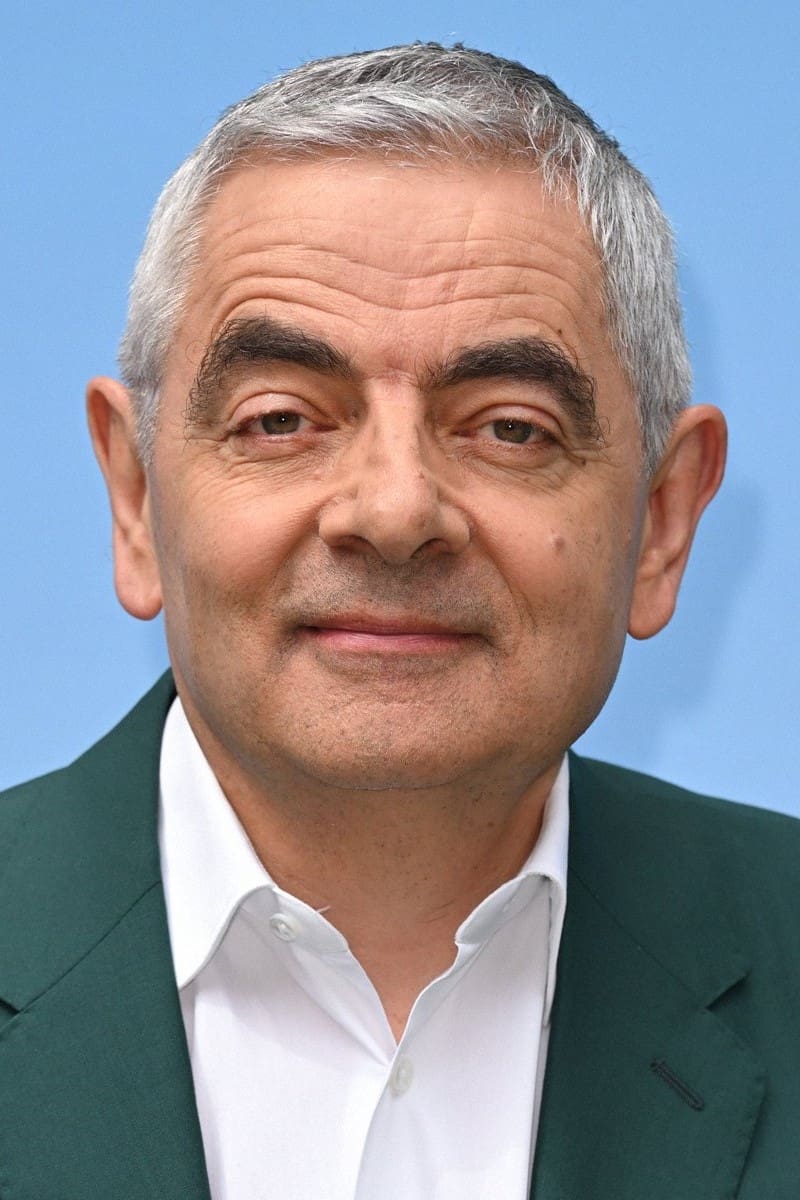
Rowan Atkinson has been a strong defender of free speech and the freedom of creative expression. He believes that the modern focus on avoiding offense has created a culture of self-censorship among artists. The actor argues that the push for inclusive changes should not come at the expense of a writer’s right to explore difficult topics. He suggests that the industry’s current approach can lead to a homogenization of culture and storytelling. Atkinson continues to advocate for a society where all ideas can be challenged and satirized without fear of institutional reprisal.
Ricky Gervais
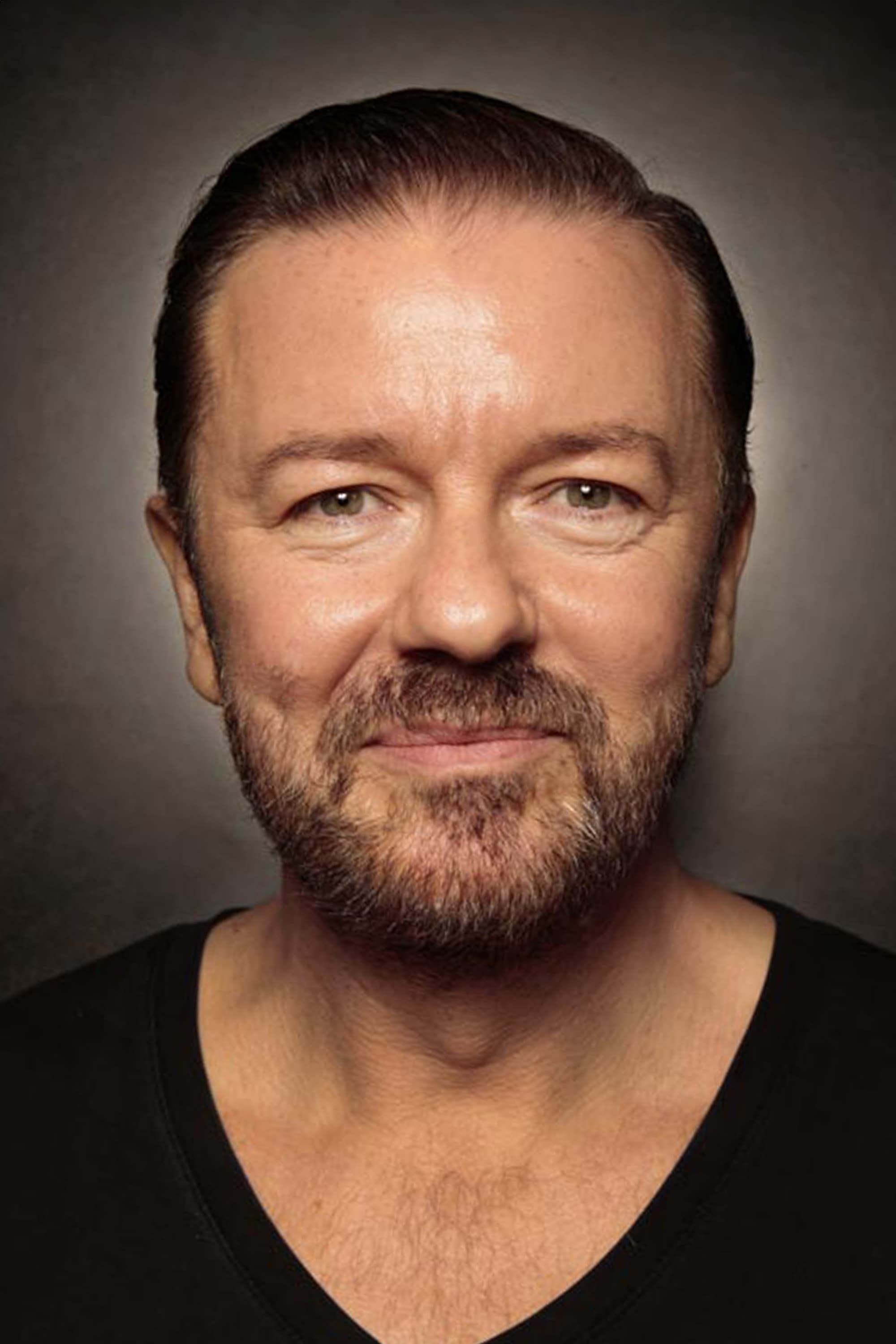
Ricky Gervais is well known for his critiques of Hollywood’s social and political posturing during his time as an awards show host. He believes that the industry’s focus on inclusivity often comes across as performative and insincere. The actor and comedian argues that stories should be judged on their own merits rather than on how well they adhere to social trends. He has frequently poked fun at the idea that celebrities should be the moral arbiters of society. Gervais maintains that the best art is that which is honest and unafraid to confront the truth.
David Mamet
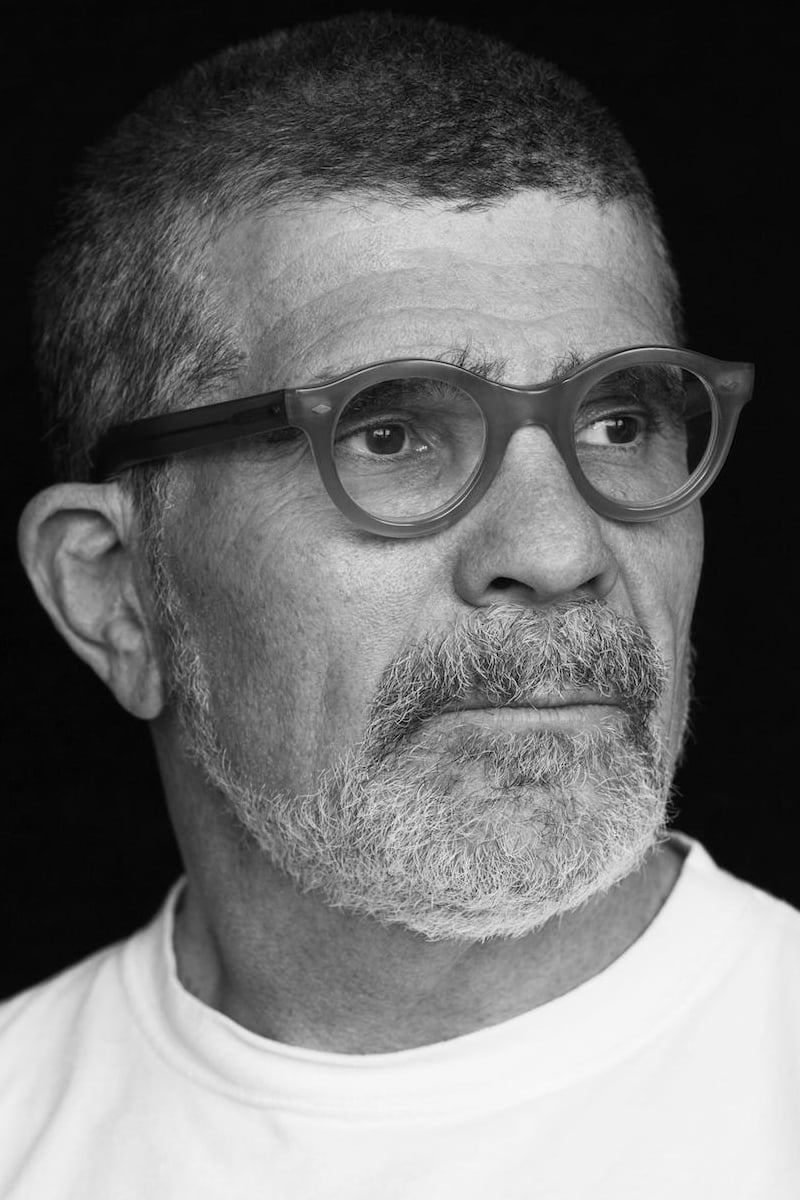
David Mamet has been very vocal about his shift away from the prevailing political culture of the entertainment industry. He believes that the focus on diversity and inclusion has turned Hollywood into a place of ideological conformity. The writer and actor suggests that modern mandates have ruined the ability of creators to tell complex and morally ambiguous stories. He argues that the industry has replaced the pursuit of truth with the pursuit of social approval. Mamet continues to write and speak about the need for a return to intellectual and artistic freedom.
Eduardo Verástegui
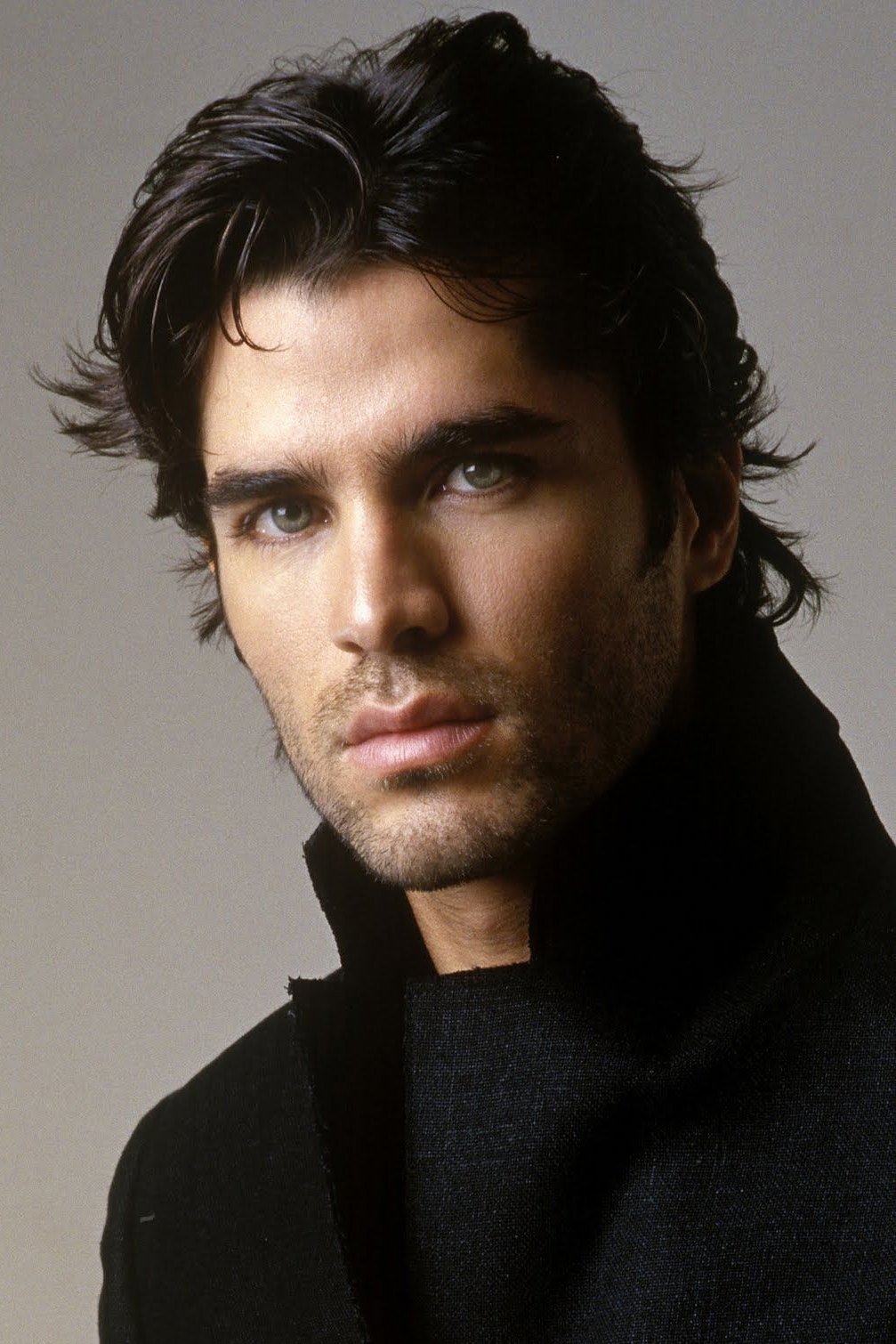
Eduardo Verástegui has focused his career on creating content that aligns with his spiritual and moral convictions. He believes that the mainstream industry often uses inclusive mandates to push an agenda that is hostile to traditional family values. The actor suggests that modern films frequently misrepresent or exclude the perspectives of those with deeply held beliefs. He argues that the focus on specific social narratives can lead to a lack of genuine diversity in the industry. Verástegui advocates for the creation of stories that honor the dignity of the human person.
Terrence Howard
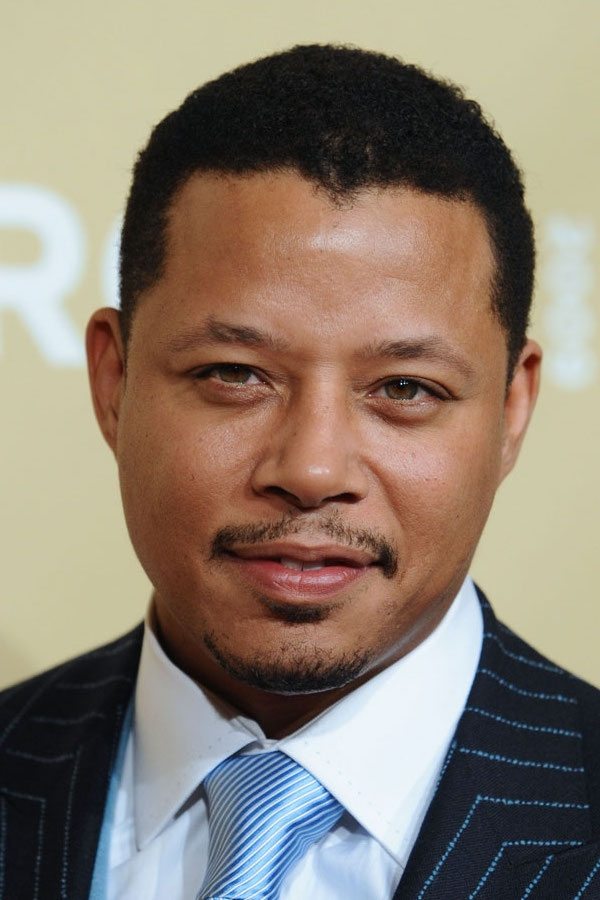
Terrence Howard has discussed the difficulties of navigating an industry that he feels is often restrictive and formulaic. He has expressed the belief that the focus on specific social initiatives can limit the creative agency of actors and directors. The actor suggests that modern productions often prioritize the look of a film over the depth of the story. He believes that the industry’s current approach to inclusivity can sometimes feel like a corporate strategy rather than a genuine artistic movement. Howard emphasizes the importance of maintaining an individual and unique perspective in a crowded marketplace.
Jerry Seinfeld
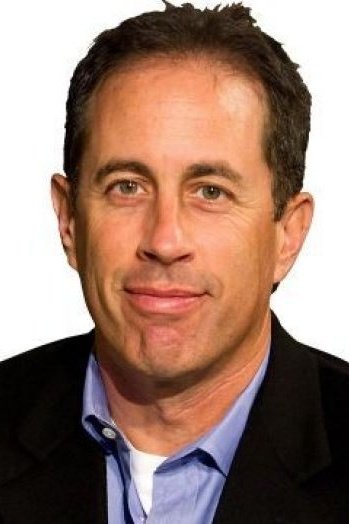
Jerry Seinfeld has frequently criticized the impact of political correctness on the landscape of television comedy. He believes that the extreme sensitivity of modern audiences and executives has made it impossible to produce bold and funny content. The actor suggests that the focus on inclusivity often results in the removal of the edge that makes comedy effective. He argues that the best stories are those that are allowed to be messy and irreverent without the need for constant social vetting. Seinfeld maintains that the current environment is detrimental to the future of the entertainment industry.
Anthony Hopkins
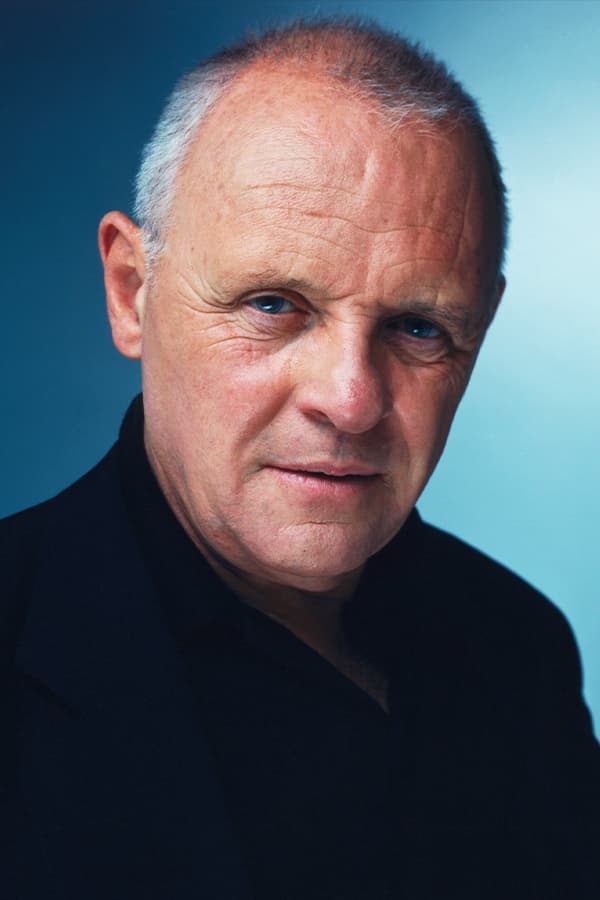
Anthony Hopkins has expressed a level of detachment from the modern industry’s focus on method and social sensitivity. He believes that some of the contemporary mandates regarding how actors should behave and think are unnecessary and distracting. The actor suggests that the focus should remain on the script and the performance rather than on external social goals. He has spoken about his preference for a more straightforward and less regulated approach to the craft. Hopkins continues to be one of the most respected figures in the industry while maintaining a critical view of its changing culture.
Sean Penn
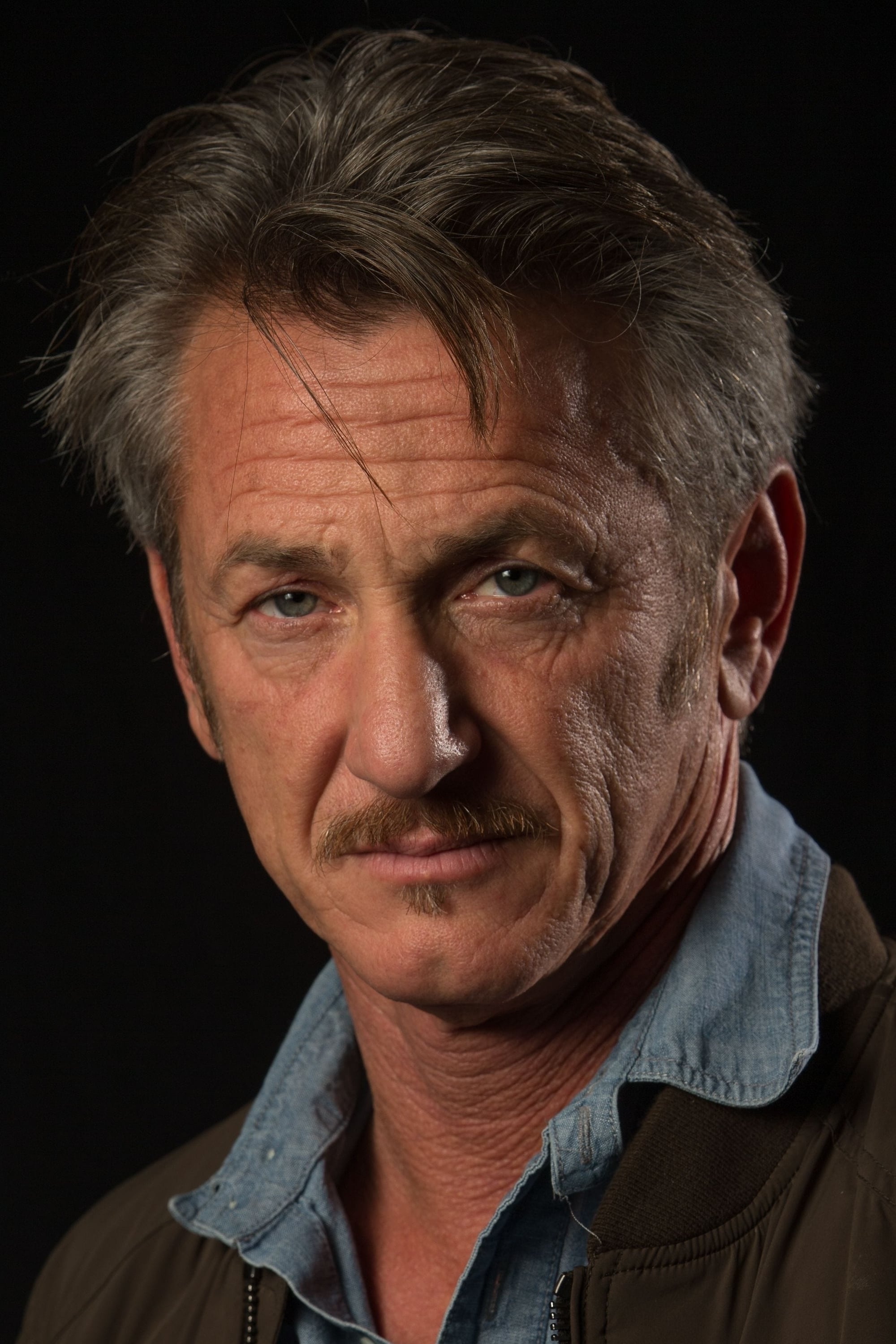
Sean Penn has commented on the cowardice he perceives in the modern film industry regarding sensitive topics. He believes that the focus on inclusivity and political correctness has made filmmakers afraid to take the risks necessary for great art. The actor suggests that the industry’s current atmosphere encourages a type of creative conformity that is harmful to storytelling. He has criticized the way that modern institutions judge the past by current social standards. Penn maintains that the primary role of the artist is to be provocative and honest regardless of the prevailing cultural winds.
Rob Schneider
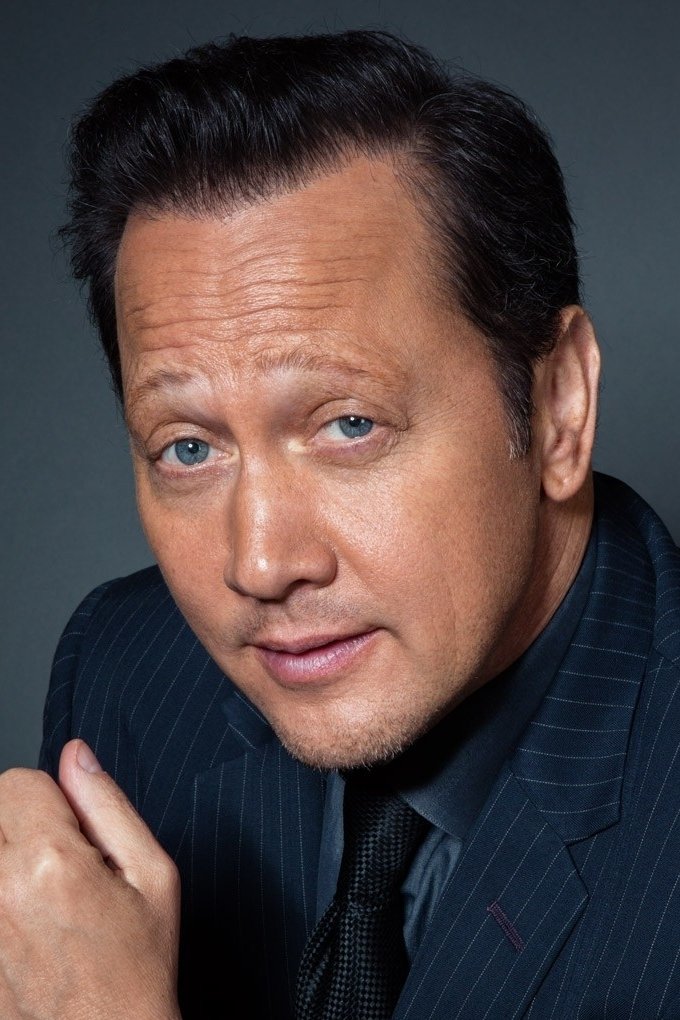
Rob Schneider has become a prominent critic of the impact of “woke” culture on the world of entertainment. He believes that the focus on forced inclusivity and diversity has led to a decline in the quality of modern movies and shows. The actor argues that scripts are now being written to satisfy human resources departments rather than audiences. He suggests that the pressure to conform to new social standards has stifled the creative instincts of many performers. Schneider continues to speak out against what he views as the loss of common sense and artistic integrity in Hollywood.
Share your thoughts on these actors and their views on modern storytelling in the comments.