


Actors Who Say Hollywood Still Won’t Cast Black Men as Romantic Leads

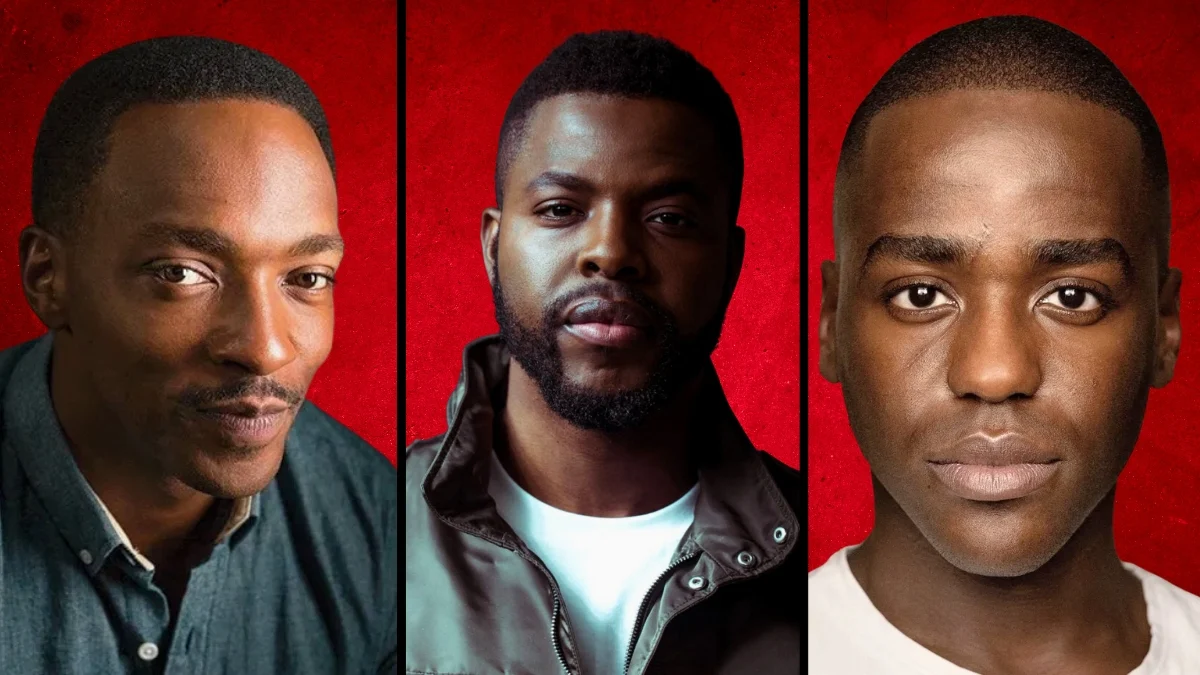


Hollywood has a long history of typecasting that limits the range of roles available to Black actors. While action and comedy roles are plentiful there is a distinct lack of Black men cast as traditional romantic leads. Many prominent actors have spoken out about this systemic issue and the difficulty of breaking into the romance genre. They argue that the industry frequently desexualizes Black men or confines them to narratives focused solely on trauma. These twenty actors have been vocal about the need for change and more diverse representation in love stories.
Anthony Mackie
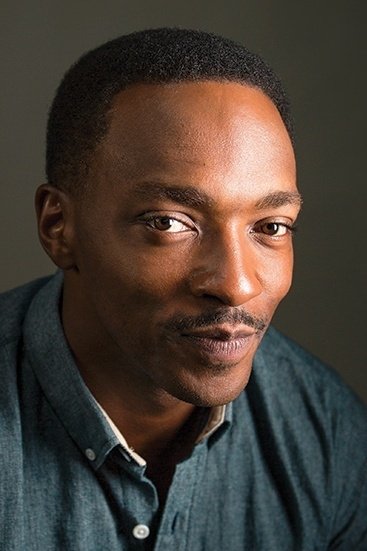
Anthony Mackie has criticized the consistent desexualization of Black men in major superhero films. He noted that characters like his in ‘The Falcon and the Winter Soldier’ rarely receive romantic subplots compared to their white counterparts. The actor expressed frustration that he is often the sidekick who creates action rather than the lead who gets the girl. He believes this trend prevents audiences from seeing Black men as viable romantic partners on screen. Mackie continues to push for roles that allow him to display vulnerability and charm alongside his physical prowess.
John Boyega
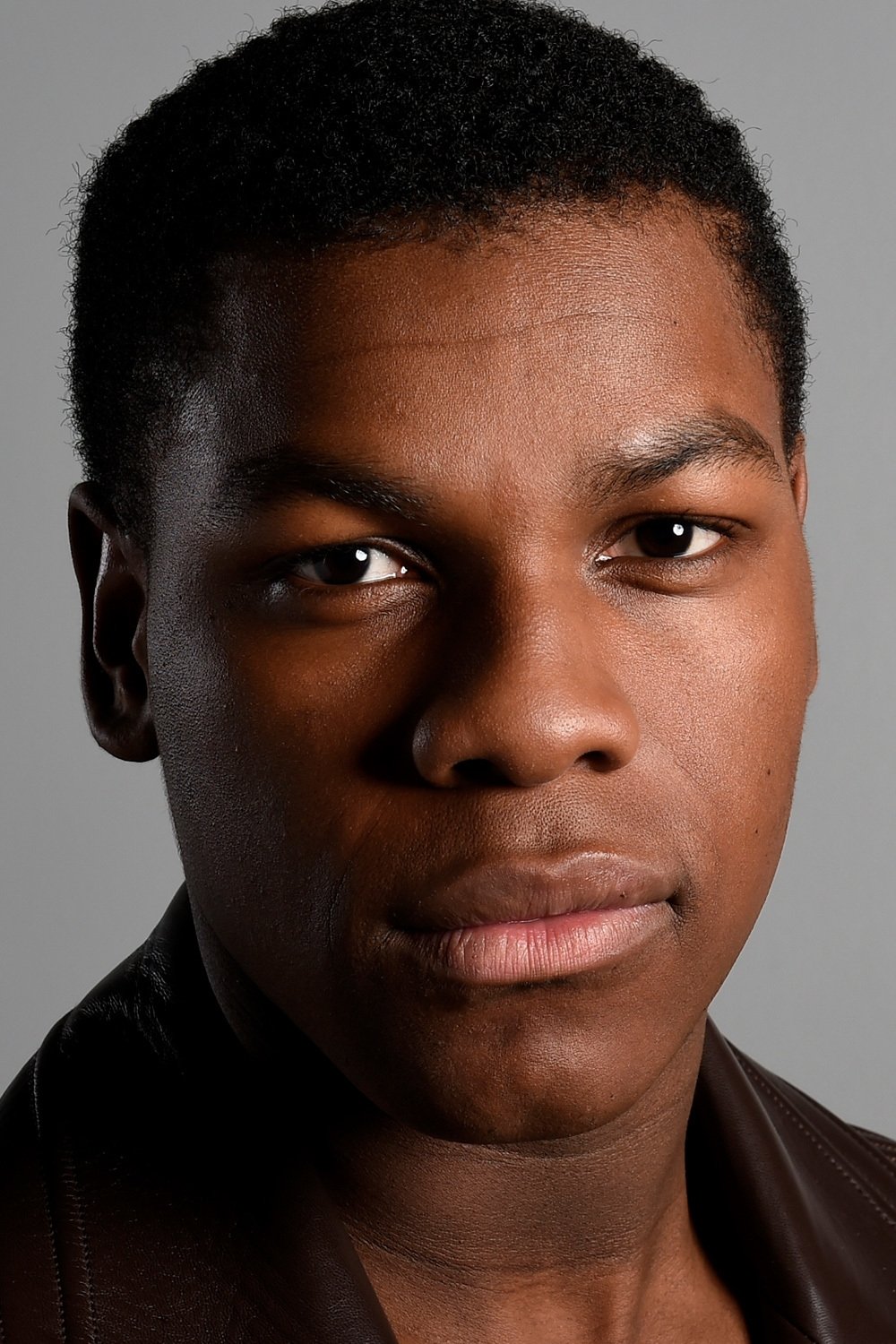
John Boyega was vocal about his experience filming the ‘Star Wars’ sequel trilogy. He felt his character was sidelined and denied a meaningful romantic arc that was teased in the marketing. The actor pointed out the chemistry between Finn and Rey that writers seemingly ignored in favor of other plotlines. Boyega argued that studios often hesitate to commit to interracial romances involving Black men in major franchises. He has since sought projects that treat his characters with more narrative dignity and emotional depth.
Idris Elba
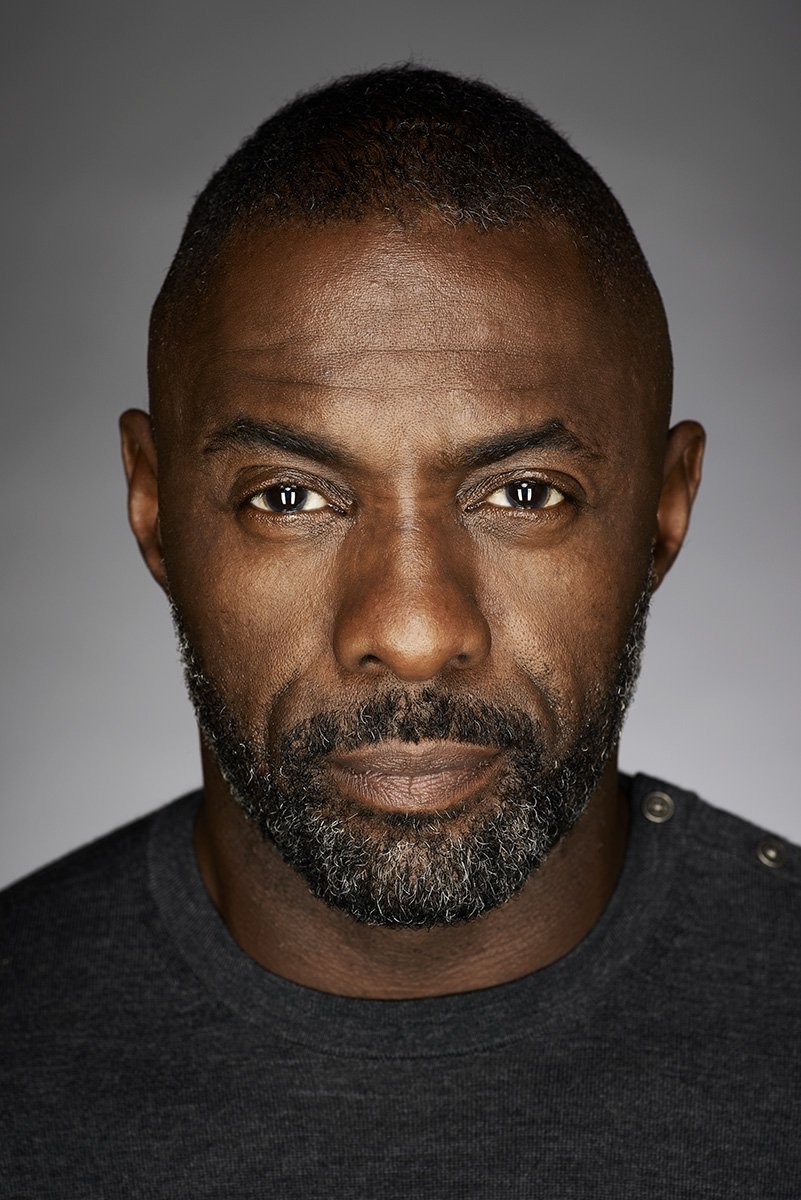
Idris Elba has noted the scarcity of pure romantic lead roles for Black men despite his status as a global sex symbol. He often finds himself cast in action-heavy roles or crime dramas rather than softer narratives. The actor has remarked on the resistance he faces when considered for roles traditionally occupied by white romantic leads. Elba believes that the industry still struggles to view Black masculinity through a lens of tenderness and love. He actively seeks projects that challenge these rigid perceptions of what a leading man looks like.
Daniel Kaluuya
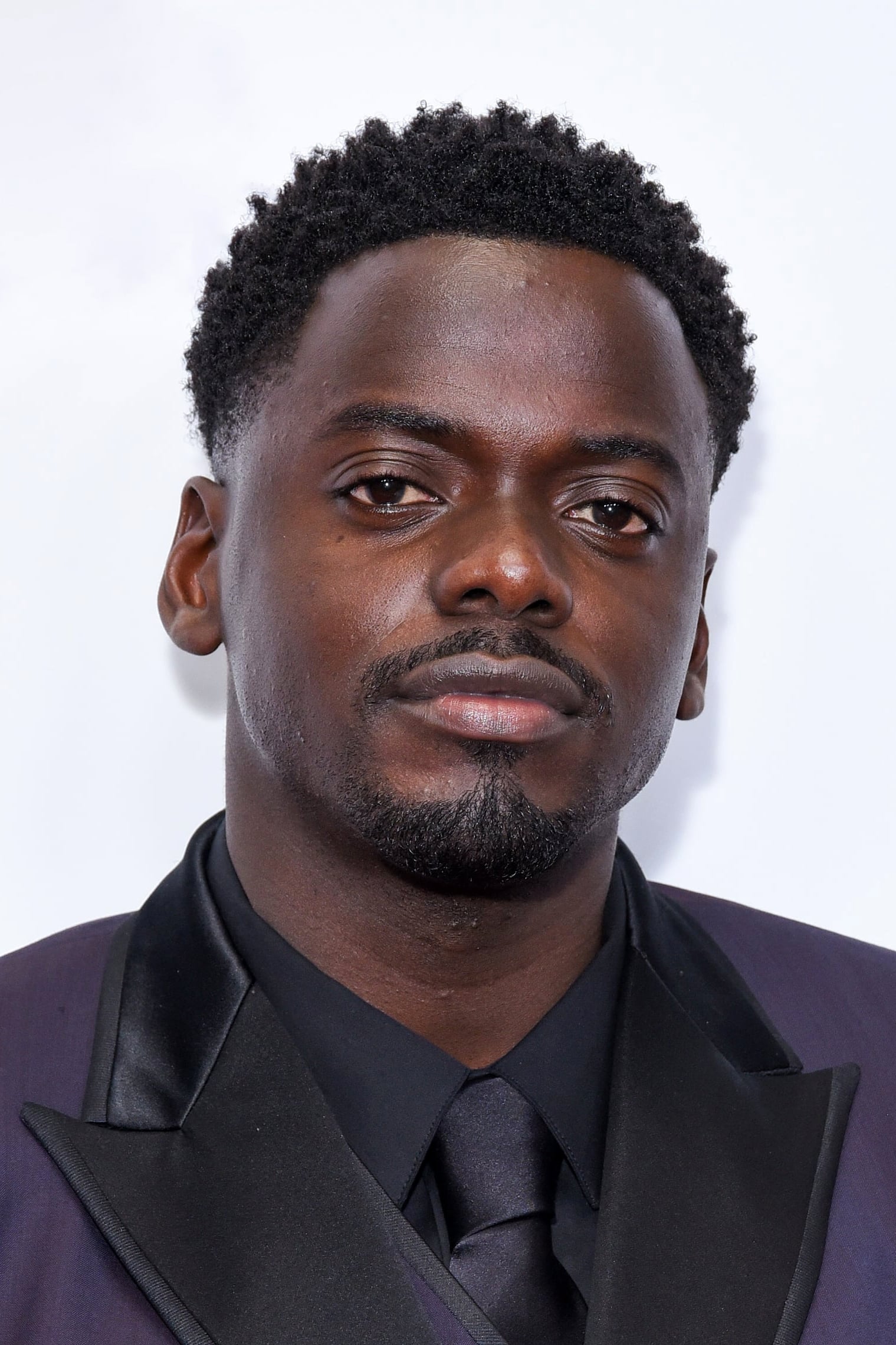
Daniel Kaluuya has spoken about the industry tendency to view Black men solely through the lens of trauma rather than romance. He actively sought roles that defied this stereotype to show a broader spectrum of human experience. The actor feels that Hollywood boxes Black talent into narratives about struggle while ignoring stories about Black love. Kaluuya emphasizes that seeing Black men in love is a necessary act of normalization in cinema. His work aims to dismantle the idea that Black characters serve only as vehicles for social commentary.
Lakeith Stanfield
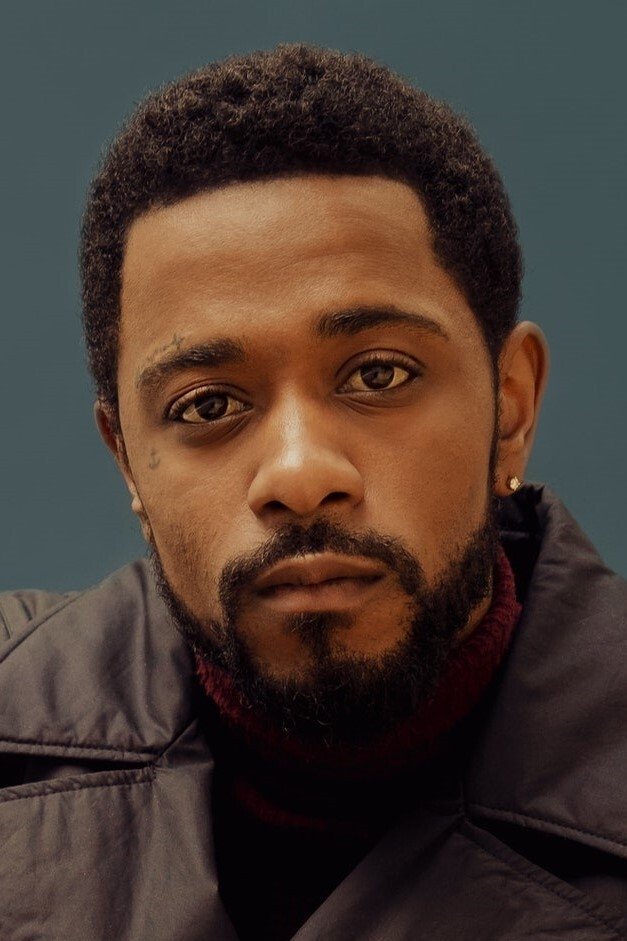
Lakeith Stanfield specifically pursued the film ‘The Photograph’ to prove Black men could lead soft romantic dramas. He expressed frustration that such opportunities are rare anomalies in the current Hollywood landscape. The actor believes that showing Black love is just as important as showing Black struggle. Stanfield noted that he often has to fight for moments of intimacy in scripts that prioritize conflict. He hopes his work inspires studios to greenlight more generic romance films with Black leads.
Sterling K. Brown
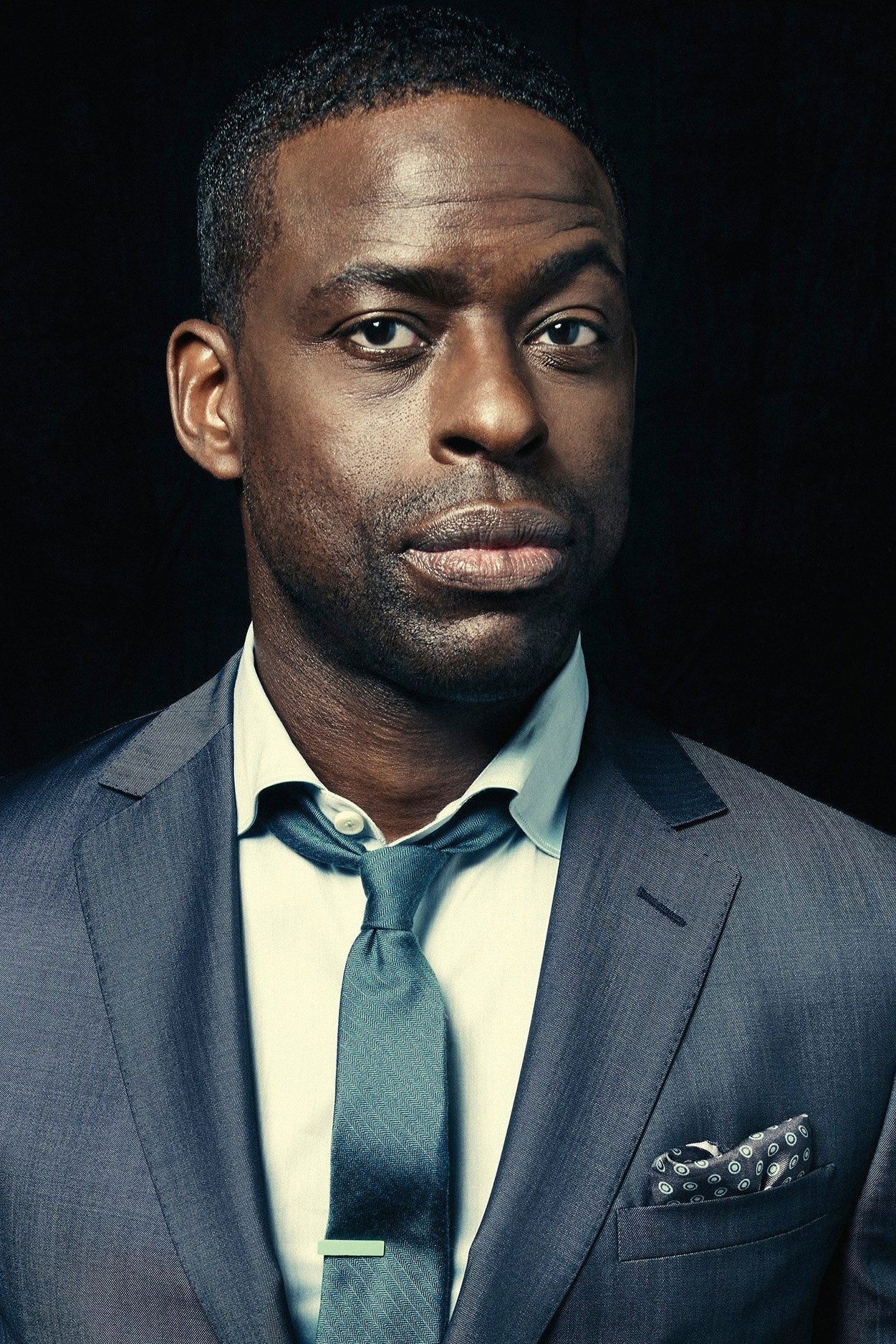
Sterling K. Brown has highlighted the importance of showing Black men in vulnerable and loving relationships on screen. He believes Hollywood underestimates the audience appetite for Black romance and family stability. The actor often discusses how rare it is to see a Black man portrayed as a desirable and devoted partner. Brown pushes for characters that allow him to explore the full emotional range of a husband and lover. He argues that these depictions are vital for changing societal perceptions of Black men.
Will Smith
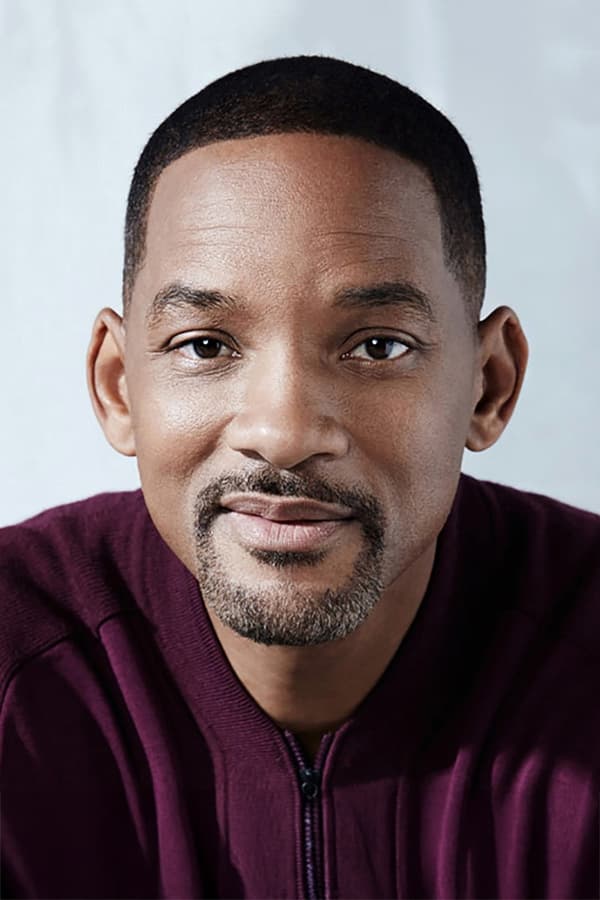
Will Smith spent years fighting the studio stigma that movies with Black romantic leads do not perform well internationally. He consistently pushed for roles that showcased Black men as desirable partners in blockbusters. The actor worked to disprove the myth that Black love stories are niche or incapable of mass appeal. Smith used his box office power to demand romantic subplots that writers initially excluded. His career has been a testament to breaking down barriers for Black men in romantic comedies.
Michael B. Jordan
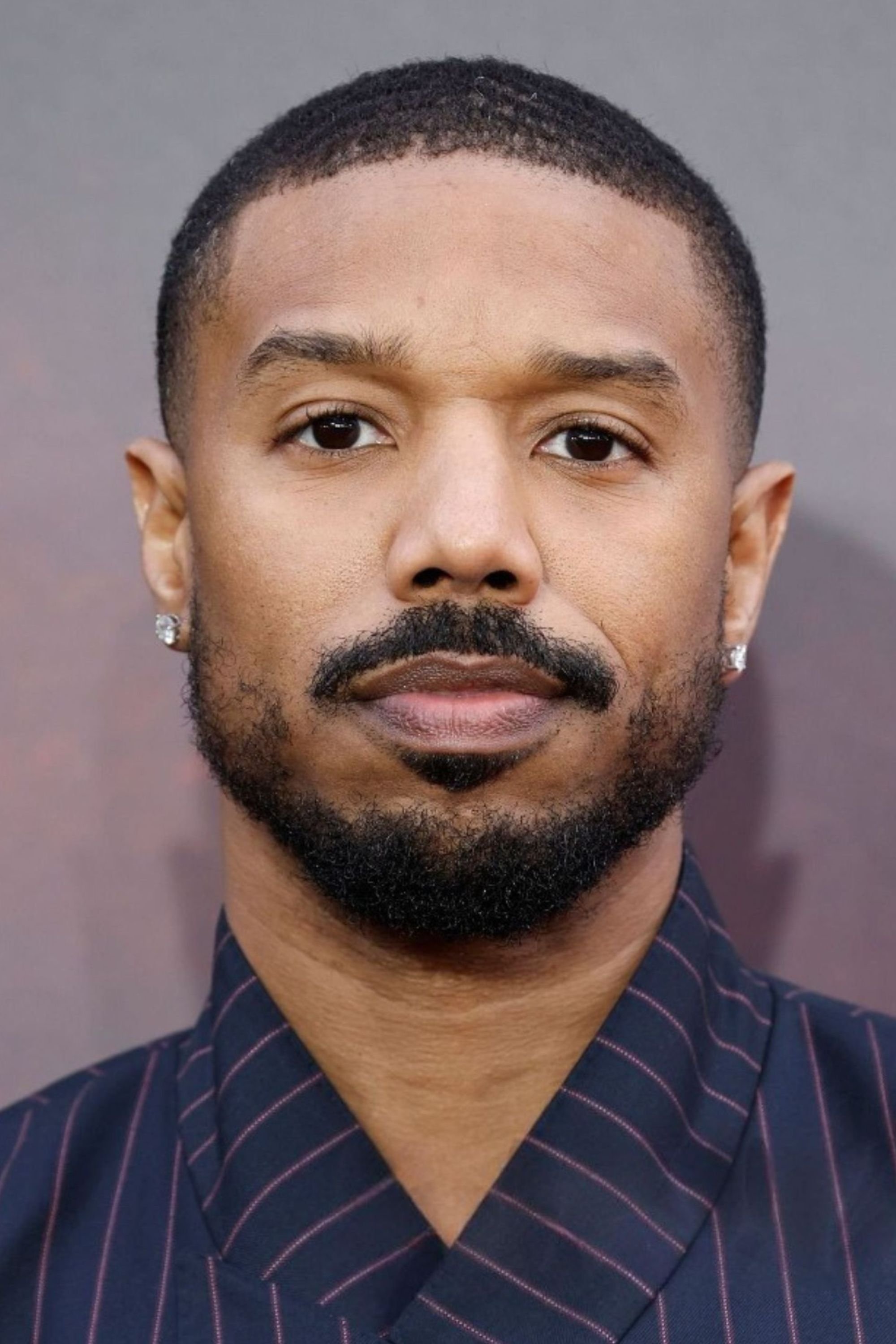
Michael B. Jordan has discussed the intentionality required to find projects that allow for romantic vulnerability. He used his production company to create opportunities that studios otherwise ignored for Black actors. The actor feels that Black men are often expected to be hard and emotionless to be taken seriously. Jordan seeks to balance his action roles with characters who experience deep romantic connection. He believes that diverse representation must include the right to be soft and in love.
David Oyelowo
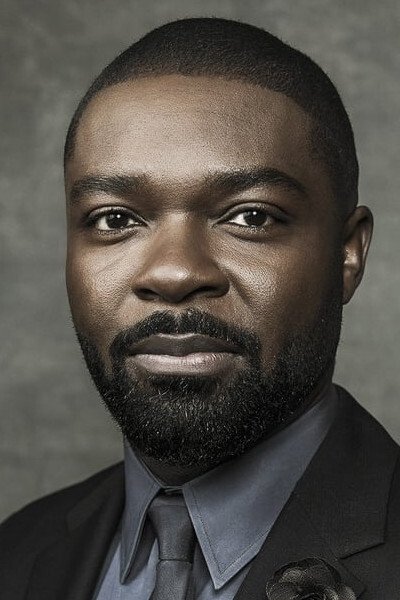
David Oyelowo has pointed out that historical dramas often strip Black figures of their romantic lives. He seeks roles that portray Black men as fully realized human beings capable of deep love and passion. The actor has critiqued the industry for focusing only on the pain of Black history while erasing the joy. Oyelowo argues that romantic storylines humanize characters in a way that political speeches cannot. He continues to advocate for period pieces that center on Black romance.
Trevante Rhodes
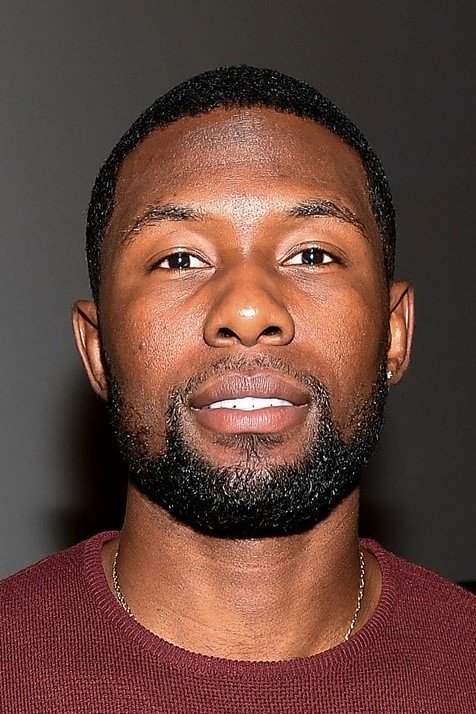
Trevante Rhodes challenged traditional masculinity in ‘Moonlight’ and spoke about the need for more tender representations. He feels the industry struggles to see muscular Black men as gentle lovers. The actor notes that his physical appearance often leads casting directors to place him in aggressive roles. Rhodes actively looks for scripts that subvert expectations by allowing him to be emotionally available. He believes that showcasing Black vulnerability is a powerful tool against stereotypes.
Yahya Abdul-Mateen II
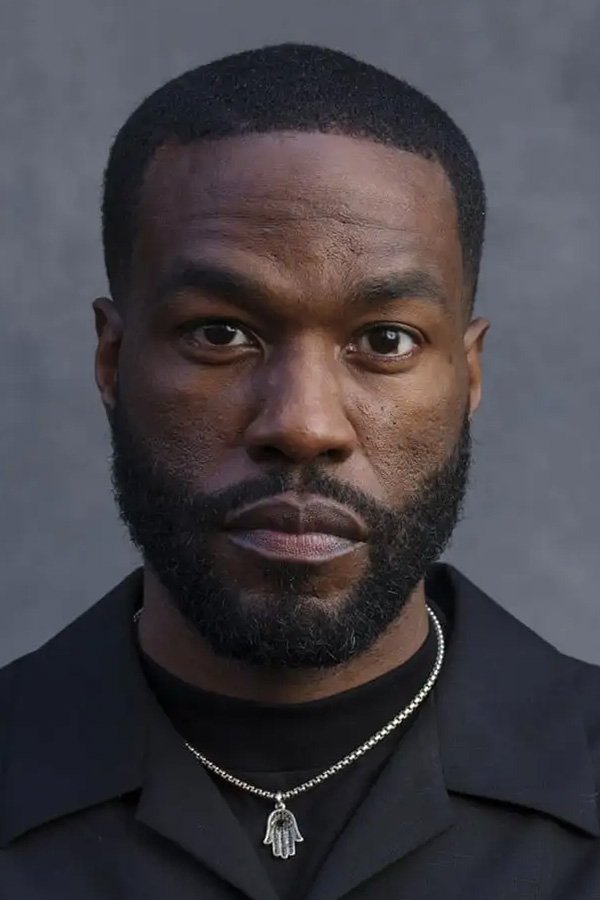
Yahya Abdul-Mateen II expressed a desire to move away from villain roles to showcase Black joy and romance. He believes seeing Black men in love is a necessary political act in modern cinema. The actor has stated that he wants to play characters who get the girl and have a happy ending. Abdul-Mateen feels that the industry relies too heavily on Black men for physical intimidation. He works to ensure his characters have rich internal lives that include romantic desire.
Stephan James
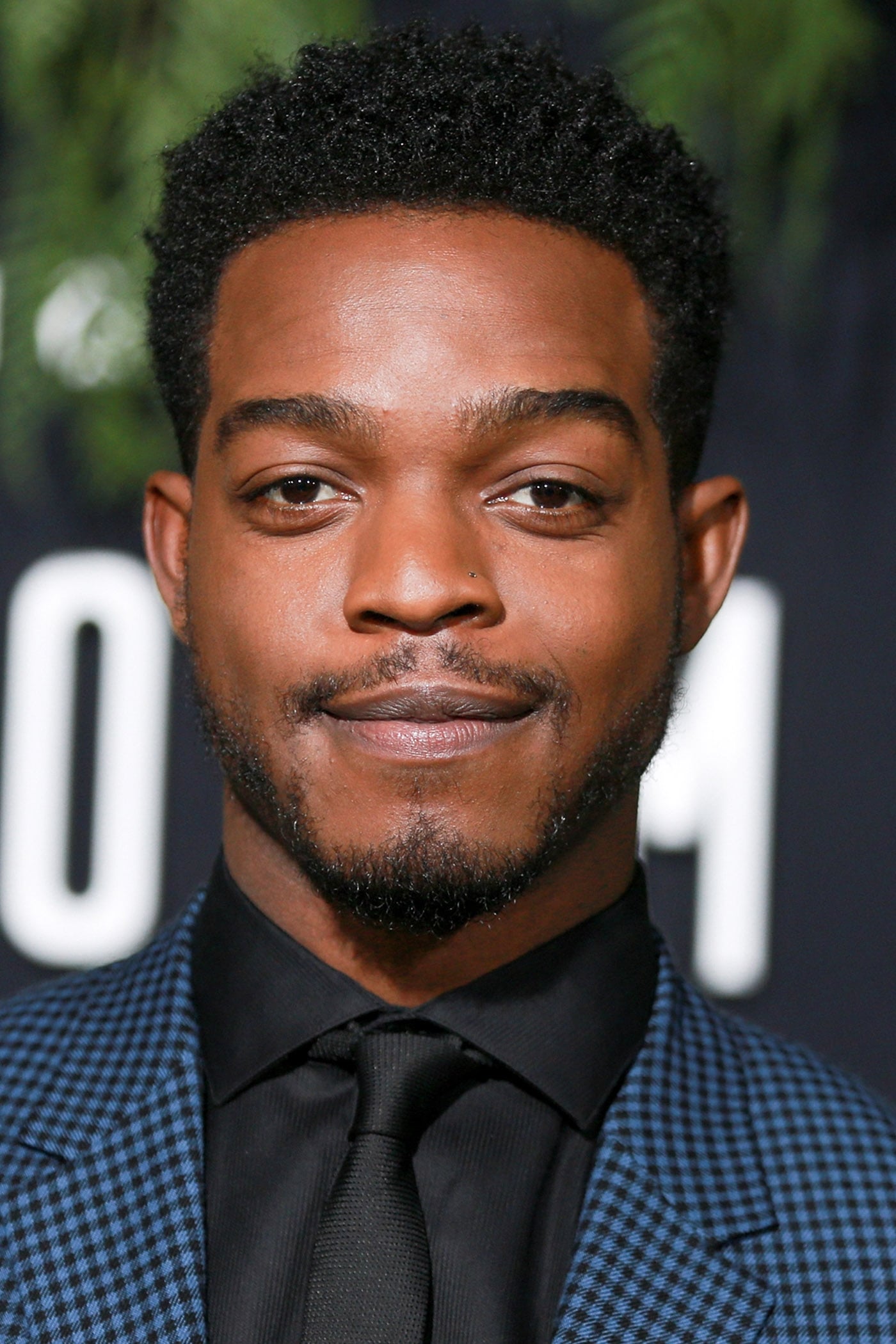
Stephan James noted that films like ‘If Beale Street Could Talk’ are exceptional rather than the rule in Hollywood. He wants to see more narratives where Black love is the central theme rather than a minor subplot. The actor finds it difficult to secure roles that focus purely on the relationship dynamics of Black couples. James believes that audiences are ready for more stories that celebrate Black intimacy. He argues that the lack of these roles is a failure of imagination by studio executives.
Regé-Jean Page
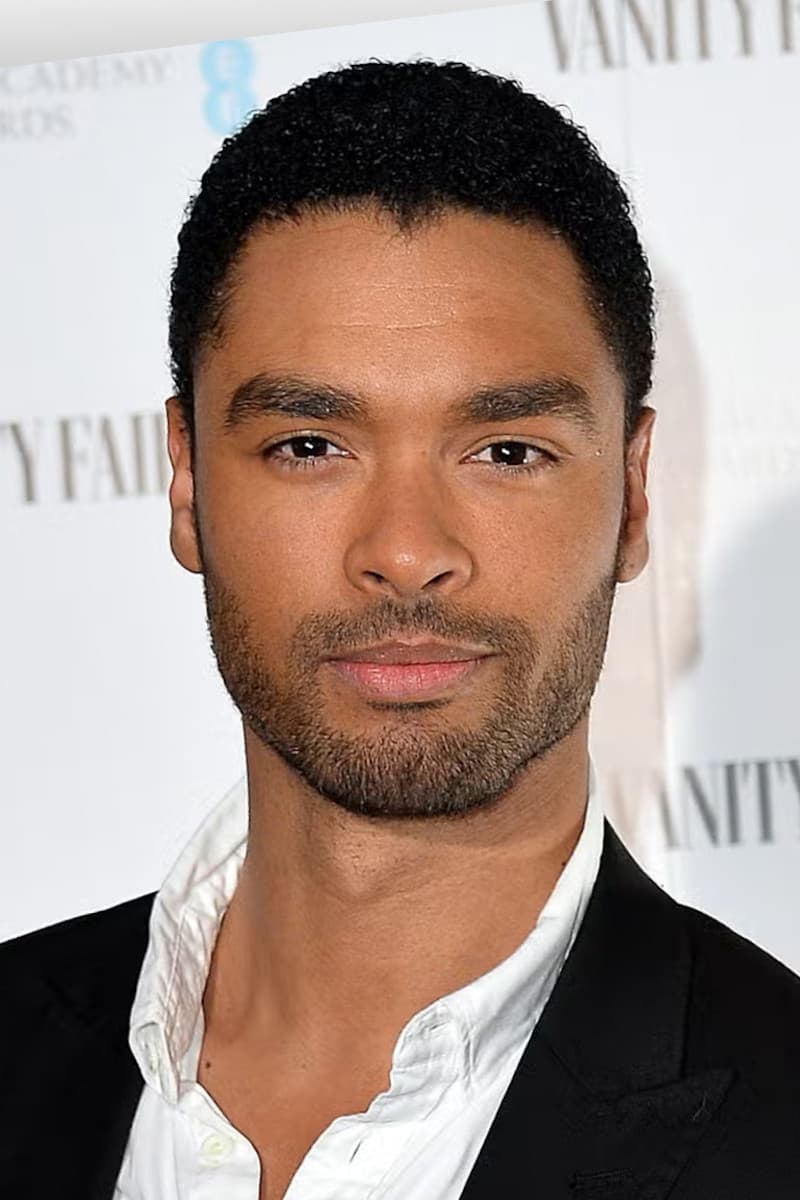
Regé-Jean Page acknowledged the rarity of his romantic lead role in ‘Bridgerton’ within the period drama genre. He noted that Black men are frequently excluded from historical romance narratives due to perceived historical inaccuracy. The actor emphasized that fantasy and romance should be accessible to all races regardless of the setting. Page believes that excluding Black men from these roles denies them a place in the fantasy of desirability. His success proved that diverse casting in romance creates massive global engagement.
Winston Duke
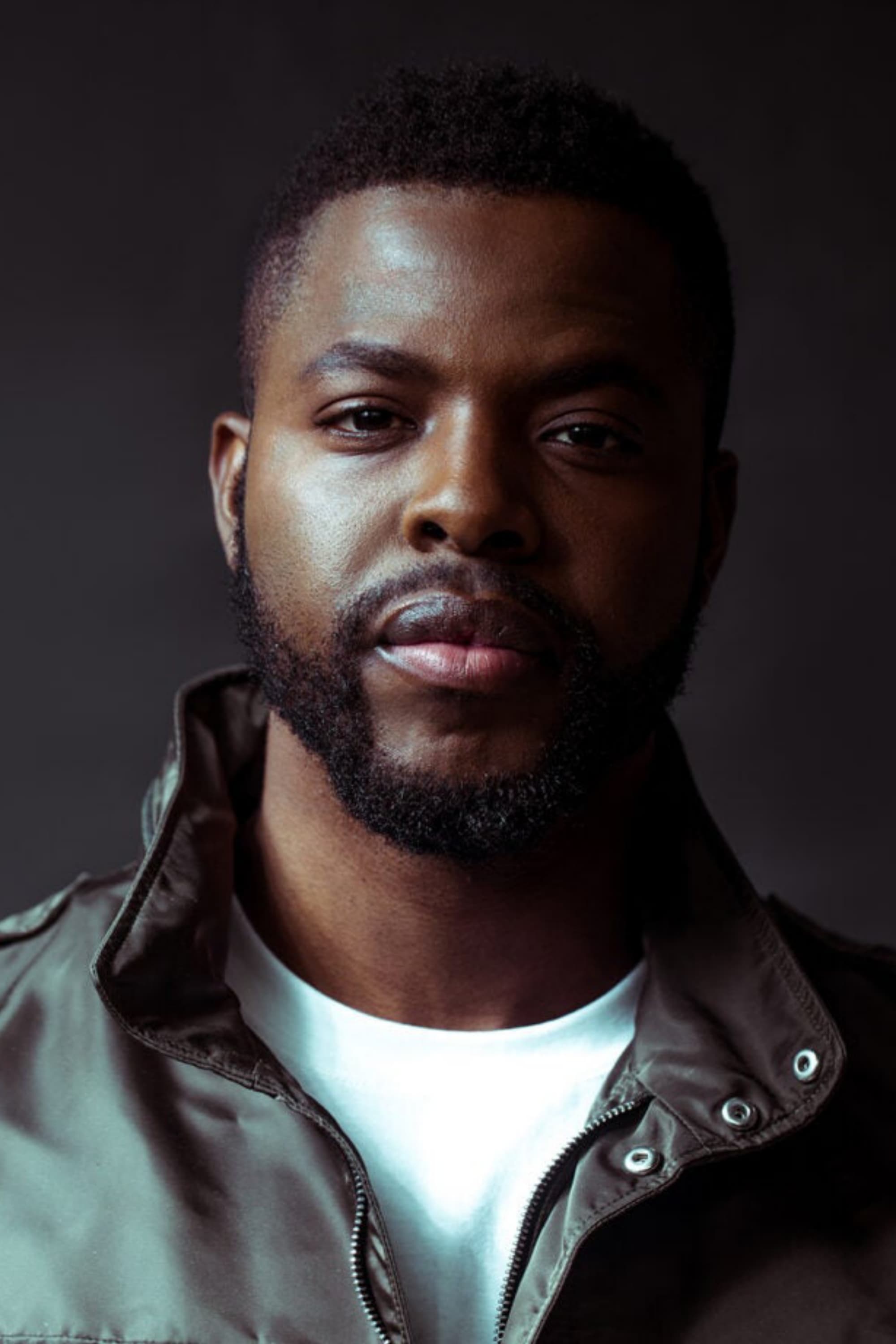
Winston Duke has discussed being labeled a large intimidator rather than a romantic interest due to his physical size. He advocates for a broader definition of what a romantic lead looks like in mainstream media. The actor feels that big Black men are often desexualized or made to be comedic relief. Duke actively pushes for roles that allow him to be suave and desirable. He challenges the industry to see strength and tenderness as compatible traits.
Aldis Hodge
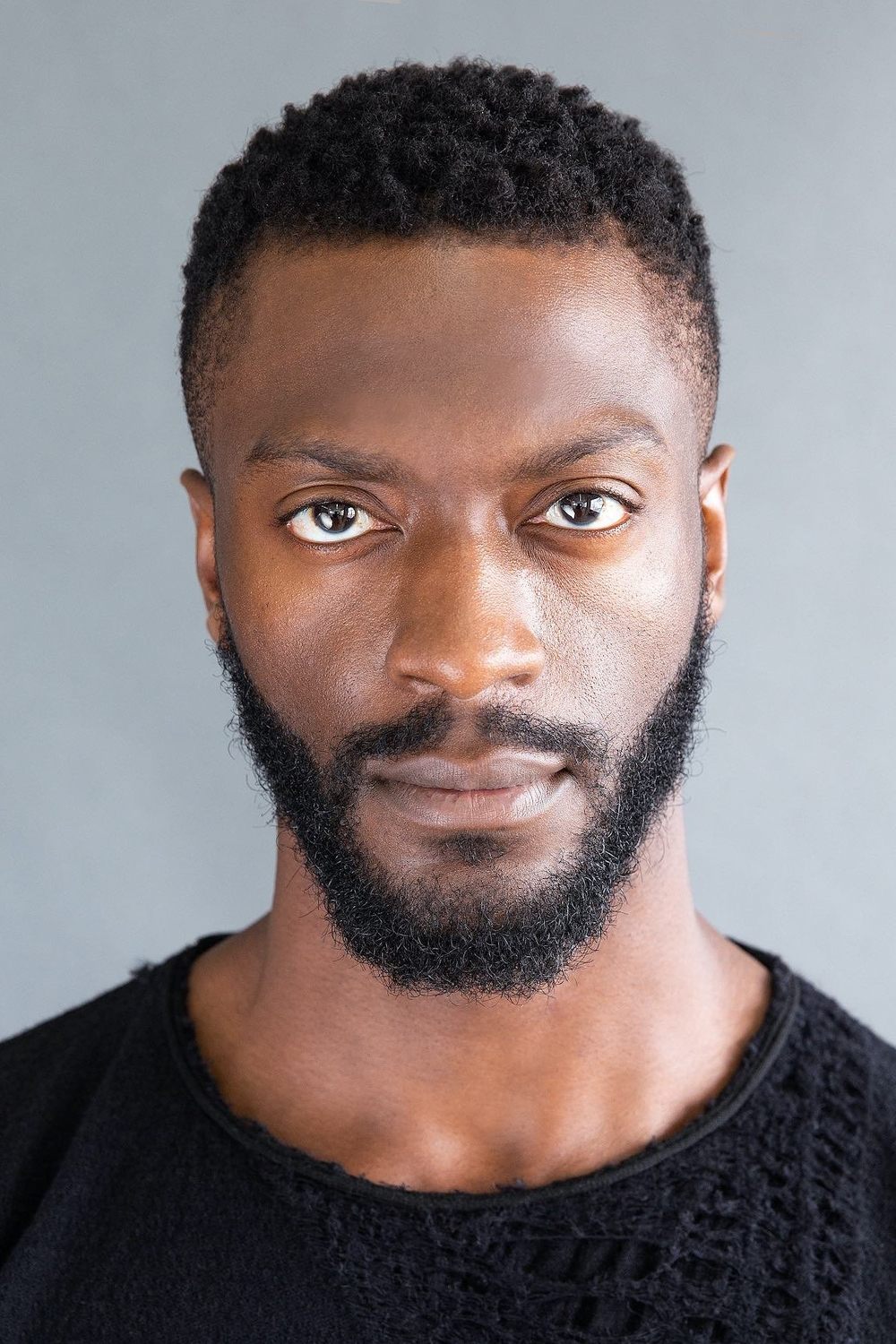
Aldis Hodge has spoke about the limited scope of roles offered to Black actors during television pilot seasons. He pushes for characters who get to be the hero in love rather than just the supportive best friend. The actor believes that the romantic lead is often the most humanizing role in a story. Hodge argues that relegating Black men to the background reinforces negative social hierarchies. He seeks projects that center Black men as the object of affection.
Brian Tyree Henry
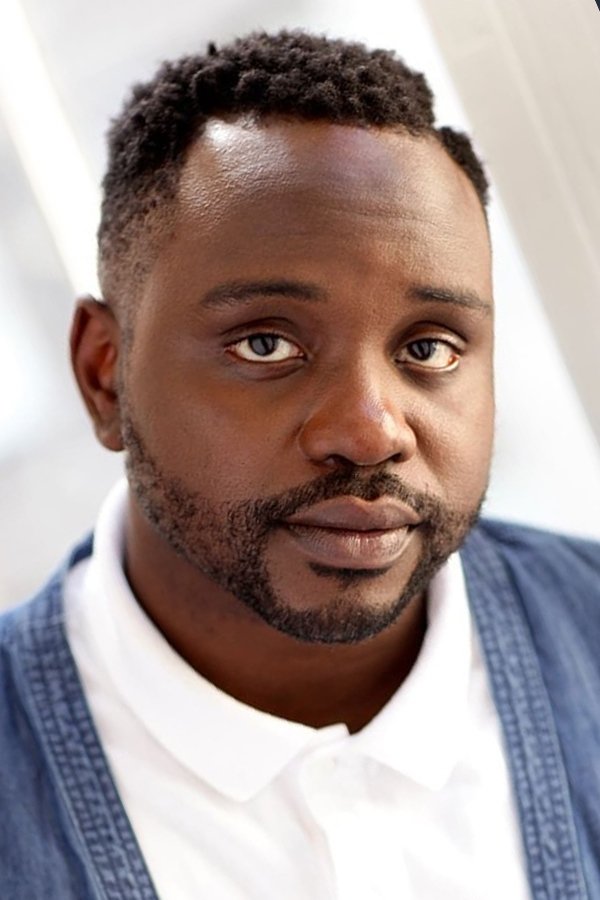
Brian Tyree Henry emphasized the significance of his romantic plot in ‘Eternals’ because it is so rarely seen in blockbusters. He feels Hollywood often avoids depicting Black men in intimate domestic settings with families. The actor noted the importance of showing a Black man prioritizing love over war. Henry believes that seeing a Black superhero kiss his partner was a groundbreaking moment. He continues to look for roles that normalize Black domesticity and tenderness.
Ncuti Gatwa
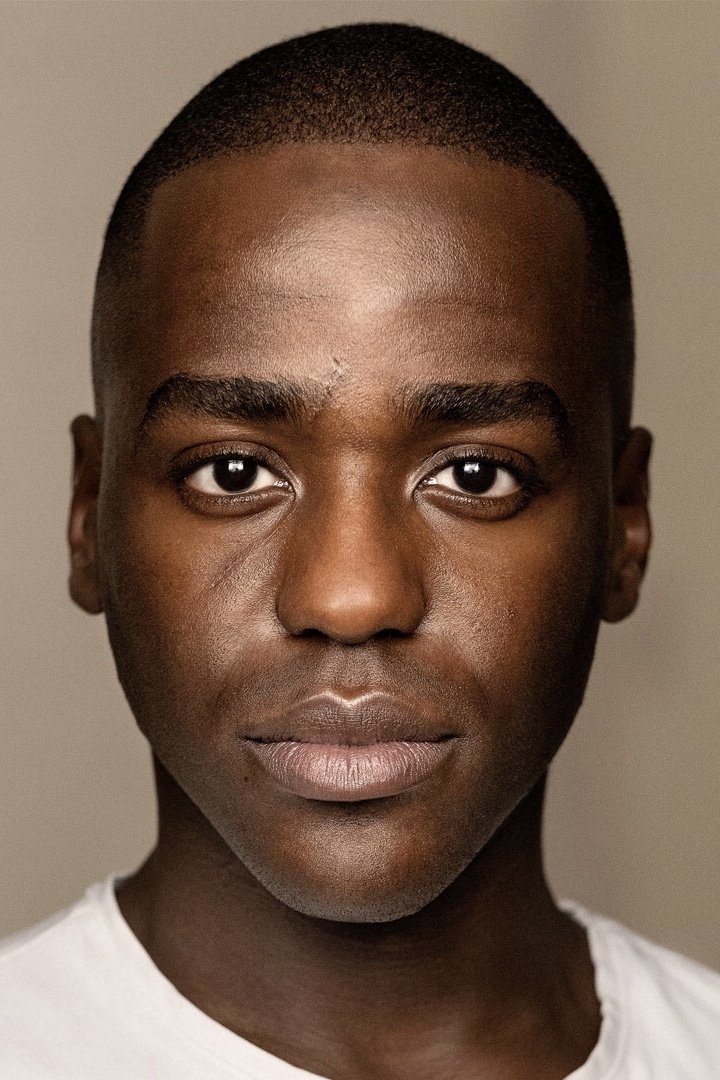
Ncuti Gatwa has addressed the difficulty of navigating typecasting that ignores Black male sexuality and charm. He seeks roles that celebrate Blackness without reducing it to a stereotype or a constant struggle. The actor feels that the industry often views Black men as either asexual or hypersexualized without nuance. Gatwa uses his platform to champion characters who are allowed to be messy and in love. He believes that joy and romance are essential parts of accurate representation.
Djimon Hounsou
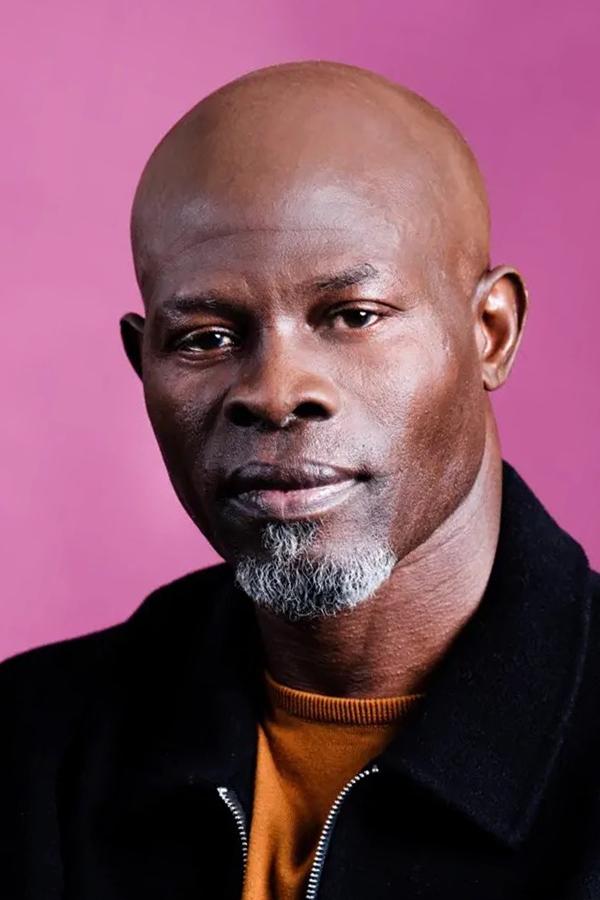
Djimon Hounsou has lamented being cast repeatedly as a warrior or slave while white counterparts play the lovers. He feels the industry has failed to utilize his potential as a romantic lead throughout his long career. The actor expressed sadness that he is rarely given the chance to be soft on screen. Hounsou argues that this typecasting contributes to a one-dimensional view of African men. He continues to ask for roles that allow him to display emotional intimacy.
Kingsley Ben-Adir
Kingsley Ben-Adir enjoyed his role in ‘High Fidelity’ because it allowed him to play a complex romantic partner. He observed that British and American industries both struggle with casting Black men in these parts. The actor noted that he usually has to play historical figures to get screen time. Ben-Adir feels that contemporary romance is a genre that remains largely closed off to actors like him. He hopes to see a shift toward more casual and modern love stories for Black men.
Mahershala Ali
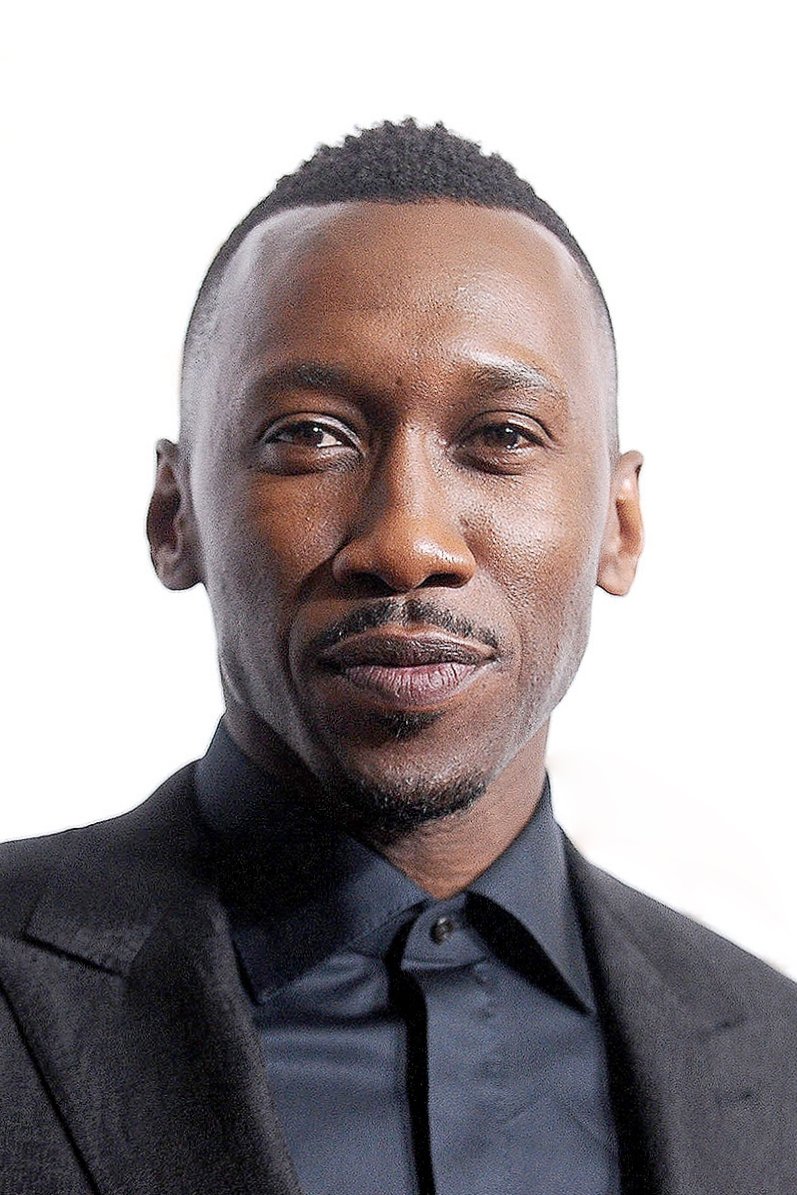
Mahershala Ali pushed for a romantic arc in ‘Green Book’ to ensure his character felt fully human. He consistently advocates for roles that display the full spectrum of Black masculinity including romance. The actor refuses to play characters that are defined solely by their suffering or service to others. Ali believes that love is a universal experience that Black characters are often denied in film. He uses his influence to demand scripts that include meaningful relationships.
Please share your favorite romantic performance by one of these actors in the comments.