


Actors Who Say Straight Actors Should Stop Taking Gay Roles In 2026

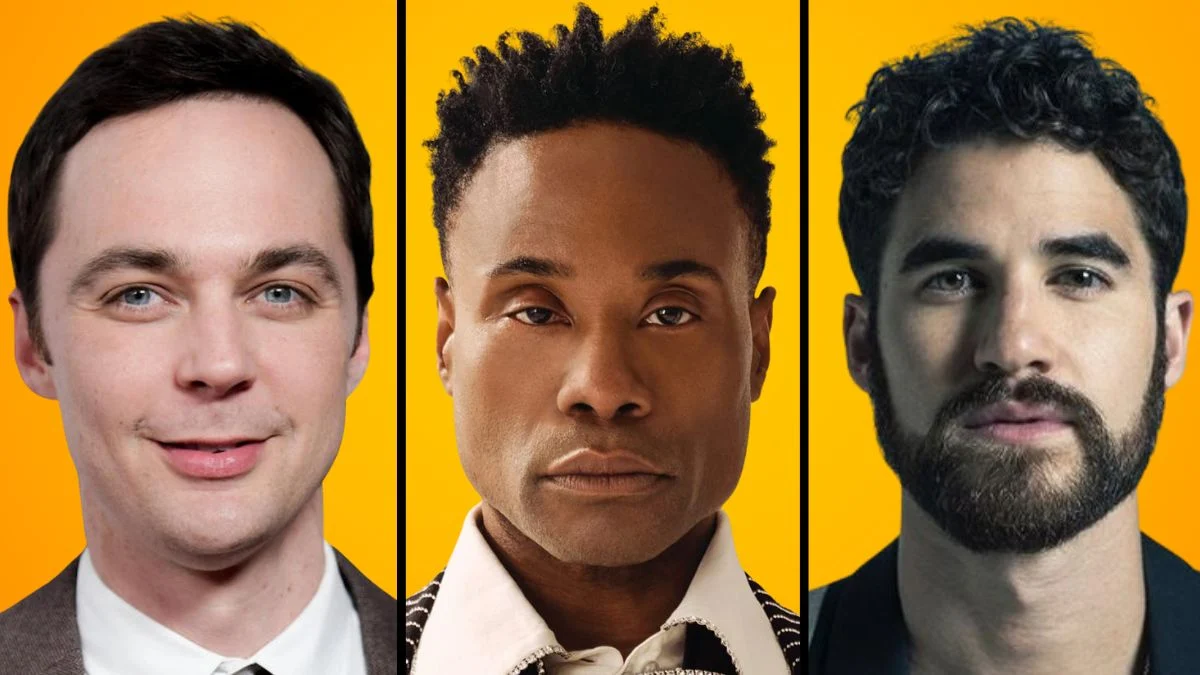


The conversation around authentic representation in Hollywood has gained significant traction as more performers advocate for queer roles to be played by queer actors. This movement emphasizes the importance of lived experience and the need for greater professional opportunities for the LGBTQ+ community. Many male actors have become prominent voices in this debate by calling for a shift in how projects are cast. They argue that authentic storytelling requires a deep connection to the identity of the character. This list highlights several performers who have publicly supported the idea that straight actors should step aside for queer talent.
Billy Porter
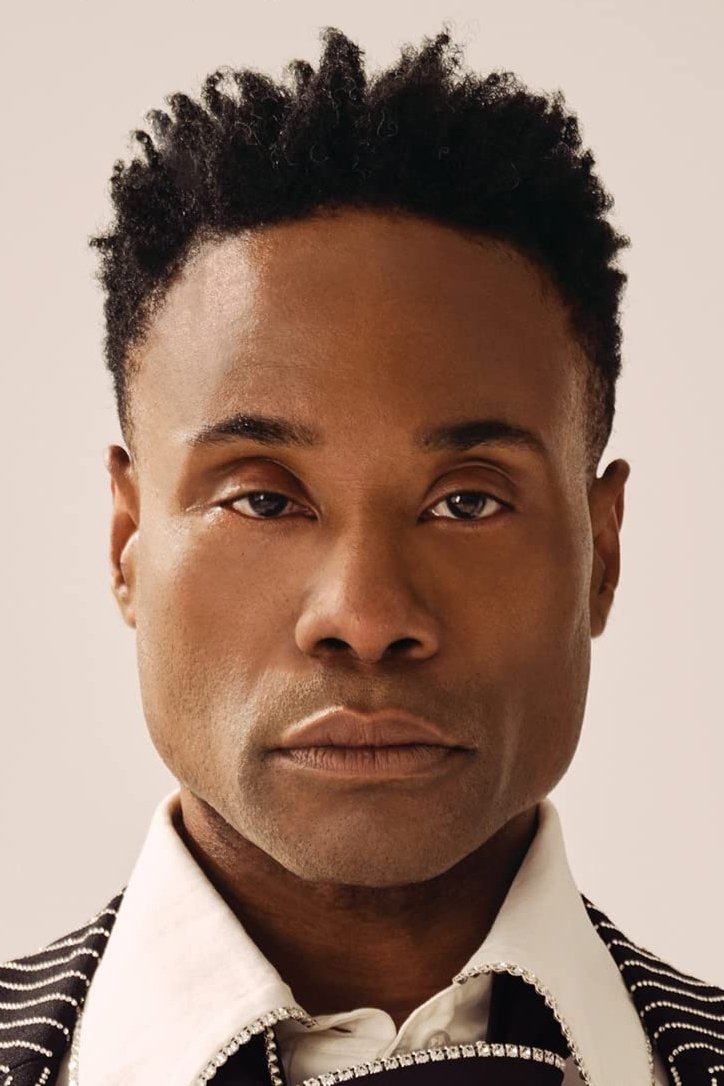
The star of ‘Pose’ has long been a vocal advocate for the prioritization of queer actors in LGBTQ+ roles. He believes that gay performers bring a specific emotional depth and authenticity that cannot be replicated by those outside the community. Porter has pointed out the historical trend where straight actors receive accolades for playing gay characters while queer actors are overlooked. He argues that the industry must provide more space for marginalized groups to tell their own stories. His continued activism has made him a leading figure in the push for equity within the performing arts.
Wentworth Miller
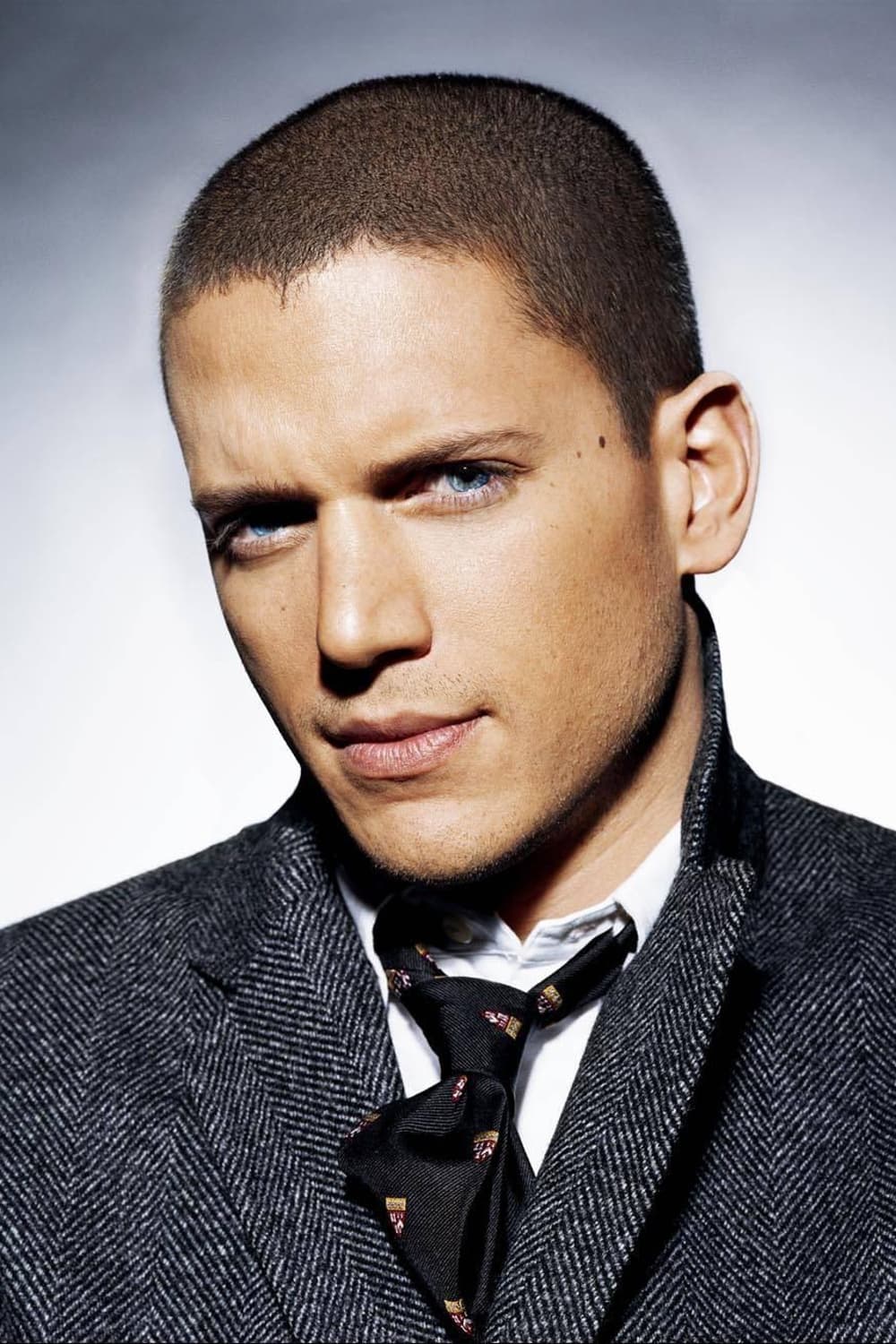
Known for his leading role in ‘Prison Break’, this actor famously announced that he would no longer play straight characters. He explained that he wanted to dedicate his career to portraying gay men and exploring the nuances of their lives. Miller believes that the industry has a responsibility to cast queer actors in queer roles to ensure genuine representation. He views this commitment as a way to support his community and challenge traditional casting norms. His decision has inspired many other performers to reconsider their own impact on media visibility.
Haaz Sleiman
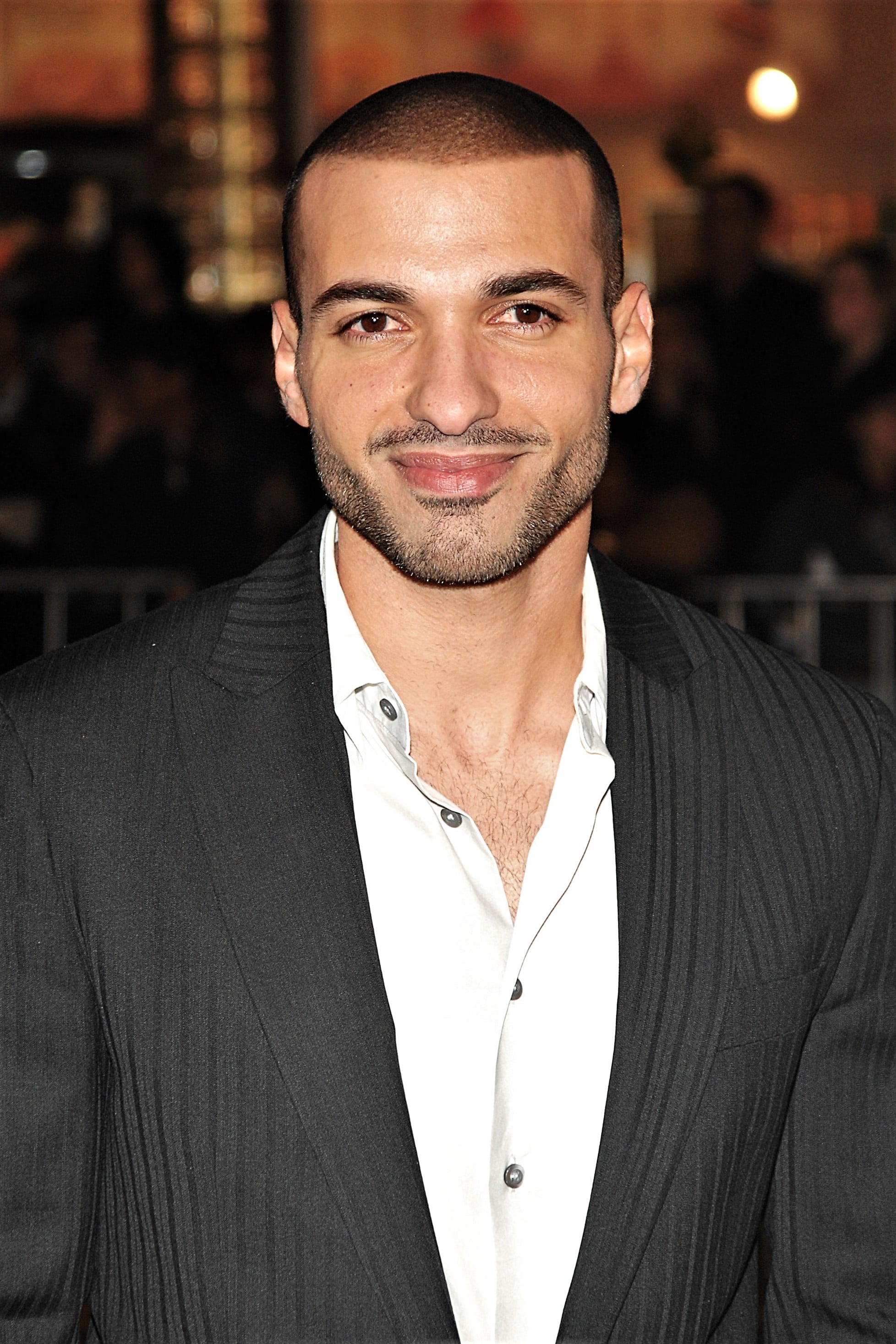
The actor who appeared in ‘The Eternals’ has been outspoken about the importance of authentic casting for gay roles. He argues that straight actors often take these opportunities away from talented queer performers who struggle to find work. Sleiman believes that the nuances of the queer experience are best conveyed by those who have lived them. He advocates for a future where the entertainment industry treats LGBTQ+ identity with the same respect as other cultural backgrounds. His advocacy remains a central part of his public identity and professional mission.
Darren Criss
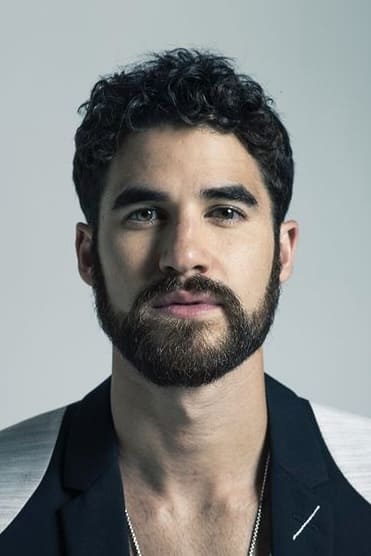
Although he is a straight actor who gained fame in ‘Glee’, Criss announced several years ago that he would no longer accept queer roles. He acknowledged that he did not want to be another straight man taking a role from a queer performer. Criss believes that it is essential to allow LGBTQ+ actors the chance to inhabit these characters and share their perspectives. He stated that he wants to be an ally by creating more room for authentic representation in the industry. This decision highlights the growing self-awareness among performers regarding their influence on casting trends.
Ben Whishaw
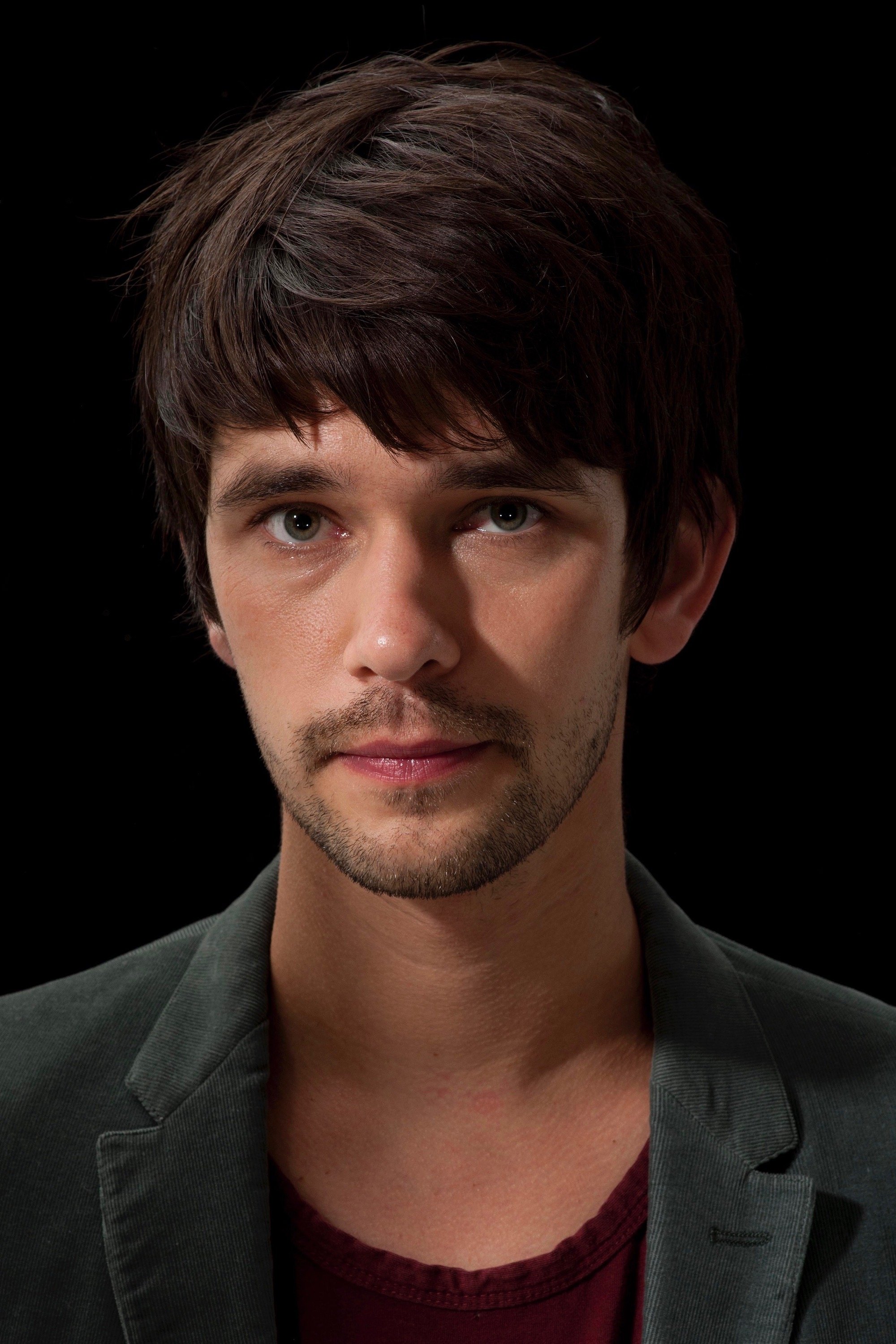
The actor recognized for his work in ‘A Very English Scandal’ has expressed a strong preference for queer actors in queer roles. He believes that the industry should move toward a model where authenticity is a primary consideration for casting. Whishaw has noted that there is something special about the connection between a performer and a character who shares their identity. He argues that this approach fosters a more honest and moving experience for the audience. His comments reflect a broader shift toward valuing identity as a key component of artistic performance.
Rupert Everett
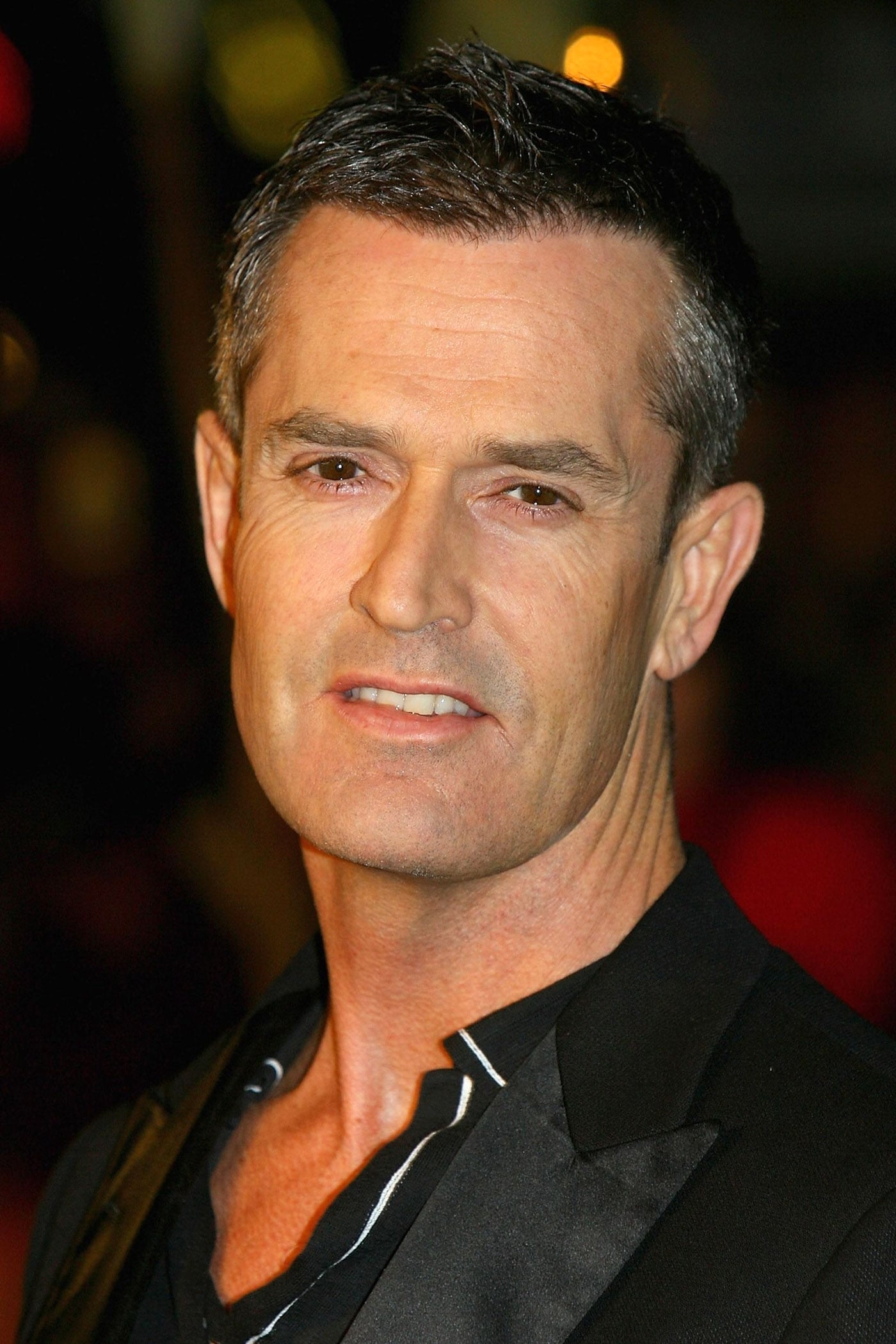
This veteran actor has spent decades advocating for the rights of gay performers in the film industry. He has often spoken about the challenges queer actors face when trying to secure both gay and straight roles. Everett believes that the practice of casting straight actors in gay parts often results in a lack of true understanding. He argues that the industry must do more to support and promote LGBTQ+ talent in lead roles. His long career has been defined by his commitment to visibility and professional integrity.
Jonathan Bailey
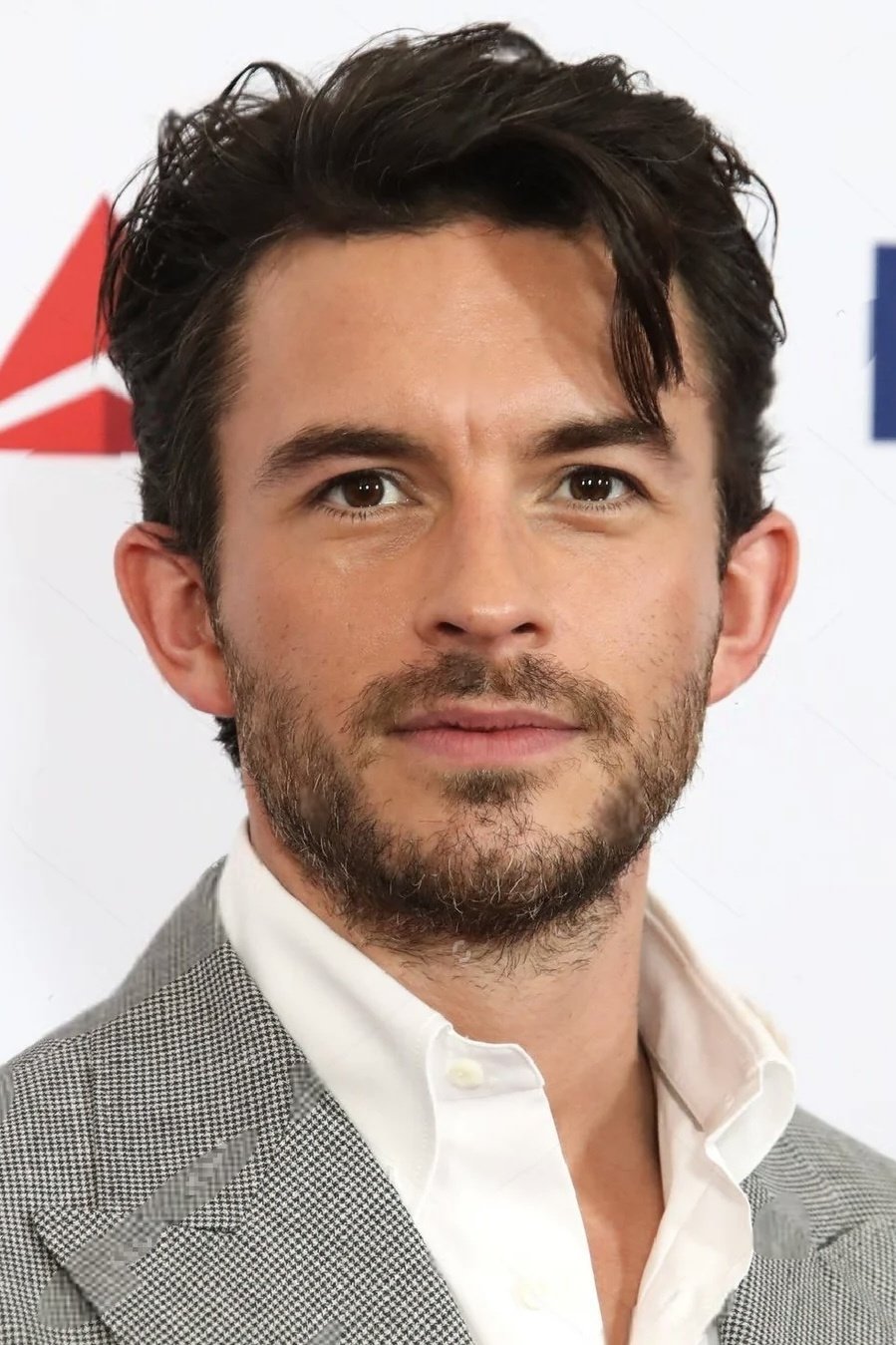
The star of ‘Fellow Travelers’ has frequently discussed the importance of queer visibility in both historical and contemporary dramas. He believes that queer actors bring a unique perspective that enriches the portrayal of LGBTQ+ characters. Bailey argues that casting authentically helps to dismantle stereotypes and provide a more accurate depiction of queer life. He is a strong supporter of the idea that performers should be given the chance to tell their own stories. His advocacy has made him a prominent voice for the next generation of queer artists.
Colman Domingo

The acclaimed actor from ‘Rustin’ has highlighted the need for more diverse and authentic casting in major film productions. He believes that queer actors of color face unique barriers and deserve more opportunities to lead major projects. Domingo argues that the industry should focus on providing a platform for performers who share the identities of their characters. He views authentic representation as a way to honor the legacy of those who have fought for LGBTQ+ rights. His success demonstrates the power of having queer voices at the center of the narrative.
Billy Eichner
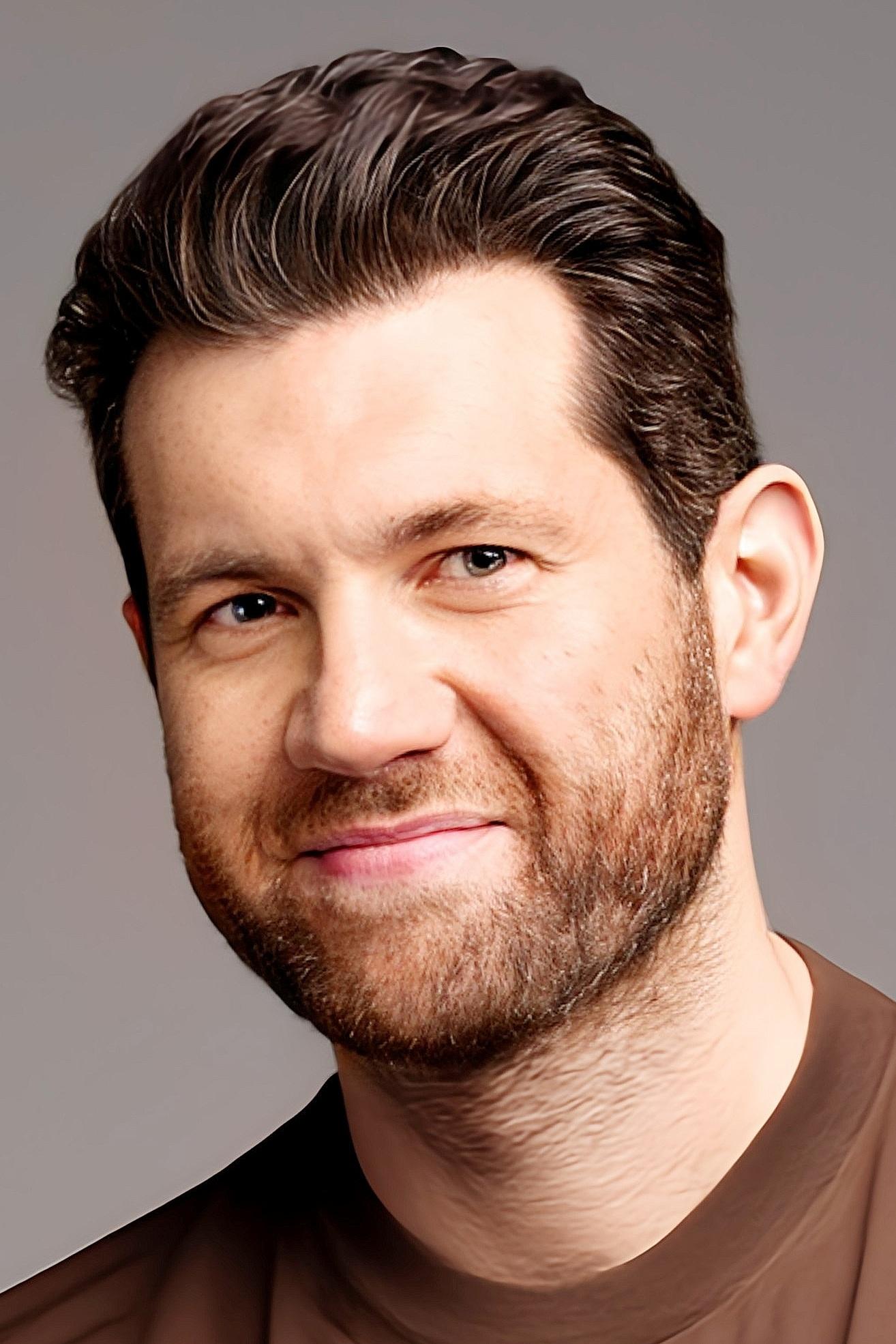
The creator and star of ‘Bros’ made headlines for his commitment to casting an entirely LGBTQ+ principal cast for his film. He believes that the industry has historically marginalized queer talent and that it is time for a systemic change. Eichner argues that straight actors have had plenty of opportunities to tell queer stories while queer actors were sidelined. He advocates for a professional environment where identity is respected and celebrated during the casting process. His work serves as a practical example of how to implement authentic representation on a large scale.
Andrew Rannells
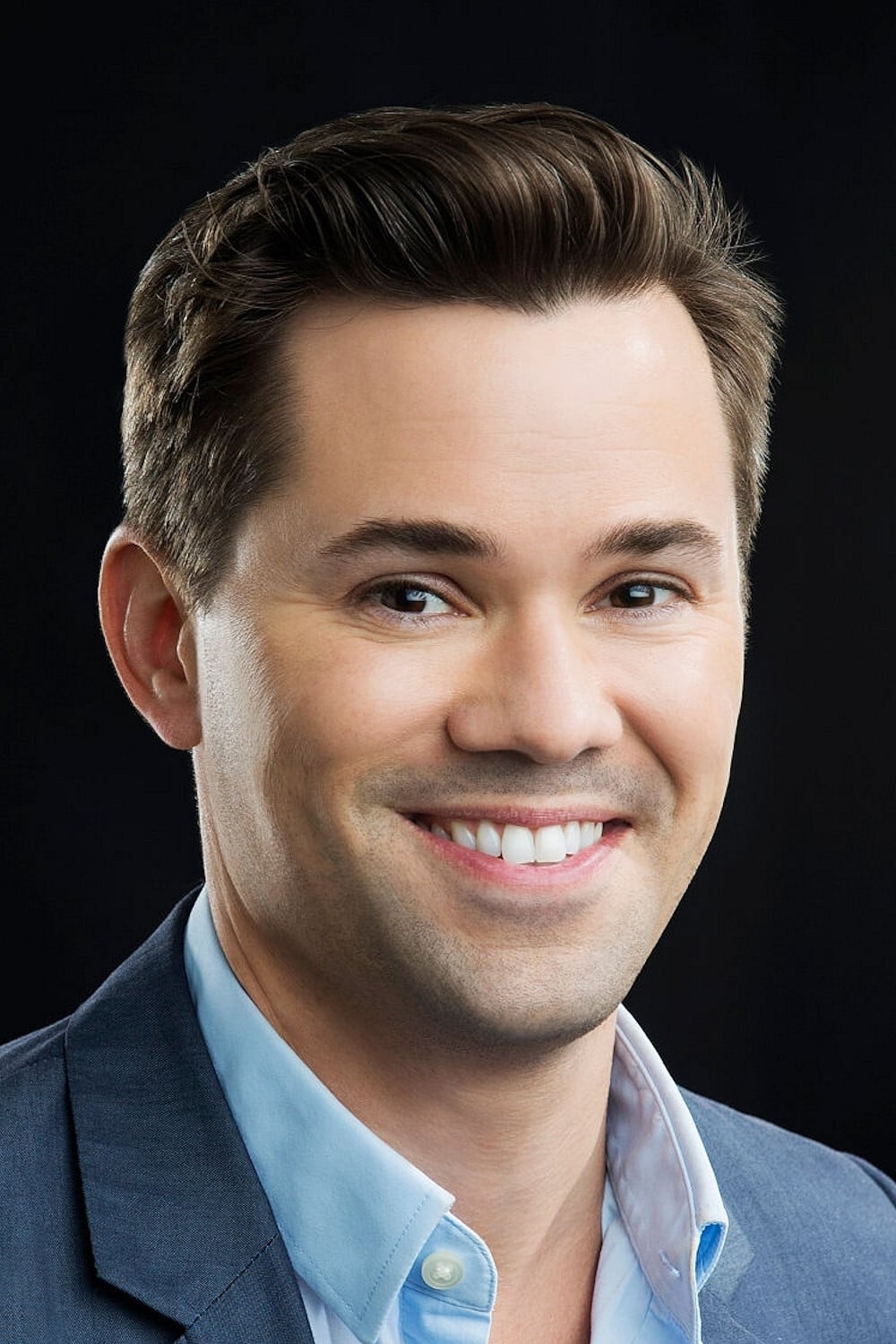
Known for his roles in ‘The Book of Mormon’ and ‘Girls’, this actor has spoken about the benefits of having queer performers in queer roles. He believes that there is a shorthand and a shared understanding that comes with authentic casting. Rannells argues that this connection improves the quality of the performance and the overall production. He supports the movement toward ensuring that LGBTQ+ stories remain in the hands of the community. His insights provide a professional look at why identity matters in the world of acting.
Jim Parsons

The ‘The Big Bang Theory’ star has transitioned into roles that allow him to explore queer themes with greater depth. He believes that the movement for authentic casting is a positive step toward more honest storytelling. Parsons has noted that playing characters who share his identity allows for a more profound exploration of the human experience. He supports the idea that the industry should prioritize queer actors when searching for the right person to play a gay role. His participation in projects like ‘The Boys in the Band’ underscores his commitment to this cause.
Matt Bomer
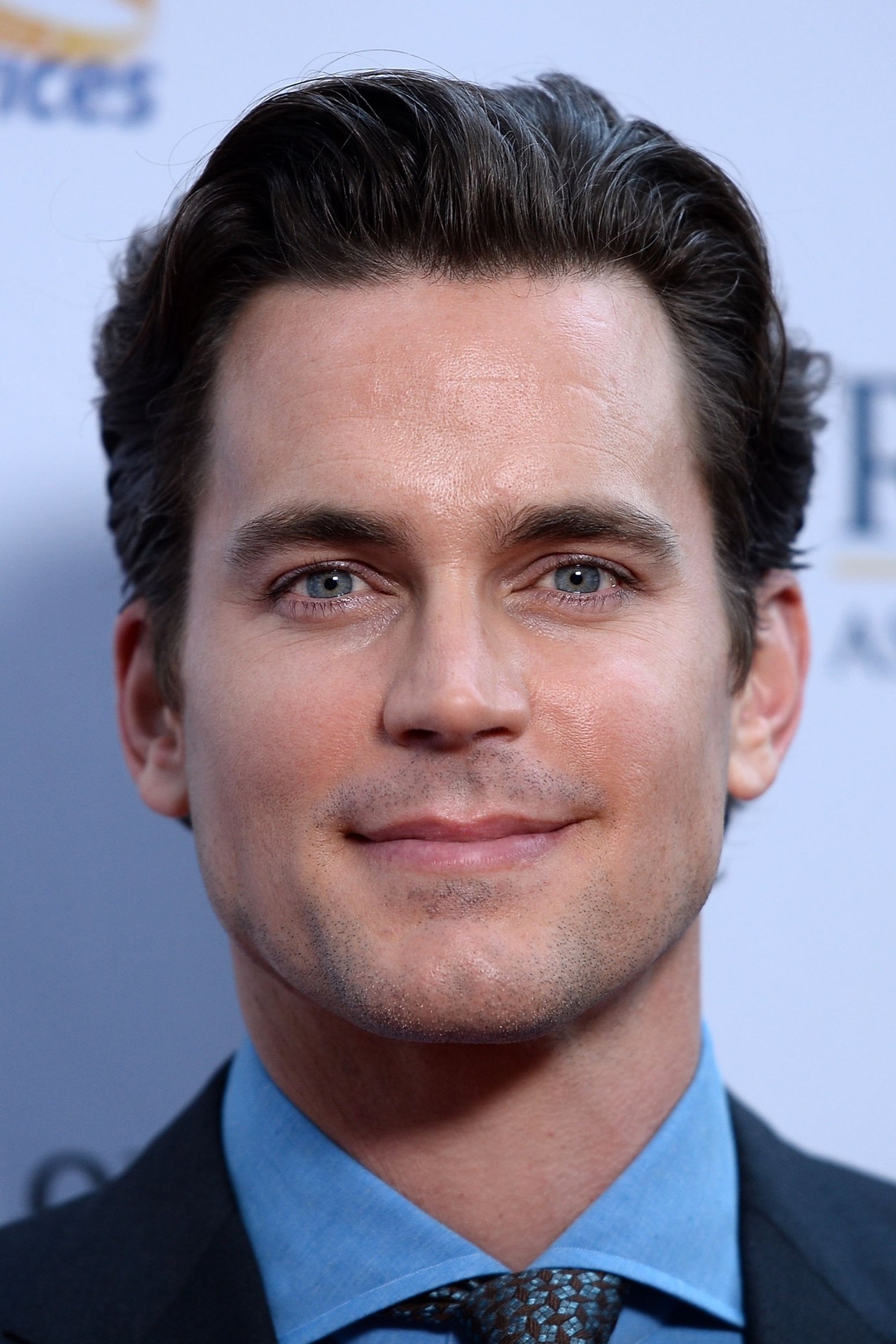
This versatile actor has often discussed the importance of representation and the obstacles faced by out performers in Hollywood. He believes that casting queer actors in queer roles helps to create a more inclusive and supportive environment. Bomer argues that these performers bring a level of nuance that is difficult for others to achieve. He is a proponent of the idea that everyone should have the chance to see themselves reflected accurately on screen. His career serves as a testament to the talent and range of queer actors in the industry.
George Takei
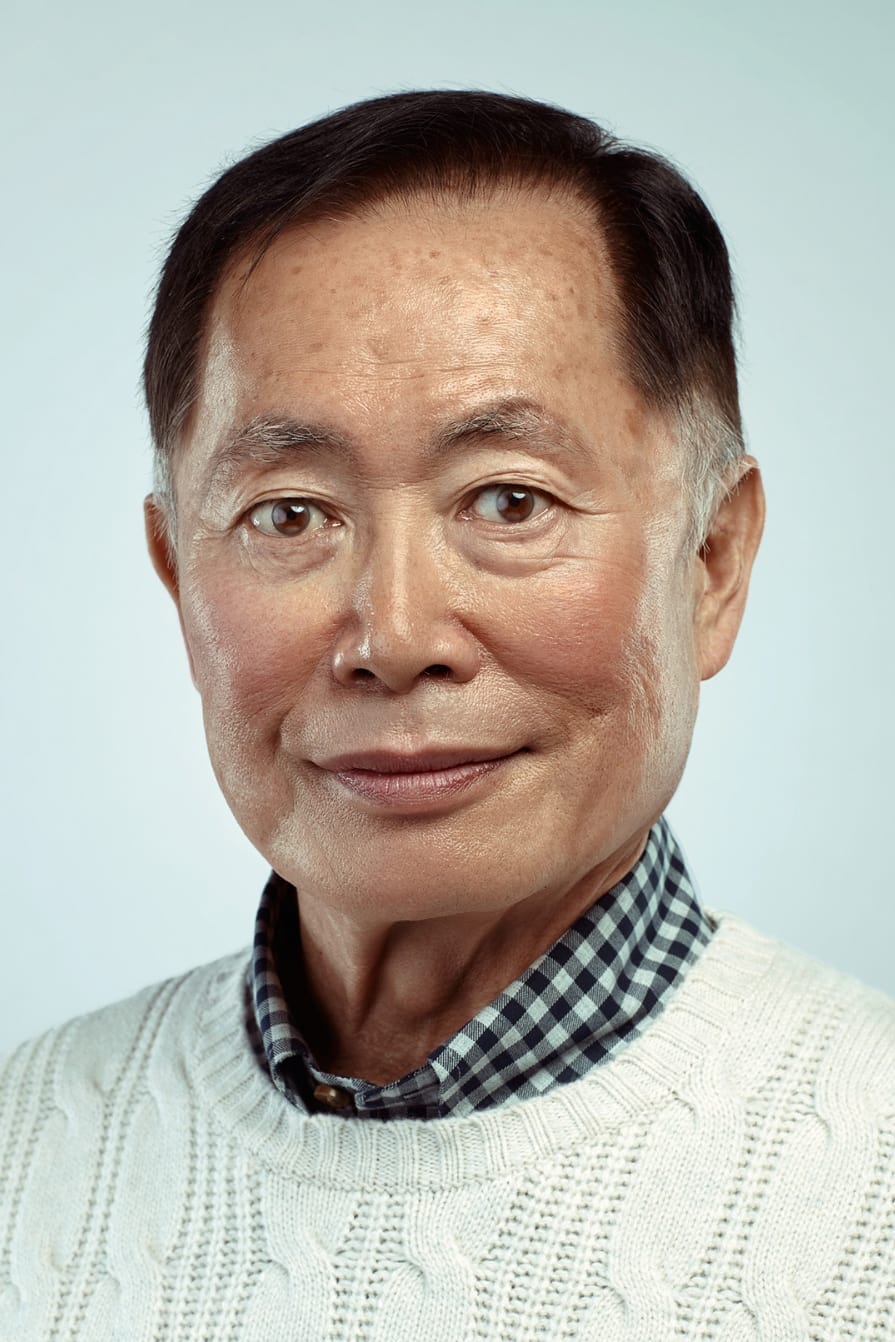
The legendary actor and activist has seen the evolution of queer representation over several decades. He believes that the industry is finally moving in a direction that values authenticity and identity. Takei argues that it is crucial for queer stories to be told by those who have experienced the struggles and triumphs of the community. He supports the call for more queer actors to be cast in roles that reflect their personal journeys. His voice remains a powerful influence on the conversation regarding diversity and inclusion.
Zachary Quinto
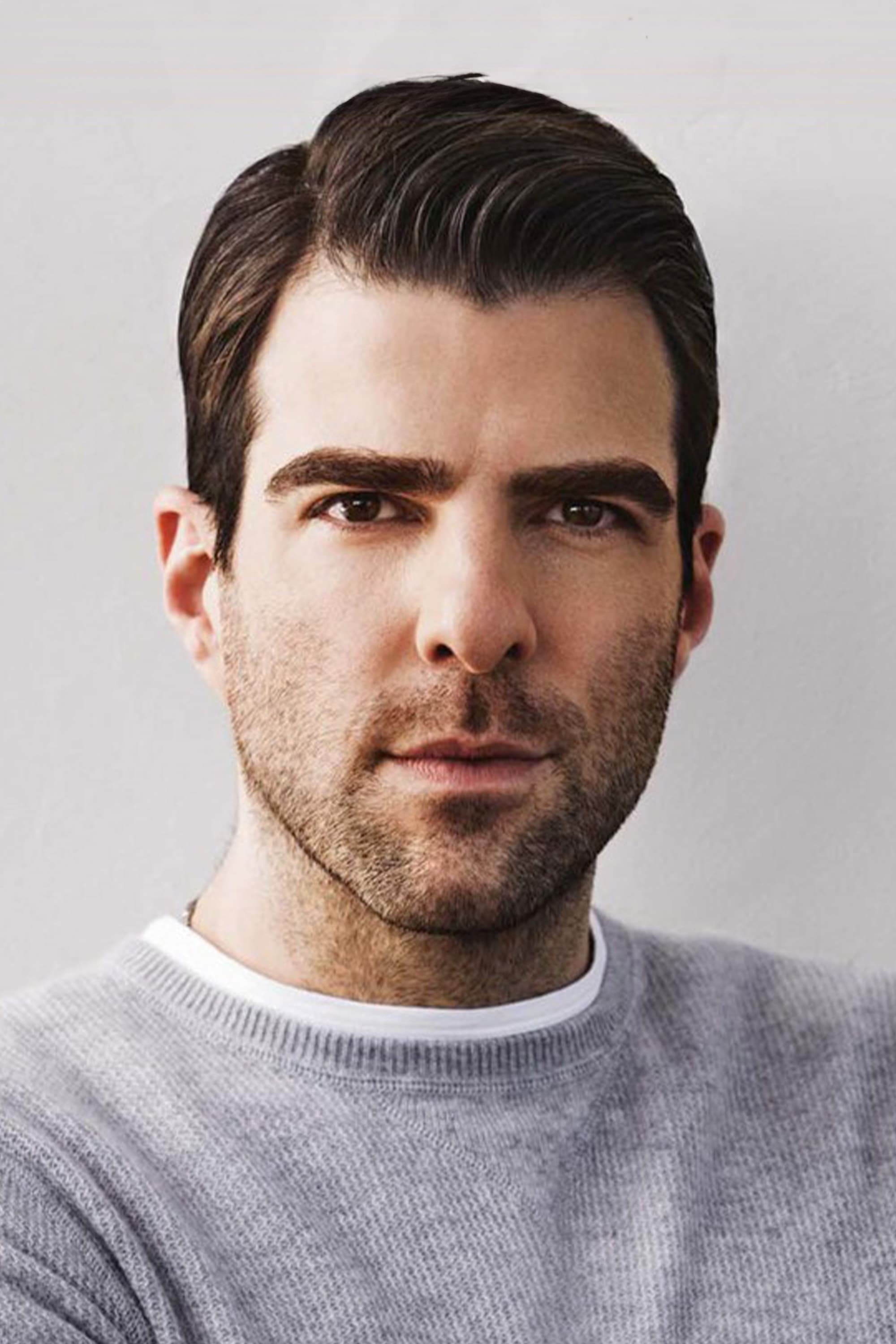
Known for his work in ‘Star Trek’, this actor has been a consistent supporter of LGBTQ+ visibility in major franchises. He believes that the industry should make a concerted effort to cast queer actors in roles that align with their identities. Quinto argues that this practice helps to build a more diverse and representative media culture. He views the shift toward authentic casting as a necessary evolution for modern entertainment. His professional choices reflect a desire to support and uplift the queer community through performance.
Neil Patrick Harris
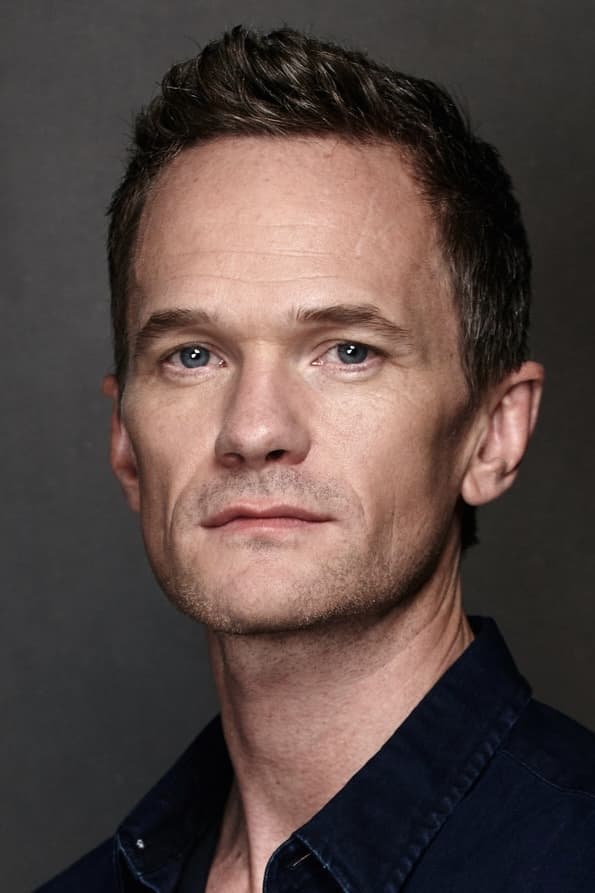
This accomplished performer has a long history of playing both gay and straight characters on stage and screen. He has expressed his support for the movement that encourages authentic casting for LGBTQ+ roles. Harris believes that the industry is becoming more aware of the importance of representation and the impact it has on audiences. He supports the idea that queer actors should have the first opportunity to play characters that share their background. His success in various genres has helped to pave the way for other queer performers.
Jonathan Groff
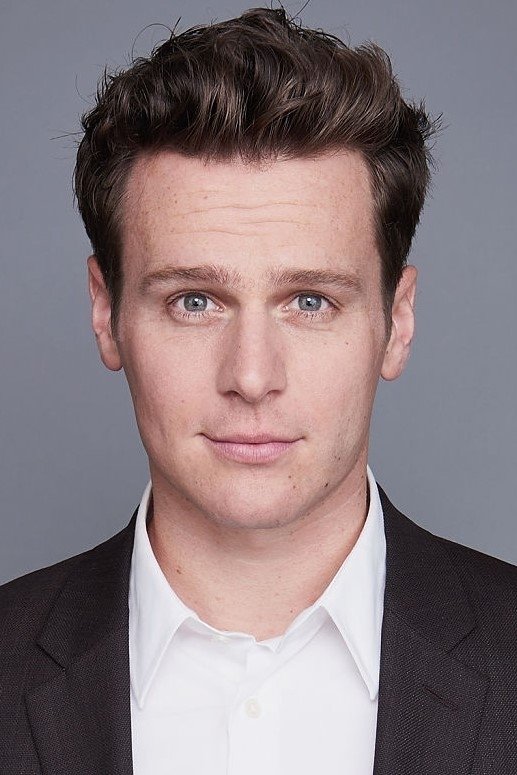
The star of ‘Mindhunter’ and ‘Hamilton’ has spoken about the liberation he felt after coming out and how it affected his work. He believes that being authentic to oneself allows an actor to bring more truth to any role they inhabit. Groff supports the idea that queer actors should be at the forefront of telling LGBTQ+ stories. He argues that this approach leads to more compelling and relatable performances for the viewers. His presence in major projects continues to highlight the importance of queer talent in the industry.
Colton Haynes
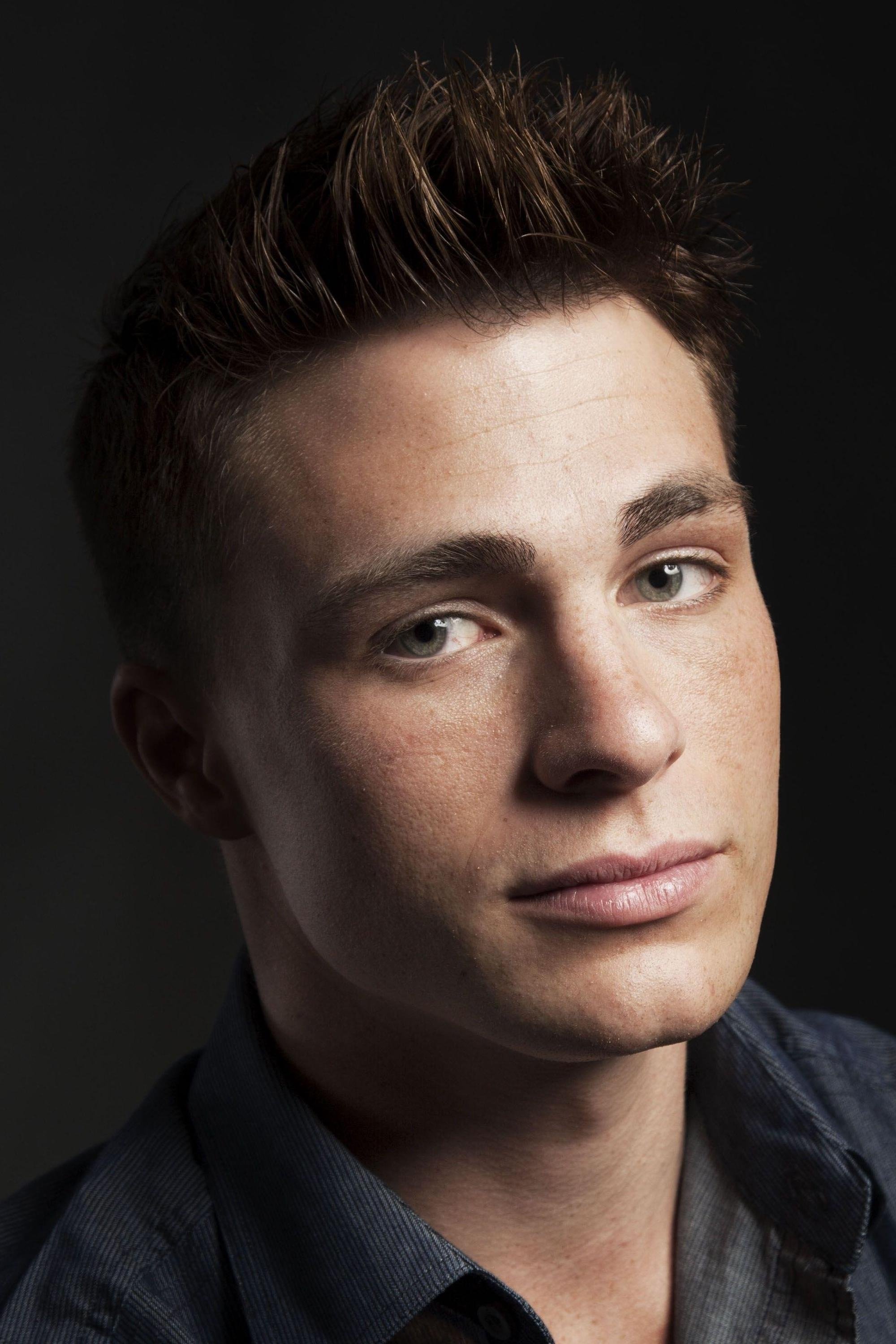
This actor has been open about his experiences as a gay man in the entertainment industry and the pressure to conform. He believes that there should be more opportunities for queer actors to play roles that reflect their own lives. Haynes argues that the industry often prefers straight actors for these parts which limits the growth of queer performers. He supports the push for more inclusive casting practices that prioritize authenticity and lived experience. His advocacy focuses on breaking down the barriers that prevent queer talent from thriving.
Keiynan Lonsdale
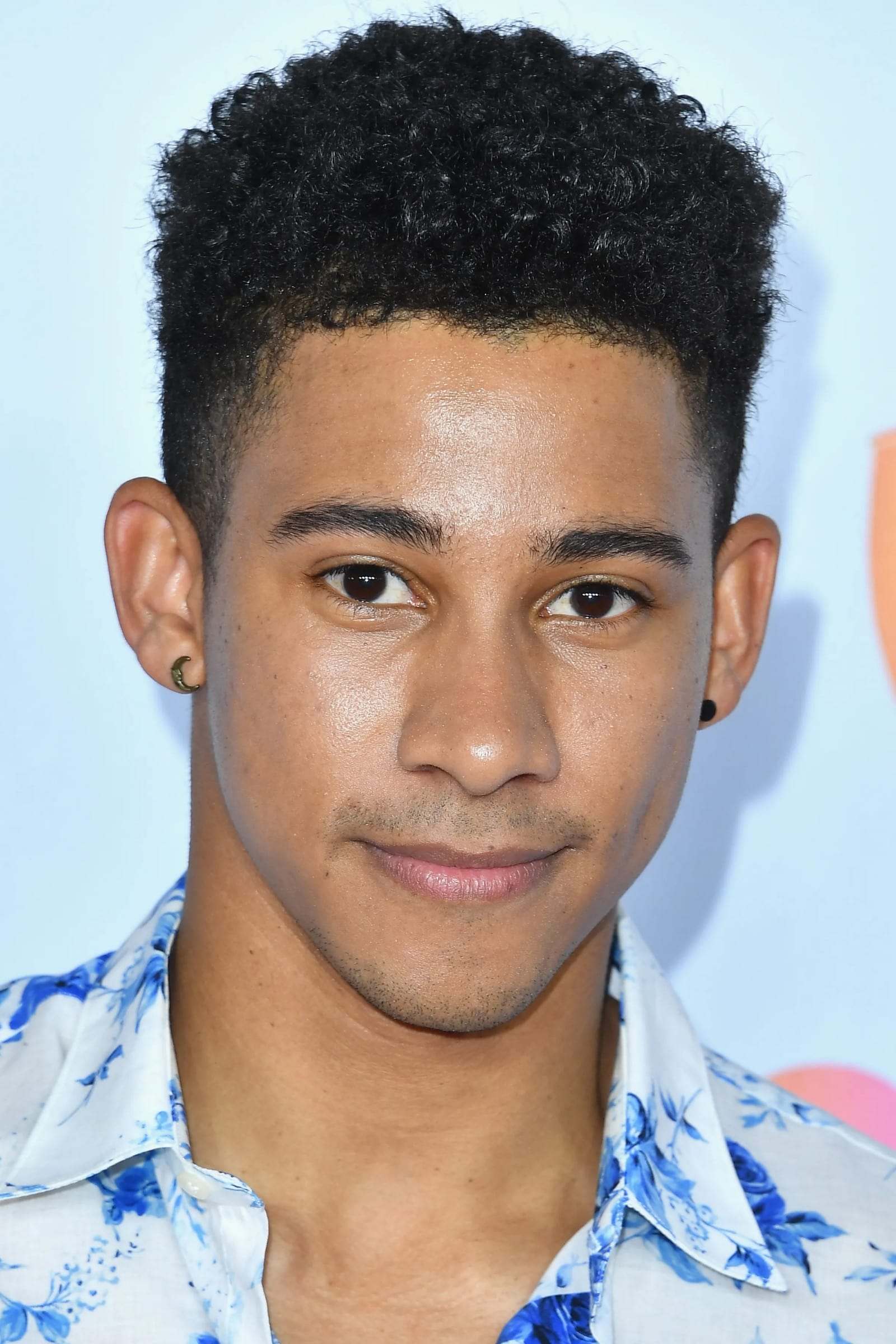
The ‘Love, Simon’ star has been a vocal proponent of fluidity and authentic representation in the media. He believes that the industry should celebrate the diverse identities within the queer community by casting accordingly. Lonsdale argues that queer actors have a right to tell their own stories without being overshadowed by straight performers. He views the movement for authentic casting as an essential part of the fight for social justice. His work encourages audiences to embrace a more expansive view of identity and representation.
Wilson Cruz
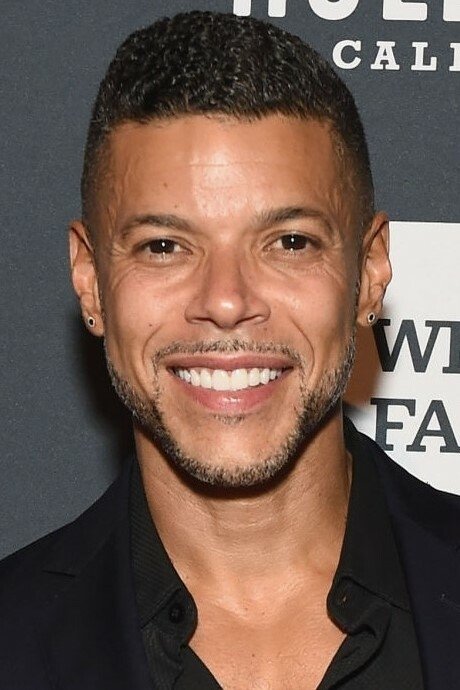
A pioneer for LGBTQ+ representation on television, this actor has spent years fighting for more inclusive casting. He believes that the presence of queer actors in queer roles is vital for the emotional health of the community. Cruz argues that seeing authentic portrayals helps to validate the experiences of queer youth around the world. He supports the idea that the industry must be held accountable for its casting choices. His career remains a shining example of the impact one person can have on the quest for visibility.
Harvey Guillén
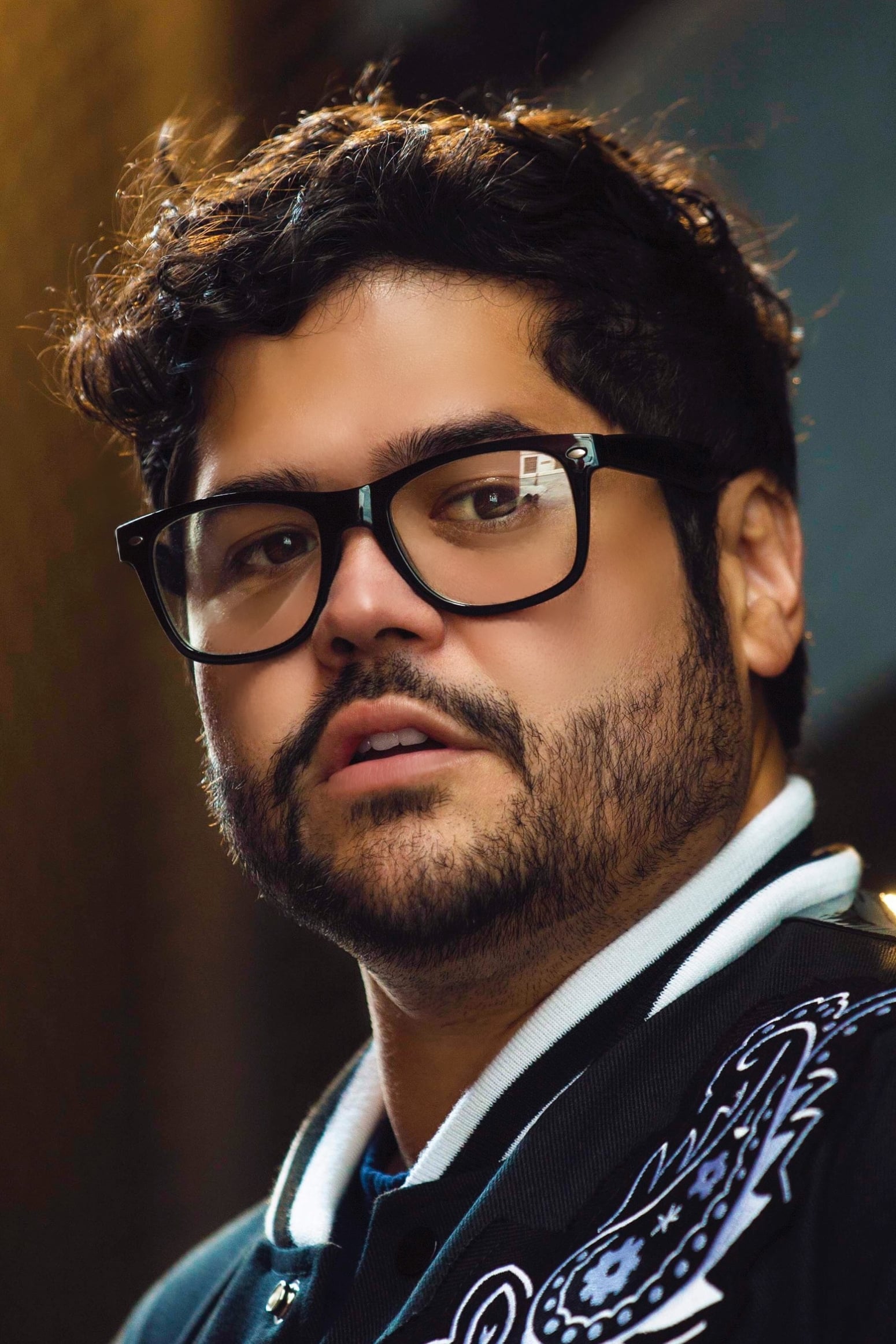
The breakout star of ‘What We Do in the Shadows’ has advocated for more diverse queer representation that includes all body types and backgrounds. He believes that the industry should focus on casting queer actors who can bring a fresh perspective to familiar tropes. Guillén argues that authenticity is the key to creating characters that truly resonate with the audience. He supports the call for more queer performers to be given lead roles in major productions. His success has opened doors for many other underrepresented artists in the industry.
Robin de Jesús
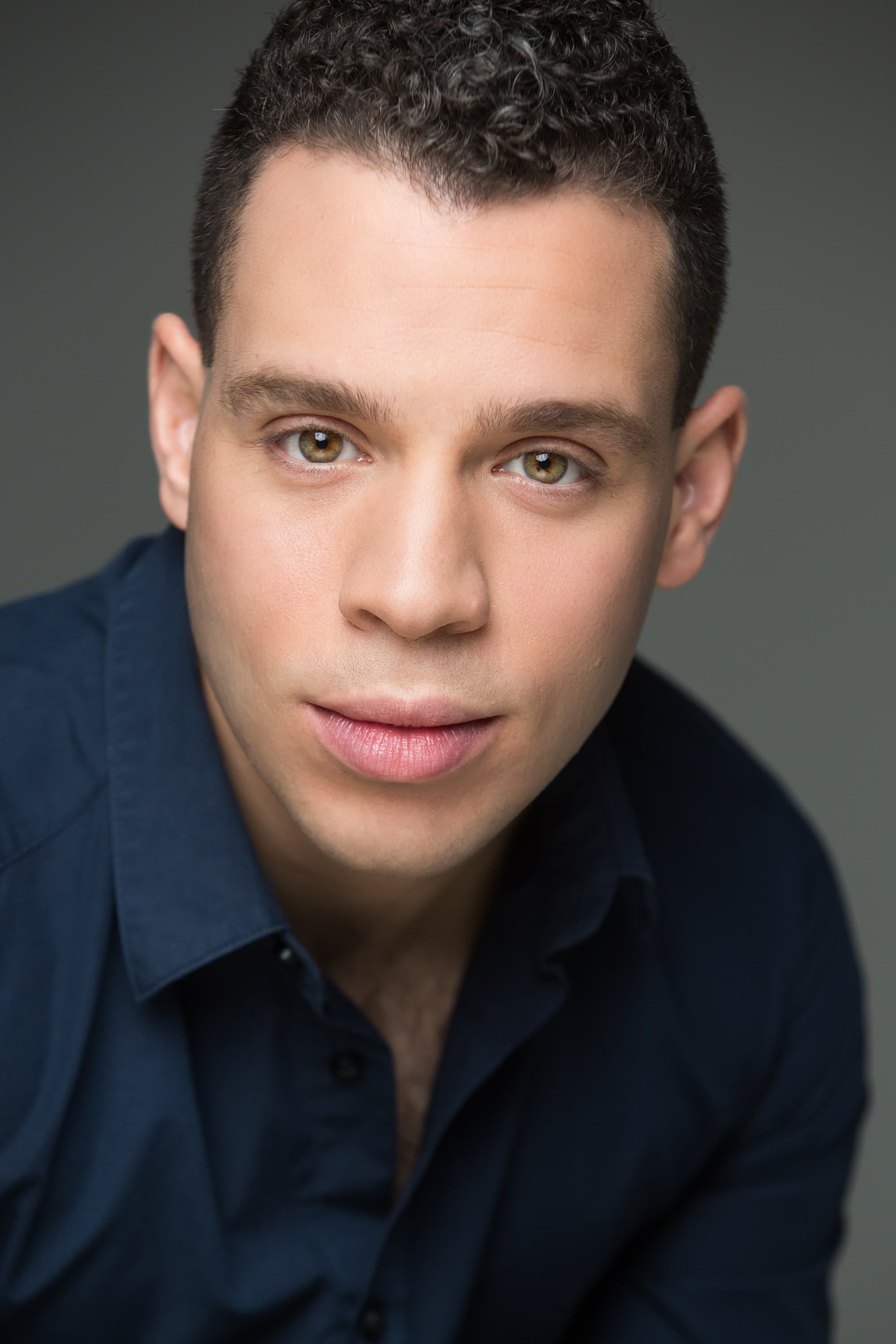
This talented actor has been a consistent voice for the importance of intersectionality in queer representation. He believes that queer actors of color should be given the space to tell stories that reflect their complex identities. De Jesús argues that authentic casting is a way to ensure that these narratives are handled with care and respect. He supports the idea that the community should have ownership over its own stories on screen. His performances continue to draw praise for their honesty and emotional depth.
Scott Evans
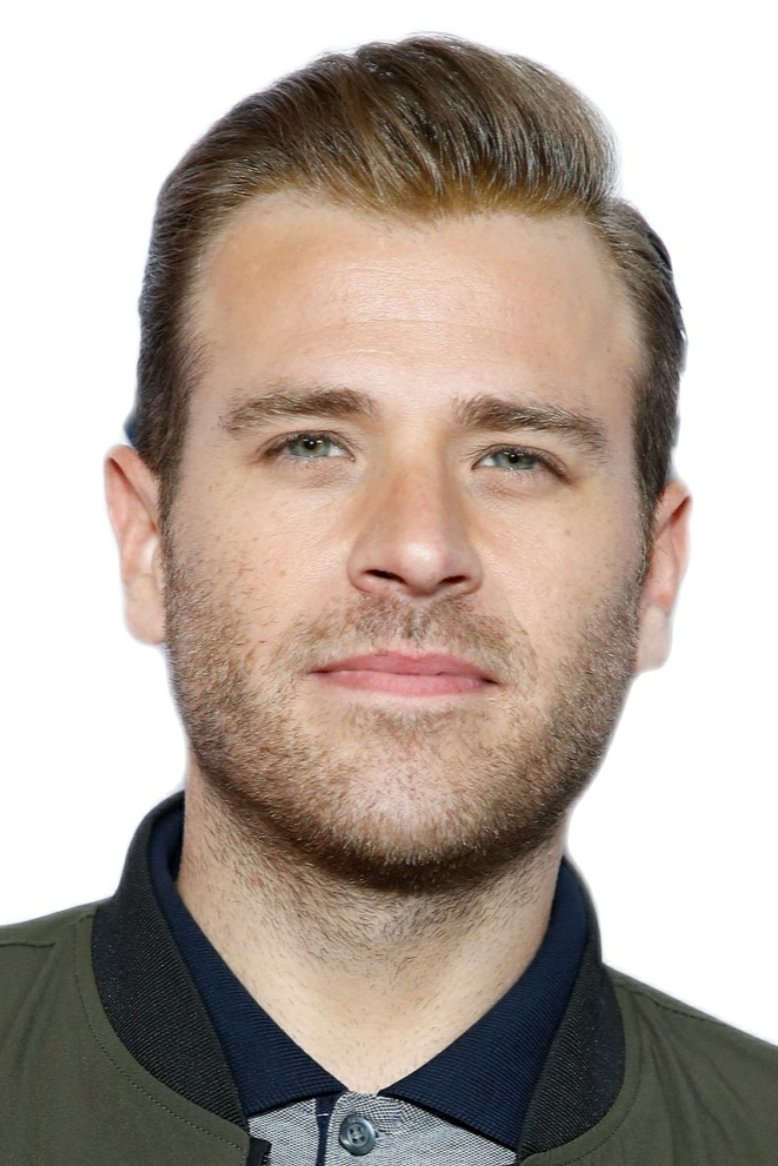
The actor has discussed his journey in Hollywood as a gay man and the importance of finding roles that feel authentic. He believes that the industry is slowly changing to become more inclusive of queer talent in all types of roles. Evans supports the movement that encourages the casting of LGBTQ+ performers in queer parts. He argues that this practice helps to build a more equitable professional landscape for everyone. His commitment to visibility serves as an inspiration for many aspiring actors.
Ben Platt
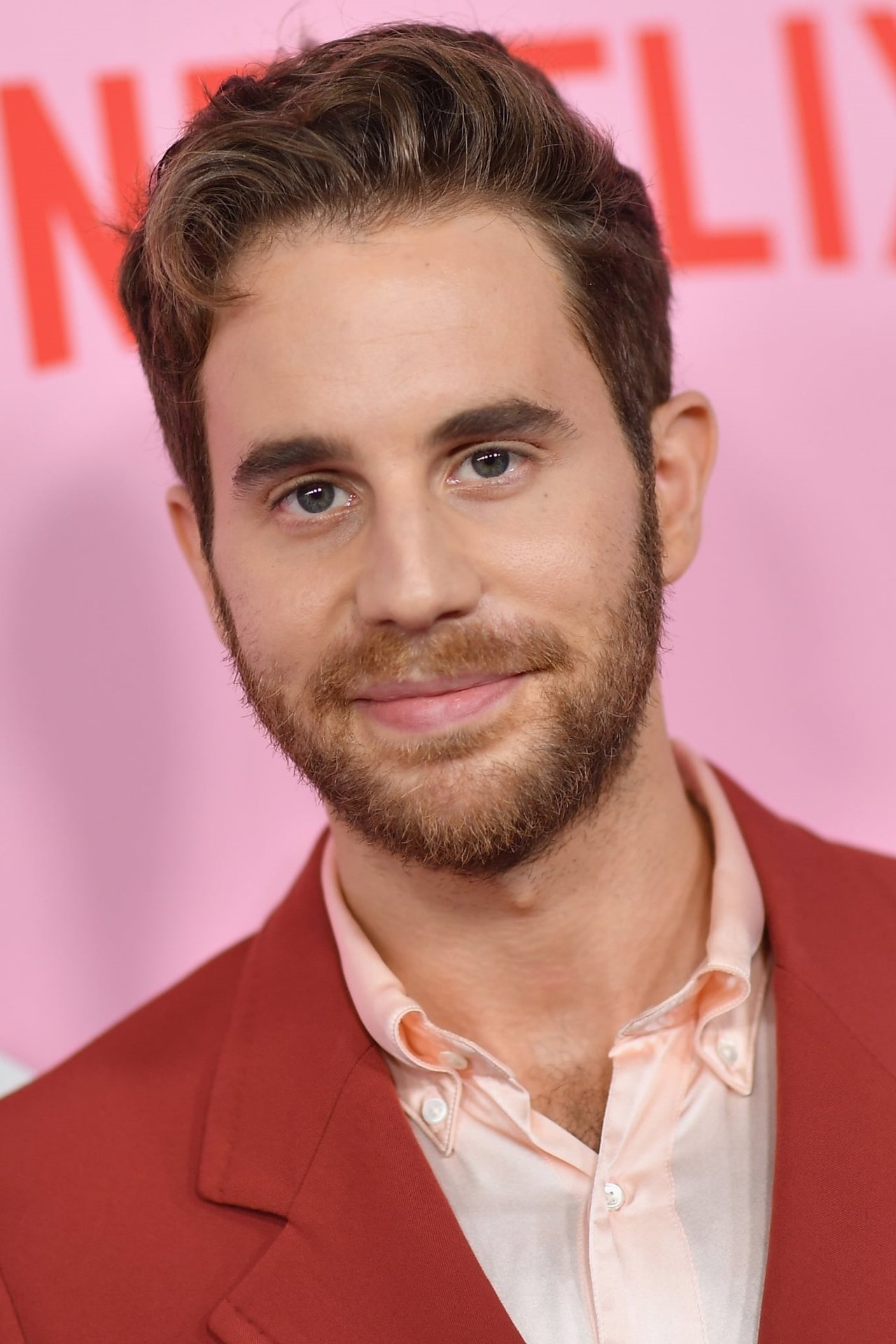
The star of ‘Dear Evan Hansen’ has expressed his support for the idea that queer roles should be reserved for queer performers. He believes that the emotional stakes of these stories are best handled by those who understand the community from within. Platt argues that authentic casting adds a layer of integrity to the work that cannot be manufactured. He supports the shift toward more responsible and representative casting in theater and film. His involvement in queer-centric projects highlights his dedication to these principles.
Conrad Ricamora
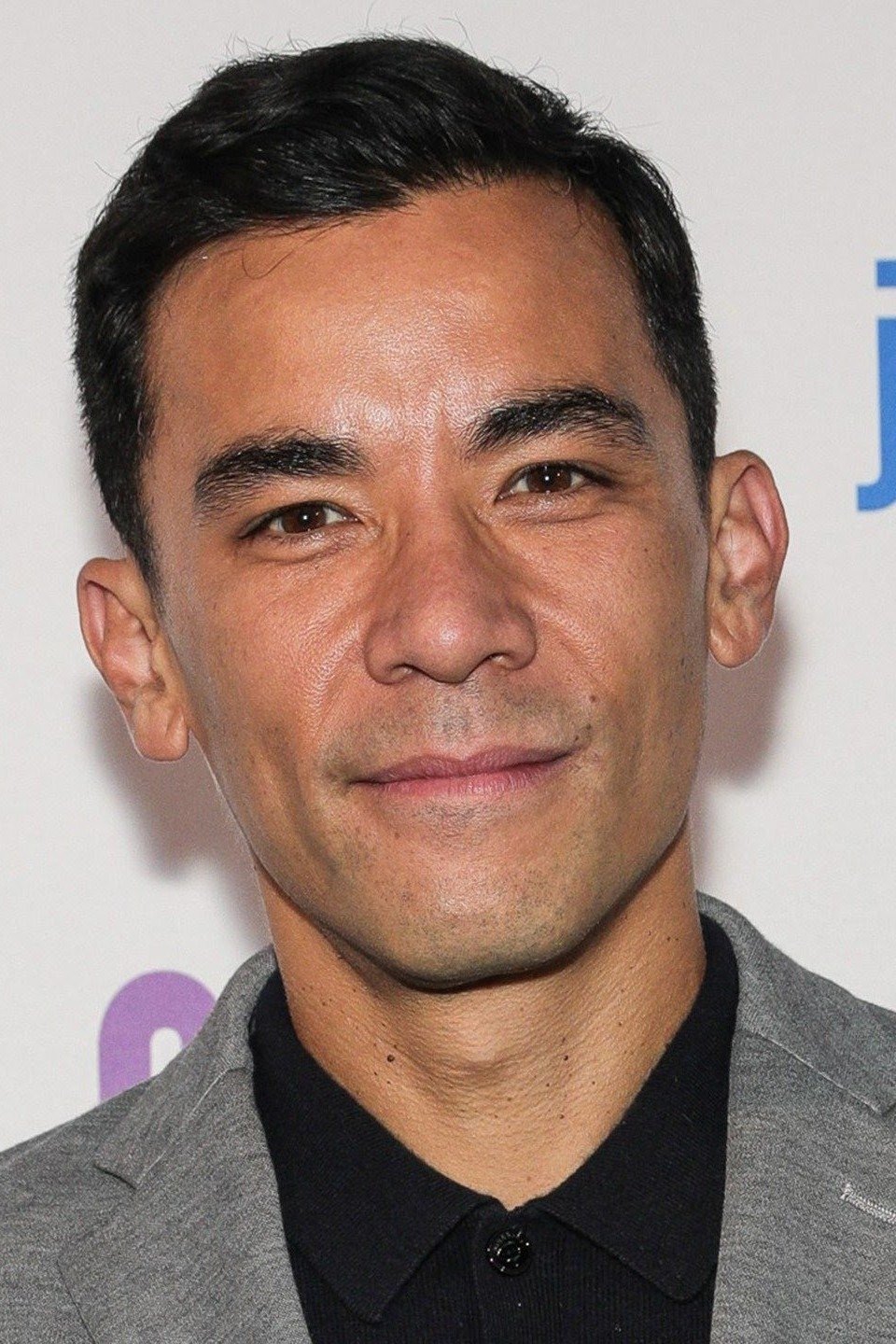
Known for his role in ‘How to Get Away with Murder’, this actor has been an advocate for more Asian American queer representation. He believes that the industry needs to move beyond stereotypes and cast queer actors in multifaceted roles. Ricamora argues that authentic casting is essential for the development of complex and believable characters. He supports the push for more opportunities for marginalized performers to lead their own narratives. His work has helped to broaden the scope of queer storytelling in mainstream media.
Sean Hayes
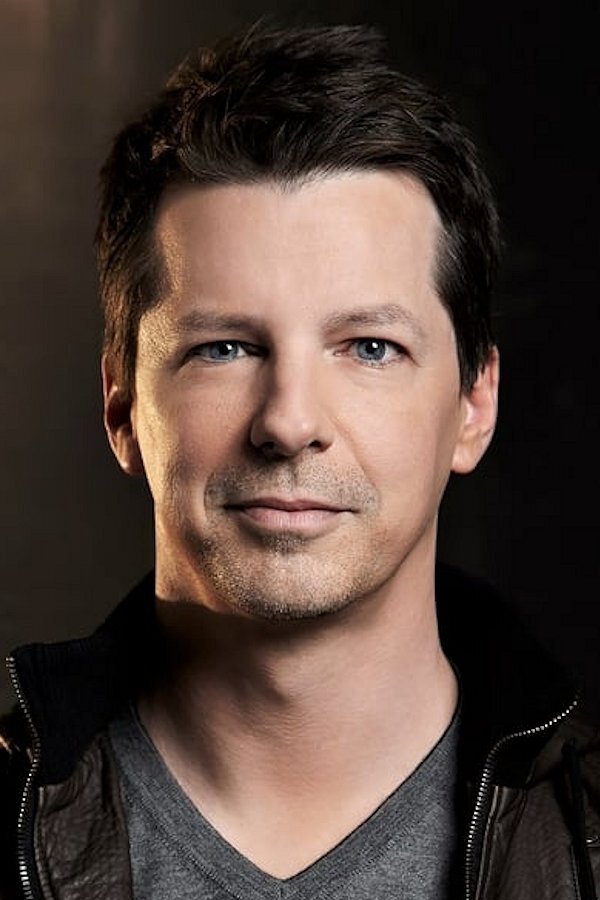
The ‘Will & Grace’ star has often reflected on the challenges of being an out actor in the early stages of his career. He believes that the current movement toward authentic casting is a significant improvement for the industry. Hayes argues that queer actors bring a necessary familiarity to LGBTQ+ roles that enhances the production. He supports the idea that the industry should prioritize the community when telling these specific stories. His continued success in the entertainment world demonstrates the enduring power of queer talent.
Tituss Burgess
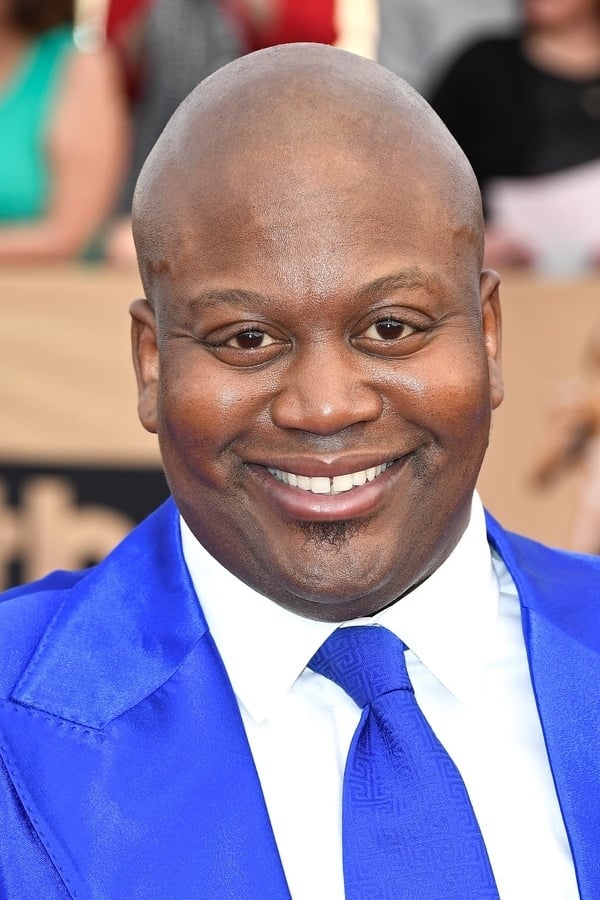
This dynamic performer has used his platform to advocate for greater visibility and respect for queer actors of color. He believes that the industry often overlooks the talent within the LGBTQ+ community in favor of more traditional casting. Burgess argues that authentic representation is a powerful tool for social change and individual empowerment. He supports the movement to ensure that queer performers are the primary storytellers for their own lives. His unique voice and perspective continue to influence the conversation around diversity.
Dan Levy
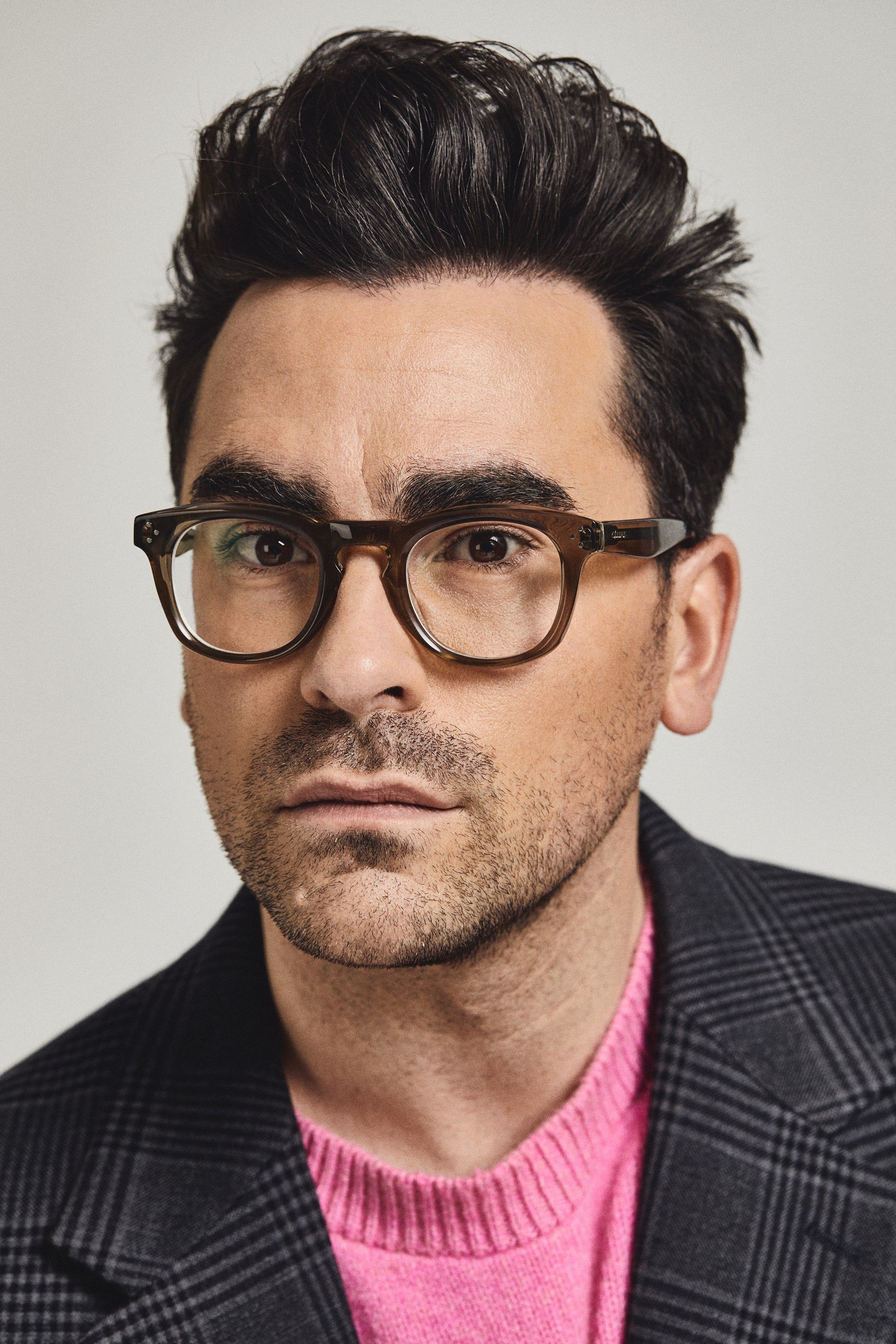
As the co-creator and star of ‘Schitt’s Creek’, Levy has been a major influence on modern queer representation. He believes that the industry should focus on creating roles that are defined by more than just their sexuality. Levy argues that casting queer actors in these parts helps to ground the characters in reality and truth. He supports the call for more authentic casting as a way to improve the quality of LGBTQ+ narratives. His work has been widely celebrated for its inclusive and compassionate approach to storytelling.
Murray Bartlett
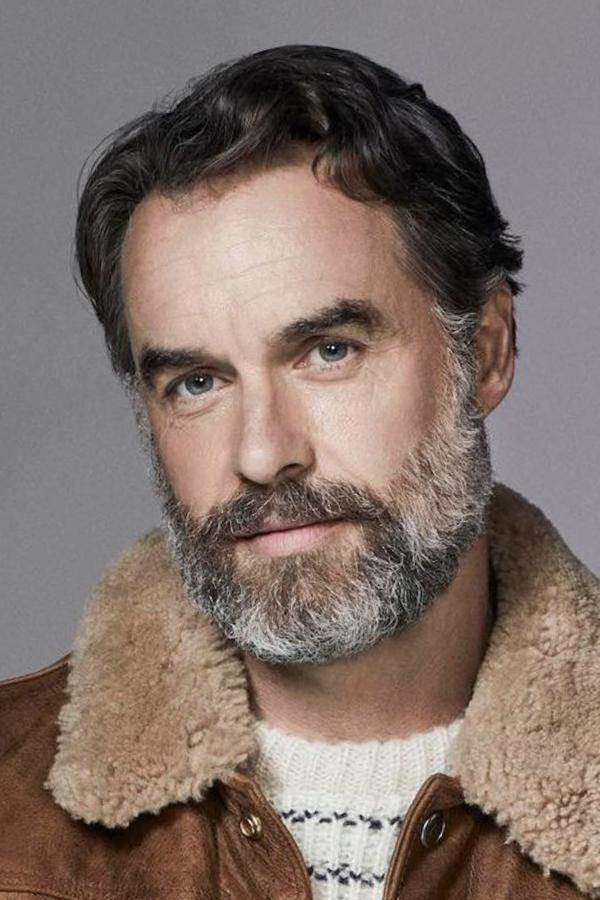
The actor who gained widespread acclaim for ‘The White Lotus’ has spoken about the joys of playing complex queer characters. He believes that the industry is entering a new era where authentic casting is becoming the standard. Bartlett argues that queer performers have a deep understanding of the themes and emotions prevalent in these roles. He supports the idea that the community should be given the chance to shine in its own stories. His performances are a testament to the value of having queer voices in the spotlight.
Troye Sivan
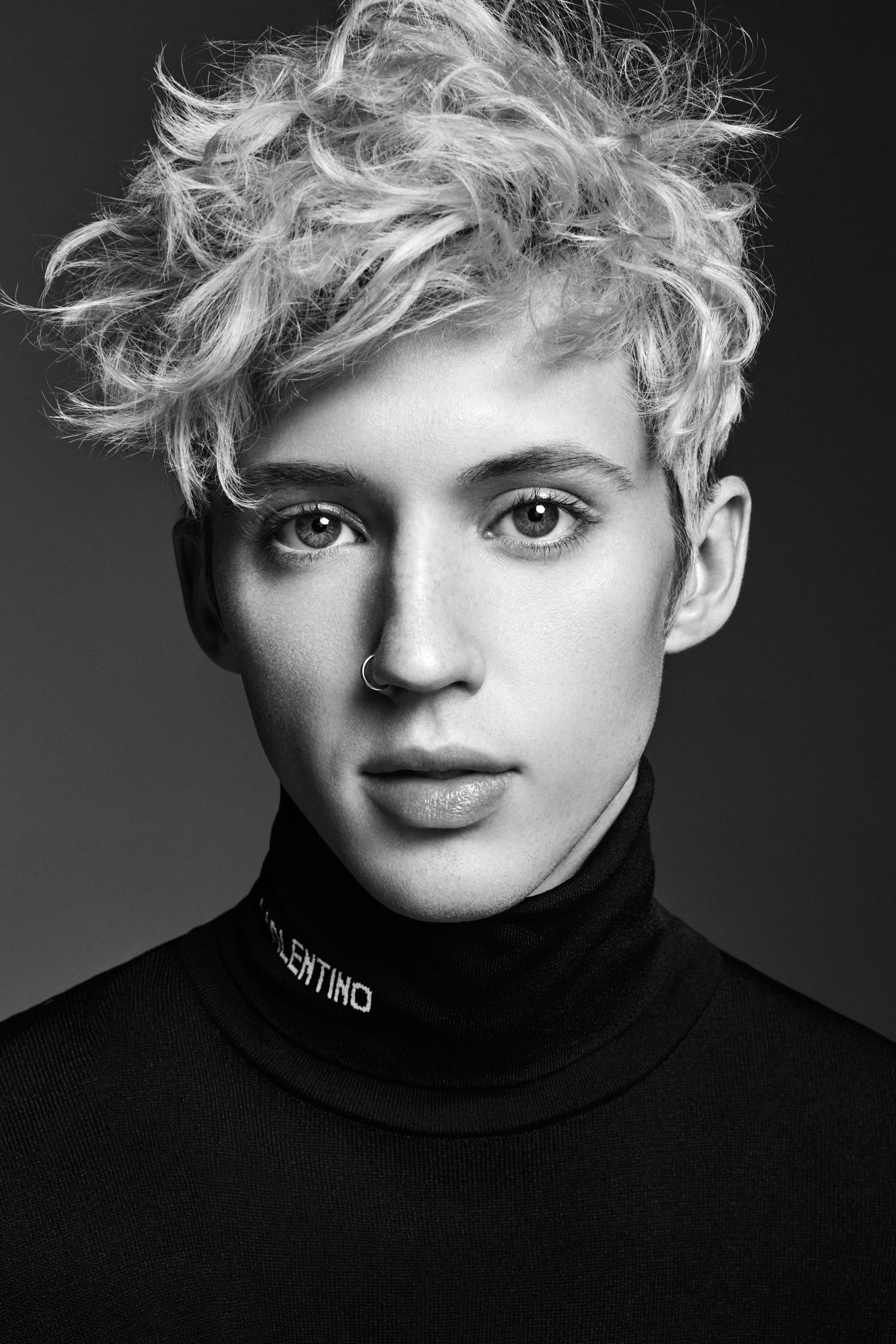
The singer and actor has been a prominent representative for the younger generation of the LGBTQ+ community. He believes that the media should reflect the diversity and authenticity of the real world. Sivan argues that casting queer actors in queer roles is an essential part of creating a more inclusive culture. He supports the idea that performers should be allowed to bring their full identities to their work. His participation in various creative projects highlights the importance of queer visibility for audiences everywhere.
Please share your thoughts on the future of authentic casting in the comments.