


Actors Who Sparked Outrage by Defending Old Problematic Roles

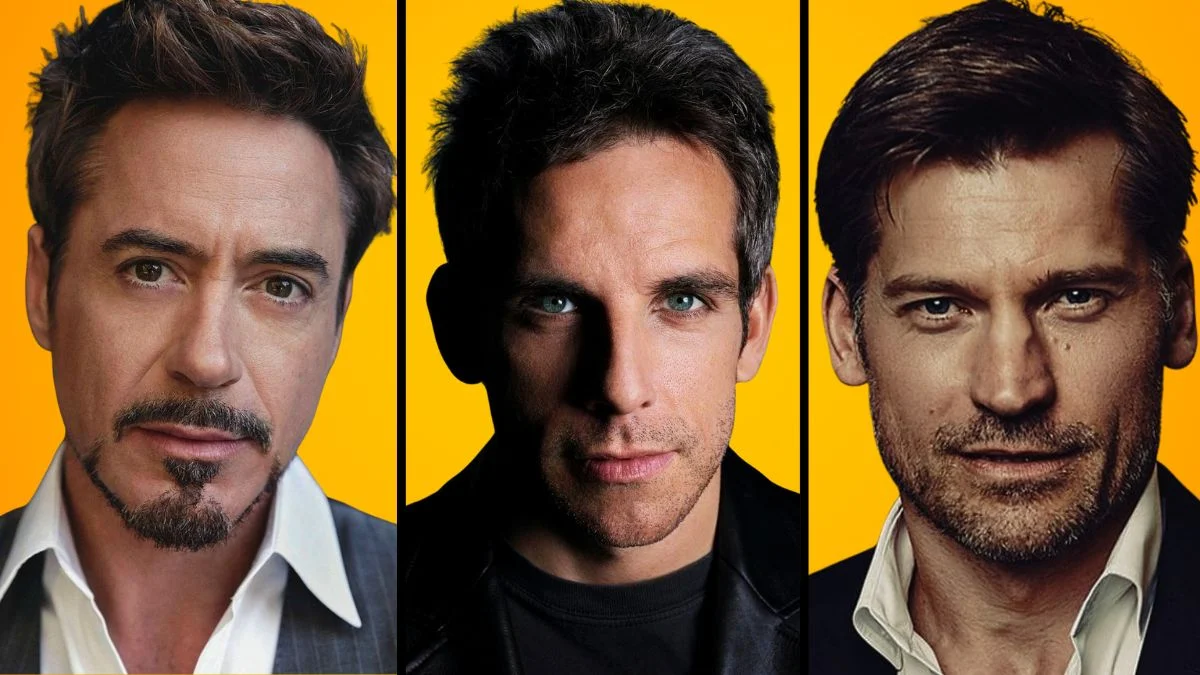


The entertainment industry has undergone significant cultural changes over the decades resulting in a modern reappraisal of past cinematic performances. Many actors have been criticized for taking on roles that featured cultural appropriation or offensive caricatures of marginalized groups. While some performers have offered apologies for their participation others have stood by their creative choices and defended the artistic merits of their work. These defenses often emphasize the context of the era or the satirical intent behind the script to justify the portrayals. This article explores male actors who faced public backlash for defending their controversial roles in film and television history.
Robert Downey Jr.
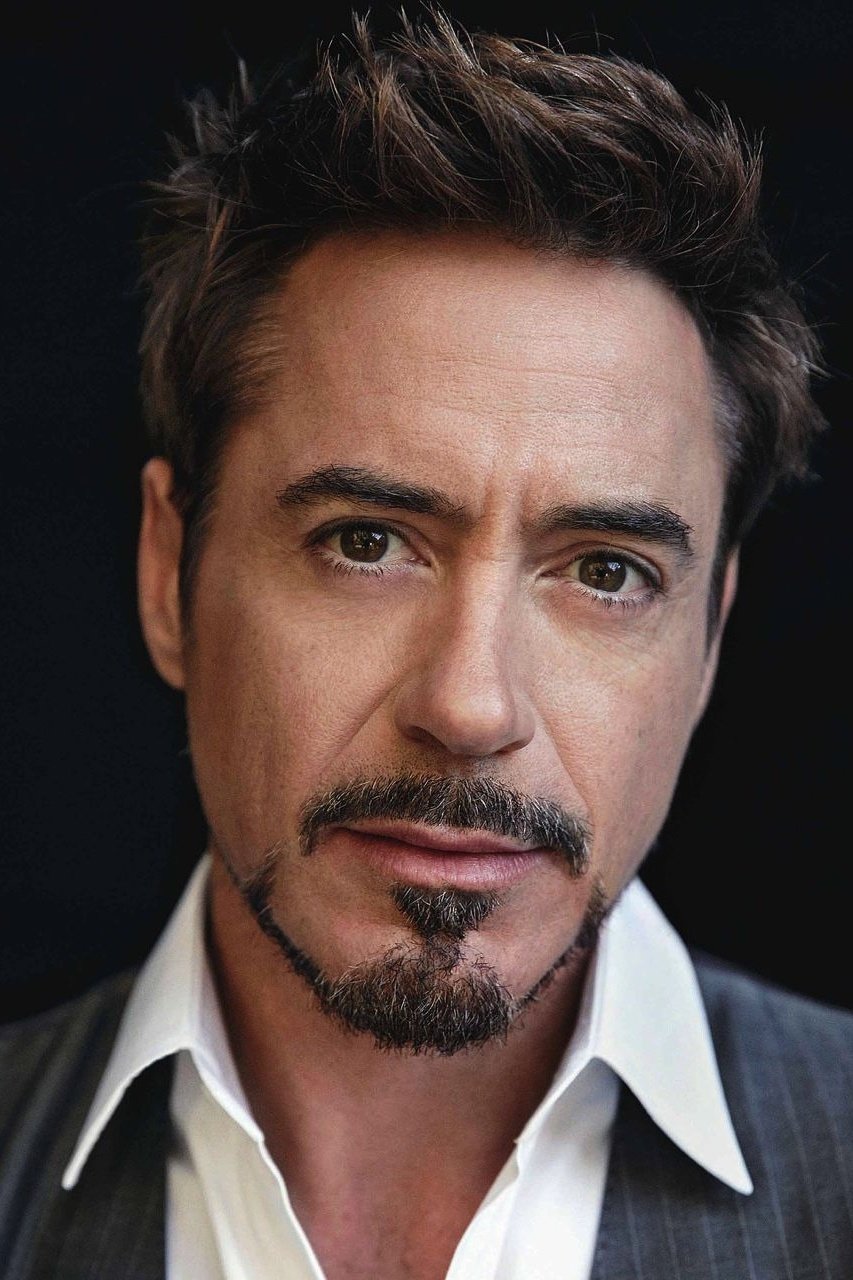
Robert Downey Jr. portrayed an actor who uses blackface in the satirical comedy ‘Tropic Thunder’. He played Kirk Lazarus an Australian method actor who undergoes a procedure to darken his skin for a film role. Downey has frequently defended the performance by explaining that the movie was intended to mock the industry and the ego of actors. He stated that the vast majority of his Black friends found the role to be a successful piece of satire. The actor continues to maintain that the film was a commentary on Hollywood rather than a racist caricature.
Ben Stiller
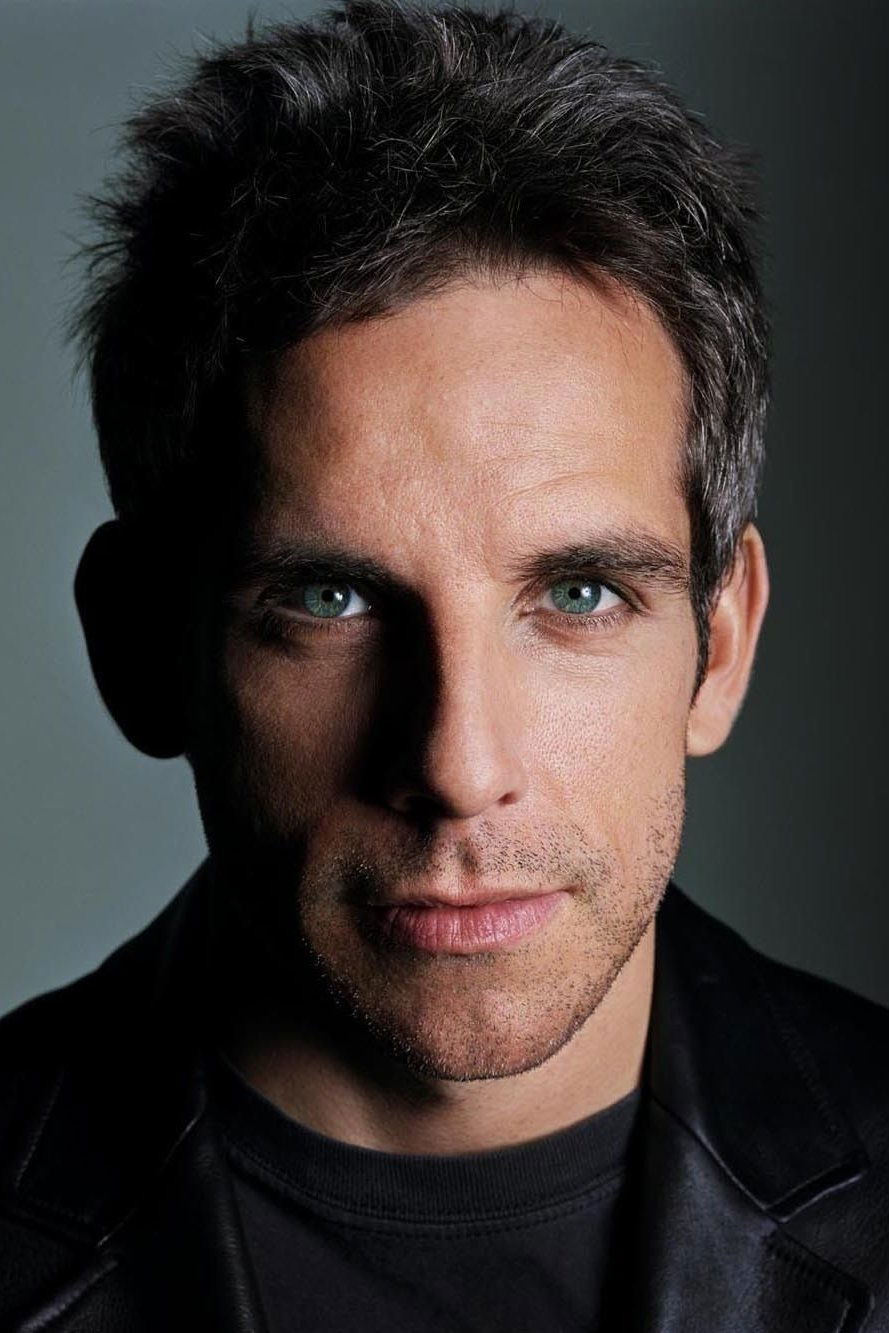
Ben Stiller directed and starred in ‘Tropic Thunder’ which faced renewed criticism in recent years due to its controversial humor. Stiller has publicly stood by the film and refused to apologize for its content during various anniversaries. He argued that the movie was always meant to be a sharp satire of Hollywood excess and method acting. The actor noted that he remains proud of the work and the message it conveyed about the industry. His steadfast defense has sparked ongoing debates on social media regarding the limits of satirical comedy in the modern era.
Matt Damon
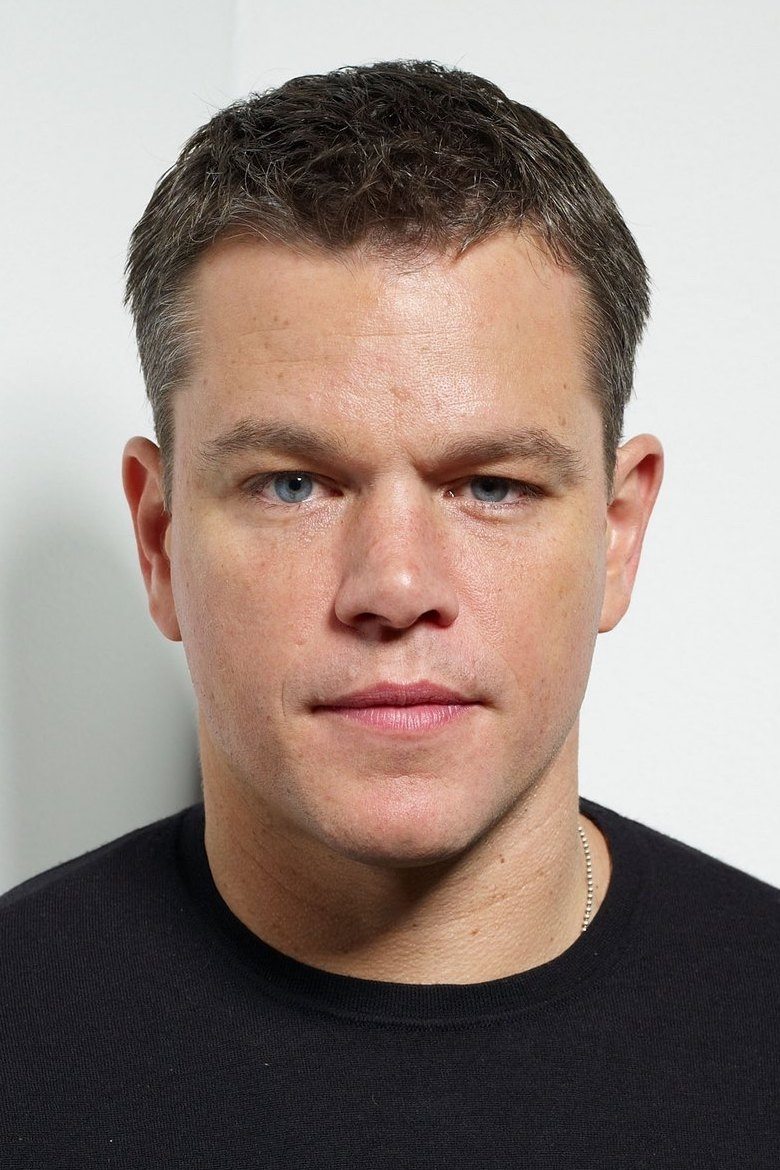
Matt Damon faced accusations of whitewashing and perpetuating the white savior trope for his role in ‘The Great Wall’. Critics argued that a Western actor should not have been the lead in a film set in ancient China. Damon defended his participation by stating that the character was always intended to be a foreigner in the script. He dismissed the controversy as a misunderstanding based on the film trailer rather than the full story. The actor maintained that he takes the issue of diversity in film very seriously despite the backlash from the public.
Hank Azaria
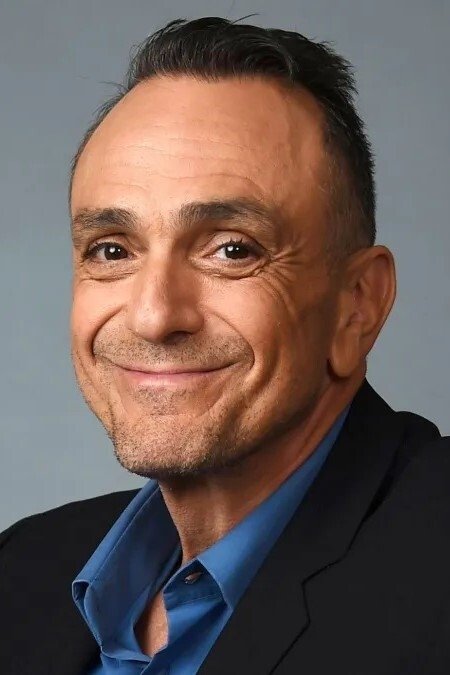
Hank Azaria provided the voice for Apu Nahasapeemapetilon on ‘The Simpsons’ for several decades. When a documentary highlighted the character as a harmful Indian stereotype Azaria initially defended the portrayal in interviews. He argued that the character was created with good intentions and was a beloved part of the show ensemble. After several years of public discussion the actor eventually changed his stance and stepped away from the role. His initial defense however caused significant friction with critics who felt the character was a racist caricature.
Eddie Redmayne
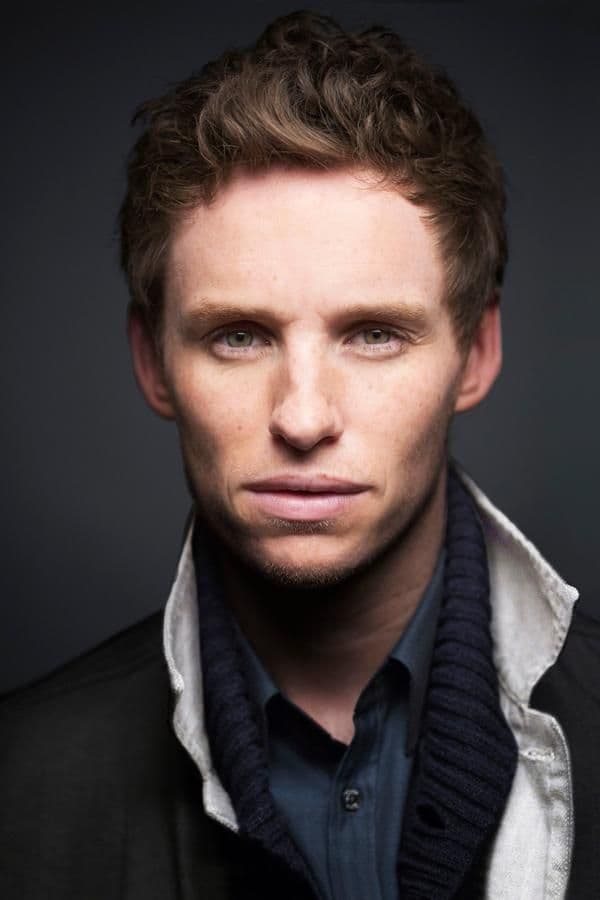
Eddie Redmayne played a trans woman in the drama ‘The Danish Girl’ which led to criticism regarding the casting of cisgender actors in trans roles. At the time of the film release Redmayne defended his casting by emphasizing his dedication to the research and the emotional core of the story. He argued that he approached the role with great sensitivity and respect for the community. While he later admitted that he would not take the role today his early defense of the casting choice sparked intense public debate. The controversy remains a focal point in discussions about authentic representation in Hollywood.
Jared Leto
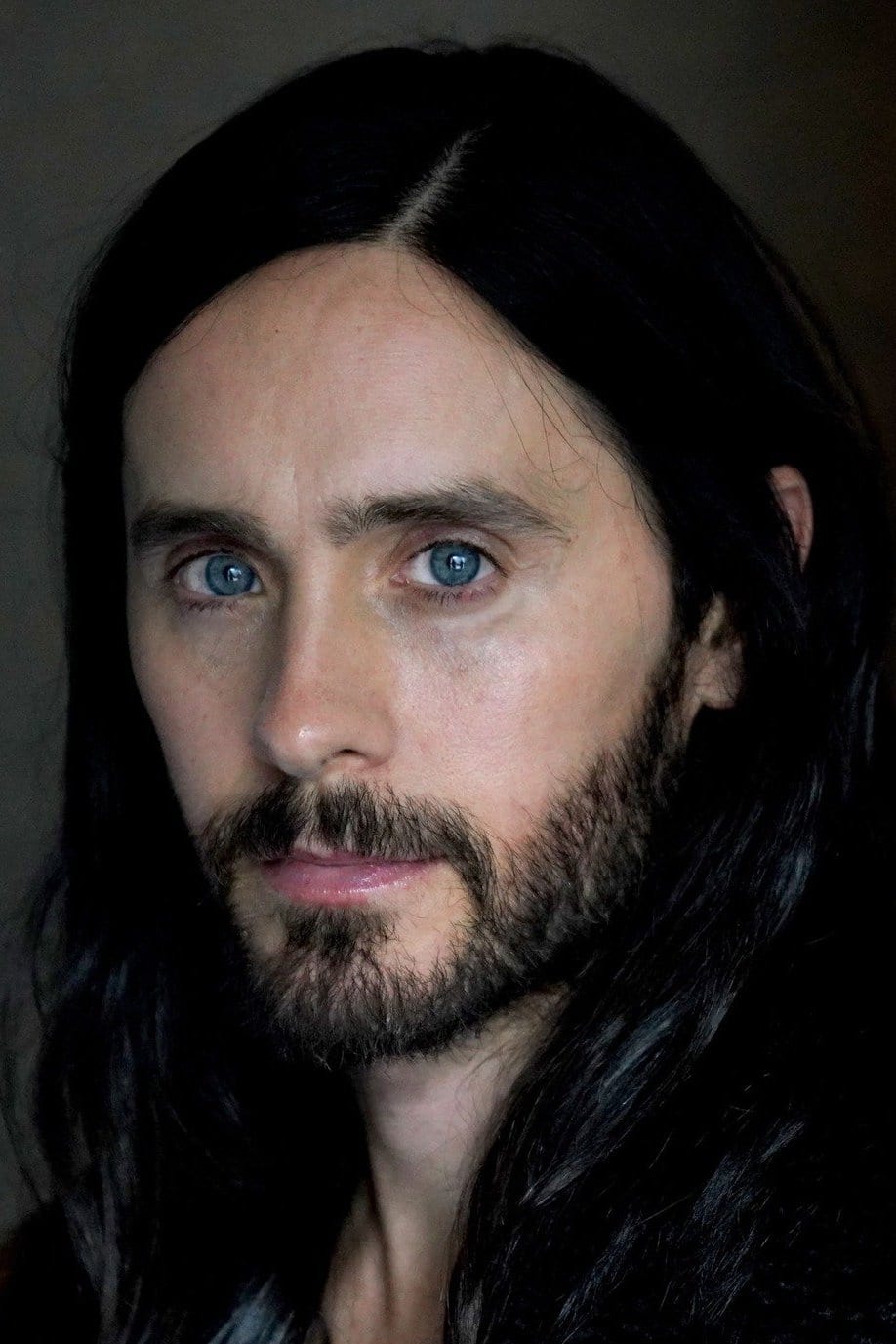
Jared Leto defended his portrayal of a trans woman in ‘Dallas Buyers Club’ after winning an Academy Award for the performance. Critics and activists argued that the role should have gone to a trans actor to ensure authentic representation. Leto responded to the criticism by stating that he worked incredibly hard to bring humanity and dignity to the character. He maintained that his performance was a tribute to those who suffered during the AIDS crisis. Despite his defense many in the LGBTQ community felt the casting choice was a missed opportunity for progress.
Johnny Depp
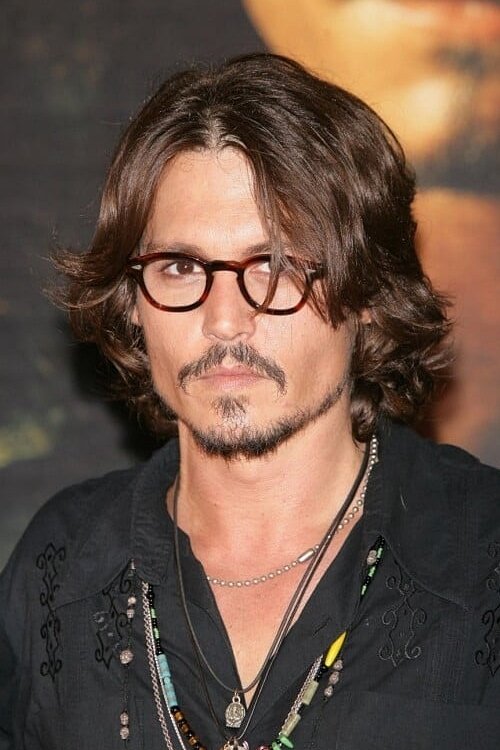
Johnny Depp sparked outrage when he was cast as Tonto in the big screen adaptation of ‘The Lone Ranger’. Many critics pointed out that the role utilized Native American stereotypes and should have been played by an indigenous actor. Depp defended the role by claiming that he has Native American heritage and wanted to reinvent the character for a new generation. He argued that his portrayal was intended to be a respectful and empowered version of Tonto. The film and his defense were met with heavy criticism from indigenous groups and cultural commentators.
Jake Gyllenhaal
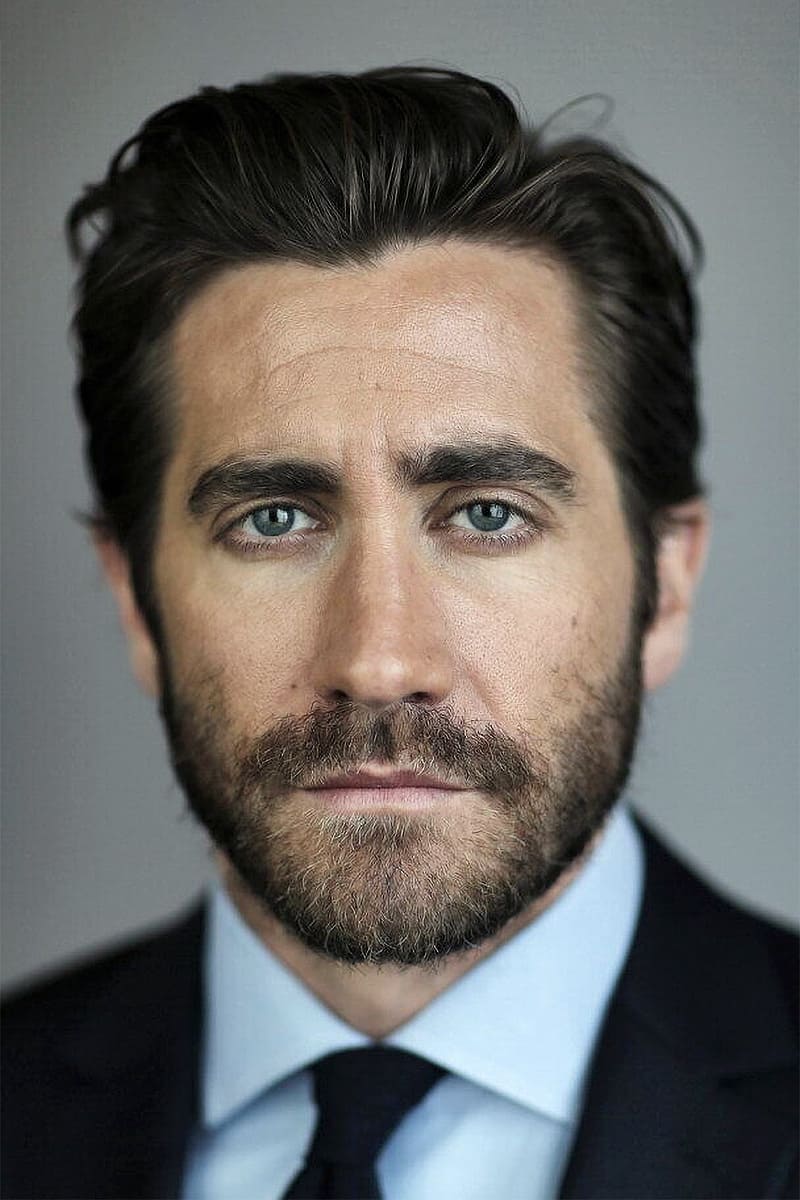
Jake Gyllenhaal faced significant backlash for playing the lead role in ‘Prince of Persia’ which was based on a popular video game. Critics accused the production of whitewashing because a white actor was cast to play a character of Middle Eastern descent. Gyllenhaal defended the role during the promotional tour by focusing on the physical challenges and the epic nature of the story. He argued that the film was a fantasy adventure that transcended specific ethnic backgrounds. In more recent years the actor has reflected on the choice with more caution but his initial defense remains part of the record.
Christian Bale
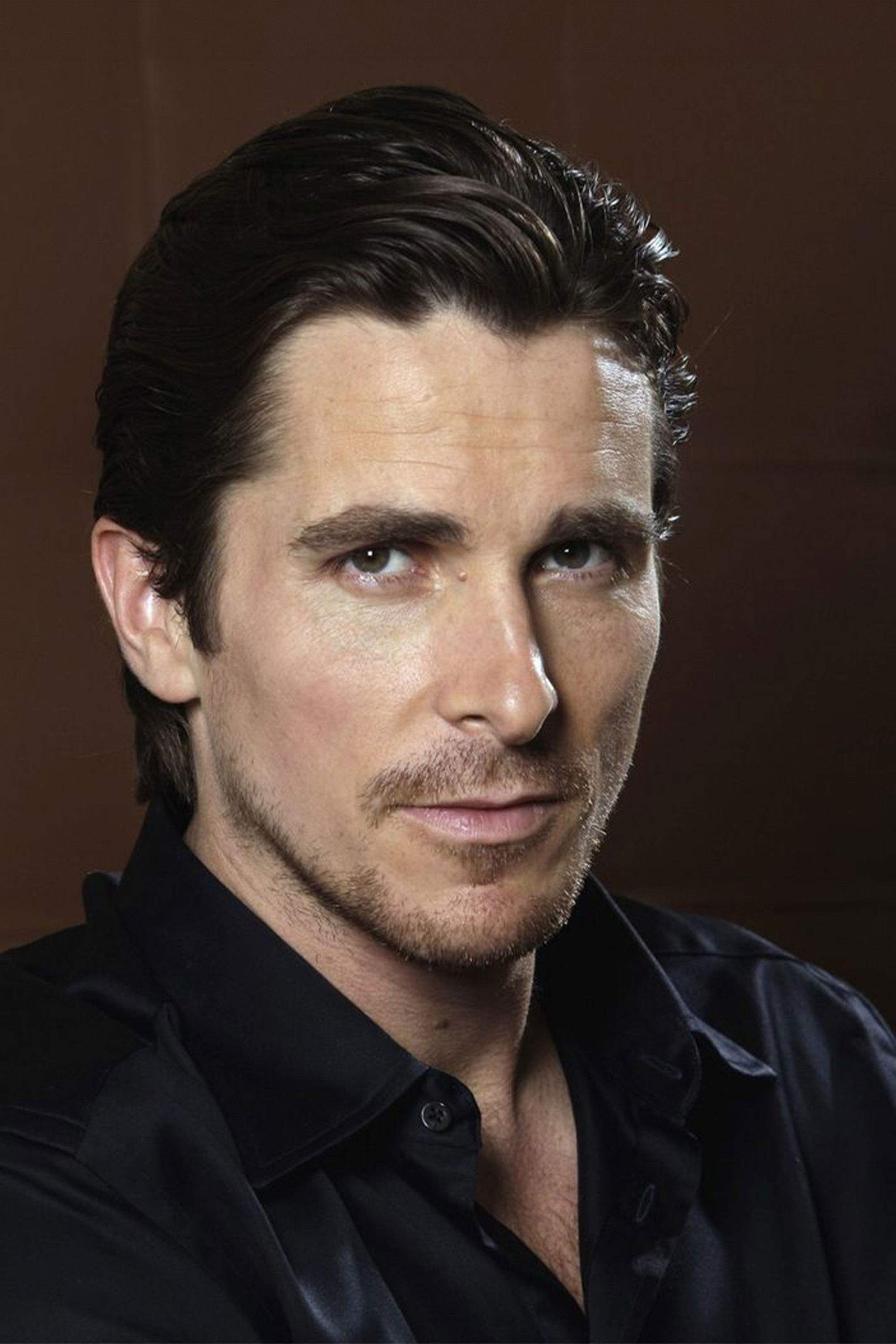
Christian Bale played Moses in ‘Exodus Gods and Kings’ which was criticized for casting white actors in Middle Eastern roles. Bale defended the production by stating that the film required a massive budget that could only be secured with high profile stars. He argued that the casting was a business reality of the Hollywood system at the time. The actor also mentioned that he focused on the internal struggle of the character rather than the external controversy. His comments were seen by many as dismissive of the concerns regarding racial representation in historical epics.
Gerard Butler
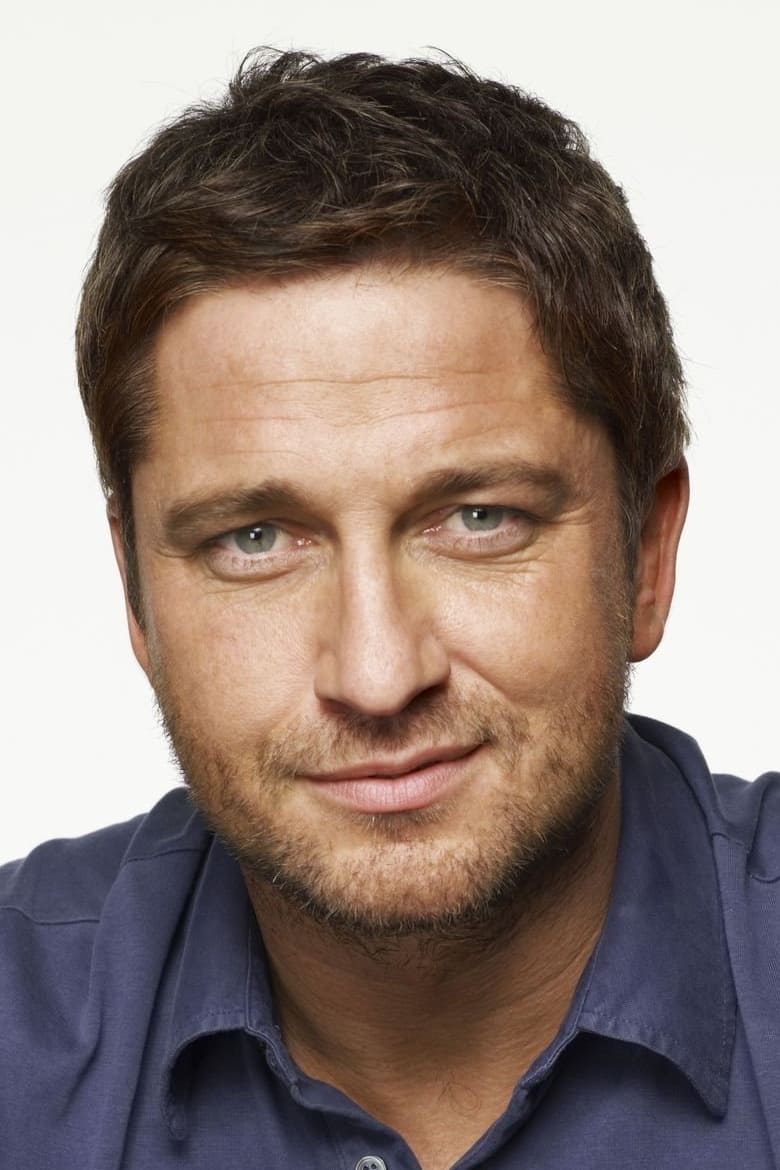
Gerard Butler starred as an Egyptian deity in ‘Gods of Egypt’ which was widely panned for its lack of diverse casting. When faced with whitewashing allegations Butler defended the film by stating that it was a fictionalized version of mythology. He argued that the casting was balanced and that the project was intended to be a fun summer blockbuster. The actor dismissed the idea that the film needed to adhere to historical accuracy regarding the ethnicity of the gods. His defense did little to quiet the critics who felt the film ignored the cultural roots of the story.
Nikolaj Coster-Waldau
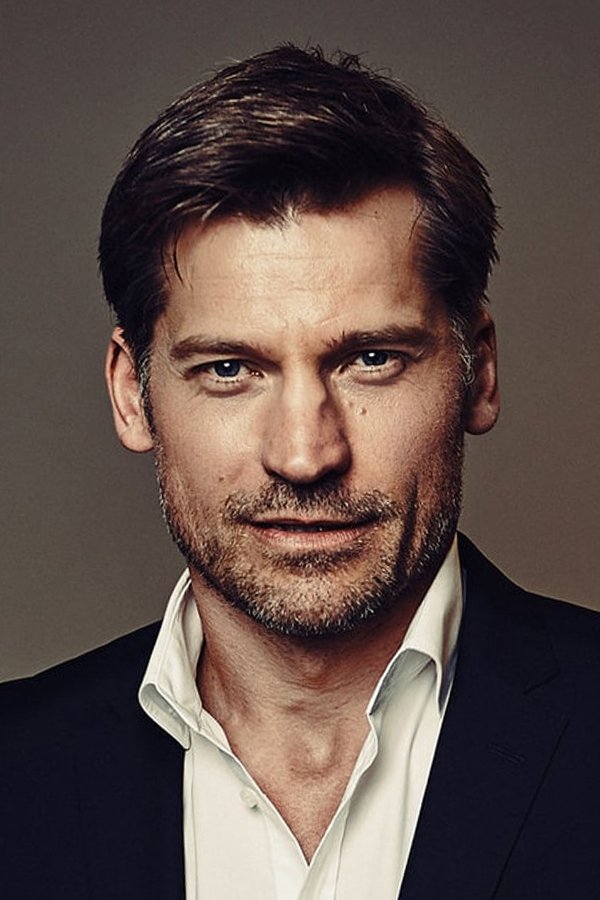
Nikolaj Coster Waldau also appeared in ‘Gods of Egypt’ and faced similar criticism to his costars regarding the lack of Egyptian actors. He defended the film by arguing that the story was not meant to be a historical document but a fantasy epic. The actor stated that the production team worked hard to create a unique world that was separate from reality. He dismissed the whitewashing claims as being based on a narrow view of the creative process. Many audiences found his defense to be out of touch with the growing demand for diversity in major films.
Joseph Fiennes
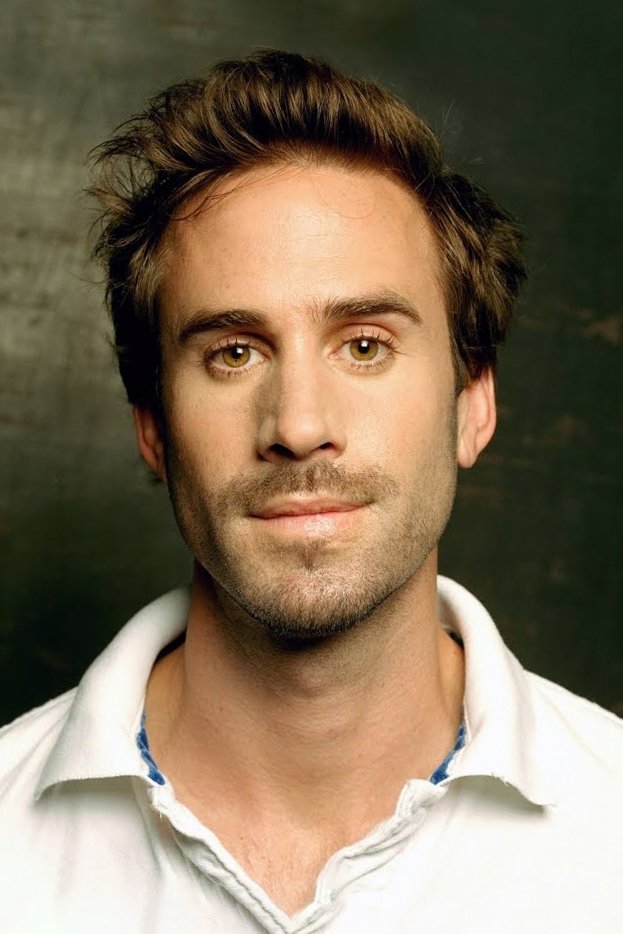
Joseph Fiennes was cast as Michael Jackson in an episode of the anthology series ‘Urban Myths’. The casting of a white actor to play the legendary Black musician sparked immediate and intense global outrage. Fiennes defended the role by stating that the story took place at a time when Jackson appearance had significantly changed. He argued that the project was a lighthearted comedy and not a serious biographical study. The backlash was so severe that the episode was eventually pulled from broadcast despite his defense.
Mickey Rooney
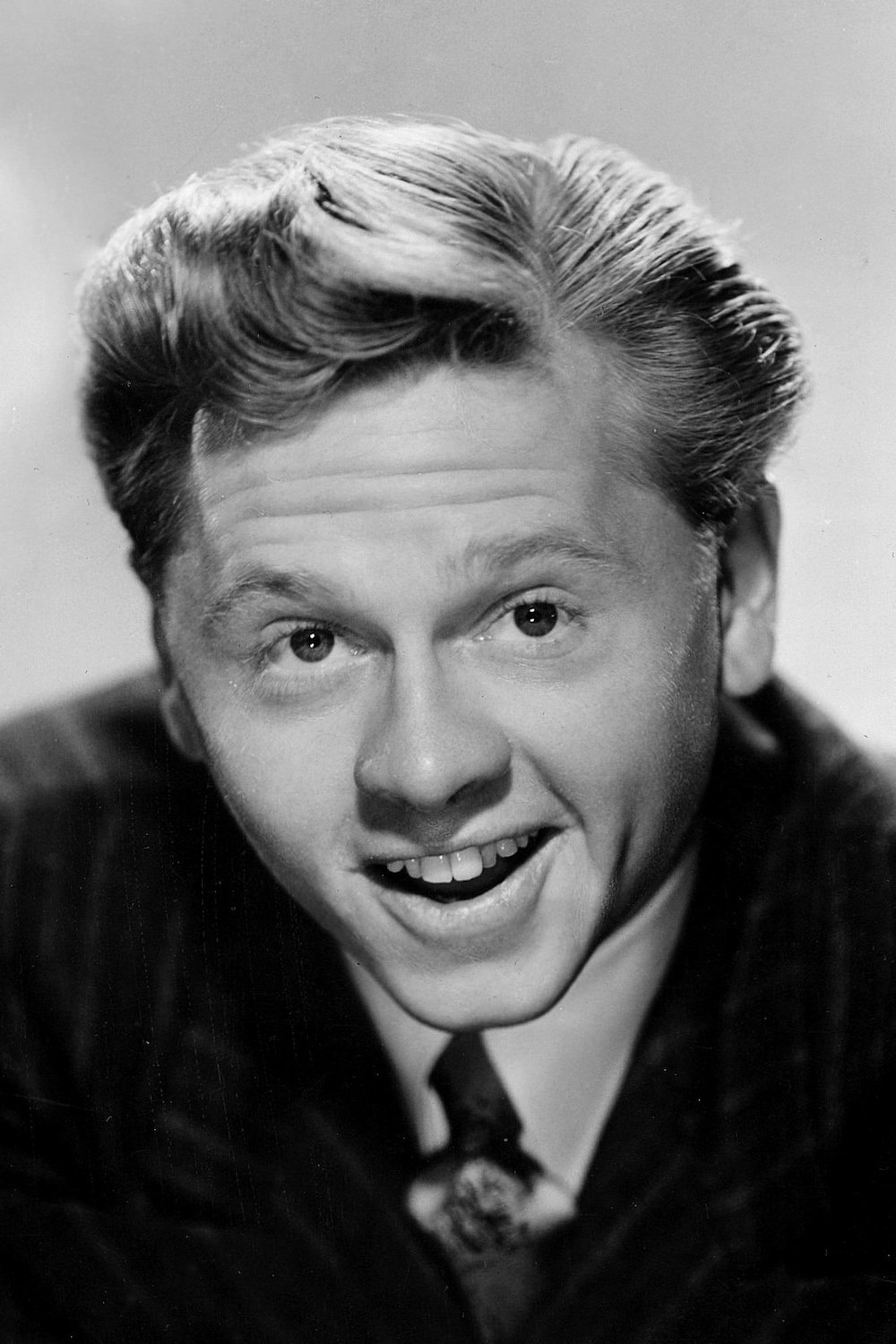
Mickey Rooney portrayed Mr. Yunioshi in ‘Breakfast at Tiffany’s’ which is now considered one of the most offensive caricatures in film history. Rooney defended the performance for many years by claiming that he never intended to cause any offense. He argued that the character was meant to be a funny addition to the movie and that audiences at the time loved it. The actor often expressed surprise that the role became so controversial in his later years. His refusal to fully acknowledge the harm of the stereotype remained a point of contention until his death.
Fisher Stevens
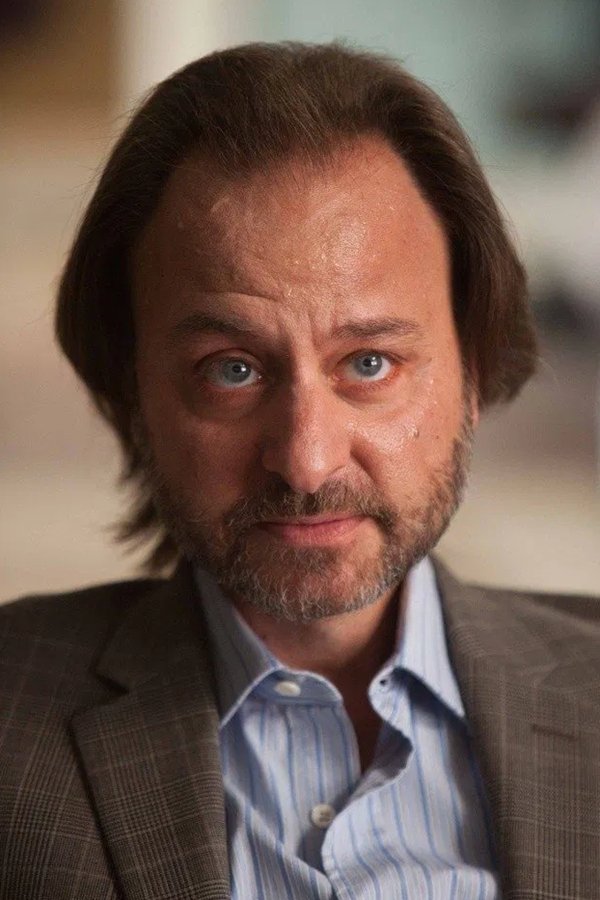
Fisher Stevens played an Indian character named Ben Jabituya in the film ‘Short Circuit’ and its sequel. He utilized brown makeup and a heavy accent for the role which has since been widely condemned as an example of brownface. Stevens defended the part for a long time by explaining that he spent months immersed in Indian culture to prepare for the performance. He believed that he was creating a positive and intelligent character that audiences would respect. While he eventually expressed regret for the role his early defenses are often cited in discussions about problematic casting.
Sacha Baron Cohen
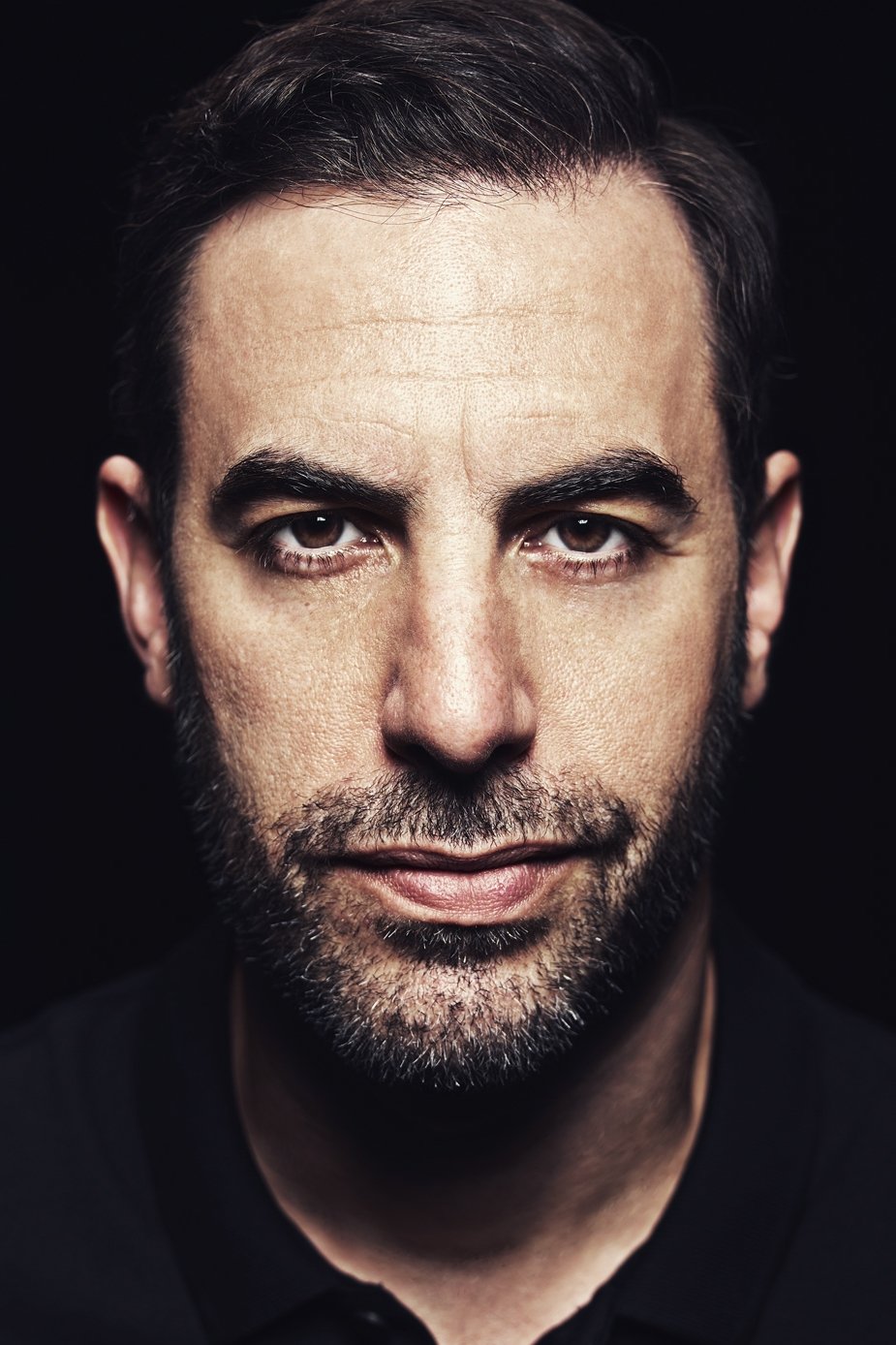
Sacha Baron Cohen has built a career on playing controversial characters such as Borat and Bruno who embody extreme stereotypes. He has consistently defended these roles as a form of social satire designed to expose the prejudices of others. Cohen argues that by playing a bigoted or ignorant character he forces the audience to confront their own biases and flaws. While many praise his work as brilliant satire others argue that the characters themselves perpetuate the very stereotypes they aim to mock. The actor remains one of the most prominent defenders of provocative comedy in the modern era.
Mike Myers
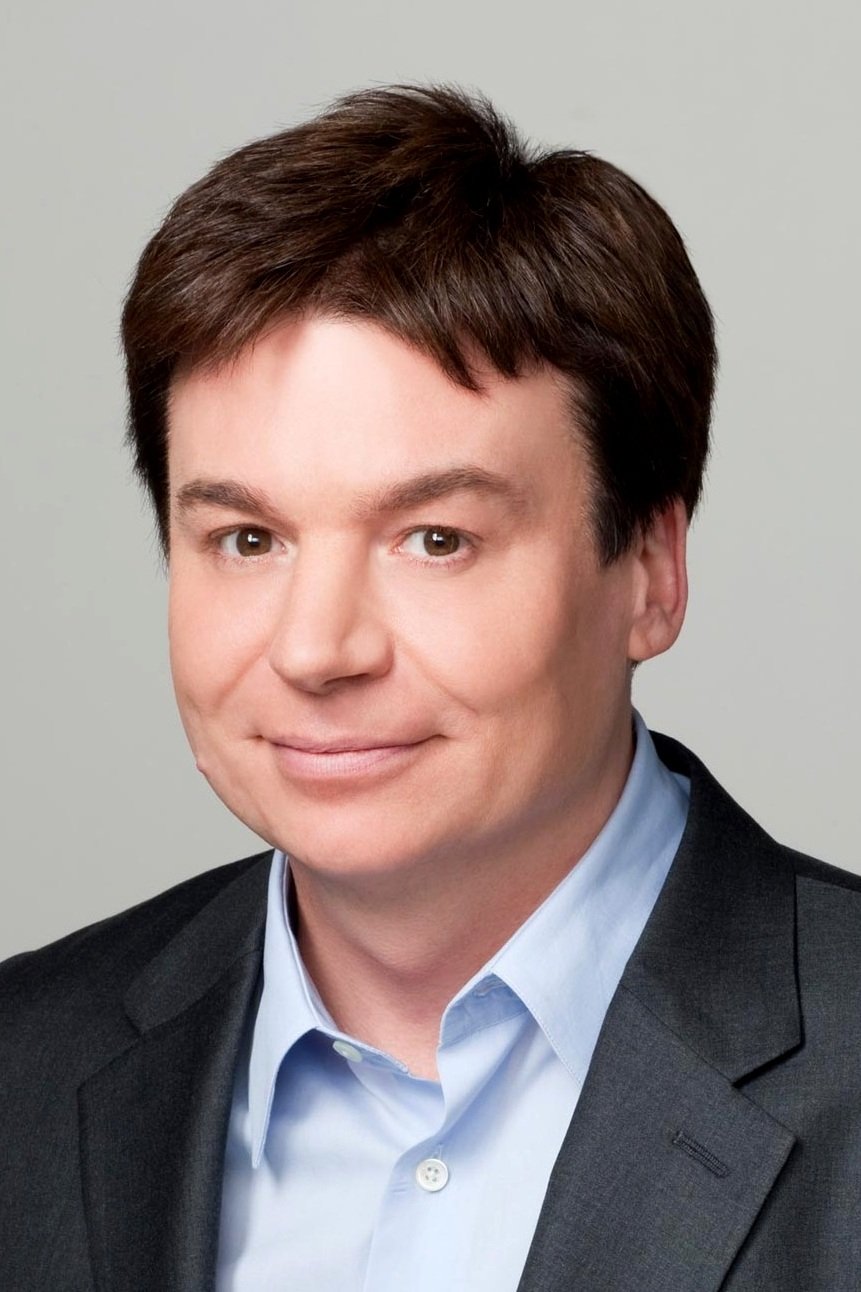
Mike Myers faced significant criticism for his portrayal of a spiritual leader in the comedy ‘The Love Guru’. Various Hindu groups argued that the film mocked their religious traditions and utilized offensive stereotypes. Myers defended the film by stating that it was intended to be a silly comedy about personal growth and enlightenment. He argued that his intentions were pure and that the movie was meant to bring joy to the audience. Despite his defense the film was a critical and commercial failure that remains a sensitive topic.
Benedict Cumberbatch
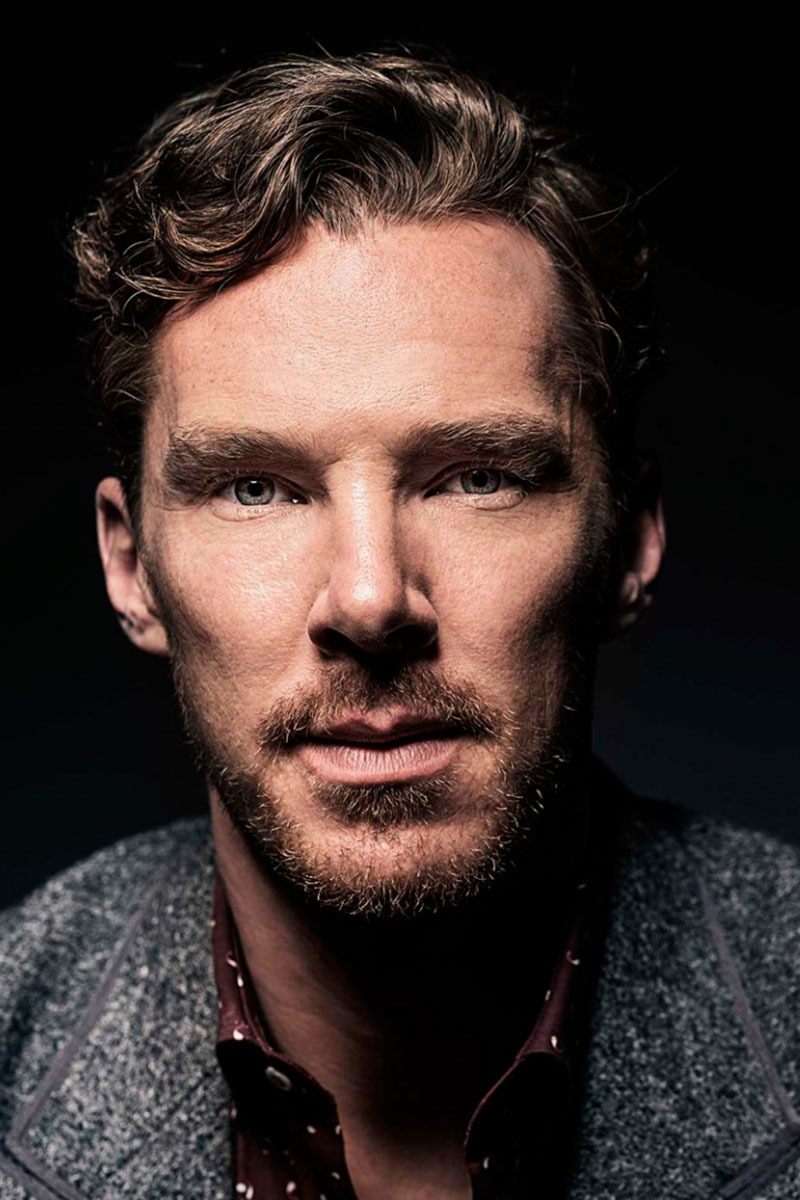
Benedict Cumberbatch played a nonbinary fashion model named All in the comedy ‘Zoolander 2’. The character was criticized by LGBTQ activists for being a harmful caricature that mocked gender identity. Cumberbatch and the filmmakers defended the role as a satire of the fashion industry and its obsession with trends. They argued that the character was meant to be an exaggerated figure in a world of absurd personalities. The defense did not stop a boycott from being organized by those who felt the portrayal was derogatory.
Bradley Cooper
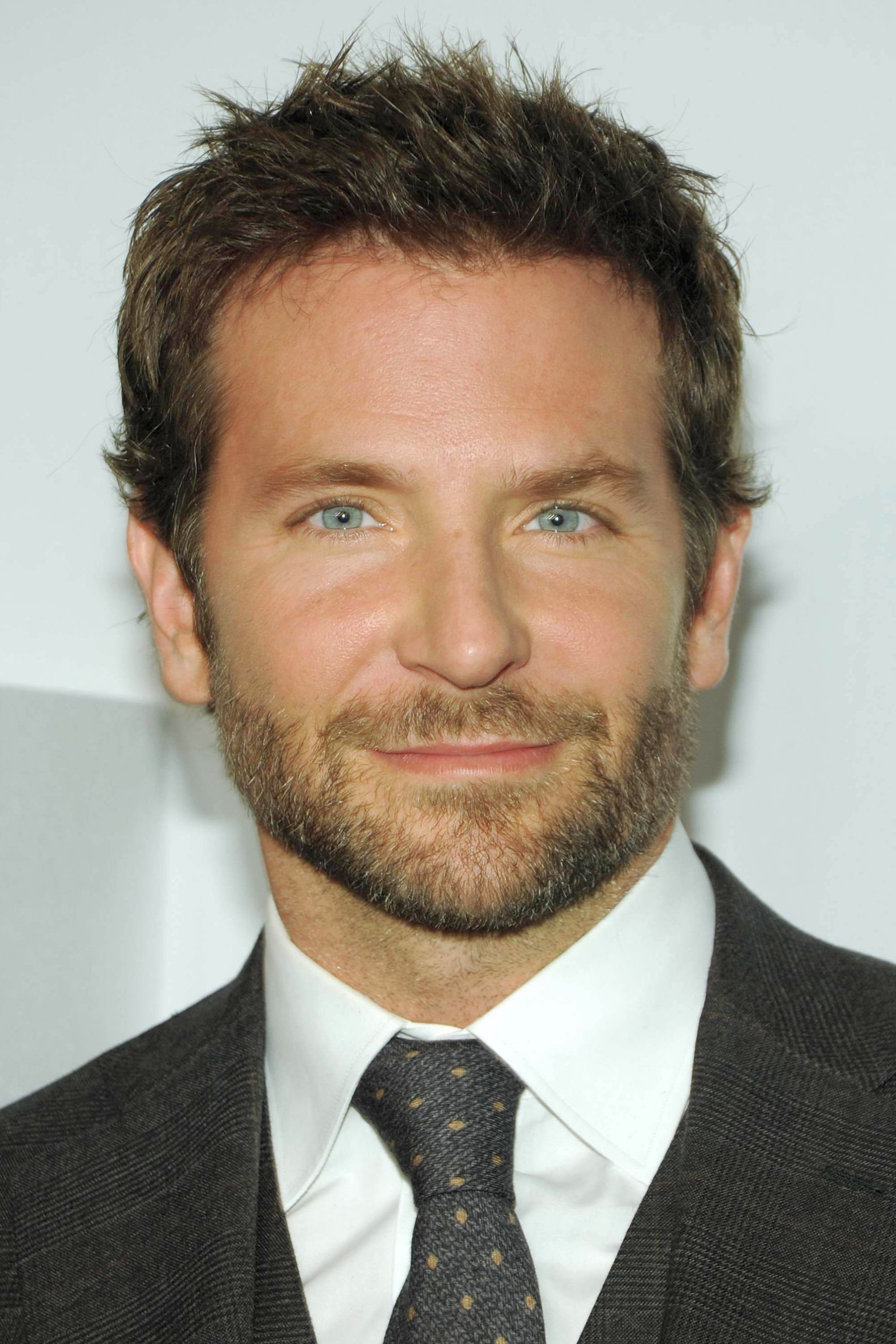
Bradley Cooper faced criticism for wearing a prosthetic nose to portray composer Leonard Bernstein in the biographical film ‘Maestro’. Some critics argued that the prosthetic was unnecessary and reinforced Jewish stereotypes. Cooper defended the creative choice by stating that the addition was meant to capture the likeness of the real person more accurately. He noted that the family of the composer supported the decision and appreciated the attention to detail. The actor emphasized that the prosthetic was a tool used for authenticity rather than caricature.
Alec Baldwin
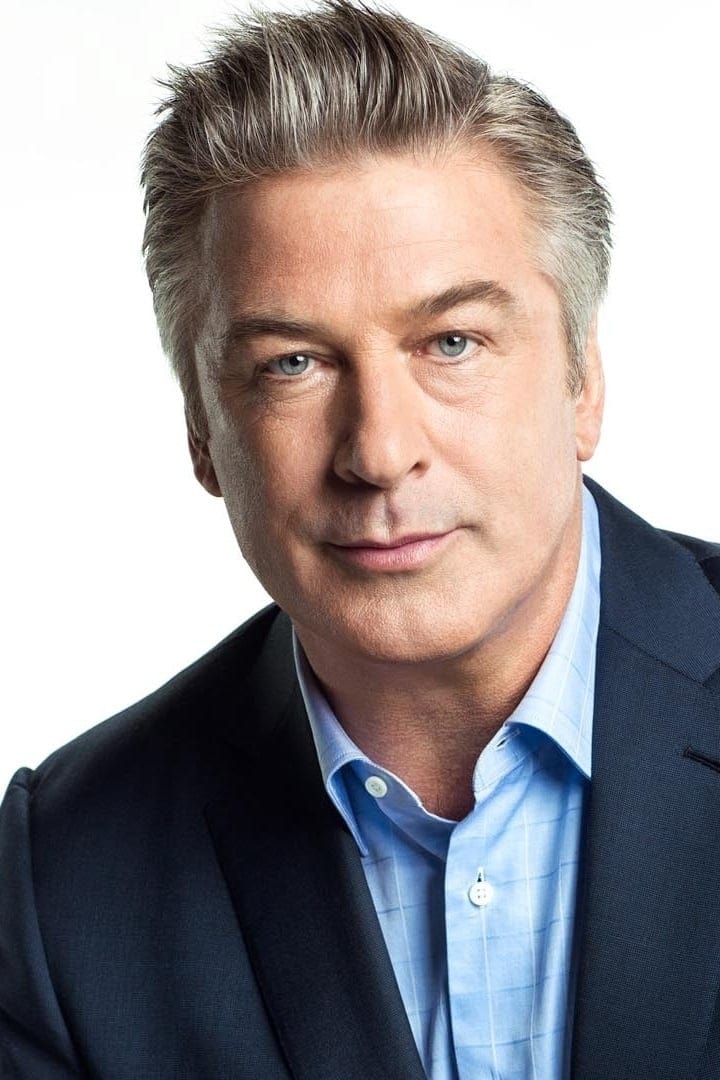
Alec Baldwin portrayed a blind man in the film ‘Blind’ which drew criticism from the disabled community for not casting a blind actor. Baldwin defended his casting by arguing that actors are hired to play people who are different from themselves. He stated that the role was an acting challenge and that he approached it with serious preparation. The actor dismissed the idea that certain roles should be reserved for specific groups of people. His comments sparked a broader conversation about the importance of disability representation in the arts.
Dustin Hoffman
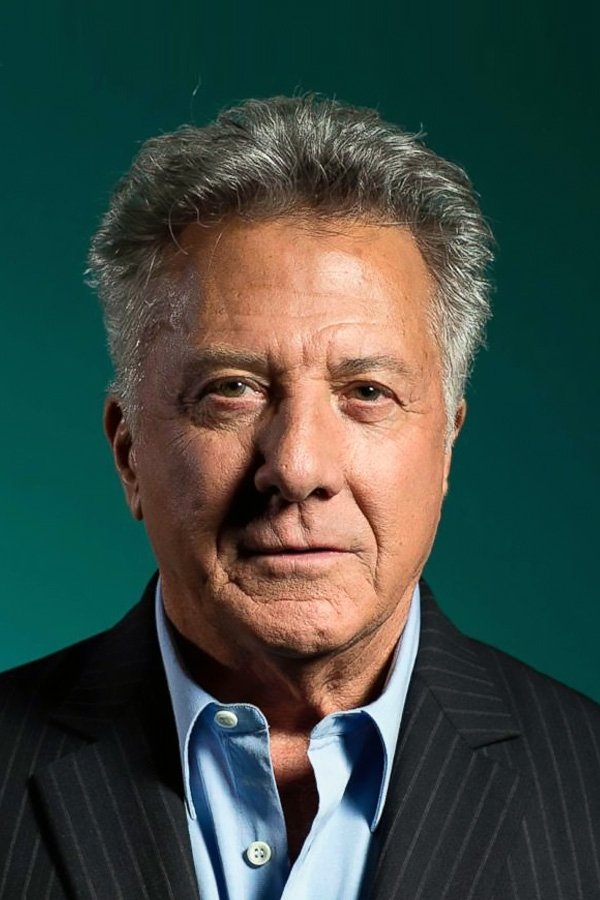
Dustin Hoffman played a man who disguises himself as a woman in the classic comedy ‘Tootsie’. While the film is generally well regarded some modern critics have pointed out problematic elements regarding its gender dynamics. Hoffman has defended the film by sharing stories about how the role changed his perspective on how women are treated. He argued that the movie was a sincere exploration of gender and identity for its time. His defense focuses on the emotional impact the role had on his own personal growth.
Mel Gibson
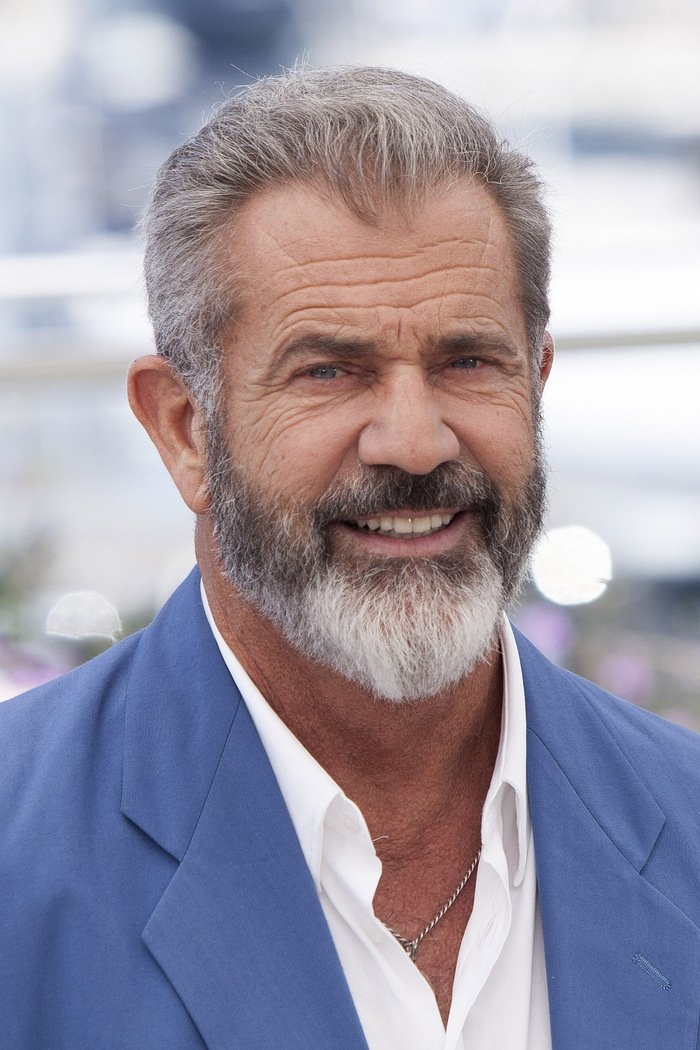
Mel Gibson faced accusations of promoting antisemitic tropes through his portrayal of Jewish characters in ‘The Passion of the Christ’. The film sparked a global conversation regarding the historical and religious depiction of the trial and crucifixion of Jesus. Gibson defended the project by stating that it was a faithful adaptation of the Gospels and intended to be a work of art. He dismissed claims of bigotry and argued that the film was about love and sacrifice rather than hate. The controversy resurfaced multiple times throughout his career during various public incidents.
Sean Penn
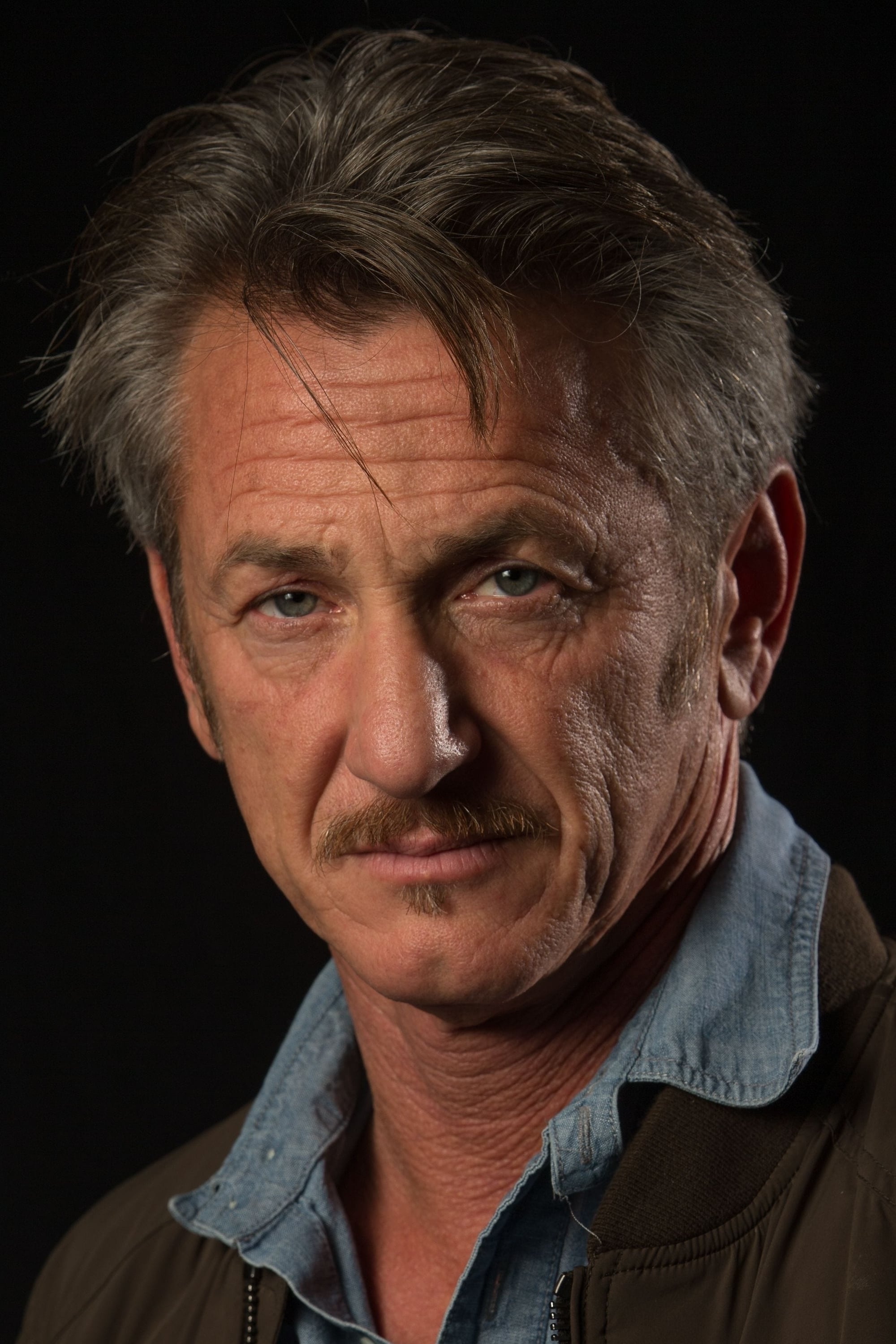
Sean Penn won an Academy Award for playing the gay icon Harvey Milk in the biographical drama ‘Milk’. In recent years he has defended the right of straight actors to play gay roles amidst calls for more authentic casting. Penn argued that the current climate of Hollywood restricts the creative freedom of performers to explore different lives. He stated that the focus should be on the quality of the performance rather than the personal identity of the actor. His comments have been met with both support and criticism within the industry.
Kevin Hart
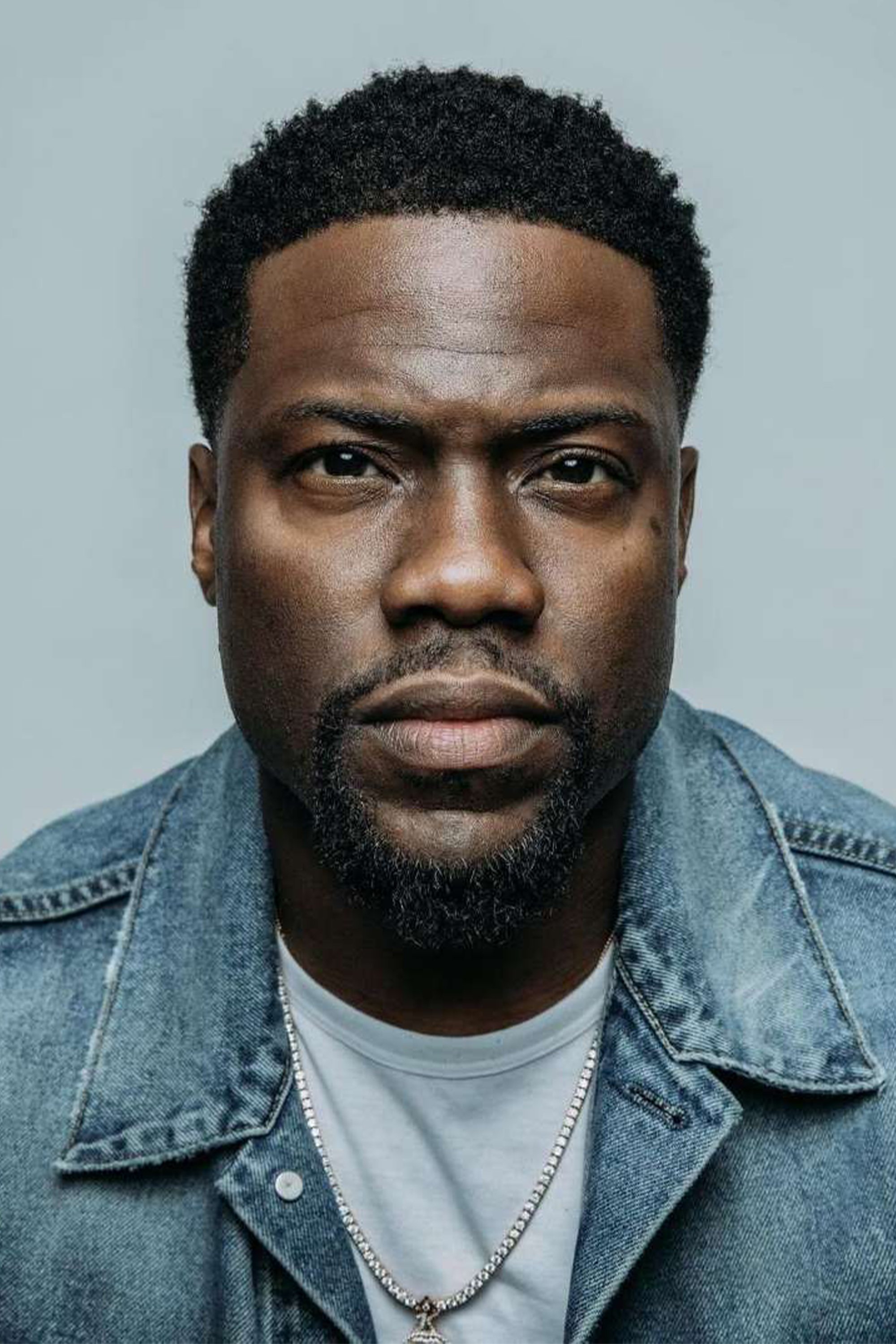
Kevin Hart starred in the comedy ‘Get Hard’ which was criticized for its jokes about prison culture and perceived homophobia. During the promotional tour Hart defended the humor by stating that the film was a reflection of the characters insecurities. He argued that the movie was not meant to be taken seriously and was intended to make people laugh. The actor maintained that he does not have a hateful bone in his body despite the backlash from critics. The controversy followed him for years and eventually impacted his hosting opportunities.
Will Ferrell
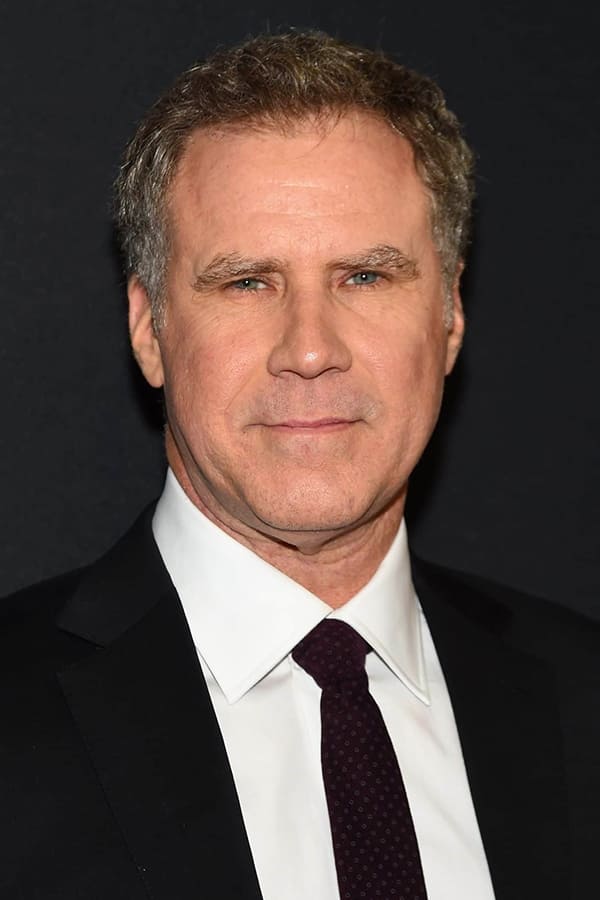
Will Ferrell also starred in ‘Get Hard’ and defended the film against accusations that it relied on offensive stereotypes. He argued that the comedy was a satire of the wealthy characters ignorance and fear. Ferrell stated that the goal was to poke fun at the absurdity of the situation rather than the groups mentioned in the jokes. He maintained that the chemistry between the leads was the core of the film success. His defense highlighted the challenge of navigating modern comedic sensibilities with older styles of humor.
Robert De Niro
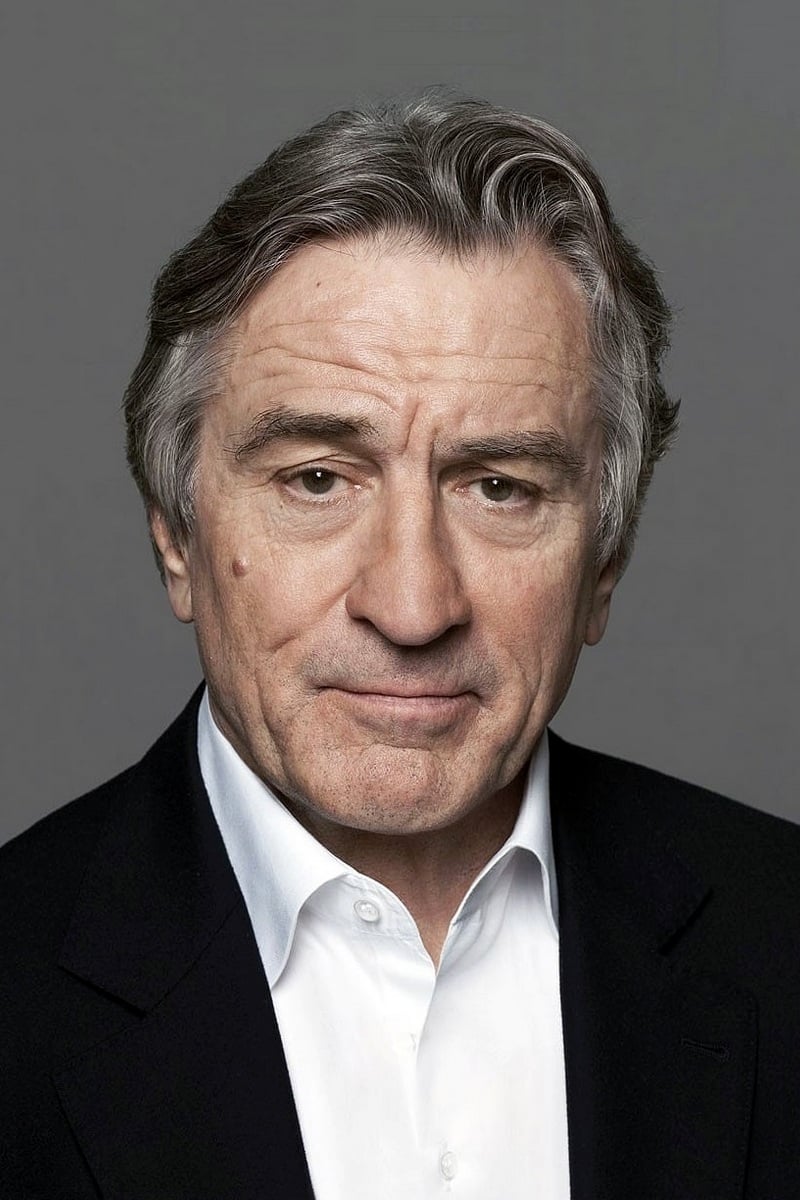
Robert De Niro starred in ‘The Deer Hunter’ which was criticized for its portrayal of Vietnamese soldiers and the use of Russian roulette. Critics argued that the film depicted the Vietnamese people as sadistic and lacked historical accuracy. De Niro defended the film by focusing on the psychological impact of war on the American soldiers. He argued that the movie was a powerful drama about friendship and trauma rather than a political statement. The film remains a highly debated classic due to its intense themes and controversial depictions.
John Wayne
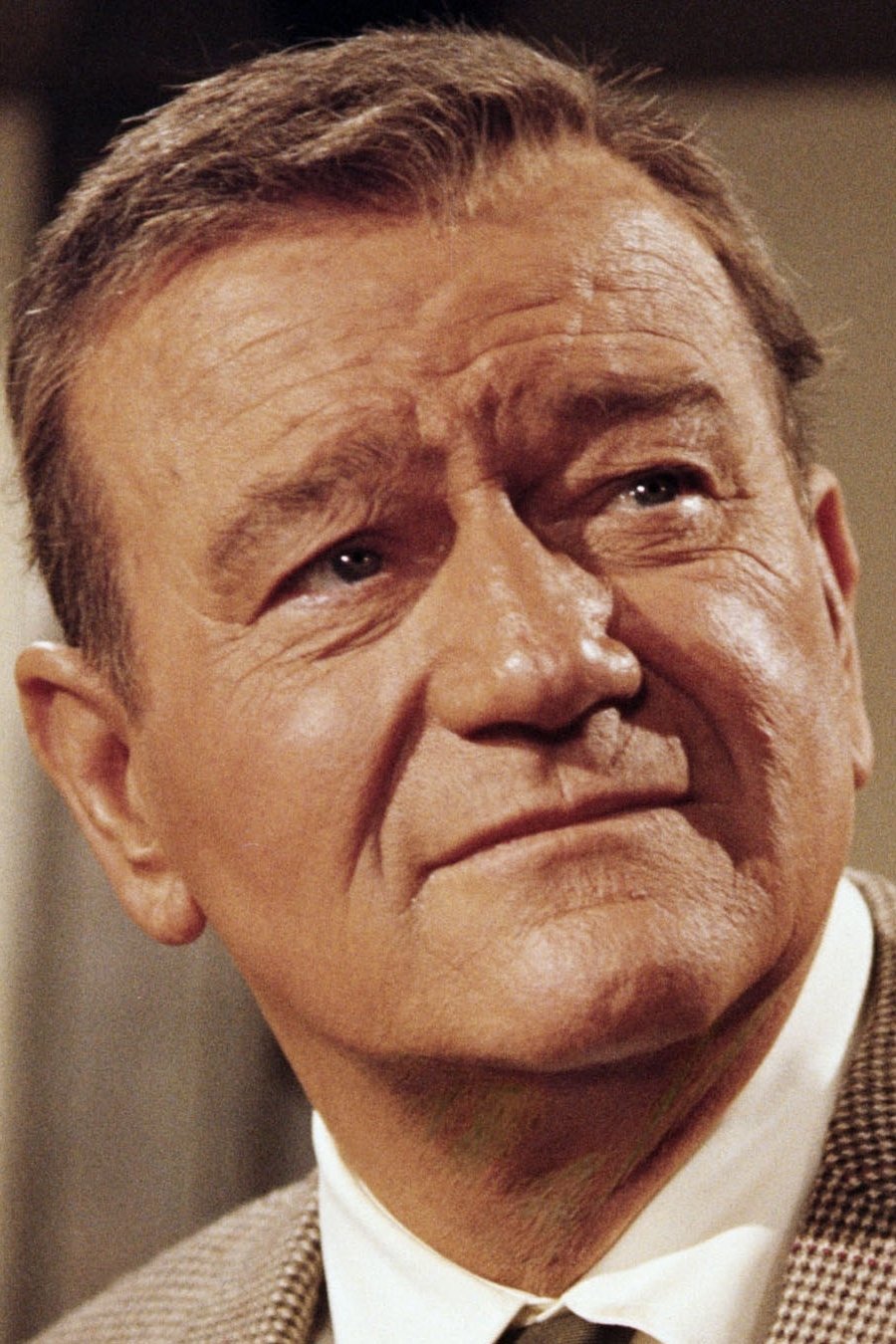
John Wayne frequently played characters that are now viewed as deeply problematic due to their treatment of Native American populations. In a famous interview the actor defended the historical displacement of indigenous people by stating that they were selfishly trying to keep the land for themselves. He argued that the expansion of the United States was a necessary part of progress and stood by the depictions in his Western films. These comments have led to modern calls for his name to be removed from various landmarks. His defense remains a significant point of contention for historians and film critics alike.
Laurence Olivier
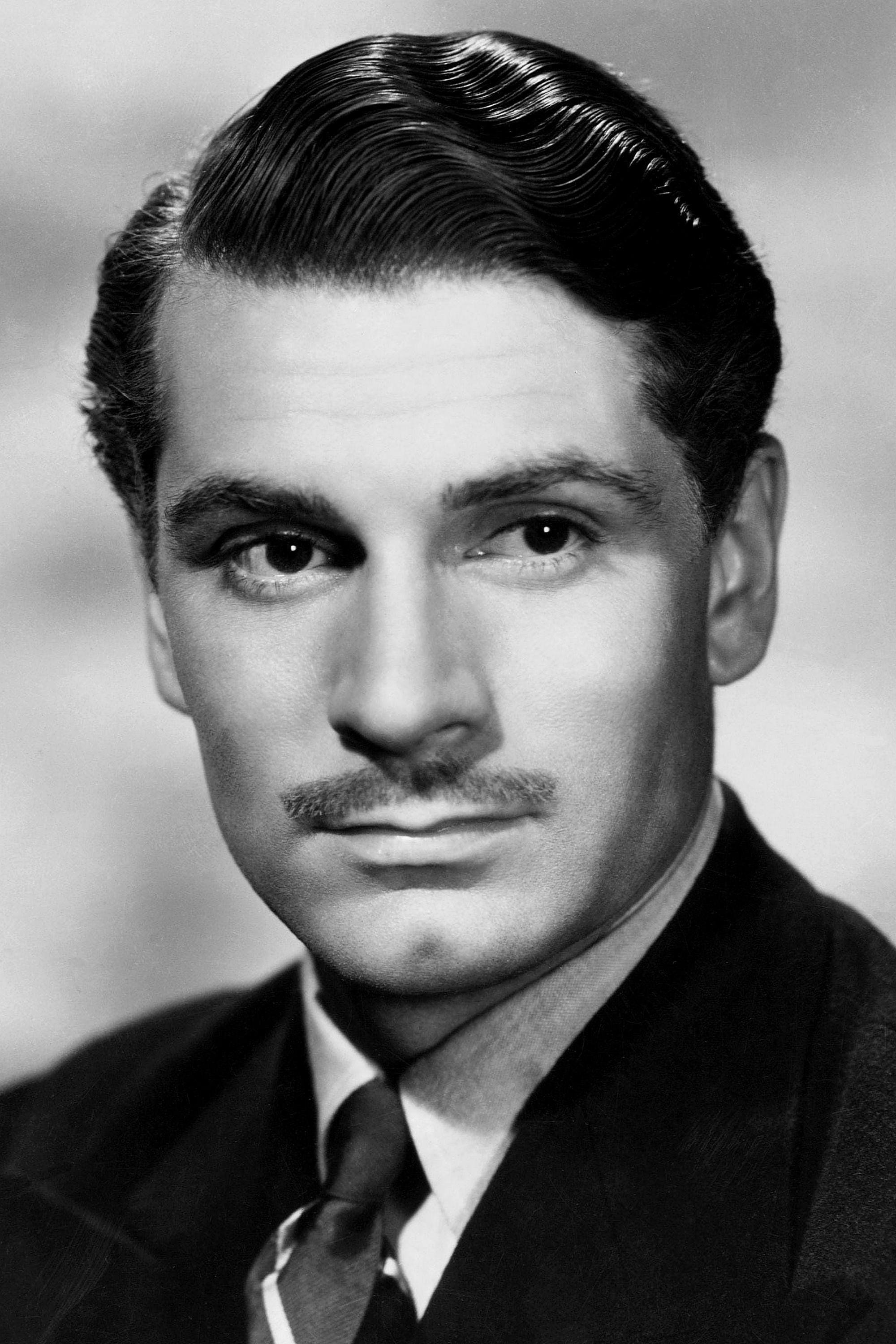
Laurence Olivier portrayed the title character in ‘Othello’ while wearing dark makeup and using a stylized voice. This performance has been widely criticized in modern times as a prominent example of blackface in high art. Olivier defended the portrayal during his lifetime by stating that it was a traditional approach to the Shakespearean role. He argued that the makeup was necessary to fulfill the requirements of the script and the character. His defense of the practice reflected the theatrical norms of the era which have since been rejected.
Peter Sellers
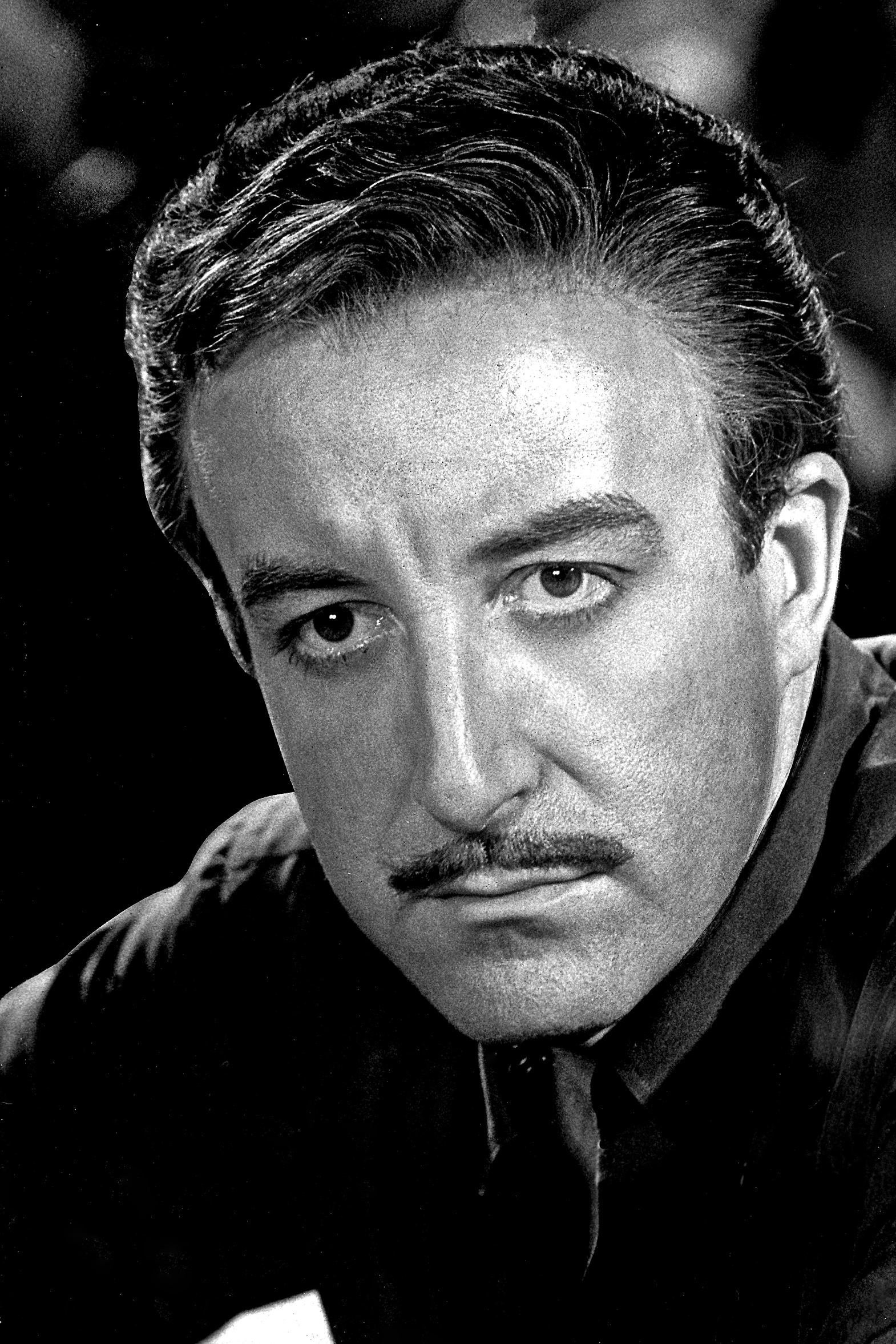
Peter Sellers used brown makeup and an exaggerated accent to play an Indian character in the comedy ‘The Party’. He defended the performance by claiming that the character was a lovable and well intentioned individual. Sellers argued that his comedy was based on the absurdity of the situations rather than the ethnicity of the characters. He maintained that he was simply using his skills as an impressionist to create a memorable role. Modern audiences often view the performance as a painful example of the history of ethnic caricatures in film.
Woody Allen
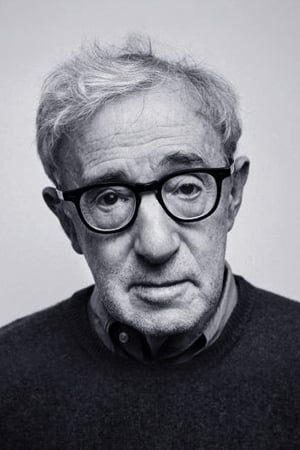
Woody Allen has faced long standing criticism for the age gap relationships depicted in many of his films such as ‘Manhattan’. He has defended these creative choices by stating that they reflect the complexities of human relationships and urban life. Allen argued that his films are works of fiction that explore the psychological depths of his characters. He dismissed the idea that the films are problematic by focusing on the artistic integrity of the storytelling. His defense continues to be a central part of the public debate surrounding his legacy and work.
James Franco
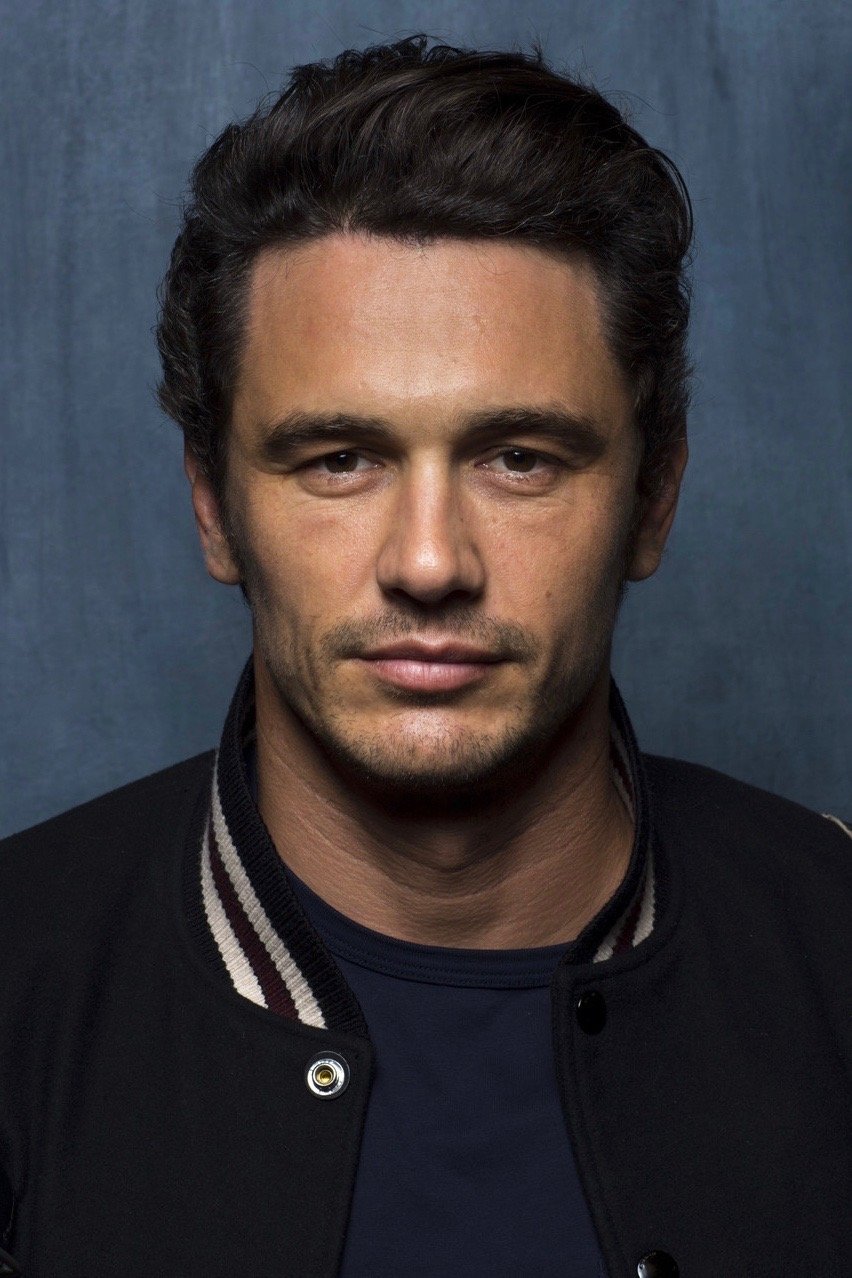
James Franco faced backlash for his role in ‘The Interview’ which depicted the assassination of a real world political leader. The film caused a major international incident and led to threats against movie theaters. Franco defended the film as a piece of political satire and argued that it was important to protect freedom of speech. He stated that the movie was intended to be a broad comedy and not a serious political commentary. The actor stood by the project despite the immense pressure and controversy that surrounded its release.
Seth Rogen

Seth Rogen also starred in and produced ‘The Interview’ and was a vocal defender of the film provocative premise. He argued that comedy should be allowed to push boundaries and challenge authority figures. Rogen stated that the filmmakers did not intend to cause a global crisis but wanted to make a funny movie. He maintained that the controversy highlighted the power of cinema to provoke conversation. His defense of the project remains a significant moment in the history of film censorship and satire.
Adam Sandler
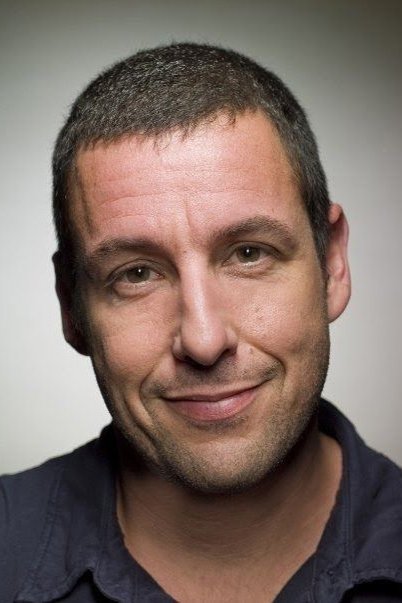
Adam Sandler faced a walkout by Native American actors during the production of his Western comedy ‘The Ridiculous 6’. The actors argued that the script contained offensive jokes and misrepresented their culture. Sandler defended the film by stating that it was a satire and that the humor was meant to be broad and ridiculous. He argued that once people saw the whole movie they would understand the context of the jokes. The actor stood by the project and it was eventually released on a major streaming platform.
Rob Schneider
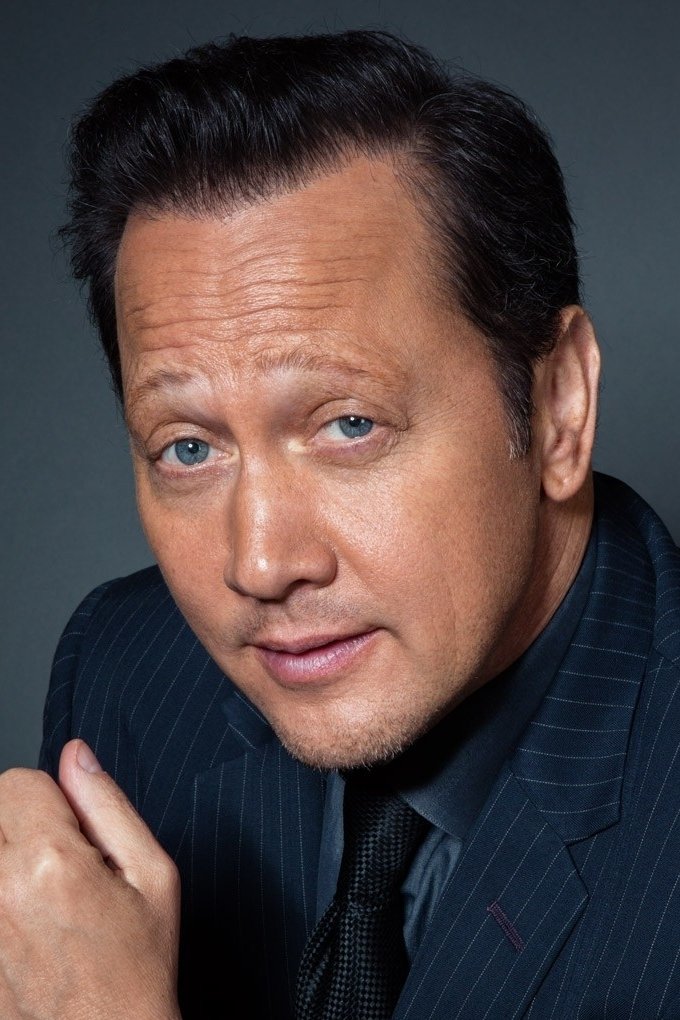
Rob Schneider appeared in ‘I Now Pronounce You Chuck and Larry’ which was criticized for its use of gay stereotypes. Schneider defended the film by stating that it was intended to promote a message of tolerance and friendship. He argued that the humor was meant to highlight the absurdity of the characters prejudices. The actor dismissed the criticism by focusing on the positive themes of the story. His defense did not stop the film from being labeled as offensive by many LGBTQ advocacy groups.
Tom Cruise
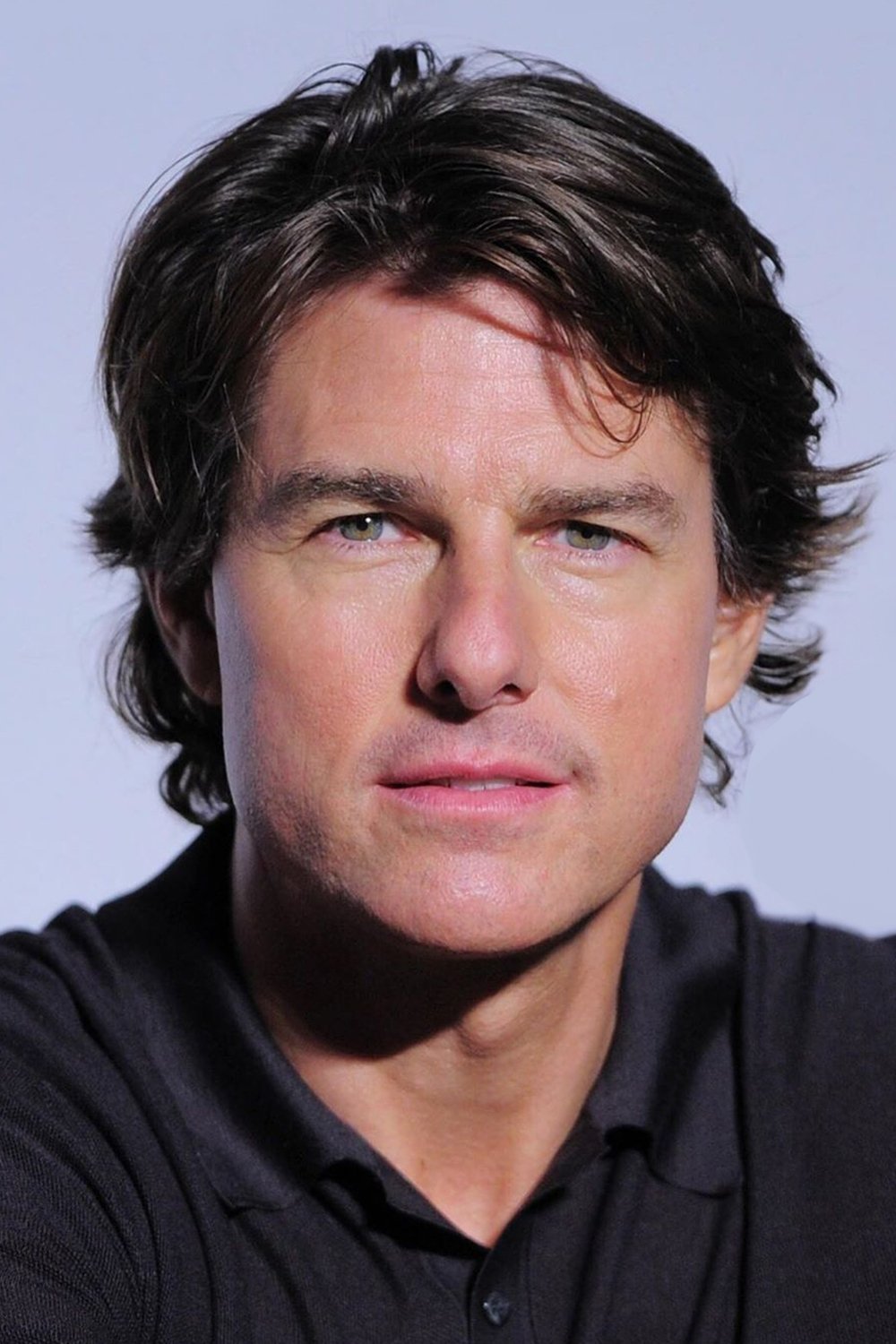
Tom Cruise starred in ‘The Last Samurai’ which was criticized by some for being a white savior narrative. Critics argued that the film focused on a Western soldier rather than the Japanese characters in a story about their own culture. Cruise defended the film by emphasizing the respect the production had for Japanese history and traditions. He argued that his character was a student of the culture who learned to appreciate their way of life. The actor maintained that the film was a tribute to the samurai spirit.
John Cleese
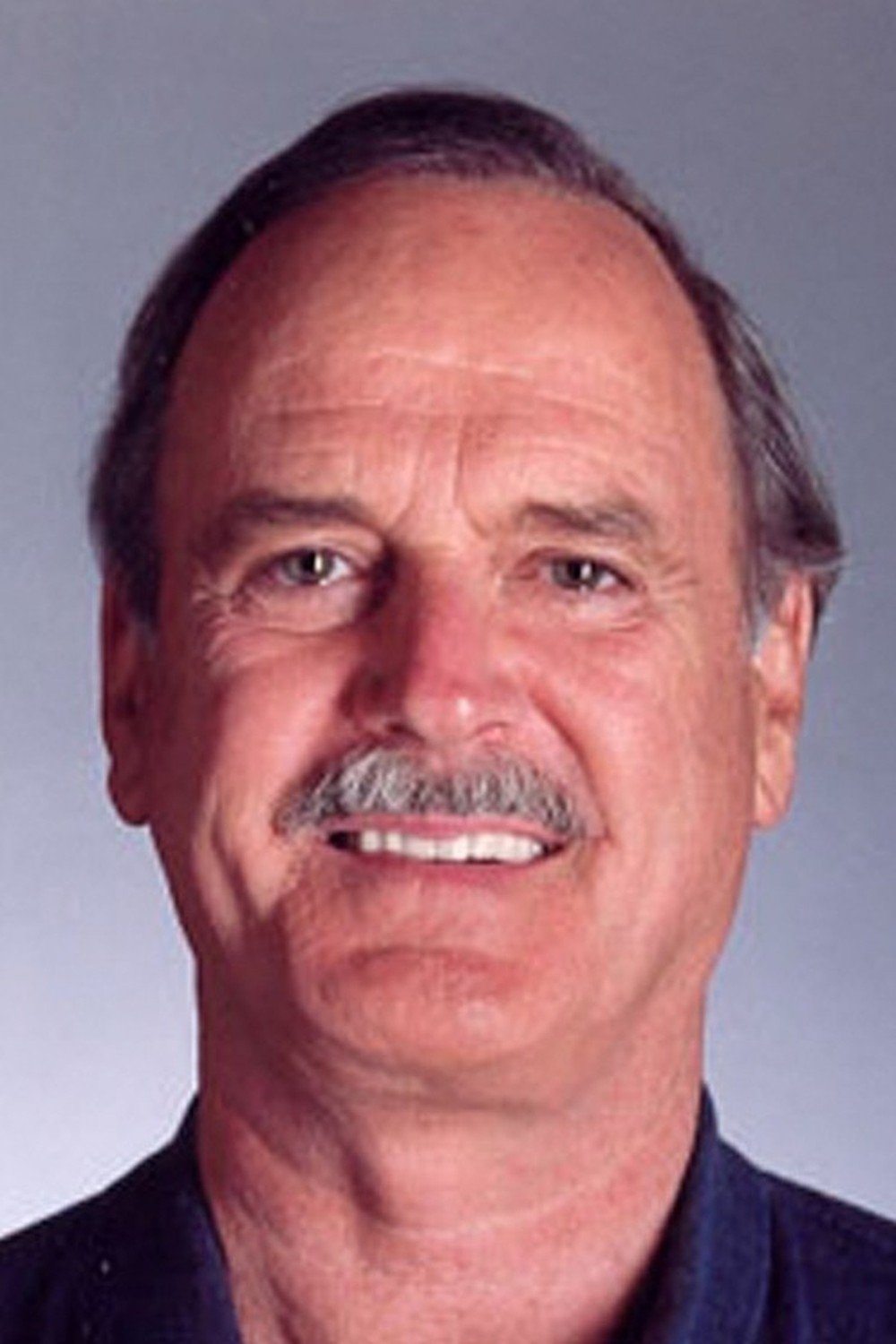
John Cleese has frequently defended the controversial elements of ‘Monty Python Life of Brian’ which was accused of blasphemy upon its release. He argued that the film was not a critique of faith but a satire of organized religion and human behavior. Cleese stated that the humor was intended to make people think and question authority. He has been a vocal opponent of modern cancel culture and continues to defend the film legacy. The actor maintains that comedy should be allowed to explore any subject regardless of sensitivity.
Ricky Gervais
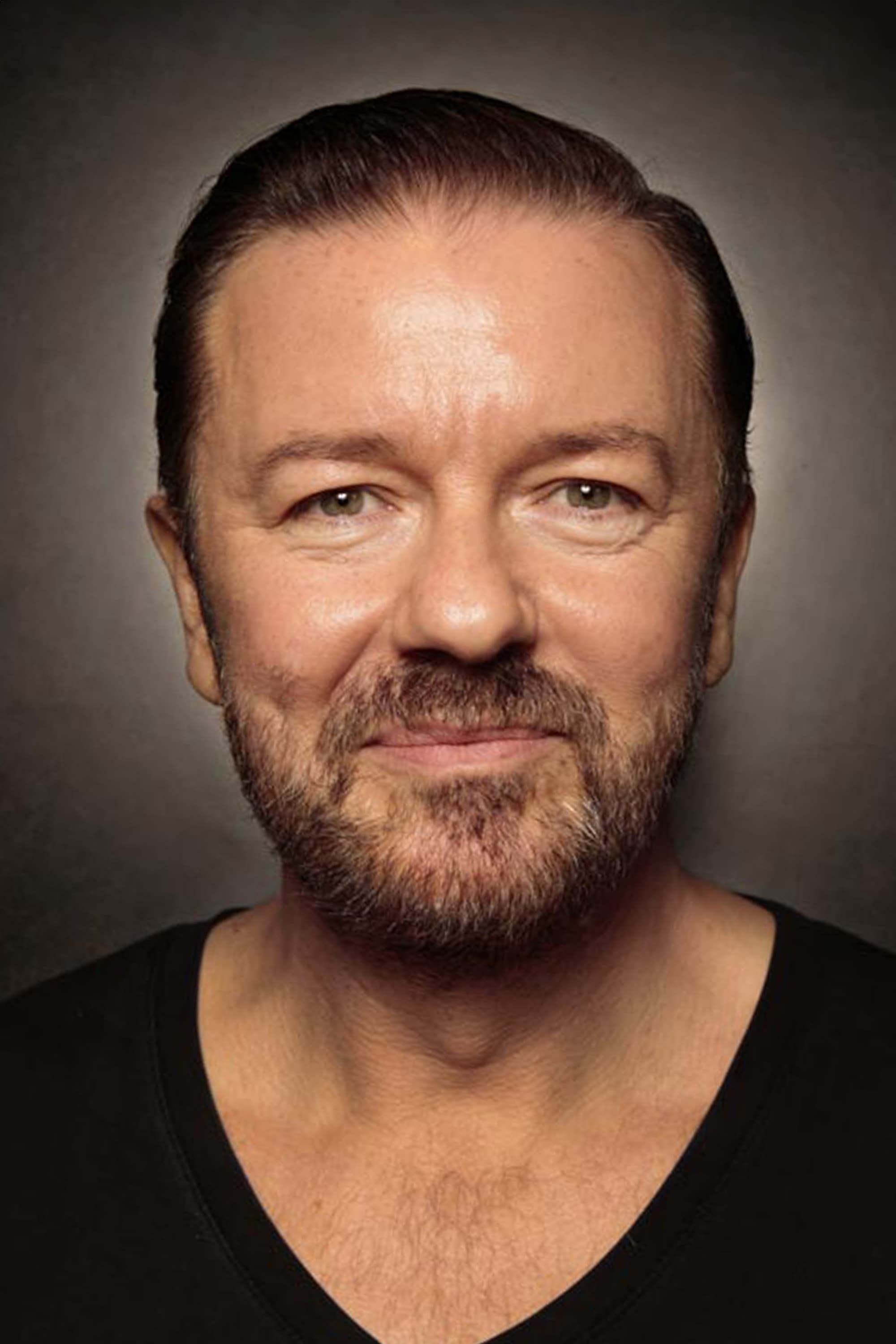
Ricky Gervais has faced criticism for his use of transphobic jokes and other offensive material in his various roles and standup specials. He has consistently defended his work by stating that he is playing a character or using irony to make a point. Gervais argues that no subject should be off limits for comedy and that the audience should understand the satirical intent. He dismisses the idea that his jokes cause real world harm by focusing on the nature of performance. The actor remains a divisive figure in the conversation about the limits of modern humor.
Gene Wilder
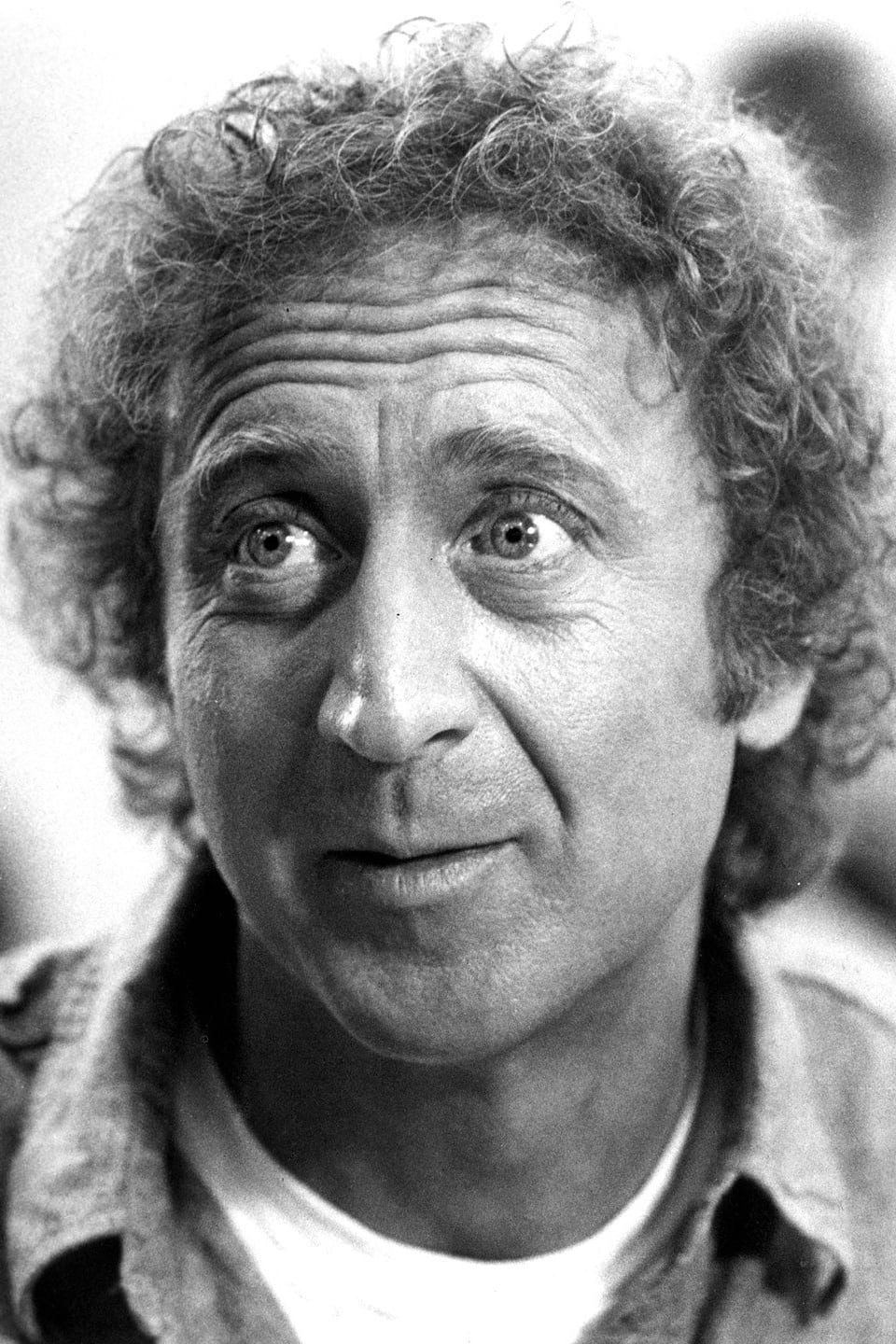
Gene Wilder starred in ‘Blazing Saddles’ which utilized racial slurs and provocative themes to satirize the Western genre. Throughout his career Wilder defended the film by stating that the humor was necessary to expose the stupidity of racism. He argued that the film was a revolutionary piece of art that challenged the status quo of Hollywood. The actor maintained that the intention of the filmmakers was always to promote equality through laughter. His defense of the film impact is shared by many who view it as a comedic masterpiece.
Mel Brooks
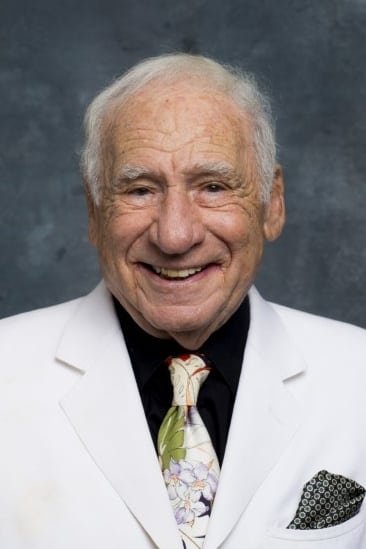
Mel Brooks directed and acted in ‘Blazing Saddles’ and has been its most vigorous defender for decades. He argued that the film could not be made today because the current cultural climate is too sensitive for such bold satire. Brooks stated that the use of offensive language was a tool to mock the bigoted characters in the story. He maintains that comedy is the best weapon against hate and that the film remains relevant. The actor continues to celebrate the legacy of the movie despite the modern controversy surrounding its content.
Vince Vaughn
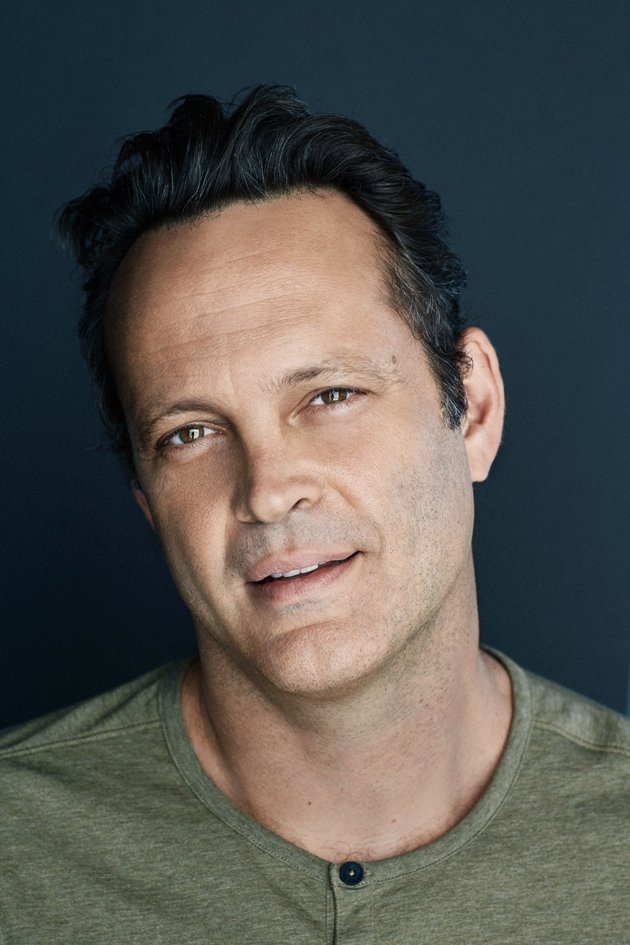
Vince Vaughn faced backlash when a trailer for the film ‘The Dilemma’ included a joke that used a homophobic slur. Many groups called for the joke to be removed from the film and the promotional materials. Vaughn defended the joke by stating that it was a reflection of how people actually speak in the real world. He argued that comedy should be allowed to depict flawed characters and their everyday language. The actor eventually agreed to the removal of the line but his initial defense sparked a debate about language in film.
Shia LaBeouf
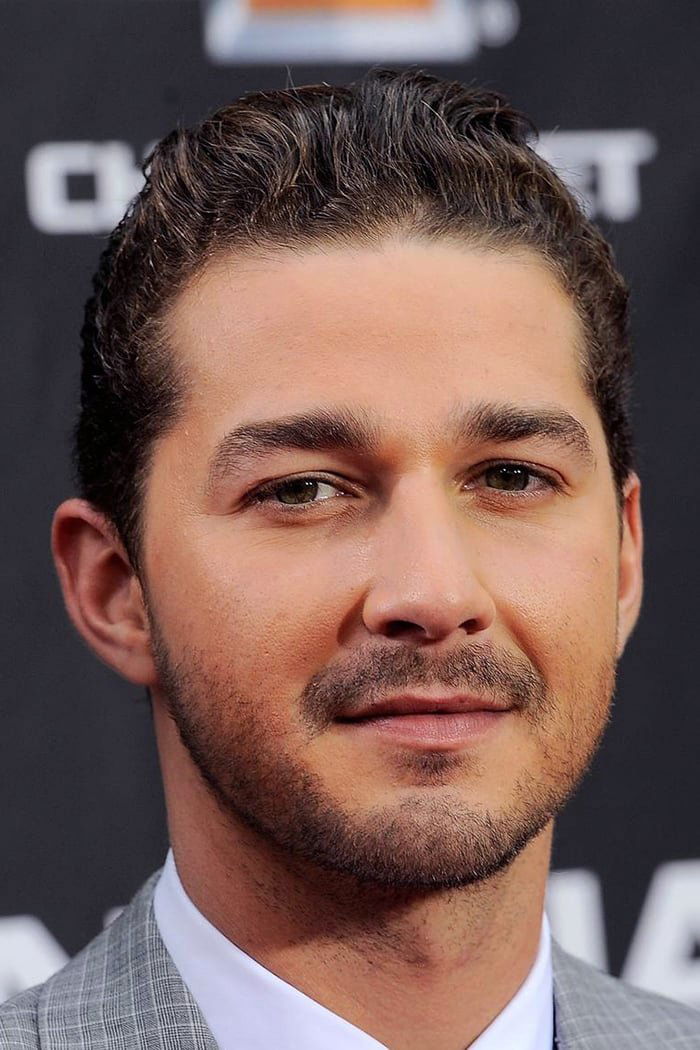
Shia LaBeouf was criticized for his portrayal of a character in ‘The Tax Collector’ who appeared to be a caricature of a Latino gang member. Critics accused the actor of using brownface and taking a role that should have gone to a Latino performer. LaBeouf defended the role by explaining that the character was a white man who had grown up in that specific environment. He argued that the performance was based on real people he had met and was intended to be authentic. The controversy highlighted ongoing issues regarding casting and cultural representation in crime dramas.
Ansel Elgort
Ansel Elgort faced criticism during the casting of ‘West Side Story’ due to past allegations and the nature of his role. He defended his participation in the film by focusing on the artistic vision of the director and the importance of the story. Elgort stated that he was honored to be part of such a legendary project and worked hard to do justice to the character. He maintained a professional demeanor despite the public outcry and focused on the promotional tour. The actor has remained largely quiet on the specific problematic elements of the role itself.
Armie Hammer
Armie Hammer starred alongside Johnny Depp in ‘The Lone Ranger’ and defended the film against its many critics. He argued that the backlash regarding the casting was unfair and that the movie was a fun adventure for families. Hammer stated that the production team put a lot of effort into being respectful to Native American culture. He dismissed the negative reviews as being part of a larger trend of critical cynicism. The actor stood by his costar and the creative choices made during the filming process.
Joel Edgerton
Joel Edgerton played Ramses in ‘Exodus Gods and Kings’ and faced the same whitewashing accusations as Christian Bale. He defended the film by stating that his job as an actor was to inhabit the character regardless of the controversy. Edgerton argued that the casting was handled by the studio and the director for specific commercial reasons. He noted that he approached the role with a sense of responsibility and focused on the drama of the story. The actor has since acknowledged the complexity of the issue but initially stood by the project.
James Corden
James Corden faced significant criticism for his portrayal of a gay man in the film ‘The Prom’. Critics described his performance as a collection of offensive stereotypes that leaned into outdated tropes. Corden defended his work by stating that he wanted to bring joy to the role and that his intentions were pure. He argued that the film provided a positive message for the LGBTQ community despite the negative reviews. The backlash intensified as audiences questioned why a straight actor was chosen for such a flamboyant role.
Hugh Grant
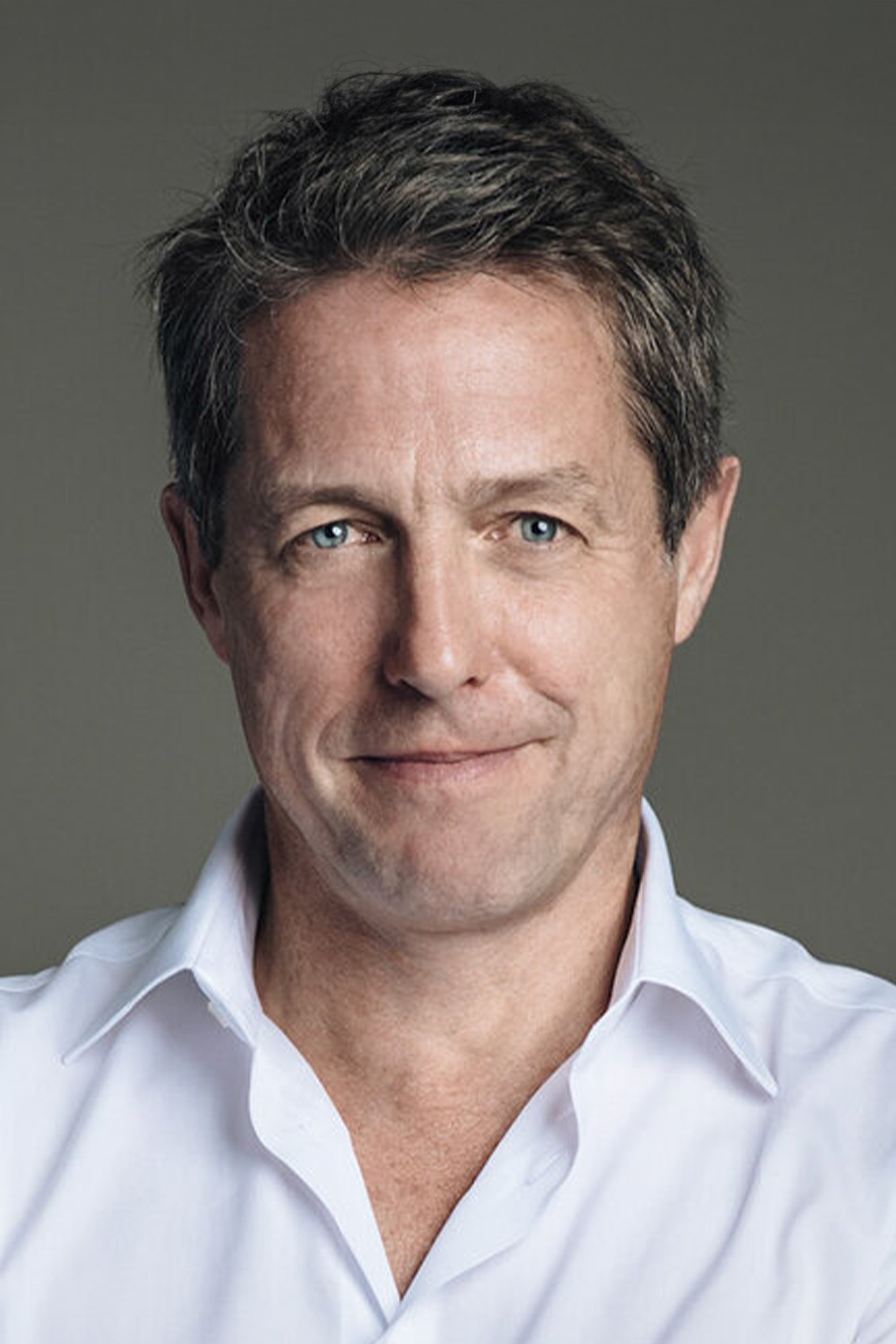
Hugh Grant played multiple roles in the film ‘Cloud Atlas’ including characters of different ethnicities. This creative choice led to accusations of yellowface and cultural appropriation from various groups. Grant defended the film by stating that the story was about the evolution of souls across different lifetimes. He argued that the casting was a necessary part of the film ambitious narrative structure. The actor maintained that the project was a unique artistic experiment that transcended traditional casting rules.
Tom Hanks
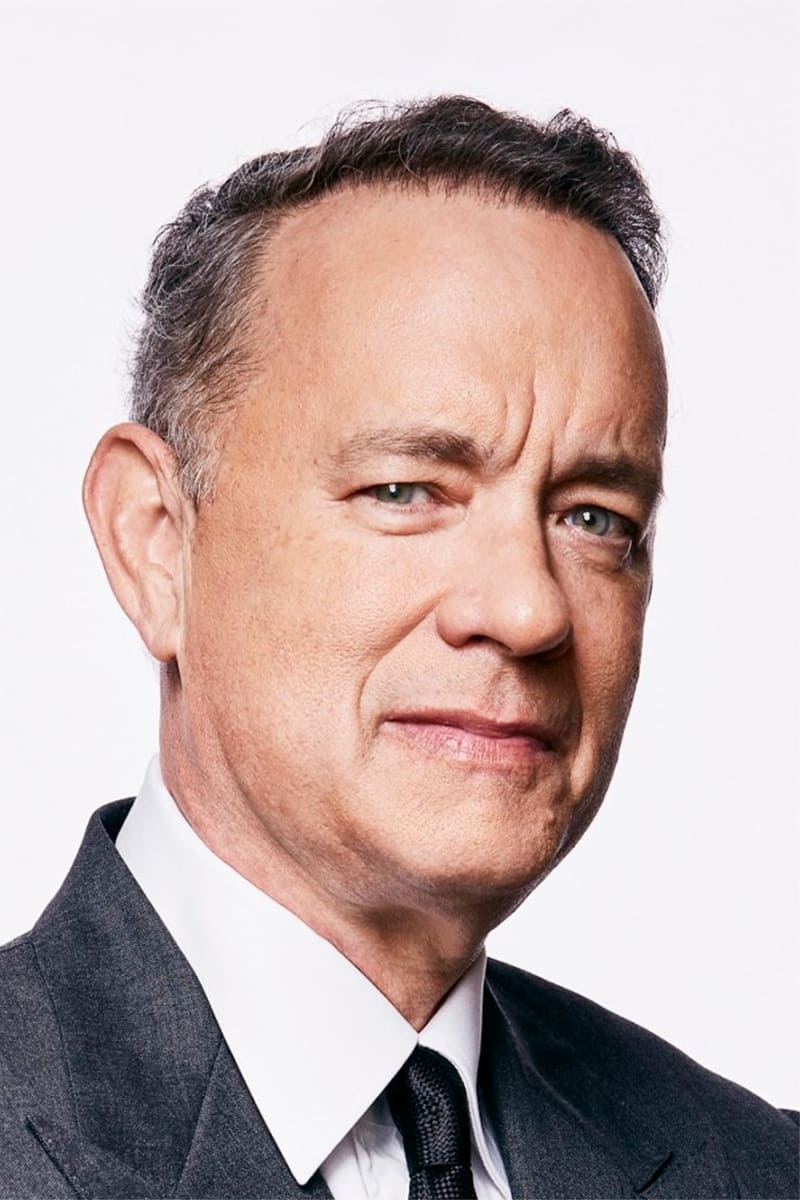
Tom Hanks also appeared in ‘Cloud Atlas’ and played several roles that required the use of prosthetic makeup to change his ethnicity. He defended the film by explaining that the core theme of the story was that humanity is connected across time and race. Hanks argued that the actors playing different roles helped to illustrate this connection for the audience. He stated that the film was a bold piece of cinema that required viewers to look past the surface. His defense was met with skepticism from those who felt the makeup was inherently problematic.
John Travolta
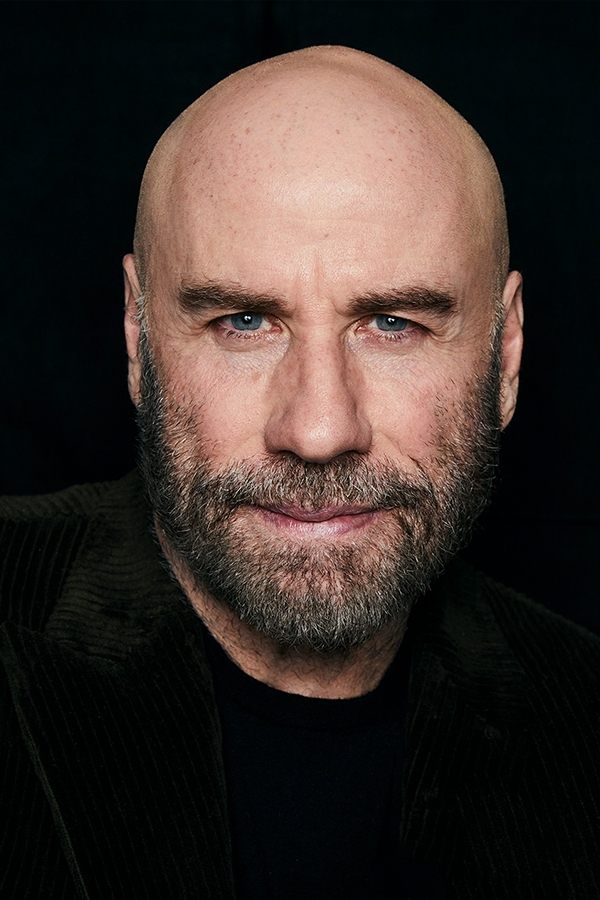
John Travolta portrayed a female character in the musical film ‘Hairspray’ which followed a long theatrical tradition. While the role was generally well received some critics questioned the practice of men playing female roles in contemporary film. Travolta defended the choice by stating that it was a fun and challenging acting opportunity that he thoroughly enjoyed. He argued that the performance was a tribute to the original film and the stage version. The actor focused on the positive energy and the message of the movie during his defense.
Richard Gere
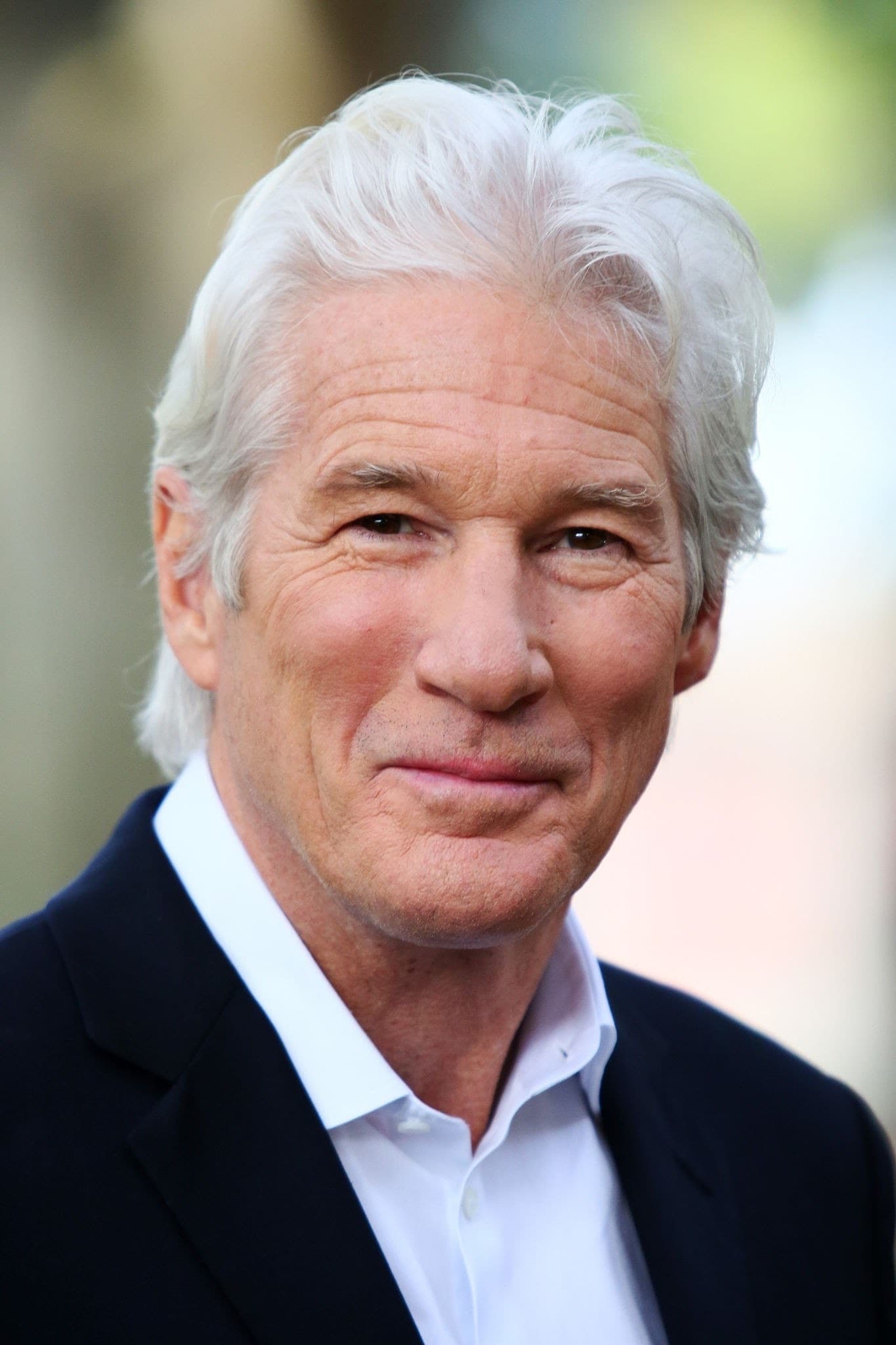
Richard Gere starred in ‘The Cotton Club’ which was criticized for its handling of racial themes and the focus on white characters in a story about Black history. Gere defended the film by stating that it was a complex drama about the intersection of different worlds in 1930s New York. He argued that the movie was a sincere attempt to capture a specific era and its music. The actor maintained that the production was an ambitious work of art despite the controversy. His defense highlighted the difficulties of making historical films with sensitive subject matter.
Christopher Walken
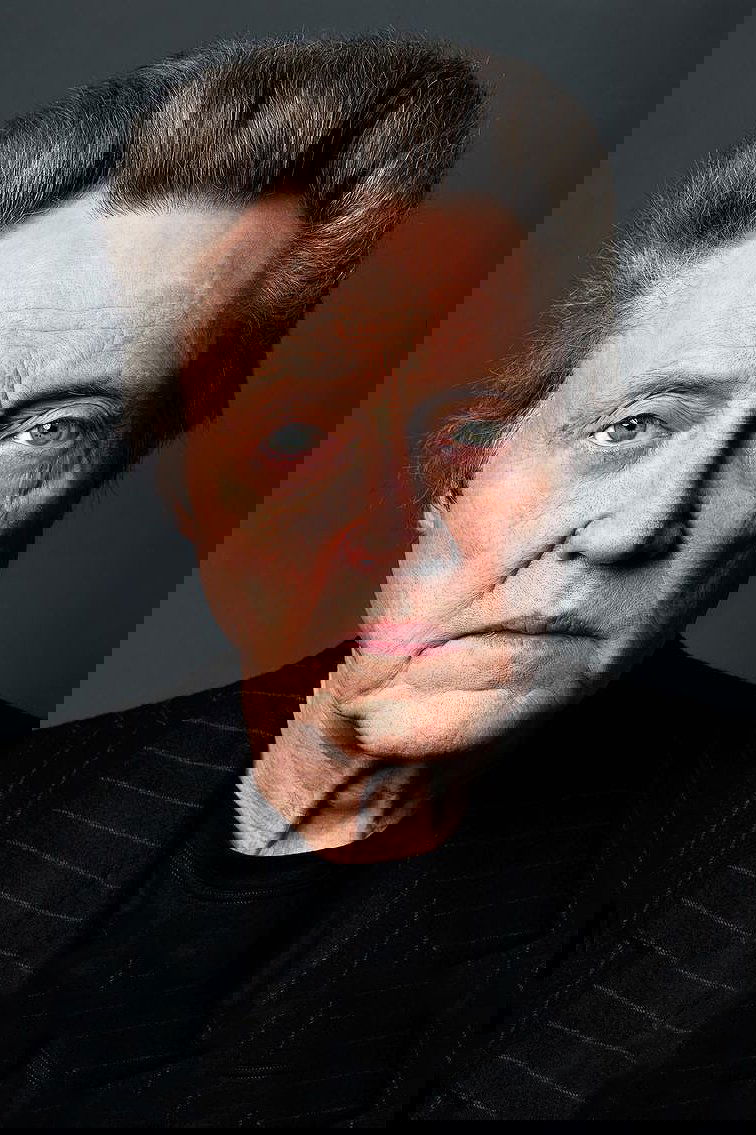
Christopher Walken played a character in the musical ‘Hairspray’ and defended the film casting choices during its release. He argued that the movie was a celebratory and inclusive story that aimed to bring people together. Walken stated that the traditions of the theater often involve actors playing roles that are different from themselves. He dismissed the idea that the film was problematic by focusing on the talent of the cast and the joy of the music. The actor has always been a supporter of creative freedom in the performing arts.
Johnny Knoxville
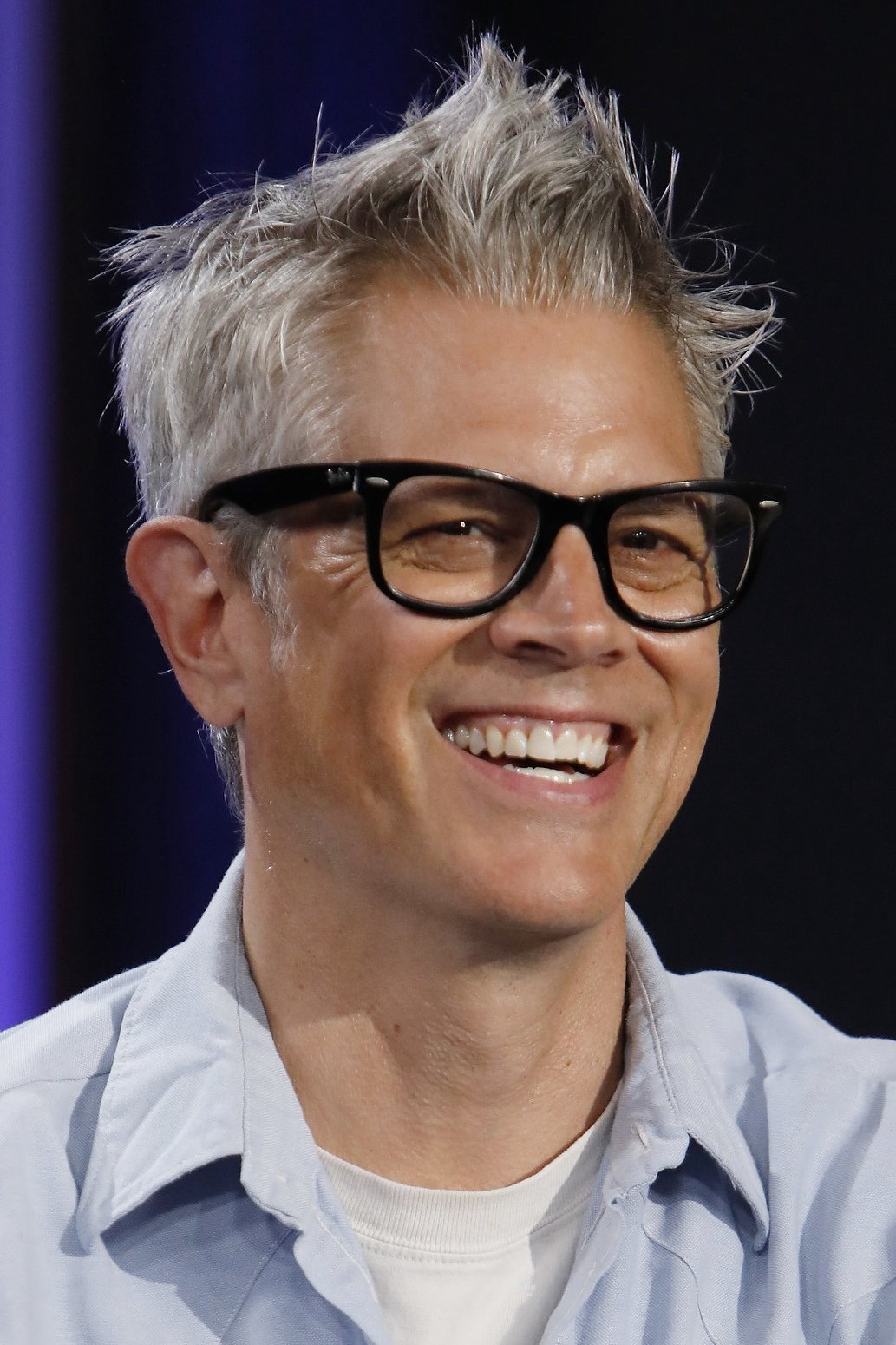
Johnny Knoxville starred in the comedy ‘The Ringer’ which focused on a man who pretends to have a disability to compete in the Special Olympics. The film faced immediate backlash from advocacy groups who felt the premise was exploitative and disrespectful. Knoxville defended the project by stating that the producers worked closely with the Special Olympics to ensure the humor was inclusive. He argued that the movie was meant to be heartwarming and to celebrate the athletes rather than mock them. Despite his defense many viewers still find the concept of the film to be inherently problematic.
Share your own thoughts on these controversial actor defenses in the comments.