


Actors Who Sparked Outrage by Rejecting Forced Inclusion

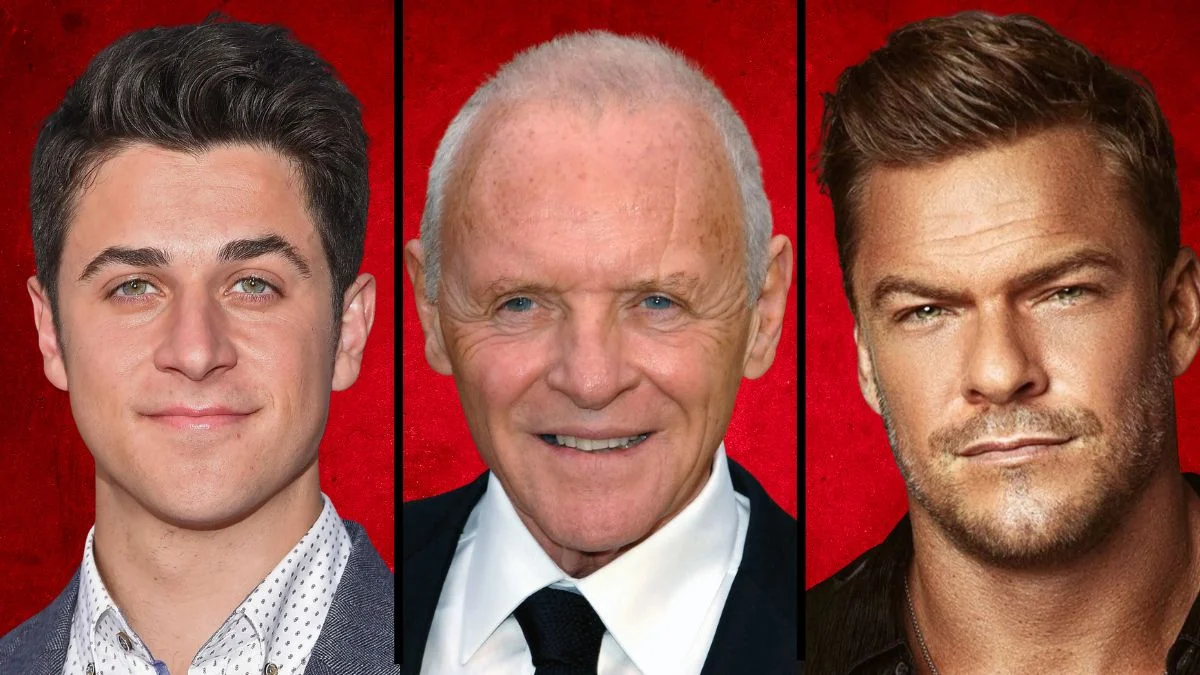


The entertainment industry has undergone significant transformations as studios implement policies designed to increase representation across various demographics. While many professionals embrace these initiatives, several actors have sparked controversy by openly rejecting what they describe as forced inclusion. These performers often argue that such mandates prioritize identity over individual talent and artistic freedom. Their public statements have led to heated debates regarding the future of casting and storytelling in Hollywood. This article examines the actors who have challenged these industry standards and the reactions their stances have elicited.
Adam Baldwin
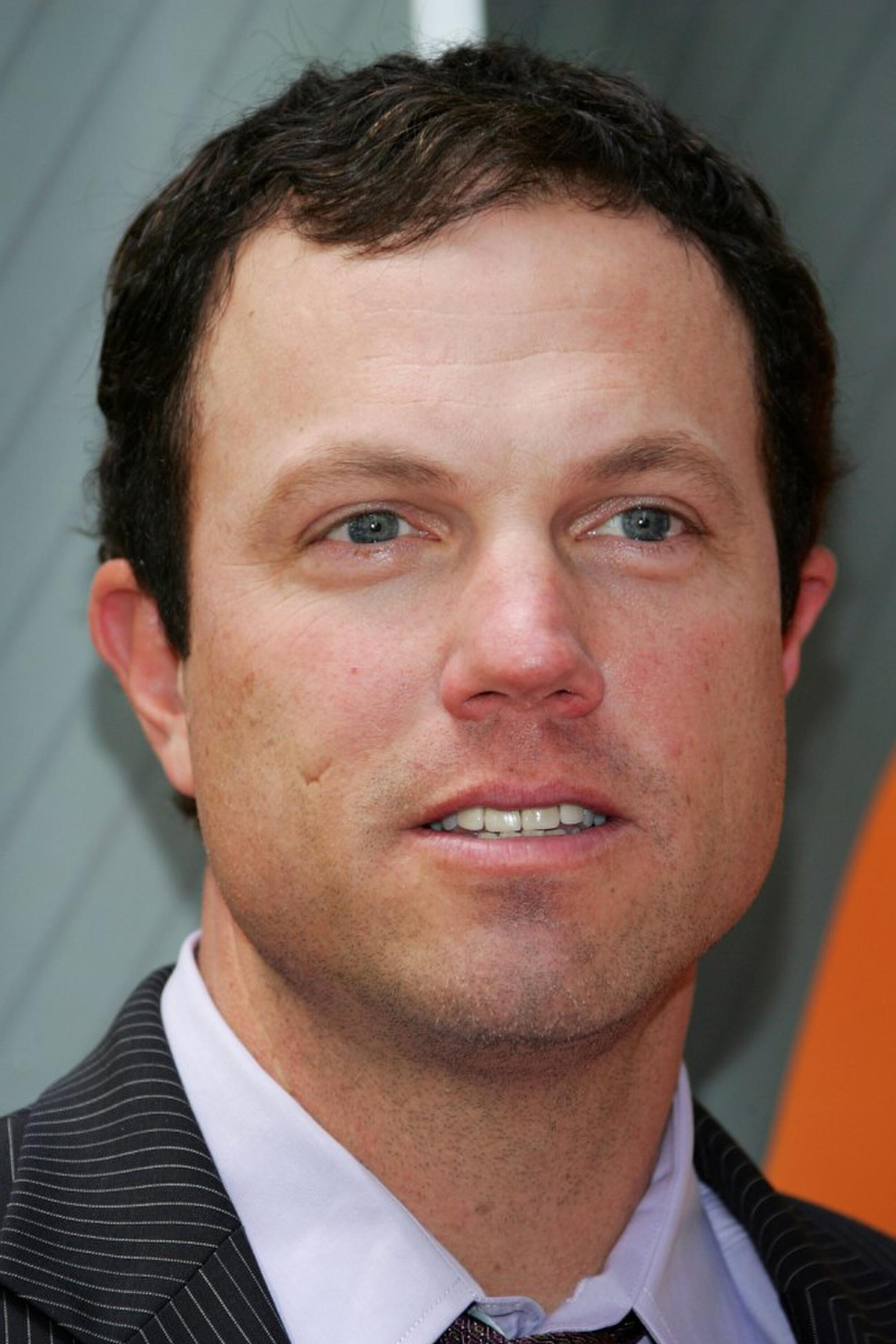
The actor known for his role in ‘Firefly’ has been a consistent critic of the shift toward identity politics in Hollywood. He frequently uses social media to challenge inclusion mandates that he believes prioritize social agendas over creative quality. Baldwin argues that the industry should focus on storytelling that resonates with a broad audience rather than satisfying specific demographic targets. His outspoken views have often placed him in direct opposition to the prevailing cultural trends within the entertainment community. He remains a prominent voice for those who favor traditional casting and production methods.
Alan Ritchson
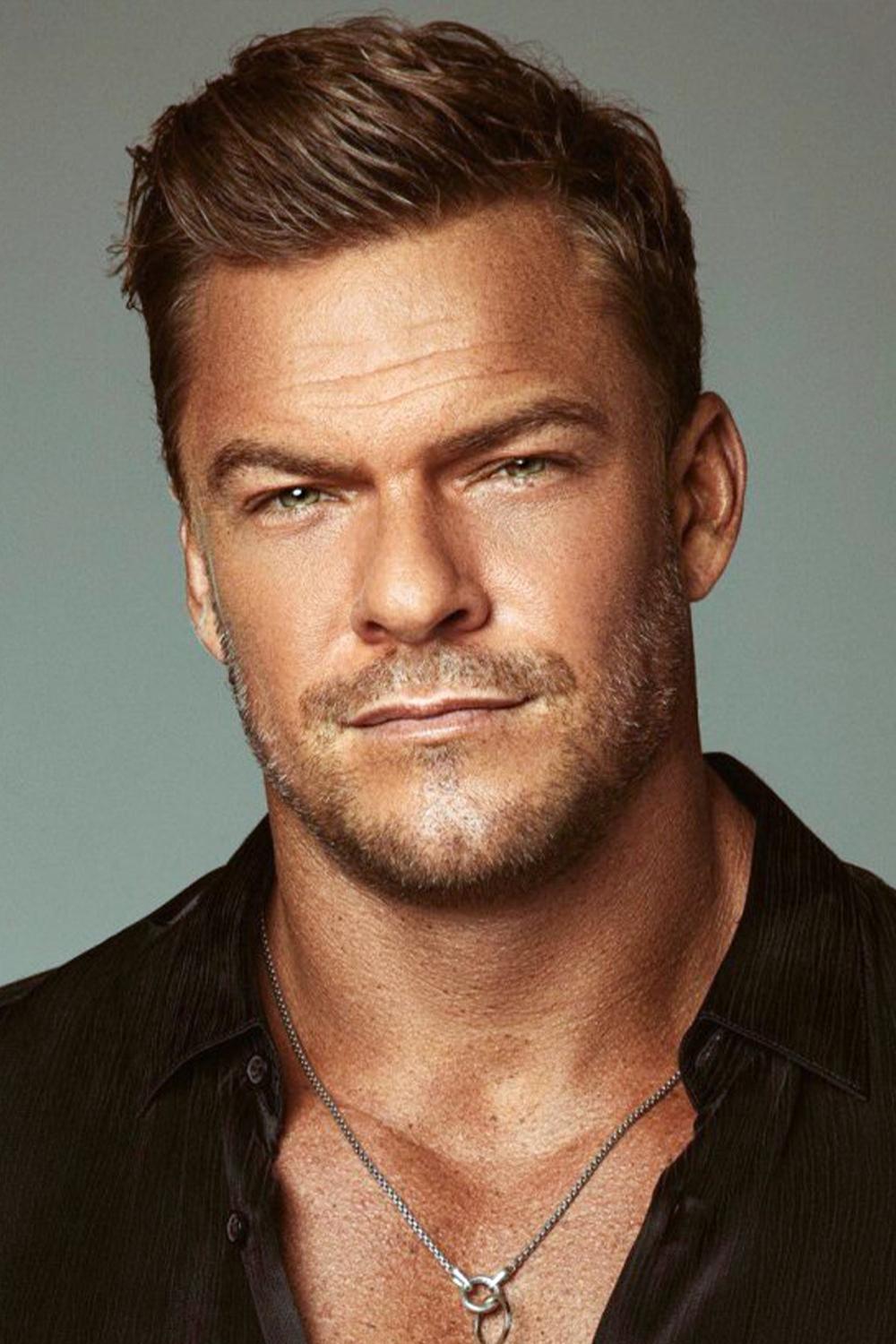
This performer gained attention for his comments regarding the current state of industry standards and the pressure to conform to specific narratives. He has expressed a desire to see more focus on raw storytelling and character development rather than meeting institutional requirements. Ritchson suggests that the focus on certain types of inclusion can sometimes feel performative rather than authentic to the art. His perspective has resonated with a segment of the audience that feels the industry has moved too far away from traditional entertainment values. He continues to advocate for projects that prioritize the quality of the script above all else.
Anthony Hopkins
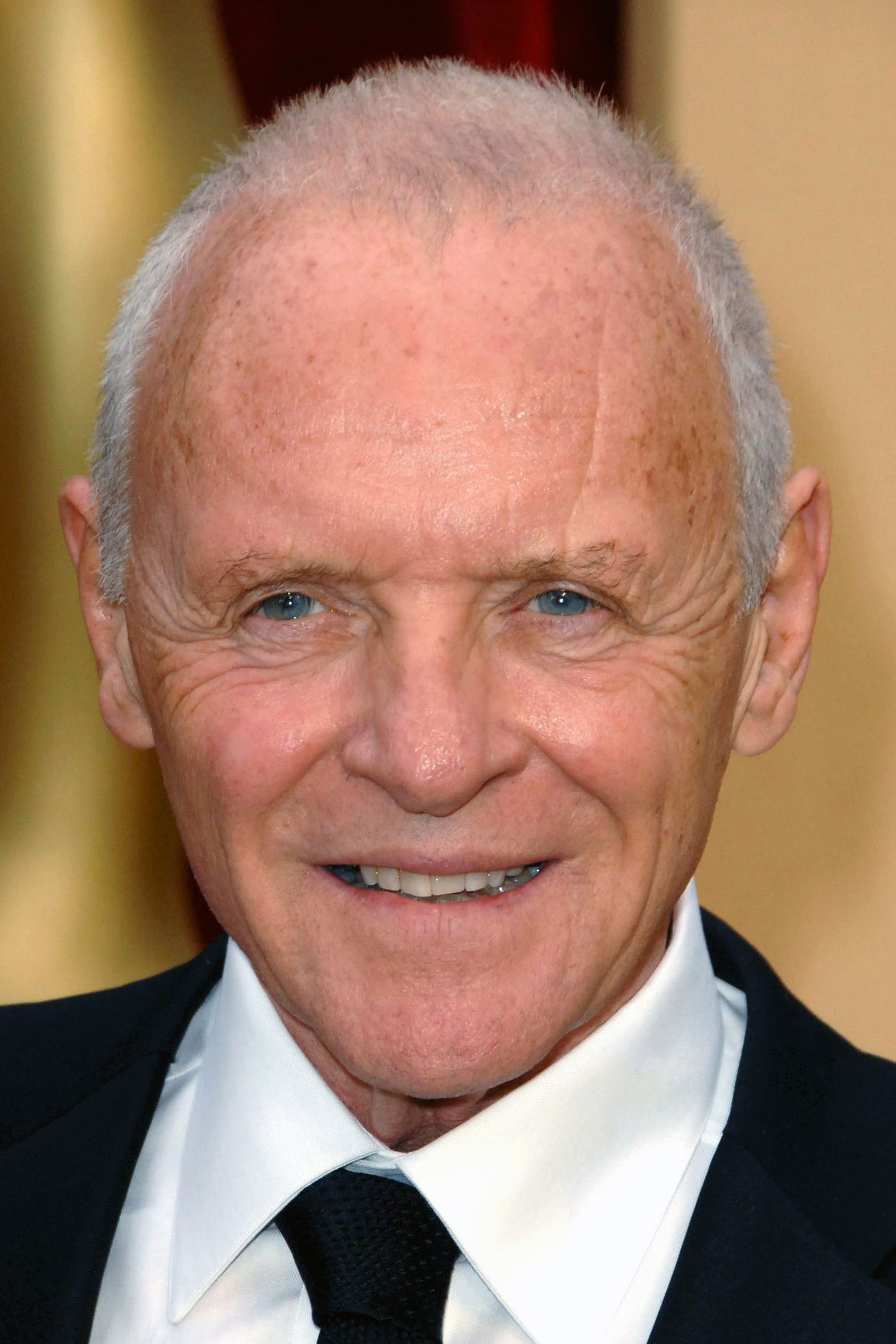
The legendary actor has voiced his concerns about the increasing focus on political and social messaging within the film industry. He has suggested that the primary job of an actor is to perform and entertain rather than to serve as a mouthpiece for industry mandates. Hopkins has stayed away from modern inclusion trends by focusing strictly on the technical and emotional aspects of his craft. His refusal to engage in the social engineering aspect of modern Hollywood has drawn criticism from those who believe high profile figures should lead social change. He maintains that the magic of cinema lies in its ability to transcend individual identities.
Bill Burr
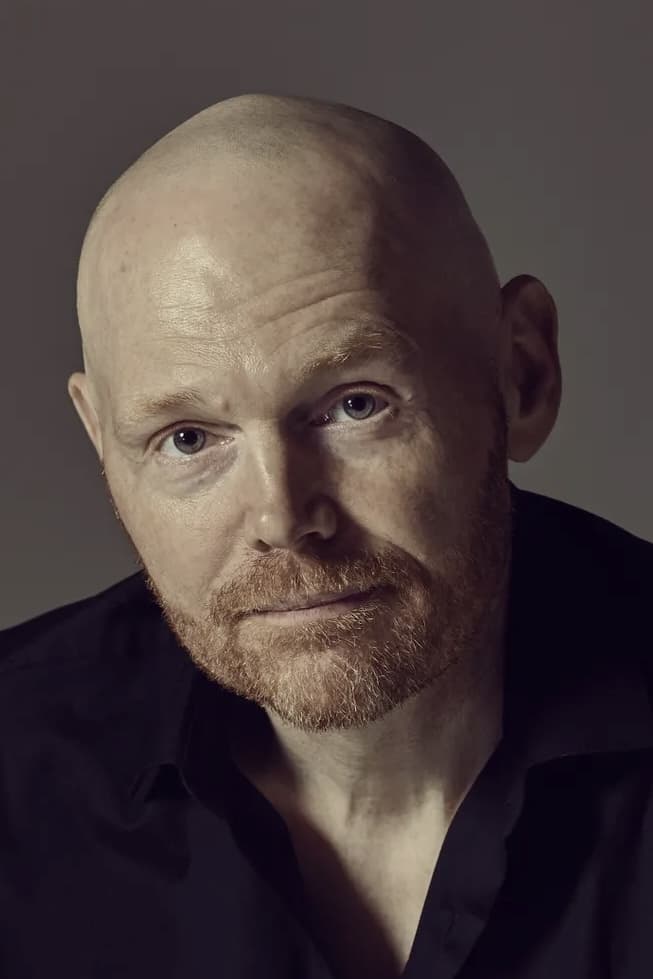
This actor and comedian has used his platform to critique what he views as the forced nature of diversity in modern media. He has specifically targeted the way inclusion is handled in casting and awards ceremonies during his stand up specials and interviews. Burr argues that the industry often prioritizes appearance over the actual comedic or dramatic skill required for a role. His blunt assessment of these trends has sparked significant backlash from critics who view his stance as regressive. Despite the outrage, he continues to question the motivations behind corporate diversity initiatives.
Chuck Norris
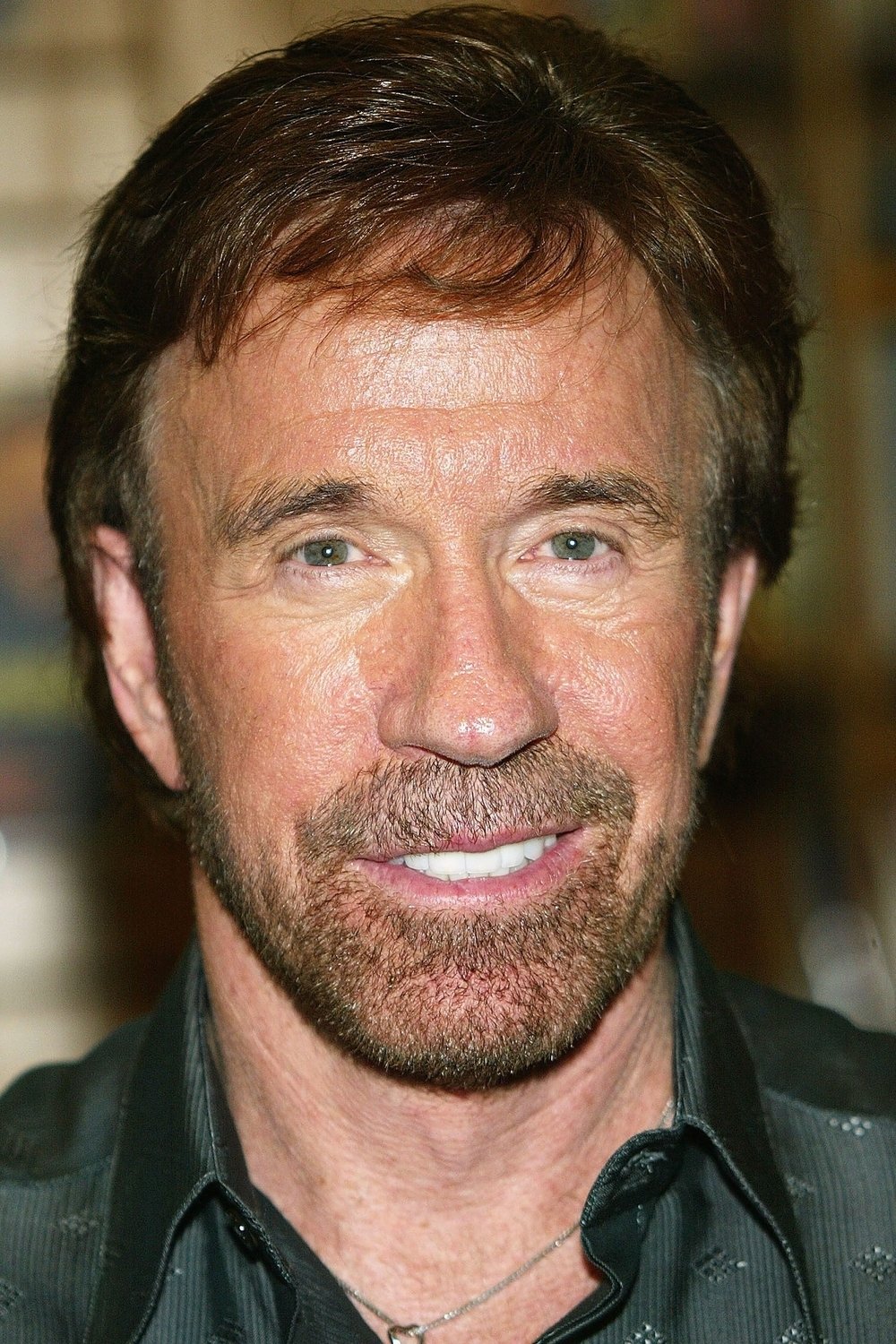
The iconic action star has long been a proponent of traditional values in cinema and has frequently criticized the changing landscape of Hollywood. He has expressed concern that the push for certain types of inclusion often comes at the expense of historical accuracy and established character archetypes. Norris advocates for a return to storytelling that celebrates individual heroism and universal moral themes without being constrained by modern political requirements. His stance has made him a hero to many who feel alienated by contemporary industry shifts. He remains dedicated to supporting projects that align with his worldview.
Clint Eastwood
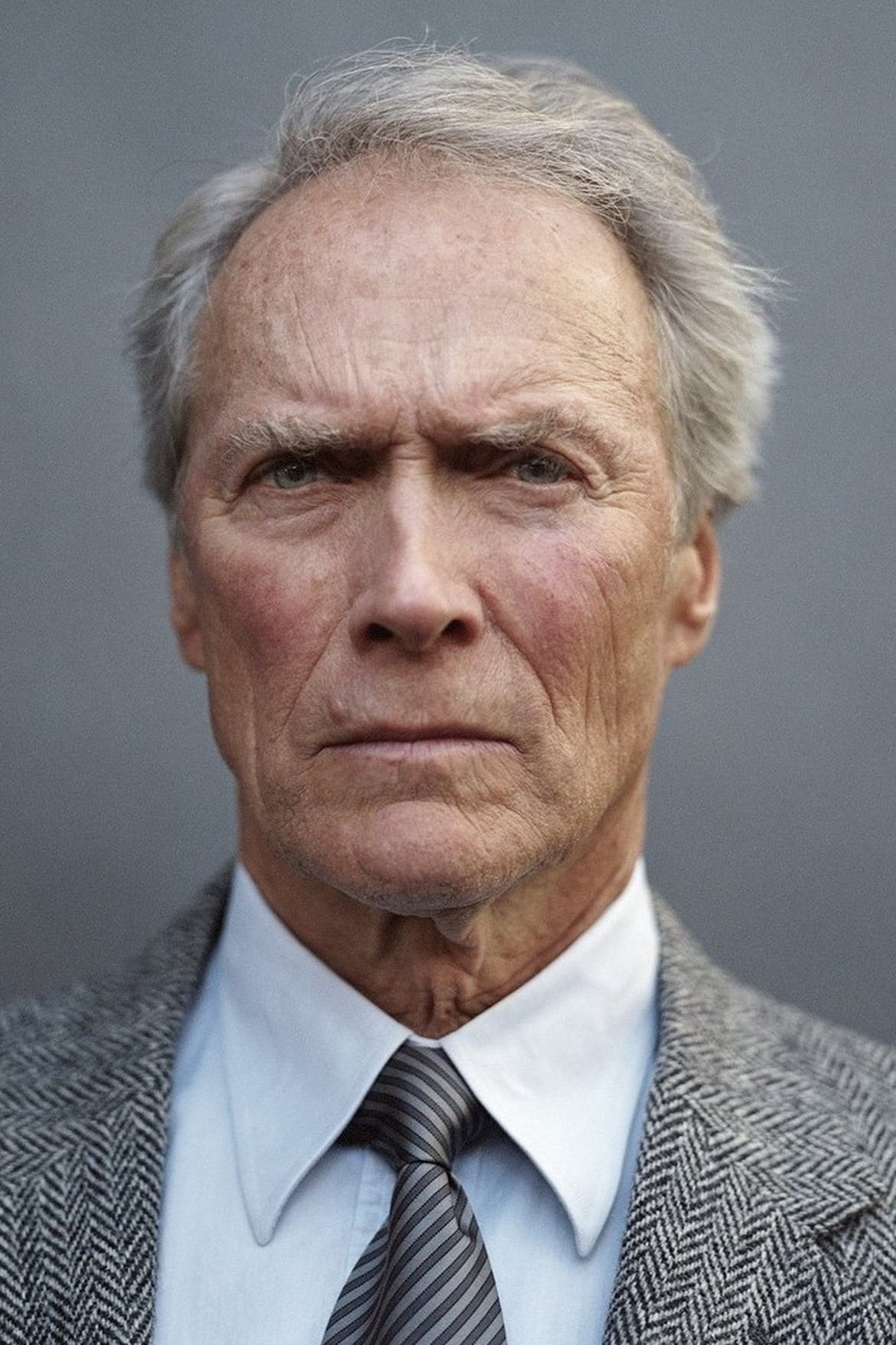
The veteran director and actor has famously criticized the modern era of political correctness within the entertainment world. He has argued that the industry has become too sensitive and that inclusion mandates often stifle the gritty realism he prefers in his films. Eastwood suggests that the focus should always be on the story being told rather than the demographic makeup of the cast or crew. His comments have frequently sparked outrage among younger generations of filmmakers and activists. He continues to produce work that follows his own creative instincts regardless of current trends.
Curtis Jackson
Known professionally as 50 Cent, this actor and producer has been vocal about his disagreements with industry inclusion policies that he views as patronizing. He has criticized the way some networks handle diversity by arguing that true inclusion comes from ownership and creative control rather than corporate quotas. 50 Cent has faced backlash for his blunt commentary on how these policies affect the business side of entertainment. He often highlights the importance of economic success and merit over meeting institutional diversity targets. His influence in the industry allows him to challenge these norms while continuing to produce successful content.
David Henrie
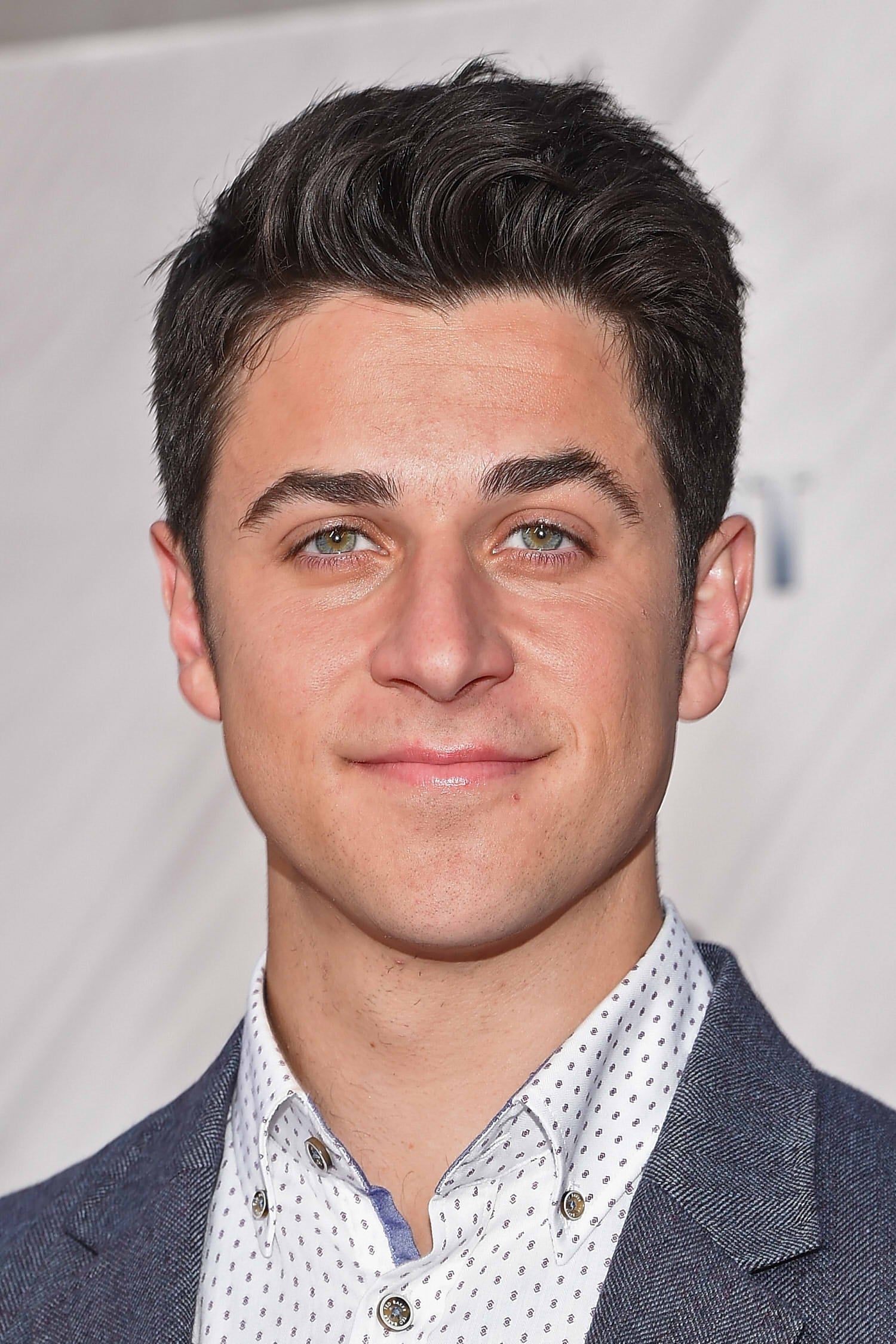
The former Disney star has focused his recent career on producing content that emphasizes traditional family values over modern inclusion trends. He has expressed a desire to return to a style of storytelling that he feels is missing from the current media landscape. Henrie argues that the industry focus on certain social narratives often ignores the needs of a large portion of the audience. His commitment to creating faith based and family oriented projects has sparked debate about the lack of diverse viewpoints within the inclusion movement itself. He continues to build his own production path outside the mainstream Hollywood system.
Dean Cain
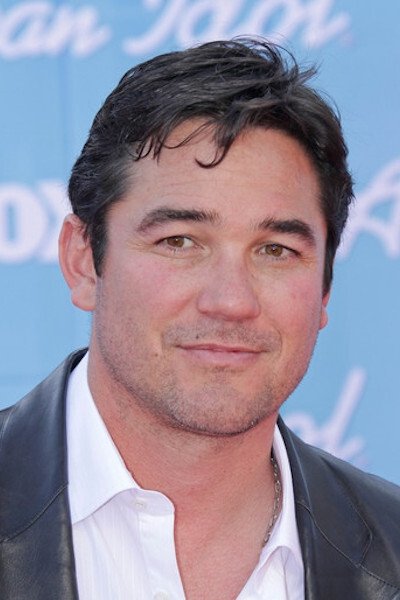
The actor who played Superman has been an outspoken critic of the way inclusion is forced into existing franchises. He has specifically commented on changes to iconic characters that he believes are done to satisfy social agendas rather than to improve the story. Cain argues that these changes often alienate long time fans and undermine the integrity of the original source material. His views have led to heated exchanges on social media and criticism from those who support the modernization of classic characters. He remains a steadfast defender of traditional portrayals in superhero media.
Dennis Quaid
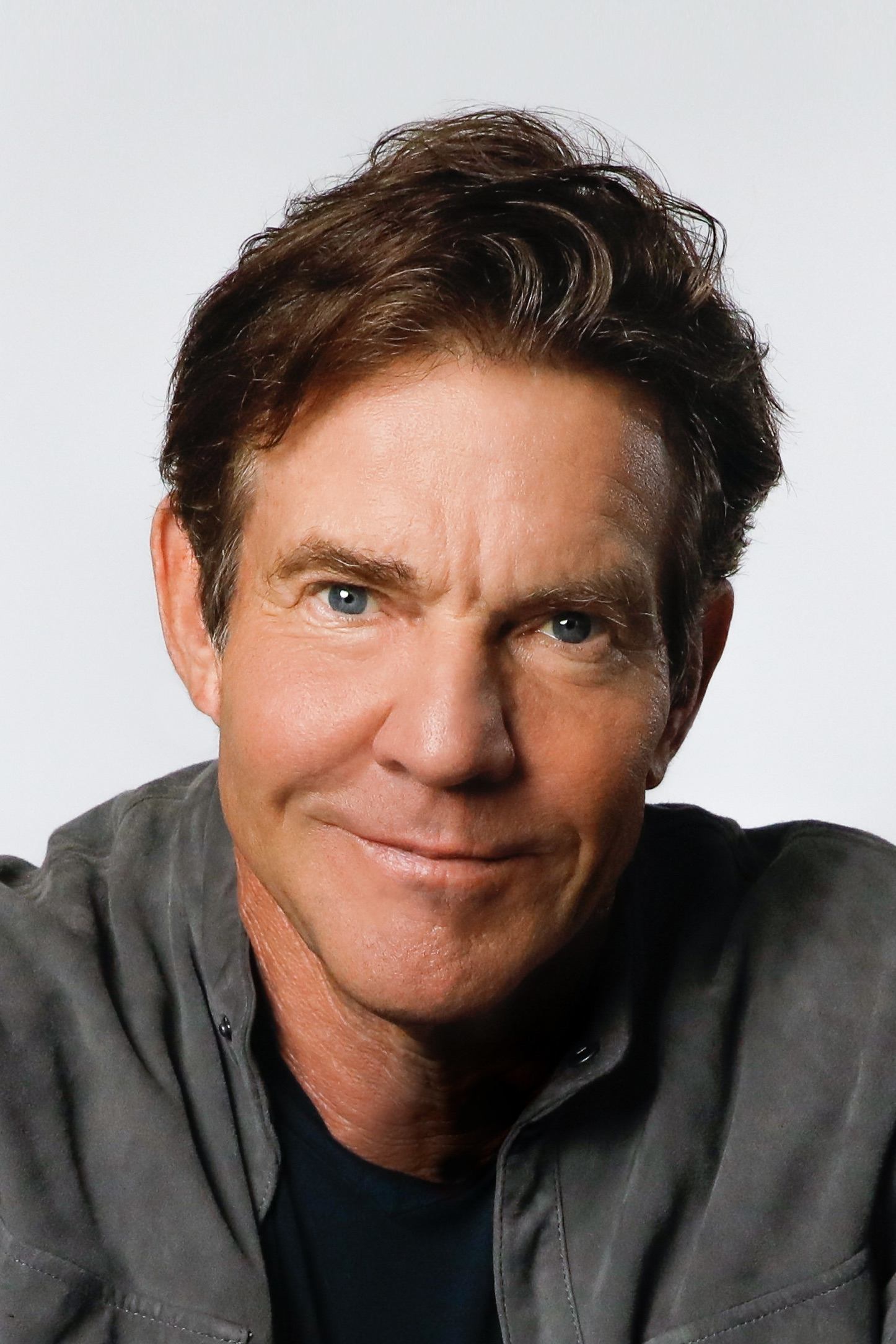
The veteran performer has shared his views on the changing political climate within Hollywood and the pressure to conform to certain ideals. He has suggested that the industry has become overly focused on identity politics at the expense of genuine artistic expression. Quaid advocates for a professional environment where actors are judged solely on their performance and dedication to the role. His perspective has drawn both support and criticism as the industry continues to grapple with these issues. He remains active in projects that focus on the human experience rather than social quotas.
Eduardo Verástegui
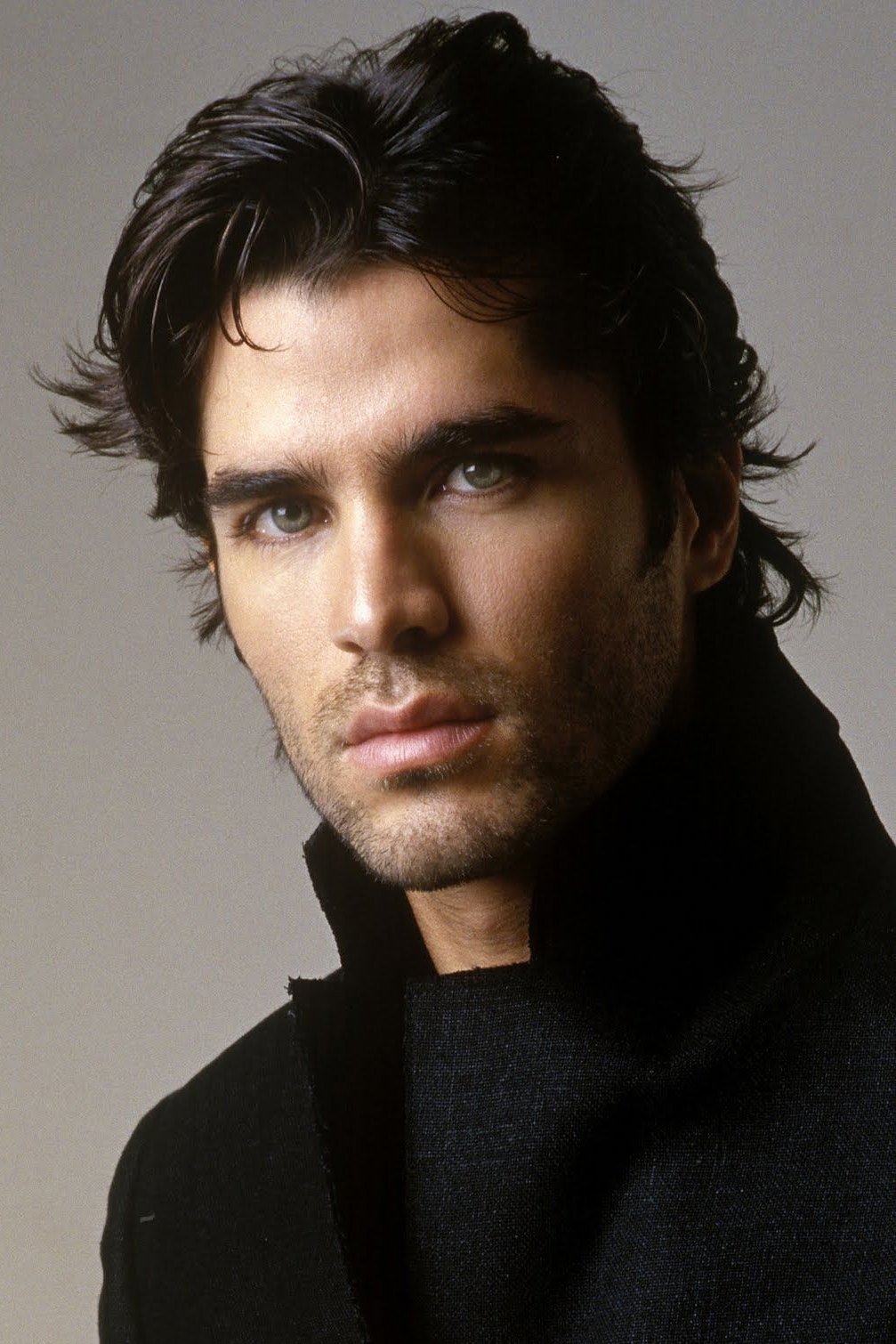
This Mexican actor and producer has become a leading voice in advocating for traditional and faith based content in the film industry. He has publicly rejected the push for modern inclusion trends that he believes contradict his core values and beliefs. Verástegui focuses on producing films like ‘Sound of Freedom’ that address significant social issues without following standard industry inclusion scripts. His work has sparked immense controversy and outrage from mainstream critics who disagree with his approach. He continues to use his platform to promote a different vision for the future of cinema.
Gary Oldman
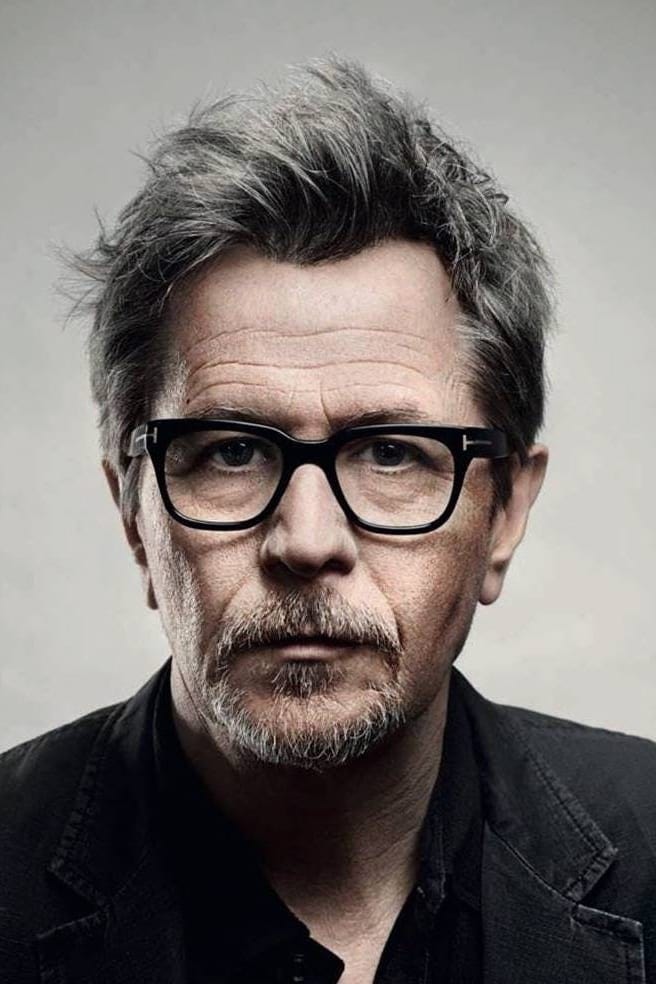
The acclaimed actor has criticized the perceived hypocrisy and political correctness that he believes permeates modern award shows and casting rooms. He has argued that the push for diversity often feels like a performance designed to appease critics rather than a genuine effort to improve art. Oldman has spoken about the fear many actors feel when expressing views that contradict the prevailing industry narrative. His comments sparked outrage and led to public apologies, yet the core of his critique remains a point of discussion. He remains one of the most respected performers in the world despite his occasional clashes with industry norms.
Ice Cube
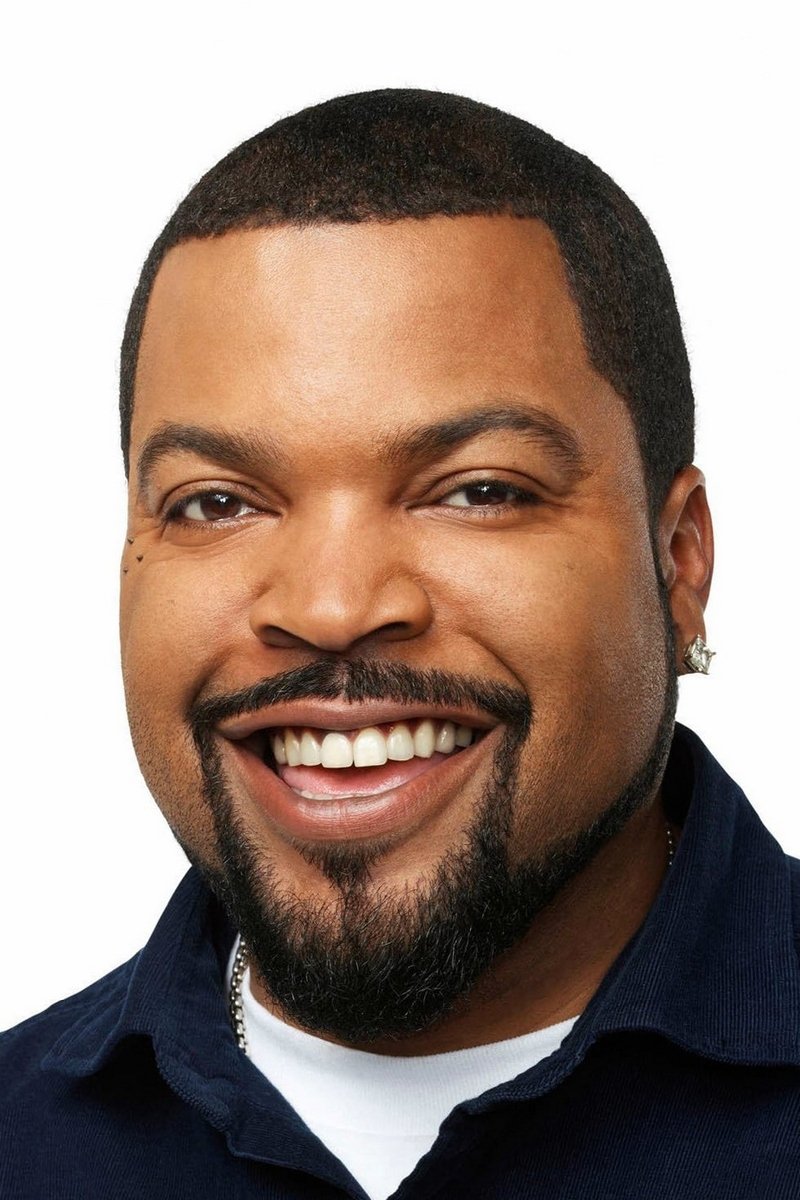
The legendary rapper and actor has been a vocal critic of the inclusion initiatives within the film and music industries. He has argued that many of these programs are designed to provide the illusion of progress while maintaining the status quo in terms of power. Ice Cube has faced outrage for questioning the effectiveness of diversity deals and for engaging with political figures from various backgrounds. He insists that real inclusion should focus on financial empowerment and creative independence for artists. His stance continues to challenge the way Hollywood approaches the concept of representation.
Idris Elba
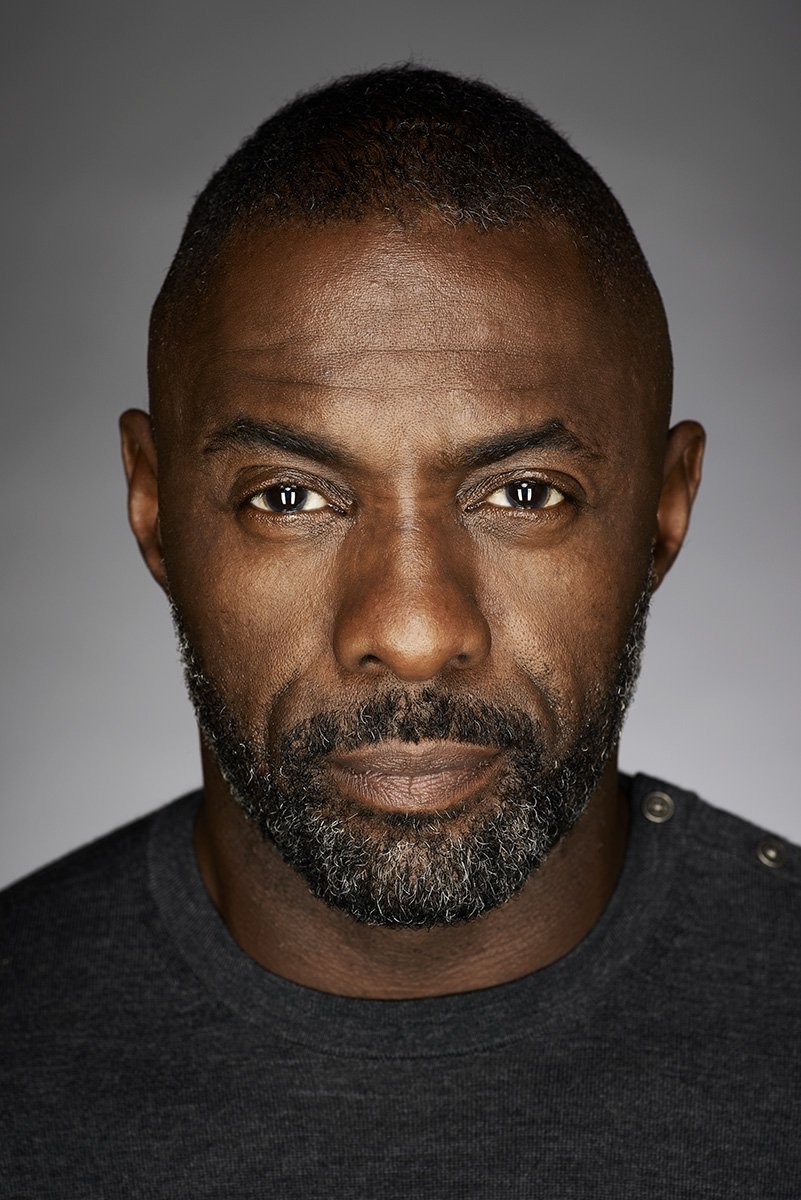
This actor caused a stir when he stated that he no longer refers to himself as a Black actor because the label creates limitations. He argued that the industry focus on racial identity can prevent performers from being seen as individuals with unique skills. Elba suggested that the obsession with categorization is a hindrance to true progress in the arts. His comments led to a massive debate online with some praising his desire for a colorblind industry and others accusing him of ignoring systemic issues. He continues to seek roles that challenge expectations and transcend traditional labels.
Ian McKellen
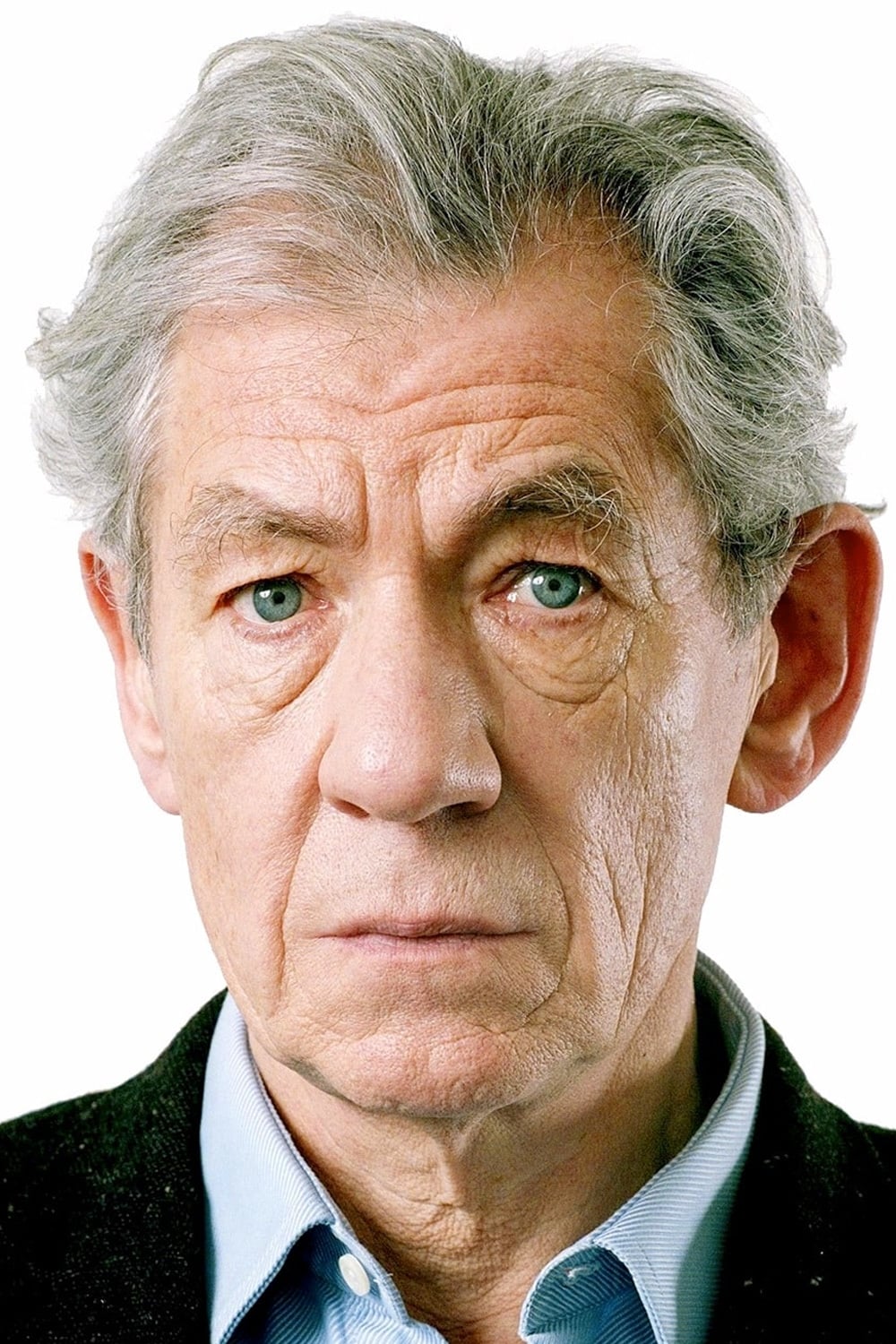
The distinguished actor has voiced concerns about the logic behind certain inclusion mandates in the awards circuit. He specifically pointed out that the push for diversity can sometimes lead to new forms of exclusion or the neglect of other minority groups. McKellen has argued that the focus should remain on the excellence of the work rather than the background of the creators. While he is a major advocate for representation, his critiques of specific implementation strategies have sparked significant industry dialogue. He maintains that the goal of inclusion should not come at the cost of artistic integrity.
Isaiah Washington
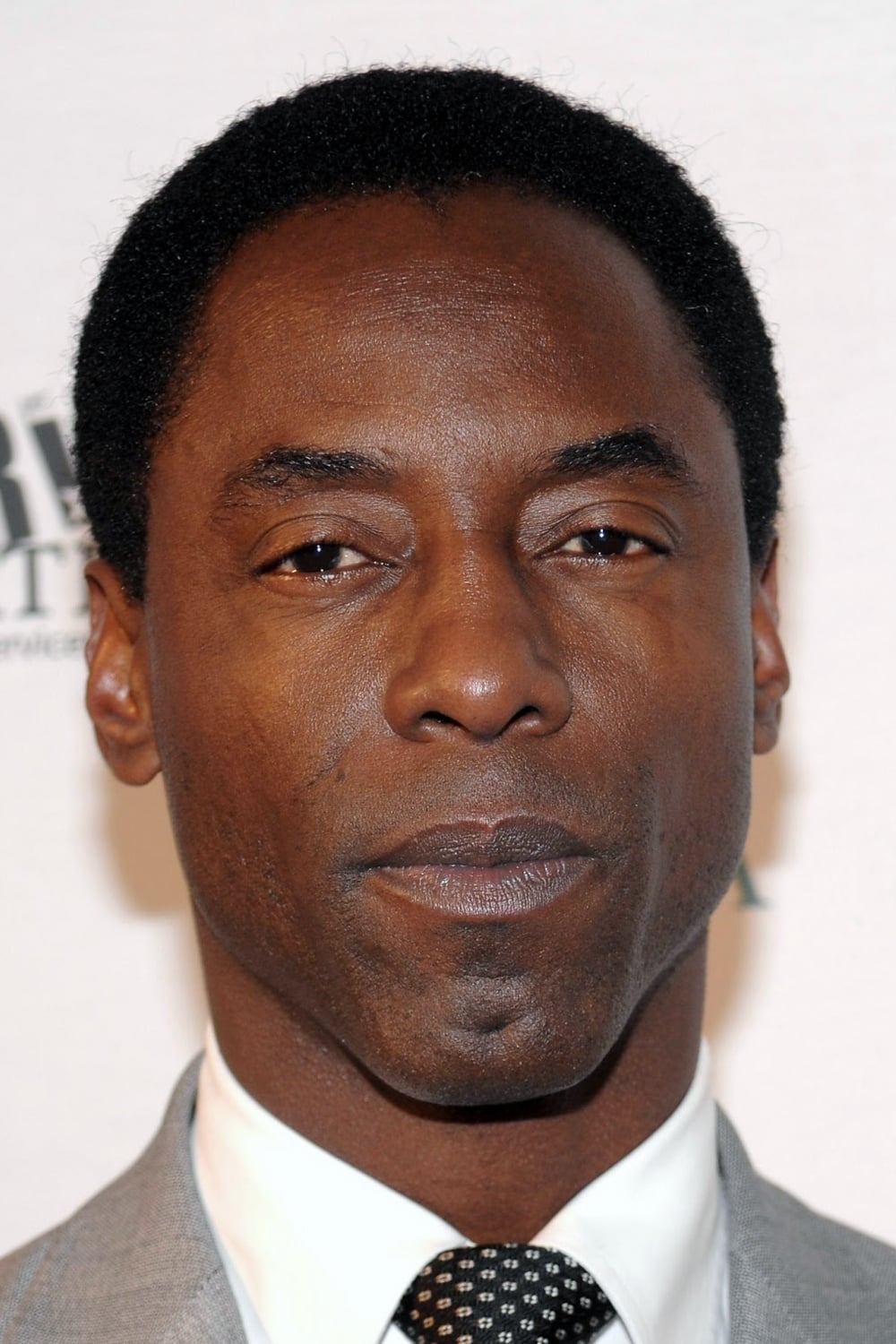
Following his high profile departure from ‘Grey’s Anatomy’ the actor became an outspoken critic of Hollywood’s political culture and inclusion narratives. He has argued that the industry uses the concept of inclusion to silence dissenting voices and enforce a specific worldview. Washington frequently points out what he perceives as the inconsistencies in how diversity is applied in casting and professional treatment. His comments have led to a continued state of controversy surrounding his public image. He continues to produce his own work while challenging the mainstream narrative of the entertainment world.
James Woods
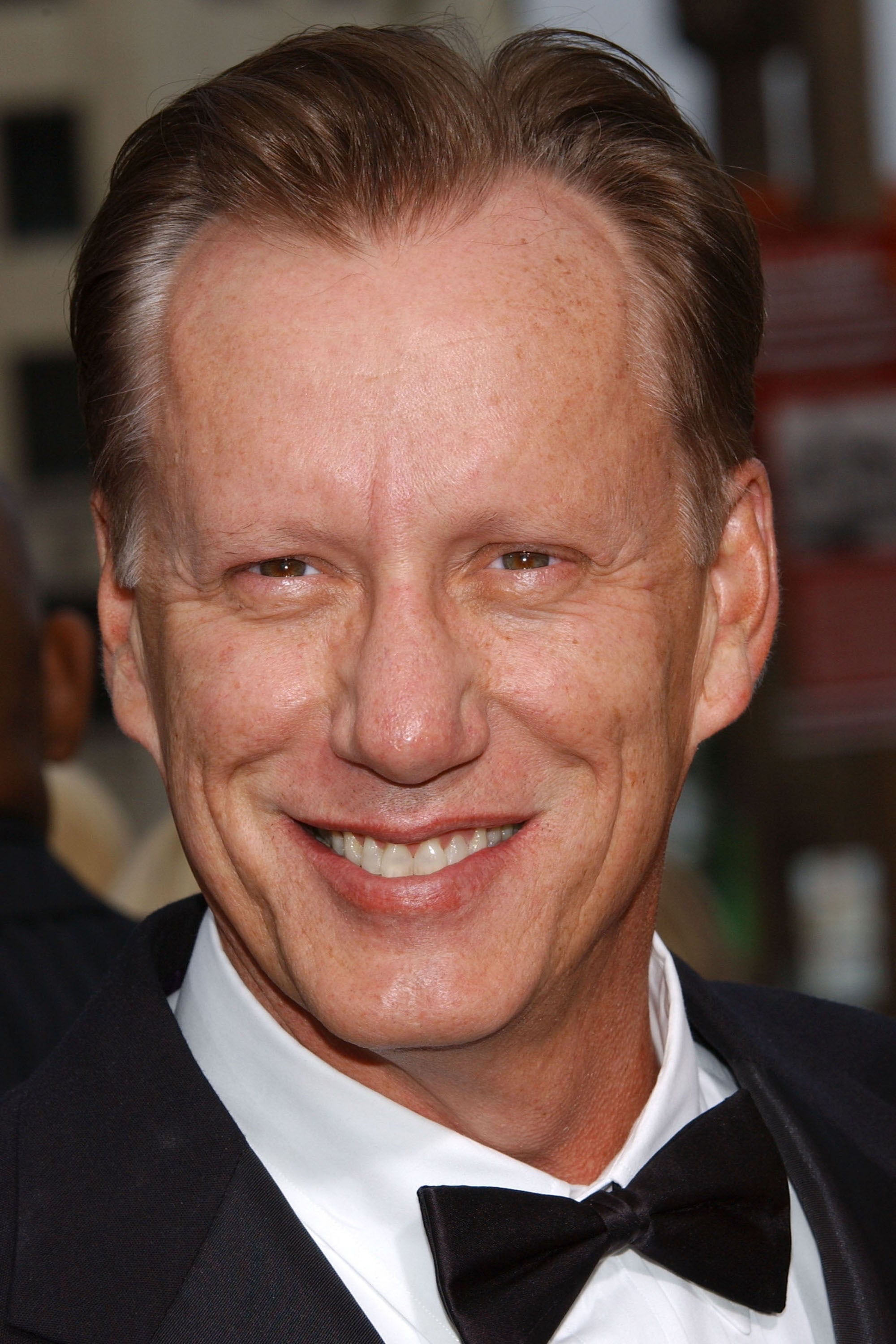
One of the most vocal critics of modern Hollywood trends, this actor has frequently attacked the concept of inclusion quotas. He argues that the industry has traded meritocracy for political signaling and that this shift has harmed the quality of movies. Woods often uses his social media presence to highlight examples of what he considers forced diversity in classic franchises. His stance has made him a polarizing figure, leading to a significant reduction in his mainstream projects. He remains unrepentant in his criticism of the current industry trajectory.
Jim Breuer
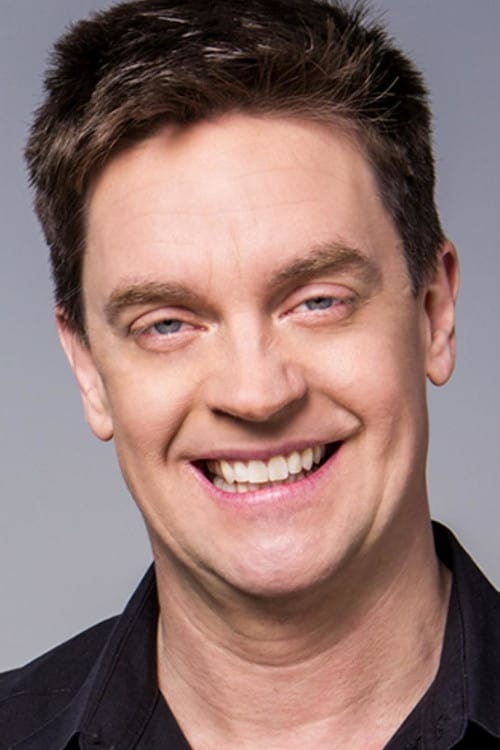
The comedian and actor has publicly rejected the mandates and social expectations that have become common in the entertainment industry. He has spoken out against the pressure to include specific political and social themes in comedic sets and acting roles. Breuer argues that the focus on inclusion often kills the spontaneous and subversive nature of comedy. His decision to walk away from certain opportunities rather than comply with industry standards has sparked outrage among some fans and peers. He continues to perform for audiences that share his preference for traditional entertainment.
Jim Caviezel
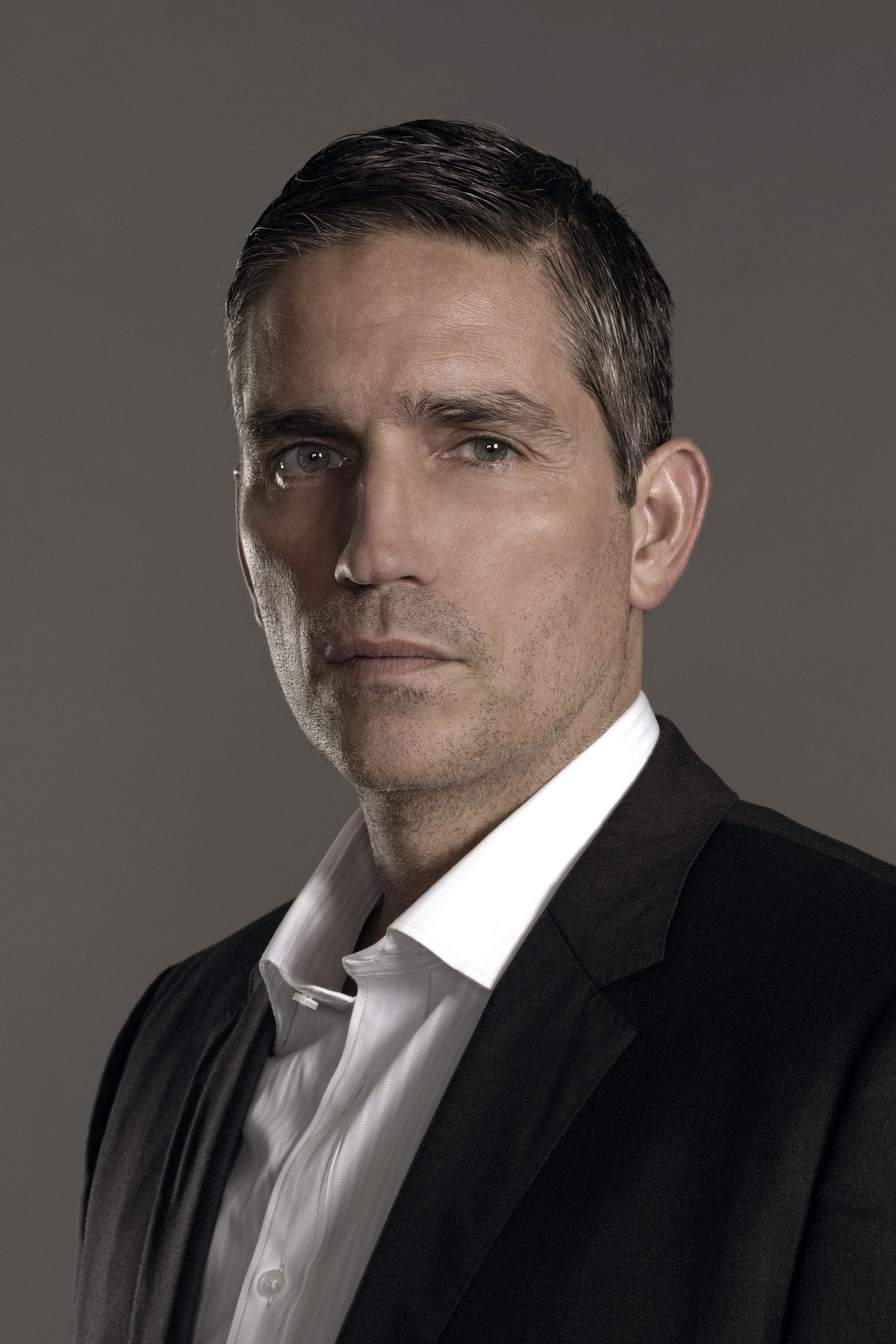
The star of ‘The Passion of the Christ’ has long been a critic of the secular and political shifts within the film industry. He has expressed that modern inclusion initiatives often exclude people of faith and those with traditional viewpoints. Caviezel argues that Hollywood has become a place where only certain types of diversity are celebrated while others are actively suppressed. His participation in projects that challenge mainstream narratives has led to him being labeled as a controversial figure by major media outlets. He remains dedicated to his beliefs despite the professional challenges they may bring.
John Cleese
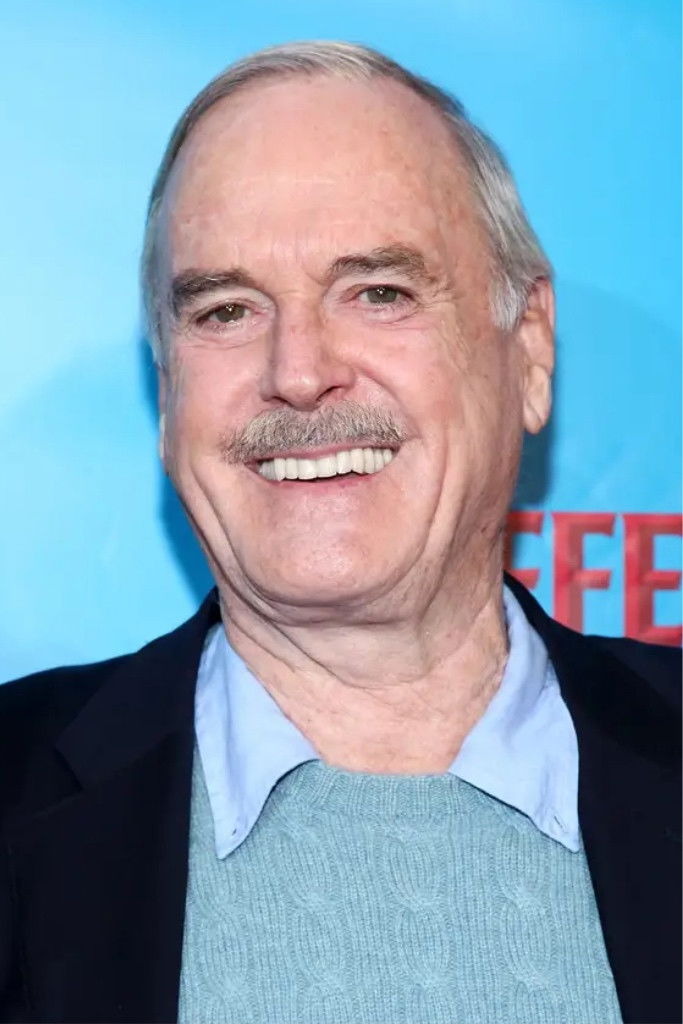
The legendary cofounder of ‘Monty Python’s Flying Circus’ has been a fierce critic of the BBC and other networks for their diversity quotas. He argues that prioritizing demographic representation over comedic talent is a recipe for creative failure. Cleese has famously stated that the current culture of political correctness is detrimental to the freedom of expression required for great art. His outspoken nature has led to significant backlash from modern audiences who view his comments as outdated. He remains a vocal defender of the right to offend and the importance of merit in the arts.
John Schneider
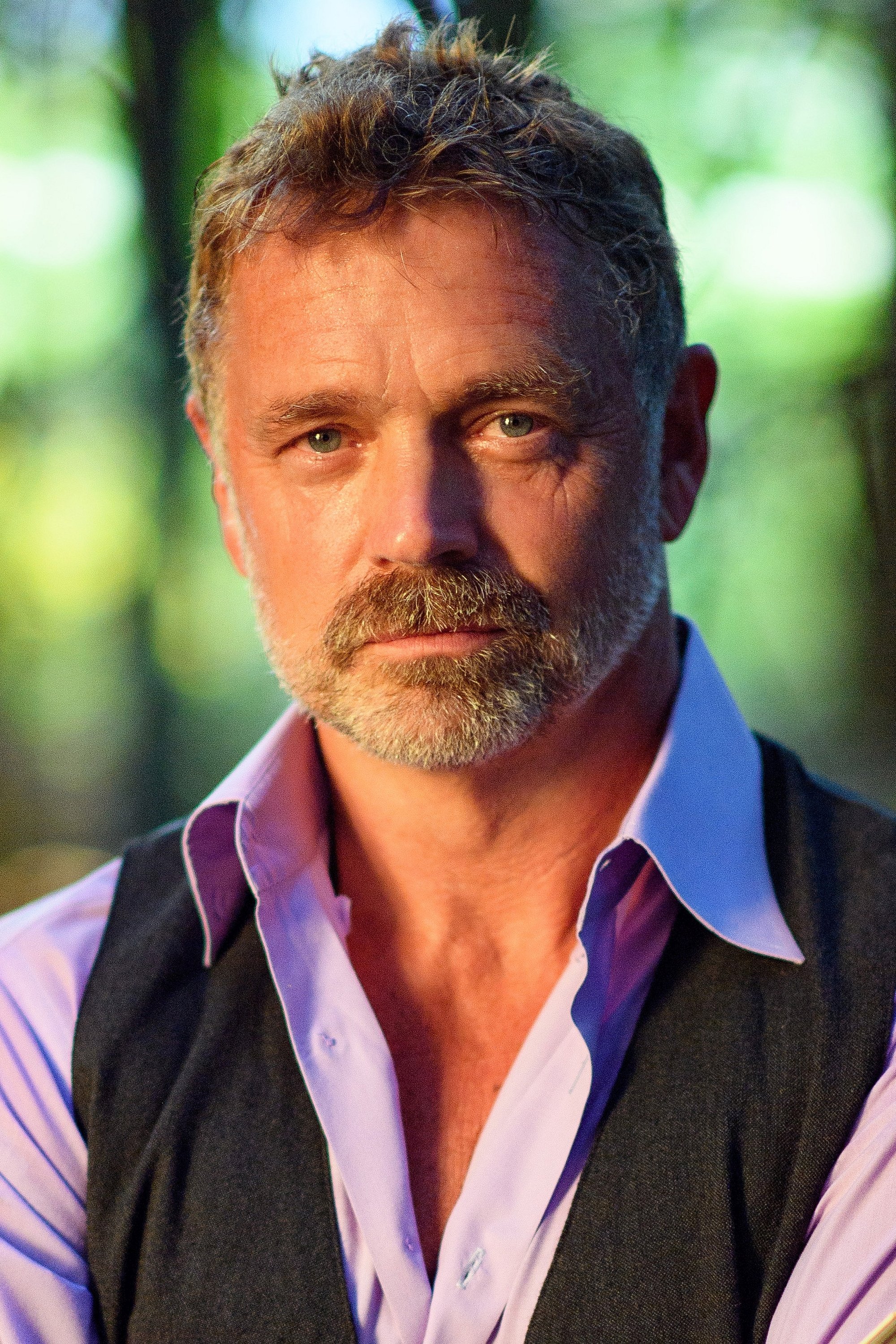
The actor known for ‘The Dukes of Hazzard’ has voiced his disapproval of the way the industry has changed to accommodate modern social mandates. He has argued that the focus on inclusion has led to the disparagement of traditional American values and historical storytelling. Schneider suggests that the industry should focus on entertaining the entire country rather than catering to specific political subgroups. His public comments have often led to heated debates and criticism from industry activists. He continues to work on independent projects that align with his personal and professional philosophy.
Jon Lovitz
This actor and comedian has frequently criticized the “woke” culture and inclusion mandates that he believes have ruined modern comedy. He has argued that the constant fear of offending someone has made it impossible to create honest or funny content. Lovitz suggests that the industry focus on identity politics is a distraction from the goal of making people laugh. His blunt critiques have sparked outrage on social media and led to intense debates within the comedy community. He continues to perform while maintaining his stance against the current industry trends.
Jon Voight
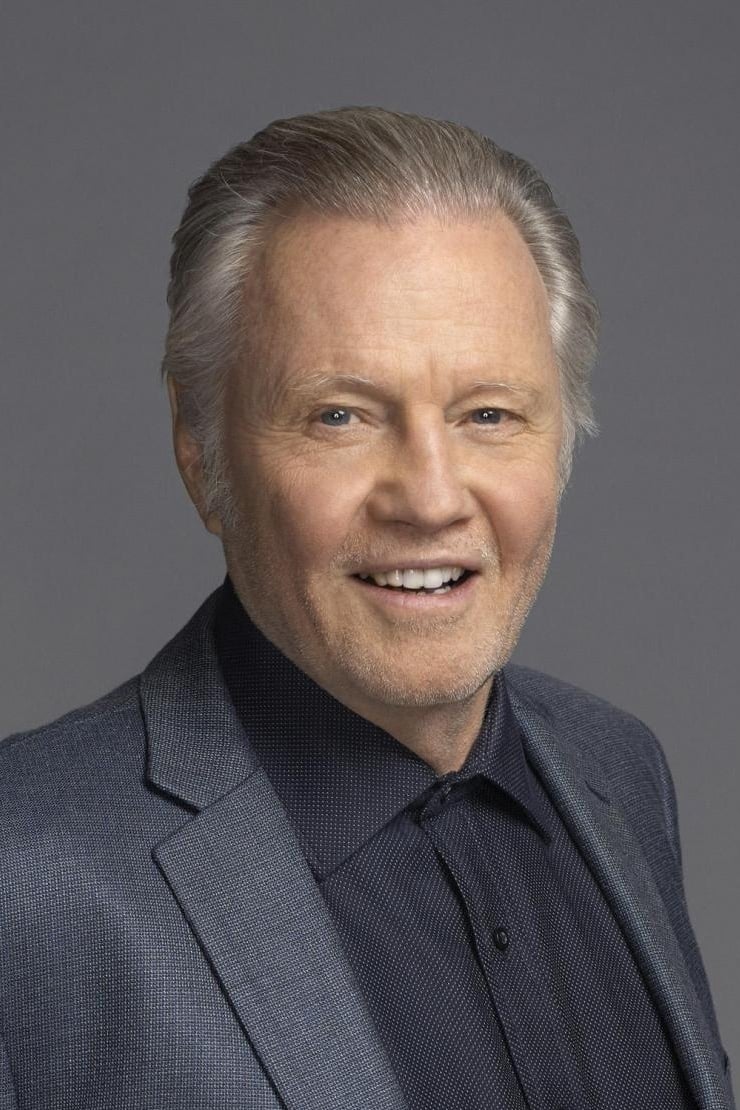
The Academy Award winner has been one of the most prominent voices against the political and social shifts in Hollywood. He has argued that the push for inclusion and diversity is often a cover for a radical political agenda that he does not support. Voight frequently releases video messages criticizing the industry for moving away from the values that once made it great. His stance has led to significant public outrage and has distanced him from many of his peers in the entertainment world. He remains a steadfast critic of the modern Hollywood system.
Kelsey Grammer
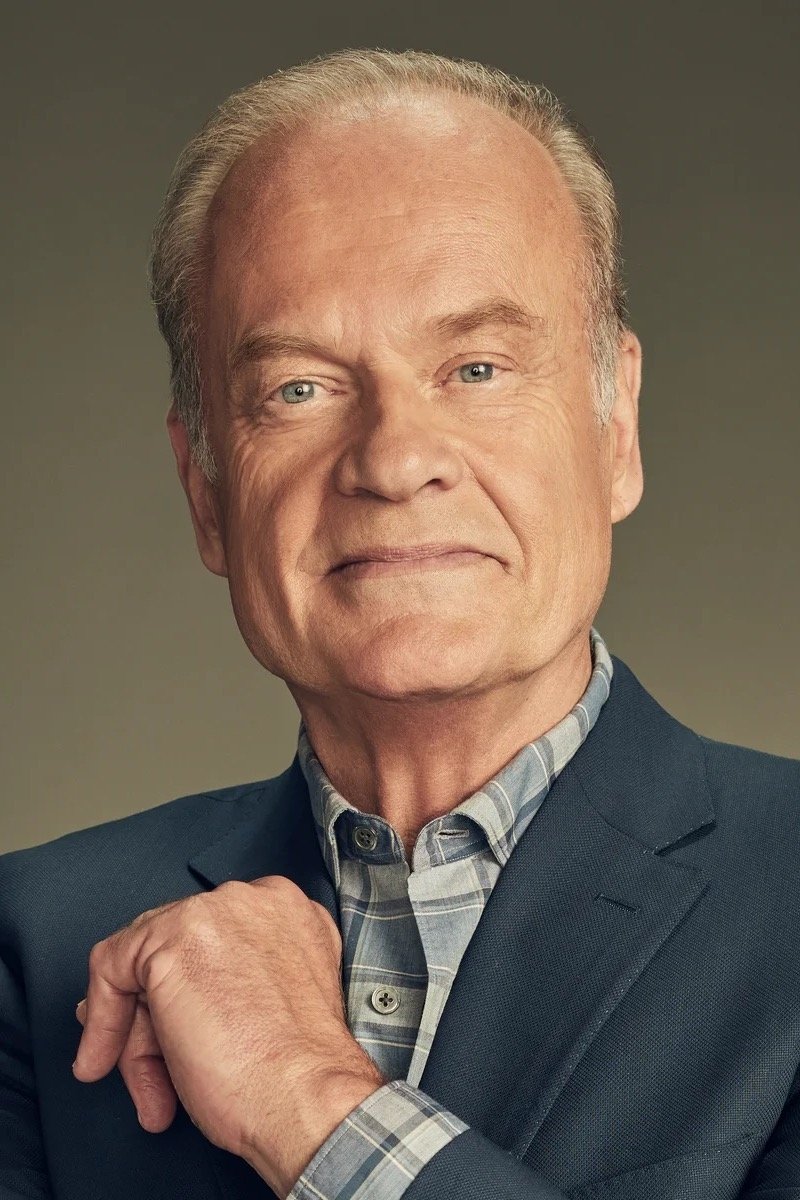
The star of ‘Frasier’ has been open about his conservative views and his concerns regarding the political climate in the acting profession. He has suggested that the focus on inclusion often overlooks the importance of individual character and talent. Grammer argues that the industry should be a place where all viewpoints are welcome rather than just those that fit the current social narrative. His refusal to conform to the prevailing political trends of Hollywood has made him a unique figure among his contemporaries. He continues to find success while staying true to his own principles.
Kevin Sorbo
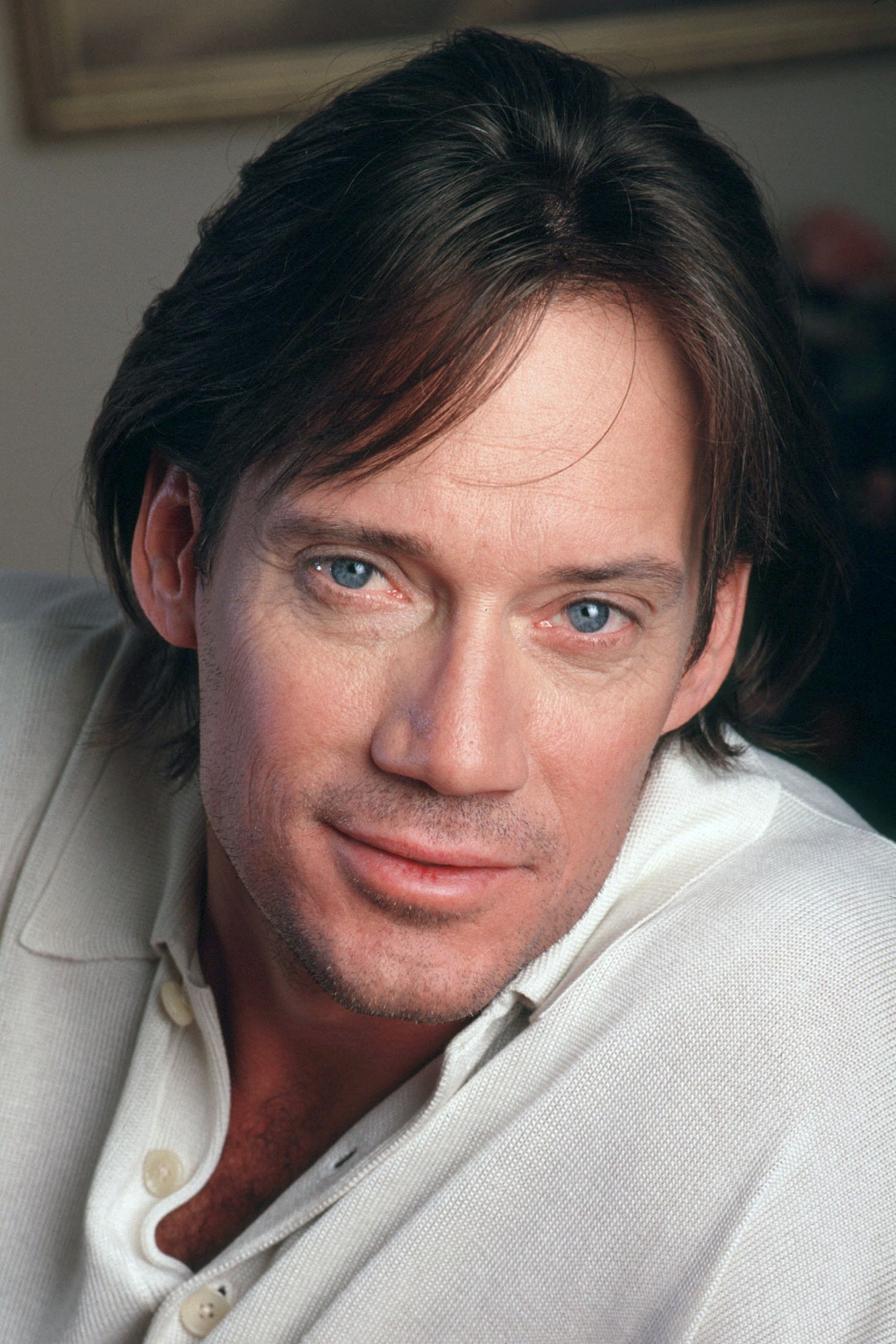
The actor known for ‘Hercules’ has been a vocal critic of the way he believes Hollywood excludes conservative and Christian performers. He argues that the push for inclusion is one sided and often leaves out those who do not agree with the mainstream political agenda. Sorbo suggests that his career has been impacted by his willingness to speak out against industry norms. His comments have sparked widespread debate about the true meaning of diversity within the entertainment world. He continues to produce and star in films that cater to a traditional audience.
Kid Rock
This musician and actor has consistently rejected the cultural shifts and inclusion mandates of the modern entertainment industry. He has used his public appearances and social media to mock what he views as the performative nature of corporate diversity. Kid Rock argues that the industry should focus on authenticity and talent rather than trying to satisfy every social group. His outspoken and often abrasive style has led to numerous controversies and public outcries. He remains a polarizing figure who prides himself on standing outside the mainstream system.
Kirk Cameron
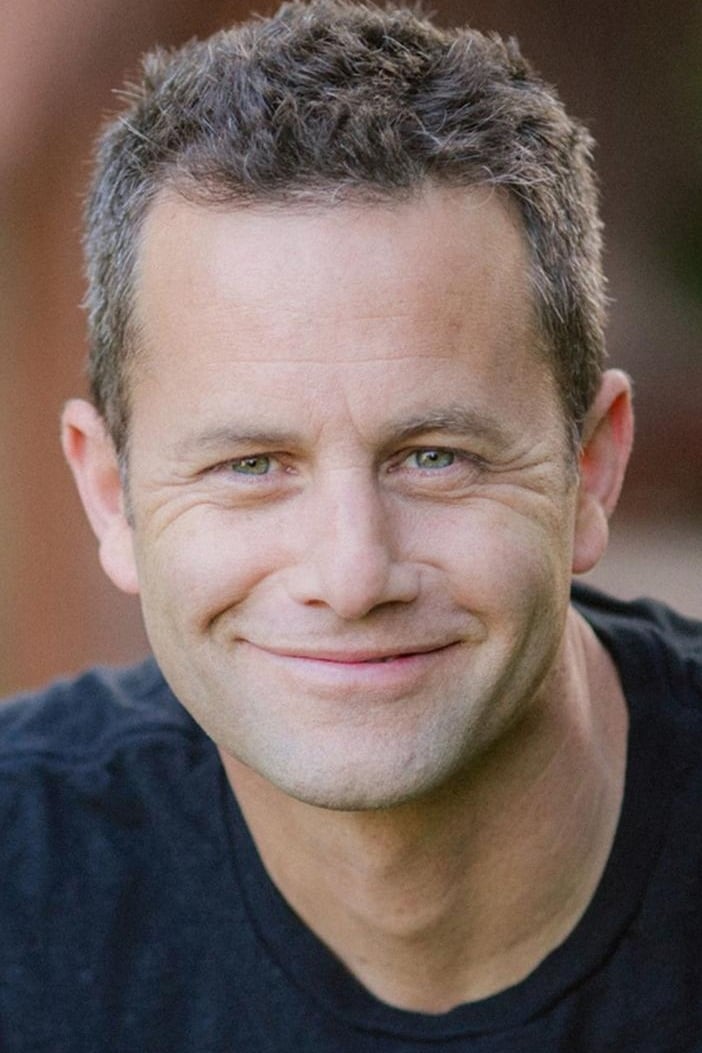
Since his time on ‘Growing Pains’ this actor has shifted his focus entirely toward faith based and traditional media. He has publicly criticized the entertainment industry for its embrace of modern social inclusion trends that he believes are harmful to families. Cameron argues that the focus of media should be on moral instruction and traditional values rather than following social fashions. His stance has led to him being a frequent target of criticism from mainstream media and the public. He continues to lead a successful career within his own specialized niche.
Kurt Russell
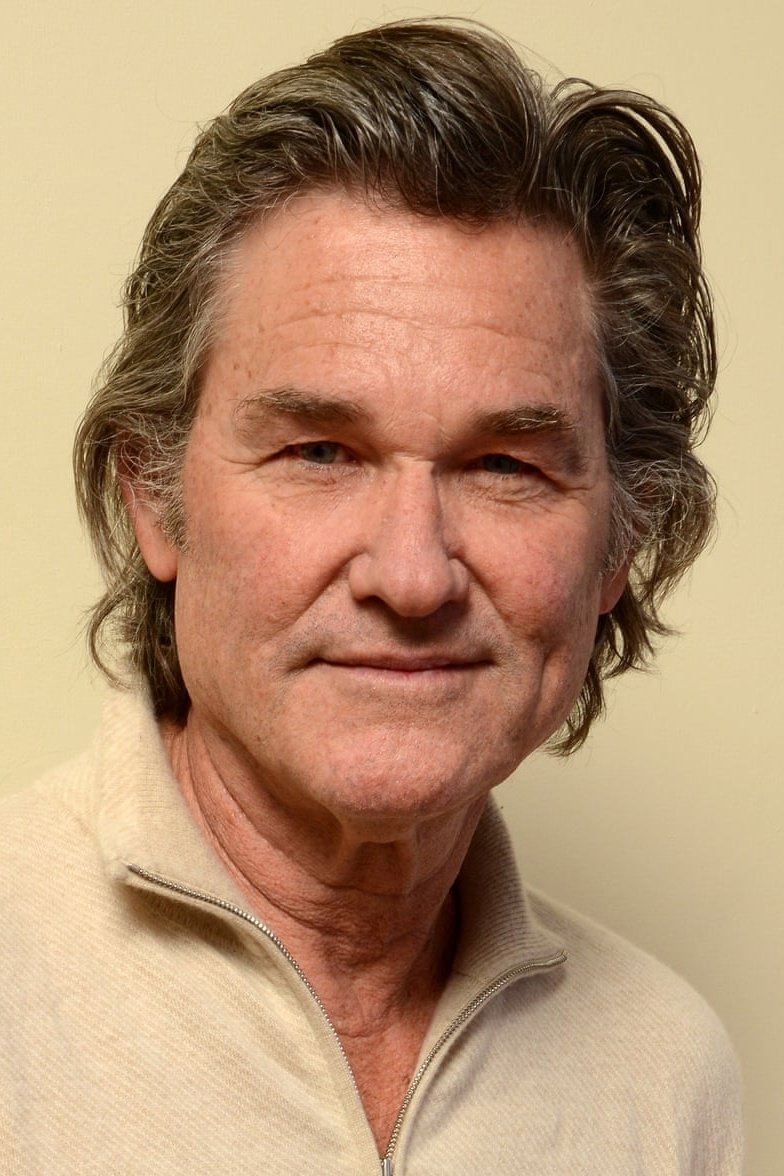
The veteran actor has expressed his belief that Hollywood stars should focus on their work and keep their political opinions to themselves. He has suggested that the current environment of forced inclusion and constant political messaging is exhausting for audiences. Russell argues that movies should be a place of escape rather than a platform for social engineering. His perspective has drawn criticism from those who believe actors have a responsibility to use their platform for social change. He remains one of the few actors who manages to maintain a successful career while avoiding the political fray.
Laurence Fox
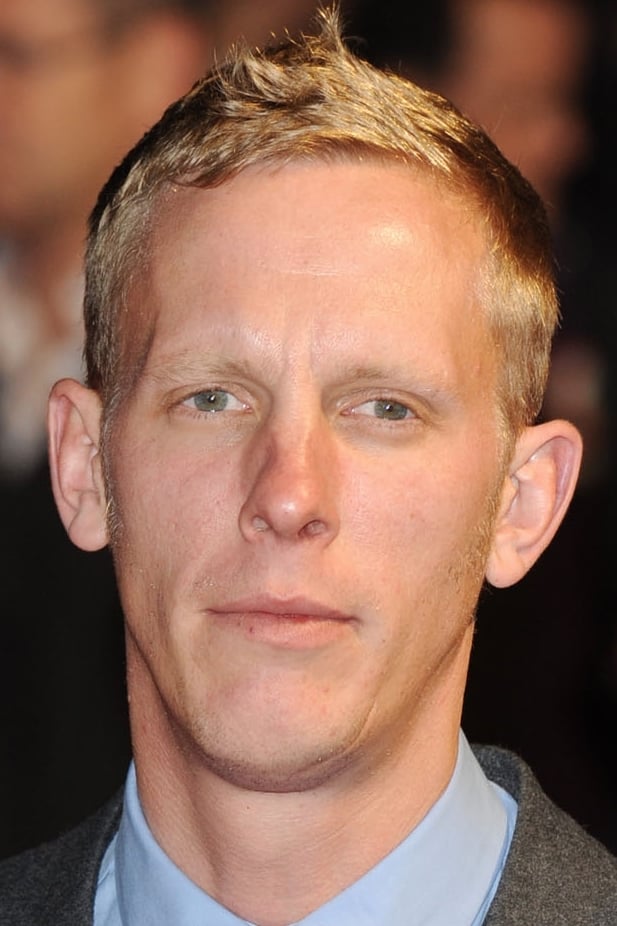
This British actor became a central figure in the debate over inclusion after his appearance on a political talk show. He has criticized the focus on skin color and identity in casting and the historical inaccuracy of diverse casting in period dramas. Fox argues that the current industry climate is hostile to those who value artistic merit and historical truth. His comments led to a massive public backlash and the loss of his acting representation. He has since transitioned into a political role while continuing to challenge the entertainment industry from the outside.
Mark Wahlberg
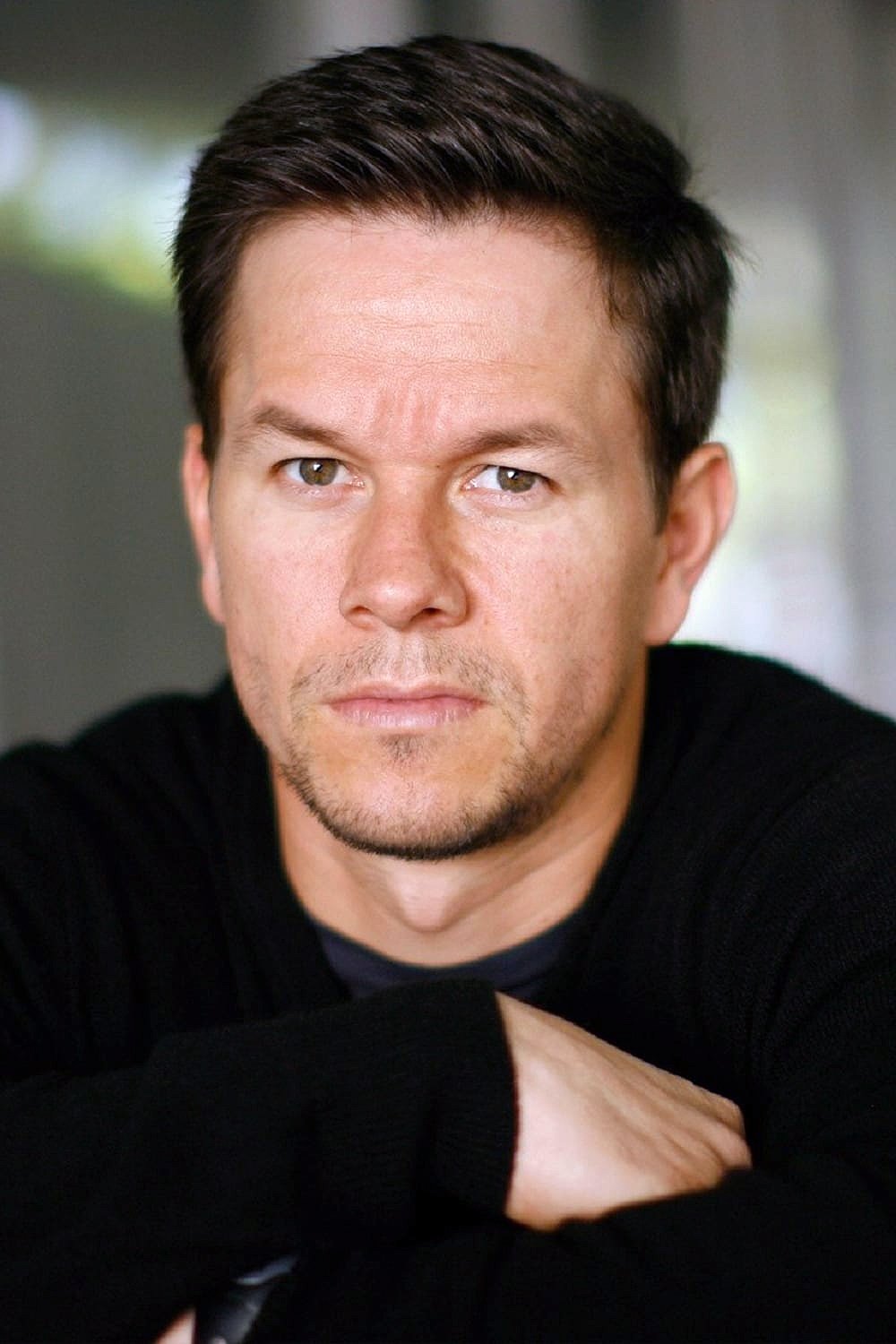
The actor and producer has spoken about the importance of his faith and his desire to make movies that reflect traditional values. He has suggested that the industry focus on certain inclusive narratives can sometimes feel disconnected from the reality of the general audience. Wahlberg prioritizes projects that celebrate hard work and family and he often works outside the typical studio system to achieve his goals. While he does not always engage in direct political conflict his career choices reflect a rejection of the more radical inclusion trends. He continues to be one of the most successful and bankable stars in Hollywood.
Matthew McConaughey
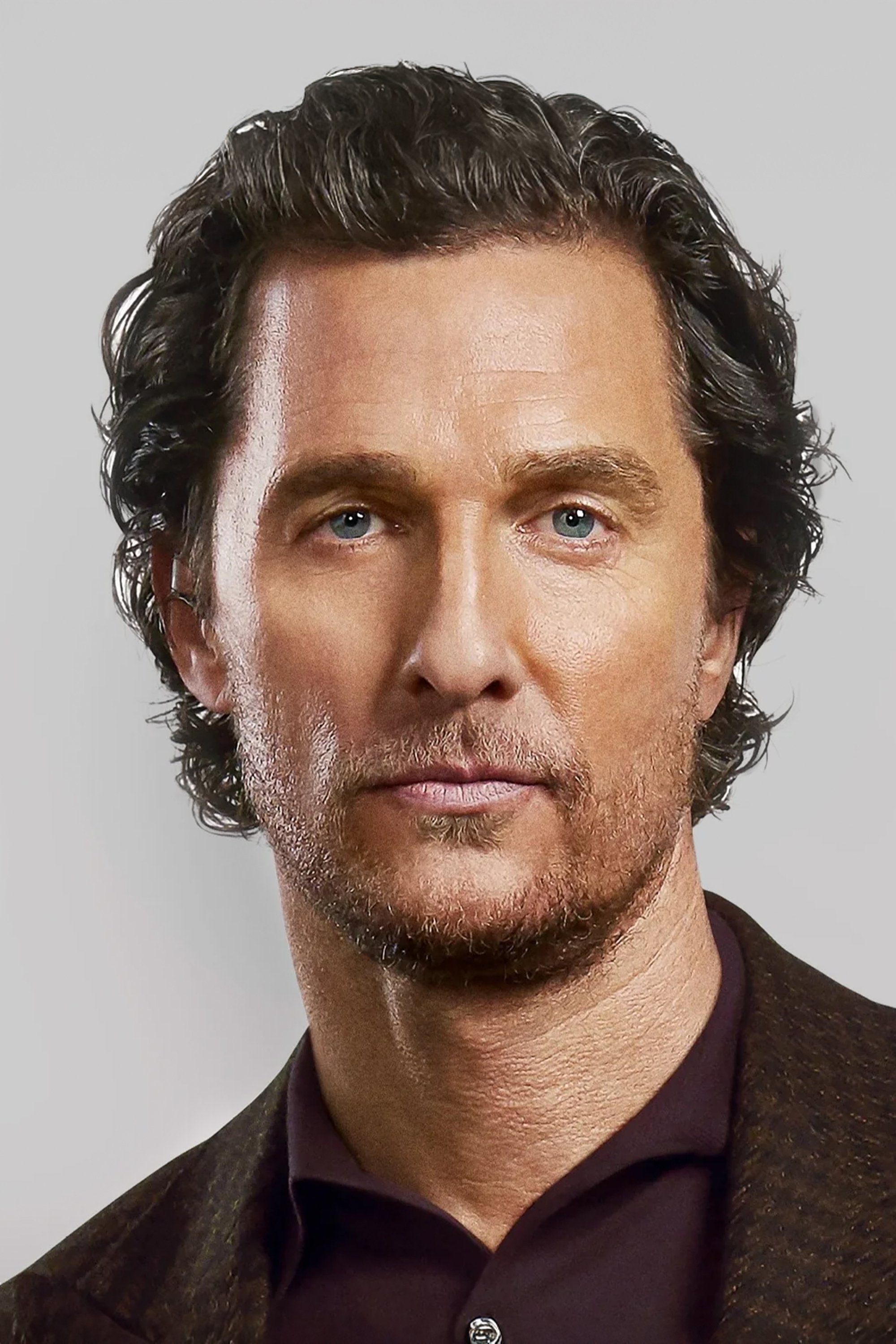
The Oscar winner has criticized what he calls the “illiberal” left in Hollywood and the pressure to conform to specific social narratives. He has argued that the industry often excludes those who do not share the same political or social views in the name of inclusion. McConaughey suggests that there needs to be more room for different perspectives and that the focus should be on finding common ground. His comments have sparked outrage from activists who believe he is downplaying the importance of diversity mandates. He remains a major star who often navigates a middle path in the culture wars.
Mel Gibson
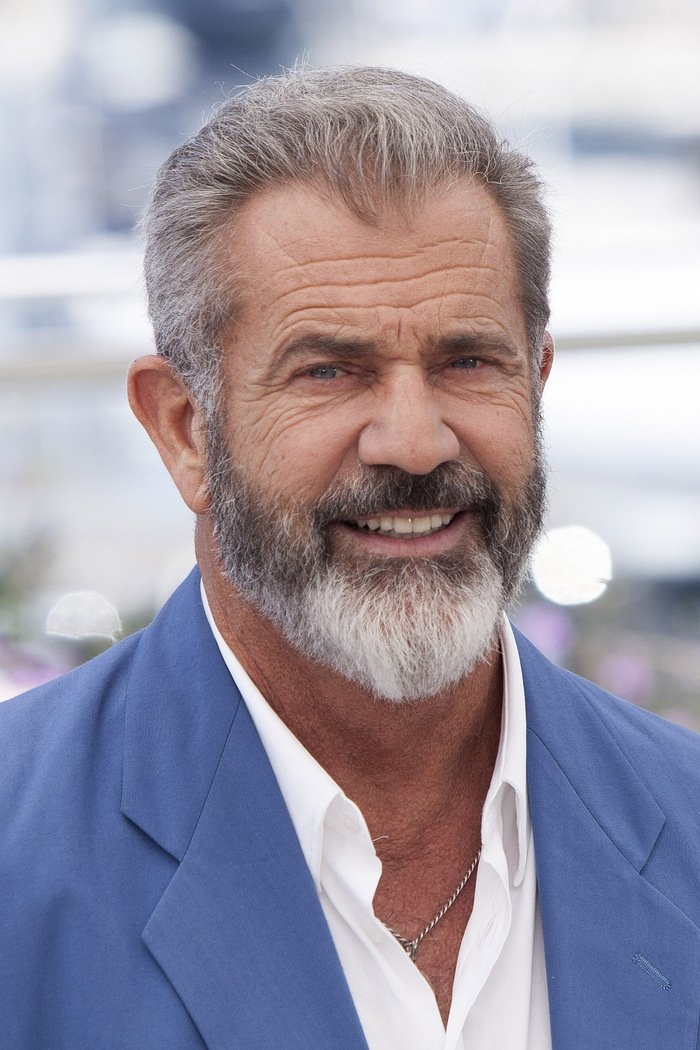
Throughout his career this actor and director has been a lightning rod for controversy and a critic of the Hollywood establishment. He has often focused on traditional and historical stories that do not align with modern inclusion mandates. Gibson has faced significant outrage for his personal views and has been marginalized by the mainstream industry at various times. He continues to produce high quality work that finds a massive audience despite the lack of support from traditional industry gatekeepers. His resilience is often cited by those who feel the industry has become too focused on social compliance.
Michael Caine
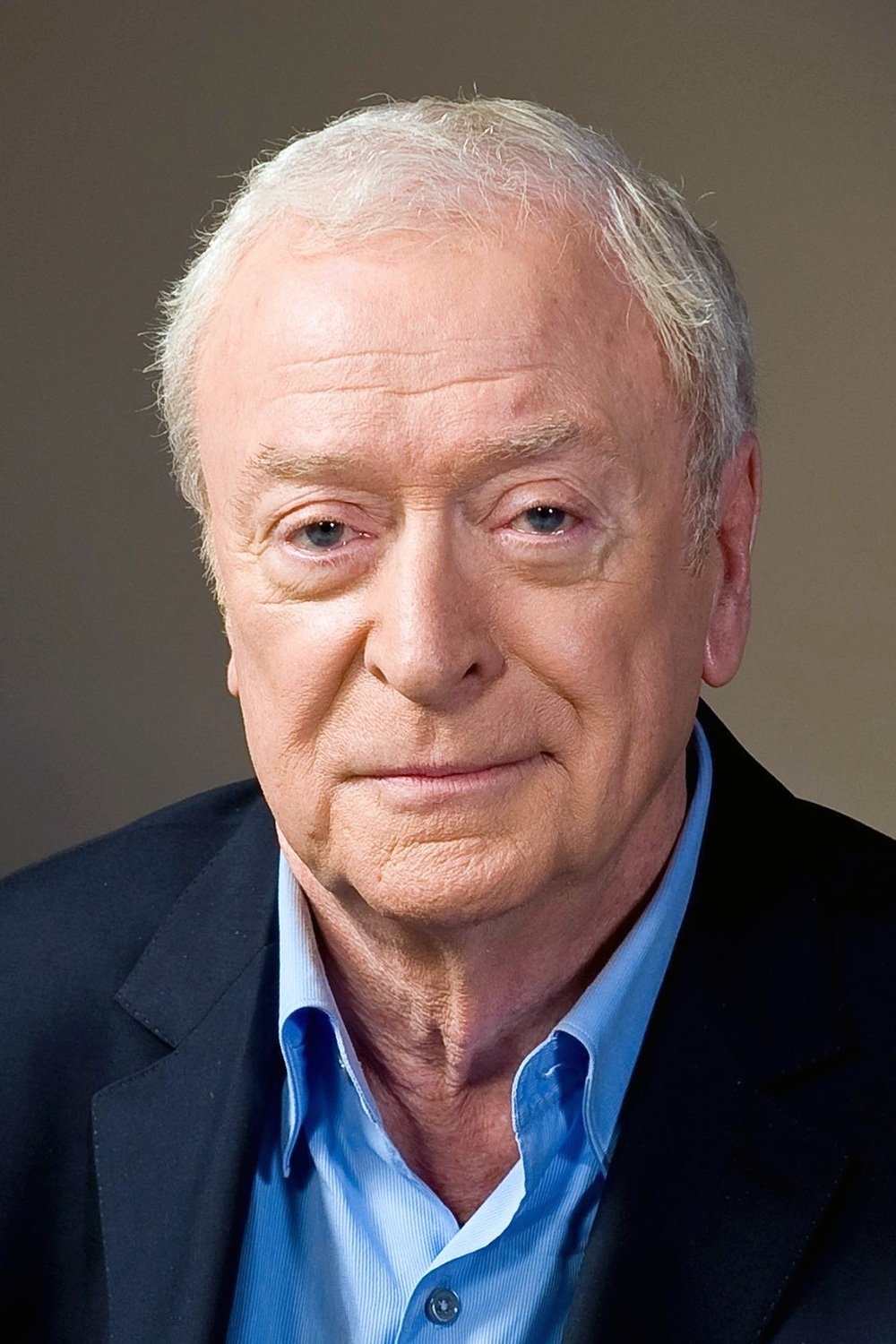
The legendary British actor has shared his concerns about the introduction of diversity quotas for the Academy Awards. He has argued that the focus should be on the performance and the talent of the actor rather than their background or the demographic requirements of a committee. Caine suggests that winning an award should be based on being the best and that anything else diminishes the value of the honor. His comments sparked a debate about the balance between rewarding excellence and ensuring representation. He remains a respected figure who is not afraid to speak his mind on industry trends.
Michael Rapaport
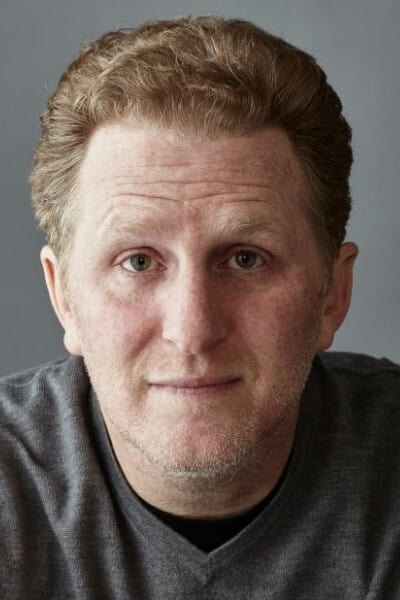
The actor and podcast host has been a vocal critic of what he views as the performative and forced nature of modern inclusion. He often uses his social media to call out industry double standards and the pressure to conform to certain social agendas. Rapaport argues that the industry has become too sensitive and that the focus on identity is ruining the quality of entertainment. His aggressive and unfiltered style of commentary frequently leads to public outrage and social media feuds. He continues to challenge the industry narrative while maintaining a presence in both film and television.
Morgan Freeman
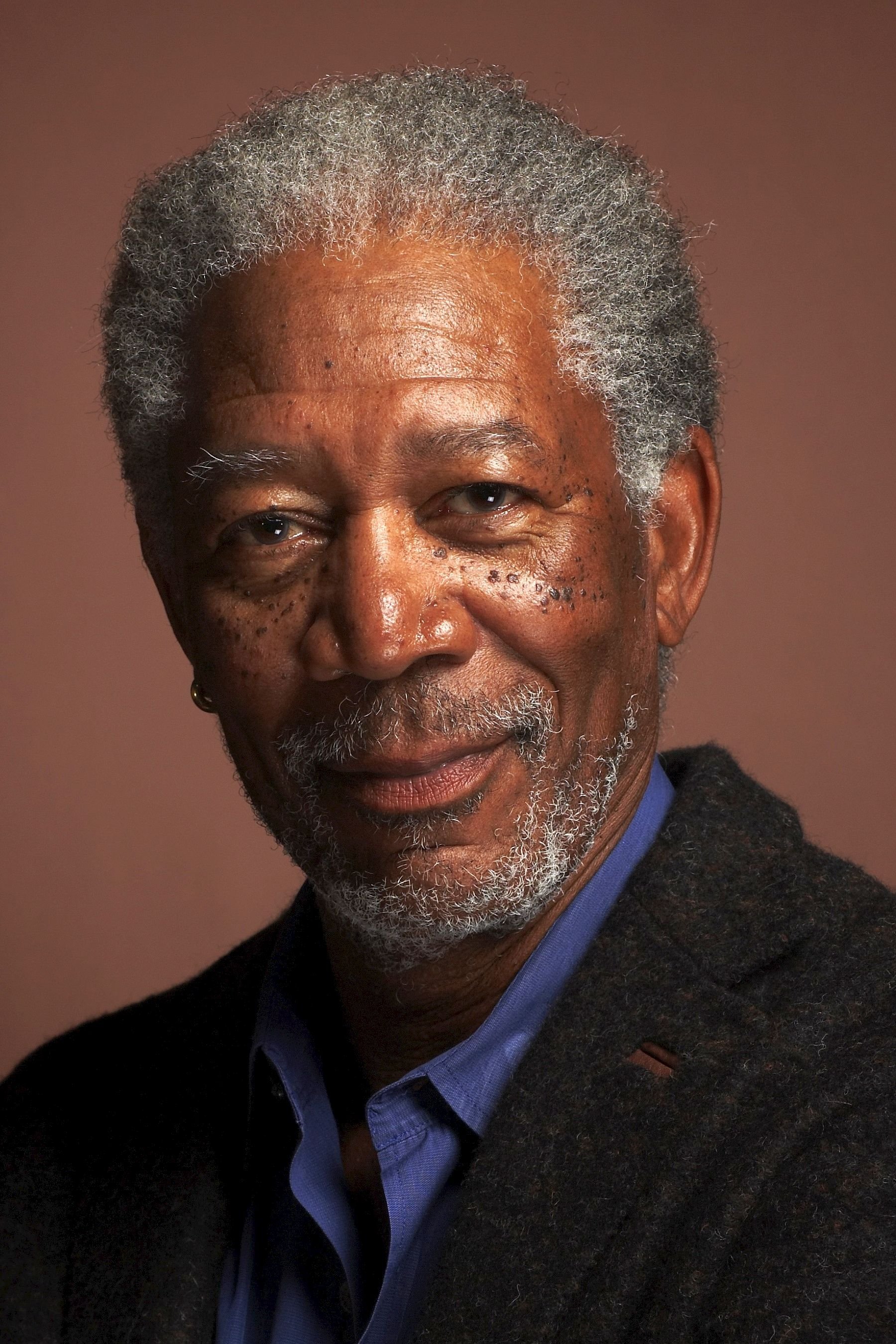
The acclaimed actor has long maintained that the way to end racism is to stop talking about it and to stop using racial labels. He has criticized the focus on Black History Month and the categorization of actors by their race rather than their ability. Freeman argues that highlighting differences only serves to keep people divided and that the industry should move toward a truly colorblind approach. His stance has often put him at odds with the modern inclusion movement which emphasizes the importance of racial identity. He continues to be one of the most revered and successful actors in the world.
Neal McDonough
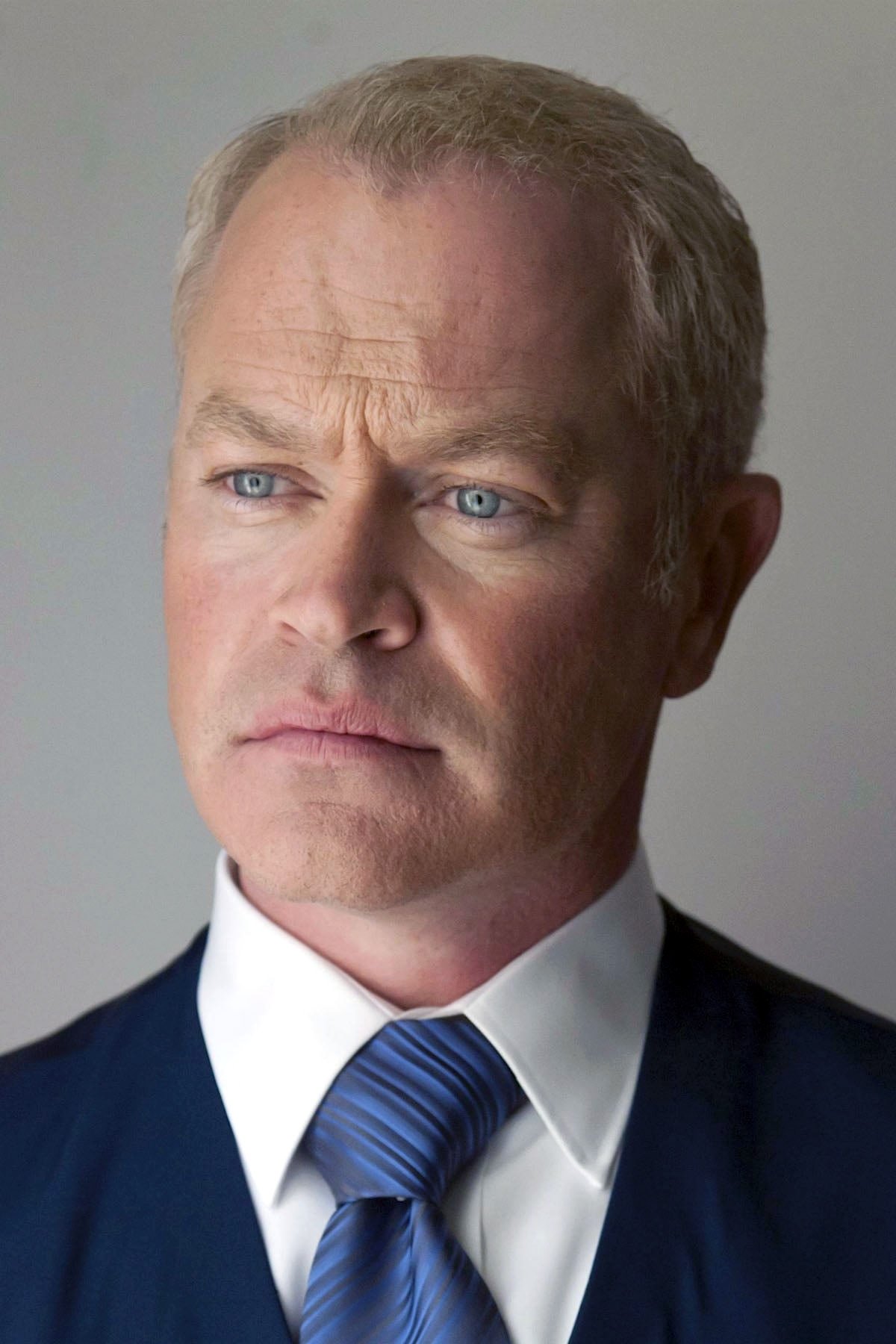
This actor is known for his refusal to film scenes that conflict with his religious beliefs including certain romantic interactions. He has spoken about how his adherence to traditional values has led to him being fired and excluded from certain projects. McDonough argues that the industry’s version of inclusion often does not extend to people with deep seated religious convictions. His commitment to his principles has earned him respect from some while sparking frustration from those who view his stance as difficult. He continues to work steadily in roles that respect his personal boundaries.
Nick Searcy
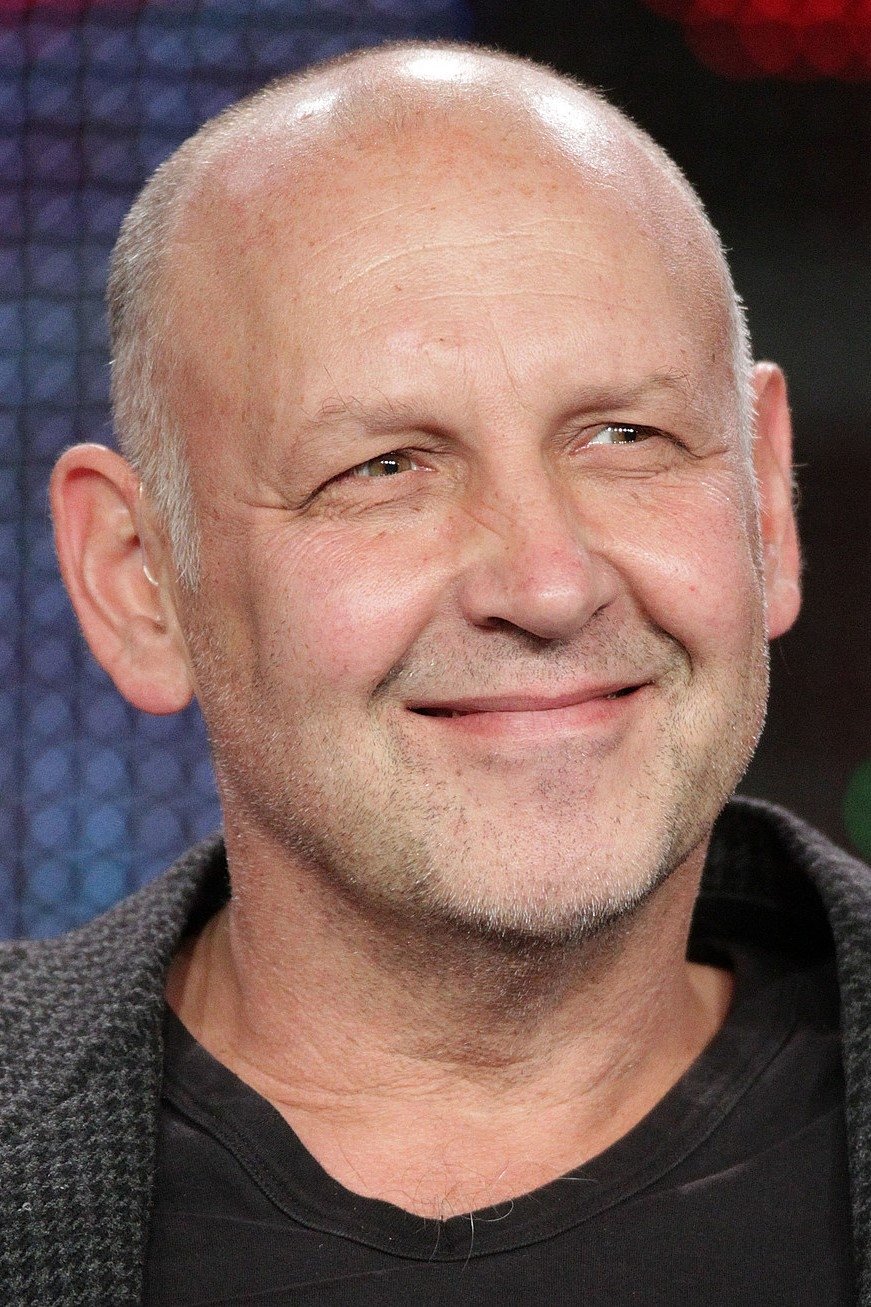
The actor known for ‘Justified’ is a frequent and vocal critic of the inclusion and diversity mandates in Hollywood. He argues that these policies are used to enforce a specific political viewpoint and to exclude those who do not comply. Searcy often uses humor and satire on social media to highlight what he views as the absurdity of modern industry trends. His outspoken conservative views have made him a controversial figure within the acting community. He remains dedicated to his craft while refusing to back down from his critiques of the industry.
Richard Dreyfuss
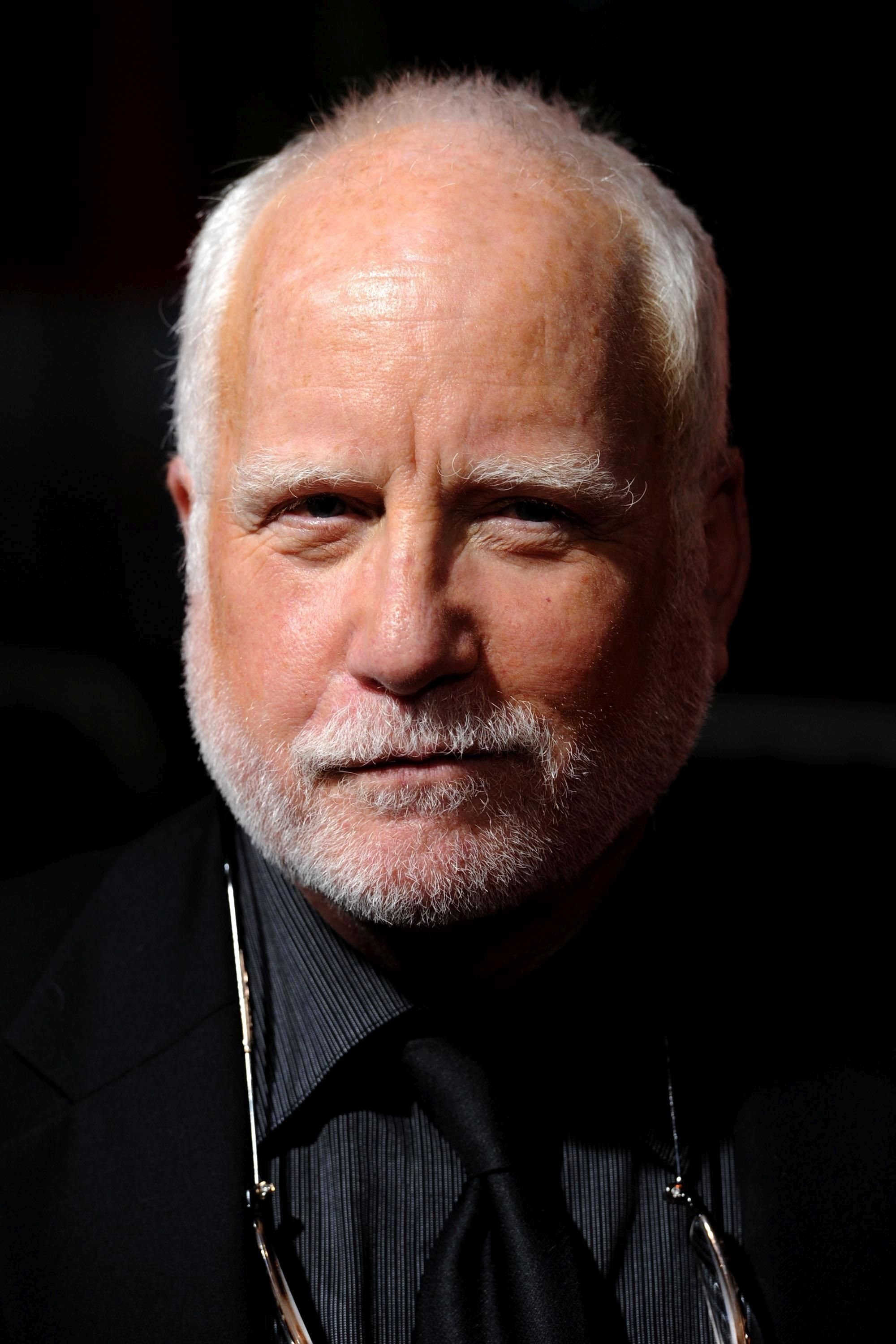
The Oscar winning actor has expressed his deep disapproval of the new diversity rules for the Academy Awards. He has argued that these mandates are an affront to the creative freedom of filmmakers and that art should not be subject to social engineering. Dreyfuss suggests that the beauty of acting is the ability to play someone you are not and that quotas undermine this concept. His remarks sparked a widespread discussion about the future of the Oscars and the role of social policy in the arts. He continues to advocate for a return to merit based standards in the entertainment industry.
Rob Schneider
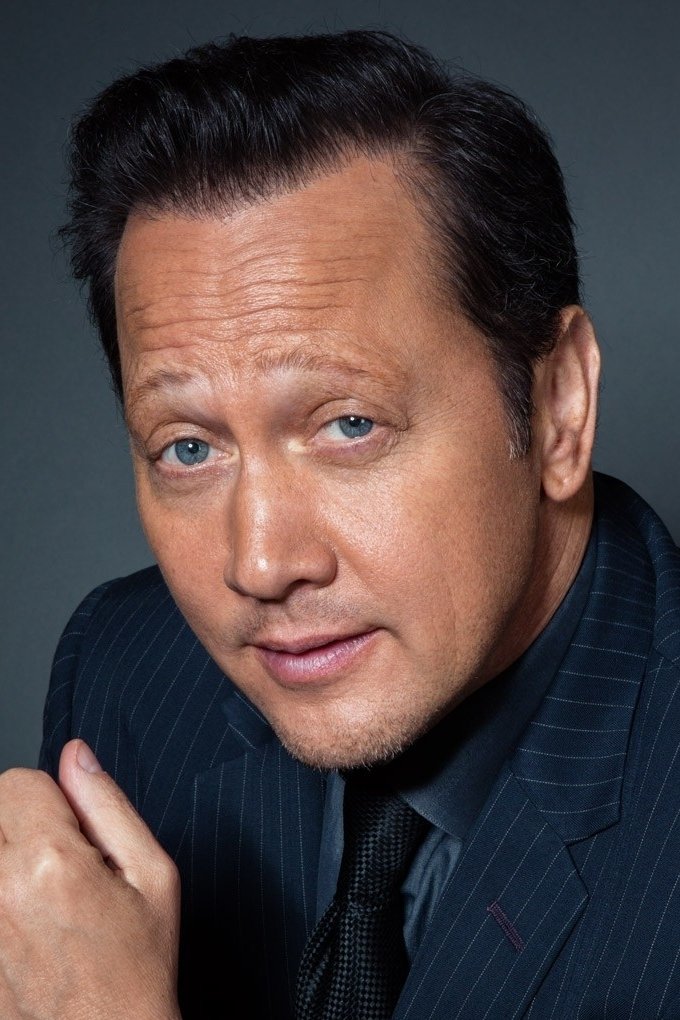
The actor and comedian has become a vocal critic of the political and social mandates within the television and film worlds. He has specifically targeted the diversity policies at ‘Saturday Night Live’ and other major platforms claiming they prioritize politics over humor. Schneider argues that the industry has lost its way by focusing on social agendas rather than on making the audience laugh. His public statements have led to outrage and accusations of being out of touch with modern values. He continues to produce his own content and tour as a stand up comedian.
Robert Davi
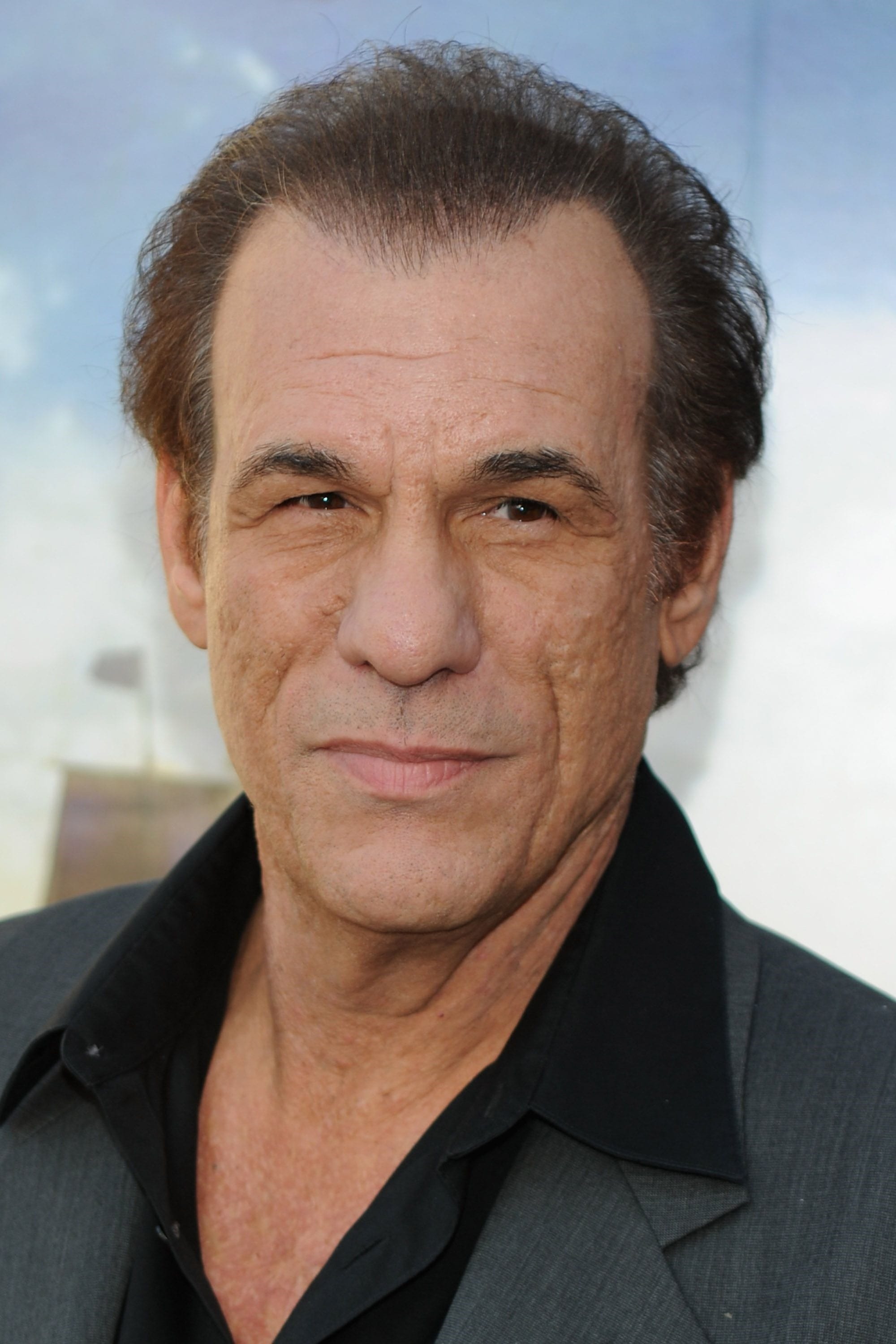
The veteran actor and director has been a consistent critic of the shift toward identity politics in the film industry. He argues that the focus on inclusion quotas has led to a decline in the quality of storytelling and the loss of classic American archetypes. Davi suggests that the industry should return to a meritocracy where the best person for the job is hired regardless of their demographic background. His outspoken views have often placed him at odds with the Hollywood establishment. He remains a prominent voice for traditional values and artistic freedom in the media.
Robert Duvall
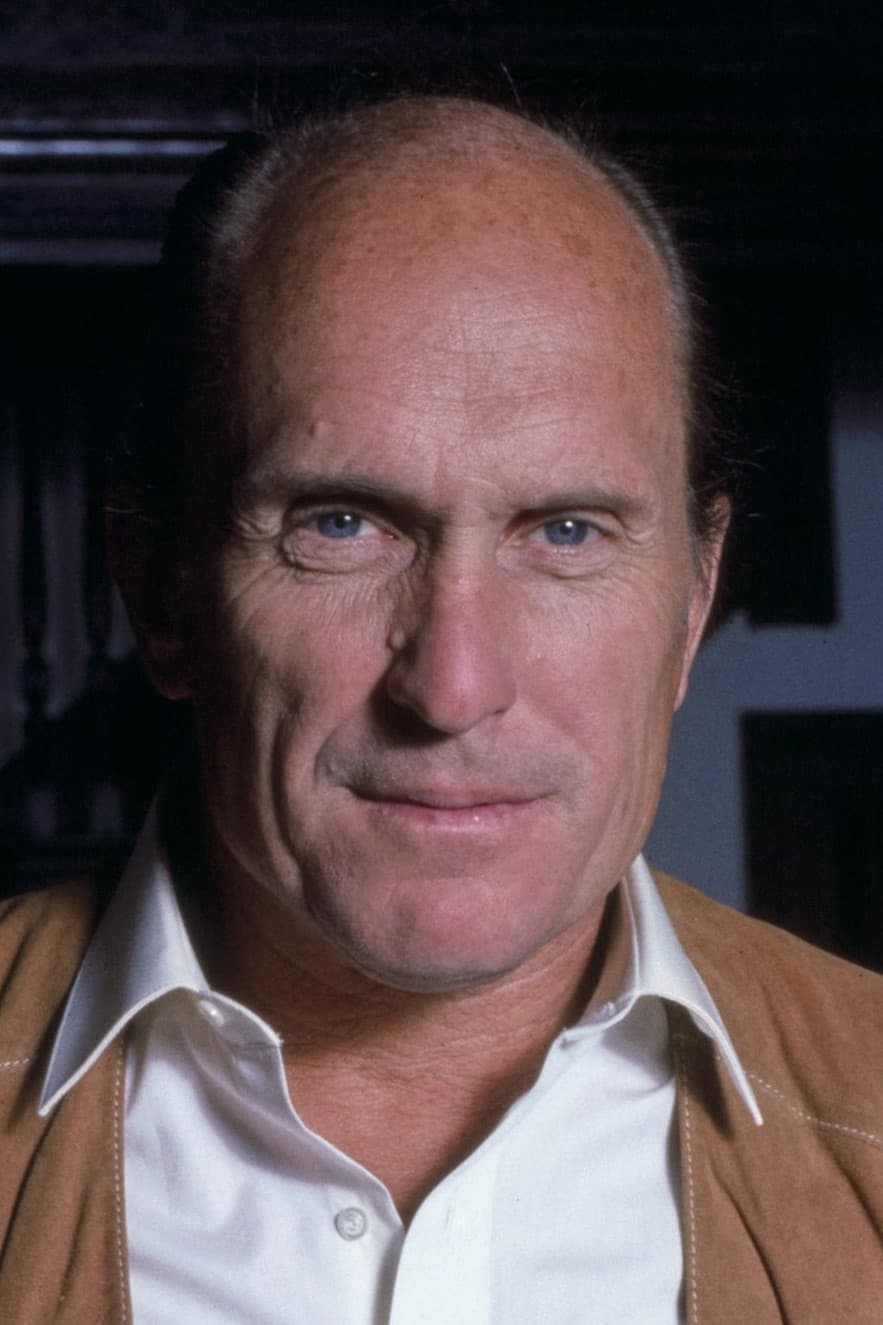
This legendary actor has voiced his concerns about the changing nature of the industry and the increasing influence of political correctness. He has suggested that the focus on social messaging often gets in the way of telling a good story and creating authentic characters. Duvall prefers to focus on the craft of acting and has largely stayed out of the modern trend of using one’s platform for social activism. His commitment to the traditional methods of filmmaking has made him a hero to many who miss the classic era of cinema. He remains one of the most respected and talented actors in the history of the medium.
Scott Baio
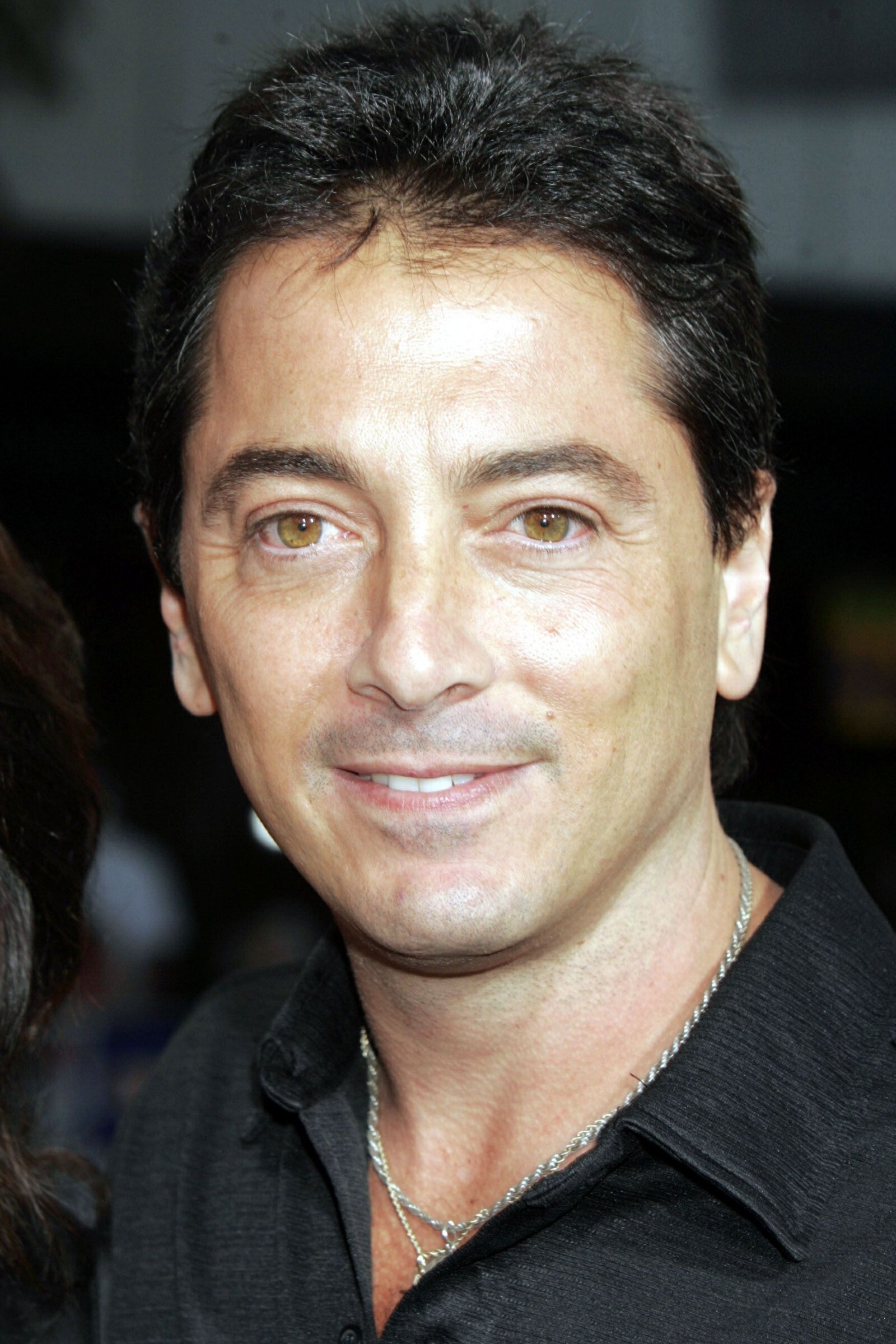
The actor known for ‘Happy Days’ has been a vocal supporter of conservative causes and a critic of Hollywood’s liberal bias. He has argued that the push for inclusion and diversity is often used to marginalize those who do not share the same political views. Baio suggests that his own career has been impacted by his willingness to speak out against the industry’s social mandates. His comments frequently spark outrage and intense debate on social media. He remains a steadfast defender of his beliefs despite the professional consequences.
Sean Penn
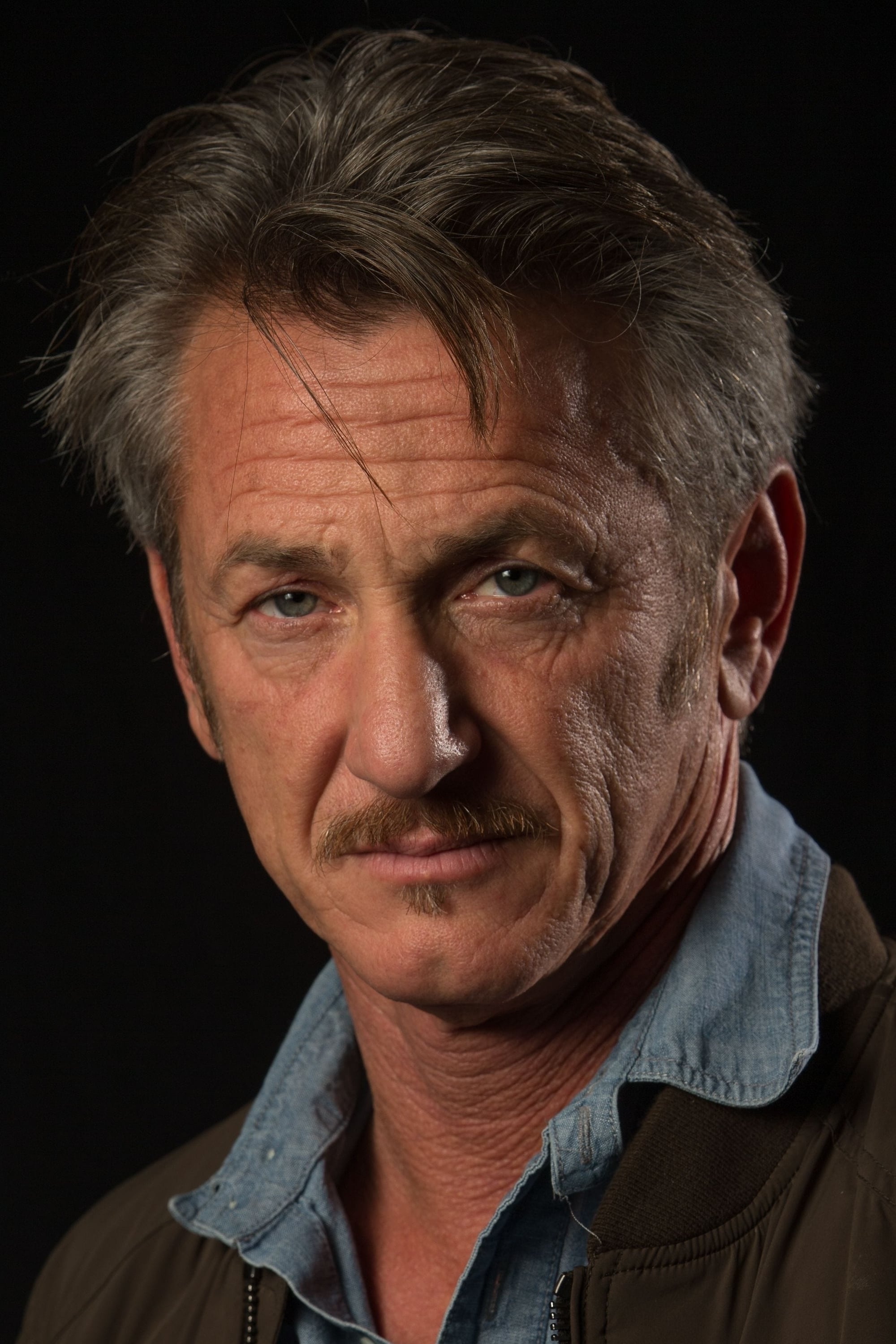
Despite his own history of activism this actor has criticized the “timidity” of modern Hollywood and the push for only certain people to play certain roles. He has argued that the focus on inclusive casting can limit the transformative power of acting where a performer can inhabit any life. Penn suggests that the industry is becoming too focused on satisfying social critics rather than on the art of performance. His comments have sparked debate among those who believe that representation must be prioritized over traditional casting methods. He continues to be a provocative and influential figure in the film world.
Stephen Baldwin

The actor has been open about his religious faith and his belief that the entertainment industry has become hostile to traditional values. He has argued that the focus on modern inclusion trends often excludes those who hold different moral or political views. Baldwin suggests that the industry should be a place where all perspectives are respected rather than just the most popular ones. His stance has often placed him at odds with his own famous family and the broader Hollywood community. He remains dedicated to producing content that reflects his personal convictions.
Sylvester Stallone
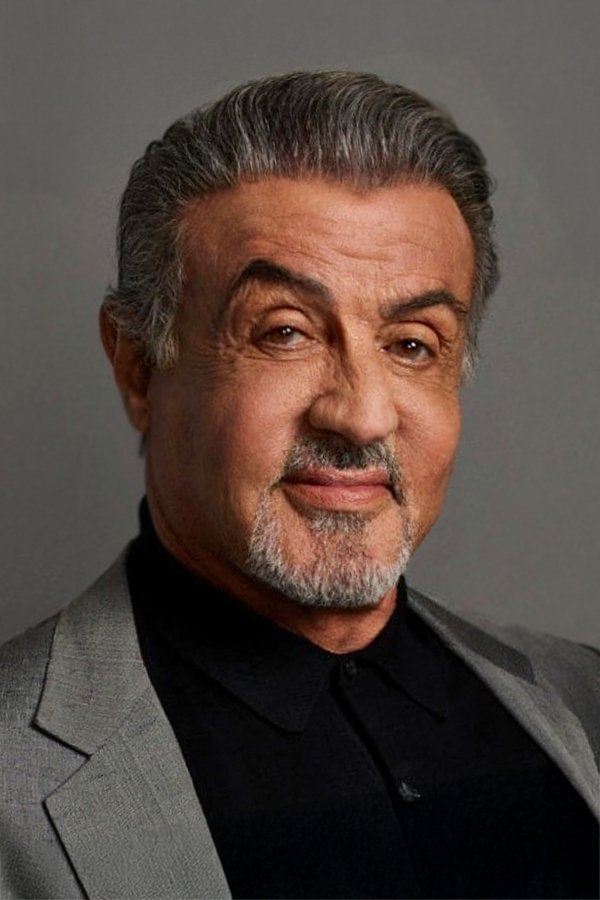
The creator of ‘Rocky’ has consistently focused on universal themes of struggle and heroism that appeal to a wide audience. He has expressed concerns about the changing landscape of Hollywood and the push for modern social mandates in classic franchises. Stallone argues that the focus should be on creating characters that everyone can relate to rather than on meeting demographic targets. His dedication to traditional storytelling has allowed him to maintain a massive global fan base for decades. He remains one of the most influential figures in the history of action cinema.
Terry Crews
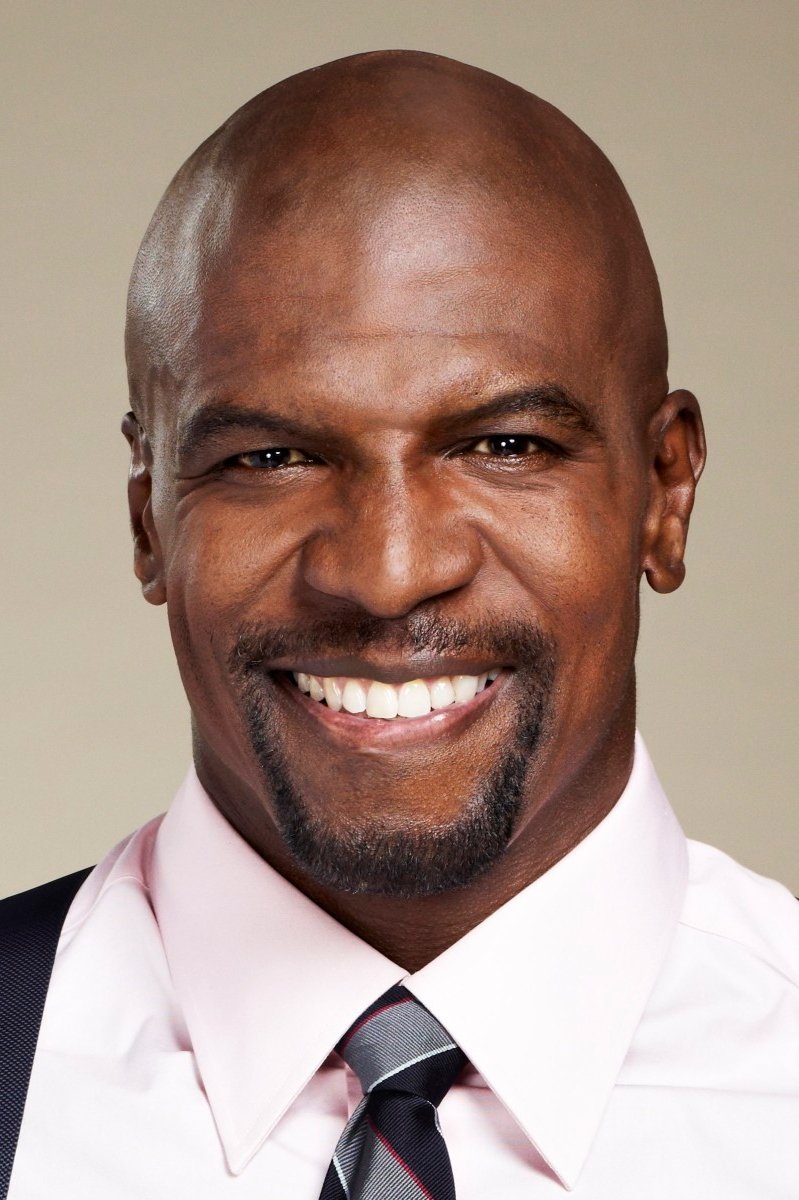
This actor sparked a massive public outcry when he expressed concerns about the direction of certain social movements and the concept of inclusion. He argued that the focus should be on unity and that some approaches to diversity could lead to new forms of division. Crews faced significant backlash on social media and from his peers who felt his comments undermined the push for representation. He has since engaged in many discussions about these topics while standing by his initial call for a more inclusive dialogue that includes everyone. He continues to be a successful and multifaceted performer.
Tim Allen
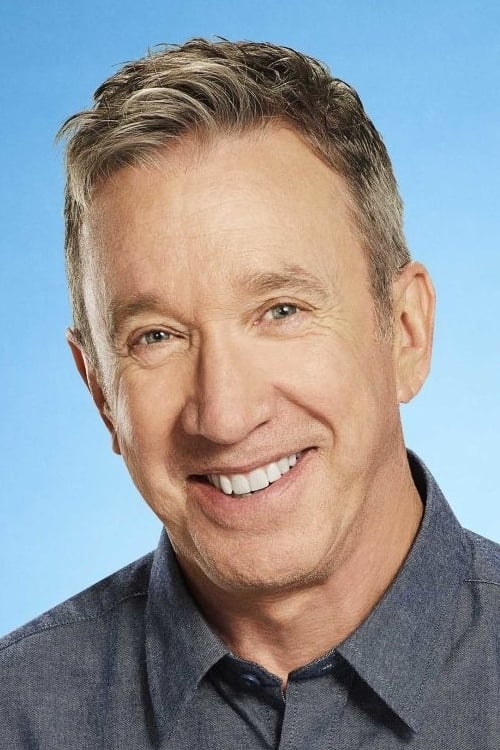
The star of ‘Last Man Standing’ has frequently used his platform to critique the political and social climate of modern Hollywood. He has argued that the industry has become a place where only one viewpoint is allowed and that inclusion mandates are often used to enforce this. Allen suggests that his own show was canceled at various times due to its focus on traditional values and its refusal to follow the typical social narrative. His comments have made him a hero to those who feel unrepresented by the current media landscape. He continues to find success by staying true to his own comedic and professional voice.
Vince Vaughn
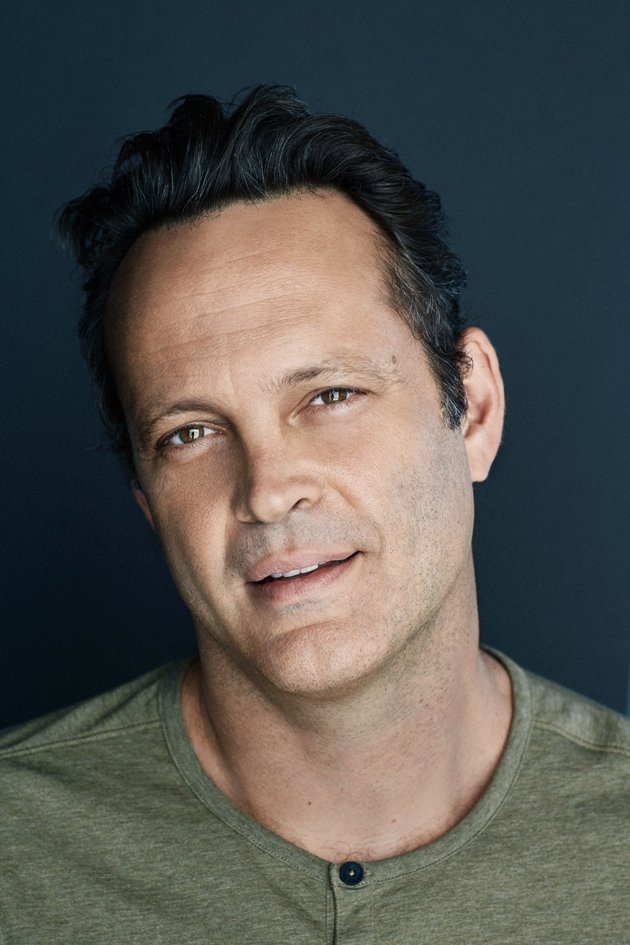
This actor has spoken out against the “groupthink” that he believes dominates the entertainment industry. He has argued that the focus on social mandates and forced inclusion can stifle the creative process and lead to predictable and uninteresting content. Vaughn suggests that the industry should be more open to different political and social perspectives. His comments have sparked debate about the lack of diversity of thought within the inclusive movement. He remains a successful actor and producer who often chooses projects that stand outside the typical Hollywood mold.
Woody Harrelson
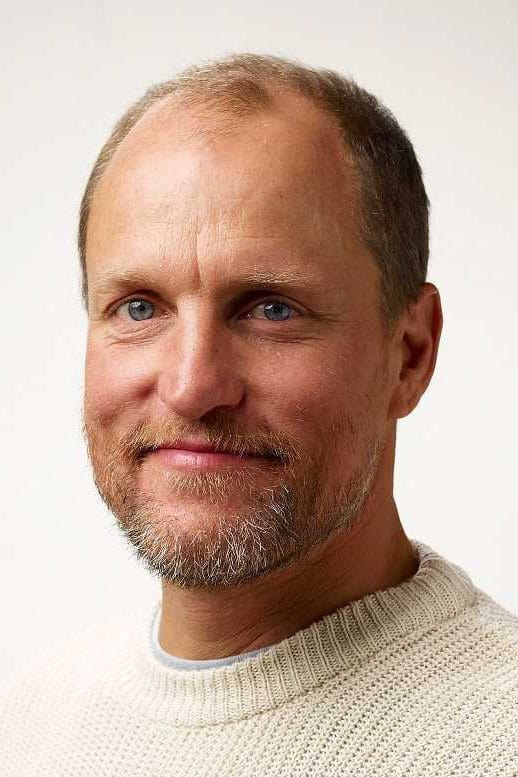
The actor has expressed his skepticism of various industry mandates and the pressure to conform to specific social and political narratives. He has argued that the focus on compliance and inclusion can sometimes feel at odds with the spirit of artistic freedom and individualism. Harrelson suggests that the industry should be a place where people are free to express their own unique views without fear of professional repercussions. His stance has led to him being viewed as a maverick within the Hollywood community. He continues to be one of the most versatile and sought after actors in the business.
Zachary Levi
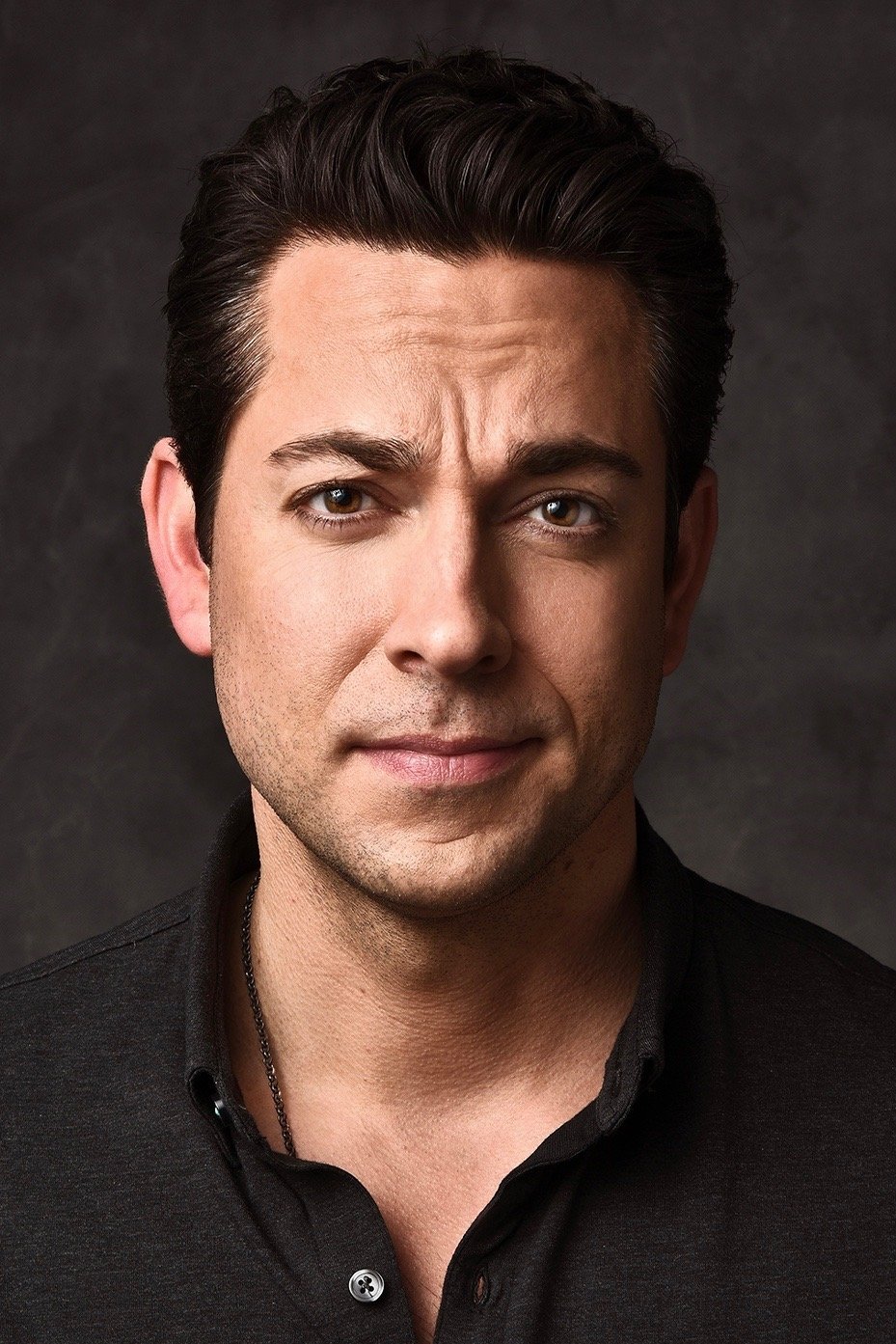
The star of ‘Shazam!’ sparked outrage when he criticized the quality of many modern movies and suggested that the industry is focusing on the wrong things. He has argued that the push for certain social narratives has led to a decline in the overall entertainment value of big budget films. Levi suggests that the focus should be on making great movies that everyone can enjoy rather than on satisfying institutional requirements. His comments led to a heated debate about the role of social policy in the production of mainstream entertainment. He continues to advocate for a return to quality and fan focused storytelling.
Share your thoughts on these actors and their views in the comments.