


Actors Who Spectacularly Killed Their Own Careers

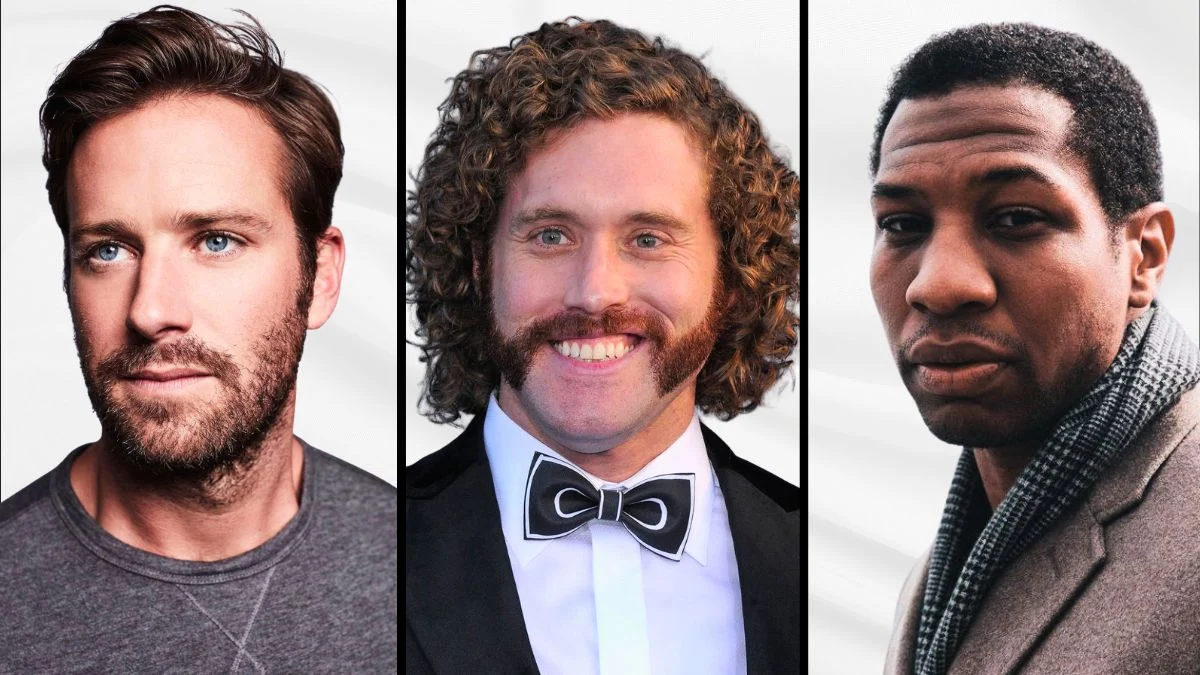


Some careers stall quietly while others implode in very public ways. When the headlines hit and studios react, the fallout can be swift, with contracts canceled, projects recast, and long planned releases shuffled or shelved. The actors on this list saw major opportunities disappear after actions or incidents that created legal trouble, workplace issues, or public backlash.
Each entry lays out clear timelines and consequences, focusing on the roles they were known for and the concrete steps that followed. You will see how arrests, convictions, firings, and investigations turned into lost roles, severed partnerships, and long stretches without meaningful work, often after years at the top of the business.
Mel Gibson
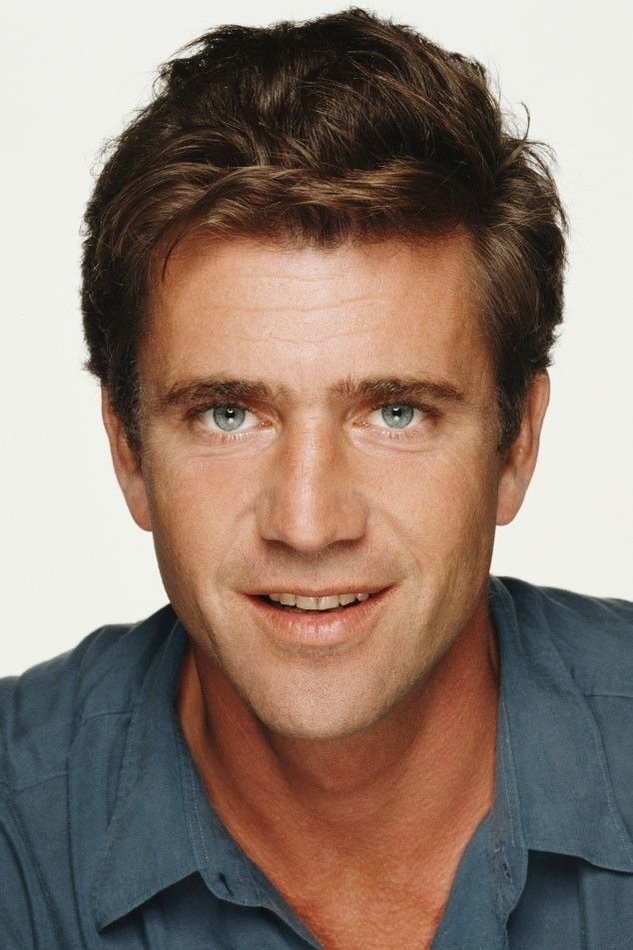
For years he was one of the biggest stars in the world with hits like ‘Lethal Weapon’ and ‘Braveheart’. In 2006 he was arrested for driving under the influence and recorded making antisemitic remarks, and in 2010 audio surfaced of expletive filled tirades that accelerated the fallout. Studios halted deals and long time collaborators stepped away as distribution partners avoided potential controversy.
Immediate effects included a public apology, loss of agency support, and the cancellation or delay of several planned projects. He later directed ‘Hacksaw Ridge’ and returned behind the camera, but his leading man bookings in major studio films remained rare compared with his peak years.
Kevin Spacey
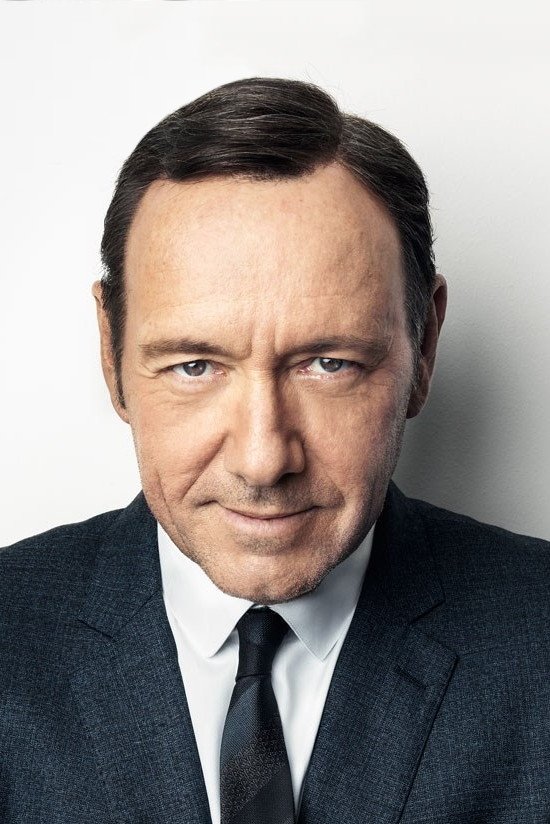
He headlined ‘House of Cards’ and won Oscars for ‘The Usual Suspects’ and ‘American Beauty’. In 2017 multiple accusations surfaced and Netflix cut ties, removing him from ‘House of Cards’ and halting related projects. Ridley Scott reshot his completed role in ‘All the Money in the World’ with another actor, an unprecedented move that signaled an industry wide reset.
Legal outcomes included the dismissal of a civil case in New York and acquittal in a 2023 criminal trial in the United Kingdom. Despite those results, major studios did not restore previous commitments, and only sporadic independent work followed, far from his prior level of visibility.
Armie Hammer
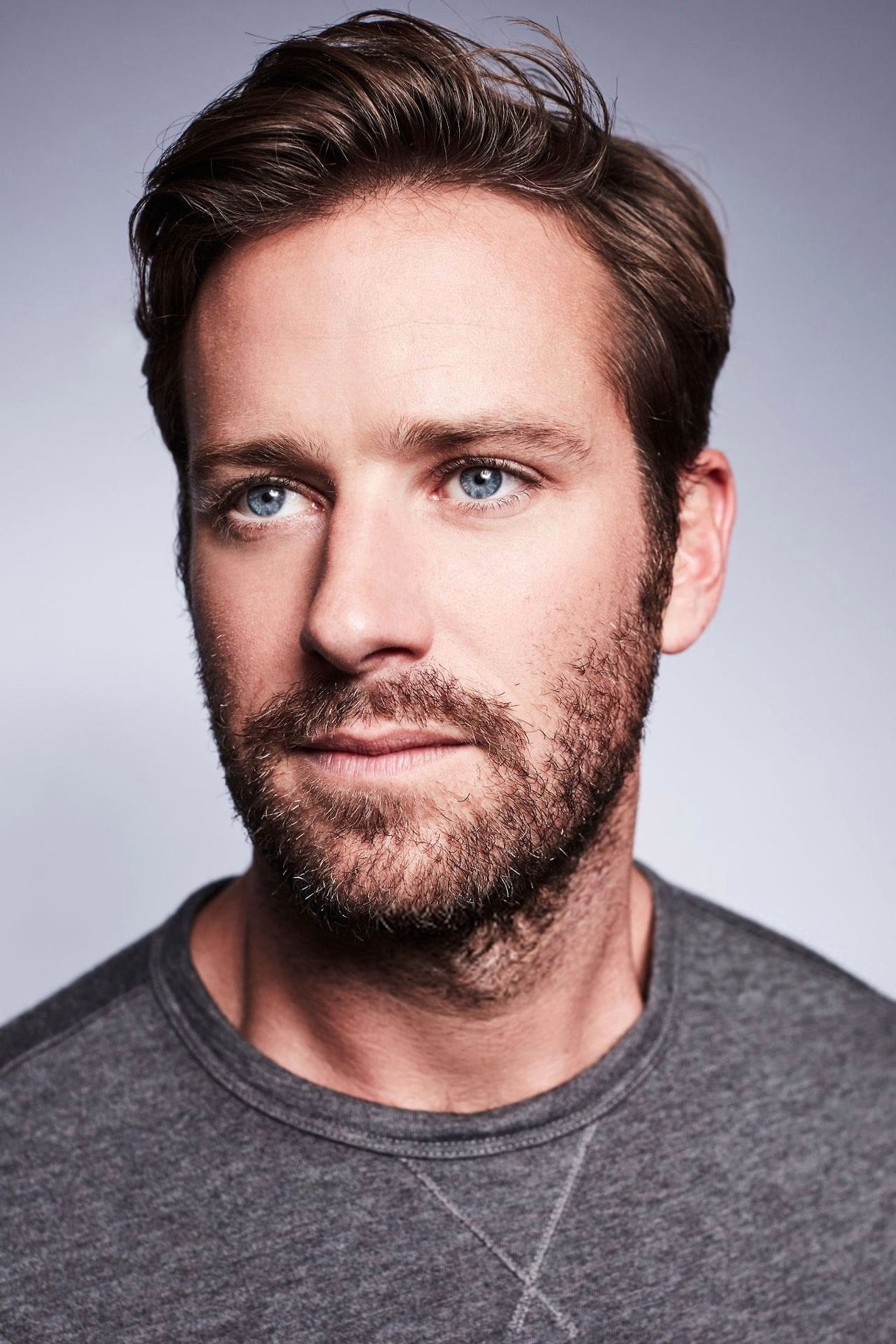
After breakout turns in ‘The Social Network’ and ‘Call Me by Your Name’, accusations in 2021 led to a rapid professional unraveling. He exited ‘Shotgun Wedding’ and left the planned series ‘The Offer’, and his agency ended representation while producers moved to recast or pause projects connected to him.
Law enforcement reviewed allegations and no charges were filed after the inquiry concluded. Even so, the actor spent an extended period away from screen work and the high profile roles he had lined up did not proceed, leaving a gap in credits that marked a sharp career interruption.
Shia LaBeouf
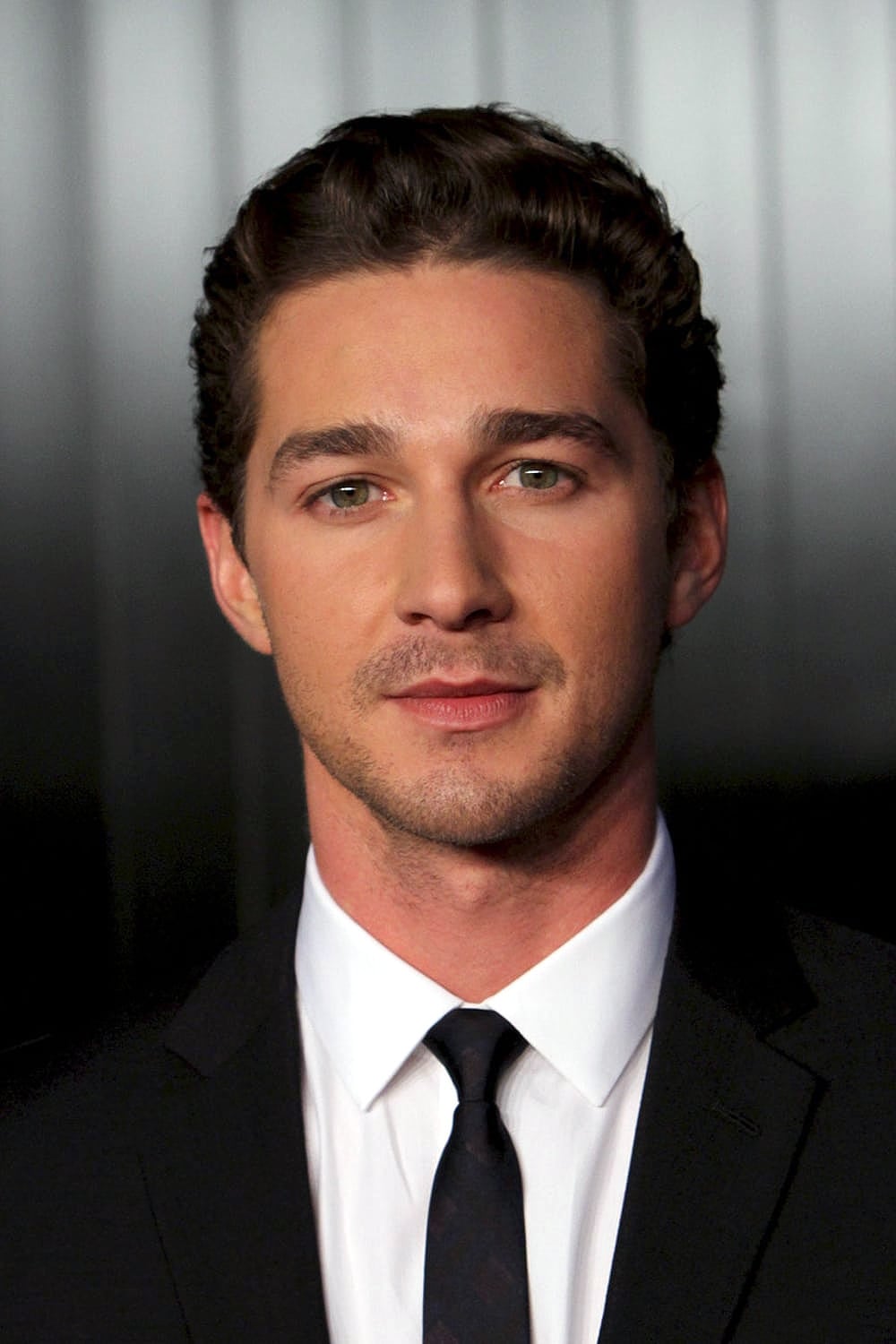
He rose to global fame through ‘Transformers’ and prestige turns like ‘Fury’. A series of arrests and public incidents damaged his reliability, and a 2020 lawsuit alleging sexual battery and assault drew further scrutiny and caused work to slow as he entered treatment and stepped back from publicity.
Studios and filmmakers adjusted by replacing him on projects and pausing new discussions. He later spoke about rehabilitation and faith and returned for occasional roles, but the period that followed the lawsuit saw fewer mainstream offers and a clear retreat from the major franchise space he once occupied.
Jussie Smollett
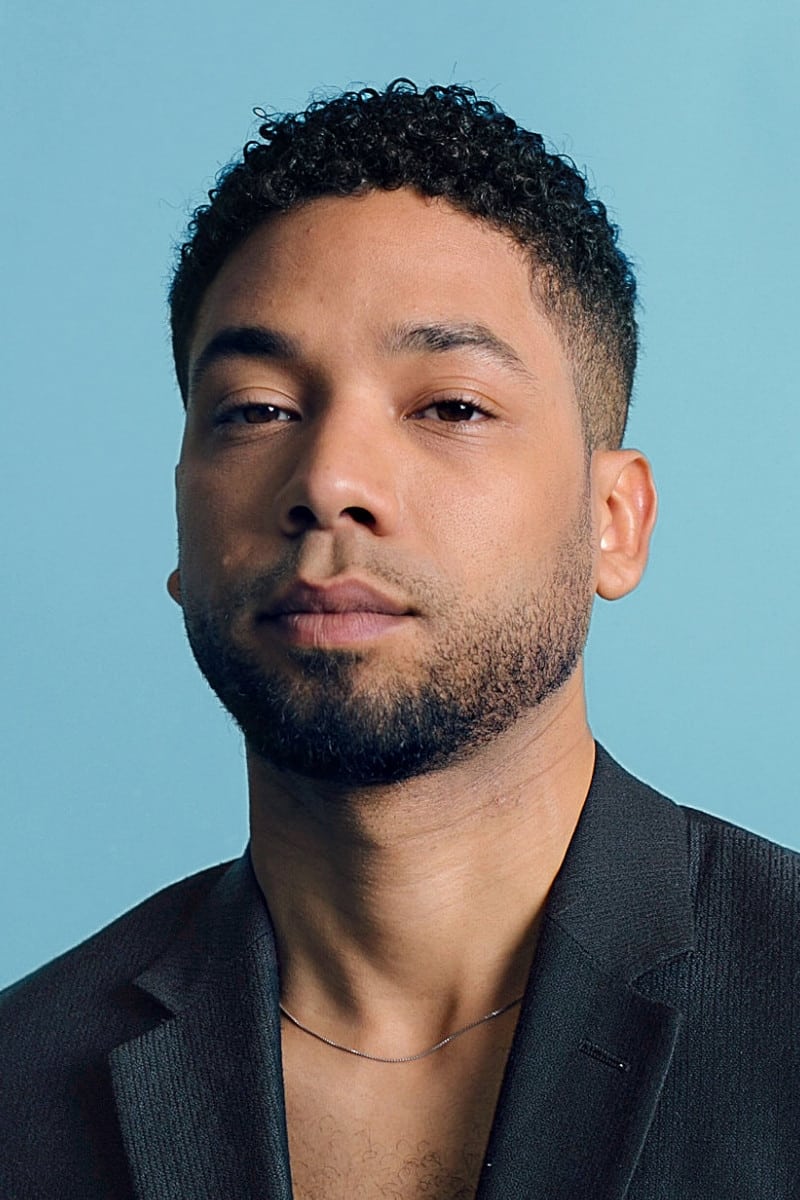
Known for ‘Empire’, he reported an attack in 2019 that Chicago police later said was staged. In 2021 he was convicted of disorderly conduct for filing a false police report and received a jail sentence that was stayed amid ongoing appeals, which kept the case in the news across multiple years.
The show removed him during its run and subsequent acting work slowed to a near standstill. Promotional plans tied to his music and directing attempts were also disrupted as legal proceedings and post trial motions continued to shape his public profile and professional options.
Charlie Sheen
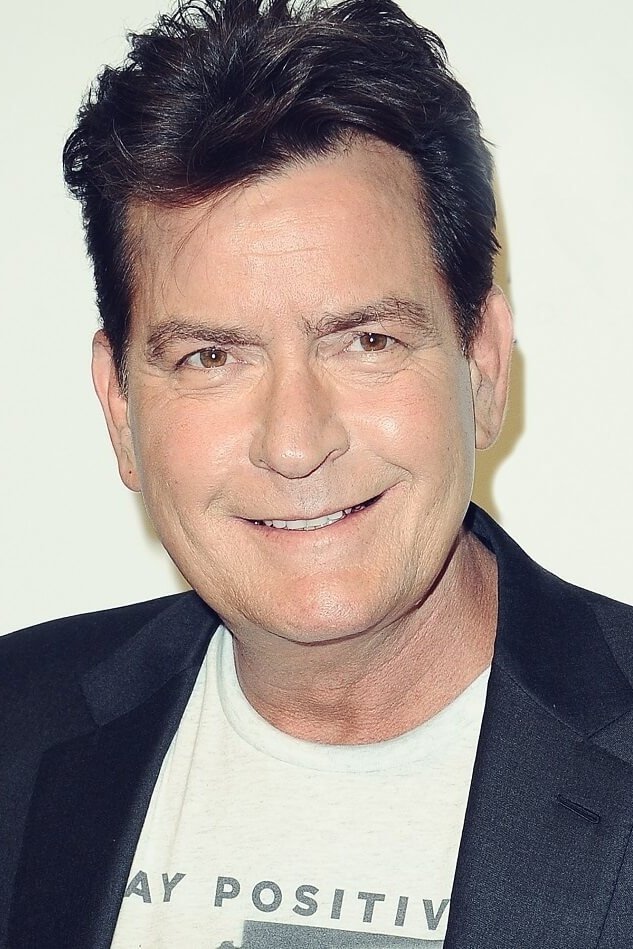
At the height of ‘Two and a Half Men’ he was television’s highest paid actor. In 2011 a very public dispute with the studio and the series creator ended with his firing and a rapid rebranding effort that focused on a new sitcom, ‘Anger Management’, built around a different production model.
The new series produced many episodes but did not restore his prior standing with the largest broadcast and cable buyers. Film roles narrowed, endorsement work faded, and the star who once anchored a long running network hit moved into sporadic appearances rather than the steady top tier bookings he previously commanded.
Stephen Collins
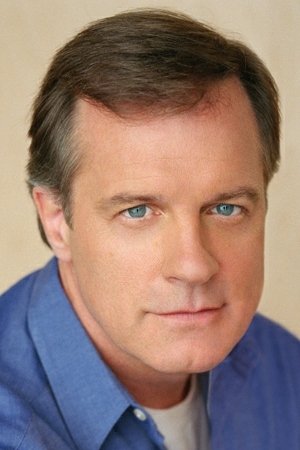
Best known for ‘7th Heaven’, he became the subject of a widely publicized recording in 2014 in which he discussed inappropriate conduct with minors. He admitted wrongdoing in a statement that year and did not contest the substance of what was heard in the recording, which prompted an immediate industry response.
Networks pulled reruns, his remaining roles were dropped, and ongoing development talks ended. There was no return to series or film work on a major platform in the years that followed, and his career effectively stopped with no sign of new projects moving forward.
Wesley Snipes
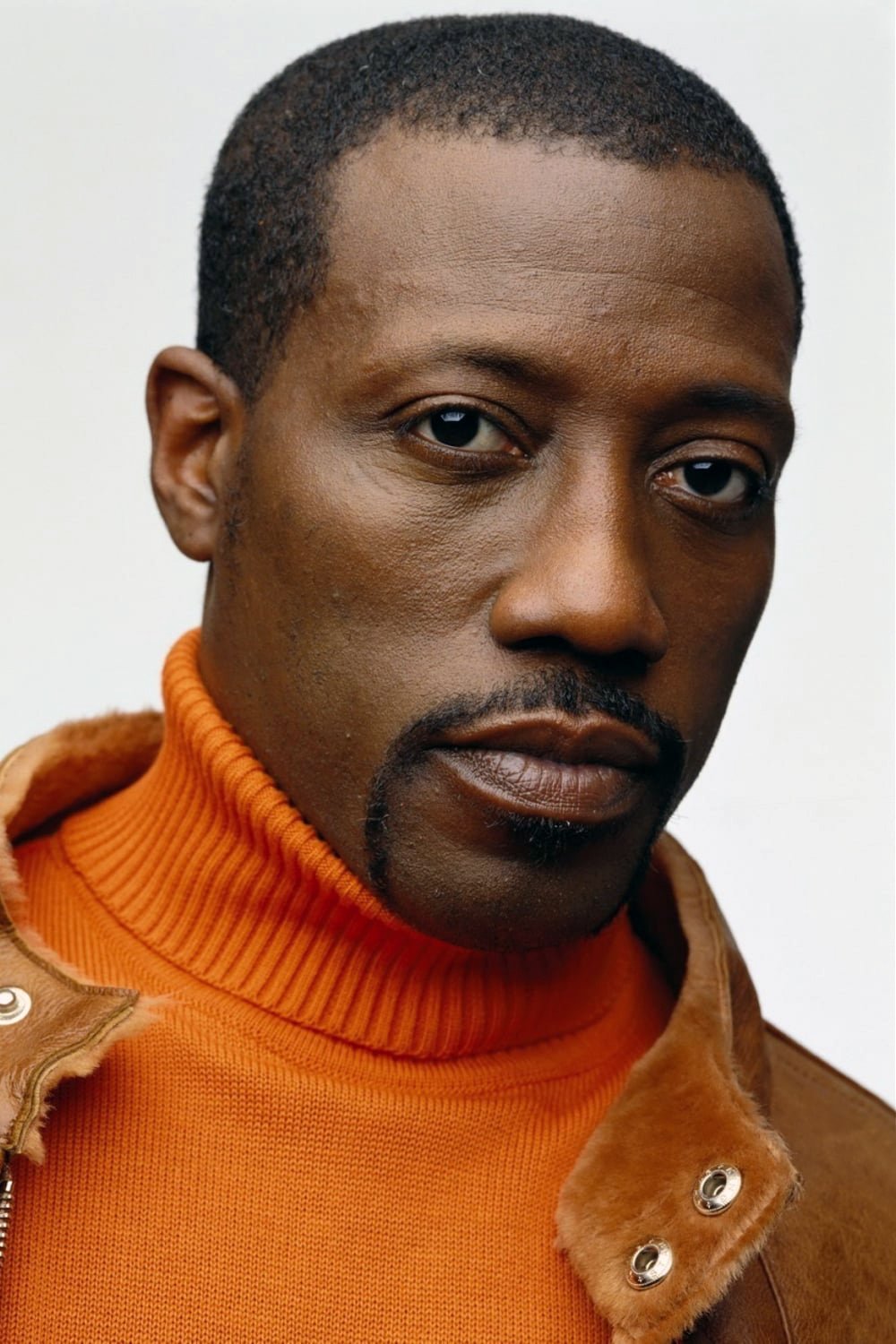
The face of ‘Blade’ and a reliable action lead, he was convicted in 2008 of willful failure to file tax returns. He served time beginning in 2010, which removed him from the casting pool during prime years and complicated insurance and scheduling for productions that considered him after release.
He reappeared in titles like ‘The Expendables 3’ and ‘Dolemite Is My Name’, yet the interruption knocked him out of franchise momentum. The long gap and financial case shifted him from studio headliner to occasional supporting work, which represented a major downshift from his late 1990s peak.
Danny Masterson
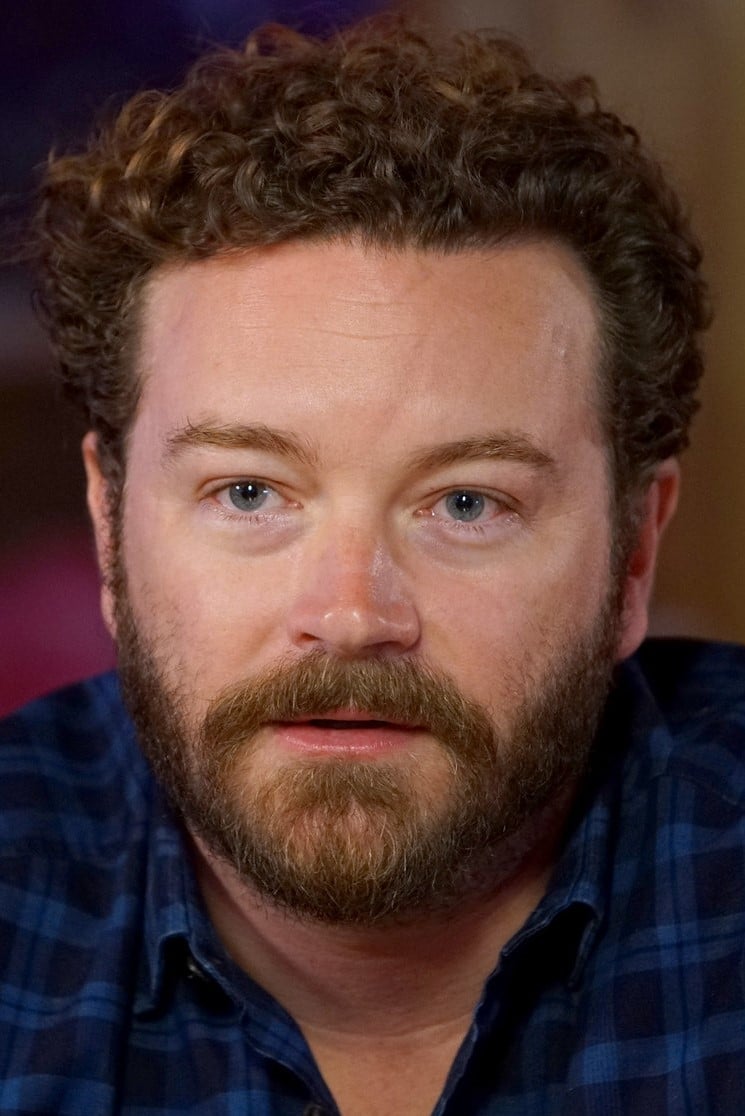
A familiar face from ‘That 70s Show’ and later ‘The Ranch’, he was accused of sexual assault by multiple women. In 2017 the streaming series removed him, and in 2023 a jury convicted him of rape, leading to a sentence of decades in prison, which closed off any possibility of continued screen work.
The conviction triggered formal separation from guild activities and partners scrubbed promotional materials that featured him. Syndication packages and cast reunions moved ahead without his involvement while legal filings in related civil cases continued to appear on court dockets.
T.J. Miller
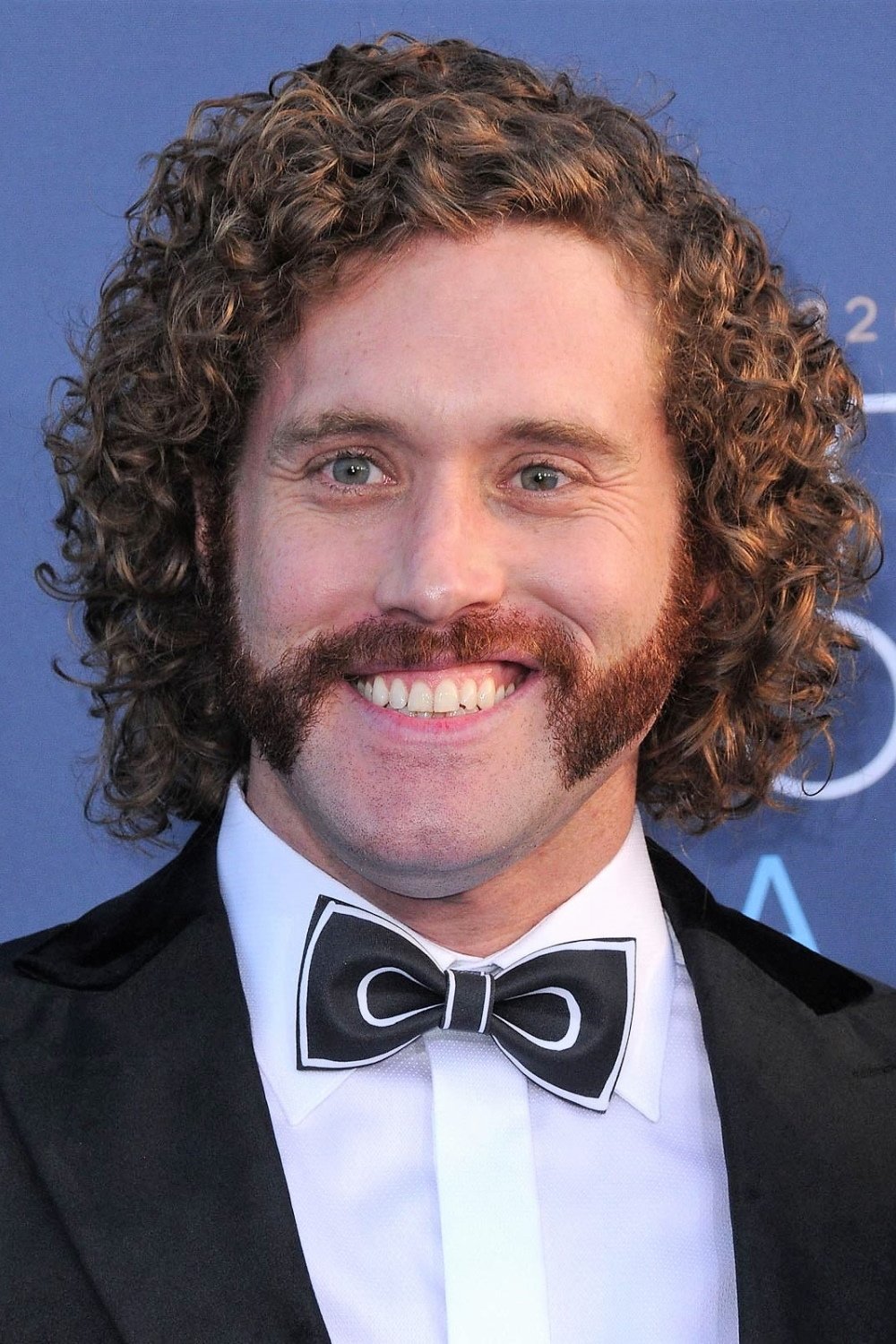
He broke out on ‘Silicon Valley’ and appeared in ‘Deadpool’. In 2017 he faced a public misconduct allegation, and in 2018 he was arrested in connection with a false bomb report on a train. The federal case was later resolved through a diversion program and dismissal after compliance, but the damage to his hiring trajectory was clear.
Studios recast or reduced his roles, and he did not return to ‘Silicon Valley’ after season four. Voice and live action opportunities shrank as producers chose lower risk options, and he leaned more on stand up dates and podcasting while big budget studio bookings became rare.
Cuba Gooding Jr.
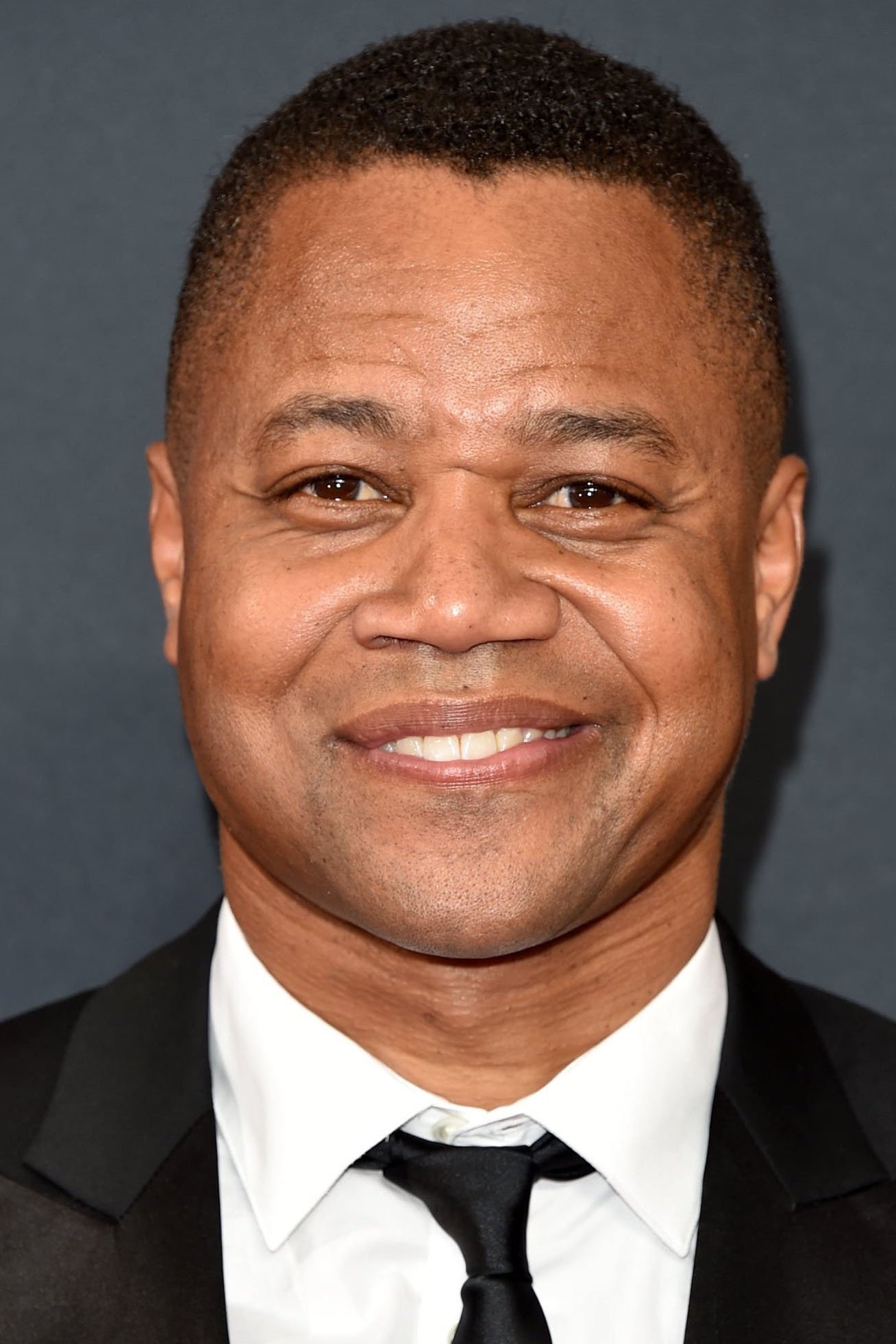
The Oscar winner for ‘Jerry Maguire’ faced multiple accusations of groping that led to criminal charges in New York. In 2022 he pleaded guilty to a misdemeanor forcible touching count and agreed to counseling and other conditions that framed the resolution of the case.
Civil litigation followed and later settlements kept the matter public while casting slowed. He continued to work intermittently, yet the combination of court appearances and negative headlines closed off the kind of prominent roles he secured earlier in his career.
Jonathan Majors
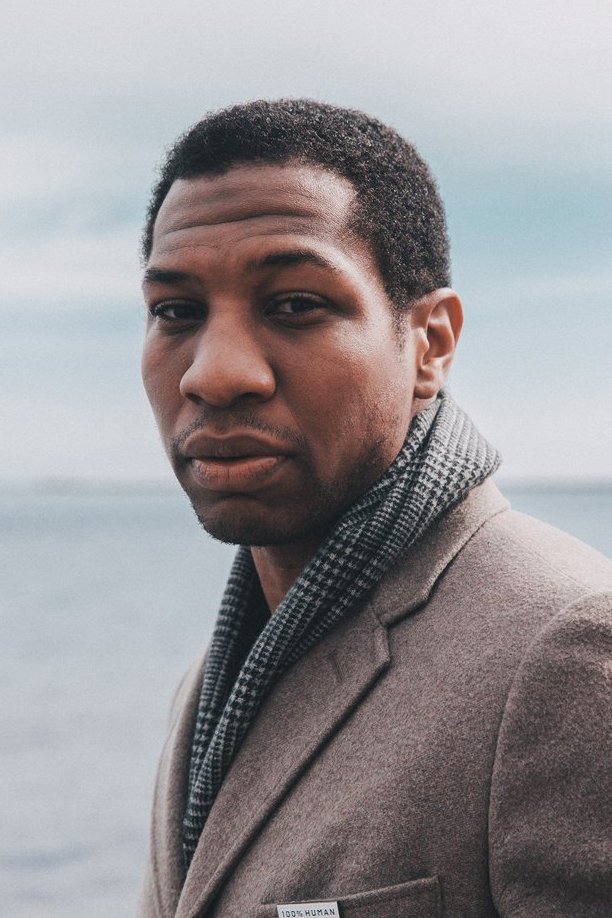
After a fast rise with ‘Lovecraft Country’, ‘Creed III’, and a central role across Marvel projects, he was arrested in 2023 and later convicted of assault and harassment that year. In 2024 he was sentenced to probation and ordered to complete counseling, which set the legal baseline for the next phase of the case.
Studios responded by cutting future commitments and removing him from planned franchises. A high profile film that had been scheduled for release was pulled from the calendar, and the studio strategy built around his character in a connected universe was publicly reworked without him.
Ezra Miller
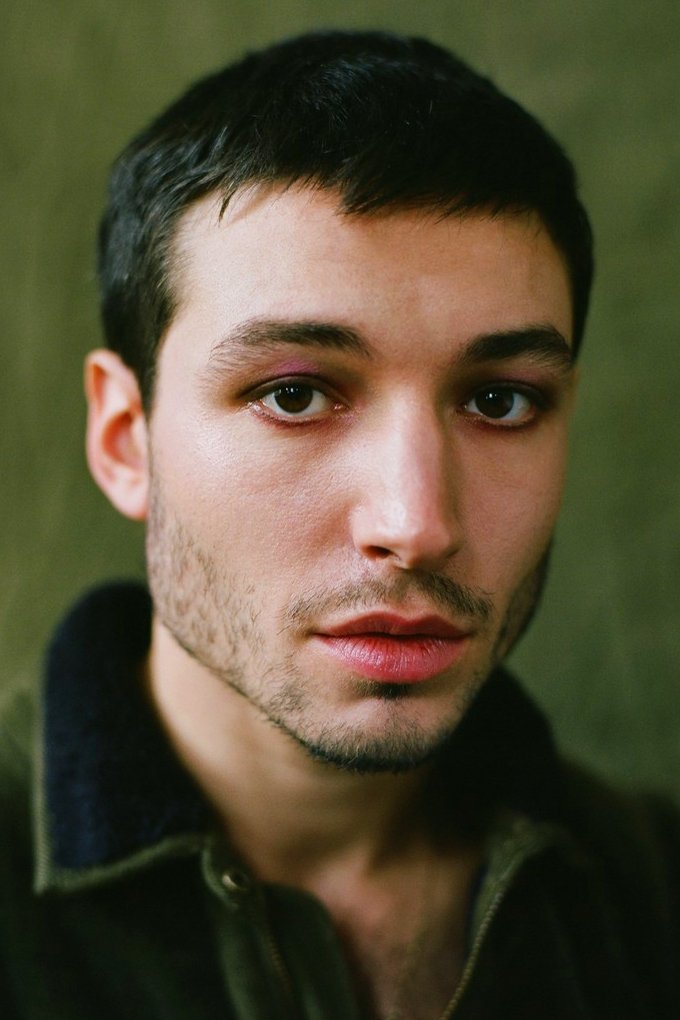
They starred in ‘The Flash’ and appeared in the ‘Fantastic Beasts’ series. In 2022 a string of arrests and protective order cases in Hawaii and on the mainland drew sustained coverage, and the actor issued a statement about mental health and entered treatment while apologizing for troubling behavior.
The solo superhero film arrived to weak results and plans for follow up installments went quiet. Franchise futures were left undefined as the studio completed its leadership transition, and casting directors looked elsewhere for projects that required lengthy promotional tours and reliable availability.
Michael Richards
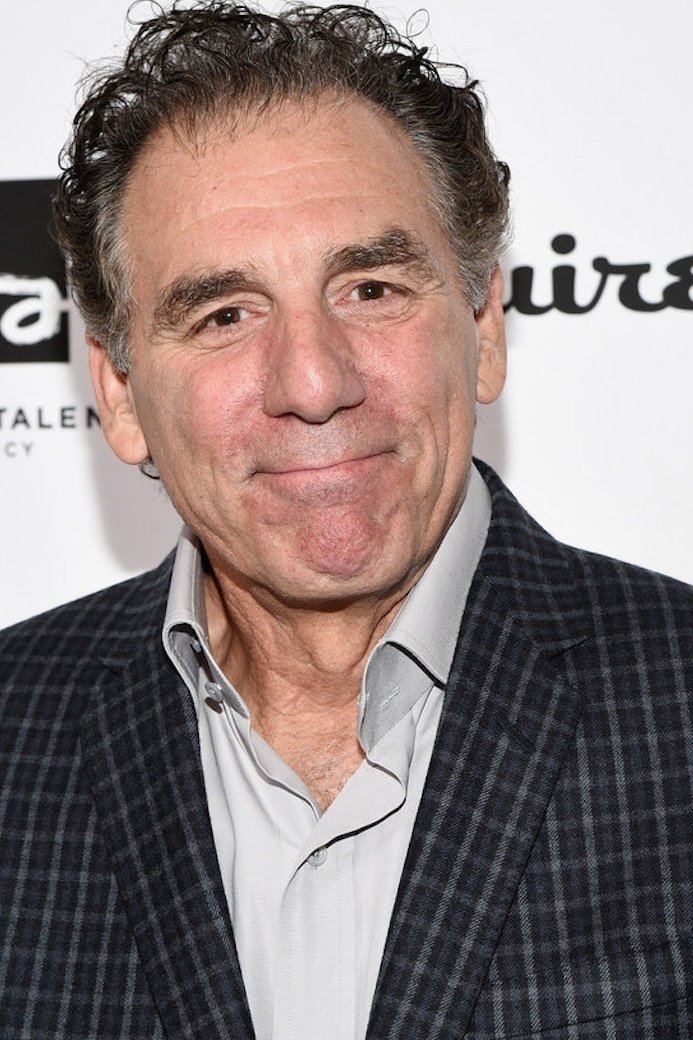
Known worldwide for ‘Seinfeld’, he saw his career collapse after a 2006 comedy club performance where he launched into a racist tirade. He apologized on television soon after, but the clip circulated widely and bookings he might have expected as a beloved sitcom figure did not materialize.
Attempts at new series and guest roles failed to gain traction. While he made occasional appearances with former castmates, the mainstream career path that often follows a hit sitcom ended abruptly, and he never regained a steady presence on screens.
Isaiah Washington
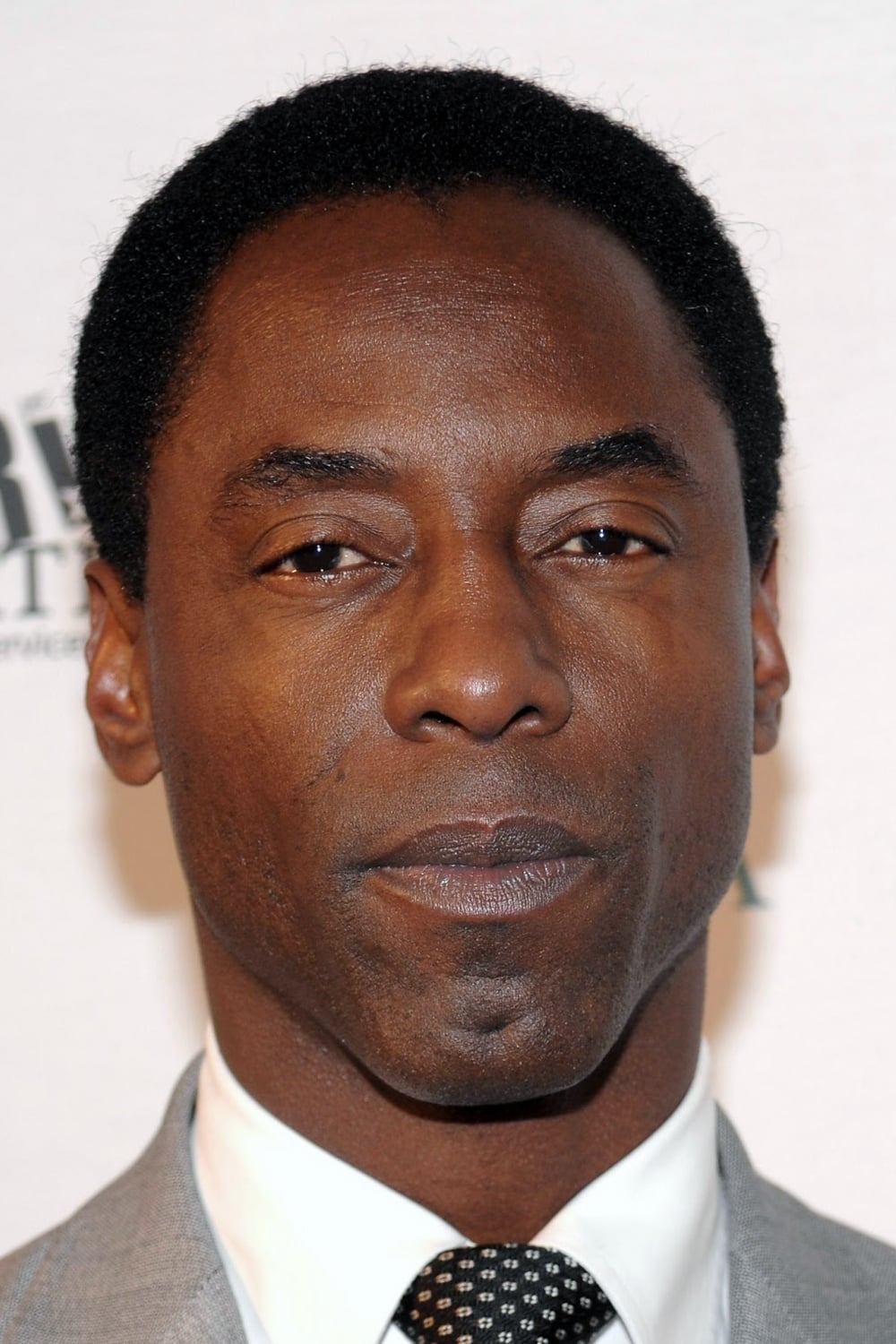
He played a key role on ‘Grey’s Anatomy’ before an on set incident involving a homophobic slur became public in 2007. The network and show removed him, and efforts to repair the relationship did not lead to a long term return, aside from a one episode appearance years later that closed a character arc.
He continued working in independent films and smaller television productions. The loss of a network anchor job reduced his visibility and set a ceiling on subsequent offers, which kept him from the high profile ensemble casts he had been part of before the incident.
Randy Quaid
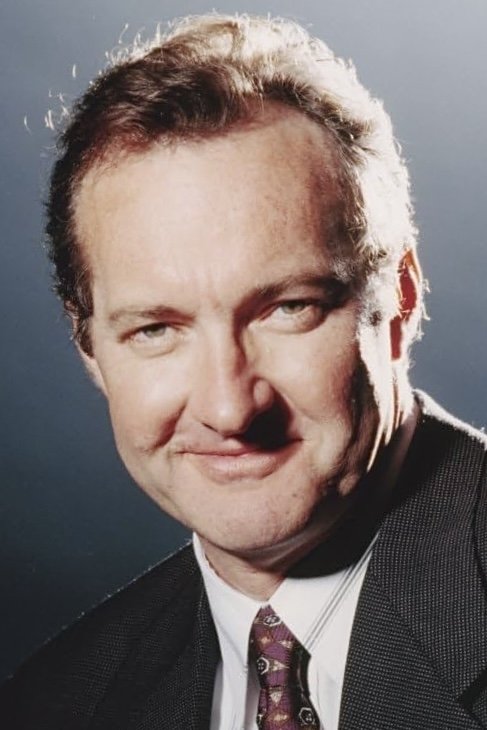
A dependable character actor in films like ‘Independence Day’ and ‘National Lampoon’s Vacation’, he encountered legal problems in the late 2000s that included vandalism and failure to appear charges. He and his spouse left the United States for Canada and sought asylum, which triggered a complex series of court dates and warrants.
Union matters and public videos made collaboration difficult and producers moved on without him. With travel issues and legal risks in play, mainstream projects stopped calling, and his filmography shifted from studio features to a long period without significant credited work.
Steven Seagal
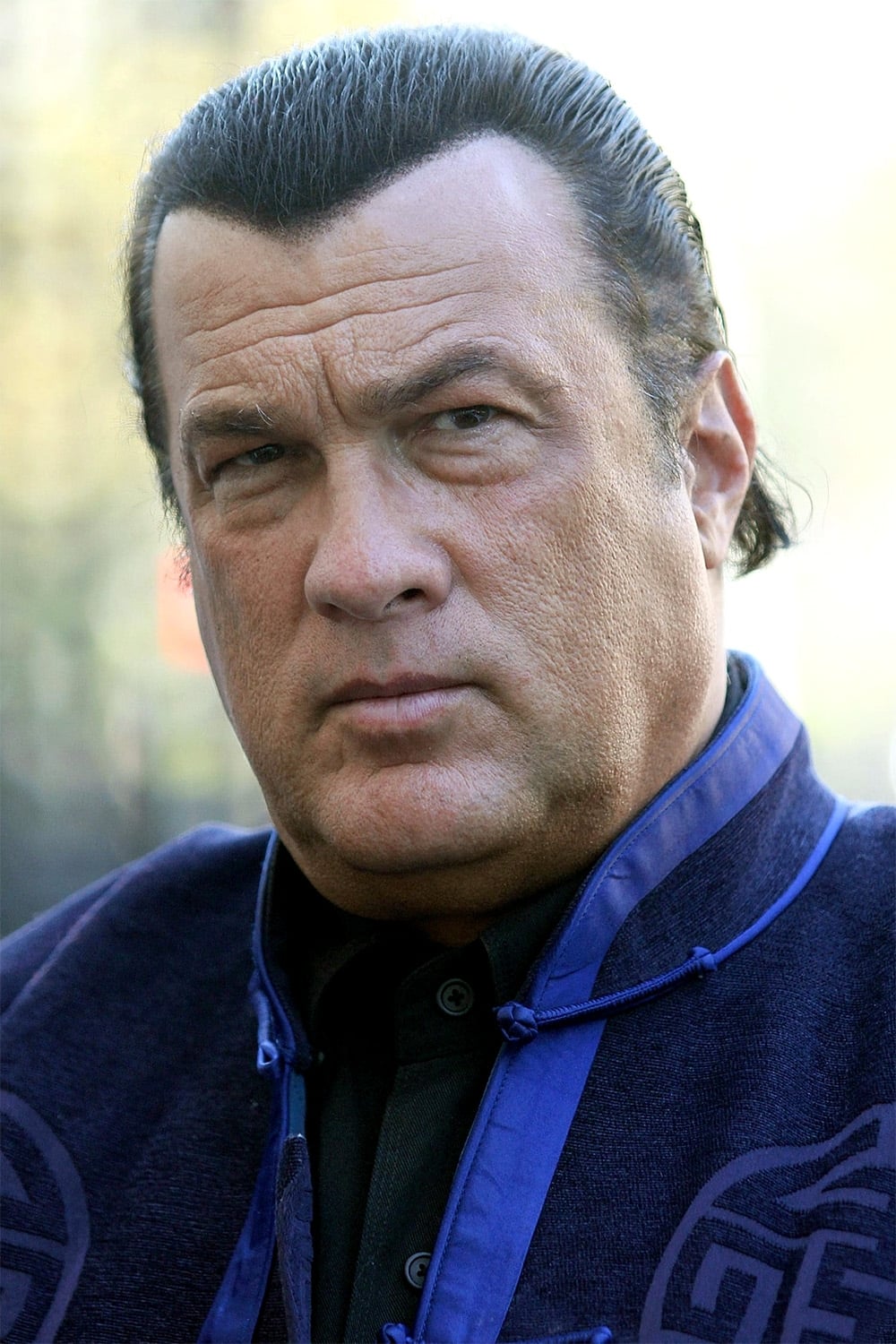
An action star through the 1990s, he later faced multiple public allegations of sexual misconduct that producers took into account when weighing casting. He also accepted Russian citizenship in 2016 and made public appearances in support of Russian officials, which further distanced him from the Hollywood system.
In the years that followed, he worked largely on low budget productions outside the major studio pipeline. The combination of allegations, geopolitics, and market changes effectively ended his run as a bankable lead in North American theatrical releases.
James Franco
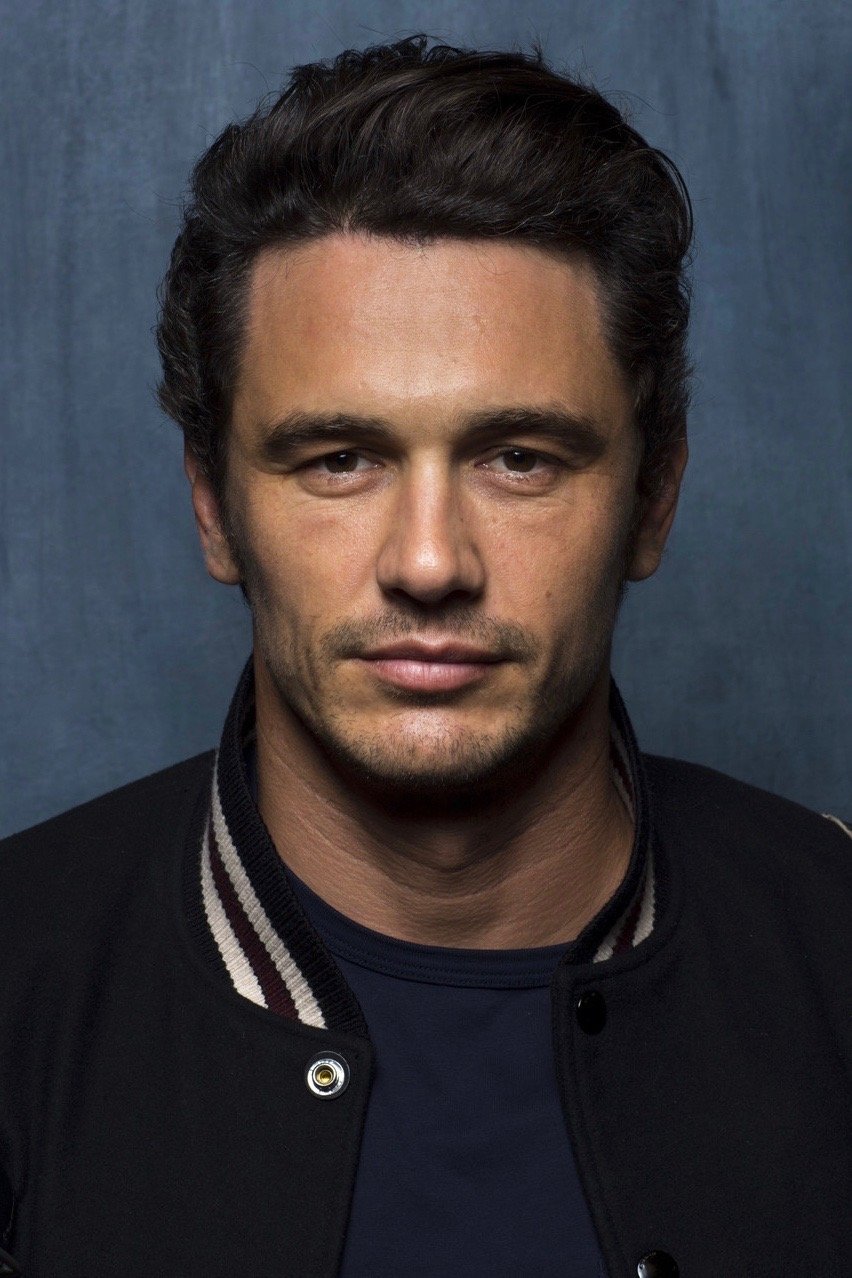
An awards season regular with ‘127 Hours’ and a prolific director teacher profile, he was accused in 2018 of inappropriate conduct connected to a film school he ran. In 2021 he settled a related civil lawsuit and later acknowledged having relationships with students while saying the school would close.
Major studios paused or canceled projects, and he stepped away from teaching. He resurfaced in smaller international films, but the prominent roles and collaborations with big streamers and studios he had enjoyed earlier did not resume at the same scale.
Paul Reubens
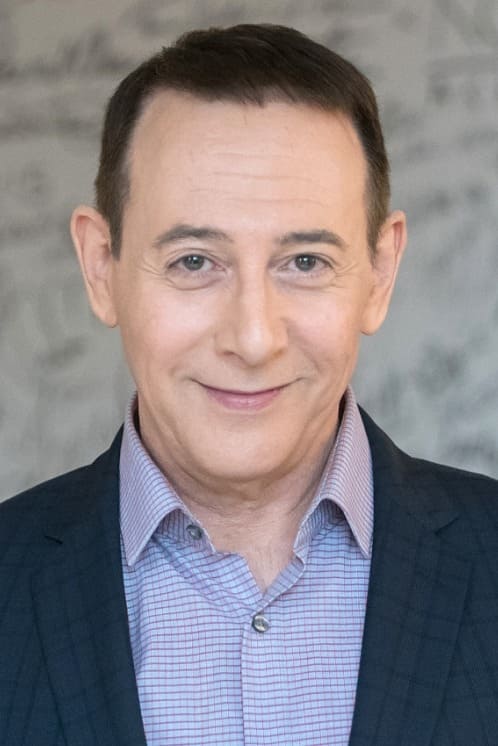
He created and embodied ‘Pee wee Herman’ with a popular television series and films. In 1991 he was arrested for indecent exposure, and the family friendly brand he had built was put on ice as broadcasters and partners backed away in the immediate aftermath.
He returned to acting in select roles and staged a revival that led to the Netflix film ‘Pee wee’s Big Holiday’. Even so, the long pause that followed the early 1990s arrest marked a decisive break in his career momentum and left a lasting imprint on how and where he worked.
Andy Dick
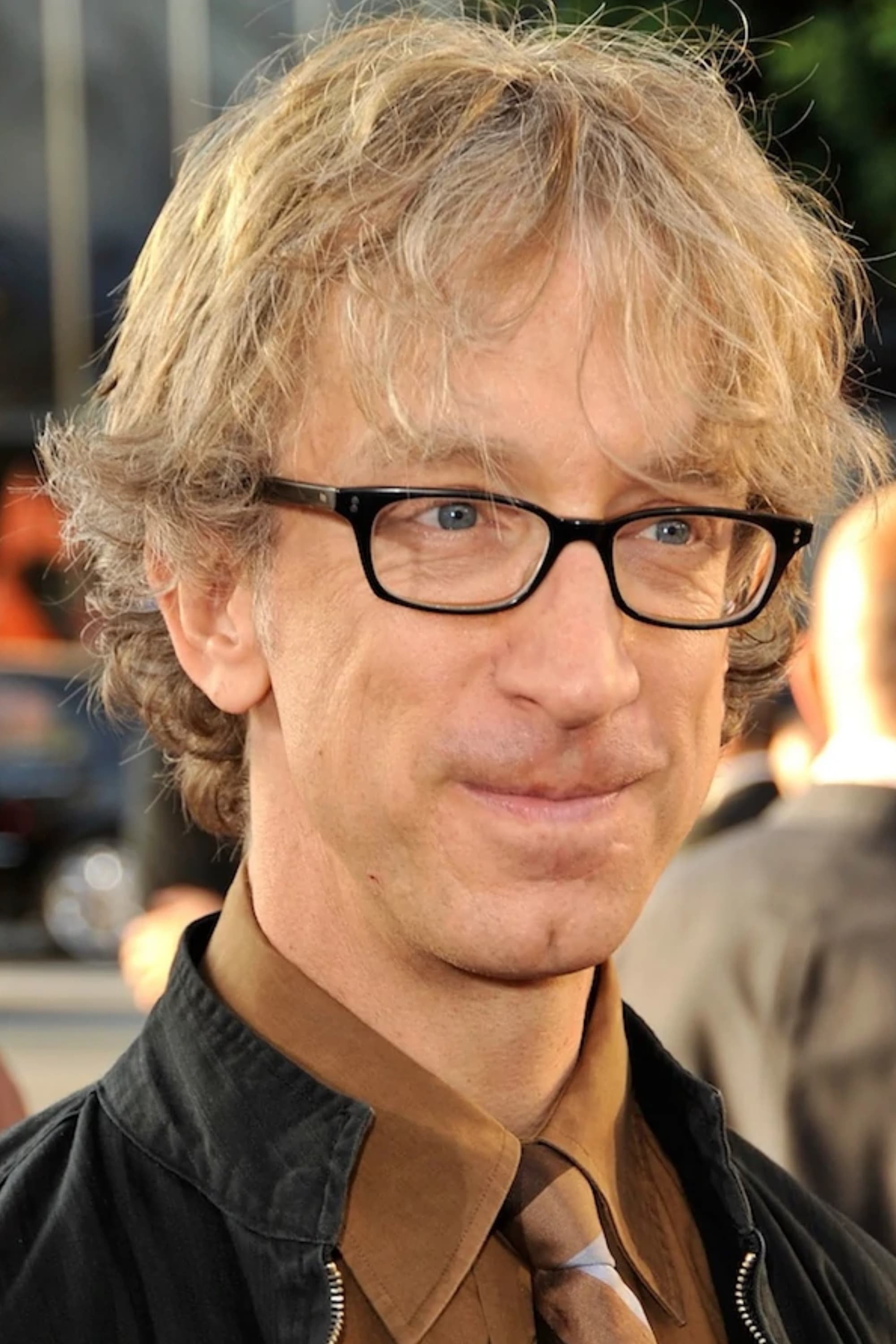
A fixture on ‘NewsRadio’ and a frequent guest on talk shows, he accumulated arrests and allegations over many years that made him a risky hire. Incidents ranged from battery and groping cases to disorderly conduct, and venues and productions regularly severed ties after new reports emerged.
Employers removed him from sets and tours, and projects that could have led to a steady comeback fell apart. The pattern of legal trouble and public incidents led to a prolonged absence from mainstream television and film work as bookers and studios chose other options.
Bill Cosby
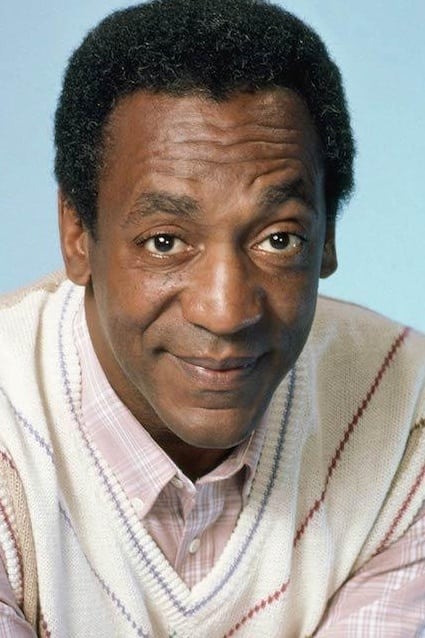
He starred in ‘The Cosby Show’ and led a large syndication business built on family programming. Starting in 2014 multiple women accused him of sexual assault, and in 2018 he was convicted of aggravated indecent assault in Pennsylvania and imprisoned before the state supreme court vacated the conviction in 2021 on due process grounds.
Television networks dropped reruns, universities rescinded honorary degrees, and planned projects were canceled. Civil litigation and settlements continued to appear in the public record, and he did not reestablish studio or network relationships that had supported his earlier slate of work.
Robert Blake
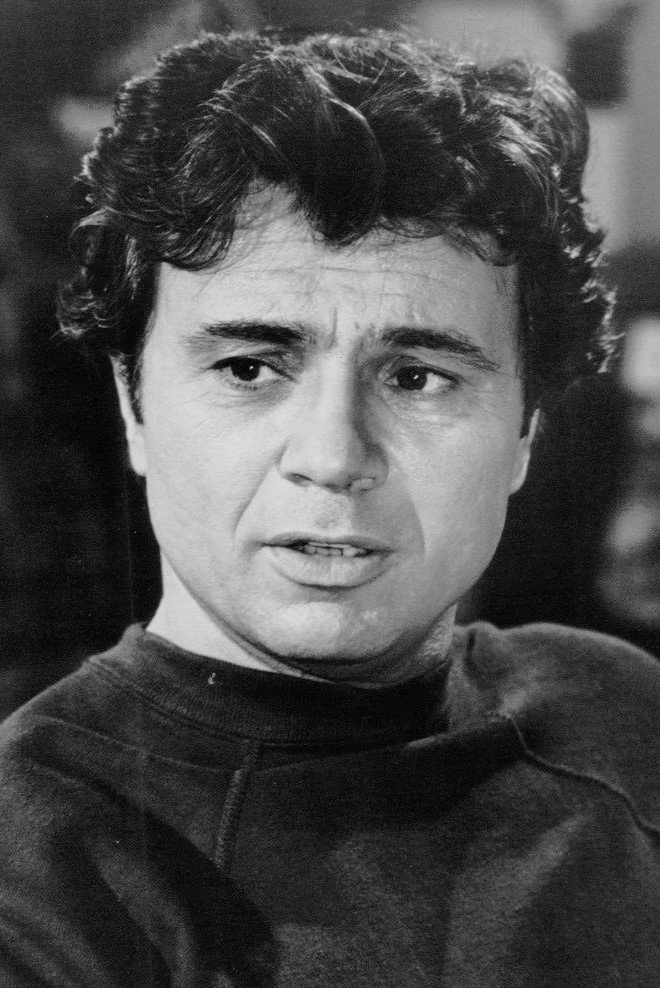
He was a child performer who later headlined ‘Baretta’. In 2001 he was arrested in connection with the death of his wife and in 2005 a jury acquitted him in the criminal trial while a civil jury later found him liable for wrongful death.
After the trials he did not return to regular film or television roles. Financial and legal fallout followed the civil judgment, and development talks that had been underway before his arrest did not resume at major outlets.
Tom Sizemore
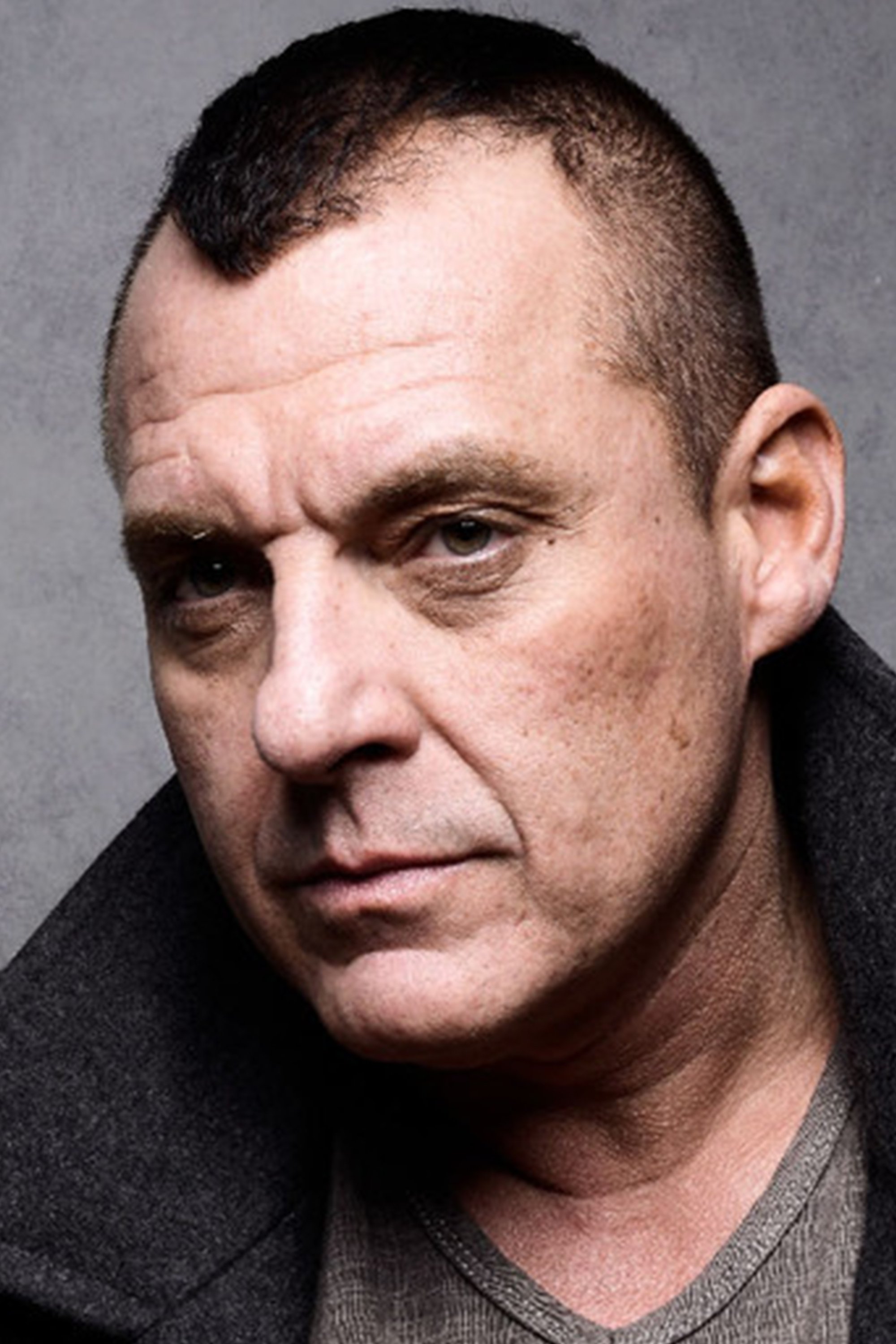
He built a reputation with ensemble roles in ‘Saving Private Ryan’ and ‘Heat’. In 2003 he was convicted on domestic violence charges, and through the 2000s he accumulated drug related arrests that made insurance and scheduling difficult for producers.
He worked periodically in independent films and reality television. Studio features that once cast him in key supporting parts moved on with other actors, and his credits shifted toward low budget releases with limited distribution.
Mickey Rourke
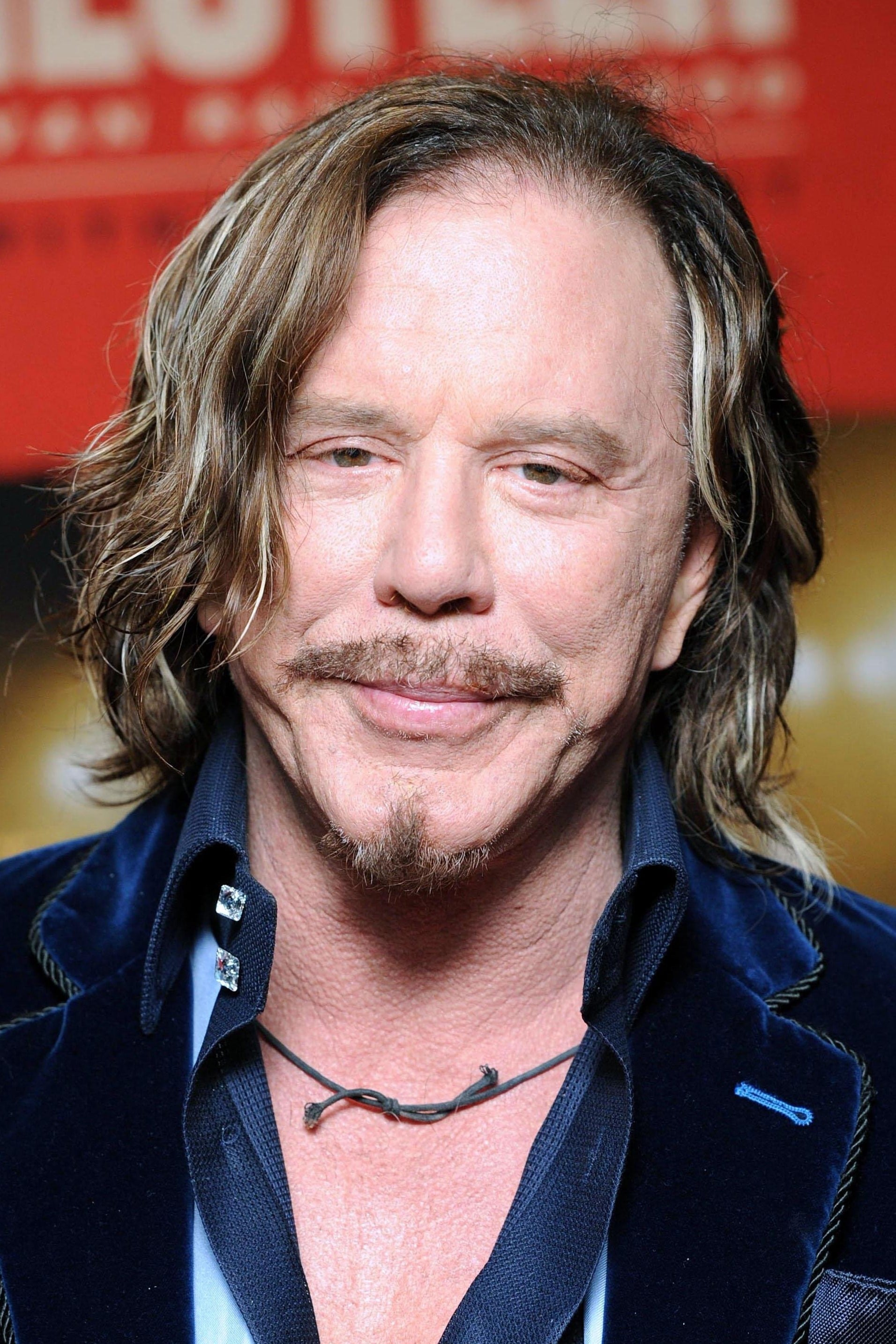
He broke out with ‘9½ Weeks’ and ‘Angel Heart’ and then stepped away from Hollywood for professional boxing in the early 1990s. The injuries and time away changed his appearance and slowed casting, and reports of difficult behavior on sets reduced opportunities with major directors.
He mounted a comeback with ‘The Wrestler’ and added high profile appearances in ‘Iron Man 2’ and ‘The Expendables’. The gap still ended the momentum he had established in the late 1980s, and the roles that followed did not restore the steady leading man trajectory he once held.
Jean-Claude Van Damme
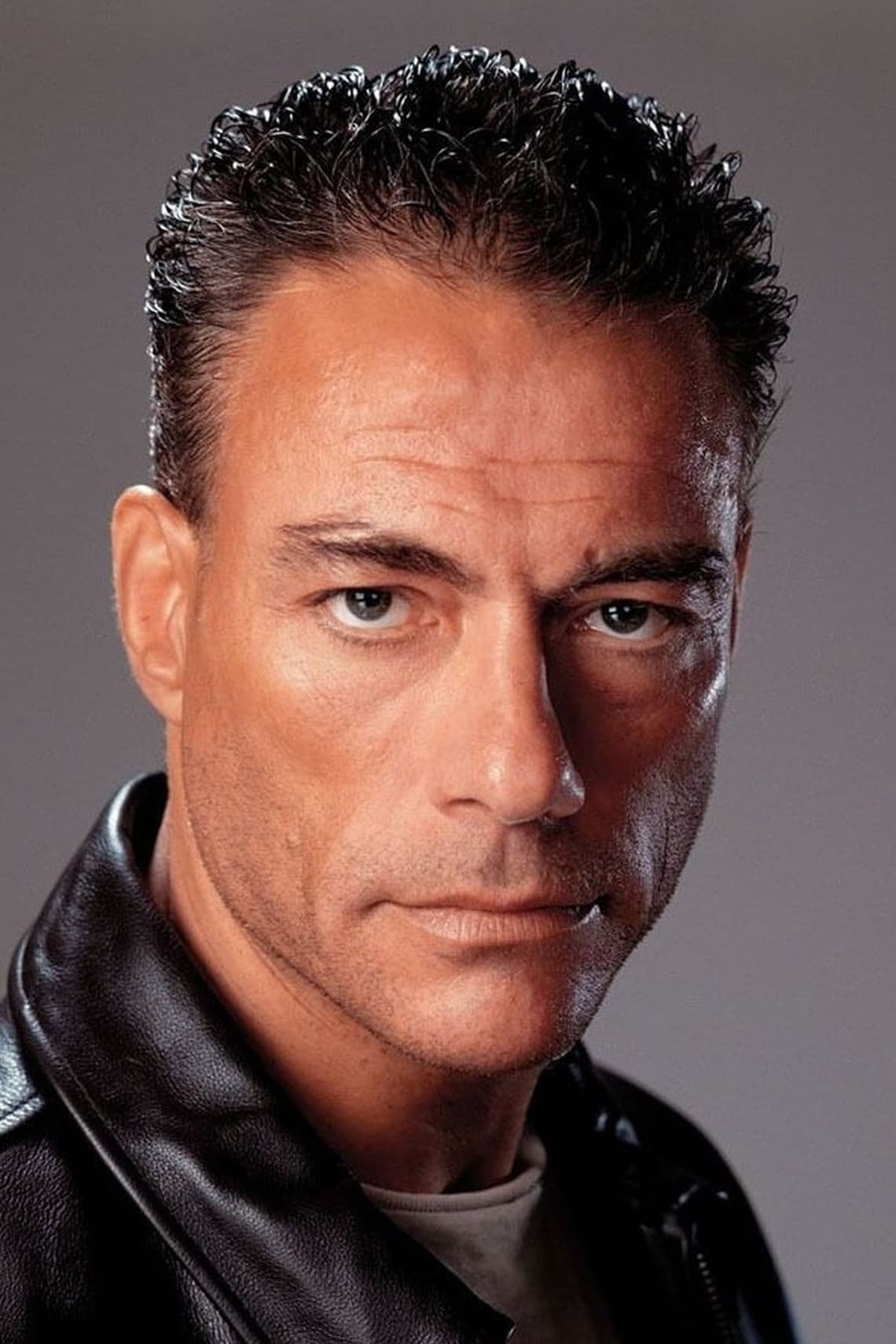
He led action hits like ‘Bloodsport’ and ‘Universal Soldier’. By the mid 1990s his cocaine addiction was public and he entered rehab, and a 1999 domestic violence case brought court ordered counseling and probation.
Studios that had given him theatrical leads shifted to other names, and his projects moved primarily to direct to video markets. He later earned positive notices for ‘JCVD’ and returned in ‘The Expendables 2’, though the bulk of his work remained outside the big studio pipeline.
Emile Hirsch
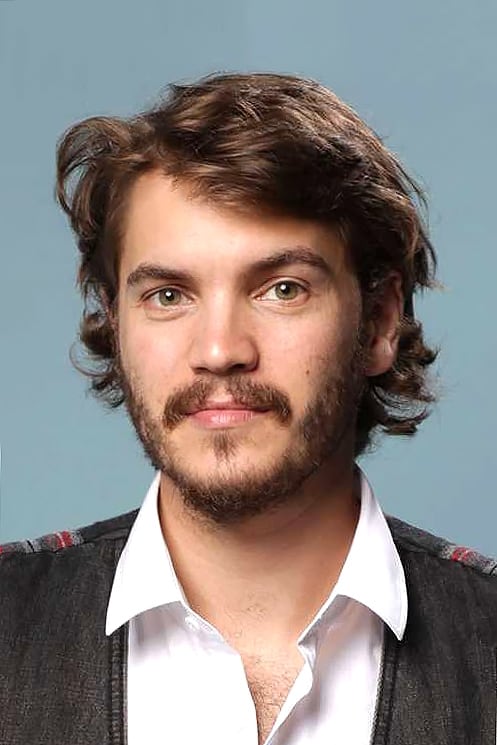
He earned early acclaim with ‘Into the Wild’. In 2015 he pleaded guilty to misdemeanor assault for an incident during the Sundance Film Festival and served a short jail sentence along with community service and a fine.
Agencies and studios adjusted plans and roles that might have followed his festival appearances did not materialize at the same pace. His subsequent filmography concentrated on independent titles and international productions with modest profiles.
Matthew Fox
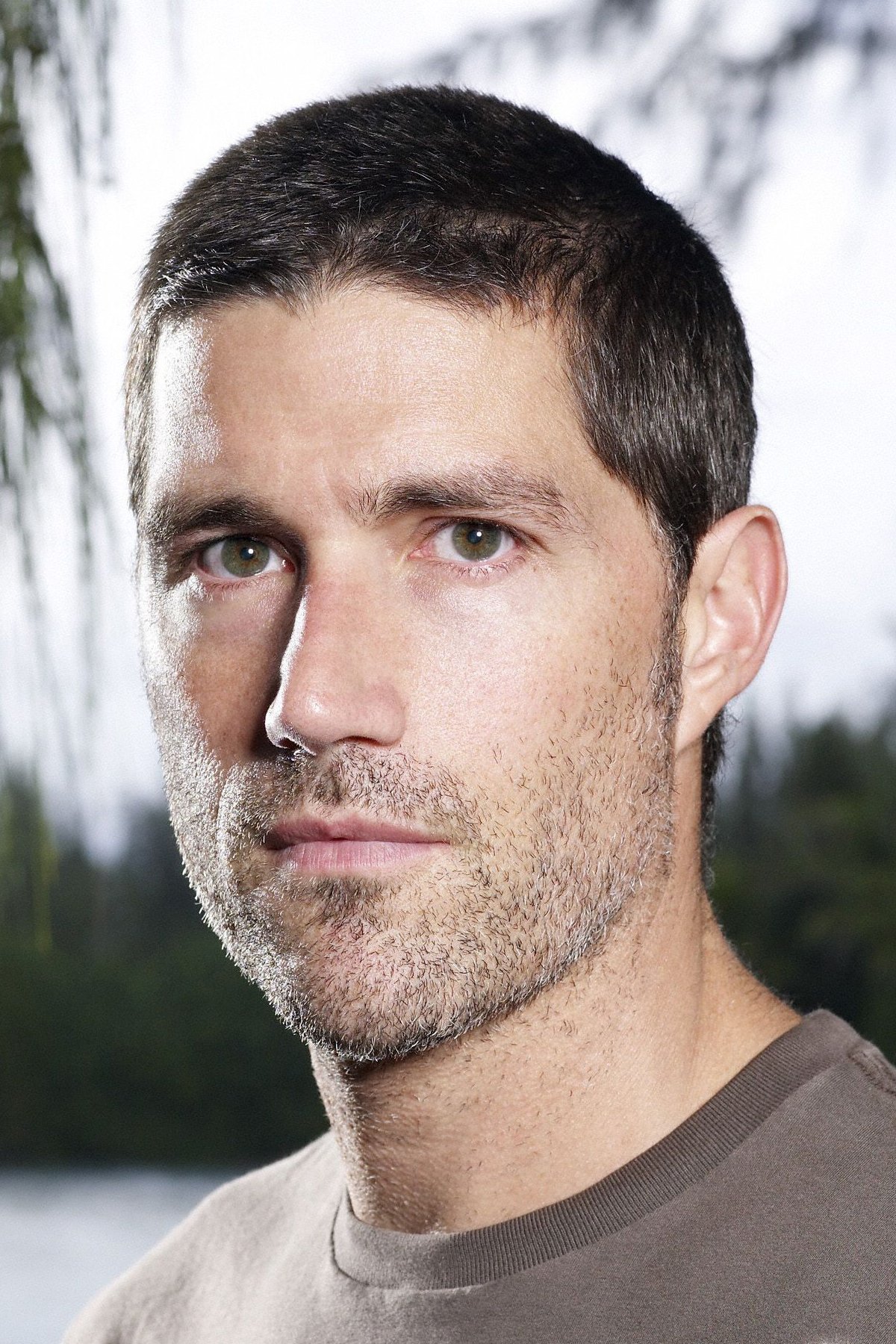
He moved from ‘Party of Five’ to global visibility on ‘Lost’. In 2011 he was detained after an altercation with a bus driver in Ohio and the claim was later handled in civil court, and in 2012 he was arrested for driving under the influence in Oregon.
In the years after ‘Lost’ he took fewer screen roles and did limited television. Promotional tours and press for projects like ‘Alex Cross’ did not translate into a sustained return to network or studio leads, and he stepped away for long stretches.
Jason Mitchell
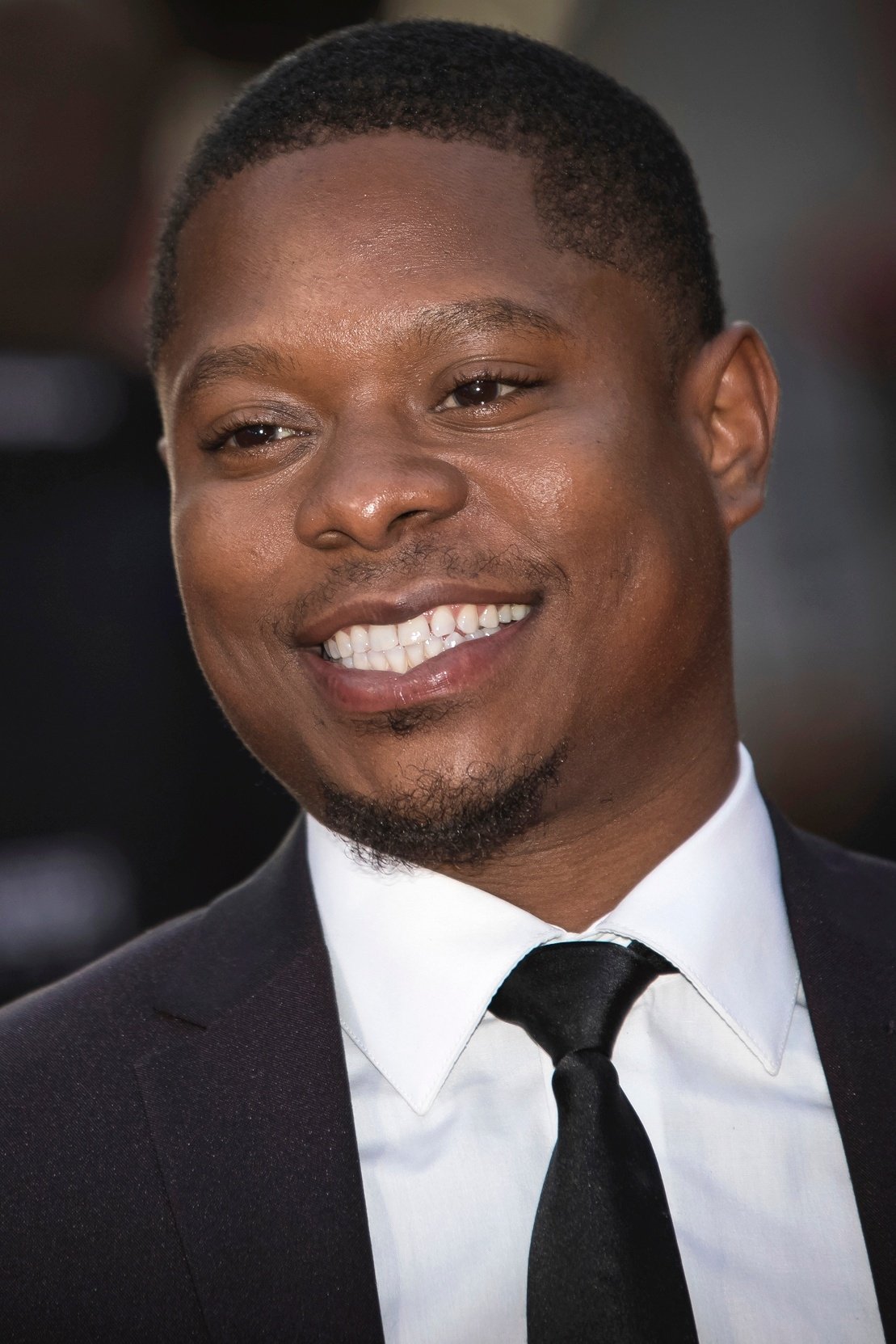
He drew wide attention for ‘Straight Outta Compton’ and then led ‘The Chi’. In 2019 he was removed from the series following internal misconduct complaints, was dropped by his agency and manager, and was also recast on the film ‘Desperados’.
Following those decisions his scheduled projects fell through and distribution partners distanced themselves. He later attempted a return with small independent titles, but the major television lead he held prior to 2019 did not continue.
Nate Parker
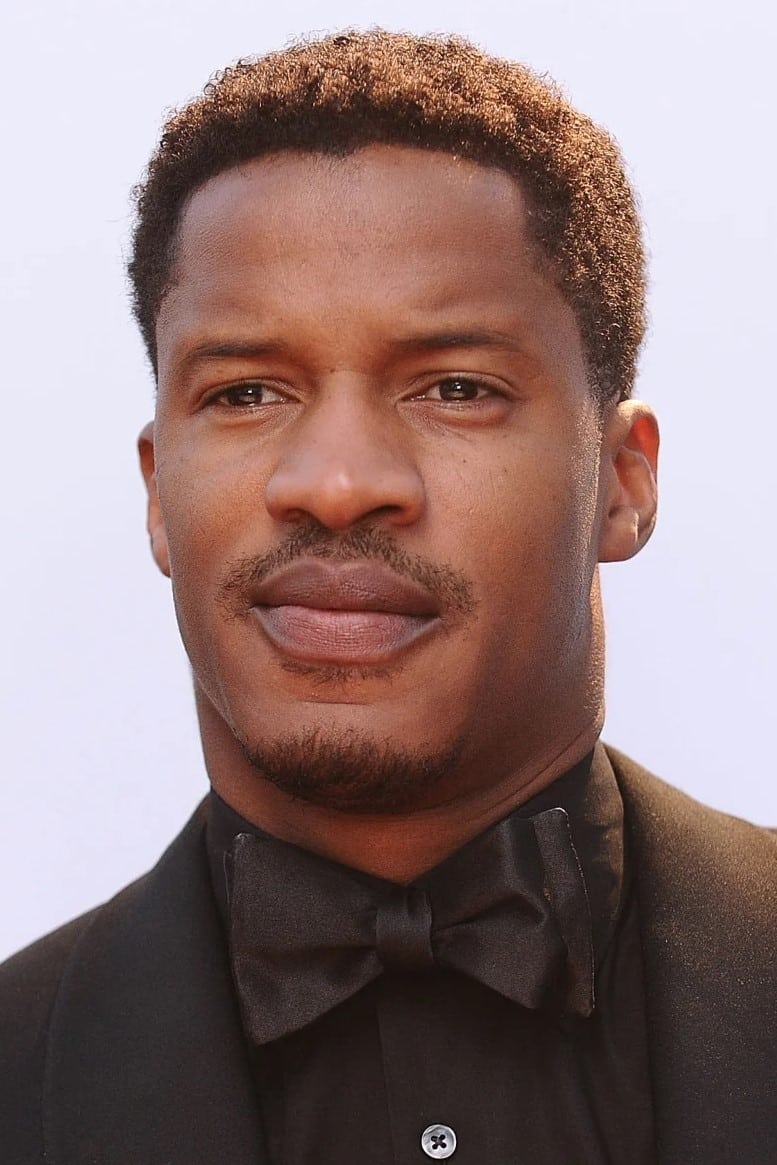
He co wrote, directed, and starred in ‘The Birth of a Nation’. During the 2016 launch of the film, media revisited a 1999 college sexual assault case in which he had been acquitted in 2001, and the renewed coverage dominated the release campaign.
The theatrical rollout underperformed industry expectations and multiple promotional events were canceled. Deals for future features slowed as financiers reassessed risk, and his subsequent projects were produced at smaller scales with limited reach.
Mark Salling
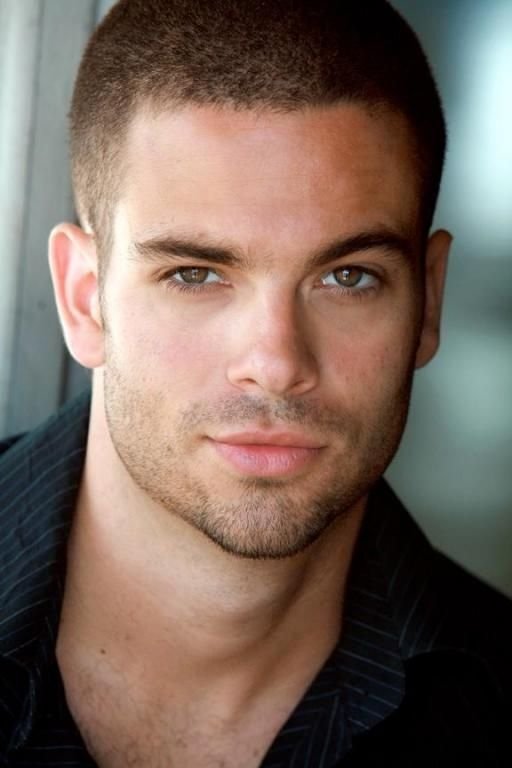
He played a central student role on ‘Glee’. In 2015 he was arrested on child pornography charges and in 2017 he entered a guilty plea as part of a federal case.
He died in early 2018 before sentencing. Completed work featuring him was pulled from release plans and there were no new roles or public appearances after the case became known.
Michael Jace
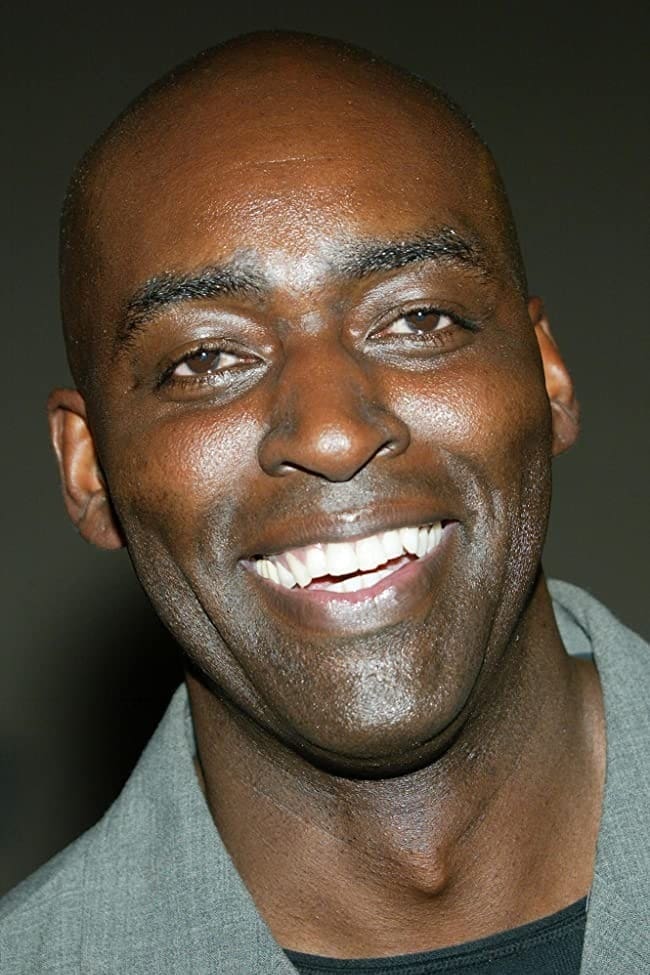
He was a regular on ‘The Shield’. In 2014 he was arrested in Los Angeles for the shooting death of his wife and in 2016 a jury convicted him of second degree murder.
He received a sentence of 40 years to life in prison. All entertainment work stopped after the arrest and conviction, and existing credits were limited to past appearances.
Lane Garrison
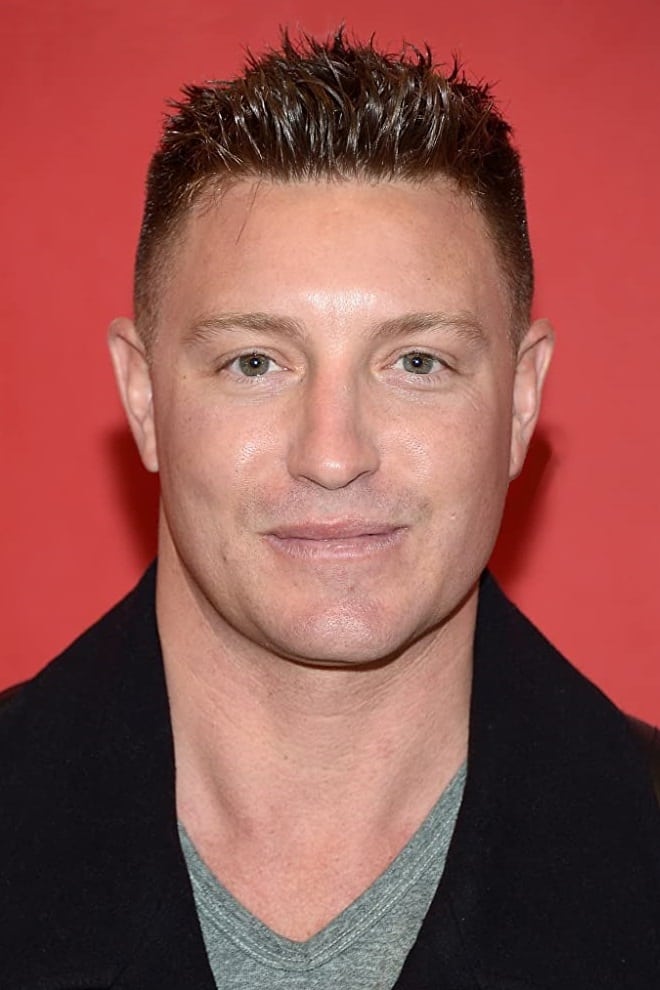
He became known through ‘Prison Break’. In 2007 he was sentenced for vehicular manslaughter and driving under the influence related to a 2006 crash, and he served time before being released on parole.
He later booked smaller supporting parts and television guest spots. Casting for studio features did not return to the level his early breakout suggested, and his screen time remained intermittent.
Jamie Waylett
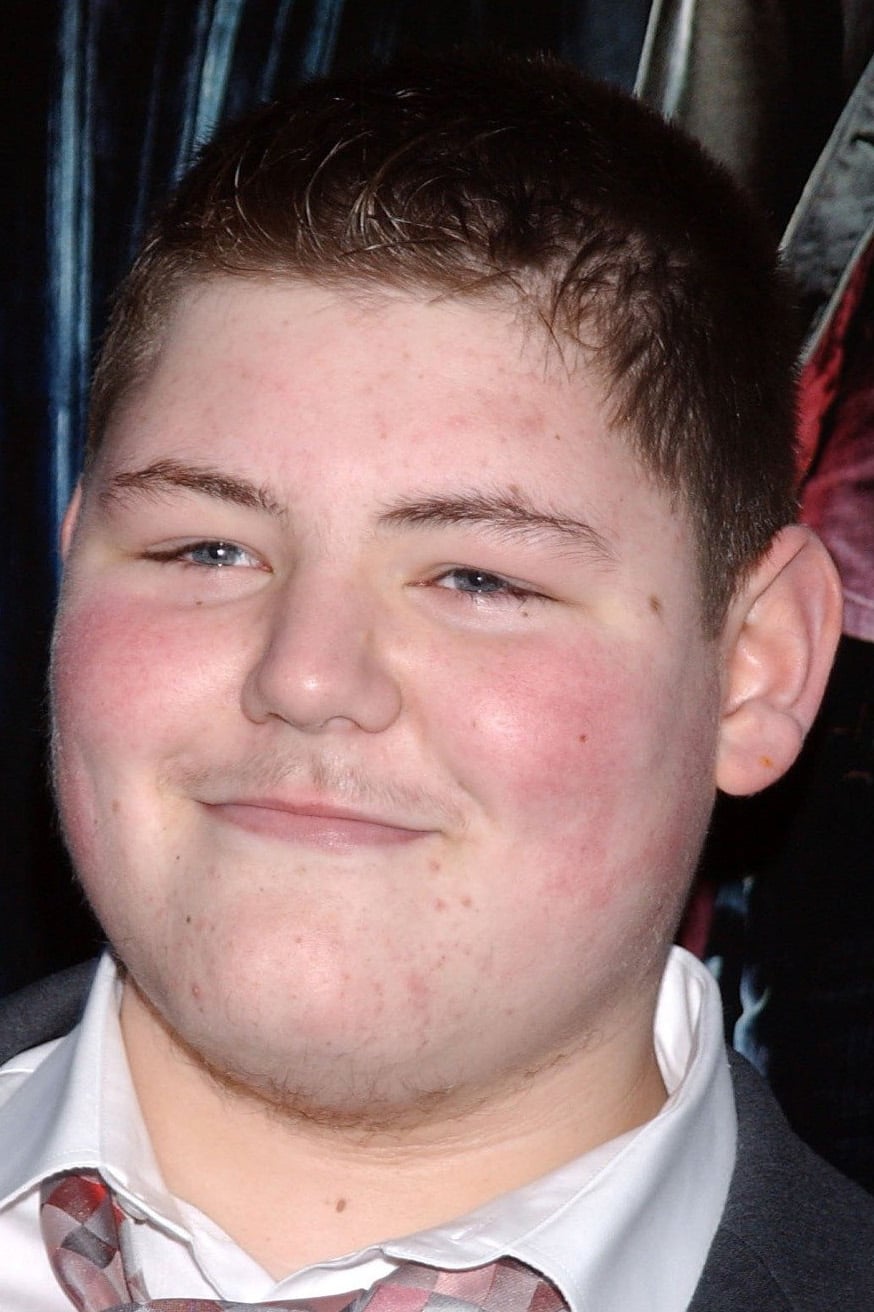
He played Vincent Crabbe in the early ‘Harry Potter’ films. In 2011 he was convicted of violent disorder during the London riots, and in 2012 he received a prison sentence for cannabis related offenses.
The franchise continued without him and he did not return for the later installments. He did not resume credited film or television work in the years after release, and the role that had anchored his visibility ended with the legal cases.
Edward Furlong
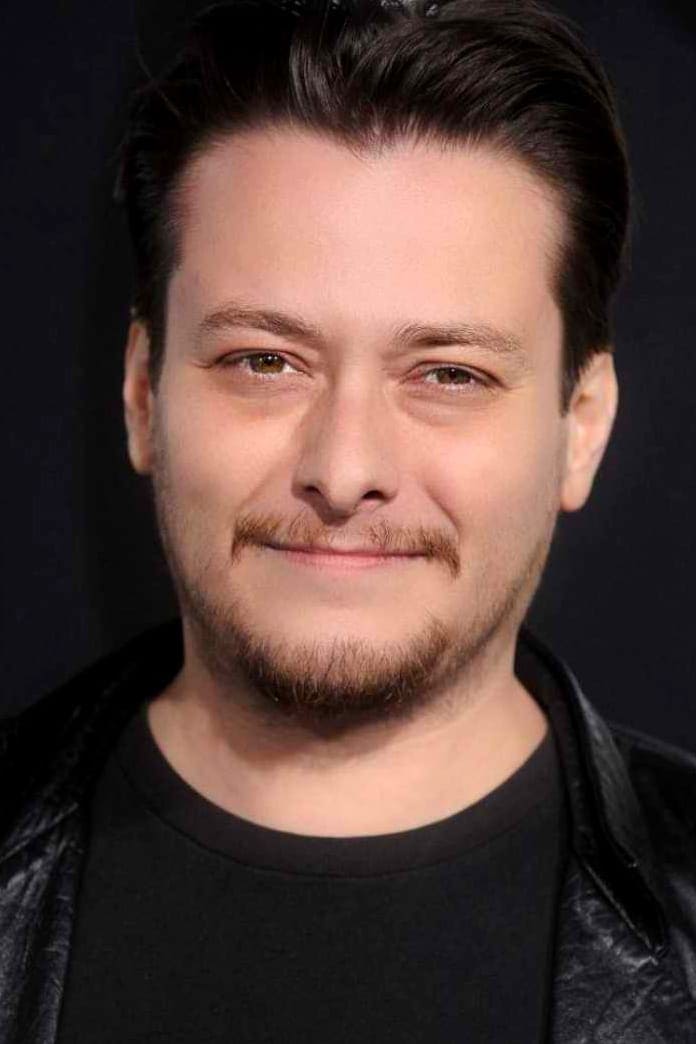
He rose to fame as John Connor in ‘Terminator 2’. Through the 2000s he was arrested multiple times in cases that included drug possession and violations of protective orders, and he entered rehabilitation programs while navigating court requirements.
Producers recast the lead for ‘Terminator 3’ and later appearances were brief or voice based. His filmography shifted to small independent releases and limited cameos rather than major studio projects.
Orlando Brown
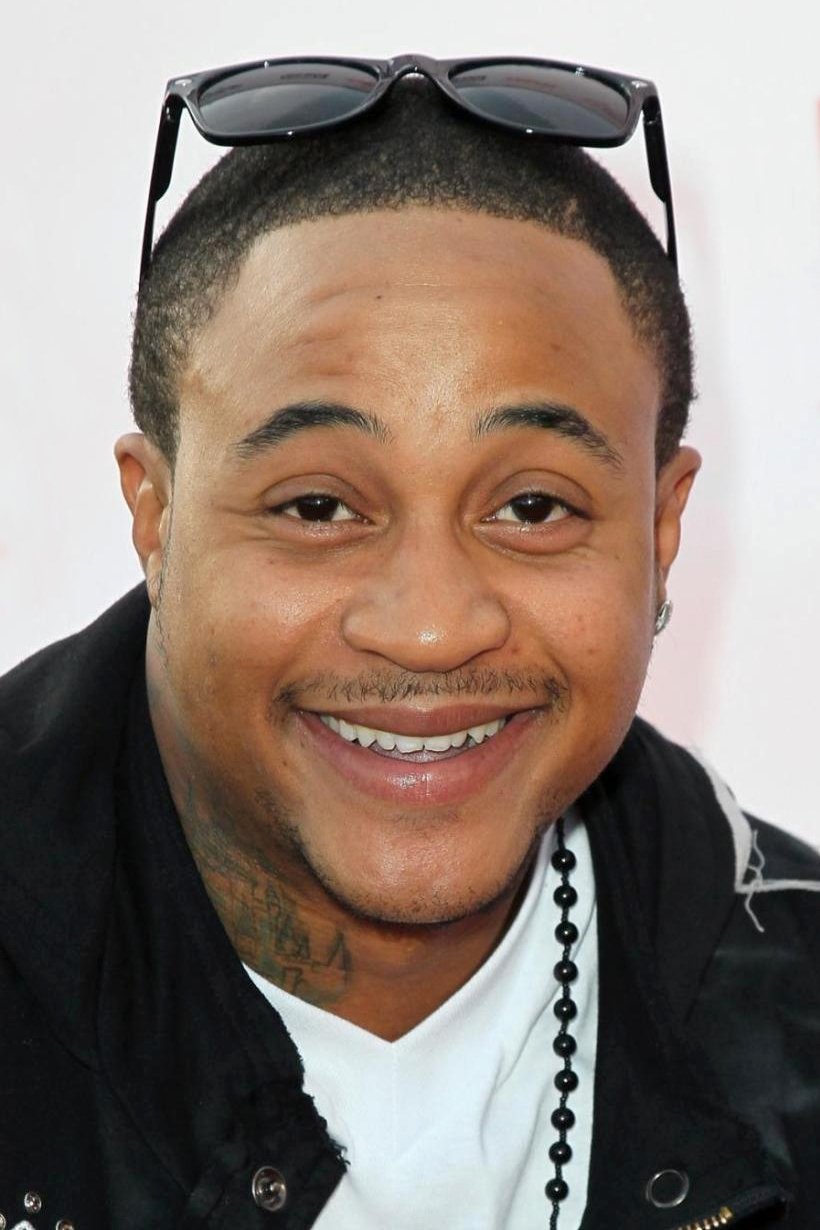
He was a Disney Channel regular on ‘That’s So Raven’. From 2016 onward he accumulated arrests that included drug possession and domestic related cases, and he appeared in court for multiple jurisdictions while discussing treatment on television.
Studios and networks stopped casting him in family programming. Attempts at music releases and reality television did not translate into sustained acting roles and he faced ongoing legal supervision and probation terms.
Nick Stahl
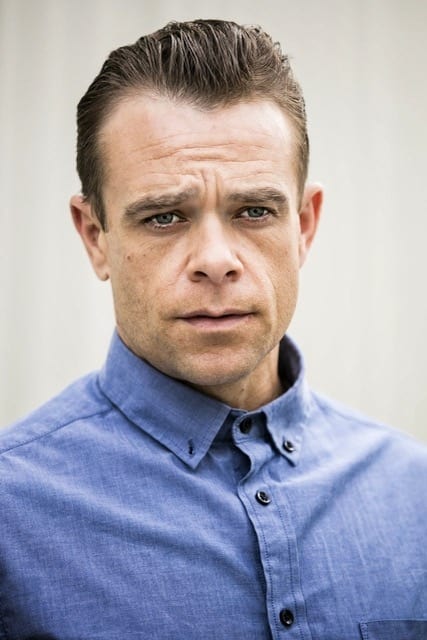
He worked steadily after ‘Terminator 3’ with roles in ‘Carnivàle’ and independent films. In 2012 he was reported missing, later resurfaced, and in the years that followed he faced arrests tied to substance possession and trespassing.
He stepped away from acting while pursuing recovery. He returned for small roles and streaming projects, but the consistent studio work he once had remained limited.
Christian Slater
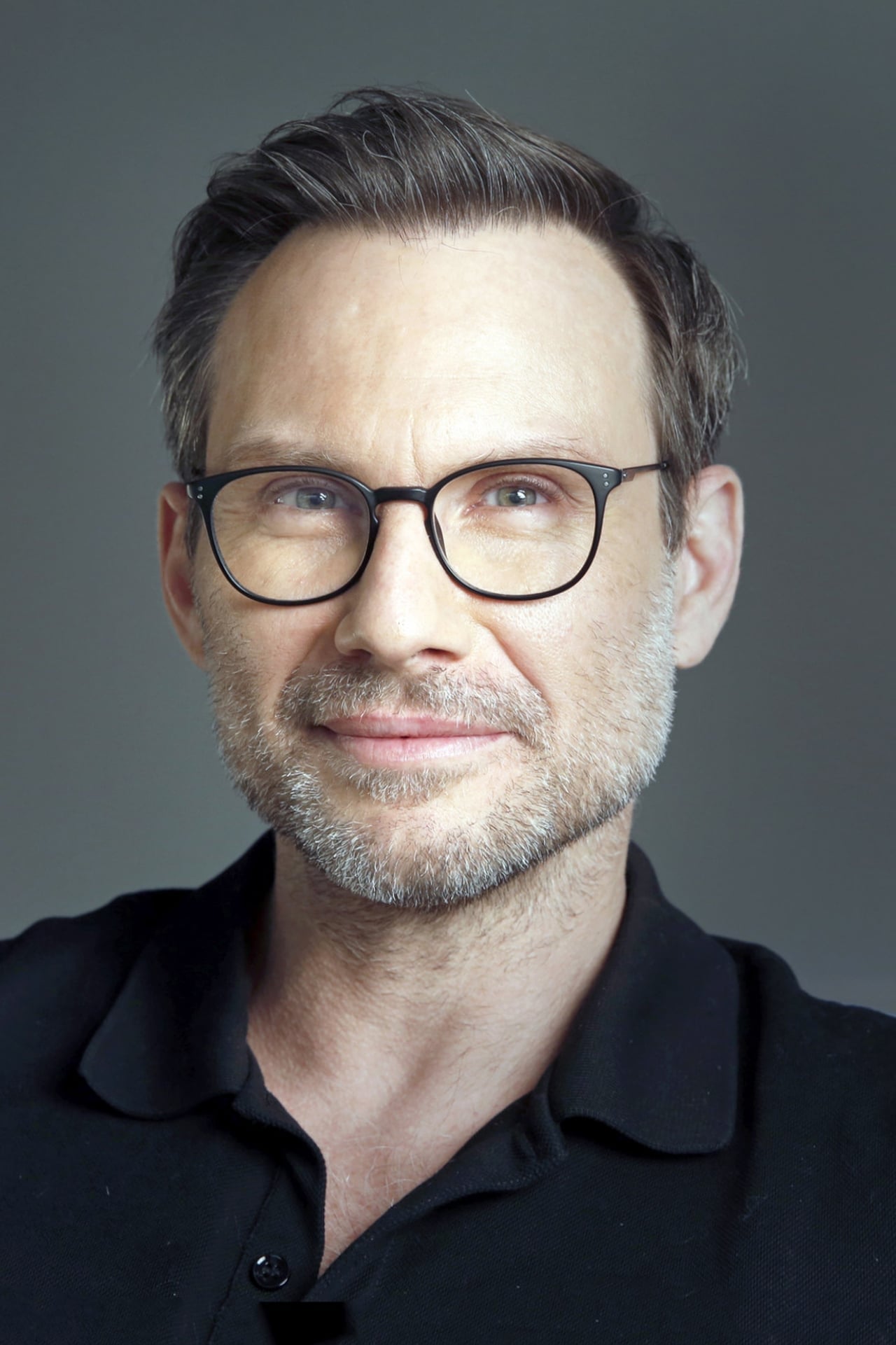
He was a leading face of ‘Heathers’ and ‘True Romance’. In the mid 1990s he was arrested for assault and for possession of a weapon and later served jail time and court ordered rehabilitation.
He returned to acting with a mix of stage and television work. His presence in big budget studio films decreased for a long period, and his most prominent later credit came years later with the series ‘Mr. Robot’.
Stephen Baldwin
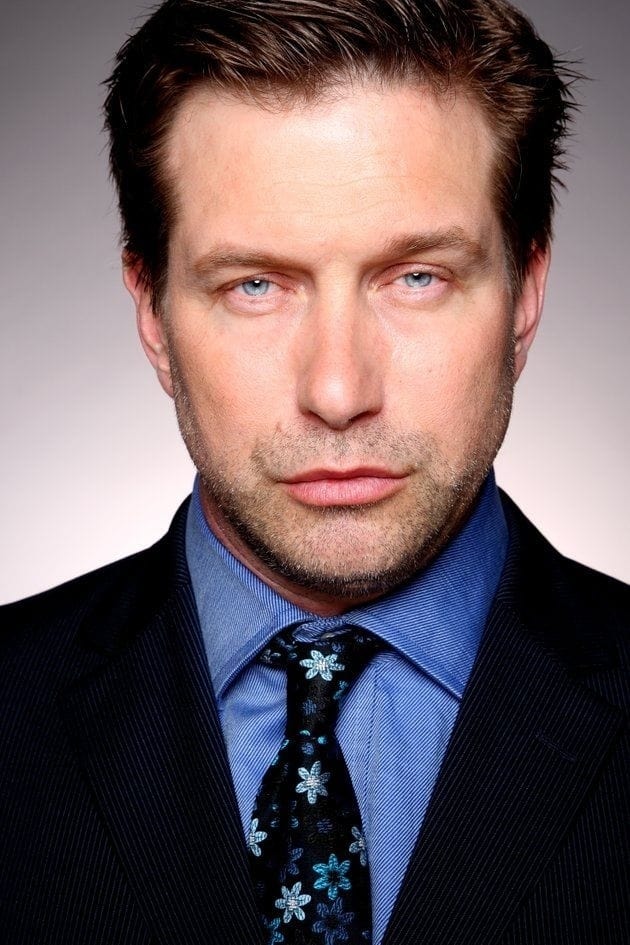
He followed ‘The Usual Suspects’ with a run of television movies and reality appearances. In 2012 he pleaded guilty to a misdemeanor for failure to file New York state income taxes and agreed to pay back taxes and penalties.
As finances and legal obligations drew focus he moved into lower budget and faith oriented productions. He did not reconnect with the kind of ensemble studio projects that had helped establish his career in the 1990s.
Jeremy Jackson
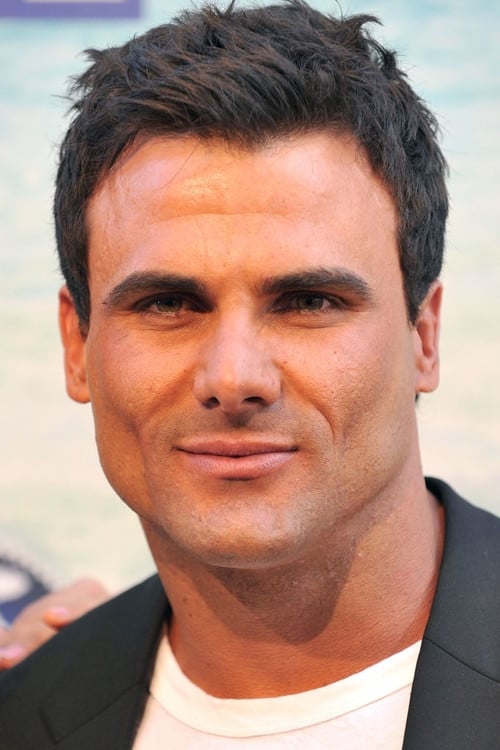
He played Hobie on ‘Baywatch’. In 2015 prosecutors charged him after a stabbing incident in Los Angeles and he later received a county jail sentence along with probation and community service.
Television producers cut ties after separate reality show incidents. He had no return to mainstream series work, and public appearances centered on legal updates rather than new roles.
Bryshere Y. Gray
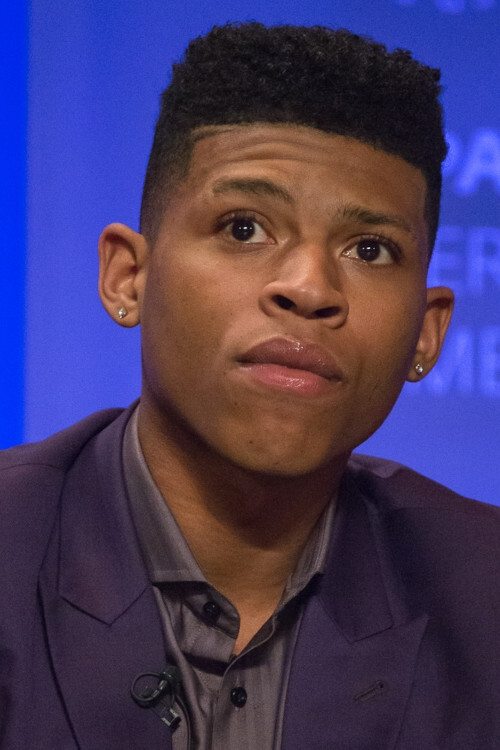
He recorded music as Yazz and starred on ‘Empire’. In 2020 police arrested him in Arizona after a domestic incident and in 2021 he pleaded guilty to felony aggravated assault and received jail time and probation.
He did not book new series leads after the case and the end of ‘Empire’. Court ordered programs and supervision shaped his schedule, and casting offers from major buyers did not follow the visibility he once held.
Share your thoughts below about the most shocking career downfalls and the specific moments that changed everything in Hollywood.