


Actors Who Spoke Out Against Hollywood

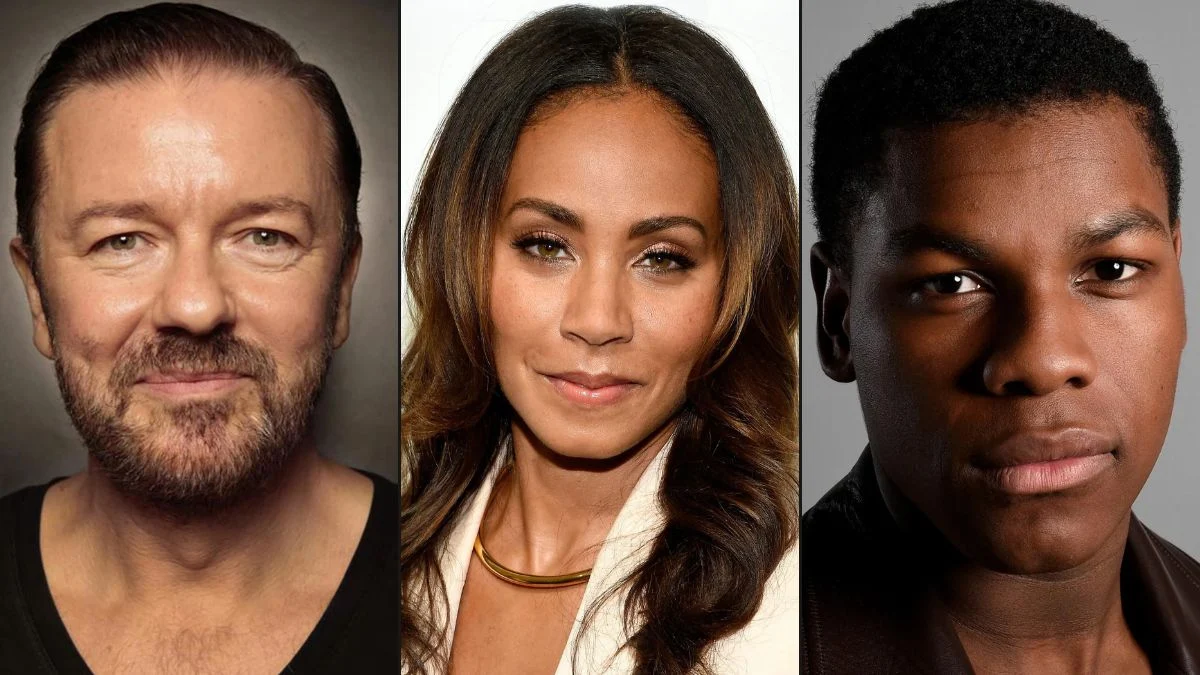


Hollywood runs on image, but some of its most recognizable faces have peeled back the curtain to talk about what really happens behind it—power imbalances, pay inequities, creative control tug-of-wars, and the personal costs of the machine. When actors speak up, they risk being labeled “difficult,” losing jobs, or sparking industry pushback, yet their candor can also change norms, set new precedents, and embolden others to demand better.
This list highlights performers who used their platforms to critique practices they felt were unfair or harmful. It isn’t about perfection or hero worship; it’s about moments when people with something to lose chose to say something anyway. From contract battles to calls for inclusion and safety, these voices shaped conversations that continue to ripple through sets, studios, and awards stages.
John Boyega
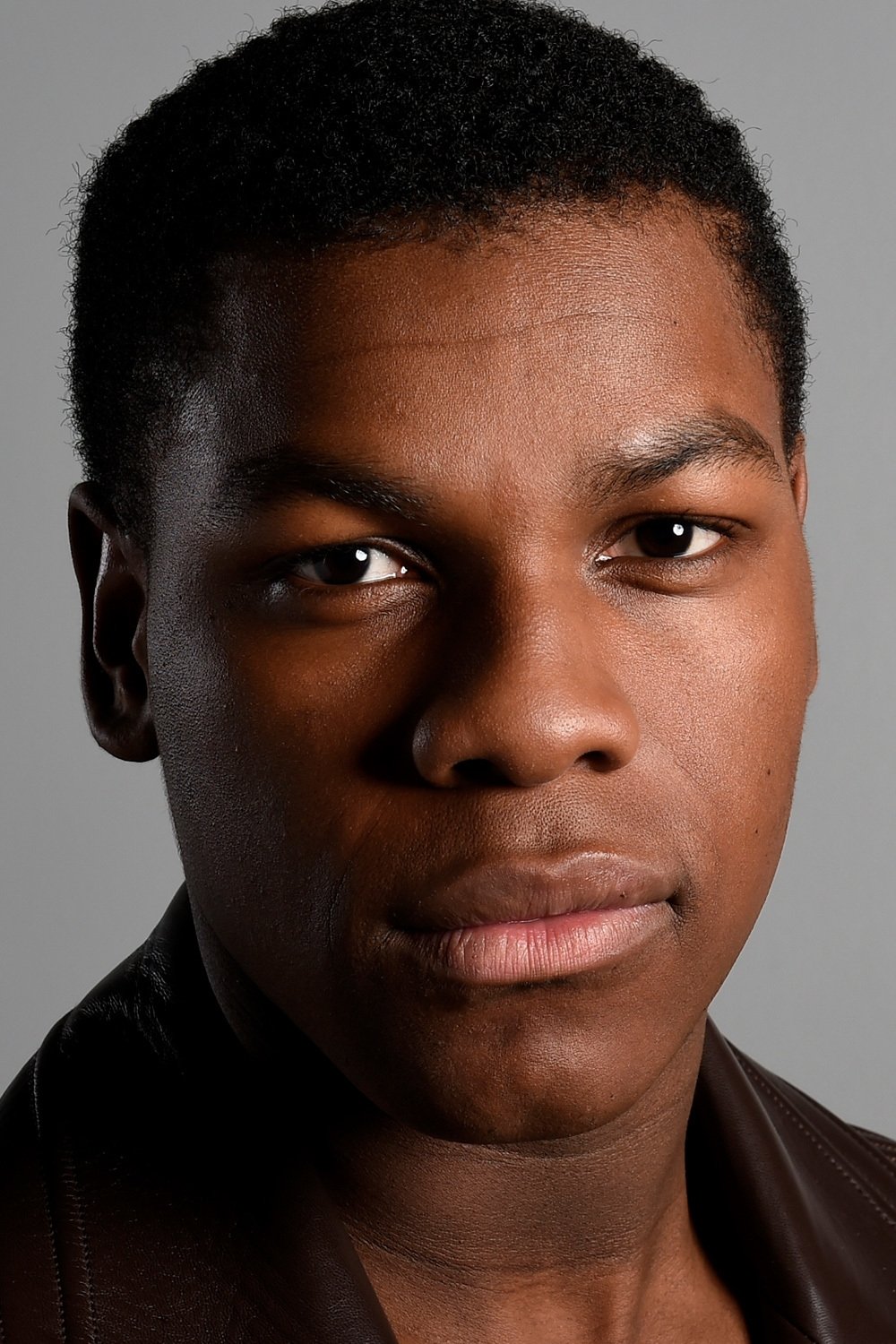
John Boyega publicly criticized how his character was handled in the new ‘Star Wars’ trilogy, saying the franchise sidelined him after heavily featuring him in marketing. He also spoke about the pressures and racism he faced within the system, arguing that blockbuster franchises should not treat some leads as disposable.
Beyond franchise talk, Boyega turned industry frustration into advocacy, urging studios to back up their diversity statements with structural changes. His outspokenness reframed “brand risk” as moral clarity, pushing conversations about representation from PR to policy.
Mo’Nique
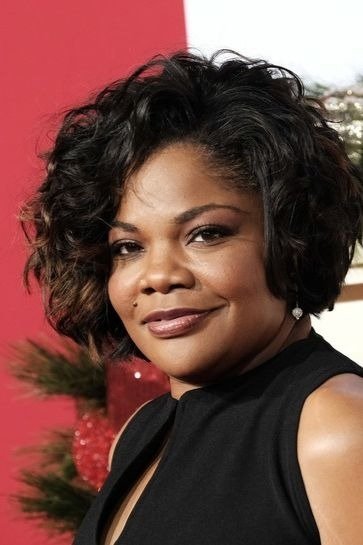
After winning widespread acclaim for ‘Precious’, Mo’Nique claimed she was punished for not campaigning the way the industry expected, a stance that sparked long-running debates about gatekeeping. Later, she accused a major streamer of offering her a fraction of what peers received, calling it race and gender bias.
By urging a boycott and taking her fight public, she forced pay-equity conversations into living rooms and boardrooms. Whether people agreed with her tactics or not, Mo’Nique made compensation transparency and negotiation leverage impossible to ignore.
Brendan Fraser
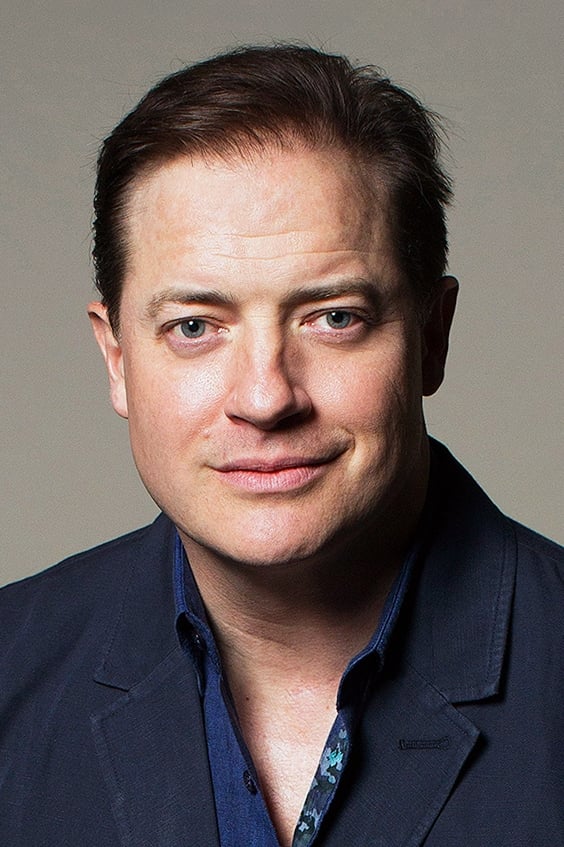
Brendan Fraser alleged he was assaulted by a powerful figure tied to a major awards body and said he felt blacklisted afterward. His account resonated as a case study in how gatekeeping and informal power networks can chill careers.
His comeback—celebrated for the craft, not just the narrative—also underscored how accountability and healing can coexist with artistry. Fraser’s story broadened the industry reckoning beyond headline names to the systems that protect them.
Rose McGowan

Rose McGowan’s criticisms of Hollywood’s power brokers predated a wider cultural reckoning, and she paid a steep professional price for speaking up. She described an ecosystem built to shield abusers, muzzle survivors, and intimidate dissent.
Her activism pushed for structural change—safer sets, stronger reporting mechanisms, and fewer NDAs weaponized against victims. McGowan made the “open secret” a documented problem, shifting whispers into testimony.
Dave Chappelle
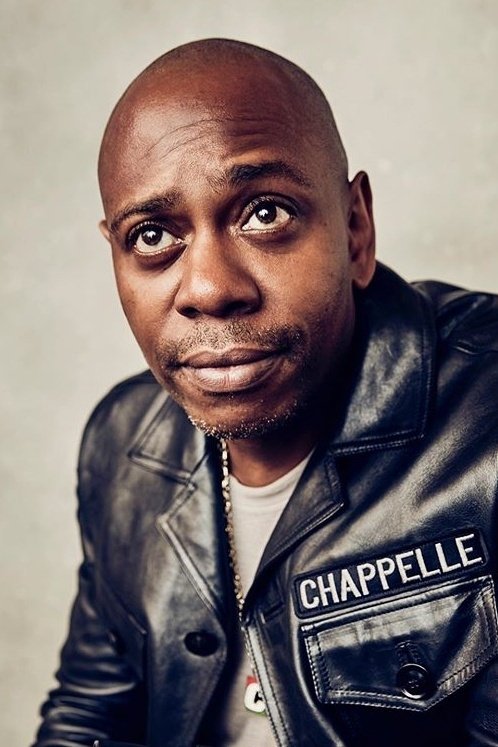
Dave Chappelle walked away from a hit series—’Chappelle’s Show’—rather than accept terms and pressures he found unacceptable. Years later he urged audiences not to stream the show until he was properly compensated, reframing fan loyalty as leverage for creator rights.
Chappelle’s stance challenged the assumption that contracts are the final word when power is uneven at the negotiating table. His approach reminded performers that ownership and consent aren’t luxuries; they’re the bedrock of sustainable careers.
Ricky Gervais
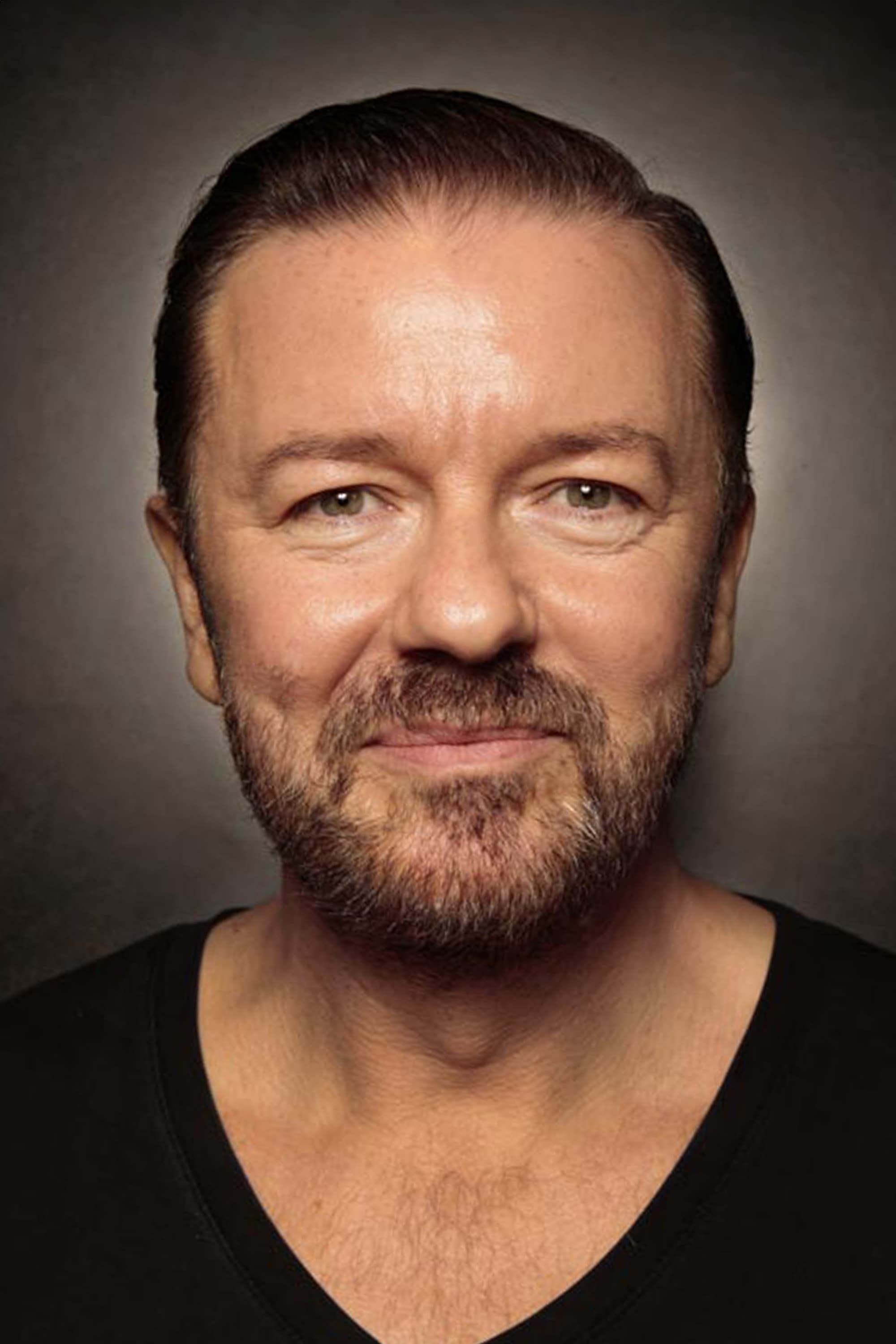
Ricky Gervais used awards-show monologues to scorch Hollywood’s self-importance, pointing at double standards, performative virtue, and cozy relationships with corporate power. The jokes landed because they felt close to the bone—an insider mocking the club from the stage.
By puncturing the room’s bubble in real time, he made the industry’s image-management look brittle. Agree or not, his roasts forced audiences to see the distance between speeches and practices.
Jim Carrey
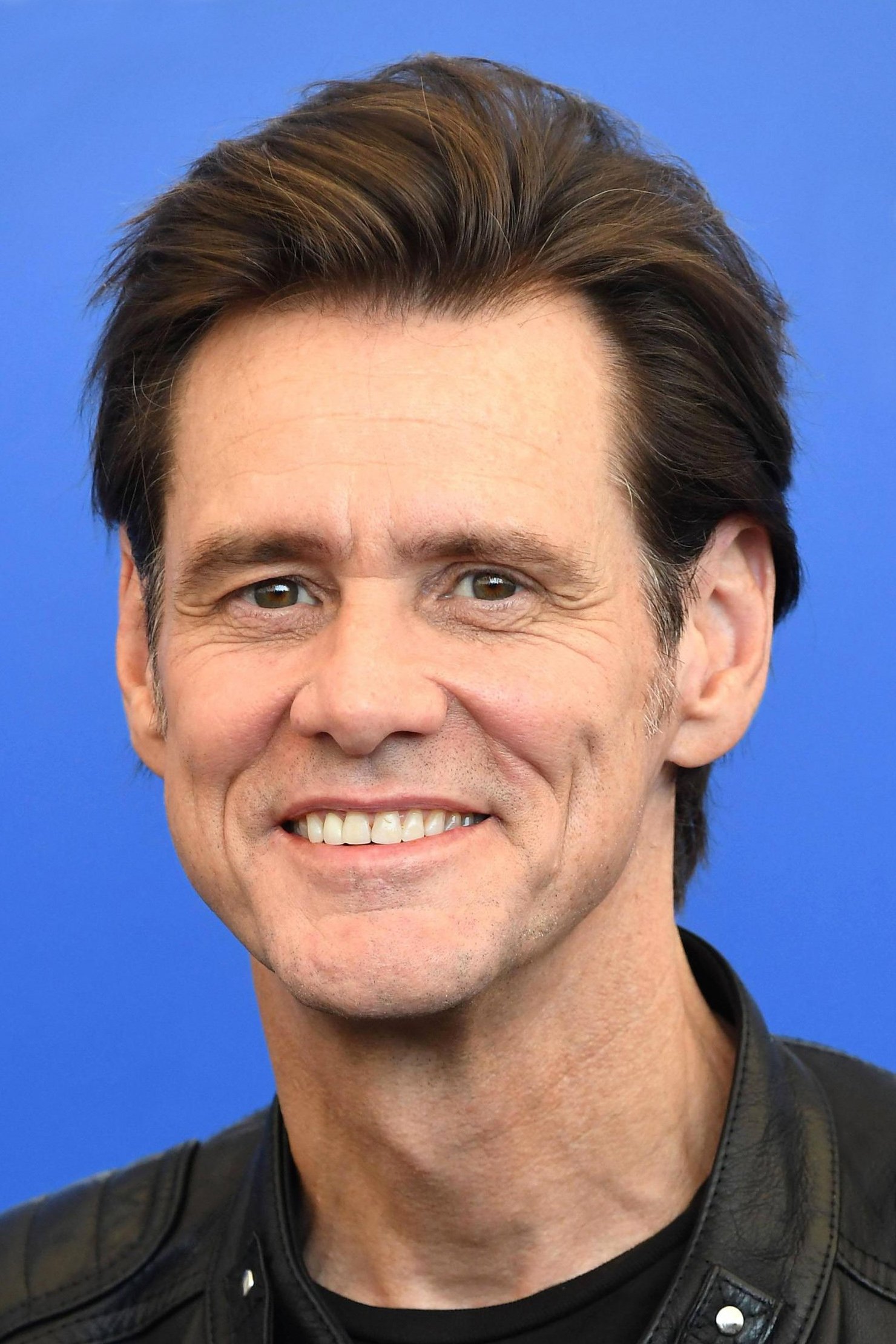
Jim Carrey has repeatedly questioned the value of awards culture and the hollow incentives that drive it. On talk shows and in speeches, he’s pushed back against fame’s spiritual costs and the industry’s obsession with status.
That critique—delivered with humor and disarming sincerity—invites younger performers to separate craft from applause. Carrey’s message is simple: if your compass is trophies, you’ll get lost.
Megan Fox

Megan Fox spoke about being sexualized early and dismissed when she tried to describe uncomfortable experiences on set, including with big-name directors. For years her concerns were treated like tabloid fodder instead of warnings.
As the culture shifted, her accounts were reappraised as early alarms about safety and respect. Fox’s insistence on being heard forced a reconsideration of how the industry listens to women who don’t fit its script.
Charlize Theron

Charlize Theron has pressed for equal pay and more complex roles for women, negotiating parity with male co-stars and calling out limiting stereotypes. She’s also advocated for safer, more accountable workplaces.
By pairing star power with hard-nosed dealmaking, Theron demonstrated that change happens in contract language as much as in press quotes. Her example turned “ask for more” into “insist on terms.”
Jennifer Lawrence

After emails related to ‘American Hustle’ revealed pay disparities, Jennifer Lawrence wrote candidly about negotiating too gently for fear of seeming “difficult.” The essay crystallized how social conditioning bleeds into business outcomes.
Lawrence’s honesty made room for others to be blunt about money without apology. She shifted the conversation from abstract fairness to concrete numbers and tactics.
Jada Pinkett Smith
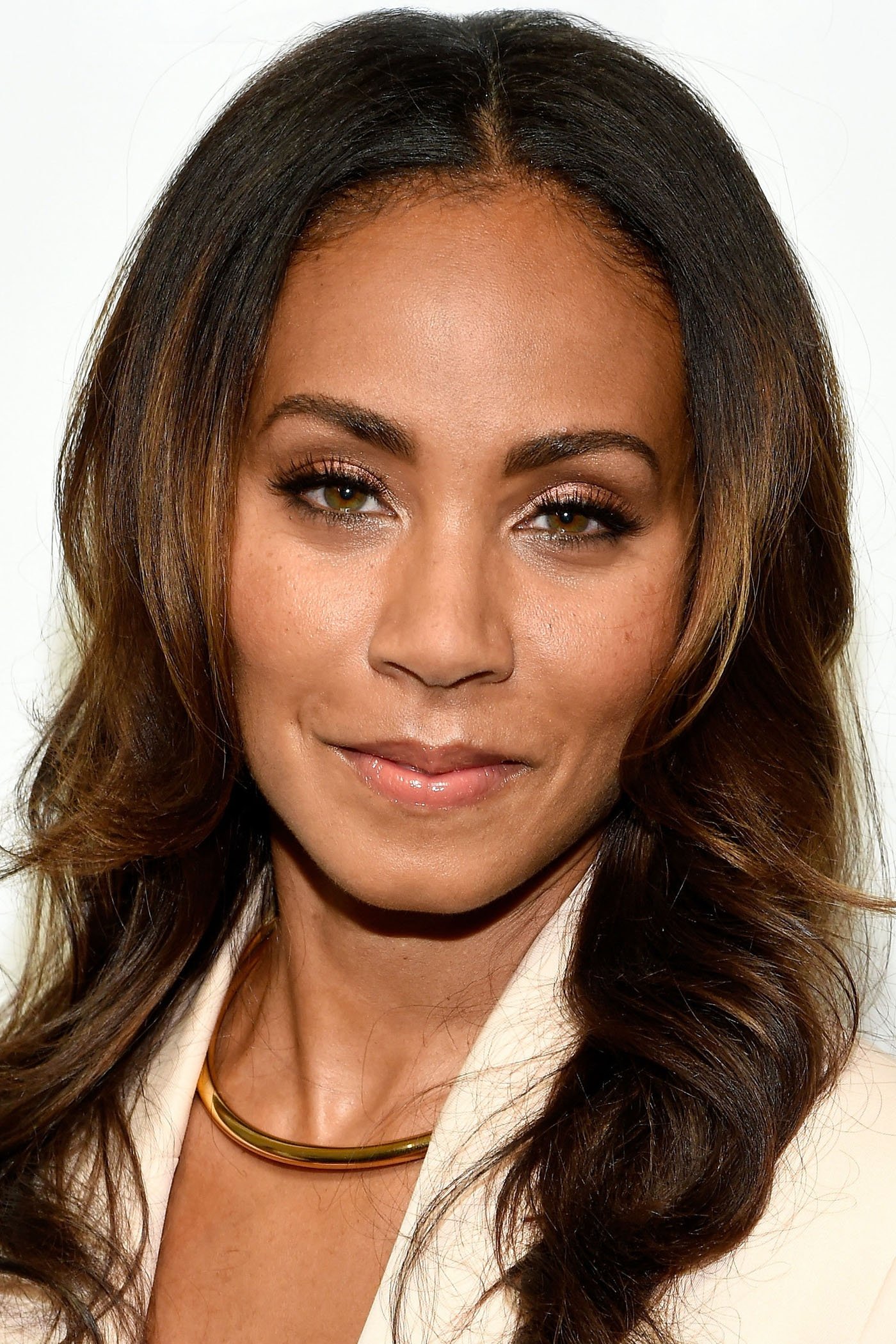
Jada Pinkett Smith publicly boycotted the Oscars, amplifying a broader movement demanding inclusion in nominations and hiring. Her stance reframed awards optics as a symptom of pipeline and power issues.
By making absence visible, she helped turn representation into a measurable priority. The message wasn’t simply “invite more people to the party”—it was “share the keys to the venue.”
Terry Crews
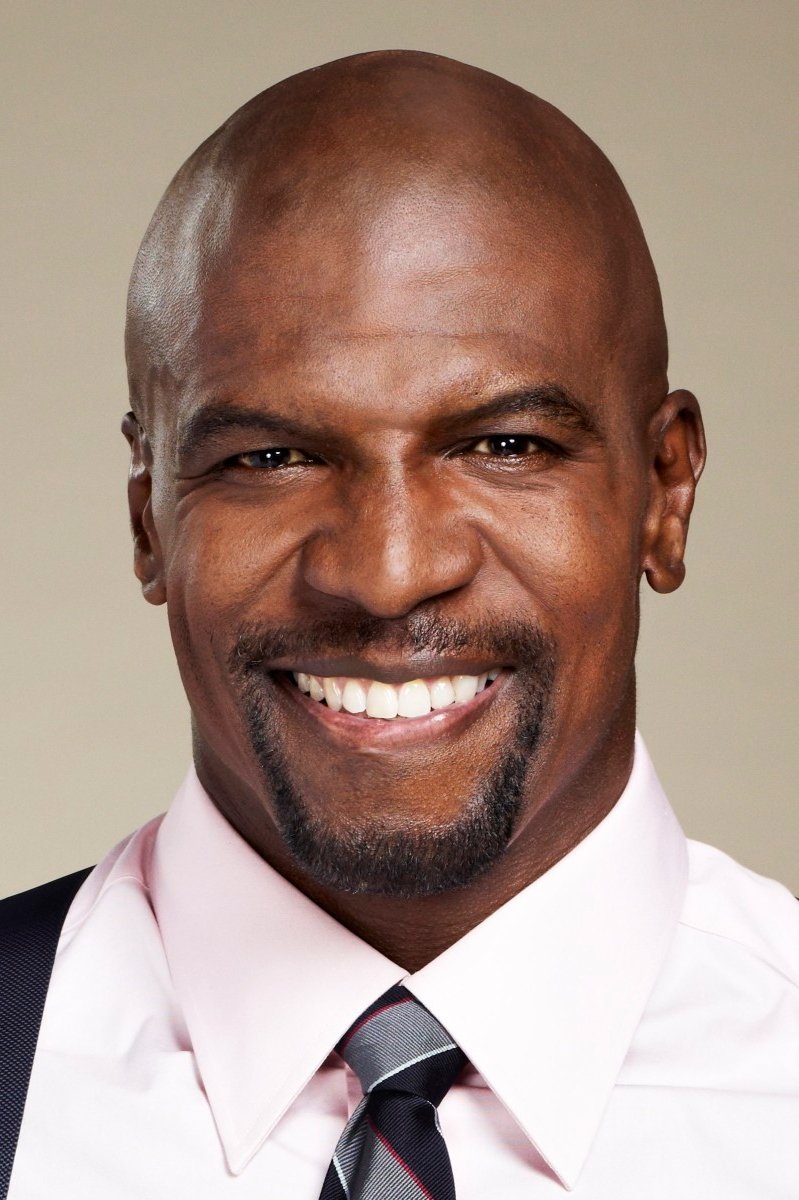
Terry Crews disclosed being assaulted by a powerful agent and detailed the professional retaliation that followed when he reported it. His testimony challenged the stereotype that only less powerful people can be victimized.
Crews used his platform to advocate for stronger protections, model integrity in the face of pressure, and support others coming forward. His story broadened who gets believed—and who gets protected.
Scarlett Johansson

Scarlett Johansson publicly challenged a studio over the release strategy for ‘Black Widow’, arguing that shifting the film to a simultaneous rollout undermined her contract. The dispute highlighted how streaming upended long-standing compensation models.
By taking the fight public, Johansson helped push for updated terms reflecting new distribution realities. The case put “backend” and “bonus structures” into everyday vocabulary for talent across the board.
Katherine Heigl

Katherine Heigl called ‘Knocked Up’ sexist and later withdrew her name from awards consideration for ‘Grey’s Anatomy’, saying she hadn’t been given material worthy of a nomination. The blowback was swift, branding her “ungrateful.”
With time, her critiques have been reassessed as early, if blunt, pushback against the penalty women face for speaking plainly about creative standards and workplace respect. Heigl’s experience shows how quickly critique can be recast as attitude.
Corey Feldman
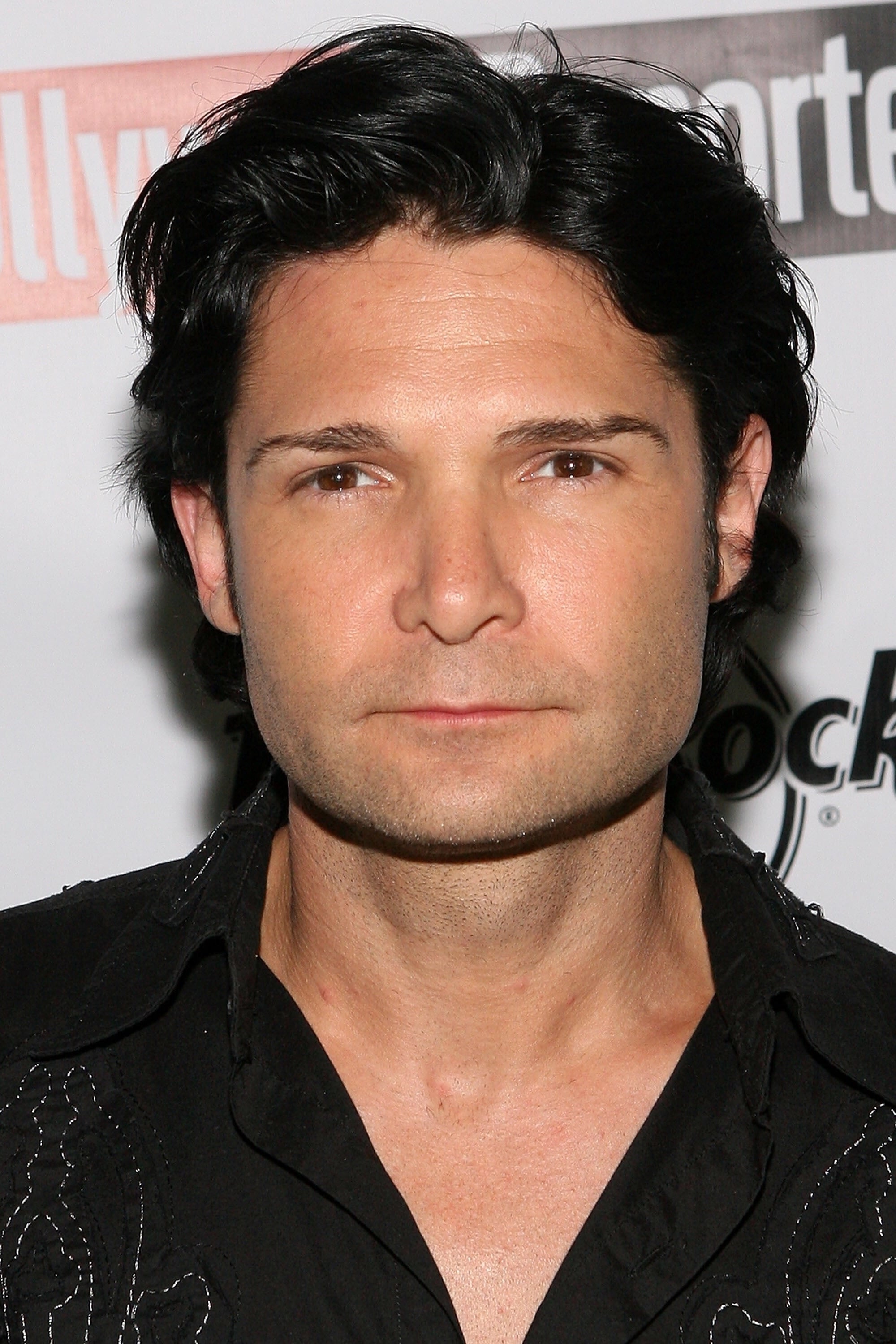
Corey Feldman has long warned about child exploitation in the industry, arguing that young performers need stronger safeguards. He recounted his own experiences to underline how power can be abused in the shadows.
By keeping the issue alive through advocacy and testimony, Feldman pressed for better reporting channels, chaperone norms, and oversight. His persistence kept a difficult subject from slipping off the agenda.
Share your take: which moments of speaking out changed how you see the industry, and who else belongs on this list—tell us in the comments.